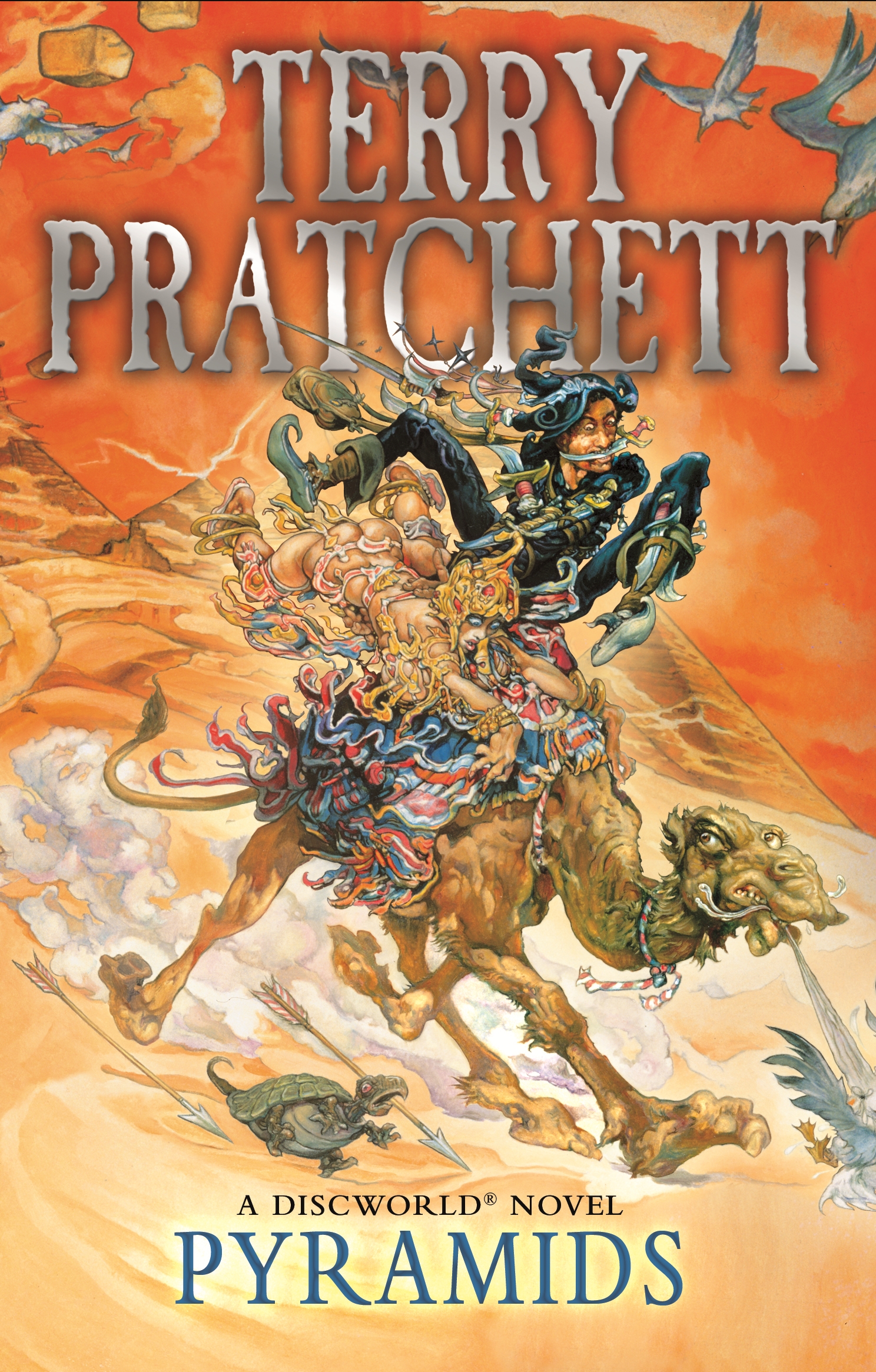
Pyramids by Terry Pratchett

Publisher: Gollancz/Penguin Audio (Audiobook – 1989)

Series: Discworld – Book Seven

Length: 9 hours and 8 minutes (Planer version)/9 hours and 53 minutes (Enoch version)

My Rating: 5 out of 5 stars

Amazon

After having an amazing time checking out the new audiobook versions of Guards! Guards!, Small Gods and Moving Pictures, I continue my latest revisit to Terry Pratchett’s Discworld series.  This time, I examine another one of my favourites with the deeply entertaining seventh novel in the overall series, Pyramids.  An outstanding standalone Discworld novel, Pyramids is a brilliant read that sees a young king go forth and then return to the insanity of his kingdom in a fun satire of ancient Egypt and its perception in Western media.

There are many mysterious realms on the magical Discworld, which travels on the back of four giant elephants standing on the back of a giant turtle.  However, few are more ancient than the tiny river kingdom of Djelibeybi.  Formerly a great empire that ruled over an entire continent, Djelibeybi is a mere shadow of its former self, its wealth drained away by the pyramids constructed to house its dead kings.  Nothing ever changes in Djelibeybi, that is until its young prince decides to get an education.

Prince Pteppicymon (Teppic), future ruler of the kingdom, has been sent away to the Assassins Guild of Ankh-Morpork, both to get the finest education on the Disc, and to learn a way to finally make his kingdom some money.  However, upon graduating, Teppic is forced to return to home when his father suddenly dies in embarrassing circumstances.

Now the god king of Djelibeybi, Teppic hopes to modernise his kingdom and introduce the comforts of the outside world.  However, Teppic has returned to a strange land he no longer understands and finds his desire for modernisation stymied by the controlling high priest Dios, whose intense love of tradition has long restricted Djelibeybi.  However, despite the best attempts of Dios, change is coming to the old kingdom, as a dark figure in the finest black stalks the city, while a massive new pyramid begins to mess with reality.  When disaster strikes, the people of Djelibeybi find themselves beset by both their gods and their dead, and only their king can save them.  But first, Teppic will need to work out how to find his kingdom again.

Pyramids continues to stand the test of time as one of my favourite Terry Pratchett books, as this compelling and wildly entertaining Discworld novel takes you on a wild ride through ancient kingdoms and eternal tradition, and every dangerous thing that comes with them.  An outstanding addition to the series that keeps you laughing the entire way through, Pyramids was peak Pratchett and gets another easy five-star rating from me.

I love the outstanding narrative that Pratchett came up with for Pyramids, which tells a fun adventure tale in an entertaining ancient Egypt facsimile.  While the narrative structure of Pyramids is slightly more basic than some of Pratchett’s other books, I think it is still quite a compelling story that keeps the reader entertained from start to finish.  Broken into several sections, Pyramids starts with an excellent introduction that showcases Teppic attempting to take his final exam at the Assassin’s Guild.  This proves to be a great fun opener, and I loved how Pratchett interspersed the over-the-top test with multiple flashbacks that showcase both Teppic’s childhood in Djelibeybi and his early days at the guild.  This works to set up a lot of key early story elements, while also serving as a memorable start, as the cool scenes of assassin testing are some of my favourites in the entire book.  This first section of Pyramids ends with Teppic finding out his father has died through an unlikely divine messenger, and he returns to Djelibeybi to take the throne.

Pratchett follows up this impressive introduction with a good central part of the story as you return to Djelibeybi proper and Teppic learns the downside to being a king.  Pratchett really works to explore the downsides of the kingdom, as Teppic begins to realise he is just a puppet with the high priest Dios truly in control.  There are some hilarious moments here, especially when it comes to the ridiculous traditions and history of Djelibeybi, and Teppic works well as a great outsider character who finally sees how silly everything is, although he is still bullied into constructing the biggest pyramid ever.  Pratchett also takes the time to introduces a colourful array of supporting characters with some compelling story arcs, including two ambitious embalmers, a disfunction family of pyramid builders, and the handmaiden Ptraci, who Teppic accidentally sentences to death.  His desire to save her leads to many of these issues coming to a head, with Teppic forced to flee from Dios, only to find himself trapped outside of the kingdom when the Great Pyramid goes off and splits Djelibeybi into its own reality.

This brings Pyramids into a compelling interim phase, as Teppic and Ptraci find sanctuary in Ephebe, while the trapped kingdom goes to madness, as all their many beliefs come to life, although not in the way they’d hoped.  I liked the fantastic contrast between the supernatural craziness going on in Djelibeybi and the more human-based chaos Teppic encounters in Ephebe as he tries to get answers out of the philosophers, before finally returning to the kingdom to save the day.  Eventually able to return thanks to a thirsty camel and an easily confused sphinx, Teppic works to destroy the Great Pyramid.  At the same time, several of the ongoing Djelibeybi storylines come together nicely, as the dead of the kingdom, including Teppic’s father, discover the truth about why they were mummified, and this leads to an outstanding and eventually explosive concluding sequence.  Pratchett wraps this up nicely with all the key characters getting the ending they deserve, and he leaves this story on yet another hopeful note that hints at an interesting future for the characters and the kingdom.

As with all the Discworld books, Pratchett does a wonderful job of telling a fun and compelling story in Pyramids that hooks you early with its fantastic elements, entertaining plot, complex satire, and great characters.  An interesting standalone entry in the Discworld series, Pyramids has a more straightforward story that is well split amongst an interesting cast of figures, each of whom find their role in the kingdom altered in some way, and I loved the chaotic plot that emerged.  Pratchett has a lot of fun exploring some great themes in Pyramids, including people attempting to break free of tradition (literally), and finding yourself.  The critique of unnecessary and restricting tradition works well as a central story element, and Pratchett leans into it heavily, showcasing how it can styme progress and lead to a slow death of a culture.  Thanks to that author’s great use of humour, you really begin to appreciate just how damaging or ridiculous some traditions can be, and I always get a chuckle at the hilarious sequences where Teppic’s over-long title is repeatedly read out again and again.

While there is some focus on death and assassination, for the most part Pyramids is a really light-hearted entry in the series, especially as Pratchett leans into the examination of ancient Egypt with its doppelganger in Djelibeybi and resulting satirisation of how ancient Egypt is portrayed in modern culture brings much of the book’s laughs.  Most of this becomes really apparent thanks to Teppic’s newly found modern sensibilities, but Pratchett also throws in some puns and lines that people with some knowledge of ancient Egypt will appreciate, and frankly I find a fun new joke every time I read this amazing book.  Many of Pratchett’s more modern takes on some of more well-known elements of Egyptian culture are very fun, with a lot of jokes about mummies, the economics of pyramid building, and what handmaidens do, proved to be really entertaining.

Much of the rest of the major jokes of Pyramids revolved around the varied reactions to the crazy events that seem to occur everywhere in the Discworld.  I personally laugh myself silly at the spontaneous football commentary that emerges when the various gods of Djelibeybi start to fight over the sun, and the resulting moments of theological debate end in a funny and snappy way.  The sequence with the Sphinx also makes for quite an entertaining inclusion, and Teppic’s assessment and rewriting of the classic riddle into a much more correct metaphor proves to be a lot of fun.  Finally, the opening assassin’s examination sequence is both tense and funny, and there is something about Pratchett imagining undergraduate assassins getting tested in a similar manner to student drivers that really shows off the inherent silliness of this series.  Throw in Pratchett’s usual array of clever puns, well-placed footnotes and witty dialogue, and Pyramids turns into a particularly funny read that still makes me laugh after all these years.

Out of all the amazing Discworld novels, Pyramids might be one of the best entries for a reader to start to explore this amazing series.  The very first standalone Discworld novel, Pyramids can be easily read without any knowledge of any of the previous books, and you really get a good sense of the larger setting and Pratchett’s ability to craft elaborate parodies of certain cultures or genres in a brilliant, self-contained manner.  While some of the elements of Pyramids are reutilised in some of the later books (the philosopher-filled city of Ephebe for one), for the most part none of the characters or storylines here are ever revisited, and you can really dive into Pyramids at any point of your Discworld reading experience.  The opening extended sequence set around Teppic’s exams and flashbacks does provide one of the best examinations of the Assassin’s Guild, a fun institution in the Discworld series, and it was really fun to see them in action here, even if the assassins do get slightly nerfed in some of the future books (especially the City Watch ones).  I do personally think that Pyramids was one of his true early classics, and this book lays at the start of a very big run of some of Pratchett’s best works, especially as he fully finalised his preferred style here.  As such, this is a great read for Discworld readers of all experiences, especially those looking to dip their toe into this amazing universe, and this is a very impressive example of Pratchett’s style and humour.

I do have to also provide a quick shoutout the fantastic array of characters featured within Pyramids, whose compelling storylines and well-thought-out story arcs really compliment the main narrative and help Pratchett explore his intricate central themes.  The main character, Teppic, serves as a great central figure for Pyramids, and his unlikely outsiders perspective allows for much of the plot change and chaotic moments.  Ptraci’s journey from passive handmaiden to unstoppable force of nature was very well handled, and I loved how Pratchett showcased just how much impact a suddenly confident woman can have on the world.  I also always find it quite hilarious that the previous king, Pteppicymon XXVII, only truly finds himself in death, and his later interactions with the embalmers Dil and Gurn lead to some truly heartwarming moments.  The Ptaclusp dynasty of pyramid builders added some fun family chaos to the mix, and their representation of the new generation taking over from the old was quite entertaining, even if the brothers (Ptaclusp IIa and Ptaclusp IIb) had differing views on what the future should be.  Teppic’s classmates from the Assassin’s Guild also added some excellent colour, especially the overconfident Chidder, although I felt that it was a shame that most of those great characters introduced in the opening part of the book where never utilised again.

Out of all the characters featured within the book, my favourite was probably Dios, who can probably be considered the antagonist of Pyramids.  The High Priest of Djelibeybi, Dios is the main administrator of the country, who strictly adheres to tradition and ritual and doesn’t allow Teppic to make any changes or independent decisions.  A strict and rigid person capable of bending anyone to his will, Dios is restricting tradition personified, and the lengths he goes to keep Djelibeybi the same is quite fascinating, while his struggles to keep Teppic in line lead to some amusing moments.  I honestly feel that Dios was one of Pratchett’s more compelling antagonists, as while he does some bad things he’s not actually a bad person; instead he’s someone stuck in the trap of always doing things a specific way and is incapable of thinking any other way.  You honestly feel a little sympathetic for him at times, especially when the full scope of his service is revealed, and while he continues to make the wrong decisions for the future of Djelibeybi, you can kind of understand why he is the way he is.  The final fate of Dios was really well written, if a little horrifying if you actually stop to think about it, although it fulfills his wish of everything staying the same.  A truly complex figure who plays off the rest of the outrageous and outgoing characters extremely well, Dios really tied this book together and I loved how well Pratchett featured him in Pyramids.

Unsurprisingly to anyone who has read my other rambling Discworld reviews, I have a lot to say about Pyramids on audiobook.  Audiobooks are my favourite way to enjoy any book, with the Discworld audiobooks being an exceptionally good example of how this format can make an already awesome novel even better.  Like the rest of the series, Pyramids has two really good unabridged audiobook versions, both of which come really recommended by me as brilliant ways to check out a classic book from Pratchett.

The first of these audiobook formats is the old-school version narrated by the legendary Nigel Planer.  I have mentioned Planer a few times over the years due to his exceptional work voicing over half the unabridged Discworld audiobooks and he remains one of my favourite audiobook narrators as a result.  His ability to come up with new character voices for every single audiobook was just incredible, and I love all his cool vocal choices, especially in Pyramids.  His take on the various characters was quite inspired, and you really get all the characters’ unique personalities, including Teppic’s modern spirit, Dios’s controlling reliance on tradition, the exasperation of the dead former king, and the overpowering personality of Ptraci.  Planer also perfectly showcases all the best jokes in Pyramids, including the fantastic over-the-top sequences where Dios repeats Teppic’s title, or the hilarious scene where the priest provides commentary for the divine fight for the sun.  I have so much love for all of Planer’s original Discworld work, and Pyramids is a particular favourite of mine as he takes that verbal gags that Pratchett sets up and makes them his own.

While the Planer version of Pyramids was the one that I grew up with, I have also had the pleasure of listening to the newer Pyramids audiobook that provides a fresh take on the story.  Part of the same Discworld audiobook series I have recently enjoyed for Guards! Guards!, Moving Pictures and Small Gods, this new version of Pyramids was also extremely good with some great voice work and a compelling pace.  Featuring a runtime just shy of 10 hours, this new audiobook is slightly longer than the Planer version and features the amazing voice work of Alfred Enoch, Bill Nighy and Peter Serafinowicz, with Enoch acting as the main narrator.

Enoch, who is probably best known for his role in the Harry Potter films, did an outstanding job as the main narrator for Pyramids, and I really appreciate his take on the compelling story.  His more youthful voice gave this version of Pyramids some additional energy, and you really move through the main story extremely quickly as a result.  I also really enjoyed how some of the protagonists turned out in this version of Pyramids, and while Enoch lacks the full range of fun character voices that Planer had, he still provides some impressive and fitting tones that expertly captures the various characters.  I felt that his voice for Teppic was especially well done, with his hopeful personality really shining through, while his voice for Dios had the commanding and controlling edge that it needed.  I felt that Dios was probably Enoch’s best voice, especially when it comes to the repetitive gag of having to intone Teppic’s full title.  I also actually quite like the voice he used for Ptraci, which was markedly different to the voice that Planer utilised in his version.  Enoch’s Ptraci voice was a little more curious and confident at times, and I got a much different personality vibe in this version which was quite interesting.  Enoch also ensured that his version of Pyramids stood out by pronouncing some of the character names in a different manner to Planer, mainly because he kept the P silent when it appears at some of the names (for example, Ptraci becomes Traci).  While this was a noticeable difference from the Planer version, I really liked it, as it actually captured Pratchett’s intended pronunciation based on how P is used in ancient Egyptian.  This ended up being an exceptional performance from Enoch, and one that I had a lot of fun with.

On top of Enoch’s main narration, this version of Pyramids also featured the voices of Bill Nighy and Peter Serafinowicz, who have the same roles in every audiobook of this new run.  Both play key parts in this audiobook, with Nighy voicing the various footnotes, while Serafinowicz was the voice of Death whenever he appeared.  Both provided an exceptional performance here, with Nighy in particular giving some excellent gravitas to the essential and humour-laden footnotes.  Serafinowicz’s role in Pyramids was a little more limited, mainly because Death only appeared a couple of scenes, but he really captured this awesome anthropomorphic personification perfectly when he did appear, providing a booming and impactful Death voice that was a lot of fun to hear.  Both Bill Nighy and Peter Serafinowicz’s inclusions were worked into Enoch’s overarching narration extremely well, and I felt that the three complemented each other nicely throughout the audiobook.  This ended up being an overall impressive take on Pyramids, and the new narrators really knew what they were doing here.  As such, this version also comes recommended, and while the Nigel Planer version is still living in my head rent free, this new take on Pyramids was very fun and I enjoyed hearing some new voices take it on.

Overall, Pyramids proved to be quite an awesome book, and I really think it was one of Terry Pratchett’s better early Discworld novels.  Featuring an outstanding story with some fantastic humour, Pyramids is an absolute joy to read, and I loved seeing the author’s distinctive parody of ancient Egypt.  Clever and loaded with complex comedic gold, Pyramids still cracks me up every time I read it, and I cannot recommend this book enough to anyone interested in checking out the exceptional Discworld books, especially in either of its epic audiobook formats.
Amazon

Top Ten Tuesday – My Favourite Audiobooks with Special Narrators

Top Ten Tuesday is a weekly meme that currently resides at The Artsy Reader Girl and features bloggers sharing lists on various book topics.  For this week’s Top Ten Tuesday, participants get a freebie list that they can build around a specific genre.  As such, I’m going to go back to my favourite format for enjoying all things fiction and craft a list around audiobooks, which fans of this blog will know I have a major liking for.  In particular, I am going to look at those very awesome audiobooks that make excellent use of a special narrator.

All audiobook fans know that the one thing that can make or break an audiobook is the narrator.  A talented narrator with a great voice can turn any book into something spectacular, while a bad narrator can tank even the very best story.  In some very awesome cases, the audiobook’s producers manage to get their hands on someone particularly special to narrate their product for them, and this usually works out to be pretty damn epic.  Now, when I talk about special narrators, I’m talking about either major celebrities, or someone who already has a significant connection with the book/franchise, and whose inclusion ensures that the listener can really get absorbed into the resultant audiobook.  I have had the very great pleasure of listening to several amazing examples of these special narrators turning already epic books into first-class listens, and I thought this would be a fantastic time to highlight them here.

To appear on this list, the audiobook had to feature the voice of a celebrity or an actor best known from another media, and whose inclusion as a narrator was particularly significant.  I chose to exclude a couple major audiobook productions that went out of their way to get a ton of celebrity voices, such as World War Z or The Sandman, mainly because they recently appeared on another Top Ten List, but also because that felt a little like cheating.  Despite this, I still had a good collection of first-rate audiobooks that featured very special narrators.  All these epic and unique narrators helped to deeply enhance the audiobook they lent their voices to, and I would strongly recommend the resulting products as a result.  So let’s see who made the cut.

Honourable Mentions:

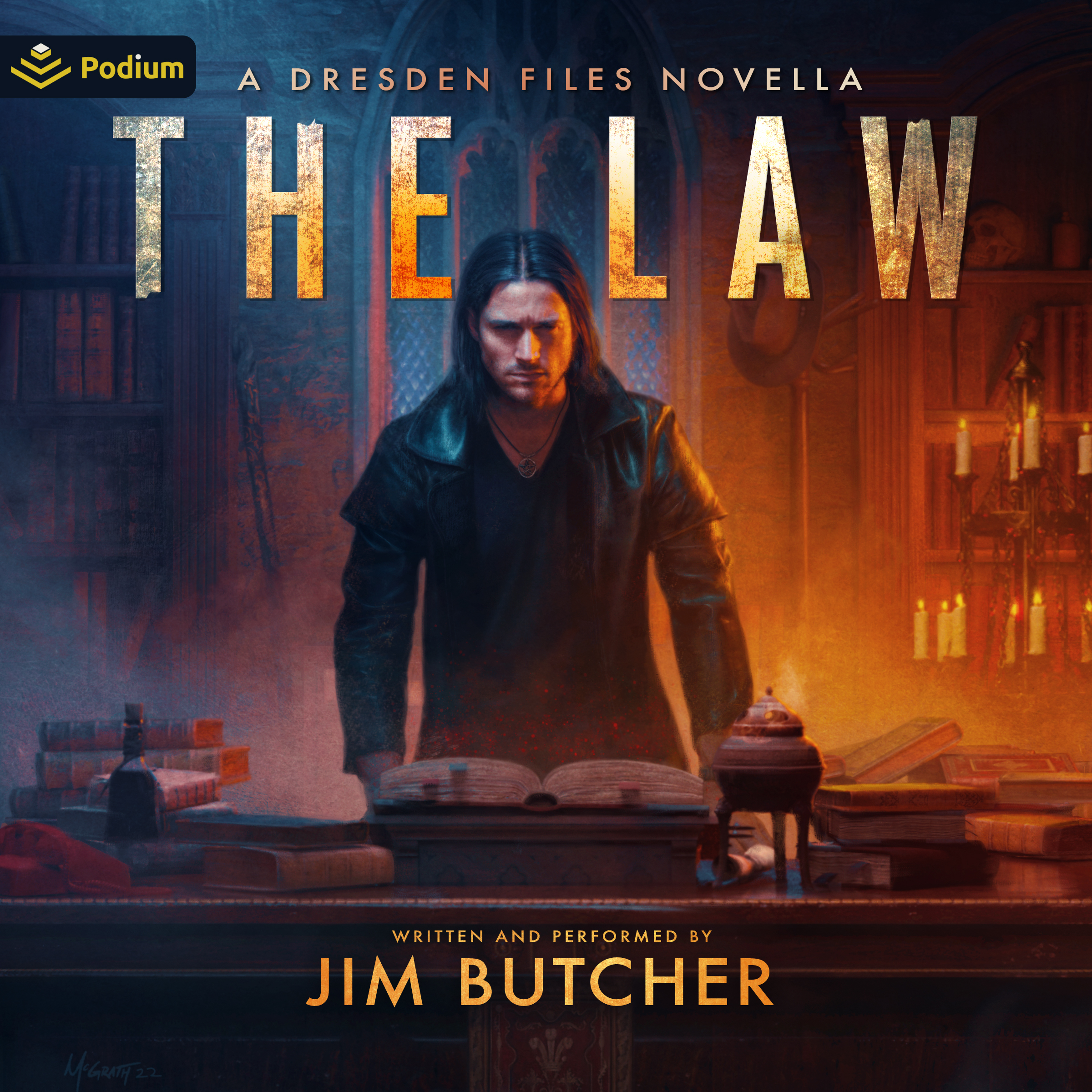
The Law, written and narrated by Jim Butcher

The Law Cover

It often doesn’t work when an author narrates their own audiobook, especially if their series is already well known for having an excellent narrator, but I felt Jim Butcher did a pretty good job voicing his most iconic character in this audio adaptation of The Law novella.

Amazon


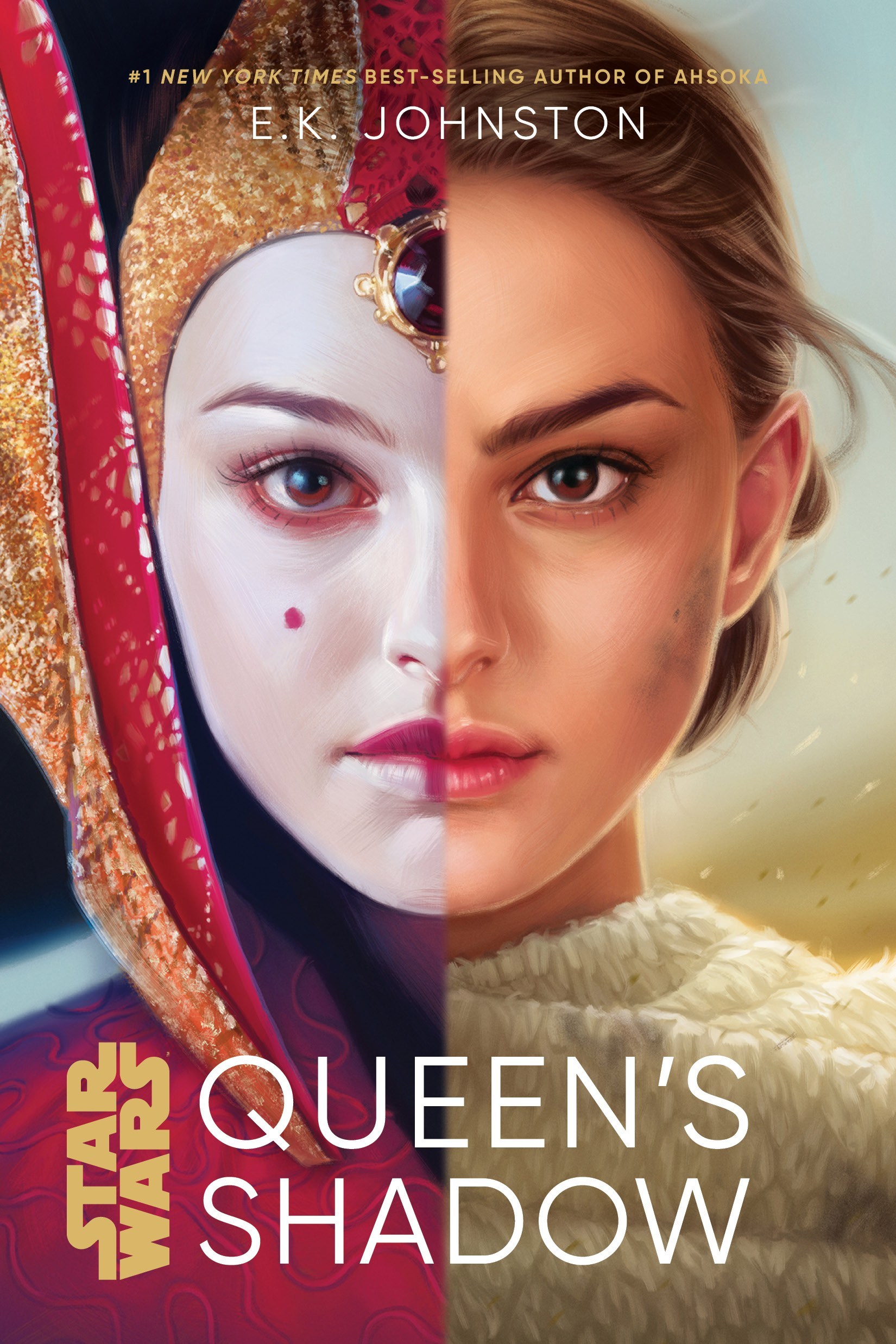
The Padmé Trilogy, written by E. K. Johnston, narrated by Catherine Taber

QueensShadow Cover

The Padmé trilogy of Star Wars novels was an intriguing young adult series that worked to expand on the story of Padmé Amidala from the prequel trilogy.  Now, while this series from E. K. Johnston, made up of Queen’s Shadow, Queen’s Peril and Queen’s Hope, is quite good in its own way, the audiobook versions are deeply enhanced by the inclusion of narrator Catherine Taber, the voice of Padmé from The Clone Wars animated series.  Taber really brings this iconic character to life again in this new format, and her voice work deeply enhances this fantastic read.

Amazon


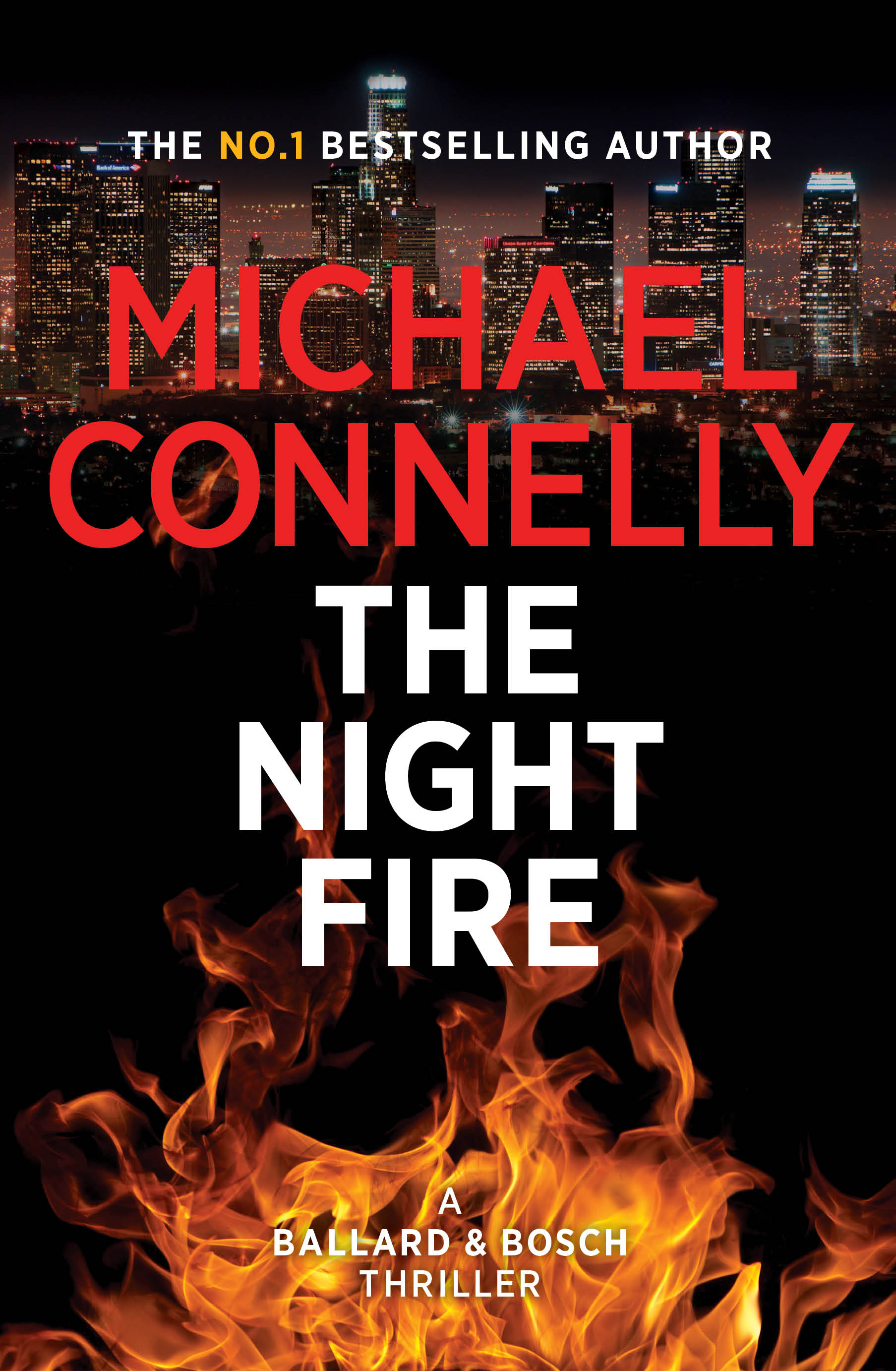
The Night Fire, written by Michael Connelly and narrated by Titus Welliver and Christine Lakin

The Night Fire Cover

The audiobook versions of Michael Conelly’s books are usually pretty damn awesome, but I had a particularly good time with The Night Fire, mainly because it had a great voice cast behind it.  While Christine Lakin does an excellent job, for the purposes of this list I am mainly highlighting the inclusion of Titus Welliver, who plays the character of Harry Bosche in the Bosche television series.  His use as a narrator here is brilliant, and I loved the continuity in these latest audiobooks.

Amazon


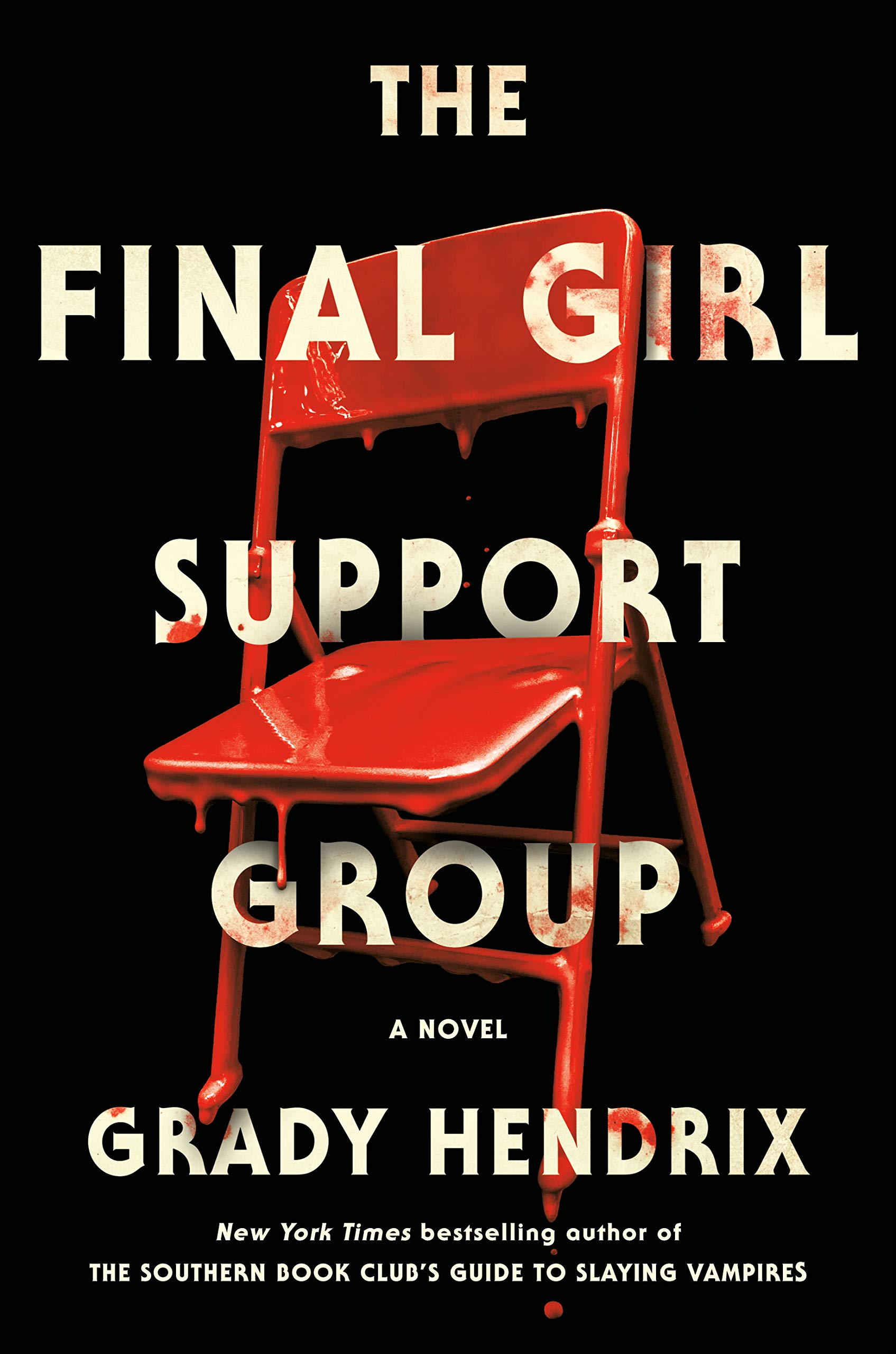
The Final Girl Support Group, written by Grady Hendrix and narrated by Adrienne King

The Final Girl Support Group Cover

Grady Hendrix’s outstanding horror thriller, The Final Girl Support Group, featured a ton of amazing homages to classic slasher films, but its best is probably the inclusion of Adrienne King as the audiobook narrator.  King, who is best known for her role as the final girl in the original Friday the 13th film was an inspired choice for narrator, and I loved the added authenticity her performance gave this fantastic audiobook.

Amazon

Top Ten Tuesday:

The Lord of the Rings, written by J. R. R. Tolkien and narrated by Andy Serkis

The Lord of the Rings - The Return of the King

Let’s start with a true classic and focus on the latest The Lord of the Rings audiobooks.  While The Lord of the Rings books are always pretty damn awesome, these new audiobooks are further enhanced by the inclusion of legendary actor Andy Serkis as narrator.  Serkis gives a 110% performance in these audiobooks, gifting wonderful voices to all the characters, not just Gollum, and even trying to emulate the voices of fellow Lord of the Rings film cast members.  His exceptional voice work and elaborate performance greatly enhances these amazing audiobooks, and The Unseen Library strongly recommends this format as a result.

Amazon


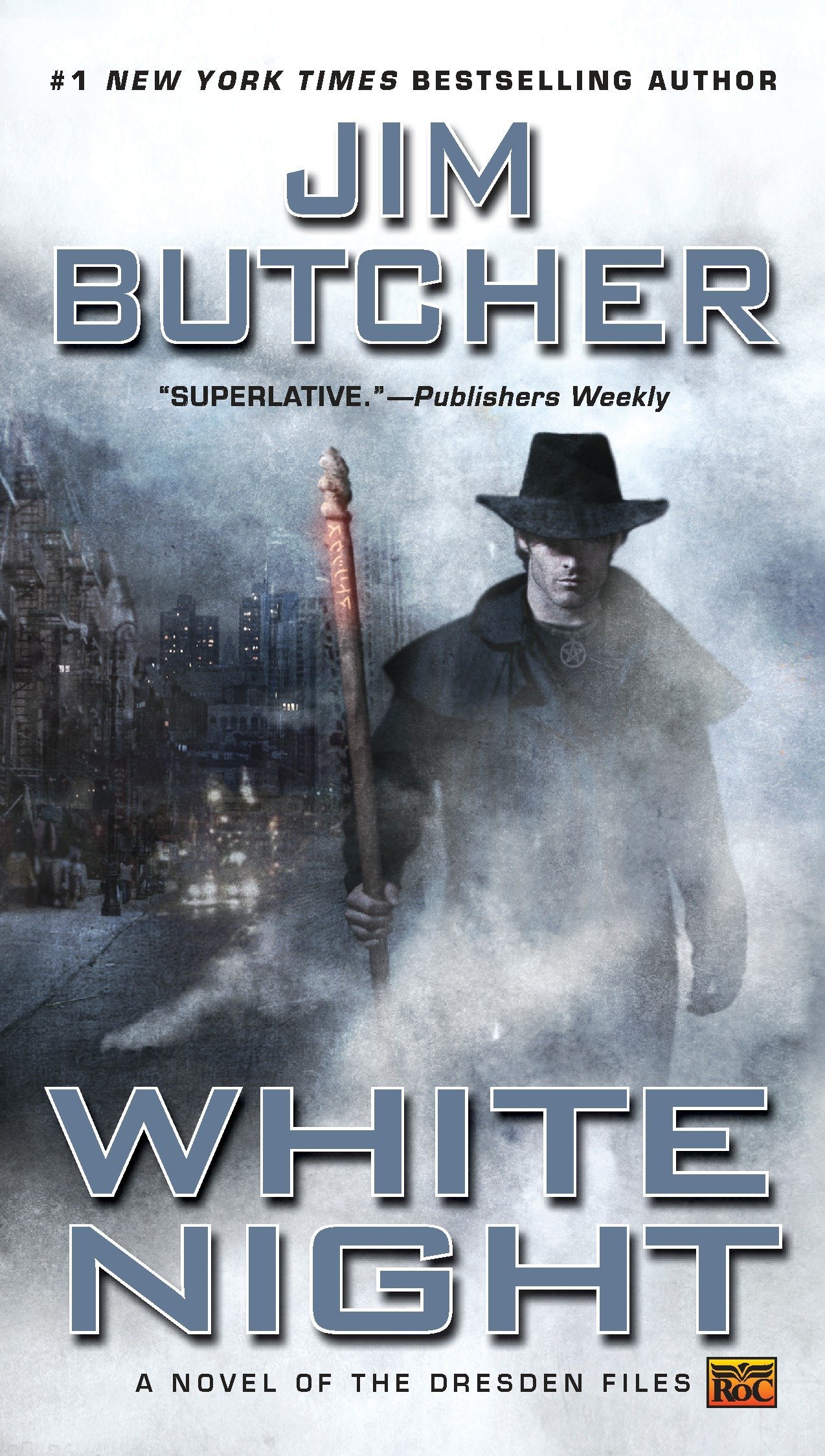
Dresden Files audiobooks, written by Jim Butcher and narrated by James Marsters

White Night Cover

I doubt anyone familiar with my blog will be too surprised that I am featuring the Dresden Files audiobooks on this list.  I have had such an epic time with this series over the last few years, and part of the reason why is because each of the audiobooks is narrated by actor James Marsters, who I have been a huge fan of since Buffy the Vampire Slayer first came out.  Marsters is such a talented narrator, and he really dives into the various characters featured in the Dresden Files books, including series protagonist Harry Dresden.  The actor’s fun and emotional take on the protagonist really makes these audiobooks come to life, and every single one of them that I have listened to, including Storm Front, Fool Moon, Grave Peril, Summer Knight, Death Masks, Blood Rites, Dead Beat, Proven Guilty, White Night and Battle Ground, are so much better with Marsters’ expert narration.  I cannot recommend this audiobook series enough as a result, and Marsters will make you fall in love with this exceptional urban fantasy series.

Amazon


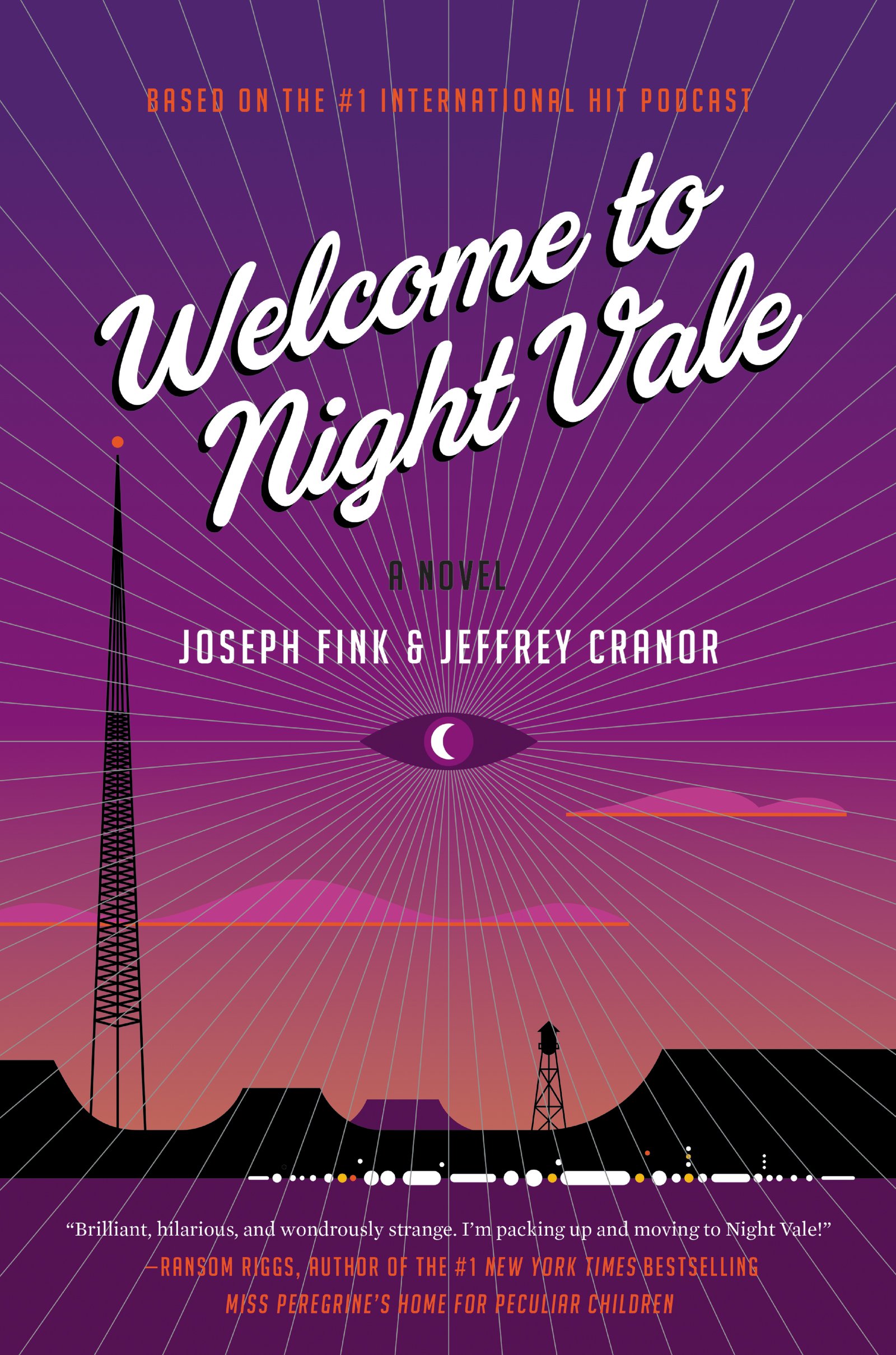
Welcome to Night Vale and It Devours!, written by Joseph Fink and Jeffrey Cranor, narrated by Cecil Baldwin

Welcome to Nightvale Cover

Another series I have to recommend thanks to my Guest Review section are the fantastic Welcome to Night Vale audiobooks.  Welcome to Night Vale is a beloved and weird sci-fi podcast that has been ongoing for several years now, picking up a dedicated following.  As part of this, the creators have also written several books, including Welcome to Night Vale and It Devours!, which provide some extra fun insight into this crazy series.  The audiobook versions of these novels are particularly fun because they are narrated by Cecil Baldwin, who serves as one of the main voices of the Welcome to Night Vale podcast.  While I haven’t personally listened to these books, my editor and occasional contributor Alex swears by them and I had to include them on this list as a result.  Alex really loved Baldwin’s voicework in these two audiobooks and she assures me that his inclusion as narrator ensures that these are required listening for all fans of this iconic podcast.

Amazon


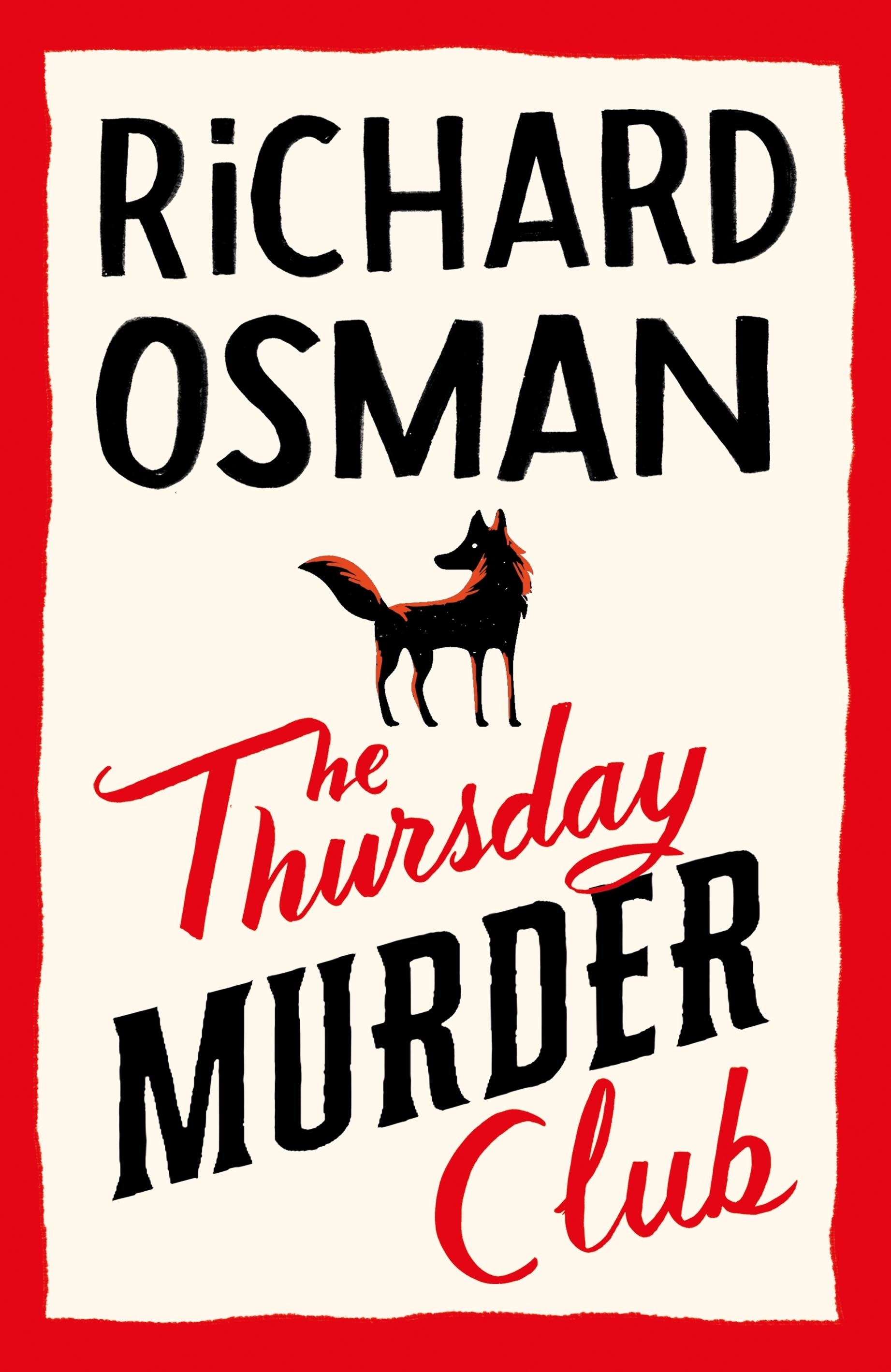
The Thursday Murder Club and The Man Who Died Twice, written by Richard Osman and narrated by Lesley Manville

The Thursday Murder Club Cover

I have a lot of love for Richard Osman’s first two Thursday Murder Club novels, especially in their audiobook format.  That is because the awesome narration of actress Lesley Manville is so damn exceptional and she gives perfect voices to all the great cast members.  Manville really showcases her vocal skills in these first two books, and thanks to her outstanding narration, The Thursday Murder Club and The Man Who Died Twice both ended up being amongst my favourite audiobooks of 2020 and 2021 respectfully.

Amazon


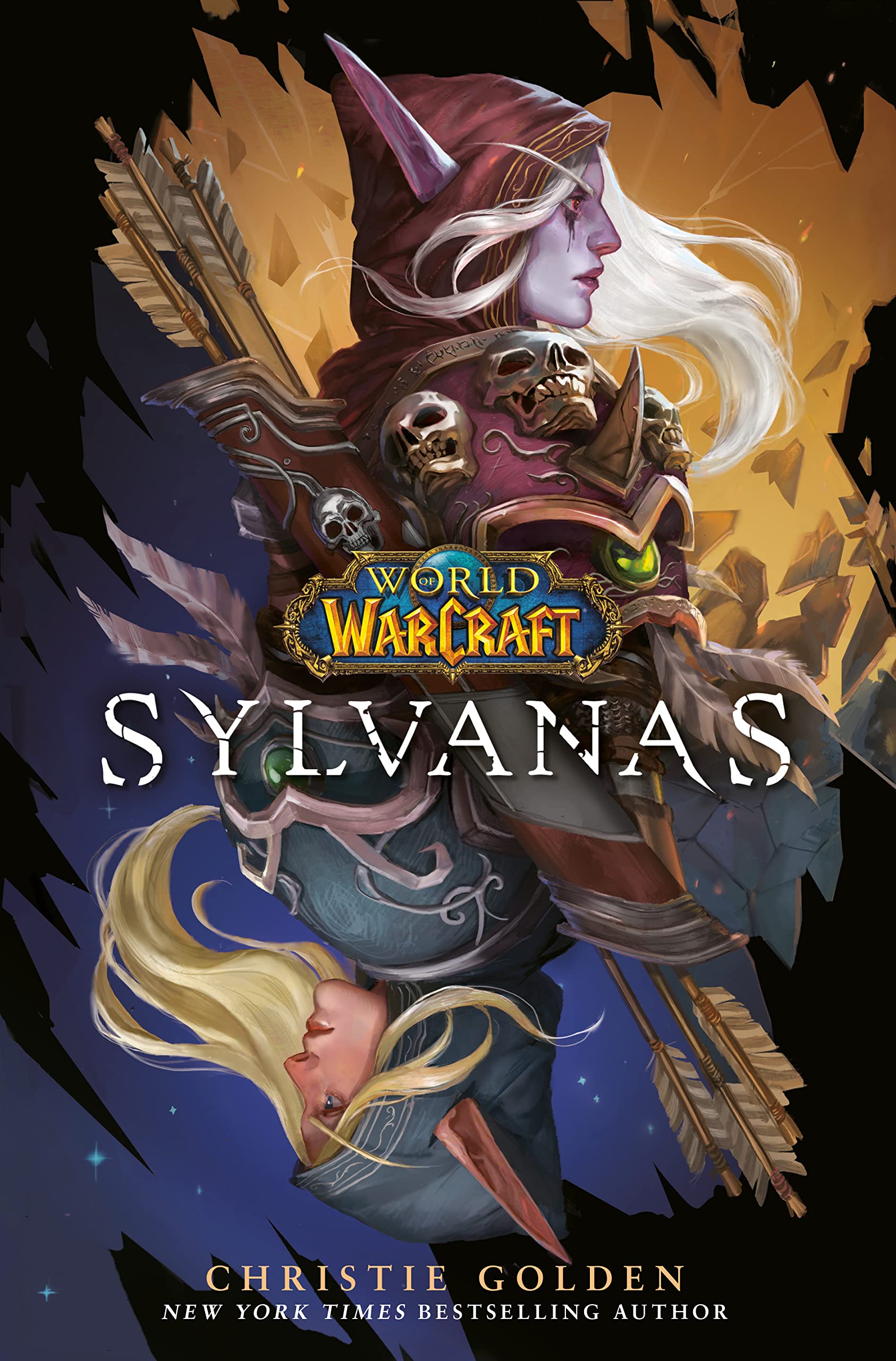
Sylvanas, written by Christie Golden and narrated by Patty Mattson

World of Warcraft - Sylvanas Cover

There are some pretty awesome Warcraft/World of Warcraft audiobooks out there, but probably one of the best in terms of narration has to be last year’s outstanding listen, Sylvanas.  Not only does Sylvanas have a great story behind it that examines one of the most complex characters in the Warcraft cannon, but the production team sought to bring some major authenticity and power to the audiobook version by utilising voice actor Patty Mattson as narrator.  Mattson is probably best known for voicing Sylvanas Windrunner in World of Warcraft, so her inclusion here as narrator is an epic choice, as she already embodies the book’s main character/narrator perfectly.  Having Sylvanas’ story told to you in her own voice is so damn cool, and it turns this audiobook into an epic listen, especially for dedicated Warcraft fans.

Amazon


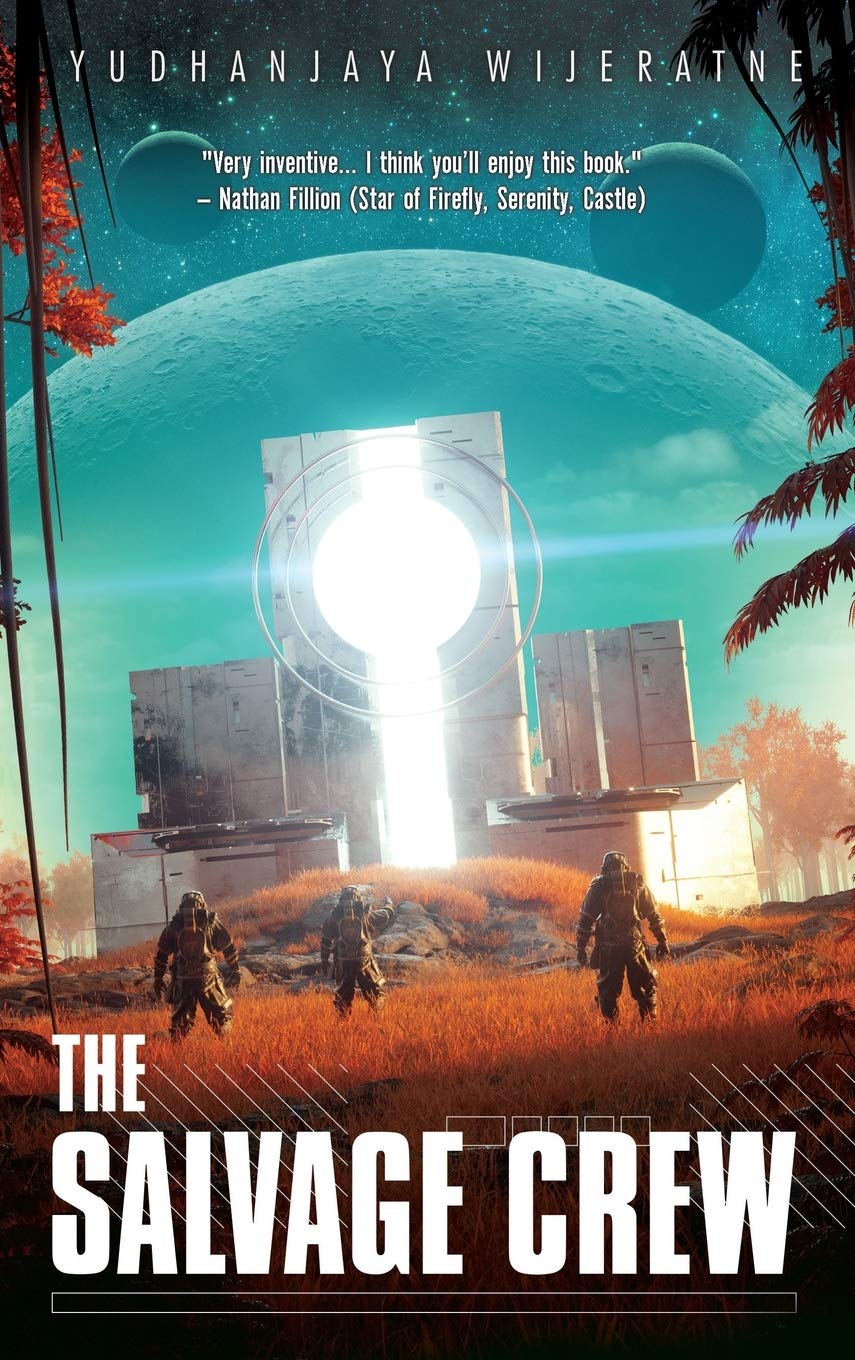
The Salvage Crew, written by Yudhanjaya Wijeratne and narrated by Nathan Fillion

The Salvage Crew Cover

I must admit that one of the main reasons that I originally listened to the compelling and freaky science fiction audiobook, The Salvage Crew, was because it featured Nathan Fillion as narrator.  Fillion, who voices the machine protagonist, unsurprisingly does an amazing job in The Salvage Crew, and his silky tones really drag you into this elaborate tale.  While I did deeply enjoy Wijeratne’s clever writing, I doubt I would have checked it out without Fillion, who really does an amazing job as a narrator.

Amazon


Redshirts, written by John Scalzi and narrated by Wil Wheaton

Redshirts Cover

Redshirts by amazing author John Scalzi is a hilarious and exceedingly clever parody/homage to the classic Star Trek series that shows the perspective of the doomed redshirts who are highly aware of their lack of survivability.  I have a lot of love for this novel, and the audiobook is particularly cool, especially because they chose the perfect narrator for it, with Star Trek: The Next Generation star, Wil Wheaton.  Wheaton has a lot of fun narrating this outstanding book, and there is something particularly fun having an iconic cast member reading this a clever Star Trek parody.  I was laughing myself silly the entire time I was listening to this book, and I doubt I would have had as much fun without Wheaton’s fantastic inclusion.

Amazon


Star Wars: Ahsoka, written by E. K. Johnston and narrated by Ashley Eckstein

Ahsoka_novel_cover

With the Ahsoka television series starting up tomorrow night, I definelty needed to highlight an awesome audiobook from a few years ago that makes perfect use of a special narrator.  This audiobook is Ahsoka by E. K. Johnston and it features the excellent voice work of Ashley Eckstein, who is the definitive Ahsoka for The Clone Wars fans.  This novel follows the character in the immediate aftermath of Revenge of the Sith and Eckstein unsurprisingly kills it, showcasing her impressive vocal range while also telling a unique Ahsoka tale that only she can. 

Amazon


The Bullet That Missed, written by Richard Osman and narrated by Fiona Shaw

The Bullet That Missed Cover

Now I am slightly cheating here by including the third Thursday Murder Club novel, The Bullet That Missed, separately on this list, but I’m justifying it because it features a different special narrator.  The Bullet That Missed was a particularly impressive entry in this great series, and I made sure to grab the audiobook version as soon as possible.  While I was initially disappointed that Leslie Manville wasn’t returning, I swiftly got over that the moment I found of Fiona Shaw of Harry Potter, Andor and Killing Eve fame was replacing her.  Shaw also does an exceptional job narrating this novel and while she does emulate Manville in places, Shaw really puts her own spin on the narration, producing an exceptional listen.  I really loved how Shaw effortless stepped in for this third book and her narration deeply enhances some of the best elements of The Bullet That Missed, including the pure Britishness of the story.  I am very happy that Shaw will be returning for the upcoming Thursday Murder Club book, The Last Devil To Die, and I cannot wait to hear her bring this new novel to life.

Amazon


The Thousand-Dollar Tan Line, written by Rob Thomas and Jennifer Graham and narrated by Kristen Bell

Veronica Mars - The Thousand Dollar Tan Line Cover

The final audiobook I want to highlight is the awesome Veronica Mars tie-in novel, The Thousand-Dollar Tan Line, which is set after the Veronica Mars film.  While I really did enjoy the clever mystery, intense personal story and intriguing expansion of the Veronica Mars mythos it contained, the true highlight of this audiobook has to be the fact that they get Kristen Bell to narrate it.  Bell obviously has no problem bringing this elaborate Veronica Mars story to life and her narration is exceedingly impressive, cleverly capturing not only her own character, but several other figures from the show.  This is probably one of my favourite pieces of tie-in media and Bell’s amazing narration is a key reason for this.

Amazon


That’s my latest list.  As you can see, I have had the pleasure of listening to several outstanding audiobooks that feature some brilliant and distinctive special narrators.  All 10 entries above come very highly recommended and you are guaranteed to love all of them, especially with their outstanding narrators.

Top Ten Tuesday – My Favourite Audiobook Narrators – April 2023

Top Ten Tuesday is a weekly meme that currently resides at The Artsy Reader Girl and features bloggers sharing lists on various book topics.  In this week’s Top Ten Tuesday, participants are required to list their favourite audiobook narrators, which is a subject near and dear to my heart.  As readers of this blog will be well aware, the audiobook format is a particular favourite of mine and I have listened to a ton of awesome novels over the years.  Indeed, this subject is so important to me, that I already did a version of this list a few years ago back in 2021 (see my previous list here).  However, now is as good as time as any to quickly review and rethink my previous list, so I fired it up and had a look to see how it could be updated or altered.  Unfortunately, it doesn’t look like I’ll be making too many changes to my previous list.  While I have enjoyed some new narrators over the years, the favourites I featured on my previous list have also continued to impress me in the intervening years, and I have a hard time removing too many of them.  Still, I had a go at moving some names around, and I eventually came up with a slightly altered list.  I was also able to add in a few new audiobooks from the existing narrators to talk about so it should be an interesting change for those who read the last list.  Now, let us see what made the cut this time.

Honourable Mentions:

Jay Snyder – Gray Man series

The Gray Man Cover

Over the last few years, I have been really getting into the Gray Man books, and a lot of that is because of Snyder whose audiobook versions are pretty exceptional.  Snyder has lent his voice to all the books in the series, and his work on The Gray Man, One Minute Out, Relentless, Sierra Six and Burner were pretty incredible.  As such, he gets a good honourable mention here, as I really enjoy his work.


Jim Dale – Harry Potter series

Harry Potter and the Philosopher's Stone Cover

I had to include actor Jim Dale somewhere on this due to his outstanding work narrating the Harry Potter audiobooks.  While Stephen Fry also did a version, I have only had the pleasure of listening to Dale’s version, and it is such an outstanding way to enjoy this iconic series.


Scott Brick – Orphan X and Cotton Malone series

Into the Fire

Scott Brick is the narrator of two awesome thriller series, the Orphan X and Cotton Malone books.  I have listened to several great books narrated by Brick, including Into the Fire, Prodigal Son and Dark Horse by Gregg Hurwitz, and The Malta Exchange, The Warsaw Protocol and The Kaiser’s Web by Steve Berry, all of which were fantastic and compelling listens.


Joe Jameson – King of Assassins, Fire Made Flesh and The Legacy of the Mercenary King series

king of assassins cover

One narrator who keeps growing on me is Joe Jameson, a talented voice worker who has been narrating several amazing fantasy novels.  This includes the audiobook version of King of Assassins by RJ Barker, and the Warhammer 40,000 novel, Fire Made Flesh by Denny Flowers, both of which were really good.  However, I best know Jameson for his work The Legacy of the Mercenary King series by Nick Martell (The Kingdom of Liars, The Two-Faced Queen and The Voyage of the Forgotten), where I was deeply impressed with his exceptional ability.

Top Ten List (unranked):

Ray Porter – Joe Ledger, Rogue Team International and Kagen the Damned series

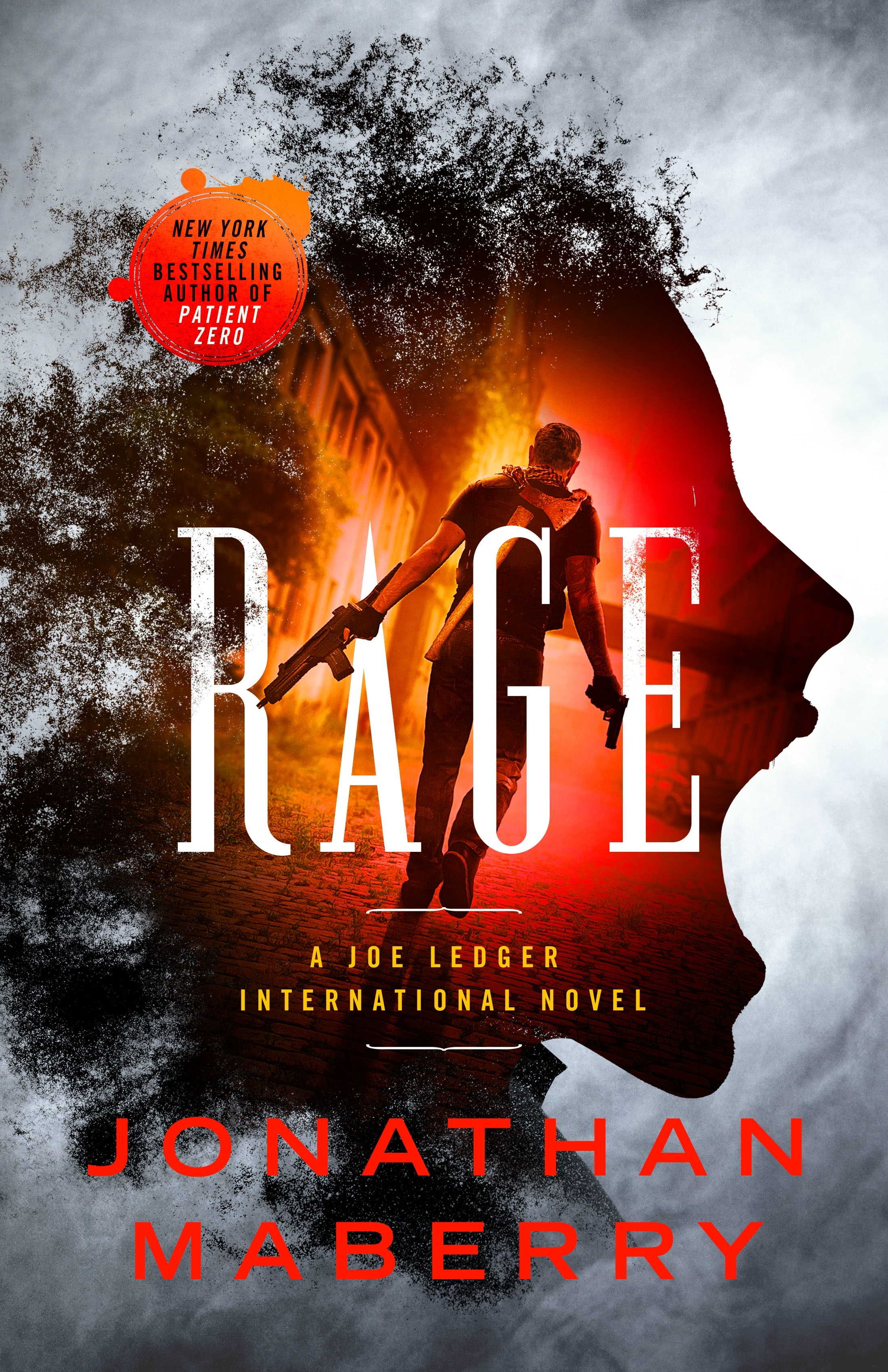
Rage Cover

The first entry on this list is the incredible Ray Porter, a narrator whose work I always have such an amazing time with.  While Porter has narrated an excellent number of books, I know him primarily through his collaboration with author Jonathan Maberry.  Porter has narrated most of Maberry’s novels over the years, and they are an impressive and captivating team.  I particularly enjoyed Porter’s work in Maberry’s Joe Ledger series (which includes books like Patient Zero, Code Zero, and Dogs of War) and the sequel Rogue Team International series (featuring Rage and Relentless), as Porter always perfectly fits into the skin of the titular protagonist.  Porter also followed Maberry over to his dark fantasy Kagen the Damned series (Kagen the Damned and Son of the Poison Rose), where his trademark flair really enhances the already exceptional reads.  I also really enjoyed his work on the standalone horror novel Ink, which was one of the best audiobooks of 2020, and the compelling debut, The Apollo Murders by Chris Hadfield.  Porter always gives 100% to his narration, and he was a very easy first entry for this list.


R. C. Bray – Planetside series, The Dark, Mind Bullet and Tribe

The Dark Cover

Another fantastic narrator whose work I have been appreciating lately is R. C. Bray, who has lent his voice to some amazing audiobooks.  I first came across Bray through his work on Michael Mammay’s Planetside series, including Planetside and Colonyside.  Bray did an outstanding job on these science fiction military thrillers, and his gruff voice was perfect for the veteran soldier the series followed.  However, Bray can also voice some other unique characters, a fact I discovered when I listened to the wildly entertaining horror novel, The Dark by Jeremy Robinson.  In this book, Bray voiced a stoner character who finds himself leading the fight against a horde of invading demons.  Not only did Bray really get into this different protagonist, but he helped to turn The Dark into one of the best audiobooks of the year.  Indeed, Bray’s narrator was one of the reasons why I continued to seek out more books from Jeremy Robinson and I also enjoyed his compelling releases Tribe and Mind Bullet.  Both impressive novels were made that much better by Bray’s narrator, and it ended up being a real joy to listen to them.  I look forward to checking out more from Bray in the future, especially as there are so many other great books by Robinson that he has brought to life.


James Marsters – Dresden Files series

Battle Ground Cover

The next entry on this list is someone who I was a fan of well before I enjoyed their audiobook work, actor James Marsters.  Best known for his roles in Buffy the Vampire Slayer and Angel, Marsters has also provided his voice to the audiobook versions of the Dresden Files urban fantasy series by Jim Butcher.  I found this out in 2020 when I listened to the awesome latest entry in the series, Battle Ground, and I instantly fell in love with Marsters’ take on the various characters.  Marsters really dived into the role of titular protagonist Harry Dresden, and I appreciated all the cool voices he did throughout this novel.  I was very excited to see that Marsters narrated all the prior Dresden Files audiobooks as well, so it was an easy choice to check them out.  I have so far enjoyed the first six Dresden Files novels, Storm Front, Fool Moon, Grave Peril, Summer Knight, Death Masks and Blood Rites, and each of them has featured some exceptional voice work from Marsters, which is really worth checking out.


Robert Petkoff – Star Trek audiobooks

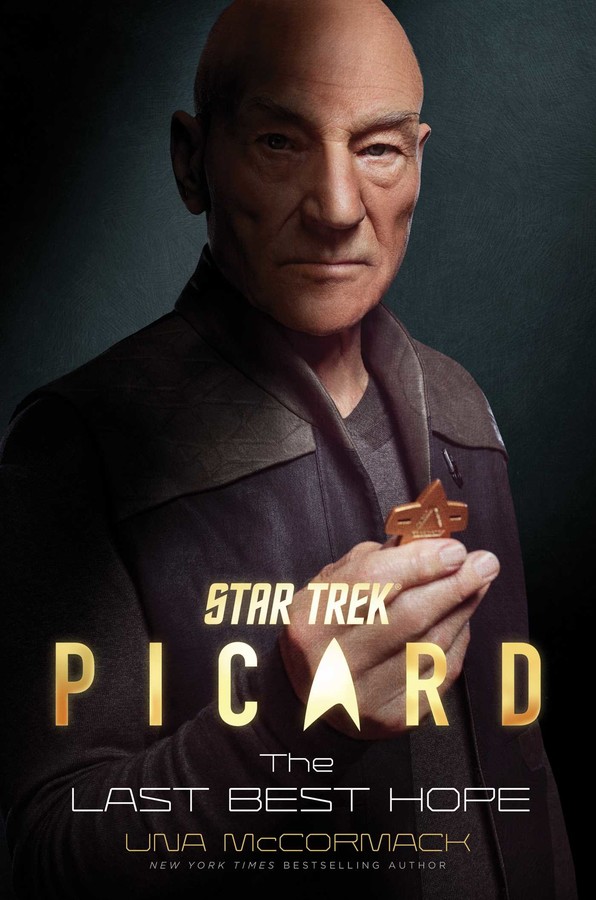
Star Trek - Picard Cover

Each year there are a ton of Star Trek tie-in novels released, all of which get adapted to audiobook.  Of these multiple Star Trek books, nearly all feature the voice of Robert Petkoff.  Petkoff has an excellent voice for Star Trek, especially as he can perfectly replicate most of the Star Trek: The Original Series and Star Trek: The Next Generation cast.  I have already listened to a great number of his Star Trek audiobooks including More Beautiful Than Death by David Mack, Agents of Influence by Dayton Ward, The Unsettling Stars by Alan Dean Foster, Picard: The Last Best Hope by Una McCormack and The Captain’s Oath by Christopher L. Bennett, just to name a few.  I currently have several of his audiobooks currently loaded up on my phone, and I will hopefully listen to some of them soon. 


Marc Thompson – Star Wars audiobooks

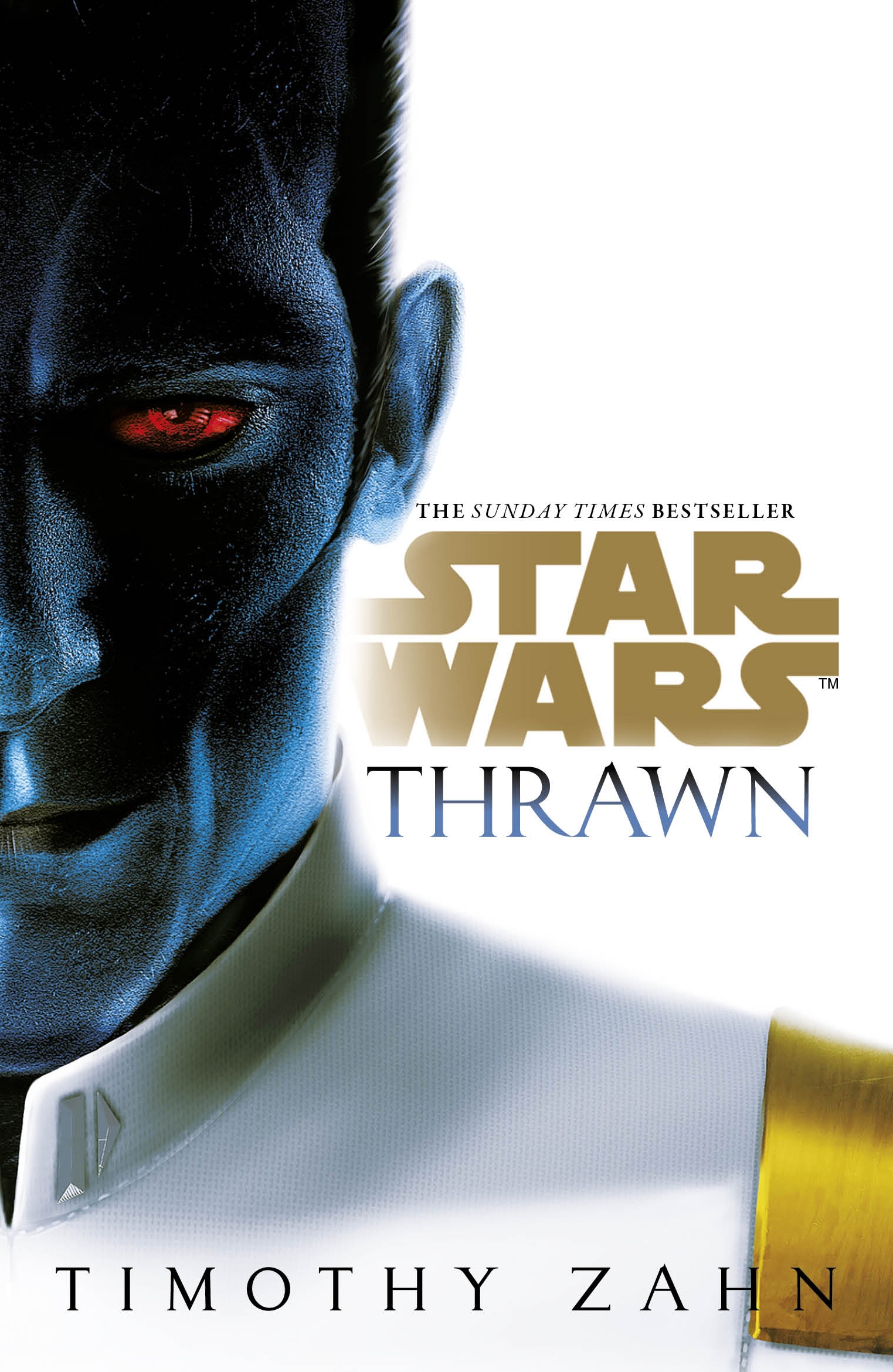
Thrawn Cover

Moving from Star Trek to Star Wars the next narrator I need to highlight is the outstanding Marc Thompson.  Thompson is a wonderfully talented narrator who has been lending his voice to some of the best Star Wars tie-in novels out there, and perfectly bringing them to life.  I love the outstanding range of characters that he can voice, including those from the films, characters from the animated shows, and new characters never seen on screen.  I am a particular fan of the voice he uses for the character of Grand Admiral Thrawn, as he perfectly captures the character’s complexities, especially in books like Thrawn, Chaos Rising, Greater Good and Lesser Evil by Timothy Zahn.  Other impressive examples of his voice work can be seen in the audiobook versions of Scoundrels, Dark Disciple by Christie Golden, Light of the Jedi by Charles Soule and The Rising Storm by Cavan Scott, just to name a few.


Steven Pacey – First Law and Age of Madness trilogies

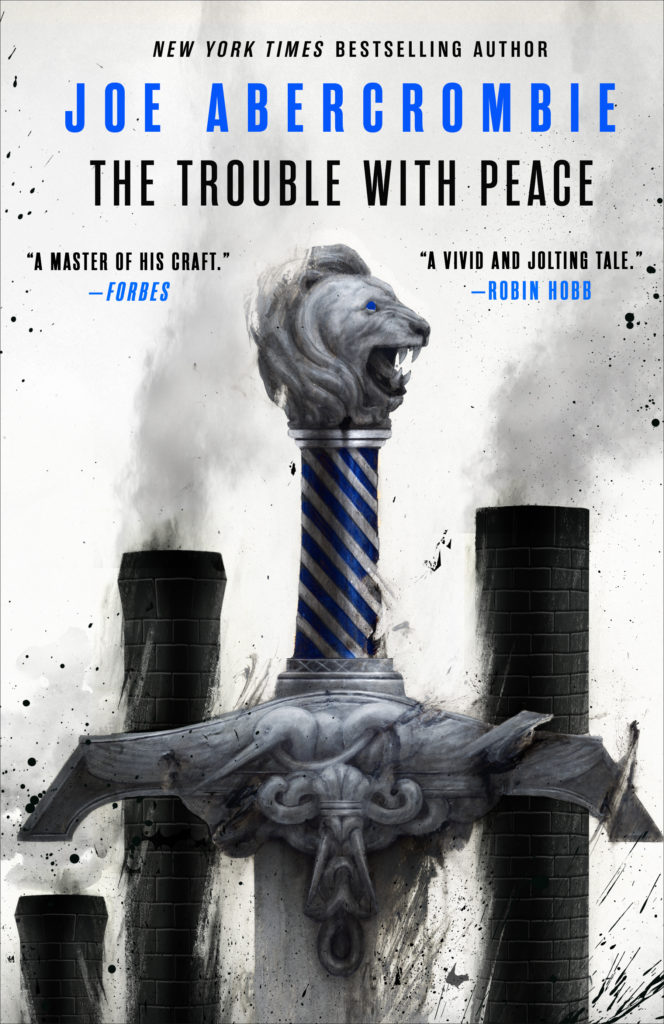
The Trouble with Peace Cover 2

I am a major fan of Joe Abercrombie’s First Law series, so I also must highlight the impressive Steven Pacey.  Pacey is a great narrator who I primarily know through his work on Abercrombie’s novels.  I deeply enjoyed the narration he provided to Abercrombie’s iconic dark fantasy series, the First Law trilogy, with each of the complex characters perfectly portrayed by this talented narrator.  Pacey really puts a lot of himself into this exceptional audiobook adaptions, and I was very happy that he continued to provide his voice to Abercrombie’s Age of Madness sequel trilogy, providing his exceptional voices to books like A Little Hatred, The Trouble with Peace and The Wisdom of Crowds.


Jonathan Keeble – Trollslayer series

Vampireslayer Cover

One narrator I had to include on this list due to my continued love of him was the amazing and impressive Jonathan Keeble.  Keeble is a well-established narrator with an intense and powerful voice, and anything he narrates becomes very hard to stop listening to.  I personally known him best as the guy that Black Library entrusted to narrate the audiobook version of the classic Gotrek and Felix series from the Warhammer Fantasy universe.  I have so far enjoyed all the original Gotrek and Felix novels (those written by William King) on audiobook including Trollslayer, Skavenslayer, Daemonslayer, Vampireslayer and Giantslayer and each of these has featured some impressive voice work, especially around the main characters.  I deeply enjoy just how much Keeble thrusts himself into the narrative with his narration, as you can literally here the excitement when he describes all the cool action.  I am hoping to enjoy more of the Gotrek and Felix novels in the future, and as Keeble is lending his voice to the rest of the audiobooks, I will no doubt listen to them on this format as well. 


Nigel Planer/Stephen Briggs – Discworld series

Moving Pictures Cover

There was no way that I could do a list about audiobook narrators without mentioning the epic duo of Nigel Planer and Stephen Briggs.  Both Planer and Briggs are talented actors and narrators, but I love them the most for their work on adapting the epic Discworld series by Terry Pratchett.  The Disworld books (such as Moving Pictures and The Last Continent), are my absolute favourite books, and I have so much love for them, especially in their audiobook format.  All the Discworld novels (as well as some other standalone books that Pratchett wrote), were voiced by either Planer or Briggs, with Planer voicing the first 23 books, while Briggs narrated the last 18 books.  Each of these narrators brings something a little different to the books they adapted, but both do an amazing job capturing Pratchett’s unique humour and compelling characters.  I would strongly recommend any Discworld audiobook that these two narrate, and I have so much appreciation for them.  However, this might change in the future as there are some new Discworld audiobooks out with celebrity narrators.  I haven’t had a chance to listen to them yet, and it will be interesting to see how they stack up against the original audiobook versions.


Jonathan Davis – Star Wars audiobooks

Star Wars - Kenobi Cover

Another great narrator who has lent his voice to the Star Wars tie-in genre is the talented Jonathan Davis.  Like Thompson, Davis is a leading Star Wars audiobook narrator, and he always does a great job portraying some of the iconic characters from the franchise.  I have had a lot of fun listening to Davis’ work on such books as Master & Apprentice by Claudia Gray, Lords of the Sith by Paul S. Kemp, Maul: Lockdown by Joe Schreiber and the Dooku: Jedi Lost audio drama by Cavan Scott.  I also really need to highlight his work on the awesome Kenobi audiobook (written by John Jackson Miller), which features a really good impersonation of Obi-Wan Kenobi.  I also deeply enjoy his take on iconic characters like Emperor Palpatine, Qui-Gon Jinn and Jabba the Hutt, and it is crazy how good Davis is at replicating their voices.  As such, any Star Wars novel by Davis is really worth listening to, especially if it features characters from the movie, and I cannot recommend this narrator enough. 


Toby Longworth – Eisenhorn and the Gaunt’s Ghosts audiobooks

Warhammer 40,000 - Xenos Cover

The final narrator I want to highlight on this list is a relatively new addition for me which is tied into my recent obsession with Warhammer novels.  Longworth is a very impressive narrator who has lent his voice to so many different audiobooks over the years.  However, I have particularly enjoyed his work in the Warhammer 40,000 universe, where he is mostly widely associated with author Dan Abnett.  Longworth has really become the go-to narrator for all Abnett’s classic novels, and I have deeply enjoyed his outstanding take on all these amazing books.  This includes the high concept Eisenhorn trilogy (Xenos, Malleus and Hereticus), as well as the amazing Gaunt’s Ghosts books (First and Only, Ghostmaker, Necropolis, Honour Guard, The Guns of Tanith and The Vincula Insurgency).  In all these audiobooks, Longworth provides an exceptional range of different voices that capture the complex nature of all the relevant characters.  I deeply enjoyed every single audiobook that Longworth works on, and I look forward to listening to all his amazing collaborations with Abnett in the future.


That’s the end of this latest list.  I think it turned out pretty well, although I do wish I could have made some more changes to it.  I do think I am being a little lazy only rewriting my existing list, so I have come up with some extra lists for this Tuesday which I am hoping to get up later today.  Make sure to check them out and let me know what you think in the comments below.

Throwback Thursday: World War Z by Max Brooks

World War Z Cover

Publisher: Random House Audio (Audiobook – 14 May 2013, originally published 12 September 2006)

Series: Standalone

Length: 12 hours and 9 minutes

My Rating: 5 out of 5 stars

Amazon

Welcome back to my Throwback Thursday series, where I republish old reviews, review books I have read before or review older books I have only just had a chance to read.  For my latest Throwback Thursday review I take a look at the zombie horror classic, World War Z by Max Brooks, a truly epic and outstanding read.

One of the biggest novels that I have been meaning to read for ages was the highly regarded zombie novel, World War Z, also known as World War Z: An Oral History of the Zombie War.  Written by Max Brooks as a follow-up to his first book, the non-fictional The Zombie Survival Guide, World War Z is a unique novel that fully examines a zombie apocalypse from multiple perspectives.  I had heard some great things about this novel, and I even enjoyed the movie adaptation when it came out (more on that later).  Unfortunately, I never got a chance to read it and I kind of figured for a while that it might stay in my to-read pile for a while.  However, it moved much higher up my list of books to check out after I read Brooks’s 2020 novel, Devolution, which was one of my favourite novels of 2020 (as well as one of my favourite all-time horror novels).  I had also heard a lot of praise for World War Z‘s awesome audiobook edition, so when my wife and I needed some entertainment during a recent cross-country road trip, this was our first choice.

Plot Synopsis:

The Zombie War came unthinkably close to eradicating humanity. Max Brooks, driven by the urgency of preserving the acid-etched first-hand experiences of the survivors from those apocalyptic years, traveled across the United States of America and throughout the world, from decimated cities that once teemed with upwards of thirty million souls to the most remote and inhospitable areas of the planet. He recorded the testimony of men, women, and sometimes children who came face-to-face with the living, or at least the undead, hell of that dreadful time. World War Z is the result. Never before have we had access to a document that so powerfully conveys the depth of fear and horror, and also the ineradicable spirit of resistance, that gripped human society through the plague years.

Ranging from the now infamous village of New Dachang in the United Federation of China, where the epidemiological trail began with the twelve-year-old Patient Zero, to the unnamed northern forests where untold numbers sought a terrible and temporary refuge in the cold, to the United States of Southern Africa, where the Redeker Plan provided hope for humanity at an unspeakable price, to the west-of-the-Rockies redoubt where the North American tide finally started to turn, this invaluable chronicle reflects the full scope and duration of the Zombie War.

Most of all, the book captures with haunting immediacy the human dimension of this epochal event. Facing the often raw and vivid nature of these personal accounts requires a degree of courage on the part of the reader, but the effort is invaluable because, as Mr. Brooks says in his introduction, “By excluding the human factor, aren’t we risking the kind of personal detachment from history that may, heaven forbid, lead us one day to repeat it? And in the end, isn’t the human factor the only true difference between us and the enemy we now refer to as ‘the living dead’?”

Note: Some of the numerical and factual material contained in this edition was previously published under the auspices of the United Nations Postwar Commission.

Holy hell, that was an exceptional book!  I loved the powerful and expansive narrative contained within World War Z as Brooks attempts to fully encapsulate the entire experience of a zombie apocalypse in impressive detail.  Literally all the good things I heard about this book were true, and I loved his unique and very captivating way of capturing the horrors of this sort of experience, both from the zombies and other humans.  An exceptional and impressively inventive read, World War Z gets an easy five-star read from me.

I cannot get over how awesome and distinctive World War Z was as a concept.  Rather than a traditional novel, Brook’s masterpiece is written as an epistolary novel, written as in-universe oral history anthology of a zombie apocalypse.  The book, which was compiled by this universe’s version of Max Brooks, contained multiple testimonials and interviews, as Brooks seeks out and talks to multiple people who experienced the apocalypse and pulls together their various unique stories.  This book contains around 40 individual stories set out across five chapters which look at the various stages of the zombie war, from its origins all the way up to the postwar ‘new normal’.

At this point I need to make a quick note about the version of World War Z that we checked out.  There are a couple of different World War Z audiobooks out there, but for our trip we listened to the World War Z: The Complete Edition, which combines two separate audiobook adaptations of the novel, and contains all the stories from the original book.  I did look over a paperback edition of World War Z before I started this review, and it looks like our audiobook version covered the full stories well, although I did notice that some of the stories were shortened or missing minor parts.  In addition, the audiobook version did not feature any of the paperback’s footnotes, which contained technical details and notes from the author.  However, I don’t think I lost out on too much of the plot from some of these missing gaps.

I really fell in love with the various individual stories contained with World War Z as Brooks went out of his way to produce the most unique and moving tales that he could.  These are mostly standalone tales, although there are a few interesting crossovers as the book continues, with some character’s mentioning events or supporting figures from other stories in their interviews.  However, as you follow the stories within these five chapters (made up of Warnings, Blame, The Great Panic, Turning the Tide, and Good-Byes), you get a full sense of the entire war, and it quickly comes apparent how cleverly Brooks was crafting everything here.  I personally deeply enjoyed both the individual shorter tales and the much larger connected story of World War Z, and I was deeply impressed with the excellent writing style behind it.  Brooks is a true master of writing deeply personal, character-driven tales of survival, and you swiftly become attached to the various protagonists as they tell their unique stories.  The action within is gruesome, fast-paced and deeply terrifying, and there are multiple over-the-top descriptions of zombie and human violence that will stick with you forever.  This was easily one of the best zombie novels I have read in terms of storytelling and action, and everything about this tale is so damn compelling.

As I mentioned, there are roughly 40 separate stories contained within this anthology, each of which contains its own unique protagonist, supporting characters, settings and unique circumstances.  Naturally, with so many stories you have a bit of a range in terms of storytelling, with some being substantially better than others.  However, I felt that Brooks did a very good job of writing each of these stories extremely well, and there were none that particularly dragged the novel down.  There is a real mixture of narratives here, with particularly gruesome horror stories mixed in with more human-focused narrative, political plotlines, military thrillers, stories that balance on the edge of science fiction, and everything in between.  The spread of these stories works pretty well, with Brooks providing an entertaining mixture of storylines throughout the book so readers aren’t constantly bombarded by tales of horror or tragedy.  Instead, there are often fascinating, humorous and humanising stories thrown in amongst the horror.  This works to make the entire novel flow at a fantastic pace.

While pretty much all these stories are fun and tell some outstanding tales of the zombie apocalypse, there are a few that stood out to me as being a cut above the rest.  I had some early fun with the Stanley MacDonald storyline, which showed an amoral illegal surgeon in Brazil unwittingly transfer a zombie heart into a patient, which led to one of the earliest outbreaks in South America.  The Jesika Hendricks plot showed a brilliant, if very dark, take on ordinary citizens trying to flee the zombies only to experience the other dangers of surviving the winter in a desperate community.  There are several amazing and cynical storylines, such as the Breckinridge Scott and Grover Carison testimonies that showcase the capitalist opportunism that surrounded the initial outbreaks.  I also really liked the South African focused storyline around Paul Redeker, which showed a former Apartheid strategist using his stark and brutal plans to save the country from the undead hordes.  I loved the particularly inventive and clever testimony surrounding the character of Arthur Sinclair Junior, which focuses on how America was reorganised after the initial stages of the war, with the country setting its sights towards industry, construction and warfare, which really highlights the author’s impressive insights into the world.

Two other fantastic World War Z storylines set in Japan focus on two unique individuals, one an “otaku” (a computer-obsessed outsider who tried to live entirely online), and a blind “hibakusha” (a person affected by the atomic bombs used in WWII).  Both characters were outsiders in Japan before the zombie war, but the zombie invasion changed their entire lives and led to them becoming renowned warriors and survivors against all the odds.  These two storylines are extremely compelling, and I loved the way that the author utilised unique subsections of Japanese society and tried to imagine how those sorts of people would survive the zombies.  There was also a really intense storyline, told by Admiral Xu Zhicai, that details a Chinese submarine’s attempt to escape the zombies with their families, which turns into a brilliant, powerful and occasionally disturbing tale of survival, loyalty and family.  I also must mention the Terry Knox testimony that details the actions aboard the International Space Station and the Darnell Hackworth story that looks at the US army’s canine units that helped scout and herd zombies (yay for mini dachshunds, the real heroes of this book).  However, out all the testimonies featured within World War Z, my favourite had to be the ones focussing on soldier Todd Wainio.  Todd battled the zombies at multiple stages of the war, and his multiple entries paint a pretty grim picture but are easily some of the best depictions of the horror of the zombies and the challenges faced by the armed forces.  His first testimony about the army’s initial inability to combat the zombies is very chilling, and it was fascinating to hear about the changes to his training and equipment as the military adapted to fight this new and strange enemy.  I am honestly just scratching the surface of these testimonials here, as pretty much all of them were great in their own way.  However, the ones I mentioned here were my personal favourites, and I had a blast listening to them and seeing how they fit into the wider narrative.

For me, one of the main highlights of World War Z was Brooks’s incredible inventiveness and insights when it came to envisioning a potential world-wide zombie apocalypse.  Thanks to his amazing range of stories, Brooks showcases a vast global catastrophe that impacts everyone no matter where they are.  I loved his depiction of how the apocalypse emerged, and rather than a continuous attack that pretty much destroys everything in a single day, Brooks imagines a gradual catastrophe that is initially ignored and mishandled before it spreads uncontrollably.  This is covered in the early chapters of the book with some substantial skill, and you really get to see how and why everything falls apart, with appropriate zombie violence included.  While there is an understandable focus on America, I found it fascinating to see how Brooks imagined different countries would deal with this crisis, with different culturally informed strategies, and there are even some compelling references to real-life figures (the Nelson Mandela facsimile reacts in a very different way than you’d expect).  The author really dives into all the details of a zombie attack and examines all the pros and cons of various strategies humans could utilise, from fleeing, staying in defensible positions, or fighting back.  There are some brilliant testimonies that cover all of them, and Brooks’s dark depictions of unprepared or overconfident humans failing to understand the threats in front of them and paying the price for it are shocking, bleak and captivating.  Brooks also comes up with some truly unique and clever problems or impacts of the zombies, many of which are referenced or experienced by multiple characters, including floating zombies, marine zombies, feral children who survived without their parents, looters, civil wars, and even crazed humans pretending to be zombies.

These intriguing insights from Brooks’s imagination are further expanded on in the later chapters of the novel, where the author explores how the world order changed because of the zombie war.  Again Brooks dives into multiple countries here, and it was fascinating to witness which countries the author imagines will be destroyed by the zombies and which would thrive.  I really enjoyed his examinations of the way that America needed to reorganise itself and its subsequent battleplans, which were perfectly covered by several of the best characters.  Seeing countries likes Russia, China, Japan and more change in drastic ways a result of this apocalypse was really cool and compelling, especially as the author covers it in such a reasonable and logical manner.  Countries like Cuba and the West Indies thriving due to their isolation was pretty fascinating, and they stood as an interesting contrast to more prominent countries that were disadvantaged or never stood a chance thanks to their socioeconomic issues or unsuitable landscapes.  I loved some of the unique issues that some countries experienced, such as the infested Paris catacombs or the mystery around North Korea, and they leave some intriguing afterthoughts as a result.  Brooks also cleverly examines other unique impacts that the zombies are having on the world, such as extinctions (goodbye whales), changes in global relations, and long-term problems, and I was deeply fascinated and enthralled by all this impressive thinking.  All of this compelling insight and imagination really enhances the stories being told by various characters, especially as they all impact humanity’s potential survival, and I really lost myself in the author’s powerful and impressive vision of a zombie apocalypse.

While World War Z is primarily about survival and the wider impacts of a zombie apocalypse, Brooks also takes the time to cover a few interesting themes.  In particular, he uses this novel about zombies to examine humanity.  While there is a certain overlying theme about the indomitable human spirit and our ability to triumph no matter the odds, there are some very noticeable depictions of the worst parts of human nature.  I found his initial depictions of most people ignoring or ridiculing the slow rising zombie threat to be pretty realistic (keep in mind that this was written 14 years before COVID).  There are also some major critiques about corruption and government incompetence in the face of disaster that I also found to be very intriguing and insightful.  Many of the early chapters that talked about military attempts to fight back had some interesting parallels to the wars in the Middle East, and I really appreciated the author’s clever critiques of these conflicts through the medium of a zombie war.  I felt that Todd’s testimony about the first major battle of the zombie war was a great example of this, as he regales the reader with how politically motivated leadership and incompetence led to a massacre.  All of this added a thought-provoking and entertaining edge to many of the storylines in the novel, especially the earlier testimonies, and I felt that Brooks did an amazing job bringing some of his own insights and critiques into his writing.

As I mentioned a few times above, I listened to the extended audiobook adaptation of this novel, which I personally felt was the absolute best way to enjoy this epic read.  Running at just over 12 hours in length, we absolutely powered through the World War Z audiobook during our road trip, and it served as an excellent entertainment for a long drive.  I often find that having a story read out to you really helps you to absorb everything about the story, and this was particularly true with World War Z.  Not only did the narration allow you to focus on all the details of the testimonials, but the horror elements and action felt a lot more intense, especially when you were dragged into some of the more gruesome scenes.  I also feel that the audiobook version of World War Z had a better flow than the paperback novel.  The testimonials with the audiobook are a lot more separated out, treated as a new chapter each time the narrator changes.  This is very different from the paperback version, which throws multiple testimonials in a quick fire manner, with everything crammed together into the five chapters.  As such, I really felt the audiobook helped to highlight the uniqueness of each testimonial and you really got to focus on each story a lot more.

However, easily the best thing about the World War Z audiobook was the truly impressive voice cast that were featured within.  Brooks, a voice actor himself, recruited a crack team of international actors to fill out his cast, including several A-listers, who give some outstanding and amazing performances.  All these actors really dive into their various roles here, conveying the emotion, fear and insights of their protagonists, and their great voice work definitely enhanced the already cool stories of their characters.  I deeply enjoyed all their voice work throughout the audiobook, and I know that I enjoyed several testimonies even more because of the talented actors voicing them.  This cast is led by Brooks himself, who voices the interviewer, asking all the questions and meeting all the various figures the novel is set around.  Brooks does a really good job here, and his calm, collected interviewing style and additional narration helps to set the scene for the entire novel and moves the other character’s stories along at a great pace.

Aside from Brooks, there are a good 40 or so voice actors featured in the World War Z audiobook, and I was pretty impressed with all their performances.  Some standout early performances include a brief appearance from Nathan Fillion as Canadian soldier Stanley MacDonald; Paul Sorvino, who gives a very fun performances as the sketchy doctor Fernado Oliveira; and Martin Scorsese, who gives an unrepentant portrayal of corrupt businessman Breckinridge Scott.  Other great performances include Kal Penn as Sardar Khan, an Indian soldier who serves an excellent witness to an act of heroism; the late, great David Ogden Stiers, who brings Ukrainian solider Bohdan Taras Kondratiuk to life perfectly as he watches a great act of evil from his government; Common as dog trainer Darnell Hackworth; and Rob Reiner as “The Whacko” a radical politician/former Vice President who shares his strong opinions in a very fun outing.  I really need to highlight some intriguing voice performances from Simon Pegg, who does a pretty good Texan accent in the role of Grover Carlson; and Alfred Molina, whose Australian accent was pretty accurate (a rare talent).

The performances of Masi Oka and Frank Kamai really brought to life the two Japanese characters I mentioned above, as does Ric Young for Chinese Admiral Xu Zhicai’s elaborate testimony.  I also really need to highlight the brilliant work of Alan Alda in this book as he voices pivotal administrator Arthur Sinclair Junior.  Alda, whose voice I have loved since M*A*S*H, perfectly inhabits the role of this intriguing figure, and I loved hearing his narration of how America’s economy was changed.  However, out of all the voice actors in World War Z, my favourite was the always impressive and remarkable Mark Hamill, who voiced standout character Todd Wainio.  Hamill was one of the main reasons why Todd was such a great character, and I loved his outstanding performance as a former ground soldier recounting all the horror of the front line of the zombie war.  There is so much weariness, trauma and cynicism in Hamill’s voice as he narrates Todd’s testimony, and you really feel the character’s resentment and anger.  The way that Hamill describes all the gruesome gore and zombie violence was just so great, and his impressive range and tone helped to really enhance the insanity and horror of the moment.  These voice actors, and the rest of the impressive cast, are extremely epic here, and they turned this production into something extremely impressive.

A quick final note about the World War Z film.  Until I read this book, I really did not appreciate how wildly off-book the film adaptation was.  None of the true magic from the original story appears in the film at all, as they turned it into a generic action flick rather than a clever analysis of how a zombie apocalypse would change the world.  While I did enjoy the World War Z movie on its own, it is a terrible adaptation, with only small elements from the book appearing in the film.  While I can appreciate that this is not the easiest book to turn into a film, they didn’t even try.  I really do hope that someone does a proper adaptation of World War Z at some point, as it frankly deserves a lot better than what it got (perhaps a television series with each episode recreating one of the testimonies).

As you can clearly tell from the massive essay above, I deeply enjoyed World War Z by Max Brooks.  This was easily one of the best zombie novels I have ever read, and it definitely deserves its epic and highly regarded status.  Brooks’s distinctive and brilliant story was just plain amazing and I loved the outstanding combination of smaller testimonies coming together into one connected and thought-provoking tale.  The author cleverly examines every single aspect of a potential zombie apocalypse, and you find yourself not only loving the insane horror elements, but the fascinating political and social impacts that come with such an invasion.  Best enjoyed in the full audiobook format which features so many impressive voice actors, World War Z comes extremely highly recommended and I cannot hype it up enough!

World War Z Cover 2

Amazon

Engines of Empire by R. S. Ford

Engines of Empire Cover

Publisher: Hachette Audio (Audiobook – 18 January 2022)

Series: The Age of Uprising – Book One

Length: 22 hours and 3 minutes

My Rating: 4.25 out of 5 stars

Amazon

Bestselling fantasy author R. S. Ford starts off an intriguing and compelling new epic fantasy series with the powerful Engines of Empire, a great read that I had a wonderful time reading.

Ford is an author who has been writing some interesting books in the last few years.  His big works include the Steelhaven and War of the Archons series, both of which have some very intriguing plots.  While I have not had the pleasure of reading any of his previous work, I have heard some great things about his War of the Archons books, and I might have to go back and check it out at some point.  After reading some early positive reviews of Ford’s latest novel, Engines of Empire, I decided to check it out, grabbing an audiobook version, which proved to be extremely good.  This cool book serves as the first entry in Ford’s new The Age of Uprising series and sets the scene for a captivating and exciting new trilogy.

For generations, the nation of Torwyn has been ruled by the Guilds, industrial powerhouses who provide the nation its food, weapons, transportation and invaluable devices that fuse magic with technology.  One of the most prominent Guilds is the Hawkspurs, an ancient and powerful family who have long held the empire together and ensured its position in the world.  However, the current generation of Hawkspurs are about to find that everything they thought they knew is about to change.

As the matriarch of the family, Rosomon Hawkspur, attempts to maintain her family’s status and standing in Torwyn’s capital, the Anvil, her children each head off to find their own destinies.  The oldest son, Conall, departs to the empire’s distant frontier to prove his worth as a military commander.  The rebellious and magical Hawkspur daughter, Tyreta, is sent to an important imperial holding to facilitate her training as the future head of the family business.  The youngest son, Fulren, a talented artificer, finds himself involved in foreign politics when he is tasked with guiding an emissary from a powerful rival nation.

However, forces of chaos, fanaticism and destruction are all around them, and soon all the Hawkspurs are placed in mortal danger.  At the frontier, Conall attempts to prove himself, but only finds rejection and hints at a rising evil.  Tyreta’s reckless actions place her in mortal danger, and her only path to salvation lies in understanding the people her nation has hurt the most.  Back in the Anvil, Fulren is framed for murder and is soon banished to a hostile foreign nation ruled by dark gods.  Rosomon, desperate to save her fractured family, finds herself thrust into the middle treachery and dark revolution, as unseen hands plot against the guilds.  As the entirety of the world changes all around them and dangerous forces reveal themselves, can the Hawkspurs endure, or will they, and the entirety of Torwyn, come to utter ruin?

Engines of Empire was a captivating and entertaining fantasy epic that transports the reader to intricate new world, filled with interesting characters, political intrigue, and intense action, and makes for an excellent and exciting read.

At the centre of Engines of Empire is a massive and complex narrative that fully explores the various main characters while also plunging the intriguing new setting into chaos and anarchy.  Ford utilises a great multiple perspective storytelling device that splits the overall book into some compelling, separate chunks.  The story initially has four distinctive storylines that follow the Hawkspur family members as they go off on their own separate adventures.  This results in an interesting blend of plotlines as you have a more military story with Conall, a survival/adventure storyline with Tyreta, Rosomon’s political intrigue narrative, and Fulren’s life-or-death struggle in a foreign land.  These storylines are mostly unconnected to each other and not only allow the point of view protagonists to grow and develop independently with their own group of supporting characters, but it also ensures that the reader gets to explore various aspects of the new fantasy realm and see the range of different problems affecting it.  These four storylines develop at a reasonable and compelling pace, and the reader soon is drawn into their individual storylines, as well as some of the overlapping conspiracies that are featured throughout.  A fifth point-of-view character is introduced about halfway through the novel, which mainly acts to bolster one of the existing storylines and proves to be an excellent feature filled with action and espionage.  This leads to the final stretch of the novel, where several big events and twists occur that shake the foundation of the novel and take it in an excellent new direction.  Several of the separate plot lines start to come together more closely towards the end, and there are some excellent moments as the characters reunite to face a common foe.  This leads to an exciting and intense conclusion that takes several of the character storylines in interesting direction and sets up the rest of the trilogy extremely well.

I really liked how Engines of Empire came together as Ford wrote an excellent fantasy tale that made sure to cover a vast range of people and places.  The entirety of Engines of Empire has a great combination of story elements that ensures there is something for all sorts of readers here, including massive world building, great action, clever political intrigue, dangerous adventures or interesting characters.  I particularly enjoyed the great use of five character driven storylines centred on different point-of-view protagonists.  Not only did they come together well to produce a great overall narrative but they also provided the reader with several unique adventures with their own appeal.  I particularly enjoyed Fulren’s story, as it featured an excellent blend of interesting world building in a rival nation ruled by dark magic and impressive character moments.  Tyreta’s jungle-based survival mission was also really cool, especially with the intriguing side characters and brutal combat, while the fifth storyline introduced halfway through the book was filled with some amazing sequences and intriguing international espionage.  Unfortunately, the remaining two storylines surrounding Rosomon and Conall were a little slower and I didn’t have as much fun reading them, even with their respective political intrigue and desert action elements.  I struggled a little to get through these specific storylines at times, especially towards the centre of the novel, and it slowed down my overall reading of Engines of Empire.  Still, both storylines end on interesting notes, and I think they might have more potential in the sequel.

Due to the narrative being focused on five specific central characters, Ford spends a lot of time in Engines of Empire exploring and building up some of the characters.  The main protagonists are the four members of the Hawkspur family, Rosomon, Conall, Tyreta and Fulren, each of whom have their own skill.  Due to certain tragedies in their past, the family is a bit dysfunctional, and there is a noticeable distance between them.  I liked seeing each of them go on their own distinctive journey throughout the book, and each of them does develop to a degree, especially Fulren and Tyreta.  However, I did find myself getting rather frustrated with some of the protagonists as the book continued, especially as there is a lot of narrative stupidity and inconsistent character work.  This is particularly true for Conall, who comes across as a whiney idiot for most of the novel, while Rosomon, who is supposed to be a brilliant leader and tactician, is soundly outsmarted at every turn and can’t even see the most obvious of traps.  I felt these negative character traits deeply impacted their individual storylines, and it made them harder to care for.  On the other hand, I felt the fifth point-of-view character, Lancelin Jagdor, rounded out the main cast extremely well.  Lancelin is a master swordsman who has a very complicated relationship with the Hawkspurs.  He finds himself getting dragged into their issues about halfway through the book, and I think his interesting outlook and unique experiences help to balance out the less enjoyable protagonists and produce a better story.

Aside from these five main protagonists, Ford has also included a great collection of supporting characters.  These supporting characters are usually unique to one of the main protagonists’ storylines and are primarily shown through their eyes.  Many of these characters prove to be allies or friends of the protagonist, although there are a few good antagonists thrown in there as well.  Some of my favourites include Sted, Conall’s hard-drinking second in command, whose fun, no nonsense personality helps to enhance Conall’s storyline to a degree.  I also had fun with Kosma Khonos, a ruthless Torwyn spy in the kingdom of Nyrakkis, Saranor the Bleeder, an over-the-top barbarian war chief, and Wenis, a foreign witch who becomes both a jailor and love interest to Fulren, which ends up being one of the more interesting relationships in the entire novel.  This huge web of supporting characters really helps to enhance the overall story and I look forward to seeing some of these elaborate and distinctive figures again in the future.

I was deeply impressed with the amazing new fantasy world featured in Engines of Empire, and it appears that Ford spent a significant amount of time developing it.  The main setting for the novel is the fascinating nation of Torwyn, a former religious nation that has been taken over by the Guilds, industrial powerhouses who now hold sway over the various industries.  Torwyn is built up beautifully by Ford, and you soon get the full sense of it, including its intriguing industrial aspects, magic-powered technology, dragon-based religion, and ruthless politics.  The arrangement of Torwyn leads to an intense civil war that looks set to shape the future of much of the novel and serves as a brutal and fantastic central setting for several storylines.  While Torwyn proves to be an exceptional area to explore, Ford goes above and beyond and takes the reader to several other intriguing locations within and without it.  Thanks to the adventurous characters, you see some of the more desolate and dangerous locations in the lands, such as the jungle-covered Sundered Isles, the war riven frontier, the snow-covered, barbarian-infested Huntan Reach, and the magical controlled nation of Nyrakkis.  While all these locations were pretty cool, I particularly loved the dive into Nyrakkis, which proved to be a very intricate location filled with intrigue and demonic magic.  The jungles of the Sundered Isles were also extremely awesome, and Ford provides an interesting examination of the tribes who were displaced by the Torwyn settlers, especially as Tyreta spends time amongst them and getting to know their culture.  Throw in an interesting blend of different magical practices and technologies, as well as a few fun creatures (giant war eagles and beast men for the win), and you have an extremely awesome world that I can’t wait to return to in the future books.

I ended up grabbing the audiobook version of Engines of Empire, which ended up being a very enjoyable experience.  With a run time of just over 22 hours, this is a pretty substantial audiobook (it would have come in at number 18 on my Top Ten Longest Audiobooks list), and it did take a fair bit of effort to get through, especially in some of the slower parts of the story.  Despite its length, I think that it is worth the time to get through this audiobook, especially as it proves to be an excellent way to absorb Engines of Empire’s story.  I always find myself really connecting more to new fantasy settings and characters in this format, and this happened again with Engines of Empire, as I really found myself absorbing all the interesting details about this world.  I also loved how the Engines of Empire audiobook had several different narrators including Alison Campbell, Ciaran Saward, Phoebe McIntosh, Ewan Goddard, Andrew Kingston, Martin Reeve and Stephen Perry.  These narrators provide a rich and powerful audible tapestry, with one narrator assigned to voice all the chapters told from the perspective of a specific point-of-view character.  Not only do the narrators do a good job capturing the personalities of the main characters they are portraying but they also provide some fun voices for the various supporting figures and antagonists.  While it is occasionally odd to hear a narrator start voicing a character who had appeared in other chapters, this ended being a great collection of voices and I loved how well they all brought the characters to life.  An overall excellent audiobook, I would strongly recommend this format to anyone who wants to check out Engines of Empire and I had a brilliant time listening to it.

I have to say that I was quite impressed with my first book from R. S. Ford.  Engines of Empire was an excellent read that takes the reader on an epic fantasy adventure.  Making awesome use of a big cast of characters, Ford transports his audience to a brilliant and elaborate fantasy realm filled with adventure, intrigue and betrayal.  I had an amazing time getting throughout Ford’s captivating narrative, and I loved the exception world building that he did.  While I didn’t enjoy all of the characters, Engines of Empire ended up being an outstanding read that does a wonderful job setting up his next The Age of Uprising novel.  A great fantasy novel that is really worth checking out, especially in its audiobook format.

Amazon

Star Wars: Doctor Aphra written by Sarah Kuhn and performed by a full cast

Doctor Aphra Audio Cover

Publisher: Random House Audio (Audio Drama – 21 July 2020)

Series: Star Wars

Script: Sarah Kuhn

Cast: Emily Woo Zeller, Jonathan Davis, Sean Patrick Hopkins, Sean Kenin, Nicole Lewis, Carol Monda, Euan Morton, Catherine Taber and Marc Thompson

Length: 5 hours and 35 minutes

My Rating: 4.5 out of 5 stars

Amazon

The most brilliant and conniving archaeologist in the entire Star Wars canon gets her own audio drama as author Sarah Kuhn and an exceedingly talented cast of audiobook narrators present Star Wars: Doctor Aphra, the audio drama.

Throughout the galaxy Doctor Chelli Lona Aphra is renowned as a criminal and bringer of chaos without peer, but in her own eyes she is simply an archaeologist and technology enthusiast, albeit one willing to sell her findings to the highest bidder.  However, her latest venture is about to get her into the worst type of trouble, the sort that will haunt her for the rest of her incredibly short life.  Attempting to steal a dangerous weapon from a restricted alien vault, Aphra finds herself surrounded and slated to die, that is until Darth Vader, Dark Lord of the Sith and overall badass suddenly appears and saves her. 

Vader is engaging in a high-risk power play against the Emperor and Aphra has just become his most useful pawn, whether she likes it or not.  Working as his agent, Aphra must utilise her skills as a con-woman, genius technician and criminal mastermind to help Vader achieve his goals: depose the Emperor and find his new obsession, the pilot who blew up the Death Star, Luke Skywalker.  Determined to stay on Vader’s good side, Aphra, with the help of her two friendly murder droids, Triple-Zero and BT-1, helps her new master engage in all manner of shenanigans across the universe, including kidnappings, torture and elaborate heists.  However, Aphra knows that all it will take is just one mistake or slip-up to earn her new employers’ deadly wrath.  To avoid her inevitable appointment with Vader’s crimson lightsaber, Aphra will need to pull out every trick in her impressive arsenal if she is to survive.  But can even the great Doctor Aphra outsmart Darth Vader and the entire Empire, or has the smartest woman in the galaxy finally met her match?

Well this is an exceedingly fun and entertaining entry in the Star Wars expanded universe which provides a new angle to the tale of Doctor Aphra.  Doctor Aphra is an incredible and complex character who has only been recently added into the canon.  Introduced in the opening issues the 2015 Darth Vader comic book series, Doctor Aphra served as a major supporting character for much of the series run, entertaining readers with her antics and ability to survive working for Darth Vader.  Aphra proved to be an extremely popular character, and this resulted in the character getting her own comic book series (which ironically lasted more issues than the Darth Vader series she was introduced in).  The Doctor Aphra series ended up being an amazing hit thanks to some exceptional writing and it is one of my favourite pieces of Star Wars tie-in fiction (make sure to check out my reviews for the last two volumes in the series, Unspeakable Rebel Superweapon and A Rogue’s End), and there is even a second Doctor Aphra series on its way.  It seems that Aphra’s popularity has continued to grow as earlier this year this Doctor Aphra audio drama was released, written by talented author Sarah Kuhn.  This proved to be an exceptionally impressive audio release that does an amazing job bringing this fantastic character into an entirely new format.  This audio drama has a run time of around five and a half hours, which listeners are able to breeze through in no time at all.

The Doctor Aphra audio drama contains an intriguing and captivating story that follows the character as she engages in all manner of adventures in service to Darth Vader and her own survival.  Told entirely from the perspective of Aphra as she makes a series of recordings to an unknown person, and set shortly after the events of Star Wars: A New Hope, this story follows Aphra through the entirety of her ill-fated association with Darth Vader.  This employment places her in all manner of danger, as she completes a series of tasks important to Vader, including an elaborate heist; gets in the middle of a deadly conflict between Vader, one of his rivals in the Empire, and the protagonists of The Original Trilogy; and finds herself a prisoner of the Rebel Alliance before eventually attempting to manipulate the Emperor for her own ends.  At the same time, Aphra is constantly balancing on a knife’s edge, as her beloved boss has made it abundantly clear that he will kill her the moment she displeases him.  This forces Aphra into a number of tense and dangerous situations as she needs to convince Vader to keep her alive throughout the entire book.  This struggle to stay alive adds a substantial amount of suspense to the audio drama, as the listener really wants this entertaining character to survive, and it eventually leads to an outstanding and epic conclusion.  All of this proves to be an exceedingly captivating adventure, and listeners are in for an exciting and hilarious time, especially with Aphra’s entertaining and over-exaggerated narration of the events occurring. 

While I did really enjoy the story contained within this audio drama, I do need to point out that it is not actually an original tale; instead it is an adaption of several canon comic book series, namely the comics that featured Aphra’s early adventures.  The first part of the audio drama adapts most of the first two volumes of the 2015 Darth Vader comic series, Volume One: Vader and Volume Two: Shadows and Secrets.  From there the story follows the course of the crossover limited series, Vader Down, before moving on to the events of the fourth volume of the 2015 Star Wars comic, Rebel Jail.  Finally, the story returns to the Darth Vader comic, utilising parts of the fourth and final volume, End of GamesDoctor Aphra proves to be an exceptional adaptation of these comics although they only show off the events that Aphra herself witnessed or was a part of.  I had an amazing time listening to this adaptation and I really enjoyed seeing several of the amazing events that originally occurred on the page being brought to life by this enjoyable performance. 

People interested in listening to this audio drama do not need to have read the adapted comics first, as Kuhn provides Aphra with a great deal of narration that explains her role in the story and all the events leading up to the comics.  As someone who has read the comics before listening to this audio drama, I found that there was a lot in this production for fans of the comic.  I personally really enjoyed seeing these events from Aphra’s perspective (as the original comics mostly followed main characters such as Vader, Luke, Leia, and Han), and it was extremely interesting to see her thoughts on the various events occurring.  The author also comes up with a lot of additional backstory that helps to enrich Aphra’s involvement in the narrative, which fans of the character will really appreciate.  While I had a great time listening to this audio drama, I did notice that several events were glossed over, mainly because Aphra did not witness them occur in the comics.  For example, you have no idea who is behind several of the battles or attacks that Aphra finds herself in the middle of, with Aphra herself giving limited explanations for them.  While I knew full well what was going on, people who haven’t read the comics are going to be full of questions and this may make the audio drama a little confusing at times.  That being said, this was still an outstanding and deeply enjoyable production, and perhaps it will encourage listeners to check out some of the adapted comics (trust me, they are awesome).

One of the best things about this audio drama was the way in which the narrative explored the complex and exceedingly likeable character of Doctor Chelli Aphra.  Aphra is a clever, impulsive and chaotic rogue archaeologist who is obsessed with ancient technology, particularly unusual droids and dangerous weapons.  Aphra is a wildly entertaining character who is essentially an amoral version of Indiana Jones that has no problems cheating or betraying people who she encounters, as long as she gets to hold onto the valuable antiques or can sell them for vast amounts of money (none of her loot belongs in a museum!).  Aphra appears to have a relentlessly positive personality, providing the listener with a string of continual jokes and funny observations with an infectious amount of enthusiasm.  However, deep down Aphra is actually a deeply damaged individual who has suffered a number of losses and betrayals that impact her current outlook on life and other people. 

Despite the fact that Aphra is the very definition of an unreliable narrator (she literally deletes or edits the parts of the story she does not like to suit her agenda), I felt that this audio drama does an amazing job exploring this wily protagonist.  Having Aphra’s inner monologue about the events occurring during this story proved to be not only entertaining but also very enlightening, and it showed some fascinating glimpses of her inner personality and emotional state.  While much of Aphra’s story was previously explored in the comics that Doctor Aphra is based on, this adaptation does go a little further, pulling in some backstory that was introduced in the later Doctor Aphra comics and expertly working it into this narrative.  Kuhn also comes up with some additional history that is unique to this production, including a number of scenes that explore her previous romantic relationship with Sana Starros.  While this relationship has been mentioned and discussed in several of the comics, this is probably the most in-depth examination of it in the canon and it becomes an important part of the overall plot.  I really enjoyed the way in which Doctor Aphra examined its titular protagonist and I felt that the story really captured her essence and outrageous personality.

This audio drama sports an amazing voice cast and each of them does a fantastic job in this production.  However, I really must highlight the performance of Emily Woo Zeller, who portrayed the titular character.  Zeller is an experienced and talented narrator who has contributed to a huge raft of audiobooks, including several I am quite interested in checking out, such as Cyber Shogun Revolution by Peter Tieryas.  Due to how the audio drama is written, Zeller’s voice is the one we hear the most throughout Doctor Aphra, as she recounts all of the characters dialogue and the overall narration of this book.  I really loved the way that Zeller portrayed the character of Aphra in this audio drama and I thought she got all the aspects of the character down perfectly.  Zeller gives a particularly energetic performance throughout this adaption, and listeners get a real sense of the mischievous and over confident outer shell that Doctor Aphra portrays to everyone she meets.  However, Zeller also captures the vulnerable nature of this complex protagonist, showing off the character’s full range of emotions when she is scared, angry or contemplating her many regrets.  This rich and amazing performance from Zeller really helps to make this audio drama something special, and I am really glad that she was able to bring Doctor Aphra to life in such an exceptional way.

Doctor Aphra also makes use of several other impressive voice actors throughout this audio drama, each of whom are portraying major Star Wars characters who Aphra interacts with through the course of this adventure.  This audio drama features a who’s who of Star Wars audiobook narrators, many of whose works I have previously enjoyed in a range of productions including the previous Star Wars audio drama, Dooku: Jedi Lost.  These additional narrators include Jonathan Davis (who I previously enjoyed in Star Wars: Master and Apprentice and Lords of the Sith), Sean Kenin (Death Troopers), Euan Morton (Tarkin), Catherine Taber (Queen’s Peril and Queen’s Shadow), Marc Thompson (Thrawn, Thrawn: Chaos Rising, Dark Disciple and Scoundrels), Sean Patrick Hopkins, Nicole Lewis and Carol Monda.  Each of these voice actors did an exceptional job of bringing their various characters to life throughout Doctor Aphra.  I particularly enjoyed Marc Thompson’s Darth Vader and Euan Morton’s Emperor, as both voice actors brought some realistic menace to these iconic villains.  Catherine Taber, who is best known for her portrayal of Padme Amidala in The Clone Wars animated series, does an excellent Princess Leia in this production, and I really appreciated the choice to cast her.  Sean Patrick Hopkins does a really cool Luke Skywalker, and I was really struck by how close he got to a younger Mark Hamil’s voice.  I also really enjoyed Sean Kenin’s Triple-Zero, and I felt he really captured the essence of this crazy character.  Each of these side characters added a lot to the production as a whole and, while they were not as heavily featured as Aphra, each of them had their own entertaining moments and interactions.  I particularly loved the threatening aura that Darth Vader exhibited towards Aphra, and there is also a very entertaining interaction between Aphra and Han Solo that results in some of the best jokes in the entire production.  You also have to love the fact that Aphra ends up with a posse that essentially reflects the main characters from The Original Trilogy, with a protocol droid (Triple-Zero), an Astromech (BT-1) and a Wookie (Black Krrsantan).  Of course, Aphra’s friends are all dangerous killers, which makes for some extremely entertaining and deadly encounters.

In addition to featuring an impressive voice cast, Doctor Aphra also features the full range of iconic Star Wars sound effects and musical scores that were made famous in the movies.  Pretty much every action that occurs within the book is accompanied by a sound effect, whether it be blaster fire, the sound of engines or even a susurration from other people in a crowded room.  I always love how these sound effects helped to create an atmosphere throughout the course of a Star Wars novel, and I felt that they were particularly useful for this audio drama format due to the lack of narration that a standard audiobook would have.  I also have to talk up the excellent use of the incredible Star Wars musical score that features during several key scenes of the novel.  Hearing this music during some of the most pivotal, dramatic or action-packed sequences makes the narrative seem that much more epic, and I absolutely loved hearing this music throughout this production.  The use of the sound effects and music enhances the story in immeasurable ways, and it helps to turn this audio drama into an exceptional treat for the ears. 

Star Wars: Doctor Aphra is an impressive and deeply enjoyable audio production that brings fan-favourite character Chelli Aphra into a whole new light.  Cleverly adapting several amazing Star Wars comics, the Doctor Aphra audio drama features an interesting story from author Sarah Kuhn that shows the events from the perspective of the chaotic and duplicitous titular protagonist.  Featuring an exceptional voice cast, Doctor Aphra proves to be an extremely entertaining and exceedingly addictive listen that I had a very hard time turning off.  I personally think this was one of the best audio productions of 2020 and it comes highly recommended both to general Star Wars fans and to those who have read the adapted comics.  I had an amazing time listening to this audio drama and I hope that they think about adapting the later Doctor Aphra comic book series next as there are some impressive storylines featured in there.

Amazon

Star Wars: Dooku: Jedi Lost

Dooku - Jedi Lost Cover

Publisher: Penguin Random House Audio (Audio Production – 30 April 2019)

Script: Cavan Scott

Cast: Orlagh Cassidy, Euan Morton, Pete Bradbury, Jonathan Davis, Neil Hellegers, Sean Kenin, January LaVoy, Saskia Maarleveld, Carol Monda, Robert Petkoff, Rebecca Soler and Marc Thompson.

Length: 6 hours and 21 Minutes

My Rating: 4.5 out of 5 stars

Amazon

Prepare for another deep dive into the Star Wars canon with an audio drama that explores the past of one the biggest villains from the prequel movies, Count Dooku, with Dooku: Jedi Lost.

Dooku: Jedi Lost was one of the more interesting pieces of Star Wars fiction that was released last year. Based on a script written by Cavan Scott, an author who has written a multitude of comics, novels and radio drama tie-ins for several different franchises, Jedi Lost was originally released as an audio production featuring several different actors, with the script also released in novel format a few months later. I have been meaning to check out this unique story for some time, as it was one of the few pieces of Star Wars fiction that I did not read in 2019. This is actually one of the first entries I am ticking off my Books I Wish I Read in 2019 list (barring The Russian by Ben Coes, which was an honourable mention), and I am really glad I decided to check this piece of fiction out.

For many in the galaxy, Count Dooku of Serenno is one of the most dangerous and evil villains that ever lived. The leader of the ruthless Separatists during the Clone Wars, apprentice to Darth Sidious and master of several ruthless assassins, Dooku is rightfully feared and hated by many. However, he once was one of the most respected and powerful members of the Jedi Council. A former apprentice to Yoda himself, and the mentor to two exceptional Padawans, Rael Averross and Qui-Gon Jinn, Dooku dedicated decades of his life to the Jedi, before suddenly leaving and taking a different path. But how did such a revered Jedi turn to the dark side of the Force? That is a question that Dooku’s new apprentice, Asajj Ventress, is trying to understand when she is given a mission to find Dooku’s missing sister. Searching for leads through Dooku’s journals and messages, Ventress is given unprecedented access into Dooku’s past.

The son of the ruthless Count of Serenno, Dooku was abandoned as baby by his father the moment his abilities with the Force were identified, only to be rescued by Yoda. Upon learning the truth about his birth years later, Dooku struggles with balancing his duties as a Jedi with his connections to his family and home planet. Conflicted, Dooku finds comfort in his friendship with the troubled young Jedi Sifo-Dyas and the mysterious Jedi Master Lene Kostana, whose mission of locating and studying Sith artefacts fascinates Dooku and leads him to his first experiences with the dark side of the Force. As Dooku rises through the ranks of the Jedi Order, he finds himself stymied by the bureaucracy and corruption of the Republic and the hypocrisy of the Jedi Council. As the first waves of darkness fall across the galaxy, how will the younger Dooku react, and what will Ventress do when she realises what sort of person her new master is?

Dooku: Jedi Lost is an incredible and deeply captivating piece of Star Wars fiction that cleverly dives into the past of one of the franchise’s most iconic villains to present a compelling and intriguing story. I ended up listening to the full cast audio production of Jedi Lost, and I really enjoyed this fantastic and intriguing book. The plot of Jedi Lost is uniquely set across several different time periods, with the details of Dooku’s life being relayed to a younger Ventress at the start of her Sith apprenticeship through journal entries, detailed messages, oral histories and even some visions of the past. Scott did an excellent job of setting his story across multiple time periods, which allowed Jedi Lost to showcase the life of the titular character while also presenting an exciting, fast-paced and at times dramatic narrative that includes several plot threads that jump from timeline to timeline. All of this results in an excellent Star Wars story which features some fascinating inclusions to the franchise’s lore and which is enhanced by the incredible audio production.

At the centre of this book lies an intriguing and captivating exploration of one of the most significant antagonists in the Star Wars canon, Count Dooku. Jedi Lost contains quite a detailed and compelling backstory for this character, and you get to see a number of key events from his life. This includes his complicated childhood, the forbidden communication he had with his sister, the connection he maintained with his home planet, parts of his apprenticeship under Yoda, the tutelage of his own two apprentices, his time on the Jedi council, his first brushes with the dark side of the Force and finally the chaotic events that led him to leave the Jedi order and take up his position as Count of Serenno. Every part of this background proved to be extremely fascinating and it paints Dooku as a much more complex character, with understandable motivations and frustrations. He actually comes across as a much more sympathetic person thanks to this production, and readers are going to have an amazing time finding out what events and betrayals drove him away from the Jedi and towards his new master. The storytelling device of having Ventress read and analyse Dooku’s old messages and journal entries ensures that the story quickly jumps through the events of his life, and no key events really seem to be missing. I personally would have like to see some more detail about Dooku’s training under Yoda or his teaching of his apprentices, although I appreciate that this was already an expansive production and there was a limit on what could be included in the script. I also wonder what sort of story this could have turned into if this was told exclusively from Dooku’s point of view, however, this first-person narration probably wouldn’t be as feasible as a full cast audio production. Overall, those fans who check out Jedi Lost are in for quite an in-depth and fascinating look at the great character that is Count Dooku, and I am sure many will enjoy this exciting examination of his backstory.

In addition to exploring the character of Count Dooku, Jedi Lost also presents those dedicated Star Wars fans with a new canon look at the Star Wars universe before the events of The Phantom Menace. You get an intriguing look at the Republic and the Jedi Order in the years leading up to events of the Skywalker Saga, and it was fascinating to see the similarities and differences between the various eras in the Star Wars lore. In particular, I found in interesting to see that the groundwork for the Clone Wars and the fall of the Jedi order had already begun, with ineffectual leadership, corruption in the Senate and complacency in the Jedi Council all eventually leading the dark events of the future. Jedi Lost also shows the earlier days of several Jedi who were supporting characters in either the movies or the animated shows. In particular, this entry focuses on Sifo-Dyas, the Jedi who foresaw the Clone Wars and was manipulated into creating the Republic’s clone army. The story explores how Dooku and Sifo-Dyas were close friends growing up, while also showing the origin of his prescient powers, and he proved to be a rather compelling side character. Jedi Lost also saw the introduction of Jedi Master Lene Kostana to the canon. Lene Kostana was a rebellious Jedi who scoured the galaxy for Sith artefacts in the belief that the Sith were going to rise again. She proved to be an interesting mentor character for Dooku, and her recklessness and unique way of thinking had some major impacts in Dooku’s character development.

I also liked how this piece of Star Wars fiction focused on the early career of Asajj Ventress, one of the best Star Wars characters introduced outside of the movies. Much of the story is set immediately after Dooku claims Ventress as his apprentice and personal assassin, which allows the reader a compelling view of Ventress’s early brushes with the dark side of the Force and the initial corruption and manipulation she experienced under Dooku. This proved to be quite an interesting part of the novel, especially as the reader got to see Ventress’s thoughts and reactions to several revelations about Dooku’s past. Thanks to the way that the audio production is set out, Scott also included a rather cool element to Ventress’s character in the way that she is hearing the voice of her dead former Jedi Master and mentor, Ky Narec. While Ky Narec’s voice was mainly included to allow Ventress to share her thoughts in this audio production without becoming a full-fledged narrator, this ethereal character gives the reader a deeper insight into Ventress’s character. I also enjoyed the discussion about Ventress’s past with Narec, and it helped produce a much more in-depth look at this fascinating character from the expanded universe.

Like most pieces of expanded universe fiction, Jedi Lost is best enjoyed by fans of the Star Wars franchise, who are most likely to appreciate some of the new pieces of lore and interesting revelations. This production also bears some strong connections with another piece of Star Wars tie-in fiction that was released last year, Master & Apprentice by Claudia Gray. Master & Apprentice was one of the most impressive Star Wars novels released last year, and it featured a story that focussed on Dooku’s apprentices, Rael Averross and Qui-Gon Jinn. Jedi Lost heavily references some of the events that occurred or are represented in Master & Apprentice, and it was interesting to see the intersections between the two separate pieces of fiction. I particularly enjoyed seeing more of the unconventional Jedi, Rael Averross, and it was great to see some additional interactions between the proper and noble Dooku, and this rough former apprentice. Despite all of this, I believe that Jedi Lost can easily be enjoyed by more casual Star Wars fans, although some knowledge about the prequel films is probably necessary.

People familiar with this blog are going to be unsurprised to learn that I chose to listen to the audio production of Jedi Lost rather than read the book that was produced from the script. I have a well-earned appreciation for Star Wars audiobooks, which are in a league of their own when it comes to production value; however, Jedi Lost is on another level to your typical Star Wars audiobook. As I mentioned above, Jedi Lost was released as a full cast audio production, which is essentially an audio recording of a play. This was the first piece of Star Wars fiction I had experienced in this medium, and I really loved how it turned out. The cast did an amazing job with the script, and they acted out a wonderful and highly enjoyable production which I thought was just incredible. The production runs for just over 6 hours and 20 minutes, and they manage to fit a lot of plot into this shorter run-time (in comparison to normal Star Wars audiobooks), as the use of dialogue results in a lot less narration. Due to the way Jedi Lost is structured, with Ventress reading out journal entries or having Dooku’s tale told to her, there is a little more narration of events then a production like this would usually have. I think this was necessary to ensure the reader was clear on what was going on at all times, and it didn’t ruin the overall flow of Jedi Lost in any way.

Jedi Lost features a very impressive and talented group of actors who go above and beyond to make this an awesome audio production. As you can see from the cast list above, this production made use of 12 separate narrators, each of whom voice a major character (with some of the actors also voicing some minor characters as well). Many of these narrators have expansive experience with voicing Star Wars audiobooks, and I have actually had the pleasure of listening to several of these actors before, including Euan Morton (Tarkin by James Luceno), Jonathan Davies (Master & Apprentice), Sean Kenin (Death Troopers by Joe Schreiber), Robert Petkoff (multiple Star Trek novels, most recently Picard: The Last Best Hope by Una McCormack) and Marc Thompson (Dark Disciple by Christie Golden, Loki: Where Mischief Lies by Mackenzi Lee and Scoundrels and Thrawn by Timothy Zahn).

There is some truly outstanding audio work done in this production, with several actors producing near-perfect replication of several iconic characters from the Star Wars franchise. I particularly have to praise Orlagh Cassidy for her exceptional portrayal of Asajji Ventress; her take on the character sounded exactly like the Ventress that appeared in The Clone Wars animated show. I was also deeply impressed by Jonathan Davis’s Qui-Gon Jinn and Marc Thompson’s Yoda, both of which were incredible replications of the characters from the movies. Davis also did a great job once again portraying Rael Averross, a fun character who he first brought to life in Master & Apprentice, and I loved the somewhat laidback voice he provides for Rael, especially as it reminds me of an older cowboy character from a western (I personally always picture Sam Elliott when I hear it). Other standout stars in this production include Euan Morton, who came up with a great take on the titular character Count Dooku. Morton was able to produce an impressive and commanding presence for this character, and he did a great job modulating the character’s voice to represent the various jumps in age that the character experienced. The same can be said for Saskia Maarleveld’s Jenza and Sean Kenin’s Sifo-Dyas, whose characters also aged extremely well throughout the course of the production. I also really loved the voice that Carol Monda provided for new character Lene Kostana, and I felt that it fit the character described in Jedi Lost extremely well. I honestly loved all the rest of the voices that were provided throughout this production, and each of them brought some real magic to Jedi Lost.

Just like with a normal Star Wars audiobook, one of the standout features of the Jedi Lost production was the incredible use of the franchise’s iconic music and sound effects. I really cannot emphasise enough how amazing it is to have one of John Williams’s epic scores playing in the background of a scene. Not only does it really get you into the Star Wars zone, but this music markedly enhances the mood of any part of the book it is playing in. Hearing some of the more dramatic scores during a touching or tragic scene really helps the reader appreciate how impactful the sequence truly is, and nothing gets the blood pumping faster during an action sequence than Duel of the Fates or some other fast-paced piece of Star Wars music. The sound effects utilised throughout this production are not only really cool but they also have added significance for an audio production like Jedi Lost which relies on dialogue rather than narration to establish the scene. Having the various classic Star Wars sound effects reflect what is going on can be really helpful, and often the clash of lightsabers and the pew-pew of blaster bolts give life to a battle sequence. I always appreciate the way that certain sound effects can help paint a picture of what is happening in the room that the dialogue is taking place. Having the susurration of a crowd or the light hum of a starship engine in the background always makes a book seem more impressive, and it makes for a fun overall listen.

Dooku: Jedi Lost was an incredible and wonderful production which I had an extremely hard time turning off. Cavan Scott’s clever and intricate script, combined with the outstanding audio production, is a truly awesome experience which I deeply enjoyed. I loved learning more about the character of Count Dooku, and I think that Scott came up with a fantastic and intriguing background for the character. Jedi Lost is an excellent piece of Star Wars fiction, and I am extremely happy that I listened to it. Highly recommended to all Star Wars fans, and if you decide to check out Jedi Lost, you have to listen to the spectacular audio production, which is just amazing.

Amazon