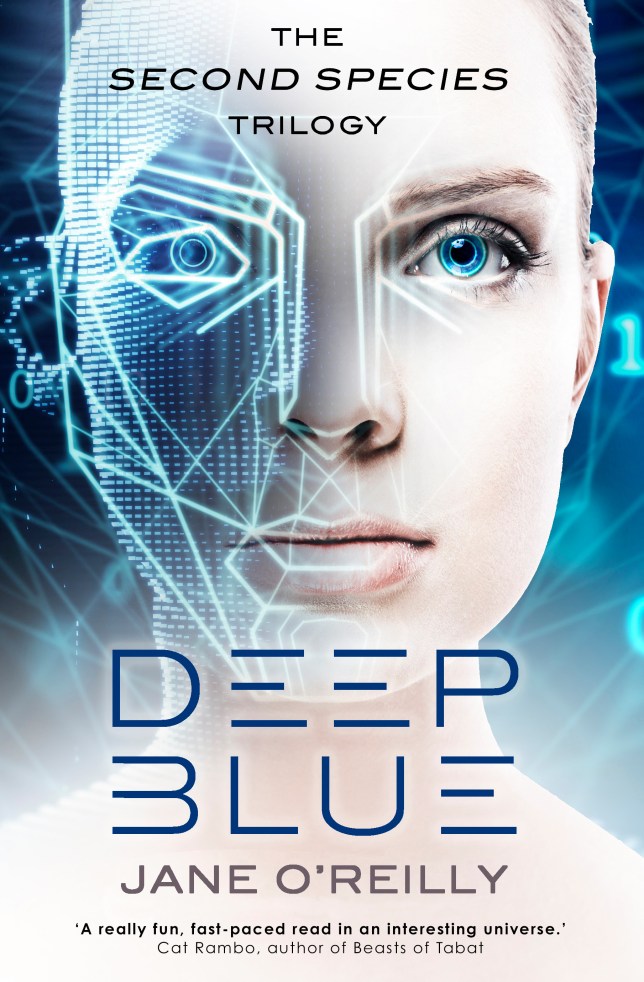
Deep Blue by Jane O’Reilly

Deep Blue Cover

Publisher: Piatkus

Publication date – 31 July 2018

Amazon     Book Depository

Following on from her 2017 release, Blue Shift, Jane O’Reilly returns to her electrifying science fiction universe for another exciting and action-packed adventure among the stars.

In the distant future of 2207, Earth is dying and humanity’s only hope for survival is a brand new planet on the other side of the galaxy.  Travel to this new sanctuary requires passage through the territory of several alien species who are unwilling to let a ragged human fleet anywhere near their areas of space.  In order to convince these aliens to allow humans access to a new planet, the government has initiated the Second Species programme to create the only resource the aliens want: human slaves genetically altered with alien DNA.

Former bounty hunter Jinnifer Blue, after failing to reveal the terrible truth about the Second Species programme, has been captured by its creator, her mother, Ferona Blue.  Now genetically altered with alien strength and pissed beyond all belief, Jinnifer escapes from the lab where she was held.  Having given up on warning humanity about the government’s sinister plans, Jinnifer’s only desire is to be reunited with her lover, the pirate Caspian Dax.

But Dax was also captured by Ferona and is now serving a brutal alien race as a mindless gladiator on the planet of Sittan.  Jinnifer has no choice but to travel to Sittan and attempt to rescue Dax, while at the same time organising the rescue of another friend, Eve, who has been captured by another dangerous alien species.  Gathering together allies and an old enemy into a ragtag team, Jinnifer initiates two desperate rescue missions to save her friends.  Can Jinnifer succeed, or has Dax fallen too far under the sway of the dangerous Sittan empress?

Deep Blue is the second book in the Second Species trilogy and a brilliant sequel to O’Reilly’s first science fiction book, Blue Shift.  This is a fun and fast-paced action series that makes use of an inventive and dangerous universe filled with unique aliens and desperate humans.  Deep Blue has a very busy plot told from a variety of viewpoints that are combined together in a clever fashion to create one thrilling narrative.  Each of the various exciting storylines also contain some flawed and damaged characters, most of whom are seeking some form of redemption.

Just like in Blue Shift, I found that the parts of the book that I enjoyed the most were the chapters that followed the machinations of the book’s central antagonist Ferona Blue.  Her despicable political manipulation on Earth was a highlight of the first book, and this continues to be the case in Deep Blue.  The added focus on Ferona’s negotiations with alien politicians, including the book’s other main antagonist, the Sittan empress, is a brief but fun addition to this equation.  Deep Blue’s other storylines are also very fascinating and contain some great sequences, including having four storylines featuring rescue missions and alien captivity running simultaneously within the book.

Readers who enjoyed the first book of the Second Species trilogy will also enjoy the significant development that the central character, Jinnifer, has undergone since the start of Blue Shift.  The character has evolved from an uncaring loner to the leader of her own small crew who harbours deep concerns for her friend’s wellbeing.  There is also a shift in the character dynamics between Jinnifer and Dax that is quite noticeable.  In the first book, Jinnifer was constantly being rescued by Dax, who ended up sacrificing everything to save her.  This is reversed in Deep Blue, as Dax is the one who is trapped and Jinnifer is the one attempting to save him by undertaking a dangerous rescue mission.  It is a fun change to the established character dynamic and readers of Blue Shift will appreciate the interesting change of pace O’Reilly takes in this second book.

O’Reilly has also created an excellent original universe to serve as the setting for her series.  There are a ton of intriguing science fiction elements, including an interesting prediction for the future of Earth and humanity and a number of unique alien species.  In Deep Blue, O’Reilly goes into greater detail of two of her alien races, the Sittan and the Shi Fai.  There is some exploration of both races’ history, culture, technology and way of life, as well as a visit to both home planets.  While there is a larger focus on the Sittan and their militaristic, female-dominated society, including using the Sittan empress as one of the book’s main antagonists, the scenes on the Shi Fai home planet are certainly memorable and more disturbing.  Other science fiction elements that readers are bound to find entertaining within Deep Blue include O’Reilly’s look at intergalactic politics, Earth’s political manipulation with advanced technology and the inclusion of human-alien hybrids.

This is a fairly action-packed book with some great combat sequences infused into the story to excite the readers.  The main character spends significant parts of the book utilising the swords she has implanted within her arms to great effect, and O’Reilly ensures that her two main characters spend significant time in gladiator-style death fights.  The author also is not too attached to some of her characters, so prepare for a few shocks and surprises.

O’Reilly once again sends the reader on an imaginative science fiction adventure through a dark and dangerous universe.  Deep Blue is a deeply fun and action-orientated story that will appeal to a wide audience and have readers hanging out for the final book in this exciting trilogy.

My Rating:

Four stars

Amazon     Book Depository

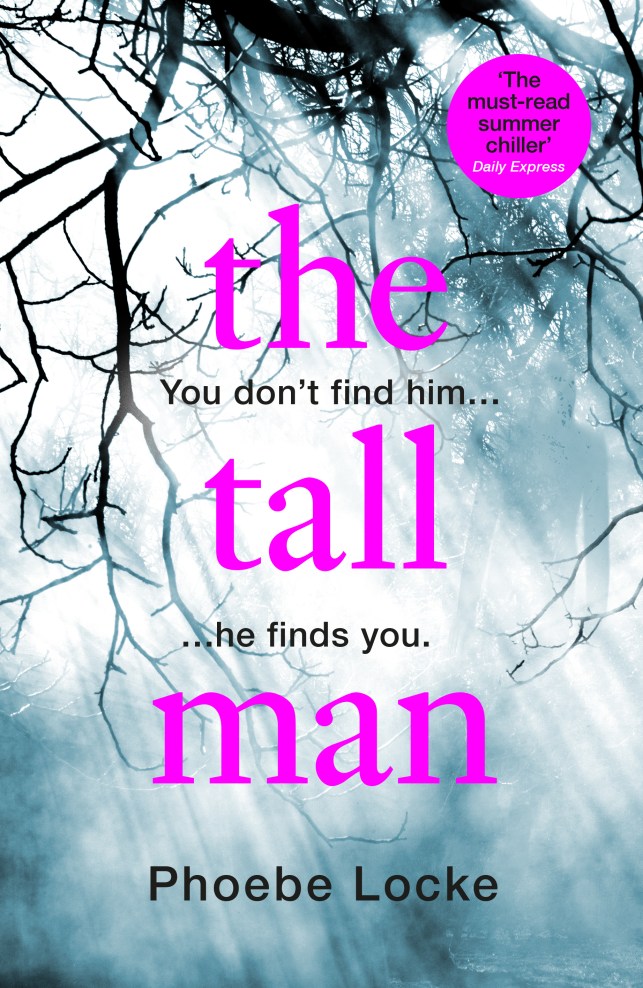
The Tall Man by Phoebe Locke

The Tall Man Cover

Publisher: Wildfire

Publication date – 12 June 2018

Amazon     Book Depository

Prepare to explore an urban legend in this dark and complex thriller from author Phoebe Locke, whose inclusion of a number of disturbing horror elements that have been influenced from the Slender Man phenomenon turn this exciting story into a must-read book for horror fans.

For years the mysterious Tall Man has haunted the minds of many people throughout England, but is he a figment of their imagination, evidence of their mental instability, or something far more real?  In the 1990s, three girls pledge their loyalty to the Tall Man in the dark woods around their home.

In 2000, a young mother flees the demons of her past and abandons her newborn baby.  16 years later she returns to her family, believing the threat from the Tall Man has passed, but something is still stalking her and her daughter.

In 2018, after a teenager is cleared of murder in a controversial and highly publicised trail, she embarks on a worldwide tour, followed by a documentary film crew.  Is she an innocent victim, or is she the latest tool of the Tall Man?  Each of these events is connected to this sinister figure, but is he the powerful legend that these people believe he is?  You decide, but remember, The Tall Man can make you special if you let him.

The Tall Man is the debut book from Phoebe Locke and is an intricate and deeply unsettling thriller that will hold an interesting appeal to fans of the horror genre.  Overall The Tall Man is a fantastic thriller that makes full use of its horror elements to create an effective story that is both compelling and creepy at the same time.  Locke has written in a number of shocking twists and turns for the reader to enjoy, while all of her characters are either afraid of or have been damaged by interactions with the Tall Man.  The constantly haunting Tall Man is an interesting and unique addition to this story, and its effect on the book’s plot and the characters is truly powerful.

The book is broken into three parts, each focusing on different time periods during the 1990s, 2016 with a couple of chapters in 2000, with the final part set in 2018.  Each of these parts is told from the viewpoint of different but related characters and is somewhat distinctive in style.  The stories are also interconnected in a variety of ways, although the significance and full connections are not revealed until later in the book in some powerful and emotional scenes.

Without a doubt, the most intriguing and noticeable part of The Tall Man that readers will enjoy is Locke’s clever utilisation of one of the most interesting horror phenomenon in the world today, the Slender Man.  The Slender Man is a fascinating fictional character introduced around 10 years ago that has had a surprising influence on society and some specific people.  With the Slender Man film coming out in a few weeks, Locke has chosen a great time to use a pastiche of Slender Man in her story.

The Tall Man elements are a remarkable part of the book, and Locke has used them to full effect to enhance her story and to make the thriller elements more disturbing and creepy.  Locke has included a number of references to the Slender Man lore, including his shadowy presence and his targeting of young children.  There are also some captivating elements to the book that have been clearly influenced by real events tied to the Slender Man.  This includes Locke’s own fictional version of the infamous Waukesha Stabbing incident of 2014, which is key plot point within the book and results in several shocking twists that will really stick in the reader’s memory.  Locke also ensures that the reader is constantly left wondering about whether the Tall Man is a real supernatural being or whether he is a mere fantasy in the minds of the main characters that becomes a group delusion among the other characters.  This element of uncertainty is a fantastic addition to this book and readers will be considering what the answer is long after they have finished reading The Tall Man.

While the storyline set in 2016 represents the most significant storyline plot-wise, I personally enjoyed the chapters set in 2018 the most.  These chapters are based around a documentary film crew who are trying to make sense of an incident that occurred in the 2016 storyline.  The documentary makers in the 2018 storyline are essentially trying to come up with the next bestselling true crime series, and there are several allusions to current documentaries, such as the Making of a Murderer series or the real-life Beware the Slenderman documentary that was released on HBO in 2017.  As a result, the reader is taken behind the scenes to follow the filmmakers as they research the Tall Man phenomenon.  This part of the book features detailed examinations of Locke’s Tall Man lore, and how it has affected a number of people, including the other storyline’s main characters.  It is interesting to see how Locke’s fictionalised Tall Man differentiates from the classic story of The Slender Man, and readers will enjoy examining how Locke has created a fictional replica of an already fictional character.  The 2018 storyline also has a series of hints about the climax of the book’s other storylines, all of which were chronologically set before it, and it was fascinating tying these hints together with the actual storyline.

 The Tall Man is the perfect read for those looking for something special and who aren’t afraid of some eerie horror in complex and heart-pounding thrillers.  With her debut book, Locke has proven that she is definitely an author to look out for and I’m excited to see what she comes up with next.

My Rating:

Four stars

Amazon     Book Depository

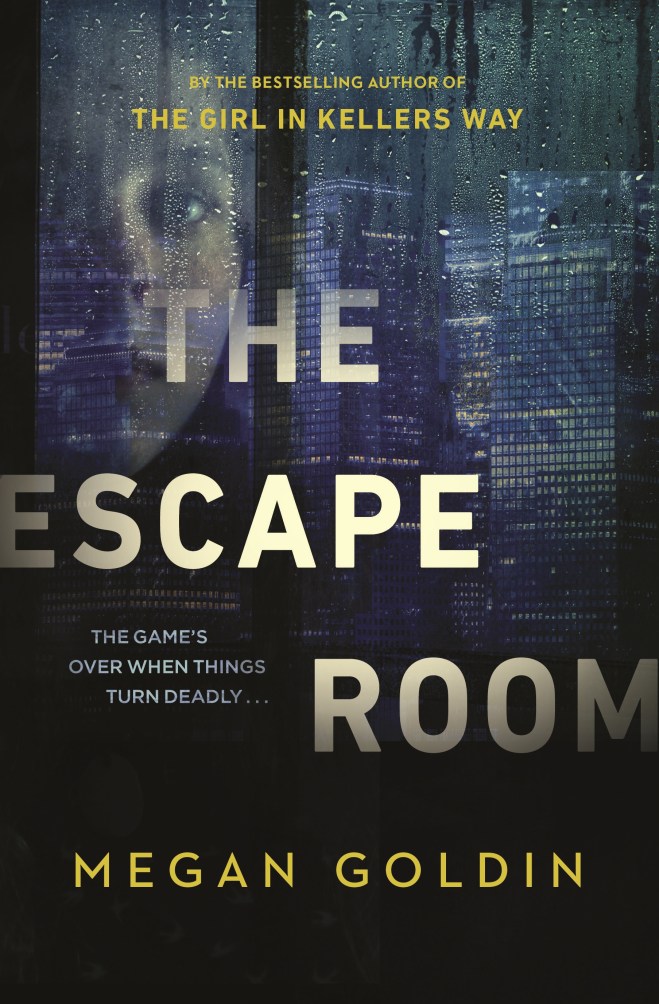
The Escape Room by Megan Goldin

The Escape Room Cover.jpg

Publisher: Michael Joseph

Publication Date – 28 May 2018

Amazon     Book Depository

Australian thriller star Megan Goldin follows up her 2017 debut, The Girl in Kellers Way, with The Escape Room, a sensational new story that stabs right into the heart of Wall Street and the corruption and death festering within.

For years, the high-flying Wall Street investment team of Vincent, Jules, Sylvie and Sam have been the ultimate movers and shakers in the world of rich financiers.  Despite years of success, recent setbacks have put them all at risk of being fired from the large investment firm of Stanhope and Sons.  Ordered to a mandatory team-building exercise, the four colleagues meet at a half-constructed building and enter an express elevator to one of the top floors.  However, the elevator only ascends halfway up the building before stopping and leaving them suspended between floors and high above the ground.  As the four investors attempt to work out what is happening, they receive a chilling message: “Welcome to the escape room.  Your goal is simple.  Get out alive.”

While the team searches for a way out of the elevator, it soon becomes apparent that this is no ordinary escape room.  Secrets and lies are revealed through cryptic clues, and the information revealed is designed to make the four strong personalities clash and lash out at each other.  But the greatest mystery is the clues that hint to the team’s past, and particularly to a dark secret they have kept hidden for years.  As time passes and their situation becomes even more desperate, the four financiers start to turn on each other in their search for answers.  Who has trapped them, and how is it linked to the deaths of two young women who used to be members of their team?

The Escape Room is the second book from Goldin and is another great work from this fantastic Australian author.  I really enjoyed this book and found it to be so compelling that I read the whole thing in one go, intrigued as I was by the unique concept and eager to see how the story ended.

Goldin has split her book into distinctive halves, with two separate stories told in alternating chapters throughout the book.  Half of the book is dedicated to the characters trapped in the elevator and is set over the period that they spend in their confinement.  The other half of the book focuses on the life of Sarah Hall, a young college graduate and entrant to the team at Stanhope and Sons.  The chapters that focus on Sarah are set over several years leading up to the events shown in the book’s other storyline.  The chapters following Sarah feature younger versions of the characters trapped in the elevator and provide significant backstory on these people and the work that they do.

Apart from plot content, there is also another key change between the two halves of the book that is very noticeable to the reader.  The chapters set within the elevator are all told in the third person from the viewpoints of the four characters trapped within it.  However, the chapters set in the past that focus on Sarah are all told in the first person.  This is an effective way of differentiating between the two halves of the book and represents a distinctive change of tone within the story.  The use of two different styles is an interesting choice from Goldin, but it actually works really well in this book.  The third person point of view is the best choice for the scenes in the elevator, as it allows the author to show the actions of the four characters, each of whom have strong personalities.  It also allows the reader to see the mindsets of each of the characters, as their recent actions and relationships issues are explored at multiple points throughout the chapter.  These extra details add to the story and help explain the pressures they are under and the reasons they start to disintegrate mentally.  Using the first person point of view for the chapters following Sarah is also a good choice from Goldin, as the reader gets to see Sarah’s personal experiences of the Wall Street lifestyle and her impressions of the characters from the other storyline who are her superiors at the firm.  This allows the reader to see the characters who become desperate and crazy in the elevator chapters as they were when they were confident and arrogant Wall Street hotshots.  This results in some great scenes and is an amazing pay-off for this unique choice of format.

The Escape Room contains some exceptional storytelling from Goldin, who has managed to create an intricate and captivating thriller.  The scenes of the book set in the elevator are particularly intriguing, as the reader gets to witness these characters slowly become more erratic the longer they are trapped, and finally turn against each other.  The final reveal of who is set up the escape room is a little predictable towards the end of the book.  That being said, there are some great twists and turns getting there, as well as some exciting revelations, such as how the whole situation was set up, the motives behind it, as well as which characters in the elevator actually knew the dark secret that resulted in their captivity.  These additions to the narrative are intricate and clever, and are one of the main reasons that The Escape Room is such a great read.

While this book had a number of amazing elements, the thing that I enjoyed the most was the examination of the Wall Street lifestyle.  Goldin has done a superb job of capturing the sleaze, the sexism, the nepotism and the cronyism that infects such an old-school boys’ club like Wall Street.  The descriptions of the lifestyles that the Wall Street brokers have to live are just insane, and Goldin spends significant time describing every aspect of these character’s lives and how their work, with the long hours, focus on appearances, the corporate backstabbing and the hunt for more money completely consumes their lives.  While Goldin does not paint Wall Street in the best light, it is the perfect background for a thriller, and I really hope that she returns to this setting in some of her future books.

The Escape Room by Megan Goldin is an outstanding second outing from this amazing new Australian author.  With a brilliant setting that contains a deep and confronting look at the daunting Wall Street lifestyle and a complex and captivating narrative that masterfully combines two excellent storylines, The Escape Room takes the readers on a wild thrill ride that they will be unable to escape.

My Rating:

Four and a half stars

Amazon     Book Depository

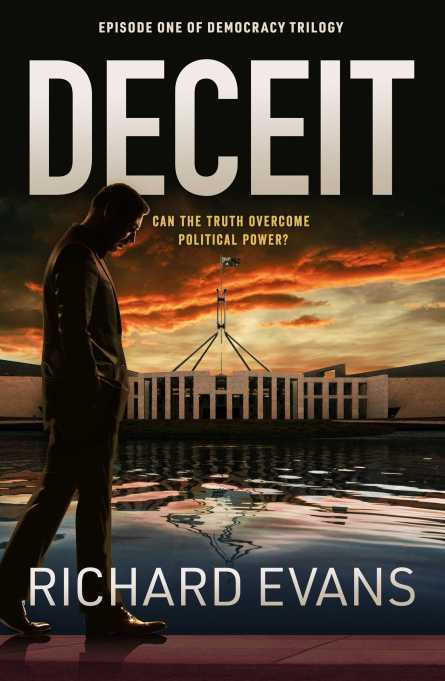
Deceit by Richard Evans

Deceit Cover

Publisher: Impact Press

Publication date – 18 June 2018

Amazon     Book Depository

From former politician Richard Evans comes one of the most incredible fictional examinations of the Australian political system with Deceit, an exciting and superb political thriller.

When corrupt Australian Prime Minster Andrew Gerrard makes a deal with his Indonesian counterpart, he embarks on a plan to build up a retirement nest egg by passing a controversial funding bill for overseas detention centres over a period of several years.  However, when key members of his party die in a tragic plane accident, Gerrard decides to process all of the funding in one go and receive the full amount of his payoff.

Outnumbered in the House of Representatives, and with only one week to pass the bill through both houses of parliament, the task looks impossible.  But the Prime Minister is a canny political operator with no conscience to speak of and with the Speaker deep in his pocket and with no conscience to speak off.  Equipped with a master plan, Gerrard starts to manipulate the bill through parliament.

The only person who may be able to stop him is the outgoing Clerk of the House of Representatives, Gordon O’Brien, who suspects that the Prime Minister’s mysterious last-minute bill is more sinister than it appears.  As one of the few people who believe in the sanctity of the parliament, O’Brien will risk everything to find out the truth and ensure no wrongdoing is done on his watch.  Utilising all the tools at his disposal, including the opposition and investigative journalist Anita Devlin, O’Brien prepares to move against the Prime Minister.  Let the political games begin!

Evans is a former Australian politician who served two terms as a federal member of parliament in the 1990s.  Evans has decided to utilise his political experience and expertise by creating a series of Australian politics based thrillers and dramas, with several books planned for release in 2019 and 2020.  Deceit is his debut novel and the first book of his planned Democracy trilogy, with the second book in this series, Duplicity, already set to be released in 2019.  Readers interested in fictional depictions of Australian politics should also keep an eye out for his upcoming Referendum and Jack Hudson series, both of which will start to be published in the next two years.

Deceit is a fabulous political thriller with a fantastic story that twists and turns through multiple layers of manipulation, deceptions, lies and double-crosses.  The book’s main antagonist, Australian Prime Minister Andrew Gerrard is a selfish, manipulative and sleazy character who serves as a perfect villain for this story and whose plots are a highlight of this book.  Evans has done a clever job of spreading the story out among multiple point-of-view characters, as this allows the reader to view the impact of Gerrard’s manoeuvrings and lets them see how they are received by members of the opposition, the media and O’Brien.  Evans is a very talented storywriter, and the entire plot of Deceit is extremely compelling and very well thought out.  Readers will fall in love with this amazing story and will find its overall conclusion very satisfying.

As someone who lives and works in the book’s main setting, Australia’s capital city, Canberra, I have received a lot of exposure to Australian politics.  As a result, I loved the author’s exceedingly realistic and accurate depictions of the Australian political system and how it was used within this story.  There is some great coverage of Australia’s parliamentary procedure and the creation and passage of bills and laws through both houses of parliament that are presented in a precise and well-described way.  There are also a number of characters who hold roles that are actually part of Australia’s political and civil service.  These positions and roles are explored in detail, and the reader is given significant insights into what work and requirements are needed by the people holding them.  Evan’s does a fantastic job of weaving these usually dry subjects into a very enthralling narrative, and readers will be intrigued to see how the fictional Prime Minister plans to get a dodgy bill past the entire country without anyone noticing what he is doing.

The standout scene of the book has to be an extended chapter that featured a session of question time in the House of Representatives.  Question time is a daily occurrence during the parliamentary sitting period during which government and non-government members of parliament ask ministers questions about their various portfolios.  As someone who has been exposed to many question times, I was struck by how genuine Evans’s description of this event was.  Evans perfectly encapsulates the entire process from start to finish and was able to recreate the snarky and sometimes petulant nature of the discourse that are the usual fare of question time.  The author expertly links the overarching storyline of political corruption into this scene, as one member of the opposition is suspicious and starts to ask the Prime Minister leading questions about the controversial bill he has put forward.  The political back-and-forth around these questions was amazing, and it was fascinating watching them being tied into the rest of the story.  Overall, this sequence was exceedingly compelling, and the entire time I was reading it I was physically incapable of putting the book down.

Deceit also contains some detailed and enjoyable depictions of Australia’s Parliament House and the capital city, Canberra.  Parliament House is a beautiful building, and Evans does a wonderful job describing Parliament House in detail and examining various parts of the building, from the Prime Minister’s office and courtyard, to the various gardens, media offices and even cafes.  Other little nuances of life within Parliament House are also captured within the text, no doubt because of Evans’s prior experiences working within the building.

I also really enjoyed seeing my home city of Canberra featured in this book.  Despite being the capital city, Canberra does not feature much in fiction, due to it being a smaller and newer city than Sydney or Melbourne.  Deceit, however, contains some great depictions of the areas of Canberra close to Parliament House.  There are several references to some real restaurants and cafes that politicians are known to frequent and where several big political discussions are known to have taken place.  There are also several scenes where the characters explore other parts of Canberra as part of the book’s plot.  I for one found it incredibly amusing and disconcerting to read a scene about a secretive handoff of documents set in a cinema that I’ve watched The Hunger Games and Doctor Who specials in.  Canberra locals will love seeing their city as a major fixture of this book, and other readers will get to explore Australia’s capital and see its potential as a setting in this exciting thriller.

Richard Evans’ first book, Deceit, is a five-star thriller that brings the Australian political process to life.  Former politician Evans brings all of his insight and expertise to this new book, and readers will be astounded by the realistic descriptions of Australian politics and the way it has been utilised in this exciting and first-rate story.  This is an outstanding debut from Evans, and this terrific read comes highly recommended.

My Rating:

Five Stars

Amazon     Book Depository

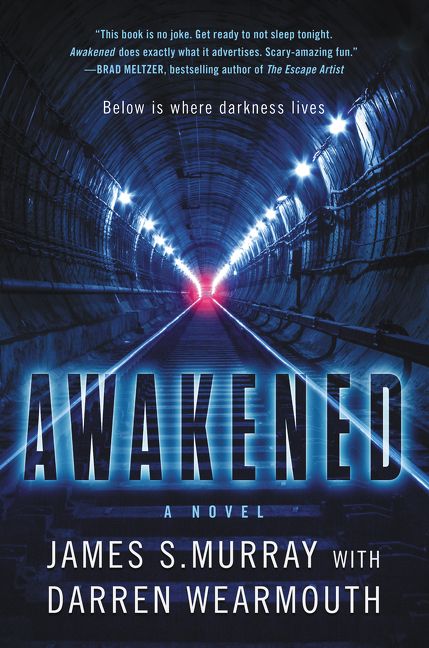
Awakened by James S. Murray and Darren Wearmouth

Awakened Cover.jpg

Publisher: Harper Voyager

Publication Date – 26 June 2018

Amazon     Book Depository

First-time author James Murray, of Impractical Jokers fame, teams up with veteran science fiction writer Darren Wearmouth to bring you the fast-paced, action-packed horror extravaganza, Awakened.

It is the unveiling of New York’s newest subway line, one of the most ambitious underground construction programs in the world.  The new express line will travel through a series of new tunnels that are now connecting the various suburbs previously separated by the Hudson River.  At the centre of this new expansion is the Visitor’s Pavilion, a gleaming state-of-the-art control centre and shopping hub situated beneath the Hudson.

The first run of the new system has been set up as a massive event, featuring the press, civic dignitaries, New York City’s mayor and even the president of the United States.  However, when the train rolls into the Visitor’s Pavilion it is not the triumphant occurrence that the waiting crowd was expecting; instead it is a scene of carnage.  The train that arrives is deserted, with all the passengers missing.  Not only that, but ragged holes have been made in the side of the carriages and the floors are covered in blood.

As the crowd panics and attempts to flee what appears to be a massive terrorist attack, an explosion rocks the tunnels and methane starts to flood the entire subway system.  As the tunnels begin to fill with gas and the slightest spark could result in another explosion, those trapped in the Visitor’s Pavilion soon discover that a far more dangerous threat is stalking them.  Something has been living under New York and the construction of the new tunnels has woken it up.  As this new threat starts to pick off both the trapped crowd and the rescuers attempting to reach them, it falls to New York’s mayor Tom Cafferty, NYPD SWAT member Sarah Bowcut and subway technician Diego Munoz to discover what is down in the dark with them.  The more they dig, the more they realise that they are dealing with something far more dangerous than they could possibly imagine, and that a sinister conspiracy has been keeping it hidden from the rest of the world.

This bold new book is the result of a collaboration between comedian James “Murr” Murray and Darren Wearmouth, a science fiction and horror writer with a number of joint novels already under his belt.  The idea for Awakened was originally developed by Murray some years ago, and represents the first novel in a new series that the two authors have been working on, with two future additions already planned for 2019 and 2020.

Awakened is a captivating adventure, science fiction and horror hybrid that goes straight for the reader’s imagination whilst throwing their action centres into overdrive.  This is one of the fastest-paced novels of 2018, as the book’s characters are forced to be quick and decisive in order to escape death.  There are ton of great sequences as the characters encounter the various dangers converging on them and must work on a range of elaborate and desperate escape and rescue attempts.  Murray and Wearmouth are able to weld together some exciting scenarios around this concept, and readers will enjoy watching the characters adapting to the problems they encounter, such as methane in the tunnels stopping them from using guns or flames to defend themselves.  In addition to these excellent action sequences, Awakened contains some truly creepy scenes that will really appeal to horror aficionados.  The characters are assailed with a range of strange sightings, noises from the darkness and the disturbing voices of children crying for help from just outside the character’s line of sight.  This pulse-pounding content is absolutely fantastic and ideal for those who love a startling adventure.

Murray and Wearmouth have also created an intriguing monster to attack the protagonists in the subway tunnel.  Without giving too much away, Awakened’s monstrous element is unique and plays into humanity’s fear of the dark and the creatures that could reside there.  The nature of the threat is revealed at just the right time, as the authors waited until the audience would be sufficiently engrossed in the book.  The eventual full reveal is one of the most memorable parts of the book, as it contains some great reactions from the characters encountering them, whilst at the same time rewarding the reader’s curiosity in a big way.  The authors work to ensure that their audience’s imagination and curiosity is continuously piqued throughout the entire story.  There is also a complex and fascinating conspiracy element that is woven into this part of the book which is intriguing to discover and unravel.  It is definitely a notable part of the story, and it looks like it will be major part of the next books in series.

The authors make significant use of multiple perspectives and viewpoints throughout Awakened.  This type of storytelling often works well for these large-scale horror novels, and this book is no exception.  This breakdown of point-of-view characters allows the reader a much larger picture of what is going on, especially as the various viewpoints tie together into one massive, high-powered story.  It is fun watching the actions of one group of people impact the decisions or choices of another group of people who are located in a different part of the book’s sprawling, underground setting.  This also allows the reader to see smaller scenarios that add to the whole story, such as one fantastic sequence which sees someone attempt to rescue the passengers only to meet their doom.  Despite it being this character’s only scene, his death affects the rest of the characters and there are multiple viewings of his corpse throughout the book to spook those who had no idea of his fate.

It is also worth noting that Murray and Wearmouth have made several homages to other works of horror within Awakened.  I was particularly drawn to several noticeable references and parallels throughout the book to Jurassic Park.  For example, there is a great reference early in the book involving the phrase “no expense had been spared” being used when discussing the celebrity written audio elements of the initial ride.  In addition, some of the characters actually compare their situation to Jurassic Park, which I found to be amusing.  These are a fun element to watch out for, and readers will enjoy noticing these throughout the book, while at the same time, appreciating that they do not overwhelm Awakened’s central horror based theme.

Awakened is a fantastic horror read that really amps up the adventure and action, leaving the reader excited for more.  With a sinister monstrous element and an enjoyable narrative containing an elaborate conspiracy-laden storyline, this collaboration between Murray and Wearmouth is a roaring success and readers should be eager to see what this duo cooks up next.

My Rating:

Four stars

Amazon     Book Depository

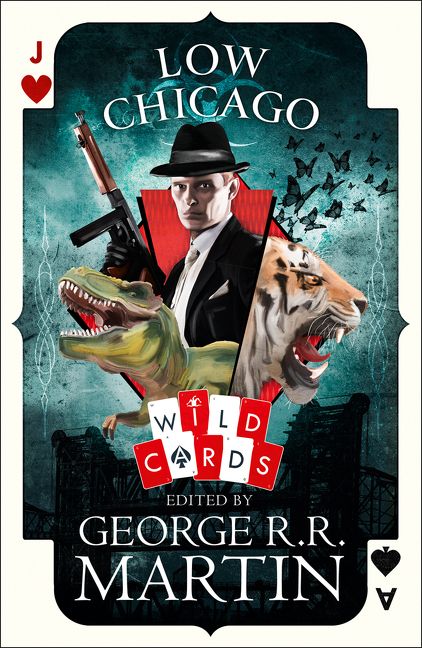
Low Chicago Edited by George R. R. Martin

Low Chicago Cover.jpg

Publisher: Harper Voyager

Publication Date – 12 June 2018

Amazon     Book Depository

From of eight of the world’s leading science fiction and fantasy writers comes the latest addition to the superhero-filled Wild Cards universe, edited by fantasy legend George R. R. Martin.

Wild Cards is one of the more interesting series currently running in the world today due to its distinctive anthology format and the unusual way the series came into existence.  The stories that would eventually form the Wild Cards books were originally written as part of a lengthy Superworld role-playing game campaign that had Martin as gamemaster.  Martin and the other players, all of whom were science fiction writers, created elaborate backstories for the campaign and characters, which were eventually incorporated into the first book in the series, a dark and gritty superhero based anthology also called Wild Cards.  The following entries in the series, despite routinely changing authors, tended to follow the same format as the original book by combining together a series of short stories into a connected narrative.  Low Chicago is the 25th Wild Cards book to be released since the 1987 debut, with two other entries due to be published later in 2018.

The Wild Cards books are set in an alternative universe where an alien virus, known as the Wild Card virus, was released in 1946 above New York City.  This virus affected thousands throughout the planet, killing most of the people it came into contact with and altering the DNA of the survivors.  The vast majority of the infected who remained alive were mutated physically and are now referred to as Jokers.  However, a small percentage gained superhuman abilities and powers and are referred to as Aces.  The stories that followed have been set between 1946 and a time period that usually corresponds to the book’s real world publication date.

In Low Chicago, Martin continues to serve as editor.  The book includes input from two long-running Wild Cards contributors, John J. Miller and Melinda M. Snodgrass, who authored stories in the original Wild Cards.  There is also input from previous contributors Paul Cornell, Marko Kloos, Mary Anne Mohanraj and Kevin Andrew Murphy, as well as newcomers to the series, Saladin Ahmed and Christopher Rowe.

Low Chicago starts in 2017, where a high-stakes poker game has been set up in the city’s famous Palmer House Hotel by a prominent mafia boss.  Each of the seven players has a one million dollar buy-in, and is allowed to bring two attendants including bodyguards.  However, all hell breaks loose when a mysterious assailant targets one of the players, causing the other players and attendants, many of whom are powerful Aces, to unleash their abilities throughout the room.  In the middle of the chaos one of the bodyguards unleashes his own mysterious power and accidently scatters everyone in the room back in time.

Now with history changing outside the hotel, it falls to John Nighthawk and the Sleeper, Croyd Crenson, to travel back to various points of Chicago’s past and find the people trapped there before the present unravels.  But among those who have been sent back are some of the world’s most dangerous criminals, who have decided to change time for their own benefit.  Stuck throughout key points of Chicago’s history, can the time travellers be recovered before the present is permanently altered?

Like many of the books in the franchise, Low Chicago is an anthology featuring several short stories that have been combined together into one overarching and interconnected narrative.  Each of the short stories is unique and features one or more of the characters sent back in time, or inhabitants of the timeline they encounter.  Whilst these short stories all have the same starting plot point, they all have different focuses thanks to that story’s specific characters or time periods.  As a result there are several varied stories, each with their own unique features.  For example, the story Stripes, by Markos Kloos, features a fantastic narrative about the half-human, half-tiger character Khan being trapped in Chicago in 1929 and getting involved in the events surrounding the St. Valentine’s Day Massacre.  Not only is the narrative about an obviously powered individual attempting to influence such an iconic moment in a mob war fun and exciting, but Kloos also includes some significant and heartfelt ethical and emotional decisions that really make you feel for the character of Khan.  At the same time, the story Meathooks on Ice is a complex and emotional story from Saladin Ahmed that focuses on a young and troubled Ace, Meathooks, as he attempts to find redemption and his place in the world back in prehistoric times.

In addition to the overarching time travel plot feature, each of these short stories is also connected together by the characters of John Nighthawk and Croyd Crenson, who could be considered the book’s main protagonists.  Nighthawk and Crenson either appear in the stories themselves or later interact with a story’s central character in order to resolve the specific storyline.  Nighthawk and Crenson are also the main characters of the book’s central storyline, A Long Night at the Palmer House, written by one of the founding authors of Wild Cards, John J. Miller.  This central storyline, told from the viewpoint of John Nighthawk, a character created by Miller in a previous book, is broken up into 11 parts and spread between Low Chicago’s other stories.  The first part of this storyline features the initial poker game and shows the events leading up to the other characters being sent back in time, while the reminder of this storyline focuses on the protagonists’ attempts to find them.  Large portions of this storyline directly tie into Low Chicago’s other short stories, but there are also some sections where they hunt down characters not featured in any of the other short stories.  Miller has included some great scenes in this central storyline, and they get particularly compelling when they encounter the results of the other characters meddling in time and they have to discuss the ethical implications of resetting the timeline.  One particularly outstanding example of this is a sequence that requires the characters to navigate through and fix up a messed up dystopia caused by one of the runaway Aces.

Despite the different authors and the varied content of Low Chicago’s stories, many of the entries complement each other and fit together really well as a result.  Nearly all of the stories contain links to the Wild Cards universe, make full use of Chicago’s rich history, have a comparable dark humour, feature intense action sequences, tell the story in the third person from point of view characters, and have a very similar pace.  There is however, one story that doesn’t follow this trend.  A Bit of a Dinosaur, by Paul Cornell, stands out from the rest of the entries in Low Chicago, as it breaks from third person narration that the other authors utilised, and is instead written in the first person.  Cornell capitalises on this by ramping up the humour in the story and making it a little lighter in tone than the other stories in the book.  The first line of A Bit of a Dinosaur, “I think it’s important to say, immediately, that I am no way responsible for the extinction of the dinosaurs” really sets the tone for this whole short story and it only gets better from there.

One of the most enjoyable parts of Low Chicago is the rich history of the book’s titular city, Chicago.  Throughout all of the short stories, the reader is transported to various periods of Chicago’s history in order to witness several of the most significant events in the city’s past.  These include The Great Chicago Fire of 1871, the Black Sox scandal of 1919, the opening of the first Playboy Club, the St. Valentine’s Day Massacre, the disastrous 1968 Democratic National Convention and the 1893 World’s Columbian Exposition.  All of the authors take significant pains to explore the significance of these events and the impact they had on Chicago and the rest of America.  The reader is given a crash course in the history of these proceedings, and also experiences the author’s interpretation of several key historical figures.  Many of these events occurred before the 1946 release of the Wild Card virus which removed the Wild Cards universe storyline from real world history, and it is fun to watch these events get altered due to the inclusion of several super-powered beings.  It is also extremely fascinating to see the various authors’ interpretations of the historical occurrences that happened after 1946, as they occur in a world where superpowers and mutations are rampant.  As a result, the authors have provided some inventive and captivating alterations that will prove to be highly enjoyable for the reader.

Fans of the Wild Cards universe will also love the deep connections that Low Chicago’s stories have with the rest of the franchise.  In addition to some interesting and complex new characters, Low Chicago features a huge range of characters who originated in the previous Wild Cards books.  There is a deep focus on the history of many of these characters and the readers get to see them placed in a range of unique and compelling situations.  In addition, the authors make full use of the overarching time travel storyline as they visit a range of characters who were killed off in previous books or whose main adventures occurred in storylines set many years before 2017.  Long-time fans of this series will love the inclusion of or nods to these early characters, especially as several have significant roles in the narrative.

Readers unfamiliar with this series may be slightly overwhelmed at the start of the book, but all of the authors contributing to Low Chicago do an amazing job of providing the relevant exposition and explanation for all the characters and the overall history of the Wild Cards universe.  Indeed, Low Chicago might be a perfect book for first time readers of the Wild Cards franchise, as the huge range of characters and the focus on time travel provides the reader with a huge amount of backstory and history that the previous books did not need to contain.

Low Chicago is an outstanding new release that is a sensational and memorable inclusion to one of the best science fiction series currently on the market.  It makes incredible use of its distinctive anthology format and the overarching time travel storyline throughout Chicago’s history that is an inspired and marvellous in its execution.  Low Chicago really stands out from the rest of the books in the Wild Cards franchise and readers will not be disappointed by this latest offering.

My Rating:

Four and a half stars

Amazon     Book Depository

Connect by Julian Gough

Connect Cover

Publisher: Picador

Publication Date – 8 May 2018

Amazon     Book Depository

For those looking for a darkly complex and intense techno-thriller, look no further than Connect by Julian Gough, a unique novel that also critiques future trends and humanity’s increasing reliance on technology.

In the very near future, computer technology has been incorporated into nearly everything, linking the world and helping with all aspects of day to day life.  In Nevada, awkward young teen Colt is a talented hacker living with his mother, Naomi.  Seeking to create a perfect replication of the real world in virtual space, Colt has also developed a dangerous fascination with his mother’s biotech research.

When Colt submits his mother’s revolutionary work to a biotech conference, Naomi comes to the attention of the government, including Colt’s father, a high-ranking spook, Ryan, concerned with its potential implications.  However, Colt has also taken the opportunity to inject himself with the experimental biotech, turning himself into something new: a hybrid of man and technology.  Colt and Naomi are soon considered to be threats to the government, and Ryan activates an experimental defence network to hunt them down.  Colt and Naomi are forced to go on the run and must try to avoid a barrage of killer drones programmed to target and kill them at any cost.  Will Colt’s new abilities be enough to overcome the computer intelligence seeking them, or will the future of technology be changed forever?

Connect is an inspired new novel from Gough which represents a different direction from his previous writings.  Connect is a fascinating read and an interesting techno-thriller that examines the future of technology, creates a compelling dialogue and makes significant use of some excellent narrative elements.

The main story is an absorbing thriller that pits the protagonists against some sizeable opponents and threats.  One of their main opponents is an advanced and experimental computer program that is connected to every piece of technology in the country.  As a result, the protagonists are forced to find ways to avoid the overwhelming surveillance hunting them. Not only must they avoid pursuit from teaching devices and video cameras but they must also find a way to go low tech in a society that has computers connected to everything.  There are some great scenes where the characters are forced to out-think drones hunting them and try to find ways around the tracking programs that determine when and where to attack.  All of these play wonderfully into the book’s thriller storyline, and there is some real excitement when the protagonists encounter and attempt to counter these technological threats.

Gough spends a significant amount of Connect examining the future of technology and ends up offering some significant commentary on our reliance on technology and its potential influence on us.  The story is set in the immediate future, where everything is controlled by computers and certain things common in our current world no longer exist.  For example, most cars are self-driven, everything has become exceedingly automated and cash has become nearly obsolete.  In other words, it is a picture of how our world is likely to turn out in the next few years, based on current advances in technology.  Gough scrutinises how this over-reliance on technology could be detrimental to humanity, and how it could be turned against us by hackers and governments.  There is also an examination of the automation of a nation’s defence and security as an advanced security program is activated to hunt down the protagonists.  The debate around such a program is very in-depth, and the readers will be fascinated by some of the arguments presented.  Naturally, the program starts getting out of hand as it is manipulated into seeing the protagonists as a bigger threat than they are and it starts to dramatically escalate its attempts to destroy its targets.  This thought-provoking discussion and examination of the future of technology is a key part of Connect and will prove to be one of the most intriguing parts of the book for some thoughtful readers.

One of the most noticeable parts of the book is the unusual format that Gough has chosen to implement throughout his book.  The story is broken up into 12 chapters, and then further broken down into 149 sub-chapters, and is formatted in a way that vaguely reminded me of code within a computer program.  The inclusion of such a visually distinctive writing format does not break up the flow of the story, nor does it affect the reader’s ability to follow the story.  It does, however, dramatically change towards the end of the book in a way that ties in nicely with some of the significant plot elements occurring during this part of the book.  Gough has also chosen to include a number of relevant quotes at the start of each of the chapters.  I personally enjoyed reading those and connecting them to the plot of the upcoming chapter, and may prove to be more amusing to those of a more computer or technical mindset than myself.  Overall, the consistent use of this unique format and the attention grabbing quotes work well with the technology-centric plot and are a clever addition by Gough.

The point of view of Connect is mostly shared between the book’s protagonists, Colt and Naomi, although the main human antagonist, Ryan, also features in a few of the book’s chapters.  These separate viewpoints offer different subjects to the reader, and Gough has done a fantastic job of presenting unique content for both of his protagonists.  The scenes that follow Colt are a stimulating experience, allowing the reader a real sense of Colt’s social awkwardness and the disconnectedness he feels with the real world, especially when he focuses on his recreation of the real world in his virtual reality.  This virtual world appears in quite a number of scenes and plays a pivotal role in the end of the plot, and it is curious to watch Colt attempt to live most of his life within this world.  The characterisation of Colt shifts subtly after he injects himself with the experimental biotech and he starts to change.  It is interesting to watch his character change and mature after this point, especially as he attempts to initiate a very awkward romance with another young hacker.  The interactions he has with technology after this point, including with the advanced defence program hunting him, are some great scenes, especially as he creates and utilises some clever work-arounds to manipulate the computer networks to his advantage.

The scenes that feature Naomi’s perspective are significantly different, representing a noticeable change of pace for the reader.  Naomi is a very damaged person who presents herself in very different way to her socially awkward son.  Gough has made sure to communicate her multiple neuroses and issues to the reader, which adds a lot of drama to the story as she must attempt to save her son whilst trying not to get overwhelmed.  Like her son, she also undergoes substantial character development throughout the story, and the reader will enjoy watching her work towards a better relationship with her son.  In addition to this excellent piece of character work, the chapters featuring Naomi as the focal point are generally a lot darker and more adult.  For example, one of these sub-chapters features one of the most memorable and disturbing death scenes that I’ve ever read.

Connect is deep thriller that revels in its use of technological elements to create a distinctive and eccentric story.  Julian Gough’s discussion and consideration of a technologically advanced future and the problems this could create is compelling and thought-provoking, and his great use of characters and formatting elements turns this into one of the most unique pieces of literature you are likely to read this the year.

My Rating:

Four stars

Amazon     Book Depository

The Fire Court by Andrew Taylor

The Fire Court Cover

Publisher: Harper Collins

Australian Publication Date – 19 March 2018

World Publication Date – 5 April 2018

Amazon     Book Depository

Bestselling author Andrew Taylor returns to the 1660’s and the scorched city of London with the thrilling murder mystery, The Fire Court.

It has only been a few short months since the Great Fire of London ravaged the city, killing many and destroying a large number of houses and buildings.  The city is now finally rebuilding itself, aided by the Fire Court, an incorruptible institution that examines legal cases around the rebuilding and ensures the best result for the city.  While the Fire Court is supposed to be neutral in all cases, there are some who seek to use it their advantage.

James Marwood, a low-level government official, is one of the few people in London doing better now than before the fire.  However, James is still caring for his ailing father, a convicted traitor whose mind has been affected by his time as a prisoner.  When his father claims to have found a murdered woman at the site of the Fire Court, James initially assumes that his father imagined the situation.  But when his father is run down in the street and killed, James begins to suspect he may have actually witnessed a murder.

As James begins to look into this possibility, he soon finds evidence that connects his suspicions to an upcoming Fire Court case that will decide who will rebuild a number of profitable properties.  His investigation once again leads him to an old acquaintance of his, Cat Lovett, the daughter of a regicide.  James previously helped Cat escape retribution for her father’s crimes, and he now turns to Cat and her new employer to gather information on the upcoming case.

When more people connected to the case turn up dead and their investigation is hampered by influential members of the court, James and Cat begin to suspect that the Fire Court may not be as incorruptible as they thought.  It soon becomes clear that death is once again stalking the streets of London and this time they will not escape unscathed.

The Fire Court is the follow-up to Taylor’s 2016 hit, The Ashes of London.  Taylor is a veteran author and has significant experience writing a range of different genres and novel types.  He has produced over 40 novels since 1982, mainly focusing on crime fiction, with some of his more recent books featuring captivating historical elements.

Taylor’s last book, The Ashes of London, was a fantastic piece of historical crime fiction that made full use of its distinctive setting of the Great Fire of London.  Having the characters solve a crime and explore the city during the immediate aftermath of such a devastating historical event was masterstroke from Taylor which has resulted in a superb and memorable piece of literature.  In The Fire Court, Taylor returns to this fascinating period to show how much rebuilding happened in the six months after the destructive fire.  The focus on the historical Fire Court that was instituted in the aftermath of this event is the most intriguing part of Taylor’s new book, and readers will be extremely interested in learning more about this unique bit of history.  Taylor does a tremendous job of introducing the role that the Fire Court played in the rebuilding of the city and how it worked.  The reader is treated to several scenes that feature cases before the court, showing how the verdicts were reached.  Several of the Fire Court’s actual judges are included as characters, which is a nice touch of historical realism.  Overall, the examination and inclusion of the historical Fire Court is a notable piece of this novel and readers will appreciate how Taylor has interlaced his complex murder mystery with this interesting historical setting.

In addition to the fire-related historical elements, Taylor has also done an outstanding job of displaying what the city of London would have looked like in the 1660s.  During their investigation of the crime the protagonists visit large and varied swathes of the city which are vividly described, which brings readers right in to the middle of this vibrant and bustling city.  This base historical setting is well written, and readers will enjoy this incredible romp back in time.

The central plot of this novel revolves around a powerful murder mystery storyline and investigation.  The Fire Court is told from the perspective of three separate narrators – James, Cat and Jemima – each of whom tries to find answers in their own way.  The investigation into the murder is very intense, and what initially starts as a single potential murder spirals into a series of killings as the culprits attempt to cover up their crimes.  This overall storyline is well written, filled with suspense, and very compelling.  Readers will be captivated by the way fire is used by both the protagonists and the antagonists throughout the book.  The use of such a tool is significant, as all the London-based characters know the power of fire and its destructive potential.  It is a potent symbol of criminal wrongdoing in this series, and the audience will be shocked by how it affects the lives of the protagonists in this book.  In addition to the symbolic use of fire, Taylor also includes a significant twist at the conclusion of the investigation that will leave the reader reeling and thinking for a very long time.

Taylor has produced a remarkable and enjoyable murder mystery that makes full use of its unique setting.  Readers will love the detailed examination of the aftermath of London’s most destructive fire and will find themselves enthralled by an excellent mystery with one hell of an ending.  This is a highly recommended read from an exceptional author.

My Rating:

Four stars

Amazon     Book Depository

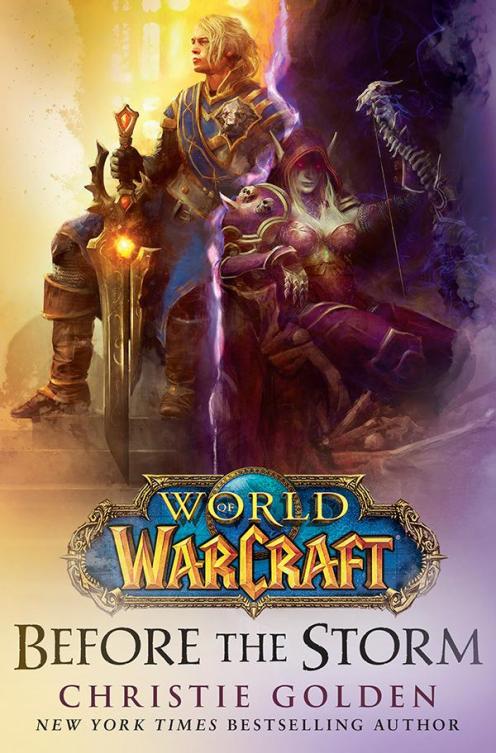
Word of Warcraft: Before the Storm by Christie Golden

Before the Storm Cover.jpg

Publisher: Titan Books

Publication Date – 12 June 2018

Amazon

War is once again coming to Azeroth in the brand new World of Warcraft novelisation from the queen of tie-in books and Blizzard Entertainment’s new in-house novelist Christie Golden.

The world of Azeroth is constantly at war, and for generations its inhabitants have known nothing but conflicts and threats.  Perhaps the greatest enemy that the people of Azeroth ever faced were the demonic Burning Legion, who are the root of many of the world’s great conflicts.  Now, after a devastating campaign, the Burning Legion has finally been defeated, although Azeroth’s victory came at a great cost.  As his final act of destruction, the leader of the Burning Legion, the Titan Sargeras, struck a great blow against Azeroth, plunging his gigantic sword into the surface of the planet and leaving a gaping wound in the side of the world.

Now both factions of Azeroth, the Alliance and the Horde, can finally recover and come to terms with the destruction caused by their demonic foes and the dramatic changes that have rocked their hierarchies.  Following the death of his father, young Anduin Wrynn has inherited the throne of the human kingdom of Stormwind, and serves as the new leader of the Alliance.  At the same time, the Horde is now under the sway of its new Warchief, the banshee queen of the Forsaken, Sylvanas Windrunner.  Both new leaders must come to terms with the running of their respective factions and the current peace blessing the land.

But there is always tension simmering between the Alliance and the Horde, and many predict that a new conflict is just around the corner, especially when both sides make a startling discovery: the blow from Sargeras’s sword has caused the very essence of Azeroth to bleed forth from the ground.  This new substance, known as Azerite, is extremely powerful, containing the very strength of Azeroth, and with the potential to be used as a mighty weapon by whichever side controls it.

As both factions investigate the wound in Azeroth and this strange new material, King Anduin seeks to finally forge peace between the Alliance and the Horde.  In order to achieve this peace, Anduin embarks on an ambitious plan to win the Forsaken to his cause and gain the trust of Sylvanas.  But Sylvanas has her own vision for the future of Azeroth, and woe betide anyone who stands between the Dark Lady and her goals.  Will peace finally be achieved, or will the discovery of Azerite result in a new war between the Alliance and the Horde?  And what role will Calia Menethil, long lost sister of the Lich King Arthas Menethil, play in this new era?  One thing is certain: the Battle for Azeroth starts here.

Before the Storm is the latest tie-in book to the massive Warcraft video game franchise.  People who have never played these games may be surprised to know that this franchise has a rich narrative history.  The original Warcraft games came with a substantial amount of lore and plot that were in some ways just as revolutionary as the game’s mechanics.  This tradition of great storytelling has continued over the years, and every single one of the games has contained a range of intricate and compelling storylines.  Many of these stories are incredibly elaborate and have great potential for future adaptations.  For example, this reviewer would be especially keen to see the corruption of Arthas and the rise of the Lich King told on the big screen.

The game’s narrative tradition has also resulted in a huge number of tie-ins that are mostly targeted towards fans of the game.  There are currently over 30 Warcraft books, as well as a number of comics and even some manga.  The vast majority of these adaptations are considered canon, and have been subsequently referenced in the plot of the games, including the franchise’s main game, the MMORPG World of Warcraft.  For example, in one of the previous novels, The Shattering: Prelude to Cataclysm, Cairne Bloodhoof a major character from Warcraft III: Reign of Chaos and the leader of the Taurens in World of Warcraft, is killed off, and this carried through to the game in several different ways.  Before the Storm is the latest book in this extended universe, and has been released as a tie-in for the upcoming Battle for Azeroth expansion, which is out in August.

The author of this latest novel, Christie Golden, has a bibliography of over 50 books, and has substantial experience writing tie-in books for big franchises.  In addition to her debut Ravenloft trilogy, Golden has written 15 Star Trek novels, five Star Wars books, and a number of full-length and short story tie-ins for franchises such as Assassin’s Creed, Invasion America, Buffy the Vampire Slayer and Angel.  Golden has also written a number of books for Blizzard, with five books based on Starcraft and 10 based around the Warcraft games.  Her previous Warcraft novels include stories that help cement the franchise’s established lore, the official novelisation of the recent Warcraft movie, and novels that have established the plot prior to several of World of Warcraft’s expansions.  For example, her 2014 novel, War Crimes, heavily set up the Warlords of Draenor expansion, while also presenting an elaborate novel that highlighted the crimes of the previous expansions main antagonist.  Golden has incredible knowledge of Warcraft’s lore and narrative history, having provided significant contributions to it in the past, and readers will appreciate the way that this new book connects with several of her previous Warcraft novels.

Before the Storm is a fun and exciting fantasy novel that has been expertly set within the World of Warcraft universe.  The narrators visit a number of key locations that feature within the games and Golden has done an amazing job of describing these distinctive and well-explored background settings.  There are some great locations used within the story, including several of the game’s main cities, such as Stormwind, Ironforge, Orgrimmar and the Undercity.  People familiar with the latest expansions will also love the addition of the Netherlight Temple, the priest class hall, as a key setting within this book, as it is such a unique and niche location within the game.

A large proportion of the novel is told from the perspectives of the leaders of the Alliance and the Horde, Anduin Wrynn and Sylvanas Windrunner.  If the awesome trailer for Battle for Azeroth is anything to judge by, the next World of Warcraft expansion will focus heavily on these two characters as they lead their factions into a large-scale war against each other.  Golden has made sure to explore both of these respective characters’ mindsets and examine potential future motives for the upcoming in-game conflict.  Other parts of the story are told from the perspective of a range of minor characters, many of whom are actually interactable NPCs within the game.  This range of perspectives gives a wide angle viewpoint of the story being told in both the book and the game, and allows the author to show off the different motivations and differences between the two rival factions.  Players will also love to see this story woven around minor NPCs they may have interacted with in the game, especially as this book may explain why they may have moved or disappeared in future versions of the game.  This is a great adaptation of the current World of Warcraft universe and Golden has successfully transplanted several key and iconic aspects of the game into this book, creating an excellent addition to this extended universe.

While a number of the different Warcraft races are featured within Before the Storm, many readers will enjoy Golden’s focus on the undead playable race, the Forsaken.  While many of the franchise’s previous novels have featured Forsaken characters, Golden has chosen to do a deeper examination of this race now that their ruler is the Warchief of the Horde.  There are some particularly interesting discussions about the role the Forsaken play within Azeroth and how the other races view them.  Readers will be intrigued by the examination about their current level of humanity, and whether they can still maintain connections to the family they had before they died, and will be intrigued by Golden’s fascinating analysis.

As an official World of Warcraft tie-in, Before the Storm is naturally a desirable read for those who are familiar with the franchise and the game’s current storylines.  As mentioned above, there are a ton of elements that will appeal to those gamers currently awaiting the next expansion, as this book ties in to its central storyline.  However, Golden makes sure to elaborate on a range of prior events in the franchise and this will ensure that former players will be able to jump in and follow from when they were last familiar with the story.  In addition, Golden’s writing is fairly accessible, and the game elements don’t massively overwhelm the story, ensuring that readers unfamiliar with the games will be able to enjoy this fantastic fantasy adventure without getting too lost.

Christie Golden has once again created a fun and electrifying novelisation of the Warcraft universe.  Before the Storm is a great tie-in to the upcoming game release, Battle for Azeroth, and serves as an excellent precursor of the exciting stories that will feature within the new expansion.  Making full use of the franchise’s significant lore and a range of iconic settings, Golden has produced a deep and thrilling fantasy tale that that will massively appeal to all fans of the Warcraft games.

My Rating:

Four stars

Amazon

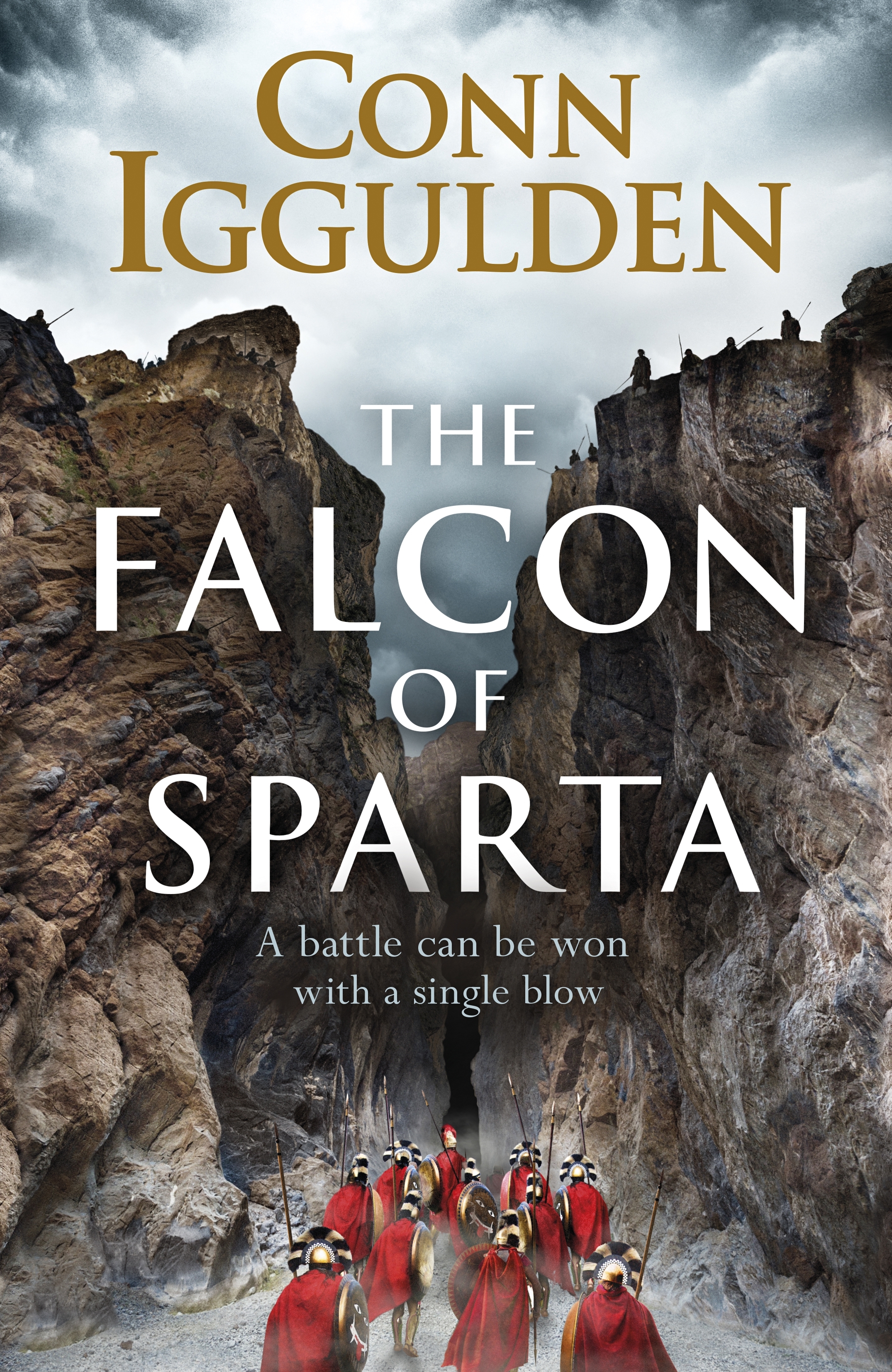
The Falcon of Sparta by Conn Iggulden

Publisher: Michael Joseph

Publication Date – 3 May 2018

Amazon

One of historical fiction’s very best authors is back with an enthralling story that follows history’s greatest warriors on one of their most legendary journeys.  Without a doubt, Conn Iggulden is one of the top authors of historical fiction in the world today.  Since 2003 he has consistently produced some of the most in-depth, detailed and engrossing chronicles of several different historical periods and cultures.  His previous work includes lengthy examinations of Julius Caesar and Genghis Khan in his bestselling Emperor and Conqueror series, and he has also produced the definitive fictional account of one of the bloodiest civil wars in English history with his extraordinary War of the Roses series.  Now, following his 2017 fantasy debut Darien, Iggulden has once again returned to his historical fiction roots by exploring another new realm of history, the Spartans.

In 401 BC, the new Persian king, Artaxerxes II, rules the largest empire in the known world.  With an empire sprawling from the Aegean Sea to the north of India, the king of Persia is the undisputed ruler of 50 million people.  However, despite all their wealth and power, the kings of Persia have never conquered Greece.  From Thermopylae to Marathon and Platea, the Persians have suffered the ferocity of the Greeks, and none are more feared than the men of Sparta.  As a result, it has been many years since the Persians have attempted to invade Greece, and many Spartans now serve as mercenaries in the Persian army.

When Prince Cyrus, Artaxerxes’s brother, is nearly executed by the new king following the death of their father, the young prince is determined to claim the throne of Persia for himself.  After hiring an army of skilled Greek mercenaries led by an elite core of Spartan warriors and the revered Spartan General Clearchus, Cyrus marches against his brother.  But battles can be lost with a single blow, and when Cyrus is killed on the battlefield the Greeks suddenly find themselves trapped in the middle of the Persian Empire.

With Clearchus and the other Greek generals having been killed through treachery, it falls to a young solider, Xenophon, to lead the surviving Greeks to safety.  With limited supplies and no knowledge of the land before them, Xenophon must find a way to lead 10,000 soldiers and an additional 10,000 camp followers back to Greece.  Forced to endure constant attacks from the Persian army as they travel through deserts and across mountains, their journey will become legendary.

The Falcon of Sparta is a standalone novel primarily based on the classic Greek text, Anabasis, which was written by the historical Xenophon.  Iggulden’s novel focuses on the events of the first four of the seven books of Anabasis.

While The Falcon of Sparta does not contain the full version of Anabasis, in some ways it is a much more complete and detailed story that focuses on the people who featured in this great adventure.  Xenophon related his tale in a rather simple and direct manner, and Iggulden has compensated for this by providing his own storytelling and dramatic writing.  Many of the key characters now have significant backstories fictional justifications for many of these characters’ actions and motives.  For example, Iggulden attempts to provide a more complex and dramatic explanation for the schism between Artaxerxes and Cyrus, rather than the historical story that Cyrus simply desired the throne.  Iggulden also provides additional context for one of the main villains of the Anabasis, the Persian noble Tissaphernes, who led the Persian armies against the retreating Greek forces.  In The Falcon of Sparta his role as a villain is greatly expanded.  Not only is he portrayed as a former friend of Cyrus who betrayed him for power but also as one of the main reasons Cyrus fails to seize the throne and the protagonists are placed into such peril.  Iggulden’s additional backstories and character traits make for a much more compelling and complete story with thrilling and absorbing motivations and antagonists.

These additional story elements are greatly enhanced by the author’s use of character perspectives.  For the first two thirds of the story, narration is split between a number of characters, including Cyrus, Clearchus, Tissaphernes, Artaxerxes and Xenophon.  Not only does this split narration help to build up the respective characters’ histories and allow the audience a better view of their personalities, but it also adds significantly to the story as these characters provide various perspectives on the events occurring in the formative parts of the main story.  Through the narrators we are given glimpses into a range of interesting things, including Artaxerxes’s and Cyrus’s thoughts on the war for their father’s throne, as well as the events and feelings that led up to the conflict.  We also see the respect that Cyrus and Xenophon have for their Spartan allies, as they see examples of their effectiveness in combat and their legendary self-discipline.

The scenes told from Tissaphernes’s point of view further highlight his role as a villain as his inner monologue reveals his selfish motivations and ambitions.  The story told from Tissaphernes’s viewpoint helps turn him into an embodiment of the distain that the ancient Persians had for the Greeks and their soldiers.  Despite seeing the Greeks’ substantial battle prowess, Tissaphernes and many of the Persians viewed the Greeks as second-rate soldiers, and it is fascinating to see how deeply held this belief was.

After the first two thirds of the book, the story is told exclusively from the point of view of Xenophon and starts to mostly represent Book III and Book IV of the Anabasis.  This part of the book allows the reader a closer view of the Spartan and Greek forces as they participate in their epic march and is very entertaining.  Even as the story becomes confined to only one narrator, Iggulden is still able to provide the necessary detail and drama in the final part of the book to keep the story going strong and maintain the reader’s attention and enjoyment.

Special attention needs to be given to the masterful portrayal of the Greeks and Spartans in battle.  Iggulden has an incredible eye for detail and an amazing writing style that brings the reader right into the heart of the book’s large-scale action sequences.  In particular, he spends a significant amount of time focusing on the Greeks and the Spartans and does an amazing job of capturing their battle techniques, tactics and mentality.  There are a large number of battle scenes within this book, and Iggulden uses every opportunity to show off the prowess of his heroes in as much detail as possible, allowing the reader to easily witness the events in their minds.  The Persian soldiers are also examined in the scenes narrated by Cyrus, and it is interesting to see the differences in the fighting style and mentality of the Greeks and Persians.  Those interested in reading about this part of history will love the amount of attention given to the Spartans and find many of the associated descriptions deeply fascinating.

Conn Iggulden has once again produced a masterful and absorbing fictional account that focuses on an utterly intriguing historical event.  Bringing the reader right into the middle of the march of the Ten Thousand, Iggulden expands on Xenophon’s Anabasis and provides a more dramatic and elegant story of betrayal, endurance and survival.  The Falcon of Sparta is a love letter to one of history’s most legendary race of warriors, and it provides the reader with a detailed exploration of Spartan warfare, lifestyle and mentality.  This is a breathtaking and highly recommended piece of historical fiction that is guaranteed to drag you in for the long haul.

My Rating:

Five Stars

Amazon