Originally published in the Canberra Weekly on 14 October 2021.
This review can also be found on the Canberra Weekly website.
Make sure to also check out my extended reviews for The Wisdom of Crowds, The Man Who Died Twice and Viral.
Expert reviews of the latest and the best in Fantasy, Historical Fiction, Science Fiction and Crime Fiction from an Australian reviewer.

Originally published in the Canberra Weekly on 14 October 2021.
This review can also be found on the Canberra Weekly website.
Make sure to also check out my extended reviews for The Wisdom of Crowds, The Man Who Died Twice and Viral.
Publisher: Macmillan (Trade Paperback – 31 August 2021)
Series: Standalone
Length: 418 pages
My Rating: 4 out of 5 stars
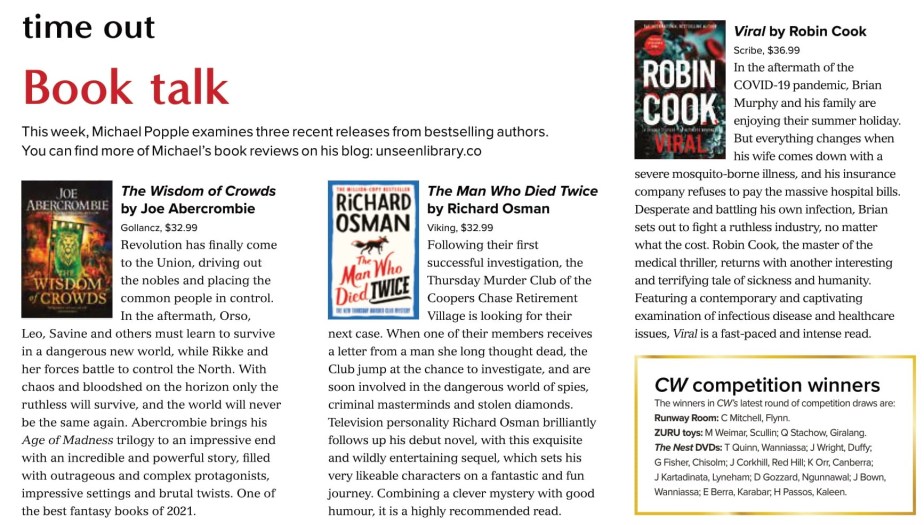
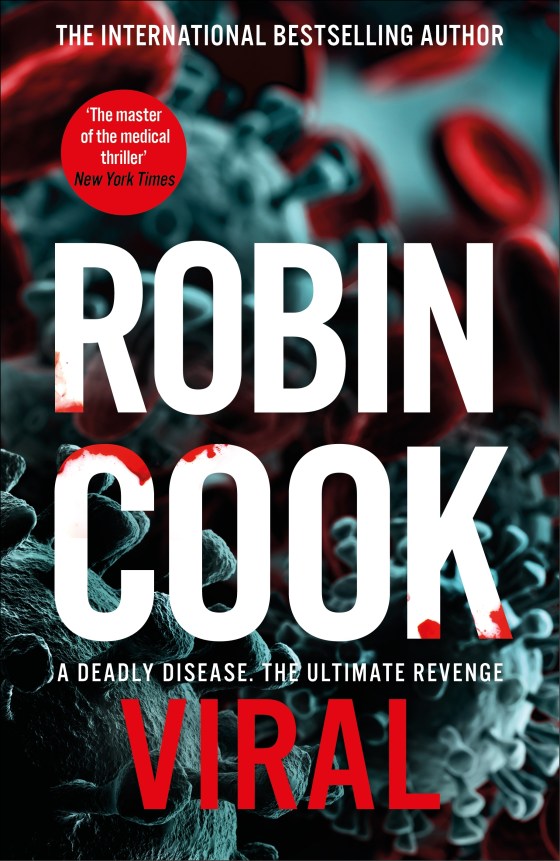
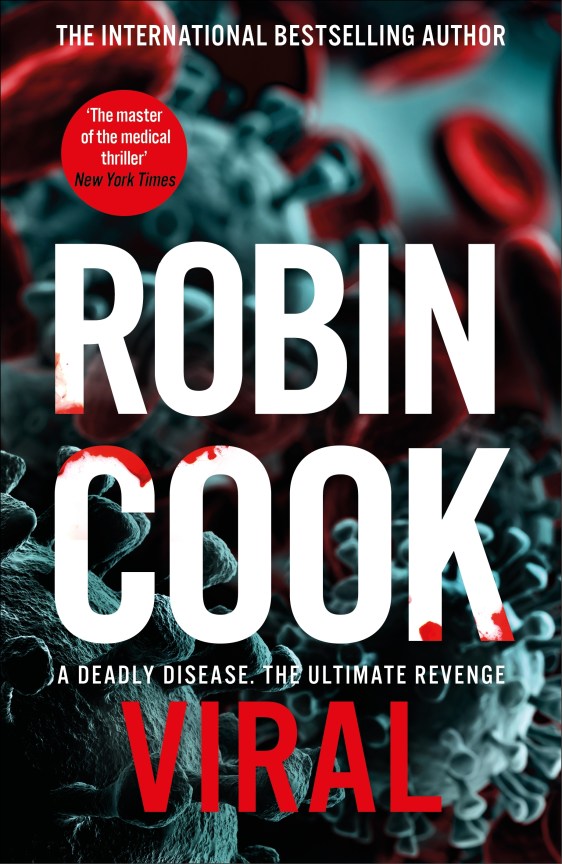
The leading author of the medical thriller genre, Dr Robin Cook, returns with another eye-opening and deeply relevant novel, Viral, that takes a deep an unsettling look at America’s healthcare system and the grim horrors that could strike anyone.
Robin Cook is an interesting author who has been one of the most unique writers of thriller fiction for years. A doctor and former member of the United States Navy, Cook made his debut back in 1972 with The Year of the Intern, a medical drama about the pressures of a young doctor. He then followed it up with his first thriller in 1977, Coma, which featured criminal activities within a hospital. Since then, Cook has written over 30 additional thrillers, nearly all of which feature either medical elements or doctors as the protagonists. Cook’s catalogue of works features a huge collection of standalone reads, as well as his long-running Jack Stapleton and Laurie Montgomery series, and all of them contain an interesting array of plots. I have been meaning to try out some of Cook’s novels for a while and I finally got a chance a few weeks ago when I received a copy of his latest novel, Viral, which contained a deep and powerful story.
As the COVID-19 pandemic winds down, former police officer Brian Murphy and his family take the opportunity to have a well-deserved vacation. After several days of relaxing times at the beach and night-time cookouts, the fun comes to an end as Brian’s wife, Emma, comes down with severe flu-like symptoms. Fearing COVID, the family returns to New York, only for Emma to suffer a traumatic seizure in the car, forcing them to the emergency room.
It soon becomes apparent that Emma is suffering from a rare and lethal disease known as eastern equine encephalitis, likely brought on by mosquito bites while at the beach. As the doctors work to save Emma’s life, Brian is forced to contend with another major shock when he receives a cripplingly expensive hospital bill, worth hundreds of thousands of dollars. With his business already failing due to COVID, Brian is unable to cope with the inflated bill before him, and turns to his insurance company for help, only to be blindsided when they reject his claim on arbitrary grounds.
Forced to try and come up with the money to pay for his wife’s bills, Brian dives into the shocking world of corrupt healthcare and insurance, discovering the insidious legal practice of overcharging patients and not providing insurance coverage. Already on a knife edge due to his wife’s condition, Brian is determined to fight this injustice. However, there is little he can legally do, especially with every procedure adding more to his immense debt. But when his daughter also begins showing symptoms, and his wife’s care is being negatively impacted by his financial position, Brian will be driven to seek justice another way.
Viral is an intense and extremely fascinating novel that I had an interesting time reading. Cook has come up with an extremely fast-paced narrative here that dives into compelling contemporary issues. This results in quite an exciting and addictive read that I found to be particularly distinctive and memorable.
Cook has written a pretty cool story for Viral that takes the reader on a harrowing and dramatic ride. While it has a bit of a slow start, mostly to set up the characters and the situation, it does not take long for the book to get crazy, with the protagonist’s wife getting sick and rushed to hospital very quickly. What follows is an agonising thrill-ride of emotion as she gets sicker, while the protagonist is forced to deal with a series of disruptive situations as the hospital and the insurance company take turns to bleed him for money and impact his wife’s health. Due to Cook’s realistic portrayal of certain modern phenomena involving healthcare and finance, Viral ended up being a pretty terrifying read that was in some ways scarier than a horror novel. There are some very traumatic moments scattered throughout the novel, and two big tragedies occurring in the central part of the story result in some significant changes in the story direction. The last third of the book is pretty fast-paced and shows a protagonist tipped to the edge, attempting to find justice the only way he knows how. I rather liked how Cook ended the novel, and it was certainly fascinating the way that he utilised thriller elements to conclude what had previously been more of a medical drama. This is a really good narrative, and found myself getting quite drawn into it, especially as Cook paints such a vivid picture of the medical issues and the various problems surrounding them. I did have some issues with some character interactions and dialogue, as a lot of the communication and discussions seemed a bit unnatural to me. I also had a very hard time connecting with any of the characters featured in the novel, as they were a little one-dimensional. Still, the intense and compelling narrative more than made up for it and I had a wonderful time getting through this book.
I really appreciated the deep examinations of certain medical aspects throughout Viral, and this includes Cook’s fascinating look at viruses, pandemics, and infections. Cook is a master of examining medical concerns, including pandemics (Pandemic was the name of one of his previous books, released in December 2018), and while I will admit to a certain internal exhaustion at stories concerning pandemics (a sentiment I am sure many others share), I think he did a pretty good job of featuring these aspects here. Viral contains a range of interesting medical elements, such as examining the social and financial impacts COVID-19 had on New York, with multiple characters suffering because of it. Cook also takes the time to try and terrify his readers by highlighting what diseases he believes are going to impact us next. In particular, he focuses on eastern equine encephalitis, a disease transmitted to humans from mosquitoes. Not only does Cook take the time to highlight just how deadly and disruptive eastern equine encephalitis is, but he also explains early on in the novel that diseases like encephalitis are likely to be much more common in the future due to climate change and increased mosquito migration patterns. This focus on medical issues, especially surrounding eastern equine encephalitis, proves to be pretty scary, and I know that I am going to be a little more wary of any mosquitoes I see in the future.
While you would think that the part of the book looking at deadly diseases and crazy new infections would be the scariest part of this novel, it is Cook’s examination of the American healthcare system that is the most horrifying. Throughout the course of Viral, the protagonist experiences firsthand how ruinous it can be to fall sick, when he is hit with a massively inflated bill after rushing his wife to the hospital. The situation only degrades even further when his new health insurance company continues to reject his claims and the company controlling the hospital immediately starts a lawsuit to get their money back. This takes the protagonist and the reader on a deep and intense dive into the current realities of the American healthcare system, including hospitals, medical billing, private health companies and health insurance agencies, and how they combine to cause major problems for sick people and their families. There is a focus on how most hospitals are run for profit these days, artificially inflating their bills to get the most money. At the same time, there is an examination of how insurance companies are offering bogus coverage, with multiple hidden clauses that make it possible for them to reject claims for the most ridiculous of reasons. This examination of the healthcare system soon becomes the major focus of Viral’s plot, as the problems associated with it soon prove to be more lethal than the eastern equine encephalitis. Cook is very critical of how the healthcare system is being allowed to operate in America, and it was fascinating and disturbing to see his impressions of it, especially in the aftermath of COVID-19. This proved to be a very intriguing and powerful inclusion to this novel, and readers are guaranteed to come out of it with a pressing need to review their insurance policies to make sure the same thing won’t happen to them.
Overall, Viral by Robin Cook proved to be an excellent and memorable medical thriller with a lot of fantastic features to it. I deeply appreciated the way in which Cook takes the time to focus on contemporary issues, including his look at viral diseases and current issues with the American healthcare system. While I did have some issues with Cook’s writing style, Viral ended up being a really intriguing and realistic novel that will leave most readers with an intense sense of unease. A very eye-opening book that has made me very curious about some of Cook’s other medical thrillers.
Top Ten Tuesday is a weekly meme that currently resides at The Artsy Reader Girl and features bloggers sharing lists on various book topics. In this latest edition of Top Ten Tuesday, readers get a Halloween Freebie, meaning that they can list whatever topic they want, although a horror or Halloween theme is encouraged. So, with that in mind, I thought I would take this opportunity to update a previous list where I highlighted my favourite horror novels of all time.
Last year for Halloween I did a list where I looked at my top ten favourite horror novels. While horror is not my favourite genre, I ended up producing a rather interesting list with some unique entries that I was pretty happy with. I decided last year that I would come back and update this list every Halloween, especially if I had some new horror novels to add to it. Well, in the last year, I had the opportunity to check out some excellent and intense horror reads, and I intend to try and find out if they can fit into my list.
To sort out this update, I took a critical look at the previous version of the list and made some hard decisions about whether any of the horror novels I read in the last year might fit in better. I ended up making some changes to list, with new entries replacing some of the existing books. While I was sad to see some of the previously featured novels removed, I honestly felt that the new entries are better horror novels. This resulted in a fun new version of this list, and I am pretty happy with how it turned out.
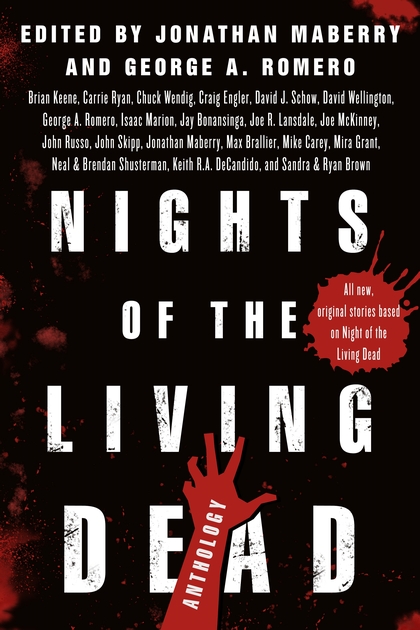
Nights of the Living Dead edited by George A. Romero and Jonathan Maberry
The Final Girl Support Group by Grady Hendrix
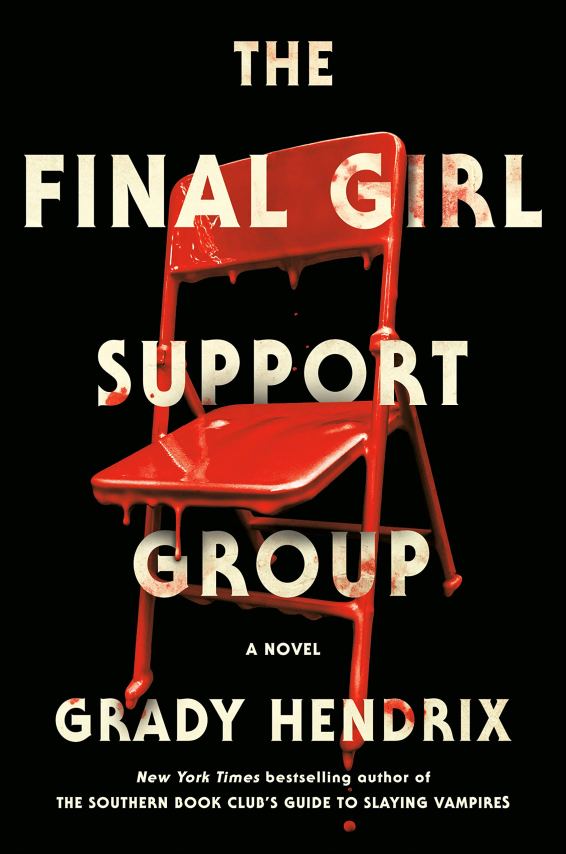
An interesting read from earlier this year that got a lot of attention, The Final Girl Support Group focused on a group of final girls from alternate versions of classic slasher films who are targeted by a brand-new killer. While this book is more of a thriller than a horror read, it serves as a clever homage to the slasher genre, and fans of horror fiction will love it’s compelling and reference laden story.
Dreadful Company by Vivian Shaw

Awakened by James S. Murray and Darren Wearmouth

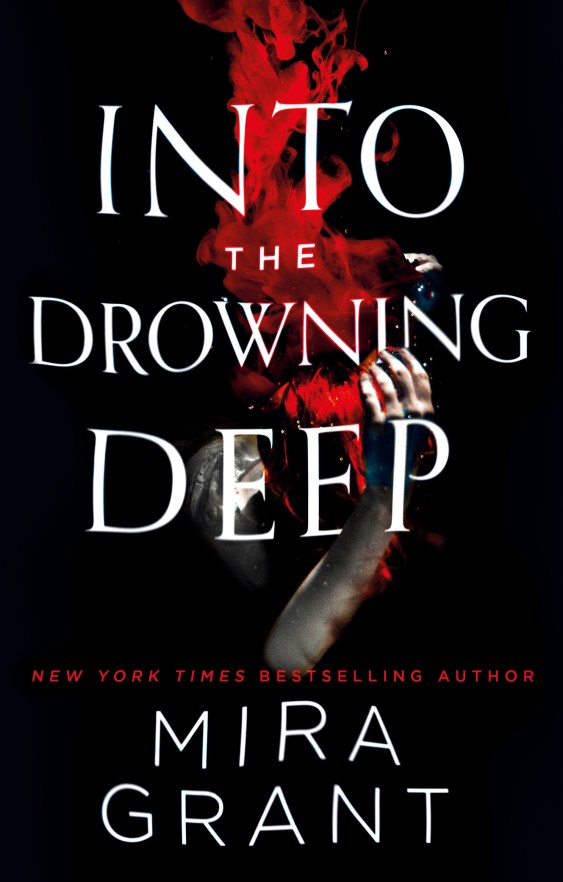
Into the Drowning Deep by Mira Grant
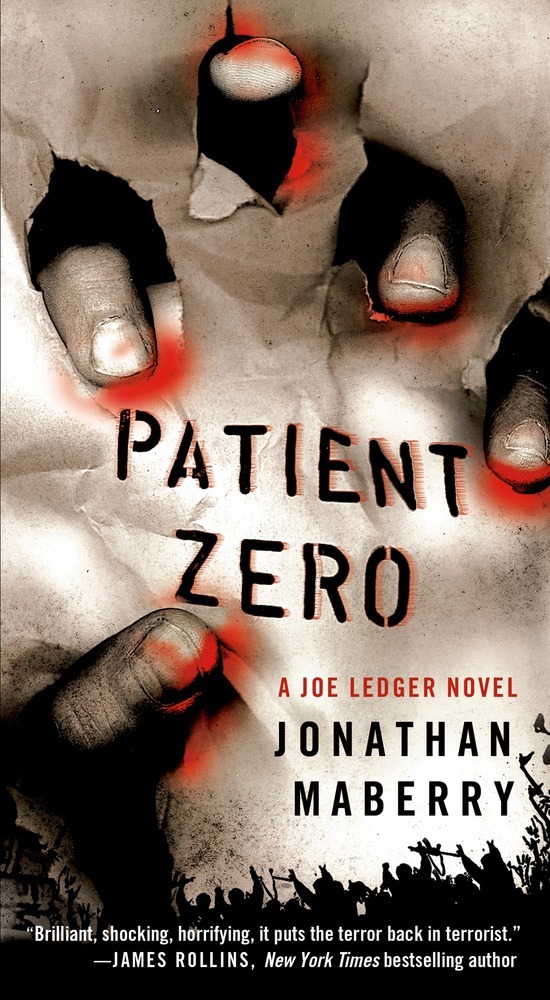
Patient Zero by Jonathan Maberry

I had to add this brilliant and compelling horror/science fiction read onto this list. The Dark is the latest novel from author Jeremy Robinson that focuses on an apparent demonic invasion of Earth. Filled with gore, monsters and body mutations, The Dark gets pretty gruesome and scary in places, which blends perfectly with the intense action and Robinson’s quirky humour. An outstanding read, this fantastic horror novel comes highly recommended.

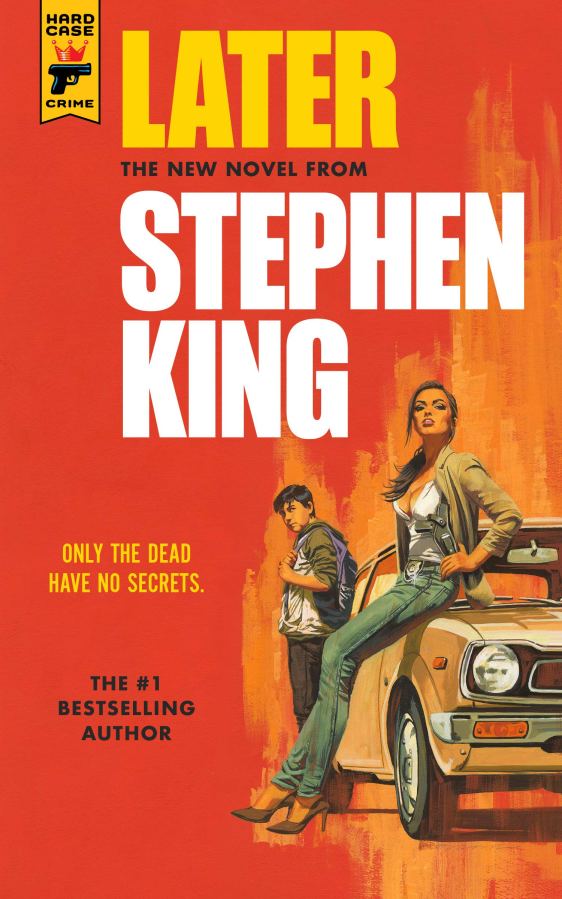
Earlier this year I had the chance to read the latest novel from the modern master of horror fiction, the great Stephen King, the utterly compelling Later, which focuses on a young boy who can talk to the recently deceased. While Later is primarily a character-driven story about a complicated youth’s life, it can get pretty scary in places, especially once the protagonist encounters true evil. A deeply compelling read with some interesting connections to one of King’s most iconic horror novels, this is an excellent and unique book that is worth reading.
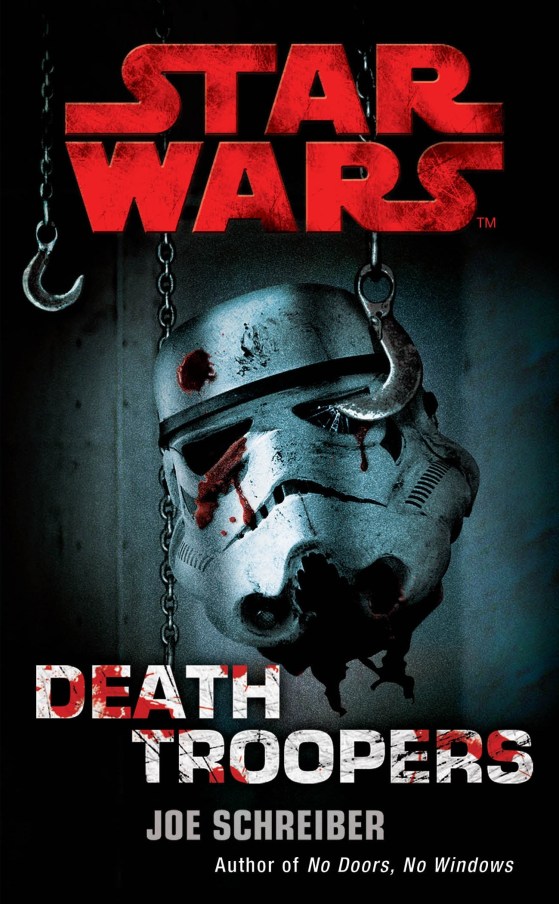
Star Wars: Death Troopers by Joe Schreiber

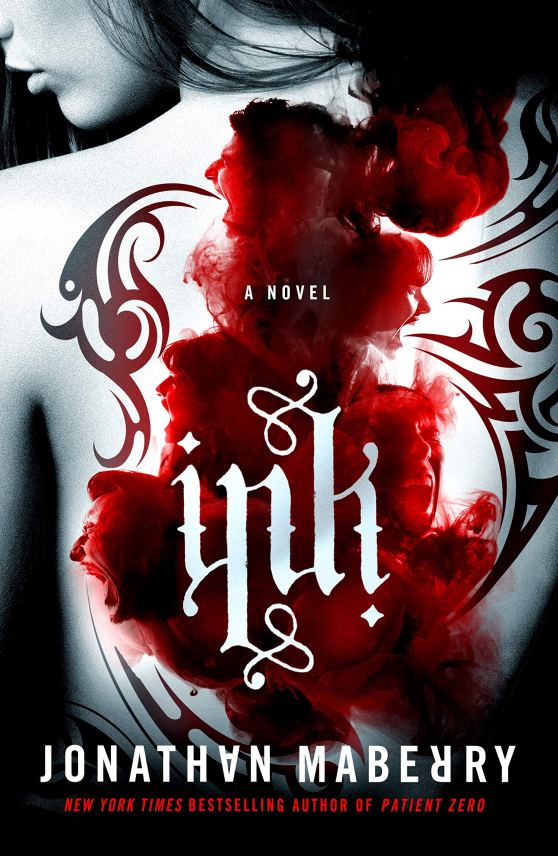
I have already featured several great books from Jonathan Maberry on this list, but there was no way I could exclude one of his latest horror reads, Ink. While most of the other Maberry novels with horror elements focus either on zombies or Lovecraftian monsters, Ink features a particularly horrendous tale of a depraved being who steals a person’s tattoos and the precious memories associated with them. Set in one of Maberry’s most iconic settings, Ink had a very disturbing narrative, and I deeply appreciated this unique and book that the author came up with.
A People’s History of the Vampire Uprising by Raymond A. Villareal

That’s the end of this latest Top Ten Tuesday list. I think that the new horror novels were great additions to the list, and I like how this latest version turned out. Each of the above novels, both new inclusions and existing ones, are outstanding reads that come highly recommended to all horror fans. I look forward to seeing how this list evolves once again this time next year, especially as there are some awesome sounding horror novels, such as Road of Bones by Christopher Golden and Dead Silence by S. A. Barnes, set for release in the next few months.
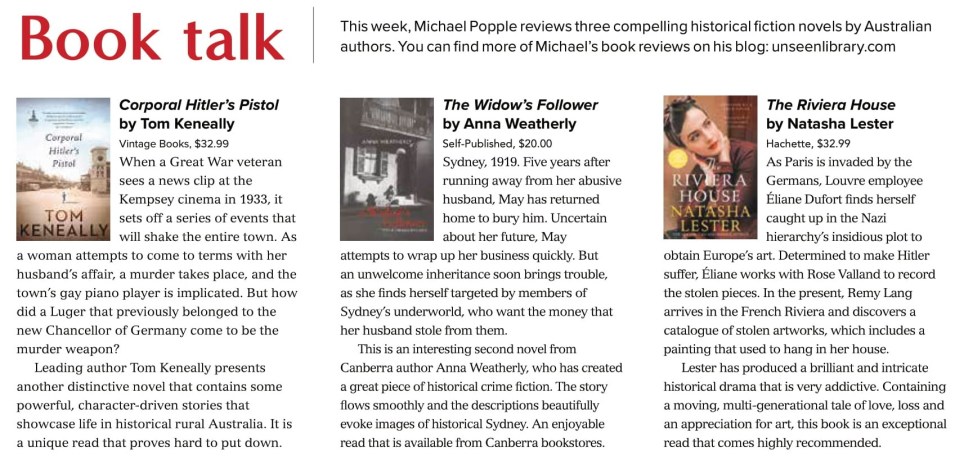
Originally published in the Canberra Weekly on 23 September 2021.
This review can also be found on the Canberra Weekly website.
Make sure to also check out my extended reviews for The Widow’s Follower and The Riviera House.
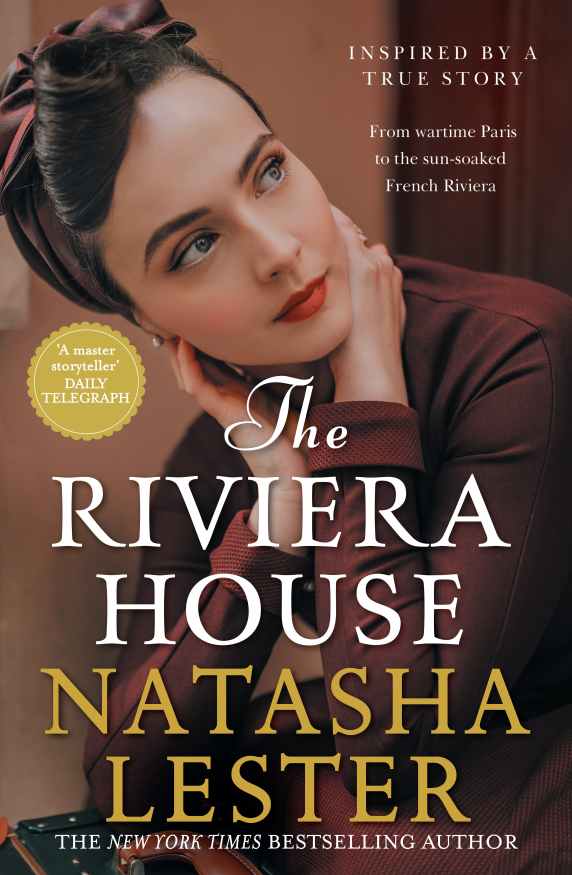
Publisher: Hachette Australia (Trade Paperback – 1 September 2021)
Series: Standalone
Length: 452 pages
My Rating: 4.25 out of 5 stars
Bestselling Australian author Natasha Lester returns with a powerful and intense historical drama that presents a multigenerational tale of love, loss, culture, and the horrors of the Nazi occupation of France, in The Riviera House.
Paris, 1939. With the war about to start and fears of a Nazi invasion becoming more apparent, Éliane Dufort, a young art student who works part time at the Louvre, watches the staff store away the gallery’s most expensive artworks and begin to hide them throughout France. Determined to survive the upcoming war, the last thing Éliane should have done was fall in love, however when she meets one of her brother’s friends, Xavier, she cannot help herself, and they soon begin a whirlwind romance. However, with the Nazis right outside of Paris, Xavier leaves for England, breaking her heart.
With Xavier gone and most of her family killed by the Nazis as they tried to flee the city, Éliane vows to fight the invaders by any means necessary. Her connection to the Louvre lands her a job working for the enemy in the vast warehouse the Nazis are using to store the artwork looted from France. Working with the legendary Rose Valland, Éliane is tasked with recording every single piece of art that the Germans steal, as well as attempting to discover where they are being sent. However, Éliane soon gains the unfortunate romantic attention of a powerful Nazi officer, while a returning Xavier, now a treacherous art expert working for Hermann Göring, threatens to destroy her cover.
Many years later, vintage fashion expert Remy Lang travels to the French Riviera and arrives at a beautiful house that was part of a mysterious inheritance from her unknown biological parents. Hoping to escape from her intense grief at the loss of her husband and child, Remy soon becomes involved with a visiting family living at the neighbouring villa, including charming photographer Adam. As she attempts to understand her feelings for Adam amidst her sorrow, Remy soon stumbles upon a shocking mystery when she chances upon a catalogue detailing artworks stolen from France during the war, which includes a painting that hung in her bedroom as a child. Determined to get to the bottom of this mystery, Remy attempts to trace her past and the history of the unexplained painting. But the story she uncovers is one of great tragedy and shocking revelations that will change everything Remy thought she knew about her past.
This was an outstanding and deeply impressive historical drama from Natasha Lester, who has previously written some great historical dramas, such as The Paris Secret and The French Photographer. The Riviera House is a particularly compelling and intense novel that perfectly brings two separate timelines together into one moving narrative, while also focusing on two distinctive and complex groups of characters. This results in a brilliant and moving read that is guaranteed to haunt you long after you finish reading.
Lester tells a deep and captivating tale in this novel that is moving, intense and very addictive to behold. The author utilises a split timeline throughout The Riviera House, with one storyline set during World War II in Paris, while the other is based in the modern day and takes place in several locations, although primarily in the French Riviera. The book jumps back and forth between these two timelines, with the speed of transition increasing the closer it gets to the conclusion. Both storylines contain their own plot, characters, and interesting features, and they come together to form quite an intense overarching narrative.
The first storyline of The Riviera House is the World War II storyline, which follows the character of Éliane Dufort. Éliane, after suffering several great losses because of the Nazi invasion, becomes embroiled with the French Resistance and soon gets a job working for the Nazis, assisting in their loot warehouse, and helping historical figure Rose Valland create her record of stolen works. However, the story gets increasingly complicated as the book progresses, with Éliane torn between her remaining family, her love/hate relationship with the traitor Xavier, and her forced relationship with a powerful Nazi member who has fallen for her. The entire story comes to a head in the closing days of the Nazi occupation, when Éliane is forced to risk everything dear to her, and soon encounters just how tragic the war is and how evil people can be, even those closest to you.
This part of The Riviera House is an amazing bit of historical fiction, exploring the history of the time while also featuring an emotional and moving tale of love, hope and courage. I really connected with this half of the novel, due to the thrilling and intense story that shows a grim picture of the period and featuring some memorable moments. The story of Éliane and her family is full of tragedy and suspense, and if you are looking for a happy read than you have come to the wrong place. While I did see most of the major twists coming, I appreciated how this narrative came together, as well as the clever way it led into The Riviera House’s other timeline. I also deeply enjoyed the unique historical aspects of this novel, particularly around the Nazis’ systematic looting of French art. Lester really dove into this part of the war, providing a detailed account how the Germans stole the art, stored it, and eventually shipped it away as the war progressed. This tale features several real-life historical figures who are worked into the plot extremely well and who add an extra layer of authenticity to the tale. One of the most interesting historical figures is Rose Valland, the courageous art historian who risked everything to pull together a record of the looted artwork. Valland, who has inspired characters in films such as The Train or The Monuments Men, was a fascinating character in this novel, and I liked how Lester tied Éliane’s story into that of Valland. I felt that this examination of the Nazi art theft was both fascinating and cleverly utilised, and it helped to provide some extra power and intensity to the novel.
The other timeline in The Riviera House is based in modern times and follows Remy Lang, a fashion figure who is spending time in the French Riviera, trying to escape her grief over the tragic death of her husband and child, and soon meets some new people who help her move on. This storyline was more of a pure dramatic tale and focuses on Remy’s grief, her new romance, and the friction brewing between the family she has just met. I got quite attached to the potent emotional elements featured in this book, especially as Lester really focuses on the lingering impacts of grief, such as the guilt survivors feel when thinking about something new or considering moving on. Add in quite a compelling mystery element to it, as Remy and her new friend Adam start investigating the connection that Remy had to the other story, such as her long-dead biological parents and several mysterious inheritances. These connections to the storyline set in the past compliment the protagonist’s current issues and concerns extremely well, and it was really fascinating to see her work out how her life was shaped by the original protagonists many years before.
I ended up really liking both timelines within the novel, although I did prefer the storyline set in World War II due to its interesting historical research, complex characters riven by war, and terrible tragic moments. I must admit that I am not usually the biggest fan of historical dramas that feature two separate timelines (it really is an overused device in historical dramas). However, I think that it was utilised extremely well in The Riviera House, and the two separate storylines melded together into a fantastic overarching read. I loved how Lester was able to provide subtle hints about the fate of the historical protagonists in the contemporary storylines, although the full revelations about them was often hidden and not revealed until later. I also really appreciated finding out how the events of the World War II story led into the later plot, and the full truth about how everything occurred is not only great to behold in the historical storyline, but it also has some major impacts on the modern-day protagonist. This really enhanced The Riviera House’s plot and the overall drama of the book, and it helped to produce an excellent overall narrative.
I also quickly wanted to highlight some of the cool and fascinating cultural elements that Lester slipped into her novel, particularly around art and fashion. I already mentioned how much I enjoyed the interesting and in-depth examination of the Nazis’ looting and the plans to stop them, however, I also appreciated the way in which Lester examined the art itself, as well as the people who were fighting to protect it. You really get a sense of the beauty and subtlety of the different artworks featured throughout the book, but more than that you also get to explore what makes people passionate for art. This book contains several characters who appreciated the true value that this art had to themselves and the nation, so much so that they were willing to risk their lives for it. This forms a major part of the historical storyline’s plot, and I think that Lester did a wonderful job exploring it. In addition, the contemporary storyline features a compelling examination about the appeals of vintage fashion. Lester, who has previously explored fashion in some of her past novels (for example, a major part of her previous novel, The Paris Secret, revolves around vintage gowns), did a good job explaining the current obsession with vintage fashion, as well as how people can make money off it. While I usually care very little about any sort of clothing fashion, Lester’s descriptions proved to be very intriguing, and I found myself appreciating her obvious passion for the subject. Both these cultural inclusions enhanced the story, especially as they were strongly related to the various protagonist’s motivations and obsessions, and I really appreciated they time that Lester took to feature them.
Overall, I felt that The Riviera House by Natasha Lester was an excellent and well-crafted historical drama with some powerful elements to it. Lester did a wonderful job of crafting a compelling, multi-period storylines that combined historical and contemporary narratives into a single, moving tale. I particularly enjoyed the cool focus on the Nazi occupation and art obsession, which resulted in a thrilling and very tragic tale. The Riviera House is a highly recommended book and a must-read for all fans of historical drama.
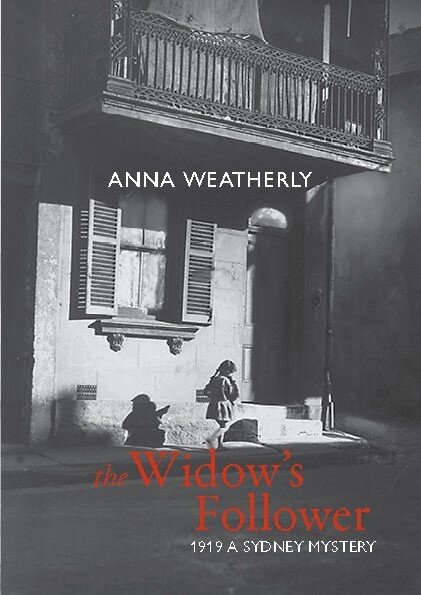
Publisher: Self-Published (Trade Paperback – 8 June 2021)
Series: Bermagui Mystery – Book Two
Length: 222 pages
My Rating: 4 out of 5 stars
Prepare for a quick and fun historical murder mystery with The Widow’s Follower, an excellent and compelling second novel from Canberran author Anna Weatherly.
Synopsis:
1919, Sydney. No-one was shedding tears for the death of Roy Maguire, especially not his wife. She’d been hiding from him for the past five years and now she’d come back to reclaim her freedom. It should’ve been simple. So why was she finding herself the object of interest for half the criminals in Sydney? At first it was mystifying. Then it was terrifying.
This is the second novel involving May Williams, once the wife of Sydney crime figure Roy Maguire. This time May travels to Sydney where she finds that extricating herself from her abusive husband is a dangerous business, even when he’s dead.
The Widow’s Follower is the second novel from Weatherly, following on from her 2018 debut, Death in the Year of Peace. This series is a fantastic historical murder mystery series that follows a young woman in 1919 who takes the name May Williams and flees from Sydney to the small town of Bermagui to escape from her abusive, criminal husband. The first book sets the scene for this series while also presenting a murder mystery as the protagonist attempts to uncover a killer in town. This sequel is set right after the initial book and sees May return to Sydney after the death of her husband.
I really liked the interesting story contained within The Widow’s Follower, as it combines historical fiction elements with an interesting, gangster-filled mystery, as well as featuring some great character development. Despite being relatively short for a novel, clocking in at just over 200 pages, Weatherly manages to achieve a lot in this book. The Widow’s Follower primarily focuses on May being harassed by gangsters and criminals around Sydney as she attempts to settle her late husband’s affairs. This gets complicated when it becomes apparent that before his death, her husband had stolen a great deal of money from his employers and managed to annoy all the big movers in town. This forces May to investigate her husband’s last few days to find the money to save herself and her friends from these gangster’s ruthless attentions. She also starts investigating the murder of her husband’s lover, a crime he was accused of before his death, as she cannot believe that even he could kill the father of his illegitimate child, whose welfare May also becomes concerned about.
This leads to an intriguing and extremely fast-paced story, as May is drawn into a twisted web of lies, manipulations and additional murders, while also trying to decide about her future. There is an interesting blend of storylines contained within this novel, and I quite liked the exciting and dramatic directions that it went in, especially as May slowly gets closer to the truth. May finds herself the target of several dangerous people from Sydney’s underbelly, each of whom is interested in her for all the wrong reasons. At the same time, May’s friends back in Bermagui find themselves in danger, and this results in some compelling discussions about May’s future and whether she wants to stay in Sydney, where she has some chance at professional success, or return to the small town and pursue love. These enjoyable storylines cleverly set up a massive twist about three quarters of the way through that I honestly did not see coming. This cool twist changes everything about the novel, and I deeply appreciated how it was foreshadowed and the implications it has on the rest of the story. The final part of the book is an intensely paced, as May finds herself in the middle of a dangerous conflict between some of the antagonists, while also reeling from some big revelations. I really found myself glued to the final part of the book, especially as it contained some cool scenes, such as a multi-person chase throughout the streets of Sydney. The book ends on a positive note, and it will be interesting to see where Weatherly takes the story next, especially as the protagonist’s storyline seems mostly fulfilled.
I also appreciated the cool setting of this novel, the historical city of Sydney in 1919. Weatherly spends a significant amount of time exploring Sydney throughout the novel, and you end up getting a great sense of its size, layout and people during the early 20th century. The author goes out of their way to try and emulate the historical version of this city, including by featuring clippings from real-life historical newspapers at the start of every chapter, a fun technique that I felt helped drag me into the moment. Weatherly also spends time examining how recent world events had impacted the city, such as the recent Spanish Flu pandemic (very topical) and the slow return of Australian troops from the European battlefronts of World War I. This fascinating setting added a lot to the authenticity and intrigue of The Widow’s Follower’s story, and it was really fun to explore this captivating historical locale.
Overall, I had a wonderful time with The Widow’s Follower, and I ended up reading pretty much the entire thing in one sitting. Anna Weatherly came up with a clever and entertaining tale, and I had a great time getting to the bottom of the intense mystery that was featured within. A fantastic and enjoyable piece of Australian historical fiction, this is a great book to check out and I look forward to seeing what this new author produces in the future.
WWW Wednesday is a weekly meme hosted by Taking on a World of Words, where bloggers share the books that they’ve recently finished, what they are currently reading and what books they are planning to read next. Essentially you have to answer three questions (the Three Ws):
What are you currently reading?
What did you recently finish reading?
What do you think you’ll read next?
So, let’s get to it.
Lies like Wildfire by Jennifer Lynn Alvarez (Trade Paperback)
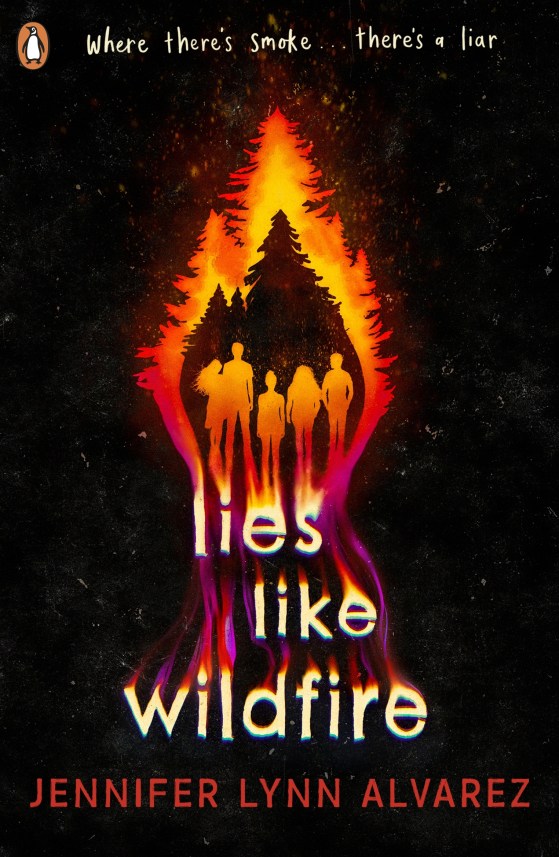
I started reading this interesting young adult novel by Jennifer Lynn Alvarez and I am already pretty hooked. Lies Like Wildfire follows a group of friends who accidently start a deadly wildfire in California and then try to cover up their involvement with dramatic consequences. This is a very compelling story and I cannot wait to see how it ends.
The Bone Ship’s Wake by R. J. Barker (Audiobook)
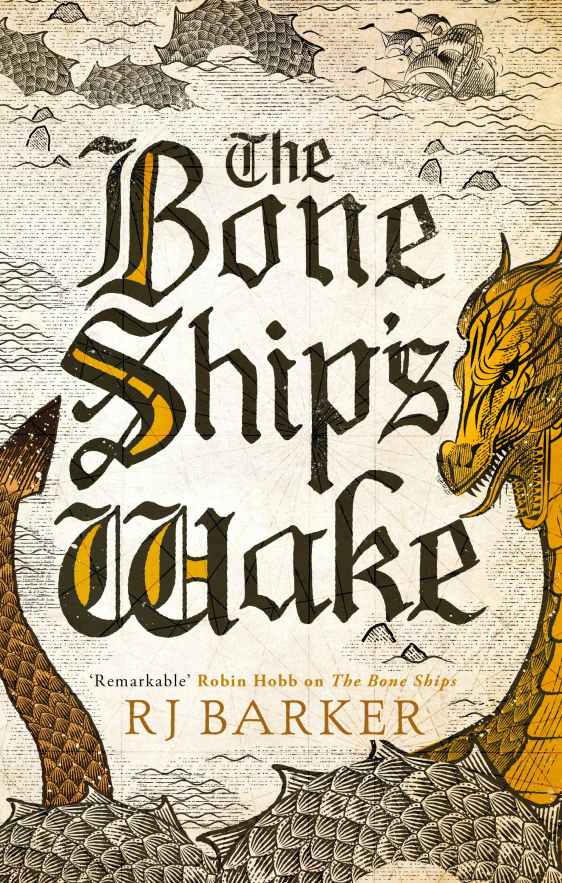
I am making slow progress with this audiobook but it is proving to be another exciting and enthralling dark fantasy read from this exceptional author.
Viral by Robin Cook (Trade Paperback)
Aurora’s End by Amie Kaufman and Jay Kristoff (Trade Paperback)

That’s it for this week, check back in next Wednesday to see what progress I’ve made on my reading and what books I’ll be looking at next.
Welcome to my weekly segment, Waiting on Wednesday, where I look at upcoming books that I am planning to order and review in the next few months and which I think I will really enjoy. I run this segment in conjunction with the Can’t-Wait Wednesday meme that is currently running at Wishful Endings. Stay tuned to see reviews of these books when I get a copy of them. For this latest Waiting on Wednesday I check out a fascinating upcoming horror novel from a bestselling author, with Road of Bones by Christopher Golden.
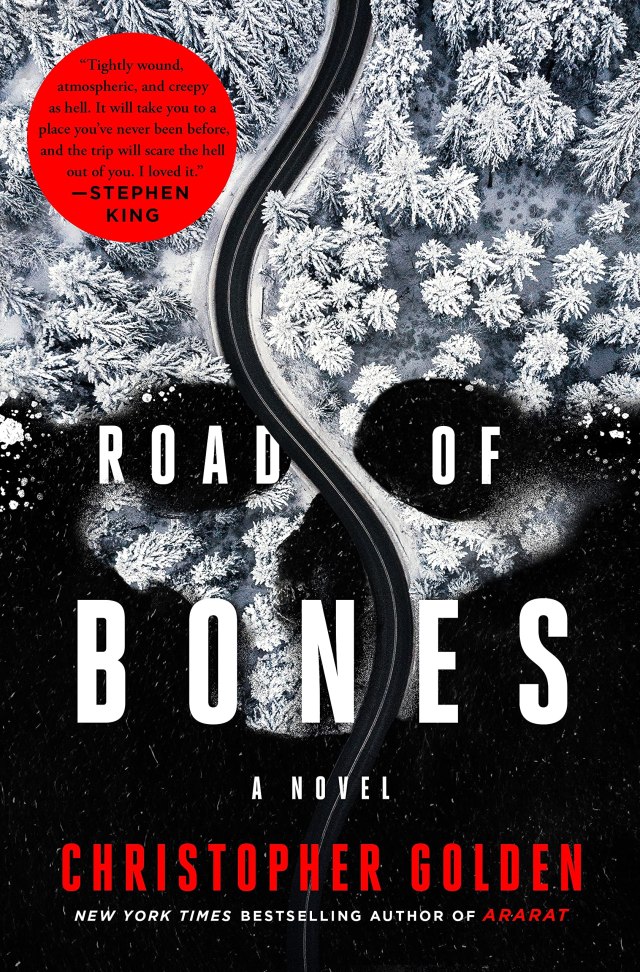
Christopher Golden is a compelling author who has been writing interesting horror and fantasy novels since 1994. His extensive writing career has so far produced a fantastic collection of novels, short stories, and co-written books, across several different genres and series. In addition to his multiple standalone novels, Golden’s has also written The Hidden Cities series with Tim Lebbon, The Veil series, The Shadow Saga, the Ben Walker series, and some great tie-in novels, including a ton of Buffy the Vampire Slayer books. Despite this vast assortment of works, I have not had the pleasure of reading any of Golden’s work in the past, although many of them sound pretty cool. However, I was pretty taken when I saw the synopsis for Golden’s next standalone book, Road of Bones and it is one I am quite keen to check out.
Synopsis:
A stunning supernatural thriller set in Siberia, where a film crew is covering an elusive ghost story about the Kolyma Highway, a road built on top of the bones of prisoners of Stalin’s gulag.
Kolyma Highway, otherwise known as the Road of Bones, is a 1200 mile stretch of Siberian road where winter temperatures can drop as low as sixty degrees below zero. Under Stalin, at least eighty Soviet gulags were built along the route to supply the USSR with a readily available workforce, and over time hundreds of thousands of prisoners died in the midst of their labors. Their bodies were buried where they fell, plowed under the permafrost, underneath the road.
Felix Teigland, or “Teig,” is a documentary producer, and when he learns about the Road of Bones, he realizes he’s stumbled upon untapped potential. Accompanied by his camera operator, Teig hires a local Yakut guide to take them to Oymyakon, the coldest settlement on Earth. Teig is fascinated by the culture along the Road of Bones, and encounters strange characters on the way to the Oymyakon, but when the team arrives, they find the village mysteriously abandoned apart from a mysterious 9-year-old girl. Then, chaos ensues.
A malignant, animistic shaman and the forest spirits he commands pursues them as they flee the abandoned town and barrel across miles of deserted permafrost. As the chase continues along this road paved with the suffering of angry ghosts, what form will the echoes of their anguish take? Teig and the others will have to find the answers if they want to survive the Road of Bones.
I have to say that I really like the sound of this awesome upcoming novel, particularly after reading this bizarre and fantastic synopsis. Having a couple of documentary makers get chased by a shaman and his ghosts across a Siberian wilderness/gigantic mass grave is a very entertaining and unique premise that has gotten me extremely curious. I look forward to seeing how this intense sounding novel turns out, and I have a strong feeling that it will be an entertaining and extremely enjoyable read. Road of Bones currently has a release date of 25 January 2022, and it should be a very fun novel to check out early in the new year.
Top Ten Tuesday is a weekly meme that currently resides at The Artsy Reader Girl and features bloggers sharing lists on various book topics. The official topic for this week’s list required participants to list their favourite book-related online resource. However, I once again went in a different direction and instead decided to focus on a different topic, sequels.
The idea of sequels has been around for a very long time, however, recently it is becoming increasingly hard to avoid them. From television shows to films, sequels are everywhere, and to be fair, there is something great about seeing how a fantastic story continues after a first beloved instalment. Sequels in the novel world are also nothing new, and in fact, nearly every modern novelist has written some sort of sequel throughout their career. So many great novels have featured intriguing sequels over the years, some of which led even more novels, or even massive series. I’m sure we can all name some awesome sequels that we have read, and in some cases many sequel novels are just as good, if not better, than the books they followed. I personally have enjoyed some incredible sequels over the years, and I thought that this would be a good opportunity to highlight them on a list, especially as I have read some particularly amazing sequels recently.
To complete this list, I pulled together some of the best sequels I have ever read, to see what I wanted to feature. I primarily focused on second novels in series that I felt were outstanding follow ups to impressive first entries that set up overarching storylines. In many cases, these books followed on from an author’s debut novel, and it is rather cool to see how an author improved on their initial work. I ended up with quite a big collection of amazing sequel novels to work with, and it took me a little while to condense it down to a manageable list. I was eventually able to cull it to my 10 absolute favourite books, as well as a decent Honourable Mentions section.
Usagi Yojimbo: Volume 2: Samurai by Stan Sakai
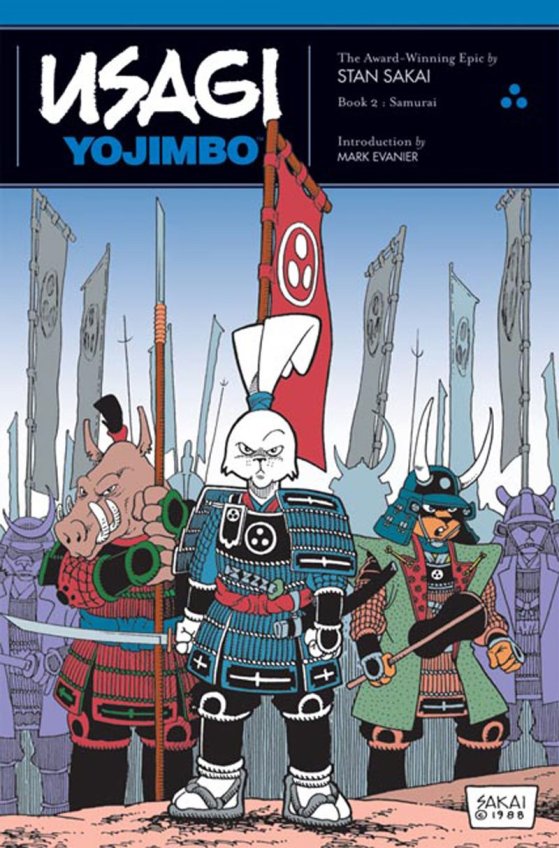
A cool comic that improves upon the art style and story from the first volume, The Ronin, as well as featuring the backstory for the series’ titular character.
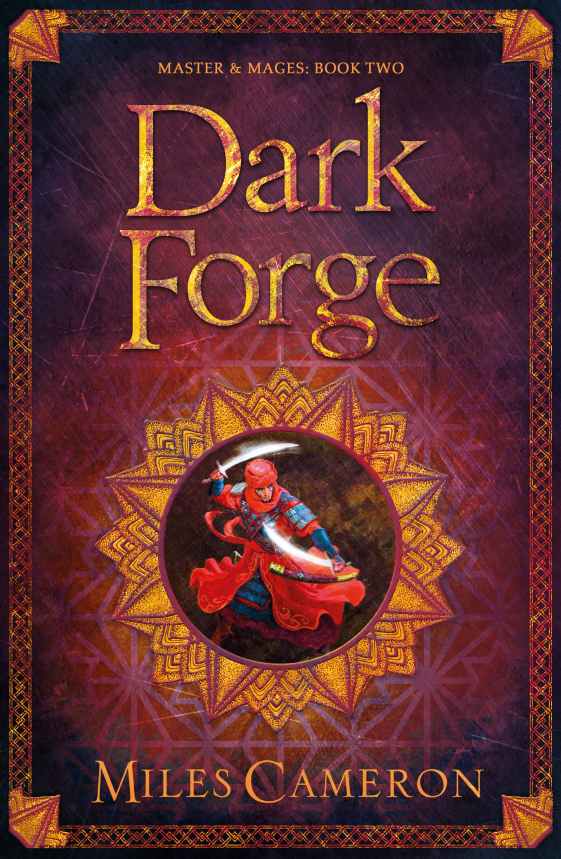
One of the best books and audiobooks of 2019, Dark Forge followed up the first book in the Masters & Mages series, Cold Iron, perfectly, with an impressive focus on war and world building
The Last Graduate by Naomi Novik
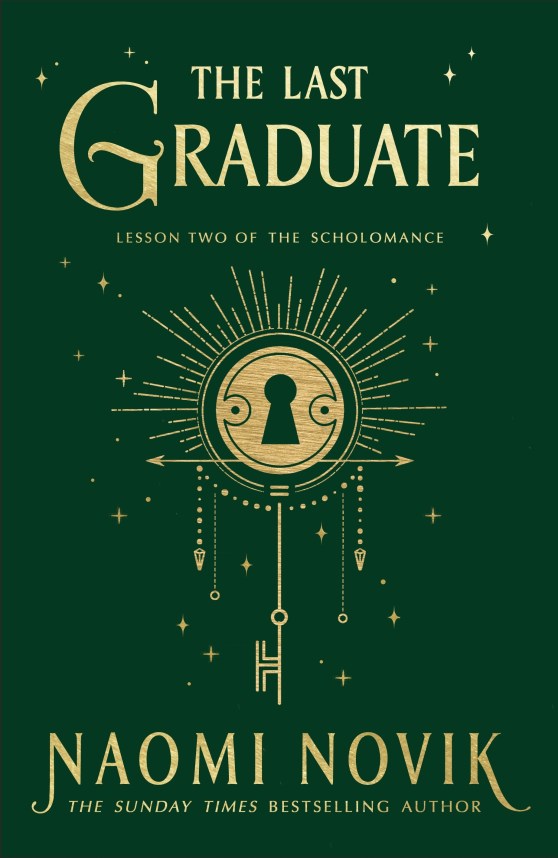
An outstanding follow-up to last year’s fantastic book, A Deadly Education. The Last Graduate is an outstanding novel and I hope to have a very complimentary review of it up soon.
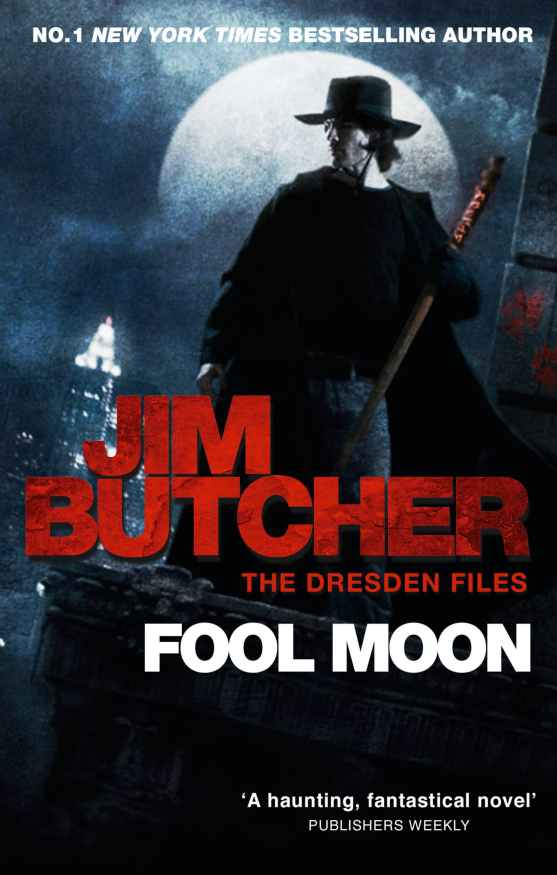
With a great story about murderous werewolves in Chicago, I felt that this second novel from Jim Butcher was even better than his debut, Storm Front.
The Dragon Factory by Jonathan Maberry

I have a lot of love for Jonathan Maberry’s incredible Joe Ledger series, especially the first entry Patient Zero, which featured a great modern reimagining of zombies. However, I don’t think that the series truly hit its stride until the second novel, The Dragon Factory. The Dragon Factory, which featured two rival groups of antagonists experimenting with genetic engineering, was incredible and had an outstanding and captivating narrative. I honestly think it was a stronger novel than Patient Zero, and it did a great job setting the tone for the later entries in the series.
The Two-Faced Queen by Nick Martell
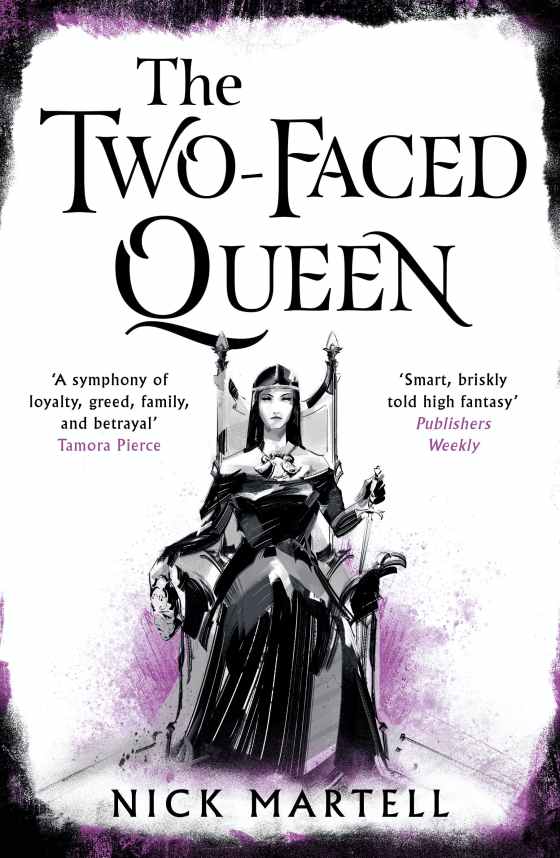
Last year I was blown away by Nick Martell’s first fantasy novel, The Kingdom of Liars, which was easily one of the best debuts of 2020. I deeply enjoyed the compelling and elaborate fantasy tale contained within, and I was eager to see how Martell would continue it this year. I was in no way disappointed as Martell ended up producing a truly epic read, that perfectly added a vengeful queen, magical serial killers, and a range of competing immortals, to an already elaborate narrative. This ended up being one of the best books (and audiobooks) I have so far read this year and it is a highly recommended sequel to read.
The Wise Man’s Fear by Patrick Rothfuss

There was no way that I could exclude the The Wise Man’s Fear by Patrick Rothfuss from this list. The sequel to his iconic first book, The Name of the Wind, The Wise Man’s Fear continued the complex tale of Rothfuss’s protagonist in incredible fashion, and this second novel goes in some deeply captivating directions. It provides a really good continuation of the overarching storylines, while also introducing some intriguing new additions. Unfortunately, it also opens a lot of questions, that readers have been waiting to see answered for quite some time.
Streams of Silver by R. A. Salvatore
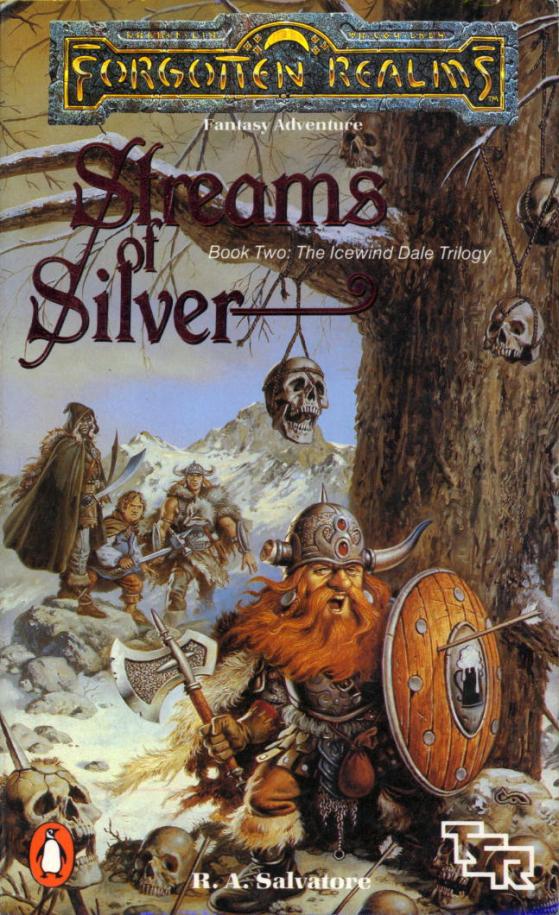
The next sequel takes us back to 1989, with the second book in The Icewind Dale trilogy by fantasy icon R. A. Salvatore, Streams of Silver. Streams of Silver serves as the sequel to Salvatore’s debut novel, The Crystal Shard, and contains an impressive story. While I enjoyed The Crystal Shard, especially as it does a great job introducing Salvatore’s best characters, I think that Streams of Silver had the stronger story. Featuring an epic fantasy quest, Salvatore subtlety moves the focus more towards the overarching series’ more distinctive protagonist, while also featuring some excellent storylines, epic scenes, and an outstanding new antagonist. I deeply enjoyed this novel, and it was a fantastic continuation of a fun first book.
Starsight by Brandon Sanderson
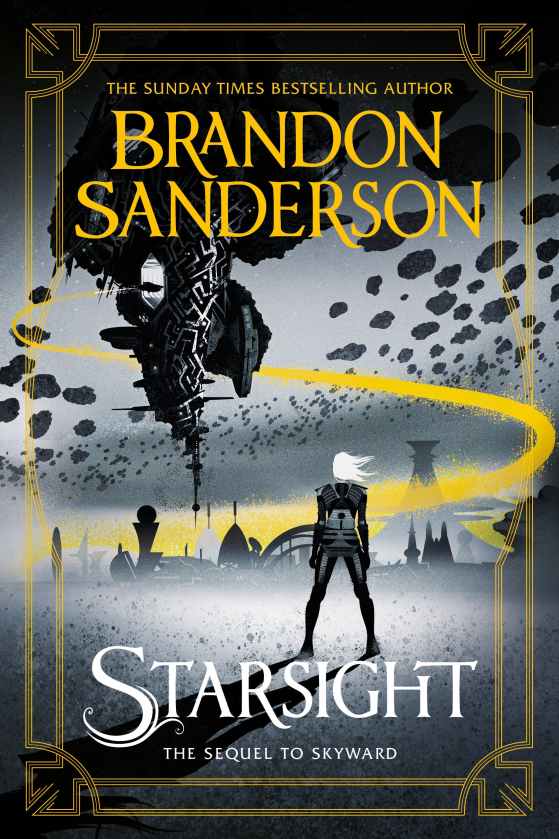
Sanderson has written quite a few impressive sequels throughout his career, however, my favourite so far is Starsight. Starsight follows on from Skyward, a brilliant young adult science fiction novel that follows a class of starship fighter pilots, forced to defend their planet from aliens. This sequel does a beautiful job of continuing this story by massively expanding the universe and taking the protagonist on an epic journey to a whole new world. I loved this outstanding second series, and I cannot wait to see what happens in the third book, Cytonic, later this year.
How to Rule an Empire and Get Away With It by K. J. Parker
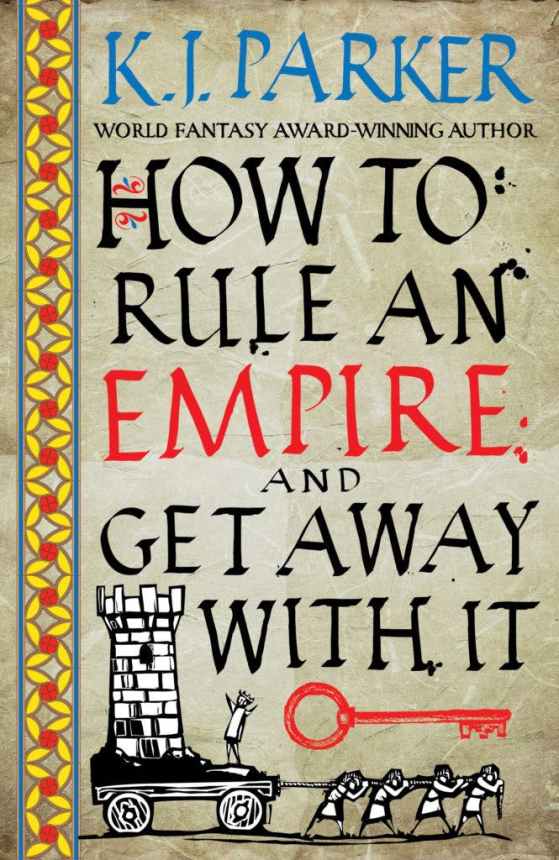
Back in 2019 I had the great pleasure of reading the fantasy comedy, Sixteen Ways to Defend a Walled City by K. J. Parker that told an amusing story about a conman engineer using all his tricks to win a siege. While this was an outstanding standalone read, Parker followed it up the next year with the wildly entertaining How to Rule an Empire and Get Away With It. Set in the same city as the first book, this outrageous sequel followed a new protagonist, a professional impersonator, who manages to become emperor. Bold, funny, and very clever (especially the meta jokes about the first book), this was an amazing sequel, which ended up being one of the best reads of 2020.
Howling Dark by Christopher Ruocchio
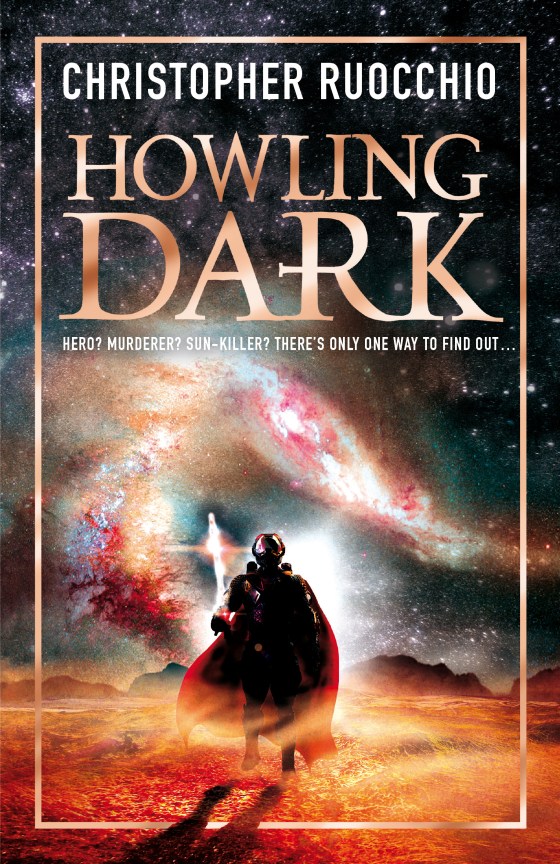
Back in 2018, debuting author Christopher Ruocchio had one of the best books of the year with the outstanding Empire of Silence, an ambitious and inventive gothic science fiction epic. After setting up his massive universe in Empire of Silence, Ruocchio than proceeded to continue the narrative in the second book, Howling Dark. This sequel had an amazing story, as Ruocchio expanded out his series in some very bold ways. This sequel was a truly captivating and powerful piece of science fiction, especially the last epic extended sequence, and I had a fantastic time reading it.
Men at Arms by Terry Pratchett
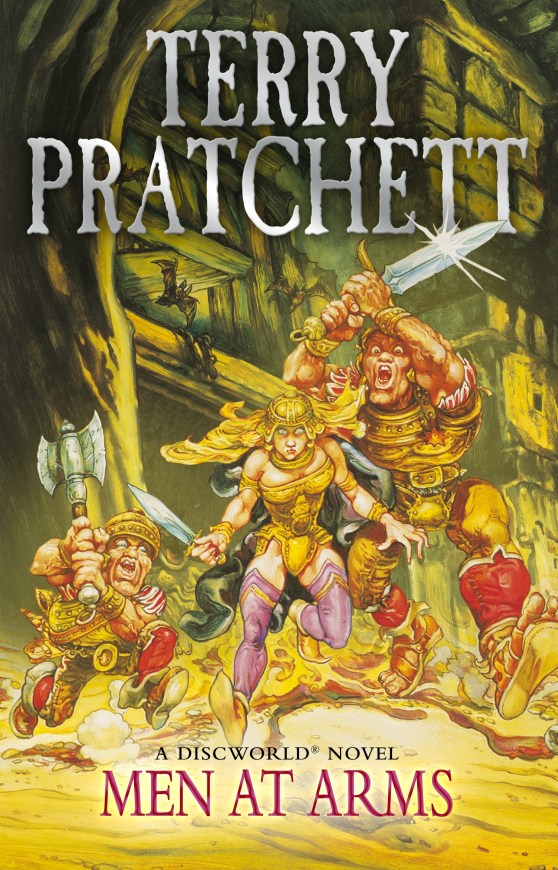
What’s a list on the Unseen Library without at least one Discworld book by Terry Pratchett, in this case, Men at Arms, the second book in the City Watch sub-series. Men at Arms is a very clever and hilarious fantasy murder mystery novel that serves as a sequel to Guards! Guards!. Guards! Guards! was an outstanding read that followed a small group of city watchmen as they attempted to solve a murder committed using a dragon. This was one of the best books in entire Discworld collection, and it was a truly impressive feat that Pratchett was able to one-up-it with Men at Arms. This sequel contained an amazing story that sees the invention of the Discworld’s first gun, which immediately leads to chaos and bloodshed. Featuring an extremely clever mystery, as well as some great and iconic new characters, Men at Arms is one of Pratchett’s best books, and it helped to really elevate the City Watch novels in the Discworld hierarchy.
Red Seas Under Red Skies by Scott Lynch
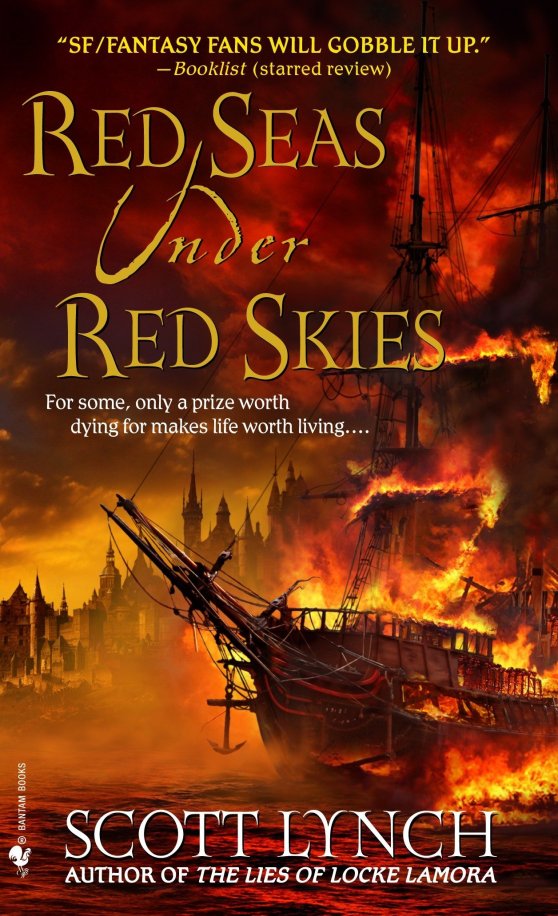
Back in 2006, author Scott Lynch blew away fantasy fans with his outstanding debut, The Lies of Locke Lamora, a complex and powerful fantasy heist novel that was a lot of fun to read. Lynch soon followed this amazing debut with an excellent second book, Red Seas Under Red Skies. This served as a very clever continuation of the original story and contained another elaborate heist, as well as a fascinating focus on the nautical arts and piracy. I deeply enjoyed this second novel, especially with the great twist at the end, and it was a very worthy follow up to Lynch’s incredible debut.
Harrow the Ninth by Tamsyn Muir
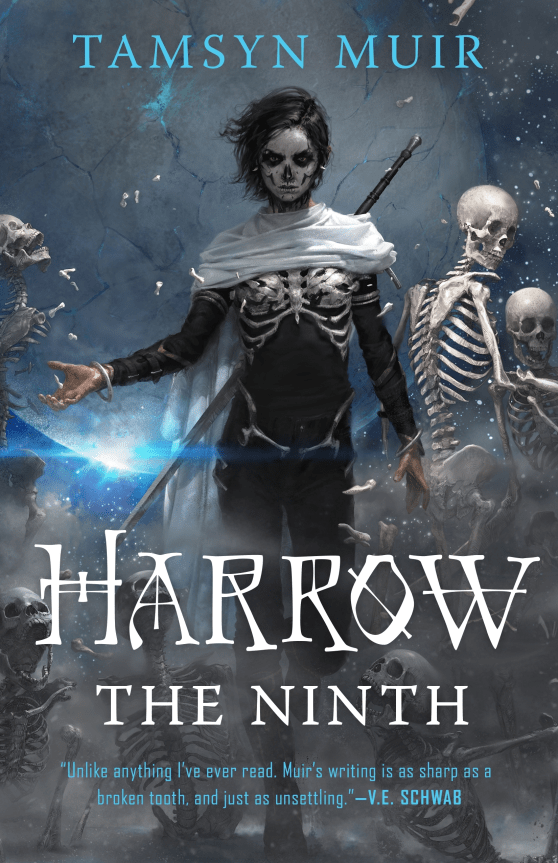
The final book on this list is Harrow the Ninth by Tamsyn Muir, an exceptional novel I had the great pleasure of enjoying on audiobook last year. Harrow the Ninth served as the very clever sequel to Muir’s debut, Gideon the Ninth, which followed a group of space-faring necromancers. While the first book was really fun, I think that Muir greatly surpassed it with the sequel. Focusing on a different protagonist, Harrow the Ninth has a very elaborate narrative to it, including a reimagined version of the first book that excludes the original protagonist for very clever reasons. One of the most unique books I have ever read, I have a great appreciation for what Muir did with this sequel, and it is a fantastic and brilliant follow-up to Gideon the Ninth.
Well, that is the end of this latest list. As you can see, there are some impressive sequels out there, and I have had a lot of fun with some of them. Each of the above entries on this list are exceptional reads, and all come highly recommended, although in most cases you will also need to check out their preceding novels first. This might be a list I come back to I the future, especially with some great sequels coming out in the next couple of years, and I look forward to seeing what second book could potentially make the cut in the future.
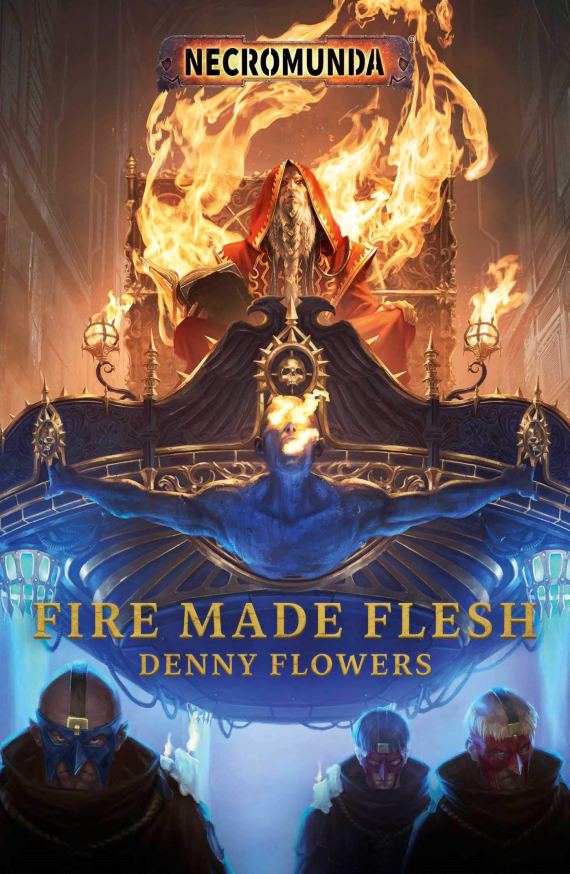
Publisher: Black Library (Audiobook – 5 June 2021)
Series: Necromunda
Length: 13 hours and 29 minutes
My Rating: 4.25 out of 5 stars
Prepare to return to the violent and deadly world beneath the hive cities of Necromunda, as Denny Flowers presents an outstanding and compelling entry in the Warhammer 40,000 universe with Fire Made Flesh.
Over the last year or so I have been having fun exploring the immense extended universe that has sprung up around the Warhammer 40,000 and Warhammer Fantasy tabletop games. I have so far read several cool entries in the Gortrex and Felix fantasy series (Trollslayer, Skavenslayer and Daemonslayer), as well as the awesome science fiction reads First and Only and Deathwatch: Shadowbreaker. However, my favourite Warhammer novel so far was the deeply entertaining Kal Jerico: Sinner’s Bounty, which was part of the Necromunda sub-series, another tabletop game set in the gothic Warhammer 40,000 universe.
The Necromunda games and extended universe are all set in and around the towering and immense hive city, Hive Primus, capital of the industrial planet of Necromunda. Hive Primus is a city of billions, with the inhabitants crammed together in a massive hive structure located both above and below ground. Necromunda fiction is primarily based in the Underhive, the foundational layers of the hive and below, made up of tunnels, habitation zones and caverns, most of which have been abandoned as the hive was built up. The Underhive is filled with various gangs and feuding families who fight in these tunnels for riches, dominance and glory. This unique landscape makes for some impressive stories, such as the awesome narrative of the latest Necromunda novel, Fire Made Flesh.
Deep underneath Hive Primus many secrets and treasures lay hidden in the darkness, waiting to be found by bold adventurers, but none are spoken of with more reverence than the lost habitation dome, Periculus. Periculus was once a flourishing base of commerce where both sanctioned trade and illicit dealings were held, and vast wealth was accumulated. However, Periculus was mysteriously abandoned years ago when its inhabitants were killed, and all knowledge of its location has been lost. Now, after years of searching, someone has rediscovered the dome, and all hell is about to break loose.
Believing that the ruins of Periculus hold innumerable treasures and opportunities, various gangsters, Guilders, hive scum and opportunists have descended into the Underhive, hoping to stake their claim. However, none of the people moving towards Periculus are more dangerous than the revered Lord Silas Pureburn of the Guild of Fire. Holding a monopoly on energy production in the Underhive and gifted with a holy flame from the God Emperor himself, Pureburn inspires loyalty and religious fervour wherever he goes. However, behind his holy facade of purity and flame lies a dark soul determined to dominate everything and everyone he encounters. One of the few people to see the truth about Pureburn is young Guilder Tempes Sol. Sol, a scion of the Mercator Lux, the Guild of Light, has found himself bested by Pureburn many times, and he is determined to discover the truth behind his improbable works. After an unholy accident scars Sol and leaves him with an unusual power, he is forced to flee his guild and travel to Periculus, where his only hope of redemption lies in exposing Pureburn as a fraud.
However, upon arriving at Periculus, Sol discovers a settlement on the edge. Pureburn has gathered around him an army of religious fanatics who control Periculus through fear, fire and bloodshed. Determined to stop his insidious influence before it is too late, Sol attempts to forge alliances with other newly arrived inhabitants of Periculus who have been disadvantaged by Pureburn. However, the deeper Sol dives into Pureburn’s actions, the more danger he finds himself in, as this seemingly holy man hides a dark and disturbing secret. Worse, even more terrible dangers are affecting people within the dome, as twisted creatures roam the shadows, and the humans are struck with a dark rage that drives them to great acts of violence. As the forces within gather for a final deadly confrontation, the fate of both Periculus and the entirety of Hive Primus hangs in the balance.
Fire Made Flesh was an interesting and impressive read that did an amazing job of bringing the twisted maze of the Necromunda Underhive to life. This was actually the debut novel of author Denny Flowers, who has previously written some fun Necromunda short fiction and novellas but had yet to produce a full-length book. This turned out to be a pretty awesome first novel from Flowers, and I had an outstanding time getting through the intense story, especially with its unique locales and outrageous characters, and it was a fantastic piece of Necromunda fiction.
At the heart of Fire Made Flesh lies a compelling and intense story that showcases the unique and deadly battle for control of Periculus. After some set-up to show the rediscovery of the lost dome, Flowers starts establishing the various characters and their motivations, exploring how and why they are heading to Periculus. Told from multiple character perspectives, the reader gets an interesting look at each point-of-view character, as well as the people they travel with. While this was a good introduction to the many complex aspects and figures of the novel, it did make the pacing of the first third of Fire Made Flesh a tad slow, with a couple of difficult sections. However, these pacing issues are resolved around halfway through Fire Made Flesh, once all the primary characters make it to Periculus. From that point onward, the book really picks up, especially as the reader has grown attached to protagonists by this point. From there the rest of the story is extremely fast, with a big moment two-thirds in, resulting in utter bedlam across Periculus and thrusting each of the characters into extreme danger. After several intense and action-packed sequences, the entire narrative gets wrapped up extremely well in a satisfying conclusion, with each of the fun character arcs set up throughout the book coming together wonderfully. I had an absolute blast with this narrative, and I felt that it had the right blend of action, intrigue, character development and Warhammer 40,000/Necromunda detail, to keep every reader happy. I was really impressed by how Flowers was able to bring the disparate storylines together into one entertaining read, and I ended up powering through the last half of the novel in less than a day. I also deeply enjoyed some of the cool twists and reveals right near the end, as they contained some excellent character moments. Interestingly, the story is left open for a sequel, and I know I will be curious to see what happens in the Underhive next time.
Fire Made Flesh is an excellent addition to the Necromunda range of fiction, and I appreciated how Flowers attempted to examine and recreate the various elements of the unique landscape and culture featured within this fictional location. Flowers really dived into the lore surrounding Necromunda, and the reader is soon engulfed in discussions about the social order, technology, and religious zeal of the Hive City. While the author did a good job of trying to give context to this setting and its various features, readers may get a little overwhelmed with all the unique lore elements that are shovelled into it, especially at the front of the book when Flowers was trying to set everything up. While I managed to keep my head around what was happening and what the characters were talking about, I could easily see a reader who has less experience with Warhammer 40,000/Necromunda lore, being a bit more confused and potentially getting lost. Still, this ended up being a great Necromunda novel, and I loved the way in which the author featured the various gangs and controlling interests. I especially enjoyed the in-depth examination of the Guilders, Hive Primus’s merchant class, who provide the various services to keep the settlements running. Fire Made Flesh features members from the various guilds, each of whom have different professions, including slavers, energy providers, fuel dispensers and corpse grinders (people who process bodies to produce corpse-starch, the hive’s primary food source). Readers get a pretty intense crash course in Necromunda lore in this book and will end up having a good understanding of how Underhive works. There are a lot of details that will appeal to long-term fans of the Necromunda game and its associated extended fiction, and they will no-doubt love to see another entertaining and dark adventure. While there are some connections to previous novels, including some of Flower’s short-fiction, I would say its easy enough for most people familiar with the Warhammer 40,000 universe to jump into this book without getting too lost, and even general science fiction fans should be able to have fun with this novel.
Flowers also makes great use of the dark and dangerous setting that is the Underhive throughout Fire Made Flesh. The Underhive is already an awesome and well-established setting, but Flowers really tried to show just how hostile and unpredictable it could be. There are some great descriptions of the tight walkways, giant caverns and isolated settlements which prove to be an outstanding backdrop to the dark narrative, and I had a lot of fun exploring some new locations in this novel. Periculus itself is also an impressive setting, as the reader is treated to an intriguing look at a newly formed town that is slowly getting to its feet in the ruins of an abandoned settlement, and all the strife that comes as a result. The depictions of the town surrounded by monsters, coated with powdered bone, and filled with fractious groups with enflamed personalities, really helps to set the mood for much of the novel, especially as it all comes crumbling down again. I deeply enjoyed this cool setting and I think that it was an exceptional addition to a fun novel.
I also had a lot of fun with the compelling collection of characters featured in Fire Made Flesh. Flowers made use of several entertaining point-of-view characters throughout this novel, including several protagonists of his previous short fiction reads, and this results in a vibrant and well set-up blend of personalities and compelling personas. The central protagonist is Tempes Sol, the young Guilder genius who spends his days attempting to understand power, electricity, and technology. Tempes has a rather rough journey in this novel, mostly brought on by his obsession with stopping the book’s antagonist, Pureburn, who has bested him in several prior encounters. However, this time Tempes is suffering from the after-effects of a psychic attack, which has gifted him strange lightning abilities associated with his cybernetic upgrades. Cast out of his guild and on the run, Tempes is a desperate figure in this novel, attempting to show the hypocrisy of Pureburn while also trying to redeem himself and understand his new powers. I felt that Tempes had a very interesting storyline in this novel, and I found his personal growth and the exploration of his personal technology to be quite fascinating. I wasn’t the biggest fan of his impulsive behaviour and self-righteous personality, but he did start to shed those as the novel progressed, while also developing a certain amount of savviness, especially when it came to some of his supposed allies. It looks like Flowers is setting Tempes up for some interesting storylines in the future, and I would be quite keen to see this protagonist in another book at some point.
I was also a big fan of the antagonist of Fire Made Flesh, Lord Silas Pureburn. Pureburn is another Guilder character who specialises in bringing fire and fuel to isolated communities, even when it shouldn’t be possible. This, and his family’s legacy as keepers of a holy flame, sees him given religious reverence by the general population, as well a collection of devoted, if deranged, followers, who view him as a celebrated champion of the Emperor. However, Pureburn is really a deceitful and manipulative being, who cares only for profit and his own selfish goals. Flowers does an amazing job setting this antagonist up and the reader is soon pretty sick of his hypocrisy and arrogance, something that become really apparent after you read a few of his point of view chapters. Pureburn ends up annoying or alienating every single protagonist in this book, which results in a loose alliance as everyone attempts to take him down. I love a villain so evil that he brings different people together, and this was a great antagonist to hate, especially once you find out the true source of his power.
Aside from this compelling protagonist and entertaining antagonist, this novel also featured a great range of additional characters with whom the reader gets to spend time with. My personal favourite had to be Lord Credence Sorrow, a corpse grinder contracted to bring food to Periculus against his will. Sorrow is a lover of fine things, and his enjoyment of delicate items and gourmet food is at odds with his profession of turning corpses into edible powder. This character has a brilliant amount of flair, and all his scenes are particularly entertaining, especially as he keeps finding himself stuck between some dangerous employers, resulting in quite a fun and fitting overarching storyline. I also had a great time with the oddball partnership of Caleb Cursebound, the self-proclaimed ninth most dangerous man in the Underhive, and his silent Ratskin partner Iktomi. These two make a great pair, especially as Caleb has all the bluster and personality, while Iktomi has a wicked amount of lethal skill, making them a surprisingly effective team, and I loved the entertaining odd-couple vibes that they gave out throughout the book. I also must highlight Anquis, a member of the notorious Delaque family of spies and infiltrators. Anguis spends most of the novel helping Tempes achieve his goals with her intelligence-gathering and manipulations. However, it soon becomes quite clear that Anguis is playing her own games, and no one, especially Sol, knows what she is really after. The final character I want to talk about is Virae the Unbroken, a Chain Lord (slaver) and pit fighter, who is hired to capture unlucky civilians and bring them to Periculus for labour purposes. Despite initially appearing as a blunt and unforgiving figure, Virae soon proves to be one of the most complex and best-written characters in the entire novel. Virae is a former slave herself, who proved herself to be tough and unbreakable, resulting in her title and her eventual promotion to slaver. However, she really struggles with her profession in this novel, especially after many of her charges die on the journey to Periculus. Her battles for survival, especially in the face of Pureburn’s evilness are pretty excellent, and I loved her eventually transformation into a bloody figure of vengeance. This turned out to be an outstanding collection of characters, and I deeply appreciated how Flowers used them to enhance Fire Made Flesh’s great narrative and make it even more exciting and compelling.
I decided to grab the audiobook version of Fire Made Flesh. This format has a decent run time of around 13 and a half hours, and I ended up powering through it in only a few days, especially once the story started to get very exciting and fun. I had an outstanding time getting through this audiobook, and one of the main reasons for this was the impressive narration of Joe Jameson, whose work I have previously highlighted in awesome fantasy audiobooks like King of Assassins by R. J. Barker, and The Kingdom of Liars and The Two-Faced Queen by Nick Martell. These previous works by Jameson have been some of best audiobooks of their respective release year, and Jameson is easily one of my favourite narrators. He has an outstanding voice for fantasy and science fiction, and I love the way he can make a story move at a fast pace while also ensuring that the listener is absorbing all the detail and obscure lore with interest. Jameson did a really good job of voicing each of the characters within Fire Made Flesh, and while some of the voices were very similar to those he used in the other books, I think that they fitted this new group of characters extremely well. You get a real sense of the various emotions and personalities of each of these characters, and his affinity for voicing outrageous figures such as religious zealots and conniving businessmen proved very useful here. I had a great time with this audiobook, and it was an amazing way to enjoy this dark and compelling story.
Fire Made Flesh by Denny Flowers is an exciting and captivating novel in the Necromunda series. This is an entertaining and intense science fiction read that makes full use of the unique Warhammer 40,000 universe, the cool setting of the Underhive, and some great and memorable new characters, to produce an electrifying tale. I had a fantastic time reading this book and I cannot wait to see what other adventures wait for this outrageous group of characters in any future Necromunda novels Flowers writes.
 The Unseen Library