Three Assassins by Kotaro Isaka

Three Assassins Cover

Publisher: Harvill Secker (Trade Paperback – 14 April 2022)

English Translation: Sam Malissa

Series: Standalone

Length: 254 pages

My Rating: 4.5 out of 5 stars

Amazon     Book Depository

Legendary Japanese author Kotaro Isaka brings us another fast-paced, intriguing and unique thriller with the English release of Three Assassins.

Last year I was lucky enough to receive a copy of the first English translation of Kotaro Isaka’s 2010 novel, Maria Bītoru (Maria Beatle), which was released in the Western world as Bullet Train ahead of a movie adaptation of the same name.  I had a lot of fun with this impressive novel which set several distinctive and crazy assassins against each other aboard a speeding bullet train.  Now, with the Bullet Train film only a couple of months away, an English version of another of Isaka’s novels, the 2004 novel Gurasuhoppā (Grasshopper) has just been released.  This novel, translated by Sam Malissa and released under the title Three Assassins, presents another intense and clever thriller read that was incredibly fun to read.

Suzuki is a former schoolteacher who has joined the notorious Tokyo criminal gang, Fräulein, to get revenge for his dead wife by killing the murderous son of the gang’s leader.  However, his revenge mission goes downhill when, moments before his flimsy cover is blown, his target falls onto the road and is run over by a van.  With the shocked gang watching on, Suzuki is sent to chase after someone he sees fleeing the scene, who the gang believes killed the leader’s son.

Convinced the man responsible is the elusive assassin known as the Pusher, Suzuki’s Fräulein contact demands that he reveal the location of the person he followed.  However, Suzuki is uncertain about whether the man is actually responsible or just a random passer-by, especially when he meets the man’s young family.  But with the gang determined for revenge, Suzuki must decide whether to pass on the information or attempt to flee for his life.  Worse, his actions have attracted the attention of other notorious assassins, each of whom have their own reasons for hunting down the Pusher.

The Whale is deadly and forlorn soul who can convince anyone to kill themselves just by talking to them, while Cicada is a talkative and deadly knife expert.  The Whale wants revenge on the Pusher for his part in a prior death, while Cicada is determined to make his own rep by killing this notorious assassin.  Both are determined to find Suzuki and have him lead them to the Pusher by any means necessary.  Can Suzuki survive the barrage of killers, gangsters and monsters being unleased upon him, or will he be forced to compromise his principles and morals to survive?

This was an awesome and exciting novel from Isaka that proved to be extremely fun to read.  Written in Isaka’s distinctive style, and featuring some unique twists, turns and characters, Three Assassins is an entertaining read that I powered through in a day and which is really worth checking out.

Three Assassins has a brilliant fast-paced story to it that readers will swiftly become addicted to.  Written in a distinctive style that emphasises odd character traits and relies heavily on intriguing anecdotes, you are quickly introduced to three captivating point of view characters: Suzuki, the Whale and Cicada.  All three have unique and compelling storylines: Suzuki is thrust into survival mode as he hunts for the elusive Pusher, the Whale is involved in political assassinations before being forced to turn on his employer, while the wildcard Cicada balances his killing desires with frustrations with his overbearing boss.  These storylines soon start to come together when the Whale and Cicada learn about Suzuki’s situation and his apparent connection with the infamous Pusher, and both try to get their hands on Suzuki before the gang does.  However, nothing is as it seems, and all three must battle with their own demons (literally in the case of the Whale), while also trying to outsmart each other and some of the other unique people populating the streets of this version of Tokyo.

All three separate character-driven storylines come together perfectly as the story progresses, and you will love seeing these amazing characters interact as each reaches their own unique destiny.  There are several fantastic and impressive confrontations towards the later part of the book, as well as some great twists, the best of which will leave you reeling and completely change how you viewed the first three quarters of the novel.  While I saw a couple of twists coming, I was pleasantly surprised by several of the reveals, revelations and story turns that occurred, and there are some fantastic moments scattered throughout this book.  I loved how fast-paced Three Assassins turned out to be and there is honestly not a single slow moment to be found as you get through it.  That, combined with its shorter length, will encourage readers to power through it in a very short amount of time, and you will not be disappointed when you see what happens with this entertaining and amusing story.

Like Bullet Train, Three Assassins is a standalone novel that requires no familiarity with any of Isaka’s previous novels to appreciate the clever story or intense action.  It does however have some interesting connections to Bullet Train that fans will really appreciate.  Three Assassins is noticeably written in a similar style to Bullet Train, with a familiar plot focused on multiple unusual Tokyo assassins, as well as certain unique types of characterisations, interactions and writing flow.  These similarities are intentional as the original Japanese version of Three Assassins, Grasshopper came out several years before Maria Beetle.  This means that Three Assassins is actually a precursor to Bullet Train, hence the stylistic similarities.  As such, Three Assassins features a couple of characters who would end up having minor roles in Bullet Train, such as the Pusher, who has a few short point-of-view chapters as the character Morning Glory in Bullet Train, and the assassin duo known as the Hornet.  I have to admit that when I read Bullet Train, I did wonder about why these characters were featured, as some relevant context appeared to be missing.  However, after reading Three Assassins I see that they were there as a reference to this preceding novel and you actually get to understand their role in Bullet Train a little better after reading this book.  I really liked the cool connections this novel had to Bullet Train, and it is really worthwhile checking Three Assassins out alongside it.  While I do think that I preferred Bullet Train a little more than Three Assassins, as its story was stronger and the characters a little more entertaining, Three Assassins really stands on its own and proves to be an excellent read.

Isaka clearly had a lot of fun with the awesome characters contained within Three Assassins, as this book features an eclectic mix of unusual and entertaining figures who make Tokyo’s underworld seem like a weird and deadly place to explore.  This novel is primarily anchored by its three main point-of-view characters, each of whom is a particularly complex and unique being that will quickly drag the reader in with their intriguing stories or antics.  This includes central character Suzuki, the former teacher turned attempted gangster, who is initially involved with this plot for revenge, and who has done some dark things in order to get there.  However, when the target of his revenge is killed and Suzuki seems to find the life of the Pusher and his family in his hands, he starts to have a real crisis of conscience and must determine what he really wants to do.  Watching him attempt to weigh up the lives of the family he encounters versus some hostages Fräulein potentially has is extremely intense and results in some major examinations of his conscience.  Suzuki also serves the role of the unenlightened character for most of the book as he is mostly ignorant of the various assassins and outrageous characters running around out there.  As such, he serves as a good introductory character for many of these unique world elements, and it was very entertaining to see him interact with some of the other characters for the first time without a clue about who or what they are.

The Whale and Cicada are both complex and weird figures for very different reasons.  The Whale is a highly unusual assassin who specialises in arranging deaths to look like suicides.  A large man with an unnatural aura, the Whale is “blessed” with a near supernatural ability to talk people into killing themselves.  This is a pretty unique and cool character trait which Isaka does a wonderful job portraying throughout Three Assassins.  Watching this character slowly and calmly talk various characters into killing themselves results in some naturally dark scenes, but they are a great part of the book and really add something to the distinctive feel of the book.  At the same time, Isaka tries to humanise the Whale to a degree by showing him to be haunted by the ghosts of everyone he has killed.  These ghosts routinely appear before him, airing their grievances with him while also blotting out his ability to see other people or things.  This serves to be an intriguing handicap for this otherwise unstoppable figure, and it proved fascinating to see this merciless killer face some substantial reservations about his work and slowly start to rethink his life and choices.  The Whale easily has some of the most complicated and intriguing scenes in the entire novel and it proves extremely fascinating to see his entire arc unfold.

Cicada, on the other hand, is a somewhat less complex figure who serves as the book’s comic relief.  A skilled knifeman who lacks empathy, Cicada has earned a reputation as a man who can take on the unpleasant jobs and is often hired to kill women and children.  However, Cicada finds himself in a very hostile working relationship with his boss and handler, Iwanishi, who treats him poorly.  This toxic relationship becomes the imperative for Cicada to engage in the hunt for the Pusher, as a form of finding his own independence, although nothing goes to plan.  Cicada is an excellent and enjoyable character, and you will quickly find yourself getting attached to the quick-talking killer, even when he does some terrible things.  The most physically gifted of all the characters, Cicada is often dragged into some of the book’s best fight scenes, and it was exciting to see his knife skills in action.  Thanks to his unique humour and continual banter, Cicada proves to be a great counterpoint to the book’s darker or more emotionally distressed characters like Suzuki and the Whale, and I think that his inclusion really helped to balance out the tone of the book.  All three characters and their chapters play off each other extremely well, and they help to form a captivating and amusing overall story.

Three Assassins was another awesome read from Kotaro Isaka that takes readers on a wild and exciting journey to Japan’s outrageous underworld of assassins.  Filled with quirky characters, surprising turns and intense action, this is a fantastic novel and you will swiftly get addicted to its entertaining and captivating story.  A must read for fans of this legendary Japanese author, especially in advance of the upcoming Bullet Train film, Three Assassins comes highly recommended and is really worth checking out.

Amazon     Book Depository

Top Ten Tuesday – Authors I Haven’t Read, But Want To

Top Ten Tuesday is a weekly meme that currently resides at The Artsy Reader Girl and features bloggers sharing lists on various book topics.  For this week’s Top Ten Tuesday, participants are tasked with listing the top 10 authors that they haven’t read but which they really want to.  This was a pretty interesting topic as there are actually quite a few authors out there that I want to read, but I haven’t had a chance to.  As such, I had a bit of fun looking at some of the big authors I have been meaning to read for some time and coming up with the absolute top authors I have neglected from my reading this.  This resulted in a very interesting list with some great names on it (including my usual honourable mentions section), all of whom have produced some brilliant novels I really want to read.  So, let us see who made the cut.

Honourable Mentions:

James Rollins

The Starless Crown Cover

Ok, so I am technically cheating with this first honourable mention, James Rollins, as I have read a couple of his books before.  However, that was a fairly long time ago when I was pretty young, so I decided to include him as an honourable mention.  I really do want to go back and check out all his Sigma Force novels though, which sound like bonkers fun, and I have been meaning to read his latest fantasy release, The Starless Crown, for a couple of months now.


Julian Stockwin

Thunderer Cover

An acclaimed historical fiction author, I have been trying to read one of Stockwin’s Thomas Kydd novels for years but just never get the chance to.  Set during the Napoleonic Wars, the Thomas Kydd books are awesome sounding naval historical fiction books that sound so very cool


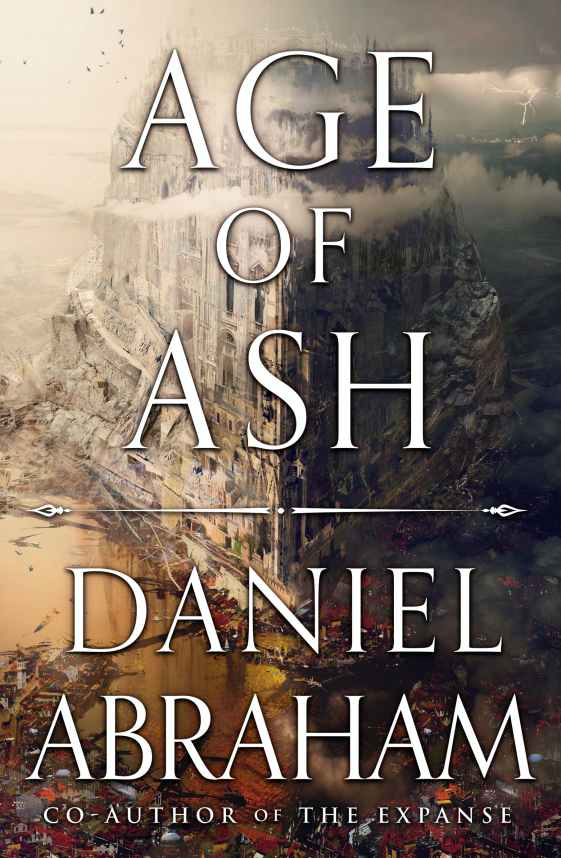
Daniel Abraham

Age of Ash Cover

While I have enjoyed Abraham’s writing with Ty Franck as the due behind The Expanse novels, I have never had the opportunity to read any of his solo fantasy works.  Not only do I want to check out his most recent book, Age of Ash, but several of his existing series, such as The Dagger and the Coin and The Long Price Quartet, sound particularly awesome.


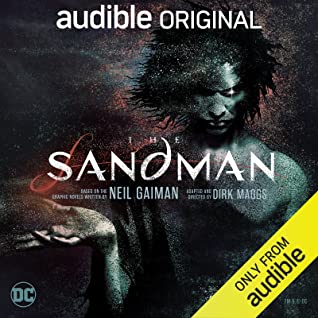
Neil Gaiman

The Sandman

A major author whose works I have somehow failed to read for a while, I need to check out some of the quirky Neil Gaiman books, as well as the cool Sandman comics (or their recent audiobook adaptations).

Top Ten List:

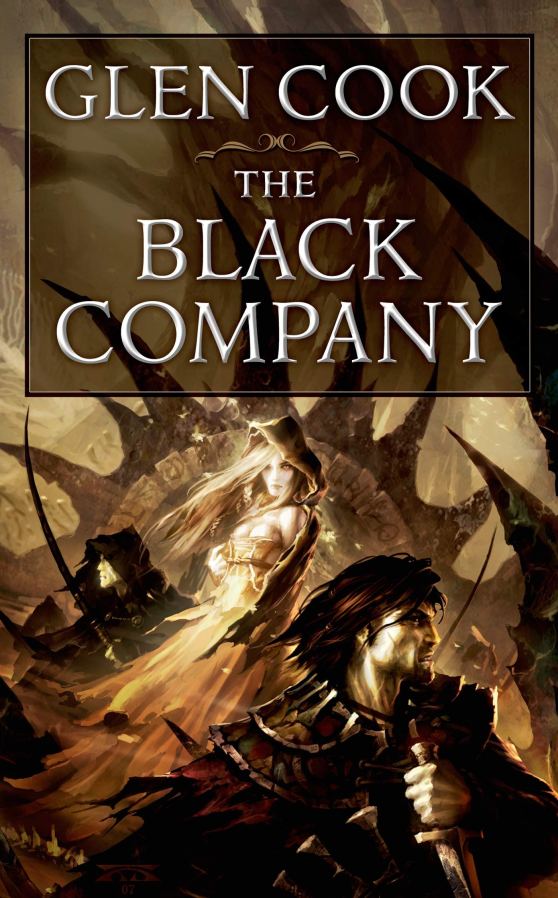
Glen Cook

The Black Company Cover

First on this list is acclaimed fantasy author Glen Cook, who I have been meaning to read for years.  Known for various series, including his Garrett P. I. novels, I mostly want to read Cook’s The Black Company novels, which are I have heard are pretty exceptional pieces of dark epic fantasy.  Following an elite group of mercenaries as they fight for and against a legendary evil sorceress, this series sounds so cool and I really hope I get a chance to read it at some point.


Gav Thorpe

Last Chancers - Armageddon Saint Cover

Next up we have one of the leading voices of the Warhammer extended universe, Gav Thorpe.  A talented author and game designer, Gav Thorpe has written multiple intriguing novels in the Warhammer universe, which I have been really getting into lately.  There are multiple Thorpe books I want to check out, although the one I will probably try first is the Last Chancers series, which is essentially The Dirty Dozen in space.  I cannot wait to read some of Thorpe’s awesome Warhammer novels and I know I am going to have an amazing time doing so.


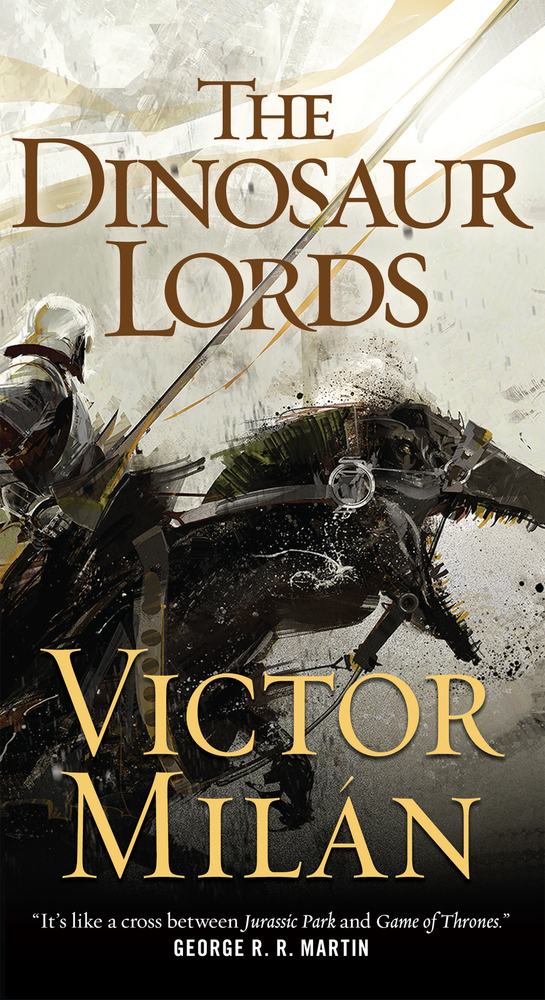
Victor Milán

Dinosaur lords_rev1_MM.indd

Another talented fantasy author I want to try and get into is the late Victor Milán, who has written some fantastic sounding stuff over the years.  Also know by the pen names Richard Austin, Robert Baron, S. L. Hunter and Alex Archer, Milán wrote multiple intriguing series, including the Rogue Angel, Guardians and Stormrider series.  However, I mostly want to read his last trilogy, The Dinosaur Lords series, which is set in a world where knights fight atop the back of dinosaurs.  This sounds so freaking awesome to me, and I am very excited to see what sort of whacky and epic story Milán wrote around these dinosaur knights.


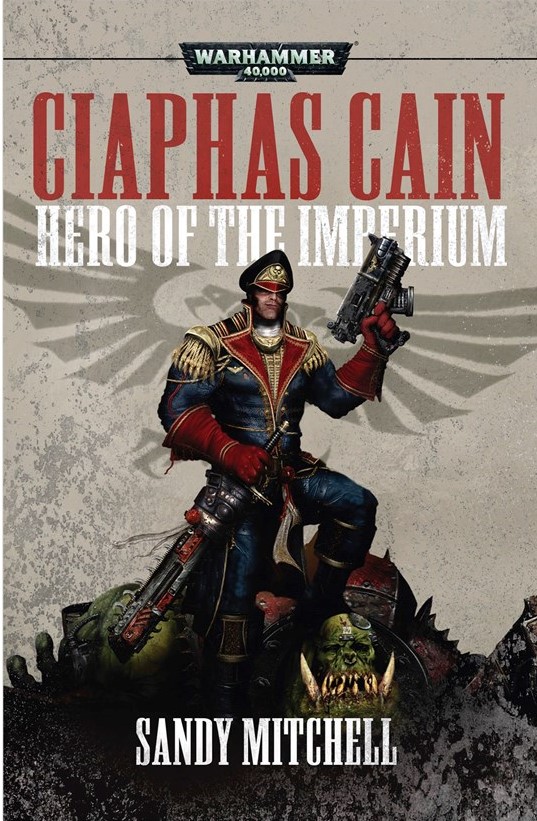
Sandy Mitchell

Ciaphas Cain Cover

Another great author known for their Warhammer novels, Sandy Mitchell (real name Alex Stewart), is a fantastic sounding writer who has added several key entries into the wider Warhammer 40,000 universe.  While I really want to read all of Mitchell’s Warhammer novels at some point, I mostly want to check out his iconic Ciaphas Cain books.  Following a reluctant war hero whose attempts to avoid combat always lead him to the most danger, the Ciaphas Cain books are widely considered on of the best pieces of Warhammer 40,000 fiction out there and I am very excited to try them out.


Pierce Brown

Red Rising Cover

I must admit that science fiction is a genre I have only really started getting into in recent years, so there are some serious gaps in my reading knowledge.  However, the one science fiction author I most regretting not checking out is Pierce Brown.  Best known for his iconic Red Rising novels, Brown is an exceedingly talented author and I really need to try to check out his epic main series.


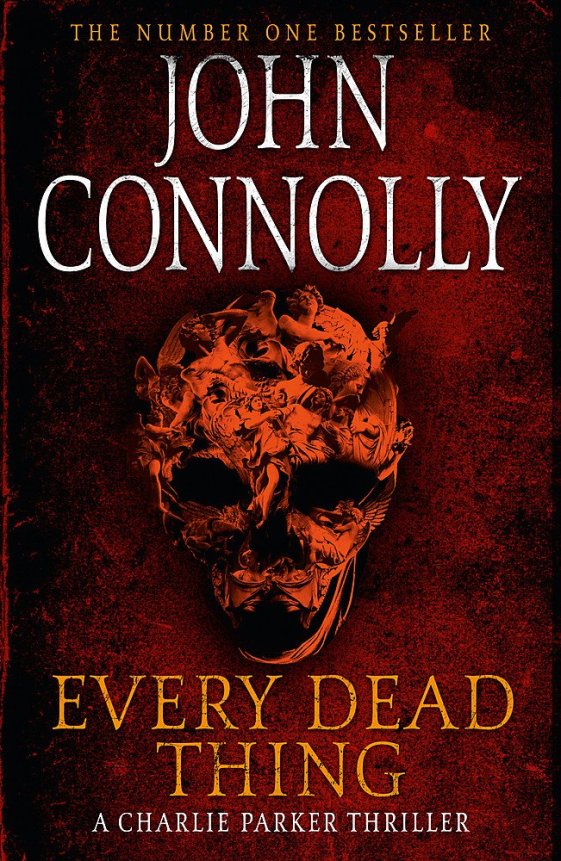
John Connolly

Every Dead Thing Cover

There are so many impressive crime fiction authors whose works I have yet to experience out there, but the one that intrigues me the most is probably John Connolly.  A major crime fiction veteran, Connolly is best known for his long-running Charlie Parker series, which follows a tortured private investigator as he dives into a series of disturbing and shocking cases.  I have been hearing some impressive things about Connolly for years, especially from one of my more crime-fiction savvy review colleagues, and I think I will have to try and read some of his stuff when I get a chance.


James Swallow

Blood Angels Cover

While this list seems to be getting full of authors of tie-in fiction, I had to include the talented James Swallow as well.  While Swallow has written some great original work, including the recent Marc Dane thrillers, most people will be familiar with his fantastic novels that tie into many different fandoms, including Stargate, 2000AD, 24 and Doctor Who.  However, his most significant work has been in the Warhammer 40,000 and Star Trek fandoms, where he has contributed multiple novels.  I love the sound of several of his fantastic books and I will be reading several of them soon.


Peter V. Brett

The Core Cover

I have heard some brilliant things about Peter V. Brett’s Demon Cycle series over the years and I think I need to make a real effort to check them out soon, especially with the follow-up Nightfall Saga series currently doing so well.


Guy Haley

Flesh and Steel Cover

I had to slip in another tie-in fiction author here with Guy Haley, who has been writing some truly awesome sounding books lately.  While he has some other cool series out, I am deeply intrigued by some of the cool and unique Warhammer books he has come up with.  Not only did he devise the major Dark Imperium trilogy and contribute to the massive Horus Heresy series, but he has also written some intriguing Warhammer crime fiction novels, such as the fascinating sounding Flesh and Steel.  I have several of his books currently queued up to listen to and I will probably start enjoying this interesting author by the end of 2022.  


Jenn Lyons

The Ruin of Kings Cover

The final author on this list is the wildly talented Jenn Lyons, who has produced some impressive fantasy novels over the years.  Lyons has written some excellent stuff over the years, although the main reason I want to check her out is because of her current epic fantasy series, the A Chorus of Dragons books.  Following a prophesied destroyer as he gets dragged into world shattering events, I have been trying to get into the A Chorus of Dragons series since 2019.  I have most of this series currently sitting on my shelf at the moment, and I really need to make an effort to try and read them.


That’s the end of this latest list.  As you can see, there are some excellent and talented authors out there that I really want to start reading.  While this list may be a little heavy with Warhammer fiction authors (its one of my current obsessions), I am pretty happy with how it turned out and I think it reflects the current authors I would love to become a fan of.  Let me know what you think about my entries in the comments below, and also let me know which author you really want to try and start reading.

Waiting on Wednesday – The Voyage of the Forgotten by Nick Martell

Welcome to my weekly segment, Waiting on Wednesday, where I look at upcoming books that I am planning to order and review in the next few months and which I think I will really enjoy.  I run this segment in conjunction with the Can’t-Wait Wednesday meme that is currently running at Wishful Endings.  Stay tuned to see reviews of these books when I get a copy of them.  In this slightly belated Waiting on Wednesday article I take a look at one of my most anticipated fantasy releases for 2022, the awesome and epic upcoming The Voyage of the Forgotten by impressive author Nick Martell.

The Voyage of the Forgotten Cover

Amazon     Book Depository

Over the last two years, fantasy fans have been absolutely blessed by the incredible talent of new author Nick Martell who has already made a substantial impact on the genre in a very short amount of time.  Debuting in 2020, Martell started his fantasy journey with the first The Legacy of the Mercenary Kings novel, The Kingdom of Liars.  This impressive novel told the captivating tale of Michael Kingman, the troubled scion of a formerly great house in the Kingdom of Hollow whose fortunes were erased after Michael’s father apparently killed the King’s oldest son.  Determined to prove his father’s innocence, Michael investigates the Hollow court in an attempt to find out who was truly responsible.  Along the way, he clashes with fractious royals, dangerous magic users, powerful mercenaries, and insidious hidden immortals, all of whom want him dead, while also trying to come to grips with his new magical abilities that slowly result in the loss of his memories.  Michael was eventually able to discover who was responsible for the murder, but only after he was framed for the death of the current king, narrowly avoiding execution.  I had an outstanding time with this exceptional novel’s brilliant story and powerful characters, and The Kingdom of Liars ended up being one of my favourite books (and audiobooks) of 2020, as well as one of the best debuts of the year.

While I was already suitably impressed with Martell’s first novel, the author amazed me even more last year when he released the sequel, The Two-Faced QueenThe Two-Faced Queen was an exceptional follow-up to The Kingdom of Liars that masterfully expanded on the events of the first novel.  Not only where several intriguing new story elements introduced, such as a notorious serial killer, dragons and even more immortals, but we also got some great new characters, substantial world building, and even more fantastic twists and revelations.  The most substantial of these characters was Michael’s love interest, the queen of Hollow, Serena (the titular Two-Faced Queen), who spends most of the novel trying to kill Michael for the death of her father.  This resulted in a pretty complex and exceptional novel that I powered through extremely quickly as I tried to see how everything unfolded.  In many ways, The Two-Faced Queen surpassed Martell’s first novel, and it was easily one of the best books and audiobooks of 2021.

After having such an exceptional time with the first two books in The Legacy of the Mercenary King series (which is such an excellent series name), I have naturally been extremely keen to read the third book in this series.  This third novel is The Voyage of the Forgotten, which is currently set for release in November 2022.  While I was a little disappointed that its release date was knocked back towards the end of the year, I am still very excited for this novel and I have been eagerly waiting to find all the details I can about it.  Not only do we have a synopsis for it, but they have also released both of the covers for it, which look extremely awesome, and distinctive (I think I like the above UK cover more than the US cover below, but both are great in their own way).

Synopsis:

In this twistingly beautiful and epically thrilling conclusion to the fantasy trilogy The Legacy of the Mercenary King, Michael, the infamous Kingkiller, and Serena, the Hollow Queen, race against the odds to have the future they’ve worked so hard to protect…or risk bringing about the end of the world.

Michael Kingman has discovered his destiny, but the distance to what he wants, namely a life with Serena, the queen of Hollow kingdom, is as wide as the world, and just as cruel.

Meanwhile, Dark, the realm’s most fearsome mercenary, Michael’s sometime mentor, and son of his nemesis, Angelo, is trying to keep Michael in line, for his own purposes as he too has a hidden agenda. Michael comes to realize that he is outclassed by powers that have been working for centuries to bring about a fresh end to the world filled with those he loves. But when has merely being overpowered ever stopped Michael from getting what he wants?

To prevent what may bring about the end times Michael must gather his remaining allies and push himself to achieve the impossible because the alternative is worse than he can imagine: it’s not just the beginning of the end of the world, it’s being alone and forgotten.

In this epic conclusion, The Voyage of the Forgotten brilliantly wraps up the stories fans have fallen in love with as the characters struggle against odds that seem impossible to overcome.

I really like the sound of the above synopsis, and it is pretty clear that The Voyage of the Forgotten is set to be a pretty awesome read.  While some of the details here seem a little vague, it is clear that Martell looks set to bring together many key storylines here.  In particular, it looks like the plans of several of the major antagonists or villains he has faced in the previous books are about to start coming together, forcing Michael to step in and stop them.  I hope that we get some vital answers to certain plot points here as well as further explanation of who the key players are and what their motivations are, which will be great to see.

One of the things I find most interesting about this synopsis is the fact that The Voyage of the Forgotten is apparently going to be the final book in the series.  This is a bit surprising to me; due to the sheer number of storylines, interesting supporting characters and major plot arcs, I honestly thought/hoped this would be a longer series.  I am actually a tad worried that Martell may have trouble wrapping everything up in a single book, there are just that many story elements to conclude, but I have learnt to rely on Martell’s writing ability, so I am sure that this will come up really well.  I am actually very tempted to go back and do a reread of Martell’s first two novels to make sure I have all the particulars in my head before I read the final story (they are just that detailed).  I cannot wait to see how everything comes together and I am hoping for a very satisfying and captivating conclusion, no doubt filled with tragedy, intense action and impressive magical inclusions.

Look, I think it is very clear from the lengthy introductory paragraphs above that I am particularly keen to grab The Voyage of the Forgotten.  Nick Martell has already so deeply impressed me with his first two books that I know I am going to deeply enjoy this epic read.  I am very eager to see how this outstanding series concludes, and I am extremely confident that The Voyage of the Forgotten is going to end up being one of the best books of 2022.

The Voyage of the Forgotten Cover 2

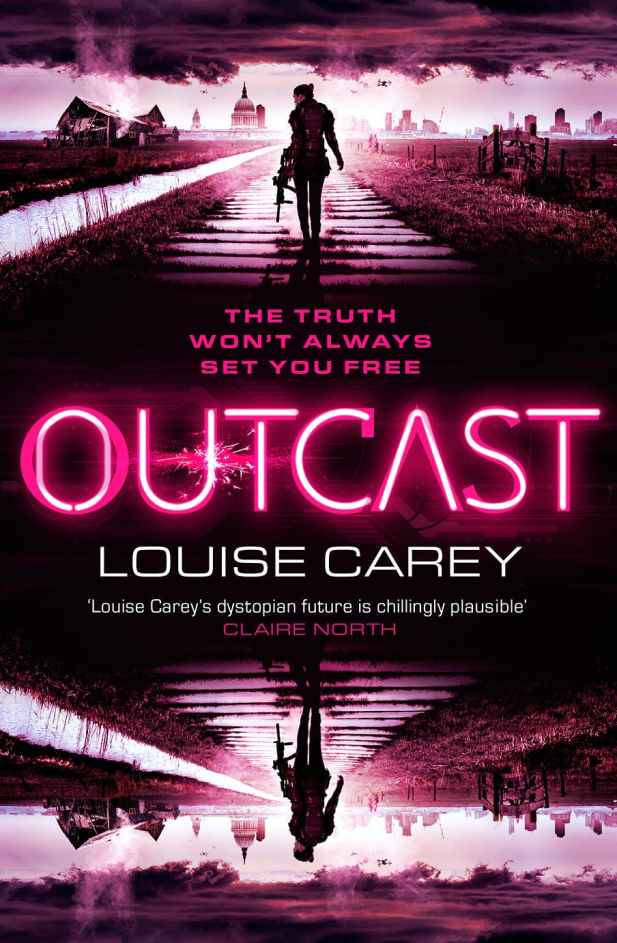
Outcast by Louise Carey

Outcast Cover

Publisher: Gollancz (Trade Paperback – 25 January 2022)

Series: Inscape – Book Two

Length: 394

My Rating: 4.75 out of 5

Amazon     Book Depository

Impressive rising science fiction author Louise Carey continues her awesome first series with Outcast, a brilliant and powerful cyberpunk thriller read that is incredibly fun and very clever.

Outcast is a sequel to Carey’s debut novel from last year, Inscape, which told a unique and intriguing story about espionage, betrayal and corporate politics in a cyberpunk world.  Set in the distant future after a major calamity, the fractured world is now ruled over by all-powerful and advanced corporations who battle for dominance while they attempt to create the latest in weaponry and bio-tech upgrades.  The protagonist of the series, Tantra, works as an intelligence operative for one of the largest companies, InTech, and investigates a mysterious theft that could have dire consequences for her company.  Filled with dystopian cyberpunk elements, such the built-in communication and information technology known as scapes, this ended up being an excellent and captivating science fiction thriller that was one of my favourite debuts of 2021.  Carey has continued her amazing series in a big way here with Outcast, which serves as an outstanding and impressive sequel to her first solo book.

Following the success of her first mission, Tantra’s life has been turned upside down.  Despite saving her company and uncovering a traitor, Tantra has been sidelined by a jealous supervisor and now works as a lowly security guard.  Worse, Tantra now knows the terrible truth: that the company who gave her everything has long controlled her mind with the invasive Harlow Programming, which she has since been freed from.  With her loyalties tested, Tantra is thrust back into the thick of the action when she discovers a bomb sent to InTech’s headquarters.

InTech soon finds itself thrust into a brutal corporate war with its main competitor, Throughfront.  The bombing of their headquarters is the latest in a series of attacks on InTech assets, and the board are desperate to get them under control.  Determining that she is their best operative to stop the culprits behind the attack, Tantra is assigned to the case.  Teaming up once again with her former partner, Cole, the brilliant scientist with severe gaps in his memory, Tantra attempts to find the culprit before they cripple InTech for good.

But, facing opposition from both deadly internal InTech politics and lethal external forces, their chance of succeeding seems slim, especially when they are banished to a remote InTech facility in the Unaffiliated Zone for the remainder of their investigation.  Barely escaping a deadly assassination attempt, this unconventional team find themselves caught in the middle of a dangerous conspiracy that is determined to bring InTech down for good.  However, when they discover that InTech is planning their own sinister machinations, will Tantra and Cole still be as eager to save their company?

Wow, Carey follows up her excellent solo debut in a big way here with Outcast.  This second book was even better than Inscape, taking the reader on a wild and action-packed adventure through the author’s unique cyberpunk world.  Bringing together some amazing characters with a powerful and thought-provoking narrative about control and the potential evils of technology, this was an exceptional read I powered through in a few short days.

Outcast has an excellent story that perfectly continues the fantastic narrative started in Inscape.  Taking place shortly after the events of the first book, Outcast sees a struggling Tantra and Cole once again placed in the middle of a big investigation with major implications, this time involving the destruction of company drones outside the city, which is impacting the company’s food supply.  At the same time, Tantra finds herself forced to deal with deadly company internal politics, while Cole finds himself involved with a mysterious rebel group who are attempting to stop InTech’s more troublesome activities, including their latest upgrade.  This forces them to venture outside of the city where they encounter unaffiliated mercenaries, enemy agents, dangerous rebels and deep secrets about InTech’s past.  The middle of this novel is filled with an excellent series of great emotional sequences, action scenes, world building, character development and shocking twists, as the protagonists get closer to finding out who is behind the attacks, as well as the true plans of their parent company.  This leads up to a brilliant final sequence where the protagonists are forced to make some very hard decisions in a great no-winners situation.  This leads up to the amazing and powerful conclusion where the protagonists, despite their best efforts, are left devastated by the events that unfolded, and which ensures that all the readers will be back for the third entry in this awesome series.

There are so many cool elements to Outcast which really help to turn it into a first-class read.  I deeply enjoyed the way the impressive story unfolded, and Carey makes great use of a couple of alternate character perspectives to tell a unique and multifaceted tale, such as the entertaining scenes told from the perspective of a smarmy and desperate secondary antagonist.  The author does a great job of combining a thriller storyline with the unique science fiction elements, and it results in a fast-paced and action-packed story that takes the time to explore certain technological implications.  There are some brilliant twists loaded throughout the book which are well paced out and ensure that the reader is constantly on their toes.  I liked how, despite the sheer amount of world building featured in the first book, Outcast still came across as an accessible novel, and new readers can probably jump into the series here.  That being said, I think you would be missing out if you didn’t try Inscape first as this sequel does an amazing job building on and expanding some excellent storylines from Carey’s debut.  However, nothing will compete with the awesome ending that this novel has, and the reader is chucked through the emotional wringer as the book’s characters are put into an impossible situation, which produces some very dark results for them.

The excellent cyberpunk science fiction elements of this series once again shine in Outcast as Carey continues to explore the advanced biotech that was such a great feature of the first novel.  Not only is a lot of this technology very cool, especially as it results in some brilliant moments in some of the action sequences, but this mind-connected technology continues to be a key part of the plot.  Multiple storylines examine the ethics behind this technology, especially as the protagonists are now fully aware of the full extent of their parent company’s attempts to program their employees’/residents’ minds using their scapes.  This leads to some intriguing and deep discussions, especially as you get to see corporate greed and a desire for control weighed up against the rights of a person and their desire for independent thought and identity.  This exciting look at the series’ unique technology becomes even more intense and important as Outcast continues, especially when certain new advancements are revealed which could have devastating impacts on all the characters.  I loved how deep and captivating some of the scenes involving this technology get, and it results in some of the best bits of the entire book.  I cannot wait to see what happens with these cool technological aspects later in the series and I imagine it is going to be very fun.

I was also very impressed with the incredible character work featured throughout this book as Carey did a wonderful job expanding on her complex and damaged protagonists.  Like Inscape, Outcast is primarily focused on the characters of Tantra, a young intelligence officer, and Cole a formerly unethical scientist whose memory was completely erased, giving him a very different personality while retaining his brilliant mind.  These two formed a unique and fun pairing in Inscape, where they both experienced a lot of development and trauma, and it was great to see them back together again here.

Both characters had some brilliant moments throughout the novel, especially Tantra, who realised in the first book that her mind and her actions have been subtly controlled by a program her entire life.  Now rid of the Harlow Programming, Tantra is in full control of her mind, but must keep this hidden from InTech, who would kill her or reprogram her if they found out.  Forced to act like the obedient drone they think she is, Tantra chafes against the restrictions and contradictions of her superiors and the company, as she can see many of the injustices or manipulations now that her mind is solely hers.  This also results in are also some excellent ethical and loyalty implications for her as she can finally see how nefarious InTech, the company who raised her, really are, and she must decide whether she is still loyal to them.  It was especially powerful to see how her relationship with Reet, her lifelong romantic partner, has been changed.  Reet is still infected by the Harlow Programming, and Tantra can only watch as she toes the company line and fails to understand Tantra’s many concerns, criticisms or newly awakened point of view.  This puts some real strain on their relationship, and it was heartbreaking to see Tantra suffer even though she is now free.  This was easily the best character work in the entire book, and if the tragedies and hard decisions that occurred towards the end of Outcast are any indication, Tantra is going to be in for a rough ride in the third book.

Cole also had some outstanding moments in Outcast as he continues to struggle with his sense of self and identity following his memory loss and the eventual revelation that his past self was responsible for many of InTech’s evils, including the Harlow Programming.  Now mistreated and mistrusted by InTech, Cole works with a mysterious group outside of InTech to try and bring them down, while also attempting to learn more about his past actions and what led him to do what he did.  He does get some of the answers he wants as the story progresses, especially when he is reunited with an old colleague, but it only leads to tragedy and despair.  Cole’s story gets pretty dark in places, especially when he realises how InTech have repurposed and enhanced his original work, and it was fascinating to learn more about his past mistakes.

Aside from these two, there are several awesome supporting characters who also add a lot to the novel, especially as several of them are utilised as point of view characters.  This includes Douglas Kenway, a senior director at InTech and Tantra’s boss, who is determined to keep his position and power no matter what.  Convinced that Tantra is gunning for his job, he spends most of the novel trying to undermine her, while also inching closer to discovering the truth about her lack of Harlow Programming.  Kenway serves as an excellent secondary antagonist, and his dive into company politics and sabotage of the protagonist adds a fantastic and entertaining edge to the novel that I really enjoyed.  Despite his self-centred nature, Kenway does provide an intriguing alternate perspective on the events of the book, and he gives some corporate context for much of what is going on.  I also really liked how his fears were mostly realised towards the end of the book, although not in the way he expected.  I should also mention new character, Fliss, the leader of a rogue gang out in the Unaffiliated Zone who gets dragged into the conspiracy attacking InTech.  Fliss provides another great alternate perspective, especially as she and her friends have no technological upgrades to their bodies and are naturally human.  I liked the story that surrounded Fliss, especially as she struggles to control her gang when forced to work for a corporation, and she ended up being an excellent addition to the plot.  These characters, and more, help to turn Outcast into a first-rate book, and I deeply enjoyed seeing all these amazing personal stories unfold.

Louise Carey continues to shine as one of the most impressive new authors of cyberpunk fiction out there with her second novel, Outcast.  This outstanding sequel does a brilliant job of continuing the powerful storylines from Inscape, while also introducing new dangers, betrayals, and some great characters.  Filled with action, intense character moments and captivating cyberpunk science fiction elements, Outcast is a fantastic novel that proves to be exceedingly addictive and fun.  I am really starting to get hooked on this outstanding series, and all cyberpunk and science fiction fans need to do themselves a favour and check out Carey’s impressive Inscape series.

Amazon     Book Depository

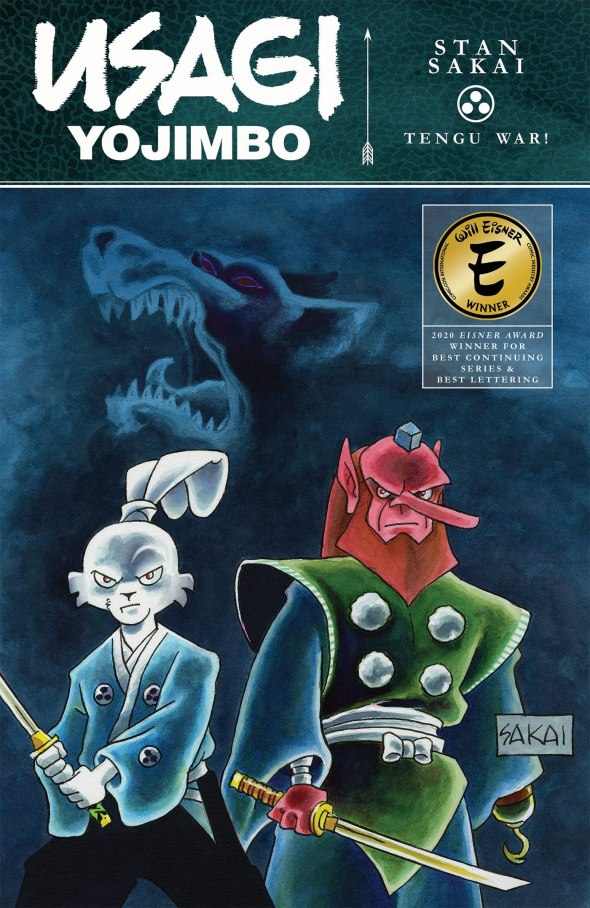
Usagi Yojimbo: Volume 36: Tengu War! by Stan Sakai

Usagi Yojimbo - Tengu War!

Publisher: IDW (Paperback – 22 March 2022)

Series: Usagi Yojimbo – Volume 36

Writer and Artist: Stan Sakai

Art Assist: Randy Clute (The Master of Hebishima)

Colourist: Hi-Fi Design

Length: 192 pages

My Rating: 5 out of 5 stars

Amazon

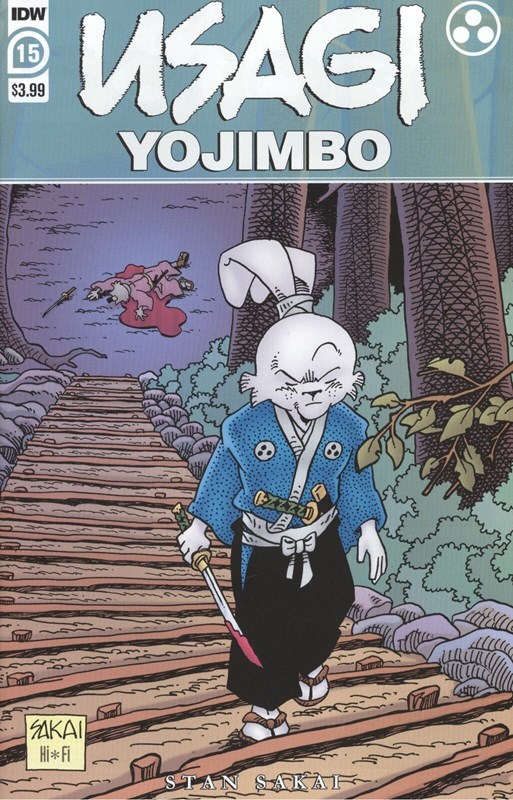
Usagi IDW #15

It is that amazing time of the year when I finally get my hands on the brand-new volume of the long-running Usagi Yojimbo comic series, written and drawn by the legendary Stan Sakai.  Fans of this blog will be well aware of my all-consuming love for this amazing series that follows a roaming rabbit ronin, Miyamoto Usagi, as he traverses an intriguing alternate version of feudal Japan inhabited by anthropomorphic animals.  Not only is this one of my favourite all-time comic book series but I have been steadily reviewing some of the older volumes as part of my Throwback Thursday series (see my recent reviews for Volume 12: Grasscutter, Volume 13: Grey Shadows and Volume 14: Demon Mask).  Unfortunately, Sakai only releases one volume of this epic series a year, so it is a very big deal when I finally get my hands on the latest volume (this latest volume has been one of my most anticipated releases for 2022 for a while now).

Usagi IDW #15b

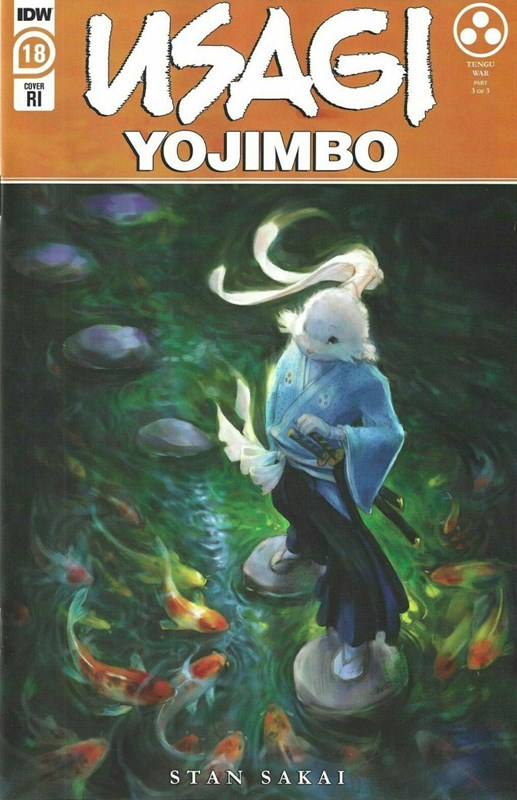
This latest volume is Tengu War!, an intriguing and powerful comic that contains some awesome and clever new tales.  Tengu War! is the 36th overall volume in this series as well as the third volume printed by the publisher IDW (other IDW Usagi Yojimbo releases include Volume 34: Bunraku and Other Stories and Volume 35: Homecoming).  I have been rather enjoying these more recent Usagi Yojimbo volumes from IDW as not only do they contain Stan Sakai’s usual impressive storylines, characters and artistic work but they are also packaged into a fantastic new format of booklet, which is slim and more aesthetically pleasing.  In addition, the IDW volumes are also released in colour, which is an interesting change of pace from the previous volumes, which were initially released in black and white.

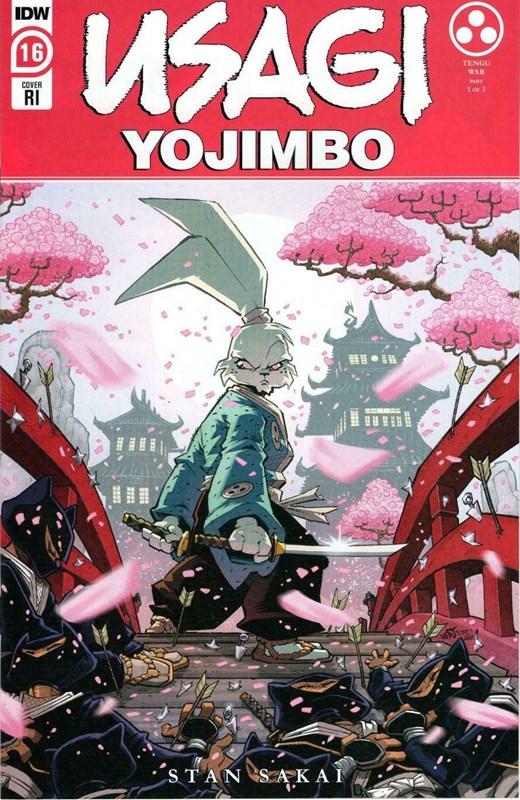
Usagi IDW #16

Tengu War! ended up being another great volume that makes use of Sakai’s skill and art to tell several complex and entertaining tales.  Set immediately after the final comic of the previous volume and continuing several overarching storylines and themes, Tengu War! contains four unique new stories which were set out in issues #15-21 of the IDW run on the Usagi Yojimbo series.  All four stories are fun and compelling new additions to the series that each present the reader with something different and distinctive.

Usagi IDW #16b

The first entry is the volume’s main multi-issue story that sees Usagi return to visit an old teacher only to find himself embroiled in a deadly supernatural war.  Made up of the first four issues of the volume, this entry actually consists of two stories, Sojobo and Tengu War!, which act together to tell one entire story, with Sojobo containing flashbacks to Usagi’s past, and Tengu War! featuring the current issue he and his friend are facing.  Due to how closely linked these two stories are, with Sojobo providing the background to the longer Tengu War! story, I decided to talk about them as a single entity in this article.

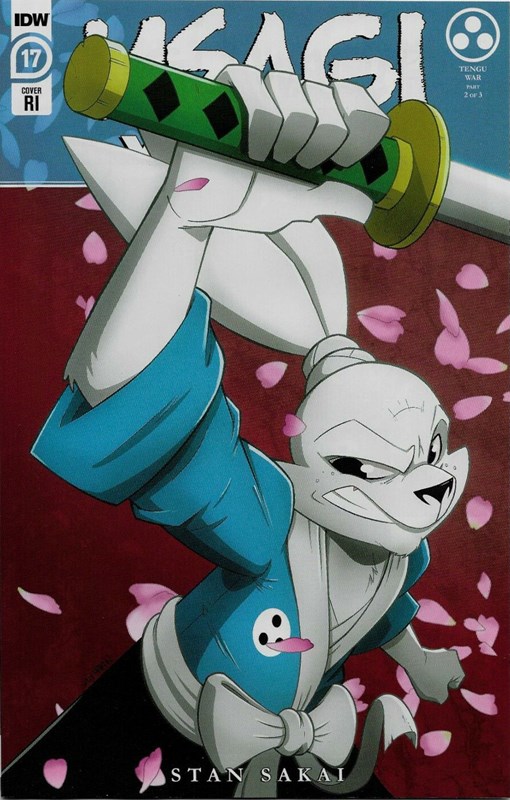
Usagi IDW #17

These stories are set right after the events of the last volume, and swiftly tell the story of Usagi and his mostly hidden second sword master, the tengu warrior Sojobo.  Years after his first meeting with Sojobo (see Volume 18: Travels with Jotaro) but before the events that would see him become a wandering ronin, a young Usagi returned to the tengu and convinced him to take him on as a pupil, enhancing his knowledge of the sword with Sojobo’s unique teachings.  Now, years later, Usagi returns to Sojobo’s clearing to pay his respects, only to discover his former master in grave danger.  A horde of guhin (lesser-tengu) are ravaging the mountainside, determined to claim the territory for themselves, and they have Sojobo and Usagi in their sights.  To survive, Sojobo is forced to return to from his self-exile and reclaim leadership of his clan.  But even with a tengu army at their back, can Sojobo and Usagi survive the onslaught of the guhin?

Usagi IDW #17b

These two stories were an excellent start to this volume, especially as they contain all the best elements of a great Usagi Yojimbo story, with great new characters, compelling Japanese supernatural elements, and another intriguing glance at Usagi’s complex past.  The first story, Sojobo, serves as a great introduction to the entire volume, perfectly continuing from the previous Sojobo story, and redefining the relationship between the two characters, showing their mentor-mentee bond.  This sets up the rest of the Tengu War! story extremely well, as you have a good basis for Sojobo’s and Usagi’s stakes in the narrative.  From there the story evolves into a classic Usagi Yojimbo tale, with Usagi getting involved in someone else’s fight, this time involving some unique and compelling supernatural foes.  This extended story continues some brilliant character moments as Sojobo becomes reacquainted with his wife and clan, while also showing off the intractability and intense honour of the tengu.  You also get to see the evolution of the bond between Sojobo and Usagi, and there are some great discussions as the wiser and battle-hardened Usagi discusses some recent changes in his life, such as the discovery of his son.  It was also quite fascinating to see the apparent impacts that Sojobo’s training had on Usagi’s skill as a warrior, and I found it fascinating that Usagi’s fighting style is described as a combination of mortal and tengu techniques.  The subsequent fights are pretty awesome and you get some fantastic and intense battle sequences that really highlight Sakai’s artistic skill.  This all leads up to the big conclusion which contains a great mixture of action, satisfaction, camaraderie and tragedy, as victory is achieved at great cost, and the reader is left extremely satisfied with how this story turned out.

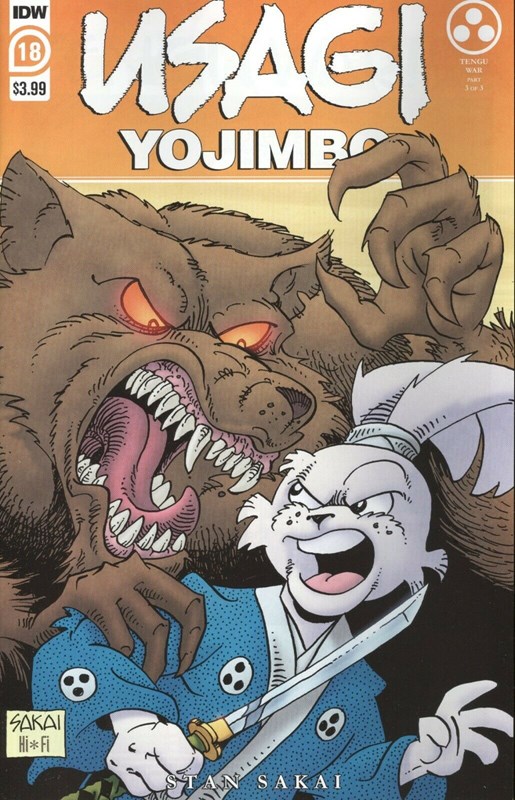
Usagi IDW #18

I have said many times before that some of the best Usagi Yojimbo stories are those where Sakai makes brilliant use of monsters, creatures or spirits from Japanese culture or mythology, and Tengu War! is a great example of this.  This cool story provides one of the best looks at the tengu, a fantastic and unique Japanese yokai (supernatural entity), in the entire Usagi Yojimbo series, and I really enjoyed the cool dive into the mythology surrounding them.  This story contains multiple different types of tengu who act as either allies or enemies, depending on their caste.  This includes the main supporting characters, Sojobo and his wife, Nozomi, who are dai-tengu, with the classic long-nosed, red-faced, humanoid-appearance that most people would associate with tengu, and who act as master warriors and wise sages.  These tengu are supported by their followers, the ko-tengu, bird-like creatures who act as samurai retainers in this comic, and I loved the cool combination of corvid features and samurai garb and mannerisms.  The final group of tengu featured within this comic are the guhin, a lesser form of tengu who act as mysterious spirits of the hills and lesser peaks.  Sakai depicts the guhin in this story in the more recent style of giant dogs (they are traditionally unseen spirits, but many modern depictions give them a canine physical form), and they come across as werewolf-like creatures, determined to take their rightful place at the top of the mountain.  These different form of tengu are explored in compelling detail, and I loved seeing the awesome scenes featuring all of them, especially as it results in some excellent fight scenes between classic tengu goblins, sentient samurai crows, and giant werewolves.  I loved this brilliant exploration of this unique part of Japanese culture (especially with the author’s comprehensive summary at the end), and it helps to enhance the outstanding overall story.

Usagi IDW #18b

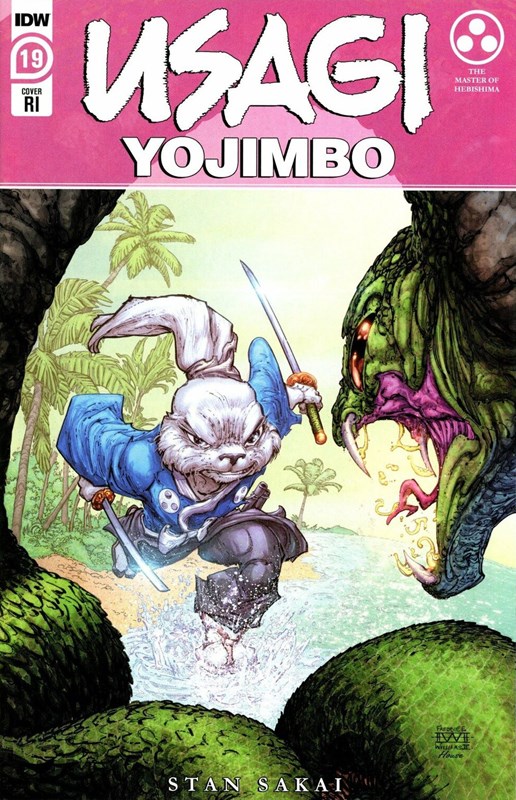
We next have the dark and captivating tale, The Master of Hebishima, which provides a chilling look at the evils of revenge, obsession and fear.  In The Master of Hebishima, the wandering Usagi chances across a couple of peasants who specialise in trapping and removing the local pests, the tokage lizards.  Upon meeting them, Usagi is intrigued to discover that the trappers sell most of their catch to a mysterious hermit on the island known as Hebishima (snake island), who lives amongst the local snakes.  When one of the trappers is injured, Usagi volunteers to transport the captured tokages to Hebishima for them.  However, what he finds there will shock and haunt him, as the hermit has a surprising history with Usagi, one that lies all the way back in the infamous battle of Adachi Plain.  Faced with this surprising threat from his past, Usagi is unprepared for just how dangerous his opponent is, or what they are truly capable of.

Usagi IDW #19

The Master of Hebishima is a tight and powerful one-issue comic that may be the best entry in the entirety of the Tengu War! volume.  Perfectly set up and executed, this tale is deeply interesting and powerful, especially with its unique and intense focus.  Sakai has come up with an excellent story for this entry that not only ties into one of the key moments of Usagi’s life but which also shows the full impact of someone’s obsession and desire for revenge.  The introduction of a mysterious stranger who has a connection to Usagi and the battle of Adachi Plain (which has been such a cool part of several volumes, including Volume 2: Samurai, Volume 11: Seasons and Volume 34: Bunraku and Other Stories), is handled perfectly, and I loved his unique backstory and the fact that you never actually find out his name.  This villain’s entire history is tied to Usagi’s, and I liked the interesting symmetry in their loyalty, sense of honour and desire to serve their respective lords.  The horror elements around this mysterious hermit are just great, especially with that snake reveal, and he proves to be an excellent opponent for Usagi, who could potentially come back in some future comics (I’d be keen for that).  I was slightly disappointed that this story had nothing to do with distinctive Usagi Yojimbo villain Lord Hebi, a giant snake who serves as the principal lackey to the series’ main antagonist, but Sakai more than made up for this with all the other inclusions.  This was an extremely well-paced story, and Sakai manages to do a lot with a single issue, producing one of his more memorable stories in recent years.

Usagi IDW #19b

One of the most notable things about The Master of Hebishima is its exquisite art, some of which bears a slight difference to Sakai’s usual work.  Parts of this issue are drawn sharper and in a slightly different style to the rest of the Tengu War! volume.  This is particularly clear in the earlier panels of this issue, with some noticeable and intriguing stylistic changes to the characters and landscapes, which I thought looked like a well-enhanced version of Sakai’s usual drawings.  I assume that this is because of the influence of artist Randy Clute, who is credited as giving “art assist” for this issue.  Whatever the reason, I quite liked how this comic looked very early on, and it was interesting to see it change back to Sakai’s more typical style as the comic continued.  The rest of the art in the comic also really needs to be highlighted though, as there are some extremely memorable and shocking moments drawn within.  Not only do you get a notably spooky island of snakes for the main story but The Master of Hebishima also features a detailed flashback sequence that looks awesome, especially some of the battle sequences.  I particularly liked how the antagonist’s face was constantly obscured by shadow during these flashbacks, as it helped to make them seem more sinister and mysterious while also ramping up anticipation for the final reveal, the best part of this story.  This extended panel reveal is pretty damn freaky as the artists present a gruesome visage, accompanied by a Medusa-esque twist.  This shot of the face is particularly well drawn in impressive detail and ends up being one of the most haunting panels I have ever seen in a Usagi Yojimbo comic.  All this beautiful, if somewhat creepy, art really works to enhance this brilliant story, and it ensures that The Master of Hebishima really sticks in the mind and is well worth checking out.

Usagi IDW #20

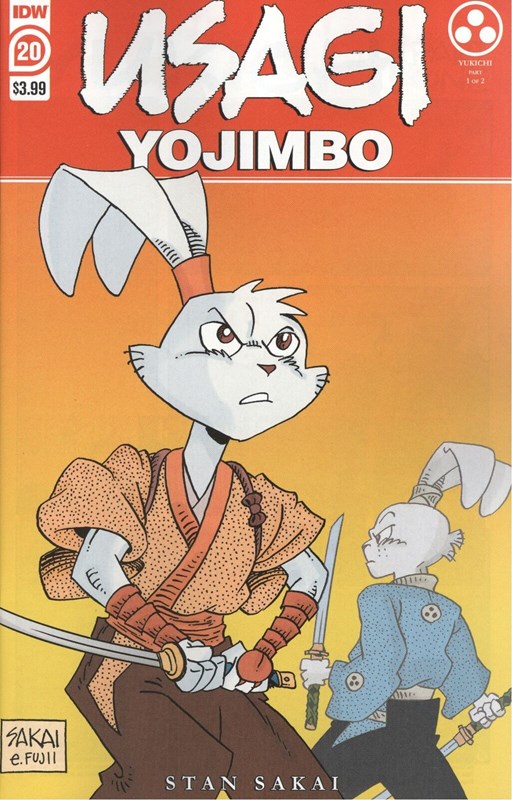
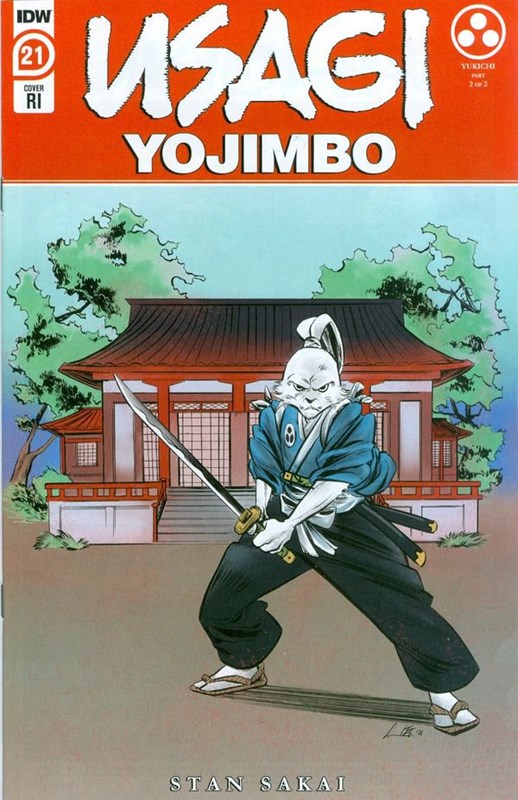
The final story in the volume is the two-issue long story, Yukichi, another excellent character-driven narrative that introduces a fantastic new supporting character for the series.  In this story Usagi encounters a fellow rabbit samurai, Yukichi Yamamoto, on the road.  It is quickly revealed that, years ago, Yukichi was a disrespectful student at a prestigious sword school who insulted Usagi when the ronin attempted to meet his master.  Now a more mature warrior, Yukichi is delivering the sword of his dead master to the school’s successor and, after he apologises to Usagi, the two decide to travel together.  However, a rival school is determined to stop them delivering the sword by any means necessary, and they will use Usagi’s recent misadventures to justify their actions.

Usagi IDW #20b

Yukichi is an amazing and fantastic story that serves as a great ending to the Tengu War! volume, especially as it combines an excellent Usagi Yojimbo story with some cool new character introductions.  This story is another one with an excellent pace to it, smartly bringing in Yukichi, revealing the history between him and Usagi, before revealing the story’s villains, the members of a dishonourable sword school.  From there the story intensifies as, after an initial confrontation, the students and instructors from the rival school attempt to kill Usagi and Yukichi, while also trying to claim a bounty on Usagi (a consequence of the main story in the previous volume, Homecoming).  This results in a brilliant climatic scene where the two protagonists take on a horde of underlings before Yukichi engages their leader in an intense duel.  This duel comes across as pretty awesome in the artwork, and you get the sense it is a real battle between master swordsmen.  The conclusion of the fight, which highlights Yukichi’s naivety compared to the more jaded Usagi, is very cool, and I liked the conclusion of the story, where Yukichi is forced to make a big decision and eventually decides to travel with Usagi.

Usagi IDW #20c

While the action, artwork, and story are great, the real highlight of this comic is the introduction of new character Yukichi, who Sakai is obviously setting up to be a big supporting figure in the overall series.  Yukichi gets an excellent and comprehensive introduction here, and you swiftly get a grasp on his personality, history and relationship with Usagi.  I mostly liked this character and his design, especially as he is a good foil to Usagi, given their divergent training history and life experiences, and his fighting style is awesome as well.  His strong sense of honour, especially when faced with the poor successor to his master, was a great inclusion, and it does bring in some similarities with Usagi.  I did think that the sudden realisation that they were cousins was a tad too coincidental, and wasn’t particularly necessary, but it does bring in a certain connection between the two which will bond them for the rest of the series.  I wasn’t the biggest fan of Yukichi’s facial design either, especially those overly large and expressive eyes.  It kind of made him look cartoonish and somewhat undercut the seriousness of some scenes.  Still, this was my only real complaint about this new character and I am very curious to see what happens with him in the future Usagi Yojimbo volumes.  I am predicting similarities to Usagi’s previous travels with Jotaro in volumes 18 and 19, and it will be interesting to see Yukichi interact with the other supporting cast members like Gen or Kitsune.  An overall excellent and impressive end to this amazing volume that wraps everything up nicely.

Usagi IDW #21

As always, I really need to highlight the fantastic and awesome artwork featured with this incredible volume as Sakai continues to enhance his excellent stories with some gripping and powerful scenes.  I have already discussed some of the best bits of art of each respective story, especially the amazing art of The Master of Hebishima, but every panel in this comic is drawn in exquisite detail.  Not only does Sakai present some great character designs, especially around the new supernatural creatures in the Tengu War! story, but you have his always impressive setting shots that perfectly highlight the beautiful Japanese natural landscape or the historical buildings.  You also must love the excellent battle sequences scattered throughout the stories.  Sakai has always excelled at conveying movement and combat with his minimalistic style, and this is brilliantly highlighted in the various comics of Tengu War!, including in elaborate group fights or one-on-one duels.  I am also really enjoying seeing these stories in colour from the get-go as part of the IDW release.  While I will always be extremely fond of Sakai’s usual black and white style, having these adventures appear in colour is also amazing, and I feel that the colour enhances some of the art, especially in The Master of Hebishima, which came up beautifully.  All this art brilliantly combines Japanese influences with western art styles and is such a joy to behold, especially as it always makes everything about the Usagi Yojimbo comics just a little bit better.

Usagi IDW #21b

Another year, another exceptional Usagi Yojimbo volume as Stan Sakai once again produces a masterful and impressive new comic.  Tengu War! is another awesome volume that presents the reader with three excellent stories that combine brilliant character work with unique narratives and outstanding artwork.  I had so much fun reading this excellent comic, and it gets another easy five-star rating from me and comes very highly recommended.

Amazon

Book Haul – 3 April 2022

I have been having an absolutely fantastic couple of week for books, as I have been lucky enough to receive several incredible and amazing new novels from some of my local publishers.  These novels include some truly awesome new releases, several of which I have been eagerly awaiting for some time.  I am extremely keen to check out all of the books below (indeed, I have already gotten through a couple), and they should make for some amazing reads.

Usagi Yojimbo: Tengu War by Stan Sakai

Usagi Yojimbo - Tengu War!

I was extremely happy to get my copy of the latest Usagi Yojimbo volume, Tengu War!.  The Usagi Yojimbo series by Stan Sakai is one of my favourite comic series and I have been eagerly waiting for this comic for some time (it was one of my most anticipated reads of 2022).  I actually read Tengu War! the day I received it and it was pretty damn amazing.  I am hoping to get the review for it up soon and needless to say it will get a five-star rating from me.


An Empty Throne by Robert Fabbri 

An Empty Throne Cover

Another recent acquisition that I have been looking forward to for a while was the third book in Robert Fabbri’s Alexander’s Legacy series, An Empty Throne.  Following on from the previous books in the series, To the Strongest and The Three Paradises, An Empty Throne will continue to follow the chaos that emerged in the aftermath of Alexander the Great’s death as his former advisors, relatives and friends, fought for his empire.  I have been really enjoying this series over the last few years and I cannot wait to see what wacky events from history are contained in this next book.


Everyone in my Family has Killed Someone by Benjamin Stevenson

Everyone in My Family Has Killed Someone Cover

I was very happy to receive this very fun book from Australian author Benjamin Stevenson, Everyone in my Family has Killed Someone.  Stevenson, who previously wrote the murder mystery novels Greenlight and Either Side of Midnight, has come up with something pretty spectacular here with Everyone in my Family has Killed Someone, which I have already finished.  This awesome novel, which brilliantly mixes comedy, mystery and multiple homages to classic whodunits, places a troubled Australian family in the midst of several suspicious deaths at a remote location, and forces them to solve it.  Utterly hilarious and extremely clever, I had an absolute blast from this book and I will be putting up an extremely positive review for it soon.


Three Assassins by Kotaro Isaka

Three Assassins Cover

I was also extremely fortunate to receive a copy of the English translation of Three Assassins by Japanese author Kotaro Isaka, which I am extremely excited to read.  I had an amazing time reading Isaka’s previous novel, Bullet Train, last year and Three Assassins sounds like it is in a similar vein to it, setting someone against three outrageous assassins.  Sure to be filled with laughs, odd characters and brutal action, I cannot wait to check this book out and will probably dive into next.


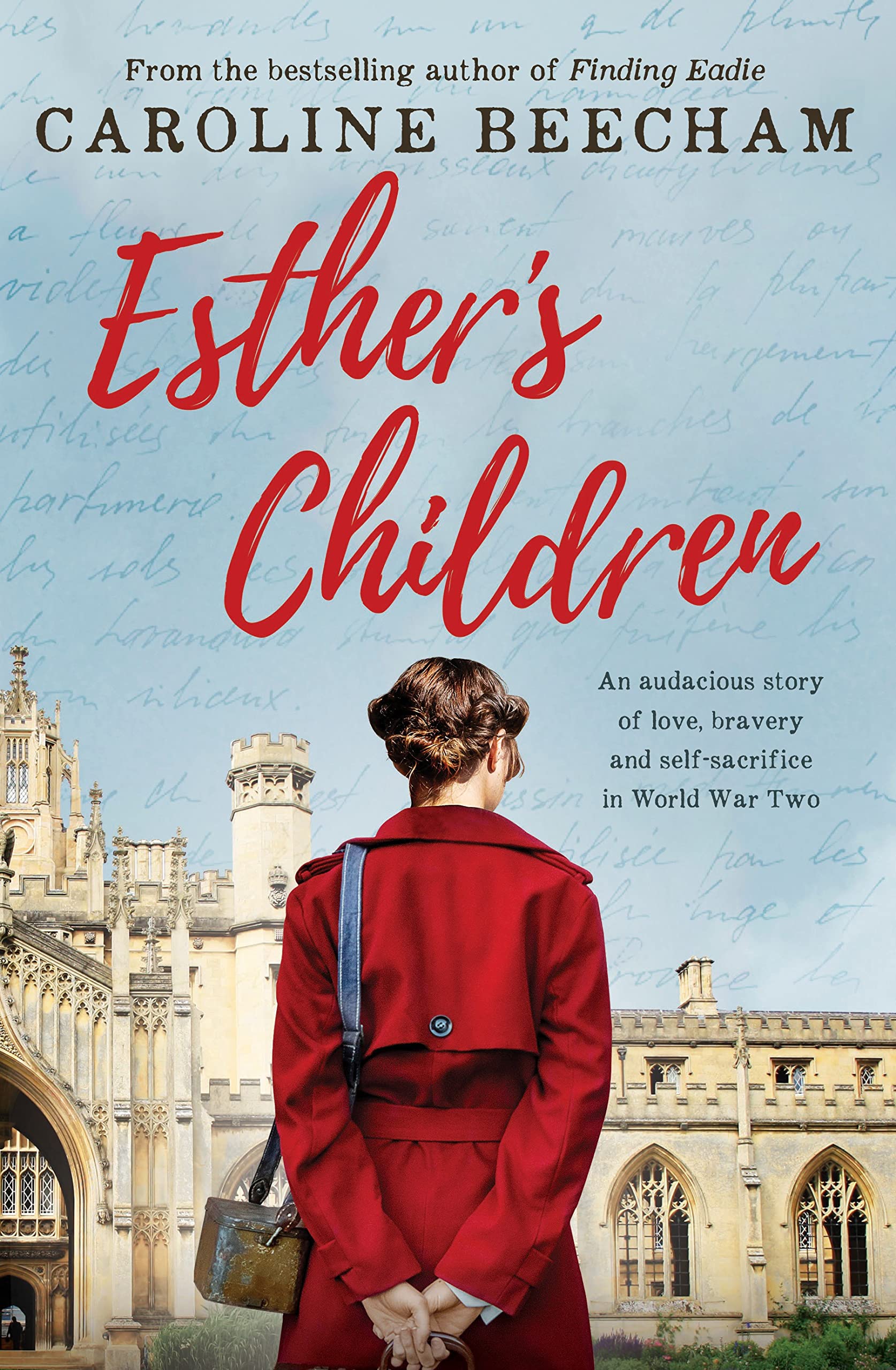
Esther’s Children by Caroline Beecham

Esther's Children Cover

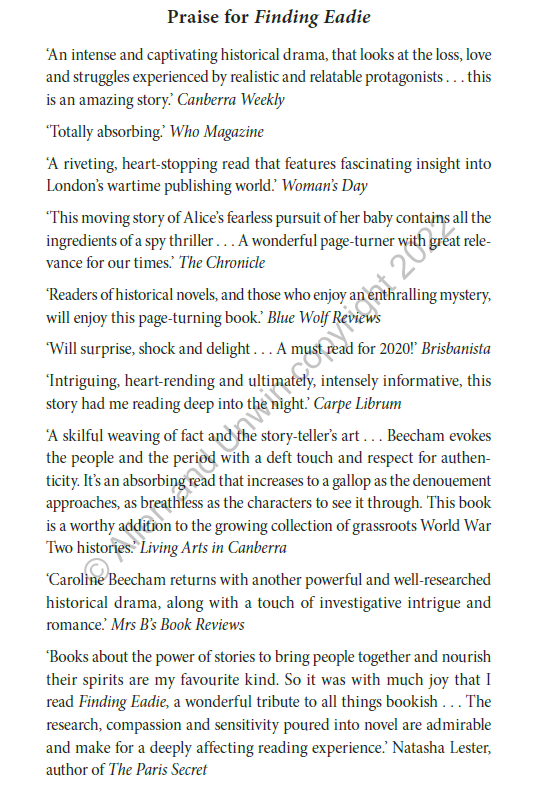
I just received an electronic advanced proof of the intriguing upcoming historical drama, Esther’s Children by Caroline Beecham.  Set around World War II, this novel follows a young woman who works at an organisation that tried to rescue Jewish academics and scholars from Europe.  Sure to be powerful, romantic and moving, I am curious to check this book out, especially after enjoyed Beecham’s last novel, Finding Eadie.  I was very happy to see that they have used my Canberra Weekly review for Finding Eadie inside this new book, and I hope to read this latest novel soon.

Esther's Children Front Page


Amongst Our Weapons by Ben Aaronovitch

Amongst our Weapons Cover

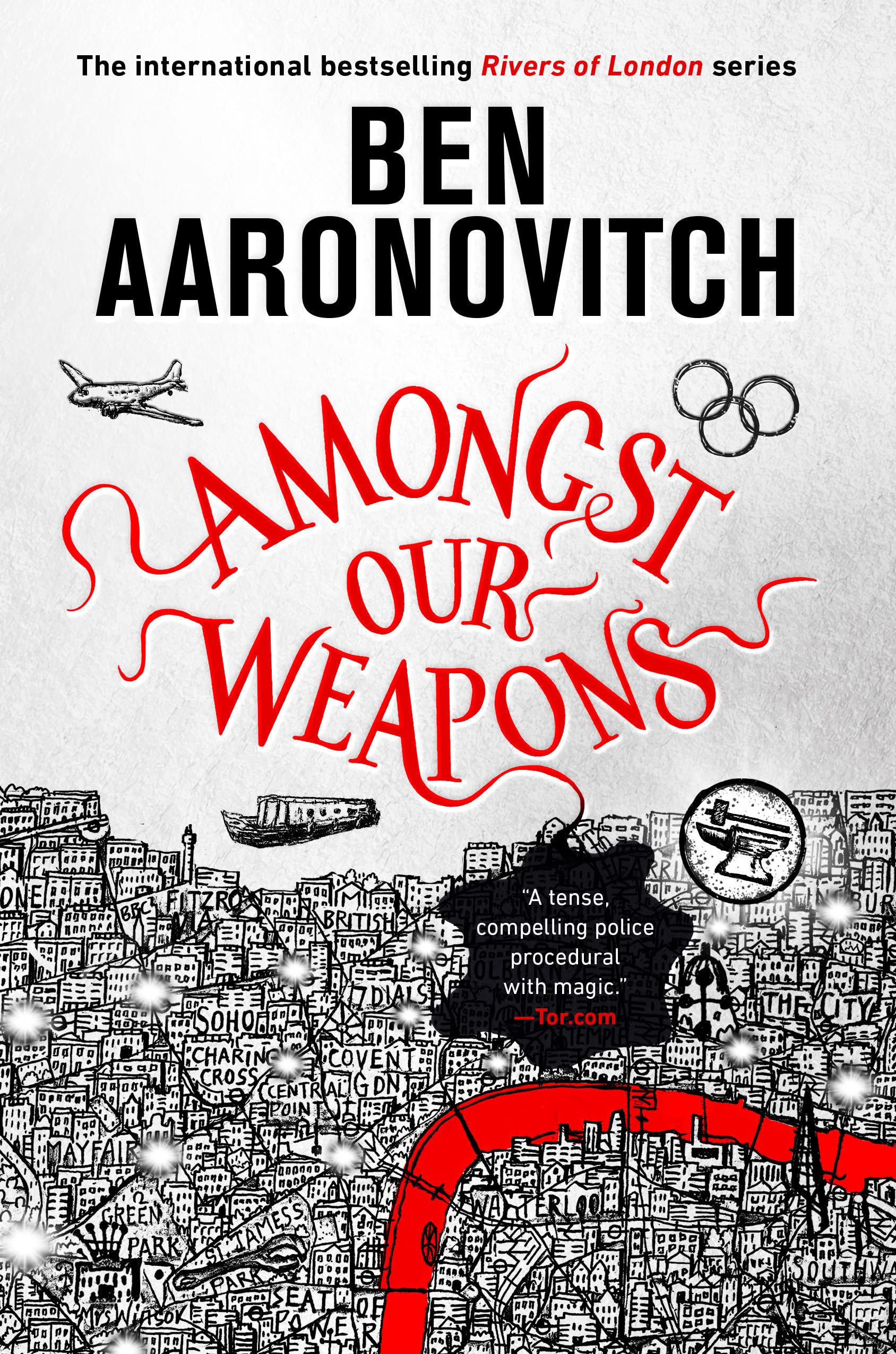
I was naturally extremely happy to receive the latest Rivers of London novel by Ben Aaronovitch, Amongst our Weapons.  The latest book in one of the best urban fantasy series out there, Amongst our Weapons is one of the most anticipated fantasy novels of 2022 and I am extremely keen to read it.  I had a great time with Aaronovitch’s previous two novels, Lies Sleeping and False Value, and Amongst our Weapons has a great plot to it involving someone using magic to rob the London Silver Vaults.  I already know this is going to be a top read and I look forward to seeing how it all comes together.


Death of the Black Widow by James Patterson and J. D. Barker

Death of the Black Widow Cover

Superstar crime fiction author, James Patterson, returns with another collaboration, this time with acclaimed writer J. D. Barker, for their new book Death of the Black Widow.  This cool new is a gripping and intriguing crime fiction read that sets a rookie police officer chasing after a mysterious, alluring and very dangerous woman.  I really like the sound of this awesome book and I am hoping to read it in the next few weeks.


Nobody But Us by Laure Van Rensburg

Nobody But Us Cover

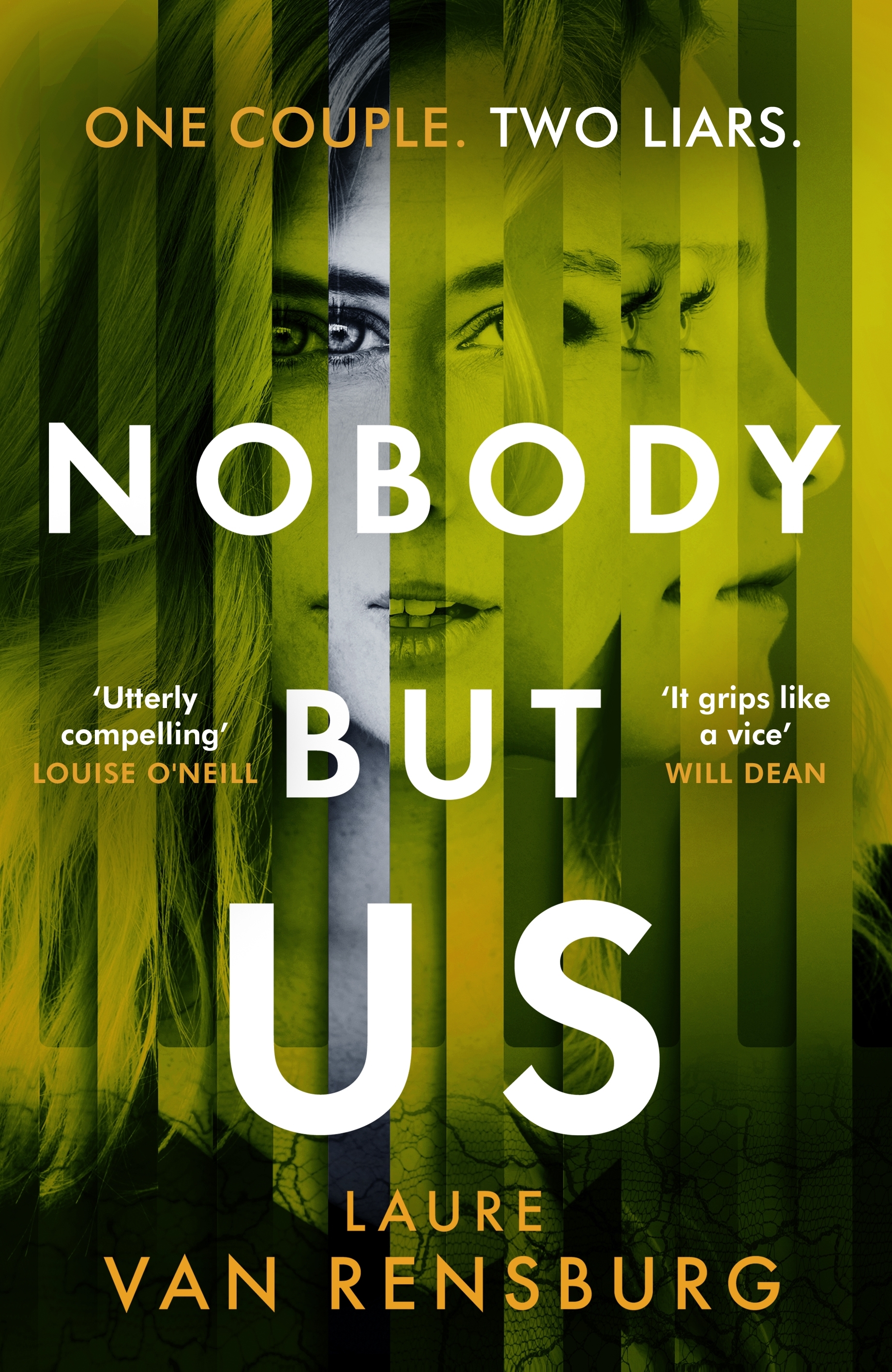
One of the more intriguing novels I  recently received was Nobody But Us by new author Laure Van Rensburg.  This dark and compelling thriller sees a mismatched couple take an unusual trip to the remote countryside, with both lying about their intentions for being there.  I am very taken by this mysterious and awesome novel, and I look forward to seeing what sort of devious tale Van Rensburg has come up with.


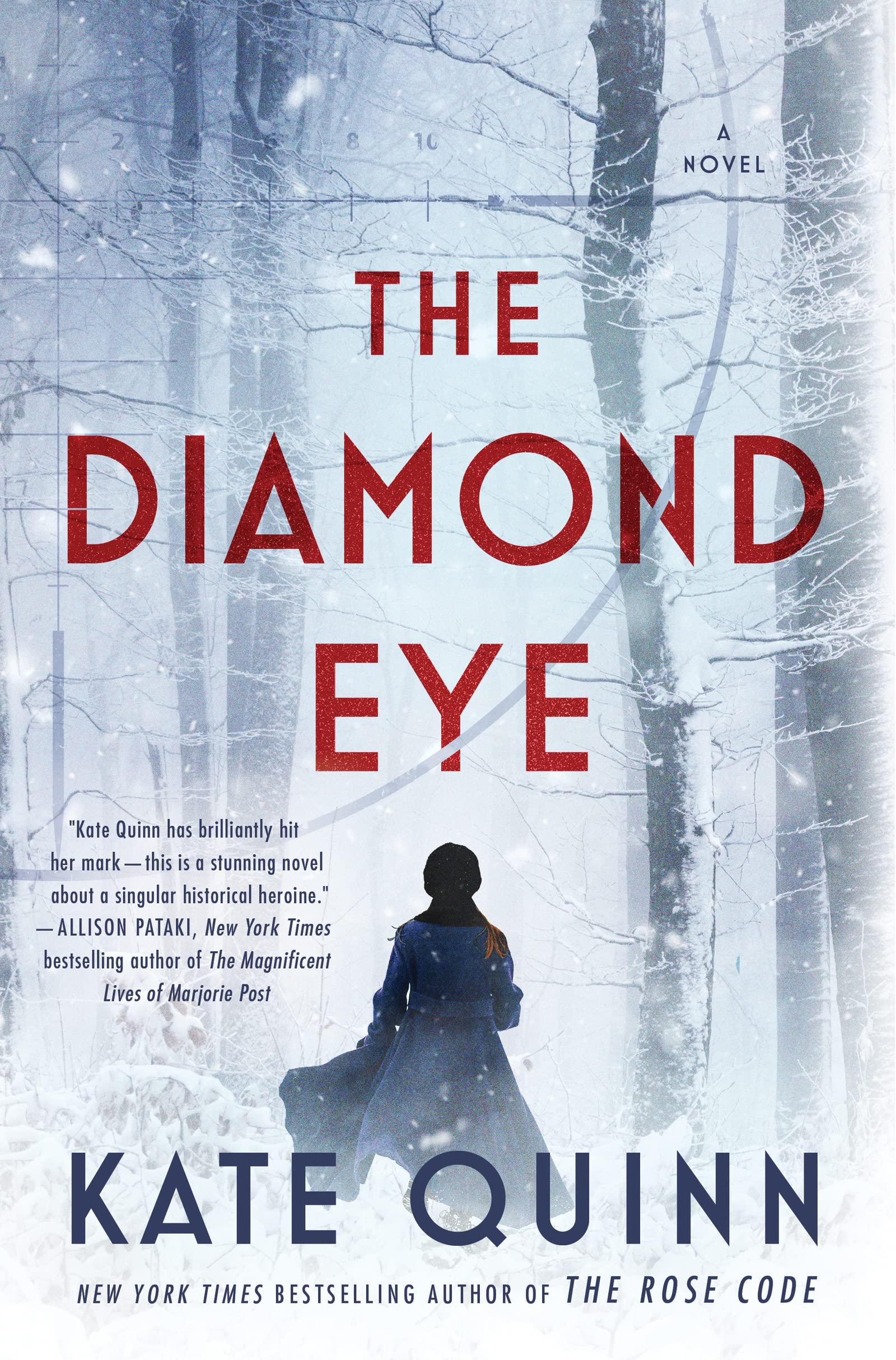
The Diamond Eye by Kate Quinn

The Diamond Eye Cover

Another fantastic historical drama I was lucky enough to receive is The Diamond Eye by the extremely talented Kate Quinn.  The Diamond Eye follows a young woman from Kiev who becomes a notorious and deadly sniper during the Nazi invasion in World War II.  I love the sound of this awesome book, especially as it is particularly topical at the moment, and I am extremely confident that Quinn has come up with a compelling and powerful tale here.


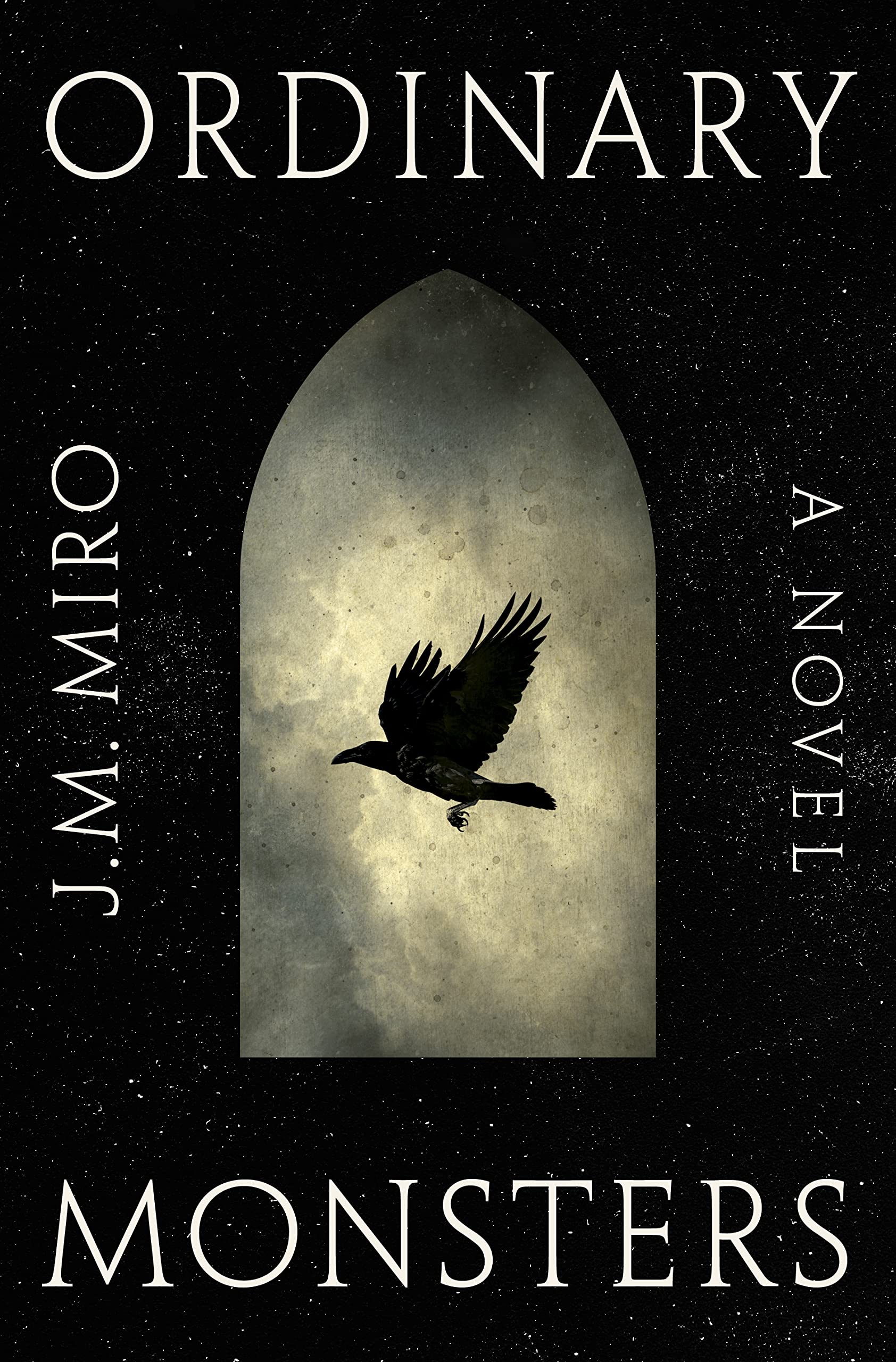
Ordinary Monsters by J. M. Miro

Ordinary Monsters Cover

I was also extremely fortunate to receive a copy of Ordinary Monsters by J. M. Miro, an intriguing and comprehensive young adult fantasy novel set in 19th century London and Edinburgh.  This fascinating novel will follow individuals with unique abilities who have been gathered together in a mysterious institute.  I have been hearing some good things about this book and it sounds like this could be the start of the next big young adult series.  As such, I should probably clear some room in my reading schedule soon in order to get through this fantastic novel.


Mr Mercedes by Stephen King

Mr Mercedes Cover 1

I also recently had a successful visit to a second-hand book shop and picked up a couple of older books from author’s I have been enjoying recently.  The first of these is the classic Mr Mercedes by legendary author Stephen King.  I had an amazing time reading King’s 2021 novels, Later and Billy Summers, and I thought it was time I expand my King knowledge.  Mr Mercedes seemed liked a great place to start, especially as one of the protagonists from it is apparently set to appear in some of King’s upcoming books, and I cannot wait to see how this gritty thriller comes together.


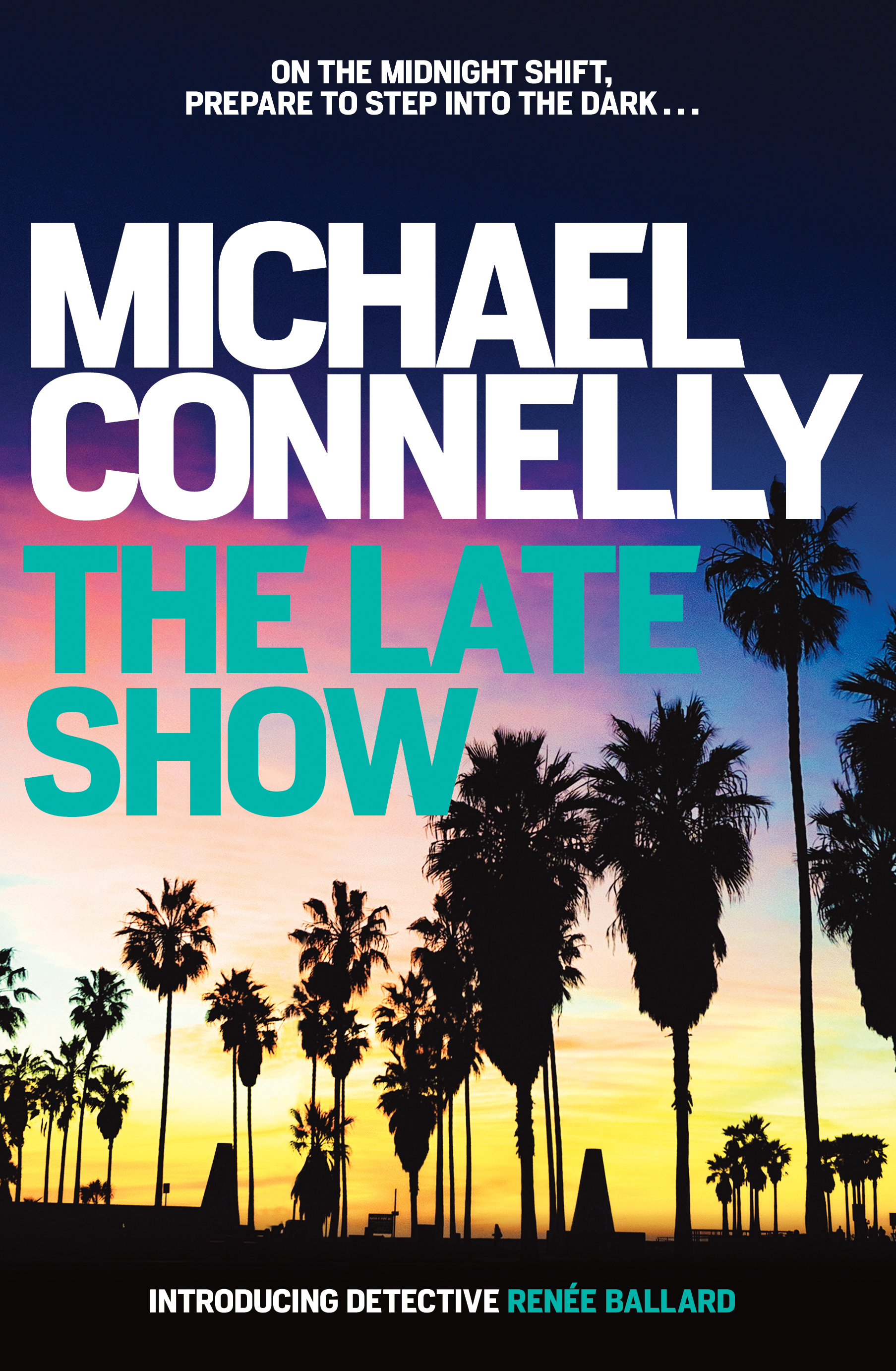
The Late Show by Michael Connelly

The Late Show Cover

The other second-hand book I got was The Late Show by Michael Connelly, which serves as the very first Renee Ballard book.  I have had a great time reading all of Connelly’s other books featuring Ballard, including Dark Sacred Night, The Night Fire, and The Dark Hours, so I thought it would be worth my time going back and seeing the first book she appeared in.  The Late Show has a really intriguing sounding mystery to it and I can’t wait to see the earlier adventure of this tenacious protagonist.  I will hopefully feature The Late Show in a Throwback Thursday article soon, I just need to find sometime to read this book in between all the fun new releases.


Well that’s the end of this latest Book Haul post.  As you can see I have quite a bit of reading to do at the moment thanks to all these awesome books that have come in.  Let me know which of the above you are most interested in and make sure to check back in a few weeks to see my reviews of them.

Throwback Thursday – Identity Crisis by Brad Meltzer, Rags Morales and Michael Bair.

Identity Crisis Cover

Publisher: DC Comics (Paperback – 1 October 2005)

Series: Identity Crisis Limited Series

Writer: Brad Meltzer

Penciller: Rags Morales

Inker: Michael Bair

Letterer: Ken Lopez

Colorist: Alex Sinclair

Length: 288 pages

My Rating: 5 out 5 stars

Amazon     Book Depository

Welcome back to my Throwback Thursday series, where I republish old reviews, review books I have read before or review older books I have only just had a chance to read.  For this week’s Throwback Thursday I take a look at one of my absolute favourite comic book limited series, the epic 2004 DC Comics event, Identity Crisis.  (Quick warning, there are spoilers ahead).

Identity Crisis #1

It is fair to say that the early to mid-2000s was one of my favourite periods of comic books, with some truly cool and epic ongoing and limited series being released.  This was particularly true for DC Comics, who produced some of their best work during this time, many of which rank amongst my all-time favourite comic series.  This easily includes the exceptional and brilliant crossover event, Identity Crisis, which to my mind is one of the best limited series ever written.

Made of seven issues, Identity Crisis combines the unique writing talent of thriller author Brad Meltzer with the artistic stylings of veteran DC Comics collaborators Rags Morales and Michael Bair.  This ended up being a near perfect combination of talents and skill, and I have a lot of love for the exceptional story, which absolutely hooks me every time, and its outstanding associated artwork.  I particularly impressed with the addition of Meltzer, who, despite his more literary background has written some of the absolute best and most human comics I have ever had the pleasure of reading, including Green Arrow: The Archer’s Quest and the two Justice League of America storylines, The Tornado’s Path and The Lightning Saga.  However, his story in Identity Crisis is particularly powerful and thought-provoking, and it ends up being a comic that completely changes everything you knew about your favourite heroes.

For years the members of the Justice League of America have protected the world from all manner of evil and destruction, always prevailing no matter the odds.  But who can protect them when someone goes after those closest to them?  And what if they actually deserve the punishment being visited upon them?

On an unremarkable night, a mysterious attacker breaks into the home of long-serving Justice League associate, Ralph Dibny, the Elongated Man, and commits a terrible crime, the murder of Ralph’s beloved wife, Sue Dibny.  With no evidence about who the killer is and no idea how they breached the Dibnys’ impressive security, the superhero community rallies behind their bereaved friend and seeks to find the killer by any means necessary.

As the rest of the heroes seek answers at any potential suspect within the supervillain community, the Elongated Man and a small group his closest friends hunt for a minor villain, Dr Light, whose secret connection to the League’s darkest moment may hold the answers they seek.  However, when a second attack occurs on another publicly known relative of a superhero, Jean Loring, the former wife of the Atom, it soon becomes clear that someone else is targeting the heroes and their loved ones.

Identity Crisis #1b

As Batman, Superman, Green Arrow and others attempt to get to the bottom of the case, cryptic threats to one hero’s relative reveal that whoever is targeting them knows all of the League’s secrets, including their hidden identities.  As even more tragedies befall the superhero community, dark secrets from the League’s past are brought into the light and no-one will be prepared for the terrible truth behind these brutal murders.  Can the League weather this latest attack, or is this the beginning of the end for the world’s greatest heroes?

Damn, no matter how many times I read this comic, the tragic and powerful events of Identity Crisis still really get to me.  This exceptional comic contains one of the most impressive narratives I have ever seen in a limited series, taking the reader on a captivating and emotional dive into the world of your favourite heroes.  Perfectly combing a dark, mysterious narrative with incredible character work and some truly amazing artistic inclusions, this comic gets an extremely easy five-star rating from me.

For Identity Crisis, Brad Meltzer really went to the well, producing an insanely compelling and moving story that relentless drags you in and introduces you to a completely new side of your favourite heroes.  Utilising his experience as a crime thriller writer, he produces a powerful, character driven superhero narrative with detailed crime fiction elements to create an exceptional and unique story.  Identity Crisis has an amazing start to it, which not only carefully introduces several key figures but also installs some dark tragedy, as the wife of a superhero is killed off.  The subsequent investigation into her murder by the enraged superhero community is extremely compelling and intense, as the emotional heroes turn over every rock and stone, much to the horror of the villains.  However, it is soon revealed that several members of the Justice League are harbouring a devastating secret, one that could reveal the identity of the killer.  This secret becomes one of the most important parts of the first half of the series, and it leads to an epic, action-packed fight sequence against a particularly dangerous foe.

Identity Crisis #2

The story starts to go in a bit of a different direction at this point, with the above secret not really panning out regarding the investigation.  However, other superhero relatives, both public and secret, are targeted, resulting in pandemonium around the characters.  I loved the narrative’s move to a more classic investigation at this point, as the heroes start following every lead they can, while more character development and big moments are explored.  This all leads up to the defining moment when another superhero loses a loved one and the identity of the killer is seemingly revealed.  However, this turns out to be a bluff, as the real killer is still hidden.  The reveal of who did it and why are revealed pretty suddenly towards the end, with some curious and clever motivations exposed.  This leads to a tragic and heartbreaking conclusion, as more secrets are revealed, dangerous lies are uncovered, and several characters leave the story more broken and destroyed than ever before.  You will be thrown through the emotional wringer as you check this comic out.

I deeply enjoyed the way that Meltzer told Identity Crisis’s excellent story, especially as it quickly and effectively engrosses the reader and ensures their undivided attention.  The author utilises a mass-character narrative that follows a substantial collection of heroes and villains, many of whom have distinctive or semi-separate storylines.  This works to tell an intriguing, rich narrative that not only has some clever dramatic components but also allows for some intriguing and compelling retcons and expansions to the already elaborate DC universe.  It is very cool how the story developed into more of a murder mystery/thriller story as the comic progressed, and this really played to Meltzer’s strengths.  The investigation is handled very well, and I liked how the superhero elements altered and enhanced it in some clever ways.  The mystery itself is complex and clever, with Meltzer adding in some great twists, false leads and compelling surprises to keep the reader guessing.  The twist about the actual killer is pretty good, and Meltzer did a great job layering in hints and clues throughout the rest of the story while also introducing a few good alternative suspects.  While the motivations and complexities surrounding the killer’s actions are great, I did think that how the protagonists worked it out was a little abrupt, and it might have been a little better if they worked it out from some earlier clues.  The use of female characters wasn’t the best either, especially as most of them are there simply to be victims in one shape or another.  Having a long-established character getting both raped and murdered in a comic as a plot device is pretty unfortunate, and some stronger female figures might have helped balance this out.  Still, this ended up being an awesome read and I deeply enjoyed how it turned out.

One of the things that I really enjoy about Identity Crisis is the interesting examinations that were included as part of the plot.  Meltzer and the artistic team obviously had a lot of fun exploring or introducing some cool aspects of the DC Universe in this series, especially when it comes to the secret or hidden lives of superheroes and supervillains.  I particularly loved the in-depth examination about how both groups are officially or unofficially organised, and there are some very intriguing views of them socialising or working together.  The inclusion of a highly organised superhero death investigation squad, made up of a range of random heroes (the Ray, the Atom, Animal Man, Mister Miracle and two of the Metal Men) is particularly clever, as is the way the various heroes organise into a vengeful posse to question potential suspects.  The deep dive into the importance of a superhero secret identity also becomes an important part of the story, especially as the loss of the secret brings pandemonium thanks to the killer stalking them.  I also loved the counterbalance look at organised villainy, and there are some excellent scenes that see the villains gathering to socialise or talk shop.  Having an organising force like the Calculator, as well as a secret space station hangout, is pretty elaborate, and the deeper look at the villains of this universe, definitely gave Identity Crisis a compelling and intricate edge.

Identity Crisis #3

However, easily the most groundbreaking and compelling new inclusion to the universe is the reveal about the unofficial league within the Justice League who have some dark secrets.  Made up of heroes Green Arrow, Black Canary, Hawkman, Zatanna and Atom, as well as the Silver Age Green Lantern and Flash, this group of heroes apparently operated separately of the main Justice League during their classic Silver Age adventures, acting as their clean-up crew.  This retcon by Meltzer provides an interesting explanation for why villains never remember the secret identities of the heroes they switch minds with or whose dreams they invade, namely they have their mind erased by Zatanna’s magic after being captured by this inner-League.  While this is already a dark move by these established heroes, it gets even worse when they are forced to reveal that they intentionally destroyed Dr Light’s brain to make him less of a threat.  This and other revelations, acts to make many of your favourite heroes appear much more morally grey and fallible, and it was a particularly impressive and monumental inclusion, that will have grave consequences down the line for the entire universe.

Unsurprisingly for something written by Meltzer, Identity Crisis contains some insanely complex and impressive characters who form the heart of the tale.  Due to the way the story is told, Identity Crisis follows a massive cast of comic characters, including several obscure or underappreciated figures.  Meltzer does a brilliant job of utilising all these established characters throughout his story, with nearly every major cast member getting a moment to shine in some way or another, and multiple figures who were underutilised or unappreciated before this comic were given brilliant and defining second chances here.  While the use of multiple focus characters had the potential for a scattered narrative, Meltzer was able to direct the flow of the story around all these various protagonists and antagonists perfectly, and you still get a tight and concise story, which also takes the time to dive into each of these figures and showcase them to their greatest degree.  As I mentioned before, there is a real focus on highlighting the darker side of the superhero characters throughout Identity Crisis, and you end up really seeing these fantastic figures in a whole new scary light.

Let’s start with Ralph and Sue Dibny.  I must admit that the very first time I ever read Identity Crisis, many years ago, I honestly had no idea who Elongated Man and his wife were, as they were a little obscure.  However, Meltzer really goes out of his way to feature them in this story (even adding in a few retcons) and you are given a great introduction to them at the start.  In just a few panels, you understand who these characters are and what they mean to each other and the other superheroes, as well as some unique characteristics and relationship quirks.  This excellent introduction makes you start to care about them just as Meltzer brings the hammer down and kills Sue.  The subsequent grief, rage and despair from Elongated Man is just heartbreaking, and you go through the rest of the comic seeing him attempt to recover from these terrible events.  This amazing use of characters at the start of the comic has a great flow-on effect to the rest of the story, and you become exceedingly invested in finding the killer as a result.

Identity Crisis #4

From there, a lot of the superhero focus goes to the surviving members of the Justice League who formed the league within the League I mentioned above.  There is some exceptional character work around some of these team members, especially as they come to terms with the decisions they made in the past and how they are impacting them now.  I loved seeing them attempt to justify their actions to the other heroes, even their darkest decisions, especially as you can understand why they did what they did, while also feeling disappointed in them.  You really get a sense of determination and shame from them as the story continues, and you see all of them go through a lot in both the past in the present story.  Despite multiple differences, this team are still friends and comrades, and watching them come together to brawl with some of the most dangerous characters is pretty heartwarming, even if darker elements lie just beneath the surface.

While there is a focus on these inner-Leaguers, some of them are utilised a lot more frequently than others, particularly the original Green Arrow, Oliver Queen.  Green Arrow is an excellent figure in this comic and is probably the closest thing to a heroic narrator/central protagonist the story has.  His unique perspective on the events acts as a good foil to many of the other characters, such as Batman and Superman, and he proves to be a calm, if potentially vengeful figure for much of the story, organising many of the League actions and forensic investigations.  He also proves to be the voice of reason for the inner League, calmly justifying many of their actions and serving as a bridge between this existing group and the newer Flash and Green Lantern.  Despite his belief that they are doing the right thing, you can see some real emotion and regret in his face, especially when the further revelations about Dr Light and Batman come out.  I also appreciated the deeper look into his antagonistic relationship with Hawkman, which partially originated in the past events mentioned here, and it is interesting to see how the events of this comic impact future Green Arrow storylines.

Aside from Green Arrow, other members of this secret League who get an intriguing focus include the Atom, Ray Palmer, and his ex-wife, Jean Loring.  Due to his status as another public hero, Atom and Jean are also targeted throughout the story, and you end up getting a rather intense and fascinating look at both.  Watching their failed relationship rekindle is a nicer part of most of the comic, although eventual reveals and tragedies naturally ruin it and smash everything around.  Still, their complicated emotions and issues surrounding their fractured relationship make for some of the best parts of the comic.  I liked the interesting look at Zatanna throughout the comic, especially as she is largely responsible for some of the worst moments of this group of heroes, as she clearly feels guilty about her magic messing with the villain’s minds.  I also need to highlight the younger Flash, Wally West, who finds out about the actions of the other characters during the current events of the comic.  It is absolutely heartbreaking to see Wally learn that his mentor and predecessor, Barry Allen, was not as perfect as he imagined, and actually participated in some of the team’s worst events.  The distress he exhibits with every subsequent reveal is showcased through the comic’s art extremely well, and his subsequent guilt as he is forced to keep it secret from other Leaguers like Batman is quite noticeable.

Identity Crisis #5

As you can expect from any major DC Comics crossover event, members of DC’s Big Three are strongly featured throughout Identity Crisis.  While Wonder Woman only has a few intriguing scenes, in which you get to see both her ferocity and her kindness, there is much more of a focus on Superman and Batman.  Superman gets some great sequences throughout Identity Crisis, especially as the creative team sinisterly focus on his family and friends, all of whom are potential targets.  Watching Superman slowly get frustrated with the investigation, especially when Lois is threatened, helps to enhance the seriousness of the story, and he has some powerful moments here.  I did appreciate the way in which Meltzer attempted to paint the big blue Boy Scout in a darker light, as it is revealed that even the supposedly righteous Superman is not as innocent as you’d believe.  It is subtly implied that Superman always knew what the inner League was up to (yay for super hearing), and chose to ignore it for convenience.  This brilliant and dark suggestion that even Superman isn’t infallible is a pretty weighty one that  helps to enhance the weight and power of Identity Crisis’s narrative.

Batman is a lot more involved in the story and leads his own investigation into who is behind the killing.  Even though he does not actually appear until halfway through the comic, he is a heavy presence throughout Identity Crisis, both because of his brusque, loner ways of trying to solve the crime, but because of the dark shadows of the past.  There are multiple moments that revisit his childhood and the death of his parents, which parallels some of the other losses in Identity Crisis, and you get to see the human side of grief impacting this usually stoic character.  Batman’s storyline gets even more intense when it is revealed that part of his memory was erased by his fellow Leaguers to cover up their actions surrounding Dr Light, which is a very haunting inclusion.  Meltzer makes this even more intriguing by having Green Arrow suggest, mostly out of guilt, that Batman likely has done something similar in the past, while also acknowledging that he has likely already deduced that his memories were erased.  This really makes you consider Batman’s relationship with the rest of his heroes, and it certainly has a big impact on future Batman storylines.

The Batman impact on this story is also felt through the great focus on the current Robin, Tim Drake, who plays a surprisingly big role in the events of Identity Crisis.  At the start of the comic, Tim is one of the few members of the Bat-family who still has a father, which puts him at odds with Batman and the Robin predecessors.  As his father has only just discovered his dual identity as Robin, he becomes one of the more interesting protagonists, as the comic explores the stress of the superhero lifestyle on family.  Tim’s storyline ends up being extremely tragic when his father is murdered.  Watching Robin talk to his father over the phone as he’s about to die is just damn horrific, and your heart can’t help but break during that epically drawn-out scene where he and Batman arrive too late.  The subsequent parallel between him, Bruce Wayne and previous Robin Dick Grayson during this moment is particularly poignant, and it results in a whole new chapter of this amazing incarnation of Robin.

Identity Crisis #6

While there are a few other interestingly featured heroes in Identity Crisis, I’m going to start talking about the villains, as many of them have a brilliant role in this comic.  Thanks to Meltzer’s fantastic writing, Identity Crisis proves to be just as much about the villains as the heroes, as many of them are deeply impacted by the events disclosed here.  While I won’t reveal the identity of the killer here (I’m keeping some spoilers locked up), I will say that their motivations are pretty fascinating and provide a compelling insight into the super lifestyle.  The rest of the villains in Identity Crisis are fair game for discussion, though, and I deeply loved the creative team’s excellent examination of them.

Easily the villain I need to talk about the most is Dr Light, an old school Justice League villain who had not been really utilised in recent years.  Mostly known before this comic as the Teen Titans’ punching bag, Meltzer completely revitalised the character in Identity Crisis and, with a stroke, turned him onto one of the most deranged and dangerous figures in the entire universe.  It is revealed throughout the comic that Dr Light used to be an extremely powerful villain, but after invading an empty Watch Tower and raping Sue Dibny, the League brutally took him down, erased his memory of the event and then magically lobotomised him.  This resulted in him becoming the moronic and weakened villain who was routinely taken down by the teenage heroes and other embarrassing foes.  This entire reveal is pretty damn epic and horrifying at the same time.  Not only does Dr Light seem excessively evil and deranged in the flashback scenes, but the shocking revelations of his actions immediately make you hate him.  Meltzer’s explanation for why he turned into such as pathetic creature (aside from the real reason of capricious authors) really hits home hard, and even though Dr Light is a terrible person, you can’t believe that members of the Justice League went so far.  The subsequent scenes where Dr Light regains his memories and his powers feature some of the best artwork in the comic, and while he doesn’t do much here, the scenes with him brooding and plotting hit at his returned and future malevolence.  I deeply appreciated how much Meltzer was able to morph this villain, and while the reliance on rape for antagonist purposes is a bit low, he succeeded in making him a very hateful and despicable figure.

Aside from the killer and Dr Light, several other villains hold interesting and significant roles in Identity Crisis, and I deeply enjoyed how they were portrayed.  This includes Green Arrow villain Meryln, who serves as an interesting shadow to Oliver Queen throughout the comic (more so than usual).  While Green Arrow provides the superhero community’s viewpoint on events, Merlyn’s narration examines the supervillain community and their various reactions.  I loved his fun insights into his fellow villains, and he ends up being an interesting inclusion to the cast.  The same can be said for the Calculator, a formerly silly figure who has turned himself into a non-costumed villain who acts as an anti-Oracle, providing the villain community with tech support and intelligence by charging them $1,000 per question.  I loved this interesting revamp of this minor character, especially as this suave, behind-the-scenes information broker became his default look for years.  Calculator’s conversations and business dealings offer some compelling insights into the superhero community, and I loved the occasional jokes about his old costume.  Meltzer also makes exceptional use of one of my favourite villains, Deathstroke, who once again shows why he is the DC universe’s ultimate badass.  Hired by Dr Light to protect himself from the League, Deathstroke takes on an entire team of heroes single handily and essentially spanks them.  I love how the creative team not only showcase his insane physical abilities, but also his tactical knowhow, as he expertly takes down major heroes in brilliant ways (he takes down the Atom and Hawkman with a laser pointer, true story).  His scene in the centre of the comic is the best action sequence in Identity Crisis, and it perfectly showcased this awesome villain (seriously, give this man a movie), while also hinting at some future grudges.

Identity Crisis #7

The final character I want to talk about is the lecherous and always entertaining Captain Boomerang, who has a major role in the plot.  I absolutely loved the exceptional story that Meltzer wrote around this infamous villain, and it is easily one of his most defining depictions.  Captain Boomerang has always been shown as a bit of a joke, but this comic shows him as a fat, washed up has-been, who leaches off his fellow villains and is generally looked down upon by them.  However, he gets a very intense and emotional story in this comic, as he meets his long-lost son and starts to develop a relationship with him.  The father/son moments add a rather interesting and nice edge to the main story and seem slightly disconnected from the rest of the plot.  That is until the final killing, when it is revealed that Captain Boomerang has arrived to kill Robin’s father.  The implied suggestion that Captain Boomerang of all people might be behind the killings is pretty iconic, and I loved the split panels that contrast his phone call to his son with the phone conversation between Robin and his father.  The subsequent results of the attack, as well as the reveals in the aftermath are pretty awesome, and I really appreciated the fun second chance that Meltzer and the artistic team gave to this iconic, old-school villain.

While I have gone a lot about story elements and characters, I also really need to highlight the incredible artwork featured in Identity Crisis.  The artistic team of Rags Morales and Michael Bair did an outstanding job in this limited series, producing some of the absolute best artwork from this era of DC Comics which perfectly enhances Meltzer’s epic storytelling.  There are so many impressive and memorable artistic moments and sequences throughout Identity Crisis, and I loved the various ways in which the artists convey movement, action, and emotion in their detailed and captivating panels.  There are so many brilliant action sequences in this comic, with my favourite being the Deathstroke vs Justice League fight I mentioned above, although a few others are also very cool to see.  I also loved the character designs featured throughout Identity Crisis, especially as the creative team took the opportunity to seriously reinvent several heroes and villains.  The streamlined look of the Calculator is particularly fun, and I also loved the balding and fat version of Captain Boomerang.  While I didn’t love how a couple of characters looked (what was with the hair on Connor Hawke?), most of it was pretty exceptional, and I love how it was later reutilised by other artists.

There are multiple truly brilliant and eye-catching artistic highlights of Identity Crisis that I must highlight, including the massive and powerful funeral sequence that takes place in the early part of the series.  There is an incredibly elaborate double-page public funeral spread that shows every single emotional superhero in attendance, with the various heroes organised by team or connection to the grieving family.  The use of the multiple heroes and associates is pretty awesome, especially as there are a range of character-appropriate reactions, and I loved seeing the whole costume crowd surrounded by members of the press and public as they mourn.  You also get also some excellent and heartfelt sequences in the subsequent scenes which show the eulogies, especially when Elongated Man starts to literally deteriorate due to his grief, which is just so powerful.  Other great examples of the artist’s work include the fun flashback scenes that allowed them to draw events in various classic comic styles, that offer a little bit of simplicity compared to the darker modern spread.

I particularly loved some of the brilliant sequences that are set around Dr Light, as not only do you see him at his most dangerous in the past but you also have some outstanding scenes when he regains his memories and powers.  The excellent parallels between the Justice League’s takedown of Dr Light and their attack on Deathstroke are incredible, and the subsequent massive panel of blinding light around Dr Light’s face is perfection.  However, the absolute best-drawn sequence in Identity Crisis must be the panels leading up to the death of Robin’s father.  Watching the insane amount of emotion on Batman and Robin as they realise that Robin’s father is about to die is so damn moving, especially the anguish on Robin.  The most moving of these panels is the one that focuses on Batman’s face after Robin begs his mentor to save his father.  The look of pure dread, fear and despair on Batman’s face takes my breath away every single time I look at it, and it perfectly conveys all of Batman’s repressed feelings as he realises that history is once again going to repeat itself.  While there are some other great scenes, the above are easily the cream of the artistic crop and definitely make this comic stand out.  I have so much love for the artistic work of Morales and Bair here, and it markedly enhances the already exceptional story, turning Identity Crisis into a true epic classic.

Well, that’s pretty much everything I have to say about Identity Crisis here.  As you can no doubt guess from the excessive way I have waffled on, I have a lot of love for this exceptional comic and I’m not afraid to show it.  The brilliant creative team behind Identity Crisis did an incredible job with this comic and they really turned out something special.  Perfectly bringing together a deep and clever story with impressive artwork, amazing characters, and so much damn emotion, this comic has something for everyone and is so very highly recommended.  I deeply enjoy everything about Identity Crisis, especially how it leads to some other epic comic books (the continuation of the mindwipe stuff in Justice League of America, Green Arrow, Teen Titans and more is particularly good).  One of the most distinctive and amazing comics ever and a must read for all DC Comics fans.

Amazon     Book Depository

WWW Wednesday – 23 March 2022

WWW Wednesday is a weekly meme hosted by Taking on a World of Words, where bloggers share the books that they’ve recently finished, what they are currently reading and what books they are planning to read next. Essentially you have to answer three questions (the Three Ws):

What are you currently reading?
What did you recently finish reading?
What do you think you’ll read next?

So, let’s get to it.

What are you currently reading?

The Justice of Kings by Richard Swan (Audiobook)

The Justice of Kings Cover

I started listening to the awesome new novel, The Justice of Kings, this week and boy is it really good.  The debut fantasy novel of author Richard Swan, The Justice of Kings is a unique book that combines intriguing crime fiction elements with an excellent fantasy setting as a magically-empowered justice tries to solve a murder. This was one of my most anticipated fantasy books of 2022 and it is proving to be just as awesome as expected.  I should hopefully finish The Justice of Kings off soon and I look forward to seeing how everything unfolds.

What did you recently finish reading?

The Kaiju Preservation Society by John Scalzi (Trade Paperback)

The Kaiju Preservation Society Cover 2


Sierra Six by Mark Greaney (Audiobook)

Sierra Six Cover


Firefly: Carnival by Una McCormack (Hardcover)

Firefly Carnival Cover


Daughters of Eve by Nina D. Campbell (Trade Paperback)

Daughters of Eve Cover


Moonlight and the Pearler’s Daughter by Lizzie Pook (Trade Paperback)

Moonlight and the Pearler's Daughter Cover

What do you think you’ll read next?

Everyone In My Family Has Killed Someone by Benjamin Stevenson

Everyone in My Family Has Killed Someone Cover


That’s it for this week, check back in next Wednesday to see what progress I’ve made on my reading and what books I’ll be looking at next.

Waiting on Wednesday – All of Our Demise by Amanda Foody and Christine Lynn Herman

Welcome to my weekly segment, Waiting on Wednesday, where I look at upcoming books that I am planning to order and review in the next few months and which I think I will really enjoy.  I run this segment in conjunction with the Can’t-Wait Wednesday meme that is currently running at Wishful Endings.  Stay tuned to see reviews of these books when I get a copy of them.  In this week’s Waiting on Wednesday I highlight an awesome upcoming sequel that I am extremely keen to check out, All of Our Demise by the dream team of Amanda Foody and Christine Lynn Herman.

All of Our Demise Cover

Amazon     Book Depository

Last year, established authors Amanda Foody and Christine Lynn Herman came together for the first time to produce an intriguing and unique young adult fantasy novel that followed several great protagonists into a magical death tournament with All of Us Villains.  Set in a world where access to extremely powerful high magick is determined by a death tournament featuring the children of ancient families, this novel closely followed four of the seven participants and showed the dangerous and epic personal and magical struggles they went through.

I had an incredible time reading All of Us Villains, which really lived up to all the hype surrounding it, and Foody and Lynn Herman ended up being some of my favourite new authors of 2021.  This first book was loaded with intrigue, clever magical sequences, an intriguing media angle, complex teenage characters who are forced to make intense, life-altering decisions, as well as some outstanding shocks and betrayals.  The novel ended on an excellent and heartbreaking note that left readers desperately wanting more.  Well, we do not have to wait much longer as details about the next book, All of Our Demise, have just been released and it sounds pretty damn awesome.

Synopsis:

“I feel like I should warn you: this is going to be absolutely brutal.”

For the first time in this ancient, bloodstained story, the tournament is breaking. The boundaries between the city of Ilvernath and the arena have fallen. Reporters swarm the historic battlegrounds. A dead boy now lives again. And a new champion has entered the fray, one who seeks to break the curse for good… no matter how many lives are sacrificed in the process.

As the curse teeters closer and closer to collapse, the surviving champions each face a choice: dismantle the tournament piece by piece, or fight to the death as this story was always intended.

Long-held alliances will be severed. Hearts will break. Lives will end. Because a tale as wicked as this one was never destined for happily ever after.


All of Our Demise
will be set immediately after the events of All of Us Villains and will act as the conclusion to the fantastic duology.  Currently set for release on 30 August 2022, All of Our Demise will continue the intriguing storylines set up in the first novel as some of the participants fight to destroy the tournament for good, while others set out to win for power, glory and revenge.  However, with the mystical barrier that usually separates the participants from the rest of the world coming down and a mysterious individual manipulating events from the shadows, there are going to be a lot of compelling elements here that should add a great edge to the story.  I am extremely excited for this impressive upcoming young adult fantasy sequel, and I cannot wait to see how the cool story comes to an end.  All of Our Demise is easily one of the books I am most looking forward to in the second half of 2022, and it should be extremely epic.

Daughters of Eve by Nina D. Campbell

Daughters of Eve Cover

Publisher: Allen & Unwin Australian (Trade Paperback – 29 March 2022)

Series: Standalone

Length: 370 pages

My Rating: 4.5 out of 5 stars

Amazon     Book Depository
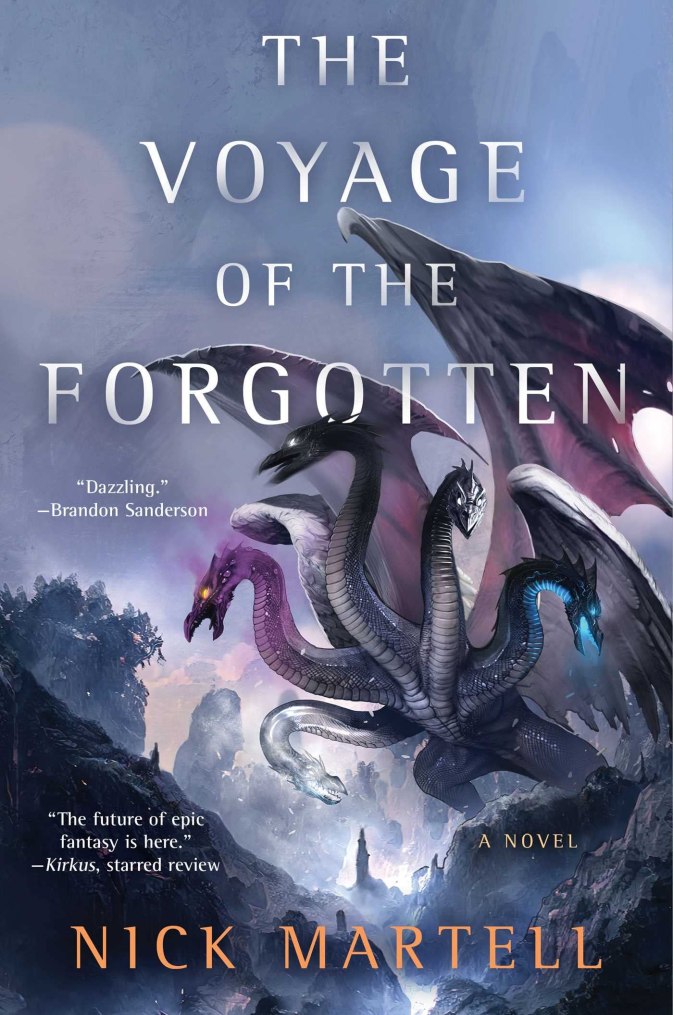
Impressive debuting Australian author Nina D. Campbell presents one of the most intense, captivating, and thought-provoking thrillers of 2022 so far, with the outstanding Daughters of Eve.

Detective Emilia Hart is a dedicated New South Wales homicide detective whose gender and experience often sees her regulated the domestic violence murders.  When a prominent defence attorney is expertly shot in front of her, Hart jumps at the opportunity to investigate a high-profile case, despite opposition from her superiors.  However, this proves to be no simple investigation, especially when a second dead man with similar bullet wounds is also found.

As Hart and her colleagues investigate, they struggle to find any connection between the two victims until more men start dying and the killer releases a brazen manifesto to the world.  Claiming to be part of an organisation known as The Daughters of Eve, determined to tip the scales of justice once and for all, the killers reveal that their victims have been abusive men responsible for terrible acts against women.  They also claim that they are only just getting started, and they soon ask the public to identify more violent men for them to hunt down.

As more bodies start to drop, chaos starts to reign across Sydney, especially when a series of copycat murders begin around Australia.  Facing immense pressure from all around, Hart doggedly pursues the case, trying to find a link between the victims and the women they hurt.  However, with angry male protestors storming the city and soldiers deployed on the street, Hart is unprepared for how much her world is about to change, especially as the killer may be closer than she ever realised.

Daughters of Eve was an exceptional and outstanding first novel from Campbell that really sticks out.  Featuring a particularly powerful narrative that combines a terrific and clever mystery with some of the darkest elements of modern society, Daughters of Eve proves to be extremely addictive, and I actually ended up reading it in just one day once I got hooked on its powerful events.

I loved the intense and captivating murder mystery that this book contains, especially as it sets the protagonist down a moving and memorable rabbit hole.  Daughters of Eve has an awesome start, with a sleezy defence attorney shot down by a sniper in the middle of Sydney right in front of the protagonist.  This ensures her a key role in the investigation, and she quickly discovers that there is much more to the case, especially once more bodies drop with each of the victims identified as a potential abuser or rapist.  This initial part of the mystery is very well written, with several key elements set up for later in the book, while the reader is left guessing with the various potential suspects or motivations.  While this early investigation is ongoing, you get to know more about the protagonist, Emilia Hart, and her complex life, including her unique personal relationships and compelling professional life, especially as she works with several terrible people.

The story takes an excellent turn about halfway through when The Daughters of Eve organisation emerges and takes credit for the murders.  The entire city erupts into chaos as angry, scared men attempt to regain control, soldiers are deployed to the street, and multiple murders occur across Australia.  Hart and her colleagues are stuck desperately investigating more obscure potential suspects to discover who is behind the initial murders, while they try not to get overwhelmed by other events.  This middle section of Daughters of Eve goes into some very dark directions, especially when certain revelations and secrets come out.  This eventual leads up to the big reveal about who the killer is, which, while a little predictable, serves as a major and compelling moment in the plot, and was very well handled by the author.  The story continues for a decent while after the killer is arrested, as the events further deteriorate, and the protagonist finds herself extremely involved in everything going on.  It all leads up to the moving and dramatic conclusion, which, while tragic in its own way, leaves the reader on a somewhat hopefully note that think really worked.  This was an incredible and deeply moving story, and I deeply enjoyed the brilliant combination of captivating mystery and dark tone.
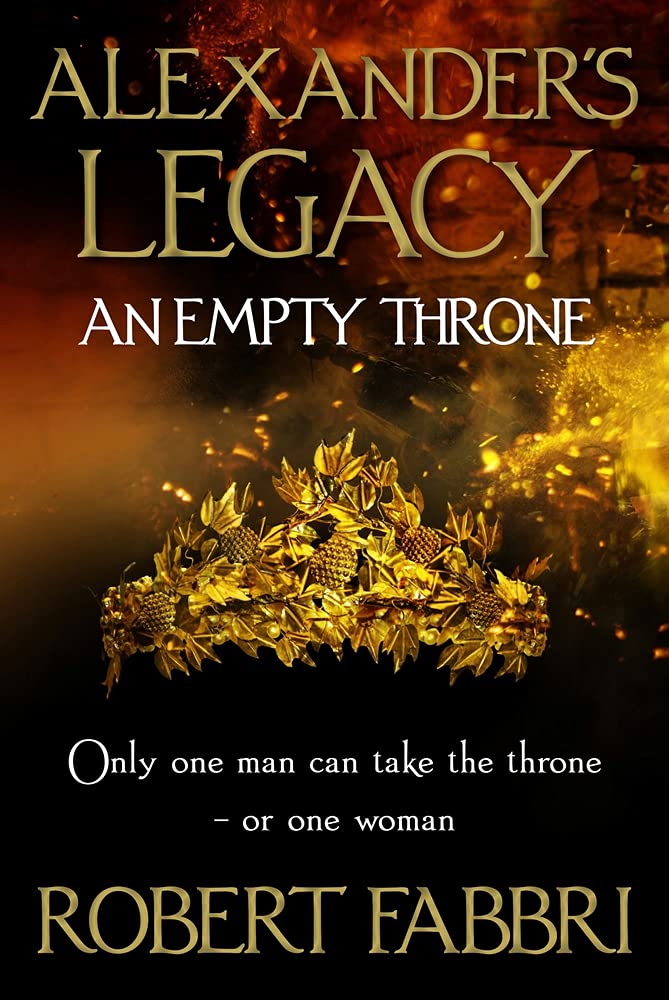
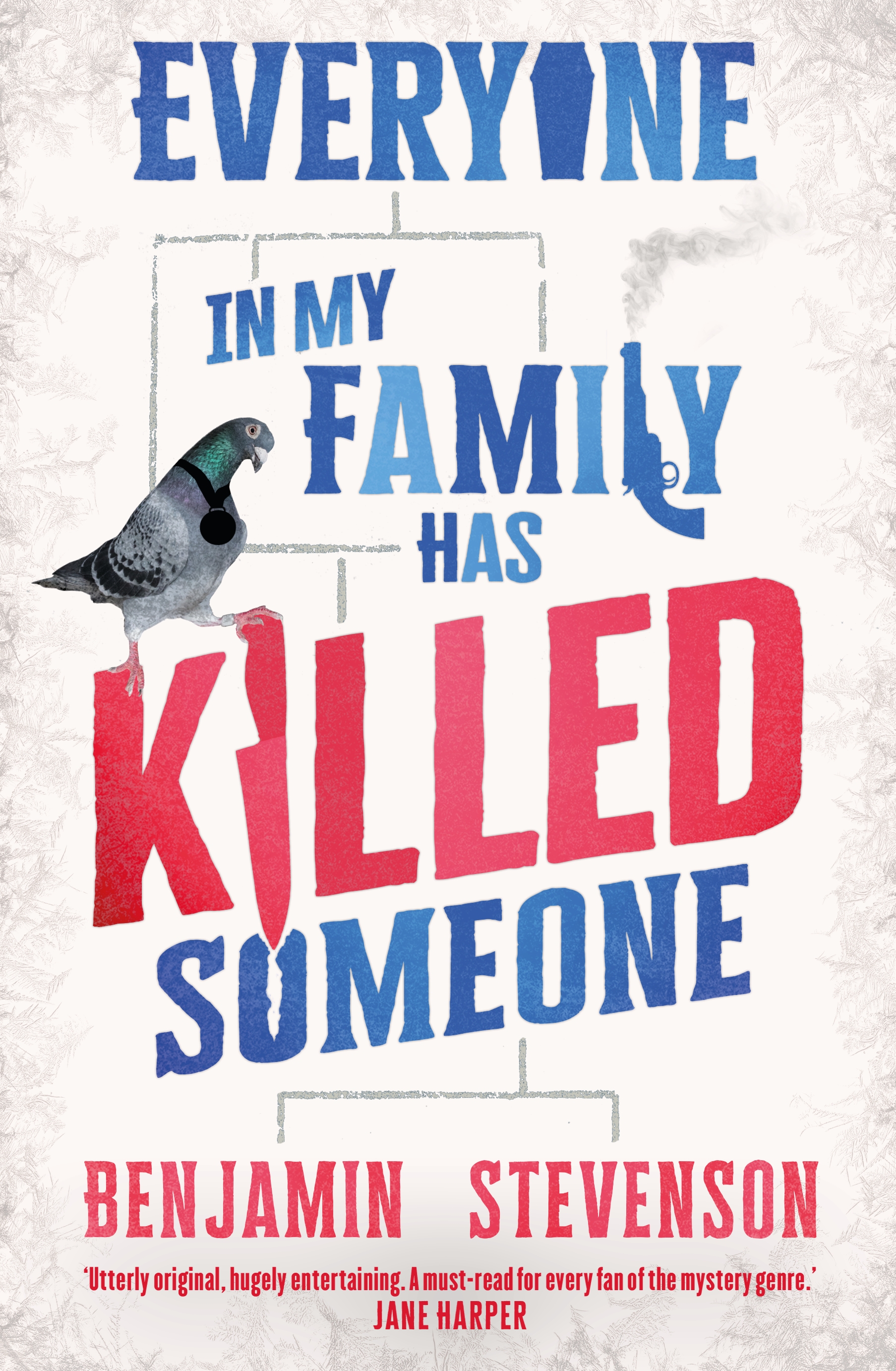
Without a doubt, the most memorable part of Daughters of Eve is the strong and powerful look at sexual and domestic violence that exists within the world today, as much of the story focuses on victims-survivors and abusive men.  Campbell paints an appropriately bleak picture of how society can hurt women of all ages, which gives the story a very grim, if realistic, coating that will both shock and move you.  Featuring multiple female characters, each with their own unique story, you get a deep understanding of some of the violence or discrimination out there, and the various issues and societal problems surrounding it, such as the restrictions on policing it.  There are so many dark elements about abusive men and sexual violence throughout this book, and I think Campbell utilised it perfectly throughout Daughters of Eve to create her captivating tale.  I particularly appreciated the way in which Campbell envisions the reaction that would occur if some vigilante women did start to target abusive men in a violent way.  The subsequent counterviolence, male protests, and over-the-top use of authorities and the military is a cynically entertaining inclusion, and the subsequent comparison between this and the existing violence against women makes for a harsh counterpoint.  While parts of the reaction by authorities, politician and men might seem somewhat unrealistic, certain recent events might potentially suggest that Campbell is right, and it is probably exactly how events would occur.  While I do think that Campbell did get a little heavy handed with some of these elements throughout the book, it produced a very emotional and confronting story that expertly enhanced the main mystery narrative.  I would probably suggest that people who are triggered by sexual and domestic violence may want to avoid Daughters of Eve because of these inclusions; this is a very thought-provoking part of the book that will stick with you for a long time.
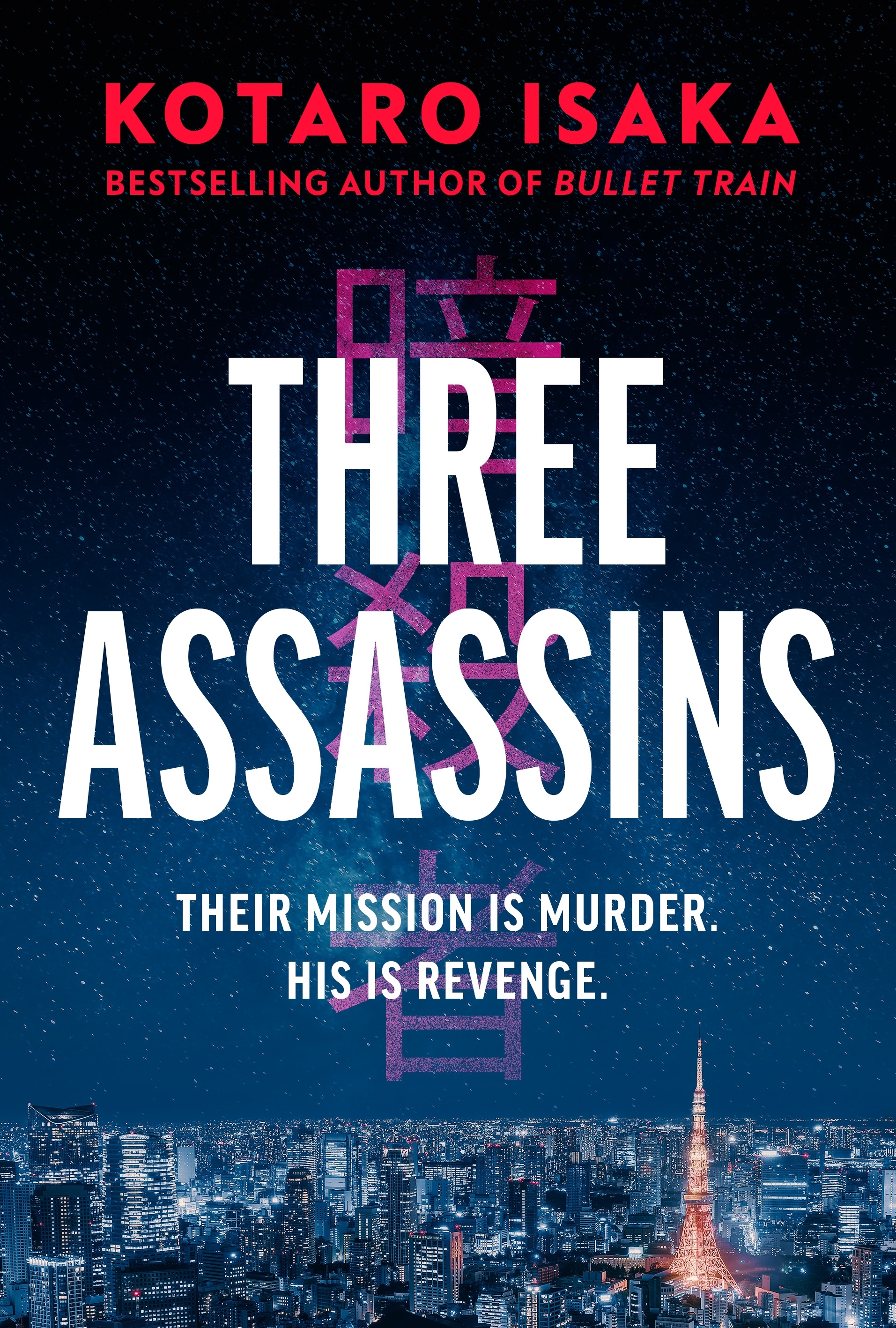
Naturally, such dark and dramatic elements necessitate several strong and complex central characters, and Campbell uses them to great effect throughout the book.  Daughters of Eve’s main character is point of view protagonist Emilia Hart, who proves to be an excellent central focus for the entire plot.  Hart is a character with a substantial amount of baggage, and her own terrible childhood and long experience as a police officer, especially one who primarily deals with domestic murders, ensures the events of this book deeply impact her.  Watching her try to come to terms with some of the outrages she witnesses, as well as the deep personal stakes that emerge, is pretty inspirational and moving, and you end up feeling really connected to her.  The rest of the characters in this book are fantastic and they all add a great supporting edge to Hart’s story.  This includes Emilia’s adopted daughters, both of whom have their own tragic backstories, her brash but loyal police partner, and her surprisingly understanding love interest from Melbourne.  You get a real sense of some of the terrible sexism and violence experienced by women every day, and each of the characters in Daughters of Eve do a good job exploring this.  I really grew attached to several of the characters in this great cast and found their powerful stories to be brilliant.

Daughters of Eve ended up being an exceptional and distinctive Australian thriller and it is one that I am really glad I got the opportunity to read.  Nina D. Campbell hit her debut out of the park, and I really got addicted to the excellent, dark and moving story that her first book contained.  With some very powerful and insightful elements, Daughters of Eve will stick with you well after you have finished powering through its amazing story.  I cannot wait to see what Campbell produces next, and I look forward to reading more stuff from this exciting new Australian author.

Amazon     Book Depository