Kill For Me Kill For You by Steve Cavanagh

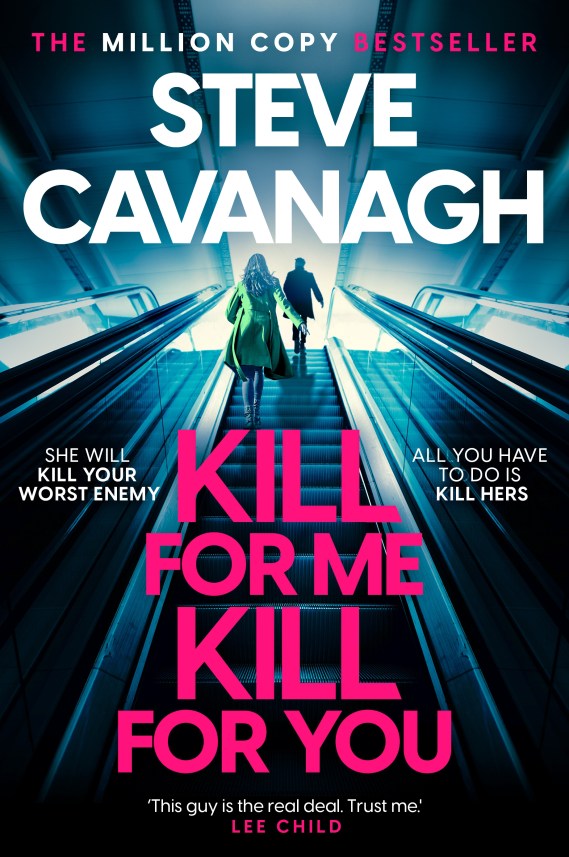
Kill For Me Kill For You Cover

Publisher: Headline (Trade Paperback – 25 July 2023)

Series: Standalone

Length: 356 pages

My Rating: 4.5 out of 5 stars

Amazon

The always entertaining Steve Cavanagh returns with another outstanding thriller, this time with an awesome new take on an old classic with Kill For Me Kill For You.

Steve Cavanagh is an outstanding author who I have been having a wonderful time reading in recent years.  Cavanagh is best known for his awesome Eddie Flynn legal thriller series that follows a former conman turned defence attorney as he uses his unique insights and tricks to win impossible cases, even when everything is stacked against him.  I have had a ton of fun with the last few books in the series, The Devil’s Advocate and The Accomplice, and Cavanagh is firmly on my yearly must-read list now as a result.  I had been hoping for another Eddie Flynn novel this year, but I was happy to receive a copy of Cavanagh’s new standalone thriller, Kill For Me Kill For You, which throws a grieving mother into a terrible situation.

Amanda White is a woman who lost everything in life when her young daughter was kidnapped and murdered.  Left helpless as the prime suspect is found innocent while her own husband killed himself out of despair, all Amanda has left is a desire for revenge.  But with her target aware of her hatred, and the police certain to arrest her if she tries anything, Amanda can only sit back and do nothing.

Required by the court to attend a trauma support group, Amanda has a chance encounter with another member, Wendy, who has her own desire for revenge.  Like Amanda, Wendy wants to kill the man responsible for her own child’s death but is determined to avoid police retaliation.  Together, the two women plot on how to take out the men that they hate, and soon draw inspiration from a classic Hitchcock film in which two strangers kill the other’s target.

However, when Wendy suddenly kills Amanda’s obsession, she is forced to act quickly and commit her murder for Wendy before the police come for her.  But nothing is as it seems, and Amanda soon finds herself trapped in a deadly situation with the police hot on her trail.  To survive, Amanda will need to dive into the past to discover a legacy of hatred, death and manipulation that will drive her to the brink of sanity and despair.

This was an excellent new thriller from Cavanagh that I managed to power through in no time at all thanks to its exciting and fast-paced plot.  Told from several different perspectives, Kill For Me Kill For You tells a clever and multi-layered narrative that proves very hard to put down, especially as Cavanagh loads it with his usual fun collection of twists, betrayals and compelling reveals.

Kill For Me Kill For You has a great character-driven narrative that follow several very damaged protagonists in a series of compelling situations.  The main storyline follows the character of Amanda White, whose desire for revenge against her daughter’s killer sees her form a friendship with Wendy, when they try to enact their Strangers on a Train inspired double murder.  At the same time, a good chunk of the plot revolves around the character of Ruth Gelman, who survives a brutal attack by a serial killer and is forced to deal with the traumatic consequences.  These two storylines are linked by a third major point-of-view character, Detective Farrow, who investigates both the assault on Ruth and the murder of Amanda’s daughter and finds himself getting drawn into both of their lives.

Both major storylines continue at a fast and compelling pace throughout the book, with Amanda’s storyline focusing on the clever intrigue, while Ruth’s storyline has a more emotional edge to it as she and her husband Scott are forced to deal with her injuries and ongoing fear of the killer’s return.  There are some fantastic developments in both, especially for Amanda when the Strangers on a Train plan goes out the window as expected.  I really loved the fantastic twists that surround Amanda at the middle of the book which completely change the trajectory of her entire plot as a result.  Both stories continue mostly unrelated for the rest of the book, and I think both develop in a great way independent of the other.  They do eventually come together towards the end of the book, and for me that was where Kill For Me Kill For You fell apart a little.  The joining twist of these two independent storylines is very predictable, even though Cavanagh did try to cover it up in a few clever ways.  Certain elements of this twist also stretch the feasibility of the plot to a degree, and while possible, it was a very unlikely.  Still, this only ruins the flow of the book a little and readers will still be hooked on the plot.  I loved the final few twists that Cavanagh loaded towards the end of the book, and the overlying emotional story writing and character moments that are utilised throughout the entire plot ensure that this is a very powerful read.  Readers will come away from this book very satisfied, and I honestly could not put Kill For Me Kill For You down the entire way through.

With the exception of the that problematic twist I discussed above, I mostly enjoyed how Cavanagh wrote Kill For Me Kill For You.  The excellent use of multiple character perspectives which shift from chapter to chapter works well to tell an expansive story with a lot more facets than I thought it would.  The different story focuses is very interesting and I liked the unique stories that both of the major characters (Amanda and Ruth) told throughout the book.  While I did find the chapters focusing on Amanda and her crisscross a lot more interesting, the Ruth storylines are more psychologically powerful and have some compelling edges to them.

I have to say that I was also very impressed with how Cavanagh made excellent use of the Strangers on a Train inspired murder plot throughout Kill For Me Kill For You.  Cavanagh makes some clever references to the classic film (and the book it is based on) throughout the novel, and I loved how he put his own spin on this classic tale.  I was worried in advance that it would be too much like other crime fiction homages to Strangers on a Train that I have seen before, but Cavanagh really made this plot element his own in Kill For Me Kill For You, working the film into his story in an excellent and memorable way.  The resulting compelling storyline was so much fun, and I cannot emphasise how brilliant and captivating this part of the book was.

In addition to the fun story elements, I also deeply appreciated the powerful character focus that Cavanagh featured throughout Kill For Me Kill For You.  There are four major point-of-view characters in Kill For Me Kill For You, and Cavanagh ensures that they have some complex and emotionally charged moments throughout the course of the plot.  All four of these characters are damaged by trauma or loss in their own unique way, including Amanda’s deep obsessive need for revenge, Ruth’s intense fear after surviving her traumatic attack, Scott’s guilt for not being there for his wife which leads to anger and despair and Farrow’s detrimental connection to his cases and the people impacted by them.  The author does an amazing job of diving into each of these character aspects throughout the course of Kill For Me Kill For You and you really grow to understand their individual traumas, obsessions and motivations throughout the course of the book.  Each character reacts to their damage and obsessions in different ways, and watching them overcome them, or succumb to them, are a key part of the plot.  This was probably the most emotionally charged and character focused book of Cavanagh’s that I have read so far, and I really appreciated how he dove into his complex protagonist’s psyches and attempted to highlight just how damaging death, violence and trauma can be on a person.

Kill For Me Kill For You was an outstanding read from Steve Cavanagh and one that I would very strongly recommend.  Featuring a unique and highly entertaining thriller narrative that cleverly balances intensity, twists, a wonderful homage to a classic piece of crime fiction, and powerful character moments, this is an excellent read that I really got attached to.  While I did have issue with a certain key point in the book, Kill For Me Kill For You was an overall strong and compelling novel that really showcases Cavanagh’s rising talents as an awesome thriller writer.

Amazon

Quick Review – Fatal Legacy by Lindsey Davis

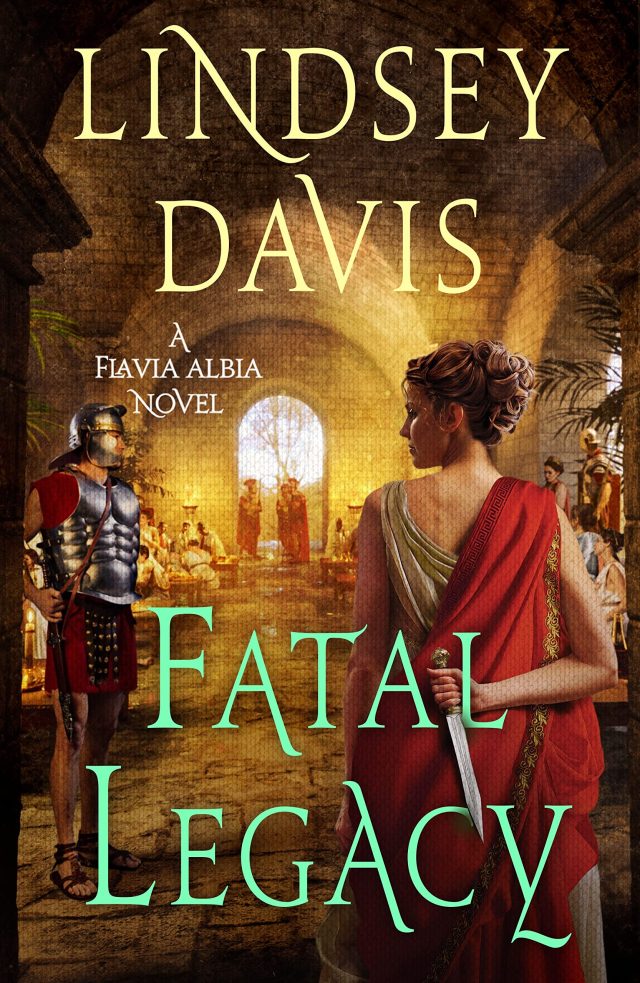
Fatal Legacy Cover

Publisher: Hodder & Stoughton (Trade Paperback – 11 April 2023)

Series: Flavia Albia – Book 11

Length: 397 pages

My Rating: 4.5 out of 5 stars

Amazon

Return to one of my favourite historical fiction series with another clever crime fiction read set in ancient Rome with Fatal Legacy by Lindsey Davis.

While I have had the pleasure of reading many great historical fiction series and books over the years, few have been as enjoyable to me as the Flavia Albia books by legendary author Lindsey Davis.  The follow-up to her iconic and long-running Falco novels, the series follow the titular Flavia Albia, a private investigator in Rome who finds herself involved with a series of unusual or gruesome crimes, often resulting in a series of over-the-top events.  I have had a great deal of fun with the Flavia Albia books over the years, including The Third Nero, Pandora’s Boy, A Capitol Death, The Grove of the Caesars (one of my favourite books of 2020), A Comedy of Terrors and Desperate Undertakings (one of my favourite books of 2022), and I am always excited to check out the latest novel in the series, especially when it has an intriguing plot behind it.

Plot Synopsis:

An unpaid bar bill leads Flavia Albia to her most bitter and complex case yet.

Decades earlier Appius Tranquillus Surus wrote his will: it freed his slaves and bequeathed his businesses to them. He left an orchard to the Prisci, a family he was friendly with, on the condition that his freedmen could still take its harvest.

The convoluted arrangement has led to a feud between the two families, each of which has its own internal strife. Endless claims and counterclaims lead to violence and even death. Lawyers have given up in exasperation as the case limps on. The original will has disappeared, along with a falsified codicil – and might there be another one?

But is there a solution? Two youngsters from each side of the divide, Gaius Venuleius and Cosca Sabatina, have fallen in love, which could unite the feuding families. There is only one problem: were Sabatina’s grandmother and father really liberated in the Surus will? If not, the stigma of slavery will stop the marriage and the dispute will rage on forever.

Reconciliation seems impossible, but Albia will try. Her investigation must cut through decades of secrets, arguments, lies and violence to reach a startling truth.


Fatal Legacy
was another compelling and fun entry in the series which once again brings together Davis’ fantastic take on Roman historical fiction with a unique mystery and several entertaining characters.  Fatal Legacy was the 11th book in the Flavia Albia series, and it proved to be quite an exciting and addictive read.

I had a lot of fun with Fatal Legacy’s great story, especially as it requires the protagonist to dive into an elaborate family feud.  Starting off by chance as Flavia attempts to appease one of her many eccentric relatives by investigating an unpaid bar bill, Flavia soon finds a family even more disastrous than her own when she encounters an infamous Roman clan embroiled in a variety of issues, including a feud with another family over a profitable orchard, as well as various internal conflicts and problems.  Hired to find proof that one member of the family was legally freed by their previous master, Flavia is forced to examine the labyrinthine relationships, family history and feuds that define this conflict, all while trying to deal with her own personal concerns.  This swiftly descends into a complex mess of many, many secrets, and readers will be left completely enthralled by how the story unfolds.

This was one of the more unique mysteries that Davis has come up with in her series, which really helped to set this book apart.  I personally enjoyed how Davis changed the focus of the book onto a family’s internal and external history and drama rather than the typical murder investigation, especially as it made for quite entertaining reading.  There are layers upon layers of secrets, betrayals, and hidden family connections that the reader needs to travel through to get to the truth, and you really get caught up in the new characters as a result.  The slow trawl through this history results in several great twists and turns, and it was fun watching the protagonist slowly unwind the many threads of the case, while also trying to avoid as much as their bitter conflict as possible.  I appreciated have Davis tried to break up this family focused investigation in places by adding in a few entertaining scenes, such as a farcical brawl at the protagonist’s house, as well as several over-the-top encounters amongst the family that Flavia is trying to investigate/help.  Despite that, the story does get rather dry and slow in places, especially towards the centre of the book as the reader gets a bit weary of finding out even more layers to the slow-paced mystery that emerges.  It also doesn’t help that this case has low stakes, especially compared to some of Davis’s other books that feature murder and serial killers, and this occasionally dulls the reader’s excitement.  Despite that, Davis manages to bring together quite an excellent read, and I loved the elaborate and fun reveal sequence at the end, which in some ways acts as a parody to classic whodunnits.

In addition to the clever and elaborate mystery, Fatal Legacy also features a great combination of entertaining characters and the typical fun ancient Rome setting.  I always love Davis’ vision of ancient Rome that are featured in the Flavia Albia books, especially as she tries to bring together classic Roman elements with characters and attitudes that are more recognisable in a modern setting.  Having the ancient characters speak with modern dialogue and act in ways we would associate more with contemporary people rather than figures in classic times gives the story a relatable and humorous edge at times, and it is always fun to see this version of ancient Rome.  This combines well with the cast of Fatal Legacy, especially as Davis introduces an eclectic group of new characters whose complex personal problems result in the book’s intriguing mystery.  The fun interactions between Flavia and these figures are very entertaining, and you have to love the protagonist’s cynical and sarcastic observations about the people she is forced to deal with.  The chaotic family she is forced to investigate contrasts comedically with Flavia’s own dysfunctional household, which got a good amount of focus in Fatal Legacy.  I think that Davis featured Flavia’s own family just the right amount in this latest book (sometimes they can be a bit overwhelming and distracting), and it was fun to see them interact, and at one point get into a massive punch up, with some of the case-specific character of the main plot.  All this helps to turn Fatal Legacy into a great read with an excellent blend of mystery, comedy and big personalities.

Overall, I felt that Fatal Legacy was a pretty awesome entry in one of my favourite historical fiction series.  Lindsey Davis wrote an outstanding and distinctive story for Fatal Legacy, and readers will enjoy the complex and character-focussed mystery that emerges as a result.  While aspects of Fatal Legacy’s narrative might not be as sharp as some of the other books in the Flavia Albia series, this was still an excellent read and one that fans of Davis will have a great time reading.

Fatal Legacy Cover 2

Amazon

Quick Review – Fairy Tale by Stephen King

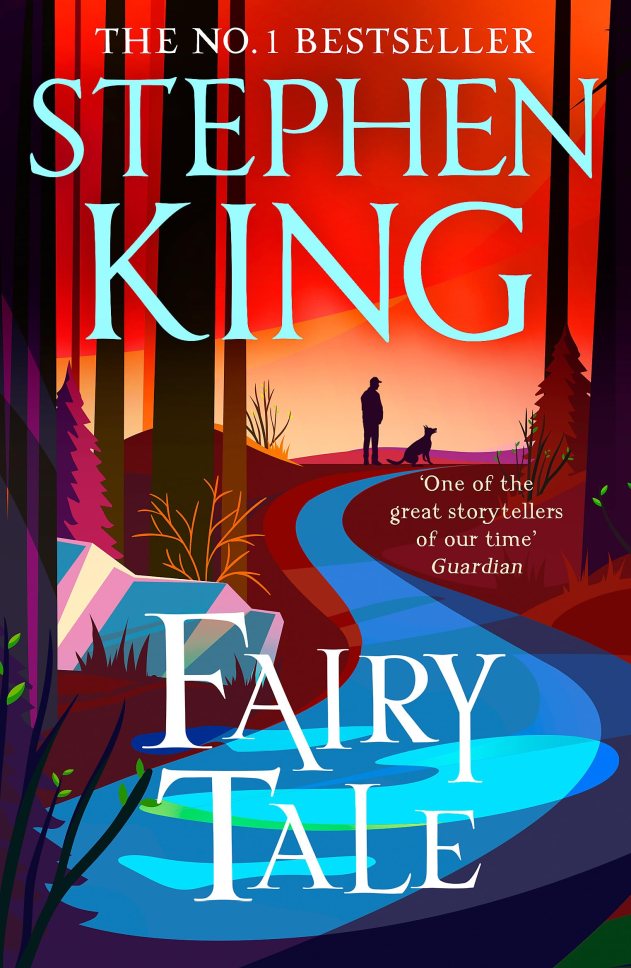
Fairy Tale Cover

Publisher: Hodder & Stoughton (Trade  Paperback – 6 September 2022)

Series: Standalone

Length: 579 pages

My Rating: 4.25 out of 5 stars

Amazon

The master of horror and thriller fiction, Stephen King, dives into the world of fantasy in a big way with his compelling 2022 novel, Fairy Tale.

I have finally started to get into some of the more recent books of legendary author Stephen King, which has usually worked out pretty well for me.  His two 2021 novels, Later and Billy Summers were both excellent reads, with the later proving to be one of my favourite novels of 2021.  We also have another new Stephen King novel, Holly, coming in a couple of months, but before we get to that I thought I would quickly review King’s 2022 release, Fairy Tale, which I read last year.  While I had fun with Fairy Tale, I failed to write a review for it, which is something I am hoping to rectify now, especially after all the recent interest people have shown in his next book.  Fairy Tale was a great dark fantasy read from King that took his typical teenager protagonist on a harrowing and compelling journey into a unique and hidden realm.

Plot Synopsis:

Legendary storyteller Stephen King goes deep into the well of his imagination in this spellbinding novel about a seventeen-year-old boy who inherits the keys to a parallel world where good and evil are at war, and the stakes could not be higher—for their world or ours.

Charlie Reade looks like a regular high school kid, great at baseball and football, a decent student. But he carries a heavy load. His mom was killed in a hit-and-run accident when he was ten, and grief drove his dad to drink. Charlie learned how to take care of himself—and his dad. Then, when Charlie is seventeen, he meets Howard Bowditch, a recluse with a big dog in a big house at the top of a big hill. In the backyard is a locked shed from which strange sounds emerge, as if some creature is trying to escape. When Mr. Bowditch dies, he leaves Charlie the house, a massive amount of gold, a cassette tape telling a story that is impossible to believe, and a responsibility far too massive for a boy to shoulder.

Because within the shed is a portal to another world—one whose denizens are in peril and whose monstrous leaders may destroy their own world, and ours. In this parallel universe, where two moons race across the sky, and the grand towers of a sprawling palace pierce the clouds, there are exiled princesses and princes who suffer horrific punishments; there are dungeons; there are games in which men and women must fight each other to the death for the amusement of the “Fair One.” And there is a magic sundial that can turn back time.

A story as old as myth, and as startling and iconic as the rest of King’s work, Fairy Tale is about an ordinary guy forced into the hero’s role by circumstance, and it is both spectacularly suspenseful and satisfying.


Fairy Tale
was a pretty awesome book, although I have to admit that it wasn’t my absolute favourite Stephen King novel so far.  While it was a great story loaded with King’s usual coming-of-age themes and great characters, it did have a few issues regarding pacing and a somewhat disconnected story.

The main issue that I had with the book was that Fairy Tale honestly felt like it was two separate novels combined into one massive read.  The first half of Fairy Tale is probably my favourite, mainly because it contains the classic King coming-of-age story as the author introduces the reader to the protagonist of Charlie Reade and his complicated life.  King really hits the reader strong from the beginning, describing the tragic events of Charlie’s young life, including the death of his mother, the alcoholic crumbling of his father, and the eventual resumption of a normal life once his father recovers from grief and drink.  These events are covered perfectly, and they form a great basis for Charlie’s story, especially as they drive him to be a better person, which leads him to try and help his elderly neighbour, Howard Bowditch.

Mr Bowditch is a fantastic character, mainly because King gets his cranky persona and loner attitude down perfectly.  The growing friendship between Charlie and Mr Bowditch, as well as Charlie’s bonding with Mr Bowditch’s old dog, Radar, forms a solid emotional centre for Fairy Tale’s narrative, which really hangs around to the end.  I had a great time with the part of the book that followed Charlie helping Mr Bowditch and Radar, and I honestly think King could have written a great story purely around that.  The combination of brilliant character work, a fun generational divide, true friendship, and even some mystery elements, really produced an excellent first part to the story.  Even the hints of the fantasy elements to come are very well done, and King did a good job of only featuring a few subtle moments meant to tease the imagination.  However, this doesn’t last nearly as long as I would have liked, as you are soon drawn into the next part of the story once Mr Bowditch dies.  This sad but expected death serves as the catalyst for the second half the story, and the reader gets a full story about the hidden realm which can be accessed via a portal in the toolshed.

Now, I was initially very onboard for this second part of the book, especially as the protagonist’s main reason to visit the fantasy realm was to find a way to save Radar.  Frankly anyone who has ever owned a dog should be pretty drawn into this part of the story, and the sheer desperation that the protagonist experiences as he journeys towards the potential restorative device made this story very relatable to me.  This desperate quest with a tangible and heartbreaking time constraint melded well with the unique new land that the protagonist found himself in, and I loved seeing King’s imagination as he crafted a dying world of mysterious and damaged figures.  The story at this point had an intriguing old-school quest vibe to it, very much like a classic fable, and I was so damn invested in seeing what happened to Radar.  However, once that part of the story was resolved, there was so much left of the book left to go, and that’s where I had a little less fun with Fairy Tale.

Don’t get me wrong, King still brought together a lot of great elements that cleverly carried on from the front of the book.  The dark fantasy realm had some great fairy tale inspirations which made for an excellent background, and the deranged figures who ruled over it were excellent villains.  King also works in a very dark storyline where Charlie experiences some major adversity that he must literally battle to overcome, all while meeting a cohort of desperate new supporting characters.  However, this part of the book just didn’t grab me as much as the first half, and there is somewhat of a disconnect between this story and the earlier awesome chapters of the book.  Still, it was pretty fun to continue, and the story morphed into a classic hero narrative, with Charlie leading a mystical revolution.  I ended up quickly getting through this chunky novel, and it was great to see Charlie grow into Mr Bowditch’s shadow as he encounters some of the events that made him.  King ends everything a pretty happy and final note, and the reader comes away from Fairly Tale fairly satisfied with how everything turned out.  I felt that the second half, while not as enticing as the first, combined well with the rest of the story and together you have a great, character-driven story, that you can really sink your teeth into.

Overall, I rather enjoyed Fairy Tale, even though it took me a little while to review it.  Stephen King showed off his unsurpassed ability to create compelling stories focused on intriguing protagonists, and I love his amazing imagination and awesome ability to make me care about these fiction figures.  While I did have some issues with the second half of Fairy Tale, this was still and excellent novel, and it is really worth checking out, especially if you are an established fan of King and his complex stories.

Fairy Tale Cover 2

Amazon

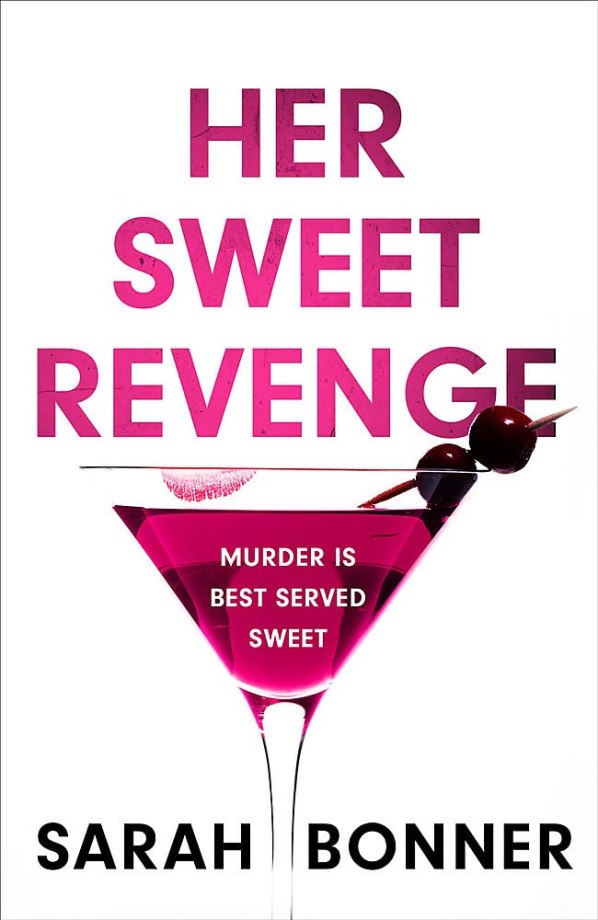
Her Sweet Revenge by Sarah Bonner

Her Sweet Revenge Cover

Publisher: Hodder & Stoughton (Trade Paperback – 6 April 2023)

Series: Standalone

Length: 408 pages

My Rating: 4.75 out of 5 stars

Amazon

Last year I was lucky enough to receive a copy of the fun and twisty thriller novel, Her Perfect Twin by Sarah Bonner, an outstanding read that got a full five-star rating from me and which ended up being one my top debuts of 2022.  I have a lot of love for Her Perfect Twin thanks to its murderous plot and brilliant surprises, and I have been eager to see how Bonner was going to follow up her first book.  As such, I was pretty excited to see that she had a second cool thriller, Her Sweet Revenge, coming out this year, and I just finished it off.  Her Sweet Revenge was another outstanding read that blends complex characters with a fantastic and complex revenge plot to create an outstanding story.

Helena is a successful fashion blogger living in Exeter and married to a seemingly perfect man.  While her controlling in-laws seem to be her biggest problem, Helena is hiding a dark secret, one that could twist her entire life around and turn everyone against her.  When a series of notes begin to arrive, threatening to expose her, Helena desperately tries to keep her secrets hidden from her husband and evil mother-in-law.  But her attempts to stop the truth leaking out have lethal consequences.

Several years later, Thea is still mourning the loss of her best friend, Helena, and is convinced that her death was no accident.  Digging into the mysterious circumstances surrounding Helena’s demise, Thea is contacted by someone who claims to have known Helena and is also convinced that her death was deliberate.  Determined to get revenge for her friend’s murder, Thea dives even further down the rabbit hole and soon begins to create a lethal plot against those she thinks is responsible.  But not everything is as it seems, and the secrets surrounding Helena’s death are far more complex and dark than anyone realises.  As she gets closer to her target, Thea will need to determine just how far she is willing to go for revenge, and who truly deserves her wrath.

This was another exceptional novel from Bonner, who really looks set to make a name for herself in the thriller genre.  Her Sweet Revenge was another brilliant standalone novel which takes the reader on a wild and dark journey through death, bad relationships and revenge, and which proves near impossible to put down.

Bonner came up with quite the intricate and complex narrative for Her Sweet Revenge, and it really worked to tell a unique and powerful story.  Told in a similar style to her first book, Her Sweet Revenge is broken up into several parts and employs a series of time jumps and different character perspectives to tell a particularly intense story.  The first part of the book, which is one of the more substantial sections of Her Sweet Revenge, is told from the point of view of Helena in 2018 and Thea in 2022, with the story jumping between them chapter to chapter.  Both character-focused storylines set the scene extremely well, with the Helena chapters showing her turbulent life and the events that led up to her death, with the Thea chapters show the characters initial investigations into her friend’s death.

These two disparate timelines complement each other extremely well, and the reader is soon drawn into each character’s distinctive emotionally charged narratives.  Both storylines are pretty powerful in different ways, with Helena’s story focusing on her abuse by her in-laws and the trauma of being blackmailed for her secrets.  Watching Helena’s slow dive into instability is both shocking and moving, and you can’t help but feel for the injustices that the character is experiencing.  These feelings are further expanded on in the Thea chapters, as you feel the pain the character is experiencing at the loss of her friend, as well as the guilt that drives her to investigate Helena’s death and find the truth.  Bonner makes great use of this first part of the book to primarily set the scene for the rest of the plot, as well as introduce the key characters to the reader, and as such there are limited big reveals or twists at this point in the plot.  However, Bonner does do a good job of whetting the reader’s anticipation for what is to come by leaving several plot points unfinished and really showcasing just how bad all the people involved are.  The jump between 2018 and 2022 works really well, and it was interesting to see events from Helena’s chapters play into Thea’s storyline, especially when you know that there are still secrets being kept from both characters.

The second act of Her Sweet Revenge is where the plot really starts to fire up.  This section of the book is primarily focused on revenge, as Thea finds out some truths about Helena’s death and starts to plot about how to get her justice.  This section is solely shown from Thea’s perspective, and Bonner uses this to full effect to really dive down into the character and show how she got so vengeful and clever.  There are a lot of great moments here, especially when it comes to the plotting for revenge, and I loved the great character focuses that emerged.  There still aren’t a lot of twists at this part of the book, as Bonner is mostly building on what was revealed in the first half of the novel, but the author does do some good set-up here that works perfectly for the rest of the story.

The final third of the book is broken up into several separate parts, each of which is told from a different perspective character.  I won’t go into too much detail, but it works really well in the context of the story, and it is very interesting to see who gets focused on and why.  Bonner really starts to layer in her trademark twists and turns here, as everything you thought you knew about several characters turns out to be false, as motivations change, people are revealed to be something completely different, and the author includes some great dives into the past to show what really happened to Helena.  All the accompanying revelations have been masterfully set up in the earlier chapters, and I loved how the twists and turns seemed to build on top of one and other, with one betrayal or lie for a character followed by a bigger lie from another.  You honestly don’t know where the story is going at times, and I was extremely hooked for the last 150 pages as I waited to see who was going to come out on top and just who was getting revenge on whom.  While there are a lot of twists and reveals, Bonner keeps the story pretty tidy, and at no point did things get too convoluted or unbelievable.  I loved fully untangling the clever web that Bonner came up with, and the final result is pretty amazing and highly satisfying, especially as the very last reveals are some of the best, with everyone who should be punished getting what they deserve.  This was such a well-written and impressively crafted thriller narrative, and I guarantee that you won’t be able to stop yourself from reading more and more, just to see how everything ends.

In addition to the meticulously crafted narrative, I really need to highlight the outstanding characters featured throughout Her Sweet Revenge, each of whom is driven to edge in various different ways.  Bonner does an excellent job of introducing and building up several great characters throughout the course of her plot, and each of them was distinctive in their own way.  A good chunk of the plot’s focus is on the initial point-of-view characters, Helena and Thea, old friends who go through quite a lot during the novel.  Bonner introduces some excellent development to both in different ways, with Helena given a crash course in personal destruction, while Thea is slowly built up as a caring friend with a scary vengeful streak.  You get very invested in both of their respective storylines, one because of how sudden and emotionally crushing it is, and the other because of the reader’s natural sense of justice and loyalty, and I felt they were great focuses for so much of the book.  The rest of the cast is interesting and distinctive as well, mainly because so many of them are just naturally bad or dislikeable characters, with Helena’s mother-in-law, Geraldine, being an extremely good example.  Everything about Geraldine is designed to aggravate the reader and make them feel extreme sympathy for Helena, and Bonner made excellent use of her throughout the plot as a compelling side character.  These complex figures and more added a ton to the impact of the narrative, and I deeply appreciated Bonner’s ability to create intriguing characters with such fantastic nasty streaks behind.

Her Sweet Revenge was another outstanding thriller from Sarah Bonner, who produces a brilliant and captivating narrative, loaded with fantastic twists and surprising turns.  The revenge focused story is deeply addictive, and you find yourself quickly getting dragged into the intense and clever book.  I had a wonderful time reading Her Sweet Revenge, and it comes very highly recommended to anyone who wants a slick and memorable thriller read.

Amazon

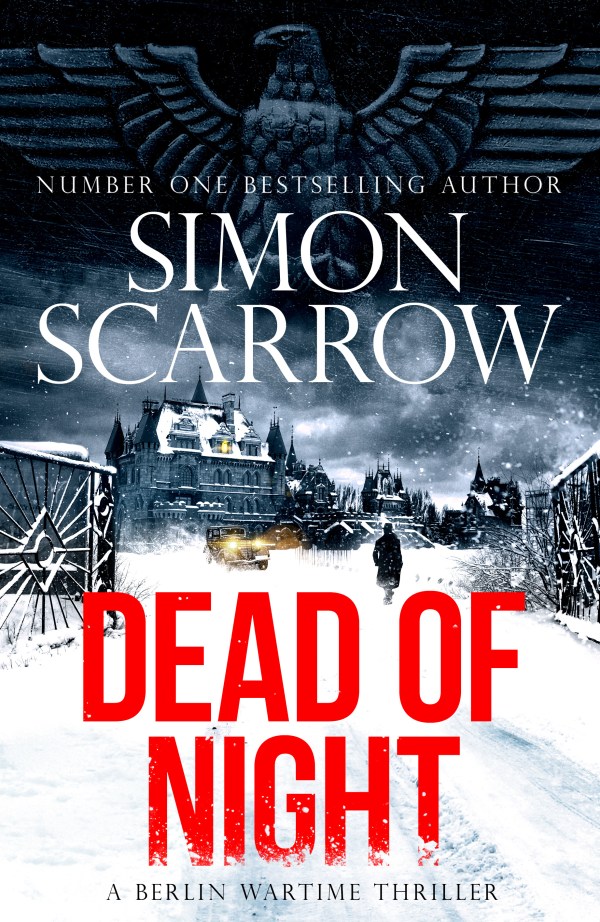
Dead of Night by Simon Scarrow

Dead of Night Cover

Publisher: Headline (Trade Paperback – 14 February 2023)

Series: Berlin Wartime Thriller – Book Two

Length: 422 pages

My Rating: 4.75 out of 5 stars

Amazon

One of my favourite historical fiction authors, the always impressive Simon Scarrow, dives back into turbulent World War II Germany with his latest compelling read, Dead of Night, an excellent and intense historical thriller with a dark twist to it.

Readers of this blog will know that I have long been a fan of Simon Scarrow ever since I read his first exceptional novel many years ago.  I particularly enjoy his long-running Eagles of the Empire series, an outstanding adventure series that follows two Roman officers as they travel throughout the empire.  The Eagles of the Empire books are some of the best historical fiction I have ever read, and I have had the pleasure of reviewing several of them, including The Blood of Rome, Traitors of Rome, The Emperor’s Exile, The Honour of Rome and Death to the Emperor.  Aside from his Roman novels, Scarrow has also written several other series and standalone books set in various periods of history.  This includes his 2021 release, Blackout, a gritty and complex murder mystery set in Nazi-controlled Berlin.  Blackout was an awesome book, and I was very happy to hear that Scarrow was producing a sequel, Dead of Night, which turned out to be another outstanding read.

Berlin, January 1940.  As Germany’s invasion of Poland rolls along, the Nazis continue to take complete control of their own country.  While the people of Berlin wait to see how the Allies will retaliate, a mysterious death is about to occur with massive ramifications.  A prominent SS doctor and his wife return home, having had a seemingly normal night attending a concert with the Nazi elite of the city.  However, by the morning, the doctor will be dead in his study, the result of an apparent suicide.

After his last near-fatal brush with the Nazi state, Criminal Inspector Horst Schenke of the Berlin Kripo is determined to simply do his job and stay off the party’s radar.  However, when Ruth Frankel, the Jewish woman whose life he saved during his previous investigation, reappears, Horst is once again dragged into unwanted trouble.  The dead SS doctor is an old friend of Ruth’s family, and Ruth has promised his widow that she would help find out the truth behind his death, and Horst is her tool to do so.

Reluctantly agreeing to help, Horst looks into the case and quickly realises that the doctor’s death was no suicide.  However, his superiors soon pull him off the investigation and forbid him from digging any further.  But with his curiosity peaked, Horst cannot turn away, especially when he manages to connect the victim to the mysterious deaths of several children throughout Germany.  Determined to find the truth no matter what, Horst soon discovers a terrible secret that places him in the firing line of the entire Nazi party and other volatile factions in the city.  Can Horst survive this new case, or will the regime he despises finally take him off the board?

This was an excellent read from Scarrow, who has been on a real roll lately with his awesome books.  Dead of Night not only served as an incredible sequel to Blackout, but it also features an intense and historically powerful narrative that had me hooked from the very beginning.

Dead of Night follows several of the same characters from the first book, primarily Criminal Inspector Horst Schenke, who serves as the main protagonist and point of view character, in another intriguing and complex case.  Schenke must again work with Ruth Frankel to investigate the apparent suicide of a prominent SS doctor, which produces an intriguing and compelling early investigation storyline that I really enjoyed.  However, Schenke soon runs into political problems, as well as threats of violence, which force him to conduct a subtle investigation.  At the same time, Schenke’s socially crusading love interest, Karin, requests that he look into the mysterious deaths of several children at a remote medical institute.  This second investigation takes up a good chunk of the novel and the protagonists dive into really starts to enhance the intensity of the plot.  This is because Scarrow starts to utilise particularly sinister elements of Nazi history in the plot, which ensures that the novel gets fairly dark in tone and content.  Scarrow is very subtle in how he brings these elements to the character’s attention, and there is a lot of emotion and disgust that emerges in the story as the protagonists realise what is going on.

From there the two divergent investigations start to come together as subtle clues that the author introduced in the first half of the book are brought to light again.  The revelation of how the two cases are connected is pretty captivating, especially as it gives the ‘antagonists’ of the novel a very compelling and relatable motivation.  The protagonist is forced to make some hard decisions as they come to terms with just what is going on and this leads to some great scenes about the differences between duty and what is right.  Everything leads up to an emotionally charged confrontation which cleverly brings the entire story together and wraps up all the remaining mysteries and character arcs.  This final major sequence is pretty damn awesome and it results in some of the most dramatic and powerful moments in the entire novel.  I really liked how the entire novel came together at the end, especially as the protagonist is left in several unenviable positions while he watches his country descend further into darkness.  I felt that the entire novel was very well paced out, and it doesn’t take long for the readers to get hooked on the story, especially with the two quality mysteries that Scarrow came up with.  The blend of mystery, dark historical moments, and intriguing character interactions is pretty perfect, and it works to create a memorable and haunting tale.  Combined with some of the great twists, many of which are based around evil parts of real-life history, and I felt that Dead of Night surpassed is predecessor in some very awesome ways

For me, the best thing about Dead of Night was the fantastic and distinctive wartime setting that surrounded the plot.  Stories set in Nazi controlled Germany are always intense and dark for obvious reasons, but I felt that Scarrow did a particularly outstanding job of capturing it, especially as he pairs the dark mood with a gritty winter backdrop.  Just like with Blackout, there is a focus on the evils of the Nazi regime in Dead of Night, and quite a lot of the plot is devoted to seeing how normal citizens, including non-political police officers, view what their city and country has turned into.  There is a good focus on the fear and control that the Nazis blanket the city with, and the investigation angles of the narrative become even more complex and compelling due to the protagonist being constantly blocked by his Nazi and SS superiors.  However, the best, or worst, historical elements of the book revolve around one of the cases that Inspector Schenke is dragged into, specifically around the death of several children.  This case thrusts the protagonist right into the heart of some of the darkest things the Nazis ever did to their own people, which really gives this entire book a powerfully tragic edge.  Scarrow uses this historical inclusion to his full advantage, as not only does it provide an excellent motivation for some of the crimes being committed, but it also increases the emotional conflict of the protagonist.  Scarrow really does not hold back when it comes to showcasing these historical horrors and the readers get a full idea of what is going on and the sort of people behind it.  This dark historical inclusion really helped to turn Dead of Night’s narrative into something particularly distinctive and captivating, and I felt that Scarrow did a fantastic job of drawing the reader in by giving them knowledge of this terrible moment from history.

I also need to highlight some of the excellent characters featured within Dead of Night, several of whom carry on from the previous novel in the series.  Most of the focus is around Inspector Horst Schenke, one of the few senior police officers left in Berlin without a connection to the Nazi Party.  Dedicated to the law, Schenke, a man already traumatised by his past, keeps finding it harder and harder to do his job in the new regime.  Despite his best efforts, Schenke keeps getting dragged into the middle of the several Nazi plots and hidden schemes, which constantly place him in political danger.  I loved the deep conflict that this builds within him as he is forced to choose between ignoring what he discovers, or trying to get justice and doing something.  Further complicating matters are his relationships with the two women in his life, his girlfriend, Karin, and the Jewish women he previously saved, Ruth Frankel.  Both keep pushing him to do more to oppose the Nazis or get to the truth of crimes they are covering up, and he is forced to balance his desires to help them with his sense of pragmatism while trying to protect them from the Nazis.

Other great characters in this book include Schenke’s police backup, Sergeant Hauser and former Gestapo agent Liebwitz.  These two are great supporting characters and they provide interesting counterviews to German life, with Hauser being a more everyman figure, while Liebwitz is bound up by his Gestapo training.  Despite the apparent differences between Hauser and Liebwitz, the two work together well and serve as good support to Schenke, and I liked the fun odd-couple team that they formed.  They also have some intriguing moments throughout the book, especially when they encounter some of the horrors of the Nazi regime.  While Hauser has some great emotional reactions, especially when it comes to the death of children, Liebwitz has the more intriguing responses, as he balances his loyalty to the state with his own past experiences and conscious.  Watching him come to terms with some of the evils he witnesses makes for some powerful reading and I am glad that Scarrow added in these intriguing alternate characters.  I also really enjoyed the complex main antagonists of the story, as they had quite a powerful motivation for some of the crimes committed in the book.  While they are not as noble as they believe, the antagonist’s goal still serves to trouble the protagonist’s sense of justice, and interesting compromises have to be made as a result.  I deeply appreciated some of the deep characters that Scarrow featured in this novel and I look forward to seeing how they are utilised in any future books in the series.

Simon Scarrow continues to impress me as one of the best historical fiction authors out there with this incredible new read.  Dead of Night has a brilliant and powerful story behind it that takes full advantage of its bleak and historically rich setting.  Featuring an outstanding investigation narrative and some dark insights into the horrors of the Nazi regime, Dead of Night will easily grab your attention and ensure you will not forget it anytime soon.  A highly recommended novel from one of my favourite authors.

Amazon

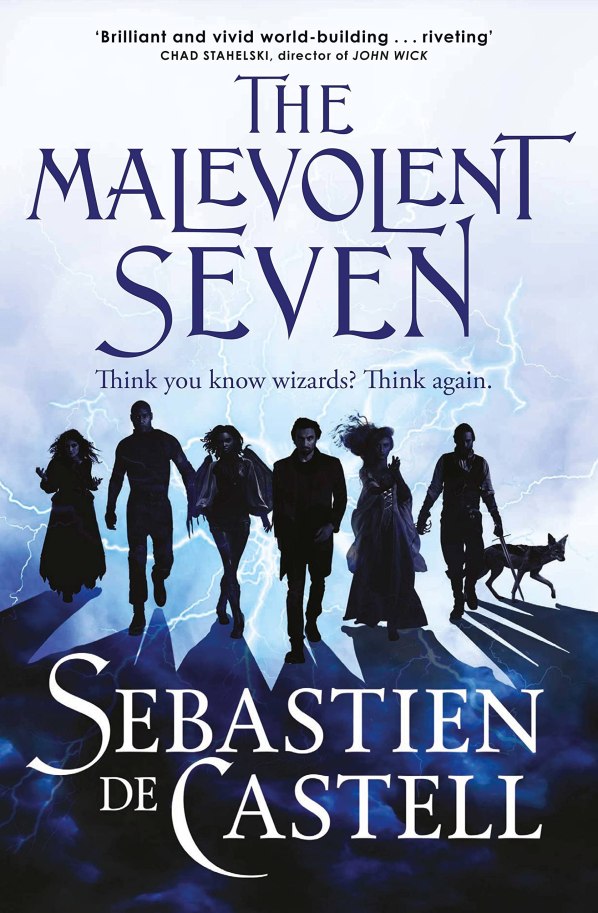
The Malevolent Seven by Sebastien de Castell

The Malevolent Seven Cover

Publisher: Jo Fletcher Books (Trade Paperback – 9 May 2023)

Series: Standalone/Book One

Length: 373 pages

My Rating: 4.5 out of 5 stars

Amazon

Rising fantasy star Sebastien de Castell returns with a bold and highly entertaining new fantasy novel, The Malevolent Seven, that takes several dangerous and dastardly characters on a magical journey of death, deceit and despair which is so much fun to behold.

Magic is power and only the strong can hope to wield it, especially if they can make a profit out of it.  Cade Ombra is a powerful wonderist, a magic user who makes his living as a war mage, selling his services to highest bidder to fight in their wars and kill their enemies, even if his employers are monsters.  Cade has long struggled with the ethics of his job, and when his latest employment ends badly, with Cade framed for murder resulting in a relentless band of holy enforcers hunting him, he knows he needs to find a way out.

Luckily, a lucrative new job is looking for wonderists, and the payment is something he’s always desired, an artefact capable of changing everything about his life.  However, to get paid he needs to do one last very bad thing: kill seven heroic mages attempting to take down a corrupt noble and survive everything that wants to kill him along the way.  Determined to win no matter the cost, Cade and his violent colleague Corrigan set off to claim the reward before any of their rivals can.  But to succeed, they’ll need to recruit five more mages capable of taking down their powerful enemies and who have no moral qualms about killing heroes for money.

So begins a deadly recruitment mission as Cade and Corrigan seek out five mages just as crazy as they are.  But even with a mentally unstable blood mage, a fallen angel, a moral demon knight, a charismatic rat mage and a mysterious jackal, can even this mismatched bad of rogues hope to survive against the seven most deadly magic users on this plane of existence?  However, nothing about this job is as it seems, and Cade and the Malevolent Seven find themselves caught up in a deadly game between gods, demons and monsters, with the fate of the world lying in the balance.

Wow, now this was a very, very fun and addictive novel.  Sebastien de Castell wasn’t an author I was too familiar with before this point, although I had heard good things about The Greatcoats series.  However, I am now going to have to go out of my way to read more of his stuff, especially after reading the epic and entertaining The Malevolent Seven.

The Malevolent Seven was such a great read as de Castell pulls together a dark fantasy reimagining of heroic stories like Seven Samurai and The Magnificent Seven.  The book starts of strong with a great introduction to the main character, Cade Ombra, the rules of magic in this realm, and the author’s very entertaining and outrageous sense of humour.  Expertly and hilariously told from the first-person perspective of Cade, whose observations about the insane events going on around him adds so much value to the story, you soon get a great sense of what to expect from this book and de Castell does not disappoint.  The story initially focuses on Cade and his friend Corrigan’s efforts in a brutal war for a mad ruler, but things go south when their employer is killed, Cade is betrayed by his fellow wonderists, and a band of ruthless religious warriors, the Glorian Justiciars, arrive determined to hunt down Cade for his use of demonic magic.  Forced to take a new job with Corrigan to save his skin and quickly get out of dodge, the two take up the mysterious contract to kill seven heroic mages in exchange for a powerful artefact, and begin a recruitment drive for five additional mages.

I love a good recruitment montage in heist or action fiction, and this one is pretty damn fun as de Castell writes in a particularly eclectic and insane group of mages for the protagonists to recruit.  Naturally nothing goes as plan, as the two are forced to take along a half-insane junior blood mage who Cade feels responsible for.  Their subsequent recruitment attempts land them in all manner of trouble as they rescue a highly chivalrous rat mage, save a mysterious fallen angel from a pleasure ship, journey to hell to recruit a demon knight, and end up in the middle of a wasteland, chased by everyone.  This recruitment period took up more of the plot than I thought it would, but it works really well to tell a great overall narrative.  Each scene introduces the reader to more of the world and it allows a compelling dynamic to grow between the various protagonists, especially as they grow to understand each other crazy tendencies.  De Castell also builds up several intriguing long-running storylines of manipulation and betrayal as it becomes clear that someone is influencing their mission and has set gods and demons against them.  This middle section of the book is a lot of fun, and I loved how de Castell keeps up the same blend of humour, intriguing character development, and insane over-the-top moments, that really draws you in at the start of the novel.

Everything perfectly leads up to the final third of the book, when the protagonists arrive at their destination.  Of course, as can be expected by the theme of this story so far, nothing is what they thought it would be, and instead they find themselves facing off against a mysterious foe with very different motivations to what they expected.  I loved how de Castell turned the plot a little on its head at this point, as the characters find themselves in the unexpected position of being the good guys.  This leads to some amazing scenes in the final third, loaded with magic, chaotic confrontations and more, all of which is a ton of fun to see.  There is some great character growth as several storylines come full circle, as well as a ton of twists and turns.  I loved some of the epic reveals that came across, and while I saw a few coming, de Castell managed to surprise me in places, which I really enjoyed.  The final twists about why the characters were on the job and who really wins were pretty damn epic and it sets the story up nicely for a sequel, which I am definitely going to grab a copy of.  I loved how de Castell really enhanced the drama in this final third of the book, especially as several character relationships or conflicts come to the boil in some explosive and captivating ways.  This combines really well with the continued craziness of the story and the inherent humour of the plot, and you really get drawn into all the fantastic elements of this book.  The Malevolent Seven ended up being an incredible read, and I managed to power through this entire story in a couple of days and had a ton of fun doing so.

I loved the dark and despairing world that served as the cool new setting for The Malevolent Seven and de Castell has a ton of fun showcasing this new fantasy landscape throughout the book.  Loaded with petty tyrants, warring nobles, and wandering wonderists who dish out death to the highest bidder, this land is the perfect backdrop for the crazy and self-serving narrative, and I loved seeing de Castell’s great characters traverse it causing trouble.  While there are some outstanding locations, including a magically blasted wasteland and several deadly battlegrounds, the highlight of this setting is the complex magical system that the author came up with.  This magical system is primarily predicated on wonderists breaching dimensional barriers and utilising magic that they have an infinity for.  This results in several unique rules and abilities that de Castell did an outstanding job of effectively introducing, and I loved how weird some of the abilities were, especially those that played into the novel’s humour.  Some of the more interesting realms require the magical users to interact with the associated denizens, including this world’s equivalent of angels and demons, all of whom have a stake in the mortal realms.  Several of the best scenes in the book require the protagonist to make dark and forbidden deals with his demonic contact, and the manipulation of the various mystical entities from both heaven and hell becomes a key part of the book.  The author makes sure to utilise all these fantastic and lethal abilities to their full extent throughout The Malevolent Seven and the epic, ultra-destructive battles that emerged, as well as the clever combination of talents, resulted in some amazingly, electrifying sequences.  It will be interesting to see what crazy abilities de Castell brings to the table for the sequel, but it’s going to be good.

The final thing I want to highlight about The Malevolent Seven are the excellent and compelling damaged characters featured throughout the plot.  De Castell really went out of his way to make his main seven protagonists as random, broken and insane as possible, and this really works in the context of this brilliant story.  The main protagonist is point-of-view character Cade Ombra, a wonderist with a secret past whose current magical ability comes from deals with a literal demon (nice guy actually).  Because of this and many other mistakes in his life, Cade is pretty alone and damaged when the story starts, and he is constantly trying to balance his survival instincts and desire for power, with his conscience, something that keeps getting him in trouble.  De Castell builds up Cade extremely well throughout The Malevolent Seven and I liked his constant growth as he tries to do the right thing, even though it usually makes life even harder for him.  The author sets Cade up as a reluctant leader and hero, and it was intriguing to see the dynamics that form between him and the rest of the team fate brings together around him.  The rest of the titular Malevolent Seven are all pretty entertaining and uniquely crazy in their own way, and the range of diverse and entertaining personalities makes for a great overall dynamic to the story. My favourite character in the group was the excessively violent Corrigan Blight, whose thunder magic matches his outrageous personality.  Corrigan served as the straight speaking, highly reactive and trigger-happy organiser of the group, who plays off the more reserved Cade perfectly, especially as they form a unique and fragile friendship.  Other highlights include the highly charismatic and surprisingly noble Aradeus, whose rat magic proves to be highly effective if a little weird, and the novice blood mage Galass, whose spunky personality is only matched by her deadly abilities that are slowly driving her insane.  I loved this impressive and very entertaining cast and I cannot wait to see what happens to them next.

I think it is very clear that I loved The Malevolent Seven as Sebastien de Castell’s outrageous and inventive dark fantasy tale was a real joy to behold.  The great blend of fantastic humour, twisty storytelling, brutal magic and over-the-top characters, works exceedingly well and I loved the witty and extremely fun story that emerged.  The Malevolent Seven is a great read and if you are in the mood for a cool and highly compelling fantasy adventure than this is the book for you.

Amazon

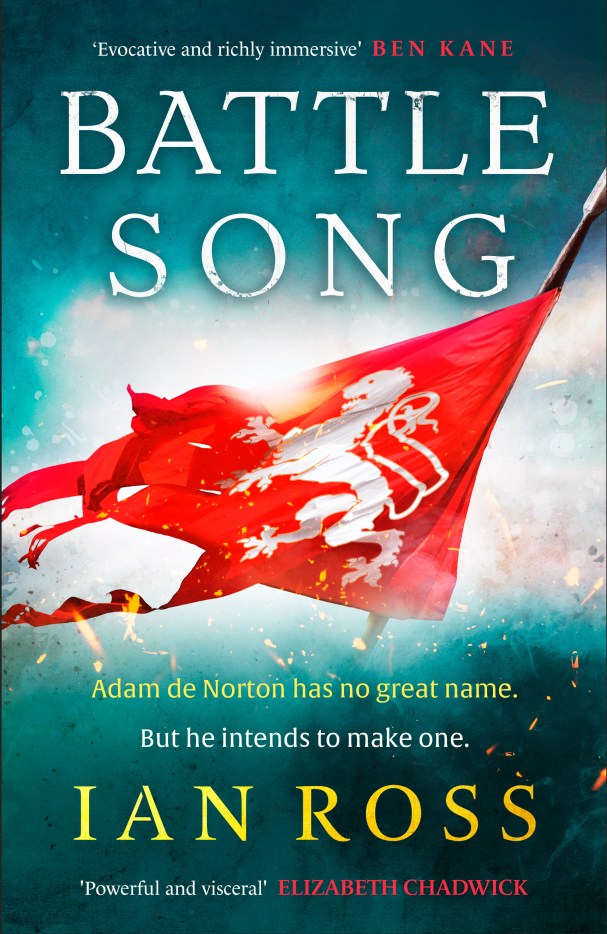
Battle Song by Ian Ross

Battle Song Cover

Publisher: Hodder & Stoughton (Trade Paperback – 28 March 2023)

Series: Standalone/Book One

Length: 405 pages

My Rating: 4.75 out of 5 stars

Amazon

Impressive historical fiction author Ian Ross journeys away from his typical Roman history novels and instead dives into the chaos and glory of medieval England with the outstanding and highly addictive read, Battle Song.

England, 1262. Adam de Norton is a lowly squire with very few prospects to his name.  Unable to claim his family’s rightful estates, Adam’s only hope is to be knighted by his lord, which will allow him to win the glory and respect his chivalrous heart believes in.  However, his chances of even being noticed by his lord seem slim, and Adam looks set for a life of disappointment until a hunting accident leads him to his new master, the rogue knight Sir Robert de Dunstanville.

Robert de Dunstanville is a man infamous throughout England as a murderous heretic, and his anger, resentment and apparent lack of knightly virtue seem to match his devilish reputation.  A keen member of the tournament scene, Robert leads Adam to Europe, where his underhanded strategies and desire for victory over honour, prove to be highly effective.  While Adam chafes under the dishonour of his new master and the circumstances that lead them together, he soon discovers that Robert seems to have a far better idea of the realities of his world than he does.

Two years later, Robert leads Adam back to England, determined to take advantage of the chaotic political situation that emerges.  The Earl of Leicester, Simon de Montfort, has declared war against his brother-in-law, King Henry III, and now leads the barons of the realm in a rebellion, aimed at bringing reform and redressing the balance of power in the country.  As the country plunges into civil war, Robert and Adam must choose which side will give them the greatest advantage and keep them alive.  Soon caught in the middle of a desperate battle for the fate of the kingdom, will this duo get everything they think they deserve, or wind up in a bloody grave?

Ian Ross has written an exceptional and captivating historical adventure in Battle Song that I had an absolutely wonderful time reading.  Blending some great characters with an exciting story and intriguing historical detail, Battle Song is one the most thrilling and intense historical novels I have read in a while, and which is worth checking out.

Battle Song has an intense and captivating story that perfectly follows a young knight in training as he finds his destiny and gets embroiled in war.  Blending emotional personal growth with an exciting narrative from a great part of history, Ross’s narrative for this book is really addictive, and I had a ton of fun powering through it in a few days.  The story starts off great with a very strong introduction to protagonist Adam de Norton, a minor squire overlooked in life who still believes in the knightly virtues.  After a violent brawl shows his true raging potential, Adam is drafted into the service of Robert de Dunstanville, a bastard knight with a severe grudge against the king, who drags Adam to Europe for a run at the knightly tournaments.  The initial part of the book is really good as it sets up the story and the key politics of England, while also serving as an invaluable introduction to main characters.  I loved the early friction between Adam and Robert, which really helps to showcase the differences between their world views and ensures that there is some intriguing personal conflict between them throughout the book.

Ross dedicates a good chunk of the plot to following Adam, Robert and their companions, on an extended romp through the European tournaments, which are so damn fun.  The various scenes depicting the harshness of the tournaments, including the infamous melee, are some of my favourites in the book, and the author’s depiction of the chaotic violence and sheer unpredictability really appealed to me.  At the same time, this book serves as a good learning experience for the protagonist as Adam learns the realities of being a knight as he experiences love, betrayal and begins a deadly rivalry.  Ross also uses this part of the story to further dive into the start of the conflict between Simon de Montfort, as Robert meets and plots with the exiled Earl while in Europe and begins to weigh his options.

The second half of Battle Song is set back in England as Adam and Robert return home, determined to take part in the civil war to come, even if they don’t know which side to choose.  This half of the novel is pretty damn intense as Ross really dives into the intriguing and dark history of the period in some great ways.  The narrative drags the protagonists into some of the key events of the period, including riots, a dangerous siege, and several minor conflicts, as they watch the King and Simon de Montfort fight for control of the country.  This part of the book is also well layered with the personal concerns of Adam and Robert, as Adam faces a hopeless romance while witnessing some of the most vicious elements of war, while Robert continues to battle his conscience, inner-hate and survival instincts to come out on top.  There are some pretty epic scenes here and I deeply enjoyed how Ross balanced out the historical detail with the deeper part of his story.  The characters all go through setbacks, growth, and dark moments as the plot proceeds, and the reader gets caught up in their personal tales.  The battles themselves are really impressive, as Ross captures the sheer chaos of war and Adam learns what it is to kill.  I really appreciated Ross’s use of Adam as the main point-of-view character for this second half of the battle, not only because his position allows a great view of all the key historical moments, but because you see a more impassioned take on events which gives the entire narrative some great heart.  Everything leads up to the big final battle, which Ross covers perfectly, showcasing it as a metal meatgrinder of knight-on-knight combat.  There are some outstanding moments in these final pages, especially as several character arcs and storylines are cleverly finished, and I was deeply intrigued to see how the entire conflict came together.  Ross leaves everything on a satisfying conclusion and Battle Song ends up serving a particularly epic and brilliantly self-contained standalone read, which does have some potential to be continued in the future.  I deeply enjoyed this exceptional story and it was so damn addictive in places.

One of the best highlights of Battle Song is the way that Ross expertly portrays the historical period in which the book is set.  I loved the depictions of England and Europe in the 13th century featured throughout Battle Song, and Ross has a lot of fun showcasing the people, culture and politics of the people at the time.  There is a particular focus on the lives and experiences of the knightly classes as the book as shown through the eyes of a lowly squire experiencing them for the first time.  As such, you get a great idea of what it is to be both a knight and a squire as Adam grows into both roles while watching his master and peers in action.  There are some great discussions about the how knights act in life, and I loved how Ross examined how the realities of this compared to the romanticized notions of chivalry and honour that Adam had been fed growing up.  Naturally some of the best parts of the historical elements of Battle Song fall amongst the tournaments and battles that were such an amazing feature of the story.  Ross really dives into the nitty gritty detail of the tournaments, and I loved seeing the tactics and practicalities of big events like the joust and the melee.  It was also very interesting to see how these skills then translated across to the battlefield and the similarities and differences between the two proved to be deeply fascinating.  Ross really went out of his way to highlight the gritty and brutal nature of both the tournament melee and the battlefield throughout Battle Song, and I loved the high-intensity action scenes that emerged as a result.  Battle Song honestly some of the best historical battle sequences that I had seen for a while, and I found myself getting even further dragged into the story thanks to that.

In addition, I really enjoyed the compelling and impressive examination of the events of Simon de Montfort’s rebellion in 1264, one of England’s lesser-known civil wars.  The entirety of Battle Song is set around this war, and Ross really good job of showcasing the politics and the events leading up to the rebellion as Adam and Robert witness his plotting during their tournament days.  The second half of the book then examines the resulting war in high detail as the protagonists find themselves dragged into several key battles and incidents of this war, including the siege of Rochester and the decisive battle of Lewes.  The author does an outstanding job showcasing these battles as he looks at how they came about, what happened during them, and the resulting impacts it had on the war.  At the same time, Ross also tries to examine some of the key historical figures involved in this conflict, and it was very interesting to see the protagonists interact with them.  Ross initially paints this war as a battle for rights against the king, with de Montfort trying to rally the nobles behind his leadership.  However, rather than showing this as a purely noble affair, Ross also highlights some of the darker aspects of de Montfort’s campaign, including the infamous purge against the Jewish population of London at the start of the rebellion, which honestly was some of the darkest and most intense moments in the entire book.  I deeply appreciated this complex examination of the history, especially the prejudice against the Jews, and it painted both sides in morally ambiguous tones that fit the two protagonists.  Ross clearly has a real talent for portraying fascinating moments from history, and I had an outstanding time learning more about this unique and captivating period.

I was also quite impressed by the characters featured within Battle Song as Ross introduces the reader to an outstanding cast of both original characters and notable figures out of history.  The main protagonists are the duo of Adam de Norton, a poor squire who serves as the book’s point of view character, and Robert de Dunstanville, a blackhearted knight with a low opinion of the world around him.  Both characters are intriguing as they represent very different ends of the knightly spectrum.  Adam starts the book as a naïve squire who believes in honour and duty, even after years of being overlooked by his lord.  Robert, on the other hand, is a far more devious and jaded being.  A bastard with no lands of his own, Robert is upset about royal rulings made against him and takes out his anger in the tournaments, where his cunning tactics allow him to achieve many victories.  These two characters are polar opposites to begin with, however, they both start to influence the other in different ways.  Adam starts to become a little more cynical, wiser, and learns how to survive in this harsh world, eventually becoming a competent and dangerous warrior.  Robert on the other hand starts to soften as they grow closer, and the protagonist finds out that there is far more to Robert than he lets the rest of the world see.  These two play off each other, and the rest of the extended cast, extremely well, and I loved the complex mentor-mentee relationship that emerged.  These two are definitely the heart of the story, and I deeply enjoyed their compelling storylines, especially as they both experience hopeless romances, loss, disappointment, intense rivalries, betrayal and moments of glory as they journey towards the conclusion of the book.  The rest of the cast supports the story nicely, and I loved some of the interactions that emerged, as well as the clever mixture of real people from history and original characters invented for the narrative.  These great characters and their unique stories deeply enhance the quality of Battle Song and its powerful story and I was very impressed by how well Ross set them out.

With its outstanding blend of historical detail, amazing protagonists, and an intense and powerful narrative, Battle Song is a brilliant and epic read that I had such an incredible time reading.  Ian Ross produced such a great read here and this was one of the more exciting and entertaining historical fiction novels I have read all year.  Battle Song is a highly recommended historical fiction novel that is really worth checking out.

Amazon

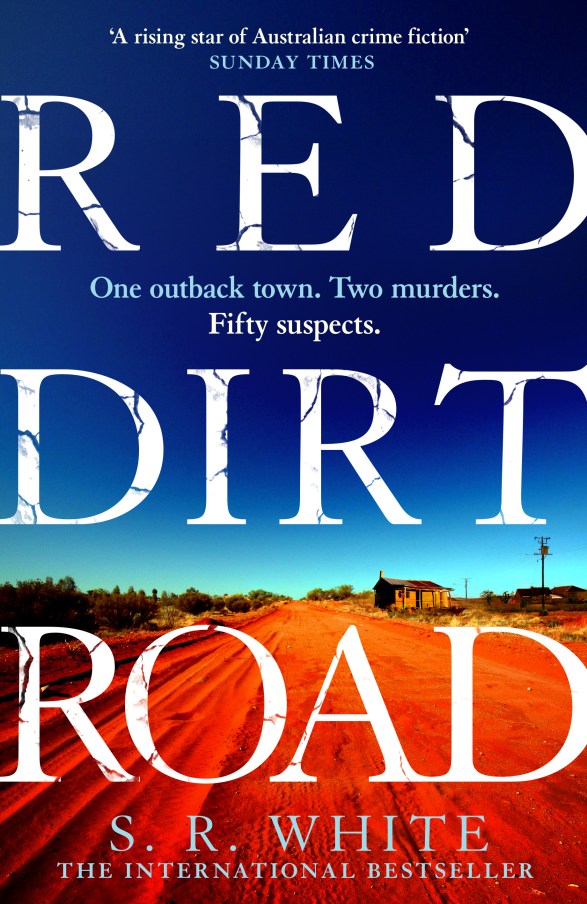
Quick Review – Red Dirt Road by S. R. White

Red Dirt Road Cover

Publisher: Headline (Trade Paperback – 10 January 2023)

Series: Detective Dana Russo – Book Three

Length: 307 pages

My Rating: 4.5 out of 5 stars

Amazon     Book Depository

Impressive author S. R. White continues to lead the Australian outback murder mystery scene with his new and compelling release, Red Dirt Road, the third book in his Detective Dana Russo series.  I had the great pleasure of reading the second book in this series, Prisoner, back in 2021 and I really enjoyed his unique take on the outback detective novel.  As such, I have been rather excited to read his new book, Red Dirt Road, especially as it featured a particularly enthralling mystery.

Plot synopsis:

One outback town. Two puzzling murders. Fifty suspects.

In Unamurra, a drought-scarred, one-pub town deep in the outback, two men are savagely murdered a month apart – their bodies elaborately arranged like angels.

With no witnesses, no obvious motives and no apparent connections between the killings, how can lone police officer Detective Dana Russo – flown in from hundreds of kilometres away – possibly solve such a baffling, brutal case?

Met with silence and suspicion from locals who live by their own set of rules, Dana must take over a stalled investigation with only a week to make progress.

But with a murderer hiding in plain sight, and the parched days rapidly passing, Dana is determined to uncover the shocking secrets of this forgotten town – a place where anyone could be a killer.


Red Dirt Road
ended up being a very fun and captivating murder mystery novel and one I had a wonderful time getting through.  I really enjoyed White’s cool and clever plot scenario and the entire concept of a cop attempting to solve a mystery in a small town with limited suspects is a fun idea that harkens back to classic whodunits.

Red Dirt Road’s story itself hits the ground running quickly, as complex protagonist Dana Russo is forced to travel to the small town for the investigation and soon becomes wrapped up in its many foibles.  This includes the sheer isolation, the lack of modern comforts and the unusual locals, many of whom are hiding from the outside world.  There is also a set of creepy angel-themed statues that mysteriously move around town, the work of a guerrilla artist who has remained hidden since the murders began.  With time restrictions on her investigation and with minimal help from the local police, Dana initiates an unconventional investigation that focuses on understanding Unamurra’s society and its people to solve the crime.  After getting to grips with the various people living there, as well examining other clues and evidence, she is able to figure out which one of the town’s residents is the most likely killer and confronts them in a particularly fascinating reveal sequence.  The full explanation for why the crime was committed, as well as the ingenious and very distinctive motivation of the murderer, was exceedingly clever, and I felt that White set everything up perfectly.  While certain elements of the conclusion were a bit over-the-top, (a very unrealistic elite government SWAT team comes to town), I felt that the story was pretty damn impressive and I was absolutely blown away with the elaborate motivation that the author came up with.  The plot of Red Dirt Road also simultaneously continues some of the series’ ongoing storylines, such as Dana’s personal relationship with her co-worker and the internal police politics that are impacting her career, and this ended up being quite a gripping read as a result.

One of the most noticeable things about Red Dirt Road was the unique, society-orientated investigation method that the protagonist used to understand the people of Unamurra and find out who the killer was.  I personally thought that this was a very smart and intriguing way to frame a murder investigation that worked extremely well in the context of the setting and the series.  When I reviewed Prisoner I noted that White likes to highlight the interrogation side of policing with his writing and this was once again in full display when it came to how Dana gathers information in Unamurra.  The flurry of casual conversation she engages in ensures she picks up all the knowledge about the town and people she needs, while also putting the potential suspects at ease as they don’t understand her style or the subtle reasons behind her lines of inquiry.  This information, when combined with some observations and additional background she gets from headquarters, allows her to pull together a full mental picture of the town and by understanding them and their needs she finally gets the insight she needs to understand the entire situation.  This results in a very unique case, and I found myself getting really wrapped up in both the characters and the setting while trying to wrap the clues together in my head.  While this style of investigation probably isn’t going to fit every murder mystery fan’s taste, I felt that it worked extremely well and I loved how the elaborate motivation was teased out through these discussions.  The final confrontation with the killer and the various revelations it contained really ties all these previous discussions together perfectly and you quickly realise just how cleverly White structured his entire mystery.

On top of the cool investigation method, I also deeply enjoyed the dusty and desolate setting of Unamurra that served as the backdrop to the murders.  White really tries to show the reader the full experience of such a lonely and decaying town, and thanks to the excellent descriptive writing you can absolutely picture every cloud of dust, quiet night, and the lack of movement.  At the same time, the protagonist begins talking to each of the residents of Unamurra and you really get to understand the sort of people that would live in such a place, whether they are desperate, trapped, or have their own strange motivations.  This excellent use of setting and compelling supporting characters greatly enhances the book’s already complex murder investigation, and I felt that White did an amazing job of working it into the larger narrative and mystery.  The sheer isolation impacts every decision and insight that Dana has and you really come away trying to imagine what life in such a location would be like.  While White does overgeneralise some areas of rural Australia in his book, especially as he makes the location of these crimes geographically vague, this setting added a great deal to the impact of Red Dirt Road and I deeply enjoyed my time in the elaborate setting of Unamurra.

Overall, Red Dirt Road was an outstanding new book from S. R. White that perfectly highlighted his distinctive take on a murder mystery investigation.  Combining another outstanding outback setting with a unique case, Red Dirt Road will have you hooked all the way to the fantastic finale.  I cannot wait to see what complex stories White comes up with in the future, but if they are anywhere near as clever and enthralling as Red Dirt Road, I know I am going to love them.

Amazon     Book Depository

The Voyage of the Forgotten by Nick Martell

The Voyage of the Forgotten Cover

Publisher: Gollancz (Audiobook – 3 November 2022)

Series: The Legacy of the Mercenary King – Book Three

Length: 19 hour and 47 minutes

My Rating: 5 out of 5 stars

Amazon     Book Depository

One of the very last books I read in 2022 might be one of the very best: the latest epic novel from Nick Martell, The Voyage of the Forgotten, which showcases just how much of an impressive, rising talent this outstanding author truly is.

Since 2020, one of my absolute favourite new fantasy authors has been the very, very talented Nick Martell, who burst into the scene in a big way with his elaborate and compelling The Legacy of the Mercenary King trilogy.  This series started with The Kingdom of Liars, an exceptional book that introduced Martell’s intriguing fantasy world and distinctive protagonist Michael Kingman.  The scion of a formerly great family whose patriarch was executed for a murder he didn’t commit, Michael spent most of The Kingdom of Liars trying to prove his father’s innocence while also finding himself dragged into various conspiracies infecting his home city of Hollow.  I had an amazing time reading The Kingdom of Liars, and it ended up being one of my favourite books, audiobooks and debuts of 2020.  Martell expertly followed his first novel up a year later with the equally incredible The Two-Faced Queen, which continued many of the fantastic story threads from the first book.  However, the stakes were raised even further with the protagonist forced to deal with immortals, dragons, assassins, serial killers and more, all while trying to stop the woman he loves from killing him.  This was another exceptional read, and The Two-Faced Queen was easily one of the best books and audiobooks of 2021.  Naturally, there was no way that I would not read the third and final book in the series as soon as I could.  This third book, The Voyage of the Forgotten, was one of my most anticipated reads of 2022, and I eagerly dove into it just before the year came to a close.

After proving his father’s innocence and restoring his family’s place in Hollow society, Michael Kingman should be happy.  However, the closer he comes to victory, the more tragedy and defeat he suffers.  Not only is the love of his life, Serena, the queen of Hollow, engaged to a merchant prince with his own elaborate agenda, but dangerous conspiracies centred on Michael seem to emerge from around every corner.  His sister is enslaved to an immortal Wolven King who seeks war with his soon to be freed brothers, while his mercenary mentor, Dark, is becoming one of the most dangerous creatures in existence, using his stolen dragon magic to wreak havoc and destruction in the name of love.  However, his true enemy remains Angelo Shade, Dark’s father, who seeks to bring back his dead wife and will burn the world, and everything Michael loves, to achieve it.

Thrust once again into this deadly battle of forces outside his league or ability to comprehend, Michael only has his wits, his barely trained magic ability, and a few dedicated friends to fight against the immortal schemers who have spent years bringing their elaborate plans to fruition.  However, Michael is well used to being outclassed and underestimated by everyone he goes up against, and he resolves once again to make everyone pay to keep those he loves safe from harm.

Gathering his allies, Michael embarks on a foolish quest to fully understand all the world’s secrets that have long been hidden from him and ensure that he has the weapons to survive.  But his course of action will put him at odds with the deadly mercenaries of Regal Company, all three of the ancient Wolven Kings, and even his own mercenary company.  Defeating all of them seems impossible, but that has never stopped him from trying before.  Can even the legendary stubborn Michael Kingman succeed and achieve his goals of becoming a Mercenary King when fate itself seems set against him?  And even if he succeeds, is he willing to pay the terrible price that victory demands?

Wow oh wow, what an epic book.  Nick Martell continues to deeply impress me with his captivating story writing ability as he brings this trilogy to a powerful and momentous end that I was instantly addicted to.  The Voyage of the Forgotten was a truly exceptional read, loaded with amazing characters, elaborate fantasy lore and an intense story that refused to drop my attention.  I can find no higher praise for this book than the fact that I named it one of my favourite books of 2022 well before I had even finished it; the first half was that damn good.

Martell has come up with a pretty epic narrative for The Voyage of the Forgotten, and it is one that I will not forget in a hurry.  However, the first thing that I need to say about the story is: if you haven’t read the first two The Legacy of the Mercenary Kings novels, go back and start at the beginning.  Martell has loaded the entire series with a ton of intricate and interesting lore, and he starts rapid firing back to the events of the last two books extremely early on in the story.  While there is a useful Dramatis Personae, as well as a fun summary of previous events from one of the side characters, which helped to refresh my memory, if you haven’t read the previous books you will get lost very quickly when trying to read The Voyage of the Forgotten.  The narrator is constantly making references to previous events, revelations, or characters who only appeared in the prior books, and it can get a little confusing if you don’t know what he is talking about.  As such, I would strongly recommend reading (or re-reading) The Kingdom of Liars and The Two-Faced Queen in advance, which is a very small chore considering how amazing they are.

Now, if you’re up to speed on the prior books, you are in for a real treat when it comes to The Voyage of the Forgotten’s story.  Told mainly from the perspective of protagonist and calamity-magnet Michael Kingman, Martell weaves together an intriguing, action-packed and character-driven conclusion to the elaborate story he set up in the first two books, which also leaves a lot of room for the larger series to grow in the future.  The author once again primarily utilises a chronicle style from Michael’s perspective, which really helps to tell this unique story, especially as it forces Michael’s chaotic and hilarious personality into the story and made every scene seem that little more entertaining and personal.

The narrative itself starts quickly and effectively, with a series of fun battles, big confrontations, and a horde of vengeful dragons, all of which ensures that the reader is quickly reintroduced to the chaotic main character and the multiple tangled webs and conspiracies that he has found himself involved in.  The story quickly advances to the main issue of this book as Serena Hollow loses her memory, and Michael is forced into an epic quest to find a cure.  This of course leads Michael to fight against the entire world, as everyone is opposed to his quest, and this ends up resulting in multiple intriguing or over-the-top encounters.  At the same time, Michael is constantly trying to unravel the mysteries of the world and his many enemies.  There are some epic scenes and sequences in this first half of the book that I really fell in love with, and Martell has some fantastic writing chops behind him that makes his outrageous concepts really work and come to life.  For example, one of the best sequences in the first half of the book sees Michael trapped in his own mind, forced to experience multiple loops of a historical battle from an ancient time.  The constant death and fighting that occurs over innumerable rotations slowly drives the protagonist mad, which Martell captures perfectly in exquisite detail.  Partnered with this intriguing sequence are several scenes showing an external view of Michael’s body, which has been taken over by a malevolent entity.  This ended up being one of the best moments of the entire book, especially as it has a very fun ending.

In addition to the action, Martell continues to unwind or add to the overlying layers of conspiracies, plots and personal or historical secrets that have always been such a fun part of this series.  Several long-running story threads are finally resolved in the first half of the book, and it is so much fun to see Michael finally get quite a few intriguing answers.  Martell really does not hold back with the revelations in The Voyage of the Forgotten, and the entirety of the book is loaded with characters unburdening their secrets (at least some of them) or discussing the unique history of the wider world.  I absolutely loved every sequence where revelations about this universe and its fun inhabitants came to the surface, and it was fascinating to see how they fit into the wonderful tapestry that Martell has woven throughout this trilogy.  This universe building is further enhanced by a series of great interludes with alternate narrators, which show events outside of Michael’s knowledge and experiences.  Not only do these help to showcase some of the fun supporting characters from the first two books but it also deepens the narrative and shows what schemes his friends, and more importantly his enemies, are up to, which provides some fun foreshadowing.

Everything really comes to a head in the second half of the book as Michael and his companions are thrust towards their destinies.  After several major setbacks and further revelations that show off the sheer scope and intricacies of the story, you and the protagonist are dragged back on the road towards the final epic confrontation.  The author sets all of this off perfectly by finally answering some big secrets that have been bedevilling the protagonist since the beginning, and there is a particularly cool twist that makes you rethink every major event of the first two books.  I really loved how Martell briefly changed the narration around when this big twist is revealed and had Michael address the audience directly to reveal why he never mentioned certain details in his previous storytelling.  This helped to really sell the effectiveness of this major reveal, as well as showcase a previously unseen alternate layer to the character’s personality, and I personally thought that this was bit of pure genius from Martell.  All this leads up to the big final confrontation as Michael finally comes face to face with Angelo Shade, the main architect of his family’s pain, as well as some other surprising foes.  This big conclusion is everything you would want it to be, with some epic moments, utter tragedy and multiple character arcs coming full circle in all the right ways.  While parts of this conclusion do get a bit overly complicated and metaphysical, I felt that it came together pretty damn perfectly in ways that really fit the universe and the controversial main character to a T.  Readers will come away from this conclusion both heartbroken and hopeful, and I felt that it was an exceptional and very on-brand ending to one of the more distinctive fantasy trilogies of the last few years.

I honestly think that Martell wrapped this book up extremely well, and my only major disappointment is that there was not more crammed in, as I would have gladly listened to several more hours of it.  The exceptional narrative, backed up with extensive lore, amazing character development and the very distinctive writing style helped to make this final book really pop, and I was honestly impressed every step of the way.  I was also very happy with how Martell handled the sheer range of extensive storylines that he had set up in the previous books.  My main concern before reading the final book was that Martell would be unable to wrap up every storyline or plot point he had set up.  Indeed, there are still quite a lot of potential storylines and questions that were unresolved by the end of the book, but Martell is clearly setting up a sequel trilogy of some design in the same universe.  Some of the best ongoing storylines have been left to continue in the future, and I for one am very excited for that as I hope to spend many more years getting lost in Martell’s world.  I felt that the author was cleverly selective when it came to which storylines ended in The Voyage of the Forgotten, as he chose to close off the ones connected with protagonist Michael Kingman, while leaving others open.  This ensures that any future stories will probably focus on some of the other characters that Martell has set up in this trilogy, and indeed it is pretty clear who that will be.  I personally look forward to seeing a new take on this universe in the future, and it will be very interesting to see how the narrative continues with a major change in perspective.

One of the things that has always impressed me about The Legacy of the Mercenary King trilogy is the elaborate and well-thought-out fantasy world that the story has been set in.  Its dark and grim nature, coupled with the intricate history, compelling magic system, and diverse people, has always added so much to the story, and this remains true in The Voyage of the Forgotten.  Because he did not shut off this universe completely, Martell was given free rein to continue to expand on his elaborate universe, and boy did he.  The reader is treated to a ton of extra information and history about this amazing world, including some of the strongest glimpses about the mysterious Wolven Kings, the world’s various immortals and other unique creatures, and their long-running battles throughout history.  There are several glimpses of the past thanks to magic, and you really learn a lot about what previously befall many of the immortal characters and how this affects their current motivations.  In addition, several new cities, islands, nations, groups and other great elements are featured heavily in the plot as Michael and his companions explore the wider world and engage on some massive sea voyages.  Martell does a great job of incorporating these new elements or character history into his wider narrative, with the protagonists either spending substantial time exploring this information, or else discussing it with the clear intention that it might become a major detail in the future.  I really enjoyed how many of the previous novel’s mysteries were answered thanks to world expansion featured in this novel, and it is very clear that Martell has a lot more planned for this fantasy world in the future.

Of course, I also need to mention the cool magical system that Martell features throughout The Voyage of the Forgotten, especially as it has some major and extremely clever implications on the plot.  Like the first two books, the main form of magic featured is Fabrication, which forces the user to sacrifice their memories to perform magic.  It is actually quite horrifying to see the consequences of Fabrication misuse, as some of the users forget friends, facts or family, and this is often enhanced by the user’s sacrifice or by the fact that they suddenly lose all concept of someone they’d grown close to.  However, this is nothing to becoming a Forgotten, someone who has completely lost their memories or sense of self, and this is strong explored in this book.  I deeply appreciate the amazing way that Martell utilises this memory loss throughout The Voyage of the Forgotten, especially when it relates to the protagonist, as he often does not remember what he is forgetting, and it is always very heartbreaking when you notice that he, or one of the supporting characters, has forgotten something or someone important.  This darker side of magic is well counterbalanced by the various impressive usages that occur throughout The Voyage of the Forgotten, and there are some rather elaborate battles that take place as a result.  Martell also does a very deep dive into the origins of magic in this novel, and you find out some interesting facts about Fabrication, as well as other magical disciplines that exist in this universe, many of which have been cleverly foreshadowed throughout the trilogy.  I really enjoyed seeing some of the over-the-top magic that was utilised by other characters throughout the various battles, and there are some very interesting moments as a result.  It will be very interesting to see what happens to the magic use in the future, especially considering the major changes to Fabrication theory that occurred at the end of The Voyage of the Forgotten, and I look forward to seeing how Martell continues that intriguing plot thread.

While I can go on about the story, setting, magic and writing, for me the true strength of The Legacy of the Mercenary King books has always been the outstanding and extremely complex characters.  This remains the case in The Voyage of the Forgotten as Martell brings many of his best characters back for a particularly emotional adventure.  There are so many major and dramatic character moments throughout this book as Martell used the end of the trilogy to wrap up multiple character storylines and events.  I really appreciated some of the fantastic development and big character moments that occurred throughout this final book in the trilogy, and fans of the first two novels are going to be very moved by what happens to their favourite characters.

The primary focus of the plot is naturally Michael Kingman.  Martell has done some real wonders around Michael Kingman in the last two books, and he has ended up being one of the most complex characters you are ever likely to encounter.  A highly damaged individual who has had his mind warped by magic, has seen his family destroyed, has been forced to live up to an impossible legacy, and has been kept apart from the love of his life, Michael has had a lot of growing to do in the last two books, and Martell has really laid on the character development.  As such, the Michael Kingman in The Voyage of the Forgotten is wiser and more mature than we have previously seen, although he still has some ways to go.  However, Martell ensures that this growth continues in this final book, as he keeps trying to become a better person, especially when faced with the certainty of his death and the loss of people he loves.  There are some major moments when Michael is forced to face damaging revelations or hard truths and each of them change him in some way, often during a pivotal and well-written scene.  Martell also cleverly includes some great secrets about his past and his life that I thought were pretty damn epic, especially as it answers some major questions about his personal history and why he is stuck in the middle of events.

Despite all this, Michael is still the same cocky bastard that he was at the start of the trilogy and his overconfidence, determination and sheer ability to enrage anyone he comes into contact with is so damn entertaining.  Seeing normally calm and collected characters trying to deal with the Michael problem always result in some of the funniest scenes, and I loved the often hilarious edge that the character brings to much of the story due to his amusing narration.  As such, you find it very hard to dislike Michael, no matter how hard you try, and his unique and heartbreaking tale is one that will appeal to many people.  Martell wraps up much of Michael’s great and intense story in this final book and it was very moving to see some of the dark sacrifices the character is forced to make to save his family and fix some of his biggest mistakes.  I guarantee you will not be prepared for everything that Michael goes through in The Voyage of the Forgotten, but you won’t be able to turn away as Martell does some dark, yet wonderful things, to his best creation.

In addition, quite a lot of the book focuses on major secondary character Serena Hollow, Queen and love of Michael’s life, who has had a turbulent relationship with her Kingman.  This relationship gets even more complex in The Voyage of the Forgotten, especially when Serena becomes a Forgotten without any idea of who she is or what her many responsibilities are.  You see a much more free version of the character in this book, and I found the differences between this person and the vengeful queen of the second book to be very intriguing.  The continued focus on the relationship between Michael and Serena hits extra hard as a result of this loss of memory, and it is fascinating and moving to see them attempt to rekindle what they had.  Honestly, their entire story is pretty tragic in this final book, but I was nice to see a powerful conclusion to their doomed love story and Martell features some damn fine character work when it comes to Serena.

Aside from Michael, The Voyage of the Forgotten features a rich and extensive cast of characters, many of whom are returning from the previous two books.  Standout characters include Dark, the mercenary killer who serves as Michael’s mentor and possibly most dangerous foe, as he attempts to find his own way to bring back the dead.  Dark is a brilliant character, and I love how Martell has written such an edge of menace around him, although by the events of The Voyage of the Forgotten Michael is pretty much immune to it, resulting in some very entertaining interactions.  You also have to love the sinister Angelo Shade as the main antagonist of the book.  Michael’s former foster father and the man responsible for his family’s downfall, Angelo has been an outstanding manipulative bugger the entire way through this trilogy, and I loved seeing more of his games in this final book.  Watching his elaborate plans come to fruition is pretty amazing, and Martell does a good job continuing to show his past and motivations, ensuring his obsession with bringing back his dead wife is mirrored by Michael’s attempts to save Serena.  Other great characters like Naomi, Chloe and Alexis have some fantastic moments in this book as the main supporters of Michael and Serena, and it was great to see some of their storylines.  The rest of the cast make some fantastic appearances as well, although it is interesting that several key characters from the first two novels only had minor appearances, and indeed I was a tad disappointed that some figures, such as amusing immortal nobleman, Charles Domet, were barely featured.  However, it is clear that Martell is saving them up for future entries in this larger series, and I look forward to seeing what happens to them next.  Overall, this was a great cast of characters and Martell should be congratulated on the amazing character work he did.

While I received a massive physical copy of The Voyage of the Forgotten, I chose to listen to the audiobook version of this book when it first came out, and boy was I glad that I did.  I have often said that the audiobook format is the perfect way to absorb vast amount of lore and universe elements (at least for me), and, with all the revelations and expansions that Martell featured here, that proved to be a major boon.  The story came across perfectly in this format, and you can easily visualise the powerful scenes, battles of wits, and some of the more outrageous actions of the characters, as they are read out to you.  It helps that this audiobook was once again narrated by one of my favourite audiobook narrators, Joe Jameson, who has impressed me before with the first two audiobooks in the series, and with his work on King of Assassins by R. J. Barker and the fun Warhammer 40,000 novel, Fire Made Flesh.  Jameson always does a remarkable job with his narration of Martell’s books, and his great tones and pacing help to move The Voyage of the Forgotten along at a fast clip.  However, the main advantage of Jameson as a narrator is the cool voices he brings out for the characters.  While I was not the biggest fan of a couple of his female voices, the majority of his narration was pretty much spot on and I felt that he really showcased the cool personalities and emotions of the key figures.  However, the best voice is saved for the main protagonist and narrator Michael Kingman, who Jameson perfectly encapsulates throughout the course of the audiobook.  Jameson really gets into Michael’s head with his narration and expertly portrays his personality, emotions and thought process.  This great portrayal of the central characters adds so much to overall quality of the entire audiobook, and my enjoyment of The Voyage of the Forgotten as a whole, and I loved every damn second of Jameson’s narration as a result.  This honestly was the best way I found to enjoy The Voyage of the Forgotten, and I very strongly recommend it as a result.  With a run time of just under 20 hours, it does take a little bit of effort to get through this audiobook, however, it is more than worth the effort as you will have a fantastic time.

If this extensive write-up didn’t give it away, I clearly deeply loved The Voyage of the Forgotten.  Nick Martell has wrapped up his The Legacy of the Mercenary King trilogy in an exceedingly epic way, and I deeply enjoyed how the elaborate, powerful, and character rich narrative came to an end.  This is some of Martell’s best work yet, and if you haven’t experienced this amazing fantasy author’s work yet, you are really missing out.  I look forward to seeing how Martell will continue this story in the future, and any follow-up trilogy that will jump to the top of my to-read list the moment it is announced.  In the meantime, make sure to check out this exceptional book, as well as the proceeding two novels in the trilogy, as The Voyage of the Forgotten gets one of the easiest five-star ratings I have ever given out.

The Voyage of the Forgotten Cover 2

Amazon     Book Depository

Red Winter by Marc Cameron (based on the series by Tom Clancy)

Red Winter Cover

Publisher: Sphere (Trade Paperback – 13 December 2022)

Series: Jack Ryan series

Length: 419 pages

My Rating: 4 out of 5 stars

Amazon     Book Depository

Prepare for another adventure from classic spy thriller character Jack Ryan as Marc Cameron once again visits Tom Clancy’s iconic universe for an amazing read with Red Winter.

Now, I am the first to admit that I have more than a few gaps in my reading knowledge, especially when it comes to some of the classic, long-running crime fiction or thriller series.  Perhaps one of the most significant of these are the works of Tom Clancy, whose books, particularly those featuring protagonist Jack Ryan, are very highly regarded and have resulted in many films and other adaptations.  The Jack Ryan novels have continued for years, even after Clancy’s death, with several authors contributing great new stories to the wider series.  Well, I am about to dip my toe into Clancy’s universe for the first time by checking out the new Jack Ryan novel, Red Winter.  Written by established thriller author Marc Cameron, who has already contributed several recent entries to the series, Red Winter was an intriguing and enjoyable read with some great spy thriller elements to it.

Berlin, 1985.  The crushing stalemate of the Cold War continues as the East and the West engage in their usual espionage games.  The most valuable piece on the board is an apparent Stasi source embedded deep within the CIA, providing invaluable information to the East Germany intelligence agency.  However, the espionage balance is about to tip once again, when a young American embassy worker is handed a note in mysterious circumstances, apparently from a high-ranking member of the Stasi who wishes to defect to the West with a trove of information.

Unwilling to trust the CIA team in West Berlin, the traitor requests that a new face journey to East Berlin to discuss his upcoming defection.  Forced to look outside the box of their usual operatives, the CIA decide to send Jack Ryan to make contact.  Accompanied by a talented agent and shadowed by a deadly CIA killer, Ryan begins the dangerous journey to East Berlin to determine the legitimacy of their new source.  However, there are few places more dangerous for a CIA agent like Ryan than East Berlin, and he soon finds himself surrounded by tricky foreign agents, deadly assassins and desperate informers, all of whom pose a dire risk to Ryan and his mission.

However, the plan gets even more complicated when an experimental US military aircraft crashes down in the Nevada desert, right in front of an undercover Stasi agent.  Securing a vital piece of military hardware, the Stasi agent flees across America, aiming for an extraction by his masters while the FBI, Air Force and local police hunt for him.  Desperately needing information on the Stasi agent in America before it is too late, Ryan must work hard to bring the defector to their side and find out where the fugitive is going.  But with the KGB, Stasi, and the CIA traitor moving in for the kill, can Ryan escape East Berlin with the information he needs, or will the stolen technology allow the East to once again heat up the Cold War?

Red Winter was an excellent and highly exciting spy thriller novel that takes readers back to the classic Tom Clancy setting of Cold War Europe.  Marc Cameron has produced a very entertaining and compelling read here, and I was swiftly sucked into the awesome story.  The narrative itself has a lot of moving parts to it as Cameron focuses on several closely related storylines or character arcs at the same time.  While much of the focus is on Ryan and his comrades as they attempt to infiltrate East Berlin and make contact with the defector, you also get familiar with several other great characters in the vicinity.  This included the CIA mole, an East German singer who is being abused by a Stasi agent, members of the various spy agencies working on both sides of the Wall, and a deadly American operative who is shadowing Ryan to keep him alive.  The book also shows the hunt for the fugitive Stasi agent in America, who is attempting to flee with the stolen military equipment.  This American part of the book is further split between different perspectives, with the reader seeing events from the eyes of both the Stasi operative and the FBI agent hunting them.

These diverse storylines come together extremely well, and I really liked the interplay of different characters and plot lines in the second half of the book.  There are some great storylines going on throughout the plot, with my personal favourite being the compelling fugitive scenes in America.  The sequences set in Germany are also very intriguing, especially as Cameron provides some excellent descriptions of tradecraft and the various counterplays by the spies, as both sides battle it out for espionage supremacy.  I really appreciated the dark dive into life within East Germany during this period, and the compelling looks at several East German characters who are attempting to survive added some intensity to the book.  There is also an excellent look at the traitor with the CIA and their complex position and their reasons for betraying their country are an excellent part of the plot.  While the first half of the book is pretty intense, everything kicks up a notch once Ryan and his colleagues arrive in East Germany.  There are a ton of destructive and high-impact action sequences here which really get the blood pumping and keep the story going at a very fast pace.  I deeply enjoyed the cool action sequences, especially as Cameron does a great job of writing them realistically, showcasing the talent of the professionals and Ryan’s lack of fighting ability.  There are a few good twists towards the end and Cameron keeps the conclusion hopeful, but dark, highlighting that there are very few heroes in the Cold War.  Red Winter was an amazing and very fun spy thriller, and I loved how this compelling narrative came together.

I also had a lot of fun coming into to this series as a Tom Clancy newbie.  My only experience with Tom Clancy and the Jack Ryan books comes from some of the film adaptations, such as The Hunt for Red October, Clear and Present Danger and Patriot Games.  However, I found that this was more than enough to enjoy Red Winter, and my lack of any real knowledge of Tom Clancy’s original books didn’t really hamper me at all.  While I am sure that I missed out on a bunch of clever throwbacks, Cameron did a great job of reintroducing all the key characters so that new readers can follow their storylines.  There are multiple references to some of the previous events that occurred canonically before the events of Red Winter, but none of them have any major impacts on the story, and I felt that any thriller fan could dive in here with a minimal amount of knowledge and still enjoy the fantastic story within.  Red Winter also apparently serves as a bridging novel between The Hunt for Red October and The Cardinal of the Kremlin, with Ryan meeting several of the supporting characters from The Cardinal of the Kremlin in advance here.  I felt that this was a very clever inclusion by Cameron, and fans of Clancy’s original work are going to love seeing some of the intriguing hints of the events that are to come.  This also ends up being the first canonical time that recurring character John Clark sees Jack Ryan, having travelled to Berlin to help him, although Cameron uses circumstance and training to make sure they don’t actually talk.  Personally, I thought this was a great introduction to the wider world of Clancy’s writings, and I will have to try and read some of his earlier works when I get a chance.

Overall, I had a wonderful time reading Red Winter and I really enjoyed Marc Cameron’s latest addition to Tom Clancy’s spy universe.  Cleverly adding to the well-established Jack Ryan series, Red Winter features some awesome spy action while perfectly showing off the dangers of Berlin during the Cold War for all spies and government agents.  Fast-paced, action-packed, and loaded with some classic Tom Clancy moments, Red Winter was an intriguing and captivating novel that will appeal to a wide range of readers.

Amazon     Book Depository