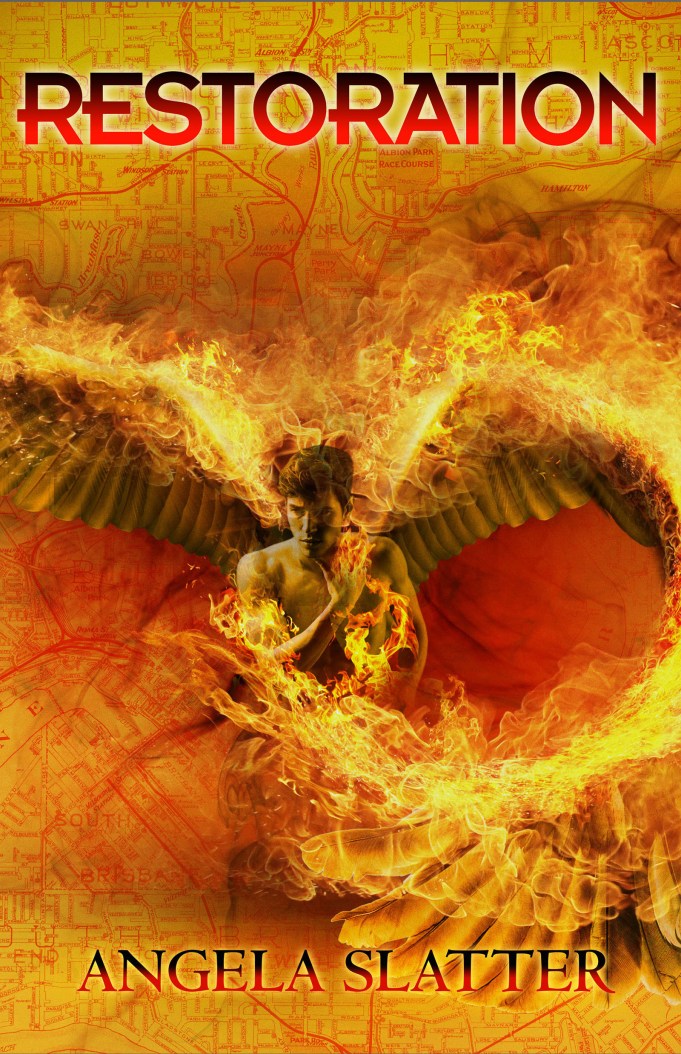
Restoration by Angela Slatter

Restoration Cover

Publisher: Jo Fletcher Books

Publication Date – 9 August 2018

Amazon     Book Depository

One of the very best authors of Australian crime fantasy returns with another outstanding release in her fast-paced and exceedingly entertaining Verity Fassbinder series.

In a world where the magical beings known as the Weyrd remain hidden from the Normal, non-magical population, Verity Fassbinder is a half-Weyrd, half-human agent for Brisbane’s Weyrd Council and is charged with policing the city’s Weyrd population.  However, following an adventure to the underworld, Verity has been forced into the employ of a crazed fallen angel, and must take up his quest to find two secretive artefacts hidden in Brisbane.  In order to protect those she loves from her murderous new employer, Verity has sent her family away and resigned her position with the Weyrd Council.  Saddled with a murderous Kitsune, Joyce, as a driver and spy, Verity must find a way to recover these mysterious two items without giving ultimate power to the creature holding everything she love hostage.

As if her involuntary quest wasn’t hard enough, Verity is also forced to contend with a myriad of other problems from Brisbane’s Weyrd population.  The vengeful sorceress Dusana Nadasy is back in town, determined to kill Verity for the role she played in the death of her family.  The angel Tobit is refusing to take Verity’s calls, Weyrd Council politics is seriously starting to annoy her, literal ghosts from her past are haunting her and her friends the Norns have developed strange new powers.  Finally, her contact in the Brisbane police, Inspector McIntyre, needs her help investigating a series of desecrated corpses of Normal women found around Brisbane whose bodies show the distinctive impact of Weyrd magic.  What Verity does not know is that all of these strange occurrences will play a part in her quest for the fallen angel’s prize and will change her life forever.

Restoration is the third book from Australian author Angela Slatter and represents the third book in her Verity Fassbinder series.  Restoration is an exceptional example of the benefits of combining two genres, and contains incredible fantasy and mystery elements blended together into a powerful final narrative set in modern day Brisbane.

Throughout Restoration, Slatter has surrounded her central storyline with an elaborate series of smaller mysteries and adventures, all of which cleverly tie into the protagonist’s hunt for the artefacts.  Each of the smaller plot lines and investigations is very interesting, and readers will be amazed about how interlocked the story really is.  Those who have read the previous books in the Verity Fassbinder series will also enjoy how Slatter expertly utilises elements and plot lines from the earlier books in the series throughout Restoration.  This is a fun feature, and really shows off how much planning and foreshadowing Slatter included in her first two books, as even minor observations and actions from the earlier books have some big impacts in the latest volume.  Despite this, Restoration is still an excellent book to come into this series with.  The author makes sure all the relevant details of the last two books are fully explained and explored.  As a result, new readers will be able to follow everything that is happening within Restoration, while also being tempted to check out the earlier books in this fabulous series.  Fans will enjoy how the storylines and side quests come together in the end of the book for a big and exciting confrontation sequence that serves as an epic conclusion to the first three books in the Verity Fassbinder series.

In addition to the book’s strong mysteries, the author has also included a range of enticing fantasy elements for the readers to enjoy.  The huge variety of fantasy aspects included within Restoration have been pulled together from a range of different cultural backgrounds.  As a result, the book’s protagonist interacts with creatures that have their origins in Greek, Germanic, Norse and Japanese mythologies and culture, as well as the usual ghosts, magic users and generally powered individuals.  There are also strong components from the Judeo-Christian religion that play a significant part in the story and which tie in well with the other fantasy elements.  The great mystery elements mentioned above work in conjunction with these fantasy features to create an amazing story.  Slatter comes up with some terrific fantasy based motives, plots and suspects for the reader to enjoy, and this helps create an intriguing and entertaining overall narrative.  The protagonist’s hunt for the artefacts, the “grail” and the “tyrant”, leads to a greater insight into this universe’s magical and religious roots, and turn into some intriguing pieces of this universe’s lore.  In addition, the protagonist’s curiosity about her Weyrd ancestors leads to her finding out some fascinating facts about their history, as well as a detailed bit of fictional mythology from Slatter.  This focus on the family she is descended from also hints at these characters being involved in future additions of this series, and will no doubt prove to be excellent antagonists.  Overall, the book’s fantasy elements are highly enjoyable and add sufficient wonder and enhancement to an already outstanding book.

Restoration is mostly set within the Australian city of Brisbane and its local environs.  Slatter, a Brisbane local, has created a detailed and personal depiction of her city and it serves as a fun location for this book’s plot.  People familiar with Brisbane will appreciate the descriptions of city and enjoy the concept of a hidden and chaotic fantasy world lying just below its surface.  Special note should be given about the inclusion of the University of Queensland, Slatter’s alma mater, as a setting within the book, and it is always fascinating to see a location that the author is familiar with and passionate about.

Slatter has continued to use the humour-laden tone of writing that was such a standout of the first two books in the Verity Fassbinder series.  The protagonist is a remarkable character who does not care who she annoys or who gets in her way as she tries to achieve her goals.  This nonconformist attitude and general disregard for the rules for the Weyrd Council has a great way of getting the reader to support her, and as a result she has always been a very likable main character.  The jokes and humour that inhabit the narrative as she encounters a range of strange and dangerous situations help lighten the tone of the dark investigations she is involved with.  Things get serious towards the end, especially when the protagonist’s family gets involved and this helps raise the stakes in the readers mind, although some humour is still involved.  Audiences will love the sass and humorous observations that inhabit this whole book, and it fits in well with the overarching urban fantasy crime narrative that Slatter has cultivated.

Restoration is another superb read from Angela Slatter and an outstanding addition to one of the best fantasy crime series in the world today.  The books in this series are up there with The Dresden Files and the Peter Grant series, and are fantastic examples of this combination of genres.  The third book in this Australian series makes full use of its elaborate mystery, intriguing fantasy elements, exciting Brisbane setting and distinctive humour to create an extraordinary read that comes highly recommended.

My Rating:

Five Stars

Amazon     Book Depository

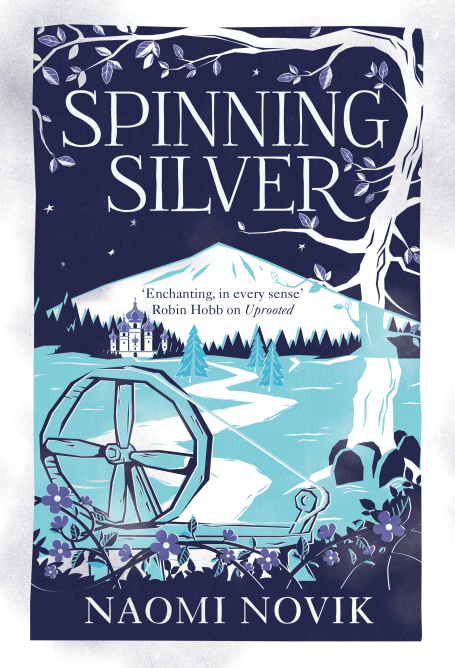
Spinning Silver by Naomi Novik

Spinning Silver Cover.png

Publisher: Macmillan

Publication Date – 10 July 2018

Amazon     Book Depository

From award-winning fantasy author Naomi Novik comes an innovative novel that repackages the classic fairy tale Rumpelstiltskin and portrays a fresh and much darker take on a story no longer fit for children.

Miryem is the daughter of an ineffective village moneylender, whose kind nature is taken advantage of by their neighbours.  Forced to harden her heart and take over the family business, Miryem is soon successful in her new career and quickly turns her family’s fortunes around.  As her business grows, rumours soon spread that she has the ability to turn silver into gold.  But words have power, and this boast has been overheard by the king of the Staryks, powerful fairies who hold dominion over winter.  The Staryk king sets Miryem an impossible task: to turn three increasing amounts of silver coins into gold.  If she fails, she dies, but if she succeeds, an even worst fate awaits her: marriage to the cruel king in his harsh kingdom of ice.

Forced to find a way to escape her life of captivity, Miryem finds a common cause with Irina, the daughter of a powerful nobleman.  Irina has caught the attention of the Tsar and has used magical Staryk silver to win his hand in marriage.  However, the Tsar has a dark secret that could threaten the realm, and Irina must find a way to survive his terrible powers.  With no other choice, Miryem, Irina and Miryem’s servant, Wanda, embark on a daring quest to free themselves from these terrible forces.

The story within Spinning Silver is told through first person narrations from a variety of the characters featured within the book.  The three main characters, Miryem, Wanda and Irina, each have their own adventures and narrate the vast majority of the book.  Other side characters, such as Wanda’s younger brother, Stepon, and Irina’s old maid, Magreta, also narrate several parts of the book, although these sections are usually tied into the storylines of the main characters.

Naomi Novik is an exciting name in fantasy fiction, best known for her nine Temeraire books set in an alternate version of 19th century Europe in which the English and French fought the Napoleonic War with the help of dragons.  Her latest book, Spinning Silver, is more reminiscent of her 2015 release, UprootedUprooted, which is currently being looked at for a movie adaptation, was a standalone fantasy novel that utilised common fairy tale elements to create a unique and enthralling tale.

Spinning Silver is a dark and gripping fantasy story that is a loose adaption of the story of Rumpelstiltskin.  The book’s main character, Miryem, is this story’s version of the local village girl who runs afoul of the magical creature.  However, rather than being a miller’s daughter whose father claims she can weave straw into gold, Miryem is a money lender and businesswoman who earns gold through her business acumen and mercantile skill.  Her initial challenge to change a material, in this case silver, into gold is done in a much more practical way than making a deal with a supernatural force.  This is a fantastic and modern twist on a key point of this classic story, and Novik follows up with an inventive fantasy narrative which uses other key elements from the original fairy tale to an amazing effect.

Novik weaves several other unique story points from Rumpelstiltskin into this story, and readers will enjoy seeing several memorable elements of a story they have known since childhood inserted into a new and more adult fantasy tale.  For example, in the fairy tale, the imp Rumpelstiltskin appears to the miller’s daughter three times to spin straw into gold.  The first time he appears he demands the daughter’s necklace as payment for this gift, while during his second visit he demands her ring.  Novik reverses this in her story, by having Miryem use the silver she has been given to create a ring and a necklace, which she can then sell to raise the gold she requires.  Another example is the idea of the miller’s daughter having to fill three rooms with gold to marry the king and stay alive.  In Spinning Silver, the fairy king demands that Miryem turn all the silver in three rooms into gold or else be killed.  Novik instils her character with a certain amount of logic, which allows her to come up with a simple and clever solution to this task.  Other parts of the book that have their roots in the fairy tale include the fairy king only allowing Miryem to ask three questions every night, his unwillingness for anyone to know his name and the general death sentence hanging over her head should she fail any of her undertakings.  Novik’s ingenious use of elements associated with Rumpelstiltskin is a highlight of this book which results in a bold and captivating new story.

In many ways, this is a story about exploitation, as the main characters try to overcome their situation and take control of their own lives.  For example, Wanda and her bothers live with an abusive father, and Wanda attempts to use her connections to Miryem to earn enough money to flee.  Another character, Irina, is initially exploited by her father, who sees her as a political tool rather than a daughter.  However, her exploitation by her eventual husband, the Tsar, is far worse, and Irina is forced to think of some inventive ways to manipulate the Tsar and his demonic ally in order to gain her freedom and keep her people alive.  While Miryem does have a loving family, the entire village exploits Miryem and her family.  Miryem is forced to become a hardened moneylender and then must outsmart the Staryk king to stay alive.  Watching the characters change their nature and way of thinking in order to overcome the people using them is a fantastic piece of this story.

Like her previous book, Uprooted, Novik has set her book in an Eastern European landscape, during an unknown period of history.  Despite the Germanic origins of Rumpelstiltskin, the setting of Spinning Silver feels somewhat more like Russian or Slavic in origin, with Tsars and Russian currency included in the narrative.  The dark, snow-filled forests that surround the story’s towns and cities are the perfect backdrop for this story, and Novik does an amazing job of conveying the cold and hidden menace that they contain.  Several of the characters in the book, including Miryem, are Jewish, and Novik spends time exploring how this group were treated and exploited.  There are many examples of the other characters, especially the inhabitants of Miryem’s village, treating these characters poorly, which reflects the poor treatment that the Jewish population suffered throughout Eastern Europe, while also focusing on the role they often played as moneylenders.  Overall, the dark Eastern European setting helps turn the usual child-friendly story into something colder and more hostile, and it is fascinating to see Novik’s supernatural and fantasy elements included in this historical situation.

Naomi Novik has completely reinvented one of our oldest and best-known fairy tales into a deeply fascinating and captivating story.  This book highlights Novik’s fantastic understanding and utilisation of key elements of the original tale and makes full use of its deeply haunting setting and compelling dark twists.  Spinning Silver is an excellent outing from Novik, who once again shows why she is one of the most creative minds in fantasy fiction.

My Rating:

Four stars

Amazon     Book Depository

AWOL: Agent Without Licence by Andrew Lane

AWOL Agent Without Licence Cover.jpg

Publisher: Piccadilly Press

Publication date – 12 July 2018

Amazon     Book Depository

From a veteran author of young adult fiction comes this brilliant spy thriller that introduces a younger audience to the joys of modern espionage.

Kieron Mellor and his best friend, Sam, are typical teenagers living the ‘greeb’ lifestyle in Newcastle, England, with their biggest problem revolving around how to get tickets to the next rock show.  But when they witness a man being kidnapped in their local mall, they are thrust into the world of covert espionage and a plot to unleash untold destruction on the world.  Noticing that the kidnapped man has dropped a set of glasses and an earpiece, Kieron picks them up, only to discover that they are part of a high tech virtual reality kit that can provide the user with a database of information about anything they see.  They also connect Kieron to Bex, a secret agent on mission in Mumbai who is in desperate need of his help.

Bex’s handler, the man who was kidnapped, was using the technology currently in Kieron’s possession to remotely assist Bex with her mission.  Bex was observing a deal for information about nuclear weapons, but the disappearance of her handler resulted in her losing her target.  With no other options, Bex is forced to utilize Kieron and Sam’s help in order to complete her mission and stop an act of mass destruction.  However, the Newcastle teens have problems of their own; a fanatical right-wing extremist group and a mole inside Bex’s organisation are hunting them for the missing glasses, and they have no intention of leaving any witnesses alive.

Agent Without License is the first book in Lane’s AWOL series of young adult spy thrillers.  The second novel in this series, Last Safe Moment, is already set to be released later this year and will continue to follow the characters introduced in this first book.  Lane already has significant experience writing novels for a younger audience, with eight books in his bestselling Young Sherlock Holmes series, as well as his Lost Worlds and Crusoe Adventures books.  Other works from Lane include his science fiction based Netherspace series and several books set in the Dr Who extended universe.

The AWOL series is aimed towards a younger generation of reader and has been advertised for children in the 9-12 age range.  I felt that this book is an ideal read for that demographic, and it reminded me of some of the books that really caught my imagination when I was that age, including the Artemis Fowl and Alex Ryder novels.  While there is some violence and implied deaths within the storyline, it isn’t overly graphic and won’t traumatise the younger readers.  That being said, the overarching spy storyline isn’t dumbed down, and its intended audience will enjoy the realism and the references to events, ideologies and prejudices that currently affecting the real world.  There are also discussions about some mature themes, although nothing is too extreme or adult.  These small inclusions will be appreciated by the younger audience, as they will enjoy seeing some of these mature issues which they are likely already aware of included in their fiction.  Lane does make the obligatory attempts to tap into modern youth culture in order to appeal to his readers’ interests; fortunately, however, he does not go too overboard with his attempts like some authors do, and readers are not inundated with a flood of unnecessary pop culture references.  The author has also included multiple examples of the two teen heroes outsmarting older antagonists.  This is always a fun feature for the younger audience to enjoy, and these teen protagonists have some very inventive, and in some cases quite direct, solutions to the problems they encounter.  Overall, Agent Without License will prove to be an excellent read for the audience in its suggest age range.  Older readers will also have a blast with this book and enjoy the fantastic spy thriller elements.

For his AWOL series, Lane has leveraged his significant espionage experience to create intriguing novels with a sense of realism to their spy aspects.  In Agent Without License, the author lays down a foundation of tradecraft and spy techniques for the reader to enjoy as his protagonists attempt to save the world.  Lane explores the basics of spying in this book and provides information about current espionage agencies and how they impact on real world politics.  As a result, this is a fun and informative introduction to the spy thriller genre, and the younger readers will appreciate the exciting and mature content of this story.

One of the best parts of Agent Without Licence is the advanced technology that the protagonists use to help complete their mission.  This technology comes in the form of glasses and an ear piece, and is known as Augmented Reality Computer Capability (ARCC).  The ARCC is essentially Google Glass on steroids, and allows the operator to access information on anything they, or the person they are connected to, can see or interact with.  This is an awesome piece of fictional technology that sounds like an item espionage operatives could possibly already have access to.  Watching the young protagonist, Keiron, become acquainted with and learn to operate the glasses is an enjoyable part of the story which plays in well with the book’s espionage elements.  The information that Keiron obtains for himself and Bec is quiet interesting, and the ARCC technology provides them with threat analyses, escape routes, background history of the buildings they are going into, facial recognition and recording capabilities.  This is a seriously cool part of the book, and the technology’s presentation and use is a great element that will make the readers eager for glasses like these to appear on the market.

Agent Without License contains two separate but connected storylines and alternates between the two different point of view characters in each chapter.  One of the storylines focuses on Keiron in Newcastle, while the other follows Bex in India.  These storylines overlap throughout the chapters, and the characters are in constant communication with each other.  The different storylines are usually occurring at the same time, although Lane does occasionally move one storyline slightly ahead or behind to create some dramatic thrills.  Some of the most intriguing scenes feature Kerion communicating information through the ARCC glasses to Bex.  There is a fantastic interrogation sequence in which Bex uses the ARCC technology to stay in communication with Kerion as he provides her with the tools to crack her target and get the answers she is looking for.  This breakup in storylines also helps highlight the differences in espionage ability between the trained operative, Bex, and the amateur but highly skilled teenagers, Kerion and Sam.

Andrew Lane has produced a wonderful and highly enjoyable novel that is a fresh and exciting take on the teenage spy book and an excellent gateway into the world of spy thrillers.  Agent Without Licence is an ideal read for its intended younger demographic, while at the same time containing a range of mature story elements that will appeal to all ages.  This is a fantastic first instalment in a great new series that is highly recommended for young readers looking for a great adventure story.

My Rating:

Four stars

Amazon     Book Depository

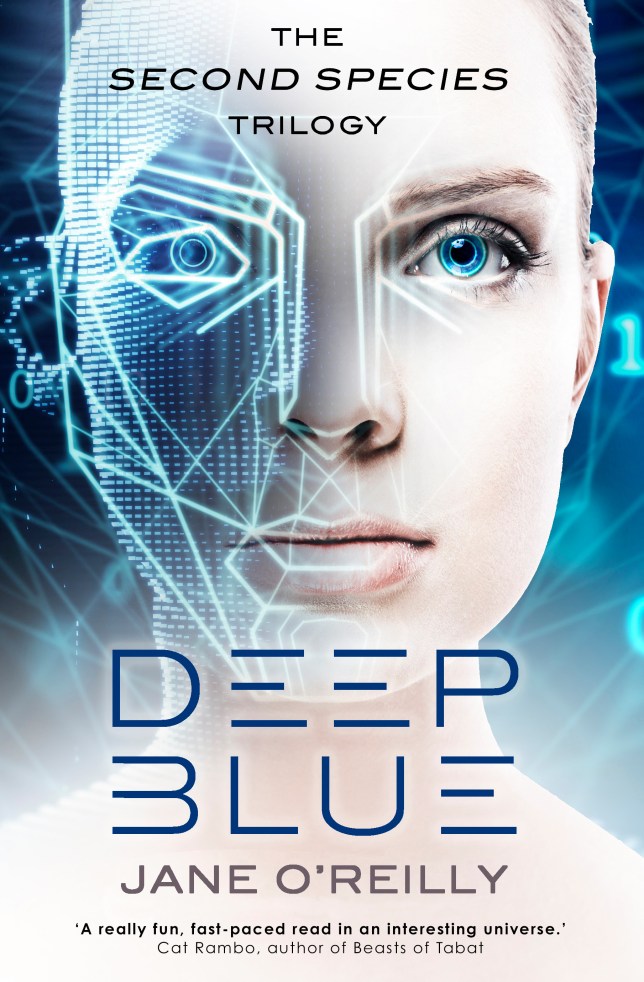
Deep Blue by Jane O’Reilly

Deep Blue Cover

Publisher: Piatkus

Publication date – 31 July 2018

Amazon     Book Depository

Following on from her 2017 release, Blue Shift, Jane O’Reilly returns to her electrifying science fiction universe for another exciting and action-packed adventure among the stars.

In the distant future of 2207, Earth is dying and humanity’s only hope for survival is a brand new planet on the other side of the galaxy.  Travel to this new sanctuary requires passage through the territory of several alien species who are unwilling to let a ragged human fleet anywhere near their areas of space.  In order to convince these aliens to allow humans access to a new planet, the government has initiated the Second Species programme to create the only resource the aliens want: human slaves genetically altered with alien DNA.

Former bounty hunter Jinnifer Blue, after failing to reveal the terrible truth about the Second Species programme, has been captured by its creator, her mother, Ferona Blue.  Now genetically altered with alien strength and pissed beyond all belief, Jinnifer escapes from the lab where she was held.  Having given up on warning humanity about the government’s sinister plans, Jinnifer’s only desire is to be reunited with her lover, the pirate Caspian Dax.

But Dax was also captured by Ferona and is now serving a brutal alien race as a mindless gladiator on the planet of Sittan.  Jinnifer has no choice but to travel to Sittan and attempt to rescue Dax, while at the same time organising the rescue of another friend, Eve, who has been captured by another dangerous alien species.  Gathering together allies and an old enemy into a ragtag team, Jinnifer initiates two desperate rescue missions to save her friends.  Can Jinnifer succeed, or has Dax fallen too far under the sway of the dangerous Sittan empress?

Deep Blue is the second book in the Second Species trilogy and a brilliant sequel to O’Reilly’s first science fiction book, Blue Shift.  This is a fun and fast-paced action series that makes use of an inventive and dangerous universe filled with unique aliens and desperate humans.  Deep Blue has a very busy plot told from a variety of viewpoints that are combined together in a clever fashion to create one thrilling narrative.  Each of the various exciting storylines also contain some flawed and damaged characters, most of whom are seeking some form of redemption.

Just like in Blue Shift, I found that the parts of the book that I enjoyed the most were the chapters that followed the machinations of the book’s central antagonist Ferona Blue.  Her despicable political manipulation on Earth was a highlight of the first book, and this continues to be the case in Deep Blue.  The added focus on Ferona’s negotiations with alien politicians, including the book’s other main antagonist, the Sittan empress, is a brief but fun addition to this equation.  Deep Blue’s other storylines are also very fascinating and contain some great sequences, including having four storylines featuring rescue missions and alien captivity running simultaneously within the book.

Readers who enjoyed the first book of the Second Species trilogy will also enjoy the significant development that the central character, Jinnifer, has undergone since the start of Blue Shift.  The character has evolved from an uncaring loner to the leader of her own small crew who harbours deep concerns for her friend’s wellbeing.  There is also a shift in the character dynamics between Jinnifer and Dax that is quite noticeable.  In the first book, Jinnifer was constantly being rescued by Dax, who ended up sacrificing everything to save her.  This is reversed in Deep Blue, as Dax is the one who is trapped and Jinnifer is the one attempting to save him by undertaking a dangerous rescue mission.  It is a fun change to the established character dynamic and readers of Blue Shift will appreciate the interesting change of pace O’Reilly takes in this second book.

O’Reilly has also created an excellent original universe to serve as the setting for her series.  There are a ton of intriguing science fiction elements, including an interesting prediction for the future of Earth and humanity and a number of unique alien species.  In Deep Blue, O’Reilly goes into greater detail of two of her alien races, the Sittan and the Shi Fai.  There is some exploration of both races’ history, culture, technology and way of life, as well as a visit to both home planets.  While there is a larger focus on the Sittan and their militaristic, female-dominated society, including using the Sittan empress as one of the book’s main antagonists, the scenes on the Shi Fai home planet are certainly memorable and more disturbing.  Other science fiction elements that readers are bound to find entertaining within Deep Blue include O’Reilly’s look at intergalactic politics, Earth’s political manipulation with advanced technology and the inclusion of human-alien hybrids.

This is a fairly action-packed book with some great combat sequences infused into the story to excite the readers.  The main character spends significant parts of the book utilising the swords she has implanted within her arms to great effect, and O’Reilly ensures that her two main characters spend significant time in gladiator-style death fights.  The author also is not too attached to some of her characters, so prepare for a few shocks and surprises.

O’Reilly once again sends the reader on an imaginative science fiction adventure through a dark and dangerous universe.  Deep Blue is a deeply fun and action-orientated story that will appeal to a wide audience and have readers hanging out for the final book in this exciting trilogy.

My Rating:

Four stars

Amazon     Book Depository

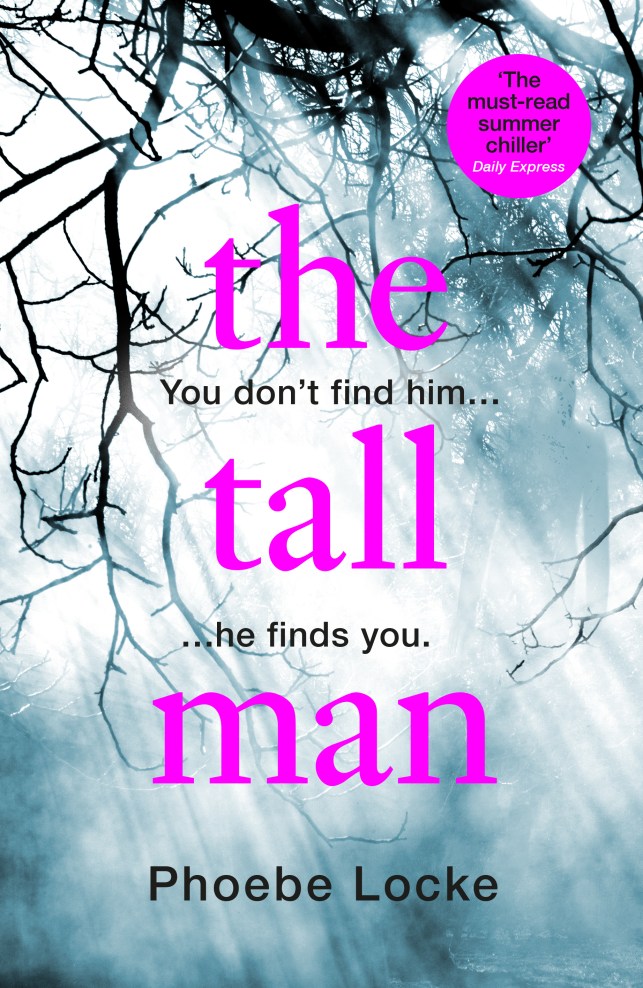
The Tall Man by Phoebe Locke

The Tall Man Cover

Publisher: Wildfire

Publication date – 12 June 2018

Amazon     Book Depository

Prepare to explore an urban legend in this dark and complex thriller from author Phoebe Locke, whose inclusion of a number of disturbing horror elements that have been influenced from the Slender Man phenomenon turn this exciting story into a must-read book for horror fans.

For years the mysterious Tall Man has haunted the minds of many people throughout England, but is he a figment of their imagination, evidence of their mental instability, or something far more real?  In the 1990s, three girls pledge their loyalty to the Tall Man in the dark woods around their home.

In 2000, a young mother flees the demons of her past and abandons her newborn baby.  16 years later she returns to her family, believing the threat from the Tall Man has passed, but something is still stalking her and her daughter.

In 2018, after a teenager is cleared of murder in a controversial and highly publicised trail, she embarks on a worldwide tour, followed by a documentary film crew.  Is she an innocent victim, or is she the latest tool of the Tall Man?  Each of these events is connected to this sinister figure, but is he the powerful legend that these people believe he is?  You decide, but remember, The Tall Man can make you special if you let him.

The Tall Man is the debut book from Phoebe Locke and is an intricate and deeply unsettling thriller that will hold an interesting appeal to fans of the horror genre.  Overall The Tall Man is a fantastic thriller that makes full use of its horror elements to create an effective story that is both compelling and creepy at the same time.  Locke has written in a number of shocking twists and turns for the reader to enjoy, while all of her characters are either afraid of or have been damaged by interactions with the Tall Man.  The constantly haunting Tall Man is an interesting and unique addition to this story, and its effect on the book’s plot and the characters is truly powerful.

The book is broken into three parts, each focusing on different time periods during the 1990s, 2016 with a couple of chapters in 2000, with the final part set in 2018.  Each of these parts is told from the viewpoint of different but related characters and is somewhat distinctive in style.  The stories are also interconnected in a variety of ways, although the significance and full connections are not revealed until later in the book in some powerful and emotional scenes.

Without a doubt, the most intriguing and noticeable part of The Tall Man that readers will enjoy is Locke’s clever utilisation of one of the most interesting horror phenomenon in the world today, the Slender Man.  The Slender Man is a fascinating fictional character introduced around 10 years ago that has had a surprising influence on society and some specific people.  With the Slender Man film coming out in a few weeks, Locke has chosen a great time to use a pastiche of Slender Man in her story.

The Tall Man elements are a remarkable part of the book, and Locke has used them to full effect to enhance her story and to make the thriller elements more disturbing and creepy.  Locke has included a number of references to the Slender Man lore, including his shadowy presence and his targeting of young children.  There are also some captivating elements to the book that have been clearly influenced by real events tied to the Slender Man.  This includes Locke’s own fictional version of the infamous Waukesha Stabbing incident of 2014, which is key plot point within the book and results in several shocking twists that will really stick in the reader’s memory.  Locke also ensures that the reader is constantly left wondering about whether the Tall Man is a real supernatural being or whether he is a mere fantasy in the minds of the main characters that becomes a group delusion among the other characters.  This element of uncertainty is a fantastic addition to this book and readers will be considering what the answer is long after they have finished reading The Tall Man.

While the storyline set in 2016 represents the most significant storyline plot-wise, I personally enjoyed the chapters set in 2018 the most.  These chapters are based around a documentary film crew who are trying to make sense of an incident that occurred in the 2016 storyline.  The documentary makers in the 2018 storyline are essentially trying to come up with the next bestselling true crime series, and there are several allusions to current documentaries, such as the Making of a Murderer series or the real-life Beware the Slenderman documentary that was released on HBO in 2017.  As a result, the reader is taken behind the scenes to follow the filmmakers as they research the Tall Man phenomenon.  This part of the book features detailed examinations of Locke’s Tall Man lore, and how it has affected a number of people, including the other storyline’s main characters.  It is interesting to see how Locke’s fictionalised Tall Man differentiates from the classic story of The Slender Man, and readers will enjoy examining how Locke has created a fictional replica of an already fictional character.  The 2018 storyline also has a series of hints about the climax of the book’s other storylines, all of which were chronologically set before it, and it was fascinating tying these hints together with the actual storyline.

 The Tall Man is the perfect read for those looking for something special and who aren’t afraid of some eerie horror in complex and heart-pounding thrillers.  With her debut book, Locke has proven that she is definitely an author to look out for and I’m excited to see what she comes up with next.

My Rating:

Four stars

Amazon     Book Depository

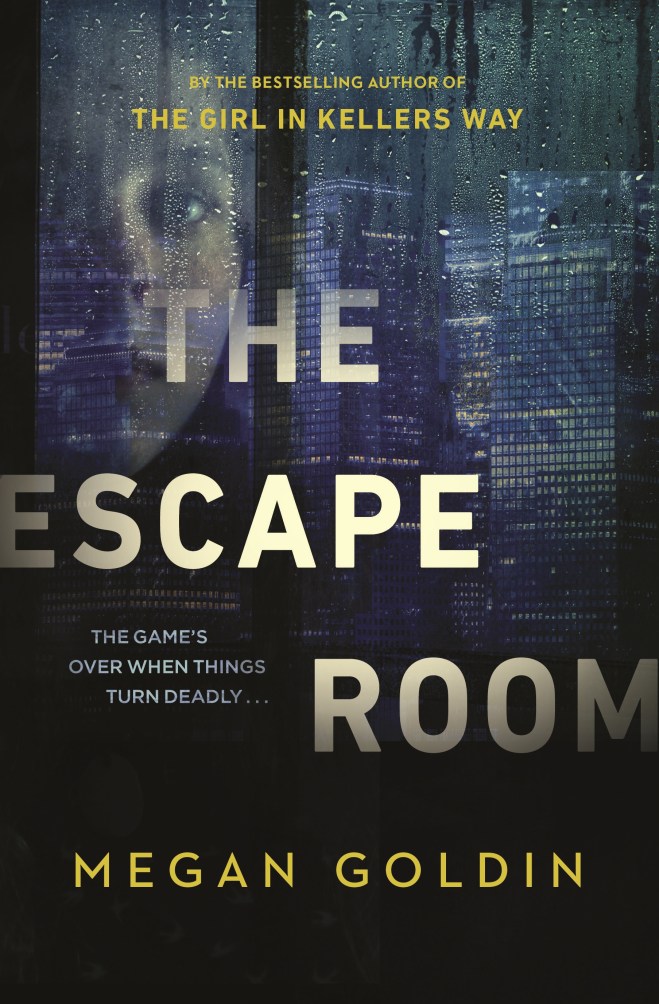
The Escape Room by Megan Goldin

The Escape Room Cover.jpg

Publisher: Michael Joseph

Publication Date – 28 May 2018

Amazon     Book Depository

Australian thriller star Megan Goldin follows up her 2017 debut, The Girl in Kellers Way, with The Escape Room, a sensational new story that stabs right into the heart of Wall Street and the corruption and death festering within.

For years, the high-flying Wall Street investment team of Vincent, Jules, Sylvie and Sam have been the ultimate movers and shakers in the world of rich financiers.  Despite years of success, recent setbacks have put them all at risk of being fired from the large investment firm of Stanhope and Sons.  Ordered to a mandatory team-building exercise, the four colleagues meet at a half-constructed building and enter an express elevator to one of the top floors.  However, the elevator only ascends halfway up the building before stopping and leaving them suspended between floors and high above the ground.  As the four investors attempt to work out what is happening, they receive a chilling message: “Welcome to the escape room.  Your goal is simple.  Get out alive.”

While the team searches for a way out of the elevator, it soon becomes apparent that this is no ordinary escape room.  Secrets and lies are revealed through cryptic clues, and the information revealed is designed to make the four strong personalities clash and lash out at each other.  But the greatest mystery is the clues that hint to the team’s past, and particularly to a dark secret they have kept hidden for years.  As time passes and their situation becomes even more desperate, the four financiers start to turn on each other in their search for answers.  Who has trapped them, and how is it linked to the deaths of two young women who used to be members of their team?

The Escape Room is the second book from Goldin and is another great work from this fantastic Australian author.  I really enjoyed this book and found it to be so compelling that I read the whole thing in one go, intrigued as I was by the unique concept and eager to see how the story ended.

Goldin has split her book into distinctive halves, with two separate stories told in alternating chapters throughout the book.  Half of the book is dedicated to the characters trapped in the elevator and is set over the period that they spend in their confinement.  The other half of the book focuses on the life of Sarah Hall, a young college graduate and entrant to the team at Stanhope and Sons.  The chapters that focus on Sarah are set over several years leading up to the events shown in the book’s other storyline.  The chapters following Sarah feature younger versions of the characters trapped in the elevator and provide significant backstory on these people and the work that they do.

Apart from plot content, there is also another key change between the two halves of the book that is very noticeable to the reader.  The chapters set within the elevator are all told in the third person from the viewpoints of the four characters trapped within it.  However, the chapters set in the past that focus on Sarah are all told in the first person.  This is an effective way of differentiating between the two halves of the book and represents a distinctive change of tone within the story.  The use of two different styles is an interesting choice from Goldin, but it actually works really well in this book.  The third person point of view is the best choice for the scenes in the elevator, as it allows the author to show the actions of the four characters, each of whom have strong personalities.  It also allows the reader to see the mindsets of each of the characters, as their recent actions and relationships issues are explored at multiple points throughout the chapter.  These extra details add to the story and help explain the pressures they are under and the reasons they start to disintegrate mentally.  Using the first person point of view for the chapters following Sarah is also a good choice from Goldin, as the reader gets to see Sarah’s personal experiences of the Wall Street lifestyle and her impressions of the characters from the other storyline who are her superiors at the firm.  This allows the reader to see the characters who become desperate and crazy in the elevator chapters as they were when they were confident and arrogant Wall Street hotshots.  This results in some great scenes and is an amazing pay-off for this unique choice of format.

The Escape Room contains some exceptional storytelling from Goldin, who has managed to create an intricate and captivating thriller.  The scenes of the book set in the elevator are particularly intriguing, as the reader gets to witness these characters slowly become more erratic the longer they are trapped, and finally turn against each other.  The final reveal of who is set up the escape room is a little predictable towards the end of the book.  That being said, there are some great twists and turns getting there, as well as some exciting revelations, such as how the whole situation was set up, the motives behind it, as well as which characters in the elevator actually knew the dark secret that resulted in their captivity.  These additions to the narrative are intricate and clever, and are one of the main reasons that The Escape Room is such a great read.

While this book had a number of amazing elements, the thing that I enjoyed the most was the examination of the Wall Street lifestyle.  Goldin has done a superb job of capturing the sleaze, the sexism, the nepotism and the cronyism that infects such an old-school boys’ club like Wall Street.  The descriptions of the lifestyles that the Wall Street brokers have to live are just insane, and Goldin spends significant time describing every aspect of these character’s lives and how their work, with the long hours, focus on appearances, the corporate backstabbing and the hunt for more money completely consumes their lives.  While Goldin does not paint Wall Street in the best light, it is the perfect background for a thriller, and I really hope that she returns to this setting in some of her future books.

The Escape Room by Megan Goldin is an outstanding second outing from this amazing new Australian author.  With a brilliant setting that contains a deep and confronting look at the daunting Wall Street lifestyle and a complex and captivating narrative that masterfully combines two excellent storylines, The Escape Room takes the readers on a wild thrill ride that they will be unable to escape.

My Rating:

Four and a half stars

Amazon     Book Depository

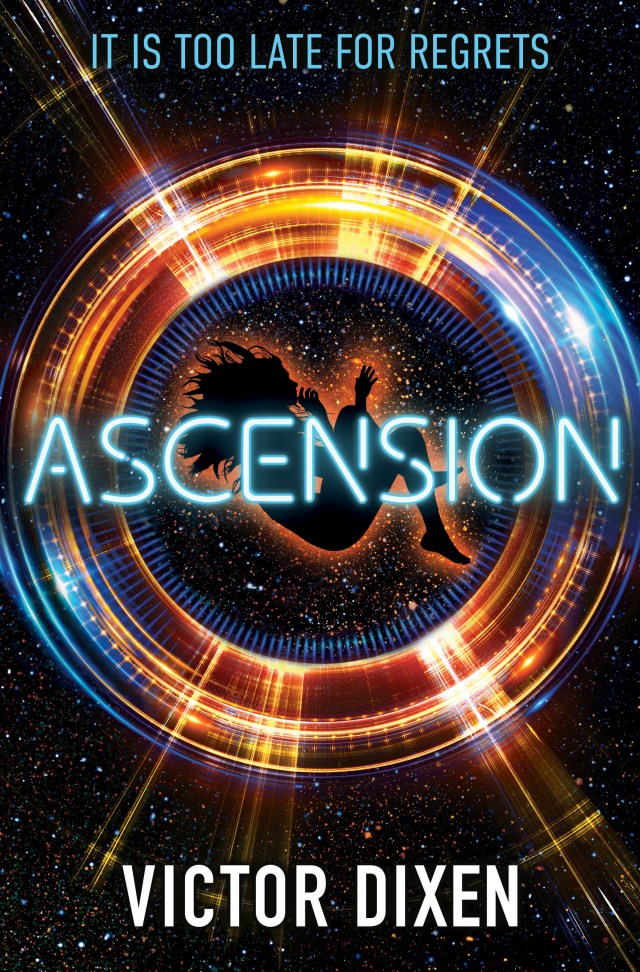
Ascension by Victor Dixen

Ascension Cover

Publisher: Hot Key Books

English Edition Translated by Daniel Hahn

Publication Date – 28 June 2018

Amazon     Book Depository

The first book in the bestselling French Phobos series is finally here.  Ascension is a fun guilty pleasure read geared towards a young adult audience that explores the dark side of reality television.

In the near future, a private company has bought NASA and is about to send the first humans to Mars as part of the Genesis program.  However, this will not be a typical voyage to another planet; it will be the most ambitious reality television show of all time.  The international group of young astronauts has been chosen through a worldwide contest, and the entire voyage into space will be broadcast back to Earth to be viewed by the masses.  Not only will these six young men and six young women colonise Mars but they will also be expected to pair up into couples by the time they reach Mars through an insane bought of speed-dating.

The boys and girls will be placed into separate bays of the same spaceship and will only be allowed to interact with the person of their choosing for six minutes each week.  In these six minutes they will meet and try to seduce their counterparts and attempt to determine who their perfect match is.  By the end of their trip, each of them must choose a partner to marry and live with once they reach the red planet.

For one of the contestants, Léonor, the Genesis program is her chance to escape from a planet where she has only ever experienced pain.  The one-way trip is the biggest opportunity of her life and she is eager for glory and love.  But as they move further away from Earth, Léonor begins to learn that this journey is far more dangerous than she had expected.  A deadly conspiracy surrounds this journey and it is far too late for regrets.

Ascension is written by Victor Dixen, a French author who has contributed multiple series to the Young Adult genre.  His previous works included a reimagination of classic fairy tales in the Animale series, and the science fiction based The Strange Case of Jack Spark series.  Ascension is part one of his exciting Phobos series, which was first published in France back in 2015.  Phobos will be the first of Dixen’s series to be translated into English, with the next two books in the series, Distortion and Collison both set to be published in English within the next year.

Ascension is a fantastic book with a lot of parts to it that make for a highly compelling and interesting read.  The overarching concept of a space exploration being turned into a reality television contest is a little crazy, but Dixen has some great explanations for this plot set-up that sound actually plausible and realistic.  With the current political craziness around the world and humanity’s constant fascination with reality television, you can’t help but think that this could be a distinct possibility.

Dixen is a talented author who is able to perfectly recreate the feel of a large-scale reality television show within his book, with all of the worst parts included.  The male and female contestants are kept apart from each other for the whole journey and are constantly aware of the world watching them through all the cameras, and they act accordingly.  Dixen shows off the various ways the producers are trying to manipulate the contestants, such as misleading messages from their host and group showings of each contestant’s ratings and accrued prize money, all in the name of creating drama.  There are also a number of scenes that show large groups of people watching the show and becoming obsessed with it in a way reminiscent of the early days of Big Brother and American Idol.  There are fun inclusions to show this off, such as having scenes where people back on Earth change their hairstyles and looks to match their favourite contestant, the contestants’ home countries showing massive support for them, and a fun scene where a cynic has to listen to other people gossip about the show.

While the parts of the book reminiscent of a typical reality television show are fantastic by themselves, they are taken to a whole other level when they are seen in conjunction with the backstage production meetings scenes.  Reality television show production meetings are probably already fairly sinister but Dixen is really able to amp this up by showing the show’s producers and host engaged in some ominous discussions involving deaths, murder, manipulation and their own bonuses.  Ascension contains a great main antagonist in Serena McBee, the host.  Serena is pretty much the ultimate villain for young people, as she acts like their friend while she tries to manipulate them, thinking she knows everything about them and how to control them.  All of these sinister surroundings create a compelling read that will really draw the reader in.

I have to admit that when I started to read Ascension the last thing I thought I would be interested in would be the potential relationships between the contestants.  However, Dixen puts significant effort into introducing the 12 contestants and describing their personalities and histories, ensuring the reader becomes invested in their futures.  While Léonor is the main character that the author focuses on, the reader is also shown many of the dating segments that the other contestants are involved with to dramatic effect.  There are also a number of discussions between the female characters as they discuss their tragic histories, their hopes for the future and who their preferred partners will be.  As a result, the reader does find themselves really caring about the characters becoming extremely interested in who will end up with whom.

Dixen also enhances his terrific narrative inclusions, sinister overtones and compelling character interactions with a range of useful visual elements included in the text.  These include flyers for the show, tables with the results of the contestants’ prize money and survey results, and detailed technical diagrams of the spaceship and the Mars habitations.  The diagrams of the ship help the readers visualise the ship and habitats, while the flyers and tables make them feel like part of the show’s audience.  These elements are well used within Ascension and are a great addition to the book.

Ascension by Victor Dixen is an exciting and invigorating young adult read that can now finally be enjoyed by an English-speaking audience.  Readers will love how the author has included an extremely realistic reality television setting into a dramatic science fiction story filled with all the emotion and manipulation you would expect from the trashiest of dating shows out there.  This crazy and brilliant read should captivate the young adult audience of the English-speaking world, just like it did with its French-speaking audience, and I will be keeping an eye out for the next two parts of this series.

My Rating:

Four stars

Amazon     Book Depository

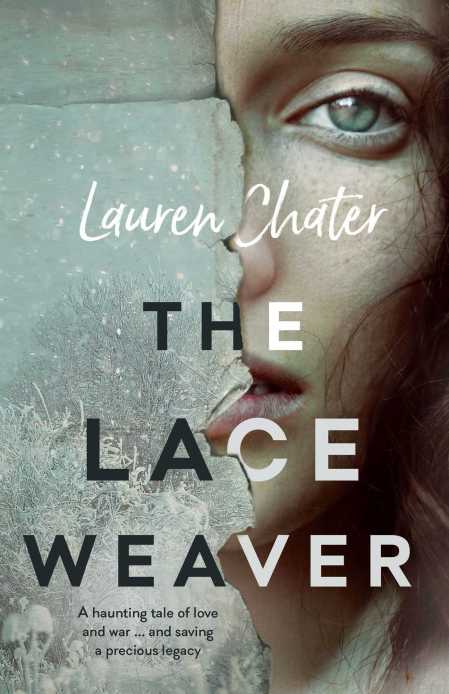
The Lace Weaver by Lauren Chater

The Lace Weaver Cover.jpg

Publisher: Simon & Schuster

Publication Date – 19 March 2018

Amazon     Book Depository

Love, war, suffering, oppression, hope and lace all come together in this emotionally charged debut from Australian author Lauren Chater.

It has been two years since the outbreak of World War II.  Following their respective expansions, Nazi Germany and the USSR now control much of Europe between them.  The small country of Estonia, located on the border of the USSR, has been occupied by the Soviets and is now controlled by Stalin’s Red Army, who have brutally installed their communist ideals.  Now all of Estonia’s resources are controlled by the Soviets and any signs of opposition are brutally cracked down on.

In the middle of this horrific occupation lives Katarina, a young Estonian woman whose family survives because their farm produces food for the occupying forces.  While the Soviets are attempting to control all parts of Estonian life, Katarina works to preserve her family’s culture through their lace shawls, which contain intricate and unique patterns and stories.  She must also deal with her feelings for her old friend Oskar, who is leading the revolution against the Soviets.

At the same time in Moscow, another young woman, Lydia, lives an ostensible life of privilege, but is really living in a gilded cage, controlled by her ruthless guardian.  Fleeing to Estonia, the land of her mother, Lydia attempts to find sanctuary but finds out just how far her captivity truly extends.

When a Soviet crackdown forces Katarina and Lydia together, these two women must find a way to survive the horrors of the occupation.  As they become part of Oskar’s resistance against the Soviets, Katarina and Lydia must learn to work together, even when Lydia falls for Katarina’s brother Jakob.  But their situation is about to get even worse, with the forces of the Third Reich set to invade.

This is fantastic first book from Chater, who has woven together an amazing tale filled with great characters and an outstanding and underused historical location.  This book is also an extraordinary piece of dramatic literature.  All of the main characters experience significant loss, heartache and disappointment as they attempt to survive the most turbulent time in our world’s history.  These heartbreaking losses of friends, family and other loved ones draw the reader in, while Chater’s fantastic writing makes them feel the character’s loss and grief as she highlights the brutal reality of those caught in the middle of war.

Perhaps the most memorable part of The Lace Weaver is the story’s central setting of Estonia.  During World War II, Estonia was in the unfortunate position of being one of the countries that fell between the Soviet Union and Nazi Germany.  Estonia was a significant theatre of war where many horrors occurred, and yet very few novels focus on this part of World War II.  Chater’s decision to focus on this underused period of war history is intriguing, and she has done a commendable job of calling attention to the horrors experienced by the Estonians during the time that they were occupied by two of the world’s most brutal regimes.

Estonia was brutally occupied by the Soviets in 1940, and a large portion of this book is set during this period.  Chater does an amazing job of describing this brutal period through the eyes of her Estonian characters.  There is a serious sense of dread from these characters as they anticipate what horrible crimes might occur next.  The descriptions of the Soviet soldiers’ brutality and contempt for the Estonians is at times harrowing, and there is one sequence describing a mass deportation that will stick in the reader’s mind.  While the scenes describing the occupation of the Soviets are pretty distressing, one of the most disturbing parts of this story is that for much of the book many of the characters, especially Oskar and Jakob, believe that their salvation and freedom could be granted to them by the Nazis.  Reading this can prove to be disquieting as you are forced to watch the characters help the Nazis occupy their country.  The characters working out what they have let into their country is chilling to behold, and by this point readers will be desperate to see what happens next in Estonia.

In addition to focusing on the terrible occupations Estonia suffered during the war, The Lace Weaver also contains an insightful look into some aspects of Estonian culture.  This is mainly shown through the use of the lace shawls, which are described as an important part of Estonian culture and history.  Chater spends a large part of the book investigating these shawls, and the reader soon appreciates their importance.  Katarina spends a significant part of her narration describing the significance of these shawls to her family, and her interactions allow the readers to see how vital they were to her social and familiar circles.  These shawls are also very important to the story as they draw many of the characters together, especially the two main characters, Katarina and Lydia.  The scenes in which the shawls are being worked can also be seen as an indicator of the periods when the characters are managing to survive and have some hope for the future, and are to be cherished, especially as the reader grows to care for these characters.

There are some great characters within The Lace Weaver that readers will find themselves deeply invested in.  Narration of this story is split evenly between the two main characters, Katarina and Lydia, both of whom have unique stories to tell.  Lydia’s transformation from a sheltered girl in Russia to a hardboiled Estonian survivor is particularly gripping, and revelations about who she actually is offer big thrills in the first part of the book and up her personal stakes.  Katarina’s story of survival and her attempts to keep the cultural ways of life she inherited from her beloved grandmother are also heartfelt and compelling.  The unique stories that these two characters have are deeply absorbing and emotional, and Chater does a masterful job of eventually combining these two stories together into one extraordinary and captivating tale.

The Lace Weaver is a deep and emotional wartime drama that makes full use of its dark setting, rare historical fiction location and amazing characters.  Australian author Lauren Chater has produced a very impressive first book and readers will fall in love with this fantastic tale.

My Rating:

Four stars

Amazon     Book Depository

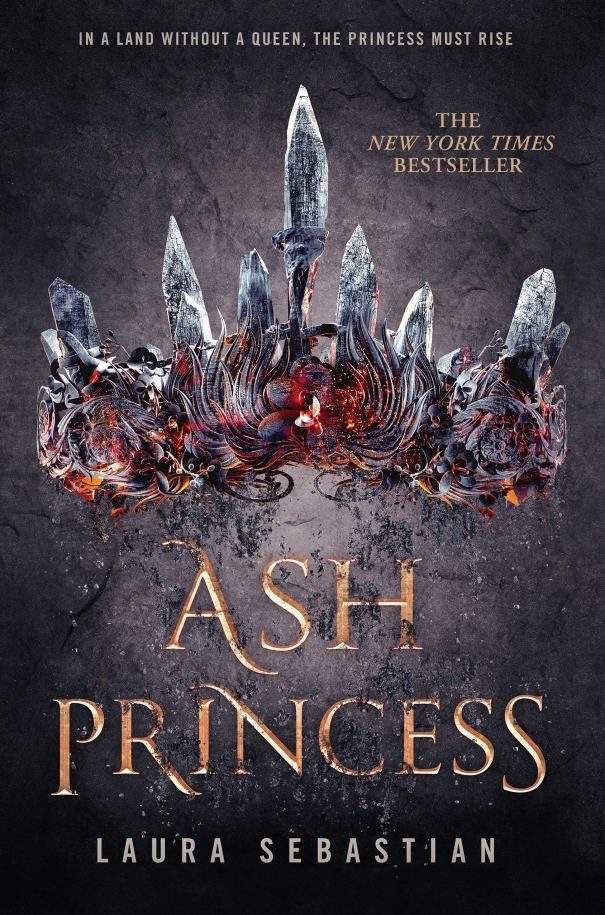
Ash Princess by Laura Sebastian

Ash Princess Cover

Publisher: Pan

Publication Date – 24 April 2018

Amazon     Book Depository

From an exciting new voice in young adult fantasy fiction comes a powerful tale of independence and freedom.

Ten years ago the Kalovaxians invaded the peaceful island nation of Astrea, killing its guardians and enslaving the entire populace to work in the island’s magical gem mines.

Theodosia was only six when Astrea was invaded and her mother, the Fire Queen, was murdered before her eyes. Since then she has lived in her former palace as a prisoner to the cruel and despotic Kaiser, who seeks to destroy all trace of the Astrea culture and language. Given a new title, the Ash Princess, and forced to endure constant humiliation and punishment for her people’s rebellion, Theodosia has become a subservient creature, trying to survive as she waits for any sort of rescue.

When the Kaiser forces her to perform a terrible act, Theodosia is no longer willing to stand back and watch her people suffer. With unexpected allies suddenly close at hand, Theodosia stops a plan for her escape and instead chooses to remain at court to obtain information for the rebellion.

However, the Kalovaxians are a cruel and merciless race of warriors who excel at raiding and destroying the lands they conquer. Theodosia soon realises that supplying information to her companions is not enough; she needs to find a way to strike at the heart of the Kalovaxians and disrupt their tight control of Astrea. When opportunity presents itself, she must risk everything to give her people a shot. It is time for the Ash Princess to rise.

Ash Princess is the debut novel from Laura Sebastian and the first book in a young adult trilogy with a lot of potential.

This story is told completely from the point of view of the main protagonist, Theodosia, with a large amount of the book dedicated to her growth as a leader. Theodosia starts the book as a completely broken person, having been oppressed and abused for years and kept as a symbol of humiliation. As the story continues, Theodosia detaches herself from the persona she created to survive and starts to finally oppose her captors. Watching her obtain the courage to fight back is an integral part of the book, and her attempts to become the ruler her people need are touching and emotive. There is also a riveting inner conflict within Theodosia as she debates whether to hurt people that she cares about, even if her actions could bring relief to her people. While Theodosia strongly wishes to save her people and defeat the invaders, there is also a great desire to not become like the enemies she hates. The character runs a fine line throughout the book as a result, and many readers will enjoy how Sebastian examines this inner conflict.

Sebastian has included an intricate background setting for her electrifying story. The nation of Astrea had been brutally subjugated 10 years before the start of the story and is currently ruled by the Kalovaxians. Because of how total this subjugation has been, with a large number of deaths and the rest of the populace forced to do heavy labour, very few characters originating from Astrea are featured within the story. This background of a near-obliterated country is dark and grim, but serves as the perfect setting for an inspiring story of freedom and rebellion. The antagonists of the story, the Kalovaxians, are also the perfect villains for such a story, as they are undeniably evil. All of the Kalovaxians–even the milder ones that consider themselves Theodosia’s friends–are power hungry, destructive and feel that they are superior to all other peoples. The use of the setting and the antagonists within Ash Princess adds significant impact to the main story and forces the reader to care about the fate of the main character.

Readers of Ash Princess will enjoy the covert activities that take place as part of the main story. In order to find a way to liberate her country, Theodosia needs to infiltrate and influence parts of the oppressive Kalovaxian society. The scenes were she attempts to seduce, manipulate and commits acts of sabotage are compelling and one of the more intriguing parts of the books. In addition to the protagonist’s actions, there are also the secret plans that the Kalovaxians are undertaking. These plans are rather dark and include magical experiments on Theodosia’s people. These Kalovaxian plans result in some interesting actions from Theodosia and play a significant part in the plot. The fascinating gem magic of the Astrea plays an interesting role in the clandestine actions of both the protagonist and antagonists, and fantasy-minded readers will enjoy the resultant exploration of this branch of magic.

Ash Princess is a poignant tale of hidden strength and the fight for freedom. This is a satisfying start to Sebastian’s first series which introduces a memorable main character and a powerful story that makes full use of its awesome background story elements. This is an ideal choice for readers looking for their new fix of young adult fantasy fiction.

My Rating:

Four stars

Amazon     Book Depository

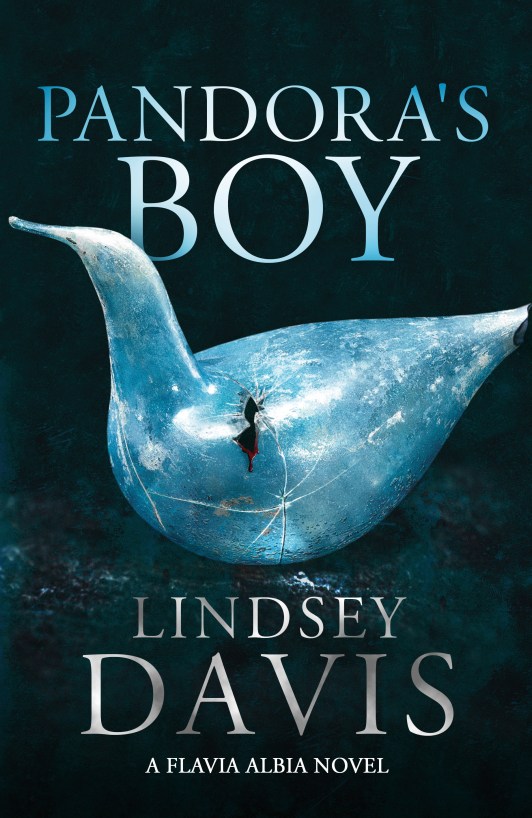
Pandora’s Boy by Lindsey Davis

Pandora's Boy Cover.jpg

Publisher: Hodder & Stoughton

Publication Date – 5 April 2018

Amazon

Ancient Rome’s premier female detective returns in the latest Flavia Albia mystery from veteran historical crime author Lindsey Davis.

Rome, 89 AD.  Flavia Albia, the daughter of the legendary investigator Falco, is now a proficient private investigator and informant in her own right.  When the ex-wife of her husband, Tiberius, brings a case of family drama to her, Flavia is tempted to refuse, but when Tiberius disappears she needs a distraction.

The case revolves around a teenaged girl found dead in the prosperous Quirinal Hill district of Rome.  The girl, Clodia, was the apparent victim of a poisoned love potion, and her parents and grandparents are blaming each other for her death.  What begins as a simple investigation quickly becomes complicated when the witch accused of supplying the potion turns out to be the sister of the city’s biggest crime boss.  No-one is talking, and everyone in the Quirinal Hill has a secret.

Flavia is forced to seek the truth from a variety of people, including warring grannies, concerned parents, criminal lawyers, secretive slaves, a lettuce salesman with an interesting religious statue and, worst of all, the overprivileged offspring of Rome’s elite.  However, as Flavia’s investigation continues and a friend of hers dies, it soon becomes apparent that a vicious gang war is imminent.  Can Flavia solve the crime without getting caught in the crossfire, especially when she has a terrible history with one of the gangs?

Pandora’s Boy is the sixth book in the Flavia Albia series, which acts as a direct sequel series to Davis’ Marcus Didius Falco series.  Davis is one of the most prolific authors of historical whodunits and has a particular focus on novels set in ancient Rome.  For example, her Marcus Didius Falco series contains 20 books, and she has produced some stand-alone books set in the same period.

Like the previous books in the Flavia Albia series, Pandora’s Boy takes a contemporary look at Roman culture and lifestyles.  The inhabitants of Davis’ books act in a very modern way despite their ancient surroundings, and this results in a very humorous interpretation of the ancient Roman characters.  Davis also uses this book to parody a specific group in modern society: the millennials.  Throughout the story, Flavia is forced to follow, interview and generally endure the victim’s friends, who are the offspring of the city’s rich and powerful.  These friends are exceedingly selfish, have sordid love lives and get into all sorts of mischief.  In other words, they act in a very similar way to how modern day millennials are often perceived and portrayed.  Their appearance is quite jarring in the ancient Roman setting and leads to a lot of the books humour.  In all, it is a fun, quirky addition, and an amusing examination of modern society through very ancient eyes.

The core of the book is the death of a young woman and its investigation by the main character.  This is a well-done mystery that takes many twists and turns to keep the attention of the reader.  Flavia’s investigation is done through interviews, trickery, observations and undercover work, and, like many other parts of the book, is infused with Davis’ trademark humour.  The investigation is wrapped up in a final scene that is a throwback to classic murder mystery dénouements.  All the interested parties are gathered together in one place and the investigator reveals their conclusions, eventually leading to their solution to the crime.  Davis provides a perfect parody of this, infused with her own unique touch.  As a result, there are several jokes about this well-used literary device, including discussions around the necessary prep work and tricks to keep the gathered parties’ concentration of the speaker that will greatly amuse many murder mystery buffs.

One of the more diverting and memorable aspects of the Flavia Albia series is Davis’ tendency to include big action sequences that devolve into near absurdity and provide some of the best laughs in the entire book.  For example, in Davis’ previous book, The Third Nero, the climactic scene was a battle in the heart of Rome that featured, among other things, a war elephant, Parthian cataphracts and one of the most improbable chase sequences in all of fiction.  While nothing will quite top this, Davis has striven to include one such scene in Pandora’s Boy, featuring an interrupted séance, an all-out brawl between legionnaires and Vigiles at a collapsing temple, all of which serves as a backdrop to a fight between two warring grannies.  This is an extremely entertaining scene and definitely a highlight to watch out for.

Another notable feature of the books in the Falco universe is the deeper examination of the Roman criminal justice system.  The investigators in these books often deal with the Vigiles and the Aediles, the ancient Roman equivalent of the police and magistrates, many of whom turn into key characters.  This is a unique feature, as most Roman historical fiction books neglect to focus on these institutions, only mentioning them if in the context of political gain.  Pandora’s Boy includes a detailed look at the Vigiles who patrol the Quirinal Hill district and their investigation into the death and other serious crimes.  Loaded up with a suitable modern twist, the inclusion of these characters is an intriguing addition that highlights an often-neglected side of ancient Roman life.

Pandora’s Boy is a wonderful addition to one of the best ancient crime series currently on the market.  Davis once again creates a fantastic murder mystery and infuses it with outrageous humour and a modernistic take on ancient Roman life.  This is an exceedingly fun and deeply absorbing novel that will appeal to a very wide audience of readers.

My Rating:

Five Stars

Amazon