The Night Fire by Michael Connelly

The Night Fire Cover

Publisher: Hachette Audio (Audiobook – 22 October 2019)

Series: Ballard and Bosch – Book 2

Length: 10 hours and 4 minutes

My Rating: 5 out of 5 stars

Amazon

One of the masters of modern crime fiction, Michael Connelly, returns with another book in his bestselling interconnected crime universe. In The Night Fire, Connelly once again brings together the outstanding team of Ballard and Bosch for another exceptional murder mystery.

Back when he was a rookie detective, Harry Bosch was mentored by one of the LAPD’s best homicide detectives, John Jack Thompson, who helped stoke his internal fires of justice to ensure that no case ever goes unsolved. Now, years later, Thompson is dead, and at his funeral, the now retired Bosch is given a gift from his widow: a murder book for an unsolved crime. The case revolved around the murder of a young man in a gang-controlled alley nearly 30 years before, and it appeared that Thompson secretly took the book when he retired from the force. What was Thompson’s connection to the case, why was this one murder so important to him and why did he keep the murder book a secret for so long?

Determined to get answers, but already committed to helping his lawyer half-brother Mickey Haller defend his client in a tricky murder case, Bosch takes the book to Detective Renée Ballard for help. Ballard, Hollywood Division’s resident detective on the night shift (known as the Late Show), and Bosch have recently formed an unofficial partnership in order to work on some of Bosch’s old, unsolved cases. Identifying several inconsistencies in the cold case, Ballard decides to start digging deeper, while also investigating a suspicious death by fire that occurred on her beat.

Together Bosch and Ballard are an effective investigative team, and it does not take them long to identify a potential killer. However, the more they dig, the more they begin to realise that Thompson might not have taken the murder book to solve the murder, but to ensure that nobody ever tried to investigate it. Can these two detectives get to the truth, and what happens when their various investigations put them in the line of fire of some very dangerous people?

The Night Fire is the latest book in Connelly’s shared crime universe, which features the various adventures and investigations of several of his iconic protagonists. This new novel is a fantastic piece of crime fiction that once again combines together two of Michael Connelly’s most intriguing characters, Bosch and Ballard, after their outstanding first team-up in 2018’s Dark Sacred Night. This is the 22nd book featuring Bosch, Connelly’s original and most utilised protagonist, while Ballard has so far appeared in two prior novels. This book also briefly sees the return of Mickey Haller, another one of Connelly’s protagonists, who has appeared in several legal thrillers within the universe such as The Lincoln Lawyer (which was adapted into a film of the same name).

Just like in Dark Sacred Night, the plot of the book is shown from both Bosch’s and Ballard’s perspectives, as each of them gets a number of separate point-of-view chapters (about half each) to tell their respective stories. While there is a lot of crossover between the two characters, especially when they are working together on their joint cold case, both of them do their own independent investigations and have several chapters where they deal with their various personal issues without the other character being present. However, they also both appear in a number of chapters together, allowing the reader to not only get an interior view of the character but to see each of them through the other’s eyes.

One of the main things that I love about the Michael Connelly books I have read are the multiple cases that the protagonists investigate simultaneously, many of which may or may not be connected in some way. In The Night Fire for example, the story features one cold case that brings Ballard and Bosch together at the start of the book and which they work together on, while both characters have separate cases to work on. Bosch becomes involved in the legal defence of one of Mickey Haller’s clients who is on trial for murder, and this then evolves into the hunt for the murderer of a judge. Ballard on the other hand does most of the investigative work on the cold case, mainly because she is the one with access to the LAPD’s resources. At the same time, she is also investigating several other crimes that come across her desk during her night shifts at Hollywood Division. These include a homeless man who was burnt alive in their tent, the apparent suicide of a young girl and the discovery of a truckload of illegal immigrants. While some of these cases do not go anywhere or are investigated by a different part of the LAPD, Ballard does find herself fully investigating several different cases and getting some rather interesting results. I really enjoyed this cool combination of varied cases and examples of police work, especially as it combines together a decades-old murder with several recent crimes. There are some really complex and compelling mysteries involved with these cases, and I found myself getting drawn into each of them, as they all featured some clever police work and an intriguing bunch of potential suspects. The cold case in particular was great, as the reader not only needed to figure out who the killer was but also why Bosch’s mentor was so concerned with the murder. While it was a little disappointing not to get some follow-through on a couple of Ballard’s cases, I thought that all of these mysteries come together into an excellent overall narrative that does an outstanding job keeping the reader’s attention. I also loved how two of the cases eventually come together in an unexpected way, resulting in an explosive conclusion, while the results of another murder investigation had a very emotional impact on one of the protagonists.

In addition to the great mysteries and fictional examples of police work, one of The Night Fire’s biggest strengths is its two protagonists, Ballard and Bosch. Both of these protagonists are excellent characters with strong backstories, and I really enjoyed how the two of them played off each other. In this novel, both Ballard and Bosch are outsiders to the LAPD. Ballard has been banished to the night shift for reporting a sexual assault by a superior officer, and now has serious trust issues when it comes to many of her male counterparts. Bosch on the other hand, after a long career with the police, is now retired, and thanks to some of his actions that forced him out the LAPD, many of the police no longer see him as one of them, a point reinforced when Bosch helps Mickey Haller free a murder suspect. This outsider viewpoint makes the team-up between both of them a lot more interesting, as both characters are still learning to trust the other, even after the success of their first case. I really liked how the relationship between the two of them grew throughout this book, and their different viewpoints and experiences turn them into an effective duo. Both characters go through some big moments in this book, including some medical issues with Bosch, Ballard standing up to her attacker and the various emotional impacts of the case, and it was great to see how they helped each other out. This is definitely a team-up I want to see again in the future, and I really hope that Connelly continues more of these adventures with Ballard and Bosch.

Just as I did with Michael Connelly’s previous book, Dark Sacred Night, I ended up listening to the audiobook version of The Night Fire. This audiobook runs for just over 10 hours, and features the vocal talents of Titus Welliver and Christine Lakin. I quite enjoyed the audiobook version of The Night Fire, as not only did it allow me to power through this book is short order (I think it only took me three days to finish it off) but its use of two separate narrators was done really well. Throughout the course of the book, Welliver is the voice of Bosch (which is a good fit as Welliver actually plays this character in the Bosch television show), while Lakin is the voice of Ballard, and they each narrate the chapters for their respective characters, including most of the dialogue. Welliver and Lakin are exceptional vocal talents, who did an outstanding job of bringing Bosch and Ballard to life. Both of these narrators really get to grips with the characters and are able to capture a lot of their various nuances in their performances.

Another great thing about this audiobook was the amazing way they utilised the two separate narrators. I really liked how the book was split between them, and it ensured that both sets of chapters had a great distinctive feel throughout the book, and the reader was never left in doubt who was narrating the chapter. The only exception to this is any dialogue the other point-of-view character has in that chapter, as that character’s narrator will then speak instead. This means for example, while Welliver is the primary narrator during Bosch’s chapters, whenever Ballard speaks during these chapters you get Lakin’s voice. While it was a tad disconcerting at times to suddenly hear the other narrator’s voice in the middle of a lot of dialogue in the primary vocal talent’s chapter, it did save the reader from getting confused by having to listen to two different versions of the protagonist’s voices. Overall, I would strongly recommend the audiobook version of The Night Fire to anyone interested in checking out this book, and I know that I will be utilising this format again in the future for Connelly’s next book.

In his latest crime fiction masterpiece, Michael Connelly once again knocks it out of the park with this fantastic new addition to his connected crime universe. The Night Fire is an exceptional murder mystery that makes excellent use of its two main protagonists to tell a rich and exciting narrative, filled with a number of intriguing investigations and cases. This is probably my favourite Michael Connelly book that I have read so far, and it gets a full five stars from me. A fantastic new entry from the king of crime fiction, this is a must read for all fans of the genre.

Amazon

The Queen’s Tiger by Peter Watt

The Queen's Tiger Cover

Publisher: Macmillan (Trade Paperback – 12 November 2019)

Series: The Colonial series – Book 2

Length: 360 pages

My Rating: 4.5 out of 5 stars

Amazon     Book Depository

One of Australia’s best historical fiction writers, Peter Watt, returns with another exciting historical adventure in The Queen’s Tiger, the outstanding sequel to his 2018 release, The Queen’s Colonial.

Following on from the events of The Queen’s Colonial, in 1857, former Australian settler Ian Steele is still living under the guise of Samuel Forbes, a rich English noble who Ian bears an uncanny resemblance to. Ian switched places with Samuel in order to help him meet the required military service he needs to receive a vast inheritance. Serving as a captain in Queen Victoria’s army, Ian has proven himself to be a natural soldier, fighting against the odds dozens of times over against the most vicious enemies of the crown. However, despite the formidable enemies he has faced on the battlefield, Ian has encountered greater dangers far closer to home, as Samuel’s father and his murderous brother Charles are determined that Samuel will never receive his inheritance.

As Ian and his men, including his old friends Sergeant Conan Curry and Corporal Owen Williams, return from fighting the Persian army in Iran, a dangerous threat to the empire is brewing in India. Indian troops under the employ of the British East India Company have begun to mutiny, and the country, caught up in a swell of anti-British nationalism, is beginning to violently rebel against British rule. Among those caught up in the chaos are Samuel’s sister Alice and her husband the surgeon Peter Campbell, whose honeymoon turns into a brutal fight for survival.

Redeployed to India, Ian is once again leading the charge in some of the campaign’s most deadly battles against a determined foe. However, the biggest threat to his survival is happening half a world away back in England, as the real Samuel Forbes returns to London for a personal meeting under the name Ian Steele. When Samuel is spotted and his true identity is suspected, he finds himself hunted throughout England by Charles’s agents, determined to prove that Ian is an imposter. Can Ian and Samuel continue their ruse amidst the tragedy, tribulations and conflicts they encounter, or will the evil forces arrayed against them finally bring them down?

This was another fantastic book from Peter Watt, who has a true knack for producing compelling historical adventures filled with action, intrigue and family drama. The Queen’s Tiger is the second book in Watt’s Colonial series, which follows its protagonists through some of the most dangerous conflicts that the British army found itself involved with during the 19th century. I have to admit that I have been quite keen to check this book out for a little while, and not just because it quotes one of my Canberra Weekly reviews on the cover. The first book in this series, The Queen’s Colonial was an excellent read, and it did a good job following up Watt’s long-running Frontier series of which I was a big fan (make sure to check out my Canberra Weekly reviews for the last two books in this series, While the Moon Burns and From the Stars Above).

The Queen’s Tiger continues the intriguing story from the first book, which saw a simple Australian blacksmith pretend to be an English gentleman in order to serve as an officer in the Queen’s army. This was a compelling start the series, and I am glad that Watt has continued to follow through the fun blend of military action, intrigue and character interactions that have been a signature writing trend of his for some time. The Queen’s Tiger contains a wide-ranging story that covers several characters across a number of continents. This allows the author to showcase a number of different and enjoyable storylines within one book, and as such we can have one section of a book that focuses on the military action and adventure being undertaken by several of the characters in India, and the next section than looks at the sinister plotting of the book’s antagonists, or the desperate attempts of the real Samuel to keep his identity secret in England. In addition to their ongoing adventures, the author also explores the various relationships and romances that the various characters have, painting a rich tapestry of these point-of-view characters’ lives. This is a wonderful combination of storylines, all of which comes together into an excellent and highly enjoyable read.

Just like he did with the Crimean War in The Queen’s Colonial, Watt does a fantastic job bringing an intriguing historical conflict to life in this book, with his focus and examination of the Indian Mutiny of 1857. The book actually follows the entire duration of the Indian Mutiny and showcases most of the key moments of the rebellion that turned into full-scale war for independence. As a result of the way that Watt positioned his characters from the first book, the reader gets to see two separate parts of the mutiny. Alice and Peter’s storyline, which also features the new major character of Scott Campbell, focuses on how the English people who were living in India when the mutiny started would have perceived what was going on, and the desperate battle that the English forces garrisoned in India faced against a mass rebellion of their Indian soldiers. Ian’s storyline, on the other hand, shows the battles that the English relief force faced as they tried to retake the country and rescue the English citizens trapped within. This was an extremely fascinating historical event, and I think that Watt’s portrayal of this conflict was extremely intriguing and compelling. Based on the comments in the historical notes section of this book, it looks like Watt is planning to take his characters through a number of England’s various 19th century military campaigns in the following books, and I look forward to seeing where they end up next.

Needless to say, a book that has such a strong focus on soldiers and the Indian Mutiny is going to be very heavy on the action, as the protagonists fight in several battles across Indian and Iran. There are a significant number of fast-paced sequences throughout this book, from the various battles and skirmishes that occur during the mutiny, to thrilling chase scenes in the backstreets of London. Watt’s grasp of 19th century military combat is quite impressive, and there is a very realistic feel to the huge number of fight sequences that occur throughout the book, as he focuses on the tactics and weaponry of the British infantry man. As a result, there is rarely a dull or quiet moment in this book, and action fans will really appreciate the cool fights occurring throughout the book.

Peter Watt has once again delivered an electrifying and enthralling piece of historical fiction with The Queen’s Tiger. Featuring some amazing depictions of a deadly part of history, as well as a bunch of great characters whose various adventures, deceptions and relationships are particularly intriguing, this is a fantastic piece of Australian fiction that is really worth checking out.

Amazon     Book Depository

Supernova by Marissa Meyer

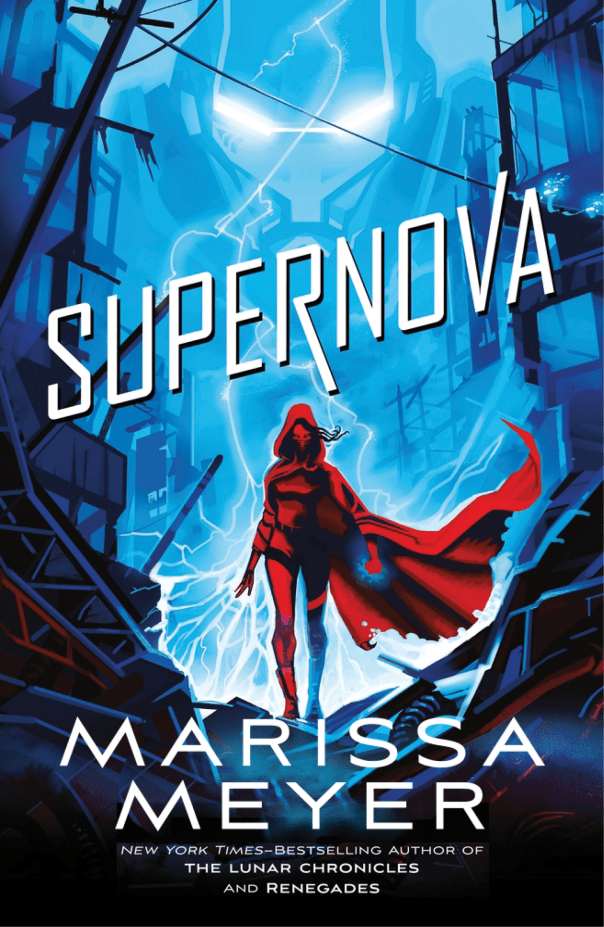
Supernova Cover

Publisher: Feiwel and Friends (Trade Paperback – 29 October 2019)

Series: Renegades – Book 3

Length: 552 pages

My Rating: 5 out of 5 stars

Amazon     Book Depository

Lies, betrayal, anarchy! Acclaimed author Marissa Meyer brings her epic young adult series, the Renegades trilogy to an end with Supernova, an electrifying and outstanding book that I had an absolute blast reading.

Supernova is the third and final book in Meyer’s Renegades trilogy, which started in 2017 with Renegade and continued last year with the incredible Archenemies. Archenemies had to be one of my favourite young adult books of last year, so I was pretty eager to check out the final book in the series. For those of you unfamiliar with the series, the Renegades books follow the adventures of two teenagers, Nova and Adrian, in an alternate version of Earth where a number of people, known as prodigies, have superpowers. After a period of superpowered destruction and terror known as the Age of Anarchy, the world has entered a time of peace, thanks to the superhero collective known as the Renegades.

Nova is a member of the supervillain group known as Anarchists, the remnants of the followers of the world’s greatest supervillain, Ace Anarchy, who has been living in hiding since the end of the Age of Anarchy, close to death. Nova, or as she is known to the world, Nightmare, is Ace’s niece, and hates the Renegades with a passion, due to the role they played in the death of her parents, and because of the way her friends have been persecuted by the supposed heroes. In order to recover Ace’s helmet, the one item that can restore him to full power, Nova has taken on the persona of Insomnia in order to infiltrate the Renegades as a hero. However, her dedication to the Anarchists and her mission has been shaken thanks to the leader of her patrol team, Adrian.

Since joining the team, Nova has slowly fallen in love with Adrian, a romance complicated by the fact that Adrian is the son of the world’s greatest superhero, Captain Chromium, Ace Anarchy’s arch enemy and the man who Nova hates the most in the world. Adrian also has secrets of his own; while he spends his days as the Renegade Sketch, at night he is secretly the outlaw vigilante superhero known as the Sentinel, who acts outside the rules and codes of the Renegades. He is also pursuing a solo investigation into the murder of his mother, and his primary suspect is Nightmare.

Despite her steadily growing feelings for Adrian, Nova is still determined to take down the Renegades, especially after the announcement of their new secret weapon, the chemical Agent N, which can permanently depower a prodigy. Breaking into Renegade headquarters at the end of Archenemies, Nova was able to successfully recover Ace Anarchy’s helmet; however, her absence allowed Adrian and the rest of their patrol team to accidently find and capture Ace. Now with her uncle captured and awaiting execution and all her lies and deceptions coming apart, Nova must find a way to rescue Ace and bring the Renegades down. However, with new players on the board and old fears resurfacing, can Nova and Adrian survive when anarchy returns to Gatlon City, or will their combined secrets finally overwhelm the two young prodigies?

This was a pretty amazing way to end a trilogy, as Supernova is an excellent and highly addictive read that I powered through in around two days, despite its hefty 552-page length. This final book tells an exciting and compelling story in its own right, and Meyer has done an outstanding job of finishing off her series, producing an epic conclusion that ties together a number of the intriguing storylines that have been running since the first book. Those readers interested in Supernova who have not read the previous books in the series should be able to follow the plot without any issues, but in order to experience the full emotional impact of the various story elements that are concluding, it might be best to at least read Archenemies first. That being said, those readers who choose to read Supernova alone will still be in store for an incredible young adult superhero read that does a wonderful job blending together action, tragic backstory, likeable characters and a very complex and rewarding romance storyline.

One of the most enjoyable things about this series was the cool and unique world of superheros that Meyer has created. The whole background of a world that is slowly rebuilding after an extended period of anarchy is pretty darn fascinating, and it was really interesting seeing the ways that superheros are trying to maintain order in this world. Meyer has done an amazing job filling her world with a variety of memorable prodigy characters, and the sheer number of unique power sets that the author has come up with is truly impressive. All these cool and imaginative powers make for some pretty epic battle scenes when the prodigies end up fighting each other, and Meyer has come up with some thrilling large-scale battle sequences throughout her story. Overall, I found that this superhero filled world to be an excellent and creative setting for this great story, and it is one that I hope Meyer returns to in some of her future works.

Perhaps my favourite aspect of this cool superhero world is the significant amount of time spent examining the morality and motivations of the various superpowered characters. Rather than the classic superhero story where all the heroes are pure and good and all the villains are evil, the morality of the characters in the Renegades series is a lot more complex. For example, the Renegades, despite being the heroes, are willing to do anything to preserve the status quo and ensure that the Age of Anarchy never happens again, including some punishments that seem pretty extreme. They are also so strictly bound to the idea that their organisations and their codes of conduct that a vigilante like Adrian’s Sentinel persona is automatically seen as a villain, despite all the good he does, while the faults of certain Renegades who abuse the system for their own aims are overlooked. The Anarchists and other non-Renegade prodigy groups, on the other hand, despite being villains, can in many ways be seen as victims of the current system, especially as they believe that they are mostly fighting for their own personal freedoms.

This is a rather interesting dichotomy that has been fun to unwind throughout the course of the books, especially through the eyes of the series two point of view characters, Nova and Adrian. Nova, who is both an Anarchist and a Renegade, begins the series believing that the Anarchists are in the right, while the Renegades are corrupt and hypocritical. But throughout the course of the books, as she spends time with the Renegades, she begins to see that many of the heroes, especially the members of her patrol team, are good people who are mostly trying to help, and she finds herself drawn between family loyalties and her new friends. However, the heavy-handed actions of the Renegade Council, especially in this book, ensure that Nova’s loyalty to the Anarchists and her uncle remains intact. Adrian, on the other hand, was born into the Renegades and is a major supporter of them. However, when he begins to adventure as the Sentinel, he begins to see how restrictive and rigid the rules of the Renegades are and he begins to question a number of the Council’s decisions, especially when it comes to Nova. All of this leads the reader to have some very serious doubts about which characters are truly in the right, and this entire moral debate is a really fascinating overarching aspect of the book and the series as a whole.

Like the rest of the books in this series, Supernova is being marketed as a young adult novel. While this is a good book for younger readers, this novel is also easily enjoyed by older readers who will really like this clever and inventive take on the superhero genre. Due to the fact that the book contains a large amount of violence, which includes several deaths and even torture scene, Supernova is probably best left to a teenage audience, and might not be completely appropriate for younger readers.

Marissa Meyer’s Supernova offers the reader an amazing and addictive young adult novel that also serves as an exceedingly satisfying conclusion to the author’s fantastic tale of superheroes and villains. In this third and final book in the outstanding Renegades trilogy, Meyer not only does a sensational job wrapping up her series, but she also produces another exceptional story filled with superpowered action, forbidden love, an inventive alternate Earth and some intriguing discussions about morality. A first-rate read, if you have not experienced Meyer’s Renegades series before you are in for a real treat. I really hope that the author returns to this universe at some point in the future, and I will be keeping a close eye out for Meyer’s next release.

Amazon     Book Depository

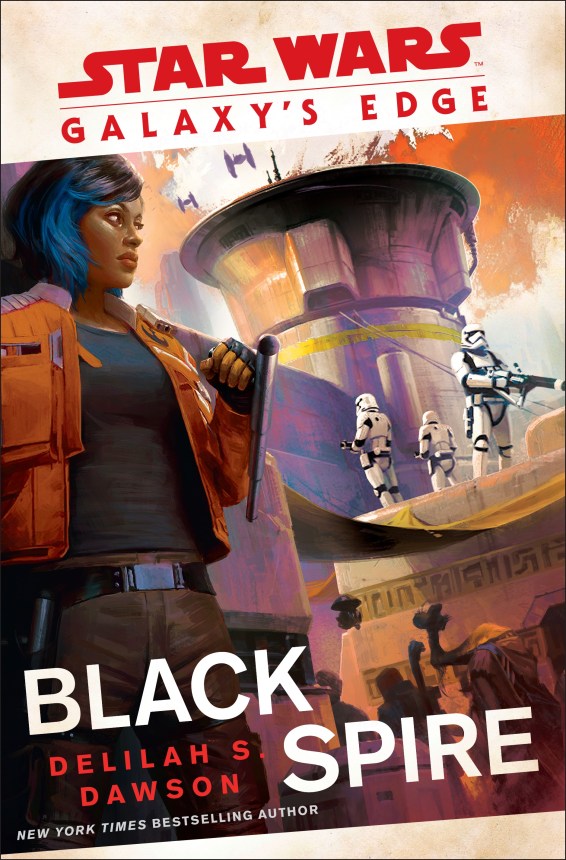
Star Wars: Galaxy’s Edge – Black Spire by Delilah S. Dawson

Galaxy's Edge - Black Spire Cover

Publisher: Century (Trade Paperback – 3 September 2019)

Series: Star Wars

Length: 378 pages

My Rating: 4.25 out of 5 stars

Amazon     Book Depository

Man, it has been a good year for Star Wars tie-in fiction. So far in 2019 there have been a huge number of awesome books that cover some diverse periods of Star Wars history, from an intriguing look at a younger Qui-Gon Jinn and Obi-Wan Kenobi in Master & Apprentice by Claudia Gray to the electrifying third book in Timothy Zahn’s new Thrawn series, Treason. As the year draws to a close, the focus of the Star Wars extended universe starts to turn to the release of Star Wars: The Rise of Skywalker. As a result, the rest of the books coming out this year will set the scene of the Star Wars universe before the events of this upcoming film. This includes the focus of this review, Black Spire by Delilah S. Dawson.

Black Spire is an interesting addition to this later year complement of Star Wars novels, and it is one that I have been looking forward to for a while. Dawson previously contributed to the Star Wars extended universe with 2017’s Phasma, and Black Spire is also part of the Galaxy’s Edge mini-series, which is connected with the Disneyland theme park area of the same name. As such, there are some intriguing elements to the book that make it worth checking out.

Following the events of The Last Jedi, the Resistance has been decimated, and only a few survivors remain. However, those survivors are still as determined as ever to fight the tyranny of the First Order, and need to find new recruits, allies and resources to continue this war. To that end, General Leia Organa has tasked her best spy, Vi Moradi, to find an isolated planet and set up a base to serve as a much-needed bolt hole for other surviving members of the Resistance. Still recovering from the trauma of her last adventure, Vi decides that the best location for this base is on the isolated planet of Batuu, which serves as the final stop between the known galaxy and the mysterious and unexplored expanses of Wild Space.

Heading out for Batuu with a ship full of supplies, materials for a base and a rather snarky droid, Vi is joined by Archex, a former captain in the First Order turned ally who is now seeking redemption. However, their mission begins poorly when they are forced to crash land on the planet and scavengers steal all their supplies. With no help coming from the rest of the Resistance, Vi is forced to make other arrangements to secure her objectives. Finding work in the Black Spire Outpost, Vi will have to make deals with local gangsters and barter with various businesses if she is wants to build up her base of operations and attract new recruits.

However, most of Batuu’s populace want nothing to do with the Resistance and are content to live their lives on the outskirts of the current conflict. But when a force of First Order stormtroopers arrive on Batuu led by a fanatical officer determined to hunt down Vi, they begin to understand the true power and terror of the group beginning to dominate the galaxy. As Vi’s small group of Resistance recruits band together to fight back against the superior force arrayed against them, will they be able to save Batuu, or will another planet fall to the destructive tyranny of the First Order?

The first thing that needs to be addressed is that Black Spire is tied into the newest themed area at Disneyland in California, Galaxy’s Edge. I have to admit, when I first heard that this book was going to be strongly associated with a theme park attraction, the rather blatant commercialism was a little off-putting, so I can totally understand why some people may be reluctant to check it out. However, those readers who give it a chance will be in a for a treat, as Black Spire is an exciting and at times emotional book that proved to be quite enjoyable.

I really liked the storylines contained within this book, as the whole concept of two opposing factions trying to win over a town for their own ends was one that I found to be pretty cool. Watching Vi and her allies attempt to gain resources and followers in the Black Spire Outpost was very entertaining, especially as the author comes up with several compelling Resistance recruits to help Vi in their fight against the First Order. The backstories of each of these followers, who include a young farm boy from an isolated anti-tech society, a flamboyant smuggler and a small alien mechanic, are explored in some detail, and each of them gets their own captivating character arcs. The author also spends some time showing the perspective of Black Spire’s sadistic villain, which makes for a great alternate viewpoint and intriguing change of pace at times. In addition to the fun characters, there is also a ton of action and adventure, as the two opposing sides face off against each other, the locals of Batuu and dangers of the surrounding wilderness. Overall, this was a really fun read, and it is worth checking out.

As I mentioned above, Black Spire is set in the immediate aftermath of The Last Jedi and helps showcase the universe and the Resistance’s struggle between this movie and The Rise of Skywalker. This book is also a sequel to Dawson’s previous book, Phasma, as Vi was the Resistance spy who was narrating Phasma’s life story, while Archex is a reborn version of one of Phasma’s antagonists, Captain Cardinal. While readers do not need to have read Phasma to enjoy this book, those who have will appreciate the continuation of several of the stories and character arcs that were started in the first book. Archex’s character arc, for example, is particularly fascinating, as he is a former First Order commander who has been deprogrammed from the organisation’s brainwashing and propaganda. His perspectives on First Order tactics and methods are really cool and help showcase the First Order as a truly evil and ruthless group. The guilt and regret that Archex experiences, combined with Vi’s mental trauma and PTSD from the events of Phasma, make for a compelling emotional heart to the whole book, especially as the author explores the extent of their new working relationship.

I think it is also important to mention that this book has some cool connections to the Galaxy’s Edge theme park area. In a mostly unplanned coincidence, I was actually halfway through Black Spire while visiting Disneyland and the Galaxy’s Edge area just over a week ago. As a result, while I was walking around through Galaxy’s Edge and enjoying the cool atmosphere, I noticed that a number of the characters and locations featured in Black Spire were inspired by the shops within the park area. In addition, some of the performances from the Disneyland cast revolved around the First Order hunting a Resistance spy hiding in the Black Spire Outpost, which is a cool reference to the events of the book. Indeed, one of the performances I saw actually kind of spoiled an event that occurred at the end of this book, although it is a rather minor reveal. I personally found that reading this book around the same time as I visited the theme park not only helped enhance my experience of Galaxy’s Edge, but it also made me appreciate a number of the elements of Black Spire at the same time. As a result, I would strongly recommend this book to anyone who is visiting Galaxy’s Edge at Disneyland, and it is truly interesting to see how the setting of the book is brought to life.

Black Spire by Delilah S. Dawson is another excellent addition to the Star Wars expanded universe with some neat storylines and compelling characters. While its strong connections to the newest themed area of Disneyland may not be for everyone, I felt that there were a lot of cool features in this book that make it really worth checking out. I am excited to see what Star Wars stories Dawson tells in the future, as Black Spire turned out to be an incredibly enjoyable read.

Amazon     Book Depository

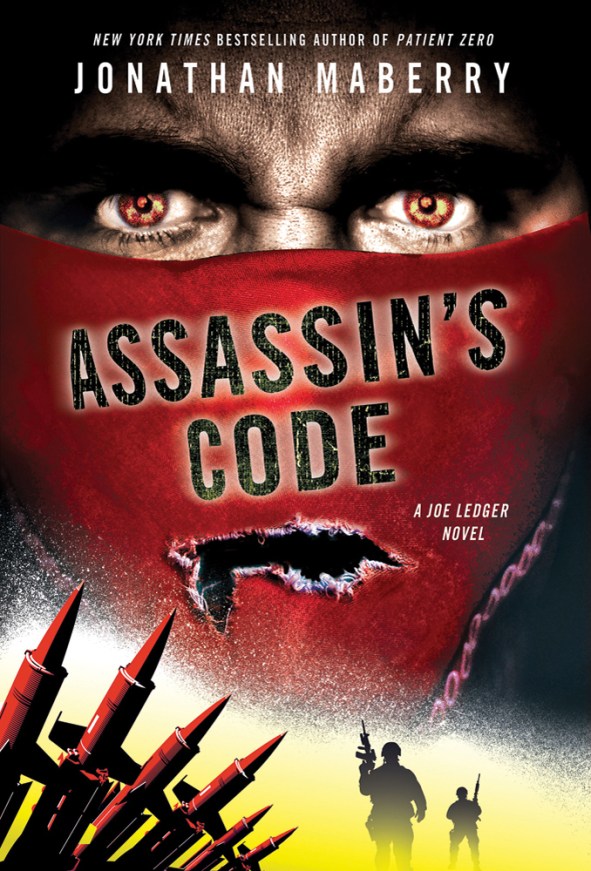
Throwback Thursday – Assassin’s Code by Jonathan Maberry

Assassin's Code Cover

Publisher: Macmillan Audio (Audiobook – 10 April 2012)

Series: Joe Ledger series – Book 4

Length: 15 hours and 35 minutes

My Rating: 5 out of 5 stars

Amazon     Book Depository

Reviewed as part of my Throwback Thursday series, where I republish old reviews, review books I have read before or review older books I have only just had a chance to read.

For this week’s Throwback Thursday, get ready for the fourth high-stakes, action-packed instalment of Jonathan Maberry’s excellent Joe Ledger series, Assassin’s Code, which sets the titular character up against a fantastic new set of antagonists.

Joe Ledger, top field agent for the elite Department of Military Sciences (DMS), is about to have a very unusual day. On assignment in Iran, Ledger and Echo Team have been tasked with rescuing American college kids held hostage by the Iranians. After successfully rescuing the hostages, Ledger is forced at gunpoint into a meeting with a high-ranking Iranian security officer. However, instead of being arrested, Ledger is given information about an impending terrorist attack that could shake the very foundations of the world.

An unknown player apparently has several nuclear weapons in play and is planning to unleash them against a number of targets around the world. As Ledger relays this information to his superiors, he is attacked by a mysterious assailant who is faster, stronger and more deadly than anything he has faced before. Barely escaping from his attacker, Ledger finds himself being pursued through the streets of Tehran by the Red Order, an ancient group of killers whose operatives appear to intimidate even Ledger’s boss, the legendary Mr Church.

As Ledger attempts to come to terms with what exactly is hunting him, he finds himself in the crosshairs of several other secret organisations, each of which has their own agendas. As Ledger gets closer to the truth, he discovers that events are being manipulated by an old enemy. An ancient conspiracy has been revealed and the fate of the world hangs in the balance. Can Ledger defeat the monsters unleashed against him or will a new world order arise?

Assassin’s Code in the fourth book in Maberry’s Joe Ledger series, which sees an elite special forces agency go up against the worst horrors that modern science and science fiction can unleash. I have already read and reviewed several books in this series so far, including the previous three novels, Patient Zero, The Dragon Factory and The King of Plagues, as well as the 10th and latest book in the series, Deep Silence. Each of these books has proven to be fantastic dark science fiction thrillers that I have had an amazing time reading, and all four of them have received a full five-star rating from me. Assassin’s Code is another incredible addition to the series, as Maberry has once again produced an intense and clever story, with some great antagonists, a complex protagonist and a heck of a lot of high-grade action.

In his fourth Joe Ledger book, Maberry has continued to utilise the same writing format that made all the other books in the series such an awesome read. While a large amount of the storyline follows Ledger and the other members of the DMS as they attempt to investigate and then counter the threats they are up against, a large amount of the book revolves around showcasing the history that led up to the book’s current events, as well as exploring the antagonists side of the story. There are several chapters that solely focus on the antagonists, showing what they are planning and the full range of their various motivations. I always love these explorations of the antagonists as I feel it creates a much more complete and interesting overall storyline, and these alternate points of view are often used to really ramp up the book’s tension and hint at events that are going to hit the protagonists.

While he continues to successfully utilises a number of these familiar writing styles, I felt that Maberry also made sure that Assassin’s Code stood out from the other books in the series. Not only does this fourth book have a lot more of a horror vibe to it than the previous two books in the series (somewhat reminiscent of the first novel, Patient Zero) but it is also told as a rush of events over a 24-hour period. Ledger is barely given an opportunity to rest as he is attacked again and again by a series of different opponents in the hostile territory of Tehran. The author has also woven together a number of interconnected conspiracies and features appearances from several individuals and organisations, each of whom has their unique agendas throughout the plot of the book, all of which need to picked through by the reader. All these various players and motivations make for a very full story, but I quite enjoyed seeing all the various revelations come to light. Assassin’s Code is also an intriguing central piece to the whole Joe Ledger series. Not only does it introduce several key characters who become major fixtures of the series but it also introduces a number of key events in the lives of characters who were introduced in the previous books. As a result, it is a must read for those people trying to get a grip on the series as a whole and is a fantastic overall read.

In my mind, one of the best things about the Joe Ledger books are the distinctive antagonists, each of whom come across as major threats not only to the protagonists, but to the entire world. So far in the series, Ledger has had to face zombies, genetically enhanced Nazis and a powerful cabal of terrorists (whose members included Osama Bin Laden) whose attacks are used to manipulate the world for profit. In Assassin’s Code, Maberry has done a fantastic job converting an old legend into a terrifying modern threat, as the major villains of this book, the mysterious Red Order and their infamous Red Knights, are essentially vampires. Maberry already has significant experience writing vampires into the modern world, thanks to his V-Wars book series (an adaption of which is coming out on Netflix in a couple of months), and he does a great job coming up with a new and somewhat plausible explanation for their existence (well, slightly more plausible than a supernatural origin), as well as a creative historical explanation for their organisation. These vampires are written as major threats for most of the book, and the fear and concern that they cause in a number of characters whose badass credentials have been firmly established in previous books is pretty impressive. The use of vampires in modern thriller was a real highlight of this book, and I really loved seeing them go up against a modern special forces unit. Maberry spends a lot of time exploring their history, as the book features a number of interludes that go back to the time of the Crusades, when they were first recruited for their mission. All of this exploration does a fantastic job of showing what true monsters these types of vampires are, which helps the reader really root for the reader. I also really liked some of the other groups featured in this book that were formed as a direct result of the existence of vampires, including a group of modern Inquisitors and the mysterious Arklight. If I had one complaint about these antagonists, it would be that they were taken down a bit too easily in the final act, and I would have preferred a more protracted or vicious fight.

In addition to the vampires, this book also features the reappearance of two key antagonists from the previous book in the series, The King of Plagues, who are major manipulators of events behind the scenes. These characters are the former King of Fear, Hugo Vox, and the mysterious priest Nicodemus, both of whom were major players in the previous book. I really liked how Maberry continued to explore both of these cool characters, and he did a fantastic job of tying their storylines into the unique events of this book. Their respective roles in the plot of this book is quite interesting, and I really enjoyed how both their storylines progressed or ended in this novel. The true reveal of who (or what) Nicodemus is has been left for a later book, and I am very curious to see what he turns out to be.

Maberry continues to do an outstanding job utilising his complex and multilayered protagonist, Joe Ledger. While on the surface, Ledger’s defining character traits are his abilities as a special forces operative and his relentless sense of humour, the character is actually extremely emotionally damaged. Thanks to the fact that Ledger is the only character whose chapters are shown from the first-person perspective (a nice distinctive touch for the central protagonist), the reader gets a much more in-depth look at his inner thoughts, and as a result you see how the events of his life, including the events of the previous three books, have impacted his psyche. It is quite refreshing to have a character who is actually emotionally affected by the events of his books, and you get the feeling that Ledger is only a short way away from truly snapping. However, in the meantime, the thick layer of humour he overlays these feelings with is great for a laugh, and it helps gives the chapters that the character is narrating a very unique and enjoyable feel. In addition to Ledger, I really liked some of the new protagonists introduced in Assassin’s Code and I look forward to exploring them more in the future. Special mention as always needs to go the awesome supporting characters of Mr Church and Ghost, Ledger’s attack dog. With his actions and woofs, Ghost honestly has more personality that some human characters in other books I have read, while Church continues to be the ultra-mysterious intelligence god who you cannot help but want to know more about. These two characters are one of the many reasons why I am excited to check out all the future books in the series.

It should come as no surprise to those who read the plot synopsis, but Assassin’s Code is filled with wall-to-wall action. Maberry has a well-established history of doing detailed research into various forms of combat, especially martial arts, which he has actually written several books on. Maberry is able to transfer all of this knowledge into his books, creating some truly amazing action sequences. There are a huge number of great and varied battle scenes throughout the course of the book, and readers are guaranteed a pulse pumping ride as a result. Also, if you have ever wondered how martial arts trained special forces soldiers would go against vampires, than this is the book for you.

Like all the other books in the Joe Ledger series, I chose to listen to the audiobook format of Assassin’s Code, narrated by Ray Porter. Coming in at around 15 hours and 35 minutes, this is a substantial audiobook; however, due to how much I enjoyed the epic story, I powered through it in a couple of days. I would strongly recommend that readers always check out the audiobook format of this series, thanks mainly to Porter’s narration. Porter, who has so far narrated all of the Joe Ledger books, has an uncanny ability to bring this central protagonist to life. His great narration fully encapsulates Ledger’s full range of emotions, from light-hearted banter, to soul-crushing despair to powerful bursts of rage, and it is really worth checking out. In addition, Porter does some really good voices for the other characters in the book, especially Mr Church, and he is probably one of my favourite audiobook narrators at the moment.

When I started reading Assassin’s Code, I knew I was going to love it, and it did not disappoint. Not only did Maberry up the ante with some incredible antagonists but he created another complex and utterly captivating story that had me hooked in an extremely short period of time. Assassin’s Code easily gets another five stars from me, and I whole-heartily recommend the audiobook format of this book. I am planning to try and read all the other Joe Ledger books in the next couple of months as I only just found out that the story is continuing in November of this year as part of a new spin-off series. Stay tuned to see what I think of the other books in this series (spoiler alert, I think I am going to love them).

Amazon     Book Depository

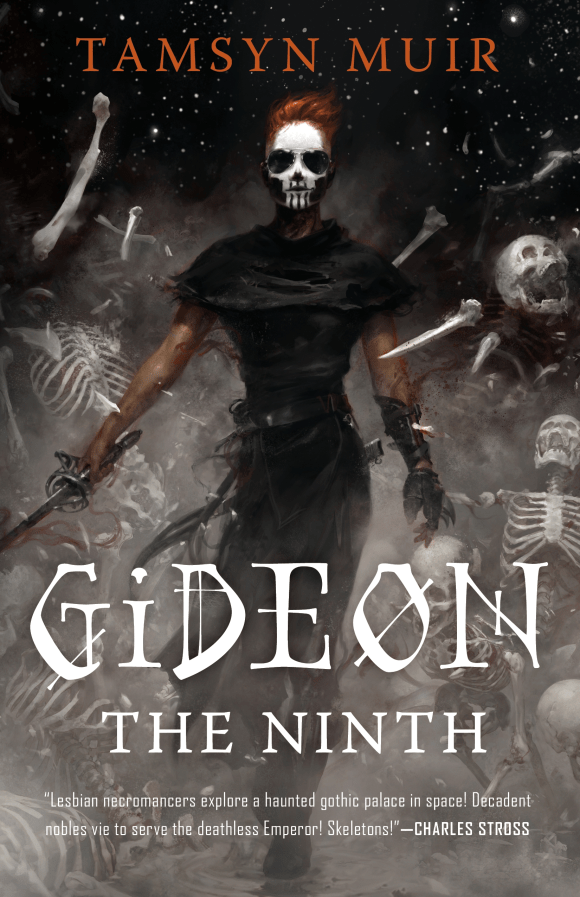
Gideon the Ninth by Tamsyn Muir

Gideon the Ninth Cover

Publisher: Tor (Hardcover – 10 September 2019)

Series: The Ninth House – Book One

Length: 448 pages

My Rating: 4.5 out of 5 stars

Amazon     Book Depository

From debuting author Tamsyn Muir comes a very unique and compelling science fiction novel filled with death, comedy and necromancers in space, Gideon the Ninth.

Before I begin reviewing Gideon the Ninth, I have to point out how impressive the design of the hardcover copy I received was. When I previously featured this book in one of my Waiting on Wednesday articles, I mentioned how much I loved the cover art. Indeed, the drawing of the book’s titular redheaded character with her face painted liked a skull surrounded by exploding skeletons is pretty damn cool. The hardcover copy also has some excellent visuals, as the outer rim of all the pages is coloured black, which definitely gives prospective readers a noticeable visual hook, especially when combined with the all-black binding underneath the jacket, emblazoned with gold writing on the spine and a single golden skull on the front. I really liked this fantastic presentation style, and it definitely left an impression on me as I started to read the book.

In the far future, a vast interstellar empire is ruled by necromancers whose control over the various magical disciplines of death make them a powerful force. Eight noble houses serve under the First House of the Emperor, and each of them has just received a message from their ruler. The heirs to each of these houses and their cavaliers, loyal sword-wielding protectors and companions, must attend the Emperor’s planet in order to compete to become the next generation of Lyctor, immortal beings of vast power.

Gideon Nav is an indentured servant to the Ninth House of the Empire, a small and impoverished house that carries a dark reputation. A skilled swordswoman, Gideon wants nothing more than to enlist in the imperial army to leave the dark crypts, the strict occult nuns and the multitude of skeletons that make up the Ninth Planet far behind. However, when her latest escape attempt fails, she finds herself offered an irresistible bargain: act as the Ninth House’s cavalier for the period of the trials and be granted her freedom. There is just one minor problem: Gideon and the heir to the Ninth House, Harrowhark Nonagesimus, an extremely powerful bone witch, absolutely hate each other.

Forced to temporarily put their differences aside, Gideon and Harrow travel to First House, only to discover it is a near ruin, looked after by a few old and mostly unhelpful servants. They soon learn that the secrets to becoming a Lyctor lie hidden within the walls around them, and the representatives of various houses can do whatever they wish to learn them. Trapped on the planet, Gideon and Harrow begin to explore the First House and encounter the heirs and cavaliers of the other houses. As the mismatched pair from the Ninth House start to unravel the various mysteries and challenges before them, a gruesome murder occurs. Something powerful is lurking within the First House, and it has the heirs in its sight. Can Gideon and Harrow work together, or will their own turbulent past and the secrets of their house tear them apart?

Gideon the Ninth is a chaotically clever and massively entertaining first novel from Tamsyn Muir, who has done an excellent job introducing readers to her intriguing new world. Gideon the Ninth is the first book in her The Ninth House series, which already has two planned sequels in the works, with the first of these currently set for release next year. After hearing the awesome plot synopsis for this book earlier in the year, I had picked this as potentially being on the best books for the latter half of 2019. I am glad to see that my instincts were once again correct, as this was an awesome read that gets four and a half stars from me.

Muir has produced an outstanding story for her first novel, as the plot for Gideon the Ninth is an amazing combination of humour, universe building, emotional character moments and a captivating set of mysteries as the protagonists attempt to uncover not only the vast secrets of the First House but the identity of the person or being that is killing them off one by one. The author has stacked this book with all manner of fantastic twists, and there are a number of major and game changing developments that are well paced out amongst the story. There is never a dull spot within the book, as even parts where no substantial plot developments are occurring are filled with excellent humour from the sarcastic narrator with a huge vocabulary of various swear words. There is also a substantial amount of action throughout the course of the book. The various fight scenes blister and explode off the page, especially thanks to the unique magical system that Muir has populated this world with. All of this results in an addictive and electrifying overall story with a very memorable ending.

The real heart of Gideon the Ninth lies in its incredible main characters, Gideon Nav and Harrowhark Nonagesimus, and the complex relationship the two of them have. Gideon is the badass, rebellious, coarse, girl-loving mistress of the blade, who serves as the book’s narrator and only point-of-view character. Gideon is an absolute blast as a main character, as she deals with every situation she comes across with an abundance of disrespect, anger and exaggerated responses, resulting in much of the book’s humour. Harrow, on the other hand, is the dark noble necromancer heir to the Ninth House, whose reserved persona, obsession with necromantic research and abilities, and vindictive nature work to make her initially appear as a polar opposite to Gideon. The relationship between these two main characters is initially extremely adversarial, as both characters declare their absolute hatred for each other, and Harrow seems determined to make Gideon’s life a living hell. As the book progresses, however, Muir really dives into the heart of the relationship between the two characters, revealing a complex history and a twin tale of woe and dark secrets that has defined them for their entire lives. The combined character arc of these two main characters was done extremely well. While you knew from the very start of the book that the two characters would eventually work together, the exact reason why this occurred was handled perfectly, and the final form of this cooperation helps create an epic and tragic conclusion to the entire book. While their relationship is not explicitly romantic (Harrow’s sexuality really is not explored in this book), they do become quite close by the end of the novel, and both characters are written exceedingly well.

In addition to Gideon and Harrow, Muir has also included a range of different characters, representing the heirs and cavaliers of the other major houses in the Empire. This results in an intriguing assortment of side characters who add a lot to the overall story. The author has made sure to invest in substantial backstories for all these additional characters, and this has a number of significant benefits for the story. Not only are the readers now blessed with an abundance of viable and duplicitous suspects for the story’s murder mystery, but each of the various representatives of the houses have their own individual secrets and motives for being at the First House. Learning more about each of these characters is quite fascinating, and a number of them have some pretty amazing character arcs. I particularly enjoyed the storyline of Palamedes Sextus of the Sixth House, who treats his necromancy more as a science than a form of magic. Sextus is the most logical character out of all the people in the book, and he serves as a major driving force of the investigation into the murders. His connection to some of the other characters in the book is a major part of the book, and the ultimate conclusion of his story arc is really cool. Muir has done an incredible job coming up with the book’s various characters, and it is a major part of why this book is so awesome.

It is quite clear that Muir has an amazing imagination, as she has produced a grim and compelling new universe to set this book in. Necromancy and a futuristic science fiction setting make for a fascinating combination, and I really loved her examination of an empire built on worshipping an immortal, necromantic Emperor and the various secrets that come with it. The sheer range of different necromantic magic featured within this book is pretty impressive, especially as each of the Imperial Houses has their own specific form of necromancy, all of which are examined throughout the book. Not only are all these different types of magic really fascinating to examine but it also results in some diverse pieces of magical action, as many of the necromancers unleash their various forms of magic throughout the book, resulting in some fantastic sequences. I do think that the author could have done a slightly better job of explaining some of the unique elements of her universe at the start of the book, as I got a little confused at some points towards the beginning; however, this was quickly chased away by deeper dives into the universe’s lore later in the book. Muir has left open a number of questions and plot directions to explore in future books in the series, and I am really curious to see what happens next.

Gideon the Ninth is a wild and exciting novel that makes use of an intriguing concept, some compelling characters and an excellent story to create an exceedingly entertaining book that was a heck of a lot of fun to read. Featuring laugh-out-loud humour, intense action and major emotional moments, this is an incredible read that is really worth checking out. Muir has hit it out of the park with her debut novel, and I cannot wait for the next book in the series.

Amazon     Book Depository

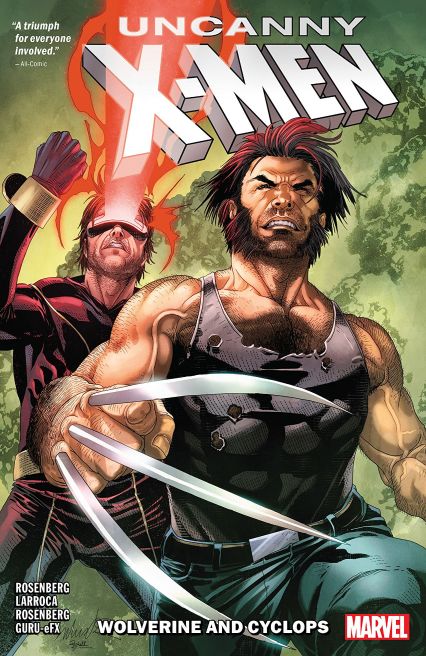
Uncanny X-Men – Vol. 2: Wolverine and Cyclops

Uncanny X-Men Wolverine and Cyclops Cover.jpg

Publisher: Marvel Comics (Trade Paperback – 2 July 2019)

Series: Uncanny X-Men (2018) – Volume 2

Writer: Matthew Rosenberg

Artists: Salvador Larroca

               John McCrea

               Juanan Ramirez

Colour Artist: Rachelle Rosenberg

Length: 136 pages

My Rating: 4.5 out of 5 stars

Amazon     Book Depository

Prepare to enter a whole new era of X-Men comics as writer Matthew Rosenberg and artist Salvador Larroca bring forth a second volume in the new series of Uncanny X-Men and focus on the aftermath of the latest disaster to befall mutantkind.

No More X-Men!

For years, the X-Men have tried to fulfil Charles Xavier’s dream of unity between mutants and humans by being the shining examples of their species as superheroes, protecting even those people who hate and fear them. However, in one devastating moment, that dream has been smashed. The godlike mutant X-Man, in an attempt to remove all opposition to his messianic desires, combined his powers with that of the reality-bending mutant Legion in order to end all the X-Men who stood against him. In a single instant, nearly every mutant who had served as a member of the X-Men was gone, and the world reacted accordingly.

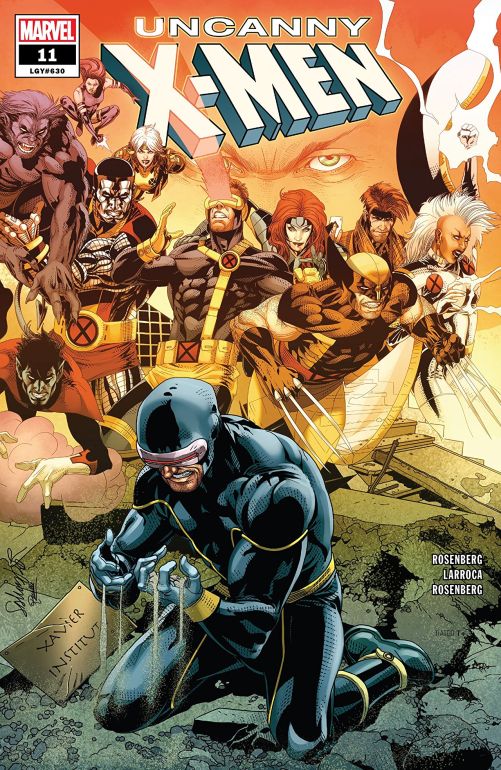
Uncanny_X-Men_Vol_5_11.jpg

In the aftermath of this loss, Mutantkind is on the brink of extinction. Already suffering from years of losses caused by the Genosha genocide, the M-Day Decimation, the Terrigen Mists and Disney’s wrath for being owned by Fox, the remaining Mutants are now left without their protectors. With public opinion firmly against them, government agencies hunting down and imprisoning any surviving mutants and the new mutant vaccine being made mandatory for the entire population, this looks like the end for the species. However, one mutant is desperate to change this: the original leader of the X-Men, Cyclops.

Having been recently returned from the dead, Cyclops attempts to find his way in the new world, where all his X-Men comrades have disappeared. After an encounter with the mysterious mutant Blindfold, whose cryptic visions now contain nothing but despair, Cyclops will try to do what he always does, attempt to save his species. However, with no allies willing to help and even the Avengers turning against them, Cyclops is finding it hard not to give in to despair. In a desperate move, he makes a televised plea for any remaining X-Men to join him at the remains of the X-Mansion. While at first it appears that only the X-Men’s enemies have turned up in order to kill him, one X-Man answers the call, the last person Cyclops expected to come to his aid, his long-time rival Wolverine.

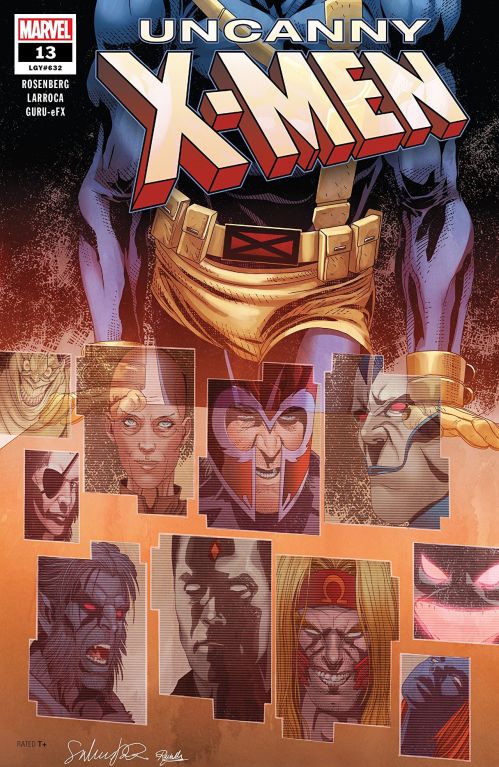
Uncanny_X-Men_Vol_5_13.jpg

Having also just come back from the dead, Wolverine is reluctantly drawn back into Cyclops’s orbit. In their recent past these two legendary X-Men have fought, gone to war and nearly killed each other over their ideals, the future of mutantkind and the heart of Jean Grey, but now they can agree on one thing: the X-Men need to come back. Pulling together a rag tag team, including Magik, Wolfsbane, Havok, Dani Moonstar, Karma, Chamber and Jamie Madrox, Cyclops and plan to go after the biggest mutant threats they can find on order to stop additional escalations against mutants and to leave the world in a better place if this is truly the end of mutantkind. But what happens when they are forced to go up against old friends such as Banshee or Hope Summers, as they attempt to obtain their own form of justice leading a new version of the Mutant Liberation Front?

The second volume of this new series of Uncanny X-Men, Wolverine and Cyclops, is a fantastic and enjoyable comic that does a wonderful job introducing a cool new version of the X-Men following the major changes that occurred in the first volume of the series, X-Men Disassembled. Featuring issues #11-16 of the 2018 series of Uncanny X-Men, this volume does an excellent job of showcasing the new, darker version of the Marvel Universe following the disappearance of the X-Men.

Cyclops and Wolverine is written by Matthew Rosenberg, who has been working on a number of cool series for Marvel lately, including the extremely entertaining new Punisher series. In a nice sense of continuity, Rosenberg returns to write this second volume of Uncanny X-Men after completely changing everything with X-Men Disassembled. After setting up the cool story in that book, Rosenberg now puts his thoughts to exploring the aftermath of this tale, not only in this volume but in a number of future entries. For this second volume, Rosenberg is joined by artist Salvador Larroca, who provides the art for most of this book, while veteran artist Rachelle Rosenberg serves as the colourist for all the issues in this volume.

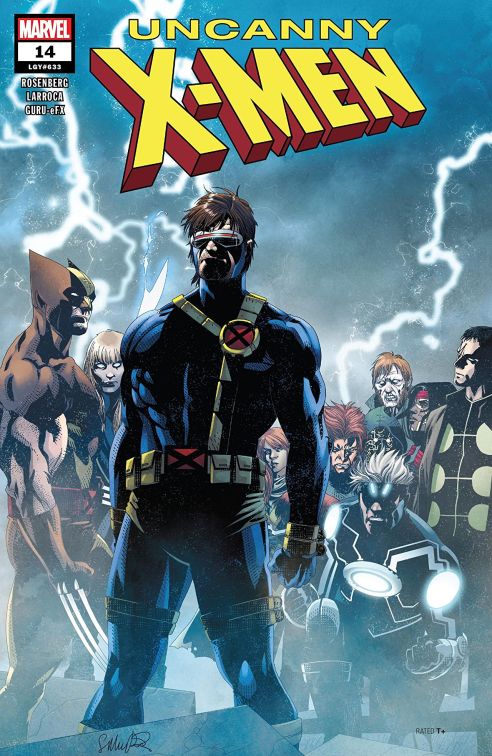
Uncanny_X-Men_Vol_5_14

After the previous entry in the series, the creative team was left with the interesting problem of how to run an X-Men series after you sent away all the X-Men (probably to the universe featured in the various Age of X-Man miniseries). What they came up with was a fantastic story that featured a new end of days for mutantkind and a new version of the iconic team. Since the events of the last volume, the whole world has dramatically changed for mutants. While they were never popular, now they are being actively hunted down, captured, experimented on or exterminated by government-sanctioned groups and there is no one able to stop them until this new team of X-Men come along. I really liked one of the ideas broached in the story that the X-Men, despite their attempts to be peacemakers, really only stopped this sort of government attack because they intimated the government, and now that the X-Men gone, there is nothing stopping them from ensuring there are no more mutants. As a result, this is a really interesting setting for a new X-Men series, and Rosenberg has come up with a really cool story. This is a much grimmer version of the classic X-Men story, as the team no longer has a high-tech base, matching uniforms or an advanced jet. Instead, they are a small team of rebels, hiding out in a bar and getting involved in fights for survival. This first volume contains a number of big plot moments, including the additional deaths of several mutant characters (which probably won’t last that long), noteworthy character developments (one character’s code-name gains a whole new level of significance) and the formation of an intriguing new team of X-Men.

I really enjoyed the way that the creative team set out this story in the first volume and I particularly enjoyed the first issue of the volume (Issue # 11). This issue does a wonderful job introducing the new Marvel Universe, and showing Cyclop’s difficulties coming back to such an altered world, bereft of hope for mutants. As the first issue continues, Cyclops meets several former friends and allies, such as Blindfold, Chamber, Ben Urich, Jamie Madox and Captain America, each of whom try to convince Cyclops that the X-Men are dead and that his mission is over. All of these encounters, including a second tragic meeting with Blindfold, drive Cyclops to his former home at the X-Mansion, where it appears he is truly the last X-Man, and only his enemies, such as the Reavers, the Purifiers and the Sapien League remain. However, at the last second, it is revealed that Wolverine was also on the scene and joins the fight, teaming up with Cyclops to defeat the mass of foes in the front of them in a particularly satisfying fight sequence to end the first issue. The volume then goes on to show two mini-stories, which show the reader that Wolverine had been following Cyclops for a while and had actually been helping him without the reader or Cyclops knowing it. Another story also shows why Blindfold had gotten involved and adds a whole new layer of tragedy to the story. The rest of the volume unfolds in a pretty logical way; without going into too much detail, Cyclops and Wolverine manage to form a team of X-Men, and in the following volumes they face a variety of different threats and find new allies, all of which will set up some interesting storylines for the next few volumes of the series. I liked where the story went towards the volume, and there were some really interesting developments that did a fantastic job following the strong opening issues.

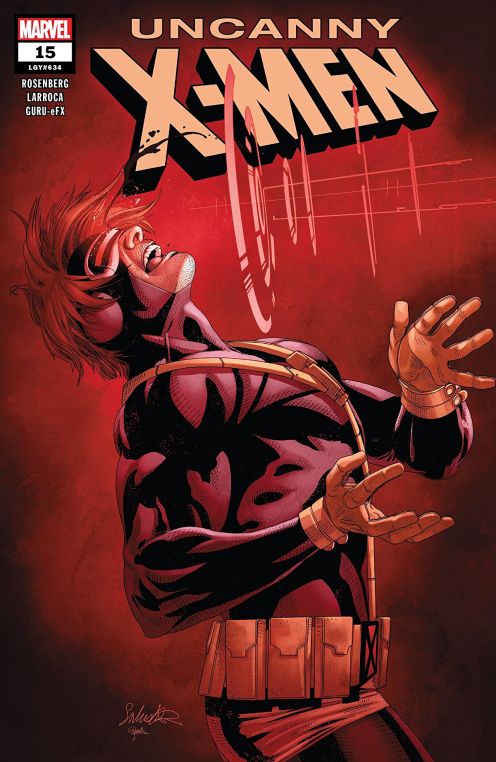
Uncanny_X-Men_Vol_5_15

While this volume features a number of great characters, as the name suggests, the story is mostly focused around Cyclops and Wolverine, who team up again for the first time in years. These two are probably two of the most iconic X-Men ever created, and the longstanding rivalry and dislike between them has long been a recurring X-Men story arc. However, in recent years, this dislike has turned into direct antagonism, especially after the events of the 2011 miniseries, Schism, where a fight of their respective ideological differences saw them split off and lead two separate groups of X-Men. This antagonism continued through several major X-Men arcs, including Avengers vs X-Men, but it was ultimately left unresolved due to Wolverine’s death in 2014. As a result, this volume is the first time Wolverine and Cyclops have both been alive in nearly five years, and it was interesting to see the two of them finally come together again. I really enjoyed their reconciliation in this volume, especially as all it took for these two to get on the same page was two simultaneous resurrections, the complete destruction of the X-Men, one cathartic fight against a group of bigots, and a one-word greeting on the battle field.

The rest of the volume continued to build on their relationship as they work together to reform the X-Men. It is a fun return to the pre-Schism dynamic, as Wolverine once again follows Cyclops’s lead, and the two have a fun, banter-laden relationship built on mutual respect. However, Rosenberg does not ignore some of their prior conflict; rather he incorporates it into their relationship. Cyclops is fully aware that much of the X-Men’s current issues are due to his past actions, such as pushing for a more militant approach while he was the mutant leader, going to war with both the Avengers and Inhumans, and killing Professor X. As a result, he starts to rely on Logan’s opinion a lot more than some of the other X-Men, such as his brother Havok, as he knows that Wolverine won’t just agree with him if he is in the wrong again. This new era of cooperation between Cyclops and Wolverine forms a fantastic heart of this volume of Uncanny X-Men, and it was great to see these two characters back in action again after their lengthy absences.

Uncanny_X-Men_Vol_5_16

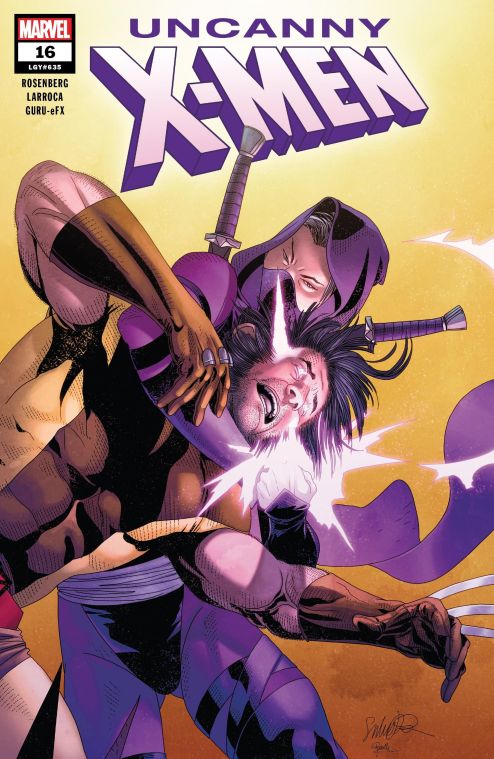
I rather enjoyed the artwork that was featured in Wolverine and Cyclops, and the artistic team of Larroca and the colourist Rosenberg do a good job producing an interesting art style for this volume. I personally liked the darker artistic tone quite a lot of the scenes had, which I felt reflected the tone of the series and which was also a result of the X-Men trying to remain hidden by doing their missions at night. I also liked the interesting character designs that featured in the book, as the team is forced to wear a mismatched bunch of scavenged uniforms from across the various X-Men eras, which really helped highlight the low resources and support they have. There are a number of detailed and exciting action sequences throughout the book that the artists do an amazing job bringing to life. I was particularly fond of the first major sequence, in which Cyclops and Wolverine took on the anti-mutant soldiers near the X-Mansion. It was a particularly brutal couple of pages, and I loved seeing the two main characters in action again. I also really liked the scene where Wolverine first reveals himself. The look of horror and resignation of several characters’ faces when they hear “snikt” was just beautiful. Extra art done by John McCrea and Juanan Ramirez for the two background stories, Wolverine Returns and The Last Blindfold Story, added an interesting new element to the volume, and it was cool to see their different art style in the middle of the book. Overall, this was some great artwork, and I cannot wait to see what this team produces in the future.

Wolverine and Cyclops is a bold new direction for Uncanny X-Men that I really enjoyed. With a darker universe, some interesting story directions and the return of two of the team’s most iconic characters, the X-Men have entered a brave new era, and I was glad to be there for the ride. This new creative team for Uncanny X-Men did a fantastic job reintroducing these two amazing characters, and they have proven that they have some intriguing ideas. The next volume of this series is out in October and is already one of my top comics to buy later in the year.

Amazon     Book Depository

The Lost Ten by Harry Sidebottom

The Lost Ten Cover

Publisher: Zaffre (Hardcover – 18 April 2019)

Series: Standalone

Length: 351 pages

My Rating: 4.5 out of 5 stars

Amazon

One of my favourite authors, Harry Sidebottom, returns with another excellent piece of Roman historical fiction, The Lost Ten.

Sidebottom is a particularly skilled historical fiction author who has written some amazing novels in the last 10 years, all of which have focused on the Roman Empire in the turbulent 3rd century AD. His works have included his excellent Warrior of Rome series, which features one of the first books I ever reviewed, King of Kings, and his well-researched Throne of the Caesars series. Sidebottom also wrote a fantastic historical fiction/thriller hybrid last year, The Last Hour, a truly awesome book that featured the protagonist of his Warrior of Rome series. The author has continued his intriguing experiment of combining historical fiction with other thriller sub-genres in his latest book, The Lost Ten, which I have been looking forward to for a while.

Rome, 265 AD. Junior Roman officer Marcus Aelius Valens is instructed to join a small squad of soldiers on a daring raid into Persia. Their objective is to infiltrate the country and make their way to the dreaded Castle of Silence, an impregnable prison high up in the mountains. Once there, they are to free young Prince Sasan, the King of Persia’s disgraced nephew, and bring him back to Rome.

Journeying to the Roman border, Valens joins up with an eclectic group of soldiers recruited from the frumentarii, Rome’s infamous secret agents. An outsider amongst these hard-bitten soldiers, Valens suddenly finds himself in command when an ambush kills their commanding officer. Aware of the consequences of abandoning their mission, Valens leads his troops onwards to Persia.

However, the closer they get to the Castle of Silence, the more misfortune seems to befall the small unit. As his soldiers die one at a time, Valens begins to believe that there is a traitor among them who does not wish for their mission to succeed. Can Valens unmask the saboteur before it is too late, or will the squad die trying to achieve their impossible mission?

This was another spectacular read from Sidebottom, who has once again done a fantastic job bringing modern thriller vibes to an ancient Roman historical setting. The Lost Ten is a fast-paced action adventure, with a clever plot hook and an excellent band of new characters that I had a lot of fun reading and which lived up to my high expectations for this novel.

While his Warrior of Rome books always had a bit of a thriller feel to them, as Ballista was usually hunting down some form of traitor or spy, Sidebottom has recently started to push the envelope even further by combining together Roman historical fiction with a variety of different thriller sub-genres. His previous novel, The Last Hour, was essentially 24 set in ancient Rome, and his next novel is apparently going to emulate a Scandi noir novel in the hills of Calabria. In The Lost Ten, Sidebottom utilises a special forces thriller storyline which sees Roman troops attempt an impossible infiltration deep into enemy territory. As a result, this novel reads a lot like an episode of Seal Team or The Unit if the team had to infiltrate antique Persia. In order to complete their objective, the team has to arrive at the border incognito, set up a cover story as traders, and then pass into Persian territory, fooling the locals and military as they near their goal. Once there, they have to find a way into the impenetrable fortress and then get their hostage out of Persia alive while being pursued by a massive army. This results in an extremely exciting and action-packed novel that was an absolute blast to read. I loved seeing all these classic spy scenarios play out in this classic Persian setting, and the special forces storylines work exceedingly well with the historical fiction background. Sidebottom has really hit onto a winning formula by mashing these genres together, and I am very excited to see how his next book turns out.

One of the aspects of The Lost Ten that I really enjoyed was the great characters who made up the Roman unit heading into Persia. Sidebottom has written a great group of protagonists with some rather interesting character traits and individual stories. The main character, Valens, who serves as the principle point-of-view character, has an intriguing arc that sees him go from being a naïve and disheartened young solider, to canny veteran troop leader throughout the course of the book. The rest of the Ten are a fantastic mixture of distinctive and rough killers who really don’t want to be going along on this mission. These troops help give the story a real Dirty Dozen vibe which I quite enjoyed, and it was also fantastic to see the group come together as they faced adversity.

In addition, it is revealed early on in the book that one of the squad characters is a traitor who is actively working to sabotage the mission. However, the identity of this double agent is not revealed until much later in the story. Instead, several chapters are shown from the perspective of the traitor, showing what actions he is taking to betray the team, such as killing the original commander or organising ambushes from bandits. As more and more misfortunes befall the group, Valens becomes suspicious and starts trying to identify the saboteur in the ranks, resulting in a wonderful storyline that plays into the thriller aspect of the book exceedingly well. Sidebottom does a clever job of hiding the identity of the traitor for the majority of the story, and the reader is fed a series of clues to slowly work out who it is. The reader is also shown the hidden character’s motivations for betraying the others, and the political and personal realities that are driving him. All of this comes to a fantastic conclusion, and this was an excellent part of the story that Sidebottom handles exceedingly well.

Sidebottom once again makes great use of the 3rd century Roman setting that has been a defining feature of all his previous novels. The Lost Ten is set in the same universe as all of Sidebottom’s other books and occurs in the same year as The Last Hour. There are actually several mentions of Sidebottom’s recurring protagonist, Ballista, and it sounds like he is getting into trouble campaigning in Gaul. The author does an amazing job showcasing the rough lands that lie between the Roman Empire and Persia and all the difficulties that would have occurred travelling to the Persian Empire. As the protagonists enter Persia, the readers get an interesting look at the landscape and Persian customs, many of which seem strange to the Romans and result in much contemplation and discussion. Sidebottom shows off several interesting areas of Persia, and it is clear that he has done his research into this location. The author also heads back to the familiar setting of ancient Rome, allowing the reader to get a good sense of the political situation in 265 AD. Sidebottom also examines the role of the frumentarii, Rome’s secret police/agents, who have appeared in several of his novels before. The various actions of this organisation are really intriguing, and it was cool to see modern spy tactics at work in this historical setting. There were some absolutely fascinating historical inclusions in this book that I had a lot of fun reading, and they proved to be an excellent backdrop to The Lost Ten’s thrilling storylines.

The Lost Ten is an outstanding book from Sidebottom that shows why he is one of the most captivating authors of Roman historical fiction in the world today. The author’s decision to combine a contemporary special forces thriller storyline with a well-researched historical setting payed dividends and resulted in a compelling and exciting read.   As a result, this book comes highly recommended and is a must-read for those people looking for an exciting historical thriller. I am looking forward to Sidebottom’s next book and cannot wait to see what he produces next.

Amazon

Graveyard Shift in Ghost Town by Michael Pryor

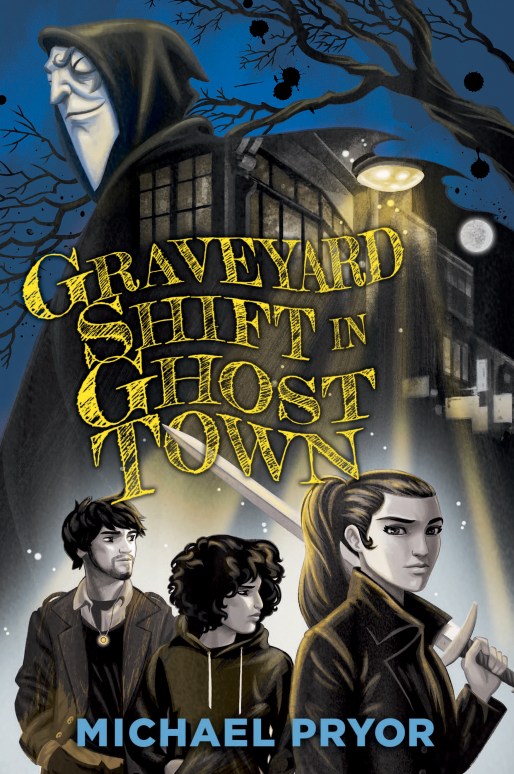
Graveyard Shift in Ghost Town Cover

Publisher: Allen & Unwin (Trade Paperback – 1 July 2019)

Series: Ghost Town – Book 2

Length: 307 pages

My Rating: 4 out of 5 stars

Amazon     Book Depository

Acclaimed Australian author Michael Pryor revisits his Ghost Town young adult series with another entertaining and intriguing story, Graveyard Shift in Ghost Town.

Anton Marin is having an extremely odd gap year. As a member of an infamous outcast ghost-hunting family, Anton can see the ghosts that linger in our world, and he has recently taken up the family business. Working with his new partner, the English badass Rani Cross, Anton works to protect the people of Melbourne from the more dangerous types of ghosts while also ensuring that all the wandering spirits they encounter are helped on to the next world. However, even with Rani’s help, ghost hunting in Melbourne has recently gotten even more difficult as the city finds itself in the midst of a genuine ghost plague. A massive infestation of the most dangerous types of ghosts imaginable is wreaking havoc across the city, and even usually benign or harmless spirits are starting to attack people.

Anton and Rani’s problems are about to get even worse; a deadly cult of Trespassers, humans who use magic to control ghosts for their own ends, is in town and determined to capture anyone with ghost sight for use in their rituals. As Anton and Rani find themselves with a target on their back, Anton must deal with the return of his long-lost aunt Tanja. While Anton is overjoyed to have a member of his family back, he quickly realises that not everything with his aunt is as it seems. What secrets is Tanja hiding and what is her connection to the leader of this group of Trespassers? As secrets and occult dangers arise within Melbourne, the fate of the world hangs in the balance.

Michael Pryor is one of Australian’s most notable authors of young adult fiction, having written a number of fantasy and science fiction novels for a younger audience. Some of his most notable series include The Law of Magic, The Extraordinaries and his six entries in the long-running The Quentaris Chronicles. Graveyard Shift in Ghost Town is the second book in Pryor’s latest series, Ghost Town, and follows on from his 2017 release, Gap Year in Ghost Town. I initially thought that Graveyard Shift in Ghost Town was my first experience reading Pryor’s work, but I actually remember reading some of the books in The Doorways trilogy back when I was kid. While this was something like 20 years ago (and now I feel old), I do know that I greatly enjoyed these books and their clever concept, so I was excited to check it out.

Graveyard Shift in Ghost Town is an interesting and engaging piece of young adult fantasy with a number of cool features. Pryor has done a fantastic job combining a unique concept of ghost hunting with a group of enjoyable characters and grounded the story in the author’s home city of Melbourne. This results in a great piece of fiction that will do a wonderful job of enthralling a whole new generation of young Australian readers. For those readers who are only just coming onto this series, knowledge of the previous book is not a necessity to enjoy this sequel, as the author does a good job of re-introducing the characters, plot details and adventures that were featured in Gap Year in Ghost Town.

One of the most enjoyable aspects of this series is the overarching concept of a world haunted by real and potentially malevolent ghosts, and the adventures of the few individuals who can actually see them. Pryor has populated his story with all manner of different types of ghosts, each with their own specific characteristics, strengths and appearances. Readers will get to see the various ghosts that the protagonists go after, including the Lingers, Moaners, Thugs, Weepers and a new breed of zombie ghosts, just to name a few. All of these ghosts are really cool, and I enjoyed how this book started going into a little more detail about the origins of ghosts and the malevolent forces behind them. I also liked how the story also pivoted towards a more human antagonist in the form of the Trespassers, and it was intriguing to see how a group of people utilising the ghosts for nefarious purposes. It was interesting to see the protagonist’s ghost hunting techniques in action, and it results in some intense action sequences, especially when they have to fight ghosts and the Trespassers at the same time. This is an inventive and clever concept that helps make this series stand out from some of the other young adult fantasy books out there.

Another great distinguishing feature about this book is the author’s inclusion of a contemporary Melbourne setting. I love fantasy stories that utilise modern settings, and Pryor did an exceptional job bringing the city of Melbourne to life. The characters visit all manner of key landmarks in the city throughout the course of the story, and I really liked seeing locations I have visited featuring fights between ghost hunters and spirits. Pryor also uses the opportunity to showcase some of his favourite restaurants and cafes and it was nice to see an author insert elements of a city they clearly love into their story.

In addition to its intriguing concept and excellent setting, I was also impressed with the complex characters in Graveyard Shift in Ghost Town. The main protagonist is Anton, the funny and slightly odd heir to an exiled ghost hunting family with their own unique techniques for dispersing ghosts. Anton serves as the narrator and point-of-view character for the story, and he offers a fun and introspective narration to the book, while the revelations about certain family secrets offer up some interesting drama. The other main protagonist, Rani, is an extremely skilled sword-wielding badass who is a former member of an established ghost-hunting order from England and is an excellent female character for this series. Anton and Rani form a great team in this book, as the two of them find their groove as a partnership and work well against the threats they face. The character of Bec is an interesting third member of this partnership, as not only is she Anton’s oldest friend, who plays a cute game where they try to guess quotes from famous figures, but she is also Rani’s girlfriend, who they share an apartment and cat with. Bec really brings the team together, and there are some interesting examinations of the dynamics between the three of them, as each of them feels like they are the outsider in the group. There are also a few cool new additions to the series in this book, including a couple of Scottish ghost hunters, their ghost-hunting dog and a good antagonist in the form of the leader of the new cult of Trespassers.

Graveyard Shift in Ghost Town is an excellent piece of young adult fiction that is appropriate for a wide range of different ages and tastes. While there are a few dark scenes, such as a somewhat gruesome torture sequence, the vast majority of the book is appropriate for young teens and perhaps particularly mature young readers. I thought the author’s inclusion of a positive lesbian relationship between Rani and Bec was a really good feature for the young adult audience, and it was that was portrayed extremely well. I am also sure that young Australian readers, especially those living in Melbourne, will love to see these fantasy variations of locations they are familiar with, and it will hopefully invigorate their imagination.

Michael Pryor has done an amazing job following up Gap Year in Ghost Town, as he presents another compelling and enjoyable paranormal young adult adventure. With inventive ghosts, scary antagonists, great characters and a fantastic Australian setting, Pryor has once again shown why he is one of the leading authors of young adult fiction in Australia. Graveyard Shift in Ghost Town is definitely worth checking out, and it has a lot of features that should prove appealing to the younger teen audience.

Amazon     Book Depository

Knight of Stars by Tom Lloyd

Knight of Stars Cover

Publisher: Gollancz (Hardcover – 27 June 2019)

Series: The God Fragments – Book 3

Length: 440 pages 

My Rating: 4 out of 5 stars

Amazon     Book Depository

Lynx, Toil and the rest of the Cards are back for another rip-roaring fantasy adventure, as the “heroes” of Tom Lloyd’s The God Fragment series prepare to bring all manner of violence and chaos to another unsuspecting corner of their fantasy world.

Knight of Stars is the third book in The God Fragments series, which follows the adventures of Anatin’s Mercenary Deck, a band of skilled mercenaries otherwise known as the Cards, whose adventures have caused havoc across the Riven Kingdom. The Cards are so called as each member of the band are given a card number or description based on a fictional deck of cards from this universe, which corresponds to their rank within the band. This is the third series from Lloyd, who has previously written the Twilight Reign and The Empire of a Hundred Houses series. The God Fragments series has so far consisted of Stranger of the Tempest in 2016 and Princess of Blood in 2017, with each of the book titles referring to the rank one of that particular novel’s major or most significant character.

In this third book, the Cards are celebrating after surviving and getting paid for their previous adventures in the Labyrinth under the city of Jarrazir. However, their last adventure had unexpected side effects as several of the band have also been magically marked by the powerful Dugar artefact they discovered in the Labyrinth. Not only have these marks magically bound many of the Cards together but they have also had unexpected effects on the Deck’s mages, who have found their magical abilities greatly increased.

The Deck’s employer, the dangerous relic hunter and intelligence officer Toil, has found them a relatively simple job in the distant Mage Islands to take over the holdings of a defaulting gang for a powerful bank. With the prospect of good food, sun, booze, bar fights and the chance to let loose in combat, the Cards are treating it like a holiday, especially as it moves them out of reach of several powerful enemies they have recently made. While Toil seeks out allies and resources for her patron city, the company’s mages attempt to research the magical consequences of their time in the Labyrinth.

However, no mission for the Cards ever goes as planned, and the Mage Islands are a very dangerous place to visit. Between the rival mage guilds, the various gangs and the thousands of giant serpentine tsyarn that surround the city, any miss-step could lead to disaster, and none of the Cards are known for treading lightly, especially as their number includes an infamous exile from the Mage Islands who has left many enemies behind. Unsurprisingly, the members of the Deck soon find themselves in conflict with many powerful members of the Mage Islands’ hierarchy. However, the real trouble comes when several of the Cards accidently awaken something dangerous that dwells beneath the islands.

I was initially drawn to Knight of Stars by the cool plot synopsis, but I found the first 50 or so pages, which detailed the actual journey to the Mage Islands, to be very slow and a little hard to follow. This may have been partly because this was my first time exploring The God Fragment series; I have not had the pleasure of reading the first two books in the series. As a result, I spent quite a bit of time trying to come to grips with the story and the large number of returning characters who were featured in the opening pages of the book. While the summary at the start of the book does a great job of detailing the major points of the adventures that occurred in the previous books in the series, this summary only focuses on a few of the main characters. This means that new readers will not have a good basis for several of the important side characters and may struggle to work out who they are. After getting deeper into the book I was eventually able to come to grips with all of the characters, especially as more details about them were released; however, it was easy to become lost when trying to figure out who was who to begin with. It also didn’t help that the real action and intrigue didn’t really start until the characters got to the Mage Islands, as before that they are mostly stuck talking on a couple of barges. There is a brief fight with some elementals, although what they were and the reason for their presence was a bit unclear in my opinion. While I am glad that I continued past it and enjoyed the rest of story, the first part of the book might not be able to hold some new readers’ interest.

While this is not the most ideal start to the book, those readers who persevere will find that Lloyd has created an excellent and highly entertaining novel. The author has done a wonderful job of taking his band of rogues to a deadly new location within his fantasy universe and the allowing them to run wild, resulting in all manner of chaos. The overall story becomes extremely compelling the deeper you get into it, and the last 150-odd pages are pretty darn epic, featuring some big moments with some significant stakes for the protagonists. All of this results in a very enjoyable story, and I ended up have an absolute blast reading this book.

One of the main things that I liked about this book that was the non-stop fantasy action featured within it. It is obvious that Lloyd has a real talent for writing exciting combat sequences, which he uses to his full advantage by featuring a huge number of electrifying fight scenes throughout the course of his book. Many of these amazing scenes feature elements of the unique magical system that Lloyd has created for The God Fragments series, and I particularly liked the mage-guns that were a major feature of the action. Mage-guns are specialised weapons which all the Cards are armed with that fire various magical rounds of ammo to great effect. This includes electrical blast, ice shots, blasts of flame and devastating earth based shots designed to smash buildings and the ground. The author does an amazing job showcasing these unique weapons and the tactics behind them throughout the book, and they really add a whole new element to the combat sequences. While the combat for the first three quarters of the story is really cool, the fight between the Cards and the major opponents that they encounter in the last part of the book are extremely impressive and very ambitious. I would therefore heartily recommend Knight of Stars to those readers who are looking for a good piece of fantasy action, as it is an amazing feature of this book.

On top of the awesome action, the Cards of the Mercenary Deck are pretty fun. I really liked how Lloyd decided to set a story around a group of rough, fun-loving group of frankly oversexed mercenaries, as it makes for a very amusing tale. The story is told from the perspective of several members of the group, including Lynx, the original protagonist of the series; Toil, the secret agent who is funding the group; and Sitain, one of the group’s three mages. The Cards are a fun group of protagonists, most of whom have seen or done too much violence, so they now see the world through a rather cynical viewpoint. Their love for life is quite infectious, and they make for an entertaining group of narrators, with their rude and crude attitudes often coming to the fore. The Cards also have a very unique way of dealing with problems, and it is always fun to follow a group whose master plan involves starting a particularly violent bar fight. Several of the characters have interesting story arcs within this book, especially Teshen, the titular Knight of Stars, who returns to the Mage Islands to face the demons of his past. There are a couple of major developments for some of the characters in this book, and readers should be careful about some upcoming heartbreak. This is a wonderful group of characters, and I really enjoyed seeing how their story progressed in this book.

The location for this latest book, the Mage Islands, is a really cool setting for this action-packed story. The Mage Islands is a brand-new setting, located some distance away from where any of the previous books were set. The Mage Islands is home to a ramshackle city of canals, slums, lagoons and giant sloths as pack animals, and is a great backdrop for all the action and criminal activity that occurs throughout the book. Lloyd does an excellent job of portraying a hot, tropical location filled with all manner of dangers, criminals and pests. However, rather than the usual vast number of tropical bugs and insects, the city is surrounded by a huge swarm of giant monsters, the tsyarn (the monster on the cover). As you can probably guess from the name, the city is also home to a massive population of mages, and the Cards find themselves drawn into a conflict between some of the rival mage guilds. Overall, this was a fantastic location for this enjoyable story, and I look forward to seeing where the Cards end up next.

Knight of Stars is an exciting and captivating third instalment in Tom Lloyd’s The God Fragments series. While I did initially struggle to get into the story, once I stuck with it, I was able to enjoy its compelling plot, amazing action, great characters and excellent new location. This book is worth checking out, and I look forward to reading Lloyd’s future instalments in this series.

Amazon     Book Depository