Waiting on Wednesday – Tyrant of Rome by Simon Scarrow

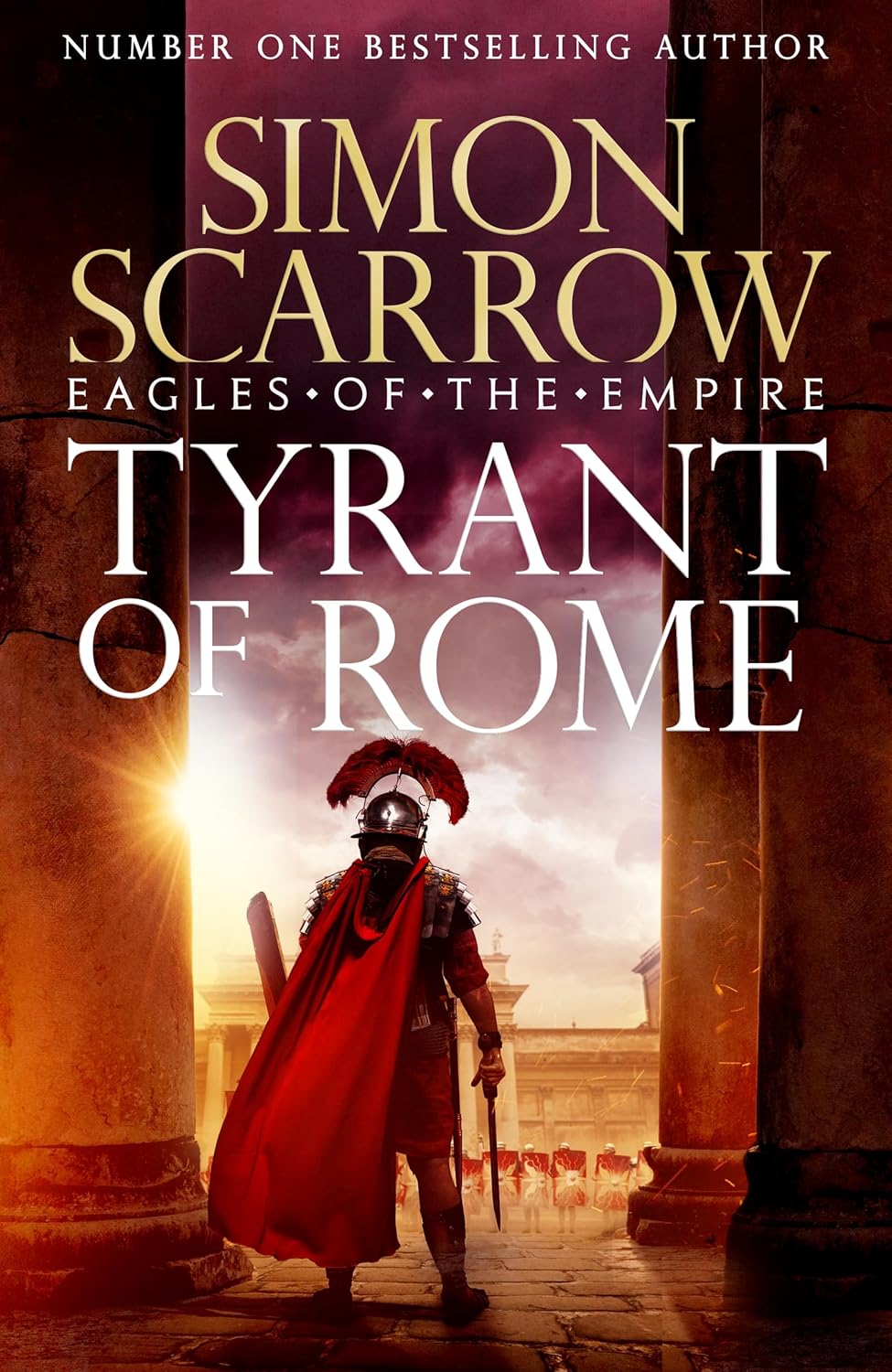
Welcome to my weekly segment, Waiting on Wednesday, where I look at upcoming books that I am planning to order and review in the next few months and which I think I will really enjoy.  Stay tuned to see reviews of these books when I get a copy of them.  For this latest Waiting on Wednesday post, I highlight an exceptional upcoming novel that will probably be one of my favourite historical fiction books of 2025, Tyrant of Rome by Simon Scarrow.
Amazon

Readers of this blog will know that I am a massive fan of historical fiction author Simon Scarrow, who has been producing epic and compelling historical fiction novels for 25 years.  His books cover a range of interesting topics and settings, although his current body of work involves his long-running Eagles of the Empire series, as well as his Inspector Horst Schenke thriller novels set in wartime Berlin.  Scarrow has already had a successful 2025, releasing his third Inspector Horst Schenke novel, A Death in Berlin, which proved to be an outstanding read.  However, Scarrow fans are in for another treat as he has an awesome Roman historical fiction read coming out in a few months’ time.

This new book, Tyrant of Rome, will be part of the author’s Eagles of the Empire series, which follows two veteran Roman officers, Prefect Cato and Centurion Macro, as they fight their way through the various battlefields and political intrigues of ancient Rome.  Running since 2000, the Eagles of the Empire books are still going strong, and I love the author’s interesting historical insights and ability to imagine elaborate historical battles.  I have had the great pleasure of reading all the Eagles of the Empire books over the years, and I currently have reviews for several published on my blog, including The Blood of RomeTraitors of RomeThe Emperor’s ExileThe Honour of RomeDeath to the Emperor, Rebellion and Revenge of Rome.  Unsurprisingly, any new Eagles of the Empire novels are very high up my to-read list, and as such Tyrant of Rome is one of my most anticipated books coming out in the second half of 2025.

Set for release in November of this year, Tyrant of Rome will be the 24th book in the Eagles of the Empire series and will take the protagonists onto a whole new battlefield when Emperor Nero forces the two to take control of law and order in ancient Rome.

Plot Synopsis:

AD 63. Under the reckless and tumultuous leadership of Emperor Nero, Rome is descending into near-anarchy and conspiracy. The brutal execution of 400 slaves has led to rioting and discontent. Only the strongest soldier could maintain control. And so Nero turns to Prefect Cato to help save his reign from collapse.

Cato has been lying low after a heroic campaign to quash the Boudica uprising. Now he is called upon to serve again. As the new Prefect of the Urban Cohorts in Rome, Cato needs a loyal and proven officer by his side. Centurion Macro is willing to step up.

War and rebellion hold few fears for these seasoned veterans. But the politics and intrigue of Rome make every day as perilous as the battlefield. And the fate of both men, and of the empire, lie in the hands of the most volatile emperor of the age. Death awaits anyone who dares to defy Nero.

Cato and Macro will need to call on all their experience, native cunning and bottomless courage to survive in this epic new adventure of Roman military heroism.

I love this very interesting plot idea for Tyrant of Rome, and I feel it is going to result in a particularly epic new entry in the Eagles of the Empire series.  A book filled with intrigues, politics and general unrest in Rome is going to be a very cool change of pace following the Britannia and Boudica focussed last couple of books, and I am looking forward to seeing a whole different story for this next entry.  While Cato and Macro have been deployed to Rome before, this was mainly as Praetorian Guards in the palace, so having them take on a more citizen-focused role in the Urban Cohorts should be an excellent new story arc for them.  Throw in the unpredictable element that is Nero, and I have a feeling that Tyrant of Rome is going to be a particularly chaotic novel that will hit a lot of fun ancient history notes.

On top of the excellent story ideas featured above, I am also exceedingly curious to see how the various character-focussed storylines surrounding the protagonists are going to unfold now that the characters are back in Rome.  I imagine that all the main characters, especially Macro are going to be emotionally scarred from the dark events of the last few books, and I am hoping that Scarrow will dive into this a bit in Tyrant of Rome.  At the same time, Macro is going to have to deal with the new dynamic of having a daughter, especially one with such a dangerous heritage and whose hatred for all Romans is likely to cause problems.  Cato’s life is also likely to be quite problematic as he is currently harbouring Nero’s former mistress, Claudia, whose death they faked a few books ago.  I am extremely curious to see how Scarrow will address all these ongoing threads in Tyrant of Rome, and it should add some excellent dramatic spice to an already intrigue laden novel.

Cards on the table, there is practically nothing that is going to stop me getting my hands on Tyrant of Rome later this year, especially after the years and years of fun I have had with the Eagles of the Empire series.  However, I am particularly taken with the plot synopsis above, and based on this epic description, I am extremely confident that Tyrant of Rome is going to be one of Scarrow’s more awesome novels.  Likely to be one of my very favourite historical fiction novels of 2025 no matter what, I am so damn excited for Tyrant of Rome and November cannot come soon enough.
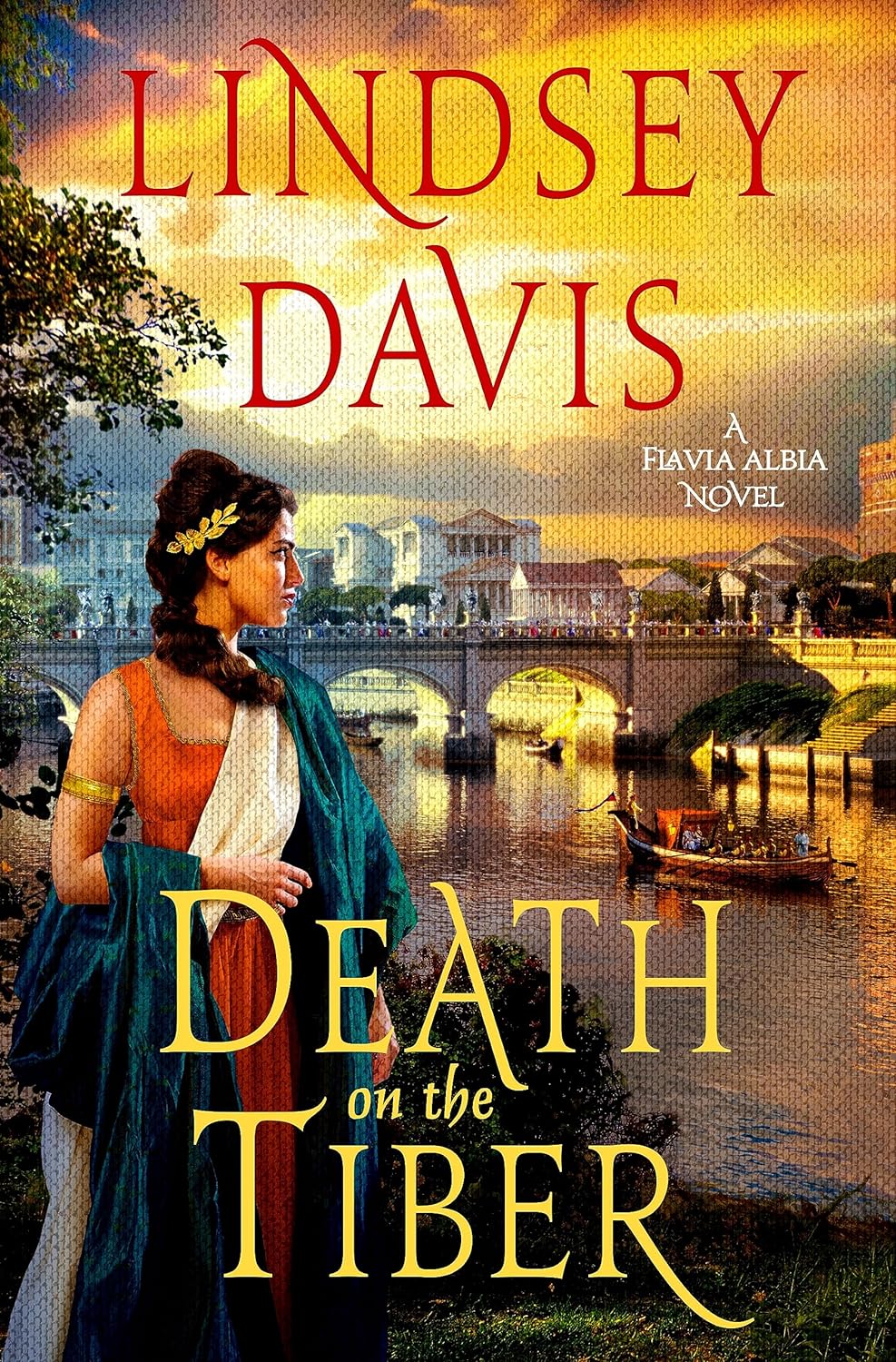
Quick Review – Death on the Tiber by Lindsey Davis

Publisher: Hodder & Stoughton (Trade Paperback – 9 April 2024)

Series: Flavia Albia – Book 12

Length: 380 pages

My Rating: 4.75 out of 5 stars

Amazon

Those in the mood for a clever murder mystery in ancient Rome look no further than the 2024 entry in the long-running Flavia Albia series with Death on the Tiber by Lindsey Davis.

I am a huge fan of historical fiction, and one of my favourite ongoing historical series is the outstanding Flavia Albia books by veteran author Lindsey Davis.  The Flavia Albia books, which are a sequel series to the author’s long-running Falco series, follow a determined private investigator in ancient Rome who takes on a range of complex cases and murder investigations, often encountering many of the city’s over-the-top inhabitants.  I have had an amazing time reading this series over the years, including The Third NeroPandora’s BoyA Capitol DeathThe Grove of the Caesars (one of my favourite books of 2020), A Comedy of TerrorsDesperate Undertakings (one of my favourite books of 2022) and Fatal Legacy.  As such, I try to read every new Flavia Albia book that comes out, and after accidently avoiding it for much of 2024, I recently finished off the 12th book in the series, Death on the Tiber.


Plot Synopsis:

Rome is in chaos. The empire of a mobster chief is falling apart following his death. Rivals, fearsome relatives and associates are taking up position to vie for the spoils.

With hideous murders in the streets of Rome, a lone female traveller arrives with an agenda of her own. But when her corpse is dragged out of the river bearing signs of foul play, Flavia Alba is drawn in, concerned about her fellow Briton’s fate.

Alba’s quest to find the killer becomes deeply personal when she discovers a man at the centre of the plot is an old adversary of hers. Will she be obsessed by revenge? Can she let the past go, or will it consume her?

Death on the Tiber was a great addition to the Flavia Albia series that features its own distinctive crimes, while also cleverly tying into several of the author’s previous Falco and Flavia Albia books. 

The plot of Death on the Tiber is very compelling, as the protagonist, Flavia Albia, finds herself drawn into the investigation of a murdered tourist pulled out of the Tiber.  However, the case becomes personal for Albia when she discovers the victim’s connection to the gangster Florius, an old foe of her fathers, who years before committed unspeakable evils against Albia and who may have finally returned to Rome.  Determined to finally hunt down Florius and make him pay for his crimes, Albia begins her investigation and soon finds herself embroiled in a deadly gang war that could tip the balance of Rome’s underworld.  Forced to compete with a range of interested parties, including her own vengeful father and uncle, the Roman military and several gangsters and their families who Flavia has previously encountered through her work, the protagonist slowly begins to piece together the events that lead to the victim’s death and the connection to her quarry’s current location.

This proved to be a highly personal and complex entry in the series, and one that I felt served as a love letter to the author’s prior works.  A huge range of characters from previous Flavia Albia novels, as well as major figures from the preceding Falco books, are featured throughout Death on the Tiber as the author takes the opportunity to tie together a range of ongoing storylines related to a major antagonist of the Falco books.  This allows for quite a fascinating read, especially for those readers familiar with the previous works, and it was awesome to see Davis bring together a compelling cast of returning figures. 

The plot moves in some interesting directions as the book nears the end, and Davis adds in a range of compelling layers to the case, including disgruntled mobster wives, a big gang war for the control of Rome, and alternating bands of Roman officials seeking to disrupt events.  The conclusion for the book proves to be very emotionally charged, especially as the protagonist comes face to face with her biggest monster and finally gets some closure.  The main mystery of Death on the Tiber is also extremely well written and utilised, and Davis does an excellent job tying in a lot of the novel’s leads and investigative plots into the main hunt for the returning Florius.  While the reveal of the ultimate culprit behind the killing isn’t especially surprising, the way in which Davis addresses their fate is particularly impressive, and it leads to a very fun final moment in the book.  I loved this last little twist, which I honestly think tied the book together very nicely, and it certainly was one of the moments that has stuck with me since finishing Death on the Tiber off.

This ended up being another strong Flavia Albia book as Davis continues to utilise her trademark style in Death on the Tiber.  Focused primarily through the sarcastic and cynical Flavia, Death in the Tiber evolves into a twisty hunt for answers, that brings together mystery, criminal intrigue, and the protagonist’s various personal connections.  Davis has a very compelling way of writing her stories, and her examinations of Rome through the protagonist’s eyes are often light-hearted, sarcastic, and applying modern mentalities to the ancient society.  This results in an impressive read, especially as Davis lays down an exceptional combination mystery and revenge-focussed narrative.  While I really enjoyed how well Davis revisited multiple previous books from both the Falco and Flavia Albia series, it does mean that readers do need a bit of pre-knowledge of these earlier works to fully appreciate Death on the Tiber’s plot.  Davis does provide some much-needed context at times, which will allow some new or forgetful readers to enjoy this book, but I personally think that people should have at least read the last few Flavia Albia books before Death on the Tiber to really get this book.

Despite the series’ general comedic vibe, Death on the Tiber gets very dark at times, especially as the protagonist is forced to revisit her traumatic history.  The author does an excellent job of diving into Flavia’s trauma and pain on the subject, and it was nice for this compelling protagonist to finally get some closure.  Davis nicely balances some of these darker moments by including an extensive cast of eccentric characters, many of whom are continuing their storylines from both the Falco and Flavia Albia series, and there are some very fun moments scattered throughout Death on the Tiber as a result.  This includes a fun competitiveness with Flavia’s father, Falco, a dive into some other important parental figures in her life, as well as her very strong relationship with her supportive and relentless husband.  I personally loved the return of all the various major gangsters Flavia has dealt with over the years, and it was fun to see her try to investigate them after prior experiences.  However, two of Flavia’s female relatives end up stealing the show in Death on the Tiber, especially at the end where they showed an ironic sense of justice.  An overall great extended cast that served to connect this book to the larger series in some outstanding ways.

With Lindsey Davis’s typical impressive writing and a cool plot laden with mystery and criminal intrigue, Death on the Tiber was an amazing entry in one of my favourite historical fiction series.  Entertaining, addictive and very moving, Death on the Tiber had me hooked from the very beginning, and I wish I’d read it sooner.  I look forward to continuing the Flavia Albia series this year, especially as Davis has a cool book coming out in April set around the ruins of Pompei with There Will Be Bodies.

Amazon

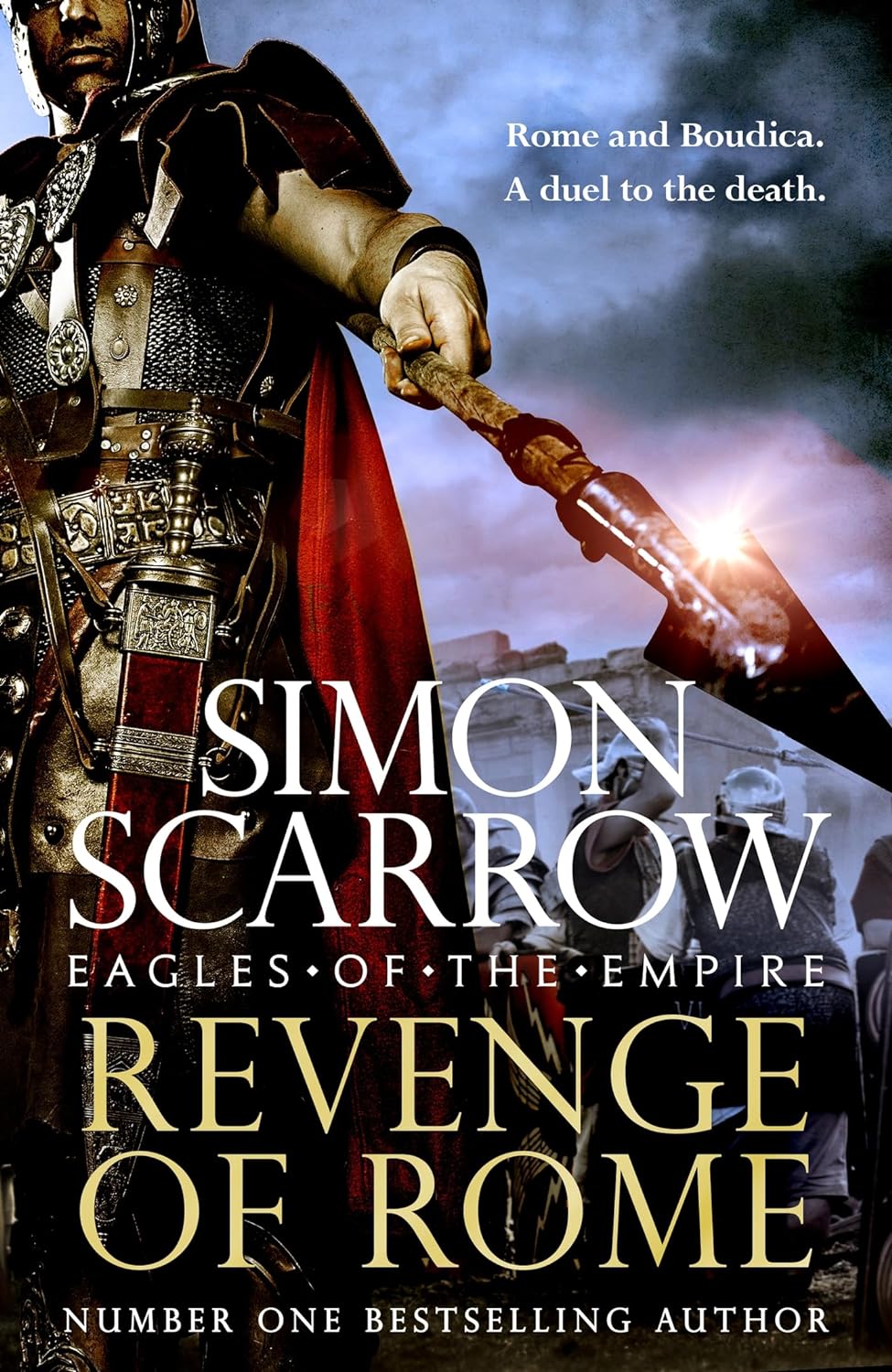
Revenge of Rome by Simon Scarrow

Publisher: Headline (Trade Paperback – 12 November 2024)

Series: Eagles of the Empire – Book 23 

Length: 411 pages

My Rating: 4.5 out of 5 stars

Amazon

The action continues in one of my favourite Roman historical fiction series with the outstanding and captivating read, Revenge of Rome by Simon Scarrow.

I have long extolled the ability of Simon Scarrow, who is one of the top current authors of historical fiction, as well as a personal favourite writer of mine.  I have had a blast reading and reviewing many Scarrow books over the years, including his Berlin Wartime Thriller series (see my reviews for Blackout and Dead of Night), as well as several great standalone reads.  However, his main body of work is the exceptional Eagles of the Empire series.  One of the premier Roman historical fiction series, the Eagles of the Empire books follow two elite Roman officers as they fight their way across multiple wars, provinces and battlefields.  I have been a fan of this series from the beginning, and the books within it have been a key part of my yearly review schedule, including The Blood of RomeTraitors of RomeThe Emperor’s ExileThe Honour of RomeDeath to the Emperor and Rebellion.  As such, the latest book in the series, Revenge of Rome, has been a highly anticipated read for me, and I have been very keen to get my hands on it.  The 23rd novel in the series, Revenge of Rome, follows on immediately after the events of Death to the Emperor and Rebellion, which covered the main events of Boudica’s uprising, and deal with the deadly aftermath of this massive conflict.

Britannia, 61 AD.  Following the final stand of the Roman army that broke the massive rebel horde, the uprising against Rome has ended but there is still no peace in Britannia.  Boudica, the warrior queen who sparked the rebellion, has escaped and still holds the eagle standard of the defeated Ninth Legion.  With the eagle in hand, Boudica and her Iceni tribe are living proof that Rome can be beaten and while she survives the flames of rebellion continue to smoulder.

Desperate to hunt Boudica down and make her pay for her crimes, Rome assigns two veterans to end the threat she poses, Prefect Cato and Centurion Macro.  Survivors of countless battles and campaigns Cato and Macro are the perfect soldiers to take down Boudica, especially as they share a long history with her.  Determined to do their duty, even with their conflicted feelings, Cato and Macro lead their troops into the lands of the Iceni to either capture or kill Boudica.

However, Boudica is no easy prey to capture.  Despite her defeat, she still has many skilled warriors fighting under her banner, each of whom holds great hatred for the Romans.  Worse, the war has made Boudica both cruel and cunning, and she soon engages in a brutal war of attrition, determined to break the Romans before they can overwhelm her.  To succeed, Cato and Macro will need all their cunning, grit and experience to finally bring Boudica down.  But can even these wily Roman officers contend with the wrath of an entire nation and their vengeful queen, or will Britannia rise once more to destroy the Roman invaders?

Revenge of Rome was another excellent and exciting entry in the Eagles of the Empire series that proved to be an absolute blast to get through.  A very intense, character driven read that focuses on an interesting period of Roman history, Revenge of Rome was an outstanding book that really drew me in.

Scarrow did an amazing job continuing the intense story from the last two books, and I frankly feel that this has been some of his best writing in years.  Starting off with a cool alternate look at the main battle from Rebellion, Revenge of Rome primarily explores the events immediately following the massive uprising and the destruction wrought on the Roman settlements.  Once again following Cato and Macro as they are given an impossible task, Scarrow presents a back-to-basics narrative as the two officers train up a new regiment (from the Second Legion, which was a nice callback to the first few books), to lead it into combat against the rebelling tribes.  The first half of the book follows Cato’s initial strategy of diplomacy and scouting, as he tries to figure out how to defeat Boudica with limited troops.  At the same time, Boudica works to reignite her rebellion, causing chaos amongst the other tribes and scoring some early victories.  This proves to be an intriguing first half of the book, especially as it nicely sets up the rest of the narrative, while also examining the aftermath of the rebellion, and the initial attempts of the Romans to regain control.

While the first half of Revenge of Rome was exciting, the best action occurs in the second half as Cato and Macro lead their troops against the Iceni and attempt to find their hideout.  There are some great small-scale conflicts the further we get along and Scarrow did an effective job showcasing Boudica as a truly dangerous foe.  Everything nicely leads up to the final battle, where the protagonists discover the Iceni’s fortress in the swamps (thanks to an excellent plot line about Cato trying to win back the hearts and minds of the locals) and engage in a deadly siege.  The action flies thick and fast here, and there are some awesome fight sequences as both sides initiate some clever tactics.  I really got caught up in the final battles and flew through the last 100 pages or so which detailed the siege.  While there is a natural focus on the brutal combat, Scarrow also provided some powerful character moments which helped to make Revenge of Rome even more intense and moving.  Scarrow ends everything on a final, if hopeful, note and it looks like the Eagles of the Empire series will be entering a new phase.  It will be interesting to see where Scarrow goes next, and I look forward to seeing how a certain new character is worked into the plot.

Scarrow always utilises a great and consistent style with the Eagle of the Empire books, which allows for some fantastic and exciting stories.  Revenge of Rome is no different, as we are presented with a compelling tale that sees the Romans taking on the local tribes of Britannia in a deadly game of cat and mouse.  I felt that Scarrow did a great job amping up the character emotions in Revenge of Rome, especially as we get some great alternate views of the main antagonist, Boudica, and her vengeful crusade.  The resulting carnage is well-written and intense, and Scarrow is very effective at portraying historical combat through his writing.  I really love the detail in which Scarrow showcases both the Romans and the Britannia tribes, and the compelling action sequences make for some brilliant reading.  The historical period featured within Revenge of Rome also proved to be very interesting, as Scarrow dives into the aftermath of Boudica’s rebellion and the state of Britannia at the time.  I really appreciated this fascinating focus; especially as most historical fiction authors tend to only portray the main rebellion and leave it at that.  I felt that Scarrow also did an outstanding job capturing the emotions of both the Roman soldiers and the surviving tribes throughout the book, and it was really intriguing to see some of the politics and logistics involved in the aftermath of the deadly occurrences of the previous novels.  Like most books in the series, Revenge of Rome can easily be read as a standalone novel, as Scarrow writes an inclusive narrative that cycles back to key events of previous books when necessary.  However, to get the full emotional impact of Revenge of Rome I would recommend first reading the prior two novels, Death to the Emperor and Rebellion, as their stories are extremely well linked.  However, even if you only read Revenge of Rome, you are in for a great historical adventure with some intriguing features.

I also felt that Revenge of Rome had some very strong character work in it as Scarrow brings back his classic protagonists alongside a few intriguing additions.  After 23 books, Cato and Macro are still the same characters we’ve come to know and love, although Scarrow does find ways to keep them fresh.  While Cato is his usual tactical and empathetic self, especially when it comes to finding ways to defeat the enemy, Macro is in his full-on non-commissioned officer mode, serving as the hard-boiled soldier’s soldier.  Thanks to some over-the-top drill sergeant scenes, Macro quickly steals focus, and he is the more entertaining of the two protagonists.  Scarrow also throws in some especially emotional sequences for Macro, as he deals with the continued conflict against his former love interest, Boudica, his guilt for the damage she caused, and the secrets she revealed to him in the previous novel.  One of these secrets comes to fruition nicely in the final part of the book, and it will be interesting to see how the evolves going forward.

Aside from Cato and Macro, there is a great array of additional interesting characters scattered throughout the novel who have their moment to shine.  This includes multiple Roman figures, many of whom previously appeared in previous novels.  Of these, I particularly enjoyed Scarrow’s portrayal of a young Tribune Agricola.  Agricola, a real historical figure destined to become a famous general, is shown here as a brash young officer eager for command.  His ongoing storyline of learning the ropes under Cato and Macro proves to be a lot of fun, and I liked the inference that Agricola’s later success can be attributed to the harsh early tutorage of the protagonists.  However, out of the all the supporting characters, I felt that Scarrow did his best work with Boudica.  Boudica, who has appeared in several earlier Eagles of the Empire books, has one of her best outings in Revenge of Rome.  Despite losing in Rebellion, Boudica is still a determined revolutionary, turned vengeful from the Romans treatment of her and her daughters.  As such, she is unrecognisable compared to her previous appearances as an ally to Cato and Macro, and she proves to be one of their most dangerous enemies.  I felt that Scarrow really captured her revenge-darkened heart in Revenge of Rome, and there are some great scenes where she continues to take her war up another notch.  It was honestly really moving to see her in this final showdown against the protagonists, and I appreciated how effectively Scarrow focused on this iconic historical figure in this latest book.

Simon Scarrow once again deeply impressed me with an Eagles of the Empire novel as Revenge of Rome was another captivating and exciting novel, loaded with awesome historical action.  An excellent addition to the series that provides an outstanding wrap-up of one of Scarrow’s best storylines, Revenge of Rome comes very highly recommended, and I look forward to seeing where the author takes the series next.  In the meantime, we have A Death of Berlin to look forward to from Scarrow early next year, which should be another dark and complex Berlin Wartime Thriller.

Amazon

Nero by Conn Iggulden

Nero Cover

Publisher: Michael Joseph (Trade Paperback – 28 May 2024)

Series: Nero – Book One

Length: 396 pages

My Rating: 4.5 out of 5 stars

Amazon

One of the absolute best authors of historical fiction in the world today, Conn Iggulden, returns with an exciting new series as he examines the life of Rome’s most infamous Emperor, Nero.

Conn Iggulden is a historical fiction author that I have a lot of respect for, especially as consistently presents intense and compelling reads that focus on some of the most interesting people and conflicts of the historical world.  Starting off over 20 years ago with his iconic Emperor series, which covered the complete life of Julius Caesar, Iggulden has moved through various historical periods and locations with his works.  This includes his impressive Conqueror series, which followed the life and legacy of Genghis Khan, his outstanding War of the Roses books, the fantastic standalone novel The Falcon of Sparta, and his clever Athenian series, made up of The Gates of Athens and Protector.  All these series have been really impressive, effectively balancing historical detail with exciting storytelling, and Iggulden is a favourite author of mine as a result.  Due this I have been really excited for his latest novel, Nero, which provides an intriguing look at the events that led to the ascension of the titular Emperor.

Rome, AD 37.  The greatest city in the world is in turmoil.  The decrepit and vengeful Emperor Tiberius has returned to Rome after a lengthy absence, and his first act is to order the strangulation of the man he left in charge.  As a flurry of sanctioned killings and destruction begins to reign down upon Rome, a young boy is born who is destined to burn everything around him.

Born Lucius Domitius Ahenobarbus, the boy is the son of a former champion charioteer of noble lineage, and Agrippina, the great-granddaughter of the Emperor Augustus.  With family ties reaching all the way back to original emperors, Lucius is already considered an eventual claimant to the Roman throne.  However, there are many within Rome who want power and influence for themselves and care little for the hopes and ambitions of a noblewoman and her young son.

With dark clouds on Rome’s horizon, Agrippina soon discovers that the greatest threat comes from closer to home than she realises in the form of her brother, Caligula.  Banished and robbed of everything, including her young son, Agrippina finds herself at the mercy of those around her.  However, Agrippina does not intend to be powerless forever, and when fate intervenes, she finds herself with the opportunity to influence the very heart of Roman politics.  Can Agrippina ensure the rise of her young son, the boy who will eventually be known as Nero, and will Rome ever be the same again?

This was an intriguing and gripping novel from Iggulden, who continues to show why he is one of the most consistent and entertaining authors of historical fiction.  Nero is a fascinating and thrilling read that cleverly examines the early life of the future emperor from those around him and proves very hard to put down.

Nero contains a typical Iggulden narrative, in which he focuses on a historical figure and follows them from birth to their eventual rise to power.  In Nero’s case, this book is clearly the first part of a larger series as it is dedicated to examining the childhood of the future emperor and the many events that lead to him to the throne.  As such, the focus of this novel is more on his parents, and the various other dangerous Roman figures who were around at this time.  Starting in the latter days of Tiberius’s reign, the author parallels Nero’s birth with the start of Tiberius’s purges in Rome, while also showcasing his troubled parents, including his mother Agrippina, who is essentially the main character here.  This proves to be an interesting start to the book, especially as you get a good look at many of the key figures the story is going to focus on, while also showcasing just how crazy stories recounting the history of Rome can get.

The author quickly moves the story along to the reign of Caligula, which drags the protagonists closer into the limelight due to Agrippina being the new emperor’s sister.  Naturally, it doesn’t take long for affairs to devolve into chaos, and there are some major changes that really impact the lives of the principal cast.  The second half of the book features a decent time skip which brings certain figures back into prominence and allows Agrippina to focus on her ambitions.  Iggulden does a great job showcasing Agrippina’s change of heart and new desire for power, and I liked the intrigue, political machinations and manipulations that were at the heart of this second half of Nero.  Everything leads up to an interesting conclusion, as Iggulden adds in some exciting military action, which contrasts nicely to the political and personal struggles of the first half of the plot.  The book ends on a solid note that ensures readers will come back to the series in the future, especially as the story of Nero is only just beginning.  This proved to be a very intriguing story, and I enjoyed how Iggulden showcased the many infamous historical events and wove a great, character-driven story around them.

Nero had a great tone that was a combination of character driven plot, over-the-top Roman antics and intriguing history, which I really enjoyed.  Loaded with a fast-paced and brutal story, you quickly get absorbed into the many political intrigues and dysfunctional relationships that lie at the heart of the plot, and Iggulden did an outstanding job flipping the perspective around a range of compelling historical figures and showcasing their unique views on intriguing events and the future emperor.  The story is constantly sharp and compelling, I liked how intense events got, especially as Iggulden ensured that certain dark moments of history are shown in all their glory.  I deeply enjoyed the author’s depictions of Roman history, and his take on events really stood out compared to some other series I have read set in the same period.  The chaotic nature of the antagonists, the mood of the city, and the general insanity of the times were all very impressive, and they formed a great background to the outrageous plot.  Iggulden has such a knack for displaying Roman history (as evidenced by his first epic series) and he really makes the ancient city, and iconic figures stand out for all readers.  While he does appear to take a few liberties with the historical record for storytelling purposes (honestly, what historical fictions author doesn’t ?), many of the most iconic moments of the time were captured perfectly, and he constantly ensured that the mood of the city was examined in detail.  I deeply enjoyed this fantastic and captivating historical tale, and Nero proved to be a highly addictive book to check out.

I want to also highlight some of the amazing characters featured in Nero, especially as most of them proved to be awesome takes on major historical figures.  As I mentioned before, the character of Nero himself doesn’t get a lot of time as a perspective figure in this first novel, mainly because he is quite young for most of the plot, although he does get a few intriguing moments in the second half of the book.  Instead, most of the book was dedicated to showing the formative events of his youth, as well as how he ended up in the position to eventually become emperor.  I felt that this was a smart decision on Iggulden’s behalf, and I really enjoyed seeing this in-depth examination of Nero’s history, especially as most Roman historical fiction series tend to include him as an overexaggerated villain rather than a product of the crazy times he grew up in.  I look forward to seeing how he evolves in future books, and it will be interesting to see how Iggulden utilises him as a major perspective character.

With Nero growing into the role, the character who probably gets the most focus is Agrippina the Younger, Nero’s mother and future empress.  Due to the way the plot plays out, Iggulden spends a lot of time exploring this controversial figure, and I rather enjoyed seeing the in-depth examination of the events that preceded her marriage to Claudius.  You get a very complex picture of Agrippina here, including the many tragedies surrounding her family, the violent marriage that resulted in Nero, and the terrible treatment by her brother Caligula.  Iggulden does an excellent job showcasing how these events impacted Agrippina’s personality, and you can see how and why she becomes more ruthless and determined to be the one in control.  While she does a lot of despicable things, Iggulden almost makes her a sympathetic character, although certain dark events stop you from ever truly loving her.  I deeply enjoyed the author’s portrayal of Agrippina in Nero, and she proved to be a compelling and intriguing force.

Other characters of note include Nero’s father, Gnaeus Domitius Ahenobarbus, a violent drunken former famous charioteer who Iggulden showcases in a manner similar to a modern-day angry failed sports star trying to relive their glory days.  Constantly enraged that the world has left him behind and caught up in events beyond his control, Gnaeus cuts a dark and brooding figure that proves very hard to love.  Despite this, Gnaeus was a very intriguing addition to the plot, and his fraught interactions with Agrippina left a mark that resulted in some intriguing plot points.  I must also mention the great depictions of the three emperors who preceded Nero, Tiberius, Caligula and Claudius.  All three of these emperors are notorious, and Iggulden went out of his way to show their many eccentricities and issues, as well as the impacts that they had on the Roman empire.  I always love seeing authors depict the unique events these figures were responsible for, and Iggulden did not disappoint.  As such, they all end up being major and memorable figures in Nero, which proved to be quite important, as their actions and reigns will no doubt be referenced and compared to Nero in the rest of the series.  Throw in a great collection of other fantastic historical figures, and Nero had a great cast that really brought some amazing monsters from history to life.

Conn Iggulden continues to showcase why he is one of the top authors of historical fiction.  Nero was an outstanding book that masterfully showcases the early life of the infamous emperor with a wildly entertaining story.  Exciting, dramatic and very over-the-top, Nero was an incredible read that I deeply enjoyed.  I look forward to seeing how Iggulden brings this series together in the future, and I am already very excited for the inevitable sequel.

Amazon

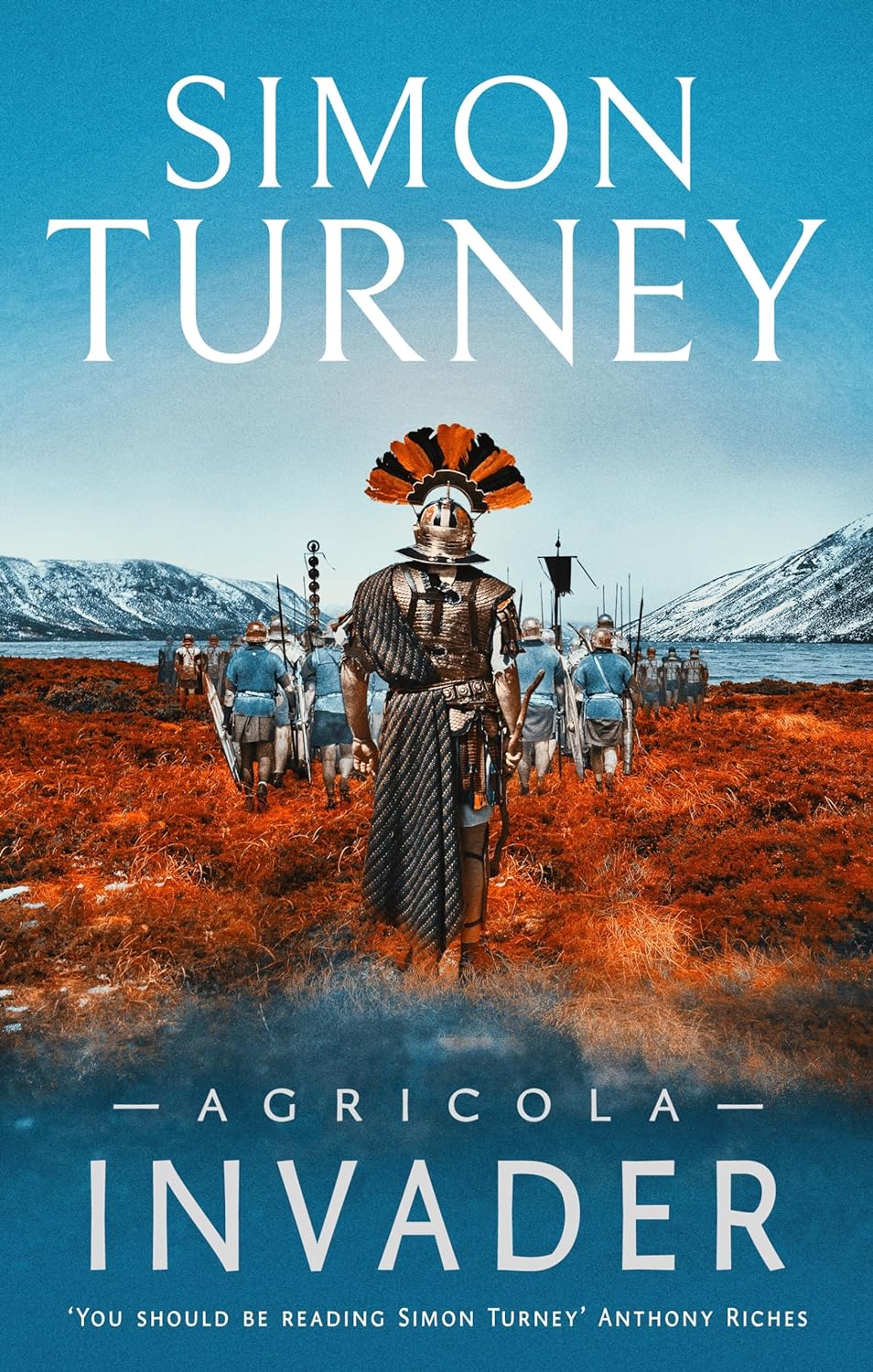
Agricola: Invader by Simon Turney

Agricola - Invader Cover

Publisher: Head of Zeus (ebook – 14 March 2024)

Series: Agricola – Book One

Length: 352 page

My Rating: 4.5 out of 5 stars

Amazon

I was in the mood for a compelling historical adventure, and the intriguing upcoming novel Invader, the first book in the Agricola series, seemed like the perfect choice, especially with the always impressive Simon Turney at the helm.

Simon Turney, who also writes as SJA Turney, is a well-established historian and historical fiction author who has been producing complex and action-packed reads for years.  Predominantly known for his Roman historical fiction works, including the Marius’ Mules, Tales of the Empire, Praetorian, Roman Adventure and Damned Emperors series, as well as the Knights Templar and Wolves of Odin books, Turney has a substantial catalogue of fantastic books to his name.  I have had some great experiences with Turney in the past, especially as I loved his 2019 novel Commodus, which perfectly captured the life of one of Rome’s most complex Emperors.  I have been meaning to read more from Turney for years and I finally got the chance when I received an early copy of his upcoming book, Invader.  The first book in a new series that will follow the life of famous Roman general Gnaeus Julius Agricola, a historical figure Turney is very familiar with, Invader was a great read that covered Agricola’s first military command.

58 AD, Rome.  Teenager Gnaeus Julius Agricola is the son of a distinguished Roman family that has languished into poverty since the death of his father.  Determined to bring honour and glory back to his family’s name, Agricola sets out to prove himself to the people or Rome through military service.  Utilising the last favour owed to his family, Agricola secures a posting as Tribune in the province of Britannia.

Determined to make the most of his opportunity, Agricola finds himself assigned to the staff of Roman general Suetonius Paulinus, who is about to launch an ambition campaign to capture more of the island and pacify the resentful tribes.  Marching across Britannia, Agricola begins to show himself a capable leader, especially while be forced to deal with rebelling locals, dangerous rivals, and an incompetent commander.

Soon, the war leads to the ancient stronghold of the druids, where Agricola finds his star on the rise.  However, great disaster awaits the Romans back at the heart of the province.  The warrior queen Boudicca has risen in revolt, determined to wipe out all the Romans in Britannia.  With the fate of the entire colony hanging in the balance, can Agricola help find a way to ensure victory for the Romans, even with the odds firmly stacked against them?

Invader was an epic and compelling piece of historical fiction from Turney, who starts up an awesome new series in a big way.  Loaded with action, intriguing characters, and some great historical detail, Invader was a highly addictive read that I was able to power through in two days.

Turney came up with an excellent story for the first Agricola book that quickly grabbed my attention and ensured I couldn’t stop reading.  Told exclusively from the focus on the new series, historical figure Gnaeus Julius Agricola, Invader serves to both introduce the protagonist, while also highlighting some of his early adventures.  The author starts the book off quick, setting the scene for the protagonist and ensuring you’re invested in his ambitions, before dropping him into a particularly chaotic period of the Roman occupation of Britania.

Thanks to the setting, most of the story focuses on General Paulinus’s massive campaign to conquer more territory and destroy the druids, which is a fascinating historical backdrop, especially considering where it led.  I liked how Turney primarily showed one leg of the invasion as the protagonist accompanied one of the split forces through a lengthy march of suppression, colonisation and negotiation.  This results in several interesting encounters and situations, especially as Agricola is desperate to prove himself against the enemy, while also dealing with internal issues, including a rival Tribune and a drunk commander.  This combination of obstacles helps to create a compelling story, and I enjoyed seeing the characters simultaneously involved with internal politics and external fights.  There are some great battles featured here, and this lengthy march of Agricola’s central force through the miserable British landscape proves to be one of the best parts of the entire book.

The rest of the story only gets better, as the protagonist and the supporting characters find themselves involved in two key conflicts, the Roman invasion of the island of Mona and Boudica’s revolt back in the settled provinces.  These scenes are loaded with more action as Turney does an excellent job of setting the protagonist right into the centre of the conflict, and the resulting chaotic warfare, personal worries and other issues really works to tell an engrossing story.  I was initially a little surprised that Turney chose to condense these two major events into the second half of the book, as you probably could have written a whole second Agricola novel about them.  However, after finishing the story, I think it worked well and honestly wasn’t too rushed.  This entire part of the novel proved to be highly entertaining and exciting, and I honestly couldn’t put it down as I waited to see how everything ended.  Turney also sets everything up nice for a sequel/continuing series, and it will be interesting to see how that turns out, especially now that we have the protagonist’s earliest adventures, a potential long-term rival, and a connection to the province Agricola is most known for.

I loved the historical elements that Turney featured in Invader as he did an outstanding job of capturing the feel of both the wild, unexplored areas of Britania and the conquering Roman legions advancing through it.  I loved the author’s great depictions of the various Roman units featured throughout Invader, and you really get a sense of the order, battle tactics and arrangements of a Roman army.  Turney also expertly portrays the intriguing events surrounding General Paulinus’s massive invasion of inner Britannia and, to a lesser degree, the events that led to Boudica’s uprising.  Many of the key recorded moments of these historical events are showcased in an amazing way in Invader, including some major battles, figures and locations.  I rather enjoyed how we saw these events from the perspective of a Roman soldier on campaign, who had no idea about the upcoming revolt that they would have to fight against, nor the wider political issues that led up to it.  Instead, you see how the army was forced to react and the resulting actions that led them to face off in the final battle against Boudicca.  As such, Invader proved to be a particularly impressive historical read, and I cannot wait to see how Turney portrays other key events that Agricola was involved within in future books of this series.

In addition to showcasing the historical events, Turney also features an intriguing range of characters who make up the story.  Most of this is shown through the eyes of series protagonist Gnaeus Julius Agricola, who serves as the point of view character.  Agricola is a historical figure that Turney is very familiar with, and Turney really does a great job featuring him.  While Agricola is generally strongly covered in historical texts (his son-in-law is one of the few surviving historical sources of the period), only a little is known about Agricola’s first visit to Britannia as a young man.  Turney does a great job of portraying Agricola as a hungry young man looking to prove himself, and I think he presented a great potential story about the character.  Watching Agricola battle against everything holding him back was very entertaining, and I look forward to seeing what happens next in the series.  Naturally, Turney places Agricola in the middle of every major battle or encounter he could find, mainly to flesh out the sparse historical notes, and it was interesting to see the combination of ambition, dedication, tactical ability and pride that the author imagined this figure would have in his youth.  Invader also features a great range of supporting characters, both from history and fictional inclusions, who all add a lot to the story.  Standouts include a frustrating rival for the protagonist, a drunk and unpredictable commander who the protagonist is forced to work around, and a native slave, Luci, with whom the protagonist forms an unusual friendship.  I really enjoyed these characters, and it will be interesting to see how their stories continue in the rest of the series.

Overall, Invader was an impressive piece of historical fiction from Simon Turney.  Featuring a great historically important protagonist, Invader served as a brilliant first entry in the new Agricola series, and I really enjoyed the intense and intriguing story that emerged.  Exciting, entertaining, and highly addictive, Invader was an outstanding read that comes highly recommended.  I had an awesome time reading Invader, and I cannot wait to see how Turney captures the rest of Agricola’s complex life throughout this series.

Amazon

Waiting on Wednesday – Death on the Tiber by Lindsey Davis

Welcome to my weekly segment, Waiting on Wednesday, where I look at upcoming books that I am planning to order and review in the next few months and which I think I will really enjoy.  I run this segment in conjunction with the Can’t-Wait Wednesday meme that is currently running at Wishful Endings.  Stay tuned to see reviews of these books when I get a copy of them.  For my latest Waiting on Wednesday post, I look at the next upcoming book in one of my favourite historical fiction series with Death on the Tiber by Lindsey Davis.

Death on the Tiber Cover

Amazon

Fans of this blog will know that I have a lot of love for historical fiction, as it was the genre that I started my reviewing career with.  While I do not read as much historical fiction these days as I would like, one series that I always go out of my way to read is the Flavia Albia series by Lindsey Davis.  A sequel to Davis’ iconic Falco series, the Flavia Albia books follow the titular protagonist as she investigates a series of compelling crimes in ancient Rome, while also trying to manage her chaotic personal life.

I have had a wonderful time reading and reviewing all the books in this great long-running over the years, with several appearing on this blog.  This includes The Third Nero, Pandora’s Boy, A Capitol Death, The Grove of the Caesars (one of my favourite books of 2020), A Comedy of Terrors, Desperate Undertakings (one of my favourite books of 2022) and Fatal Legacy.  All these books were awesome in their way, and I love the elaborate mysteries, unique historical insights, and fun comedic moments that Davies adds into her stories.  As such, I always make an effort to grab the new Flavia Albia book each year, as I know I will have a great time with it.

Well it looks like I do not have too much longer to wait before getting my next Flavia Albia fix as Davis has a new novel coming out later this year with Death on the Tiber.  Set for release in Australia on 9 April 2024, Death on the Tiber will draw the protagonist into another deadly case, one that will force her to go up against an old enemy from her past.

Plot Synopsis:

The brilliant new novel in the must-read, laugh-out-loud Flavia Albia series.

Rome is in chaos. The empire of a mobster chief is falling apart following his death. Rivals, fearsome relatives and associates are taking up position to vie for the spoils.

With hideous murders in the streets of Rome, a lone female traveller arrives with an agenda of her own. But when her corpse is dragged out of the river bearing signs of foul play, Flavia Albia is drawn in, concerned about her fellow Briton’s fate.

Albia’s quest to find the killer becomes deeply personal when she discovers a man at the centre of the plot is an old adversary of hers. Will she be obsessed by revenge? Can she let the past go, or will it consume her?

There are many cool bits in the above synopsis for Death on the Tiber that has me very excited.  Not only do we see Albia sticking her nose into the middle of a gang war, but the murder of an involved party has some great potential.  It is always fun to see Albia go up against some of the most dangerous people in Rome, especially as she is always dramatically underestimated, and I am expecting some fun humour around that.  I am also once again holding out for a big, over-the-top set piece somewhere in the book, as those usually end up being pretty damn fun.

However, the big element of the synopsis for Death on the Tiber that has me most excited is the mention of an old adversary.  A different synopsis online reveals that this adversary is Florius, an enemy of her father in the Falco series, who caused great harm to Albia years ago in The Jupiter Myth.  Albia has been bearing emotional wounds from this event for years, and it has come up a few times throughout the recent books.  As such, it will be interesting to see another confrontation between the two, especially as Albia might go out of her way to get revenge.  It will be pretty heartbreaking to see Albia risk the unorthodox family she has spent the last several books building up to settle this old grudge, and I am sure it will make for some excellent and emotionally charged reading.

Look, there is no way that I am not going to grab and enjoy Death on the Tiber when it comes out in April.  I am such a huge fan of Lindsey Davis and her Flavia Albia series, and I am always so excited to dive into her new mystery.  Death on the Tiber sound like it is going to be a particularly interesting and memorable part of the series that continues some long-running storylines.  I cannot wait to see how Death on the Tiber turns out and this has the potential to be one of my top books of 2024.

Death on the Tiber Cover 2

Top Ten Tuesday – Favourite Books/Series Set in the Roman Empire

Top Ten Tuesday is a weekly meme that currently resides at The Artsy Reader Girl and features bloggers sharing lists on various book topics.  The official topic for this week’s Top Ten Tuesday was a Thanksgiving themed list that required participants to list the reasons why they are thankful for books.  While this is an interesting topic, I decided against contributing to it, instead I’m skipping ahead to next week’s topic to free up December for my usual end-of-year lists.  As such, my topic for this week involves listing my favourite books set in a specific setting of my choosing, whether that be a country, state, outer space or something else.  This open-ended list left me with quite a few opportunities for potential topics, but I decided to go back to my historical fiction roots and instead focus on books set in the Roman Empire.

I have mentioned before that when I started reviewing books I focussed completely on historical fiction, which was a favourite genre of mine.  While I have expanded my horizons to other genres since then, historical fiction still has a very special place in my heart, and I always like to highlight it on this blog when I get a chance.  As such, I thought I would give this latest list a historical fiction theme and look at books set in the most popular historical fiction setting, the ancient Roman Empire.

Due to the rich history, intriguing people, multiple wars, and iconic nature of ancient Rome, so many historical fiction novels and series are set during this period.  While most of these books are military fiction, there are a ton other stories that can be told during this period, especially as there are so many detailed records about the various Roman Emperors and their reigns.  I have a great deal of love for the Roman Empire in fiction and nearly every major historical fiction author has written a Roman series at some point in their career.  As such, I can think of no better setting to focus this list on than the Roman Empire and its many different battles, plots and unique figures.

To feature on this list, a book needed to be set in some period of Roman history, whether it be the rise of city, the early wars, the height of Empire or its eventual decline.  I decided to allow whole series to be featured as a single entry on this list as this honestly saves me having to choose my favourite novel from some particularly long series.  While I had quite a few good options to feature here, I was eventually able to whittle my list down to ten books/series, with a few honourable mentions thrown in as well.  Each of the below entries are very much worth checking out if you want some fiction set in the Roman Empire, so let us see what made the cut.

Honourable Mentions:

The Return by Harry Sidebottom

The Return Cover

A dark and gritty standalone novel set shortly after the Roman conquest of Greece, which sees a traumatised former soldier return home only to find himself a suspect in a series of brutal murders.

Amazon


Hannibal/The Forgotten Legion series by Ben Kane

Enemy of Rome Cover

Ben Kane has written several great Roman series over the years, and while I have one on the main list, I had to also highlight two of his other series here, including his awesome depiction Hannibal’s battles with Rome in Hannibal and the gripping read about Roman soldiers trapped in the East with The Forgotten Legion.

Amazon


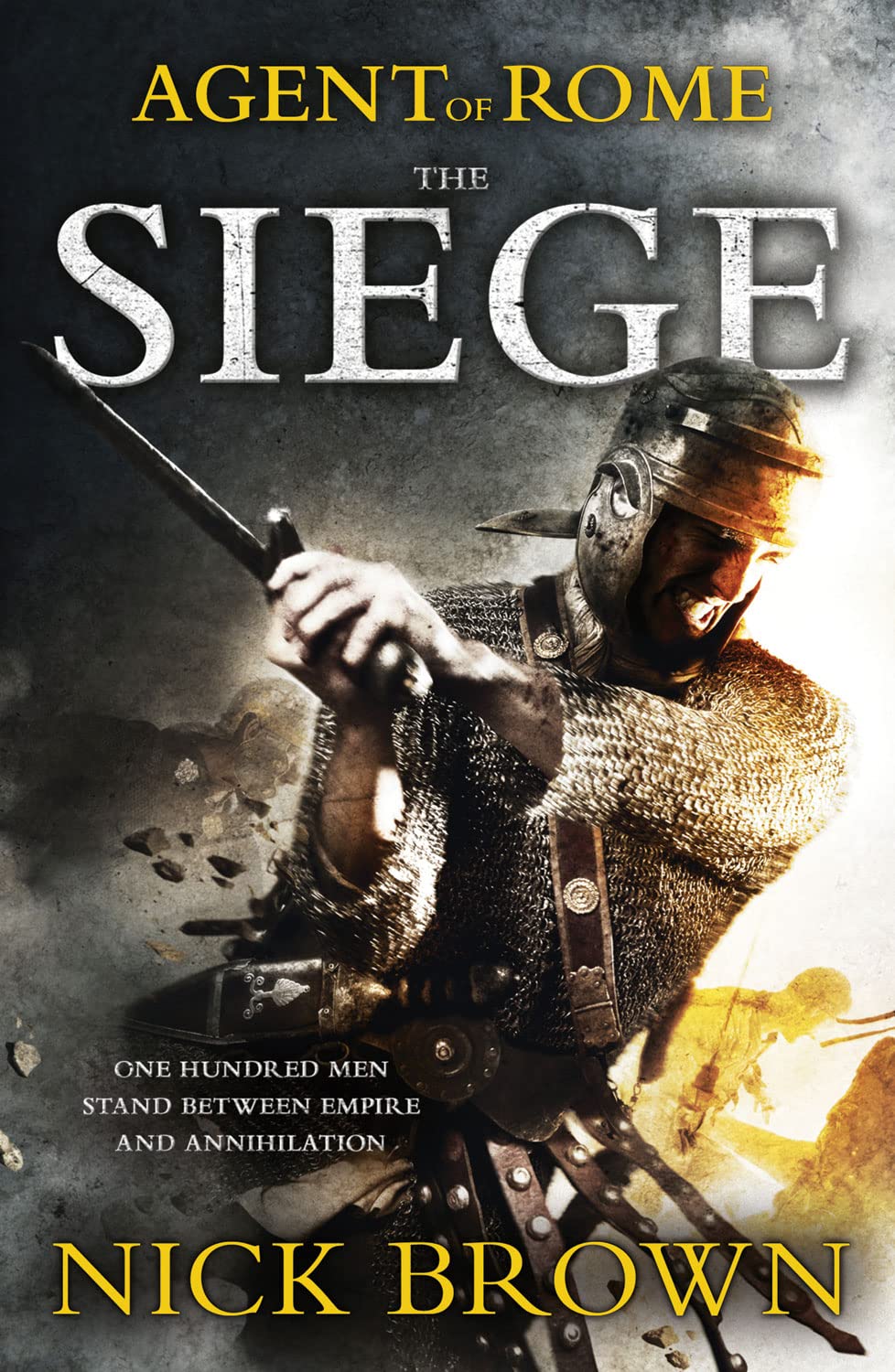
The Siege by Nick Brown

The Siege Cover

The fun first book in Brown’s Agent of Rome series that sees a young intelligence agent lead the defence of an isolated fort and its disparate soldiers.  High recommended.

Amazon

Top Ten List:

Eagles of the Empire series by Simon Scarrow

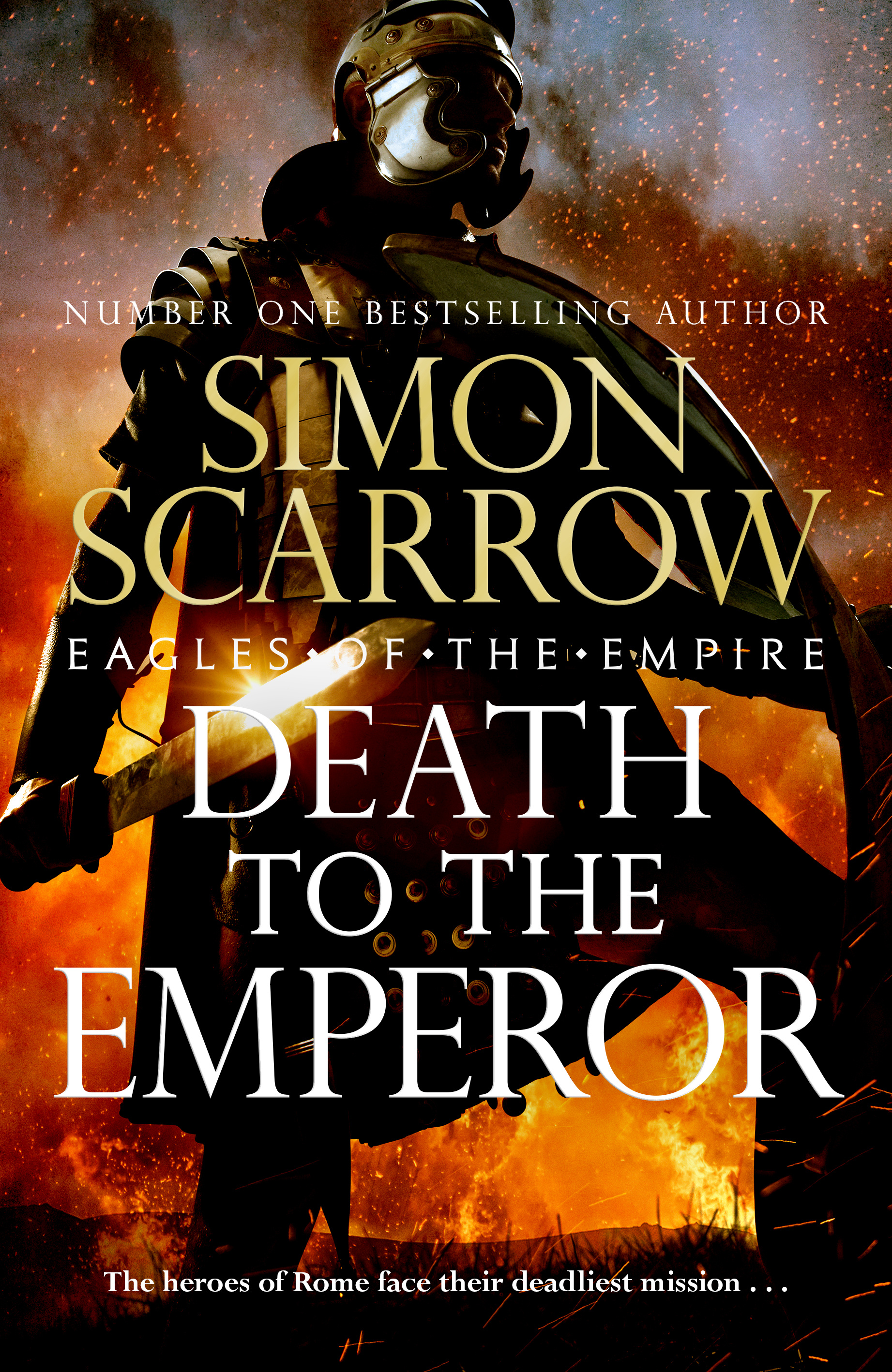
Death to the Emperor Cover

This list has to start with one of my all-time favourite historical fiction series, the Eagles of the Empire books by Simon Scarrow.  Probably the gold standard of Roman historical fiction, the Eagles of the Empire is a great long-running series that really drew me into the genre when I started reading it years ago.  Currently made up of 21 novels (with the 22nd due to drop any day now), the Eagles of the Empire books follow two Roman officers who bounce from deadly warzone to warzone, trying to survive.  Filled with elaborate battles, great characters, and a cool focus on some of Rome’s most memorable campaigns, the Eagles of the Empire books are so much fun and I cannot recommend them enough (check out my reviews for The Blood of Rome, Traitors of Rome, The Emperor’s Exile, The Honour of Rome and Death to the Emperor).

Amazon


Flavia Albia series by Lindsey Davis

Desperate Undertaking Cover 2

While most Roman series focus on wars and historical figures, one of the best is a fun murder mystery series with the Flavia Albia books by Lindsey Davis.  A sequel to Davis’ original Falco novels (a series I still need to check out), the Flavia Albia books follow a skilled investigator as she tries to solve a series of elaborate crimes and murders while also balancing her hectic personal life.  I have so much love for this series, especially as Davis always seems to get the perfect blend of humour, mystery, and dark intensity into her fantastic narratives.  Some of my favourites in the series include Pandora’s Boy, The Grove of the Caesars (one of my favourite books of 2020), and Desperate Undertaking (one of my favourite books of 2022), and Davis is at her best when she creates particularly elaborate murders and large comedic set pieces.  A must-read series for all fans of Roman historical fiction, especially those looking for something other than wars and politics.

Amazon


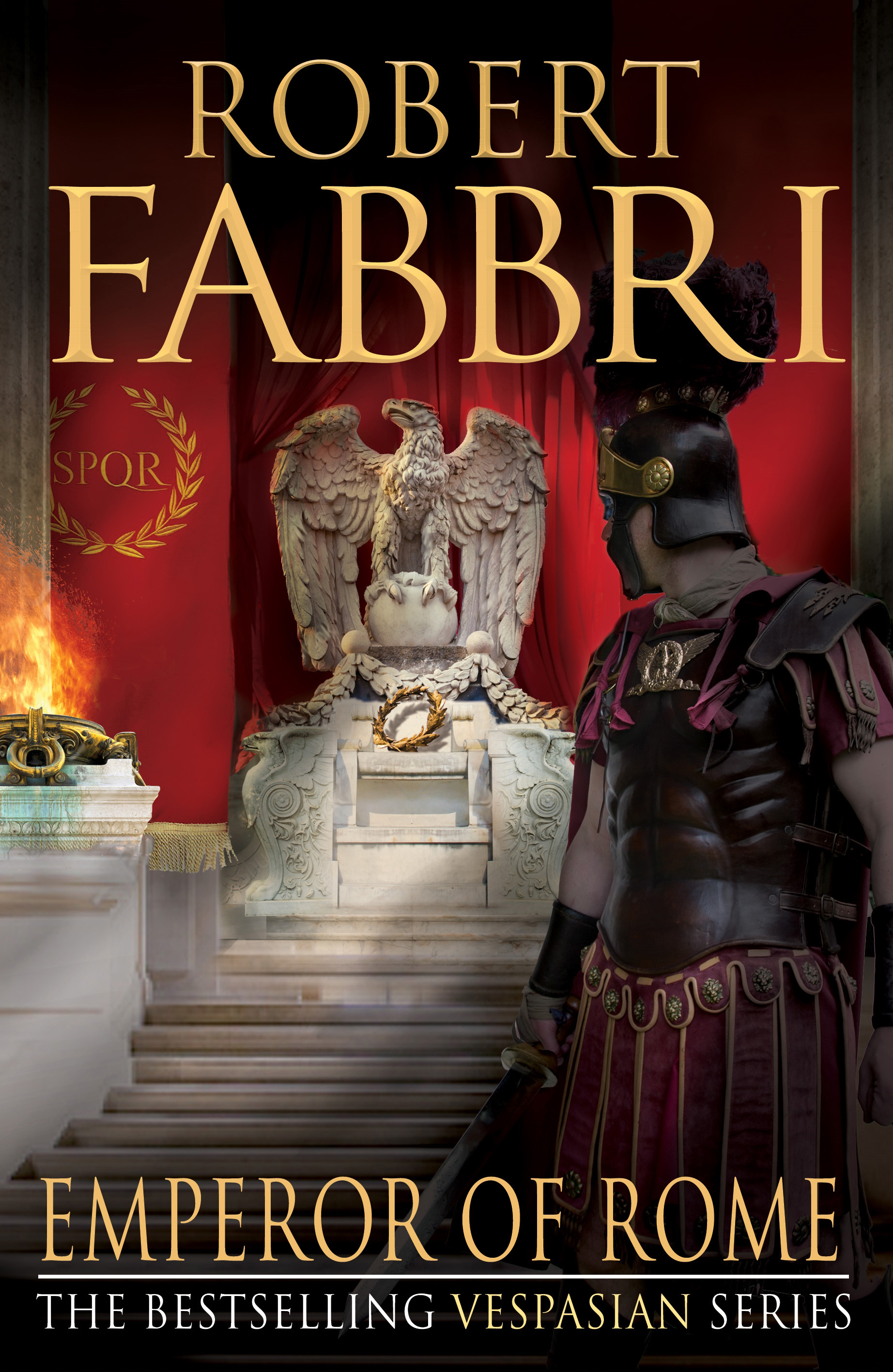
Vespasian series by Robert Fabbri

Emperor of Rome Cover

Many Roman historical fiction authors choose to centre their books around great figures of history, but few of biographic novels are as entertaining or bold as the Vespasian series by Robert Fabbri.  Focussing on the life of future Roman Emperor Vespasian, Fabbri works to combines the official record of Vespasian’s life with additional adventures that place the character in the middle of the most significant events of the era.  Thanks to Fabbri’s choice to bring every salacious and insane bit of history from the period to life, you get to see the outrageous emperors who preceded Vespasian in all the bloody glory as the protagonist tries to survive the tumultuous wars and politics leading to his ascension.  Deeply entertaining, compelling, and highly shocking, the Vespasian series (check out my reviews for Rome’s Sacred Flame and Emperor of Rome), are well worth checking out.

Amazon


Eagles of Rome series by Ben Kane

Eagles at War Cover

As I mentioned above, there are several great Roman historical series written by Ben Kane, but my personal favourite is the Eagles of Rome series.  Set around the infamous massacre of three Roman legions in the Teutoburg Forest, the first book, Eagles at War, perfectly covers the massacre, while the sequels, Hunting the Eagle and Eagles in the Storm shows the attempts by the Roman characters to get revenge years later.  Eagles at War really sets the tone for this excellent and dark series and I loved this fantastic and brutal portrayal of such an infamous event.

Amazon


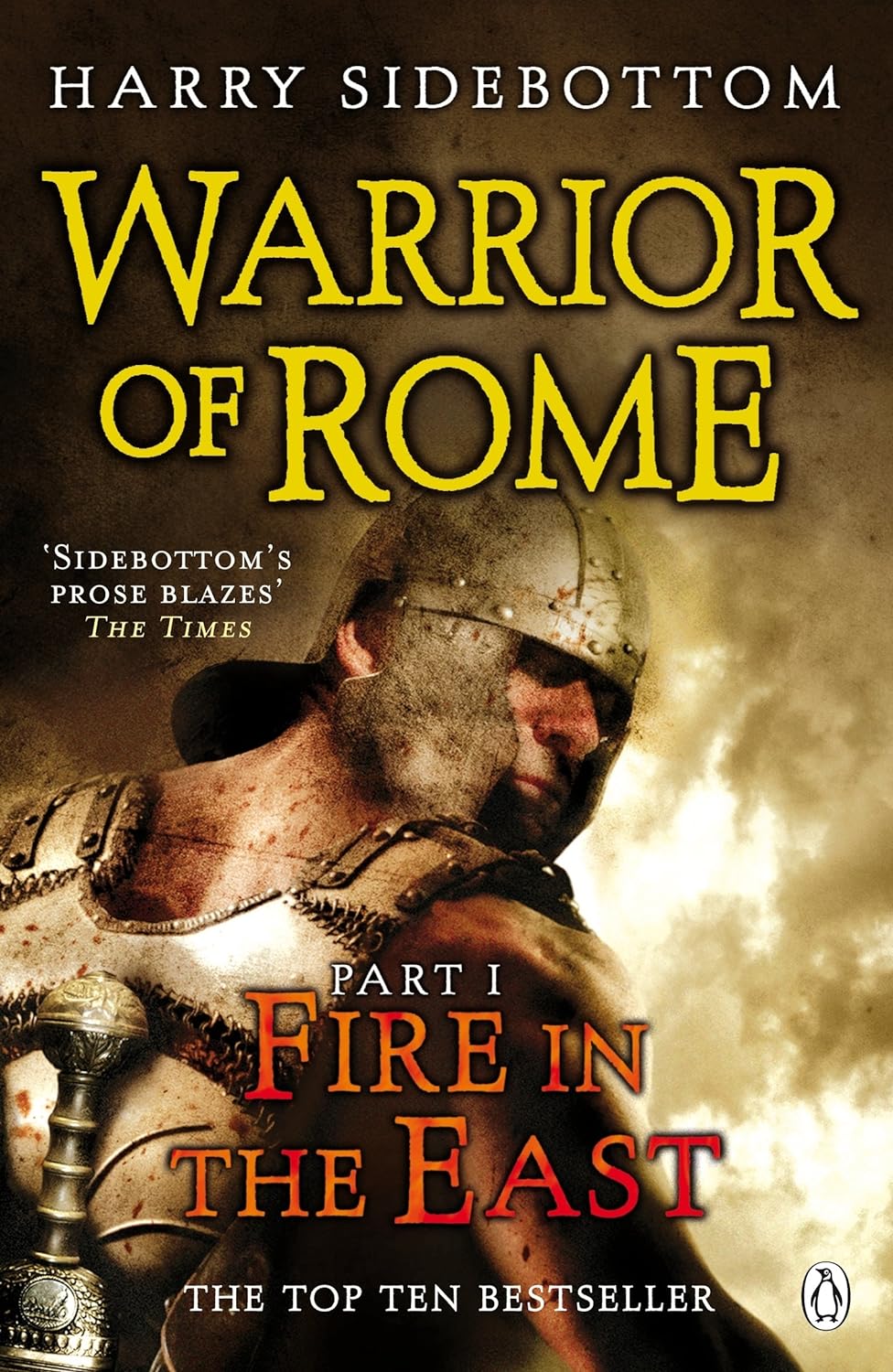
Warrior of Rome series by Harry Sidebottom

Fie in the East Cover

One of my absolute favourite Roman historical series is the amazing Warrior of Rome books by Harry Sidebottom.  One of the first series I ever had the pleasure of reviewing, the Warrior of Rome novels follow the intriguing character of Ballista, a German hostage turned Roman nobleman who serves as a general and siege expert in the army.  The first book, Fire in the East, saw Ballista take command of a doomed city in one of my favourite siege books, while the sequels show his attempts to save his friend the emperor from threats outside and within with some amazing reads.  This series has remained very fresh and fun over the years, especially the last three novels which have featured an intriguing range of storylines, often laced with compelling thriller elements, such as the 24-inspired The Last Hour, the intense survival novel The Burning Road, and the behind-enemy-lines novel, Falling Sky.  I have a lot of love for this outstanding series and Sidebottom continuously shows himself to be one of the very best authors of Roman historical fiction.

Amazon


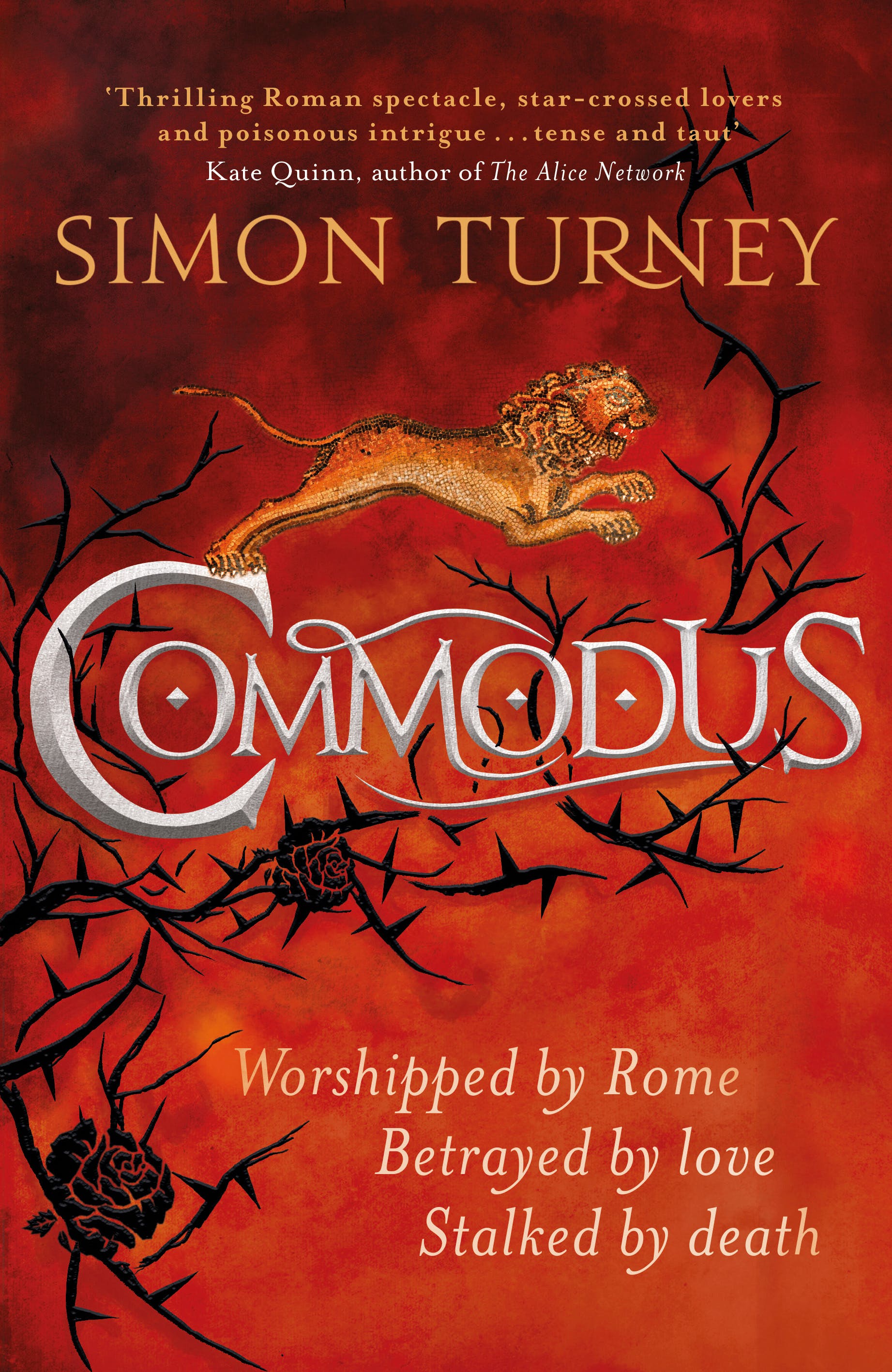
Commodus by Simon Turney

Commodus Cover

A fascinating and addictive read that followed one of the most intriguing Roman Emperors, the infamous and beloved Commodus.  Turney does a wonderful job of showcasing this complex figure in all his glory, strength and insanity, and you really get a feel for both his nobility and his struggles.  One of the most moving and compelling Roman fiction novels I have had the pleasure of reading, this is an outstanding book.

Amazon


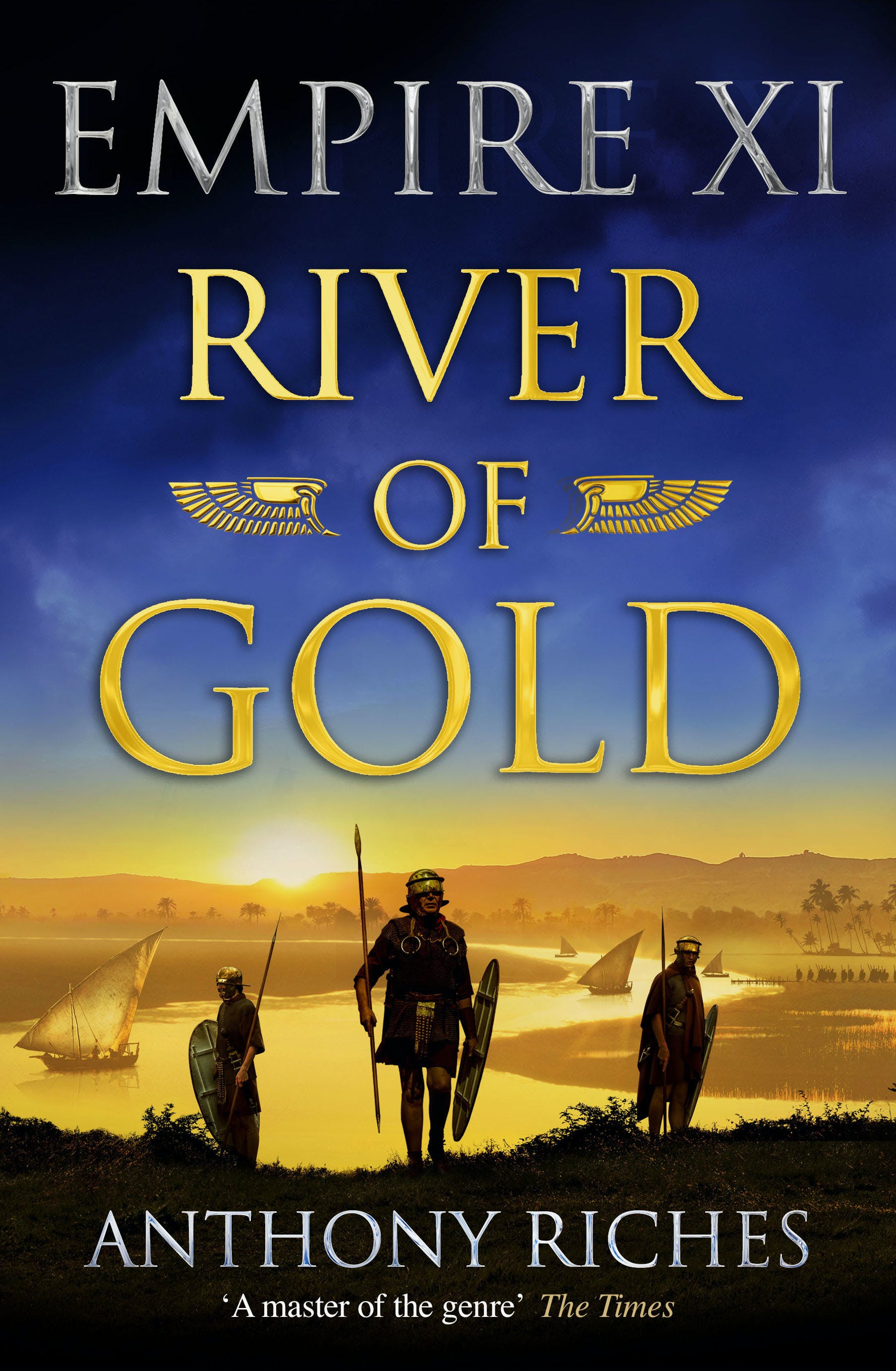
Empire series by Anthony Riches

River of Gold Cover

Another Roman historical series I got into years ago is the Empire series by Anthony Riches, which is a classic and impressive collection of books that dive into the comradery of a dedicated regiment.  Starting with Wounds of Honour, this series primarily follows a political fugitive fighting in the legions under an assumed name in several deadly conflicts.  I deeply enjoyed the first several books in the series, and I recently got back into it when I read the fun novel River of Gold.  An awesome and exciting series that proves very easy to read whenever I want a new historical adventure.

Amazon


The Throne of Caesar by Steven Saylor

The Throne of Caesars Cover

Another excellent Roman detective series is the Roma Sub Rosa books by Steven Saylor which follow the long running character Gordianus the Finder.  I have only had the pleasure of reading one of Saylor’s Roma Sub Rosa books, The Throne of Caesar, but I really loved it.  Set just before the Ides of March, The Throne of Caesar sees Gordianus investigate the conspiracy against Julius Caesar in a clever narrative that gets even more intense the closer the protagonist gets to the assassination.  A brilliant read that I am really glad I got the chance to check out.

Amazon


The Sword of Attila by Michael Curtis Ford

The Sword of Attila Cover

Another great standalone Roman fiction book I had to highlight on this list was the invigorating and compelling read, The Sword of Attila by Michael Curtis Ford.  The Sword of Attila is a gripping novel that focussed on two figures from history, Attila the Hun and the Roman general who beat him, Flavius Aetius.  Set towards the end of the Roman Empire, The Sword of the Attila did an excellent job of examining the lives of both fascinating historical figures and the connections they shared.  One of the better character-driven Roman historical fiction novels I have had the pleasure of reading, I deeply enjoyed learning about both these intriguing legends.

Amazon


Emperor series by Conn Iggulden

The Gates of Rome Cover

The final series I want to feature on this list is one of the best with the Emperor series by iconic historical fiction author Conn Iggulden.  An awesome retelling of the entire life of Julius Caesar, Iggulden imagines all the triumphs and tragedies of this illustrious leader and portrays them in a captivating and intelligent way for the reader.  A deeply impressive series that proves very hard to put down, the Emperor books are some of the best Roman historical fiction novels out there and are a must read for fans of the genre.

Amazon


Well that’s my latest list.  As you can see, there are a range of awesome and compelling novels and series set in the Roman Empire that are very much worth checking out.  I am such a huge fun of this setting and all the above books and series come highly recommended.  Let me know in the comments below what your favourite books set in ancient Rome are, as well as some of your favourite settings.

Quick Review – Fatal Legacy by Lindsey Davis

Fatal Legacy Cover

Publisher: Hodder & Stoughton (Trade Paperback – 11 April 2023)

Series: Flavia Albia – Book 11

Length: 397 pages

My Rating: 4.5 out of 5 stars

Amazon

Return to one of my favourite historical fiction series with another clever crime fiction read set in ancient Rome with Fatal Legacy by Lindsey Davis.

While I have had the pleasure of reading many great historical fiction series and books over the years, few have been as enjoyable to me as the Flavia Albia books by legendary author Lindsey Davis.  The follow-up to her iconic and long-running Falco novels, the series follow the titular Flavia Albia, a private investigator in Rome who finds herself involved with a series of unusual or gruesome crimes, often resulting in a series of over-the-top events.  I have had a great deal of fun with the Flavia Albia books over the years, including The Third Nero, Pandora’s Boy, A Capitol Death, The Grove of the Caesars (one of my favourite books of 2020), A Comedy of Terrors and Desperate Undertakings (one of my favourite books of 2022), and I am always excited to check out the latest novel in the series, especially when it has an intriguing plot behind it.

Plot Synopsis:

An unpaid bar bill leads Flavia Albia to her most bitter and complex case yet.

Decades earlier Appius Tranquillus Surus wrote his will: it freed his slaves and bequeathed his businesses to them. He left an orchard to the Prisci, a family he was friendly with, on the condition that his freedmen could still take its harvest.

The convoluted arrangement has led to a feud between the two families, each of which has its own internal strife. Endless claims and counterclaims lead to violence and even death. Lawyers have given up in exasperation as the case limps on. The original will has disappeared, along with a falsified codicil – and might there be another one?

But is there a solution? Two youngsters from each side of the divide, Gaius Venuleius and Cosca Sabatina, have fallen in love, which could unite the feuding families. There is only one problem: were Sabatina’s grandmother and father really liberated in the Surus will? If not, the stigma of slavery will stop the marriage and the dispute will rage on forever.

Reconciliation seems impossible, but Albia will try. Her investigation must cut through decades of secrets, arguments, lies and violence to reach a startling truth.


Fatal Legacy
was another compelling and fun entry in the series which once again brings together Davis’ fantastic take on Roman historical fiction with a unique mystery and several entertaining characters.  Fatal Legacy was the 11th book in the Flavia Albia series, and it proved to be quite an exciting and addictive read.

I had a lot of fun with Fatal Legacy’s great story, especially as it requires the protagonist to dive into an elaborate family feud.  Starting off by chance as Flavia attempts to appease one of her many eccentric relatives by investigating an unpaid bar bill, Flavia soon finds a family even more disastrous than her own when she encounters an infamous Roman clan embroiled in a variety of issues, including a feud with another family over a profitable orchard, as well as various internal conflicts and problems.  Hired to find proof that one member of the family was legally freed by their previous master, Flavia is forced to examine the labyrinthine relationships, family history and feuds that define this conflict, all while trying to deal with her own personal concerns.  This swiftly descends into a complex mess of many, many secrets, and readers will be left completely enthralled by how the story unfolds.

This was one of the more unique mysteries that Davis has come up with in her series, which really helped to set this book apart.  I personally enjoyed how Davis changed the focus of the book onto a family’s internal and external history and drama rather than the typical murder investigation, especially as it made for quite entertaining reading.  There are layers upon layers of secrets, betrayals, and hidden family connections that the reader needs to travel through to get to the truth, and you really get caught up in the new characters as a result.  The slow trawl through this history results in several great twists and turns, and it was fun watching the protagonist slowly unwind the many threads of the case, while also trying to avoid as much as their bitter conflict as possible.  I appreciated have Davis tried to break up this family focused investigation in places by adding in a few entertaining scenes, such as a farcical brawl at the protagonist’s house, as well as several over-the-top encounters amongst the family that Flavia is trying to investigate/help.  Despite that, the story does get rather dry and slow in places, especially towards the centre of the book as the reader gets a bit weary of finding out even more layers to the slow-paced mystery that emerges.  It also doesn’t help that this case has low stakes, especially compared to some of Davis’s other books that feature murder and serial killers, and this occasionally dulls the reader’s excitement.  Despite that, Davis manages to bring together quite an excellent read, and I loved the elaborate and fun reveal sequence at the end, which in some ways acts as a parody to classic whodunnits.

In addition to the clever and elaborate mystery, Fatal Legacy also features a great combination of entertaining characters and the typical fun ancient Rome setting.  I always love Davis’ vision of ancient Rome that are featured in the Flavia Albia books, especially as she tries to bring together classic Roman elements with characters and attitudes that are more recognisable in a modern setting.  Having the ancient characters speak with modern dialogue and act in ways we would associate more with contemporary people rather than figures in classic times gives the story a relatable and humorous edge at times, and it is always fun to see this version of ancient Rome.  This combines well with the cast of Fatal Legacy, especially as Davis introduces an eclectic group of new characters whose complex personal problems result in the book’s intriguing mystery.  The fun interactions between Flavia and these figures are very entertaining, and you have to love the protagonist’s cynical and sarcastic observations about the people she is forced to deal with.  The chaotic family she is forced to investigate contrasts comedically with Flavia’s own dysfunctional household, which got a good amount of focus in Fatal Legacy.  I think that Davis featured Flavia’s own family just the right amount in this latest book (sometimes they can be a bit overwhelming and distracting), and it was fun to see them interact, and at one point get into a massive punch up, with some of the case-specific character of the main plot.  All this helps to turn Fatal Legacy into a great read with an excellent blend of mystery, comedy and big personalities.

Overall, I felt that Fatal Legacy was a pretty awesome entry in one of my favourite historical fiction series.  Lindsey Davis wrote an outstanding and distinctive story for Fatal Legacy, and readers will enjoy the complex and character-focussed mystery that emerges as a result.  While aspects of Fatal Legacy’s narrative might not be as sharp as some of the other books in the Flavia Albia series, this was still an excellent read and one that fans of Davis will have a great time reading.

Fatal Legacy Cover 2

Amazon

Desperate Undertaking by Lindsey Davis

Desperate Undertaking Cover 2

Publisher: Hodder & Stoughton (Trade Paperback – 12 April 2022)

Series: Flavia Albia – Book 10

Length: 398 pages

My Rating: 5 out of 5 stars

Amazon

Buckle up for an intense, captivating and exceedingly memorable historical murder mystery as bestselling author Lindsey Davis unleashes the 10th entry in the deeply clever and compelling Flavia Albia series, Desperate Undertaking.

It’s that awesome time when I get to gush about the newest entry in Davis’s excellent, long-running Flavia Albia series, which has been a major fixture in my reading schedule for the last several years.  The sequel series to her iconic Marcus Didius Falco novels, the Flavia Albia novels follow the daughter of Davis’s original protagonist as she solves unusual murders across ancient Rome.  Thanks to the series’ typical great combination of intriguing characters, complex mysteries, excellent historical elements and great humour, I always have an amazing time reading these novels, which usually get very high ratings from me.  Some of the more intriguing Flavia Albia novels in recent years include The Third Nero, Pandora’s Boy, A Capitol Death, The Grove of the Caesars (one of my favourite books of 2020) and A Comedy of Terrors.  Due to the quality and entertainment capability of this series, I eagerly keep an eye out for Davis’ new book each year and I was exceedingly chuffed when I got a copy of Davis’ latest novel, Desperate Undertaking.

Rome, 89 AD.  The year is coming towards an end and the city is ready to enter a sleepy holiday period.  Unfortunately, murderers are notoriously bad at taking breaks, and Flavia Albia, paid informer, dogged investigator and daughter of notorious busybody Marcus Didius Falco, is about to get dropped into the most disturbing case of her life.  With her parents away on holiday and her impromptu family preparing to settle in for the quiet period, Albia receives a job request she cannot refuse.  An aged actor, part of a troupe her parents travelled with in their youth, has been killed, horribly crucified in a public place.  Starting her investigation, Albia and her husband, Tiberius, are shocked to discover this is not the only murder confronting them as they suddenly discover the first victim’s widow was also murdered in terrible circumstances.  Her last words to Albia: “The undertaker did it…”.

Determined to find the person responsible for the horrific murders of her parent’s friends, Albia begins her investigation, diving into Rome’s theatre scene.  But when another actor associated with the troupe is killed in a cruelly inventive way, Albia begins to realise that these are no ordinary murders.  A twisted and determined serial killer is on the loose, bearing a terrible grudge against the actors and anyone associated with them.  Worse, their exceedingly public killings all bear striking similarities to some of the most brutal moments in classic plays, causing their victims to suffer in horrific ways.

With the bodies piling up and the city in an uproar, Albia must solve the most unusual and deadly case of her career before more of her parents’ friends end up dead.  But the closer she gets to the truth, the more she begins to realise that these murders bear a strong connection to one of her father’s past cases.  Worst, Albia soon realises that her connection to the currently absent Falco has made herself and everyone she loves a target of a demented killer determined to get revenge.

Davis does it again with Desperate Undertaking, producing a wildly entertaining and exceedingly clever historical murder mystery that I had a brilliant time reading.  Perfectly bringing together a disturbing mystery with an excellent historical setting, some great characters and the author’s trademark humour, Desperate Undertakings is an outstanding read and it ended up being yet another Flavia Albia book that gets a full five-star rating from me.

I must admit that I have sometimes found Davis to be a bit of an inconsistent writer; while most of her novels are extremely good, a few of them do not quite measure up in terms of substance or entertainment.  However, Desperate Undertakings is easily one of the better books in the Flavia Albia series as Davis pulled together an exceptional and dark murder mystery narrative that will leave a memorable impression on the reader.  For this latest story, Davis drops a lot of the family/household storylines that have been a significant, if slightly distracting, feature of the previous novels, and instead focuses on an intense and elaborate murder mystery that effortlessly grabbed my attention and ensured I was extremely hooked on this fantastic novel.  The book starts off extremely strong, firstly with a foreboding introductory short chapter, and then with a great series of compelling early chapters that drag the protagonist into the investigation.  These early chapters feature two dramatic (literally) and elaborate murders that really stand out due to their brutal and distinctive nature (the second one is particularly gruesome and over-the-top), as well as their connections to some of Davis’s iconic protagonists.  As such, the reader becomes really invested in the case early on, and you soon get thrust into an elaborate in clever murder inquiry storyline.  Davis sets up this investigation really well, and there are a series of great leads, potential suspects and unique theories that pan out as the novel proceeds in an excellent way.  While the novel slowed down slightly after the initial murders, the next series of killings picks the pace right up again, which the story maintains for the rest of the book.  I really enjoyed how the entire mystery came together, and there are some really clever twists and turns here, with seemingly minor characters or story elements coming back in some big ways later in the book.  Everything leads up to a big and impressive conclusion and readers will be left rocked by the elaborate and powerful nature of the plot, as well as how damn dark this novel got in places.

Desperate Undertakings is extremely well written and I loved how Davis pulled this entire novel together.  Davis once again hits the perfect blend of murder mystery, historical elements and character driven story elements in this book, as the reader is engrossed in this brilliant Roman based tale.  I did feel that this one was significantly darker in places than some of Davis’s previous novels, which I really liked, especially as it results in some particularly gruesome killings.  The story is once again told from the perspective of central character Flavia Albia as she traverses the mean streets of Rome to find her culprit.  This central focus allows for much of the books fantastic humour, as Albia’s comedic and exceedingly modern perspective of events is extremely entertaining, while also providing a Roman noir feel for the murder investigation.  Like most of the books in the Flavia Albia series, Desperate Undertakings can easily be read as a standalone read, with any relevant elements from the previous novel rehashed for the new reader.  However, Desperate Undertakings also bears a strong connection to one of Davis’s older novels, the sixth book in the Falco series, the 1994 release Last Act in Palmyra.  Multiple characters and elements from this book make an appearance here, with several of them serving big roles in this book, either as supporting characters, suspects or victims.  Davis rehashes the events of this previous book extremely well, and readers who haven’t had the chance to enjoy it are still able to enjoy Desperate Undertakings without any issues, while those who have will no doubt enjoy the fun call back.  I felt that these past elements were utilised extremely well, especially as these past events also impacted the present storyline.  This entire novel came together brilliantly, and I was extremely enthralled by its great writing and powerful story the entire way through.

I always deeply enjoy how Davis portrays the historical elements in her novels and Desperate Undertakings was a particularly good example of this.  The reader is once again treated to breathtaking depictions of ancient Rome, with everything from the chaos of the streets, the culture of the people, and the slapdash take on law enforcement used to full effect throughout the course of the plot.  There are some brilliant descriptions of some of ancient Rome’s earlier sties, especially as the murders make use of some iconic locations for the sites of their crimes, and you get an excellent sense of the city thanks to Davis’s descriptive and powerful writing.  However, the best part of these historical elements is the dive into the Roman theatre scene, which is a key part of the books plot.  Davis provides an intriguing and entertaining look at the city’s theatre elements throughout the novel, and you soon become deeply engrossed in her entertaining portrayal of these eccentric and proud actors and entertainers.

Desperate Undertakings also takes quite an intriguing look at the various plays and performances put on during this period as the killer utilises some of Rome’s bloodiest and most elaborate plays as a basis for setting up their murders.  This causes the protagonist to really dive into all the plays of the period and you get a good idea of several of the more iconic and distinctive ones, especially those that have elements of death involved.  I found it really interesting to find out about this part of Roman culture, especially the deadly twists that are sometimes involved with them, and it was a great part of the plot.  I also felt that Davis did a remarkable job working these historical theatre aspects into the plot of Desperate Undertakings, and it really helped to make the murder mystery stand out.  I particularly enjoyed how the author broke the book down into sections, each one of them named after a play that corresponds to the murder that Flavia is about to discover.  This allows for a glorious bit of foreshadowing, especially for those with an interest in classics and theatre, and it was an excellent addition to the book.  I deeply appreciate how Davis utilised these historical plays as the inspiration for her murders in Desperate Undertaking and it really gave this book a very distinctive feel.  Readers are warned that some of the murders are a bit graphic thanks to how they are portrayed in these plays, and you are in for some barbaric punishment as a result.

Another strong aspect of Desperate Undertakings was the excellent and compelling characters that Davis featured throughout.  As usual, this great cast is headed up by the intrepid Flavia Albia, who serves as the main protagonist and point-of-view character for the book.  Albia is a really entertaining protagonist, especially as Davis presents her as a cynical private investigator with very specific views of the reality of life in ancient Rome.  The daughter of another cynical protagonist, Falco, Albia spends most of the book making astute and hilarious observations about the people, locations, and events around her, and much of the book’s humour results from the amusing and noticeably modern way she sees the world around her.  As such, Albia really adds a lot to this intriguing story and it is always so much fun to see her waltzing around Rome solving her elaborate cases.  It was particularly interesting to see her reactions to the murders that occur in Desperate Undertakings.  Despite her familiarity with death and Rome’s underbelly, these killings really hit her hard due to their brutal nature and the connection that the victims have to her parents.  I felt this was a really compelling and powerful change to the character, and it really helped to highlight just how dark this book got in places.

Desperate Undertaking also features a wide cast of characters, all of whom have some entertaining or intriguing moments through the book.  Davis utilises a blend of established characters, new figures and even several characters who have not appeared since the Falco series.  All these characters are utilised extremely well in this novel, and the author does a good job of introducing (or reintroducing) them throughout the course of the plot.  As usual, this includes Albia’s husband, Tiberius, who serves as a good straight man to Albia’s eccentric antics, and helps to focus the investigation in places.  Other interesting characters include a newly introduced cop who balances between competence and political expediency and serves as another excellent foil to Albia’s more unusual investigation methods.  The various actors and theatre related figures are pretty entertaining, and Davis introduces some eccentric characters, many of whom serve as potential suspects or victims as you get to know them more.  I also felt that Davis did a good job with the killer (or killers) featured in this book, as they have a unique motivation, and a compelling personality that is slowly uncovered throughout the course of the book.  Finding out just who they are and why they are doing these dreadful killings is extremely fascinating and results in some brilliant character moments.  Other supporting characters are also extremely entertaining, including a very strong butcher and two very cultured vigils, and I had a brilliant time getting to know them all.

With the extremely awesome and captivating Desperate Undertakings, the always incredible Lindsey Davis continues to reign from atop the historical murder mystery mountain.  This latest Flavia Albia novel is exceedingly epic, containing a brilliant and dark investigation story that sees the series’ outstanding protagonist encounter a truly demented killer.  With some fascinating and distinctive historical elements, especially those surrounding the bloody and memorable plays, Desperate Undertakings really stands out and was an amazing amount of fun to read.  This was one of the better and more memorable entries in this excellent long-running series, especially with its vicious murders and great character work, and it comes extremely highly recommended.

Desperate Undertaking Cover 1

Amazon

Quick Review – A Comedy of Terrors by Lindsey Davis

A Comedy of Terrors Cover

Publisher: Hodder & Stoughton (Trade Paperback – 1 April 2021)

Series: Flavia Albia – Book Nine

Length: 386 pages

My Rating: 4 out of 5 stars

Amazon

I am a big fan of several great historical fiction series currently running, but one I find to be particularly entertaining is the Flavia Albia series from bestselling author Lindsey Davis.  Davis has been dominating the ancient historical murder mystery scene for years, first with her extensive Marcus Didius Falco novels, and then with the successor Flavia Albia series, which follows the daughter of the original series’ protagonist.  While I never had the opportunity to get into the Falco novels, I have been reading the Flavia Albia books since the outset and have had a brilliant time with all of them, including The Third Nero, Pandora’s Boy, A Capitol Death, and The Grove of the Caesars, each of which have been excellent in their own way.  Indeed, this is such a great series that I have been pretty eager to start reading the latest novel, Desperate Undertaking, which I just got my hands on a couple of days ago.  I really want to read it next, but before I start, I absolutely must do a review of the preceding novel in the series, A Comedy of Terrors.

A Comedy of Terrors was the ninth book in the Flavia Albia series and was released this time last year.  I had initially planned to read A Comedy of Terrors when it first came out, but unfortunately, it took me a little longer to grab it than I intended.  By the time I was able to fit it into my reading schedule, I was a bit rushed off my feet with other reviews and other reading (excuses, excuses!), so I never got a chance to really write anything about it when I finished.  This was an inexcusable oversight of my behalf, and it is one that I really wanted to fix before checking out Desperate Undertaking, so here we are.

Plot Synopsis:

In Rome, 89 A.D., poisonings, murders, and a bloody gang war of retribution breaks out during the festival of Saturnalia, and when her husband, Tiberius, becomes a target, it’s time for Flavia Albia to take matters into her own hands — in Lindsey Davis’s next historical mystery, A Comedy of Terrors.

Flavia Albia, daughter and successor of private informer Marcus Didius Falco is twiddling her thumbs with no clients during the December festival of Saturnalia. But that doesn’t mean all is quiet. Her husband Tiberius and the Fourth Cohort are battling organized crime interests that are going to war over the festival nuts. A series of accidental poisonings, then bloody murders of rival nut-sellers, and finally a gruesome warning to Tiberius from the hidden criminal powers to back off.

Albia has had just about enough and combines forces with Tiberius to uncover the hidden criminal gangs trying to worm their way into the establishment at a banquet of the emperor Domitian.


A Comedy of Terrors
was another fun book from Davis that takes the reader back to ancient Rome to investigate an intriguing mystery.  In this case, the book revolves around Flavia and her family’s dangerous interaction with a criminal gang who are trying to take advantage of a religious festival and have come into conflict with Flavia’s husband Tiberius.  This results in an interesting story which sees Flavia getting involved in several conflicts, intimidation attempts, assorted mysteries and other connected events, all in the name of investigating the gang’s activities and trying to bring them down.  At the same time, Flavia is dealing with multiple personal and familial issues, as she and Tiberius now find themselves responsible for Tiberius’s semi-orphaned nephews.

I must admit that this wasn’t my absolute favourite Flavia Albia novel, and I felt that the story was lacking some of the usual flair and tight storytelling that I usually so enjoy from Davis’s novels.  A Comedy of Terrors’s narrative was a bit unfocused in places, particularly when it came to main storyline involving the ancient Roman gang.  Rather than the series’ typical attention on a central investigation, this was a bit more of a meandering affair, which, while interesting in places, did seem to go on some random tangents.  There was also a much greater examination of the protagonist’s home life, as not only did Flavia and Tiberius have their young relatives to look after, but there was also some domestic drama around their unusual household of slaves, servants and random family members.  While I enjoyed seeing the continued domestic evolution of the formerly wild Flavia and the notoriously honest Tiberius, which resulted in several rather entertaining scenes, I could see newer readers who came for the mystery getting a bit frustrated with this extra attention on family life.  Still, A Comedy of Terrors did have some great moments throughout its plot, and Davis did the usual excellent job of combining crime fiction and historical elements together into an entertaining story filled with the writer’s fantastic sense of humour.  In addition, the characters were sharply written as always, there were some intriguing historical crime fiction elements to the plot (who would have thought there was criminal opportunity in festival nuts?), and I still really enjoy the author’s inclusion of modern attitudes and reactions in this historical environment.  I particularly loved the final resolution of the case which saw a classic gangster move turned around on its user in dramatic fashion, which served as an amazing end to this fantastic book.

Overall, A Comedy of Terrors was another great addition to the Flavia Albia series by Lindsey Davis.  While it lacked some of the focus and compelling mystery of some of Davis’ most impressive reads, this was still a clever piece of historical crime fiction, and I loved seeing the continuation of her character-driven storylines.  A must read for fans of this series, I cannot wait to see what happens in the 10th book, Desperate Undertakings.

Amazon

A Comedy of Terrors Cover 2