Originally published in the Canberra Weekly on 16 April 2020.
This review can also be seen on the Canberra Weekly website.
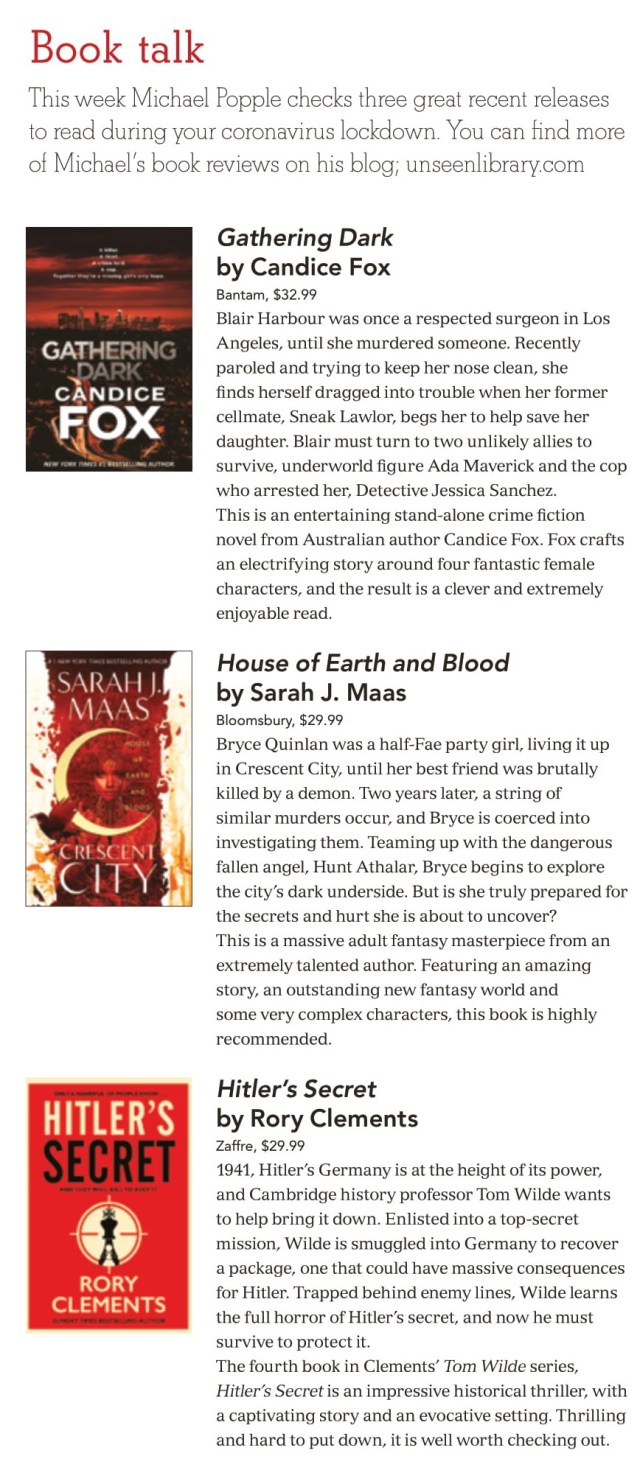
Make sure to also have a look at my extended reviews for House of Earth and Blood and Hitler’s Secret.
Expert reviews of the latest and the best in Fantasy, Historical Fiction, Science Fiction and Crime Fiction from an Australian reviewer.

Originally published in the Canberra Weekly on 16 April 2020.
This review can also be seen on the Canberra Weekly website.
Make sure to also have a look at my extended reviews for House of Earth and Blood and Hitler’s Secret.
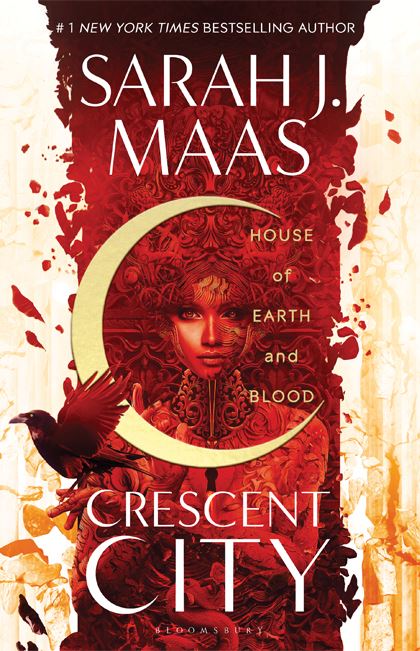
Publisher: Bloomsbury/Audible Studios (Audiobook – 3 March 2020)
Series: Crescent City – Book One
Lenght: 27 hours and 50 minutes
My Rating: 5 out of 5 stars
Prepare to meet your new obsession! One of the world’s top young adult fantasy fiction authors, Sarah J. Maas, breaks into the adult fantasy fiction genre in a big way with the first book in her brand-new Crescent City series.
Sarah J. Maas is an author that needs very little introduction. She is one of the most highly regarded young adult fantasy authors in the world today, having written two major bestselling series and a couple of standalone young adult novels. Maas debuted in 2012 with Throne of Glass, the first novel in her acclaimed seven-book long Throne of Glass series, and she has since gone on to write a second major series, A Court of Thorns and Roses. I have been meaning to check out some of Maas’s main series for a while now, especially Throne of Glass, as I have heard some very good things about them. Unfortunately, the only book of Maas’s that I have so far read was her DC Comics tie-in novel, Catwoman: Soulstealer, which I really enjoyed, especially as Maas had an amazing understanding of some iconic comic characters. As a result, I was interested when I heard about her new book, House of Earth and Blood, and I was curious to see how her first adult fiction novel would turn out. This is the first book in the Crescent City series, which presumably will be the author’s main body of work for the next few years. I received a physical copy of this book to review, although I eventually decided to listen to the audiobook format to fit it into my reading schedule, and I have to say I was rather impressed.
Welcome to Crescent City, a bustling metropolis where magic and technology meet in a world ruled over by all-powerful godlike creatures. Bryce Quinlan is a half-Fae, half-human, party girl at the low end of her world’s magical hierarchy, content to live her days clubbing and celebrating with her best friend, the powerful werewolf Alpha Danika Fendyr. All that changes the night Danika and her entire wolf pack are brutally slaughtered while Bryce is out partying. Bryce arrives home just in time to encounter the demon that committed the act, chasing it out into the streets before it escapes, never to be seen again.
Two years later, Bryce is a shell of her former self. Still reeling from the death of the closest person in her life, Bryce finds herself without direction or purpose. However, the revelation that a fresh wave of killings that mirror the bloody way Danika and her pack were taken out quickly changes that. Due to her experiences with the unknown species of demon and her intimate knowledge of Danika’s movements and history, Bryce is tasked by the governor of Crescent City to find who or what is summoning the destructive demons and unleashing them upon seemingly random members of the populace. However, Bryce will not be working on this case alone, as she finds herself teamed up with the governor’s personal assassin, the brooding, dangerous and surprisingly attractive fallen angel, Hunt Athalar.
Begrudgingly agreeing to work together, Bryce and Hunt start to scour the dark underbelly of their city, attempting to find any leads to who summoned the demon. However, they soon run afoul of many of Crescent City’s inhabitants, some of whom do not want the pair to uncover the truth. As they dig further, they begin to uncover a terrible conspiracy with terrible connections to Bryce’s traumatic past and which threatens all of Crescent City. However, the closer they come to the truth, the more pain and torment the two damaged souls uncover, especially as both of them try to fight the intense feelings blooming between them. With the fate of Crescent City hanging in the balance, can Bryce and Hunt get to the bottom of these killings, or will they be overwhelmed by all the hurt that is about to come their way?
Well damn, that turned out to be one hell of a book. I do have to admit that I’m not usually a fan of major romantic subplots in the novels I read (I know, typical male, Bryce would probably be calling me an Alphahole), and I was a little apprehensive that the romantic angles described in the book’s synopsis would overwhelm the fantasy story. However, any doubts I had about whether I was going to enjoy House of Earth and Blood were quickly blown away in the early stages of the story, especially once I hit the major plot development about 70 pages in. From there I was absolutely hooked on the story, as Maas kept piling on revelations, shocking moments, character development and an impressive murder mystery. I ended up really loving this amazing novel, and I ended up giving it a five-star rating.
I really enjoyed the way that Maas told this story, and this book contained an expansive and deeply addictive narrative that proved hard to put down at times. House of Earth and Blood is told from several character perspectives, most notably Bryce and Hunt, although quite a bit of the story is shown from the perspective of Bryce’s half-brother, Ruhn Danaan. Having these three main point-of-view characters results in a much more expansive story, as each of them has their own contributions to the plot, although there is a huge amount of crossover between each of their storylines. While Mass tends to focus most of her character development and storylines around Bryce, Hunt and Ruhn, there are a number of additional supporting characters, some of whom have some rather interesting roles throughout the book. Maas also includes a huge amount of foreshadowing throughout the book, hinting at several things that are to come further along in the narrative. While it is obvious where some of this foreshadowing is going, some of it was only noticeable in hindsight, and some of these more subtle inclusions made me really appreciate the author’s clever writing style.
One of the best things about this book was the incredible and intriguing new fantasy world. The Crescent City series is set on a version of Earth called Midgard, which was invaded thousands of years ago by vast armies of various magical creatures, ending humankind’s dominance of the planet. The modern world of Midgard is a chaotic and fascinating place, filled will all manner of magic and creatures who live in a hierarchal system, with all-powerful beings at the top and humans at the very bottom. There are so many cool elements to this world, from the unique magical systems, the different factions and organisations, and a vast multitude of different magical creatures with their own traits and characteristics. Maas dedicates a substantial amount of time exploring all these different elements of her new world, and the result is an impressive and vast setting which serves as a fantastic backdrop to this exciting story. I also liked the rather fun similarities between this fantasy world and the modern world, and it was interesting to see fantasy creatures running around with modern technology such as phones and guns. I also had a rather good laugh at some of the television shows that the author featured in the book, including a rather trashy-sounding True Blood inspired television show, which was made fun of relentlessly for its sexual content (which is kind of ironic considering how much sex was in this novel). Maas is clearly a master of universe building, and she has come up with a really great fantasy world that holds a lot of potential for future novels in the series, as well as opening up the possibilities of spin-off stories around some of the fantastic side characters introduced. I personally would love to see a novel based around the character of Fury Axtar, the mysterious assassin friend of Bryce, who has a minor role in the book.
In addition, Maas has also come up with a rather clever murder mystery storyline that I had an outstanding time unwrapping. The vast majority of House of Earth and Blood’s plot revolves around the murder of Danika Fendyr and her pack, as well as the similar murders that are occurring in the modern day. The subsequent investigation by Bryce and Hunt turned into a rather captivating storyline, as they explored the underbelly of their fascinating city, trying to find leads and uncover who had a motive to kill Danika. This whole mystery storyline goes to some very interesting places, and Maas comes up with a number of red herrings, alternate suspects, potential leads and side mysteries (a missing magical horn and a new street drug), all of which come together into a pretty incredible and clever narrative. I was actually rather surprised about who the culprit turned out to be, although Maas does set up the reveal rather well, and there are some rather clever hints in hindsight. That being said, while I didn’t know who the culprit was in advance, I totally knew where the final showdown with them was going to take place, and how the whole confrontation was bound to go down (there was a literal Chekov’s gun there). Still, it turned into quite a good confrontation scene, and I had a good laugh at the over-the-top way that the villain was taken down for good. This was a rather impressive element of the story, and I hope that Maas includes some more clever mysteries in her future books.
While I really loved the fantastic story, incredible world building and captivating mystery, the true centre of this book are the two compelling and exceedingly damaged main characters who Maas sets the story around, Bryce Quinlan and Hunt Athalar. Maas does some outstanding work setting these characters up, exploring their pasts and developing their personalities and emotions throughout the book. Bryce starts House of Earth and Blood as a seemingly carefree party girl with major daddy issues. However, the loss of Danika in the book’s first act severely changes her, as she has to deal with an extreme amount of guilt, isolation and social hatred in the following two years. This really alters her as a character and turns her into an extremely vulnerable person with a real emotional investment in the case, who hides all her true feelings behind a sassy and angry façade. Hunt, on the other hand, is a powerful fallen angel who lost his freedom and the love of his life in a failed rebellion against the ruling gods of the planet, and has spent the last several decades being tortured and used by the victorious archangels, and is now the personal assassin of the governor of Crescent City. Now known throughout the city as the Umbra Mortis, the Shadow of Death, Hunt is a simmering pot of anger who is resentful of how he has been treated all his life, and who is determined to be set free. Like Bryce, he is deeply invested in solving the case, as its resolution will allow him to take a serious step towards freedom, and on the surface he is the more serious of the duo. However, also like Bryce, Hunt has some major vulnerabilities and he is hurting deep inside. Both Bryce and Hunt are incredibly interesting protagonists, and I am really impressed with the layers that Maas was able bring to their characters, which added a significant amount to the story.
While Bryce and Hunt are amazing characters in their own right, the real magic comes when they are paired together. It is obvious from the start that these two are going to hook up at some point, but the journey to get there was written extremely well. The combination of these two exceedingly vulnerable and complex characters in the story is great, and it makes for some incredible and dramatic story moments, as Bryce and Hunt slowly work out all their issues and history. The way they slowly go from dislike to mutual respect to lust/romance is accompanied with a slow exchange of secrets, facts and personality reveals, and I had an amazing time seeing them come together as a couple. This turned into quite a good romantic subplot, although the two of them have some major bumps and betrayals along the way. Still, there are some rather nice moments in their relationship, from the way that they take care of each other after traumatic events, to funny reveals and mutual moments of protecting one and other. Bryce and Hunt make for a great pair, and I am really impressed with the way that Maas portrayed them and the complex story she wove around them. It looks like there are more secrets and backgrounds about both coming up in the future books, and I am looking forward to seeing where Maas takes them in the future.
While this book had some amazing elements, I did find this novel to be a tad trashy at times. As I mentioned above, this is Maas’s first foray into non-young adult fiction, and she certainly did not shy away from adding all manner of adult content into her book. While I can certainly appreciate Maas wanting to differentiate this book from some of her young-adult fiction work, I honestly think she overcompensated. This book is filled with a huge amount of adult language and sexual content, as pretty much every character in this book is crude, rude, oversexed and incredibly thirsty. While some of this served a purpose, such as showing what sort of party-girl character Bryce was before the traumatic incident, the sheer amount of stuff that Maas included was a bit over the top, and I found it to be somewhat distracting at times. This book also introduced me to the brand-new term, Alphahole. In the context of this book, an Alphahole is the term that Bryce gives to any magical male who thinks that their abilities and power give them the right to control women and run their lives, especially those women with less magical power than them (i.e. humans and half-humans like Bryce). Unfortunately, in this book pretty much every male that Bryce encounters is an Alphahole in her opinion; even the more redeemable characters like Hunt or Ruhn are deemed Alphaholes at the start of the novel, especially once they venture an opinion about her behaviour or actions. While I appreciate that this dislike for domineering men is part of Bryce’s character due to her father, and controlling guys really aren’t that cool in either fiction or real life, I do think that Maas kind of overdid their inclusion just a bit and I was honestly getting sick of hearing Alphahole as a descriptive term by the end of the book (although it became less apparent as the story progressed).
As I mentioned above, I ended up listening to the audiobook version of House of Earth and Blood. This audiobook has a runtime of 27 hours and 50 minutes and is narrated by Elizabeth Evans. I am rather glad that I decided to check out this format of the book. While I probably would have finished it off faster if I had read a physical copy (it took me a few weeks to get through the audiobook), I always feel that I absorb more of the novel when I listen to it, especially with longer books. This proved to be really useful when listening to House of Earth and Blood, as Maas packed so much plot and world building into this immense novel, and I think I ended up getting more out of this book by utilising this format. I have to say that I was also immensely impressed with Elizabeth Evans’s narration. Evans did an incredible job bringing the story to life, and her steady and emotional dictation of the story really helped me get to the end. I really loved the cool voices that Evans was able to come up with for all the characters, and I think that each of them matched the distinctive personalities of each character. Evans produced a huge range of different voices for these characters, and I really liked how she was able to alter them to reflect the ethereal or magical nature of some of the characters featured in the book, as well as hint at how powerful some of these creatures were by modulating her tone and adding a commanding quality to it. This was an impressive and deeply enjoyable audiobook adaptation, and I would strongly recommend it to anyone interested in enjoying House of Earth and Blood. That being said, be careful where you listen to this book, as it can be a little awkward to hear some of the steamy sex scenes when you are out in public. I somehow managed to be out shopping during two separate and particularly graphic scenes, and it proved very hard to keep a straight face while I was trying to grab groceries.
House of Earth and Blood is an incredible adult fiction debut from Sarah J. Maas, who has produced another outstanding and captivating read. There are so many excellent and enjoyable story elements in this book, and I absolutely loved every second I spend listening to it, even though some parts were a little over the top at times. This was an awesome start to Maas’s new Crescent City series, and I cannot wait to see what impressive and addictive story the author comes up with next. This novel comes highly recommended, and it gets a full five-star rating from me.
Top Ten Tuesday is a weekly meme that currently resides at The Artsy Reader Girl and features bloggers sharing lists on various book topics. For this week’s Top Ten Tuesday, I’m veering away from the official topic (this week it was Top Ten Books I Enjoyed but Rarely Talked About), and instead choosing to revisit and update a fun post I did last year. I have always been a major fan of audiobooks, and in my mind it is often the best way to enjoy a good book. I have been lucky enough to listen to quite a substantial number of audiobooks over the years, and some of them have been quite long, often taking me weeks to get through. About a year ago, I started getting curious about all the audiobooks I had listened to, and I wanted to know which ones were the longest ones that I had every listened to. As a result, I sat down and worked out which ones had the longest run time. This turned into such an interesting endeavour; I ended up wanting to share it, and turned it into my first Top Ten Longest Audiobooks I Have Listened To list. I actually had an amazing time coming up with this list, and I ended up expanding it to cover 20 books, all of which were substantially long reads.
Now, I always intended to come back to this list and see how the new books I listened to recently stacked up against the books already on the list. In the year since I published that original list, I have managed to listen to quite a few new audiobooks, several of which had a pretty lengthy run time. As I just finished a rather substantial audiobook over the weekend, I thought that this would be a good time to update this list and see what differences have been made in the last year. The list below is going to be pretty similar to the list I posted up last year, just with a few new additions added in, and I’ll make sure to highlight them. This will no doubt change the order around a little, and I am interested in seeing how the new list turns out.
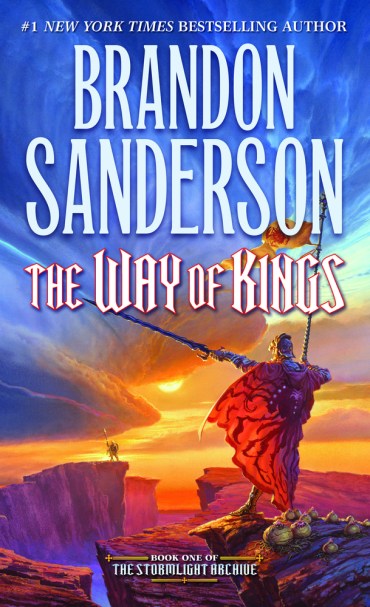
2. The Wise Man’s Fear by Patrick Rothfuss, narrated by Nick Podehl – 42 hours and 55 minutes
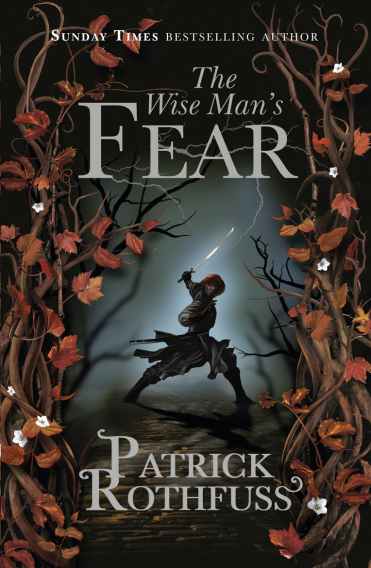
3. Magician by Raymond E. Feist, narrated by Peter Joyce – 36 hours and 14 minutes

4. A Game of Thrones by George R. R. Martin, narrated by Roy Dotrice – 33 hours and 45 minutes


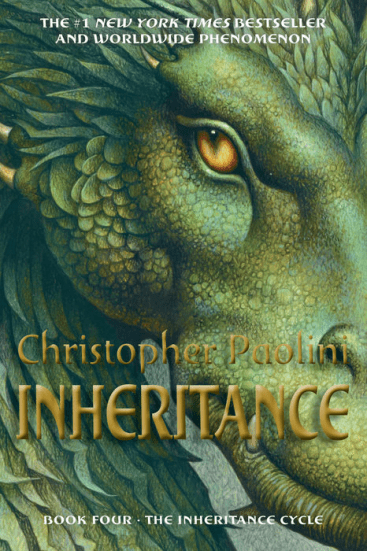
6. Inheritance by Christopher Paolini, narrated by Gerrard Doyle – 31 hours and 29 minutes

8. The Ember Blade by Chris Wooding, narrated by Simon Bubb – 30 hours and 40 minutes
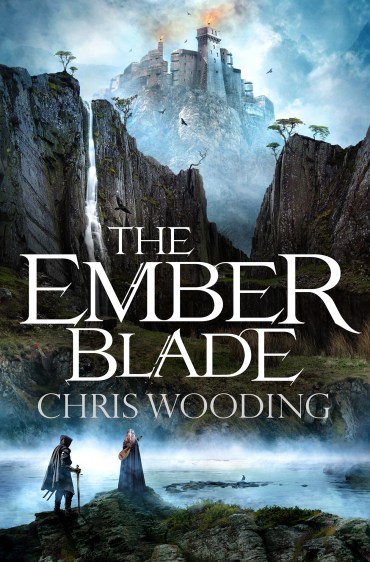
The first new entry on this list is the rather good fantasy novel by Chris Wooding, The Ember Blade. The Ember Blade was an interesting-sounding novel that I had included on my Top Ten Books I Wish I Read in 2018 list and which I managed to get around to listening to last year. It took me a while to get through, but it was really worth it, as this proved to be an excellent book that I really enjoyed. I ended up including this novel on a couple of my best-of lists of 2019, including my Top pre-2019 Books list, and I included Wooding on my Top New-To-Me Authors list. I am eagerly awaiting a sequel to this great book, although nothing has been announced so far.
9. Brisingr by Christopher Paolini, narrated by Gerrard Doyle – 29 hours and 34 minutes

10. Howling Dark by Christopher Ruocchio, narrated by Samuel Roukin – 28 hours and 3 minutes
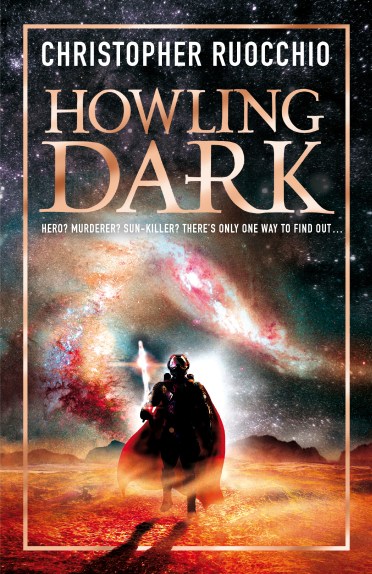
This was another fantastic audiobook I checked out last year. Howling Dark was the incredible sequel to Empire of Silence, and I ended up having an amazing time listening to this second audiobook from Ruocchio. This book was one of my top books and audiobooks of 2019, and I strongly recommend checking out its audiobook format. I am looking forward to the third book in the series, Demon in White, which is set for release later this year, and I may end up listening to the audiobook version of that as well.
11. The Name of the Wind by Patrick Rothfuss, narrated by Nick Podehl – 27 hours and 55 minutes

12. House of Earth and Blood by Sarah J. Maas, narrated by Elizabeth Evans – 27 hours and 50 minutes

The latest addition to this list, I only finished House of Earth and Blood a couple of days ago. This was an incredible audiobook that took me a few weeks to get through, but it was really worth it. I ended up really enjoying this outstanding novel, and I’m hoping to get a review up of it in a few days, but it comes highly recommended from me.
13. Harry Potter and the Order of the Phoenix by J. K. Rowling, narrated by Jim Dale – 27 hours and 2 minutes

14. Red Seas under Red Skies by Scott Lynch, narrated by Michael Page – 25 hours and 34 minutes

15. The Republic of Thieves by Scott Lynch, narrated by Michael Page – 23 hours and 43 minutes

16. Eldest by Christopher Paolini, narrated by Gerrard Doyle – 23 hours and 29 minutes

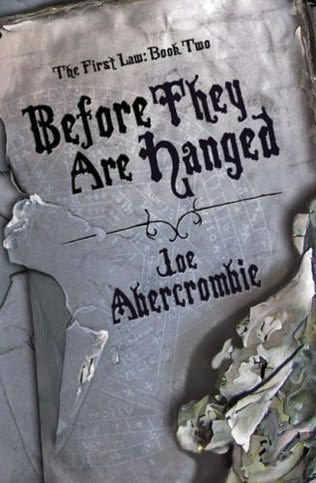
17. Before They Are Hanged by Joe Abercrombie, narrated by Steven Pacey – 22 hours and 38 minutes
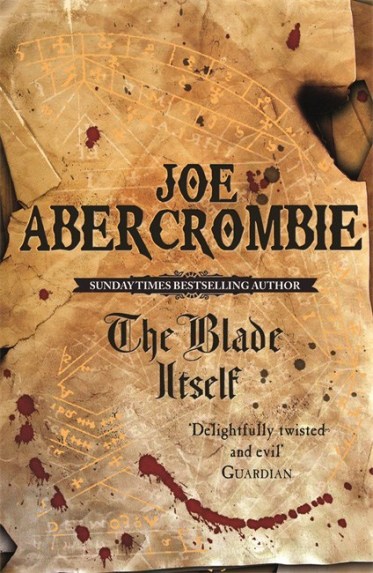
18. The Blade Itself by Joe Abercrombie, narrated by Steven Pacey – 22 hours and 15 minutes
19. The Lies of Locke Lamora by Scott Lynch, narrated by Michael Page – 21 hours and 59 minutes

20. Harry Potter and the Deathly Hallows by J. K. Rowling, narrated by Jim Dale – 21 hours and 36 minutes

Hmm, well that turned out to be a rather interesting result. I was honestly expecting more than three new entries onto the list, but those were the only ones that made the cut. Ironically, three substantial books I had listened to throughout the year, Red Metal by Mark Greaney and Hunter Ripley Rawlings, A Little Hatred by Joe Abercrombie and Tiamat’s Wrath by James S. A. Corey would have made the old top twenty list, if they hadn’t been booted off by the new entries above. Still, the three new additions altered the list a bit, and it was interesting to see that Harry Potter and the Goblet of Fire, Cold Iron and Promise of Blood ended up getting knocked out of the top twenty.
Well, that’s it for this latest Top Ten Tuesday. I plan to revisit this list in another year or so and I will make an effort to listen to some additional audiobooks with a long run time in order to add them to the list. In the meantime, let me know what you think of the results above; I am curious to see what the longest audiobook you ever listened to was. Also, if you are stuck at home, you might want to check out some of the novels above. Each of them are really good and can help pass the time, especially in their audiobook formats, which are a lot of fun to listen to.
It’s been a few weeks since I’ve done a book haul post, so I thought it would be a good idea to once again highlight some of the latest books I’ve been lucky enough to receive copies of. I’ve actually picked up a few rather interesting reads in the last couple of weeks, and I am looking forward to getting through all of them.
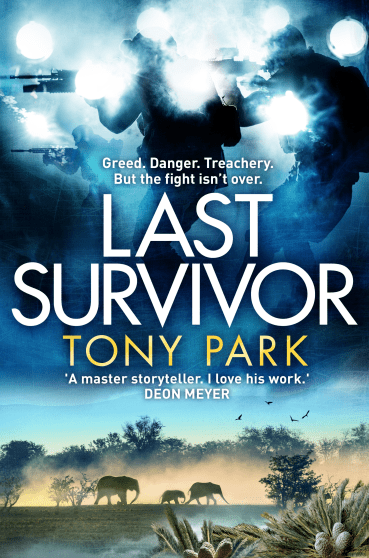
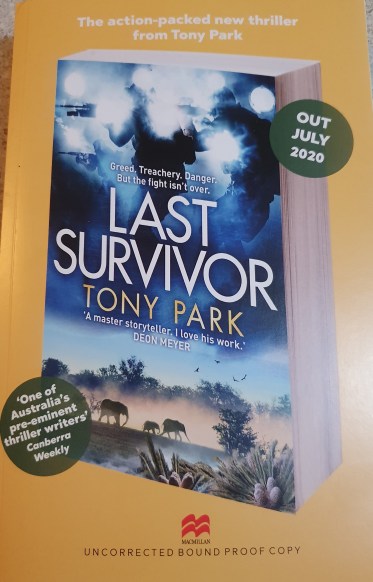
The first book in this post is the rather exciting sounding new novel from Australian thriller author Tony Park, Last Survivor. Last Survivor is the latest novel to feature Park’s recurring protagonist Sonja Kurtz, and should prove to be another fantastic thriller set in the wilds of Africa. I am quite excited to read this book, and I was also rather happy to see that they included a quote from my Canberra Weekly review of Park’s last book, Ghosts of the Past, on the cover of the advanced proof I received (see below).

Now this one sounds like it is going to be a rather cool book. The Deep is a intriguing sounding mashup of the horror and historical fiction genres, that reimagines the events of the Titanic. I actually got this book as a birthday gift, and I am curious to see how it turns out.
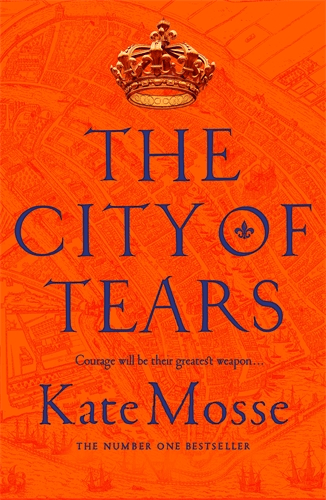
This is the sequel to the 2018 historical epic, The Burning Chambers. I love a good dive into intriguing eras of history, and I think that The City of Tears sounds like a rather fantastic read.

Chosen Ones is another book that should prove to be a fascinating read. It is the adult fiction debut of bestselling young adult fiction author Veronica Roth, who is best known for her Divergent trilogy. I actually really like the sound of the plot of this book, which focuses on a group of chosen ones after they succeed in taking down their big bad, and I am very interested in checking out what cool ideas Roth comes up with for this story.

The Satapur Moonstone is the second book in a fun, historical mystery series, and I am looking forward to reading it.

The final novel in this book haul is the dark and compelling sounding thriller, The Familiar Dark by Amy Engel. This is another cool and interesting book, and I cannot wait to read it.
That’s it for my latest book haul. Make sure to stay tuned and check out my reviews for this exciting reads. Let me know which of the above books you like the sound of the most and I will try to get to it first.

Publisher: Fantagraphics Books (Paperback – January 1992)
Series: Usagi Yojimbo – Book Five
Length: 142 pages
My Rating: 5 out of 5 stars
Reviewed as part of my Throwback Thursday series, where I republish old reviews, review books I have read before or review older books I have only just had a chance to read.
In this latest Throwback Thursday I once again check out another early volume of the excellent Usagi Yojimbo series, which I have been reviewing over the last couple of weeks. For this review, I am looking at the fifth volume, Lone Goat and Kid. Lone Goat and Kid was first released in 1992 by Fantagraphics Books and contains issues #19-24 of the Usagi Yojimbo series.
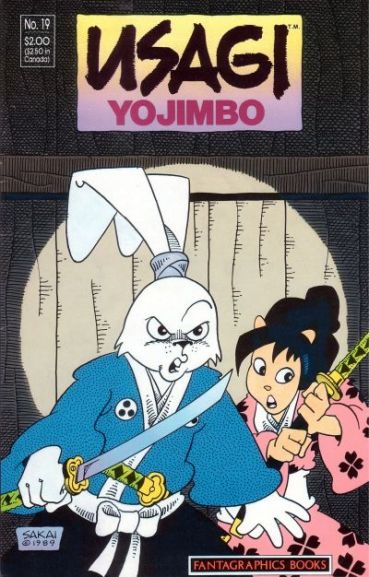
This fifth volume of Usagi Yojimbo once again sees series protagonist, the rabbit ronin Miyamoto Usagi, traverse a feudal Japanese landscape populated solely with anthropomorphised animals. This volume follows on right after the chaotic events of the fourth volume, The Dragon Bellow Conspiracy, and contains five new stories across six issues. This is an interesting entry in the series, particularly as it is the first volume to barely feature any of the previously introduced recurring characters aside from Usagi (a huge departure from the last volume, which contained a number of recurring characters coming together and teaming up). Instead, Sakai takes the time to introduce a bunch of new characters and scenarios across the volume’s five separate stories. Unsurprisingly, I really liked this fifth volume of Usagi Yojimbo, especially as Sakai manages come up with some fantastic and exceedingly enjoyable tales.
The first story featured within this volume is titled Frost & Fire, and it is a tragic story with undertones of forbidden love and class struggle. In this story, Usagi is hired by the cold and proper widow of a samurai to travel to the place of her husband’s death and retrieve his swords. Upon arriving at the small village where the samurai died, Usagi discovers that the swords are in the possession of the dead man’s lover, a poor peasant girl, who wishes to keep them as a remembrance of the man she loved. Unwilling to take the swords by force, Usagi leaves, but the peasant girl’s greedy brother has other plans for the swords.
This was a rather heartfelt first story for the volume, and it contains some great underlying elements to it. Much of the story revolves around a forbidden romance between a samurai and a peasant girl who wanted to be together but were unable to due to class differences. This was a rather intriguing central element for this story, and you can’t help but feel for the poor peasant girl, especially after meeting the samurai’s harsh and honourable widow in the opening pages. There is also examination of the evils of greed and avarice, as several of the side characters attempt to deceive and murder in order to get a quick payday. Luckily, their greed proves to be their undoing, as karma quickly strikes throughout the course of the story. There are some great scenes in this story, including one sequence where Usagi stares down the peasant girl when she refuses to give up the swords, “You know I can just take them from you”, before ultimately backing down and refusing to force her to give them up. I also liked a scene later in the book where the brother’s greed proves to be his undoing, as not only does Usagi appear behind him at one point like a vengeful spirit, but he is then ironically attacked by his “friends”, who are jealous of the wealth he achieved because of his bad actions, and whose mindset mirrors that of the brother. All of this makes for a great first entry for this volume, and I really enjoyed the amazing and captivating story that Sakai came up with.
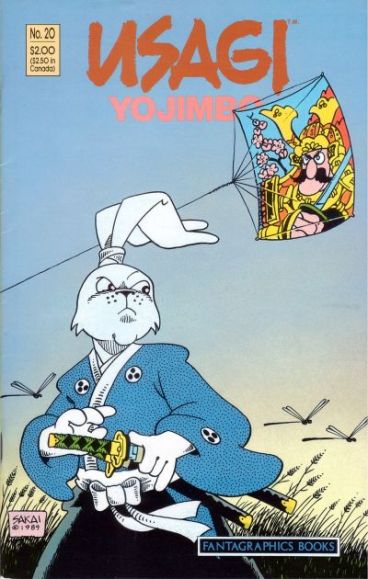
The next story is a rather unique entry called A Kite Story, which I have a particular love for. A Kite Story is actually broken up into four distinctive parts, each of which focuses on a different character participating in a famous kite festival. The first part, called The Kite Maker’s Story, follows a kite maker, Tatsusaburo, in the lead up to the festival. This part of the story contains no dialogue, but instead features a first-person narration from Tatsusaburo that overlays the drawings. This narration explains how he gathers the resources for his kites and the various processes he goes through to craft them together. It particularly focuses on the work he puts into creating an odako, a giant kite that he and a team of handlers hope to fly. The story then jumps to its second distinctive part, called The Gambler’s Tale, which follows the crook Hatsu and his gang of itinerant gamblers as they work the crowds gathering for the kite festival. This part starts off with some first-person narration from Hatsu and explores how he and his gang set up a rigged game of dice. This part ends its narration on the second page, when Usagi arrives on the scene and it becomes purely dialogue driven after that. Usagi, upon noticing the game, gets involved and is able to prove the gamblers are cheating (thanks to some fancy sword work), which sees not only the crooked gamblers run out of town but also those gamblers who were running fair games, and who are none too pleased with how they have been treated. This then moves to the third part of the story, called The Ronin’s Tale, which is nearly entirely dialogue driven, with only a small bit of narration at the front. Usagi deals with some of the players from the first two parts of the book, as he is unfairly blamed by the cheating gamblers in The Gambler’s Tale as the source of all the trouble to the honest gamblers. This sees Usagi have to make a rather quick and unconventional exit from the festival, which quickly breaks down into chaos. The story then concludes with a quick two-page final part, called The Kite Maker’s Tale II, which follows Tatsusaburo again and serves as an epilogue to the whole story.
I really liked A Kite Story, as Sakai did a really good job blending together a couple of distinctive narratives into one fantastic story. I particularly enjoyed the fascinating first part of this story and I always love it when Sakai uses his stories to explore certain unique Japanese cultural elements and industries. For this one, the author presents the reader with an amazing examination of the traditional kite-making process, and I loved seeing the process explained by the titular kite maker. This part of the story blends in surprisingly well with the other sections of A Kite Story, and I was impressed with how Sakai was able to turn these seeming separate and disparate tales into a complete narrative that is both entertaining and informative. Sakai also produces some amazing artwork in this story, from the giant kite to the visually impressive and detailed crowd scenes, and this is easily one of the more innovative stories that Sakai has come up with.

The third story is the action-packed spectacular, Blood Wings, which Sakai tells over two issues. Late one night, Usagi is wandering along the road when he comes upon a dying peasant. The peasant’s last words are a mysterious warning about whatever killed him, “wings of blood”. Travelling to a nearby village, he finds a settlement living in terror, completely cut off from the outside world. They are being kept prisoner by a new and dangerous group of ninja, the Komori Ninja Clan, killer flying bats. The Komori Ninja were accidently discovered by the villagers as they prepared to ambush a shipment from a nearby goldmine and the ninja are now keeping them prisoner while they execute their attack. Knowing that the ninja will not leave the villagers alive as witnesses after the heist, Usagi attempts to break out and warn the goldmine, and when that fails, he leads the villagers in a spirited defence of their home.
Blood Wings was a fantastic and exciting story that serves as an excellent set piece for the middle of this volume. This third story is an impressive read that not only introduces a notable new group of antagonists, but it also contains some rather good action sequences. The Komori Ninja prove to be a great group of villains, and I really liked the character design that Sakai came up for them, as they fly around with sword blades attached to their wings, cutting through anyone and anything they encounter. The highlight of this story has to be the thrilling action sequences between Usagi and this new foe, who are able to outmatch the protagonist with their unique combat style. This all culminates in an extended battle sequence which sees a swordless Usagi defending the village with a force of farmers. This is probably the fastest-paced story in the volume, and Sakai comes up with an awesome narrative for it. This is also the entry in this volume that is most tied into the overarching Usagi Yojimbo world, as the Komori Ninja are revealed to be working for Lord Hikiji and are seeking to replace the Neko Ninja. This story also contains my favourite joke in the whole volume, as only Saki would have a guard yell out, “Holy flying furball! It’s Bats, man!” as the Komori Ninja descend.

The fourth story is an elaborate and compelling entry titled The Way of the Samurai. This story sees Usagi intervene when a gang of bandits (including a very cool-looking walrus samurai), attack a messenger, and is directed to seek out the magistrate of the local town. Arriving at the town, Usagi is amazed to discover that the magistrate is a famed former general Oyaneko, whose battles and tactics Usagi idolises. Staying in the general’s house for a night, he learns that Oyaneko was a loyal retainer to the land’s former lord but was cast aside when the lord’s brash young son came to power. Now regulated to the role as a simple administrator and slowly dying of a disease, Oyaneko is discontent with his life, and, after meeting an honourable and skilled Usagi, challenges him to a duel to the death, “The way of the Samurai is found in death”.
This fourth entry in the volume is a moving tale that the author uses to explore the complexity of the samurai code of duty, loyalty and service. I really liked the intricate story that Sakai weaved around the characters of Usagi and Oyaneko, and Oyaneko’s story is particularly tragic and fascinating. This entire story is set up really well, with Usagi encountering Oyankeo, the two gaining a mutual respect for the other, learning about Oyankeo’s past and motivations, before the emotionally charged duel at the end. Sakai did a fantastic job illustrating the stress and emotion surrounding this final duel with his epic drawings, and the end result was really touching. I think this is one of the best written stories in the entire volume, and it becomes quite an emotional ride for the reader in the end.
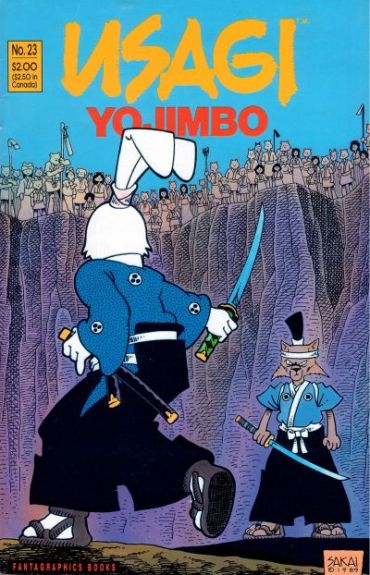
That leaves us with the fifth and final story in this volume, which shares the same name as the overall volume, Lone Goat and Kid. This story focuses on the characters of Yagi and Gorogoro, the titular Lone Goat and Kid. Years ago, Yagi served the same lord as Oyaneko. However, when their old lord died, Yagi was falsely accused of a crime by the new lord’s corrupt advisors and forced out of his service. Yagi and his son Gorogoro now work as Lone Goat and Kid, assassins for hire who many believe now travel the road to hell. The two assassins are also constantly targeted by their former lords’ samurai and bounty hunters sent after them by the corrupt advisors who framed them. As part of their latest attempt to kill Yagi and Gorogoro, these advisors use a proxy to hire the Lone Goat and Kid to assassinate Usagi, who they believe may be able to defeat the infamous assassin. When they meet, Yagi and Usagi engage in a brutal fight to the death, with the corrupt lord’s forces waiting to ambush the winner.
This was another awesome story filled with epic duels, a massive battle sequence, some superb artwork featuring Japan’s exquisite landscape, and a fun narrative packed full of deceit and conspiracy. The titular Lone Goat and Kid are a rather cool adaptation of the iconic Japanese fiction duo, Lone Wolf and Cub. Lone Wolf and Cub was a manga series back in the 1970s that followed a samurai assassin and his child as they travel feudal Japan searching for vengeance. This series has inspired several movies and a television show, and many different pieces of fiction have paid homage to them over the years, from The Mandalorian to Bob’s Burgers. Heck, Rick and Morty literally just did an anime homage to them last week on YouTube. Sakai’s versions of the characters are rather good, and they become fun recurring characters within the Usagi Yojimbo series. I loved how Sakai came up with some fantastic and unique character designs for the two assassins, turning them into goats rather than wolves (which was a nice touch, especially as the name “kid” has that fun double meaning), and providing them with a different backstory. However, there are some excellent similarities, such as the father’s skill with the blade, the desire to take down conspirators who wronged them and the baby carriage the son travels in, equipped with all manner of hidden weapons and blades. The character of Yagi, the Lone Goat, is particularly intense, and is almost demonic in his attitudes and persona, while still maintaining a samurai’s sense of honour. I was also really impressed with the battle sequences that featured in the last half of this story, and I liked how Sakai went from an elaborate one-on-one duel, to a mass fight against multiple opponents. All of this leads to another excellent story in this volume, which I really enjoyed reading.
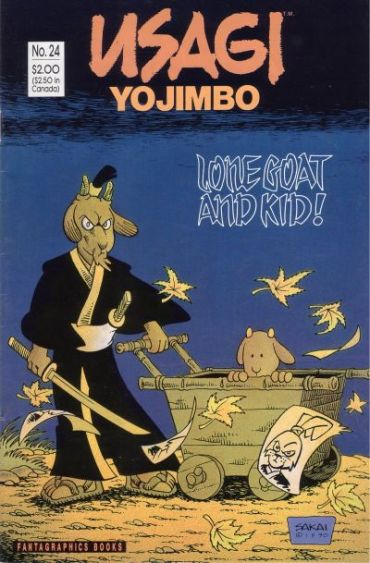
This fifth volume of Usagi Yojimbo, Lone Goat and Kid, was another incredible and powerful addition to the series, and I think Stan Sakai did another amazing job with this volume. Featuring five fantastic stories that contained Sakai’s usual complex narratives, iconic artwork and compelling underlying themes, Lone Goat and Kid gets another five-star rating from me, and it is really worth checking out.
WWW Wednesday is a weekly meme hosted by Taking on a World of Words, where bloggers share the books that they’ve recently finished, what they are currently reading and what books they are planning to read next. Essentially you have to answer three questions (the Three Ws):
What are you currently reading?
What did you recently finish reading?
What do you think you’ll read next?
So, let’s get to it.

Gathering Dark by Candice Fox (Trade Paperback)
I have made a bit of progress with this one, and I am quite enjoying it.
House of Earth and Blood by Sarah J. Maas (Audiobook)
I am still getting through this behemoth of a book and loving every second of it. Hoping to finish it off in the next day or so.
I am going to have leave this section blank this week, I didn’t get around to finishing any books off. Should have a few new additions to this section next week, so stay tuned.
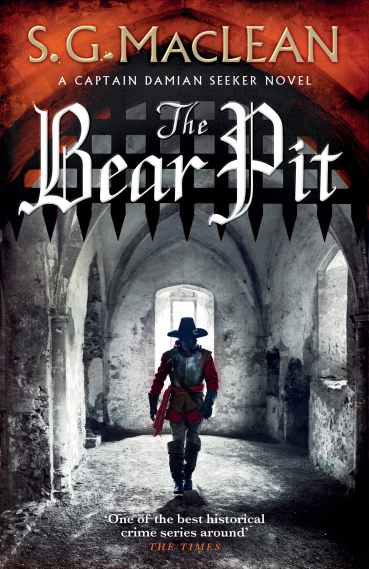
The Bear Pit by S. G. Maclean (Trade Paperback)
That’s it for this week, check back in next Wednesday to see what progress I’ve made on my reading and what books I’ll be looking at next.
Welcome to my weekly segment, Waiting on Wednesday, where I look at upcoming books that I am planning to order and review in the next few months and which I think I will really enjoy. I run this segment in conjunction with the Can’t-Wait Wednesday meme that is currently running at Wishful Endings. Stay tuned to see reviews of these books when I get a copy of them. For my latest Waiting on Wednesday article, I am going to take a look at two excellent sounding historical murder mysteries that are coming out later this year.
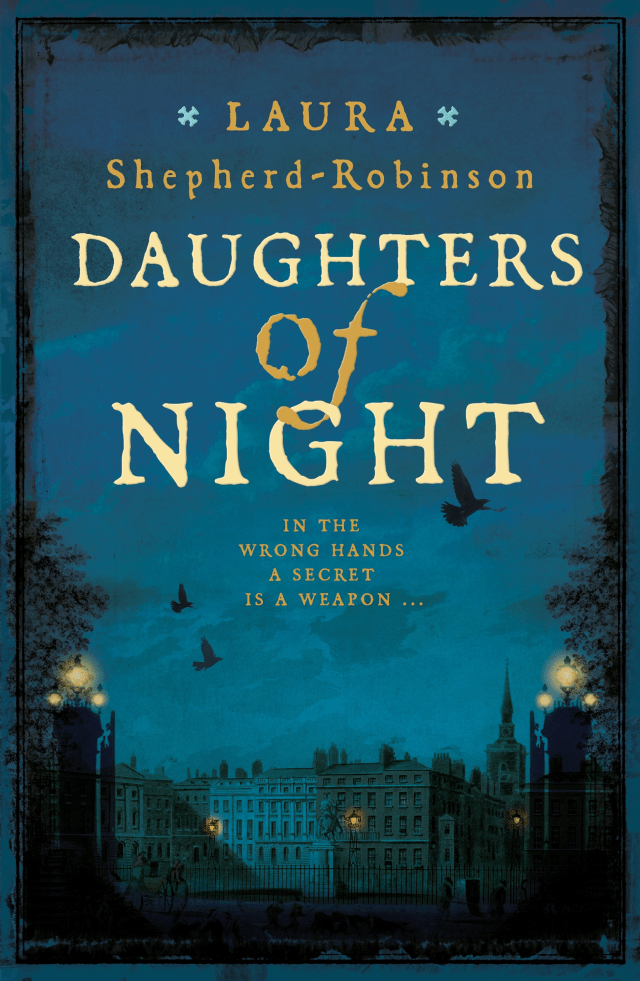
The first of these books is Daughters of Night by Laura Shepherd-Robinson, the intriguing follow-up to one of my favourite novels from last year, Blood & Sugar. Blood & Sugar was Shepherd-Robinson’s captivating and fascinating debut novel which featured a clever mystery revolving around the slave trade in late 18th century London. I really loved this fantastic book; it received a full five stars from me and it made several of my best-of lists from last year, including my favourite novels of 2019 list, my favourite debut novels of 2019 list and my favourite books from the first half of 2019 list. As a result, I am very excited to see how Shepherd-Robinson’s second book turns out and I cannot wait to see where the series goes next.
This book, Daughters of Night, will be set in the same universe as Blood & Sugar, and it is actually going to follow the wife of Blood & Sugar’s protagonist, who was a minor character in the first novel, as she attempts to solve a whole new murder.
Goodreads Synopsis:
From the brothels and gin-shops of Covent Garden to the elegant townhouses of Mayfair, Laura Shepherd-Robinson’s Daughters of Night follows Caroline Corsham, as she seeks justice for a murdered woman whom London society would rather forget . . .
Lucia’s fingers found her own. She gazed at Caro as if from a distance. Her lips parted, her words a whisper: ‘He knows.’
London, 1782. Desperate for her politician husband to return home from France, Caroline ‘Caro’ Corsham is already in a state of anxiety when she finds a well-dressed woman mortally wounded in the bowers of the Vauxhall Pleasure Gardens. The Bow Street constables are swift to act, until they discover that the deceased woman was a highly-paid prostitute, at which point they cease to care entirely. But Caro has motives of her own for wanting to see justice done, and so sets out to solve the crime herself. Enlisting the help of thieftaker, Peregrine Child, their inquiry delves into the hidden corners of Georgian society, a world of artifice, deception and secret lives.
But with many gentlemen refusing to speak about their dealings with the dead woman, and Caro’s own reputation under threat, finding the killer will be harder, and more treacherous than she can know . . .
It sounds like this upcoming book is going to contain another intriguing historical murder mystery, and I am very curious to see how this next mystery plays out. I am also looking forward to seeing how the author portrays the complex city of London and its society in this book, as I really loved the historical elements that were contained in Blood & Sugar. I have very high hopes for this novel, and I recently featured it in an article about upcoming books that I think could be five-star reads. Daughters of Night is currently set for release on 25 June 2020, and I am quite keen to get a copy of this book.
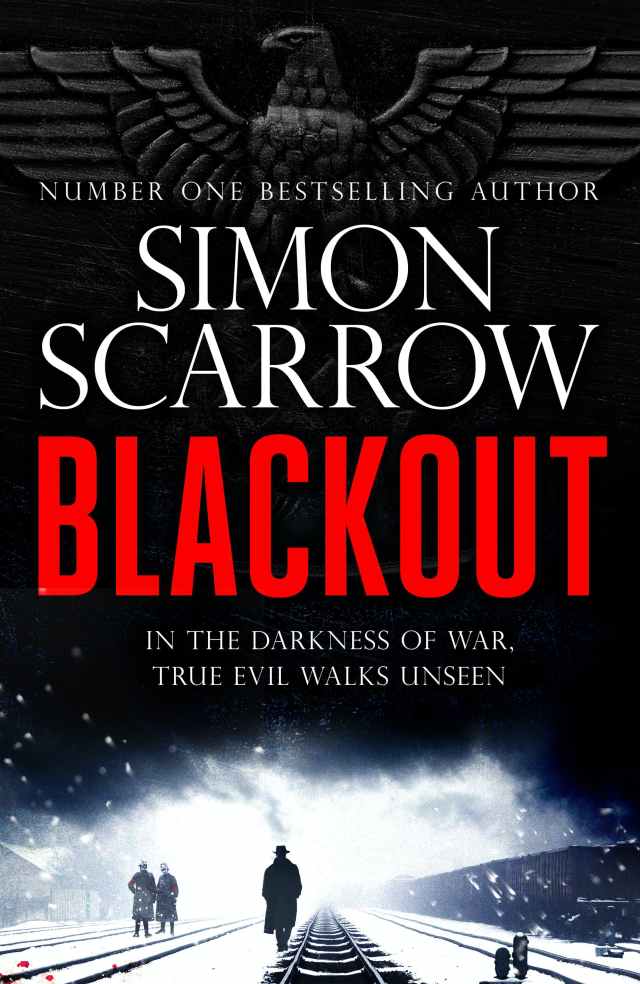
The second book that I am going look at in this article is Blackout by Simon Scarrow. I have long been a fan of Simon Scarrow, mainly because of how much I love his epic Eagles of the Empire Roman historical fiction series (make sure to check out my reviews for the 17th and 18th entries in the series). Scarrow has also produced a few other fantastic books throughout his career, including his Revolution series, several novella series and some standalone novels such as The Sword and the Scimitar and Hearts of Stone. While he also has 19th entry in his Eagles of the Empire series coming out later this year, I luckily don’t have to wait until November to get my Scarrow fix, as he has an awesome-sounding historical murder mystery coming out in August with Blackout.
Goodreads Synopsis:
Berlin, December 1939
As Germany goes to war, the Nazis tighten their terrifying grip. Paranoia in the capital is intensified by a rigidly enforced blackout that plunges the city into oppressive darkness every night, as the bleak winter sun sets.
When a young woman is found brutally murdered, Criminal Inspector Horst Schenke is under immense pressure to solve the case, swiftly. Treated with suspicion by his superiors for his failure to joining the Nazi Party, Schenke walks a perilous line – for disloyalty is a death sentence.
The discovery of a second victim confirms Schenke’s worst fears. He must uncover the truth before evil strikes again.
As the investigation takes him closer to the sinister heart of the regime, Schenke realises there is danger everywhere – and the warring factions of the Reich can be as deadly as a killer stalking the streets . . .
This also looks like it is going to be quite an excellent read, and I am really looking forward to it. I will honestly grab any Scarrow book that I can get my hands on, but this one sounds particularly intriguing. I have previously read some rather good murder mystery novels set in Nazi Germany, and I am really curious to see what sort of mystery novel Scarrow can produce with this compelling setting. Blackout sounds like it is going to be an exciting and entertaining read, and I cannot wait to check it out.
Both of these upcoming novels sound like they are going to be really impressive, and I think that they both have a lot of potential. I have had some extremely positive experiences with both these authors in the past, and I look forward to being wowed by them once again.

Publisher: Zaffre (Trade Paperback – 3 March 2020)
Series: Tom Wilde – Book Four
Length: 420 pages
My Rating: 4.5 out of 5 stars
From the mind of bestselling author Rory Clements comes another captivating historical spy thriller in Hitler’s Secret, the fourth book in Clements’s excellent Tom Wilde series.
In 1941, Hitler’s Germany is at the height of its power, with England under constant bombardment, Europe under German control and the powerful Nazi army smashing aside all resistance in Soviet Russia. At this point in history, Hitler seems unbeatable, and desperate measures are needed if the Allies are to succeed.
In Cambridge, American expat and history professor Tom Wilde attempts to do his bit for the war effort and becomes an intelligence officer. While America is still officially staying out of the war, an upcoming fight with Germany is inevitable. Wilde finds himself enlisted into a top-secret mission that could change the entire course of the war.
Smuggled into Germany under a false identity, Wilde is tasked with recovering a package and delivering it safely back to England. This package is the key to undermining Hitler’s image and influence, as it reveals a terrible secret about the Führer, one that even Hitler himself was unaware of. Trapped deep behind enemy lines, Wilde must use every trick at his disposal to complete his objective and escape the deadly forces closing in on him. However, the more he learns about his mission, the more he is convinced that this is a secret that needs to stay buried, no matter the cost, and he soon must contend not only with the Nazis but with members of his own intelligence agency.
Wow, now that was a really good historical spy thriller. Clements is a fantastic author, and I have been a fan of his for a while now. Clements started writing back in 2009 with Martyr, the first book in his John Shakespeare series of Elizabethan thrillers. I read a couple of the books in this series, and quite enjoyed the fun stories that they contained, but I really started getting into Clements’s work with the Tom Wilde series. I was lucky enough to get a copy of the first book in this series, Corpus, back in 2017, and I absolutely loved the fantastic story that it contained. I ended up sticking with the story in the following years and I managed to read and review the next two books, Nucleus and Nemesis, both of which were rather good reads. I was very happy when I received my copy of Hitler’s Secret, as I thought that the plot sounded pretty cool. It did not disappoint, as Clements has come up with a fantastic and thrilling new read that might be my favourite Tom Wilde book since Corpus.
At the heart of this book lies a truly great thriller storyline, which sees the protagonist journey into Nazi Germany in order to retrieve a special package while also contending with the interests and machinations of several different groups and nations. This turned out to be a fantastic central story element, and I loved all the action, intrigue and danger that results from this mission. Wilde and his allies end up getting hunted throughout the breadth of German occupied territory by some vile and unrepentant villains, including an insane English expat who is having a fun time living in Nazi Germany (which pretty much tells you just how evil he is). Even when Wilde reaches relative safety, he must contend with being hunted by Nazi agents while also trying to avoid supposedly friendly operatives with whom he has a moral disagreement. I loved the constant hunting and running that resulted from this awesome story concept, and the characters engage in a pretty impressive game of cat and mouse. Clements makes good use of multiple character perspectives to show the various sides of this battle of spies, and it was great to see the hunters and the hunted attempt to outwit each other. It was also interesting to see the perspective of the various antagonists, especially as Clements used these scenes to show how evil they are, ensuring that the reader is determined that they fall. All of this led to an impressive and compelling thriller story that made this book extremely hard to put down.
I have to say that I liked Clements’s choice of MacGuffin for this book, which in this case was the titular secret of Hitler. I won’t go into too much detail about what this is, although the secret is revealed rather early in the story, but I did think that it proved to be a fantastic story element. Not only does Clement use this MacGuffin as an excellent centre to his story, but it was also rather interesting to see what secret the author envisions that could have potentially taken down Hitler. Clements made a unique choice regarding that, coming up with something that could have impacted Hitler’s most fanatical base of support. I thought it was quite a clever story element, and I liked how it allowed the author to come up with a couple of exciting conspiracies with multiple sides involved. I also appreciated the moral implications that the MacGuffin inspired, and it made for some great scenes where Wilde was left to choose between the war effort and what he thought was right.
I also really enjoyed Clements’s choice of setting for this book, as most of the story takes place within Nazi Germany in 1941. Clements has come up with some excellent historical settings for the Tom Wilde series in the past, and I have always liked his central setting of Cambridge in the pre-war period, as it serves as an amazing location for the series’s espionage elements. However, I think that Clements outdid himself by setting Hitler’s Secret in Nazi Germany. This proved to be an incredible and thrilling backdrop to the story, especially as Wilde is forced to navigate vast swathes of the country to get to freedom, contending with patrols, enemy agents who are actively hunting him and even a troop of Hitler Youths. Clements does an amazing job exploring what life would have been like in Germany during this period, showing off the fear and resentment of some of the citizens, the control and surveillance that the Nazis and the Gestapo had over everyone, the brainwashing of German children at school, how the country was locked down and the growing cracks as the invasion of the Soviet Union started to stall and America began entering the war. I also really liked that Clements dived into the complex relationships and rivalries amongst the Nazi high command, especially as part of that rivalry played into the overall story. I particularly appreciated the extensive look at the role of Martin Bormann, Hitler’s secretary, who achieved great power in the Nazi regime. Bormann is a little underutilised in historical fiction, so it was fascinating to see him used in this book, and he proved to be a despicable overarching villain for the story. Clements use of Nazi Germany as a setting for Hitler’s Secret was a brilliant move, and I felt that it helped take this story to the next level.
Hitler’s Secret by Rory Clements was an outstanding fourth entry in the author’s thrilling Tom Wilde series. I loved the complex and captivating story that Clements came up with for this book, and he managed to produce an impressive historical thriller. Hitler’s Secret is a highly recommended book, and I had a wonderful and electrifying time reading it.
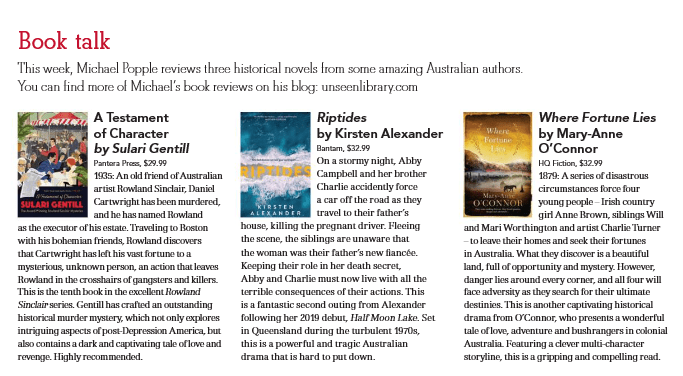
Originally published in the Canberra Weekly on 26 March 2020.
Check out the reviews on the Canberra Weekly Website.
Make sure to also read my extended reviews for A Testament of Character and Where Fortune Lies.
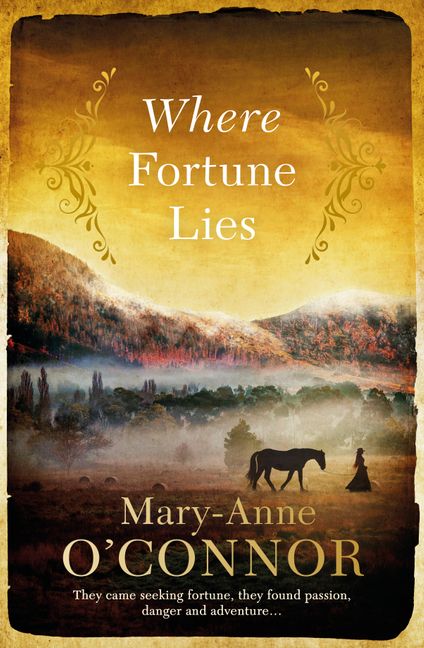
Publisher: HQ Fiction (Trade Paperback – 23 March 2020)
Series: Standalone
Length: 394 pages
My Rating: 4.25 out of 5 stars
From bestselling Australian author Mary-Anne O’Connor comes another fun and intriguing Australian historical drama, Where Fortune Lies, which tells a multi-layered story of people seeking their fortunes in colonial Australia.
1879, Ireland. Anne Brown is a beaten-down young lady, hoping to escape the harsh life of poverty and misery she sees the rest of the women in her family experience. After a particularly cruel night which sees the one good thing in her life taken away from her, Anne flees her hometown, hoping to make a new life for herself in far-flung Australia.
Several months later in London, young gentleman Will Worthington and his sister Mari are shocked to discover that their recently deceased father has changed his will. Instead of the modest inheritance they were expecting, they find that all his money has been left to a mysterious pregnant painted lady who intends to resettle in Australia. With their social standing in London destroyed, Will and Mari, along with Will’s loyal best friend, artist Charlie Turner, follow their father’s mistress to Australia to seek their fortunes.
Upon their arrival in Melbourne, Will Mari and Charlie quickly befriend local businessman Tom McIntosh and his beautiful daughter, Alice, who Will falls in love with. While Will and Mari enjoy the opportunities afforded to them in Melbourne, Charlie spends time in the Victorian Alps with Alice’s brothers, Harry and Richie, and their wild group of friends, who show him how to live the rough colonial life. While there, Charlie finds his artistic inspiration through his work with the McIntosh boys and their wild horses, as well as his love for a mysterious exotic dancer. However, danger lies on the horizon, as Harry and Richie have been covertly engaging in the deadly trade of bushranging. Soon the fates of all these young people will hang in the balance, as tough choices, dangerous loyalties and harsh heartbreaks will impact them all.
Where Fortune Lies is another fantastic read from O’Connor, who has written some exceptional historical dramas in her five-year career. I read my first Mary-Anne O’Connor book last year, In a Great Southern Land, which told an excellent story about a group of people coming to Australia in the 1850’s to participate in the gold rush and subsequent uprising at the Eureka Stockade. I quite enjoyed In a Great Southern Land and I was rather pleased that my review of it was quoted on the back of the copy of Where Fortune Lies that I received. This latest novel follows a similar concept to O’Connor’s last book, with a diverse group of characters journeying to opportunity-rich Australia in order to seek a better life, and O’Connor is once again able to weave together a rich and compelling story of love, family drama and action in the Australian wilds, and I quite enjoyed the fun blend of story elements that the author was able to come up with.
Where Fortune Lies contains a strong character-based story that follows the lives and adventures of several characters who are drawn together by fate, love and family. O’Connor does a wonderful job of introducing these key point-of-view characters, whose story the reader finds themselves getting quite attached to. I really enjoyed the way that the author spaced out the various character threads, taking the time to explore the lives of each of the separate characters. While some of the character arcs do cross over quite a bit (for example, Charlie Turner directly interacts with all the other major characters and serves as a major bridging character), other characters are kept relatively separate from each other, with only a few scenes together. However, these characters arcs still have some subtle interactions, with their actions indirectly impacting other characters’ lives, or the two characters meet or discuss each other without realising who the other person really is. I liked the method of storytelling, as it allowed the reader to get to know each character individually and see the various struggles and difficulties that they are facing, as well as how they overcome them and evolve as people. I really enjoyed each of the character arcs that O’Connor explored, and I think that all of them came to a satisfying conclusion, especially as the various threads combine together at the end of the book with all the main characters finding their final fates. Each of these character-driven storylines had a good blend of adventure, adversity, romance and drama, which I think came together extremely well as an overall narrative.
I really liked the way that O’Connor once again dived back into Australia’s past, this time looking at the turbulent 1870s, and presenting the reader with another view of the country’s iconic colonial history. Where Fortune Lies contains some fantastic examination of various parts of old-school Victoria, including the busting metropolis of Melbourne, and it was interesting to see O’Connor’s depiction of the crossing to Australia and the things that immigrants back in this period would have experienced. Most of the story, however, takes place in the rugged wilds of outback Australia, particularly in the wilderness and small towns of the Victorian Alps. O’Connor presents a fascinating exploration of these communities, and I really enjoyed her depictions of people capturing the wild horses a la The Man from Snowy River. However, the highlight of this jaunt back into history has to be the author’s focus on the bushrangers, the dangerous highwaymen who stalked the Australian outback. A good part of the book’s plot revolves around some of the characters getting involved in bushranging out of desperation or greed, and it was rather intriguing to see how society perceived these criminals. There are a number of references to real-life bushrangers, such as the Kelly Gang and Captain Thunderbolt, and I really enjoyed the parts of the book that focused on this exciting part of Australia’s history. All of this serves as an incredible background to this fun story, and I look forward to seeing what amazing part of Australia’s past O’Connor will explore in her next book.
Where Fortune Lies is another terrific Australian historical drama from O’Connor, who once again combines a captivating, character-driven narrative with an excellent depiction of Australia’s rich and vibrant history. This turned out to be an elegant and enjoyable read that features amazing romantic and dramatic plots, as well as an intriguing dive into the infamous bushrangers of Victoria. A fantastic new novel that once again sees O’Connor continues to shine as one of the most talented authors of Australian historical dramas.
 The Unseen Library