Phantom Wheel by Tracy Deebs

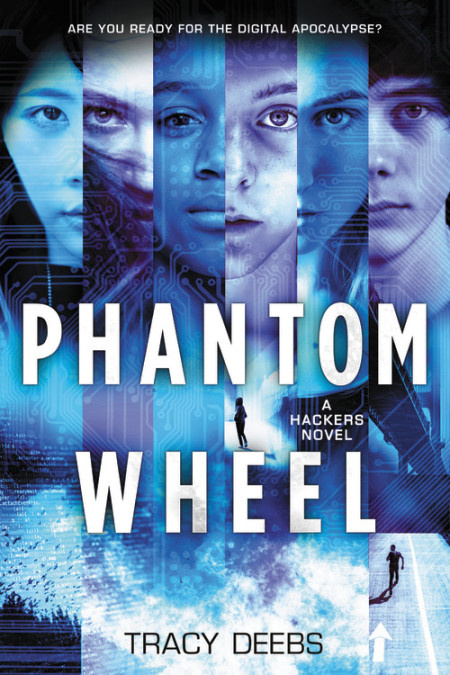
Phantom Wheel Cover

Publisher: Little, Brown and Company

Publication Date – 16 October 2018

Amazon     Book Depository

When six genius teen hackers are invited to audition for the CIA in order to receive an exclusive scholarship and job offer, five of them, Issa, Harper, Ezra, Alika and Seth, jump at the opportunity and create the code that is requested of them.  The sixth teen, Owen, walks out of the room, refusing to participate.  Later, when the other five return home they each receive a message for Owen, “You’ve been played.”  Owen has uncovered that the people interviewing them were not from the CIA; instead they work for one of the world’s largest telecommunications companies, Jacento.  Worse, the hackers’ combined code works together to create a virus, known as Phantom Wheel, which is a malicious piece of code that will give Jacento access to everyone’s personal data and unparalleled control of the world.  Determined not to let their creation be unleashed, the six teens band together to break into Jacento and steal back their code.  While they are young, these teens are among the most creative hackers in the world.  But will their combined skill be enough to protect them from a dangerous corporation with everything to lose?

Phantom Wheel is a fun young adult thriller that focuses on the adventures of six teen hackers determined to save the world from their unintentional creation.  This book has a cool style to it, some interesting characters and an intriguing story that features a lot of technological and hacker elements to it.  I only got this book a little while ago and managed to read through it pretty quickly, enjoying its various elements and aspects.

The author of this book, Tracy Deebs, is actually the young adult pseudonym of prolific romance novelist Tracy Wolff.  As Tracy Deebs, the author has created a number of varied young adult titles, including the techno-thriller Doomed; the mermaid based Tempest series; the superhero based The Hero Agenda series, which was cowritten with Tera Lynn Childs; and the teen romance series, Dahlia and Keegan, which started with her 2016 release The Secret Life of a Dream Girl.

When I first heard the premise of Phantom Wheel, I was intrigued and interested to see if the story could live up to the awesome-sounding plot summary, and overall I was fairly satisfied with the end result.  The story is told from the point of view of three of the main teen characters, Issa, Harper and Owen, and focuses on their fast-paced and exciting story of technological espionage and high-stakes hacking.  The plot moves quickly from the protagonist discovering what they had been tricked into doing, to them attempting a complex heist to steal it back.  I loved the heist scene, especially at the start when the protagonists split off into three teams, each with a point-of-view character, in order to obtain security items off three different members of the company at a party, especially as it allowed all the characters to play to their strengths during this sequence.  The sequences following the heist were also particularly good, as the protagonists attempt to escape from a horde of evil corporate security goons and the police by using their hacking skills to crash cars and stop trains.  I have no idea how realistic this is, but it was still fun to read about.  Overall the story is pretty fun, and has a lot of memorable moments.

The style of Phantom Wheel is also really interesting and has some great elements to it.  I personally really enjoyed the inclusion of the several different case study summaries of the protagonists that were scattered throughout the book.  These case studies also included amusing video surveillance files that follow each of the protagonists as they use their hacking skills to either get revenge or justice, or look at the characters having key conversations with each other.  I also liked the various uses of text messages and other electronic communications throughout the entire book, which fits in well with the technology based theme of Phantom Wheel.  The protagonists also speak a large amount of techno-talk and hacker slang throughout the novel, which gives the entire story a whole lot of authenticity.

Deebs has included six interesting and varied protagonists in the novel.  Despite the various first impressions of these characters, each of them has a lot more depth revealed throughout the course of the book, especially as they grow to trust the other members of their little band and open up to them.  Each of the characters has varying degrees of emotional backstory, which explains why they are the people they are and why they have taken to hacking, all of which is revealed throughout the course of the book.  I have to say I was impressed by Deebs’s inclusion of an asexual character in Harper, especially as asexual people are an under-represented group in modern fiction.  This asexual character seemed like a natural fit, and her acceptance by the group with only minimal questions or comments came across as a quite realistic and generally positive.

While I enjoyed the characters, they did at times stretch the plausibility of the book just a tad too much for my liking.  While I am willing to accept that hackers are just as likely to be in shape as other members of society, the actions that these teenagers were able to do, such as evading professional killers, fighting off trained security guards and jumping out of buildings, did seem a little ridiculous to me, and made me slightly question what I was reading.  I also found it interesting that four out of the six main protagonists were all members of rich families and had a huge net worth, one of them was even the daughter of a fictional Secretary of State.  While each of them had issues as a result of their wealthy lifestyle and the poorer characters of Issa and Harper balanced them out a little, even calling them out on their wealth, it did seem a little odd to include so many rich kid characters.  While this could potentially be explained away by the fact that hackers need money to pay for training and equipment, I feel that Deebs could have made one or two of them more middle class.  Still, none of these impacted my enjoyment of the book too severely and are easy to get around.

As a young adult book, Phantom Wheel is a good read for younger to older teens, although adult readers could also have a lot of fun with this.  The technological aspects of the book are quite intriguing and are easy to follow and understand, and will probably spark the interest of technically minded youths.  Readers will be able to relate to some of the characters in the book, and once again I have to point out my respect for Deebs’s great portrayal of an asexual character, as well as other minor LGBT+ elements.  With nothing too over-the-top in this book, it is a perfect read for a wide audience.

Overall, this new techno-thriller from veteran author Tracy Deebs is a fun and exciting novel that most readers will find quite entertaining.  Deebs has created a compelling story, used some great characters and installed some intriguing elements, all of which makes Phantom Wheel quite enjoyable and definitely worth checking out.

My Rating:

Four stars

Amazon     Book Depository

Throwback Thursday: Patient Zero by Jonathan Maberry

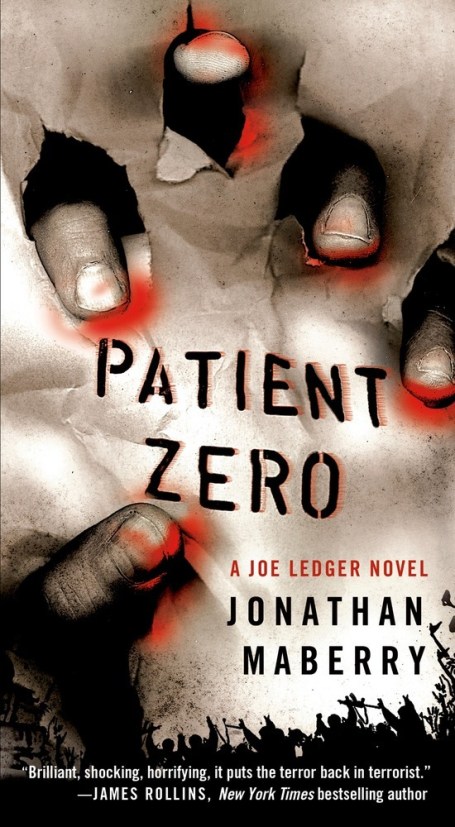
Patient Zero Cover.jpg

Publishers: St. Martin’s Griffin

                       Blackstone Audiobooks

Publication Date – 3 March 2009

Amazon     Book Depository

Reviewed as part of my Throwback Thursday series, where I republish old reviews, review books I have read before or review older books I have only just had a chance to read.

A couple of weeks ago I listened to and reviewed the latest book in Jonathan Maberry’s Joe Ledger series, Deep Silence, and found myself hooked on the insane, mad science based thriller adventure.  After enjoying Deep Silence and giving it a five-star review, I started checking out some of the previous books in the Joe Ledger series that I had not had a chance to read before, and found myself enjoying the plot concepts of the other books in the series.  The moment I finished listening to Deep Silence, I immediately jumped back to the first book in the series, Patient Zero, to review as part of my Throwback Thursday series.

When Baltimore detective Joe Ledger is assigned to a joint terrorism taskforce, he thinks it is an opportunity to fight back against the people responsible for 9/11.  What he was not expecting was to have a crazed man try to bite him on his first raid with the taskforce after discovering a warehouse filled with terrorists.  His elation about a job well done is destroyed when he encounters one of the terrorists again later that week.  There is just one problem: Ledger knows that he killed him during the first raid.  Someone has created a terrifying bio-weapon that can turn ordinary people into zombies, and worse, they have supplied this virus to a destructive terrorist organisation that plans to release it within the United States.

As the full extent of the horror being unleashed against them is revealed, Ledger finds himself recruited into a newly created covert organisation that was set up to handle extraordinary threats such as this.  Known as the Department of Military Sciences (DMS), this organisation wields the latest technology and the country’s brightest scientists under the command of the mysterious Mr Church.  As a member of the DMS, Ledger leads an elite team of combat specialists in the field in an attempt to contain any attempts to unleash the virus on the population and to destroy those who have already been infected.  As Ledger’s investigation progresses, he uncovers an elaborate conspiracy that will have devastating impacts for all of humanity.  But with the fate of the world in the balance, it soon becomes clear that there is a traitor within the DMS who has no qualms about unleashing a zombie apocalypse.

I have to admit that after absolutely loving Deep Silence, I had very high expectations when I started reading Patient Zero.  Luckily I was not disappointed and found that Patient Zero had a fantastic action based storyline that makes good use of its mad science elements to create an intense and very enjoyable novel that sets up all the elements for this future series.  I also chose to check out the first book in this series in its audiobook format, which, at just under 15 hours, is a great way to enjoy this high-octane story.

Hands down, the best thing about this novel has to be the zombies and the way that Maberry has created a compelling and intricate thriller story around this classic horror story concept.  The thriller aspect of this is really clever.  Rather than being the central antagonists themselves, the zombies are a tool being utilised in a wide-reaching conspiracy that the protagonists have to unravel in order to figure out the origins and endgames of the book’s true antagonists.  These thriller elements are quite detailed, and Maberry utilises a number of chapters told from the antagonists’ point of view to add some depth to the conspiracy and showcase the extent of their plot, as well the problems these groups have.  The protagonists also have to deal with potential traitors in their ranks, advanced science that they do not understand and a surprisingly organised, devious and well-equipped terrorist organisation.  All of this is an extremely captivating thriller storyline, and I love how Maberry has managed to utilise the book’s zombie element to help flesh this out.

Maberry has also created a unique and intriguing zombie origin for this book that is based on potential real-life science.  The zombies in this book are the result of a disease rather than a supernatural calamity.  They have been created by some advanced science and extreme mutations of existing diseases and viruses, such as prion diseases.  As a result, Maberry and his characters spend a lot of time examining the potential science behind this zombie virus, which pulls the reader in as they consider how close something this crazy could be to a reality.  I was really struck by the way that Maberry tried to show the horror that these creatures would inflict on the people who encounter them, and the sheer terror that they inflect on normal humans.  The point-of-view protagonists spend significant time explaining how terrifying and emotionally damaging it is to have to encounter and fight these infected people, as well as how guilty they feel about having to kill them.  There are quite a few parts of the book where the characters discuss how damaging these events are to them, and it really adds some emotional gravitas to this story.  Maberry is a prominent author of zombie fiction, so it is no surprise that he is able to create quite a number of awesome and terrifying scenes featuring the zombies as they attack and kill all around them.  There are also some interesting zombie deviations that appear and offer some unique elements to the story.  Overall this is an incredible and memorable addition to this story and one that will really appeal to fans of zombies and the horror genre.

Action is a major part of the Joe Ledger series, as the protagonist leads an elite special forces unit against all these elite scientific threats.  As a result, there are a huge number of action sequences throughout this novel and the reader is constantly left with a racing pulse.  There are so many great fast-paced elements throughout Patient Zero for action junkies to enjoy.  Maberry is always great at describing special forces tactics in his stories, and I enjoyed seeing them used against the unique threats in this book.  There are a number of excellent firefights throughout the story, and the author has a great mind to examining the psychology of a gun battle.  Maberry’s love of martial arts and close-combat fighting once again shines through in Patient Zero, as his protagonist is an expert fighter who has innumerable hand-to-hand fights with a number of different opponents.  While the above actions scenes are all extremely awesome, the best scenes have to revolve around the desperate fight between these elite soldiers and the horde of zombies that they encounter.  These scenes are really fantastic and watching the special forces characters fight tooth and nail against a horde of zombies becomes a captivating and powerful part of this book.  There are quite a few crazy action scenes throughout Patient Zero for the reader to look out for and which are defiantly a highlight of the book.  I personally found that listening to these scenes in the audiobook format really brought me into the centre of the action, and it was an excellent way to enjoy this element.

Patient Zero is an excellent introduction to the Joe Ledger series and contains a number of elements that will continue into the rest of the series.  I came to this book having first read the 10th and latest book in the series, Deep Silence.  As a result, I was really intrigued to see what characters were introduced in the first book and which ones do not appear in the final book of the series.  There are some interesting differences between Patient Zero and Deep Silence that I found quite fascinating.  For example, the opponents and technology in this first book are a lot more realistic, as Maberry has yet to start utilising the Lovecraft-inspired aliens which feature in some of the later Joe Ledger novels.  The head of the DMS, the mysterious Mr Church, also comes across as a much colder character in this first book, as well as someone who is more comfortable with civilian deaths and sacrifice if it results in the survival of the rest of the world.  That being said, there are some familiar elements.  Ledger is still an incredibly sarcastic and funny protagonist, and the author tries to highlight a huge range of varied viewpoints to show the whole range of the plot the DMS is trying to unravel.  Patient Zero serves as a great introduction to the DMS, and I really enjoyed seeing the early days of this organisation.  I also love how everyone is quite confused about what this organisation is and the mystery around Mr Church, who appears to have an incredible amount of influence and power in Washington.  For example, at one point he actually tells the president of the United States that he is wasting his time and hangs up on him in, an action an incredulous Ledger describes as “bitch-slapping the president”.

Patient Zero is an incredible first novel in Jonathan Maberry’s incredible Joe Ledger series and one that serves as a fantastic introduction for readers unfamiliar with this series.  Featuring all sorts of mad science, impressive action sequences, a five-star thriller storyline and a ton of amazing zombies, this is an outstanding novel and one that proves very hard to put down.  After loving this book, as well as the latest book in this series, Deep Silence, I am now fully determined to read the rest of the books in the Joe Ledger series.  Fully expect to see a review for The Dragon Factory very soon; I have no doubt that I will really enjoy that book as well.

My Rating:

Five Stars

Amazon     Book Depository

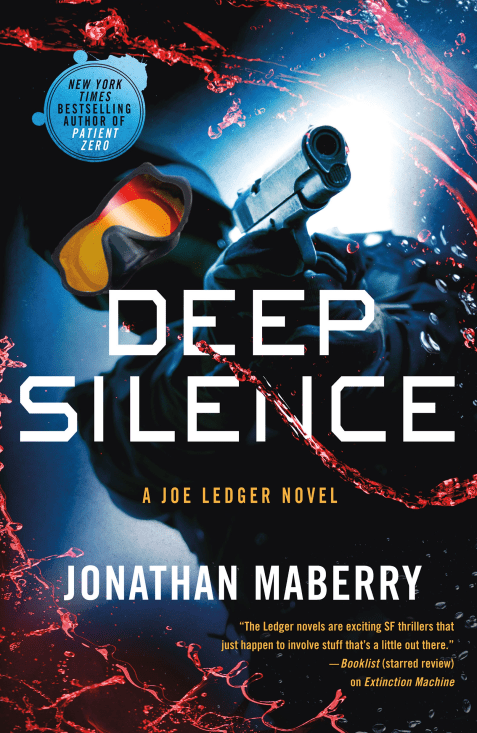
Deep Silence by Jonathan Maberry

Deep Silence Cover.png

Publishers: St. Martins Griffin

                        Macmillan Audio

Publication Date – 30 October 2018

Amazon     Book Depository

From horror legend Jonathan Maberry comes the 10th book in his weird-science based horror, thriller, science fiction Joe Ledger series, which takes the reader on a wild joyride through a world gone mad in this five-star adventure.

I have to admit that Maberry is not an author that I have had much experience with before.  The only work of his I have previously read was a fun short story that was featured in a volume of zombie short stories he jointly edited with George A. Romero in 2017 that I previously reviewed here.  However, I am extremely happy that I decided to check out this latest book as it exposed me to this incredible series, which I enjoyed immensely.  I can think of no greater praise for this novel then to say that upon finishing it, I immediately dropped everything and started reading the first book in the series, Patient Zero, which I will be reviewing in the next few weeks as part of my Throwback Thursday series.

I chose to listen to Deep Silence on audiobook rather than read a physical copy.  The audiobook format of this book is just under 16½ hours long and is narrated by Ray Porter, who has worked on several other books in the series.

In this latest book, a Russian splinter group have developed a powerful weapon with pieces of alien crystal seeded throughout the planet.  This new weapon can cause devastating earthquakes on a level never before seen and has the potential to destroy the entirety of the United States.  The weapon also has a chilling side effect: it causes people around the epicentre of the quake to engage in violent acts of madness, from suicide to ferocious attacks on others.  The first attack targets Washington, with mass violence erupting around the Capitol building.

America’s only hope may be the top-secret rapid response organisation, the Department of Military Sciences (DMS).  For years, the DMS has been the only line of defence against the insane science America’s enemies are utilising and developing in this new age of wonders.  From deadly diseases, ancient forbidden technologies, extreme acts of genetic manipulation, the latest forms of cyber and electronic attack, and even weaponised zombies, the DMS, led in the field by Captain Joe Ledger, has managed to stop all these threats and more.  Utilising the latest military and espionage equipment and the best and brightest soldiers and scientists America has to offer, the DMS operates just outside the government and can go further than any other agency can.

However, while the DMS attempts to combat this latest threat, they find themselves hindered by a megalomaniac President whose stupidity and paranoia make him more afraid of the DMS than the group unleashing earthquakes across his country.  As Joe and his team attempt to hunt down the origins of this attack they must contend not only with a dangerous Russian force but also with agents of their own Government and devices that can drive even the most dedicated DMS agent insane.  But as the Russians attempt to force the eruption of the Yellowstone caldera, the greatest threat may come from the creatures the technology was stolen from.

Deep Silence is the 10th book in Maberry’s Joe Ledger series, which started in 2009 with Patient Zero.  Maberry has been writing since 2006, with his debut book Ghost Road Blues forming the first book in the Pine Deep Trilogy.  Since then, Maberry has written a huge number of books, most of which have a horror theme or focus.  Apart from his Joe Ledger series, Maberry is probably best known for his Rot & Ruin series, a young adult zombie apocalypse series.  Aside from his fictional novels, Maberry has also written several comics for Marvel as well of a number of non-fiction books, which tend to focus on Maberry’s passions for martial arts and the supernatural.

Deep Silence is an exceptional book that combines together a number of genres, including science fiction, thriller, horror, military fiction and spy thrillers into one very captivating narrative.  The end result is a non-stop thrill ride that perfectly utilises the series’s bizarre nature and advanced science to create a devastating threat and a larger-than-life protagonist to face it.  There are so many amazing elements to this book, from its continuation of an enjoyable series, to the very weird elements that come into play, to the excellent writing style and enjoyable characters.  Once I started reading this book I just could not stop, and it is easily one of my favourite books of this year.

From what I understand, the Joe Ledger series started off mostly focusing on the mad sciences that humans are able to create and use against each other.  However, in recent books, the series has taken on a more Lovecraftian vibe, with unknown aliens, space demons and incredibly insane technology.  Deep Silence in particular seems to relate back to several of these previous alien technology based novels, as the devices, technology and motives that the book’s antagonists utilise are closely related to the adventures that occurred in previous books.  That being said, there is still the continuous use of more advanced human technologies utilised by many of the book’s characters, especially those working for the DMS.  All the crazy gadgets that they use are pretty impressive, but none (with one or two major exceptions) are outside the realm of possibility and reflect technologies that could potentially exist.  Indeed, in the introduction to Patient Zero, Maberry actually confirms that most of the technology he describes in his books is currently used or could soon be used by intelligence organisations around the world today.

One of the challenges of coming into a series late is the reader’s lack of knowledge about the universe’s background information, lore and the development of its main characters and the extent of their relationships.  Maberry does an incredible job bridging this gap throughout Deep Silence, providing the reader with descriptions of previous events, recaps of character descriptions and history and making use of a number of references to previous missions and adventures captured in the other books in the Joe Ledger series.  There are also a number of scenes that appeared to be callbacks to previous books, although the author was able to describe the pertinent details of these events.  As a result, I was never lost at any point and really appreciated the recaps and detailed descriptions the book’s various point-of-view characters provided throughout the novel.  It also made me very curious about some of the previous books in the franchise, and I am now very interested in checking out some of these insane and fun-sounding adventures.  As a result, Deep Silence is an excellent book if you want to get an idea of what the Joe Ledger series is all about.  At the same time, established fans of this long-running series will be interested to see the significant changes that occur to the book’s main characters, as well as the scenes detailing where the series will potentially be going in the future.

One of the things that I really enjoyed about Deep Silence was the way that Maberry presents the book’s narrative from multiple perspectives and across a range of different time periods.  Because of this, the reader is given a far wider view of the overall narrative.  Not only do they get to see the protagonists attempting to investigate and stop what is going on, but they get to see the antagonists coming up with their plans, discovering and researching their doomsday device over a period of years and then implementing their mission.  This also allows the reader to get a far deeper understanding of the antagonist’s objectives and mindscapes in committing these acts and what it costs them mentally and emotionally.  Nearly all the fun and eccentric characters working in the DMS get a few scenes told from their point of view.  This provides the reader with some high level, but easy to follow, scientific discussions, hacking sequences and the utilisation of incredibly exciting-sounding advanced espionage technology.  There is also a focus within Deep Silence of the politics around and behind the DMS, and how the organisation’s leader, the mysterious Mr Church (who is totally an alien, right?), deals with these situations.

While all of the other point-of-view characters are entertaining and it is intriguing to view their sides of the story, the best character has to be the series’s main protagonist, Joe Ledger.  Ledger is the extremely dangerous and slightly disturbed leader of the DMS field team, and has been at the forefront of all the adventures in this series.  It is interesting to note that Ledger is the only character in this book whose story is told from the first person perspective, which is fortunate because Ledger is one of the biggest smartasses in fiction, especially within the privacy of his head.  Nearly every single piece of the book told from Ledger’s point of view is filled with jokes, wisecracks, and exaggerated or sarcastic thoughts.  Ledger has some incredibly humorous observations about the world around him, especially the eccentric characters he encounters, and his thoughts are just as likely to be self-deprecating as they are to be insulting about the people he has to deal with.  He is also an eccentric being who does some incredibly funny things, from having fun with his opponents to humming the Mission Impossible theme as he breaks into a safe.  However, beneath this humorous exterior there is a deeply damaged character who is severely impacted by events that have occurred before and during this series.  Maberry spends significant time diving into this character’s history and psyche, which quickly gives the reader, even readers previously unfamiliar with the series, a good understanding of his life and the events that define him.  His deep and fractured mind becomes a key part of this story, especially when it encounters mind-altering alien crystal and events beyond the realm of human comprehension.  All of this helps create an amazing and incredibly relatable central character whom the reader becomes incredibly drawn to, and as a result, Ledger is one of the best things about this book.  Special mention should also be given to Ledger’s combat dog Ghost, who appears in nearly all the same scenes as Ledger and is just as much of an enjoyable character as his owner.

While the mad science elements and characters are great, Maberry has also ensured that this is the perfect book for those action junkies looking for fast-paced thrills.  Ledger is an absolute beast throughout this book and engages in a number of fantastic fights in a variety of different scenarios.  Maberry channels his love of martial arts through this character and includes a number of detailed and very quick fight scenes as Ledger dismantles his opponents with efficient skill.  The other characters are no slouches and there are number of great action sequences I enjoyed.  Two of my favourites have to be two separate and extended sequences which see Ledger and DMS’s Echo Team engage in massive fire fights with a range of opponents.  These scenes are absolutely incredible and make the reader feel like they are really in the middle of a gun battle.  The author takes pains to try and highlight how methodical and calm professional teams can be during battles while also highlighting the various strategies and combat advantages used.  The multiple perspectives come into play here perfectly, as the different members of Echo Team engage in various encounters around the main battle, really highlighting what an effective special ops team can accomplish in the field.  Maberry enhances the fun and the action to a crazy degree by also utilising the advanced technology available to the DMS agents.  This not only includes some insane and deadly weaponry, which is very cool in action, but also other pieces of advanced technology such as drones, body armour, goggles, and enhancements for Ghost that help turn the battles into massive and enjoyable set pieces.

Nothing, however, can top the sheer insanity that unfolds when the book’s antagonists unleash their super weapon against the world.  Maberry’s descriptive and skilled writing really brings these scenes to life.  The sheer devastation of the earthquakes that he describes is just incredible and very disturbing.  But nothing is more crazy or electrifying then the scenes where the people who are affected by the strange energy given off by the weapon go insane and start participating in a violent rampage against themselves or against each other.  Maberry pulls no punches here and all the violence is on full display, from terrible acts of violence against anyone around them to disturbing suicides or episodes of self-harm.  In many of these scenes the author attempts to get into the head of these characters and watch them slowly unfold from within.  This mostly prevalent with his protagonist, Joe Ledger, but other characters’ thoughts are shown.  Let’s just say you’ll never look at the Beatles song Revolution 9 the same again.  The biggest example of this insanity happens around the Capitol building in Washington DC, and quite frankly it reminded me of the church scene in Kingsman: The Secret Service, with the protagonists stuck in the middle of a crazy mob.

One of the more intriguing parts of Deep Silence is the side character of the President of the United States of America.  While this character is never explicitly named in the book, he is clearly supposed to be a Trump analogue.  The character is an easily manipulated, short-tempered, Twitter-obsessed moron who puts his own needs far above those of the country he is governing.  The resemblance to Trump is uncanny, and Maberry does an incredible job mirroring his arrogance and personality throughout the book.  While this character is a great addition by itself, Maberry spends a lot of time exploring how a character like this would deal with the advanced technology and extreme catastrophes that are a major part of this series.  The results are frustrating for the reader as they are forced to sit there and watch this character make all the wrong decisions and serve his own agenda or self-interest.  It was also very intriguing watching this President go up against the DMS as he routinely targets the department out of fear and ignorance.  The new political reality of Washington becomes a major factor throughout Deep Silence, and Maberry is understandably critical about how things are being run and the insanity currently gripping Washington.  It was very interesting to see Maberry incorporate the current unpredictable political reality of America into his new book, and readers will be very intrigued to see how this might impact the future of his long-running series.

I listened to the audiobook version of Deep Silence, narrated by Ray Porter.  The audiobook version does go for over 16 hours, so it’s one of the longer ones I have listened to lately.  That being said, due to its exceptional content, I found myself making a variety of excuses just to keep listening to this audiobook, and got through it very quickly.  The audiobook is an incredible way to experience this book, and I would highly recommend it, mainly because of Ray Porter’s narration.  Porter absolutely nails all of the characters and provides a number of amazing voices to fully capture the diverse accents and attitudes of this eccentric group of characters.  I was particularly enthralled with the calm, cool voice he gifted to the DMS Director, Mr Church, which really reminded me of Tom Hanks’s voice.  Special mention should also be given to his narration of the President.  The narrator created a fantastic Trump-like voice that fully conveyed the character’s high opinion of himself, as well as his dismissive and arrogant nature.  I actually had a visceral reaction when I heard that voice the first time, it was that good.  Porter’s narration for Joe Ledger was also perfect, as he does an incredible job portraying Ledger’s high-energy musings and the full tone of his personality.  Porter’s voice peaks and rises to meet the full intent of any of Ledger’s sentences, and he is a master at conveying Ledger’s innate sarcasm.  At the same time, he is also able to make his voice more serious and subdued during the darker scenes in which Ledger is deep within his head or his memories.  This is sterling work from Porter, and one of the best audiobook narrations I have ever listened to.  As a result, I highly recommend that the audiobook version of Deep Silence as the best way to experience this novel.

Bestselling author Jonathan Maberry once again takes his audience on a captivating thrill ride in the Joe Ledger Series.  Deep Silence provides the reader with an extraordinary and very engrossing story that proves extremely hard to put down.  Equally enjoyable for established fans of this long-running series and new readers who have yet to experience Maberry’s work, readers can and will have an incredible amount of fun with this book.  Best enjoyed in audiobook format, Deep Silence is guaranteed to make you a dedicated fan of the author and easily gets a five-star rating from me.

My Rating:

Five Stars

Amazon     Book Depository

Jinxed by Amy McCulloch

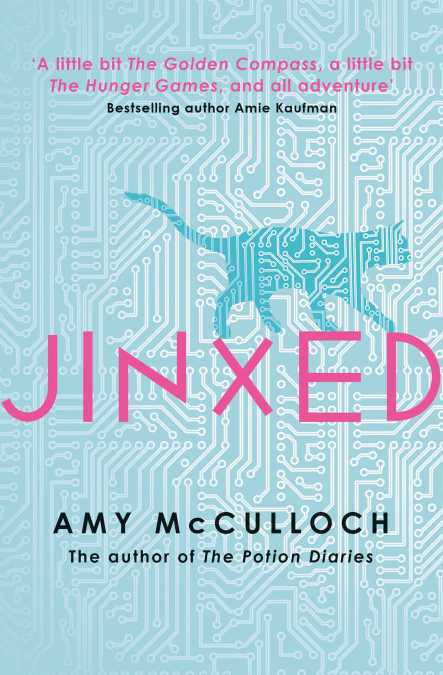
Jinxed Cover.jpg

Publisher: Simon & Schuster

Publication Date – 9 August 2018

Amazon     Book Depository

Creative young adult fiction author Amy McCulloch returns with a fun and compelling techno-thriller that takes an incredible and entertaining look at the potential future of your favourite devices and combines them with a unique idea of how to make them even more user-friendly.

In the near future, the must-have technological device is the baku, your brand new best friend.  Bakus combine all the features of your smart devices and internet connection with a constant companion in the form of a robotic animal that is customisable to your needs and price range.  Low range bakus take the form of small creations like insects, while the most advanced baku are created to look like birds of prey or large land animals.  Not only are bakus the most popular form of communication device, but in this day and age, even basic bakus are needed to fully experience day-to-day life.

Lacey Chu has big dreams of working for Moncha Corp, the company which designs and creates the baku, as well as working for her idol, Moncha’s founder, Monica Chan.  However, the only way to achieve that dream is to get accepted into the exclusive Profectus Academy, the elite tech school whose graduates become the designers, coders and creators of the next generation of baku.  When Lacey is rejected from the academy and can no longer afford her dream baku, she is crushed.  That is until she finds Jinx, a ruined cat baku that appears to have been abandoned at the bottom of a canyon.  Bringing it home to fix, Lacey’s fortunes appear to immediately turn around when her application for the Profectus Academy is suddenly accepted and Jinx is listed as the advanced baku she is required to have for classes.

Arriving in the academy, she finds it a very different place than she imagined.  The students and faculty are obsessed with Baku Battles, the academy-sponsored fights between bakus that help determine a student’s rank and prestige in the academy.  Finding herself drafted onto a Baku Battle team, Lacey starts to learn all about the inner workings of the baku.  The more she learns, the more she begins to realise that something is very different about Jinx.  Jinx is not the usual mindless machine; Jinx can think for himself, has his own personality and is even starting to communicate with Lacey.  As Jinx begins to mess with parts of Lacey’s life, she begins to fully comprehend the implications of Jinx’s existence.  What shadowy secret lies at the heart of Moncha, and will Lacey and her friends be able to save Jinx from them?

Amy McCulloch is a well-established young adult fiction author who has written a number of books since her 2013 debut.  McCulloch also writes under the name Amy Alward and mostly focuses on young adult fantasy novels as part of her Potion and The Knots Sequence series.  Jinxed is her first foray into the science fiction genre and represents an exciting techno-thriller that explores an intriguing piece of future technology and the exciting adventure that happens around it.

The overall story of Jinxed is an excellent mixture of science fiction, thriller and teen drama elements, all set within a captivating academy background.  As a result, throughout the book, there is a ton for the reader to enjoy as they are introduced to the technology around the baku and see the narrator investigate a conspiracy centred around the creation of Jinx, all while dealing with the highs and lows of school life.  It is a fun combination of different story elements that works towards a great overall narrative.  I was able to work out what one of the twists was going to be quite early in the book, but it didn’t really impact my enjoyment of the story.  There are some great moments throughout, as well as a surprising ending that makes me very curious to read any sequels that McCulloch brings out.

The baku are an essential part of this story and are a really interesting element that McCulloch has chosen to use.  Many science fiction and technology based authors are currently attempting to predict what the next big piece of technology will be in the world, with many of them focusing on what the next ground-breaking piece of communications technology will be.  While many of these suggestions seem quite plausible and seem to support the current trends in technology, this is the first book I’ve seen that suggests combining a person’s smart device with a robotic pet.  The narrator suggests that the fiction justification for the creation of the baku was to give people a companion that is both helpful and which also limits their dependencies and addictions to mobile phones and smart devices.  It’s a rather fun concept and it is cool to see how McCulloch imagines how these creations would work.

The baku are broken down into various levels of sophistication, from the basic models which look like insects and can only do the most basic of tasks, to the ultra-sophisticated versions which come in the form of some very powerful creatures.  It is also intriguing to see how many of the book’s various characters start to care for their bakus like they are real animals, and the bond that they form as a result, even if their bakus aren’t sentient.  The bond that forms between Lacey and Jinx is fairly unique, however, as Jinx is an early form of artificial intelligence, and it is nice to see it develop through the course of the book as Lacey risks her life to help Jinx.  There are a few great scenes which show Jinx trying to come to grips with his existence, whether he is helping other bakus, questioning how baku are made, or by attempting to exist among a group of real life cats.  A truly intriguing postulation about future technologies, McCulloch has created a unique and fascinating idea that works well within this narrative.

Most of the action of this book is contained within fights between the bakus rather than between any of the human characters.  This is mostly done in the Baku Battles tournament at the school, where several bakus fight each other in a free-for-all brawl.  I love a good fictional tournament, and each of the bakus has various techniques.  As a result, the fights within the book can become quite fun and energetic as eagle, boar, tiger, cat and frog bakus all fight in various ways.  I also enjoyed the scoring concept that McCulloch came up with for this tournament, as the surviving team receives all the points, but their opponents can steal them if they can repair their team’s bakus sufficiently by the next day.  This is an intriguing stipulation for a tournament which allows McCulloch to show off several scenes of the narrator doing advanced repair work.  These tournament battles do a good job of moving the plot along and work into the books various elements very well, whether by giving the narrator access to certain locations to investigate secrets, or by bringing her closer to or further apart from other characters in the books, to allowing a closer examination of the workings and mindsets of the book’s technological elements.

Amy McCulloch’s latest book, Jinxed is a high-octane technological thriller that makes use of amazing science fiction elements to create an enthralling adventure.  Aimed for a young adult audience, the lack of any substantial violence, except between the book’s distinctive robotic animals, makes this a perfect read for a wide range of younger readers.  At the same time, the intriguing concept of future technology and its wide range of applications, including for high-stakes gladiatorial battles, makes it intriguing for an older readers.  This is an absolutely fantastic book from McCulloch.  I really enjoyed it and I’m looking forward to seeing where it goes next.

My Rating:

Four and a half stars

Amazon     Book Depository

Phantom by Leo Hunt

Phantom Cover.jpg

Publisher: Orchard

Publication Date – 9 August 2018

Amazon     Book Depository

From bestselling author Leo Hunt comes an electrifying and fast-paced young adult science fiction adventure that takes an intriguing look at the future of technology, as well as the crime and consequences these advances could lead to.

In the far future, humanity has built towers and skyscrapers up in a major way, leaving the ground far below.  The rich and powerful live in the City, the highest level of construction, far above the poisoned ground.  Up in the City, luxuries such as sunlight, clean water, jobs and corpbloc homes are available to its hardworking corporate-owned population.  Those who do not have money live in the undercity slums, where the sun never shines and poisoned water is flooding up from the ground.

One of the inhabitants of the undercity is orphaned teenager Nova, who earns a living going up into the City and stealing from the corporate workers.  In a world where everyone has technology implanted in their heads, a skilled hacker like Nova can obtain everything from money to information.  Nova’s most important tool is Phantom, a powerful program created by the shadowy anticorporation hacker, the Moth, which hides the identity of hackers while they commit their crimes.

While Nova is only just scraping by, her skills have caught the attention of the Moth, who has a dangerous job for her.  The Moth needs Nova to infiltrate the powerful Bliss Inc and uncover their most treasured corporate secret.  Posing as a prospective assistant for the CEO of Bliss Inc, Nova goes deep undercover, changing her identity and her appearance to sneak in.  However, her mission is about to get far more complicated then she could have ever imagined.  Caught between the dark secrets of Bliss Inc and the mysterious ambitions of the Moth, Nova is going to be lucky to get out of this heist alive.

Phantom is the latest book from young adult author Leo Hunt and represents his first foray into the science fiction genre.  Hunt’s previous works have mainly focused on the fantasy and horror genres, with his 13 Days of Midnight trilogy featuring a young man who develops necromantic powers.  Phantom is an interesting new direction for Hunt, who has created a fantastic piece of young adult science fiction with strong techno-thriller elements.

This book is contains an intriguing science fiction story that takes the reader through a unique futuristic city and presents them with a thrilling and technology driven adventure.  Phantom’s story contains a superb combination of story elements which come together to form an entertaining and fast-paced plot with compelling pieces of betrayal, technologically assisted espionage and corporate intrigue.  There are a few good twists throughout the book, but I did find that one of the big reveals towards the end of the book was a little easy to predict as a result of the author only utilising on a small number of characters throughout most of the narrative.  This was more than made up for by the shocking and deeply intriguing reveals that followed the protagonist uncovering the hidden secret motivations of the book’s various antagonists.  All of these hidden surprises result in some great story elements and have a strong relation with the book’s focus on technology.

Phantom is intended for a young adult audience, and it works well as an absorbing and exciting introduction into science fiction and technology-based thrillers.  Younger readers will love the interesting examination of the potential future technology and will find the exciting adventure storyline quite fun.  The violence contained within the book is not too graphic whilst also allowing for some strong action-packed scenes.  There are some minor mentions of mind-alerting technology and substances, but nothing too inappropriate for the younger audience.  There are also some subtle but important LGTB elements that come into play later in the story, and Hunt handles these quite well.  Overall, I would recommend this book to all teenagers, and even some younger readers, who will find a lot to enjoy in this wonderful book.

The best and most compelling features of Phantom are the amazing technological elements that form a significant part of the plot and which take a particularly intriguing look into humanity’s reliance on technology and how we are likely to advance in the future.  In this potential future, everyone has neural implants inserted in them at birth that act as a mobile connection to the internet as well as a phone, music player, bank card and personal identification all in one.  This is an interesting thing to examine, especially as humans are constantly getting closer and closer to incorporating our personal technology into our own bodies.  Hunt does a great job presenting some of the potential benefits and problems that humans could experience with this sort of technology, and takes a stimulating look at that the ways that it could impact on our lives.  Quite a few things are explored throughout Phantom, from examinations of how this technology will influence human identity to how it could be abused for criminal reasons, such as stealing money, hacking someone to take control of their body or producing technology that mimics recreational drugs.  Other technological questions come into play later in the book and result in some deep emotional scenes as well as some interesting questions about ethics and the nature of humanity.  These fictional technological elements represent some truly fascinating ideas from Hunt that readers will find very captivating.

In addition to Hunt’s intriguing postulations about future technology, another compelling story element is the inventive and imaginative setting for the story.  The entirety of Phantom is set within a fictional metropolis that is constantly being built up and is split between the soaring spires of the rich and the sprawling slum-like undercity where the poor live.  Throughout the story, the protagonist journeys from areas of the city flooded with poisoned water and inhabited with humans and animals that have never seen sunlight, to the very top of the city, above the clouds.  There is a detailed exploration the city’s disparate economic zones, and significant time is spent interacting with the populace in both these areas, resulting in some fascinating comparisons.  This is an amazing setting for this science fiction and technology focused story and represents another intriguing look into the future by Hunt.

Leo Hunt’s latest book, Phantom, is an absorbing and thrilling tale of adventure and crime in a futuristic city.  Containing some extremely enthralling technological elements and a fantastic city setting where the differences between the rich and poor have never been more obvious, this is another outstanding release from Hunt that will be perfect for those younger readers looking to break into the science fiction or techno-thriller genres.

My Rating:

Four stars

Amazon     Book Depository

AWOL: Agent Without Licence by Andrew Lane

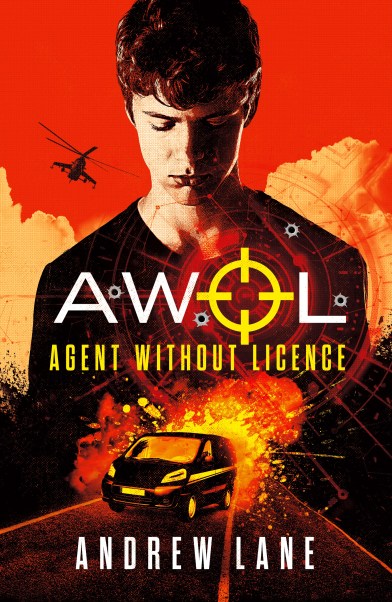
AWOL Agent Without Licence Cover.jpg

Publisher: Piccadilly Press

Publication date – 12 July 2018

Amazon     Book Depository

From a veteran author of young adult fiction comes this brilliant spy thriller that introduces a younger audience to the joys of modern espionage.

Kieron Mellor and his best friend, Sam, are typical teenagers living the ‘greeb’ lifestyle in Newcastle, England, with their biggest problem revolving around how to get tickets to the next rock show.  But when they witness a man being kidnapped in their local mall, they are thrust into the world of covert espionage and a plot to unleash untold destruction on the world.  Noticing that the kidnapped man has dropped a set of glasses and an earpiece, Kieron picks them up, only to discover that they are part of a high tech virtual reality kit that can provide the user with a database of information about anything they see.  They also connect Kieron to Bex, a secret agent on mission in Mumbai who is in desperate need of his help.

Bex’s handler, the man who was kidnapped, was using the technology currently in Kieron’s possession to remotely assist Bex with her mission.  Bex was observing a deal for information about nuclear weapons, but the disappearance of her handler resulted in her losing her target.  With no other options, Bex is forced to utilize Kieron and Sam’s help in order to complete her mission and stop an act of mass destruction.  However, the Newcastle teens have problems of their own; a fanatical right-wing extremist group and a mole inside Bex’s organisation are hunting them for the missing glasses, and they have no intention of leaving any witnesses alive.

Agent Without License is the first book in Lane’s AWOL series of young adult spy thrillers.  The second novel in this series, Last Safe Moment, is already set to be released later this year and will continue to follow the characters introduced in this first book.  Lane already has significant experience writing novels for a younger audience, with eight books in his bestselling Young Sherlock Holmes series, as well as his Lost Worlds and Crusoe Adventures books.  Other works from Lane include his science fiction based Netherspace series and several books set in the Dr Who extended universe.

The AWOL series is aimed towards a younger generation of reader and has been advertised for children in the 9-12 age range.  I felt that this book is an ideal read for that demographic, and it reminded me of some of the books that really caught my imagination when I was that age, including the Artemis Fowl and Alex Ryder novels.  While there is some violence and implied deaths within the storyline, it isn’t overly graphic and won’t traumatise the younger readers.  That being said, the overarching spy storyline isn’t dumbed down, and its intended audience will enjoy the realism and the references to events, ideologies and prejudices that currently affecting the real world.  There are also discussions about some mature themes, although nothing is too extreme or adult.  These small inclusions will be appreciated by the younger audience, as they will enjoy seeing some of these mature issues which they are likely already aware of included in their fiction.  Lane does make the obligatory attempts to tap into modern youth culture in order to appeal to his readers’ interests; fortunately, however, he does not go too overboard with his attempts like some authors do, and readers are not inundated with a flood of unnecessary pop culture references.  The author has also included multiple examples of the two teen heroes outsmarting older antagonists.  This is always a fun feature for the younger audience to enjoy, and these teen protagonists have some very inventive, and in some cases quite direct, solutions to the problems they encounter.  Overall, Agent Without License will prove to be an excellent read for the audience in its suggest age range.  Older readers will also have a blast with this book and enjoy the fantastic spy thriller elements.

For his AWOL series, Lane has leveraged his significant espionage experience to create intriguing novels with a sense of realism to their spy aspects.  In Agent Without License, the author lays down a foundation of tradecraft and spy techniques for the reader to enjoy as his protagonists attempt to save the world.  Lane explores the basics of spying in this book and provides information about current espionage agencies and how they impact on real world politics.  As a result, this is a fun and informative introduction to the spy thriller genre, and the younger readers will appreciate the exciting and mature content of this story.

One of the best parts of Agent Without Licence is the advanced technology that the protagonists use to help complete their mission.  This technology comes in the form of glasses and an ear piece, and is known as Augmented Reality Computer Capability (ARCC).  The ARCC is essentially Google Glass on steroids, and allows the operator to access information on anything they, or the person they are connected to, can see or interact with.  This is an awesome piece of fictional technology that sounds like an item espionage operatives could possibly already have access to.  Watching the young protagonist, Keiron, become acquainted with and learn to operate the glasses is an enjoyable part of the story which plays in well with the book’s espionage elements.  The information that Keiron obtains for himself and Bec is quiet interesting, and the ARCC technology provides them with threat analyses, escape routes, background history of the buildings they are going into, facial recognition and recording capabilities.  This is a seriously cool part of the book, and the technology’s presentation and use is a great element that will make the readers eager for glasses like these to appear on the market.

Agent Without License contains two separate but connected storylines and alternates between the two different point of view characters in each chapter.  One of the storylines focuses on Keiron in Newcastle, while the other follows Bex in India.  These storylines overlap throughout the chapters, and the characters are in constant communication with each other.  The different storylines are usually occurring at the same time, although Lane does occasionally move one storyline slightly ahead or behind to create some dramatic thrills.  Some of the most intriguing scenes feature Kerion communicating information through the ARCC glasses to Bex.  There is a fantastic interrogation sequence in which Bex uses the ARCC technology to stay in communication with Kerion as he provides her with the tools to crack her target and get the answers she is looking for.  This breakup in storylines also helps highlight the differences in espionage ability between the trained operative, Bex, and the amateur but highly skilled teenagers, Kerion and Sam.

Andrew Lane has produced a wonderful and highly enjoyable novel that is a fresh and exciting take on the teenage spy book and an excellent gateway into the world of spy thrillers.  Agent Without Licence is an ideal read for its intended younger demographic, while at the same time containing a range of mature story elements that will appeal to all ages.  This is a fantastic first instalment in a great new series that is highly recommended for young readers looking for a great adventure story.

My Rating:

Four stars

Amazon     Book Depository

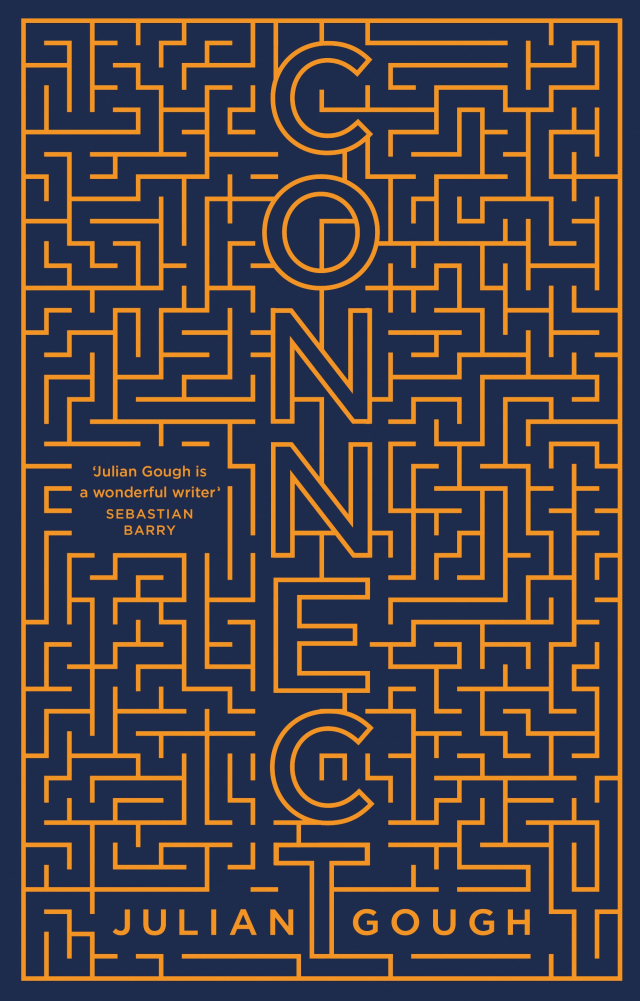
Connect by Julian Gough

Connect Cover

Publisher: Picador

Publication Date – 8 May 2018

Amazon     Book Depository

For those looking for a darkly complex and intense techno-thriller, look no further than Connect by Julian Gough, a unique novel that also critiques future trends and humanity’s increasing reliance on technology.

In the very near future, computer technology has been incorporated into nearly everything, linking the world and helping with all aspects of day to day life.  In Nevada, awkward young teen Colt is a talented hacker living with his mother, Naomi.  Seeking to create a perfect replication of the real world in virtual space, Colt has also developed a dangerous fascination with his mother’s biotech research.

When Colt submits his mother’s revolutionary work to a biotech conference, Naomi comes to the attention of the government, including Colt’s father, a high-ranking spook, Ryan, concerned with its potential implications.  However, Colt has also taken the opportunity to inject himself with the experimental biotech, turning himself into something new: a hybrid of man and technology.  Colt and Naomi are soon considered to be threats to the government, and Ryan activates an experimental defence network to hunt them down.  Colt and Naomi are forced to go on the run and must try to avoid a barrage of killer drones programmed to target and kill them at any cost.  Will Colt’s new abilities be enough to overcome the computer intelligence seeking them, or will the future of technology be changed forever?

Connect is an inspired new novel from Gough which represents a different direction from his previous writings.  Connect is a fascinating read and an interesting techno-thriller that examines the future of technology, creates a compelling dialogue and makes significant use of some excellent narrative elements.

The main story is an absorbing thriller that pits the protagonists against some sizeable opponents and threats.  One of their main opponents is an advanced and experimental computer program that is connected to every piece of technology in the country.  As a result, the protagonists are forced to find ways to avoid the overwhelming surveillance hunting them. Not only must they avoid pursuit from teaching devices and video cameras but they must also find a way to go low tech in a society that has computers connected to everything.  There are some great scenes where the characters are forced to out-think drones hunting them and try to find ways around the tracking programs that determine when and where to attack.  All of these play wonderfully into the book’s thriller storyline, and there is some real excitement when the protagonists encounter and attempt to counter these technological threats.

Gough spends a significant amount of Connect examining the future of technology and ends up offering some significant commentary on our reliance on technology and its potential influence on us.  The story is set in the immediate future, where everything is controlled by computers and certain things common in our current world no longer exist.  For example, most cars are self-driven, everything has become exceedingly automated and cash has become nearly obsolete.  In other words, it is a picture of how our world is likely to turn out in the next few years, based on current advances in technology.  Gough scrutinises how this over-reliance on technology could be detrimental to humanity, and how it could be turned against us by hackers and governments.  There is also an examination of the automation of a nation’s defence and security as an advanced security program is activated to hunt down the protagonists.  The debate around such a program is very in-depth, and the readers will be fascinated by some of the arguments presented.  Naturally, the program starts getting out of hand as it is manipulated into seeing the protagonists as a bigger threat than they are and it starts to dramatically escalate its attempts to destroy its targets.  This thought-provoking discussion and examination of the future of technology is a key part of Connect and will prove to be one of the most intriguing parts of the book for some thoughtful readers.

One of the most noticeable parts of the book is the unusual format that Gough has chosen to implement throughout his book.  The story is broken up into 12 chapters, and then further broken down into 149 sub-chapters, and is formatted in a way that vaguely reminded me of code within a computer program.  The inclusion of such a visually distinctive writing format does not break up the flow of the story, nor does it affect the reader’s ability to follow the story.  It does, however, dramatically change towards the end of the book in a way that ties in nicely with some of the significant plot elements occurring during this part of the book.  Gough has also chosen to include a number of relevant quotes at the start of each of the chapters.  I personally enjoyed reading those and connecting them to the plot of the upcoming chapter, and may prove to be more amusing to those of a more computer or technical mindset than myself.  Overall, the consistent use of this unique format and the attention grabbing quotes work well with the technology-centric plot and are a clever addition by Gough.

The point of view of Connect is mostly shared between the book’s protagonists, Colt and Naomi, although the main human antagonist, Ryan, also features in a few of the book’s chapters.  These separate viewpoints offer different subjects to the reader, and Gough has done a fantastic job of presenting unique content for both of his protagonists.  The scenes that follow Colt are a stimulating experience, allowing the reader a real sense of Colt’s social awkwardness and the disconnectedness he feels with the real world, especially when he focuses on his recreation of the real world in his virtual reality.  This virtual world appears in quite a number of scenes and plays a pivotal role in the end of the plot, and it is curious to watch Colt attempt to live most of his life within this world.  The characterisation of Colt shifts subtly after he injects himself with the experimental biotech and he starts to change.  It is interesting to watch his character change and mature after this point, especially as he attempts to initiate a very awkward romance with another young hacker.  The interactions he has with technology after this point, including with the advanced defence program hunting him, are some great scenes, especially as he creates and utilises some clever work-arounds to manipulate the computer networks to his advantage.

The scenes that feature Naomi’s perspective are significantly different, representing a noticeable change of pace for the reader.  Naomi is a very damaged person who presents herself in very different way to her socially awkward son.  Gough has made sure to communicate her multiple neuroses and issues to the reader, which adds a lot of drama to the story as she must attempt to save her son whilst trying not to get overwhelmed.  Like her son, she also undergoes substantial character development throughout the story, and the reader will enjoy watching her work towards a better relationship with her son.  In addition to this excellent piece of character work, the chapters featuring Naomi as the focal point are generally a lot darker and more adult.  For example, one of these sub-chapters features one of the most memorable and disturbing death scenes that I’ve ever read.

Connect is deep thriller that revels in its use of technological elements to create a distinctive and eccentric story.  Julian Gough’s discussion and consideration of a technologically advanced future and the problems this could create is compelling and thought-provoking, and his great use of characters and formatting elements turns this into one of the most unique pieces of literature you are likely to read this the year.

My Rating:

Four stars

Amazon     Book Depository