The Fury of the Gods by John Gwynne

Publisher: Orbit/Little Brown Audio (Audiobook – 22 October 2024)

Series: The Bloodsworn Saga – Book Three

Length: 19 hours and 30 minutes

My Rating: 5 out of 5 stars

Amazon

John Gwynne brings his awesome Bloodsworn trilogy to a truly epic conclusion with the outstanding novel, The Fury of the Gods.

For the last few years one of the most compelling fantasy series has been the Bloodsworn Saga trilogy from acclaimed fantasy author John Gwynne.  This series is set in a Norse-inspired fantasy world shattered by warring gods and now filled with monsters, voyaging warriors and the human descendants of the gods whose power often see them collared and controlled as thralls.  The series started back in 2021 with the impressive read, The Shadow of the Gods, which introduced the main characters and set them on their quests.  I almost missed The Shadow of the Gods when it came out, but I was glad that I didn’t, as it turned out to be one of my favourite books and audiobooks of 2021.  Gwynne continued the series in a big way the next year with the excellent sequel, The Hunger of the Gods, which expertly continued the series and ended up also being a top book and audiobook of 2022.  Due to how amazing the first two entries in the trilogy proved to be, I have been eager for to the finale of the trilogy for a while, and I was so happy we got one in 2024.  One of my most anticipated books in the second half of 2024, The Fury of the Gods was everything I hoped it would be and more, and I listened to it the very first chance that I got.

The gods have returned, and all must pay the price!

After centuries of imprisonment following the last great war of the gods, the evil and crazed dragon-god Lik-Rifa has been released and now seeks to rule over the land of Vigrid.  With the cunning rat-god Rotta at her side, Lik-Rifa leads a vast army made up of her monstrous children, as well as ambitious mercenaries and Tainted warriors.  Determined to place the entire continent under her dark rule, Lik-Rifa turns her eyes to the stronghold of Snakavik and moves to destroy the last vestige of resistance against her.

However, not all is lost, as some seek to stand against Lik-Rifa.  Elvar, leader of the Battle-Grim, has killed her father and taken control of Snakavik.  Bound by fate and her oaths, Elvar must balance her new responsibilities as ruler while she plans for war against Lik-Rifa, a seemingly impossible task.  However, Elvar has done the impossible before by resurrecting Lik-Rifa’s hated brother, the wolf-god, Ulfrir, and binding him to her will.  Now her most potent weapon and the ultimate bait for Lik-Rifa, Elvar seeks to use Ulfrir to destroy the gods coming for her.  But even a giant wolf-god might not be enough to win the war, and Elvar needs even more allies to help her.

After scouring a bloody path across Vigrid, Orka Skullsplitter has rescued her son, but still seeks vengeance against Lik-Rifa’s forces.  To that end, Orka reunites with her old warband, the Bloodsworn, and sets them to join Elvar’s growing host.  Made up of deadly Tainted warriors, including their latest recruit, Varg No-Sense, the Bloodsworn have many reasons to fight against the dragon-god’s followers.  Together, the Bloodsworn, Battle-Grim and their various allies prepare to face Lik-Rifa’s army in the greatest battle the world has ever known.  But no-one is prepared for the chaos that is about to engulf Vigrid, as greater threats arise to devour all.

Gwynne continues to impress with this third and final Bloodsworn Saga novel.  The Fury of the Gods was another high-octane, character driven, dark fantasy novel, that takes the reader on a powerful adventure.  Loaded with fantastic moments and amazing action, The Fury of the Gods proved to be an outstanding conclusion to the Bloodsworn Saga, and I had such an awesome time getting through it.

The Fury of the Gods featured a spectacular and captivating narrative that starts off strong and refuses to slow down the entire way through.  Taking off immediately after The Hunger of the Gods, Gwynne effectively sets the stage for the oncoming battles as the various character arcs continue at breakneck pace.  Once again telling the story through the eyes of five distinctive protagonists (Orka, Elva, Varg, Biorr and Gudvarr), you get drawn into their intriguing personal tales as they recount the events they observe.  The first half of the book keeps these protagonists mostly separated, and their various storylines continued in similar directions to The Hunger of the Gods.  Orka is still set on her bloody revenge mission and must overcome her imprisonment by the rat-god Rotta.  Varg and the Bloodsworn journey back from their rescue mission in the neighbouring nation of Iskidan, encountering new threats along the way.  Elvar takes up the responsibility of ruling Snakavik after killing her father and finds herself leading the war against Lik-Rifa.  Finally, Biorr and Gudvarr provide intriguing insights into Lik-Rifa’s camp, as both the conflicted Biorr and the snivelling Gudvarr try to survive the rise of dragon-god in their own different ways.

Gwynne does a good amount of set-up in this first half of the book, and it was nice to see the various characters continue to breathe on their own for a bit, while also amping up the dangerous antagonists.  You once again get quickly drawn into each of the protagonists narratives, and I think that it is a testament to Gwynne’s writing that each of these storylines proved to be as entertaining and compelling as the rest.  Unlike other multiple-perspective novels I have read, I honestly loved every single character perspective in The Fury of the Gods, and I was excited to continue each of them.  Indeed, I find it hard to choose a favourite, as they were all fun while offering something a little different.  That being said, Elvar’s chapters moved the plot along the most, and Gwynne did his best character work with her in this book.

Everything leads up to a particularly epic final half, as Gwynne brings together all five point-of-view characters to the same location for the first time in the series.  With the protagonists spread out on each side of the conflict, you get a great view of the massive extended war as the god-led armies fight it out on several fronts, including in a brutal siege.  Gwynne kept the action going thick and fast here, and there are some great encounters and moments as the various characters meet on the battlefield.  Everything leads up to a massive confrontation nearly two-thirds of the way through, and there are some highly dramatic moments here, especially as the first big-death was a little unexpected.  This major fight ends in an interesting way, although details of it are spoiled a little by the awesome cover above.  This leads to some more fantastic moments, including the final battle between both sides.  The author chucks in a few more tragic moments in this final bit of the book, although I must admit that there weren’t a lot of surprises here, with many of the big reveals well telegraphed in advance.  I also thought that the various revenge arcs cluttered up the plot in a predictable manner, and I wish Gwynne had thrown a twist or two in here.  Still, everything ended on an extremely epic note, and readers who enjoyed the previous Bloodsworn Saga books will come away very satisfied and happy with the finalised character arcs.

As with the previous Bloodsworn Saga novels, Gwynne brings a distinctive style to The Fury of the Gods, which I felt greatly enhanced the story.  The blend of compelling Norse-inspired fantasy elements, great character work, and brutal action makes for awesome reading, and Gwynne presents it all in an accessible and enjoyable way.  I loved how the characters’ dialogue and inner thoughts fell in line with the book’s historical inspiration, and while this style might not be for everyone, elements of it, such as the repetition of certain thoughts and phrases, gives it a real saga feel.  As with the previous entries in the series, Gwynne makes excellent use of multiple character perspectives to tell his elaborate narrative, with his five point-of-view characters helming various chapters.  The split between these five characters worked extremely well, and you get some intriguing alternate perspectives of events that blend well as the book continues.  Gwynne makes excellent use of this split during some of the bigger combat scenes, and the use of shorter chapters when things get particularly exciting allows the reader to quickly switch amongst the action.  Talking of action, Gwynne ensures that the combat in The Fury of the Gods is as bloody and well-written as in the previous books, and his brilliant action scenes are so well described and bring you right into the midst of the fighting.

As The Fury of the Gods is the third and final book in an epic fantasy trilogy, it obviously isn’t the most ideal place for readers to dive into the overarching story, and you really should start at the beginning of the series for the full emotional impact.  However, for those who want to start with The Fury of the Gods, Gwynne does make this book somewhat accessible to new readers.  Between the detailed summary of the prior books, glossary of terms, character lists and the callbacks to the previous events during the plot, new readers can follow The Fury of the Gods easily enough and have fun.  This includes enjoying the full impact of the cool fantasy setting of Vigrid that Gwynne has lovingly set up during the three books.  The clever use of Norse-inspired elements really lends itself to the epic revenge driven narrative that Gwynne features, and the mixture of mythological, fantasy and historical elements proved to be a winning combination.  I still love seeing the various warbands using Viking war tactics against dark dangers and massive gods, and Gwynne really went all out making so many traditional Norse elements, such as weaponry, armour, ships and mentality, seem as realistic as possible.  At the same time, the book’s fantasy inclusions, such as the various monsters and Tainted, the human descendants of the gods, add so much to the story, through their vicious nature, intriguing descriptions, and underlying societal issues.  This was an overall pretty awesome setting, that Gwynne uses to full effect to tell his compelling tale.  I hope that Gwynne returns to this world at some point in the future, and it wouldn’t surprise me if some of the younger characters featured here get their own story.

In addition to The Fury of the Gods’ fantastic story and great writing, I also need to talk about the awesome characters.  Throughout the Bloodsworn Saga, Gwynne has put a lot of work into building up his various characters, and by this point in the trilogy you are highly invested in their respective stories.  As such, there aren’t a lot of new figures in this final book, and you generally know what to expect when one of the protagonists’ chapters begins.  However, it still proved awesome to see these figures in action again, and their compelling character arcs and differing personalities deeply increase the impact of the narrative.  Of the main cast, I would say that Elva steals the show the most in The Fury of the Gods.  While she has not always been the most exciting character in the series, this third and final book was where she really shined, primarily because she takes on the role of war leader against Lik-Rifa, and the increased responsibility changes her.  As such, it was outstanding to follow her storyline, and I appreciated seeing how conflicted she got at times, especially when it came to treating the Tainted in her domain.  Due to this, as well as some other badass scenes, Elva was one of the most compelling protagonists in The Fury of the Gods for me, and Gwynne provided an interesting conclusion to her narrative that I felt really worked.

The other four main characters all proved to be brilliant additions to the book, and their perspectives ensured quite an elaborate story.  The dangerous fighters, Orka and Varg, were both solid point-of-view characters in The Fury of the Gods, and I really enjoyed seeing how their respective arcs continued, especially as they were the main avenue to seeing the Bloodsworn warband.  Of all the protagonists, you were most likely to see action with Orka or Varg, and their various bloody sequences were a lot of fun.  That being said, Gwynne went a little light with the character development for these figures in this book, and while they have some moving moments (Orka comes out of her solitude to find people she cares about, while Varg finally cements his place in the Bloodsworn), I felt that Gwynne focused way too much on their respective hunts for revenge, which resulted in some of their stuff getting a little repetitive.

However, Gwynne more than overcomes any minor deficiencies with Orka and Varg through his use of the antagonistic perspective characters Biorr and Gudvarr, both of whom have joined Lik-Rifa’s cause.  Biorr proves to be a complex figure in The Fury of the Gods, and I loved how conflicted he become as his longstanding fanaticism slowly beings to wear away in the face of meeting his gods.  Gwynne did a really great job with Biorr, and his personal journey and attempted redemption made for some powerful moments.  On the other hand, we have the entertaining and despicable Gudvarr, whose chapters I always have fun with.  Gudvarr is an impressively annoying figure who has spent the last two books trying to avoid danger only to find himself getting stuck in progressively worse situations.  However, because he is naturally cowardly, weaselly and vindictive figure, you really don’t feel sorry for him, especially as every bad situation is the result of some failed ploy to gain influence or power.  While Gudvarr is a particularly contemptible figure, it honestly proves impossible not to enjoy his chapters, as they are generally the most amusing in the entire book thanks his snarky inner monologue, the deadly situations he barely escapes from, and the near certainty that he is going to come to a sticky end.  As such, I really enjoyed following Gudvarr and you can’t help but look forward to seeing what dangerous or manipulative situation he finds himself in next.

Finally, I must highlight all the awesome and impressive supporting characters that are featured in The Fury of the Gods.  Gwynne has built up an exceptional and massive cast of characters throughout the series, all of whom add something to book.  I loved seeing the many complex interactions that occurred between all these characters in The Fury of the Gods, and it was fun to see many of them meet for the first time in this final book, especially once all the perspective characters are together.  Highlights include the key members of the Battle-Grim and Bloodsworn warbands, all of whom have gone through so much throughout the trilogy.  Several of the best characters from both bands experience major tragedy in The Fury of the Gods, and it proves hard not the feel for them.  I also need to mention the main antagonists, Lik-Rifa and Rotta, two vengeful gods whose desire for revenge and control move much of the plot along.  I loved seeing the various human and Tainted characters interact with these dark gods, and Gywnne ensured they came across as a massive and dangerous threat.  Two entertaining giant ravens, a fun talking head, and so many other great characters ensured that The Fury of the Gods was a moving and deeply personal read, and I am so glad I got the opportunity to know them during the run of this trilogy.

As with the previous books in the Bloodsworn Saga, I chose to grab The Fury of the Gods on audiobook, which proved to be a particularly awesome way to enjoy this epic read.  Featuring a runtime just under 20 hours, The Fury of the Gods audiobook is a lengthy but highly exciting listening experience, and I found myself powering through this audiobook, namely because the format deeply enhances the intense story and intricate writing.  Narrator Colin Mace, who has lent his voice to the other Bloodsworn Saga books, did another brilliant job with The Fury of the Gods, and his impressive voicework leant some additional impact and gravitas to the book.  Mace perfectly portrays the Norse-inspired fantasy elements of the book, and I really loved how effectively he captured the various hard-nosed characters of the series.  I especially loved Mace’s take on the gigantic gods and other dark creatures haunting the lands, and I felt that the narrator was a key reason why I had so much fun with this audiobook.  Probably one of the best formats to enjoy The Fury of the Gods, listeners will have such an epic time with this audiobook.

With blood, fury and vengeance, the Bloodsworn Saga comes to a brilliant end that I could not get enough of.  The Fury of the Gods was another exceptional read from John Gwynne, and I was so very happy to see how this entire epic narrative concluded.  Loaded with action, excellent fantasy elements, and so many impressive characters, The Fury of the Gods was an outstanding book on its own, as well as an incredible conclusion to one of the most epic fantasy trilogies out there.  One of my favourite fantasy books of 2024, The Fury of the Gods was an excellent read that gets an easy five-star rating from me.
Amazon

Top Ten Tuesday – Series I Want to Get Into

Top Ten Tuesday is a weekly meme that currently resides at The Artsy Reader Girl and features bloggers sharing lists on various book topics. For this week, participants get a freebie and get to choose any topic that they want to, and I have decided that I will use this post to look at the top ten series I want to get into.

Over the last few years, I have gone out of my way to try out several series which I had heard good things about or read intriguing reviews about. In most cases, I have found myself absolutely loving the first book in the series, and I will go on to keep reading all the books that follow on. For quite a lot of these, I really wish that I had tried them out a hell of a lot sooner, such as the Powder Mage series or The Stormlight Archive. Clearly there are a number of amazing series out there that I have not yet had the opportunity to sample, and I really need to start expanding my horizons.

So, for this list I will be looking at the top ten series that I have not had the opportunity to read, but that I wish I had. There are several reasons why I have not been able to read these books, such as availability, time constraints or simply not knowing the books existed until years after their release (try as I might, I can’t keep track of every book that is released). For some of these, I did have the opportunity to read the later books in the series, but I chose not to because I thought it would make more sense to start at the beginning with the first book. There are a great many series out there that have caught my eye, but I am going to limit myself to the top ten ones I want to read, with a few honourable mentions.

For some of these series, I have heard amazing things about them from other reviewers; for others, I really like the plot idea and want to check it out. There are also a few series where I have enjoyed some of the author’s other works and I am interested in seeing what else they have produced. All of these are at the top of my reading list, and I hope to check them all out in the next couple of years, although it is probably going to be a slow process to get through all of them.

Honourable Mentions:


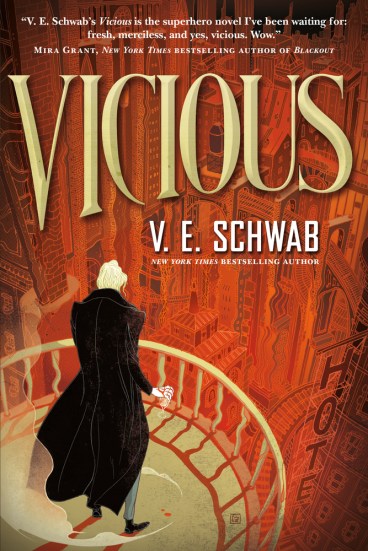
Villains – V. E. Schwab

Vicious Cover.jpg

This series is apparently an intriguing take one the superhero genre which focuses on two friends who gain superpowers and the dramatic consequences of this. This a rather shorter series than most of the others on this list, currently featuring only two books. However, the sheer amount of love I saw for the second book when it was released last year was just insane. Nearly everyone seemed to be reading this book, and I honestly felt like I was missing out quite a bit. I love a good superhero story and really need to check this book out. I have also heard good things about Schwab’s Shades of Magic series, and I figure I will move onto that once I get through the Villains series.

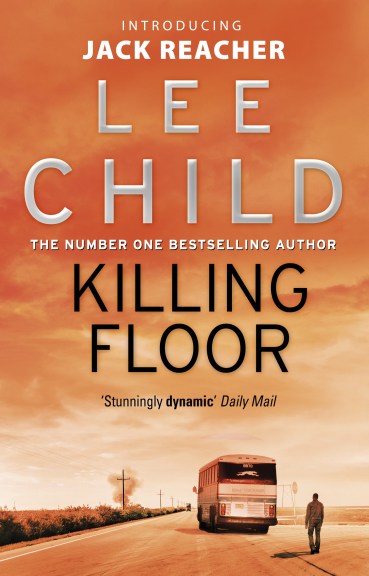
Jack Reacher – Lee Child

Killing Floor Cover.jpg

Ever since I started up my blog, I have been meaning to read more thrillers, as I have a bit of a dearth of knowledge and appreciation of the genre. There are a number of intriguing-sounding or classic thriller series out there that I want to check out in the future, including Tom Clancy’s Jack Ryan series or Stephen Hunter’s Bob Lee Swagger series. However, the one I think I am most likely to check out in the immediate future is Lee Child’s Jack Reacher series. I enjoyed the Tom Cruise movies that were based on these books and I would like to check out some of the extremely interesting cases featured within. As the series currently features 23 novels, this may be one of those series where I check out the later books in the series first. In this case, I might look up the 24th novel, Blue Moon, when it comes out this October.

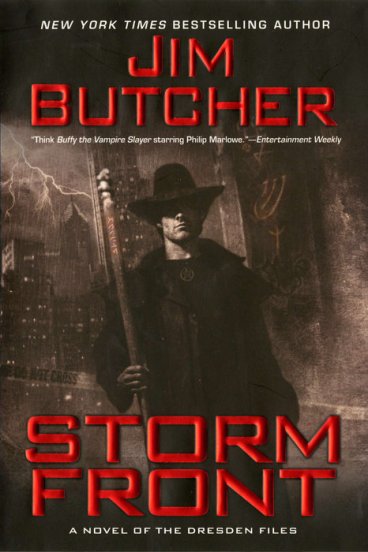
The Dresden Files – Jim Butcher

Storm Front Cover.jpg

The Dresden Files is one of those series that I see a lot of other reviewers gush about and place at the top of their favourite book lists. Featuring a modern world beset with magic, The Dresden Files follow magical PI Harry Dresden as he works a series of intriguing magical crimes. While the whole concept sounds amazing, The Dresden Files has been one of the series that I was mostly unaware of until recently, and now that it is on my radar, I have not been able to make time for it. Currently featuring 15 books, this is one that might take a while to get through; however, it might be worth the effort if they end up making that television adaption that is currently being planned.

Top Ten List (No Particular Order):


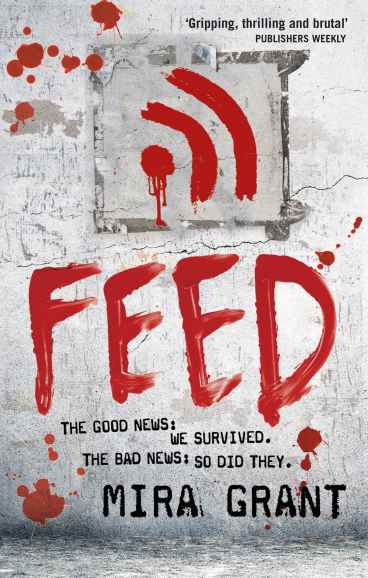
Newsflesh – Mira Grant

Feed Cover.jpg

A zombie series from one of the best modern authors of horror fiction is definitely something that I need to check out. Mira Grant is an extremely talented author, and I absolutely loved her 2017 release, Into the Drowning Deep, which was just spectacular. Grant has several intriguing series out at the moment, but I really like the sound of the Newsflesh books, which follow a band of blogger journalists as they investigate dark conspiracies in the aftermath of the zombie apocalypse. Currently made up of four books, this sounds like a really cool series and, frankly, after seeing how terrifying Grant can make mermaids, I cannot wait to see what she can do with zombies.

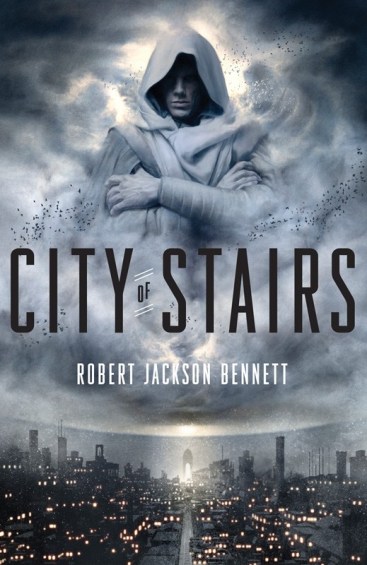
The Divine Cities – Robert Jackson Bennett

City of Stairs Cover.jpg

When I read and reviewed Bennett’s latest book, Foundryside, last year I could not help but notice that quite a number of people were already massive fans of Bennett thanks to his The Divine Cities series. The Divine Cities series is set in a fallen city which used to utilise the vast power of its gods to rule the world. However, when the gods fell the city was brutally conquered and made to suffer for its past injustices. I really like the sound of that setting, and the plot then follows a protagonist who investigates a series of mysteries in this broken city. I already know that Bennett can create some intriguing mysteries and conspiracies thanks to Foundryside, so I am very curious to see his earlier work. I also see that a number of reviewers whose opinions I respect have a lot of nice things to say about The Divine Cities series and, as a result, I really think I need to read these books.

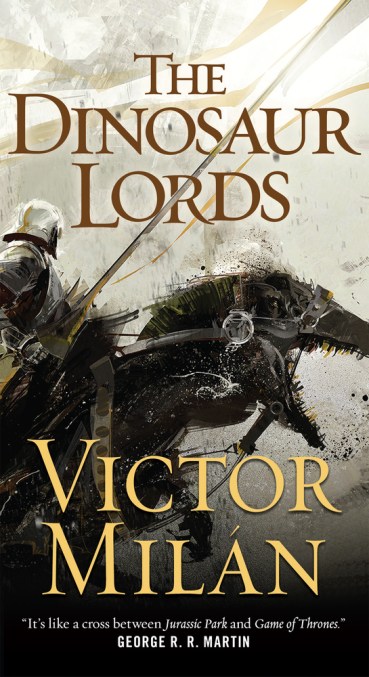
The Dinosaur Lords – Victor Milan

The Dinosaur Lords Cover.jpg

I have to admit that the main reason I want to check out this series is its extremely cool concept. How can I possibly not want to read a fantasy series where the characters go to war riding giant dinosaurs? Honestly, it is impossible to resist, and the moment I heard about this series I knew I would have to read it. But there is one disadvantage that makes me slightly weary, and that is that the series might not be 100% complete. The author, Victor Milan, unfortunately passed away in 2018. While he was able to complete the first three books in The Dinosaur Lords series, the entire series was apparently going to consist of six books. I am slightly worried that I will get into The Dinosaur Lord books only to find myself disappointed with some open plot points when I finish the third book. I don’t think this will be enough to stop me trying out these books, but it is a potential concern I need to keep in mind.

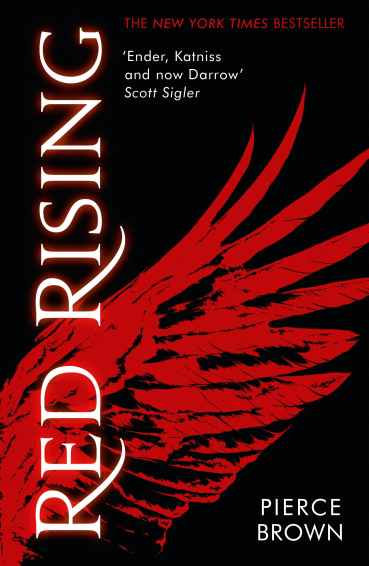
Red Rising Saga – Pierce Brown

Red Rising Cover.jpg

The Red Rising Saga is a series that has been on my reading radar for a while. This is another series which is held in extremely high regard by a number of reviewers I follow, and it actually sounds very interesting, as it follows a war to end caste oppression in a futuristic space society. I have had the opportunity to read one or two of the later books in the series in the past, but I never did. This is mainly because I always though the storylines sounded so complex that it would be best to start the Red Rising Saga from the beginning. This is definitely a series I need to read in the future, especially as Brown is continuing to add to it, with the latest book, Dark Age, literally coming out today.

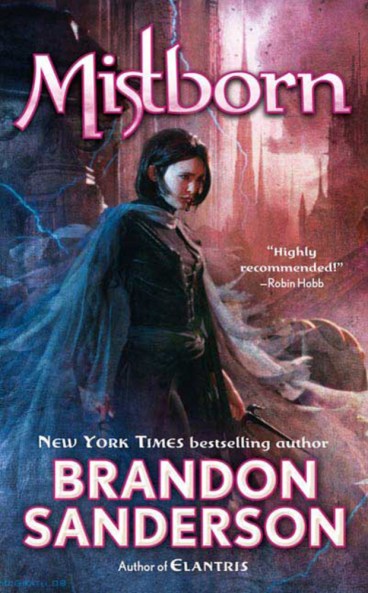
Mistborn – Brandon Sanderson

Mistborn Cover.jpg

Brandon Sanderson is an extremely talented author whose books I have really enjoyed in the past, especially The Way of Kings and Skyward. As he is an extremely prolific author, he has a huge number of awesome-sounding books out at the moment and I am hoping to read all of them at some point in the future because he is an amazing writer. However, the main body of his work that I want to read next is his Mistborn books. The Mistborn series of books are part of his huge overarching Cosmere novels and are set in the same universe as some of his other series, such as The Stormlight Archive. Featuring a really cool magical system based around different metals and made up of six highly regarded books (with a seventh on the way), the Mistborn books sound spectacular and I look forward to eventually reading them.

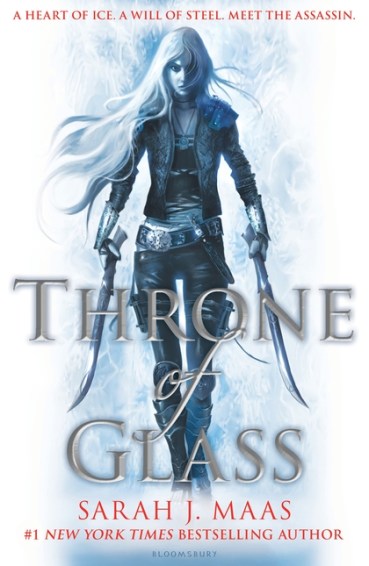
Throne of Glass – Sarah J. Maas

Throne of Glass Cover.jpg

This one has been on my radar ever since I read Maas’s excellent comic book novel, Catwoman: Soulstealer last year. Maas is probably one of the best young adult fiction authors out there at the moment, and the Throne of Glass series is considered by many to be her magnum opus. Featuring eight lengthy books, the Throne of Glass follows teenage assassin Celaena as she battles for freedom in the lands of Adarlan. This is a really cool-sounding series which has received a lot of praise from bloggers who specialise in young adult fiction. As such, it is really high on my to-read list and I hope to enjoy it in the near future. I also have my eye on Maas’s other main series, A Court of Thorns and Roses, which looks like another interesting collection of books.

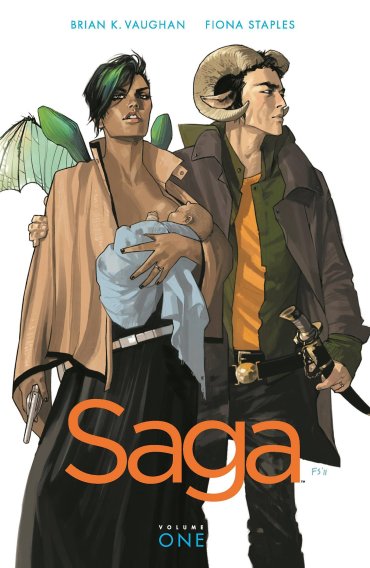
Saga – Brian K. Vaughan and Fiona Staples

Saga Volume 1.jpg

Probably considered one of the best comic book series of all times, Saga is a major comic book series that I have not had the pleasure of reading. Considering the regard that many comic book fans hold this series in, it is a bit odd that I have never gotten around to actually reading it, especially as I have the first volume sitting on my shelf at the moment. I have enjoyed a number of Vaughan’s other works in the past, so I am unsure why I have not checked these comics out. Hopefully I will not rue my oversight too much when I finally get around to reading the first volume.

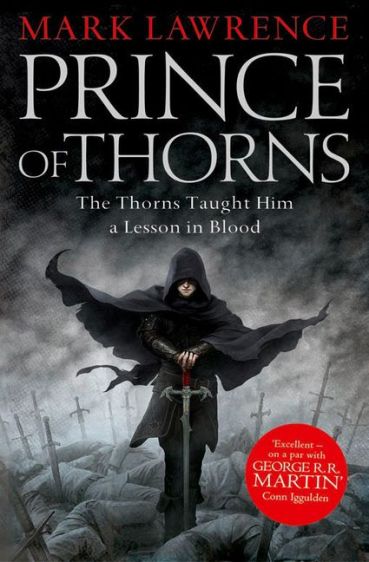
The Broken Empire – Mark Lawrence

Prince of Thorns Cover.jpg

If there is one author that I really regret never reading before, it is Mark Lawrence. Lawrence has been a cornerstone of the fantasy genre for several years now, but somehow I have never had the opportunity to read any of his books. This seems like a pretty big oversight on my part, especially as a number of reviewers and bloggers paint him as one of the very best fantasy authors in the world today. His books do sound extremely interesting, and he has written a number of major fantasy series, including The Red Queen’s War and The Book of the Ancestor series. I think I would go back and read The Broken Empire series first though. Not only does this feature his first book, Prince of Thorns, which I have heard is a pretty amazing debut, but I believe that The Broken Empire series is connected to some of his other works and serves as a prequel. As I really intend to read all of Lawrence’s books in the future, it makes sense to start here, and I hope to get around to reading The Broken Empire books quite soon.

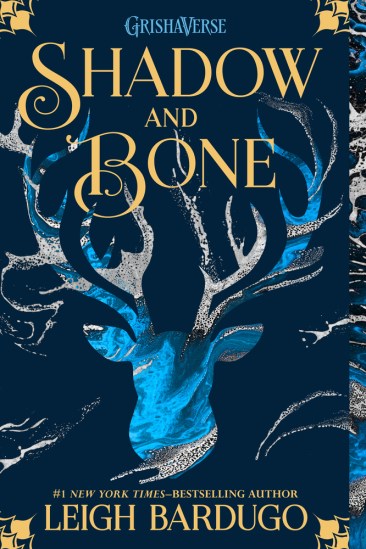
Grishaverse series – Leigh Bardugo

Shadow and Bone Cover.jpg

I am slightly cheating here by including several different series as one entry, but I think I can justify it as the series are all set in the same world. Bardugo’s Grishaverse series is currently made up the Grisha trilogy, the Six of Crows duology and the Nikolai duology, which currently features one book, 2019’s King of Scars. Each of the books in the Grishaverse sound extremely interesting, and there is a lot of love for them in reviewing circles. I could not believe how many reviews King of Scars got earlier this year in such a short period of time. Clearly Bardugo is doing something right, and I really need to get aboard and start enjoying her work.

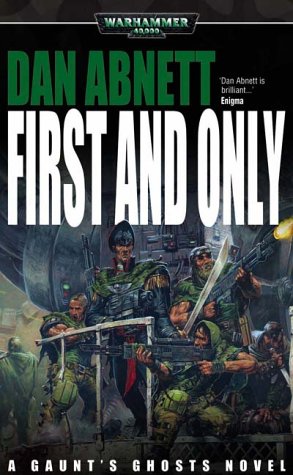
Gaunt’s Ghosts – Dan Abnett

First and Only Cover.jpg

I was a massive fan of the Warhammer and Warhammer 40,000 universe when I was younger, and I used to collect a lot of the models and booklets. One of the main things that always appealed to me was the extensive lore and fiction that accompanied the modelling side of Warhammer, and I often found it as awesome as the modelling and the battling. I still really enjoy parts of the Warhammer franchise to this day, such as the Dawn of War computer games, and I still like to keep an eye on the lore. Most people would not realise that there is a huge amount of fiction associated with this modelling franchise, with some good books attached to it. I have read a few pieces of Warhammer extended fiction over the years, but the one I have always meant to try out is the Gaunt’s Ghosts series by Dan Abnett. Made up of 16 books, including January 2019’s release Anarch, this series follows the Tanith First-and-Only, a penal unit of Imperial Guardsman fighting under the command of Colonel-Commissar Ibram Gaunt, nicknamed Gaunt’s Ghosts. Throughout the course of the books, the Ghosts are deployed to some of the worst combat areas in the Imperium, fighting against the various enemies of the Emperor. I love the whole concept of this series, which is essentially The Dirty Dozen in space, and I used to read some of the excerpts of the books that appeared in the Games Workshop magazines. Definitely one that is high on my list, I look forward to eventually checking these books out.

I hope you enjoyed my list. It was a bit of a hard one to put together, as there are several additional series I really want to check out, and some, such as The Faithful and the Fallen series and The Nevernight Chronicle, only just missed out from being included. I am hoping to have a look at some of these series soon, although it might be best if I finish off the Joe Ledger, Powder Mage, The Stormlight Archive and The Drenai Saga series that I am currently reading first. Let me know in the comments which series you think I should prioritise reading first and let me know if there are any series that you love that are missing from my list.

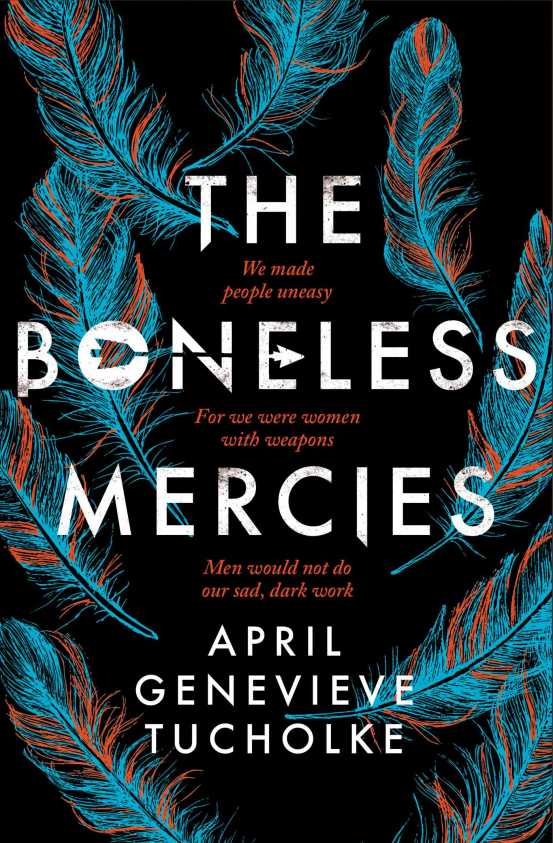
The Boneless Mercies by April Genevieve Tucholke

The Bonless Mercies Cover.jpg

Publisher: Simon & Schuster

Publication Date – 2 October 2018

Amazon     Book Depository

In the dark and cold realm of Vorseland, life is hard and death is easy.  This is especially the case for young women Frey, Ovie, Juniper and Runa, who eke out a living as Boneless Mercies.  Mercies are those people who travel the land exchanging mercy killings for coin in order to alleviate suffering, both mental and physical, in those living in the harsh land.  Only women can become Boneless Mercies, as men cannot do this dark and sad work.

While their roles as Mercies have provided this group of young women with an escape from the horrors or uncertainties of their previous lives, each of them, as well as their young male companion Trigve, seeks something different from this depressing routine of death dealing.  Runa dreams of joining the Quicks, the bands of forest-dwelling hunters and revellers with mastery of the bow; the former Sea Witch Juniper wants to return to her sisters; while Ovie seeks companionship after the trials of her previous life.  But their leader, Frey, wants something very different: fame and glory.

Hearing of a dangerous monster roaming in a far-off land, killing all the men and terrorising the landscape, the girls decide to change their fate and become heroes.  In order to reach their destination, they first have to engage on a dangerous journey through a harsh countryside.  First finding themselves caught up in the middle of a war between rival factions of witches, the Mercies find acceptance and camaraderie in the land they have come to save.  But as the monster they’ve come to face makes an appearance, the girls must finally face up to their destinies.  Will they be able to defeat a creature that so many have already died facing?

The Boneless Mercies is the fourth and latest book from dark fantasy young adult author April Genevieve Tucholke, whose previous works include the two books of the Between series, Between the Devil and the Deep Blue Sea and Between the Spark and the Burn, as well as her 2016 standalone novel, Wink Poppy Midnight.  All three of these previous novels dealt with a young adult supernatural romance set in a modern-day location.  The Boneless Mercies is Tucholke’s first foray into her own fantasy world, and it is the first book that is not as focused on a major romantic subplot.  The Boneless Mercies serves as a great standalone novel, although it has potential as the first book in a new series that either follows the characters introduced in this volume or that utilises Tucholke’s fantasy landscape.

The overall story of The Boneless Mercies is an interesting creation from Tucholke, as it is a good combination of character development, world building and searches for glory.  The premise of this story is unique.  Four professional mercy killers seeking better lives for themselves through fighting monsters is a fantastic pitch from the author that really drove me to read this story.  The author has made a clear attempt to emulate the sagas of old, and it is easy to note its similarities to Beowulf, especially when it comes to the monster.  The book’s central characters helped reinforce this by reciting several sagas that exist within their fantasy world, even coming up with a few verses for their own adventure.  I was a bit surprised about how only the last third of the book focused on the protagonists’ hunt for the monster; the antagonist that was such a focus of the book’s blurb and publication material, and instead a lot more of the book was spent focusing on the adventure getting there.

This actually works out really well, with the characters’ involvement with the various witch characters serving as the centre of the book.  The protagonists find themselves recruited to fight in a war between two rival factions of witches, which leads to some tough and damaging choices for Frey while the also allowing Tucholke to create a harrowing extended sequence in deadly marsh landscape.  The reversal of gender roles within the story is another great part of the story, and it is intriguing to see women in a more central role of these saga storylines in both the protagonists and antagonist roles.  The Boneless Mercies contains a unique and memorable central story that will prove to be appealing to a huge audience.  With several exciting romps through Tucholke’s new fantasy landscape, the book has an excellent conclusion, as well as several plot threads that could lead to intriguing future stories in the same universe.

Tucholke has woven some wonderful character dynamics into this story and introduced several intriguing protagonists for the reader to enjoy.  The book’s five main characters, Frey, Ovie, Juniper, Runa and Trigve, have all found an escape from their terrible past lives by coming together and following each other down the destructive path of the mercy killing trade.  Each of the characters has their own distinctive traits.  Frey is the big sister and reluctant leader of the group, and must struggle to balance her own desires with the needs of the people under her care.  Runa is the rebellious and free-spirited member of the group, eager to live the carefree life of a Quick in order to escape the horrors of her past.  Juniper is the dreamer, and her minor magical abilities and connection with the Sea Witches are essential to the plot in the middle of the book.  Ovie is the tough, no-nonsense member of the group, and is the group’s main warrior, teaching the others how to fight.  Despite some insights into her past, Ovie is the character who is explored the least out of each of the characters, although she does serve as a bit of a moral compass for Frey’s decision.

The main male character, Trigve is also an interesting inclusion, as he fills the role of the assistant and bastion of knowledge that the girls, especially Frey, go out of the way to protect.  This is a noticeable and intriguing change in the traditional gender roles within an adventurer group, and it is interesting to note that Trigve is usually sent away by the girls before any of the big action scenes.  His relationship with Frey is also one of the book’s main romantic subplots, and I liked the complex and mostly unspoken relationship these two characters had.  Overall, all of these main characters are great additions to the book, and Tucholoke spends considerable time exploring how these characters, all of whom have been forced to sever their previous connections, have come together into a surrogate family.  I really appreciated watching the characters’ relationships with each other build, as that worked really well to make the reader connect with each of them and become concerned with their fates.  The slow reveal of each character’s previous lives and the events that drove them to the other Boneless Mercies was also handled wonderfully and worked with the other story elements to create a powerful overarching narrative.

I also enjoyed the great new fantasy world that Tucholke created for this novel.  The author really gets to grips with the harsh, cold and unforgiving scenery of her Norse-inspired landscape of Vorseland, and the reader gets a real idea of why many inhabitants are tempted to employ the Boneless Mercies.  There are also a number of fantastic elements included throughout this world that really help make it an amazing location for this intriguing adventure.  The various bands of different fantasy professionals, such as the Boneless Mercies or the Quicks, give it an interesting flair.  The various groups of witches, including Marsh Witches, Sea Witches and even a group of pig mystics, become deeply entangled in the main story, and will also be significant players in any future books set in this universe.  This is an excellent and creative new fantasy world from Tucholke that works incredibly well for this book’s story.

April Tucholke has created an exciting and intense piece of young adult fiction in her latest novel, The Boneless Mercies.  Creating an intriguing narrative around a group of female former mercy killers embarking on a quest for glory in a dark and saga-rich fantasy landscape is a masterstroke from Tucholke, especially when she combines it with a fantastic story and close-knit and likeable group of protagonists.  The strong female characters make this an excellent one for a young adult audience, and I enjoyed the story’s darker background and storylines.  Special appreciation goes to the book’s great covers as well; the copy I had an iridescent feather design which was cool, but I also really enjoyed the excellent cover with the red wolf and the protagonist’s shadows.  Overall, The Boneless Mercies is a great piece of young adult fiction which presents the reader with something enjoyably different from the classic fantasy adventure.

My Rating:

Four stars

Amazon     Book Depository