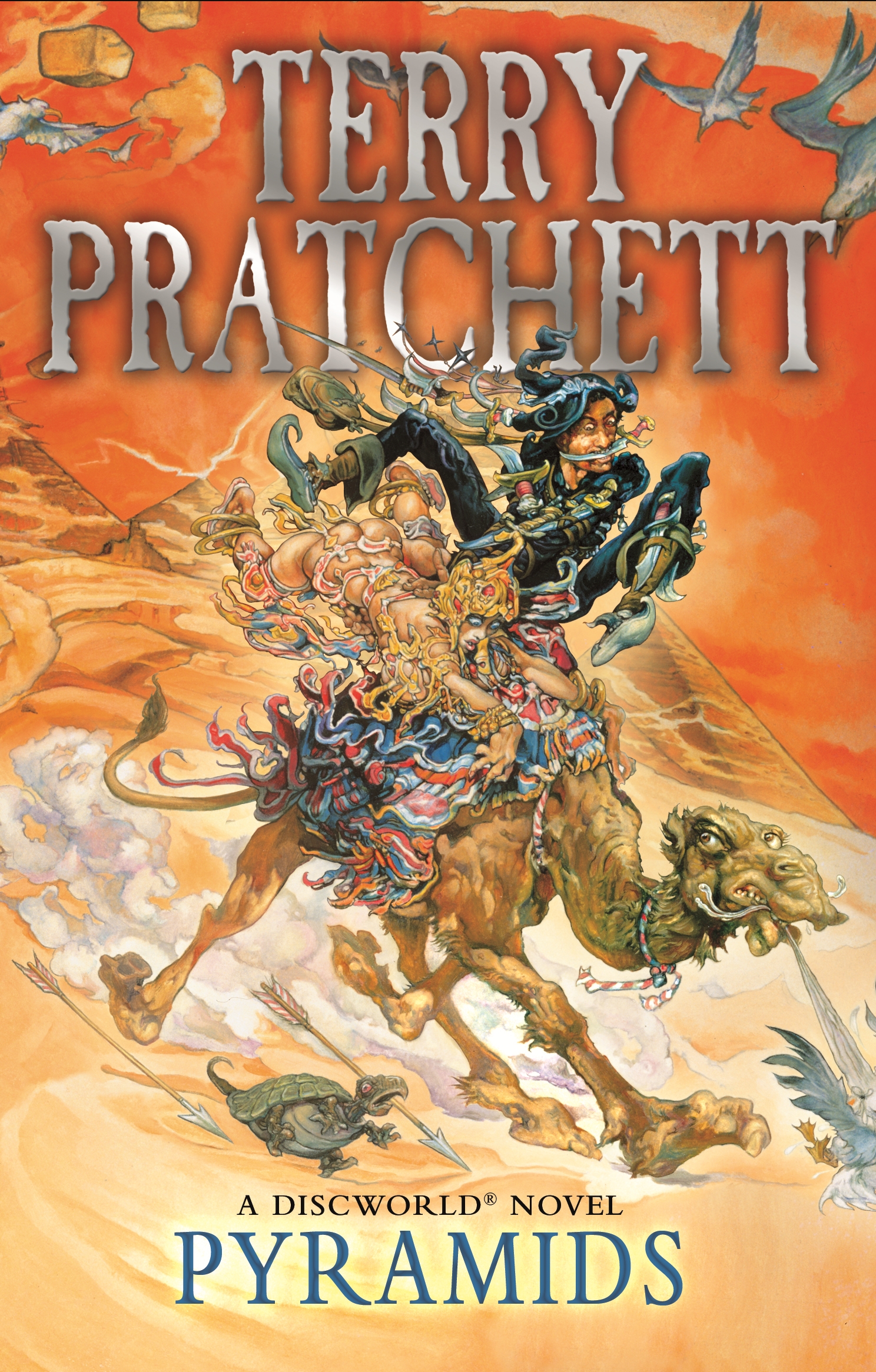
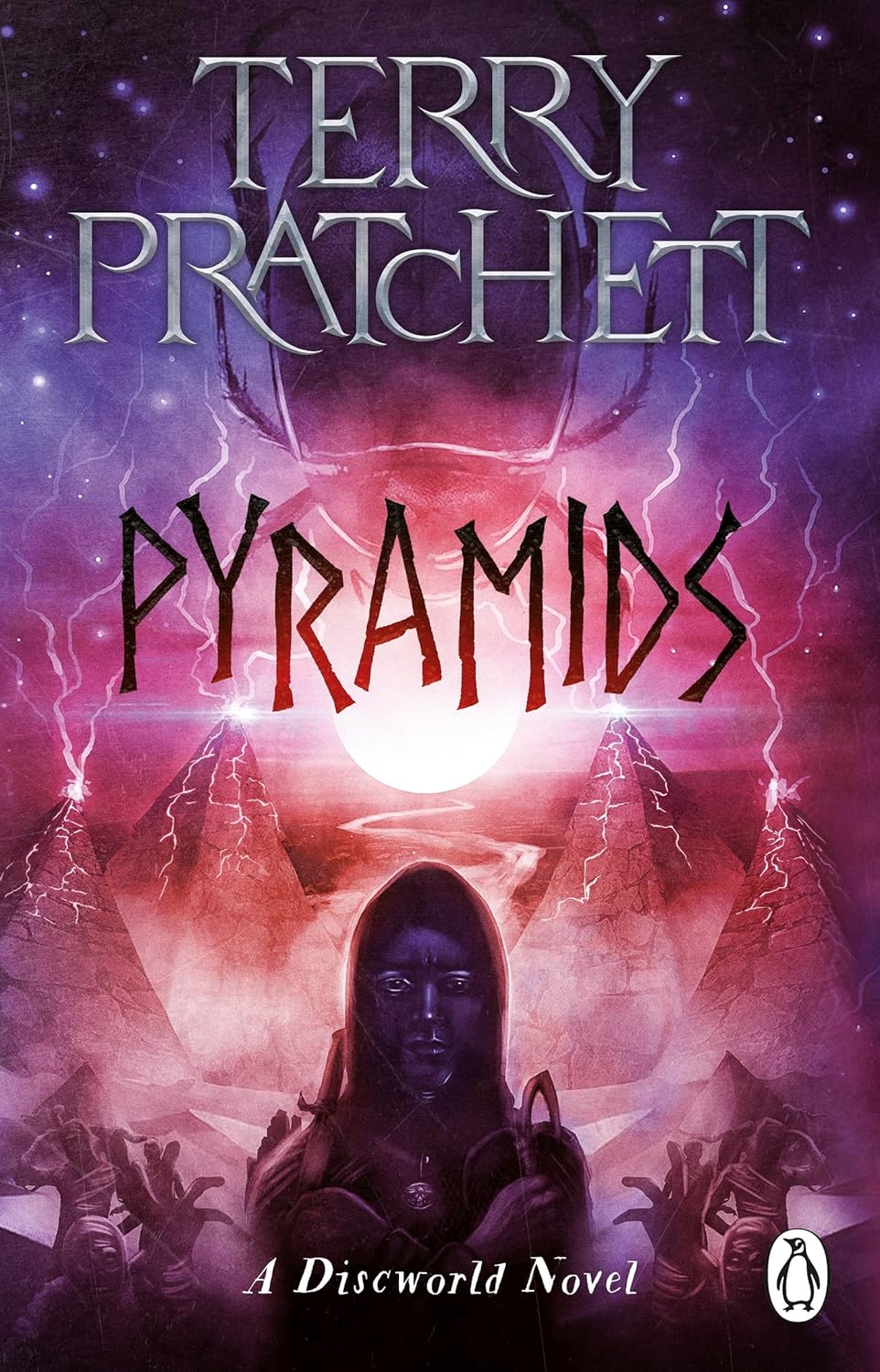
Pyramids by Terry Pratchett

Publisher: Gollancz/Penguin Audio (Audiobook – 1989)

Series: Discworld – Book Seven

Length: 9 hours and 8 minutes (Planer version)/9 hours and 53 minutes (Enoch version)

My Rating: 5 out of 5 stars

Amazon

After having an amazing time checking out the new audiobook versions of Guards! Guards!, Small Gods and Moving Pictures, I continue my latest revisit to Terry Pratchett’s Discworld series.  This time, I examine another one of my favourites with the deeply entertaining seventh novel in the overall series, Pyramids.  An outstanding standalone Discworld novel, Pyramids is a brilliant read that sees a young king go forth and then return to the insanity of his kingdom in a fun satire of ancient Egypt and its perception in Western media.

There are many mysterious realms on the magical Discworld, which travels on the back of four giant elephants standing on the back of a giant turtle.  However, few are more ancient than the tiny river kingdom of Djelibeybi.  Formerly a great empire that ruled over an entire continent, Djelibeybi is a mere shadow of its former self, its wealth drained away by the pyramids constructed to house its dead kings.  Nothing ever changes in Djelibeybi, that is until its young prince decides to get an education.

Prince Pteppicymon (Teppic), future ruler of the kingdom, has been sent away to the Assassins Guild of Ankh-Morpork, both to get the finest education on the Disc, and to learn a way to finally make his kingdom some money.  However, upon graduating, Teppic is forced to return to home when his father suddenly dies in embarrassing circumstances.

Now the god king of Djelibeybi, Teppic hopes to modernise his kingdom and introduce the comforts of the outside world.  However, Teppic has returned to a strange land he no longer understands and finds his desire for modernisation stymied by the controlling high priest Dios, whose intense love of tradition has long restricted Djelibeybi.  However, despite the best attempts of Dios, change is coming to the old kingdom, as a dark figure in the finest black stalks the city, while a massive new pyramid begins to mess with reality.  When disaster strikes, the people of Djelibeybi find themselves beset by both their gods and their dead, and only their king can save them.  But first, Teppic will need to work out how to find his kingdom again.

Pyramids continues to stand the test of time as one of my favourite Terry Pratchett books, as this compelling and wildly entertaining Discworld novel takes you on a wild ride through ancient kingdoms and eternal tradition, and every dangerous thing that comes with them.  An outstanding addition to the series that keeps you laughing the entire way through, Pyramids was peak Pratchett and gets another easy five-star rating from me.

I love the outstanding narrative that Pratchett came up with for Pyramids, which tells a fun adventure tale in an entertaining ancient Egypt facsimile.  While the narrative structure of Pyramids is slightly more basic than some of Pratchett’s other books, I think it is still quite a compelling story that keeps the reader entertained from start to finish.  Broken into several sections, Pyramids starts with an excellent introduction that showcases Teppic attempting to take his final exam at the Assassin’s Guild.  This proves to be a great fun opener, and I loved how Pratchett interspersed the over-the-top test with multiple flashbacks that showcase both Teppic’s childhood in Djelibeybi and his early days at the guild.  This works to set up a lot of key early story elements, while also serving as a memorable start, as the cool scenes of assassin testing are some of my favourites in the entire book.  This first section of Pyramids ends with Teppic finding out his father has died through an unlikely divine messenger, and he returns to Djelibeybi to take the throne.

Pratchett follows up this impressive introduction with a good central part of the story as you return to Djelibeybi proper and Teppic learns the downside to being a king.  Pratchett really works to explore the downsides of the kingdom, as Teppic begins to realise he is just a puppet with the high priest Dios truly in control.  There are some hilarious moments here, especially when it comes to the ridiculous traditions and history of Djelibeybi, and Teppic works well as a great outsider character who finally sees how silly everything is, although he is still bullied into constructing the biggest pyramid ever.  Pratchett also takes the time to introduces a colourful array of supporting characters with some compelling story arcs, including two ambitious embalmers, a disfunction family of pyramid builders, and the handmaiden Ptraci, who Teppic accidentally sentences to death.  His desire to save her leads to many of these issues coming to a head, with Teppic forced to flee from Dios, only to find himself trapped outside of the kingdom when the Great Pyramid goes off and splits Djelibeybi into its own reality.

This brings Pyramids into a compelling interim phase, as Teppic and Ptraci find sanctuary in Ephebe, while the trapped kingdom goes to madness, as all their many beliefs come to life, although not in the way they’d hoped.  I liked the fantastic contrast between the supernatural craziness going on in Djelibeybi and the more human-based chaos Teppic encounters in Ephebe as he tries to get answers out of the philosophers, before finally returning to the kingdom to save the day.  Eventually able to return thanks to a thirsty camel and an easily confused sphinx, Teppic works to destroy the Great Pyramid.  At the same time, several of the ongoing Djelibeybi storylines come together nicely, as the dead of the kingdom, including Teppic’s father, discover the truth about why they were mummified, and this leads to an outstanding and eventually explosive concluding sequence.  Pratchett wraps this up nicely with all the key characters getting the ending they deserve, and he leaves this story on yet another hopeful note that hints at an interesting future for the characters and the kingdom.

As with all the Discworld books, Pratchett does a wonderful job of telling a fun and compelling story in Pyramids that hooks you early with its fantastic elements, entertaining plot, complex satire, and great characters.  An interesting standalone entry in the Discworld series, Pyramids has a more straightforward story that is well split amongst an interesting cast of figures, each of whom find their role in the kingdom altered in some way, and I loved the chaotic plot that emerged.  Pratchett has a lot of fun exploring some great themes in Pyramids, including people attempting to break free of tradition (literally), and finding yourself.  The critique of unnecessary and restricting tradition works well as a central story element, and Pratchett leans into it heavily, showcasing how it can styme progress and lead to a slow death of a culture.  Thanks to that author’s great use of humour, you really begin to appreciate just how damaging or ridiculous some traditions can be, and I always get a chuckle at the hilarious sequences where Teppic’s over-long title is repeatedly read out again and again.

While there is some focus on death and assassination, for the most part Pyramids is a really light-hearted entry in the series, especially as Pratchett leans into the examination of ancient Egypt with its doppelganger in Djelibeybi and resulting satirisation of how ancient Egypt is portrayed in modern culture brings much of the book’s laughs.  Most of this becomes really apparent thanks to Teppic’s newly found modern sensibilities, but Pratchett also throws in some puns and lines that people with some knowledge of ancient Egypt will appreciate, and frankly I find a fun new joke every time I read this amazing book.  Many of Pratchett’s more modern takes on some of more well-known elements of Egyptian culture are very fun, with a lot of jokes about mummies, the economics of pyramid building, and what handmaidens do, proved to be really entertaining.

Much of the rest of the major jokes of Pyramids revolved around the varied reactions to the crazy events that seem to occur everywhere in the Discworld.  I personally laugh myself silly at the spontaneous football commentary that emerges when the various gods of Djelibeybi start to fight over the sun, and the resulting moments of theological debate end in a funny and snappy way.  The sequence with the Sphinx also makes for quite an entertaining inclusion, and Teppic’s assessment and rewriting of the classic riddle into a much more correct metaphor proves to be a lot of fun.  Finally, the opening assassin’s examination sequence is both tense and funny, and there is something about Pratchett imagining undergraduate assassins getting tested in a similar manner to student drivers that really shows off the inherent silliness of this series.  Throw in Pratchett’s usual array of clever puns, well-placed footnotes and witty dialogue, and Pyramids turns into a particularly funny read that still makes me laugh after all these years.

Out of all the amazing Discworld novels, Pyramids might be one of the best entries for a reader to start to explore this amazing series.  The very first standalone Discworld novel, Pyramids can be easily read without any knowledge of any of the previous books, and you really get a good sense of the larger setting and Pratchett’s ability to craft elaborate parodies of certain cultures or genres in a brilliant, self-contained manner.  While some of the elements of Pyramids are reutilised in some of the later books (the philosopher-filled city of Ephebe for one), for the most part none of the characters or storylines here are ever revisited, and you can really dive into Pyramids at any point of your Discworld reading experience.  The opening extended sequence set around Teppic’s exams and flashbacks does provide one of the best examinations of the Assassin’s Guild, a fun institution in the Discworld series, and it was really fun to see them in action here, even if the assassins do get slightly nerfed in some of the future books (especially the City Watch ones).  I do personally think that Pyramids was one of his true early classics, and this book lays at the start of a very big run of some of Pratchett’s best works, especially as he fully finalised his preferred style here.  As such, this is a great read for Discworld readers of all experiences, especially those looking to dip their toe into this amazing universe, and this is a very impressive example of Pratchett’s style and humour.

I do have to also provide a quick shoutout the fantastic array of characters featured within Pyramids, whose compelling storylines and well-thought-out story arcs really compliment the main narrative and help Pratchett explore his intricate central themes.  The main character, Teppic, serves as a great central figure for Pyramids, and his unlikely outsiders perspective allows for much of the plot change and chaotic moments.  Ptraci’s journey from passive handmaiden to unstoppable force of nature was very well handled, and I loved how Pratchett showcased just how much impact a suddenly confident woman can have on the world.  I also always find it quite hilarious that the previous king, Pteppicymon XXVII, only truly finds himself in death, and his later interactions with the embalmers Dil and Gurn lead to some truly heartwarming moments.  The Ptaclusp dynasty of pyramid builders added some fun family chaos to the mix, and their representation of the new generation taking over from the old was quite entertaining, even if the brothers (Ptaclusp IIa and Ptaclusp IIb) had differing views on what the future should be.  Teppic’s classmates from the Assassin’s Guild also added some excellent colour, especially the overconfident Chidder, although I felt that it was a shame that most of those great characters introduced in the opening part of the book where never utilised again.

Out of all the characters featured within the book, my favourite was probably Dios, who can probably be considered the antagonist of Pyramids.  The High Priest of Djelibeybi, Dios is the main administrator of the country, who strictly adheres to tradition and ritual and doesn’t allow Teppic to make any changes or independent decisions.  A strict and rigid person capable of bending anyone to his will, Dios is restricting tradition personified, and the lengths he goes to keep Djelibeybi the same is quite fascinating, while his struggles to keep Teppic in line lead to some amusing moments.  I honestly feel that Dios was one of Pratchett’s more compelling antagonists, as while he does some bad things he’s not actually a bad person; instead he’s someone stuck in the trap of always doing things a specific way and is incapable of thinking any other way.  You honestly feel a little sympathetic for him at times, especially when the full scope of his service is revealed, and while he continues to make the wrong decisions for the future of Djelibeybi, you can kind of understand why he is the way he is.  The final fate of Dios was really well written, if a little horrifying if you actually stop to think about it, although it fulfills his wish of everything staying the same.  A truly complex figure who plays off the rest of the outrageous and outgoing characters extremely well, Dios really tied this book together and I loved how well Pratchett featured him in Pyramids.

Unsurprisingly to anyone who has read my other rambling Discworld reviews, I have a lot to say about Pyramids on audiobook.  Audiobooks are my favourite way to enjoy any book, with the Discworld audiobooks being an exceptionally good example of how this format can make an already awesome novel even better.  Like the rest of the series, Pyramids has two really good unabridged audiobook versions, both of which come really recommended by me as brilliant ways to check out a classic book from Pratchett.

The first of these audiobook formats is the old-school version narrated by the legendary Nigel Planer.  I have mentioned Planer a few times over the years due to his exceptional work voicing over half the unabridged Discworld audiobooks and he remains one of my favourite audiobook narrators as a result.  His ability to come up with new character voices for every single audiobook was just incredible, and I love all his cool vocal choices, especially in Pyramids.  His take on the various characters was quite inspired, and you really get all the characters’ unique personalities, including Teppic’s modern spirit, Dios’s controlling reliance on tradition, the exasperation of the dead former king, and the overpowering personality of Ptraci.  Planer also perfectly showcases all the best jokes in Pyramids, including the fantastic over-the-top sequences where Dios repeats Teppic’s title, or the hilarious scene where the priest provides commentary for the divine fight for the sun.  I have so much love for all of Planer’s original Discworld work, and Pyramids is a particular favourite of mine as he takes that verbal gags that Pratchett sets up and makes them his own.

While the Planer version of Pyramids was the one that I grew up with, I have also had the pleasure of listening to the newer Pyramids audiobook that provides a fresh take on the story.  Part of the same Discworld audiobook series I have recently enjoyed for Guards! Guards!, Moving Pictures and Small Gods, this new version of Pyramids was also extremely good with some great voice work and a compelling pace.  Featuring a runtime just shy of 10 hours, this new audiobook is slightly longer than the Planer version and features the amazing voice work of Alfred Enoch, Bill Nighy and Peter Serafinowicz, with Enoch acting as the main narrator.

Enoch, who is probably best known for his role in the Harry Potter films, did an outstanding job as the main narrator for Pyramids, and I really appreciate his take on the compelling story.  His more youthful voice gave this version of Pyramids some additional energy, and you really move through the main story extremely quickly as a result.  I also really enjoyed how some of the protagonists turned out in this version of Pyramids, and while Enoch lacks the full range of fun character voices that Planer had, he still provides some impressive and fitting tones that expertly captures the various characters.  I felt that his voice for Teppic was especially well done, with his hopeful personality really shining through, while his voice for Dios had the commanding and controlling edge that it needed.  I felt that Dios was probably Enoch’s best voice, especially when it comes to the repetitive gag of having to intone Teppic’s full title.  I also actually quite like the voice he used for Ptraci, which was markedly different to the voice that Planer utilised in his version.  Enoch’s Ptraci voice was a little more curious and confident at times, and I got a much different personality vibe in this version which was quite interesting.  Enoch also ensured that his version of Pyramids stood out by pronouncing some of the character names in a different manner to Planer, mainly because he kept the P silent when it appears at some of the names (for example, Ptraci becomes Traci).  While this was a noticeable difference from the Planer version, I really liked it, as it actually captured Pratchett’s intended pronunciation based on how P is used in ancient Egyptian.  This ended up being an exceptional performance from Enoch, and one that I had a lot of fun with.

On top of Enoch’s main narration, this version of Pyramids also featured the voices of Bill Nighy and Peter Serafinowicz, who have the same roles in every audiobook of this new run.  Both play key parts in this audiobook, with Nighy voicing the various footnotes, while Serafinowicz was the voice of Death whenever he appeared.  Both provided an exceptional performance here, with Nighy in particular giving some excellent gravitas to the essential and humour-laden footnotes.  Serafinowicz’s role in Pyramids was a little more limited, mainly because Death only appeared a couple of scenes, but he really captured this awesome anthropomorphic personification perfectly when he did appear, providing a booming and impactful Death voice that was a lot of fun to hear.  Both Bill Nighy and Peter Serafinowicz’s inclusions were worked into Enoch’s overarching narration extremely well, and I felt that the three complemented each other nicely throughout the audiobook.  This ended up being an overall impressive take on Pyramids, and the new narrators really knew what they were doing here.  As such, this version also comes recommended, and while the Nigel Planer version is still living in my head rent free, this new take on Pyramids was very fun and I enjoyed hearing some new voices take it on.

Overall, Pyramids proved to be quite an awesome book, and I really think it was one of Terry Pratchett’s better early Discworld novels.  Featuring an outstanding story with some fantastic humour, Pyramids is an absolute joy to read, and I loved seeing the author’s distinctive parody of ancient Egypt.  Clever and loaded with complex comedic gold, Pyramids still cracks me up every time I read it, and I cannot recommend this book enough to anyone interested in checking out the exceptional Discworld books, especially in either of its epic audiobook formats.
Amazon

WWW Wednesday – 26 February 2025

WWW Wednesday is a weekly meme hosted by Taking on a World of Words, where bloggers share the books that they’ve recently finished, what they are currently reading and what books they are planning to read next. Essentially you have to answer three questions (the Three Ws):

What are you currently reading?
What did you recently finish reading?
What do you think you’ll read next?

So, let’s get to it.

What are you currently reading:

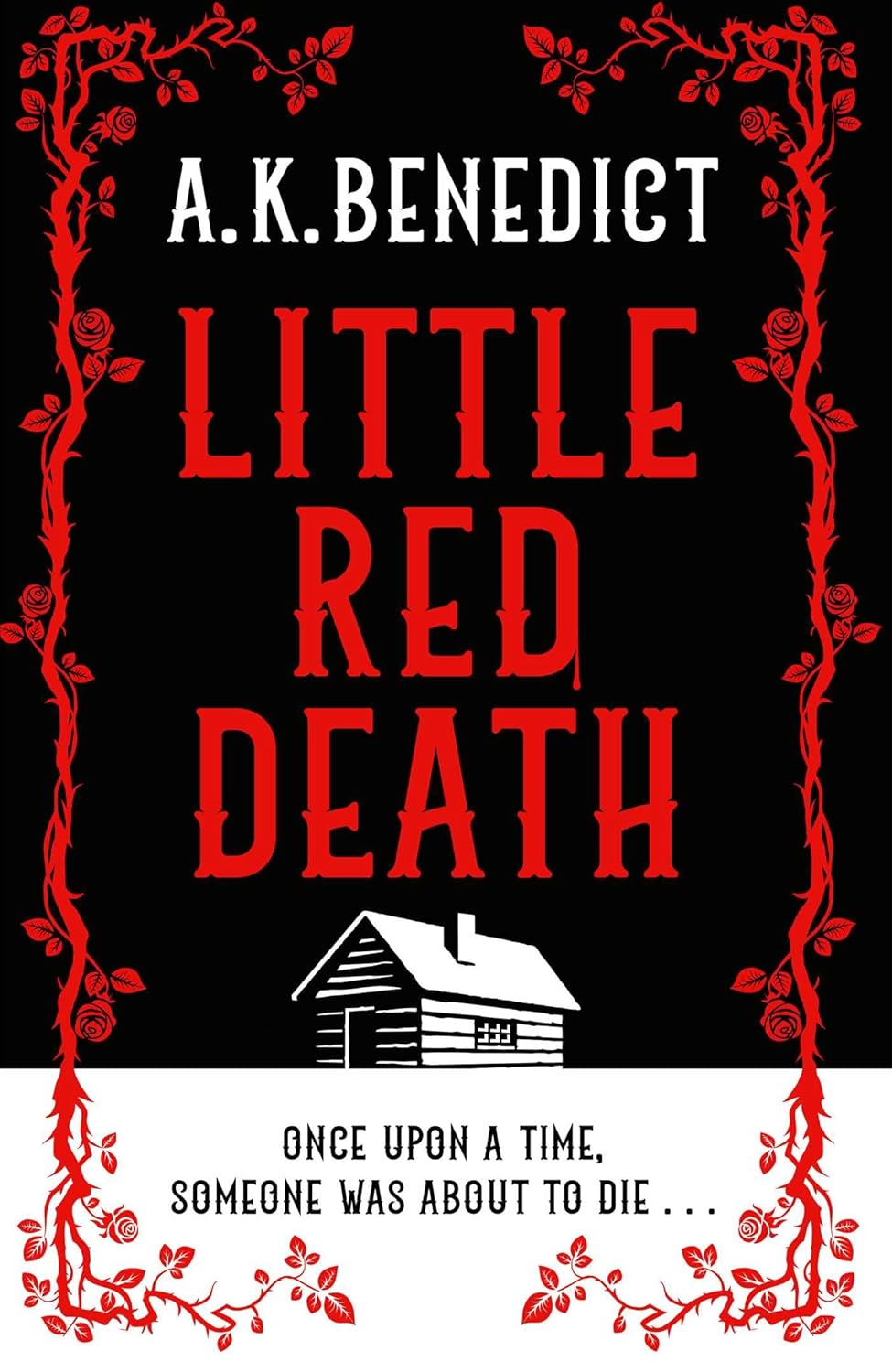
Little Red Death by A. K. Benedict (ebook)

I started reading the very interesting crime fiction book, Little Red Death, this week.  A compelling read that sees an obsessed detective try to solve a series of fairytale-themed murders, Little Red Death has an amazing story behind it, and I am really glad I decided to check it out.

Amazon


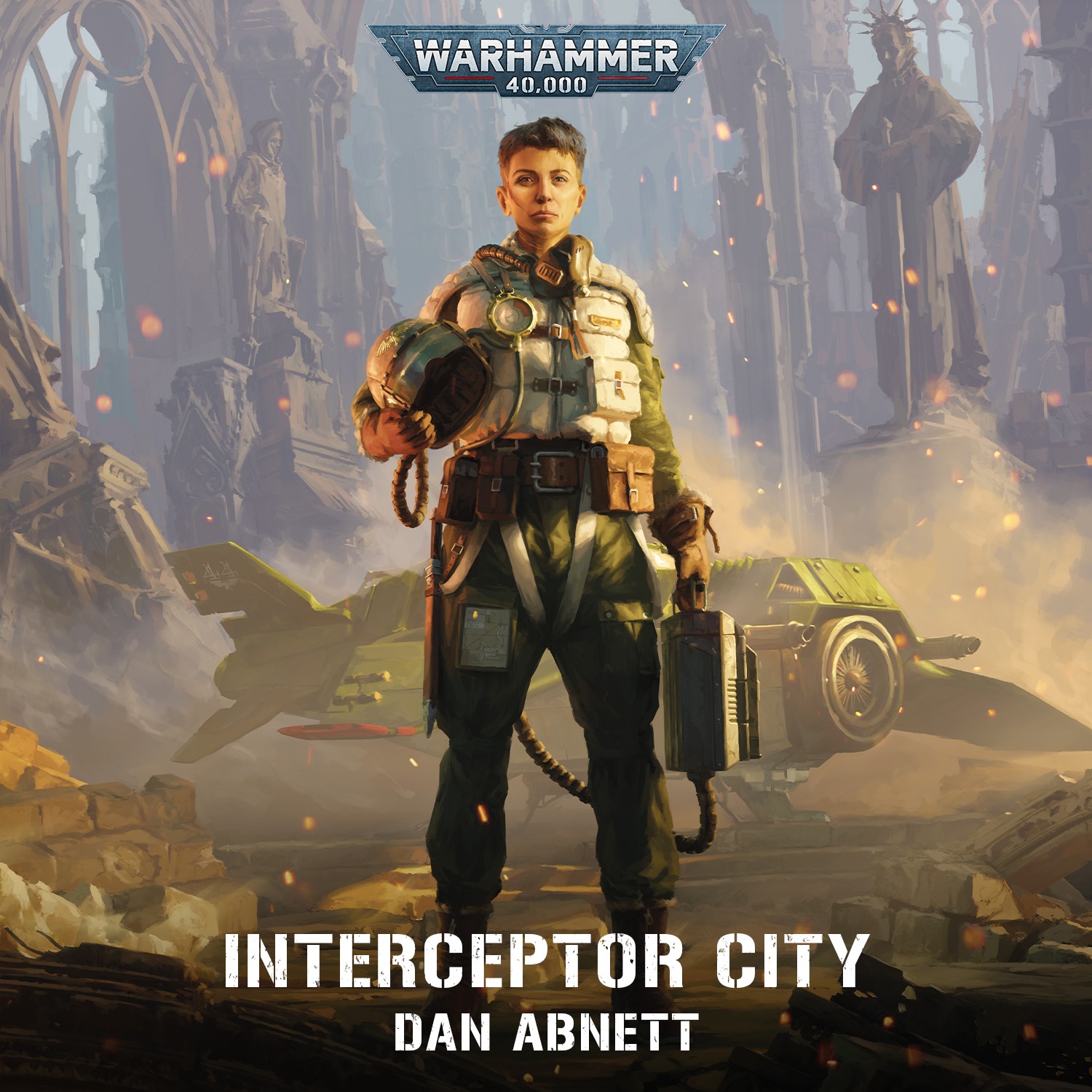
Warhammer 40,000: Interceptor City by Dan Abnett (Audiobook)

I have just started listening to the awesome Warhammer 40,000 novel, Interceptor City by Dan Abnett.  The sequel to Abnett’s classic Warhammer 40,000 novel, Double Eagle, Interceptor City brings back the protagonist from the previous book and sets her on a deadly new flying mission against skilled enemy pilots.  I have so much love for Double Eagle, and I am expecting Interceptor City to be just as incredible, especially as Abnett is extremely skilled at writing elaborate air combat sequences.  I have only made a little progress on Interceptor City so far, but I am really loving it and I have no doubt that this will be one of the best books I read all year.
Amazon

What did you recently finish reading?

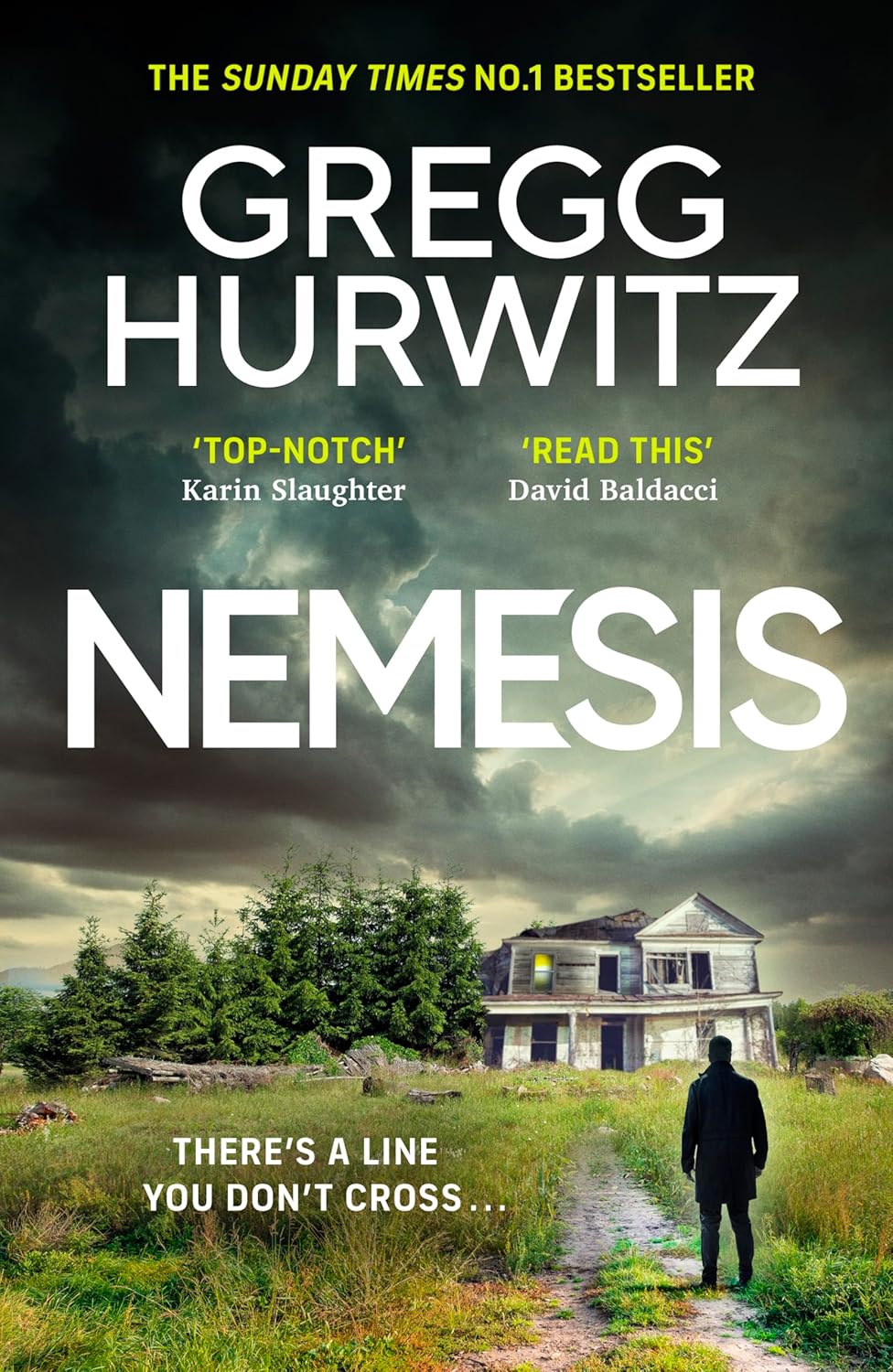
Nemesis by Gregg Hurwitz (Trade Paperback)

I absolutely powered through the awesome new addition to the Orphan X series from one of my favourite thriller writers, Nemesis. One of the best books I have so far enjoyed from Gregg Hurwitz, Nemesis was so damn good, and I am hoping to get a review up for it soon.

Amazon


Days of Shattered Faith by Adrian Tchaikovsky (Audiobook)

I finally managed to finish off Days of Shattered Faith and it was another exceptional five star read from Tchaikovsky that I could not get enough of.

Amazon


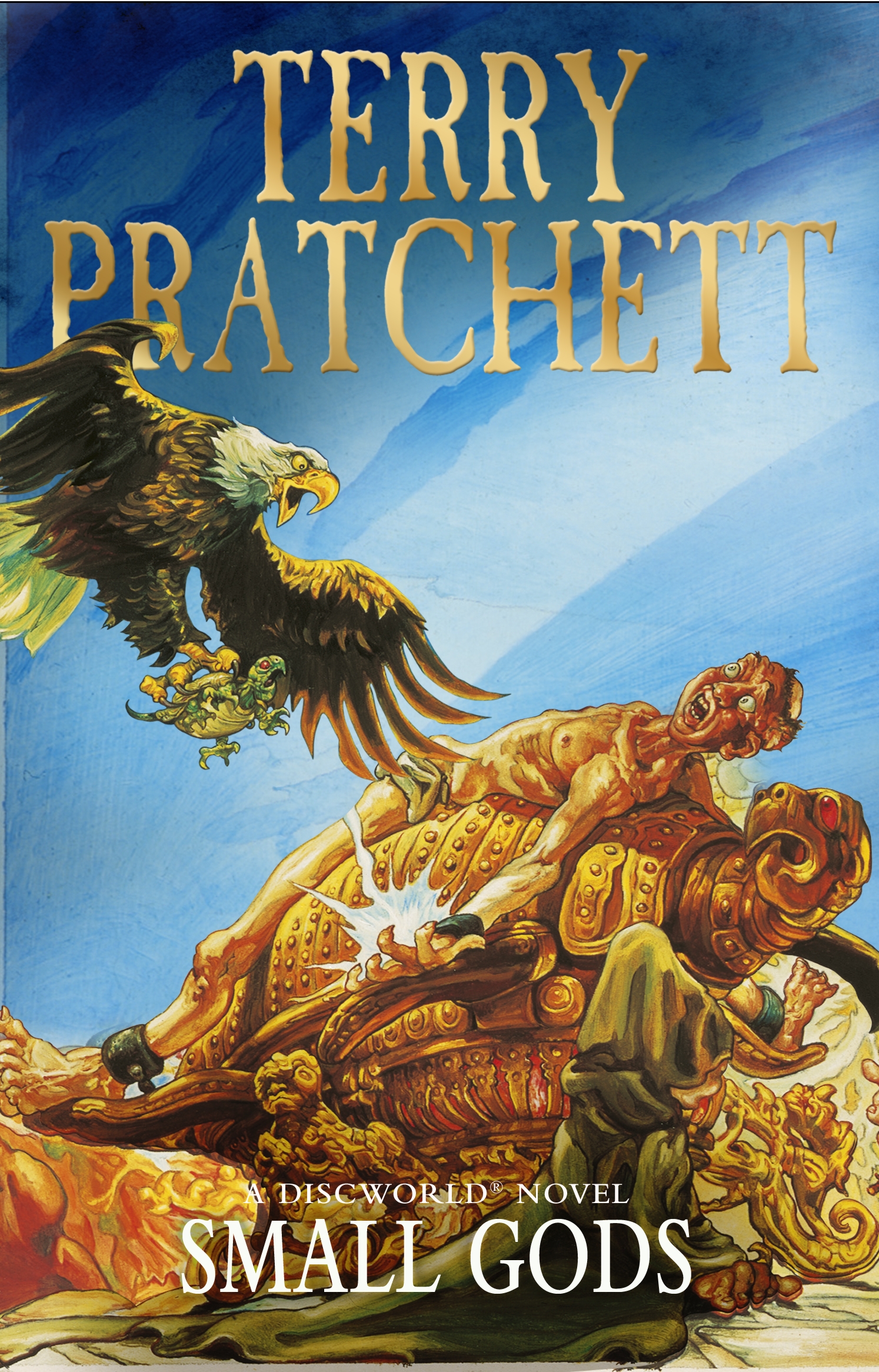
Small Gods by Terry Pratchett (Audiobook)

Thanks to a road trip I’ve been in a real Discworld mood lately, which saw me get through the new audiobook version of Small Gods by Terry Pratchett narrated by Andy Serkis. This was an exceptional listen and Small Gods remains one of my favourite Discworld books.

Amazon


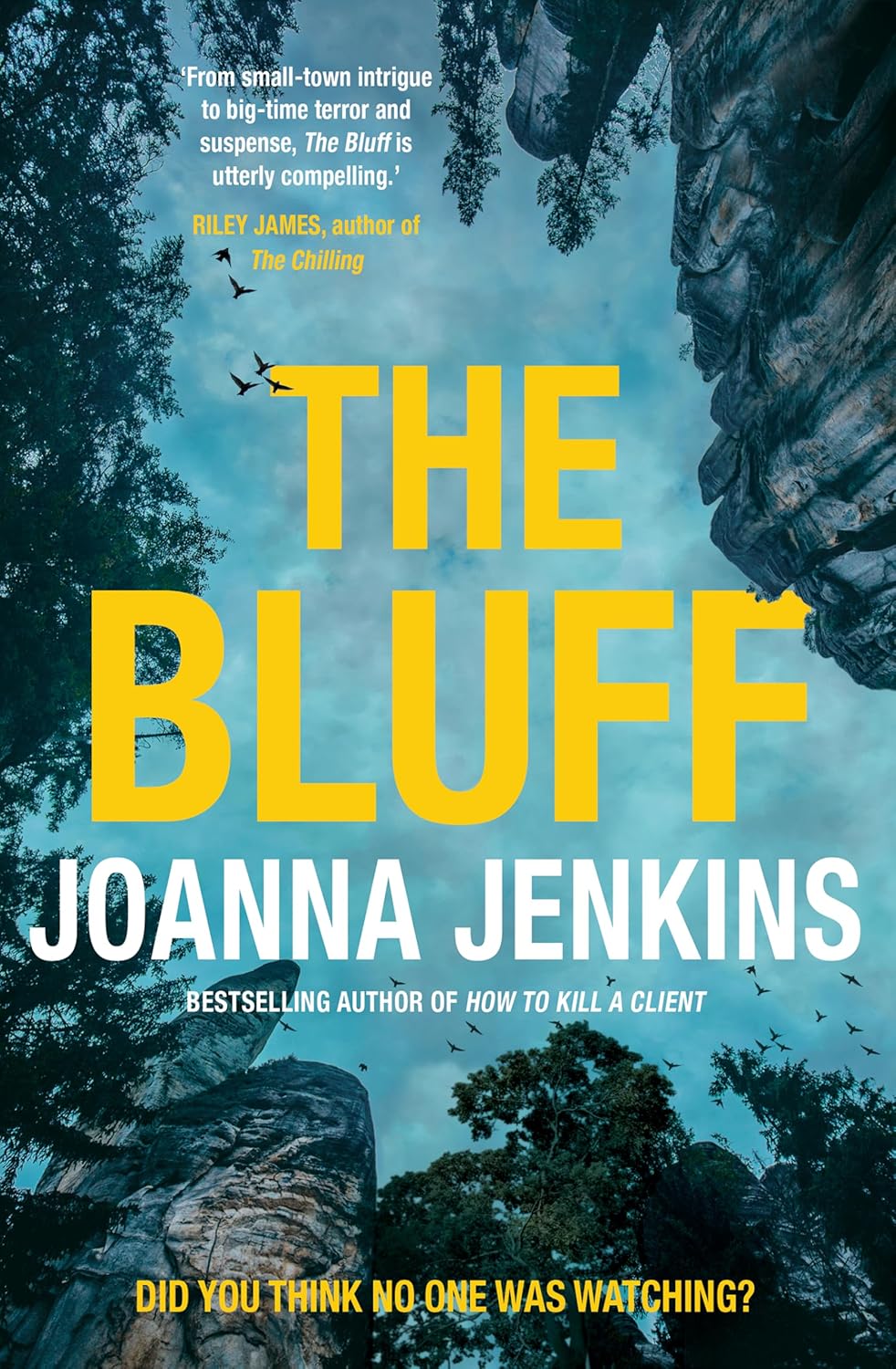
The Bluff by Joanna Jenkins (Trade Paperback)

I had an exceptional time this week powering through the new book from Australian author Joanna Jenkins, The Bluff.  A clever and twisty crime fiction read that serves as an excellent sequel to Jenkin’s debut novel, How to Kill a Client, The Bluff was an amazing read that I look forward to reviewing soon.

Amazon


Pyramids by Terry Pratchett (Audiobook)

I also managed to get through the brilliant Discworld novel, Pyramids.  Another one of my favourites, Pyramids is so much fun to listen to, including in the new audiobook version primarily narrated by Alfred Enoch.

Amazon

What do you think you’ll read next?

The Reunion by Bronwyn Rivers

I had to make some changes to my reading schedule, so I didn’t get a chance to read the intriguing new Australia debut, The Reunion, this week as planned.  However, I am hoping to rectify that next week as The Reunion sounds particularly captivating and thrilling.

Amazon


That’s it for this week; check back in next Wednesday to see what progress I’ve made on my reading and what books I’ll be looking at next.

Top Ten Tuesday – My Favourite Discworld Novels by Terry Pratchett

Top Ten Tuesday is a weekly meme that currently resides at The Artsy Reader Girl and features bloggers sharing lists on various book topics.  The official topic for this week’s Top Ten Tuesday required participants to list the top upcoming books on their Fall (Spring down here in the Southern hemisphere) to be read list.  However, I addressed that a couple of weeks ago, so that leaves me with a bit of a free topic this week.  I decided to fill this extra list by looking at one of my absolute favourite series of all time, the Discworld books by Terry Pratchett.

I have long been a fan of Terry Pratchett’s Discworld series, which, in my opinion, is one of the absolute best series of all time.  Made up of 41 separate novels and running from 1983 to 2015, the Discworld novels are a fantasy institution from one of the most talented authors ever.  Set on a flat world shaped like a disc that travels through space on the back of four elephants, who themselves stand on the back of a giant turtle, this world is filled with all manner of crazy and over-the-top people, creatures, gods and monsters, and this results in an amazing number of stories.  All 41 books feature amazing and highly unique story that perfectly blends outrageous fantasy elements with clever and relentless humour and satire.  I have read every Discworld novel multiple times, and in my opinion, everyone is a masterpiece in their own way.  Heck, I am such a big fan of this series that I even named this blog after a location in the Discworld universe, that’s how much I love them.

While the Discworld novels are never that far from my mind, I have been thinking about them a lot more lately, mainly because I have been featuring some of them on my recent top ten lists.  My lists that highlighted my favourite Books with Magical Schools, Favourite Books Written More than Ten Years Ago and Hilarious Book Titles have all featured a few Discworld books, and it turns out I have a hard time not going on about Pratchett’s work on a weekly basis.  Naturally, this has gotten me thinking more and more about the Discworld books, and I will probably embark on a new re-read of them sooner or later.  However, before I get around to that, I thought I would have a go at listing my absolute favourite Discworld novels, as that will make an interesting list.

Now, why I deeply enjoy this entire series, not all Discworld novels are created equal.  Several shine above the rest in my opinion, whether because they have better jokes, a more compelling plot, or a more impressive and elaborate premise.  As such, I felt reasonably confident that I could choose the ten entries (with some honourable mentions) that I enjoy the most.  I have based this list on several factors, including humour, plot, world-building, characters and many other features.  This allowed me to determine my favourite Discworld books, although I had to make some hard choices to settle on a final top ten, as all of them are very good.  I was eventually able to whittle it down to my list, and I think the results match my overall preference rather well.  While most of them are from Pratchett’s golden years and are in the middle of the Discworld release back, I think there is a good variety here, and that the list below really showcases the outstanding and amazing depth that Pratchett always had.  So let us see what made the cut.

Honourable Mentions:

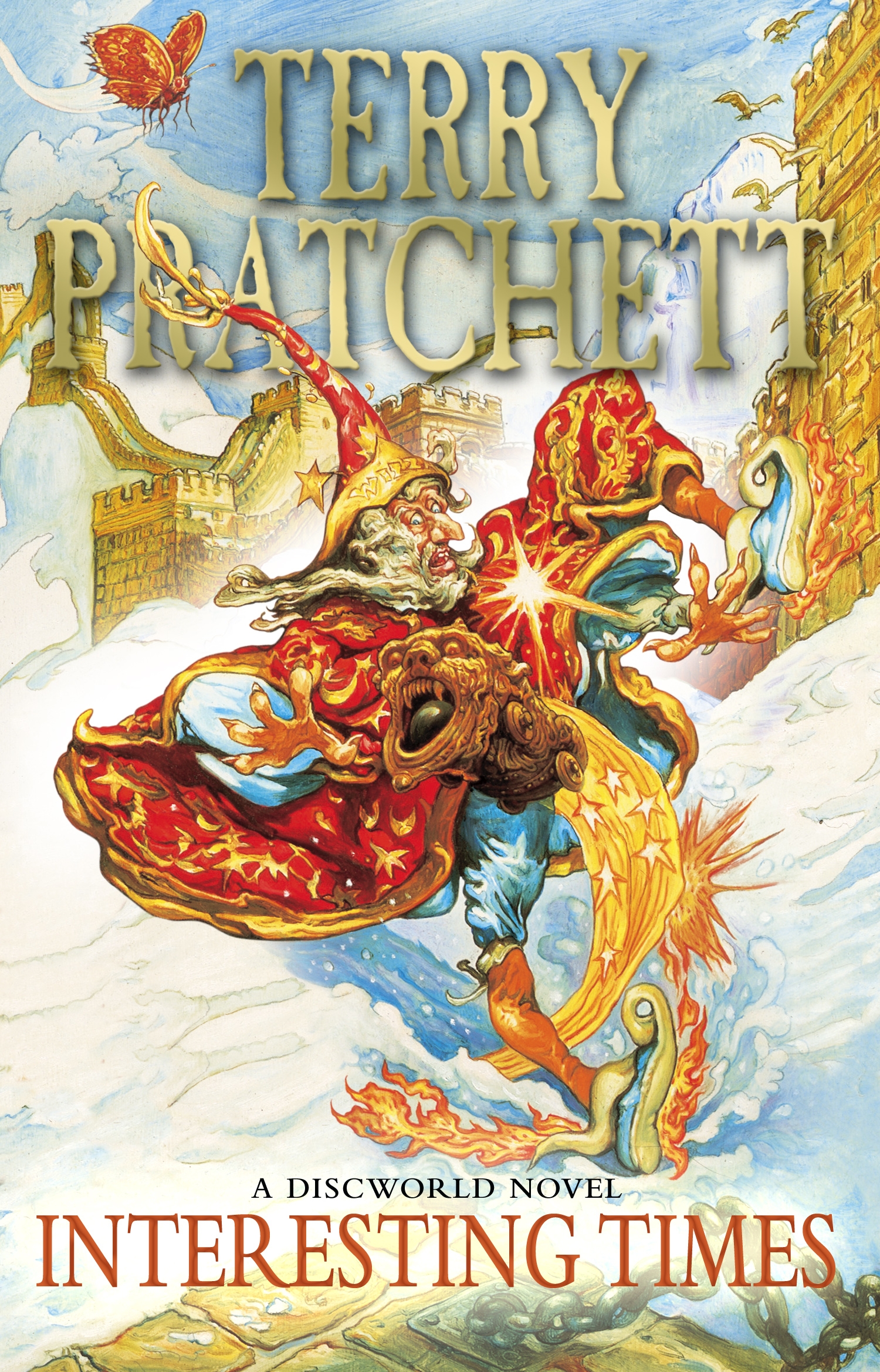
Interesting Times – 1994

Interesting Times Cover

A rambling good read that sees one of Pratchett’s most iconic protagonists visit this world’s version of Asia.  Loaded with some brilliant jokes (the multiple translations of a person’s scream), a ton of fun references to Asian culture, and some outrageous characters, Interesting Times is an excellent read that also offers a little closure for the first two Discworld books.

Amazon     Book Depository


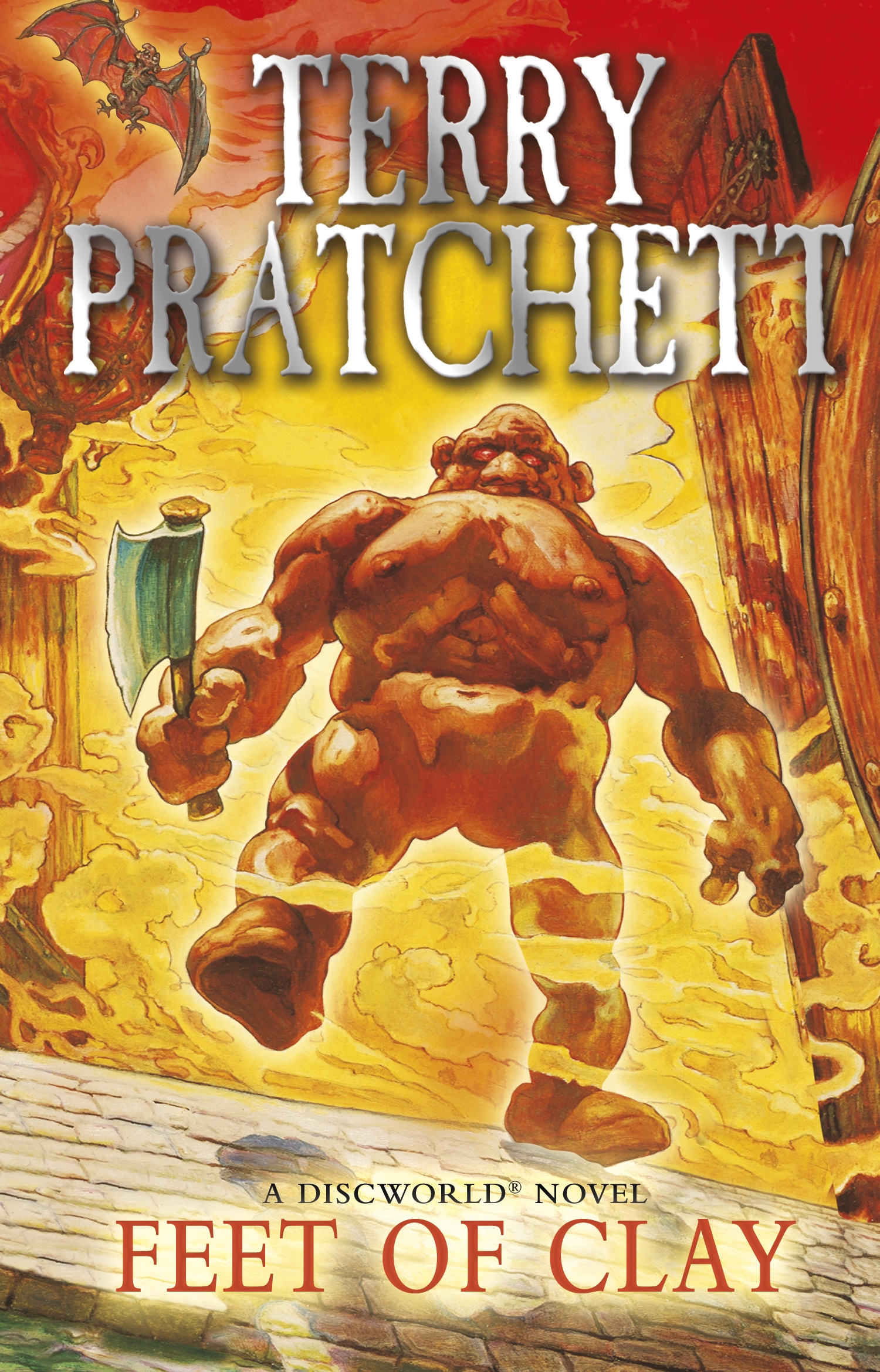
Feet of Clay – 1996

Feet of Clay Cover

The third City Watch novel, Feet of Clay is a brilliant murder mystery novel that makes full use of its fantasy and comedy to create an epic read.  Featuring several great mysteries, including a series of murders committed by a Golem and the poisoning of the city’s ruler, you really get dragged into the story while loving Pratchett’s excellent solutions and hilarious inclusions.

Amazon     Book Depository


The Truth – 2000

The Truth Cover

Pratchett introduces print journalism to the Discworld in this clever standalone entry.  Following an ambitious reporter who creates Ankh-Morpork’s first newspaper, only to get dragged into a big conspiracy, The Truth is an ambitious and very exciting entry that perfectly parodies everything about newspapers.  Loaded with jokes about everything from dodgy advertisers, stupid human interest pieces, and even featuring a trashy alternate paper, this is perfect for anyone familiar with the crazy newspapers of London.

Amazon     Book Depository


Night Watch – 2002

Night Watch Cover

Another exceptional City Watch book is the later entry, Night Watch, which sees Vimes, transported back into the past by magic with a dangerous serial killer.  Forced to relive his traumatic early days on the watch, Vimes must keep his younger self alive while also navigating a dangerous revolution he remembers all too well.  With a compelling narrative that mirrors Les Misérables and some great time-travel elements, Night Watch is one of the more distinctive reads in the series.  While it gets a lot darker than some of the other Discworld novels, it is still extremely addictive, and fits into the rest of the series perfectly

Amazon     Book Depository

Top Ten List:

Pyramids – 1989

Pyramids Cover

The first entry on my top ten list is the classic Pratchett novel, Pyramids.  A standalone entry in the series, Pyramids tells the story of a young prince of a river valley kingdom, very similar to Egypt, who returns home after receiving training as an assassin in Ankh-Morpork (the biggest city on the Discworld and a major setting).  Upon claiming the throne, he tries to fight against the tradition of his kingdom, with limited effect, until the kingdom’s overuse of pyramids creates major temporal issues for the entire valley (its all down to bad geometry).  Loaded with so many jokes about ancient Egypt, this is a hilarious fish-out-of-water tale that is very hard to put down.  There are a ton of great moments in this novel, including the best look at the legendary Assassin’s Guild, an impromptu rugby game between the gods over the sun (with commentary from an overexcited priest), and an army of mummies pissed off at being buried without their organs.  I have probably read this Discworld novel the most out of any of them, and I get something new out of it every time I pick it up.  An exceptional, and extremely funny read.

Amazon     Book Depository


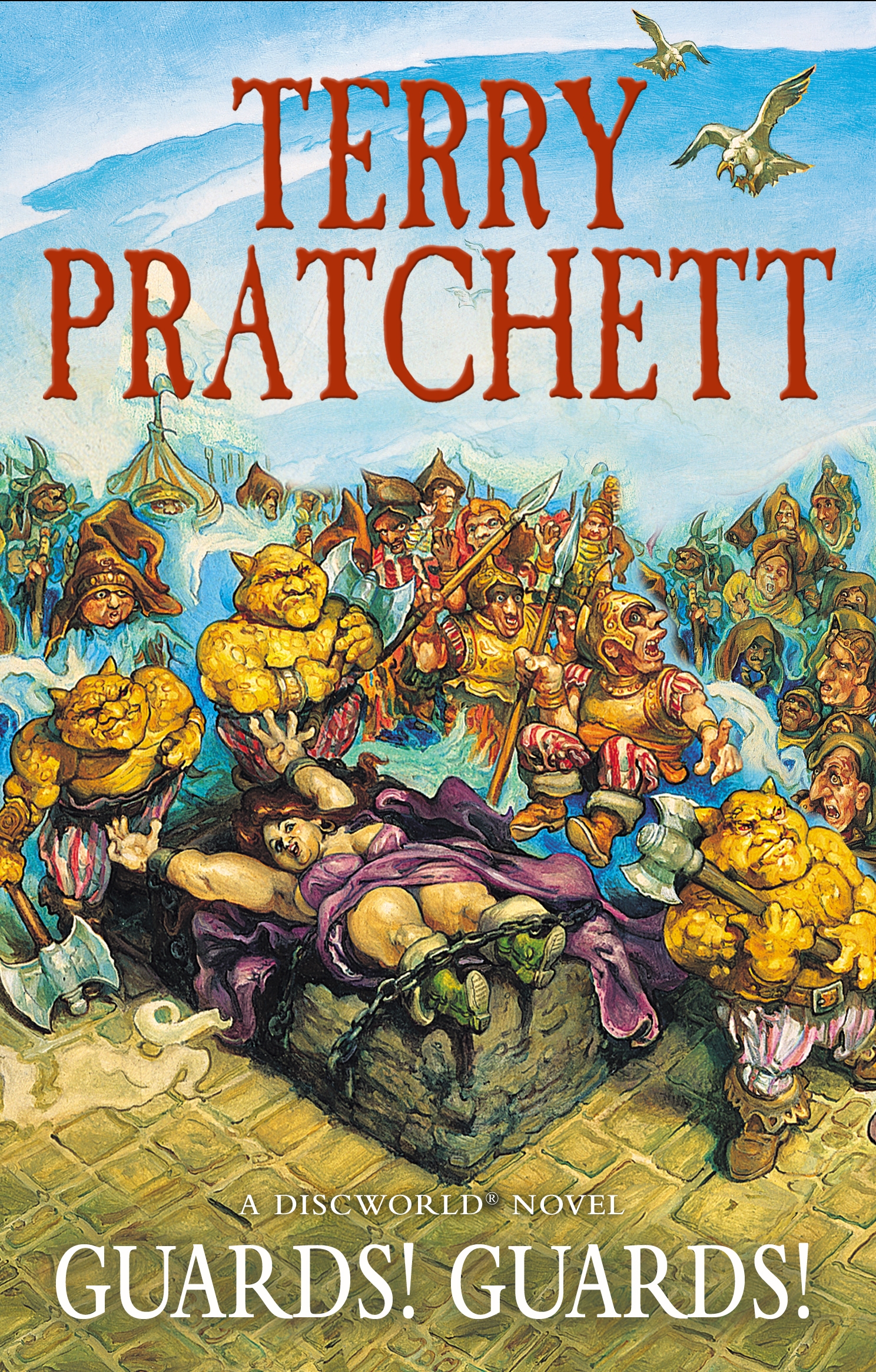
Guards! Guards! – 1989

Guards! Guards! Cover

One of the more interesting aspects of the Discworld series is the way that Pratchett featured several smaller sub-series which follow specific characters.  My favourite of these is easily the City Watch books, which follow the underpaid and constantly underestimated watchmen of the infamous, crime-ridden city of Ankh-Morpork.  Perfectly blending Pratchett’s typical humour and fantasy elements with hard-boiled detective narratives, the City Watch books are some of the best entries in this series, and I love the unique blend of characters and highly entertaining and enthralling narratives.  The first City Watch entry, Guards! Guards! is definitely one of Pratchett’s best novels, and I constantly rave about it when I do lists about funny books.  Not only does it do a great job introducing several iconic characters who Pratchett would reuse throughout the rest of the series, but it has an outstanding narrative to it.  Following the depleted and useless Night Watch, made up of a drunk captain, a hopeless sergeant and a criminally minded corporal as they attempt to solve a series of murders caused by a magically summoned dragon.  Joined by a new eager, if slightly oblivious new recruit, who definitely isn’t the city’s returning king, the Night Watch embark on an ambitious investigation against cultists, dragon hunters and city’s massive criminal class.  Guards! Guards! is fantastic on so many levels, and there is something for everyone in it.

Amazon     Book Depository


Moving Pictures – 1990

Moving Pictures Cover

One of the things that the Discworld novels excel at is parody and satire of certain social, historical or cultural elements, with everything from countries, ancient empires and entire trades lovingly mocked.  Perhaps one of the best examples of this is Moving Pictures, a mostly standalone read that sees the art of film appear on the Discworld, becoming an instant hit.  Soon an alternate version of Hollywood appears, and various characters jump at the chance to make over-the-top films, which are accompanied by a vast array of jokes and references about classic movies, film making tropes and actors.  Naturally for a Discworld book, nothing is what it seems, and the heroes are forced to face off against interdimensional monsters coming out of the screens.  In addition, the iconic Unseen University setting gets some stability as a new Arch-Chancellor arrives, shaking up the wizards.  I love this book on so many levels, especially as Pratchett has so much fun satirising the film industry here.  Everything is lampooned here, such as Gone with the Wind (accompanied with subliminal advertising), King Kong (except a giant woman kidnaps an ape), The Wizard of Oz (the dwarfs of the Discworld will never be the same again), and so much more.  I can’t even count the sheer number of movie references featured here, and I discover a new clever joke every time I read Moving Pictures.  Pratchett also manages to introduce or expand on several great secondary characters who will go on to have major roles in other books in the series, so it turns out to be a surprisingly key book.  Impressive and wonderful on so many levels, Moving Pictures was an easy inclusion for this list.

Amazon     Book Depository


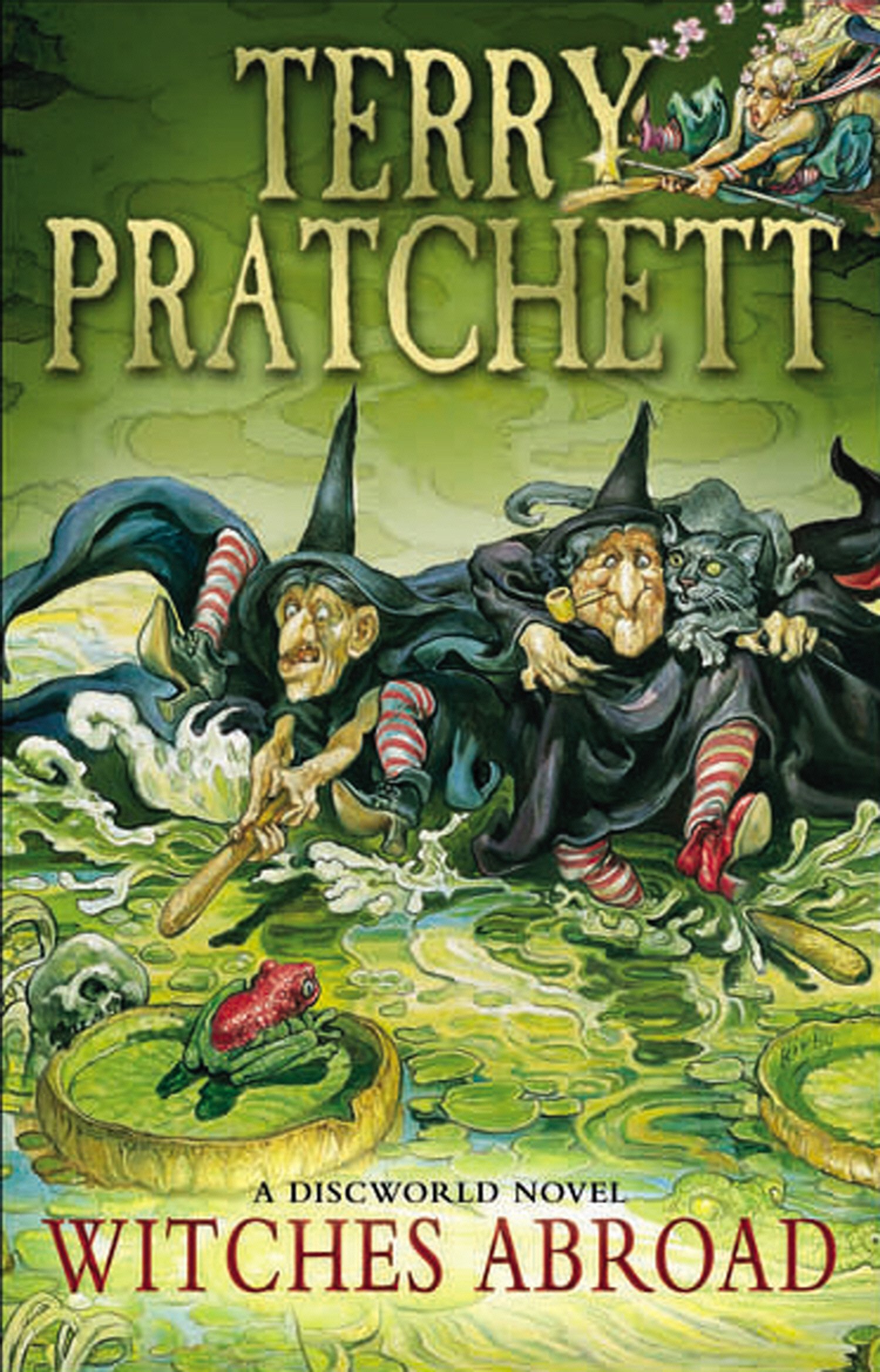
Witches Abroad – 1991

Witches Abroad Cover

Another one of the top Discworld sub-series is the Witches books, which unsurprisingly follows a group of witches (Granny Weatherwax, Nanny Ogg and Magrat Garlick), in several unique adventures.  Unlike the characters they are based on from Macbeth, the witches are a force for good and help the local villages primarily with headology (psychology and folk medicine parcelled up with mystical overtones) and the occasional magic.  The witches make for an excellent group of central characters, and Pratchett told some exceptional stories with them.  While Wyrd Sisters and Lords and Ladies are both pretty epic reads, my favourite Witches book is Witches Abroad.  As the name suggests, this book see the three protagonists embark on a holiday to a faraway kingdom (essentially New Orleans), to fulfil a fairy godmother’s last wish.  Along the way they are forced to confront a series of twisted fairy tale scenarios, their own internal bickering, and an evil fairy godmother from Granny Weatherwax’s past.  Armed only with a wand that is permanently set to pumpkin mode, the witches must deploy their usual trickery to save the day.  This entire novel is pretty epic, as it not only captures the protagonists in all their amazing glory, but it has a powerful story that expertly blends humour and drama.  A lot of the narrative focuses on the dark side of fairy tales, and Pratchett has fun satirising so many classic stories in very clever ways.  However, my favourite scene is the fantastic sequence where Granny Weatherwax uses headology to completely destroy a group of card sharks who had conned her friends.  Extremely inventive, memorable and oh so funny, I just had to feature Witches Abroad here.

Amazon     Book Depository


Small Gods – 1992

Small Gods Cover

The next entry on this list is in my opinion, some of Pratchett’s best work.  The 13th Discworld novel, Small Gods has a standalone narrative which sees Pratchett examine religion and belief.  The story follows Brutha, a somewhat simple lad who lives in a vast imperial theocracy that is centred around the worship of the Great God Om.  However, Brutha is shocked when he discovers a talking tortoise only he can understand who claims to be the actual Om.  Forced to take the tortoise along on a great adventure, Brutha discovers the corruption at the heart of his empire and must fight to save it, himself, and his god.  This is a particularly clever novel from Pratchett and a very worth addition to this list.  The author pulls together a very thoughtful and captivating read that examines the various pros and cons of religion, worship and gods in a very thoughtful, but still humorous way.  The mixture of theological debate, adventure, and the brilliant satire of religion, results in a very impressive read, and it is guaranteed to leave you both laughing and pensive at the same time.  The book’s main strength is the outstanding interactions of the two main characters, and the growing relationship between an arrogant put powerless god, and his simple but deeply wise believer, sets an impressive tone for the entire book.  I would say that Small Gods is one of the most intelligent and compelling books of the entire Discworld series and I cannot hype it up enough.

Amazon     Book Depository


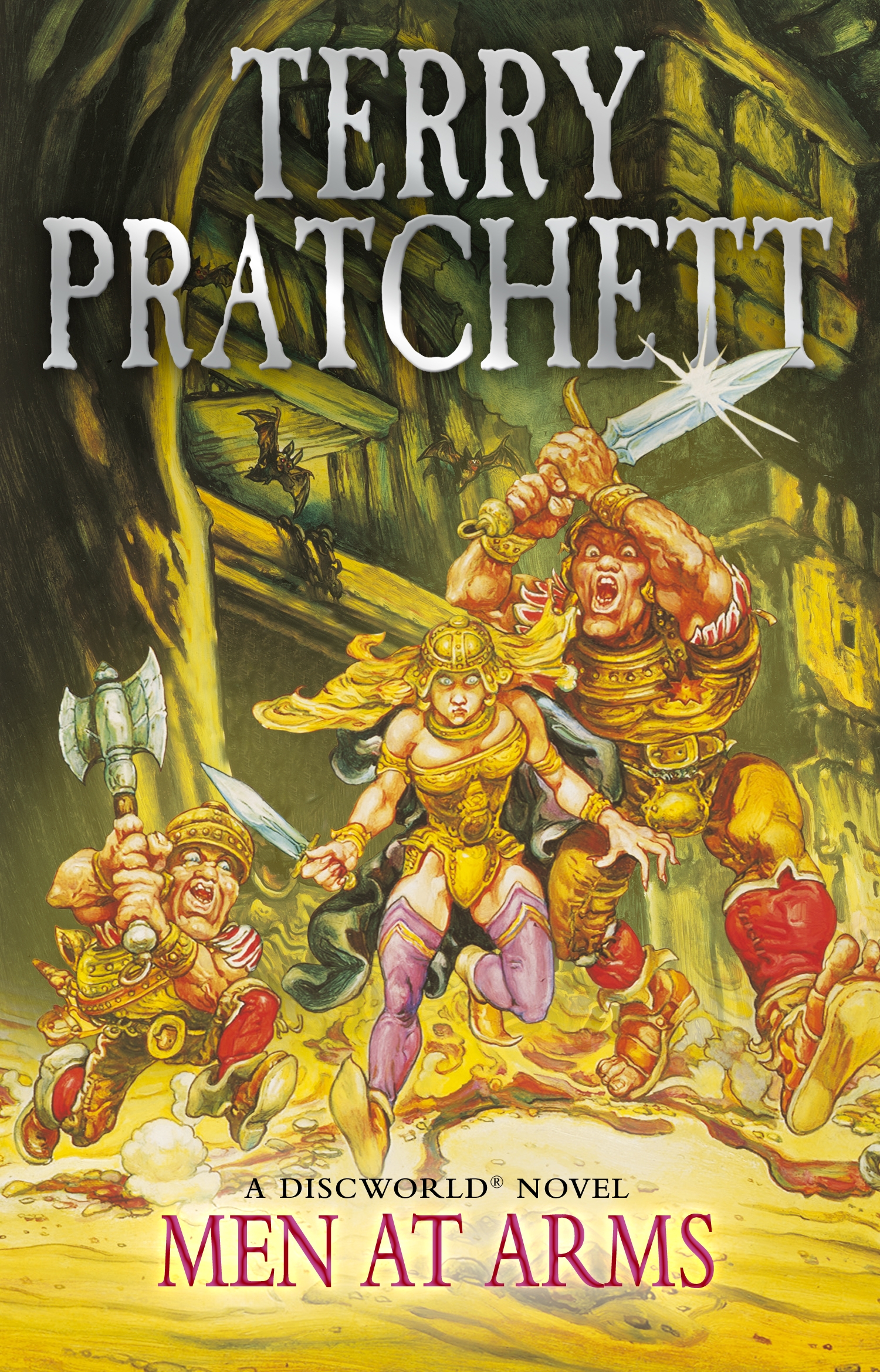
Men at Arms – 1993

Men At Arms Cover

After wowing everyone with Guards! Guards! Pratchett mercifully brought back the City Watch characters and storylines again with a fantastic sequel, Men at Arms.  This book sees a retiring Captain Vimes and his team try and stop a madman who is running around the city killing people with the Disc’s first gun.  Featuring another exceptional mystery that involves assassins, clowns and a literal species war between dwarfs and trolls, Pratchett switches the tone of this book from the hardboiled detective story of Guards! Guards! to a more typical police narrative like Dirty Harry.  Loaded with fantastic cop humour and introducing several great new characters, Men at Arms is just as good as the first City Watch book, while also expertly setting up some story elements for the rest of the series.  Guaranteed to appeal to both fantasy fans and crime fiction buffs, Men at Arms is one hell of a read.

Amazon     Book Depository


Hogfather – 1996

Hogfather Cover

All Pratchett fans will know that one of the most surprising loveable recurring characters in the entire Discworld series is Death, the literal grim reaper, who appears in pretty much every book.  Initially shown to as a resolute soul taker, Death evolves into quite a personable and likeable figure who is obsessed with the humans he’s tasked with reaping.  This obsession eventually compels him to adopt a daughter and take on an apprentice, which leads to the first Death book, Mort.  Pratchett wrote several Death novels over his career, many of which dealt with Death’s growing love of humanity, while also involving attacks on reality by outside forces.  While I have a lot of love for Reaper Man and Soul Music, my favourite Death novel is probably Hogfather.  After the Hogfather (this universe’s version of Santa) is murdered, Death steps into the role for unknown reasons.  This forces his granddaughter, Susan, to investigate the disappearance and try to bring back the Hogfather.  This results in an extremely entertaining and silly book that satirises all things Christmas and festive in one fantastic outing.  Most of the humour revolves around Death pretending to be Santa, which leads to all manner of confusion and fear, that is so much fun to see.  Throw in a very memorable villain and a great secondary storyline around the crazy wizards at the Unseen University accidently inventing gods, and this is one of the funniest books in the series.  A very entertaining and compelling Discworld novel, you will never look at Christmas the same again after reading it.

Amazon     Book Depository


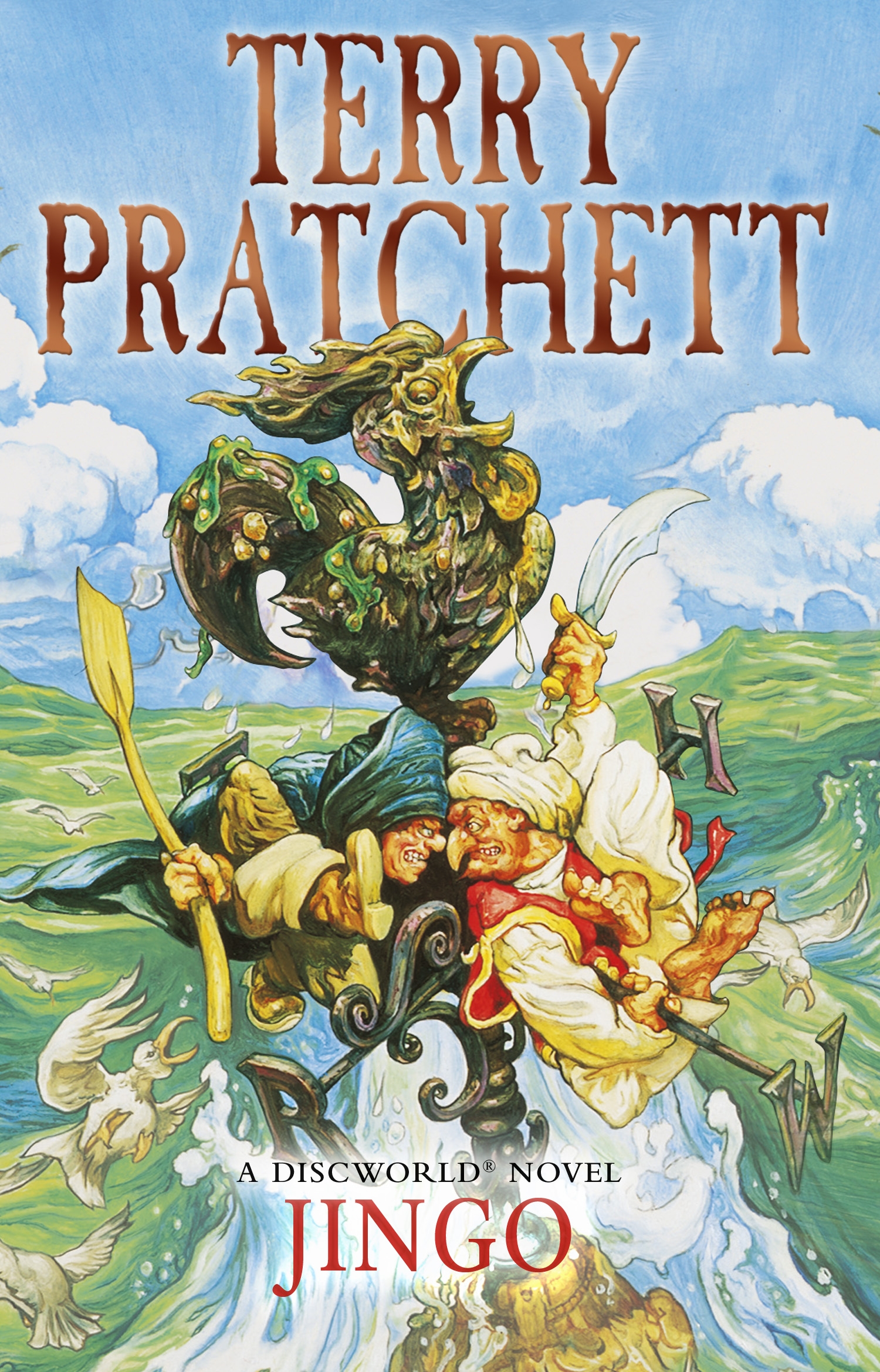
Jingo – 1997

Jingo Cover

For the next entry on this list, Jingo, I must admit that my choice to include it here might be for more personal reasons, rather than purely on the quality of the book.  That is because Jingo was the first Pratchett book I ever properly read, and it has led to my subsequent lifelong obsession with all things Discworld.  I still have my first copy of Jingo, and it is extra special for me because I managed to get Terry to sign it for me.  So yeah, I might be a little biased when it comes to Jingo, but I maintain it is a worthy addition to this list as it has a brilliant and hilarious story to it.  The fourth entry in the City Watch sub-series, Jingo sees Commander Vimes and his men caught up in a brewing war between Ankh-Morpork and the rival empire of Klatch when both claim a mysterious new island that rose in the ocean between them.  After an attempted assassination of a Klatchian prince occurs on Vimes’ watch, he leads the city watch in an impromptu invasion of Klatch to find the killer and stop the war.  I deeply enjoyed Jingo’s brilliant and very clever story and it was a very worthy addition to the City Watch series.  The humour in Jingo is a bit more subtle than some of Pratchett’s other novels, with most of the jokes satirising British imperialism, diplomacy, politics, and its view of foreigners, with a ton of references to historical wars and conflicts that Britain had against its neighbours.  While some of the jokes are a tad obscure, they are all extremely well set up, and they always get a chuckle out of me.  Throw in some brilliant references about a lone bowman assassin, an espionage mission with Sergeant Colon and a cross-dressing Corporal Nobbs that has mixed success, and the always charismatic Captain Carrot turning into Lawrence of Arabia and arresting two entire armies for breaches of the peace, and you have a really entertaining narrative.  Jingo is always a must read for me whenever I revisit the Discworld universe, as well as being an essential entry in the deeply impressive City Watch books that comes highly recommended.

Amazon     Book Depository


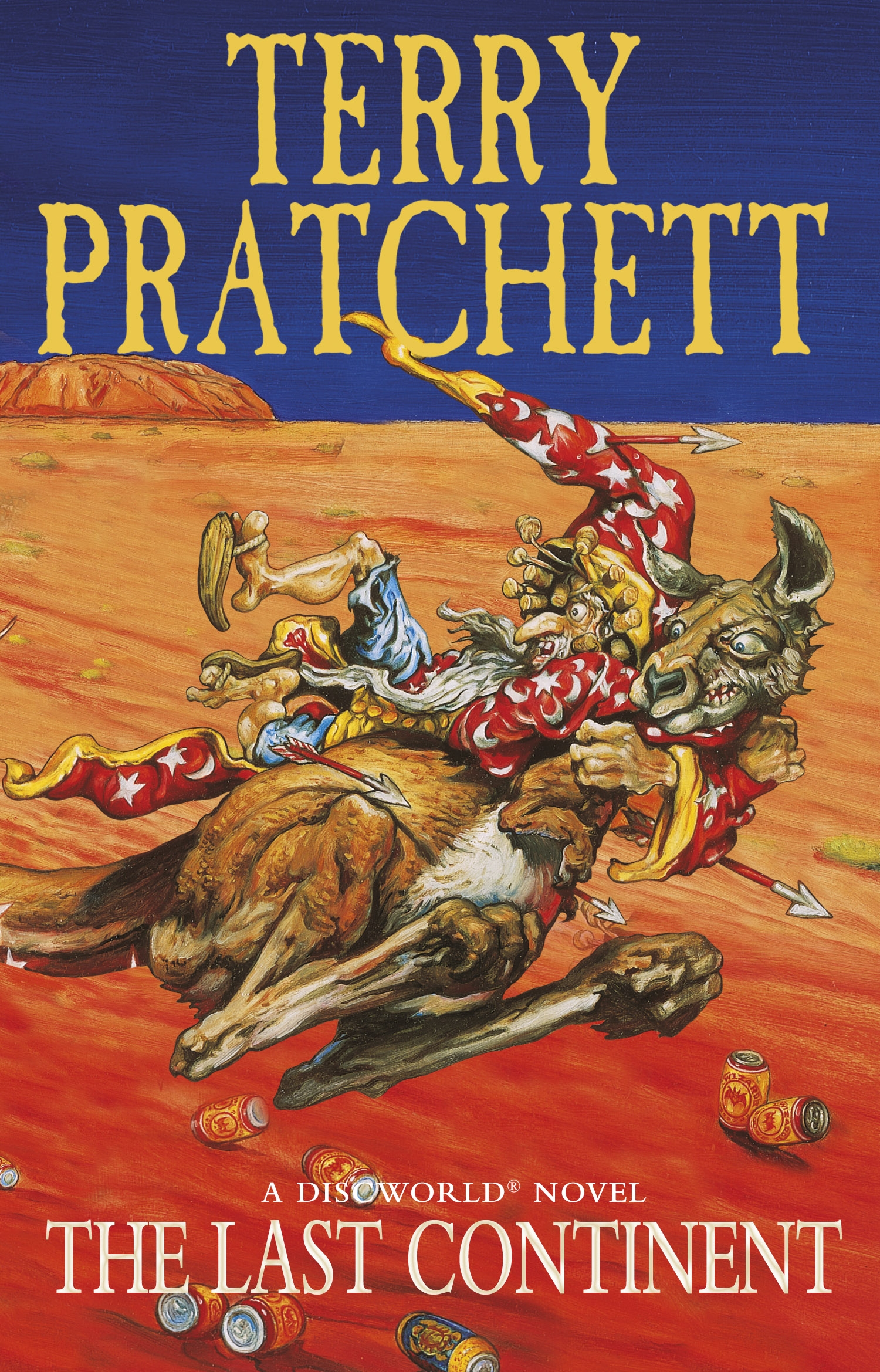
The Last Continent – 1998

The Last Continent Cover

Another Pratchett book that I have a little bias for is The Last Continent, which is probably one of my absolute favourite Discworld novels.  The sixth book to feature the cowardly wizzard (not a typo) Rincewind as its protagonist, The Last Continent takes place on the lost continent of XXXX, which is essentially the Discworld’s version of Australia (despite certain assurances from the author that any similarities to Australia are coincidental at best).  This book follows Rincewind after he is tricked into another heroic quest that sees him traverse the continent, often mimicking various Australian folk heroes or cultural icons.  At the same time, the wizards of Unseen University, in an attempt to find Rincewind, get themselves trapped back in time and must escape from an enthusiastic god of evolution with their usual chaotic shenanigans.  Pratchett has a lot of fun with The Last Continent, and there isn’t a single piece of Australian culture or history that he doesn’t make fun of here.  As an Australian myself, I can’t help but laugh at all his fun and well-written Australian jokes and it was interesting to see his British take on my country.  I also have a lot of love for the evolution centred jokes that occur during the secondary storyline, many of which I didn’t fully appreciate until after I studied biology at university.  This is probably one of the better Rincewind novels as well, especially as the character now full appreciates his role in the universe, and his resentment at being dragged into a heroic quest is quite hilarious.  Him, plus the fantastically written Unseen University wizards, make for a sensational cast, and their two storylines come together perfectly.  There is no way that I can exclude Pratchett’s love-letter to Australia from this list, and it will always have a very special place in my heart.

Amazon     Book Depository


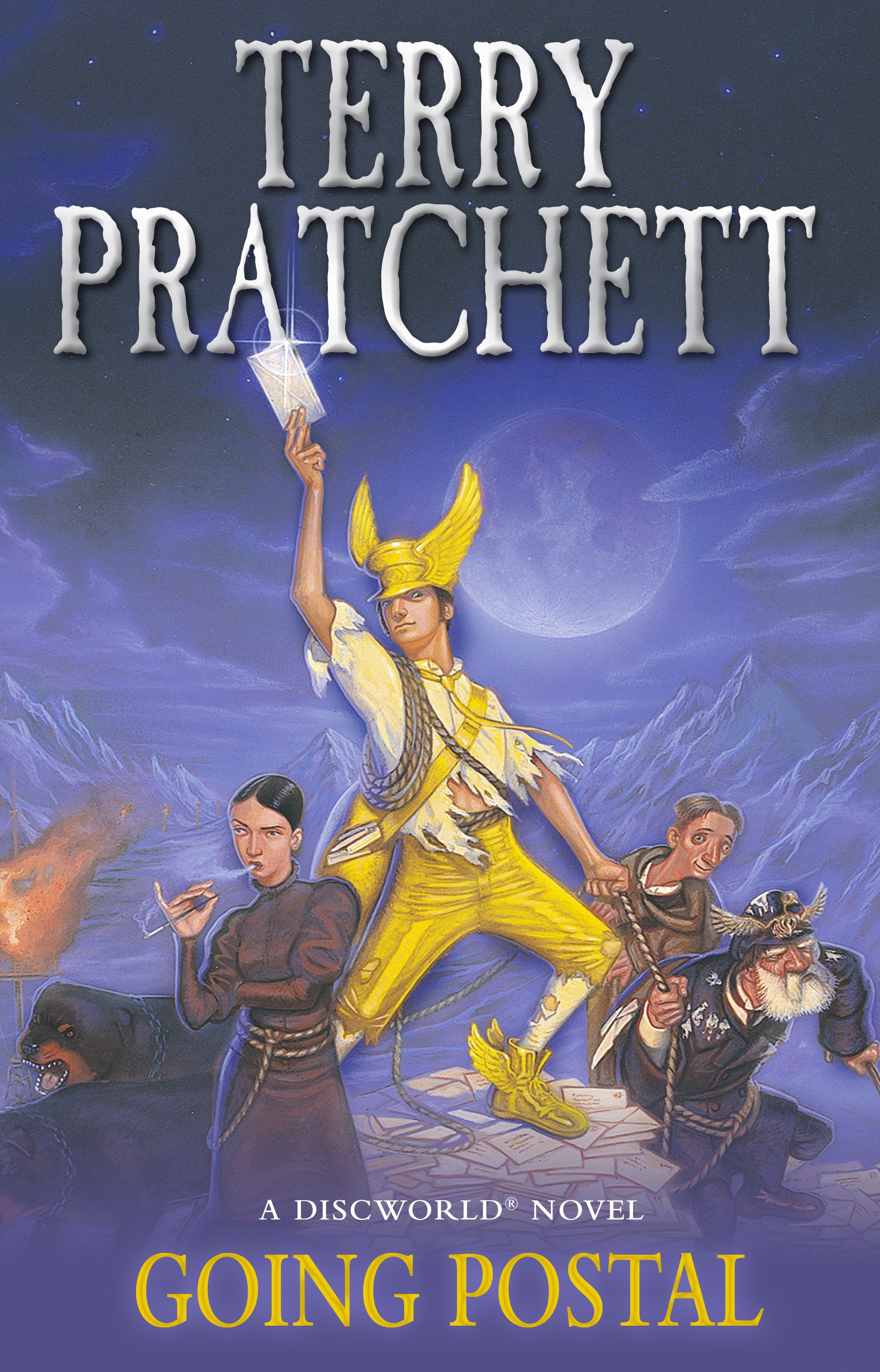
Going Postal – 2004

Going Postal Cover

The final entry on the list is Going Postal, which I feel is one of Pratchett’s best later books.  Featuring a very different tone from some of his previous books, Going Postal is a very distinctive read that is very hard not to enjoy.  Introducing a new protagonist in Moist von Lipwig, a notorious conman who is captured by Ankh-Morpork’s tyrannical leader, Lord Vetinari, and given two options: death or running the city’s post office.  Reluctantly choosing the later, Lipwig soon lives to regret his decision, as everyone and everything associated with the post office is absolutely crazy.  Forced to use all his talent, skill and instincts as a conman to save the post, Lipwig tries to rise to the occasion, only to contend with the ruthless chairman of a rival company who is determined to kill him.  It is a testament to Pratchett’s writing skill that he could make anything, even the post office, ruthlessly entertaining, as you swiftly fall in love with the hilarious over-the-top employees and associates of this crazy establishment.  Lipwig himself is the perfect protagonist for this book, and Pratchett wrote a brilliant redemptive storyline around him as he attempts to save his new friends with all his old tricks.  While this book is extremely funny, I also felt that Going Postal benefited from a somewhat darker tone than the preceding books, while  Pratchett also examines the benefits and costs of progress and new technology.  This darker tone would persist for the rest of Pratchett’s adult Discworld novels, and I have often thought that Pratchett included it in response to his growing health issues.  As such, I often look on Going Postal with a little sadness, especially as it was probably the best book he wrote towards the end of his career.  However, despite that, Going Postal is probably one of the Discworld books I have read the most and I would strongly recommend it to anyone and everyone interested in this outstanding series.

Amazon     Book Depository


So, as you can see from this exceptionally long list, I have a lot of love for the Discworld series and can write a ton about all the books.  While I deeply enjoy all the Discworld novels, the ten featured above are my absolute favourite now, and I cannot recommend them enough, especially if you want a laugh or an uplifting tale to brighten your day.  This is a list I might come back to in the future, especially if I do another reread and re-evaluate my positions.  I have been thinking about trying to read all of them again soon, especially as I recently found out that the Discworld audiobooks have all been re-released, this time with an amazing voice cast, including Colin Morgan, Peter Serafinowicz, Billy Nighy, Andy Serkis and Indira Varma.  As such, stay tuned for more reviews of the Discworld books soon, and I look forward to returning to my ultimate comfort book series.  In the meantime, let me know what your favourite Discworld book is in the comments below.

Top Ten Tuesday – Books That Made Me Laugh Out Loud

Top Ten Tuesday is a weekly meme that currently resides at The Artsy Reader Girl and features bloggers sharing lists on various book topics.  For this latest Top Ten Tuesday, participants have the fun task of listing their favourite books that made them laugh out loud.

While coming up with list was an enjoyable and entertaining task, this was a topic that I slightly struggled with as I don’t tend to read purely comedic novels.  Instead, I usually get my comedic fix through somewhat more serious books that have funny protagonists or are filled with jokes or excellent humour.  Nonetheless, I was able to pull together a good list in the end filled with some amazing reads that always leave me laughing.  I did end up having to feature multiple books from the same authors to fill this list up, but these guys are just so funny it was hard not to.  So, with that, let us get on to the funny stuff.


Honourable Mentions:

Star Wars: Doctor Aphra by Sarah Kuhn

Doctor Aphra Audio Cover


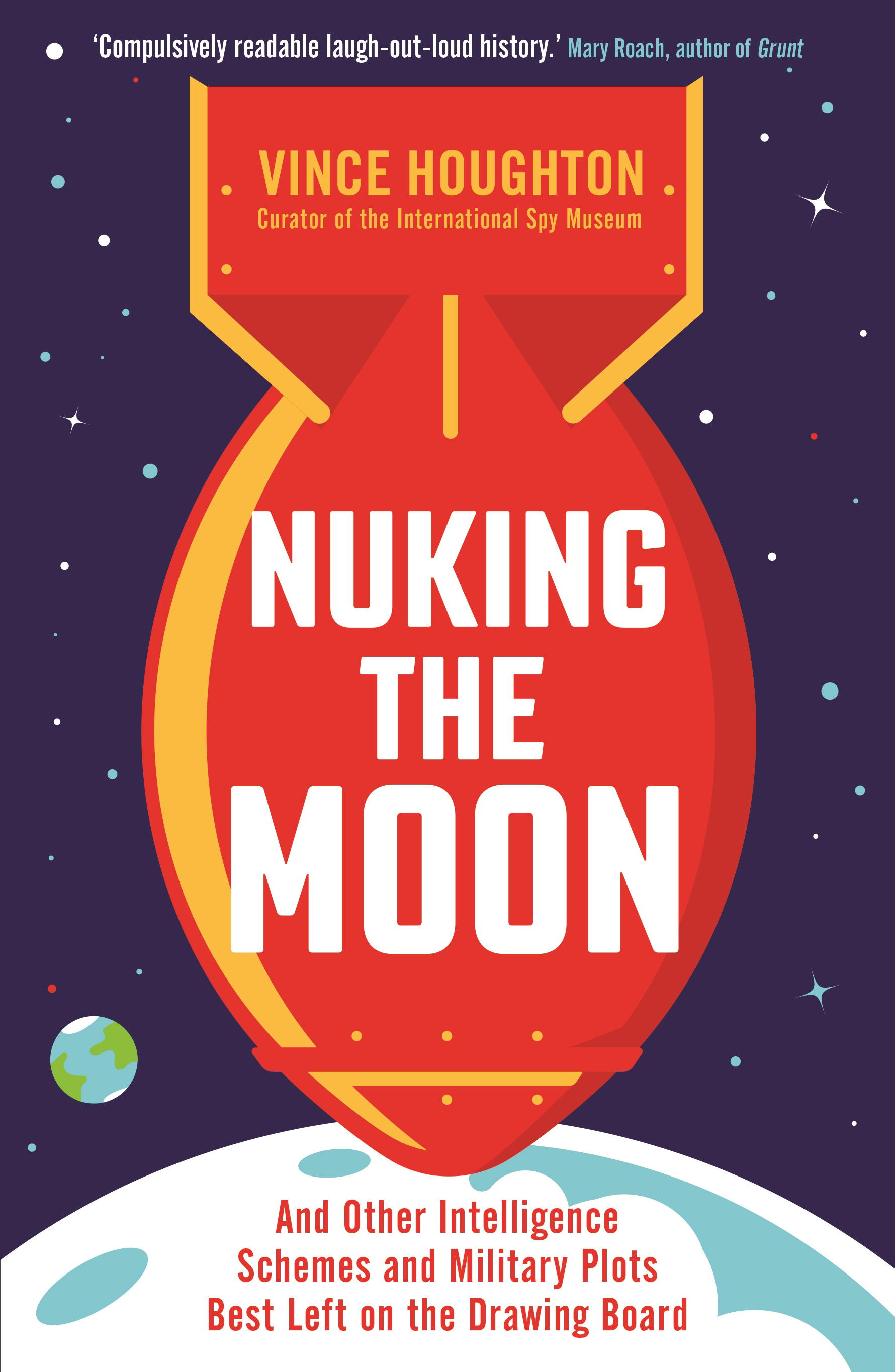
Nuking the Moon: And Other Intelligence Schemes and Military Plots Best Left on the Drawing Board by Vince Houghton

Nuking the Moon Cover

With luminous foxes and exploding bats, this fun non-fiction book is proof that reality is sometimes stranger, and more hilarious, than fiction.


Early Riser by Jasper Fforde

Early Riser Cover


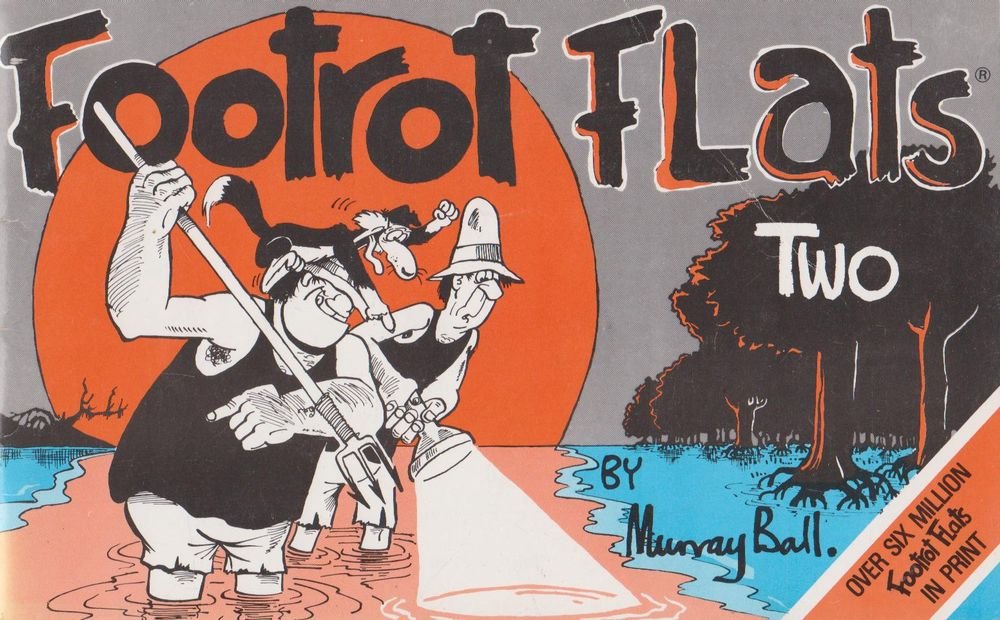
Footrot Flats by Murray Ball

Footrot Flats Cover

An amazing comic strip I loved in my childhood thanks to my fun grandfather.  This cool New Zealand comic still holds up even after all these years and makes me laugh like crazy every time I read it.


Top Ten List:

Jingo by Terry Pratchett

Jingo Cover

I do not think that anyone is going to be too surprised that I have featured several books from the utterly hilarious and indefinably clever Terry Pratchett.  Pratchett is easily my favourite author of all time, and I have so much love for his amazing Discworld series, the novels of which I have read and re-read time and time again, and each of them always makes me laugh.  I ended up including five Discworld books on this list, which I honestly think is me showing restraint, as I could have filled up three separate lists purely with Discworld novels.  The first of these books is one I am particularly fond of, Jingo, which sees the Ankh-Morpork City Watch attempt to stop a war.  Filled with all manner of jokes about war, political assassinations and jingoism, while also featuring an hilarious boat chase in unusual weather, Captain Carrot turning into Lawrence of Arabia and an entire battlefield arrested for causing an affray, this book never fails to amuse me, and I always laugh while reading it.


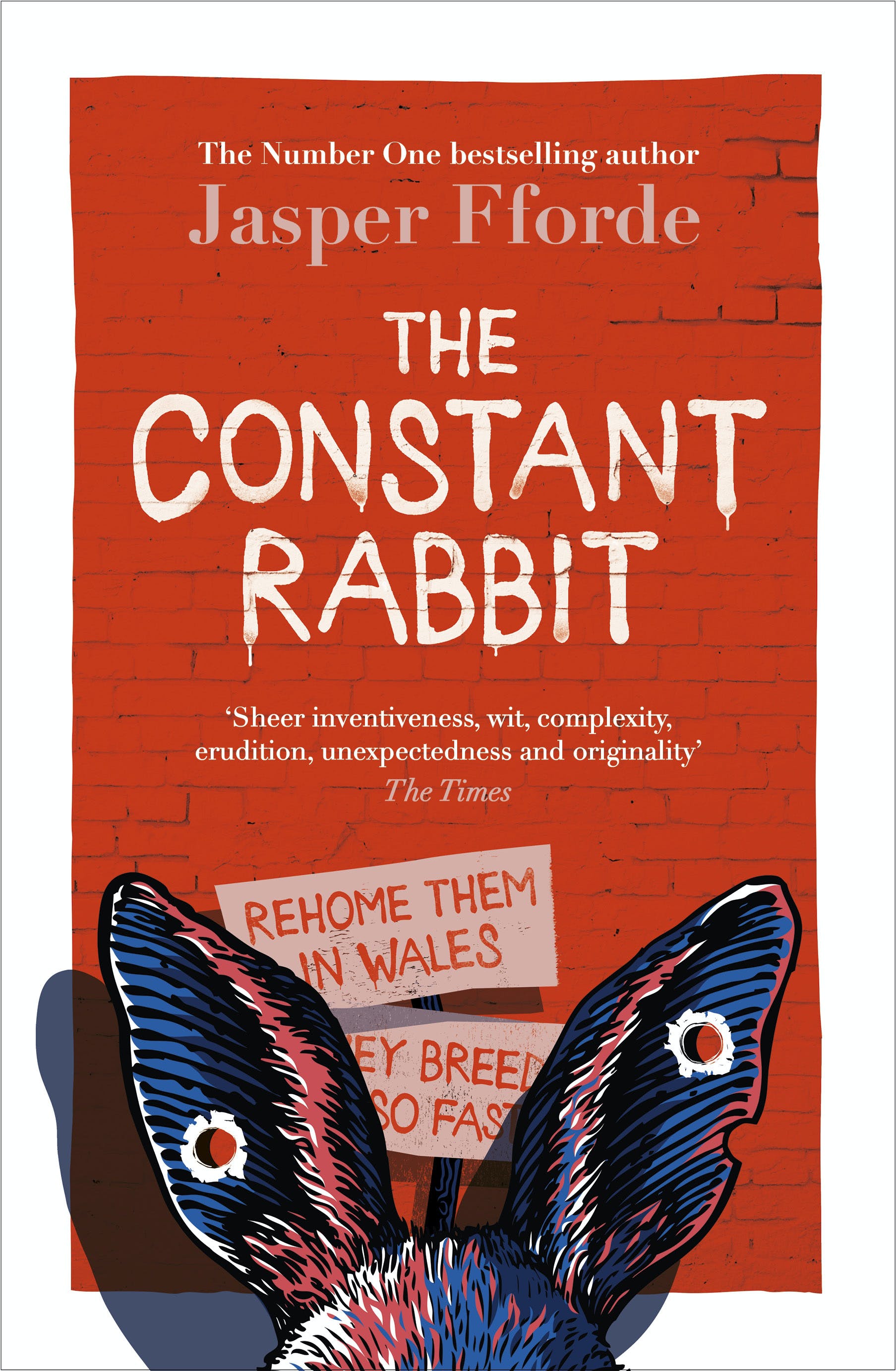
The Constant Rabbit by Jasper Fforde

The Constant Rabbit Cover

The second entry on this list was last years awesome and captivating release from Jasper Fforde, The Constant Rabbit.  Set in an alternate version of England filled with anthropomorphic rabbits, Fforde has come up with an outrageous narrative that is both fantastically funny while also serving as a clever send up of current British politics.  I laughed at so many scenes during this book, including a great court sequence, that The Constant Rabbit easily made this list and is really worth checking out.


The Last Continent by Terry Pratchett

The Last Continent Cover

The next Discworld novel to appear on this list is The Last Continent, a very amusing novel that pits Pratchett’s main protagonist, the cowardly wizard Rincewind, against the terrors and horrors of that most dangerous of places, Australia (although the author is very clear to state that this is not a book about Australia, it just seems, in some places, very Australian, so no worries, right?).  Naturally, Rincewind manages to run into every single dangerous Australian stereotype you can think of, including road gangs trying to steal a mad dwarf’s hay, talking kangaroos, drop bears, a chronic lack of rain and, worst of all, a local delicacy (a pea soup pie floater, shudder!).  The Australian jokes and references come thick and fast throughout this book, which become even more entertaining when viewed from the point-of-view of someone born and raised in Australia.  At the same time, the wizards of Unseen University engage in their own separate adventure, which sees them lost in the past (potentially killing their own grandparents) and forced to contend with a sex-obsessed god of evolution (once someone explains what sex is to him).  All of this makes for a hilarious and captivating read that is easily one of my favourite Discworld books, and one which I will always have a good laugh at.


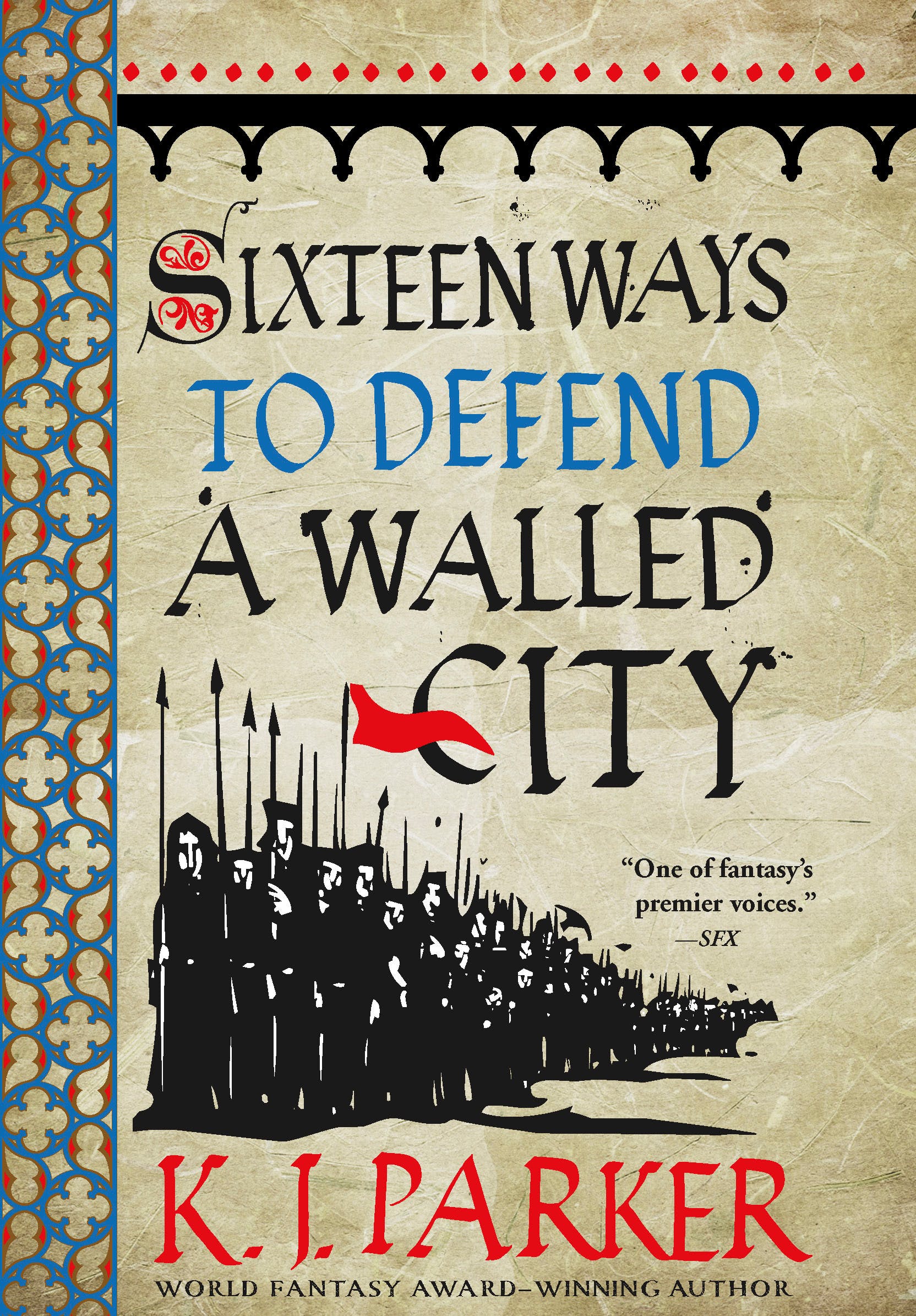
Sixteen Ways to Defend a Walled City by K. J. Parker

Sixteen Ways to Defend a Walled City Cover

There was no way that I could not include the impressive and captivating Sixteen Ways to Defend a Walled City on this list.  Sixteen Ways to Defend a Walled City, which was one of my favourite books of 2019, tells the story of a desperate and comical siege of a major fantasy city.  Told from the perspective of a very unreliable narrator, this book sees the protagonist defend his city with the most effective weapon he has, bluffs and lies.  This is an outstanding book, and readers are guaranteed to giggle at every single manipulation, con and elaborate subterfuge that is deployed to save the city.


Moving Pictures by Terry Pratchett

Moving Pictures Cover

A Discworld book that is perfect for movie buffs, Moving Pictures examines what happens when a new form of entertainment comes to this crazy world, giving a whole new meaning to the term “movie magic”.  There are so many great jokes and references in this compelling and exceptional book, that multiple re-reads are a must to see just how clever Pratchett really was.  Highlights include the introduction of multiple amazing characters, a reverse King Kong moment and a very entertaining Gone With The Wind parody (to this day I cannot hear the words “Blown Away” without thinking about this book and sniggering).  An impressive comedic treat.


Redshirts by John Scalzi

Redshirts Cover

A Star Trek parody written by science fiction genius John Scalzi was always going to be an amazing read, and it proves to be utterly hilarious.  I loved all the fantastic jokes made about Star Trek in this book, and it was extremely funny to see the adventures of an Enterprise equivalent ship told from the perspective of the doomed redshirts.  I had some good laughs as I powered through this book and it is an incredible comedy read to check out.


Pyramids by Terry Pratchett

Pyramids Cover

Another long-time favourite Discworld novel of mine is the outstanding Pyramids, which serves as a comedic adventure in an ancient Egyptian facsimile.  Pratchett came up with some fantastic sequences for this book, and I always chuckle at the scene with the various sun gods fighting for their prize like a football while a priest does commentary: “It’s noon! It’s noon!”.  An utterly hilarious novel.


A Shot in the Dark by Lynne Truss

A Shot in the Dark Cover

This next excellent entry on this list is A Shot in the Dark, Lyne Truss’s novelisation of her genius Inspector Steine radio show.  This serves as an amazing take on this fantastic radio show and I loved the comical premise which sees a new police constable be reassigned to the seemingly crime free Brighton, only to discover something very sinister is lurking just around the corner, ready to offer him a cup of tea.  A very funny and entertaining read that got a lot of laughs out of me.


Guards! Guards! by Terry Pratchett

Guards! Guards! Cover

The fifth Discworld novel on this list is the exceptional Guards! Guards!, which serves as the introductory book in the City Watch subseries.  This is an outstanding read that presents a fantasy parody of classic crime fiction novels, by having a severely understaffed police force attempt to arrest a summoned dragon.  There are so many clever comedic scenes in this book, but I personally laughed the hardest as the descriptions of the heroic and naïve Captain Carrot arresting the head of the Thieves Guild.  One of Pratchett’s best and funniest books, this is a great one to check out if you want to laugh out loud.


How to Rule an Empire and Get Away with It by K. J. Parker

How to Rule an Empire and Get Away With It

My final entry is How to Rule an Empire and Get Away with It, the sequel to Sixteen Ways to Defend a Walled City that I featured above.  This excellent and amazing read (which was one of my favourite books of 2020) continues the story started in the first novel, although this time it follows an actor who manages to con his way to the top of the besieged city using stage techniques.  This was another hilarious and exceptional read that really made me chuckle multiple times.


That is the end of this list.  I think it came together really well and I liked the different novels I decided to feature, even if it was a tad Pratchett heavy (not that there is anything wrong with that).  All the above novels come highly recommended and are definitely worth reading if you are in the mood for a funny and laugh provoking read.

Top Ten Tuesday – Books Written Before I was Born

Top Ten Tuesday is a weekly meme that currently resides at The Artsy Reader Girl and features bloggers sharing lists on various book topics.  In the latest Top Ten Tuesday, participants have been given the intriguing task of listing their favourite books that were written before they were born.  This is one of the more interesting Top Ten Tuesday topics that I have had the opportunity to complete, and I was rather intrigued to see how many great novels I love were written before I was born.

While I am still very much young at heart, I do have to admit that I was born some 30-odd years ago in 1991, which, now that I have written it down for all the world to see, is starting to make me feel a tad old.  Nonetheless, I really want to complete this list, so I have moved on and scoured through some of the best books I have read in my long life to see how many of them were written before 1991, which should hopefully open up an excellent list of great reads for me to talk about below.

This ended up proving to be a rather difficult and interesting list to come up with, especially as it quickly became obvious that I really have not read a great variety of novels written before 1991.  While it did require me to feature multiple books from several authors, I was eventually able to come up with 10 impressive entries for a complete list, as well as some great honourable mentions.  Each of the novels below are particularly good novels and comics, and most of them were written by some of my absolute favourite authors, whose early work I have gone back to check out.  This ended up becoming quite an intriguing and varied list, and I am rather pleased with the entries featured below.


Honourable Mentions:


Usagi Yojimbo: Volume 1: The Ronin by Stan Sakai – 1987

Usagi Yojimbo The Ronin Cover


The Carpet People by Terry Pratchett – 1971

The Carpet People Cover


The Hobbit by J. R. R. Tolkien – 1937

The Hobbit Cover


Usagi Yojimbo: Volume 3: The Wanderer’s Road by Stan Sakai – 1989

Usagi Yojimbo The Wanderer's Road Cover


Top Ten List:


Legend by David Gemmell – 1984

Legend

Let us start this list off with a novel that is epic in every sense of the word.  Legend is the debut novel of the impressive and exciting fantasy author David Gemmell and features an intense and massive siege that sees a gigantic, unbeatable army attempt to conquer the world’s greatest fortress.  Serving as the first entry in Gemmell’s The Drenai Saga, this is an amazing and awesome novel filled with action, adventure and outstanding characters, including Gemmell’s major series protagonist, Druss the Legend, who has a particularly poignant and memorable tale.  This is an exceptional must-read for all fans of the fantasy genre.


Guards! Guards! by Terry Pratchett – 1989

Guards! Guards! Cover

Considering the name that I chose for this blog, it should come as no surprise to anyone that I am a major fan of the late, great Terry Pratchett’s iconic and hilarious Discworld series.  I could have honestly filled this entire list with the 10 Discworld novels that were eligible entries.  However, I have shown some remarkable restraint and only featured my absolute favourite earlier novels from this long-running series.  The first book I am featuring on this list is Guards! Guards!, which came out in 1989.  Guards! Guards! is an extremely fun and fantastic novel that expertly and effortlessly melds fantasy, murder mystery and comedy elements into an exceptional and awesome novel that follows a seemingly useless city watch as they attempt to solve the biggest case of their careers: who is summoning a dragon to attack their city?  This was an absolutely captivating and hilarious novel that I could read time and time again without getting bored in the slightest, especially as Guards! Guards! sets up my favourite Discworld sub-series.  An incredible, outrageous and highly recommended read.


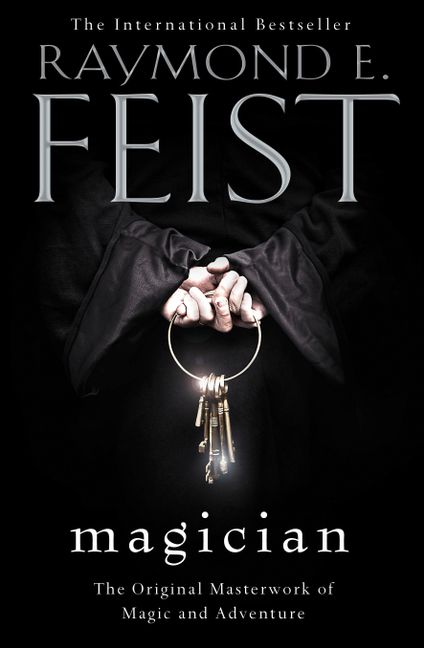
Magician by Raymond E. Feist – 1982

Magician Cover

Another pre-1991 epic debut that is essential reading for fans of the fantasy genre is Magician, the first novel in Feist’s long-running Riftwar Cycle.  This is an exciting and clever fantasy classic that I have had the great pleasure of reading several times.  Not only does it contain an inventive and compelling tale set across two separate worlds that find themselves at war with each other but it also serves as the first novel in a massive major fantasy series that ran for over 30 years.  I have a lot of love for Magician and I am still a major fan of Feist, especially as he continues to write great fantasy novels like King of Ashes and Queen of Storms.


Usagi Yojimbo: Volume 2: Samurai by Stan Sakai – 1989

Usagi Yojimbo Samurai Cover

There was no way I could do this list without featuring one of the Usagi Yojimbo comics that I have been having so much fun re-reading and reviewing over the last couple of months.  There were three separate volumes that I could have included on this list, but I decided to promote the second volume, Samurai, which features a captivating and detailed examination of the titular character’s backstory.  Filled with an amazing story and some excellent artwork, Samurai is one of the best entries in my favourite comic series and is a fantastic and wonderful read.


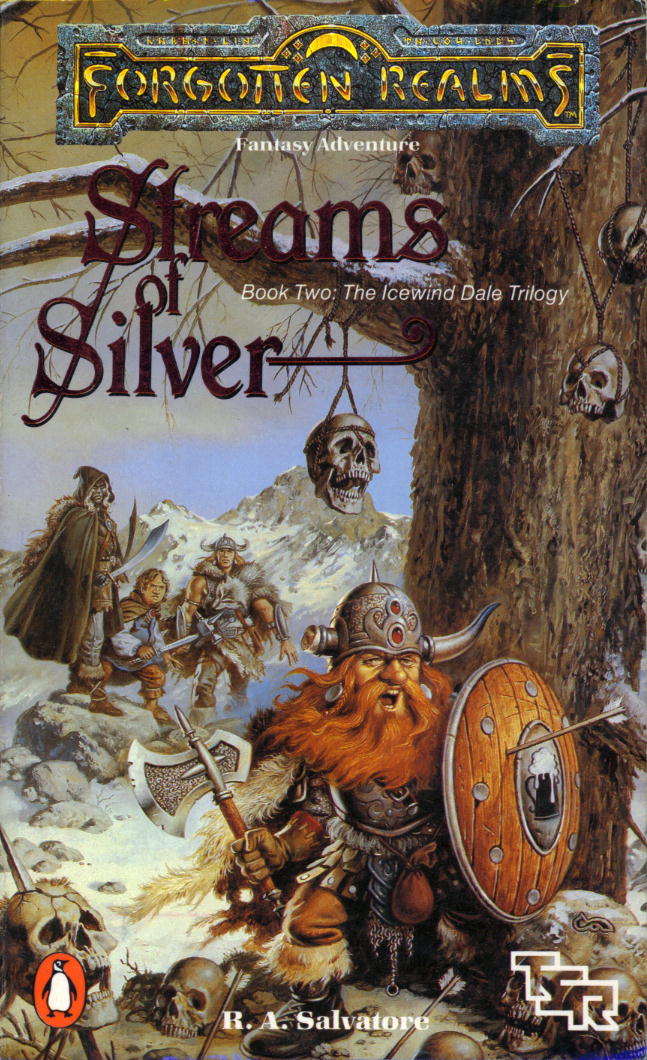
Streams of Silver by R. A. Salvatore – 1989

Streams of Silver Cover

Another author who was bound to appear on this list is fantasy legend R. A. Salvatore, who has authored a metric ton of novels since his debut in 1988.  There were several good options from Salvatore that I could have featured on this list, including all three novels in his debut series, The Icewind Dale trilogy, but the first one I decided to go with was his second novel, Streams of Silver.  While I love Salvatore’s debut, The Crystal Shard, I felt that Streams of Silver was the stronger novel, so I included on this list.  Featuring some intense action sequences, a deeper dive into the characters introduced in the first book, an outstanding antagonist and a fantastic cliffhanger conclusion, Streams of Silver is great novel from Salvatore that still really holds up.


Moving Pictures by Terry Pratchett – 1990

Moving Pictures Cover

The next Pratchett Discworld novel I included on this list was the comedic masterpiece, Moving PicturesMoving Pictures is a deeply impressive novel that sees the ancient art of moving pictures return to the Discworld and then promptly drive everyone crazy.  This entertaining and captivating read serves as an incredible parody to the film industry and is loaded with so many jokes and witty observations that you will be laughing yourself silly for days.  One of the strongest Discworld novels written before 1991, this one is very much worth reading.


Batman: Year One by Frank Miller, David Mazzucchelli, Todd Klein and Richmond Lewis – 1987

Batman_Year_One

While there were a number of great comics written before 1991, one of my favourites is the 1987 classic, Batman: Year One by graphic novel icon Frank Miller and his talented team of artists.  This is an outstanding read that re-imagined Batman for an entire generation and ended up being the character’s key introductory comic for one of the best periods of DC comics.  Serving as the main inspiration for the Batman Begins film, Batman: Year One is an exceptional comic that any true Batman fan will love and adore for years to come.


Daughter of the Empire by Raymond E. Feist and Janny Wurts – 1987

Daughter of the Empire Cover

While Magician served as a particularly impressive introduction to the Riftwar Cycle, one of my favourite entries in the entire series was Daughter of the Empire, which Feist cowrote with Janny Wurst.  Set on an Eastern-culture inspired fantasy planet, Daughter of the Empire is the first book in the Empire trilogy, a captivating companion trilogy to the Riftwar novels.  While all three books in this series are great, the best is easily Daughter of the Empire, which sees a noble-born daughter forced to survive and lead her house after her family is murdered by a powerful rival who wishes to crush her.  Thanks to its enjoyable and dramatic narrative of survival against all the odds, Daughter of the Empire is a particularly amazing novel that has a very special place in my heart and which I have gone back and re-read several times.


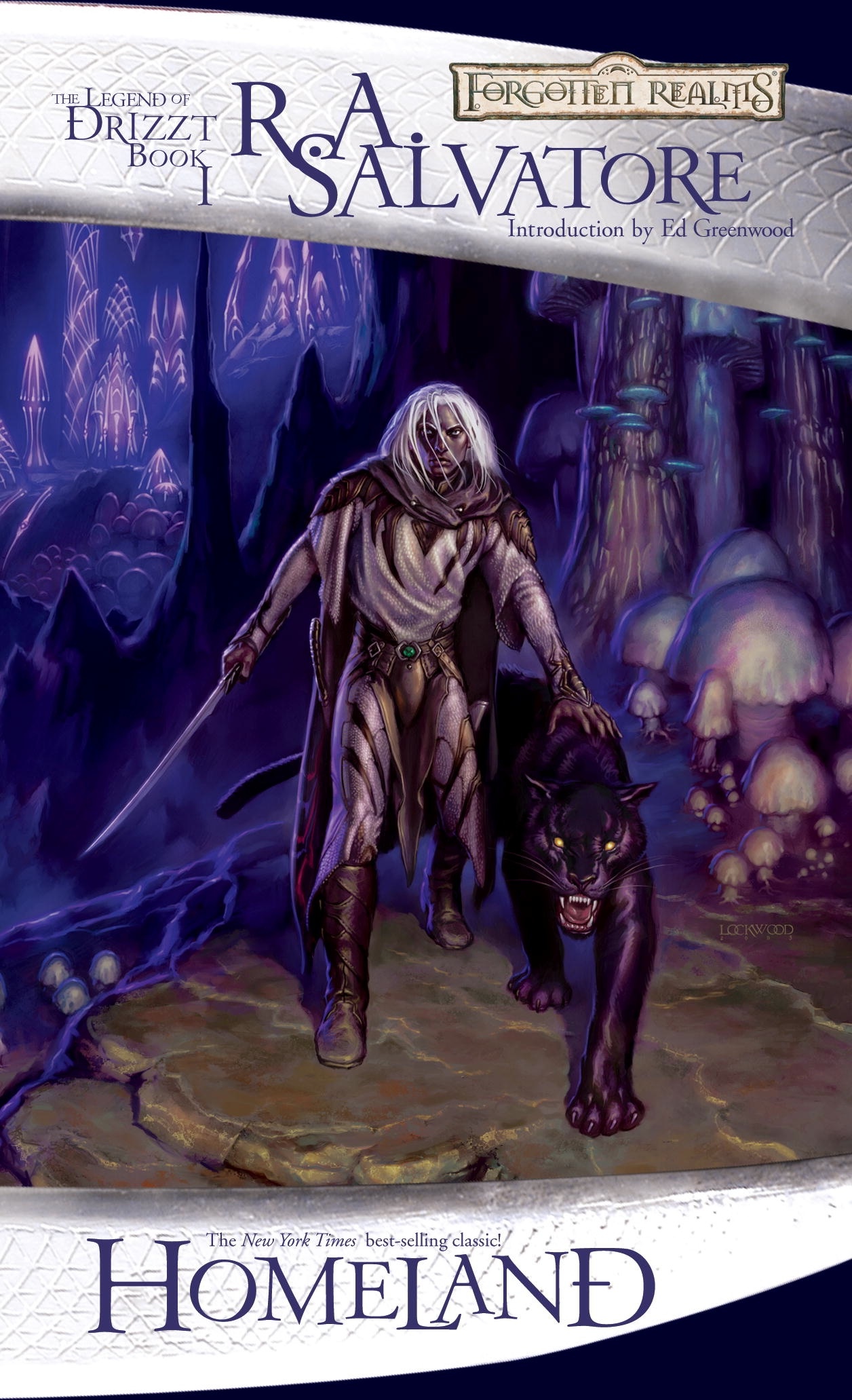
Homeland by R. A. Salvatore – 1990

Homeland Cover

My second Salvatore novel on this list is Homeland, the first book in the Dark Elf trilogy, which explores the early life of Salvatore’s most iconic character, the dark elf ranger Drizzt Do’Urden.  Homeland follows the birth of Drizzt and follows some of his earliest experiences living with his race, the evil Drow, in their homeland underground, where murder, betrayal and personal ambitions are the natural way of life.  Watching the noble and selfless character of Drizzt grow up amongst murders, cowards and fanatics is just fantastic and Homeland is easily one of my absolute favourite Salvatore books of all time.


Pyramids by Terry Pratchett – 1989

Pyramids Cover

The final book on this list is another Pratchett novel, Pyramids, a subtly clever and hilarious read.  Set in a parody version of ancient Egypt, Pyramids follows a modern king as he attempts to bring plumbing, feather beds and progress to his decaying country, only to face opposition from his priests, his fellow gods and his greatest adversary, geometry.  With some major laugh-out-loud moments, including one scene where multiple Egyptian-inspired gods engage in a football-style match to control the sun, and some amazing original characters, Pyramids is an incredible read and the perfect note to end this list on.


I rather liked how this list turned out and I was so glad that I was able to find several great books to feature above.  I do wish I had a bit more variety when it came to authors, and I might have to think about going back and checking out some earlier entries from authors I am fans of, especially if they published novels before 1991.  Each of the novels I mentioned above is really exceptional, and I would strongly recommend them all to anyone looking for a fantastic read.  Hopefully, some of the authors I mentioned won’t be too disconcerted about the fact that they have been writing for a longer period than I have been alive, and if they are I apologise deeply.  Let me know what your favourite novels written before 1991 are in the comments below and I will be interested to see if there are any great books that I missed.