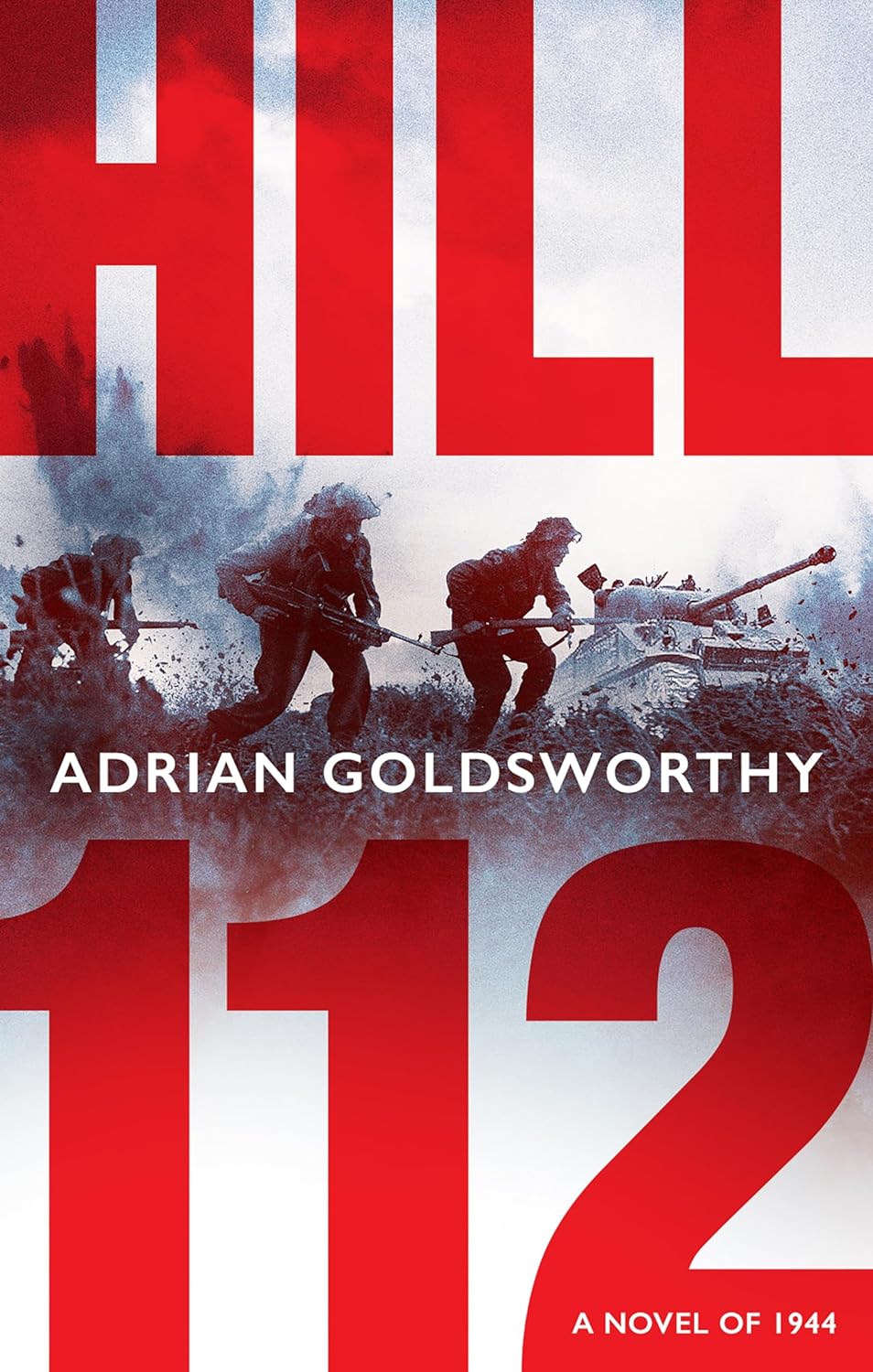
Hill 112 by Adrian Goldsworthy

Hill 112 Cover

Publisher: Head of Zeus (ebook – 23 May 2024)

Series: Standalone/Book One

Length: 495 pages

My Rating: 4.75 out of 5 stars

Amazon

Prepare to dive headfirst into the deadliest of struggles as acclaimed historical fiction author Adrian Goldsworthy provides a captivating look at the Normandy invasions with his epic novel, Hill 112.

Adrian Goldsworthy is an impressive historical fiction author who has been producing some great novels as of late.  A respected historian, Goldsworthy made the jump back to fiction in 2011 when he started his Napoleonic Wars series.  I had the great pleasure of reading the first few books in the series, including True Solider Gentlemen and Beat the Drums Slowly, and Goldsworthy prove to be an outstanding author who would focus his stories on intriguing historical elements.  His Napoleonic Wars series ended up featuring six novels before he dove into Roman historical fiction in 2017 with his Roman Britain series.  Starting with Vindolanda and also featuring six novels, the Roman Britain series sounds very awesome, and it is one I need to check out in the future.  Due to how much I enjoyed some of Goldsworthy’s previous books, I made sure to grab a copy of his latest release, Hill 112, which provides a compelling examination of the bloody invasion of Normandy during World War II.

June 6th, 1944.  After years of enduring the Nazi onslaught, the Allies are finally ready to begin their campaign to invade occupied France.  But to liberate France and free all of Europe, the Allies first must make a perilous landing and brave the full force of the German army waiting for them.  The destination for their fateful landing: Normandy!

As the Allies begin their invasion, three young soldiers, former classmates from south Wales, are amongst the troops landing in Normandy.  The charismatic James must put his previous experience as cricket captain into practice by leading a troop of Sherman tanks into fray.  The athletic Mark is forced to prove himself as the young officer in charge of a platoon of infantrymen, while Bill, the group’s resident firebrand, finds himself in the middle of the fighting as he serves as a private soldier.  However, none of these young men are truly prepared for the carnage to come.

The battle-hardened German army is determined to push the Allies back into the sea, and soon both sides find themselves caught up in a brutal battle for survival.  Into the middle of this, James, Mark and Bill find their courage and luck tested like never before as they finally experience the horrors of war and the seemingly unbeatable Germans.  Their fates, and that of the entire Allied war effort, will be decided in one of the most brutal fights of the Normandy campaign, the battle for Hill 112.

Goldsworthy brings together one of his heaviest and moving novels yet with the incredible Hill 112.  A gritty and realistic war story that seeks to capture the experiences of young soldiers during Normandy, Hill 112 was a fantastic and moving novel that drags readers right into the heart of the fighting.

Hill 112 has a great story to it that, while simple in concept, hits the reader hard and provides a powerful look into the realities of war.  Told from the perspective of three young soldiers as they experience their first taste of combat, Hill 112 is a very moving war novel that is hard to look away from at times.  Starting with the first day of the Normandy landings, you initially follow James, who leads the charge with his tank unit, while Mark and Bill wait back in England for their deployment to the front.  While this did make James’s chapters a lot more interesting and exciting than the others’ at the start of the book, I liked how Goldsworthy chose to start the remaining two characters off back in England.  Not only was historically realistic, but it allowed you to get to know these two protagonists and other supporting characters before the fighting, while also building up the tension, especially when you compared their experiences with what James was going through on the front.

It doesn’t take long for Mark and Bill to make it over to Normandy, and from there the reader becomes enmeshed in seeing all three protagonists facing the tough campaign in Europe.  There is a lot of action and a ton of tragedy in this part of the book, and it was fascinating to see them slowly adjust to the new normal of battle, as they experience the true horrors of war.  Goldsworthy continued to keep the three protagonists separated for most of the story, which allows each of them to grow, while also showcasing several different fronts at the same time.  Their storylines start to converge as the book continues, especially when they find themselves at the foot of the tactically significant Hill 112.  The last third of the book is essentially all out fighting as the three protagonists attempt to survive the desperate battle for the hill.  The carnage flies thick and fast in this part of the book, and you are constantly on edge as the three characters fight on, while also trying to understand the necessity and impacts of war.  I was deeply captivated for this entire part of Hill 112, and I couldn’t stop reading as I waited to see the fates of all three characters.  Goldsworthy did not disappoint, as the ending to this book was extremely shocking and powerful, and you come away wondering about the sacrifices, experiences and emotions of those involved in the fighting.  This was a such a great character-driven war story, and I came away very impressed with how it all unfolded.

I deeply enjoyed the compelling and powerful story that Goldsworthy created for Hill 112 that hits all the right notes for the reader.  Goldsworthy made the clever choice to provide the reader with a more insular look at the invasion, as the viewpoint is limited to the lower-ranked protagonists, more concerned with their own battles, rather than a look at the large war going on around them.  This proved to be an excellent choice of focus, and I deeply appreciated the way in which Goldsworthy was able to get into the mindset of the young soldiers fighting this war.  The constant switching between the three main protagonists allowed for a complex and intriguing story, as they experienced different battles while coming to terms with the fighting in their own ways.  Goldsworthy has a real talent for showing the chaos of war, and you are thrown into innumerable skirmishes, firefights and large-scale battles, all of which is captured in its full destructive glory.  You can honestly feel the bullets flying and the shells landing as you pour through Hill 112, and the constant conflict, danger and excellent portrayal of the fighting ensures that readers have a very hard time pulling their attention away from this amazing book.

Goldsworthy clearly did an exceptional amount of research for Hill 112 as this book is loaded with historical detail as the author meticulously covers key events of this initial invasion.  While the main regiments featured in Hill 112 are fictitious, Goldsworthy bases them on actual participants of the fighting, and you get incredibly detailed depictions of the early days of the Normandy campaign for the English and Canadian forces.  This includes events that followed from the initial landings on Normandy all the way to the conclusion of the fighting around the titular Hill 112, a key historical battle.  Readers get a very compelling and intensive look at how the campaign unfolded, and it was interesting to see how hotly contested this initial fighting in France was, especially as most modern war movies/television series usually show swift victory the moment the allies are off the beaches.  The battle of Hill 112 was naturally a compelling part of the book which the author covers in heavy detail, noting the movement of all the relevant units and the various attacks.  I got so engrossed in Goldsworthy’s recounting of this battle, and readers are left haunted and amazed that so much death occurred for a simple hill in the countryside.

The author really did not spare any detail when it comes to the fighting, and you get a comprehensive vision of the potential experiences of the participants in these battles.  Goldsworthy really dives into every single aspect of the solider experience, and you come away with insights into the conditions, equipment, training and attitudes of the troops, all of which greatly adds to the gritty realism of the story.  This is particularly true in the battle scenes, and it was very compelling to see how the soldiers would have fought, as well as other factors that came into play, such as the Allies’ overwhelming artillery.  I especially enjoyed the many scenes that focused on vehicular combat as one of the protagonists spends most of the book inside a Sherman tank, fighting against German armoured units.  The sequences in the tank are always a high-strung affair, and Goldsworthy expertly captures the cramped conditions, fast-paced fighting, and constant peril that the British crews experienced.  The author further increases the authenticity of the book by having his protagonists experience various incidents that were recorded to have happened during these invasions.  The author cleverly retells these events to feature his characters, and the various experiences, some of which are quite hellish, add a lot of intensity to the book.  Goldsworthy really pulls no punches when it comes to showcasing the experiences of Allied soldiers in Hill 112, and it proves hard not to deeply appreciate his ability to utilise a massive amount of historical detail to tell a good story.

I must also highlight the intriguing characters featured within Hill 112 who added a lot to the impact of the book.  The three main characters, James, Mark and Bill, are all quite intriguing in their own way, and I appreciated how they ran the gambit of young people who would have joined the war effort after leaving school.  Goldsworthy ensures that each of these main characters have a compelling backstory which contrasts in a moving way to their current experiences, and it was moving to see them grow up throughout the course of the horrendous ordeals they find themselves in.  These three main characters are also accompanied by a huge supporting cast of fellow soldiers, officers, tank crews and other figures, each of whom travel with the protagonists to engage in the fighting.  Many of these supporting characters are exclusive to the chapters told from the perspective of a particular protagonist, allowing for unique interactions, and Goldsworthy often provides relevant backstories for these supporting characters as well.  This cast of additional characters gets quite extensive as the book continues, which can make remembering everyone a little hard at times.  However, that proves to be a short-term problem at best, as the supporting players usually doesn’t last too long in the fighting.  This proved to be an excellent and intense character-driven novel, and I really appreciated how well Goldsworthy captured the experiences of these young soldiers in war.

Adrian Goldsworthy once again brings the past back to haunt his readers in the outstanding and moving novel, Hill 112.  A highly detailed and impressive war novel, Hill 112 does an incredible job capturing the experiences of young soldiers in the Normandy campaign and you will quickly become absorbed in the resulting story.  Highly recommended, especially for those fans of military history, Hill 112 was such an amazing read.
Amazon

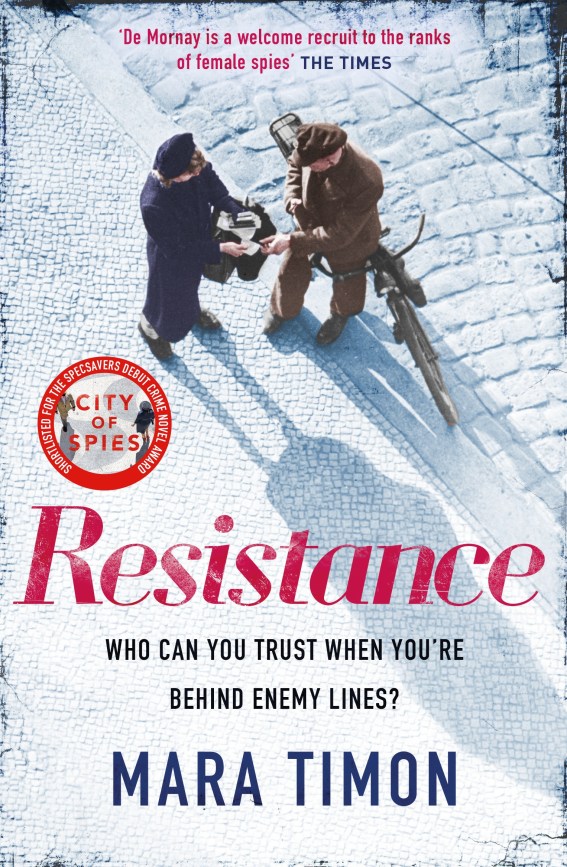
Quick Review – Resistance by Mara Timon

Resistance Cover

Publisher: Zaffre (Trade Paperback – 30 November 2021)

Series: City of Spies – Book Two

Length: 416 pages

My Rating: 4.25 out of 5 stars

Amazon     Book Depository

Prepare to dive into the intricacies of World War II espionage with a second fantastic historical thriller from Mara Timon, Resistance.

Timon is a brilliant author who debuted in 2020 with her intriguing novel, City of Spies, which followed a British agent sent to infiltrate neutral Portugal and encounter all manner of dangers and deceit.  Timon has now followed up this impressive debut with an intriguing sequel, Resistance, which follows the protagonist of City of Spies as she is sent to German-occupied Normandy days before the Allies invade.

Synopsis:

Three women. One mission. Enemies everywhere.

May 1944. When spy Elisabeth de Mornay, code name Cécile, notices a coded transmission from an agent in the field does not bear his usual signature, she suspects his cover has been blown– something that is happening with increasing frequency. With the situation in Occupied France worsening and growing fears that the Resistance has been compromised, Cécile is ordered behind enemy lines.

Having rendezvoused with her fellow agents, Léonie and Dominique, together they have one mission: help the Resistance destabilise German operations to pave the way for the Normandy landings.

But the life of a spy is never straightforward, and the in-fighting within the Resistance makes knowing who to trust ever more difficult. With their lives on the line, all three women will have to make decisions that could cost them everything – for not all their enemies are German.


Resistance
was an impressive and clever historical spy thriller that proves to be extremely addictive and exciting.  Set several months after the events of City of Spies, Resistance sees the protagonist and point-of-view character Elisabeth sent to infiltrate occupied Normandy under a new cover identity to assist the local French Resistance as a wireless operator.  Simultaneously gathering intelligence and investigating a potential mole in the French organisation, Elisabeth works with several other female spies in the area and is forced to contend with traitors, radicals and the Gestapo.  This story gets even more intense the further it goes, not only because a figure from the protagonist’s past comes into the picture and complicates events, but because the last third of the novel features the D-Day landings at the nearby Normandy beaches.  This forces the protagonist and her friends to encounter several attacks and betrayals amid the chaos of invasion and it leads to an incredibly exciting and captivating final section that is honestly impossible to put down.  While I did think that a couple of character arcs were a bit underdeveloped and unnecessary to the plot, this was an overall epic story and I really appreciated the complex and powerful narrative that Timon came up with.

I felt that new readers could easily get into Resistance with having read the preceding novel City of Spies.  Timon does an excellent job of explaining all the key events of the first novel, and readers are quickly informed of everything that would impact that plot of this sequel.  That said, fans of City of Spies will find this to be a pretty good sequel as several intriguing storylines are continued throughout the plot of the book.  Not only do key characters make significant reappearances but you also have a continuation of the fantastic romantic arc between Elisabeth and German officer Eduard Graf, who got married in the first novel.  Despite being an unusual relationship, this was an excellent storyline to continue and it was great to see the two interesting characters continue their forbidden love in the midst of war and intrigue, especially as both have major secrets (one is a spy, the other is planning to assassinate Hitler; it’s complicated) and are trying not to expose each other to their enemies.  I will be really intrigued to see where this series goes next, especially if Elisabeth is dropped into Germany either during Operation Valkyrie or the dying days of the war

One of the things that I most liked about Resistance was how this book ended up being a particularly solid and compelling historical thriller that emphasised its gritty and realistic spy elements.  Timon strives to strongly emphasise all the historical espionage aspects of the plot, and it was fascinating to see all the cool details about spy craft and being an undercover radio operator.  There was also a great focus on the abilities of Britain’s legendary female operatives, and Timon ensured that this book felt as realistic and compelling as possible.  Throw in some cool historical characters, such as members of the SOE and key German soldiers, like Erwin Rommel, and you have a particularly good historical thriller that was a lot of fun to explore.

With her second book, Resistance, impressive author Mara Timon continues to shine as a bright new figure in the historical thriller genre.  Perfectly combining realistic espionage elements with an iconic and dangerous historical setting, Resistance serves as an excellent sequel to Timon’s debut, City of Spies, and proves to be extremely addictive and compelling.  An awesome and highly recommended read.

Amazon     Book Depository

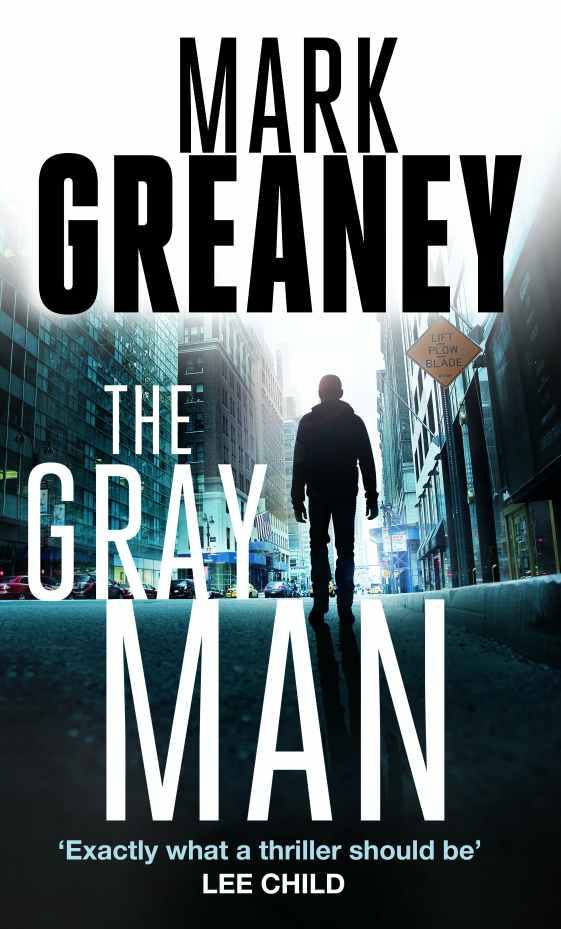
Throwback Thursday: The Gray Man by Mark Greaney

The Gray Man Cover

Publisher: Audio Studios (Audiobook – 29 September 2009)

Series: Gray Man – Book One

Length: 11 hours and 11 minutes

My Rating: 5 out of 5 stars

Amazon     Book Depository

Welcome back to my Throwback Thursday series, where I republish old reviews, review books I have read before or review older books I have only just had a chance to read.  For this latest Throwback Thursday I check out the debut novel of impressive thriller author Mark Greaney, The Gray Man.

Over the last few years, I have been really enjoying some of the latest novels from the amazing Mark Greaney, one of the leading authors in the spy thriller genre.  Having previously worked with Tom Clancy on his Jack Ryan series, Greaney is probably best known for his awesome Gray Man series.  I have managed to check out the last three novels in this great series, which have been some pretty awesome reads, including Mission Critical, One Minute Out (one of the best books and audiobooks of 2020) and Relentless (one of the best books and audiobooks I have so far read this year).  I also really enjoyed the outstanding military thriller he did with H. Ripley Rawlings, Red Metal, which ended up being one of my top books and audiobooks of 2019).  I have long been meaning to go back and check out the earlier books in the Gray Man series, especially as there is a big Netflix adaption coming out soon (directed by the Russo brothers and starting Ryan Gosling and Chris Evans).  I finally got the chance a few days ago to read the first Gray Man novel, which was also Greaney’s debut book, and I am extremely gad that I did as The Gray Man proved to be an exceptional novel with boundless action.

Court Gentry was the very best operative the CIA ever had, and for years he helped take down vital targets the world over.  However, his career in government espionage came to a violent end when Gentry was set up and burnt, becoming one of the most wanted men in the world with a shoot-to-kill order on his head.  With the entire intelligence community gunning for him, Gentry disappeared into the shadows, becoming a private assassin.  Despite his murky profession, Gentry keeps his humanity by only accepting contracts on those people he believes deserve to die.  After years of taking out the very worst gangsters, war criminals and terrorists in impossible situations, Gentry has gained a legendary and is known throughout the business as the Gray Man.

However, after his latest job sees him assassinate a high-ranking member of the Nigerian cabinet, Gentry suddenly finds himself under attack like never before.  The outgoing president of Nigeria now wants the Gray Man dead, and with a powerful French company on the hook for a billion-dollar contract, he has the perfect tool to get his vengeance.  Led by former CIA officer Lloyd, the French company have organised for a team of hitters to take Gentry down for good, but when their first strike fails, they must get inventive.

Taking Gentry’s handler and his family hostage, Lloyd gives Gentry an ultimatum, travel to their compound in Normandy within the next day or he will kill the hostages, including two young girls.  Determined to save his friend’s family, Gentry is forced to traverse the entirety of Europe to get to his target.  However, between him and his destination are 12 elite kill teams from around the world, each of them competing for a massive bounty on his head.  With every eye on the continent watching out for him and no possible backup, Gentry will need to fight his way through more than 100 killers if he is to succeed.  For most men this would an impossible task, however, the Gray Man is anything but ordinary and he is about to show the world why he is the absolute best.

Well damn, now this was an incredible thriller.  I actually managed to power through the audiobook version of The Gray Man in two days especially once I got stuck into the incredible story.  Loaded with a ton of action of spy thriller excitement, this was such a fun and action-packed read that gets a full five-star rating from me.

I deeply enjoyed The Gray Man’s exciting and compelling narrative, which takes the reader on a wild ride through death and destruction.  While I wasn’t the biggest fan of how the book started, as the slaughter of Taliban soldiers in Iraq seemed a tad over-the-top for an introduction scene, it honestly does not take long for the rest of the story to get incredibly addictive and fun.  The moment that the antagonists start targeting Gentry, all bets are off and what follows is an incredible blend of action, adventure and spy tradecraft that is very hard to put down.  I loved the central story concept of Gentry forced to fight his way across Europe, and Greaney did a great job setting this entire scenario up.  This results in an awesome central section of the novel, where Gentry slowly moves through Europe towards his goal, with everyone in the way trying to kill him.  The action and intensity of these scenes are first rate, and I loved the slow, deliberate war of attrition that the antagonists wage against Gentry, with the protagonist forced to contend with a lack of equipment, allies, and later in the book, blood.  This exceptional story eventually leads up to a massive conclusion, with a wounded Gentry storming the castle and facing off the people who have expended a lot of effort into killing him.  The entire story is wrapped up extremely well, and readers are left very satisfied and happy with how everything turns out.  I had a fantastic time getting through this outstanding story, and there was honestly not a single second that I wasn’t amazingly entertained.

Due to its status as the initial novel in the series, The Gray Man has a very self-enclosed narrative, which ensures that all the main storylines are wrapped up by the final page.  While it does serve as a really good introduction to the protagonist and his unique situation, I found The Gray Man works well as a standalone novel, and it does not rely too heavily on details revealed in the later novels.  There are a lot of great features to this book, and I must highlight the incredible action sequences.  The intense violence and powerful fight scenes are beautifully written, and the reader gets a good sense of the characters interactions with his foes.  I also really appreciated the author’s depiction of tradecraft and spy skills, with the characters using all manner of intelligence tricks and assets to try and win.  Greaney makes really good use of multiple character perspectives throughout The Gray Man to highlight the battle of wits between the various players, and I liked how it also increased how impressive and brutal some of the action scenes were.  While I could have probably done without the sections told from the perspective of one of the eight-year-old granddaughters, the rest work extremely well to create a detailed and richer spy thriller.  I loved seeing the opposition put their plan into action to hunt down Gentry, and it was really great to see all the sides of this adventure.  It was particularly fun to see the antagonist’s reactions as Gentry continues to survive against the odds, and the added note of desperation was pretty entertaining.

I also must highlight the great characters featured within The Gray Man, which really helped to enhance this already awesome story.  They are led by impressive action hero Court Gentry (a great name, BTW), who is perfectly built up throughout the novel as a superhuman spy, thanks to his skill, intelligence, and pure stubbornness.  Gentry has a hell of an ordeal in this novel, forced to fight against impossible odds while being hunted by literally everyone in Europe.  Greaney does a good job introducing the key parts of his protagonist’s personality and history throughout the novel, and you really get a good sense of who Gentry is.  I also loved how Greaney showed Gentry slowly getting worn down as the novel progressed, which felt pretty realistic, especially after all the opponents who try to kill him.  These various injuries slow him down and make him sloppy as the narrative progresses, so much so that he is barely standing by the time he gets to the final showdown.  It was fun to see the other characters debating the truth behind Gentry’s previous missions, especially as he has built up a reputation for impossible tasks.  The constant discussion about what he achieved is really entertaining, especially as it causes several antagonists some major apprehensions.  While substantial parts of his history, such as why he was betrayed by the CIA, are not examined here, you still get some great details about him, and I look forward to seeing what else is revealed in the books I haven’t read yet.  In some ways Gentry was a little one-dimensional in The Gray Man and could have used some more depth, especially around his motivations and his feelings about his betrayal from the CIA.  However, this was a great introduction to this ruthless killer with a heart of gold, and readers will enjoy this first great adventure.

In addition to Gentry, Greaney came up with an excellent group of supporting characters who serve as alternate point-of-view characters throughout the novel.  Due to the plot being about Gentry being hunted by everyone in Europe, most of the alternate perspectives are antagonists, and I had fun with the cool group of villains that Greaney featured in this novel.  Each of these antagonistic characters are well utilised and introduced, even if they have a short shelf-life, and I appreciated some of the time put into building them up.  My favourite, or least favourite, of these is central antagonist Lloyd.  Lloyd is a former CIA analyst turned private-sector lawyer who, after stuffing up and forcing his company to work for the Nigerians, sets his company after Gentry.  Greaney went out of his way to make Lloyd as unlikeable as possible, with the character being extremely arrogant, petty, insecure, and vicious, especially as the novel proceeds and he faces setback after setback.  Every scene he is in is a lot of fun, mainly because he is such an annoying figure in them, and this ensures that the reader is constantly barracking for Gentry, hoping that he wins so that he can punch Lloyd in the face.  I had a wonderful time hating Lloyd throughout this book, and I cannot wait to see Chris Evans’s take on him in the upcoming film adaption.

As I mentioned above, I ended up checking out The Gray Man on audiobook, which proved to be an awesome way to enjoy this excellent book.  The Gray Man audiobook has a decent run time of just over 11 hours, and I found myself flying through it in no time at all.  This audiobook format proved to be the perfect way to enjoy this great book, especially as the many intense action sequences come to life extremely well while being narrated.  I absolutely must highlight the book’s amazing narrator, Jay Snyder, who has since narrated all Greaney’s Gray Man novels.  Snyder has an amazing voice for thrillers, and he ensures that the plot of this book moved along at a quick and exciting pace.  I also deeply enjoyed the various voices that he produced, as every character featured within this novel had a very fitting and distinctive voice.  I particularly appreciated the slimy and cocky voice that he gifted to main antagonist Lloyd, which gave the man a cowardly, bureaucratic voice (it honestly reminded me a little of Cyril from Archer), and really helped to make him even more unlikeable.  Snyder also does some fantastic accents for the various international characters featured in the novel, and each of them worked extremely well.  Overall, this was an exceptional way to check out this book, and I would strongly recommend the audiobook format to anyone interested in this novel.

The Gray Man is an incredible and deeply entertaining debut from Greaney and it is one that I had an outstanding time listening to.  This great book had an awesome narrative, loaded up with a ton of action, mayhem and fun characters, and it swiftly turned into an intensely addictive and thrilling read.  Greaney sets up a lot of elements for his future series, and I am really glad that I went back to see where this fantastic series started.  This book comes highly recommend, and if you are a thriller fan, you will love this book.  I am definitely going to have to check out the rest of the Gray Man novels I am missing, and I am looking forward to seeing what over incredible stories that Greaney has in store for me.

Amazon     Book Depository

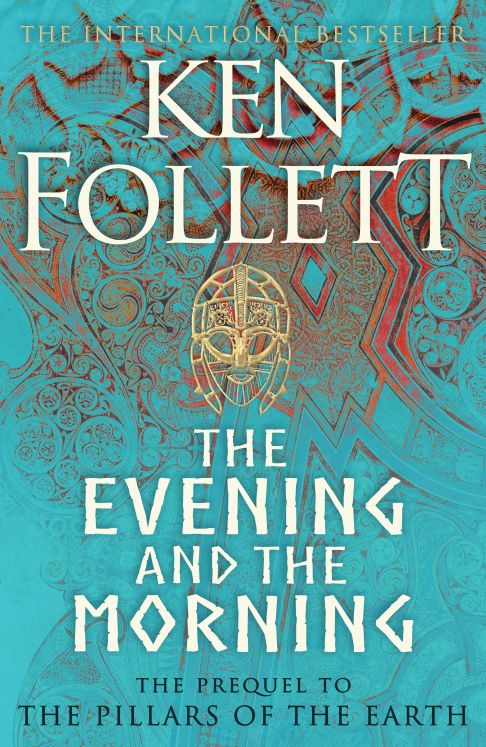
The Evening and the Morning by Ken Follett

The Evening and the Morning Cover

Publisher: Macmillan (Hardcover – 15 September 2020)

Series: Kingsbridge – Book 0

Length: 819 pages

My Rating: 5 out of 5 stars

Amazon     Book Depository

Following three long years of waiting, one of the best authors of historical fiction in the world today (and one of my all-time favourite authors), Ken Follett, returns with another historical epic, The Evening and the Morning.

Follett is a highly acclaimed author who has written a number of impressive bestsellers over his 45+ year writing career.  After starting off with thriller novels, Follett really hit his literary stride when he moved on to massive historical fiction novels.  After experiencing great success with the iconic The Pillars of the Earth, he has gone on to produce several other epic books, including two sequels to The Pillars of the Earth and the outstanding The Century trilogy.  I have been a major fan of Follett for years ever since I had the great pleasure of reading The Century trilogy.  This was followed up with the second sequel to The Pillars of the Earth, A Column of Fire, which was easily one of my favourite books of 2017.  Thanks to how overwhelmingly compelling each of these previous novels were, I have been eagerly waiting to read his latest novel, The Evening and the Morning, for a while now, and it has been one of my most anticipated novels for the second half of 2020.

The Evening and the Morning is a character driven historical fiction novel that is set near the end of the Dark Ages of England.  The novel actually serves as a prequel to Follett’s bestselling The Pillars of the Earth and is part of Follett’s Kingsbridge series.  The Kingsbridge novels are all set within the fictional town of Kingsbridge, which each novel exploring a different period of English history (for example The Pillars of the Earth is set between 1123 CE and 1174 CE, while its sequel, World Without End, starts in 1327 CE).  This prequel is once again set in the same area, with the novel running between 997 CE and 1007 CE.

At the end of the 10th century, England is far from settled and faces attack from external threats.  One particularly vicious Viking raid causes untold damage at the town of Combe, near the city of Shiring, and sets off a chain of events that will change the area forever.

Following the raid, one of the survivors, a young boat builder named Edgar is forced to abandon his home and follow his family to the small hamlet of Dreng’s Ferry.  Living amongst the unwelcoming locals and corrupt landlord, the brilliant Edgar chafes and tries to find a new way to provide for his family.  At the same time, a Norman noblewoman, Ragna, falls in love with the ealdorman of Shiring and travels to England to marry him.  However, she soon discovers herself engulfed in a brutal battle for power with her husband’s family, and any misstep could cost her everything.  These characters are joined by Aldred, a young and ambitious monk who wishes to turn the abbey at Stirling into an academic hub.  However, his strong sense of right and wrong gets him into trouble as he searches for justice in all the wrong places.

As all three of these characters try to survive the troubles of the location, they find themselves drawn into each other’s lives.  Together they have the power to solve each of their problems and prosper together.  However, each of them has run afoul of the area’s corrupt Bishop, who is determined to gain power and influence no matter the cost.

Unsurprisingly, I absolutely loved this new novel from Follett, who has once again composed an outstanding historical epic.  The Evening and the Morning is another exceptional book that takes the reader on a powerful and captivating ride through an exciting period of English history with an addictive story told through the eyes of several great characters.  I had an outstanding time reading this book, and despite its length (at 800+ pages, it is one of the longest novels I have ever read), I powered through this book in relatively short order as I found the compelling narrative that Follett produced to be deeply addictive and hard to put down.  This was a fantastic read, and it gets a full five-star rating from me.

The Evening and the Morning contains an impressive and addictive character driven narrative that sees three distinctive protagonists attempt to change their destiny and the destiny of the people they love over a period of 10 years.  Set during a turbulent period of England’s history, The Evening and the Morning follows these characters as they attempt to survive Vikings, hunger, bandits and the machinations of a dangerous bishop.  The scope of this book’s story is truly epic as Follett ensures that his protagonists are forced to contend with all manner of challenges and tragedies, from political intrigue, direct attacks, imprisonment and so much more.  The resulting story is deeply compelling, extremely intelligent and wildly entertaining, especially as Follett comes up with a ton of unique and intriguing scenarios for his characters to work around.  I had an incredible time reading The Evening and the Morning’s story and it proved extremely hard to put down.

As I mentioned above, The Evening and the Morning is part of the Kingsbridge series and serves as a prequel to the first book in the series, The Pillars of the Earth.  Despite this, I would say that readers really do not need to have any prior knowledge of the rest of the Kingsbridge books to enjoy The Evening and the Morning.  This latest novel from Follett is extremely accessible, and as it is set more than 100 years before the events of The Pillars of the Earth, readers really should consider this a standalone novel that any historical fiction fan can easily enjoy (that is true for every entry in this series).  That being said, long-term fans of Follett and the Kingsbridge series will no doubt really appreciate seeing this early version of this iconic fiction setting, especially as the author includes a number of clever connections to the future novels in the series.  I particularly liked seeing how the titular Kingsbridge of the series was created, and you also get more of a look at how important the clergy were to the early inhabitants of the town, which is fascinating if you consider how the relationship between the church and the townspeople changes over the course of the series.  As a result, I would say that The Evening and the Morning is a book that most readers will be able to enjoy, while also serving as an intriguing entry in the Kingsbridge series.

The Evening and the Morning’s story follows three major point-of-view characters, Edgar, Ragna and Aldred, and shows the reader 10 key years of their lives.  These three characters form the heart of this story, and it does not take long for you to get really drawn into their individual stories.  Each of these characters has their own intriguing and emotionally charged story arcs, such as the creative Edgar’s attempts to rebuild his life in a hostile new village after experiencing a series of terrible losses, Ragna’s marriage and the subsequent battle to gain power and influence, and Aldred’s bid for justice and knowledge.  I really enjoyed each of these character’s individual arcs, but their real strength lies in the way that their stories and lives tie into one and other.  All three major characters becoming incredibly entwined as the book continues, as they form a strong friendship between themselves and attempt to help each other come the various struggles they encounter.  These separate character storylines come together extremely well into one powerful and cohesive narrative which sees the reader become deeply engrossed in all their lives.  You really grow to care for all three of these characters as the story progresses, becoming deeply invested in their wellbeing and happiness.  While this is evidence of some outstanding writing on Follett’s behalf, it is a little unfortunate as a lot of bad things happen to each of these characters (especially Ragna), and it makes for some emotionally hard reading at times.  There is also a rather intriguing love triangle between these three characters with some interesting LGTB+ elements attached, which adds an additional level of drama to the story.  I ended up being quite satisfied with how these character arcs unfolded, and readers are going to have an incredible time seeing how they turn out.

In addition to the main three characters, there is also another major point-of-view character, Wynstan, the Bishop of Shiring.  Wynstan is the book’s main antagonist, a cunning and ruthless manipulator who is desperate to gain power and influence at the expense of others.  Wynstan is the half-brother of Ragna’s husband, who uses his familiar connections and his corrupted followers to control much of Shiring and the surrounding area.  Follett has created an extremely despicable and aggravating villain with Wynstan, who comes into conflict with all three major protagonists, as each of them cross him in some way or another.  Wynstan is an extremely vengeful and dangerous opponent, who manages to do some fairly evil deeds throughout the book, while avoiding too many repercussions.  I found myself really growing to hate Wynstan and his followers as the book progressed, becoming fairly aggravated whenever he managed to weasel his way out of trouble.  This emotional response to Wynstan is exactly what you want when you write an antagonistic character, and I think that he helped add a lot to the overall narrative.

Follett has also loaded up his story with a ton of side characters who the point-of-view characters interact with throughout their lives.  There are quite a substantial number of side characters in this book, but thanks to Follett’s excellent writing the reader is able to keep track of each of them; at no point during this book did I become lost working out who someone was.  Many of these supporting characters have their own minor story arcs throughout the book, and it is interesting to see how they evolve and change over the years.  While quite a few of them are fairly despicable (indeed, at times it seems like the three main characters are the only decent or sensible people in the story), you do grow attached to them and become wrapped up in what happens to them.  That being said, readers are advised not to get too attached to them, as they have a much higher mortality rate, although there are a few happy endings in there which are guaranteed to satisfy.  Overall, Follett does an exceptional job with all the characters in this novel, and watching their lives unfold was a real emotional rollercoaster.

I also quite enjoyed the author’s fascinating depiction of England (with a bit of Normandy thrown in for good measure) during the late 10th and early 11th century.  While the setting of this book, Shiring and its surrounding environs, are fictional, they come across as period-appropriate settlements and the reader gets a real sense of what life in the various villages and towns would have been like.  Due to the broad scope of the story and what the characters witness, the reader gets a look at a huge range of different people who would have existed during this period, including the nobility, the various members of the clergy, the common people and even slaves.  Follett does an amazing job of highlighting how these various characters would have lived, what their professions or stations were like and the problems they would have typically experienced.  The author really replicates the hard nature of the times, allowing the reader a fascinating glimpse into the harsh and dangerous lives of our ancestors.  Follett also works in some broader historical elements, such as the increased attacks from the Vikings and the political situation at the time.  A lot of these historical inclusions, such as having King Ethelred the Unready appear as a minor character, proved to be really intriguing, and I loved how the author dived back into history to enhance his tale.

With The Evening and the Morning, Ken Follett has once again shown why he is one of the top historical fiction authors in the world today.  This latest novel presents the reader with an exceptional and captivating tale of love, connection and triumph over adversity at the end of England’s dark ages.  Serving as a prequel to Follett’s bestselling The Pillars of the Earth, The Evening and the Morning contains an amazing story that follows some driven and likeable protagonists during this dark period.  The end result is an epic and incredibly addictive read that comes highly recommended and is easily one of the best books of 2020.  There is a reason why Follett is one of my favourite authors of all time, and I cannot wait to see what elaborate novel he comes up with next time.

Amazon     Book Depository

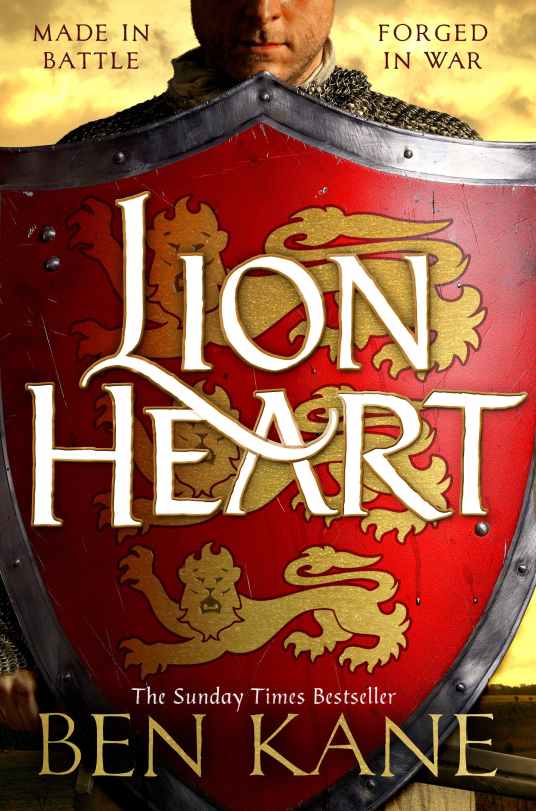
Lionheart by Ben Kane

Lionheart Cover

Publisher: Orion (Trade Paperback – 14 May 2020)

Series: Lionheart – Book One

Length: 381 pages

My Rating: 4.5 out of 5 stars

Amazon

Honour, glory, loyalty and war! Bestselling historical fiction author Ben Kane takes the reader on a medieval adventure alongside a young King Richard the Lionheart, with his latest epic novel, Lionheart.

I have been on a real roll with some great historical fiction novels in the last couple of weeks, having absolutely loved The Grove of the Caesars by Lindsey Davis and The Viennese Girl by Jenny Lecoat, so when I got a copy of Lionheart by Ben Kane I jumped at the chance to read it. Ben Kane is one of the top historical fiction authors at the moment, having produced a number of fantastic books set in ancient Rome, including The Forgotten Legion trilogy, the Hannibal series and the Eagles of Rome series. I have read several of Kane’s previous novels, and I have always found them to be exciting and compelling books with loads of historical detail. This latest release, Lionheart, is Kane’s first novel that does not involve Rome in any way whatsoever, and it acts as the start of a brand new series that will follow the life of one of England’s most iconic kings.

England, 1179. Henry II rules a vast empire, made up of England, Wales, Ireland, Normandy, Brittany and Aquitaine, controlling all with an iron fist, with his only blind spot being his four rebellious sons. Ferdia is minor Irish nobleman, taken as a hostage by the English to ensure his rebellious family’s cooperation and loyalty. Given the name Rufus by his captors, he spends years languishing in an English castle, before a chance encounter with Henry’s second oldest son, Richard, will change everything.

Managing to save Richard’s life, Rufus is taken in as his squire. Drawn to the prince’s natural charisma, bravery and dedication to his men, Rufus gladly swears his loyalty to Richard, and boldly follows him to war as he attempts to subdue the rebellious lords of Aquitaine. The battles and sieges that follow will make Richard’s reputation as a warrior and leader, and Rufus is able to prove his worth beside him, despite the actions of his bitter rival Robert FitzAldelm.

However, while Richard seeks honour and glory in Aquitaine, his ambitious brothers grow jealous of his success and begin to plot against him. Lending their support to the rebels, their actions lead to a crisis that could split the kingdom in two and deliver it to the King of France. As Richard finds himself surrounded by traitors and plotters, he makes his own bid for the throne. It is time for the Lionheart to rise?

Lionheart turned out to be an amazing and exhilarating book that combines intriguing moments from history with a compelling and action-packed tale of honour, loyalty and desire for power. Kane crafts together an impressive and exciting narrative that follows the early life of King Richard the Lionheart as he fights in some of his earliest battles and deals with the various members of his family. The story is primarily told from the point of view of the fictional character Rufus, as he follows Richard through his various adventures. Not only does this allow the reader to see some of the key events of Richard’s life, but it also provides an intriguing central narrative around Rufus, as he attempts to find his place in the world after being taken from his family, while also battling his ruthless opponent, Robert FitzAldelm, another fictional character, who serves as a wonderful foil to the protagonist. Lionheart’s story contained an excellent blend of action, intrigue, compelling historical elements and fantastic interactions between the various characters, which makes it extremely easy to get lost in this book.

The absolute highlight of this novel has to be the enjoyable historical backdrop of Richard’s life that the entire story is set to. Lionheart takes place between 1179 and 1189, which is a really intriguing period of history. The book does not examine Richard and his brothers’ joint rebellion against their father (although it is mentioned several times), but it does focus on the turbulent familiar battles between Richard and his family. During this period, Richard had to put down an extended rebellion in Aquitaine, fighting first against the plots of his brothers and later against the whims of his reluctant father as he attempts to win the throne. Kane does an outstanding job exploring all these chaotic historical events in great detail, and it was extremely fascinating to learn about all the battles and politics that occurred. It also ensures that the book’s plot, which was set all around these events, proved to be rather exciting, as the protagonist watches Richard weave through all the battles and political intrigue. I also have to say that I was impressed with the shear amount of historical detail that Kane installed into every aspect of the plot. Not only has the author made use of a vast cast of historical figures throughout the story (helpfully recorded in a character list at the front of the book), but every line of this book is filled with details about period culture, dress, day-to-day life, battle and the life of a squire and knight. Kane has clearly done an incredible amount of research for this book, and I really loved the authenticity that this added to the story, making for a story that is both captivating and enlightening, just like all great historical fiction novels should be.

Another great aspect of the story is the way that Kane also spent time exploring the life of William Marshal. Marshal, a real-life historical figure of some significance, serves as the book’s secondary point-of-view character, and a number of chapters are told from his perspective (in the third person, rather than the first-person perspective used for all of Rufus’s chapters). This proves to be a clever move on Kane’s part for a number of reasons; primarily because William Marshal is such an absolutely fascinating person. Marshal was a successful and well-known knight, famous for his loyalty, honour and martial prowess, and he was widely considered the pinnacle of knightly virtue in Europe at the time. Kane spends a lot of time exploring the character of Marshal and portrays him in a more ruthless and opportunistic light, which worked rather well for this realistic and compelling story. Marshal is also an incredible useful point-of-view character, as for the entirety of this book he was either in the service of one of Richard’s brothers or his father the king. This provided the reader with a viewpoint into the camp of Richard’s political opponents, which added to the tension of the story, as the reader became privy to information that the protagonists did not know. In addition, it also allowed for an intriguing contrast between Richard and the other members of his family, as Marshal considered the deficits of his lords against those of Richard, who he held a great respect for. Marshal also finds his loyalty tested several times, as his master’s plots threaten to weaken the kingdom, and he must decide whether it is more dishonourable to disobey his liege or to allow them to act unopposed in their own worst interests. I am extremely glad that Kane decided to use Marshal as a secondary protagonist, and I look forward to seeing more of him in the future books.

I also have to mention all the awesome action sequences that Kane fits in throughout Lionheart. Due to the historical circumstances in which this book is set, there are a large number of battles, fights and sieges, which our protagonist often finds himself in the middle of. I really enjoyed seeing all the cool fight sequences that occurred throughout the plot and Kane has a real flair for historical action scenes, bringing them to live in exciting detail. Definitely a great book for those lovers of medieval battles and fights, this book is guaranteed to slake anyone’s desire for action and adventure.

Lionheart is an excellent new novel from Ben Kane, who thrives in a non-Roman history setting by bring together an impressive story about a young Richard the Lionheart. I had an amazing time reading this book, and I loved the exciting narrative and the fascinating historical elements. Lionheart serves as an awesome first book in a new series from Kane, and the second novel, tentatively titled Lionheart: Crusade, should prove to be a brilliant read for next year. Until then, Lionheart comes highly recommended, and is really worth checking out.

Amazon