Four Ruined Realms by Mai Corland

Publisher: Recorded Books/Zaffe (Audiobook – 7 January 2025)

Series: The Broken Blades – Book Two

Length: 13 hours and 31 minutes

My Rating: 4.75 out of 5 stars

Amazon

One of the hottest fantasy sequels of 2025 is the impressive Four Ruined Realms by Mai Corland, that once again follows an entertaining band of killers and self-interested liars as they get drawn into dark events that threaten their entire world.

Last year I had the pleasure of reading the outstanding debut Five Broken Blades by Mai Corland.  The first book in Corland’s Broken Blades trilogy and one of my favourite debuts of 2024, Five Broken Blades was an impressive fantasy novel with some great Korean aesthetics that followed five deadly killers who are recruited to kill the king of Yusan and steal the magical crown that makes him invulnerable.  However, their planned assassination and heist becomes complicated by secrets, treachery and the fact that each member of the group had hidden motivations for being there.  Corland provided a pretty wonderful story for this first book, loaded with betrayals, lies and compelling character-driven perspective chapters, and I loved the great twist at the end that saw the protagonists captured and forced to engage in a new heist.  As such, I have been eagerly awaiting the sequel since last year, especially as I couldn’t wait to see how Four Ruined Realms resolved the awesome cliffhanger Corland left the first book on.

The group known as the Blades are five of the best killers, liars and thieves in the kingdom of Yusan.  Made up of a master spy, a beautiful poison-maiden, a murderous banished prince, a lethal thug and a mysterious thief, the Blades were hired to pull off an impossible task: kill Yusan’s God King Joon and steal his crown.  Each of the killers had a reason for becoming involved with the plot, as well as their own dark secrets that drove them onwards.  However, all of them underestimated Joon’s manipulations and greed, as the entire job was a ploy from the King to bring them together and evaluate their skills.

Captured and forced by bribes and threats to accept a new mission, the Blades now find themselves journeying to the neighbouring nation of Khitan, which has long resisted the armies of Yusan.  Ruled over by Joon’s vengeful sister, Quilimar, Khitan remains free thanks to the power of the Golden Ring of the Dragon Lord, one of five legendary magical treasures gifted to the ruling houses of the rival realms.  Determined to possess all the treasures, Joon gives the Blades one month to steal the ring and return it to him.  If they succeed, they will have everything they desire, but if they fail, then they and everyone they love will be killed.

Arriving in Khitan, the Blades find dangerous enemies all around, an impossible theft before them and their once cohesive group fractured thanks to their uncovered lies.  But even with their conflicting motivations and secrets out in the open, these killers can all agree on one thing: King Joon is their true enemy.  Determined to fight back, the Blades embark on a mission to gain an audience with Quilimar and find a way to use Khitan’s resources to defeat Joon.  However, there is a darker conspiracy at play within the borders of Khitan, and the Blades have once again underestimated the lengths their enemies will go to win.  Worse, each of the band still has secrets, and soon a new set of lies will tear them apart from within.

Four Ruined Realms was another exceptional fantasy novel from Corland that effortlessly drags you in with its fun action, compelling story, doomed romances and outstanding and damaged protagonists.  Perfectly telling a massive, multi-character narrative, Four Ruined Realms was a very worthy sequel to Five Broken Blades that proved very hard to put down.

Corland set forth another complex and emotionally charged narrative in Four Ruined Realms, and I loved how well she continued after the cool cliffhanger ending of the first book.  Taking place right in the aftermath of the betrayals and lies of Five Broken Blades, Four Ruined Realms begins just as the Blades arrive in Khitan and are forced to work together to survive and secure the prize, despite the complete lack of trust and the anger brought about by their revealed secrets.  Corland works a lot of great character development into these early chapters, as the book flits between the protagonists and showcases their respective mindsets.  There is a good blend of early planning, espionage, and personal issues, as the protagonists try to work together, while also maintaining additional secrets that they know will tear the group apart.  The first part of the book features some very fun sequences, especially when the male protagonists depart on an expedition for knowledge, while the girls attend a party that ends in turmoil.  At the same time, there are hints of a bigger conspiracy beneath the surface of the new realm they are in, and Corland provides some interesting clues that perfectly come into play later.

As Four Ruined Realms continues, Corland enhances the book by including more chapters from the perspective of returning protagonist Tiyung.  Tiyung, while a perspective character in Five Broken Blades, only had a relatively minor point-of-view role, so it was interesting to see him as more of an equal protagonist in the sequel.  His storyline of being stuck in a notorious prison back in Yusan proved to be particularly compelling, especially as he gets to interact with two of the book’s best supporting characters.  Tiyung’s storyline blends well with that of the main protagonists, and thanks to the simultaneous timeline, you get to see him react to the events occurring over in Khitan and find out secrets that have potential impacts on how the Blades succeed in their task.

The second half of the book primarily details the Blades’ attempts to learn more about Khitan and find a way to get an audience with its queen.  Their plans to achieve this see them once again split up into dramatic groupings, and you get some interesting adventures and interactions as a result, especially as all the powerful emotions come to the surface.  It also perfectly sets up the final massive sequence of Four Ruined Realms, which really delivered in both action and tragedy.  While I don’t want to spoil too much, readers will come away from this novel pretty heartbroken, and there are some very intense moments going on in the last third of the book.  Combined with a series of final reveals and twists, all of which are nicely foreshadowed by earlier subtle inclusions from the author, you come away from Four Ruined Realms both moved and extra excited to see how the series is going to come to an end.

As with the first book in the series, Corland sets Four Ruined Realms out in a fantastic manner, and I deeply enjoyed how the complex narrative came across.  The use of six separate perspective characters was a major highlight as it allowed for a multi-layered narrative with a focus on character development and interactions.  The author did an outstanding job of balancing the different perspectives, with all the protagonists getting their chance to shine in their respective chapters, and even the increased use of Tiyung didn’t throw this out of whack.  Indeed, Tiyung’s chapters honestly pulled the other perspectives together into a tight and captivating overarching narrative, as the inclusion of an outsider character viewing events from afar increased the complexity of the plot.

The author makes full use of the book’s alternating viewpoints to insert a lot of great story elements into the plot, so there is a little something for everyone here.  The constant intrigue and danger that the protagonists found themselves in was well balanced by the author’s excellent worldbuilding, while the cool action scenes are guaranteed to get anyone’s blood pumping.  There are also multiple romance subplots that none of the protagonists are immune to.  While not a full-on romantasy novel, a good chunk of the book is focused on the complicated relationships that have formed between various protagonists, which will appeal to some readers, especially as the doomed nature of many of these romantic affairs leads to some excellent drama and heightened personal tensions.  While there were a few more romantic subplots than I typically enjoy in a fantasy novel, I felt that Corland got the right equilibrium here, with the focus on relationships and failed love enhanced the main fantasy intrigue elements of the plot rather than distracting from them.

Four Ruined Realms proved to be a very worthy sequel to Five Broken Blades, and I really enjoyed how effectively the author continued her elaborate storylines and continued to build up her great characters.  Corland uses this book to substantially expand the overarching setting of the series, including exploring a second realm and diving into the larger politics of the world.  The primary new setting, Khitan, worked extremely well as a background to the story, especially as its history and inherent intrigue played nicely into the chaotic mission of the protagonists and the plots surrounding it.  While I loved how the narrative continued in this sequel, readers should be warned that Four Ruined Realms isn’t necessary the best place to dive into the Broken Blades books, primarily because it is the second entry in a complex ongoing fantasy series.  While Corland does a great job of recapping the key events of the first book throughout Four Ruined Realms to make it accessible to newcomers, readers should really start at the start of the trilogy as it will give you the full emotional impact, especially when it comes to the character arcs.  Still, there is plenty for everyone to enjoy here, and I feel that Four Ruined Realms was a great book and sequel for readers new or returning.

As with the first book in this trilogy, the element that really ensures Four Ruined Realms stands out was its well-crafted main characters through whose eyes we see the narrative unfold.  Corland brings back all six protagonists from the first novel, made up of Royo, Sora, Euyn, Mikail, Aeri and Tiyung, and features them as equal parts of the plot.  After exploring their tragic backstories in Five Broken Blades, Corland spends this second novel diving into the drama and turmoil caused by the events of the first book, including the reveal of their darkest secrets and hidden motivations.  This brings out a lot of mistrust, antagonism and broken romances, which works to create quite a turbulent and entertaining plot.  I really appreciated how well each of these protagonists came through as a result, and it was fascinating to see their next set of secrets and hidden concerns, especially the deeper you get into their new mission.

Of the six, Royo, Mikail and Tiyung probably had the best arcs in Four Ruined Realms.  Royo continues to be the loveable, tough street thug with a past, and his more straightforward approach to life and honest need for redemption are quite refreshing amongst the rest of the schemers in the group.  Mikail, the dark spy master, proves to be the book’s ultimate badass, and his entertaining persona, complex backstory, and conflicted opinions about his love interest Euyn, ensure that he is one of the better perspectives in Four Ruined Realms, especially as he continues to mislead and lie to everyone.  Tiyung, as I mentioned above, gets much more of a chance to shine in this sequel, and his transformation from spoiled rich kid to starving prisoner ensures you get a better look at his character.  A genuinely good person, Tiyung continues to rise above his family legacy here, and his narrative of prison life and unexpected connections was a true highlight of the book.

The rest of the Four Ruined Realms protagonists also had some excellent moments, and I really appreciated their storylines.  Euyn, the fugitive prince of Yusan, has a troubled time in this sequel, primarily as he has the most paranoia and mistrust after the events of the first book.  This leads to a lot of conflict, and Euyn’s character growth from the first book starts to reverse in places as he seeks fights and alienates his allies.  However, Corland works this conflict into an excellent overarching narrative for Euyn, with its resolution being a key part of the plot.  I also felt that Sora, the beautiful and deadly poison-maiden, had a great arc in this sequel, especially as she loses her confidence and her killing edge, becoming the group’s conscience.  The final protagonist, Aeri, is my least favourite, although she ties the central cast together nicely.  The secret child of the main antagonist Joon and the group’s traitor in the first book, Aeri is the most mistrusted protagonist, despite being in the same boat as the rest of the Blades, and spends much of Four Ruined Realms trying to prove herself again.  While her storyline is really interesting and an essential part of the overall plot, I still didn’t connect with Aeri.  I’m not sure if this is because of how she is written, or because of the narrator assigned to Aeri’s chapters, but I feel that there is a huge disconnect between Aeri and the other protagonists which makes her not quite fit in, especially with her overly manic (and horny) personality.  Still, she does have some great moments in Four Ruined Realms, and it will be very interesting to see where Aeri and her doomed romance ends up.  Throw in an array of excellent supporting figures, including outstanding and ruthless antagonists, and this proves to be an amazing overall cast, whose layered roles and interactions helps to turn Four Ruined Realms into quite an exceptional read.

As with the first book in the series, I chose to listen to the audiobook version of Four Ruined Realms, especially after Five Broken Blades came across so epically on the format.  Unsurprisingly, the sequel was just as impressive on audiobook with Four Ruined Realms also featuring talented narrators, Greg Chun, Zion Jang, Roger Yeh, Donald Chang, Jaine Ye and Sophie Oda, each of whom voiced the chapters of a particular character.  These multiple narrators worked wonders to tell Four Ruined Realms’s elaborate character-driven story, and I loved how each of them inhabited the role of their respective protagonist.  All the narrators really impressed me in Four Ruined Realms and thanks to the even spread of chapters between characters, they all got a chance to shine.  There was a fantastic array of voices featured in each chapter, and we get to hear several differing tones for the same characters throughout the course of the audiobook.  I will admit that the narration for Aeri’s chapters still didn’t quite seem to fit the tone of the rest of the audiobook, but the other chapters more than made up for it, and I really enjoyed some of the elaborate and varied voices that emerged.  Featuring a 13-and-a-half-hour runtime, this was a quicker audiobook to get through than Five Broken Blades, and it ended up being a wonderful way to appreciate Corland’s fantastic story.  As such, this format comes very highly recommended for Four Ruined realms, and I am currently planning to finish this series off on audiobook.

With even more betrayals, secrets and tragedy, Four Ruined Realms was another exceptional novel from Mai Corland, who is really starting to impress me as an author.  An outstanding sequel to Five Broken Blades, Four Ruined Realms perfectly continues the trilogy’s captivating narrative, and you won’t be prepared for all the cool twists, turns and major moments.  A brilliant and moving fantasy novel with some dramatic character moments, Four Ruined Realms was such a good book and I’m so very glad I continued this fantastic series.  I cannot wait to see how this trilogy concludes, and luckily the final book, Three Shattered Souls, is out in July.

Amazon

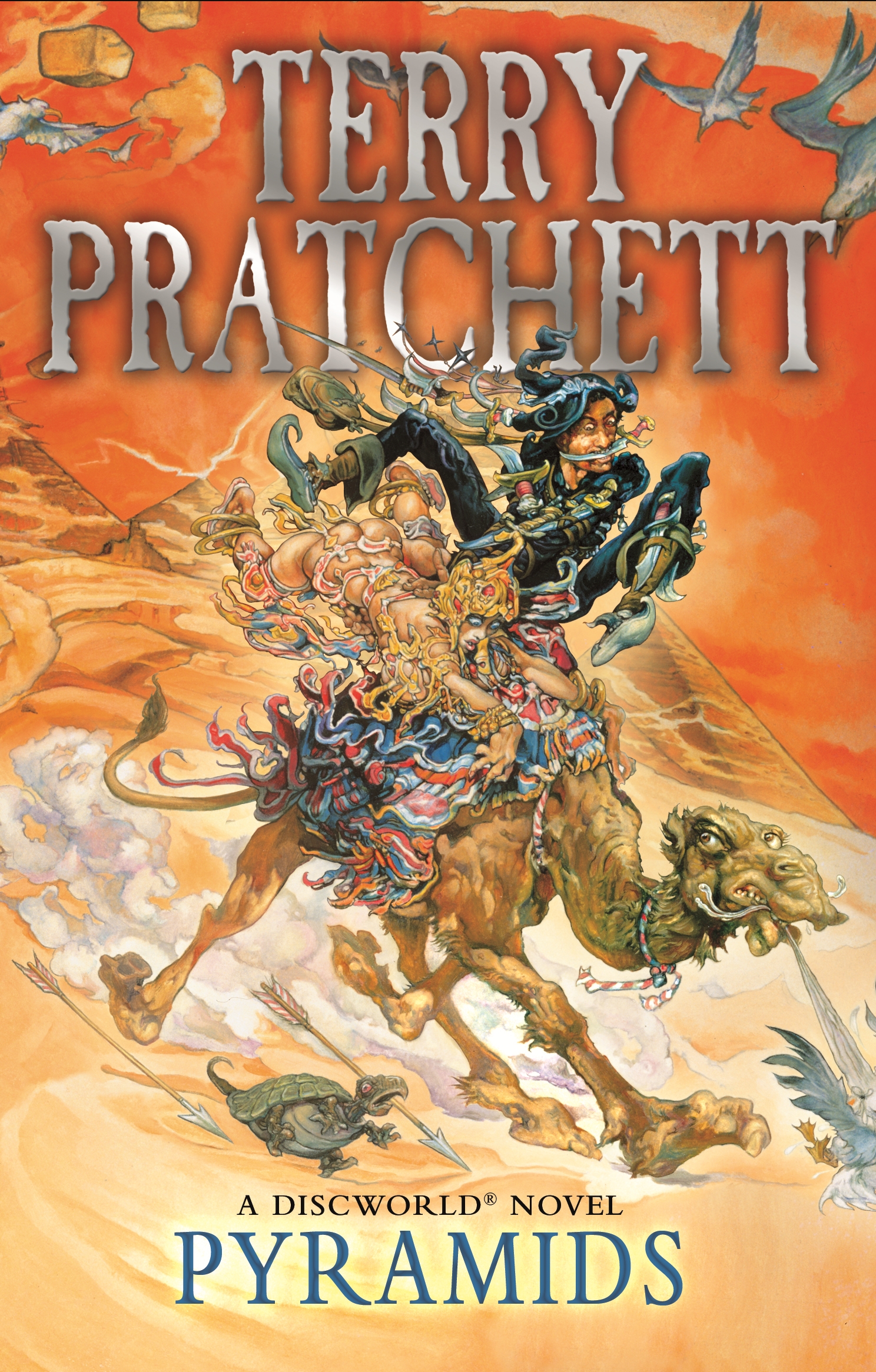
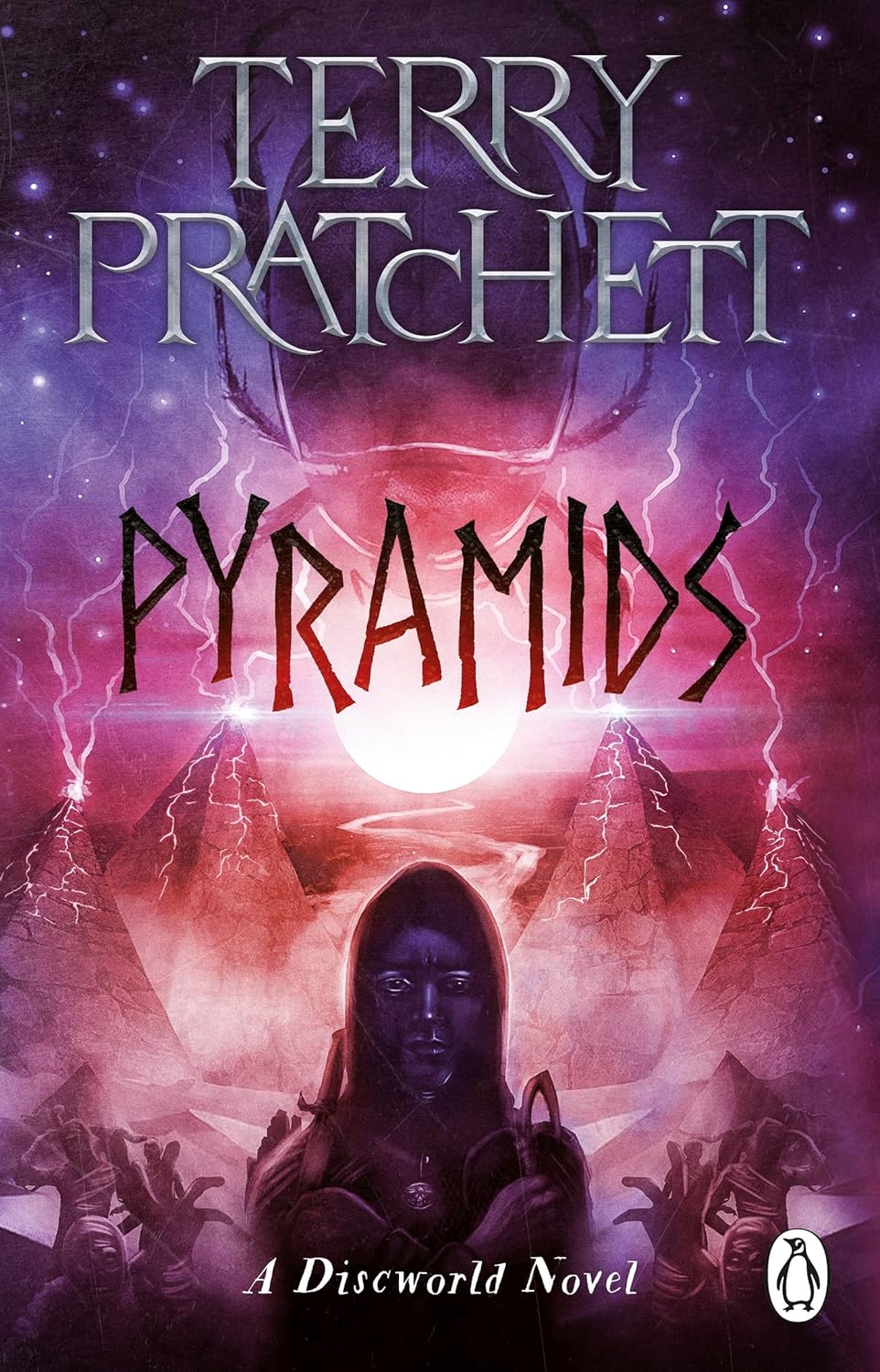
Pyramids by Terry Pratchett

Publisher: Gollancz/Penguin Audio (Audiobook – 1989)

Series: Discworld – Book Seven

Length: 9 hours and 8 minutes (Planer version)/9 hours and 53 minutes (Enoch version)

My Rating: 5 out of 5 stars

Amazon

After having an amazing time checking out the new audiobook versions of Guards! Guards!, Small Gods and Moving Pictures, I continue my latest revisit to Terry Pratchett’s Discworld series.  This time, I examine another one of my favourites with the deeply entertaining seventh novel in the overall series, Pyramids.  An outstanding standalone Discworld novel, Pyramids is a brilliant read that sees a young king go forth and then return to the insanity of his kingdom in a fun satire of ancient Egypt and its perception in Western media.

There are many mysterious realms on the magical Discworld, which travels on the back of four giant elephants standing on the back of a giant turtle.  However, few are more ancient than the tiny river kingdom of Djelibeybi.  Formerly a great empire that ruled over an entire continent, Djelibeybi is a mere shadow of its former self, its wealth drained away by the pyramids constructed to house its dead kings.  Nothing ever changes in Djelibeybi, that is until its young prince decides to get an education.

Prince Pteppicymon (Teppic), future ruler of the kingdom, has been sent away to the Assassins Guild of Ankh-Morpork, both to get the finest education on the Disc, and to learn a way to finally make his kingdom some money.  However, upon graduating, Teppic is forced to return to home when his father suddenly dies in embarrassing circumstances.

Now the god king of Djelibeybi, Teppic hopes to modernise his kingdom and introduce the comforts of the outside world.  However, Teppic has returned to a strange land he no longer understands and finds his desire for modernisation stymied by the controlling high priest Dios, whose intense love of tradition has long restricted Djelibeybi.  However, despite the best attempts of Dios, change is coming to the old kingdom, as a dark figure in the finest black stalks the city, while a massive new pyramid begins to mess with reality.  When disaster strikes, the people of Djelibeybi find themselves beset by both their gods and their dead, and only their king can save them.  But first, Teppic will need to work out how to find his kingdom again.

Pyramids continues to stand the test of time as one of my favourite Terry Pratchett books, as this compelling and wildly entertaining Discworld novel takes you on a wild ride through ancient kingdoms and eternal tradition, and every dangerous thing that comes with them.  An outstanding addition to the series that keeps you laughing the entire way through, Pyramids was peak Pratchett and gets another easy five-star rating from me.

I love the outstanding narrative that Pratchett came up with for Pyramids, which tells a fun adventure tale in an entertaining ancient Egypt facsimile.  While the narrative structure of Pyramids is slightly more basic than some of Pratchett’s other books, I think it is still quite a compelling story that keeps the reader entertained from start to finish.  Broken into several sections, Pyramids starts with an excellent introduction that showcases Teppic attempting to take his final exam at the Assassin’s Guild.  This proves to be a great fun opener, and I loved how Pratchett interspersed the over-the-top test with multiple flashbacks that showcase both Teppic’s childhood in Djelibeybi and his early days at the guild.  This works to set up a lot of key early story elements, while also serving as a memorable start, as the cool scenes of assassin testing are some of my favourites in the entire book.  This first section of Pyramids ends with Teppic finding out his father has died through an unlikely divine messenger, and he returns to Djelibeybi to take the throne.

Pratchett follows up this impressive introduction with a good central part of the story as you return to Djelibeybi proper and Teppic learns the downside to being a king.  Pratchett really works to explore the downsides of the kingdom, as Teppic begins to realise he is just a puppet with the high priest Dios truly in control.  There are some hilarious moments here, especially when it comes to the ridiculous traditions and history of Djelibeybi, and Teppic works well as a great outsider character who finally sees how silly everything is, although he is still bullied into constructing the biggest pyramid ever.  Pratchett also takes the time to introduces a colourful array of supporting characters with some compelling story arcs, including two ambitious embalmers, a disfunction family of pyramid builders, and the handmaiden Ptraci, who Teppic accidentally sentences to death.  His desire to save her leads to many of these issues coming to a head, with Teppic forced to flee from Dios, only to find himself trapped outside of the kingdom when the Great Pyramid goes off and splits Djelibeybi into its own reality.

This brings Pyramids into a compelling interim phase, as Teppic and Ptraci find sanctuary in Ephebe, while the trapped kingdom goes to madness, as all their many beliefs come to life, although not in the way they’d hoped.  I liked the fantastic contrast between the supernatural craziness going on in Djelibeybi and the more human-based chaos Teppic encounters in Ephebe as he tries to get answers out of the philosophers, before finally returning to the kingdom to save the day.  Eventually able to return thanks to a thirsty camel and an easily confused sphinx, Teppic works to destroy the Great Pyramid.  At the same time, several of the ongoing Djelibeybi storylines come together nicely, as the dead of the kingdom, including Teppic’s father, discover the truth about why they were mummified, and this leads to an outstanding and eventually explosive concluding sequence.  Pratchett wraps this up nicely with all the key characters getting the ending they deserve, and he leaves this story on yet another hopeful note that hints at an interesting future for the characters and the kingdom.

As with all the Discworld books, Pratchett does a wonderful job of telling a fun and compelling story in Pyramids that hooks you early with its fantastic elements, entertaining plot, complex satire, and great characters.  An interesting standalone entry in the Discworld series, Pyramids has a more straightforward story that is well split amongst an interesting cast of figures, each of whom find their role in the kingdom altered in some way, and I loved the chaotic plot that emerged.  Pratchett has a lot of fun exploring some great themes in Pyramids, including people attempting to break free of tradition (literally), and finding yourself.  The critique of unnecessary and restricting tradition works well as a central story element, and Pratchett leans into it heavily, showcasing how it can styme progress and lead to a slow death of a culture.  Thanks to that author’s great use of humour, you really begin to appreciate just how damaging or ridiculous some traditions can be, and I always get a chuckle at the hilarious sequences where Teppic’s over-long title is repeatedly read out again and again.

While there is some focus on death and assassination, for the most part Pyramids is a really light-hearted entry in the series, especially as Pratchett leans into the examination of ancient Egypt with its doppelganger in Djelibeybi and resulting satirisation of how ancient Egypt is portrayed in modern culture brings much of the book’s laughs.  Most of this becomes really apparent thanks to Teppic’s newly found modern sensibilities, but Pratchett also throws in some puns and lines that people with some knowledge of ancient Egypt will appreciate, and frankly I find a fun new joke every time I read this amazing book.  Many of Pratchett’s more modern takes on some of more well-known elements of Egyptian culture are very fun, with a lot of jokes about mummies, the economics of pyramid building, and what handmaidens do, proved to be really entertaining.

Much of the rest of the major jokes of Pyramids revolved around the varied reactions to the crazy events that seem to occur everywhere in the Discworld.  I personally laugh myself silly at the spontaneous football commentary that emerges when the various gods of Djelibeybi start to fight over the sun, and the resulting moments of theological debate end in a funny and snappy way.  The sequence with the Sphinx also makes for quite an entertaining inclusion, and Teppic’s assessment and rewriting of the classic riddle into a much more correct metaphor proves to be a lot of fun.  Finally, the opening assassin’s examination sequence is both tense and funny, and there is something about Pratchett imagining undergraduate assassins getting tested in a similar manner to student drivers that really shows off the inherent silliness of this series.  Throw in Pratchett’s usual array of clever puns, well-placed footnotes and witty dialogue, and Pyramids turns into a particularly funny read that still makes me laugh after all these years.

Out of all the amazing Discworld novels, Pyramids might be one of the best entries for a reader to start to explore this amazing series.  The very first standalone Discworld novel, Pyramids can be easily read without any knowledge of any of the previous books, and you really get a good sense of the larger setting and Pratchett’s ability to craft elaborate parodies of certain cultures or genres in a brilliant, self-contained manner.  While some of the elements of Pyramids are reutilised in some of the later books (the philosopher-filled city of Ephebe for one), for the most part none of the characters or storylines here are ever revisited, and you can really dive into Pyramids at any point of your Discworld reading experience.  The opening extended sequence set around Teppic’s exams and flashbacks does provide one of the best examinations of the Assassin’s Guild, a fun institution in the Discworld series, and it was really fun to see them in action here, even if the assassins do get slightly nerfed in some of the future books (especially the City Watch ones).  I do personally think that Pyramids was one of his true early classics, and this book lays at the start of a very big run of some of Pratchett’s best works, especially as he fully finalised his preferred style here.  As such, this is a great read for Discworld readers of all experiences, especially those looking to dip their toe into this amazing universe, and this is a very impressive example of Pratchett’s style and humour.

I do have to also provide a quick shoutout the fantastic array of characters featured within Pyramids, whose compelling storylines and well-thought-out story arcs really compliment the main narrative and help Pratchett explore his intricate central themes.  The main character, Teppic, serves as a great central figure for Pyramids, and his unlikely outsiders perspective allows for much of the plot change and chaotic moments.  Ptraci’s journey from passive handmaiden to unstoppable force of nature was very well handled, and I loved how Pratchett showcased just how much impact a suddenly confident woman can have on the world.  I also always find it quite hilarious that the previous king, Pteppicymon XXVII, only truly finds himself in death, and his later interactions with the embalmers Dil and Gurn lead to some truly heartwarming moments.  The Ptaclusp dynasty of pyramid builders added some fun family chaos to the mix, and their representation of the new generation taking over from the old was quite entertaining, even if the brothers (Ptaclusp IIa and Ptaclusp IIb) had differing views on what the future should be.  Teppic’s classmates from the Assassin’s Guild also added some excellent colour, especially the overconfident Chidder, although I felt that it was a shame that most of those great characters introduced in the opening part of the book where never utilised again.

Out of all the characters featured within the book, my favourite was probably Dios, who can probably be considered the antagonist of Pyramids.  The High Priest of Djelibeybi, Dios is the main administrator of the country, who strictly adheres to tradition and ritual and doesn’t allow Teppic to make any changes or independent decisions.  A strict and rigid person capable of bending anyone to his will, Dios is restricting tradition personified, and the lengths he goes to keep Djelibeybi the same is quite fascinating, while his struggles to keep Teppic in line lead to some amusing moments.  I honestly feel that Dios was one of Pratchett’s more compelling antagonists, as while he does some bad things he’s not actually a bad person; instead he’s someone stuck in the trap of always doing things a specific way and is incapable of thinking any other way.  You honestly feel a little sympathetic for him at times, especially when the full scope of his service is revealed, and while he continues to make the wrong decisions for the future of Djelibeybi, you can kind of understand why he is the way he is.  The final fate of Dios was really well written, if a little horrifying if you actually stop to think about it, although it fulfills his wish of everything staying the same.  A truly complex figure who plays off the rest of the outrageous and outgoing characters extremely well, Dios really tied this book together and I loved how well Pratchett featured him in Pyramids.

Unsurprisingly to anyone who has read my other rambling Discworld reviews, I have a lot to say about Pyramids on audiobook.  Audiobooks are my favourite way to enjoy any book, with the Discworld audiobooks being an exceptionally good example of how this format can make an already awesome novel even better.  Like the rest of the series, Pyramids has two really good unabridged audiobook versions, both of which come really recommended by me as brilliant ways to check out a classic book from Pratchett.

The first of these audiobook formats is the old-school version narrated by the legendary Nigel Planer.  I have mentioned Planer a few times over the years due to his exceptional work voicing over half the unabridged Discworld audiobooks and he remains one of my favourite audiobook narrators as a result.  His ability to come up with new character voices for every single audiobook was just incredible, and I love all his cool vocal choices, especially in Pyramids.  His take on the various characters was quite inspired, and you really get all the characters’ unique personalities, including Teppic’s modern spirit, Dios’s controlling reliance on tradition, the exasperation of the dead former king, and the overpowering personality of Ptraci.  Planer also perfectly showcases all the best jokes in Pyramids, including the fantastic over-the-top sequences where Dios repeats Teppic’s title, or the hilarious scene where the priest provides commentary for the divine fight for the sun.  I have so much love for all of Planer’s original Discworld work, and Pyramids is a particular favourite of mine as he takes that verbal gags that Pratchett sets up and makes them his own.

While the Planer version of Pyramids was the one that I grew up with, I have also had the pleasure of listening to the newer Pyramids audiobook that provides a fresh take on the story.  Part of the same Discworld audiobook series I have recently enjoyed for Guards! Guards!, Moving Pictures and Small Gods, this new version of Pyramids was also extremely good with some great voice work and a compelling pace.  Featuring a runtime just shy of 10 hours, this new audiobook is slightly longer than the Planer version and features the amazing voice work of Alfred Enoch, Bill Nighy and Peter Serafinowicz, with Enoch acting as the main narrator.

Enoch, who is probably best known for his role in the Harry Potter films, did an outstanding job as the main narrator for Pyramids, and I really appreciate his take on the compelling story.  His more youthful voice gave this version of Pyramids some additional energy, and you really move through the main story extremely quickly as a result.  I also really enjoyed how some of the protagonists turned out in this version of Pyramids, and while Enoch lacks the full range of fun character voices that Planer had, he still provides some impressive and fitting tones that expertly captures the various characters.  I felt that his voice for Teppic was especially well done, with his hopeful personality really shining through, while his voice for Dios had the commanding and controlling edge that it needed.  I felt that Dios was probably Enoch’s best voice, especially when it comes to the repetitive gag of having to intone Teppic’s full title.  I also actually quite like the voice he used for Ptraci, which was markedly different to the voice that Planer utilised in his version.  Enoch’s Ptraci voice was a little more curious and confident at times, and I got a much different personality vibe in this version which was quite interesting.  Enoch also ensured that his version of Pyramids stood out by pronouncing some of the character names in a different manner to Planer, mainly because he kept the P silent when it appears at some of the names (for example, Ptraci becomes Traci).  While this was a noticeable difference from the Planer version, I really liked it, as it actually captured Pratchett’s intended pronunciation based on how P is used in ancient Egyptian.  This ended up being an exceptional performance from Enoch, and one that I had a lot of fun with.

On top of Enoch’s main narration, this version of Pyramids also featured the voices of Bill Nighy and Peter Serafinowicz, who have the same roles in every audiobook of this new run.  Both play key parts in this audiobook, with Nighy voicing the various footnotes, while Serafinowicz was the voice of Death whenever he appeared.  Both provided an exceptional performance here, with Nighy in particular giving some excellent gravitas to the essential and humour-laden footnotes.  Serafinowicz’s role in Pyramids was a little more limited, mainly because Death only appeared a couple of scenes, but he really captured this awesome anthropomorphic personification perfectly when he did appear, providing a booming and impactful Death voice that was a lot of fun to hear.  Both Bill Nighy and Peter Serafinowicz’s inclusions were worked into Enoch’s overarching narration extremely well, and I felt that the three complemented each other nicely throughout the audiobook.  This ended up being an overall impressive take on Pyramids, and the new narrators really knew what they were doing here.  As such, this version also comes recommended, and while the Nigel Planer version is still living in my head rent free, this new take on Pyramids was very fun and I enjoyed hearing some new voices take it on.

Overall, Pyramids proved to be quite an awesome book, and I really think it was one of Terry Pratchett’s better early Discworld novels.  Featuring an outstanding story with some fantastic humour, Pyramids is an absolute joy to read, and I loved seeing the author’s distinctive parody of ancient Egypt.  Clever and loaded with complex comedic gold, Pyramids still cracks me up every time I read it, and I cannot recommend this book enough to anyone interested in checking out the exceptional Discworld books, especially in either of its epic audiobook formats.

Amazon

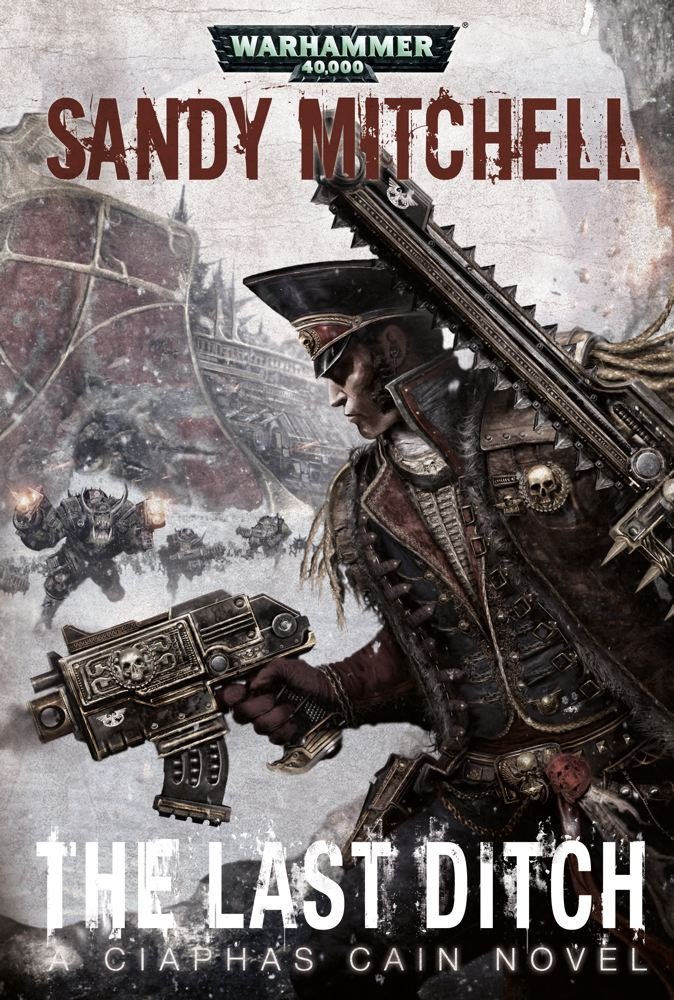
Warhammer 40,000: Cain’s Last Stand by Sandy Mitchell

Cain's Last Stand Cover

Publisher: Black Library (Audiobook – 1 January 2008)

Series: Ciaphas Cain – Book Six

Length: 10 hours and 30 minutes

My Rating: 4.75 out of 5 stars

Amazon

I’ve been on a real roll with the amazing Ciaphas Cain series by Sandy Mitchell (a pseudonym of Alex Stewart) lately, which is easily one of the funniest Warhammer 40,000 series out there.  Amazing books like For the Emperor, Caves of Ice, The Traitor’s Hand, Death or Glory and Duty Calls have all proved to be highly entertaining, and I like the author’s take on a less heroic figure in the martyr-filled grimdark Warhammer 40,000 universe.  As such, when in need of a particularly fun read, I made the very easy choice to power through another entry in this classic series last week with the sixth book, Cain’s Last Stand.  This was an unsurprisingly awesome book, and I loved the intriguing story that emerged.

Commissar Ciaphas Cain, legendary hero of the Imperium and self-professed fraudulent coward, has done the near impossible and survived decades of brutal service in the Imperial Guard.  Now effectively retired from active duty, Cain has returned to the planet of Perlia, which he helped save from an ork invasion early in his career, and now spends his time teaching Commissar cadets at the planet’s Schola Progenium.  However, the battle is never truly over for Cain, and soon dark forces begin to descend once again.

Half a galaxy away, Abaddon the Despoiler has launched his 13th Black Crusade, determined to invade the Imperium of Man.  While most of the fighting occurs around the fortress world of Cadia, a splinter fleet has broken off and is heading deep into the Imperium, defeating several forces sent to stop it.  When it becomes apparent that this fleet is heading directly for Perlia, Cain is once again forced into action, especially as he knows exactly what they are coming for.

An ancient alien device of devastating power lies hidden on Perlia, one capable of reshaping reality itself, and Cain is one of the few people who knows it’s there.  With no means of escape available and the fate of the galaxy in the balance, Cain is forced to lead the defence of Perlia against the oncoming Chaos tide.  With only a ramshackle army of local soldiers, militia and students from the Schola under his command, the defence of the planet looks grim, especially when faced with a charismatic Chaos lord and his fanatically loyal soldiers.  Worse, a far greater evil has its eyes on Perlia, one that Cain fears above all else.  Can the legendary hero of the Imperium pull out one last impossible victory before he rides off into the sunset, or has Cain finally met his match at the site of his greatest triumph?

Mitchell continues to bring joy to the dark Warhammer 40,000 universe with this epic sixth entry, which I had so much fun with.  Cain’s Last Stand was an excellent read, and I loved the cool and elaborate story that emerged.

I think Cain’s Last Stand might be one of my favourite stories that Mitchell has so far used for the Ciaphas Cain series, especially because it differs from the standard narrative patterns of the series, while also cleverly tying together some intriguing ongoing storylines.  Set further into the future than any of the previous books, you get to see a nearly retired Cain in action, as the series finally ties itself into the events of the 13th Black Crusade (the original version of it, not the darker recent retcon).  I liked how Mitchell takes the reader back to the setting of the fourth book, Death or Glory, and the initial scenes of Cain as a reluctant but capable teacher, were very fun.  The switch from Tyranids to Chaos as the main threat is handled extremely well, and I liked the continued niggle that even worse enemies are lurking around.  The subsequent reveal that the reason behind the invasion is due to the ancient artefact first hinted at in Death or Glory and then expanded on in Duty Calls was great, and Mitchell does an excellent job of tying the various ongoing storylines together.

The second half of Cain’s Last Stand proves to be a very fun planetary invasion arc, especially as Cain works to rally an unusual array of defenders, including untrained militia, under strength garrison forces, and his own students.  The forces of Chaos prove to be excellent foes for this story, and I liked the much more insidious nature of the threat that emerged, especially as there was a slow build to the reveal.  After plenty of action, clever ploys, some touching tragedy, and so much misdirection from the protagonist, the story eventually heads to the inevitable last stand, which cleverly mirrors a similar event from Death or Glory.  Mitchell does a great job of building up anticipation for this event, and it doesn’t disappoint as there are some excellent action sequences and fun revelations that occurred.  I particularly enjoyed the big bluff that leads to the death of a certain enemy, especially as it was a classic Cain antic.  The final reveal about the actual big bad of the story was well handled, and it leaves this storyline open for the future, which I am very excited for.  An overall excellent addition to the series that builds on the prior novels while offering existing fans something new to enjoy.

Mitchell continues to utilise the fantastic writing style that has made the other Ciaphas Cain books so much fun, and I love how it cleverly enhances the narrative of Cain’s Last Stand.  As always, the cool journal format, equipped with entertaining footnotes and in-universe texts from Inquisitor Amberley Vail, ensures that you get a frank and cynical look at events in the Warhammer 40,000 universe, and I love the inherent humour that results.  The various action scenes are exciting and fast-paced, and the constant commentary of complaints and annoyance that emerges from the protagonist are very entertaining.  This action and compelling humour are well offset by some of the darker elements of the plot, including some genuinely tragic moments, and you get thrown around the emotional ringer as a result.  This mixture of elements helped to create a much more impactful and complex read, and I appreciated some occasional seriousness to go with the impressive humour.

As with most books in the Ciaphas Cain series, Cain’s Last Stand can be read as a standalone read, especially as the author does a good job of rehashing relevant events from the prior novels.  However, for the full experience, especially when it comes to some fascinating storylines, reading the last two books would be good, and I really enjoyed how the author kept bringing the story back to these prior adventures.  While there was once again some repetition between books as Mitchell reutilises his favourite lines, I felt that the more original story and important connections to previous books ensured that Cain’s Last Stand stood out and got away from some of these minor issues.  An excellently written book that will appeal to both new readers and established fans of the series.

As always, I must give a callout to the outstanding characters featured in Cain’s Last Stand.  This of course includes Commissar Ciaphas Cain, the main protagonist and narrator, whose harrowing adventures we continue to follow.  I’ve talked a lot about the exciting dichotomy of Cain throughout my previous reviews, especially as he can be considered both a hero and a coward, and I loved seeing that occur again in Cain’s Last Stand.  Cain continues to be both a self-serving cad and a peerless commander, and it always fun to see himself plot to survive while discounting his own accomplishments.  His adventures in this book are particularly fun, and the inclusion of the protagonist as a teacher trying to get his methodology of command to Commissar cadets was a great choice from Mitchell and plays nicely on some of his offhand comments in previous books.  This, as well as the return to a planet important to his mythos, ensures that Cain has a lot to think about in Cain’s Last Stand, and I really enjoyed the way his past adventures keep coming back to haunt him.  This was a powerful adventure for Cain, and I always enjoy seeing the protagonist debate his own legacy whilst doing his trademark daring deeds.

The supporting cast for Cain’s Last Stand was also very good, and it provided an interesting mixed of established characters, returning figures, and raft of great new comrades.  This includes Inquisitor Amberley Vail, whose role as the overarching narrator of the book, as well as the person behind the footnotes, ensures that her fun influence is felt the entire way through.  Cain’s faithful bagman, Jurgen, was also a welcome inclusion, and his loyal service and fun interactions with Cain were as great as always.  Jurgen once again showed why he is the true MVP of the Ciaphas Cain series, and you have to love the entertaining contrast between his Baldrick-esque appearance and his impressive abilities.  Other great characters include a favourite character from Death or Glory, an interesting array of fellow teachers from Cain’s Schola Progenium, and other unique comrades for the protagonist.  I particularly enjoyed the class of Commissar cadets who are being instructed by Cain, and it was fun to see the range of different personalities they had.  Throw in a smarmy Chaos warlord whose charisma and influence outweighed his abilities and stature, and you had a great cast for Cain’s Last Stand, and I had a lot of fun seeing Cain interact with them.

I once again had an outstanding time with the audiobook format of this book, and frankly there is no better way to enjoy a Ciaphas Cain novel.  Thanks to the epic and well-cast multiple narrators, readers get an amazing experience when they listen to Cain’s Last Stand, especially as it helps to really capture the crazy nature of the plot.  The main narrators are Stephen Perring and Penelope Rawlins, who voice Cain’s perspective and Inquisitor Vail’s notes respectfully.  Perring once again does an incredible job voicing the main cast of the story, especially Cain and Jurgen, while Rawlins has a lot of fun including her character’s informative, if often sarcastic, comments throughout the plot.  These two main narrators complement each other extremely well, and I always have an awesome time listening to them.  The audiobook also features the talents of additional narrators Richard Reed, John Banks and Phillipe Bosher, each of whom voice fun in-universe texts and pieces of propaganda to liven up the main plot and provide some amusing context for the main story.  I have so much love for how these narrators bring the story together and this proved to be another impressive audiobook to listen to, especially as its great style really fit the fantastic story Mitchell came up with.  With a run time of 10 hours and 30 minutes, this is a very easy audiobook to get through quickly, and I managed to finish it off in no time at all.

Cain’s Last Stand was another amazing entry in the Ciaphas Cain series by Sandy Mitchell, and I have so much love for this entertaining and fun Warhammer 40,000 series.  This sixth book was a particularly impressive entry in the series, and I loved the complex story that emerged, especially as it brings together several previous adventures from Mitchell’s outstanding protagonist.  A clever, exciting and overall funny book that I could not get enough of, Cain’s Last Stand comes highly recommended and I look forward to continuing this series in the future.

Amazon

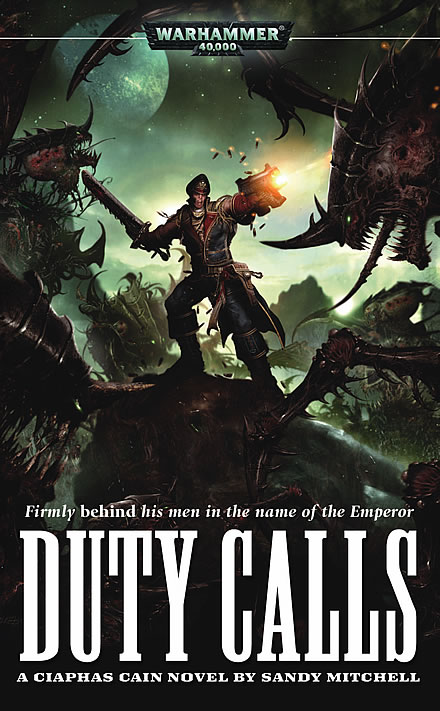
Warhammer 40,000: Duty Calls by Sandy Mitchell

Duty Calls Cover

Publisher: Black Library (Audiobook – 22 May 2007)

Series: Ciaphas Cain – Book Five

Length: 9 hours and 37 minutes

My Rating: 4.5 out of 5 stars

Amazon

One of the most entertaining authors of Warhammer fiction, Sandy Mitchell, continues to shine with the fifth book in his excellent Ciaphas Cain series, Duty Calls.

I doubt anyone is too surprised to hear that I broke a recent lull of reading by resuming the Ciaphas Cain series.  The Ciaphas Cain books, written by Sandy Mitchell (the alternate penname of author Alex Stewart), are an outstanding series that aims to bring a little humour to the crazy and dark battles of the gothic Warhammer 40,000 universe.  I have deeply enjoyed the first four books in this series, For the Emperor, Caves of Ice, The Traitor’s Hand and Death or Glory, and this honestly is one of the very best Warhammer 40,000 series out there.

Commissar Ciaphas Cain, hero of the Imperium and self-confessed self-serving coward, continues his exciting and deadly adventures when a new dark threat rises to destroy humanity.  After his last harrowing adventure with the Valhallan 597th, Cain is keen for a less deadly experience, and his new deployment to help crack down on civil unrest on the planet of Periremunda seems to be the ticket.  However, nothing is ever simple when Cain is involved.

Upon arriving on Periremunda, Cain quickly finds his life in danger as a series of assassination attempts are made against him.  Realising that his assailants are genestealers, the deadly scouts of the Tyranid swarm, Cain begins to understand the true danger Periremunda is in, as the genstealers herald the approach a Hive Fleet.  But unstoppable hordes of alien creatures are the least of Cain’s worries as he is reunited with his old flame, Inquisitor Amberley Vail.

Ostensibly on Periremunda to help the Imperial Guard stave off the Tyranid invasion, it soon becomes apparent that Vail is there for a darker reason.  Something incredibly important has been hidden on the planet that has the potential to change the entire Imperium.  Forced to assist Vail, Cain and his trusty aide, Jurgen, find themselves thrust into the deadly intricacies of a battle between hidden underground factions.  But with hungry Tyranids all around, deadly assassins gunning for Cain and a mysterious Chaos cult causing mischief, can Cain survive his deadliest encounter yet?

Duty Calls was an awesome addition to the Ciaphas Cain series that builds on several of the prior adventures, while also testing the protagonist in some fun new ways.  I loved the interesting story contained with Duty Calls, and this was one of Mitchell’s stronger additions to the series.

This fifth Ciaphas Cain novel had a great story behind it, although I am sure that prior readers will be familiar with the overall thrust of the narrative, with the seemingly cowardly Cain arriving on a new planet to face one threat, only to discover a much more dangerous enemy hiding beneath the surface that he is forced to reluctantly face and defeat, once again accidentally proving that he is a hero.  While Mitchell does try to break this story premise up throughout the series, this is a recurring story format, which can get a little too repetitive.  However, I think that Duty Calls stands on its own feet and Mitchell does a good job distinguishing it from the previous entries in the series.  The initial hidden threat of genestealers transforms into a massive Tyranid invasion, and it proved intriguing to see the protagonist face off against the ravening alien forces.  Tyranids are easily one of the best antagonists in the entire Warhammer 40,000 canon, and while they lose a little of their fighting ability in the face of Cain’s plot armour, they proved to be a great threat in Duty Calls.

While Mitchell could have probably left Duty Calls as simply a military novel, the inclusion of major recurring character Inquisitor Amberley Vail ensures that Cain is thrust into a much more subtle form of danger alongside the Tyranid invasion.  Caught between warring factions of the Inquisition and Adeptus Mechanicus, Cain is used as a pawn in the resulting shadow war, and there are some great scenes as Cain dodges assassination attempts, hidden Chaos cults, and other unseen dangers, all while trying to work out what the elaborate conspiracy is.  Novels that focus on the plots and conspiracies of Inquisitors are always very cool in the Warhammer 40,000 universe (see my reviews for Xenos, Malleus and Hereticus by Dan Abnett), and Mitchell fits Cain into this intrigue laden story arc extremely well.  It helped that there was some excellent set-up for this in the previous novel, and it was good to get a continuation here.  The resulting combination of storylines comes together really well, and Duty Calls has a really impressive and addictive narrative that will appeal to all fans of Warhammer 40,000 fiction.

As with the previous Ciaphas Cain novels, Mitchell does a great job of balancing the various elements of Duty Calls perfectly.  While primarily a military focused science fiction read, Duty Calls also has some great elements of intrigue and espionage, which ensures extra levels of excitement and danger.  However, I feel that the best part of Duty Calls is the inherent humour that Mitchell produces, which is a real rarity in Warhammer fiction.  Most of this is due to the hilarious and cynical narration of the main character, who pulls no punches when it comes to describing how ridiculous events are and the fact that he’s caught in the middle of them.  Extra humour is also built in due to the contained chronicle format that Mitchell has set the series out in, with the protagonist’s journal entries enhanced by extra documentation, descriptions, references and notes from Cain’s associate, Inquisitor Vail.  Vail’s sarcastic take on Cain’s description of events throughout these extra notes is a lot of fun, and the additional in-universe texts and broadcasts seek to showcase just how ridiculous humanity and the Imperium has gotten in the war-torn future, with over-the-top bits of propaganda and biased historical documents.  All this adds to quite a funny book, and this built-in comedy pairs remarkably well with the more serious parts of Duty Call’s narrative to create a truly addictive and fun read.

I felt that Duty Calls was a strong entry in the Ciaphas Cain series, especially as it builds nicely off the events of the preceding novel, Death or Glory.  Due to the series looking at different time periods of Cain’s career, Duty Calls is set between the second and third books, although it makes a lot of references to the first novel, and the events of Death or Glory, which took place many years before.  While the jumps around the timeline are a little confusing, Mitchell makes it work, and I liked seeing the return of several recurring characters, as well as a continuation of some mysterious storylines from the previous book.  Despite these connections, Duty Calls also works quite well as a standalone novel, and new readers can jump into the series here without too many issues.  Indeed, Duty Calls is a good introduction to both the Tyranids and the Warhammer 40,000 universe, and the Ciaphas Cain books are very much engineered for new Warhammer fans.  I will say that after reading several Ciaphas Cain books in a row, Mitchell’s proclivity for repeating elements from his other novels is a bit more obvious, and you do get a little weary of hearing the same phrases, descriptions and character depictions again and again.  Still, Mitchell ensures that Duty Calls is a particularly entertaining read, so its easy to really get stuck into it, and I deeply enjoyed seeing this unique series continue.

As always, I must mention the great characters featured within Duty Calls.  The most prominent of these is series protagonist Ciaphas Cain, who might be one of the more complex and debated figures in the Warhammer 40,000 canon.  Shown by his own admission to be a coward and a false hero, Cain spends most of the book trying to come up with ways to avoid combat and surviving the inevitable battles that his reputation and own bad luck force him to participate in.  His memoirs are filled with cynical allusions to the methods he utilises to survive, and you can see that Mitchell is trying to emulate classic characters like Flashman or Blackadder.  However, despite the character’s constant assurances that he is no hero, you see time and time again that there is far more to Cain, as he routinely defeats the enemy, often thanks to his own caution, survival instincts and ability to inspire his fellow troops.  I love how you are constantly rooting for Cain, despite his attempts to weasel out of trouble, and his self-deprecation about his actions really makes you feel for him, especially as its apparent that he is just one filled with self-doubt after not being an over-the-top martyr like the other heroes in the Warhammer 40,000 universe.  At the same time, Cain also provides a lot of the book’s humour, as you are bombarded with his fun comments and cynical attitude about everyone he encounters.  As such, I really appreciate Cain as a central character in this series, and it is always so much fun to follow him throughout his adventures.

Aside from Cain, there is an interesting array of characters featured in Duty Calls who I had a lot of fun with.  Many of them are recurring from the previous novels, and it was good to see various familiar faces again.  This includes Cain’s faithful aide, Jurgen, who Mitchell portrays in a manner like Baldrick from Blackadder, due to his apparent gormless attitude and poor personal hygiene.  However, in many ways Jurgen is just as much a hero as Cain, often being the one to save the day with his skills and big gun, and he forms a great team with Cain, especially as his Commissar is usually the one drawing the enemy’s attention from his aide’s attacks.  I also really enjoyed seeing the return of Inquisitor Amberley Vail, both as a character in Cain’s adventures and the person publishing his memoirs.  Vail proves to be the perfect foil to Cain for many reasons, and I like how she’s the only person who can effectively manipulate Cain and doesn’t fall for his lies and schemes.  Vail constantly calls out Cain, both in person and through the footnotes she amends to his chronicles, and I love how she has his number, while also clearly caring for Cain as a partner.  Duty Calls really shows just how dangerous Vail can be though, especially as she gets into the fight and makes some tough decisions.  Other interesting characters include several familiar soldiers from the Valhallan 597th, the outrageous members of Vail’s inquisitorial retinue, and a several intriguing antagonists who prove to be great and over-the-top opponents to the sensible Cain.  All these characters added a lot to the impact of the book, and I cannot wait to see how they fit into Cain’s adventures again in the future.

Readers who have seen my previous Ciaphas Cain reviews know that the only way I am going to enjoy this series is through its audiobook format.  All Warhammer novels make awesome audiobooks, but the Ciaphas Cain audiobooks are something particularly special thanks to the use of multiple narrators.  Duty Calls features six separate narrators who add a great deal to the production thanks to their fantastic voices and entertaining takes on the characters and universe.  Most of this narration is done by the superbly talented Stephen Perring, who lends his voice to all the chapters told from Cain’s perspective.  As such, he covers most of the first-person action and adventures of the main character, and his take on the complex Cain and his colleagues is exceptional.  The way he captures the various aspects of Cain’s character through his voice work is impressive, and you really get a sense of the multiple layers surrounding his motivations.  Perring also does a really good job of capturing the other intriguing characters Cain interacts with, including his aid Jurgen, and the eclectic members of the Inquisition that crosses his path.

After Perring, the most prominent narrator is Penelope Rawlins, who provides narrations for the various inclusions written by Inquisitor Vail.  As such, Rawlin’s voice is constantly interjected into the audiobook at various points as she reads out the footnotes, context pages, and personal remarks from Vail, as she attempts to make Cain’s story more readable.  Rawlins has really perfected her Vail voice over the course of the series, and it is always great to have the playful, informative, and often gently exasperated tones of a chronicling Inquisitor come through the plot.  There is also some good contrast between Perring and Rawlins, especially as both voice the character of Vail throughout Duty Calls, and they serve as a winning main team.

The other four narrators, Emma Gregory, Richard Reed, Tara Rawson and Andrew James Spooner are also very fun, even if they are used a little sparingly.  These four narrators’ voice extracts from various in-universe texts, chronicles and new casts that Inquisitor Vail has added to Cain’s manuscripts to give them more context.  These talented narrators go all out in voicing these intriguing and often over-the-top inclusions, and I love the humorous spin their excellent narration adds to them as a result.  Gregory is particularly noteworthy, especially as she once again voices the ridiculously patriotic memoirs of an officer fighting alongside Cain, but all these extra narrators do such a great job.  This excellent and entertaining combination of voice actors and audiobook narrators turns Duty Calls into a real treat to listen to, and I honestly cannot recommend this format enough to anyone interested in checking out the Ciaphas Cain series.

I continue to fall further in love with the Ciaphas Cain series as Sandy Mitchell produces another amazing and fun story in Duty Calls.  Loaded with action, humour, and a particularly complex protagonist, Duty Calls had everything I’ve come to expect from the Ciaphas Cain series, and I deeply enjoyed how Mitchell continues to showcase the Warhammer 40,000 universe in his own distinctive way.  I can think of no better way to highlight just how much of a great time I had with Duty Calls than to reveal that I automatically started listening to the sequel Cain’s Last Stand, the moment I finished it.  Highly recommended to all Warhammer fans and new readers wanting some fun science fiction adventures.

Amazon

Top Ten Tuesday – My Favourite Audiobooks with Multiple Narrators

Top Ten Tuesday is a weekly meme that currently resides at The Artsy Reader Girl and features bloggers sharing lists on various book topics.  The official topic of this week’s Top Ten Tuesday looked at books participants have read or wanted to read because of other Top Ten Tuesday posts.  While this is a very interesting topic, it’s not one that I felt I could really participate in.  However, I did have a couple of audiobook-focused lists I’d been cooking up in the background, so I thought I’d take the opportunity to post one here.

My list for this week revolves around audiobooks with multiple narrators.  Now fans of my blog will be well aware that I am a massive fan of the audiobook format, and I honestly find it the best way to enjoy a range of cool novels and series.  I have so much love for audiobooks, and a great narrator can exceptionally increase how much I enjoy an epic book.  In some particularly awesome cases, the audiobook format can feature more than one narrator, and that is what I want to focus this list on.  I have had the pleasure of listening to some very impressive audiobooks that feature a large cast of voice actors and frankly the range of voices and talents involved can add an even greater layer of awesomeness to the proceedings.  As such, I thought this would be a fantastic opportunity to highlight some of the very vest multi-narrator audiobooks I have listened to so far.

To appear on this list, the audiobook in question had to have two or more narrators attached to it, with the second narrator having more than a cameo appearance to it.  I actually had quite a few options to include here, but I was eventually able to whittle it down to a satisfying top-ten list, with my typical generous honourable mentions section as well.  I think this list came up pretty well, and I really liked some of the books I selected.  All the below choices come very highly recommended on audiobook, and their great collection of narrators ensured that this format was particularly epic.

Honourable Mentions:

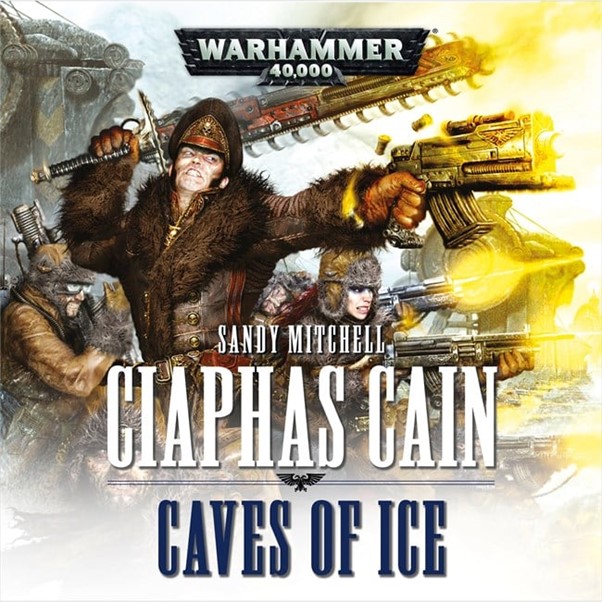
Caves of Ice, written by Sandy Mitchell and narrated by Stephen Perring, Penelope Rawlins and Emma Gregory

Caves of Ice Cover

Amazon


Dredge Runners, written by Alec Worley and narrated by Jon Rand, Paul Putner, Emma Noakes, Kelly Hotten, David Seddon and Andrew James Spooner

Dredge Runners

Amazon


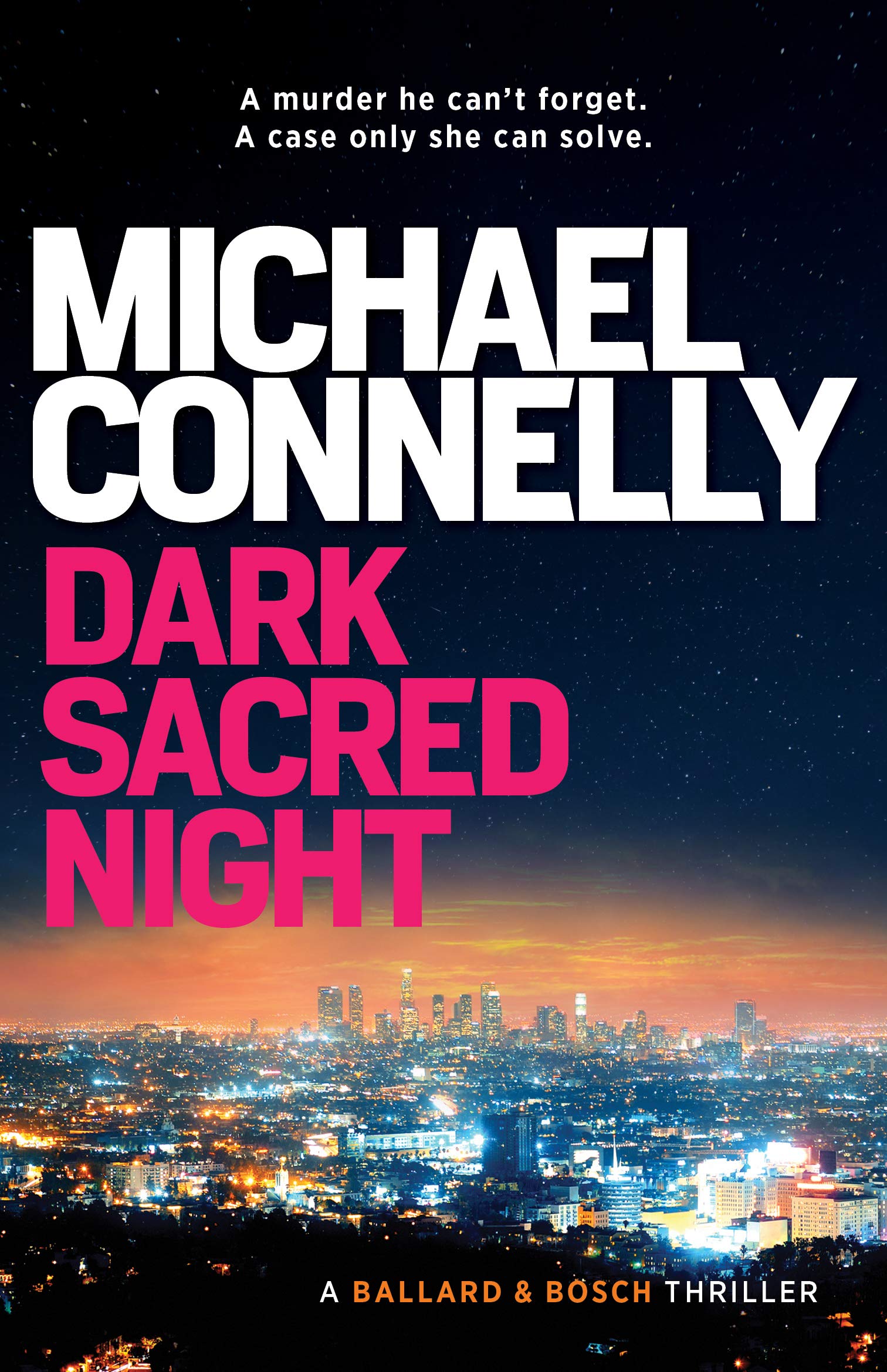
Dark Sacred Night, written by Michael Connelly narrated by Titus Welliver and Christine Lakin

Dark Sacred Night Cover

Amazon


The Battle For Jedha, written by George Mann and performed by a full cast

Star Wars - The Battle of Jedha Cover

Amazon

Top Ten Tuesdsay:

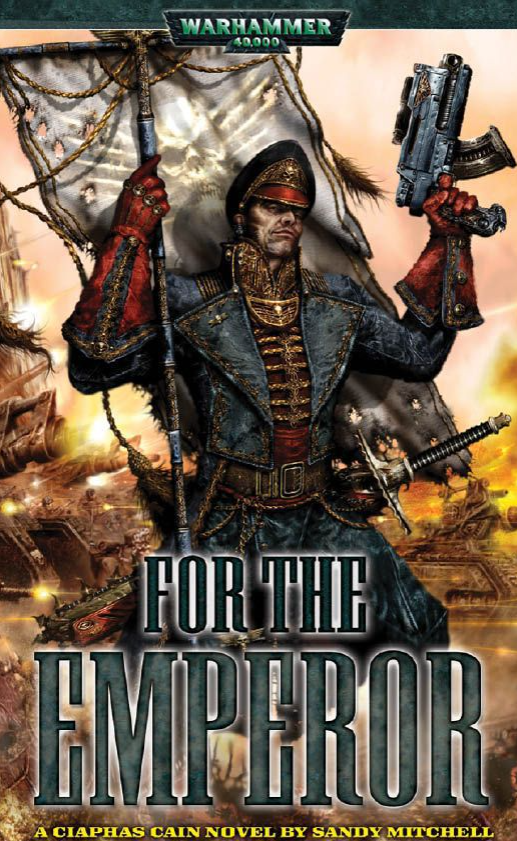
For the Emperor, written by Sandy Mitchell and narrated by Stephen Perring, Penelope Rawlins and Emma Gregory

Warhammer 40,000 - For the Emperor Cover

Let us start off with one of my favourite Warhammer 40,000 audiobooks, For the Emperor by Sandy Mitchell.  The first book in the acclaimed and hilarious Ciaphas Cain series, For the Emperor is a very entertaining novel that follows the exploits of a cowardly Commissar who has managed to convince everyone that he’s a brilliant war hero.  This is an extremely funny read, and it’s audiobook version is greatly enhanced by the use of its three narrators, Stephen Perring, Penelope Rawlins and Emma Gregory.  All three narrators are extremely good in their roles, and I love how they split the load, with Perring voicing much of the main story, Rawlins voicing hilarious notes from an outside observer, and Gregory voicing several intentionally badly written book excerpts in an over-the-top manner.  This unique narration works extremely well and you will fall down laughing as a result.  This cast (with a few more additions), lend their voices to the entire Ciaphas Cian series, and I look forward to checking out more entries in this series in the future, especially with this brilliant cast behind it.

Amazon


The Sandman, written by Neil Gaiman and narrated by a full cast

Sandman Act 1 Cover

I had to include the first epic audio adaptation of the iconic Sandman comic here on this list, as it is a particularly exceptional listen.  This adaptation features a massive and highly talented voice cast to bring Gaiman’s elaborate story to life, including a cool mixture of celebrities and professional voice actors, who mesh extremely well together to tell a brilliant story.  Celebrities, including James McAvoy, Kat Dennings, Taron Egerton, Andy Serkis, Michael Sheen and Riz Ahmed, as well as iconic audiobook narrators like Ray Porter, do an exceptional job bringing their characters to life, and in some cases they are even better than the live-action cast from the Netflix show.  I absolutely flew through this adaptation, and the sheer range of great voices involved is so damn epic you won’t be able to turn it off.

Amazon


World War Z, written by Max Brooks and narrated by a full cast

World War Z Cover

Another massive audiobook production that benefits incredibly from an extensive celebrity cast is the adaptation of the awesome zombie novel, World War Z.  This large cast works extremely well to bring Brooks’ interview-style story to life, as they each take on the role of a specific character being interviewed.  With Brooks acting as the interviewer, each of these actors tell their character’s specific story of the zombie apocalypse in impressive fashion, diving into their charaters and telling their terrifying tales.  Honestly all 30+ actors do an incredible job here, but some of the standouts include Alfred Molina as former astronaut (with a decent Australian accent), Alan Alda as a business strategist, Masi Oka as a Japanese otaku who is totally unprepared for the zombies, and Rob Reiner and an almost unrecognisable Simon Pegg as politicians.  However, my favourite is easily Mark Hamill, who has several of the best chapters as a jaded former solider caught up in the very worst moments of the war.  This cast is just exceptional, and their use in this audiobook turns this into a first-class listen.

Amazon


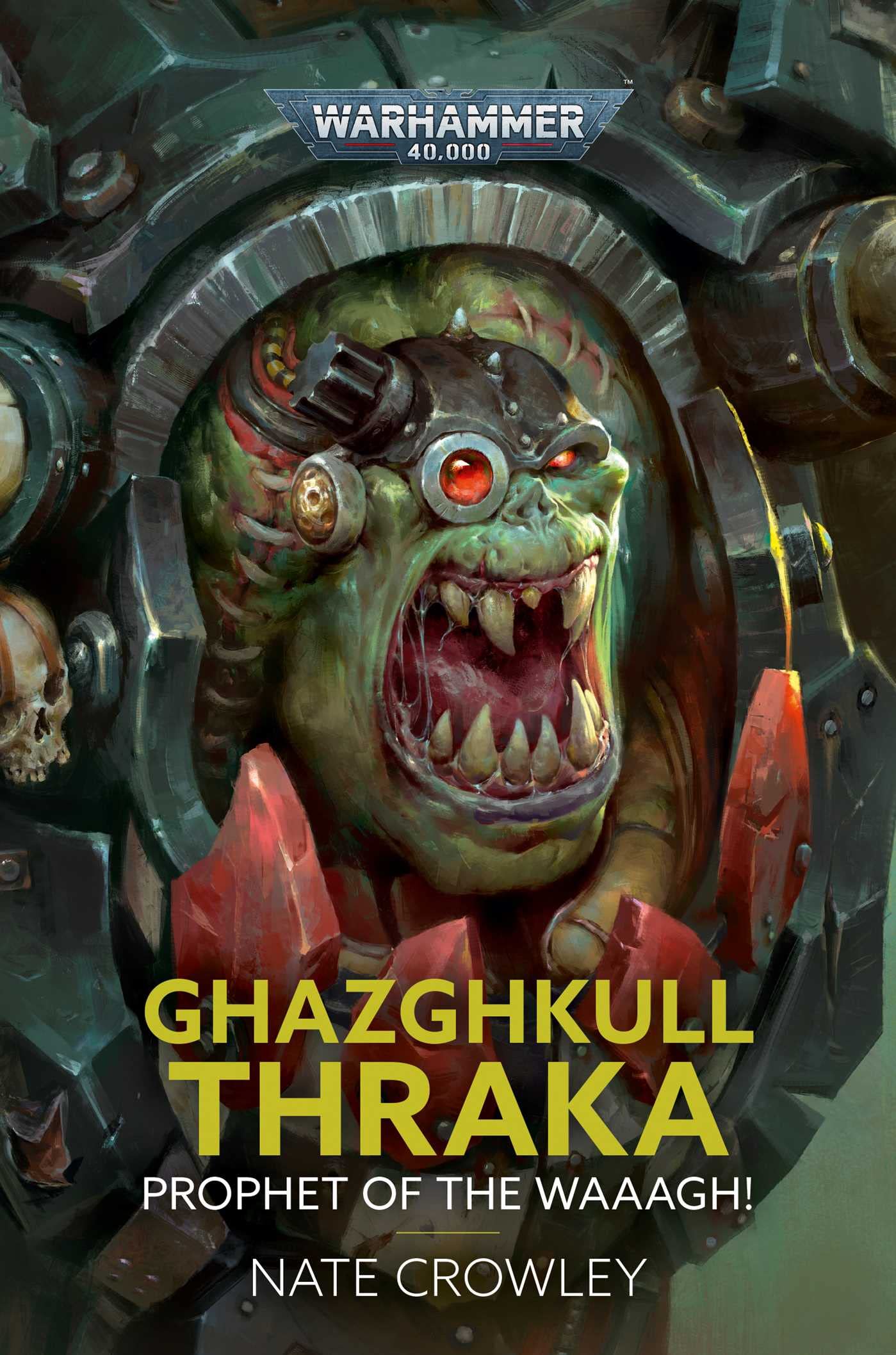
Ghazghkull Thraka: Prophet of the Waagh!, written by Nate Crowley and narrated by Kelly Hotten, Paul Putner and Jon Rand

Ghazghkull Thraka - Prophet of the Waaagh! Cover

One Warhammer 40,000 audiobook that particularly benefitted from multiple narrators was the impressive and exceedingly fun Ghazghkull Thraka: Prophet of the Waagh!.  Featuring a fantastic story that dives into the origins of a legendary figure in Warhammer 40,000 lore, this audiobook featured three talented narrators, Kelly Hotten, Paul Putner and Jon Rand.  These three narrators switched throughout the book, depending on which unique figure was the perspective character for that chapter.  This worked to really immerse the listener in the clever, multi-tiered narrative, and I had an awesome time listening to Ghazghkull Thraka: Prophet of the Waagh! as a result.  This was one of my favourite books and audiobooks from 2022 and this fantastic narration is a very strong reason for that.

Amazon


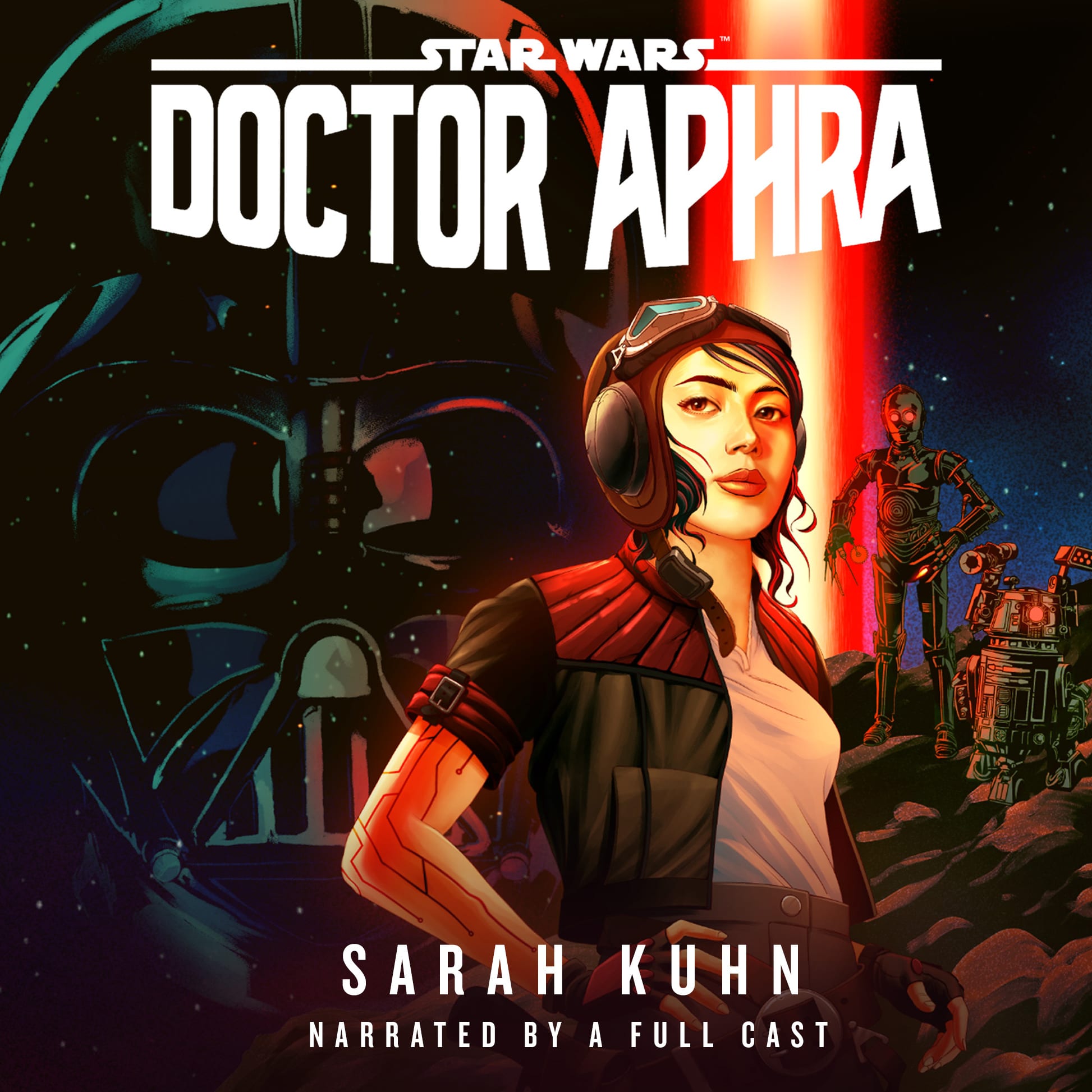
Doctor Aphra, written by Sarah Kuhn and narrated by a full cast

Doctor Aphra Audio Cover

One thing that Star Wars fiction excels at it is producing high quality and addictive audiobook versions of their novels.  This is particularly true for their audio exclusive productions that feature huge casts of talented audiobook narrators, many of whom have lent their voices to previous Star Wars audiobooks.  One of the best was probably the impressive Doctor Aphra audio production, which served as a very clever and funny adaptation of several fantastic Star Wars comics.  I had an absolute blast with this production and the sheer range of cool voices that were featured throughout really enhanced the clever storytelling and witty humour.  While there were several distinctive narrators for this production, the standout was probably Emily Woo Zeller, who voiced the titular protagonist and provided a perfect and fantastic take on the opportunistic archaeologist.  A must listen for all Star Wars fans, especially if you’ve had the pleasure of reading the Doctor Aphra comics.

Amazon


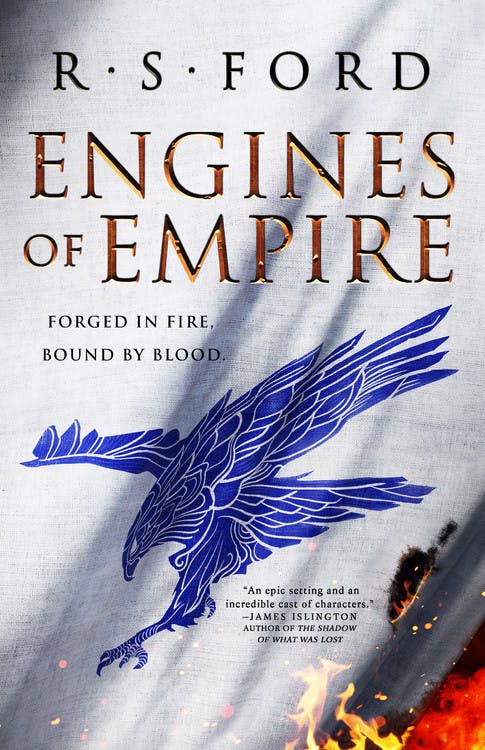
Engines of Empire, written by Richard S. Ford and narrated by Alison Campbell, Ciaran Saward, Phoebe McIntosh, Ewan Goddard, Andrew Kingston, Martin Reeve and Stephen Perry.

Engines of Empire Cover

One of the more unique fantasy audiobooks from last year was the awesome Engines of Empire, which told a story of revolution and betrayal in a fresh new fantasy realm.  This audiobook featured a huge cast of point of view characters, and the audiobook production seeks to enhance that by featuring a large group of narrators.  Each narrator voices the chapter told from a specific character, helping to create a rich and powerful audio tapestry as they capture the personalities of their respective protagonists.  This helps to turn the Engines of Empire audiobook into a great listen and I really had fun with it as a result.

Amazon


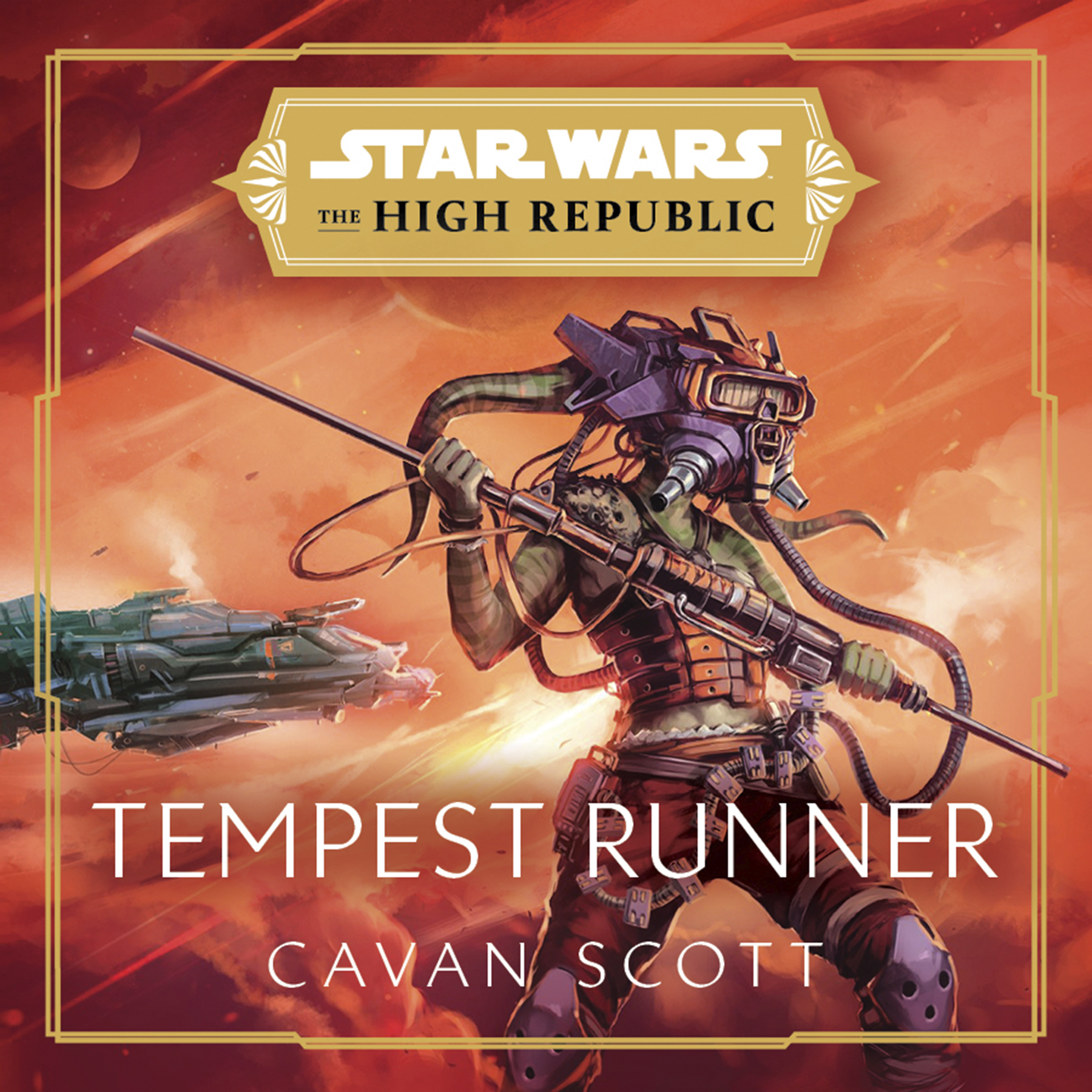
Tempest Runner, written by Cavan Scott and narrated by a full cast

Star Wars - Tempest Runner Cover

Another excellent Star Wars audio production with a large cast was the excellent Tempest Runner by Cavan Scott.  A fun addition to the High Republic subseries of Star Wars fiction, Tempest Runner followed one of the standout villains of the previous books and gives some fantastic context to her actions.  Tempest Runner featured an awesome cast of actors, and I loved some of the great performances that emerged.  Standouts included Jessica Almasy, who voiced the main character, January LaVoy who voiced a spiteful antagonist, and the leading Star Wars narrators, Marc Thompson and Jonathan Davies, who bring their very impressive skills to the fore again.  An outstanding audiobook that makes perfect use of its exceptional cast.

Amazon


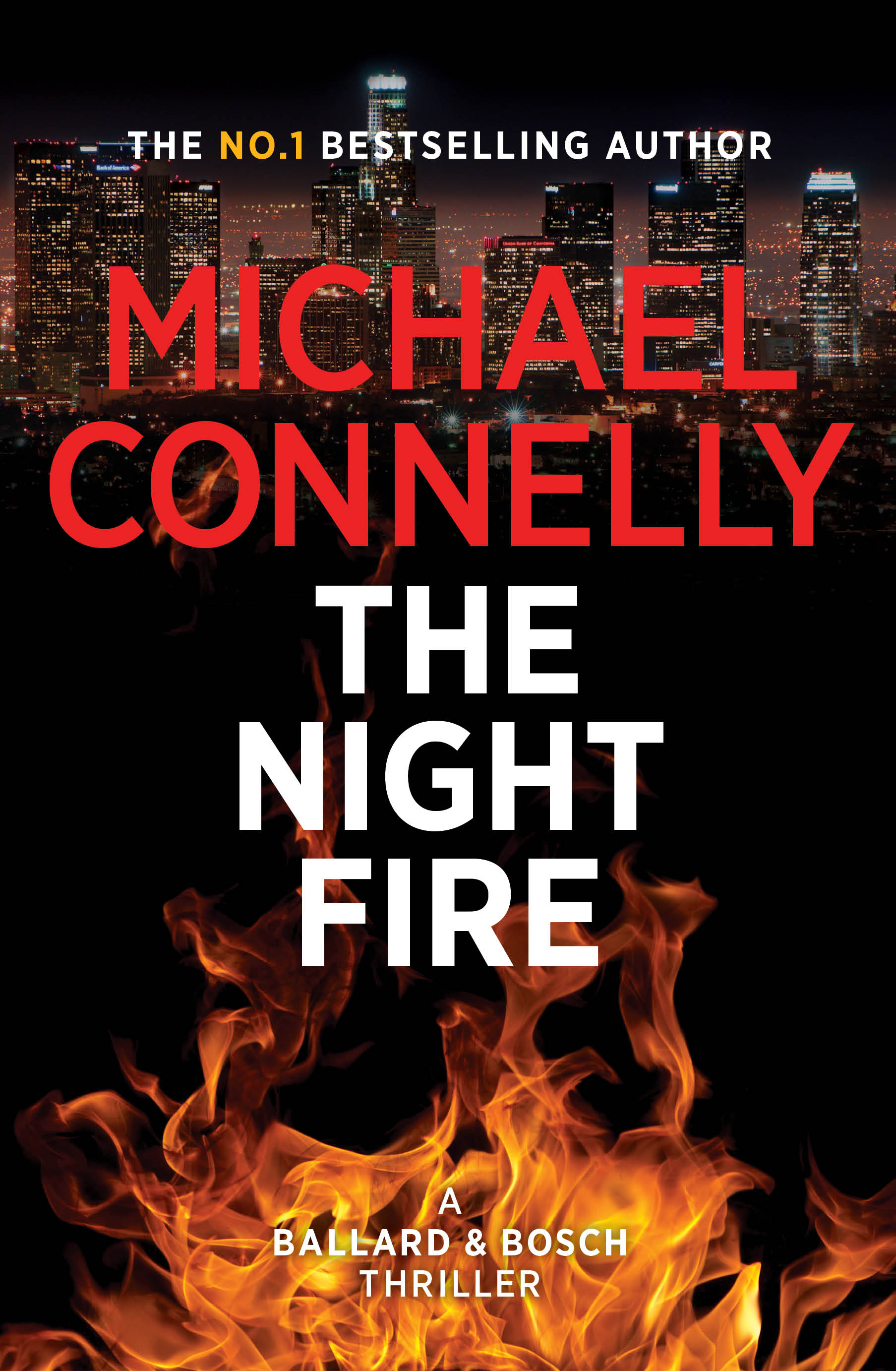
The Night Fire, written by Michael Connelly, narrated by Titus Welliver and Christine Lakin

The Night Fire Cover

I have had fun with several of Michael Connelly’s audiobooks in recent years, but some of my favourites have to be the Ballard and Bosch books, that bring together two of Connelly’s best police protagonists.  One of the things that make these audiobooks so cool are the use of dual narrators, Titus Welliver and Christine Lakin, who do a particularly awesome job in the second Ballard and Bosch book, The Night Fire.  The audiobook is evenly split between each of the characters, so Welliver and Lakin split the narration down the middle, with Welliver voicing all the chapters from Bosch’s perspective, while Lakin takes on Ballard’s chapters.  This helps to produce a very intriguing and compelling audiobook, with both actors inhabiting their respective role perfectly (unsurprisingly for Welliver, who plays Bosch in the recent television adaption).  I absolutely flew through this audiobook and I cannot recommend this format enough when enjoying the epic Ballard and Bosch crossovers.

Amazon


The Way of Kings, written by Brandon Sanderson, narrated by Michael Kramer and Kate Reading

WAY OF KINGS MM REV FINAL.indd

Another great audiobook that benefited from two separated narrators was the massive and iconic fantasy read, The Way of Kings by Brandon Sanderson.  I had a brilliant time listening to The Way of Kings in this format, especially as the audiobook allows for a greater appreciation of all the detail Sanderson chucked in, and the dual narrators of Michael Kramer and Kate Reading definitely helped here.  Kramer and Reading split their duties along gender lines, with Kramer narrating all the chapters and interludes told from a male perspective, while Reading does the same for the parts of the book told from the female perspective.  This helps to produce a very elaborate listen, especially as both narrators are particularly skilled, and I liked having a variety of voices in this extremely long audiobook.  This is such a great way to enjoy this fantatic novel, and you will have an awesome time with these two narrators.

Amazon


Dooku: Jedi Lost, written by Cavan Scott and narrated by a full cast

Dooku - Jedi Lost Cover

The final multi-narrator audio production I wanted to highlight here is the Star Wars audiobook, Dooku: Jedi Lost.  Diving into the past of iconic Star Wars villain Count Dooku, Jedi Lost was an excellent and entertaining listen, that features a brilliant cast of voice actors who bring several fantastic figures from the canon to life.  This includes Euan Morton, who breaths great life into the titular Count Dooku, Orlagh Cassidy who has a great take on fan favourite villainess Asajji Ventress, and Jonathan Davis and Marc Thompson, whose respective portrayals of Qui-Gon Jinn and Yoda, are pretty damn spot on.  I had such a great time with this Star Wars production, and you have to love the dedication and power that the big cast of voice actors really brought to the table.

Amazon


That is the end of this latest list highlighting some of my favourite audiobooks that feature multiple narrators.  Let me know what you think in the comments below and make sure to recommend your favourite audiobooks with a range of narrators behind it.

Warhammer 40,000 – Ghazghkull Thraka: Prophet of the Waaagh! by Nate Crowley

Ghazghkull Thraka - Prophet of the Waaagh! Cover

Publisher: Black Library (Audiobook – 15 March 2022)

Series: Warhammer 40,000

Length: 7 hours and 30 minutes

My Rating: 5 out of 5 stars

Amazon     Book Depository

Prepare to read one of the most amusing and downright entertaining recent additions to the Warhammer 40,000 canon with the hilarious and brilliant Ghazghkull Thraka: Prophet of the Waaagh! by outstanding author Nate Crowley.

I have been having an immense amount of fun really diving into the massive wealth of tie-in fiction surrounding the Warhammer 40,000 tabletop game this year.  Books like Steel Tread by Andy Clarke, Krieg by Steve Lyons, The Bookkeeper’s Skull by Justin D. Hill and Day of Ascension by Adrian Tchaikovsky, have really highlighted just how diverse and intense this extended universe can be.  However, the latest tie-in novel I checked out may prove to be one of my absolute favourites, as I got to learn all about one of the most iconic ork characters in this universe with Ghazghkull Thraka: Prophet of the Waaagh!

Orks are the most notorious and dangerous creatures that roam the galaxy of the 41st millennium.  Billions upon billions of the powerful, war-loving creatures can be found throughout every sector of space, fighting anyone and anything they can find, especially each other.  However, out of all these monsters, none are more feared, respected or hated than the warlord Ghazghkull Mag Uruk Thraka, chosen of the ork gods Gork and Mork and proclaimed prophet of the Waaagh!

Throughout his legendary life, Ghazghkull has done what no other ork has been able to achieve.  Bringing together innumerable warbands into one massive horde of green, Ghazghkull has warred with every faction in the cosmos, while his infamous invasions of the Imperial planet of Armageddon are the stuff of bloody legend.  Everyone knows of his epic and rivalry with his indomitable foe, Commissar Yarrick, which turned Armageddon into a perpetual warzone, but does anyone know the true story of Ghazghkull and the events that made him?

Rogue Lord Inquisitor Tytonida Falx has long attempted to discover what lurks in the minds of the xenos her order faces.  When an opportunity to find out more about Ghazghkull presents itself, she eagerly jumps at the opportunity, bringing a unique prisoner aboard her heretical ship, Ghazghkull’s banner bearer, the grot Makari.  Interrogating him, Inquisitor Falx and her team soon discover that Makari might just be the only being in the universe who knows the full truth about who, or what, Ghazghkull is, and what he plans to do next.  But, as she listens to Makari’s tale, the Inquisitor soon discovers that the shadow of Ghazghkull’s rage and desire for violence far eclipses anything that the Imperium has ever believed.

Wow, now that was a really fun and captivating read.  I knew going into Ghazghkull Thraka: Prophet of the Waaagh! that I was going to have a great time, especially after enjoying author Nate Crowley’s The Twice-Dead King novels, Ruin and Reign, but I was blown away by how awesome Ghazghkull Thraka was.  Featuring a clever and wildly entertaining story, perfectly told through various unique eyes, as well as some deeply enjoyable characters, I quickly became absorbed in the impressive story and powered through it in a couple of days.  Not only was this my favourite book from Crowley but it also probably overtakes Kal Jerico: Sinner’s Bounty as the most amusing Warhammer novel I have ever read.

I had an absolute blast with the incredible story that Crowley whipped up for Ghazghkull Thraka, as it ended up being an inventive and entertaining way to showcase an iconic Warhammer figure.  Due to his prominence within the game and the extended fiction, Ghazghkull is probably one of the most utilised non-human characters in the canon, with many different novels, game books and comics already diving into his life.  As such, Crowley needed to come up with a completely new way to examine this great character that didn’t tread on any prior works.  I think his solution to this problem was exceedingly clever, as he chose to tell the story through the eyes of the most unlikely narrator and chronicler, the grot Makari, whose unique insights and worldview turned this already known backstory into something truly special.

The story starts off in the current timeline of the Warhammer 40,000 universe and shows Inquisitor Falx obtaining Makari and interrogating him about Ghazghkull.  This causes the book to dive back into the early days of Ghazghkull as Makari chronicle his master’s existence as he saw it.  As such, you get a very specific examination of Ghazghkull’s life, with a focus on his early trials, some of his pivotal moments, and more specifically his interactions with Makari.  At the same time, the story keeps jumping back to the present, with the Inquisitor and her followers interrupting to ask specific questions and discussing whether there is any truth in what he says.  The book keeps jumping between these different perspectives, and you end up with two distinctive storylines as Makari’s presence brings some big woes for the Inquisitor in the present day.  The chronicle storyline goes at a brisk pace, especially as Makari’s interrogators get him to skip or shorten specific sections, but there is a clever and impressive logic into what parts of Ghazghkull’s life are featured or ignored.  Not only are the past and present storylines exceedingly intriguing and entertaining in their own rights, but they also come together perfectly as well, with Makari’s insights into Ghazghkull and himself impacting the actions of Falx.  While the ending was slightly too metaphysical, it served as a brilliant and powerful conclusion to this great story, and I loved seeing the entire tale come full circle in some hilarious ways.

I deeply appreciated the way that Crowley put Ghazghkull Thraka’s story together, as its distinctive and clever style really helped to enhance the chronicle contained within.  The plot device of an interrogation of an alien prisoner works extremely well to set up the main narrative, and the constant interruptions, debates and revelations that occur whenever it snaps back to the present adds to the sense of mystery and mysticism surrounding the titular figure.  While Crowley takes the story in some interesting and complex directions at times, the entire novel is paced beautifully, and there is never a single boring or slow moment within the entire thing.  I particularly liked the near constant humour that was injected into the story, a fantastic side-effect of basing the book around the funny ork species, and I laughed out loud several times as I powered through this impressively amusing read.  Like many Warhammer novels, Ghazghkull Thraka can be enjoyed as a standalone read, and the author makes sure that it features a great self-contained narrative that anyone can enjoy, even those unfamiliar with the universe and the canon.  Indeed, this would be a decent introduction to the Warhammer 40,000 canon and associated extended universe, especially as it perfectly presents one of the key factions of the universe.  Most of the unique universe elements and wider history are explained sufficiently for new readers to follow along without any issues, although some could potentially get confused by the deliberate exclusion of events previously covered in other books.  Still, Ghazghkull Thraka should turn out to be an easy and entertaining read for any science fiction fan, and I thought that this Warhammer 40,000 novel was very well written and extremely clever.

One of the things I love the most about Nate Crowley’s Warhammer novels is his brilliant ability to dive into the unique alien races of the universe and then perfectly showcase their culture and mindsets.  This was the case again in Ghazghkull Thraka, where Crowley expertly dives into the heads of the various ork and grot characters.  No matter whose perspective is shown, every scene of this book features some excellent and often highly amusing depiction of greenskin culture, as Makari attempts to explain the ork perspective as well as his place in the society as a grot.  As such, you get some incredibly detailed and compelling insights into this crude and warlike race, including their brutal hierarchy, need for violence, insane technology, and very unique worldview, which generally results in most of the book’s fantastic humour.  However, rather than the dumb, brutal and one-note figures that most authors depict, Crowley really goes out his way to show that there is a lot more to orks than you realise.  Not only do you get some excellent insights into their various clans and organisations but the various ork characters are shown to be complex beings with unique needs and the ability to formulate some very cunning plans.  There is a particularly intriguing look at the ork religion that follows the gods Gork and Mork, and this novel ends up with a spiritual edge, especially as Crowley shows the orks being extremely successful because they choose to strongly believe in themselves.  As such, you see quite a unique and compelling side to the ork race in this book, and I loved how incredibly Crowley portrayed them.

Naturally, a big part of this examination of ork culture comes from the in-depth look at the life of Ghazghkull himself.  As I mentioned before, Ghazghkull is one of the best-known characters in the entire Warhammer 40,000 canon, so most veteran readers would already be quite familiar with him and his actions.  However, Crowley does an excellent job of examining a completely new side to this character, and mostly ignores his wars at Armageddon and his intense rivalry with Commissar Yarrick, both of which have been done to death in other books.  While certain parts of his history are revisited in this novel, Crowley completely changes their implications and causes, instead focusing on Ghazghkull’s unique orkish mindset and his role as the prophet of his gods.  This new take on Ghazghkull proves to be quite unique and very captivating, as he is shown to be an overburdened being, constantly pressured by his own visions and the influence of the gods to succeed and be a uniting force for his people.  While he still retains the casual violence of his race, you really see Ghazghkull as a deep thinker, and it is fascinating to see his inner ork face off against his grand ambitions and desires.  Crowley also adds some compelling supernatural elements to his character, as Ghazghkull, as seen by Makari, bears a direct connection to the gods which he can use to alter his fellows and himself.  While this isn’t too overpowered or strange, it adds a great extra layer of menace to the character, especially for the humans, and I loved seeing the Inquisitors trying to wrap their heads around the strange occurrences.  I had a lot of fun seeing this other side of Ghazghkull, and this novel ended up being a great analysis of who they are and what they represent to their race.

I also really enjoyed the inclusion of Makari as one of the central characters, and his use as the main witness to Ghazghkull’s life worked incredibly well.  While Makari has always been associated with the character of Ghazghkull, accompanying him in his battles and waving his banner as a source of luck, Crowley really changes him in this novel and paints him as an essential part of Ghazghkull’s success and relationship with the gods.  Shown to be there the moment that Ghazghkull became the prophet, Makari follows Ghazghkull through some of his big moments and it is hilarious to see his snide view on the subject, especially as, like most grots, he a massive coward who doesn’t want to be there.  A lot of this novel’s humour is derived from Makari’s observations and responses, and I loved some of the jokes set up around it.  Crowley does an awful lot with this character, and I particularly liked how the story explained certain aspects of his previous portrayals, such as the apparent multiple versions and his surprising luck.  These are worked into the story extremely well, but it’s the relationship with Ghazghkull that becomes the most fascinating.  Just like with Ghazghkull, there is a major spiritual edge to Makari, who appears to be just as chosen and important to the plan as his master.  Makari’s mystical and religious bond enables him to have a far bigger insight into Ghazghkull’s actions than anybody else, and this really enhanced the analysis of the titular character.  However, it is in Makari’s attempts to serve and help his master achieve his destiny that we see the best Makari scenes, especially when faced with Ghazghkull’s apparent depression, the manipulation of his other followers, and his own stubbornness.  While Ghazghkull does have the inherent ork reluctance to rely on a grot, and indeed he is extremely likely to kill Makari if he starts giving advice, the moments where Makari get through to him are powerful, and I really appreciated the character work surrounding them.  There are some rocky moments between them, especially when Ghazghkull becomes dismissive of his lucky grot, and Makari’s subsequent reactions is very funny and incredibly over the top, which was so very cool.  Overall, this ended up being an excellent and surprisingly compelling portrayal of Makari, and I am exceedingly glad that Crowley featured him in this novel the way he did.

Aside from the greenskin characters, a large amount of plot revolves around the team interrogating Makari.  Crowley really went out his way to create a particularly unique group of Imperial agents who bear surprising insights into the mind of the xenos.  This team is led by Inquistor Falx, a rogue Inquisitor who bears a dangerous obsession with the alien creatures.  Falx is desperate to learn everything she can about the aliens attacking the Imperium to help defeat them and finds herself stymied by the Imperium’s controlling and non-progressive government and religion.  As such, she takes some major risks in this book to understand Makari and Ghazghkull and has some unique and dangerous methods for achieving her goals that borders on the insane/heretical.  I quite liked Falx, despite her obsessive qualities, and she proved to be a great central figure for half the novels plot, especially as her frustrations, concerns and thoughts about the evils of the Imperium, are extremely understandable.

Falx also employs a unique team of interrogators to help her with Makari, including Brother Hendriksen, a Space Wolves rune priest assigned to Deathwatch who has also fallen out of favour with the Imperium thanks to his work with Falx.  Hendriksen serves as a beastly and powerful presence on Falx’s team, and he often provides a great counterpoint to the inquisitor in both technique and common sense, often despairing at her more dangerous choices.  Crowley’s diverse cast gets even larger with the truly unique character of Cassia, a female ogryn psyker who has grown as smart as a human.  This was a fantastic and extremely distinctive addition to the cast, and her surprisingly calm demeanour, which contrasts beautifully with her immense ogryn strength, works perfectly against Hendriksen’s impatience and anger.  The final member of the team is probably the most enjoyable, with the ork character, Biter (Bites-Faces-Of-The-Face-Biter-Before-It-Can-Bite).  Biter is a member of a Blood Axes mercenary band who have dealings with Falx and who sell Makari to her, remaining behind to interpret Makari’s testimony to the humans.  Due to being a member of the Blood Axes, a group who idolise human military culture, Biter is a very distinctive figure, wearing an approximation of a military uniform and appreciating complex tactics and strategy.  However, Biter is even more intelligent and cunning than most Blood Axes, and his near human tendencies really stand out, as it is pretty unexpected from an orc.  His fantastic reactions, comedic impressions of human behaviour, and determination to antagonise the Inquisitor really make him stand out, and he was an absolute joy to behold.  These four interrogators play off each other perfectly during the present-day scenes, and their arguments, discussions and interpretations of Makari’s story give it added depth, humour and impact, especially once they start realising just how valuable their prisoner is.  This entire cast was put together extremely well, and I had an incredible time with this unique and enjoyable collection of characters.

Like most Warhammer novels I check out, I chose to grab the audiobook version of Ghazghkull Thraka, which turned out to be such a wonderful and incredible listening experience.  Not only did the story absolutely fly by in this format, allowing me to get through its seven and a half hour runtime extremely quickly, but I found that the narrative and descriptions of ork life really popped when read out.  However, the best part about the Ghazghkull Thraka audiobook is the outstanding use of narrators.  This audiobook has three separate narrators, Kelly Hotten, Paul Putner and Jon Rand, each of whom have some experience narrating other Warhammer audio productions.  Not only are each of these narrators quite talented but the way they were featured in this audiobook is extremely clever, with the voice actor changing depending on who is witnessing or telling the events of the book.  For example, Kelly Hotten serves as the narrator for the various scenes and interludes where Inquisitor Falx is witnessing Makari’s interrogation, and Hotten does a brilliant job capturing the various players of these scenes, including the Inquisitor, her unique companions, and their orkish interpreter.  Paul Putner narrates the various scenes shown directly from Makari’s perspective, and he has a lot of fun in this role, not only capturing the cowardly and sneaky mannerisms of the grot protagonist, but also providing some amusing and deep voices for the ork characters.  Finally, Jon Rand has a memorable sequence voicing Brother Hendriksen when he psychically jumps into Makari’s mind and views some of the events occurring, and he gives the character a notable accent and internal growl that fit him extremely well.  The jumps between the voice actors were done perfectly and I really loved how it changed up depending on the perspective.  All three voice actors did an amazing job with their narration, and their work, plus some fun sound effects here and there, helped to turn this into such an impressive production.  Easily the best way to enjoy Ghazghkull Thraka, you will have an incredible time listening to this audiobook.

Nate Crowley continues to shine with another entry in the Warhammer 40,000 universe, with the unbelievably entertaining Ghazghkull Thraka: Prophet of the Waaagh!  Featuring a unique and deeply amusing story that re-examines on of the canon’s most iconic alien characters, Ghazghkull Thraka has a tight and cleverly written story, loaded with action, great characters and whole mess of outstanding humour.  Not only that, but this is without a doubt one of the best portrayals of the Warhammer 40,000 orks I have seen as Crowley obviously had a ton of fun bringing them to life.  Easily one of the best (and definitely the funniest) Warhammer 40,000 novels I have been lucky enough to enjoy, Ghazghkull Thraka comes extremely highly recommended, especially in its audiobook format, and is a must read for all fans of this wonderful fandom.

Amazon     Book Depository

The Wisdom of Crowds by Joe Abercrombie

The Wisdom of Crowds Cover

Publisher: Gollancz (Audiobook – 14 September 2021)

Series: The Age of Madness – Book Three

Length: 23 hours and 36 minutes

My Rating: 5 out of 5 stars

Amazon

One of the best authors of dark fantasy, Joe Abercrombie, returns with the final book in his brilliant Age of Madness trilogy, the thrilling and deeply captivating The Wisdom of Crowds.

Joe Abercrombie is a particularly impressive author whose work I have been really enjoying over the last few years ever since I dove into his iconic First Law trilogy.  This great dark fantasy trilogy followed a group of complex and damaged characters who are thrust into a series of dangerous adventures in a corrupt fantasy world.  The original trilogy was pretty damn perfect, and I loved the outstanding story and universe that Abercrombie came up with.

Following his original books, Abercrombie wrote three standalone novels that continued the universe’s overall story in different ways before introducing his Age of Madness trilogy in 2019.  The Age of Madness trilogy is set around 20 years after the events of the First Law books and follows the children of the original trilogy’s protagonists as they are engulfed in additional chaotic events, including war, revolution, and lots of betrayal.  This trilogy has already featured two outstanding five-star novels, A Little Hatred (one of the best books of 2019) and The Trouble With Peace (one of the best books and audiobooks of 2020).  Due to how awesome the previous novels were, I was deeply excited for The Wisdom of Crowds, and it turned out to be another exceptional read with an impressive story to it.

Following King Orso’s decisive victory over the rebellious young hero Leo dan Brock and his wife, Savine dan Glokta, Orso believes that he has finally gained control of the Union.  However, he is unprepared for the chaos and destruction that is about to befall the kingdom.  The revolution, known as the Great Change, has finally descended upon the Union, with the people rising up and overthrowing the hated nobles.  Led by former Arch Lector Pike, known by the masses as the Weaver, the rebelling Breakers and Burners soon take the capital, Adua, bringing hope and destruction in equal measure.

Imprisoned by the mob, Orso soon discovers that there is nothing lower than a deposed king.  The freed Citizen Leo and Citizeness Savine must adapt and find new ways to manipulate a mob that both loves and hates them.  The newly raised up Chief Inspector Teufel must soon decide where her loyalties lie as she begins to see the insanity of the new rulers, while former soldier Gunnar Broad once again finds himself causing trouble as a key citizen of the new regime.  At the same time, the magically prescient Rikke has taken control of the North, capturing the former King Stour Nightfall.  However, taking the North and keeping it are two very different things, especially as the forces of her family’s old enemy, Black Calder, advance towards her, determined to free Stour.  With enemies around every corner and even her closest allies beginning to doubt her, Rikke must implement a drastic plan and make use of every tool at her disposal, even notorious turncoat Jonas Clover.

As the Great Change starts to devolve into anarchy, the death toll starts to rise and no one is safe, least of all those who have profited in the past.  Soon hard choices will need to be made and only the strongest and most cunning will survive.  The Age of Madness is well and truly here, but who will live and who will die as the fires of anger, resentment and despair burn throughout the land?  No matter who survives, the Union and the North will never be the same again, especially with unseen hands manipulating events from the shadows.

How the hell does Abercrombie do it?  I knew in advance that this was going to be an awesome book, but I was yet again blown away by the author’s clever blend of captivating storylines, outstanding characters, and outstanding dark fantasy settings.  The Wisdom of Crowds served as an excellent conclusion to the Age of Madness trilogy, and I found myself absolutely powering through this amazing novel in no time at all.  This gets another five-star review from me as I had such an incredible time reading it.

Abercrombie has come up with an exceptional narrative for his latest novel, and I deeply enjoyed the captivating and extremely dark story contained within The Wisdom of Crowds.  This novel has an impressive and memorable start to it with the aftermath of the previous novel immediately giving way to the Great Change.  This uprising quickly overcomes the existing government and changes everything, with Orso imprisoned, Savine and Leo freed from captivity and incorrectly hailed as heroes of the people, and characters like Gunnar Broad and Inquisitor Teufel pushed to the fore due to their suffering under the previous regime.  After a great extended revolution sequence, Abercrombie spends a good chunk of the first act of the novel showcasing all the severe changes to the setting of the Union, including the impacts to the protagonists, as well as the nation’s quick decline after the initial glorious revolution.  At the same time, you have the events in the North occurring at the same pace, with Rikke trying to solidify her power in the face of a rising opposition.  Most of the novel’s major storylines are either set up here or transported over from the previous novels, and it moves at a great pace with some fantastic moments.  The novel really heats up in the second act, when a group of extremists take over the Union and Rikke’s war in the North gathers speed.  The storyline set in the Union during this section of the novel is filled will all manner of insanity and terror, and this is probably one of the darkest parts of the entire book.  While there is a noticeable focus on the craziness of a Burner revolution, there is also a lot of character development occurring here, with most of the protagonists starting their last bit of major growth here, with their big plans set up.  This second act is capped off with a massive battle in the North that changes the entire fabric of that setting and provides a great deal of fantasy action and bloodshed to keep the reader satisfied, while also featuring a pretty fun story twist.

All this leads up to an impressive final act which takes up the last third of the novel.  Most of this is set in the Union and showcases the protagonists making their moves.  There are some very good scenes here, with a mixture of big character moments, destructive fights, and a cool trial sequence, which help this part of the book really stand out.  All of this leads to a major change in the plot that occurs with roughly a quarter of the novel left to go.  While there are some great scenes involved with this big shift, I must admit I was a little surprised that the book didn’t end right there, due to the resulting significant change of pace, and I wonder if Abercrombie might have been better off using this final quarter in another novel.  However, the story is still extremely cohesive, especially as it leads up to some major reveals and big character moments that had me gasping with surprise.  I really did not see some of the big twists coming, even though they were really well set up throughout the trilogy (although I really should have known who was behind everything).  The book concludes on an interesting note, with some noticeable tragedy and some outstanding character moments as the surviving protagonists settle into their new roles.  I did think that Abercrombie may have spent too much time setting up events for his next trilogy, with multiple scenes containing open-ended events that will clearly get picked up in later books.  However, to be fair it did get me excited for the next novel like it was supposed to, and I don’t think it took too much away from the overall narrative.  This was such an awesome story, and The Wisdom of Crowds’ character focus had me hooked the entire way through.

Abercrombie has a real talent for writing awesome and complex dark fantasy novels, and I really enjoyed his outstanding and compelling style.  I deeply appreciated his excellent use of multiple character perspectives to tell a rich and vibrant tale, as the story seamlessly flicks between seven major characters throughout the book.  The spread of character perspectives has been an outstanding feature of all the author’s First Law novels, and it is extremely cool to see this complex tale told from various points of view.  Not only does it ensure you get a brilliant, multifaceted exploration of the setting and the progress of the plot, but it really helps the reader get into the mind of the characters and see their personalities, emotions and opinions.  I also really appreciated the two great extended sequences that were told through the eyes of multiple supporting or one-off characters, especially as it captured the chaos and destruction of both revolution and a major battle.  The author has quite a vivid and adult writing style, which works with the realistic characters and complex storylines extremely well.  Not only does this result in some particularly graphic and powerful action sequences, including one amazing and massive pitched battle, but it also works in some distinctive and very adult dialogue.  While some of the language gets a tad over the top at times, it does give the book a very realistic feel and is a lot of fun.  Readers should be warned that this is a pretty dark tale including torture, ultra-violence and a lot of brutal deaths.

I have to say that I was quite impressed with the changes to the major setting of the Union in this novel.  While the other significant setting, the North, remains pretty much the same (its always snow, death and blood there), the Union is majorly impacted quite early on as part of the revolution known as the Great Change, which Abercrombie had been expertly setting up throughout the trilogy.  The Great Change, which was brought on by rioting workers and peasants disenfranchised by the industrial revolution that was such an amazing and distinctive feature of this trilogy, hits the city with most of the nobles, the wealthy, the ruling Closed Council, and the King all arrested.  This initial overthrowing was done pretty perfectly, with several chaotic sequences, and it eventually leads to a whole new era for the nation.  This part of the novel was very clearly inspired by the French Revolution, and I deeply appreciated the way in which the author evoked the iconic imagery of destructive historical events into his fantasy novel.  I loved the initial set-up of the new democratic government that replaced the monarchy, and I had a good chuckle at the character’s glorious ideas of a utopian society with a pompous constitution.  However, the real fun occurs when these high ideals fail miserably and are replaced by a general purge where no-one is safe.  Abercrombie did a really good job here of capturing the terror, uncertainty and horrible human nature that accompanies these sorts of purges, with a series of one-sided trials and brutal executions in front of a cheering crowd.  This chaotic setting serves as an outstanding backdrop to novel’s various storylines, and it was an amazing and dark part of The Wisdom of Crowds that made it really stand out.

As with the rest of Abercrombie’s books set in this connected universe, one of the absolute best things about The Wisdom of Crowds was the exceptional and complex characters.  Just like the previous two novels in the Age of Madness trilogy, the story is primarily shown from the perspective of seven unique and well-established point-of-view characters.  Each of these characters is extremely complex and layered as Abercrombie has been setting up some fantastic storylines around each of them throughout the course of the series.  These characters include:

  • Orso – the son of King Jezal, a point-of-view character from the original trilogy, and current High King of the Union, for whatever that title is worth. Orso is a very fun character who has probably grown the most out of all the characters featured in this series, going from a foppish, unmotivated prince, to a decisive, competent and victorious king in the second novel.  Despite his victory over his rival Leo and his secret half-sister (and former lover) Savine, Orso soon finds himself a prisoner when the Great Change leads to a people’s revolt.  Despite being imprisoned and constantly mocked by everyone, Orso keeps most of the confidence he built up in the previous novels and is a constant figure of comedy, especially with his great sarcastic observations of the events around him.  Abercrombie has done a masterful job with Orso over the last three books, and I really appreciated his growth and humour, making him one of my favourite characters in this trilogy.  Due to this it is pretty hard to see him get taken down and condemned by his people, especially as he is a much better ruler than everyone thinks he is.  I once again found myself really pulling for him in this novel, and I think he was the character I wanted to survive and win the most.
  • Savine dan Brock (formerly dan Glokta) – a formidable businesswoman and adoptive daughter of Arch Lector Glokta (the best character from the original series). Savine has been an awesome character in this trilogy, experiencing some massive highs and significant lows.  After marrying Leo and organising a revolt against her half-brother Orso in the previous novel, Savine starts this novel in chains.  However, once the Great Change occurs, she is quickly freed and must find her place amongst the revolutionaries.  Rightly terrified of being tried for her ruthless business practices, and changed by motherhood, Savine engages in charity works and tries to save herself through generosity.  I quite enjoyed Savine’s storyline in this latest novel and it had some awesome moments.  While I do think she was a bit underutilised in the middle of the book, she eventually emerges in full form and shows everyone why she is the most dangerous person in the Union.  There are some outstanding scenes surrounding her, especially that awesome court sequence, and I quite liked where her story ended up.
  • Leo dan Brock – the former governor of Angland and shining hero of the Union, before he had an arm and leg blown off during his big battle against Orso in the previous book. Leo starts this novel a shell of his former self, full of regret that his recklessness and arrogance caused his injuries and the death of his friends.  However, this regret soon turns to anger and ruthlessness as he uses his hero status to become a key part of the Great Change, attempting to manipulate it for his benefit.  I must admit that Leo was always my least-favourite character in this series, and I liked how the features I disliked about him led to his downfall in the previous book.  Abercrombie perfectly follows this up by making him a much more unlikable character in this novel, and I deeply appreciated the realistic way his personality was twisted and darkened by anger, jealousy and frustration, giving him a new ruthless edge.  Out of the characters in The Wisdom of Crowds, Leo probably goes through the most development in this novel, and it was pretty captivating to see where his new hate and frustrations led him.
  • Rikke – a Northern protagonist and the daughter of the Dogman, Rikke has had a very interesting story arc within this series due to her magical Long Eye, which allows her to see into the future. Rikke was able to outsmart all her opponents in the previous novel, taking the Northern capital and capturing her opponent, Stour Nightfall.  Now Rikke is forced to lead her people against Stour’s father, Black Calder, while also trying to balance the concerns and treachery of her allies.  I have been really impressed with Rikke’s storyline throughout The Age of Madness, and I liked the great transition from scared girl to effective leader.  This book continues to showcase her skills, even if she still appears a bit rash and too clever for her own good.  She ends up being forced to make some hard and heartless decisions, which really highlights just how far she has come.  There are some outstanding movements with Rikke in this novel, and I particularly loved the good twist around her that occurred at the big battle scene (I did see it coming, but it was still a lot of fun).  I also loved the fantastic scene where she confronts Bayaz, the First of the Magi, as it was one of the first times that you see the master manipulator of the series appearing rattled and impotent.  Rikke was a really well set up character and I really appreciated the epic and compelling storylines around her.
  • Vick dan Teufel – a Union inquisitor and protégé of Arch Lector Glokta, Vick is a master spy and investigator. Despite all her skills, Vick was taken by surprise by the revelation that Pike is the Weaver and is forced into supporting the Great Change against her will.  Falling back on her old survivalist mentality to support the winners, Vick is eventually shaken into action by the destruction caused by the Burners and finds herself supporting the losing side.  After being a little underused in the previous novel, Vick has a very strong outing in The Wisdom of Crowds and her character changers are quite essential to the plot.  Like Leo, Vick goes through a fair bit of development in this novel, although her development is a lot more positive as she tries to do what is right rather than what will keep her alive.  Vick also experiences some very crushing moments, and it was fascinating that out of all the characters, she maintained the moral high ground the best.
  • Gunnar Broad – a former Union soldier with a gift for extreme violence, who has been both a Breaker and a servant to Savine as an enforcer and bodyguard. Imprisoned after the last book, Gunnar is freed with Savine and Leo and once again finds himself drawn into the fight, despite his desire to stay out of trouble and get back to his family.  While he once again tries to be a good person at first, he is eventually seduced by the dark appeal of the Burners and truly loses himself, giving into his inner violence and anger.  While he does do some redemptive actions, Gunnar remains a bit of a lost cause, which is pretty tragic to see.  Gunnar proved to be a great character throughout this series, despite a lack of any real development, and I enjoyed his darker scenes and compelling personal insights.
  • Jonas Clover – the cunning and treacherous veteran Northern warrior who, after spending the last two books serving Stour Nightfall, betrayed him at the end of The Trouble with Peace and sided by Rikke. However, he soon finds his loyalty divided between Rikke and Black Calder, with both sides aware of his tendency to turn on the losing side, and he must finally decide who to support.  Due to his very entertaining personality and cynical viewpoint about the world, Clover was my favourite character in the series, and I love all the clever insights and subtle jokes that are characteristic of his scenes.  I really appreciated his mindset of patience, self-restraint and picking your moment, which is mostly unheard of amongst the other Northerners, and which usually sees him through most conflicts.  Despite this, Clover is finally forced to face the music in this novel after his various betrayals come back to bite him.  While he doesn’t always make the best decision, his entertaining and canny attitude ensures that the reader is constantly amused by his antics, and I am really glad that Abercrombie included him in this series.  It will be interesting to see how he is utilised in the future, especially as the author tried to evoke some similarities between his journey and that of original character Logan Ninefingers.

I deeply enjoyed each of these impressive characters, with each one bringing something very memorable and entertaining to the table.  While a couple of these characters were a bit underutilised in previous novels, I think that Abercrombie struck the right balance in The Wisdom of Crowds, with each of them shown in pretty much equal measure.  All seven character arcs are pretty awesome in their own right, but the real strength is the way that they come together to tell the overall story.  It was pretty cool to see multiple character perspectives of the same events, especially as each of these complex characters have very different views on what has happened.  I think that each of the arcs ended extremely well, with each of the characters going in some very interesting and surprising directions.  I was a bit surprised by who was left standing and in control at the end of the novel, and I must admit that I really did not foresee the fates of several of the characters.  Abercrombie sets up each of these events incredibly well, and there were some very fitting endings or transformations here.  It was interesting to see how some of these characters ended up mirroring the cast of the First Law trilogy, which seemed fitting as some were inspired by these prior characters, while others tried to escape becoming them.  I also really appreciated the way that barely any of the primary characters end up being portrayed as good people by the end of it.  While all of them initially tried to do the right thing, even the best of them is forced to make some terrible compromises which shatter their morality and impact their personality.  As a result, the reader is left with little sympathy for some of the surviving characters, and it was once again really amazing to have such morally ambiguous and naturally selfish characters.  It looks like Abercrombie might strongly feature the remaining characters again in his next trilogy, and I cannot wait to see how their various story arcs are continued.

Aside from the seven focal characters above, The Wisdom of Crowds also featured a vast collection of supporting and side characters, each of whom added a ton to the novel.  Most of the supporting characters where previously introduced in the first two novels of this trilogy, as well as a few holdouts from the original trilogy, and there weren’t too many new characters in this final novel.  The author ensures that the reader has a pretty good idea of these characters’ feelings and motivations, and it was fascinating to see the complex and powerful storylines told around several of them.  There are some really good twists around a few characters in particular, and I have to admit that I did not see most of them coming, with Abercrombie doing some masterful writing to set up these reveals throughout the entire trilogy.  Many of these side characters inspired some excellent and moving storylines, although readers should be aware that, as this is the final novel, quite a few of these characters did not survive, and I was particularly cut up by the death of one major supporting character near the end.  It will be very interesting to see what happens to the survivors in the future, and I am especially curious about a couple of key characters from the original trilogy who are set for some major events in Abercrombie’s next outing.

While I did get a physical copy of this book, I ended up listening to the audiobook instead, which proved to be an awesome decision.  The Wisdom of Crowds has a substantial runtime of 23 hours and 36 minutes (it would have placed 17th on my latest longest audiobooks list).  However, despite its length, I was able to power through it in about a week, especially after I got pretty damn hooked on the awesome story.  I found that this format moved the story along at a pretty fast pace, and it was a great way to absorb the fun and compelling details of this dark and epic tale.  It also works extremely well thanks to the outstanding voice work of the incredible Steven Pacey, who is one of my absolute favourite audiobook narrators at the moment.  Pacey, who has narrated all the other books in the First Law and Age of Madness trilogies, does another outstanding job with The Wisdom of Crowds.  Not only does he ensure that every aspect of the narrative comes across in a fun and compelling way; he also ensures that every character is perfectly brought to life.  Pacey brings back all the fun and fitting voices that were featured in Abercrombie’s previous novels, which proved to be a lot of fun, especially as he perfectly captures the unique personalities and characteristics of these fantastic figures.  Pacey makes a lot of effort to portray all the emotion and intensity of the characters, and you really get a sense of the heartbreak and darkness that surrounds all of them, especially by the end of the story.  This results in another incredible audiobook which I had an outstanding time listening to; at one point I managed to listen to it for over five hours straight and was not bored in the slightest.  As a result, I would strongly recommend The Wisdom of Crowds’ audiobook version, and it is easily one of the best audiobooks I have listened to in 2021.

With another incredible and powerful story, filled with outrageous and complex characters, impressive settings and clever twists, Joe Abercrombie brings his latest trilogy to end with the brilliant The Wisdom of Crowds.  This final book in the Age of Madness trilogy was an exceptional read, and I deeply enjoyed the dark and clever places this amazing book went.  An epic and captivating dark fantasy experience, readers are guaranteed to power through The Wisdom of Crowds in no time at all, especially as they become more and more engrossed with the excellent central protagonists.  A must-read for all Abercrombie fans, this was easily one of the best books I have read in 2021 so far and I cannot wait to see what madness and destruction are unleashed in the author’s next awesome series.

The Wisdom of Crowds Cover 2

Amazon

Relentless by Jonathan Maberry

Relentless Cover

Publisher: Macmillan Audio (Audiobook – 13 July 2021)

Series: Rogue Team International – Book Two / Joe Ledger – Book 12

Length: 18 hours and 29 minutes

My rating: 5 out of 5 stars

Amazon     Book Depository

One of my absolute favourite series returns with an absolute bang as Jonathan Maberry produces another incredible, intense and thrilling Joe Ledger novel with Relentless, the second novel in the Rogue Team International series.

Readers of my blog will be well aware of how much I love Jonathan Maberry’s Joe Ledger series.  This science fiction thriller series, which follows the titular protagonist and his team of elite soldiers as they fight all manner of crazy scientific and supernatural threats, is so much fun and is one of my favourite series.  After reading one of these fantastic books a few years ago, I sat down and listened to the entire series, from Patient Zero, all the way to the final entry, Deep Silence.  It also led me to some of Maberry’s other novels, including last year’s excellent horror novel, Ink, which was one of my favourite books and audiobooks of 2020.  The author also started the Rogue Team International series in 2019 as a sequel series to the original Joe Ledger books, featuring the same characters and universe.  The first entry in this sequel series, Rage, got a five-star rating from me and was one of the best books and audiobooks of 2019.  Due to Rage’s epic conclusion, as well as how much I enjoy Maberry’s writing, I have been eagerly awaiting Relentless for some time now and I ended up being blown away by how awesome it was.

During Rogue Team International’s (RTI) first mission, Joe Ledger and his team faced off against the dangerous pairing of criminal mastermind Kuga and his fearsome enforcer Rafael Santoro, barely managing to stop their insidious, world-changing plot.  However, their victory came at a terrible price, as Santoro delivered fiery vengeance on his foe by killing every member of Ledger’s family in a revenge attack at Christmas.  Santoro and Kuga hoped that their destructive blow would mentally destroy their hated enemy forever; instead, it unleashed their worst nightmare.

After returning to the field, Ledger leads an RTI team to an advanced laboratory where terrible genetic, biological and cybernetic experiments are being performed.  While the mission begins as a textbook RTI operation, everything changes when Ledger comes across a room full of deformed lab subjects and their cruel tormentors.  With his already fragile psyche pushed to the limit by the death of his family, Ledger finally snaps and lets something dark and dangerous from deep within take control.  With blood and bodies trailing in his wake, Ledger abandons his team and goes truly rogue.

Accompanied only by his loyal combat dog, Ghost, Ledger rampages across Europe, killing and destroying anything related to Kuga’s operation and questioning anyone who knows where he and Santoro are.  Even more concerning for the villains, Ledger is also beginning to get close to their next major operation.  Utilising cutting edge technology, Kuga’s group have developed biologically enhanced super soldiers, equipped with some of the most destructive weapons available.  Their next plan will unleash a devastating attack within America that will change the political and social landscape for generations to come.  However, not even their most advanced troops may be enough to stop the dark thing that Ledger has become, and Kuga is soon forced to make a Faustian deal with someone, or something, whose evil eclipses Ledger’s insanity.  Can Ledger defeat his hated foes and save his own soul at the same time, or will he finally be overwhelmed by his own inner darkness?

Once again Maberry shows why he is one of the most exciting and impressive thriller writers out there as Relentless was another epic and wildly captivating novel.  This latest Rogue Team International novel contains a complex and thrilling narrative that sets its already complex main character into a horrific quest for vengeance and redemption.  Throw in an incredible amount of action, a very clever and well-written story, and some memorable characters, and you have an outstanding novel that gets a full five-star rating from me.

In Relentless, Maberry produces an extremely intense and fast-paced novel that is both character driven and loaded with some of the best action you will ever read.  Following up from the dramatic conclusion of Rage, Relentless is one of the darker and more inventive books in the Joe Ledger franchise, presenting the reader with a brutal revenge story as the protagonist puts the rogue in Rogue Team International to kill anyone associated with his foes.  Maberry once again makes great use of the unique writing style that has been such a hallmark of this series, with the novel made up of shorter chapters told from a vast number of different perspectives, including several interludes set in the past, to produce a more complex and multifaceted tale and showcase the elaborate plans of the antagonists.

However, the author also tries something new in this book, with a noticeable change of focus away from the protagonist for a good portion of the early novel to highlight some major character developments.  This results in a bit less humour during the first part of the book, but this is more than made up for with a darker and more powerful storyline.  The story focus does eventually revert to the series’ usual form about halfway through the novel, just in time for the protagonist to find himself with information about a complex and intriguing evil plot that only he can stop.  This leads to a pretty epic conclusion with some fun twists and several major moments of worry and surprise, especially as you get some massive concurrent scenes as Ledger and his allies battle the enemy in several destructive and dangerous battles.  The action throughout Relentless is typical Maberry, with some very detailed and graphic depictions of the techniques and damage done, and it is near impossible not to get sucked in the combat as the powerful scenes unfold.  Readers should be warned that parts of this novel can get a little dark and gruesome as Maberry pulls no punches, but it is very much worth sticking through the blood and guts to see the captivating narrative unfold.  I quickly became sucked into his awesome story, and I loved every second of it, managing to finish it off in extremely short order.  It looks like Maberry has some intriguing plans for the future of this series, and I for one am extremely excited for that.

Like most of the Joe Ledger/Rogue Team International novels, Maberry has made Relentless extremely accessible to new readers.  While I personally would suggest reading Rage first, due to the tragic ending that plays into the events of this novel, people unfamiliar with the preceding books can jump in here and still have an excellent time reading this book.  Maberry does an amazing job recapping all the key events of the prior novels, including character bios, descriptions of technology and summaries of various cases.  As a result, the reader is never left in the dark about what is happening and who is being talked about, although the certain significance of some characters or revelations might be slightly tempered until the protagonist describes them.  One thing I would note after having read all the Joe Ledger books in the last couple of years is that Maberry tends to reuse the same phrases and terms when it comes to describing certain characters or events.  While this was fine the first few times, by book 12 in the overall series, it is very noticeable and slightly detrimental to the flow of the story.  However, this was an overall incredible novel with more than enough unique features to make it really stand out from the rest of the books in the series.

One of the best parts of any of Maberry’s novels are the complex and likeable characters featured within them.  Over the years Maberry has produced some truly great and memorable characters for the Joe Ledger novels, and it was great to see so many of them return for Relentless, especially as most of them go through some major development.  The most prominent of these is titular protagonist Joe Ledger, who has one of his most significant roles here in Relentless.  Ledger has always been an extremely troubled and damaged protagonist, which has grown more and more apparent as the series progressed as he is forced to deal with additional traumas.  However, this is the book where he truly snaps, as he is dealing with the brutal death of every member of his family.  While Ledger starts the book mostly fine (by his already low standards), it doesn’t take him long to lose the plot.  Fans of this series will understand Ledger’s mind is already broken up into three distinct personalities, the Cop, the Modern Man, and the Killer, which together form his mostly balanced psyche.  However, the events of Rage have resulted in a fourth personality, the Darkness, which subverts Ledger’s mind and leads him to commit acts of terrible violence and destruction while massively freaking everyone out.  The Darkness completely takes over Ledger, ensuring that you don’t see into his head for a good portion of the novel, which is an interesting change considering that Ledger is the only character in the series with a first-person perspective.  While this really changes the tone of this novel, it perfectly highlights just how far-gone Ledger is.  Even when he regains control of his mind and becomes a prominent point-of-view character again, the Darkness is still there, and he has to fight hard to control it.  All this makes for quite a fantastic and deep read, and it was captivating to see the protagonist deal with the traumatic events of a previous novel in such a dramatic and destructive manner.  Maberry really amps up how dangerous Ledger can be in this novel, and there are some truly disturbing and concerning scenes when the Darkness takes over.  It will be really interesting to see how Ledger comes back from the events of this book in the future, and I am extremely curious to see what happens to the character next.

In addition to the outstanding central protagonist, Maberry fills up Relentless with great supporting characters, most of whom have been introduced in previous Joe Ledger novels.  Maberry really likes a wide spread of characters throughout his novels, resulting in an interesting group of perspectives as the various supporting characters and minor inclusions experience the events of the narrative.  It was great to see many long-running side characters return in Relentless, especially as they are severely impacted by Ledger’s walk on the dark side.  While a couple of usually major characters only have a couple of scenes in this book, the usual DMS/RTI mainstays are all there.  Ledger’s squad mates, Top and Bunny, have a particularly intriguing storyline in this novel, which sees them go undercover to infiltrate Kuga’s operation while being conflicted about Ledger’s actions.  It was also great to see more of mysterious RTI leader, Mr Church, the guy who totally isn’t some sort of avenging angel or benevolent god (those are my two top guesses at this point).  While Church doesn’t get as much focus as he has in previous books, he is still a major presence, and there some more hints at his past with one of the antagonists.  There are also a couple of fun new unique characters introduced who Ledger meets up with as he pursues his quest for vengeance.  Several of them are cool, and I look forward to seeing if they show up again.

Out of all the many supporting characters, there are two that I particularly want to focus on as they had some very strong arcs within this book.  The first is Alexander Chismer, better known as Toys, the former villain who is seeking redemption and is now a close friend of Ledger’s partner Junie.  Toys goes back into the field to find Ledger, even though they really dislike each other.  Toys is a pretty smooth operator, and it was fun to see him go back to his criminal roots, even though it was for a good cause.  When he eventually catches up to Ledger, their meeting doesn’t go amazingly well (someone gets shot), but they do end up having a rather fantastic and entertaining heart-to-heart.  The comparison between their respective paths to redemption is rather deep and fascinating, and it was very intriguing to finally see these two characters interact in an extended way.  The other character I absolutely must talk about is Ledger’s dog, Ghost, the bestest boy in all of fiction.  Ghost has a pretty rough time in this novel, as he is Ledger’s only companion during his master’s dark spells and ends up getting into some very violent confrontations.  Maberry is extremely good at writing canine characters, and most readers will find it next to impossible not to fall in love with this savage, sassy cuddle monster.  Due to the many bad circumstances that Ledger and Ghost finds themselves in, I found myself feeling a lot of worry for Ghost, especially as Ledger seemed crazy enough to hurt him at times.  The fact that I felt strongly anxious for a fictional dog should tell you all you need to know about Maberry’s ability to write likeable characters, and readers should be warned that they will be experiencing feels in this novel.

It wouldn’t be a Maberry book without some impressive and complex antagonists, and this novel is chock full of villains with an intriguing master plan.  The main antagonists of Relentless are the same as Rage, with the fun combination of Kuga and Rafael Santoro.  Both Kuga and Santoro are recurring Joe Ledger antagonists (Kuga was the main villain of Kill Switch under a different name, while Santoro was a significant antagonist in The King of Plagues).  As a result, they have an amazing amount of history with Ledger and the RTI, which makes them quite dangerous foes.  Both are a bit more unhinged in this novel, especially once it becomes clear that a deranged Ledger is on their tail, and it was great to see them slowly become a little more desperate.  Despite this, they have a pretty intense and detailed plot to make a large amount of money through the sale of their advanced weapons, technology and enhanced mercenaries.  Their master plan for destruction and manipulation is very clever and takes a while to fully become apparent to the protagonist and the reader.  Maberry lays the groundwork for this plan perfectly throughout his narrative and the eventual reveal of what they are hoping for is pretty cool and leads to several amazing scenes that play off current events really well.

In addition to the antagonists that appeared in Rage, Relentless also features one of Maberry’s most mysterious and sinister villains.  Going by the name of Mr Sunday in this book (which I assume is a fun little nod to Mr Church’s fake name), this antagonist is a very creepy and dangerous being who has had some impressive appearances before (Assassins Code, Predator One and Dogs of War for example).  The moment he appeared in this book, I knew that I was going to be in for a good time, as this character is essentially the devil incarnate (there is a strong chance he is the devil).  Maberry does an incredible job building him up once again in this novel, and he ends up terrifying his potential allies just as much as his enemies.  This character’s appearance has some major implications for Ledger and Mr Church, and it is highly implied that his appearance is causing some of Ledger’s instability.  While he is mostly just coasting off Kuga and Santoro’s plans in this book, he also has his own sinister plans which come into fruition perfectly.  As a result, he is a pretty fantastic addition to the plot, and I loved the entertaining interludes that featured his elaborate sales presentations.  It looks like Maberry has some big plans for this character in the future, and I am very excited to see what chaos he has in stall for the world next.

Aside from the main villains I mentioned above, Maberry also utilises some great supporting antagonists who act as assassins and henchmen.  This includes the deranged Eve, who was introduced in Rage and who lost her partner and lover, Adam, to Ledger.  This loss has driven her even more insane, and there are several crazy chapters shown from her perspective, and she represents the typical sexual degenerate antagonist that Maberry likes.  There is also a new henchman character in Michael Augustus Stafford, a hired gun considered one of the best assassins in the world and is often referred to as the anti-Ledger due to his similar appearance to the protagonist.  Stafford leads Kuga’s hunt for Ledger throughout Europe and America and is a dogged tail for much of the book.  There are some very intense cat-and-mouse scenes occurring between the two as they attempt to get the upper hand on each other.  I really appreciated the way in which the author took the time to building up these less prominent antagonists throughout the novel, and you get a great sense of their personalities and abilities.  I would say that they don’t live up to their full potential at the end of the novel, but it was still fantastic to see their entire storyline unfold.

Another hallmark of a great Maberry book is some of cool technology featured in the story, especially as it results in some excellent and over-the-top fight scenes.  The villains get some impressive and over-the-top toys in this novel, including biological enhancements, advanced body armour that has a lethal kick to it and massive armoured exoskeletons loaded with giant guns.  Maberry has some fun building up the capability of these devices through several of the interludes, and they do not disappoint, causing all manner of chaos and destruction around the world.  That ensures that when the protagonists encounter them they are in for a real fight, as it gives their enemies an edge against RTI agents who usually have the most advanced tech.  It was really cool to see this technology in action, and Maberry dreams up some outstanding scenes around them.  All the fight sequences featuring them in Relentless are ultra-impressive, and readers are in for some great scenes, especially as many of them involve the less destructive and sleeker RTI technology versus the purely destructive Kuga weapons.  I really enjoyed seeing these advanced weapons in use, and it helps to give some of the action scenes a major boost.

Just like I have with every other Jonathan Maberry book I have enjoyed, I ended up grabbing the audiobook version of Relentless.  I have a lot of love for the Maberry audiobooks, and in my opinion it is the best way to enjoy these cool novels.  The main reason for this is the amazing recurring narrator, Ray Porter, who has lent his voice to the audiobook versions of nearly every single one of Maberry’s novels.  Porter is one of my absolute favourite narrators, and if he is voicing something, I know I am going to love it.  This narrator always manages to deftly drag the listener in and keep their complete attention throughout the entire production.  He really dives into the various characters, ensuring every one of them has an appropriate voice, with cool accents and relevant speech patterns.  He is also extremely good at portraying emotion, and he always goes out of his way to highlight a character’s feelings in their speech patterns, whether it be excitement, grief, anger, or something darker.  This is particularly noticeable with protagonist Joe Ledger.  I have noted before at how effortlessly Porter inhabits the role of this complex character, ensuring that the reader gets his full range of feelings, including his boundless rage and outrageous sense of humour (he really gets Ledger’s sarcasm).  Porter does another amazing job in Relentless, and it was really cool to hear his take on the more unhinged Ledger, and he really helps to add an extra sense of menace and anger during the scenes where Ledger is out of control.  Each of the voices used in this book are extremely good (I would critique the voice of one Australian character, but it’s a fairly minor role), and it was an absolute joy to once again listen to his narration.  With a run time of just under 18 and a half hours, this is a rather long Joe Ledger novel, although I powered through it in less than a week due to how much fun I was having.  This version of Relentless comes highly recommended, and it is already one of the best audiobooks I have listened to all year.

Well, that was a damn impressive novel.  As you can see from my rather long and happy review above, I had an outstanding time reading Relentless by Jonathan Maberry, and I found it to be an incredible read.  The Rogue Team International series continues to be one of the most thrilling series out there, and I loved the complex damaged characters and intense storyline this latest novel contained.  Easily one of my favourite books of the year, Relentless gets a five-star rating from me and is highly recommended to anyone wanting guaranteed action, fun and comprehensive darkness.

Amazon     Book Depository

Star Wars: The High Republic: The Rising Storm by Cavan Scott

Star Wars - The Rising Storm Cover

Publisher: Penguin Random House Audio (Audiobook – 6 July 2021)

Series: Star Wars – The High Republic

Length: 15 hours and 32 minutes

My Rating: 4.75 out of 5 stars

Amazon

Prepare to dive back down into one of the most unique parts of the current Star Wars canon, as bestselling author Cavan Scott presents the next exciting adventure in The High Republic era, The Rising Storm.

The High Republic is a massive collaborative multimedia Star Wars project that started earlier this year and which represents a new area of focus for the Star Wars franchise.  Set in the Golden Age of the Republic, hundreds of years before the events of the Skywalker Saga, The High Republic currently contains several amazing pieces of tie-in fiction, with unique tales making up an overarching storyline.  I have so far read two entries in this series, the introductory novel Light of the Jedi by Charles Soule and the great young adult book Into the Dark by Claudia Gray.  The next major entry in this series is the fantastic and exciting The Rising Storm by Cavan Scott, which continues several storylines from Light of the Jedi.  Scott, who previously wrote the fantastic Dooku: Jedi Lost audio drama, has come up with a fascinating and compelling novel that I really enjoyed.

Two hundred years before the events of The Phantom Menace, the Republic was at its zenith, with the Jedi leading the expansion outwards to the Outer Rim.  However, following the Great Hyperspace Disaster, the Republic’s safety and security looks uncertain.  Even after the creation of Starlight Beacon, the Outer Rim is still a dangerous place, especially with the machinations of the notorious pirate group, the Nihil, as well as the spreading attacks from the plant monsters known as Drengir.

Determined to show that the Republic and the principles that govern it are still strong, Chancellor Lina Soh has organised the Republic Fair on the planet of Valo.  The fair will bring together cultural displays, new technology, Jedi artifacts and other wonders of the galaxy in a massive celebration to demonstrate the possibilities that an expanding Republic will have on the entire galaxy.  Attended by high-ranking Republic dignitaries, visiting diplomats, celebrities, leading scientists and prominent Jedi, all eyes in the galaxy will be on the fair and its participants.  However, some of these watching eyes have far more hostile intent and are determined to see the Republic Fair fail at all costs.

The most dangerous of these is Marchion Ro, the mysterious and unpredictable Eye of the Nihil.  Under his leadership, the Nihil have achieved much infamy and caused inordinate destruction throughout the Outer Rim, and Ro is determined to keep the Republic and the hated Jedi out of his territory.  As the fair begins, Ro orders a devastating attack that will shake the very galaxy to its core.  As Jedi such as Stellan Gios, Bell Zettifar and Elzar Mann attempt to hold back to the tide of evil descending on Valo, they are about to discover that there is something far more dangerous afoot in the galaxy.  Marchion Ro has uncovered an ancient evil and the entire galaxy, and every Jedi in it, is about to fear his wrath.

Now this was an awesome book, and one that is really starting to make me fall in love with The High Republic.  Scott has produced an intense and powerful story that continues to develop some of the best The High Republic characters, while also advancing some great storylines established in the previous novels and comics.  I had a wonderful time getting through this book, and this may be one of my favourite The High Republic novels so far.

This book has an awesome and captivating narrative to it.  Set about a year after the events of the first High Republic novel, The Rising Storm quickly introduces several intriguing storylines that each follow a different key character.  This includes a great storyline surrounding Elzar Mann as he attempts to decipher a warning given to him by the Force, as well as the tale of the conflicted and distracted Jedi apprentice Bell Zettifar.  There is also great storyline that follows a new character, mercenary Force user Ty Yorrick, as she takes on a new contract, and several storylines that follow key characters in the Nihil.  All these initially separated storylines are quite fun and do a good job setting up the various main characters, as well as establishing the current relevant events occurring in the galaxy.  While these individual storylines are quite fun and feature a mixture of intriguing characters, they swiftly come together into one combined narrative, when all the participants arrive at Valo for the Republic Fair.  Based on the book’s synopsis and the initial planning by the Nihil, you know that the fair is going to be attacked in some way, and Scott makes sure to ramp up anticipation for the upcoming carnage, showing multiple scenes that could lead into it.  However, even after all that, I was still not quite prepared for how amazing the main part of the novel turned out to be.

The eventual raid on the fair ended up lasting for quite a substantial part of the novel, as a coordinated attack separates the key characters.  With communications down and chaos reigning all around them, the protagonists are on their own, with each of their separate storylines focusing on their own encounters with the Nihil.  The entire raid is utter bedlam and proves to be a hotbed of action, intense moments, and dangerous character development.  I was honestly surprised at how dark parts of this book got, and readers are guaranteed a thrilling experience as there are several outstanding and intense action sequences.  Each of the main characters is effectively highlighted during this period, and readers will quickly become engrossed in their storylines and their attempts to navigate the dangers they encountered.  The entire raid sequence comes to an end with a decent part of the novel still left, which I initially thought was a bit of a mistake, as Scott could have ended the novel perfectly in the attack’s aftermath.  Instead, he constructed an incredible final sequence that really tied the entire narrative together, resulting in a memorable conclusion that sets up the next wave of novels perfectly.  While I did feel the story could have used a little bit of trimming, this was an overall excellent narrative, which I think was stronger than the preceding Light of the Jedi, mainly because it did not require the universe setup that Soule was required to chuck in.

While I deeply enjoyed The Rising Storm’s addictive story, this novel is a bit of a niche read and is mostly going to appeal to established fans of the franchise.  The Star Wars extended universe is an interesting and enjoyable place to explore, but it can be easy to get a little lost while checking out these books.  This is especially true with the new High Republic range, which takes the reader to a fictional period that has not been introduced to a wider universe either in a film or television series.  Due to its position as a second wave High Republic novel, you really need to check out some of the earlier works in the series before you try this one out, especially Light of the Jedi, which sets up most of the storylines and characters featured in this novel.  It is also important to add that this novel ties into several of the other High Republic comics and novels.  Events from these books and comics are referenced throughout The Rising Storm as Scott’s key characters interact with the protagonists of these other works, such as the junior novel, Race to Crashpoint Tower.  Knowledge of some of these contemporaneous pieces of fiction is not 100 per cent necessary, although several plot points and references become a lot clearance once you recognise the connection.  While Scott did do his best to make story accessible to new readers, I think that most High Republic newcomers would be better served reading Light of the Jedi first, which will make it so much easier to enjoy this awesome novel.

One of the more difficult things about reading a High Republic novel is the lack of any recognisable characters from the Star Wars films or television shows, as the only character from them alive at this point is Yoda (who keeps disappearing).  However, I found myself getting really invested in the complex and intriguing characters featured in The Rising Storm, as Scott makes use of both original characters and characters introduced in previous pieces of High Republic fiction.  This novel focuses on a huge selection of supporting characters, each of whom have their own adventures and stories.  One of my favourites was damaged Jedi Elzar Mann.  Mann is a troubled being who spends most of this novel haunted by both a dark vision from the Force and his unrequited and forbidden love to his friend and fellow Jedi Avar Kriss.  Because of this, Mann spends most of the novel walking the very edge of the Jedi code, breaking nearly every rule he can, including that major one about not falling in love or having a physical relationship with someone.  This sets him on a knife’s edge, and when the Nihil come, he is pushed dangerously close to the Dark Side (which mirrors Anakin’s fall in several ways) with some spectacular results.  This portrayal of Mann is one of the most compelling and exciting in the entire novel, and I appreciated the inclusion of a rogue Jedi.  Another complex Jedi character that I enjoyed was apprentice Bell Zettifar, who was a major point-of-view character in Light of the Jedi.  Bell is still reeling from the events of the first book where his master was apparently killed by the Nihil.  Because of this and other traumatic events, Bell spends much of the novel doubting the Force and his place in it.  I found myself really drawn to this character, and I appreciated the tough journey he was going on.  Unfortunately, it looks like Bell is going to go into some very dark places in the future, which should make for some excellent and moving storylines.

Aside from Mann and Bell, another great character I liked was Stellan Gios, a Jedi recently elevated to the Jedi Council.  Stellan, who had a minor role in previous pieces of High Republic fiction gets a lot more focus in this novel and proves to be a fantastic point of view character.  He is another complex figure, especially as he also has doubts and regrets, despite his position as a Council member.  I saw Stellan as the Obi-Wan Kenobi of the High Republic (partially because of the voice used by the audiobook narrator) and I liked his mostly calm demeanour, unrelenting friendship with the wilder Elzar Mann and the way he acts as straight man to several unusual Jedi characters.  Stellan goes through a lot in The Rising Storm, and it was fantastic to see him continuously overcoming adversity as he becomes more use to his place on the Council.  I also deeply enjoyed the character of Ty Yorrick, who was probably the best original character in this novel.  Ty is a former Jedi apprentice turned rogue mercenary who uses her Force abilities and spiked purple lightsaber to hunt monsters.  Despite her aversion for getting mixed up with the Jedi, Ty finds herself at the Republic Fair and must contend with both Jedi and Nihil.  While Ty was not the most developed character in this novel, I really liked her unique style and the fantastic mentor-student bond she eventually forms with Elzar Mann.  She has a lot of potential as a character, and I can see her becoming a major figure in the High Republic novels.

Some of the final characters I need to mention include Rhil Dairo, a spunky reporter who finds herself in the middle of all the key events of the book, recording with her cam droid.  Rhil is a fantastic and fun reporter character, much in the vein of Lois Lane, who can kick ass and get the scoop at the same time.  I also loved the scenes that featured Orbalin, a Jedi archivist and history buff.  Despite his more academic inclinations, Orbalin is quite a fun character who proves to be a real badass, especially as he manages to hold off several Nihil characters, including the lethal Lourna Dee, while giving a history lesson.  Finally, it was also great to see more of Wookie Jedi Burryaga, the cuddliest and nicest Jedi of all time, who everyone loves and who the reader feels inordinately protective of.  All these protagonists and more add so much to The Rising Storm’s narrative, and it was absolutely great to see all of their storylines unfold.

I am also deeply enjoying the villains of The High Republic, the Nihil.  The Nihil are a collection of murderous and self-centred pirates, who use their unique technology and tactics to bedevil the Republic and the Jedi.  With their own unique look and style, which is a mixture of spacefaring Vikings and Mad Max villains, the Nihil are a pretty fun group of characters to follow.  After a very strong introduction in Light of the Jedi, they have another amazing showing in The Rising Storm, achieving some major acts of destruction.  Thanks to their weird weapons, violent attitude and being constantly high on a cocktail of drugs and stimulants, the Nihil prove to be pretty dangerous opponents, even to the Jedi.  This makes for some very unique fight sequences, and it was fascinating to see the Jedi overwhelmed by these criminals.  At the same time, there is also an intriguing focus on the leadership of the Nihil, as the top commanders, the Tempest Runners, fight for dominance against each other and Marchion Ro.  Ro is proving to be a particularly intense and fascinating villain and Scott really builds on the character in this novel, showing more of his flaws, his motivations and his abilities to deceive and destroy.  There are several amazing storylines following Ro throughout this novel, including one where he obtains a mysterious evil item from the past.  The eventual partial reveal of this plot device results in The Rising Storm’s memorable conclusion and the High Republic creative team clearly has some fantastic plans for Ro in the future and they are turning him into one of the more complex and dastardly villains in the entire Star Wars canon.

As is becoming my recurring habit, I ended up listening to an audiobook version of this Star Wars novel.  This of course was a wonderful experience, as the team behind these books ensured that this latest Star Wars audiobook was the usual audio treat that I have come to love.  Featuring a decent run time of just over 15 and a half hours, The Rising Storm audiobook was an exceptional listen that I managed to power through in just over a week and which proved to be an exceptional way to enjoy this Star Wars adventure.  The entire narrative of The Rising Storm is enhanced and supported by a range of awesome and iconic Star Wars sound effects and music, which are intended to draw the listener into the story.  Both the sound effects and music are used to incredible effect throughout, and I think that they both added so much to my overall enjoyment of The Rising Storm.  The sound effects do a remarkable job presenting the ambient noise of every single scene, with crowd noises, the hum of a lightsaber, the engine noises of a ship or the sounds of blaster fire, constantly played in the background.  I was particularly impressed by the chaotic sound effects used during the Nihil attack on the fair, as you are treated to background noises of terror and destruction for several hours, which helps to highlight just how devastating the entire affair is.  In addition, the always impressive John Williams musical score is so much fun to hear, and it was put to particular good use in several significant scenes to enhance dramatic impacts.  I was extremely moved when I heard some of this music, as it either pumped me up during key action scenes (Duel of the Fates always gets me hyped), or to be deeply saddened when the more tragic musical cords struck up.

In addition to the exceptional use of sound effects and music, I also was deeply impressed with the incredible voice work featured in this audiobook.  Leading Star Wars narrator Marc Thompson once again lends his voice to this audiobook, continuing the work that he did in the Light of the Jedi.  Thompson has previously narrated some of my favourite Star Wars audiobooks, including Thrawn, Chaos Rising, Greater Good, Scoundrels, Dark Disciple, and the Doctor Aphra audio drama.  I also really enjoyed the awesome work he did in The Rising Storm, as Thompson not only revises the many voices that he introduced in Light of the Jedi but also adds in several new ones for the new characters.  I felt that various voices that Thompson did fit each of the characters extremely well, and he was able to perfectly personify their personality and written nature using a variety of fun accents.  I also found that Thompson was able to highlight the various emotions that the characters were feeling, giving the listeners a great sense of what they were feeling through his tone.  It was also cool to hear the combination of sound effect and Thompson’s voice when it comes to several alien characters featured within the audiobook, especially those whose voices were altered by technology.  All this outstanding voice work, combined with the awesome sound effects and music, helps to turn The Rising Storm into an absolutely incredible and addictive audiobook, and this is easily the best way to enjoy this fantastic Star Wars book.

The High Republic continues to expand as the amazing Cavan Scott adds his own unique spin on events with the exciting and memorable Star Wars: The Rising Storm.  This latest addition in the intriguing High Republic range does a fantastic job introducing the next stage of this unique Star Wars time period, complete with a devastating event, some major changes and some outstanding new characters.  I had an incredible time reading this great novel, and The Rising Storm is a must read for all fans of the Star Wars franchise, especially in its audiobook format.  If you have not gotten into the High Republic yet, you are missing out, and I cannot wait to see what happens next.  I will also have to make sure to grab a copy of Cavan Scott’s next Star Wars audio drama, Tempest Runner, a High Republic entry which is set for release in a couple of months and which will tell the tale of one of the more intriguing Nihil characters, Lourna Dee.

Star Wars - The Rising Storm Cover 2

Amazon

The Girl and the Mountain by Mark Lawrence

71BXoAWASUL

Publisher: Penguin Random House Audio (Audiobook – 29 April 2021)

Series: Book of the Ice – Book Two

Length: 16 hours and 48 minutes

My Rating: 4.75 out of 5 stars

Amazon     Book Depository

One of the most impressive current authors of fantasy and science fiction, Mark Lawrence, returns with the second novel in The Book of the Ice trilogy, The Girl and the Mountain.

Lawrence is a highly regarded and enjoyable writer who burst onto the scene in 2011 with the first novel in The Broken Empire trilogy, the bestselling Prince of Thorns.  Since then, Lawrence has produced a range of exciting and compelling novels, including The Red Queen’s War trilogy, The Book of the Ancestor trilogy, and the Impossible Times trilogy.  I have long been interested in checking out Lawrence’s work; especially after seeing glowing reviews from nearly every fantasy of science fiction reviewer out there.  Because of this, I was rather excited when last year I received a copy of the first entry in Lawrence’s The Book of Ice trilogy, The Girl and the Stars, as I thought it would be a good opportunity to experience the author’s writing style and imagination.

The Girl and the Stars ended up being an extraordinary read which featured an intense and captivating story of powered individuals on the ice-covered planet, Abeth, who are banished to an underground cavern to survive amongst a plethora of threats, while also learning about the various terrors inhabiting their world.  This amazing novel ended up being one of the best books I read last year, and Lawrence was one of the best new-to-me authors I experienced in 2021.  Due to how much I enjoyed his previous book, and because he left The Girl and the Stars on such an intense cliffhanger, I have been keen to check out The Girl and the Mountain for a while.

After her adventures below the ice with the Broken and the discovery of her powerful quantal abilities, former Ice Tribe member Yaz has returned to the surface with her brother and friends.  However, their plan to escape from all dangers of their icy home fails miserably when the insidious and dangerous Priests of the Black Rock, followers of the dangerous Hidden God, capture her and throw her friends back down the hole they escaped from.

Imprisoned within the Black Rock, Yaz begins to discover the true evils of the priests, who wish to use her to conquer the central green corridor of Abeth and help their twisted god bring a devastating change to the planet.  Determined to avoid this horrible fate, Yaz attempts a daring escape before it is too late.  Elsewhere, Yaz’s friends have made their own journeys to the Black Rock, and both Thurin and Quell are determined to save Yaz and the other prisoners they discover.  However, there are many horrors lurking within the Black Rock, and not even Yaz and her new powers may be enough to stand up to them.

As Yaz and her friends battle against the priests and their Hidden God, dark secrets from the ancient past of Abeth will come to the surface and the true dangers of their planet will become clear.  To fully understand her destiny and to save everything she knows, Yaz will be forced on an epic journey to reach the warm central belt of Abeth.  However, this journey will not be easy, and neither Yaz nor her friend may have the strength to survive, especially with the mad city intelligence Seus, who believes himself to be a god, manipulating events from above.  Friends will fall, destinies will be found, and the fate of Abeth will hang in the balance as Yaz’s life-changing journey begins.

This was another impressive and compelling novel from Lawrence which I had an amazing time reading.  The Girl and the Mountain serves as an amazing sequel to The Girl and the Stars, and I really enjoyed the inventive and intriguing science fiction and fantasy story featured within.  The Girl and the Mountains has some fantastic elements to it and readers will quickly find themselves engrossed by the clever story, impressive setting and relatable characters, which results in an outstanding and powerful novel.

Lawrence has come up with a unique and compelling narrative for The Girl and the Mountain, which I found myself becoming extremely drawn to.  This book starts off quickly, following three major characters from the previous novel, Yaz, Thurin and Quell.  All three of these characters initially get an equal share of the book’s plot through their separate point-of-view chapters, resulting in a comprehensive and varied story.  The characters quickly resolve the cliffhanger from the first novel and then find themselves invading the Black Rock, fortress of the antagonistic priests of the Hidden God.  These three point-of-view characters find themselves separated at the start of the novel and end up entering the Black Rock from different directions.  All three protagonists encounter a range of threats, characters and plot devices which not only enhance the stakes of their mission but help to enhance the reader’s knowledge of the setting.  Each storyline is intriguing and exciting in its own right, and the three separate perspectives complement each other extremely well, with the protagonist’s actions impacting that of their unseen colleagues, as they unknowingly encounter similar obstacles and opponents.  Yaz, Thurin and Quell’s storylines all come together about halfway through the book, which results in a major clash with an intriguing antagonist and produces an intense conclusion to this initial storyline.

However, this big confrontation is not the end of the novel; instead it only constitutes roughly half of the plot.  The second half of the narrative starts immediately after this confrontation and sees several characters embark on an epic and lengthy journey across the ice to the planet’s equator.  This results in a rather interesting change of pace in several different ways, as not only does the action become a lot more restrained but the story is told primarily from only one character’s perspective.  There is something a lot more personable and intense about this second half of The Girl and the Mountain, especially as the characters come together and bond during their trek.  While this second half did feel a little slow in places, the reader is kept extremely entertained, especially as there are a lot of dangers and distractions on the ice.  In the intriguing conclusion, Yaz and her friends finally reach a destination filled with danger and exposition.  This last quarter really brings the entire novel together and there are several great sequences and twists that will keep the reader on the edge of their seats.  The narrative eventually concludes with another intense cliffhanger in a memorable and important location, which will stick in the mind and ensure that readers of this second book will come back for the third and final entry in The Book of Ice trilogy next year.

This distinctive story split proved to be an interesting way to write The Girl and the Mountain, and I personally found myself enjoying this fantastic tale.  While it occasionally felt like there were two very different novels within The Girl and the Mountain, the halves came together extremely well, and I rather appreciated that the author tried something a little different.  I did feel that the book suffered a little from being the middle novel in this trilogy, with Lawrence trying to set up a lot of plot, which resulted in some minor but noticeable story drag.  This novel did serve as an excellent sequel to The Girl and the Stars, following up on all the storylines started in the first novel and setting up a fantastic scenario for the final entry in the trilogy.  Due to the complexity of the overarching series narrative, I would strongly suggest that readers read The Girl and the Stars first.  However, Lawrence does provide a very detailed and comprehensive summary of the first novel at the start of The Girl and the Mountains, which does bring new readers up to speed, as well as serving as a fantastic recap of some key details.  Overall, this exceptional narrative will leave readers extremely excited for the next entry in the series, especially as Lawrence has set up some very intriguing storylines for the final book.

I must highlight the amazing and inventive setting that is the ice planet of Abeth.  Abeth is any icy planet located around a dying sun, with only a thin corridor of unfrozen land at the equator.  Abeth is an amazing setting, and I loved the way in which is presents a fantastic blend of science fiction and fantasy elements.  Not only can most characters perform magic, but there are some intriguing alien elements to this world.  Large swathes of the story revolve around the mysterious race known as the Missing and their massive, frost-covered cities which are barely maintained by insane AI who consider themselves to be Greek gods.  This proves to be a really clever and amazing setting for this compelling narrative, and Lawrence does a wonderful job working his inventive locations, history and powers into the wider plot.  The Girl and the Mountain contains some interesting new locations, including the ghastly Black Rock, which is filled with insane creatures, creations, and antagonists.  There is also an intriguing and lengthy focus on the ice sheets that make up much of Abeth, as the characters attempt to track across them.  I deeply enjoyed the amazing detail that Lawrence put into bringing this harsh, icy landscape to life, and you get a real sense of the dangers and hardships that the characters experience while out there.  There are also some truly horrifying and creative monsters, constructs and inhuman antagonists throughout this world, which Lawrence uses to great effect, creating some memorable and powerful threats for his protagonists.  All of this works into the narrative extremely well, and you will have a hard time forgetting the ice planet of Abeth any time soon.

One particular intriguing aspect of this setting is the green corridor around the middle of Abeth.  This location was previously featured in Lawrence’s The Book of the Ancestor trilogy, and is the major setting for all three entries in this major series.  While I have not had the pleasure of reading The Book of the Ancestor novels yet, it is very clear that fans of these books will feel particularly drawn to The Girl and the Mountain, as the characters visit a key location from this earlier series.  As I understand it, The Book of the Ice novels are set well before The Book of the Ancestor trilogy and serve as a bit of a prequel.  Because of this, The Girl and the Mountain contains quite a lot of references that readers of The Book of the Ancestor’s novels will really appreciate, especially as they shed some additional light on some The Book of the Ancestor supporting characters.  While this makes The Girl and the Mountain a must-read for fans of Lawrence’s previous work, readers do not need to have read this previous trilogy, as Lawrence makes this latest series extremely accessible to new readers.  This great setting really enhances The Girl and the Mountain and it is very easy for fans of Lawrence, both new and established, to be drawn into the icy perils of Abeth.

Lawrence has also come up with an amazing and fantastic group of characters for The Girl and the Mountain, most of whom are carry-overs from the first novel in the series.  The main characters of this novel are Yaz, Thurin and Quell, who serve as point-of-view characters.  Each character has an intriguing background and has been bitterly changed by the events under the ice in The Girl and the Stars.  Lawrence focuses much of his character development on these central protagonists, and all three go through some major changes throughout their parts of the book.  Yaz is easily the most noticeable of these, especially as she needs to overcome her past both on the ice and under it, her uneasy destiny, and the unwanted leadership thrust upon her.  I also liked seeing how Thurin and Quell developed as well, especially as Quell became a little less of an ass, although I still disliked several of his thoughts in this novel.  I also must admit that I was not the biggest fan of the love triangle/square/pentagon (depending on how you look at it), that formed around Yaz, as there are hints of romantic feelings between her and all the major male characters.  It got a little ridiculous at times, especially as the male characters each saw each other as rivals, and I felt that the author could have cut back on it a little.

Aside from Yaz, Thurin and Quell, Lawrence also features a fun range of supporting characters, each of whom adds their own interesting edge to the narrative.  Most of these side characters continued the storylines set up in the first novel, and it was interesting to see them continue to develop.  One of the most significant of these supporting characters is Erris, the 5,000 year old boy who, after dying, found his soul stored in the mind of an ancient Missing city.  Erris now inhabits a powerful artificial body and serves as a great addition to the plot, especially as he has a unique connection to the devices and technology of the Missing.  Other characters, like Quina, Maya, Kao, Theus and Taproot all have their moments throughout this novel, and Lawrence is able to produce some fantastic storylines around them.  I also really enjoyed the brand new character Zox, a loyal mechanical dog companion who attaches himself to the group and proves to be a fun member of the team, even if there is something a little sinister about him.  All these characters are really amazing, although I would caution you not to get too attached, as Lawrence has a tendency to snuff out a few characters every novel.  I am very much looking forward to seeing how all the character arcs conclude in the final novel, although I am expecting much heartbreak and despair as Lawrence will probably be a little more lethal in his final entry.

Unlike the first novel in this trilogy where I read a physical copy of the novel, I chose to enjoy The Girl and the Mountain in its audiobook format.  The Girl and the Mountain audiobook has a decent run time just short of 17 hours, which took me a little while to get through.  While it is always interesting to change formats halfway through a series, I ended up having a great time listening to The Girl and the Mountain’s audiobook, especially as I found myself absorbing a bit more of the novel’s lore, awesome setting and intriguing character personalities.  One of the best things about this audiobook is the awesome narration from the talented Helen Duff, who has previously provided her voice to the novels in the Book of the Ancestor series.  Duff does an incredible job bringing all the characters in The Girl and the Mountain to life, especially as she has a plethora of fun and distinctive voices at her disposal.  Each character gets a unique voice of their own which fits their personality perfectly and helps the reader to understand and appreciate who they are.  Duff utilises some great accents for the main protagonists, which really helps to highlight the tribal upbringing of characters like Yaz, and which I found to be extremely fitting.  This amazing voice work really enhances this fantastic audiobook, and I would strongly recommend this format to anyone who wants to experience The Girl and the Mountain’s excellent and inventive narrative.

The Girl and the Mountain is an incredible and distinctive novel from impressive author Mark Lawrence, who once again shows off his inventiveness and ability for complex storytelling.  The Girl and the Mountain serves as an excellent middle novel in The Book of the Ice trilogy, and I really enjoyed seeing how Lawrence continued to develop his unique world, which expertly brings together fantasy and science fiction elements.  This is an amazing novel and readers will swiftly find themselves entranced by the epic and powerful story.  I cannot wait to see how this unique series ends next year, and I will really have to go back and check out some of Lawrence’s other series in the future.

The Girl and the Mountain Cover 2

Amazon     Book Depository