Endgame by Sarah Barrie

Publisher: HQ (Trade Paperback – 1 November 2024)

Series: Lexi Winter – Book Four

Length: 398 pages

My Rating: 4.75 out of 5 stars

Amazon

Outstanding Australian author Sarah Barrie brings her dark and powerful Lexi Winter series to a compelling conclusion with the exceptional novel Endgame.

Over the last couple of years, I have been really enjoying Australian author Sarah Barrie’s epic Lexi Winter crime fiction series.  One of the darker Australian series I have had the pleasure of reading, the Lexi Winter books follow a former vigilante turned police officer as she takes down some of the worst criminals in Sydney, including a deadly paedophile ring.  This series started with the amazing read, Unforgiven (one of my favourite Australian books of 2021), and continued with the excellent follow-ups Retribution (one of my favourite Australian books of 2022) and Vendetta (one of my favourite Australian books of 2023).  Due to this, Endgame has been one of my most anticipated books of 2024, and I was very eager to see how this novel would unfold, especially as it was marketed as the final book in the Lexi Winter series.

Former vigilante hacker Lexi Winters finally has her life together.  Now a decorated police officer studying to take her detective exams, Lexi’s biggest challenge is balancing her career with her hectic personal life, especially when it comes to looking after her ward, the former runaway Cait.  However, despite her best efforts at normalcy Lexi can never truly relax, especially as she knows her nemesis Vaughn is waiting to get revenge on her.

When a series of brutal murders begins around Sydney, Lexi finds herself brought aboard when it becomes clear they are connected to a resurfaced Vaughn.  Determined to prove that he is better than her, Vaughn challenges Lexi to a very public game of murder.  Five people will be killed by the end of the month, but if Lexi can identify and save the final victim, Vaughn will turn himself in.

With the eyes of nation on them and public support seeming to lie on Vaughn’s side, Lexi finds her sanity tested like never before.  The more she digs into Vaughn’s dark crimes, the further she finds herself slipping over the edge, especially as she begins to see strange figures and ghosts wherever she goes.  With Vaughn’s attacks on her becoming even more personal and her own colleagues losing faith in her, Lexi has no choice but to keep playing her nemesis’s twisted game, even if it will lead to her death.  But Lexi has come too far to lose now, and she will do whatever she must to force an endgame between her and Vaughn.

Barrie continues to showcase why she is one of Australia’s most compelling crime fiction authors with this shocking and powerful final Lexi Winter novel.  Featuring a complex and captivating story loaded with dark moments and intense character work, Endgame was an exceptional novel that I honestly could not get enough of.

Endgame has an excellent and layered narrative behind it that not only stands on its own but helps to bring the entire Lexi Winter series to a powerful end.  Starting off with an interesting and horror-esque introduction that initially seems detached from the main plot, you quickly get drawn into the main narrative when Lexi discovers that her old nemesis, the long-feared Vaughn, has returned to finally get his revenge on her.  Barrie ensures that the story gets very addictive very early as you are drawn into the villain’s challenge, stop him murdering five people and he will turn himself in.

The resulting story moves at a fast and powerful pace as the protagonists do their best to try to find Vaughn and uncover his murders, all while he seems to be one step ahead of them utilising the media to his advantage.  The author keeps increasing the stakes for this main case again and again as Lexi is attacked close to home (literally and figuratively), and she finds herself a desperate mess as well as a constant target by the public.  At the same time, Endgame features a parallel plot involving the mysterious deaths of several teenagers that appear to have been committed by a vengeful spirit.  This secondary storyline, whilst initially a bit odd in the wider context of Endgame’s main narrative, works pretty well, and I liked the unique directions it helped to take the plot, and it links into the main case very well by the end.  Barrie ends up producing quite a fascinating and complex mystery for the protagonists to unfold and I loved some of the intriguing twists that unfold as a result.  While I was able to predict a few things, many of the major reveals were pleasantly surprising and I really appreciated the way in which Barrie layered the relevant clues and hints throughout the earlier plot.  Everything leads up to the big conclusion, which constantly has you on the edge of your seat and serves as a fitting finale to this amazing Australian series.

As with the previous entries in the Lexi Winter series, Endgame is a particularly intense character-driven murder mystery with a very gritty edge to it.  Making good use of its Australian urban setting, Endgame features a powerful plot that both stands on its own, while also serving as a compelling conclusion to the rest of the series.  While Barrie provides more than enough background in the main plot to allow new readers to come in and read Endgame as a standalone novel, for the most part readers are advised to read the rest of the books in the series first, especially as that allows you to get the full emotional impact of the book thanks to the great conclusion of several ongoing storylines and character arcs.

The overall narrative of Endgame is complex and moving, and I appreciated how it was told through several intriguing character perspectives that allowed for a multi-layered view of events.  The way in which the two separate murder plotlines and the multiple character arcs are brought together works extremely well, and Barrie ensures readers are constantly left guessing about how events are going to unfold.  The author also keeps things very dark, as not only are there multiple references to rape and brutal murders but the protagonist endures a range of attacks on herself and those closest to her that are guaranteed to shock most readers.  I appreciate how Barrie doesn’t hold back when it comes to highlighting the impacts of these various crimes, although I can imagine some readers may have a hard time with it.  Throw in some interesting modern commentary about how manipulation of social media and the tabloids allow monsters to become heroes to certain people, and Endgame proved to be one of the more intense Lexi Winter entries, but one that perfectly fits the series’ uncompromising themes and content.

One of the best things about Endgame was the multiple intriguing characters who the plot was set around.  The most prominent of these is series protagonist Lexi Winter, who has had a unique and damaging storyline throughout the series.  However, thanks to the help of her friends and family who she has learnt to let in, Lexi has managed to pull her life together to where it is now.  While Barie does continually make Lexi way too combative and unreasonable, for the most part she is a great protagonist to follow, and I have really appreciated seeing her grow throughout the series.  It was particularly moving to see her take on the role of mentor and guardian in this final book for the runaway Cait, especially as she seeks to help her ward avoid the same mistakes she made when younger.  There is also a good end to a long-running will-they, won’t-they romance arc, which I felt got handled well and which allowed for some additional stakes for the plot.  Much of Endgame revolves around Lexi trying to hold onto her new happiness when her enemy reappears, and the resulting battle to stay in control and not give in to her old habits makes up much of the books dramatic core.  I felt that Barrie did an outstanding job showcasing her protagonist’s battle for self-control in the face of great adversity and trauma, and the author made sure to really build on the dark events of the previous novels.  As such, you get a compelling bit of character work in Endgame around this distinctive and damaged protagonist, which really helps to turn this final entry into something extremely moving.

In addition to Lexi, Endgame also features an array of compelling supporting characters, which includes a mixture of established figures from the previous books, and several new characters who come into this story for this final entry.  Most of these characters proved to be quite interesting, and while a couple, such as Olivia, prove to be quite hard to like in a detrimental way to the plot, for the most part they add a lot to the book.  Highlights for me include Lexi’s ward, Cait, who proves to be a fun addition to the story, especially as she serves as a great foil to the now more serious Lexi.  Lexi’s biker associates were also interesting, especially as they allowed for some memorable interactions with the various police characters, while a new police bodyguard for Lexi ended up being a great addition to the plot.  However, it’s the villains of the narrative who really shine here.  This includes a group of wild teenagers, whose dark behaviour dives into a certain modern societal problem.  Another hidden antagonist added some interesting horror flair to the book, and I appreciated how well Barrie inserted them into the plot.  Finally, the main villain, Vaughn, was such a brilliant and impactful overarching antagonist that you could not wait to see get taken down.  Barrie has used Vaughn as an intimidating bogeyman figure since the first Lexi Winter book, and his long-awaited reappearance here really did not disappoint, especially as he creates a cult of personality around himself as he terrorises the protagonist.  Vaughn proves to be a particularly despicable figure, driven by his own ego to finally beat Lexi, and his nefarious use here was a key part of why Endgame was so impactful.

Overall, Endgame was a deeply captivating and impressive piece of Australian crime fiction that I could not get enough of.  Sarah Barrie did an excellent job bringing her Lexi Winter series to a powerful end, and Endgame’s unique mystery and compelling high stakes really helped to drag readers in.  This was one of the better pieces of Australian fiction this year, and I cannot recommend this series enough to those looking for a darker crime fiction read in the Australian setting.  While I am sad that the Lexi Winter series is over, I am glad we got such an impactful final entry, and I look forward to seeing what Sarah Barrie writes next.

Amazon

Da Red Gobbo Collection by Mike Brooks, Denny Flowers and Rhuairidh James

Publisher: Black Library (Audiobook – 16 November 2024)

Series: Warhammer 40,000

Length: 11 hours and 10 minutes

My Rating: 5 out of 5 stars

Amazon

Prepare for da revolution with this collection of brilliant Warhammer 40,000 stories from three top authors, with Da Red Gobbo Collection.

Gosh this has been a great year for Warhammer 40,000 fiction, and the fun is still continuing as one of the best releases of this year just dropped with Da Red Gobbo Collection, which features five brilliant stories from awesome authors Mike Brooks, Denny Flowers and Rhuairidh James.  Featuring three novellas and two short stories, Da Red Gobbo Collection focuses on the always entertaining ork faction from Warhammer 40,000 fiction, whose brutal, hooligan-inspired mindset always leads to comedic and outrageous reads.

However, rather than your typical ork novel, the stories in this anthology collection are focused on the ork sub-species known as grots, who are the 40K equivalent of the goblins from the Warhammer Fantasy universe.  Small, cunning and cowardly, the grots, also known as gretchin, work as slaves, cannon fodder and scapegoats (scape-grots??) to the bigger orks, generally getting kicked around by their ork masters even if they do the right thing.  However, not all grots are content to live under ork oppression, and some even have the courage to fight back thanks to the legendary figure known as Da Red Gobbo.

Da Red Gobbo is a mysterious figure in the grot mythology, who arises whenever the orks push their smaller cousins too far.  Able to put aside the typical grot amnesty and selfishness, Da Red Gobbo is an icon for revolution and revolt against the orkish oppression.  But who is Da Red Gobbo?  Are they really a legendary figure going from ork warband to ork warband spreading the word of freedom, or can any grot put on the cape, hat and goggles and inspire his fellows?  Whatever the truth may be, Da Red Gobbo is here to bring a crumping, and nobody, be they human, Chaos worshipper or even the mightiest of orks, will underestimate the grots again.

I had a blast with Da Red Gobbo Collection, especially as I was able to enjoy all five stories on audiobook for the first time.  Brooks, Flowers and James have all produced exceptional stories focused on the hilarious figure of the Red Gobbo, and I like their intriguing alternative takes on this unlikely revolutionary and his origin.  Thanks to the inherent humour of the ork faction, this was a particularly entertaining and comedic novel, and I frankly laughed my way through the various stories, especially as the three excellent authors created some particularly inventive reads.

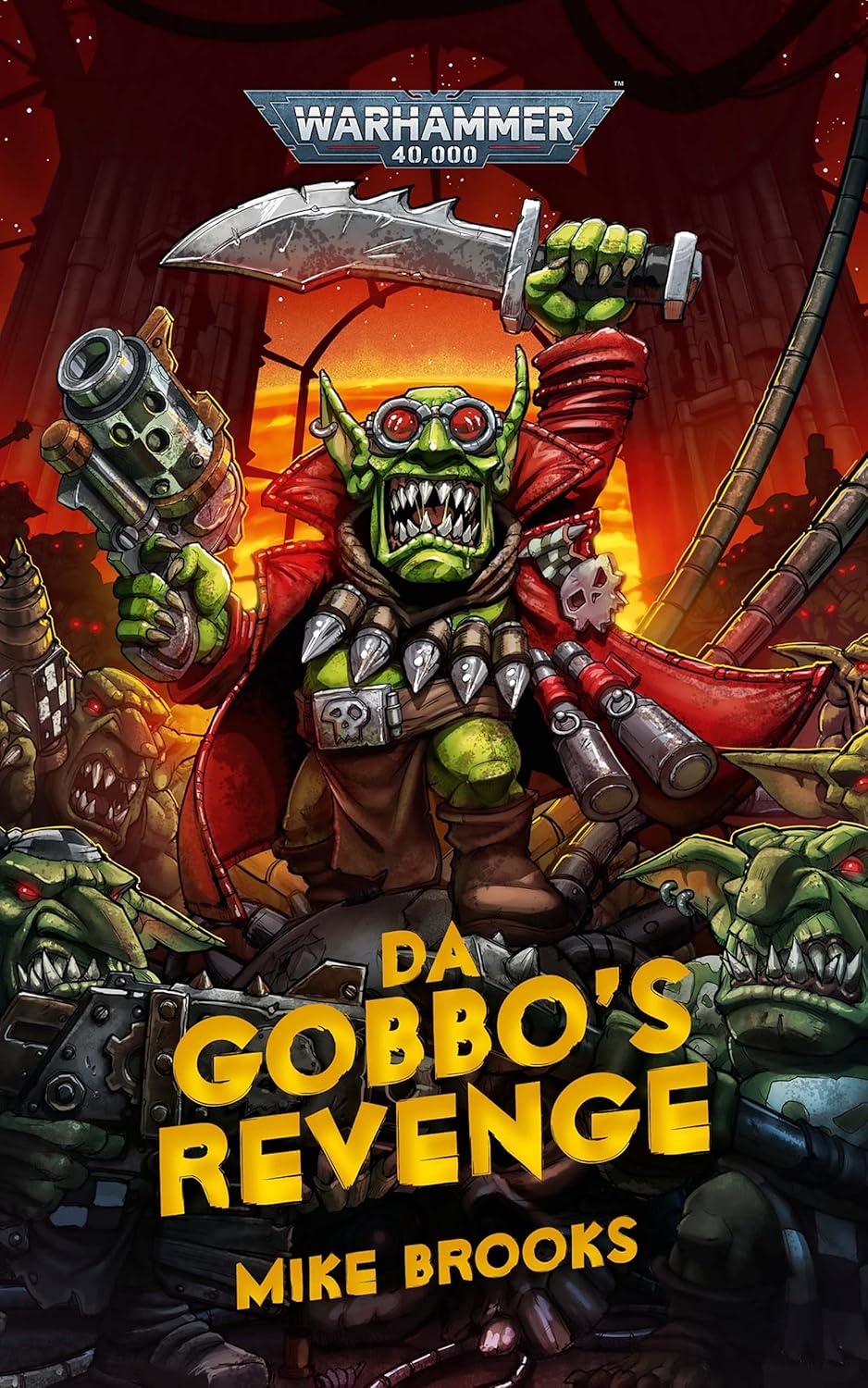
The first story in Da Red Gobbo Collection was Da Gobbo’s Revenge by Mike Brooks, which was one of the longer novellas in the collection.  Brooks is an outstanding author, and I have read quite a few of his Warhammer 40,000 books recently, including The Lion: Son the Forest and Lelith Hesperax: Queen of KnivesDa Gobbo’s Revenge was a particularly entertaining read, which is set parallel to Brook’s previous ork-focused novels, such as Warboss, Brutal Kunnin and Da Big Dakka, which have also featured fun narratives of grot revolution and rebellion.

Da Gobbo’s Revenge is a more compact narrative that follows the unlikely hero, Fingwit.  The leader of small band of grots that follow a crazed ork mek, Fingwit and his comrades find themselves in deep trouble when their boss forces them to participate in a deadly boarding action aboard an Imperial war vessel.  When the mek dies in front of them, Fingwit attempts to lead his fellow grots to complete their boss’s final mission, only to encounter human soldiers, running firefights, and dissent from amongst his fellow grots.  However, it’s the actions of an ork taskmaster that finally drives Fingwit over the edge, and he decides that the only way to survive is to become something legendary.

Da Gobbo’s Revenge is a very entertaining and fast-paced novella that provides an interesting initial look into the grot mindset while throwing them into a frenetic adventure.  Brooks hits this story with the clever and comedic style he has utilised for his other ork-focused books, and you can really appreciate his clear love for this faction, as well as his attention to detail around them.  The only story in this book told exclusively through the eyes of a grot, Da Gobbo’s Revenge fully showcases their sneakiness, their shrewd cunning, and their desire to outdo each other, and the result is hilarious, especially as they manage to outsmart various bigger opponents who completely underestimate them.  This over-the-top adventure, while very fun, takes on a more thoughtful manner towards the end once Fingwit decides to take on the mantle of the Red Gobbo to save his friends.  Seeing the previously self-obsessed Fingwit become more concerned with the fate of his fellow grots helps to hammer home the significance of the Red Gobbo to these lowly creatures, especially as he inspires them to do something truly special and unselfish.  This ending is surprisingly powerful and poignant, especially for an ork/grot focussed Warhammer 40,000 story, and Da Gobbo’s Revenge was a very strong story that serves as the perfect introduction to Da Red Gobbo Collection.

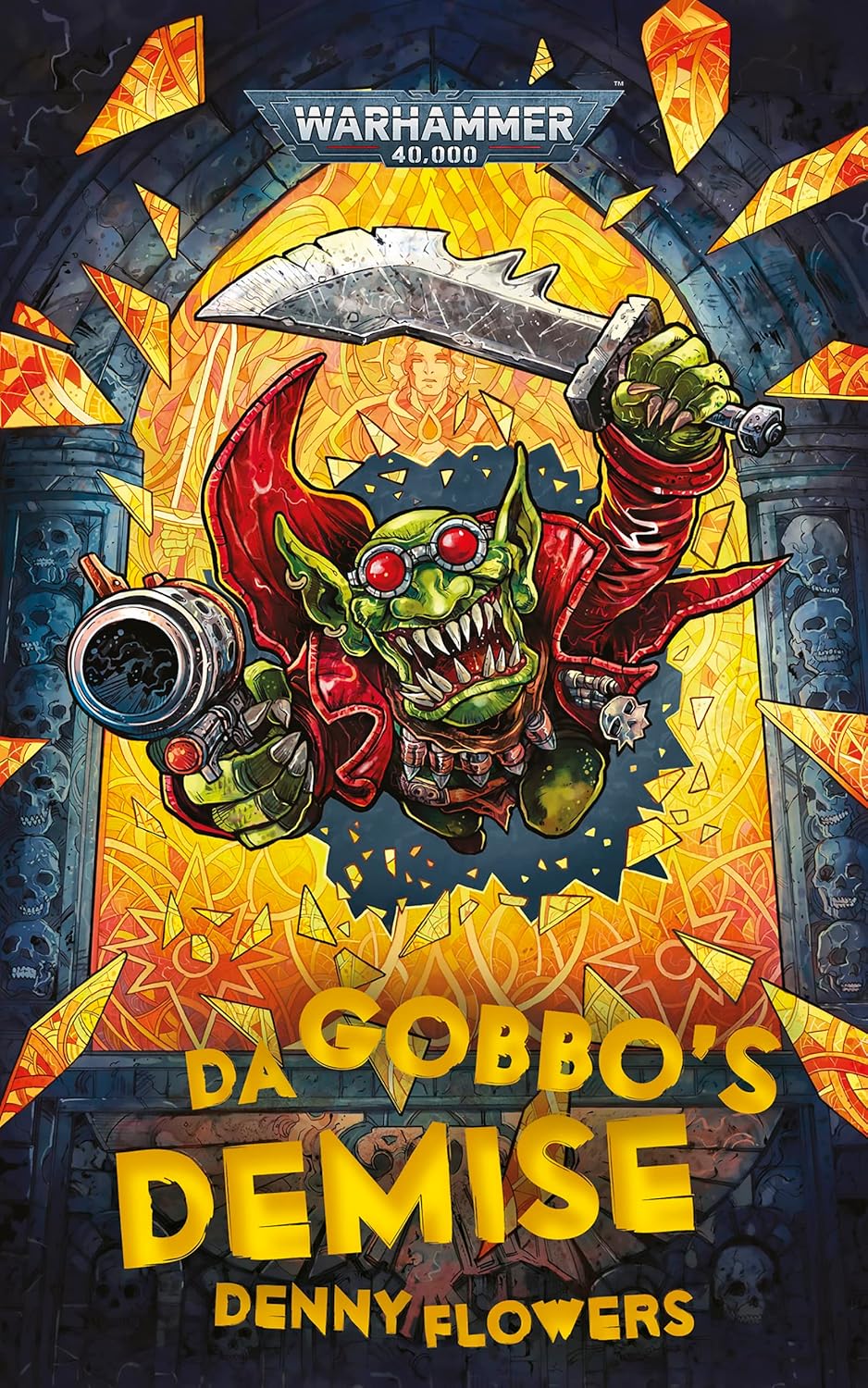
Following hot on the heels of this first excellent entry is the brilliant novella, Da Gobbo’s Demise by Denny Flowers.  Da Gobbo’s Demise was another awesome read that I was particularly keen to check out, mainly because I am a massive fan of Flowers at the moment.  One of the best rising stars of Warhammer 40,000 fiction, Flowers has deeply impressed me with his books Fire Made Flesh, Outgunned, and the outstanding 2024 release Above and BeyondDa Gobbo’s Demise was the first of Flowers’s novellas I have had the pleasure of reading, and I was very excited to check out his take on a non-human character, the result of which was extremely entertaining and fantastically fun.

Da Gobbo’s Demise follows a small herd of grots who find themselves alone and in trouble when their taskmaster, Runtherd Killaskun, is suddenly killed, and they are left without any ork supervision.  This proves particularly problematic for Killaskun’s right-hand grot, Redsnot, as he knows that his fellow grots will be looking to even the score against him for enforcing Killaskun’s orders.  However, the grots soon find themselves in deeper trouble when they are surrounded by a horde of Chaos cultists determined to kill them and take the church they are hiding in.  Determined to survive, Redsnot seeks to take advantage of the situation and be the leader the grots need.  However, his genius plan is ruined by the surprise appearance of Da Red Gobbo, hero of all grot-kind.  But Redsnot isn’t going to be upstaged by anyone, even if the Red Gobbo trying to save his life.  But luckily even legends are susceptible to a knife in the back.

This was another particularly fun and awesome novella that really showcase Flowers’ ability to write a clever, funny and very cynical story that I could not get enough off.  I honestly really enjoyed where Flowers took the story, especially as it ended up being a Home Alone-inspired siege, where the hilariously cruel grots hold off a bunch of incompetent cultists by any means necessary.  The constant bickering and dissent on both sides of the conflict was just great, and there are some very amusing moments as the grots use their natural cunning to outsmart their opponent.  The entire story moves quickly, and I found myself constantly laughing due to the outrageous antics of everyone involved.

Flowers makes Da Gobbo’s Demise’s story even more entertaining and funny through amazing use of multiple character perspectives, as in addition to showing events through Redsnot’s eyes, the author also features the viewpoint of the Chaos cultists besieging them, including a traitor commissar hoping for glory under his new gods.  There are some brilliant contrasts between the bickering grots and the disorganised cultists, especially when it comes to their different leaders.  While the chaos cultists are controlled by fear, and their leader becomes more and more demented the more failure he encounters, the usually contentious grots become surprisingly well organised thanks to the appearance of Da Red Gobbo, who resolves most of their petty arguments and turns them into an effective team.  I especially enjoyed the way in which Da Red Gobbo manages to effectively undermine and outsmart Redsnot at every turn, especially as it leads to yet another compelling bit of character growth for the main protagonist as he learns to fight for something bigger than himself.  The resulting story turns into a wonderfully bloody mess of over-the-top characters and outrageous antics, and I laughed my way through it.  Another outstanding outing from Flowers that perfectly expanded on the opening momentum of Da Gobbo’s Revenge and ensured that readers are firmly enthralled by Da Red Gobbo Collection as this point in the book.

The next entry in Da Red Gobbo Collection is the short story Da Wrong Type of Green, also by Denny Flowers.  A quick and exciting read, Da Wrong Type of Green is a direct prequel to Da Gobbo’s Demise that, shows the events immediately leading up to the novella’s opening scene.  Featuring the exact same style and most of the same characters, Da Wrong Type of Green gives some fun additional context to Da Gobbo’s Demise that I rather enjoyed seeing, especially as I had such a brilliant time with Flower’s longer novella.  I particularly enjoyed seeing the protagonist’s relationship with their former ork leader, Runtherd Killaskun, which really enhanced some of the themes of freedom and revolution that Flowers featured in novella.  While the inclusion of this story does feel a tad unnecessary, especially as you don’t really need to read it to appreciate Da Gobbo’s Demise, it was an interesting story, and one that you can get through very quickly.

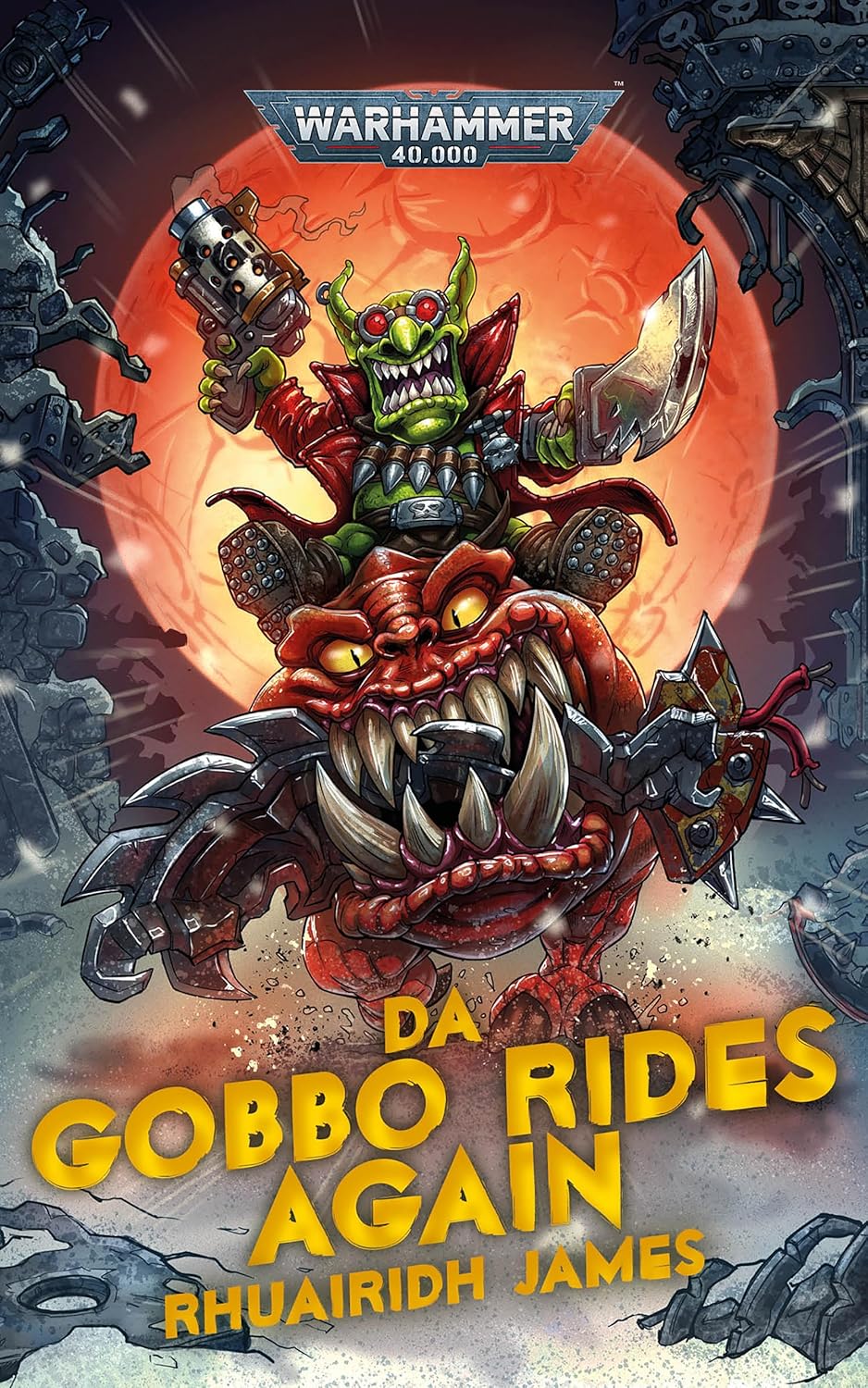
Following these two stories by Flowers, readers are then led to the book’s third novella, the amusing and outrageous entry, Da Gobbo Rides Again, by Rhuairidh James.  James, who has previously written several interesting Warhammer 40,000 short stories, honestly produces one of the best entries in Da Red Gobbo Collection, and I was really blown away by his intriguing and original take on the focal character, especially as he examines the revolution and the relationship between orks and grots in a very different manner.

Da Gobbo Rides Again follows the ork painboy Stimma, who arrives back to camp only to discover something strange happening to his warband’s grots.  Rather than being their usual sneaky selves, the grots have all become exceedingly compliant and helpful, completely throwing off the usual anarchic rhythms of the ork encampment.  Ordered by his warboss to fix the problem, Stimma and his grot assistant, Goggulz, try to shake the grots out of their malaise and back to their previous sly and murderous mentality.  They soon determine that the only way to inspire the grots is to give them a Red Gobbo to stir them up.  However, with no Red Gobbo to hand, Stimma decides to create one, but first he needs to understand what the Red Gobbo is and how he comes into being.  But the further he dives into the mysteries of the Red Gobbo, the closer he comes to the truth, and not even an ork as ruthless as Stimma is prepared for what he finds.

This was such a brilliant entry from James, and I loved the elaborate and very memorable story he comes up with.  I love how he decided to tell the story through the eyes of an ork master, rather than another grot, which allows for a unique new perspective in the tale of Da Red Gobbo.  The central story focusing on the dispirited grots was very clever, and James’s concept of compliant grots being more dangerous to the orks than rebellious ones was a fun take.  The resulting story of Stimma’s attempt to create his own Red Gobbo is both hilarious and philosophical in nature, and you must love the ork mentality when it comes to grots and their so-called heroes.  This attempt at science also leads the protagonist to various ork experts, and while this is mostly a novella about grots, the fun and in-depth dive into the oddboyz, those orks with special skills such as meks and weirdboyz, proves to be really amusing and detailed.  I especially loved Jame’s take on the painboyz, the orks’ highly experimental medics, especially as it results in some hilarious discussions about ‘medicine’.

However, the thing that I loved most about Da Gobbo Rides Again is the main twist of the story.  Thanks in part to having read the other novellas first, you can easily see where Stimma’s plan is going to go, even if the orks cannot due to their blind spot when it comes to their smaller cousins.  As such, you get to watch in joy as James openly works to bring this twist to fruition bit by bit, and it is very satisfying when it all comes together.  This fantastic buildup works extremely well amongst the general chaos of the ork camp, while the fun relationship that builds between Stimma and Goggulz makes it even more delicious.  Throw in some very interesting sequences that explore the unusual past of the orks and their relationship to grot-kind, as well as a great scene that brings together Da Gobbo Rides Again with the other novellas in this collection, and this was an impressive entry that I could not get enough of.  I honestly cannot emphasise enough just how amazing Da Gobbo Rides Again was, and I hope we get a full-length novel from James at some point in the future as I know I will deeply enjoy it.

The final entry within Da Red Gobbo Collection is The Instigator.  Also written by James, The Instigator is a prequel to Da Gobbo Rides Again which was originally released in the White Dwarf magazine.  This story tells of the first time a young Stimma encountered a Red Gobbo, when he accompanies an ork raiding party when it attempts to board a spaceship.  However, nothing goes to plan, especially when the orks find an unexpected enemy hidden within the ship, led by an unlikely commander.  This story does a great job of showcasing events that were hinted at within Da Gobbo Rides Again and presenting them in a very different way than Stimma remembers them, especially as events were a little more desperate than he cares to admit.  James amps up the tension in this short but sweet story, which shows just how scary grots can be for orks, while also providing a fantastic opponent for the plot.  The Instigator proves to be a great follow-up for Da Gobbo Rides Again, and I really enjoyed seeing the seeds for Stimma’s later idea around Da Red Gobbo be planted.

This ended up being a very awesome overall collection of Warhammer 40,000 stories, and I love the impressive and relentlessly comedic tales that these excellent authors came up with.  I loved how the three main novellas perfectly complemented each other, building on the work of the preceding stories, while also standing on their own feet.  Brooks, Flowers and James really had fun when it came to these stories, and I love how you get some unique takes on the orks and the grots, although the general ork humour does carry through very well for all of them.  I also deeply enjoyed how each author showcased a different aspect of the Red Gobbo character, and the three separate incarnations of the Red Gobbo you witness paints a fascinating picture of this unique being in the Warhammer canon.  All three authors really outdid themselves in how they brought this figure to life, and their amazing stories were a true joy to read.

Unsurprisingly, I chose to listen to Da Red Gobbo Collection on audiobook, a format which always deeply enhances Warhammer fiction, especially as the crazy characters, unlikely scenarios and dark settings really pop when read out loud.  Warhammer 40,000 audiobooks that feature the orks are always particularly awesome, as the outrageous aliens are so damn entertaining especially when you get a great narrator voicing them.  As such, I was very keen to listen to Da Red Gobbo Collection, especially as it provided the first audiobook adaptations of several existing short stories and novellas, which ensured a whole new way to appreciate these clever tales.  I was also excited because British actor Harry Myers was attached to narrate Da Red Gobbo Collection.  A very talented narrator who has brought some of my favourite Warhammer 40,000 books to life, including The Wraithbone Phoenix and Day of Ascension, Myers has a fantastically entertaining voice that really fits some of the outrageous figures in this universe.  Myers particularly excels at voice ork characters (he previously narrated Warboss and Da Big Dakka by Mike Brooks), and his voice perfectly fits the rough and crude orks in so many entertaining ways.  He also does a great job of capturing the smaller and cowardly grots, and you really get a great sense of their scared, weaselly and backstabbing ways through his narration.  I also loved how each character comes out in this audiobook, and I was very impressed that Myers featured variety with his voice work, providing the various grots different voices, even when he moved on to a new story.  This was such an epic listen, and I really cannot recommend Da Red Gobbo Collection on audiobook enough.  Coming in with a runtime of just over 11 hours, this is a slightly long but very easy audiobook to power through, and there is honestly no better way to enjoy Da Red Gobbo Collection than by listening to it in this format.

Da Red Gobbo Collection was an exceptional Warhammer 40,000 book that I had so much damn fun getting through.  Thanks to the outstanding team of Mike Brooks, Denny Flowers and Rhuairidh James, you are gifted with some very impressive stories that prove to be exceedingly addictive.  Insanely addictive and extremely hilarious, Da Red Gobbo Collection will bring a smile to any Warhammer fan, and even new readers will be able to have an amazing time with it.  As such, I must give this collection a full five-star rating, as each author delivered something very special that came together perfectly.

Amazon

NecroTek by Jonathan Maberry

Publisher: Blackstone Audio (Audiobook – 28 May 2024)

Series: NecroTek – Book One

Length: 15 hours and 24 minutes

My Rating: 5 out of 5 stars

Amazon

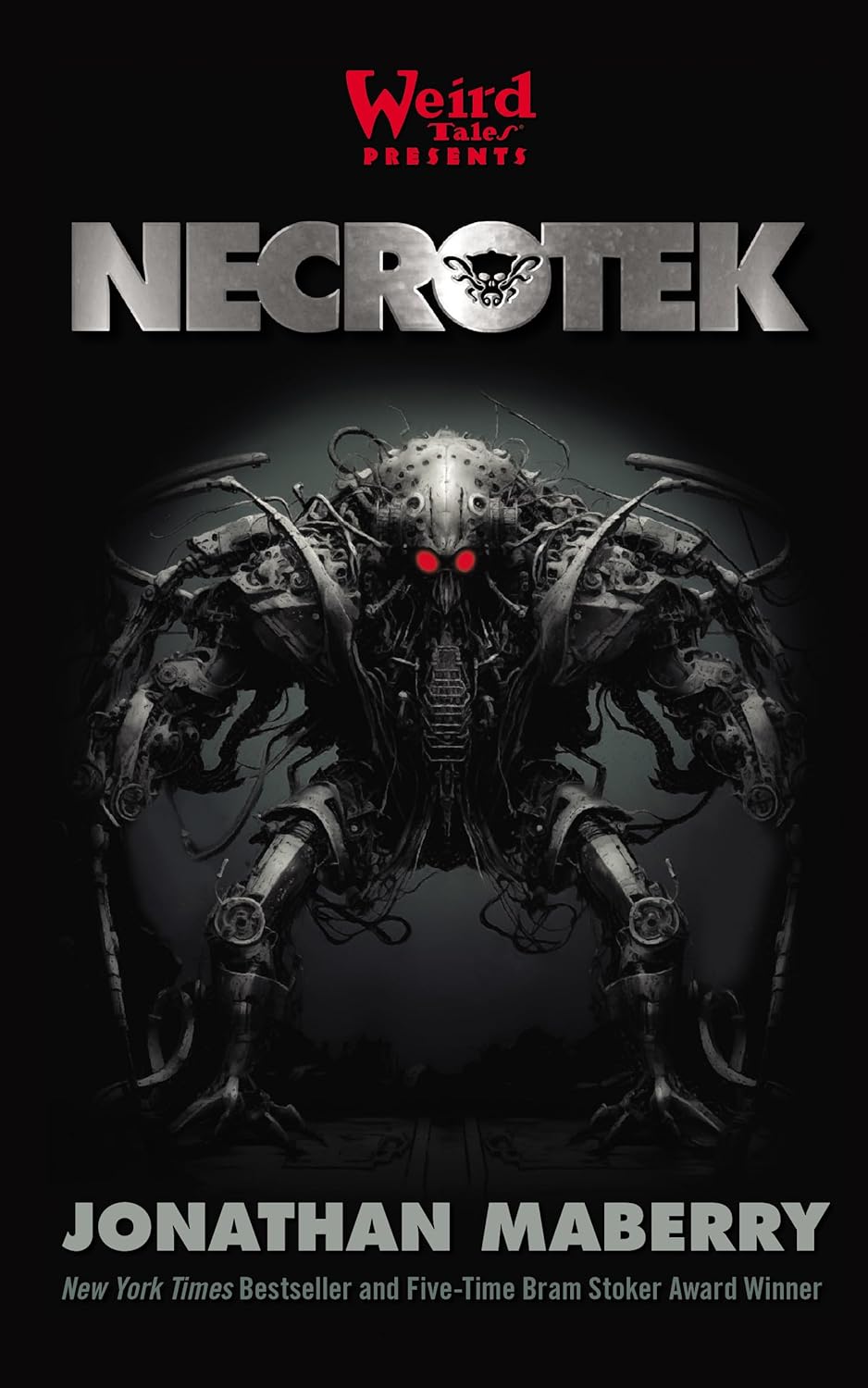
One of the leading authors of action-packed fiction, Jonathan Maberry, dives headfirst into the science fiction genre with the unique read NecroTek, a remarkable Lovecraftian adventure in space that takes readers to some very dark places.

Readers of this blog will know that I have long been a fan of compelling author Jonathan Maberry, who has been impressing me with his elaborate, grim and varied book for years.  A long-time writer of horror-filled fiction across the genres, Maberry has multiple books and series under his belt, and I have had the great pleasure of reading a large portion of his existing works.  His main body of fiction is his Joe Ledger thriller series, which follows a tortured protagonist as he attempts to stop an array of dark technological threats assailing the modern world.  This series, which includes great books like Patient Zero, Assassin’s Code, Predator One and Dogs of War, as well as the Rogue Team International sequel series (Rage, Relentless and Cave 13), proved to be a great introduction to the author for me, and my appreciation for him grew after reading his Kagen the Damned dark fantasy series.  Made up of Kagen the Damned (one of my favourite books and audiobooks of 2022), Son of the Poison Rose (one of my favourite books and audiobooks of 2023), and The Dragon in Winter (which I am currently reading now), the Kagen the Damned books saw the author bring his distinctive style to the world of dark fantasy in a big way, and I loved the end result.

Due to how much I love Maberry’s captivating and enthralling novels, I always instantly grab anything new the author writes, and this includes his first release of 2024, NectroTek.  While his Joe Ledger books often feature strong science fiction elements in their thriller narratives, NecroTek was the first pure science fiction novel from the author, and I felt that he did an outstanding job applying his style and love for old-school horror into this new genre.  Released under the banner of the iconic Weird Tales horror magazine, NecroTek was one of my most anticipated releases of 2024, and it did not disappoint.

Plot Synopsis:

From New York Times bestselling author Jonathan Maberry, NecroTek is a gripping sci-fi thriller full of ghosts, gods, and a battle for the soul of humanity.

Neither cosmic philosopher Lars Soren, hotshot pilot Bianca Petrescu, nor the high priestess Jessica McHugh–Lady Death herself–can say quite where in the galaxy they are. But after an experiment gone horribly wrong, one thing is clear: Asphodel Station isn’t in orbit around Jupiter any longer. Worse, the monsters that live out here–ancient eldritch beings thought only to exist in stories and nightmares–have now been alerted to Earth’s existence.

Their army of Shoggoths is coming for us next.

Humanity’s only hope for survival lies on the surface of the alien world of Shadderal, where a ghost named Lost, the last of an ancient race, still haunts the vast plains of the Field of Dead Birds. But hope has a cost. Lost tells Soren about ancient derelict spacecraft awaiting on Shadderal, shapeshifting machines that blend ultra-advanced technology with the dark powers of necromancy. These ships might just be nimble enough to defend mankind against the coming invasion.

But there’s a catch: they can only be piloted by the dead.

As human starfighters fall in battle, their spirits can be called back from death to pilot these ghost ships of a fallen race. But will this new necromantic technology–NecroTek–allow humanity to stand against the vast armies of the Shoggoths? And even if it can, is the war to save the human race worth the cost of its pilots’ immortal souls?

What another brilliant read from Jonathan Maberry!  NecroTek was an outstanding and captivating novel that I unsurprisingly loved thanks to its elaborate and ambitious narrative, loaded with horror, carnage and a distinctive tale of survival against the odds.  Moving, powerful and highly emotional, NecroTek was such an epic and captivating novel, and I must give it a full five-star rating as a result.

Maberry produces another complex, detailed and powerfully dark narrative for NecroTek that is part science fiction, part horror, and all excitement.  Starting off just in advance of the events that will set the story in motion, Maberry does a great job of opening the book up and quickly setting the scene for the reader.  The start of a new series unconnected from his previous works (for now), this is one of the easier Maberry novels to break into, and you are soon invested in the tale of scientific exploration.  However, things change quickly once the teleportation experiment fails, and as this is Maberry, when things go wrong, they go wrong in a big and gruesome way.  The author really leans into his love of horror during these opening moments, and there are some shocking depictions of the side effects of the jump through space, as well as the terrifying things waiting for the survivors on the other side.  Maberry revels in featuring powerful depictions of terror and craziness here and it makes for a brilliant and often disturbing first part of the book.

After this horrifying start to the novel, NecroTek becomes more of a science fiction tale, although Maberry quickly infects it with his beloved Lovecraftian elements, as the protagonists soon discover that they have been discovered by Shoggoths above a mysterious planet.  This allows for some fantastic moments, as the humans attempt to defeat this new alien foe with their existing ships, while continuing to dive into the complex science and philosophy surrounding their circumstances.  This middle section of the book moves at a swift pace, and the readers are treated to some excellent battle sequences in space, as well as the character’s continued uncertainty as they try to understand the outrageous situation they have found themselves in.  Maberry does a great job setting down the required Lovecraftian lore and bringing key parts of the plot to light during this part of the book, and readers easily become absorbed in his compelling ideas, especially when they are coated in a combination of adventure, horror and intriguing characters.

Everything leads up perfectly to the final third of NecroTek, which sees the protagonists desperate to defend both the station, and the important planet they hover above.  Faced with attacks on multiple fronts and so many tragedies, the protagonists are forced to rely on a new ally and the titular NecroTek to face off against the Shoggoth fleet.  Maberry keeps the tension riding high for this final part of the book, and you are constantly on the edge of your seat as several simultaneous battles rage around the reader, often fought in some extremely epic ways.  There is some captivating tragedy, deeply moving moments of sacrifice, and elaborate dives into the human psyche as everything comes together, and you will be left dazed and moved by everything that unfolds.  An overall exceptional and unique story, NecroTek was so much fun, and I liked the potential for story continuation that exists at the end of the novel.

Maberry has a very distinctive writing style that he utilises in all his novels, no matter the genre, and which always results in an awesome and complex read.  Featuring a huge number of short and sharp perspective chapters that constantly jump between the key characters, as well as a few shots of the antagonists and other mysterious creatures, you get a layered story that shows so many complex actions at the same time.  This style works extremely well in this science fiction adventure, and I loved the elaborate ways he showcased the dark events occurring around the station, whether you get the experiences of the recurring characters, or one-off chapters that shows what happened to specific characters before they die.  These chapters deeply enhance the horror vibes in the book, which keep you on your toes and provides an overarching sense of threat and danger that really makes you concerned for the protagonists.  This cool horror vibe blends well with the extremely detailed science fiction setting and storyline, to create a particularly striking read that really stuck with me, especially as the author also dives into Lovecraftian elements which work nicely into Maberry’s distinctive tone.  As with most of Maberry’s work, NecroTek does get incredibly dark and disturbing at times, which may not appeal to every reader, especially when it comes to some of the more distressing occurrences.  However, Maberry channels this darkness extremely well into the plot and the various action sequences of the book, producing a rafter of ultra-exciting scenes that really stick in the mind.  I personally felt his various space-combat sequences were extremely good, and I loved how effectively he showcased the intricate nature of the battles, even when things get extreme with the inclusion of ghost-powered battle mechs. 

As with all Jonathan Maberry novels, the true power and heart of NecroTek lies in its many impressive and complex characters, who the author utilises to tell a particularly powerful and layered story.  Maberry has a real gift for producing compelling, damaged, and often highly over-the top characters for his various series, and NecroTek is no different as he introduces a range of figures whose unique perspectives shape and power the story.  While NecroTek lacks the full-on antagonist’s perspective that usually make his novels so effective (due to the enemies being unknowable aliens), you get a great spread of alternating perspectives and thoughts throughout NecroTek, as well as the powerful emotions behind them.  These emotions are greatly enhanced by the fact that all the human characters within NecroTek are disorientated or damaged by the earlier events of the plot, and watching them overcome their rage, fear or despair, really amps up the feeling of the unknown and the complex emotions that swirl around the plot.

While there are many characters featured within NecroTek, Maberry does focus the plot on a few key protagonists whose stories get a bit more attention.  This includes cosmic philosopher Lars Soren, who serves as one of the main explorers of the new world and the voice of calm reason amongst the protagonists.  I liked how effectively Maberry utilised a scholar protagonist for much of this novel, and it allowed for a much more thoughtful narrative at times.  Of course, as this is Maberry, there needs to be a militant main protagonist as well, and that role was filled ably by military pilot Bianca Petrescu.  A confident and skilled pilot, Bianca worked as a great partner to Soren throughout much of the adventure, and I liked the contrast in their styles and actions.  Bianca also works well as part of the fighter group, known as the Lost Souls, who work to defend the station from the Shoggoth fleet.  Acting like an extended family, the Lost Souls are a vital part of the book’s plot, especially as their eventual, many-layered sacrifice, results in some of the most emotionally charged scenes in the book, which is further enhanced by how much you have come to care for the whole group.  Throw in an actual necromancer and an ancient alien whose guilt-ridden ghost provides aid to the protagonists whilst also damning them, and the cast of NecroTek was extremely strong.  I really enjoyed the elaborate narrative threads that emerged around these figures, and it led to a very powerful and intense read.

As with most of the Jonathan Maberry novels, I chose to enjoy NecroTek on audiobook, which is easily the best way to enjoy one of the author’s elaborate and powerful novels.  Maberry’s distinctive writing style of constantly shifting characters, loaded action, and horrifying elements really comes across when read out and I honestly believe that this is the best way to enjoy one of author’s books.  A lot of this is due to the continued use of long-term Maberry collaborator Ray Porter, who has lent his voice to most of Maberry’s compelling audiobooks.  One of my favourite audiobook narrators, Ray Porter has an outstanding voice that expertly moves Maberry’s complex and addictive narrative around at a fast and effective pace.  Porter’s ability to instil emotion, intensity and often scary tones into his narration is extremely epic, and he can ensure that readers are always on the edge of their seats as they wait for more action or horror to emerge.  Porter also has a great range of different awesome voices that seem to always perfectly fit the character they are assigned to, and I love the fun and entertaining tones that convey so much of fear, feelings and deeper emotional state.  Coming in with an overall run time of 15 hours and 24 minutes, this is a long audiobook, although it proves easy to power through it quickly, especially in the action-heavy second half.  As such, the NecroTek audiobook version comes highly recommended, and you will not be disappointed when you listen to it.

Jonathan Maberry once again deeply impresses me with his elaborate and addictively dark science fiction read, NecroTek.  A very distinctive Maberry creation, NecroTek features a brilliant story that brings together cool new science fiction elements with the author’s love for all thing Lovecraftian into a brutal and captivating read.  Fast paced and loaded with complex characters, fantastic action, and some truly epic sequences, NecroTek was such a great read from Maberry and comes highly recommended.  I look forward to seeing how Maberry continues the series in the future, especially as a sequel, Cold War, is apparently set for release in 2025.

Amazon

The Ghosts of August by Peter Watt

Publisher: Macmillan Australia (Trade Paperback – 29 October 2024)

Series: Colonial series – Book Six

Length: 401 pages

My Rating: 4.25 out of 5 stars

Amazon

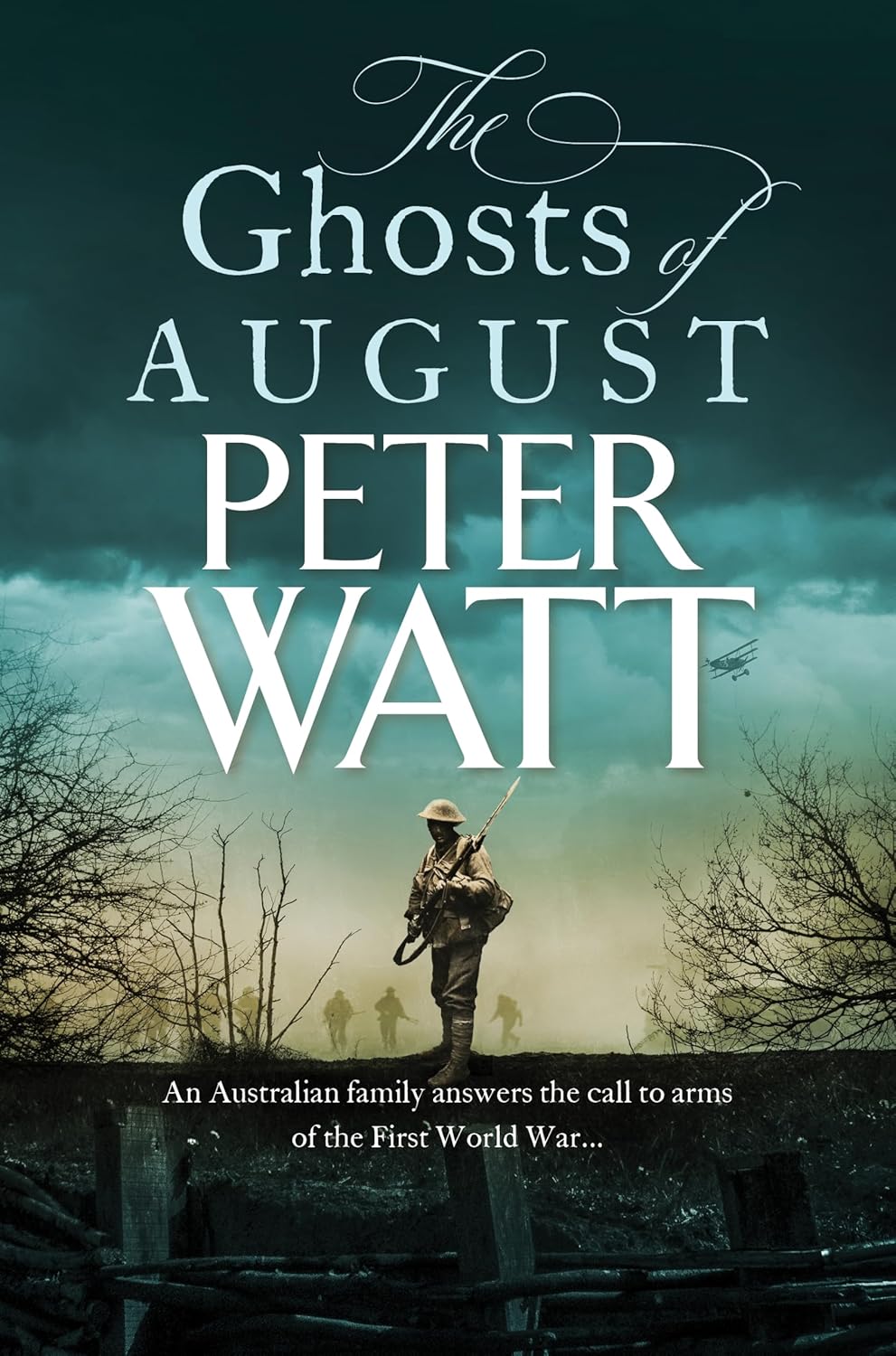
Australia’s master of historical fiction, Peter Watt, continues to shine with the latest exciting book in his Colonial series, The Ghosts of August.

Watt is a fantastic author who has a particular skill at writing fast-paced adventure novels based around Australia’s compelling and complex history.  The author of several intriguing multigenerational series, Watt’s current body of work is the Colonial series, which started back in 2018 with The Queen’s Colonial.  An awesome book that followed a young Australian farmer, Ian Steele, who journeys to England and through a series of shenanigans gets commissioned in the British army as a captain, gaining the moniker the Queen’s Colonial.  I had a lot of fun with this first book, and Watt has kept the series going strong ever since.  The next two books in the series, The Queen’s Tiger and The Queen’s Captain, followed Ian through several mid-19th century wars, while also encountering love, loss, and dark intrigues.  The third and fourth novels, The Colonial’s Son and Call of Empire, featured a time skip to the late 19th century, where a mostly retired Ian had taken a step back from adventuring while his two sons, Josiah and Samuel, became the main characters.  With the death of Ian at the end of Call of Empire, the series entered a new phase as Watt again skipped ahead with The Ghosts of August.  Set around the turbulent events of World War I, The Ghosts of August was another fantastic entry in the series that continued to follow all the adventures of the Steele family.

The Queen’s Colonial, Ian Steele, is dead, but his family still serve the crown, especially as the threat of war spills across the globe. Ian’s oldest son, Josiah, is now head of the Steele family, and, like his father before him, he has two very different sons to worry about.  His oldest son, David, is a canny and cultured young man with the world at his feet, while his youngest son Ben is a wild child, constantly finding trouble and solving it with his fists.  However, despite their differences, both David and Ben are about to be caught up in the chaos of war.

Ben, sent away on a secret mission about the family’s boat, inadvertently finds himself trapped in German New Guinea when the war breaks out, where circumstances force him to become a desperate fugitive from the German troops stationed there.  David, determined to do his bit, becomes an officer in the Australian army, and finds himself involved in Australia’s attempt to take control of German New Guinea, hoping to reunite with his brother.

However, with petty grievances and the love of a women between them, Ben and David find themselves on different paths as the war progresses.  While David finds himself serving as an officer on the Western front, Ben signs up as an enlisted man in the deserts of Palestine.  Both brothers will face danger and death the like of which the world has ever seen before, and the desperate battles will rock the Steele family to its very core.

The Ghosts of August was another awesome book from Watt that pits the latest generation of his central family against all the horrors of war, turmoil and history.  A great addition to the Colonial series, The Ghosts of August was a very fun and action-packed read that cleverly tied into some fascinating periods of history.

Watt features a very familiar narrative structure for The Ghosts of August, which follows the current protagonists of the Colonial series into a whole new conflict.  Starting in 1914, the novel initially follows the various characters through the period leading up to the conflict, before throwing them right into the carnage with several battles and action pieces.  Making great use of the historical record to enhance his narrative, Watt sets his story throughout a range of fascinating locations and periods, all shown from the overlapping perspectives of his point-of-view characters.  Watt provides an interesting spread of protagonists in The Ghosts of August; while the key characters are the younger members of the Steele family, you also see alternate perspectives from the books various antagonists, as well as some more friendly German characters.  There is a good mixture of action, character-focused drama, and intrigue as these figures deal with issues on various fronts.  I particularly enjoyed Ben’s attempt to survive in the wilds of German New Guina for the first part of the book, while the various intricate depictions of war in the second half of the book steal the show, especially as there is a ton of tragedy and shocking moments.  Watt brings the entire narrative to a sad, but hopeful end, and it will be interesting to see if or how the author continues the series in the future.

As with all the books in the Colonial series, The Ghosts of August works well as both a standalone novel and a continuation of the rest of the series, as Watt highlights key character history and previous adventures in an effective manner for new readers.  I personally have had a lot of fun exploring the entire series from the start, and it has been great to see how the central family has evolved.  The focus on a single family and its various members, friends and enemies throughout turbulent points of history is a fun writing style that the author has a lot of experience in, and it always results in an entertaining and fast-paced book.  As with the previous Colonial novels, Watt’s focus on action, warfare, and the intricate history of the period, is the highlight of The Ghosts of August.  Anyone with a love of early 19th century warfare or adventure is in for a great time, and I deeply enjoyed the powerful war sequences the author featured.  However, I did think that some of the characters were a little one-dimensional in places, especially as his two main protagonists, brothers Ben and David, are carbon copies of other Watt central characters.  That being said, Watt writes an excellent storyline that sees the two brothers at odds due to an alluring German noblewoman, and the resulting attempts to get past it are moving, with some real tragedy thrown in.  I also enjoyed the devious German military antagonist, Kurt Jäger who plagues Ben in the first half of The Ghosts of August, and whose full storyline in the novel proves to be particularly interesting.  An overall fun book that is easy to enjoy, especially if you have read one of Watt’s novels in the past.

The final element of The Ghosts of August that I want to highlight is the fascinating historical features that really made this novel stand out.  Watt has a clear love for Australian history that shines through in his writing, especially in The Ghosts of August where he dives into various unique aspects of Australia’s contribution to World War I.  Not only does he take his characters to the obligatory battlefields of Gallipoli and the Western Front (the former of which is relatively brief for an Australian war novel), but he also examines other lesser-known conflicts Australia was involved with during this period.  This includes Australia’s contribution to the fighting in the Middle East, as there are some very intense and action-packed sequences that follow one of the protagonists fighting in Egypt and Palestine with the Australian Light Horse.  I also found the first conflict focused on in the book, Australia’s expedition to take control of German New Guinea, to be particularly fascinating.  Watt portrays the main battle in compelling and exciting detail, and it was fascinating to learn more about this expedition, especially as it rarely gets featured in fiction, despite being Australia’s first contribution to the war.  All these historical elements are expertly woven into the main narrative by Watt, who always does an outstanding job of setting his own story arcs around these events.  You really get stuck into both the narrative and the Australian history as a result, and I loved seeing more of Watt’s infection love for Australian wartime history.

The Ghosts of August was another amazing book from Peter Watt that provided a fantastic continuation to his highly enjoyable Colonial series.  Loaded with action, adventure and interesting historical inclusions, The Ghosts of August is classic Watt, and I had a ton of fun with it as always.  I am curious to see where Watt goes next, as I will always be eager to grab another historical adventure from this excellent Australian author.

Amazon

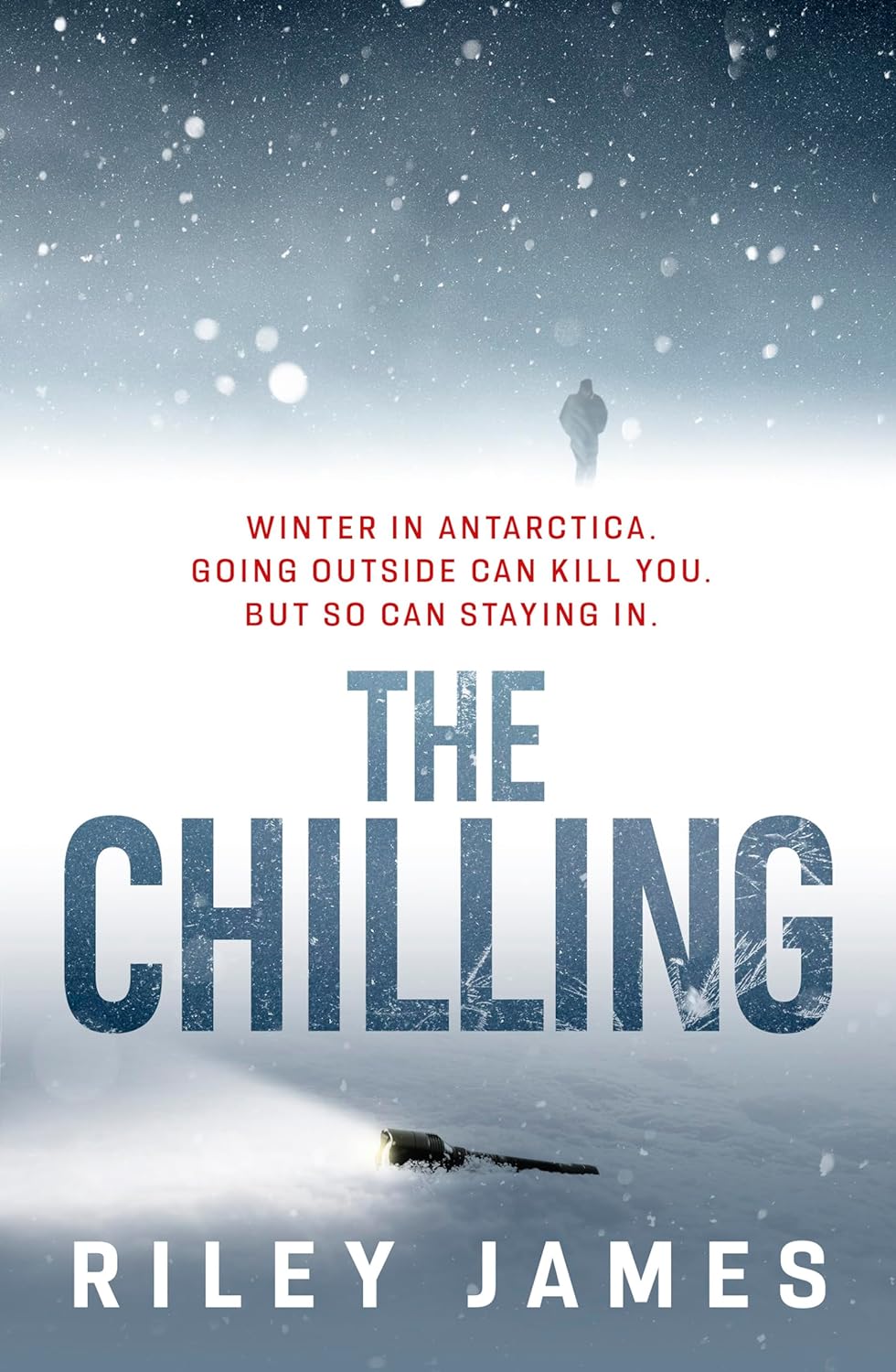
Quick Review – The Chilling by Riley James

Publisher: Allen & Unwin Australia (ebook – 3 September 2024)

Series: Standalone

Length: 312 pages

My Rating: 4.25 out of 5 stars

Amazon

Australian author Riley James presents a captivating and amazing debut novel with The Chilling, a distinctive debut novel that I had an outstanding time getting through.

Plot Synopsis:

An unputdownable thriller set in the pressure-cooker environment of an Antarctic winter.

An isolated research station. A storm approaching.

There’s nowhere to run. But so much to hide.

Keen to flee the wreckage of her marriage, Australian scientist Kit Bitterfeld accepts a coveted winter research position at Macpherson Station in Antarctica. On the way there, Kit and her fellow researchers field a distress call from a nearby ship.

By the time they reach the vessel it is on fire and the crew has vanished. A lone survivor is found, but he can’t remember who he is or what has happened.

They bring the survivor, identified as geophysicist Nick Coltheart, to Macpherson but it’s clear that something is wrong. More and more of Kit’s colleagues are acting strangely. And she can’t shake the suspicion that Nick knows more than he’s letting on. With the winter darkness setting in, Kit must figure out the truth before they are completely cut off from the outside world. But is the danger lurking out on the ice, or is it closer than she thinks?

The Chilling offers a compellingly icy twist on the winter thriller setting, transplanting the most haunting elements of Scandi noir to the southern hemisphere, and announces Riley James as a brilliant new talent writing in a fresh corner of Australian crime fiction.


The Chilling
was a great novel from Riley James that features a fascinating story of survival, identity and secrets.  Set on and around Antarctica, the story initially focuses on damaged protagonist, Kit Bitterfeld, who attempts to escape her failed marriage by volunteering for a lengthy expedition.  Things get interesting very quickly when the protagonist attempts to assist another research ship in distress, but instead finds it abandoned and on fire, with one mysterious and seemingly amnesiac survivor hidden aboard.  While this injured survivor, Nick Coltheart, appears to have no knowledge of what happened aboard the ship or his past life, Kit soon becomes suspicious of him and the behaviour of her fellow scientists, especially when mysterious deaths and disappearances occur around the research compound.  At the same time, a separate storyline follows the survivors of the damaged ship, who are attempting to cross the treacherous ice on foot and encounter danger, death and despair, especially as some of the survivors consider the lies and crimes that led them there.  The separate storylines come together in an impressive manner as the book continues, and the converging secrets lead to some excellent reveals and moving moments.

This ended up being a deep and intriguing novel that blended a cool thriller storyline with a compelling and moving character-focused plot line.  I loved the blend of mystery, drama and intrigue that emerges as James dives further into her narrative, and the resulting twists and swerves are well set up and have a satisfying impact.  I felt that the reveals about who was responsible for the various crimes where quite clever, and the slow-burn dive into each of the figures in question allowed for great plot.  While some thriller fans may not enjoy how much character drama was contained within The Chilling, I felt that the protagonist’s powerful arc about trauma, lack of trust and finding herself was particularly heartfelt, and it will no doubt resonate with many readers.  Other character storylines have some interesting focus on guilt, as the sins of the past come back to haunt them, and it proves very moving to see the various lines of this unravel to discover who did what.

I can’t finish this review without highlighting the way that James featured Antarctica throughout The Chilling, as the continent served as a haunting background to her story.  Not only does the author provide some vivid and powerful descriptions of the setting through her writing, but she also describes the impacts of the isolation and desolation of the ice continent on the people who visit it.  I loved the complex sense of duality you get from the author’s depictions of Antarctica, as there is both hope and despair hidden within it, and it was fascinating to see some of the characters find themselves there for good or for ill.  James also did an excellent job incorporating the aspects and features of Antarctica into the overarching plot, and the problems caused by the remoteness, the weather, and other complicating factors really amps up the thriller aspect of the plot in some fantastic ways.  This was such a cool (ha ha) background setting, and it made James first book really striking and memorable.

Riley James really impresses with her debut novel, and I felt that The Chilling was one of the stronger Australian novels I read in 2024.  Featuring a complex and multi-layered story of survival, intrigue and deep characters, The Chilling was an outstanding read which is worth checking out, especially if you are interested in something distinctive from a fresh Australian author.

Amazon

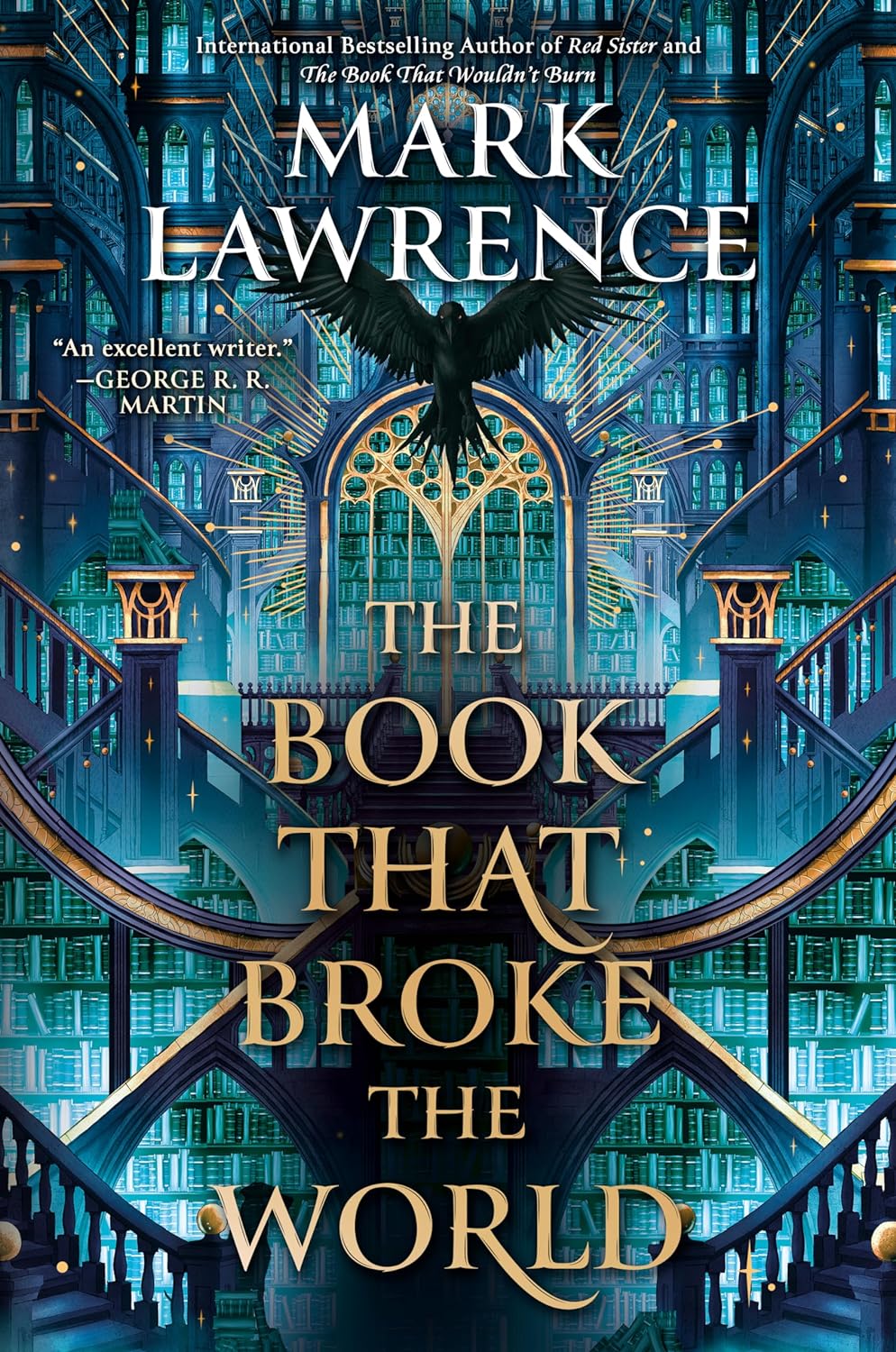
Quick Review – The Book That Broke the World by Mark Lawrence

Publisher: Harper Voyager (Trade Paperback – 9 April 2024)

Series: The Library Trilogy – Book Two

Length: 369 pages

My Rating: 4.5 out of 5 stars

Amazon

The master of elaborate fantasy fiction continues his outstanding and intricate Library trilogy with the captivating novel, The Book That Broke the World.

Mark Lawrence is an exceptional author who has been wowing fantasy and science fiction fans since 2011 with impressive reads that borrow heavily from both genres.  Some of his better-known series include the Broken Empire novels, the Book of the Ancestor trilogy and The Book of the Ice trilogy (which includes The Girl and the Stars and The Girl and the Mountain).  His current body of work, the Library trilogy, might be his most ambitious series yet as he envisions a complex and intense story of hope, discovery and secrets within an impossible library that bends time, reality and the lives of its many alien inhabitants.  The first book in the series, The Book That Wouldn’t Burn, was an epic read that told the story of Evar and Livira, two teenagers brought to the library in very different circumstances, who work to uncover its many mysteries.  This was such a great read, especially as Lawrence loaded in a particularly clever central twist that blew my mind, and The Book That Wouldn’t Burn ended up being one of my favourite books of 2023.  As such, the sequel, The Book That Broke the World, was one of my most anticipated reads for 2024, and it ended being a very interesting second entry in this amazing series.


Plot Synopsis:

We fight for the people we love. We fight for the ideas we want to be true.

Evar and Livira stand side by side and yet far beyond each other’s reach. Evar is forced to flee the library, driven before an implacable foe. Livira, trapped in a ghost world, has to recover her book if she’s to return to her life. While Evar’s journey leads him outside into the vastness of a world he’s never seen, Livira’s destination lies deep inside her own writing, where she must wrestle with her stories in order to reclaim the volume in which they were written.

And all the while, the library quietly weaves thread to thread, bringing the scattered elements of Livira’s old life – friends and foe alike – back together beneath new skies.

Long ago, a lie was told, and with the passing years it has grown and spread, a small push leading to a chain of desperate consequences. Now, as one edifice topples into the next with ever-growing violence, it threatens to break the world. The secret war that defines the library has chosen its champions and set them on the board. The time has come when they must fight for what they believe, or lose everything.

The Library Trilogy is about many things: adventure, discovery, and romance, but it’s also a love letter to books and the places where they live. The focus is on one vast and timeless library, but the love expands to encompass smaller more personal collections, and bookshops of all shades too.


Lawrence had to achieve a lot in this sequel, as he needed provided a compelling follow-up to his previous novel while also advancing the story in a clever and unique manner.  I felt that he succeeded on all fronts, as The Book That Broke the World proved to be just as complex, intense and addictive as the first book in the series.  Set in the immediate aftermath of the shocking events of The Book That Wouldn’t Burn, The Book That Broke the World continues to follow star-crossed lovers Evar and Livira as they to try and find each other despite the insurmountable odds of existing in different times and being born different species who are constantly at war with each other.  This new novel once again sees them parted, primarily due to one of the characters being a ghostly presence in the other protagonists’ time, and they soon end up discovering new periods of history within the library as war, strife and a new dangerous race upset the balance of events.  There is a certain feeling of tragedy and frustration for much of Evar and Livira’s narrative, as the two remain separated from each other, and you really get invested in their story, as well as the lives of their associated supporting characters, especially as the blending of timelines leads to some new interactions.

While it was great to continue to follow the adventure of the same main characters from the first book, the thing that made The Book That Broke the World’s narrative really stand out was the inclusion of new point-of-view protagonists whose additional narrative supported the unique story of Evar and Livira.  The first of these, Arpix, was a major secondary character in The Book That Wouldn’t Burn, and his use as a perspective protagonist here was very effective, especially as it allowed for a more measured view of some of the crazy events occurring throughout the book.  Arpix was a great character in this sequel, and I especially enjoyed seeing him interact with Evar and his family as Lawrence throws him into a delightful romance narrative with a very unlikely but entertaining figure.

However, it was the other additional point-of-view character who really turned The Book That Broke the World into something special, as Lawrence introduced a seemingly new protagonist, Celcha, a slave in the city surrounding the library, who finds herself drawn to its secrets thanks to the machinations of her unusual brother and the ghosts that visit him.  A member of an alien species who came from a different period than Evar and Livira, Celcha has an intriguing narrative within The Book That Broke the World, as she tries to escape the manipulations of other visitors from the library while also trying to learn more about her species.  Celcha’s narrative is at first separated from the rest of the storylines, and it is initially unclear what role it is going to play in the larger plot.  However, the way that Lawrence ends up tying it together with the rest of the plot is very clever, especially as he utilises the uncertainty of when Celcha’s story fits into the overarching timeframe of the narrative to tie up many mysteries from the first book while weaving in a complex new player.  These intriguing, character driven arcs come together extremely well by the end of the story, and you will be amazed at how well Lawrence’s many complex puzzle pieces fit together by the end for an addictive and memorable narrative.

As with most of Lawrence’s writing, The Book That Broke the World is a very complex and lore-heavy book that requires readers to really pay attention to the many, many details loaded into the overall text of the plot.  This results in a very elaborate narrative as Lawrence is constantly working in compelling details about his intriguing universe while also layering down constant hints and plot points that will become relevant later for twists and other reveals.  Readers really get caught up in the majesty of the massive setting of the Library trilogy, and I really appreciated how Lawrence was capable of blending fantasy elements with more science fiction focused occurrences, like advanced technology and time travel.  I also loved how well the author used the various character perspectives to further enhance the scope of the narrative and the setting, and you must appreciate the mystery and scope of his ambitious setting and the elaborate narrative around it, especially when it comes to the many fascinating side characters and protagonists he works in the plot.

While this proves to be a great book to read, it isn’t always the easiest novel to follow, as Lawrence throws in a lot of high-concept moments and plot points that sometimes seem a little too complicated for the narrative’s own good.  Readers are also required to remember a lot of key details from The Book That Wouldn’t Burn to fully appreciate the scope and cleverness of this second entry in the series.  While I was able to recall most of the details of the first book (the recap at the front was quite helpful), I can imagine some readers might have a little more difficulty, especially if there is a big gap between reads in the series.  Despite that, I think it would be possible to jump into the Library series from this second novel, but you really would be better off reading The Book That Wouldn’t Burn first as it allows you to become much more invested in the various compelling character arcs and emotionally laden storylines.

Mark Lawrence continues to showcase his inventive and unique fantasy style with The Book That Broke the World.  Providing readers with a complex and compelling sequel to his first Library novel, The Book That Broke the World continues the intense narrative in some fantastic directions, while constantly working to make the plot even more intricate and powerful.  An outstanding piece of fantasy fiction that will keep you guessing to the end, The Book That Broke the World comes highly recommended, and I look forward to the fast-approaching final entry in the series that is out in a few months’ time.

Amazon

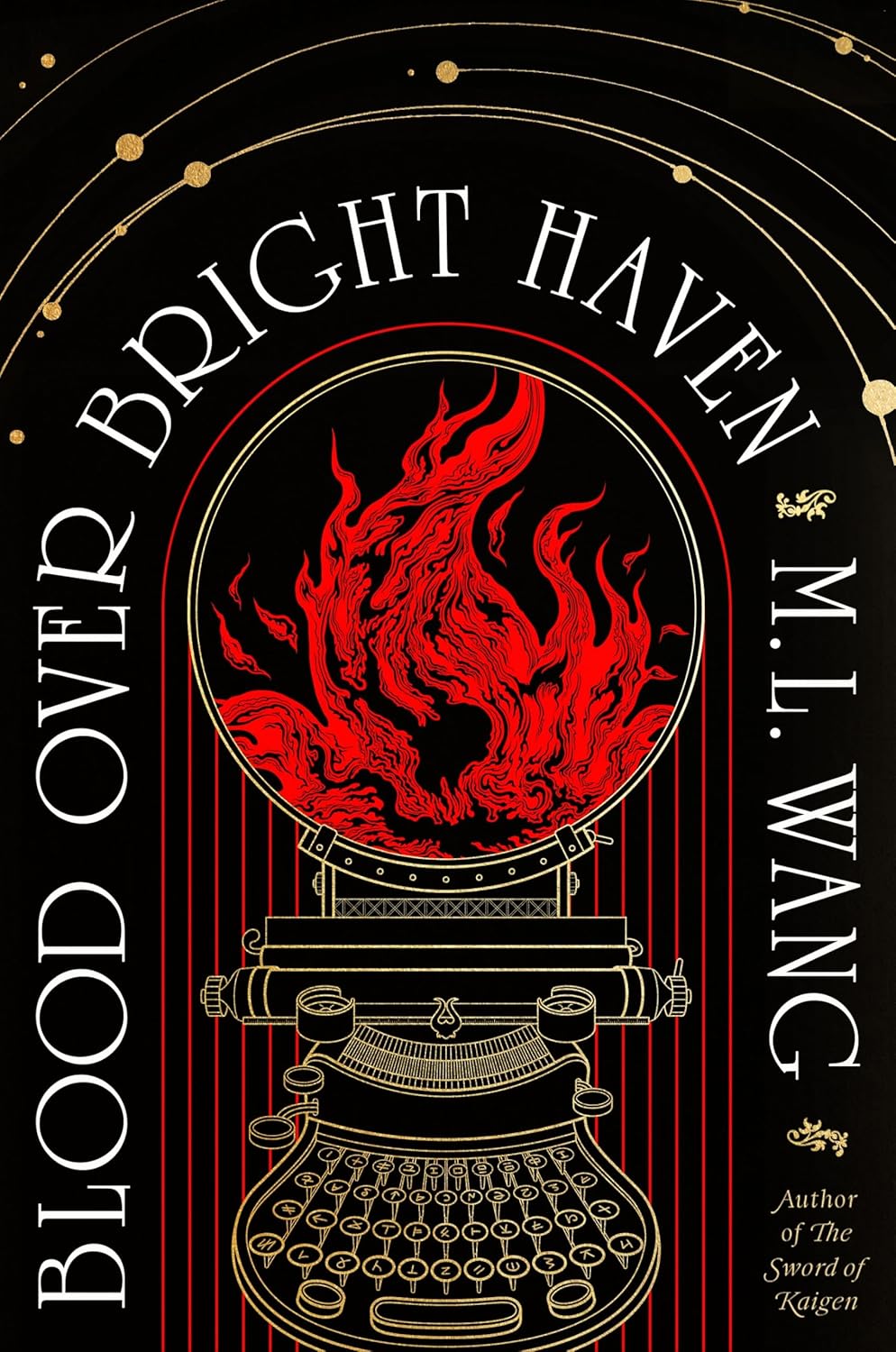
Blood Over Bright Haven by M. L. Wang

Publisher: Del Rey (Trade Paperback – 29 October 2024)

Series: Standalone

Length: 431 pages

My Rating: 5 out of 5 stars

Amazon

One of the biggest rising stars in fantasy fiction, M. L. Wang, effortlessly showcases her amazing talent with the outstanding read, Blood Over Bright Haven.

M. L. Wang is an awesome author who I have been hearing a lot about over the last few years. Debuting back in 2018 with her first book, The Sword of Kaigen, Wang blew away the fantasy crowd with this intriguing debut fantasy novel that featured a compelling Asian inspired setting and theme. While I have yet to have the pleasure of reading The Sword of Kaigen, it is currently high on my to-read list, especially as it has received an exceptional amount of love in fantasy circles.  As such, this has made me very curious about Wang, so when I saw that her new book, Blood Over Bright Haven, was coming out in Australia, I made sure to grab a copy of it.  Wang’s second adult fantasy novel, Blood Over Bright Haven was originally self-published in 2023, although I think I will be counting it as a 2024 release later this year.  I really loved the sound of this cool book from Wang, and boy did Blood Over Bright Haven deliver, as it proved to be an epic and highly impressive read.

In a world full of death, despair and fear, the city of Tiran serves as a gleaming beacon of civilisation and safety.  Protected by a magical dome that keeps out the destructive Blight, a mysterious occurrence that destroys everything it touches, Tiran has managed to survive while the rest of the world withers away.  Many of Tiran’s citizens believe that the dome, and the magic that powers it, are a gift from the city’s forefathers and only they have the right to benefit from it.  However, not everyone is treated the same within Tiran.

Sciona is a talented young mage seeking to become the first women ever admitted to the High Magistry at the University of Magics and Industry.  After studying for 20 years Sciona finally proves herself worthy to become a highmage and is excited to push the field of magic forward with her inventive techniques and unparalleled ambition.  However, despite everything she has achieved, when Sciona arrives at the university, she is treated with scorn and derision by her male colleagues and assigned only a janitor to help her rather than a qualified assistant.

Determined to show everyone what she is capable of, Sciona sets out to pioneer new ways of harnessing magical power that will allow Tiran’s dome to be expanded.  Forced to work with the tools in hand, Sciona decides to train her new assistant, the Kwen janitor Thomil, and soon discovers a bright and focused mind.  A former hunter from the plains who sort sanctuary with the city after seeing his entire tribe torn apart by the Blight, Thomil has lived within the oppressive Tiranish system for ten years, trying to survive the city’s prejudice for the Kwen.

Despite their differences, Sciona and Thomil form a formidable team, especially when Sciona begins using Thomil’s knowledge of the world outside of Tiran to good use.  But their work will uncover a dark secret, one rooted at the heart of Tiran’s history and their ability to harness magic.  Can Sciona and Thomil overcome the shocking truth before them to ensure both their people’s survival, or will everything they know come crashing down?

Well damn, now that was a particularly awesome book!  While I had high hopes for Blood Over Bright Haven, this honestly blew me away as Wang produced a truly inventive and powerful novel loaded with dark twists, complicated characters, and a unique magical system.  I could not stop reading Blood Over Bright Haven once I started as this was such an addictive and memorable read.  As such, I have very little choice but to award Blood Over Bright Haven a well-deserved five-star rating, and this was easily one of the best fantasy books I read in 2024.

Wang brings together an addictive and complex stand-alone fantasy narrative for Blood Over Bright Haven that I am frankly still not over due to its very clever twists and dark turns.  Starting off with a great prequel scene that sets the stage for much of the drama to come, you are soon introduced to main character Sciona as she works to become a highmage in the male-dominated magical trade of the city.  The fantastic entrance exam for the High Magistry was honestly the part of the book that first really grabbed my attention, and I loved how it simultaneously introduced the ambitious protagonist and several key plot points, all while presenting the basics for the novel’s distinctive magical system.  I really cannot emphasise how well these initial scenes set the rest of Blood Over Bright Haven up, and you really plunge into the rest of the story from there.

From there the book quickly evolves into a complex story that is part intriguing magical research story part societal piece, as Sciona tries to overcome the inherent sexism of her colleagues while also working with her new assistant Thomil.  Thomil, a Kwen from outside of the city, provides some further insights into the plight of the refugees in the city, which really amps up the excellent social commentary that the author is making.  Thomil’s introduction also allows Wang to further dive into the complex elements of the book’s magic as Sciona teaches him the basics to make him a better assistant.  You swiftly become attached to this new partnership between the idealistic and academic Sciona and the more pragmatic Thomil, and their combined dive into magical theory and the deeper issues of the city proves fascinating, right up until you hit the book’s big twist about halfway through.  Now, I don’t want to reveal too much about this twist because it is so damn impactful, but I also really want to gush about how clever it is.  I must commend Wang for how effectively she set up elements of this reveal in the first half of the book and I was really impressed with how it made so much sense looking back.  It also completely changes the entire tone and context of much of the previous plot, which is frankly brilliant, and you go into the next part of the book a little traumatised as a result.

Naturally the second half of the book is very dark, as Sciona and Thomil try to move past the terrible secrets they have learned.  This results in multiple brilliant scenes, as Sciona has her eyes full opened to all the secrets and lies around her.  I particularly enjoyed the great sequence where Sciona overcomes the initial trauma of learning the book’s big secret by completely outthinking a doctor (who’s alchemical ‘cures’ is another grim plot inclusion which allusions to the historical medical treatment of women), and her somewhat naïve attempts to rationalise everything going on.  Wang takes the reader into the final third of the book with some major moments as the protagonists go on the offensive and try to show the city the truth, even if they don’t want to see it.  I particularly enjoyed the protagonist’s initial inventive attempt to sway people to her cause, which backfires in some shocking, if predictable ways, and everything is set up nicely for the final big twist, which I had honestly been hoping for most of the book.  Wang wraps everything up brilliantly, and there is a bleak, yet hopeful, conclusion, which I think fit the powerful overarching narrative extremely well.  You honestly come out of finishing Blood Over Bright Haven extremely thoughtful, and I cannot emphasise enough just how complex, compelling and clever this entire story was.

I deeply enjoyed how Wang set out her outstanding story, and I really found myself drawn to her compelling writing style in Blood Over Bright Haven.  A very impressive and though-provoking stand-alone fantasy read, Wang balances a lot of great elements in her writing and sets it out extremely well for the reader to appreciate.  The focus on some complex and highly relatable protagonists, whose perspective of the story allows to fully appreciate the hidden horrors of the plot, works extremely well, and I got so drawn into the various elements of the story as a result.  Wang also proves effective at changing the tone of the book to match the plot, and I appreciated how the feel of the book went from a determined tale of magical research against the odds to something far bleaker.  The background setting of Tiran was also extremely effective at helping to showcase the various social issues and concerns that Wang was strongly alluding to with her writing, and the more you learned about the city, the more you understand the points that the author was making.  Wang also proved very effective at hiding the set-up for her big twists throughout her writing, including in examining history and magical theory, which is something I really appreciated.  All the elaborate elements and reveals are extremely well foreshadowed in the earlier parts of the book, and I really enjoyed how everything came together in this plot.

As I have mentioned quite a few times above, I loved the compelling fantasy elements of the Blood Over Bright Haven, which were extremely inventive and highly memorable.  This includes the magical city of Tiran, which, in addition to providing societal elements for the plot, also had a compelling history tied around magic and religion.  However, the best fantasy elements of Blood Over Bright Haven was the truly unique magical system that so much of the plot was focussed on.  In this case, magic revolves around a spellograph, essentially a magical steam-punk computer/typewriter, that allows its wielder to perform magic by setting out specific tasks and drawing energy from an alternate dimensional plain.  While this sounds a bit clunky, it works extremely well, and Wang does an impressive job of setting it out and explaining it to the reader.  The more you learn about this elaborate system, the more you appreciate Wang’s inventiveness, as she clearly put a lot of thought into the various processes and aspects of her system.  The author furthers this by focusing much of the narrative around the protagonist’s magical research, and the reader finds themselves following all of Wang’s thoughts and complex in-universe theories to their inevitable conclusions.  This outstanding magical system adds so much to the book, especially as so much of story’s darker moments are tied into understanding the full extent of how the citizens of Tiran came by their magic and how they utilise it.  This was easily one of the more inventive new sorcerous concepts that I have seen in fantasy fiction for a while, and I cannot emphasise enough about how impressive I found it.

Finally, I need to highlight the great characters who Wang’s impressive narrative was set around, the brilliant, self-absorbed magical student Sciona and the former hunter turned desperate refugee Thomil.  While on paper they sound like the leads of a rom-com, Wang has some elaborate and deep storylines around them that allow for some massive emotional depth and character growth.  The two characters play off each other extremely well in the first half of the book, being an interesting duo trying to prove to the world what they can do.  Both characters represent the oppressed classes of Tiran, and it was fascinating to see the different ways in which they try to address it, from Sciona trying to prove herself to those who will never respect her, while Thomil learns to knuckle under to survive, despite his pride and deep fury.  While there is a little bit of a romantic edge to them at the start, the big reveal at the centre of the novel and their wildly different, but understandable, reactions to it, drives a big wedge, especially as it forces Sciona to finally fully address the many ills of her society, while Thomil comes to understand just how badly he has been wronged.  I felt that both protagonists had some brilliant changes in their personality in the second half of the book, especially Sciona, who loses everything she previously believes in.  Their subsequent interactions are laced with tension, especially as Sciona still attempts to see good in those around her, while Thomil has a more realistic viewpoint.  Despite this, Thomil still tries to help her, and their final interactions, especially once Sciona finally understands everything, is very heartfelt and moving.  These two protagonists are so well written, and Wang’s ability to dive into their minds and hit them with dark emotional curveballs created some gripping and powerful moments.  Throw in Thomil’s wild, but entertaining niece, and a group of fantastic villains whose entitlement, selfishness, and determination to continue institutionalised oppression (cough, sounds familiar, cough), really make you hate them, and this proved to be an outstanding character-driven book.

M. L. Wang is easily one of my favourite new fantasy authors as Blood Over Bright Haven was so damn good. The epic combination of compelling narrative, extremely inventive fantasy elements, effective social commentary, and great characters made for a particularly impressive read, which sticks in your mind long after you put Blood Over Bright Haven down. I honestly cannot recommend this fantastic book enough, and you are in for an incredible treat if you decide to pick it up.  As for myself, I am planning to check out The Sword of Kaigen in the new year, as I really want to read more awesome fantasy fiction from this brilliant new author.

Amazon

Quick Review – The Wrong Hands by Mark Billingham

Publisher: Sphere (Trade Paperback – 25 June 2024)

Series: DS Declan Miller – Book Two

Length: 405 pages

My Rating: 4.25 out of 5 stars

Amazon

Bestselling crime fiction author Mark Billingham continues his DS Declan Miller series with the highly entertaining read, The Wrong Hands.

Billingham is an intriguing British crime fiction author who has an impressive catalogue of books to his name.  Best known for his long running DI Tom Thorne series, Billingham has also written an array of compelling standalone novels and audiobook exclusives.  His latest body of work is his DS Declan Miller series, which is a light-hearted crime fiction series focusing on an array of over-the-top characters.  Starting with The Last Dance, the DS Declan Miller books follow an eccentric police detective as he investigates unusual crimes in Blackpool, including the murder of his own wife.  The Wrong Hands is the second book in the series, and it proved to be another cooky investigation with a highly entertaining plot behind it.

Plot Synopsis:

This is one case Detective Miller won’t want to open . . .

The second rip-roaring mystery from multi-award-winning number international bestseller Mark Billingham starring Detective Miller: unique, unconventional, and criminally underestimated…

Unconventional Detective Declan Miller has a problem. Well, two problems. First, there’s his dead wife and her yet-to-be-solved murder. He really should stop talking to her ghosts…

Second, and most pressing, a young man has just appeared on his doorstep with a briefcase . . . containing a pair of severed hands. Miller knows this case is proof of a contract killing commissioned by local ne’er do well Wayne Cutler—a man he suspects might also be responsible for his wife’s death. Now Miller has leverage, but unfortunately, he also has something that both Cutler and a villainous fast-food kingpin are desperate to get hold of.

Sprinkle in a Midsomer Murders-obsessed hitman, a psychotic welder, and a woman driven over the edge by a wayward Crème Egg, and Miller is in a mess that even he might not be able to dance his way out of.


The Wrong Hands
was a highly entertaining and slightly outrageous crime fiction read that sets the author’s distinctive police detective protagonist against an unlikely assortment of criminals in a wacky, fast-paced plot.  Starting off with a very entertaining opening sequence that sees a world-class assassin and a local crime boss severely embarrassed by two local youths who managed to steal vital evidence, the book only gets even more fun from there as DS Declan Miller comes into possession of a pair of hands that could prove the key to locking up his rival and solving the murder of his dead wife.  However, to get there, Miller must first catch a dangerous killer, determine who the hands belong to, and protect anyone associated with the thieves responsible for the whole debacle.

I had an amazing time with this story, as Billingham loaded his plot with a huge array of over-the-top characters, each of whom proved fun to follow.  The plot moves at a very fast pace, and the author loads up some interesting clues and set-ups that result in some fantastic twists.  Much of the plot turns into an unlikely game of cat and mouse as Miller and his colleagues try to find the assassin before he strikes down everyone involved with the case.  I liked the captivating tension and unique story moments that led up to the big confrontation and the eventual solution to the book’s main plot proves to be quite enjoyable, especially as the villains are brought down from an unexpected source.  However, I must admit that I felt the author’s solution to the big crime of the series, the murder of the protagonist’s wife, didn’t get the epic solution it deserves, especially as the culprit kind of comes out of nowhere.  Still, this was an overall fantastic read and you really get wrapped up in the clever story.

Billingham utilises a distinctive stye that combines humour with compelling crime fiction scenarios.  While slightly derivative of the current craze around comedic murder mystery novels, The Wrong Hands still proved to be extremely entertaining, and I found the entire oddball scenario to be very compelling.  The quick change in focus between the various memorable figures involved in the case helped to give the novel some additional depth and comedic power, and I loved seeing the different angles to this entertaining narrative.  In addition, I felt that Billingham did a great job making The Wrong Hands a very accessible and easy to read book.  While The Wrong Hands does serve as a sequel to The Last Dance, new readers can easily dive into this latest book from Billingham without any issue, and the author ensures all the key plot points are expertly rehashed, allowing anyone to come in and have a great time with this fantastic novel.

While I loved the plot of The Wrong Hands and the way it was presented, the real fun lies in the unique characters themselves, as Billingham brings together an amazing and varied cast of niche crooks, crazed killers and troubled cops.  While I did think that Billingham may have tried a little too hard to make his protagonist, the dance-loving, unusual fact-spouting, rat-owning DS Declan Miller seem as quirky as possible, he still proved to be a great character to follow, and I felt that the author perfectly captured his grief, guilt and obsession with finding his wife’s killer.  His partner, DS Sara Xiu, proved to be an excellent foil to Miller, and even with her issues she worked as an enjoyable straight figure to Miller’s eccentric persona.  However, it is Billingham’s villains that really make The Wrong Hands stand out, as the author utilises an excellent collection of outrageous rogues.  This includes two crime bosses with alternate product focuses, whose neglectful family life proves to be their downfall, an elite assassin with a less-than-perfect naming convention and a love for Midsomer Murders, and a psychotic welder with some major issues.  These fantastically dark characters added a lot of impact to The Wrong Hands, and I loved seeing how their entertaining and often ironic storylines came together.

Overall, The Wrong Hands was an awesome and very fun new book from Mark Billingham, who let his ridiculous side loose to produce a fantastic crime fiction read.  Fast, funny, and loaded with outrageously complicated characters, The Wrong Hands is an easy book to get lost in, and I am glad I decided to pick it up.

Amazon

Quick Review – Capture or Kill by Don Bentley (based on the series by Vince Flynn)

Publisher: Simon & Schuster Australia (ebook – 4 September 2024)

Series: Mitch Rapp – Book 23

Length: 464 pages

My Rating: 4 out of 5 stars

Amazon

Those in the mood for an intense, action-packed spy thriller should check out the latest book in the long-running Mitch Rapp series, Capture or Kill, written by new author Don Bentley.

Over the last few years, I have become a massive fan of the classic Mitch Rapp thriller series.  Following a dark and deadly operative who specialises in killing America’s enemies, the Mitch Rapp books are an exciting and compelling series that always scratch my action itch each year.  Originally written by Vince Flynn, since his death, the series has been taken over by other talented authors continuing his story.  I personally have only read some of the books written by Kyle Mills, which includes Red WarLethal AgentTotal PowerEnemy at the GatesOath of Loyalty and Code Red, and I appreciated the cool scenarios that Mills pitted the protagonist against.  This year saw an interesting change to the series with the introduction of new author Don Bentley.  Bentley, an established thriller writer himself, is the third author to contribute to the Mitch Rapp series, and his new novel, Capture or Kill, was an excellent throwback to some of Flynn’s original storylines.

Plot Synopsis:

April 2011: On a remote mountaintop overlooking the remains of the Iranian nuclear weapons program, Azad Ashani witnesses a Quds Force demonstration of a capability meant to upend America’s war in the Middle East. Ashani, director of the Iranian Ministry of Intelligence and Security and Irene Kennedy’s former back channel to the Iranian government, recognizes the demonstration’s true significance, and the nation-ending conflict it will provoke. Alone, Ashani stands no chance of preventing this rush to madness.

But with the help of one man, he just might.

In Washington, DC, CIA director Irene Kennedy briefs the president that the operational window to kill or capture Osama bin Laden at his recently discovered compound in Abbottabad, Pakistan is rapidly closing. But before he’ll authorize a commando raid on Pakistani soil, the president demands irrefutable proof of bin Laden’s presence.

Proof he trusts just one man to provide.

Preventing a looming war in the Middle East while delivering justice for the nearly 3,000 Americans killed on 9/11 would be a big ask for anyone.

Mitch Rapp isn’t just anyone.


Capture or Kill
was an awesome and action-packed read that took the series protagonist back to basics by setting him against an array of Middle Eastern foes in a compelling thriller narrative.  Bentley weaves together an ambitious plot that seeks to continue storylines from the classic Vince Flynn novel, Protect and Defend, while the protagonist also gathers intel for the raid on bin Laden’s compound in Pakistan.  This results in a great array of intense scenes, as Rapp tries to counteract a dangerous collection of Iranian assets and plots, as well as help to recover a missing American soldier in Afghanistan.  There is some great back and forth as Rapp and the antagonists try to unravel their respective plans, and I loved the fantastic overarching plot of the book’s antagonists.  At the same time, Bentley cleverly works in real-life details of the events leading up to the bin Laden raid, which helped to give the story a much-needed sense of realism and higher stakes.  This proved to be a gripping Mitch Rapp narrative and readers will find themselves getting drawn into the compelling and fascinating plot.

I liked the writing in Capture or Kill, especially as Bentley did an amazing job of emulating the over-the-top style of the Mitch Rapp series.  The narrative is a lot more grounded than some of the Kyle Mills narratives I previously read, which I felt brought it back to Flynn’s original style a bit better (although I honestly loved some of Mills’s outrageous scenarios).  Moving the scenario back to the early 2010s was also a sensible move from Bentley, as it allowed him to fit his narrative amongst existing series story threads, while also putting the protagonist in a unique position to impact an historically important espionage event.  Bentley continues to set the tone perfectly by ensuring that the well-known excessive action and badassery of the protagonists is on full display, and those readers who love a ton of combat and exciting espionage escapades are in for a great time with Capture or Kill.  As such, there was a very classic feel to Capture or Kill that I think long-term fans of the series will appreciate, and I felt it captured the flow of some of the other Mitch Rapp books extremely well.

Aside from ensuring that Capture or Kill matched the typical tone of the series, Bentley also did a really good job of portraying many of the classic Mitch Rapp cast.  I felt that the author successfully captured the best parts of many of the protagonists in this new book, and I liked the fantastic storylines that he wove around them.  Series protagonist Mitch Rapp was his over-the-top self as always, and Bentley really ensured that the readers got the full blast of his intense aura and savagery.  It was a little jarring to see how intense Rapp got at times, mainly because I’m more familiar with the Mills version of the character, who is older and more family orientated, but I appreciated how Bentley was trying to get the rugged, active agent version of the protagonist down.  Other recurring characters came across in a similar manner, and I particularly enjoyed seeing more of CIA director Irene Kenedy, especially as much of this book deals with the aftermath of her kidnapping in Protect and Defend.  I also enjoyed seeing Mike Nash trying to fit into his new role as a CIA executive, especially when you consider where his character is going in the extended canon.  All this, and more, proved to be an awesome take on these established characters, and fans of the series will appreciate the care and attention Bentley took with them.

Don Bentley is off to a very strong start as the new author of the Mitch Rapp series.  Capture or Kill is an awesome addition to the series that presents readers with a dark and powerful action-packed narrative.  I look forward to seeing how the Bentley continues the Mitch Rapp books in the future, but it appears that this series is in safe hands going forward.

Amazon

Revenge of Rome by Simon Scarrow

Publisher: Headline (Trade Paperback – 12 November 2024)

Series: Eagles of the Empire – Book 23 

Length: 411 pages

My Rating: 4.5 out of 5 stars

Amazon

The action continues in one of my favourite Roman historical fiction series with the outstanding and captivating read, Revenge of Rome by Simon Scarrow.

I have long extolled the ability of Simon Scarrow, who is one of the top current authors of historical fiction, as well as a personal favourite writer of mine.  I have had a blast reading and reviewing many Scarrow books over the years, including his Berlin Wartime Thriller series (see my reviews for Blackout and Dead of Night), as well as several great standalone reads.  However, his main body of work is the exceptional Eagles of the Empire series.  One of the premier Roman historical fiction series, the Eagles of the Empire books follow two elite Roman officers as they fight their way across multiple wars, provinces and battlefields.  I have been a fan of this series from the beginning, and the books within it have been a key part of my yearly review schedule, including The Blood of RomeTraitors of RomeThe Emperor’s ExileThe Honour of RomeDeath to the Emperor and Rebellion.  As such, the latest book in the series, Revenge of Rome, has been a highly anticipated read for me, and I have been very keen to get my hands on it.  The 23rd novel in the series, Revenge of Rome, follows on immediately after the events of Death to the Emperor and Rebellion, which covered the main events of Boudica’s uprising, and deal with the deadly aftermath of this massive conflict.

Britannia, 61 AD.  Following the final stand of the Roman army that broke the massive rebel horde, the uprising against Rome has ended but there is still no peace in Britannia.  Boudica, the warrior queen who sparked the rebellion, has escaped and still holds the eagle standard of the defeated Ninth Legion.  With the eagle in hand, Boudica and her Iceni tribe are living proof that Rome can be beaten and while she survives the flames of rebellion continue to smoulder.

Desperate to hunt Boudica down and make her pay for her crimes, Rome assigns two veterans to end the threat she poses, Prefect Cato and Centurion Macro.  Survivors of countless battles and campaigns Cato and Macro are the perfect soldiers to take down Boudica, especially as they share a long history with her.  Determined to do their duty, even with their conflicted feelings, Cato and Macro lead their troops into the lands of the Iceni to either capture or kill Boudica.

However, Boudica is no easy prey to capture.  Despite her defeat, she still has many skilled warriors fighting under her banner, each of whom holds great hatred for the Romans.  Worse, the war has made Boudica both cruel and cunning, and she soon engages in a brutal war of attrition, determined to break the Romans before they can overwhelm her.  To succeed, Cato and Macro will need all their cunning, grit and experience to finally bring Boudica down.  But can even these wily Roman officers contend with the wrath of an entire nation and their vengeful queen, or will Britannia rise once more to destroy the Roman invaders?

Revenge of Rome was another excellent and exciting entry in the Eagles of the Empire series that proved to be an absolute blast to get through.  A very intense, character driven read that focuses on an interesting period of Roman history, Revenge of Rome was an outstanding book that really drew me in.

Scarrow did an amazing job continuing the intense story from the last two books, and I frankly feel that this has been some of his best writing in years.  Starting off with a cool alternate look at the main battle from Rebellion, Revenge of Rome primarily explores the events immediately following the massive uprising and the destruction wrought on the Roman settlements.  Once again following Cato and Macro as they are given an impossible task, Scarrow presents a back-to-basics narrative as the two officers train up a new regiment (from the Second Legion, which was a nice callback to the first few books), to lead it into combat against the rebelling tribes.  The first half of the book follows Cato’s initial strategy of diplomacy and scouting, as he tries to figure out how to defeat Boudica with limited troops.  At the same time, Boudica works to reignite her rebellion, causing chaos amongst the other tribes and scoring some early victories.  This proves to be an intriguing first half of the book, especially as it nicely sets up the rest of the narrative, while also examining the aftermath of the rebellion, and the initial attempts of the Romans to regain control.

While the first half of Revenge of Rome was exciting, the best action occurs in the second half as Cato and Macro lead their troops against the Iceni and attempt to find their hideout.  There are some great small-scale conflicts the further we get along and Scarrow did an effective job showcasing Boudica as a truly dangerous foe.  Everything nicely leads up to the final battle, where the protagonists discover the Iceni’s fortress in the swamps (thanks to an excellent plot line about Cato trying to win back the hearts and minds of the locals) and engage in a deadly siege.  The action flies thick and fast here, and there are some awesome fight sequences as both sides initiate some clever tactics.  I really got caught up in the final battles and flew through the last 100 pages or so which detailed the siege.  While there is a natural focus on the brutal combat, Scarrow also provided some powerful character moments which helped to make Revenge of Rome even more intense and moving.  Scarrow ends everything on a final, if hopeful, note and it looks like the Eagles of the Empire series will be entering a new phase.  It will be interesting to see where Scarrow goes next, and I look forward to seeing how a certain new character is worked into the plot.

Scarrow always utilises a great and consistent style with the Eagle of the Empire books, which allows for some fantastic and exciting stories.  Revenge of Rome is no different, as we are presented with a compelling tale that sees the Romans taking on the local tribes of Britannia in a deadly game of cat and mouse.  I felt that Scarrow did a great job amping up the character emotions in Revenge of Rome, especially as we get some great alternate views of the main antagonist, Boudica, and her vengeful crusade.  The resulting carnage is well-written and intense, and Scarrow is very effective at portraying historical combat through his writing.  I really love the detail in which Scarrow showcases both the Romans and the Britannia tribes, and the compelling action sequences make for some brilliant reading.  The historical period featured within Revenge of Rome also proved to be very interesting, as Scarrow dives into the aftermath of Boudica’s rebellion and the state of Britannia at the time.  I really appreciated this fascinating focus; especially as most historical fiction authors tend to only portray the main rebellion and leave it at that.  I felt that Scarrow also did an outstanding job capturing the emotions of both the Roman soldiers and the surviving tribes throughout the book, and it was really intriguing to see some of the politics and logistics involved in the aftermath of the deadly occurrences of the previous novels.  Like most books in the series, Revenge of Rome can easily be read as a standalone novel, as Scarrow writes an inclusive narrative that cycles back to key events of previous books when necessary.  However, to get the full emotional impact of Revenge of Rome I would recommend first reading the prior two novels, Death to the Emperor and Rebellion, as their stories are extremely well linked.  However, even if you only read Revenge of Rome, you are in for a great historical adventure with some intriguing features.

I also felt that Revenge of Rome had some very strong character work in it as Scarrow brings back his classic protagonists alongside a few intriguing additions.  After 23 books, Cato and Macro are still the same characters we’ve come to know and love, although Scarrow does find ways to keep them fresh.  While Cato is his usual tactical and empathetic self, especially when it comes to finding ways to defeat the enemy, Macro is in his full-on non-commissioned officer mode, serving as the hard-boiled soldier’s soldier.  Thanks to some over-the-top drill sergeant scenes, Macro quickly steals focus, and he is the more entertaining of the two protagonists.  Scarrow also throws in some especially emotional sequences for Macro, as he deals with the continued conflict against his former love interest, Boudica, his guilt for the damage she caused, and the secrets she revealed to him in the previous novel.  One of these secrets comes to fruition nicely in the final part of the book, and it will be interesting to see how the evolves going forward.

Aside from Cato and Macro, there is a great array of additional interesting characters scattered throughout the novel who have their moment to shine.  This includes multiple Roman figures, many of whom previously appeared in previous novels.  Of these, I particularly enjoyed Scarrow’s portrayal of a young Tribune Agricola.  Agricola, a real historical figure destined to become a famous general, is shown here as a brash young officer eager for command.  His ongoing storyline of learning the ropes under Cato and Macro proves to be a lot of fun, and I liked the inference that Agricola’s later success can be attributed to the harsh early tutorage of the protagonists.  However, out of the all the supporting characters, I felt that Scarrow did his best work with Boudica.  Boudica, who has appeared in several earlier Eagles of the Empire books, has one of her best outings in Revenge of Rome.  Despite losing in Rebellion, Boudica is still a determined revolutionary, turned vengeful from the Romans treatment of her and her daughters.  As such, she is unrecognisable compared to her previous appearances as an ally to Cato and Macro, and she proves to be one of their most dangerous enemies.  I felt that Scarrow really captured her revenge-darkened heart in Revenge of Rome, and there are some great scenes where she continues to take her war up another notch.  It was honestly really moving to see her in this final showdown against the protagonists, and I appreciated how effectively Scarrow focused on this iconic historical figure in this latest book.

Simon Scarrow once again deeply impressed me with an Eagles of the Empire novel as Revenge of Rome was another captivating and exciting novel, loaded with awesome historical action.  An excellent addition to the series that provides an outstanding wrap-up of one of Scarrow’s best storylines, Revenge of Rome comes very highly recommended, and I look forward to seeing where the author takes the series next.  In the meantime, we have A Death of Berlin to look forward to from Scarrow early next year, which should be another dark and complex Berlin Wartime Thriller.

Amazon