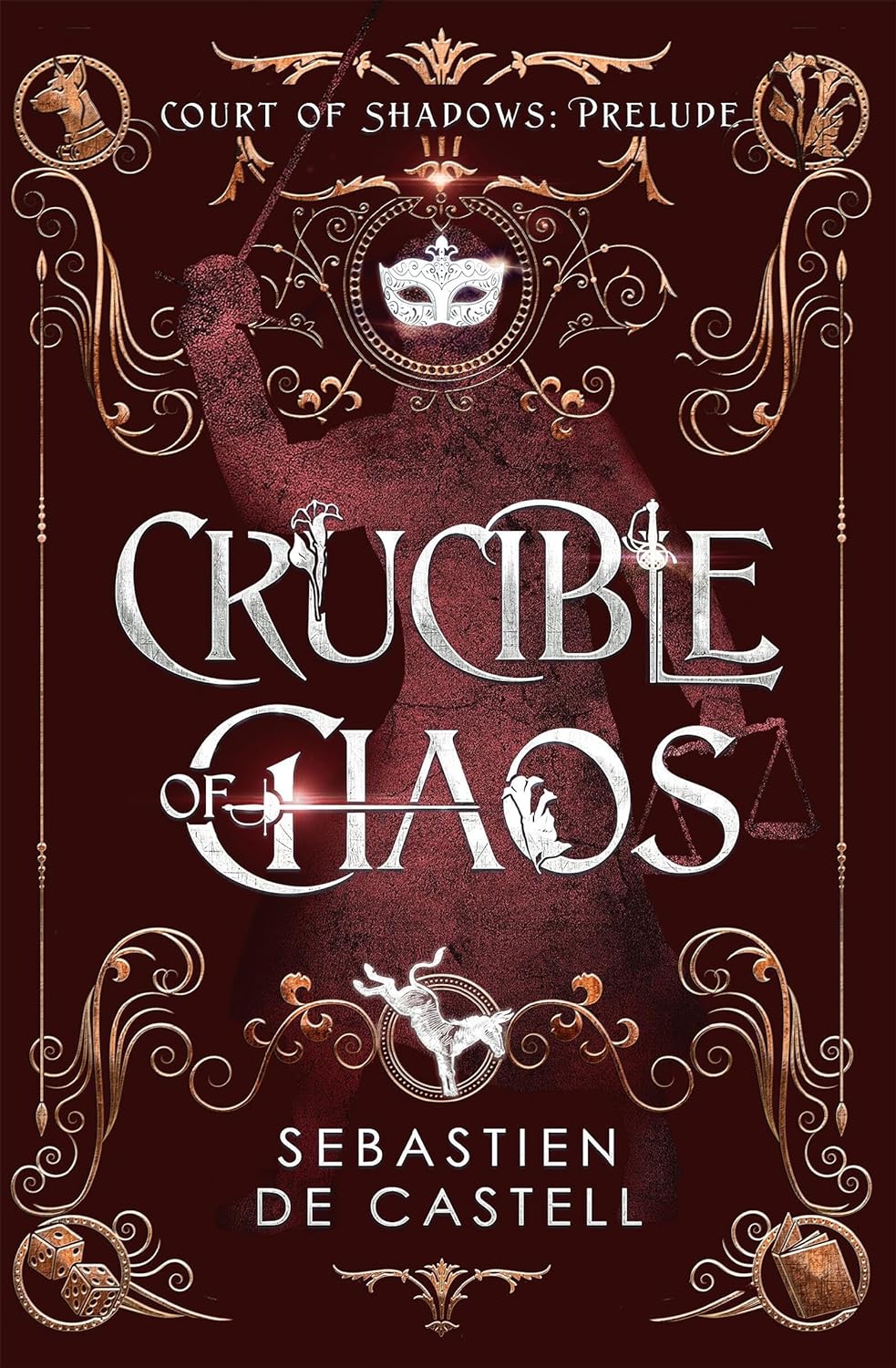
Crucible of Chaos by Sebastien de Castell

Crucible of Chaos Cover

Publisher: Jo Fletcher Books (Audiobook – 7 December 2023)

Series: Court of Shadows – Book 0.5

Length: 12 hours and 32 minutes

My Rating: 5 out of 5 stars

Amazon

In the mood for a witty, intense and highly unusual murder mystery?  Make sure to grab Crucible of Chaos, an outstanding and impressive novel from Sebastien de Castell, which serves as a prelude to his Court of Shadows series.

Earlier this year I was very lucky to receive the first book in Sebastien de Castell’s Court of Shadows series, Play of Shadows.  Set in the author’s Greatcoats universe, Play of Shadows was a truly epic and outstanding read that saw an unlucky actor with unusual gifts attempt to unravel a dark conspiracy inflicting his city.  I deeply enjoyed Play of Shadows, which was one of the best books I have read so far in 2024, and I was intrigued to check out more from de Castell, an author who had previously impressed me with his hilarious standalone novel, The Malevolent Seven.  While de Castell has several great series to his name, the book that caught my eye the most was the late 2023 release, Crucible of Chaos, which apparently served as a prelude to the other Court of Shadows novels.  Curious to see how this prequel would turn out, I grabbed the audiobook version of Crucible of Chaos and started listening to it, and boy was I glad that I did.

Travelling duellist and scholar Estevar Borros is a Greatcoat, one of the king’s legendary sword-fighting magistrates.  However, even amongst the unusual ranks of the Greatcoats, Estevar is peculiar, not just for his girth, but because of skills in deductive reasoning and his obsession with investigating the supernatural.  Known as the King’s Crucible, Estevar has travelled the lands of Tristia, seeking out unusual occurrences and trying to determine whether their cause is natural or supernatural.  However, even this renowned investigator of supernatural is unprepared for the chaos awaiting him in Tristia’s most holy site.

Summoned by his old acquaintance Abbot Venia, Estevar travels to Isola Sombra, an isolated island abbey considered the religious heart of Tristia.  According to Venia’s letter, the monks of the abbey are starting to fracture into factions following the recent murder of the gods, each with their own ideas of who the nation should worship in the future.  A frightened Venia needs Estevar, in his position as a magistrate and an authority on the supernatural, to arbitrate the debate and to help keep the fighting monks in line.

Despite his better judgement, Estevar, already suffering from a wound after a failed duel, agrees to travel to Isola Sombra, but what he finds there will chill him to his very soul.  Arriving amid a brutal storm, Estevar finds that the monks have fallen into madness, and now three factions are at war on the island, desperate to claim it for their own.  Worse, the abbot has been murdered, and evidence of dark magic lingers throughout the abbey.

Determined find a reasonable explanation for the insanity infesting Isola Sombra, Estevar begins his investigation, hoping to find the source of the chaos rippling across the island.  Alone except for a mysterious girl and his trusty mule, a wounded Estevar needs to face off against three very dangerous groups of monks, each of whom have deadly intentions for the interfering Greatcoat.  Worse, there are far more dangerous things awaiting the inhabitants of Isola Sombra, even if Estevar doesn’t believe in them.  Can the justice-loving Estevar stop the insanity of Isola Sombra with his deduction, sword and courtroom etiquette before it’s too late, or has the King’s Crucible finally found a mystery to insane for even him?

Wow, what an amazing and compelling novel.  Crucible of Chaos was another outstanding book from de Castell, and one that really grabbed my attention from the very beginning.  Containing an elaborate story, great writing, amazing characters, and so much more, Crucible of Chaos was a joy to read from start to finish, and one that I have little choice but to give a full five-star rating.

De Castell came up with an impressive novel that sets a classic detective story into The Three Musketeer inspired Greatcoats universe.  Readers are quickly introduced to two of the main characters, Estevar Borros and his trusty steed, as the dejected pair arrive at Isola Sombra to investigate a religious feud enveloping the island and its abbey.  While that is an interesting premise for a story, de Castell raises the stakes by introducing murder, mysterious mysticism, fearful locals, unnatural storms, and three warring factions of monks, which Estevar needs to unravel to get his beloved justice.  What follows is a complex and highly entertaining murder investigation as Estevar, with the help of a mysterious girl, begins to interrogate key members of the remaining monks to find out what they know and how their fighting and the resulting murder came about.  This proves to be quite addictive, and I found myself getting really drawn into this excellent mystery and the unique fantasy elements surrounding it.

The story takes a very interesting turn around halfway through as Estevar gets some dramatic proof that the events on Isola Sombra are more supernatural than he thought they would be.  This leads the protagonist into some dark places as he tries to fully understand everything that is happening, and who is ultimately responsible for the crimes committed.  De Castell cleverly lays out some intriguing revelations, as well as some tragic secrets that are cleverly hinted at by false memory and lies, and I had so much fun following all the breadcrumbs.  Everything leads up to several great confrontations, as Estevar first deals with some political intrigue that ties Crucible of Chaos into the rest of the series, before once again facing the strange powers haunting the island.  There are some inspiring moments here, especially as strange bedfellows fight together against the darkness, before the protagonist initiates a unique trial to reveal the whole truth.  The solution to the mystery is very clever, and I was really impressed with how de Castell pulled the whole thing together.  The conclusion really goes over-the-top as justice meets religion in some dark ways, and you will come away very impressed and satisfied with the dark, yet hopeful, story that emerged.

I love the tone that de Castell set out for Crucible of Chaos, mainly because there are so many elements that he managed to fit into his story.  The blend of mystery, character development, and unique fantasy inclusions from his pre-existing universe is extremely awesome, and I loved how the author managed to create such an elaborate and focused story.  The investigation element of Crucible of Chaos was the book’s true heart, and I have a lot of respect for the complex series of crimes that emerged, especially as de Castell managed to incorporate religious conspiracies, political intrigues and supernatural occurrences into the mystery’s solution.  There are so many moments of desperation, despair, and dark hope contained within this book, and the reader is constantly left feeling either intrigued by the mystery or shocked by the revelations that emerged.  It helped that de Castell’s characters are all so vibrant and entertaining, and there is a captivating humour that runs through the book that proves hard not to enjoy.  This whole novel comes together with a great pace that never lets up, and I honestly could not stop listening to Crucible of Chaos at times, especially when all seemed dire, or the protagonist was on the hunt for justice.

As I mentioned above, I came to Crucible of Chaos after reading Play of Shadow, so I was interested in seeing how it would fit into both the Court of Shadows series and the Greatcoats universe.  While there are obvious connections to both, for the most part Crucible of Chaos is more of a standalone novel than anything else, as the plot is primarily focused on the intense mystery the protagonist finds himself trapped in.  While there are a lot of strong references to previous Greatcoats novels, de Castell does an outstanding job of rehashing these events in a thorough and sensible manner, allowing the readers to get all the necessary context that they need.  Readers also do not need to get this book first to enjoy the next book in the series, Play of Shadows, which was reassuring in hindsight, and I kind of like how independent the two books are from each other.  The only real connection lies in a couple of revelations towards the end of Crucible of Chaos that hint at dark deeds on the horizon and a shadowy hand manipulating events from afar.  As such, Crucible of Chaos is a very accessible book for new readers and serves as a great introduction to the various series associated with it.

I will say that Crucible of Chaos did provide some interesting insights into the nation of Tristia, which serves as the primary setting for the Greatcoats series.  There are substantial examinations of the nation’s history, the backstory from the prior books, and other worldbuilding that de Castell has previously come up with, and I found this to be quite fascinating.  The often fractured and duellist obsessed nation of Tristia is an amazing background for this story, and I enjoyed the multiple discussions about the role of the Greatcoats as magistrates and keepers of the king’s peace, especially as the protagonist is quite passionate about the ideals of justice they represent.  However, a lot of Crucible of Chaos’ focus lies around the religion of the world, as the gods of Tristia become a major aspect of the plot.  Indeed, key events of the original Greatcoats series become vitally important here as the protagonist needs to consider the impact that the previous murder of the gods has had on the current religious institutions.  I really liked the constant contrasts between the philosophies of human justice and religious practice that becomes recurring theme in Crucible of Chaos, and I rather enjoyed seeing both unique elements of this landscape.

While I loved the story and the dive into the Greatcoats universe, the absolute best part of Crucible of Chaos were the exceptional characters that de Castell set his narrative around.  Each of them was complex and endearing in their own fun way, and I really enjoyed the powerful storylines that the author wrote around them.  The most prominent of these is protagonist and point-of-view character Estevar Borros.  A member of the king’s Greatcoats, Estevar was a very distinctive protagonist, mainly because he didn’t fit the typical fantasy protagonist mould that most readers would be familiar with.  A rather girthy and older duellist, Estevar is nonetheless a formidable warrior, often able to overcome younger or more in shape opponents through skill and trickery.  However, for this adventure, Estevar recently lost a duel due to his own arrogance and is forced to investigate the events on Isola Sombra while wounded and exhausted, and with his tools and authority missing.  I deeply appreciated the multiple handicaps that de Castell placed on his protagonist, especially as it enhanced the intensity of the plot, and it was compelling to see Estevar deal not only with his wounds but his own dark temperament, while trying to solve the case.  Despite his disadvantages, Estevar proves to be a capable investigator, and his deductive ability, which results in him being shown as a supernatural obsessed cross between Sherlock Holmes and Porthos.  I deeply enjoyed how determined and curious Estevar was throughout the plot, and he was a fun character to follow as he keeps up a genial and pleasant demeaner for most of the book, with some fun cracks of humour.  However, we do see some great flashes of emotion from Estevar at key moments, especially when he realises just how deranged the crime he is investigating is.  I was a huge fan of Estevar from the opening pages, and he is a protagonist I would love to see again in the future.

Aside from Estevar, de Castell features several other exceptional characters that you have a fantastic time following.  This includes the mysterious young female lead, Caeda, who serves as Estevar’s impromptu assistant during the investigation, determined to help find the truth on the island.  Shown initially as an energetic and enthusiastic figure, Caeda plays well off Estevar, and I liked the entertaining partnership they formed, even if Caeda is keeping secrets, which eventually leads to some tragic revelations.  However, the character you are most likely to fall in love with is Estevar’s mule, Imperious.  Much more than a stubborn mule, Imperious is the bravest, most rambunctious and expressive character in the entire novel, and de Castell has a lot of fun throwing him into the story in entertaining ways.  A dangerous and near unstoppable figure, Imperious stole every scene he was in, and you honestly end up caring for this heroic mule more than any other character in the book.  Throw in a cadre of mad monks, including an obsessive inquisitor, a wannabe general, and a lecherous sorcerer lord, and the cast of Crucible of Chaos proves to be really fun and intriguing to follow.

While I was tempted to grab a physical copy of Crucible of Chaos, I ended up getting the audiobook version instead, which proved to be an epic format to enjoy the book in.  Coming in with a runtime of 12 and a half hours, this was a moderately long audiobook, but it was one I managed to power through in less than a week due to how caught up I got in the story.  I found that the audiobook format really helped me to enjoy the complex narrative that de Castell came up with, and having it read out helped me to appreciate the depictions of the dark abbey and the elaborate mystery that much more.  It helped that Crucible of Chaos was narrated by one of my favourite audiobook narrators, Joe Jameson, whose work I enjoyed so much in the Legacy of the Mercenary Kings audiobooks (The Kingdom of Liars, The Two-Faced Queen and The Voyage of the Forgotten).  Jameson has a great voice for fantasy fiction, and I loved how he brings the elaborate story of Crucible of Chaos to life with his recitation.  The narrator had some great voices for the various characters, and while a few are similar to those he used in other audiobooks his other works, they all expertly fit the character they were assigned to perfectly.  I particularly enjoyed the distinctive and overly accented voice that Jameson gave to the main character, Estevar Borros, which perfectly fit his foreign origins, as well as his personality and physical attributes.  This booming, cheerful, yet penetrating voice, really captured the protagonist, and I could always envision this amazing character whenever Jameson spoke.  This, and other great voices, really helped to turn the Crucible of Chaos audiobook into something really special, and I cannot recommend this format enough to someone interested in this book.

Overall, Crucible of Chaos proved to be a remarkable and highly impressive novel from Sebastien de Castell that I had such an outstanding time reading.  Combining a unique story with great characters and compelling elements from the Greatcoats universe, Crucible of Chaos was a truly epic novel that I could not get enough off.  I look forward to seeing what other intriguing adventures occur in the rest of the Court of Shadows books, and this is swiftly becoming one of my favourite ongoing fantasy series.

Amazon

Throwback Thursday: Usagi Yojimbo: Volume 11: Seasons by Stan Sakai

Usagi Yojimbo Seasons

Publisher: Dark Horse Books (Paperback – 1999)

Series: Usagi Yojimbo – Book 11

Length: 198 pages

My Rating: 5 out of 5 stars

Amazon

Reviewed as part of my Throwback Thursday series, where I republish old reviews, review books I have read before or review older books I have only just had a chance to read.

It has been a while since I have done a Usagi Yojimbo Throwback Thursday, but after doing a Waiting on Wednesday for the next upcoming volume in this epic series, Homecoming, I was in a Usagi mood and decided to write something extra.  As a result, I check out the 11th Usagi Yojimbo volume by the legendary Stan Sakai, Seasons.

Seasons is a fantastic and spectacular entry in the series that presents the reader with a series of great Usagi Yojimbo adventures that follow the rabbit ronin Miyamoto Usagi as he traverses his version of feudal Japan during the various seasons of the year.  This is a key entry in the series as it sets up a number of storylines for the next several volumes while also introducing some great new characters.  Needless to say, I had an incredible time reading this volume of the series and I have a lot of love for a number of the stories contained within it.  Seasons contains issues #7-12 of the Dark Horse Comics run on the Usagi Yojimbo series, as well as stories taken from the Usagi Yojimbo Colour Special.  This results in 11 separate stories throughout the volume, made up of single-issue entries and a couple of shorter tales, all of which contain an impressive and deeply enjoyable story with beautiful artwork.

USagi #7

The first story featured within Seasons is The Withered Field, an epic story of samurai honour and the warrior’s way.  In this story, Usagi is visiting a famed fencing school with the hope of challenging some of its instructors to test his skill.  However, before he can issue his challenge, all of the school’s instructors are beaten by another ronin, Nakamura Koji, a skilled swordsman who demands a fight with the school’s master.  As he waits for his challenge, Usagi befriends him and discovers that he was once a famed sword master himself, who began the warrior’s pilgrimage after suffering a humiliating defeat at the hands of a mysterious and unconventional swordsman.  Now determined to find this swordsman and rechallenge him, Nakamura Koji shows great interest in Usagi, especially when they must content with treachery from the fencing school.

The Withered Field is an outstanding story that serves as a compelling and powerful start to this volume.  I really enjoyed the amazing narrative that examined honour and martial prowess, with Usagi encountering a famed warrior who is even better than he is.  This great story does an excellent job of introducing the character of Nakamura Koji, who becomes a major figure in some of the future volumes in this series and who has an interesting connection to Usagi and his past.  The entire storyline around the two ronin facing off against the fencing school is extremely cool and action packed, and it appears to take a lot of influence from the second entry in the iconic 1950s Samurai film trilogy (which follows the adventures of Miyamoto Musashi, the historical samurai who serves as an inspiration for Usagi), Duel of Ichijoji Temple, with the students attempting to stop the wandering ronin from defeating their master.  There are amazing action sequences throughout this story, with Usagi and Nakamura Koji engaging in several awesome duels.  I particularly loved the opening sequence where Koji goes through the pre-fight forms before facing off in his sparring match against a fencing school instructor.  The eventual reveal that the samurai who defeated Koji when he was younger was Usagi’s mentor, Katsuichi, comes as little surprise, but it sets up an amazing story later in the series which makes this great story a must read for fans of Usagi Yojimbo.

Seasons’ second story is the thrilling but haunting A Promise in the Snow, which sees Usagi travelling through a snowy mountain pass during the height of winter.  As he trudges along, he comes across bandits attacking an innocent merchant and his servants.  Intervening, Usagi is able to slay all the bandits, but not before they severely wound the merchant.  Usagi finds the merchant’s young daughter and promises to save her father, carrying him back to his village.  However, the mountain passes are treacherous, and Usagi must contend with harsh weather, a pack of hungry wild tokage lizards and a dangerous avalanche.  But no matter what the mountain throws at him, nothing will prepare Usagi for the great shock awaiting him at the end of his journey. 

Usagi #8

This is a great entry in this volume that features a desperate struggle for survival in a dangerous location.  Sakai came up with an epic story for A Promise in the Snow, and I really love seeing Usagi power through great trials and tribulations to keep his promise to a young girl.  There are some beautifully drawn scenes throughout this story, and Sakai does a fantastic job bringing the snowy landscape to life in all its wondrous, deadly glory.  I also loved the way in which Sakai’s drawings highlighted Usagi’s struggles to get through the tough terrain; you can see him get more and more weary with each obstacle he encounters.  This story has a fantastic ending that is reminiscent of a lot of classic ghost tales, and looking back you see that Sakai set this twist up brilliantly, with tons of little clues.  Overall, this was an exceptional story which is a true highlight of this volume.

Next up with have the action-packed, intriguing story, The Conspiracy of Eight.  In this entry, Usagi is visiting the temple of his friend, priest Sanshobo, when an injured samurai wearing the crest of the notorious Lord Hikiji arrives at the gate.  The samurai bears a dangerous letter that names eight conspirators who are plotting against the Shogun.  As Usagi and Sanshobo debate what to do with the information, a large force of ronin arrives at the temple, determined to claim the injured samurai and kill all witnesses. 

This is another fantastic entry in Seasons that once again sees Usagi drawn into a major conspiracy impacting the realm.  There are a lot of cool elements to this story, such as Usagi and Sanshobo being forced to mount a defence of the temple from a dangerous siege.  This is a great, fast-paced story, and I really liked the unique battle scenes, especially the monks with staffs facing off against sword-wielding bandits.  Many of the plot elements contained within this tale come into play in several later Usagi Yojimbo stories, including one featured later in this volume, and I think Sakai did an exceptional job introducing them in The Conspiracy of Eight.  I also liked seeing the return of Sanshobo, the wise and noble priest and former samurai general.  Sanshobo serves as a good foil to Usagi’s more impulsive nature, cautioning him about acting in the affairs of great lords and counselling him that his proposed actions could lead to the death of many people.  While mainly a figure of wisdom, Sanshobo also serves as a great leader, utilising his experiences as a general to defend his temple and keep his monks alive.  The Conspiracy of Eight ends up being a very solid and enjoyable entry in this volume and I very much enjoyed seeing Sakai solidify a great new side character.

Usagi #9

Right after The Conspiracy of Eight comes another intriguing story that is primarily set within Sanshobo’s temple, Snakes and Blossoms.  In this entry, Usagi tells two short tales to Sanshobo: one that describes a crazy misadventure he had, and another that describes some important lessons from his past.  This two shorter tales work as sub-stories to Snakes and Blossoms and ensures that it is a distinctive entry in Seasons.  The first of the shorter tales is titled Hebi, which is set shortly after the events of the final story in Volume 7: Gen’s Story and sees Usagi and Gen once again lost following one of Gen’s shortcuts.  As the two ronin wander the unused paths, Gen saves Usagi from a wild snake that attempts to kill him.  However, Gen’s heroic actions has unexpected consequences when the two travellers are confronted by a mysterious nun at an abandoned temple later that night.  This was a rather cool horror story that exemplifies the sort of weird situations that Usagi can find himself in.  I loved the way in which Sakai plays Usagi and Gen off each other, and there are some very humorous interactions between this oddball pairing.  There is also some really insane artwork in this short story, and I loved the fantastic and scary sight of a giant snake emerging from its disguise to try and kill the protagonists. 

The other short story contained within Snakes and Blossoms is the cute tale, The Courage of the PlumThe Courage of the Plum takes place during Usagi’s childhood when he is training with his master, Katsuichi.  As the two walk through the snow, Katsuichi attempts to teach his student the various hidden aspects of nature around them, including the trees, each of which can represent human virtues.  The young Usagi is particularly intrigued by Katsuichi’s description of the humble plum tree as brave, and Katsuichi schools Usagi on how this smaller tree can be braver than the mightiest of oaks.  I always enjoy the depictions of Usagi’s unorthodox training under Katsuichi, as the student and teacher have a very amusing dynamic, and The Courage of the Plum turned out to be a delightful shorter entry with some intriguing philosophical discussion and some lovely drawings of the winter landscape.  Overall, Hebi and The Courage of Plum make for a fantastic combination of tales and I quite enjoyed seeing these two unique, short stories come together.

Up next in Seasons is an amazing shorter entry, Return to Adachi Plain, which sees Usagi journey back to the site of his greatest defeat, Adachi Plain, the battlefield where his lord Mifune (named after actor Toshiro Mifune, who starred in multiple classic samurai films that Sakai references in his works, including as Miyamoto Musashi in the Samurai trilogy), was killed in front of him.  Flashing back to tragic events that started his wandering lifestyle, Usagi remembers the battle in greater detail and the reader sees not only the role he played in saving the head of his lord from mutilation but also the first time he came directly in conflict with the villainous Lord Hikiji. 

Usagi #10

Return to Adachi Plain is a fantastic entry in this series as it is essentially one big war sequence, showing Usagi amid a violent battle from his past.  This story expands on the war sequence that was shown in Volume 2: Samurai, and it was really cool to see more of this battle, especially the combat scene between Usagi and Hikiji, which serves as the origin for Usagi’s distinctive forehead scar.  A fantastic shorter story that provides greater depth to Usagi’s role in this major defeat, this battle sequence was later reused in colour in Volume 34: Bunraku and Other Stories, and the events disclosed within is likely to come up in the upcoming Volume 35: Homecoming.

The next story in this volume is a relatively short entry called The CrossingThe Crossing is set aboard a small passenger ship where a group of rowdy peasants sing and dance to a fun folk song on deck.  However, during the climax of the performance, one of the peasants accidently bumps into an arrogant samurai who takes offence and moves to kill the transgressor, until a fellow passenger intervenes.  Unfortunately for everyone involved, the Good Samaritan isn’t Usagi; instead it is the demon spearman Jei. 

This is a captivating darker story that once again highlights just how dangerous and deranged Jei, one of the best antagonists in the entire Usagi Yojimbo series, is.  Sakai has written an extremely clever tale here that does a wonderful job showcasing Jei’s compelling nature as both a defender of the innocent and a raging psychopath who views nearly everyone as evil in form or another.  It’s fantastic watching the expressions on the peasants’ faces turn from relief to absolute terror as they slowly realise just how crazy Jei is, and you have to love that entertaining ending with the unsuspecting dock worker.  The Crossing serves as an excellent follow-up to several other shorter Jei stories that appeared in recent volumes, including The Nature of the Viper (which appeared in Volume 9: Daisho) and Black Soul (which appeared in Volume 10: The Brink of Life and Death), and this ends up being an impressive and compelling filler story in this volume.

Usagi #11

The shorter entries keep on coming! The Patience of the Spider introduces a new compelling character, General Ikeda.  Ikeda is a famed warrior and general who led a revolt against the Geishu Clan years ago (when the clan was ruled by the father of Usagi’s friend Lord Noriyuki).  When his revolt fails and his army is vanquished, Ikeda and two of his retainers flee to an abandoned farm and determine that their next course of action is to hide and wait.  Using a patient web-building spider as inspiration, Ikeda and his comrades show fortitude and restraint by disguising themselves as peasants and farming the land as they wait for the opportune moment.  However, as the years pass and Ikeda gains a family and faces the many harsh trials and dangers that await a peasant farmer, he begins to see the world differently, until the once notorious general is a completely new person, one with very different desires and dreams.

The Patience of the Spider is an outstanding example of how Sakai can quickly build up an intriguing and powerful character and ensure that the reader is utterly transfixed by their tale.  While this entry is relatively short, it is very impactful and may be one of the best stories in Seasons.  The tale of General Ikeda, as he faces the many different hardships of peasant life, including drought, bandits, floods and great personal loss, while also experiencing great joy and community, is extremely well written.  It proves to be extremely captivating to see this resolute man slowly change his nature as life overcomes him.  This also proves to be an excellent introduction to the character of Ikeda, who will go on to have a substantial role in the two big Grasscutter storylines, and his amazing character arc has an exceptional start here.  A very impressive and powerful tale, The Patience of the Spider is an amazing character-driven narrative from Sakai that is an absolute treat to read.

The next story featured in Seasons is the curious tale, The Lord of the Owls, which sees Usagi encounter a strange fellow traveller.  As Usagi stops at an inn, he witnesses a group of ruffians follow after a mysterious hooded samurai walking the road with the intention of robbing him.  Following them, Usagi witnesses the figure quickly kill the bandits after first startling him with his hypnotic and powerful gaze.  This man is eventually introduced as Oyama Tadanori, the mysterious Lord of the Owls, who reputedly can see the future and who claims that his destiny is intertwined with Usagi. 

Usagi #12

This was an interesting story that presents the reader with a lot of curious and unanswered questions.  While the main story is rather good, especially when it comes to the fate of the greedy bandits, the reader is left extremely mystified by the Lord of the Owls and his powers of prediction.  This entry opens up a rather fascinating storyline that is still not complete; despite an appearance in a later comic, Usagi is still waiting to uncover more about this figure and their combined destiny.  While I am hopeful that this story will pay off somewhere down the line, but in the meantime this particular entry has some great action sequences, a fun new character and some stunning landscape shots, which makes it really worth checking out. 

Up next with have a clever story, The First Tenet, which deals with the machination and inside politics of the Neko Ninja clan.  In this entry, Kagemaru, the second in command of the Neko Ninja, makes a move to betray his commander, Chizu, by reporting some of her recent personal missions to Lord Hebi, Lord Hikiji’s chief advisor.  Hebi, who is enraged by the news that Chizu is moving the Neko Ninja against the interests of Lord Hikiji, considers supporting Kagemura but is reluctant, especially as “deceit is the first tenet of the ninja”.  However, Kagemaru has subtle ways of getting what he wants, and soon Hebi finds himself in a dangerous situation that will change the future of the Neko Ninja forever. 

The First Tenet is a great story that masterfully shows of the duplicitous internal politics of the Neko Ninja and the supporters of Lord Hikiji.  The storyline started here will eventually have some interesting implications for major side character Chizu, and Sakai does a fantastic job setting it up.  I loved all the plotting and subterfuge that appears in this story, and it proves to be a fun and clever read.  I also love the massive battle scene that occurs in the middle of the tale, and it was particularly cool to see Lord Hebi, a massive snake, finally get into a fight.  Hebi is a terrifying figure to behold in combat, and it is worth reading this story just to see that.  An excellent and exciting addition to Seasons, I really enjoyed The First Tenet, especially as it leads to a lot of outstanding ninja storylines down the road.

Usagi Colour Special - Green Persimmon

Seasons’ penultimate story is The Obakeneko of the Geishu Clan, a chilling supernatural tale that sees Usagi and his companions face off against a malignant spirit.  As Usagi draws closer to the lands of his friends in the Geishu Clan, he stops outside a ruined mansion where he suddenly recalls the last time he was there.  Flashing back to shortly after the events of Volume 4: The Dragon Bellow Conspiracy, Usagi, Gen and Tomoe are travelling back to Geishu lands and attempt to seek shelter at a beautiful mansion.  The mansion belongs to the Lady Takagi, a mysterious woman who provides them with rooms and food and seems quite happy for the company.  However, as the night continues, Tomoe grows suspicious with their host and attempts to investigate, eventually revealing that Lady Takagi is a demon who is determined to kill and eat her guests. 

This was a very fast-paced and exciting tale that provides an awesome horror edge to the stories contained with Seasons.  I love it when Sakai features iconic Japanese supernatural monsters in his tale as they always prove to be outstanding and fearsome opponents for the protagonists.  The monster featured within The Obakeneko of the Geishu Clan is no exception, and I loved the freaky tale based around her and the desperate fight for survival that Usagi and his friends are forced to undertake.  While Sakai mostly focuses on the horror aspects of this story, I liked how he included a few humorous moments, such as including a great reference to Sakai’s prior comic, Groo the Wanderer: “did I err?”, as well as the funny concluding moment that sees Usagi fleeing in terror from a couple of woodcutters.  This was a really fantastic supernatural tale and it is always cool to see Sakai’s amazing depictions of these inventive Japanese monsters.

The final story in this excellent volume is the intense and action-packed Green Persimmon.  In this story Usagi, who is on his way to the Geishu lands, comes across a dying Geishu retainer who entrusts Usagi with delivering a mysterious package to his lord.  Opening the package reveals a simple and seemingly unremarkable ceramic green persimmon.  However, moments after receiving the persimmon, Usagi is attacked by a band of armed samurai who are desperate to reclaim it at all costs.  Managing to defeat his attackers, Usagi continues along the rough and windy coast road to the Geishu lands, but he encounters even more men determined to reclaim the persimmon and is soon forced to fight for his life as his attackers employ ruthless means to kill him.

Usagi-Yojimbo-Book-11-Seasons-Print-

Green Persimmon is an awesome and fantastic story that I deeply enjoyed, and which holds a great deal of significance for me.  This was actually the first Usagi Yojimbo story that I ever read, as a colour version of this story appeared in a magazine aimed at younger teens down here in Australia when I was a lot younger.  This story really stuck with me over the years due to the exciting story and cool action sequences, and it was one of the main reasons (along with Usagi’s appearances in the Teenage Mutant Ninja Turtles cartoons) that I decided to check out the Usagi Yojimbo comics in later life.  Needless to say, I am still very impressed with Green Persimmon years later; it is an enjoyable and memorable story to end this 11th volume.  I love the fluid combat sequences in this issue, including Usagi throwing the persimmon into the air and killing all his opponents before deftly catching it, and there are also some great banter scenes between Usagi and his attackers.  I also enjoyed the epic scene where Usagi finds himself trapped within a field of flame thanks to a flurry of fire arrows around him.  Not only is it cool that Usagi successfully survives by utilising the lessons of the legend of Prince Yamato Takeru and the Grass-Cutting Sword (the full events of which are drawn by Sakai in the next volume), but when he emerges from the ground covered in soot and dirt, he looks particularly demonic and enraged as he faces his opponents, making for an epic and amazing scene.  All of this is set to a fantastically drawn background of the rugged coastal landscape, which proves to be a fantastic setting for the various combat scenes.  If I had to offer any criticism about this story, it would be that the conclusion and reveal of the purpose of the ceramic persimmon did not really go anywhere and there were no mentions of this victory over series antagonist, Lord Hikiji, ever again.  However, I still really love this entry as Green Persimmon has so many cool and impressive elements to it and it is a great end note for this volume.

Seasons is another fantastic and incredible comic by Stan Sakai that sees Usagi engage in some captivating and intriguing adventures.  Featuring a cool mixture of different Usagi Yojimbo tales, Seasons is an amazing entry in the series.  I absolutely love a lot of the stories contained within this volume, which are once again anchored by outstanding character and breathtaking artwork.  This volume gets a full five-star rating from me and comes highly recommended.  On a side note, I am very glad that I decided to do another Usagi Yojimbo comic in a Throwback Thursday article as I have a lot of fun reviewing them.  I might have to skip ahead a volume for my next Throwback Thursday, as I cannot find my copy of Volume 12, Grasscutter.  However, I will either find it or get a new copy soon, as Grasscutter is too major a storyline to miss.  I hope you enjoy the review and make sure to check out some of the other reviews I have done of this epic and amazing series.

Amazon

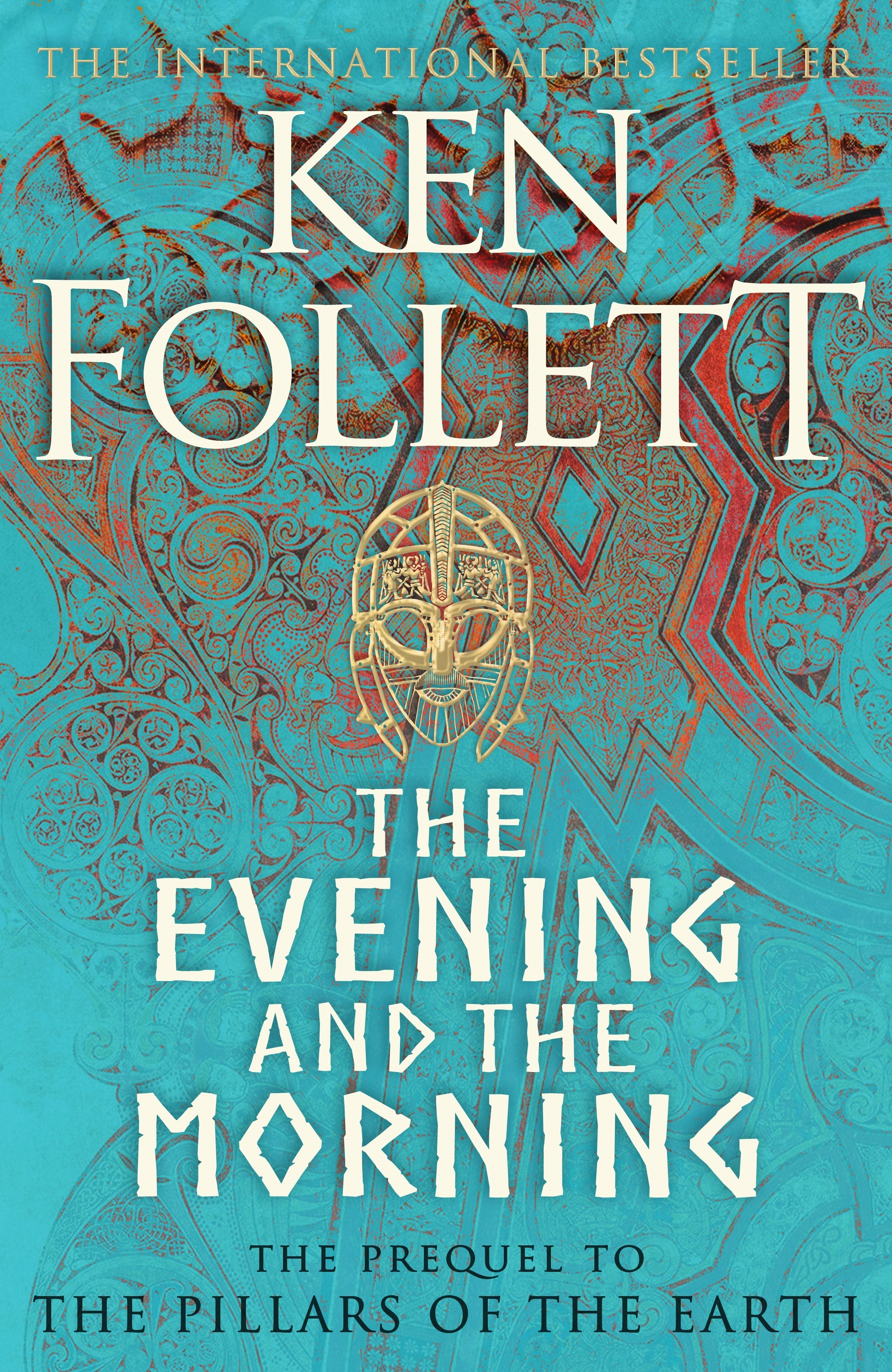
The Evening and the Morning by Ken Follett

The Evening and the Morning Cover

Publisher: Macmillan (Hardcover – 15 September 2020)

Series: Kingsbridge – Book 0

Length: 819 pages

My Rating: 5 out of 5 stars

Amazon     Book Depository

Following three long years of waiting, one of the best authors of historical fiction in the world today (and one of my all-time favourite authors), Ken Follett, returns with another historical epic, The Evening and the Morning.

Follett is a highly acclaimed author who has written a number of impressive bestsellers over his 45+ year writing career.  After starting off with thriller novels, Follett really hit his literary stride when he moved on to massive historical fiction novels.  After experiencing great success with the iconic The Pillars of the Earth, he has gone on to produce several other epic books, including two sequels to The Pillars of the Earth and the outstanding The Century trilogy.  I have been a major fan of Follett for years ever since I had the great pleasure of reading The Century trilogy.  This was followed up with the second sequel to The Pillars of the Earth, A Column of Fire, which was easily one of my favourite books of 2017.  Thanks to how overwhelmingly compelling each of these previous novels were, I have been eagerly waiting to read his latest novel, The Evening and the Morning, for a while now, and it has been one of my most anticipated novels for the second half of 2020.

The Evening and the Morning is a character driven historical fiction novel that is set near the end of the Dark Ages of England.  The novel actually serves as a prequel to Follett’s bestselling The Pillars of the Earth and is part of Follett’s Kingsbridge series.  The Kingsbridge novels are all set within the fictional town of Kingsbridge, which each novel exploring a different period of English history (for example The Pillars of the Earth is set between 1123 CE and 1174 CE, while its sequel, World Without End, starts in 1327 CE).  This prequel is once again set in the same area, with the novel running between 997 CE and 1007 CE.

At the end of the 10th century, England is far from settled and faces attack from external threats.  One particularly vicious Viking raid causes untold damage at the town of Combe, near the city of Shiring, and sets off a chain of events that will change the area forever.

Following the raid, one of the survivors, a young boat builder named Edgar is forced to abandon his home and follow his family to the small hamlet of Dreng’s Ferry.  Living amongst the unwelcoming locals and corrupt landlord, the brilliant Edgar chafes and tries to find a new way to provide for his family.  At the same time, a Norman noblewoman, Ragna, falls in love with the ealdorman of Shiring and travels to England to marry him.  However, she soon discovers herself engulfed in a brutal battle for power with her husband’s family, and any misstep could cost her everything.  These characters are joined by Aldred, a young and ambitious monk who wishes to turn the abbey at Stirling into an academic hub.  However, his strong sense of right and wrong gets him into trouble as he searches for justice in all the wrong places.

As all three of these characters try to survive the troubles of the location, they find themselves drawn into each other’s lives.  Together they have the power to solve each of their problems and prosper together.  However, each of them has run afoul of the area’s corrupt Bishop, who is determined to gain power and influence no matter the cost.

Unsurprisingly, I absolutely loved this new novel from Follett, who has once again composed an outstanding historical epic.  The Evening and the Morning is another exceptional book that takes the reader on a powerful and captivating ride through an exciting period of English history with an addictive story told through the eyes of several great characters.  I had an outstanding time reading this book, and despite its length (at 800+ pages, it is one of the longest novels I have ever read), I powered through this book in relatively short order as I found the compelling narrative that Follett produced to be deeply addictive and hard to put down.  This was a fantastic read, and it gets a full five-star rating from me.

The Evening and the Morning contains an impressive and addictive character driven narrative that sees three distinctive protagonists attempt to change their destiny and the destiny of the people they love over a period of 10 years.  Set during a turbulent period of England’s history, The Evening and the Morning follows these characters as they attempt to survive Vikings, hunger, bandits and the machinations of a dangerous bishop.  The scope of this book’s story is truly epic as Follett ensures that his protagonists are forced to contend with all manner of challenges and tragedies, from political intrigue, direct attacks, imprisonment and so much more.  The resulting story is deeply compelling, extremely intelligent and wildly entertaining, especially as Follett comes up with a ton of unique and intriguing scenarios for his characters to work around.  I had an incredible time reading The Evening and the Morning’s story and it proved extremely hard to put down.

As I mentioned above, The Evening and the Morning is part of the Kingsbridge series and serves as a prequel to the first book in the series, The Pillars of the Earth.  Despite this, I would say that readers really do not need to have any prior knowledge of the rest of the Kingsbridge books to enjoy The Evening and the Morning.  This latest novel from Follett is extremely accessible, and as it is set more than 100 years before the events of The Pillars of the Earth, readers really should consider this a standalone novel that any historical fiction fan can easily enjoy (that is true for every entry in this series).  That being said, long-term fans of Follett and the Kingsbridge series will no doubt really appreciate seeing this early version of this iconic fiction setting, especially as the author includes a number of clever connections to the future novels in the series.  I particularly liked seeing how the titular Kingsbridge of the series was created, and you also get more of a look at how important the clergy were to the early inhabitants of the town, which is fascinating if you consider how the relationship between the church and the townspeople changes over the course of the series.  As a result, I would say that The Evening and the Morning is a book that most readers will be able to enjoy, while also serving as an intriguing entry in the Kingsbridge series.

The Evening and the Morning’s story follows three major point-of-view characters, Edgar, Ragna and Aldred, and shows the reader 10 key years of their lives.  These three characters form the heart of this story, and it does not take long for you to get really drawn into their individual stories.  Each of these characters has their own intriguing and emotionally charged story arcs, such as the creative Edgar’s attempts to rebuild his life in a hostile new village after experiencing a series of terrible losses, Ragna’s marriage and the subsequent battle to gain power and influence, and Aldred’s bid for justice and knowledge.  I really enjoyed each of these character’s individual arcs, but their real strength lies in the way that their stories and lives tie into one and other.  All three major characters becoming incredibly entwined as the book continues, as they form a strong friendship between themselves and attempt to help each other come the various struggles they encounter.  These separate character storylines come together extremely well into one powerful and cohesive narrative which sees the reader become deeply engrossed in all their lives.  You really grow to care for all three of these characters as the story progresses, becoming deeply invested in their wellbeing and happiness.  While this is evidence of some outstanding writing on Follett’s behalf, it is a little unfortunate as a lot of bad things happen to each of these characters (especially Ragna), and it makes for some emotionally hard reading at times.  There is also a rather intriguing love triangle between these three characters with some interesting LGTB+ elements attached, which adds an additional level of drama to the story.  I ended up being quite satisfied with how these character arcs unfolded, and readers are going to have an incredible time seeing how they turn out.

In addition to the main three characters, there is also another major point-of-view character, Wynstan, the Bishop of Shiring.  Wynstan is the book’s main antagonist, a cunning and ruthless manipulator who is desperate to gain power and influence at the expense of others.  Wynstan is the half-brother of Ragna’s husband, who uses his familiar connections and his corrupted followers to control much of Shiring and the surrounding area.  Follett has created an extremely despicable and aggravating villain with Wynstan, who comes into conflict with all three major protagonists, as each of them cross him in some way or another.  Wynstan is an extremely vengeful and dangerous opponent, who manages to do some fairly evil deeds throughout the book, while avoiding too many repercussions.  I found myself really growing to hate Wynstan and his followers as the book progressed, becoming fairly aggravated whenever he managed to weasel his way out of trouble.  This emotional response to Wynstan is exactly what you want when you write an antagonistic character, and I think that he helped add a lot to the overall narrative.

Follett has also loaded up his story with a ton of side characters who the point-of-view characters interact with throughout their lives.  There are quite a substantial number of side characters in this book, but thanks to Follett’s excellent writing the reader is able to keep track of each of them; at no point during this book did I become lost working out who someone was.  Many of these supporting characters have their own minor story arcs throughout the book, and it is interesting to see how they evolve and change over the years.  While quite a few of them are fairly despicable (indeed, at times it seems like the three main characters are the only decent or sensible people in the story), you do grow attached to them and become wrapped up in what happens to them.  That being said, readers are advised not to get too attached to them, as they have a much higher mortality rate, although there are a few happy endings in there which are guaranteed to satisfy.  Overall, Follett does an exceptional job with all the characters in this novel, and watching their lives unfold was a real emotional rollercoaster.

I also quite enjoyed the author’s fascinating depiction of England (with a bit of Normandy thrown in for good measure) during the late 10th and early 11th century.  While the setting of this book, Shiring and its surrounding environs, are fictional, they come across as period-appropriate settlements and the reader gets a real sense of what life in the various villages and towns would have been like.  Due to the broad scope of the story and what the characters witness, the reader gets a look at a huge range of different people who would have existed during this period, including the nobility, the various members of the clergy, the common people and even slaves.  Follett does an amazing job of highlighting how these various characters would have lived, what their professions or stations were like and the problems they would have typically experienced.  The author really replicates the hard nature of the times, allowing the reader a fascinating glimpse into the harsh and dangerous lives of our ancestors.  Follett also works in some broader historical elements, such as the increased attacks from the Vikings and the political situation at the time.  A lot of these historical inclusions, such as having King Ethelred the Unready appear as a minor character, proved to be really intriguing, and I loved how the author dived back into history to enhance his tale.

With The Evening and the Morning, Ken Follett has once again shown why he is one of the top historical fiction authors in the world today.  This latest novel presents the reader with an exceptional and captivating tale of love, connection and triumph over adversity at the end of England’s dark ages.  Serving as a prequel to Follett’s bestselling The Pillars of the Earth, The Evening and the Morning contains an amazing story that follows some driven and likeable protagonists during this dark period.  The end result is an epic and incredibly addictive read that comes highly recommended and is easily one of the best books of 2020.  There is a reason why Follett is one of my favourite authors of all time, and I cannot wait to see what elaborate novel he comes up with next time.

Amazon     Book Depository

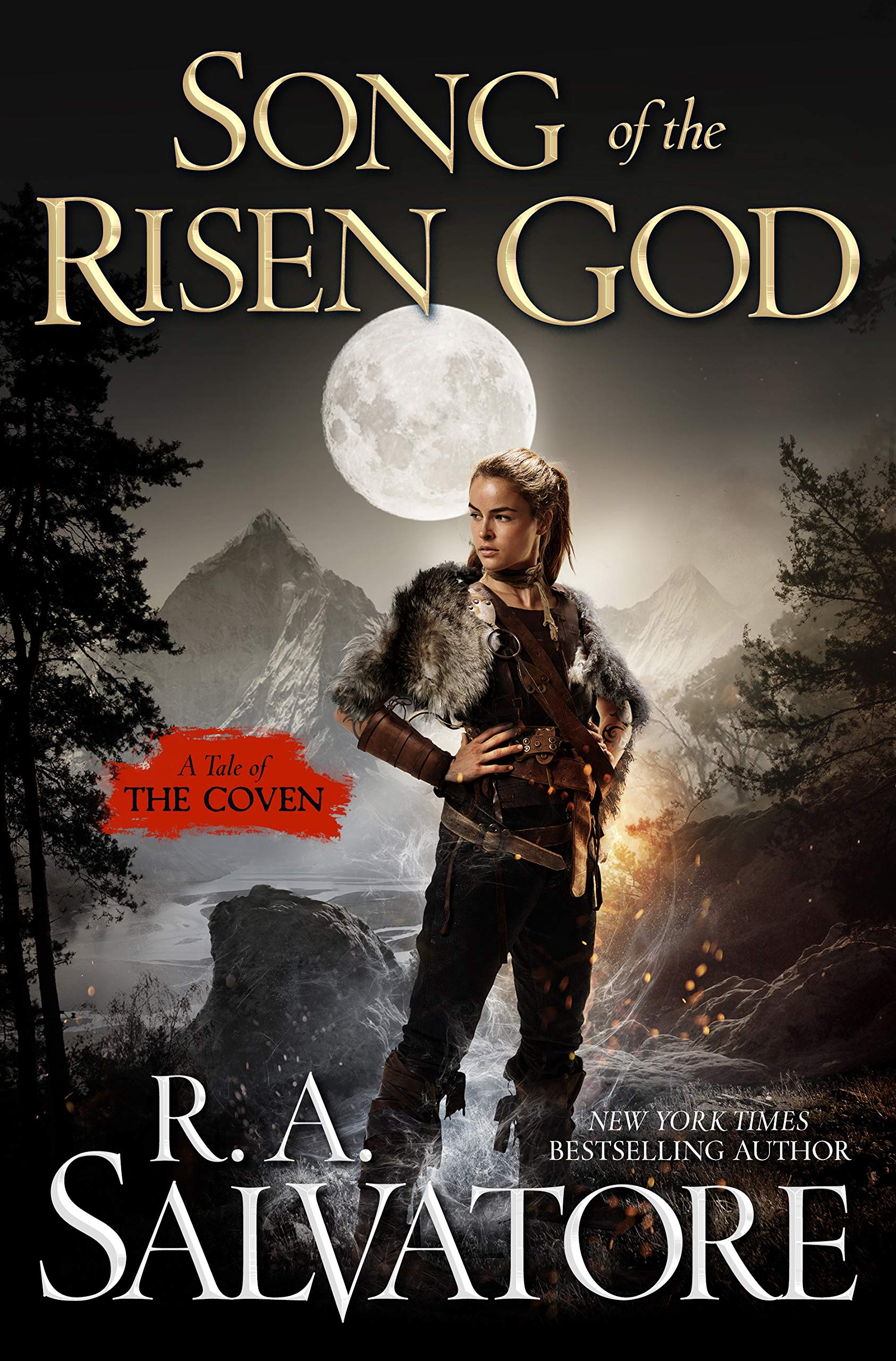
Song of the Risen God by R. A. Salvatore

Song of the Risen God Cover

Publisher: Audible Studios (Audiobook – 28 January 2020)

Series: Coven trilogy – Book Three

Length: 17 hours and 3 minutes

My Rating: 5 out of 5 stars

Amazon     Book Depository

Legendary fantasy author R. A. Salvatore brings his Coven trilogy to an explosive and enthralling end with the third and final novel, Song of the Risen God.

The Coven trilogy is an exciting series that Salvatore has been writing over the last three years, which is set in the world of Corona, the setting of his previous series, The DemonWars Saga. This new trilogy follows the adventures of an interesting group of characters in the lands surrounding Loch Beag, including the imposing mountain, Fireach Speuer. The first two novels in this series, Child of a Mad God and Reckoning of Fallen Gods, have both been extremely good, and I have been enjoying reading some of Salvatore’s non-Forgotten Realms fantasy work. I am a massive fan of Salvatore’s writing and I have been looking forward to finishing this series off for some time now. Salvatore certainly did not disappoint with the final entry in this trilogy, as this final novel is potentially my favourite book in the entire series.

War has once again come to the world of Corona, as a new evil leads its forces on a mission of conquest and destruction. The wild lands surrounding Loch Beag and Fireach Speuer have never been peaceful, but now a massive army of invaders is marching across them, determined to conquer and kill all before them. These mysterious invaders are the Xoconai, a lost race of humanoids from the other side of Fireach Speaur. Now, with their reborn god leading the charge on his mighty dragon, the Xoconai are commanded to expand their empire to the opposing coast.

With no hope of defeating the vast host that has suddenly appeared above them, the few surviving inhabitants of the villages surrounding Loch Beag flee through the wilds to find sanctuary. Led by the powerful witch Aoelyn, the frontiersman Talmadge and the ranger Aydrian Wyndon, the villagers move towards the apparent safety of Honce-the-Bear, the most powerful human kingdom in Corona. There they hope to warn the people of Honce-the-Bear of the approaching danger and gather a force that can push back the Xoconai.

However, the dark ambition of the Xoconai god, Scathmizzane, knows no limit, and his magical powers are as vast as they are terrifying in their origin. Using these powers, Scathmizzane is able to accelerate the Xoconai invasion at a tremendous pace, striking right at the heart of Honce-the-Bear, and managing to overpower both their armies and the magic of the Abellican monks. As the Xoconai horde advances, it falls to Aoelyn, Aydrian and their companions to stop them by any means necessary. But can even the most powerful magic user on the continent and a fallen king be able to throw back the invading armies, or will Scathmizzane’s dark power fall across all the lands?

Song of the Risen God is a really impressive and captivating read that provides the reader with an entertaining adventure in one of Salvatore’s detailed and expansive fantasy universe. This final book in the Coven trilogy is a cool addition to the trilogy that not only acts as a satisfactory conclusion to this new series but which also ties it even more firmly into the wider world of Corona.

This book contains an epic and wide-ranging narrative that showcases the dramatic aftermath of the second novel in the series, Reckoning of the Fallen Gods, which saw a massive army and a dragon-riding god descend on the isolated setting of the first two novels. In this third novel, the protagonists are chased all the way to one of this world’s key settings, the kingdom of Honce-the-Bear, where they must fight to save the world from the invading horde. This turned out to be a rather interesting departure from the previous novels in the Coven trilogy, which were much smaller in their scope, tending to focus on a handful of closely related villages in a single location. I actually liked this change of pace, as it made for a much more impressive conclusion, and I quite enjoyed seeing the characters interact with the wider world. This turned out to be an extremely exciting and fast-paced novel that contained a lot of entertaining action and large-scale battle sequences, although the author does not skimp on the intriguing dialogue, creative world building or compelling character development. Salvatore utilises a host of point-of-view characters to tell this story from a variety of different angles, which leads to a rich and comprehensive overall narrative. I am also glad that the author continues to feature in-world texts at the beginning of each part of the novel, which provides some fascinating insights into some characters, and contains some clues about a big twist towards the end of Song of the Risen God. Overall, this was an extremely captivating story with a great blend of elements, and I had a fantastic time reading it.

One of the more distinctive parts of Song of the Risen God is how it connects with some of the previous books set in the world of Corona. Corona is a unique fantasy world created by Salvatore, which has previously served as the setting for 13 novels, including the previous two Coven books. The first seven of these books are all part of the same series, known as The DemonWars Saga, which established many elements of this world, including the kingdom of Honce-the-Bear, the Abellican order of monks and the world’s gem based magical system. The Coven series has always been set in Corona, but the first novel in this trilogy, Child of a Mad God, had very little to do with these prior books. More of a connection was established in Reckoning of Fallen Gods, especially with the appearance of Aydrian, who was a major figure in the later DemonWars books. However, in Song of the Risen God, Salvatore fully combines this trilogy with his prior series, by bringing the protagonists and antagonists of the previous Coven books into the main location of The DemonWars Saga and having them interact with these established characters and settings.

Immersing this series more fully into the wider fantasy world was an interesting choice from Salvatore, and it one of the major things that distinguishes Song of the Risen God from the previous books in the trilogy. This was not a sudden or random decision from Salvatore, as there have been hints that this was going to happen in the previous two books, especially once Aydrian was introduced as a major character. I rather enjoyed the way that Salvatore so dramatically expanded the setting and started using elements from The DemonWars Saga in this novel, as it made for a much more expansive and fascinating story. I never actually read any of the books in The DemonWars Saga (a regrettable gap in my Salvatore knowledge), and before reading Song of the Risen God, I had no real idea what happened in this series, aside from what was discussed in the second Coven novel. However, I found that you really didn’t need any pre-existing knowledge of these earlier books, as Salvatore spends a good amount of time explaining some of the major story events that occurred during these novels and how they impact the current plot. As a result, at no point while reading Song of the Risen God was I in anyway confused by what was going on, and I always had a good idea how the plot was tied into the wider universe. I really appreciated being able to enjoy the entirety of the plot without having to read The DemonWar Saga first (which admittedly sounds pretty awesome, and I might have to check them out at some point), and I think that Salvatore did a fantastic job recapping the events of this prior series in text. Fans of The DemonWars Saga will no doubt like the fact that Salvatore is once again exploring this world, and many will be interested in seeing how much the universe has changed in the intervening years, as well as the major developments that occur as part of Song of the Risen God.

As I mentioned above, Song of the Risen God is the third and final book in the Coven trilogy, which does mean that this book might be a bit harder to follow for those readers who try to jump into the series at the very end (although that would be true for any trilogy). Salvatore does do a good job of recapping and exploring some of the key events of the first two novels, so most readers should be able to follow it well enough. I think that Song of the Risen God proved to be a great conclusion to the entire trilogy, as all of the major storylines were wrapped up rather well. The ending of the book also suggests that Salvatore is planning an additional Corona based series in the future, and if so, it is likely to focus on some of the major characters from the Coven trilogy. I personally would be extremely interested in a follow up series to these books, especially after all the major events that occurred in this novel, and I look forward to seeing what Salvatore cooks up next.

One of the major highlights of Song of the Risen God was the incredible raft of characters. This book had a massive and diverse group of characters featured within it, including the protagonists of the previous two books, characters from The DemonWars Saga and original characters who appeared for the first time within this book. Salvatore did a fantastic job diving down into several of these protagonists, and there was some rather intriguing character development that occurred throughout Song of the Risen God, most of which has some interesting roots in some of Salvatore’s previous novels.

A good portion of the book focuses on Aoelyn, who has served as the main protagonist for the first two Coven novels. Aoelyn is a witch who has spent the previous books trying to escape the clutches of her vicious tribe, the Usgar. In this novel, Aoelyn finally has her freedom, and finds herself in a brand new world, although she still seems to be dealing with some of the same prejudices and problems that occurred amongst the Usgar. Aoelyn spends a good portion of this book continuing to come to terms with her magical powers, which both define her and frighten her, as she has seen how magic can corrupt individuals, and she also attempts to take responsibility for the Xoconai invasion, which she inadvertently caused by killing a demon in the first Coven novel. I felt that Salvatore covered her character arc rather well, and there were quite a few intriguing moments, including Aoelyn making new friends and finding closure with some of the antagonists from the first two novels. I also liked some of the interesting developments that occurred towards the end of the novel with Aoelyn, which not only impact her outlook on life, but which may have some major impacts on any future Corona novels that feature her.

In addition to Aoelyn, quite a few other characters have some fantastic moments within Song of the Risen God. Bahdlahn, the former Usgar slave and Aoelyn’s childhood friend, probably had the most dramatic character development of all within this novel, as he grew and grew with every new encounter and experience within the plot. You cannot help but get attached to Bahdlahn, especially as he goes from wide-eyed former slave who had barely seen anything of the world, all the way up to an elite knight and resistance fighter in Honce-the-Bear. Bahdlahn is another character who has some interesting developments towards the end of this novel, and it looks like Salvatore has some big plans for him in the future. The former Usgar witch Connebragh also has a rather fascinating, if shorter, storyline within this book, as she befriends two former inhabitants of the lakeside villages, despite the long hostility between her tribe and theirs, and helps them survive the Xoconai invasion. The frontier explorers Talmadge and Khotai are also well utilised towards the front of the book, and there are some great moments with them, especially as Khotai regains her mobility in a rather unique way, although both disappear for the last third of the book. Salvatore also invests time in showing the viewpoint of a couple of key Xoconai characters, which I think really adds a lot to the story. Rather than having the Xoconai solely being mindless followers of Scathmizzane, these character perspectives help show them as being rather similar to humans, and two characters in particular have some very interesting viewpoints that lead them to question the word of their god as they attempt to fight his holy war.

All of these character arcs are great, but my personal favourite has to be the one surrounding Aydrian Wyndon. Aydrian is a major character within The DemonWars Saga, as the son of the original protagonists, who eventually became the main antagonist of the series after being possessed by a demon. Freed from his corruption at the end of the series and banished from Honce-the-Bear, which he ruled for a brief time, Aydrian has taken up the role of a ranger, which led to him meeting and helping the protagonists of the Coven series in the previous novel. In this book, he finds the threat of the Xoconai so great that he is forced to return to Honce-the-Bear, despite his banishment, to warn his former people. This leads to several outstanding scenes where he revisits the hurt and despair that he previously caused as a despotic and murderous king, and it serves as a fantastic defining characteristic as he searches for redemption. Aydrian has an absolutely incredible storyline throughout this novel, and his inclusion really added a whole lot to the overall narrative.

In addition to the fantastic story and amazing characters, I also have to once again highlight some of the enjoyable fantasy elements that Salvatore includes in this novel. At the fore of this is the cool gem-based magic that is one of the defining features of the stories set in Corona. This gem magic is an excellent concept, and it proved to be particularly fascinating in this novel as Aoelyn, a self-taught magical gem user, encounters members of the Abellican Church, who also use this form of magic, although in an apparently lesser way. Salvatore makes full use of all this cool magic throughout Song of the Risen God, and there are some rather impressive and destructive examples of the universe’s various magics, which were a lot of fun to see. I really enjoyed some of the cool and unique fantasy elements contained within this book, and it was a rather exciting addition to the story.

I ended up listening to the audiobook format of Song of the Risen God rather than grabbing a physical copy. This audiobook runs for just over 17 hours and is narrated by Tim Gerald Reynolds, who has provided narration for several of Salvatore’s previous books, including the other Coven books. I really enjoyed the audiobook version, and it proved to be a fantastic way to absorb and experience the cool story and the intriguing settings and characters. This is a bit of a longer audiobook and it took me over a week to fully listen to it, although my audiobook listening schedule has been a bit messed up lately. I felt that Reynolds did a really good job narrating this audiobook, and his fantastic voice really helped me get sucked into this fun story. Reynolds had a great handle on all the characters featured within Song of the Risen God, and I liked all the voices that he came up with for them. I ended up having an amazing time listening to this audiobook, and this is a truly excellent format to enjoy this novel in.

Song of the Risen God is a very impressive and deeply enjoyable fantasy novel that comes highly recommended. R. A. Salvatore once again shows why he is one of my favourite authors as he produces a slick and captivating read which is not only fantastic in its own right but which concludes an epic trilogy and ties it into a wider fantasy universe. This proved to be an absolutely amazing read, and I think I have to award it a full five-star rating based on how much fun I had listening to it. Salvatore has done it once again, and I look forward to checking out his next book in a few months.

Amazon     Book Depository