The Queen’s Captain by Peter Watt

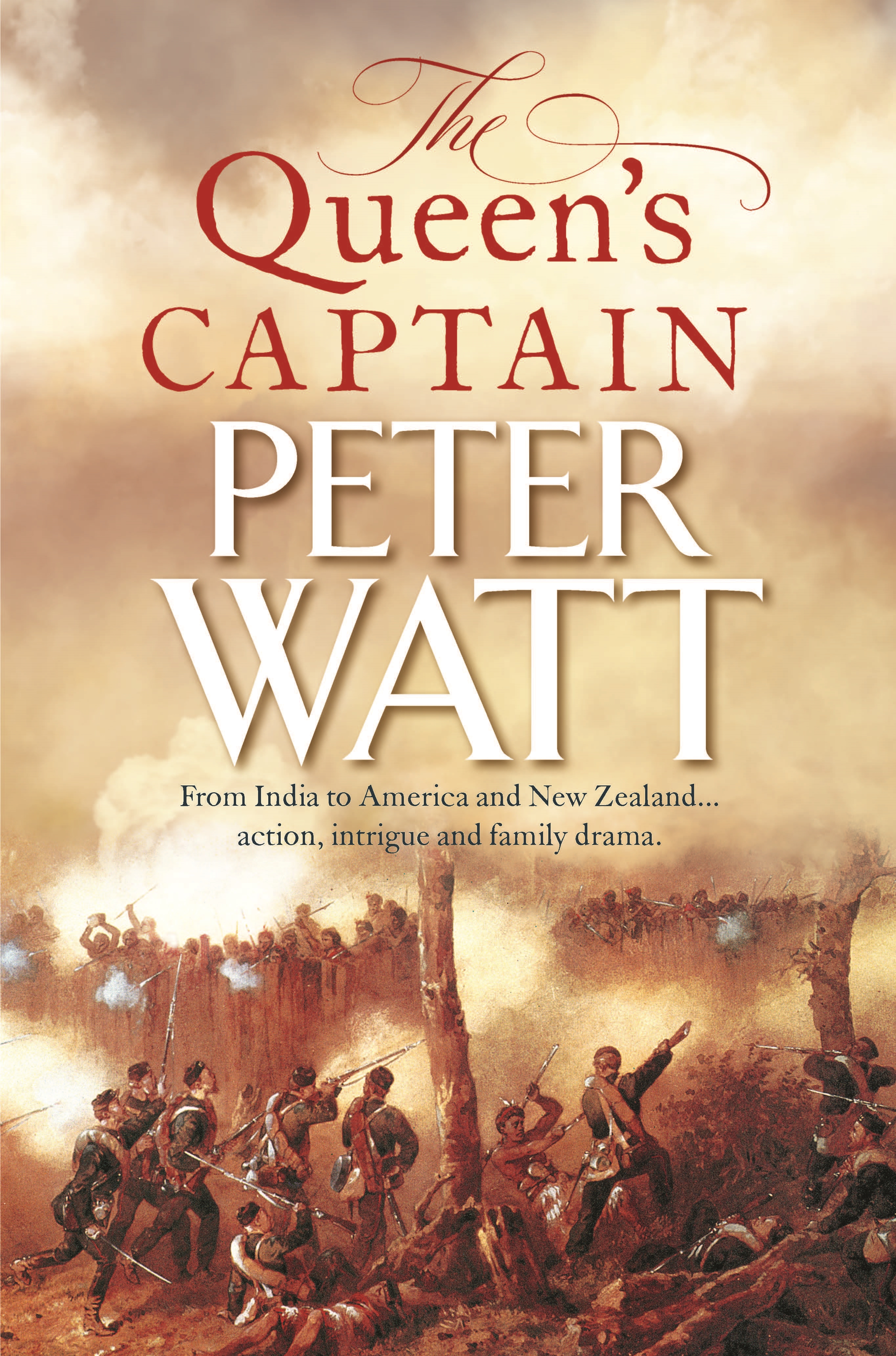
The Queen's Captain Cover

Publisher: Macmillan (Trade Paperback – 10 November 2020)

Series: Colonial series – Book Three

Length: 358 pages

My Rating: 4.5 out of 5 stars

Amazon

One of Australia’s top historical fiction authors, Peter Watt, wraps up his ultra-exciting Colonial series with the third and final novel, The Queen’s Captain.

Watt is a fantastic Australian author who has written a huge collection of amazing historical fiction novels, most of which are set in Australia or feature Australian characters.  I have been a fan of Watt’s books for several years now and I have been particularly enjoying his current body of work, the Colonial series.  The Colonial books, which started back in 2018 with The Queen’s Colonial, follow the adventures of Ian Steele, a colonial blacksmith who manages to enlist as an officer in the British army under the name Captain Samuel Forbes, taking the identity of a friend who wished to sit out his military service.  While the real Samuel leaves to go to America, Ian fights in his place for a period of 10 years, which will allow Samuel to claim a substantial inheritance from his ruthless family.  This has so far been a really fun series, and I enjoyed reading The Queen’s Colonial and The Queen’s Tiger.  I have been looking forward to reading this third novel in the series for some time now and I was very excited when I received my copy, especially because the back cover quoted my Canberra Weekly review of The Queen’s Tiger.  I ended up having an awesome time reading this book, and it proved to be another fast-paced and compelling read.

In October 1863, Ian Steele is still fighting for the British crown as Captain Samuel Forbes, known to his men as the Queen’s Colonial.  After helping to put down the Indian Mutiny, Samuel and his comrades, including his long-time friend Sergeant Major Conan Curry, are fighting the Pashtun in the treacherous mountain passes on the north-western frontier of India.  With only a few months left until the 10-year deal with the real Samuel Forbes concludes, Ian is determined to survive so he can claim his reward and finally settle down.  However, with his typical bad luck, he finds himself drawn into several high-profile missions, including a dangerous operation to eliminate a murderous rebel army camped in the jungle.

As Ian fights for Queen and country, his friends are engaged in their own adventures.  In America, the real Samuel Forbes has followed the man he loves into battle, become a lieutenant in the Union army to fight the Confederates.  Back in London, Ella, the women Ian loves, has entered into an unhappy marriage to Russian Count Nikolai Kasatkin.  Determined to have one piece of happiness, Ella attempts to reclaim the son she had with Ian, but the jealous Nikolai will do the unthinkable to spite her.  At the same time, Samuel’s ruthless older brother, Charles Forbes, continues his relentless bid for power and money, while still determined to prove that the Samuel serving in the British army is an imposter.

All of this will come to a head down in the colonies in 1864.  As Ian is transferred to New Zealand to provide advice to the soldiers fighting against the determined Maori, he will come face to face with an old enemy, and the final chapters of his story will be told.  Friends will die, people will be changed in unexpected ways and the Queen’s Colonial will fight his last battle.  How will the story end?

The Queen’s Captain was another excellent novel from Watt, who has produced an exciting and fascinating conclusion to his latest series.  Like the rest of the books in the Colonial series, The Queen’s Captain is an extremely fast-paced story told from a series of different character perspectives around the world.  The book is broken up into two distinctive parts (although the second part only contains the last 100 pages) and features a number of compelling action and intrigue orientated storylines.  This is an extremely easy novel to get into, even for those readers who have not previously enjoyed the Colonial series, and I was able to finish it off in a short period of time as I got caught up in the various battles and double-crosses.  Watt really took this final entry in his series in some interesting directions, and readers will be intrigued by the various ways he finishes up the Colonial books.  There was a real focus on wrapping up every single storyline and character arc throughout The Queen’s Captain, and I really enjoyed the way in which Watt brought the series to end, especially as the overarching narratives comes full circle.  Overall, I felt that The Queen’s Captain was a fantastic way to conclude the Colonial series and readers are in for a real treat with this book.

Like all of Watt’s novels, The Queen’s Captain makes use of a substantial number of point-of-view characters to tell the story.  This is a combination of some of the established characters from the previous Colonial novels as well as several new characters.  This makes for a rather intriguing, character driven novel, especially as Watt was apparently determined to wrap up as many character arcs as possible for this final entry in the series.  There is a particular focus on the characters of Ian, Samuel, Ella, Charles, and Ian and Ella’s child, Josiah, although many of the other point-of-view characters get their time to shine and Watt ensures that they have a decent backstory.  I have really enjoyed seeing several of these characters develop over the course of the series, and it has been rather heart-warming to see how the hard events of their lives has changed several of them.  I was particularly impressed with the characterisation of the real Samuel Forbes in The Queen’s Captain, as he had a fantastic arc in this book.  Samuel, whose hatred of war is a major plot point of the series, actually joins the Union army in this book, following his love James Thorpe into battle, and while he still detests being a soldier, he shows some natural flair as an officer.  I thought that this inclusion in the book was extremely fascinating, and I loved how Samuel’s arc in this book mirrored that of his body-double Ian, with both of them gaining a reputation for courage and bravery from their soldiers, and both gaining an affectionate nickname from their men, with Samuel becoming known as “the Limey Officer”.  Samuel’s storyline in this book is really good, full of all manner of tragedy, heartbreak and dramatic moments, and readers will be deeply surprised how it ends up.  I also have to highlight the character of Charles Forbes in this book.  Charles serves as the series’ main antagonist, as he is determined to bring down both Ian and Samuel while gaining as much power as possible.  Charles is an extremely slimy villain who the reader cannot help but dislike, and I know I had a rather good time seeing him gradually get some comeuppance in this book.  I also quite enjoyed the various ways in which Watt provided conclusions to nearly all the side-characters featured in the series.  Some of these are rather entertaining (I had a good laugh at one in particular), and it was great to get some closure on all of these excellent characters at the end. 

The major highlights of this book are the awesome and thrilling action sequences as The Queen’s Captain’s characters journey through several intense and dangerous battlefields around the world.  The Queen’s Captain features several interesting and impressive battle scenes from around the world and possibly has the greatest variety out of all the books in the Colonial series.  Not only do you have a number of great sequences in India as Ian fights both the Pashtun in the mountains and a group of rebels in the jungle, but you also have battles from the American Civil War as Samuel fights against the Confederates.  There are also some sequences that feature the Maori fighting against the British and the New Zealand settlers which really stand out, despite the fact that this particular conflict only occurs for a short while towards the end of the novel.  Watt has clearly done his research around these battles, as they are loaded with historical detail about the typical combatants and the weapons and tactics they utilised.  The author does an amazing job bringing these sequences to life, and you get a real sense of the desperation and the horror that the participants would have felt on these fields.  I particularly enjoyed the author’s examination of the differences between small-scale guerrilla skirmishes (several of which occur throughout The Queen’s Captain), compared to the larger-scale battles of the past, and Watt includes several hints about how combat was likely to occur in the future.  All these action scenes are extremely awesome to read and they are a great part of The Queen’s Captain, especially as they help the plot to move along at a faster pace.

The Queen’s Captain by Peter Watt was another amazing and enjoyable historical fiction novel that takes the reader on a series of fast-paced adventures around the world.  Watt has done an awesome job wrapping up his Colonial series and readers will have a fantastic time seeing how he has concluded the various storylines and character arcs he has set up over the previous two novels.  A fun and exciting read, The Queen’s Captain comes highly recommended and I look forward to seeing what cool series Peter Watt comes up with next.

Amazon

Hidden in Plain Sight by Jeffrey Archer

Hidden in Plain Sight Cover

Publisher: Macmillan (Hardcover – 27 October 2020)

Series: William Warwick – Book Two

Length: 304 pages

My Rating: 4.25 out of 5

Amazon

Bestselling author Jeffrey Archer returns with the second book in his William Warwick historical crime fiction series, Hidden in Plain Sight.

London, 1986.  Following the failed attempt to put his nemesis, expert art thief Miles Faulkner, behind bars, William Warwick has been promoted to Detective Sergeant and now has a whole new focus: drugs.  William and his team have been assigned to take down a notorious drug kingpin, one who has all of South London in his pocket and who takes great pains to hide his identity and methods.  However, despite their focus on catching this mysterious drug lord, known only as the Viper, Warwick is still determined to take down Faulkner.

When William coincidently arrests an old acquaintance from his school days, Adrian Heath, it unexpectedly provides him with the opportunity that he has been looking for.  Not only does Adrian have information about the identity of the Viper, but he also has a connection to Faulkner that could be exploited to finally throw his adversary behind bars.  As William attempts to close the net around his targets, he must also counter the moves of his enemies, even when they attempt to ruin his life or his upcoming marriage to Beth.  However, it will take more than personal attacks and clever setbacks to discourage William, and he soon has Faulkner and the Viper exactly where he wants them.  But even in defeat, Miles Faulkner is a dangerous opponent, especially now that he has his vengeful eyes fully set on William and everyone he loves.

Hidden in Plain Sight was another exciting and clever novel from Jeffery Archer featuring a compelling historical crime drama set around the life of a fun fictional character.  The protagonist of this series, William Warwick, actually first came into existence in Archer’s iconic Clifton Chronicles series of historical fiction books, where he was introduced as the in-narrative fictional protagonist of a series of detective books written by the Clifton Chronicle’s main character, Harry Clifton.  After Archer concluded the Clifton Chronicles a couple of years ago, he decided to provide his fans with a more detailed exploration of this fictional detective, and this series is the result.  The William Warwick series looks set to be Archer’s next major long-running series and it will explore the entire career of Warwick, from eager young recruit to hardened and brilliant detective.  This is the second William Warwick novel following last year’s Nothing Ventured, and Archer has come up with an enjoyable new tale that proved really hard to put down.

This second entry in the William Warwick series contains another intriguing and exciting character driven narrative that sees the protagonists engage in a game of wits with some despicable criminals.  This proved to be an excellent historical crime fiction novel that not that not only continues the compelling narrative set up in the previous book in the series but which also sees the protagonist go after an entirely new foe.  Archer presents a great recreation of 1980s London and takes the story in an interesting new direction by having William attempt to combat the city’s crippling drug trade.  However, the story still has a fascinating focus on the world of art and antiquities and its associated criminal underbelly, thanks to the amazing returning antagonist from the first novel.  This story proved to be really exciting and fast-paced, and I enjoyed the variety of different crime fiction elements that Archer included in the plot, as the protagonists attempt to take down their quarry in a number of different manners.  Readers are treated to a range of great sequences, from pulse-pounding police raids, detailed investigations, cunning undercover operations and even a very entertaining courtroom sequence.  Archer has loaded Hidden in Plain Sight’s story with all manner of twists and turns, so much so that the reader is often left surprised at who ends up on top and where the story will go next.  This was a really enjoyable narrative that I found to be extremely addictive, resulting in me powering through the entirety of Hidden in Plain Sight in just over a day.  Fans of the previous entry in the series (as well as the Clifton Chronicles) will have a great time continuing the fun story started in Nothing Ventured, while new readers will also be able to quickly dive into this novel and become engrossed in the story.

Like all of Archer’s books, the narrative of Hidden in Plain Sight is strongly driven by the excellent characters that the plot follows.  Archer utilises a range of different character perspectives to tell his story, presenting a rich and multifaceted narrative that explores the lives of several intriguing protagonists, as well as a couple of great villains.  Most of the story focuses on the series’ titular character, William Warwick, the determined, ambitious and righteous police officer who has dedicated his life to fighting crime.  Warwick continues to grow as a detective throughout Hidden in Plain Sight, losing more of his “choir boy” personality and gradually becoming more addicted to the job and the danger.  Despite that he still maintains his strong moral code and proves to be a very likeable central character, especially as Archer spends a lot of time exploring his personal life and his various relationships.  In addition to Warwick, Archer also dedicates a large amount of the book to several key side characters including Warwick’s police colleagues, the major antagonists and members of Warwick’s family.  These various additional characters and perspectives really added a lot to the story’s flow, and it was a much more effective way to tell this narrative than through the eyes of Warwick alone.  Most of these characters are only featured for a small amount of time throughout the book, but I felt that Archer made the most of their appearances, showcasing their personalities and motivations in an excellent manner and making sure that the reader was concerned for their various story arcs.

While these books are mostly focused on the exploits of William and his crime fighting associates, the character I have the most love for is the villain, Miles Faulkner, who is a constant highlight of each book.  Faulkner is a debonair and brilliant criminal mastermind who specialises in elaborate art thefts and forgeries and who gained the attention of the protagonists in Nothing Ventured.  Faulkner serves as a brilliant foil to William and the other police, continually outsmarting them at every turn and thoroughly acting as the cocky master villain.  Faulkner pretty much steals every scene he appears in, and you cannot help but enjoy his antics, even when you are pulling for the protagonists to knock him off his pedestal.  Archer introduces a number of entertaining and clever twists around Faulkner throughout Hidden in Plain Sight, and it was extremely entertaining to see the various ways in which this antagonist manages to manipulate everyone around him and generally come up on top, even when it appears that he has lost.  I personally liked the more vindictive streak that appeared as part of Faulkner’s character in this book, following his various losing encounters with William and the other protagonists.  Not only does this result in a number of clever and elaborate revenge ploys but it also gives a harder edge to Faulkner as the overall antagonist of the series, and hints that he may have some diabolical plans for William in the future entries of this series.  I had a lot of fun with this excellent antagonist and I cannot wait to see what villainy he unleashes next.

Hidden in Plain Sight is another fun and clever novel from Jeffery Archer that comes highly recommended.  Archer has done an excellent job of continuing his William Warwick series, and readers are in for an exciting and enjoyable time with this book.  I really liked where Archer took the story in Hidden in Plain Sight and I am looking forward to seeing how the series will continue next year.

Amazon

Last Survivor by Tony Park

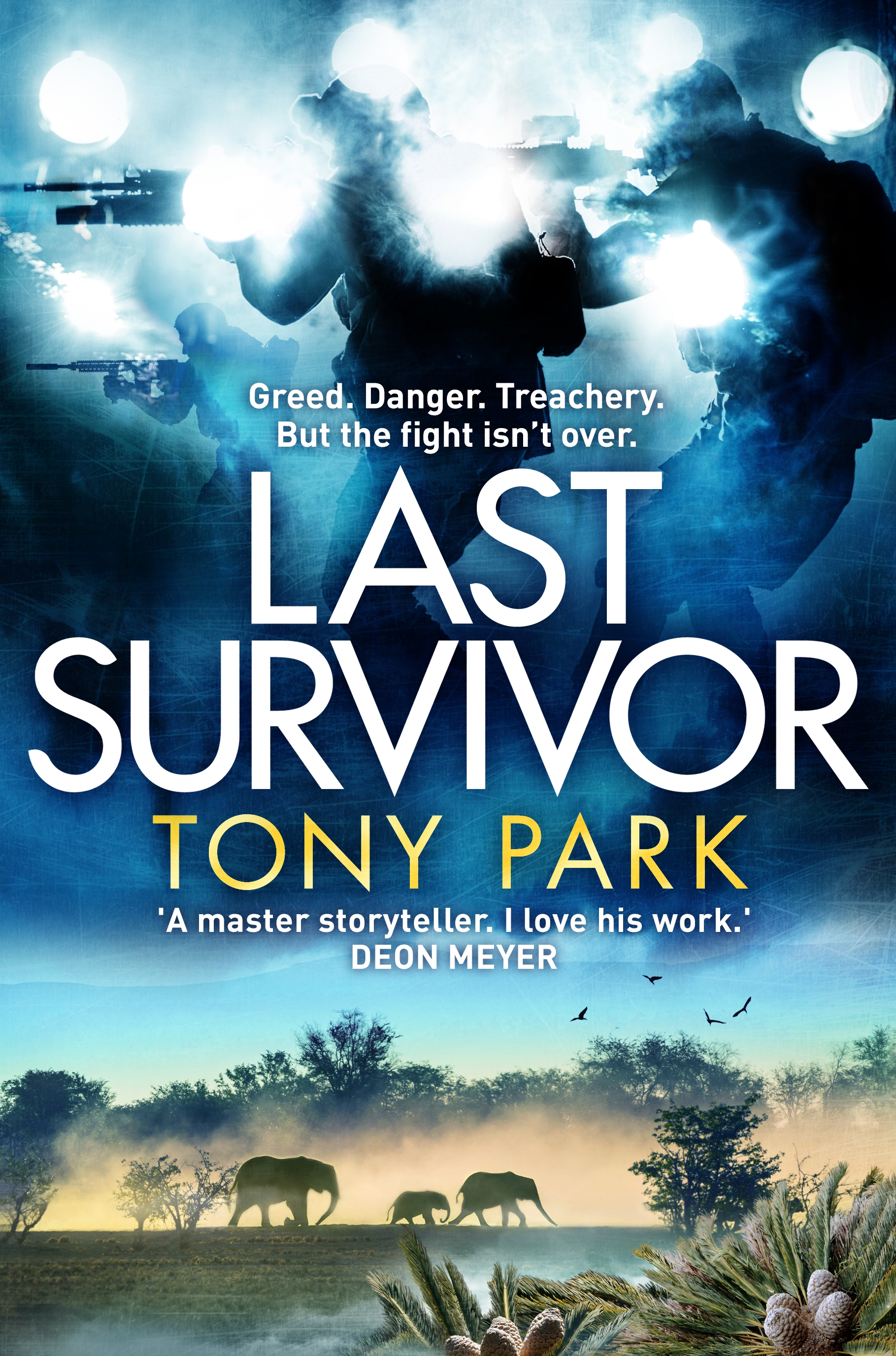
Last Survivor Cover

Publisher: Macmillan Australia (Trade Paperback – 30 June 2020)

Series: Sonja Kurtz – Book Four

Length: 401 pages

My Rating: 4.5 out of 5 stars

Amazon     Book Depository

The master of the Australian thriller, Tony Park, is back with Last Survivor, another intense and action-packed novel that explores the turbulent and beautiful continent of Africa.

Tony Park is an awesome Australian author who has been writing some great thriller novels since his 2003 debut, Far Horizon.  I have been really getting into Park’s fantastic books over the last couple of years and I really appreciate their excellent adventure storylines, as well as the author’s outstanding use of Africa as a background setting for all his books.  I rather enjoyed his 2018 release, Scent of Fear, and I had an amazing time reading last year’s Ghosts of the Past which had some impressive historical fiction elements to it.  As a result, I was very excited when I received my copy of Last Survivor and not just because it quoted my Canberra Weekly review for Ghosts of the Past on the back (see below).  Last Survivor is the 18th novel written by Park and it also serves as the fourth book to feature his recurring protagonist, Sonja Kurtz.

In Last Survivor, freelance intelligence agent Sonja Kurtz is back and on the trail of a terrorist organisation who are financing themselves through the smuggling of rare cycads.  This story starts with Joanne Flack, treasurer of the Pretoria Cycad and Firearms Appreciation Society, on the run from her home in South Africa, accused of stealing an extremely valuable cycad worth millions of dollars.  However, when Joanne is attacked by a terrorist operative in the heart of London, she flees back to Africa, where she knows how to hide.

Following a dangerous operation in Mali, Sonja Kurtz is given a new mission by her contact in the CIA, who wants her help tracking down Joanne and finding out what she knows about the terrorists who attacked her.  Teaming up with former Fish and Wildlife Services investigator Rod Cavanagh, who has significant history with Joanne Flack, Sonja travels Africa to initiate contact.  However, the moment that Sonja finds her Joanne they are attacked by a team of heavily armed killers, determined to take her out.

With their CIA contact down and everyone now trying to kill them, Sonja, Joanne and Rod flee deeper into Africa seeking refuge where they can.  In order to protect Joanne, they need to work out who is funding their attackers and what their interest in the cycad is.  To that end, Sonja infiltrates the Pretoria Cycad and Firearms Appreciation Society in order to use them as a cover for her investigation.  However, it soon becomes clear that someone in the Society is working for the terrorists, and Sonja and her friends will have to tread carefully if they are to survive the forces coming for them.

Now, that was a fun read.  Park has once again produced another deeply exciting, high-octane thriller that drags the reader in and keeps them engaged until the bitter end.  I really loved this amazing read which combines a fantastic story with a captivating modern-day setting and a focus on a new and unique real-world issue.  Last Survivor is a very easy book to get into and it mostly serves as a great standalone novel.  Readers unfamiliar with Park’s work do not need to check out any of the author’s prior novels first, not even the previous books that featured Sonja Kurtz as a protagonist.  However, those long-term fans of Park will love seeing more of his unique style, as well as the return of one of his few reoccurring characters.

Park has come up with an outstanding and enjoyable thriller storyline for Last Survivor which was addictive, clever and very exciting.  The story revolves around the hunt for a rare cycad, and the protagonists’ attempts to stop the terrorist organisation attempting to obtain it to finance their operation.  This proves to be a fantastic narrative that combines a clever spy thriller story with great character development and impressive action sequences.  The author utilises a number of separate character perspectives to tell the story, allowing for an expansive and enjoyable narrative that splits into several separate plot lines.  I also liked all the fun characters that Park introduced throughout this book, from the troubled Joanne Fleck, whose significant past with Rod Cavanagh adds a lot of drama to the story, to the members of the Pretoria Cycad and Firearms Appreciation Society, heavily armed plant enthusiasts who have a traitor amongst their ranks.  It was also great seeing more of his recurring character, Sonja Kurtz, an aging spy with commitment and trust issues, whose burning love for Africa matches the author’s.  This story goes into some enjoyable directions, and there are several great twists and turns throughout it punctuated by a number of amazing action sequences to really drag in the reader’s attention.  I particularly liked the unique and extended battle sequence that served as the book’s conclusion and it was both intense and entertaining to watch Kurtz and her rag-tag team of elderly African gun-nuts go up against a group of terrorists and criminals.  All of this makes for a fantastic read and I found myself swiftly getting through the entire book in very quick fashion.

Another awesome element of this book is the way that Park once again sets the story throughout various parts of Africa.  Park has a clear and sustained love for Africa, as all his novels are based in or around the continent, which always proves to be an excellent literary setting.  This is once again true for Last Survivor, as the story jumps around various parts of multiple countries such as South Africa, Mali and Zimbabwe.  Each of these different countries prove to be great locations for this book and Park expertly examines several social and political realities of living in these countries, working them into the plot of the story in a compelling and enjoyable manner.  While it is great learning more about these African countries, the real magic occurs when Park takes the story out into the African wilds.  Not only does this prove to be an awesome location for the book’s intense action sequences but the author always provides such powerful and endearing descriptions of the wilderness and its animal inhabitants.  Park’s sheer love of the African countryside really shines through every time that a character considers their surroundings and he always manages to bring these locations to life.  I also like the way that Park uses his stories to examine parts of Africa that he is really passionate about, such as highlighting the damage and evils of illegal poaching, lauding various anti-poaching groups and patrols that are trying to oppose them, and also looking at the various national parks and nature preserves that exist across the various countries.  All of this really makes for a fantastic setting, and I cannot wait to see what new aspects of Africa that Park reveals in his next book.

As I mentioned above, Park routinely uses his thriller novels to throw a spotlight on the evils of poaching in Africa and the organisations and community groups who attempt to combat it.  While there is still a lot of that within this novel, the story mainly focuses on a fascinating new illegal operation that has taken root in Africa, the smuggling of rare cycads.  Cycads are ancient seed plants that have existed since the Jurassic, and while many species can be found around the world, several species are currently on the brink of extinction.  This apparently has led to a thriving smuggling market in Africa with many rare specimens illegally taken out of the country and sold off to rich collectors around the world.  Park really dives into this new illegal trade throughout the book with the story filled with a number of intense discussions about what cycads are, their various biological properties, why some of them are so rare and valuable, and how they are currently becoming a major source of financing for smugglers and terrorists.  This proves to be extremely fascinating, and I really appreciated the information I received learning more about cycads, a subject that I really did not too much about prior to this book.  The illegal cycad smuggling also plays really well into the book’s amazing thriller story, and I really enjoyed how an intense action story revolved around people smuggling plants and the lengths people will go to obtain them.

Last Survivor is another deeply impressive thriller novel from Tony Park, who has once again produced a clever, relevant, and intensely action packed read which you find extremely hard to put down.  I had an incredible time seeing another one of Park’s amazing adventures take place amongst the African wilds and I really love the unique elements he adds to the story.  This is a fantastic and compelling book and it comes highly recommended.

Last Survivor Back Cover

Amazon     Book Depository

Spy by Danielle Steel

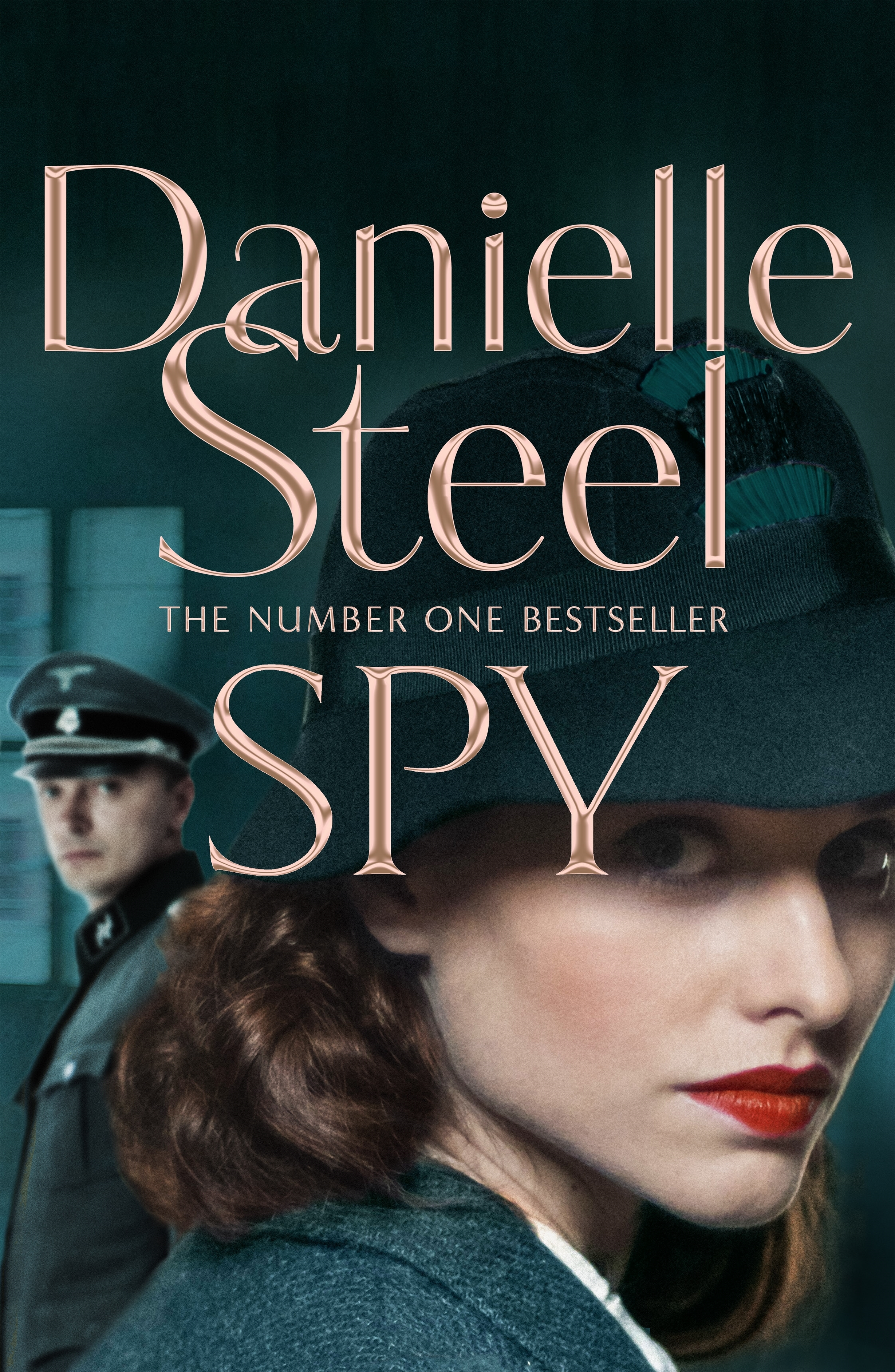
Spy Cover

Publisher: Macmillan (Trade Paperback – 26 November 2019)

Series: Standalone

Length: 273 pages

My Rating: 4.25 out of 5 stars

Amazon     Book Depository

From the mind of the fourth-bestselling author of all time, drama and romance novelist supreme Danielle Steel, comes an excellent and compelling story about life, war and espionage that is really worth checking out.

Alexandra Wickham is the youngest child of a well-to-do British family living out on their estate in the country. A beautiful and intelligent young lady, Alex appears to be set for a life of privilege and marriage. However, the outbreak of World War II in 1939 allows Alex to throw off the shackles of expectation, and she moves to London, volunteering as a nurse. However, her fluency in French and German attracts the attention of a new government organisation, the Special Operations Executive (SOE), who are desperate to recruit her.

Suffering from personal losses and determined to do her part for her country, Alex joins the SOE and quickly becomes a skilled and valued agent. Trained in various forms of combat, sabotage and espionage, Alex makes several journeys into German territory to obtain valuable information. However, the hardest part of her new life is keeping her work secret from her friends and family, including her worried parents and the brave pilot she falls in love with.

Even after the war ends, Alex finds that she is unable to stop spying. When her husband, Richard, enters into the foreign service, Alex is recruited into MI6 and tasked with obtaining information from the various people she meets socially. As she follows her husband from one volatile end of the world to the next, Alex must reconcile the two separate parts of her life if she is to survive. But who is she? The loving wife and parent or the government agent who can never reveal her secret to those closest to her?

Now, I have to admit that before this year Danielle Steel was not an author that I really went out of my way to read. Steel writes a staggering number of novels each year (seven in 2019 alone), and most of them do not appeal to me (I think a quick perusal of some of the previous books I’ve read will give you a good idea of what my usual literary tastes are like). However, after enjoying Turning Point earlier this year (which I checked out because I do enjoy medical dramas), I decided to try Spy, as I was kind of curious to see how Steel would handle the historical spy genre. What I found was a captivating and enjoyable story which I was really glad I grabbed a copy of.

Spy is a historical fiction novel that follows the life story of the fictional protagonist, Alexandra Wikcham, who serves as the book’s point-of-view character. This was a rather full and exciting story that not only focuses on the main characters career as a secret government agent but also explores her personal life, such as her interactions and relationship with her family, how she fell in love, and how she become a caring wife and mother. Spy’s overall narrative is a fantastic blend of drama, historical fiction, spy thriller and romance novel, which proves to be quite addictive and rather enjoyable. I loved seeing the full progression of the main character’s life, and I found myself getting attached to several of the characters featured within.

This was the first historical fiction by Danielle Steel that I have read, and I have to say that I was impressed with the various periods that were explored. The first half of the book is set during the events of World War II, and Steel does an incredible job of portraying this iconic part of the 20th century. The story is primarily set in England during this part of the war, and the reader gets a real sense of the events that are occurring, the struggles facing normal citizens during the conflict and the various contributions that the English people were making during the war. Spy also explores the damage, both physical and emotional, that the war produced, as the main character experiences great loss and despair throughout the course of the conflict and sees the impact on people that she cares for.

In addition to the great portrayal of World War II, Spy also examines a number of other intriguing historical events, periods and locations. The second part of the book is set over a much longer period of time and follows Alex and her husband, Richard, as they travel the world as English diplomats. These diplomatic assignments place them in a number of different countries during significant periods in history. For example, Alex and Richard end up in India during the end of British rule, when India is split into two countries. Other countries they end up in include Morocco, Hong Kong, America and the Soviet Union. All of these visits are only for a short part of the book, but they offer some intriguing snapshots into the various countries during significant parts of history. These combined historical periods make for a truly captivating and enjoyable novel, and they really work well with the dramatic and espionage aspects of the book, enhancing these other story elements with the cool historical settings.

I really enjoyed the espionage parts of Spy, as Steel has come up with a fascinating underlying thriller plot for this book. The actions of the SOE during World War II have long formed a great basis for historical spy stories over the years, and Steel did a fantastic showcasing how their female agents were recruited, often from organisations such as the First Aid Nursing Yeomanry, trained, and then dropped into Europe for missions. The various missions that the protagonist undergoes in Europe are quite interesting, and range from various reconnaissance missions, to more complex information gathering exercises. The protagonist’s actions after the war are also quite intriguing, as she is recruited by MI6 to spy on the various people her husband comes into contact with as a diplomat, and this results in her getting involved in some major historical events. It was quite fascinating to see with both missions during and post-World War II, the importance of information obtained from gossip or a leading conversation with a beautiful woman, and the impacts such information could have. This espionage part of the book is also the part of the book that I personally found the most thrilling and entertaining, and it was really cool to see all the danger and intrigue that followed this central character.

As Spy is a Danielle Steel novel, there is of course a central romance storyline that dominates the course of the book. At the beginning of the war, Alex meets and falls in love with Richard, a handsome and charming English fighter pilot, and they form a great relationship that lasts over 50 years. This is a really nice and supportive relationship, which is able to overcome some rather substantial obstacles, mainly World War II and Alex’s career as a spy. Not only are the forced to put their relationship on hold during the course of the war, in fear that one of them might die, but Alex is required to keep all of her espionage activities a secret from Richard. Even when they are married, Alex is unable to tell him that she is a MI6 Agent or warn him that she might be putting their lives at risk in foreign countries. All this secrecy weighs heavily on the mind of Alex throughout the course of the book, and it adds a whole new dramatic edge to their relationship. However, I really liked the way it ended, and this was a fantastic and heart-warming romantic storyline that I quite enjoyed.

The latest Danielle Steel novel, Spy, proved to be a really compelling and moving story of life and love during the turbulence of the 20th century. Featuring a gripping story which followed the entire life of a female British espionage agent, Spy was an excellent novel that honestly has something for everyone in it. I was really impressed with this novel, and I am planning to check out more Danielle Steel novels in the future. Her next release, Moral Compass, sounds particularly intriguing, and I have already requested a copy of it.

Amazon     Book Depository

The Queen’s Tiger by Peter Watt

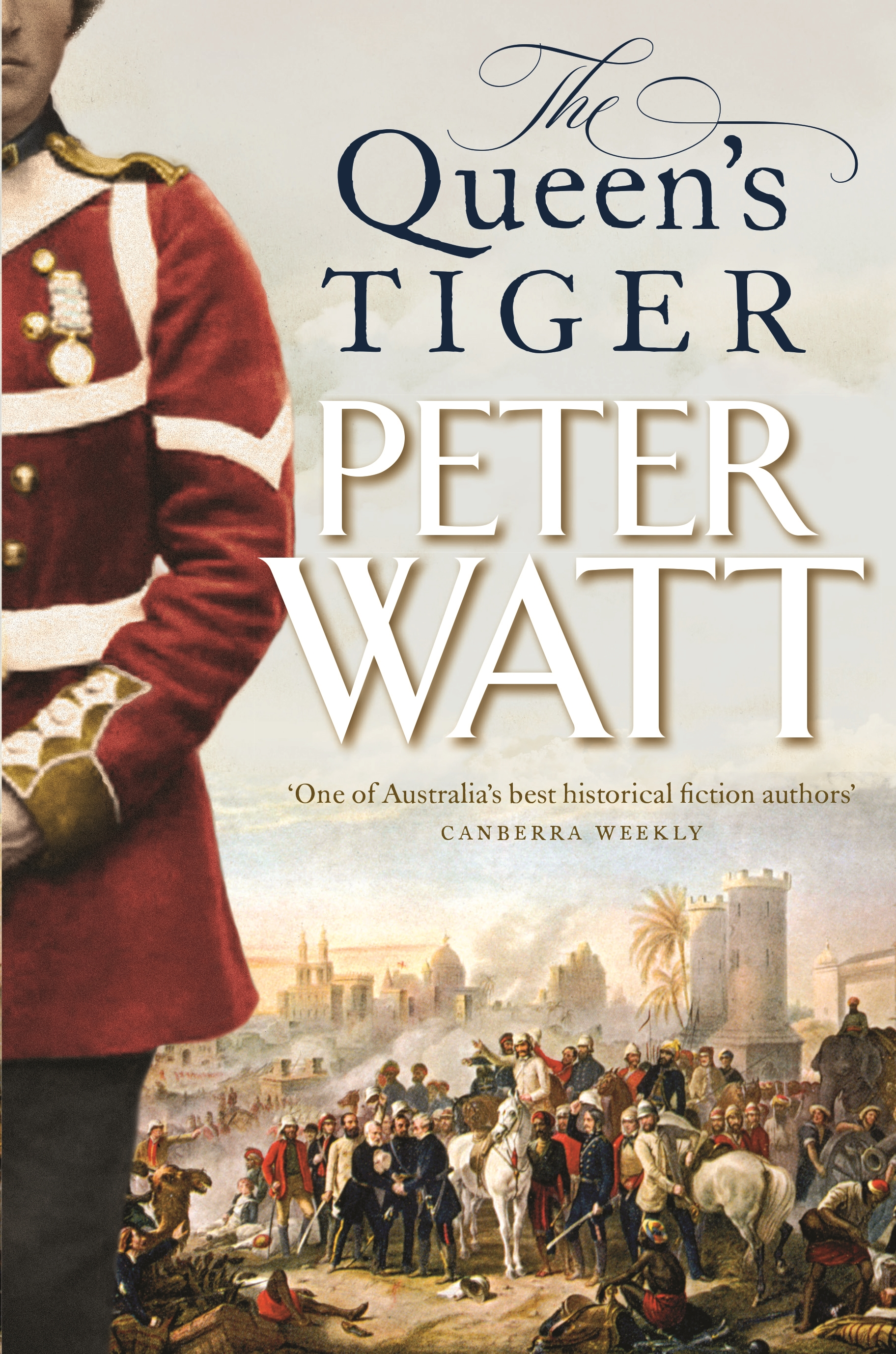
The Queen's Tiger Cover

Publisher: Macmillan (Trade Paperback – 12 November 2019)

Series: The Colonial series – Book 2

Length: 360 pages

My Rating: 4.5 out of 5 stars

Amazon     Book Depository

One of Australia’s best historical fiction writers, Peter Watt, returns with another exciting historical adventure in The Queen’s Tiger, the outstanding sequel to his 2018 release, The Queen’s Colonial.

Following on from the events of The Queen’s Colonial, in 1857, former Australian settler Ian Steele is still living under the guise of Samuel Forbes, a rich English noble who Ian bears an uncanny resemblance to. Ian switched places with Samuel in order to help him meet the required military service he needs to receive a vast inheritance. Serving as a captain in Queen Victoria’s army, Ian has proven himself to be a natural soldier, fighting against the odds dozens of times over against the most vicious enemies of the crown. However, despite the formidable enemies he has faced on the battlefield, Ian has encountered greater dangers far closer to home, as Samuel’s father and his murderous brother Charles are determined that Samuel will never receive his inheritance.

As Ian and his men, including his old friends Sergeant Conan Curry and Corporal Owen Williams, return from fighting the Persian army in Iran, a dangerous threat to the empire is brewing in India. Indian troops under the employ of the British East India Company have begun to mutiny, and the country, caught up in a swell of anti-British nationalism, is beginning to violently rebel against British rule. Among those caught up in the chaos are Samuel’s sister Alice and her husband the surgeon Peter Campbell, whose honeymoon turns into a brutal fight for survival.

Redeployed to India, Ian is once again leading the charge in some of the campaign’s most deadly battles against a determined foe. However, the biggest threat to his survival is happening half a world away back in England, as the real Samuel Forbes returns to London for a personal meeting under the name Ian Steele. When Samuel is spotted and his true identity is suspected, he finds himself hunted throughout England by Charles’s agents, determined to prove that Ian is an imposter. Can Ian and Samuel continue their ruse amidst the tragedy, tribulations and conflicts they encounter, or will the evil forces arrayed against them finally bring them down?

This was another fantastic book from Peter Watt, who has a true knack for producing compelling historical adventures filled with action, intrigue and family drama. The Queen’s Tiger is the second book in Watt’s Colonial series, which follows its protagonists through some of the most dangerous conflicts that the British army found itself involved with during the 19th century. I have to admit that I have been quite keen to check this book out for a little while, and not just because it quotes one of my Canberra Weekly reviews on the cover. The first book in this series, The Queen’s Colonial was an excellent read, and it did a good job following up Watt’s long-running Frontier series of which I was a big fan (make sure to check out my Canberra Weekly reviews for the last two books in this series, While the Moon Burns and From the Stars Above).

The Queen’s Tiger continues the intriguing story from the first book, which saw a simple Australian blacksmith pretend to be an English gentleman in order to serve as an officer in the Queen’s army. This was a compelling start the series, and I am glad that Watt has continued to follow through the fun blend of military action, intrigue and character interactions that have been a signature writing trend of his for some time. The Queen’s Tiger contains a wide-ranging story that covers several characters across a number of continents. This allows the author to showcase a number of different and enjoyable storylines within one book, and as such we can have one section of a book that focuses on the military action and adventure being undertaken by several of the characters in India, and the next section than looks at the sinister plotting of the book’s antagonists, or the desperate attempts of the real Samuel to keep his identity secret in England. In addition to their ongoing adventures, the author also explores the various relationships and romances that the various characters have, painting a rich tapestry of these point-of-view characters’ lives. This is a wonderful combination of storylines, all of which comes together into an excellent and highly enjoyable read.

Just like he did with the Crimean War in The Queen’s Colonial, Watt does a fantastic job bringing an intriguing historical conflict to life in this book, with his focus and examination of the Indian Mutiny of 1857. The book actually follows the entire duration of the Indian Mutiny and showcases most of the key moments of the rebellion that turned into full-scale war for independence. As a result of the way that Watt positioned his characters from the first book, the reader gets to see two separate parts of the mutiny. Alice and Peter’s storyline, which also features the new major character of Scott Campbell, focuses on how the English people who were living in India when the mutiny started would have perceived what was going on, and the desperate battle that the English forces garrisoned in India faced against a mass rebellion of their Indian soldiers. Ian’s storyline, on the other hand, shows the battles that the English relief force faced as they tried to retake the country and rescue the English citizens trapped within. This was an extremely fascinating historical event, and I think that Watt’s portrayal of this conflict was extremely intriguing and compelling. Based on the comments in the historical notes section of this book, it looks like Watt is planning to take his characters through a number of England’s various 19th century military campaigns in the following books, and I look forward to seeing where they end up next.

Needless to say, a book that has such a strong focus on soldiers and the Indian Mutiny is going to be very heavy on the action, as the protagonists fight in several battles across Indian and Iran. There are a significant number of fast-paced sequences throughout this book, from the various battles and skirmishes that occur during the mutiny, to thrilling chase scenes in the backstreets of London. Watt’s grasp of 19th century military combat is quite impressive, and there is a very realistic feel to the huge number of fight sequences that occur throughout the book, as he focuses on the tactics and weaponry of the British infantry man. As a result, there is rarely a dull or quiet moment in this book, and action fans will really appreciate the cool fights occurring throughout the book.

Peter Watt has once again delivered an electrifying and enthralling piece of historical fiction with The Queen’s Tiger. Featuring some amazing depictions of a deadly part of history, as well as a bunch of great characters whose various adventures, deceptions and relationships are particularly intriguing, this is a fantastic piece of Australian fiction that is really worth checking out.

Amazon     Book Depository

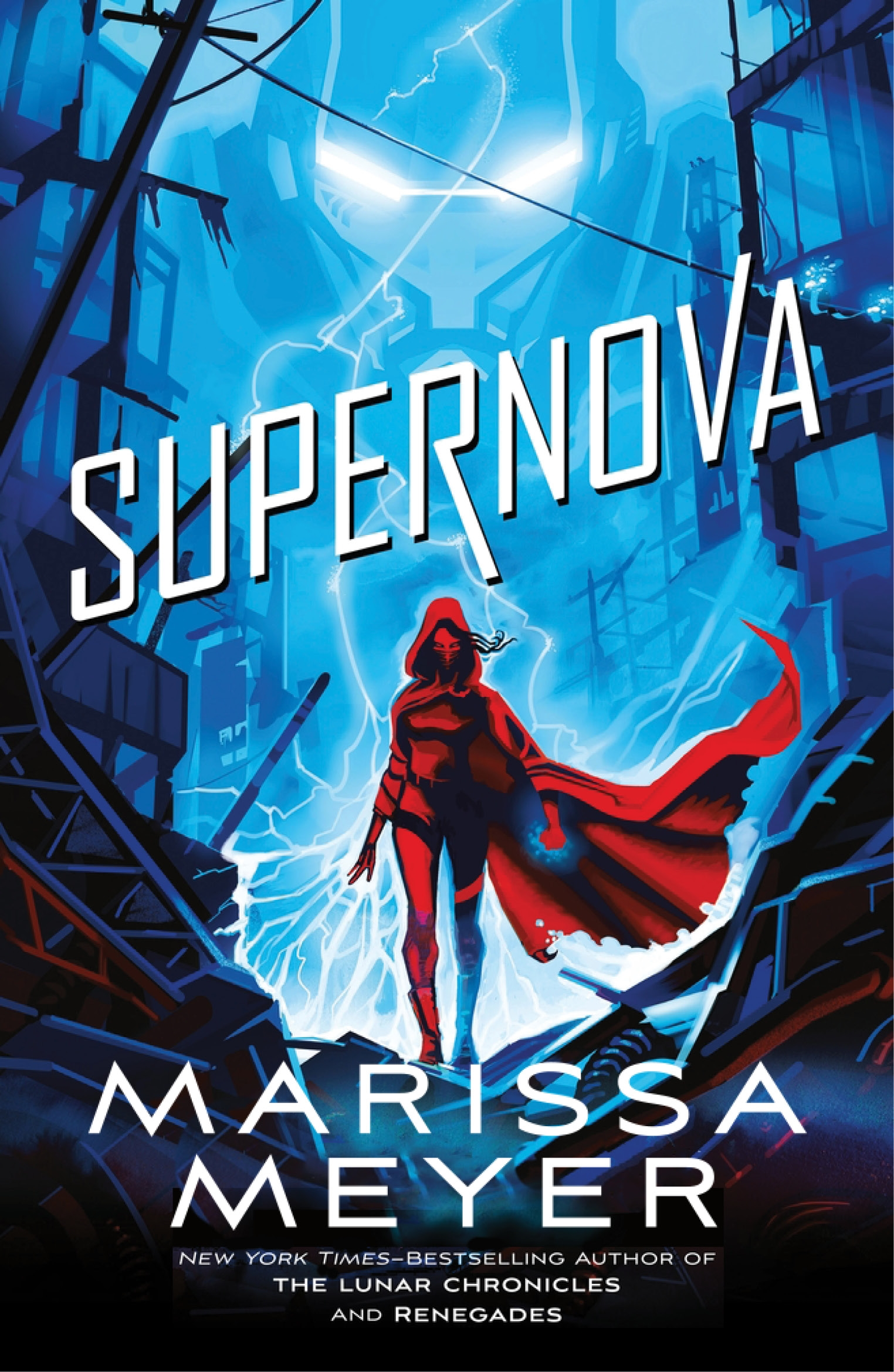
Supernova by Marissa Meyer

Supernova Cover

Publisher: Feiwel and Friends (Trade Paperback – 29 October 2019)

Series: Renegades – Book 3

Length: 552 pages

My Rating: 5 out of 5 stars

Amazon     Book Depository

Lies, betrayal, anarchy! Acclaimed author Marissa Meyer brings her epic young adult series, the Renegades trilogy to an end with Supernova, an electrifying and outstanding book that I had an absolute blast reading.

Supernova is the third and final book in Meyer’s Renegades trilogy, which started in 2017 with Renegade and continued last year with the incredible Archenemies. Archenemies had to be one of my favourite young adult books of last year, so I was pretty eager to check out the final book in the series. For those of you unfamiliar with the series, the Renegades books follow the adventures of two teenagers, Nova and Adrian, in an alternate version of Earth where a number of people, known as prodigies, have superpowers. After a period of superpowered destruction and terror known as the Age of Anarchy, the world has entered a time of peace, thanks to the superhero collective known as the Renegades.

Nova is a member of the supervillain group known as Anarchists, the remnants of the followers of the world’s greatest supervillain, Ace Anarchy, who has been living in hiding since the end of the Age of Anarchy, close to death. Nova, or as she is known to the world, Nightmare, is Ace’s niece, and hates the Renegades with a passion, due to the role they played in the death of her parents, and because of the way her friends have been persecuted by the supposed heroes. In order to recover Ace’s helmet, the one item that can restore him to full power, Nova has taken on the persona of Insomnia in order to infiltrate the Renegades as a hero. However, her dedication to the Anarchists and her mission has been shaken thanks to the leader of her patrol team, Adrian.

Since joining the team, Nova has slowly fallen in love with Adrian, a romance complicated by the fact that Adrian is the son of the world’s greatest superhero, Captain Chromium, Ace Anarchy’s arch enemy and the man who Nova hates the most in the world. Adrian also has secrets of his own; while he spends his days as the Renegade Sketch, at night he is secretly the outlaw vigilante superhero known as the Sentinel, who acts outside the rules and codes of the Renegades. He is also pursuing a solo investigation into the murder of his mother, and his primary suspect is Nightmare.

Despite her steadily growing feelings for Adrian, Nova is still determined to take down the Renegades, especially after the announcement of their new secret weapon, the chemical Agent N, which can permanently depower a prodigy. Breaking into Renegade headquarters at the end of Archenemies, Nova was able to successfully recover Ace Anarchy’s helmet; however, her absence allowed Adrian and the rest of their patrol team to accidently find and capture Ace. Now with her uncle captured and awaiting execution and all her lies and deceptions coming apart, Nova must find a way to rescue Ace and bring the Renegades down. However, with new players on the board and old fears resurfacing, can Nova and Adrian survive when anarchy returns to Gatlon City, or will their combined secrets finally overwhelm the two young prodigies?

This was a pretty amazing way to end a trilogy, as Supernova is an excellent and highly addictive read that I powered through in around two days, despite its hefty 552-page length. This final book tells an exciting and compelling story in its own right, and Meyer has done an outstanding job of finishing off her series, producing an epic conclusion that ties together a number of the intriguing storylines that have been running since the first book. Those readers interested in Supernova who have not read the previous books in the series should be able to follow the plot without any issues, but in order to experience the full emotional impact of the various story elements that are concluding, it might be best to at least read Archenemies first. That being said, those readers who choose to read Supernova alone will still be in store for an incredible young adult superhero read that does a wonderful job blending together action, tragic backstory, likeable characters and a very complex and rewarding romance storyline.

One of the most enjoyable things about this series was the cool and unique world of superheros that Meyer has created. The whole background of a world that is slowly rebuilding after an extended period of anarchy is pretty darn fascinating, and it was really interesting seeing the ways that superheros are trying to maintain order in this world. Meyer has done an amazing job filling her world with a variety of memorable prodigy characters, and the sheer number of unique power sets that the author has come up with is truly impressive. All these cool and imaginative powers make for some pretty epic battle scenes when the prodigies end up fighting each other, and Meyer has come up with some thrilling large-scale battle sequences throughout her story. Overall, I found that this superhero filled world to be an excellent and creative setting for this great story, and it is one that I hope Meyer returns to in some of her future works.

Perhaps my favourite aspect of this cool superhero world is the significant amount of time spent examining the morality and motivations of the various superpowered characters. Rather than the classic superhero story where all the heroes are pure and good and all the villains are evil, the morality of the characters in the Renegades series is a lot more complex. For example, the Renegades, despite being the heroes, are willing to do anything to preserve the status quo and ensure that the Age of Anarchy never happens again, including some punishments that seem pretty extreme. They are also so strictly bound to the idea that their organisations and their codes of conduct that a vigilante like Adrian’s Sentinel persona is automatically seen as a villain, despite all the good he does, while the faults of certain Renegades who abuse the system for their own aims are overlooked. The Anarchists and other non-Renegade prodigy groups, on the other hand, despite being villains, can in many ways be seen as victims of the current system, especially as they believe that they are mostly fighting for their own personal freedoms.

This is a rather interesting dichotomy that has been fun to unwind throughout the course of the books, especially through the eyes of the series two point of view characters, Nova and Adrian. Nova, who is both an Anarchist and a Renegade, begins the series believing that the Anarchists are in the right, while the Renegades are corrupt and hypocritical. But throughout the course of the books, as she spends time with the Renegades, she begins to see that many of the heroes, especially the members of her patrol team, are good people who are mostly trying to help, and she finds herself drawn between family loyalties and her new friends. However, the heavy-handed actions of the Renegade Council, especially in this book, ensure that Nova’s loyalty to the Anarchists and her uncle remains intact. Adrian, on the other hand, was born into the Renegades and is a major supporter of them. However, when he begins to adventure as the Sentinel, he begins to see how restrictive and rigid the rules of the Renegades are and he begins to question a number of the Council’s decisions, especially when it comes to Nova. All of this leads the reader to have some very serious doubts about which characters are truly in the right, and this entire moral debate is a really fascinating overarching aspect of the book and the series as a whole.

Like the rest of the books in this series, Supernova is being marketed as a young adult novel. While this is a good book for younger readers, this novel is also easily enjoyed by older readers who will really like this clever and inventive take on the superhero genre. Due to the fact that the book contains a large amount of violence, which includes several deaths and even torture scene, Supernova is probably best left to a teenage audience, and might not be completely appropriate for younger readers.

Marissa Meyer’s Supernova offers the reader an amazing and addictive young adult novel that also serves as an exceedingly satisfying conclusion to the author’s fantastic tale of superheroes and villains. In this third and final book in the outstanding Renegades trilogy, Meyer not only does a sensational job wrapping up her series, but she also produces another exceptional story filled with superpowered action, forbidden love, an inventive alternate Earth and some intriguing discussions about morality. A first-rate read, if you have not experienced Meyer’s Renegades series before you are in for a real treat. I really hope that the author returns to this universe at some point in the future, and I will be keeping a close eye out for Meyer’s next release.

Amazon     Book Depository

Nothing Ventured by Jeffrey Archer

Nothing Ventured Cover

Publisher: Macmillan (Trade Paperback – 10 September 2019)

Series: William Warwick series – Book 1

Length: 323 pages

My Rating: 4 out of 5 stars

Amazon

One of the biggest names in modern fiction, Jeffrey Archer, returns with Nothing Ventured, an intriguing piece of historical crime fiction that starts up his brand-new William Warwick series.

William Warwick, son of a respected London defence attorney, has always dreamed of becoming a detective in the London Metropolitan Police Force. Despite the opposition of his father, William enrols as a trainee police officer at the start of the 1980s after finishing university. Armed with determination, sharp observation skills, an education in fine art and a can-do spirit, William is unaware of the adventures in store for him.

After quickly making the rank of detective constable, William is assigned to Scotland Yard’s Arts and Antiquities squad. While also investigating of a series of different art crimes and frauds across London, the squad is mainly concerned with capturing Miles Faulkner, a criminal mastermind responsible for the thefts and forgeries of some of the most expensive art in England. All previous attempts to capture Faulkner have failed miserably, as the criminal is always two steps ahead of the police.

As William becomes more and more involved in investigating the various crimes Faulkner is organising, he makes a crucial breakthrough when he befriends Faulkner’s wife, Christina. Christina is willing to return a valuable stolen Rembrandt from Faulkner’s personal collection in return for help from the police. Can Christina be trusted, or will Faulkner once again evade justice and continue his dastardly schemes? In addition, what happens when William falls head over heels in love with Beth, a research assistant at the museum the Rembrandt was stolen from, whose family secrets may drive a terrible wedge between her and William?

I have mentioned before how Jeffrey Archer, or the Lord Archer of Weston-super-Mare as a Member of the British House of Lords, is one of the more colourful professional novelists in the world today. Archer has produced over 30 diverse books since 1976, including several standalone novels, a bestselling long-running series, several collections of short stories, three plays, three non-fiction books about his time spent in prison, and four children’s books. I have read several of his books in the past, although I only have his 2018 book, Heads you Win, currently reviewed on my blog at the moment.

Nothing Ventured is a fantastic new novel from Archer and is the first book in a planned eight-part William Warwick crime fiction series. The William Warwick series actually has a very interesting origin, as William Warwick served as the protagonist of a fictional series of books written by the main character in Archer’s most iconic series, the Clifton Chronicles, Harry Clifton. Following the end of the Clifton Chronicles in 2016 and several requests from his fans to expand on the adventures of Warwick, Archer started on this series. The William Warwick series will examine the career of its titular character and show the various cases he investigates that helped him to become a great detective.

This series is off to a good start with Nothing Ventured, as Archer creates a compelling and enjoyable read that does a fantastic job introducing the readers to his new protagonist and showing the early days of his police career. Archer has always excelled at creating historical fiction narratives that focus on the lives of specific characters, and Nothing Ventured is no exception. Within this book, the reader gets a great idea of the character of Warwick and sees the struggles and early influences that drive him to become a successful police detective. The reader is also introduced to a bevy of interesting side characters, many of whom are set up to be major friends, colleagues, love interests or antagonists of Warwick through the future books of the series. Overall, Archer does a superb job setting up his overarching series in Nothing Ventured, and the intriguing mysteries explored within, as well as the introduction of a likeable new protagonist, should ensure readers will check out future instalments of this series.

One of the most intriguing aspects about Nothing Ventured was the focus on the artistic world and the subsequent fraud or theft that accompanies it. At the start of the book, the protagonist studies art history at university and subsequently develops a life-long love for the artistic greats. This appreciation of art becomes an important part of his future career, as it helps him join the Arts and Antiquities squad. Throughout the course of Nothing Ventured, Warwick and his colleagues investigate a number of different instances of art fraud, including forgeries of famous works, fraudulent signatures of historical figures and the forging of fake antique coins, among several other interesting examples. I thought that this was an absolutely fascinating focus for this book, and I really enjoyed reading about all the different ways art fraud could be committed. It also allowed for a number of unique and compelling mysteries, and readers will enjoy seeing the diverse outcomes that result from these cases. I also enjoyed the various discussions about art that permeated the book’s narrative. Archer is obviously very passionate and knowledgeable about classic artworks and antiquities, and this shines through in his writing. I am hoping that this focus on art will continue in future books of the William Warwick series, as it really helped set this book apart from some other historical mystery series.

The focus on the art world in Nothing Ventured also allowed Archer to introduce a great antagonist in the form of Miles Faulkner. Faulkner is a criminal mastermind who specialises in crimes involving art and is the bane of the Arts and Antiquities squad. Faulkner is a great gentleman-thief character, who is in many ways quite similar to Warwick, especially when it comes to his love and appreciation of artistic works. However, unlike Warwick, he uses his knowledge for his own benefit and is a fantastic master criminal. I really enjoyed the various ways that Faulkner was able to outsmart the police in this book, and he proved to be a worthy opponent to Warwick and his colleagues. The reveal of the true depths of Faulkner’s intelligence and deviousness in the last sentence of the book is masterfully done and Archer is clearly setting the character up as one of the major antagonists of this series. I look forward to seeing him return in future entries in this series, and I am sure he will continue to be a great villain.

Readers should also keep an eye out for the chapters in which Archer splits the focus between two separate events occurring at the exact same time. This is done a couple of times throughout the course of the book, and these split chapters are a lot of fun to read. They are mostly done to highlight the differences between two similar events happening in different areas; for example, showing two different police operations occurring at the same time, or two unrelated court cases with implications for the protagonist that are running in separate court rooms. The inclusion of these simultaneous events was done really cleverly in places, and it resulted in a couple of amazing and compelling chapters which I felt were some of the book’s best scenes. I hope that Archer continues to utilise this writing technique in the future books of this series, as it was a true highlight of Nothing Ventured.

Jeffrey Archer has once again created a thrilling and intriguing novel that focuses on the life of an English protagonist in a historical fiction setting. Nothing Ventured is the compelling first instalment of a crime fiction series with some real potential. Within this first book of the William Warwick series, Archer has come up with an intriguing life story to follow, introducing some great characters and producing some captivating mysteries and criminals that readers will love to unravel in future books. The massive planned William Warwick series should ensure Archer remains one of the bestselling historical fiction authors for the next eight years, and I look forward to seeing how the career and life of the titular main character progresses in the next instalment of the series.

Amazon

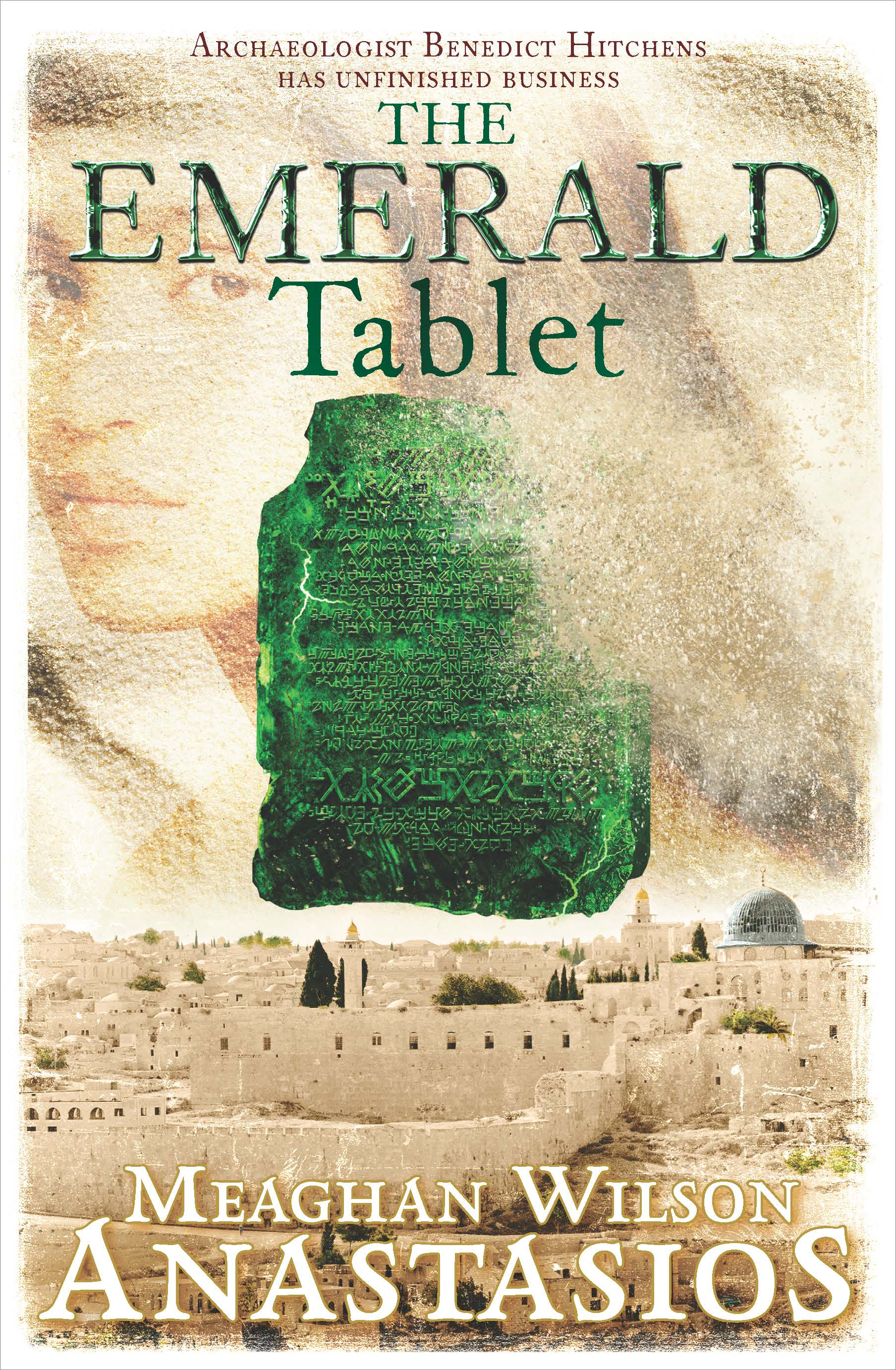
The Emerald Tablet by Meaghan Wilson Anastasios

The Emerald Tablet Cover

Publisher: Macmillan (Trade Paperback – 25 June 2019)

Series: Benedict Hitchens series – Book 2

Length: 404 pages

My Rating: 4 out of 5 stars

Amazon     Book Depository

It’s time for another exciting archaeological adventure in the turbulent 1950s as Meaghan Wilson Anastasios returns with the second book in her Benedict Hitchens series, The Emerald Tablet.

Anastasios is an Australian academic who started writing fiction back in 2014 when she co-wrote her first historical fiction novel, The Water Diviner, with her husband, Andrew Anastasios. This first book was fairly successful and was loosely adapted into a film of the same name featuring Russel Crowe. Last year, Meaghan Anastasios wrote her first solo novel, The Honourable Thief. The Honourable Thief serves as the first book in the Benedict Hitchens series, which follows the adventures of the series’ titular protagonist, Benedict Hitchens, an ambitious American archaeologist living in Turkey.

In The Honourable Thief, Hitchens, a respected academic and war hero, was seduced by the beautiful Eris, who showed him a fabulous collection of artefacts she had apparently recovered. The seduction and the artefacts were revealed to be part of an elaborate con which ended up ruining Hitchens’s academic reputation and forced him to live a life of exile in Istanbul. The incident also provided Hitchens with a series of clues which eventually leads him to the hidden tomb of Achilles. However, this was revealed to be part of a further con: while he was able to find the tomb, Eris and her employer, Garvé, a man who Hitchens had significant history with during World War II, subsequently stole the tomb’s greatest treasure, the Shield of Achilles.

Now, a year later in 1956, Hitchens’s excavation of Achilles’s tomb has helped restore his academic reputation, and his life is back on track. However, he has never forgotten Eris, who still has a hold on his heart even after she betrayed him. When he finds out that Eris, now calling herself Essie, is in Istanbul researching a rare and ancient document, he decides to investigate what she is up to. He quickly discovers that she and Garvé are searching for the Emerald Tablet, a legendary artefact rumoured to hold powerful alchemical secrets that could alter the world.

Determined to keep the Emerald Tablet out of Garvé’s hands, Hitchens begins his own hunt for the tablet. With his friend the crooked antiques dealer Ilhan Aslan at his side, Hitchens follows a series of clues deep into the Middle East. However, this is a dangerous time, as tensions between Egypt, Israel and the European powers are at an all-time high. Hitchens and Aslan soon find that the Emerald Tablet’s trail leads them right into the middle of the chaotic Suez Canal crisis. With agents of the various world powers also searching for the tablet and a murderous assassin following Hitchens’s every move, can he recover the tablet before it is too late, or will Garvé once again outsmart him? And what will happen when Hitchens once again comes face-to-face with the woman who stole his heart?

This was a fantastic follow-up to Anastasios’s first solo novel, and the author has done a great job continuing the story from the first Benedict Hitchens book. The Emerald Tablet has a fast-paced and exciting story focused on the search for an intriguing artefact and featuring an interesting look at a major historical event of the 1950s. In addition, Anastasios tries out some new storytelling methods and a focus on one of the villains from the first novel, which work well to create a fascinating overall narrative. All of this results in an amazing book which I had a fun time reading.

While the first book in the series, The Honourable Thief, employed several separate timelines spread out through the book, Anastasios chose a different format for The Emerald Tablet. This second book is told in a linear way, with the events occurring in a chronological order. This time, however, the story is told from the perspectives of Hitchens and Eris/Essie, who show two different sides of the hunt for the Emerald Tablet.

I really enjoyed the central hunt for the Emerald Tablet that formed the main part of the book. Not only has Anastasios chosen an absolutely fascinating artefact for all the characters to chase but she has created a compelling archaeological and historical mystery surrounding its hidden location. The point-of-view characters are forced to follow a series of elaborate historical clues, many of which can be interpreted in different ways thanks to historical context or locations. Having the two-separate point-of-view characters works incredibly well for this part of the story, as both Hitchens and Eris receive different hints or have conflicting interpretations of the same historical clues, which results in them searching in different locations. This central story is filled with a number of great twists and betrayals, and I quite liked how the protagonists had to contend with agents of the various world powers who have an interest in the tablet for their own ends. Agents of the American, Soviet, British, Israeli and Turkish governments all have a role to play in the adventure, as well as agents of the central antagonist, Garvé. Not only does this increase the action and intrigue of the book but it also raises the stakes of the hunt for the artefact. The reader is constantly left guessing about the location and nature of the artefact Hitchens is hunting for. This was an excellent central narrative for this book, and I had a great time exploring this new archaeological mystery.

Just like she did with The Honourable Thief, Anastasios has chosen a fascinating treasure that the book’s various characters are trying to locate. The Emerald Tablet is an intriguing item out of history and mythology, which is rumoured to hold the secrets to transmutation. The author does a fantastic job of exploring the various myths and theories about the origins and nature of the tablet and the reader gets a great idea of its potential and why it has been hidden. It was a great summary of such an intriguing and unique item from history, especially as the author plays up the mystical side of the whole artefact. There are also outright hints that magic or alchemy, especially the alchemical transmutation of the Emerald Tablet, are real in this universe, which not only makes this story just that little more entertaining, but it could result in some fun adventures in the future. The whole mystical angle also allowed the author to explore some of the occultist groups of the early 20th century, such as the followers of Aleister Crowley, who was quite a peculiar historical figure. Readers will find all of this incredibly riveting, and I felt that these curious subjects added a lot of interest to the overall story.

Anastasios’s use of historical Turkey and Crete was one of the highlights of The Honourable Thief, and I loved that she has once again chosen another captivating historical setting to use as the backdrop for this sequel. While the author does set a bit of The Emerald Tablet in Turkey, this book also explores the Suez Crisis of 1956, as the point-of-view characters spend time in Egypt and Israel and witness some of the crisis firsthand. Most of the course of the war is shown through the excellent use of realistic newspaper clippings set at the front several chapters that showcase how the situation between Egypt, Israel, France, England, the United States and other nations broke down and led to conflict. However, the accounts from Hitchens and Eris reveal that parts of the crisis where instigated as a cover for some of the sides to attempt to seize the Emerald Tablet. This makes for a fun tweak to history which fits the rest of the story quite well. The use of two separate point-of-view characters also allowed for a broader vision of the crisis, as one character mostly viewed it from Egypt, while the other saw it from within Israel, and both characters interacted with members of the country who had opinions about the upcoming conflict. I once again really enjoyed Anastasios’s use of 1950s historical settings, especially the Suez Crisis, and I feel it is one of the best parts of her Benedict Hitchens books.

There is a lot of good character work included in The Emerald Tablet. Not only do we finally get a close look at the mysterious character from the first book, Eris, but we get to further explore the psyche of Hitchens following the traumatic events of the previous book. Eris’s background is revealed in this book and it is a pretty interesting tale. I really enjoyed seeing her side of the story in this book. Not only does it allow the author to showcase this character’s past and her association with the villainous Garvé but we also get to see her motivations for the actions in this book and The Honourable Thief, including her feelings for Hitchen’s following her betrayal of him. Hitchens was already a fairly emotionally damaged character in the first book due to the death of his wife during World War II. However, Eris’s betrayal in the previous book has also had a marked impact on him, and he is obsessed with finding her again. This becomes one of his main motivations in The Emerald Thief, and he goes to extreme lengths to try and claim the tablet before she does, partially to frustrate her and partially in case it leads him to her. Their eventual meeting is an excellent part of the book, and we finally get to see how their relationship might be without the manipulations of Garvé. Certain complications will likely make this relationship an intriguing part of any future books in the series, and I look forward to them reuniting again. Can I also say: thank goodness that Hitchens wised up a little in this book. After some serious blunders from the genius archaeologist in the first book, I was glad that it took a little more to fool him this time.

I feel the need to comment on some of the rather racy scenes that Anastasios included in this book which may prove to be a bit surprising for some readers. Not only is there a rather disturbing ritualistic orgy as part of the story but there was a rather explicit scene in the first few pages of the book that nearly threw me off right at the start. I personally thought that these scenes were a bit unnecessary and somewhat distracting from the main story, but there were some plot reasons for them, and the rest of the story is really enjoyable.

Overall, The Emerald Tablet is an extremely entertaining novel, which does a superb job building on the foundations of the first book in the series. Anastasios has done an outstanding job combining together a fascinating archaeological mystery with emotional character work and an excellent historical setting. The Emerald Tablet is an amazing read, and I look forward to seeing what crazy artefact Benedict Hitchens attempts to find in his next book.

Amazon     Book Depository

The Secret Runners of New York by Matthew Reilly

The Secret Runners of New York Cover

Publisher: Pan Macmillan Australia (Trade Paperback Format – 26 March 2019)

Series: Standalone/Book 1

Length: 328 pages

My Rating: 4.5 out of 5 stars

Amazon

The end of the world has nothing on the horrors of high school in this fast-paced and widely entertaining new book from bestselling Australian author Matthew Reilly.

When Skye Rogers and her twin brother, Red, are forced to move to New York city, they are enrolled in the prestigious The Monmouth School, learning institute of choice for the city’s ultra-wealthy and social elite.  Even among the children of the rich and powerful there exists a well-established hierarchy, and in The Monmouth School, the top of the social ladder are the friends and cronies of the Collins sisters, Misty and Chastity.  Despite only wanting a quiet existence in her new school, Skye finds herself drawn into their orbit against her better judgement.

Skye soon discovers that hanging out with the Collins sisters is very different from the usual high school cliques.  The social group is probably the most exclusive in New York, and it comes with certain privileges.  Thanks to an ancient family secret, the Collins sisters are able to activate an ancient tunnel beneath Central Park that allows teenagers to run through an alternate version of New York: a post-apocalyptic nightmare littered with ruined buildings and filled with crazed survivors.

When Skye and her fellow runners find evidence that the New York they are visiting is actually a future version of their own timeline, they need to find a way to come to terms with the end of the world, especially as the apocalypse appears to be only days away.  As society starts to crumble and the poor rise up against the rich, Skye tries to find a way to use her knowledge of the future to save everyone she loves.  However, Skye is about to learn that her new friends are far more concerned with revenge and are planning to use the end of the world to take her down.

Matthew Reilly is a veteran author of weird and electrifying fiction, having written a number of intriguing books in the last 20 years, many of which fall within the techno-thriller or science fiction genres.  In addition to a number of fun sounding standalone novels, Reilly has also published two substantial series, the Shane Schofield series and the Jack West Jr series.  Matthew Reilly is one of those authors that I have been meaning to check out for some time, as a number of his novels sound absolutely bonkers and really creative.  I am particularly drawn to his 2014 release, The Great Zoo of China, which essentially sounds like Jurassic Park with dragons; his 2013 historical thriller The Tournament; and the books in the Jack West Jr series, which features secret organisations fighting for control of ancient artefacts with world-and universe-ending potential.

I was therefore very excited to get an advanced copy of The Secret Runners of New York, due to its intriguing time travel and armageddon concepts.  I actually really enjoyed The Secret Runners of New York and had a lot of fun reading it.  The book features a surprisingly entertaining use of over-the-top high school drama that actually combines really well with the interesting science fiction elements mentioned above.  The result is an unpredictable and amusing overall story that I had a very hard time putting down and which I powered through in very short order.

The book revolves around the students at The Monmouth School (you have to say the “The”; it’s that type of place), New York’s premier high school for the rich and snooty.  Please remind me to never send any of my theoretical children to any school thought up by Reilly, as the author creates a learning institution that is essentially a viper’s nest of bitchiness, enforced social hierarchy and petty revenge, all of which is enhanced by the fact that the characters are all ultra-rich or have massive superiority complexes.  The quote below from main character Skye, one of the few well-adjusted characters in the book, shows her experiences within the first few minutes at The Monmouth School:

“In the space of a few minutes I’d seen a taunt about sluttiness, a threatened punch to the uterus, some humble bragging by the Head Girl about the school’s social status and a dose of good old-fashioned mean-girl passive aggressiveness from Misty.  School, I reflected sadly, was school no matter how high the tuition fees were.”

I have to admit I did find Reilly’s portrayal of most of the rich teenage girls in this book to be a tad extreme and unrealistic (yes, in a book featuring time travel, that’s what I am finding unrealistic).  I have never been and never will be a teenage girl, but I hope that teenage girls in high school couldn’t possibly be as petty and vicious as the girls portrayed within this book, even if they are the daughters of the uber-privileged.  That being said, I found this over-the-top viewpoint of high school life to be extremely entertaining and it was a fantastic element throughout the book.  Watching the level-headed and somewhat cynical protagonist have to deal with this insanity was a lot of fun, especially when you would imagine most people would be more concerned with the end of the world than with who made out with which guy.  An unbelievably amusing part of the story, these high school elements are great, just try and avoid thinking about it too much.

In addition to the look at the mean girls of high school, I did quite enjoy Reilly’s critique of the ultra-rich and powerful in New York City.  The protagonist finds herself drawn into the world of debutant balls, society politics and the other classy responsibilities of being rich in New York.  Again, this is an interesting part of the story, and the rich characters with their extravagant lifestyles do offer a nice disconnect from reality.  I liked Reilly’s examination of how the rich would be targeted during apocalyptic events such as the one portrayed within this book, and it played nicely into some of the current protests and perceptions of the 1%.  it’s another glorious over-the-top element for this book that provides the reader with a lot of entertainment and a real dislike of most of the privileged characters.

The science fiction parts of this book are incredibly well done and are an excellent part of this book.  Not only is there a devastating cosmic storm that will wipe out most of humanity in hours, but there is an unrelated magical tunnel that the protagonists can use to visit the future.  Reilly does an amazing job creating a devastating and crazy post-apocalyptic New York City for the readers to explore.  I was really impressed with all the brutal descriptions of how the city was in ruins and had been dramatically reclaimed by nature as the infrastructure falls into disrepair, and the whole thing is an amazing setting that Reilly uses to full effect.  I really liked how the author uses the time travel elements within the book.  Watching the protagonists slowly work out that this world is a future version of their own timeline is amazing, and it was great seeing them see all the testimonials and letters from their families describing the events that are yet to happen in their future.  The various time travelling shenanigans used by both the protagonists and antagonists of this book helped enhance this already exciting story, and I loved the way that the characters are able to see the consequences of their actions in both timelines before they actually happen.

The author has also utilised some eye-catching visual elements throughout the book to enhance the story being told.  There are a number of maps used to show the key locations of the book, and there are even a couple of diagrams used to explain the potential time travel issues in this book.  I personally liked the way that the font changed to signify the characters going into a different timeline and thought it was a nice touch.  A range of other text techniques are used to signify angry or desperate messages on different locations, such as walls or the entirety of buildings, often conveying the emotion behind these messages.  All these visual treats are great, and they really make this book stand out.

The Secret Runners of New York is currently being marketed to the teen and young adult audiences, but this book is really on the edge of what young adult fiction is.  While it is focused on teenage characters in high school, there are a significant number of very adult inclusions throughout the book.  It is interesting to note that in an interview at the back of the book, Reilly himself indicates that he does not see this story as being as a piece of young adult fiction, and I think that is shown in the way that he wrote this over-the-top story.  There is a high level of violence, drug use, coarse language and sexual references featured throughout this book, and as a result, I would say it is not really appropriate for the younger audiences and is probably more suited for older teenage readers.  This is definitely one of those young adult marketed books that adult readers can really enjoy, and there is no upper limit on enjoying this crazy tale.

This was an incredibly entertaining and captivating book that I had a lot of fun with.  Matthew Reilly pulls no punches when it comes to portraying the book’s petty and vicious teenage rich girl antagonists, which turns an already intriguing science fiction book into a wild thrill ride of revenge, betrayal and insanity.  I have to say that I quite enjoyed my first taste of Matthew Reilly’s writing and I am extremely keen to check out some of his other works in the future.  At the moment The Secret Runners of New York is a standalone book, although the author leaves a number of storylines open for sequels or prequels, and I would be interested to see where he takes the story next.

Amazon

Heads You Win by Jeffrey Archer

Heads You Win Cover.png

Publisher: Macmillan

Publication Date – 30 October 2018

Amazon

From the mind of one of modern fiction’s most controversial authors comes a two-in-one fantastic and elaborate piece of historical fiction that utilises an intriguing narrative device to create one of 2018’s most unique stories.

Young student Alexander Karpenko is the bright, talented and ambitious child of two hardworking citizens of the Soviet Union.  Living in Leningrad in 1968, Alexander’s dream is to become the first democratically elected president of his country.  However, when he is betrayed and his father is killed by the KGB, Alexander and his mother realise that their only hope is to flee Russia and make a new life for themselves in another country.

Arriving at the docks, Alexander and his mother are given a choice between two different ships: one heading to London or one heading to New York.  The decision is made by the flip of a coin, and Alexander’s life splits into two separate paths: one where he heads to Britain and one where he heads to America.  Alexander arrives in these countries with great ambition and a desire to succeed no matter what.

Over the next 30 years, in both these lives, Alexander finds success in a two separate ways.  He fights his way up from the bottom as a lowly immigrant to an influential person, overcoming obstacles and antagonists along the way.  Both Alexanders’ journeys are inspirational, but no matter what these two Alexanders accomplish, the fate of their home country is always on their minds, and the shadow of the Soviet Union constantly surrounds them.

Jeffrey Archer is a rather interesting individual, with a very eventful and controversial background.  A former British MP, Archer is probably better known for the various accusations of fraud he has attracted throughout his life, and he has even spent some time in jail as a result.  However, rather than let that ruin his public profile, Archer has used his experience and imagination to create a number of fascinating novels, many of which utilise aspects of his political, academic or professional life or expertise to some degree.  As a result, Archer is now one of the most high-profile authors in the world and has written over 20 adult novels, including the three books in his Kane and Abel series and the seven books in his bestselling Clifton Chronicles.  On top of that, Archer has also written a number of short stories, a couple of plays, several children’s books and his Prison Diaries, three non-fiction novels that chronicle his life in prison.

Heads You Win is an extremely fascinating novel from Archer, which takes his protagonist on two separate adventures through over 30 years of American and British history and life.  Archer utilises a very clever divergent timelines narrative device (think Sliding Doors), which creates two separate timelines around the different outcomes of one event, in this case, the outcome of a coin toss.  As a result, in one timeline, the protagonists and his mother get on a ship to London, while in another timeline they board a ship bound for New York.  This is a very interesting concept to utilise in this story, and one that works to create two separate narrative threads to follow.  Both of these storylines focus on the protagonist attempting to find his place in the country that he eventually ends up in, and then moves onto the protagonist becoming a powerful and influential individual in his own way, all the while dealing with the terrible people that seem to inhabit Archer’s world.

I rather enjoyed both of the separate storylines in this book, and had a lot of fun seeing the different or similar ways that the protagonist attempted to make his fortune in each lifetime.  The differences between these two storylines happen right away, as in the London timeline, Alexander and his mother find themselves on a nice ship with a friendly crew who mostly want to help, while the New York timeline finds them in a poorly maintained vessel with a self-serving crew who seek to exploit the two main characters.  I found it rather fascinating to see the way that their treatment and the environments they find themselves in change the way in which they act.  For example, Alexander’s experience in the English setting encourage him to seek the full Cambridge academic lifestyle, while his American counterpart was less focused on his formal education and learned more on the street.

Both of these divergent timelines feature an intriguing look at the cities and countries that the protagonists end up in, and both serve as a good historical backdrop to each of the main storylines, featuring several real historical events and some historical characters.  For example, the Alexander who ends up in the American timeline is forced to fight in the Vietnam War, while the British Alexander rubs elbows with a number of the country’s prominent politicians.  I liked how the divergent ways that the two separate protagonists gained their power and prestige matched the country that there were in.  The American Alexander became rich through his business acumen and financial brilliance, while the British Alexander went the academic route and eventually become deeply involved with the British political system, something close to the author’s heart.  Not only does this help match the locations and people that the protagonist deals with, but it allows the two separate stories to diverge out slightly, with the British storyline containing political intrigue, while the American storyline reads a little bit more like a financial thriller.  While the focus on the protagonist’s two adopted homelands is a great part of this novel, the protagonist’s history in the Soviet Union is a major part of this story.  The initial chapters capture the uncertainty and despair that inhabitants of the Soviet Union would have felt in the 1960s, while the character’s subsequent visits helped highlight the obvious differences between the Soviet Union and the countries that Alexander escaped to.  There is also a rather exciting reveal about one of the Russian characters towards the end of the book that will prove to be the most memorable part of Heads You Win, and is definitely something to look out for.

While I enjoyed the divergent timelines narrative device that Archer employed throughout Heads You Win I did feel that he could have done more with it.  I would have loved to see a bit more crossover between the two separate timelines, and, for example, see how key characters from one storyline would have fared without their Alexander in their lives.  Instead there is minimal crossover between these two separate storylines, which feels like a bit of a missed opportunity.  I am also not the biggest fan of what these quick crossovers revealed, as it strongly hinted that both storylines actually exist together at the same time, and as a result, there are two Alexanders existing in the world at the same time.  This is a bit of a weird twist, and while it does not negatively impact the vast majority of either storyline, it does result in a conclusion that some may find slightly confusing.  As a result, while this did slightly mark down my rating of Heads You Win, the split storyline concept is a fantastic and unforgettable part of this book and makes it quite a distinctive read.

This latest novel from one of the world’s most colourful professional authors is a fun, historical thrill ride that features a very unique and memorable narrative device.  With a great look at two different countries during the same historical time period and featuring two separate by similar stories of life, adversity and success, this is an extremely enjoyable novel that will appeal to a varied range of readers.  Heads You Win is definitely worth checking out, and I am planning to keep an eye out for the next read from Archer.

My Rating:

Four stars

Amazon