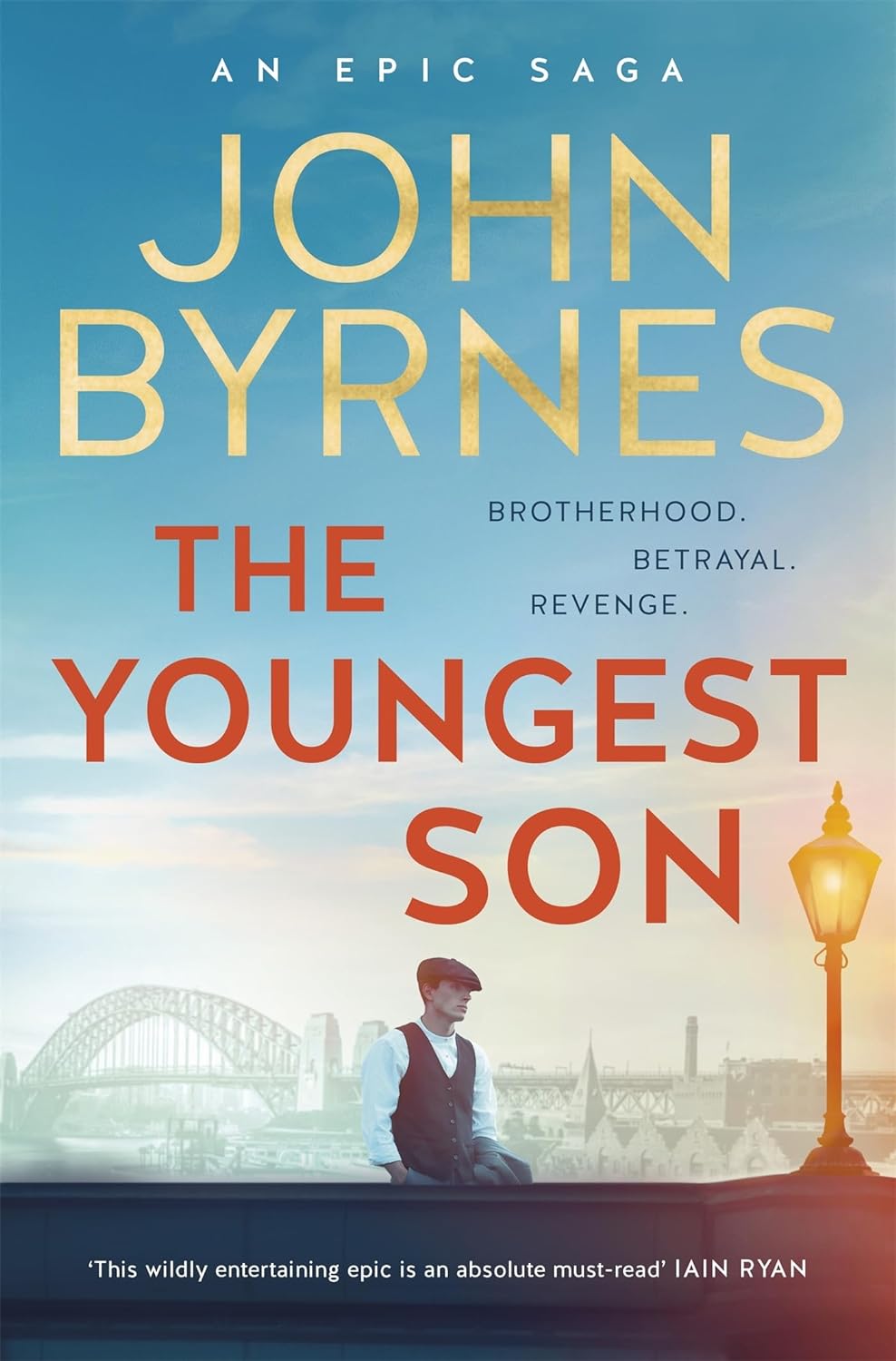
Quick Review – The Youngest Son by John Byrnes

Publisher: Pan Macmillan Australia (Trade Paperback – 30 July 2024)

Series: Standalone

Length: 386 pages

My Rating: 4.25 out of 5 stars

Amazon

Rising Australian author John Byrnes dives into a new genre with the fascinating and compelling historical fiction novel, The Youngest Son, which focuses an exciting and moving narrative around one damaged family.

Plot Synopsis:

On the unforgiving streets of 1920s Sydney, the Leach family have nothing but each other.

In a tale spanning decades, three children of the broken, working-class family find adventure, heartache and trouble as their lives drift apart.

John finds faith and love at a young age. The inevitable clash between the two leads him into a different kind of brotherhood as war clouds gather.

Maureen dreams of a life ‘just like the movies’ and waits to be swept off her feet. Yet at every crossroad, she makes the wrong choice.

Bob discovers a natural talent with his fists and an instinct for trouble. But with every win he earns the hard way, more enemies rise.

From police corruption and gambling dens to brothels and blood feuds, the Leach family toil in Sydney’s seedy underbelly and on battlefields far away. Against the backdrop of the Great Depression and the Second World War, The Youngest Son chronicles one family’s mesmerising fate in a grand saga and a masterclass in epic storytelling.

The Youngest Son was a fast-paced and addictive novel that cleverly followed the youngest members of a disadvantaged working class 1920s Sydney family through the highs and lows of early 20th century Australian history.  Byrnes, who really impressed me last year with his first novel, the gripping modern thriller Headland (one of my favourite debuts of 2023), did an outstanding job diving into the historical fiction genre, and I enjoyed the excellent and personal story that emerged.

The plot of The Youngest Son works very well, as Byrnes follows the varied lives of the three Leach children, John, Maureen and Bob, as well as a raft of other entertaining and complex characters.  Starting in the 1920s and continuing towards the end of World War II, The Youngest Son’s narrative splits between each of these primary characters and follows the highs and lows of their lives.  This includes the criminal activities of the youngest son, Bob, whose career fighting for Sydney’s criminal underbelly leads him into trouble time and time again.  The oldest son, John, attempts to live a good life and join the church, but misfortune and deceit instead lead him towards the horrors of war.  Finally, the daughter of the Leach family, Maureen, tries to find the excitement and glamour missing from her working-class life, but finds only heartbreak and bad decisions as she is constantly led along the wrong path in life.  Each of these characters experience conflict, betrayal, and tragedy as they attempt to find their way in life, and it helps produce one hell of a story.

I really enjoy historical fiction books that follow the lives of multiple characters as they follow their own path amid the backdrop of real-life history, and it is a format that has served many authors, such as Ken Follett, Jeffrey Archer and Peter Watt extremely well over the years.  Byrnes is another great author who perfectly utilised this story telling method, and I had a lot of fun getting to know the Leach family and their various friends and associates.  The author pulls together a great layered narrative, and I loved the mixture of story elements that emerged, including personal stories of self-discovery, a gritty war narrative, and a continued dive into the criminal underbelly of Sydney during the 1930s and 40s.  While all these major storylines are great in their own way, I personally found myself drawn more to Bob’s narrative, mainly because his dangerous dive into the world of underground boxing is full of excitement and action.

Each of the three main protagonists have intriguing journeys in their respective chapters, and I deeply enjoyed where each of their specific storylines go.  All their story arcs have a great mixture of success, tragedy and self-discovery, and you grow attached to all of them as a result.  The storylines also blend into a fantastic major narrative, and while for the most part they are kept separate from each other, they play off each other well, ensuring that readers get a good mixture of emotions and different experiences, as well as alternating character highs and lows.  Byrnes also makes excellent use of the 1930s and 40s background setting throughout The Youngest Son, and the author ensures each character’s story cleverly evolves to face the various changes occurring around Sydney.  The entire narrative goes in some interesting directions, and you willingly follow these characters wherever they end up, even if that leads you even deeper into tragedy.

While the three main characters are all entertaining in their own ways, I felt that the fourth perspective character Byrnes added in really helped to make The Youngest Son especially special.  This fourth character is the villainous Vince, a cowardly street thug who makes a big impact on the Leach family’s lives in different ways.  Vince proves to be a great recurring antagonist, and his slimy story of success blends in well with the alternating fortunes of the Leach children while also providing some real entertainment value.  You really cannot help but dislike Vince as he succeeds, but you really can’t look away as he succeeds, especially as his various dastardly and snivelling interactions with the other characters, primarily Bob and Maureen, prove to be excellent bridges between these protagonist’s respective storylines.  I really appreciate how Byrnes wove the story of Vince amongst the other major narrative threads of The Youngest Son, and the use of the excellent antagonist continuously moves the plot in the best direction, including with the big finale.

Overall, I felt that this was a great book from John Byrnes, who created an amazing and captivating novel with The Youngest Son.  A slick and easy-to-read novel with some real heart that makes excellent use of its impressive character-driven narrative, historical setting, and engaging protagonists, The Youngest Son is an awesome book to get lost in, and it was fantastic to see how Byrnes has grown as an author.
Amazon

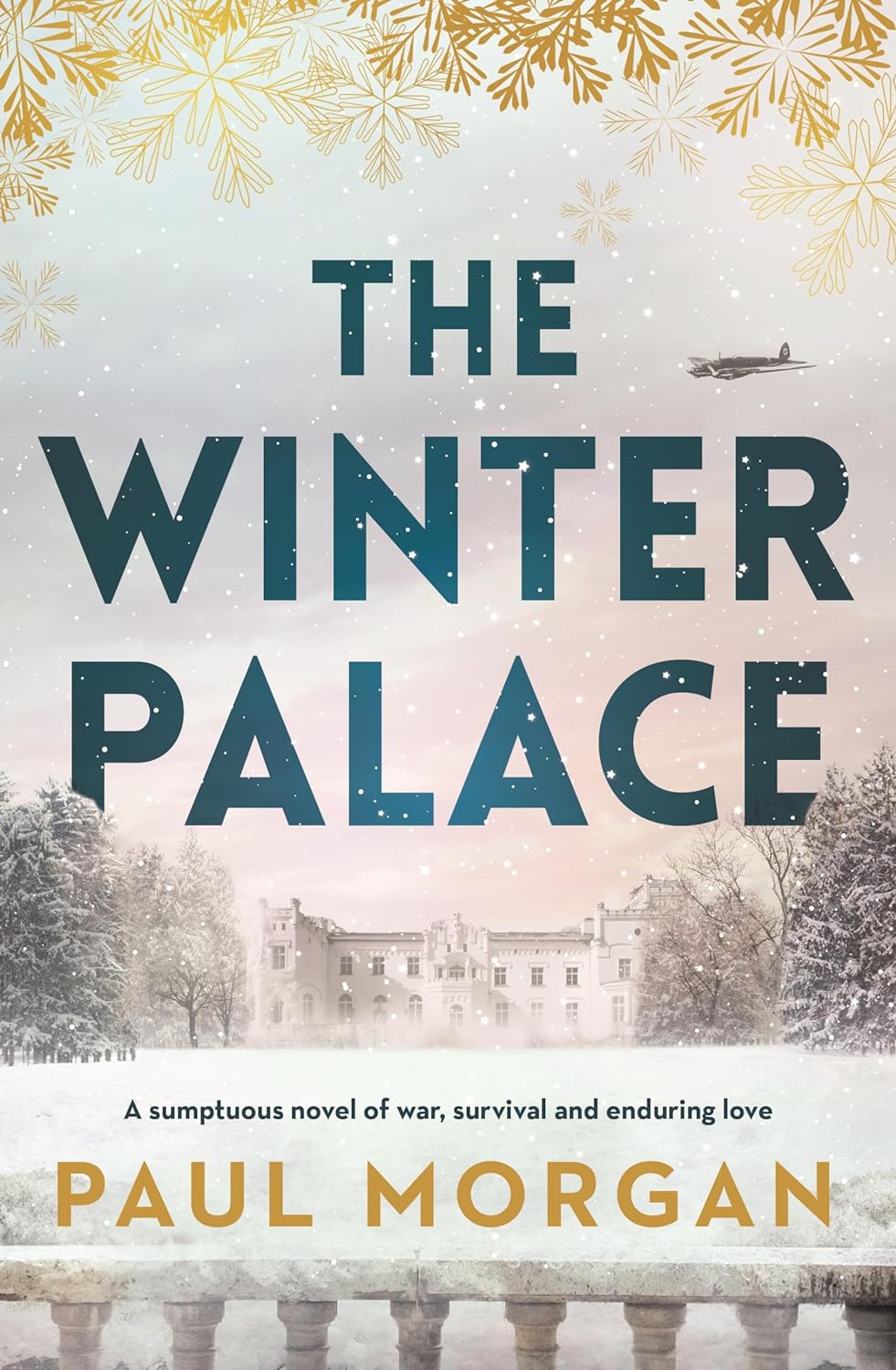
Quick Review – The Winter Palace by Paul Morgan

The Winter Palace Cover

Publisher: Penguin Books (Trade Paperback – 26 March 2024)

Series: Standalone

Length: 329 pages

My page: 4.25 out of 5 stars

Amazon

Compelling Australian author Paul Morgan presents an intense and intriguing historical drama that examines the tragic lives of a Polish husband and wife who find themselves torn apart by war and circumstance in The Winter Palace.

Plot Synopsis:

If he had died, I would know it in my heart.

In 1939, Anton, a captain in the Polish army, says goodbye to his wife, Elisabeth. He is leaving to defend their homeland against the invasion by Nazi Germany and Russia. They make a vow that – whatever happens, however much time passes – they’ll meet again at the Winter Palace, their stately home in the Polish countryside.

The winds of war draw them far apart. Anton is captured and sent to Siberia as a POW. He eventually joins a lost army that battles through snowstorms and scorching deserts in Central Asia to find freedom. Anton survives, driven by his determination to join Elisabeth again. She, meanwhile, is forced to be the ‘mistress’ of a Nazi officer before escaping to join the Polish resistance.

As the war ends, Anton and Elisabeth are at the opposite ends of the world. Anton is in Australia. Elisabeth is in Poland, awaiting his return for months and then years. Will they ever meet again at the Winter Palace?

From 1930s Europe to present-day Australia, this is a sweeping story of love that cannot be broken by time, distance, war or even death.

Morgan came up with a powerful and captivating tale in The Winter Palace which really hits hard.  Following Anton, a Polish military captain, and his wife Elisabeth, The Winter Palace features a well-planned-out split protagonist storyline that shows their respective dark journeys during the destructive chaos of World War II.

Both character-focused storylines are interesting and dark in their own ways, especially as the two protagonists go through hell and back as part of their respective war stories.  Anton’s plot follows the fate of the Polish soldiers who were captured during the joint Nazi and Soviet Invasion.  In Anton’s case, he experiences being a Soviet POW, a reluctant Soviet soldier fighting the Nazis, and then a member of the Allies when the Soviets send their freed Polish soldiers to Palestine.  Elisabeth’s story is more Poland focused, as she is forced to become a Nazi ‘mistress’ before escaping and finding purpose, first as a nurse, and then as a member of the Polish resistance.  Both storylines go in some very compelling directions, as the protagonists experience major traumas, tragedies and struggles, all while the two characters are convinced that they will never see their spouse again.

I honestly have a hard time saying which of these two storylines was my favourite, as both hit you in different ways.  Anton’s was possibly the more interesting to me as a fan of military history, and I found his constant struggle to survive the direct imprisonments he experienced to be both moving and intense.  There are some very direct tragedies in Anton’s experiences, including a particularly dark moment in the first half of the book, and I really found the story of the captured Polish soldiers to be extremely fascinating.  However, the other half the book that focuses on Elisabeth is just as dark, if not even more traumatic, especially as the protagonist experiences evil she can’t fight back against, at least not at first.  Watching her overcome her constant oppression and pull together a satisfying life that allows her to help people on many fronts was particularly inspiring, and I really enjoyed how her arc came together.

While these storylines are separate for the entirety of the plot, I felt that Morgan did a good job playing them off each other. The corresponding tragedies, the near misses in finding out each other’s fates, and the decisions they make as a result are all moving and captivating, and you are constantly enthralled to see if or how they will get back together.  I think that the ending Morgan left the book on was particularly moving, and it fit the overarching themes of the tragedy of war and not knowing about those left behind.  I also appreciated how Morgan didn’t overuse the trope of Australian descendants finding out the wartime secrets of their parents or grandparents.  Instead, readers were given a simple but highly effective connection to the present that ended the story on a thoughtful and peaceful note that was a great conclusion to such an intense story.

I really must emphasise how impressed and intrigued I was by some of the historical elements captured in The Winter Palace.  Morgan does an amazing job of showcasing various alterative experiences suffered by the Polish, from the initial invasion all the way up to the end of the war.  This includes a great rundown of how many citizens, especially women, were abused in Poland as the troops rolled in, which ensured a dark aura around the potential homecoming many characters were hoping for.  However, I found the historical details of the Polish soldiers and civilians captured in the opening days of the invasion to be the most interesting.  Watching the various hardships and journeys that these individuals had to go through during the war, including being POWs, having to fight alongside their former captors against the Nazis when they found themselves on the same side as the Soviets, and the transfer of their army to the Middle East to serve with the Allies on the Western front was extremely fascinating and it was an part of history you don’t see often in fiction.  These historical details from Morgan where some of my favourite parts of the book, and I deeply appreciated the compelling story he told around them.

Overall, The Winter Palace by Paul Morgan was an outstanding and compelling historical drama that really grabbed my attention.  Powerful, unflinching and focusing on a complex and dark period of our history, this was an emotionally charged and excellent read that is really worth checking out.

Amazon

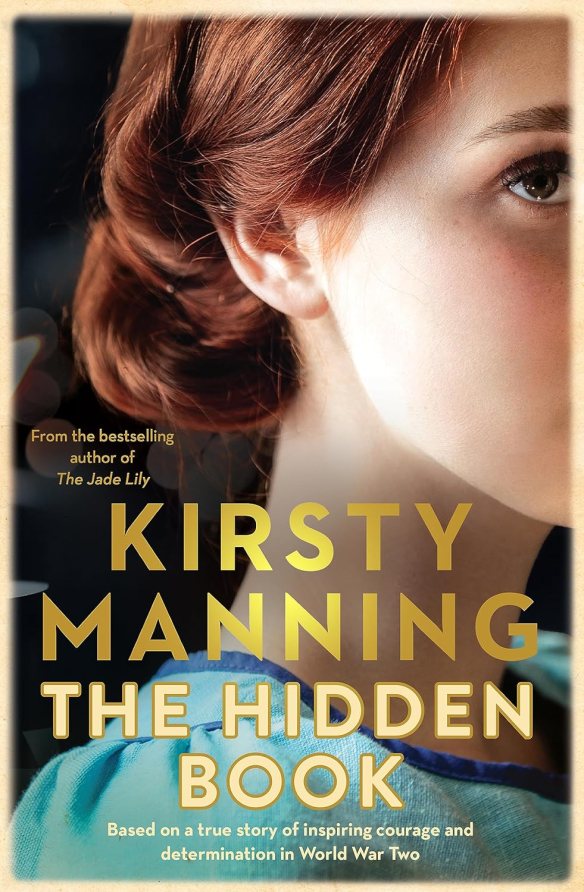
Quick Review – The Hidden Book by Kirsty Manning

The Hidden Book Cover

Publisher: Allen & Unwin (Trade Paperback – 29 August 2023)

Series: Standalone

Length: 312 pages

My Rating: 3.75 out of 5

Amazon

Australian author Kirsty Manning presents an emotionally charged and compelling historical drama that follows a beleaguered group of protagonists during and after the horrors of World War II with The Hidden Book.

Plot Synopsis:

Europe, 1940

 Imprisoned in the Mauthausen concentration camp in Austria, Spanish fighter and photographer Mateo Baca is ordered to process images of the camp and inmates for a handful of photo books being made for presentation to top Nazi figures. Just five books in total, or so the officials think …

Mateo manages to make a secret sixth book and, with the help of a local woman, Lena Lang, it remains hidden until the end of the war.

Australia, present

 When thirteen-year-old Hannah Campbell’s Yugoslavian grandfather, Nico Antonov, arrives in Australia to visit his family, one of the gifts he brings with him is an intriguing-looking parcel wrapped in calico cloth which Roza, Hannah’s mother, quickly hides.

Later, Hannah sneaks off in search for the mysterious package. She is horrified to find in it a photo book full of ghastly historical photographs of a terrible place full of people suffering.

At first Hannah has little context for what she sees, but over the years as she experiences love, grief and trauma, she understands what these photos came to mean, for herself, her freedom and for those who risked their lives to ‘bear witness’ to history.

A startling story of clandestine courage and treachery in World War Two, and how we must meet and overcome our pasts to move into our futures.

This was a great piece of historical fiction from Manning, who has written several other intriguing novels in this genre over the years.  The plot of The Hidden Book is interesting as it combines a harrowing story of people caught up in the Holocaust with a complex narrative of a young person trying to understand the horrors they came from.  Half the novel follows several characters either imprisoned at the Mauthausen concentration camp, or living in the surrounding area, as they work together to record and smuggle out pictures of the atrocities being perpetrated against them.  The second storyline follows Hannah, the grandchild of one of the characters from the first storyline, who grows up in Australia, constantly wondering about the secrets of her grandfather’s book of pictures, and who finds her life defined by it.

Both of these storylines are interesting in their own way, and I think that Manning did a pretty good job of bringing them together into a fantastic overall story.  The half of the book, set in Mauthausen, is suitably dark and nerve-wracking, as you are constantly bombarded by the fear and determination of the characters imprisoned there in one shape or another.  This part of the book is an interesting retelling of real historical events surrounding Mauthausen, and Manning brings together a great group of characters here, including a sadistic camp commandant and a family of anti-Nazi locals who are afraid the Nazis will find out about their mentally impaired daughter.  This compelling and dark storyline serves as an excellent basis for much of The Hidden Book’s plot, and it leads into the second plot line extremely well.

This secondary plotline involves the character of Hannah Campbell finding her grandfather’s photo album covering the atrocities at Mauthausen and spending the rest of her life trying to make sense of them.  While I am not the biggest fan of historical dramas that rely on descendants finding old material from their ancestors (it is a bit of an overused story device), Manning presented some interesting storylines around it.  In particular, she uses it as a key part of Hannah’s coming-of-age storyline, as she experiences the highs and lows of life from childhood to parenthood.  Manning tells a great story of growing up in Australia, including country living and city life, and while parts of this storyline is are very frustrating, and it serves as an interesting counterbalance to the Holocaust tale while also providing insights into how the younger generations view the Holocaust and how knowing your history and change your present.

I enjoyed how well these two separate and distinctive storylines come together throughout the course of The Hidden Book.  The intensity, conflict and drive for survival in the historical part of the novel is well offset by a different layer of emotion in Hannah’s life story, and I liked the constant looks back to the past.  This proved to be a fast-paced and easy to read novel, and I liked the blend of characters, historical elements and two very different background settings that emerged.  Despite all that, I didn’t get amazingly emotionally invested in the plot, and I think parts of Hannah’s storyline slowed down the pacing at times.  Overall, I thought that The Hidden Book by Kirsty Manning was an intense and compelling read that I had good time with.  An excellent read for fans of historical drama, especially those that combine dark pasts and hopeful futures into powerful character driven narratives.

Amazon

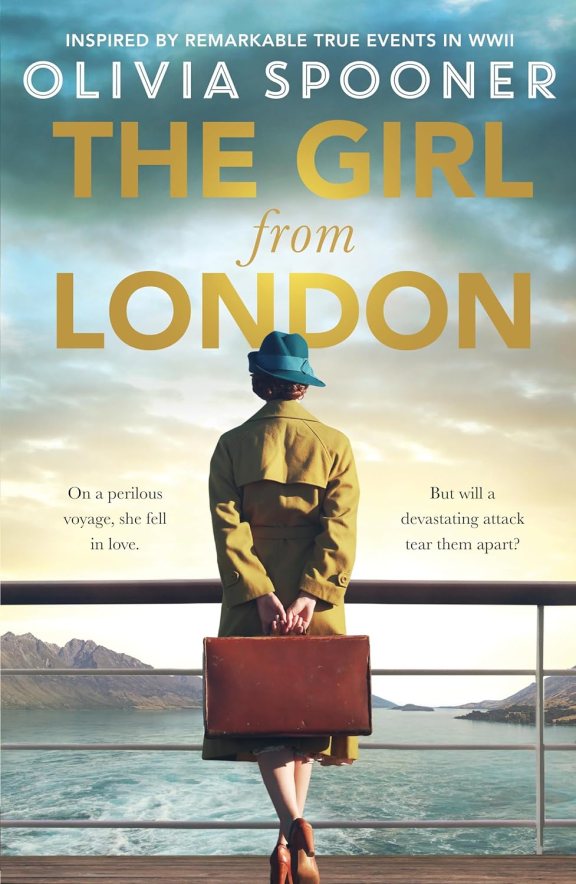
Quick Review – The Girl From London by Olivia Spooner

The Girl From London Cover

Publisher: Moa Press (Trade Paperback – 14 November 2023)

Series: Standalone

Length: 314 pages

My Rating: 4.25 out of 5 stars

Amazon

Fantastic New Zealand author Olivia Spooner presents her first dive into historical fiction, with the intriguing and clever historical drama, The Girl Form London, an outstanding read that proved quite fascinating.

Plot Synopsis:

London, 1940. Ruth, a young schoolteacher, volunteers as an escort helping to evacuate children from war-torn England to Australia and New Zealand. Her three-month voyage is fraught – their passage is perilous, and the children anxious and homesick. Nine-year-old Fergus is more troubled than most and Ruth forms an unexpected bond with the boy.

It’s not just Fergus who captures Ruth’s attention. Bobby, a fellow volunteer who initially infuriates Ruth with his laidback charm, somehow gets under her skin and throws her ordered life into chaos.

Tragedy strikes on their return voyage, when the Rangitane is attacked by German raiders. As the ship goes down, the surviving passengers are taken as prisoners of war aboard the German vessel. To the rest of the world, they are missing, presumed dead.

New Zealand 2005. Hazel boards a plane to London, eager to explore Europe. Sitting next to her is a man named Joe. On her lap is a treasured book from her grandfather, Fergus. A book that will finally reveal Ruth’s story.

A captivating, heart-wrenching story of love, loss, and the resilience of the human spirit that will stay with you long after you turn the final page.

This was an outstanding novel from Spooner that took the reader on an enchanting and tragic adventure during some very distinctive moments from World War II.  Spooner chose to tell The Girl From London’s narrative through the somewhat overused medium of a young person in modern times learning about the struggles their older relatives went through during the war.  However, I rather enjoyed Spooner’s take on this writing trope by having her modern characters getting invested in a novel that covers the adventure of Hazel’s grandfather and the people that were important to him as a child.  This not only allowed the author to dive back into the unique story generated in the past but also allowed for a quite good and heartfelt romance story to occur in the present as Hazel and Joe have a meet-cute which develops naturally into a compelling, complex relationship.

While this modern storyline was interesting, I much preferred the storyline set in the past surrounding Ruth’s journey from England to Australian and New Zealand and then the tragic events aboard the Rangitane.  That entire journey away from England was pretty darn fascinating, and I loved the captivating details of how the children were being transported to safety, the inherent tragedy of their journey, and the complicated figures who volunteered to help escort them to a new life.  Spooner covers the historical aspects of their journey extremely well and the first half of their story is quite powerful and lovely, especially as she takes the time to explore the various characters, their developing relationships, and their complex motivations for being on the ship.

The Girl From London takes a fascinating turn once the main characters start the second part of their journey aboard the Rangitane.  The historical events covering the sinking of this ship off the coast of New Zealand during the war is absolutely amazing, and despite a love for history and a good knowledge of World War II history, I had personally never heard of the Rangitane before.  As such I was really enthralled by this real-life tale, and Spooner told it magnificently, examining the taking of the ship in detail and showcasing all the remarkable events that followed.  While these events in themselves are fascinating, Spooner makes them even more compelling by tying her great characters into this historical event.  By this point of the book, you’ve come to care for the characters, so having them involved in this tragedy really raises the stakes for the reader, especially as you know something bad has to happen to Ruth at some point.  This entire part of the book was pretty remarkable, and I really got caught up in how everything unfolded.

I think that Spooner did a pretty good job of bringing the two separate storylines together in an effective and enjoyable way.  As I mentioned above, I liked Spooner’s version of the relative finding out their grandparent’s story here, and the constant breaks in the World War II storyline to explore Hazel and Joe’s burgeoning relationship gave the story a distinctive flavour.  Honestly having her grandfather’s story not become Hazel’s entire identity was quite refreshing compared to other historical dramas I’ve read and I liked the mixture of storylines that emerged.  Still, it was good to get some closure on the main storyline surrounding Ruth, and I liked the emotionally powerful way that Spooner chose to have her story be told.  The ending is both tragic and heartwarming in all the right ways and this ended up being quite an excellent read.

Overall, The Girl From London is a wonderful and compelling historical drama that I had a fantastic time reading.  Olivia Spooner produced a compelling and emotionally charged narrative, that examines romance, sacrifice and the power of choices across the generations, while also diving into a fascinating historical event.  This ended up being an amazing book and Spooner definitely showcased her ability as an author in her first foray into historical fiction.

Amazon

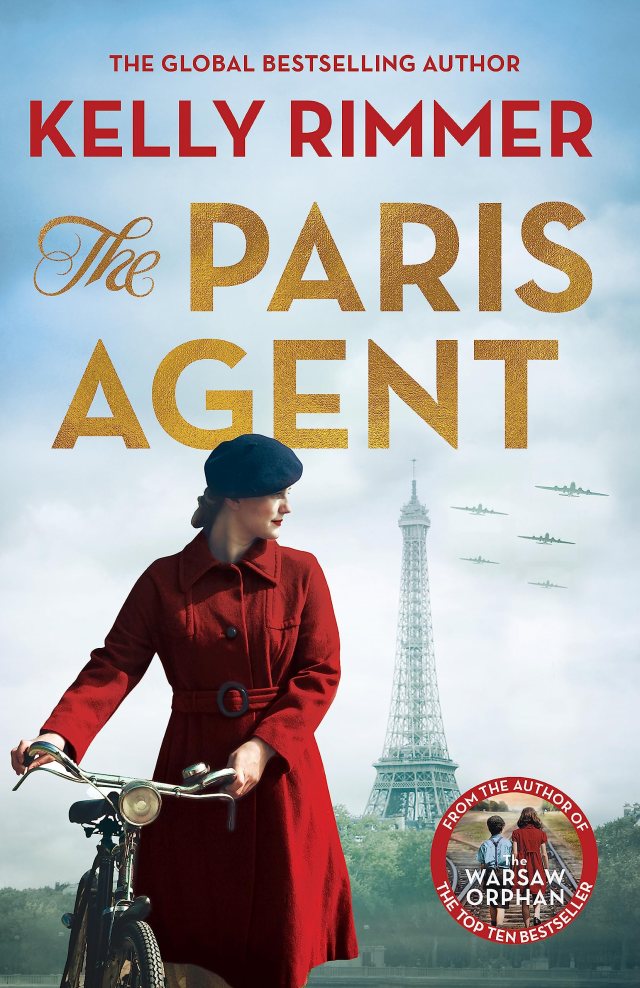
Quick Review – The Paris Agent by Kelly Rimmer

The Paris Agent Cover

Publisher: Hachette Australia (Trade Paperback – 28 June 2023)

Series: Standalone

Length: 337 pages

My Rating: 4.5 out of 5 stars

Amazon

One of Australia’s premier authors of historical fiction, the supremely talented Kelly Rimmer, returns with another moving and intense novel that dives into the horrors of World War II, The Paris Agent.

Over the last couple of years, I have been deeply impressed with the works of Kelly Rimmer, a well-established Australian author whose previous novels have been excellent historical dramas set during the Second World War.  Rimmer’s books are pretty spectacular, as they masterfully blend powerful personal stories with intense depictions of key parts of the war, especially those involving the evils of the Nazi regime.  Her last two books, The Warsaw Orphan (one of my favourite Australian books of 2021) and The German Wife (one of my favourite books and Australian books of 2022), were exceedingly moving, and I now make it a point to grab her new books each year.  Her latest novel, The Paris Agent, presented the reader with an interesting new story, one that focuses on female espionage agents in occupied France.

Plot Synopsis:

Two otherwise ordinary women become spies in WWII France in this sweeping new novel of historical suspense by New York Times bestselling author Kelly Rimmer

Twenty-five years after the end of the war, ageing British SOE operative Noah Ainsworth is reflecting on the secret agent who saved his life when a mission went wrong during his perilous, exhilarating years in occupied France. He never knew her real name, nor whether she survived the war.

His daughter Charlotte begins a search for answers. What follows is the story of Fleur and Chloe, two otherwise ordinary women who in 1943 are called up by the SOE for deployment in France. Taking enormous risks with very little information or resources, the women have no idea they’re at the mercy of a double agent within their ranks who’s causing chaos.

As Charlotte’s search for answers continues, new suspicions are raised about the identity of the double agent, with unsettling clues pointing to her father.

This was another powerful and clever novel from Rimmer, who takes on another aspect of World War II and weaves together an outstanding story.  The focus on Allied female spies being dropped into occupied France is a well-established and highly utilised topic in historical fiction and historical dramas, and Rimmer manages to produce a very distinctive read in The Paris Agent that I found very hard to put down.

To tell her story, Rimmer utilises an excellent multi-perspective narrative, with some interesting time differences also added in for each of the timelines.  The first timeline, shown from the perspective of Charlotte, is set in 1970, and follows the protagonist’s attempts to find out more about her amnesic father’s activities during the war after she finds out he was a spy in France.  The other two storylines focus on the characters of Fleur and Chloe respectively.  Both characters were dropped into France at different points of the war to do their own specific missions, including committing sabotage and investigating reports that the local network had been compromised.  These two past storylines are set across a couple of years in the war, with the two protagonists interacting with each other, and Chloe’s father, Noah, at various points, and together the three storylines wrap together to provide a complex and powerful narrative of espionage, personal relationships, and betrayal, all set in front of the brutal Nazi occupation of France.

All three stories are brought together throughout the course of The Paris Agent, and I liked the complex and intriguing narrative threads that emerged.  The risks and sacrifices of the characters during the war are pretty intense, and the emotional connections that they make bring a compelling balance to the dark story elements of espionage and betrayal.  The third storyline that focuses on Charlotte and her father is also very good, both on its own and for how it supports and enhances the other two plot lines.  This more modern storyline gives some great hints at the tragedy to come in the other storylines, while also underlying further the cost that these intelligence agents had to make.  The intriguing hints that Noah might have been a traitor responsible for terrible events is very compelling, and it is fascinating to see the impact that the war was still having on survivors like him.

The two storylines in the past eventually come together in the last quarter of the novel, and some of the compelling twists that come from this are moving and dark.  The identity of the traitor, while not overly surprising, does have some major emotional heft to it, and you can’t help to despise the antagonist, especially as Charlotte’s storyline serves to underline all the terrible things they did.  Both the Fleur and Chloe storylines end on a very tragic, if inspiring, note, and readers will come away from that exceedingly saddened but impressed by how well written these storylines were.  I did think that the ending of the Charlotte storyline was a little weaker, mainly because it relied on a little too much on coincidence, and I think that the author left some intriguing story opportunities closed.  Still, I really appreciated how cleanly and powerfully these three separate storylines came together, and it resulted in an overall exceptional read.

Rimmer utilises some intriguing writing elements to ensure her story is extra impactful.  As I mentioned before, the use of multiple character perspectives and timelines was a major part of this book, and I was mostly happy with how that turned out.  I must admit that I am not the biggest fan of historical novels that features a storyline where someone in the present day attempts to uncover family secrets, as frankly it is bit of a cliché at this point.  However, I think that Rimmer did a good job here, as it was set far closer to the war, and the family secrets that the protagonist is trying to uncover are the result of amnesia, which is well balanced by the potential spy aspect.  The rest of the story flows through extremely well as a result, and I loved how cleverly the separate wartime storylines interacted and enhanced each other, especially when it came to Noah’s connected story and the examination of the potential treachery.

However, one of the best things about The Paris Agent for me was the outstanding and deep portrayals of the Nazi occupation of France and the espionage efforts the Allies utilised in response.  Rimmer always excels at diving into some of the darkest and most intriguing parts of World War II history, and The Paris Agent was another great example of this.  The author provides some intriguing examinations of how the Nazis controlled France during the war, and Rimmer tries to showcase the occupation from several different sets of eyes in various French settings.  However, the real focus of the book is on the intelligence networks that the Allies set up in France during the war and the missions they engaged in.  This compelling part of the war is always rich ground for historical fiction authors, and I think that Rimmer’s take on it was particularly noteworthy.  She really captures the intensity and dedication that these agents had, as well as the constant risk that they found themselves in.  The focus and portrayal of tradecraft, intelligence gathering, and communication was very realistic, and I cannot emphasise how well each of the major spy protagonists were developed and featured throughout the book.  Of course, as this is a Rimmer book, The Paris Agent does get very dark in places, mainly when it comes to the fate of captured spies and intelligence agents.  Rimmer pulls no punches when it comes to how badly these prisoners were treated, nor when it comes to the terrible fates they experienced.  The fact that many of the characters are based on real historical people makes parts of the book hit even harder, and you really won’t come away from The Paris Agent without a tear in your eye.

Kelly Rimmer continues to showcase why she is one of Australia’s best writers of intense and moving historical fiction.  The Paris Agent was an excellent piece of historical drama that features a powerful and compelling story about spies, tragedy and betrayal.  Cleverly written and guaranteed to stick with you long after you’ve finished reading it, The Paris Agent is an outstanding and highly recommend book that I am really glad I got to experience.

Amazon

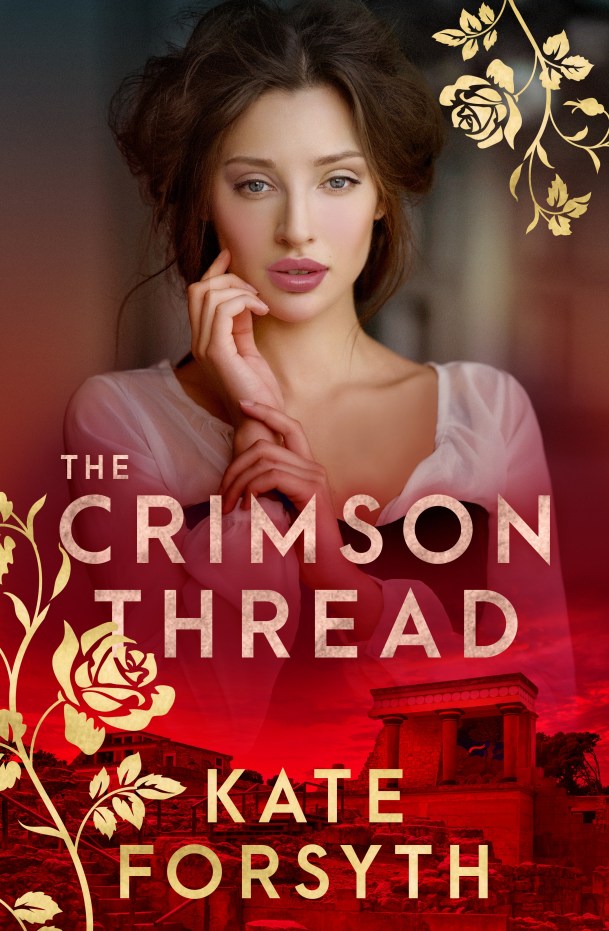
The Crimson Thread by Kate Forsyth

The Crimson Thread Cover

Publisher: Vintage Books Australia (Trade Paperback – 5 July 2022)

Series: Standalone

Length: 360 pages

My Rating: 4.5 out of 5 stars

Amazon     Book Depository

One of Australia’s premier authors presents another compelling and powerful historical drama with The Crimson Thread by Kate Forsyth.

Kate Forsyth is a very talented Australian author whose work I have long been a fan of.  While Forsyth is best known these days for her intense historical dramas, I personally am a big fan of her The Witches of Eileanan series, which I read when I was younger.  The Witches of Eileanan books, which were Forsyth’s debut series, follows a group of powerful magical users in a troubled fantasy realm filled with dragons, mages and monsters, as they attempt to overthrow a dark anti-magic tyrant and save the world from multiple impending threats.  Filled with great characters, impressive magic, a complex setting and some brilliant and occasionally dark storylines, this was a particularly awesome and epic series, and it was among the earliest fantasy books that I ever checked out.  I deeply enjoyed The Witches of Eileanan books and the sequel Rhiannon’s Ride series, and I have been meaning to reread them all for a while.  In the meantime, I decided it would be good to check out one of her more recent works with The Crimson Thread.  This intriguing and captivating historical drama is a lot more consistent with Forsyth’s current writing focus and I was very interested in seeing something from this genre.

By May 1941, the Nazis have conquered Greece and the island of Crete lies before them as the next land to control.  As the island prepares for invasion, young Cretan woman, Alenka, attempts to find some semblance of normality amongst the chaos, but chance meetings with two Australian soldiers stationed on the island will change her life forever.  When the Germans finally invade Crete in a massive and long-running battle, Alenka finds herself stuck in the middle of the fighting and eventually chooses to hide the Australians when the Germans win.

These two soldiers are Jack and Teddy.  Lifelong best friends, the rambunctious Teddy and the shy, scholarly Jack, joined the army together to see the world, only to get caught up in the chaos of the war.  Separated during the retreat to Crete, Jack and Teddy manage to reunite on the island, with both falling for the alluring Alenka upon meeting her.  When the Germans invade and they are trapped behind enemy lines with no hope of escape, both go to ground, seeking out help from Alenka and her allies in Crete’s resistance movement.

As the Germans tighten their hold on the island, Alenka, Jack and Teddy find themselves in constant danger as they attempt to find some way for the Australians to escape.  However, their attempts to evade the Nazis are not their only trouble, as Jack and Teddy’s once close friendship starts to deteriorate through jealously and anger.  Worse, Alenka’s brother, Axel, is a dangerous Nazi collaborator, whose long simmering anger and resentment threatens everything Alenka holds dear.  As Axel searches for a way to destroy his sister and her friends, all will be forced to make some hard choices, both on the battlefield and in love.

This was a deeply moving and highly detailed historical drama from Forsyth that I had a wonderful time reading.  Balancing a captivating historical tale of invasion in a unique World War II setting with a powerful tale of romance, broken friendships and family betrayals, The Crimson Thread is an outstanding novel which really highlights Forsyth’s impressive skill as an author.

The Crimson Thread has an excellent and fast-paced narrative that quickly drags readers in with the wartime action and keeps them there with the subsequent drama and tragedy.  Told from various intriguing perspectives, The Crimson Thread does a great job of quickly introducing you to the key characters and settings before bringing the terror in the form of a sudden and devastating Nazi invasion.  What follows is captivating tale of survival, endurance and resistance, as the three central protagonists attempt to evade and outwit the occupiers while also dealing with their own simmering feelings of love, betrayal and jealousy.  Forsyth weaves together some hauntingly tense and moving scenes throughout this narrative, as you see the characters thrust into all manner of dangerous and tragic circumstances amid the horrors of war.  The entire narrative has an excellent blend of action, high-stakes espionage and deep personal drama that I found myself really drawn to, all of which fits together perfectly with the distinctive setting and period.  The entire narrative takes place over the course of several years, and I deeply appreciate the long-term storylines that Forsyth utilised as you got to see the various characters grow and change throughout the war, often for the worst.  I loved the focus on camaraderie, identity and historical pride that was worked into the story, and all the unique plot points come full circle by the end.  Forsyth ends the entire excellent story of survival and war on a tragic, but hopeful note, and while you may end up with some conflicting feelings about the fates of some of the focal characters, readers are going to come away from The Crimson Thread both moved and satisfied with the story conclusion.

One of the things that I have always appreciated about books set during World War II are the sheer number of unique stories that can be written, as there were so many different battlefields, conflicts and personal dramas that resulted from them.  While I am fairly knowledgeable about history and World War II, I honestly knew very little about the occupation of Crete during the war, nor did I realise that Australian and New Zealand soldiers were stationed there when the Germans invaded.  As such I was pretty in the dark when it came to the historical context of the novel, but Forsyth was well on hand here and spent substantial time exploring the entire Nazi conquest and occupation of Crete during the war.  Everything is covered here, including the initial 11-day battle to take control of the island, the subsequent disorganised evacuation of Allied forces, the harsh occupation of the Cretans, which included several massacres, the resistance movements, and everything else that occurred from first day to the end of the war.  I was particularly intrigued by the role that Australian troops played during this conflict, and Forsyth made sure to really highlight why they were there and the various hurdles they faced during this war, including being trapped behind enemy lines with few options to escape.  All of this is worked into the story in a clever and impressive way, and the various characters find themselves involved in many of the key events, either as witnesses or participants.  You really find yourself getting drawn into the midst of these compelling historical events, and I personally found it incredibly fascinating to see them, especially as Forsyth did some substantial research for this book.

I also really appreciated Forsyth’s dive into the culture, history and iconic landscape of the main setting of Crete.  Most of this book takes place on this beautiful island, and I felt that Forsyth really captured the heart and soul of Crete and its people throughout the story.  There are some compelling dives into the identity and culture of the Cretan people, including the importance of their dress, their customs, their speech, and their defiant nature.  Due to most of this explanation being done to show the undercover Australian citizens how to blend, it proves to be very informative, and readers without much pre-knowledge of Crete come away with a lot of detail and appreciation for its people.  There are also some fun dives into the history of the island, particularly its ancient association with legend of the Minotaur and palace of Knossos.  Due to my background in archaeology, I found this to be extremely interesting, especially as there are also some compelling depictions and discussions about the famous excavations that took place on Crete during this period.  Throw in some breathtaking and highly detailed descriptions of the various environments and settlements on Crete, including its treacherous and massive mountains, which serve as a great setting for some particularly intense scenes, and you get an outstanding appreciation for this island.  All of this is utilised in The Crimson Thread’s story really well, as the characters, like the reader, really get to know the island and how it impacts many of their decisions and actions.

Forsyth also came up with some excellent and distinctive characters for The Crimson Thread, and their unique and emotionally rich storylines are a powerful part of this great book’s story.  This includes Alenka, who finds herself caught between her culture, her troubled family past, and her attraction to the two Australian soldiers she grows close to.  Despite primarily being shown as a strong and clever woman, Alenka goes through some real tragedies and trauma in this book that slowly wear away at her psyche.  I found it fascinating to see her growth throughout the book, as well as her attempts to overcome the various obstacles and indignities that come her way.  Alenka was really well counterbalanced by her brother, Axel, a dark and dangerous youth who serves as the book’s central antagonist.  Initially shown as a youth who grows into a dangerous teenager throughout the narrative, Axel is a complex figure.  A half-Cretan boy who is the result of an extramarital affair with a German archaeologist, Axel has borne the shame of his heritage for most of his life and endured the ridicule and disdain of everyone on the island.  Focusing on his German heritage, Axel becomes obsessed with Hitler and the Nazis and quickly grows to be a valuable collaborator for the occupiers, helping them root out the resistance and hidden Allied soldiers.  While he is an extremely repulsive and evil figure, you fully understand while he idolises the Nazis and tries to join them because of how well Forsyth explored Axel’s motivations and past.  Forsyth writes a very dark storyline around Axel, and it was fascinating to see him corrupted by both his own unfair past and the invading Nazis.

The other two main characters are the Australian soldier protagonists, Jack and Teddy.  Despite being old friends, these two are very much the opposite of the other, with Teddy being a wild, confident and arrogant figure, while Jack is a kind and shy man with a stutter.  While you wouldn’t think that they would be friends, Forsyth does a good job establishing their bond, and you fully understand why they are close to each other.  Both characters are interesting in their own right, and I appreciated how Forsyth highlighted their differences and showed how their relationship eventually broke down over their mutual attraction to Alenka.  Teddy’s slow crawl from causal larrikin to arrogant jerk is subtle, but well formed, and the author shows some compelling, but damning, change in views in his mind throughout The Crimson Thread.  Jack, on the other hand, grows from unconfident scholar to strong-willed fighter, all thanks to his love of Alenka.  I loved how Forsyth showed all his artistic skills and passions, such as poetry, as a strength, and it was pretty fun to see him succeed in the specialised spy school both characters end up in.  This poetry actually had an interesting role in the wider book, and you can see a great example of it at the start of different chapters.  Forsyth really excelled at creating some amazing and captivating character arcs throughout The Crimson Thread, and I had an outstanding time getting close to these figures and experiencing their triumphs and dark pains.

Overall, The Crimson Thread was a wonderful and deeply moving read that ended up being one of the better historical dramas I have read this year.  Kate Forsyth continues to shine as an extremely talented Australian author, and I had fun exploring a book from her current genre of choice.  Featuring some damaged characters, a powerful story and some exquisite dives into Crete and its wartime history, The Crimson Thread is a captivating and clever novel that I had an outstanding time reading.

Amazon     Book Depository

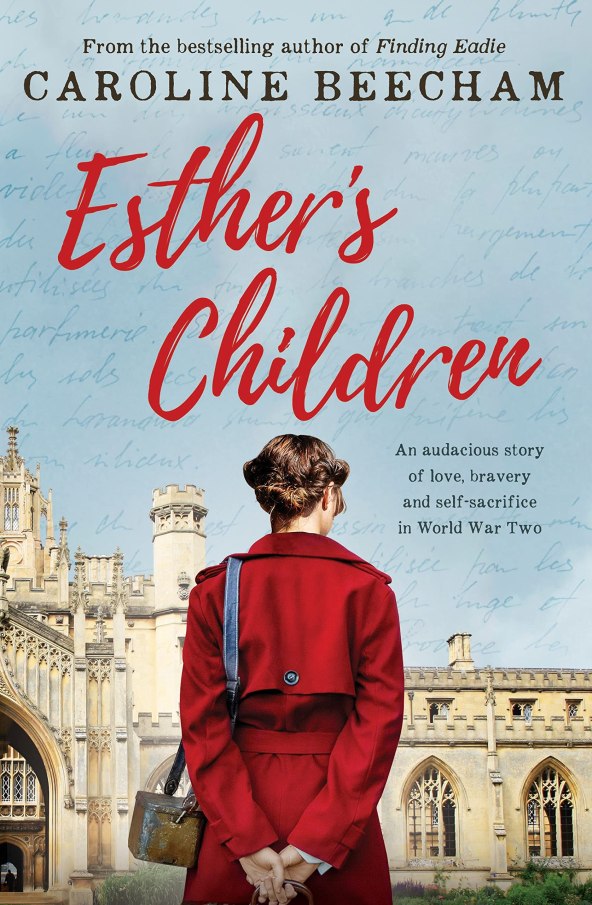
Quick Review – Esther’s Children by Caroline Beecham

Esther's Children Cover

Publisher: Allen & Unwin Australia (Trade Paperback – 3 May 2022)

Series: Standalone

Length: 361 pages

My Rating: 4.25 out of 5 stars

Amazon     Book Depository

Prepare to read about one of the more unique experiences of World War II with an excellent and moving historical drama, Esther’s Children by fantastic Australian author Caroline Beecham.

Plot Synopsis:

Inspired by the extraordinary life of Esther Simpson, Esther’s Children is a powerful novel of love and courage.

Austria, 1936: Esther ‘Tess’ Simpson works for a British organisation that rescues academics from the cruel Fascist and anti-Semitic regimes taking hold in Europe. On a dangerous trip to Vienna to help bring aid to Europe’s threatened Jewish scholars, Esther meets Harry Singer, a young Jewish academic and musician.

Tess works tirelessly to rescue at-risk academics and scientists from across Europe, trying to find positions for them in Britain and America. In 1938, she secures employment for Harry at Imperial College, London, their love affair intensifying as the world heads into war, yet they are separated once again as Britain moves to intern European refugees.

With Harry detained on the Isle of Man while still waiting for news of his parents, Esther and the Society plead with the government for the interned scientists’ release. When Harry is eventually liberated, his future with Esther is by no means secure as he faces an impossible choice.

Confronting the horrific dangers of World War Two with remarkable integrity and bravery, Esther Simpson is revealed as an exceptional heroine.

This was a rather great read from Caroline Beecham, who once again plumbs the highs and lows of history’s greatest struggle to produce an excellent read.  Beecham, who has written several other intriguing historical dramas, including 2020’s Finding Eadie, is a talented Australian author whose novels usually feature an intriguing hook around World War II.  Her latest novel, Esther’s Children, is probably my favourite one of her books so far, and tells another powerful and intense story about love, survival, and the evils committed during war time.

In Esther’s Children, Beecham has written a particularly clever and compelling story that follows the life of real historical figure Esther Simpson.  Adding in some fictional and dramatic details, Esther’s Children turns into a multi-year tale that showcases Esther’s work as she attempts to rescue academics from Nazi controlled countries in the lead-up to the war and beyond.  In particular, it follows her interactions with fictional character/love interest Harry Singer, as she attempts to get him out of Vienna and into England.  This forms the basis for an intense and heartbreaking story as these two ill-fated lovers are forced to ] contend with the obstacles placed before them, including the encroaching war, the machinations of the Nazis, the bureaucracy surrounding asylum seekers coming to England, and subsequent prejudice faced even after Harry has reached safety.  Told using a split perspective between Esther and Harry, you get an intense inside look at both characters as they attempt to overcome the odds keeping them apart, while also experiencing some of the horrors brought on by the Nazis and others, with the reader hit by constant frustration at everything that happens to these characters.  This entire story moves at a brisk and intense pace, and you will be swiftly drawn into the clever and touching narrative that is driven by these two characters’ experiences.  The way everything turns out is both poignant and heartbreaking, and I felt that this was a great and captivating read.

Esther’s Children’s dramatic story is greatly enhanced by the captivating and fascinating historical details that Beecham has set it around.  The author has clearly done a ton of research to pull her story together, and I was very impressed with some of the unique elements it contains.  Not only do you have some fantastic, if very disturbing, depictions of the Nazi movement taking over Austria, but the story goes out of its way to highlight the work done to get certain (primarily Jewish) academics out of Europe.  Focusing on the work of Esther Simpson, a unique figure from history who I was pleased to learn a lot about in this novel, you see the Society for the Protection of Science and Learning attempt to help these academics emigrate and find them jobs in England’s educational and government settings.  This novel really focuses on the impact that Esther had for many famous academics (her children, many of whom appear in the plot) and I found it fascinating to learn about her work and the people she helped.

However, I personally thought that the most fascinating historical aspect of this book was the subsequent imprisonment of these scholars and scientists by the English once the war broke out.  I must admit that I was unaware of just how widespread and unfair the interment of German nationals in England was during the war, and I was very surprised to find out that so many refugees and fleeing Jews were also incarcerated in places like the Isle of Man, often alongside Nazi sympathisers.  Shown directly through the eyes of one of her protagonists, Beecham paints a pretty grim picture of the terrible life that these incarcerated people would have experienced, and it was pretty heartbreaking to see all these people who had already lost everything get locked up by the country they were trying to help.  I really appreciated the powerful emotional weight that the author loaded into all the historical scenes, and they really work to expand on the dramatic and romance elements of the entire novel.  I cannot wait to see what unique historical element Beecham will explore in her future novels, but I am sure it will be fascinating.

Overall, Esther’s Children is a particularly powerful and captivating read that really highlights Caroline Beecham’s great skill as a historical drama author.  Expertly combining intriguing and dark elements of history with a dramatic tale of love, loss and regret, Esther’s Children becomes harder and harder to put down as the story progresses and you are drawn into the character driven narrative.  An excellent historical drama that is really worth checking out.

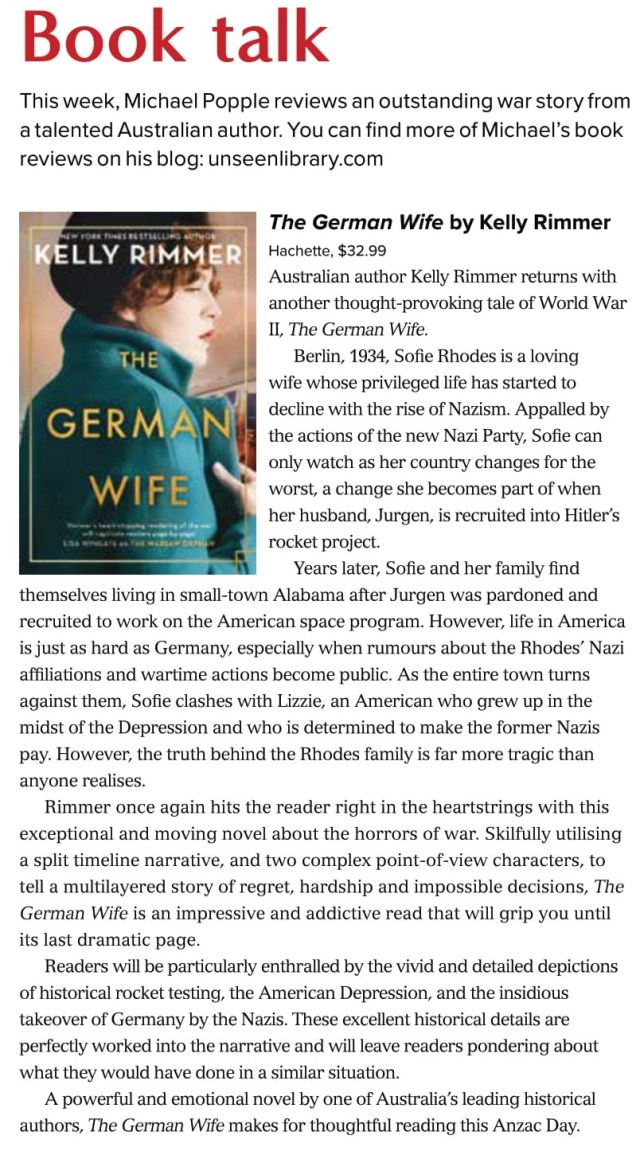
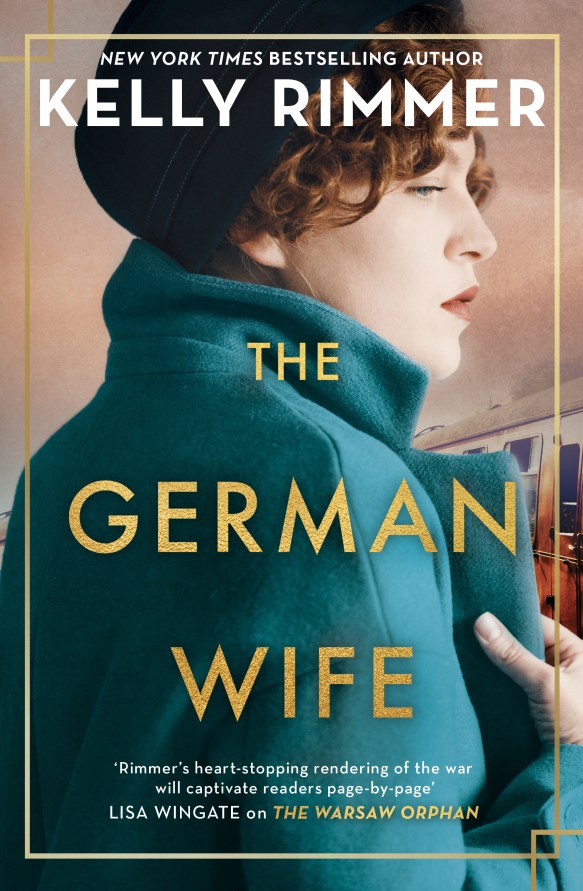
The German Wife by Kelly Rimmer

The German Wife Cover

Publisher: Hachette Australia (Trade Paperback – 27 April 2022)

Series: Standalone

Length: 450 pages

My Rating: 5 out of 5 stars

Amazon

One of Australia’s best authors, Kelly Rimmer, returns with another beautiful and exceedingly moving historical drama, The German Wife, which takes readers to the edge of despair and back again with its deep and bleak plot.

Kelly Rimmer is an outstanding author who specialises in writing great historical drama novels and who was one of the better authors I was lucky enough to experience for the first time last year when I received a copy of her 2021 novel, The Warsaw OrphanThe Warsaw Orphan was a brilliant and extremely powerful read that showcased multiple sides of the horror and terror experienced in the Warsaw Ghetto while also telling the unique tale of two young people who tried to smuggle young children outside the ghetto walls.  Brutal, extreme and yet filled with hope, this was a deeply moving novel that ended up an incredible read.  Due to how great this novel was, I was extremely keen to check out more stuff from Rimmer and I was extremely happy when I found myself receive a copy of her latest novel, The German Wife.

Berlin, 1930.  Sofie Rhodes can only watch in horror as the Nazi Party starts to take control of her country, slowly morphing it into a nation of hatred and fear.  Already facing financial ruin after World War I and the Depression, Sofie and her husband, Jürgen, find themselves receiving special attention from the Nazis due to Jürgen’s scientific speciality.  When Jürgen is forcibly recruited to Hitler’s top-secret rocket project, Sofie finds herself constantly under surveillance and forced to conform to Nazi ideology, including turning her back on her Jewish best friend, Mayim.

Many years later, in 1950, Sofie and her remaining children emigrate to a small town in Alabama to be with Jürgen, whose past with the Nazis has been pardoned and erased in exchange for his work on the US space program.  Determined to make a new life for herself and her family in America, Sofie soon discovers old and new prejudices both from the hostile Americans and the other German families living in town with them.

Isolated and hated, Sofie finds her path crossing with American housewife Lizzie Miller, who has her own history of loss and despair during the Depression.  Shocked that her husband and government are so eager to be working with former Nazis, Lizzie keeps finding herself in conflict with Sofie, while rumour and gossip about the Rhodes family swirl around town.  When these rumours lead to violence and anger, the new community will be torn apart as the true history of the Rhodes family comes tumbling out.  Can this troubled family finally find redemption in a new land, or will the horrors of the war and Nazi ambition follow them wherever they go?

Damn, this was an intense and captivating read.  Rimmer went all out with the emotional feels here in The German Wife, producing a powerful, moving and tragic tale of love, loss and moral compromise.  Perfectly portraying some fascinating elements of the darkest part of our history, this was an exceptional read that gets a full five-star rating from me.

I cannot emphasise enough how good the story in The German Wife was as Rimmer produced a deeply dramatic historical tale with an impressive scope that comes together beautifully.  Split between its two point-of-view characters, Sofie Rhodes and Lizzie Miller, The German Wife presents a complex, time-hopping narrative as the reader is shown the protagonists conflict as well as the events that led them to meet for the first time.  Half the book takes place in 1950 Alabama, where both ladies live with their respective families, while the other half of the book goes back and sequentially examines their pasts from 1930 onward.  This provides the reader with an intriguing view of both the Depression in America and the rise of Nazism in Germany, while also providing some intriguing context for the characters’ actions in 1950.  This mixture of perspectives and time periods works extremely well, and Rimmer melds them together perfectly to tell a taught and emotionally rich tale.  The past injustices and emotional traumas that occur in these earlier timelines contrast perfectly with the issues they are having in the 1950s, and it was great to see all the events that built towards the attitudes and emotions they had when they were older.  It also provides three unique storylines (1930s America, 1930s Germany and 1950s America), all three of which contained some intriguing side characters and captivating historical elements, which was extremely compelling.

Out of the three main plot lines that The German Wife contained, I personally thought the examinations of Sofie and Jürgen’s time in Nazi Germany were the best.  These scenes are particularly compelling, as they show the characters thrust into the middle of events they can’t escape from as they are forced to work with the Nazis and accept the changes to the country.  Watching these inherently good characters make compromise after compromise and suffer constant emotional trauma and betrayal is pretty heartbreaking, but it produces some brilliant and memorable scenes that will really hit you in the feels.  This context, and Lizzie’s excellent backstory, are worked into the 1950s storyline extremely well, and the various time periods compliment each other well, especially as Rimmer works to provide several cryptic hints about past events in the future chapters, which really adds to the reader’s apprehension.  All these storylines, including the one in the 1950s, which examines the many issues the Rhodeses face when they emigrate to America, as well as the conflict that occurs between Sofie and Lizzie, are brilliantly written and loaded with emotional moments that hit you hard.  There is also some great character work contained with The German Wife as Rimmer really builds up her central two characters, as well as the excellent supporting cast, providing them with captivating and compelling personal histories, which are fully explored in the flashback scenes.  This great story, combined with the fantastic characters and the historical settings, is a narrative that will sit with me for a long time.

Rimmer also provides a detailed and impressive look at various historical elements that occurred between 1930 and 1950 in both America and Germany.  The author clearly did a ton of research on multiple subjects before writing this book, and it really shows as the story progresses.  These historical elements include a pretty comprehensive look at life in America during the Depression, as one point of view characters journeys around several parts of the deeply impacted South, and there are some great scenes, especially some of the early ones that take place in an extremely dusty climate.  There is also a great examination of both the Nazi and American rocket programs that occurred during this period, as Jürgen serves as a technician for both governments.  I found the examination of the V2 program to be extremely interesting, and Rimmer goes into exquisite detail here, with Jürgen serving as an intriguing stand-in for historical figure Wernher von Braun.  This allows for the reader to see a slightly abridged version of the program (its shown through the eyes of his wife who is getting most of her knowledge second hand), but there is still a lot of great detail here, including the eventual change in objectives, the continued failure, the desire for it to succeed by the Nazis, as well as all the terrible things that resulted from it.  However, a good part of the book is also reserved to examine one of the most fascinating parts of the Nazi rocket program, the subsequent responsive Operation Paperclip by the Americans, which pardoned many of the German scientists and moved them to America with altered pasts to help their fledgling space program.  I loved seeing this movement to another country told through the eyes of both a wife of one of the scientists and an American citizen who finds out about the program, and it produces some brilliant and clever scenes that help showcases this extremely well.

I also really need to highlight Rimmer’s examination of the Nazi takeover of Germany that occurred in all Sofie’s flashback chapters.  Rimmer already has a lot of experience showcasing the evils of the Nazis from her previous books, but The German Wife probably contains one of her best depictions of this as it showed how a normal German citizen’s life was turned upside down in just a few years.  The author really hammers home just how creatively evil the Nazis were in corrupting their own country, as you see the full gradual process take effect.  The author meticulously recounts every change that the Nazis implemented, all of which served to ensure the loyalty of its people and to terrorise those they hated.  You get to see the full range of controls that the Nazis enacted, including threatening job security, disappearances by the secret police, control of the media, turning friends and neighbours against each other, providing a common enemy, and even brainwashing children in the schools.  All of this is pretty damn intense, especially as there are some notable modern parallels, and it is darkly fascinating to see everything that the Nazis did.  However, the true brilliance of the way that Rimmer explores it in The German Wife, is to show how people like the Rhodes reacted to it.  Watching them become horrified by the changes to their country and the people around them is pretty intense, but the real drama occurs when they are forced to make compromises.  Sofia and Jürgen are constantly faced with the choice of helping the Nazis (either directly or indirectly by not opposing them), or to face various consequences for themselves and their families.  Their decisions, despite always appearing to be their best option, eventually drag them deeper into complicity with the Nazis, so much so that Jürgen becomes a reluctant member of the SS and bears some responsibility for utilising slave labour in terrible conditions.  This is such a horrifying thing to witness, especially as the reader is left to wonder what they would have done in a similar situation.  They way the scenarios are written, with the Rhodes punished every time they move away from the party goals really ensure that you have no idea how you would have acted it makes some of the reactions from the 1950s American characters sound extremely naïve as a result.  This was such a powerful and impressive inclusion from Rimmer and I felt that this brilliant portrayal of the Nazi’s techniques for control of their own citizens added so much to book’s outstanding plot.

With The German Wife, Kelly Rimmer continues to shine as one of Australia’s most exceptional authors of historical dramas.  This outstanding contains an extremely moving and heartbreaking tale from some of the darkest moments in 19th century history.  With powerful views of life during both the Depression and the rise of the Nazis, readers will quickly become engrossed with this impressive tale and well-written central characters.  The German Wife was insanely good and will leave readers stunned with how the story comes together.  A deeply memorable and intense read, I cannot recommend this book enough.

Amazon

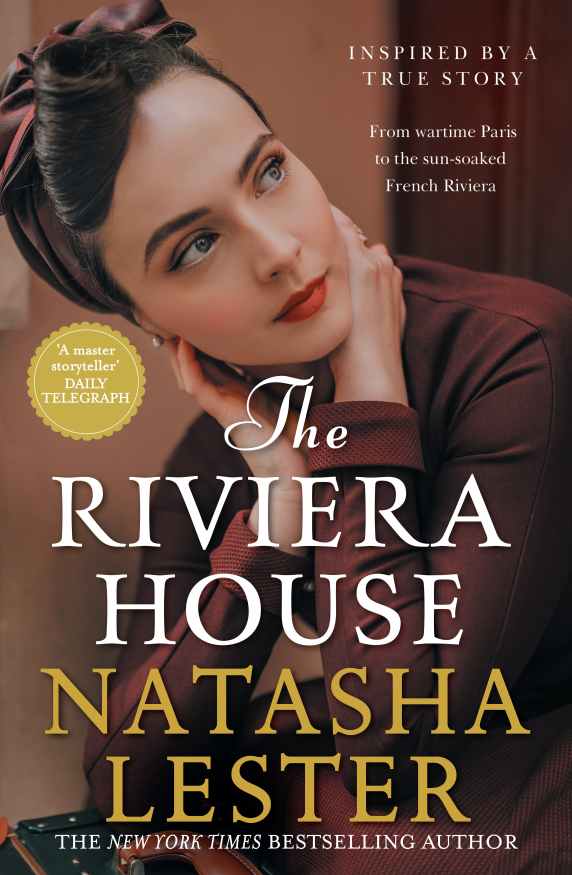
The Riviera House by Natasha Lester

The Riviera House Cover

Publisher: Hachette Australia (Trade Paperback – 1 September 2021)

Series: Standalone

Length: 452 pages

My Rating: 4.25 out of 5 stars

Amazon     Book Depository

Bestselling Australian author Natasha Lester returns with a powerful and intense historical drama that presents a multigenerational tale of love, loss, culture, and the horrors of the Nazi occupation of France, in The Riviera House.

Paris, 1939.  With the war about to start and fears of a Nazi invasion becoming more apparent, Éliane Dufort, a young art student who works part time at the Louvre, watches the staff store away the gallery’s most expensive artworks and begin to hide them throughout France.  Determined to survive the upcoming war, the last thing Éliane should have done was fall in love, however when she meets one of her brother’s friends, Xavier, she cannot help herself, and they soon begin a whirlwind romance.  However, with the Nazis right outside of Paris, Xavier leaves for England, breaking her heart.

With Xavier gone and most of her family killed by the Nazis as they tried to flee the city, Éliane vows to fight the invaders by any means necessary.  Her connection to the Louvre lands her a job working for the enemy in the vast warehouse the Nazis are using to store the artwork looted from France.  Working with the legendary Rose Valland, Éliane is tasked with recording every single piece of art that the Germans steal, as well as attempting to discover where they are being sent.  However, Éliane soon gains the unfortunate romantic attention of a powerful Nazi officer, while a returning Xavier, now a treacherous art expert working for Hermann Göring, threatens to destroy her cover.

Many years later, vintage fashion expert Remy Lang travels to the French Riviera and arrives at a beautiful house that was part of a mysterious inheritance from her unknown biological parents.  Hoping to escape from her intense grief at the loss of her husband and child, Remy soon becomes involved with a visiting family living at the neighbouring villa, including charming photographer Adam.  As she attempts to understand her feelings for Adam amidst her sorrow, Remy soon stumbles upon a shocking mystery when she chances upon a catalogue detailing artworks stolen from France during the war, which includes a painting that hung in her bedroom as a child.  Determined to get to the bottom of this mystery, Remy attempts to trace her past and the history of the unexplained painting.  But the story she uncovers is one of great tragedy and shocking revelations that will change everything Remy thought she knew about her past.

This was an outstanding and deeply impressive historical drama from Natasha Lester, who has previously written some great historical dramas, such as The Paris Secret and The French PhotographerThe Riviera House is a particularly compelling and intense novel that perfectly brings two separate timelines together into one moving narrative, while also focusing on two distinctive and complex groups of characters.  This results in a brilliant and moving read that is guaranteed to haunt you long after you finish reading.

Lester tells a deep and captivating tale in this novel that is moving, intense and very addictive to behold.  The author utilises a split timeline throughout The Riviera House, with one storyline set during World War II in Paris, while the other is based in the modern day and takes place in several locations, although primarily in the French Riviera.  The book jumps back and forth between these two timelines, with the speed of transition increasing the closer it gets to the conclusion.  Both storylines contain their own plot, characters, and interesting features, and they come together to form quite an intense overarching narrative.

The first storyline of The Riviera House is the World War II storyline, which follows the character of Éliane Dufort.  Éliane, after suffering several great losses because of the Nazi invasion, becomes embroiled with the French Resistance and soon gets a job working for the Nazis, assisting in their loot warehouse, and helping historical figure Rose Valland create her record of stolen works.  However, the story gets increasingly complicated as the book progresses, with Éliane torn between her remaining family, her love/hate relationship with the traitor Xavier, and her forced relationship with a powerful Nazi member who has fallen for her.  The entire story comes to a head in the closing days of the Nazi occupation, when Éliane is forced to risk everything dear to her, and soon encounters just how tragic the war is and how evil people can be, even those closest to you.

This part of The Riviera House is an amazing bit of historical fiction, exploring the history of the time while also featuring an emotional and moving tale of love, hope and courage.  I really connected with this half of the novel, due to the thrilling and intense story that shows a grim picture of the period and featuring some memorable moments.  The story of Éliane and her family is full of tragedy and suspense, and if you are looking for a happy read than you have come to the wrong place.  While I did see most of the major twists coming, I appreciated how this narrative came together, as well as the clever way it led into The Riviera House’s other timeline.  I also deeply enjoyed the unique historical aspects of this novel, particularly around the Nazis’ systematic looting of French art.  Lester really dove into this part of the war, providing a detailed account how the Germans stole the art, stored it, and eventually shipped it away as the war progressed.  This tale features several real-life historical figures who are worked into the plot extremely well and who add an extra layer of authenticity to the tale.  One of the most interesting historical figures is Rose Valland, the courageous art historian who risked everything to pull together a record of the looted artwork.  Valland, who has inspired characters in films such as The Train or The Monuments Men, was a fascinating character in this novel, and I liked how Lester tied Éliane’s story into that of Valland.  I felt that this examination of the Nazi art theft was both fascinating and cleverly utilised, and it helped to provide some extra power and intensity to the novel.

The other timeline in The Riviera House is based in modern times and follows Remy Lang, a fashion figure who is spending time in the French Riviera, trying to escape her grief over the tragic death of her husband and child, and soon meets some new people who help her move on.  This storyline was more of a pure dramatic tale and focuses on Remy’s grief, her new romance, and the friction brewing between the family she has just met.  I got quite attached to the potent emotional elements featured in this book, especially as Lester really focuses on the lingering impacts of grief, such as the guilt survivors feel when thinking about something new or considering moving on.  Add in quite a compelling mystery element to it, as Remy and her new friend Adam start investigating the connection that Remy had to the other story, such as her long-dead biological parents and several mysterious inheritances.  These connections to the storyline set in the past compliment the protagonist’s current issues and concerns extremely well, and it was really fascinating to see her work out how her life was shaped by the original protagonists many years before.

I ended up really liking both timelines within the novel, although I did prefer the storyline set in World War II due to its interesting historical research, complex characters riven by war, and terrible tragic moments.  I must admit that I am not usually the biggest fan of historical dramas that feature two separate timelines (it really is an overused device in historical dramas).  However, I think that it was utilised extremely well in The Riviera House, and the two separate storylines melded together into a fantastic overarching read.  I loved how Lester was able to provide subtle hints about the fate of the historical protagonists in the contemporary storylines, although the full revelations about them was often hidden and not revealed until later.  I also really appreciated finding out how the events of the World War II story led into the later plot, and the full truth about how everything occurred is not only great to behold in the historical storyline, but it also has some major impacts on the modern-day protagonist.  This really enhanced The Riviera House’s plot and the overall drama of the book, and it helped to produce an excellent overall narrative.

I also quickly wanted to highlight some of the cool and fascinating cultural elements that Lester slipped into her novel, particularly around art and fashion.  I already mentioned how much I enjoyed the interesting and in-depth examination of the Nazis’ looting and the plans to stop them, however, I also appreciated the way in which Lester examined the art itself, as well as the people who were fighting to protect it.  You really get a sense of the beauty and subtlety of the different artworks featured throughout the book, but more than that you also get to explore what makes people passionate for art.  This book contains several characters who appreciated the true value that this art had to themselves and the nation, so much so that they were willing to risk their lives for it.  This forms a major part of the historical storyline’s plot, and I think that Lester did a wonderful job exploring it.  In addition, the contemporary storyline features a compelling examination about the appeals of vintage fashion.  Lester, who has previously explored fashion in some of her past novels (for example, a major part of her previous novel, The Paris Secret, revolves around vintage gowns), did a good job explaining the current obsession with vintage fashion, as well as how people can make money off it.  While I usually care very little about any sort of clothing fashion, Lester’s descriptions proved to be very intriguing, and I found myself appreciating her obvious passion for the subject.  Both these cultural inclusions enhanced the story, especially as they were strongly related to the various protagonist’s motivations and obsessions, and I really appreciated they time that Lester took to feature them.

Overall, I felt that The Riviera House by Natasha Lester was an excellent and well-crafted historical drama with some powerful elements to it.  Lester did a wonderful job of crafting a compelling, multi-period storylines that combined historical and contemporary narratives into a single, moving tale.  I particularly enjoyed the cool focus on the Nazi occupation and art obsession, which resulted in a thrilling and very tragic tale.  The Riviera House is a highly recommended book and a must-read for all fans of historical drama.

Amazon     Book Depository