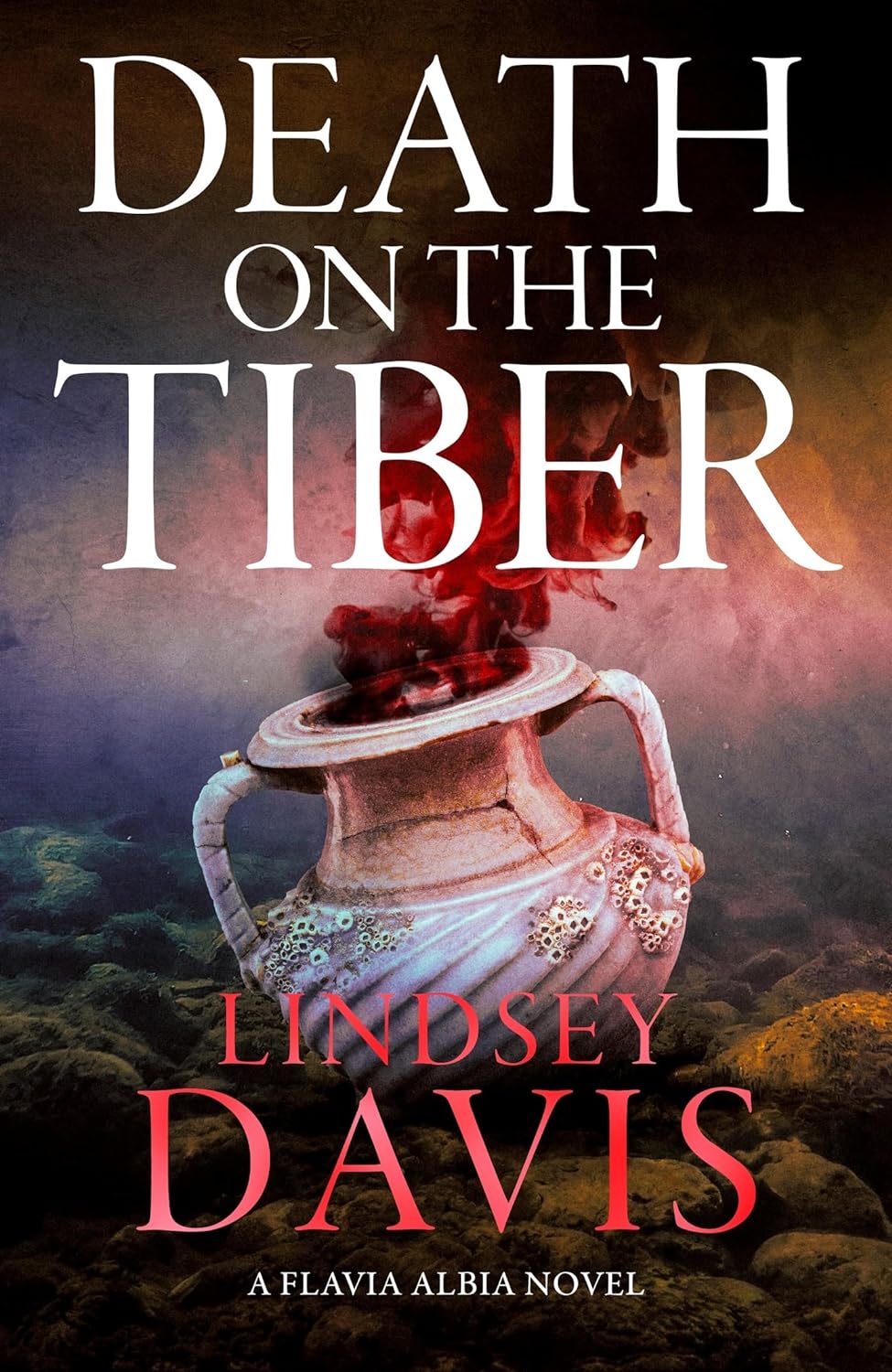
Quick Review – Death on the Tiber by Lindsey Davis

Publisher: Hodder & Stoughton (Trade Paperback – 9 April 2024)

Series: Flavia Albia – Book 12

Length: 380 pages

My Rating: 4.75 out of 5 stars

Amazon

Those in the mood for a clever murder mystery in ancient Rome look no further than the 2024 entry in the long-running Flavia Albia series with Death on the Tiber by Lindsey Davis.

I am a huge fan of historical fiction, and one of my favourite ongoing historical series is the outstanding Flavia Albia books by veteran author Lindsey Davis.  The Flavia Albia books, which are a sequel series to the author’s long-running Falco series, follow a determined private investigator in ancient Rome who takes on a range of complex cases and murder investigations, often encountering many of the city’s over-the-top inhabitants.  I have had an amazing time reading this series over the years, including The Third NeroPandora’s BoyA Capitol DeathThe Grove of the Caesars (one of my favourite books of 2020), A Comedy of TerrorsDesperate Undertakings (one of my favourite books of 2022) and Fatal Legacy.  As such, I try to read every new Flavia Albia book that comes out, and after accidently avoiding it for much of 2024, I recently finished off the 12th book in the series, Death on the Tiber.


Plot Synopsis:

Rome is in chaos. The empire of a mobster chief is falling apart following his death. Rivals, fearsome relatives and associates are taking up position to vie for the spoils.

With hideous murders in the streets of Rome, a lone female traveller arrives with an agenda of her own. But when her corpse is dragged out of the river bearing signs of foul play, Flavia Alba is drawn in, concerned about her fellow Briton’s fate.

Alba’s quest to find the killer becomes deeply personal when she discovers a man at the centre of the plot is an old adversary of hers. Will she be obsessed by revenge? Can she let the past go, or will it consume her?

Death on the Tiber was a great addition to the Flavia Albia series that features its own distinctive crimes, while also cleverly tying into several of the author’s previous Falco and Flavia Albia books. 

The plot of Death on the Tiber is very compelling, as the protagonist, Flavia Albia, finds herself drawn into the investigation of a murdered tourist pulled out of the Tiber.  However, the case becomes personal for Albia when she discovers the victim’s connection to the gangster Florius, an old foe of her fathers, who years before committed unspeakable evils against Albia and who may have finally returned to Rome.  Determined to finally hunt down Florius and make him pay for his crimes, Albia begins her investigation and soon finds herself embroiled in a deadly gang war that could tip the balance of Rome’s underworld.  Forced to compete with a range of interested parties, including her own vengeful father and uncle, the Roman military and several gangsters and their families who Flavia has previously encountered through her work, the protagonist slowly begins to piece together the events that lead to the victim’s death and the connection to her quarry’s current location.

This proved to be a highly personal and complex entry in the series, and one that I felt served as a love letter to the author’s prior works.  A huge range of characters from previous Flavia Albia novels, as well as major figures from the preceding Falco books, are featured throughout Death on the Tiber as the author takes the opportunity to tie together a range of ongoing storylines related to a major antagonist of the Falco books.  This allows for quite a fascinating read, especially for those readers familiar with the previous works, and it was awesome to see Davis bring together a compelling cast of returning figures. 

The plot moves in some interesting directions as the book nears the end, and Davis adds in a range of compelling layers to the case, including disgruntled mobster wives, a big gang war for the control of Rome, and alternating bands of Roman officials seeking to disrupt events.  The conclusion for the book proves to be very emotionally charged, especially as the protagonist comes face to face with her biggest monster and finally gets some closure.  The main mystery of Death on the Tiber is also extremely well written and utilised, and Davis does an excellent job tying in a lot of the novel’s leads and investigative plots into the main hunt for the returning Florius.  While the reveal of the ultimate culprit behind the killing isn’t especially surprising, the way in which Davis addresses their fate is particularly impressive, and it leads to a very fun final moment in the book.  I loved this last little twist, which I honestly think tied the book together very nicely, and it certainly was one of the moments that has stuck with me since finishing Death on the Tiber off.

This ended up being another strong Flavia Albia book as Davis continues to utilise her trademark style in Death on the Tiber.  Focused primarily through the sarcastic and cynical Flavia, Death in the Tiber evolves into a twisty hunt for answers, that brings together mystery, criminal intrigue, and the protagonist’s various personal connections.  Davis has a very compelling way of writing her stories, and her examinations of Rome through the protagonist’s eyes are often light-hearted, sarcastic, and applying modern mentalities to the ancient society.  This results in an impressive read, especially as Davis lays down an exceptional combination mystery and revenge-focussed narrative.  While I really enjoyed how well Davis revisited multiple previous books from both the Falco and Flavia Albia series, it does mean that readers do need a bit of pre-knowledge of these earlier works to fully appreciate Death on the Tiber’s plot.  Davis does provide some much-needed context at times, which will allow some new or forgetful readers to enjoy this book, but I personally think that people should have at least read the last few Flavia Albia books before Death on the Tiber to really get this book.

Despite the series’ general comedic vibe, Death on the Tiber gets very dark at times, especially as the protagonist is forced to revisit her traumatic history.  The author does an excellent job of diving into Flavia’s trauma and pain on the subject, and it was nice for this compelling protagonist to finally get some closure.  Davis nicely balances some of these darker moments by including an extensive cast of eccentric characters, many of whom are continuing their storylines from both the Falco and Flavia Albia series, and there are some very fun moments scattered throughout Death on the Tiber as a result.  This includes a fun competitiveness with Flavia’s father, Falco, a dive into some other important parental figures in her life, as well as her very strong relationship with her supportive and relentless husband.  I personally loved the return of all the various major gangsters Flavia has dealt with over the years, and it was fun to see her try to investigate them after prior experiences.  However, two of Flavia’s female relatives end up stealing the show in Death on the Tiber, especially at the end where they showed an ironic sense of justice.  An overall great extended cast that served to connect this book to the larger series in some outstanding ways.

With Lindsey Davis’s typical impressive writing and a cool plot laden with mystery and criminal intrigue, Death on the Tiber was an amazing entry in one of my favourite historical fiction series.  Entertaining, addictive and very moving, Death on the Tiber had me hooked from the very beginning, and I wish I’d read it sooner.  I look forward to continuing the Flavia Albia series this year, especially as Davis has a cool book coming out in April set around the ruins of Pompei with There Will Be Bodies.
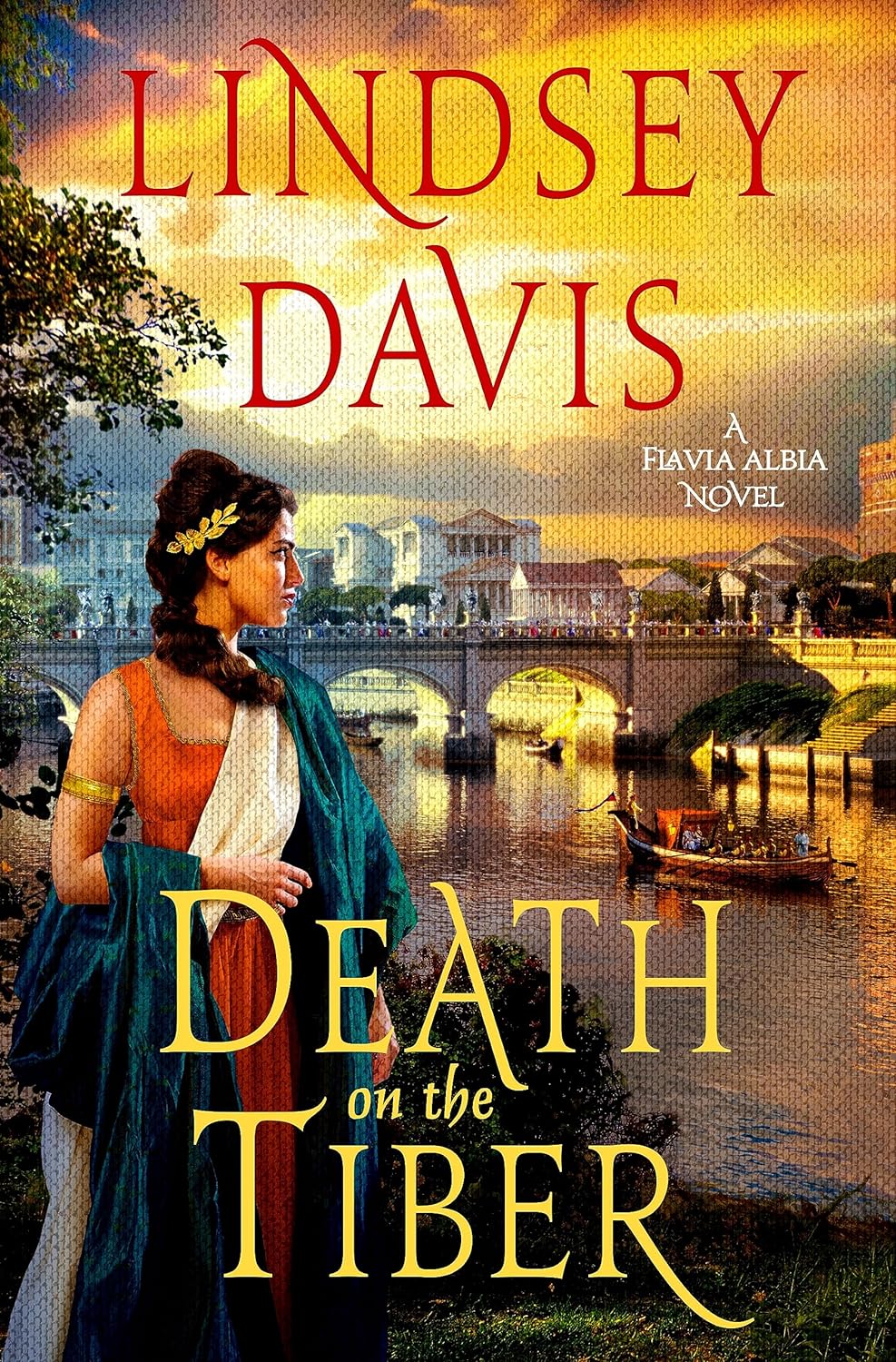
Amazon

Quick Review – Fatal Legacy by Lindsey Davis

Fatal Legacy Cover

Publisher: Hodder & Stoughton (Trade Paperback – 11 April 2023)

Series: Flavia Albia – Book 11

Length: 397 pages

My Rating: 4.5 out of 5 stars

Amazon

Return to one of my favourite historical fiction series with another clever crime fiction read set in ancient Rome with Fatal Legacy by Lindsey Davis.

While I have had the pleasure of reading many great historical fiction series and books over the years, few have been as enjoyable to me as the Flavia Albia books by legendary author Lindsey Davis.  The follow-up to her iconic and long-running Falco novels, the series follow the titular Flavia Albia, a private investigator in Rome who finds herself involved with a series of unusual or gruesome crimes, often resulting in a series of over-the-top events.  I have had a great deal of fun with the Flavia Albia books over the years, including The Third Nero, Pandora’s Boy, A Capitol Death, The Grove of the Caesars (one of my favourite books of 2020), A Comedy of Terrors and Desperate Undertakings (one of my favourite books of 2022), and I am always excited to check out the latest novel in the series, especially when it has an intriguing plot behind it.

Plot Synopsis:

An unpaid bar bill leads Flavia Albia to her most bitter and complex case yet.

Decades earlier Appius Tranquillus Surus wrote his will: it freed his slaves and bequeathed his businesses to them. He left an orchard to the Prisci, a family he was friendly with, on the condition that his freedmen could still take its harvest.

The convoluted arrangement has led to a feud between the two families, each of which has its own internal strife. Endless claims and counterclaims lead to violence and even death. Lawyers have given up in exasperation as the case limps on. The original will has disappeared, along with a falsified codicil – and might there be another one?

But is there a solution? Two youngsters from each side of the divide, Gaius Venuleius and Cosca Sabatina, have fallen in love, which could unite the feuding families. There is only one problem: were Sabatina’s grandmother and father really liberated in the Surus will? If not, the stigma of slavery will stop the marriage and the dispute will rage on forever.

Reconciliation seems impossible, but Albia will try. Her investigation must cut through decades of secrets, arguments, lies and violence to reach a startling truth.


Fatal Legacy
was another compelling and fun entry in the series which once again brings together Davis’ fantastic take on Roman historical fiction with a unique mystery and several entertaining characters.  Fatal Legacy was the 11th book in the Flavia Albia series, and it proved to be quite an exciting and addictive read.

I had a lot of fun with Fatal Legacy’s great story, especially as it requires the protagonist to dive into an elaborate family feud.  Starting off by chance as Flavia attempts to appease one of her many eccentric relatives by investigating an unpaid bar bill, Flavia soon finds a family even more disastrous than her own when she encounters an infamous Roman clan embroiled in a variety of issues, including a feud with another family over a profitable orchard, as well as various internal conflicts and problems.  Hired to find proof that one member of the family was legally freed by their previous master, Flavia is forced to examine the labyrinthine relationships, family history and feuds that define this conflict, all while trying to deal with her own personal concerns.  This swiftly descends into a complex mess of many, many secrets, and readers will be left completely enthralled by how the story unfolds.

This was one of the more unique mysteries that Davis has come up with in her series, which really helped to set this book apart.  I personally enjoyed how Davis changed the focus of the book onto a family’s internal and external history and drama rather than the typical murder investigation, especially as it made for quite entertaining reading.  There are layers upon layers of secrets, betrayals, and hidden family connections that the reader needs to travel through to get to the truth, and you really get caught up in the new characters as a result.  The slow trawl through this history results in several great twists and turns, and it was fun watching the protagonist slowly unwind the many threads of the case, while also trying to avoid as much as their bitter conflict as possible.  I appreciated have Davis tried to break up this family focused investigation in places by adding in a few entertaining scenes, such as a farcical brawl at the protagonist’s house, as well as several over-the-top encounters amongst the family that Flavia is trying to investigate/help.  Despite that, the story does get rather dry and slow in places, especially towards the centre of the book as the reader gets a bit weary of finding out even more layers to the slow-paced mystery that emerges.  It also doesn’t help that this case has low stakes, especially compared to some of Davis’s other books that feature murder and serial killers, and this occasionally dulls the reader’s excitement.  Despite that, Davis manages to bring together quite an excellent read, and I loved the elaborate and fun reveal sequence at the end, which in some ways acts as a parody to classic whodunnits.

In addition to the clever and elaborate mystery, Fatal Legacy also features a great combination of entertaining characters and the typical fun ancient Rome setting.  I always love Davis’ vision of ancient Rome that are featured in the Flavia Albia books, especially as she tries to bring together classic Roman elements with characters and attitudes that are more recognisable in a modern setting.  Having the ancient characters speak with modern dialogue and act in ways we would associate more with contemporary people rather than figures in classic times gives the story a relatable and humorous edge at times, and it is always fun to see this version of ancient Rome.  This combines well with the cast of Fatal Legacy, especially as Davis introduces an eclectic group of new characters whose complex personal problems result in the book’s intriguing mystery.  The fun interactions between Flavia and these figures are very entertaining, and you have to love the protagonist’s cynical and sarcastic observations about the people she is forced to deal with.  The chaotic family she is forced to investigate contrasts comedically with Flavia’s own dysfunctional household, which got a good amount of focus in Fatal Legacy.  I think that Davis featured Flavia’s own family just the right amount in this latest book (sometimes they can be a bit overwhelming and distracting), and it was fun to see them interact, and at one point get into a massive punch up, with some of the case-specific character of the main plot.  All this helps to turn Fatal Legacy into a great read with an excellent blend of mystery, comedy and big personalities.

Overall, I felt that Fatal Legacy was a pretty awesome entry in one of my favourite historical fiction series.  Lindsey Davis wrote an outstanding and distinctive story for Fatal Legacy, and readers will enjoy the complex and character-focussed mystery that emerges as a result.  While aspects of Fatal Legacy’s narrative might not be as sharp as some of the other books in the Flavia Albia series, this was still an excellent read and one that fans of Davis will have a great time reading.

Fatal Legacy Cover 2

Amazon

Desperate Undertaking by Lindsey Davis

Desperate Undertaking Cover 2

Publisher: Hodder & Stoughton (Trade Paperback – 12 April 2022)

Series: Flavia Albia – Book 10

Length: 398 pages

My Rating: 5 out of 5 stars

Amazon

Buckle up for an intense, captivating and exceedingly memorable historical murder mystery as bestselling author Lindsey Davis unleashes the 10th entry in the deeply clever and compelling Flavia Albia series, Desperate Undertaking.

It’s that awesome time when I get to gush about the newest entry in Davis’s excellent, long-running Flavia Albia series, which has been a major fixture in my reading schedule for the last several years.  The sequel series to her iconic Marcus Didius Falco novels, the Flavia Albia novels follow the daughter of Davis’s original protagonist as she solves unusual murders across ancient Rome.  Thanks to the series’ typical great combination of intriguing characters, complex mysteries, excellent historical elements and great humour, I always have an amazing time reading these novels, which usually get very high ratings from me.  Some of the more intriguing Flavia Albia novels in recent years include The Third Nero, Pandora’s Boy, A Capitol Death, The Grove of the Caesars (one of my favourite books of 2020) and A Comedy of Terrors.  Due to the quality and entertainment capability of this series, I eagerly keep an eye out for Davis’ new book each year and I was exceedingly chuffed when I got a copy of Davis’ latest novel, Desperate Undertaking.

Rome, 89 AD.  The year is coming towards an end and the city is ready to enter a sleepy holiday period.  Unfortunately, murderers are notoriously bad at taking breaks, and Flavia Albia, paid informer, dogged investigator and daughter of notorious busybody Marcus Didius Falco, is about to get dropped into the most disturbing case of her life.  With her parents away on holiday and her impromptu family preparing to settle in for the quiet period, Albia receives a job request she cannot refuse.  An aged actor, part of a troupe her parents travelled with in their youth, has been killed, horribly crucified in a public place.  Starting her investigation, Albia and her husband, Tiberius, are shocked to discover this is not the only murder confronting them as they suddenly discover the first victim’s widow was also murdered in terrible circumstances.  Her last words to Albia: “The undertaker did it…”.

Determined to find the person responsible for the horrific murders of her parent’s friends, Albia begins her investigation, diving into Rome’s theatre scene.  But when another actor associated with the troupe is killed in a cruelly inventive way, Albia begins to realise that these are no ordinary murders.  A twisted and determined serial killer is on the loose, bearing a terrible grudge against the actors and anyone associated with them.  Worse, their exceedingly public killings all bear striking similarities to some of the most brutal moments in classic plays, causing their victims to suffer in horrific ways.

With the bodies piling up and the city in an uproar, Albia must solve the most unusual and deadly case of her career before more of her parents’ friends end up dead.  But the closer she gets to the truth, the more she begins to realise that these murders bear a strong connection to one of her father’s past cases.  Worst, Albia soon realises that her connection to the currently absent Falco has made herself and everyone she loves a target of a demented killer determined to get revenge.

Davis does it again with Desperate Undertaking, producing a wildly entertaining and exceedingly clever historical murder mystery that I had a brilliant time reading.  Perfectly bringing together a disturbing mystery with an excellent historical setting, some great characters and the author’s trademark humour, Desperate Undertakings is an outstanding read and it ended up being yet another Flavia Albia book that gets a full five-star rating from me.

I must admit that I have sometimes found Davis to be a bit of an inconsistent writer; while most of her novels are extremely good, a few of them do not quite measure up in terms of substance or entertainment.  However, Desperate Undertakings is easily one of the better books in the Flavia Albia series as Davis pulled together an exceptional and dark murder mystery narrative that will leave a memorable impression on the reader.  For this latest story, Davis drops a lot of the family/household storylines that have been a significant, if slightly distracting, feature of the previous novels, and instead focuses on an intense and elaborate murder mystery that effortlessly grabbed my attention and ensured I was extremely hooked on this fantastic novel.  The book starts off extremely strong, firstly with a foreboding introductory short chapter, and then with a great series of compelling early chapters that drag the protagonist into the investigation.  These early chapters feature two dramatic (literally) and elaborate murders that really stand out due to their brutal and distinctive nature (the second one is particularly gruesome and over-the-top), as well as their connections to some of Davis’s iconic protagonists.  As such, the reader becomes really invested in the case early on, and you soon get thrust into an elaborate in clever murder inquiry storyline.  Davis sets up this investigation really well, and there are a series of great leads, potential suspects and unique theories that pan out as the novel proceeds in an excellent way.  While the novel slowed down slightly after the initial murders, the next series of killings picks the pace right up again, which the story maintains for the rest of the book.  I really enjoyed how the entire mystery came together, and there are some really clever twists and turns here, with seemingly minor characters or story elements coming back in some big ways later in the book.  Everything leads up to a big and impressive conclusion and readers will be left rocked by the elaborate and powerful nature of the plot, as well as how damn dark this novel got in places.

Desperate Undertakings is extremely well written and I loved how Davis pulled this entire novel together.  Davis once again hits the perfect blend of murder mystery, historical elements and character driven story elements in this book, as the reader is engrossed in this brilliant Roman based tale.  I did feel that this one was significantly darker in places than some of Davis’s previous novels, which I really liked, especially as it results in some particularly gruesome killings.  The story is once again told from the perspective of central character Flavia Albia as she traverses the mean streets of Rome to find her culprit.  This central focus allows for much of the books fantastic humour, as Albia’s comedic and exceedingly modern perspective of events is extremely entertaining, while also providing a Roman noir feel for the murder investigation.  Like most of the books in the Flavia Albia series, Desperate Undertakings can easily be read as a standalone read, with any relevant elements from the previous novel rehashed for the new reader.  However, Desperate Undertakings also bears a strong connection to one of Davis’s older novels, the sixth book in the Falco series, the 1994 release Last Act in Palmyra.  Multiple characters and elements from this book make an appearance here, with several of them serving big roles in this book, either as supporting characters, suspects or victims.  Davis rehashes the events of this previous book extremely well, and readers who haven’t had the chance to enjoy it are still able to enjoy Desperate Undertakings without any issues, while those who have will no doubt enjoy the fun call back.  I felt that these past elements were utilised extremely well, especially as these past events also impacted the present storyline.  This entire novel came together brilliantly, and I was extremely enthralled by its great writing and powerful story the entire way through.

I always deeply enjoy how Davis portrays the historical elements in her novels and Desperate Undertakings was a particularly good example of this.  The reader is once again treated to breathtaking depictions of ancient Rome, with everything from the chaos of the streets, the culture of the people, and the slapdash take on law enforcement used to full effect throughout the course of the plot.  There are some brilliant descriptions of some of ancient Rome’s earlier sties, especially as the murders make use of some iconic locations for the sites of their crimes, and you get an excellent sense of the city thanks to Davis’s descriptive and powerful writing.  However, the best part of these historical elements is the dive into the Roman theatre scene, which is a key part of the books plot.  Davis provides an intriguing and entertaining look at the city’s theatre elements throughout the novel, and you soon become deeply engrossed in her entertaining portrayal of these eccentric and proud actors and entertainers.

Desperate Undertakings also takes quite an intriguing look at the various plays and performances put on during this period as the killer utilises some of Rome’s bloodiest and most elaborate plays as a basis for setting up their murders.  This causes the protagonist to really dive into all the plays of the period and you get a good idea of several of the more iconic and distinctive ones, especially those that have elements of death involved.  I found it really interesting to find out about this part of Roman culture, especially the deadly twists that are sometimes involved with them, and it was a great part of the plot.  I also felt that Davis did a remarkable job working these historical theatre aspects into the plot of Desperate Undertakings, and it really helped to make the murder mystery stand out.  I particularly enjoyed how the author broke the book down into sections, each one of them named after a play that corresponds to the murder that Flavia is about to discover.  This allows for a glorious bit of foreshadowing, especially for those with an interest in classics and theatre, and it was an excellent addition to the book.  I deeply appreciate how Davis utilised these historical plays as the inspiration for her murders in Desperate Undertaking and it really gave this book a very distinctive feel.  Readers are warned that some of the murders are a bit graphic thanks to how they are portrayed in these plays, and you are in for some barbaric punishment as a result.

Another strong aspect of Desperate Undertakings was the excellent and compelling characters that Davis featured throughout.  As usual, this great cast is headed up by the intrepid Flavia Albia, who serves as the main protagonist and point-of-view character for the book.  Albia is a really entertaining protagonist, especially as Davis presents her as a cynical private investigator with very specific views of the reality of life in ancient Rome.  The daughter of another cynical protagonist, Falco, Albia spends most of the book making astute and hilarious observations about the people, locations, and events around her, and much of the book’s humour results from the amusing and noticeably modern way she sees the world around her.  As such, Albia really adds a lot to this intriguing story and it is always so much fun to see her waltzing around Rome solving her elaborate cases.  It was particularly interesting to see her reactions to the murders that occur in Desperate Undertakings.  Despite her familiarity with death and Rome’s underbelly, these killings really hit her hard due to their brutal nature and the connection that the victims have to her parents.  I felt this was a really compelling and powerful change to the character, and it really helped to highlight just how dark this book got in places.

Desperate Undertaking also features a wide cast of characters, all of whom have some entertaining or intriguing moments through the book.  Davis utilises a blend of established characters, new figures and even several characters who have not appeared since the Falco series.  All these characters are utilised extremely well in this novel, and the author does a good job of introducing (or reintroducing) them throughout the course of the plot.  As usual, this includes Albia’s husband, Tiberius, who serves as a good straight man to Albia’s eccentric antics, and helps to focus the investigation in places.  Other interesting characters include a newly introduced cop who balances between competence and political expediency and serves as another excellent foil to Albia’s more unusual investigation methods.  The various actors and theatre related figures are pretty entertaining, and Davis introduces some eccentric characters, many of whom serve as potential suspects or victims as you get to know them more.  I also felt that Davis did a good job with the killer (or killers) featured in this book, as they have a unique motivation, and a compelling personality that is slowly uncovered throughout the course of the book.  Finding out just who they are and why they are doing these dreadful killings is extremely fascinating and results in some brilliant character moments.  Other supporting characters are also extremely entertaining, including a very strong butcher and two very cultured vigils, and I had a brilliant time getting to know them all.

With the extremely awesome and captivating Desperate Undertakings, the always incredible Lindsey Davis continues to reign from atop the historical murder mystery mountain.  This latest Flavia Albia novel is exceedingly epic, containing a brilliant and dark investigation story that sees the series’ outstanding protagonist encounter a truly demented killer.  With some fascinating and distinctive historical elements, especially those surrounding the bloody and memorable plays, Desperate Undertakings really stands out and was an amazing amount of fun to read.  This was one of the better and more memorable entries in this excellent long-running series, especially with its vicious murders and great character work, and it comes extremely highly recommended.

Desperate Undertaking Cover 1

Amazon

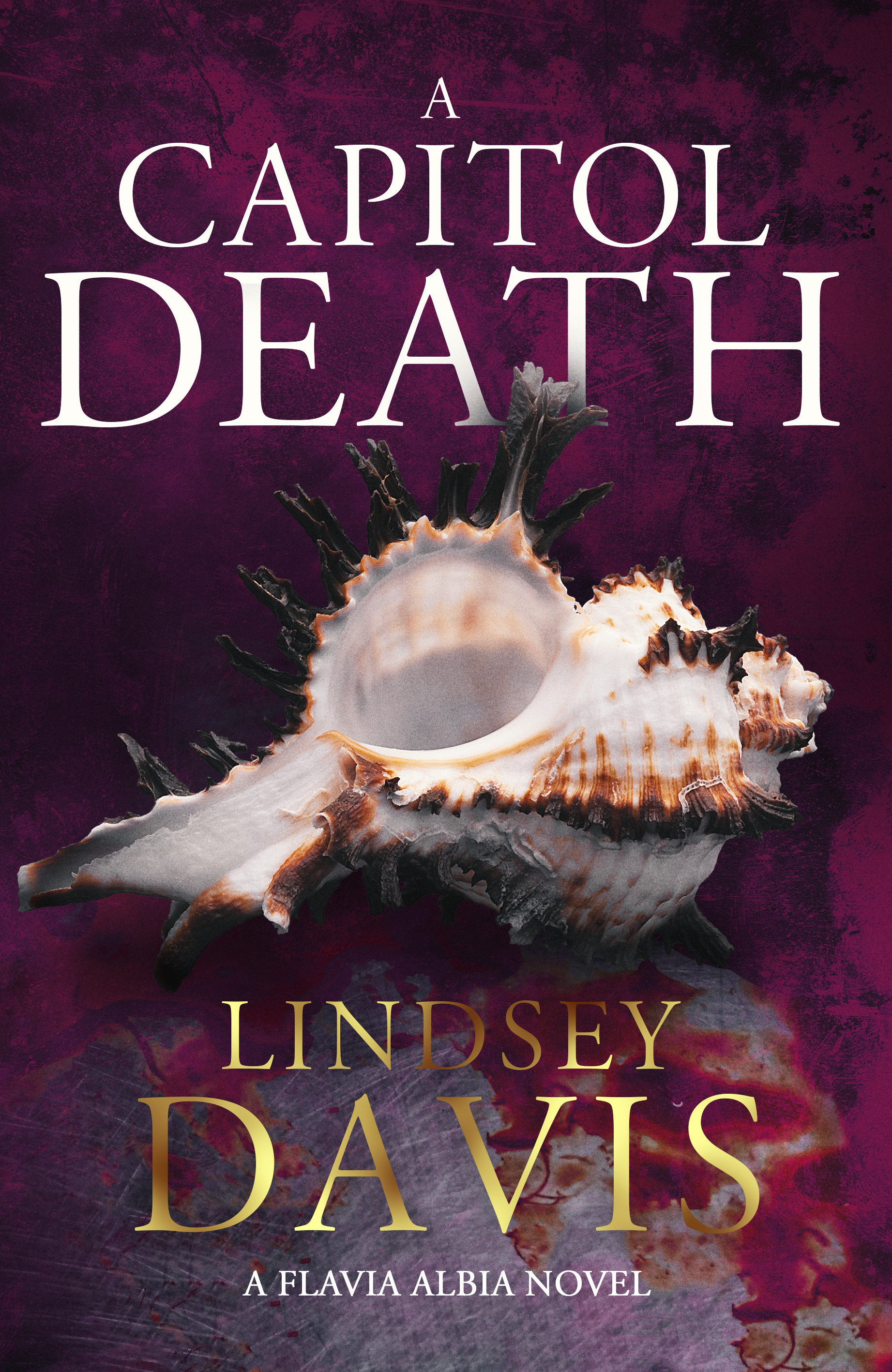
A Capitol Death by Lindsey Davis

a capitol death cover

Publisher: Hodder & Stoughton (Hardcover – 4 April 2019)

Series: Flavia Albia – Book 7

Length: 383 pages

My Rating: 4 out of 5 stars

Amazon

For the last 30 years, Lindsey Davis has been one of the most prolific and impressive authors of ancient history murder mystery, writing 28 amazing books during this period. Starting in 1989 with The Silver Pigs, Davis introduced the world to Falco, the private investigator who solved murders in ancient Rome. This series, known as the Marcus Didius Falco series, eventually ended after 20 books in 2010; however, several of the characters and storylines explored in these books were continued in 2013’s The Ides of April, the first book in the new Flavia Albia series. In each of the following years, Davis has released a new book in this second series, resulting in A Capitol Death, which is the seventh Flavia Albia book to be released.

I was lucky enough to get a copy of The Ides of April when it first came out, and absolutely fell in love with the awesome main character and her fantastic investigations. I have since gone out of my way to grab every book in the Flavia Albia series, as Davis is one of my auto-buy authors, and I currently have reviews for the last two books in the series, The Third Nero and Pandora’s Boy on my blog. I really loved Pandora’s Boy last year, and it even got an honourable mention on my Top Ten Reads for 2018 list. As a result, I have been quite eager to get my hands on A Capitol Death for a while now.

In Rome, in 89 AD, while the city is preparing for the return of the cruel Emperor Domitian, murder is literally in the air. The body of a minor government official has been found at the base of the symbolic Capitoline Hill, and it appears that he was pushed off the top of the cliffs. While a case like this would usually be a low priority for the city’s authorities, the man who died was responsible for all the transportation during the Emperor’s upcoming triumph and his death is now politically sensitive.

Enter Flavia Albia, professional informer and adopted daughter of the legendary investigator Falco. Employed by her husband, the magistrate Faustus, to investigate the murder for the city, Flavia sets out to discover who is responsible for this crime. However, that is easier said than done, as the victim is revealed to have been an extremely unpleasant individual whose attitude and shady dealings made him a very unpopular person. With a huge list of suspects lining up before her, Flavia has her work cut out for her.

When a second murder occurs on the hill, the case becomes even more complicated. Flavia must work out the connection between the two victims and who would want to murder both of them. As the start of the Emperor’s triumph gets closer, Flavia must interrogate a lengthy list of people, including oyster farmers, slaves, diviners, goose handlers, seamstresses and more in order to find the killer. What happens when the killer finds her instead?

A Capitol Death was another great addition to the Flavia Albia series, and well worth the wait. Davis once again sets a compelling mystery within her excellent Roman historical setting, and sets her unconventional protagonist on the case to find out the truth in an ancient city that is portraying some very modern attitudes and mentalities. The result is a captivating and entertaining read that I was able to finish off in relatively short order. While I did not quite enjoy A Capitol Death as much as the last two Flavia Albia novels, this was still a fantastic piece of historical crime fiction and I will be grabbing the eighth instalment of this series when it comes out next year.

At the heart of this story is a well-thought-out and compelling murder mystery. Davis constructs a complex case, involving a deeply unpopular victim, a huge number of suspects with substantial motives, very little evidence and a complete lack of cooperative witnesses. Without modern forensic techniques in this ancient setting, the protagonist’s main investigative recourse is to talk to everyone with a connection to the victim in an attempt to find out who would want to kill him. As a result, Flavia digs her way through the lives of everyone involved in the case, finding out deficiencies in stories and the various connections between the various suspects and witnesses. I really enjoy the way that the protagonist investigates this case, and it is interesting to see the variety of evidence and leads she can come up with simply by asking the right questions. The case has a substantial number of twists and turns, as well as a huge number of likely suspects that act as good red herrings. The entirety of the case is very intriguing, and I really enjoyed the investigative angle of this book.

While the murder investigation is a key part of the main plot, Davis also spends a bit of time focusing on the chaotic personal life of series protagonist Flavia Albia. Between setting up her new home, dealing with her high-maintenance family and helping out a husband only recently recovered from a freak lightning strike, there is a lot going on for the character, even before she is forced to investigate a murder. While some readers might have trouble caring about a character setting up a household, entertaining her family or finding reliable domestic help, I actually found it to be an enjoyable part of the book, mainly because the author uses these scenes to make a number of jokes of humorous observations. In addition, after all these books, I have grown attached to the main character and I am genuinely interested to see how her life progresses.

Davis has always done a great job of utilising the ancient city of Rome as a setting for her stories, and she continues to do this in A Capitol Death. This story is set in 89 AD, during the reign of the Emperor Domitian, and features an interesting version of the city. In this book, Domitian is returning to the city after a military campaign and the city is organising a triumph in his honour. This means that the city is filled with all manner of secret agents, Praetorians and officials organising the triumph for the Emperor, which makes for an intriguing background setting for this story. I really enjoyed the author’s examination of the triumph, which becomes a big focus of the book due to several of the case’s suspects or persons of interest being involved in its planning and set-up. There are a number of sequences that show the huge amount of preparation that goes into the triumph, and it was entertaining to see how they may have faked certain required elements of the triumph, such as dressing up random citizens to use as fake captured prisoners.

In addition to the examination of the political make-up of the city and the preparation for the military triumph, Davis also spends this book looking at some other fascinating aspects of the city and its citizens. The presence of certain witnesses who live outside the city of Rome necessitates a visit to one of the smaller Roman towns on the Italian coast, and it is always interesting to see the protagonist leave the city. The visit also allows the author to spend some time highlighting the process behind the creation of the coveted imperial purple dye that was used for the priciest garments in ancient Rome. There was also an intriguing focus on Capitoline Hill as the site of a murder. The Capitoline Hill, as one of the original Seven Hills of Rome, is a major feature of city, and Davis really dives into its history and importance during the course of her book, giving the reader a great idea of what this historical location is like and what goes on there. I always love it when an author takes the time to teach the reader about some obscure aspects of history, and Davis showcases some really cool bits of historical trivial in A Capitol Death. This is a fun aspect of this book and one I quite enjoyed, especially as Davis does an excellent job of weaving it into the murder mystery part of the story.

I have always loved the way that Davis has introduced characters with more modern attitudes and personalities into her historical stories, as it makes for a funny and enjoyable story. Watching characters in an ancient setting act exactly like a person in a modern city is always enjoyable, and Davis makes sure to amp up the snark in each of her characters, making for a fun bunch of characters. Flavia is of course the snarkiest of them all, and as the story’s narrator and point-of-view character, her amusing opinions, thoughts, descriptions of the other characters and anecdotes from her past really help to give this book a light-hearted and entertaining tone. This is always a great feature of the Flavia Albia books, and I am glad that Davis continued it in this book.

This was another amazing outing from Davis that once again shows why she is the master of the ancient history murder mystery. Not only does she do an excellent job blending together a clever murder mystery with some fascinating historical details, but she also brings her trademark humour to the mix, creating another entertaining tale. I look forward to continuing this series next year, with The Grove of the Caesars, set to be released in April 2020, and I am sure I will have an incredible time reading the next instalment of the Flavia Albia series.

Amazon

Pandora’s Boy by Lindsey Davis

Pandora's Boy Cover.jpg

Publisher: Hodder & Stoughton

Publication Date – 5 April 2018

Amazon

Ancient Rome’s premier female detective returns in the latest Flavia Albia mystery from veteran historical crime author Lindsey Davis.

Rome, 89 AD.  Flavia Albia, the daughter of the legendary investigator Falco, is now a proficient private investigator and informant in her own right.  When the ex-wife of her husband, Tiberius, brings a case of family drama to her, Flavia is tempted to refuse, but when Tiberius disappears she needs a distraction.

The case revolves around a teenaged girl found dead in the prosperous Quirinal Hill district of Rome.  The girl, Clodia, was the apparent victim of a poisoned love potion, and her parents and grandparents are blaming each other for her death.  What begins as a simple investigation quickly becomes complicated when the witch accused of supplying the potion turns out to be the sister of the city’s biggest crime boss.  No-one is talking, and everyone in the Quirinal Hill has a secret.

Flavia is forced to seek the truth from a variety of people, including warring grannies, concerned parents, criminal lawyers, secretive slaves, a lettuce salesman with an interesting religious statue and, worst of all, the overprivileged offspring of Rome’s elite.  However, as Flavia’s investigation continues and a friend of hers dies, it soon becomes apparent that a vicious gang war is imminent.  Can Flavia solve the crime without getting caught in the crossfire, especially when she has a terrible history with one of the gangs?

Pandora’s Boy is the sixth book in the Flavia Albia series, which acts as a direct sequel series to Davis’ Marcus Didius Falco series.  Davis is one of the most prolific authors of historical whodunits and has a particular focus on novels set in ancient Rome.  For example, her Marcus Didius Falco series contains 20 books, and she has produced some stand-alone books set in the same period.

Like the previous books in the Flavia Albia series, Pandora’s Boy takes a contemporary look at Roman culture and lifestyles.  The inhabitants of Davis’ books act in a very modern way despite their ancient surroundings, and this results in a very humorous interpretation of the ancient Roman characters.  Davis also uses this book to parody a specific group in modern society: the millennials.  Throughout the story, Flavia is forced to follow, interview and generally endure the victim’s friends, who are the offspring of the city’s rich and powerful.  These friends are exceedingly selfish, have sordid love lives and get into all sorts of mischief.  In other words, they act in a very similar way to how modern day millennials are often perceived and portrayed.  Their appearance is quite jarring in the ancient Roman setting and leads to a lot of the books humour.  In all, it is a fun, quirky addition, and an amusing examination of modern society through very ancient eyes.

The core of the book is the death of a young woman and its investigation by the main character.  This is a well-done mystery that takes many twists and turns to keep the attention of the reader.  Flavia’s investigation is done through interviews, trickery, observations and undercover work, and, like many other parts of the book, is infused with Davis’ trademark humour.  The investigation is wrapped up in a final scene that is a throwback to classic murder mystery dénouements.  All the interested parties are gathered together in one place and the investigator reveals their conclusions, eventually leading to their solution to the crime.  Davis provides a perfect parody of this, infused with her own unique touch.  As a result, there are several jokes about this well-used literary device, including discussions around the necessary prep work and tricks to keep the gathered parties’ concentration of the speaker that will greatly amuse many murder mystery buffs.

One of the more diverting and memorable aspects of the Flavia Albia series is Davis’ tendency to include big action sequences that devolve into near absurdity and provide some of the best laughs in the entire book.  For example, in Davis’ previous book, The Third Nero, the climactic scene was a battle in the heart of Rome that featured, among other things, a war elephant, Parthian cataphracts and one of the most improbable chase sequences in all of fiction.  While nothing will quite top this, Davis has striven to include one such scene in Pandora’s Boy, featuring an interrupted séance, an all-out brawl between legionnaires and Vigiles at a collapsing temple, all of which serves as a backdrop to a fight between two warring grannies.  This is an extremely entertaining scene and definitely a highlight to watch out for.

Another notable feature of the books in the Falco universe is the deeper examination of the Roman criminal justice system.  The investigators in these books often deal with the Vigiles and the Aediles, the ancient Roman equivalent of the police and magistrates, many of whom turn into key characters.  This is a unique feature, as most Roman historical fiction books neglect to focus on these institutions, only mentioning them if in the context of political gain.  Pandora’s Boy includes a detailed look at the Vigiles who patrol the Quirinal Hill district and their investigation into the death and other serious crimes.  Loaded up with a suitable modern twist, the inclusion of these characters is an intriguing addition that highlights an often-neglected side of ancient Roman life.

Pandora’s Boy is a wonderful addition to one of the best ancient crime series currently on the market.  Davis once again creates a fantastic murder mystery and infuses it with outrageous humour and a modernistic take on ancient Roman life.  This is an exceedingly fun and deeply absorbing novel that will appeal to a very wide audience of readers.

My Rating:

Five Stars

Amazon