Star Trek: Lower Decks, Vol. 1: Second Contact

Publisher: IDW Publishing (Paperback – 16 September 2026)

Series: Lower Decks (2024) – Volume One

Writer: Ryan North

Artists: Derek Charm and Jack Lawrence

Length: 144 pages

My Rating: 4.5 out of 5 stars

Amazon

The hilarious adventures of the Lower Decks crew continue in the highly entertaining Star Trek comic, Second Contact, an outstanding and amusing read that will deeply appeal to all fans of the animated series.

I’ve been a little slack with my comic book reading in 2025, but one of the things I was unable to turn down was the first volume of a comic series provide new adventures for one of my favourite Star Trek television series, the comedic Lower Decks animated series.  Second Contact is the first volume of the 2024 IDW Lower Decks ongoing comic series, which follows on from the previously released miniseries.  Written by veteran comic author Ryan North and featuring art from Derek Charm and Jack Lawrence, Second Contact features issues #1-6 of this new series and contains three fantastic and awesome adventures of the chaotic crew of the U.S.S. Cerritos.

Plot Synopsis:
The crew of the U.S.S. Cerritos is back in a new ongoing comic series that’s a big, fun adventure from the hit TV show Star Trek: Lower Decks.

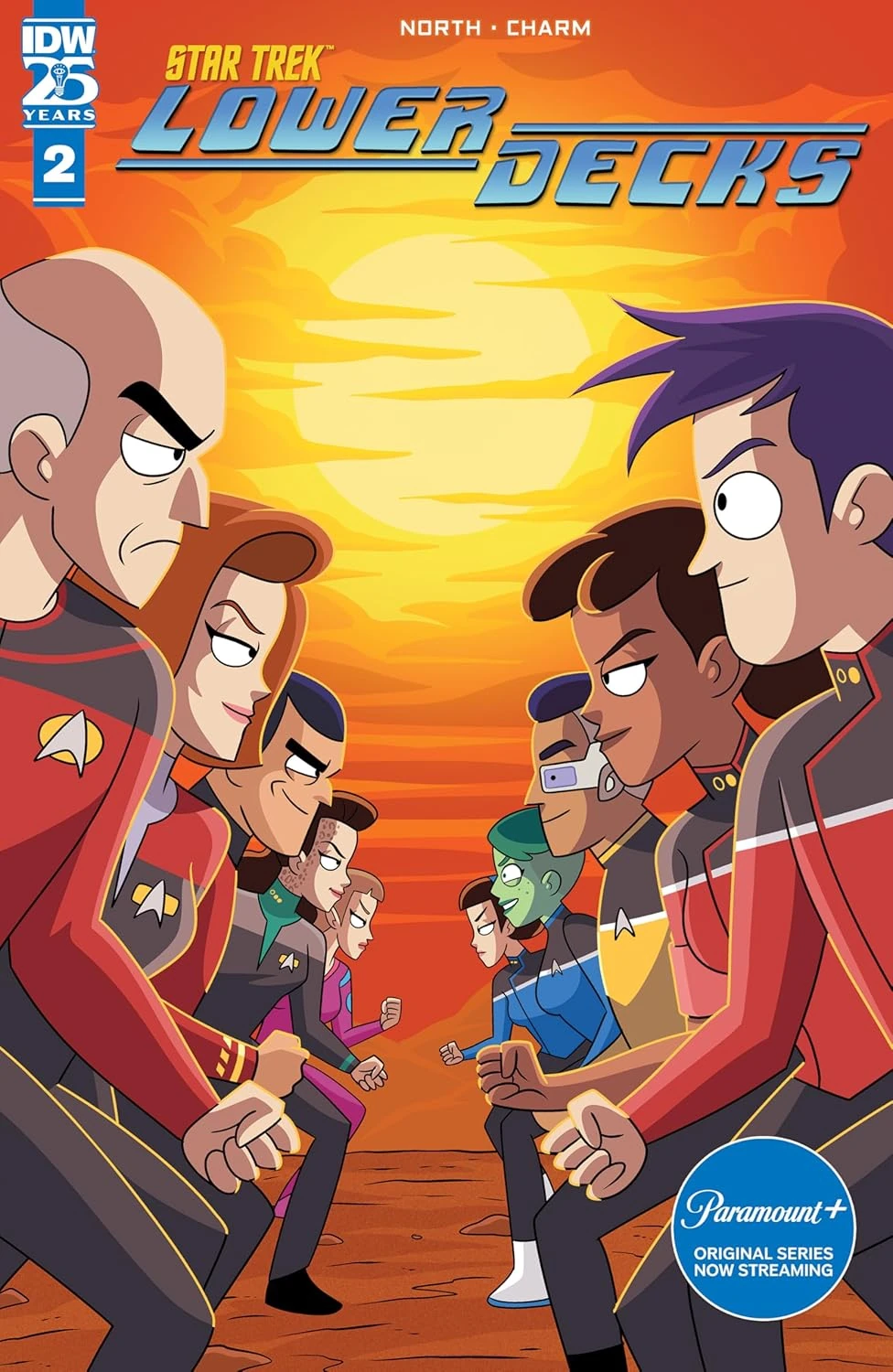
First up, a mysterious ghost ship appears just in time, as Mariner is becoming increasingly frustrated by the lack of thrills aboard the Cerritos! The thrill level increases significantly when the team is beamed onto an equally mysterious surface of an unknown world populated by an alien race that wishes to learn more about mentorship…through a battle royale! Enter Jadzia Dax, Montgomery Scott, Kathyrn Janeway, T’Pol, and Jean-Luc Picard as the mentors and the Lower Deckers as the mentees!

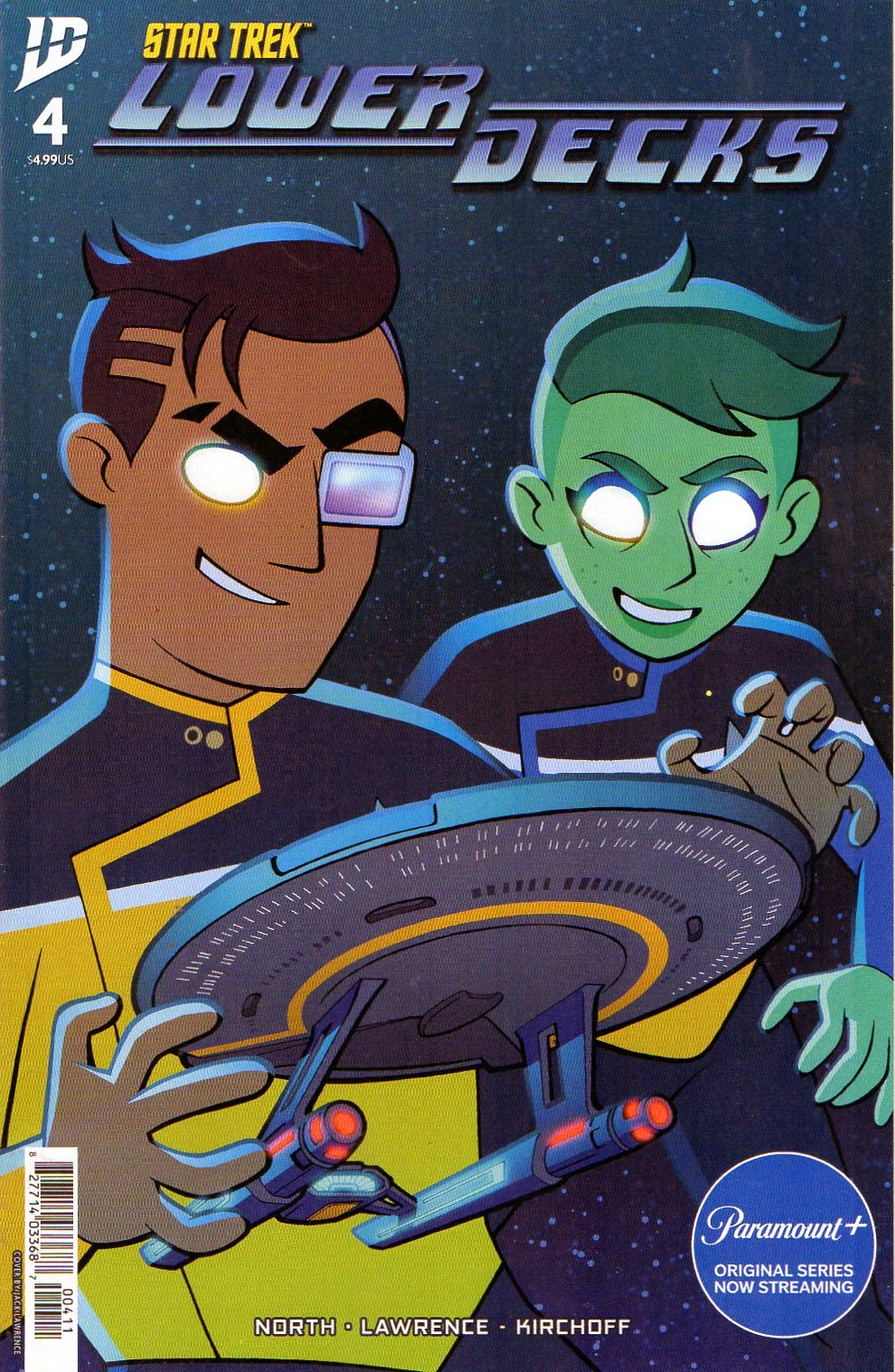
The Cerritos’ next mission is a supply run to Tavela Minor, but they first need to stop by the Alecto system to get some supplies to, uh, supply them with. However, just before they warp, they see the Alecto system isn’t only missing; it doesn’t exist. Like at all. Now they have a space mystery at hand: What could cause a whole star system to disappear?

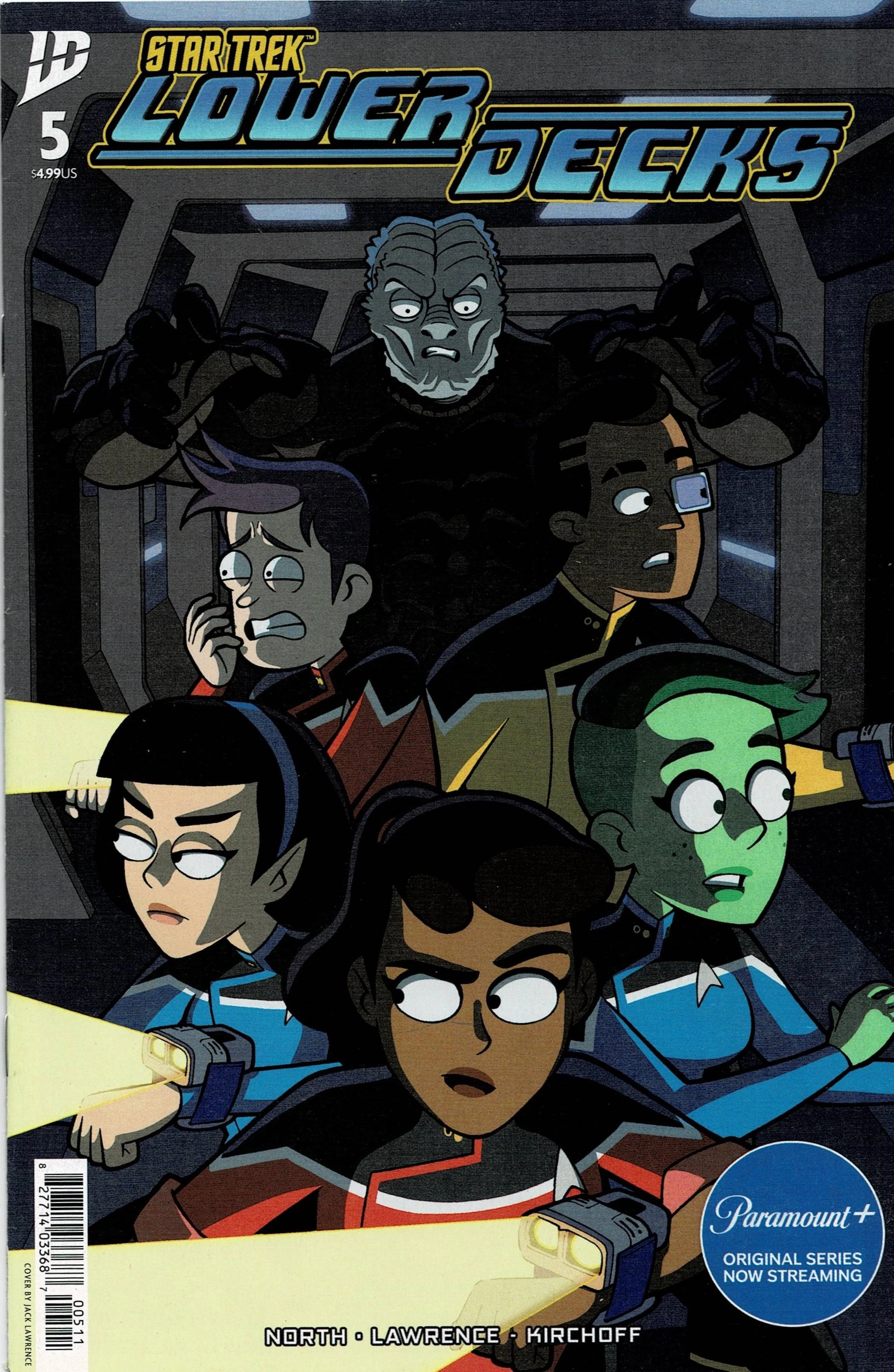
Then, suspicious after the Cerritos docks for its second baryon sweep in the same year, Mariner sneaks into a command meeting. There, the Department of Temporal Investigations tasks the crew with finding a time traveler who is rewriting Federation history at an alarming rate. Mariner finds her friends and tells them what’s really going on…only for the timeline to change around them! Obviously, something has gone wrong with Command’s mission, and per usual, it’s now up to Mariner, Tendi, Rutherford, and Boimler to save the day!

Second Contact was a very fun and compelling addition to the Lower Decks canon that sent its loveable cast on several great new adventures.  Loaded with intriguing adventures, light-hearted character moments and the self-referential humour fans of the Lower Decks animated series will know and love, Second Contact was a great comic I had an awesome time getting through.

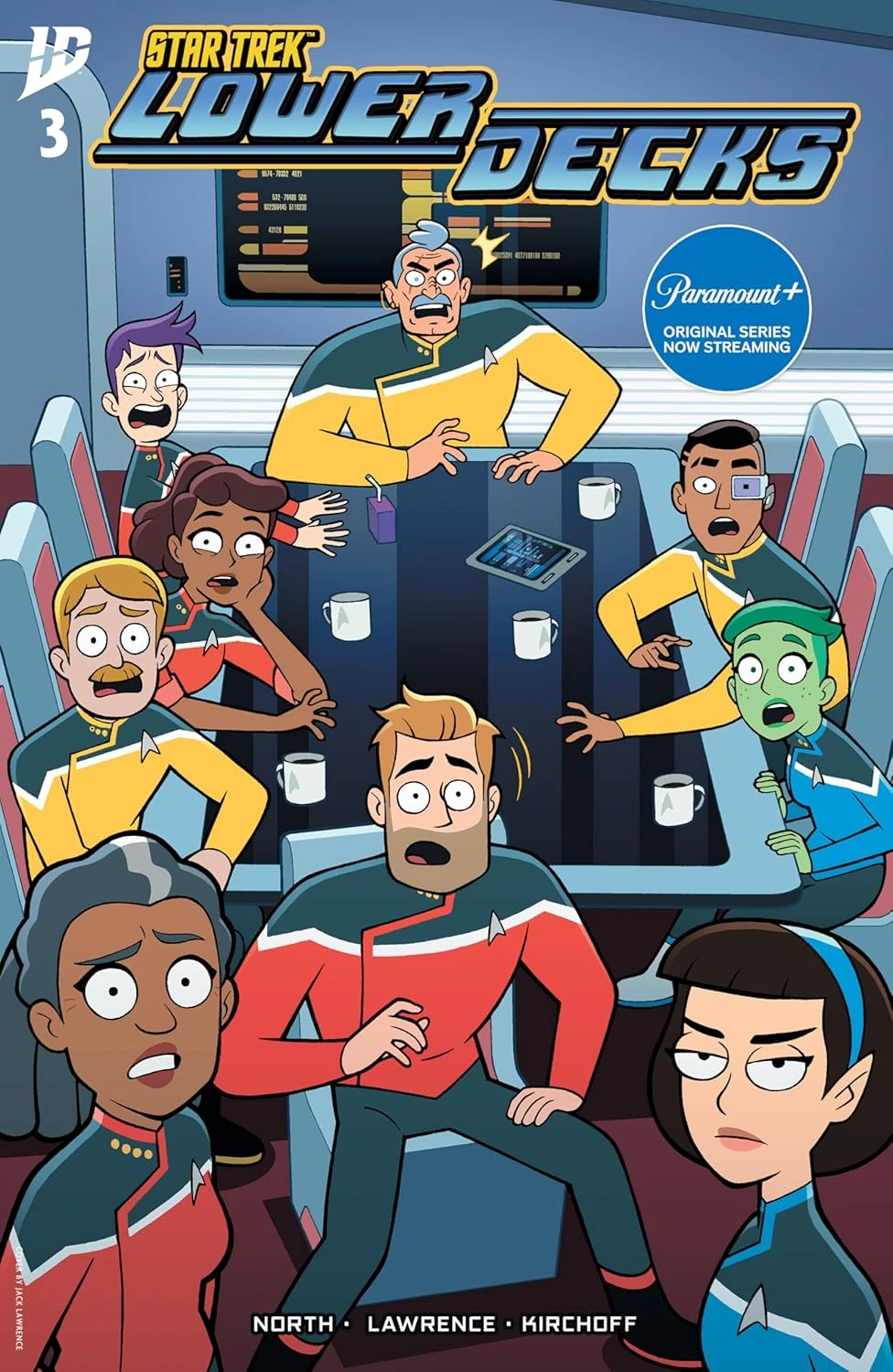
North comes up with three great new adventures for these first issues of the Lower Decks comic, which balances fun with some deep cuts into Star Trek lore.  Set during the animated series’ fourth season, the three stories of Second Contact each run for two issues and stand on their own extremely well, with plenty of laughs, crazy moments and some fun looks at the well-established main cast of Mariner, Tendi, Rutherford, Boimler and T’Lyn as well as the main cast bridge crew.

Of these three main storylines in Second Contact, my favourite was probably the first, which sees the Cerritos crew encounter the abandoned U.S.S. Bonadventure, a starship dedicated fans may remember from the Star Trek: The Animated Series episode The Time Trap.  However, the protagonists’ attempts to study the ship go sideways, with the five newly minted Starfleet lieutenants transported to a mysterious planet by the Excalbians in an entertaining homage to The Original Series episode, The Savage Curtain.  With each Lower Decks member paired with an iconic figure from one of the first five Star Trek live-action series, the cast are forced into a hilarious death fight scenario, which goes off the rails in some very creative ways.  North clearly had a lot of fun parodying two classic Star Trek episodes, mainly through jokes about Kirk’s actions, and the references come fast and thick here.  It’s also hard not to laugh at the viciously over-the-top interpretation of some of your favourite Star Trek characters, especially when they engage in a ridiculous, televised death match, all while the main cast critique the resulting tropes, as well as the various inconsistencies in the setting and the places they visit.  This was a very strong starting point for the series, which includes one of my favourite jokes about Boimler, who, after being paired with Picard, mentally requests the ‘Early Picard. Really stern, the super hard-ass Picard. The one who just got the Enterprise and is really mean about it for some reason’, version of the character, due to his issues with authority figures.

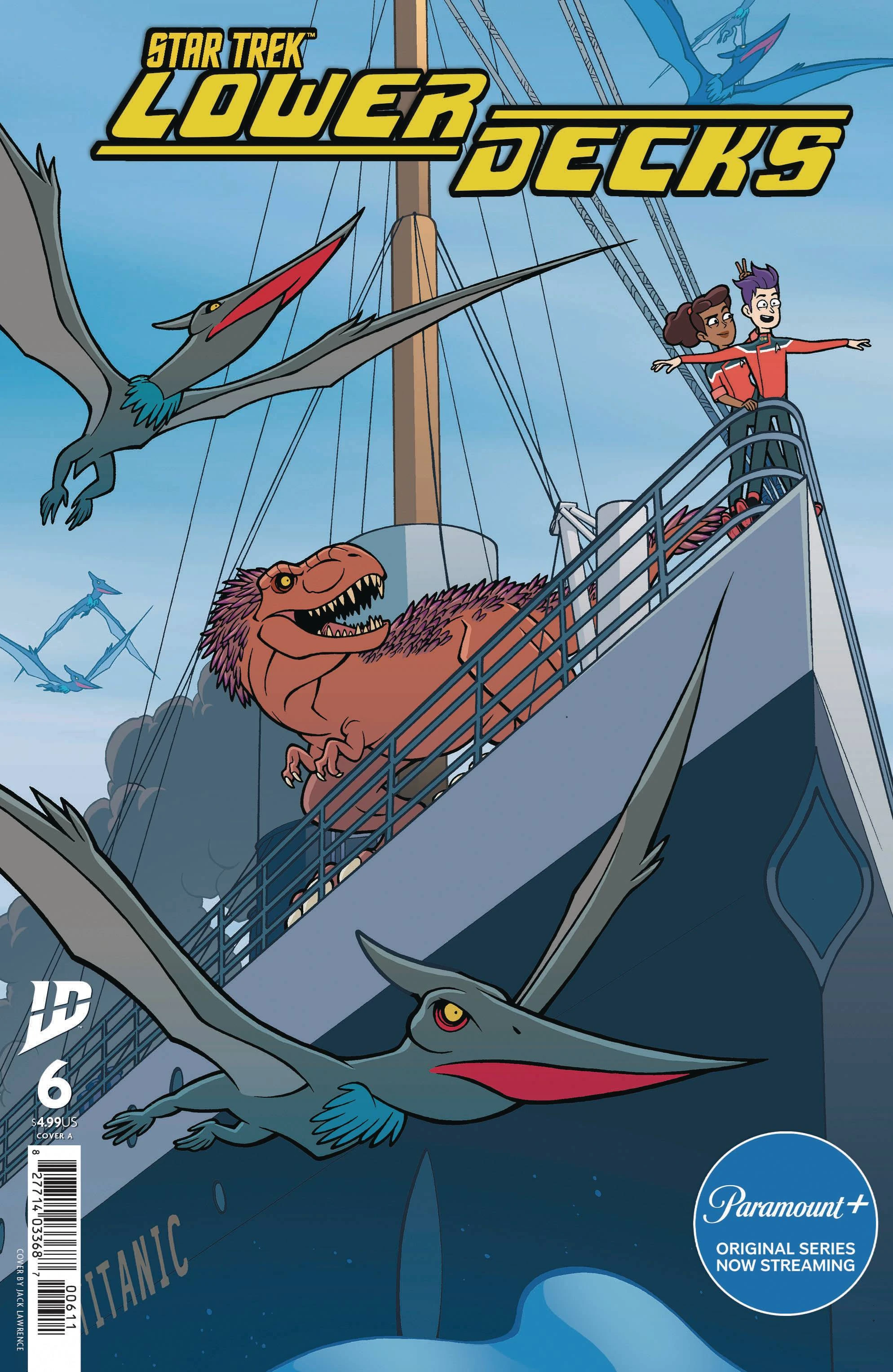
North keeps the intriguing narratives coming quick and fast with the next two adventures, each of which are well laid out in their respective two issues.  This includes a satirically science-heavy story, where the Cerritos investigates a disappearing system, only to encounter unlikely life from another universe.  This narrative, which features some great moments for the always entertaining and light-hearted pairing of Tendi and Rutherford, was a particularly touching inclusion, especially as North veers away from the comic’s typical comedic tone to provide a darker, and reflective conclusion.  However, the humour soon returns with the third and final story in Second Contact, which throws the cast into an unlikely time travel story.  A loving homage to Star Trek’s many time travel episodes, this story sees the five main characters chase the bridge crew and a temporal fugitive who are mucking up the timelines in several inventive ways.  Initially forced to navigate through various hostile versions of the Cerritos, filled with some ridiculous alternate alien crews, they eventually journey to classic time travel destinations the Titanic and the Late Cretaceous, all with inevitable hilarious results.  This third story was a very amusing entry that allowed the Lower Decks crew to get another taste of time travel after the hilarious crossover episode, Those Old Scientists, with the comic format allowing for some particularly inventive and over-the-top scenarios.  All three of these stories come together extremely well, and while they mostly serve as standalone adventures, it is a particularly exciting and compelling overall narrative for Second Contact that you can’t turn away from.

I really enjoyed how North pulled these first six issues together, and you get a good look at his style and understanding of both general Star Trek lore and the specific feel of Lower Decks.  The writing within these comic issues was very similar in style and substance to the animated show, with the loveable characters engaged in several bonkers missions with clever and satirical ties to the wider Star Trek universe.  The main cast of Lower Decks are perfectly captured by North’s writing, and I honestly heard all their fun lines in the character’s respective voices from the show, no matter how ridiculous the statement.  The amazing humour of the original animated series is also perfectly emulated in this comic, with a great combination of outrageous moments and references to classic Star Trek lore.  There are some truly amazing comedic moments here, including some hilarious takedowns of previous Star Trek moments, which range from subtle comments from the protagonist, to a full on bloody brawl between five of the franchise’s most iconic figures thanks to ratings-obsessed aliens.  Throw in some additional self-aware commentary at the bottom of each page from a now-omniscient Badgey, who serves as the comic’s narrator, and this was a very funny read, especially if you loved the Lower Decks show.  While they humour and storylines of the comic are geared towards the more hardcore fans of the franchise, Second Contact is open to all readers, and even those who only have a passing familiarity with Star Trek can have a blast with this comic.

The final thing I want to highlight about the issues contained within Second Contact was the fantastic comic art.  Made to emulate the cartoon style of the animated series, the more simplistic panels and content work well to continue the Lower Decks feel in this comic, which I appreciated as a fan of the show.  There are some interesting minor artistic and stylistic changes after issue 2, after Jack Lawrence tagged in, but both artists did a great job replicating the show’s characters, even if they also went in some amusing directions.  I personally loved some of the sequences by artist Derek Charm where he drew some panels in a manner more reminiscent of Star Trek: The Animated Series, primarily to help mock the old-school cartoon.  There are also some extremely exaggerated and evil drawings of several classic characters, including Picard, Janeway, Scotty and more, as they engage in some overly dramatic moments of villainy.  This includes a glorious double spread where these alien duplicates all switch from nice to derange in only a couple of panels, accompanied by some very crazy moments (such as Scotty casually turning the team’s spacesuits into improvised bombs), all of which added to the humour of the story.  The other artist, Jack Lawrence also has some excellent drawn moments in these comics, including a series of trippy science moments, such as a blank section of space suctioning up planets, as well an exaggerated sequence of time travel, which enhanced the narrative of these entries. This great art from Charm and Lawrence was very fun, and I enjoyed their entertaining visual takes on the Lower Decks cast.

Star Trek: Lower Decks contained in wildly entertaining fashion with this great new comic.  Featuring some fantastic stories, amazing humour and awesome artwork, Second Contact was an outstanding first volume in this series, and it was one I had a blast getting through.  Highly recommended for all Star Trek and Lower Decks fans, especially those who like self-aware jokes about this iconic franchise.

Amazon

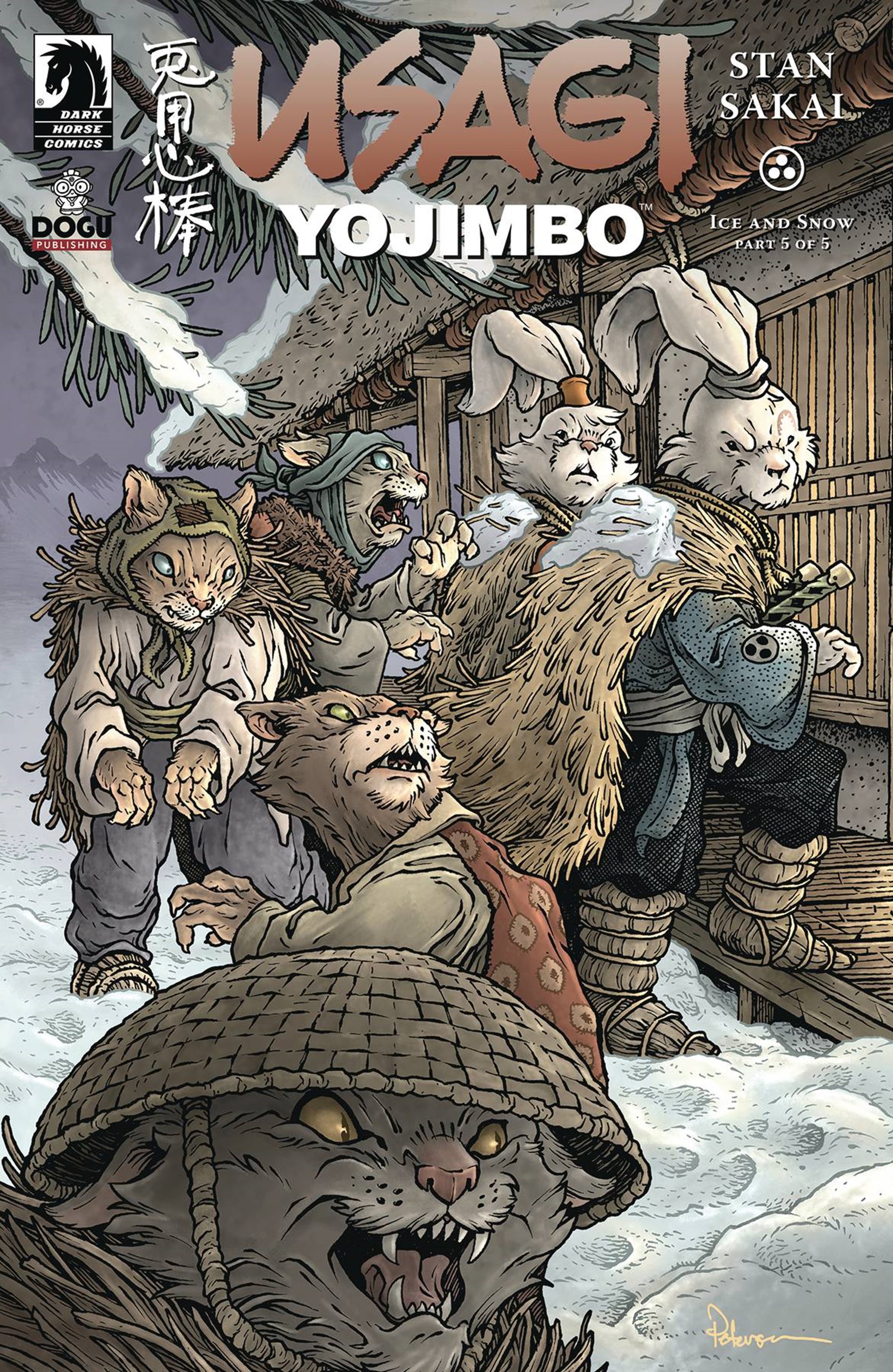
Waiting on Wednesday – Usagi Yojimbo: Volume 41: Ten Thousand Plums by Stan Sakai

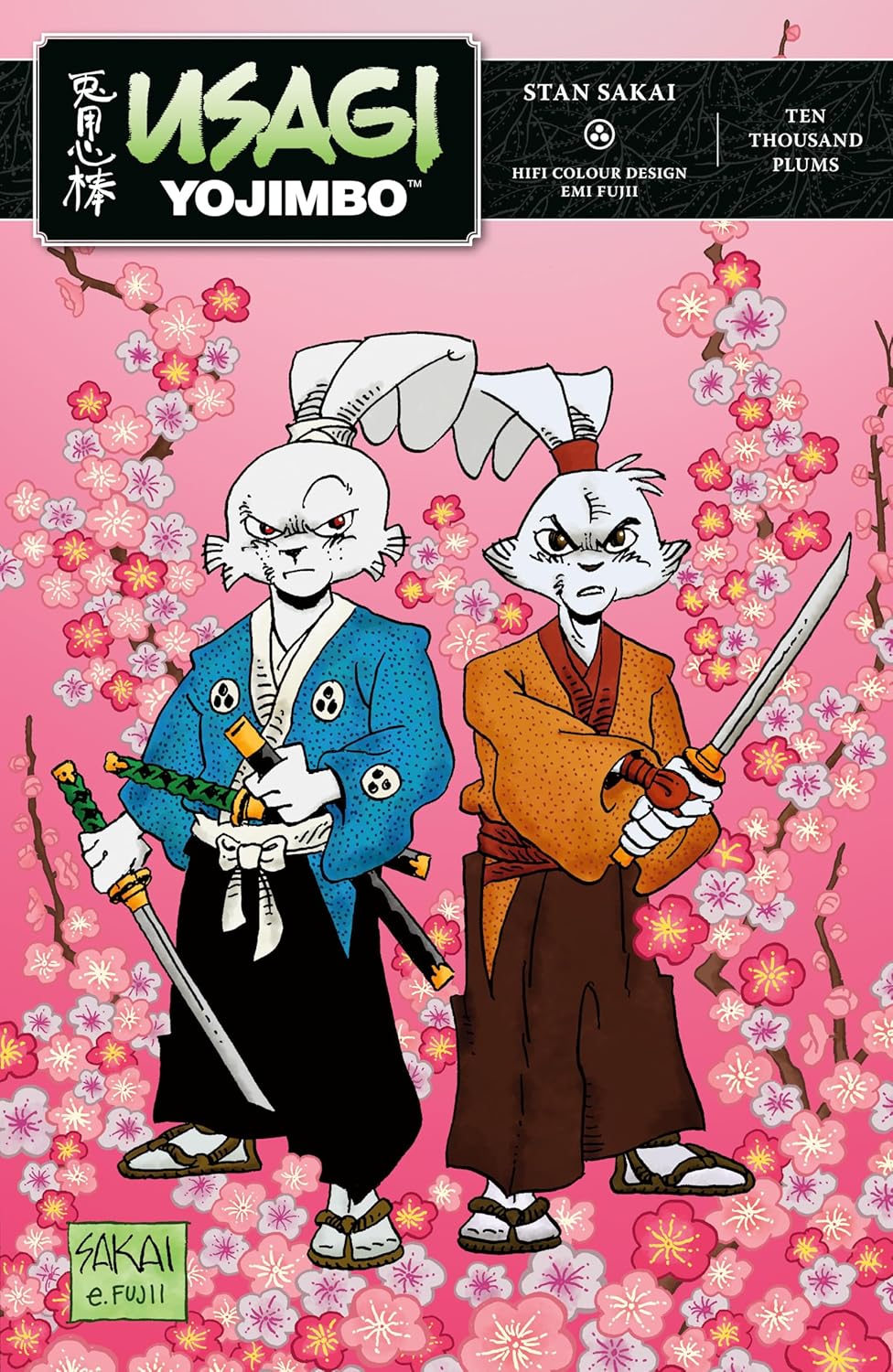
Welcome to my weekly segment, Waiting on Wednesday, where I look at upcoming books that I am planning to order and review in the next few months and which I think I will really enjoy.  Stay tuned to see reviews of these books when I get a copy of them.  For this week’s Waiting on Wednesday post, I highlight the next volume of the epic Usagi Yojimbo series by Stan Sakai, Ten Thousand Plums, which should be another exceptional entry in this amazing comic series.

Amazon

Fans of this blog will be more than familiar for my love of the exceptional Usagi Yojimbo series by Stan Sakai.  A particularly awesome comic that has been running since 1984, the Usagi Yojimbo stories follows a rabbit ronin as he faces all manner of foes in an alternate version of feudal Japan populated with anthropomorphic animals.  Thanks to its clever stories, great use of Japanese culture, complex characters and stunning artwork, the Usagi Yojimbo series has long been a favourite of mine and I currently have every single volume of it sitting proudly on my shelf.

Needless to say, getting the any new volumes of Usagi Yojimbo is a major priority for me each year, and I am always excited when I find out when the next comic is dropping.  As such, I was very, very happy to recently find out that the 41st volume of the series, Ten Thousand Plums, is set for release later this year.  This volume is particularly exciting for me, as we’d usually only get one volume a year and I was worried that the 40th volume of the series, The Crow, which I had a blast with earlier this year, was going to be me only Usagi Yojimbo hit of the year (barring one of my many re-reads, such as for volume 15: Grasscutter II).  However, it looks like this is one of the blessed years where we get more than one volume, and this new entry sounds pretty damn cool.

Currently set for release in late November 2025, Ten Thousand Plums will see the protagonists visit a beautiful valley, filled with thousands of plum trees, only to encounter mysterious deaths, suspicion and other dark occurrences.  I am already very intrigued by this comic’s unique new plot, and I cannot wait to see how it unfolds.

Plot Synopsis:

Murder and arson are plaguing the valley of ten thousand plums.

The trees within the valley of ten thousand plums are beautiful to behold. But the umeboshi, or pickled plums, made in the local village are renowned for their strong medicinal properties, and a favorite of the Shogun. As a series of deadly events grip the valley with fear, the Shogun’s samurai strongman is immediately suspicious when Usagi, Yukichi, and Gen are found wandering among the prized foliage…can their appearance be a mere coincidence?

A new adventure starring Usagi Yojimbo by legendary creator Stan Sakai, with beautiful color work by HiFi Colour Design.

Now this sounds like it is going to be a particularly cool Usagi Yojimbo story that will allow Sakai to really show off both his artistic talent and ability to craft great, mystery filled narratives.  Mysterious events around an intriguing location with a connection to a specific Japanese product (in this case, pickled plums) will allow Sakai to really dive into historical practices, and I cannot wait to see what cool narrative emerges.  At the same time, having Usagi and his companions become involved with the interests of the Shogun really increases the stakes of the plot, and may have some interesting long-term implications for the simple wanders.

While I think the story of Ten Thousand Plums is going to be amazing, one of the things that I am very much looking forward to for this new volume is the exceptional artwork.  Sakai always excels at painting breathtaking landscape shots as the background for his stories, especially as he really showcases the beautiful Japanese wilderness, or the iconic feudal towns.  It sounds like we will be in a for a real artistic treat in Ten Thousand Plums, as the entire narrative will be set to the background of thousand of flowering plum trees.  The multitude of trees and their blossoms is going to look so impressive when drawn by Sakai, and I cannot wait to see how it frames every single panel, especially now that the volumes are in colour.  Throw in Sakai’s usual brilliant artwork around combat, towns and unique characters, and this upcoming volume is going to be a real visual treat, and I can see this being one of Sakai’s more visually ambitious volumes.

Look, I was always going to be grabbing the new Usagi Yojimbo volume the second it came out, but hearing about Ten Thousand Plums’ impressive plot has made me even more eager for it.  Stan Sakai’s next volume sounds so damn cool, and I cannot wait to get my hands on even more Usagi Yojimbo comic-awesomeness this year.  As such, Ten Thousand Plums is now one of my most anticipated releases coming out later this year, and I already now it will be one of the best comics I read this year.

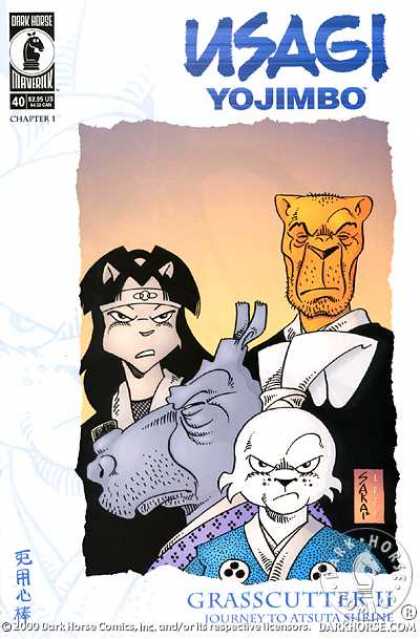
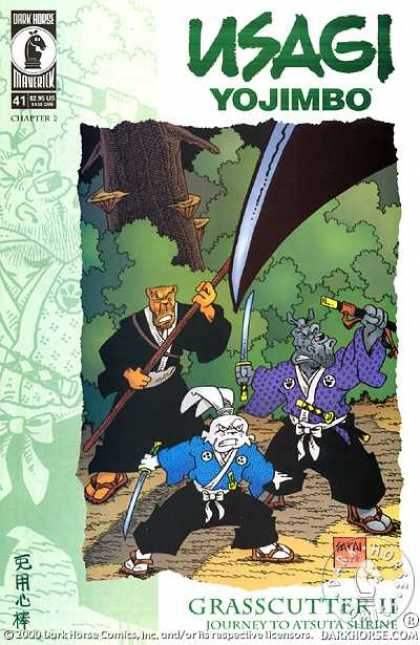
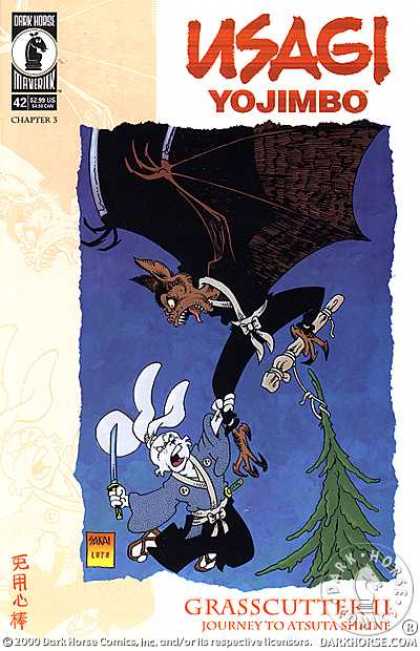
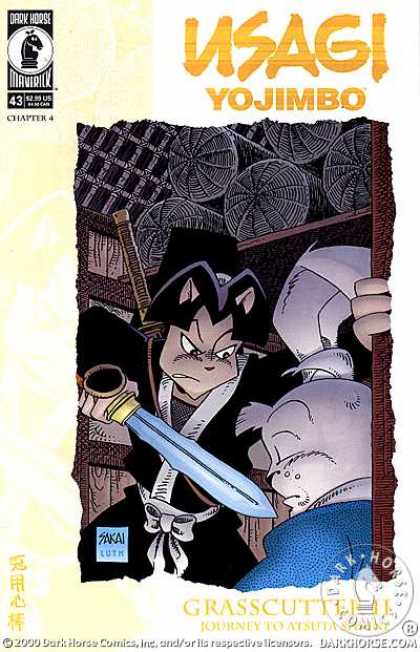
Usagi Yojimbo: Volume 15: Grasscutter II- Journey to Atsuta Shrine by Stan Sakai

Publisher: Dark Horse Comics (Paperback – 1 February 2002)

Series: Usagi Yojimbo – Volume 15

Length: 184 pages

My Rating: 5 out of 5 stars

Amazon

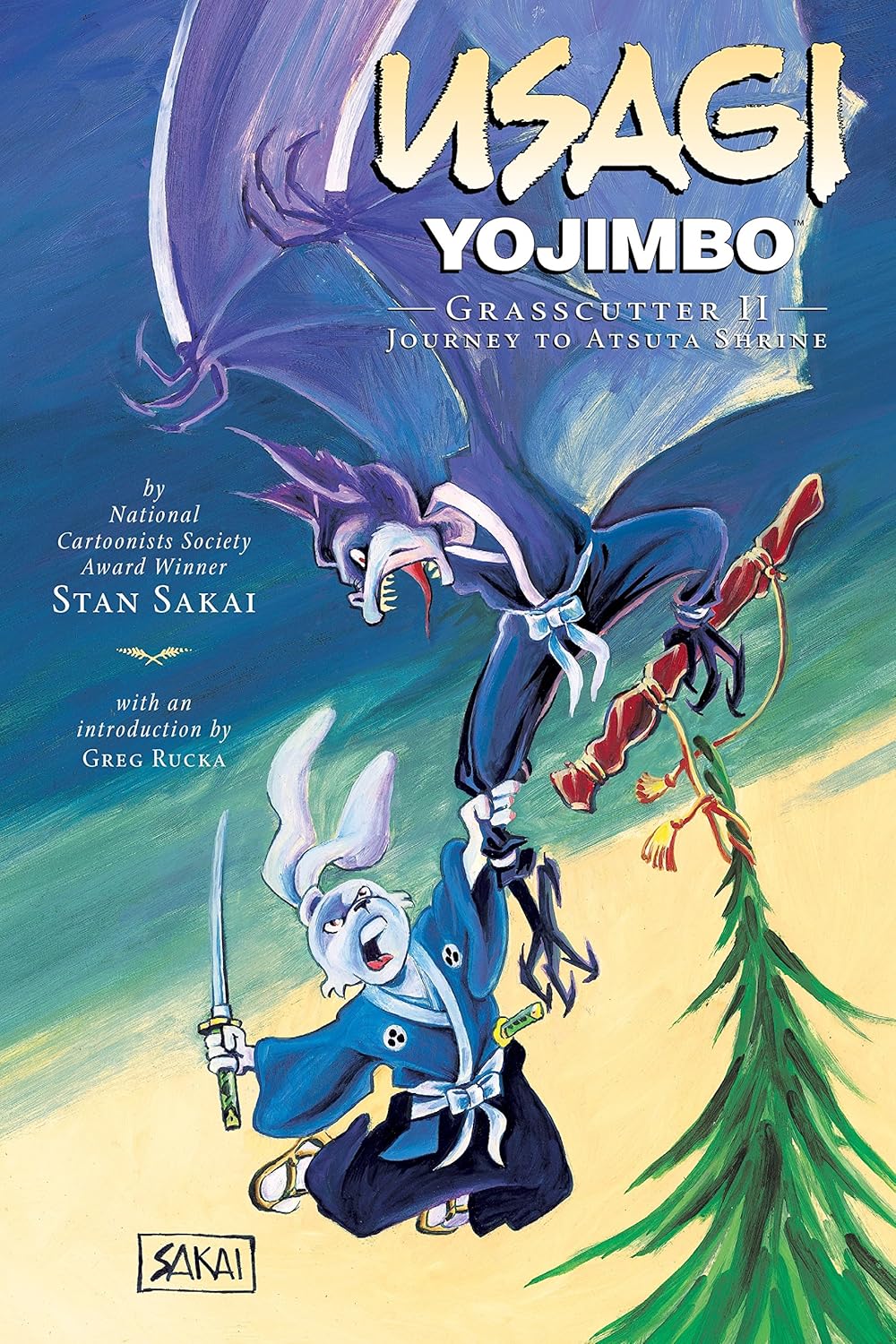
The classic adventures of Usagi Yojimbo continue as I look back at the 15th brilliant volume, Grasscutter II – Journey to Atsuta Shrine, one of Stan Sakai’s more ambitious and powerful comics, which sees the protagonist and his friends caught up in the tides of fate and history.

Ever since I read the recently released 40th volume of Stan Sakai’s iconic Usagi Yojimbo comic series, The Crow, I have been in a major Usagi Yojimbo mood, so I decided to go back and continue reviewing the older volumes of this classic comic, which follows a rabbit ronin in a version of Feudal Japan populated with anthropomorphised animals.  I reviewed the first 14th volumes during COVID lockdown, and had a lot of fun doing so, especially as Usagi Yojimbo is one of my favourite comic series.  I have been meaning to restart reviewing the older comics for a while, and I’m not going to throw away this sudden surge of creative energy, so this is the perfect time to bring out my review for the 15th volume in the series, Grasscutter II.

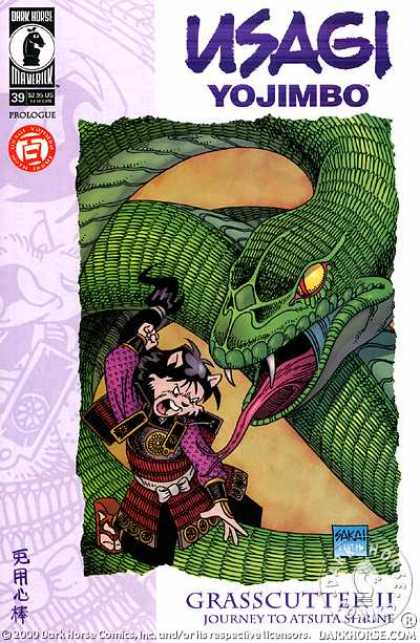
Grasscutter II is one of Sakai’s most impressive comics in the series.  Featuring issues #39-45 of the first Dark Horse Comics run on the Usagi Yojimbo series, Grasscutter II serves as the gripping sequel and conclusion to the intense and pivotal story contained in the 12th volume, Grasscutter.  This previous volume saw Usagi and his friends become embroiled in the recovery of the legendary sword Kusanagi and the foiling of a major plot to rebel against the Shogun.  A dark and compelling entry in the series, Grasscutter featured an amazing story with major implications for the Usagi Yojimbo series.  This was such a key volume, and it is interesting to see how Sakai follows it up here, especially as he needed to make Grasscutter II’s story in just as epic, if not more impressive.

Following dark events of magic and death, few people are aware that the legendary Imperial sword Kusanagi has been recovered from the sea.  Forged by the gods and wielded as a symbol of Imperial authority for generations, Kusanagi, or the Grasscutter sword has the potential to reshape the power structure of Japan, as whoever holds it could rally all the country to their cause, bringing war and destruction to a currently peaceful nation. 

Hidden at a small temple, the sword is currently guarded by the honourable samurai Miyamoto Usagi, the irrepressible bounty hunter Gen, and the head priest Sanshobo.  However, the three know that they cannot keep the sword hidden for long, with dangerous foes seeking to uncover its secrets.  The only place that the sword will be truly safe and out of the hands of those who would use it for political gain is the sacred shrine of Atsuta, where a replica of the sword currently rests.

Embarking on a noble quest, Usagi, Gen and Sanshobo hope to sneak the sword to the shrine before anyone knows they have it.  However, the road to safety is long, and it soon becomes apparent that dangerous foes know exactly what they are carrying.  Pursued by two rival ninja clans who will stop at nothing to possess the sword as fuel for their own dark ambitions, Usagi and his comrades will need to fight tooth and nail to survive and keep the sword out of their hands.  But with old friends and new bitter rivals revealing themselves, can even Usagi and his skilled companions avoid the tragedy that stalks them?

Grasscutter II was an epic and captivating classic entry in one of the best ongoing comic series.  Serving as an effective follow up to the bloody events of Grasscutter, Grasscutter II blended together a ton of outstanding action with some great character moments to create a memorable and beautifully drawn addition to the series that gets a very easy five-star rating from me.

This 15th volume of the Usagi Yojimbo series has a very gripping and intense storyline that seeks to combine Japanese history and mythology with the author’s action-packed style.  Starting with a beautifully drawn prologue that gives some interesting historical and mythological context to the sacred shrine of Atsuta, Sakai quickly moves into the main story, with Usagi, Gen and Sanshobo starting their journey to the shrine after being forced to protect the sword in the previous volume, Demon Mask.  At the same time, two rival bands of ninja, the Komori ninja and Neko ninja, discover that the existence of the sword and move quickly to intercept the companions, hoping to claim it for their own conflicting reasons.  The Neko ninja, led by Chizu, who has a complicated history with Usagi, catch up to the protagonists around the same time as the Komori ninja, leading to a wild three-way brawl.  Forced to work together, Chizu joins Usagi and his friends to recover the sword, which raises some interesting conflicts and issues, especially as Chizu has very different plans for the Kusanagi sword.

The second half of Grasscutter II is epic the entire way through, as Sakai continues to feature impressive action, while also allowing several character arcs to develop and conclude in tragic ways.  This includes the companions meeting up with the excellent supporting character Ikeda, who had such a great redemption arc in the previous Grasscutter volume.  Following some initial betrayal from Chizu, Usagi, Gen and Sanshobo follow her and enter battle with the Komori ninja, which ends in a dark moment of honour and loyalty from another interesting supporting figure.  While this initially seems to wrap up the main story, a fun twist ensures that Grasscutter II enters a fantastic concluding arc that sees that protagonists enter one last battle before achieving their goal.  This big battle is one of the most brutal and intense in the entire volume, and results in the book’s final tragic moment, which proves to be a fitting end to one amazing figure.  Loaded with powerful emotion, sacrifice and grief, this ending to Grasscutter II wraps up the entire story perfectly and ensures you are hooked all the way to the final blow.

This was another great volume from Sakai that successfully pushes the overall narrative of the series onwards and results in some intriguing changes to the comics, both in this book and the future.  As with all of Sakai’s work, Grasscutter II features a great combination of action, intrigue, character work and beautiful art that comes together perfectly to create an exceptional comic that is impossible not to finish in one sitting.  There are some truly great moments in Grasscutter II that help to make it stand out amongst Sakai’s other outstanding work, including the cool battle sequences.  The various scenes that feature the protagonists caught between two different schools of ninja were the best, and Sakai had fun showcasing the scary fighting ability of the blade-winged Komori ninja, as well as the established tricks of the Neko ninja.  This fantastic clash of styles allowed for some brilliant sequences, which were so damn epic to see unfold.  While I had a lot of fun with Grasscutter II, I must say that it probably isn’t the best volume of Usagi Yojimbo to start the comic on.  While Sakai does a good job revisiting some of the key plotlines and characters, you probably should read the previous Grasscutter volume to fully appreciate the plot, as well as some of the other earlier volumes to understand some of the character arcs.  Still, this is a very impressive Usagi Yojimbo entry, and a key read for established fans of the series who will have an exceptional time with Grasscutter II.

While fans will probably enjoy Grasscutter II’s exceptional action the most, I personally thought that it was some of the great character work in this volume that helped to make it particularly good.  Thanks to the volume featuring one extended storyline, Sakai takes his time to set up some outstanding character moments that work perfectly alongside the complex narrative and cool artwork.  While Usagi and Gen are their usual fun selves (there opposing views on honour, duty and what is right is always fun), I thought it was several returning supporting characters who really stole the show in Grasscutter II, especially as Sakai wove some great storylines around each of them.  This includes the former samurai turned monk Sanshobo, who has been an excellent recurring figure since his introduction in the series’ 10th volume, The Brink of Life and Death.  Not only does he mesh well with Usagi and Gen, acting as a voice of reason between the two strong-willed characters, but Sakai also brings one of his main character arcs full circle when he encounters his former lord.  Sanshobo has some great moments in Grasscutter II, especially his grief at the end, and I liked how Sakai utilised him as part of the main trio.

Another impressive character in Grasscutter II is Ikeda, who Sakai has built up as a wonderful figure.  Introduced in the moving story, The Patience of the Spider (contained in the 11th volume, Seasons) and expanded on in the first Grasscutter story, Ikeda is a former lord and general who learned to enjoy the quiet life of a peasant after his defeat.  Reunited by chance here with his former retainer Sanshobo, Ikeda proves to be an interesting addition to the cast.  Not only do his insights into the Neko ninja, who he greatly distrusts due to his history with them, result in a key plot point, but he is also once again tempted to achieve power, something he decides against in a great continuation of his storyline.  However, it is in the final sequence where Ikeda’s full character is revealed, where he serves as a willing rearguard to the companions to ensure the Neko ninja don’t get the Grasscutter sword.  His big battle sequence is very well portrayed, especially with how Sakai features his old war wound, and his final scene is one of the most badass inclusions in any Usagi Yojimbo comic.  An extremely well-written and complex character who is used to his full potential in this last appearance.

The final characters I want to mention are the various members of the Neko ninja who appear in this volume, primarily as antagonists.  Long-time opponents of Usagi, the Neko ninja represent the more classic ninja styles in the Usagi Yojimbo universe and prove to be great foils to the protagonist’s samurai style.  This includes their leader, Chizu, who has a long and complicated history with Usagi.  Simultaneously serving as both an alternate protagonist, antagonist and potential love interest to Usagi, Chizu has a lot of storylines in Grasscutter II, which Sakai makes full use of.  Forced to hunt for the Grasscutter sword against her better judgement, Chizu desires nothing more than to throw the sword back into the ocean to keep it out of anyone’s hands, and will betray anyone, including Usagi for that goal.  This results in some intriguing personal issues amongst the protagonists, especially as Usagi tries to see the best in her, while Gen forms an instant, mutual dislike of her.  Chizu’s inner conflicts become a key part of the plot, and her appearance here will have major impacts for her storyline going forward, especially when it comes to her ambitious number two, Kagemaru, who has been angling for power for several volumes now.  Kagemaru proves to be a ruthless alternate antagonist in Grasscutter II, and I liked how well Sakai set him up as both a physical and political threat going forward.  The final Neko ninja character I should mention is Saru, a former member of the clan betrayed by Kagemaru in the previous volume.  Seeking revenge on Chizu, who Saru believes was behind the betrayal, Saru stalks Chizu for much of the volume, resulting in some excellent sequences of ninja-on-ninja violence.  A compelling figure, Saru ends up redeeming herself in a particularly moving sequence and makes an impact despite her relatively short appearance.  These great ninja characters, and indeed the entire case of Grasscutter II, deeply enhanced the impact of the comic’s narrative, and I had an outstanding time seeing their arcs unfold.

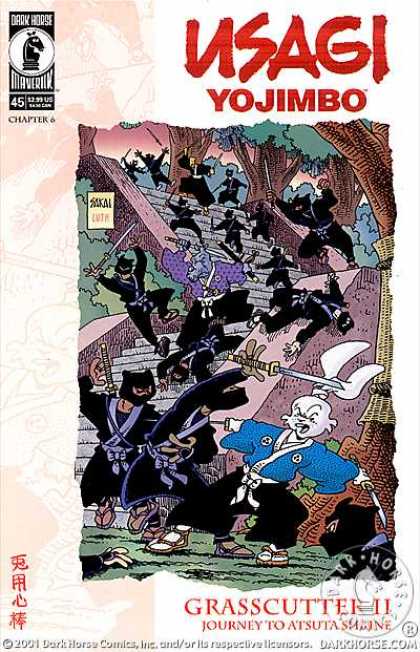
As with all the Usagi Yojimbo comics I review, I must highlight the outstanding artwork that is such a brilliant feature of Grasscutter II.  Featuring Sakai’s classic pre-colour style of drawing, Grasscutter II’s art is very visually impactful, and I loved the fantastic black-and-white panels that cleanly show the complex actions and characters.  Every panel is extremely striking, and I love how effectively Sakai showcases everything in such detail, including the actions of his many characters.  I am always impressed with how well Sakai implies movement and activity with his drawings, and you really get the flow the scene from his panels.  I particularly appreciate how well the intense fight sequences come across in Grasscutter II, especially as there are so many scenes of carnage that occur within this volume.  The various battles, which usually involve a range of ninja, are so well drawn, and I loved the complex array of combat that flitters along the pages.  Some of these scenes are quite elaborate, and I loved seeing all the multiple black-clad figures moving around the established cast, especially in some of the bigger fight sequences.

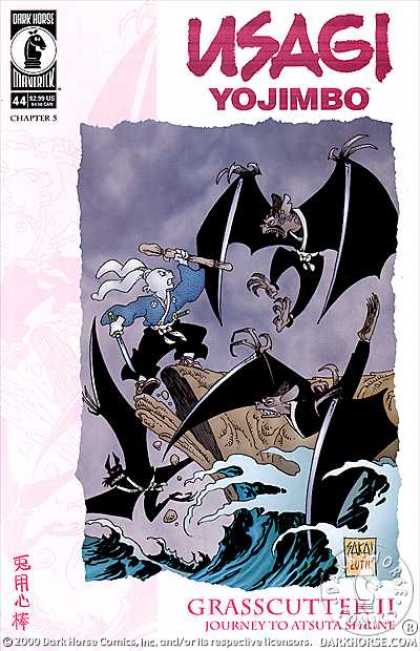
In addition to great fights, Sakai does a great job capturing the emotive nature of his cast with his fantastic drawings of the major characters.  The intense reactions of many of his characters help to make the scene pop, and I love how well Sakai showcases the emotional range that the story elicits.  Highlights include the final face of one badass warrior while the grief of another usually calm figure really hammers home the seriousness of the moment.  All this amazing action and great character drawings is perfectly supported by Sakai’s trademark drawings of the picturesque Japanese landscapes, towns and temples that serve as an amazing backdrop to the main story.  Sakai has some real talent of showcasing Feudal Japan with his artwork, and you can often feel the world through which the characters are trapsing.  I particularly appreciated Sakai’s portrayals of a wild oceans beneath a ragged cliff, which was a setting for several of the volume’s more visually powerful panels.  The harsh waves striking around the combatants was especially impactful, and you could almost feel the wave’s strength as the characters fight at their edge.  Throw in Sakai’s interesting take on a classic Japanese legend at the very start of the volume in the prologue and Grasscutter II’s art comes together in a truly perfect manner, especially as this volume features some of the artist’s most ambitious fight sequences.

Based on my rambling paragraphs above, I think it is safe to say that I had an amazing time reading the 15th Usagi Yojimbo volume, Grasscutter II.  Featuring the exceptional storytelling and artwork of the legendary Stan Sakai, Grasscutter II achieves so much with its ambitious plot, long-term, character driven storytelling, and amazing sequences of combat and chaos.  A brilliant, classic addition to a truly incredible comic series, Grasscutter II comes highly recommend, and I had such a great time getting through it yet again.

Amazon

Waiting on Wednesday – Usagi Yojimbo: Volume 40: The Crow by Stan Sakai

Welcome to my weekly segment, Waiting on Wednesday, where I look at upcoming books that I am planning to order and review in the next few months and which I think I will really enjoy.  Stay tuned to see reviews of these books when I get a copy of them.  For this week’s waiting on Wednesday, I highlight the next awesome volume of one of my favourite comic book series with Usagi Yojimbo: The Crow by Stan Sakai.

Amazon

Fans of this blog will know that I am a massive fan of the Usagi Yojimbo comic series by iconic writer and artist Stan Sakai, indeed I literally just published a review for the 39th volume, Ice and Snow (one of my favourite books of 2024), yesterday.  Following a rabbit ronin who travels around an animal filled Feudal Japan, the Usagi Yojimbo series is a classic comic that combines intriguing samurai focused storylines with beautiful artwork to great effect.

Sakai has been on a real roll of late with this series, especially since he adapted colour to his artwork, and there have been some truly impressive volumes, including Bunraku and Other Stories (one of my favourite books of 2020), Homecoming (one of my favourite books of 2021), Tengu War! and Crossroads (both of which were among my favourite books of 2022) and The Green Dragon (one of my favourite books of 2023).  All these comics have been extremely epic with some inventive narratives, and I have so much fun reading them multiple times.

Due to how awesome I always find the Usagi Yojimbo series, it is a must-get for me each year, and I always grab the new comic the second it comes out.  Usually, fans of the series are forced to wait a whole year between volumes, but luckily for us they are releasing the next inclusion very soon with the 40th volume in the series The Crow.  Currently set for release in early February 2025, The Crow will pit Usagi against a new dangerous opponent, while old friends return to cause even more trouble.


Plot Synopsis:

The adventures continue for the rabbit ronin Usagi and his cousin Yukichi!

Finally making it out of the frozen mountains, Usagi and Yukichi come across a merchant being attacked by four brigands.

They rescue the supposed merchant only to discover much later that he is really a criminal with a huge bounty on his head! Of course, wherever there is a huge reward you will find bounty hunters Gen and Stray Dog…and other unscrupulous trackers!


While brief, the above plot synopsis is full of potential, and I like the sound of where The Crow’s story is going.  While having Usagi rescuing a merchant with dark secrets is a bit of a common occurrence in the Usagi Yojimbo series, the inclusion of a hidden criminal and the return of Usagi’s old friends Gen and Stray Dog should result in a fun and exciting narrative.  Gen, the surly and greedy rhinoceros samurai is always a great comedic character, especially when teamed up with the bounty obsessed Stray Dog, and it will be great to once again seem them interact with the more straightlaced Usagi.  Throw in rival trackers and other potential villains and The Crow should be another action-packed blast, filled with well-drawn carnage.

To be honest, I already know that I am going to grab this new Usagi Yojimbo volume the moment it comes out and I will love it unconditionally.  I have such a great respect and appreciation for this exceptional series, and I refuse to believe I will find anything to hate in this upcoming comic, especially if Stan Sakai keeps up all the skill and creativity he’s been putting into the last few volumes. I cannot wait to see the elaborate stories contained within The Crow, as well as the awesome and captivating artwork, and I’m sure this will be something special.  The Crow is already one of my most anticipated reads for the new year and it is almost guaranteed to get a five-star rating from me.  Check back in a couple of months to see my glowing review for Usagi Yojimbo: The Crow, and make sure to also check out my other Waiting on Wednesday this week for When the Moon Hits Your Eye by John Scalzi.

Usagi Yojimbo: Volume 39: Ice and Snow by Stan Sakai

Publisher: Dark Horse Comics (Paperback – 26 November 2024)

Series: Usagi Yojimbo – Volume 39

Length: 160 pages

My Rating: 5 out of 5 stars

Amazon

Acclaimed comic author and artist Stan Sakai continues his iconic Usagi Yojimbo series in a big way with the exceptional 39th volume, Ice and Snow.

Fans of this blog will know that I am a massive fan of the incredible Usagi Yojimbo comic series, which I have been reading for many years and is one of my favourite comic book series.  The brainchild of Stan Sakai, who both writes and draws the comic, Usagi Yojimbo is a unique series that follows a rabbit ronin samurai as he wanders around an anthropomorphic feudal Japan, getting involved in all manner of deadly and dangerous adventures, both mundane and supernatural.  The Usagi Yojimbo comics are so much fun, and I love the compelling stories, distinctive artwork and memorable characters who are contained within its beautiful pages.  This series has been so damn awesome of late, with some amazing coloured volumes, including Bunraku and Other Stories (one of my favourite books of 2020), Homecoming (one of my favourite books of 2021), Tengu War! and Crossroads (both of which were among my favourite books of 2022) and The Green Dragon (one of my favourite books of 2023).

This latest volume, Ice and Snow, is an intriguing addition to the series as it continues to follow some of the storylines from the previous volumes while also featuring a single overarching narrative rather than several shorter stories.  Ice and Snow is also the series’ return to Dark Horse Comics, who previously published the series for 22 years (from Volume 8: Shades of Death to Volume 33: The Hidden).  This return to Dark Horse has allowed for another intriguing read that featured a major confrontation between Usagi and one of his most dangerous foes.

Miyamoto Usagi, travelling ronin and occasional Yojimbo, continues to wander the lands, seeking adventure and helping his friends where possible.  Now travelling with his cousin Yukichi, Usagi finds himself moving through the cold and snowy mountain tops of Northern Japan, having just escaped a confrontation between rival ninja clans in the pair’s last adventure.  Determined to return to warmer climates, Usagi and Yukichi once again find themselves in trouble amongst the mountain peaks.

Cold and seeking shelter, Usagi and Yukichi encounter nothing but bandits and mysterious creatures as they continue their journey.  Desperate for warmth, they decide to spend the night inside the hut of strange woman, only to find themselves trapped by the cold heart of a dangerous spirit, Yuki-Onna, the lady of the snow, who is determined to feast on them.

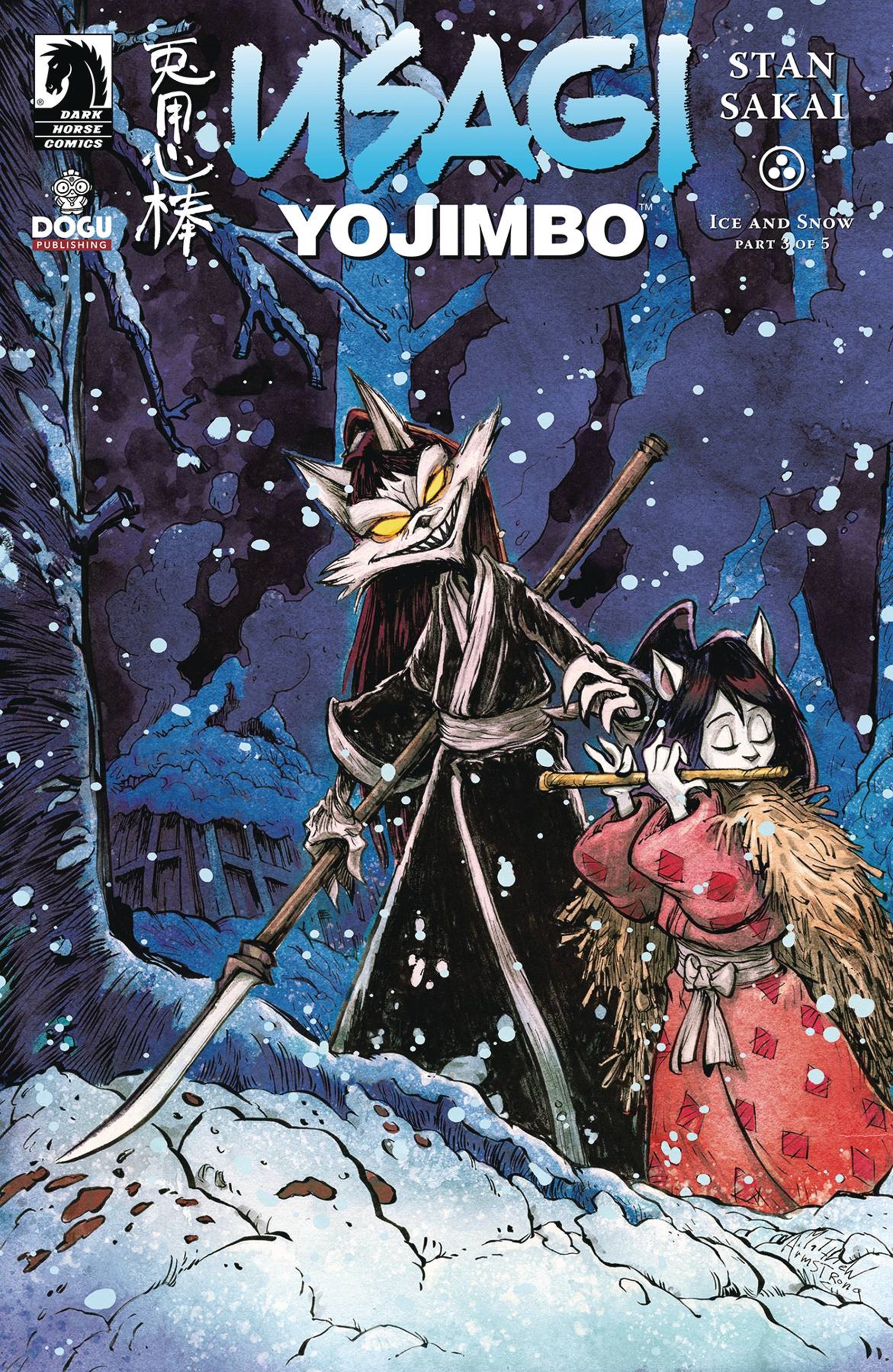
However, the attentions of a powerful spirt of the snow are the least of Usagi and Yukichi’s problems, as a far more terrifying monster haunts the mountains.  The demonic black spearman Jei, the Blade of the Gods, has long hunted Usagi, believing that by killing the rabbit ronin he will ascend to godhood.  Now leading a group of mountain bandits, Jei relentlessly chases after Usagi and Yukichi, determined to end their feud once and for all.  Can Usagi once again weather the dark storm that is the unstoppable Jei, or will this be the moment he finally falls to his deranged nemesis’s black blade?

Ice and Snow was another amazing volume from Sakai that provides a cool new adventure for the author’s iconic protagonist.  Featuring an excellent main storyline loaded with peril and dark confrontation, Ice and Snow had me hooked the entire way through, especially as it featured Sakai’s gorgeous artwork.

Made up of five separate issues, Ice and Snow features a powerful single storyline which plays to the author’s strengths as he places his protagonists in mortal danger against foes new and old.  The story starts immediately after the events of the previous volume, The Green Dragon, with Usagi and his current travelling companion, Yukichi, still moving through the frigid mountains of Northern Japan.  Encountering the usual array of bandits, Usagi and Yukichi are thrust into action quickly and the initial combat sets the scene nicely for the rest of the comic.  The two soon move from mortal concerns to the supernatural, as the mysterious woman that Usagi and Yukichi seek shelter with predictably turns out to be a deadly monster (Usagi really should know better by this point), determined to eat their lifeforce. 

While these initial battles between Usagi, Yukichi and their various opponents are compelling and exciting, especially the intense fight against Yuki-Onna that was so well showcased by Sakai’s artwork, the best part of the early story involves the return of deranged supernatural warrior Jei.  Travelling with his young companion, Keiko, Jei brings his trademark terror to the local bandits, taking over their gang with violence and fear.  However, when he discovers that Usagi is nearby, he leads his new forces on a lethal hunting mission.  Jei honestly steals the entire comic in these sequences, as he terrorises and murders various members of the bandit gang to make his point.  There is also a fantastic fight between Jei and Yuki-Onna, which was a fantastic battle of the monsters that really highlights Jei as a powerful supernatural threat.

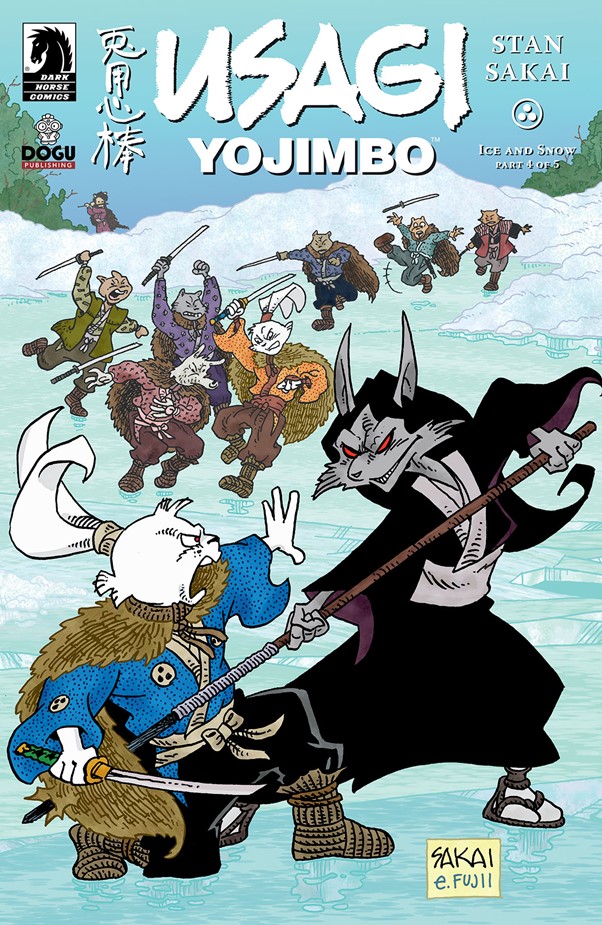
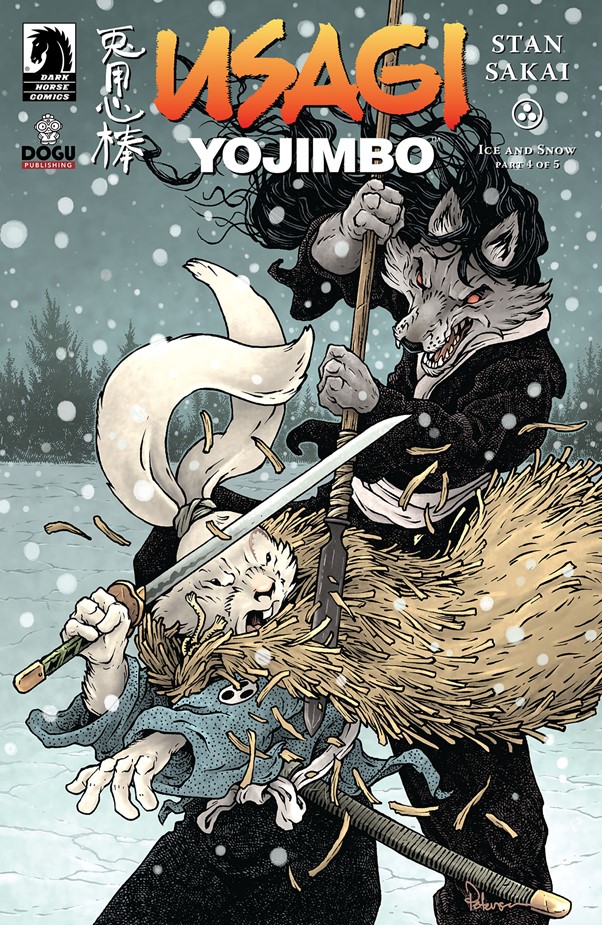
The final major sequence of the comic involves Jei catching up to Usagi and engaging in a brutal fight on a frozen river.  The sheer fear that is shown by the usually implacable Usagi really highlights to the reader just how dangerous Jei is, and I love how well Sakai utilises him as a villain here.  The battle between the two was dark, personal and pushes Usagi more than his usual fights, especially as the sinister Jei just won’t stop coming for him.  Sakai makes sure to have no conclusive end to this conflict, as Usagi will continue to be hunted and haunted by Jei.  This is honestly the best end you could imagine at this point in the series, especially as it plays into the horror movie inspiration for Jei, and readers are left wanting another awesome encounter between the two. 

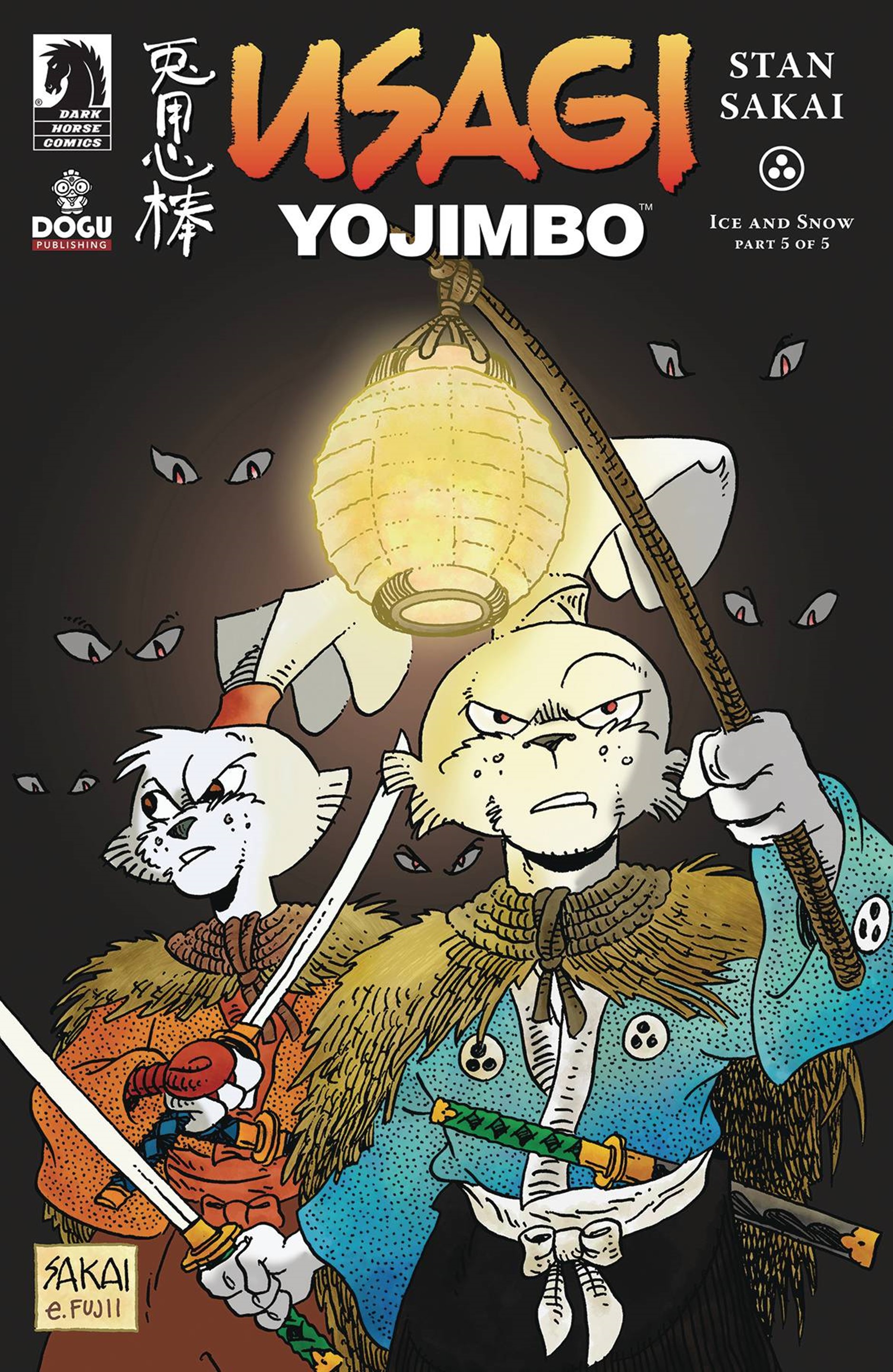
The final issue in Ice and Snow wraps up this mountainous arc of the series on a somewhat ironic note, as Usagi, Yukichi, and the few survivors of Jei’s bandits seek shelter in an isolated village, only to encounter more monsters in the form of cat demons.  This last battle serves as a great horror cherry at the end of an impressive supernatural Usagi Yojimbo volume, and Sakai had fun with the artwork around the monstrous opponents.  I really enjoyed the overall narrative that Sakai stuck into this volume, and frankly I had and exceptional time with the high-threat, quick paced, multi-issued narrative that took up the entire volume.

This was probably one of the stronger recent Usagi Yojimbo stories, and I loved watching the protagonists attempt to survive an onslaught of supernatural foes.  Sakai cleverly continues a multitude of long-running storylines, including the winter journey from the last couple of volumes, which sees Usagi act as a wise mentor to his younger companion, Yukichi.  However, I was extremely happy that we got to see the continued enmity between Usagi and Jei that has been such an impressive part of the series since the third volume, The Wanderer’s Road (which was first released in 1989).  Inspired by Jason from the Friday the 13th series, Jei is a brilliant villain, and Sakai has done a wonderful job to continuously make him the most intimidating figure in the entire franchise.  Jei honestly seems unstoppable at times, and I love the way he manages to destroy all his opponents except the final rabbit, Usagi.  Sakai manages to make Jei even more sinister by continuing to include Jei’s unlikely travelling companion, Keiko.  A young child who accompanies and is cared for by Jei, Keiko is a true innocent who has been adopted by the Jei as a herald.  Watching this harmless child play in the background of Jei’s various atrocities honestly makes the entire situation even more creepy, and she is such a brilliant part of the antagonist’s aesthetic, especially now that her flute which warns people of Jei’s coming (I loved Usagi’s dark comments about this at the end of issue 4).  Combine this with Usagi’s absolute dread at encountering Jei again, as well as the sheer certainty of his inevitable return, and Jei was so damn intimidating here it was just amazing.

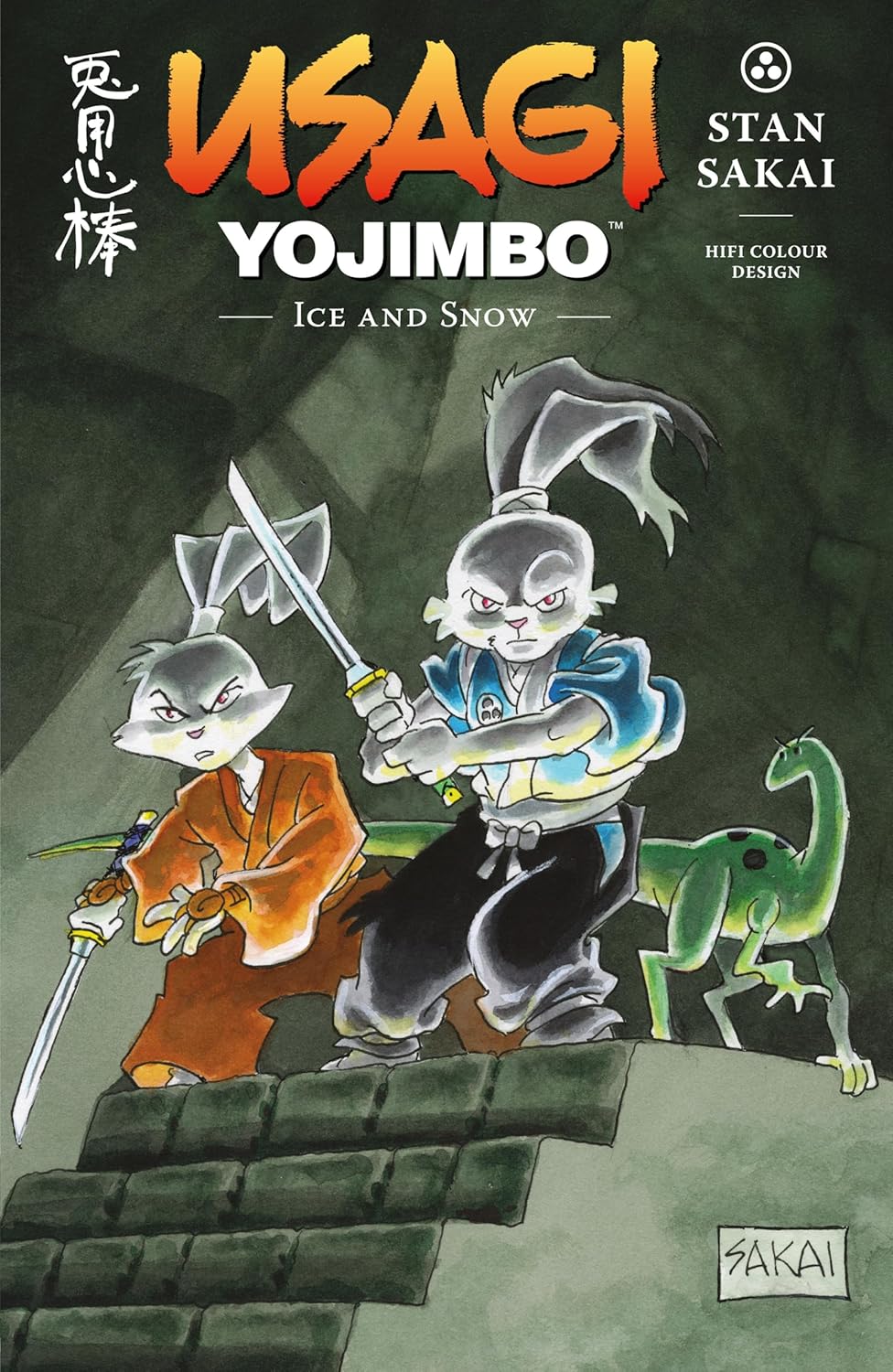
I can’t move away from this latest Usagi Yojimbo volume without highlighting the brilliant artwork that Sakai features within his comic.  Every page of this comic is loaded with well-drawn and powerful pieces of art, which effortlessly combine with the compelling writing to tell the powerful story.  Drawn exclusively by Sakai and featuring colouring from Hi-Fi Colour Design, the art in Ice and Snow is beautiful and highly impactful, as Sakai showcases the actions of his characters and the settings they find themselves in.  While every scene is fantastic in its own way, I must highlight the multiple nature shots featured throughout Ice and Snow.  Sakai channels his love for winter throughout this volume, and you are gifted with some breathtaking drawings of the snow-covered landscape the characters are travelling through.  These landscape shots are so pretty, especially now they are in colour, and the contrast between the white of the snow and the orange sky is amazing.  This includes some wonderful full-page drawings that feature multiple characters within them and all of them look so damn cool.

In addition to the wonderful landscapes and backgrounds that each of the outdoor scenes contain, I also must highlight how well the character actions are drawn throughout Ice and Snow.  Sakai does such an effective job of drawing his characters moving around the world, and you can easily envision what movements are implied from each picture.  The artist’s drawings work really well to portray combat, as the multiple sword fights and other encounters look so cool, and you can see the moving swirl of combat around each panel.  Some of these fight scenes are really dramatic and well set out, and I loved how effectively showcases the skill of his protagonists.

I also love at how impactful some of the character drawings were in this volume, especially when it came to the monsters that Usagi encountered.  Not only do we get some cool cat demons in the last issue, but the lady of the snow, Yuki-Onna, has a great monstrous look around her that makes her seem quite intimidating.  I personally loved the cool panel where an enflamed Yuki-Onna flees from Usagi, and the screaming skull shots that resulted from it were freaky.  However, it is the drawings of Jei that really hit me the hardest in Ice and Snow.  Sakai cleverly backs up his great writing around this character by showing him at his psychotic best, with his unnatural face and expression looking so awesome.  Jei was honestly intimidating or crazy in every single panel he appeared in, and I loved how scary he comes across in colour.  I especially love how impressive the fight between Jei and Usagi looked, as the desperation of their battle and the powerful emotion on both participants faces (with Keiko playing in the background) really hammers home the hatred and fear shared between the two.  I particularly enjoyed this really cool panel where a near-defeated Jei emerges from the frozen river to strike one more time.  Not only does this look so awesome, but it is a clever homage to Jei’s Friday the 13th inspiration, with the deranged killer getting one last surprise swing in.  All these impressive drawings were so amazing to look at, and I loved how Sakai’s artistic style is as impactful and powerful as ever.

Based on my gushing review above, I guess it is obvious that I had an exceptional time with this latest Usagi Yojimbo volume, Ice and Snow, which featured a powerful story loaded with the author’s best supernatural inclusions.  Stan Sakai’s writing and drawings are still very impressive, and I love how moved I was by them in Ice and Snow, even after all these years of being an Usagi Yojimbo fan.  This was such a great comic and it gets a very easy, if inevitable, five-star rating from me.  I cannot wait to continue this series into 2025, especially as the next volume is out very soon and features another awesome sounding story. 

Amazon

Top Ten Tuesday – My Favourite X-Men Live Action Movies (Ranked – August 2024)

Top Ten Tuesday I s a weekly feature that currently resides at The Artsy Reader Girl and features bloggers sharing lists on various book topics.  The official task for this week’s Top Ten Tuesday was for participants to highlight books that featured travel elements.  While this was interesting, I’m going to do something a little different, especially as I’m in a real comic book movie mood.  In particular, I want to talk about the X-Men movie franchise now that the 20th Century Fox era has come to an end.

I am sure that it will come to no surprise to anyone that I am a major fan of all things comic related, which includes the fabulous works coming out of Marvel.  Naturally, this includes the iconic and classic X-Men movies that were produced by 20th Century Fox.  The recently released Deadpool & Wolverine saw the end of the 20th Century Fox X-Men films, with the comic franchise now officially incorporated in the Marvel Cinematic Universe.  I think that enough time has passed since the movie’s release that I can finally start talking about it on this blog without spoiling anything for people out there.

The X-Men films represent a key part of comic book movie history, as they have been a substantial corner of the genre since the year 2000.  Following the iconic Marvel Comics superhero team of mutants, the X-Men films feature a range of cool storylines, characters and epic actors, as well as some exceptional graphics and productions.  The first X-Men films were some of the top movies in the genre at the time, helping the fan the early popularity of comic book films.  While the franchise has had its ups and downs over the years, it has still maintained its relevancy, and produced some true classics.  It has also continued to be a gamechanger right up until its most recent entry, especially as it helped to popularise R-rated comic book films.  I honestly have so much love for the X-Men film franchise, and I have had to the very great pleasure of viewing all of them multiple times.

Between my love for the X-Men films and the recent release of Deadpool & Wolverine, I thought this would be a good opportunity to quickly provide my personal ranking for the films in this franchise.  I have included all 13 of the live-action X-Men films released by 20th Century Fox, as well as the MCU released Deadpool & Wolverine.  Ranking these various films proved to be an interesting task, and I had a fun time trying to weigh the pros and cons of each entry.  I made sure to consider factors such as casting, story, graphics, legacy and how they handled the original source material.  However, the most important thing that I considered was how much I would want to watch this film again.  While I struggled a little in places, especially at the beginning of the list, I was able to come up with a ranking that I think captures my personal feelings and opinions about these various films.

Spoiler Warning below


List (Ranked – Reverse Order):

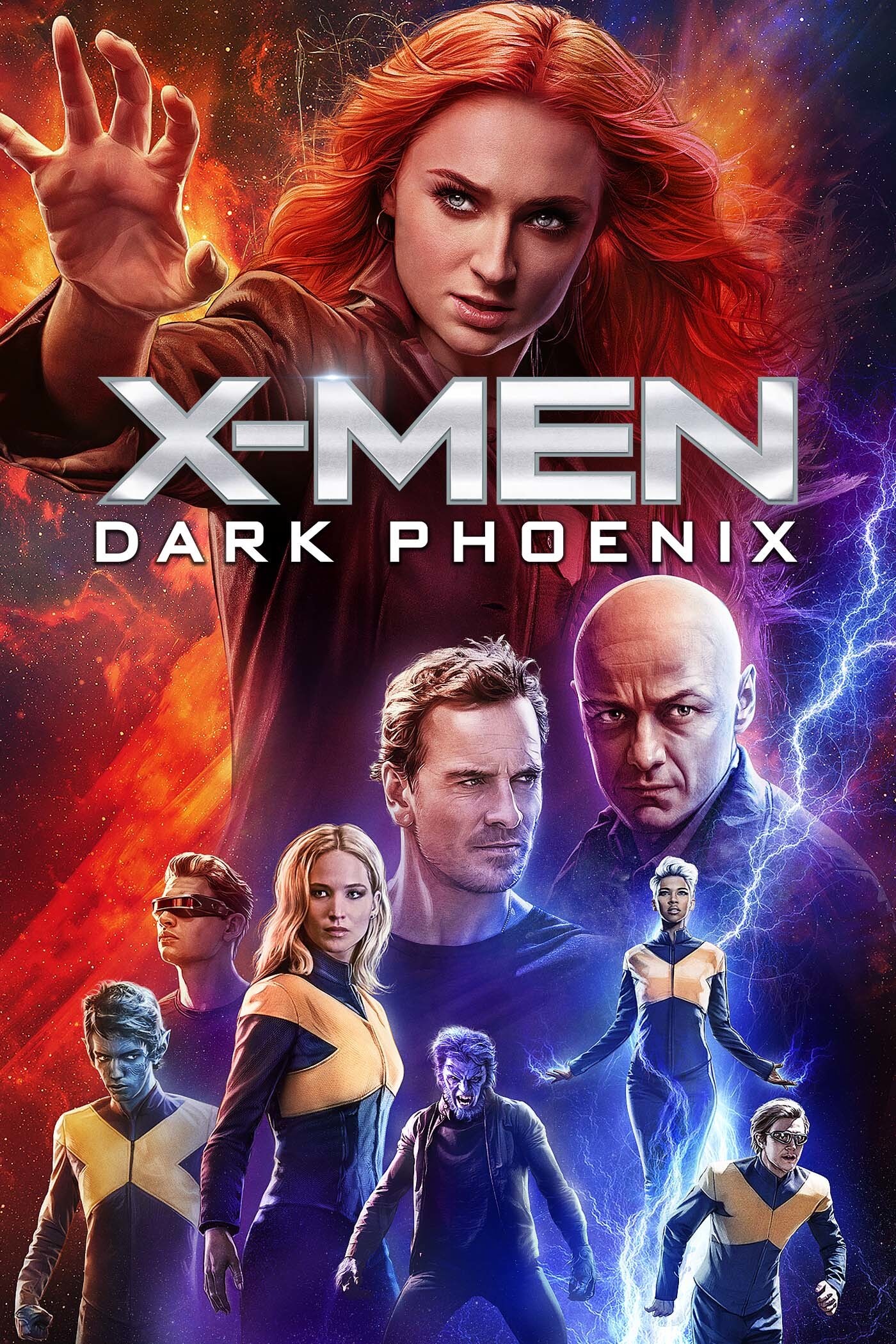
14. Dark Phoenix

Starting at the bottom, we have the last movie to focus on the actual X-Men team, Dark Phoenix which featured the prequel characters first introduced in X-Men: First Class.  The second attempt to adapt The Dark Phoenix Saga comic into a film, Dark Phoenix was dull, by the numbers, and very predictable in its story telling.  While it still features an excellent cast, you can tell that most of the veteran actors were getting tired at this point, as evident by Jennifer Lawrence’s limited screentime.  In addition, Sophie Turner, while doing her best, fails to truly connect to the Jean Grey role, while Jessica Chastain is a particularly unmemorable villain.  Despite that, there are still some great scenes in this movie, including two fantastic action set-pieces, but overall, it was a disappointing film, especially when compared to other X-Men content being released around the same time. 


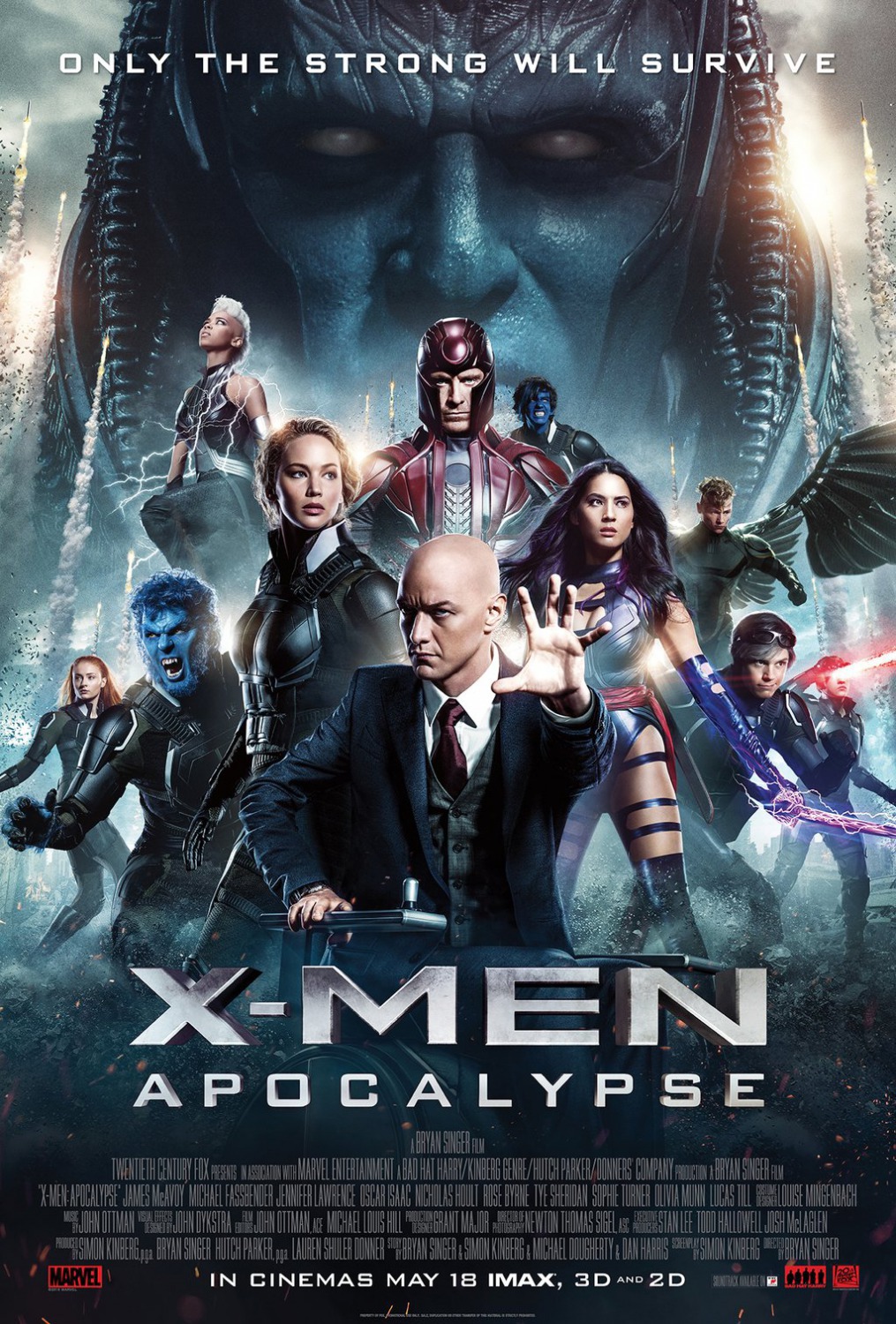
13. X-Men: Apocalypse

I must admit that in the lead up to X-Men: Apocalypse, I was naively excited for this film.  The franchise was riding high after an epic revival, and they were looking to bring the major villain Apocalypse to the screen.  This movie had all the potential in the world, and yet it ended up being a major disappointment.  Oscar Isaac, while fun, didn’t do the character of Apocalypse justice, and the overall design of the villain was weird.  In addition, many of the new actors to the franchise were a little underwhelming, although props to Kodi Smit-McPhee and Alexandra Shipp for their great portrayals of the young Nightcrawler and Storm.  Moreover, the story was very weak in places, and was honestly a letdown after the previous well-written prequel films.  Despite this, X-Men: Apocalypse is still a fun movie with some impressive elements.  The main cast continues to excel, the graphics were awesome, there was a particularly fun Quicksilver sequence, as well as a bloody Wolverine cameo.  While it didn’t live up to its full potential, I would still rewatch X-Men: Apocalypse, and it is possible to really enjoy it.


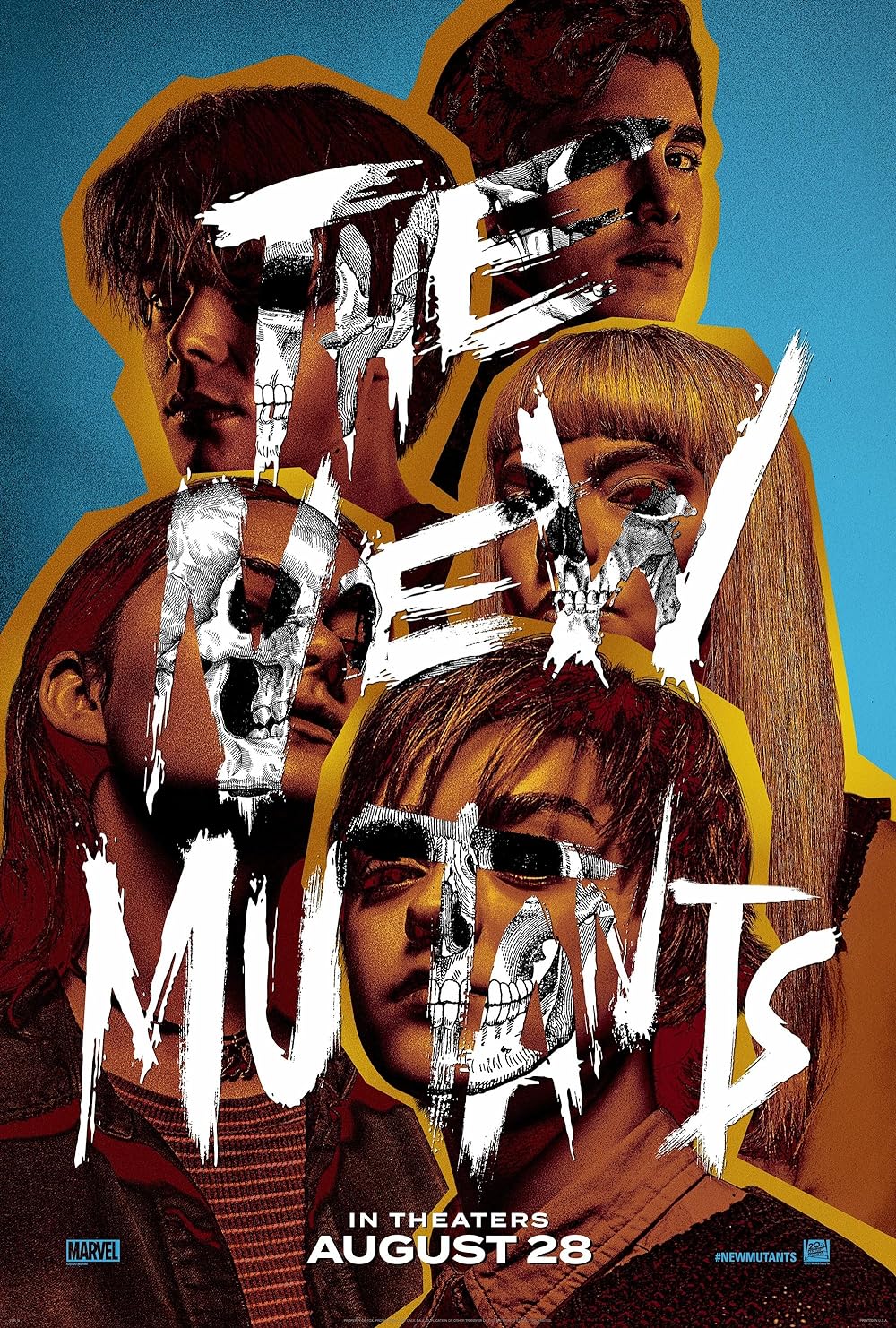
12. The New Mutants

The final X-Men film released by 20th Century Fox, The New Mutants was an interesting spin-off that focused on five new, young and damaged mutant characters, trapped in a facility designed to control their rampaging powers.  Events take a dark turn as various supernatural creatures start to haunt the students, as the secrets of their mentor/jailer come to light.  The New Mutants was a rather unique addition to the franchise, that simultaneously introduced new characters, while trying to set up a horror story in the X-Men universe.  While the film suffered from production delays, creative issues and studio interference, I still think it was a good film, and I applaud the creators for trying to do something different.  The small cast enthusiastically dive into their roles, and while the producers were clearly trying to cash in on the success of other franchises with some of their casting choices, the young actors were more than up for the task.  Highlights include Anya Taylor-Joy as a deliciously devilish Magik, Henry Zaga as a fairly accurate Sunspot, Maise Williams who brings her charm to the conflicted character of Wolfsbane, while Blu Hunt effectively holds down the main role of Dani Moonstar.  There is even a cameo from everyone’s favourite dragon, Lockheed, which hardcore X-Men fans will really appreciate.  The end result, despite suffering a little from being played more as a teenage supernatural story than a pure dark horror narrative, was pretty watchable, and it’s unfortunate that some of the cast will never get a chance to revisit these characters.


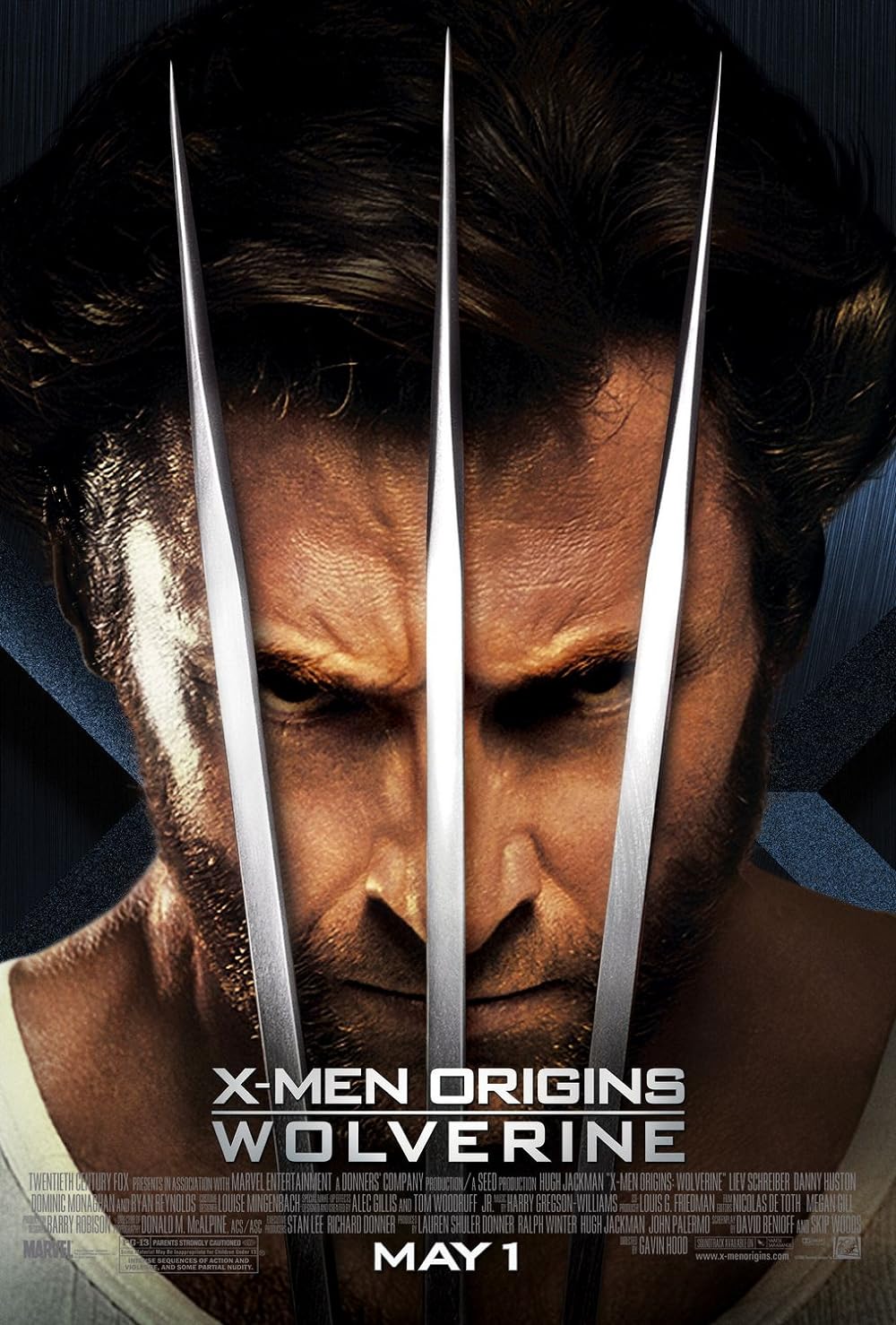
11. X-Men Origins: Wolverine

The best way to describe X-Men Origins: Wolverine is as a fun and action-packed movie that has one of the weakest plots in the franchise.  Focussing on the origins of Wolverine, this film saw Hugh Jackman strike out on his own with a new supporting cast.  Best known for its epic title-card montage and the terribly mishandled introduction of Ryan Reynold’s Deadpool, this Wolverine focused film had some cool moments, but struggled to rise above its basic narrative.  Still, the cast was pretty on-point, including Liev Schreiber impressive performance as Sabretooth, and while Ryan Reynold’s appearance was far too brief, he did manage to show off how naturally he’d fit the role of the Merc with a Mouth, which led to great things down the line.


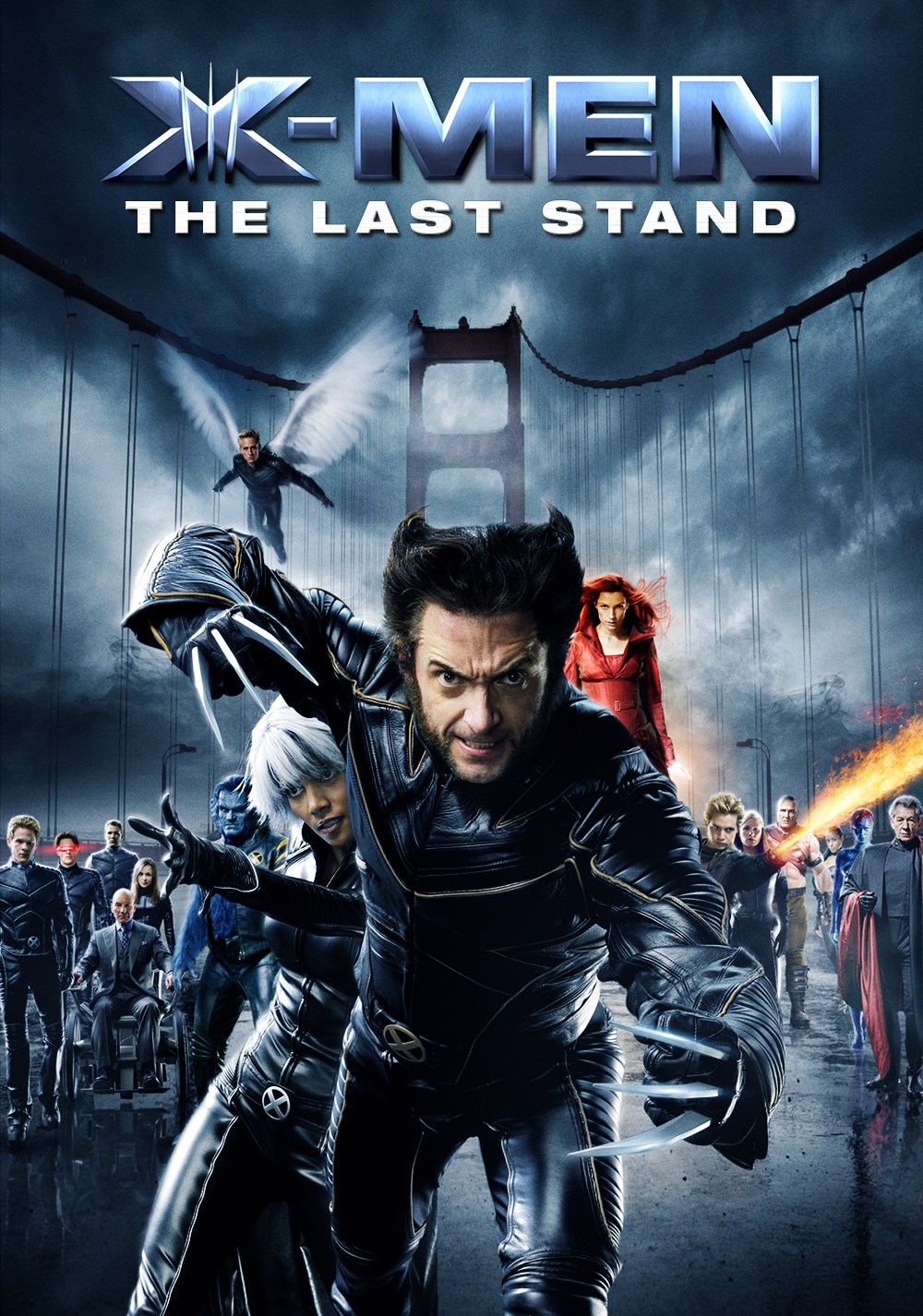
10. X-Men: The Last Stand

The other film that tried to adapt The Dark Phoenix Saga was the third X-Men film, The Last Stand.  Coming off the first two excellent entries in the series, expectations were high for The Last Stand, however, the third film in the trilogy proved to be the worse (something Bryan Singer would later regret making fun of in X-Men: Apocalypse).  Just like with its future successor, The Last Stand completely failed to adapt the complex The Dark Phoenix Saga in a compelling way, alienating both comic fans and general audiences with its weak story and cliched moments.  While The Last Stand still featured the incredible main cast from the first two movies, two key actors only had limited screen time, while parts of Famke Janssen’s performance as the newly formed Phoenix were questionable.  In addition, several new supporting cast members failed to impress, with the obvious exceptions of Kelsey Grammer as Beast, and Elliot Page as Kitty Pryde.  While flawed, this was still a fun movie with some awesome scenes, and you have to love the excellent acting talent who came back for it.  However, I really hope no one tries to do another live action adaptation of The Dark Phoenix Saga.


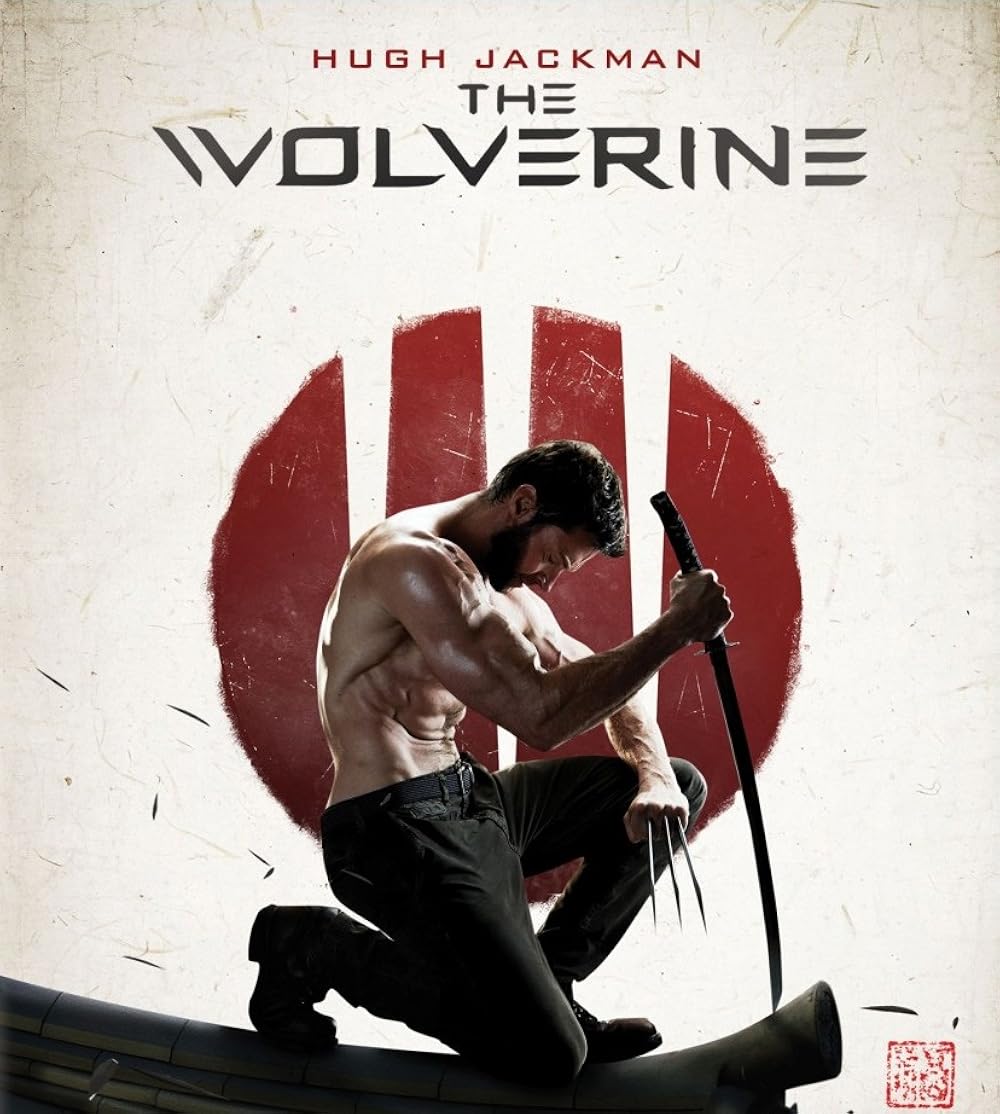
9. The Wolverine

Another solo Wolverine outing, The Wolverine was an impressive Hugh Jackman film that covered some of the comic character’s adventures in Japan.  A substantially stronger movie then X-Men Origins: Wolverine, The Wolverine has a slick and complex story that covers the protagonist’s grief and trauma after the events of The Last Stand.  While not a perfect film, especially with some ridiculous story elements at the end (why did it need a giant robot?), this was an excellent and moving entry in the X-Men franchise, although it probably would have been better with a hard-R rating.  Still, I’m a big fan of the film’s excellent Japanese cast, and Hugh Jackman was once again amazing as Wolverine.  While it wasn’t a perfect adaptation of the comics it was based around, it is an outstanding and distinctive film.


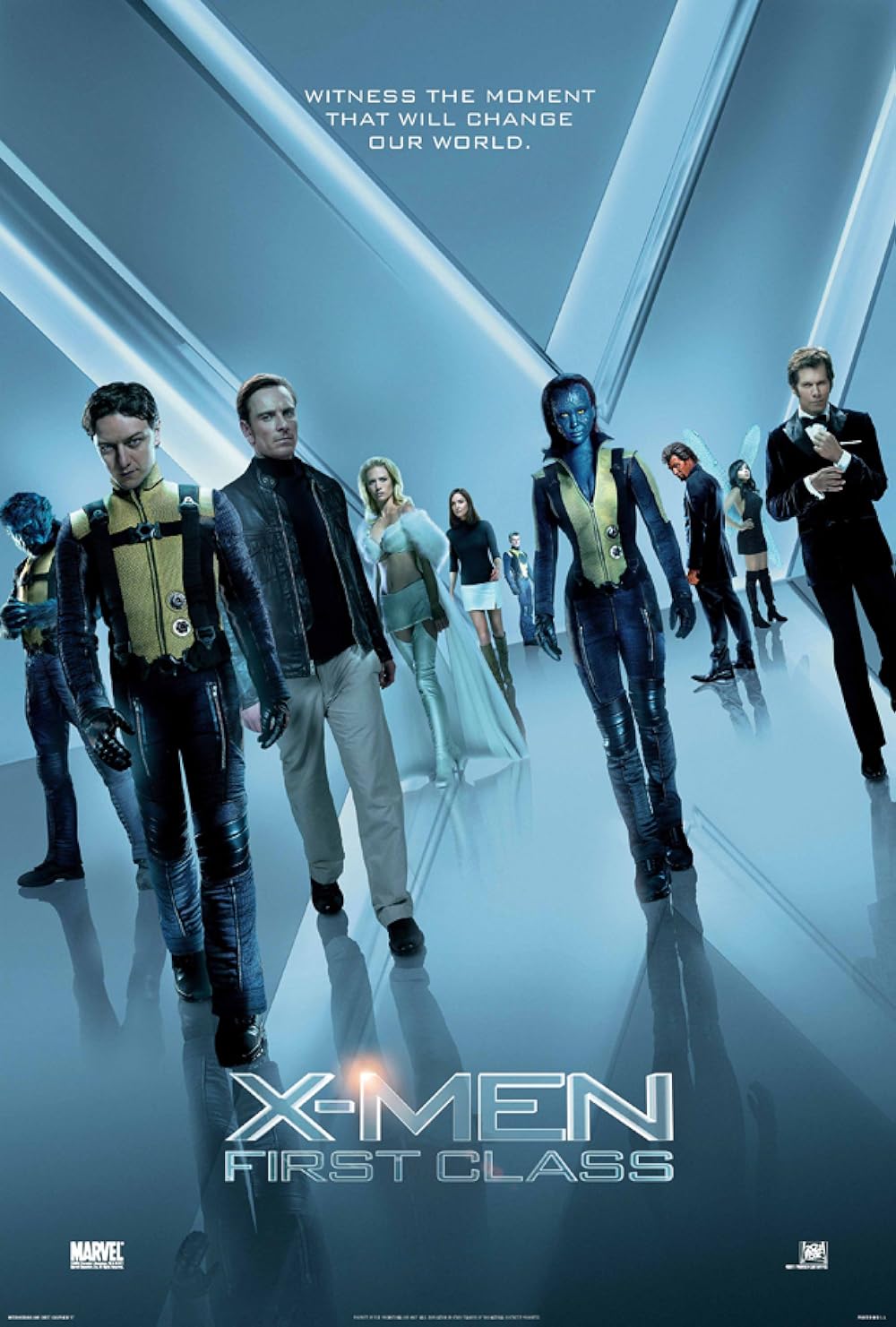
8. X-Men: First Class

After the end of the original trilogy and the failure of X-Men Origins: Wolverine, fans were uncertain where the franchise could go.  Luckily Matthew Vaughn stepped up and gave the series new life by creating a prequel X-Men film set during the Cuban Missile Crisis.  Partially based around the First Class comics, X-Men: First Class looked at the origins of the X-Men in this universe, and brought in a whole new group of actors to portray several classic roles.  While the plot of the film was a little predictable, the result was spectacular, especially when it came to the cast.  James McAvoy and Michael Fassbender were perfectly cast as younger versions of Professor X and Magneto, and both actors really gave their all to the roles, diving into the issues and quirks of the characters, while also exploring the origins of their lifelong friendship.  Other great casting choices include Jennfier Lawrence as Mystique and Nicholas Hoult as Beast, both of whom would go on to anchor the franchise with McAvoy and Fassbender, while Kevin Bacon was a sinister, if generic, villain.  The rest of the cast was ok, although I think the fact that most of them were killed off-screen before the next movie, tells you all you need to know about how forgettable they were.  The 1960s aesthetic and historical tie-ins of the plot were also very cool, although it did create some timeline issues going forward.  Overall, a pretty amazing film, and one that resulted in some excellent sequel films going forward.


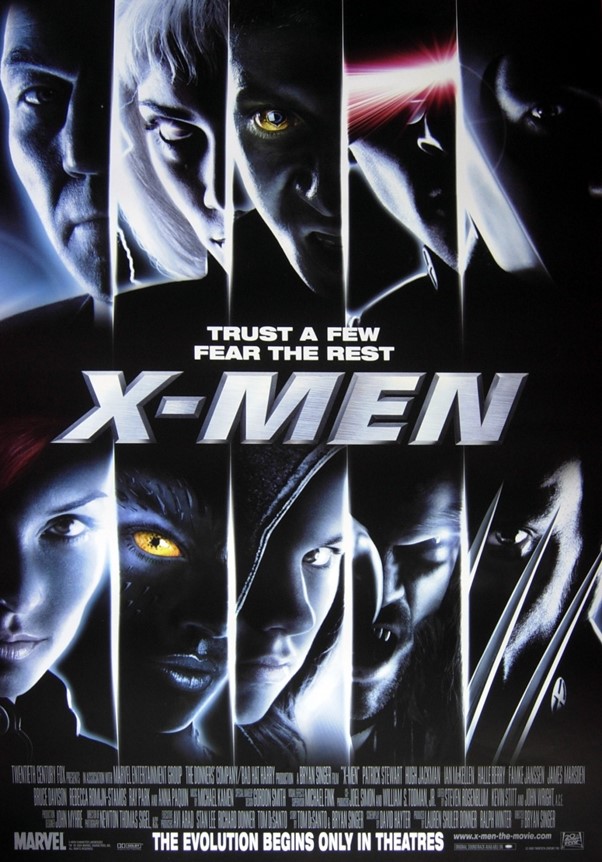
7. X-Men

At the halfway point of this list, we have the original film that kicked off the entire movie franchise with X-Men.  While relatively low budget and with less complex graphics than modern audiences might expect for a superhero epic, X-Men nonetheless captured the world’s imagination in some major ways.  Featuring an excellent story that cleverly introduced the X-Men universe, with some modern twists, X-Men was a compelling film that set up a lot of future story elements.  A strong part of its success was due to its perfect cast, with a relatively unknown Hugh Jackman stealing the show as Wolverine, while Famke Janssen (Jean Grey), James Marsden (Cyclops), Halle Berry (Storm) and Anna Paquin (Rogue) all perfectly portrayed their respective characters.  However, the real genius lay with the inclusion of acclaimed veteran actors Patrick Stewart and Ian McKellen as Professor X and Magneto.  Stewart and McKellen were born to play their respective characters, and the two perfectly acted off each other, bringing some impressive gravitas and passion to the film.  These performances, and more, ensured that this film was exceptional, and it was a slam-dunk movie in the very early days of the comic book film. 


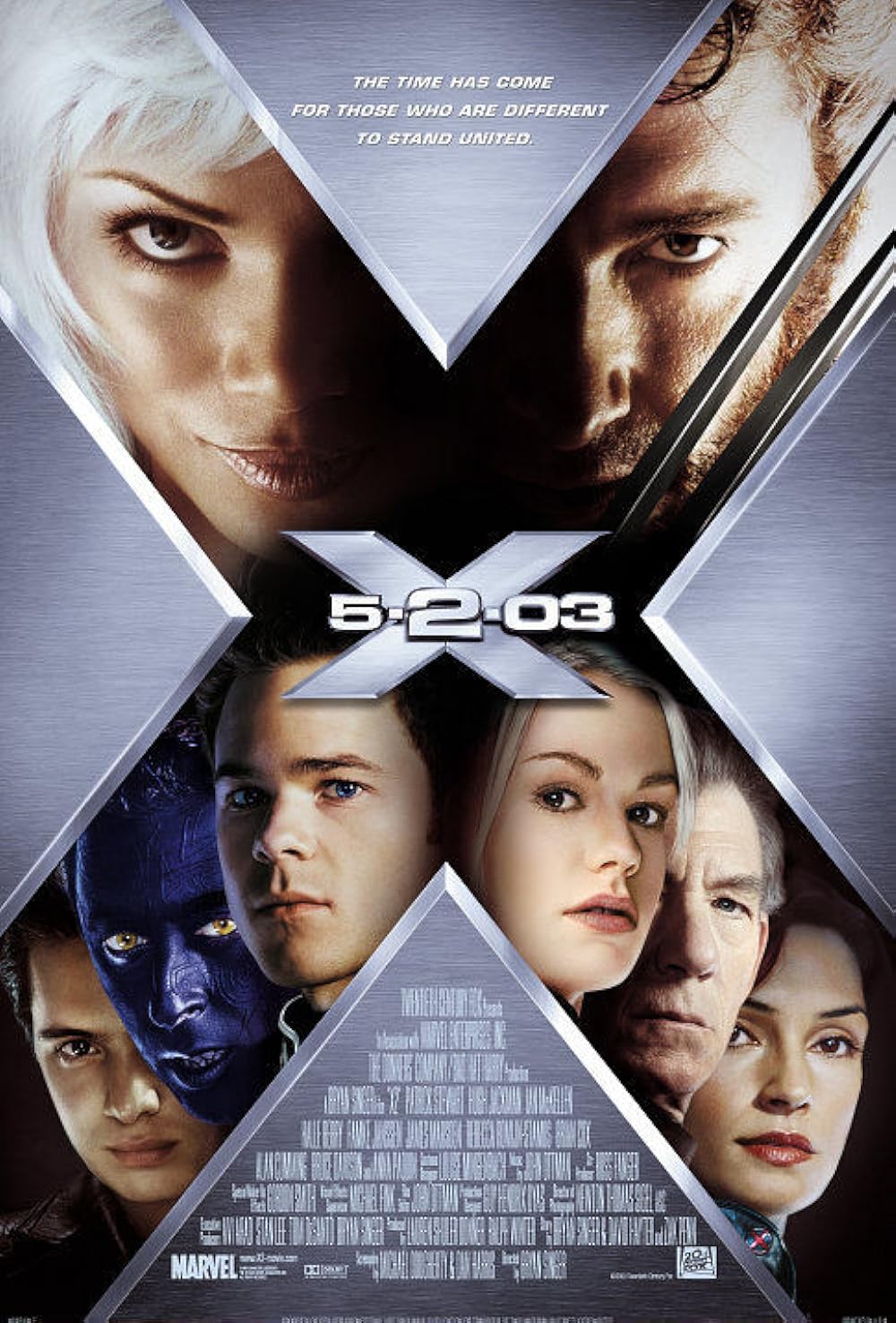
6. X2

While X-Men set up the franchise, its sequel, X2, was the film that cemented the X-Men films as a cornerstone of superhero movie genre.  Bringing back the cast from the first film to great effect, X2 had a larger budget, which Bryan Singer put it to full use to create some exceptional sequences.  Starting off with the still memorable Nightcrawler sequence, the film goes from strength to strength, as the X-Men compete with Brian Cox’s sinister Willaim Stryker.  While James Marsden’s Cyclops does get somewhat sidelined in this film (a recuring theme of the X-Men film franchise), the rest of the cast get their moment to shine, and I loved how complex and emotionally charged parts of the plot got, especially around Wolverine’s past and Jean Grey’s future.  This was honestly one of the films that made me fall in love with the superhero genre, and it was a particularly exceptional entry from the early 2000s.


5. X-Men: Days of Future Past

The next film on this list might be the most ambitious and creatively clever X-Men entry, with Days of Future Past.  An elaborate film, Days of Future Past sought to combine the original trilogy with the universe introduced in First Class by bringing together the casts of both in a narrative with two separate timelines.  Anchored once again around Hugh Jackman, the film sees him interact with both his original cast mates and the main actors from First Class in a gripping and compelling time travel performance.  Both sets of actors were exceptional here, with McAvoy and Fassbender perfectly playing younger, angrier versions of Professor X and Magneto, while Stewart and McKellen bring a believable weariness to the older incarnations of the characters.  I really have to highlight McAvoy’s performance here as a damaged and pained figure trying to reconcile his past trauma and future legacy, and his scenes with Jackman, Fassbender, Lawerence, and even a future version of himself with Stewart, are some of the best parts of the entire movie.  Special mention also goes to newcomer Evan Peters, who is a major highlight of the first half of Days of Future Past as Quicksilver.  I personally think that Days of Future Past has some of the best writing in the entire franchise, perfectly playing the two timelines off each other, and producing an emotionally charged and trauma laden narrative.  The final big sequence is particularly epic, with scenes from both timelines showcased to some moving music, all leading up to one character making their choice and changing the timelines to come.  I have so much for Days of Future Past, and I think it was the best film to feature the full X-Men team.


4. Deadpool

As we come into the final four of this list, I feel the need to point out that the following top entries are all R-rated films.  While I don’t necessarily think that a comic book film needs to be R-rated to be awesome, it definitely helped with the following films, and the reason why they were allowed to be this extreme has its roots in Deadpool.  Bringing back Ryan Reynolds after his appearance in X-Men Origins: Wolverine, Deadpool was a film that never seemed fated to happen, and indeed it took leaked footage from an unknown source (cough, no idea who that could be), for it to eventuate.  However, eventuate it did, and boy were we the richer for it.  The resulting film, while not as complex as some of the later Deadpool entries, was filled with comedic genius, as Reynold’s madcap Wade Wilson steals the show with his insane humour and fourth-wall breaking jokes.  A clever and impressive origin film that reimagines the hero as a tragic, and brutal, protagonist, Deadpool was a laugh riot from the very beginning, and director Tim Miller made full use of the R-rating to produce some gruesome, if hilarious, action sequences.  Everything about this film was great, and it should be rightly celebrated for giving us the Marvel Jesus we deserve, both here, and in its two sequels.


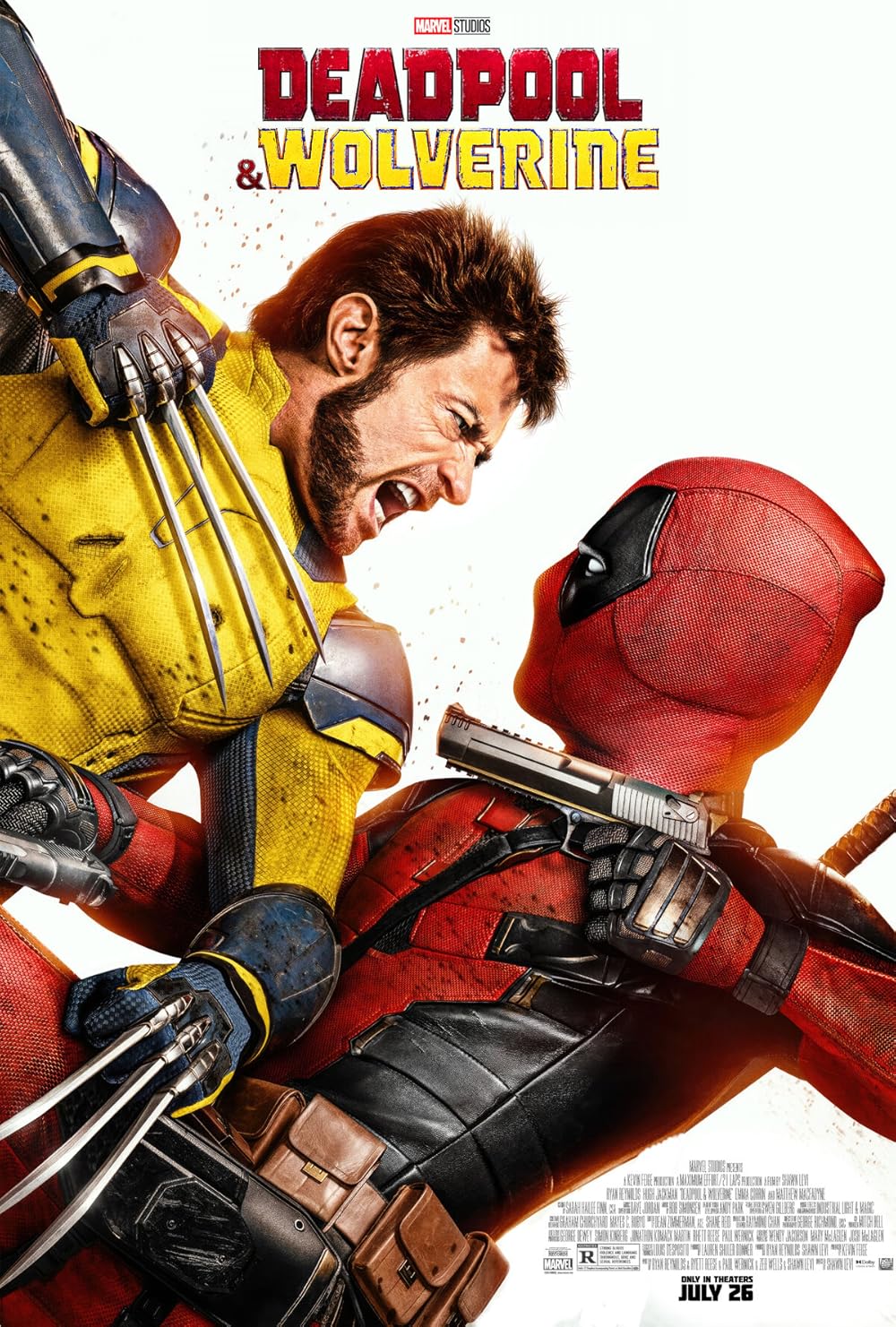
3. Deadpool & Wolverine

The latest film in the X-Men film franchise, Deadpool & Wolverine is a particularly fun entry that introduces the X-Men to the MCU.  Serving as the very first R-rated film in the MCU, Deadpool & Wolverine reunites Ryan Reynolds with Hugh Jackman in an insane and compelling romp through the multiverse.  I cannot emphasise how long fans had been waiting to see a proper Deadpool and Wolverine team-up, and this film did not disappoint, bringing all the over-the-top action, references and humour, you would expect and more.  Loaded with extremely awesome and clever cameos and serving as a love-letter to all the 20th Century Fox Marvel films, Deadpool & Wolverine was one of the better recent MCU films, and fans came away extremely satisfied with its outrageous story.


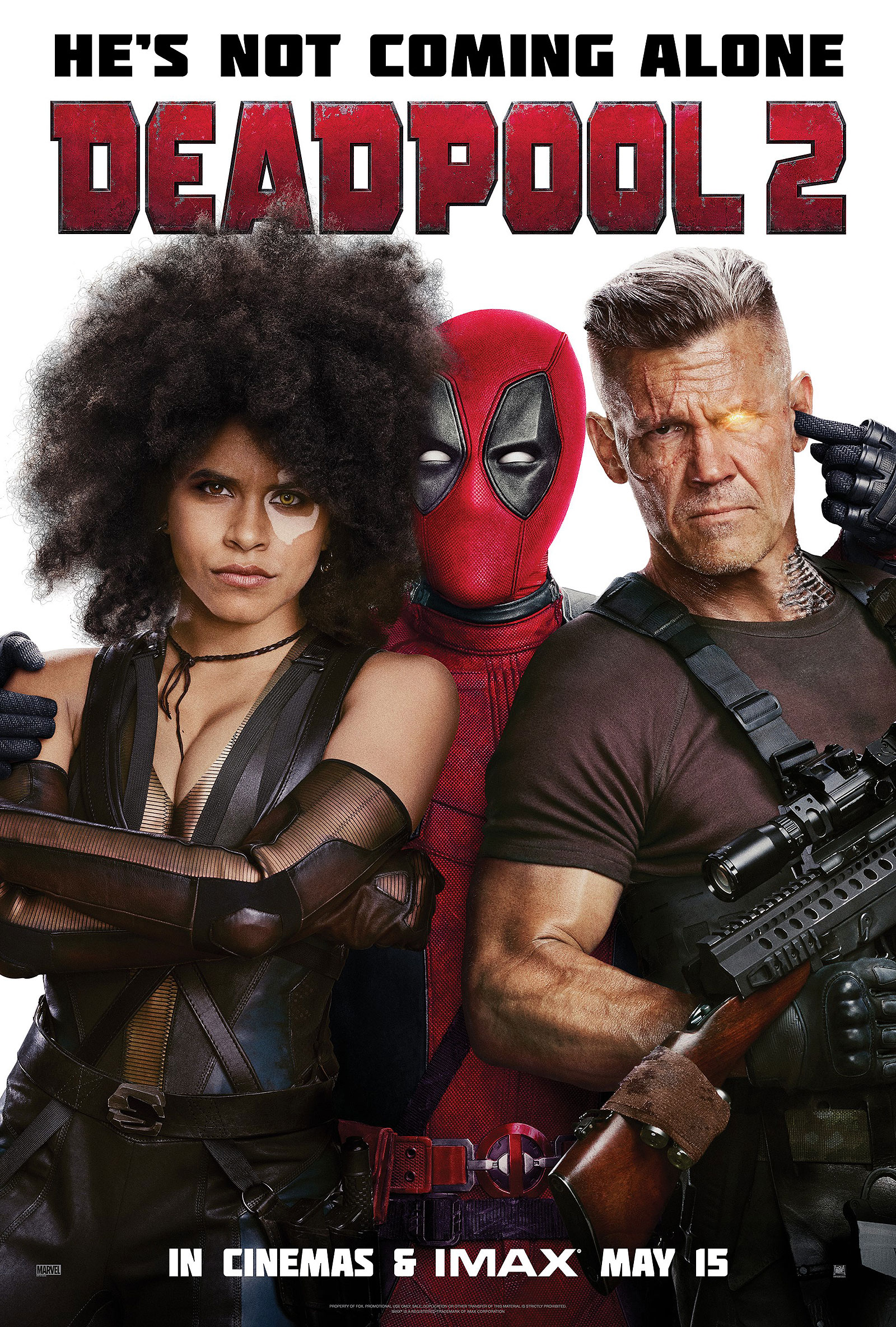
2. Deadpool 2

While Deadpool & Wolverine was really impressive, my favourite Deadpool film is the second entry, Deadpool 2.  An outstanding sequel to the first Deadpool, Deadpool 2 expanded on the best story elements from the first film, while also bringing together another insane, but clever, new narrative.  Setting Deadpool against Josh Brolin’s Cable, this film had so many great moments as the creative team blended comedy with complex storytelling.  I particularly love the way the audience was misdirected in advance with the X-Force team prominently featured in the trailer, only for their appearance to be cut short in dramatic fashion, and viewers honestly did not know where the story was going at times.  Zazie Beetz Domino and Julian Dennison’s Rusty, were both exceptional additions to the cast, and you have to love how effectively they were able to show off Domino’s ill-defined luck powers.  This might honestly be the funniest comic book film I have ever had the pleasure of watching, and it is so far the pinnacle of Ryan Reynold’s comedic genius.


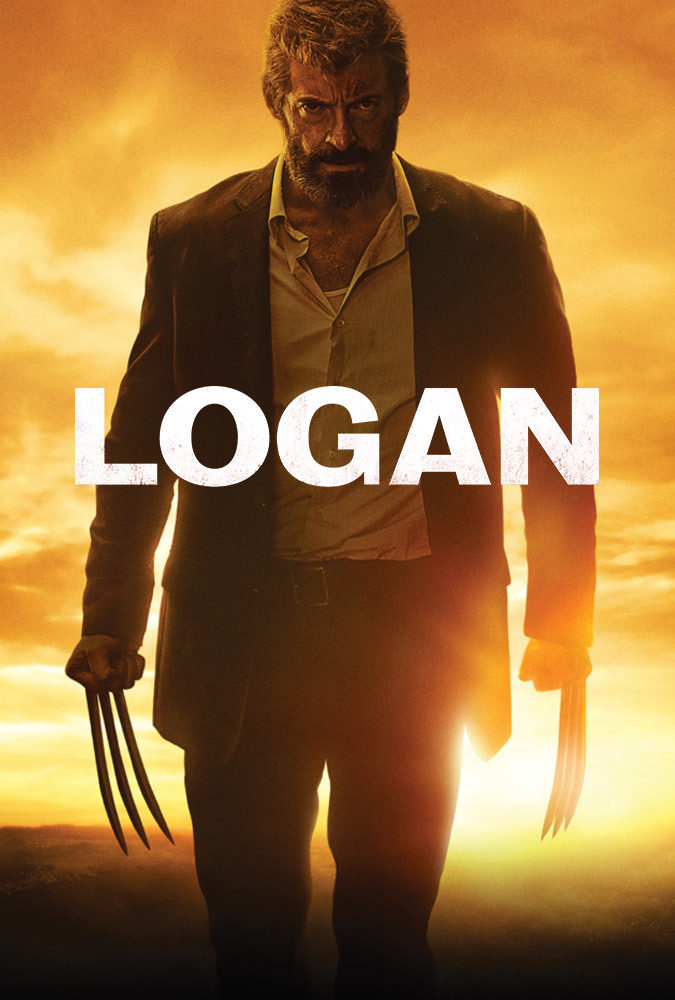
1. Logan

I doubt anyone will be too surprised that Logan tops my list as my favourite X-Men film.  Generally considered one of the best comic book films of all time (I have it in my top three with Infinity War and The Dark Knight), Logan is an exceptional movie that shows just how complex and powerful a comic book adaptation can be.  Partially based on the Old Man Logan graphic novel, Logan follows an aging former Wolverine in a dark future where mutant-kind is in decline, and the X-Men are all dead.  Taking care of a near incapacitated Charles Xavier, Logan goes on one last mission to save a young girl, Laura, who has a dark connection to him.  This was an outstanding film that combines a compelling X-Men story with a grim Western aesthetic.  Hugh Jackman and Patrick Stewart give some of the best performances of their careers, while newcomer Dafne Keen proved to be a fantastic X-23/Laura.  Director James Mangold produces something truly special with the tight and compelling story, and viewers are treated to emotional gut-punch after emotional gut-punch.  I honestly came away from Logan a changed man, and if a comic movie is going to make to you cry, it will be Logan.  Easily the undisputed best film of the entire X-Men franchise, and a very worthy number one place on this list.


Well, that is the end of my new X-Men film list.  I think it turned out pretty well, and I really had fun pulling it together.  It will be interesting to see if this list gets updated again in the future, especially with the fate of the X-Men films tied into the MCU, but I hope this will be something I can revisit again at some point.  Make sure to let me know what you think about my ratings above, and don’t worry about hurting my feelings if you have different opinions about the films in question.

Waiting on Wednesday – Usagi Yojimbo: Volume 39: Ice and Snow by Stan Sakai

Welcome to my weekly segment, Waiting on Wednesday, where I look at upcoming books that I am planning to order and review in the next few months and which I think I will really enjoy.  I run this segment in conjunction with the Can’t-Wait Wednesday meme that is currently running at Wishful Endings.  Stay tuned to see reviews of these books when I get a copy of them.  For my latest Waiting on Wednesday, I look at the exciting upcoming volume of one of my favourite comic book series with Usagi Yojimbo: Ice and Snow by the legendary Stan Sakai.

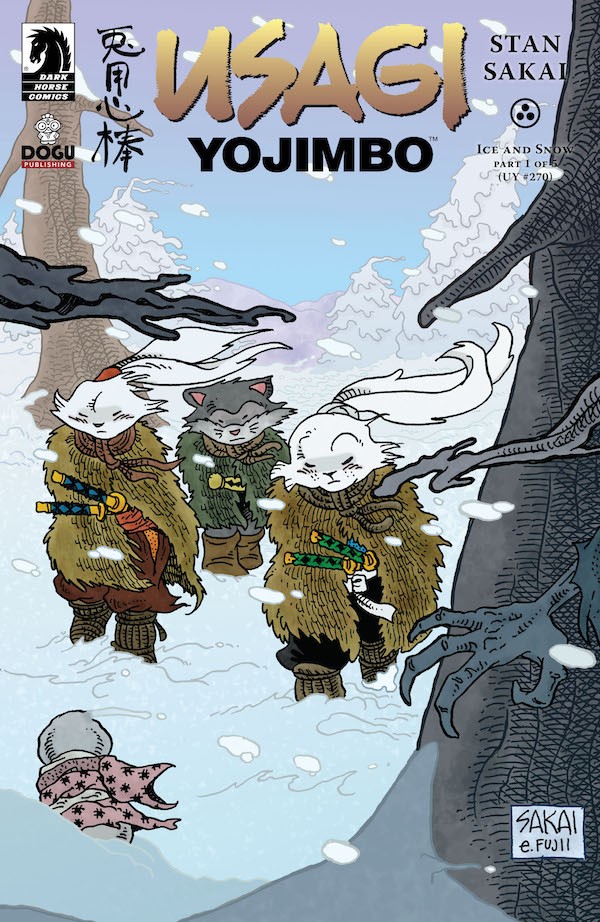
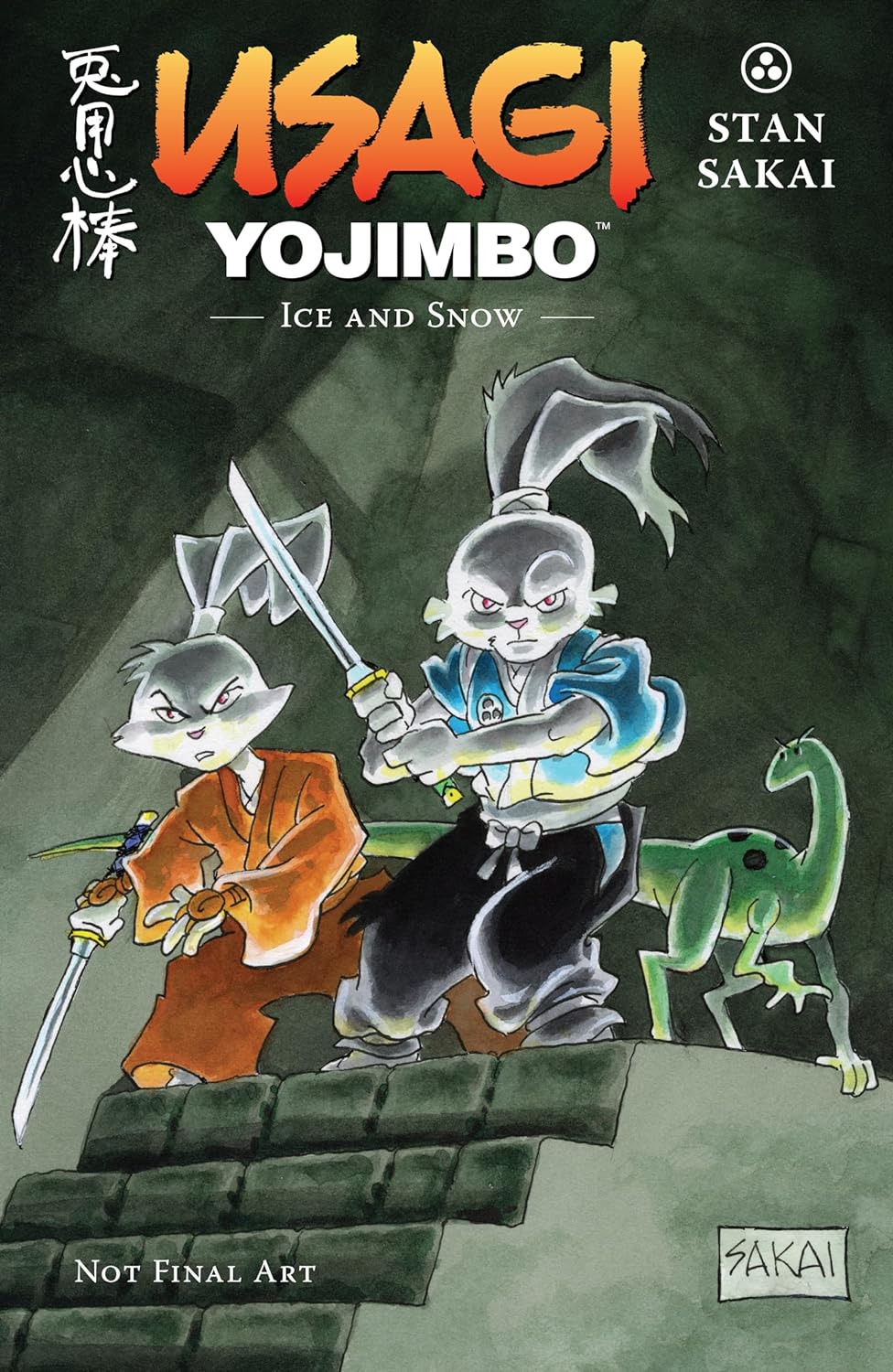
Usagi Yojimbo - Ice and Snow Cover

Amazon

Anyone familiar with my blog will know I am a huge, huge fan of the outstanding Usagi Yojimbo comic series.  Set in an alternate version of Feudal Japan populated by anthropomorphic animals the Usagi Yojimbo series follows rabbit ronin Miyamoto Usagi, as he travels the wilds, encountering all manner of trouble.  Written and drawn by the highly acclaimed Stan Sakai, Usagi Yojimbo features some exceptionally beautiful artwork, clever stories, and unique Japanese cultural and mythological elements that help to produce an incredible comic.

I have been a fan of this series for years, and I currently own every single volume which I constantly re-read.  I have also had an amazing time reviewing this series ever since I started my blog, starting back in 2018 when I reviewed the 32nd volume Mysteries.  This led to me reviewing every subsequent volume that came out after 2018, and I have also been working my way through the prior volumes as part of my Throwback Thursday range.  I have been particularly enjoying some of the more recent volumes, especially as publisher IDW released them in colour, including Bunraku and Other Stories (one of my favourite books of 2020), Homecoming (one of my favourite books of 2021), Tengu War! and Crossroads (both of which were among my favourite books of 2022) and The Green Dragon (one of my favourite books of 2023).

Due to how much of a fan I am of this series, I am always excited when I see that a new comic is coming out, and we are getting a very interesting sounding addition to the series in 2024 with the 39th volume, Ice and Snow.  Set for release in September 2024, Ice and Snow will see the Usagi Yojimbo series return to Dark Horse comics, who previously published the series for 22 years (from volume 8: Shades of Death to Volume 33: The Hidden).  It will be interesting to see how the series changes when it returns to Dark Horse, and I am already very keen for this upcoming volume, especially as it has an amazing sounding plot behind it.

Plot Synopsis:

Following the events of “The Green Dragon,” Usagi and Yukichi are still in the snowy mountaintops of Northern Japan.

They are led to the hut of a strange woman hermit who allows them to spend the night. Meanwhile, the maniacal Jei and his familiar, Keiko, are on Usagi’s trail, and they stumble upon a bandit lair and subdue the band of cutthroats and thieves.

Stan Sakai brings his beloved rabbit ronin series back to Dark Horse—featuring full color by colorist team Hi-Fi!

Collects Usagi Yojimbo: Ice and Snow #1–#5.

There is a lot to love about this intriguing upcoming volume.  Not only does it look like Ice and Snow is only going to feature one story, a reliable indicator of an epic Usagi Yojimbo volume, but the plot sounds extremely intense.  There have been some great Usagi Yojimbo adventures lately, and Ice and Snow will probably be a particularly deadly one as it builds on some fantastic story elements from the last few entries  I love that Usagi is still accompanied by his cousin, Yukichi, as the two have made for an interesting duo, and I look forward to seeing more of Sakai’s amazing artwork of the snowy mountain tops of Northern Japan.  However, the main reason why I think that Ice and Snow is going to be great, is that it features the return of the series’ best villain, Jei.

Since his introduction in the third volume, The Wanderer’s Road, Jei has been a particularly deadly and memorable foe.  Portrayed as a dark warrior obsessed with lethal justice and guided by divine voices, the character of Jei appears to live on the borders between the natural and the supernatural.  Thanks to his obsession with Usagi, the two have crossed paths multiple times, and Jei is routinely the only foe that terrifies Usagi, especially as he keeps coming back from the dead, much like the character he is based on (Jei is an homage to Jason from the Friday the 13th franchise).  Pretty much any story that has a version of Jei in it is amazing, and you have to love how creepy Sakai makes him, especially as he now travels around with an innocent little girl.  It has been quite a while since Usagi and Jei faced off, with their last major battle occurring in the 12th volume Grasscutter, although Usagi did encounter a version of Jei possessing one of his friends in Volume 24, Return of the Dark Soul.  As such, this is a showdown long in the making, and the constant hints about Jei in recent volumes have only heightened anticipation.  I cannot wait to see Usagi and Jei come together again, especially as the protagonist will likely be emotionally and physically damaged by the encounter.

I think my fanboy ramblings above make it clear that I am very excited for the next Usagi Yojimbo volume.  Ice and Snow has a ton of potential in my opinion, and I cannot wait to get my hands on it.  Not only is this going to feature Sakai’s usual amazing art, characters and story, but the dark, emotionally charged confrontations that are bound to occur should be extremely amazing.  As such, Ice and Snow is a must-read for me, and I have no doubt it will be one of my favourite things I read in 2024.

The Hunger by Marsheila Rockwell

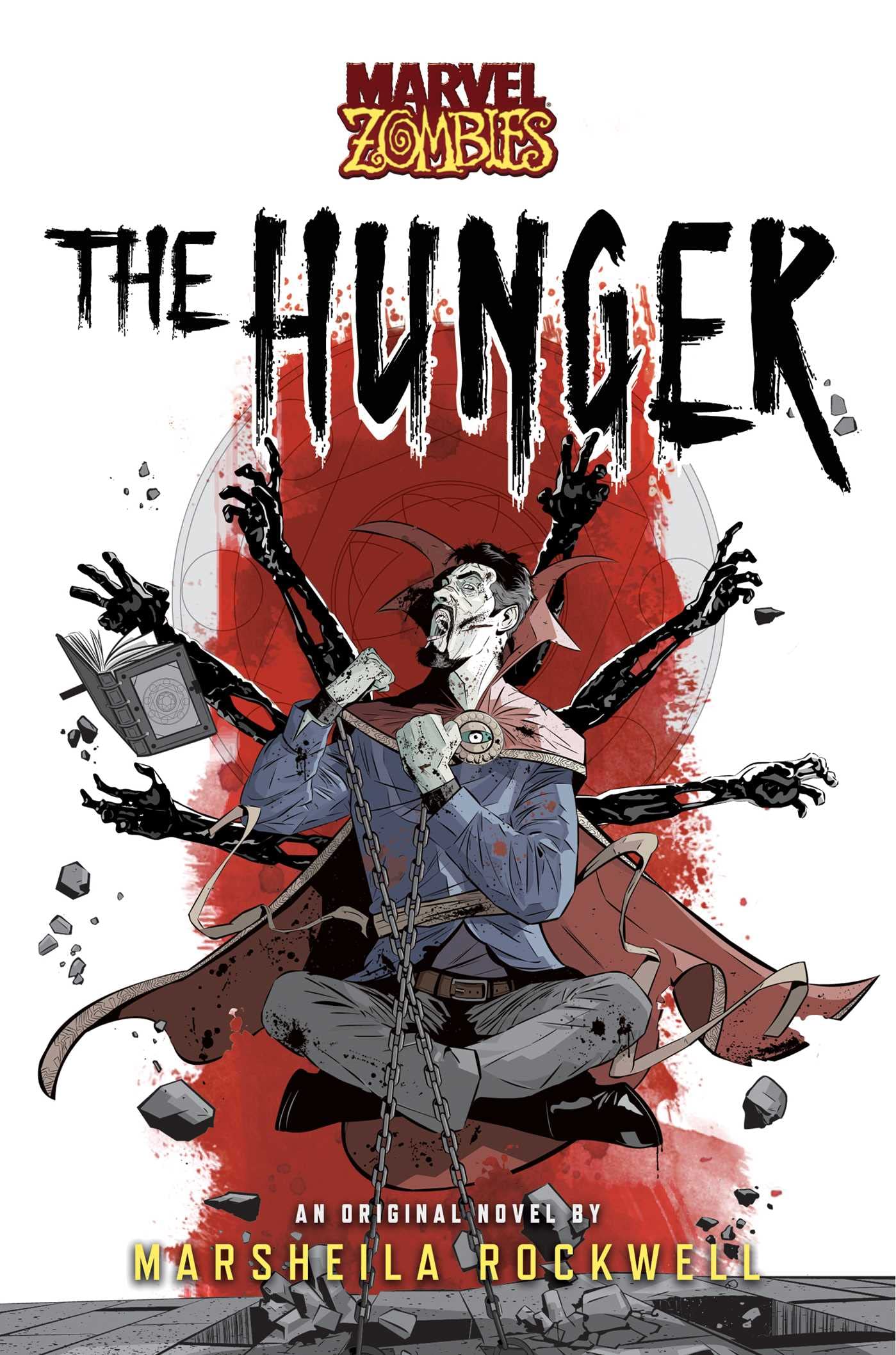
The Hunger Cover

Publisher: Aconyte Books (ebook – 3 October 2023)

Series: Marvel Zombies

Length: 249 pages

My Rating: 4.5 out 5 stars

Amazon

Prepare to dive into a wacky, time travelling, zombie filled Marvel novel with Marsheila Rockwell’s fantastic tie-in book, The Hunger.

After having a lot of fun reading the awesome Marvel Comics tie-in novel The Tyrant Skies by David Annandale earlier this year, I thought it would be an excellent idea to dive into another amazing Marvel book, especially one with a great plot like The Hunger.  Written by intriguing fantasy and science fiction author, Marsheila Rockwell, whose previous foray in Marvel fiction produced the magic Sisters of Sorcery novel, The Hunger is an awesome upcoming book that I was very happy to get an early copy of thanks to Netgalley.  Set around the iconic Marvel Zombies concept, The Hunger was a pretty epic read that I had an outstanding time with.

When a mysterious object falls to Earth, landing in New York city, it unleashes a wave of evil and despair as the world’s greatest heroes are turned into ravenous zombies determined to feast on all living flesh.  As the zombified superheroes begin to spread out across the planet, turning or eating everything before them, only Doctor Strange can briefly retain his sanity to try and find a way to avert disaster, but despite his best efforts, his overwhelming hunger threatens all around him.

With no alternative, Doctor Strange is forced to turn to one of the few magic users left unaffected by the zombie outbreak, the librarian of the Sanctum Sanctorum, Zelma Stanton, who reluctantly takes up the burden and imprisons her zombified mentor.  Despite her lack of experience, Zelma has access to all the magical knowledge and ancient artefacts in Doctor Strange’s Sanctum Sanctorum, and she hopes to find some answer to the deadly chaos consuming her planet.  But Zelma soon realises that even all the books in the Sanctum aren’t enough; if she wants to succeed, she’s going to need help.

Pulling together a ragtag team of survivors, including Runaway witch Nico Minoru, monster hunter Elsa Bloodstone and the living embodiment of insanity, Deadpool, Zelma hopes that together they can find a solution.  But their plan to trap the zombies in a time loop backfires on them, thanks to antics of Deadpool, unsurprisingly.  Now with time fracturing all around them, an evil magic threat unleashed, and the zombie horde still determined to eat everything, Zelma and her strange team need to find a way to reverse the damaged they caused while still saving the world.  But is this group of survivors truly capable of stopping the flesh-eating nightmares waiting for them?

That was an insanely fun book about zombies and time travel shenanigans that I desperately needed, and I am sure glad that I decided to check this novel out.  The Hunger was a very entertaining book that I ended up knocking out in a few hours because of how easy and fantastic it was to read.  Rockwell came up with a very impressive story that quickly grabbed my attention and took me along a wild journey loaded with so many awesome moments.  Starting off with a great new introduction to an alternate Marvel Zombies event, where Doctor Strange and pretty much every other hero gets brutally turned into zombies, the story gets bleak very quickly and rarely lightens up after that.  The resulting narrative focuses on the intriguing figure of Zelma Stanton, a supporting character in one of the recent Doctor Strange comics, and it proves to be very interesting as you follow a young, inexperienced magician as she tries to survive in a very dangerous world.  The resulting story has a lot of great features to it as Zelma finds her courage, gathers a unique group of allies, and then finds herself getting thrown into all manner of chaos as her actions produce more zombie mayhem and every time travel issues you could think of.  The second half of The Hunger is pure, unadulterated bedlam, and I frankly loved every second of it, as Rockwell comes up with some outrageous and exciting scenarios that never really slow down.  Bringing together some well set-up storylines in some excellent ways, you honestly will find it hard to put down The Hunger once you get rolling with it, and I found the entire story to be exceedingly entertaining, especially as Rockwell wove together some complex scenes that saw the characters journey through all manner of unique points the Marvel Universe timeline.  This story was a riot from start to finish, especially the fantastic extended time travel sequences, and you will come away from this book very satisfied and honestly wanting more.

Rockwell has a great writing style that I felt really lent itself to the emotionally charged and intense story that came together in The Hunger.  Primarily told from the perspective of two young female magic users, The Hunger is a strong, character-driven tale that showcases how people grow under adversity, while also treating the reader to a brilliant amount of action, carnage and Marvel comics lore.  Rockwell really leans into the Marvel Zombies background of her story to provide some gruesome and graphic moments, which I felt helped set The Hunger apart from some of the other Marvel tie-in books.  While there is a lot of humour attached to the book, mainly thanks to the inclusion of a particular merc-with-a-mouth, The Hunger gets very deep and serious at times, and I loved the impactful dive into the traumas affecting the protagonists.  I loved the fast pace that Rockwell sets for The Hunger’s story, and frankly there was not a single moment of this book where I wanted to stop, as I just wanted to see what was going to happen next.  I did think some of the early sequences of the book felt a little simplistic in their writing, which almost threw me off.  However, Rockwell found her stride as the book continued, and I loved some of the elaborate sequences that emerged, especially those that feature multiple figures, time elements and obscure bits of Marvel lore.  Some of The Hunger’s twists were very well set up in the earlier stages of the book, and I loved how well things came together in the end, especially as Rockwell made such great use of the time travel elements to tell a very entertaining story.

The Hunger serves as a rather interesting addition to the wider Marvel lore that exists as Rockwell makes fine use of several existing storylines, concepts and characters, to create a pretty fun read.  Set in a version of the main Marvel universe that is suddenly impacted by a Marvel Zombies event, The Hunger has a ton of curious and distinctive elements to it that established fans of the comics will deeply enjoy.  Not only are there a ton of different characters present, often in zombie form, but Rockwell goes out of her way to feature or reference multiple storylines from the comics.  This includes a great mixture of more recent comics and some classic storylines, both of which work extremely well in the context of the story and its time travel elements.  I felt that Rockwell did a very good job of cleverly introducing and then utilising these different storylines throughout the course of the comics, and the resulting crazy plot encounters and big moments were pretty damn awesome.  Each of the main characters also makes sure to remember or mention many key story arcs from their history, many of which have a compelling impact on the current storyline or mental state.  The author clearly has an appreciation for the various storylines and obscure characters that she featured and I loved how random and compelling the later scenes got.  While Rockwell does go to some diverse areas of the Marvel universe and history, all of these elements and characters are explored in excellent detail so that anyone with some basic knowledge of Marvel comics can easily enjoy what is going on.  I personally loved all the cool references that emerged, as well the excellent reimagining of the Marvel Zombies storyline which helped turn The Hunger into a pretty awesome tie-in novel.

As with her previous Marvel tie-in novel, Sisters of Sorcery, Rockwell chose to focus The Hunger on three intriguing and somewhat underused female characters from the Marvel canon, Zelma Stanton, Nico Minoru, and Elsa Bloodstone.  All three characters are already epic, but it was great to see them forming a team here in The Hunger, especially when faced with an insane, world-ending threat.  Of these three characters, Zelma is probably the one I knew the least about, mainly because I’ve never read any of the Doctor Strange comics she is in, but she soon proved to be the invaluable heart of this entire novel.  Rockwell did a remarkable job of introducing and utilising Zelma as a character, even to a reader like me that has had no experience with her.  You are swiftly brought up to speed on who Zelma is and why she is involved, and soon you follow this overwhelmed magical character as she is thrust into events beyond her comprehension.  I loved the overarching narrative of this character finding her confidence and ability in this ultimate post-apocalyptic setting, and it was great to see her become the hero that Doctor Strange believed her to be.  Watching her use her unique intelligence and experiences to survive and attempt to stop all the chaos is quite compelling, and you really grow to appreciate Zelma, especially as she has very relatable doubts and concerns.  Zelma is the emotional heart of this entire book and I felt that Rockwell was very wise to use her as a central character, especially with how exceptionally she is portrayed.

In addition to Zelma, I really enjoyed the fantastic use of Nico Minoru and Elsa Bloodstone in The Hunger who served as impressive joint protagonists.  I particularly loved seeing Nico Minoru here in The Hunger, mainly because I’m such a big fan of Runaways, and Rockwell featured her in an excellent way.  Focusing on her at a key part of her character development from the comics, this already jaded and wary Nico arrives on the scene after seeing her entire adopted family turned to zombies and is swiftly forced into another harrowing adventure with a new group of strangers.  I really enjoyed exploring Nico’s fears, concerns and complex history throughout The Hunger, and she served as a great secondary point-of-view character for the plot.  These female characters are further enhanced by monster hunter extraordinaire Elsa Bloodstone, who is well suited for this sort of dark, monstrous tale.  The foul-mouthed, highly confident figure is a great addition to the focal cast of the novel, especially as her loud personality plays off the more reserved Zelma and Nico for a good chunk of the novel.  While initially shown to be mostly carefree, there are some compelling darker feelings under the surface, especially related to the start of the zombie apocalypse, and I felt that Elsa was a brilliant and great addition to the plot.

The final major character in the book really needs no introduction as Rockwell features Deadpool as the much need comic relief.  Brought into the story for very unique reasons, Deadpool is his usual blend of irrelevant humour, catchy one-liners, and all-round killing machine that works well with the female protagonists to save the day.  His constant jokes, weird comments and fourth wall breaks deeply add to the enjoyment I had of the book, even with its darker story content.  So many of the best plot moments in The Hunger revolve around Deadpool’s antics, and he really is an unsurpassed character to include in a crazy book like this.  His interactions with the other protagonists are also a lot of fun, with an intriguing blend of comedic conversations, crazed resentment, and even a grudging respect for his fellow survivors.  Throw in a ton of zombified superheroes, an overpowered magical witch from history, a fun new mount for Deadpool, and some intriguing figures from the dawn of the Marvel canon, and The Hunger has an outstanding cast that are a lot of fun to follow, especially during their darker and emotionally charged moments.

The Hunger really lived up to all its great potential and I had an epic time getting through this insane and highly exciting read.  Marsheila Rockwell produced one hell of a story here that made great use of the Marvel Zombies theme and featured a bonkers story with fantastic time travel elements, complex characters, and a ton of compelling references to the wider Marvel canon.  I honestly had such an incredible time with The Hunger and readers are guaranteed to get caught up in its cool story just like me.  Highly recommended, for all Marvel fans, you will have fun with this book.

Amazon

Throwback Thursday – Justice League: The Flashpoint Paradox

The Flashpoint Paradox Poster

Studio: Warner Bros. Animation and DC Entertainment

Series: DC Universe Animated Original Movies – Film 18 / DC Animated Movie Universe – Film One

Director: Jay Oliva

Writer: Jim Krieg (Based on the comic by Geoff Johns and Andy Kubert)

Producer: James Tucker

Length: 81 minutes

My Rating: 5 out of 5 stars

Welcome back to my Throwback Thursday series, where I republish old reviews, review content I have enjoyed before or review older books I have only just had a chance to read.  For this week’s Throwback Thursday, I dive into a pretty damn awesome DC Comics animated film that is highly relevant at the moment with the awesome Justice League: The Flashpoint Paradox.

Like many comic book fans in the world, I went out last weekend for the epic new film offering, The Flash, which ended up being pretty damn good.  The film had a lot of great elements to it, including the return of Michael Keaton as Batman, the introduction of a great new Supergirl, and a fantastic examination of the Flash mythos.  I was also very happy to see a fresh new take on the iconic Flashpoint comic, and it will be interesting to see how that impacts any upcoming live action DC films.  While I liked what they did with the Flashpoint story, I don’t think that The Flash was the absolute best adaptation of the Flashpoint comic; instead that honour goes the focus of this article, the 2013 animated film, Justice League: The Flashpoint Paradox.

Before we talk about the film, I should give a little background about the Flashpoint comic.  Flashpoint was a major 2011 comic event, written by Geoff Johns, whose work I have deeply enjoyed in comics like Rogues’ Revenge and Teen Titans, and pencilled by Andy Kubert.  Flashpoint was a compelling alternate timeline story that ended up resetting the main DC Universe in a big way.  While I honestly have very little love for the resulting changes it caused (I will never forgive DC for The New 52), the Flashpoint comic itself is pretty good, featuring some unique and stunning ideas within it.

Flashpoint has been adapted a few times in recent years, including in several seasons of The Flash television series, and the current The Flash film takes a lot from it.  While these other adaptations are pretty good, I think that The Flashpoint Paradox did the most with it, mainly because it sticks a lot closer to the source material and provides a very gritty animated film with a brilliant cast behind it.  Directed by veteran animated film director Jay Oliva (who has directed several of my favourite animated comic book films) and written by Jim Krieg, The Flashpoint Paradox is pretty damn awesome film and it is one that I have rewatched multiple times over the years.

Barry Allen is the Flash, founding member of the Justice League, the fastest man alive and the greatest hero Central City has ever known.  However, despite all he has done and everyone he has saved, Barry still cannot shake the trauma of his mother’s murder, a tragedy that has haunted him since his childhood.  After defeating several of his greatest foes, including his archenemy, the Reverse-Flash Eobard Thawne, Barry awakens to find himself in a new world, one where his mother is still alive and the Flash never existed.  Despite the joy he feels about his mother, this new world is no paradise, instead it is on the brink of ruin.  The Atlanteans, under the command of Aquaman, and the Amazons, led by Wonder Woman, are at war, and their relentless battling and disdain for humanity, has seen the destruction of much of Europe and the death of hundreds of millions of people.

Determined to find out what is happening and to stop the war between the Atlanteans and the Amazons before it destroys the world, Barry seeks out the one man who he thinks can help him, Batman.  However, the Batman he encounters is far different from the one he knows and has very little desire to save the world.  Worse, it soon becomes apparent that the changes to the world have been caused by Thawne, whose obsession with destroying the Flash could lead to unbelievable destruction.  To save the day, Barry needs to find a way to regain his powers and unite the scattered heroes of this reality.  But with all-out war in front of him, and his own trauma catching up behind, can the Flash stop Thawne before it’s too late?  And even if he succeeds, is he truly ready for the revelations that await him?

The Flashpoint Paradox was a pretty epic film that I have a lot of love for, especially as it blends a compelling story with great aesthetics, slick animation and a brilliant cast to produce something pretty damn awesome and a lot of fun to check out.

The creative team behind The Flashpoint Paradox did an outstanding job bringing this film together and one of the main reasons it works is the fantastic and intense story behind it.  The film itself is an exceptional adaptation of the original Flashpoint comic and much of it is a close and deliberate match to the source material.  That being said, it’s not a straight adaption as they needed to make it more accessible and take the story out of the main comic universe.  The film starts off with an exceptional sequence where the Flash faces off against the Rogues and the Reverse-Flash, who ambush him at the Flash Museum.  This scene, which sees a series of bombs threaten Flash and Central City, manages to achieve a lot of essential story points, including introducing Flash, showcasing his bitter rivalry with the self-destructive Thawne, and presenting the established version of the various Justice League characters who will later appear in the alternate timeline.  It’s also a very entertaining scene in several great ways, not only because the banter between Flash and Thawne is pretty brutal, but because it shows each member of the Justice League in action as they disarm a bomb in their own unique way.  This great intro really sets up the rest of the film, especially thanks to the clever references to Barry’s mothers’ death, and while it does make it a little more obvious whose ultimately responsible for events, it was a pretty damn epic start.

The middle part of the film is where the meat of the story is developed, as Barry arrives in the alternate universe and attempts to find out what is going on.  This part of the film resembles the source material the closest as they are pretty much doing a straight adaptation of the Flashpoint comic at this point.  However, they manage to really show off the grim reality of this new timeline very effectively in a short amount of time, and you really get to appreciate just how murderous the Amazons and the Atlanteans are, as well as how dark a world without the Justice League can be.  The creative team tell a very impactful story in this part of the film, and you must love the powerful interactions between Barry and the new Batman, as well as the emotional impacts of Barry realising just how much his universe has changed.  Everything is well capped off by the infiltration into the lab holding Superman, which is honestly way darker than what they did in the recent Flash film, especially with the horrifying aesthetics around the captured Superman.  At the same time, the growing sense of doom in the world is intensifying as the two superhuman armies prepare for war in London, and the tension is well and truly ratcheted up before the final phase of the film.

Everything leads up perfectly to the final act of The Flashpoint Paradox, which frankly is the best and most impactful part of this entire exceptional film.  The final third of the film is essentially an all-out war sequence, as the various characters descend into a three-way battle in the ruins of London, with the Atlanteans, the Amazons, and the human resistance, which includes the protagonists, fighting to kill as many enemies as possible.  This sequence is dominated by several excessively brutal fights between the heroes, and so many characters end up dead in some pretty horrible ways.  Not only are these action scenes highly polished and exciting, but they are also emotionally powerful, as the various character arcs and elements come full circle.  The best scenes are probably shared between Barry and Thawne, as they fight through the battle, debating what has happened to the world.  There are some outstanding revelations here, especially if you aren’t familiar with the source material or the other Flashpoint adaptations, and the moment when Barry figures out what truly happened is just heartbreaking, especially with Thawne’s taunting.  There is so much dramatic tension floating around, especially as Barry witnesses the full onslaught of the battle in front of him, and everything tilts on the edge of destruction.  The final brutal moments of this fight are so damn epic, and it leads up to some painful farewells and some tough decisions from Barry that will shake him forever.  This built-up emotion remains to the very end of the movie, especially as Flash manages to get closure for himself and others, and I really appreciated just how well the film ended.

On top of the epic plot and amazing concluding third, I also need to really highlight the impressive animation, stylistic choices, and fantastic musical score that accompanied it.  The animation in particular is awesome, and I loved the brilliant and iconic character designs that it depicted, especially as there is a mixture of classic character depictions, and the alternate versions that appeared in the Flashpoint universe.  The grim nature of the Flashpoint timeline serves as a powerful backdrop to the plot of The Flashpoint Paradox, and it was fantastic to see the DC universe in an even darker and more desperate light.  The best animation is naturally saved for the multiple impressive fight sequences scattered throughout the film, especially in the big war sequence at the end, and the brutality and sheer ferocity of the fights and battles are quite distinctive.  The animators honestly show no hesitation in showing blood, gore, death and even brains throughout this film, and it is even more brutal than The Flash film or the original comics, as there is barely a second in the final war where someone isn’t dying in some dramatic fashion.  There is some outstanding attention to detail during these various battles, whether it be a brutal fight in the sky, an intense duel between Cyborg and Aquaman in the middle of a warzone, or a high-speed fight through the midst of over combatants, and these are expertly portrayed and guaranteed to keep your interest with its high concept impact.  The cool time travel sequences are also a great highlight, and the clever animation around them really dial up the intensity of the film, especially during certain seminal scenes.  I’m also a big fan of the way that the major characters are presented throughout this film, and I appreciated how their designs change at various points of the film depending on which timeline is being watched.  The alternate costumes or depictions are well contrasted by the classic costumes shown at the start of the film, and I also love the subsequent subtle changes that appear at the end of the film to represent the further changes that have been created.

I also must talk about the fantastic use of music throughout this film, which works perfectly in concert with the animated sequences.  There are some great orchestral scores and tunes that are featured throughout the film, often in the most impact scenes, and I really liked how well they were used to enhance emotion or drama in a very powerful way.  Some of the very best scenes, including several particularly tense or pivotal sequences at the end come across as so much better thanks to the music that was overscoring it, and this really drew me further into the plot.  Combined this great music with the excellent graphics and The Flashpoint Paradox turns out to be an exceptional watch that I cannot get away from.

While the adapted plot and amazing stylistic choices help to turn this film into something special, I cannot walk away from this review without talking about the incredible cast of actors who bring this elaborate story to life.  The Flashpoint Paradox features a pretty hefty and impressive group of voice actors who each dive into their respective characters and bring forth some of the more iconic figures from the DC universe, as well as their alternate versions, in some pretty epic ways.  There is a great combination of classic character depictions, as well as the more nuanced and, in many cases, evil versions from the alternate timeline, that are featured in The Flashpoint Paradox, and the creative team brilliantly balanced the two throughout the plot.

At the centre of The Flashpoint Paradox is the Barry Allen version of the Flash, who embarks upon one of the most important missions of his life.  Expertly voiced by Justin Chambers (of Grey’s Anatomy fame), this version of the Flash is much more closely related to the classic comic portrayals (rather than Ezra Miller’s quirky version) and is an experienced and competent crime fighter.  Despite being one of the more stable superheroes out there, Barry is still haunted by the murder of his mother and his failure to save her.  Chambers really dives into this role and perfectly voices the full emotional spectrum out of Barry, showing all the deep inner pain, as well as his inherent hope, all of which really comes out throughout the film.  There are so many powerful scenes featuring Barry in the film, from his initial confusion over the new timeline, the emotional meeting with his mother, the despair at how the world turned out, and his absolute shocked resignation at who is responsible.  I also felt that the writers did an outstanding job of capturing the entire personality, key history and mythos of the Flash within this film, and you really understand his decisions and how he interacts with the other heroes.  I particularly loved his shock and pain at seeing what his friends have become in this alternate timeline, and it is so damn compelling.  Honestly, there are so many powerful moments here and I have a whole new level of respect for Chambers thanks to this film as he honestly was just magical here.

On top of the Flash, I really need to highlight two figures from the new timeline who perfectly mesh with the main character and show off just how dark events are.  The most prominent of these is easily this universes Batman, who was voiced by another Grey’s Anatomy alumni, Kevin McKidd.  Rather than being an older version of Bruce Wayne, this version of Batman is his father Thomas Wayne, who took on the cowl after Bruce was killed in Crime Alley and Martha became this universe’s Joker.  McKidd goes full on growly here for Batman, and the result is a grizzled, violent, and very murderous Dark Knight who has given up on the world in many ways.  I loved this fantastic and clever take on Batman in The Flashpoint Paradox, and it is so damn epic to watch Barry attempt to work with this very different Batman.  The shared connection of knowing Bruce gives these characters a powerful emotional bond, and McKidd kills it in several emotionally charged scenes, showcasing this Batman’s hidden heart.

I also have a lot of love for the cool version of Cyborg that appears in The Flashpoint Paradox, and honestly this is probably the grimmest and most powerful portrayal you are likely to see.  Voiced by a young Michael B. Jordan, this Cyborg is the only real superhero left in America and has been modded out into a massive tank figure who runs national security.  Out of all the figures in the film, Cyborg has the most impressive change in characterisation between timelines, especially as he goes from teenage figure to actual adult, and this is one of the first animated films that really showed what he could offer the wider DC universe.  Jordan provides a pretty good and slightly robotic voice for Cyborg here, and I loved how he was portrayed as a level-headed peacemaker, trying to save the world.  While still a little naive and idealistic, he really lives up to all the hype surrounding him in his initial introductions, especially during the final bloody battle scenes.  He honestly goes full out in this war, and it was so damn cool to see just how dangerous he could be.

While the more heroic (or anti-heroic for Batman) characters above were great, this film would be nothing without its villains.  The most prominent of these is easily Flash’s archnemesis Eobard Thawne, better known as the Reverse Flash.  Voiced by the very talented C. Thomas Howell, Thawne is a brilliant and powerful figure in The Flashpoint Paradox, mainly because he has such a tangible hatred for Barry and his legacy.  While he is the main villain of the story, he only appears in a few short scenes, but Howell makes each and every one of them count.  The sheer contempt and bile that drips from every sentence is so important for the performance, and you quickly understand just how much he wants to destroy him, even if that means losing his own life.  Thawne’s best sequence occurs at the end of the film when he finally appears to mock Barry and reveal everything that has been done.  The joy, satisfaction and mocking appreciation for Barry is just perfect, and he has such a great villain monologue here.  Howell has one of the strongest performances in The Flashpoint Paradox and I deeply appreciated how he brought such a fun and compelling villain to life.

In addition to Thawne, The Flashpoint Paradox features two other outstanding and particularly unique antagonists in the form of militarised and anti-human versions of Aquaman and Wonder Woman.  Both characters have been twisted by a failed romance and the hatred that followed Wonder Woman’s slaying of Aquaman’s wife, and they are now brutally engaged in war to kill each other and the rest of the world.  I loved these darker and more murderous forms of these iconic characters, especially after they are shown in their more heroic guises at the start of the film, and their complex war is a destructive backdrop to the intense narrative.  Like Reverse-Flash, both are consumed by hatred, and they are willing to destroy the world rather than lose.  Despite that, there is still an obvious, if twisted, love between them, which makes their fight even more tragic.  I loved how both characters are portrayed, although I especially like how badass they make Aquaman here, especially as this was released in the pre-Jason Momoa days when Aquaman was still a bit of a joke.  Watching him destroy everyone in The Flashpoint Paradox really sets him up as a massive threat, and I deeply appreciated this fantastic change to the character.  I also loved the great casting behind these characters as well.  Aquaman is portrayed by legendary actor Cary Elwes, who honestly disappears into the role, providing a much more gruff and commanding voice than I have heard in his previous works.  The voice of Wonder Woman is provided by veteran voice actor Vanessa Marshall (Hera Syndulla from Star Wars Rebels), who is reprising the role she previously portrayed in Justice League: Crisis on Two Earths.  Both actors really get these iconic characters down perfectly, especially in their darker moments, and I loved how well they were utilised in the film, especially as they enhance the emotional power and looming threat of the narrative.

On top of the great performances above, I also must commend the use of several excellent supporting actors in smaller roles who did an outstanding job.  I as particularly happy that several actors who had previously voiced certain characters in other films and shows revisited their roles here, including some big names.  The most noticeable of these is the late great Kevin Conroy, who does an exceptional (as always) job of voicing the Bruce Wayne Batman at the beginning and end of the story.  Conway has several amazing scenes, including a particularly emotional sequence at the end that will have you in tears.  Other performers include Nathan Fillion providing a cocky voice to the Hal Jordan Green Lantern, Dana Delany once again voicing Lois Lane after voicing her the DC Animated Universe (Superman: The Animated Series, Justice League and Justice League Unlimited), and Ron Perlman revisiting his epic Teen Titans performance as Deathstroke for a short scene.  Other notable actors and characters include Danny Huston doing a quick dash as General Sam Lane and Dee Bradley Baker (the voice of all the clones in Star Wars animation, as well as several hundred other credits) doing a fantastic Etrigan the Demon.  However, my favourite of these side characters is Danny Jacobs’s portrayal of the Wildstorm Comics character Grifter.  Grifter is a brutally effective figure in the final third of the film, and he has some outstanding interactions with other characters like Batman.  This cast, and more, all add so much to the film with their brilliantly portrayed characters, and I am still blown away by the calibre of the cast that was brought together here.

I think it is pretty obvious from the lengthy rant above that I have a lot of love for Justice League: The Flashpoint Paradox, and it is one of those animated films that I have watched so many times.  Thanks to its amazing cast, fantastically adapted story, intense animation and general darker vibe, The Flashpoint Paradox is a pretty spectacular animated film, and I honestly think it has the best execution of the Flashpoint comic.  It also has an awesome legacy, especially as it sets up the DC Animated Movie Universe and has impacts that range all the way to the final film, Justice League Dark: Apokolips War.  As such, I really must give this film a full five-star rating and it is a must-watch for all comic fans, especially those who like their animation a little more adult and emotionally charged.

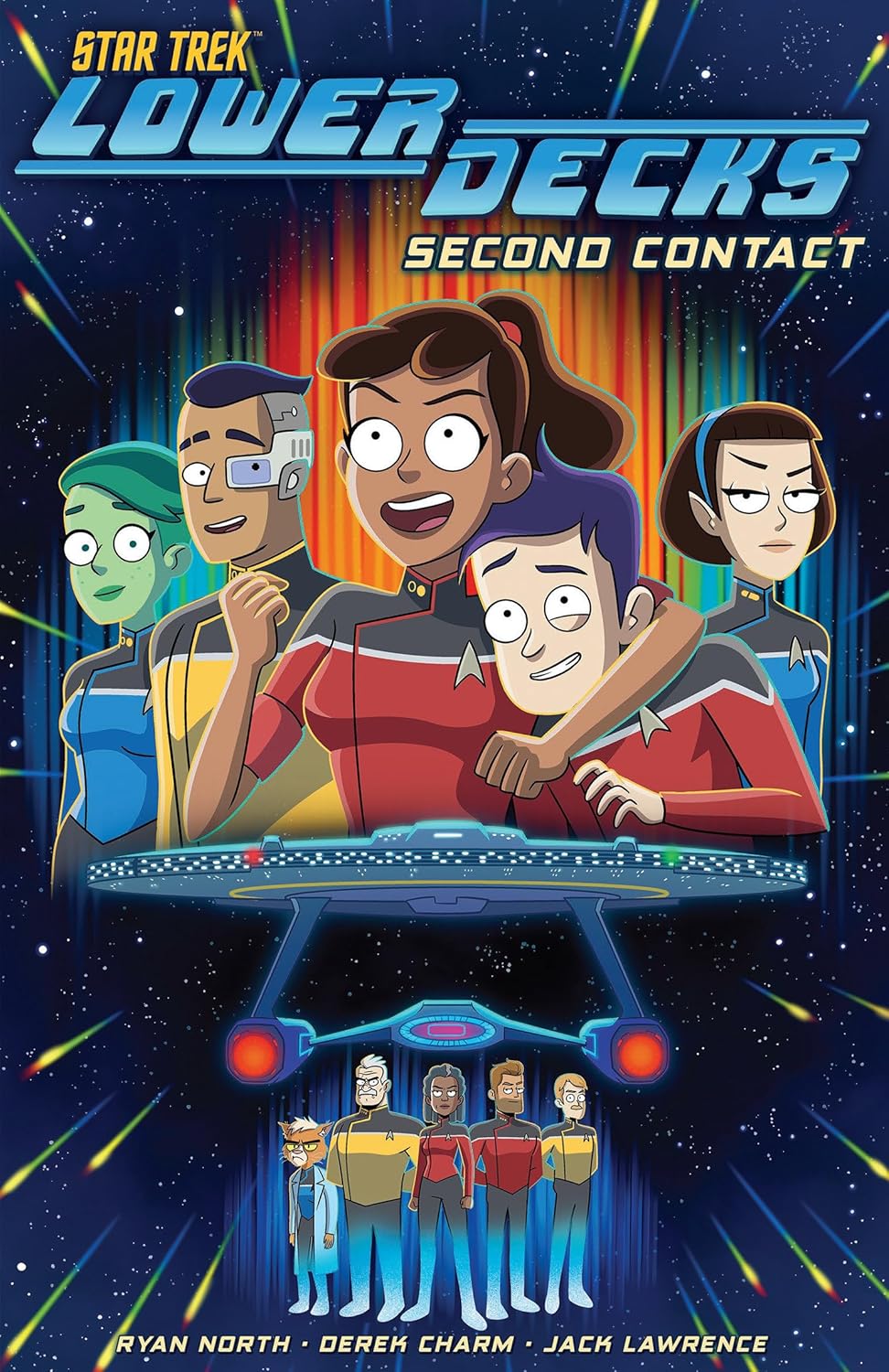
Waiting on Wednesday – Usagi Yojimbo: Volume 37: Crossroads by Stan Sakai

Welcome to my weekly segment, Waiting on Wednesday, where I look at upcoming books that I am planning to order and review in the next few months and which I think I will really enjoy.  I run this segment in conjunction with the Can’t-Wait Wednesday meme that is currently running at Wishful Endings.  Stay tuned to see reviews of these books when I get a copy of them.  For this latest Waiting on Wednesday I check out another awesome entry in one of my favourite comic series with the upcoming 37th volume of the always impressive Usagi Yojimbo series, Crossroads, by Stan Sakai.

Usagi Yojimbo - Crossroads Cover

Amazon     Book Depository

I must be doing something right with my life because I have just been rewarded with an absolute treat: two Usagi Yojimbo volumes in a single year.  For ages, fans of the series have been stuck with the ungodly pain of routinely having to wait an entire year to get a new collected edition of their favourite comic.  However, it looks like we are getting a reprieve this year as not only did we already get the awesome 36th volume, Tengu War! but now we have the 37th volume, Crossroads, coming out in just a few months.

Many readers of my blog will be familiar with my own all-consuming love for the brilliant Usagi Yojimbo series by legendary writer and author Stan Sakai.  Following a rabbit ronin in an alternate version of Feudal Japan populated by anthropomorphic animals, the Usagi Yojimbo series boasts some outstanding stories, great characters, truly awesome artwork and intriguing Japanese settings, and is easily one of the best, if somewhat underappreciated, comics out there.  I have been a major fan of this series for year, and I have been having a very good time with the current run of the comics published by IDW.  This latest run, which includes the full colour volumes Bunraku and Other Stories (one of my favourite books of 2020) and Homecoming (one of my favourite books of 2021), has been pretty awesome, and I have deeply appreciated some of the cool storylines Sakai has been following.  The other volume of 2022, Tengu War! was also a ton of fun, and was honestly prepared for that to be my primary Usagi Yojimbo fix for the year.  Luckily, with Crossroads coming out soon, I do not have that much longer to wait.

Crossroads, which will contain issues #22-28 of the current run of the Usagi Yojimbo series, is currently set for release in October 2022 and looks set to feature several fantastic stories.  This time Usagi and his newly discovered cousin and fellow samurai, Yukichi, will encounter several dangerous enemies, as well as some old friends, as they continue their travels through the dangerous lands of Feudal Japan.  It looks like Sakai has set up some brilliant stories for this next volume, and I am already extremely excited for all of them.

Synopsis:

The rabbit ronin’s newest adventures continue in this fourth volume that sees Usagi and new companion Yukichi on the road! Thinking their troubles behind them, they find new ones constantly emerging.

In “Ransom,” Usagi and Yukichi meet up with Kitsune, a street performer and thief, who has stolen a ledger recording bribes to local politicians. When Kitsune’s protégé is kidnapped in return, Usagi decides that he must help and get her back. Then, in “Crossroads,” Usagi and Yukichi come upon a group of pilgrims who have been left for dead by a band of cutthroat ronin. Deciding to go after them, Usagi must head back to the province, and the danger, from which he has just escaped!

In “Ghost Story,” Usagi and Yukichi meet Shizuye praying at a shrine to a young woman murdered 50 years earlier by her married lover and who finds herself in the same predicament. They take it upon themselves to be her protectors, but not all is as it seems when a local priest warns them to beware of ghosts!

In the final story, “The Long Road,” Usagi and Yukichi come to the rescue of a famed art dealer and his assistant attacked by bandits on the road. Failing to save the art dealer, they take it upon themselves to complete the delivery, but can the assistant be trusted?
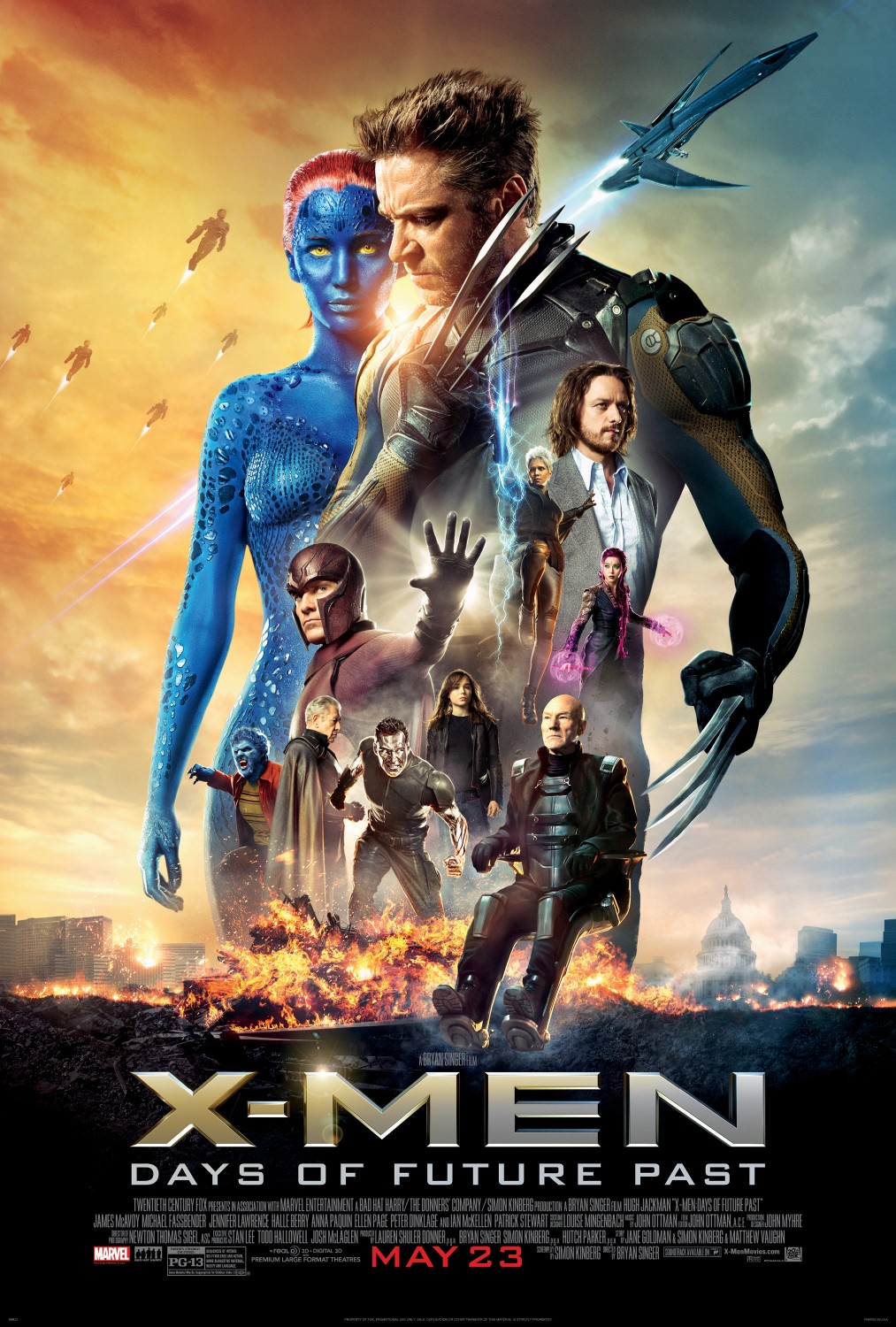
Wow, those are some awesome-sounding stories in Crossroads and I am already in love with all four of them.  Crossroads looks set to have a pretty interesting mixture of storylines, with the most fun one likely to be the Kitsune focused entry, Ransom.  Kitsune, a foxy thief with a propensity for getting into trouble, is always really good fun, especially as her thieving ways often clash with Usagi’s inherent honesty, and it has been a while since we’ve seen her.  I look forward to watching this reunion unfold, and it will be great to see how she interacts with the more naïve and inexperienced Yukichi, as he’ll never know what hit him.  The next story, Crossroads, looks like it will be a more action-orientated romp, especially as the two samurai protagonists are following a band of murderous bandits into dangerous territory.  This sort of tale is Sakai’s bread and butter, so you already know it is going to be pure excitement with a ton of awesome battles, plus it will continue some of the storylines from the last two volumes, with Usagi forced to transverse territory controlled by series antagonist Lord Hikiji.
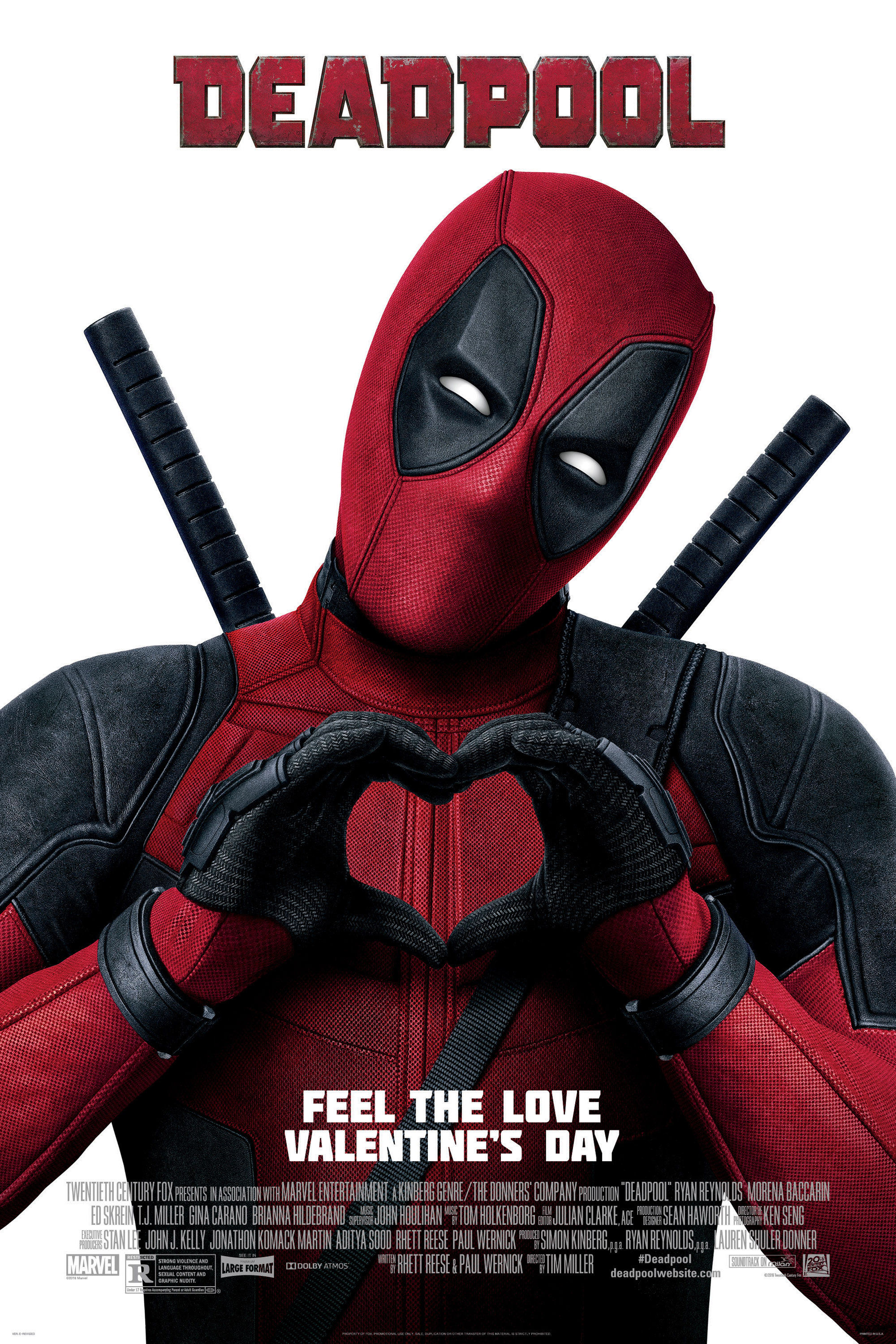
The other two stories in Crossroads also have a ton of potential and I was very intrigued by the fantastic synopsis that featured above.  The first of these, Ghost Story, appears to be another intriguing tale of Japanese mythology and spirituality, as Usagi and Yukichi encounter a young girl at a mystical shrine.  From the synopsis, it would appear that this mysterious lady would be some incarnation of the murdered woman the shrine is dedicated to, although I have a feeling there might be a twist or two added in.  No matter what, though, Sakai is very good when it comes to the more mystical stories in the Usagi Yojimbo series, and I am sure it will be a thoughtful and thrilling piece.  The final story sees Usagi get involved in another escort mission, this time around some valuable art.  Again, this is a pretty typical sort of story for Sakai (Usagi escorts everyone and everything along the roads of Japan, including melting ice, treasures, legendary swords and even some valuable tatami mats, just to name a few examples), so I am certain that this will be another great story.  The hints about the untrustworthy assistant are interesting, and I imagine that will add some wrinkles to the story, especially if that line is a red herring.  No matter what though, I am sure it will be great, and contain all the samurai action I crave.

Look, let’s be honest here, there is no way I am going to dislike Crossroads when it comes out, mainly due to how good every other single Usagi Yojimbo comic has ever been.  All the above stories sound extremely fun, and most of them have already gotten my imagination pumping as I try to figure out how they will go.  I am particularly interested in seeing how new protagonist Yukichi turns out, and it will be fun to see what Sakai has planned for him.  With Sakai’s usual brilliant storytelling and exquisite artwork, I already know that Crossroads is easily going to be one of the best comics of 2022.  October cannot come soon enough in my opinion, and I cannot wait to get my hands on the latest Usagi Yojimbo volume.