Terra Incognita by Simon Turney

Publisher: Head of Zeus (Ebook – 12 September 2024)

Series: Standalone

Length: 407 pages

My Rating: 4.5 out of 5 stars

Amazon

Simon Turney continues to explore the Roman Empire with his latest novel Terra Incognita, a fantastic read that proves to be one of the top historical fiction adventure novels of 2024.

Simon Turney, who also writes as SJA Turney, is a fantastic author who has been penning various intriguing historical novels for several years now.  I have enjoyed a couple of his books in the past, including the deeply compelling read, Commodus, which was part of his Damned Emperors series.  2024 has proven to be another good year for Turney, as he managed to also to impress me with the first book in his Agricola series, InvaderInvader was a very fun military novel that followed the early career of a famous Roman general and his potential involvement with Boudica’s rebellion.  I deeply enjoyed Invader, and I am very keen for the sequel, Warrior, which is set for release in early 2025.  However, before Warrior comes out, I was very happy to receive a copy of Turney’s intriguing novel Terra Incognita.  Providing his own take on a truly fascinating adventure hinted at in Roman historical records, Terra Incognita was an awesome read I was excited to check out.

Rome, 61 AD.  Under the rule of Emperor Nero, the Roman Empire is a wealthy and powerful civilisation covering much of Europe and Africa.  However, Nero is eager to expand the range of his control even further and sets his eyes down the River Nile.  Desiring to conquer the mysterious and reportedly rich lands and kingdoms below Egypt, Nero devises an elaborate plan to learn more about the world beyond his borders.

Under the command of an ambitious tribune, Nero sends two centuries of his elite Praetorian Guard into the African wilds with orders to follow the Nile until they find the source of the river.  If they succeed, they are to offer tribute to the river’s spirits, and ensure favourable waters for any subsequent invasion of the lands that follow.  However, reaching these fabled waters alive will prove to be an arduous journey.

Travelling down the Nile, the soldiers of Rome experience great hardships as they make their way to their empire’s borders.  But even greater challenges wait beyond, as the Romans will have to overcome bandits, hostile kingdoms, disease, inhospitable desert, fierce beasts and the madness of their own commander.  Can the Romans make it to their goal alive, or will the insanity of their Emperor and the impossible mission he’s set for them destroy even these elite soldiers?

Terra Incognita was as an outstanding and epic historical read that I honestly could not stop reading.  Presenting a powerful and deeply compelling narrative of trials, tribulations, and the dark side of ambition and duty in the wilds of Africa, Turney expertly grabs the reader in with his elaborate historical adventure tale and refused to let go.

I really loved the fun and distinctive story that Turney sets up in Terra Incognita, which proved to be particularly captivating and gripping to me.  A fictional account of the two Praetorian centuries the historical record indicates Nero reportedly sent to find the source of the River Nile, Terra Incognita is an exciting, entertaining and occasionally grim book, that just keeps loading compelling misadventure after compelling misadventure.  Told from the perspective of the venture’s two centurions, Sempronius Densus and Claudius Faventinus, you witness the full extent of the expedition through their eyes, from its hopeful if apprehensive start, all the way to its grim conclusion, and you will love every single second of it.

The narrative itself starts off as a classic Roman historical adventure, as it follows its protagonists down into Egypt.  This early part of the book is very much focused on introducing the characters and setting the scene for the adventures to come, and the readers get some fun sights of Roman occupied Egypt, while also experiencing the initial hurdles of the expedition.  However, once they leave Egypt and journey into land owned by the Kushites, Rome’s southern neighbour in Africa at the period, things start to unravel for them, as they come under attack, encounter greater setbacks, and are beset by bad omens.

The second half of the book sees the Romans enter unexplored territory and encounter the world beyond their known borders.  The already tired and demoralised soldiers face a lengthy and grim trudge deeper into Africa, with things getting worse for them the further they get away from home.  Trapped in their mission by their stubborn and seemingly unkillable commander, the book takes on a real Heart of Darkness vibe as their commander’s obsession drives them forward no matter the consequences.  Things continue to get more and more desperate for the protagonists as they continue, and you are constantly on the edge of your seat waiting to see what disaster or intriguing new turn of events they are likely to stumble across next.  After an increasingly tense series of events, Turney brings the reader to a deeply interesting and compelling conclusion, which fit the overall themes of obsession, insanity and a desire to survive perfectly.  This ended up being an excellent and well-crafted standalone narrative, and I had such a brilliant time getting through this elaborate adventure.

Turney is probably one of the top current authors of Roman historical fiction, and he clearly had a lot of fun bringing this elaborate novel together through his great writing.  Written as one continuous and compelling historical adventure, readers are really drawn into the epic tale of exploration and insanity that evolves, and Turney does a wonderful job of blending historical inclusions with a deep and powerful narrative.  I think the author had the right elements of action, exploration, history and personal stories in Terra Incognita, and it’s hard not to get drawn into the constant adventure and the interaction with new obstacles and societies.

In addition to the well-written story, I really must highlight the excellent main characters of Terra Incognita, especially as you see the entire disastrous expedition through the eyes of the group’s two centurions, Sempronius Densus and Claudius Faventinus.  Cast as the group’s sensible, disciplined and stubborn hearts, the two centurions doggedly lead their soldiers on, forced to serve as a buffer between the disgruntled Praetorian Guard, and their increasingly unhinged commander.  While there sometimes isn’t a lot to distinguish between the two centurions, you grow attached to them, especially as they are forced into impossible situations time and time again and are compelled by duty to continue.

However, the best character in the book is easily the expedition’s leader, Tribune Lucius Curtius Lupus.  An ambitious and regal figure, the tribune serves as a great foil to the sensible protagonists in the first half of the book, especially as his bluster, unreasonable orders and lack of common sense ensure that the centurions are forced to work against him to continue.  However, once the Romans find themselves in the African wilds, the tribune really turns into a fantastic character.  Due to a mixture of illness, pettiness and fear, the tribune becomes continuously more detached from the reality of the situation they are in and keeps dragging his mutinous soldiers further down into Africa.  Absolutely driven by obsession, Lupus refuses to stop until Nero’s orders are fulfilled, no matter the cost to the troops, and every action forces his centurions to decide whether to support him or kill him.  I loved the constant battle of duty and practicality that emerged, as the two centurion protagonists attempt to find their line in the sand against the tribune, only to allow him to make more bad decisions.  It also proves quite amusing to see the continued tribulations that the tribune survives, so much so that his soldiers become to believe his mission is blessed by the gods.  It’s hard not to both love and hate Tribune Lupus as the book unfolds, and I felt that Turney’s use of him was perfect, especially as there are some interesting parallels between him and a key figure from Heart of Darkness/Apocalypse Now.

Finally, I need to highlight the excellent historical inclusions featured within Terra Incognita.  Turney does an outstanding job bringing the wild and uncharted territories of Africa to life through his excellent writing, and you are constantly envisioning the elaborate landscapes and intriguing people that the Romans may have encountered on this expedition.  I also really appreciated how Turney utilised and expanded on details from the Roman historical records as well more modern understandings of the period in his story.  The depiction of several different tribes, nations and kingdoms that likely existed along the Nile at that point in history was fascinating.  I also enjoyed seeing how Turney envisioned the Roman’s reactions to the various crazy creatures, obstacles and unusual people they would have encountered, including crocodiles, hippopotamuses, and some of Africa’s more impassable terrain.  These obstacles also led to some interesting solutions, and I particularly appreciated Turney’s idea for a potential malaria treatment/preventative.  Throw in some great depictions of the Roman soldiers themselves, something the author has a lot of experience showcasing, and this was a great historical book with some unique features.

Terra Incognita was an outstanding standalone book from Simon Turney that provides readers with an awesome historical adventure.  Fast-paced, addictive, and loaded with some fantastic intensity, especially around the great characters, Terra Incognita was an epic read that comes very highly recommended.
Amazon

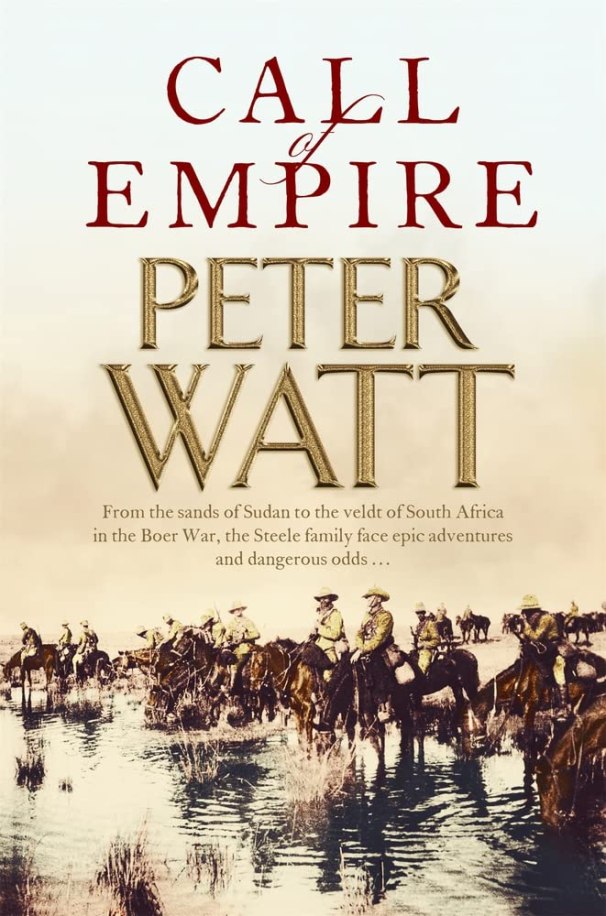
Call of Empire by Peter Watt

Call of Empire Cover

Publisher: Macmillan (Trade Paperback – 25 October 2022)

Series: The Colonial series – Book Five

Length: 368 pages

My Rating: 4.5 out of 5 stars

Amazon     Book Depository

Australia’s master of the historical adventure returns with another deeply exciting and highly intriguing character driven read that follows one historical family as they embark on war and adventure across the world, Call of Empire by Peter Watt.

Towards the end of each year, I always know that I am about to have my historical action and adventure quota filled as the new Peter Watt is coming out.  Watt has been a particularly enjoyable and compelling Australian author for years, producing intriguing historical fiction books with a focus on Australian history.  His works have so far included the long-running Frontier series and his compelling Papua trilogy, both of which contained some remarkable historical adventures.  However, I personally have been really getting into his currently body of work, The Colonial series, which I have had a wonderful time reading in recent years.

The Colonial series started of back in 2018 with The Queen’s Colonial, an intriguing read that followed young Australian Ian Steele in 1845 as he switched places with an English nobleman to take up his commission in a British regiment.  Becoming Captain Samuel Forbes, Steele found himself drawn into several of England’s deadly 19th century wars, while also forced to confront several dangers back in England as the real Samuel Forbes’ family sought to have him killed.  This fantastic series continued for two more books, The Queen’s Tiger and The Queen’s Captain, both of which were excellent reads.  Watt continued the series last year with The Colonial’s Son, which jumped ahead a couple of decades to follow the main character’s oldest son as he followed in his father’s footsteps and become a soldier in the Queen’s army.  I had a great deal of fun with these exciting books, and I was very happy when I received the next entry in the series, Call of Empire.

Starting in 1885, several years after the conclusion of The Colonial’s Son, Call of Empire sees protagonist Ian Steele finally living the quiet life in New South Wales, enjoying time with his family and friends, and expanding his business empire.  However, the British Empire is constantly finding itself in conflict across the globe, and soon the young New South Wales colony is called upon to send troops to assist the British campaign in Sudan.

Determined to serve the Empire once again, Ian’s oldest son, Josiah, takes a commission in the New South Wales army and journeys to Africa to fight the Sudanese forces for the British.  However, his decision will alienate him from the love of his life, Marian Curry, who is determined that he stop fighting in imperialistic wars.  At the same time, Ian’s younger son, Samuel, is learning the family business out in the Pacific with the family’s friend, Ling Lee.  However, Samuel and Lee are soon dragged into a dangerous plot to smuggle guns for the Chinese, as Lee’s obsession with freeing China from European control leads them into mortal danger.

Soon the entire Steele family finds themselves in deep trouble across the world, and only the most daring of actions will help them survive.  But as the Empire’s wars continue and the Steele family and their friends are drawn into even more conflicts, can even their legendary luck continue?  Death and tragedy awaits them all, and soon the Steele family will face a loss they never expected.

This was another fantastic and deeply exciting novel from Watt, who continues to dazzle with his fast-paced writing and impressive historical insights.  I loved the awesome story contained in Call of Empire, and I ended up powering through this book in less than a day.

Watt produces another exciting and ultra-fast paced story for Call of Empire that takes the reader on a wild and captivating journey through some interesting parts of late 19th century history.  Starting in 1885, Call of Empire primarily follows the three male members of the Steele family as they attempt to overcome the various challenges they face in their respective endeavours.  Watt tells a multi-layered, multi-generational, character driven story that follows multiple characters simultaneously as they engage in their own story.  This means that readers are often treated to a range of different storylines in the same chapter, having one character engaged in war, while another deals with issues at home, and at the same time a third finds themselves caught up in adventures at sea.  This makes for quite a complex read, although the range of storylines are well balanced and never oversaturate or confuse the story.  Indeed, Watt is a pretty clear and concise writer, and the reader is able to have a lot of fun with several of the storylines at the same time.  Watt features an outstanding range of storylines throughout Call of Empire, and I loved the blend of war, politics, exploration, business, romance, character development and legal concerns that were featured at various points throughout the 15 year long plot.  This reminded me a lot of the author’s previous Frontier novels, especially the focus on one big family, and I had a wonderful time seeing the elaborate narrative he wove around his characters.  Watt really takes this story in some interesting directions, and there are a few big surprises, as well as some tragedies that established readers of this series will be hit hard by.  This proved to be quite an addictive read, and I loved seeing his characters continue to traverse through life in their chaotic and adventurous ways.  The book ends at the start of the new century, and it looks like Watt will be taking his characters in World War I next time, which I am sure will be suitably traumatic.

Easily my favourite thing about this book was Watt’s excellent dive into the always eventful colonial history of Australia.  In particular, Watt examines several lesser-known wars and conflicts from the 19th century, with a particular focus on the role of New South Wales.  This starts early in the plot with one of the characters getting involved in the Suakin Expedition in Sudan, which was part of the larger Mahdist War.  This deployment saw a battalion of New South Wales soldiers travel to Sudan as part of the war effort and was the very first military force to be raised and deployed overseas by Australia.  While there wasn’t a lot of fighting involved with this campaign, I was deeply intrigued by the history and the politics behind it, and Watt did a wonderful job of exploring it in great detail throughout the book by inserting his characters.  Watt continued this trend throughout the rest of the book, which saw several of his characters involved in both the Boer War and the Boxer Rebellion in China.  Both conflicts had Australian soldiers involved, fighting on the side of the British, and Watt took exquisite care to explore what role the Australians played in them, and how they came to be involved in the conflict.

Out of all of them, I particularly enjoyed the captivating examination of the Boer War in Africa, which was one of the more deadly wars Australians fought in during the 19th century.  This war, and one of the character’s roles in it, dominated a good part of the book, and Watt did an amazing job of bringing different parts of the conflict to life.  The author really captured just how dark and bloody this war was, from snipers in the African bush, to the horrors inflicted on the Boer settlers.  However, Watt saves some of his best writing for the Battle of Elands River, a protracted battle that saw the Boers surround a force of Australians and their allies in a brutal siege for 13 days.  Naturally, one of the characters is right in the middle of this fight, and Watt really showcased the carnage and terror that the Australians would have felt being surrounded and bombarded.  I honestly didn’t know a great deal about some of these early Australian military conflicts, and it was absolutely fascinating to see them come to life in the hands of this talented author.  Having this great historical background really enhanced the overall quality of the novel, and I had a wonderful time diving back into these sometimes overlooked parts of Australian military history.

As I mentioned above, Call of Empire was a very character focused book that featured a range of fantastic point of view protagonists through whose eyes the story unfolded.  Watt features a great combination of characters, with a compelling mixture of younger figures who were the focus of The Colonial’s Son, and even a few characters from the first three Colonial books.  There was quite a range of different character storylines in Call of Empire, and you swiftly get drawn into the various unique adventures of each of the characters.  It was fascinating to see how the older characters had evolved since their original adventures, and I liked how Watt started focusing more on the next generation, including by expanding the role of the younger Steele son, Sam, who had an amazing outing here.  There is a great examination of the events that help to form these figures character, and it was fantastic to see them overcome so much adversity at various parts of their life.  I will say that some of the male Steele characters did tend to blend personality wise as the book proceeded, mostly as they are cut from the same adventurous cloth, but you still grow to like all of them, and you ended up getting touched when bad things happen to them.  There are some very interesting and powerful developments that hit the main characters in this book, and this ended up being a very key novel in the family history.  I had a wonderful time seeing the latest exploits of the Steele family, and with the next generation being introduced towards the end of the book, you know that they have even more adventures to come.

Peter Watt continues to showcase his talent as Australia’s premiere author of the Australian historical adventure with his latest Colonial novel, Call of Empire.  Bringing back several of his fantastic protagonists from the previous books, Watt crafts together another exciting read that dives into some intriguing parts of Australia’s military history.  Fast paced and full of awesome action, Call of Empire is another amazing read from Watt, and one that I had a lot of fun getting through.

Amazon     Book Depository

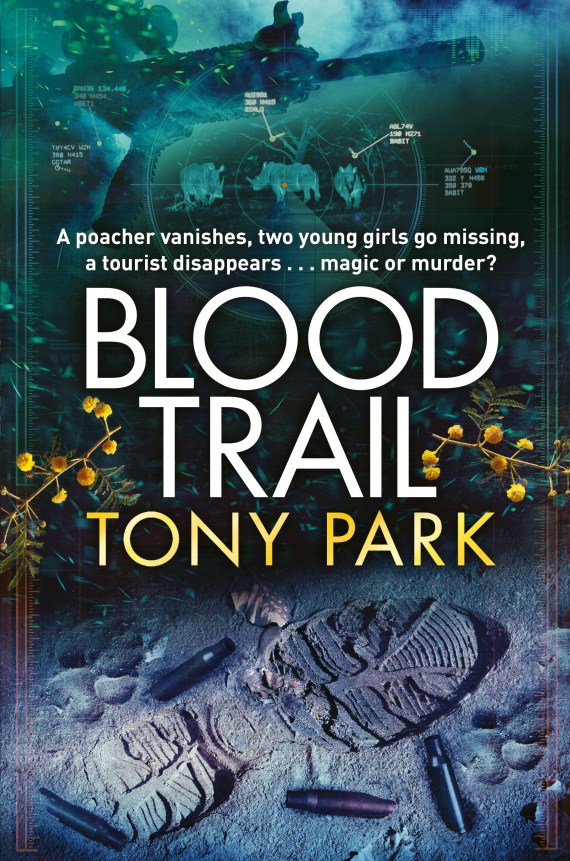
Blood Trail by Tony Park

Blood Trail Cover

Publisher: Pan Macmillan Australia (Trade Paperback – 1 August 2021)

Series: Standalone

Length: 384 pages

My rating: 4.5 out of 5

Amazon     Book Depository

One of Australia’s leading thriller authors, Tony Park, presents another clever and intense thriller set in the nature parks of Africa with his latest action-packed novel, Blood Trail.

Tony Park is a talented author who has written several amazing thriller novels over the years, all of which make use of a distinctive African setting with a focus on wildlife parks and poachers.  I have previously enjoyed three of his great books, Scent of Fear, Ghosts of the Past and Last Survivor, and his latest novel, Blood Trail, features another exceptional and exciting tale, which was an extremely fun and captivating read.

Life is always dangerous on the game preserves of South Africa, as poachers and opportunists are constantly looking for a way to make some serious money by harvesting endangered species.  In recent years, the counter-poaching patrols and police have made great strides in defending the critical wildlife, with the poachers aware that entering the reserves means death or imprisonment.  However, with South Africa severely impacted by COVID-19, more desperate locals are turning to poaching to survive, relying on the magic of their traditional medicine to protect them.

At the Lion Plains game reserve, something strange is happening.  While conducting a virtual safari, park guide and ace tracker Mia Greenway witnesses a poacher kill a rhino.  Chasing after him, Mia and her backup find no trace of him as his trail mysteriously disappears, with the killer appearing to have vanished into thin air.  At the same time, police captain Sannie van Rensburg, is called to investigate two missing local girls, who also disappeared in suspicious circumstances.  Sannie soon learns that the local populace fear that the girls have been killed and their bodies used as ingredients by a dark practitioner of traditional medicine.

When a young female tourist is kidnapped within the reserve, once again vanishing with no trail to follow, Mia and Sannie begin to realise that their cases are connected.  With the locals convinced that the poachers are using dark witchcraft to evade the police and the anti-poaching teams, all evidence suggests that the kidnapped girls are going to be killed and harvested.  However, something far more sinister is afoot, with a dark conspiracy working its way through the very heart of the game preserve.  Can Mia and Sannie uncover the truth before it is too late or will the poachers and their dangerous benefactors continue to bring terror and death to the wilds of Africa?

In Blood Trail, Park has included another intense and action-packed story that makes full use of the author’s love of all things Africa.  Set in a game reserve under siege, this multi-perspective story starts off fast, with a poacher on the loose and the trackers, led by the tenacious Mia attempting and failing to find him.  There is also an intriguing criminal case happening concurrently, as police detective Sannie attempts to find two missing girls.  Both central narrative threads are soon drawn together as Mia, Sannie and their colleagues work to solve the connected cases.  Park has come up with a very exciting, character-driven narrative here, and it honestly did not take me long to get really invested.  This book is loaded with some amazing action sequences, and the reader is treated to one electrifying scene after another as the protagonists face extreme opposition.  The overarching mystery surrounding the poachers and the missing girls is very good, and I loved the complex and clever story the author wraps around them, especially as it ties into various aspects of life in Africa and the game reserves.  The author makes sure to include a huge number of twists and reveals, especially towards the end of the novel, and while I was able to predict how a couple would go, I ended up being pleasantly surprised by some of the others, and I really enjoyed seeing how everything came together.  I also liked the huge range of intriguing characters featured throughout this book, and I really got invested in some of their stories, especially the two strong lead female protagonists, Mia and Sannie, who overcome a lot in this novel and go through some excellent development.  Blood Trail is set in the shared universe of Park’s other works, with characters from some of his prior novels and series either featured or mentioned.  Despite this, you really need no prior knowledge of these books, and Blood Trail is a very easy novel to get into.  This is an overall exceptional and thrilling narrative, and I found myself powering through the last half of this book in a day.

Easily the best things about Tony Park’s novels are his exceptional portrayals of the African wilderness and the amazing and insightful discussions about the troubles faced by game preserves.  Park, who has spent a significant amount of time in Africa and the game reserves, is clearly very passionate on the subject, and he injects all his novels with some gritty realism about the parks and the poachers who prey on them.  Blood Trail is a particularly good example of this, as a large amount of the narrative revolves around poaching on the park, the park’s anti-poaching detail and the local police who support them.  It is always incredibly interesting to learn about poaching and anti-poaching techniques and Park includes a lot of detail about both.  I found this to be extremely fascinating, and Blood Trail includes compelling detail about some of the modern techniques some of the parks potentially utilise, such as drones and even WhatsApp.  Park also weaves a particularly good story around poaching, and I loved all the thrilling sequences of poachers versus authorities that this fantastic novel contained.  You also have to love the outstanding and beautiful depictions of the African bush and the communities that serve as a backdrop for the story.  Park clearly puts all his personal experiences into these depictions, and his writing brings in a strong visual element.  I really enjoyed this use of setting, and it really sets Park’s novels apart from other contemporary thrillers.

In addition to the outstanding setting, Park also includes a deeply intriguing and fascinating examination of traditional African medicine and magic in Blood Trail, which becomes a very amazing and key part of the plot.  This traditional medicine, known as umuthi, is utilised by the South African people as protection from a variety of dangers, with the poachers, and even some protagonists, using it in the hope that it will stop bullets or impair their opponents.  This becomes a very interesting part of Blood Trail’s plot, as the characters encounter various unusual phenomenon, such as their targets vanishing without a trace or unexpected illnesses, which some blame on dark magic.  This proves to really fascinating, especially as Park keeps including several mysterious events or occurrences, and the reader is left wondering whether it is just a coincidence, a psychological ploy, or something more spiritual in nature.  I found this inclusion to be extremely intriguing, and I really appreciated the detailed and balanced examination that Park included in this book, as he goes out of his way to respectfully examine all the aspects of this traditional medicine, as well as the perceptions surrounding it.  Various characters of differing backgrounds are shown reacting to the idea of umuthi, including local Africans, foreigners, academics, and white South Africans, each of whom have differing opinions on the validity of the magic behind it.  I loved this fascinating range of views, which seems to accurately reflect the differing opinions you would find throughout South Africa, and there are some truly unique views and beliefs which Park has clearly researched.  The character of Mia proves to be a very intriguing inclusion here, as she is a white South African who was raised by black South African women, and was brought up to believe in umuthi and other traditional beliefs.  This results in some intriguing identity issues, as she and some of the other people who partake of umuthi attempt to work it around their modern perceptions or Christian teachings.  This unique and captivating examination of umuthi and other traditional beliefs was extremely interesting and I am very glad that Park took the time to include this in his latest novel.

Another extension of Blood Trail’s game reserve setting that I enjoyed was the tracking.  Several characters in the novel, particularly Mia, are trackers, who spend their days trailing animals and poachers through the bush.  As such, there are some fascinating scenes where these characters use their tracking skills to chase after the antagonists.  This proves to be extremely interesting, and Park ensures that his book features a lot of details about they various tracking techniques, and the counter techniques that poachers would use to try and avoid the trackers.  Not only is this a very captivating inclusion by Park but it also flows extremely well into the narrative, with the protagonists forced to question their abilities when the villains keep getting away.  The way in which the antagonists manage to avoid the trackers ends up being quite clever, especially as Park also includes some false leads to confuse the eventual reveal.  I deeply enjoyed this awesome look at the work the trackers do in the park, and it produces some really fantastic scenes.

The final inclusion that I found really compelling was Blood Trail’s examination of the impacts of COVID-19 on South Africa, and how it is driving people to poaching.  While I am sure that many people are getting sick of reading about COVID, even in thriller novels, I felt that Park did a really good job featuring it in Blood Trail.  Park paints a pretty grim scene surrounding the impacts that the pandemic is having in South Africa, with many side characters either out of work or negatively impacted by the government’s harsh lockdown rules, such as an alcohol ban.  This becomes quite a key theme of the novel, with the stress and loss of income impacting everyone and driving them to commit crime on the understaffed game reserves.  The author really dives into the unexpected impacts the global pandemic is having on the nature reserves, and it adds some complexity to the dark story.  Other featured aspects of COVID in South Africa are also pretty interesting, such as the increased roaming of certain animals, as well as the advent of virtual safaris, with streaming projects sharing the beauty of the wilds to a world in lockdown.  Overall, this examination of the impacts of COVID was very fascinating and topical, and Park did a fantastic job including it in his story.

The fantastically talented Tony Park once again shows why he is one of the best and most distinctive Australian thriller authors out there.  His latest novel, Blood Trail, contained an intense and compelling story that takes the reader on a wild and thrilling journey through the game reserves of Africa.  Filled with some amazing action and fantastic characters, Park makes full use of his powerful setting to craft a memorable and addictive narrative.  I loved all the unique elements that Blood Trail contained, and you are guaranteed an exceptional time if you check this awesome book out.

Amazon     Book Depository

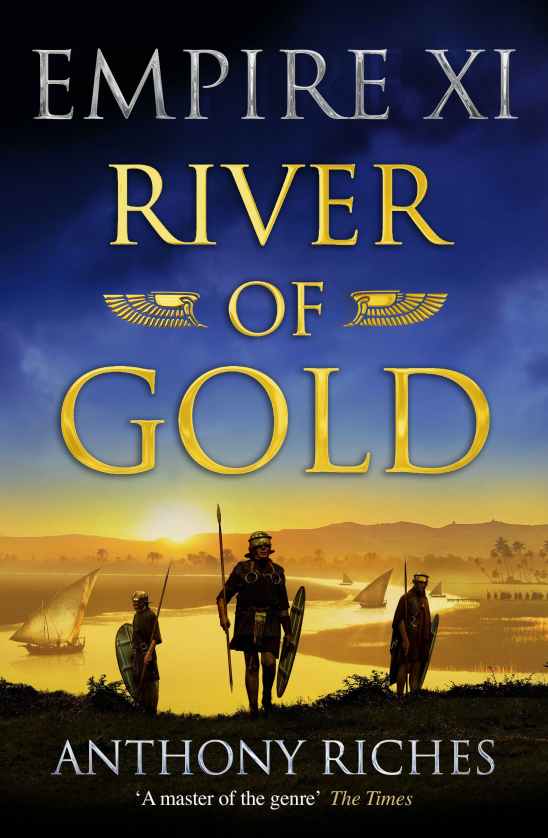
River of Gold by Anthony Riches

River of Gold Cover

Publisher: Hodder & Stoughton (Hardback – 6 August 2020)

Series: Empire – Book 11

Length: 339 pages

My Rating: 4.25 out of 5 stars

Amazon

From one of the top authors of Roman historical fiction, Anthony Riches, comes River of Gold, the action-packed and epic 11th entry in his bestselling Empire series.

Aegyptus, 187 AD.  Under the command of Tribune Scaurus, decorated Centurion and former fugitive, Marcus Valerius Aquila, serves with several elite veteran officers, each of whom has displeased the Imperial hierarchy in some way.  These Roman soldiers now find themselves part of an informal troubleshooter unit, destined to die if they should ever fail one of their impossible tasks.  The Roman Empire is once again in danger as a mysterious army advances from the south of Africa, killing a major garrison and conquering a key port city at the southernmost border of the empire.  In order to solve this problem, the Emperor’s corrupt advisor sends Centurion Marcus and his comrades on another dangerous mission.

Arriving in Alexandria, Marcus and his comrades discover a rich province riddled with corruption and with a much reduced military presence.  Taking command of the local legion, Scaurus marches what soldiers he can down to the site of the massacre to find a new grim reality waiting for them.  After centuries of peace, the mysterious kingdom of Kush has once again declared war on Rome, determined to claim what is rightfully theirs from the weakened Romans.  In order to stop them, Scaurus leads his force deep into enemy territory to recapture an abandoned fortress and hold it against impossible odds.  Their mission is borderline suicidal and only has a slim chance of success, but if anyone can pull of this impossible task, it is Marcus and his friends.

This was another fun and exciting historical novel from Riches which proved to be a fantastic new entry in his Empire series.  Riches is a prolific and talented author who has been writing since 2009, when he debuted the first Empire novel, Wounds of Honour.  Since then he has gone to write an additional 10 novels in this series, as well as writing his separate series, The Centurions.  I have previously read a few of Riches’s books, including the first three entries in the Empire series when they were released.  While these first three books were extremely enjoyable Roman historical fiction novels, I missed the chance to read a couple of entries in the series and fell too far behind to catch up.  However, I recently got a copy of this latest book and, as I was in the mood for a visit back to ancient Rome, I tried out River of Gold to see how it would turn out.

This proved to be a good decision on my behalf as River of Gold ended up being a fantastic and compelling read.  Riches sets up an excellent character-driven story that sets a group of unique Roman officers against a dangerous new foe.  The author does a good job setting the story up, allowing those readers unfamiliar with the series or the historical era to easily jump in, and then sets the characters toward their goals.  This results in a captivating narrative that has a good blend of action, character development and cool historical features, as the protagonists embark on a madcap plan to win the war.  This leads to a number of awesome battle scenes, including an extended siege sequence which was a lot of fun to read, and the various characters find themselves in sufficient danger throughout.  The story ends a tad suddenly, although Riches does a good job of setting up the overall conclusion to the main storyline.  This story also felt a bit short, and I think it could have benefited from another 50 pages or so, perhaps extending out the siege sequence and adding in some more action and peril there.  However, this was still an overall excellent narrative which I was able to get through in only a few short days.

Riches spends a good part of River of Gold focusing on the various characters he has introduced and developed over the course of his long-running series, and this proves to be an entertaining group of protagonists.  In order to examine these characters Riches utilises a detailed, in-narrative character introduction near the start of the book, in which a newcomer reads off personnel files about each of the recurring characters.  While this was rather forced and inelegant way to introduce the characters and their history, it does the job and allows the readers to get an idea of who these protagonists are and their various quirks.  I found this particularly useful after having skipped several books in the series, and new readers will definitely appreciate the background.  Most of these characters get some intriguing arcs throughout the book.  For example, Marcus is once again the lead character of the novel as he tends to get the most important missions and ends up in the most danger, including a particularly close look at the Kush and their society.  Marcus is a fairly typical Roman historical fiction protagonist who has gone from raw recruit to hardened veteran throughout the course of the series, and it was interesting to see the various developments that have occurred since the last Empire novel I read.  Tribune Scaurus also gets a fair bit of attention as the leader of the Roman force and the mastermind behind their attack.  Scaurus is a good leader character, providing the rest of the characters with backbone and fortitude, and I liked his rather unique command style that relates to the dangerous political situation he finds himself in.  The other major character arc that I liked revolved around Cotta, the group’s veteran centurion and Marcus’s mentor, who reluctantly returns to Aegyptus for the first time after assassinating a Roman general who sought to rebel against the Emperor.  Cotta’s interesting subplot revolved around him reminiscing about his past mistakes while he attempts to hide his identity from the legion they have taken over, as they suffered as a result of his actions.  All of these recurring characters provided a great base for the story and some major moments that occurred will definitely rock readers, especially those long-term fans of the series.

While the recurring characters are good, I really have to highlight some of the new characters that Riches created for this novel, one of whom in particular outshines the rest.  This new character is Demetrius, a Christian who accompanies the army down south as part of his holy mission.  Demetrius is a complex and enjoyable character mainly due to his past as a vicious Christian-hunting Roman soldier.  After a series of brutalities, Demetrius sought redemption by joining the Christian cult, and now he fights against the invaders, believing that this fight is a holy war.  Riches focuses a good amount of the plot on Demetrius, and he proves to be a captivating and central figure, offering words of wisdom and defending his newfound Christian beliefs.  I found the author’s portrayal of this character to be really intriguing and I liked the close relationship he formed with some of the recurring characters, especially Marcus, despite that fact that none of them are Christians.  The other new character I liked was Ptolemy, an Imperial secretary and scribe assigned to the group, who provides them with relevant information and history to assist with their mission.  Ptolemy is essentially a walking piece of exposition, and a large amount of the book’s historical information is revealed thanks to him.  Despite this, he was a rather entertaining character, mainly due to the odd-couple friendship he formed with Dubnus.  The two characters are pretty much opposites in every way and end up bickering on a number of subjects, while also building up a mutual respect for each other.  This fun discourse between the two resulted in some great moments throughout the book and he was an interesting addition to the plot.

In addition to the fun story and great range of characters, Riches also invests a significant amount of time and effort in bringing the historical aspects of this novel to life.  The author has obviously done some serious research on the subject of Roman military history as he does a wonderful job showcasing various elements of the Roman legions and soldiers to life, including gear, unit makeup and tactics.  This also translates incredibly across into the various combat scenes throughout the novel, as you get a real feel for how a Roman solider would have felt in combat, especially at the Centurion level, although Riches mostly focuses on unique fight situations in this book.  The book also contains a number of detailed descriptions of the historical landscapes that the protagonists traverse through, such as Alexandria and the rest of historical Egypt.  This proved to be quite a fascinating inclusion in the story and I always enjoy seeing an author’s depiction of historical settings.  However, the most fascinating part of this novel has to be the inclusion of the ancient African Kingdom of Kush, with whom our protagonists face off against.  The Kushites were a powerful and advanced civilization, who, until recently, have been somewhat overlooked by historians and archaeologists.  Riches does an incredible job working them into his novel and setting them up as a rival kingdom to Rome.  Not only does he feature a number of detailed depictions of their culture and military make up during the events of the book, but he also spends time exploring the history of Kush, including their origins as a civilization, their prior history throughout Aegyptus and their conflicts with the Romans.  This was easily one of the most interesting and compelling elements of River of Gold, and I really appreciated Riches’s inclusion of such a unique historical adversary.  Indeed, all of the historical inclusions in this book are excellent, and I had an amazing time exploring them as the story progressed.

River of Gold by Anthony Riches is a captivating and enjoyable novel that takes the reader on a fascinating and action-packed journey through history.  Riches does an excellent job continuing his bestselling Empire series, and I had a great time getting through his exciting story, loaded with great characters and an impressive historical background.  All of this results in an amazing historical fiction novel that is well worth checking out, whether you are a fan of this long-running series or a general historical fiction fan looking for a fun adventure story.

Amazon

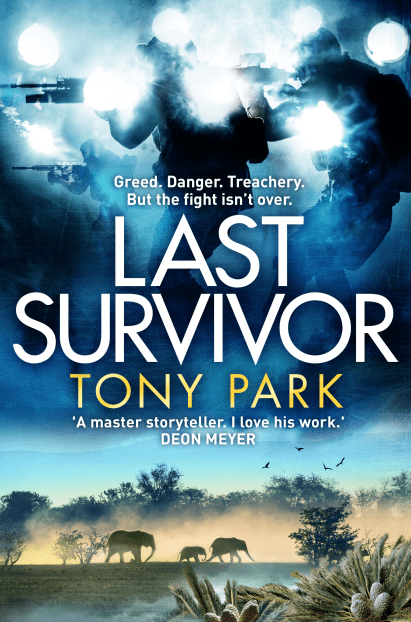
Last Survivor by Tony Park

Last Survivor Cover

Publisher: Macmillan Australia (Trade Paperback – 30 June 2020)

Series: Sonja Kurtz – Book Four

Length: 401 pages

My Rating: 4.5 out of 5 stars

Amazon     Book Depository

The master of the Australian thriller, Tony Park, is back with Last Survivor, another intense and action-packed novel that explores the turbulent and beautiful continent of Africa.

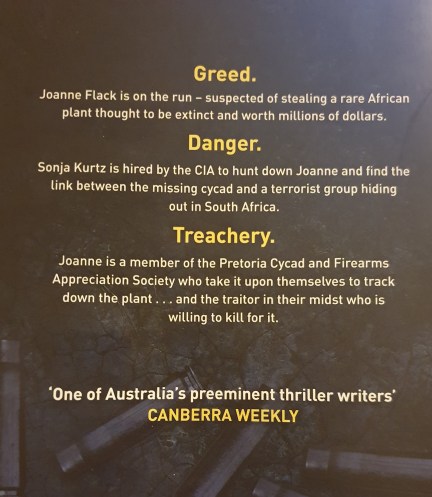
Tony Park is an awesome Australian author who has been writing some great thriller novels since his 2003 debut, Far Horizon.  I have been really getting into Park’s fantastic books over the last couple of years and I really appreciate their excellent adventure storylines, as well as the author’s outstanding use of Africa as a background setting for all his books.  I rather enjoyed his 2018 release, Scent of Fear, and I had an amazing time reading last year’s Ghosts of the Past which had some impressive historical fiction elements to it.  As a result, I was very excited when I received my copy of Last Survivor and not just because it quoted my Canberra Weekly review for Ghosts of the Past on the back (see below).  Last Survivor is the 18th novel written by Park and it also serves as the fourth book to feature his recurring protagonist, Sonja Kurtz.

In Last Survivor, freelance intelligence agent Sonja Kurtz is back and on the trail of a terrorist organisation who are financing themselves through the smuggling of rare cycads.  This story starts with Joanne Flack, treasurer of the Pretoria Cycad and Firearms Appreciation Society, on the run from her home in South Africa, accused of stealing an extremely valuable cycad worth millions of dollars.  However, when Joanne is attacked by a terrorist operative in the heart of London, she flees back to Africa, where she knows how to hide.

Following a dangerous operation in Mali, Sonja Kurtz is given a new mission by her contact in the CIA, who wants her help tracking down Joanne and finding out what she knows about the terrorists who attacked her.  Teaming up with former Fish and Wildlife Services investigator Rod Cavanagh, who has significant history with Joanne Flack, Sonja travels Africa to initiate contact.  However, the moment that Sonja finds her Joanne they are attacked by a team of heavily armed killers, determined to take her out.

With their CIA contact down and everyone now trying to kill them, Sonja, Joanne and Rod flee deeper into Africa seeking refuge where they can.  In order to protect Joanne, they need to work out who is funding their attackers and what their interest in the cycad is.  To that end, Sonja infiltrates the Pretoria Cycad and Firearms Appreciation Society in order to use them as a cover for her investigation.  However, it soon becomes clear that someone in the Society is working for the terrorists, and Sonja and her friends will have to tread carefully if they are to survive the forces coming for them.

Now, that was a fun read.  Park has once again produced another deeply exciting, high-octane thriller that drags the reader in and keeps them engaged until the bitter end.  I really loved this amazing read which combines a fantastic story with a captivating modern-day setting and a focus on a new and unique real-world issue.  Last Survivor is a very easy book to get into and it mostly serves as a great standalone novel.  Readers unfamiliar with Park’s work do not need to check out any of the author’s prior novels first, not even the previous books that featured Sonja Kurtz as a protagonist.  However, those long-term fans of Park will love seeing more of his unique style, as well as the return of one of his few reoccurring characters.

Park has come up with an outstanding and enjoyable thriller storyline for Last Survivor which was addictive, clever and very exciting.  The story revolves around the hunt for a rare cycad, and the protagonists’ attempts to stop the terrorist organisation attempting to obtain it to finance their operation.  This proves to be a fantastic narrative that combines a clever spy thriller story with great character development and impressive action sequences.  The author utilises a number of separate character perspectives to tell the story, allowing for an expansive and enjoyable narrative that splits into several separate plot lines.  I also liked all the fun characters that Park introduced throughout this book, from the troubled Joanne Fleck, whose significant past with Rod Cavanagh adds a lot of drama to the story, to the members of the Pretoria Cycad and Firearms Appreciation Society, heavily armed plant enthusiasts who have a traitor amongst their ranks.  It was also great seeing more of his recurring character, Sonja Kurtz, an aging spy with commitment and trust issues, whose burning love for Africa matches the author’s.  This story goes into some enjoyable directions, and there are several great twists and turns throughout it punctuated by a number of amazing action sequences to really drag in the reader’s attention.  I particularly liked the unique and extended battle sequence that served as the book’s conclusion and it was both intense and entertaining to watch Kurtz and her rag-tag team of elderly African gun-nuts go up against a group of terrorists and criminals.  All of this makes for a fantastic read and I found myself swiftly getting through the entire book in very quick fashion.

Another awesome element of this book is the way that Park once again sets the story throughout various parts of Africa.  Park has a clear and sustained love for Africa, as all his novels are based in or around the continent, which always proves to be an excellent literary setting.  This is once again true for Last Survivor, as the story jumps around various parts of multiple countries such as South Africa, Mali and Zimbabwe.  Each of these different countries prove to be great locations for this book and Park expertly examines several social and political realities of living in these countries, working them into the plot of the story in a compelling and enjoyable manner.  While it is great learning more about these African countries, the real magic occurs when Park takes the story out into the African wilds.  Not only does this prove to be an awesome location for the book’s intense action sequences but the author always provides such powerful and endearing descriptions of the wilderness and its animal inhabitants.  Park’s sheer love of the African countryside really shines through every time that a character considers their surroundings and he always manages to bring these locations to life.  I also like the way that Park uses his stories to examine parts of Africa that he is really passionate about, such as highlighting the damage and evils of illegal poaching, lauding various anti-poaching groups and patrols that are trying to oppose them, and also looking at the various national parks and nature preserves that exist across the various countries.  All of this really makes for a fantastic setting, and I cannot wait to see what new aspects of Africa that Park reveals in his next book.

As I mentioned above, Park routinely uses his thriller novels to throw a spotlight on the evils of poaching in Africa and the organisations and community groups who attempt to combat it.  While there is still a lot of that within this novel, the story mainly focuses on a fascinating new illegal operation that has taken root in Africa, the smuggling of rare cycads.  Cycads are ancient seed plants that have existed since the Jurassic, and while many species can be found around the world, several species are currently on the brink of extinction.  This apparently has led to a thriving smuggling market in Africa with many rare specimens illegally taken out of the country and sold off to rich collectors around the world.  Park really dives into this new illegal trade throughout the book with the story filled with a number of intense discussions about what cycads are, their various biological properties, why some of them are so rare and valuable, and how they are currently becoming a major source of financing for smugglers and terrorists.  This proves to be extremely fascinating, and I really appreciated the information I received learning more about cycads, a subject that I really did not too much about prior to this book.  The illegal cycad smuggling also plays really well into the book’s amazing thriller story, and I really enjoyed how an intense action story revolved around people smuggling plants and the lengths people will go to obtain them.

Last Survivor is another deeply impressive thriller novel from Tony Park, who has once again produced a clever, relevant, and intensely action packed read which you find extremely hard to put down.  I had an incredible time seeing another one of Park’s amazing adventures take place amongst the African wilds and I really love the unique elements he adds to the story.  This is a fantastic and compelling book and it comes highly recommended.

Last Survivor Back Cover

Amazon     Book Depository

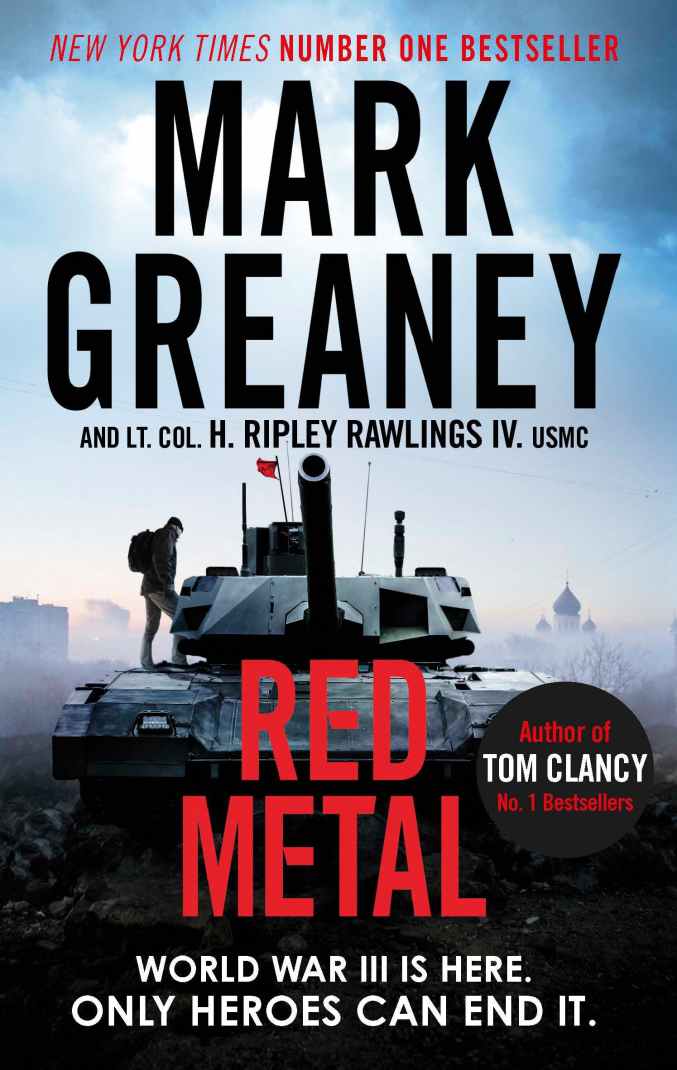
Red Metal by Mark Greaney and Lt. Col. Hunter Ripley Rawlings IV. USMC

Red Metal Cover 2.jpg

Publisher: Audible Studios (Audiobook – 16 July 2019)

Series: Standalone/Book One

Length: 21 hours and 21 minutes

My Rating: 5 out of 5 stars

Amazon     Book Depository

Get ready for World War III, because bestselling author Mark Greaney has teamed up with Lt. Col. Hunter Ripley Rawlings IV. USMC to create an absolutely incredible military thriller, Red Metal, which looks at how a potential invasion from Russia would unfold.

After years of war in the Middle East, the United States and their allies are preparing themselves for the next conflict. Many believe that this war will occur in the Pacific Ocean against China, especially after the Chinese begin to interfere in Taiwanese politics in an attempt to reunify the island nation with the mainland. As Chinese troops gather just outside of Taiwan and the United States military is rocked by a debilitating scandal, hardly anyone is expecting a move from Russia.

Since the end of the Cold War, Russia has been in an economic decline, and it desperately requires access to various advanced resources to remain a world power. An ambitious Russian colonel has come up with a complex plan to secure a vital Rare Earth mine that has the potential to secure the country’s future. Launching a high-speed and ruthlessly coordinated attack as Christmas falls, Russian forces stream across the border into Europe, crippling NATO and cutting the continent off from the United States. As America and NATO attempt to work out the extent of Russia’s plans in Europe and counter them, they are left distracted from Russia’s true goal as a second Russian army is secretly heading towards the African coast in order to reach the mine in Kenya.

As Russia continues its advance, the fate of the free world lies in the hands of several different individuals. In Washington, a veteran Marine Lieutenant Colonel and his colleagues attempt to decipher the Russian strategy before it is too late, while in Africa, a wily old French Intelligence agent and his Special Forces son must uncover why undercover Russian agents are abroad in Djibouti. In Europe, a mixture of unprepared NATO soldiers, including a young member of the Polish militia, an out-of-his-depth American tank commander and a high-flying US pilot must fight against the odds to push back against the invading Russian force. As epic battles erupt across several countries, one thing is clear: the world will never be the same again.

Wow, just wow. A few months ago, I predicted that along with The Kremlin Strike, Red Metal was going to be one of the top military thrillers of 2019. I am more than happy to report that I was 100 per cent right, as this was an outstanding read that I had an absolute blast listening to. The team of experienced thriller writer Mark Greaney, who is best known for his work on Tom Clancy’s Jack Ryan Universe and his own bestselling Gray Man series (make sure to check out my review for the latest book in this series, Mission Critical, here) and debuting author Lt. Col. Hunter Ripley Rawlings IV. USMC, have created a sensational book that I have no choice but to award a full five stars to.

Contemporary military thriller is a genre that I have only started getting into recently, although so far I have enjoyed some great examples, including The Moscow Offensive by Dale Brown, Treason by Rick Campbell and Red War by Kyle Mills. However, in my opinion Red Metal stands heads and shoulders above all of these books and it is probably the best pure military thriller that I have read. The authors of this book have come up with a truly fascinating military scenario that sees Russia sweep across two continents and influence conflict in a third. The Russians in this book have a really clever and effective military strategy that results in a massive, widespread conflict, and the reader gets to see every step of it unfold. This entire plan seems exceedingly realistic, and it is clear that Greaney and Rawlings have put some real thought into how war could break out and how the various participants would react. They really dive into the minutiae of the whole scenario and try to cover all the angles of an invasion of Europe and Africa, including cutting off communications, setting up an alternate navigation system, hacking the US and creating a number of plausible diversions. Never before has a discussion about the different sized rail tracks and rail switching stations in Europe been so fascinating. The scope of this conflict is really impressive, and the authors do a fantastic job showcasing the various types of battle that would occur in this sort of modern-day war between major superpowers. As a result, this book is filled with fighting on land, sea, air, underwater and even in cyber space, in an impressive thought exercise which translates into a compelling piece of fiction.

I really liked how the authors chose to tell this story from a variety of different perspectives, as Red Metal features a huge number of point-of-view characters. While the story is mostly focused on a few key characters, a number of minor characters often get one or two scenes, and the reader gets to see how the war unfolds from both sides of the conflict. As a result, the reader gets a much fuller understanding of how this potential scenario would unfold and how various countries or organisations such as NATO would react to war breaking out. The authors also make great use of the various perspectives to ratchet up tension throughout the book as the readers are privy to the full extent of the Russians plans. This results in the reader being fully aware of all the mistakes that the Americans and their allies are making in this war, and by the time they get their act together it seems like it is too little, too late.

The use of various perspectives also helps to create a number of different characters that the reader can really get invested in. While many of characters introduced only have small roles in the overall narrative, the authors do some detailed explorations of the backgrounds and story arcs of several key characters. Some of these characters have really well-written and have some enjoyable or intriguing storylines. I personally enjoyed the story of Paulina, a young recruit in Poland’s Territorial Defence Force (a volunteer military reserve) the most. Paulina finds herself thrust into the middle of the Russian invasion and is quickly transformed from an innocent girl to a hard-eyed killer in a few short days thanks to the horrors of war. Paulina’s story is extremely captivating, and it is potentially the character that most non-soldiers reading this book are going to identify with as they are left thinking how they would react in a similar situation. It was really quite interesting to see what role people in the various scenarios could potentially play, and I really liked seeing what sort of difference a small group of determined soldiers could make in a conflict such this.

One of the things that I really loved about this story was the realistic portrayal of the various armed forces involved in this book and the detailed examination of everything that needs to be considered in a war. This book is chocked full of military terminology, descriptions of various weapons and tactics, slang, military history and a variety of other complex features. You have to imagine the inclusion of all of these details is largely thanks to Rawlings and his extensive military experience, and I really enjoyed how the authors were able to seamlessly insert all of this knowledge into the story. Having all this information as the story progresses is extremely fascinating and I learnt a lot of cool facts. It also really amped up the realism of the whole story, in my opinion, and I found the story to be a whole lot more compelling as a result.

It is important to point out that Red Metal is not the male character dominated, exceedingly pro-American story that some military thrillers are; instead the writers went out of their way to produce a more balanced story. For example, the book features a number of great female characters, most of whom are involved in the war in some way or another, and it was cool to see how women are utilised in the modern military. The authors also take the time to show Russia’s side of the conflict and explain their motivations for engaging in this battle against the west. While a number or Russian characters are pretty villainous and/or murderous, they do tend to have some reasonable motivations for their actions, and indeed they see themselves as the good guys in this conflict. There are also a few more pragmatic Russian officers featured in the book who are a lot more likeable, especially as they come across as a bit more compassionate and less eager for war and destruction. The United States is also not heavily portrayed as the world’s most awesome country, as some military thrillers do. Instead the country is shown to be extremely unprepared for a Russian invasion, their military command is initially easily manipulated and a response to Russia’s actions is hampered by politics or pettiness from a superior officer. That being said, the book does feature a number of extremely pro-American scenes and sentiments, and there is even a sequence where an American pilot flies into combat shouting “die Commie die”, although to be fair, it is described as a historical military mantra developed in the Cold War to help pilots time their length of fire. The end result of the conflict between America and Russia is also what you’d pretty much expect, but it still makes for one hell of a read.

While the authors have added some interesting depth to this story, at its heart it is a military thriller, and that means that this book is chocked full of action. There are a huge number of fantastic and extended battle sequences throughout the entire book, some of which are truly epic in their size and content. Readers are really spoiled for action in Red Metal, as the authors have included all manner of different types of battles with a huge range of different vehicles and weapons. This book features battles in the air, at sea, underwater in submarines, on the ground with the grunts and in a variety of locations with Special Forces regiments. There are a number of impressive and memorable sequences, including a large amount of tank on tank combat, as two enemy armoured regiments face off against each other. I personally really enjoyed a particularly brutal ambush of Russian tanks in Poland, as Polish militia attempt to defeat a superior force in the middle of a city. The main set-piece has to be an extended battle between a variety of Russian units, and a force of United States Marines down in Africa. This battle down in Africa is particularly impressive, as the authors do an awesome job of bringing the fighting to life, and the sheer chaos of war and the ferocity of both sides as they try to win through any means necessary. All this action is pretty darn amazing, and the authors really outdid themselves with it.

I chose to listen to the audiobook format of Red Metal, which is narrated by experienced audiobook narrator Marc Vietor. I am really glad that I picked up the Red Metal audiobook as it was an amazing way to enjoy this fantastic book. Vietor did an excellent job narrating this book, and I felt that listening to the story brought all the intense action to life and helped place me in the centre of the story. Due to the book featuring a huge number of different nationalities, the story featured a range of character accents, all of which Vietor did extremely well, producing distinctive and memorable voices for each of his characters. The Red Metal audiobook runs for 21 hours and 21 minutes and it is an excellent format to consume this incredible novel.

Red Metal is a tour-de-force from Greaney and Rawlings, who have produced one hell of a military thriller. These two authors are a potent writing team, as Greaney’s experience as a thriller writer and Rawlings’s military knowledge helps create an epic read that just pumps the reader full of intense action, clever storylines and memorable characters. I really hope that these two authors continue to work together in the future, as Red Metal was a really impressive first collaboration. Five out of five stars all the way, you have to check out this book.

Amazon     Book Depository

Scent of Fear by Tony Park

Scent of Fear Cover.png

Publisher: Macmillan

Publication Date – 27 November 2018

Amazon     Book Depository

Australian author Tony Park returns with a blast, as he once again dives into the heart of Africa to present his latest high-octane and deeply captivating novel, Scent of Fear.

Sean Bourke, former contractor in Afghanistan, has returned to his native South Africa and now works for his ex-wife’s company, which provides security dogs and handlers for the country’s game reserves to help stop the spread of poachers.  Out on a routine anti-poaching patrol, new recruit Tumi Mabasa is almost killed in an explosion and her dog sufferers severe injuries.  Someone has been rigging IEDs in the game preserves specifically to target the dogs and their handlers, and for Sean, the war he has spent years trying to escape from has suddenly followed him home.

Teaming up with Tumi and his best friend and former war colleague Craig Hoddy, Sean attempts to hunt down the bomber targeting them.  As more attacks hit close to home and several members of the team are caught in the crossfire, Sean must go above and beyond to stop a sinister poaching syndicate and save his friends.  But can Sean overcome these outside forces in addition to his own demons?

Tony Park is an interesting author.  A former member of the Australian Defence Force, he has spent significant parts of his life in Southern Africa, where he sets most of his novels.  Park has been writing since 2003, and his novels often feature modern militaristic protagonists adventuring in African wilderness.  Scent of Fear is Park’s 16th novel, although he has also produced several non-fiction books, including the 2009 release War Dogs, which Park wrote with former Australian Army dog handler Shane Bryant.

Scent of Fear is a fast-paced and action-packed novel that explores the horrors of the poaching business in Africa in the midst of a thrilling adventure.  Park creates an exhilarating novel that sets his damaged protagonist against a ruthless and at times hidden group of antagonists.  The story makes good use of multiple perspectives to tell this tale from many different angles, which not only throws a new light into the conspiracy surrounding the main plot, but which also enhances the book’s many action sequences.  The multiple perspectives also allow the histories of the book’s various characters to be explored in greater detail, to create a fuller and more intense narrative.  The various motivations of the book’s protagonists and antagonists are displayed for the reader, and I was particularly intrigued by the deep examination of Sean’s inner issues, including a crippling gambling addiction that plays into the story extremely well.  Overall this is quite an enjoyable storyline that has some surprising twists and excellent action sequences.

One of the most noticeable features of Scent of Fear is the excellent portrayals of the African landscape throughout the course of the story.  Park is obviously very keen to show off the incredible locations that are a feature of his adopted homeland, which is a massive boon to his storytelling.  There are a number of scenes set deep in the African bush, and the author does a fantastic job highlighting the beauty and danger contained out in these magnificent locations.  In addition to the landscape, Park has also tried to show off various points of South African culture and lifestyles throughout the course of the book’s narrative.  While the story is mostly set within the game preserves, there are a few city scenes, and the characters spend time discussing their lives and their pasts within South Africa.  There are even a couple of scenes set within neighbouring Mozambique that may prove intriguing to various readers.  I liked the way that Park constantly utilised South African phrases, greetings and slang throughout his dialogue, which gave the whole story a sense of authenticity.  The background location is definitely a highlight of this book, and I hope to explore more of Africa in Park’s future novels.

It is probably important to note that this is not a great book for animal lovers, as Park takes a deep look at the horrors of the poaching trade and issues created by this destructive hunting.  Poaching is obviously an issue dear to the author’s heart, as he presents a dark, no-punches-pulled look at the illegal trade in African wildlife and the lengths that some people will go to get the money associated with it.  This is an intriguing centre to the book’s plot, and Park is clearly knowledgeable on the subject, discussing motivations for local and international poachers, details of the types of protections game reserves utilise and the various tricks and techniques poachers utilise.  Scent of Fear initially focuses on the hunt for rhinos and their horns, but Park also spends time to explore a current epidemic in lion skeleton trading, which is an alternative to tiger bones in some cultures.  The examinations of the human costs of poaching are examined throughout the book, as Park highlights the fact that anti-poaching patrols are frequently coming under attack in Africa.  All of this serves as a grim backdrop to the story, but one that helps create a story with more social conscience.

I also really enjoyed the continued use of dogs throughout the book, as Park goes out of his way to sing the praises of the anti-poaching dogs that are currently being utilised successfully throughout Africa.  There are several canine characters throughout the book that play a significant role in the book’s action and investigative scenes and I really enjoyed seeing how the dogs are helping to save the African wildlife.  The author really invests in the utilisation of the dogs, and the reader gets to see their training and their full operational capacities, and the story is sprinkled with the protagonists calling out the dogs various commands.  As I mentioned above, Park has previously written about dogs used in warzones, and this becomes an important part of Scent of Fear, with the poachers utilising explosives to attempt to take out the protagonists.  This is another fascinating element of this book, and one that many readers will find incredibly interesting.  Be warned, some dogs do get hurt in this book, so it might not be for everyone.

This is another wonderful addition from Australian author Park, who once again takes his readers to the very heart of modern Africa.  With some interesting concepts, varied characters and a thrilling story, Scent of Fear is a great book to check out.

My rating:

Four stars

Amazon     Book Depository