Top Ten Tuesday – Top Ten Longest Novels That I Have Ever Read

Top Ten Tuesday is a weekly meme that currently resides at The Artsy Reader Girl and features bloggers sharing lists on various book topics. For Tuesday the 5th of November 2019 participants in Top Ten Tuesday are supposed to list the Top Ten Books That Give Off Autumn Vibes. However, I am going to be posting up a Top Ten list I put together last week but couldn’t post due to my internet being down (the ultimate horror in this day and age). For last week’s Top Ten Tuesday, participants got a Halloween freebie, meaning that I can make a Top Ten List on any topic of my choosing. While this list should probably have been Halloween themed, I am honestly not a massive fan of the horror genre, so I would struggle to produce any sort of list that would require at least 10 horror books. That being said, I would strongly recommend a few horror books such as Into the Drowning Deep by Mira Grant, or some of the Joe Ledger books by Jonathan Maberry such as Patient Zero, Code Zero or Assassin’s Code if you want a scary read. Instead, I decided to list the longest novels I have ever read (if you are desperate for a Halloween theme you could say that they are scary long). This is a bit of a continuation of the Top Ten Longest Audiobooks list that I did back in March of this year (and which I might do a follow-up list of in a few months).

In order to work out what was the longest book I ever read, I decided to go off the total number of pages contained within a book. I went through the longest books in my personal collection and took down the number of pages. I also went online to Goodreads to work out the page count of some books I borrowed from the library or previously owned. That means that in most cases, I am going of the versions that I have at home or using an online word count for the version I think I read, and hopefully this accurately reflects most printings of that book. I realise that this is not the most scientific method for working out which is the longest book I have ever read, especially as a number of factors such as formatting, font and print size could all come into play here, but I am personally happy that this is a mostly accurate way of working this out.

This list will only feature books that I have physically read and completed (so none that I have only listened to on audiobook), and hopefully it produces an interesting and varied list. Before I even started collecting the data for this, I had a few predictions about which books will be at the top (I assumed a few of the Ken Follett books I have read are going to make an appearance). There is also likely to be some crossover with this list and my Top Ten Longest Audiobook list, as I would have read the physical copies of several books the first time, and then relistened to them on audiobook. Let’s have a look and see which book tops this list:

Top Ten List:

1. Lord of Chaos by Robert Jordan – 1011 pages
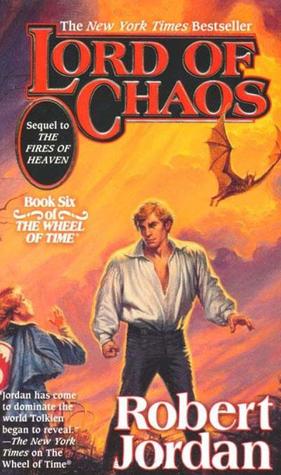
Lord of Chaos Cover.jpg


2. Edge of Eternity
by Ken Follett and The Shadow Rising by Robert Jordan – 1007 pages

Edge of Eternity, The Shadow Rising Cover.png


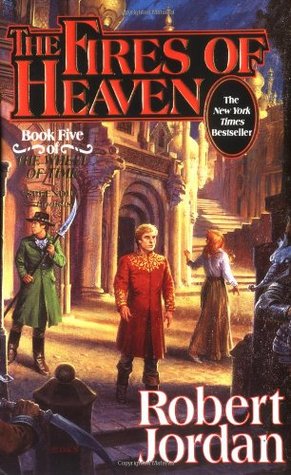
3. The Fires of Heaven
by Robert Jordan – 989 pages
The Fires of Heaven Cover.jpg


4. Tombland
– C. J. Sansom – 866 pages

Tombland Cover


5. Inheritance
by Christopher Paolini and Mistress of the Empire by Raymond E. Feist and Janny Wurst – 860 pages

Inheritance, Mistress of Empire Cover.png

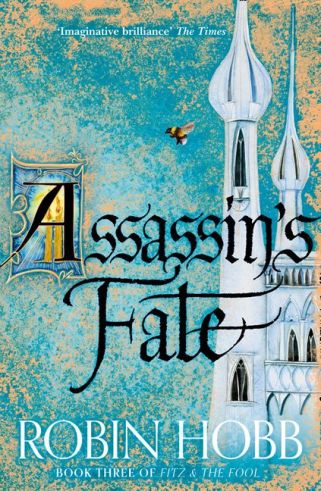
6. Assassin’s Fate by Robin Hobb – 853 pages
Assassin's Fate Cover.jpg


7. Assassin’s Quest
by Robin Hobb – 838 pages

Assassin's Quest Cover.jpg


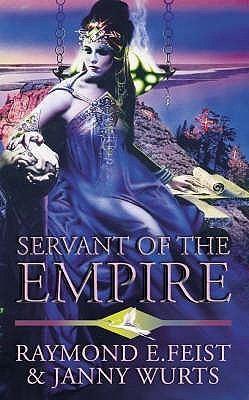
8. Servant of the Empire
by Raymond E. Feist and Janny Wurst – 827 pages
Servant of the Empire.jpg


9. The Priory of the Orange Tree
by Samantha Shannon – 825 pages

The Priory of the Orange Tree Cover


10. Winter of the World
by Ken Follet – 819 pages

Winter of the World Cover.jpg
This turned out to be a pretty intriguing result for me. I am a little surprised that the Robert Jordan books took two of the top three spots on the list. It has been a very long time since I read Robert Jordan’s The Wheel of Time series, but I honestly do not remember them being that long. The rest of the books on the list are not a massive surprise, though. Follett has created some amazingly long historical fiction novels over the years which, despite their length, are all incredible reads that always find a way to hook the reader. The same could be said of C. J. Samson, and there is a reason that both he and Follet made my Top Ten Auto-Buy Authors List. I am also not too surprised that some books by Raymond E. Feist (another autobuy author of mine) and Janny Wurst’s Empire books made it in, same with Christopher Paolini’s Inheritance Cycle books. While they seemed like smaller reads when I was younger (possibly because I wanted to power through them as soon as I got them), they all scored fairly highly on my Top Ten Longest Audiobook list, so I figured they would have a high page count. Assassin’s Fate and The Priory of the Orange Tree were books I reviewed in the Canberra Weekly, and I am glad they made the cut. Not only were they pretty epic reads, but it was good to see some more recent books I have read make the list.

While I enjoyed figuring out the top ten, I am still curious to see where some of the other books I read fit in my overall ranking. So as a bit of bonus material, and because I already spent all that time working out how many pages there were, here are the next top 15 books as an Honourable Mention.

Honourable Mentions:

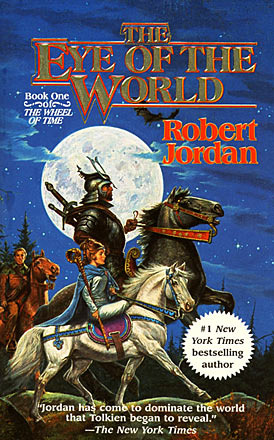
11. The Eye of the World by Robert Jordan – 814 pages
The Eye of the World Cover.jpg


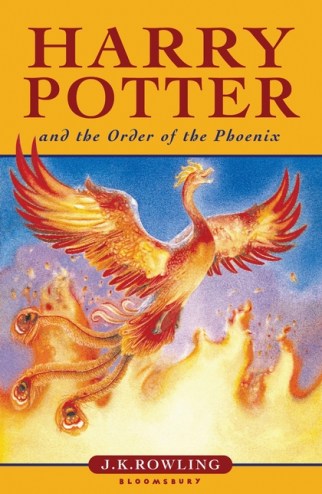
12. Harry Potter and the Order of the Phoenix
by J. K. Rowling – 766 pages
The Order of the Phoenix Cover

Well I am glad at least one Harry Potter book made the cut. These always seemed so massive when I was kid, but in reality, they are not that big compared to some other books that are out there.

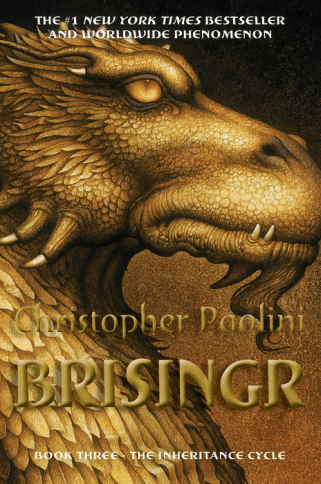
13. Brisingr by Christopher Paolini – 763 pages
Brisingr Cover


14. The Twelve Children of Paris
by Tim Willocks – 754 pages

The Twelve Children of Paris Cover.jpg

This one is a blast from the past that I haven’t thought about for a while. This was a bloody and gruesome action-packed historical novel that made for a fun, if rather violent, read.

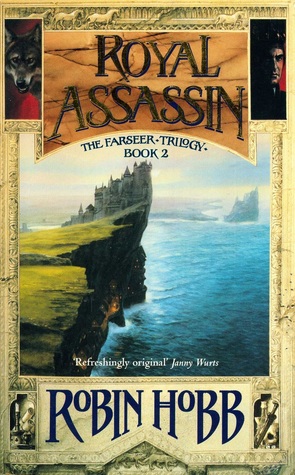
15. Royal Assassin by Robin Hobb – 752 pages
Royal Assassin Cover.jpg


16. A Column of Fire
by Ken Follett – 751 pages

A Column of Fire Cover.png


17. Pilgrim
by Sara Douglass – 749 pages

Pilgrim Cover

I am not too sure how popular the late Sara Douglass was outside of Australia, but this book was part of a great fantasy series I got into when I was younger, mostly because they were one of the few major series available in my school’s library. I think several books in The Wayfarer Redemption series make the top 25 cut, and they excellent and enjoyable series to check out.

18. Starman by Sara Douglass – 733 pages

Starman Cover.jpg


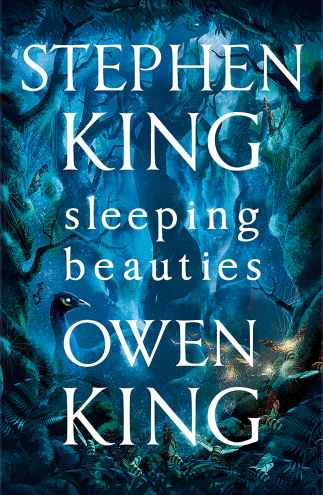
19. Sleeping Beauties
by Stephen King and Owen King – 718 pages
Sleeping Beauties Cover.jpg


20. The Great Hunt
by Robert Jordan – 705 pages

The Great Hunt Cover.jpg


21. Eldest
by Christopher Paolini and Magician by Raymond E. Feist – 681 pages

Eldest, Magician Cover.png


22. Battleaxe
by Sara Douglass – 674 pages
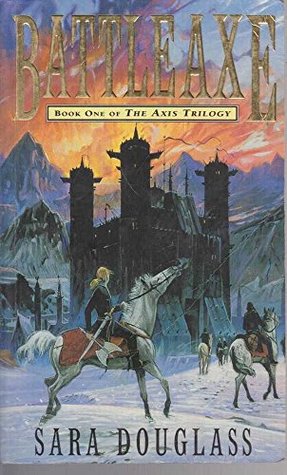
Battleaxe Cover.jpg


23. Enchanter
by Sara Douglass – 672 pages

Enchanter Cover.png


24. The Shining City
by Kate Forsyth – 661

The Shining City Cover.jpg

The Shining City is a fantastic entry from Australian author Kate Forsyth. Forsyth is probably best known these days for her historical dramas; however, some of her earliest works included two excellent fantasy series, which featured some outstanding novels, such as this book, of which I was a massive fan.

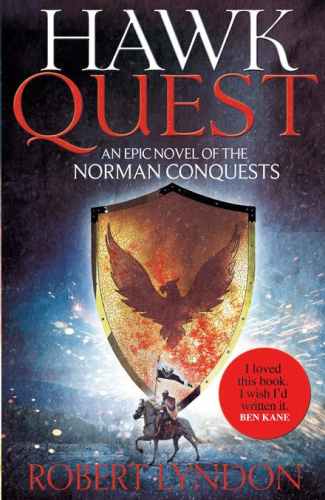
25. Hawk Quest by Robert Lyndon – 658
Hawk Quest Cover.jpg

Another exciting historical adventure. Hawk Quest was a wide-ranging epic that followed a small group of adventurers through medieval Europe and the Middle East, as they attempt to capture a rare hawk to help pay a ransom.

Now that added some variety to the list. I am not at all surprised to see more from Feist, Jordan, Paolini and Follet, but the addition of all those Sara Douglass books was a bit of a blast from the past. Some of the other books, such as Sleeping Beauties, Hawk Quest and The Shining City were a nice treat, and I think it is fair to say that I have read a good collection of long novels in my life so far. I would definitely recommend each and every book on this list to anyone who is looking to sink their teeth into a nice, massive book, as all of these books are highly enjoyable. This is probably going to be an ever-evolving list that I will hopefully add to each year, especially as I read more and more long books. For example, just today I received a copy of Legacy of Ash by Matthew Ward, which clocks in at a whopping 768 pages, and which, when I read it, will replace Order of the Phoenix’s at number 12 on this list. In the meantime, let me know what you think in the comments below; I am curious to know the longest book that you have ever read.
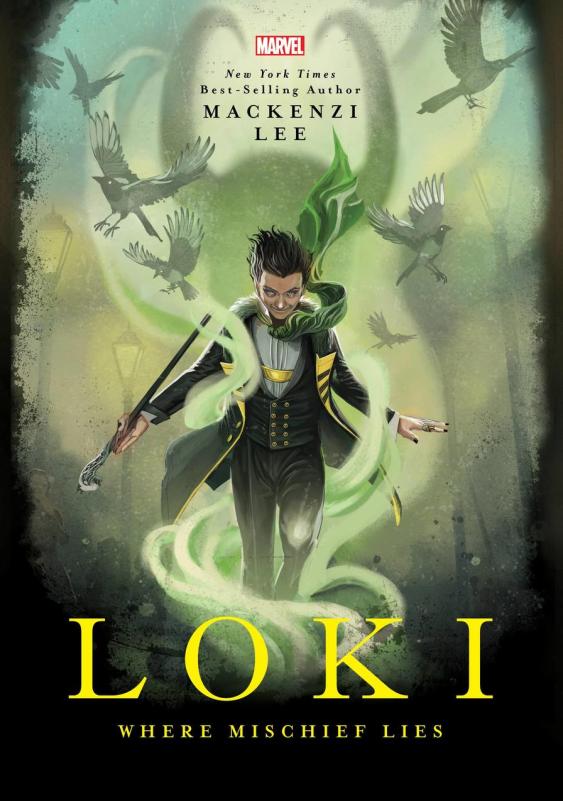
Loki: Where Mischief Lies by Mackenzi Lee

Loki Where Mischief Lies

Publisher: Penguin Random House Audio (3 September 2019)

Series: Standalone/Book One

Length: 9 hours and 10 minutes

My Rating: 4.25 out of 5 stars

Amazon

From acclaimed young adult fiction author Mackenzi Lee comes a fun and clever young adult tie-in novel to the Marvel comic book universe that follows the early life of one of the genre’s best villains, Loki, the Asgardian God of Mischief.

Loki has long been one of the most infamous and complicated villains in the Marvel Universe, whose manipulations and machinations are a constant threat to Asgard, his brother, Thor, and the Avengers. However, years before he started causing chaos in Midgard, he was a young prince of Asgard and the unfavoured son of Odin. Despised and mistrusted by the people of Asgard for his magical abilities, and feared by his father as a prophesied destroyer, Loki’s only confidant is Amora, a powerful sorceress in training.

When Loki and Amora accidently destroy an ancient and valuable magical artefact, Amora is banished to Midgard (Earth), where her magic will eventually fade, and Loki loses the one person who appreciates who he truly is. Determined to prove his father wrong, Loki dedicates himself to becoming a dutiful son, but he continues to find himself overshadowed by his brother’s bravery. When a failed mission once again disappoints Odin, Loki is sent to Midgard in order to investigate a series of murders that have been caused by Asgardian magic.

Arriving in 19th century London, Loki makes contact with a small group of humans who police interdimensional travel, the Sharp Society. Loki, despite his reluctance to help, soon finds himself trying to find the mysterious killer who is turning humans into living corpses. But when he discovers who is responsible for the deaths, he is once again torn between doing the right thing and acting the villain. As his adventure on Midgard continues, Loki soon realises that he needs to decide who he truly is: the good prince of Asgard his family always wanted, or the villain everyone expects him to be.

Loki: Where Mischief Lies is a rather intriguing read that caught my attention some time ago. I am a huge fan of Marvel comics and I will always be interested in checking out any tie-in novels connected to either the comics or the movies. As a result, I made sure to grab a copy of the audiobook version of this book as soon as I could. This turned out to be a fast-paced and enjoyable read that explores the life and times of a young Loki, placing him into a fascinating setting that helped enhance the story. Lee, who is best known for her young adult novels set in the 19th century, including This Monstrous Thing and the Montague Siblings books, created a great Loki story that does a spectacular job diving into the psyche of the character and shaping a fun adventure around it. This is actually the first book in a series of three historical novels that Lee has been contracted to write that will feature Marvel antiheros, and I am really interested in finding out which characters will be in these books.

Where Mischief Lies contains a compelling central storyline that follows the early days of Loki in Asgard and his first foray down to Midgard. Lee starts the story off by introducing a young Loki on Asgard, establishing his character, examining some of his early motivations, inserting a major life-changing event and inserting a magical premonition that will haunt the character throughout the rest of the book. I really enjoyed this introduction to the characters and the plot, and thought that it set up the rest of the story perfectly. The next few parts of the book, which are set after a time jump of a few years, do a good job showing how the character has evolved after the introductory events of the book, and then they manoeuvre him down to London where he has to discover the cause of a series of deaths done using Asgardian magic. The set up to get him down to London, the initial parts of Loki’s adventures on Midgard, his introduction to the Sharp Society and the first encounter with the mysterious bodies are all pretty interesting, and is a great follow-through from the book’s introductions.

I did however struggle with the middle parts of the book, as they felt a little flat and hard to get through. Those readers hoping for a complex mystery into who is leaving the bodies on the streets of London are going to be disappointed, as Loki solves the case quite quickly, and it is literally the most obvious suspect ever. I also wasn’t the biggest fan of the following periods of Loki’s indecision and angst as he tries to deal with the fallout from this revelation. However, the ending of the book more than makes up for it, as Lee wraps it up with an epic conclusion that showcases the full extent of the character’s nature and his eventual future, while also utilising story elements set up earlier in the book. While there were periods in the middle of the book where I was starting to get a little restless, I think overall the story of Where Mischief Lies is really good and its strong ending made it all worthwhile.

Thanks to his appearances in the MCU, Loki is probably one of the most popular and well-known Marvel antiheroes and characters, so any portrayal of him needed to be spot on. Luckily, Lee did an outstanding job with her characterisation of Loki, and the examination of the younger version of this character is probably one of the best things about this book. Lee’s version of young Loki contains all the hints of the growing arrogance, swagger, fashion sense, penchant for mischief and casual disdain for mortals and Asgardians that make him such a fun character in the comics and movies. However, what really makes this an excellent portrayal is the fact that Lee also shows all of Loki’s inherent vulnerability, frustration and anger, which have resulted from a childhood of being seen not only as the lesser son but as something that is dangerous and untrustworthy. This examination of the character’s inner psyche is a fantastic central point of the book, and it is interesting to see the world from Loki’s point of view, especially as you really start to sympathise with him. The story also shows some key moments in Loki’s life, and you get a sense of his motivations and determination to torment those around him. I also think that Lee did a fantastic job of examining the relationship between Loki and Thor. While a lot of their relationship is antagonistic, Thor is shown at times to be the only character who trusts Loki, and it is interesting to see the relationship that might lead to Loki’s eventual redemption. If I were to complain about any aspect of Lee’s portrayal of Loki, it would be that his powers and abilities were a bit inconsistent at times. For example, it was a little weird to see him being physically inconvenienced by a human in one scene, and then a chapter or two later he has the strength to lift two people up at the same time. While this is a relatively minor issue and I imagine that you could explain this away as some form of deception by Loki, I personally found it to be a little jarring.

One of the most intriguing aspects of Lee’s portrayal of Loki is his gender and sexuality. In the build-up to the release of Where Mischief Lies there was a lot of discussion about how this book was going highlight certain LGTB+ elements from the comic books, especially as Lee’s previous books have all contained LGTB+ components. Throughout his comic book history, Loki has been portrayed as both genderfluid and pansexual, and both of these elements of the character are explored within this new book to various degrees. While an interesting part of the character, the genderfluid aspect of Loki is only really shown to a small degree in this book. While Loki does not actually change his gender within Where Mischief Lies (which has occurred in some Marvel comics), when asked “if he prefers men or women”, he does indicate that he has been both. There are also several examples of Loki using his powers of magic to appear as a female character (with various degrees of success), and there are also scenes where he dresses in women’s clothing, usually stolen from Amora, who is amusedly annoyed that they look better on him. While it was not as fully explored as it could have been (and to be fair, it would have been hard to add it in to a novel of this length), it is really cool to see a genderfluid character being introduced into a novel connected to the Marvel Universe.

In addition to this, the pansexual aspect of Loki’s character is on full display throughout the book, as Loki has romantic connections with both male and female characters. Not only does he fall in love with Amora (there is a reason they call her The Enchantress), but a romantic connection also begins to spark between him and a young Sharp Society member, Theo. I really liked the way that Lee handled both of these romances. While the relationship between Loki and Amora ends in flames (which should come as no surprise to Marvel fans), the slowly growing feelings he shares with Theo are quite sweet and contain some rather interesting social commentary. The relationship with Theo is underscored with feelings of identity; due to the social conventions of the 19th century, Theo is unable to be who he really is. This is mirrored by Loki, who has complete freedom of sexuality and gender, but who finds that he is looked down on because of his magic, which he sees as a being major part of his identity. All of this was intensely fascinating, and I really enjoyed seeing this additional complexity explored within the character.

Another aspect of this book that I enjoyed was the various tie-ins it contained to the Marvel’s comics universe. This was a pretty comprehensive origin story for Loki, and quite honestly it could be used as a prequel to both the comics and the Marvel Cinematic Universe. However, given that there is a lot more focus on magic, runes, elves and artefacts, it should probably be more associated with the comics. Lee does a fantastic job bringing Asgard to life, and there are a number of cool references to the various settings and characters of the Thor comics that will appeal to major comic book fans. In addition to this, the author also peppers the story with other Marvel references, especially when the story goes down to Midgard. For example, there are mentions of an industrialist called Stark, talk of a green-skinned female alien and discussion that the Sharpe Society should be renamed as either SHIELD or SWORD. While all these references are rather amusing, I would say that no real prior knowledge of the comics or the movies are really required to enjoy this book, although Marvel fans will probably get more out of it.

Where Mischief Lies is being marketed as a young adult fiction novel, and I believe that this would be a great book for young teen readers, who will love this intriguing look at one of the best Marvel characters. Younger readers should be prepared for the typical amount of comic book level of violence and sex in this book, but there is really nothing that is too explicit for younger readers. I personally think that many teens will appreciate the various LGTB+ elements included in the story, and they will be interested to see this side of the character that has not been included in the movies. Like many young adult tie-in novels, Where Mischief Lies is very accessible to older readers, and I know that many will really like this take on Loki as well, making this a fantastic novel for all ages.

While I really enjoyed the awesome cover of Where Mischief Lies’ hardcover edition, I ended up listening to it on audiobook rather than grabbing a physical copy. The audiobook format of this book is narrated by Oliver Wyman and runs for just over nine hours in length. I think that was a pretty good way to enjoy Where Mischief Lies, as it proved to be a rather easy book to listen to, and I was able to complete it in only a couple of days. Wyman is an enjoyable narrator, and I really like his take on the book’s protagonist and point-of-view character, Loki. He did a fantastic job capturing various aspects of the character’s personality and speech patterns, from his sneering contempt to his frustrations at the way he is treated. This excellent narration really added a lot to my enjoyment of the novel and I would definitely recommend the audiobook format to anyone who is interested in checking this book out.

Loki: Where Mischief Lies by Mackenzi Lee was a fantastic young adult tie-in novel that does a wonderful job of bringing the character of Loki to life. I had a lot of fun listening to this novel, especially as Lee dives deep into the life and mind of Loki, exploring how he became the villain we all love. I was initially planning to give this book a rating of four out of 5 stars; however, considering how much I ended up writing about it, it must be worthy of 4.25 stars instead. I have to say that I was impressed with Lee’s talent for writing novelizations about Marvel antiheroes, and I look forward to her next book in this young adult series.

Amazon

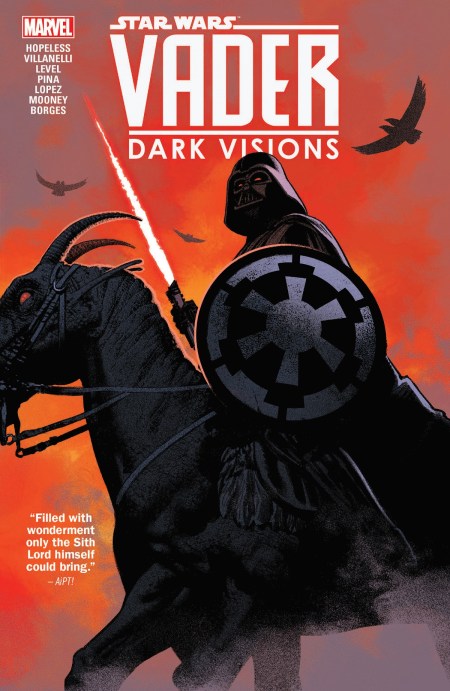
Star Wars: Vader: Dark Visions by Dennis “Hopeless” Hallum and Various

Vader-DarkVisions-TPB.jpg

Publisher: Marvel Comics

Publication Date: 27 August 2019

Length: 128 pages

My Rating: 4.5 out of 5 stars

Amazon

Prepare to see one of the most iconic and beloved villains in all of fiction, Darth Vader, in a whole new light as Dennis “Hopeless” Hallum and several talented artists present five new and clever stories of the Dark Lord of the Sith from across the galaxy.

To most of the universe, Darth Vader is the Empire’s ultimate symbol of power, authority and fear, delivering death and destruction upon all who incur his wrath. But to some he can be something even more potent and remarkable. On one planet he is a Black Knight, a beacon of hope that saved them from a terrible monster. To a certain Imperial Commander, Vader is a reminder that failure is unacceptable. To one Imperial nurse, Vader is her one true love. But no matter how people see him, the one universal truth is that those who encounter this Sith Lord are likely to end up dead.

VaderDarkVisions1-Camuncoli.jpg

Vader: Dark Visions is a fun and uniquely intriguing Star Wars comic that I bought a few weeks ago while on holiday. Vader is easily one of my favourite Star Wars characters, especially as most recent pieces of Star Wars expanded universe fiction have gone out of their way to show him as the ultimate badass. For example, I have absolutely loved some of the recent Darth Vader comics that have been published, including the 2015 Darth Vader series, the Darth Vader: Dark Lord of the Sith series (check out my reviews for Volumes 2 and 3 here), and he has also been exceedingly impressive as a villain in recent volumes of the 2015 Star Wars comic series and the always entertaining Doctor Aphra comics. I also loved his appearance in the second season of Star Wars Rebels and in novels such as Thrawn: Alliances (which features a very cool scene of Vader flying a Tie Defender). As a result, I have been looking forward to Dark Visions for a while, as I found the cool concept of five new and different stories about Darth Vader very appealing.

This collected edition of Dark Visions contains five separate, standalone comic issues that have been written by Hopeless, each of which features the talents of a different artist. Each of these separate stories is really cool, featuring some very interesting story elements, eye-catching artwork and interactions that give the reader a real sense of how terrifying and complex the character of Darth Vader truly is. I also liked how different each of the stories was as Hopeless goes in some very interesting directions to showcase Vader.

VaderDarkVisions1-LFY

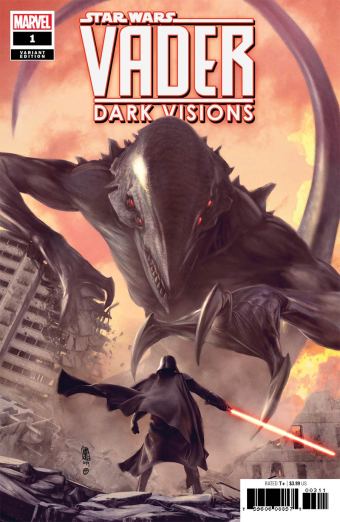
The first issue of Dark Visions is Savior and it features the artistic talents of Paolo Villanelli and colour artist Arif Prianto. Savior is the set piece of the entire book and is probably the one that shows off how powerful Vader truly is as he faces off against a gigantic civilisation-destroying monster by himself. Not only is this a pretty epic fight, but everything is shown from the perspective of a young boy whose people have been living in fear of the monster for generations. To him, Vader appears as a great hero, a Black knight, who has come to save their planet, and who even rides a black horse-like steed into battle. However, even after he saves his entire world, the young narrator gets a sense of what Vader really is and is quite rightly terrified. This was an awesome, action-packed first issue and it serves as a great introduction to the entire volume. You also have to give props to the cool cover art that this story produced. The main cover for Issue #1 was used as the cover for the Dark Visions collected edition, and the shot of Vader as an actual knight is one of the main reasons why I wanted to grab this comic. I have also included the two alternate covers that this issue inspired as well, as they are a lot of fun, and show the behemoth that Vader faces off against

SW_Vader_-_Dark_Visions_2.jpg

The second issue of this comic is easily the funniest of the whole Dark Visions volume. Issue #2, Unacceptable, features an absolutely hilarious Moby Dick inspired story drawn by Brian Level and coloured by Jordan Boyd. The story follows an Imperial Commander who, after seeing Vader brutally kill an entire room full of officers when he was younger, is absolutely terrified of any form of failure. As a result, when a single Rebel spy escapes his attack and he learns that Vader is on route, he abandons the fleet to take his Star Destroyer after this spy in order to capture him, as “failure is unacceptable”. What follows is a destructive rollercoaster ride through space, as the Rebel spy pilots his ship through a range of obstacles and the Imperial Commander obsessively follows him no matter the risk. This results in a fantastically amusing story filled with laughs, disbelief, some very impressive artistic set pieces and an ending that brings the entire story full circle. Thanks to excellent artwork, the commander’s fall to insanity is pretty clear throughout the issue, and I absolutely loved the crazy obstacles he went through. If you’ve ever wanted to see a Star Destroyer fly into an exogorth (the giant space slug in Empire Strikes Back) then this is the comic for you.

VaderDarkVisions-3.jpg

Next we come to the third issue of Dark Visions, Tall, Dark and Handsome, which has David Lopez and Javier Pina as the artists and Muntsa Vicente as the colour artist. Like Unacceptable, the story within Issue #3 is a tale of obsession; however, it goes in a very different direction. Tall, Dark and Handsome follows an Imperial nurse on the Death Star who, after treating Vader and feeling his power, starts to fall in love with him and begins to imagine an epic romance with him. This story pretty much ends the way you would imagine, but it is a very dark and emotional journey to the conclusion. While this story is pretty messed up, it is written and drawn extremely well, and you can’t help but feel sorry for the nurse who is slowly losing her mind. The artists did a fantastic job showcasing the various stages of the nurses obsession, from the initial stages of her infatuation, to the look she gives him after he knocks her down with the force (a look that can only be described as “thirsty”), to the scenes at the end where she finally cracks and goes into full-blown crazy stalker mode. I also loved the various sequences generated by the nurse’s imagination, which show her idealised versions of the romance, and they are a great portal into her shattered mind.

VaderDarkVisions-4.jpg

The fourth issue of Dark Visions is titled Hotshot and featured Stephen Mooney as the artist and Lee Loughridge as the colour artist. This is a rather interesting story that examines the impact Vader has on the psyche of the Rebel pilots he flies against. In this issue, Vader goes up against a group of skilled Rebel pilots, including a young hotshot flyer with boundless confidence. However, Vader’s superior skills and reputation as a pilot soon have a noted influence on his opponent’s minds, and Vader is able to defeat one solely through fear. I really liked seeing a story that focused on Vader’s ability as a pilot, as it is one of his more impressive abilities, and is pretty cool when focused on (his appearance in the season 2, episode 1 of Star Wars Rebels springs to mind). The various space battles that occur within this issue look fantastic, and you get a real sense of how skilled Vader is in the cockpit.

VaderDarkVisions-5.jpg

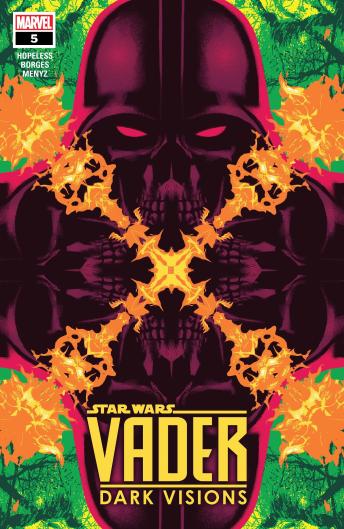
The fifth and final issue contained within this volume is called You Can Run…, and it was drawn by Geraldo Borges and coloured by Marcio Menyz. This final inclusion focuses on the general aura of fear that Vader exudes as he hunts down a person carrying valuable information on a hostile jungle world. Vader is already pretty terrifying on his own, but when his target gets dosed by a hallucinogenic compound and begins to see all sorts of horrors around him (like the Scarecrow’s fear toxin in Batman), Vader’s scariness gets amped up to 11. The artists come up with some pretty impressive fear-induced sequences throughout this issue, and the various exaggerated ways that Vader is shown are quite inventive (there is a hint of the Predator in one of them).

Overall, I think that this was a really varied and enjoyable combination of different stories that all examine a different aspect of this great character. All five of these issues are done extremely well and feature a fantastic combination of intriguing stories and amazing artwork. I absolutely loved each of the first three issues, and also quite enjoyed Hotshot and You Can Run… However, I actually found it really hard to pick out my favourite story, mainly because they were all enjoyable in such different ways. I do think that these various stories came together into a very satisfying overall volume that is extremely entertaining. As a result, I would strongly recommend Vader: Dark Visions, and it is an excellent read for all fans of the Star Wars franchise.

Amazon

Throwback Thursday – Code Zero by Jonathan Maberry

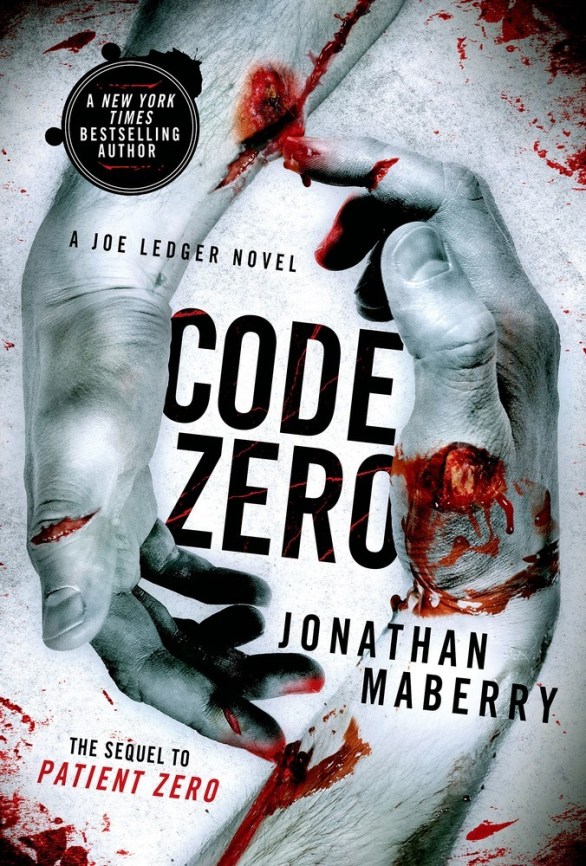
Code Zero Cover.jpg

Publisher: Macmillan Audio (Audiobook – 25 March 2014)

Series: Joe Ledger series – Book Six

Length: 16 hours and 6 minutes

My Rating: 5 out of 5 stars

Amazon     Book Depository

Reviewed as part of my Throwback Thursday series, where I republish old reviews, review books I have read before or review older books I have only just had a chance to read.
The ghosts of the past come back to haunt Joe Ledger and the DMS big time in this sixth book in Jonathan Maberry’s high-octane science fiction/military thriller Joe Ledger series.

For years, the Department of Military Sciences (DMS) has saved the world from some of the most deadly and insane weapons that science can create: race-specific bioweapons, genetically enhanced super soldiers, powerful plagues capable of killing people in the most horrendous way and even a pathogen that is capable of bringing its victims back to life as zombies. Each of these has been stopped by DMS agents and the legendary Joe Ledger, but these horrors are about to resurface in the most devastating of ways.

The mysterious hacker and terrorist Mother Night has been causing the DMS trouble for months, but when she broadcasts a call for anarchy, no-one is prepared for what happens next. Across America, Mother Night’s followers unleash hundreds of random acts of violence, causing horrendous amounts of terror and destruction. As Joe Ledger and the DMS attempt to counter them, a subway car full of people in New York is infected with something disturbingly familiar, the Seif-al-Din zombie pathogen that bought Ledger to the DMS in the first place.

As Ledger and Echo Team are once again forced to contend with the zombie victims of the pathogen, they find themselves targeted from several devastating angles. As the threats become more and more personal, it soon becomes apparent that they are facing someone who knows the DMS intimately and who is willing to use the most lethal tools at their disposal to win. Can Ledger and the DMS survive, or will the world burn at the hands of Mother Night?

Jonathan Maberry’s Joe Ledger books are one of my favourite series at the moment, and I love each book’s excellent blend of compelling storytelling, complex characters, over-the-top villains, electrifying action and insane plot points, which come together into fantastic, first-rate narratives. Ever since I read and got hooked on the tenth book in this series, Deep Silence, about this time last year, I have been periodically reading and reviewing the earlier novels in sequence. So far, I have read the first six novels, Patient Zero, The Dragon Factory, The King of Plagues, Assassin’s Code, The Extinction Machine and this novel, Code Zero. I am actually reviewing this book a little out of order, as I recently powered through both The Extinction Machine and Code Zero while I was away on holidays. As Code Zero is fresher in my mind, I decided to review it first, and I will hopefully get a review for The Extinction Machine up soon as well (the plan is to get it done before the next Joe Ledger book, Rage, comes out in November, but we’ll see how we go).

Considering how much I absolutely loved the rest of the books in the series, it is going to come as no surprise to anyone that I also really enjoyed Code Zero. This sixth book was pretty spectacular, and it is easily one of my favourite books in the entire series, only just being beaten out by The Dragon Factory. In Code Zero, Maberry has made sure to utilise several of the excellent features from the previous Joe Ledger books that l really love and have commented on previously, such as a first-rate story filled with intense action, a smartassed and damaged protagonist, a great group of side characters (including one of the best dogs in all of fiction) and a clever utilisation of flashbacks and multiple perspectives. This book also features some other great story and character elements that really make it stand out from the rest of the series, and which help make it such an outstanding and epic read.
I have mentioned before that one of the best things about the Joe Ledger books is the awesome antagonists that Maberry creates for each of the novels. These have so far included genetically modified Nazis, world-event manipulating masterminds and even a group of vampires. However, the villain of Code Zero, Mother Night, is perhaps one of the most interesting and complex antagonists that Maberry has come up with. Mother Night is an outstanding character who not only has a close connection with the DMS, but whose elaborate master plan does a great deal of damage. I really liked how Maberry used a series of flashback filled interludes to explore the background of this character. These flashbacks show how Mother Night is connected to all the DMS characters and examine how her exposure to various characters and threats from the previous books slowly corrupted her, and why she was compelled to become a terrorist. Despite this being the first book that Mother Night has appeared in, Maberry did a sensational job tying the character into many of the key events from the first three novels, and showing how she was actually involved with some of the previous threats. All of these cool connections really help up the personal stakes for all of the protagonists, and it allows Mother Night to actually hit Joe Ledger and his team harder than anyone else has before, resulting in an extra dramatic and compelling story.

Maberry also uses Mother Night’s plot to examine some rather interesting elements of the modern world. For example, the anarchist movement is explored in some detail, as Mother Night uses anarchist elements in her call to arms, gathering up members of America’s disenfranchised youth to form an army. There is also a rather intriguing look at the role video games can play in violence or espionage. This is not done in an attempt to demonise video games; instead Maberry, through several of the videogame savvy characters, explores how important problem-solving is for gamers, and how the skills obtained there can have real-world applications in both the espionage and defence worlds. The subsequent study of game theory and the desire to win that some gamers feel is particularly fascinating, and it adds very some interesting layers to the story and Mother Night’s overall character.

In addition to this incredible antagonist, the other thing that I absolutely loved about Code Zero is the fact that Maberry decided to bring back some of the iconic threats and story elements from the previous books in the series. Not only did the author do an outstanding job of working these pre-existing story elements into Code Zero’s plot, but their reappearance was also an excellent homage to the earlier books and a real treat for fans of the series. I really enjoyed seeing Ledger have to go up against threats like the walkers and the berserkers again, especially as each of these threats have pretty strong emotional triggers for him due to devastating previous missions. It was also really interesting to see the new and various ways that the antagonist utilised these existing elements in her own plans, and there were some really fun combinations of the insane scientific elements, such as a couple of berserkers who have been infected with Generation 12 of the Seif-al-Din Pathogen, and it’s as awesome as you’d expect.

As this is a Joe Ledger book, Code Zero is of course filled to the brim with all the action and fire fights that you could ever need. Due to the presence of so many varied threats, including some of the monsters from the previous books, Code Zero probably has some of the most intriguing fight scenes in the entire series. This book is filled with a number of elaborate battle sequences in which the protagonists face off against a variety of different opponents at the same time. These opponents can include walkers, berserkers and gunmen disguised as zombies hiding amidst the walking dead, which is just so many layers of awesome. Maberry has an exceptional talent for writing fight sequences, and all this amazing action really helps to get the adrenaline pumping. I also have to commend all of the first-rate zombie scenes in the book, as the author crafts some truly horrifying scenes that showcase how terrifying and emotional damaging it would be to face off against these undead monsters.

As with all the previous books in the Joe Ledger series, I chose to listen to the audiobook format of Code Zero which was narrated by Ray Porter. Clocking in at just over 16 hours, I managed to get through this audiobook fairly quickly, mainly because I started listening to it while on an international flight. I think it is pretty clear at this point that I really enjoy listening to the audiobook versions of the Joe Ledger books, mainly due to the narration of the outstanding Ray Porter. I have sung Porter’s praises in all of my previous reviews, and I really cannot express what a good job he does bring the series titular protagonist to live with his voice work. Code Zero was no exception, and I would strongly recommend the audiobook format to anyone even vaguely interested in this book.

Code Zero by Jonathan Maberry is another spectacular book in the Joe Ledger series, and one that I absolutely loved. Maberry continues to utilise some of the amazing story elements that made his previous six books so darn enjoyable, and he ups the ante with another exceptional antagonist and the clever reuse of memorable story elements from previous books in the series. All of this results in another science fiction/thriller masterpiece that gets an easy five out five stars from me, and it is possibly one of the most enjoyable books I have read so far this year.

Amazon     Book Depository

Waiting on Wednesday – Anyone by Charles Soule

Welcome to my weekly segment, Waiting on Wednesday, where I look at upcoming books that I am planning to order and review in the next few months and which I think I will really enjoy.  I run this segment in conjunction with the Can’t-Wait Wednesday meme that is currently running at Wishful Endings. Stay tuned to see reviews of these books when I get a copy of them. For my latest Waiting on Wednesday, I am going to take a look at Anyone by Charles Soule, an intriguing science fiction novel that is coming out in December 2019.

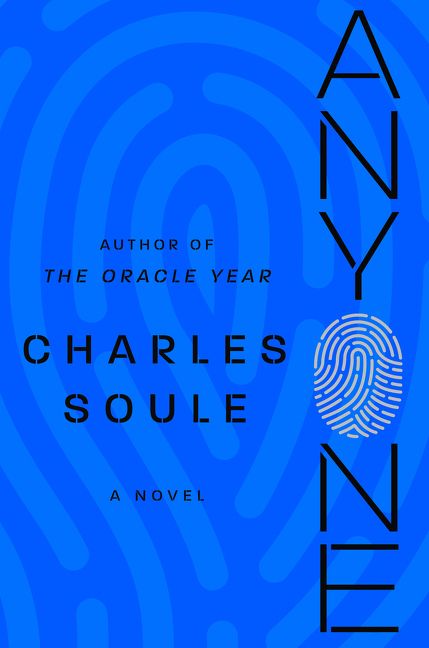
Anyone Cover.jpg

Soule is an interesting writer who is probably best known for his contributions to the world of comics. Soule has authored a huge number of comic book series for a number of different companies over the years, including for Image Comics, where he has recently wrapped up his Curse Words series, and DC Comics. However, his most significant body of comic book work has been for Marvel comics, where he has worked on series such as She-Hulk, Daredevil, various Star Wars titles and several recent major arcs in the X-Men franchise, where he killed off both Wolverine and Cyclops within two years of each other. I have quite enjoyed several of his series in the past, and have reviewed a couple of them on my blog (make sure to check out my reviews for Star Wars: Darth Vader: Dark Lord of the Sith Volumes 2 and 3, and my short review for Hunt for Wolverine in the Canberra Weekly).

Last year, however, Soule branched off away from the comic world by writing his first novel, The Oracle Year. The Oracle Year had a rather cool premise about a normal man who wakes up one morning with 108 accurate predictions of the future. While I didn’t get a chance to read this book last year, I really liked the sound of this cool and unique plot, and it was easily one of my top ten books I wish I had read in 2018. I still plan to read it at some point, but as it was a standalone novel, it does mean I can check out Anyone first.

Anyone is another great-sounding book from Soule, mainly because it also has a unique and enjoyable plot synopsis.

Goodreads Synopsis:

Charles Soule brings his signature knowledge—and wariness–of technology to his sophomore novel set in a realistic future about a brilliant female scientist who creates a technology that allows for the transfer of human consciousness between bodies, and the transformations this process wreaks upon the world.

Inside a barn in Ann Arbor, Michigan, a scientist searching for an Alzheimer’s cure throws a switch—and finds herself mysteriously transported into her husband’s body. What begins as a botched experiment will change her life—and the world—forever…

Over two decades later, all across the planet, “flash” technology allows individuals the ability to transfer their consciousness into other bodies for specified periods, paid, registered and legal. Society has been utterly transformed by the process, from travel to warfare to entertainment; “Be anyone with Anyone” the tagline of the company offering this ultimate out-of-body experience. But beyond the reach of the law and government regulators is a sordid black market called the darkshare, where desperate “vessels” anonymously rent out their bodies, no questions asked for any purpose – sex, drugs, crime… or worse.

Anyone masterfully interweaves the present-day story of the discovery and development of the flash with the gritty tale of one woman’s crusade to put an end to the darkness it has brought to the world twenty-five years after its creation. Like Blade Runner crossed with Get Out, Charles Soule’s thought-provoking work of speculative fiction takes us to a world where identity, morality, and technology collide.

I was very impressed with the above plot synopsis, especially as Anyone has a captivating and intriguing core concept. Soule has clearly got an inventive mind, and I am looking forward to seeing how he explores the body swapping aspect of the story in this book. I really like the idea of viewing the full course of the technology, from its inception to its inevitable use for crime and other unsavory actions, and I am looking forward to seeing the various impacts such a technology could have on the world. As a result, I have a strong feeling that this could be a story that I will quite enjoy, and it is definitely on my list of books to check out in the next few months.

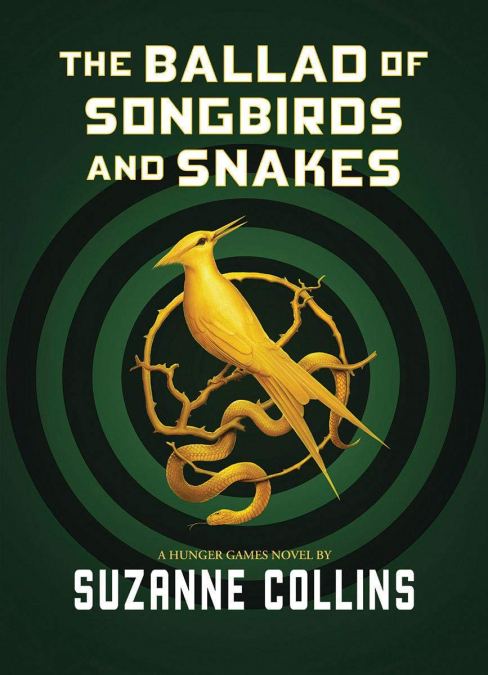
Waiting on Wednesday – The Ballad of Songbirds and Snakes by Suzanne Collins

Welcome to my weekly segment, Waiting on Wednesday, where I look at upcoming books that I am planning to order and review in the next few months and which I think I will really enjoy.  I run this segment in conjunction with the Can’t-Wait Wednesday meme that is currently running at Wishful Endings. Stay tuned to see reviews of these books when I get a copy of them. In this week’s Waiting on Wednesday entry, I look at the young adult novel that I am most excited to read next year, the upcoming prequel to Suzanne Collins’s epic The Hunger Games series, The Ballad of Songbirds and Snakes.

The Ballad of Songbirds and Snakes Cover.jpg

For those of you who have been living under a literary and cinematic rock for the last 10 years, The Hunger Games books were a trilogy of extremely popular young adult dystopian novels. Starting in 2008 with The Hunger Games and followed up with 2009’s Catching Fire and 2010’s Mockingjay, The Hunger Games books followed the adventures of protagonist Katniss Everdeen in Panem, the nation that formed in the ruins of North America. Katniss, a sixteen-year-old girl from District 12, is forced to compete in the titular Hunger Games, a yearly spectacle that sees 24 teens from the 12 districts fight to the death in an elaborate arena for the amusement of the Capitol. The Hunger Games are a designated punishment for the districts after their defeat in a brutal civil war by the Capitol 74 years before. The books are pretty amazing, and they were quickly adapted into a series of four extremely popular movies, resulting in a huge following for The Hunger Games franchise.

As a result, I think that it is fair to say that The Ballad of Songbirds and Snakes, which is set to be released on 19 May next year, is probably going to be biggest young adult fiction release of 2020. Not only is this the first book that Collins has written since Mockingjay (with the exception of the children’s book Year of the Jungle) but it will return readers to the world of Panem and show a whole new side of this dystopian future.

Goodreads Synopsis:

The Ballad of Songbirds and Snakes will revisit the world of Panem sixty-four years before the events of The Hunger Games, starting on the morning of the reaping of the Tenth Hunger Games.

I admit that this is a rather sparse synopsis that does not give a lot of plot details away. While I imagine that a much more comprehensive synopsis will be released in the future, the details released above, combined with information contained within the original three books, allows us to make a number of educated guesses about the plot of this book.

The most important detail contained within the synopsis is that this book will feature the 10th Hunger Games. To me, this is a very exciting development, and I am really glad that we are getting a prequel. While I am sure that Collins would be able to write a compelling sequel to The Hunger Games trilogy, I think that most readers will be keen to see an earlier adventure that contains a Hunger Games (I suppose a sequel could also contain a Hunger Games, but I do not think that would work). The whole battle royale concept of the Hunger Games is pretty darn compelling (I mean, if you don’t mind stories about fictional children murdering each other), and the idea of checking out some of the historical Hunger Games in any format is pretty awesome. I personally would love to see a book or movie based around the 50th Hunger Games, the second Quarter Quell games, in which fan-favourite character Haymitch Abernathy won, as I reckon you could get a pretty fun and dramatic story out of it, even if it is based on only a few pages from Catching Fire.

Focusing on the 10th Hunger Games is a very interesting choice from Collins for a number of reasons. First of all, this is going to be fairly early edition of the Hunger Games, and it will be intriguing to see how different it was during the initial games, and whether it is viewed with as much spectacle as the later games. As it is only 10 years removed from the end of the civil war, I imagine it might be viewed differently, and be less about entertaining the denizens of the Capitol. It also seems likely that Collins is going to explore the events of the civil war and the origins of the Hunger Games in a lot more detail in this book, especially as the events of the war are going to be in all the competitors’ living memory.

Another cool thing that I like about setting The Ballad of Songbirds and Snakes during the 10th Hunger Games is that Collins will have to come up with a whole new group of characters from both the districts and the Capitol. Due to the 64-year gap between this book and The Hunger Games, none of the characters who were featured in the original trilogy are likely to appear in this book. The original series’ oldest character, Mags, won the 11th Hunger Games, so it is very unlikely we will see anything from her. We also won’t have President Snow as the book’s antagonist, as he was only 12 years old during the events of the 10th Hunger Games. Instead I reckon that the book’s antagonist will be the person who originally came up with the concept of the Hunger Games, which is a very tantalising prospect. This lack of known characters also means that there are no spoilers for who is going to win the 10th Hunger Games and how they are going to do it. While you would assume that whoever narrates this new book is going to be the eventual winner (if Collin’s uses the same first-person perspective that she used in the original trilogy), it is going to be very interesting to see how the winner ties into the future games and books and what adventures they are going to have. Perhaps they train Mags in the next book, or maybe they are responsible for Snow coming to power. It is going to be very exciting to find out.

I think that is enough theorising for now. Suffice to say, I am pretty thrilled and curious about this new entry in The Hunger Games franchise. The Ballad of Songbirds and Snakes has some real potential as a novel, and I cannot wait to see what Collins comes up with in this prequel. This is definitely one of my top anticipated reads for 2020 and I am really looking forward to returning to this dystopian universe.

WWW Wednesday – 23 October 2019

WWW Wednesday is a weekly meme hosted by Taking on a World of Words, where bloggers share the books that they’ve recently finished, what they are currently reading and what books they are planning to read next. Essentially you have to answer three questions (the Three Ws):

What are you currently reading?
What did you recently finish reading?
What do you think you’ll read next?

So, let’s get to it.

What are you currently reading?

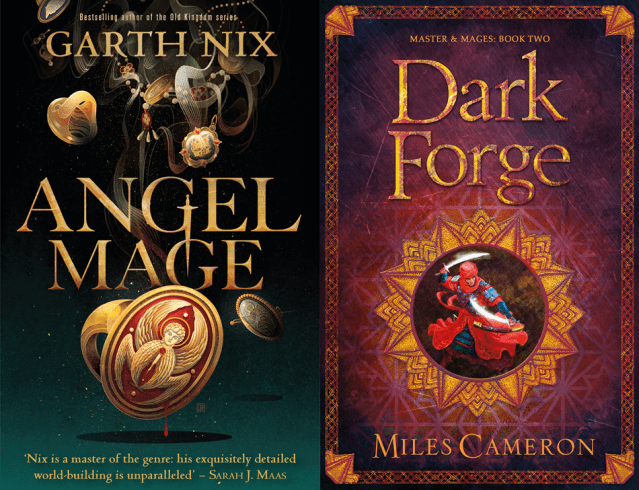
Angel Mage, Dark Forge.png

Angel Mage by Garth Nix (Trade Paperback)

This is an inventive young adult fantasy novel from bestselling Australian author Garth Nix.  Almost finished with this one, its a really good book that I am having a good time reading.

Dark Forge by Miles Cameron (Audiobook)

The sequel to the amazing 2018 fantasy novel, Cold Iron, Dark Forge is an epic adventure story set in an intriguing fantasy world.  I have got about an hour left in this book and I would highly recommend it.
What did you recently finish reading?

It has been about a month since I last did a WWW Wednesday and in that time I have read a bunch of outstanding books.  However, I will limit this section to books I have finished in the last week or so.

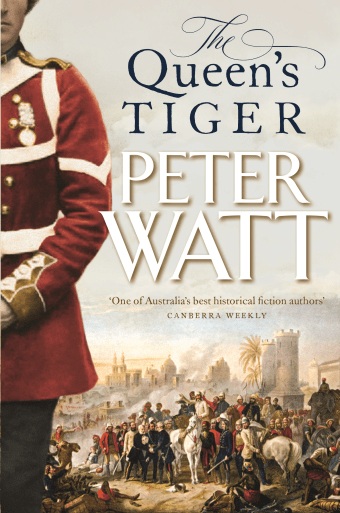
The Queen’s Tiger by Peter Watt – (Trade Paperback)

The Queen's Tiger Cover
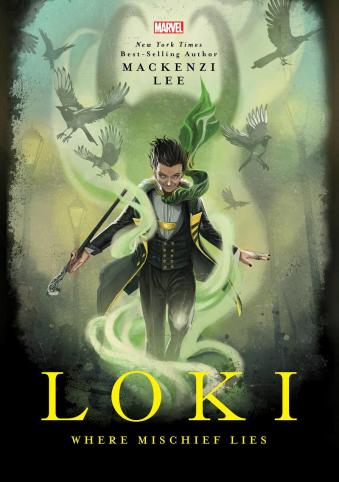
Loki: Where Mischief Lies by Mackenzi Lee (Audiobook)

Loki Where Mischief Lies
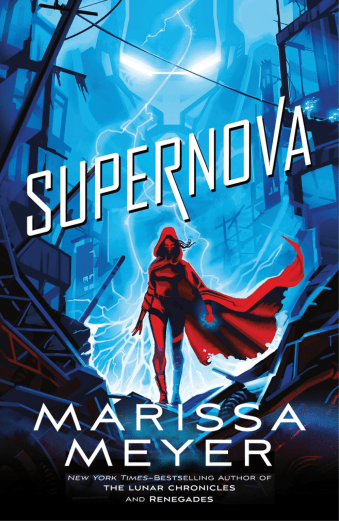
Supernova by Marissa Meyer

Supernova Cover


What do you think you’ll read next?

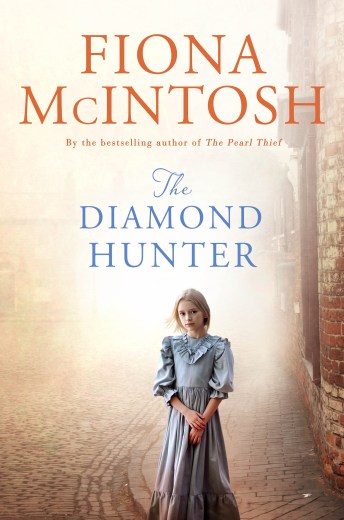
The Diamond Hunter by Fiona McIntosh (Trade Paperback)

The Diamond Hunter Cover.jpg

The Diamond Hunter is another historical drama from Australian author Fiona McIntosh.  I quite enjoyed her 2018 novel, The Pearl Thief, and her latest book sounds like another excellent read.
That’s it for this week, check back in next Wednesday to see what progress I’ve made on my reading and what books I’ll be looking at next.

Top Ten Tuesday – Book Titles with Numbers in Them

Top Ten Tuesday is a weekly meme that currently resides at The Artsy Reader Girl and features bloggers sharing lists on various book topics. While the proposed topic for the October 15 Top Ten Tuesday is actually Books I’d Give Different Titles To, I have decided to mix things up a little and instead, I will be doing a topic from a few weeks ago. The topic I have chosen to do instead is Book Titles with Numbers in Them, where the challenge is to try and come up with a list of 10 books, each of which has a number between one to ten in the title.

Unfortunately, I was away overseas on the Tuesday that this topic ran for everyone else, so I was unable to participate (poor me, forced to relax on a beach in Fiji). While I was just going to miss this topic, after seeing some of my fellow bloggers come up with some pretty cool lists, it got me thinking about the names of books I have read, and whether I could come up with a list like this. I had to scour my library of books pretty darn carefully, but I was eventually able to come up with a list. I do admit that in order to complete this list I had to be a tad liberal with what constituted a number, and I may have included a third and a fifth in place of a three and a five, although I personally think that they should count. This turned into a pretty varied and intriguing list in the end, and I was pretty happy that I was able to complete this challenge.

Honourable Mentions:

Let us start things off with a couple of my favourite books that have numbers in their title outside of the numbers one to ten.

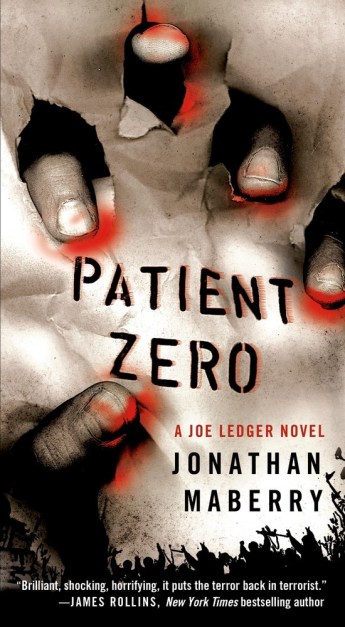
0 – Patient Zero by Jonathan Maberry

Patient Zero Cover

My first honourable mention is Patient Zero, the first book in the wildly exciting Joe Ledger series, which I have been slowly powering through in the last year and is probably one of my favourite series at the moment. Patient Zero is a very fun novel that not only sets up an outstanding series but also contains some amazing horror elements in the form of a modern zombie plague. Special mention should also go to the sixth book in the Joe Ledger series, Code Zero, which I just finished and will hopefully review soon.

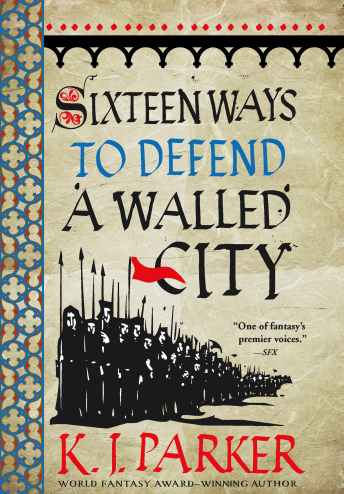
16 – Sixteen Ways to Defend a Walled City by K. J. Parker

Sixteen Ways to Defend a Walled City Cover
One of my favourite books of 2019 so far, this is a hilarious piece of fantasy fiction that I just could not put down.

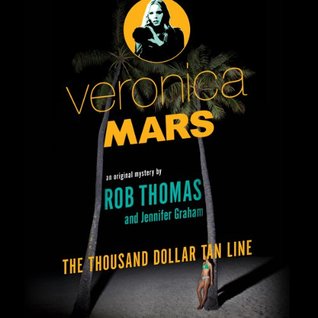
1000 – Veronica Mars: The Thousand-Dollar Tan Line by Rob Thomas and Jennifer Graham

The Thousand-Dollar Tan Line Cover
My final honourable mention is this clever and enjoyable tie-in novel to the popular Veronica Mars television show. Written by the show’s creator and containing an excellent mystery and interesting additions to the canon, this is a must read for Veronica Mars fans, especially in its audiobook format, which is narrated by Kristen Bell.

Top Ten List:

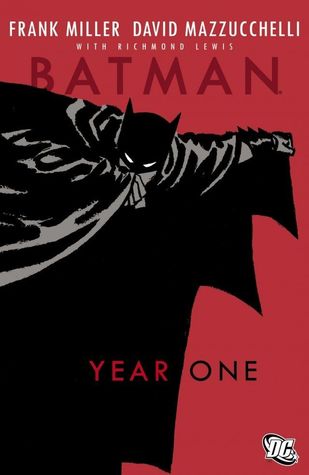
One – Batman: Year One by Frank Miller and David Mazzucchelli

Batman Year One Cover.jpg

I was initially planning to use either DEV1AT3 by Jay Kristoff (which would have been kind of cheating) or First Watch by Dale Lucas, but then I remembered Batman: Year One. This is one of the most iconic Batman comics of all times, which completely reinvented the origins of Batman for an entire generation and served as the main inspiration for the Batman Begins film. Special callout also to Batgirl/Robin: Year One as well, which are both pretty awesome comics.

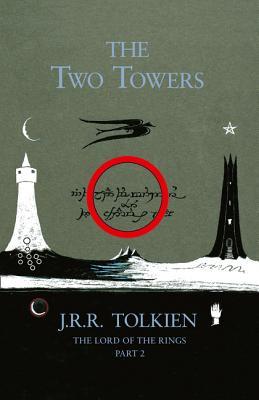
Two – The Two Towers by J. R. R. Tolkien

The Two Towers Cover.jpg
This caused me a bit of trouble, mainly because I had two great options to choose from. I was sorely tempted to use The Two Swords by R. A. Salvatore, mainly because Salvatore is one of my favourite authors, but in the end, I decided I could not pass up on the fantasy classic that is The Two Towers, even if it has been a rather long time since I last read it.

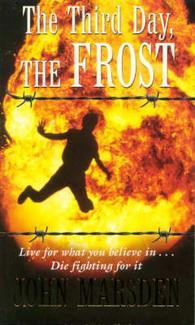
Three – The Third Day, the Frost by John Marsden

The Third Day, The Frost Cover

The Third Day, the Frost is the third book in Marsden’s Tomorrow series, which is an absolute classic Australian series and one of my personal favourite sets of books to read and re-read. I was very glad that I was able to include this book on this list, although I was also tempted to use The Third Nero by Lindsey Davis. The Third Day, the Frost is an amazing part of the overall series, not only because it contains some major plot developments, but because it puts all of its characters, and by extension the reader, through an extreme emotional wringer. All of the books in the Tomorrow series come highly recommended, and The Third Day, the Frost has some extremely well-written and harrowing moments in it.
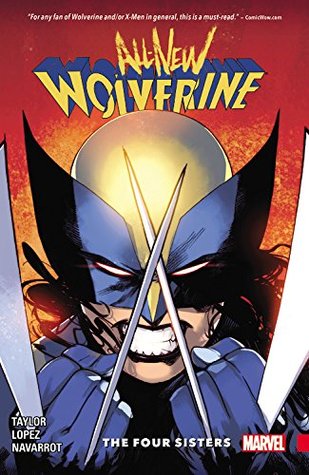
Four – All New Wolverine – Volume One: The Four Sisters by Tom Taylor and David Lopez

All-New Wolverine Volume 1 Cover

The first volume in an extremely fun comic book run of Wolverine, The Four Sisters introduced Marvel Comics fans to the female version of the character, as X-23 took on her father’s mantle following his death. This first volume does a wonderful job setting up the entire series, and it has a special place in my heart for introducing one of my favourite recent Marvel characters with Gabby, aka Honey Badger, X-23’s juvenile clone who is responsible for much of the series’ comedy.

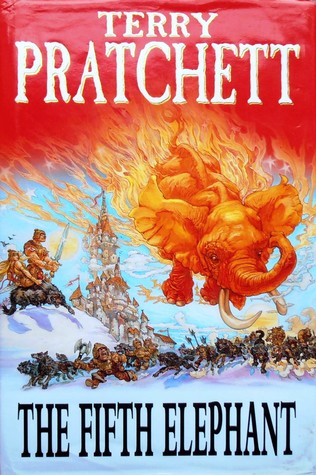
Five – The Fifth Elephant by Terry Pratchett

The Fifth Elephant Cover.jpg

You know a book list is good when it includes a Terry Pratchett novel. Pratchett is probably my favourite author ever, and I am always glad when I can mention one of his books on this blog. The Fifth Elephant is unfortunately the only Discworld book that has a number in its title; however, it is a great addition to this list, especially as it is a key addition to the excellent City Watch subseries and features a comedic murder mystery in a Transylvanian inspired wilderness.

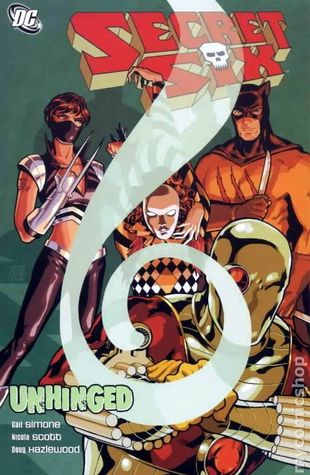
Six – Secret Six (2008) by Gail Simone

Secret Six Cover.jpg

Secret Six was a severely underrated comic book series back in 2008 that followed a small team of villains in the DC universe. Spinning off from the Infinite Crisis connected limited series, Villains United, the Secret Six featured a great roster of characters including the surprisingly badass Catman, Deadshot, Bane, Rag Doll, Scandal Savage and the banshee Jeannette. Lasting for 36 issues, this was an extremely well written series that had some real heart and lot of fun. I decided to include the entire series rather than any specific volume, as you need to read the whole run to really appreciate it.

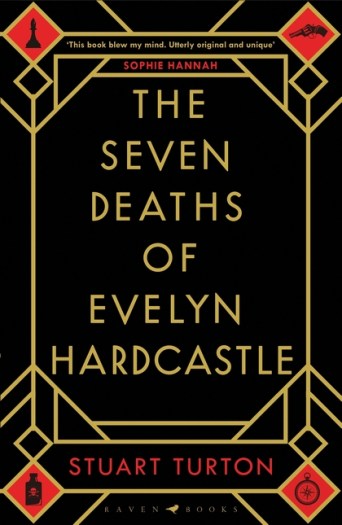
Seven – The Seven Deaths of Evelyn Hardcastle by Stuart Turton

The Seven Deaths of Evelyn Hardcastle Cover

Known as either The Seven Deaths of Evelyn Hardcastle or The 7½ Deaths of Evelyn Hardcastle, this was probably one of the first books I considered when I came up with this list. A unique and clever murder mystery, this was one of my favourite books from 2018 and is a heck of a good read.

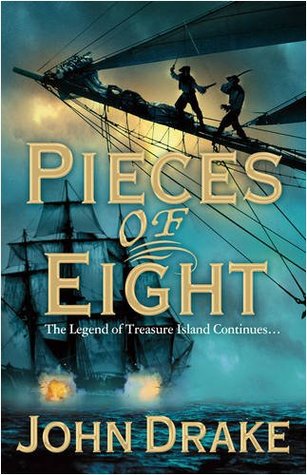
Eight – Pieces of Eight by John Drake

Pieces of Eight Cover

It took me a while to come up with number eight on this list, but luckily, I was able to dig up this novel from the bottom of my bookshelf. Piece of Eight is a fun reimagining of Treasure Island that was actually one of the first books I ever reviewed professionally as it featured in my debuting article with The Canberra Times.

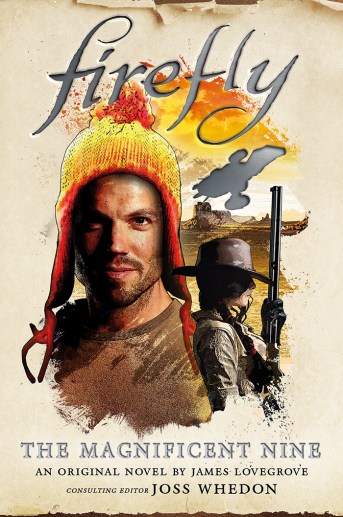
Nine – Firefly: The Magnificent Nine by James Lovegrove

Firefly The Magnificent Nine Cover

The second in a new line of Firefly books, The Magnificent Nine is a fun tie-in to one of my favourite television series of all time, Firefly, that also draws inspiration from the classic western The Magnificent Seven (or Seven Samurai for film purists). I was also strongly considering using the recent novel, Gideon the Ninth by Tamsyn Muir, but I think The Magnificent Nine fits in a lot better.

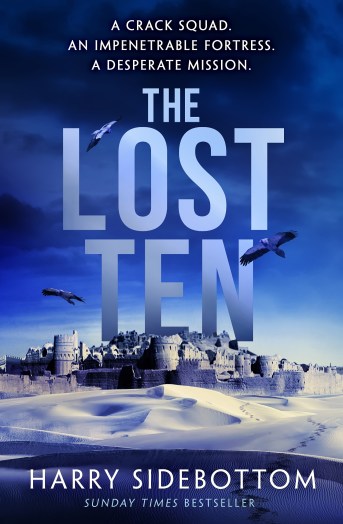
Ten – The Lost Ten by Harry Sidebottom

The Lost Ten Cover

The final book on my list is the latest novel from one of my favourite historical fiction authors, Harry Sidebottom. The Lost Ten is a cool and enjoyable read that combines an ancient history setting with a modern special forces storyline to create an excellent book that comes highly recommended.

That is my Top Ten List of Books with Numbers in the Title. I was pretty happy that I was actually able to come up with titles for each of the numbers, as it is surprisingly harder than you would imagine. Let me know what you think in the comments below and I hope you’ll check out my future Top Ten Tuesday lists.

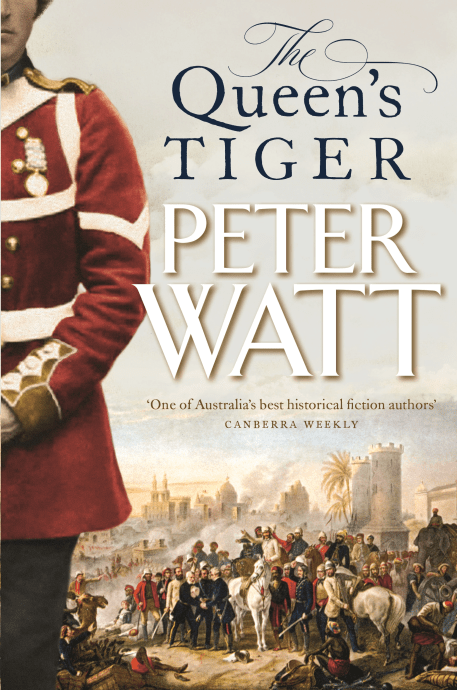
The Queen’s Tiger by Peter Watt

The Queen's Tiger Cover

Publisher: Macmillan (Trade Paperback – 12 November 2019)

Series: The Colonial series – Book 2

Length: 360 pages

My Rating: 4.5 out of 5 stars

Amazon     Book Depository

One of Australia’s best historical fiction writers, Peter Watt, returns with another exciting historical adventure in The Queen’s Tiger, the outstanding sequel to his 2018 release, The Queen’s Colonial.

Following on from the events of The Queen’s Colonial, in 1857, former Australian settler Ian Steele is still living under the guise of Samuel Forbes, a rich English noble who Ian bears an uncanny resemblance to. Ian switched places with Samuel in order to help him meet the required military service he needs to receive a vast inheritance. Serving as a captain in Queen Victoria’s army, Ian has proven himself to be a natural soldier, fighting against the odds dozens of times over against the most vicious enemies of the crown. However, despite the formidable enemies he has faced on the battlefield, Ian has encountered greater dangers far closer to home, as Samuel’s father and his murderous brother Charles are determined that Samuel will never receive his inheritance.

As Ian and his men, including his old friends Sergeant Conan Curry and Corporal Owen Williams, return from fighting the Persian army in Iran, a dangerous threat to the empire is brewing in India. Indian troops under the employ of the British East India Company have begun to mutiny, and the country, caught up in a swell of anti-British nationalism, is beginning to violently rebel against British rule. Among those caught up in the chaos are Samuel’s sister Alice and her husband the surgeon Peter Campbell, whose honeymoon turns into a brutal fight for survival.

Redeployed to India, Ian is once again leading the charge in some of the campaign’s most deadly battles against a determined foe. However, the biggest threat to his survival is happening half a world away back in England, as the real Samuel Forbes returns to London for a personal meeting under the name Ian Steele. When Samuel is spotted and his true identity is suspected, he finds himself hunted throughout England by Charles’s agents, determined to prove that Ian is an imposter. Can Ian and Samuel continue their ruse amidst the tragedy, tribulations and conflicts they encounter, or will the evil forces arrayed against them finally bring them down?

This was another fantastic book from Peter Watt, who has a true knack for producing compelling historical adventures filled with action, intrigue and family drama. The Queen’s Tiger is the second book in Watt’s Colonial series, which follows its protagonists through some of the most dangerous conflicts that the British army found itself involved with during the 19th century. I have to admit that I have been quite keen to check this book out for a little while, and not just because it quotes one of my Canberra Weekly reviews on the cover. The first book in this series, The Queen’s Colonial was an excellent read, and it did a good job following up Watt’s long-running Frontier series of which I was a big fan (make sure to check out my Canberra Weekly reviews for the last two books in this series, While the Moon Burns and From the Stars Above).

The Queen’s Tiger continues the intriguing story from the first book, which saw a simple Australian blacksmith pretend to be an English gentleman in order to serve as an officer in the Queen’s army. This was a compelling start the series, and I am glad that Watt has continued to follow through the fun blend of military action, intrigue and character interactions that have been a signature writing trend of his for some time. The Queen’s Tiger contains a wide-ranging story that covers several characters across a number of continents. This allows the author to showcase a number of different and enjoyable storylines within one book, and as such we can have one section of a book that focuses on the military action and adventure being undertaken by several of the characters in India, and the next section than looks at the sinister plotting of the book’s antagonists, or the desperate attempts of the real Samuel to keep his identity secret in England. In addition to their ongoing adventures, the author also explores the various relationships and romances that the various characters have, painting a rich tapestry of these point-of-view characters’ lives. This is a wonderful combination of storylines, all of which comes together into an excellent and highly enjoyable read.

Just like he did with the Crimean War in The Queen’s Colonial, Watt does a fantastic job bringing an intriguing historical conflict to life in this book, with his focus and examination of the Indian Mutiny of 1857. The book actually follows the entire duration of the Indian Mutiny and showcases most of the key moments of the rebellion that turned into full-scale war for independence. As a result of the way that Watt positioned his characters from the first book, the reader gets to see two separate parts of the mutiny. Alice and Peter’s storyline, which also features the new major character of Scott Campbell, focuses on how the English people who were living in India when the mutiny started would have perceived what was going on, and the desperate battle that the English forces garrisoned in India faced against a mass rebellion of their Indian soldiers. Ian’s storyline, on the other hand, shows the battles that the English relief force faced as they tried to retake the country and rescue the English citizens trapped within. This was an extremely fascinating historical event, and I think that Watt’s portrayal of this conflict was extremely intriguing and compelling. Based on the comments in the historical notes section of this book, it looks like Watt is planning to take his characters through a number of England’s various 19th century military campaigns in the following books, and I look forward to seeing where they end up next.

Needless to say, a book that has such a strong focus on soldiers and the Indian Mutiny is going to be very heavy on the action, as the protagonists fight in several battles across Indian and Iran. There are a significant number of fast-paced sequences throughout this book, from the various battles and skirmishes that occur during the mutiny, to thrilling chase scenes in the backstreets of London. Watt’s grasp of 19th century military combat is quite impressive, and there is a very realistic feel to the huge number of fight sequences that occur throughout the book, as he focuses on the tactics and weaponry of the British infantry man. As a result, there is rarely a dull or quiet moment in this book, and action fans will really appreciate the cool fights occurring throughout the book.

Peter Watt has once again delivered an electrifying and enthralling piece of historical fiction with The Queen’s Tiger. Featuring some amazing depictions of a deadly part of history, as well as a bunch of great characters whose various adventures, deceptions and relationships are particularly intriguing, this is a fantastic piece of Australian fiction that is really worth checking out.

Amazon     Book Depository

Book Haul – 18 October 2019

It’s been a little while since I have done a book haul post, but it thought it would be a good time to look at some of the great books I have received recently.  I’ve managed to get some really intriguing reads in the last two weeks from the publishers, and I also picked up a couple of books that I have been really keen on getting.  All of these seem pretty amazing and I am really looking forward to reading all of them.

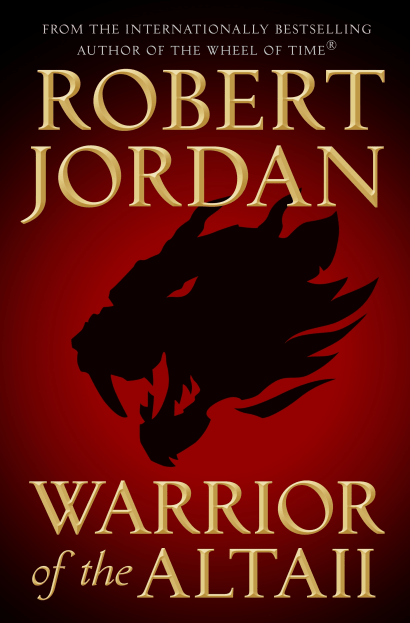
Warrior of the Altaii by Robert Jordan

Warrior of the Altaii Cover

Possibly the book that I have been looking forward to the most.  Thanks to his Wheel of Time series Robert Jordan is a legendary fantasy author and I am curious to find out what his earlier writings were like.

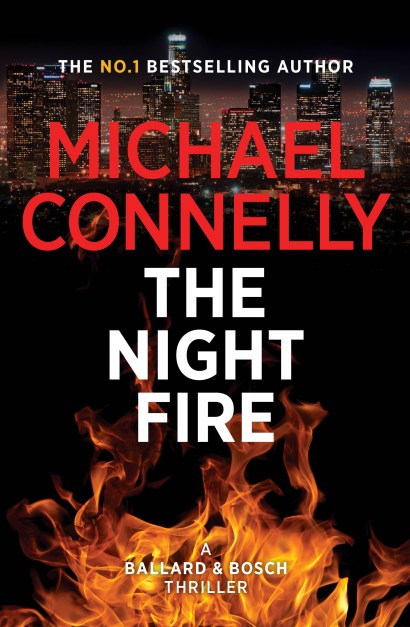
The Night Fire by Michael Connelly

The Night Fire Cover.jpg

The latest book from bestselling author Michael Connelly, The Night Fire continues the combined adventures of Ballard and Bosch that were started in Connelly’s previous book Dark Sacred Night.  This sounds like a really intriguing mystery and it should be pretty amazing.

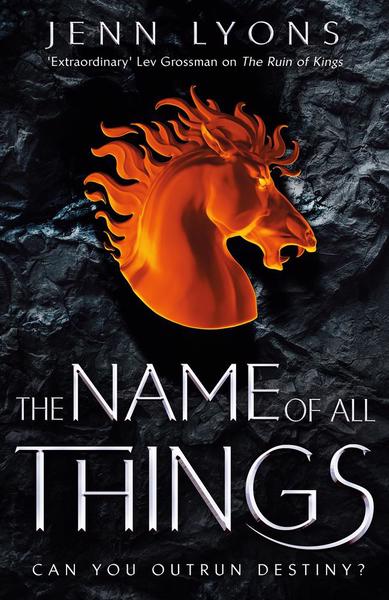
The Name Of All Things by Jenn Lyons

The Name of all Things Cover.jpg

This is the second book in Lyons’ A Chorus of Dragons series that started earlier in 2019 with The Ruin of Kings.  I have been meaning to read The Ruin of Kings all year, and I might try and read it first before getting onto this second book.

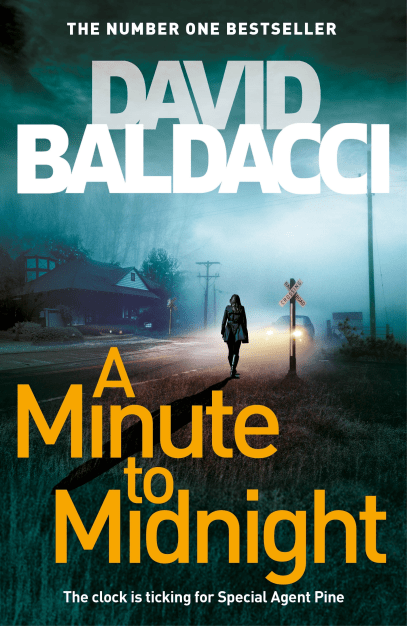
A Minute to Midnight by David Baldacci

A Minute to Midnight Cover.png

Another compelling sounding mystery.  Baldacci has been on a real writing tear this year and I really need to read some of his books.

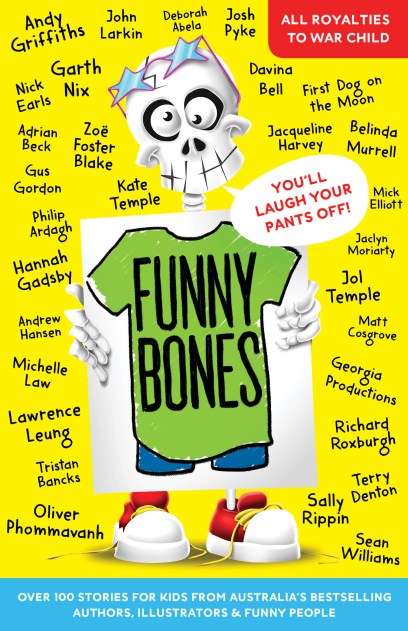
Funny Bones Edited by Kate and Joel Temple and Oliver Phommavanh

Funny Bones Cover.jpg

This one is a funny book for a good cause.  Over 100 Australian authors, illustrators and comedians have contributed short stories, jokes and drawings to this book, with all royalties from it going to War Child Australia.  I grew up with a number of the contributors and this should prove to be a great book for younger readers.

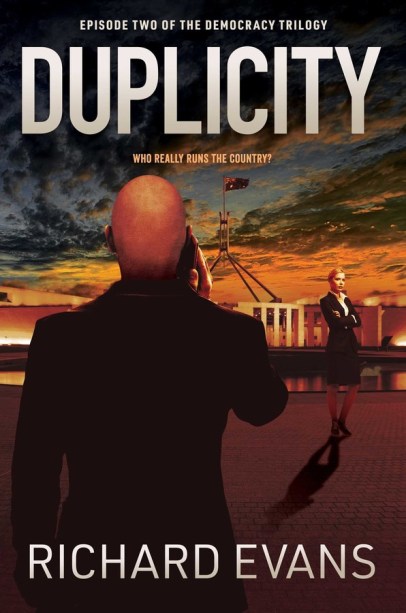
Duplicity by Richard Evans

Duplicity Cover

This is another book that I have really been looking forward to for a while.  Evans’ first book in The Democracy trilogy, Deceit, was an outstanding Australian political thriller and was one of my favourite books from last year.  As a result, I have high hopes for this second entry in the series and cannot wait to read it.

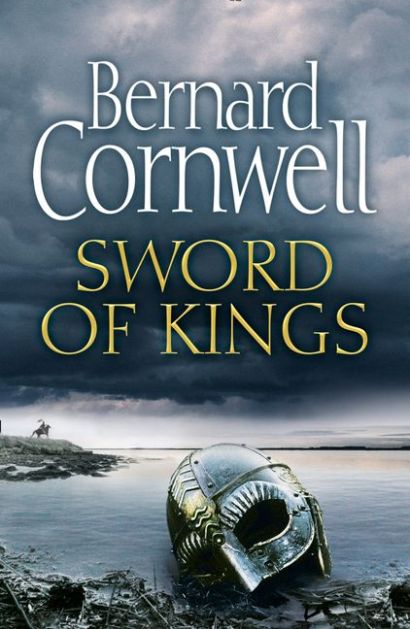
Sword of Kings by Bernard Cornwell

Sword of Kings Cover

The latest book from one of my top ten favourite authors, there was no way I was not going to get a copy of Sword of Kings.  This series is a pretty outstanding example of historical fiction, and I have been looking forward to Sword of Kings ever since I read the previous book in the series, War of the Wolf.  I already know that I am going to love this and I am very excited to check it out.

Do you like the look of these books?  Stay tuned to see how much I enjoy this amazing looking collection.