The Honour of Rome by Simon Scarrow

The Honour of Rome Cover

Publisher: Headline (Trade Paperback – 9 November 2021)

Series: Eagles of the Empire – Book 20

Length: 431 pages

My Rating: 4.5 out of 5 stars

Amazon

One of the best authors of Roman historical fiction, Simon Scarrow, returns with another exceptional adventure back in time with The Honour of Rome.

2021 has been a particularly good year for Simon Scarrow readers, as this acclaimed historical fiction author has released two fantastic novels.  The first of these, Blackout, was a clever historical murder mystery novel set in pre-war Nazi Germany, which contained a fantastic and impressive story.  While I deeply enjoyed Blackout, I was a little more excited for the next awesome entry in Scarrow’s long-running Eagles of the Empire series.  The Eagles of the Empire books follow two officers in the Roman army, Centurion Marco and Prefect Cato, as they fight in multiple battle fields across the Roman Empire.  I have been a major fan of this series for years and have had the pleasure of reading every prior entry in it, while also reviewing some of the latest entries, including The Blood of Rome, Traitors of Rome and The Emperor’s Exile.  As such, I was very excited when I received the latest entry in this series, The Honour of Rome, a couple of days ago, and instantly started reading it.  The Honour of Rome is the 20th novel in this series and takes its great protagonists on another intense adventure.

Britannia, 59 AD.  After retiring from the Roman Legions, former Centurion Marco has travelled back to Britannia 15 years after he helped conquer it.  Now a married man, Marco is hoping for a quiet life, enjoying the fruits of the successful inn in Londinium that he half-owns with his mother.  However, not everything is as calm as he hoped.  There are rumours about the tribes being restless once again, and the streets of Londinium are alive with criminal gangs.

Upon arriving at his mother’s inn, Marco discovers that she is being extorted for protection money by a ruthless gang.  Determined to stop this, Marco attempts to resist the gangsters, only to find himself outmatched and a potential pawn into the middle of a vicious gang war.  At the same time, Marco finds himself drawn into the defence of the colony, especially when one of the local tribes refuses to pay any more taxes.

After a bloody punitive raid with a group of veteran reserve soldiers, Marco returns to Londinium, only to face the consequences for his defiance.  Beaten and bloodied, Marco is unsure how to fight back until his old friend Cato appears.  Cato, who has left Rome without leave to hide Nero’s exiled mistress, is always willing to back Marco up in any sort of fight, and he has an ambitious plan to end the gang problem once and for all.  Will the team of Marco, Cato, and their veteran allies be enough to overcome the city’s vicious gangs, or have these proud war heroes finally met their match?

This was another awesome novel from Scarrow, who has once again produced an exciting and fast-paced historical fiction read that perfectly envisions the landscape of Roman-occupied England.  The Honour of Rome is a great read, and I loved the cool combination of historical and crime fiction elements throughout it.  I ended up reading this book in only a few short days and loved every second of it.

Scarrow has come up with another amazing and entertaining story for this compelling book, which takes his long-running protagonists on another intense and bloody adventure.  One of the things that I have always enjoyed about the Eagles of the Empire series is the range of different subgenres that can be blended with its historical fiction elements.  The Honour of Rome is a great example of this as Scarrow utilises a crime fiction based storyline that blends with the overarching historical elements extremely well.  The protagonist is swiftly drawn into a vicious confrontation with two warring gangs of criminals upon his arrival in Londinium, which proves to be an outstanding basis for the main storyline.  At the same time, he once again becomes involved in the Roman garrison’s ongoing conflicts with the local Britons.  This combination of crime and military elements is very effective throughout the novel, and I liked seeing the conflicts with both gangsters and rebellious natives.  This also allows Scarrow to bring in several solider characters into the main crime-fiction storyline as backup as the story progresses, and it was pretty fun to see a bunch of retired soldiers taking on the antagonists.  The author really sets up everything extremely well in this book, and there isn’t a moment of calm or quiet throughout the entire novel, as the protagonist gets involved in several intense and well-written fights and battle sequences.  I found the last third of the novel to be particularly exciting, especially as the protagonists attempt an ambitious and risky strategy.  This results in the predictable satisfying, if bloody, conclusion, and Scarrow has made sure to set up some cool new storylines that will no doubt be the basis for the next few books.  An enjoyable and action-packed thrill-ride from start to finish, I had a fantastic time reading this latest historical adventure.

One of the more interesting things about The Honour of Rome was the noticeable change in character focus that helped set it apart from the other Eagles of the Empire books, namely that it spent most of the narrative focusing on only one of the series’ protagonists.  This is not too surprising, especially as the previous book in the series, The Emperor’s Exile, focused on Cato to such a degree that I kind of assumed that Scarrow was planning to permanently retire Marco.  However, I’m pleased to say I was wrong about this, as two-thirds of this latest book is exclusively told from Marco’s perspective.  I had a great time following Marco in this novel, and it is always a lot of fun to see the gruff and hard-headed Centurion in action.  There are some great moments surrounding Marco in this novel, from being out of his depth when it comes to combating criminals rather than enemy soldiers, to his great camaraderie with the fellow veterans in the colony.  You also have to love the fun interactions that occur around him as he finds himself stuck between his strong-willed wife and his equally strong-willed mother.  This ended up being a really good Marco novel, and I deeply enjoyed it.  Of course, Cato does show up towards the end of the book, and the novel is soon back to its typical dynamic, with Cato taking tactical lead.  There are also some interesting long-term storylines surrounding Cato, especially as he has fled from Rome with the Emperor’s exiled mistress.  It was great to see this team in action once again, especially as they enact another madcap scheme, and I had another fun time following them.

I also rather enjoyed the cool historical setting featured within this great novel, as the protagonists once again return to Britannia.  Historical Britannia is a well-utilised setting in the Eagles of the Empire books, having been the location of several of the earlier novels, including the first five entries in the series.  It made me a little nostalgic to see this damp and gloomy setting once again, especially as it proves to be just as chaotic and violent as ever.  This book makes full use of its clever move from the more traditional battlefields of Britannia to the city of Londinium, and I loved the inclusion of a crime-ridden, early London, especially as Scarrow tries his best to show it in all its dark and rapidly expanding glory.  I also enjoyed the inclusion of the veterans’ colony that was a major secondary setting for much of the book.  It proved to be fascinating to follow these characters who have chosen to settle in this harsh country and spending time conquering it, and I liked their inclusion in the novel.  It was pretty cool to see these retired soldiers in reserve taking on enemies, both on a proper battlefield and against the criminal element, and I thought it was a fun and compelling inclusion to the story.  I also appreciated that, after several books, we finally get a continuation of the Boudica storylines that were set up in some of the earlier novels.  Scarrow is also clearly setting up Boudica’s rebellion for later in the series, and I cannot wait to see how our protagonists, with their established history with Boudica and her people, will fit into it.

With this awesome 20th entry in his amazing Eagles of the Empire series, Simon Scarrow continues to highlight why he is one of the absolute best authors of historical fiction in the world today.  The Honour of Rome has a brilliant and compelling story that perfectly blends historical and crime fiction elements together into one thrilling tale.  I had a wonderful time reading this great book, and I deeply appreciated the way in which Scarrow continues the adventures of his compelling characters by once again returning them to the familiar setting of occupied Britannia.  The Honour of Rome is another highly recommended historical read, and I cannot wait to see what happens next in this series.
Amazon

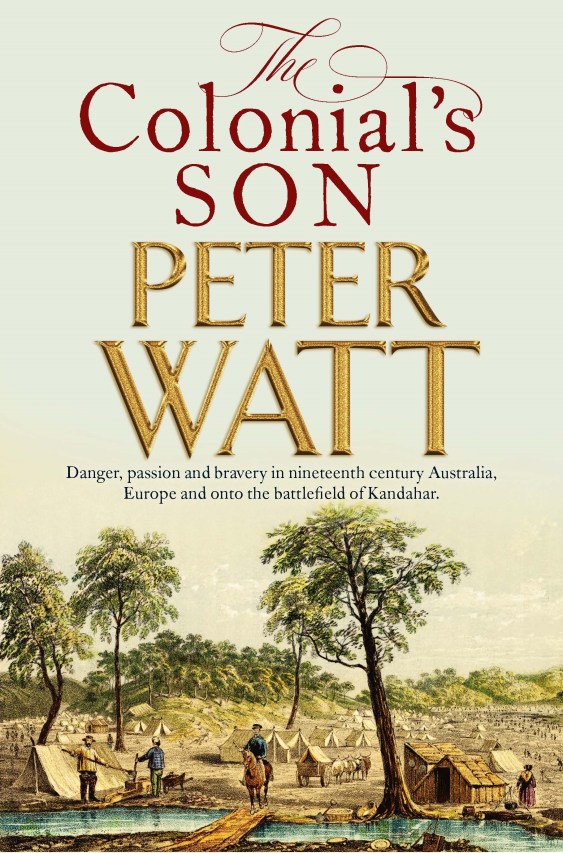
The Colonial’s Son by Peter Watt

The Colonial's Son Cover

Publisher: Macmillan (Trade Paperback – 26 October 2021)

Series: The Colonial Series – Book Four

Length: 367 pages

My Rating: 4.5 out of 5 stars

Amazon     Book Depository

One of Australia’s best historical fiction authors, Peter Watt, returns with The Colonial’s Son, the first book in a new series that follows on from his exceptional Colonial trilogy.

Peter Watt is a fun and talented author whose work I have been deeply enjoying over the last few years.  Watt specialises in historical fiction novels with a focus on Australian characters and has so far written three great series.  This includes his long-running Frontier series, which followed two rival Australian families throughout the generations as they got involved in some of the defining moments of Australian history (check out my reviews for While the Moon Burns and From the Stars Above).  He also wrote the fantastic Colonial trilogy that followed an Australian blacksmith who joined the British army as an officer during the mid-19th century.  This was an amazing and action-packed historical series, and featured three great books, The Queen’s Colonial, The Queen’s Tiger and The Queen’s Captain.  Watt’s most recent novel, The Colonial’s Son, is a direct sequel to the Colonial series, set several years after the conclusion of The Queen’s Captain.

Sydney, 1875.  After leaving the army and returning to Australia, former British army captain, Ian Steele, better known by the moniker his troops gave him, the Colonial, has settled down and started a successful business empire.  Now the father of three children, Ian is hoping for a quiet life, but is still facing several problems, including the fact that his oldest son, Josiah Steele, is determined to follow in his footsteps and join the British army as an officer.

When an old friend from his army days requests his help, Ian takes Josiah to Queensland to visit the notorious goldfields near the Palmer River.  There, Josiah gets his first taste for action as he and his father find themselves beset by bushrangers, hostile Indigenous tribes and warring Chinese criminal organisations.  Despite experiencing the terrors and tragedies of combat, Josiah is more determined than ever to join the army and travels to England to enrol in a prestigious military academy.  However, rather than gaining a formal training, he is immediately drafted into England’s latest war as a junior officer.

Travelling to Afghanistan, Josiah and his men engage in a series of bloody battles to hold onto the dangerous land for the empire.  Gaining the attention of his commanders, Josiah is chosen for a different sort of mission and sent to the newly united Germany where an old friend may hold the answer to the future of British/German relations.  Back in Australia, Ian Steele finds himself fighting a new enemy, one whose insidious ways could bring down everything he has struggled to build.  Can Ian survive this latest threat, especially when it drives him to do the unthinkable, and will Josiah be able to live up to the impossible military legacy of the Colonial?

This was another exciting and very enjoyable novel from Watt, who has proven himself one of the best authors of Australian historical adventure novels.  The Colonial’s Son is an amazing sequel to Watt’s prior series, and I really enjoyed seeing all the characters, both new and those from the prior series, engage in this latest series of adventures.  I ended up getting through this entire novel in one day, and I had a wonderful time reading it.

This latest novel has a very Watt narrative to it, utilising his typical style of multiple character perspectives to tell a compelling overarching tale of adventure and intrigue.  The Colonial’s Son primarily follows new protagonist Josiah and previous protagonist Ian as they find themselves in all manner of dangerous situations, together and separately.  This includes facing dangers and criminal conspiracies out in the goldfields, deep personal attacks in Sydney, or the various battles and political intrigues Josiah encounters once he joins the army.  At the same time, multiple other perspectives from side characters are utilised to enrich the narrative, with everyone from villains, love interests and friends adding to the story.  Watt tells a very interesting tale in this novel, combining a coming-of-age tale with the dynastic style of his previous Frontier books, and I really appreciated the way in which the author continues several storylines from the previous trilogy.  The combination of military action, criminal activity and intrigue makes for quite a fun narrative and The Colonial’s Son proves to be extremely addictive and easy to read.  I loved the many intense fight sequences featured throughout this novel, and Watt has a real flair for bringing brutal battles to life.  While fans of the Colonial trilogy will probably get a bit more out of this book due to the connected storylines, The Colonial’s Son is very accessible to new readers.

Just like he has done with all his prior novels, Watt makes sure that The Colonial’s Son features a range of intriguing and dangerous historical locations serving as fun backdrops to this awesome story.  There is a bit of a time skip between this novel and the previous Colonial trilogy, which opened up some different wars and settings for Watt to explore.  I particularly enjoyed the scenes set in the goldfields of North Queensland, a particularly grim and unforgiving bush setting full of fun antagonists.  The second half of the novel contains several other historical locales, all of which are shown in quick succession.  This includes Victorian London, Afghanistan, Germany and even Africa, all of which are the setting for some form of conflict.  The scenes set in Afghanistan during the British occupation of this land are very interesting, especially when you consider contemporary events, and there are some noticeable similarities between the historical conflict and more recent battles.  There is also a very fascinating look at Germany, which in 1875 had only just recently been unified into a single country with a more militaristic outlook.  Watt also ensures that The Colonial’s Son contains several hints about future conflicts that the protagonist may find himself involved in.  For example, the inclusion of several prominent Chinese characters in the first half of the novel will probably result the characters getting involved in the Boxer Rebellion, which would be pretty fascinating.  Overall, there are some great historical settings in this novel, and I cannot wait to see what conflicts the characters venture into next.

Watt makes sure to feature a ton of intriguing and memorable characters throughout The Colonial’s Son, each of whom adds some interesting details to the story.  This latest novel contains a great combination of new characters and protagonists from the Colonial series.  I rather enjoyed this cool mixture of characters, especially as you get to see new protagonists develop, while also learning the fate of the surviving characters from the original trilogy.  I particularly appreciated seeing more of original protagonist Ian Steele, and it was fun to see what happened to him after all his adventures in the Colonial books.  I was honestly surprised how much of a focus Ian got in this new trilogy, but I wasn’t complaining too much as I had gotten invested in his development in the original trilogy.  New protagonist Josiah also proved to be a great addition to the plot, even if there are a lot of similarities between him and the younger version of his father from the previous trilogy.  It was kind of fun to see history repeat itself, and I like the interesting developments that occur around Josiah attempting to live up to the legacy of his father, while also making all the same mistakes he did.  There were some other fun new characters featured in this book, including a charismatic young man of Chinese descent on the road to becoming a revolutionary and a young German countess who Josiah befriends.  I also appreciated some of the compelling and unlikable antagonists featured in the novel, as Watt has a real talent for writing scummy villains for the reader to root against.  I deeply enjoyed getting to know this new batch of characters, and I look forward to seeing what happens to all these excellent figures, both new and existing, in the future books.

With his latest novel, The Colonial’s Son, Peter Watt continues to highlight just why he is the leading author of Australian historical adventures.  Featuring an incredibly fun and action-packed plot, The Colonial’s Son does not slow down throughout its entire length, and readers are treated non-stop battles and intrigue.  I loved how this latest novel continued the cool storylines from Watt’s Colonial series, and I cannot wait to see what battles and character developments occur throughout the rest of this series.

Amazon     Book Depository

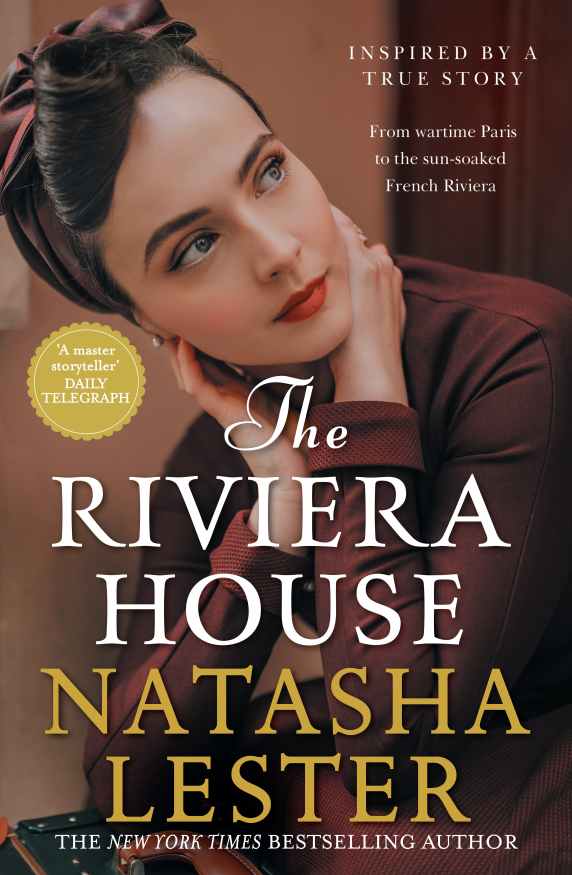
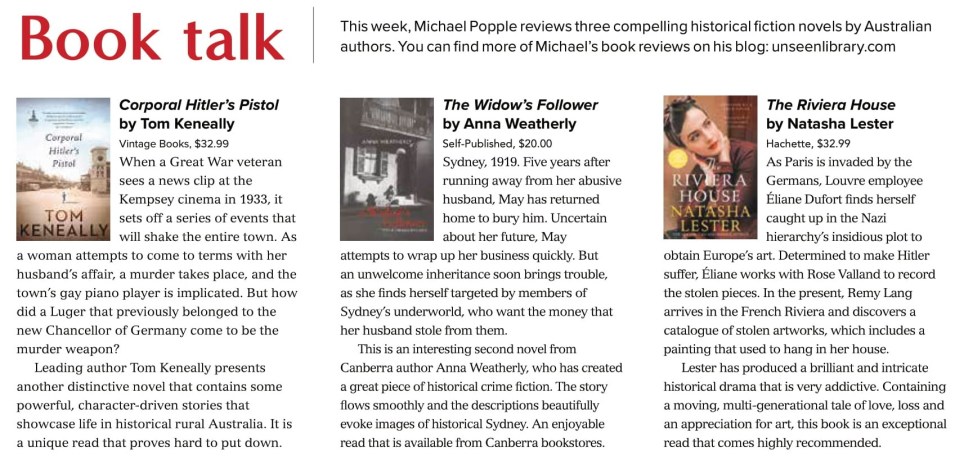
The Riviera House by Natasha Lester

The Riviera House Cover

Publisher: Hachette Australia (Trade Paperback – 1 September 2021)

Series: Standalone

Length: 452 pages

My Rating: 4.25 out of 5 stars

Amazon     Book Depository

Bestselling Australian author Natasha Lester returns with a powerful and intense historical drama that presents a multigenerational tale of love, loss, culture, and the horrors of the Nazi occupation of France, in The Riviera House.

Paris, 1939.  With the war about to start and fears of a Nazi invasion becoming more apparent, Éliane Dufort, a young art student who works part time at the Louvre, watches the staff store away the gallery’s most expensive artworks and begin to hide them throughout France.  Determined to survive the upcoming war, the last thing Éliane should have done was fall in love, however when she meets one of her brother’s friends, Xavier, she cannot help herself, and they soon begin a whirlwind romance.  However, with the Nazis right outside of Paris, Xavier leaves for England, breaking her heart.

With Xavier gone and most of her family killed by the Nazis as they tried to flee the city, Éliane vows to fight the invaders by any means necessary.  Her connection to the Louvre lands her a job working for the enemy in the vast warehouse the Nazis are using to store the artwork looted from France.  Working with the legendary Rose Valland, Éliane is tasked with recording every single piece of art that the Germans steal, as well as attempting to discover where they are being sent.  However, Éliane soon gains the unfortunate romantic attention of a powerful Nazi officer, while a returning Xavier, now a treacherous art expert working for Hermann Göring, threatens to destroy her cover.

Many years later, vintage fashion expert Remy Lang travels to the French Riviera and arrives at a beautiful house that was part of a mysterious inheritance from her unknown biological parents.  Hoping to escape from her intense grief at the loss of her husband and child, Remy soon becomes involved with a visiting family living at the neighbouring villa, including charming photographer Adam.  As she attempts to understand her feelings for Adam amidst her sorrow, Remy soon stumbles upon a shocking mystery when she chances upon a catalogue detailing artworks stolen from France during the war, which includes a painting that hung in her bedroom as a child.  Determined to get to the bottom of this mystery, Remy attempts to trace her past and the history of the unexplained painting.  But the story she uncovers is one of great tragedy and shocking revelations that will change everything Remy thought she knew about her past.

This was an outstanding and deeply impressive historical drama from Natasha Lester, who has previously written some great historical dramas, such as The Paris Secret and The French PhotographerThe Riviera House is a particularly compelling and intense novel that perfectly brings two separate timelines together into one moving narrative, while also focusing on two distinctive and complex groups of characters.  This results in a brilliant and moving read that is guaranteed to haunt you long after you finish reading.

Lester tells a deep and captivating tale in this novel that is moving, intense and very addictive to behold.  The author utilises a split timeline throughout The Riviera House, with one storyline set during World War II in Paris, while the other is based in the modern day and takes place in several locations, although primarily in the French Riviera.  The book jumps back and forth between these two timelines, with the speed of transition increasing the closer it gets to the conclusion.  Both storylines contain their own plot, characters, and interesting features, and they come together to form quite an intense overarching narrative.

The first storyline of The Riviera House is the World War II storyline, which follows the character of Éliane Dufort.  Éliane, after suffering several great losses because of the Nazi invasion, becomes embroiled with the French Resistance and soon gets a job working for the Nazis, assisting in their loot warehouse, and helping historical figure Rose Valland create her record of stolen works.  However, the story gets increasingly complicated as the book progresses, with Éliane torn between her remaining family, her love/hate relationship with the traitor Xavier, and her forced relationship with a powerful Nazi member who has fallen for her.  The entire story comes to a head in the closing days of the Nazi occupation, when Éliane is forced to risk everything dear to her, and soon encounters just how tragic the war is and how evil people can be, even those closest to you.

This part of The Riviera House is an amazing bit of historical fiction, exploring the history of the time while also featuring an emotional and moving tale of love, hope and courage.  I really connected with this half of the novel, due to the thrilling and intense story that shows a grim picture of the period and featuring some memorable moments.  The story of Éliane and her family is full of tragedy and suspense, and if you are looking for a happy read than you have come to the wrong place.  While I did see most of the major twists coming, I appreciated how this narrative came together, as well as the clever way it led into The Riviera House’s other timeline.  I also deeply enjoyed the unique historical aspects of this novel, particularly around the Nazis’ systematic looting of French art.  Lester really dove into this part of the war, providing a detailed account how the Germans stole the art, stored it, and eventually shipped it away as the war progressed.  This tale features several real-life historical figures who are worked into the plot extremely well and who add an extra layer of authenticity to the tale.  One of the most interesting historical figures is Rose Valland, the courageous art historian who risked everything to pull together a record of the looted artwork.  Valland, who has inspired characters in films such as The Train or The Monuments Men, was a fascinating character in this novel, and I liked how Lester tied Éliane’s story into that of Valland.  I felt that this examination of the Nazi art theft was both fascinating and cleverly utilised, and it helped to provide some extra power and intensity to the novel.

The other timeline in The Riviera House is based in modern times and follows Remy Lang, a fashion figure who is spending time in the French Riviera, trying to escape her grief over the tragic death of her husband and child, and soon meets some new people who help her move on.  This storyline was more of a pure dramatic tale and focuses on Remy’s grief, her new romance, and the friction brewing between the family she has just met.  I got quite attached to the potent emotional elements featured in this book, especially as Lester really focuses on the lingering impacts of grief, such as the guilt survivors feel when thinking about something new or considering moving on.  Add in quite a compelling mystery element to it, as Remy and her new friend Adam start investigating the connection that Remy had to the other story, such as her long-dead biological parents and several mysterious inheritances.  These connections to the storyline set in the past compliment the protagonist’s current issues and concerns extremely well, and it was really fascinating to see her work out how her life was shaped by the original protagonists many years before.

I ended up really liking both timelines within the novel, although I did prefer the storyline set in World War II due to its interesting historical research, complex characters riven by war, and terrible tragic moments.  I must admit that I am not usually the biggest fan of historical dramas that feature two separate timelines (it really is an overused device in historical dramas).  However, I think that it was utilised extremely well in The Riviera House, and the two separate storylines melded together into a fantastic overarching read.  I loved how Lester was able to provide subtle hints about the fate of the historical protagonists in the contemporary storylines, although the full revelations about them was often hidden and not revealed until later.  I also really appreciated finding out how the events of the World War II story led into the later plot, and the full truth about how everything occurred is not only great to behold in the historical storyline, but it also has some major impacts on the modern-day protagonist.  This really enhanced The Riviera House’s plot and the overall drama of the book, and it helped to produce an excellent overall narrative.

I also quickly wanted to highlight some of the cool and fascinating cultural elements that Lester slipped into her novel, particularly around art and fashion.  I already mentioned how much I enjoyed the interesting and in-depth examination of the Nazis’ looting and the plans to stop them, however, I also appreciated the way in which Lester examined the art itself, as well as the people who were fighting to protect it.  You really get a sense of the beauty and subtlety of the different artworks featured throughout the book, but more than that you also get to explore what makes people passionate for art.  This book contains several characters who appreciated the true value that this art had to themselves and the nation, so much so that they were willing to risk their lives for it.  This forms a major part of the historical storyline’s plot, and I think that Lester did a wonderful job exploring it.  In addition, the contemporary storyline features a compelling examination about the appeals of vintage fashion.  Lester, who has previously explored fashion in some of her past novels (for example, a major part of her previous novel, The Paris Secret, revolves around vintage gowns), did a good job explaining the current obsession with vintage fashion, as well as how people can make money off it.  While I usually care very little about any sort of clothing fashion, Lester’s descriptions proved to be very intriguing, and I found myself appreciating her obvious passion for the subject.  Both these cultural inclusions enhanced the story, especially as they were strongly related to the various protagonist’s motivations and obsessions, and I really appreciated they time that Lester took to feature them.

Overall, I felt that The Riviera House by Natasha Lester was an excellent and well-crafted historical drama with some powerful elements to it.  Lester did a wonderful job of crafting a compelling, multi-period storylines that combined historical and contemporary narratives into a single, moving tale.  I particularly enjoyed the cool focus on the Nazi occupation and art obsession, which resulted in a thrilling and very tragic tale.  The Riviera House is a highly recommended book and a must-read for all fans of historical drama.

Amazon     Book Depository

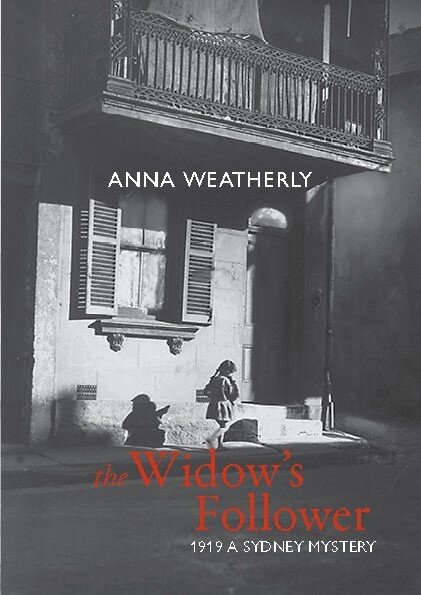
Quick Review – The Widow’s Follower by Anna Weatherly

The Widow's Follower

Publisher: Self-Published (Trade Paperback – 8 June 2021)

Series: Bermagui Mystery – Book Two

Length: 222 pages

My Rating: 4 out of 5 stars

Prepare for a quick and fun historical murder mystery with The Widow’s Follower, an excellent and compelling second novel from Canberran author Anna Weatherly.

Synopsis:

1919, Sydney.  No-one was shedding tears for the death of Roy Maguire, especially not his wife. She’d been hiding from him for the past five years and now she’d come back to reclaim her freedom. It should’ve been simple. So why was she finding herself the object of interest for half the criminals in Sydney? At first it was mystifying. Then it was terrifying.

This is the second novel involving May Williams, once the wife of Sydney crime figure Roy Maguire. This time May travels to Sydney where she finds that extricating herself from her abusive husband is a dangerous business, even when he’s dead.


The Widow’s Follower
is the second novel from Weatherly, following on from her 2018 debut, Death in the Year of Peace.  This series is a fantastic historical murder mystery series that follows a young woman in 1919 who takes the name May Williams and flees from Sydney to the small town of Bermagui to escape from her abusive, criminal husband.  The first book sets the scene for this series while also presenting a murder mystery as the protagonist attempts to uncover a killer in town.  This sequel is set right after the initial book and sees May return to Sydney after the death of her husband.

I really liked the interesting story contained within The Widow’s Follower, as it combines historical fiction elements with an interesting, gangster-filled mystery, as well as featuring some great character development.  Despite being relatively short for a novel, clocking in at just over 200 pages, Weatherly manages to achieve a lot in this book.  The Widow’s Follower primarily focuses on May being harassed by gangsters and criminals around Sydney as she attempts to settle her late husband’s affairs.  This gets complicated when it becomes apparent that before his death, her husband had stolen a great deal of money from his employers and managed to annoy all the big movers in town.  This forces May to investigate her husband’s last few days to find the money to save herself and her friends from these gangster’s ruthless attentions.  She also starts investigating the murder of her husband’s lover, a crime he was accused of before his death, as she cannot believe that even he could kill the father of his illegitimate child, whose welfare May also becomes concerned about.

This leads to an intriguing and extremely fast-paced story, as May is drawn into a twisted web of lies, manipulations and additional murders, while also trying to decide about her future.  There is an interesting blend of storylines contained within this novel, and I quite liked the exciting and dramatic directions that it went in, especially as May slowly gets closer to the truth.  May finds herself the target of several dangerous people from Sydney’s underbelly, each of whom is interested in her for all the wrong reasons.  At the same time, May’s friends back in Bermagui find themselves in danger, and this results in some compelling discussions about May’s future and whether she wants to stay in Sydney, where she has some chance at professional success, or return to the small town and pursue love.  These enjoyable storylines cleverly set up a massive twist about three quarters of the way through that I honestly did not see coming.  This cool twist changes everything about the novel, and I deeply appreciated how it was foreshadowed and the implications it has on the rest of the story.  The final part of the book is an intensely paced, as May finds herself in the middle of a dangerous conflict between some of the antagonists, while also reeling from some big revelations.  I really found myself glued to the final part of the book, especially as it contained some cool scenes, such as a multi-person chase throughout the streets of Sydney.  The book ends on a positive note, and it will be interesting to see where Weatherly takes the story next, especially as the protagonist’s storyline seems mostly fulfilled.

I also appreciated the cool setting of this novel, the historical city of Sydney in 1919.  Weatherly spends a significant amount of time exploring Sydney throughout the novel, and you end up getting a great sense of its size, layout and people during the early 20th century.  The author goes out of their way to try and emulate the historical version of this city, including by featuring clippings from real-life historical newspapers at the start of every chapter, a fun technique that I felt helped drag me into the moment.  Weatherly also spends time examining how recent world events had impacted the city, such as the recent Spanish Flu pandemic (very topical) and the slow return of Australian troops from the European battlefronts of World War I.  This fascinating setting added a lot to the authenticity and intrigue of The Widow’s Follower’s story, and it was really fun to explore this captivating historical locale.

Overall, I had a wonderful time with The Widow’s Follower, and I ended up reading pretty much the entire thing in one sitting.  Anna Weatherly came up with a clever and entertaining tale, and I had a great time getting to the bottom of the intense mystery that was featured within.  A fantastic and enjoyable piece of Australian historical fiction, this is a great book to check out and I look forward to seeing what this new author produces in the future.

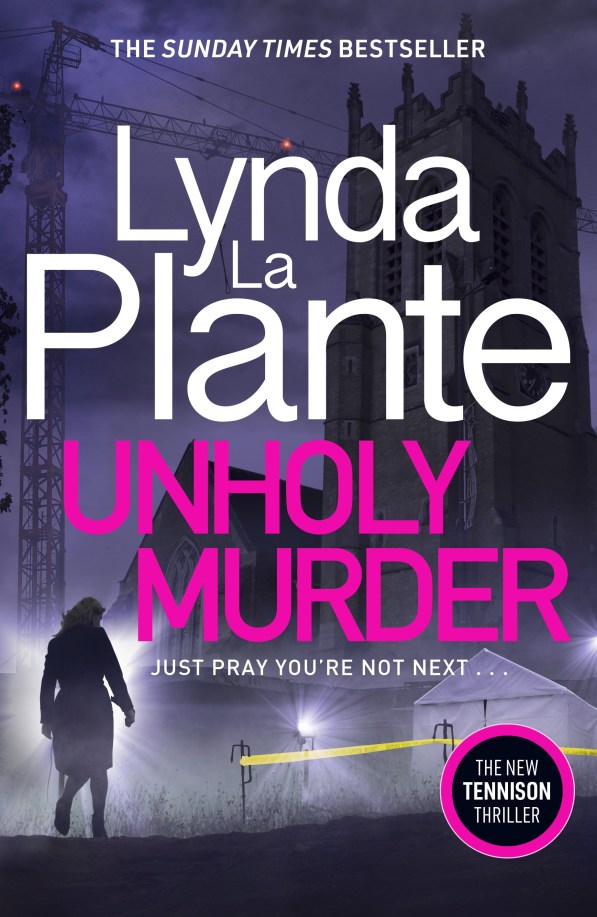
Unholy Murder by Lynda La Plante

Unholy Murder Cover

Publisher: Zaffre (Trade Paperback – 17 August 2021)

Series: Jane Tennison – Book Seven

Length: 389 pages

My rating: 4.25 out of 5 stars

Amazon     Book Depository

The reigning queen of British crime fiction, Lynda La Plante, returns with another clever and intriguing murder mystery, with her latest entry in the Jane Tennison series, Unholy Murder.

La Plante is a great author whose books I have featured several times over the last few years.  Best known for her work in British television, where she produced and wrote several shows and television movies, La Plante has really started to focus more on her novels recently, producing some awesome and compelling reads.  Out of all her recent works, the one I have been enjoying the most is the outstanding Jane Tennison series.  Serving as a prequel to the acclaimed Prime Suspect television series, the Jane Tennison novels follow a younger version of the show’s protagonist, the titular Jane Tennison, as she works her way up the ranks of the Metropolitan Police.  This series has so far contained several awesome and impressive novels, including Good Friday, Murder Mile, The Dirty Dozen and Blunt Force.  The latest entry in the series, Unholy Murder, contained another amazing mystery that sets the protagonist against the dangerous influence of the Catholic Church.

In 1982, Detective Sergeant Jane Tennison has recently been assigned to the Bromley CID, a quieter London beat where she can focus on her upcoming inspector’s exam.  However, her knack for attracting the most unusual and deadly murders once again surfaces when construction workers uncover a coffin at the back of a new housing development.  Based on the site of an old, deconsecrated convent, it is initially assumed that the coffin could be part of a forgotten graveyard, and the coffin is taken to the local morgue.  However, when opened, the coffin is revealed to contain the corpse of a brutally murdered nun.

With no idea who the deceased is or when they died, Tennison is initially unsure how to proceed.  With her superiors assuming that the coffin could be decades or even centuries old, there is little desire for the case to continue.  However, when Tennison is able to determine that the crime took place just before the convent shut down in the 1960s, she is given permission to investigate and attempts to find who the murdered nun is and how her death was left undiscovered for so long.

Digging into the past of the convent and its attached orphanage, Tennison and her team soon discover a sordid history or abuse, neglect and cover-ups.  Convinced that the murder may be related to these charges, the police attempt to find out more about the nuns who lived there.  However, the Catholic Church is uncooperative and all their files on the convent are missing or destroyed.  With the Pope’s historical visit to London only days away, Tennison is determined to get to the bottom of this terrible case, no matter what, Tennison follows every angle she can to get to the truth.  But with someone high up in the church’s hierarchy doing everything to cover up the crime, and with her own superior’s attempting to stop the investigation, can Tennison and her team unmask the killer, or will the secrets of the past came crashing back with unfortunate collateral damage?

This was another pretty awesome novel from La Plante, who has come up with a fantastic and captivating crime fiction story.  Unholy Murder has an impressive murder mystery to it, with the premise of a murdered, unknown nun secretly buried on the grounds of a former convent.  La Plante sets up this entire mystery perfectly, and the reader is soon invested in the plot.  There are some great aspects to the investigation, and I liked the usage of an older crime, with the protagonists forced to dive back nearly 20 years.  There are multiple potential suspects, twists and a range of interferences featured throughout the course of the investigation, and I had a wonderful time following through and trying to figure out who did it and who is trying to keep it quiet for their own reasons.  It all leads up to an intense and fast-paced conclusion, with a second killing seeming to occur, and several separate story threads coming together and adding in some intrigue and excitement.  I was really impressed with the final solutions to the story, and I appreciated the dark and cynical ending that it contained.  This was one of La Plante’s more captivating and clever mysteries and it was a lot of fun getting to the bottom of everything.

One of the more interesting aspects of the entire novel was the inclusion of the Catholic Church as a major force in the investigation.  While some of the lower-level clergy and staff are initially helpful, once the case is revealed to be a murder, potentially committed by someone working at the convent, senior church members work hard to halt the investigation and try to protect themselves and the reputation of the church.  This was a fascinating and intense part of the investigation, and it added in layers of complexities and difficulties that the protagonists are forced to overcome.  The case becomes even more complicated, with multiple allegations of abuse or brutality from the sisters at the convent coming to light.  I really appreciated the way La Plante worked this aspect into the novel, and it was fascinating to see this in a historical context as I am personally more used to hearing about these sorts of issues in the 21st century.  The impacts of the church and its members on the case are pretty fascinating, especially as it makes the solution a lot more clouded, and some resolutions a lot more controversial.  While some authors would use this to simply bash the church, La Plante paints a more complex and multifaceted story here, attempting to show that some of the clergy characters were really good people bound by rules, their oaths or the ambitions of others who abuse their roles and responsibilities for their own aims.  I felt that they author’s use and inclusion of the Catholic Church in this novel helped to make Unholy Murder a much better novel, and it ensured that the case was a lot more intense and complex.

Jane Tennison is always an interesting character to follow, especially as she is one of the few senior female investigators in the MET during this prequel series.  While this is a crime fiction series, a large amount of the plot revolves around Tennison’s personal life, and La Plante has spent a lot of time showing Tennison’s growth as a character, as well as the events that turned her into the hard-edged investigator featured in Prime Suspect.  It has been really fascinating to see Tennison claw her way up the ranks over the last few books, and it was great to see her once again take a leading role in a murder investigation.  Due to some of her prior experiences with fellow officers, Tennison has a bit of a chip on her shoulder in this book, although she manages to mostly prove that she has what it takes.  I do wish that Tennison weren’t portrayed as someone who lets her personal life interfere with the job, especially as she once again gets involved with a person connected to the murder to her own detriment.  Still, I enjoyed Tennison in this novel, and she was a great central protagonist to follow.

This novel featured an interesting group of supporting characters, including police officers, suspects, and members of the church.  The author’s great use of multiple character perspectives in this novel was perfect to highlight these various side characters, and I liked how it also helped to make some of the people connected to the case seem more suspicious or guilty.  While there were several characters I liked, I mostly want to focus on the various police characters featured within Unholy Murder, as they were a major part of the plot.  Not only do you have several recurring police characters from the prior Jane Tennison novels but there are also some great new characters who were very fun to follow.  I quite liked rookie investigator DC Boon, a young officer that Tennison has taken under her wing.  While he initially appears a bit clumsy and clueless, he really starts to grow as a character as the novel progressed, becoming a much more competent investigator.  He also becomes a lot more serious, especially once he gets personally involved in the case, and there are some deep and emotional moments that occur around him as the novel progresses.

I also deeply appreciated the inclusion of DCS Barnes, Tennison’s new boss who heads up the investigation.  Barnes has previously dealt with cases of child abuse by members of the church whose crimes were covered up by his superiors and the church, and this memory drives him throughout the novel and ensures that he takes the cases extremely seriously.  Once it becomes apparent that the murder was likely committed by a member of the clergy, and that the priest he previously attempted to bring down is now a senior figure leading the latest cover-up, he becomes a bit obsessive and refuses to accept any alternate possibilities and suspects.  It was really quite intriguing to see an anti-Church police officer in the 1980s, and I really liked the complex and compelling portrayal around him.  All these side characters add a lot to the overall story, and La Plante did an excellent job of fitting these intense personal stories into the wider murder mystery.

Unholy Murder is an excellent new novel that continues the excellent Jane Tennison series by the amazing Lynda La Plante.  Featuring a clever mystery, some great characters and a really intriguing plot hook, Unholy Murder easily grabs the reader’s attention and ensures that they become deeply attached to the outcome of the story.  I had an outstanding time reading this latest book and I look forward to the next instalment of this fun series in 2022.

Amazon     Book Depository

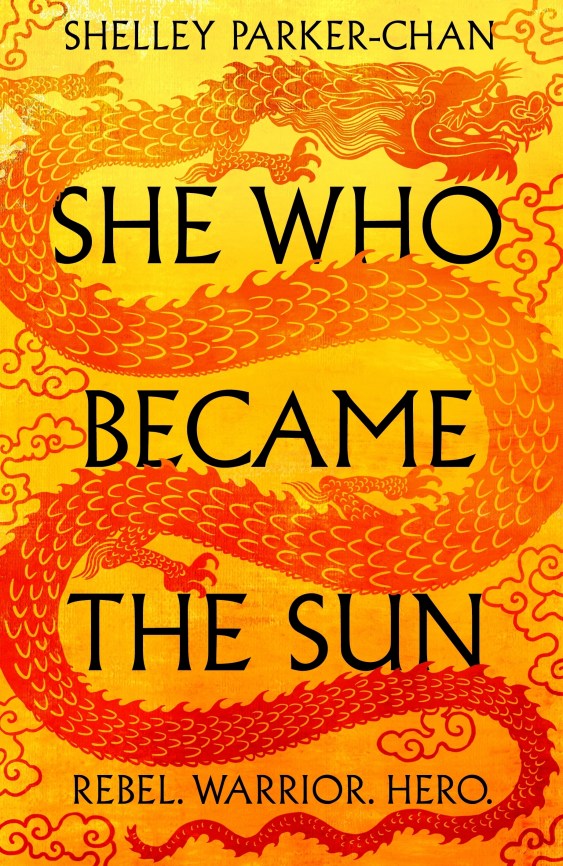
She Who Became the Sun by Shelley Parker-Chan

She Who Became the Sun Cover

Publisher: Mantle (Trade Paperback – 27 July 2021)

Series: The Radiant Emperor – Book One

Length: 414 pages

My Rating: 4.5 out of 5 stars

Amazon

Intriguing new Australian author Shelley Parker-Chan presents one of the most unique debuts of 2021 with the awesome She Who Became the Sun, a powerful historical read with a compelling twist.

In 1345 AD China languishes under the rule of the Yuan dynasty, descendants of the Mongolian invaders who have taken control and punished the southern Chinese citizens.  As famine and banditry stalk the land, the fate of the country will be decided by the most unlikely of people.  In a small village in the south, a seer predicts the future for two siblings.  For the favoured son, the seer sees greatness and unlimited potential, while for the daughter he sees nothing in her future at all.

When a bandit raid wipes out the village, only the daughter is left alive as her brother succumbs to his grief and despair.  Determined not to die an insignificant death and prove the seer right, the daughter plans the impossible.  Stealing the identity of her dead brother, she attempts to cheat fate and take her brother’s destiny for herself.  But how far can the newly named Zhu Chongba truly go, even with a fake identity and a stolen fate?

Travelling to a nearby monastery, Zhu impresses the Abbot and is soon accepted as a novice.  Growing up amongst the monks, Zhu finds a purpose for the first time.  But when a rampaging general destroys the monastery, Zhu is forced to find a new path that sets her against the emperor and the entire Yuan dynasty.  Joining with the Red Turban rebellion, Zhu manages to prove herself and soon leads her forces to several crucial victories.  But the eye of an old rival is upon Zhu, and not even this brilliant monk will be able to emerge unscathed.  The path to China’s future begins here, and soon the fate of the entire country will fall on the poor second daughter, destined to become the nation’s first female emperor.

This was a really compelling debut from Shelley Parker-Chan, who produced an epic and unique historical tale of war, destiny, identity and fate.  Serving as the first book in Parker-Chan’s The Radiant Emperor series, She Who Became the Sun was one of the most anticipated new releases for 2021, and I had an incredible time reading it, especially once I got caught up in its fantastic story.

She Who Became the Sun has an awesome and powerful narrative that proves to be extremely addictive.  The book first shows the protagonist as an unnamed daughter, destined for nothing until she adopts the identity of her brother, Zhu, and grows into a confident and capable young adult at a nearby monastery.  The first quarter of the book is primarily told from the perspective of Zhu and serves as a rather good introduction to the character and the overarching setting.  However, the story shifts dramatically after the eunuch General Ouyang, who serves under a noble family of the Yuan dynasty, burns down the monastery and leaves Zhu a medicant monk.  Determined to gain the destiny her brother was promised, Zhu joins with the rebel movement known as the Red Turbans.  The story then focuses on several interesting storylines, including Zhu’s ascent to commander in the Red Turbans, the volatile internal politics of the rebels, as well as troubles facing the wider Yuan dynasty.  The story adds in two additional point-of-view characters a quarter of the way through, with a particular focus on General Ouyang.  Ouygang is engaging in his own plot against the Yuan, and his fate soon becomes intertwined with that of Zhu.  This results in a pretty epic tale, especially as the various story threads tie together perfectly and produce an interesting and addictive overall narrative.  This leads up to an intense and fantastic conclusion that shows how much the protagonist has changed and how determined they are to see their destiny.  It also does an excellent job setting up the future novels in this series, and I have to say that I am pretty excited to see where Parker-Chan takes this tale next.

I was deeply impressed by the cool setting of She Who Became the Sun, especially as Parker-Chan worked in some excellent and compelling historical elements.  The novel is set in 14th century China during the Yuan dynasty and features an interesting retelling of the life of famed emperor Zhu Yuanzhang, founder of the Ming dynasty.  While there are a few major changes, like Zhu being a woman in disguise, She Who Became the Sun captures several key aspects of this figure’s early life, such as their peasant upbringing, their training as a monk, and their rise to power through the Red Turbans.  I really enjoyed the great examination of China during this period, and Parker-Chan does an excellent job of capturing the tyrannical rule of the Mongol invaders, the famines and crisis their ineffective rule caused, as well as the rebellion that rose to oppose them.  The author also makes sure to include several key historical figures, such as Zhu’s major supporters, and it proved to be a fun re-imagining of their relationship with the future emperor.  While this is primarily a historical fiction novel, Parker-Chan includes a lot of other interesting elements that alter the feel of She Who Became the Sun.  For example, there are several mystical features, such as some key individuals who can summon an aurora of visible light to show they have the divine right to rule.  Zhu also has the ability to see ghosts and finds herself haunted and at times damaged by malevolent spirits, angry at her decision to steal another person’s destiny.  These supernatural elements give She Who Became the Sun an intriguing and unique feel, and I really love it when authors subtly work in some subtle alternate genre inclusions into their work.

I also must mention the excellent inclusion of major LGBT+ elements into this book, especially around central character Zhu Chongba.  Zhu spends the entirety of the novel in the role of her late brother, pretending to be a man so she can rule and lead.  This was a really fascinating and distinctive choice by Parker-Chan, and one that makes She Who Became the Sun really stand out.  While there are some understandable comparisons to Disney’s Mulan, Parker-Chan instead frames it as a choice made from a desire to survive and to be more than what her sex would usually allow her to be in this period, especially under Yuan control.  Zhu spends most of the novel trying to hide her birth gender from everyone around her, allowing her to continue to achieve her.  While a few characters find out, Zhu is able to ensure their secrecy, which leads to some fascinating scenes.  I particularly love the interactions between Zhu and female characters who discover her secret, and the understanding that flows through these scenes is extremely powerful.  Other LGBT+ elements are later added to the story, especially around Zhu’s marriage to her wife Ma, and I really appreciated the clever and compelling way that it was worked into the plot.

Another impressive aspect of this outstanding book I want to highlight is the great use of characters.  This novel featured some amazing point-of-view characters whose journeys become the focus of She Who Became the Sun.  The main character is Zhu, the woman destined to become Emperor, who spends most of the book trying to live up to the legacy she believes she deserves.  I really liked the compelling character growth featured as her personality changes throughout the course of the book.  Initially meek and barely able to keep her secret, Zhu develops her cunning and her skills of manipulation to become a major figure in the monastery and the Red Turbans.  I loved the depiction of her rise to power, including that fun scene where she manages to win a battle with a prayer, and it was really entertaining to see her use the mild-mannered, humble monk routine to fool the people around her.  Having grown up with nothing, Zhu is more resilient against setbacks than some of the other characters and is able to overcome major hardships.  While Zhu spends most of the book as a good person, the desires for power and a great destiny eventually grows within her, encouraging her to do some evil things to win.  I really liked this subtle shift in personality as the novel continued, and the way that her character arc in this novel ends was really surprising and intense.

The other major character I really want to talk about is Ouyang, a general serving the powerful noble Lord Esen-Temur, son of the Prince of Henan.  Ouyang has a complex past, the son of a family declared traitor by the Emperor and the Prince of Henan, his entire family was killed, while Ouyang was made a eunuch.  Eventually able to work his way up from slave to general, Ouyang is initially portrayed as a petty, vicious, and vindictive figure, especially as he destroys the monastery that Zhu was living in.  However, as the novel progresses, you get to see how much Ouyang has suffered throughout his life, even though he is the best friend of Lord Esen-Temur.  Due to his status as a eunuch, there are some really interesting parallels between Ouyang and Zhu, especially as neither of these outsiders is comfortable in their body.  However, despite their similarities, they form a bitter rivalry, although occasionally working towards the same goals.  I really enjoyed Ouyang’s storyline, especially as it provided an intriguing alternative to the scenes focusing on the Red Turbans, providing the reader with a look at the politics of the Yuan dynasty and the fractious family dynamics surrounding Lord Esen-Temur.  It also leads to an excellent storyline where Ouyang slowly gets his long-awaited revenge and makes some moves to obtain even more power and control.  Ouyang served as an excellent antagonist for the novel, and his dark and brooding perspectives of life and the Yuan dynasty really enhanced She Who Became the Sun’s overall narrative.

Overall, I deeply enjoyed the unique and intricate book that was She Who Became the Sun, and it turned out to be an outstanding read.  Australian author Shelley Parker-Chan did an exceptional job with this impressive debut novel, and I loved the brilliant and epic historical tale she wove, especially as it contained some complex and intriguing characters.  This book comes highly recommended by me, and it is easily one of the best debuts I have so far read in 2021.

Amazon

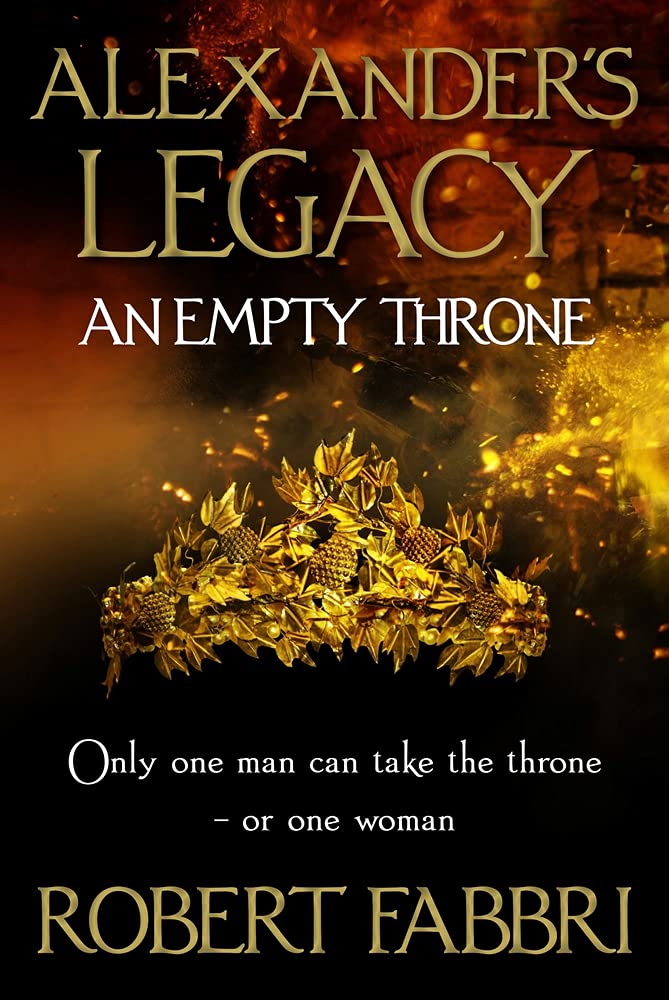
Waiting on Wednesday – An Empty Throne by Robert Fabbri

Welcome to my weekly segment, Waiting on Wednesday, where I look at upcoming books that I am planning to order and review in the next few months and which I think I will really enjoy.  I run this segment in conjunction with the Can’t-Wait Wednesday meme that is currently running at Wishful Endings.  Stay tuned to see reviews of these books when I get a copy of them.  In this latest article, I continue to explore one of the most entertaining and distinctive historical fiction series currently running, with the upcoming novel, An Empty Throne by Robert Fabbri.

An Empty Throne Cover

Robert Fabbri is a talented author who has done some amazing and exciting work in the historical fiction genre over the last 10 years.  Debuting back in 2011 with Tribune of Rome, Fabbri went on to write a wildly entertaining series that explore a somewhat fictionalised life of the future Roman Emperor Vespasian.  Filled with some wild scenes that chronicled the excesses of the various Roman Emperor’s, the Vespasian series was a particular favourite of mine and featured such awesome reads as Rome’s Sacred Flame, Emperor of Rome and the short story collection Magnus and the Crossroads Brotherhood.

Since the Vespasian series ended in 2019, Fabbri has moved onto a different period of ancient history, the Macedonian era, with his compelling Alexander’s Legacy series.  Set after Alexander the Great’s sudden death, the Alexander’s Legacy books follow the chaotic civil wars that occurred in the following years as Alexander’s generals, advisors and family members all fought to gain control of great Macedonian empire through war, politics, and shaky alliances.  Based on some insane real-life historical events, the Alexander’s Legacy series is extremely detailed and very bonkers, and I have deeply enjoyed exploring a period of history I was mostly unfamiliar with.  This series has so far featured two great novels, To the Strongest and The Three Paradises, which have been both fascinating and exceedingly entertaining.  Due to how much I enjoyed Fabbri’s previous books, and because The Three Paradises ended with Alexander’s crazed mother Olympias taking control of Macedonia, I have been really keen to see how the series continues, and it looks like the next book is going to be another fun piece of historical fiction.

The third Alexander’s Legacy novel is the awesome upcoming release, An Empty Throne.  This third book, which has a current planned release date for early April 2022, looks set to continue the series with another intense and fun examination of historical events, as the various participants still alive, prepare to take vengeance for Alexander’s murder.  No doubt this upcoming book will continue the trend of following multiple historical figures as they attempt to gain power for themselves, and it will be interesting to see who survives the next book, as well as which new characters are introduced.


Synopsis:

The third instalment in a huge, bloody and brutal new series from Robert Fabbri, set after the death of Alexander the Great. Who will win the fight to control the largest empire the world has ever seen? Let the battles begin…

The cause of Alexander the Great’s sudden death is no longer in doubt – it was murder. But by whom? As his former followers struggle for power, the bonds of family, friendship and political loyalties are tested to the limit. As is the strength of the formidable empire that Alexander had wrought.

Never before has the Western world seen such turmoil, such a threat to civilisation. As battles rage, armies, cities and thousands of lives are destroyed by the ruthless scheming of those who would be King. Or Queen. Could a marriage be the one thing to bring the broken strands of the empire back together, preventing years of further warfare?

Will a woman succeed where no man can?


Based on the previous novels in this series, I know that An Empty Throne is going to contain a detailed and powerful tale, loaded with some crazy events from history.  Fabbri has so far done a wonderful job of examining this unique period in the first two Alexander’s Legacy books, and I have absolutely no doubt that An Empty Throne will be just as entertaining and intriguing.  I am deeply excited for this upcoming novel, and I cannot wait to find out who will reign supreme after the next series of political and military conflicts.

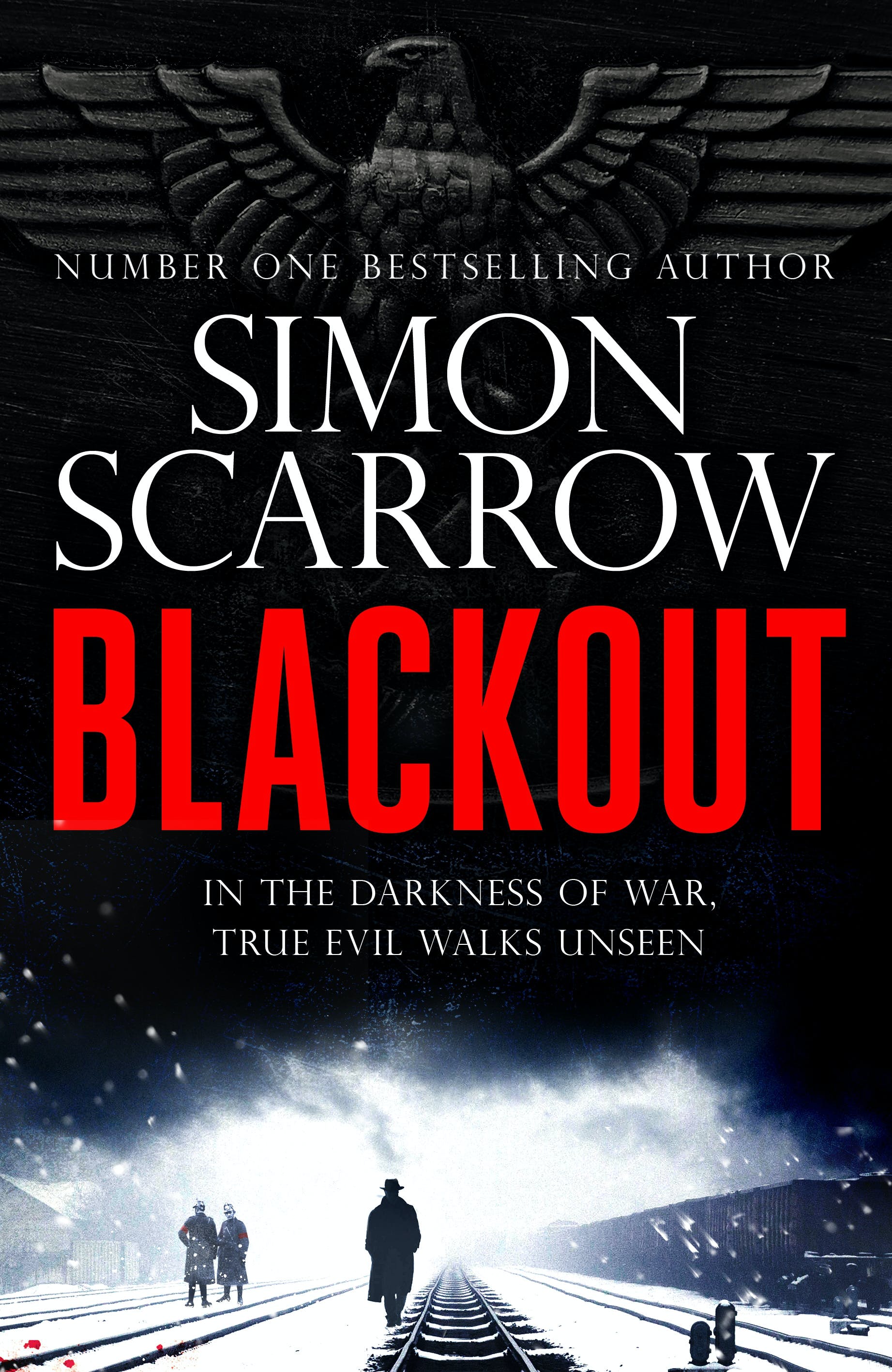
Blackout by Simon Scarrow

Blackout Cover

Publisher: Headline (Trade Paperback – 30 March 2021)

Series: Standalone/Book One

Length: 424 pages

My Rating: 4.5 out of 5 stars

Amazon     Book Depository

One of the leading authors of historical fiction, Simon Scarrow, breaks new ground in a thrilling and captivating historical murder mystery, Blackout.

Berlin, December 1939.  As the citizens of Berlin worry about a potential upcoming conflict with Britain and France, the Nazi party continues to sink their claws into every aspect of German society.  But as a bleak winter sets in and enforced blackouts plunge the city into darkness, a far more sinister threat begins to stalk the streets of Berlin.

A young woman has been found brutally murdered near a busy set of train tracks.  The victim is a former famous actress with a powerful husband.  Due to her marital connections, as well as a scandalous past with various high-ranking Nazi figures, including Goebbels, her case has dangerous political implications.  To that end, her case is assigned to Criminal Inspector Horst Schenke of the Kriminalpolizei, the Kripo, one of the few police officers not to join the party.  Due to his apparent disregard for the party and the importance of the victim, Horst is under intense pressure from the head of the Gestapo to solve this case.  However, what begins as an easy murder case swiftly devolves into something far more dangerous when a second body is found, and Horst is forced to face the reality that he is chasing a serial killer.

As the bodies of more young women are discovered, Horst rushes to find a killer before the government attempts to hush up the fact that a killer is loose within their perfect Nazi society.  But with the Gestapo interfering at every step and key suspects protected by the Abwehr, German Military Intelligence, this case proves difficult to solve.  When a survivor is found, Horst thinks this may be the opportunity to find the killer.  However, when the witness is revealed to be Jewish, Horst is forced to find a way to protect her from both the killer and the Gestapo.  Can Horst find the killer before it is too late, or will he discover that disloyalty to the Nazi government is considered a far worse crime?

This was another amazing novel from one of my absolute favourite authors.  Scarrow is best known as a Roman historical fiction author due to his long-running and impressive The Eagles of the Empire series, which I am a particular fan of (see my reviews for The Blood of Rome, Traitors of Rome, and The Emperor’s Exile).  However, Scarrow has also branched out into other historical periods with his Revolution quartet, the standalone novels The Sword and the Scimitar and Hearts of Stone, and a modern crime novel he wrote with his colleague Lee Francis, Playing with Death (which I really need to check out).  His latest book, Blackout, is an interesting change of pace from some of the previous Scarrow novels I have enjoyed, presenting a compelling murder mystery story with the dark historical setting of Nazi Germany.  Blackout, which was unfortunately delayed from last year, proved to be an excellent read, and I loved the complex and powerful story that Scarrow came up with.

Scarrow’s latest book has an outstanding narrative that starts with a Nazi social party scene quickly leading to the brutal murder.  This shocking opening in the dark of a blacked-out Berlin sets the scene for the rest of Blackout perfectly, and lets the reader know that they are in for an intense and dark tale.  The narrative then advances to the next day, with a great introduction to central protagonist Inspector Horst Schenke, who gets to showcase his deductive ability while also covering his personality and feelings about the Nazi government.  Once the case proper begins, Horst and his team are thrust into a lethal hunt for a serial killer, while also having to contend with the vicious politics and intrigue of the Nazi party.  Horst finds himself caught between the Gestapo, German Military Intelligence, and other influential Nazis, each of whom are attempting to manipulate the situation for their own ends.  This blend of mystery and dangerous political intrigue makes for a fantastic read, and I enjoyed the compelling balance that Scarrow produced.  The mystery itself is well crafted, with the author ensuring there is a complex and tangled web to unravel, with several promising suspects.  There are some very cool twists added into the plot, and I quite enjoyed the exciting conclusion and eventual reveal of the killer.  This is also a very effective standalone mystery, which would serve as a great introductory novel if Scarrow ever wanted to revisit this setting and characters in the future.  A series set around this book could go in some interesting directions, and I for one would be quite keen for that.

Easily the most captivating and fascinating part of this novel is the amazing historical setting that Scarrow used as the backdrop to his amazing mystery.  While several great mystery series have used World War II Germany as a setting before (the Bernie Gunther series by the late, great Philip Kerr comes to mind), I think that Blackout was a particularly good example of how it could be done, with Scarrow making sure that it really enhanced this already incredible story.  Scarrow skilfully works several fantastic and intriguing elements of this iconic setting into his narrative.  This includes the blacked-out winter streets and train lines of 1939 Berlin, which serve to hide the killer’s actions and ensures an easy hunting ground.  I also appreciated the air of worry and uncertainty that inhabited many of the characters as they are constantly left wondering if their country is heading towards a bigger war with Britain and France, not knowing of their government’s master plan.  There is also a certain amount of nationalism, patriotism and casual racism/anti-Semitism on the streets, which is a confronting and concerning aspect that the protagonist has to deal with.  There is also a fascinating focus on the way in which the Nazis infested all aspects of the German government and administration, particularly the police.  Inspector Horst is constantly butting heads with other members of the police force who were only promoted due to their party allegiances, rather than any skill or ability, which impacts the protagonists to successfully investigate his crime.  Add in the compelling depictions of German politics and Nazi interference that I mentioned before, and you have a very impactful and distinctive setting, which really helped to turn this crime novel into something very special.

Scarrow has a knack for creating some interesting and likeable characters, and this is certainly true for Blackout.  Inspector Horst is a fantastic protagonist, a former famous race car driver who experienced a traumatic crash several years ago.  He has since reworked himself as a talented police investigator and a rare man of honour in troubled times.  There is a lot to like about Horst, including his brilliant investigative skills, his courage in the face of danger, and his complete disregard for the Nazi leadership.  As one of the few senior police officers who has not joined the Nazi party, Horst is a bit of a black sheep amongst the ranks of his organisation, especially as he barely contains his disdain for the Nazis and what they are doing to his country.  This invariably leads him into a whole mess of trouble, which sees him in the crosshairs of the Gestapo and other Nazi figures, who seek to use his neutrality and skill for their own advantages.  I had a lot of fun following Horst throughout this novel, and it was great to see how a non-Nazi supporter would survive amongst the authoritarian ranks of German police in this period.  There are several great storylines surrounding this character, including about the trauma he is experiencing from his crash, as well as guilt at his failure to save the people closest to him.  I really enjoyed this character in Blackout, and it seems likely that Scarrow would have some very compelling storylines in place for this character if he ever revisited this series.

Aside from Horst, there are several other compelling side characters in this novel, which include a mixture of fictional characters and real historical figures.  One of the better characters is Ruth, the only apparent survivor of one of the serial killer’s attacks.  Ruth is a feisty and combative character, made so by her position as one of the few Jewish people still remaining in Berlin.  Despite being threatened by the entire German apparatus as well as a serial killer, Ruth remains strong throughout the book and is a very inspirational character to follow.  I also quite enjoyed the character of Liebwitz, a Gestapo agent assigned to Horst’s unit to spy on him and report back to the Gestapo commander.  However, Liebwitz proves to be a rather unusual Gestapo agent, more concerned with facts and analysis, rather than Nazi internal politics, and it was fascinating to see an honest and non-sociopathic member of the Gestapo.  While there is a lot of mistrust for Liebwitz in the beginning, he soon becomes a major part of the investigation, and Scarrow sets up some very interesting storylines for him.  Finally, I also quite enjoyed the killer of the story.  Several sequences in Blackout are shown from his point of view, although his identity is kept hidden towards the end of the book.  Scarrow paints an interesting picture of this killer’s mental state, and it was interesting to see his motivations run parallel to the goals of the Nazi party, which he uses to justify some of his actions, and indeed his actions are something that the Nazi leadership might approve of.  I felt that the author did a good job setting this antagonist up throughout the novel, and I rather liked the twist surrounding their eventual reveal.

Simon Scarrow continues to show why he is one of the leading authors of historical fiction with the outstanding and captivating historical murder mystery, Blackout.  Breaking into a whole new historical period and setting, Scarrow produces a fantastic and powerful murder investigation which makes amazing use of its complex characters and detailed historical setting.  Featuring all manner of twists, political intrigue and devious Nazi characters, Blackout was a compelling and intriguing read that comes highly recommended.  I cannot wait to get my next hit of Scarrow, and luckily I don’t have to be patient for long as the next Eagles of the Empire book, The Honour of Rome, is out in a few months time.

Amazon     Book Depository

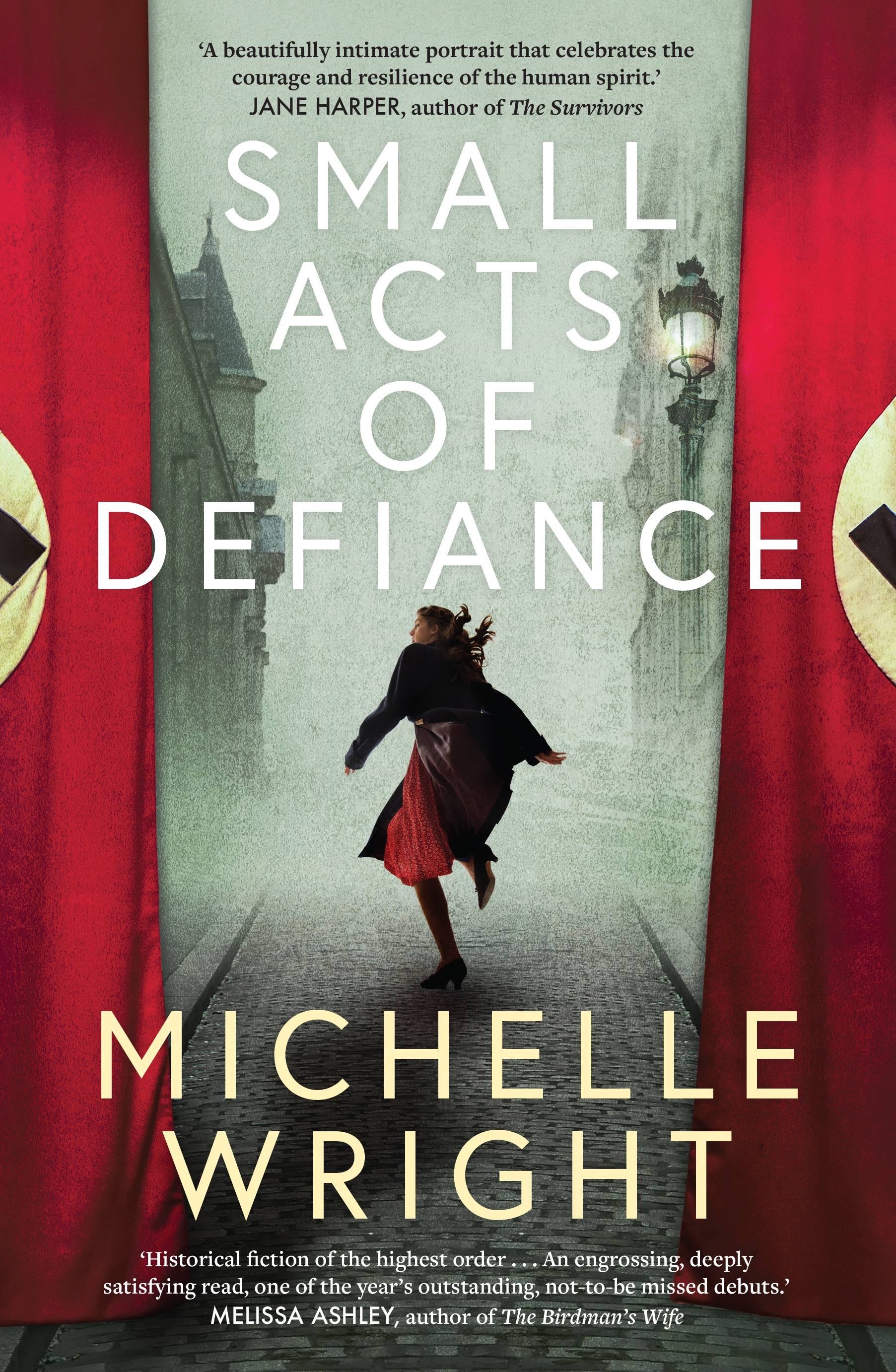
Small Acts of Defiance by Michelle Wright

Small Acts of Defiance Cover

Publisher: Allen & Unwin (Trade Paperback – 1 June 2021)

Series: Standalone

Length: 344 pages

My Rating: 4.5 out of 5 stars

Amazon     Book Depository

Impressive debuting Australian author Michelle Wright transports the reader back to the horrors and struggles of occupied Paris with the moving historical drama, Small Acts of Defiance.

May 1940.  Following the tragic death of her father, Australian teenager Lucie and her French mother Yvonne are left without any means of supporting themselves in Australia.  Reaching out to the only family they have left, Yvonne’s estranged brother Gerard, Lucie and her mother are convinced to journey back to Yvonne’s home city of Paris to live with Gerard in his apartment.

Despite having reservations about leaving for a Europe rocked by the early stages of war, Lucie is quickly enchanted by the beauty and culture of the city.  However, shortly after their arrival, disaster strikes and the French army suffers a catastrophic defeat, allowing the Nazis to invade France and occupy Paris.  Forced to adapt to the new regime, Lucie and her family attempt to survive as well as they can.

While wishing to remain safe and unnoticed by the Nazis, Lucie is drawn into the conflict when she befriends several people around Paris who resent the German occupation.  Encouraged by their strength and determination, Lucie experiments with using her artistic talents to engage in small acts of defiance against the Nazis and the puppet Vichy French government.  However, when she witnesses the Nazis’ increased attacks against Paris’s Jewish population and the attitudes of her authoritarian uncle, Lucie is drawn even deeper into the fight.  How far will Lucie go to save her new home, and what difference can even a few small acts of defiance truly have?

Small Acts of Defiance was a fantastic and moving novel from a promising new author that did an excellent job highlighting the horrors and troubles of occupied France.  Author Michelle Wright, an Australian who has spent considerable time in Paris, has written an outstanding novel with a story that is both beautiful and devastating, as she tells the intriguing and intense tale of Lucie and her experiences during the war.

Wright has produced a fast-paced and deeply moving narrative for Small Acts of Defiance.  The author swiftly sets the scene for the main characters of Lucie and her mother, who move to Paris right before the invasion while still dealing with the traumatic aftermath of Lucie’s father’s death.  It really does not take long for the historical horror to occur, as Paris is swiftly conquered by the Nazis, although Wright ensures that there is just enough time for Lucie, and the reader, to become enchanted with the city before its occupation.  Following the invasion, you are introduced to several great supporting characters who help Lucie to fully see how evil the Nazis and their French collaborators are, especially as some of her new friends are Jewish.  This centre part of the novel is great, and it was fantastic to see Lucie find her feet while also starting her initial acts of defiance.  However, while all appears mostly right, you know that tragedy is on the horizon, especially as the Jewish characters you become close to slowly have more and more restrictions placed upon them, which can only lead to disaster and despair.  Once the inevitable happens, the story really intensifies, as the protagonist witnesses true horrors and atrocities which slowly costs her some people she is really close to.  Readers will not be prepared for how dark and tragic the book becomes, although you cannot help but keep reading, especially as there is a little bit of hope for some characters.  The conclusion of Small Acts of Defiance is pretty intense and satisfying, especially as the protagonist achieves several great things while there is some good news for the other supporting characters.  This entire narrative very well written, and I loved the dramatic and powerful tale that Wright created here.  There is so much amazing and moving character development, especially around Lucie, which really grounds the novel and helps keeps the readers glued to the pages.  Wright has a real talent for writing hard and dark scenes, and I was utterly enthralled by this powerful story.

I was deeply impressed by the sheer amount of historical detail that Wright put into her debut novel, which is no doubt a side effect of all the time she spent in Paris.  The author covers the entirety of the Nazi occupation, from the French defeat, to the chaos of the invasion and the subsequent control of the city by the Germans.  There are so many interesting details and facets of history contained within the story, and I found myself getting really engrossed in the spectacular portrayal of this key historical location.  Wright spends time focusing on the various attitudes and reactions of the citizens of Paris, which ranged from outrage to acceptance or even outright support of the new regime.  The depictions of the puppet Vichy government and its actions was particularly intriguing, especially as the author examines the reason it had some support from the French.  This is particularly shown by Lucie’s uncle, an authoritarian former solider who respected the military general put in charge of the country, and who felt disenfranchised by the previous free French government.  There was also a lot of focus on the gradual crackdown and eventual deportation of the city’s Jewish population.  Due to the protagonist befriending several Jewish characters, you get to see the various restrictive laws come into effect, and the way that the Jewish population was dehumanised and destroyed one step at a time.  All of these proved to be deeply fascinating, and I loved how Wright was able to work it all into her intense and excellent story.

One aspect of this historical detail that I found extremely intriguing was the storyline surrounding the protagonist’s attempts at defying the Nazi and Vichy governments.  Unlike most historical fiction protagonists who fight back with guns, political speeches or brazen heists, the hero of Small Acts of Defiance at first uses art to subtly push back against authority.  This is achieved by drawing pamphlets or subtle symbols of French freedom in the postcards that she sells, small things that could still get her in trouble.  As the war progresses, the protagonist gets involved in other small ways, such as helping to pass information to the Allies or assisting the city’s remaining Jewish population.  I found these small acts of resistance to be a fascinating part of the book’s plot, and it was rather interesting to see the effect that even these minor actions could have on the character’s moral.  It also resulted in some compelling comparison to some of the more radical members of the French Resistance, especially some of Lucie’s friends, who take more drastic actions and face several physical and moral consequences as a result.  While Lucie does become more involved later in the book, I felt that it was really intriguing to see the various small, non-violent ways that French citizens could have helped in the war effort, and I think that it was a fantastic part of this captivating narrative.

Small Acts of Defiance was an incredible debut from Australian author Michelle Wright that does an amazing job capturing the tragedy, division and defiance that occurred during Nazi occupation of Paris.  Featuring a moving and captivating tale that surrounds one girl’s small attempt to help her friends and her new city, Small Acts of Defiance is an outstanding historical drama that comes highly recommended.  I am very intrigued to see what additional novels Wright creates in the future, and I am extremely glad I got the opportunity to read her fantastic first novel.

Amazon     Book Depository