The Honour of Rome by Simon Scarrow

The Honour of Rome Cover

Publisher: Headline (Trade Paperback – 9 November 2021)

Series: Eagles of the Empire – Book 20

Length: 431 pages

My Rating: 4.5 out of 5 stars

Amazon

One of the best authors of Roman historical fiction, Simon Scarrow, returns with another exceptional adventure back in time with The Honour of Rome.

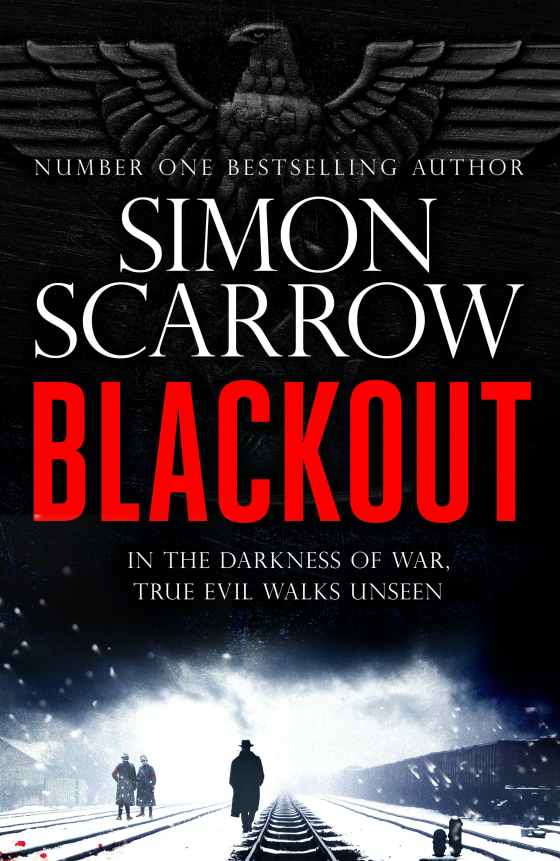
2021 has been a particularly good year for Simon Scarrow readers, as this acclaimed historical fiction author has released two fantastic novels.  The first of these, Blackout, was a clever historical murder mystery novel set in pre-war Nazi Germany, which contained a fantastic and impressive story.  While I deeply enjoyed Blackout, I was a little more excited for the next awesome entry in Scarrow’s long-running Eagles of the Empire series.  The Eagles of the Empire books follow two officers in the Roman army, Centurion Marco and Prefect Cato, as they fight in multiple battle fields across the Roman Empire.  I have been a major fan of this series for years and have had the pleasure of reading every prior entry in it, while also reviewing some of the latest entries, including The Blood of Rome, Traitors of Rome and The Emperor’s Exile.  As such, I was very excited when I received the latest entry in this series, The Honour of Rome, a couple of days ago, and instantly started reading it.  The Honour of Rome is the 20th novel in this series and takes its great protagonists on another intense adventure.

Britannia, 59 AD.  After retiring from the Roman Legions, former Centurion Marco has travelled back to Britannia 15 years after he helped conquer it.  Now a married man, Marco is hoping for a quiet life, enjoying the fruits of the successful inn in Londinium that he half-owns with his mother.  However, not everything is as calm as he hoped.  There are rumours about the tribes being restless once again, and the streets of Londinium are alive with criminal gangs.

Upon arriving at his mother’s inn, Marco discovers that she is being extorted for protection money by a ruthless gang.  Determined to stop this, Marco attempts to resist the gangsters, only to find himself outmatched and a potential pawn into the middle of a vicious gang war.  At the same time, Marco finds himself drawn into the defence of the colony, especially when one of the local tribes refuses to pay any more taxes.

After a bloody punitive raid with a group of veteran reserve soldiers, Marco returns to Londinium, only to face the consequences for his defiance.  Beaten and bloodied, Marco is unsure how to fight back until his old friend Cato appears.  Cato, who has left Rome without leave to hide Nero’s exiled mistress, is always willing to back Marco up in any sort of fight, and he has an ambitious plan to end the gang problem once and for all.  Will the team of Marco, Cato, and their veteran allies be enough to overcome the city’s vicious gangs, or have these proud war heroes finally met their match?

This was another awesome novel from Scarrow, who has once again produced an exciting and fast-paced historical fiction read that perfectly envisions the landscape of Roman-occupied England.  The Honour of Rome is a great read, and I loved the cool combination of historical and crime fiction elements throughout it.  I ended up reading this book in only a few short days and loved every second of it.

Scarrow has come up with another amazing and entertaining story for this compelling book, which takes his long-running protagonists on another intense and bloody adventure.  One of the things that I have always enjoyed about the Eagles of the Empire series is the range of different subgenres that can be blended with its historical fiction elements.  The Honour of Rome is a great example of this as Scarrow utilises a crime fiction based storyline that blends with the overarching historical elements extremely well.  The protagonist is swiftly drawn into a vicious confrontation with two warring gangs of criminals upon his arrival in Londinium, which proves to be an outstanding basis for the main storyline.  At the same time, he once again becomes involved in the Roman garrison’s ongoing conflicts with the local Britons.  This combination of crime and military elements is very effective throughout the novel, and I liked seeing the conflicts with both gangsters and rebellious natives.  This also allows Scarrow to bring in several solider characters into the main crime-fiction storyline as backup as the story progresses, and it was pretty fun to see a bunch of retired soldiers taking on the antagonists.  The author really sets up everything extremely well in this book, and there isn’t a moment of calm or quiet throughout the entire novel, as the protagonist gets involved in several intense and well-written fights and battle sequences.  I found the last third of the novel to be particularly exciting, especially as the protagonists attempt an ambitious and risky strategy.  This results in the predictable satisfying, if bloody, conclusion, and Scarrow has made sure to set up some cool new storylines that will no doubt be the basis for the next few books.  An enjoyable and action-packed thrill-ride from start to finish, I had a fantastic time reading this latest historical adventure.

One of the more interesting things about The Honour of Rome was the noticeable change in character focus that helped set it apart from the other Eagles of the Empire books, namely that it spent most of the narrative focusing on only one of the series’ protagonists.  This is not too surprising, especially as the previous book in the series, The Emperor’s Exile, focused on Cato to such a degree that I kind of assumed that Scarrow was planning to permanently retire Marco.  However, I’m pleased to say I was wrong about this, as two-thirds of this latest book is exclusively told from Marco’s perspective.  I had a great time following Marco in this novel, and it is always a lot of fun to see the gruff and hard-headed Centurion in action.  There are some great moments surrounding Marco in this novel, from being out of his depth when it comes to combating criminals rather than enemy soldiers, to his great camaraderie with the fellow veterans in the colony.  You also have to love the fun interactions that occur around him as he finds himself stuck between his strong-willed wife and his equally strong-willed mother.  This ended up being a really good Marco novel, and I deeply enjoyed it.  Of course, Cato does show up towards the end of the book, and the novel is soon back to its typical dynamic, with Cato taking tactical lead.  There are also some interesting long-term storylines surrounding Cato, especially as he has fled from Rome with the Emperor’s exiled mistress.  It was great to see this team in action once again, especially as they enact another madcap scheme, and I had another fun time following them.

I also rather enjoyed the cool historical setting featured within this great novel, as the protagonists once again return to Britannia.  Historical Britannia is a well-utilised setting in the Eagles of the Empire books, having been the location of several of the earlier novels, including the first five entries in the series.  It made me a little nostalgic to see this damp and gloomy setting once again, especially as it proves to be just as chaotic and violent as ever.  This book makes full use of its clever move from the more traditional battlefields of Britannia to the city of Londinium, and I loved the inclusion of a crime-ridden, early London, especially as Scarrow tries his best to show it in all its dark and rapidly expanding glory.  I also enjoyed the inclusion of the veterans’ colony that was a major secondary setting for much of the book.  It proved to be fascinating to follow these characters who have chosen to settle in this harsh country and spending time conquering it, and I liked their inclusion in the novel.  It was pretty cool to see these retired soldiers in reserve taking on enemies, both on a proper battlefield and against the criminal element, and I thought it was a fun and compelling inclusion to the story.  I also appreciated that, after several books, we finally get a continuation of the Boudica storylines that were set up in some of the earlier novels.  Scarrow is also clearly setting up Boudica’s rebellion for later in the series, and I cannot wait to see how our protagonists, with their established history with Boudica and her people, will fit into it.

With this awesome 20th entry in his amazing Eagles of the Empire series, Simon Scarrow continues to highlight why he is one of the absolute best authors of historical fiction in the world today.  The Honour of Rome has a brilliant and compelling story that perfectly blends historical and crime fiction elements together into one thrilling tale.  I had a wonderful time reading this great book, and I deeply appreciated the way in which Scarrow continues the adventures of his compelling characters by once again returning them to the familiar setting of occupied Britannia.  The Honour of Rome is another highly recommended historical read, and I cannot wait to see what happens next in this series.
Amazon

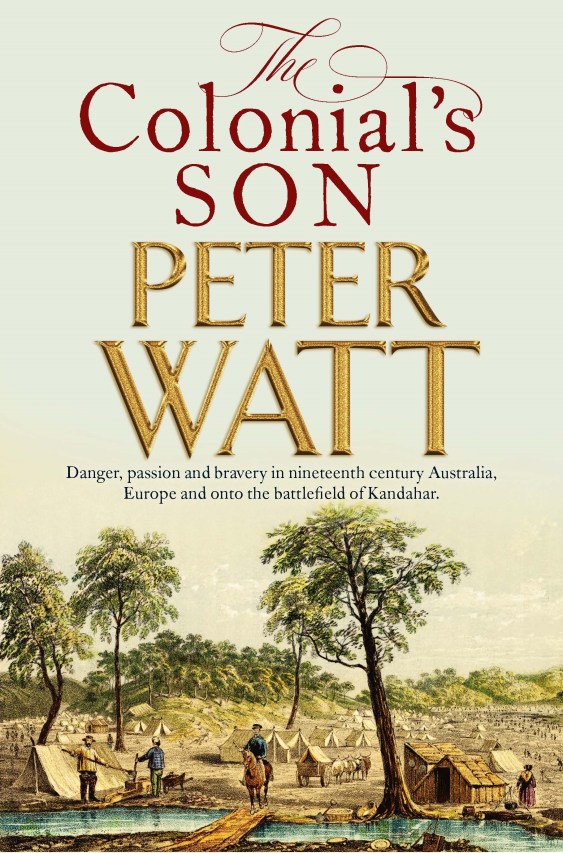
The Colonial’s Son by Peter Watt

The Colonial's Son Cover

Publisher: Macmillan (Trade Paperback – 26 October 2021)

Series: The Colonial Series – Book Four

Length: 367 pages

My Rating: 4.5 out of 5 stars

Amazon     Book Depository

One of Australia’s best historical fiction authors, Peter Watt, returns with The Colonial’s Son, the first book in a new series that follows on from his exceptional Colonial trilogy.

Peter Watt is a fun and talented author whose work I have been deeply enjoying over the last few years.  Watt specialises in historical fiction novels with a focus on Australian characters and has so far written three great series.  This includes his long-running Frontier series, which followed two rival Australian families throughout the generations as they got involved in some of the defining moments of Australian history (check out my reviews for While the Moon Burns and From the Stars Above).  He also wrote the fantastic Colonial trilogy that followed an Australian blacksmith who joined the British army as an officer during the mid-19th century.  This was an amazing and action-packed historical series, and featured three great books, The Queen’s Colonial, The Queen’s Tiger and The Queen’s Captain.  Watt’s most recent novel, The Colonial’s Son, is a direct sequel to the Colonial series, set several years after the conclusion of The Queen’s Captain.

Sydney, 1875.  After leaving the army and returning to Australia, former British army captain, Ian Steele, better known by the moniker his troops gave him, the Colonial, has settled down and started a successful business empire.  Now the father of three children, Ian is hoping for a quiet life, but is still facing several problems, including the fact that his oldest son, Josiah Steele, is determined to follow in his footsteps and join the British army as an officer.

When an old friend from his army days requests his help, Ian takes Josiah to Queensland to visit the notorious goldfields near the Palmer River.  There, Josiah gets his first taste for action as he and his father find themselves beset by bushrangers, hostile Indigenous tribes and warring Chinese criminal organisations.  Despite experiencing the terrors and tragedies of combat, Josiah is more determined than ever to join the army and travels to England to enrol in a prestigious military academy.  However, rather than gaining a formal training, he is immediately drafted into England’s latest war as a junior officer.

Travelling to Afghanistan, Josiah and his men engage in a series of bloody battles to hold onto the dangerous land for the empire.  Gaining the attention of his commanders, Josiah is chosen for a different sort of mission and sent to the newly united Germany where an old friend may hold the answer to the future of British/German relations.  Back in Australia, Ian Steele finds himself fighting a new enemy, one whose insidious ways could bring down everything he has struggled to build.  Can Ian survive this latest threat, especially when it drives him to do the unthinkable, and will Josiah be able to live up to the impossible military legacy of the Colonial?

This was another exciting and very enjoyable novel from Watt, who has proven himself one of the best authors of Australian historical adventure novels.  The Colonial’s Son is an amazing sequel to Watt’s prior series, and I really enjoyed seeing all the characters, both new and those from the prior series, engage in this latest series of adventures.  I ended up getting through this entire novel in one day, and I had a wonderful time reading it.

This latest novel has a very Watt narrative to it, utilising his typical style of multiple character perspectives to tell a compelling overarching tale of adventure and intrigue.  The Colonial’s Son primarily follows new protagonist Josiah and previous protagonist Ian as they find themselves in all manner of dangerous situations, together and separately.  This includes facing dangers and criminal conspiracies out in the goldfields, deep personal attacks in Sydney, or the various battles and political intrigues Josiah encounters once he joins the army.  At the same time, multiple other perspectives from side characters are utilised to enrich the narrative, with everyone from villains, love interests and friends adding to the story.  Watt tells a very interesting tale in this novel, combining a coming-of-age tale with the dynastic style of his previous Frontier books, and I really appreciated the way in which the author continues several storylines from the previous trilogy.  The combination of military action, criminal activity and intrigue makes for quite a fun narrative and The Colonial’s Son proves to be extremely addictive and easy to read.  I loved the many intense fight sequences featured throughout this novel, and Watt has a real flair for bringing brutal battles to life.  While fans of the Colonial trilogy will probably get a bit more out of this book due to the connected storylines, The Colonial’s Son is very accessible to new readers.

Just like he has done with all his prior novels, Watt makes sure that The Colonial’s Son features a range of intriguing and dangerous historical locations serving as fun backdrops to this awesome story.  There is a bit of a time skip between this novel and the previous Colonial trilogy, which opened up some different wars and settings for Watt to explore.  I particularly enjoyed the scenes set in the goldfields of North Queensland, a particularly grim and unforgiving bush setting full of fun antagonists.  The second half of the novel contains several other historical locales, all of which are shown in quick succession.  This includes Victorian London, Afghanistan, Germany and even Africa, all of which are the setting for some form of conflict.  The scenes set in Afghanistan during the British occupation of this land are very interesting, especially when you consider contemporary events, and there are some noticeable similarities between the historical conflict and more recent battles.  There is also a very fascinating look at Germany, which in 1875 had only just recently been unified into a single country with a more militaristic outlook.  Watt also ensures that The Colonial’s Son contains several hints about future conflicts that the protagonist may find himself involved in.  For example, the inclusion of several prominent Chinese characters in the first half of the novel will probably result the characters getting involved in the Boxer Rebellion, which would be pretty fascinating.  Overall, there are some great historical settings in this novel, and I cannot wait to see what conflicts the characters venture into next.

Watt makes sure to feature a ton of intriguing and memorable characters throughout The Colonial’s Son, each of whom adds some interesting details to the story.  This latest novel contains a great combination of new characters and protagonists from the Colonial series.  I rather enjoyed this cool mixture of characters, especially as you get to see new protagonists develop, while also learning the fate of the surviving characters from the original trilogy.  I particularly appreciated seeing more of original protagonist Ian Steele, and it was fun to see what happened to him after all his adventures in the Colonial books.  I was honestly surprised how much of a focus Ian got in this new trilogy, but I wasn’t complaining too much as I had gotten invested in his development in the original trilogy.  New protagonist Josiah also proved to be a great addition to the plot, even if there are a lot of similarities between him and the younger version of his father from the previous trilogy.  It was kind of fun to see history repeat itself, and I like the interesting developments that occur around Josiah attempting to live up to the legacy of his father, while also making all the same mistakes he did.  There were some other fun new characters featured in this book, including a charismatic young man of Chinese descent on the road to becoming a revolutionary and a young German countess who Josiah befriends.  I also appreciated some of the compelling and unlikable antagonists featured in the novel, as Watt has a real talent for writing scummy villains for the reader to root against.  I deeply enjoyed getting to know this new batch of characters, and I look forward to seeing what happens to all these excellent figures, both new and existing, in the future books.

With his latest novel, The Colonial’s Son, Peter Watt continues to highlight just why he is the leading author of Australian historical adventures.  Featuring an incredibly fun and action-packed plot, The Colonial’s Son does not slow down throughout its entire length, and readers are treated non-stop battles and intrigue.  I loved how this latest novel continued the cool storylines from Watt’s Colonial series, and I cannot wait to see what battles and character developments occur throughout the rest of this series.

Amazon     Book Depository

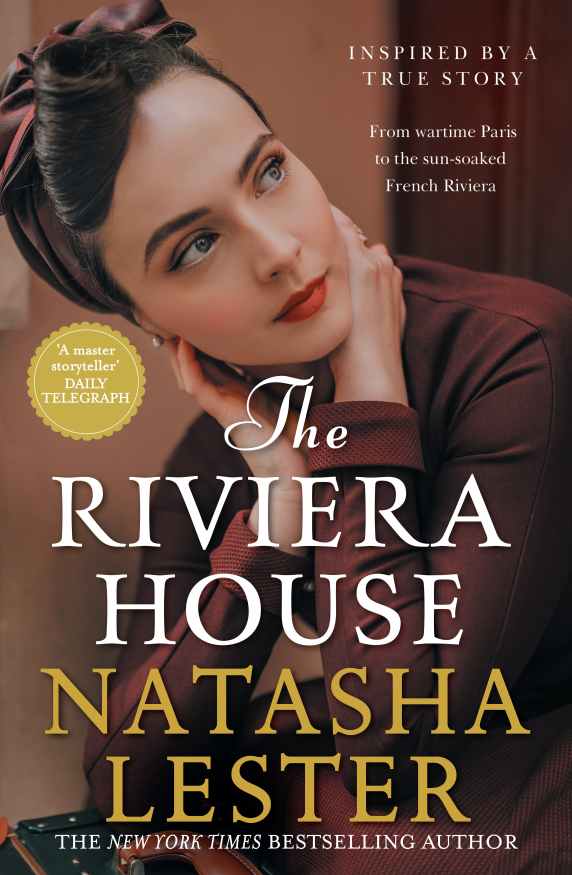
The Riviera House by Natasha Lester

The Riviera House Cover

Publisher: Hachette Australia (Trade Paperback – 1 September 2021)

Series: Standalone

Length: 452 pages

My Rating: 4.25 out of 5 stars

Amazon     Book Depository

Bestselling Australian author Natasha Lester returns with a powerful and intense historical drama that presents a multigenerational tale of love, loss, culture, and the horrors of the Nazi occupation of France, in The Riviera House.

Paris, 1939.  With the war about to start and fears of a Nazi invasion becoming more apparent, Éliane Dufort, a young art student who works part time at the Louvre, watches the staff store away the gallery’s most expensive artworks and begin to hide them throughout France.  Determined to survive the upcoming war, the last thing Éliane should have done was fall in love, however when she meets one of her brother’s friends, Xavier, she cannot help herself, and they soon begin a whirlwind romance.  However, with the Nazis right outside of Paris, Xavier leaves for England, breaking her heart.

With Xavier gone and most of her family killed by the Nazis as they tried to flee the city, Éliane vows to fight the invaders by any means necessary.  Her connection to the Louvre lands her a job working for the enemy in the vast warehouse the Nazis are using to store the artwork looted from France.  Working with the legendary Rose Valland, Éliane is tasked with recording every single piece of art that the Germans steal, as well as attempting to discover where they are being sent.  However, Éliane soon gains the unfortunate romantic attention of a powerful Nazi officer, while a returning Xavier, now a treacherous art expert working for Hermann Göring, threatens to destroy her cover.

Many years later, vintage fashion expert Remy Lang travels to the French Riviera and arrives at a beautiful house that was part of a mysterious inheritance from her unknown biological parents.  Hoping to escape from her intense grief at the loss of her husband and child, Remy soon becomes involved with a visiting family living at the neighbouring villa, including charming photographer Adam.  As she attempts to understand her feelings for Adam amidst her sorrow, Remy soon stumbles upon a shocking mystery when she chances upon a catalogue detailing artworks stolen from France during the war, which includes a painting that hung in her bedroom as a child.  Determined to get to the bottom of this mystery, Remy attempts to trace her past and the history of the unexplained painting.  But the story she uncovers is one of great tragedy and shocking revelations that will change everything Remy thought she knew about her past.

This was an outstanding and deeply impressive historical drama from Natasha Lester, who has previously written some great historical dramas, such as The Paris Secret and The French PhotographerThe Riviera House is a particularly compelling and intense novel that perfectly brings two separate timelines together into one moving narrative, while also focusing on two distinctive and complex groups of characters.  This results in a brilliant and moving read that is guaranteed to haunt you long after you finish reading.

Lester tells a deep and captivating tale in this novel that is moving, intense and very addictive to behold.  The author utilises a split timeline throughout The Riviera House, with one storyline set during World War II in Paris, while the other is based in the modern day and takes place in several locations, although primarily in the French Riviera.  The book jumps back and forth between these two timelines, with the speed of transition increasing the closer it gets to the conclusion.  Both storylines contain their own plot, characters, and interesting features, and they come together to form quite an intense overarching narrative.

The first storyline of The Riviera House is the World War II storyline, which follows the character of Éliane Dufort.  Éliane, after suffering several great losses because of the Nazi invasion, becomes embroiled with the French Resistance and soon gets a job working for the Nazis, assisting in their loot warehouse, and helping historical figure Rose Valland create her record of stolen works.  However, the story gets increasingly complicated as the book progresses, with Éliane torn between her remaining family, her love/hate relationship with the traitor Xavier, and her forced relationship with a powerful Nazi member who has fallen for her.  The entire story comes to a head in the closing days of the Nazi occupation, when Éliane is forced to risk everything dear to her, and soon encounters just how tragic the war is and how evil people can be, even those closest to you.

This part of The Riviera House is an amazing bit of historical fiction, exploring the history of the time while also featuring an emotional and moving tale of love, hope and courage.  I really connected with this half of the novel, due to the thrilling and intense story that shows a grim picture of the period and featuring some memorable moments.  The story of Éliane and her family is full of tragedy and suspense, and if you are looking for a happy read than you have come to the wrong place.  While I did see most of the major twists coming, I appreciated how this narrative came together, as well as the clever way it led into The Riviera House’s other timeline.  I also deeply enjoyed the unique historical aspects of this novel, particularly around the Nazis’ systematic looting of French art.  Lester really dove into this part of the war, providing a detailed account how the Germans stole the art, stored it, and eventually shipped it away as the war progressed.  This tale features several real-life historical figures who are worked into the plot extremely well and who add an extra layer of authenticity to the tale.  One of the most interesting historical figures is Rose Valland, the courageous art historian who risked everything to pull together a record of the looted artwork.  Valland, who has inspired characters in films such as The Train or The Monuments Men, was a fascinating character in this novel, and I liked how Lester tied Éliane’s story into that of Valland.  I felt that this examination of the Nazi art theft was both fascinating and cleverly utilised, and it helped to provide some extra power and intensity to the novel.

The other timeline in The Riviera House is based in modern times and follows Remy Lang, a fashion figure who is spending time in the French Riviera, trying to escape her grief over the tragic death of her husband and child, and soon meets some new people who help her move on.  This storyline was more of a pure dramatic tale and focuses on Remy’s grief, her new romance, and the friction brewing between the family she has just met.  I got quite attached to the potent emotional elements featured in this book, especially as Lester really focuses on the lingering impacts of grief, such as the guilt survivors feel when thinking about something new or considering moving on.  Add in quite a compelling mystery element to it, as Remy and her new friend Adam start investigating the connection that Remy had to the other story, such as her long-dead biological parents and several mysterious inheritances.  These connections to the storyline set in the past compliment the protagonist’s current issues and concerns extremely well, and it was really fascinating to see her work out how her life was shaped by the original protagonists many years before.

I ended up really liking both timelines within the novel, although I did prefer the storyline set in World War II due to its interesting historical research, complex characters riven by war, and terrible tragic moments.  I must admit that I am not usually the biggest fan of historical dramas that feature two separate timelines (it really is an overused device in historical dramas).  However, I think that it was utilised extremely well in The Riviera House, and the two separate storylines melded together into a fantastic overarching read.  I loved how Lester was able to provide subtle hints about the fate of the historical protagonists in the contemporary storylines, although the full revelations about them was often hidden and not revealed until later.  I also really appreciated finding out how the events of the World War II story led into the later plot, and the full truth about how everything occurred is not only great to behold in the historical storyline, but it also has some major impacts on the modern-day protagonist.  This really enhanced The Riviera House’s plot and the overall drama of the book, and it helped to produce an excellent overall narrative.

I also quickly wanted to highlight some of the cool and fascinating cultural elements that Lester slipped into her novel, particularly around art and fashion.  I already mentioned how much I enjoyed the interesting and in-depth examination of the Nazis’ looting and the plans to stop them, however, I also appreciated the way in which Lester examined the art itself, as well as the people who were fighting to protect it.  You really get a sense of the beauty and subtlety of the different artworks featured throughout the book, but more than that you also get to explore what makes people passionate for art.  This book contains several characters who appreciated the true value that this art had to themselves and the nation, so much so that they were willing to risk their lives for it.  This forms a major part of the historical storyline’s plot, and I think that Lester did a wonderful job exploring it.  In addition, the contemporary storyline features a compelling examination about the appeals of vintage fashion.  Lester, who has previously explored fashion in some of her past novels (for example, a major part of her previous novel, The Paris Secret, revolves around vintage gowns), did a good job explaining the current obsession with vintage fashion, as well as how people can make money off it.  While I usually care very little about any sort of clothing fashion, Lester’s descriptions proved to be very intriguing, and I found myself appreciating her obvious passion for the subject.  Both these cultural inclusions enhanced the story, especially as they were strongly related to the various protagonist’s motivations and obsessions, and I really appreciated they time that Lester took to feature them.

Overall, I felt that The Riviera House by Natasha Lester was an excellent and well-crafted historical drama with some powerful elements to it.  Lester did a wonderful job of crafting a compelling, multi-period storylines that combined historical and contemporary narratives into a single, moving tale.  I particularly enjoyed the cool focus on the Nazi occupation and art obsession, which resulted in a thrilling and very tragic tale.  The Riviera House is a highly recommended book and a must-read for all fans of historical drama.

Amazon     Book Depository

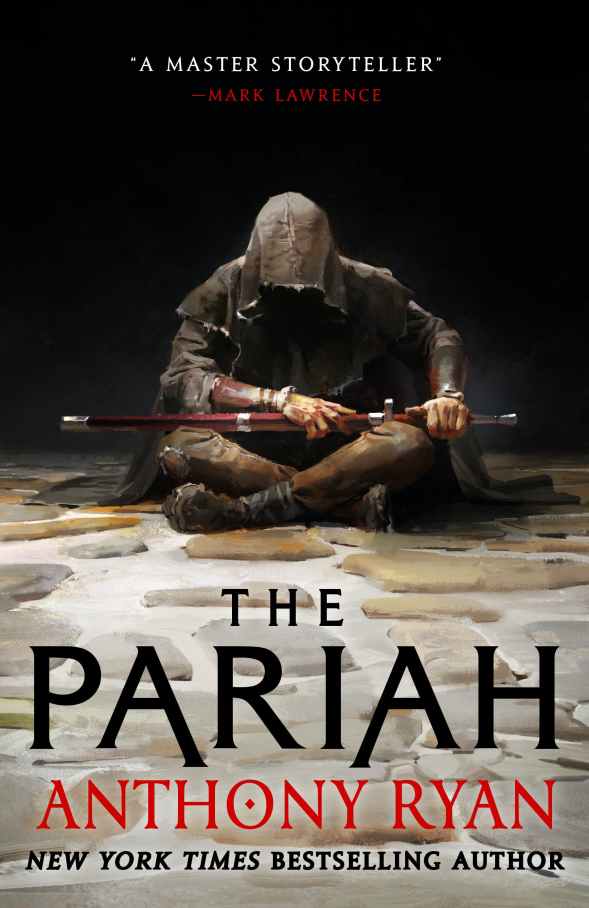
The Pariah by Anthony Ryan

The Pariah Cover

Publisher: Orbit (Audiobook – 24 August 2021)

Series: The Covenant of Steel – Book One

Length: 19 hours and 57 minutes

My Rating: 5 out of 5 stars

Amazon

Bestselling fantasy author Anthony Ryan returns with the first book in an epic, brand new series, The Pariah, a massive and captivating tale of one young man destined to alter an entire kingdom.

Anthony Ryan is an impressive and highly regarded fantasy author who has been a leading figure in the fantasy fiction landscape for the last 10 years.  Ryan has already written several compelling series, including the Raven’s Shadow trilogy (succeeded by the Raven’s Blade duology), the Slab City Blues series, the Draconis Memoria trilogy and his Seven Swords series.  All these series sound pretty awesome, and I have been meaning to check out some of Ryan’s works for years, especially his Raven’s Shadow books.  Unfortunately, I never had the opportunity to go back and read any of them, which I really regret.  So when I was lucky enough to receive a copy of The Pariah a couple of weeks ago, I was very interested in checking it out, especially as it serves as the first book in the brand new The Covenant of Steel series, which I thought would be a good way to experience Ryan’s writing style.  I am very glad that I did as The Pariah was an outstanding and powerful fantasy read that I had a wonderful time getting through.

Alwyn is a young outlaw, trained by his band to steal, kill, spy and deceive.  Raised in the massive and forbidding forest known as the Shavine Marches, in the heart of the kingdom of Albermaine, Alwyn serves the notorious Deckin Scarl, a feared and revered bandit king who rules the forests with an iron fist.  Following a deadly civil war, Deckin finds himself with an opportunity to eliminate a recently installed duke and his family and seize his power and lands.  However, before he can enact his ambitious and murderous plan, the bandit horde is betrayed, Deckin is executed and Alwyn is imprisoned, sent to work a lifetime in the labour prison known as the Pit Mines.

Determined to escape the mines and get revenge on the person responsible for the death of everyone he knew and loved, Alwyn finds himself under the sway of an inspirational cleric imprisoned alongside him.  Under her tutelage, Alwyn learns a subtler art and becomes a scribe of great skill.  However, his desire for freedom and revenge is never far from his mind, and he soon leads the inmates of the pit in an ambitious escape attempt, and so sets forth a series of events that will change Albermaine forever

Managing to escape from the prison and find sanctuary, Alwyn learns much and finds himself taking on many guises including that of scribe, scholar, advisor, and thief, as he attempts to find safety, wealth, and revenge.  However, fate never appears to be on Alwyn’s side, and his bad luck eventually forces him to join a military company serving a noble lady who believes herself touched by the gods.  Pledging himself to this company to save his life, Alwyn traverses battlefields and warzones across Albermaine, encountering some of the unusual people who inhabit this chaotic realm.  His adventures will place him at the centre of the formative events of the kingdom and the church, but how will this scribe of bastard birth rise to become one of the most infamous figures of the age?

This was an outstanding novel from Ryan and one that makes me really regret not checking out some of his previous novels earlier.  The Pariah contains an epic and comprehensive fantasy tale that sees a flawed protagonist traverse a compelling and well-established new fantasy realm.  I had an amazing time getting through this impressive novel and it gets a full five-star rating from me.

The Pariah has a really great story that I got pretty damn addicted to.  This latest book from Ryan is told in the chronicle form, as penned by its protagonist, Alwyn Scribe, who recounts his life story, including the early events which are the focus of this book.  Ryan dives right into The Pariah’s narrative extremely quickly, with details of the setting and history weaved in as the tale progresses.  The story has an intriguing start to it, showing Alwyn as the young member of a bandit crew with an ambitious leader.  However, the story goes in some very interesting and devastating directions fast, with a brutal massacre changing the entire status quo for the protagonist and forcing him onto a new path.  The rest of the story follows Alwyn as he becomes mixed up with a series of inspirational leaders, mysterious magic users, and fun side characters, whose plans and beliefs forces the protagonist into great adventure and intrigue.  This leads to some awesome and memorable scenes, including a dangerous prison break, some epic battle sequences, and innumerable mysteries and revelations, several of which are left open for the author to explore in the rest of the series.  This all leads to an intriguing and action-packed conclusion that showcases the protagonist’s growth, while also setting up the future entries in the series pretty well.

I deeply enjoyed the author’s impressive writing style in this novel, especially with the entire novel set out in the form of first-person chronicle.  Due to the cool stories that it can tell, I have a lot of love for the chronicle format, and I felt Ryan did a really good job of utilising it in The Pariah.  The post-examination of Alwyn’s story from his older self provides a unique and compelling view of the events unfolding around him, and I enjoyed the various notes from his older self that hint at future events and hidden secrets.  These discussions of future events help to add a certain amount of anticipation and suspense at various points at the novel, such as the early hints about the ambush at the bandit camp or mentions about future dark meetings with certain characters.  I also found the focus of this book to be quite interesting, especially as a large portion of the novel was more concerned with setting up future storylines, rather than moving the story along at a quicker pace.  This is a very classic epic fantasy move from Ryan, and it quite enjoyed the way in which he took the time to establish the protagonist, the supporting cast, and the settings, with a particular focus on some of the formative events of Alwyn’s life.  While I enjoyed this set-up, it does steal a little excitement and momentum from the narrative, although I think the sheer amount of interesting setting detail and the intriguing potential of several established, long-term storylines more than makes up for it.  All these interesting writing elements helped to turn The Pariah into a very exciting and compelling read, and I really loved the way in which they enhanced the already awesome narrative.

I also quite enjoyed the new setting that Ryan set up for The Covenant of Steel series, which has an interesting medieval European feel to it, equipped with knights, forest-dwelling bandits, and religious crusades.  The entire novel is set within the Western Duchies of Albermaine, a nation riven by civil war, invasion and religious instability.  This proves to be an outstanding and compelling background to the awesome story contained with The Pariah, especially as the protagonist finds himself visiting some of the more unique locations of this setting during major historical events.  I personally enjoyed the cool forest lair portrayed in the start of the novel, mainly because Ryan was trying to emulate a darker version of the Robin Hood tale, but there is also a deadly prison mine and an elaborate cathedral that serve as major settings which I thought were really good.

There is also a great focus on the political and religious makeup of Albermaine, and this results in some fascinating storylines.  I really liked the focus on the martyr-based and corrupt overarching religious organisation that has substantial control of the kingdom, as that forms a driving point of the plot, with the protagonist becoming involved with several unorthodox clergy members, who bring down the wrath of the rest of the church for their actions.  Also, I am kind of curious to see if a prophesied end-of-the world event that multiple characters preach about actually occurs in future novels, especially as it would be a pretty fun story moment if it did.  The protagonist also seems drawn to several people with magical abilities considered heretical by the church, which offers an interesting counterpoint to his other threats, especially as each of these magical characters produce impressive mysteries and potential dark storylines.  I was impressed with how much time the author takes to imbue his setting with a massive amount of detail and after the quick start to the narrative, the reader is given a crash course in the history and politics of the realm.  Despite the level of detail, I think that Ryan spread the world building out to an acceptable degree, and I never felt too overwhelmed with the various explanations and world expansions.  I had a wonderful time traversing Albermaine with the protagonist and I look forward to seeing what additional developments and storylines occur within it in the future novels.

As I mentioned above, the novel is solely told from the perspective of protagonist Alwyn, later known as Alwyn Scribe once he takes up his profession, who is penning the events of his younger life.  Alwyn is an interesting protagonist to follow and thanks to the author’s use of the chronicle style, you really get a sense of the character’s personality, motivations, and intentions as the novel progresses.  Initially starting off as a young thief with immense loyalty to his chief, Alwyn goes through a lot as the novel progresses, forced to make hard decisions and encountering horrors, mistakes and a load of enemies as his tale progresses.  I found Alwyn to be a complex and compelling figure, and I didn’t always like him or his decisions, especially when he was reckless and rash.  However, he does grow as the novel progresses and, while he still has a lot more development to go, I felt that he was a better character at the end of the novel.  I liked the various talents that Alwyn develops throughout the novel, and it was fun to have a more complex and less noble figure, thanks to his past as a thief and conman.  I especially enjoyed his transition into a scribe, which the character soon sees as his primary profession, and it certainly is an interesting and compelling role for a fantasy protagonist.  I liked the way in which the older version of the character tells the story, especially as there are some great reflections about his actions and his personality during that time, and you can often hear the protagonist’s regret over what he did and what is to come.  I cannot wait to see what happens to this character in the future, and I kind of suspect that his tale is not going to come to a very happy end.

Aside from Alwyn, The Pariah is filled with a massive contingent of side and supporting characters who Alwyn meets throughout his adventures.  These characters are featured perfectly throughout the narrative and I loved the unique and compelling ways in which they influenced the overall story.  Ryan invests a lot of time into developing many of these characters, even some who had more minor roles, providing interesting personal histories and personality traits to make them stand out, and I appreciated how complex and compelling their storylines could turn out to be.  I found it interesting that there was a focus on inspiration leaders, with Alwyn falling in with three separate figures in this novel, each of whom commanded his loyalty through different means and whom he became close with in different ways (one is a surrogate father, another a teacher, while the third has a very complicated and constantly evolving relationship with the protagonist).  There were also some interesting antagonists featured throughout the novel, and while a couple died before their time, Ryan made sure to leave some of the better ones alive for the next entry in the series, and I am sure they will have an impact there.  Each of the characters featured in The Pariah added a lot to the plot, and I cannot wait to see what unique figures are featured in Ryan’s next entry.

While I did receive a physical copy of The Pariah, I decided to try out the audiobook format instead.  I am glad that I did as this was an excellent and enjoyable audiobook that was really fun to listen to.  Due to its massive story, The Pariah has a decent run time of just under 20 hours, although I managed to get through it in less than a week as I really got into the amazing story.  The audiobook moved at a great pace, ensuring that there were never any dull or slow moments for the listener to get bogged down in.  I also found that the audiobook format was a great way to absorb the intense amount of world-building, and it also lent itself to some of the exciting fight scenes extremely well.  I was also impressed by the narration of Steven Brand, who brought a wonderful energy to this format.  Brand has an amazing voice and he quickly leapt into the role of the narrator, telling the unique tale of the protagonist’s life and inhabiting the character seamlessly.  I loved the distinctive and well-fitted voices that Brand used throughout The Pariah, and he really helped to turn this format into something special.  As a result, the audiobook version of this book comes highly recommended and I will probably end up listening to the rest of this series in this format.

The Pariah by Anthony Ryan is an epic and deeply compelling piece of fantasy fiction that is really worth reading.  Perfectly setting up Ryan’s intriguing new series, The Pariah was an awesome outing from this talented author, and I loved the brilliant story, complex characters and chaotic setting that was featured throughout it.  I cannot wait to see how this awesome series is going to turn out, and The Covenant of Steel novels look set to be one of the most iconic fantasy series of the next few years.

Amazon

Throwback Thursday – Summer Knight by Jim Butcher

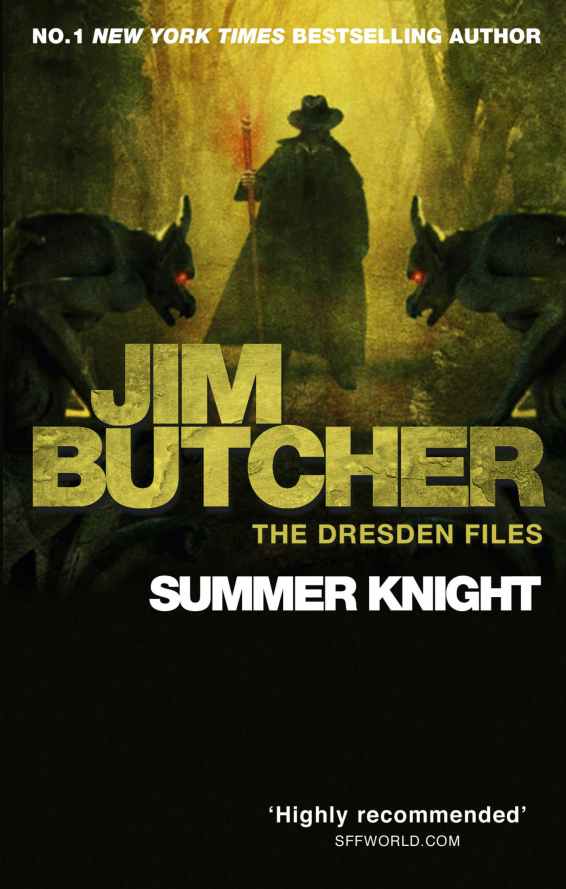
Summer Knight Cover

Publisher: Buzzy Multimedia (Audiobook – 3 September 2002)

Series: The Dresden Files – Book Four

Length: 11 hours and 13 minutes

My Rating: 5 out of 5 stars

Amazon

Welcome back to my Throwback Thursday series, where I republish old reviews, review books I have read before or review older books I have only just had a chance to read.  In this week’s Throwback Thursday I continue to explore the incredibly fun Dresden Files series by Jim Butcher with the fourth book, Summer Knight.

Readers of this blog will be familiar with my recent exploration of the epic Dresden Files series by the outstanding Jim Butcher, widely considered one of the best urban fantasy series out there.  After having an absolute blast last year with the latest book in the series, Battle Ground (one of the best books and audiobooks of 2020), I have spent a bit of time this year checking out the earlier entries in the series.  I have so far had the pleasure of listening to the first three Dresden Files novels, Storm Front, Fool Moon and Grave Peril, each of which got a five-star rating from me, and when I wanted a good audiobook to check out, the next entry in the series made the most sense.  The fourth Dresden Files novel is the impressive and compelling Summer Knight, which sets the protagonist against the fairest and most vicious opponents yet.

Following the events of Grave Peril, the White Council of wizards is at war with the Red Court of the vampires, and it is all Harry Dresden’s fault.  With vampire attacks increasing and his life consumed with finding a cure for the vampirism affecting his ex-girlfriend, Dresden is once again dragged into the conflict when the White Council arrives in Chicago.  Considered by many wizards to be a dangerous maverick, Dresden will need to find a powerful bargaining chip if he is to continue receiving the protection of the council.  Unfortunately for Dresden, the perfect opportunity has been given to him; he just wishes it were anything else.

Harry has been contacted by Winter Queen Mab, the powerful leader of the Winter Court of the Faeries, who offers him a dangerous bargain: in exchange for forgiving a previous debt, and for allowing certain concessions to the warring White Council, Harry must work a case for her.  The Winter Queen desperately needs Harry to find out who murdered a seemingly normal human, and with his life entirely in the White Council’s hands, he has no choice but to comply.  However, when it is revealed that the victim was the Summer Knight, the rival Faerie Summer Court’s mortal champion, Harry begins to realise that this will be no easy case, especially as a great deal of the Summer Court’s power was stolen after the murder.

With the Summer Court and the Winter Court gearing up for war in response to the Summer Knight’s death, Harry must quickly race to find the killer before Earth’s climate is destroyed by these powerful magical forces.  However, this is no simple case, and to solve the murder Dresden is forced to confront some of the most dangerous and malicious magical beings in existence.  Worse, the Summer Court have hired their own investigator, Dresden’s first love, Elaine, the woman who broke his heart and tried to kill him.  Can Dresden solve this murder before it is too late or will the entire world tremble at the destruction of an all-out war?

Summer Knight was another impressive and wildly entertaining release from Butcher, which did a wonderful job expanding his universe in some amazing ways.  Perfectly flowing on from the events of the previous novel, Summer Knight has an incredible story, some great characters, as well as some clever new fantasy inclusions that set up multiple future novels extremely well.  I had an absolute blast listening to Summer Knight’s audiobook format, and unsurprisingly it gets another five stars from me.

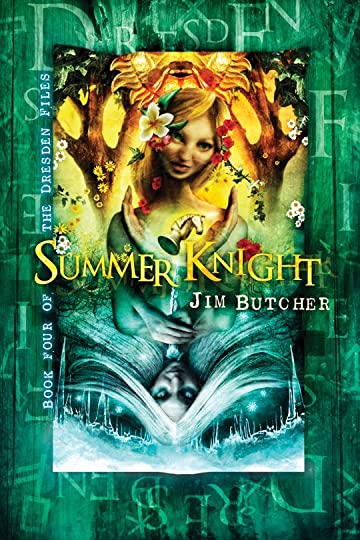
Summer Knight Cover 3

This latest entry from Butcher has a pretty amazing story that is extremely easy to enjoy.  Like the rest of the Dresden Files novels, Summer Knight can be easily read as a standalone read, although there are some compelling story threads that are continued from the prior books.  The novel starts with a damaged Harry Dresden dealing with hit squads, angry vampires and his own irritated wizard brethren.  After a fun and action-packed opening scene, Dresden soon gets drawn into another dangerous case as Mab, the Winter Queen, buys Dresden’s debt to his fairy godmother and uses it and the wizards war against the Red Court to trap him into investigating a case.  The subsequent magical murder investigation proves to be pretty fantastic, as Dresden is forced to dive into the murky magical underworld of the warring Fae courts.  After some deadly attacks, fascinating internal wizard politics, and an interesting side story about neutral half-Fae teenagers, Dresden soon uncovers the reason for the victim’s death.  I liked the twist surrounding who was responsible for murder as well as the revelation of their master plan.  Butcher did a really good job of disguising the people behind it and their methods, especially as most of the clues were often cleverly in plain sight.  This all leads up to a massive and epic conclusion, where Dresden and his allies find themselves fighting through two armies of rival Fae to try and stop the end of the world.  There are some awesome moments during this part of the novel, and Butcher throws together some epic clashes, interesting revelations, and a tragic death.  I had a particularly good chuckle at the surprising way in which the big bad was taken down, and it proved to be a great way to end this novel.  I felt that Butcher once again hit the right balance of action, drama, comedy, and character development throughout Summer Knight’s narrative, and this was another exciting and addictive read.

I really enjoyed the way in which Butcher expanded out the Dresden Files’ universe in Summer Knight, with several impressive inclusions turning this fourth book into a significant entry in the series.  Not only are events and inclusions from the previous three novels fit into this book seamlessly, but it also successfully introduces some elements that were a prominent feature of the 17th book in the series.  The most significant inclusions are those surrounding the rival Winter and Summer Courts of the Fae.  Butcher utilises a mixture of Faerie lore and his own pre-existing explanations of magical creatures to create a compelling group of characters, locked in a constant and balanced war between the Summer and Winter Courts.  The author does a good job introducing the various creatures, rules, and roles of these two competing groups of Faeries, which serves as a great basis for much of the narrative.  I also loved the fascinating examination of the differences between the two rival courts, with the Summer Court shown as caring and artistic sorts, while the Winter Court are colder and darker.  Of course, with Faeries, not everything is as it seems, and it was really intriguing the way the various plot reveals around them unfolded.  There was also a great focus on the White Council, the governing body of wizards that Dresden is a member of.  While the White Council has been mentioned in the previous novels, this was the first time that we get a deep look at their inner politics, especially as the more maverick Dresden has dragged them into a war with the Red Court of the vampires (so many Courts, so little time).  There was a particularly great council meeting towards the start of the book where Dresden and his mentor are forced to navigate the politics of the White Council to keep Dresden alive, and it was an interesting part of the book.  I really appreciated the detail that Butcher put into these expansions, and I look forward to seeing how else he expands on them between the fourth and 17th book.

As always, one of the best parts of this Dresden Files novel was the outstanding and well-developed characters, all of whom continue to develop and evolve as the novel continues.  This is particularly true with central protagonist and point-of-view character Harry Dresden.  When Summer Knight starts, Dresden is still reeling from the events of the previous three novels, particularly Grave Peril, where his lover partially turned into a vampire and then left him.  This has left Dresden an emotional mess, especially as he has spent the intervening time ignoring some of the other dangers coming at him while he fruitlessly searches for a cure to vampirism.  Dragged into this case against his will, Dresden soon starts to regain his old personality as he slowly overcomes his grief thanks to his friends and the intervention of some magical beings.  It was great to see Dresden start to heal as the book progresses, and I really appreciated the way in which Butcher explored the trauma surrounding his protagonist.  Even though he is a bit emotionally compromised, Dresden continues to be the main source of the novel’s comedy due to his sense of humour.  It is always fun to see Dresden’s witty take on the insane events occurring around him and I found myself cracking up several times throughout Summer Knight.

In addition to Dresden, Summer Knight contains an excellent group of side and supporting characters, including a combination of existing characters and newer inclusions that were introduced in this novel.  I liked the return of the werewolf gang, the Alphas, who were previously featured in the second novel, Fool Moon.  The Alphas, particularly their leader, Billy, serve as backup to Dresden for most of the novel, and it was really fun to see how much they have grown since their introduction, turning into mystical vigilantes, while also remaining a pack of nerds.  It was also great to see more of police lieutenant Karrin Murphy, who serves as a compelling female opposite to Dresden for most of the novel.  Murphy, who has also gone through a lot in the last few books, is showing a fair bit of trauma in this novel, and she ends up having some deep discussions with Dresden about it.  Despite her lack of magical abilities, Murphy serves as some impressive backup for Dresden, managing to take down several foes, including an ogre with a chainsaw.  There were also more signs of the growing romance between her and Dresden which becomes a big part of the series later, and I like the way in which Butcher is slowly building it up.  I also must highlight the inclusion of Dresden’s first love, Elaine Mallory, who suddenly reappears in his life, working for the Summer Court.  Elaine has been mentioned several times in the previous books and is a cause for a lot of Dresden’s mistrust and romantic failures.  It was great to finally meet her and see the full extent of her complex relationship with Dresden.  Elaine naturally brings out a lot of emotional issues with Dresden throughout the book, and she serves as an interesting supporting character, especially as you have no idea about her true loyalties.  These supporting characters, and more, really add a lot to the overall story and I had a great spending time with them.

Like I have with the rest of the Dresden Files novels, I made sure to grab the audiobook version of Summer Knight, a choice I am extremely thankful for.  The Dresden Files audiobooks are pretty damn awesome, mainly because of their excellent choice of narrator, actor James Marsters.  Marsters has an amazing voice, and he perfectly dives into the various characters featured within the novels, making these audiobooks an absolute treat to listen to.  I especially love the way he gets into the emotional head of the main protagonist, as well as the sheer enthusiasm he exhibits while yelling out spell conjurations.  I also enjoyed the fun voices that he assigns to some of the smaller pixies that appeared in this novel, as well as the very fitting voices that the rest of the cast received.  This voice work is pretty amazing and it ensures that readers can fly through the audiobook in no time at all.  Summer Knight’s run time was just over 11 hours, but it only took me a few days to get through due to how engrossed I got in the story, as well as the audiobook adaption.  As with all Dresden Files entries, Summer Knight comes highly recommended in its audiobook format, and I fully intend to check out the rest of the series in this same way.

Summer Knight by Jim Butcher was another exceptional entry in the awesome Dresden Files series and I had an incredible time listening to it.  With a captivating story, some complex characters and some awesome new fantasy inclusions, I deeply enjoyed this novel, and it is really worth checking out, especially in its audiobook format.  Butcher continues to shine as one of the best authors of urban fantasy and look forward to working my way through the Dresden Files in the next few years.

Summer Knight Cover 2

Amazon

Starlight Enclave by R. A. Salvatore

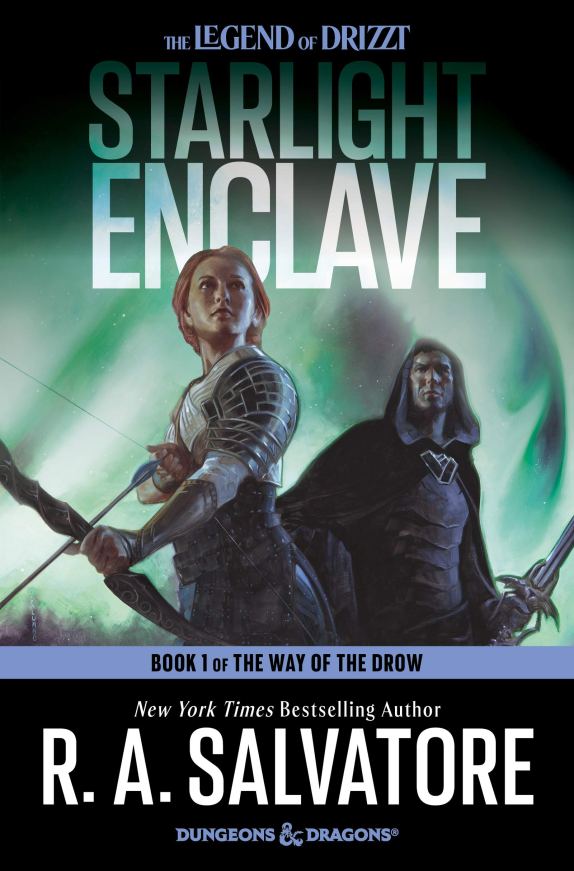
Starlight Enclave Cover

Publisher: HarperAudio (Audiobook – 3 August 2021)

Series: The Way of the Drow – Book One

Length: 14 hours and 49 minutes

My Rating: 4.5 out of 5 stars

Amazon     Book Depository

The icon of the fantasy world, R. A. Salvatore, returns with a new adventure set in the world of his acclaimed Drizzt Do’Urden novels, with Starlight Enclave, the first book in The Way of the Drow trilogy.

Salvatore is an absolute legend amongst fantasy writers, having been an impressive leading figure for over 30 years with a massive catalogue of more than 60 novels.  I have long been a fan of Salvatore, who has written some of my absolute favourite fantasy novels over the years.  While he has written several great series, the author is still best known for his iconic, long-running Drizzt Do’Urden novels, which are set within the shared Forgotten Realms universe.  Salvatore has had a particularly busy couple of years, simultaneously writing two separate series, including The Coven trilogy (Child of a Mad GodReckoning of a Fallen God and Song of a Risen God), as well as the three books in the Drizzt focused Generations series (TimelessBoundless and Relentless).  All six of these recent novels have been pretty incredible, with Song of a Risen God and Boundless being amongst some of my favourite audiobooks of 2019 and 2020 respectfully.  As a result, I was pretty excited when I saw that Salvatore had another Drizzt Do’Urden novel coming out and I made sure to grab a copy of Starlight Enclave as soon as I could.

Two years after the miraculous end to the Drow siege of Gauntlgrym, peace reigns throughout the Forgotten Realms.  However, while some revel in the hard-won tranquillity, others worry about the future.  Despite having cemented his rule over the pirate city of Luskan, the Drow rogue Jarlaxle is deeply troubled by the difficulties plaguing his people.  Despite the apparent magical miracle that showed her as a false gold, the demonic Spider Queen Loth is still worshiped in the dark Drow city of Menzoberranzan, and civil war appears likely as the powerful Drow houses battle for the city’s soul.

Determined that Loth be thrown down once and for all, Jarlaxle looks for every advantage and weapon he can get his hands on.  One of his more ambitious plans leads him to arm his closest friend, the recently resurrected Zaknafein Do’Urden, with two mighty swords of power, including the notorious blade Khazid’hea, better known as Cutter.  With a sly and dark intelligence of its own, Khazid’hea has corrupted many wielders over the years, and its last master, the half-Drow Doum’wielle, may prove to be the missing piece in Jarlaxle’s latest master plan.  Unfortunately, Doum’wielle was lost years before, thrown through a magical portal to the far north, and to find her Jarlaxle will need to embark on another dangerous quest.

Gathering three mighty companions in Zaknafein, the human priestess Cattie-brie and the former assassin Artemis Entreri, Jarlaxle leads them to the extreme far north, a place few have travelled.  However, they are unprepared for just how dangerous this northern land can be, with new foes and mysterious phenomenon they have no idea about.  But there are far great surprises waiting in store for them, ones that could change the very fabric of the world and alter the course of the upcoming Drow civil war.

Starlight Enclave is another compelling and fun fantasy novel from Salvatore who continues to expand and polish his iconic characters and settings with another great adventure narrative.  This latest book contains a fantastic story that not only takes the series back to its bold adventurous roots, but which also sets up a great new trilogy that will no doubt be some of my favourite books of the next couple of years.

This new book contains a distinctive and powerful narrative that starts off a couple of years after the events of the previous novel, Relentless.  The story starts off by setting the scene for a substantial amount of the plot while also recapping some key events of the previous novels in this very long-running series.  It took me a little while to initially get into this book, but once the story got to a fantastic and intense sea battle around 50 pages in, I was pretty hooked.  From there, the story diverts into two distinctive paths, the first following Jarlaxle and his companions as they venture out into the north, while a second following main series protagonist Drizzt Do’Urden, as he takes his daughter Brie to meet his martial arts master, Grand Master Kane.  While initially pretty evenly split, the Jarlaxle adventure storyline quickly becomes the dominant narrative thread, with Drizzt’s storyline stopping about halfway through.  I personally was fine with this; by this point, I was really enjoying the unique and cool tale being told around the four adventurers as they discover new lands and great dangers in the far north.  This second half of the novel is very intriguing, and Salvatore ensures that there is a great blend of action, character development and world building.  Just like with most of Salvatore’s novels, the fight scenes within Starlight Enclave are a thing of beauty and the author does an amazing job bringing the various fantasy battles to life, so much so the reader feels like they are in the room with them.  The narrative eventually ends a bit of a cliffhanger that places most of the characters in mortal peril and which serves as a pretty cool conclusion to this great tale.  I had a wonderful time getting through this story, and I am very intrigued to see how the narrative continues in the rest of the trilogy.

Due to Starlight Enclave being part of the long running Drizzt Do’Urden series, there is a bit of a question about how easy it is for new readers to enjoy this latest book.  I will admit that there might be some difficulties for those unfamiliar with the series.  Salvatore has built up quite a lot of background lore in the last 30+ years, and large amount of this comes into play throughout the book as there are a substantial number of references to previous adventures and characters.  In addition, new readers might not be familiar with Salvatore’s writing style, which is very similar to how he wrote the original novels back in the 1980s, and as a result, they have a more classic fantasy adventure feel to them.  As someone familiar with the previous adventures (although I could use a refresher) and the author’s style, I managed to get into this novel quite well, although I could potentially see new readers having a bit of a harder time breaking into them.  Salvatore does take the time to explain the relevant bits of lore, and readers that pay attention should be able to follow the story without any substantial problems.  I do think that, at this point, most of Salvatore’s novels are probably best read by his long-term fans, but newer readers will probably find something that they enjoy within them.

Unlike the previous trilogy of novels, which was set in more established settings, Starlight Enclave takes the reader on a big adventure into some brand-new areas of this massive fantasy world.  Most of the story takes place in the far, far in the north of the planet, where very few southerners have ventured.  This is a pretty unforgiving land of ice and snow, which proves a real challenge to survive in.  Salvatore does a really good job bringing this snowy landscape to life, and it proves to be an excellent and treacherous setting for the story, especially as the protagonists soon discover that their magic does not work the same way as it does in the south, severely weakening them.  Salvatore also does some major world-building in this book, as he introduces some big new civilisations and opponents.  While I won’t go into too much detail about them here, I will say that it is a pretty major new inclusion, and it is clearly one that is going to have some significant impacts on the Drizzt Do’Urden series going forward.  Some of the new major locations and races are extremely cool and Salvatore has successfully introduced some great and intriguing new entries into this wider world.  I look forward to seeing how these elements are expanded in the future novels, and I have a feeling they are going to produce a few great surprises down the line.

You can’t talk about one of Salvatore’s novels without mentioning the fun and compelling characters.  Starlight Enclave is a great example of this, as it includes a fantastic range of characters, with both intriguing new characters to beloved long-running figures from the overarching series.  Over the last couple of Drizzt Do’Urden novels, Salvatore has noticeably moved away from some of his classic protagonists and has started to focus on the unique combination of the Drow characters of Jarlaxle and Zaknafein.  I quite like these two great characters, especially the constantly manipulative and canny Jarlaxle, and together they form a fantastic pairing who play off each other’s personalities perfectly.  The inclusion of other main characters, Cattie-brie and Artemis Entreri rounds out the main quartet nicely and presents a great group of veteran adventurers who are each looking for something very different, whether it be hope, redemption or the long-lost joy of adventure.  Long-term fans of Salvatore’s books may be a little disappointed that some major characters, such as Regis and Wulfgar, are overlooked in this novel, but I was personally more than happy with the four main characters Starlight Enclave ended up focusing on.

The other character who got a bit of attention in Starlight Enclave is the overarching series’ main protagonist, Drizzt Do’Urden, who is the focus of the book’s secondary storyline.  Like some of the other major characters, Drizzt has not been as heavily featured in the last few books as Salvatore experiments with different protagonists.  This is still true in Starlight Enclave, with less than a quarter of the book given over to Drizzt’s adventure.  Drizzt still shines as a character, especially as he is going through quite a lot.  Drizzt is facing a bit of a crisis of faith and self-identity, brought on by his unique experiences in the previous trilogy when he ascended to a higher plain of existence to escape a deadly foe.  Brought back by the love of his family, Drizzt still isn’t all there, and it is quite fascinating to see the more distracted and spiritual version of the character.  Due to this development, Drizzt’s scenes tend to be quite philosophical in nature rather than action orientated, and there are several detailed discussions and debates about religion and the morality of the Drow.  While not as exciting, Drizzt’s scenes are pretty interesting and form a great counterpoint to the other storyline.  Salavatore is clearly building to something big here surrounding Drizzt, and I feel like there are going to be some other major changes around him in the coming novels.  Still, it was nice to see a somewhat more peaceful Drizzt in this book, and after all these years, I had a smile to see him as a father rather than a warrior.

To enjoy this cool novel, I ended up grabbing the audiobook version of Starlight Enclave, which was narrated by Victor Bevine.  This audiobook has a pretty decent runtime of just under 15 hours, which I was able to get through in around a week.  I really enjoyed this version of the book, and I felt that it helped me get more entrenched in the landscapes and detailed fantasy world that Salvatore produced.  Bevine, who has narrated a substantial number of Salvatore’s previous novels, does another great job here, and it was great to once again here his take on the various characters, especially as there is a bit of continuity from the previous audiobooks I have enjoyed.  Bevine does a good job portraying each of the characters contained within Starlight Enclave, and I like the fun accents he does for the various races, especially the dwarves, who get some fun Scottish tones.  Bevine ensures that this audiobook moves along at a fast and exciting pace, and I always enjoy hearing his narration of these exciting and compelling adventures.

In the amazing Starlight Enclave, the iconic R. A. Salvatore continues to expand his impressive and long-running Drizzt Do’Urden series with another bold adventure novel.  This great novel does an awesome job setting up the cool new The Way of the Drow trilogy with a unique and exciting story and some compelling world-building.  I had a wonderful time getting through Starlight Enclave and it is an excellent read, especially for those established fans of the author who will no doubt love to see another classic fantasy tale.  An overall outstanding book, I am extremely excited to see how the rest of this new series unfolds.

Amazon     Book Depository

Throwback Thursday – First and Only by Dan Abnett

First and Only Cover

Publisher: Black Library (Audiobook – 1999)

Series: Gaunt’s Ghosts – Book One

Length: 10 hours

My rating: 4.5 out of 5 stars

Amazon     Book Depository

Welcome back to my Throwback Thursday series, where I republish old reviews, review books I have read before or review older books I have only just had a chance to read.  For this week’s Throwback Thursday, I check out the first entry in the Gaunt’s Ghosts series, First and Only, by Dan Abnett, which proved to be a very impressive Warhammer 40,000 novel.

You only need to look through my recent Throwback Thursdays to see that I have been in a real Warhammer mood lately.  I recently got into the Gotrek and Felix series by William King, and quickly made my way through the first three books, Trollslayer, Skavenslayer and Daemonslayer, all of which were incredibly awesome.  While I have got the fourth book, Dragonslayer, ready and waiting, I decided to take a break from the fantasy Warhammer novels and dive back into the science fiction Warhammer 40,000 universe.  While I only used to play Warhammer Fantasy, I have a great appreciation for the Warhammer 40,000 lore, and I have recently enjoyed two great books in this massive franchise, Deathwatch: Shadowbreaker and Kal Jerico: Sinner’s Bounty.

While there are several intriguing Warhammer 40,000 novels on my radar, I decided to listen to the very first entry in the acclaimed Gaunt’s Ghosts series by Dan Abnett, First and Only.  Abnett is an impressive and prolific author and comic book writer who has done a lot of work across several franchises and companies, including Marvel and DC.  While he has a massive back catalogue, Abnett is best known for his input into the Warhammer extended universe.  Abnett has written an immense number of novels for the franchise, including Warhammer Fantasy books, such as the Malus Darkblade series (on my to-read list).  Most of his work is in the Warhammer 40,000 range, where he has written several major series, including the Eisenhorn and Ravenor series, as well as several major novels in the Horus Heresy extended series.  However, the most iconic of these is the Gaunt’s Ghosts series.

The long-running Gaunt’s Ghosts series follows a regiment of Imperial Guard, the basic foot-soldiers of the Imperium of Man, a major faction in the Warhammer 40,000 universe.  Starting back in 1999 with this novel, the Gaunt’s Ghost series featured 15 individual books, as well as several short stories, and only recently finished in 2019.  The Gaunt’s Ghosts series is one of the most iconic entries in the entire Warhammer 40,000 novel range, and I have heard many positive things about it over the years.  First and Only was one of the first books published by the Black Library, the Games Workshop publishing arm, and is a major feature of their catalogue.  So I felt that I was going to take the plunge and read more Warhammer novels, this would be a pretty good place to start, and boy was I glad that I did.

In the grim darkness of the far future, there is only war….

Throughout the entirety of space, the armies of the Imperium bring the fight to their enemies on every planet, battlefield and hellscape they can find.  One of the most deadly and destructive theatres of war is the massive Sabbat Worlds Crusade, where Imperial forces fight and die to defeat the armies of Chaos and bring an entire sector back into the Emperor’s light.  Many regiments of Imperial Guard have been recruited to battle in this war, but none have a background more steeped in blood and tragedy than the Tanith First and Only.

Formed to serve in the crusades from the once verdant world of Tanith, the first regiment of Tanith Imperial Guards could only watch in horror as their planet was destroyed by the forces of Chaos, with them the only survivors.  Now under the command of Colonel-Commissar Ibram Gaunt, the men of the Tanith First and Only have taken to calling themselves Gaunt’s Ghosts, due to their superior stealth skills and in recognition of the pain they feel at being the only remnants of their planet.

Fighting in the latest phase of the crusade, the Ghosts find themselves where the fighting is thickest, using their unique skills and experiences to confound the enemy and bring about impossible victories.  However, the Ghosts are about to discover that not all battles are fought on the field, and not all enemies are in front of them.  A power struggle is brewing in the upper ranks of the Crusade’s high-command, and the Ghosts have fallen right into the middle of it.  Entrusted with a mysterious encrypted data transmission by an old friend, Gaunt soon finds himself targeted by the agents of an ambitious general.  After several devastating attacks, Gaunt is forced to choose a side, especially after he uncovers a deadly secret that could destroy everything his men have fought for.  His mission will lead him to the most dangerous battlefield in the crusade, where the lines between friend and foe have never been blurrier.

Now this was a really incredible and exciting novel.  Abnett has produced an outstanding story in First and Only, and I loved how he perfectly translated the unique feel of the Warhammer 40,000 universe into a captivating narrative.  Featuring some great characters, a dark setting, and a fantastic look at this great franchise, First and Only is a captivating and explosive novel and I had an amazing time getting through it.

Abnett has produced a pretty epic story for First and Only that not only serves as an excellent introduction to the characters and wider narrative but is also full of excitement, intrigue and action.  At its core, First and Only is a tough and gritty military action adventure, that follows the Tanith First and Only through several gory fields of battle.  The narrative is broken up into several distinctive sections, set across three separate planets and one massive spaceship, as well as several shorter scenes and flashback sequences that add context and strengthen character development.  These separate sequences flow together extremely well and form a tight and compelling overarching narrative.  I loved the way in which Abnett combined his fantastic military story with treacherous and thrilling political intrigue, as the protagonists are forced to deal with treachery from their friends and attacks from their own commanders.  The author really does a great job setting up the key plot points at the start of the book, and the entire narrative seamlessly flows on after that.  I was deeply impressed by all the amazing action sequences, and I loved the author’s use of multiple character perspectives to tell a complex and powerful narrative.  The entire narrative comes together extremely well into a big, explosive conclusion.  I really enjoyed some of the great twists that were revealed in the lead-up to the conclusion and I was pleasantly surprised by several fun turns and reveals.  An overall exciting and terrific narrative, I had an absolute blast getting through this awesome novel.

One of the best things about this fun novel is the author’s great use of the dark and gothic Warhammer 40,000 setting.  Abnett obviously has a lot of love for this universe, and he painstakingly recreates it in his novel in all its fantastic and gritty glory.  As a result, the reader is treated to some outstandingly portrayed background settings of destroyed worlds, bombarded warzones, and overpopulated Imperial worlds.  This proves to be really impressive to see, and the author makes sure to use this setting to full effect, enhancing the cool narrative and making it an excellent backing for the various fight scenes.  This attention to detail also comes into play perfectly during the book’s various action sequences, and I felt that Abnett perfectly captured the unique and chaotic feel of a Warhammer 40,000 battle scene.  I have to say that I also deeply appreciated the way in which Abnett introduced the reader to the Warhammer 40,000 universe.  I personally found that very little pre-knowledge of this extended universe is needed to enjoy this book, and while those readers familiar with the game or other Warhammer novels will obviously get a lot more out of First and Only, this is actually a pretty good way to experience Warhammer 40,000 lore for the first time.

Another cool aspect of this novel was the insightful and intriguing focus on the Imperial Guard.  The Imperial Guard are the basic grunts of the Imperial faction and are often overshadowed by the flashier Space Marines in both the tabletop game and the wider extended universe.  As a result, it was cool to see a novel that focuses on a regiment of these troopers and shows them during a deadly and bloody war.  Abnett does an outstanding job capturing this faction in First and Only, diving into the psyche of the common soldier, while also showcasing their tactics, weapons, machines and motivations.  Thanks to the author’s excellent use of multiple character perspectives, you get to see various aspects of the regiment from commander down, and I loved the fascinating combination of perspectives from all the different types of soldiers and specialists.  I also really appreciated the way in which Abnett highlighted different regiments of Imperial Guard throughout the novel, which corresponds with the varied regiments and styles that can be fielded in the tabletop game.  While most of this novel focused on the Tanith First and Only, Abnett also strongly features two other regiments, the Vitrian Dragoons and the Jantine Patricians, who act as allies and rivals to the Ghosts respectfully.  It was extremely interesting to see the variations in mentality, uniforms, and tactics between these regiments, and I really enjoyed the way in which the author highlights their diverse backgrounds and planets.  This ended up being an incredible introduction to the Imperial Guard, and I imagine that quite a few Warhammer 40,000 players gained a new appreciation for this army after reading this novel.

First and Only features a fantastic collection of characters that serve as the heart and soul of the narrative.  This book follows the adventures of the Gaunt’s Ghosts regiment, and you get to see various members of this squad in action, as well as some antagonist characters.  Abnett ensures that each of the characters featured within the novel have intriguing and well-established backstories and traits, and you quickly understand their motivations.  Much of First and Only’s focus is on the leader of the Ghosts, Colonel-Commissar Ibram Gaunt, who serves as the main protagonist. Gaunt proves to be an excellent and enjoyable main character, who serves as both the regiment’s leader and its inspirational political officer.  Abnett really develops Gaunt’s personality and backstory, and all of the flashbacks focus on his past, setting up his relationship with several of the characters featured in the novel and showing how several rivalries were formed.  Other fascinating and complex characters included Colonel Corbec, who was the main secondary antagonist; Major Rawne, an officer with a hatred for Gaunt who has a pretty traumatic time in this novel; Brin Milo, Gaunt’s adjutant with extreme perception (they are obviously setting up something there); and Colonel Flense, a guardsman from a rival regiment who bears a great grudge against Gaunt.  All these characters, and more, are really fun to follow, but readers are advised not to get too attached, as this is a brutal war story.  I will admit that I initially had a little trouble connecting to several of the characters and I lost track of who the different protagonists were.  However, once I got a further into the story, I grew to know each of the distinctive characters, and I appreciated their fun characteristics and capacities.

As I have tended to do with all Warhammer recently, I grabbed the audiobook version of First and Only.  This proved to be a fantastic decision, as the First and Only audiobook was an excellent and fun production that I was able to power through quickly.  First and Only has a decent run time of 10 hours, and features some amazing voice work from veteran narrator Toby Longworth.  Longworth, who has previously narrated a swathe of Warhammer audiobooks, does an outstanding job with this novel, and he moves the narrative along at a swift and exciting pace.  I love the range of great voices Longworth brings to First and Only, and each character is given a distinctive voice that fits their personality and background perfectly.  There is a certain grim nature to the voices of many of the main characters, which reflects the dark, gothic nature of the Warhammer 40,000 universe.  He also utilises a series of different accents for some of the various Imperial Guard regiments, which helps to distinguish their divergent backgrounds and the influence of their home world.  This amazing narration turns the First and Only audiobook into an absolute treat, and this was an incredible way to enjoy this excellent book.  As Longworth provides the narration for the rest of the Gaunt’s Ghosts audiobooks, I will probably check out the rest of this series in this format, and I already know that I will have an awesome time doing so.

First and Only by Dan Arbnett is an outstanding and fantastic novel that takes the reader on an exciting journey to the heart of the Warhammer 40,000 universe.  Featuring an incredible and epic war story that makes full use of its dark setting and amazing characters, First and Only serves as a captivating first entry in the Gaunt’s Ghost series.  I had a wonderful time listening to this book, and this was one of the best Warhammer tie-in novels I have so far had the pleasure of reading.  This novel comes highly recommended, and I full intend to check out the other entries in this series in the next few years.

First and Only Cover

Amazon     Book Depository

State of Fear by Tim Ayliffe

State of Fear Cover

Publisher: Simon & Schuster Australia (Trade Paperback – 22 July 2019)

Series: John Bailey – Book Two

Length: 390 pages

My Rating: 4.5 out of 5 stars

Amazon

One of the fastest-rising Australian thriller writers, Tim Ayliffe, follows up his impressive debut with an excellent second entry in his John Bailey series, State of Fear.

Tim Ayliffe is a talented author who debuted in 2018 with The Greater Good, the first John Bailey book.  This novel explored political corruption and international interference in Australia and made excellent use of the author’s experiences as a journalist.  I really enjoyed this first book and was rather interested when I received the second novel from Ayliffe, State of Fear, in 2019.  Unfortunately, I did not get a chance to read State of Fear when it first came out, and it has been in my to-read pile for a while, until I received a copy of the third John Bailey novel, The Enemy Within, a few weeks ago.  I rather liked the sound of the third book’s plot, and I really wanted to read and review it.  However, before checking out The Enemy Within I thought it would make more sense to read State of Fear first, and boy am I glad that I did.

Throughout his long career as a journalist and war correspondent, John Bailey has faced many dangers and been in several terrible situations.  However, his worst encounter was with the notorious terrorist mastermind, Mustafa al-Baghdadi, who kidnapped Bailey while he was reporting on the invasion in Afghanistan and relentlessly tortured him mentally and psychically.  Following his release from the terrorist group and a retirement from working in active war zones, Bailey thought that his days of dealing with terrorists was over, but he was wrong.

Speaking at a conference on Islamic terrorism in London, Bailey is horrified when a radicalised terrorist murders a woman in front of the convention centre.  Rattled, Bailey returns home to Sydney, only to find his troubles have followed him there.  The son of his former driver in Bagdad has gone missing, and Bailey has been implored to help.  Investigating, Bailey finds that the son has been in contact with some dangerous men with connections to Islamic terrorist cells.  Worse, it appears that they are planning to launch a massive attack in Sydney.

Desperate to save his friend’s son from making a terrible mistake, Bailey attempts to make sense of the terrible events unfolding in Sydney.  However, the deeper he goes, the clearer it becomes that Mustafa al-Baghdadi is back, and he is targeting Bailey personally.  As Bailey and everyone he loves comes under attack, Bailey is forced to turn to his old friend, CIA agent Ronnie Johnson, to find Mustafa and take him down.  But will they be able to stop Mustafa before it is too late, or will the world’s most dangerous terrorist destroy everything that Bailey holds dear?

State of Fear was an excellent and powerful novel that takes its great protagonist on a rough and dangerous journey through hell and back.  Ayliffe has definitely grown as an author since his first novel, and this second book is a compelling and intense novel with a well-crafted narrative.  Starting off with an intense beginning, the protagonist is swiftly shoved into his latest harrowing adventure, as the terrorist he thought he escaped violently bursts back into his life.  This is a very captivating novel, and despite its longer length I found myself powering through it in a very short amount of time.  The protagonist goes through a real wringer as he is forced to visit the ghosts of his past while trying to stop his foe’s latest plot.  Featuring a sprawling and deadly investigation through the suburbs of Sydney, the story eventually journeys back to London, where the protagonist and his friends engage in a deadly and dramatic fight to stop a deadly attack.  There is so much going on in this story, and the reader will experience outstanding action, powerful drama, and some major tragedy, especially in the novel’s dramatic conclusion.  This is a fantastic book which stands on its own and can easily be read by people unfamiliar with the other John Bailey novels.  I had an exceptional time reading State of Fear and it is really worth checking out.

Ayliffe works a lot of fun elements into this novel that make it quite a unique read.  Perhaps one of the most prominent of these is his experience and knowledge as a journalist which helps to produce a very Australian centric view of the events that are being depicted.  For example, Ayliffe includes a very detailed and compelling look at radical Islamic terrorism and how it is occurring both in Australia and in the wider world, particularly England.  Using several real-life Australian cases as basis, Ayliffe manages to expose and explore the heart of the issue, and he paints a fair and captivating picture of how individuals are lured into radical Islam as well as the consequences of their actions.  There are some very intriguing and powerful discussions included within this novel, especially around how the Islamic and migrant community in Australia feels isolated and prejudiced against, and I really appreciated the compelling inclusion in the novel.

Other intriguing elements contained within State of Fear include Ayliffe’s experiences with modern media and how journalist stories are produced and distributed.  There are some fascinating and fun journalistic scenes contained within this novel, and you have to assume that the protagonist’s extremely negative views about the swing to online social media based journalism has to reflect some of the author’s personal feelings.  Another great feature of this novel was the way in which Ayliffe once again used his novel to highlight the city of Sydney.  While a good portion of this novel is set in London (which Ayliffe also does a great job portraying), the scenes set within Sydney are a particular highlight.  The author really dives into showcasing this city, with the protagonist visiting several real-life suburbs and locations throughout the course of the book, distributing local knowledge as he goes.  As a result, this book is filled with some fun references that locals and Sydneysiders will really appreciate, and I enjoyed how Ayliffe spent the time to write a love letter to his city.

In addition to a fantastic story and excellent setting, Ayliffe also ensures that State of Fear is loaded with some complex and memorable characters.  The most prominent of these is series main protagonist and primary point of view character John Bailey.  Bailey is an outstanding veteran reporting character, and Ayliffe portrays him as a broken older news hound who is trying to balance his addictive career with holding onto his family.  This protagonist is the very definition of a damaged character, as he has experienced great trauma, both psychical and emotional, over the years thanks to his work as a war correspondent.  Despite this trauma, Bailey has experienced some major growth since the first book in the series, mainly thanks to the actions of major people in his life, and he is now a much more functional human being, allowing the reader to really connect with his struggles and damage.  Unfortunately, the events of this novel really hit him hard, as he experiences fresh pain while also revisiting his traumatic past through a series of dark flashbacks.  Despite this, Bailey keeps moving forward trying to solve the case, and it was great to see his determination and resolve, even under the worse of circumstances.  The ending of the novel is pretty bad for Bailey, and he goes through some tragic moments that will no doubt rock him for the rest of the series.  All of this makes for an incredible central protagonist, and readers will fall in love with this damaged and compelling character.

Aside from Bailey, State of Fear also contains several great supporting characters, most of whom are holdovers from The Greater Good, and who find themselves in all sorts of trouble in this book.  The most prominent of these is Bailey’s romantic partner, Detective Chief Inspector Sharon Dexter, who serves as a secondary point-of-view protagonist for parts of the book.  Dexter is a tough, no-nonsense cop whose past with Bailey led to a romantic relationship in the first book.  Despite having a very complex and unusual relationship with Bailey, Dexter proves to be an excellent supporting character, acting as the sensible and official support to Bailey who tries to keep him out of trouble.  While she has a bit of a cold exterior, especially when Bailey stuffs up or lies to her, Dexter is another character the reader can easily get attached to, and her involvement in the story is quite essentially the overall powerful narrative.

I also quite liked the inclusion of Bailey’s editor, Gerald Summers, another aging newsman who serves as Bailey’s emotional rock and best friend and who has an amazing run in this book.  Gerald is an outstanding and loveable character, which of course means he is going to suffer a little bit, so prepare yourself for that.  You also have to like Ronnie Johnson, the maverick CIA agent who spends most of his time living on Bailey’s couch, but who proves to be an effective and very dangerous operative when he needs to.  Ronnie has been a favourite character of mine ever since the first book (I mean, he kills an Australian Prime Minister Harold Holt style), and he does some cool things in this second novel.  Finally, I felt that Mustafa al-Baghdadi was a pretty good overarching antagonist for State of Fear.  Ayliffe did a good job portraying a manipulative religious zealot with grand plans for vengeance and the advancement of his cause.  Despite being hidden for most of the book, this character contains a great deal of menace, and I really enjoyed the sinister flashback sequences that featured him and Bailey.  I did think that some of his reasons for vengeance on Bailey were a bit weak (I mean, he had to know that the first thing Bailey was going to do when freed was to share what he knew with the Americans), but he was an overall great villain with major impacts on the narrative.  Each of these characters were well written and established, and I felt that their combined narratives really improved this fantastic novel.

State of Fear by Tim Ayliffe was an outstanding and captivating read that presents a powerful and moving adventure of journalist John Bailey.  Containing an intense narrative about terrorism, some unique elements and amazing characters, State of Fear is an excellent read which swiftly grabs the reader’s attention and refuses to let them go.  I had an incredible time reading this novel and I am still kicking myself for taking so long to check it out.  I have already read the third entry in the John Bailey series, The Enemy Within, and I am hoping to get a review out for it soon.

Amazon

Blackout by Simon Scarrow

Blackout Cover

Publisher: Headline (Trade Paperback – 30 March 2021)

Series: Standalone/Book One

Length: 424 pages

My Rating: 4.5 out of 5 stars

Amazon     Book Depository

One of the leading authors of historical fiction, Simon Scarrow, breaks new ground in a thrilling and captivating historical murder mystery, Blackout.

Berlin, December 1939.  As the citizens of Berlin worry about a potential upcoming conflict with Britain and France, the Nazi party continues to sink their claws into every aspect of German society.  But as a bleak winter sets in and enforced blackouts plunge the city into darkness, a far more sinister threat begins to stalk the streets of Berlin.

A young woman has been found brutally murdered near a busy set of train tracks.  The victim is a former famous actress with a powerful husband.  Due to her marital connections, as well as a scandalous past with various high-ranking Nazi figures, including Goebbels, her case has dangerous political implications.  To that end, her case is assigned to Criminal Inspector Horst Schenke of the Kriminalpolizei, the Kripo, one of the few police officers not to join the party.  Due to his apparent disregard for the party and the importance of the victim, Horst is under intense pressure from the head of the Gestapo to solve this case.  However, what begins as an easy murder case swiftly devolves into something far more dangerous when a second body is found, and Horst is forced to face the reality that he is chasing a serial killer.

As the bodies of more young women are discovered, Horst rushes to find a killer before the government attempts to hush up the fact that a killer is loose within their perfect Nazi society.  But with the Gestapo interfering at every step and key suspects protected by the Abwehr, German Military Intelligence, this case proves difficult to solve.  When a survivor is found, Horst thinks this may be the opportunity to find the killer.  However, when the witness is revealed to be Jewish, Horst is forced to find a way to protect her from both the killer and the Gestapo.  Can Horst find the killer before it is too late, or will he discover that disloyalty to the Nazi government is considered a far worse crime?

This was another amazing novel from one of my absolute favourite authors.  Scarrow is best known as a Roman historical fiction author due to his long-running and impressive The Eagles of the Empire series, which I am a particular fan of (see my reviews for The Blood of Rome, Traitors of Rome, and The Emperor’s Exile).  However, Scarrow has also branched out into other historical periods with his Revolution quartet, the standalone novels The Sword and the Scimitar and Hearts of Stone, and a modern crime novel he wrote with his colleague Lee Francis, Playing with Death (which I really need to check out).  His latest book, Blackout, is an interesting change of pace from some of the previous Scarrow novels I have enjoyed, presenting a compelling murder mystery story with the dark historical setting of Nazi Germany.  Blackout, which was unfortunately delayed from last year, proved to be an excellent read, and I loved the complex and powerful story that Scarrow came up with.

Scarrow’s latest book has an outstanding narrative that starts with a Nazi social party scene quickly leading to the brutal murder.  This shocking opening in the dark of a blacked-out Berlin sets the scene for the rest of Blackout perfectly, and lets the reader know that they are in for an intense and dark tale.  The narrative then advances to the next day, with a great introduction to central protagonist Inspector Horst Schenke, who gets to showcase his deductive ability while also covering his personality and feelings about the Nazi government.  Once the case proper begins, Horst and his team are thrust into a lethal hunt for a serial killer, while also having to contend with the vicious politics and intrigue of the Nazi party.  Horst finds himself caught between the Gestapo, German Military Intelligence, and other influential Nazis, each of whom are attempting to manipulate the situation for their own ends.  This blend of mystery and dangerous political intrigue makes for a fantastic read, and I enjoyed the compelling balance that Scarrow produced.  The mystery itself is well crafted, with the author ensuring there is a complex and tangled web to unravel, with several promising suspects.  There are some very cool twists added into the plot, and I quite enjoyed the exciting conclusion and eventual reveal of the killer.  This is also a very effective standalone mystery, which would serve as a great introductory novel if Scarrow ever wanted to revisit this setting and characters in the future.  A series set around this book could go in some interesting directions, and I for one would be quite keen for that.

Easily the most captivating and fascinating part of this novel is the amazing historical setting that Scarrow used as the backdrop to his amazing mystery.  While several great mystery series have used World War II Germany as a setting before (the Bernie Gunther series by the late, great Philip Kerr comes to mind), I think that Blackout was a particularly good example of how it could be done, with Scarrow making sure that it really enhanced this already incredible story.  Scarrow skilfully works several fantastic and intriguing elements of this iconic setting into his narrative.  This includes the blacked-out winter streets and train lines of 1939 Berlin, which serve to hide the killer’s actions and ensures an easy hunting ground.  I also appreciated the air of worry and uncertainty that inhabited many of the characters as they are constantly left wondering if their country is heading towards a bigger war with Britain and France, not knowing of their government’s master plan.  There is also a certain amount of nationalism, patriotism and casual racism/anti-Semitism on the streets, which is a confronting and concerning aspect that the protagonist has to deal with.  There is also a fascinating focus on the way in which the Nazis infested all aspects of the German government and administration, particularly the police.  Inspector Horst is constantly butting heads with other members of the police force who were only promoted due to their party allegiances, rather than any skill or ability, which impacts the protagonists to successfully investigate his crime.  Add in the compelling depictions of German politics and Nazi interference that I mentioned before, and you have a very impactful and distinctive setting, which really helped to turn this crime novel into something very special.

Scarrow has a knack for creating some interesting and likeable characters, and this is certainly true for Blackout.  Inspector Horst is a fantastic protagonist, a former famous race car driver who experienced a traumatic crash several years ago.  He has since reworked himself as a talented police investigator and a rare man of honour in troubled times.  There is a lot to like about Horst, including his brilliant investigative skills, his courage in the face of danger, and his complete disregard for the Nazi leadership.  As one of the few senior police officers who has not joined the Nazi party, Horst is a bit of a black sheep amongst the ranks of his organisation, especially as he barely contains his disdain for the Nazis and what they are doing to his country.  This invariably leads him into a whole mess of trouble, which sees him in the crosshairs of the Gestapo and other Nazi figures, who seek to use his neutrality and skill for their own advantages.  I had a lot of fun following Horst throughout this novel, and it was great to see how a non-Nazi supporter would survive amongst the authoritarian ranks of German police in this period.  There are several great storylines surrounding this character, including about the trauma he is experiencing from his crash, as well as guilt at his failure to save the people closest to him.  I really enjoyed this character in Blackout, and it seems likely that Scarrow would have some very compelling storylines in place for this character if he ever revisited this series.

Aside from Horst, there are several other compelling side characters in this novel, which include a mixture of fictional characters and real historical figures.  One of the better characters is Ruth, the only apparent survivor of one of the serial killer’s attacks.  Ruth is a feisty and combative character, made so by her position as one of the few Jewish people still remaining in Berlin.  Despite being threatened by the entire German apparatus as well as a serial killer, Ruth remains strong throughout the book and is a very inspirational character to follow.  I also quite enjoyed the character of Liebwitz, a Gestapo agent assigned to Horst’s unit to spy on him and report back to the Gestapo commander.  However, Liebwitz proves to be a rather unusual Gestapo agent, more concerned with facts and analysis, rather than Nazi internal politics, and it was fascinating to see an honest and non-sociopathic member of the Gestapo.  While there is a lot of mistrust for Liebwitz in the beginning, he soon becomes a major part of the investigation, and Scarrow sets up some very interesting storylines for him.  Finally, I also quite enjoyed the killer of the story.  Several sequences in Blackout are shown from his point of view, although his identity is kept hidden towards the end of the book.  Scarrow paints an interesting picture of this killer’s mental state, and it was interesting to see his motivations run parallel to the goals of the Nazi party, which he uses to justify some of his actions, and indeed his actions are something that the Nazi leadership might approve of.  I felt that the author did a good job setting this antagonist up throughout the novel, and I rather liked the twist surrounding their eventual reveal.

Simon Scarrow continues to show why he is one of the leading authors of historical fiction with the outstanding and captivating historical murder mystery, Blackout.  Breaking into a whole new historical period and setting, Scarrow produces a fantastic and powerful murder investigation which makes amazing use of its complex characters and detailed historical setting.  Featuring all manner of twists, political intrigue and devious Nazi characters, Blackout was a compelling and intriguing read that comes highly recommended.  I cannot wait to get my next hit of Scarrow, and luckily I don’t have to be patient for long as the next Eagles of the Empire book, The Honour of Rome, is out in a few months time.

Amazon     Book Depository

Small Acts of Defiance by Michelle Wright

Small Acts of Defiance Cover

Publisher: Allen & Unwin (Trade Paperback – 1 June 2021)

Series: Standalone

Length: 344 pages

My Rating: 4.5 out of 5 stars

Amazon     Book Depository

Impressive debuting Australian author Michelle Wright transports the reader back to the horrors and struggles of occupied Paris with the moving historical drama, Small Acts of Defiance.

May 1940.  Following the tragic death of her father, Australian teenager Lucie and her French mother Yvonne are left without any means of supporting themselves in Australia.  Reaching out to the only family they have left, Yvonne’s estranged brother Gerard, Lucie and her mother are convinced to journey back to Yvonne’s home city of Paris to live with Gerard in his apartment.

Despite having reservations about leaving for a Europe rocked by the early stages of war, Lucie is quickly enchanted by the beauty and culture of the city.  However, shortly after their arrival, disaster strikes and the French army suffers a catastrophic defeat, allowing the Nazis to invade France and occupy Paris.  Forced to adapt to the new regime, Lucie and her family attempt to survive as well as they can.

While wishing to remain safe and unnoticed by the Nazis, Lucie is drawn into the conflict when she befriends several people around Paris who resent the German occupation.  Encouraged by their strength and determination, Lucie experiments with using her artistic talents to engage in small acts of defiance against the Nazis and the puppet Vichy French government.  However, when she witnesses the Nazis’ increased attacks against Paris’s Jewish population and the attitudes of her authoritarian uncle, Lucie is drawn even deeper into the fight.  How far will Lucie go to save her new home, and what difference can even a few small acts of defiance truly have?

Small Acts of Defiance was a fantastic and moving novel from a promising new author that did an excellent job highlighting the horrors and troubles of occupied France.  Author Michelle Wright, an Australian who has spent considerable time in Paris, has written an outstanding novel with a story that is both beautiful and devastating, as she tells the intriguing and intense tale of Lucie and her experiences during the war.

Wright has produced a fast-paced and deeply moving narrative for Small Acts of Defiance.  The author swiftly sets the scene for the main characters of Lucie and her mother, who move to Paris right before the invasion while still dealing with the traumatic aftermath of Lucie’s father’s death.  It really does not take long for the historical horror to occur, as Paris is swiftly conquered by the Nazis, although Wright ensures that there is just enough time for Lucie, and the reader, to become enchanted with the city before its occupation.  Following the invasion, you are introduced to several great supporting characters who help Lucie to fully see how evil the Nazis and their French collaborators are, especially as some of her new friends are Jewish.  This centre part of the novel is great, and it was fantastic to see Lucie find her feet while also starting her initial acts of defiance.  However, while all appears mostly right, you know that tragedy is on the horizon, especially as the Jewish characters you become close to slowly have more and more restrictions placed upon them, which can only lead to disaster and despair.  Once the inevitable happens, the story really intensifies, as the protagonist witnesses true horrors and atrocities which slowly costs her some people she is really close to.  Readers will not be prepared for how dark and tragic the book becomes, although you cannot help but keep reading, especially as there is a little bit of hope for some characters.  The conclusion of Small Acts of Defiance is pretty intense and satisfying, especially as the protagonist achieves several great things while there is some good news for the other supporting characters.  This entire narrative very well written, and I loved the dramatic and powerful tale that Wright created here.  There is so much amazing and moving character development, especially around Lucie, which really grounds the novel and helps keeps the readers glued to the pages.  Wright has a real talent for writing hard and dark scenes, and I was utterly enthralled by this powerful story.

I was deeply impressed by the sheer amount of historical detail that Wright put into her debut novel, which is no doubt a side effect of all the time she spent in Paris.  The author covers the entirety of the Nazi occupation, from the French defeat, to the chaos of the invasion and the subsequent control of the city by the Germans.  There are so many interesting details and facets of history contained within the story, and I found myself getting really engrossed in the spectacular portrayal of this key historical location.  Wright spends time focusing on the various attitudes and reactions of the citizens of Paris, which ranged from outrage to acceptance or even outright support of the new regime.  The depictions of the puppet Vichy government and its actions was particularly intriguing, especially as the author examines the reason it had some support from the French.  This is particularly shown by Lucie’s uncle, an authoritarian former solider who respected the military general put in charge of the country, and who felt disenfranchised by the previous free French government.  There was also a lot of focus on the gradual crackdown and eventual deportation of the city’s Jewish population.  Due to the protagonist befriending several Jewish characters, you get to see the various restrictive laws come into effect, and the way that the Jewish population was dehumanised and destroyed one step at a time.  All of these proved to be deeply fascinating, and I loved how Wright was able to work it all into her intense and excellent story.

One aspect of this historical detail that I found extremely intriguing was the storyline surrounding the protagonist’s attempts at defying the Nazi and Vichy governments.  Unlike most historical fiction protagonists who fight back with guns, political speeches or brazen heists, the hero of Small Acts of Defiance at first uses art to subtly push back against authority.  This is achieved by drawing pamphlets or subtle symbols of French freedom in the postcards that she sells, small things that could still get her in trouble.  As the war progresses, the protagonist gets involved in other small ways, such as helping to pass information to the Allies or assisting the city’s remaining Jewish population.  I found these small acts of resistance to be a fascinating part of the book’s plot, and it was rather interesting to see the effect that even these minor actions could have on the character’s moral.  It also resulted in some compelling comparison to some of the more radical members of the French Resistance, especially some of Lucie’s friends, who take more drastic actions and face several physical and moral consequences as a result.  While Lucie does become more involved later in the book, I felt that it was really intriguing to see the various small, non-violent ways that French citizens could have helped in the war effort, and I think that it was a fantastic part of this captivating narrative.

Small Acts of Defiance was an incredible debut from Australian author Michelle Wright that does an amazing job capturing the tragedy, division and defiance that occurred during Nazi occupation of Paris.  Featuring a moving and captivating tale that surrounds one girl’s small attempt to help her friends and her new city, Small Acts of Defiance is an outstanding historical drama that comes highly recommended.  I am very intrigued to see what additional novels Wright creates in the future, and I am extremely glad I got the opportunity to read her fantastic first novel.

Amazon     Book Depository