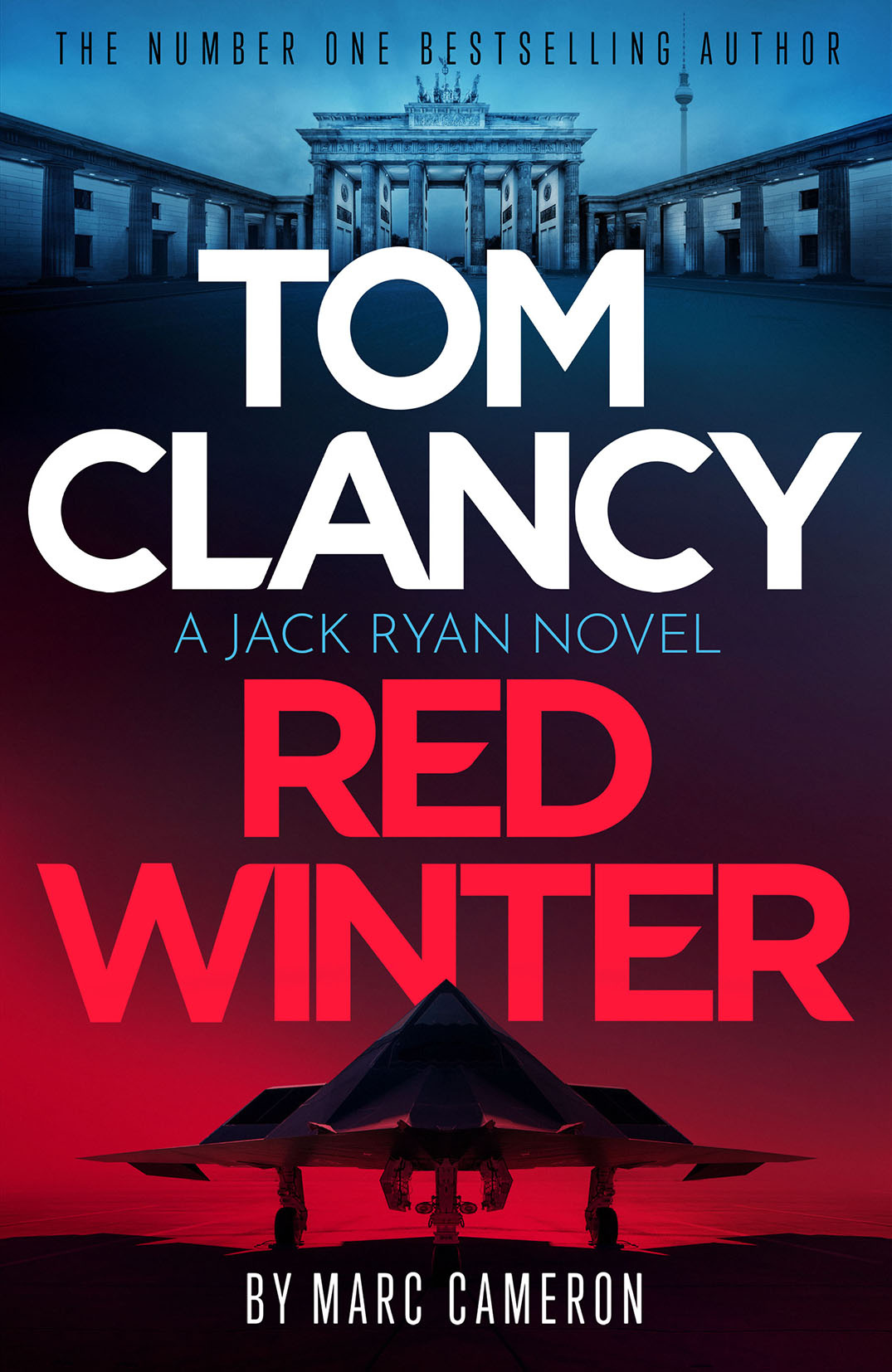
Red Winter by Marc Cameron (based on the series by Tom Clancy)

Red Winter Cover

Publisher: Sphere (Trade Paperback – 13 December 2022)

Series: Jack Ryan series

Length: 419 pages

My Rating: 4 out of 5 stars

Amazon     Book Depository

Prepare for another adventure from classic spy thriller character Jack Ryan as Marc Cameron once again visits Tom Clancy’s iconic universe for an amazing read with Red Winter.

Now, I am the first to admit that I have more than a few gaps in my reading knowledge, especially when it comes to some of the classic, long-running crime fiction or thriller series.  Perhaps one of the most significant of these are the works of Tom Clancy, whose books, particularly those featuring protagonist Jack Ryan, are very highly regarded and have resulted in many films and other adaptations.  The Jack Ryan novels have continued for years, even after Clancy’s death, with several authors contributing great new stories to the wider series.  Well, I am about to dip my toe into Clancy’s universe for the first time by checking out the new Jack Ryan novel, Red Winter.  Written by established thriller author Marc Cameron, who has already contributed several recent entries to the series, Red Winter was an intriguing and enjoyable read with some great spy thriller elements to it.

Berlin, 1985.  The crushing stalemate of the Cold War continues as the East and the West engage in their usual espionage games.  The most valuable piece on the board is an apparent Stasi source embedded deep within the CIA, providing invaluable information to the East Germany intelligence agency.  However, the espionage balance is about to tip once again, when a young American embassy worker is handed a note in mysterious circumstances, apparently from a high-ranking member of the Stasi who wishes to defect to the West with a trove of information.

Unwilling to trust the CIA team in West Berlin, the traitor requests that a new face journey to East Berlin to discuss his upcoming defection.  Forced to look outside the box of their usual operatives, the CIA decide to send Jack Ryan to make contact.  Accompanied by a talented agent and shadowed by a deadly CIA killer, Ryan begins the dangerous journey to East Berlin to determine the legitimacy of their new source.  However, there are few places more dangerous for a CIA agent like Ryan than East Berlin, and he soon finds himself surrounded by tricky foreign agents, deadly assassins and desperate informers, all of whom pose a dire risk to Ryan and his mission.

However, the plan gets even more complicated when an experimental US military aircraft crashes down in the Nevada desert, right in front of an undercover Stasi agent.  Securing a vital piece of military hardware, the Stasi agent flees across America, aiming for an extraction by his masters while the FBI, Air Force and local police hunt for him.  Desperately needing information on the Stasi agent in America before it is too late, Ryan must work hard to bring the defector to their side and find out where the fugitive is going.  But with the KGB, Stasi, and the CIA traitor moving in for the kill, can Ryan escape East Berlin with the information he needs, or will the stolen technology allow the East to once again heat up the Cold War?

Red Winter was an excellent and highly exciting spy thriller novel that takes readers back to the classic Tom Clancy setting of Cold War Europe.  Marc Cameron has produced a very entertaining and compelling read here, and I was swiftly sucked into the awesome story.  The narrative itself has a lot of moving parts to it as Cameron focuses on several closely related storylines or character arcs at the same time.  While much of the focus is on Ryan and his comrades as they attempt to infiltrate East Berlin and make contact with the defector, you also get familiar with several other great characters in the vicinity.  This included the CIA mole, an East German singer who is being abused by a Stasi agent, members of the various spy agencies working on both sides of the Wall, and a deadly American operative who is shadowing Ryan to keep him alive.  The book also shows the hunt for the fugitive Stasi agent in America, who is attempting to flee with the stolen military equipment.  This American part of the book is further split between different perspectives, with the reader seeing events from the eyes of both the Stasi operative and the FBI agent hunting them.

These diverse storylines come together extremely well, and I really liked the interplay of different characters and plot lines in the second half of the book.  There are some great storylines going on throughout the plot, with my personal favourite being the compelling fugitive scenes in America.  The sequences set in Germany are also very intriguing, especially as Cameron provides some excellent descriptions of tradecraft and the various counterplays by the spies, as both sides battle it out for espionage supremacy.  I really appreciated the dark dive into life within East Germany during this period, and the compelling looks at several East German characters who are attempting to survive added some intensity to the book.  There is also an excellent look at the traitor with the CIA and their complex position and their reasons for betraying their country are an excellent part of the plot.  While the first half of the book is pretty intense, everything kicks up a notch once Ryan and his colleagues arrive in East Germany.  There are a ton of destructive and high-impact action sequences here which really get the blood pumping and keep the story going at a very fast pace.  I deeply enjoyed the cool action sequences, especially as Cameron does a great job of writing them realistically, showcasing the talent of the professionals and Ryan’s lack of fighting ability.  There are a few good twists towards the end and Cameron keeps the conclusion hopeful, but dark, highlighting that there are very few heroes in the Cold War.  Red Winter was an amazing and very fun spy thriller, and I loved how this compelling narrative came together.

I also had a lot of fun coming into to this series as a Tom Clancy newbie.  My only experience with Tom Clancy and the Jack Ryan books comes from some of the film adaptations, such as The Hunt for Red October, Clear and Present Danger and Patriot Games.  However, I found that this was more than enough to enjoy Red Winter, and my lack of any real knowledge of Tom Clancy’s original books didn’t really hamper me at all.  While I am sure that I missed out on a bunch of clever throwbacks, Cameron did a great job of reintroducing all the key characters so that new readers can follow their storylines.  There are multiple references to some of the previous events that occurred canonically before the events of Red Winter, but none of them have any major impacts on the story, and I felt that any thriller fan could dive in here with a minimal amount of knowledge and still enjoy the fantastic story within.  Red Winter also apparently serves as a bridging novel between The Hunt for Red October and The Cardinal of the Kremlin, with Ryan meeting several of the supporting characters from The Cardinal of the Kremlin in advance here.  I felt that this was a very clever inclusion by Cameron, and fans of Clancy’s original work are going to love seeing some of the intriguing hints of the events that are to come.  This also ends up being the first canonical time that recurring character John Clark sees Jack Ryan, having travelled to Berlin to help him, although Cameron uses circumstance and training to make sure they don’t actually talk.  Personally, I thought this was a great introduction to the wider world of Clancy’s writings, and I will have to try and read some of his earlier works when I get a chance.

Overall, I had a wonderful time reading Red Winter and I really enjoyed Marc Cameron’s latest addition to Tom Clancy’s spy universe.  Cleverly adding to the well-established Jack Ryan series, Red Winter features some awesome spy action while perfectly showing off the dangers of Berlin during the Cold War for all spies and government agents.  Fast-paced, action-packed, and loaded with some classic Tom Clancy moments, Red Winter was an intriguing and captivating novel that will appeal to a wide range of readers.

Amazon     Book Depository

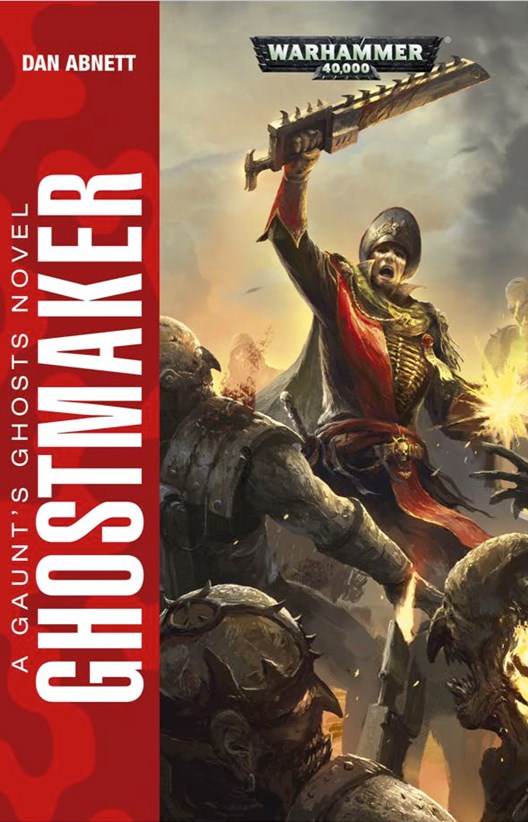
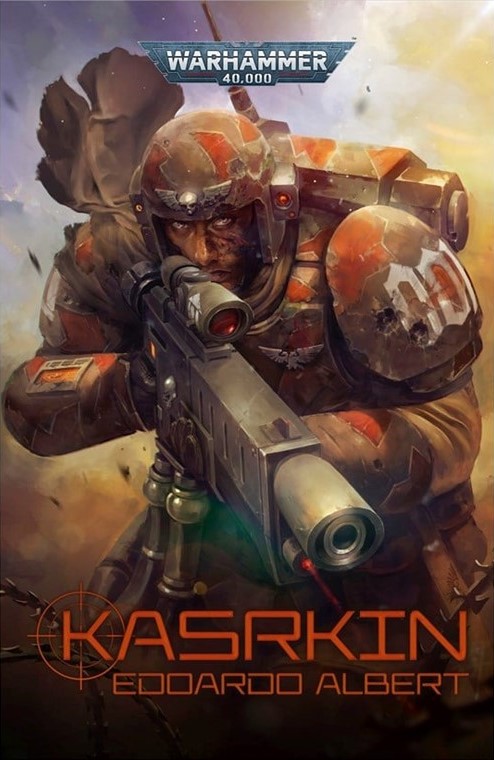
Warhammer 40,000: Kasrkin by Edoardo Albert

Warhammer 40,000 - Kasrkin Cover

Publisher: Black Library (Audiobook – 22 October 2022)

Series: Warhammer 40,000

Length: 11 hours and 3 minutes

My Rating: 4.5 out of 5 stars

Amazon

Get ready for some high-concept action in the latest awesome and exciting Warhammer 40,000 novel by Edoardo Albert, Kasrkin.

While I might be repeating myself a little, I must once again talk about the particularly amazing year I’m having when it comes to Warhammer 40,000 fiction.  There have been some outstanding Warhammer 40,00 books out in 2022, and I have done my best to listen to as many of them as possible.  Some of my personal highlights include The Wraithbone Phoenix, Outgunned, Assassinorum: Kingmaker, Ghazghkull Thraka: Prophet of the Waaagh! and Day of Ascension, just to name a few.  All these have been a ton of fun, and so when I had an open slot in my reading schedule, I naturally chose another recent Warhammer 40,000 book, Kasrkin.  Written by a new-to-me author, Edoardo Albert, who has previously created some interesting pieces of Warhammer fiction, Kasrkin is an action epic that pits a band of elite warriors on a deadly mission into the dark heart of a desert planet.

Welcome to the deadly desert world of Dasht i-Kevar, an Imperial planet currently under siege by the advanced xenos, the T’au, who have turned the usually baren planet into a bloody battlefield.  But the war is about to get even more interesting as the T’au have succeeded in shooting down an Imperial Valkyrie containing an important Astra Militarum general, whose knowledge of the Imperial Guard strategy and disposition could cause the planet to fall.

Only one group of Imperial soldiers have a chance of journeying into the harsh desert of the planet, an elite squad of Cadian Kasrkin.  Led by Captain Bharath Obeysekera, the Kasrkin are tasked to travel deep into the Great Sand Sea behind enemy lines to find the general and either recover him or kill him to keep him out of enemy hands.  The best of the best, the Kasrkin are trained to operate in any terrain and face off against any enemy.  But none of them have every encountered anything as endless, hot, or deadly as the deserts on Dasht i-Kevar.

Cut off by sandstorms and forced to journey over impossible obstacles, the Kasrkin are firmly on their own and can only rely on themselves.  But the deeper they journey in the wastes, the more they begin to realise that they are not as alone as they thought.  Other hunters are searching for the missing general, and the mysterious locals have their own games to play.  However, none of them are prepared for an ancient evil lurking far beneath the desert sands, determined to kill everything it encounters.

Another week, another exceptional Warhammer 40,000 novel that I had so much damn fun listening to.  Kasrkin was an excellent, fast-paced read that follows a compelling group of characters on an epic adventure tale.  Loaded with action, compelling characters, and a story that makes perfect use of its setting and the fantastic lore of the Warhammer 40,000 universe, Kasrkin in an epic read from Edoardo Albert that I absolutely powered through.

The story itself starts off pretty simply, with Albert introducing the reader to the Kasrkin squad and quickly setting them on their mission to find the missing general.  The early parts of the book are really focussed on allowing the reader to get their heads around the book’s premise, the characters, and the impressive desert setting, which honestly takes on a life of its own.  Initially a little slow going to build up tension and camaraderie amongst the Kasrkin, the book starts to get interesting about a third of the way in, when Albert introduces some unique world elements which show how cool and weird the Warhammer 40,000 universe can be.  From there, the story takes the protagonists closer to their objective, and I was initially a little surprised at how soon then managed to get where they were going.  However, this proves to be a bit of a ruse from Albert, as he chooses this moment to really shake everything up.

About halfway through, the entire structure of the book changes with the appearance of a new group of point of view characters, a kindred of Kroot aliens, determined to capture the general for the T’au.  This results in an awesome split in focus between the human and Kroot characters, and I loved the sudden introduction of an excellent rival group who appear equal to the Kasrkin in terms of combat ability.  However, this is not the only surprise that Albert has in store, as both the Kasrkin and the Kroot find themselves facing off against an even more deadly enemy in a fantastic new setting.  While I won’t go into too much detail about what happens next, it was a pretty epic move from Albert and one that I deeply appreciated.  The rest of the story is particularly intense and dark, and there some real horror vibes going for part of it, which fit in perfectly with the powerful narrative and darker setting.  Albert really layers on the action in the second half of the book, and I loved all the shocking and bloody places that he took his story, especially as there are several great twists and some truly engaging scenes featured throughout.  Everything comes to an excellent end, and this proves to be a particularly powerful and gripping Warhammer 40,000 read that really stands on its own.

I felt that Albert’s strong writing style helped to enhance the compelling narrative of Kasrkin and I really appreciated how the author’s style brought everything to life.  Like most Warhammer 40,000 novels, Kasrkin is a great standalone read that is very appealing for established fans of the franchise.  However, this book can also be easily enjoyed by most general science fiction or military fiction fans, especially as the author covers all the relevant lore details that you need to understand the world you are diving into.  Albert blends together some excellent storylines in this novel, and he keeps the pace steady, with a ton of brilliant action and dangerous occurrences.  I liked how the narrative kept morphing as the book progressed as what started as a compelling, if slower, desert adventure eventually turned into a high-octane war novel, before finally transforming into a desperate survival novel in a horror setting.  Albert manages these changes in style really well, and I think the constant alterations helped to keep the reader’s attention glued to all the craziness of the book. 

At the same time, the book remains a soldier’s story at heart, which is something that Warhammer fiction always excels at showing (good recent examples include Steel Tread, The Vincula Insurgency and Catachan Devil).  Watching these elite soldiers face impressive odds makes for an awesome read, especially as Albert also dives into their deeper concerns and features some deeper betrayals and intrigues.  I also cannot highlight enough how outstanding the combat sequences were in Kasrkin as Albert features some pretty hairy action scenarios.  I was particularly impressed with how well these combat scenes were enhanced by the book’s multiple character perspectives, especially once the Kroot were introduced.  Having the perspectives changed between the opponent groups as the firefights was ongoing was just brilliant, and it was amazing to see both sides of the battle, as well as the reactions from the rival teams.  All this, and more, really brought the best out of Kasrkin’s narrative and I deeply enjoyed how it was showcased.

Perhaps one of the most notable features of Kasrkin are the distinctive and memorable locations.  The reader is dragged to several great settings throughout the course of the plot, and the author takes particular pleasure in presenting them in exquisite detail.  The main location is the endless, featureless desert of Dasht i-Kevar, which the characters are forced to traverse for a good part of the book.  I got some great Dune vibes from this setting, and Albert makes this desert out to be a soulless, crushing place of shifting sands, massive unstable dunes, and intense heat, with the ability to strip the resolve and strength from the strongest of men.  Just listening to the characters traverse it made me thirsty, and you could really imagine the harsh journey they are going through.  At the same time, Albert also introduces some very unique aspects to the desert, including impossibly smooth patches of sand that move like water and mysterious water that lives deep under the surface which gives the planet some unusual life.  All these elements are very memorable, and you find yourself really feeling the intense desert surroundings as the characters push through it.  I think that Albert did a remarkable job of introducing and then utilising this harsh setting and it definitely stood out as a landmark part of the book.  A second, darker location becomes the key setting for much of the second half of Kasrkin and while I will again be brief to avoid spoilers, it was pretty damn epic.  Serving as the lair of a notable enemy, this location was a haunting and deadly setting, and one that the characters all struggled to survive in.  There are so many surprises and foes lurking in this location, and the strain of it really showed on the characters who find themselves with very little chance of survival.  I had such a great time with this location, and it, as well as the outside desert, helped to turn Kasrkin into a particularly noteworthy book.

On top of the new setting, I was also really impressed with the outstanding Warhammer 40,000 elements contained within this great book.  As I mentioned before, Kasrkin is a book a range of readers can enjoy, and part of the reason why is that Albert spends a lot of time exploring the unique lore elements of the Warhammer 40,000 universe that come into play during the plot.  Not only does this help to introduce the universe to new readers but established fans will appreciate how deep Albert dives into the subject.  As the name of this book suggests, quite a lot of the focus revolves around the Cadian Kasrkin, the most elite special forces group in the whole Imperial Guard.  Albert showcases them perfectly throughout the book, and it was so damn epic to see them in action, especially as they live up to all the hype and work together as a particularly effective unit.  The author dives into all their particularly quirks, training and operational preferences that sets them apart from the common Astra Militarum units, and you come away with a greater appreciation for who they are and what they can do.  In addition, there is a great underlying look at how the Kasrkin are doing following the destruction of their home world of Cadia, and I loved the deeper grief that they are all suffering after their failure and the hardships they have faced.

On top of the Kasrkin, Albert also spends a substantial amount of time examining and featuring other Warhammer 40,000 factions throughout the story.  The most prominent outside of the Kasrkin are the kindred of Kroot that become the protagonist’s opponents.  During their multiple scenes, Albert dives deep into the biology, beliefs and society of the Kroot, and the reader is soon given a crash course in who they are and what they can do.  There is a particular focus on their biological abilities, with Albert exploring their avian traits, their ability to communicate in different frequencies (giving off high-pitched whistles, which made several hunting scenes particularly cool) and more.  The real focus is on the Kroot’s ability to absorb the genetic traits of anything they consume, which is a big part of their society, as they live to hunt and consume prey that can give them a greater edge in battle.  Albert really examines this hunting and eating part of their culture, and it was fascinating to see how diverse the Kroot are after eating different creatures during their travels.  This ability plays a big role in the plot, with horrific consequences, and I loved having the Kroot featured so heavily in this book, especially as I haven’t seen them in too many other pieces of Warhammer 40,000 fiction.  I also loved how Albert did some fun contrasts between the Kroot and the Kasrkin and showed that they were very similar in their abilities and mentalities (and they both refer to their groups as kin).  Watching the two sides face off against each other is a thing of beauty and it results in some complex and exciting battle scenes.

On top of the Kasrkin and the Kroot, a third major faction from the Warhammer 40,000 universe are also featured, and they become an exceptional part of the books plot in the second half of the book.  Just like with the other groups featured within Kasrkin, Albert examines and features this group extremely well, and you get a good idea of who they are and what motivates them, even if they are a little more unusual then the general examples you see in Warhammer fiction.  I was particularly impressed with how Albert used one distinctive unit from this third faction throughout the course of Kasrkin, and they prove to be brutal and terrifying hunters that haunt the point of view characters in some epic and dark ways.  I cannot emphasise how well Albert featured all these different factions throughout Kasrkin, and fans of the franchise are going to have an outstanding time seeing them all in action and facing off against each other.

I had a lot of fun with the characters featured in Kasrkin as the author features some interesting interactions and character development in a short amount of time.  Most of the book focuses on the members of the Kasrkin team, including their leader, Captain Bharath Obeysekera, a veteran officer with a lot of regrets behind him.  Albert showcases this character a lot and Obeysekera proves to be a bit more of a radical thinker than your typical Imperial soldier, which I felt fit rather well in this unusual tale of survival, and it was heartbreaking to see him try and fail to keep his squad alive.  Other great characters include Sergeant Shaan Malick, the squad’s veteran NCO, who serves as a rock for most of the book, while also playing his own selfish game.  Watching him manipulate the other characters added a great edge to the plot, and I really appreciated his realistic and understandable motivations once they were revealed.  I was also very impressed with the character of Roshant, a newly minted Commissar with family connections who joins the mission and proves to be a bit of a pain for most of it.  Initially despised by the men and seen as a coward, Roshant goes through some real soul searching in this book, and it was fascinating to see this privileged character contrasted against the rough and tough Kasrkins, especially in some dangerous situations.  The rest of Kasrkin’s cast are also pretty impressive, and Albert does a good job of balancing the narrative around a large group of characters.  There is some excellent character work in this book, and I really appreciated seeing such a fun and damaged cast go to war against each other.

Like most Warhammer 40,000 books, I chose to enjoy Kasrkin in its audiobook format, which was an absolute ton of fun.  Coming in at just over 11 hours, the Kasrkin audiobook was an excellent and quick way to experience this fantastic narrative, especially as all the many cool action sequences really seemed to pop in this format.  The real highlight of this audiobook was narrator David Seddon, whose work I previously enjoyed in the short production Dredge Runners.  Seddon did a remarkable job with the narration in Kasrkin, and I loved how he swiftly moved the book along and perfectly controlled the pacing of the audiobook.  I was also deeply impressed with the huge range of voices that he brought to the production, and he effectively captured all the characters featured in this book and gave them all distinctive and fitting voices that showcased their personalities and emotions.  Not only does he capture the various gruff and thoughtful human characters, but he also provides some great alternate voices for some of the alien characters contained within.  The avian-inspired voices of the Kroot characters reminded me a little of the Skeksis from The Dark Crystal, which was really fitting considering the Kroot’s evolutionary origins.  I also loved the deeper and more ancient voice that was used for another character, revealed later in the book, especially when combined with the various voices used for this character’s computer servant.  This outstanding voice work really helped with my enjoyment of this book, and I had a wonderful time listening to the Kasrkin audiobook.  This was easily the best way to enjoy this fantastic book, and I would strongly recommend this format to anyone interested.

The Warhammer 40,000 universe continues to enchant and amaze me with this latest tie-in book Kasrkin.  Edoardo Albert wrote a powerful and deeply intense read that sees an iconic regiment from the game go up against all manner of trouble in some exceptional settings.  Extremely addictive, relentlessly exciting, and very clever, Kasrkin was an outstanding read that I am really glad I decided to check it out.  Highly recommended, especially for fans of Warhammer 40,000 fiction.  You are guaranteed to have a great time with this excellent tie-in book.

Amazon

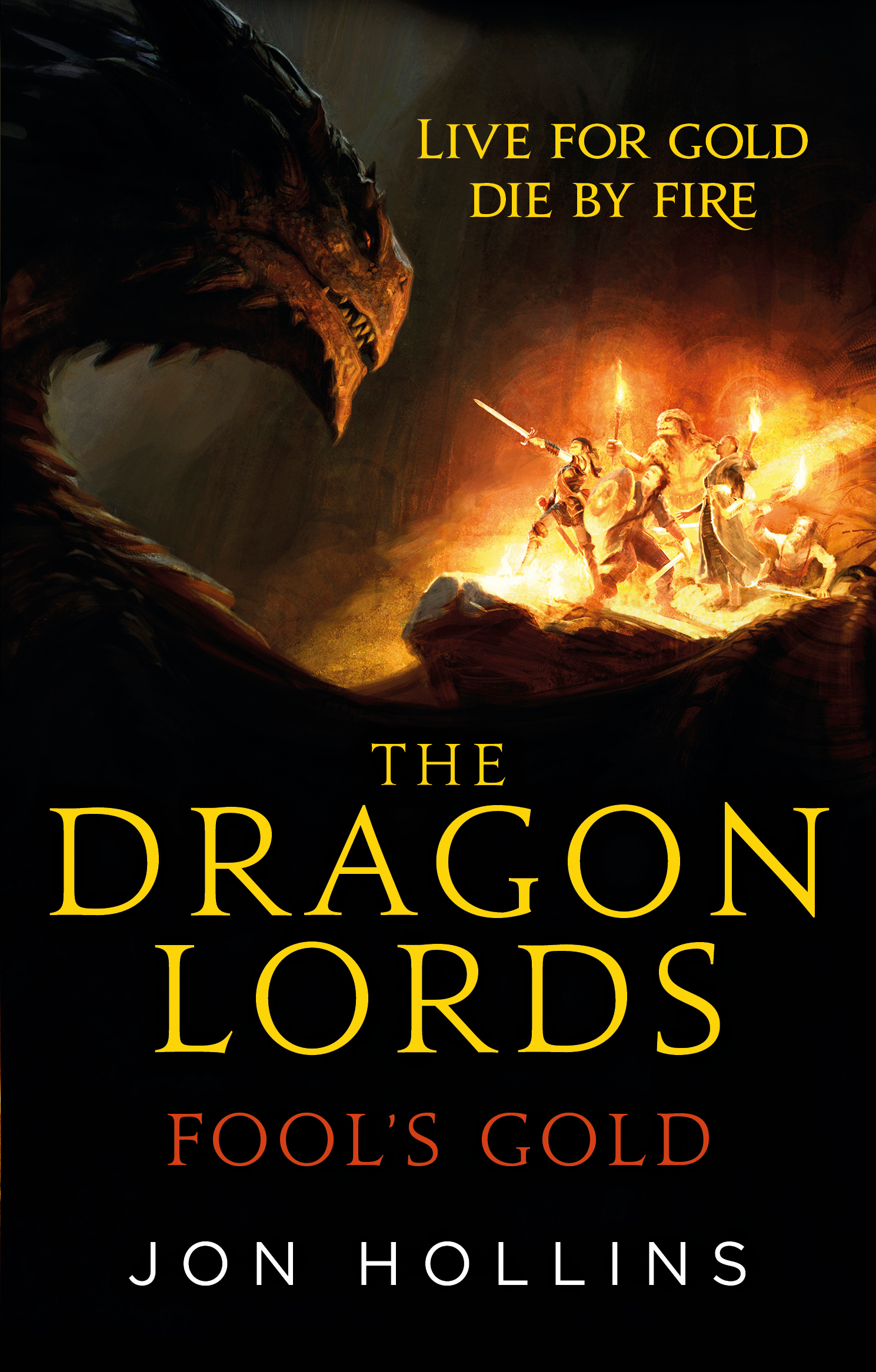
Fool’s Gold by Jon Hollins

9780356507651

Publisher: Orbit (Paperback – 26 July 2016)

Series: The Dragon Lords – Book One

Length: 517 pages

My Rating: 4 out of 5 stars

Amazon     Book Depository

Prepare for all manner of craziness and exceedingly entertaining fun as Jon Hollins presents an amazing book about heists and dragons with Fool’s Gold.

A few months ago, whilst perusing my local book fair, I happened upon a copy of Fool’s Gold by Jon Hollins (a pseudonym for fantasy author Jonathan Wood), which really grabbed my attention.  The first book in Hollins’ The Dragon Lords trilogy, Fool’s Gold had a fantastic plot synopsis which involved heists and dragons.  I was very intrigued by this cool book, which sounded so very fun, so naturally I made sure to grab it.  As a result, it was nice and handy when I was in the mood for a fun fantasy book, and boy was I entertained by this cool read.

In the fantasy land of Avarra, there are many different magical creatures and beings who infest the world and bring all manner of chaos with them.  However, no creature is as dangerous, arrogant, and domineering as the dragons, especially members of the destructive Consortium who have taken over the isolated nation of Kondorra and rule it as overlords.  Employing a private army, the dragons impose massive taxes on the lands surrounding their lairs, driving the people into poverty and forcing many to lose everything.

It is only a matter of time before something gives, and when Willett Fallows loses his farm to greedy dragon who controls his village, he snaps and becomes a fugitive.  On the run, Will finds himself in the most unusual of situations after a chance meeting with four unlikely wanderers in a nearby cave, including a skilled warrior woman, a murderous lizard man, a dragon obsessed academic with explosive magical powers, and his village’s local insane drunkard.  Together the five new companions come up with an ambitious plan to steal all the gold from the local dragon lord and make their escape.

However, when their heist unsurprisingly goes wrong the friends find themselves in a surprising position as the nation’s apparent saviours.  Suddenly worshipped by a massive following, the companions must find a way to escape both the deadly retribution coming their way and their own insane devotees.  But no matter how hard they try, all their plans seem to backfire until they find themselves in the middle of a deadly religious war against the dragons.  Can they pull off one more con to destroy the Consortium, or is everyone about to end up dead in a field of fire?

Fool’s Gold is an exceedingly fun and very entertaining read that I was able to finish off in a few days, especially once I got caught up in its exciting and fast-paced narrative.  Hollins sets everything up very quickly, with the new fantasy world introduced, the dragon’s control of Kondorra established, and all five of the main characters brought together.  While I wasn’t the biggest fan of the extremely coincidental meeting that saw all the protagonists meet up in the first few chapters, the story evolves at a much more appropriate pace from there, with the characters quickly planning their theft of the local dragon’s hoard.  I was a little surprised at how fast the first heist came about, as I figured it would be a long-term plan that would unfold much later in the book.  However, featuring this heist early on really works, as it sets up the rest of the story extremely well while also showcasing early just how crazy and over-the-top this book is going to be.  The chaotic results of the first heist see the protagonists incorrectly declared religious saviours destined to bring down the dragons.  Suddenly leading a ragtag army, the protagonists are forced to engage in several more attempted heists and plots against other dragons and their minions.  While these plans often backfire in very funny ways, the protagonists keep failing upwards and must keep the con going while dealing with a multitude of problems, including deranged followers, immense responsibility, and deep personal issues.  This all leads up to the final confrontation with the dragon Consortium, with the characters unleashing their most ambitious plan yet.  Watching this final plan come together is pretty damn awesome, and the insane battles and crazy results that follow were so damn epic.  I ended up really loving this compelling and very fun story, which Hollins leaves open for some intriguing sequels in the future.

Fool’s Gold is an incredibly fast-paced novel with a great writing style that makes it very easy to power through.  The author has a brilliant and wicked secret of humour that infects his writing, and I found myself chuckling the entire way through, not just because of the jokes but because of the insane scenarios that resulted.  I was also deeply impressed with how well Hollins brought together several genres to create a compelling and hilarious read.  The book initially appears to be a classic fantasy read, as the author quickly and effectively sets up an intriguing new fantasy world at the start of the book, which contains several classic fantasy creatures and elements that are likely going to get expanded on in the sequels.  However, it soon becomes apparent that this isn’t going to be a typical fantasy book, especially as the very modern sense of humour and language that Hollins employs gives it a whole new tint.  I often enjoy when authors feature contemporary language and attitudes in fantasy novels, and I felt that Hollins uses it to great effect in Fool’s Gold, giving the book a distinctive tone.  The author further brings in the brilliant heist elements to the book, which I deeply enjoyed thanks to all the fantastic plans and cons.  It proved to be extremely fun to see all these elaborate and weird heists get planned out and executed in a fantasy universe, and it combines extremely well with the humorous tone and fantasy elements of the book.  I deeply enjoyed how this captivating story came together, and I can’t wait to see how the next books in the series pan out.

I also really liked the cool characters featured in Fool’s Gold, especially as Hollins came up with a very eclectic and damaged group of central figures.  The book primarily revolves around five protagonists, each of whom have multiple chapters told from their perspective and who unite as a team very early in the book.  This includes Willett Fallows, the former farmer who turns to heist planning after the dragon’s greed takes everything from him.  There is also the fantastic pair of Lette and Balur, a female adventurer looking to settle down and her lizard man companion who loves all forms of violence and is determined to fight and kill the biggest opponents he can find, in this case dragons.  There is also Quirk, a former mage turned academic who arrives in Kondorra to study the dragons and finds herself dragged into the group’s plans so she can get a closer look at the dragons and their lairs.  Finally, there is Firkin, a local drunk whose failure years ago to defeat the dragons drove him mad and who finds new life during the new adventures. 

All five characters are pretty crazy in their own way, and I think they made for quite an intriguing and amusing focus for the narrative, especially all the interesting growth Hollins makes use of.  Will’s evolution from a farmer to a master strategist was very well written and I appreciated the compelling examination of how the power he started to wield was potentially corrupting him, especially when he holds the lives of so many in his hands.  The inevitable romance between Will and Lette was handled well throughout the book and it came across as a natural and well-developed relationship.  Balur, the battle-loving lizard man was easily one of the most entertaining characters in the novel, and I loved seeing his mad rages and various attempts to kill the dragons they encounter, especially as it results in an incredibly funny and hilariously brutal final fight at the end of the book.  I was also quite impressed that Hollins was able to keep up Balur’s unique style of speech for much of the story.  Firkin’s rise from unpredictable drunk to unpredictable drunken religious mouthpiece and rabblerouser was exceedingly funny in places, especially as you are never quite sure whether he is actually insane or just messing with everyone.  I did find his continued crazy speech a bit too much at times, although the occasional hints at his deeper intelligence and sanity made up for that.  However, the best character work was probably reserved for Quirk as Hollins really dives back into her history as a child soldier/mage who was gently rehabilitated and taken into the academic lifestyle.  Quirk finds herself reverting to her old destructive magical ways throughout the course of the adventure and she must figure out who she truly wants to be.  I had a great time with all the cool characters in this book, although I do wish that the greedy and arrogant dragons might have gotten a little more development.  Overall, I would say that the characters were some of the best parts of Fool’s Gold and look forward to seeing more of them in the future.

Unsurprisingly, I had a pretty wonderful time with Fool’s Gold and it ended up being as thrilling and compelling as I hoped it would be.  Jon Hollins wrote a wildly entertaining and very funny fantasy heist narrative for Fool’s Gold, which came equipped with some great fantasy elements and a bunch of excellent characters.  I really enjoyed Fool’s Gold and I will have to try to grab the next two books in the Dragon Lords trilogy, especially when I’m in the mood for some crazy, over-the-top adventure and excitement. 

Amazon     Book Depository

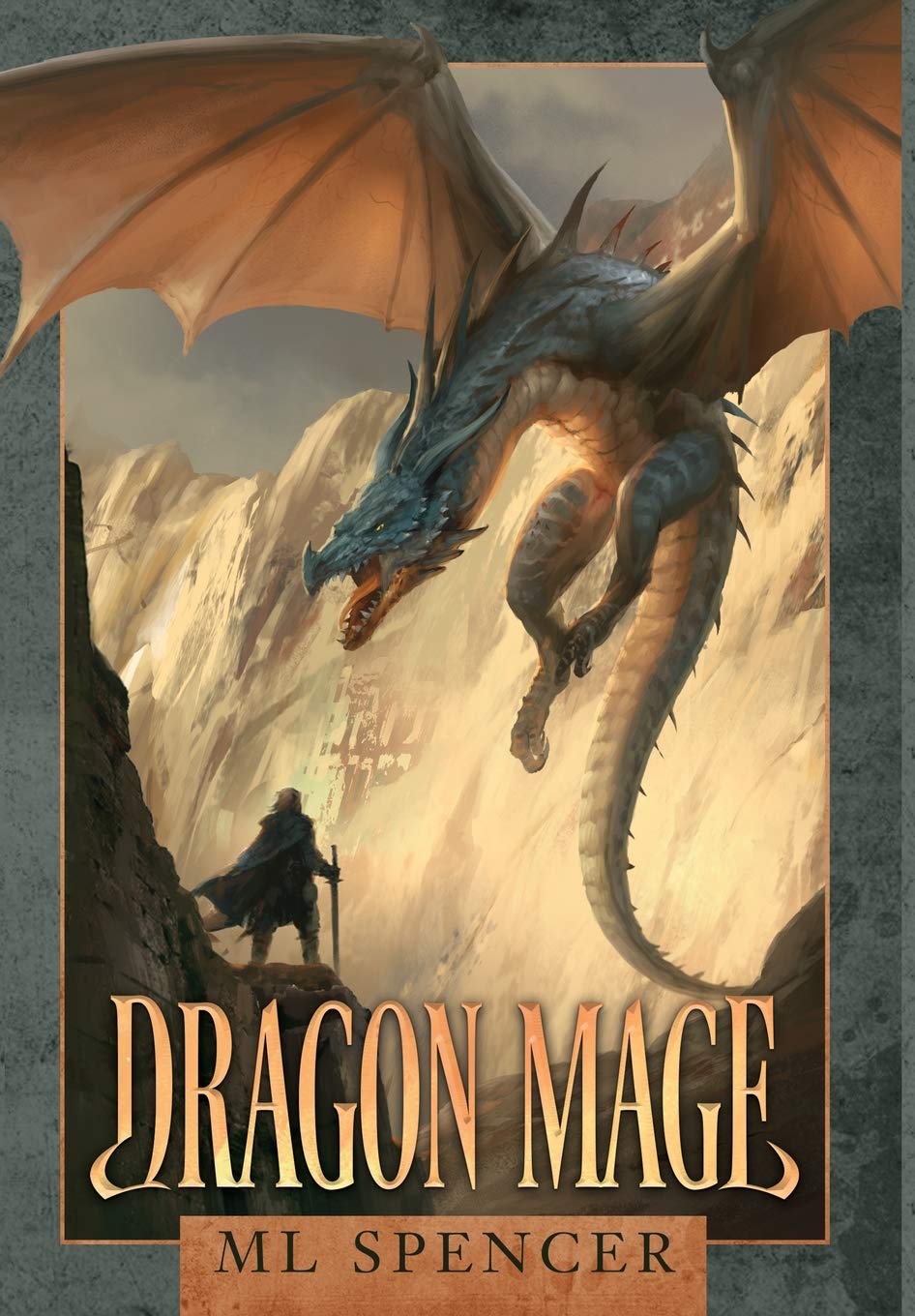
Dragon Mage by M. L. Spencer

Dragon Mage Cover

Publisher: Stoneguard Publications/Podium Audio (Audiobook – 19 December 2020)
Series: Rivenworld – Book One

Length: 27 hours and 18 minutes

My Rating: 5 out of 5 hours

Amazon

Prepare for an epic fantasy adventure with a great classic feel to it, as awesome author M. L. Spencer presents the massive and captivating fantasy novel, Dragon Mage.

Back in 2020, the fantasy book world was abuzz with talk about the compelling and impressive fantasy fiction epic, Dragon Mage by M. L. Spencer, who was already known for her Rhenwars Saga and Chaos Cycle books.  While I have not had the opportunity to read any of her previous works, Dragon Mage definitely caught my eye, especially with the very cool cover with the awesome art.  While I never got the chance to read this book when it was first released, I did grab an audiobook copy of it and have been looking for an opportunity to listen to it for some time.  When I found myself in the mood for some great high fantasy a few weeks ago, I decided it was finally time to listen to Dragon Mage, especially as a future Rivenworld book is apparently on the horizon, and boy did I have an outstanding time with it.

Aram Raythe is a simple lad from a small fishing village in the middle of nowhere.  A strange boy with a love of knots and an inability to understand people, Aram thinks that he will go through life alone and hopes for a quiet existence as a sailor.  However, Aram has a secret that he has never told anyone: he can see the colourful strands that make up the world, and he can manipulate them to do magic.

When a bard arrives at the village, seeking an apprentice, Aram uses his powers to help the only person who was ever nice to him, fellow teen Markus Galliar, get chosen; however, he is unprepared for the chaos that this action will unleash upon his life.  While the bard, who recognises his potential, attempts to take him to safety, Aram accidently unleashes his power to cause a rift in the world.  Soon the village is visited by an Exilari sorcerer, who captures Aram and Markus, seeking to drain Aram’s essence and use it to power his own magical abilities. 

Aram’s destiny lies not in the torturous extraction cellars of the Exilari but with an order of dragon riders from another world.  When fate drags him to them, Aram will find acceptance and friendship for the first time in his life, as well as the opportunity to fight against the Exilari, their dark allies in this new world, and the ancient monsters who control them.  But to do that, Aram will need to learn to tap into the massive power lying deep within him and figure out how to use it to become a true Champion, the most powerful beings in two worlds.  Can Aram become both a Champion and a dragon rider, and what role will Markus play in his turbulent life?

I am really regretting not reading this book when it first came out.  While it was a lengthy read, Dragon Mage proved to be an excellent and captivating high fantasy adventure, and it was exactly what I was in the mood for.  Featuring an elaborate and massive narrative, complete with unique fantasy elements and some exceptional characters, Dragon Mage was an outstanding book that gets a full five-star rating from me.

Spencer produced an extremely epic and complex narrative for Dragon Mage that I had a particularly awesome time getting through.  Now, I do have to admit that Dragon Mage has a pretty lengthy story and it takes a considerable amount of time and effort to get through it.  In addition, the narrative does get a bit slow in places, especially at the beginning, and there were a few points where I struggled to make progress.  However, if you set aside the time for it and make an effort to keep going, I guarantee that it is more than worth it, as it unfolds into an epic, multidimensional coming-of-age story that has a real classic fantasy vibe to it.  The impressive, self-contained tale within will keep you entertained and stick with you well after you have finished reading it.

The story itself starts off with an extended introduction to the main characters of Aram and Markus, which showcases their personalities, histories and views of the world, while also featuring their first meeting and the start of their friendship.  I struggled a little to get through this opening part of Dragon Mage, mainly because I did not initially connect with Aram and his distinctive personality.  However, once you get several chapters in, the excitement starts to increase, as you see the full potential of the protagonist, as well as the introduction of a brilliant antagonist, Sergan Parsigal, who really moves the narrative along.  He quickly captures the two protagonists, which leads to several brilliant scenes, including an awesome and exciting escape from monsters from outside of reality.  From there, the story evolves into more of a magical school narrative, which I naturally loved (see my recent list about favourite books with magical schools in them), although it doesn’t last too long, as Spencer throws in a pretty dark twist and a heartbreaking time skip.

Following this time skip, the story evolves again, with Markus and Aram separated for a while after Markus rescues Aram.  The two characters soon develop in different story arcs, with Aram spending time in a completely new world, which sees him finally starts to explore his full potential.  After some more chapters in a whole different magical school setting, the main characters converge again, with some great drama.  Without going into too much detail, the rest of Dragon Mage keeps building on the plot from the first half of the book, and the characters are thrown into a ton of deadly situations as they continue to grow and discover their destiny.  Spencer layers the rest of Dragon Mage with a great combination of adventure, war, character development, training, romance, friendship, conflict and tragedy, which comes together into an extremely powerful narrative.  There are some truly epic scenes throughout this second half of the book, and you really grow attached to all the major characters in the book, which Spencer will make you pay for in some dark sequences.  Some of the major appeal is watching the slow but steady growth of the protagonist as he evolves from being unconfident and isolated to a powerful hero, helped along by the friendships he forms with those close to him.  Everything ends with a massive pulse-pounding confrontation that will keep you on your toes and ensure you cannot put down this book as you wait to see how everything turns out.  Readers will come away from Dragon Mage extremely satisfied, and the author leaves open some intriguing storylines for the future, that I hope the author will continue. 

One of the things that I particularly appreciated about Dragon Mage was the elaborate and compelling fantasy elements that Spencer introduced.  Dragon Mage actually features two separate realities, which were previously joined before being separated into The World Above and The World Below during a historical cataclysm.  These worlds can still be journeyed through by breaches caused by magic users and much of the plot revolves around the characters trying to stop an evil plot to recombine the words in a new cataclysm.  The book starts off in The World Above, a typical medieval setting which is ruled over by a despotic empire controlled by an order of magicians known as the Exilari, who gain their power through draining the essence of anyone with magical potential.  The second half of the book is set in The World Below, which features a range of magical creatures, including dragons, magical horses, and other creatures.  The World Below is in the grip of deadly war between an evil demigod (one of several who rule both worlds) and an order of dragon riders, who serve as its primary protectors.  Spencer does a great job introducing both worlds throughout the course of Dragon Mage and while they might not be as heavily explored as if there was only one world, you get a good sense of how they different and the histories that surround them.  Both are very distinct in their own way and I had a lot of fun seeing both, especially as they provide a compelling contrast to each other as two halves of the same coin.  I really like the switch between worlds that occurred halfway through the book and having the focus change to the more magical World Below made for quite an enjoyable and exciting read. 

I was also a fan of the unique magical elements contained within Dragon Mage, which, as the name suggests, is big on magic and dragons.  The magic itself is quite interesting, if a little ethereal in its description, and there are a few different versions of it.  The primary form of magic is shown through Aram’s eyes and is tied into the strands of energy that make up the world.  These strands, which only a few people can see, can be manipulated and tied into knots by the magic user for various magical effects.  This is a very unique system, and it ties in well with Aram’s peculiarities, especially as he spends much of the early part of the book obsessed with knots without anyone understanding why.  This results in some awesome displays of magic, and I found Aram’s perception of the magic and how it works to be extremely fascinating.  Other forms of magic include Markus’ magical immunity, natural passive magic from other characters and items, as well as the magic of the Exilari, which they gain be stealing the essence from magic users like Aram.  The destructive Exilari make for exceptional villains in this book, especially as they bask in their stolen power in a very creepy way, and I deeply appreciated that Spencer spent the time to explore their organisation, especially as the protagonists spend time in their training facility.

Then of course, there are the dragons, which inhabit The World Below.  I always enjoy a good dragon focused story, and this one was pretty fun as Spencer goes for a sentient dragon that bonds with a rider.  While this has been done before, I think that Spencer altered it enough, especially as quite a lot of the book is dedicated to them and their place in the world.  The author spends a substantial time exploring the bond between human and dragon, and you get to see the entire process, from the initial training of the human recruits, the hatching of the dragons, their bonding, and then their eventual use in combat.  There are a huge number of dragon characters in this book, and you get to see inside many of their minds and their bonds, especially as Aram can communicate with all of them.  The bond itself is a deep and personal connection, and I loved the scenes that examine how lethally strong it is, with human or dragon rarely surviving the death of their partner.  Having the emotional connection to a dragon becomes a key aspect of several of the key characters and it was really moving to see characters who have lost a lot in their life find new companionship with a soul bonded dragon.  The subsequent scenes of dragon combat are extremely awesome, and I appreciated that Spencer introduced some equalisers to make sure that they didn’t come across as too overpowered.  I had a wonderful time with all the fantasy elements in this great book and Spencer made great use of all her unique or fun elements to enhance and tell a brilliant story.

On top of the elaborate narrative and compelling fantasy elements, I was also very impressed by the amazing characters that Spencer featured in Dragon Mage.  The story revolves around an outstanding cast of complex and damaged characters, each of whom brings their own light and pull to the book.  Spencer sets all of these characters up extremely well, and while it might take you a while to appreciate a couple of them, once you do, you become extremely invested in their story and want to find out what is going to happen to them next.

The most prominent character in Dragon Mage is the extremely unique character of Aram Raythe, and this book is primarily his story from childhood to adulthood.  Aram is a particularly fascinating choice for central protagonist; while he is shown to be a chosen one with great power, he also portrayed as socially inept and with many strange behaviours.  I believe that Spencer wrote Aram as an autistic character (or the fantasy equivalent), especially as he is usually described as a Savant.  I personally really enjoyed this, as you don’t see a lot of autistic characters in fiction, and it was a great twist on the classic chosen one story.  Aram has a very different viewpoint of the world, and once you understand him you find that he is one of the sweetest and nicest fantasy protagonists you are likely to find, and you really start to care.  Unfortunately, Spencer decides to punish you for caring for this character, as the author puts Aram through all manner of hell and torture which really ups the emotional impact of the story.  Not only does Aram already have a distinct lack of confidence and social issues, but he is also repeatedly tortured and is deeply traumatised for much of the book.  There is also a hidden history to his parentage and a ton of secrets that his mentors are keeping from him that will cause him further grief and impact his confidence.  Watching him overcome all of this is very moving, and it is nice to seem him find some friends and slowly build up his confidence.  Of course, there is still a lot of trauma coming for him, and you will continue to suffer as you watch him grow.  Personally, I deeply appreciated Aram’s powerful character arc and it was one of the most enjoyable and compelling things about Dragon Mage.  His entire character history and personality really set him apart from other fantasy protagonists and I appreciated the work that Spencer put into developing him and making him so appealing to the reader, especially as it pays off once he finally finds his confidence and starts to truly become a Champion.

While much of the narrative focuses on Aram, Dragon Mage is also the story of Markus Galliar, who befriends Aram early in the story and shares in many of his adventures as they become close.  Markus becomes fascinated by Aram and his unique view of the world, especially when Aram tries to help him escape his abusive father.  This friendship soon takes on new heights once Markus discovers Aram’s abilities and he starts to become his protector, a job helped by his own immunity to magic.  Constantly forced together, they form a strong bond which survives being captured by the Exilari and several other misadventures.  Despite being separated several times throughout the book, the two keep getting drawn back together and Spencer writes a great continuous narrative about their strong connection.  The two share a very heartwarming friendship throughout Dragon Mage, and I really appreciate the interesting dynamic they form which sees Markus act as both protector and social guide, even when Aram develops his immense power.  While this did have the potential to be a bit one-note, and indeed Spencer did feature way too many scenes of Markus worrying about Aram or waiting over his sick bed, I felt that the author featured a great balance with their relationship, which really pays off once Aram matures and becomes a better friend.  The author also ensures that Markus develops outside of his friendship with Aram, and he soon becomes his own man, forced to deal with the horrors of his past to survive.  Markus ends up being an extremely compelling and well-rounded protagonist and the author used him perfectly in combination with his unique central character.

Aside from Aram and Markus, I also really need to highlight two other excellent major characters in Esmir Revin and Sergan Parsigal.  Esmir is a former dragon rider and Warden to the last Champion, who died due to his failure.  Locked in his own despair and regret, as well as the distain of everyone around him, Esmir is given new life when he encounters Aram and Markus and begins training them to be Champion and Warden.  I really enjoyed Esmir as a character, especially as Spencer really captured his grief, regret, and self-loathing over his past mistakes.  Watching him become a gruff, but kind teacher, represented a great redemption arc in the book and I felt that he was a particularly complex and enjoyable supporting figure that the author did a great job with.

I was also really drawn to the character of Sergan Parsigal, who is one of the major villains of Dragon Mage.  The Exilari sorcerer who discovers and initially captures Aram and Markus, Sergan is an ambitious and powerful magic user who seeks to turn his discovery to his advantage.  Highly arrogant and malicious, Sergan cuts a distinctive and sinister figure throughout the story, even when he appears to be on the protagonist’s side, especially as he spends most of the book gobbling up magical essence to power his own spells.  I loved how Spencer portrayed him as both an adversary and a mentor to Aram and Markus at different points of the book and he ends up forming quite a complex relationship with the protagonists.  While at times Sergan is shown to be potentially thoughtful and caring, especially during an early conversation with Aram, he keeps reverting to his own selfish form, and he ended up being one of the best and most complex antagonists in this entire story.  I had a wonderful time with these brilliant characters and I’m barely scratching the surface, as Spencer featured a range of great supporting figures and villains throughout the novel, all of whom deeply enhanced this amazing narrative.

To check out this impressive fantasy read, I chose to grab Dragon Mage on audiobook, which is my go-to for massive pieces of fantasy fiction like this.  With a runtime of over 27 hours (currently the 13th longest audiobook I have ever listened to), the Dragon Mage audiobook represents a substantial time investment for audiobook fans, although I personally think it was worth it.  I tend the find that the audiobook format really enhances my appreciation of the elaborate words that authors create, but it also really brings me into the narrative.  This was definitely the case with Dragon Mage, as this format did an outstanding job enhancing the story and I loved hearing all the intense detail about Spencer’s new, unique world and its fantasy elements.  It also helped that they got an excellent narrator for Dragon Mage in the form of Ben Farrow, who did a remarkable job here.  Farrow is a deeply impressive narrator who perfectly brought this story to life and moved it along at a crisp pace.  Not only was he able to recount the massive amount of detail and lore that Spencer fit into the story, but Farrow also came up with a huge selection of fitting voices for all the characters in Dragon Mage.  Using a range of different tones and accents, Farrow dove into the cast, and I loved how he was able to capture each character’s essence with his voices.  For example, he perfectly showcases Aram’s hope and childlike wonder at the world, while also capturing his fear, uncertainty, and lack of confidence, especially after all the hell he goes through in the early chapters of the book.  Other characters are expertly portrayed as well, and I loved how Farrow showcased Markus’ determination, Esmir’s weariness, and even Sergan’s intense arrogance and distain for everyone else.  This outstanding voice work helped to turn the Dragon Mage audiobook into something very special, and I had an exceptional time listening to it.  I would strongly recommend the audiobook version for anyone interested in checking out Dragon Mage and you are in for an excellent and captivating time if you do.

Overall, Dragon Mage was an amazing fantasy novel that really showcased M. L. Spencer’s skill as an author of epic fantasy.  Featuring a captivating narrative that follows great characters around an elaborate new fantasy world, Dragon Mage is exciting, moving and awesome in all the right ways.  I had an exceptional time reading this outstanding read and I look forward to seeing how Spencer will follow it up in the future.  Recommended reading for anybody looking from some classic fantasy fun.

Amazon

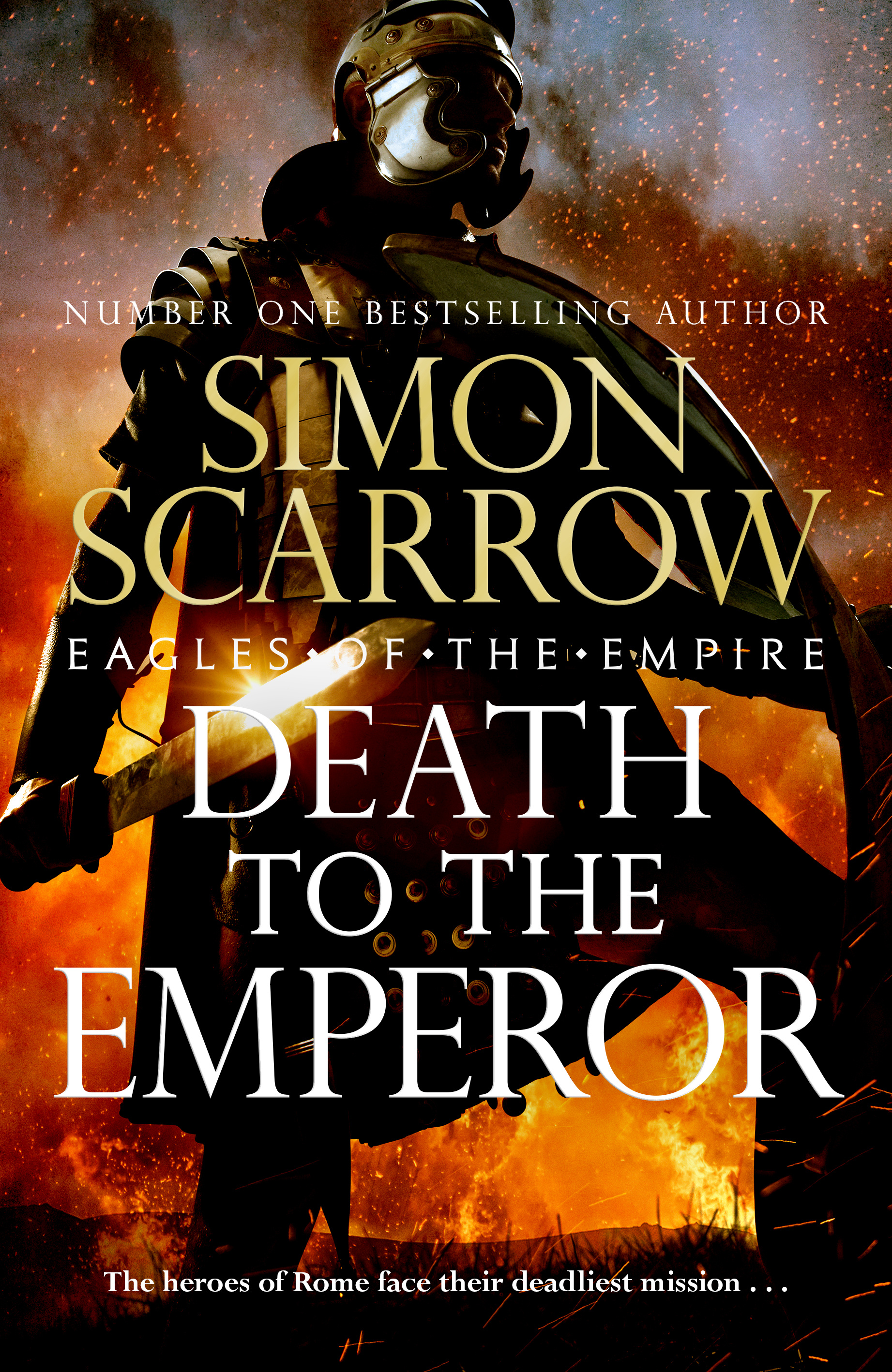
Death to the Emperor by Simon Scarrow

Death to the Emperor Cover

Publisher: Headline (Trade Paperback – 15 November 2022)

Series: Eagles of the Empire – Book 21

Length: 466 pages

My Rating: 4.75 out of 5 stars

Amazon

One of the world’s best historical fiction authors, Simon Scarrow, returns with another epic instalment in his brilliant long-running Eagles of the Empire Roman history series, Death to the Emperor.

I have made no secret of my deep appreciation for the works of Simon Scarrow, who is easily one of my favourite historical fiction authors.  A talented and compelling author, Scarrow has written several great series and standalone reads that cover historical subjects such as the Napolenic wars, World War II and even a cool historical crime fiction novel, Blackout.  However, his most substantial body of work is his Eagles of the Empire series, which is one of the best historical fiction series I have had the pleasure of reading.  Set during the reigns of some of Rome’s most infamous emperors, Eagles of the Emperor follow two Roman soldiers, Prefect Cato and Centurion Marco, who have fought on multiple battlefields across the empire.  I have had a wonderful time reading this series over the years, and it features some outstanding books, including the last four novels, The Blood of Rome, Traitors of Rome, The Emperor’s Exile and The Honour of Rome.  Naturally I started reading the latest book in the series (the 21st book overall), Death to the Emperor, pretty much as soon as I got it, and boy did that prove to be a smart decision.

60 AD, Britannia.  After years fighting side by side together, Prefect Cato and Centurion Marco are back in Britannia, the land they helped conquer at the start of their partnership.  Since their first time there, their lives have been transformed in ways they could have never believed.  While Marco is retired, serving a senior administrative role amongst the other retired veterans in Britannia, Cato is hiding out on the island, attempting to avoid Nero’s wrath for rescuing the Emperor’s former mistress from exile.  Determined to make their new lives in Britannia work, Cato and Marco are once again thrust into danger as tensions escalate throughout the island.

While the usual malcontents and druids stir rebellion and conflict against the Romans, tensions are higher than ever, especially as rumours spread that Emperor Nero wishes to pull out of the savage province.  However, Nero is also determined to squeeze the island for every bit of wealth it has, and he dispatches a ruthless and dangerous procurator to do this.  Worried that this move may destabilise an already fragile Britannia, Cato and Marco attempt to help their ally, the recently widowed queen of the Iceni, Boudica, whose tribe has caught the eye of the Emperor and his Procurator.

However, soon duty separates the two old friends again, as Cato is conscripted by Britannia’s ambitious governor, Gaius Suetonius Paulinus, in his latest campaign to destroy the druid stronghold at Mona.  Left alone, Marco can only watch as outrage and disrespect brings the Iceni to the brink of war with Rome, one that he and his forces cannot possibly defeat.  Soon, the fate of Britannia lays in hands of one woman, Boudica, who can bring peace to the lands.  However, when Boudica is pushed too far, will she declare war on Rome, its Emperor, and her old friends Cato and Marco?

Death to the Emperor was an outstanding and fantastic read that once again highlights Scarrow’s impressive ability as a historical fiction writer.  Continuing the long-running story of Cato and Marco, Scarrow expertly dives into a major historical event and brings it to life in a compelling way.  I had a wonderful time reading Death to the Emperor and I felt that it was one of Scarrow’s better novels in recent years.

I loved the incredible story that Scarrow wove around Death to the Emperor, especially as it provides the reader with an excellent blend of action, adventure, character development and a ton of historical detail.  Set shortly after the events of the last book, The Honour of Rome, Scarrow continues several threads from there, with Cato and Marco attempting to settle down in their old stomping ground of Britannia and find some peace.  However, the death of Boudica’s husband soon leads to chaos as the disgruntled locals start to push back against the increasing control and greed of Rome.  After a good introduction, which sets much of the scene for the rest of the book, the protagonists are split up, with Cato forced to accompany Governor Paulinus on his campaign to eradicate the druids, while Marco remains behind to attempt to keep the peace.  This results in a great split of storylines, and both of their exciting character arcs really paid off.  Cato’s story arc is a pretty typical Scarrow narrative, as Cato takes control of a new regiment and leads them into several battles as part of his campaign.  This results in several impressive action sequences, including a great and highly exciting extended siege sequence at the druid stronghold of Mona, which was one of the best battle scenes in the entire book.  At the same time, Marco bears witness to all the key events that lead up to Boudica’s rebellion, as the villainous Catus Decianus antagonises the tribes, despite Marco’s best efforts to stop him.  Marco’s storyline is a lot more intense and emotionally rich as the protagonist attempts to save all his friends against heavy odds.  However, despite his best efforts, Marco and his fellow veterans find themselves forced to fight Boudica’s army, which results in a pretty memorable ending.

I deeply enjoyed how this compelling narrative came together, and Scarrow was on excellent form as he provided the reader with everything they needed.  While the start of the book is a little slower, it sets the scene perfectly, before all the action and deadly developments ensue at a faster and more intense pace.  The author really built up the tension throughout the narrative, and you really knew that everything was going to go wrong, and boy did it.  The resulting battles, which includes several very fun sieges, were well worth the wait, and Scarrow did a wonderful job of showcasing all the carnage of these fights.  Separating the main characters created a much more complex and wider narrative, and I liked the excellent contrasts between the battles, as Cato’s successes with his forces are mirrored by Marco’s desperate fights with the small band of retired fighters under his command.  The intensity of the plot got even more pronounced as the narrative continued, and the reader really gets drawn in as a result.  I personally powered through the second half of the book in very short order as I wanted to see how everything would unfold.  The desperate and bloody conclusion to the narrative was pretty shocking, especially as there are some major series moments featured here.  The resulting cliff hanger finisher was just perfect, and you are left wanting more.  I am not entirely sure I’ll be able to wait a whole year to see how this series continues, but I am sure that the reader is for even more excitement and shocks when Scarrow brings out his next book.

One of things that really impressed me about Death to the Emperor was the level of historical detail that Scarrow put into it as he covers some of the early events of Boudica’s uprising.  The author does a remarkable job showcasing all the events that lead up to the rebellion, and he paints a compelling and unique picture around it.  Many events are discussed or shown in intriguing detail, including the general oppression of the local tribes, the attempts to embezzle money from the Iceni, the capture and humiliation of Boudica, and the disregard that Nero had for Britannia and his rumoured plans to abandon the province.  All these events, eventually lead up to the rebellion and it was fascinating to see them come about, especially through the eyes of a common soldier character like Marco.  The subsequent early battles of this rebellion, including the fight at Camulodunum, are very dark and brutal, and I deeply appreciated how Scarrow put his protagonists in the centre of these bloody conflicts, as they really raise up the intensity of the narrative.  At the same time, Scarrow also spends a good part of the book highlighting Governor Paulinus’s invasion of the druid stronghold of Mona.  This compelling campaign is often overshadowed by Boudica in history books, but it was an important part of the events at that time, especially as it left the rest of the province undermanned.  Scarrow covers this campaign extremely well through the book, especially as Cato is the officer usually at the front of the fighting, and it became quite a key part of the book.  I loved seeing this blend of historical events throughout Death to the Emperor, especially as Scarrow brings his usual flair for showcasing the Roman war machine throughout this book, highlighting the strategies and martial techniques of the Romans in exquisite detail.  I can’t wait to see the rest of Boudica’s rebellion in the next Eagles of the Empire book, as it is going to be epic.

Scarrow does another awesome job with the characters in Death to the Emperor, as he tells some intriguing character arcs that really helped to shape the narrative.  The primary focus as always is one of the series’ main protagonists, Prefect Cato and Centurion Marco.  Both have some intriguing character moments in this book which I had a great time with here.  Cato’s arc is pretty typical for much of the series, with the prefect forced back into combat, this time leading an auxiliary cohort on the campaign to Mona.  Cato’s arc is filled with a huge amount of action and intense battles as he fights from one end of Britain and back again.  It is always fun to see Cato in action, especially as he takes his units into some bloody battles, using a range of unique tactics to win.  While Cato is fun, the most intense character moments is focused on Macro, who remains behind and watches over the province while the army is gone.  Marco, who is mostly retired at this point, finds himself in a unique leadership position, and must work his force of reservists into a coherent force.  At the same time, he also finds himself greatly conflicted as he finds his loyalty to Rome tested due to his friendship with Boudica.  Forced to take military action against them, Marco tries to protect Boudica and her family, however, his orders and his slimy commander make that impossible, and he must decide whether he should continue to blindly follow Rome or do what is right.  His decision will have huge impacts on the story, and it places him in some dark situations.

Aside from Cato and Marco, who tend to be the primary point-of-view characters, Death to the Emperor has an awesome cast of supporting characters who really add a lot to the overall narrative.  This includes Boudica, who serves as Rome’s main antagonist in this arc of the series.  Boudica has actually been a friendly supporting character for many of her previous appearances, having formed a relationship with the two protagonists.  However, this book sees all that change as she is pushed too far, becoming the warrior queen we all know.  Scarrow handled her transformation from friend to deadly enemy extremely well, and it was fascinating to see her interact with Marco, especially as he keeps trying, but failing, to help her.  Aside from Boudica, I also liked seeing more of the fun supporting character, Apollonius.  Apollonius has been an interesting figure for the last few books, serving as Cato’s spy and advisor, and generally being a good secondary protagonist.  He has a very interesting time in Death to the Emperor as he remains behind to help Marco.  I loved seeing the continued relationship between the two, as Marco generally disapproves of Apollonius, and it was also quite intriguing to get some insights into why Apollonius chooses to stay and help Cato.  The final character I need to point out is Catus Decianus, the Roman Procurator who is generally considered responsible for Boudica’s rebellion.  Scarrow does an amazing job with Decianus, a real historical figure, and he turns him into a very despicable villain in Death to the Emperor.  The author paints him as an arrogant, greedy fellow, whose arrogance and general dislike of the Britannia locals, leads to the resulting war.  You really cannot help but hate Decianus, especially as he really is the main villain of this story.  These great characters, and more, turn out to be an amazing cast, and I had a wonderful time seeing the outstanding and dramatic narrative Scarrow wove around them.

Simon Scarrow continues to showcase why he is one of the best historical fiction authors in the world with the latest entry in his exceptional Eagles of the Empire series, Death to the Emperor.  Expertly showcasing the brutal events of Boudica’s rebellion with his long-running protagonists right in the middle, Scarrow tells a powerful and action-packed story that takes his characters into some dark direction.  Captivating, exciting and oh so bloody, Death to the Emperor will keep you relentlessly entertained and ensure you come back for more books in this epic series.  Highly recommended!

Amazon

Call of Empire by Peter Watt

Call of Empire Cover

Publisher: Macmillan (Trade Paperback – 25 October 2022)

Series: The Colonial series – Book Five

Length: 368 pages

My Rating: 4.5 out of 5 stars

Amazon     Book Depository

Australia’s master of the historical adventure returns with another deeply exciting and highly intriguing character driven read that follows one historical family as they embark on war and adventure across the world, Call of Empire by Peter Watt.

Towards the end of each year, I always know that I am about to have my historical action and adventure quota filled as the new Peter Watt is coming out.  Watt has been a particularly enjoyable and compelling Australian author for years, producing intriguing historical fiction books with a focus on Australian history.  His works have so far included the long-running Frontier series and his compelling Papua trilogy, both of which contained some remarkable historical adventures.  However, I personally have been really getting into his currently body of work, The Colonial series, which I have had a wonderful time reading in recent years.

The Colonial series started of back in 2018 with The Queen’s Colonial, an intriguing read that followed young Australian Ian Steele in 1845 as he switched places with an English nobleman to take up his commission in a British regiment.  Becoming Captain Samuel Forbes, Steele found himself drawn into several of England’s deadly 19th century wars, while also forced to confront several dangers back in England as the real Samuel Forbes’ family sought to have him killed.  This fantastic series continued for two more books, The Queen’s Tiger and The Queen’s Captain, both of which were excellent reads.  Watt continued the series last year with The Colonial’s Son, which jumped ahead a couple of decades to follow the main character’s oldest son as he followed in his father’s footsteps and become a soldier in the Queen’s army.  I had a great deal of fun with these exciting books, and I was very happy when I received the next entry in the series, Call of Empire.

Starting in 1885, several years after the conclusion of The Colonial’s Son, Call of Empire sees protagonist Ian Steele finally living the quiet life in New South Wales, enjoying time with his family and friends, and expanding his business empire.  However, the British Empire is constantly finding itself in conflict across the globe, and soon the young New South Wales colony is called upon to send troops to assist the British campaign in Sudan.

Determined to serve the Empire once again, Ian’s oldest son, Josiah, takes a commission in the New South Wales army and journeys to Africa to fight the Sudanese forces for the British.  However, his decision will alienate him from the love of his life, Marian Curry, who is determined that he stop fighting in imperialistic wars.  At the same time, Ian’s younger son, Samuel, is learning the family business out in the Pacific with the family’s friend, Ling Lee.  However, Samuel and Lee are soon dragged into a dangerous plot to smuggle guns for the Chinese, as Lee’s obsession with freeing China from European control leads them into mortal danger.

Soon the entire Steele family finds themselves in deep trouble across the world, and only the most daring of actions will help them survive.  But as the Empire’s wars continue and the Steele family and their friends are drawn into even more conflicts, can even their legendary luck continue?  Death and tragedy awaits them all, and soon the Steele family will face a loss they never expected.

This was another fantastic and deeply exciting novel from Watt, who continues to dazzle with his fast-paced writing and impressive historical insights.  I loved the awesome story contained in Call of Empire, and I ended up powering through this book in less than a day.

Watt produces another exciting and ultra-fast paced story for Call of Empire that takes the reader on a wild and captivating journey through some interesting parts of late 19th century history.  Starting in 1885, Call of Empire primarily follows the three male members of the Steele family as they attempt to overcome the various challenges they face in their respective endeavours.  Watt tells a multi-layered, multi-generational, character driven story that follows multiple characters simultaneously as they engage in their own story.  This means that readers are often treated to a range of different storylines in the same chapter, having one character engaged in war, while another deals with issues at home, and at the same time a third finds themselves caught up in adventures at sea.  This makes for quite a complex read, although the range of storylines are well balanced and never oversaturate or confuse the story.  Indeed, Watt is a pretty clear and concise writer, and the reader is able to have a lot of fun with several of the storylines at the same time.  Watt features an outstanding range of storylines throughout Call of Empire, and I loved the blend of war, politics, exploration, business, romance, character development and legal concerns that were featured at various points throughout the 15 year long plot.  This reminded me a lot of the author’s previous Frontier novels, especially the focus on one big family, and I had a wonderful time seeing the elaborate narrative he wove around his characters.  Watt really takes this story in some interesting directions, and there are a few big surprises, as well as some tragedies that established readers of this series will be hit hard by.  This proved to be quite an addictive read, and I loved seeing his characters continue to traverse through life in their chaotic and adventurous ways.  The book ends at the start of the new century, and it looks like Watt will be taking his characters in World War I next time, which I am sure will be suitably traumatic.

Easily my favourite thing about this book was Watt’s excellent dive into the always eventful colonial history of Australia.  In particular, Watt examines several lesser-known wars and conflicts from the 19th century, with a particular focus on the role of New South Wales.  This starts early in the plot with one of the characters getting involved in the Suakin Expedition in Sudan, which was part of the larger Mahdist War.  This deployment saw a battalion of New South Wales soldiers travel to Sudan as part of the war effort and was the very first military force to be raised and deployed overseas by Australia.  While there wasn’t a lot of fighting involved with this campaign, I was deeply intrigued by the history and the politics behind it, and Watt did a wonderful job of exploring it in great detail throughout the book by inserting his characters.  Watt continued this trend throughout the rest of the book, which saw several of his characters involved in both the Boer War and the Boxer Rebellion in China.  Both conflicts had Australian soldiers involved, fighting on the side of the British, and Watt took exquisite care to explore what role the Australians played in them, and how they came to be involved in the conflict.

Out of all of them, I particularly enjoyed the captivating examination of the Boer War in Africa, which was one of the more deadly wars Australians fought in during the 19th century.  This war, and one of the character’s roles in it, dominated a good part of the book, and Watt did an amazing job of bringing different parts of the conflict to life.  The author really captured just how dark and bloody this war was, from snipers in the African bush, to the horrors inflicted on the Boer settlers.  However, Watt saves some of his best writing for the Battle of Elands River, a protracted battle that saw the Boers surround a force of Australians and their allies in a brutal siege for 13 days.  Naturally, one of the characters is right in the middle of this fight, and Watt really showcased the carnage and terror that the Australians would have felt being surrounded and bombarded.  I honestly didn’t know a great deal about some of these early Australian military conflicts, and it was absolutely fascinating to see them come to life in the hands of this talented author.  Having this great historical background really enhanced the overall quality of the novel, and I had a wonderful time diving back into these sometimes overlooked parts of Australian military history.

As I mentioned above, Call of Empire was a very character focused book that featured a range of fantastic point of view protagonists through whose eyes the story unfolded.  Watt features a great combination of characters, with a compelling mixture of younger figures who were the focus of The Colonial’s Son, and even a few characters from the first three Colonial books.  There was quite a range of different character storylines in Call of Empire, and you swiftly get drawn into the various unique adventures of each of the characters.  It was fascinating to see how the older characters had evolved since their original adventures, and I liked how Watt started focusing more on the next generation, including by expanding the role of the younger Steele son, Sam, who had an amazing outing here.  There is a great examination of the events that help to form these figures character, and it was fantastic to see them overcome so much adversity at various parts of their life.  I will say that some of the male Steele characters did tend to blend personality wise as the book proceeded, mostly as they are cut from the same adventurous cloth, but you still grow to like all of them, and you ended up getting touched when bad things happen to them.  There are some very interesting and powerful developments that hit the main characters in this book, and this ended up being a very key novel in the family history.  I had a wonderful time seeing the latest exploits of the Steele family, and with the next generation being introduced towards the end of the book, you know that they have even more adventures to come.

Peter Watt continues to showcase his talent as Australia’s premiere author of the Australian historical adventure with his latest Colonial novel, Call of Empire.  Bringing back several of his fantastic protagonists from the previous books, Watt crafts together another exciting read that dives into some intriguing parts of Australia’s military history.  Fast paced and full of awesome action, Call of Empire is another amazing read from Watt, and one that I had a lot of fun getting through.

Amazon     Book Depository

Star Wars: The Princess and the Scoundrel by Beth Revis

Star Wars - The Princess and the Scoundrel Cover

Publisher: Del Rey (Trade Paperback – 16 August 2022)

Series: Star Wars

Length: 348 pages

My Rating: 4 out of 5 stars

Amazon     Book Depository

Outstanding author Beth Revis presents an intriguing and enjoyable new entry in the extended Star Wars canon, with the fantastic tie-in novel, The Princess and the Scoundrel.

2022 has been a rather interesting year for Star Wars fiction.  While the focus has primarily been on the High Republic sub-series, several great authors have produced some awesome reads set around the various film trilogies (such as Star Wars: Brotherhood by Mike Chen).  However, one of the most exciting recent Star Wars tie-in novels is a character-driven read that focuses on the relationship between Han Solo and Princess Leia, The Princess and the Scoundrel, which was written by exciting author Beth Revis.  Revis, who already has some experience with the Star Wars canon, having written the 2017 novel, Rebel Rising, came up with an awesome story in The Princess and the Scoundrel that I had a wonderful time reading.  Not only does The Princess and the Scoundrel explore an interesting period of the complex and inspiring Star Wars canon, but it also contained a fantastic romantic heart that will appeal to a wider range of readers.

Goodreads Synopsis:

The Death Star is destroyed. Darth Vader is dead. The Empire is desolated. But on the forest moon of Endor, amongst the chaos of a changing galaxy, time stands still for a princess and her scoundrel.

After being frozen in carbonite, then risking everything for the Rebellion, Han is eager to stop living his life for other people. He and Leia have earned their future together, a thousand times over. And when he proposes to Leia, it’s the first time in a long time he’s had a good feeling about this. For Leia, a lifetime of fighting doesn’t truly seem over. There is work still to do, penance to pay for the dark secret she now knows runs through her veins. Her brother, Luke, is offering her that chance—one that comes with family and the promise of the Force. But when Han asks her to marry him, Leia finds her answer immediately on her lips . . . Yes.

But happily ever after doesn’t come easily. As soon as Han and Leia depart their idyllic ceremony on Endor for their honeymoon, they find themselves on the grandest and most glamorous stage of all: the Halcyon, a luxury vessel on a very public journey to the most wondrous worlds in the galaxy. Their marriage, and the peace and prosperity it represents, is a lightning rod for everyone in the galaxy—including Imperial remnants still clinging to power.

Facing their most desperate hour, the soldiers of the Empire have dispersed across the galaxy, retrenching on isolated worlds vulnerable to their influence. As the Halcyon travels from world to world, one thing becomes abundantly clear: The war is not over. But as danger draws closer, Han and Leia find that they fight their best battles not alone but as husband and wife.

I had a fantastic time getting through The Princess and the Scoundrel as Beth Revis wrote a pretty awesome and captivating Star Wars novel that covered a lot of bases.  Split between the alternating perspectives of Han and Leia, The Princess and the Scoundrel takes off right after Return of the Jedi.  While the victorious Rebellion plans their next moves, Han and Leia decide to make the most of their sudden freedom to get married after their traumatic year apart.  While both are still reeling from the events of the original trilogy, they come together in a fun wedding scene, before leaving on a glamorous trip that will be part honeymoon part propaganda show.  While initially trying to enjoy their honeymoon, both quickly fall into their old patterns, with Han chafing at the formality, while Leia continues to try and do her work as an ambassador and planner.  Arriving at an isolated ice planet, Han and Leia soon discover a destructive Imperial plot and must come together as a couple to thwart it.  This ended up being a really distinctive read, as Revis worked a more romantic plotline into the always entertaining Star Wars canon.  I loved seeing this fantastic tale of Han and Leia’s first adventure as husband and wife, and Revis ensured readers got an excellent blend of action, intrigue, and character development, as you witnessed these two amazing protagonists try to come together as a married couple.  There is a little something for everyone in this great read, and I found myself getting caught up in the action and the impressive focus on two of my favourite fictional characters.  An overall brilliant book that is really easy to enjoy and appreciate.

The Princess and the Scoundrel proved to be a very interesting addition to the current Star Wars canon.  While the romance between Han and Leia was strongly explored in the previous Legends canon, the current Disney canon has not featured it as much, and as such you see some fascinating events from their lives here for the first time.  Revis paints quite a fun picture of the sudden wedding these two have, which features entertaining interruptions from several key characters, some tricky manoeuvrings from Lando to get Han into a nice outfit, and, of course, a ton of Ewoks, while the honeymoon is as chaotic as you would expect from these two.  As such, this is a pretty key book for all fans of these two iconic characters, and I think that Revis hit an excellent tone when it came to some of these key events.  The author also fits in a lot of fantastic references and moments that a lot of Star Wars fans will appreciate, most of which are covered in a very fun way.  For example, the characters finally address that infamous kiss between Luke and Leia at the start of The Empire Strikes Back, with Han and Luke having a rather awkward conversation about it, before agreeing never to bring it up again.  Revis also makes quite good use of an interesting Han Solo villain from one of the previous canon books, and it was great to see some continuation from the previous intriguing storyline.  That, and several other amusing references, help to make this quite a key book for Star Wars fans, and I had a wonderful, nerdy time getting through it.

Aside from the direct references to the book, I was personally intrigued to see more about the period of Star Wars history that occurred in the immediate aftermath of the Death Star’s destruction in Return of the Jedi.  Despite the death of the Emperor, the war between the Empire and the Rebellion (now renamed as the New Republic), is still ongoing, and indeed some of the toughest fighting is still to come.  Several authors have covered this frenetic period in the current canon with some recent books, such as the Alphabet Squadron trilogy by Alexander Freed (made up of Alphabet Squadron, Shadow Fall and Victory’s Price).  However, I particularly enjoyed how The Princess and the Scoundrel covered this period, as it shows events literally hours after the end of the film.  Quite a bit is shown of the Rebellion’s initial strategies following the battle of Endor, as well as the Empire’s reactions to the death of the Emperor and the sudden shift in power.  While some of the wider campaigns aren’t shown, you get an interesting idea of what the military and political situation was at the time, which I deeply enjoyed.  Revis also spends time examining how members of the general public reacted to the news, and there is an interesting variation of responses.  Not only did some people straight out disbelieve that the events even occurred, with many assuming it was fake propaganda from the Rebellion, others who were associated with the Empire, or who had members of their family aboard the Death Star, acted quite hostile to the change in the established status quo.  These diverse reactions not only reflected some current real-world societal issues, but also provided a compelling insight into just how much influence the Empire had, even on the way to its downfall.  Throw in some hints and previews of the upcoming Operation Cinder, and this proved to be a very interesting addition the Star Wars canon that many established fans will really enjoy.

One of the strongest elements of The Princess and the Scoundrel is its impressive focus on the two main characters, Han Solo and Princess Leia.  While this book does contain a lot of action, intrigue and fantastic Star Wars elements, at its heart it is a romance novel between two well-established and complex characters, both of whom have experienced a lot of trauma and anguish in recent years.  Revis does a remarkable job of diving into both characters throughout the course of The Princess and the Scoundrel, and you really get a sense of their feelings, concerns and traumas following their victory.  However, there is also a great focus on their relationship, and you can really see the strong bond they have, even if they are still coming to terms with their feelings and their wildly different personalities.  I felt that Revis painted a realistic view of their relationship, which contains some difficulties early on, especially with their independent streaks.  However, the author also shows that the two characters are much stronger together, and they can work through any issues that come their way.  I think that this much better than just showing them having a fairy tale relationship, and I really appreciated the authors compelling take on one of the most iconic relationships in fiction.

Aside from their relationship, Revis also did a great job of diving into the complex emotional issues facing both central characters.  For example, Revis makes sure to explore the trauma surrounding Han after being trapped in carbonite for over a year.  Not only did he miss out on a lot of key events in his friends’ lives, but at this point of the book he has only been awake again for a few days, and some of his decisions are based on his concerns and fears about being trapped again.  Leia is also going through a lot after the discovery that Luke is her brother and, more importantly, that Darth Vader was her father.  As such, Leia spends much of the book attempting to reconcile the fact that her real father was a genocidal maniac who tortured her and is partially responsible for destroying her home planet.  This proves to be quite a deep and intriguing part of her character arc, especially since, unlike her newly discovered brother, she is unable to forgive Vader for everything he did.  There is also an interesting look at Leia’s early attempts to connect with the Force, after Luke reveals her Jedi potential.  Watching her attempts at using the Force is very fascinating, especially as she battles with her feelings about Vader while doing so and is reluctant to even try to use the abilities that he could do.  All these unique character examinations, and more, really help to showcase just how complex and traumatised Han and Leia were at this period, and how much their relationship helped them get past it.

Star Wars: The Princess and the Scoundrel by Beth Revis is an amazing read that provides Star Wars fans with something a little different to the typical tie-in novel.  Featuring a continuation of one of film’s most iconic romances, The Princess and the Scoundrels is at times touching and romantic, while also exploring the grim realities of the war-torn galaxy, all topped off with some classic Star Wars action and humour.  With an outstanding focus and understanding of its two main characters, The Princess and the Scoundrel was a fantastic novel that is well worth checking out.

Amazon     Book Depository

In the Shadow of Lightning by Brian McClellan

In the Shadow of Lightning Cover

Publisher: Macmillan Audio (Audiobook – 21 June 2022)

Series: The Glass Immortals – Book One

Length: 24 hours and 53 minutes

My Rating: 5 out of 5 stars

Amazon

One of the most inventive and compelling authors of fantasy fiction, Brian McClellan, kicks off an awesome new series with In the Shadow of Lightning, the first book in The Glass Immortals series.

Few authors over the last 10 years have had more of an explosive impact on the world of fantasy fiction then Brian McClellan.  Debuting in 2013, McClellan quickly set the world ablaze with The Powder Mage trilogy, which saw chaos and destruction unravel in a new fantasy world where gunpowder-powered mages face off against an enraged god.  I had a brilliant time with the first book in the series, Promise of Blood, and McClellan followed this initial trilogy off with the sequel, Gods of Blood and Powder trilogy, set in the same universe.  While I still need to finish the Powder Mage novels off, I was very excited to hear that McClellan was starting a new series with In the Shadow of Lightning, the first book in the author’s The Glass Immortals series.  This is an impressive and outstanding read that introduces readers to a distinctive new fantasy world, this time with a fascinating focus on glass magic.

Demir Grappo was once one of the most respected politicians, tacticians and glassdancers in the Ossan Empire.  A rising star in the assembly, a proven governor, and the only son of a prominent family, Demir’s promising career is suddenly shattered in the immediate aftermath of his greatest military victory when his army sacked and destroyed the entire city of Holikan, apparently on his orders.  Mentally broken by the massacre done in his name, Demir abandons his army and vanishes into the provinces, giving up his life of privilege for one of anonymity.

Now, nine years after the sacking of Holikan, Demir is a very different man, having spent the intervening time as a grifter with no true home.  However, everything changes when news reaches him that his mother was murdered, brutally beaten to death in public in an apparent political attack.  Determined to find her killers, Demir returns to the city of Ossa to reclaim his seat as the head of his family.  But not everyone is happy that he has returned, and Demir soon finds himself in the midst of several deadly conspiracies, while Ossa goes to war against its neighbour, all in the name of avenging his murdered mother.

To get to the centre of these conspiracies, Demir must find allies, including old friends and new acquaintances if he is to gain the power and influence he needs find answers, especially those hidden by the powerful guild families who rule Ossa.  However, as he searches, and soon finds a much more troubling secret: godglass, the source of magic within the world, is running out, and when it goes, chaos will reign.  The key to securing the future may lie in a device that could re-power inert pieces of godglass, and only one girl appears to have the skill to create such a device.  But as Demir fights to secure this new vital ally, he finds himself fighting against a mysterious new enemy, one that seems determined to destroy anyone who gets in their way.

McClellan impresses again with another incredible fantasy novel that had me instantly enthralled.  Presenting the reader with a multifaceted narrative that combines great characters with intriguing fantasy elements, In the Shadow of Lightning proved to be an outstanding start to McClellan’s new series and I had an exceptional time reading it.  Epic in scope, ambition and potential, In the Shadow of Lightning gets a full five-star rating from me and I am still reeling from just how good this was.

In the Shadow of Lightning is a particularly addictive novel, especially as McClellan presents the reader with an outstanding and complex narrative that pulls them in on so many levels.  Starting off with a compelling prelude that perfectly introduces central protagonist Demir Grappo and shows his dramatic and bloody fall from grace and sanity, the novel then undergoes a time skip which takes the reader into the current storyline, right as events are kicking off.  The initial focus is on Demir, who, after finding out his mother has been murdered, returns to Ossa to take over the family business and discover her murderers.  However, he soon finds that his mother was involved in complex dealings that might have led to her death, and that her assassination has been blamed on a neighbouring city Ossa is going to war with.  The story then splits as McClellan introduces three additional point-of-view characters, each other whom has their own distinctive story arc, closely related to Demir and the politics of Ossa.

These new characters include Thessa Foleer, a siliceer (godglass worker) from Ossa’s neighbour Grent, the breacher Idrian Sepulki and Kizzie Vorcien, an enforcer for a powerful guild-family who Demir hires to investigate his mother’s death.  Each of these new characters have their own individual storylines that tie into the plot points introduced in Demir’s initial chapters.  While these character arcs go in their own direction, their storylines are loosely connected together and form a great overarching narrative as they are dragged into war, imprisonment, political battles, conspiracies and criminal investigations.  I loved the cool blend of character-driven storylines, and everything comes together extremely well to show that something very rotten is going on within Ossa.  This is a very fast-paced story, and McClellan keeps multiple compelling plotlines running simultaneously to keep the reader’s attention, with some great reveals and amazing fight scenes scattered throughout the book.  Most of these reveals are set up and foreshadowed extremely well, with a couple of exceptions, and I didn’t see some of the twists coming, which was pretty fun.  Everything comes to a head towards the end of the novel, as all four characters find themselves in their own extremely dangerous and concerning situation.  Not only is there a massive battle for the future of Ossa but there are some shocking revelations about who is involved in the conspiracy and why.  The author leaves everything on an amazing note that not only leaves readers satisfied with the conclusion of some of the storylines but which also leaves a lot of questions unanswered and the reader wanting more.  An excellent and impressive story that dragged me in extremely quickly.

I was very impressed with how In the Shadow of Lightning’s story came together, as McClellan presented an epic and addictive offering that I snapped up extremely quickly.  I especially loved the use of four separate narrators to tell this story, and McClellan did an outstanding job of separating out their narratives.  Each narrator has their own unique story to tell, and what is really good is that they also explore a different aspect of the author’s new fantasy world, which often breaks across the associated genres.  For example, Thessa’s story focuses on the magical science behind godglass, and examines the political and social elements associated with this branch of magic.  Idrian’s tale comes across as a war tale as he is forced to participated in the deadly conflict between Ossa and Grent, where his particularly magical expertise makes him a living weapon.  Kizzie’s chapters come across as an investigation arc, as she attempts to uncover who killed Demir’s mother, and is forced to dive into the intrigues and shifting allegiances amongst the Ossan families, uncovering a deep conspiracy.  Demir serves as a bit of a joining figure; while he also has his own unique adventures, especially around Ossan politics, a lot of his arc involves interactions with the other three point of view characters.  Not only does this ensure that we get another viewpoint on the other character’s actions, as he gets involved in the godglass, espionage and the war elements that they are solely focussed on, but he helps to bring the other protagonist’s disparate storylines together into one solid and compelling narrative.

All four character-driven storylines are pretty exceptional in their own right, and this was one of those rare multi-perspective novels where you honestly can’t choose which character arc is the most intriguing or enjoyable.  I was particularly impressed with how McClellan brought these storylines together into one outstanding novel, and it makes for quite the epic read, especially as the author ensures you get the right blend of intrigue, action, magic and mystery throughout.  Despite its longer length, In the Shadow of Lightning has a pretty fast pace to it, and the readers are constantly treated to fantastic scenes that really keep your interest, either by being directly exciting, or featuring excellent examples of character development or world building.  I also really have to highlight the outstanding and amazing action sequences featured throughout this book.  McClellan has an impressive way of making these fight scenes really come to life in your mind, and it so easy to see all the epic events unfold.  These action scenes are particularly impactful when combined with the new magical features that the author has come up with, and I had so much fun seeing them unfold.  This really was an exceptional and highly entertaining read, and I loved how this entire amazing story was presented to the reader.

One of the things that most impressed me about In the Shadow of Lightning was the way in which McClellan envisioned and introduced the reader to an entirely new fantasy realm, equipped with its own distinctive magical system, all of which was substantially different from the elements featured in his previous Powder Mage novels.  While there are some similarities, namely that the Glass Immortals series also features magic, firearms, and a similar level of technology, there are quite a few differences which really make this new series stand out.  Most of the book is set in the Ossan Empire and its capital city of Ossa, which proves to be an excellent background location for the complex story.  Ossa, as well as some of the other nations mentioned reminded me of an Italian city-state, and I felt that it was an interesting change of pace to the French/English influences of Powder Mage universe.  The city is ruled by rival merchant guild families who are constantly battling for dominance, while the influence of the cities extends out to various provinces in the extended empire.  There is an intricate society set up around Ossa, and I loved the compelling interplay of industries, politics and intrigue that resulted.  McClellan examines various aspects of Ossan society, including sports, leisure, the military, and the various social levels, all of which were pretty intriguing to discover, and which painted Ossa and its people in a compelling light.  I particularly enjoyed their innate love for intrigue, contracts and business above everything else, and the fact that their national sport involves two magically enhanced people beating each other with cudgels tells you a lot about them.  Throw in some compelling snapshots of other relevant nations, as well as some sneaky hints at other mysterious beings, and the reader is given a really impressive and detailed introduction to this new world in this first book in the series, which McClellan did an outstanding job setting up.

However, the most distinctive part of this new universe is the cool magical system that forms the basis for much of the plot.  Just like with the Powder Mage novels, there are actually several different variations of magic and magic users in this series, which are connected to various forms of glass.  The first of these is the magical godglass, empowered glass items that give its users various abilities, such as strength, intelligence and enhanced senses, or which can be used to control a person.  Godglass is the most common form of magic in this series, which anyone can use, and indeed the entirety of human society in this world is based around the use of these items.  Pretty much every action a character does in this book is helped out in some way with godglass, resulting in some excellent sequences, especially during fights, and McClellan spends a lot of time exploring how it fits into his new world.  This includes multiple scenes set inside glassworks, where the godglass is forged, and you get an idea of how it is made and the significance it holds to the people of this world, including the fact that many of the characters have piercings that allow them to attach godglass to them.  Godglass actually becomes a key part of the book’s plot, once it is revealed that the supplies of magical cindersand that is used to create it is running low, resulting in an undercover war to control the remnants or finding a means of regenerating it.

The other magical elements of this new series involve the inbuilt talents of several characters, who have various degrees of sorcery in them.  The most prominent of these are the glassdancers, sorcerers who can control glass (except godglass) to an astonishing degree, and use it as a weapon.  There are multiple glassdancer characters featured throughout In the Shadow of Lightning (including the central protagonist), and you get to see multiple fights involving them, which are pretty badass.  You would never consider just how dangerous someone controlling glass could be until reading this book, and the brutal and quick ways in which they kill their opponents are pretty damn impressive.  The other major form of magical user are glazalier, who have more of a passive ability that allows them to resist the negative impacts of godglass (too much magic starts to eat away at someone) while still being able to use them.  These glazaliers are deployed as breachers, heavily armoured soldiers equipped with a ton of godglass that make them unstoppable tanks in battle, capable of killing units of men by themselves.  Acting as both a hammer and shield to their comrades, they are a lot more brutal than the subtly lethal glassdancers, and I loved the compelling contrast between the two major magical soldiers featured in this book.  McClellan does an outstanding job introducing, explaining and showcasing all these different magical elements in this first book, and I deeply enjoyed seeing the many cool ways these magical abilities and the godglass could be used, especially in the book’s many awesome action sequences.  I look forward to seeing how McClellan expands on them in the future, and I am still so impressed by how much magic the author could work into glass.

Another area where McClellan really excels as a writer is with the complex and multi-layered characters he is able to create.  This was really evident in his new novel, where several great point of view protagonists and fascinating supporting characters are perfectly introduced to the reader and become exciting focal points for the brilliant plot.

The most prominent of these is central protagonist, Demir Grappo, a brilliant strategist and politician, whose entire life is shattered in the opening prologue.  Forced back into public life after the death of his mother, Demir takes control of his family and attempts to rebuild his legacy while also finding answers.  Utilising the swindling, bluff and manipulation skills he built in the decade he was away, Demir proves to be a tough political adversary and quite an interesting figure to follow.  I loved his impressive and unique storyline, and watching him regain his political skills and self-confidence was really enjoyable, especially as he acts as a deadly glass sorcerer, businessman, politician, leader and even a general.  There are great sequences that highlight his skills, and I loved how he was able to manipulate everyone in many different ways, from being an agreeable political ally, to acting like a smarmy lord who is able to bluff his way around by sheer force of personality.  While he does come across as arrogant at times, which is partially due to the fear and respect everyone gives him due to his sorcerous abilities, McClellan ensures that the protagonist is aware of it, and works to fix his character flaws as he goes.  However, the biggest character aspect of Demir involves the trauma he carries after his actions apparently led to the massacre of an entire city.  Still haunted by the scenes from that night, Demir is forced to revisit them throughout the course of the book, especially when he meets a survivor while trying to find out who was actually responsible.  His roiling emotions around these events are his one weak spot, and the author slips in some powerful and understandable scenes where he loses control.  McClellan did a great job setting up Demir in this first book, and I have no doubt his story is going to get even more complex and painful.

McClellan ensures that all his intriguing characters have their own distinctive and compelling motivations, as well as a dark history that is explored throughout the course of In the Shadow of Lightning.  This includes Thessa Foleer, whose heartbreaking narrative and past worked perfectly in concert with Demir’s, which was appropriate as their storylines were the most closely linked.  Thessa’s story is one of constant loss, especially as everyone who seems to get close to her dies or suffers in some way, and the character goes through some major grief and trauma as a result.  The author does a good job balancing the focus on her past and her feelings of loss, with the scenes depicting her work as a siliceer, and I liked how you get some of the best insights about this book’s primary fantasy elements throughout her chapters.  McClellan sets up Thessa as quite a major character in this novel, and it will interesting to see how her story progresses in the future.

The other two point-of-view characters are Idrian Sepulki and Kizzie Vorcien, who add a lot more excitement and fun to the story.  Idrian’s scenes are some of the most action-packed, and it is very cool to see him in battle, especially as he tends to plough through entire units of men like a human tank.  However, Idrian is one of the most caring and likeable figures in the entire novel.  Primarily concerned for the lives of his comrades, Idrian goes into the battle to protect them, and the close friendships he builds with his men help define him.  However, Idrian is also battling some inner demons, and it is clear that McClellan has some tragedy planned for him in the future.  This is a little heartbreaking, as you really cannot help but enjoy Idrian’s straightforward nature and natural integrity, and anything bad that happens to him is going to strike the reader twice as hard as a result.  Kizzie, on the other hand, is a scrappy enforcer, forced to survive the intense politics of the city’s guild families.  The bastard daughter of the Vorcien family head, Kizzie desperately seeks legitimisation and acceptance from her father, if only to protect her from vicious brother.  Dragged into Demir’s hunt for his mother’s killers, Kizzie dives into the world of political intrigue and family espionage, only to find herself conflicted by the answers she seeks.  Forced to choose between friends and family, as well as between her desires and what his right, Kizzie has some great moments in this book, and her inner conflicts add a great amount of drama to the plot.

These central protagonists are well rounded out by an impressive and enjoyable series of supporting characters, each of whom add to the plot in their own unique way.  McClellan does a great job introducing all the key supporting characters featured in the plot, and there are some amazing and distinctive characters featured here, from long-time friends of the characters, to bitter enemies with their own agendas.  My favourite supporting character would probably be Baby Montego, Demir’s adopted brother who returns to help Demir with his exploits and find out who killed their mother.  A massive brute of a man and a former cudgeling world champion, Baby is considered to be the deadliest man on the planet, even though he doesn’t have any magical abilities and can’t use godglass.  He more than lives up to this reputation throughout the book, and he has some of the most exciting and action-packed sequences in the entire novel as he casually deals out violence.  At the same time, he is also a cunning thinker, and his dry humour and complete self-confidence really make him standout.  It was fantastic to see amazing characters like Baby interact with the point-of-view characters, and you get some impressive moments as a result.  Honestly, every character featured in this book was amazing in their own way, and I cannot emphasise enough how well McClellan wrote them.

As I tend to do with most massive fantasy novels, I chose to check out In the Shadow of Lightning in its audiobook format, which proved to be pretty damn awesome.  Coming in with a runtime of just under 25 hours, this is a lengthy audiobook to listen to (it comes in at number 15 on my latest longest audiobooks I have listened to list), and it took me a decent amount of time to get through it.  However, I felt that was time well spent, as I was relentlessly entertained every single second I spent listening to In the Shadow of Lightning, and there were times I wished it was even longer.  This epic novel really came to life in the audiobook format, and I loved how impressive and cool some of the big action sequences and confrontations felt when being listened to.  While I did initially struggle to keep track of the side characters in this format (having the ability to easily go back and figure out who people were would have been helpful), I was soon able to figure out who everyone was, while also absorbing a heck of a lot more detail about the new universe and its unique elements.

I was also deeply impressed with the outstanding narration In the Shadow of Lightning featured, thanks to the work of Damian Lynch.  Lynch is a veteran audiobook narrator with several epic fantasy series under his belt and he swiftly made me a big fan with his great voice work here.  He really dove into the various characters featured in the book, and you got a great sense of their personalities, emotions and actions as he narrated them.  I had fun with several of the voices he provided in this book, and I thought that protagonists like Demir, Idrian and Baby Montego, were really good, especially as you get notes of weariness in the old veteran Idrian, and the barely contained violence that resonates off Baby every time he talks.  I particularly liked the cool European accents that Lynch gave to the various characters, which helped to reinforce the Italian city-state nature of the main location, and people from other nations or cities had subtly different accents, which I thought was a very nice touch.  All this, and more, makes for an outstanding audiobook and this is easily the best way to enjoy In the Shadow of Lightning.  I had a wonderful time with this exceptional audiobook and I will definitely be grabbing the next book in this format when it comes out.

As you can no doubt see from this lengthy review, I deeply enjoyed In the Shadow of Lightning, which was such an epic book.  Brian McClellan did a remarkable job with this new novel, and he really proved his ability to set up another distinctive and exceptional fantasy series.  Loaded with so many amazing story elements, a cool new fantasy world with unique magical elements, and some impressive and complex characters, In the Shadow of Lightning was so very addictive, and I really could not stop listening to it.  A highly recommended read, especially in its audiobook format, In the Shadow of Lightning was one of the best books of 2022 and is a must read for all fantasy fans, especially those who have enjoyed McClellan’s work in the past, and I am exceedingly excited to see how The Glass Immortals series progresses from here.

Amazon

Top Ten Tuesday – My Favourite Sieges in Literature

Top Ten Tuesday is a weekly meme that currently resides at The Artsy Reader Girl and features bloggers sharing lists on various book topics.  The official topic for this week’s Top Ten Tuesday revolves around favourite words, which, while interesting, isn’t something that I felt I could really contribute to.  So instead, I thought I would dive into one of my favourite story elements from fiction, the good old-fashioned siege.

Now I have made it very clear over multiple reviews that I absolutely love sieges in fiction.  To me, there are few battle scenarios more awesome, more epic, and more impressive than watching a powerful attacker attempting to wipe out a fortress garrisoned by a group of desperate defenders.  Whether you are rooting for the besiegers or the defenders, there are so many outstanding moments that can be woven into a siege scenario.  From fighting on the walls, to a desperate stand in a breach, to watching an attacker slowly gain ground on the defender by a careful and elaborate series of siegeworks, artillery bombardments and the careful administration of traitors from within the walls, everything about a siege is just so amazing to me and I love reading about them in fiction.  Sieges don’t even have to be that long or epic, as even a quick and bloody siege can be pretty impressive, especially if the attackers are desperate to achieve their goals.

Fans of this blog might have noticed that in recent weeks I have read a couple of books that contain some great sieges.  Well, after getting really caught up in a few of them, it started making me think back to all the other awesome sieges scenes I have enjoyed over the years.  Naturally my only option then was to come up with a list of my favourite sieges in literature and it did not take long for me to come up with an intriguing list of books.

This proved to be quite a fun list to come up with, and it was really interesting to dive back into some books from the past to see what great sieges I could find.  I didn’t put a lot of limits on this list, and if the scenario in the book could be considered some sort of siege, I would consider it for this list.  I did try to come up with a few examples that were outside the traditional medieval castle situation most people would associate with a siege, and I wanted to show a little variety.  Despite that, most of the books I have featured on this list ended up being fantasy reads, which isn’t too unexpected.  There are a few good historical fiction reads thrown into the mix, as well as entries from other genres, and I think this ended up being a very well-balanced top ten, with my usual generous honourable mentions section.  So, lets dive into the breach and find out which glorious sieges made the cut.

Honourable Mentions:

River of Gold by Anthony Riches

River of Gold Cover

A fantastic historical fiction read that saw an outnumbered group of elite Roman soldiers take control of an abandoned fort in the middle of Africa to stop an invading army.  An excellent example of a Roman siege from historical fiction.

Amazon     Book Depository


Devolution by Max Brooks – Siege of Greenloop

Devolution Cover

One of the more unusual examples I could think of was the fantastic novel Devolution by World War Z author Max Brooks.  Devolution sees the residence of a small, elite community get cut off from the rest of the world by a natural disaster, only to be then attacked by a group of sasquatches driven out of hiding by the same calamity.  Forced to defend themselves against the hungry beasts, the community finds themselves in an impromptu siege against a group of monsters, which results in a very inventive and intense read.

Amazon     Book Depository


Warhammer: Beastslayer by William King – Siege of Praag

Beastslayer Cover

William King has featured several awesome sieges in his legendary Gotrek and Felix Warhammer Fantasy series, however, my favourite so far had to be the siege of Praag in Beastslayer.  This book-long siege sees the doomed duo face off against all manner of monsters and demon worshipers on the walls, while traitors attempt to destroy them from within.  A classic siege scenario that fit perfectly into the iconic Warhammer setting.

Amazon     Book Depository


Inheritance by Christopher Paolini – Siege of Aroughs

Inheritance Cover

I have a lot of love for Christopher Paolini’s Inheritance Cycle, especially as it features several awesome sieges.  However, my favourite probably occurred in the final book, Inheritance, when the protagonist’s cousin, Roran, is sent to take the fortified town of Aroughs with a small force.  Running out of time and resources, Roran uses some unconventional tactics to invade it.  Not only did this show how much Roran had grown as a tactician and commander over the series, but it featured some fantastic scenes of a great siege.

Amazon     Book Depository

Top Ten Tuesday

Legend by David Gemmell – Siege of Dros Delnoch

Legend

Let us start this list off with the book that might have the very best siege scenario I have ever read, with Legend by David Gemmell.  Legend is an exceptional read that sees an invincible army attempt to conquer their world’s most impregnable fortress, Dros Delnoch.  Utterly outnumbers, the defenders of Dros Delnoch have one advantage aside from their six walls, they are led by Druss the Legend, the greatest hero of all time.  This is such an epic siege, which the late, great, David Gemmell, set up perfectly.  Loaded with amazing characters, you really grow close to the defenders as you watch their desperate battle to hold off an unstoppable enemy till the very end.  A must read for all fans of the siege; you will not be disappointed by this book.

Amazon     Book Depository


Servant of the Empire by Raymond E. Feist by Janny Wurts – Siege of the Acoma Suite

Servant of the Empire Cover

Next, we have a book that shows that sieges don’t have to feature giant fortresses to be epic, with Servant of the Empire by Raymond E. Feist and Janny Wurts.  The second book in the outstanding Empire trilogy, Servant of the Empire has many amazing moments, but the best is the compelling and intense siege of the Acoma Suite in the Imperial Palace.  Following a massive calamity that plunges the Empire into chaos, all the great lords flock to the Imperial Palace to be close to the action.  However, many take this as an opportunity to take out their rivals and the protagonist, Mara of the Acoma, finds herself one of the main targets.  Barricaded in her suite in the palace, Mara, her allies, and their bodyguards must fight off waves of assassins that come for them during the night.  This proves to be extremely impressive, and you really get caught up in the action watching the defenders attempting to hold a luxury apartment against an unending horde of assassins.  A clever and amazing siege that makes full use of its smaller setting and intriguing scenario to create some exciting moments.

Amazon     Book Depository


Sixteen Ways to Defend a Walled City by K. J. Parker – Siege of the City

Sixteen Ways to Defend a Walled City Cover

I had to feature the brilliant and hilarious Sixteen Ways to Defend a Walled City by K. J. Parker, as it contained an extremely fun take on the siege concept.  This hilarious read sees the massive City besieged by an army of vengeful folk, intend on killing everyone within.  With their army already destroyed, the defence of the city falls to a conman siege engineer, who uses his engineering knowhow and ability to BS anyone, to establish one of the most elaborate and inventive defences ever.  This ended up being an incredible story, that perfectly blends humour and fun characters with the compelling siege scenario, to create an utterly addictive read.  I have so much love for this siege novel, and Parker followed it up with the equally good How to Rule and Empire and Get Away With It, that showed the surprising outcome to the siege, which I really loved.

Amazon     Book Depository


Fire in the East by Harry Sidebottom – Siege of Arete

Fire in the East Cover

While much of this list is focussed on fantasy fiction, I had to include the outstanding historical fiction read, Fire in the East, the debut novel of the amazing Harry Sidebottom.  Set in AD 255, this book follows Roman siege specialist, Ballista, who travels to the Roman town of Arete to reinforce it against a besieging Persian army.  Forced to hold out for months with no reinforcements, Ballista prepares a complex and deadly defence, while dealing with traitors and discontent from within his walls.  A fast-paced, but extremely detailed read, this is easily one of the best historical sieges I have ever read, and it made me a life-long fan of Harry Sidebottom, who is still releasing distinctive and captivating historical fiction reads.

Amazon


Harry Potter and the Deathly Hallows by J. K. Rowling – Siege of Hogwarts

Harry Potter and the Deathly Hallows Cover

After six books spent within the magical castle of Hogwarts, it was appropriate that the Harry Potter series end there, and the author chose to finish everything off in a big way.  With Harry, Ron and Hermione attempting to find and destroy the final Horcrux, Lord Voldemort sends all his forces in a massive assault on the magical school, facing off against students, teachers and the Order of the Phoenix.  This is a pretty epic siege, which, while great in the movie, comes across as a lot more exciting and complex in the novel.  Seeing the various dark forces attempt to destroy the castle you have come to know and love is pretty heartbreaking, and you can’t help but cheer at the desperate defence the supporting characters put up to give Harry time.  Throw in a ton of tragic deaths, as many of your favourite characters are brutally killed off, and this becomes a key moment in the series that you will never forget.

Amazon     Book Depository


The Martyr by Anthony Ryan – Sieges of Walvern Castle and Highsahl

The Martyr Cover

One of the more recent siege-based books I have read, The Martyr is the second Covenant of Steel novel by Anthony Ryan, and its elaborate chronicle narrative quickly drags the reader in with an amazing siege scenario.  The Martyr actually has two sieges in it, but as they occur back-to-back early in the book, I decided to combine them.  The first, sees the protagonists occupy and defend a dilapidated castle against a massive host in a foreign land, which proves to be a lot of fun as the series canny protagonist and his apparently blessed leader, engage in quite an elaborate defence of their new bastion.  I got pretty stuck into this book during the first siege and was pleasantly surprised when Ryan immediately followed it up with a second siege, with the protagonists this time acting as the attackers.  Using the lessons they learned from defending the first time, they soon attempt a deadly attack on the city, which results in a particularly bloody and intense struggle through the breach.  I had an outstanding time with this book, and I was absolutely spoiled with the two sieges it contained. 

Amazon     Book Depository


Before They Are Hanged by Joe Abercrombie – Siege of Dagoska

Before they are Hanged Cover

The First Law trilogy is one of the bloodiest dark fantasy series out there, so naturally it is going to feature at least a couple of great sieges.  There are actually several impressive sieges I could talk about here, especially in the third book, Last Argument of Kings, but my favourite siege occurred in the second book, Before They Are Hanged.  This novel sees fan-favourite character, the crippled Inquisitor Glokta, take control of the city of Dagoska and hold it against a massive Gurkish army.  Striking a devil’s bargain with a mysterious benefactor for resources, Glokta is able to fund a sustained defence, while trying to keep the city from turning against his forces.  However, his greatest threat is within the walls, as several magical assassins are planning to kill and eat him to win the battle.  This is such an awesome siege, especially as it sees Glokta in his element as a master manipulator, and there are some amazing scenes set around it.

Amazon     Book Depository


The Lord of the Rings: The Two Towers by J. R. R. Tolkein – Siege of Helm’s Deep

The Lord of the Rings - The Two Towers Cover

I was never not going to include a siege from The Lord of the Rings on this list, and naturally I had a couple of good choices here, such as the siege of Minas Tirith in The Return of the King.  However, based on the recommendation of my wife, who recently re-read these books, I went with the siege of Helm’s Deep in The Two Towers.  A much more fast-paced siege, the battle of Helm’s Deep sees a small force from Rohan face off against a giant army of Uruk-hai over a single night in their ancestral fortress.  A classic siege which got an easy place on this list.

Amazon     Book Depository


Warhammer 40,000: Storm of Iron by Graham McNeill – Siege of Hydra Cordatus

Storm of Iron Cover 2

I had a hard time coming up with any good science fiction books for this list, but luckily, I only just finished reading an older Warhammer 40,000 novel, Storm of Iron by Graham McNeill, that was essentially one giant siege.  This book sees the defender of the planet Hydra Cordatus, come under attack by a massive army of Iron Warriors Chaos Space Marines, who besiege the planet’s seemingly impregnable fortress.  However, the Iron Warriors are the universes’ best siege engineers, and they soon start smashing down the walls to get to their foes.  A very elaborate and detailed siege book, there is so much incredible action in this book, and McNeill did an outstanding job setting up a siege story in the Warhammer 40,000 universe.

Amazon


City of Lies by Sam Hawke – Siege of Silasta

City of Lies Cover

The final entry on this list is the extremely impressive City of Lies by Australian author Sam Hawke.  Another great fantasy read, this novel sees the culturally rich city of Silasta suddenly come under attack by a mysterious army, intent on destroying it.  With their army mostly away, the cities artists are forced to abandon their works and take up weapons.  At the same time, the book’s protagonists, a pair of poison-eating siblings, work to defeat a massive conspiracy that is building within their walls.  The encroaching attackers adds a great layer to the intrigue and politics going on within the walls in City of Lies, and I loved how well Hawke established this siege in this fantastic book.

Amazon     Book Depository


Well, that is the end of this list.  As you can see from the above entries, I have had a lot of fun reading about sieges over the years, and I love when they are fit into a good book.  All the above books have some exceptional sieges in them, and they all come highly recommended to those people who love a great siege storyline.  I am pretty happy with how this list turned out, and I will probably revisit this at some point in the future, especially if I am lucky enough to read some more siege-focussed books.  In the meantime, let me know what your favourite sieges in literature are in the comments below.

The Martyr by Anthony Ryan

The Martyr Cover

Publisher: Orbit/Hachette Audio (Audiobook – 28 June 2022)

Series: The Covenant of Steel – Book Two

Length: 19 hours and 42 minutes

My Rating: 5 out of 5 stars

Amazon

The always impressive Anthony Ryan continues his outstanding Covenant of Steel series with The Martyr, which was hands down one of the best fantasy novels of 2022.

Anthony Ryan is an extremely talented author who has been one of the leading authors of fantasy fiction for the last decade, producing several intriguing and major series.  Best known for his Raven’s Shadow trilogy (which was followed on by the Raven’s Blade duology), Slab City Blues, The Draconis Memoria and Seven Swords series, Ryan has a substantial catalogue of fantasy works to his name, most of which sound pretty damn epic.  However, I have so far only read the books from his latest series, The Covenant of Steel series, which has proven to be exceptional.  The first book in The Covenant of Steel was last year’s deeply compelling release, The Pariah, an excellent novel that set up a deeply intriguing and highly addictive character-driven tale of adventure, conspiracy and war.

The Pariah told the adventure of Alwyn Scribe, a young outlaw who was raised by brutal bandit chief.  However, his time as a member of a notorious band of villains came to a bloody end when his entire gang is brutally killed by the crown and his mentor is executed.  Imprisoned in a mine, Alwyn finds a new mentor in an imprisoned religious figure, who teaches him to be a talented scribe, and he is eventually able to escape.  Chance and self-preservation lead him to join the Covenant Company of Lady Evadine Courlain, a pious woman whose religious visions, sermons and sheer faith allow her to bring together a band of dedicated soldiers.  Swiftly growing loyal to her, Alwyn becomes one of her key followers, and saves her from certain death several times as they fight across the Kingdom of Albermaine.  I deeply enjoyed the elaborate and extremely addictive narrative contained within The Pariah, and this ended up being one of my absolute favourite books and audiobooks of 2021 (as well as being one of my favourite new-to-me authors of the year as well).  As such, I was extremely happy to receive a copy of The Martyr a little while ago, although I held out reading it until I could get a copy of the audiobook version as well.

The Martyr takes places shortly after the bloody conclusion to The Pariah and sees Alwyn Scribe now firmly in the service of Lady Evadine Courlain, whose apparent resurrection has led to her being proclaimed a living martyr of the Covenant church.  However, this and the fanatical devotion of the faithful of Albermaine have placed her in the crosshairs of both the Crown and the Covenant, both of whom see her as a dangerous pretender to their power.  Unable to kill her without starting a religious rebellion, the king decides to use Evadine for his own purposes.

Sent south to the Duchy of Alundia to put down a rebellion and stop a series of religious attacks upon the Covenant faithful, Alwyn, Evadine and the Covenant Company take up residence in a small, dilapidated castle, which soon draws the attention of the Alundian nobility.  Besieged by a massive army, Alwyn and his companions must survive the onslaught if they are to pass on Evadine’s message for the future.  However, not everything is as it seems.  Dark forces are in play and Alwyn soon finds himself in the middle of treacheries, both new and old, as he desperately stands beside his mistress.  Forced to dive into the secret past of the land, Alwyn soon discovers that many of the things that Evadine preaches are true, including the legend of the Scourge that destroyed the world and threatens to re-emerge.  But is Alwyn fully prepared for all the heartache, betrayal and bloodshed his quest is about to unleash?

Anthony Ryan is on fire once again with his second book in The Covenant of Steel series.  The Martyr is an epic and deeply addictive read that perfectly follows on from Ryan’s previous book and in some ways surpasses it with its impressive storytelling and amazing characters.  Thanks to its incredible story and cool expansion of Ryan’s fantasy universe, I had an outstanding time getting through The Martyr, and it receives an easy five-star rating from me.

I had such an outstanding time with the epic story that Ryan pulled together for The Martyr, especially as it cleverly expands on the narrative from the first book, while also taking the characters in some awesome new directions.  The book has a very strong start to it, which follows on from a useful, and slightly humorous, summary of the events of The Pariah.  From there, we quickly see the fallout from the last book, with the protagonist Alwyn and his comrades forced to engage in the politics of the realm to ensure that living martyr Evadine is allowed to continue her work.  The narrative is still told from Alwyn’s perspective as he recounts the events in chronicle form, so I was quickly hooked, and I liked the immediate dive into fantastic political intrigue and compelling universe building.  However, the story only gets even more awesome from there, as the protagonist and his company are deployed to a war setting, which turns out to be particularly epic as they are soon caught up in some outstanding siege scenarios.

Now, I frankly had no idea how Ryan was going to improve on the outstanding story from The Pariah, but having a siege storyline was a pretty good way to go about it.  I love sieges, and Ryan featured an incredible example here, as a large amount part of the book revolves around two amazing battles between attackers and castle defenders.  The first of these sees the protagonists trapped inside a dilapidated fortress facing off against a larger army, which proved to be a lot of fun.  The author really captures the chaos and drama of an impromptu siege with this earlier one, and the carnage comes quick and fast as the characters are forced to bring the attackers to battle before repelling them, using their wits and limited resources.  The action here is pretty intense and shown in excellent detail, as Ryan does not hold back on the brutality and the complexities of a siege.  I had such a great time with this first siege, and words cannot describe how ecstatic I was that he followed it up with a second siege, with the protagonists now acting as besiegers, in a more traditional siege, with artillery, sapping and even a deadly storm of the breach with the point-of-view character in the front.  These two sieges were pretty damn exceptional and have some of the best and most bloody action scenes in the entire book.  I particularly liked how well the author contrasted the differing experiences that the protagonist experienced as both a defender and an attacker, and it was fascinating and very fun to see him on both sides of the wall, especially as he learns from his experiences to become a better invader.  However, it is not all about the action, as you have some compelling political considerations going on here, as well as some great character development and the protagonist gets closer to some of the other characters during the heat of combat.

Following the sieges, the story goes in some interesting and unique directions, as Ryan continues the epic of Alwyn Scribe by expanding the universe around him.  This includes a visit to a dangerous foreign land, where he learns some harsh and surprising truths about the universe he lives in and his place within it.  This results in some trippy but deeply fascinating scenes, especially as there are some interesting reveals and some great hints for the future.  Ryan also once again dives into the political intrigue, as the protagonists are involved in some great fights for the future of the realm.  Watching the protagonists fight both on and off the battlefield is pretty cool, and the sheer threats growing around them in the last quarter of the book bode well for the future of the series.  There are some interesting reveals towards the end of The Martyr, and Ryan also works to tie up a few loose ends from the previous book, which I was very happy to have closure on.  Everything ends on a very intriguing note, as Ryan leaves behind a great little cliff-hanger reveal that will be very thought-provoking in the lead-up to the next book.  I had such a great time with this story, and it really drew me in with its fantastic moments and complex, overarching storylines.

I am a pretty big fan of how The Martyr’s story came together, and Ryan has a great writing style that really enhanced the whole experience.  I absolutely loved the chronicle style that he uses to detail the plot.  Told completely from the protagonist’s perspective as he writes down all he experiences, you get a unique view of the events occurring, especially as the protagonist writes in funny or insightful comments that show his opinions of the events in hindsight.  At the same time, they allow the protagonist to air his many regrets, and you get a certain sense of foreboding for some of the events that are to come, either in this book or in the rest of the series.  I was pretty consistently entertained by this style of writing, and I think that it also added in some extra humour to a somewhat darker fantasy story, especially as the protagonist is quite a funny and unconventional figure.  The Martyr’s story has an amazing blend of different elements, and while I lavished my love above on the great action, especially during the siege sequences, most of the book is about the development of the protagonist and his attempts to keep Evadine alive.  This results in a brilliant combination of politics, intrigue, great interactions between figures, and some awesome character development, which works to produce quite an addictive read.  Watching Alwyn trying to come to grips with the many dangers threating his friends, while also unpicking the multitude of mysteries and secrets surrounding him is just great, and Ryan keeps adding in new secrets and supporting storylines to keep the reader interested.  While there is a lot going on within The Martyr, the pace is pretty fast and consistently exciting, and at no point was I not immensely entertained, either by the powerful action or fascinating world building.  Due to the amount of lore and history featured in the first book, I would strongly suggest that interested readers get through The Pariah before trying out The Martyr, and fans of the first book will really enjoy where this second book goes and how Ryan effectively tells the story.

I was very impressed with all the cool ways that Ryan expanded the series’ setting in The Martyr, as he adds in some great additional history, expands on some of the mysterious religious and mystical aspects of the first, while also showing off some fascinating new lands.  This additional context around parts of the nation of Albermaine proves to be pretty damn intriguing, and you learn a lot more about it, while also seeing a lot more about its internal politics and rule, especially as the characters are forced to deal with the royalty and the church.  The inclusion of the Duchy of Alundia, where much of the plot takes place, was also pretty excellent, especially as Ryan portrays it as a more rugged and dangerous locale, whose unique take on the Covenant religion leads to a veritable holy war when Evadine and her company arrive.  However, the most captivating new part of the book has to involve the protagonist’s journey to the Caerith Wastes.  Alwyn has been haunted by members of the mysterious Caerith race since the start of The Pariah, and their strange ways and powerful magics have been both a boon and a curse to him.  As such, a journey to their homeland was always inevitable, and Ryan ensures that there are many surprises, mysteries and some interesting reveals for the protagonist when he finally arrives.  Ryan did a really good job introducing this new race of people in the story, and there are some great scenes where Alwyn attempts to learn more of them, while using his own personal history to stay alive with them.  The subsequent reveals about some of their powers and how it has been impacting Alwyn are pretty amazing.  One reveal, which illuminates the origins of Alwyn’s historical chronicle that the entire series is based on, was particularly compelling, and it sheds a whole new light on everything you have been reading.  Overall, Ryan did a fantastic job expanding his fantasy realm in The Martyr, and I look forward to seeing what cool inclusions he features in the next book.

Easily one of the best things about The Martyr was the outstanding and complex characters that were such a key part of the book.  Ryan expands on many of the great characters from the first book and takes their unique narratives in some amazing new directions.  The compelling and dramatic interactions that occur between these figures results in some powerful moments and I deeply enjoyed seeing the outstanding ways their tales and lives evolved in this second book.

The character who naturally gets the most focus is central protagonist and sole point-of-view character, Alwyn Scribe.  A former bandit who, thanks to a series of influential leaders and friends, became first a talented scribe and then a soldier, Alwyn is a man with a past and a fast mind who now finds himself in the centre of his nation’s crisis.  Dedicated to the Lady Evadine, Alwyn spends much of this book advancing her cause, while also evolving further as a character.  While he still primarily considers himself to be a scribe, Alwyn ends up taking on more and more different roles as he finds himself thrust into Evadine’s adventures, including being a knight, a military commander, a politician and a spymaster.  As such, you see him go through some major leaps and developments as he tries to reconcile what he is with what he needs to be to keep those around him alive.  This proves to be quite fascinating, and I loved the various unique situations he finds himself in, especially as he begins to realise some of the mystical mysteries the world contains and his place in them.  Alwyn continues to be an excellent main character for this series, and I loved his depictions of how the events of the book unfold, especially as his later insights from when he chronicles his adventures add both weight and humour to the current story.  His unique background as a criminal and a scribe continues to serve him well in The Martyr, and he has some very inventive ways of solving problems that often rely on his criminal or academic past.  I also deeply enjoyed seeing him take on a role as a teacher and mentor to several younger characters in this book, and it was a nice to see Alwyn come full circle after all the mentorship he received in the first book.  I had a great time seeing how he grew into the new roles in this book, and it will be fascinating to see what different positions he takes on in the future, especially as he becomes more and more devoted to Evadine, not matter how crazy their adventures become.

That leads nicely to the other major character I wanted to highlight, Lady Evadine Courlain.  Evadine is a fascinating figure in this series, a pious and devote noblewoman who has been receiving prophetic visions all her life.  Believing these visions to be from the Seraphile (the divine focus of the Covenant religion), Evadine created her own military company in the hopes of averting the Second Scourge (an apocalyptic calamity).  After miraculously recovering from a fatal wound, Evadine has now been declared a Risen Martyr, and believes herself to have been raised up by the Seraphile, despite it actually being caused by a magical bargain struck by Alwyn.  Now a major religious figure, Evadine has become a threat to both the church and the crown and must deal with their attempts to destroy her while she attempts to achieve her mysterious goals.  I deeply enjoy Evadine as a character, particularly as there is such an inherent mystery behind her, as you have no idea whether she is actually divinely blessed or just crazy.  Ryan portrays her as both at times, and while it is easy to assume the latter, she keeps coming up with knowledge and insights that should be impossible to achieve.  Watching her continue to evolve as a religious figure in The Martyr is both fascinating, and a little concerning, as you really have no idea where her story is going to go, or what insanity or divine revelation may come from her next.  Evadine serves as a quite a good foil to the more cynical character of Alwyn, and they become quite an intriguing team in The Martyr, with Alwyn providing the means to many of her successes, while strongly disbelieving her divine status.  There is also a certain growing instability in Evadine that underlies much of the book and adds to the general tension between her an Alwyn.  This, as well as a few intriguing reveals, makes Evadine one of the most compelling and unique figures in the series and it is clear that Ryan has some very, very interesting plans for her future.

Aside from Alwyn and Evadine, The Martyr is loaded with a ton of great supporting characters who add a substantial amount to the overall narrative.  Many of these characters carry over from the first book, and there are some intriguing and dramatic developments that occur in The Martyr that prove to be quite shocking and fun in places.  Great examples of this include the disgraced knight Wilhum Dornmahl, who is a major figure in the Covenant Company’s ranks, Ayin a murderous young girl Alwyn takes under his wing and teaches, and the mysterious Sack Witch, who haunts the character, despite barely appearing in the book.  In addition, Ryan introduces many new great characters in the second book, or else finally introduces and expands on characters mentioned in The Pariah.  Two minor characters from the first book who really stood out to me in the sequel were Princess Leannor, the king’s sister, who serves as a canny and complex political adversary to Alwyn; and Ehkbert Bauldry, a legendary knight who Alwyn bears a grudge against, but who also proves to be an interesting ally.  Both have some intriguing interactions with Alwyn, especially as they know he has some substantial dirt on them that makes him quite a threat.  I also must highlight outstanding new characters like Juhlina, better known as a The Widow, a deadly Covenant Company soldier with a tragic backstory and unstoppable rage, and Lilat, another new mentee for Alywn.  These characters were all extremely fun and compelling, and I loved how Ryan fit them into the story and made them shine.

As I mentioned above, I did receive a psychical copy of The Martyr a little while ago, however, I held off reading it until the audiobook version came out.  While I did regret not diving into the story as soon as I got it, I think it was more than worth it as the audiobook format of The Martyr was pretty damn exceptional.  Coming in with a run time of just under 20 hours, The Martyr has a decent length to it, although I found myself getting through it in just a week, mainly because I was just so addicted to Ryan’s outstanding story.  The audiobook format really helped with my enjoyment of this book, and I really found myself getting drawn into the elaborate narrative through the narration.  I definitely absorb more narrative detail when I listen to a book, and this was particularly noticeable with The Martyr audiobook, as I found all the cool story elements, details about the setting, intriguing characters and epic action popped more into my head through this format.  I also really need to highlight the exceptional voice work of actor Steven Brand (who I best know as the villain from The Scorpion King) who has lent his voice to the audiobook versions of all of Ryan’s works.  Brand is an extremely talented audiobook narrator who deftly captures the many characters contained with The Martyr and gives them distinctive and compelling voices that really fit the character and showcase their emotions.  I particularly liked the way in which he portrays protagonist and narrator Alwyn Scribe, and you really get a sense of the character’s emotional state, as well as the sense of weariness the chronicle format conveys through Brand’s voice.  This ended up being a pretty awesome audiobook and it was definitely my preferred way to enjoy The Martyr.  As such, this format is highly recommended, and when I get around to reading the rest of Ryan’s books, I will be grabbing their audiobook versions.

After all the gushing above, I think it is fair to say that I deeply enjoyed Anthony Ryan’s latest book.  The Martyr was an exceptional and deeply addictive read that I felt perfectly continued the amazing groundwork he established in The Pariah.  This second entry in The Covenant of Steel series was something special, and I had such an epic time seeing what unique and captivating adventures and battles the great protagonists found themselves in.  The Martyr was such an outstanding fantasy read, and I can’t wait to see how Ryan continues this awesome series in the future.  A truly incredible read!

Amazon