
Top Ten Tuesday – Books Written Before I was Born

Top Ten Tuesday is a weekly meme that currently resides at The Artsy Reader Girl and features bloggers sharing lists on various book topics.  In the latest Top Ten Tuesday, participants have been given the intriguing task of listing their favourite books that were written before they were born.  This is one of the more interesting Top Ten Tuesday topics that I have had the opportunity to complete, and I was rather intrigued to see how many great novels I love were written before I was born.

While I am still very much young at heart, I do have to admit that I was born some 30-odd years ago in 1991, which, now that I have written it down for all the world to see, is starting to make me feel a tad old.  Nonetheless, I really want to complete this list, so I have moved on and scoured through some of the best books I have read in my long life to see how many of them were written before 1991, which should hopefully open up an excellent list of great reads for me to talk about below.

This ended up proving to be a rather difficult and interesting list to come up with, especially as it quickly became obvious that I really have not read a great variety of novels written before 1991.  While it did require me to feature multiple books from several authors, I was eventually able to come up with 10 impressive entries for a complete list, as well as some great honourable mentions.  Each of the novels below are particularly good novels and comics, and most of them were written by some of my absolute favourite authors, whose early work I have gone back to check out.  This ended up becoming quite an intriguing and varied list, and I am rather pleased with the entries featured below.


Honourable Mentions:


Usagi Yojimbo: Volume 1: The Ronin by Stan Sakai – 1987

Usagi Yojimbo The Ronin Cover


The Carpet People by Terry Pratchett – 1971

The Carpet People Cover


The Hobbit by J. R. R. Tolkien – 1937
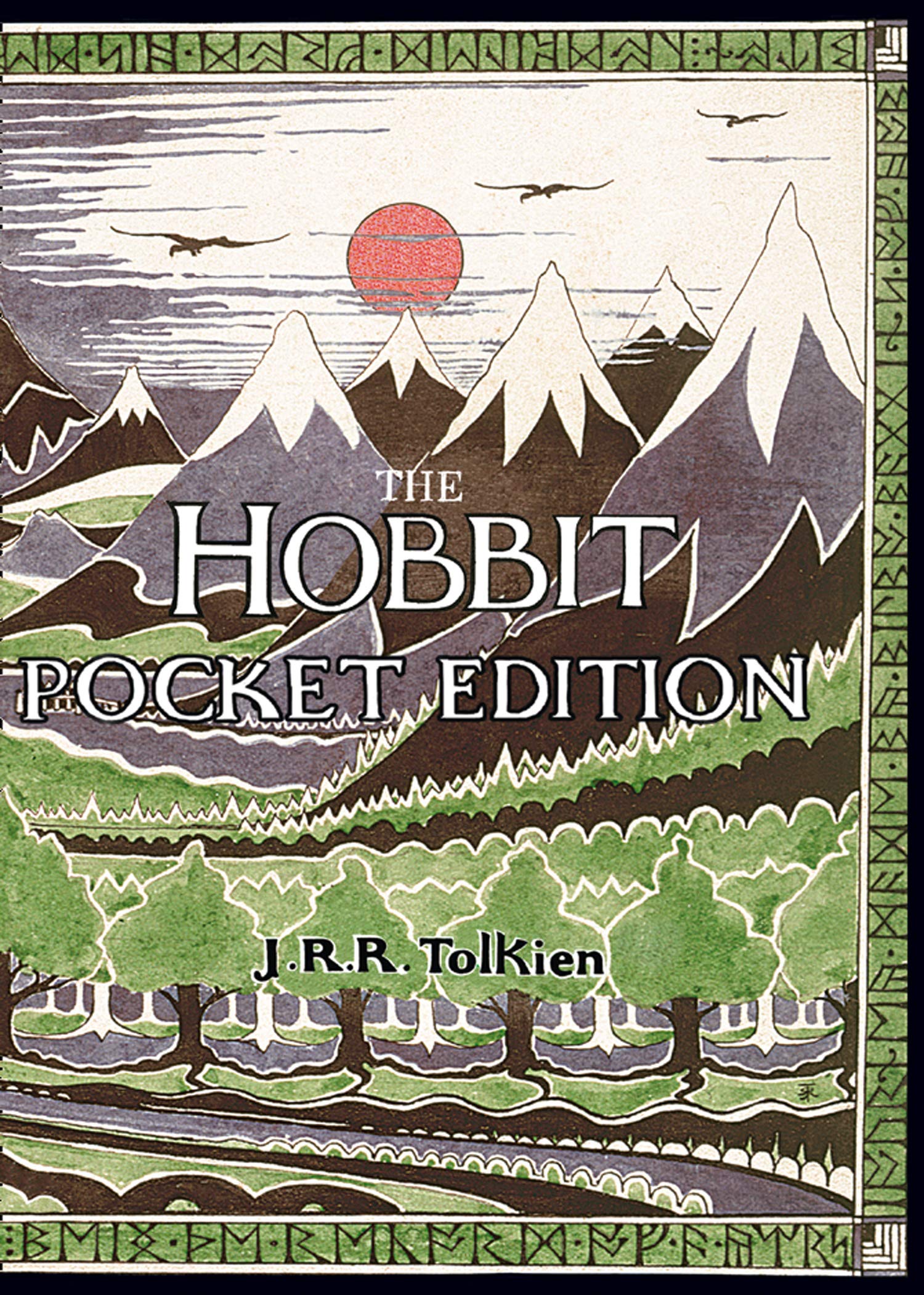
The Hobbit Cover


Usagi Yojimbo: Volume 3: The Wanderer’s Road by Stan Sakai – 1989

Usagi Yojimbo The Wanderer's Road Cover


Top Ten List:


Legend by David Gemmell – 1984

Legend

Let us start this list off with a novel that is epic in every sense of the word.  Legend is the debut novel of the impressive and exciting fantasy author David Gemmell and features an intense and massive siege that sees a gigantic, unbeatable army attempt to conquer the world’s greatest fortress.  Serving as the first entry in Gemmell’s The Drenai Saga, this is an amazing and awesome novel filled with action, adventure and outstanding characters, including Gemmell’s major series protagonist, Druss the Legend, who has a particularly poignant and memorable tale.  This is an exceptional must-read for all fans of the fantasy genre.


Guards! Guards! by Terry Pratchett – 1989
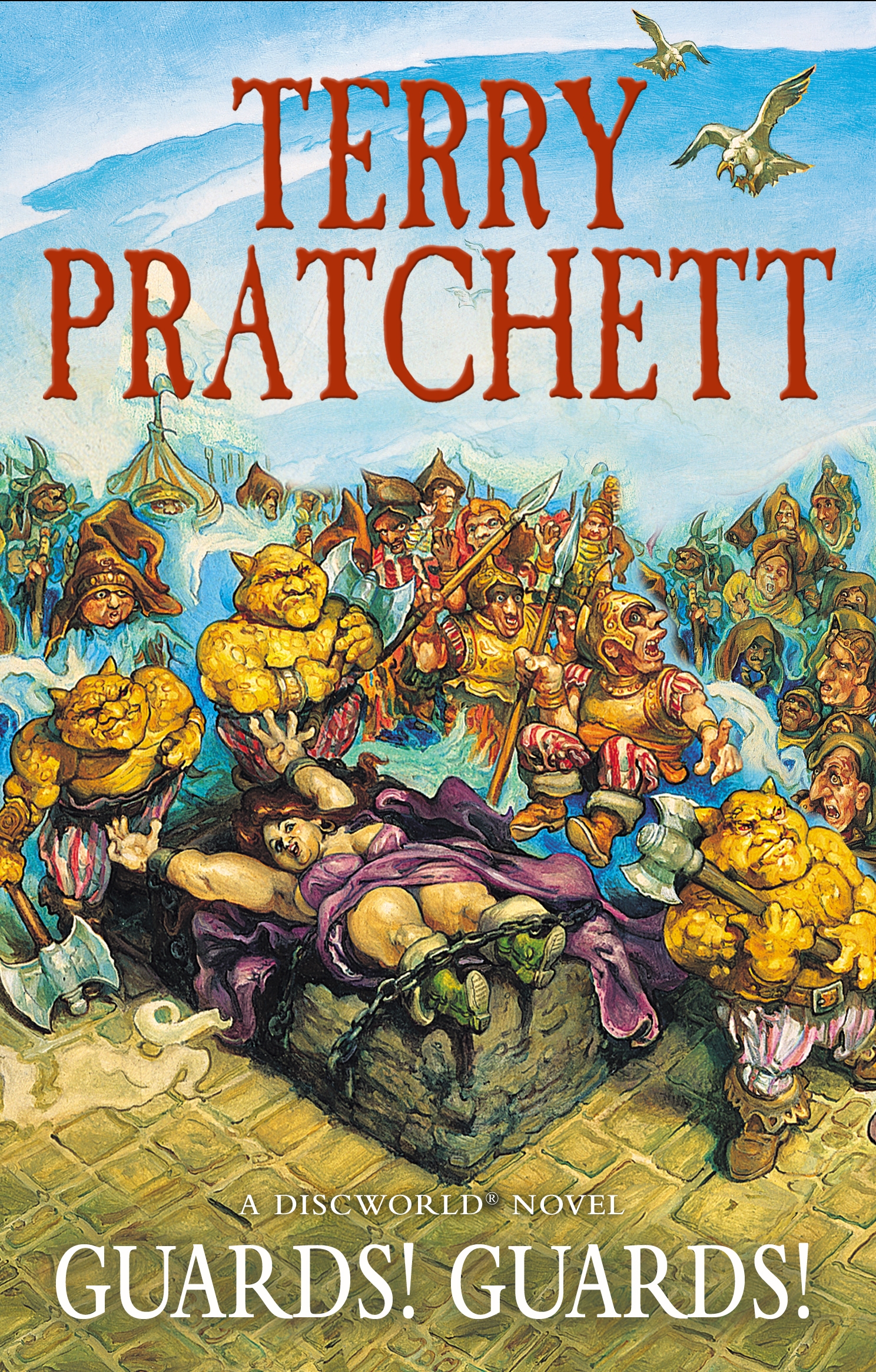
Guards! Guards! Cover

Considering the name that I chose for this blog, it should come as no surprise to anyone that I am a major fan of the late, great Terry Pratchett’s iconic and hilarious Discworld series.  I could have honestly filled this entire list with the 10 Discworld novels that were eligible entries.  However, I have shown some remarkable restraint and only featured my absolute favourite earlier novels from this long-running series.  The first book I am featuring on this list is Guards! Guards!, which came out in 1989.  Guards! Guards! is an extremely fun and fantastic novel that expertly and effortlessly melds fantasy, murder mystery and comedy elements into an exceptional and awesome novel that follows a seemingly useless city watch as they attempt to solve the biggest case of their careers: who is summoning a dragon to attack their city?  This was an absolutely captivating and hilarious novel that I could read time and time again without getting bored in the slightest, especially as Guards! Guards! sets up my favourite Discworld sub-series.  An incredible, outrageous and highly recommended read.


Magician by Raymond E. Feist – 1982
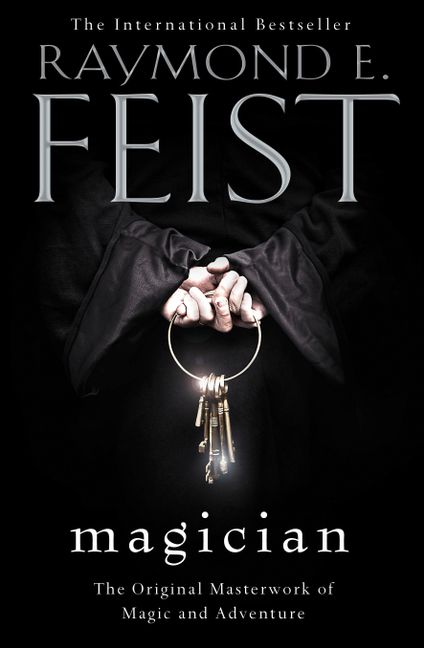
Magician Cover

Another pre-1991 epic debut that is essential reading for fans of the fantasy genre is Magician, the first novel in Feist’s long-running Riftwar Cycle.  This is an exciting and clever fantasy classic that I have had the great pleasure of reading several times.  Not only does it contain an inventive and compelling tale set across two separate worlds that find themselves at war with each other but it also serves as the first novel in a massive major fantasy series that ran for over 30 years.  I have a lot of love for Magician and I am still a major fan of Feist, especially as he continues to write great fantasy novels like King of Ashes and Queen of Storms.


Usagi Yojimbo: Volume 2: Samurai by Stan Sakai – 1989

Usagi Yojimbo Samurai Cover

There was no way I could do this list without featuring one of the Usagi Yojimbo comics that I have been having so much fun re-reading and reviewing over the last couple of months.  There were three separate volumes that I could have included on this list, but I decided to promote the second volume, Samurai, which features a captivating and detailed examination of the titular character’s backstory.  Filled with an amazing story and some excellent artwork, Samurai is one of the best entries in my favourite comic series and is a fantastic and wonderful read.


Streams of Silver by R. A. Salvatore – 1989
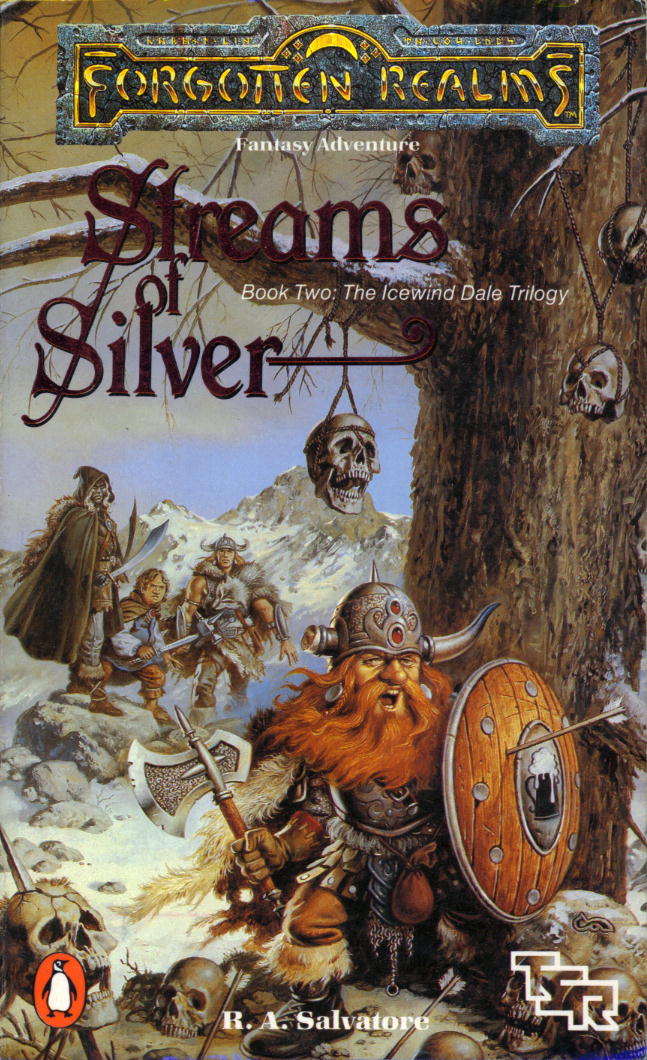
Streams of Silver Cover

Another author who was bound to appear on this list is fantasy legend R. A. Salvatore, who has authored a metric ton of novels since his debut in 1988.  There were several good options from Salvatore that I could have featured on this list, including all three novels in his debut series, The Icewind Dale trilogy, but the first one I decided to go with was his second novel, Streams of Silver.  While I love Salvatore’s debut, The Crystal Shard, I felt that Streams of Silver was the stronger novel, so I included on this list.  Featuring some intense action sequences, a deeper dive into the characters introduced in the first book, an outstanding antagonist and a fantastic cliffhanger conclusion, Streams of Silver is great novel from Salvatore that still really holds up.


Moving Pictures by Terry Pratchett – 1990

Moving Pictures Cover

The next Pratchett Discworld novel I included on this list was the comedic masterpiece, Moving PicturesMoving Pictures is a deeply impressive novel that sees the ancient art of moving pictures return to the Discworld and then promptly drive everyone crazy.  This entertaining and captivating read serves as an incredible parody to the film industry and is loaded with so many jokes and witty observations that you will be laughing yourself silly for days.  One of the strongest Discworld novels written before 1991, this one is very much worth reading.


Batman: Year One by Frank Miller, David Mazzucchelli, Todd Klein and Richmond Lewis – 1987

Batman_Year_One

While there were a number of great comics written before 1991, one of my favourites is the 1987 classic, Batman: Year One by graphic novel icon Frank Miller and his talented team of artists.  This is an outstanding read that re-imagined Batman for an entire generation and ended up being the character’s key introductory comic for one of the best periods of DC comics.  Serving as the main inspiration for the Batman Begins film, Batman: Year One is an exceptional comic that any true Batman fan will love and adore for years to come.


Daughter of the Empire by Raymond E. Feist and Janny Wurts – 1987

Daughter of the Empire Cover

While Magician served as a particularly impressive introduction to the Riftwar Cycle, one of my favourite entries in the entire series was Daughter of the Empire, which Feist cowrote with Janny Wurst.  Set on an Eastern-culture inspired fantasy planet, Daughter of the Empire is the first book in the Empire trilogy, a captivating companion trilogy to the Riftwar novels.  While all three books in this series are great, the best is easily Daughter of the Empire, which sees a noble-born daughter forced to survive and lead her house after her family is murdered by a powerful rival who wishes to crush her.  Thanks to its enjoyable and dramatic narrative of survival against all the odds, Daughter of the Empire is a particularly amazing novel that has a very special place in my heart and which I have gone back and re-read several times.


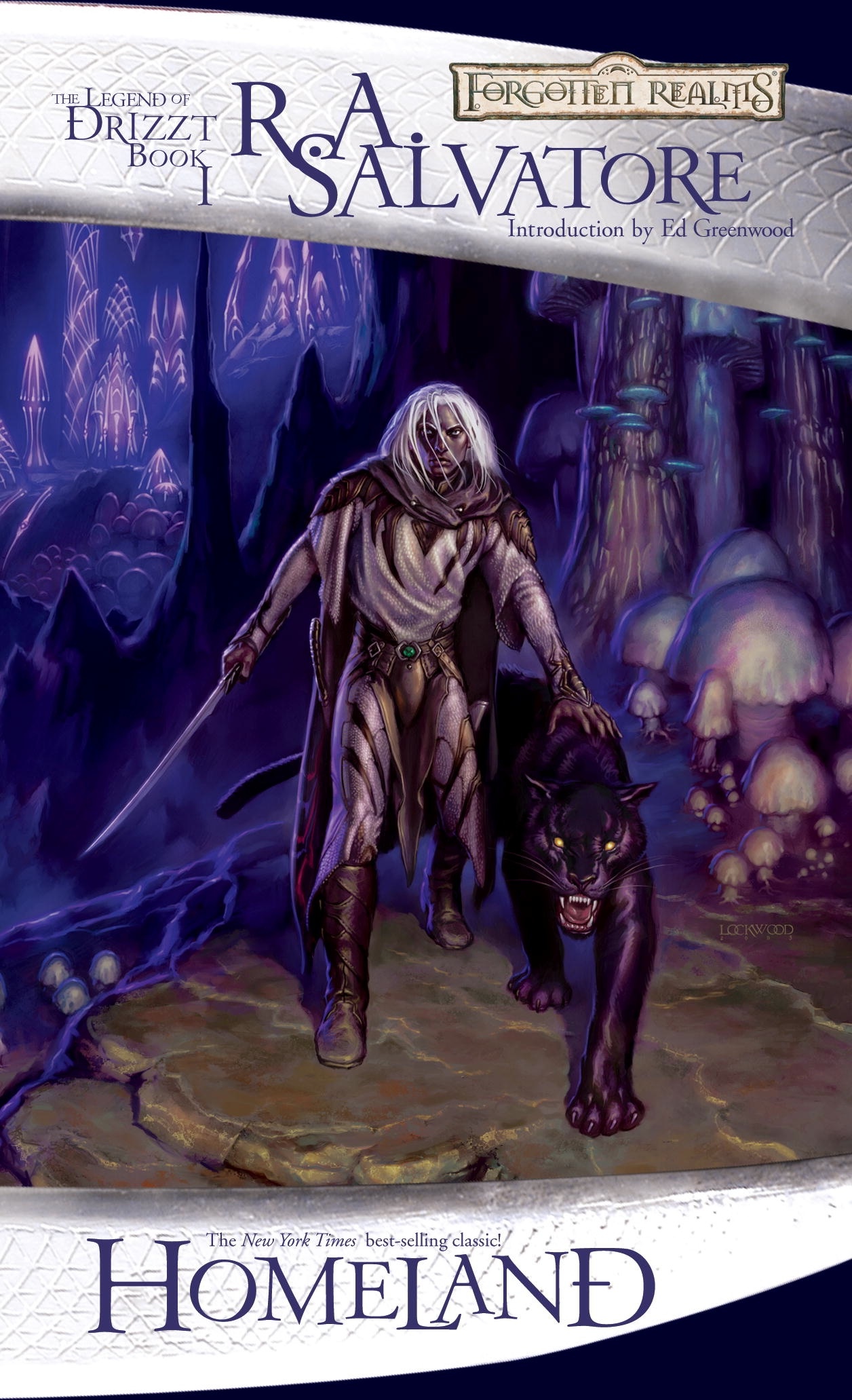
Homeland by R. A. Salvatore – 1990
Homeland Cover

My second Salvatore novel on this list is Homeland, the first book in the Dark Elf trilogy, which explores the early life of Salvatore’s most iconic character, the dark elf ranger Drizzt Do’Urden.  Homeland follows the birth of Drizzt and follows some of his earliest experiences living with his race, the evil Drow, in their homeland underground, where murder, betrayal and personal ambitions are the natural way of life.  Watching the noble and selfless character of Drizzt grow up amongst murders, cowards and fanatics is just fantastic and Homeland is easily one of my absolute favourite Salvatore books of all time.


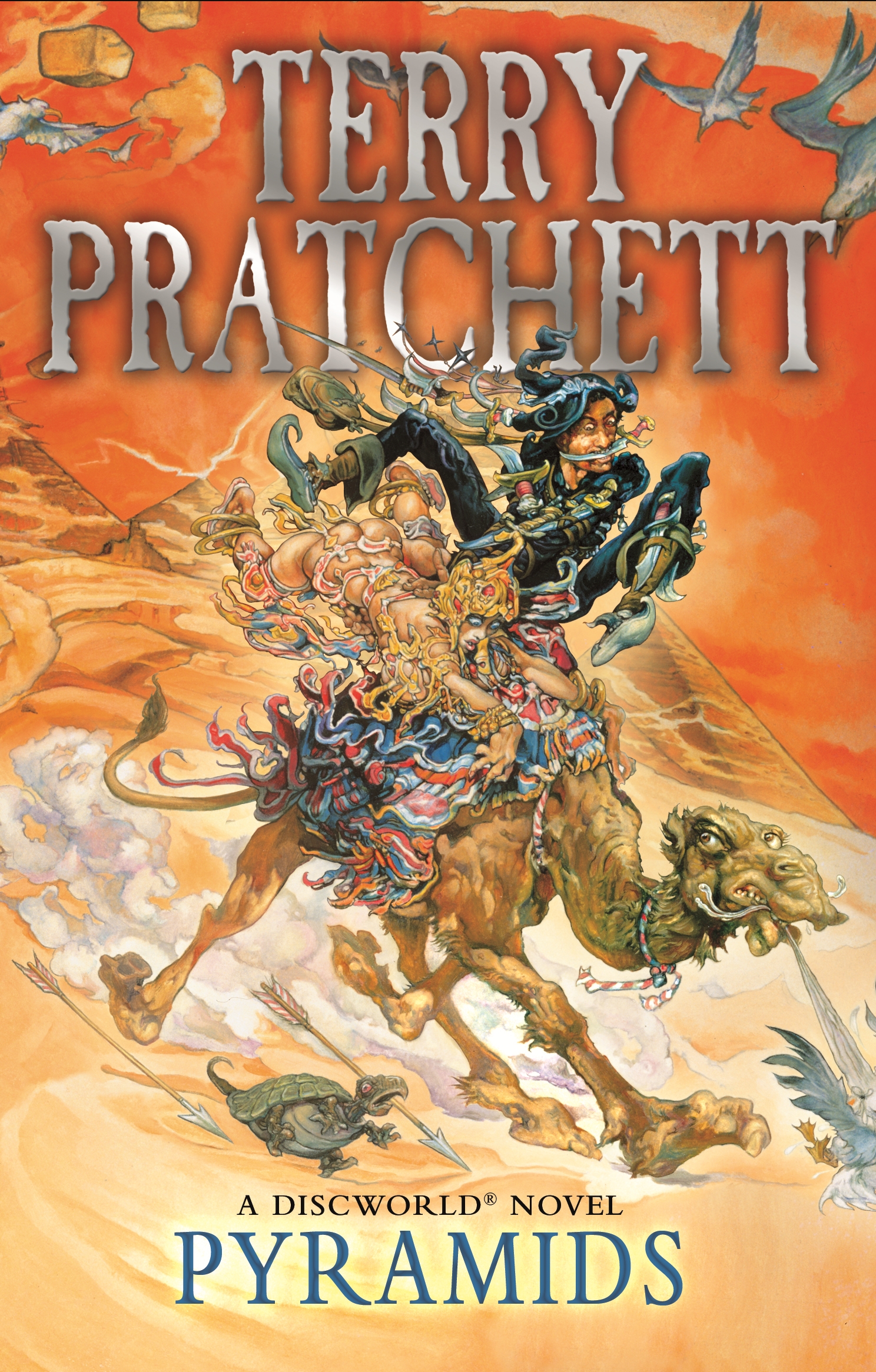
Pyramids by Terry Pratchett – 1989
Pyramids Cover

The final book on this list is another Pratchett novel, Pyramids, a subtly clever and hilarious read.  Set in a parody version of ancient Egypt, Pyramids follows a modern king as he attempts to bring plumbing, feather beds and progress to his decaying country, only to face opposition from his priests, his fellow gods and his greatest adversary, geometry.  With some major laugh-out-loud moments, including one scene where multiple Egyptian-inspired gods engage in a football-style match to control the sun, and some amazing original characters, Pyramids is an incredible read and the perfect note to end this list on.


I rather liked how this list turned out and I was so glad that I was able to find several great books to feature above.  I do wish I had a bit more variety when it came to authors, and I might have to think about going back and checking out some earlier entries from authors I am fans of, especially if they published novels before 1991.  Each of the novels I mentioned above is really exceptional, and I would strongly recommend them all to anyone looking for a fantastic read.  Hopefully, some of the authors I mentioned won’t be too disconcerted about the fact that they have been writing for a longer period than I have been alive, and if they are I apologise deeply.  Let me know what your favourite novels written before 1991 are in the comments below and I will be interested to see if there are any great books that I missed.

Throwback Thursday – Usagi Yojimbo – Vol 1: The Ronin by Stan Sakai

Usagi Yojimbo The Ronin Cover

Publisher: Fantagraphics Books (Paperback – 1987)

Series: Usagi Yojimbo – Book One

Length: 144 pages

My Rating: 5 out of 5 stars

Amazon     Book Depository

Reviewed as part of my Throwback Thursday series, where I republish old reviews, review books I have read before or review older books I have only just had a chance to read.

We are now less than two months until the next amazing volume of Stan Sakai’s long running Usagi Yojimbo comic series, Bunraku and Other Stories, is released, and I am getting excited. This new volume is set to feature several brand new Usagi Yojimbo stories (including an extended story about a haunted puppet drama), but it is apparently also going to feature a look back at the very first Usagi story as part of an 35th anniversary special. For that reason, I thought that this would be an excellent time to go back and review volume one of the Usagi Yojmbo series, The Ronin, to serve as a good base for the upcoming review.

Usagi Yojimbo is a unique comic book series that Stan Sakai started back in 1984. It focuses on the adventures of Miyamoto Usagi, an anthropomorphic rabbit samurai who lives in a version of feudal Japan (early Edo period) completely populated with other anthropomorphic animals. Usagi is a ronin, a masterless samurai, who wanders the land on a warrior’s pilgrimage, helping those he encounters and occasionally working as a yojimbo (bodyguard) for hire. Throughout his journey he encounters all manner of friends and foes, including a number of creatures from Japanese folklore, and finds himself constantly drawn into the political plots of the land. This series is written and drawn in a more western comic/cartoon style rather than the Japanese magna style. However, the Usagi Yojimbo series is strongly inspired by Japanese history and culture, featuring a huge range of accurate depictions of historical events and cultural icons. This series is currently collected in 33 volumes from several different publishers, with each volume containing a number of different issues from the series. These issues are usually standalone adventures, although a number of longer storylines are continued through several issues or volumes.

I have been meaning to go back and review the first volume Usagi Yojimbo for a while now. The Usagi Yojimbo series is easily one of my favourite comic book series of all time, as Stan Sakai has created a truly epic and compelling series. While on paper a series following a rabbit samurai in a version of feudal Japan populated by other anthropomorphic animals does sound a bit ridiculous, these comics are anything but. Through a combination of outstanding storylines, complex characters, intense action, great uses of humour and an intriguing and compelling look at Japanese history and culture, Sakai has created a comic series that is extremely endearing and captivating. I have been a massive fan of this series for years, having started reading it when I was in high school (thank goodness for my surprisingly well-stocked public library) after I first saw the character in the 2003 Teenage Mutant Ninja Turtles animated series. I have previously reviewed the last two volumes of Usagi Yojimbo on my blog already (Volume 32: Mysteries and Volume 33: The Hidden), with Mysteries actually being the very first comic I ever reviewed. Both of these previous volumes received a five-star rating from me, which I have also awarded to this first volume.

Unlike the rest of the collected volumes, The Ronin doesn’t actually contain any issues from the Usagi Yojimbo series. Instead, it contains several earlier Usagi stories which were part of other publications, such as Albedo Anthropomorphics, Critters, Doomsday Squad and Usagi Yojimbo: Summer Special. All of these were collected together for the first time in 1987 into this volume (I have the 2007 reprint), and appear in chronological order. The Ronin contains 10 separate chapters of various lengths, each with their own story. These include:

  • The Goblin of Adachigahara: the very first story to feature Usagi, and the one that the upcoming Bunraku and Other Stories is going to revisit. This initial story features Usagi returning to the area near the battlefield of Adachigahara, where he lost his lord, Mifune, in a battle, forcing him to become a ronin. Seeking shelter in the hut of an old lady, he recounts his story of the battle to his host, including the betrayal of one his lord’s generals which cost them the battle. Later, Usagi battles a flesh-eating goblin, revealed to be not only the treacherous general but also the husband of his elderly host, and manages to defeat him, sparing the old lady who was going to allow him to be eaten. This was an excellent introduction to Usagi, as you got some vital information about his history, his status and his skill as a warrior. You also got a great look at his moral character, as he chooses to spare a woman who would have let him be eaten, and instead instructs her to perform funeral rights on the man who cost him everything.
  • Lone Rabbit and Child: this second story involves Usagi getting involved in the politics of the nation, as he comes to the aid of a young lord, Noriyuki, and his retainer the swordswoman Tomoe Ame. Noriyuki and Tomoe are being hunted by the agents of the evil lord Hikiji, who was also responsible for the death of Usagi’s previous lord years ago (it is later revealed he also killed Usagi’s father). Usagi agrees to escort them to safety, and they must contend with mercenaries, assassins and ninja on their quest. This is an amazing second outing, which expands on the world the series is set in, continues to show off Usagi’s skill, and sets up Hikiji as the main antagonist of the series (even if you see very little of him later on).
  • The Confession: This story follows on directly from the events of Lone Rabbit and Child, and features Usagi in the possession of a vital letter implicating Lord Hikiji in the attempt to kill Noriyuki. Usagi is ambushed by the Neko Ninja, who seek to reclaim the letter, leading to a prolonged and desperate fight in the woods. This proved to be an awesome follow-up to the previous story, which continued to highlight Usagi’s skills in combat and Sakai’s ability to drawn excellent, high-stakes fight scenes. It also showed just how nefarious an opponent Hikiji and his advisor Counsellor Hebi (a big terrifying snake) can be.
  • Bounty Hunter: Usagi is hired as a Yojimbo by the bounty hunter Gennosuke as he attempts to claim his latest bounty, the leaders of a local gang. Engaging the gang in a fight at a temple, Usagi and Gen are an effective team, eventually getting their targets, although their partnership ends on an interesting note. This was an entertaining story that served as a perfect introduction to a great character. Usagi and Gen have amazing chemistry together and Gen is an awesome side character. This is also one of the first stories to feature some more humour in the story, especially in the end, which turns out to fit in well with the overall feel of the series.
  • Horse Thief: Sakai features a lot more humour when Usagi, after interfering in a robbery by a gang of bandits, takes one of the bandit’s horses. He attempts to sell the horse in town, only to discover that it was stolen from the local magistrate, who chases him into the woods. Usagi’s problems only escalate from there, when he and his pursuers run into the bandits, prompting a massive battle in which Usagi is everyone’s enemy. The story has a great ending, steeped in irony which leaves Usagi and the reader laughing hysterically. I loved the author’s use of coincidence and bad fortune in this story, and it was fantastic to watch Usagi go from one bad situation to the next.
  • Village of Fear: This is a bit more of a horror story, as Usagi comes across a village held captive by a fearsome monster. This horror is compounded when it is revealed that the monster is a shapeshifter who has taken the form of one of the villagers. This was a relatively brief story, but it is set up and executed very well, with several great character moments, and there is even time for a quick Gone with the Wind joke.
  • A Quiet Meal: This is another of the more humorous stories in the volume, which features Usagi trying to have a quiet meal in an inn. Unfortunately, a gang of rough gamblers are causing trouble, throwing the other patrons out and trying their luck with Usagi. Usagi quickly shows them the error of the ways with some extremely fancy sword work, which causes them to flee in terror. The most noticeable feature of this entry is the fact that Usagi doesn’t speak once during the entire issue (he’s trying to have a quiet meal), and it’s up to his body language and the other characters to tell the story. This works extremely well and really helps to uplift the overall humour of the story. The way in which he sees off the ruffians is absolutely fantastic, and their absolute fear and disbelief at his skill, “this one’s been filleted”, is just great.
  • Blind Swords-Pig: This is a somewhat sadder and more dramatic story which features Usagi encountering and quickly befriending the blind pig, Zato Ino, who is seeking a peaceful place to settle down. Ino, however, is an extremely skilled warrior and wanted outlaw. Constantly hunted for his bounty, he relies on his sword skills and his ability to ‘see’ with his sense of smell. When Usagi finds out his true identity, the two engage is a fierce duel in which Ino loses his nose, truly becoming blind. This is one of the best stories in the whole of The Ronin, mainly because of the complex character that is Ino. He has a true desire for a peaceful life, but his past ensures that this can never happen, as even friendly characters like Usagi turn against him. This has turned him into a somewhat bitter creature, quick to hate those he meets “and what I hate, I kill!”, and the events of this first story help turn him into something even more angry, especially when it comes to Usagi.
  • Homecoming: This story sees Usagi return to the village of his childhood, but his return is not a peaceful one, as his village is under attack by the Mogura Ninja. Usagi must work with his childhood rival, Kenichi, to save the village; however, there is much enmity between Usagi and Kenichi, mainly because Kenichi married Mariko, the love of Usagi’s life. The two rivals must move past their differences, especially when Kenichi and Mariko’s son, Jotaro, is kidnapped by the Mogura Ninja. This was another exceptional entry in the volume, as it blends together tight action sequences with a deeper dive into Usagi’s past, including his complex and dramatic history with Kenichi and Mariko. The final pages of this issue are just heartbreaking, as it is revealed that Usagi and Mariko both kept the mementos they gave each other as young lovers, and they are both clearly in love with each other, even though they can never be together. I also really liked the Mogura Ninja in this book, especially as moles apparently make effective and deadly ninja.
  • Bounty Hunter II: This final story sees the return of Gen, who once again convinces Usagi to work with him to collect another bounty. Gen of course manages to complicate the job, and his actions backfire on Usagi, resulting in him getting into a major scrape. Despite Usagi’s understandable rage towards Gen, the two are able to part amicably, although Usage gets a small measure of appropriate revenge at the end of the story. I think that Sakai really hit his stride with the Usagi/Gen friendship in this second story, and the two of them play off each other extremely well. I really loved the end of this story, and it definitely got a big laugh out of me.

Overall, I felt that this volume contained a perfect blend of stories, and I really liked how Sakai jumped between action-based stories, to comedies and then to more dramatic tales, which helped produce a range of different emotional reactions. I did appreciate that the different issues also featured a range of different opponents and story basis, allowing the reader to understand that this series is going to focus on everything including banditry, ninja attacks, political intrigue and even the supernatural. I also think that the stories in The Ronin contained the right amount of character background for Usagi, providing enough for the reader to understand his motivations, while not being too overwhelming. This great blend of storylines and character arcs works extremely well together, and it makes for one heck of a complete volume.

The Ronin serves as an excellent introduction to this series, and I would strongly recommend that anyone interested in Usagi Yojimbo start with this volume. The stories within do a wonderful job of setting up the alternate version of historical Japan that this entire series takes place in. I absolutely love the combination of vibrant animal characters with feudal Japanese settings, and it works really well as the backdrop for an action series, especially with the political uncertainty and mass of unemployed samurai that accompanied the early years of shogunate rule. That being said, it is never quite explained why certain animals (horses and small dogs) are non-sentient, or why there are packs of dinosaur-like lizards (tokage) roaming the wilderness, although I kind of like the mystery. This volume also contains fantastic introductions for so many characters who are vital to the series, such as Gen, Tomoe, Mariko and more, and you get great insights into their characters, which are built up with each appearance they make. A lot of key character arcs or storylines start in the stories featured within this volume, and as each volume of Usagi Yojimbo is sequential, readers of the series are best served starting with this first volume. Luckily, The Ronin is a really good first entry in the series, and it is definitely worth checking out.

One of the most charming things about the Usagi Yojimbo series is the way in which Sakai sneaks so many different historical and cultural references into his stories. Most of the characters are either inspired by a real-life historical figure or a fictional character from Japanese or western culture. For example, Usagi himself is based on one of the most famed samurai of all time, Miyamoto Musashi, who is often credited with creating the two-sword fighting technique that Usagi utilises in the series, while Tomoe Ame is based on famed female samurai Tomoe Gozen. Other characters however are based on Japanese movie characters, such as Zato Ino who is a clearly a pig version of Zatoichi, the blind swordsman protagonist of a series of popular Japanese movies and televisions shows. Gen is based on the character that Toshiro Mifune portrayed in samurai films such as Yojimbo (which was later adapted into A Fistful of Dollars), and Usagi’s former lord Mifune gets his name from the actor. Other references include the title of the second story in this volume, Lone Rabbit and Kid which is a references to the manga series Lone Wolf and Cub (Sakai later creates the characters of Lone Goat and Kid as another homage to this series) and the fact that this series is partially named after the Yojimbo film. Two separate stories in this volume also reference Sakai’s previous work on the Groo the Wanderer comic, with Groo even briefly appearing in Lone Rabbit and Kid, sharing a fun stare down with Usagi. I had a great time with all these references (although I admit I had to look up a couple), and some of them are really clever. They add a lot of fun to this series and they are a real treat for readers, especially those already familiar with Japanese history, film or culture.

I am a big fan of Sakai’s art style, and each issue of Usagi Yojimbo is an absolute joy to view. Not only does he produce some outstanding action sequences with his drawings, many of which do an awesome job of depicting the samurai battle style, but he also creates some fantastic characters and breathtaking landscape scenes. Nearly every issue shows some inspiring and beautiful depiction of the Japanese countryside or a historical town, and the sheer amount of detail that he throws into his various scenes is just incredible. It’s also fun to see the various animals that can be turned into samurai, as everything from bulls, rabbits, crocodiles, rhinos, monkeys, pandas, cats and dogs appear in this first volume alone. For this first volume, however, the artwork is understandably a little inconsistent, mainly because Sakai had only just started drawing these characters. The various character designs are a little rough in places, especially if you are familiar with his later work, as Sakai is clearly experimenting with how he wants to depict these characters. A few of the action sequences are also a tad different from the later entries in this series, which can be a little jarring in places, but still really cool. Overall, though, most of the art in this book is pretty incredible, and it is fun seeking Sakai get into his groove with each new story. Sakai does an amazing job conveying emotion, action and intent through his drawings in this volume, and it turns out wonderfully. If I had to pick my favourite bit of art in this entire volume, it would be a scene in A Quiet Meal, where Usagi swings his sword around the head of a ruffian who is bothering him. While it first it appears that Usagi had done nothing, you slowly realise that the flies that Sakai had been subtly drawing around this character’s head before that point, are gone. The facial reactions of the various thugs when they realise what happened to the flies are just hilarious, and I absolutely loved it.

This first volume of the Usagi Yojimbo series, The Ronin, is an amazing and spectacular read, which I have a lot of love for. Not only does it serve as an excellent introduction to the Usagi Yojimbo series, but it contains some captivating storylines, impressive artwork and a heck of a lot of fun. Needless to say, The Ronin gets a full five stars from me, and I cannot recommend this volume and the Usagi Yojimbo series enough. Reading this first volume actually got me re-reading the entire series again, and I have already made it up to volume 17. In my book, all of them are five star reads, and you can probably expect some more reviews of them in some future instalments of Throwback Thursday. Stay tuned to see my review of the next volume of this epic series, which I already know I am going to love.

Amazon     Book Depository