Top Ten Tuesday – Books That Feature Travel

Top Ten Tuesday is a weekly meme that currently resides at The Artsy Reader Girl and features bloggers sharing lists on various book topics.  For this week’s Top Ten Tuesday, participants are encouraged to list their favourite ten books that feature travel in them.  While this guiding topic could reference a lot of different things, I’m choosing to interpret it as books where the participants are required to go on long journeys away from home, possibly in a quest-like manner, or novels where the act of traveling is essential to the plot.  As such, my list is filled with a fair amount of fantasy and science fiction, with a few other interesting entries as well.  I actually came up with quite a few potential choices for this list, but I was eventually able to whittle it down into a compelling Top Ten list alongside my usual generous Honourable Mentions section.  So let us see what made the cut.

Honourable Mentions:
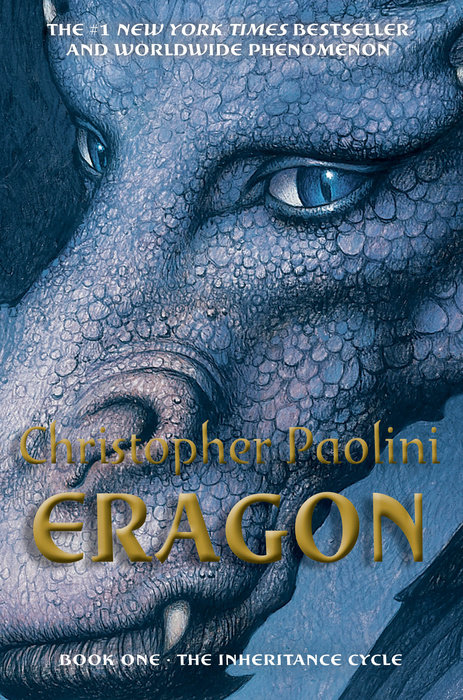
Eragon by Christopher Paolini

A classic young adult fantasy tale where the protagonist travels far from home to discover his destiny.

Amazon


Empire of Silence by Christopher Ruocchio
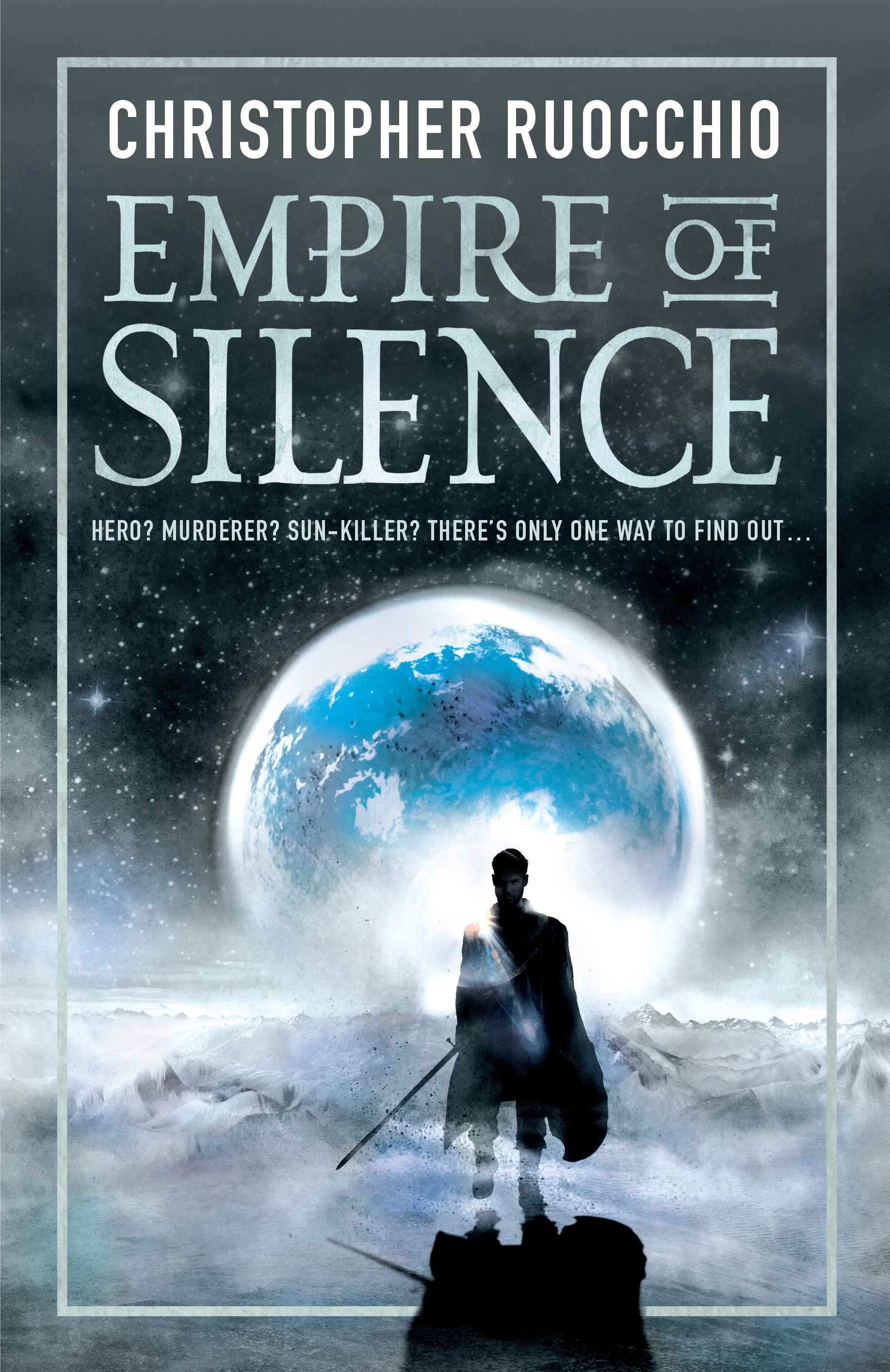
Vast intergalactic journeys are the order of the day in this brilliant science fiction read.
Amazon


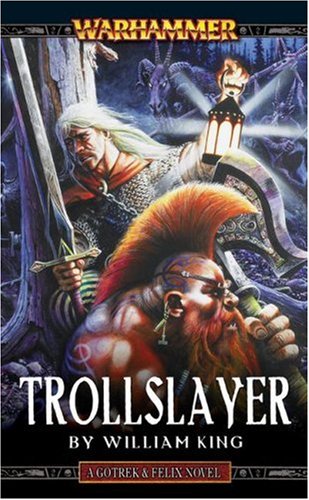
Trollslayer by William King

An awesome collection of connected tales, where the two protagonists journey all over the Warhammer Fantasy world looking for trouble.

Amazon


How to Become the Dark Lord and Die Trying by Django Wexler
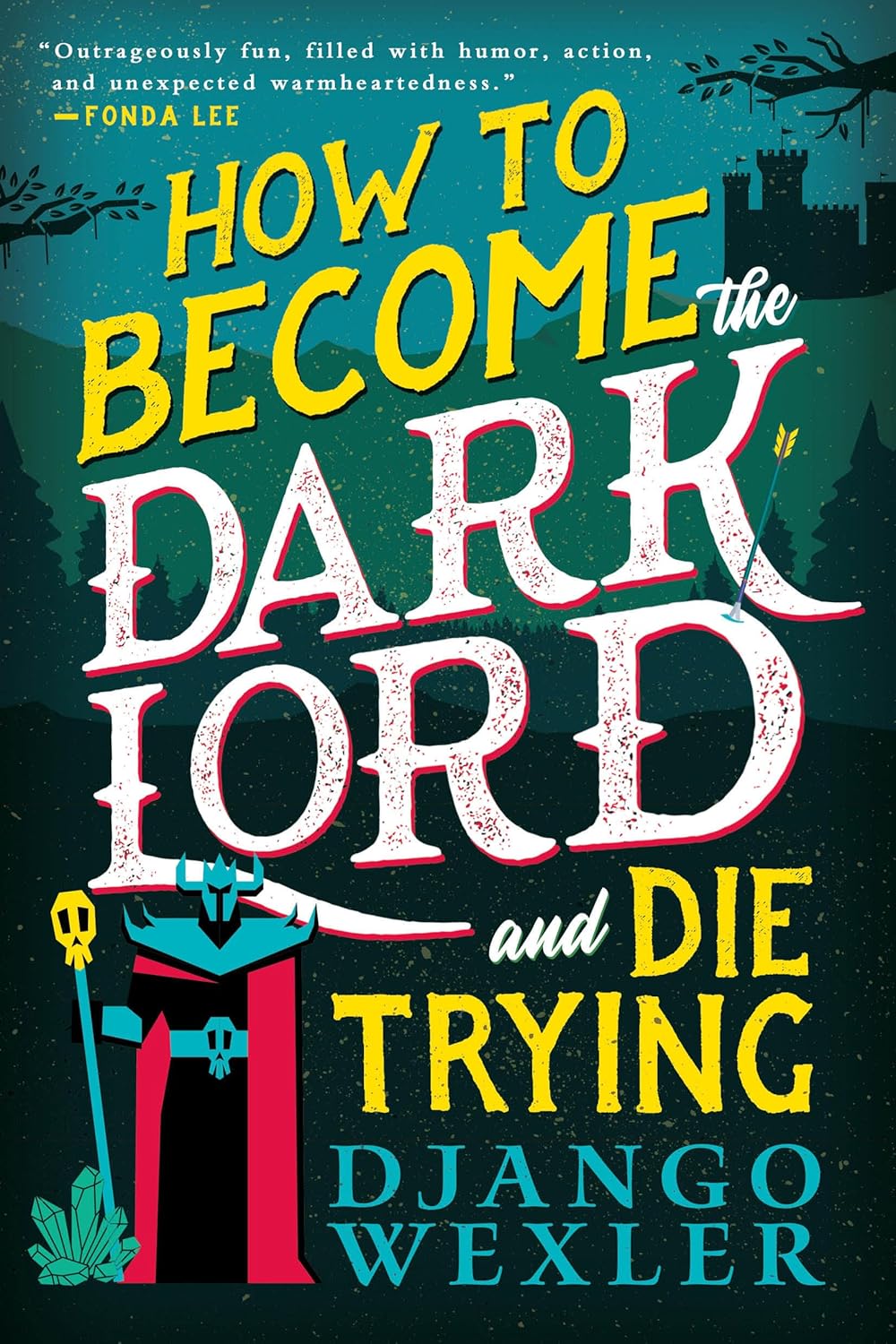
One of the funnier entries on this list.  How to Become the Dark Lord and Die Trying was a great book that saw a young woman repeatedly journey across a fantasy land to become the next dark lord.

Amazon

Top Ten List:

The Hobbit by J. R. R. Tolkien
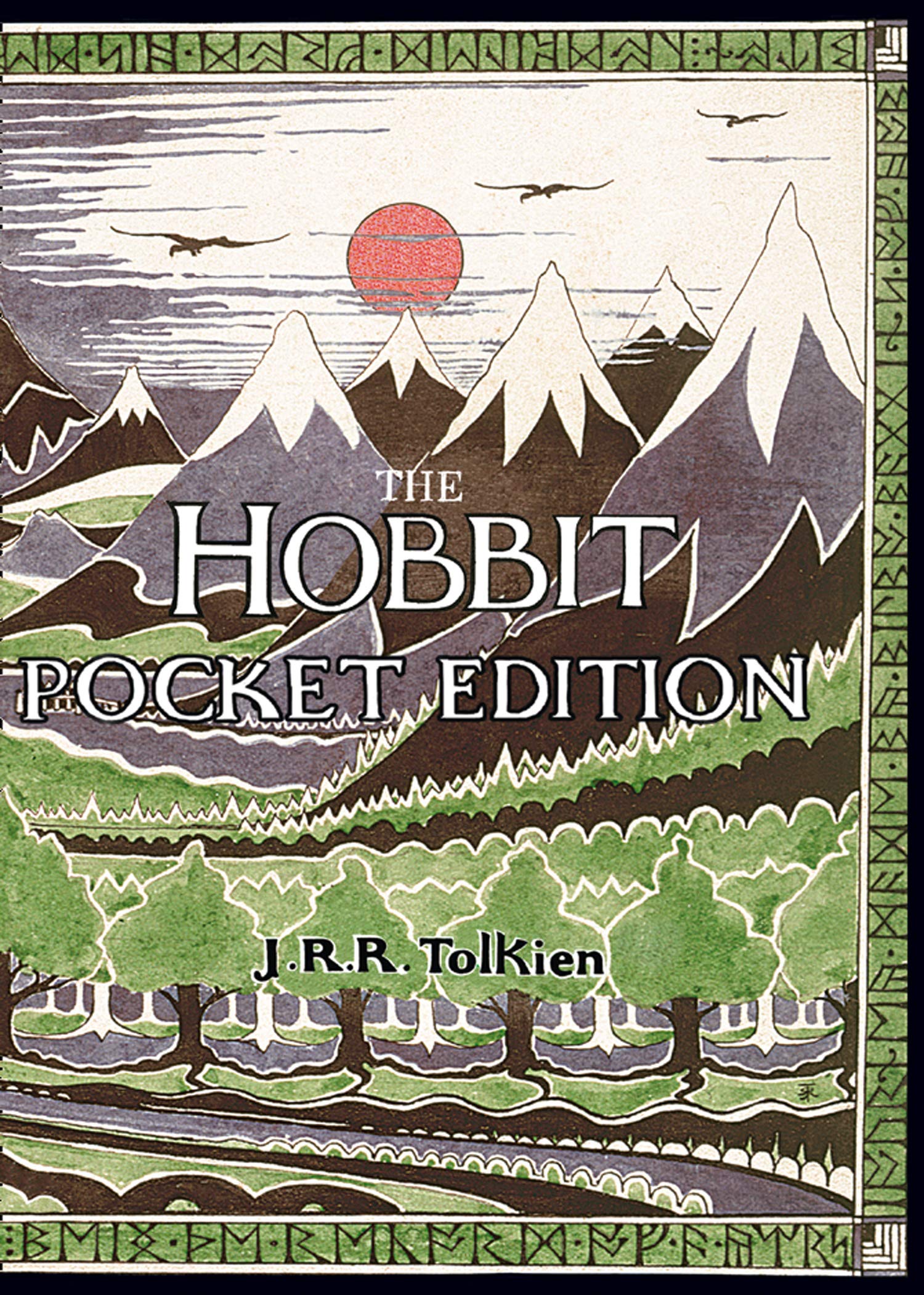
A very easy place to start is with the works of J. R. R. Tolkien whose books were all about epic quests and long journeys.  While all three books in The Lord of the Rings trilogy would have worked here, I’m going with the original classic, The Hobbit, that saw a very brave hobbit journey across Middle Earth on a grand adventure.

Amazon


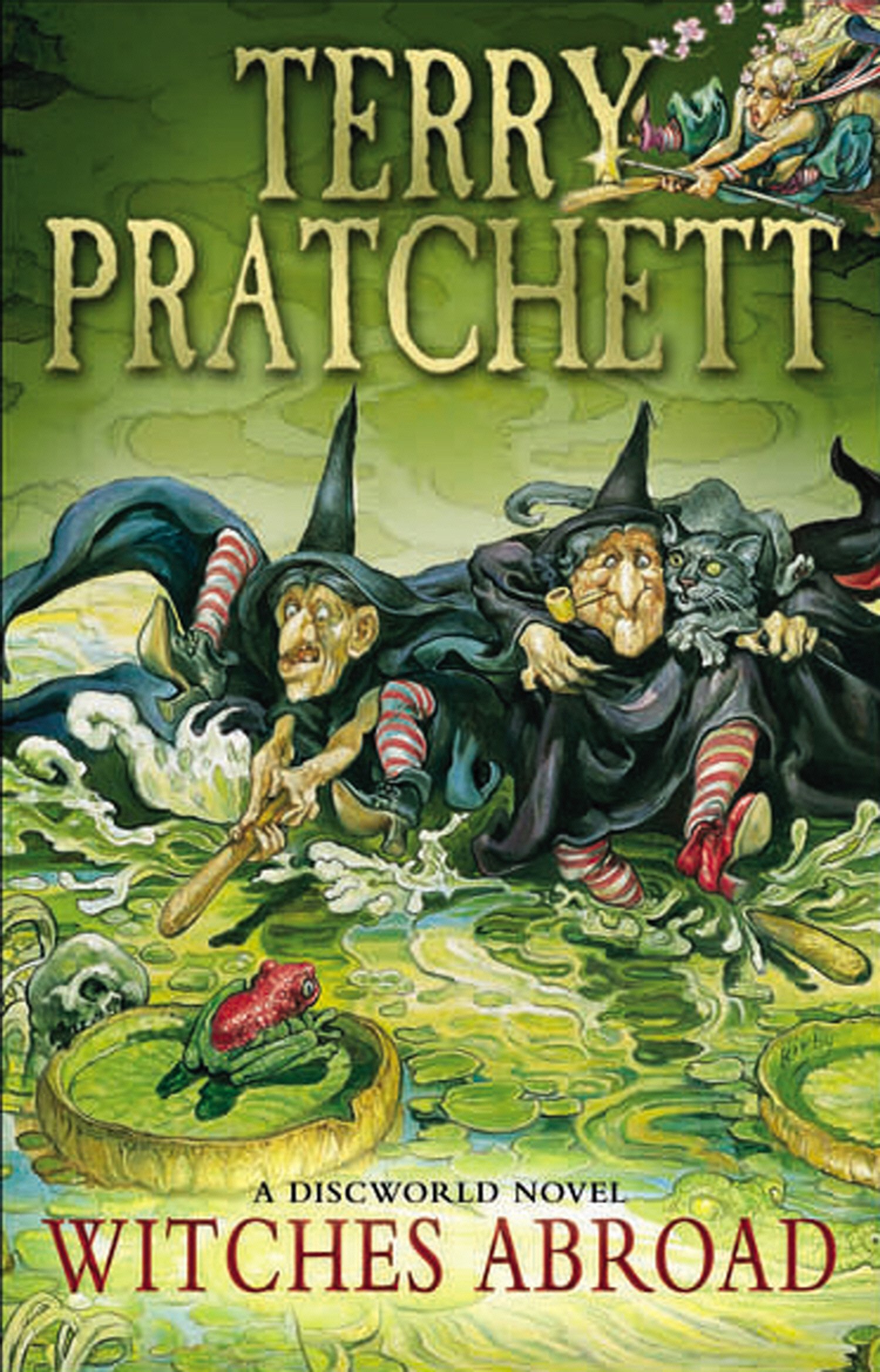
Witches Abroad by Terry Pratchett

From Tolkien to Pratchett, I’m starting this list off with some real fantasy fiction heavyweights.  Terry Pratchett was another author whose stories often featured grand quests across the titular Discworld, even though his protagonists were often a lot more reluctant to go on them.  There were quite a few different Discworld books I could have featured here (as well as some of Pratchett’s standalone novels like Strata or The Carpet People), however, I’m going to go with one of my favourites, Witches Abroad, which fits the travel theme extremely well.  Following three of Pratchett’s witch protagonists as they go on an extended holiday to a fairy-tale plagued city, Witches Abroad is a very funny read and one of the better Discworld books.

Amazon


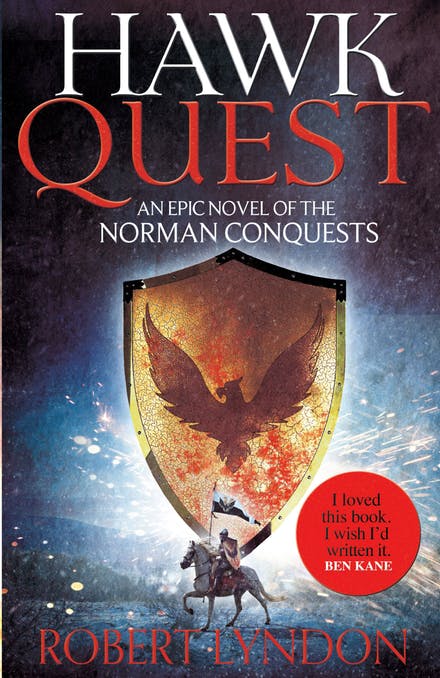
Hawk Quest by Robert Lyndon

Moving outside of fantasy fiction for a bit we have the epic historical fiction novel Hawk Quest by Robert Lyndon.  A massive adventure novel, Hawk Quest follows an eclectic group of protagonists in the 11th century as they transport rare hawks to the Holy Land to serve as ransom for an imprisoned knight.  Requiring a trek across medieval Europe, Hawk Quest is a brilliant novel that is all about travelling impossible distances.

Amazon


Magician by Raymond E. Feist

I just had to feature the outstanding classic fantasy read Magician by Raymond E. Feist on this list, which sees all its protagonists embark on great adventures across Feist’s fantasy realms.  All the key characters engage in some massive travels in this novel via ship, horseback and more, including the main protagonist who journeys to a whole other fantasy dimension and back again, just to hammer home how important travel is for this outstanding read.

Amazon


Artifact Space by Miles Cameron

To mix things up a bit I had to include the cool science fiction novel, Artifact Space by Miles Cameron.  While quite a few of Cameron’s books features lengthy quests or travelling great distances (such as his novel Dark Forge), I decided to go with Artifact Space as it probably features the furthest distance travelled as the protagonist embarks on a massive trade ship going to the edge of known human space.  An ambitious and compelling read, Artifact Space is an excellent novel where the protagonists end up going so very far away from home.

Amazon


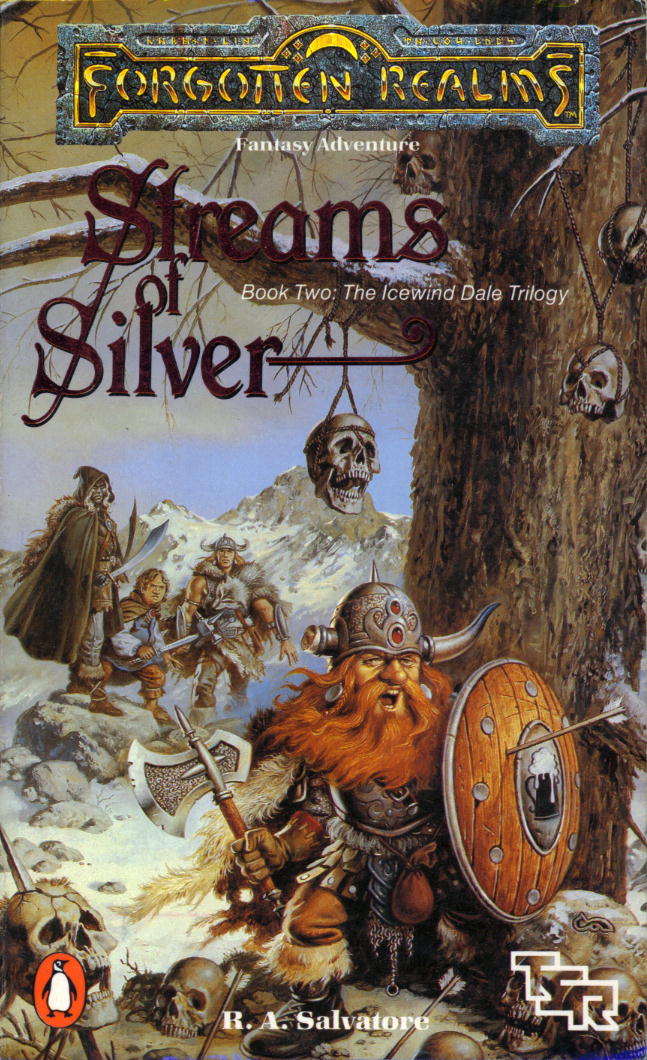
Streams of Silver by R. A. Salvatore

Another author whose books often feature grand journeys is legendary fantasy writer R. A. Salvatore.  I was honestly spoiled for choice when it came to Salvatore’s books, as so many are travel-focused, but in the end, I went with Streams of Silver.  The second book in the Icewind Dale trilogy, Streams of Silver sees Salvatore’s entertaining party of protagonists leave on a quest to recover the legendary Mithril Halls, traversing all manner of fantasy landscape along the way.  A classic fantasy adventure with a ton of travel, Streams of Silver is a very worthy addition to this list.

Amazon


Bullet Train by Kōtarō Isaka

For something a little different I decided to include the cool thriller Bullet Train by Japanese author Kōtarō Isaka.  Set aboard a moving bullet train, this fun book sees several dangerous killers attempt to outfox each other before the train arrives at its final deadly destination.  I think the constant moving train and the ticking clock as it gets closer to the end of the line qualify this thriller nicely as a book containing travel, and I honestly had a ton of fun getting through both the Bullet Train novel, and its entertaining movie adaptation.

Amazon


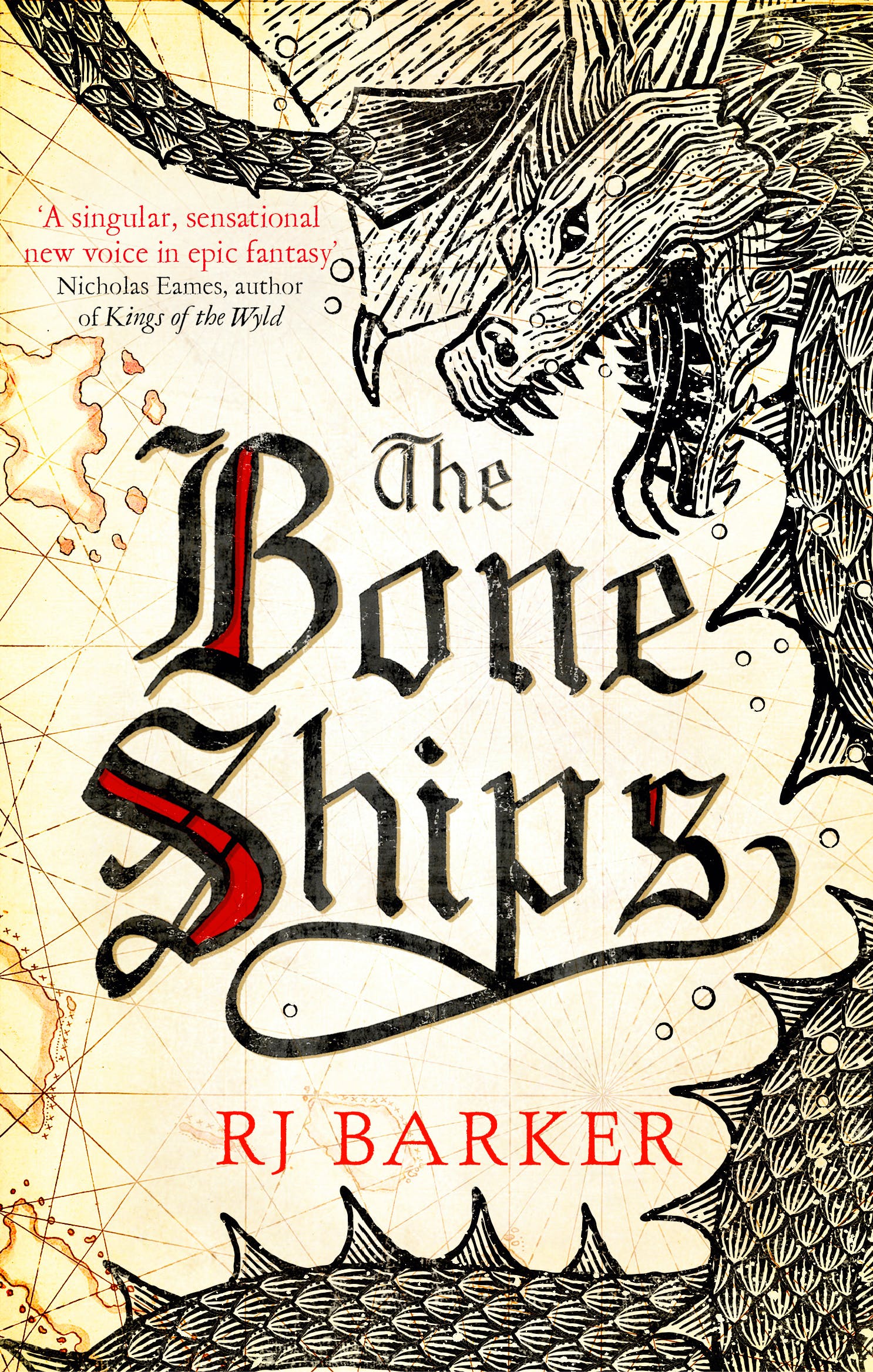
The Bone Ships by R. J. Barker

Nothing says epic travel more than a group of condemned criminals navigating a ship made of bone across a deadly ocean to hunt down a sea dragon.  The always impressive R. J. Barker makes this insane concept work extremely well with some of the very best fantasy nautical scenes you are likely to read.  A truly incredible novel that you will not be able to put down.

Amazon


The Falcon of Sparta by Conn Iggulden

Going back to history we have the fantastic read The Falcon of Sparta from amazing author Conn Iggulden.  Loosely based on the Anabasis by Xenophon, The Falcon of Sparta follows ten thousand Greek mercenaries and camp followers who attempt to escape Persia by land back to Greece following the Battle of Cunaxa.  An awesome book that makes use of one of history’s most unlikely journeys.

Amazon


Project Hail Mary by Andy Weir

The final book I want to feature on this list is the complex space adventure Project Hail Mary by Andy Weir.  Following a lone scientist sent to another star system to find a way to stop the sun from dimming, Project Hail Mary features a darker, yet highly compelling take on a travel narrative that is extremely impressive and addictive.  A truly exceptional read, this was a great novel to end this list on, and I cannot recommend it enough.

Amazon


And that’s the end of this latest Top Ten list.  As you can see, I’ve had the pleasure of reading some really great books that feature amazing travel elements, and this Top Ten list is only just scratching the surface of the novels I could talk about.  I’m pretty happy with how this latest list turned out and I look forward to seeing what other travel-focused books people want to recommend in the comments below.

The Falcon of Sparta by Conn Iggulden
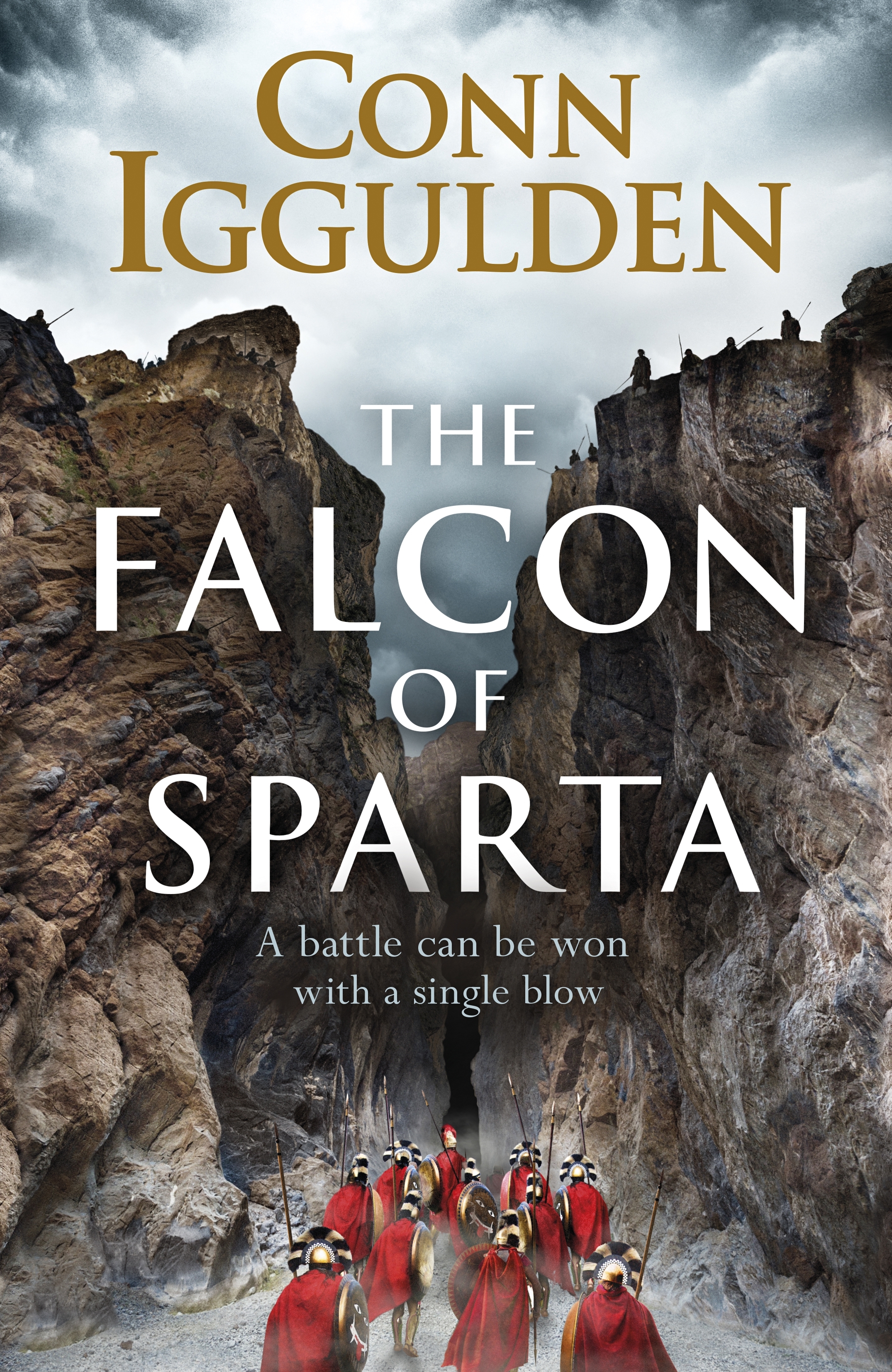
Publisher: Michael Joseph

Publication Date – 3 May 2018

Amazon

One of historical fiction’s very best authors is back with an enthralling story that follows history’s greatest warriors on one of their most legendary journeys.  Without a doubt, Conn Iggulden is one of the top authors of historical fiction in the world today.  Since 2003 he has consistently produced some of the most in-depth, detailed and engrossing chronicles of several different historical periods and cultures.  His previous work includes lengthy examinations of Julius Caesar and Genghis Khan in his bestselling Emperor and Conqueror series, and he has also produced the definitive fictional account of one of the bloodiest civil wars in English history with his extraordinary War of the Roses series.  Now, following his 2017 fantasy debut Darien, Iggulden has once again returned to his historical fiction roots by exploring another new realm of history, the Spartans.

In 401 BC, the new Persian king, Artaxerxes II, rules the largest empire in the known world.  With an empire sprawling from the Aegean Sea to the north of India, the king of Persia is the undisputed ruler of 50 million people.  However, despite all their wealth and power, the kings of Persia have never conquered Greece.  From Thermopylae to Marathon and Platea, the Persians have suffered the ferocity of the Greeks, and none are more feared than the men of Sparta.  As a result, it has been many years since the Persians have attempted to invade Greece, and many Spartans now serve as mercenaries in the Persian army.

When Prince Cyrus, Artaxerxes’s brother, is nearly executed by the new king following the death of their father, the young prince is determined to claim the throne of Persia for himself.  After hiring an army of skilled Greek mercenaries led by an elite core of Spartan warriors and the revered Spartan General Clearchus, Cyrus marches against his brother.  But battles can be lost with a single blow, and when Cyrus is killed on the battlefield the Greeks suddenly find themselves trapped in the middle of the Persian Empire.

With Clearchus and the other Greek generals having been killed through treachery, it falls to a young solider, Xenophon, to lead the surviving Greeks to safety.  With limited supplies and no knowledge of the land before them, Xenophon must find a way to lead 10,000 soldiers and an additional 10,000 camp followers back to Greece.  Forced to endure constant attacks from the Persian army as they travel through deserts and across mountains, their journey will become legendary.

The Falcon of Sparta is a standalone novel primarily based on the classic Greek text, Anabasis, which was written by the historical Xenophon.  Iggulden’s novel focuses on the events of the first four of the seven books of Anabasis.

While The Falcon of Sparta does not contain the full version of Anabasis, in some ways it is a much more complete and detailed story that focuses on the people who featured in this great adventure.  Xenophon related his tale in a rather simple and direct manner, and Iggulden has compensated for this by providing his own storytelling and dramatic writing.  Many of the key characters now have significant backstories fictional justifications for many of these characters’ actions and motives.  For example, Iggulden attempts to provide a more complex and dramatic explanation for the schism between Artaxerxes and Cyrus, rather than the historical story that Cyrus simply desired the throne.  Iggulden also provides additional context for one of the main villains of the Anabasis, the Persian noble Tissaphernes, who led the Persian armies against the retreating Greek forces.  In The Falcon of Sparta his role as a villain is greatly expanded.  Not only is he portrayed as a former friend of Cyrus who betrayed him for power but also as one of the main reasons Cyrus fails to seize the throne and the protagonists are placed into such peril.  Iggulden’s additional backstories and character traits make for a much more compelling and complete story with thrilling and absorbing motivations and antagonists.

These additional story elements are greatly enhanced by the author’s use of character perspectives.  For the first two thirds of the story, narration is split between a number of characters, including Cyrus, Clearchus, Tissaphernes, Artaxerxes and Xenophon.  Not only does this split narration help to build up the respective characters’ histories and allow the audience a better view of their personalities, but it also adds significantly to the story as these characters provide various perspectives on the events occurring in the formative parts of the main story.  Through the narrators we are given glimpses into a range of interesting things, including Artaxerxes’s and Cyrus’s thoughts on the war for their father’s throne, as well as the events and feelings that led up to the conflict.  We also see the respect that Cyrus and Xenophon have for their Spartan allies, as they see examples of their effectiveness in combat and their legendary self-discipline.

The scenes told from Tissaphernes’s point of view further highlight his role as a villain as his inner monologue reveals his selfish motivations and ambitions.  The story told from Tissaphernes’s viewpoint helps turn him into an embodiment of the distain that the ancient Persians had for the Greeks and their soldiers.  Despite seeing the Greeks’ substantial battle prowess, Tissaphernes and many of the Persians viewed the Greeks as second-rate soldiers, and it is fascinating to see how deeply held this belief was.

After the first two thirds of the book, the story is told exclusively from the point of view of Xenophon and starts to mostly represent Book III and Book IV of the Anabasis.  This part of the book allows the reader a closer view of the Spartan and Greek forces as they participate in their epic march and is very entertaining.  Even as the story becomes confined to only one narrator, Iggulden is still able to provide the necessary detail and drama in the final part of the book to keep the story going strong and maintain the reader’s attention and enjoyment.

Special attention needs to be given to the masterful portrayal of the Greeks and Spartans in battle.  Iggulden has an incredible eye for detail and an amazing writing style that brings the reader right into the heart of the book’s large-scale action sequences.  In particular, he spends a significant amount of time focusing on the Greeks and the Spartans and does an amazing job of capturing their battle techniques, tactics and mentality.  There are a large number of battle scenes within this book, and Iggulden uses every opportunity to show off the prowess of his heroes in as much detail as possible, allowing the reader to easily witness the events in their minds.  The Persian soldiers are also examined in the scenes narrated by Cyrus, and it is interesting to see the differences in the fighting style and mentality of the Greeks and Persians.  Those interested in reading about this part of history will love the amount of attention given to the Spartans and find many of the associated descriptions deeply fascinating.

Conn Iggulden has once again produced a masterful and absorbing fictional account that focuses on an utterly intriguing historical event.  Bringing the reader right into the middle of the march of the Ten Thousand, Iggulden expands on Xenophon’s Anabasis and provides a more dramatic and elegant story of betrayal, endurance and survival.  The Falcon of Sparta is a love letter to one of history’s most legendary race of warriors, and it provides the reader with a detailed exploration of Spartan warfare, lifestyle and mentality.  This is a breathtaking and highly recommended piece of historical fiction that is guaranteed to drag you in for the long haul.

My Rating:

Five Stars

Amazon