WWW Wednesday – 30 April 2025

WWW Wednesday is a weekly post hosted by Taking on a World of Words, where bloggers share the books that they’ve recently finished, what they are currently reading and what books they are planning to read next. Essentially you have to answer three questions (the Three Ws):

What are you currently reading?
What did you recently finish reading?
What do you think you’ll read next?

So, let’s get to it.

What are you currently reading:

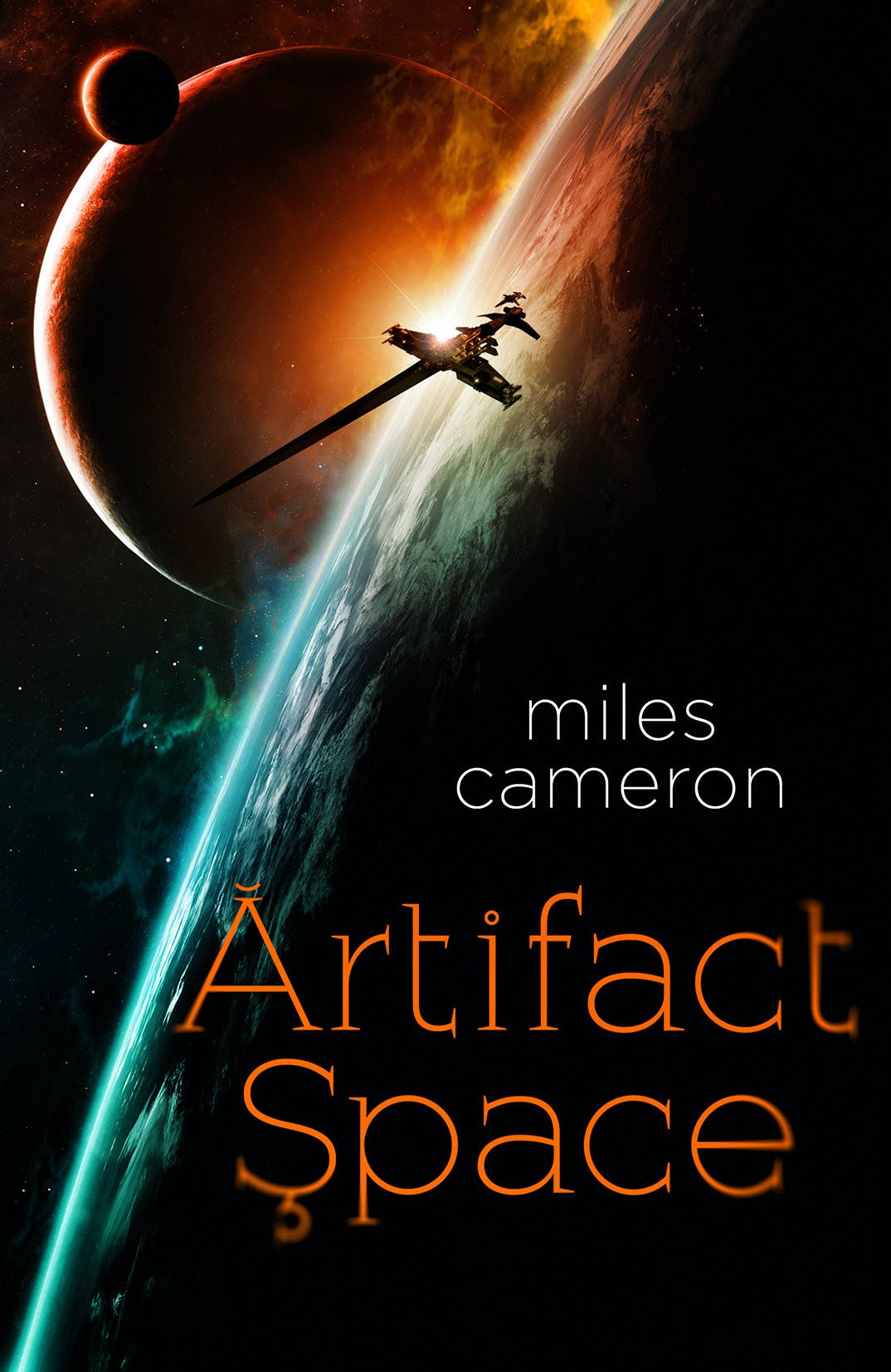
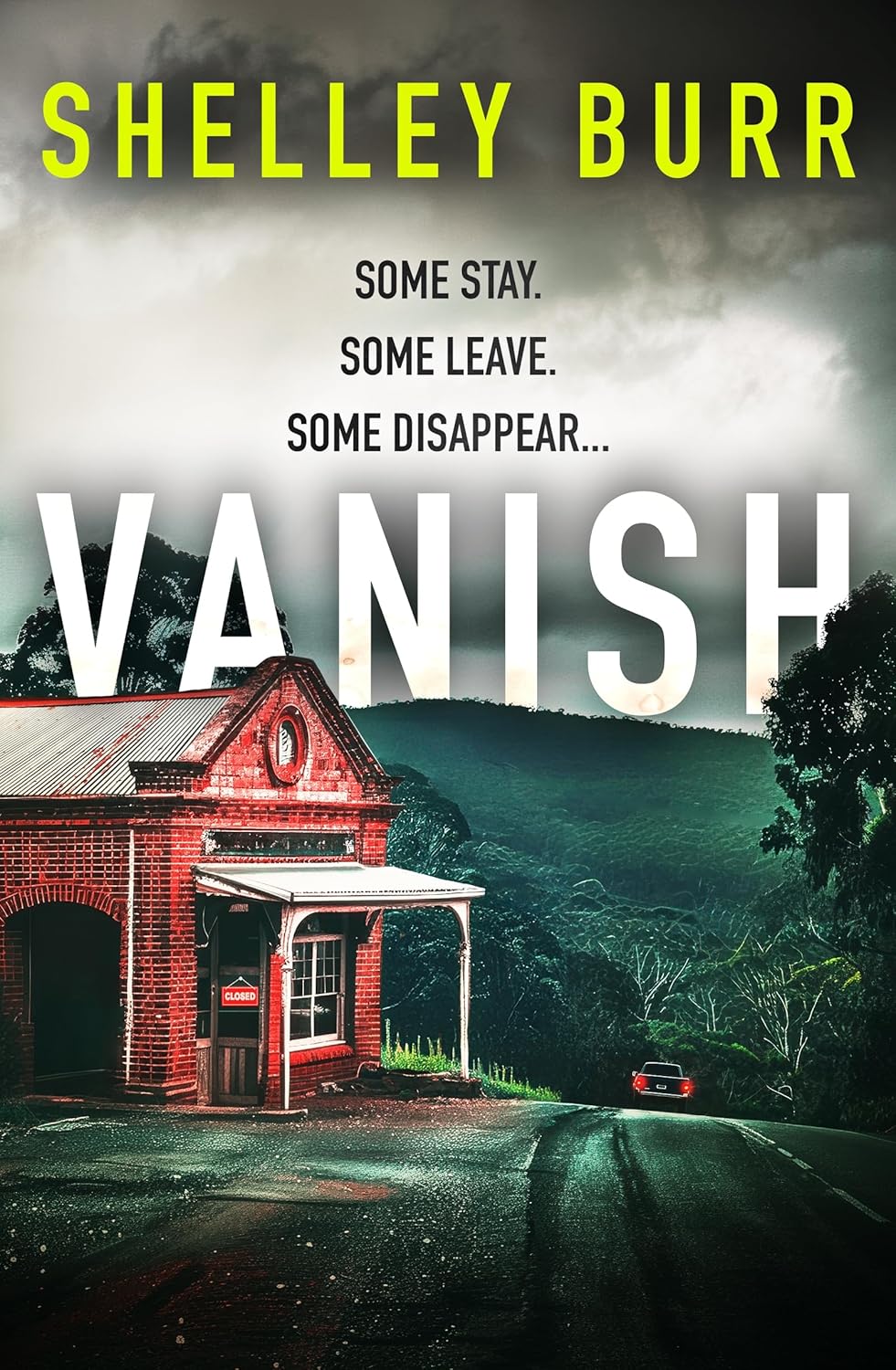
Vanish by Shelley Burr (ebook)

I just started reading the new Australian crime fiction novel, Vanish by Shelley Burr.  An excellent continuation to the author’s ongoing series, Vanish sees the damaged protagonist attempt to solve one last missing person’s case, only to encounter a mysterious farm filled with people who want to disappear.  I’ve only gotten a little way into Vanish so far, but I am really intrigued by its cool premise, and I cannot wait to see where the author takes the story.

Amazon


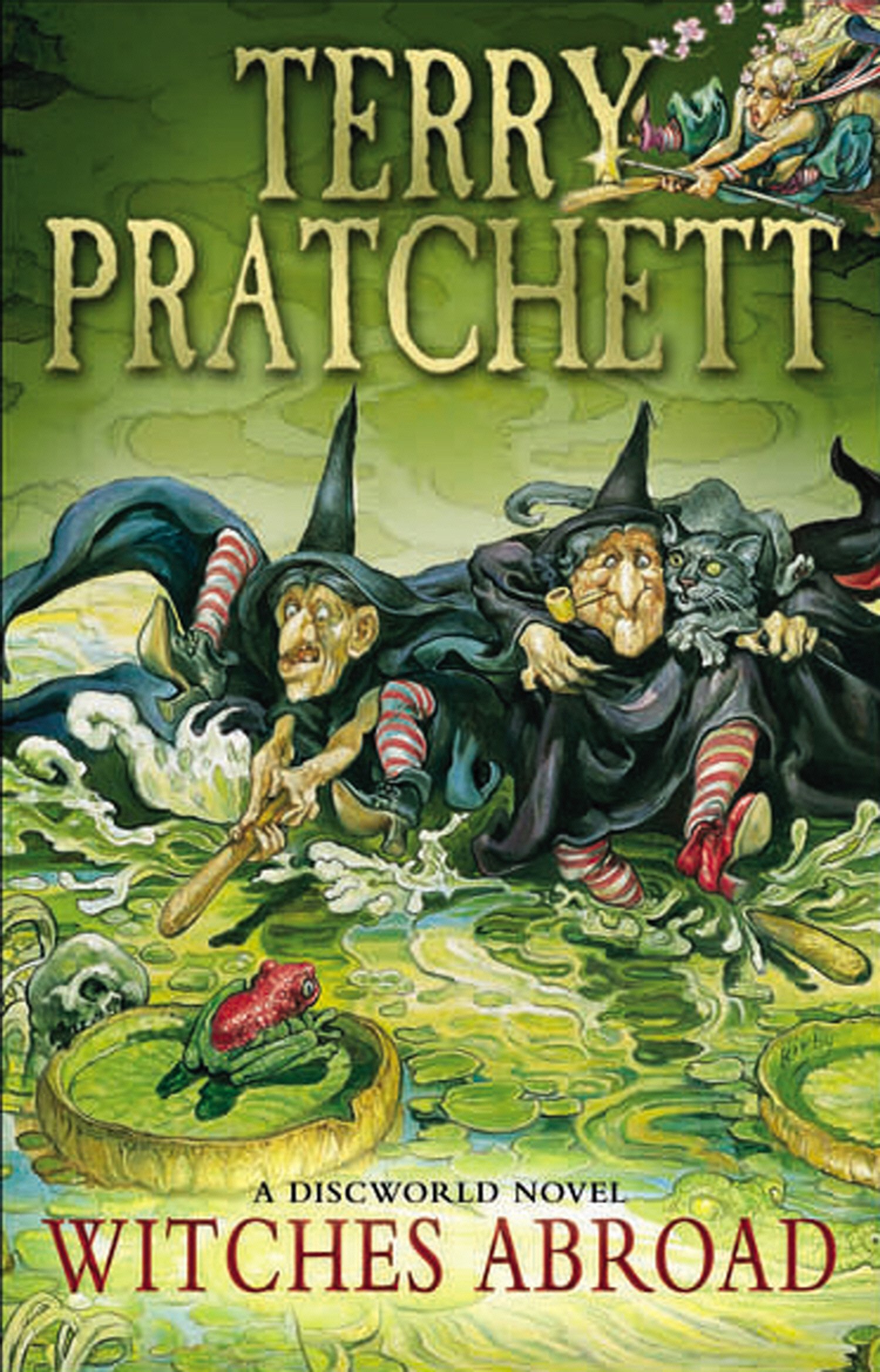
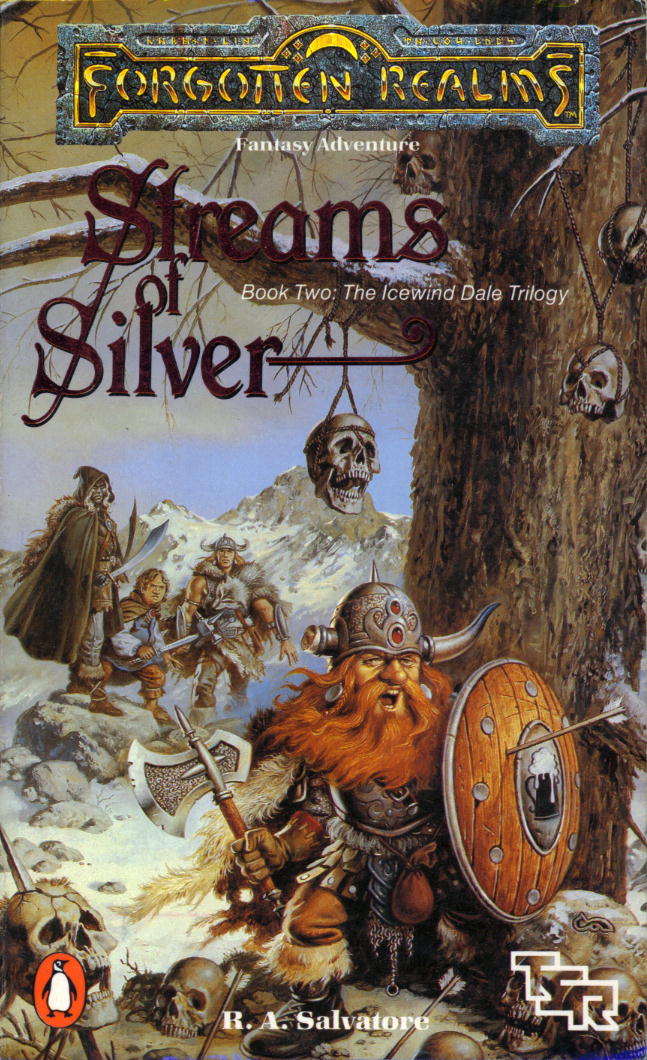
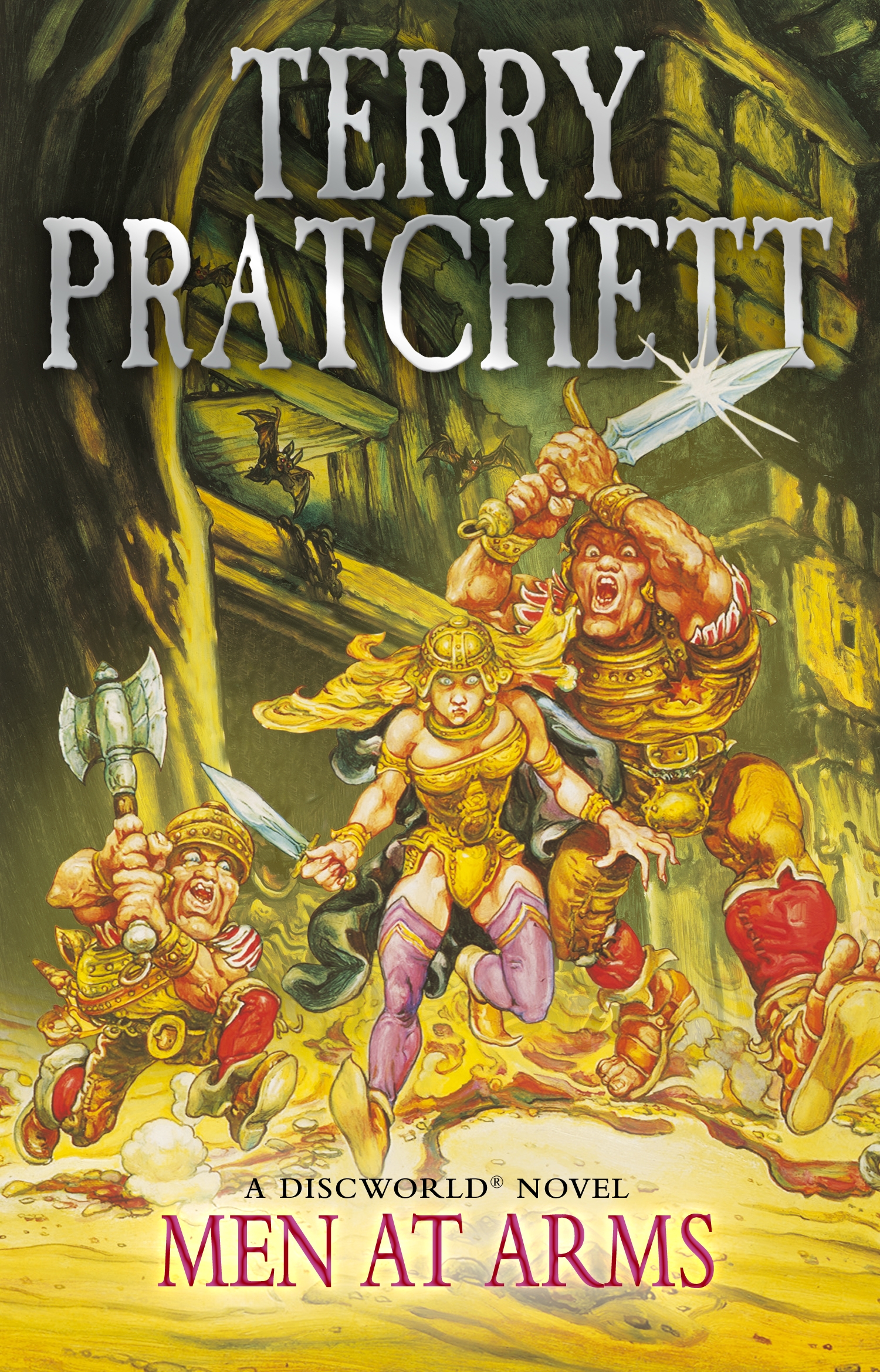
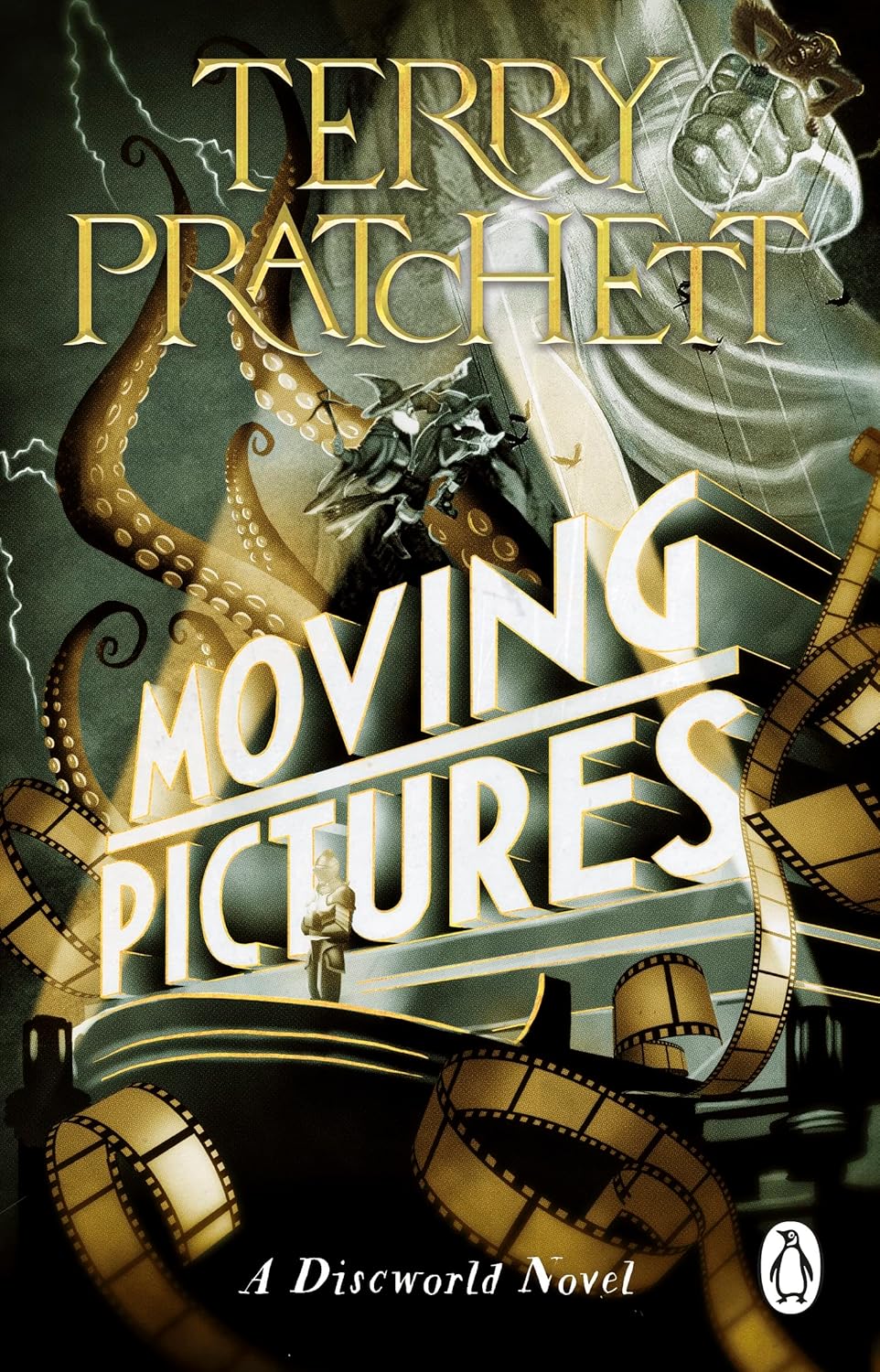
Men At Arms by Terry Pratchett (Audiobook)

After having a lot of fun listening to new audiobook versions of Terry Pratchett’s Discworld like Pyramids and Small Gods, I decided to check out another amazing book from the series in this format with Men At Arms. The sequel to Guards! Guards!, Men at Arms is one of my favourite Discworld novels and I am already enjoying listening to the story with a new narrator.

Amazon

What did you recently finish reading?

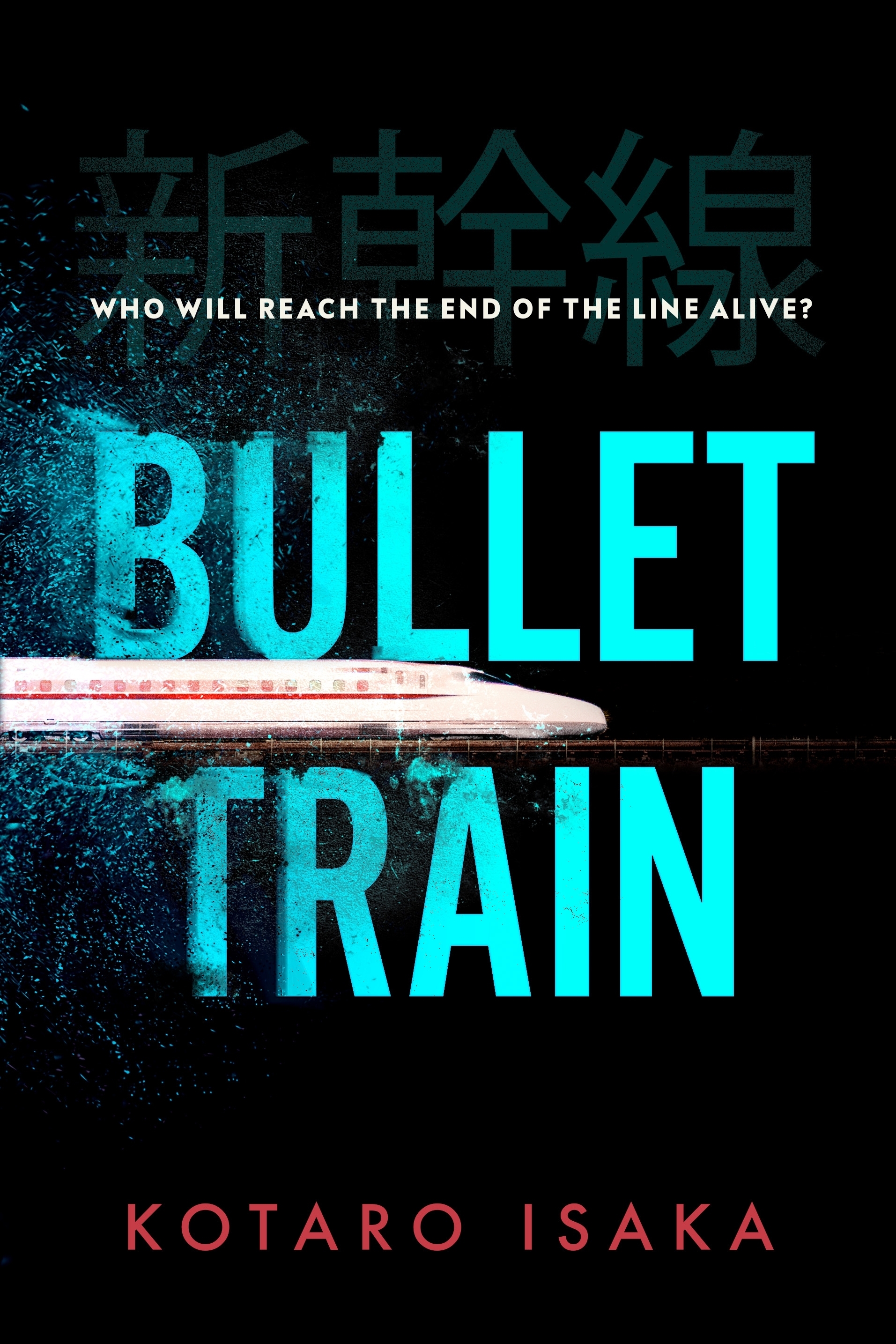
Barren Cape by Michelle Prak (ebook)

An intriguing, dark and topical Australian thriller that I’m glad I got the chance to read.

Amazon


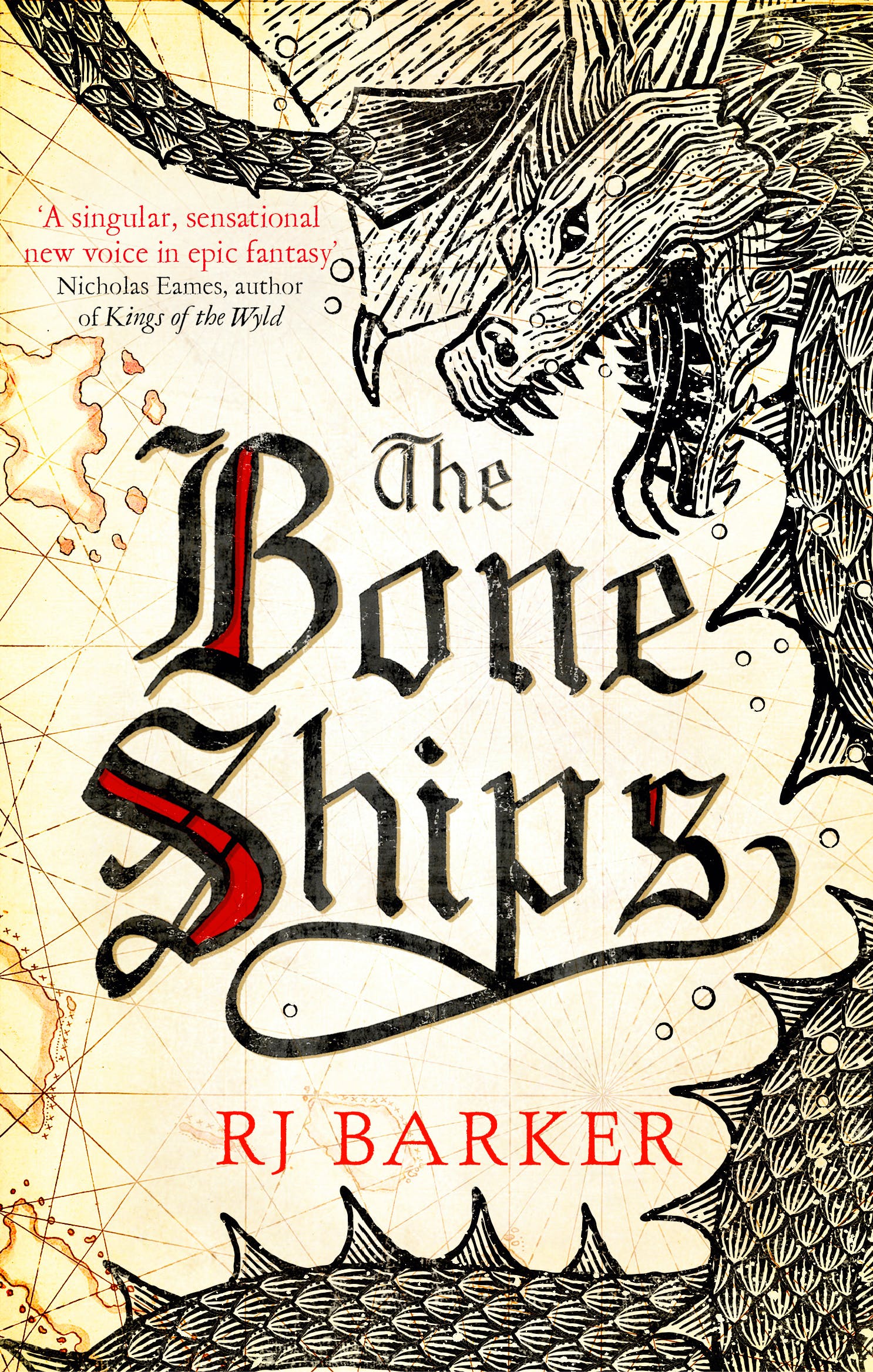
Midnight Black by Mark Greaney (Audiobook)

An epic continuation to one of my favourite spy thriller series, Midnight Black was an exceptional read and I’m hoping to review it soon.

Amazon

What do you think you’ll read next?

Open Season by Jonathan Kellerman

I’ve got a couple of other books to check out in the next week, but if I get the chance I might try to start the new Jonathan Kellerman book, Open Season, which has a very fun plot idea behind it.

Amazon


That’s it for this week; check back in next Wednesday to see what progress I’ve made on my reading and what books I’ll be looking at next.

Pyramids by Terry Pratchett

Publisher: Gollancz/Penguin Audio (Audiobook – 1989)

Series: Discworld – Book Seven

Length: 9 hours and 8 minutes (Planer version)/9 hours and 53 minutes (Enoch version)

My Rating: 5 out of 5 stars

Amazon

After having an amazing time checking out the new audiobook versions of Guards! Guards!, Small Gods and Moving Pictures, I continue my latest revisit to Terry Pratchett’s Discworld series.  This time, I examine another one of my favourites with the deeply entertaining seventh novel in the overall series, Pyramids.  An outstanding standalone Discworld novel, Pyramids is a brilliant read that sees a young king go forth and then return to the insanity of his kingdom in a fun satire of ancient Egypt and its perception in Western media.

There are many mysterious realms on the magical Discworld, which travels on the back of four giant elephants standing on the back of a giant turtle.  However, few are more ancient than the tiny river kingdom of Djelibeybi.  Formerly a great empire that ruled over an entire continent, Djelibeybi is a mere shadow of its former self, its wealth drained away by the pyramids constructed to house its dead kings.  Nothing ever changes in Djelibeybi, that is until its young prince decides to get an education.

Prince Pteppicymon (Teppic), future ruler of the kingdom, has been sent away to the Assassins Guild of Ankh-Morpork, both to get the finest education on the Disc, and to learn a way to finally make his kingdom some money.  However, upon graduating, Teppic is forced to return to home when his father suddenly dies in embarrassing circumstances.

Now the god king of Djelibeybi, Teppic hopes to modernise his kingdom and introduce the comforts of the outside world.  However, Teppic has returned to a strange land he no longer understands and finds his desire for modernisation stymied by the controlling high priest Dios, whose intense love of tradition has long restricted Djelibeybi.  However, despite the best attempts of Dios, change is coming to the old kingdom, as a dark figure in the finest black stalks the city, while a massive new pyramid begins to mess with reality.  When disaster strikes, the people of Djelibeybi find themselves beset by both their gods and their dead, and only their king can save them.  But first, Teppic will need to work out how to find his kingdom again.

Pyramids continues to stand the test of time as one of my favourite Terry Pratchett books, as this compelling and wildly entertaining Discworld novel takes you on a wild ride through ancient kingdoms and eternal tradition, and every dangerous thing that comes with them.  An outstanding addition to the series that keeps you laughing the entire way through, Pyramids was peak Pratchett and gets another easy five-star rating from me.

I love the outstanding narrative that Pratchett came up with for Pyramids, which tells a fun adventure tale in an entertaining ancient Egypt facsimile.  While the narrative structure of Pyramids is slightly more basic than some of Pratchett’s other books, I think it is still quite a compelling story that keeps the reader entertained from start to finish.  Broken into several sections, Pyramids starts with an excellent introduction that showcases Teppic attempting to take his final exam at the Assassin’s Guild.  This proves to be a great fun opener, and I loved how Pratchett interspersed the over-the-top test with multiple flashbacks that showcase both Teppic’s childhood in Djelibeybi and his early days at the guild.  This works to set up a lot of key early story elements, while also serving as a memorable start, as the cool scenes of assassin testing are some of my favourites in the entire book.  This first section of Pyramids ends with Teppic finding out his father has died through an unlikely divine messenger, and he returns to Djelibeybi to take the throne.

Pratchett follows up this impressive introduction with a good central part of the story as you return to Djelibeybi proper and Teppic learns the downside to being a king.  Pratchett really works to explore the downsides of the kingdom, as Teppic begins to realise he is just a puppet with the high priest Dios truly in control.  There are some hilarious moments here, especially when it comes to the ridiculous traditions and history of Djelibeybi, and Teppic works well as a great outsider character who finally sees how silly everything is, although he is still bullied into constructing the biggest pyramid ever.  Pratchett also takes the time to introduces a colourful array of supporting characters with some compelling story arcs, including two ambitious embalmers, a disfunction family of pyramid builders, and the handmaiden Ptraci, who Teppic accidentally sentences to death.  His desire to save her leads to many of these issues coming to a head, with Teppic forced to flee from Dios, only to find himself trapped outside of the kingdom when the Great Pyramid goes off and splits Djelibeybi into its own reality.

This brings Pyramids into a compelling interim phase, as Teppic and Ptraci find sanctuary in Ephebe, while the trapped kingdom goes to madness, as all their many beliefs come to life, although not in the way they’d hoped.  I liked the fantastic contrast between the supernatural craziness going on in Djelibeybi and the more human-based chaos Teppic encounters in Ephebe as he tries to get answers out of the philosophers, before finally returning to the kingdom to save the day.  Eventually able to return thanks to a thirsty camel and an easily confused sphinx, Teppic works to destroy the Great Pyramid.  At the same time, several of the ongoing Djelibeybi storylines come together nicely, as the dead of the kingdom, including Teppic’s father, discover the truth about why they were mummified, and this leads to an outstanding and eventually explosive concluding sequence.  Pratchett wraps this up nicely with all the key characters getting the ending they deserve, and he leaves this story on yet another hopeful note that hints at an interesting future for the characters and the kingdom.

As with all the Discworld books, Pratchett does a wonderful job of telling a fun and compelling story in Pyramids that hooks you early with its fantastic elements, entertaining plot, complex satire, and great characters.  An interesting standalone entry in the Discworld series, Pyramids has a more straightforward story that is well split amongst an interesting cast of figures, each of whom find their role in the kingdom altered in some way, and I loved the chaotic plot that emerged.  Pratchett has a lot of fun exploring some great themes in Pyramids, including people attempting to break free of tradition (literally), and finding yourself.  The critique of unnecessary and restricting tradition works well as a central story element, and Pratchett leans into it heavily, showcasing how it can styme progress and lead to a slow death of a culture.  Thanks to that author’s great use of humour, you really begin to appreciate just how damaging or ridiculous some traditions can be, and I always get a chuckle at the hilarious sequences where Teppic’s over-long title is repeatedly read out again and again.

While there is some focus on death and assassination, for the most part Pyramids is a really light-hearted entry in the series, especially as Pratchett leans into the examination of ancient Egypt with its doppelganger in Djelibeybi and resulting satirisation of how ancient Egypt is portrayed in modern culture brings much of the book’s laughs.  Most of this becomes really apparent thanks to Teppic’s newly found modern sensibilities, but Pratchett also throws in some puns and lines that people with some knowledge of ancient Egypt will appreciate, and frankly I find a fun new joke every time I read this amazing book.  Many of Pratchett’s more modern takes on some of more well-known elements of Egyptian culture are very fun, with a lot of jokes about mummies, the economics of pyramid building, and what handmaidens do, proved to be really entertaining.

Much of the rest of the major jokes of Pyramids revolved around the varied reactions to the crazy events that seem to occur everywhere in the Discworld.  I personally laugh myself silly at the spontaneous football commentary that emerges when the various gods of Djelibeybi start to fight over the sun, and the resulting moments of theological debate end in a funny and snappy way.  The sequence with the Sphinx also makes for quite an entertaining inclusion, and Teppic’s assessment and rewriting of the classic riddle into a much more correct metaphor proves to be a lot of fun.  Finally, the opening assassin’s examination sequence is both tense and funny, and there is something about Pratchett imagining undergraduate assassins getting tested in a similar manner to student drivers that really shows off the inherent silliness of this series.  Throw in Pratchett’s usual array of clever puns, well-placed footnotes and witty dialogue, and Pyramids turns into a particularly funny read that still makes me laugh after all these years.

Out of all the amazing Discworld novels, Pyramids might be one of the best entries for a reader to start to explore this amazing series.  The very first standalone Discworld novel, Pyramids can be easily read without any knowledge of any of the previous books, and you really get a good sense of the larger setting and Pratchett’s ability to craft elaborate parodies of certain cultures or genres in a brilliant, self-contained manner.  While some of the elements of Pyramids are reutilised in some of the later books (the philosopher-filled city of Ephebe for one), for the most part none of the characters or storylines here are ever revisited, and you can really dive into Pyramids at any point of your Discworld reading experience.  The opening extended sequence set around Teppic’s exams and flashbacks does provide one of the best examinations of the Assassin’s Guild, a fun institution in the Discworld series, and it was really fun to see them in action here, even if the assassins do get slightly nerfed in some of the future books (especially the City Watch ones).  I do personally think that Pyramids was one of his true early classics, and this book lays at the start of a very big run of some of Pratchett’s best works, especially as he fully finalised his preferred style here.  As such, this is a great read for Discworld readers of all experiences, especially those looking to dip their toe into this amazing universe, and this is a very impressive example of Pratchett’s style and humour.

I do have to also provide a quick shoutout the fantastic array of characters featured within Pyramids, whose compelling storylines and well-thought-out story arcs really compliment the main narrative and help Pratchett explore his intricate central themes.  The main character, Teppic, serves as a great central figure for Pyramids, and his unlikely outsiders perspective allows for much of the plot change and chaotic moments.  Ptraci’s journey from passive handmaiden to unstoppable force of nature was very well handled, and I loved how Pratchett showcased just how much impact a suddenly confident woman can have on the world.  I also always find it quite hilarious that the previous king, Pteppicymon XXVII, only truly finds himself in death, and his later interactions with the embalmers Dil and Gurn lead to some truly heartwarming moments.  The Ptaclusp dynasty of pyramid builders added some fun family chaos to the mix, and their representation of the new generation taking over from the old was quite entertaining, even if the brothers (Ptaclusp IIa and Ptaclusp IIb) had differing views on what the future should be.  Teppic’s classmates from the Assassin’s Guild also added some excellent colour, especially the overconfident Chidder, although I felt that it was a shame that most of those great characters introduced in the opening part of the book where never utilised again.

Out of all the characters featured within the book, my favourite was probably Dios, who can probably be considered the antagonist of Pyramids.  The High Priest of Djelibeybi, Dios is the main administrator of the country, who strictly adheres to tradition and ritual and doesn’t allow Teppic to make any changes or independent decisions.  A strict and rigid person capable of bending anyone to his will, Dios is restricting tradition personified, and the lengths he goes to keep Djelibeybi the same is quite fascinating, while his struggles to keep Teppic in line lead to some amusing moments.  I honestly feel that Dios was one of Pratchett’s more compelling antagonists, as while he does some bad things he’s not actually a bad person; instead he’s someone stuck in the trap of always doing things a specific way and is incapable of thinking any other way.  You honestly feel a little sympathetic for him at times, especially when the full scope of his service is revealed, and while he continues to make the wrong decisions for the future of Djelibeybi, you can kind of understand why he is the way he is.  The final fate of Dios was really well written, if a little horrifying if you actually stop to think about it, although it fulfills his wish of everything staying the same.  A truly complex figure who plays off the rest of the outrageous and outgoing characters extremely well, Dios really tied this book together and I loved how well Pratchett featured him in Pyramids.

Unsurprisingly to anyone who has read my other rambling Discworld reviews, I have a lot to say about Pyramids on audiobook.  Audiobooks are my favourite way to enjoy any book, with the Discworld audiobooks being an exceptionally good example of how this format can make an already awesome novel even better.  Like the rest of the series, Pyramids has two really good unabridged audiobook versions, both of which come really recommended by me as brilliant ways to check out a classic book from Pratchett.

The first of these audiobook formats is the old-school version narrated by the legendary Nigel Planer.  I have mentioned Planer a few times over the years due to his exceptional work voicing over half the unabridged Discworld audiobooks and he remains one of my favourite audiobook narrators as a result.  His ability to come up with new character voices for every single audiobook was just incredible, and I love all his cool vocal choices, especially in Pyramids.  His take on the various characters was quite inspired, and you really get all the characters’ unique personalities, including Teppic’s modern spirit, Dios’s controlling reliance on tradition, the exasperation of the dead former king, and the overpowering personality of Ptraci.  Planer also perfectly showcases all the best jokes in Pyramids, including the fantastic over-the-top sequences where Dios repeats Teppic’s title, or the hilarious scene where the priest provides commentary for the divine fight for the sun.  I have so much love for all of Planer’s original Discworld work, and Pyramids is a particular favourite of mine as he takes that verbal gags that Pratchett sets up and makes them his own.

While the Planer version of Pyramids was the one that I grew up with, I have also had the pleasure of listening to the newer Pyramids audiobook that provides a fresh take on the story.  Part of the same Discworld audiobook series I have recently enjoyed for Guards! Guards!, Moving Pictures and Small Gods, this new version of Pyramids was also extremely good with some great voice work and a compelling pace.  Featuring a runtime just shy of 10 hours, this new audiobook is slightly longer than the Planer version and features the amazing voice work of Alfred Enoch, Bill Nighy and Peter Serafinowicz, with Enoch acting as the main narrator.

Enoch, who is probably best known for his role in the Harry Potter films, did an outstanding job as the main narrator for Pyramids, and I really appreciate his take on the compelling story.  His more youthful voice gave this version of Pyramids some additional energy, and you really move through the main story extremely quickly as a result.  I also really enjoyed how some of the protagonists turned out in this version of Pyramids, and while Enoch lacks the full range of fun character voices that Planer had, he still provides some impressive and fitting tones that expertly captures the various characters.  I felt that his voice for Teppic was especially well done, with his hopeful personality really shining through, while his voice for Dios had the commanding and controlling edge that it needed.  I felt that Dios was probably Enoch’s best voice, especially when it comes to the repetitive gag of having to intone Teppic’s full title.  I also actually quite like the voice he used for Ptraci, which was markedly different to the voice that Planer utilised in his version.  Enoch’s Ptraci voice was a little more curious and confident at times, and I got a much different personality vibe in this version which was quite interesting.  Enoch also ensured that his version of Pyramids stood out by pronouncing some of the character names in a different manner to Planer, mainly because he kept the P silent when it appears at some of the names (for example, Ptraci becomes Traci).  While this was a noticeable difference from the Planer version, I really liked it, as it actually captured Pratchett’s intended pronunciation based on how P is used in ancient Egyptian.  This ended up being an exceptional performance from Enoch, and one that I had a lot of fun with.

On top of Enoch’s main narration, this version of Pyramids also featured the voices of Bill Nighy and Peter Serafinowicz, who have the same roles in every audiobook of this new run.  Both play key parts in this audiobook, with Nighy voicing the various footnotes, while Serafinowicz was the voice of Death whenever he appeared.  Both provided an exceptional performance here, with Nighy in particular giving some excellent gravitas to the essential and humour-laden footnotes.  Serafinowicz’s role in Pyramids was a little more limited, mainly because Death only appeared a couple of scenes, but he really captured this awesome anthropomorphic personification perfectly when he did appear, providing a booming and impactful Death voice that was a lot of fun to hear.  Both Bill Nighy and Peter Serafinowicz’s inclusions were worked into Enoch’s overarching narration extremely well, and I felt that the three complemented each other nicely throughout the audiobook.  This ended up being an overall impressive take on Pyramids, and the new narrators really knew what they were doing here.  As such, this version also comes recommended, and while the Nigel Planer version is still living in my head rent free, this new take on Pyramids was very fun and I enjoyed hearing some new voices take it on.

Overall, Pyramids proved to be quite an awesome book, and I really think it was one of Terry Pratchett’s better early Discworld novels.  Featuring an outstanding story with some fantastic humour, Pyramids is an absolute joy to read, and I loved seeing the author’s distinctive parody of ancient Egypt.  Clever and loaded with complex comedic gold, Pyramids still cracks me up every time I read it, and I cannot recommend this book enough to anyone interested in checking out the exceptional Discworld books, especially in either of its epic audiobook formats.

Amazon

Small Gods by Terry Pratchett

Publisher: Gollancz/Penguin Audio (Audiobook – 1993)

Series: Discworld – Book 13

Length: 9 hours and 55 minutes (Planer version)/11 hours and 38 minutes (Serkis version)

My Rating: 5 out of 5 stars

Amazon

Thanks to an excellent road trip, I managed to revisit several awesome entries from the iconic Discworld series by the legendary Terry Pratchett, and it is time to highlight one of the very best books that Pratchett wrote, Small Gods.

I have never made any secret of the fact that I love all things Terry Pratchett, as the Discworld books were the formative series of my youth.  A massively popular collection of loosely connected novels set on a flat world carried through space on the back of four elephants atop a giant turtle, the Discworld books present a range of unique fantasy adventures backed with exceptional comedy and satire.  This series is so much fun, and I honestly love every single Discworld book, having read them all multiple times, usually while laughing myself silly.  Indeed, I am such a big fan of this series that I named my blog after a location in the universe.  Despite my overwhelming love for all things Discworld, I haven’t reviewed too many of the books on this blog, with Moving Pictures and The Last Continent previously being the only exception.  However, thanks to some great road trips giving me opportunities for revisiting some classics, I have recently published reviews for Guards! Guards! and an additional review for Moving Pictures.  I also recently re-listened to the impressive and thoughtful 13th entry in the series, Small Gods. An outstanding standalone novel that seeks to blend religious commentary with Pratchett’s strong humour and complex satire, Small Gods is one of the more thoughtful and moving Discworld books and is a must read for all fans of the franchise.

Floating through space on the back of a giant turtle, the Discworld is a place of magic, wonders, strange creatures and, unfortunately for the mortals just trying to live their lives, gods.  Instead of the wise and beatific beings we hope them to be, the gods of the Disc are a capricious and vain lot, empowered by the belief of their human worshippers.  But what happens when a mighty god loses his believers?

The militant nation of Omnia is an empire dedicated to the fervent worship of the Great God Om, an all-powerful being who knows all, sees all and is the only true god in the world.  The problem is none of that is true.  Instead, Om is a self-obsessed god among many, who barely pays attention to the people fighting in his name.  More importantly, he is currently residing in the body of a tortoise, stripped of nearly all his divine power, and the only person who can hear him is a simple novice, Brutha, who isn’t fully convinced that the talking tortoise smiting him with tiny thunderbolts is his god.

Determined to get back on top and find out why he lost his power, Om recruits Brutha as his unlikely prophet.  However, Brutha has his own problems as the sinister head of Omnia’s Quisition, Vorbis, has taken an interest in him.  Forced to accompany Vorbis on a diplomatic mission, Brutha soon begins to understand that the world is a far bigger place than he realised, and that there is something very wrong at the heart of his nation.

As the tides of history take Brutha and Om into strange new places, the two find themselves encountering unexpected dangers, including dangerous ideas, sinister eagles, rebels determined to prove that the world isn’t round, deranged philosophers and the small gods that lurk in the dark places.  To survive, Brutha will need to have faith in his god, but more importantly, Om will need to have faith in Brutha, especially when his own religion is turned against them.

After yet another re-read, Small Gods remains one of my favourite Discworld novels, and this is one of the very best examples of Terry Pratchett’s unique style and imagination.  A hilarious, yet thought-provoking read that cleverly dissects religion, divinity and people’s beliefs, Small Gods quickly grabs your full attention and refuses to let go until it’s powerful, terminal end.

I have so much love for the outstanding narrative that Pratchett pulled together for Small Gods, which tells one of the more unique standalone tales in the Discworld series.  I must admit, even after many reads, I am still very impressed that Pratchett decided to examine the nature of religion and belief through the lens of a hilarious odd-couple story that evolves into a road trip narrative.  Starting off on a very entertaining note with the unsuspecting new prophet of Om, Brutha, encountering his god in the form of a small, battered tortoise, Pratchett does a good job of introducing the nation of Omnia and its place in the wider setting.  This proves to be an effective start to the book, and a lot of the early themes and wider issues surrounding the nation of Omnia are well set-up.  You also get a great examination of the book’s three main characters, and their compelling early interactions in Omnia sets up a lot of the book’s character-driven narratives.  After this excellent introduction, Small Gods’ plot then moves to the bordering nation of Ephebe, which proves to be an intriguing centre of the novel, not only because it has some of the more entertaining sequences, but also because it begins to expand on some of the ideas from the front of Small Gods and you are given a good understanding of both Om’s situation and Brutha’s growth as a character.

The plot of Small Gods takes a powerful turn around halfway through, when Brutha helps further Vorbis’s schemes, only to then attempt to flee and do the right thing.  However, thanks to the influence of a rival god and unexpected technology, Brutha and Om are inadvertently stranded in the desert with a helpless Vorbis.  The following extensive scenes in the desert are probably the best parts of Small Gods, especially as Brutha begins to think for himself, and the philosophical clashes he has with Om set him up as the protagonist both the reader and the Omnians need.  Pratchett really dives into what it is to be human and divine in this section of the book, and I deeply appreciate the rich character development featured within these sections of the plot.  These desert scenes become even more impactful when Pratchett throws in a major obstacle for Brutha that threatens to push him over the edge into despair.  You really feel for Brutha as he has his crisis of faith, only to maintain his humanity in the last confrontation with Vorbis.  The subsequent scene on the metal turtle was very tense, and while I know some people dislike the end of Vorbis, I thought it was a very clever sequence, especially as Pratchett set up the hunting eagle perfectly.  Pratchett continues to wrap up the rest of the narrative in a very satisfying way, and while the war sequence might have been a little unnecessary, it allowed some great character arcs to come together and showed how much Om had grown as a god.  The final scene with Brutha once again showing his humanity no matter what, ended the book on satisfying and heart-felt note, I appreciated the hopeful tone Pratchett concluded his brilliant story on.  An overall impactful and moving narrative that brought together a lot of complex plotlines and character moments and ensured you were hooked the entire way through.

I have always believed that Small Gods was one of Pratchett’s better written books, as he effortlessly blended a complex fantasy narrative that examined religion with his typically brilliant humour and some outstanding characters.  Featuring one of his most complex and thought-provoking plots, Pratchett achieves so much with his intriguing inclusions, all without slowing down the speed of the book and keeping the tension and emotional charge of the book on high.  Introducing a cool new setting, Small Gods works well as a standalone entry in the larger series that cleverly expands on some previously introduced features, such as the selfish and somewhat stupid gods of the Disc, as well as cool locations like Ephebe (which was previously featured in Pyramids).  Due to its lack of major connections to the other entries in the Discworld series, Small Gods is a rather excellent introduction to Pratchett’s style and ability to dive into heavy topics with comedic content.  Like all of Pratchett’s books, Small Gods is hilarious, and I love the many different levels of humour contained with the book, that range from obvious jokes at over-the-top situations, subtle witticisms often contain within well-placed footnotes, to clever word or name gags.  Some of this humour is so subtle that it often goes over the reader’s head the first time, and you honestly need multiple readings to full appreciate every single joke or gag that Pratchett thought up (I still discover new jokes I previously missed every time I read a Pratchett novel).

However, the thing that ensures Small Gods stands out amongst the other brilliant Discworld novels is the author’s clever and insightful breakdown of religion and godhood on the Disc, which is both fascinating and entertaining.  A lot of the book’s powerful messaging, complex themes and some of the best humour, comes out of the exploration of the divine and how it relates to both this crazy fantasy setting and the real world.  While Pratchett does provide a lot of jokes about religion throughout the ages, he does it in a very intelligent and delicate way that makes the reader think.  Rather than simply dunking on religions and focussing on the negatives, Pratchett instead subtly satirises the institutions, manipulative leaders and unthinking traditions that can often complicate or weaponise religion.  A large amount of the plot revolves around Vorbis and the Omnian church violently trying the repress the idea that the world is flat and on the back of a giant turtle.  While this is primarily a fun parody of the Catholic church’s suppression of Galileo’s claims about the Earth orbiting the sun (and which is now both funnier and sadder, thanks to flat earthers), it also examines how some people utilise religion as an excuse for violent action and manipulate faith for their own ends, which is a powerful recurring them throughout the book.

At the same time, Pratchett also focuses on a compelling central character with true faith who explores the meaning of religion and how it impacts his people.  Seeing a likable character like Brutha recognise the problems in his nation allows readers to reflect and see the flaws in the organised religions Pratchett is parodying, while also appreciating the messages that these religions should strive for.  The various complex discussions, personal revelations and jokes within Small Gods allow for a very insightful read that reportedly resonates with both atheists and pro-religious figures (Pratchett apparently received a lot of fan mail from both groups who thought Small Gods was written for them).  I personally think that Pratchett’s thoughts and messages were extremely perceptive and layered with a great understand of humanity, and indeed many his compelling criticism or organised religion and how it is weaponised are more relevant now than when Small Gods was written, especially as it could also apply to other traditional institutions that are being abused.

Pratchett perfectly rounds out this incredible writing by featuring some of his very best characters, including several very complex figures who mature and evolve throughout the course of the book’s plot.  This includes the main protagonist, Brutha, a simple novice who finds himself the only person left who can hear Om due to his genuine belief in the god rather than in the institutions that surround the religious practices.  While initially portrayed as a somewhat dull and unthinking novice, you soon begin to realise that there is much greater complexity within Brutha, as well as the fact that he is a genuinely nice person held back by his simple ideas of life and faith.  Thanks to his interactions with Om, who provides greater clarity to his religious beliefs, as well as his experiences outside his insular nation, Brutha begins to evolve quickly as a person, gaining a greater appreciation for the wider world, as well as beginning the understand that the world isn’t quite as black and white as he believed.  It was fascinating to see Brutha develop as the book continues, especially as he begins to doubt his faith and rebel against the church and the god that had been his entire life.  His interactions with Om were quite entertaining, as the two eventually become a fun duo of equals, although Brutha does get the upper hand over his god in quite an entertaining and refreshing manner.  Brutha was also well defined by his relationship with the book’s antagonist, Vorbis, and their discussions about truth prove to be quite defining for Brutha as an inspiration for his rebellion.  However, unlike the rest of the cast, Brutha resists becoming the monster that Vorbis wants him to be, and his subsequent demonstrations of faith, reason and humanity, really set him up as one of Pratchett’s best and most likeable central protagonists.

Brutha is well matched by his god, Om, who honestly is one of the best deities featured in the Discworld series.  Formerly an all-powerful and arrogant god who didn’t care about his believers, Om finds himself suddenly trapped as a helpless tortoise who must desperately cling to Brutha to survive.  Om proves to be quite a fascinating and entertaining figure in Small Gods, especially as Pratchett perfectly portrays him as formerly powerful being who must now rely on the mercy of others.  His initial arrogance is very entertaining, and his subsequent wheedling manipulation of Brutha was a great follow-up that worked to keep him in the story.  However, it was his eventual co-evolution with Brutha that turned Om into a particularly compelling protagonist.  Despite his resistance, his bond to Brutha shapes him and forces him to see the world through human eyes, and the subsequent discourse on philosophy, life and how religion should be as they wander the dessert impacts Om just as much as Brutha.  This eventually causes them to reach an interesting and heartfelt religious partnership, and it was fascinating to see the previously selfish Om risk it all to save Brutha, especially when he is confronted by other gods who act the same way he used to.  I loved seeing this powerful and positive development in a divine figure, and Om really ended up being a compelling secondary protagonist with some of the best jokes.

While Brutha and Om are the heart and soul of Small Gods, this book would not be as impactful without its brilliant villain, Vorbis.  A cruel and unflinching figure, Vorbis is probably Pratchett’s most ruthless antagonist, who utilises the mechanisms of the church to achieve his goals.  However, rather than being a purely evil figure, Vorbis is shown to be simply someone who understands human nature and uses this knowledge to achieve his self-determined goals, which in some ways is worse than an obvious villain.  Pratchett does an outstanding job showcasing Vorbis’s dark, insular nature, and you come to really appreciate just how sinister he is, especially as his actions inspire other people to do evil things to try and match him.  He becomes even more immoral when compared to the very innocent Brutha, the only person that Vorbis occasionally sees as a real threat to his plans due to his legitimate belief, and their various interactions and discussion about the true nature of the world are quite powerful.  Pratchett features Vorbis perfectly throughout the book, and his final appearances, where he finally understands his own nature, are very satisfying to behold.

The rest of the cast of Small Gods are also quite impactful in their own way.  The blind philosopher, Didactylos, proves to be a fantastic voice of reason in the story, especially compared to the rest of the insane philosophers of Ephebe, and his very simple philosophy and viewpoint on life and truth give the characters, and the readers, much to think about amongst the discussions on religion.  Didactylos’s nephew, Urn, came across perfectly as a machine-obsessed proto engineer, whose storylines go in some interesting philosophical directions, especially when he realises what his inventions will be used for.  I had a very fun chuckle at the inclusion of Cut-Me-Own-Hand-Off Dhblah, a fun Omnian equivalent to the always entertaining Ankh-Morpork native, Cut-Me-Own-Throat Dibbler, while the Sweeper, Lu Tze, gets a great introduction as a secret history monk who occasionally changes events for the better.  Finally, the zealous Sergeant Simony, who leads the internal Omnian revolution against Vorbis, proves to be a very impressive figure who, despite being a fervent misotheist (someone who hates one specific god), has a belief in freedom and the turtle that matches Brutha’s faith in Om.  Simony serves as a very good example of just how far Vorbis can drive someone trying to do the wrong thing to achieve their goals, and I felt that he matched the fervour and faith of the other major characters in some fascinating ways.  This cast of characters was overall superb, and I really appreciated how well they complimented each other’s story arcs, as well as the intelligent themes Pratchett was trying to get across.

As with all the Discworld novels, I have enjoyed Small Gods as both a physical novel and an audiobook, and frankly this epic story comes across extremely well in all formats.  However, I have a very special place in my heart for the Discworld audiobooks, and the outstanding stories, elaborate characters and impressive and clever humour always comes across extremely well in this format.  I have had the great pleasure of listening to Small Gods multiple times over the years, and I want to highlight the two different unabridged version of Small Gods.

The first audiobook version of Small Gods is the original production narrated by Nigel Planer.  Small Gods was a particularly impressive example of Planer’s voice work, as he had to come up with unique voices for a range of unusual characters.  The Planer version of Small Gods is the one that I grew up with, and it is engrained in my mind as a result, especially as the narrator effortlessly moves through Pratchett’s many complex ideas and plots and brings them out in a fantastic and humours manner.  Planer provides all the voices in his version of Small Gods, and he perfectly encapsulated all the key figures of the book with his exceptional narrations.  You really get the full range of these character’s personalities and emotions through Planer’s voice work, and I loved his clever takes on Pratchett’s distinctive cast.  As such, the Planer version of Small Gods is probably the gold standard for all Discworld fans, and it will always have a very special place in my heart.

There is also a recently released version of Small Gods that is narrated by three brilliant British talents, and which was the version I most recently enjoyed.  This new Small Gods audiobook features a runtime of around 12 hours, which is a little longer than the roughly 10-hour long Planer version and provides an interesting new take on the novel.  I really enjoyed the voice cast for this new audiobook, as not only do we once again get Peter Serafinowicz and Bill Nighy in their recurring roles, but it also features the primary narration of actor Andy Serkis.

Serkis, who has also narrated a recent version of The Lord of the Rings books that is worth checking out, does an exceptional job in Small Gods, ensuring a very fun experience for all listeners.  While there are some tonal shifts in this audiobook that fans of the Planer version may find a little surprising or jarring, for the most part I think Serkis matches and even occasionally exceeds Nigel Planer’s performance, and I very much enjoyed his take on the book.  His basic narration of Small Gods matches Pratchett’s style and humour extremely well, and I love how effectively he moves the story along, perfectly capturing the complex tone and energy of the plot.  However, it is Serkis’s entertaining voices that were the highlight of this version of Small Gods, as the characters are each given unique tones that fit their personalities in some fantastic ways.  His voice for Brutha, the central character, was extremely good, and I loved how well Serkis captured Brutha’s transformative journey and complex personality.  Utilising a fitting rural voice for the protagonist, Serkis successfully showcases Brutha’s changing mentality and deep moral roots with his narration, and you can honestly imagine this intriguing figure every time the narrator voices him.

In comparison to Brutha, the voices for Vorbis and the Great God Om were a lot more elaborate by necessity, and I really appreciated the fantastic tones that Serkis choice for these entertaining figures.  My favourite was probably the voice used for Vorbis, as the narrator gifted this antagonist a deep, rich and lingering voice that honestly put me in mind of Tony Jay or Alan Rickman with some added oily sinisterness.  This impactful voice perfectly fit Vorbis’ menacing personality, and whenever the listener hears the voice, you know bad stuff is about to go down for the rest of the cast.  As for Om, Serkis provides him with an unrefined and laddish voice with a Liverpool accent.  This interesting voice choice matched Om’s uncaring and selfish personality extremely well, and I liked how well Serkis’s chosen tone for this divine figure played into the overarching theme that gods on the Discworld aren’t as sophisticated as everyone assumes they are.  Most of the rest of the voices in Small Gods work extremely well, with Sergeant Simony and Cut-Me-Own-Hand-Off Dhblah having memorable voices as a result.  However, I felt that the strong American accents that Serkis assigned to Didactylos and Urn really didn’t work, and failed to match the tone of the rest of the audiobook.  While Serkis was probably trying to distinguish these two from the other Ephebian philosophers, their voices honestly grated on me, and I really wish he’d have tried something else.  Still, the rest of Serkis’ voice work was amazing, and I cannot emphasise how incredible most of his narration of Small Gods turned out to be.

Serkis’s main narration was perfectly enhanced with the inclusion of Peter Serafinowicz and Bill Nighy in their recurring roles from the new Discworld audiobooks.  Serafinowicz provides the voice of Death whenever he appears in this audiobook, which is a lot of fun as Serafinowicz has an extremely entertaining Death voice that captures the anthropomorphic personification in all his skeletal glory.  His multiple appearances in Small Gods, leading key character towards the desert of judgement, were very awesome, and I loved hearing Serafinowicz converse with the other characters as Death.  The audiobook production team does an excellent job sliding the Death voice into Serkis’s main narration seamlessly, and I love it when Serafinowicz’s voice suddenly appears during dangerous scenes, heralding that someone is about to die, and ensuring there is some great tension as you watch the other characters slowly realise something is very wrong.  Nighy, on the other hand, narrates the various footnotes that Pratchett included in his text, providing an extra layer of humour.  While there are relatively few footnotes in Small Gods, it is a key role that Nighy perfectly fulfils, and his calm, consistent tones, echoing Peter Jones’s similar role in The Hitchhiker’s Guide to the Galaxy radio and TV editions really highlighted the subtle comedy of these footnotes. These three exceptional actors come together perfectly and provide an outstanding overall performance that I could not get enough of.  This was a truly exceptional audiobook that I think is on par with the previous Planer version, and I would strongly recommend both audiobooks as an amazing way to enjoy Small Gods, especially if you need to listen to something while travelling.

Well, as I am currently just getting to the end of page seven of my review for Small Gods by Terry Pratchett, I think it is a safe assumption to say that I love this amazing book.  Easily one of my favourite Discworld novels, Small Gods perfectly blends a brilliant story and amazing characters with Pratchett’s amazing wit and his uncanny insights into compelling real-world issues.  An incredible and addictive read from start to finish, Small Gods comes extremely highly recommended and can easily be enjoyed by anyone wanting a clever, funny and heartfelt read, especially on its two audiobook formats.

Amazon

Moving Pictures by Terry Pratchett – Supplementary Audiobook Review

Publisher: Gollancz/Penguin Audio (Audiobook – 1991)

Series: Discworld – Book 10

Length: 9 hours and 54 minutes

My Rating: 5 out of 5 stars

Amazon

Thanks to a recent road trip, I have once again reviewed the exceptional Terry Pratchett novel, Moving Pictures, which is one of my favourite books in late Pratchett’s exceptional Discworld series.  The 10th Discworld book, Moving Pictures was a Pratchett classic that provided a satirical look at the golden age of the film industry when it mysteriously emerges on the chaotic and magic-laden Discworld.

Plot Synopsis:

The alchemists of the Discworld have discovered the magic of the silver screen. But what is the dark secret of Holy Wood hill?

It’s up to Victor Tugelbend (”Can’t sing. Can’t dance. Can handle a sword a little”) and Theda Withel (”I come from a little town you’ve probably never heard of”) to find out…

MOVING PICTURES, THE TENTH DISCWORLD NOVEL IS A GLORIOUSLY FUNNY SAGA SET AGAINST THE BACKGROUND OF A WORLD GONE MAD!

Now, I feel this is a good time to point out that I have already reviewed Moving Pictures on this blog a few years ago.  I provided a pretty detailed examination of Moving Pictures in the review HERE, and lauded it’s many good points, including its compelling plot, its fantastic comedic take on the golden age of film, as well as the impressive way that Pratchett introduced or expanded upon an array of key supporting Discworld characters, many of whom went on to have key roles in other novels in the series.  All these previous points still stand, and I still deeply enjoy Moving Pictures after this new re-read, indeed I picked up on another joke or two that I have missed in previous outings.  As such, I am not going to do a whole new review about this book here, although I do want to quickly spend some time talking the new audiobook version of Moving Pictures.

Fans of this blog will know that I am a massive audiobook lover, and I love checking out compelling series in this format.  The Discworld books are one of my favourite audiobook series, and there have been some awesome versions released over the years.  When I last reviewed Moving Pictures, I talked up the original audiobook narrated by Nigel Planer, who provided his voice to over half the Discworld audiobooks.  The Nigel Planer version of Moving Pictures is the one that I grew up with, and I deeply enjoyed his exceptional take on book, especially as he provided a huge array of incredible voices to the production.  In many ways the Planer version of Moving Pictures is still the best audiobook adaptation out there, but with the recent release of all the Discworld audiobooks with a fresh team of high-profile narrators, I thought I’d give the new version of Moving Pictures a try, especially when engaged on a road trip.

The new Moving Pictures audiobook is part of a recent re-recording of all the Discworld novels, each of which features a famous British performer voicing the main plot, while acclaimed actors Peter Serafinowicz and Bill Nighy have key roles in every single production.  While these have been out for a little while, I have only listened to a couple, including Guards! Guards!, and I have so far been really impressed with how they have turned out.  This new recording of Moving Pictures was a fantastic addition to the series, and I really enjoyed the fresh take on the audiobook production.  Featuring a run time of just under 10 hours, which is slightly shorter than the Nigel Planer version, this proved to be an easy audiobook to power through in a couple of lengthy car-contained sessions.

This latest Moving Pictures audiobook production is primarily narrated by major British actor Jason Isaacs, who does an outstanding job bringing this audiobook to life.  Providing a compelling and different take on the basic narration and some of the characters, Isaacs breaths new life into the production, and I really enjoyed how he presented the book’s entertaining narrative.  Issacs’s basic voice works very well in conjunction with the other narrators working on this production, and I appreciated how smoothly and effectively he moved the plot along.  Isaacs also provides a range of excellent voices to the various characters featured within the audiobook, and I liked some of his interesting takes on Pratchett’s outrageous characters, especially as it casts them in a somewhat different light to how Planer featured them.

The main protagonist, Victor, got a pretty satisfying voice that captured both his intelligence and his role as the straight man of the story perfectly, and I felt that it was a very solid choice by Isaacs.  I also quite liked his takes on some of the more outrageous figures in the book, including the various wizards, who get fantastic crazy old men voices, Detritus the troll, whose voice has a layer of more complexity to it, and Cut-Me-Own-Throat Dibbler, who Isaacs gifts a great greasy film producer voice.  I personally thought that his voice for Gaspode the dog was one of his better choices, especially as he perfectly captured the talking dog’s sarcastic personality and occasionally self-pitying manner.  The corresponding voice of Laddie, a dog of normal intelligence, was fantastic in comparison, and it was one that Isaacs had fun matching the dog’s breading and intentions.  Many of the other voices were also extremely well done, and while I think that Planer might have had a better grasp on a few of the characters, such as Ginger, Isaacs proved to be quite exceptional in his own right and masterfully steered this new production along.

As with all the entries in this new run of Discworld audiobooks, Isaacs’s primary narration was backed up by Peter Serafinowicz and Bill Nighy in their respective roles.  Serafinowicz provides the voice of Death whenever he appears in this audiobook, which works out extremely well even with Death’s relatively limited role in Moving Pictures.  Serafinowicz has an awesome Death voice, and I loved when it appears throughout the audiobook as it blends with Issacs’ voices very well.  Nighy continues to voice all the footnotes in the book, which is a perfect role for Nighy, as his calm, consistent tones bring some fantastic class to the story and proves to be an excellent way to highlight Pratchett’s amusing and clever annotations.  While Nighy doesn’t have too much to do in Moving Pictures as there aren’t too many footnotes, some of his takes were pretty fun, especially when he had to translate an exaggerated troll song.  These three distinctive actors did a great job vibing together in this new Moving Pictures audiobook, and they brought some great life and a unique take on this classic Discworld book.

Overall, I felt that this new version of Moving Pictures was a very worthy adaptation, and the team of Jason Isaacs, Peter Serafinowicz and Bill Nighy worked extremely well together.  While Nigel Planer’s original narration is always going to be the gold standard for me when it comes to Moving Pictures (both due to his talent and my own nostalgia), this new version was also extremely good, and will be a great way for a new generation of Discworld audiobook fans to experience this amazing entry.  As such, I would recommend this version to anyone interested in checking out Moving Pictures, and after the outstanding time I had last week, I can guarantee it is an excellent accompaniment for any descent length road trip you might need to take.

Amazon

WWW Wednesday – 26 February 2025

WWW Wednesday is a weekly meme hosted by Taking on a World of Words, where bloggers share the books that they’ve recently finished, what they are currently reading and what books they are planning to read next. Essentially you have to answer three questions (the Three Ws):

What are you currently reading?
What did you recently finish reading?
What do you think you’ll read next?

So, let’s get to it.

What are you currently reading:

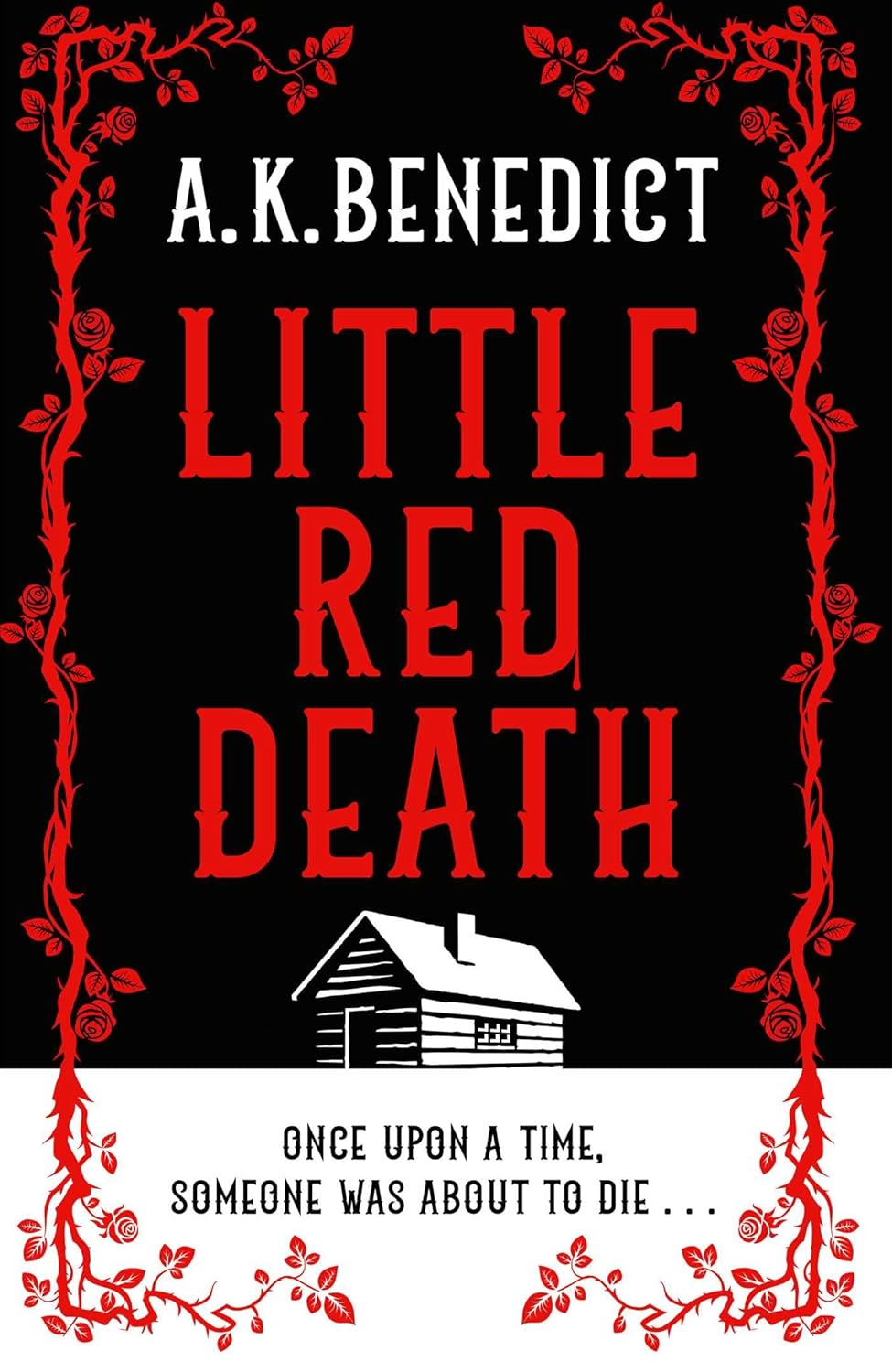
Little Red Death by A. K. Benedict (ebook)

I started reading the very interesting crime fiction book, Little Red Death, this week.  A compelling read that sees an obsessed detective try to solve a series of fairytale-themed murders, Little Red Death has an amazing story behind it, and I am really glad I decided to check it out.

Amazon


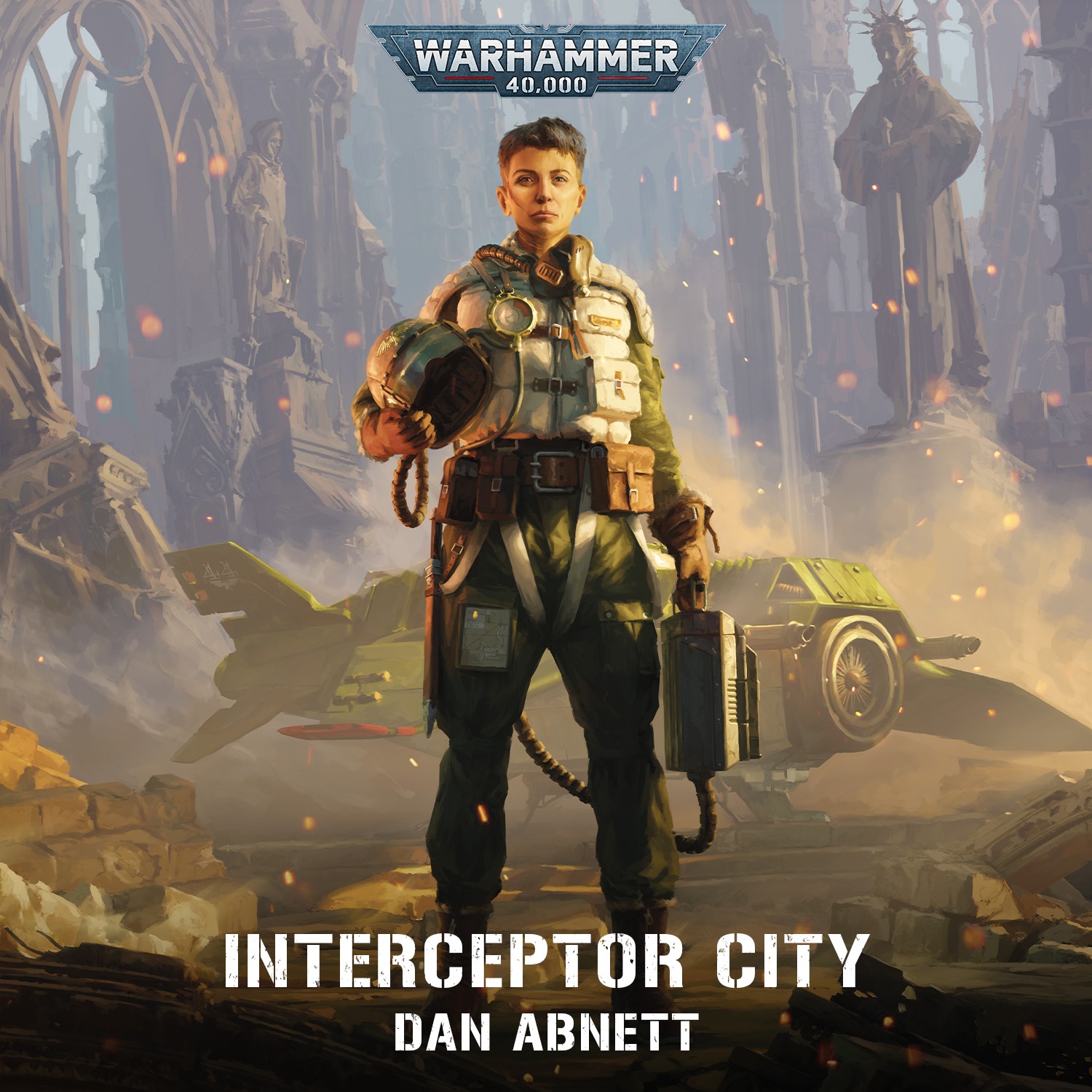
Warhammer 40,000: Interceptor City by Dan Abnett (Audiobook)

I have just started listening to the awesome Warhammer 40,000 novel, Interceptor City by Dan Abnett.  The sequel to Abnett’s classic Warhammer 40,000 novel, Double Eagle, Interceptor City brings back the protagonist from the previous book and sets her on a deadly new flying mission against skilled enemy pilots.  I have so much love for Double Eagle, and I am expecting Interceptor City to be just as incredible, especially as Abnett is extremely skilled at writing elaborate air combat sequences.  I have only made a little progress on Interceptor City so far, but I am really loving it and I have no doubt that this will be one of the best books I read all year.

Amazon

What did you recently finish reading?

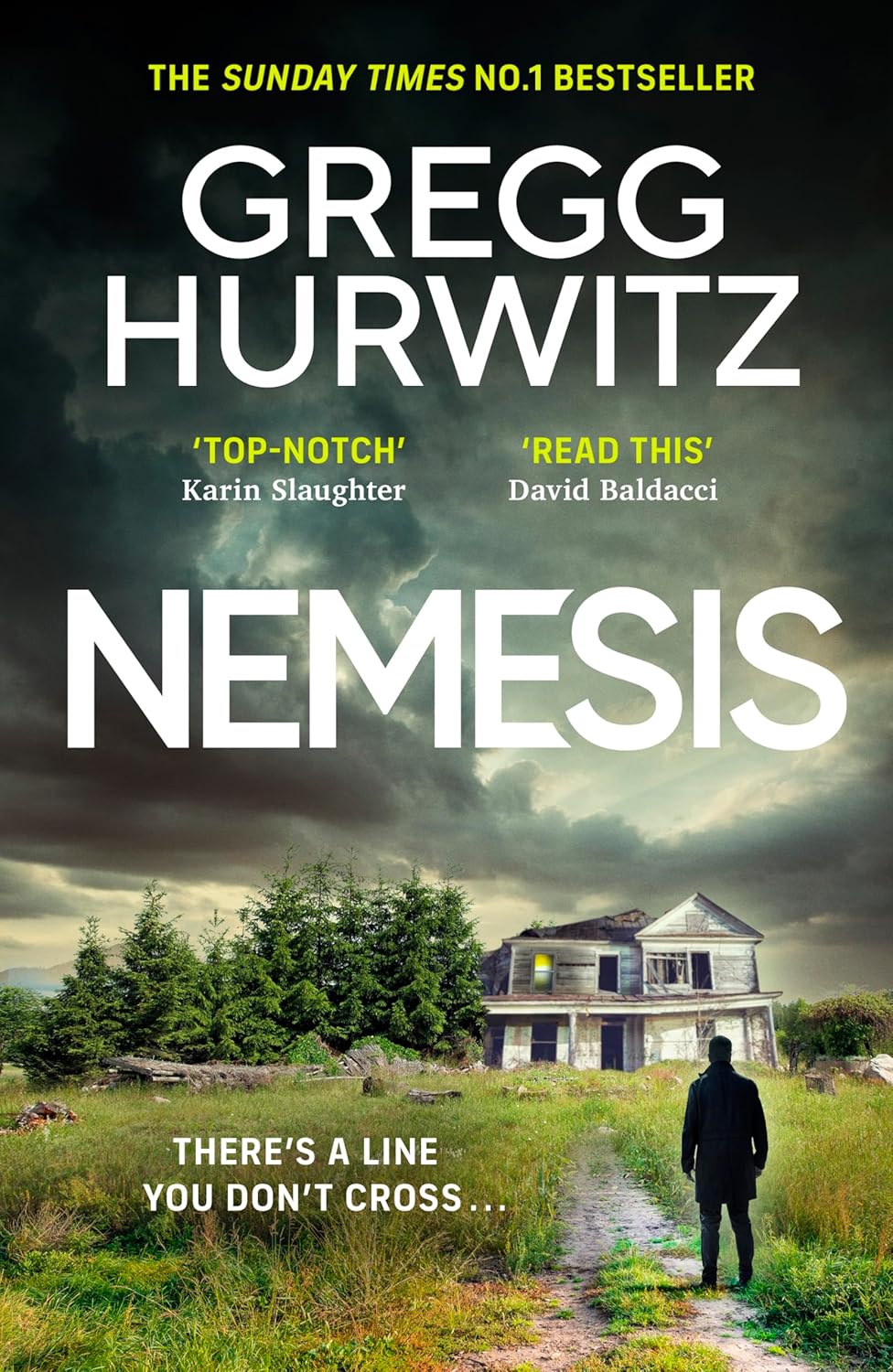
Nemesis by Gregg Hurwitz (Trade Paperback)

I absolutely powered through the awesome new addition to the Orphan X series from one of my favourite thriller writers, Nemesis. One of the best books I have so far enjoyed from Gregg Hurwitz, Nemesis was so damn good, and I am hoping to get a review up for it soon.

Amazon


Days of Shattered Faith by Adrian Tchaikovsky (Audiobook)

I finally managed to finish off Days of Shattered Faith and it was another exceptional five star read from Tchaikovsky that I could not get enough of.

Amazon


Small Gods by Terry Pratchett (Audiobook)

Thanks to a road trip I’ve been in a real Discworld mood lately, which saw me get through the new audiobook version of Small Gods by Terry Pratchett narrated by Andy Serkis. This was an exceptional listen and Small Gods remains one of my favourite Discworld books.

Amazon


The Bluff by Joanna Jenkins (Trade Paperback)

I had an exceptional time this week powering through the new book from Australian author Joanna Jenkins, The Bluff.  A clever and twisty crime fiction read that serves as an excellent sequel to Jenkin’s debut novel, How to Kill a Client, The Bluff was an amazing read that I look forward to reviewing soon.

Amazon


Pyramids by Terry Pratchett (Audiobook)

I also managed to get through the brilliant Discworld novel, Pyramids.  Another one of my favourites, Pyramids is so much fun to listen to, including in the new audiobook version primarily narrated by Alfred Enoch.

Amazon

What do you think you’ll read next?

The Reunion by Bronwyn Rivers

I had to make some changes to my reading schedule, so I didn’t get a chance to read the intriguing new Australia debut, The Reunion, this week as planned.  However, I am hoping to rectify that next week as The Reunion sounds particularly captivating and thrilling.

Amazon


That’s it for this week; check back in next Wednesday to see what progress I’ve made on my reading and what books I’ll be looking at next.

WWW Wednesday – 19 February 2025

WWW Wednesday is a weekly meme hosted by Taking on a World of Words, where bloggers share the books that they’ve recently finished, what they are currently reading and what books they are planning to read next. Essentially you have to answer three questions (the Three Ws):

What are you currently reading?
What did you recently finish reading?
What do you think you’ll read next?

So, let’s get to it.

What are you currently reading:

Nemesis by Gregg Hurwitz (Trade Paperback)

The awesome new addition to the Orphan X series from one of my favourite thriller writers, Nemesis is a particularly cool book I have made a fair bit of progress on.

Amazon


Days of Shattered Faith by Adrian Tchaikovsky (Audiobook)

I am still going with Days of Shattered Faith and will hopefully knock it off in the next week.

Amazon


Small Gods by Terry Pratchett (Audiobook)

Thanks to a road trip I’ve been in a real Discworld mood, so I’ve started listening to the new audiobook version of Small Gods by Terry Pratchett narrated by Andy Serkis.

Amazon

What did you recently finish reading?

Unhallowed Halls by Lili Wilkinson (Ebook)

A fun young adult dark academia novel with a compelling and complex narrative.

Amazon


Crusade by Richard Cullen (Ebook)

The awesome sequel to Cullen’s awesome 2024 novel, RebellionCrusade was a highly exciting historical read I had a lot of fun getting through.

Amazon


Moving Pictures by Terry Pratchett (Audiobook)

I finally listened to the new audiobook version of Moving Pictures, narrated by Jason Isaacs.

Amazon

What do you think you’ll read next?

The Reunion by Bronwyn Rivers

An intriguing new Australia debut that sounds particularly captivating and thrilling.

Amazon


That’s it for this week; check back in next Wednesday to see what progress I’ve made on my reading and what books I’ll be looking at next.

Top Ten Tuesday – My Favourite Pre-2024 Novels

Top Ten Tuesday is a weekly meme that currently resides at The Artsy Reader Girl and features bloggers sharing lists on various book topics. This week participants of Top Ten Tuesday get a freebie to list whatever topics they want.  So, I am going to take this opportunity to start my annual end-of-year lists here by looking at my favourite pre-2024 novels that I read this year.

Each December I have a lot of fun looking at some of the best and most impressive books and comics that I have read throughout the year in a series of Top Ten Lists.  While these lists will mostly focus on books that came out in 2024, for the last few years I have also taken the time to list out some of the best older novels that I have read in the last 12 months.  There are some excellent novels that were released pre-2024 out there that I haven’t had the chance to read before and it is always fun to go back and explore them.  I ended up reading a bunch of awesome older books throughout 2024, including some incredible novels that got easy five-star ratings from me and are really worth checking out.

To come up with this list I had a look at all the novels I read this year that had their initial release before 2024.  This proved to be a momentous task, as I read a ton of older books this year, including quite a few Warhammer 40,000 tie-in novels.  Despite the awesome array of older novels and audiobooks I enjoyed this year, I eventually managed to pull together a fantastic list that covered some of the best books released before 2024 that I read.  As I have in previous years, I combined novels that are part of the same series into a single entry, just to diversify it up a bit.  While I might be cheating in places, this list honestly reflects the best pre-2024 novels I read throughout the year, so let us see what made the cut.

Honourable Mentions:

Warhammer 40,000 Brutal Kunnin by Mike Brooks – 2021

A highly entertaining read from a great rising star of Warhammer 40,000 fiction.  Brutal Kunnin was particularly funny, and it allowed me to read it’s 2024 sequel, Da Big Dakka, in all it’s hilarious glory.

Amazon


Warhammer 40,000 Witchbringer by Steven B. Fischer – 2022

A fantastic Warhammer 40,000 debut from a couple of years ago, Witchbringer was an awesome novel that I was really happy to finally check out.

Amazon


Rebellion by Simon Scarrow – 2023

I got Rebellion, the 2023 entry in one of my favourite historical series, a bit late last year and it ended up being an early January 2024 read for me as a result.  A captivating and action-packed novel, Rebellion was amazing and comes highly recommended.

Amazon

Top Ten List:

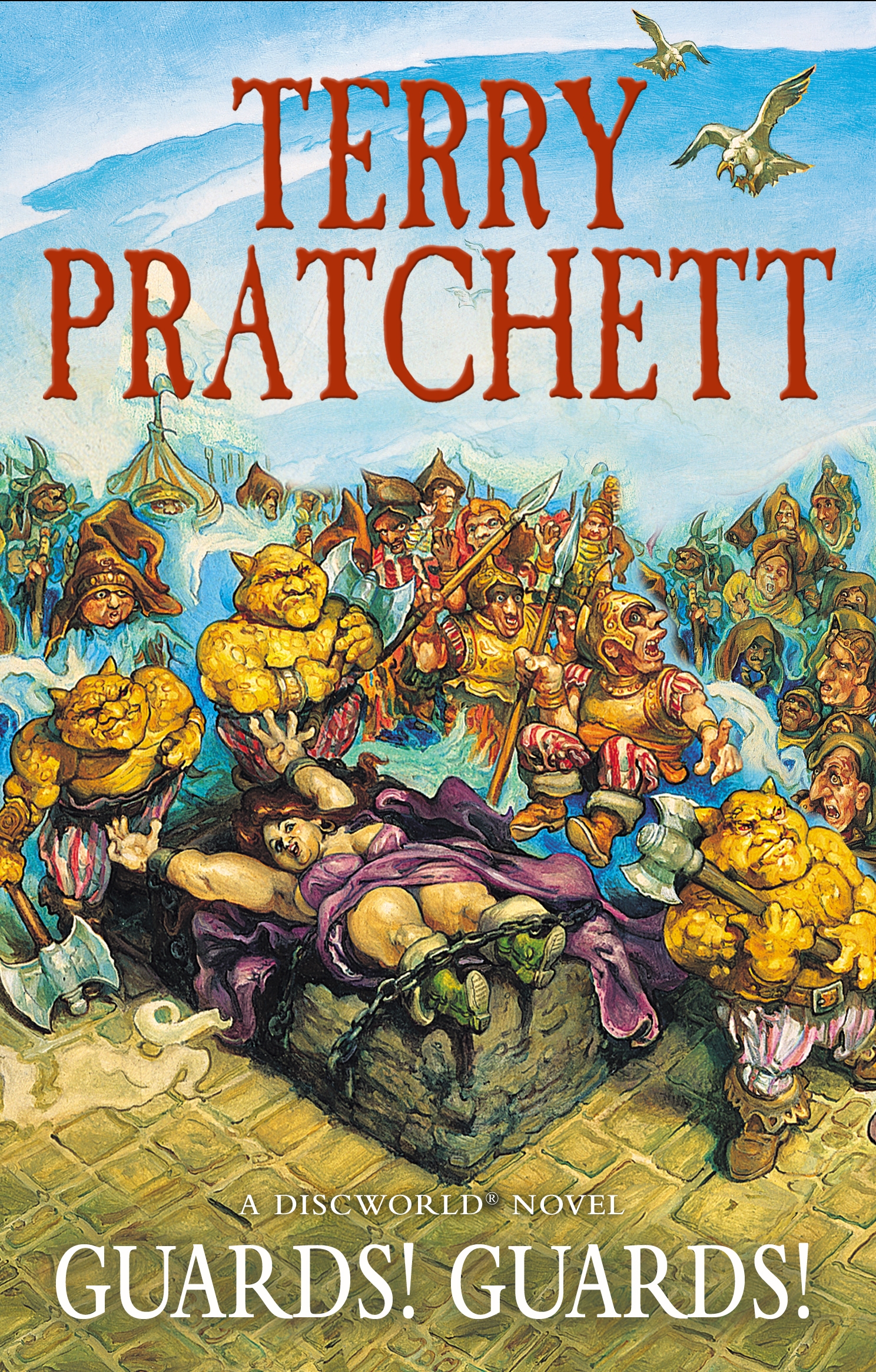
Guards! Guards! by Terry Pratchett – 1989

I had a ton of fun re-reading one of my favourite Discworld novels this year with Guards! Guards!One of Terry Pratchett’s best books, Guards! Guards! was just as amazing as I remembered it, and I still laugh at its elaborate narrative and exceptional humour.  While I have read Guards! Guards! before, I’m including it on this list as it was the first time I listened to the new audiobook version with Jon Culshaw, Peter Serafinowicz and Bill Nighy.  An incredible listen that I cannot recommend enough.

Amazon


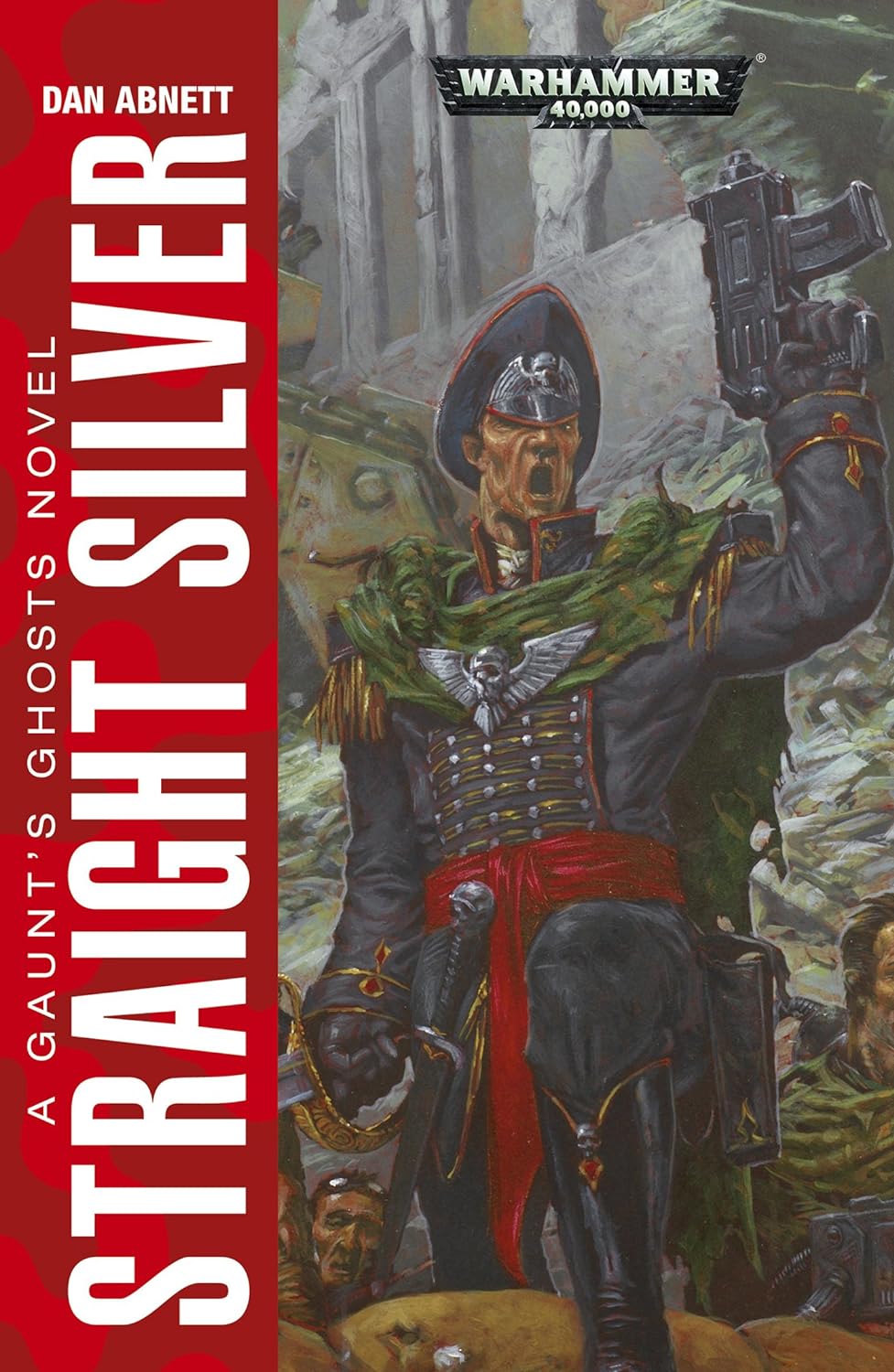
Gaunt’s Ghosts series by Dan Abnett – Straight Silver and Sabbat Martyr – 2002

As with last year’s pre-2023 book post, this list could have been dominated by the works of Dan Abnett if I hadn’t combined a few posts together.  That is because I am still making progress on his Gaunt’s Ghosts series, which is one of the seminal pieces of Warhammer 40,000 fiction.  Following the common soldiers of the Tanith First and Only, better known as Gaunt’s Ghosts, this series is a gritty series about camaraderie and the horrors of war for the common human soldier in the grim future of the Warhammer universe.  I managed to get through two exceptional entries in the series this year, Straight Silver and Sabbat Martyr, both of which were epic in their own way.  Featuring great characters, dark moments, and some particularly realistic depictions of war, these novels were so damn good, and I loved every second I spent listening to them.  I am hoping to dive even deeper into this series next year, and I know I am going to love it.

Amazon


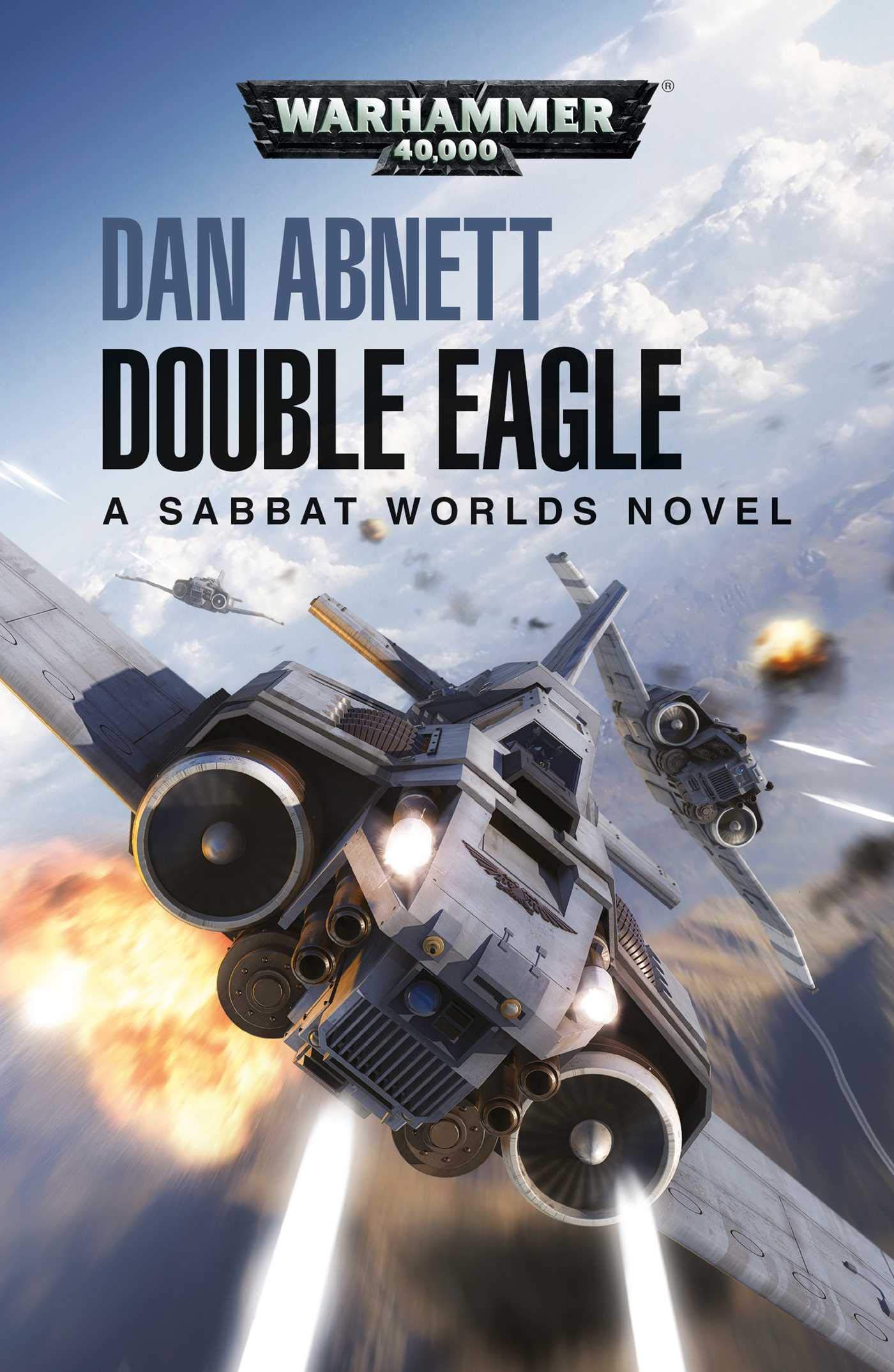
Warhammer 40,000: Double Eagle by Dan Abnett – 2004

One of the absolute best Warhammer 40,000 novels I enjoyed in 2024 was another classic read from Dan Abnett, Double Eagle.  A spin-off from his Gaunt’s Ghosts series (The Guns of Tanith specifically), Double Eagle was an exceptional and highly intense read that followed various Imperial pilots as they fight a brutal air war above a contested planet.  Essentially the Battle of Britain in the grimdark future, Double Eagle was utterly addictive, and I loved every single second I spent listening to it.  A must read for all Warhammer 40,000 fans, Double Eagle is just incredible, and I am looking forward to the sequel, Interceptor City, which is coming out soon.

Amazon


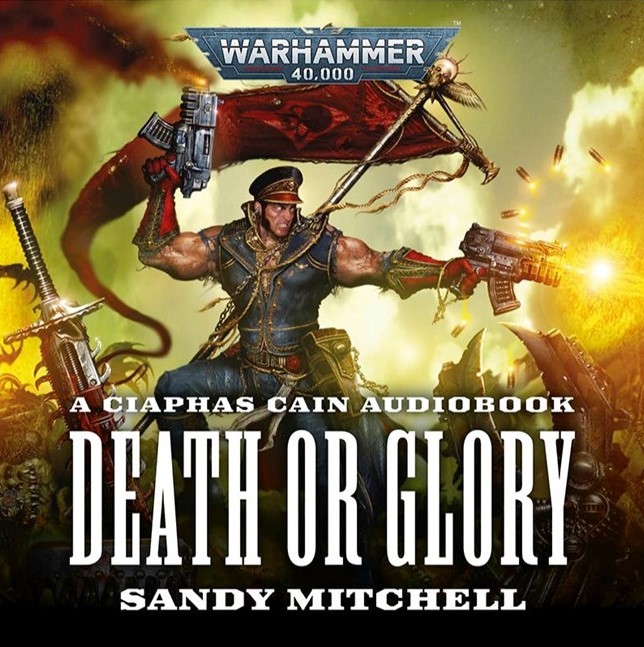
Ciaphas Cain series by Sandy Mitchell – The Traitor’s Hand (2005), Death or Glory (2006), Duty Calls (2007) and Cain’s Last Stand (2008)

Another long-running Warhammer 40,000 series I read in 2024 was the Ciaphas Cain series by Sandy Mitchell.  Following the heroic Commissar Cain as he fights in multiple battlefields, the Ciaphas Cain books are a particularly fun Warhammer 40,000 series due to the hilarious protagonist who is a lot more cowardly and practical than most people realise.  I read four books in this series this year, mainly because they are so easy to listen to and enjoy.  This includes The Traitor’s Hand, Death or Glory, Duty Calls and Cain’s Last Stand.  All four were extremely good and featured distinctive and entertaining stories, with the last three featuring a great, loosely connected storyline.  If I had to choose a favourite it would probably be Death or Glory, that set a young Ciaphas Cain on his path to hero status when he accidently leads a band of human survivors Mad Max style to victory.  An outstanding series I will probably read more of in 2025.

Amazon


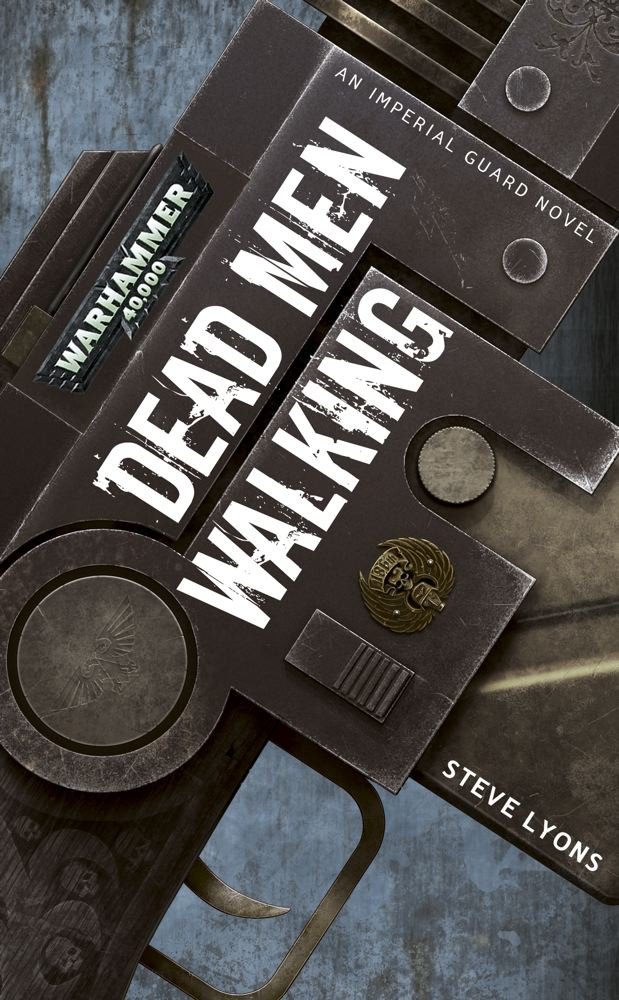
Warhammer 40,000: Dead Men Walking by Steve Lyons – 2010

As I’m on a roll with awesome older Warhammer 40,000 novels, the next book on this list is the impressive Dead Men Walking by Steve Lyons.  A particularly dark addition to the canon, Dead Men Walking pits Lyon’s favourite Imperial Guard faction, the Death Korps of Kreig (who Lyons also writes about in Kreig and The Siege of Vraks), against the unstoppable metal-coated Necrons, resulting in a devastating battle against two equally unrelenting foe.  Cleverly told from the perspective of the normal humans caught in the crossfire of this brutal war, Dead Men Walking showcases just how dark Warhammer 40,000 fiction can get, and I loved the entire captivating and ironic story.

Amazon


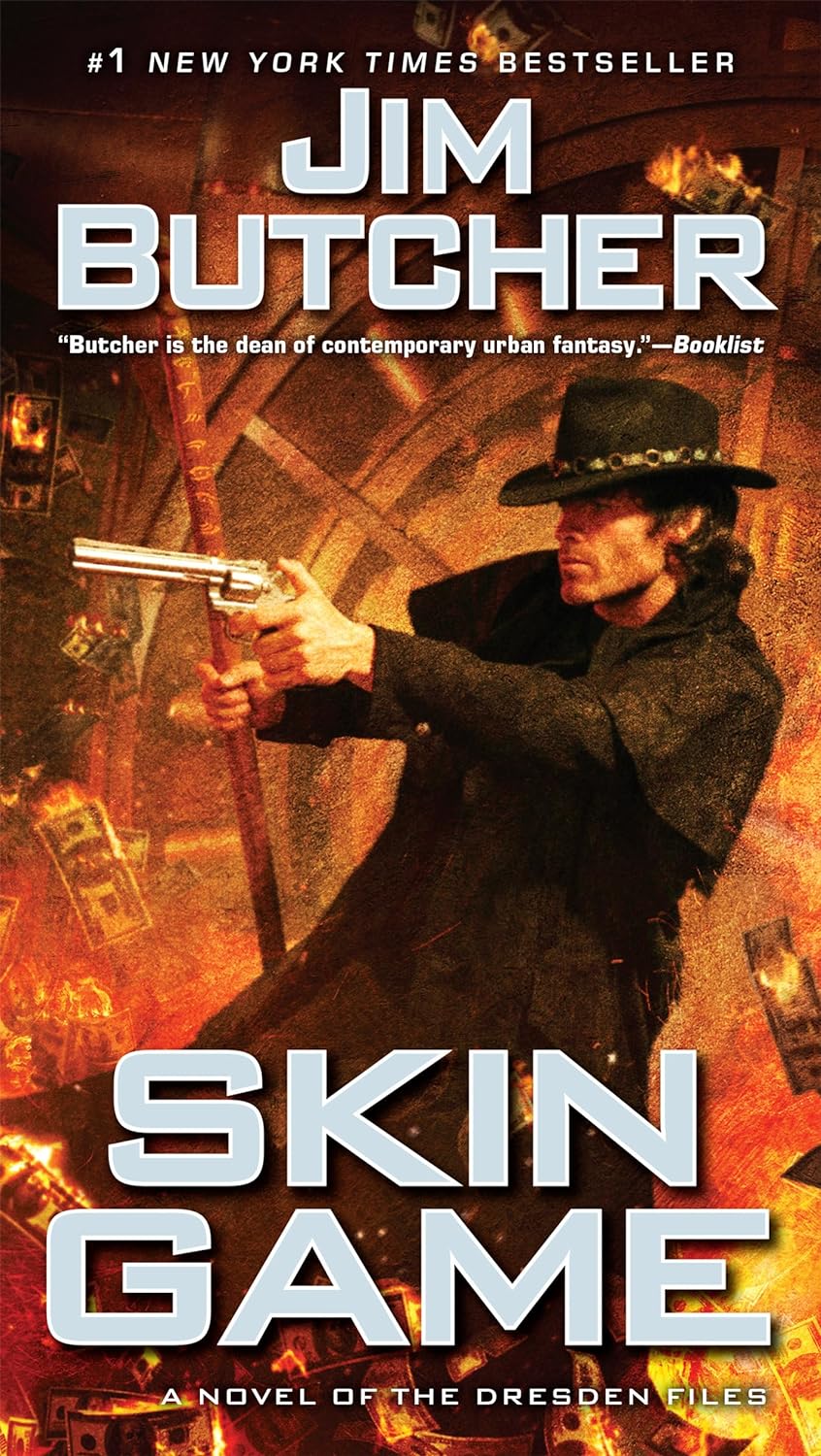
Dresden Files series by Jim Butcher – Skin Game (2014) and Peace Talks (2020)

After a couple of years of having a brilliant time exploring the Dresden Files books, I finally finished off the series this year by reading Skin Game and Peace Talks.  Two excellent and compelling entries in the series, these books were particularly awesome in all the right ways.  My favourite of the two was Skin Game, which saw the wizard protagonist forced to team up with his worst enemies to complete an impossible magical heist.  However, the other book, Peace Talks, was also particularly moving and exciting, especially as it set up Butcher’s other 2020 novel Battle Ground, which is where I entered the Dresden Files series.  I have had such an incredible time reading the Dresden Files books over the years, and I hope we start to get some new entries in it soon.

Amazon


The Outsider by Stephen King – 2018

One of the books I was particularly happy to read in 2024 was the intense and brilliant Stephen King novel The Outsider.  A complex, dark and shocking horror thriller, The Outsider starts off with a great concept when a local hero is accused of a terrible crime and all the evidence irrefutably shows that he did it.  The problem, the accused claims to be innocent and he has an impossibly airtight alibi.  I loved the fantastic and powerful story King wove around this idea, and I honestly could not stop listening to it.  Probably one of the better King books I have so far read, The Outsider was so damn good and still cannot get over its exceptional story.

Amazon


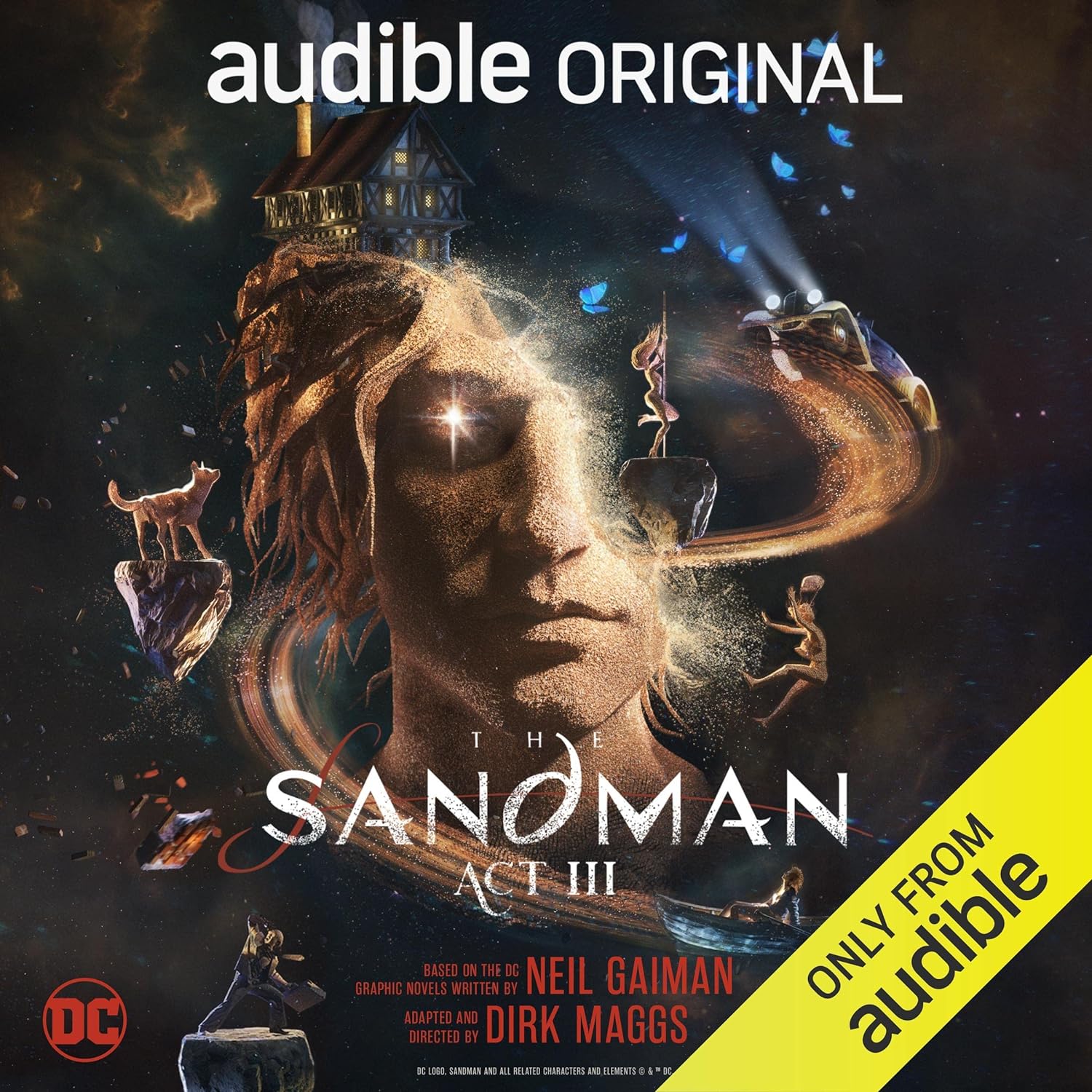
The Sandman – Act III by Neil Gaiman – 2022

After having a great time listening to the first audiobook adaptations of The Sandman in previous years (see my reviews for Act I and Act II), I managed to listen to the third act this year.  An intriguing continuation of the story, Act III featured an excellent and addictive story, told by an all-star full cast of excellent actors and voice talent.  I had such an outstanding time listening to the complex tales contained within this latest adaptation of The Sandman and I really cannot recommend it enough as an awesome way to enjoy this brilliantly dark and inventive series.  I hope we eventually get a fourth act of The Sandman at some point, as I really need closure around how the series ends.

Amazon


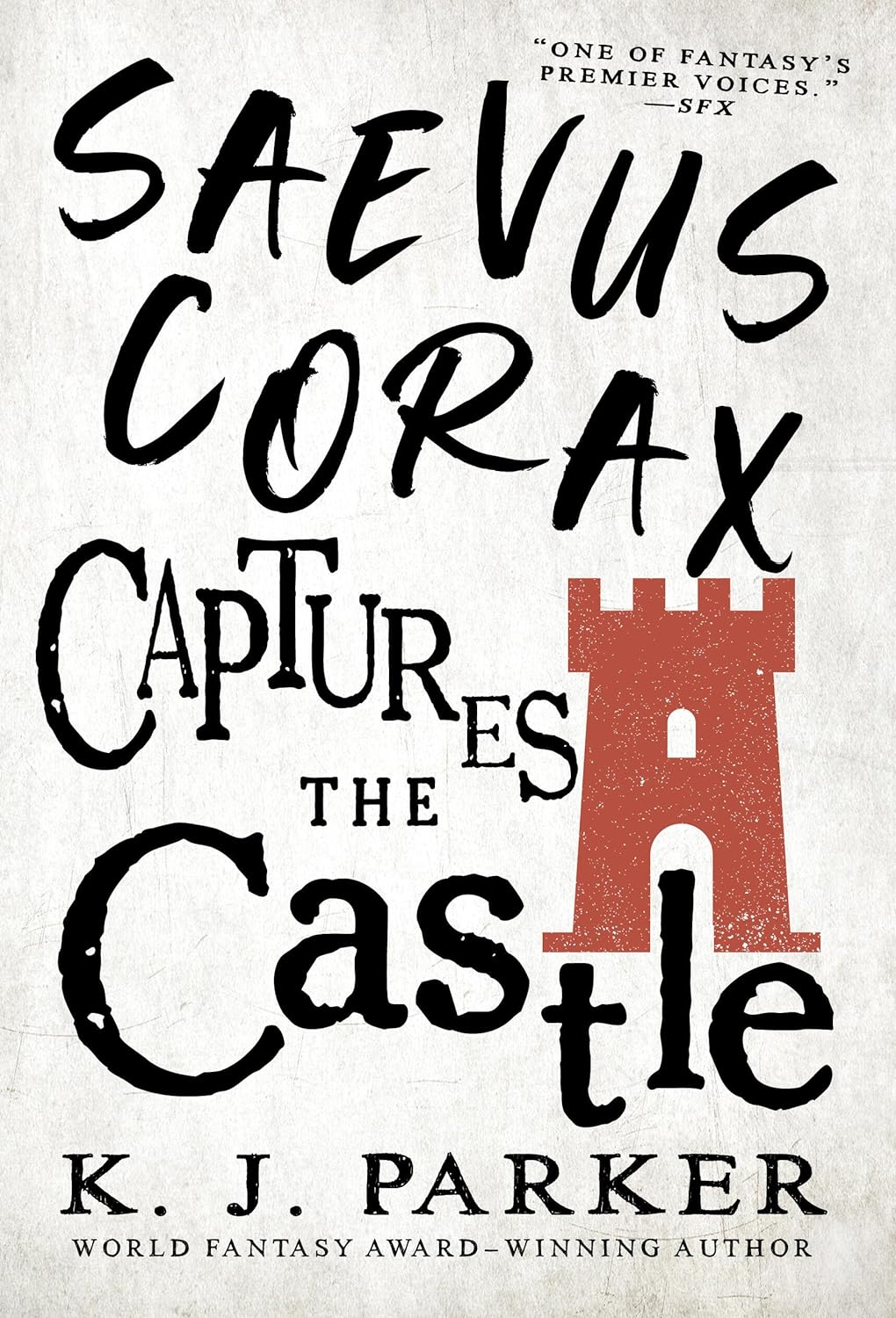
Saevus Corax Captures the Castle and Saevus Corax Gets Away with Murder by K. J. Parker – 2023

After having an exceptional time with Saevus Corax Deals with the Dead last year (one of my favourite books of 2023), I made sure to read the simultaneously released sequels, Saevus Corax Captures the Castle and Saevus Corax Gets Away with Murder in 2024.  Both were clever and hilarious reads that followed the series’ smart, cynical and unlucky protagonist through a series of complex adventures.  These sequels were extremely well written and planned out, and I loved how the overarching series came together.  I cannot recommend the final two Corax books enough, and together with Saevus Corax Deals with the Dead, they form and exceptional and extremely smart trilogy.

Amazon


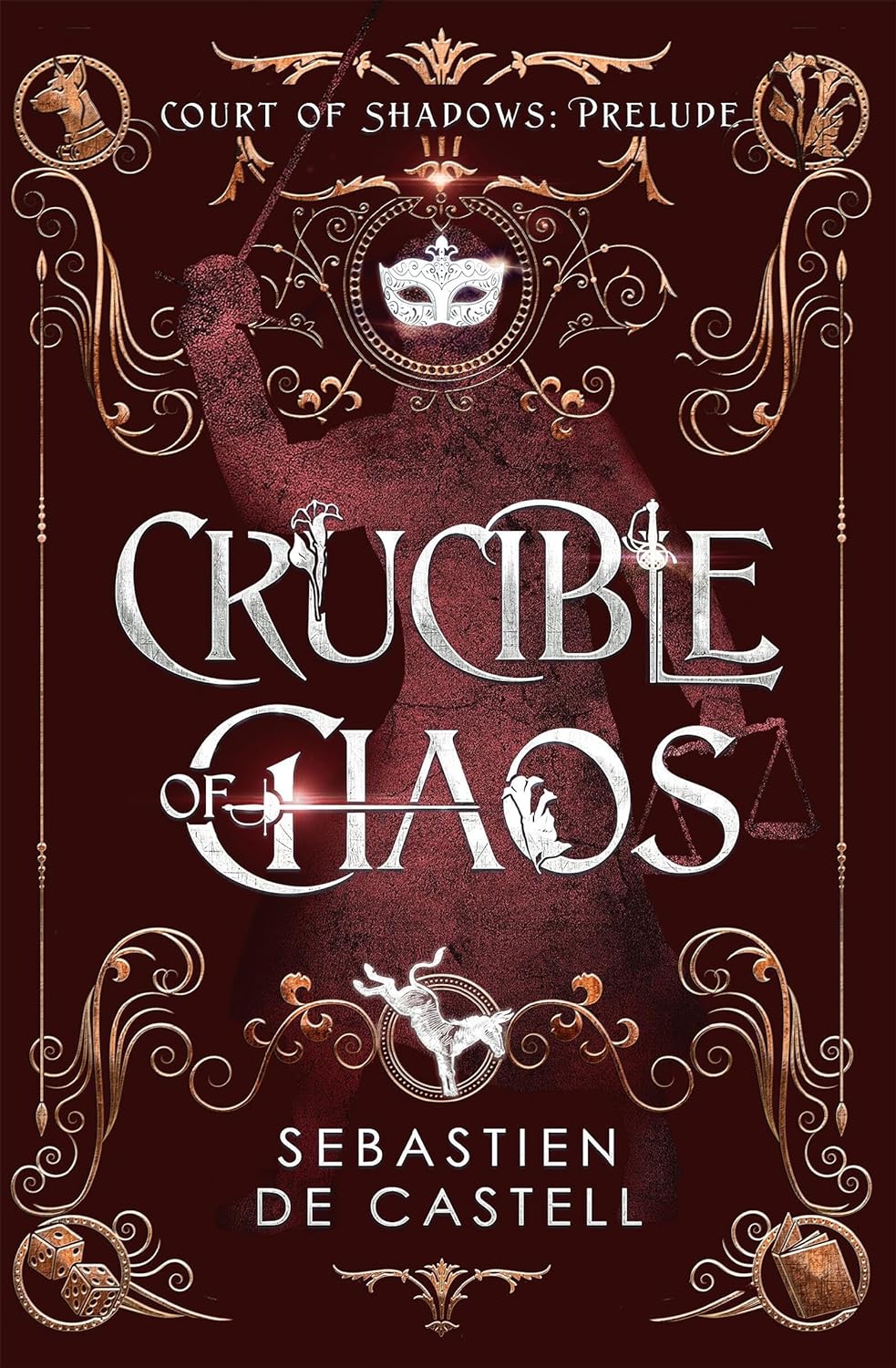
Crucible of Chaos by Sebastien de Castell – 2023

The final book I want to feature on this list was the captivating fantasy novel, Crucible of Chaos by Sebastien de Castell.  A loosely connected prequel to de Castell’s new Court of Shadows series, which started this year with Play of Shadows, Crucible of Chaos was an outstanding read that I am glad I went back to check out.  Set in the author’s Greatcoats universe, Crucible of Chaos follows an unlikely magistrate as he journeys to an isolated monastery to arbitrate a religious dispute that has broken out on the grounds.  However, upon arriving he discovers that the situation has irrevocably deteriorated, and he must investigate a terrible murder amongst on the storm rocked island, whilst dealing with armed factions and dark magic.  A particularly impressive read that cemented my new-found appreciation for de Castell’s writing, Crucible of Chaos is an outstanding novel and a fantastic final entry on this list.

Amazon


And that is the end of this list.  As you can see, I have managed to read a huge number of epic pre-2024 releases this year.  Each of the above were exceptional and fun reads and I would strongly recommend all of them, especially if you are in the mood for some fun fantasy or science fiction adventures.  I look forward to reading many more older books in 2025, and it will be interesting to see what makes my next version of this list then.  I imagine it will also end up being very Warhammer heavy, as I have plans to finish off the Gaunt’s Ghosts and Ciaphas Cain series, and I will probably also dive into a bunch of other awesome series from the franchise.  Make sure to check back in next week for some other end-of-year lists as I continue to highlight some of my favourite reads from 2024.

Guards! Guards! by Terry Pratchett

Publisher: Gollancz/Penguin Audio (Audiobook – 1989)

Series: Discworld – Book 8 / City Watch – Book One

Length: 13 hours and 29 minutes

My Rating: 5 out of 5 stars

Amazon

I recently revisited one of my favourite books in Terry Pratchett’s iconic Discworld series, Guards! Guards!, and I just had to review it to showcase how much fun this series can be.

I have never made any secret of the fact that I love all things Terry Pratchett as the Discworld books were one of the formative series of my youth.  A massively popular series set on a flat world carried through space on the back of a giant turtle and four elephants, the Discworld books present a range of unique fantasy adventures, backed with exceptional comedy and satire.  This series is so much fun, and I honestly love every single Discworld book, having read them all multiple times, usually while laughing myself silly.  Indeed, I am such a big fan of this series that I named my blog after a location in the universe.  Despite my overwhelming love for this series, I haven’t reviewed many Discworld books (the exception being Moving Pictures and The Last Continent).  That changes with my review of the outrageously funny Guards! Guards! which I recently enjoyed while on a road trip.

Guards! Guards! is a particularly entertaining addition to the Discworld series that I have a lot of love for.  Serving as the first book in the City Watch sub-series, Guards! Guards! sees Pratchett blend his typical fantasy and comedy elements with a complex murder mystery.  This book follows the ragtag city watch of this world’s main recurring city, Ankh-Morpork, as they try to solve a series of deaths caused by a monstrous murder weapon.  Due to its brilliant and hilarious story, as well as the fact that it perfectly sets up the rest of the awesome City Watch books, I generally consider Guards! Guards! to be one of my absolute favourite Discworld novels, and I have featured it in various Top Ten Tuesday lists over the years.

On the fantastical and impossible Discworld no place is more dangerous, corrupt or morally unhealthy as the legendary and stinking city of Ankh-Morpork.  The Disc’s largest city, Ankh-Morpork has many terrors haunting its urban depths, where life is cheap and death lurks around every corner.  However, not even the hardest criminals, deadliest wizards or most manipulative politicians are prepared for an ancient and malevolent creature that is about to be unleashed upon the city.

A shadowy secret brotherhood has engineered an elaborate plan to seize power in Ankh-Morpork through use of an unlikely weapon, a dragon.  Summoning a fully formed fire-breathing dragon to cause terror, the brotherhood hopes to use the resulting carnage to bring in their own puppet to control the city.  However, the dragon has its own ideas about what sort of terror it wants to bring down on humanity.

With the rest of the city powerless against the dragon, it falls to the ramshackle Ankh-Morpork Night Watch and its depressed captain, Sam Vimes, to try and stop it.  The only problem is the Watch are the biggest joke in the city, incapable of standing up to normal crime, never mind carnage caused by magical dragon.  But with an unnaturally keen new recruit guilting them into action, and a terrifying dragon fanatic with a crush on Vimes keeping them in line, the Watch is going to try and save the day, even if no-one wants them to.

Guards! Guards! still reigns supreme as one of my top Discworld novels from the always impressive Terry Pratchett.  Featuring a unique plot, loaded with an outstanding mix of mystery, humour and fun fantasy elements, Guards! Guards! brilliantly sets up one of Pratchett’s best sub-series while presenting its own epic and powerful story.  An exceptional read from start to finish, this book gets a very easy five-star rating from me, and I love it so damn much.

The plot of Guards! Guards! is so damn clever and is peak Pratchett in its inventiveness and impressive characters.  Presenting an entertaining and humourous noir murder investigation in a fantasy series, Guards! Guards! has a lot of moving parts to it, including some impressive character-driven story arcs, all of which come together beautifully for a particularly intense and insane story.  Starting off very strong with some great introductions to various key characters, including the young and keen Carrot Ironfoundersson, who journeys to the massive and corrupt city of Ankh-Morpork to join the Night Watch, providing fresh blood, irrepressible honesty and uncontrolled enthusiasm to the small squad of rejects and failures currently staffing it.  Carrot’s arrival corresponds with the start of a bold conspiracy, as a secretive mystic brotherhood plots to dethrone the Patrician and take over the city.  The initial scenes of this book are extremely good, and I love how Pratchett expertly sets up the entire narrative with some hilarious moments, including the opening sequence with the Elucidated Brethren of the Ebon Night, whose petty ideology shows you just what sort of criminal minds we are truly dealing with.

Things go in a chaotic direction as the Night Watch, led by the drunk and depressed Captain Vimes, witness a direct murder by dragon and begin their own investigation into the matter.  Pratchett expertly pivots the story around from its comedic fantasy start into a complex police procedural/noir murder investigation, as the protagonists try to find out why the dragon is terrifying the city and who benefits from the apparent crime.  At the same time, several great character arcs emerge, including a truly nice, if unconventional romance, new friendships, and a fun analysis of dragon mythology.  There is a great twist about halfway through the book as the down-and-out Night Watch witness an interesting change to the classic dragon fantasy tale that sees a unique king take over the city.

The final third of the book is some of Pratchett’s strongest writing, as Vimes identifies the true culprit and must work to undo the damage they caused.  There are some great moments in this last part of the book as Pratchett presents his own unique and hilarious take on classic fantasy tropes, including the famed million-to-one shot, the heroic rescue, and the successful defeat of a dragon.  I felt that the identity of the main villain of the story was very clever, and Pratchett sets it up well with subtle clues, although if you know Pratchett’s thoughts on certain government positions it’s not too surprising.  Still, the final confrontation between the protagonists and this villain is great, and being literal has never been so deadly.  Pratchett leaves Guards! Guards! on a hopeful note, and it’s impossible not to come away with a smile on your face.
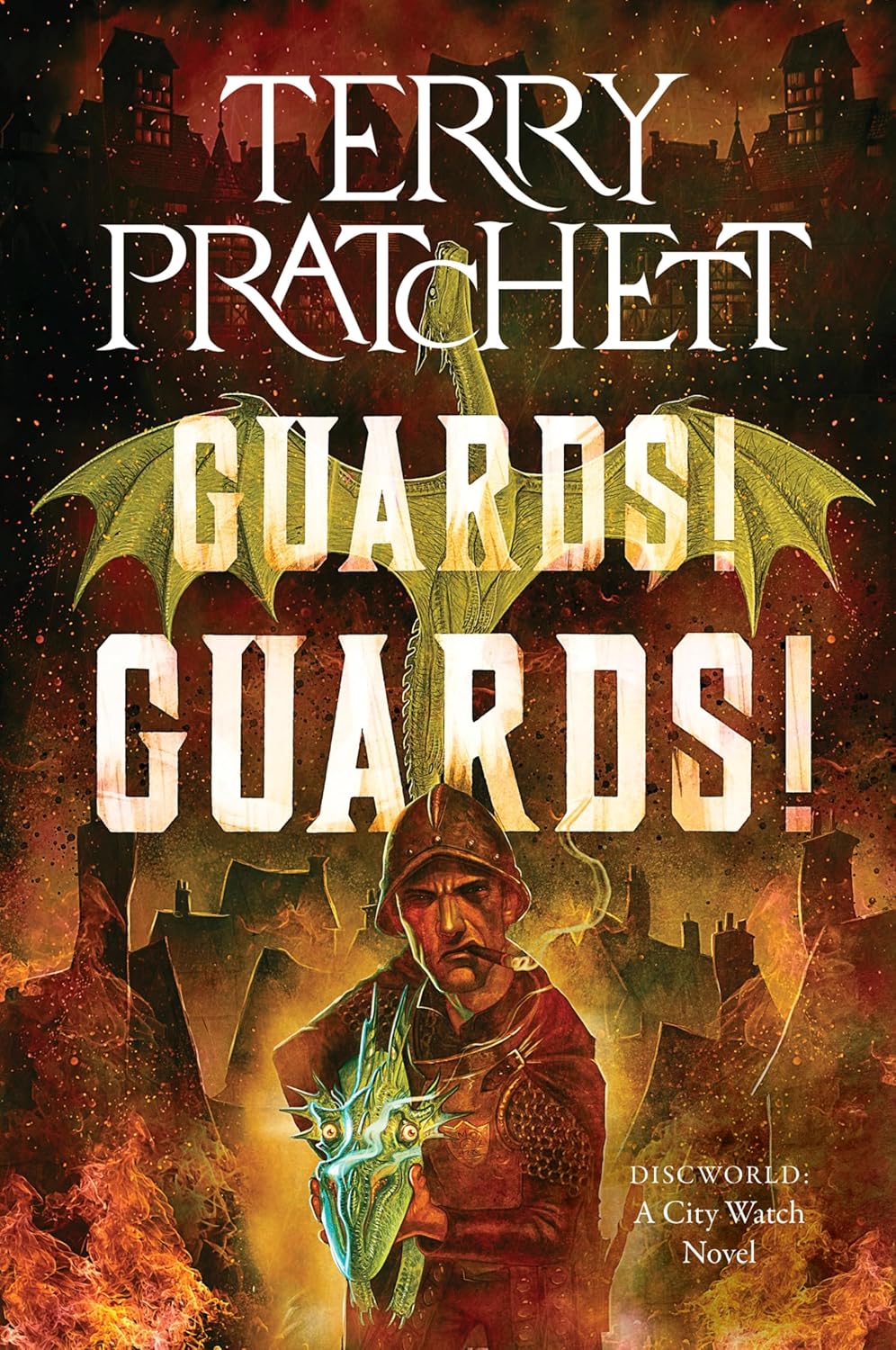
Pratchett was really on-point when it came to writing Guards! Guards! and I loved how perfectly it came together.  As with all books in the Discworld series, Guards! Guards! features an exceptional mixture of fantasy and humour elements, as the unusual and cynical Discworld produces some unusual situations, layered in with a great plot and some fantastically complex characters.  A lot of the humour is derived from classic fantasy scenarios that are taken up to 11 and shown in outrageous manners, accompanied by sarcastic comments from the characters as they witness them.  For example, this book serves as an ode to the guards and watchmen from classic fantasy fiction, and there are some funny scenes when these self-aware guards realise how expendable they are in a fantasy story.  However, Guards! Guards! also features a brilliant third element as Pratchett also features a compelling crime fiction read, accompanied with an addictive murder mystery.

The blend of fantasy and crime fiction elements works incredibly well, and it is highly entertaining to watch a serious investigation consider magic, suddenly appearing dragons, and the unique background setting of Ankh-Morpork.  I also loved how many clever and subtle jokes Pratchett was able to weave in because of these crime fiction inclusions, and he ends up lovingly roasting so many classic tropes from police procedurals and noir detective novels.  Despite having read this book many times, I still laugh like crazy at all the humourous moments in Guards! Guards!, especially as you always discover a new joke or pun you previously missed.  I honestly don’t have time to list all the funny scenes in Guards! Guards!, but favourites include the various meetings of the petty and mostly incompetent Elucidated Brethren, Carrot’s naïve overreactions upon discovering crime in the city, and various musings on how to achieve a perfect, million-to-one chance.  Pratchett once again expertly backs up his humour in Guards! Guards! with a series of entertaining footnotes spread throughout the book, that prove to be nearly as much fun as the main story.  These brilliant footnotes contain additional jokes, sarcastic comments, or interesting expansions of the Discworld universe, and they always bounce off the main story perfectly, providing extra laughs and food for thought where necessary.  I really cannot emphasise just how well this blend of genres worked with Pratchett’s unique and endearing humour, and it proves impossible not to have an exceptional time while reading this book.

As with most Discworld books, Guards! Guards! works exceedingly well as a standalone novel, and I feel that anyone wanting a laugh could easily jump in and follow the story without any issues.  Due to its early position in the shared Discworld universe, you don’t have to know anything about the other entries in the overarching series to jump right in, as Pratchett goes a tad light on some of the more outrageous Discworld elements.  As such, I consider Guards! Guards! to be one of the very best entry novels to new Discworld readers.  It also proves to be a brilliant first book in one of Pratchett’s best sub-series, and so many key details of the subsequent City Watch books are introduced here.  This includes some excellent early looks at the chaotic city of Ankh-Morpork and key recurring characters in the larger universal plot.  Ankh-Morpork is a great background setting for Guards! Guards! and it was the first book completely set within the bounds of the city.  I loved seeing this crazy city in even more detail, and all the fun elements set up here help to make it an epic setting.  As such, this is a great book for any Discworld reader, new or old, and it’s one of my favourites for very good reason.

As with pretty much all of Pratchett’s works, the key things that made Guards! Guards! so impressive were the amazing and unique characters that were featured throughout the plot.  Pratchett had a real knack for producing complex, multi-layered figures who can be both comedic and tragic at the same time, and who you couldn’t help but love.  Guards! Guards! was a particularly good example of this, as Pratchett featured a range of brilliant and entertaining characters who would go on to be become major recurring figures in the Discworld canon.  Indeed, Guards! Guards! is one of the most significant books for new characters, and it is frankly amazing how many exceptional major and iconic figures were introduced here.  Each of these characters were so well written, and you have to love both their specific arcs in this book, as well as how they were expanded on in later works.

The most prominent character in Guards! Guards! is Captain Samuel Vimes.  A cynical and damaged man whose habit of calling out social inequities has seen him assigned to the joke position as head of the Night Watch, which he deals with by drinking vast amounts of alcohol.  A parody of every hard-drinking cop and private eye in classic noir fiction, Vimes starts the book with no prospects and too many dead friends.  Given new purpose when the dragon appears in the city, Vimes turns his innate rebellion to a purpose and tries policing and detecting.  Pratchett does an exceptional job setting up Vimes here in Guards! Guards!, and it is no wonder he goes on to be one of his top protagonists.  Vimes’s depressed investigative method proves quite successful, and it was entertaining to watch Vimes attempt to solve the case while sarcastically calling out his fellow citizens’ base stupidity and selfishness.  Pratchett also sets up an impressive redemption arc around Vimes, which comes about through a combination of trusted colleagues, romance, and a renewed determination to uphold the law.  While he ends the book still irritated with the world, the road forward to Vimes doing bigger and better things is well established, and you really get drawn into his arc as a result.

Another impressive character is naïve and innocent City Watch recruit, Carrot Ironfoundersson.  Due to his complex home situation and a late life revelation that he’s human rather than a dwarf (being six and a half feet tall wasn’t a clue to him), Carrot is sent to Anhk-Morpork with a desire to become a watchman, which he incorrectly believes is a noble calling.  Thanks to his literal personality and highly moral upbringing, Carrot proves to be an anathema to the lawless folks of Anhk-Morpork, as he comes to town bringing justice, enforcing obscure laws, and actually arresting thieves: “change your ways”.  A brilliant parody of ultra-righteous fantasy kings, Carrot serves as an outstanding comic relief for much of the book, especially when it comes to his wholesome interactions with the exceedingly criminal inhabitants of the city.  However, beneath his comedic cover, Carrot is written as a complex figure of change, and his ability to inspire the other characters, either through guilt or determination, leads to some big moments.  Pratchett did an amazing job with Carrot in Guards! Guards!, and it was fascinating to see how he evolves from his initial innocent personality, to a more clever, but still determined, character.

Aside from Vimes and Carrot, the other two watch characters are Sergeant Fred Colon and Corporal Nobby Nobbs, both of whom are excellent and solid comedic characters.  The stereotypical fat sergeant and dodgy corporal, Pratchett has fun setting them up as unassailable fixtures of the Night Watch as they do the jobs nature intended for them, and I love how they play off each other.  While Colon has some hilarious scenes, including his attempt at archery and his various ill-timed run-ins with the dragon, you can tell that Pratchett had a lot more fun writing Nobby.  While not all his over-the-top characteristics from the series are shown in Guards! Guards!, Nobby is still a particularly entertaining figure.  Between his coarse language, petty criminal mindset, and uncharacteristic foppish behaviours, every scene with Nobby is highly amusing, and I love how Pratchett expanded off clever stereotypes about lifetime corporals to create this wayward figure.

Outside the members of the City Watch, there are a fantastic array of figures who help to make Guards! Guards! a particularly enthralling story.  This includes one of the few female characters in the book, Sybil Rankin, a dragon-loving heiress who ends up being Vimes’s unlikely love interest.  Deliberately written as the direct opposite of a noir femme-fatale in both personality and appearance, Sybil is a force of nature, using her accumulated nobility to pull the Night Watch, especially Vimes, into her orbit.  It proves impossible not to like Sybil as you watch her confidently go after Vimes or try to put the dragon to heel, and she ends up being one of the most complicated female characters that Pratchett wrote (which is saying a lot when you think of some of his other great female characters).

The other major character that I want to separately highlight is the Patrician of Ankh-Morpork, Lord Havelock Vetinari.  While he has appeared in previous Discworld novels (notably Sourcery), this is the first book that showcases him as a full character.  Generally depicted as a Machiavellian mastermind and one of the few people capable of controlling the chaotic city, Vetinari has some great early scenes.  However, it’s not until the second half of the book when you realise just how fantastic a character he is.  Deposed by the false king, Vetinari initially appears to be completely powerless in the dungeons, until Vimes is thrown in with him and begins to realise that he is still in control, especially as he’s managed to cultivate a new intelligence network (procured by providing wartime strategy to magical rats), while also getting locked in a dungeon specifically designed to keep him safe.  His subsequent scenes tormenting the book’s real antagonist and talking about the nature of humanity with Vimes really cement him as an impressive figure, and the seeds for his many later inclusions as the Disc’s ultimate political mastermind are well sown here.

While I know I’ve been going on a bit about characters (blame Pratchett for being such a good writer), I just need to highlight a few more figures who have a great role in Guards! Guards!.  This includes the Librarian, one of Pratchett’s most iconic characters, who proves to be just as much fun outside of a wizard focused book, and it was entertaining seeing him interact with a separate group of friends.  You get a great introduction to the character of Cut-My-Own-Throat Dibbler, whose mercantile tendencies are on full display here.  The unusual swamp dragon Errol proves to be an unlikely pet, and his arc about finding love and his true form was particularly heartwarming.  Finally, I must mention the book’s great antagonist, who fully embraces the mad tendencies that his position demands.  While I won’t go into too much detail about who he is, I will say I loved seeing his various internal rants about the world, and the scenes with his incompetent henchmen were so damn funny.  All these characters, plus even more hilarious figures, are instrumental to so much of Guards! Guards! brilliant charm and humour, and after being introduced to them here, it’s impossible not to follow them on their full journey.
I have had the pleasure of reading Guards! Guards! in a couple of different formats over the years, but to my mind the best way to enjoy this book, and indeed any Discworld novel, is on audiobook.  The Discworld audiobooks are something very special, and I find that the unique stories, excellent humour and elaborate characters really come across when read out by a passionate narrator.  With the recent re-release of various Discworld audiobooks, there are now two different unabridged versions of Guards! Guards! fans can enjoy, and I want to highlight them both here.

The first Guards! Guards! audiobook is the original version with the talented Nigel Planer, who narrated 22 of the original 23 Discworld audiobooks.  Guards! Guards! is one of his best performances, and it set the scene nicely for many of his subsequent Discworld audiobooks, especially as he settled on a lot of key character voices and tones here.  While it has been a little while since I’ve listened to Planer’s version of Guards! Guards!, I have enjoyed it so many times it is permanently engrained in my head (I used to grab the tape cassette version out of my local library all the time).  Planer, who does all the voices himself, really captures the essence of Pratchett’s storytelling and excels at expressing the author’s unique humour through his vocal work.  I also felt that his portrayal of many of the key characters was second to none, and he really brought to life all the City Watch protagonists, as well as some other long-running figures, in some impressive ways.  He would revisit many of these voices in multiple subsequent performances, and it is a testament to his skill that the initial tones he came up with here, worked so well in the later books.  I frankly have so much love for Planer’s original take on Guards! Guards!, which definitely still stands the test of time, and his excellent and heartfelt voice work defines many of the City Watch characters for me.

While Nigel Planers original version is perfect, current Discworld fans may be more familiar with the latest audiobook production of Guards! Guards!, which was part of a recent re-recording of all the Discworld books.  These new audiobooks each feature a different famous British performer voicing the main plot, while acclaimed actors Peter Serafinowicz and Bill Nighy have key roles in every single production.  While these have been out for a little while, I only just listened to my first one .  Coming in at a runtime of 13 and a half hours, which is a tad longer than the roughly 10-hour long Planer version, this Guards! Guards! audiobook was extremely fun, and it served as excellent entertainment on a recent road trip.

The new version of the Guards! Guards! audiobook is primarily voiced by British radio and television personality Jon Culshaw.  Culshaw is amazing in the role, and I was deeply impressed with his take on the Guards! Guards! characters.  Each unique character comes across extremely well in Culshaw’s capable hands, and I enjoyed his take on their unique characteristics and eccentric personalities.  He perfectly showcased protagonist Samuel Vimes’s drunken despair and depression, while various other key members of the watch, such as the extremely keen Carrot and the more cautious Colon, are shown extremely well.  I also felt that Culshaw did an incredible job with several complicated figures from the story, such as the infamous watchman Nobby Nobbs, who Culshaw gifts a gruff and weaselly voice that sounded a lot like David Bradley or Jon Pertwee.  His Lord Vetinari is also amazing, and the deep and threatening tones really capture the character’s dangerous nature.  Finally, I felt that his take on the main female character, Sybil Ramkin, was just perfect, and you really got the full blast of her big personality and excessive aristocratic characteristics.  Many of the other side characters were also perfectly portrayed to my mind, and I must highlight the excellent way in which he disguised the voice of the main antagonist during some key secret society scenes.

Culshaw’s primary narration is well backed up by Peter Serafinowicz and Bill Nighy in their respective roles.  Serafinowicz provides the voice of Death whenever he appears in this audiobook, which works out extremely well even with Death’s relatively minor role in Guards! Guards!.  Serafinowicz has an exceptional Death voice, and hearing it suddenly appear throughout Guards! Guards! is so damn epic, especially during one scene where Death is hiding amongst the soon-to-be deceased.  Nighy, on the other hand, narrates the various footnotes.  Nighy was a perfect choice for this, and his calm, consistent tones, echoing Peter Jones’s similar role in The Hitchhiker’s Guide to the Galaxy radio and TV editions really highlighted the subtle comedy of these footnotes.  I felt that all three of these distinctive actors really vibed together in the Guards! Guards! audiobooks, and the switch between them was seamless, allowing for a particularly awesome listen.  Throw in an interesting short afterword about fantasy elements by acclaimed author Ben Aaronovitch, and this proved to be a remarkable and compelling audiobook I could not get enough of.  While Nigel Planer’s original narration of Guards! Guards! is always going to live in my head rent free, I felt that this new version more than lived up to the hype surrounding it, and I really appreciated the unique and powerful performances these new narrators brought to the table.  Frankly both of the audiobook versions comes highly recommended by me, and it is impossible to be dissatisfied by them at all.

Whew, well in case you could guess from this massive review (it got away from me), I love Guards! Guards! and I have some very strong feelings for it.  One of Terry Pratchett’s best Discworld novels, Guards! Guards! is the perfect blend of fantasy, crime fiction and humour that you could ever want, and I always get wrapped up in its elaborate story.  A wildly entertaining and comedic novel from start to finish, Pratchett added so much heart to this book, and you get drawn into the impressive characters and compelling, crime fiction plot.  A brilliant start to the City Watch subseries, Guards! Guards! is so damn good, and I know I will be reading it many more times in my life.  I can think of no better way to emphasise just how amazing Guards! Guards! is than to mention that I used it to introduce the Discworld to my wife, who is now powering through the series on her own.  So do yourself a favour and check this book out now!
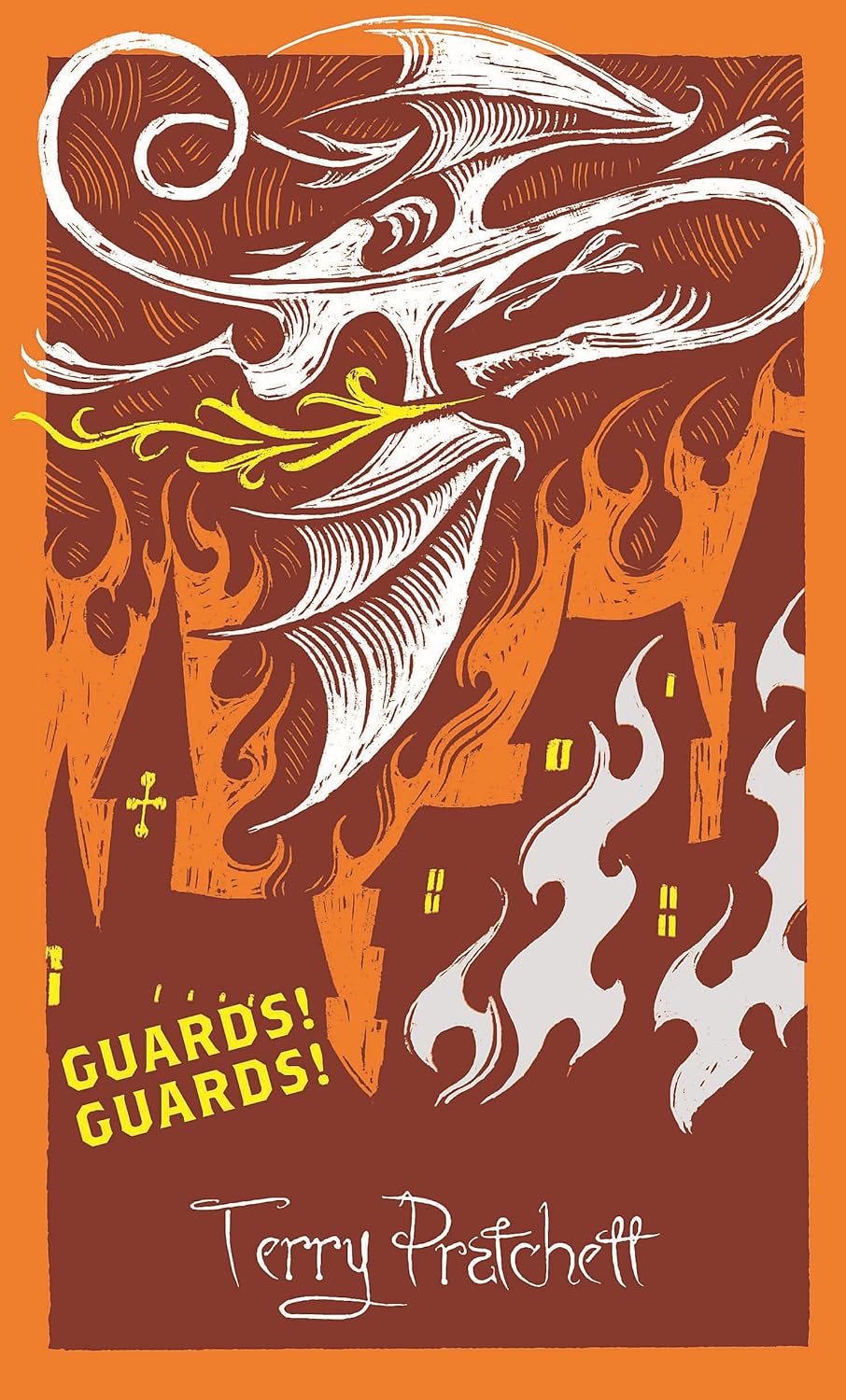
Amazon

Top Ten Tuesday – Covers with Ships on the Cover

Top Ten Tuesday is a weekly meme that currently resides at The Artsy Reader Girl and features bloggers sharing lists on various book topics.  For this week’s Top Ten Tuesday, participants are required to list their top ten favourite covers with an item of the blogger’s choice on them.  This is an interesting topic that I have done in the past, producing a striking list about book covers featuring dragons that I felt really popped.  However, I’ve been in a nautical mood lately, so I’m going to do a list focusing on book covers where ships are prominently featured.

For this list I am envisioning old, classic seafaring ships, or at least something that could be sailed in a terrestrial setting.  As such, I am excluding spaceships from this list, primarily because I think that is a separate list that I could do at some other point.  Even with this restriction I was able to come up with a fun collection of book covers where ships are featured prominently.  This list looks really awesome, and I had a fun time pulling it together.

Honourable Mentions:

The Poisoned Island by Lloyd Shepherd

Amazon


Black Leviathan (German Cover) by Bernd Perplies

I’m slightly cheating by featuring the German version of this cover, but as its cool, I’ll allow it.  I loved this whole book, and it was fun to follow an airship crew (technically a ship) as they hunt dragons.

Amazon
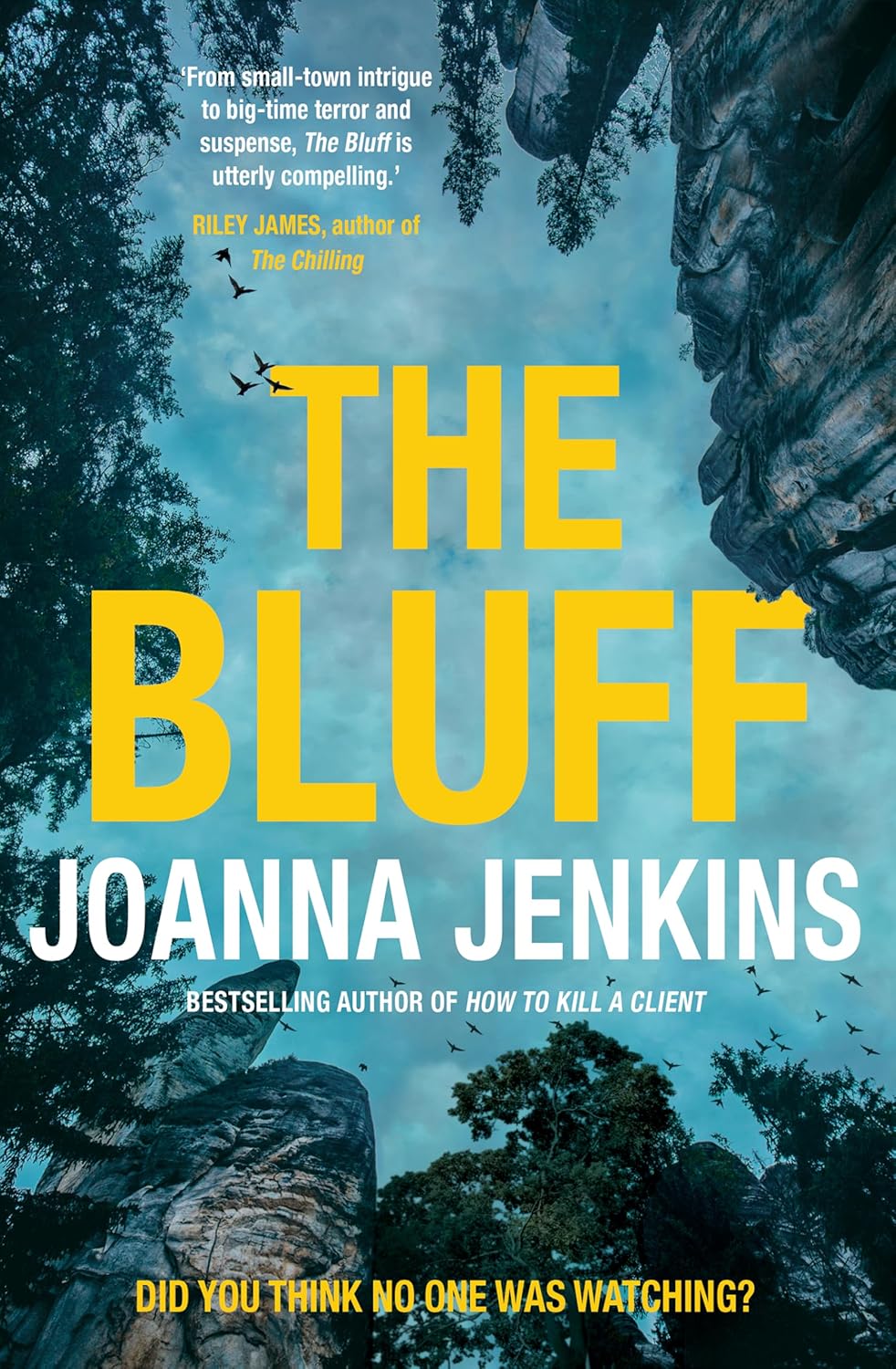
 

Seas of Swords by R. A. Salvatore

The use of the ship is subtle in this cover, but I just love seeing Drizzt framed by the rigging.

Amazon

Top Ten Tuesday:

The Fury of the Gods by John Gwynne

I just had to feature the cover of the book I’m reading now, The Fury of the Gods, which looks so damn awesome.  Gwynne’s Bloodsworn trilogy has featured some brilliant covers the last couple of years, although this one might be my favourite.  The ship featured in this cover is really small, but it’s placement in front of the rampaging snake god ensures it has a lot more impact.  I love the contrast in sizes between the ship and the giant monster, and it helps to make this such an amazing cover.

Amazon
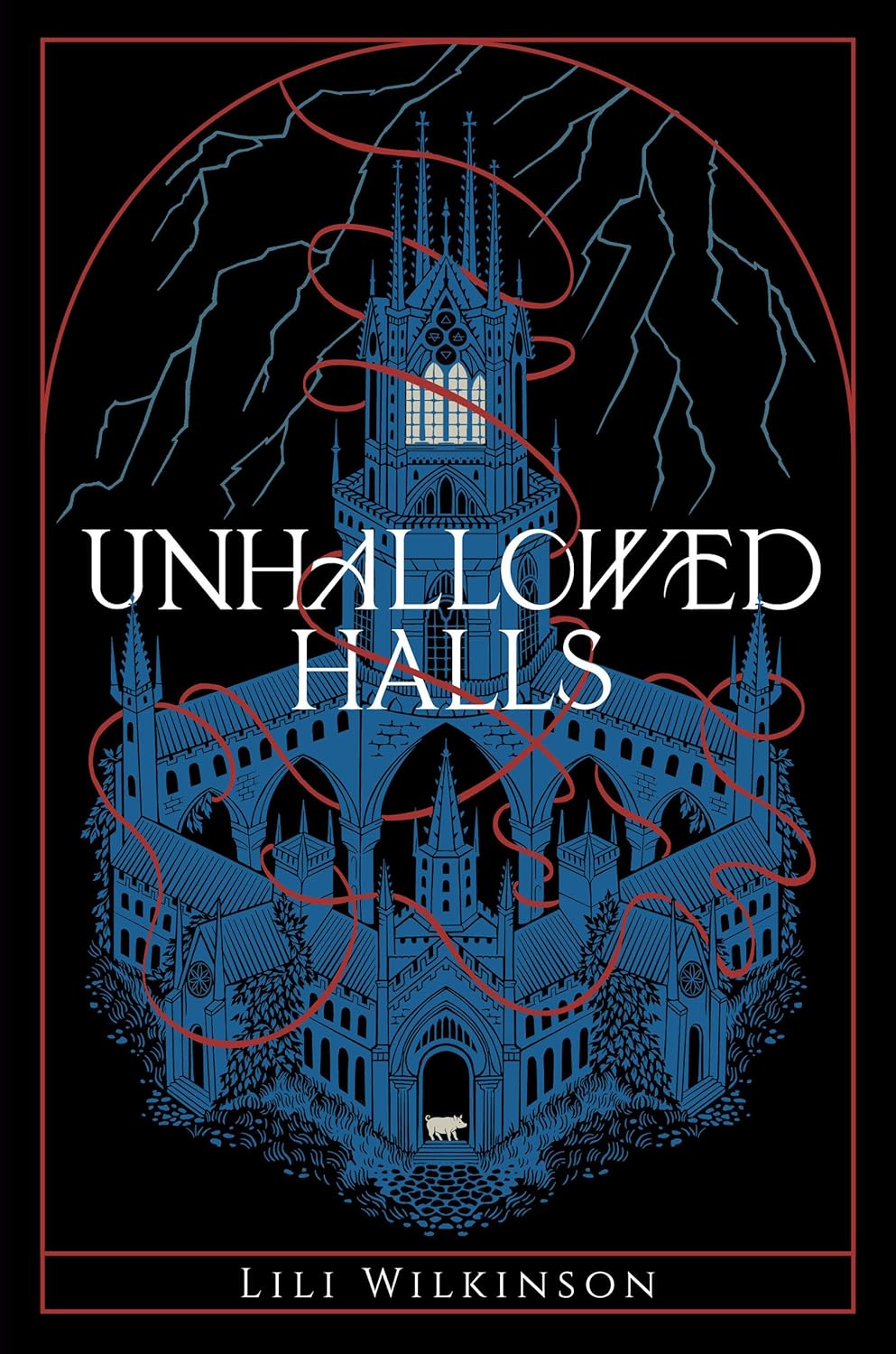
 

Jingo by Terry Pratchett

A cover that has long been stuck in my mind, as Jingo was one of the first Discworld novels I ever read.  The original cover art of Jingo featured two ships bordering the main battle on the weathercock, with various characters from the books dawn in Josh Kirby’s distinctive style.  Later versions of the cover removed the ships and only featured the central conflict.  This meant that I had a bit of a hard time finding a good picture of the cover that fully showcased the two ships in detail, so sorry if the full awesomeness doesn’t come across in the above shot.

Amazon


Heastward Ho! by Garry Kilworth

Few covers are as much fun as the one for Heastward Ho!.  The final book in Garry Kilworth’s Welkin Weasels series, which is set in a world with sentient rodents, Heastward Ho! featured a great adventure tale that I loved when I was younger.  The cover for Heastward Ho! is very distinctive, especially with the weasel crewed ship firing cannons, and I love the fantastic blend of colourful elements.  An overall excellent cover, although I must give a special mention to the other Welkin Weasels’ novel, Windjammer Run, which also featured a cool ship-focussed cover.

Amazon
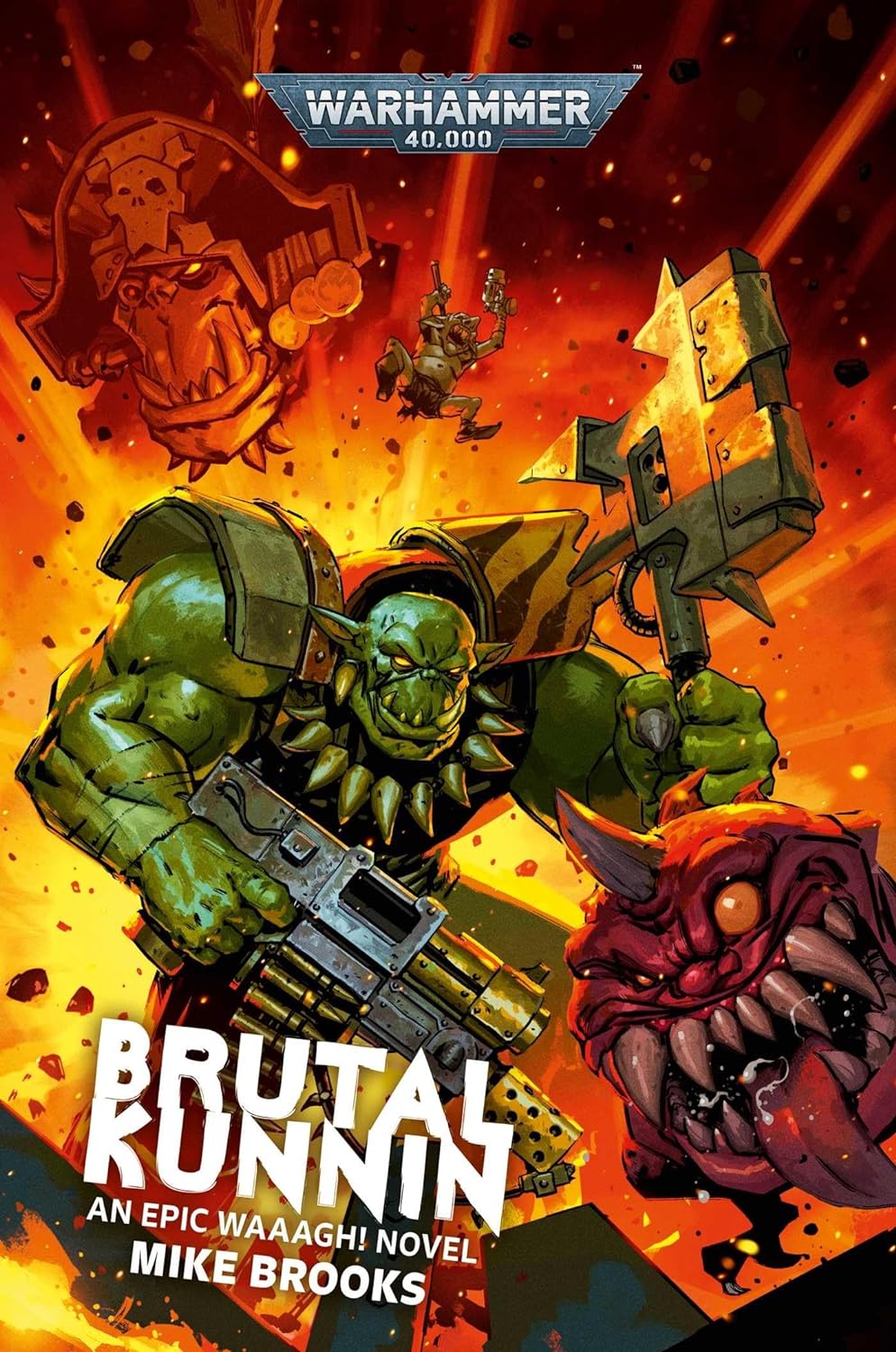
 

Pieces of Eight by John Drake

An awesome historical fiction book that provided a new take on the Treasure Island characters, Pieces of Eight has a fantastic cover that not only shows a cool pirate ship in the background, but also had two of the character’s fighting in the ships rigging.
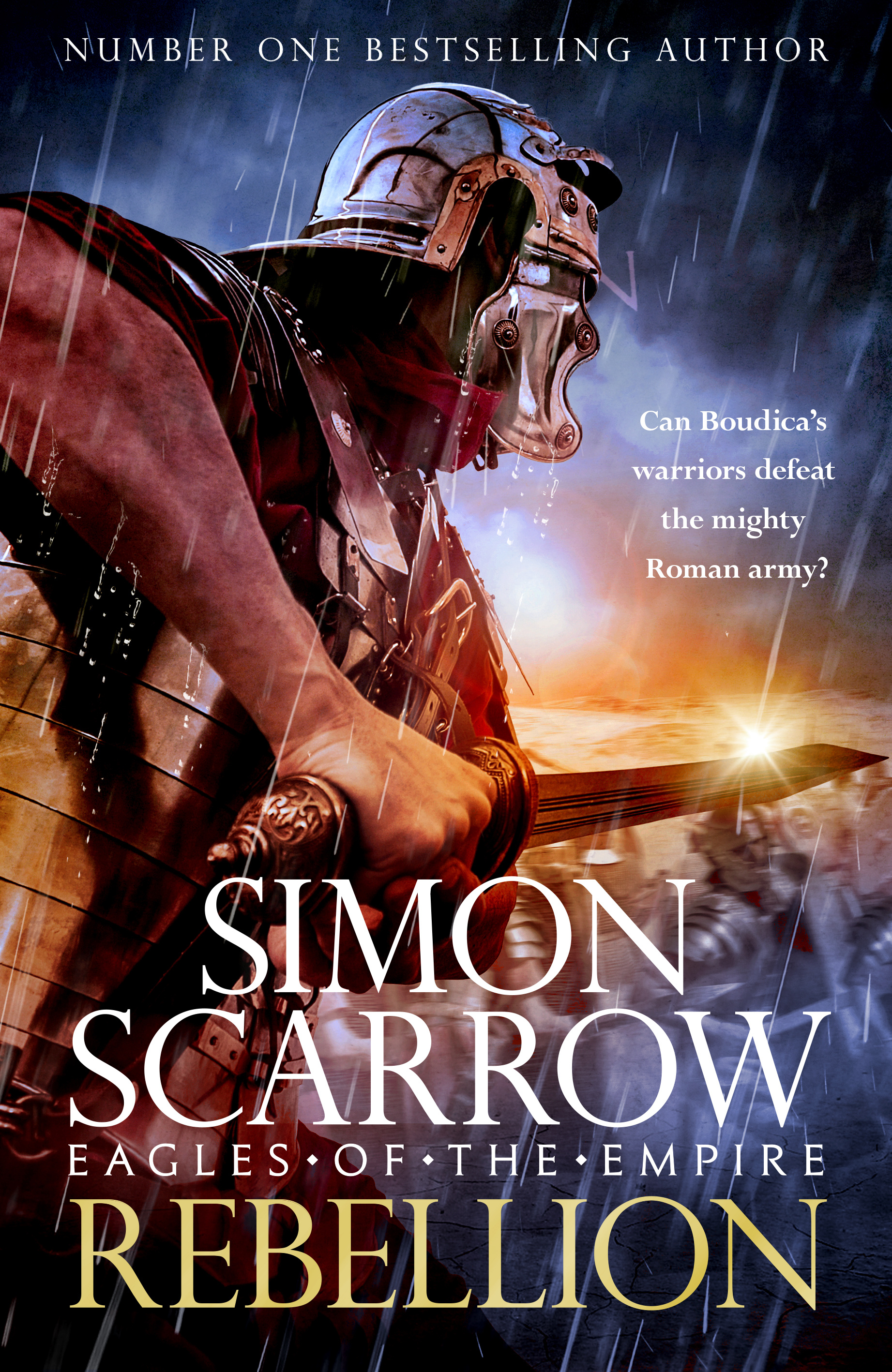
Amazon


Queen of Storms by Raymond E. Feist

The hardcover copy of Queen of Storms featured a great seascape shot with the titular ship, Queen of Storms, right in the middle.  An excellent cover that really captures the imagination.

Amazon


The Eagle’s Prophecy by Simon Scarrow

The sixth book in Simon Scarrow’s Eagles of the Empire series, The Eagle’s Prophecy, took the protagonists on a very different adventure, as they stopped fighting the British and took on pirates instead.  The have been a few different versions of the cover released over the years, although the one I originally got was the simple, but effective, cover with the ship’s sail above.  A great cover with some detailed art that immediately tells the reader that there is something nautically themed about this book.

Amazon


Red Seas Under Red Skies by Scott Lynch

The second Gentleman Bastards novel, Red Seas Under Red Skies, features quite a lot of nautical elements, including a good half of the book spent out at sea, so it’s inevitable that they would feature some fantastic ships on the cover.  There have been several different covers for Red Seas Under Red Skies released over the years, all of which look quite excellent and matched the themes of the book very well.  However, my favourite is the one above that really captures the chaotic nature of the plot.  The ship on fire references a key scene in the novel, and it blends beautifully with the titular red skies and red sea to create a striking image.  An awesome and memorable cover that I have a lot of love for.

Amazon


The Fathomless Caves by Kate Forsyth

Kate Forsyth’s brilliant Witches of Eileanan fantasy series featured some great covers throughout its run, although the best one with a ship is The Fathomless Caves, which was the last book in the original series.  Setting the ship in front of an erupting volcano, the original The Fathomless Caves cover has always stood out to me, and I love the contrasting colours and imagery.  There were actually a few books in this series I could have used, with The Forbidden Land and The Skull of the World also featuring distinctive original paperback covers that also made great use of ships, but I think the above cover for The Fathomless Caves is the only choice.

Amazon


The Last Kingdom by Bernard Cornwell

There is a lot of Viking imagery in the Last Kingdom books by Bernard Cornwell, and I love the various shots of longboats and other watercraft that are routinely featured on the cover.  One of the best can be found on the first book in the series, The Last Kingdom, which features two cool longships ploughing the waves to battle.  Viking/Danish ships are so damn awesome, and I think this is one of the better cover art versions of them in this series.

Amazon


Mossflower by Brian Jacques

The final book cover I want to feature on this the fantastic novel Mossflower by Brian Jacques.  Like many fantasy fans I spend my youth reading the fun and distinctive Redwall series by Brian Jacques that featured some brilliant art depicting the animal protagonists in action.  Quite a few of these covers features boats or ships to some degree, so I was spoiled for choice here.  Of them, I love the cover for Mossflower the most, as it really captures the magic of the plot and features outstanding artwork of the ship in question.  This was a great cover and an awesome final inclusion for this list.

Amazon


Well, that’s my list.  As you can see there are some incredible books out there that make great use of ships and boats on their cover.  All the above books are really awesome as well, and you can have an incredible time reading them while also appreciating their great covers.  I had a lot of fun coming up with this list, and I will have to think about replicating it with another item in the future.  In the meantime, let me know what your favourite books with ships on the cover are in the comments below.

Top Ten Tuesday – Books I was Assigned to Read in School

Top Ten Tuesday I s a weekly feature that currently resides at The Artsy Reader Girl and features bloggers sharing lists on various book topics.  For this week’s Top Ten Tuesday, participants are tasked with listing ten books that they were assigned to read in school, with bonus points awarded if you provide a little review or your thoughts on the book in question.  This proved to be a rather interesting topic, and it really got me thinking about the random works of fiction I read or had assigned to me during my turbulent school years.  My resulting list on the subject proved to be an eclectic mixture or classic novels and several distinctive reads that have followed me into my later reviewing/blogging career.  A such, I rather like the list below and I think it is a simultaneously fun and depressing look back at my academic past.

Top Ten List:

Daughter of the Empire by Raymond E. Feist and Janny Wurts

Whilst in college (year 11 in my school system) I signed up to do a fantasy fiction course which I thought sounded fun.  Unfortunately, the teacher was absolutely rubbish, but luckily there was a silver lining in that Daughter of the Empire was a required reading.  A deep and compelling fantasy book about a young woman forced to take up the reigns of leadership of her noble family, Daughter of the Empire was a brilliant read and the first book in the Empire trilogy.  As a fantasy nerd, I was very familiar with Feist, having read multiple books in his Riftwar Cycle already, but I hadn’t made the leap over to the Empire trilogy yet.  Naturally I loved this required reading and powered through Daughter of the Empire faster than anyone in the class.  I even went a step beyond and grabbed the next two books in the series, Servant of the Empire and Mistress of the Empire, that’s how much I loved it.  Daughter of the Empire remains one of my favourite fantasy books to this day (see my blog’s review for the series here), and I cannot recommend this series enough.  Literally the only good thing to come out of a terrible, semester-long class.

Amazon


To Kill a Mockingbird by Harper Lee

A true American classic, To Kill a Mockingbird was an excellent coming-of-age story that also featured a complex tale of racial inequality in small-town America.  I read To Kill a Mockingbird as part of a pretty good general English course, and it proved fascinating and insightful to analyse this book.  We also watched the Gregory Peck film adaptation of To Kill a Mockingbird in the same class, which proved to be an impressive black and white watch.  A wonderful read whose message still resonates to this day.

Amazon


Tomorrow series by John Marsden

A series I particularly enjoyed having to read at school was the Tomorrow series by John Marsden.  An iconic Australian young adult series that follows a group of teenagers caught up in an invasion of Australia by a foreign army, the Tomorrow books are an exceptional series with a brilliant story behind it.  I love all seven books in this excellent series, and I really got into them thanks to some required reading in high school.  I honestly read more of this series than I needed to for school purposes, and the Tomorrow series really influenced me growing up.  I remember doing some basic reviews of this book back at school, and I have since done a more detailed review of the series on my blog.  A highly recommended series that still holds up.

Amazon


Jurassic Park by Michael Crichton

Thanks to a holiday project, I read Jurassic Park during my summer break one year and it proved to be very epic.  As a fan of the film and a massive reader, even as a teenager, it honestly wasn’t a great trial for me to read Jurassic Park during my holidays, and I really got caught up in Michael Crichton’s unique science fiction thriller.  Another classic, Jurassic Park really stands on its own as a novel and I can see why a movie adaptation from it was so successful.  It is quite fascinating to see the differences between the novel and the later film, and I really liked Crichton’s original science focussed and darker story.  I honestly need to read this book again at some point, but I enjoyed reading it while younger, and it’s a book all science fiction and thriller fans should check out at some point.

Amazon


The Lovely Bones by Alice Sebold

One of the more memorable novels I was assigned to read in college was the emotionally charged book, The Lovely Bones by Alice Sebold.  A dark and powerful read that followed the aftermath of a tragic murder, The Lovely Bones proved to be an interesting addition to my reading list while at school.  While not something I probably would have chosen to read on my own, The Lovely Bones had a distinctive and intense story behind it, that dealt with the aftermath of tragedy and regret by following the victim’s surviving family.  An outstanding book that allowed for a lot of literary analysis, The Lovely Bones is an excellent addition to this list.

Amazon


The Last Continent by Terry Pratchett

Required to give a presentation on a specific fantasy novel, I of course chose one of my favourite books, The Last Continent by Terry Pratchett.  A particularly hilarious Pratchett novel, set in the Discworld’s equivalent of Australia, The Last Continent proved fertile ground for an in-depth presentation, and I made sure to re-read the book in advance.  I have a lot of love for this book (see my review for it on this blog), and I’m sure that came through in my passionate presentation. 

Amazon


Odyssey by Homer

A particularly interesting English class studying myths and legends let to me reading the Greek epic poem Odyssey.  The stylised and distinctive tale of legendary figure Odysseus, Odyssey was a great read to get lost in as a student, and it really appealed to my love of Greek mythology.  While I remember struggling with the classic prose and language, Odyssey lived up to epic in epic poem, and I had a great time learning about it at school.

Amazon


Postmortem by Patricia Cornwell

As part of a decent crime fiction English course at school, we dove into the debut novel of Patricia Cornwell, Postmortem.  The first book in her long-running Kay Scarpetta series, Postmortem introduced readers to world of modern forensic fiction with this in-depth and dark murder mystery.  Postmortem proved to be a fantastic read, and my class had an excellent time examining the clever mystery it contained.  While this is another book from school that I should probably re-read at some point, I did deeply enjoy Postmortem and I recall writing a descent essay about it.

Amazon


The Last Kingdom by Bernard Cornwell

One of the more entertaining recommendations/assigned readings I had during my education occurred in a hectic Post-Roman Britain archaeology course while attending university.  The professor, an occasionally funny figure, would often provide us with a list of suggested readings to help us with the course.  While most of these readings were academic books and papers, he also recommended The Last Kingdom series by Bernard Cornwell, which he believed perfectly captured the period we were studying.  I was already a fan of this series before taking on this class, but I dutifully read more The Last Kingdom books to benefit my academic career (and for no other reason).  Cornwell clearly did a ton of research on the setting for his books, and I appreciated the historical and archaeological detail he included in his story, as well as the fantastic and intense narrative that accompanied it.  While I’m slightly stretching the definition of assigned reading with this entry, I’m going to leave The Last Kingdom in, as I did technically read it after a university lecturer told me to.

Amazon


Animal Farm by George Orwell

The final book I want to feature on this list is the classic book, Animal Farm by George Orwell.  More suggested reading than an assigned book, I read Animal Farm in my high school library over the course of several lunchtimes and classes (I was popular at school as you can no doubt tell).  While I didn’t get all of Orwell’s clever satyr and commentary on the Soviet Union, I still found Animal Farm to be an interesting read that has stuck with me years after.  A clever and unique examination of complex history and society, Animal Farm is a classic for a reason, and I’m glad I made an effort to read it at school.

Amazon


That’s the end of my list.  As you can see, I had some intriguing and memorable assigned reading during my school years.  Despite often being forced to read the above, I had a great time with all these classic and distinctive books, and they are really worth checking out.  I hope you find this list interesting and make sure to let me know what books you had to read in the comments below.