
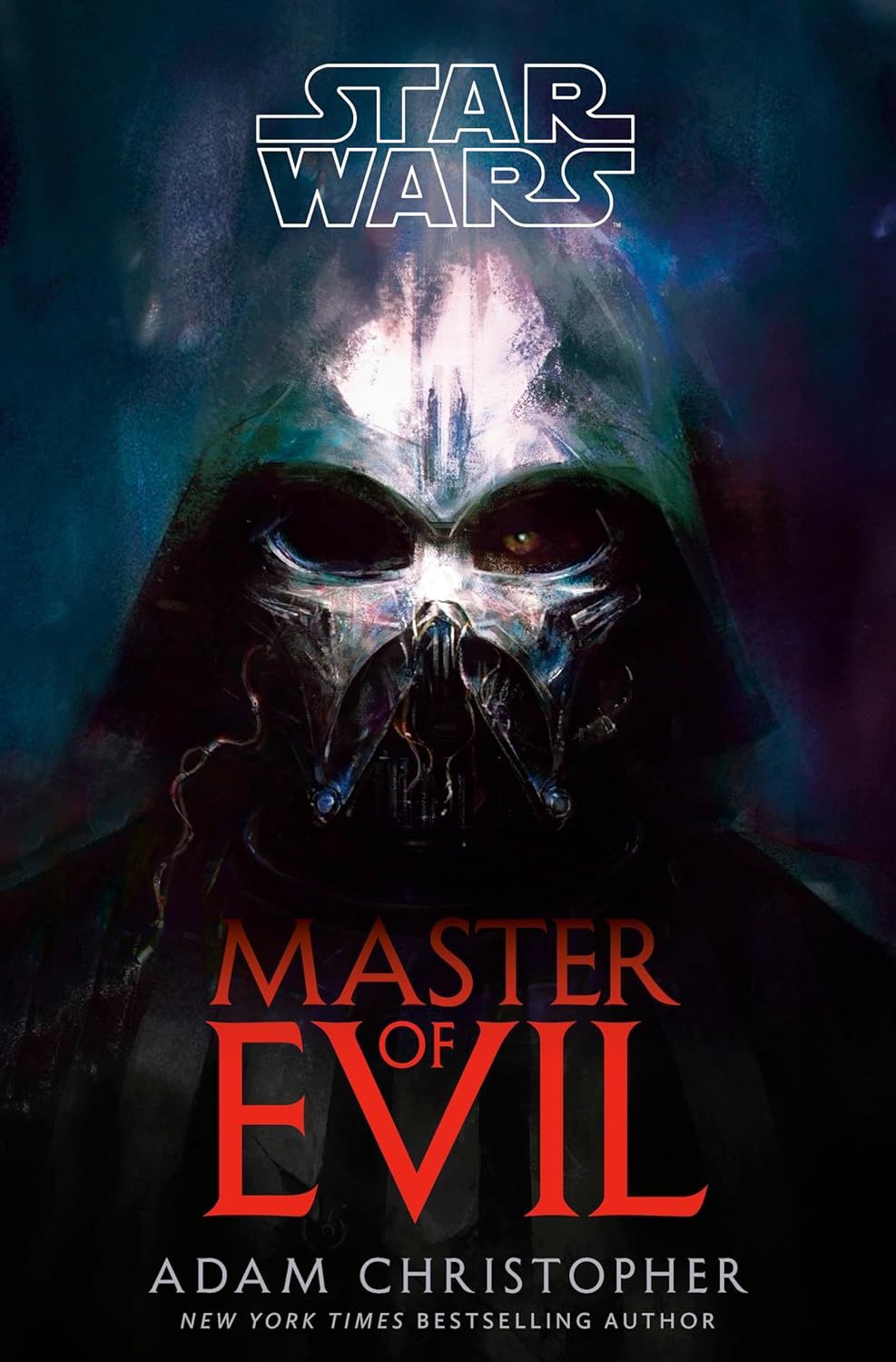
Publisher: Penguin Random House Audio (Audiobook – 11 November 2025)
Series: Star Wars
Length: 15 hours and 27 minutes
My Rating: 4.75 out of 5 stars
Prepare for a dive to the dark side with the captivating and impressive new Star Wars novel, Master of Evil by Adam Christopher.
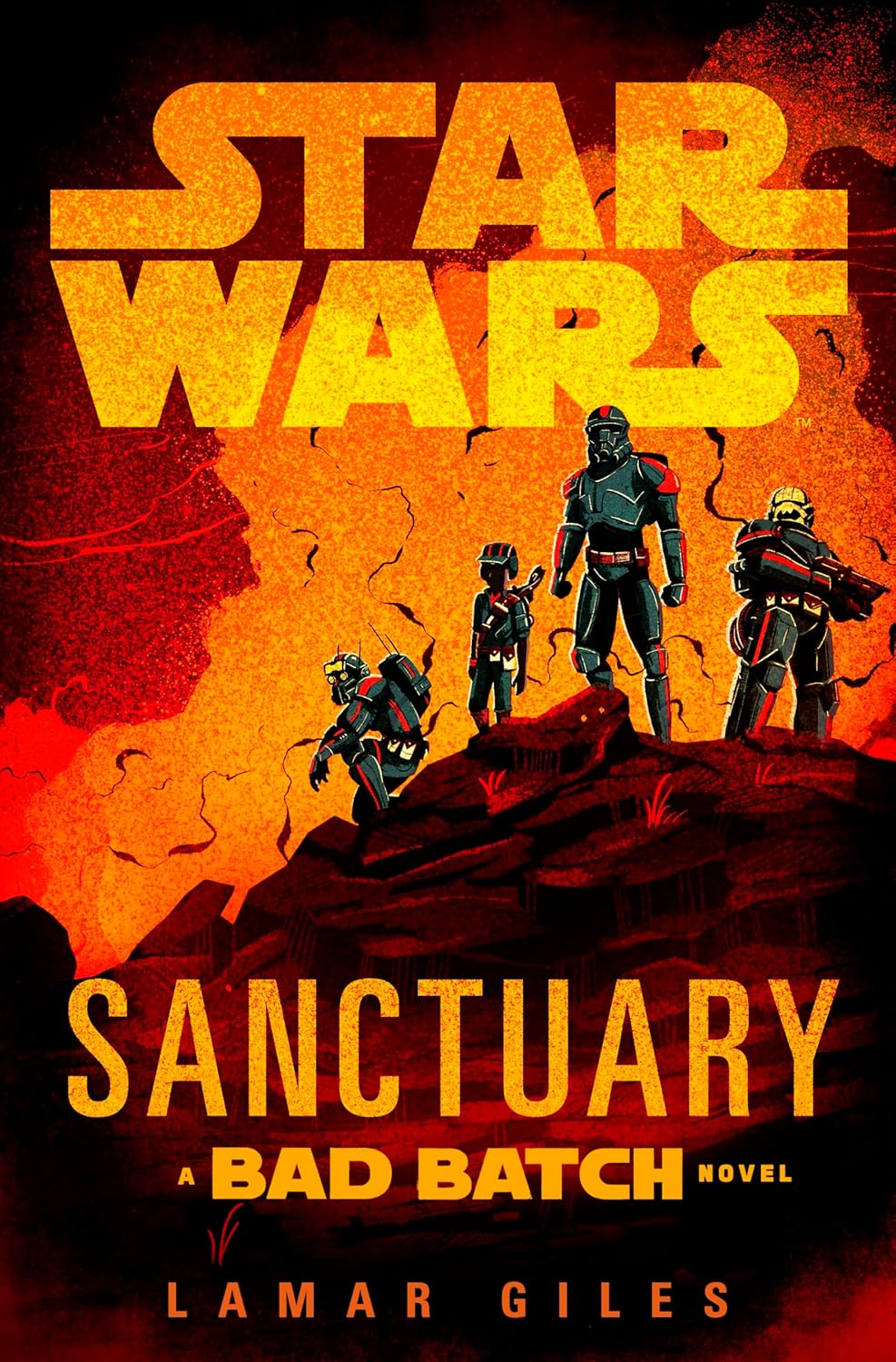
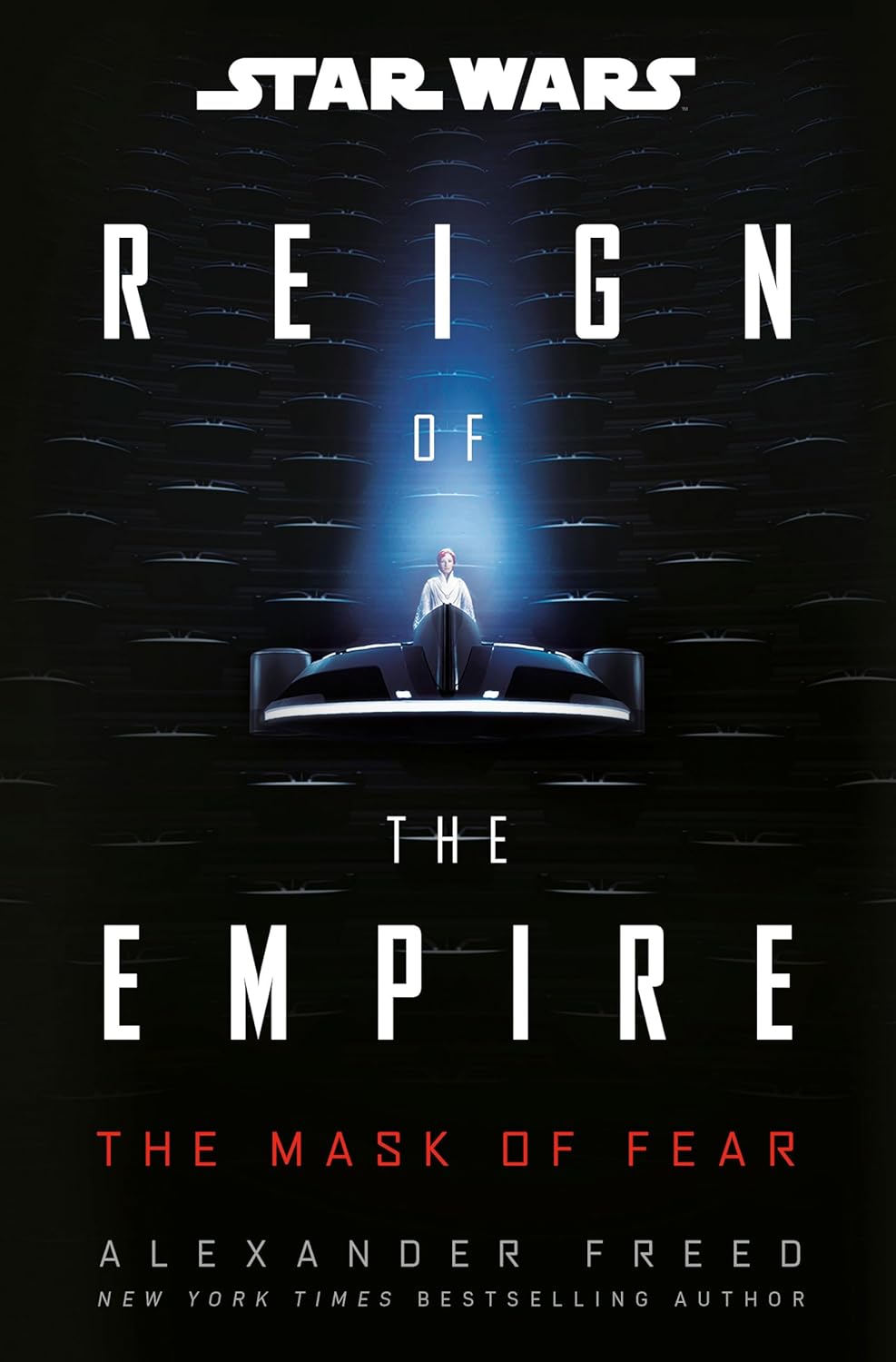
2025 has been a pretty good year for Star Wars fiction, with several awesome new books introduced to the existing canon. My favourites have so far been The Mask of Fear by Alexander Freed and Sanctuary by Lamar Giles, although I have also just finished the outstanding and deeply compelling new release, Master of Evil. The second Star Wars book from tie-in fiction author Adam Christopher, whose Stranger Things novel, Darkness on the Edge of Town, I previously had the pleasure of reading, Master of Evil is an exciting and complex book that I have been looking forward to for a while. A very interesting read set in one of the best periods of Star Wars lore, Master of Evil had a great plot behind it, as well as a particularly epic cover.
Plot Synopsis:
After Revenge of the Sith, a newly forged Darth Vader hunts for the secrets of life and death under the watchful eye of Emperor Palpatine.
In the wake of Emperor Palpatine’s rise to power, the true nature of his most sinister enforcer remains a mystery. Darth Vader is a dominant yet illusive figure: the shadow cast by a malignant Imperial regime, unknowable to even its top officials. But even as his humanity gives way to myth, Vader remains haunted by the promises of the dark side, seeking the ultimate power that his master has hinted at but withheld—the power to conquer death itself.
On the volcanic world of Mustafar, Vader undertakes a dark ritual, bleeding a kyber crystal to forge his lightsaber. This act unleashes a power far greater than he anticipated, giving him a glimpse into the limitless potential of the Force.
Vader is determined to follow this vision, even if it means defying his master’s orders. Yet he finds the Emperor is suspiciously supportive of his mission, even sending Vader to the Diso system to investigate rumors of a Force-wielding shaman able to raise the dead. At his side are a cadre of the Emperor’s scarlet-robed Royal Guard, led by Colonel Halland Goth—a decorated soldier with a very personal interest in Vader’s mission.
Even as the Emperor’s true motivations reveals themselves, Vader falls deeper into obsession. His journey takes him far across the galaxy, chasing rumors and phantoms. But no matter how far he travels, he cannot escape the shadows within his own soul. Haunted by the echoes of his past, Vader circles the true resolution to his quest: only once all weakness is purged can he become a master of evil.
Adam Christopher presents one of the more unique and compelling Star Wars novels of 2025, with the awesome and complex Master of Evil. Following several highly damaged characters as they move towards a dark collision course, Master of Evil had me hooked very early on, and I had an outstanding time with this novel, especially on its audiobook format.
I really enjoyed the exciting story Christopher came up with for Master of Evil, which drags the reader in with captivating Star Wars lore and some very personal character elements. Starting off with an interesting prologue set around Count Dooku, the story soon skips to immediately after the events of Revenge of the Sith, focusing on the early days of the Empire. While some early scenes are shown from the perspective of Vader, much of the novel is primarily shown through the eyes of new character Colonel Halland Goth, a Royal Guard assigned to Vader. Tasked with reporting back on Vader’s actions, Goth accompanies him on his quest to find a Force-wielding shaman and learn more about the dark side of the Force. While there is less of a direct focus on Vader and his inner thoughts than you’d expect based on the synopsis, Christopher does an excellent job of setting up Vader as a sinister and conflicted personality in this novel, especially with a cool scene on the planet Diso, where Vader clashes with the shaman.
Following this first part of the book, the middle of Master of Evil slows down a little, as Christopher continues to develop his new characters and their motivations, as well as set up an interesting investigation arc as Goth tries to find out who or what Vader is. There is a less direct Vader here, but I really got stuck into this part of the book and enjoyed the author’s compelling examination of his protagonists and their personal growth, as well as the early politics of the Empire and the manipulations of the Sith. This eventually leads to an extended final third of Master of Evil, where several different groups attempt to find an abandoned Separatist spaceship filled with various secrets. There is an excellent mixture of storylines here, with Goth chasing Vader and his chance of survival, other interested parties trying to get the treasure of the ship, and Vader accessing dark power hidden within. While much of Vader’s adventures are told through the eyes of others, including clone troopers assigned to him, there are several fantastic scenes here where we directly see Vader access the dark side of the force hidden in the ship. These scenes are particularly powerful, as we are given direct access to Vader’s conflicted mind, and the resulting Force visions give some outstanding insights to his psyche. The other big character-driven storylines of Master of Evil also go in some fascinating directions, and Christopher loads them with action, self-discovery and tragedy, all of which is quite moving and addictive. The conclusion of Master of Evil is particularly emotionally charged, and the novel ends on some complex notes that dedicated Star Wars fans are going to really appreciate.
I felt that Adam Christopher did an excellent job pulling together a compelling, character-driven Star Wars novel that was part adventure, part intriguing lore dive, that makes full use of its setting and examination of complex figures from the films. The excellent story moves along at a swift clip throughout the entire book, and you really get dragged into the well-balanced mix of action, intrigue and emotionally charged pieces of Star Wars lore. While parts of the book are a little slower to build up future story elements, for the most part Master of Evil was a very compelling novel that didn’t have any real wasted space. Despite some reservations I had before I read this book that Master of Evil was going to be way too lore-heavy for casual readers, I felt that Christopher produced a Star Wars novel that was actually pretty accessible. Anyone with a good basic knowledge of Star Wars (or who has at least watched the original and prequel trilogies) will be able to follow this story along closely and have an excellent time with it.
While I do think that Master of Evil is accessible to new readers, Christopher does feature some deep cuts into Star Wars lore that will primarily appeal to established fans of the series and its associated tie-in books and comics. There are a lot of references to various bits of Star Wars fiction set before and after the events of Master of Evil, and Christopher has fun mentioning other books and comics. For example, there are multiple references to the events of Charles Soule’s Darth Vader: Dark Lord of the Sith comic, the first volume of which mostly takes place just before this novel. Indeed, Christopher replicates one of the key sequences from this comic in one of Master of Evil’s opening scenes, which honestly made for a gripping read, especially on the audiobook format. There are also a ton of clever references to the main films either side of this book, Revenge of the Sith and A New Hope, including some re-enactments of a couple of major scenes from another character’s perspective. I also loved some of the vision sequences associated with Vader’s hunt for the dark side where he envisions alternate versions of established events, many of which come out in darker and more sinister ways. This combines well with the book’s fascinating look at the early Empire era of Star Wars history, and this was a very awesome novel for those readers who love a lot of lore in their tie-in fiction.
While I had a lot of fun with the story, Christopher’s obvious strength as a writer in Master of Evil was the impressive and complex characters that he was able to utilise in the plot. This excellent book featured an array of compelling characters throughout the plot, including a mixture of new protagonists and some iconic figures from the films. I personally really liked the dynamics of characters that emerged, even if there were less appearances from established figures as I would have expected. These new characters ended up providing a great outsiders perspective for the reader, and it was fascinating to see their associated views about the Empire and Darth Vader, especially when they start digging deeper into the mysteries of the Sith.
Of these characters, the most prominent is Commander Halland Goth, a Royal Guard, who finds himself enmeshed in the chaos of Vader’s quest. Halland proved to be a compelling and complex character, whose evolution of perspective throughout Master of Evil was a powerful part of the book’s emotional depth. A loyal soldier who wants to serve the Empire, Halland is slowly dying due to a painful disease, which forces him to make various compromises to achieve his goals. However, the more he comes to see of Vader and the true nature of the Empire, the more Halland changes, and Christopher wrote a good redemption arc around this protagonist as the book continued. While Halland is a great character, my favourite was his loyal protocol droid TC-99, also called Nines. Nines, who has been heavily modified by Halland, has a very distinctive personality, which is a mixture of the established timid protocol droid mentality, and that of a close confidant to Halland ready to help him as he slowly dies. Nines quickly steals the show with his sassy humour, caring personality and various quirks, as well as his ability to upload other droid minds and skills to help Halland achieve his goals. Throw some other fun supporting characters including a manipulative ISB agent, a couple of clone troopers uncertain of their place in the new Empire, and two conflicted minor Force users, and this was an exceptional cast of new characters that Christopher wraps a unique narrative around.
While much of this book’s focus is on the new characters, this is still a Darth Vader novel, and he unsurprisingly turns out to be an excellent part of this book. While there is a lot less direct focus on Vader and his perspective of events as you’d expect, he was still a consistent presence in the novel as he went about his own goals. While I know some readers will dislike the minimalisation of Vader’s direct appearances in the plot, I personally enjoyed how Christopher set him as a mysterious and intimidating monster whose thoughts you can’t easily guess at. It was fascinating to see all the other characters have no idea how to deal with him or his role in the Empire, and the constant threat and fear that felt as they talked to him was palpable at times. While he was mostly shown from other characters’ viewpoints, there were a few chapters that do feature Vader’s direct perspective, which tended to be some of the book’s best sequences. Many of these direct scenes involved Force visions or explorations of the Vader’s psyche, and it was quite powerful to see him interact with figures from the past in his mindscape. Christopher tries to show a somewhat conflicted Vader in Master of Evil, one who has embraced his desire for power, but who still has some flashes of good in him, occasionally helping his subordinates. Despite that, some of the later scenes show Vader making a very final choice about his place in the galaxy, which allowed for some impressively heartrending moments. As such, I felt that Christopher did an exceptional job of showcase this iconic figure and his unique motivations in Master of Evil, and he served as a great dark centre to the story.
While I did receive a physical copy of this novel, I instead sought out an audiobook copy of Master of Evil. Master of Evil is a particularly good example of how epic a Star Wars audiobook could be, as Christopher’s amazing story is deeply enhanced by the combination of an outstanding narrator and the wonderful use of classic Star Wars sound effects and music. I always enjoy how well the iconic audio features from the films are utilised in Star Wars audiobooks, and especially impressive in Master of Evil. The always awesome score from John Williams was perfectly inserted into various chapters of the books, often at climatic and key moments of the plot, and the resulting boost to the emotional impact of these scenes is always quite impressive to behold. The inclusion of various distinctive Star Wars sound effects was particularly important to the ambience of Master of Evil, with crowd noises, blaster fire, spaceship sounds and the thrum of the lightsaber helping to drag the listener into the plot. However, the most effective sound effect utilised in Master of Evil are the respirator sounds of Darth Vader. The iconic breathing sounds add some major impacts to the story, especially in the scenes where the various perspective protagonists are attempting to describe the intimidating nature of this awesome villain, and there is a certain level of dread that invades the audiobook whenever Vader can be heard. The sudden appearance or lack of this sound in scenes involving Vader is also quite impactful, and I really appreciated how the effect was modulated and altered to back up some key story details.
While the impressive music and sound effects are a major factor in why Master of Evil’s audiobook is so damn good, much of the credit for its success needs to go to narrator Marc Thompson. Thompson is easily one of the best regular Star Wars audiobook narrators (and one of my favourite overall audiobook narrators) due to his outstanding vocal range and ability to replicate many key characters from the films and television series, and he has previously impressed me with his work on Thrawn, The Rising Storm, Scoundrels and Dark Disciple, just to name a few. His work in Master of Evil was just as exceptional as always, perfectly voicing the book’s cast, and moving the story along at an exciting and tense pace. I felt his voice for some key Star Wars characters, such as the Emperor and Count Dooku, was particularly impressive, and he also managed an outstanding Darth Vader, with the help of some vocal enhancements. His excellent voice work was particularly useful for several sequences where iconic quotes from the films were read out in the context of this story, giving them the emotional weight they had in the original films. There were even some moments where Thompson needed to have alternative character say these lines (for example, Anakin and Obi-Wan switching dialogue from one of their Revenge of the Sith scenes in a vision), and the narrator’s take on both actors’ dialogue was just perfect. Even some of the voices that Thompson used for the new members of the cast, such as Holland Goth, were powerful and effective, and I liked how he presented them. My favourite was the voice he used for Nines, which was entertainingly similar to Alan Tudyk’s K-2SO from Rogue One. I particularly loved how well Thompson changed Nines’s voice to reflect the different droid personalities he uploaded into himself, and it helped turn Nines into one of the more entertaining, and heartfelt, characters in the book. This unsurprisingly outstanding performance from Marc Thompson let me effortlessly fly through Master of Evil’s 15-and-a-half-hour runtime, especially with the cool music and sound effects, and I had such a great time listing to this audiobook. As such, the Master of Evil audiobook comes very highly recommended, and it is a guaranteed hit, especially for those who already know and love the Star Wars audiobooks.
With some outstanding action and cool characters, Master of Evil proved to be an excellent and compelling Star Wars novel, and one I had an amazing time getting through. Adam Christopher excelled at diving into some interesting bits of Star Wars lore, and I really enjoyed his fantastic take on this compelling period of Star Wars history. While some readers will probably be disappointed in chapter’s focusing directly on Darth Vader, Christopher still tells an impressive narrative for those who are open to it. An overall awesome new Star Wars novel that resulted in one of the better audiobooks of 2025.
 The Unseen Library