Top Ten Tuesday – Oldest (aka Earliest Published) Books on my TBR

Top Ten Tuesday is a weekly meme that currently resides at The Artsy Reader Girl and features bloggers sharing lists on various book topics.  For this latest Top Ten Tuesday, participants are tasked with listing the books with the earliest publication date that is currently sitting on their to-be-read (TBR) pile.

Like most book lovers, I have a huge backlog of novels out there that I want to read but I haven’t been able to fit into my schedule due to lack of time or other books I needed to get through first.  As such, this is a rather interesting list to pull together, and I hope that it inspires me a little to go back and read some books on my TBR pile.  I also love the shoutout to the older TBR books I have, especially as I am easily distracted by new and shiny things.

I must admit I struggled a little to pull together some really old titles, so my list is most made up of books from the 80s and 90s.  Still, this ended up being a rather interesting, if slightly predictable list if you know who some of my favourite authors are, although I made sure to limit myself to one inclusion from each author.  Despite these limitations, I really like how it came together, so let us see who made the cut.

Honourable Mentions:

When the Bough Breaks by Jonathan Kellerman – 1985

A classic crime fiction book from an author still going strong.

Amazon


Space Marine by Ian Watson – 1993

An old-school Warhammer 40,000 novel I currently have on my shelf.  While not the first Warhammer 40,000 novel ever written, it sounds bonkers, and I’m curious to see original universe from before they established the current canon.

Amazon


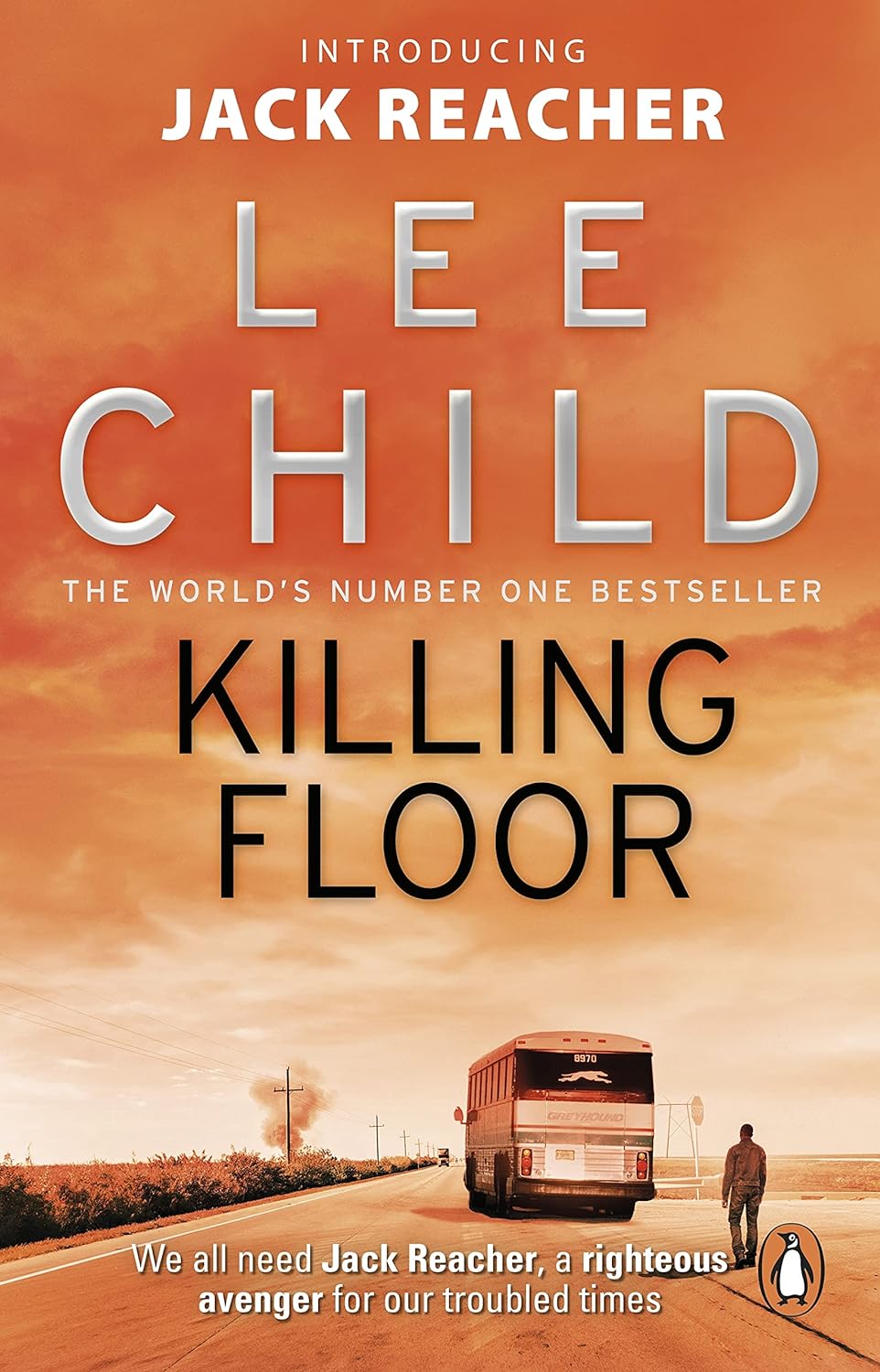
Killing Floor by Lee Child – 1997

The first book in the epic Jack Reacher series.  I loved the television adaptation of this book and I’m curious to read the series from start to finish.

Amazon


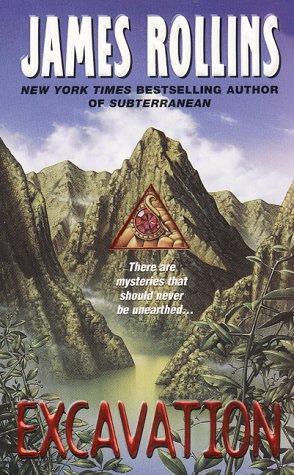
Excavation by James Rollins – 2000

A fantastic older thriller I have sitting on my shelf. 

Amazon

Top Ten List:

Carrie by Stephen King – 1974
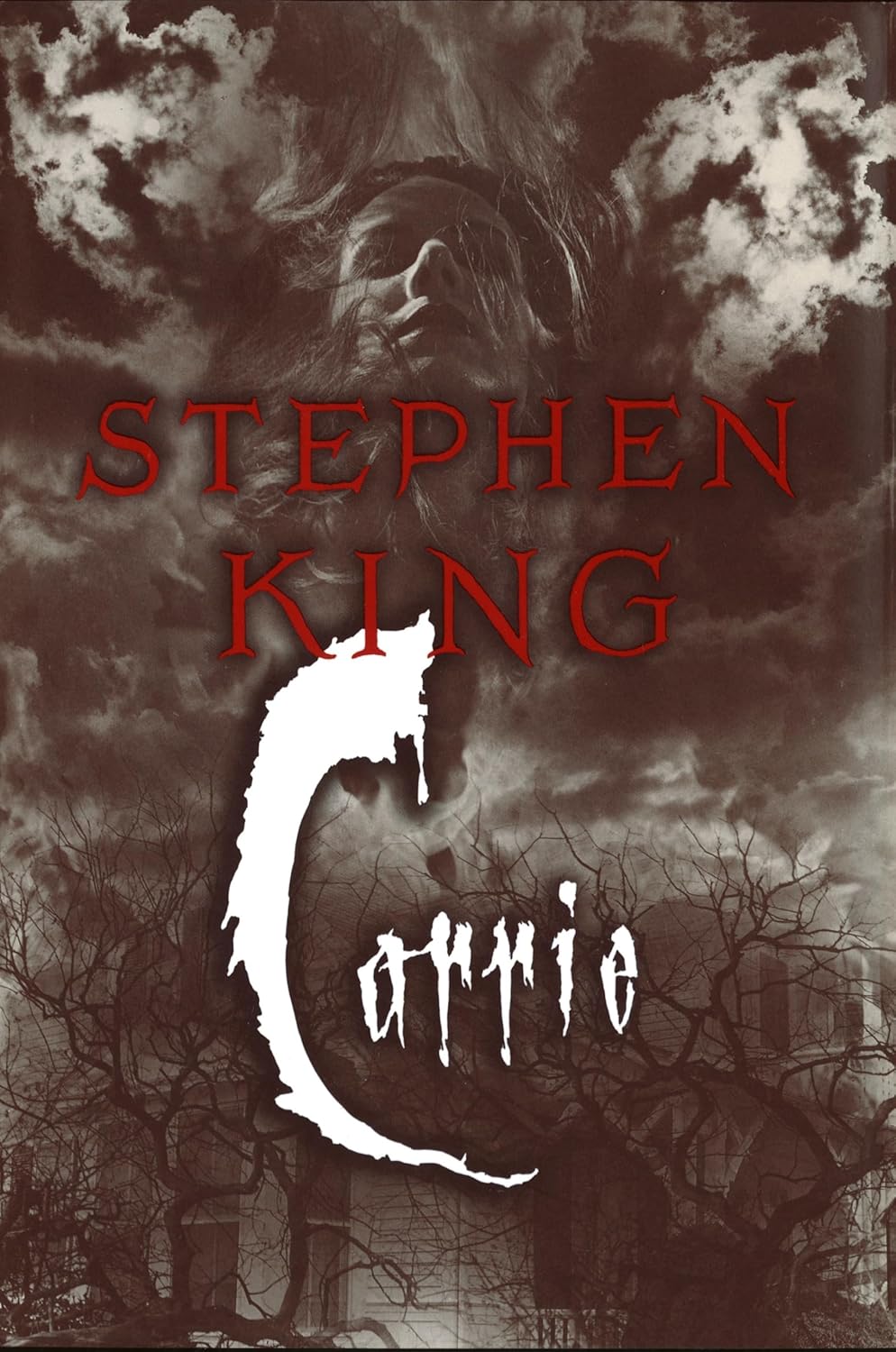
After some awesome recent experiences with Stephen King’s writing, I’ve been meaning to read more of his amazing books and there is no better place to start than his first novel, Carrie.  A classic piece of horror fiction, Carrie is a bloody and complex read that I hope to check out one day.

Amazon


Sharpe’s Eagle by Bernard Cornwell – 1981

I’m a massive fan of Bernard Cornwell, who is one of the biggest names in historical fiction.  While I have read a couple of books in his iconic Richard Sharpe series, I need to read more, including the first book he published, Sharpe’s Eagle.  A compelling historical adventure, Sharpe’s Eagle was the book that introduced the world to Richard Sharpe and Cornwell’s vision of the Napoleonic War.  Thanks to Cornwell releasing his books out of chronological order, Sharpe’s Eagle is now the eighth book in the series, but it remains a key entry.  I look forward to reading Sharpe’s Eagle one day and it sounds like a lot of fun.

Amazon


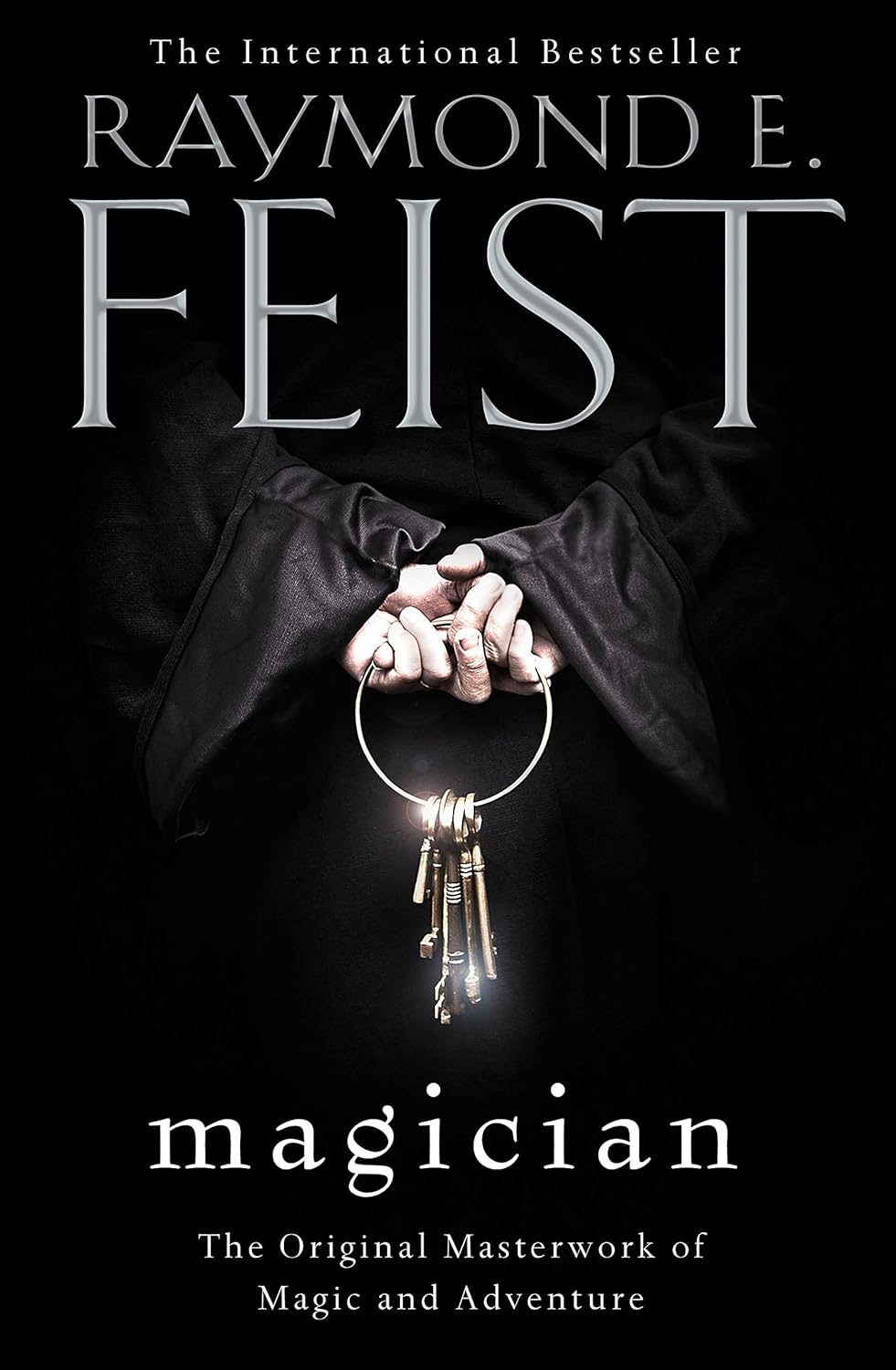
Magician by Raymond E. Feist – 1982

I am slightly cheating by including Magician here, as I have read it a couple of times before.  However, I really want to do a big re-read of Feist’s entire Riftwar Cycle and Magician is the best place to start this series.  A particularly iconic fantasy novel, Magician sees a young boy discover his destiny as a mighty mage after the kingdom he lives in is invaded by soldiers from another world.  This is a really, really good book and I cannot wait to read it again at some point.

Amazon


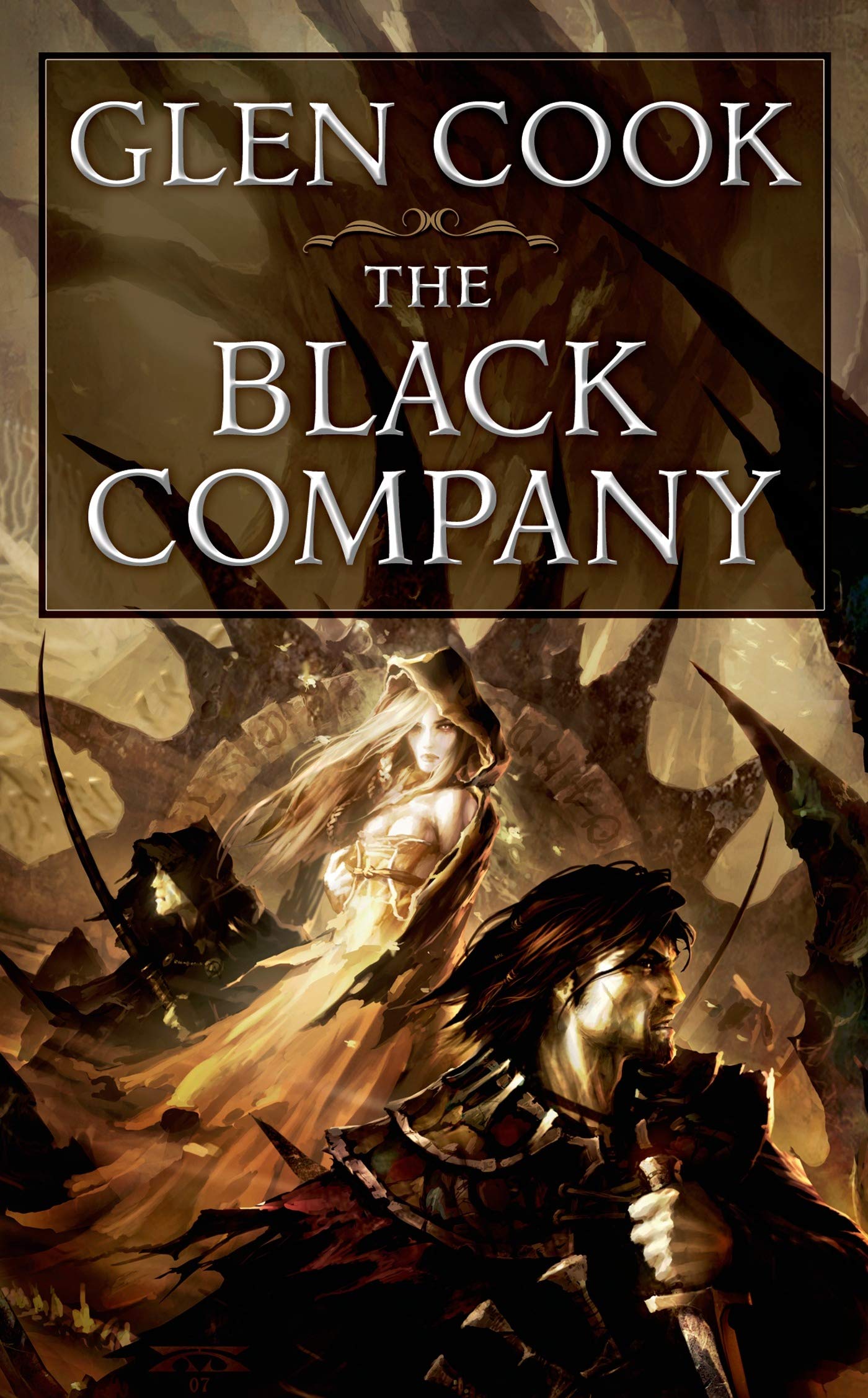
The Black Company by Glen Cook – 1984

I have long wanted to read the epic The Black Company fantasy series by Glen Cook, which started back in 1984 with this book of the same name.  Generally considered to be one of the best dark fantasy novels/series of all time, The Black Company follows a band of dangerous mercenaries as they find themselves drawn into a bloody and all-consuming war.  I already know that I am going to love this book, and I will hopefully be able to make time for it at some point in the future.

Amazon


The King Beyond the Gate by David Gemmell – 1985
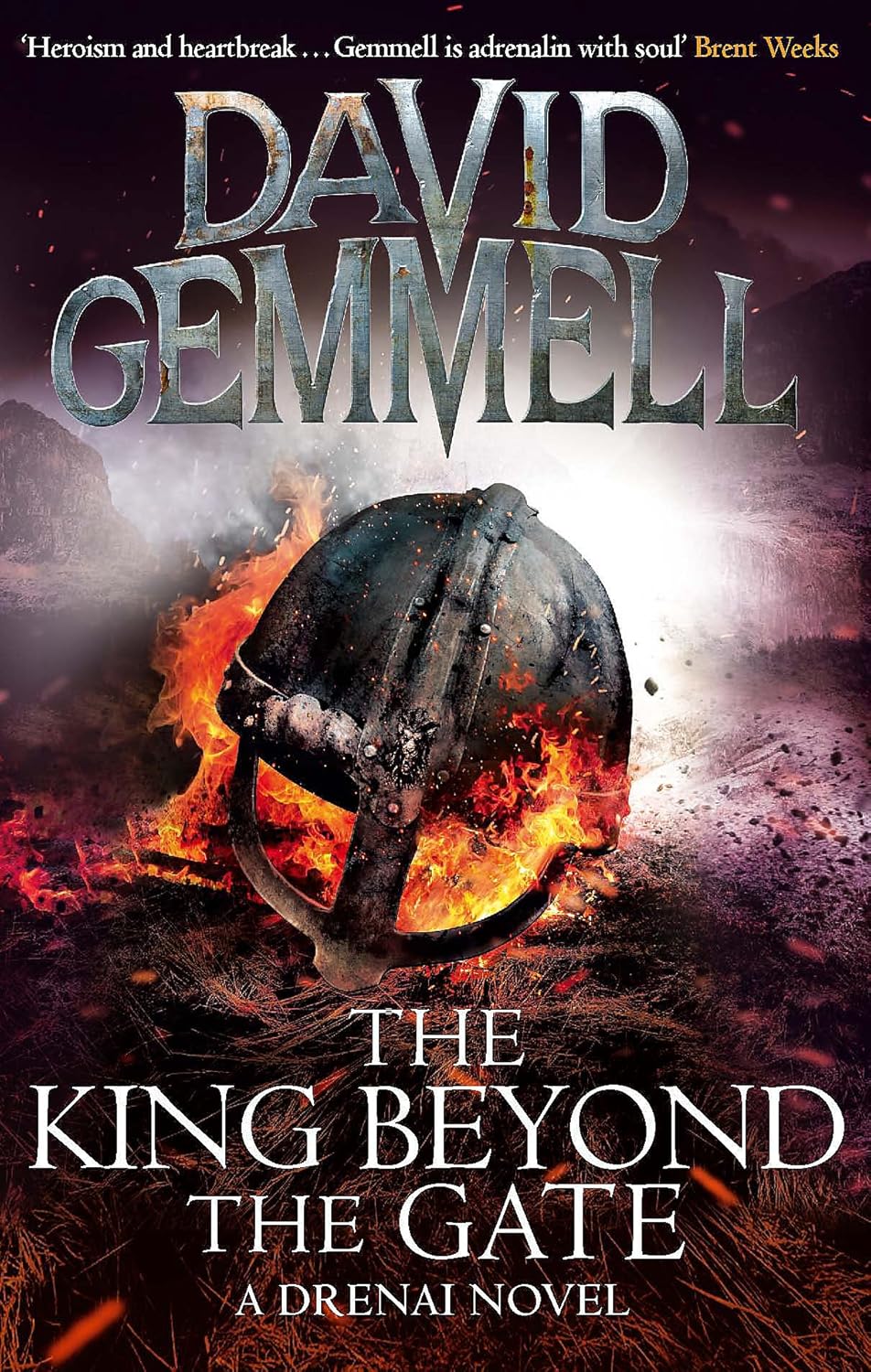
A few years ago, I had the great pleasure of reading David Gemmell’s classic fantasy debut, Legend, which is honestly one of the best books I have every read.  Gemmell was a very skilled author, and I have been meaning to check out more examples of his work.  The obvious next step would be to read The King Beyond the Gate, which is the second novel in the series that started with Legend.  Another compelling read that follows a small band of aging heroes as they face a seemingly unbeatable foe, The King Beyond the Gate sounds awesome, and I need to dedicate some time to getting through the rest of Gemmell’s books.

Amazon


The Silver Pigs by Lindsey Davis – 1989
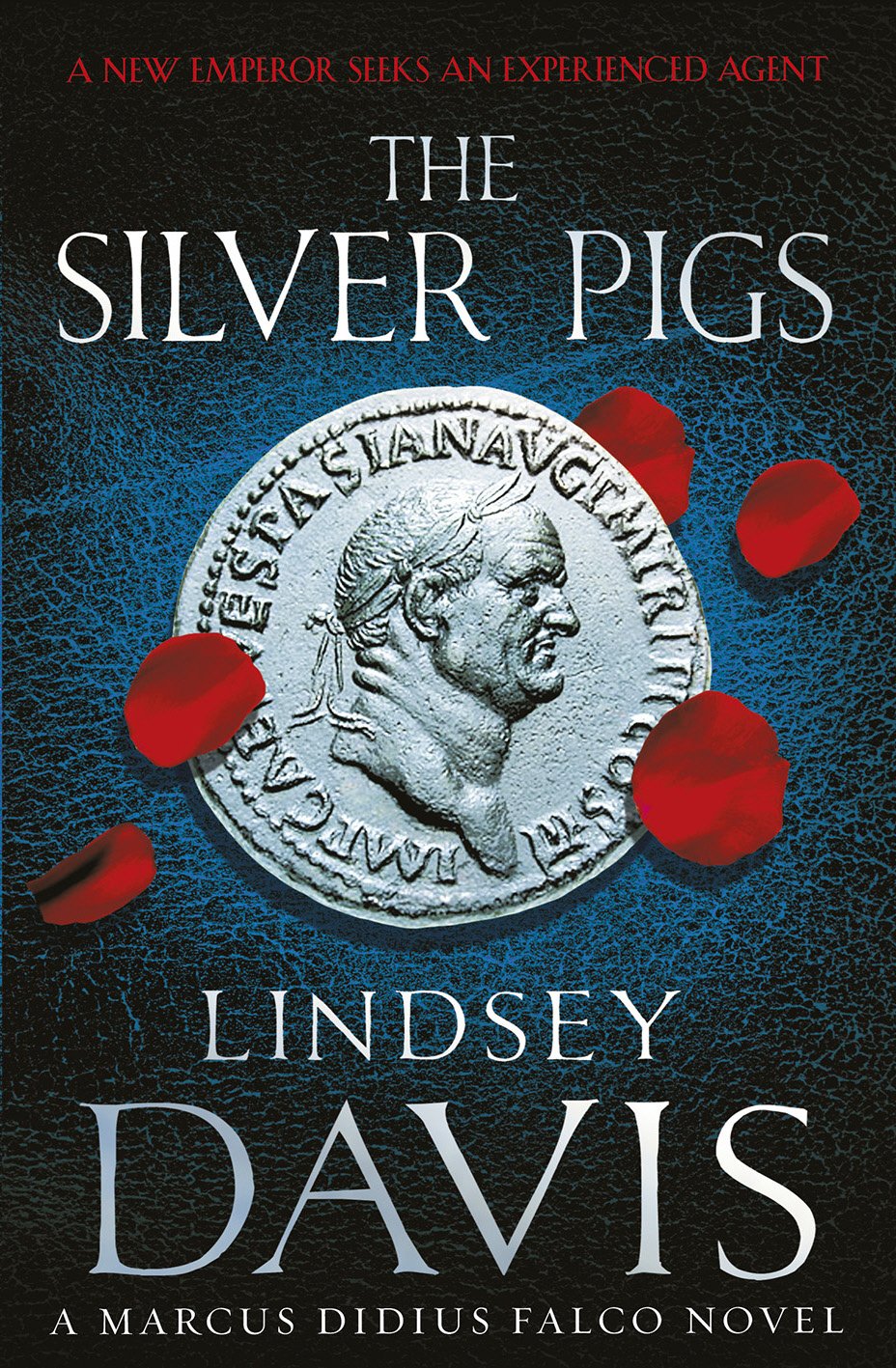
Long-term readers of this blog will know that I am a huge fan of historical fiction author Lindsey Davis, who has greatly impressed me over the years with her Flavia Albia series, which follows some deeply unique murder investigations in ancient Rome.  However, the Flavia Albia books are only the latest series from Davis, who originally started back in the 1980s with her Falco novels.  Following the father of Flavia Albia as he solves his own crimes, the Falco books have been on my radar for a while, and I fully intend to read them at some point.  The obvious starting point for this would be The Silver Pigs, which introduced the world to Falco and Davis’s distinctive style.  I have a copy of The Silver Pigs sitting on my bookshelf, and I look forward to the day when I get around to reading it.

Amazon


Star Wars: Heir to the Empire by Timothy Zahn – 1991
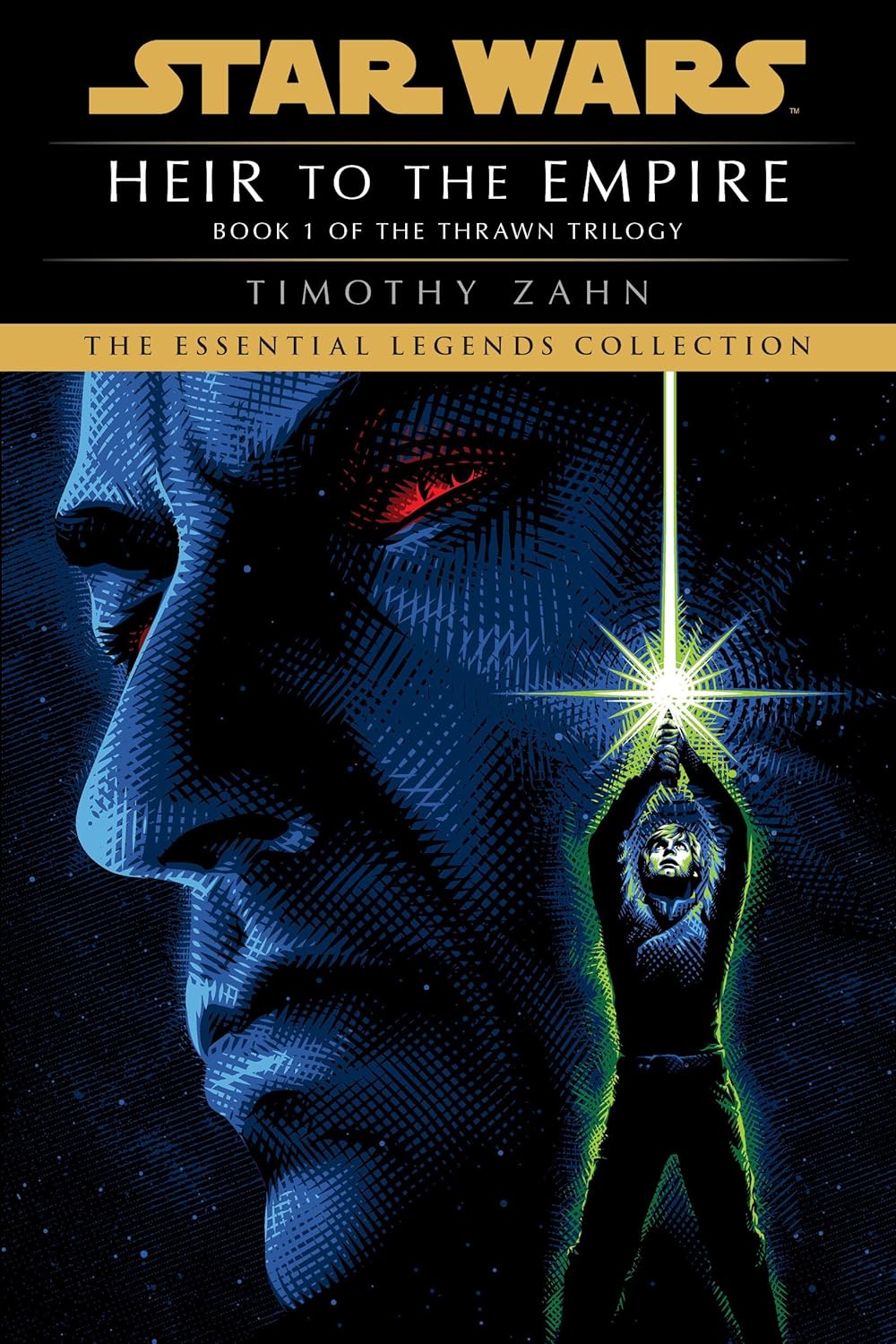
Some of my very favourite Star Wars novels were the recent Thrawn trilogies written by legendary author Timothy Zahn.  A complex and compelling collection of books, the Thrawn and Thrawn Ascendancy trilogies follow Zahn’s best original character, Grand Admiral Thrawn and help to reintroduce him into the new Disney canon.  However, Thrawn first appeared back in 1991 when Zahn released the iconic Star Wars novel, Heir to the Empire.  A sequel to Return of the Jedi, Heir to the Empire was one of the very first proper Star Wars tie-in novels, and it set the stage for the massive Star Wars Extended Universe that followed.  As a massive Star Wars fan, I have been remiss in not going back to check out this important novel, although I hope to change that in the future.  From all accounts this book is extremely epic, and I am very curious to see the novel that first introduced Grand Admiral Thrawn to the galaxy.

Amazon


The Black Echo by Michael Connelly – 1992

The next entry on this list is The Black Echo by Michael Connelly.  The very first book from Connelly to feature his famous detective character Harry Bosch, The Black Echo set up the author’s shared universe which would later expand to feature so many memorable protagonists.  I have had an exceptional time reading all of Connelly’s most recent works and I have been meaning to go back and explore his universe from the beginning, starting with The Black Echo.  Like The Silver Pigs, I have a copy of The Black Echo sitting on my bookshelf, and when my reading schedule opens up, I hope to grab it and power through it.  I have no doubt that I will love The Black Echo, and I am curious to see what Connelly’s writing style was like in this first book.

Amazon


The Demon Awakens by R. A. Salvatore – 1997
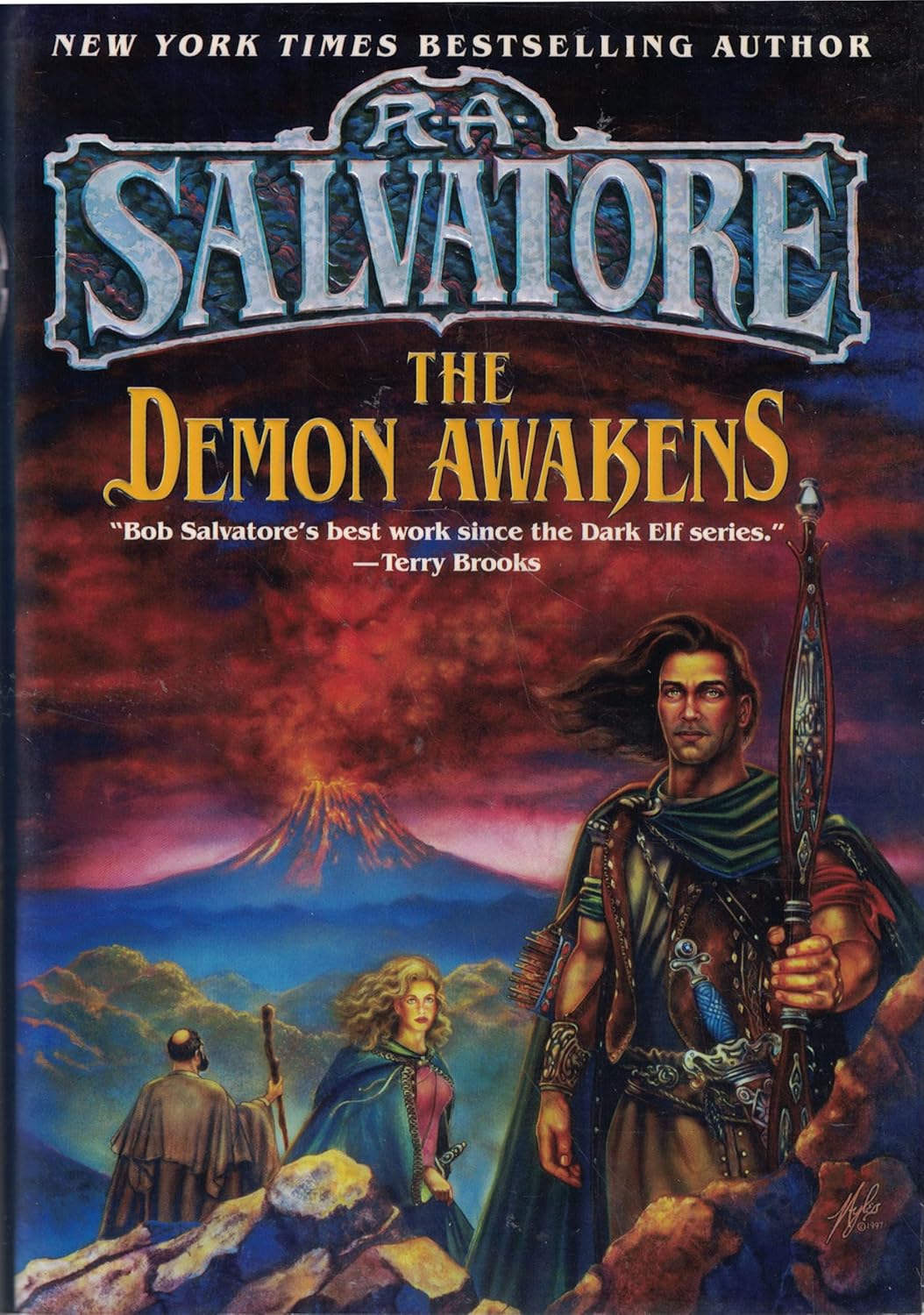
I am a huge fan of R. A. Salvatore various additions to the expanded Forgotten Realms universe, having read nearly all of them over the years.  However, I am also keen to read more books in Salvatore’s original Corona universe.  I had a ton of fun reading the latest trilogy set in this world (The Coven books made up of Child of a Mad God, Reckoning of Fallen Gods and Song of the Risen God), and I felt that this was an excellent fantasy universe that I’d like to see more of.  As such, I will try to explore this series from the beginning, which means starting with The Demon Awakens.  An exciting adventure novel with some great characters, The Demon Awakens should be a ton of fun and I am keen to read it in the future.

Amazon


A Clash of Kings by George R. R. Martin – 1998
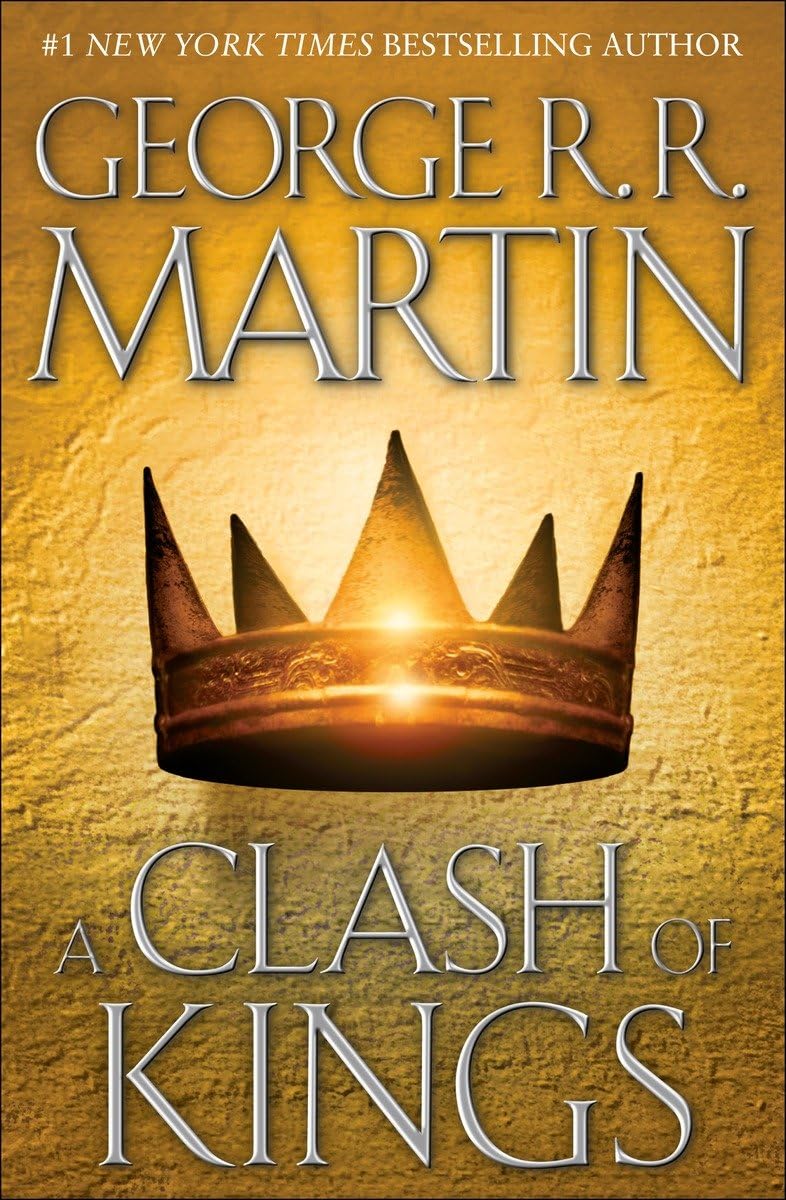
The final book on this list is A Clash of Kings by George R. R. Martin.  The second book in Martin’s A Song of Ice and Fire series, A Clash of Kings doesn’t need a massive introduction.  I have been meaning to continuing this series after reading A Game of Thrones a few years ago, which means going through A Clash of Kings next.  I am sure I will deeply enjoy this major book, and I am curious to see how it differs from the television show.

Amazon


And with that, my list concluded.  I felt that this latest Top Ten Tuesday post came together well, and I like the intriguing collection of books I listed above.  It turns out there are a ton of older novels on my to-be-read list, and I hope I get the opportunity to get through them soon.  In the meantime, let me know what older books are on your TBR lists in the comments below.

Warhammer 40,000: Lazarus: Enmity’s Edge by Gary Kloster

Publisher: Black Library (Audiobook – 9 March 2024)

Series: Warhammer 40,000

Length: 11 hours and 47 minutes

My Rating: 5 out of 5 stars

Amazon

Secrets, lies and devils from the past converge around the Dark Angels in this exceptional Warhammer 40,000 novel from Gary Kloster, Lazarus: Enmity’s Edge.

I have been on a real roll with Warhammer 40,000 fiction this year, as books like Da Big Dakka by Mike Brooks, Deathworlder by Victoria Hayward, Oaths of Damnation by Robbie MacNiven and Renegades: Lord of Excess by Rich McCormick have all proven to be exceptional additions the Warhammer canon.  But despite how awesome the above books and others have proven to be, I am still keen for more.  That is why I made sure to listen to a copy of the early 2024 novel, Lazarus: Enmity’s Edge by new-to-me author Gary Kloster.  An interesting entry that follows members of the iconic Dark Angels chapter, Lazarus: Enmity’s Edge was a book I nearly didn’t read this year, but I was sure glad that I did.

For over 10,000 years the Space Marines of the Dark Angels chapter have defended the Imperium of Man from all manner of insidious threats, all while keeping their own terrible secrets hidden.  Maintaining watch for fallen members of their order, the Dark Angels are forced to balance their Chapter’s need for secrecy and revenge with their solemn duty to keep humanity safe from the monsters and heretics stalking the stars.  But not every member of the Dark Angel’s inner circle believes that the battles of the past should impact the Chapter’s future.

Lazarus, Master of the Dark Angels Fifth Company, knows the burden that history can have on the soul.  The first Primaris Marine to hold rank within the chapter’s inner circle, Lazarus finds himself haunted by the battle that killed him and forced him to undergo the Rubicon surgery.  Determined to rid the universe of all psykers and the foul forces of Chaos behind them, Lazarus is a dedicated warrior, although one that questions the secrets that impact his ability to fulfill his duty.  That is why, when an ancient beacon located on the planet Reis is activated, the Supreme Grand Master of the Dark Angels, Azrael, summons Lazarus and his Fifth Company to fulfill an old debt of honour.

A thousand years before, the Imperial Knight world of Reis was nearly overwhelmed by a rampaging army of daemons, resulting in the destruction of the planet’s war machine guardians, and only through the intervention of the Dark Angels was Reis saved.  But now, after years of peace, Reis finds itself under attack from a new foe, one that may cause another daemonic incursion.  Determined to ensure the daemons stay in the warp, Lazarus arrives to assess the situation on Reis, but soon discover that not everything is as it seems.  The planet is a hotbed of sinister politics, ancient grudges, and long-buried secrets, all of which conspire to drag Reis closer to destruction.  Forced to navigate the planet’s complex history, Lazarus discovers a terrible enemy hiding deep within the planet’s jungles, one that, like Lazarus, refuses to die.  To save Reis and his brothers, Lazarus must uncover the true hidden past of the planet and understand the origin of the grudge that could turn the Dark Angels against the Imperium they are sworn to protect.

Wow, Warhammer 40,000 fiction is in peak form in 2024 as Gary Kloster deeply impressed me with Lazarus: Enmity’s Edge.  Featuring a particularly complex and captivating narrative that blended awesome action and great characters with a clever and well-written plot, Enmity’s Edge proved to be extremely addictive, and I found myself irreversibly hooked.  Exciting, intense and loaded with all manner of intrigue, Enmity’s Edge is one of the best Warhammer books of 2024 and gets a full five-star rating from me.

I must admit that when I first decided to check out Enmity’s Edge, I didn’t quite know what to expect.  Space Marine focused Warhammer 40,000 novels can sometimes be an overloaded, action slog colloquially known as “Bolter porn”, and I was initially slightly worried that was the direction Enmity’s Edge was going, especially as it started off with an intense war sequence against orks.  However, Kloster instead showcased a remarkably compelling and layered Warhammer 40,00 novel that made excellent use of its Dark Angel protagonists and a unique, secret-laden background setting.  The initial battle serves as a great introduction to the main protagonist, Lazarus, and his command staff, and you get a sense of his tactical skills, as well as his dislike of psykers and the secrets of his order.  This leads nicely to the more complex part of the book, as the reader is introduced to some interesting side characters, as well as the world of Reis, where Lazarus and his company are sent to.

Arriving on Reis, Lazarus discovers a unique world of secrets, lies and hidden history, with the populace attacked by a mysterious fungal infection that has taken over various host bodies.  Quickly diving into the fray to determine the full extent of the threat, the first half of the book sees the Dark Angels essentially taking on the zombies from The Last of Us with an intelligent malevolence behind them, and these unique antagonists prove an interesting alternative to the classic villains of the franchise.  From there the story devolves into an intriguing combination of sequences, as Lazarus attempts to uncover his true opponent, while also dealing with attacks on multiple fronts.  This leads to some compelling and occasionally brutal scenes, including a continued conflict inside an Adeptus Mechanicus base, as well as some other great sequences scattered throughout the planet.  The author spends some substantial time building up some impressive and moving character arcs, as various figures deal with the chaotic events in different ways.

The author does an excellent job building up a great hidden villain who the protagonist must uncover, and the secrets and mysterious surrounding the figure really adds to the intrigue of the story.  While the identity of some of the antagonists are a little predictable, the journey getting there is impressive, and I loved the setup to the answers that Kloster subtly hid through the earlier parts of the book, with the reliance on understanding the past to survive the future being a great recurring theme.  This leads up to a particularly intense and dark final third as the antagonist’s very long-term plot comes to dramatic fruition.  Kloster does a masterful job of building up tension and substantially upping the stakes in the leadup to this, and you find yourself deeply engaged as you wait to see how everything will unfold.  There are some brilliant moments here, including a ton of over-the-top action, some fantastic plot resolutions, and several particularly tragic moments as the protagonists face overwhelming foes.  The overall resolution is very clever and builds on some excellent prior story inclusions and character growth, that Kloster wraps up perfect.  The end result is an awesome, memorable and particularly enthralling standalone story, that really showcases just how cool and complex a Warhammer 40,000 story can be.

I really enjoyed how Enmity’s Edge came together, and I felt Kloster had a great writing style the ensured a powerful and intense story.  His entire complex narrative was a ton of fun from start to finish, and it proved to be well showcased through several compelling protagonist perspectives.  While there is a ton of awesome and intense action in this book, as is required for a Warhammer 40,000 novel (war is in the name for a reason), the focus on a more subtle threat ensured that Enmity’s Edge stood out from the pack.  I particularly appreciated how subtly Kloster set up a lot of key story elements early in the book and they all paid off extremely well, with a great theme on the lessons of the past recurring in an excellent way.  I also must highlight the great new setting of the planet Reis, which Kloster made fantastic use of.  The Warhammer 40,000 universe is home to a multitude of intriguing and unique worlds, but Reis really stood out to me thanks to Kloster’s vibrant descriptions and the clever way the planet’s complex history and disposition played into the narrative.  An Imperial Knight planet (a feudal world governed by mech pilots who take the whole knight thing way too seriously) that has fallen on hard times thanks to the destruction of the ruler’s battle suits, Reis is a hotbed of dark history, lingering secrets, and intense rivalries, covered with useful fungus.  Kloster perfectly introduces and then utilizes this planet throughout the narrative, and you find yourself getting really drawn into the revealed history, especially as it produces a particularly effective and dark antagonist.  These writing elements ensure that Kloster’s captivating narrative pops in the reader’s mind, and I was really impressed with how he presented this excellent Warhammer novel.

In addition to being an outstanding read, I also felt that Enmity’s Edge was an excellent piece of Warhammer 40,000 fiction, and one that really emphasizes how clever and compelling a story in this canon can be.  Focusing on the Space Marine chapter, the Dark Angels, Kloster presents a gripping standalone narrative that makes great use of the franchise’s unique features and history without getting too bloated or lore heavy.  Thanks to how effectively the author covers these franchise inclusions, I felt that readers unfamiliar with Warhammer fiction could easily jump into Enmity’s Edge without too much pre-knowledge and still deeply enjoy the plot, especially as it really showcases how cool the iconic Space Marines can be.  More established Warhammer 40,000 fans will naturally get a lot more out of the story, especially as Kloster explored some particularly awesome aspects of the universe.  I personally loved how well he showcased the various squads featured within a specific Space Marines company, and it was fun to have a mixture of troop specializations and vehicles which reminded me of tabletop gameplay at times.  He also does an outstanding job showcasing the Dark Angels, who are one of the more popular Space Marine chapters for a reason.  This proved to be a very strong book for Dark Angels fans, and I appreciated how he veered away from the typical topics you’d expect for a Dark Angels novel (completely focused on the Fallen), and instead showed them facing a fresh foe with some excellent motivations to hate them.  As such, this is a highly recommend read for all Warhammer fans that might also attract a few new readers to the franchise.

One of Enmity’s Edge’s real strengths was the excellent batch of characters that Kloster set the narrative around.  This includes the titular protagonist, Lazarus, Master of the Dark Angels Fifth Company, who proves to be an intriguing central character.  A well-known tactician, secret holder, and one of the few commanding Primaris marines (an upgraded Space Marines) in the Chapter, Lazarus proves to be a great main figure for the plot.  While some Space Marine characters in fiction can be a little one-dimensional, I felt that Kloster did an excellent job turning Lazarus into a complex figure, haunted by his previous battles, concerned about the future of his chapter, and bitter about those friends he has lost to psykers.  There are some great scenes featuring Lazarus throughout Enmity’s Edge, especially as he showed a lot of humanity to a certain point-of-view character, and it was intriguing to see his tactical mind in action.  He also proves to be an excellent foil to the excellent main antagonist of the plot, and they had some compelling scenes together.

Aside from Lazarus, Enmity’s Edge featured a raft of notable support characters, including several major members of the Dark Angels Fifth Company.  I particularly enjoyed the imposing and unfailingly honorable figure of Ancient Jequn, the Fifth Company’s veteran standard bearer.  Jequn has a particularly tragic arc in this book, and I really grew attached to him and his resolve throughout the run of Enmity’s Edge.  Other enjoyable characters included members of Lazarus’s command squad, an Adeptus Mechanicus tech-priest whose technology reflects their obsession with birds, and the various key rulers of Reis.  The antagonists of Enmity’s Edge are also well set-up and utilized, and while I won’t got into too much detail of them here, they had some brilliant sequences, and really enhanced the overall narrative.

However, I felt that one of the best characters in Enmity’s Edge was Learned Ysentrud, an enhanced human of a type found only on Reis called a Wyrbuk, who finds themselves helping the Dark Angels.  Essentially a living repository of knowledge, Ysentrud becomes a key figure in the plot as she provides the Dark Angels with history and insights into Reis that allow them to uncover the plot’s big mystery.  Probably the book’s main point-of-view protagonist after Lazarus, Ysentrud had one of the more relatable character perspectives in Enmity’s Edge, as she finds herself surrounded by the demi-god figures of the Space Marines as they engage in combat.  Not only does Ysentrud’s perspective help to bring readers a little more into the plot, but I really enjoyed the compelling story arc Kloster wove around her as she attempted to find her courage and prove her worth to the Dark Angels.  Kloster’s entire arc around Ysentrud was really well written, and I felt that her complex personal narrative was a particularly strong part of the book.

Those familiar with this blog will be unsurprised that I chose to enjoy Enmity’s Edge on audiobook, which is how I primarily check out all my Warhammer content.  As with most Warhammer 40,000 books, Enmity’s Edge came across extremely well in this format, and you are in for a really good time listening to it.  Coming in with a runtime just short of 12 hours, listeners can get through Enmity’s Edge’s audiobook in no time at all, especially once you get caught up in its fantastic story.  The intense action, elaborate sequences and deep intrigue of the plot is perfectly enhanced by having it read out to you, and I loved hearing the elaborate descriptions of the setting and the unique characters within it.  I was also very impressed by narrator John Banks, who has lent his voice to several Warhammer audiobooks over the years.  Banks did a remarkable job diving into the various characters featured within Enmity’s Edge, and I also felt that his amazing voice lent a lot of gravitas to these figures.  While all the characters are given excellent and fitting voices, I particularly loved his take on the various Dark Angels characters featured throughout the plot.  He gives these genetically enhanced, ancient warriors the booming and commanding voices you would expect, and their emphatic declarations sound really cool here.  I absolutely powered through this excellent audiobook, and I would strongly recommend it as the very best way to enjoy Enmity’s Edge.

Lazarus: Enmity’s Edge by Gary Kloster was another excellent 2024 Warhammer 40,000 novel that I could not get enough of.  Featuring a complex and intense plot of betrayal, secrets and dark history, Enmity’s Edge grabs your attention early and ensures you can’t put it down as you rush towards the end.  One of the best Warhammer 40,000 novels of the year, Enmity’s Edge is a must read of all fans of the franchise, and I really loved its brilliant story.

Amazon

Warhammer 40,000: Oaths of Damnation by Robbie MacNiven

Publisher: Black Library (Audiobook – 24 August 2024)

Series: Warhammer 40,000

Length: 10 hours and 57 minutes

My Rating: 4.5 out of 5 stars

Amazon

Prepare to follow the most damned heroes in the Warhammer 40,000 canon in the impressive and intense new novel from Robbie MacNiven, Oaths of Damnation.

Recurring readers of this blog will know that I am constantly in the mood for fun and exciting Warhammer 40,000 action, which is why I listened to the awesome new book, Oaths of Damnation, the moment I could.  Written by new-to-me veteran Warhammer author Robbie MacNiven, a man with a lot of experience writing about complex Space Marines, Oaths of Damnation was one of the more intriguing Warhammer 40,000 books of 2024, and I really loved the opportunity to check out the infamous Exorcists Space Marines Chapter.

In the far, war-torn future, the Imperium of Man is under constant attack from the forces of the Chaos gods and their deadly daemon servants.  Few within the Imperium, even amongst the legendary Space Marines of the Adeptus Astartes, can fight against the daemons of Chaos on an equal footing, but there is one Space Marines Chapter, the Exorcists, that takes the battle to them in the most unorthodox and heretical of ways.

The Exorcists are an elite and secretive Chapter of Space Marines who make the ultimate sacrifice to fight the forces of Chaos.  Willingly accepting daemonic possession as part of their initiation, prospective Exorcists need to banish the daemon within themselves to join the Chapter.  Those who succeed become fierce warriors who are now resistant to the corruption of Chaos at the cost of their own fractured souls.  However, those that fail suffer a fate worse than death as they become Broken Ones, living prisons for the daemons summoned and expelled by the rest of the Chapter.  Few in the Imperium know the sacrifices that this Chapter makes to fight the enemy; if it were to become common knowledge, all the Exorcists would be put to the flame as heretics.

As such, when a dark conspiracy sees a Broken One containing a powerful daemon, the Red Marshal, escape from the Exorcists custody, the Chapter sends a unit of its elite Hexbreakers to hunt it down before their secrets are exposed.  Led by the dogged Almoner-Lieutenant Daggan Zaidu and powerful psyker Codicier Torrin Vey, the Exorcists strike force journeys to Fidem IV, a planet littered with ancient battlefields, to hunt down the Broken One and destroy the daemons within.

But as the Exorcists battle across the planet looking for their prey, it soon becomes clear that members of the Word Bearers traitor Space Marines Legion are on Fidern IV, seeking the Broken One for their own sinister purposes.  Worse, a dangerous connection exists between Zaidu and the Red Marshal, one that could endanger the entire mission.  Can the Hexbreakers succeed and hunt down the Broken One before it is too late, or will their Chapter’s darkest secret be unleashed upon the entire Imperium in a wave of blood?

Oaths of Damnation was a particularly intriguing and intense Warhammer 40,000 novel that really showcased MacNiven’s skill as an author.  Featuring a detailed look at a particularly cool faction in the Warhammer 40,000 canon, Oaths of Damnation was an excellent and exciting read that constantly grabbed my attention and refused to let go.

I really enjoyed the fantastic narrative contained within Oaths of Damnation, especially as MacNiven was able to produce a book that allowed him to tell his own distinctive story while also expertly highlighting the Exorcists Chapter.  Oaths of Damnation’s story starts off strong, with a look at the Broken One’s bloody escape from the Exorcists’ custody, which effectively sets up the Red Marshal as a deadly antagonist.  The following story moves at a quick pace as. With only a minimal amount of exposition and introduction, the protagonists set forth to Fidern IV to find the escaped Broken One, only to encounter opposition from the desperate daemon and the Word Bearers.

What follows is a series of intense and well-written battle sequences as the Exorcists pursue their target across the planet and fight against the various forces of Chaos.  MacNiven ensures a compelling story structure, as the protagonists face determined opposition, brutal fights and unexpected setbacks on the way to victory.  The author also spends time diving into the psyche of several key characters, which adds some intriguing intensity of the plot, especially as many find themselves distracted or conflicted by the mission.  MacNiven anchors the end of story on two massive action set-pieces that push the Exorcists to the limit and force them to face their internal and external daemons.  I liked some of the fun, if not unexpected, twists that MacNiven threw in in the lead up to the final battle, and the constant prophetic hints about dark events to come really enhanced the intensity of the plot towards the end.  The final confrontation is particularly impactful and moving, especially as there are some major sacrifices being made and all manner of carnage to behold.  I really appreciated the dark ending that MacNiven left the story on, and no-one should come into Oaths of Damnation looking for a happy ending.

MacNiven did an outstanding job capturing the dark and grim nature of the Warhammer 40,000 universe with his writing, and I felt that this was an extremely strong read overall.  While there are some complex lore events contained within, for the most part Oaths of Damnations was an accessible novel, even for those readers unfamiliar with the canon (although some basic Warhammer 40,000 knowledge would be helpful).  The author does an excellent job exploring the plot through the perspective of multiple complex characters, which resulted in a very compelling read, as many of the protagonists are forced to continually overcome their literal inner daemons.  I felt that this focus on damaged characters, as well as the intriguing examination of some unique Warhammer lore, helped Oaths of Damnation escape the ‘bolter porn’ label that many Space Marine novels are painted with.  That being said, Oaths of Damnation does have some particularly striking action sequences that fans of Warhammer 40,000 battles will really enjoy.  MacNiven clearly has a gift for showcasing Space Marines in all their martial glory with his writing, and you really get a sense of their power, intensity, and sheer destructive capability.  I also deeply enjoyed how he richly depicted their fighting capability and style, and the way in which he detailed the impacts of the bolt shells, the durability of the power armour, and the strength of their attacks, was honestly some of the best representations of Space Marines in combat I have ever seen.  I really cannot emphasise how impactful MacNiven’s writing style was, and Oaths of Damnation is a great book for all Warhammer fans, especially those buzzing for some Adeptus Astartes action after playing Space Marine 2.

A major highlight of this book for Warhammer 40,000 fans is the inclusion of the very cool Space Marines Chapter, the Exorcists.  A band of secretive and hidden Space Marines who willingly allow themselves to be possessed so they can learn to fight daemons better is an awesome concept, and MacNiven did an outstanding job showcasing this to the readers of Oaths of Damnation.  With only minimal lore dumps at the start of the novel, MacNiven ensures that the reader gets a sufficient and intriguing idea of who the Exorcists are and how they become lethal daemon fighters, and it proves fascinating to dive deeper and deeper into their Chapter as the book continues.  Not only is there is a great focus on how and why they damn themselves, but I also really appreciated the comprehensive way in which MacNiven tried to explore the other side effects of becoming an Exorcists, as well as the unique culture that they share.  The concept of the lingering bond that each Exorcist holds with their Never-brother, the daemon that possessed them, so much so that they still hear fragments of their voices and gain personality traits or combat abilities reminiscent of their former possessor, was particularly cool, and the author does an excellent job of showcasing it.  MacNiven also expertly covers the concept of the Orison Cults, social and ceremonial cults of the Exorcists dedicated to specific rituals and combat styles, and which serve a vital part in the larger Exorcists culture.  It was fascinating to see the ways that the now practically soulless Exorcists try to retain their humanity throughout their day to day lives, and how they replace the holes in their being with ritual and false comradery.  This combination of Exorcists’ lore, and MacNiven’s compelling dive into the deeper motivations and minds of its members, made for outstanding reading and it fun to see this complex and damaged Chapter in action.

I also have a lot of love for the compelling main characters featured within Oaths of Damnation.  While Space Marine characters in Warhammer fiction can sometimes be a little dull, the main two protagonists of this book, Almoner-Lieutenant Daggan Zaidu and Codicier Torrin Vey, each has a complex background and connection to the target that ensures that the reader is drawn into their story.  Zaidu’s is particularly fun, as Zaidu feels substantial guilt and anger at the damage caused by the Red Marshal, as it was the daemon that formerly possessed him.  Determined to end the connection between them once and for all, Zaidu lets his recklessness control him in many parts of the book, and it was deeply compelling to see how obsessed he became.  Vey on the other hand is a veteran Space Marines librarian, who stands as the beacon of knowledge to the group.  The man responsible for Zaidu’s possession by the Red Marshal, Vey bears a lot of guilt within himself, and he works hard to keep Zaidu safe from his own anger, impatience and desperation to kill his Never-brother.  Vey and Zaidu play off each other perfectly throughout Oaths of Damnation with their troubled mentor/mentee relationship, and MacNiven makes sure to hit all the right emotional notes to get the reader involved in their tales of personal woe.

In addition to Zaidu and Vey, MacNiven provides some fantastic alternative perspectives from several other members of the Exorcists who journey to Fidem IV.  As with the main two characters, each of these Exorcists are deeply troubled and damaged because of their former daemonic possession, and each then battles with the side-effects of the process, as well as the lingering taint of their Never-brothers.  This ensures that Oaths of Damnation has a rather dour tone to it at times, but seeing these damaged, yet highly determined and loyal Space Marines in battle is powerful and really drags the reader in.  The Exorcist characters are well balanced by a raft of compelling and distinctive villains, including a darkly charismatic Dark Apostle with great ambitions and a weary veteran Word Bearer who has started to question his role in the universe.  However, the most important villain is the fallen daemon known as the Red Marshal, who hungers for freedom and a return to power.  You get several intriguing trips into the Red Marshal’s mind, and I enjoyed seeing his boiling rage and determination to regain his god’s dark favour.  These great characters really helped elevate Oaths of Damnation’s plot, and I enjoyed seeing all their respective narratives unfold.

As usual, I ended up grabbing this cool Warhammer 40,000 novel on audiobook, which is my preferred way to enjoy books from this franchise.  While all Warhammer audiobooks are great, I felt that Oaths of Damnation came across particularly well in this format, and you really got dragged into the action and excitement as it was read out to you.  I personally found myself absorbing the complex lore surrounding the Exorcists a little better while listening to it, which helped with the overall impact of the story.  Oaths of Damnation also strongly benefited from the excellent narration of Charles Armstrong.  Armstrong, who previously impressed me with his narration of the Warhammer Crime audiobook, Bloodlines by Chris Wraight, did another excellent job in Oaths of Damnation as he expertly showcased the elaborate story with his voice.  I particularly enjoyed his compelling take on the various characters featured within the novel, especially the main protagonists, and he really captured their dark inner feeling and dedication in multiple scenes.  This proved to be an epic audiobook, and, with a runtime of just under 11 hours, it is one that dedicated listeners can get through fairly quickly.  I personally would recommend this format as the best way to enjoy Oaths of Damnation, or indeed any Warhammer 40,000 novel.

Oaths of Damnation was a particularly strong and exciting piece of Warhammer 40,000 fiction that I had an incredible time getting through.  Robbie MacNiven has produced another gripping and intriguing read that cleverly dives into the complex lives of a unique Space Marines chapter, and I loved every second of it.  An intense, dark and action-packed read, Oaths of Damnation really expresses the grimdark nature of the Warhammer 40,000 universe and you’ll have a very hard time escaping once you get sucked in.

Amazon

Warhammer 40,000: Renegades: Lord of Excess by Rich McCormick

Publisher: Black Library (Audiobook – 6 April 2024)

Series: Warhammer 40,000: Renegades – Book Two

Length: 14 hours and 17 minutes

My Rating: 5 out of 5 stars

Amazon

Prepare to break the bounds of sensation, desire and treachery in the amazing Warhammer 40,000 novel, Lord of Excess by Rich McCormick, the second book in the fantastic Renegades series.

I have been having a great time with the huge variety of unique and elaborate Warhammer 40,000 books coming out in recent years, and it is always fun to see the impressive reads the franchise is producing.  One of the things I particularly enjoy about the Warhammer 40,000 fiction machine is the way in which it gives new authors the chance to shine, with several talented authors writing their very first book as part of the Warhammer canon.  I have already talked about one particularly good Warhammer 40,000 debut this year with Deathworlder by Victoria Hayward, but another incredible first novel I had the great pleasure of reading was Lord of Excess by new author Rich McCormick.

Lord of Excess was an exceptional book that was released as part of the loosely connected Renegades series that looks at a different band of traitor Space Marines as they make their dark way through the universe.  For example, the first Renegades book, Harrowmaster by Mike Brooks, looked at the nefarious Alpha Legion, and I am sure that future entries will dive into the other traitor legions with some fun stories.  Lord of Excess is the second Renegades book, and it provides the reader with an outstanding and unique story focussed on the ultimate beings of excess, the Emperor’s Children.

At the dawn of the Imperium, the Emperor’s Children were the master of mankind’s most loyal and revered Space Marine Legions, dedicated to the fight for humanity while seeking perfection in all things.  However, during the tumultuous events of the Horus Heresy, the Emperor’s Children followed their Primarch into treachery, and turned against their Emperor, falling into the service of the ruinous powers of Chaos.

Now, millennia later, the Emperor’s Children are a twisted remnant of their former glory.  Scattered into smaller warbands, the Emperor’s Children now only seek pleasure and sensation in hedonistic service to the Chaos God Slaanesh, the lord of obsession and excess.  One such band is the feared and infamous group known as the Adored.  Lead by the tainted Space Marine Xantine, the Adored has ravaged the galaxy for centuries, taking slaves and bringing untold torment, but Xantine has never found what he truly desires, until now.

Suddenly dropped out of the Warp, the Adored find themselves in orbit about the isolated planet of Serrine.  A wealthy and corrupt planet of the Imperium, Serrine has been long cut off from the rest of humanity due to corrupted currents of the Warp.  Sensing the opportunity to carve out a place for himself, Xantine decides to take control of Serrine, and turn it into the perfect society, dedicated to loving him.  However, making true perfection is an impossible task, and Xantine soon finds his rule challenged by both the population of Serrine and those closest to him.  Worse, there are darker forces at work within the bowels of Serrine, and soon the world will be engulfed in perfect destruction.

Lord of Excess was an exceptional and impressive Warhammer 40,000 novel that achieved so very much for the reader.  Featuring a complex and compelling tale of betrayal, deceit and corruption, loaded with fun characters and larger-than-life personalities, Lord of Excess was an entertaining and elaborate read from the very start, and I could not get enough of it.

I really loved the story contained with Lord of Excess, and I find it hard to believe that this was McCormick’s very first novel.  The plot of Lord of Excess is an elaborate and continuous tale of woe and failed ambition as it charts main character, Xantine of the Emperor’s Children, as he attempts to bring perfection to the world of Serrine.  Starting off by introducing Xantine and his renegade Space Marines, you are soon shown the world of Serrine, an isolated and mismanaged Hiveworld with plenty of its own problems, including an uprising from a genestealer cult.  Taking advantage of these chaotic events, an obsessive Xantine leads his mostly apathetic Emperor’s Children to the planet’s surface, telling the locals they are there to save them.  This proves to be an intriguing start, as the reader is shown a battle between two very different group of villains, which is essentially the equivalent of the cenobites from Hellraiser facing off against xenomorphs from Alien (with both sides using a lot of purple).  This fight against the genestealers is a fun first part of the book, and I honestly thought that McCormick was going to stretch that conflict out for the entirety of Lord of Excess.  However, the author instead chooses to cleverly end this conflict about a third of the way through the book, and the rest of the novel goes in some very interesting directions.

Following this introduction, Lord of Excess than goes through a series of time skips, as you follow the unlucky course of Serrine under the “benevolent” rule of the Emperor’s Children.  Each new version of Serrine you see is somehow worse the previous version, and it proves extremely entertaining to watch the inherent downsides of the protagonist’s twisted version of perfection.  The plot cleverly rotates between the machinations of Xantine and his Adored as they fight over the course of their warband, and several intriguing human inhabitants of Serrine, whose reaction to the fate of their planet varies across the emotional spectrum.  The plot goes in some very interesting and entertaining directions, as Xantine finds himself continuously beset by betrayal, mostly of his own making, while many others are driven to extreme lengths by Xantine’s actions, and other malign foes hiding beneath Serrine’s surface.  Things continuously get darker and darker as the plot continues, leading up to a brutal and amusing conclusion.  I loved the various elaborate twists and captivating revelations that McCormick cleverly worked into the plot, and his accompanying character work really helps to sell it.  The book ends on a fantastic note, with devilish and deserved endings for many members of the cast, and the ultimate fates of everyone really reminds you that Lord of Excess is a grimdark book focussing on deranged villains.

McCormick really showcased his effective and powerful writing style in Lord of Excess, and I loved the elaborate and multifaceted book that he ended up creating.  The fantastic story has so many deep elements to it, and it transcends the typical action-focused Warhammer fiction by providing nuanced portrayals of society, human nature, and the impossible search for perfection.  That’s not to say that there isn’t action in Lord of Excess, as McCormick loads the book with multiple over-the-top and entertaining fight sequences that prove hard not to love.  However, he also balances these battles with intriguing character work, long-running elaborate story elements, and complex depictions of intriguing Warhammer features.  The way in which the author cleverly shifts the narrative around several fantastic characters works to create a fun and layered story with many moving parts to it.  I also love how descriptive and visual McCormick got at times.  The author clearly had fun describing the many excesses and mutations of the Adored, and you really got a clear and vivid sense of the twisted nature of the beings involved.  This ended up being such an outstanding read, and McCormick did such a great job bringing his elaborate story to life in the absolute best way.

I felt that Lord of Excess was a pretty awesome Warhammer 40,000 novel, that will really appeal to a varied audience.  Established Warhammer fans will love the fantastic depictions of the Emperor’s Children featured within this book, and I love how well McCormick captured the complexities of these renegade Space Marines and the depths to which they have sunk.  While he doesn’t do a full deep dive into the history of the Emperor’s Children, McCormick provides some detailed flashbacks into their past, that Warhammer readers will appreciate, which also providing some good context for new readers.  While this book did spend a lot of time examining the Emperor’s Children, it also featured its own unique and clever narrative, which really utilised the grimdark nature of the wider Warhammer setting to its advantage.  Readers are gifted by a truly complex and intense read, and I felt that Lord of Excess is an amazing example of just how good a Warhammer 40,000 novel can be.  This would be a pretty good entry point for new readers keen to check out the elaborate Warhammer 40,000 fictional universe, especially as you can get an amazing sense of the overall cruel, deadly and often ironic nature of this fantastic overarching setting.

Easily the key strengths of Lord of Excess were the elaborate, distinctive and damaged characters that McCormick centred his story around.  There are some brilliant characters featured in this book, from ancient traitor Space Marines lost in their own obsessions, to the normal inhabitants of Serrine, whose lives are irrevocably turned upside down by the arrival of the Adored.  These elaborate character arcs are very intriguing, and McCormick expertly features them throughout his story, ensuring that the reader becomes intrigued by the fates of these various figures.  The most prominent character is the Adored leader, Xantine.  An ambitious and twisted being, Xantine finds himself drawn to the world of Serrine and sees it as an opportunity to create a perfect world, much like the previous planets the Emperor’s Children called home.  Xantine proves to be an intriguing central figure for the book, especially as you get drawn into his obsession and the disdain of his followers for his vision.  Thanks to the machinations of the daemon S’janth, who shares Xantine’s body, you get some fascinating insights into this character’s mind, and you soon appreciate the depths of his determination to be perfect, which stems from his daddy issues and dark personal history.  I loved seeing how the events of the book were driven with this figures love of perfection, and Xantine proved to be an excellent dark heart to this entire story.

In addition to Xantine, Lord of Excess features several other great characters, all of whom are damaged in fantastic and intriguing ways.  This includes the various members of the Adored, each of whom has their own unique obsessions and focuses.  McCormick really had fun when it came to these corrupted figures, and there are some delightfully over-the-top characters as a result.  These other members of the Adored often come into conflict with Xantine, primarily due to their incompatible obsessions, and I loved the barbed interactions that followed, especially as Xantine both loves and hates his fellow renegades.  While several of these characters stood out, the best one was probably Vavisk.  Vavisk, a Noise Marine, is obsessed with finding the perfect sound, and often finds himself lost in his horrifying music.  However, Vavisk is also Xantine’s closest friend, and the unique bond of brotherhood between these two figures, proves to be a key part of the book, especially as the potential for it to break is always there.

Other major characters include several inhabitants of Serrine who attempt to survive the actions of Xantine.  Due to a creation myth, many people on Serrine initially see Xantine as a destined saviour, and the eventual revelation of his true nature leads to much heartache for them.  These characters provide an outstanding alternative perspective to that of Xantine and the other Adored, and I loved seeing the various reactions to the evil that came to their planet.  Key figures include the young man Arqat, whose rage at the injustices performed against him drives him to some dark places.  The mysterious Cecily founds salvation and escape thanks to the patronage of Xantine, although her loyalty costs her deeply.  While the foppish noble Pierod, seeks to take advantage of the arrival of the Adored, which has blistering ups and downs for him.  I really enjoyed these three human characters, and their unique storylines, some of which were nearly as extensive as Xantine’s, helped to turn Lord of Excess into a particularly brilliant read as you get drawn into their various tales of woe and opportunity.  While Pierod’s story was probably the most entertaining, due to his naked ambition and greed, you honestly connect to all three of them, and it proves fascinating to see where their encounters with the Adored takes them.  McCormick writes some grim and fitting fates for all three of them, and the other humans of Serrine, and seeing the journey they take to get there, is so damn entertaining.

As with most Warhammer 40,000 novels I enjoy, I ended up grabbing Lord of Excess on audiobook, which is just the best way to appreciate a piece of Warhammer fiction.  Coming in with a runtime of over 14 hours, the Lord of Excess audiobook is a decent length, but one you can get through quickly once you become caught up in the outstanding plot.  I love how well this format highlighted the epic narrative featured with Lord of Excess, and you get a real sense of the plot’s chaotic delights, unnatural horrors, and devilish figures when they are read out to you.  It helped that the Lord of Excess audiobook was helmed by one of the very best Warhammer 40,000 narrators, Richard Reed.  Reed has been killing it in recent years with his work in Warhammer 40,000 fiction, including The Infinite and the Divine by Robert Rath, Ruin and Reign by Nate Crowley and Grim Repast by Marc Collins, all of which were greatly enhanced by his impressive voice work.  His work in Lord of Excess is particularly awesome, as he once again produces an impressive range of unique voices to fit the big personalities of the plot.  This includes multiple mutated and utterly corrupted Space Marines, and Reed provides very fitting voices for them, as well as the unlucky humans caught up in their machinations.  The over-the-top story comes out so much better because of Reed’s compelling narration, and I love how effectively he captured the various insane figures.  This amazing voice work turned the Lord of Excess audiobook into something very special, and I had an exceptional time getting through it.

Lord of Excess by Rich McCormick is an absolutely brilliant and amazing piece of Warhammer 40,000 fiction that I could not get enough of.  Expertly combining elaborate elements of the Warhammer 40,000 canon with a complex narrative and darkly damaged characters, Lord of Excess was so much fun to read, and it proves impossible not to get caught up in this epic debut.  This might be one of the smartest and most compelling pieces of Warhammer 40,000 fiction release so far in 2024.  A truly outstanding Warhammer 40,000 book from a particularly amazing new author, Lord of Excess comes very highly recommended, and Rich McCormick is an author with big things in his future.

Amazon

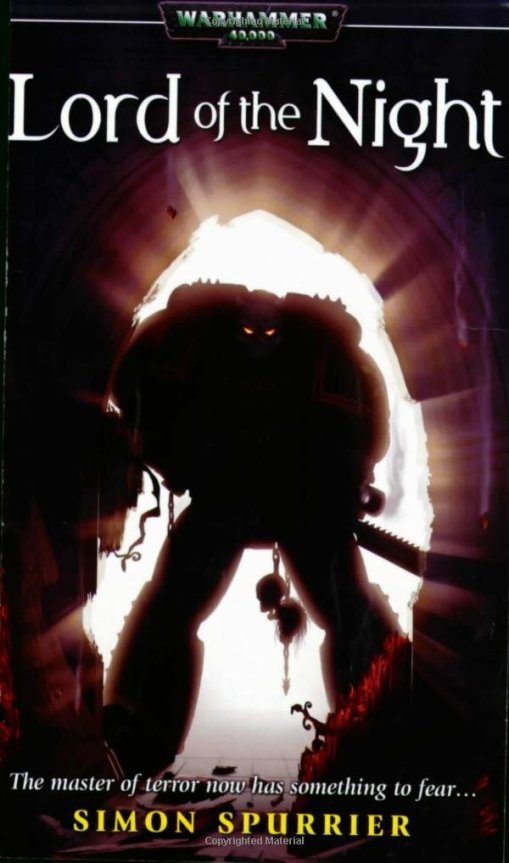
Throwback Thursday – Lord of the Night by Simon Spurrier

Lord of the Night Cover

Publisher: Black Library (Paperback – 25 January 2005)

Series: Warhammer 40,000

Length: 413 pages

My Rating: 4.75 out of 5 stars

Amazon

Welcome back to my Throwback Thursday series, where I republish old reviews, review books I have read before or review older books I have only just had a chance to read.  This week I check out an impressive and dark older entry from the excellent Warhammer 40,000 extended universe, Lord of the Night by Simon Spurrier.

Readers of this blog will know that I have a lot of love for the always intense and fun Warhammer 40,000 fiction, having read quite a bit of it this year.  One of the better older pieces of this fiction I managed to check out this year was the awesome novel Lord of the Night by acclaimed author Simon Spurrier.  Spurrier is an excellent author who is best known for his work on various graphic novels and comics series across the major companies.  I have read a couple of his comics over the years, although my favourite is probably his run on the original Doctor Aphra series (check out my reviews for the awesome volumes Unspeakable Rebel Superweapon and A Rogue’s End).  Spurrier also wrote several Warhammer 40,000 novels back in the mid-2000s, including the highly regarded Lord of the Night.  I was lucky enough to get a copy of Lord of the Night second-hand, and I ended up reading it while away on holiday.  Unsurprisingly I loved it, as Spurrier came up with a powerful story about two complex characters caught up in a deadly game of cat and mouse.

Interrogator Mita Ashyn of the Ordo Xenos is newly arrived in the service of veteran Inquisitor Kaustus after the death of her previous master.  Desperately trying to earn her place amongst the Inquisitor’s haughty acolytes and her mysterious new master, Mita is isolated due to the taint associated with her advanced psychic powers.  Seeking alien cultists on the hive-world of Equixus, Mita is tasked with rooting out minor corruption and heresy.  However, when an ancient ship crash lands on the planet, Mita receives psychic warnings of a dark and terrible foe.

Ten thousand years ago at the end of the Horus Heresy, Commander Sahaal was chosen by his crazed Primarch, Konrad Cruz, as the heir to the Night Lords legion of Space Marines.  However, before Sahaal could take command of the Legion, his Primarch’s most sacred artefact was stolen, and Sahaal’s pursuit of the thief saw him trapped out in the depths of space for millennia.  Awaking on his crashed ship on Equixus, Sahaal finds the artefact gone, stolen by thieves from the planet.  Determined to claim lordship of his legion, Sahaal will stop at nothing to reclaim what is rightfully his, no matter how many people he has to kill.

As Sahaal begins a deadly campaign of fear in the underbelly of Equixus, Mita appears to be the only person in the Inquisitor’s retinue concerned about the danger.  Working against the wishes of her master, Mita attempts to destroy the traitor Astartes that has invaded the city before it is too late.  However, Sahaal is a master of urban warfare and soon his solo campaign of destruction has the entire hive on its knees.  As the two lost souls move to confront each other, they soon discover that there are even greater secrets at work than either of them realises, and soon the fate of Equixus hangs in the balance.

This was a powerful and compelling Warhammer 40,000 story from Spurrier that had me hooked from the very beginning.  Focussed on the two unique perspective characters of Mita and Sahaal, Spurrier sets up an intriguing and vicious story with great thriller elements in a fantastic and gloomy hive-city setting.  Starting off with some effective set-up that introduces both protagonists and their complex lives, Lord of the Night soon evolves into an impressive cat and mouse scenario between the two as Mita fights to stop Sahaal before he recovers his prize and destroys the city from within.

This leads to all manner of chaos and destruction, as Sahaal initiates a brutal urban warfare campaign by enlisting the help of a curious raft of unconventional allies, while Mita manipulates the city’s official resources to her use.  While this battle rages, Spurrier also introduces some compelling and highly important side storylines which see Mita trying to gain the respect and aid of her secretive Inquisitor master, while Sahaal comes to terms with his missing years, his complex past, and what it is to be a Night Lord.  This leads up to several great confrontations before all the characters finally come together a brutal final sequence.  There are some great reveals here, especially about who is pulling all the strings surrounding the characters, and I loved some the brilliant twists that emerged.  The book ends on a pretty dark note, with both protagonists getting what they wanted, even though it nearly destroys them, and this ended up being quite an epic and captivating read.

I love how dark and intense Spurrier made this novel, and it has such an elaborate and complex narrative surrounding it.  The split between the two main characters works extremely well to tell an elaborate and multilayered story, and I enjoyed how the two separate arcs bounced off each other, with both dealing with betrayals, personal lows and the realisation that nothing is as it seems.  The grim setting of the hive city is also very impressive, and there is a reason that Warhammer 40,000 authors use it as a prime location for their stories.  The multiple layers of tunnels, caverns, and cityscapes makes for an outstanding background to this story of urban warfare and bloody revenge, and you can easily feel the confinement, corruption and fear that Spurrier envisions in this epic location.

Lord of the Night also turns out to be quite an impressive and elaborate piece of Warhammer 40,000 fiction.  Spurrier clearly has a great appreciation and love for the lore, and it really shows in his portrayal of both a secretive Inquisitor squad and the Night Lords Space Marines.  While Inquisitors are well covered in Warhammer 40,000 fiction, such as the Eisenhorn books by Dan Abnett (Xenos, Malleus and Hereticus), I personally loved seeing a book focussing on a Night Lord, especially as they are a little unrepresented in the extended universe fiction.  Spurrier really dives into what it is to be a Night Lord, especially during the Horus Heresy and before their full corruption, and his primary Night Lord character gives the reader a full course on how to terrorise and manipulate a city to get what you want.  It was so cool to see a Night Lord in all his fear-bringing glory, and it made for quite a dark and bloody read as a result.  Spurrier also does a great job of exploring some of the wider lore of the Warhammer 40,000 universe and working it into the plot of Lord of the Night.  This ensures that readers a little less familiar with the canon can enjoy this book fairly easily and not have to worry about external lore details.  That being said, fans of the franchise are always going to get a little more out this book and Lord of the Night proved to be a particularly good earlier novel in the canon, especially with its great insights into both the protagonist and antagonist.

One of the things that I most liked about Lord of the Night was the complex and impressive protagonists that the story was set around.  Despite being on different sides, Mita Ashyn and Sahaal have a lot in common with each other, having been lost and reviled in various different ways.  Mita proves to be a great example of how dark and unfair the Warhammer 40,000 universe is, as the thing that makes her a useful servant to the Imperium, her psychic abilities, also ensures that everyone sees her as unclean and tainted.  Watching her desperately trying to prove herself to the Inquisitor, his cronies, and the people of Equixus, only to be rejected and reviled, is very heartbreaking, and you can’t help but feel for Mita as she is routinely betrayed, spurned, or ignored.  Spurrier does some wonderful work with Mita as Lord of the Night continues, and it was great to see her find her confidence, fight back against those who oppress her, and start to question her superior and the teachings that bound her and her powers.  Watching her come to terms with her place in the Imperium, and still try to do the right thing was extremely powerful, and it leads to some impressive and emotionally charged scenes.

Sahaal also prove to be a surprisingly deep and complex character to follow.  Before reading Lord of the Night, I thought Sahaal would be a deranged Chaos Space Marine, and indeed the first few scenes with Sahaal show him to be a deadly and remorseless killer who uses terror as an effective weapon.  However, as the book continues, you start to realise that there is more to Sahaal than meets the eyes.  While he kills to achieve his goals, often in brutal ways, some of the interactions he has with his surprising allies, as well as a series of compelling flashbacks, paint him in a somewhat noble light defined by his loyalty to his Primarch and his ideals for control and order.  This paints a bit more as a victim of circumstance rather than a full Chaos infected traitor, and it was fascinating to see him act very differently from other antagonistic Space Marines characters.  There are some intriguing hidden depths to Sahaal that are revealed towards the end of the book, especially when certain manipulations are uncovered, and there are some good revelations regarding his actual mindset and mental status.  I also loved the scene where he is finally reunited with his beloved Legion, only to realise just how far they have fallen in his absence.  Sahaal ends up having some intriguing interactions with Mita throughout the course of the book, and the two play off each other perfectly, representing different angles of betrayal, loyalty and misunderstood misuse.  I deeply appreciated how well Spurrier utilised both of these point of view characters in Lord of the Night and the helped to turn this into quite an amazing read.

Overall, Lord of the Night was an exceptional read and a wonderful piece of Warhammer 40,000 fiction.  Simon Spurrier does an excellent job of bringing together two amazing, misunderstood characters together in a brutal battle across a terrified city and I was hooked the entire way through this plot.  Clever, intense, and loaded with some intriguing pieces of Warhammer lore, Lord of the Night is an outstanding read and it was one of the better pre-2023 Warhammer 40,000 novels I enjoyed in 2023.

Amazon

Book Haul – Second Hand Books – 5 June 2022

Hello all, some of you may have noticed that I haven’t been posting for a couple of weeks.  Well there is no need to worry I have just been away on a much needed holiday and haven’t had much of a chance to do any writing.  I just got back today and I thought I would celebrate by doing a book haul post.  Specifically I thought I would do a post looking at all the second hand books I managed to grab while I was away.

So, it turns out that even when I’m on holiday I’m unable to stop thinking about books.  Throughout my trip I visited several of Australia’s very best second-hand bookshops and spent a descent amount of time perusing the shelves and finding some awesome reads.  I actually ended up with quite a collection of fantastic novels as a result, including quite a few Warhammer novels, which I have been rather enjoying lately.  I am extremely happy with this book haul and it is going to keep me extremely busy for the next few months, although it looks like I’m not going to be short of content for my Throwback Thursday posts.  So let us see what I managed to pick up.

Broken Honour by Robert Earl

Warhammer - Broken Honour Cover

The first book I managed to get was the fantastic and fun Warhammer Fantasy novel, Broken Honour by Robert Earl.  This was an exciting and enjoyable novel about a group of prisoners who are released to act as mercenary soldiers against a rampaging army of beastman.  I have already read and reviewed this awesome book and it ended up being a lot of fun.


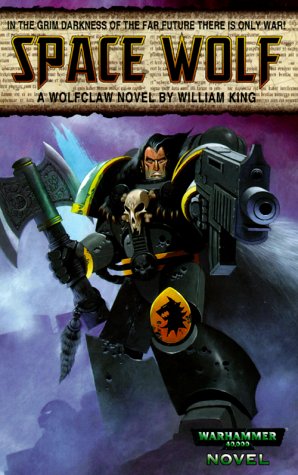
Space Wolf by William King

Space Wolf Original Cover

I was also lucky enough early in my travels to find a copy of Space Wolf by William King.  As the name suggest, this novel examines the legendary Space Marines chapter, the Space Wolves, and shows a young recruit as he encounters the trials and tribulations of becoming a Space Marine.  I was quite excited to read this novel, especially after loving King’s Gotrek and Felix novels (make sure to check out my reviews for Trollslayer, Skavenslayer, Daemonslayer, Dragonslayer and Beastslayer), and this was another book that I have already managed to read. I deeply enjoyed Space Wolf and I will hopefully get a review up for it soon.


The Defence by Steve Cavanagh

The Defence Cover 2

I also picked up a copy of The Defence by Steve Cavanagh, the first book in his excellent Eddie Flynn series.  I had a lot of fun reading the latest book in this series, The Devil’s Advocate, last year, and I look forward to going back and checking out how the series started.


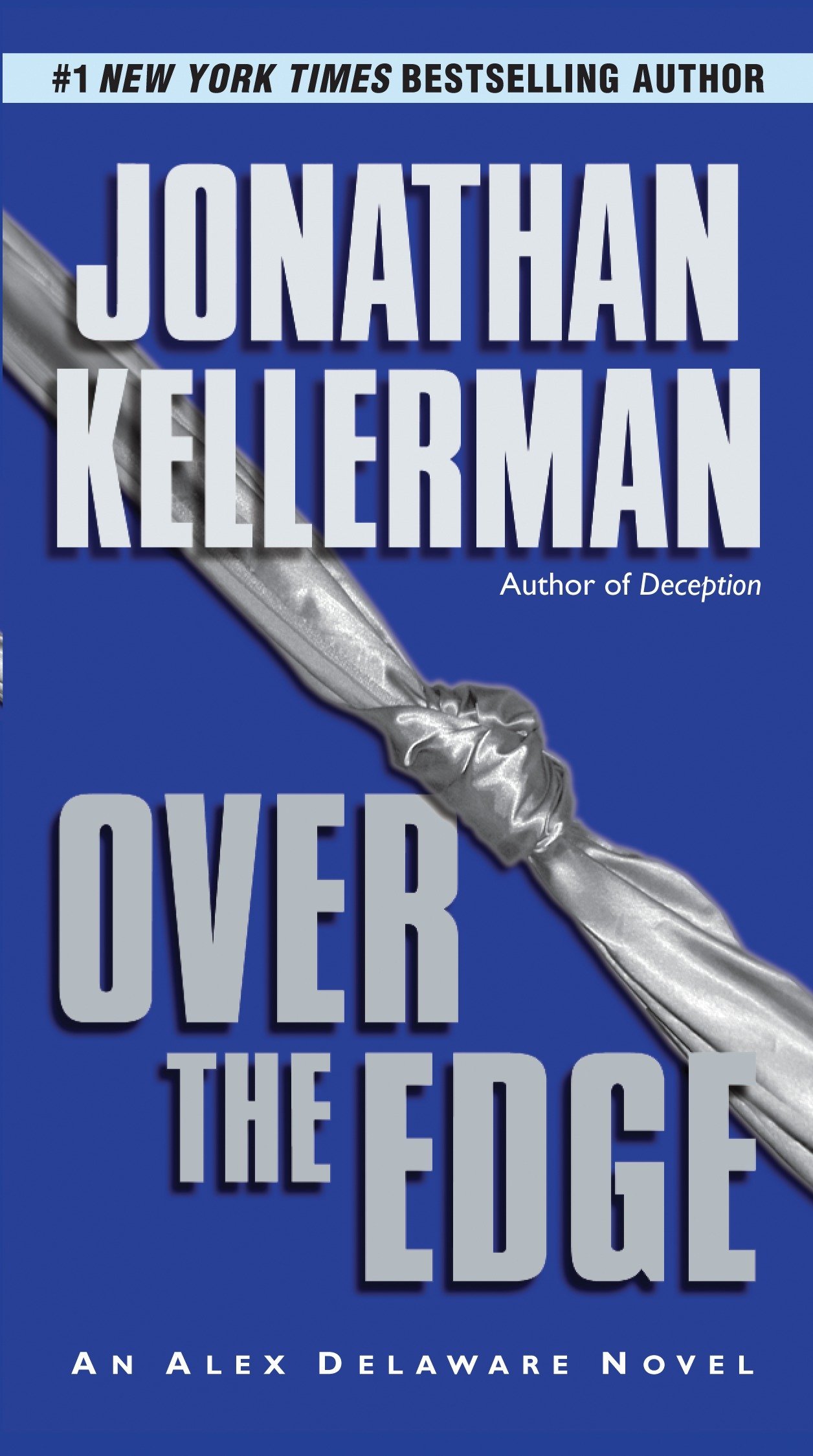
Over the Edge by Jonathan Kellerman

Over the Edge Cover

Another series that I was quite keen to go back to the beginning of was the Alex Delaware series by Jonathan Kellerman.  I have been deeply enjoying the latest entries in this series over the last couple of years (check out my reviews for The Wedding Guest, The Museum of Desire, Serpentine and City of the Dead), and I thought it would be good to see some of the earlier books.  As such I ended up grabbing a copy of the third novel, Over the Edge, mainly because it had such an interesting story to it.  These books tend to be pretty self-contained, so it should be pretty easy to dive into, and I am sure that I am going to get really addicted to this older mystery.


The Chronicles of Malus Darkblade – Volume One by Dan Abnett and Mike Lee

Malus Darkblade Volume 1 Cover

Back in the day I was a massive fan of the Malus Darkblade comics so I just had to grab a copy of this massive volume when I saw it.  Containing the first couple of Malus Darkblade novels, this book will follow the titular Dark Elf as he journeys through the wilds attempting to find several ancient relics in order to reclaim his soul from a demon.  Facing off against monsters, creatures of Chaos and his own treacherous people, this is an epic adventure series and I cannot wait to fully sink my teeth into it.


Van Horstmann by Ben Counter

Van Horstmann Cover

An interesting Warhammer Fantasy novel that sees a talented wizard go to the darkside and attempt to unleash a deadly dragon hidden under a magic school.  Sounds like an excellent and fun read to me.


Kingsblade by Andy Clark

Kingsblade Cover

An entire book about the Imperial Knights (giant war walkers), yes please! Of course I am going to have a blast with this one.


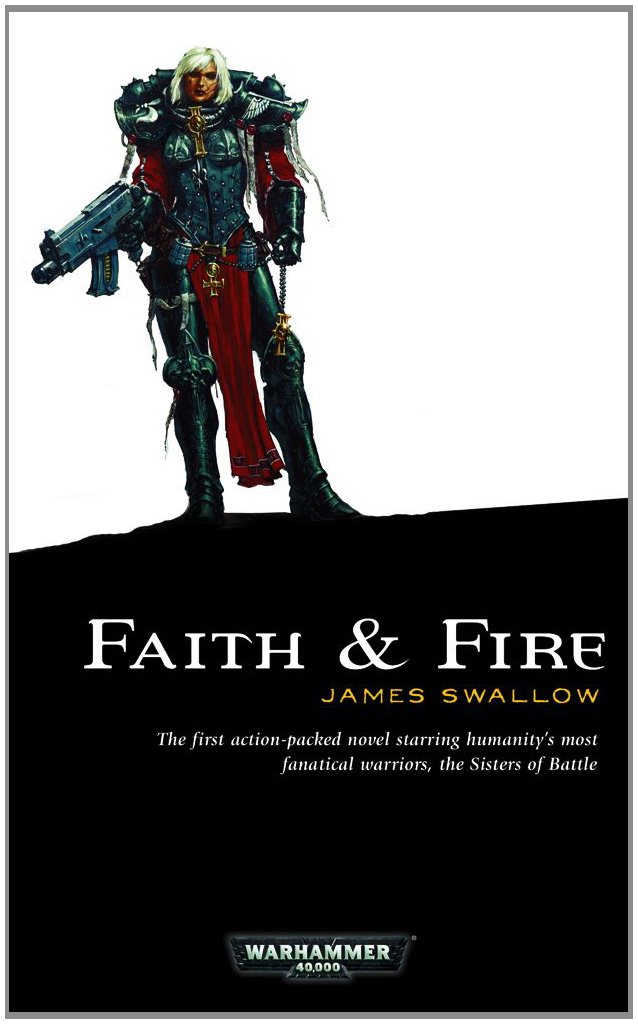
Faith & Fire by James Swallow

Faith & Fire Cover

I have heard some great stuff about James Swallow’s writing and I cannot wait to see his take on the infamous Sisters of Battle in this awesome sounding novel.


Forged in Battle by Justin Hunter

Forged in Battle Cover

Another interesting soldier-focused book in the Warhammer Fantasy realm, Forged in Battle sounds like a fun and action-packed read that I will no doubt have an amazing time with.


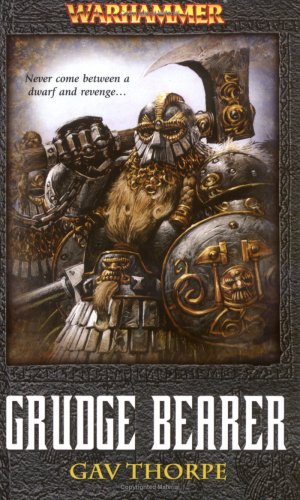
Grudge Bearer by Gav Thorpe

Grudge Bearer Cover

I really love the Warhammer Fantasy dwarfs (who doesn’t), so picking up a novel about them attempting to settle one of their legendary grudges was a real no-brainer for me.  Plus, it is written by the legendary Gav Thorpe so you know it is going to be good.


Oathbreaker by Nick Kyme

Oathbreaker Cover

The more the dwarves, the better!


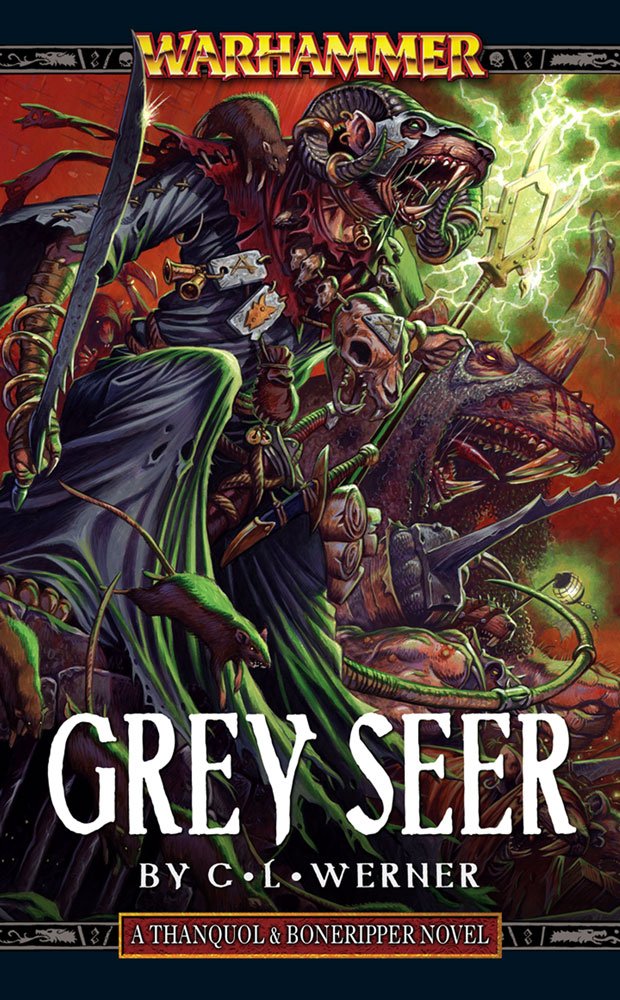
Grey Seer by C. L. Werner

Grey Seer Cover

I was particularly happy to pick up a copy of Grey Seer by C. L. Werner as it sounds like an amazing read.  Grey Seer focuses on the Skaven character of Grey Seer Thanquol, a legendary schemer and sorcerer who was a major antagonist of the early Gotrek and Felix novels. Grey Seer spins off from William King’s novels and sees Thanquol get dragged into some deadly Skaven politics.  Thanquol was an exceedingly entertaining antagonist in the Gotrek and Felix books and I can’t wait to see what happens when they get a novel all to themself.


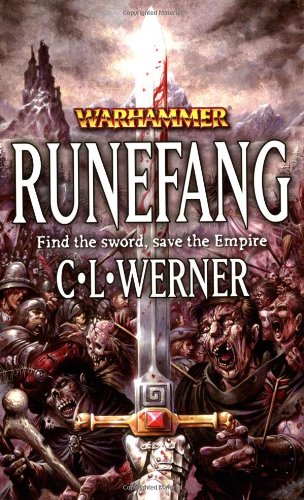
Runefang by C. L. Werner

Runefang Cover

A very fun book about a group of adventurers setting out into territory controlled by the undead in order to find one of the legendary Runefangs.  This sounds like an extremely cool story, and I am very tempted to check it out as soon as possible.


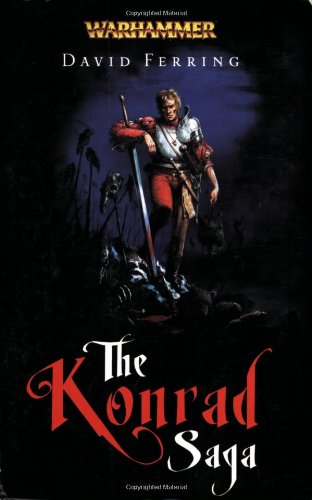
The Konrad Trilogy by David Ferring

Konrad Saga Cover

I was lucky enough to find good quality copies of the entire Konrad saga, including Konrad, Warblade and Shadowbreed, and I look forward to reading them.  One of the earlier Warhammer Fantasy series, the Konrad books sound like impressive fantasy adventures and I look forward to seeing how different the earlier books were to the more recent additions of this canon.


Space Marine by Ian Watson

Space Marine Cover

The final book I received was Space Marine by Ian Watson.  Just like the Konrad novels, Space Marine was one of the earliest novels in the entire Warhammer 40,000 canon, and shows a different side to the extended lore that was ironed out over the years.  Following a group of Imperial Fist cadets, Space Marine has an intriguing story to it, and I am very curious to see the early days of the extended universe.


Well that’s the end of this latest Book Haul post.  As you can see I have quite a bit of reading to do at the moment thanks to all these awesome books that have come in.  Let me know which of the above you are most interested in and make sure to check back in a few weeks to see my reviews of them.