Top Ten Tuesday – My Favourite Pre-2025 Novels

Top Ten Tuesday is a weekly meme that currently resides at The Artsy Reader Girl and features bloggers sharing lists on various book topics. This week participants of Top Ten Tuesday get a freebie to list whatever topics they want.  So, I am going to take this opportunity to start my annual end-of-year lists here by looking at my favourite pre-2025 novels that I read this year.

Each December I have a lot of fun looking at some of the best and most impressive books and comics that I have read throughout the year in a series of Top Ten Lists.  While these lists will mostly focus on books that came out in 2025, for the last few years I have also taken the time to list out some of the best older novels that I have read in the last 12 months.  There are some excellent novels that were released pre-2025 out there that I haven’t had the chance to read before and it is always fun to go back and explore them.  I ended up reading a bunch of awesome older books throughout 2025, including some incredible novels that got easy five-star ratings from me and are really worth checking out.

To come up with this list I had a look at all the novels I read this year that had their initial release before 2025.  While I struggled due to an overabundance of choice, I eventually managed to pull together a fantastic list that covered some of the best books I read this year released before 2025. I did have to put one restriction on my choices for this year’s list, primarily because I read quite a few novels from authors, Matt Dinniman and Terry Pratchett, and I could have filled this top ten list with books from these two alone.  As such, I limited myself to three books from each author, which ensured a bit more diversity in this list.  With this rule in place, I feel that this list still reflects the best pre-2025 novels I read throughout the year, so let us see what made the cut.

Honourable Mentions:

Warhammer 40,000: Crossfire by Matthew Farrer – 2003

An intense classic novel from the Warhammer 40,000 franchise with a great crime fiction twist.

Amazon


The Last Hour Between Worlds by Melissa Caruso – 2024

An intricate fantasy novel that makes excellent use of a clever, time-loop scenario

Amazon


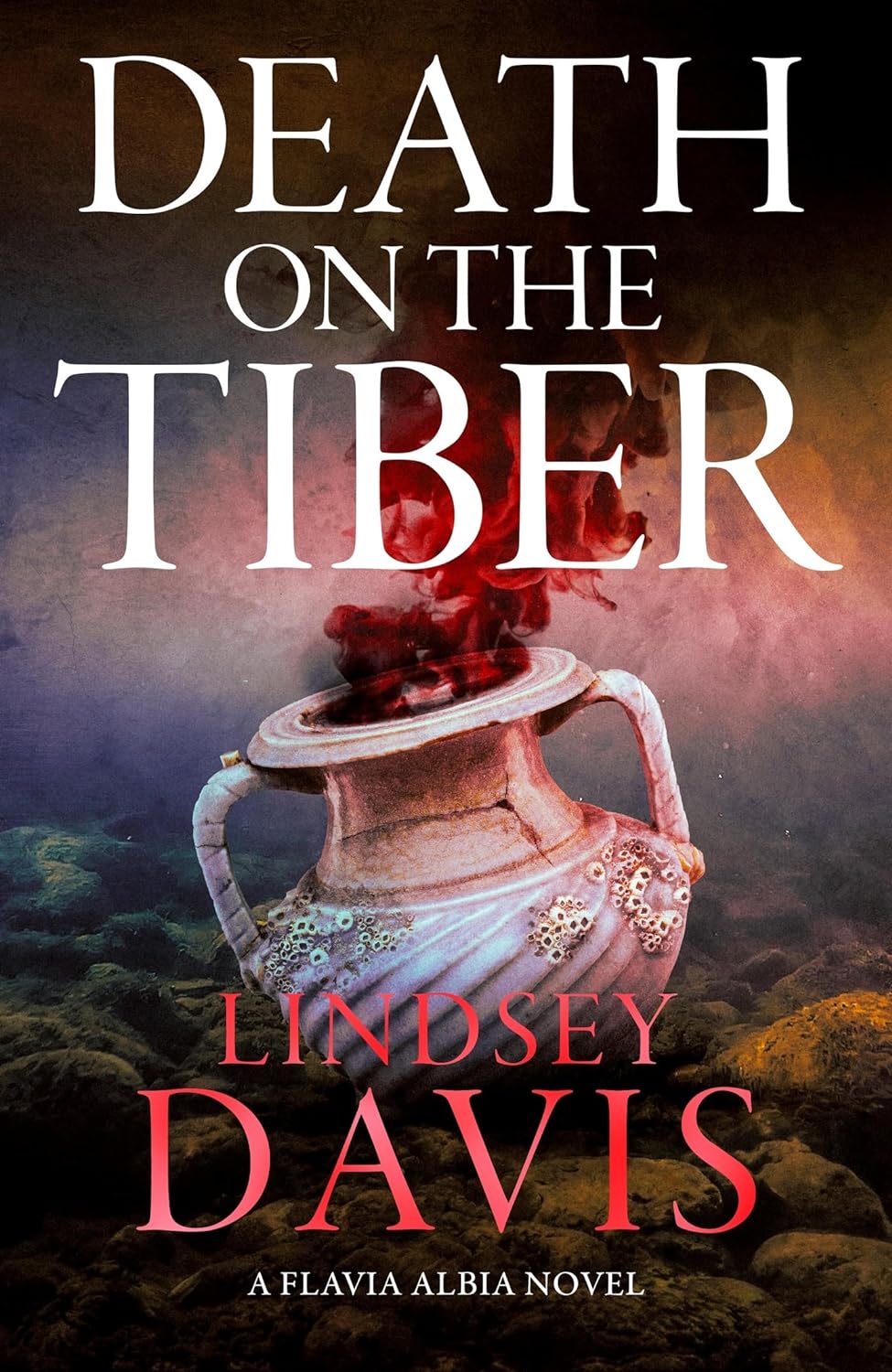
Death on the Tiber by Lindsey Davis – 2024

Flavia Albia returns for another ancient Rome mystery, this time hunting down an organised crime boss that she has a dark history with.

Amazon

Top Ten List:

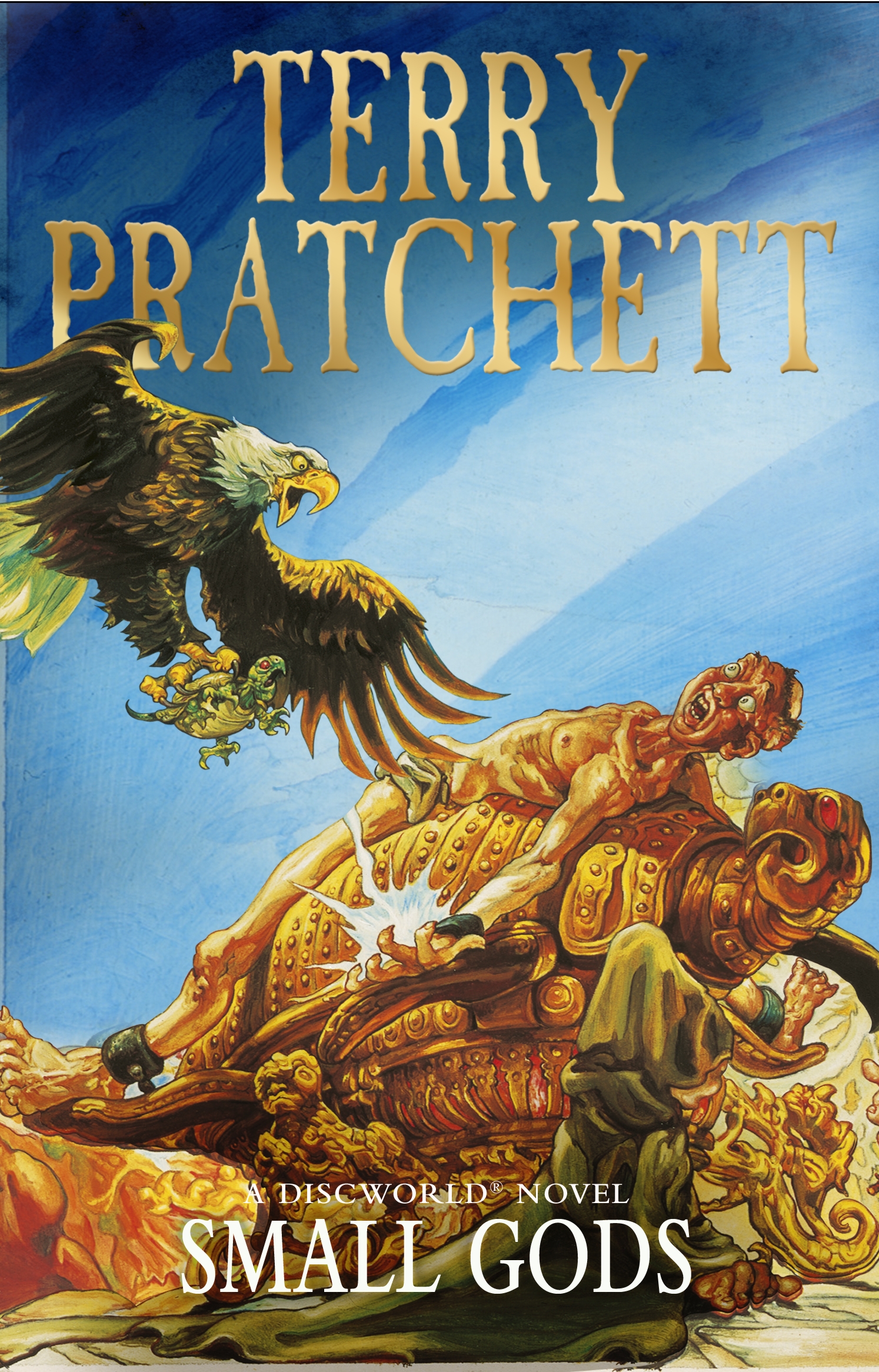
Small Gods by Terry Pratchett – 1992

I had a lot of fun re-reading several Discworld novels by Terry Pratchett in 2025, including the impressive and thought-provoking Small Gods.  One of Pratchett’s absolute best Discworld books, Small Gods provides a clever and hilarious look at religion and how it impacts the human condition, all while following two of the author’s most relatable protagonists.  There is so much to love about Small Gods, and it was a pleasure to read it once again, especially with the new audiobook format that featured narration from Andy Serkis.

Amazon


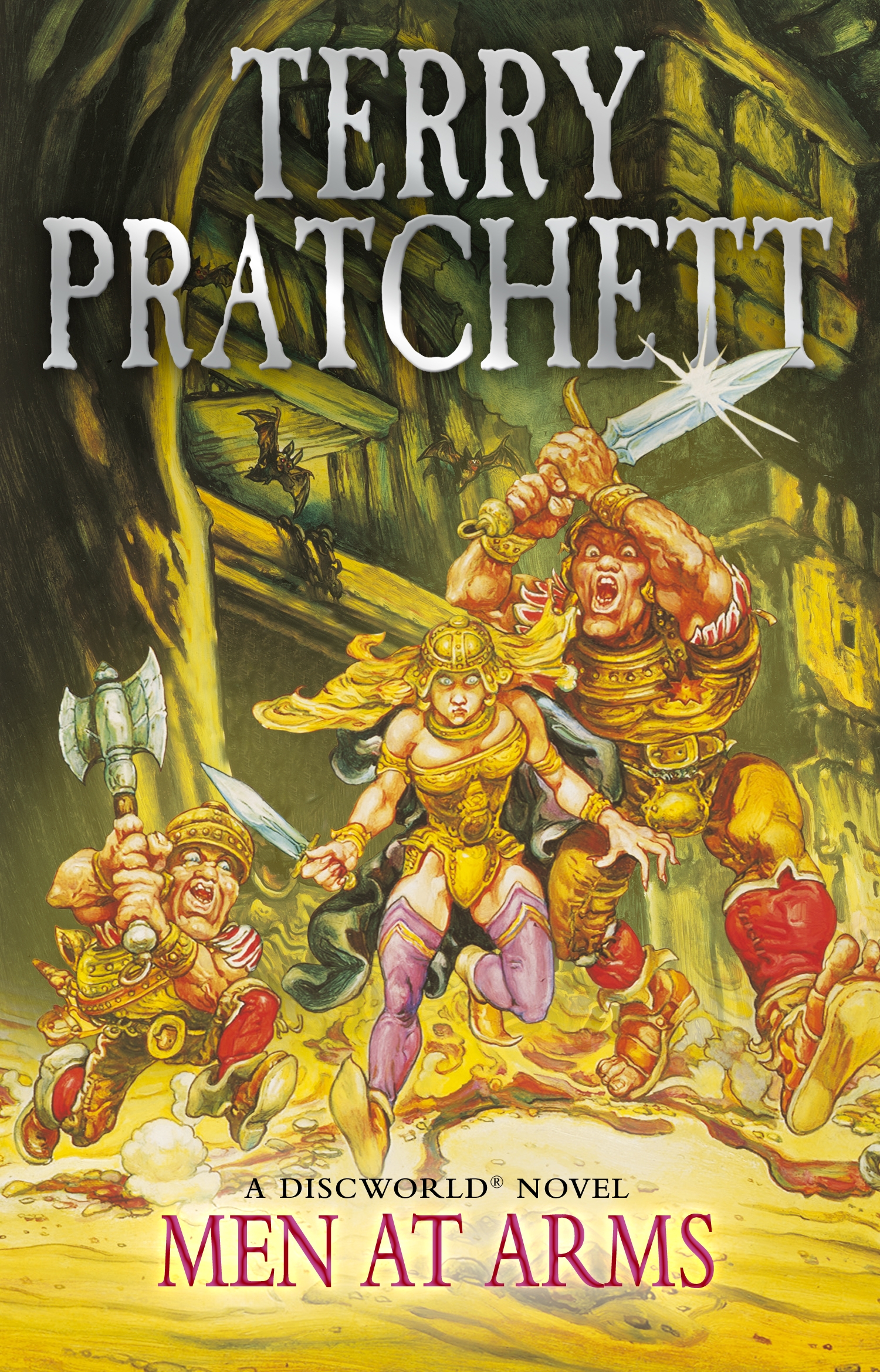
Men at Arms by Terry Pratchett – 1993

Another outstanding Discworld book I enjoyed in 2025 was the second entry in the City Watch sub-series, Men at Arms.  The sequel to Pratchett’s earlier release, Guards! Guards!, Men at Arms sees the unlikely heroes of the Ankh-Morpork city watch attempt to stop a deranged killer wielding the Disc’s first firearm.  A very impressive crime fiction novel that makes full use of the iconic city of Ankh-Morpork as a gritty background setting, Men at Arms was another early classic from Pratchett, that I will never get tired of re-reading.

Amazon


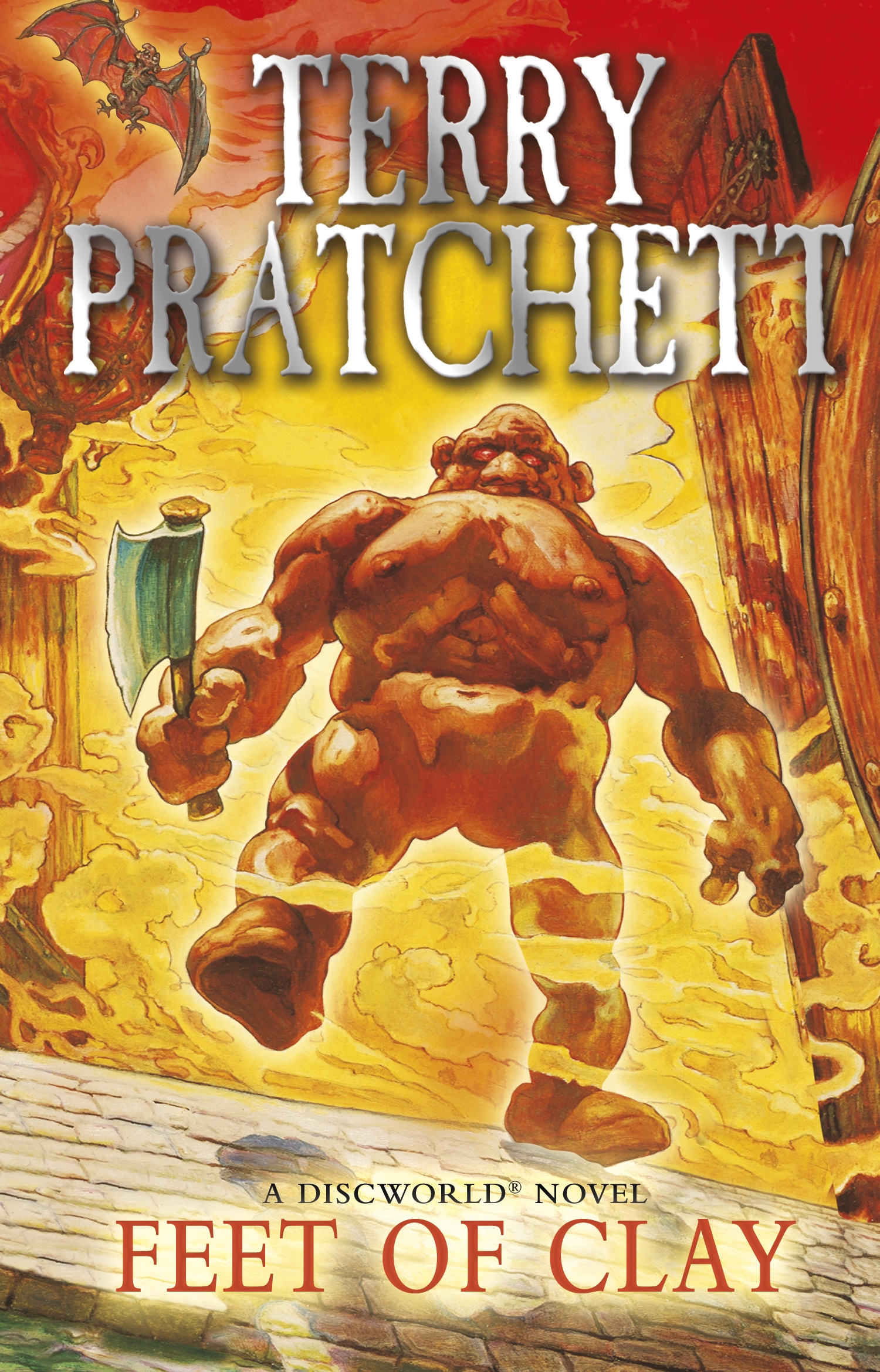
Feet of Clay by Terry Pratchett – 1996

The final book from Pratchett that I want to highlight on this list is the third City Watch book, Feet of Clay.  Following the returning protagonists from Men at Arms as they attempt to solve a series of brutal murders connected to Ankh-Morpork’s golem population, as well as stop the poisoning of the patrician.  Probably the best crime fiction novel that Pratchett ever wrote, Feet of Clay is an exceptional book that still brings me joy whenever I read it.

Amazon


Warhammer 40,000: Titanicus by Dan Abnett – 2008

It wouldn’t be a reading year for me without some older Warhammer 40,000 novels thrown into the mix.  One of my favourites of these was the epic novel Titanicus by the legendary Dan Abnett.  A spin-off of his Gaunt’s Ghosts series, Titanicus follows a sprawling war between the gigantic Titan war machines, as they rain destruction and death across an entire planet.  Massive in scope and featuring some outstanding battle sequences, Titanicus was an outstanding read and one I had such an incredible time getting through.

Amazon


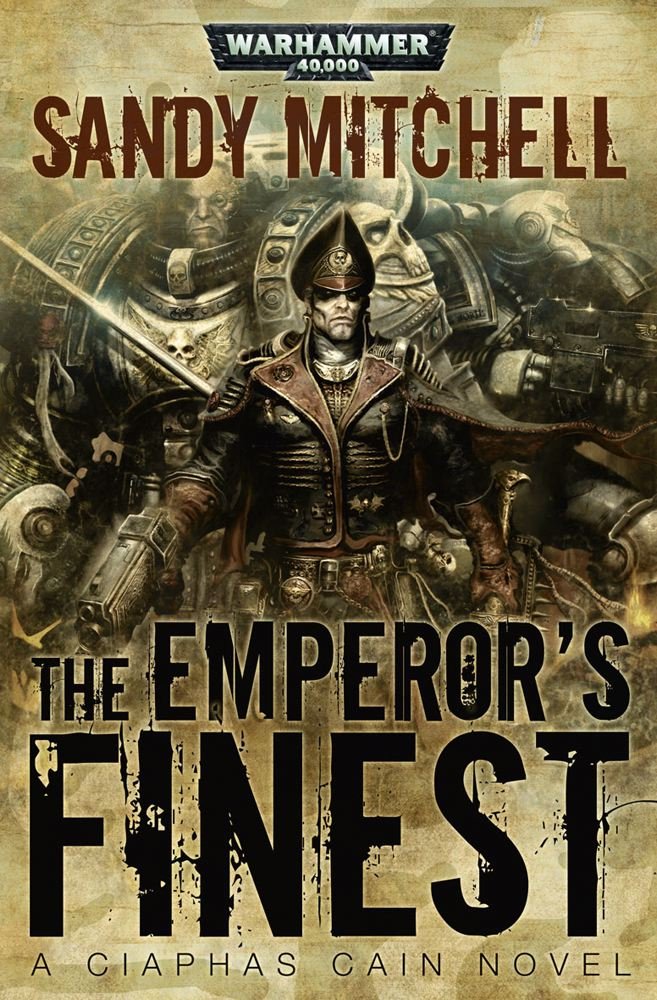
Warhammer 40,000: The Emperor’s Finest by Sandy Mitchell – 2010

I also continued my dive into another awesome older Warhammer 40,000 series this year with The Emperor’s Finest by Sandy Mitchell.  A particularly hilarious entry in the entertaining Ciaphas Cain series, The Emperor’s Finest once again follows the galaxy’s smartest, if most cowardly, commissar, as he attempts to avoid deadly danger in space, only to inadvertently end up facing even worse monsters or deadly situations.  I laughed myself silly throughout The Emperor’s Finest and it was a great entry in one of my favourite Warhammer 40,000 series.

Amazon


Dungeon Crawler Carl by Matt Dinniman – 2020

Those who are familiar with this blog will already know that 2025 started my obsession with the incredible Dungeon Crawler Carl series by Matt Dinniman, as I dove into several of these novels which were all released before 2025.  I ended up powering through the entire series on audiobook in a couple of weeks, it was that damn good, and I just had to include a few entries from this series on this list as a result.  This includes the very first book in the series, Dungeon Crawler Carl, which serves as a powerful introduction to the elaborate narrative and setting.  I love how well Dungeon Crawler Carl sets the entire adventure up, and you get a perfect taste of the author’s unique humour and crazy imagination with this incredible read.  Highly recommended, although be warned, once you start reading this book, you won’t be able to stop.

Amazon


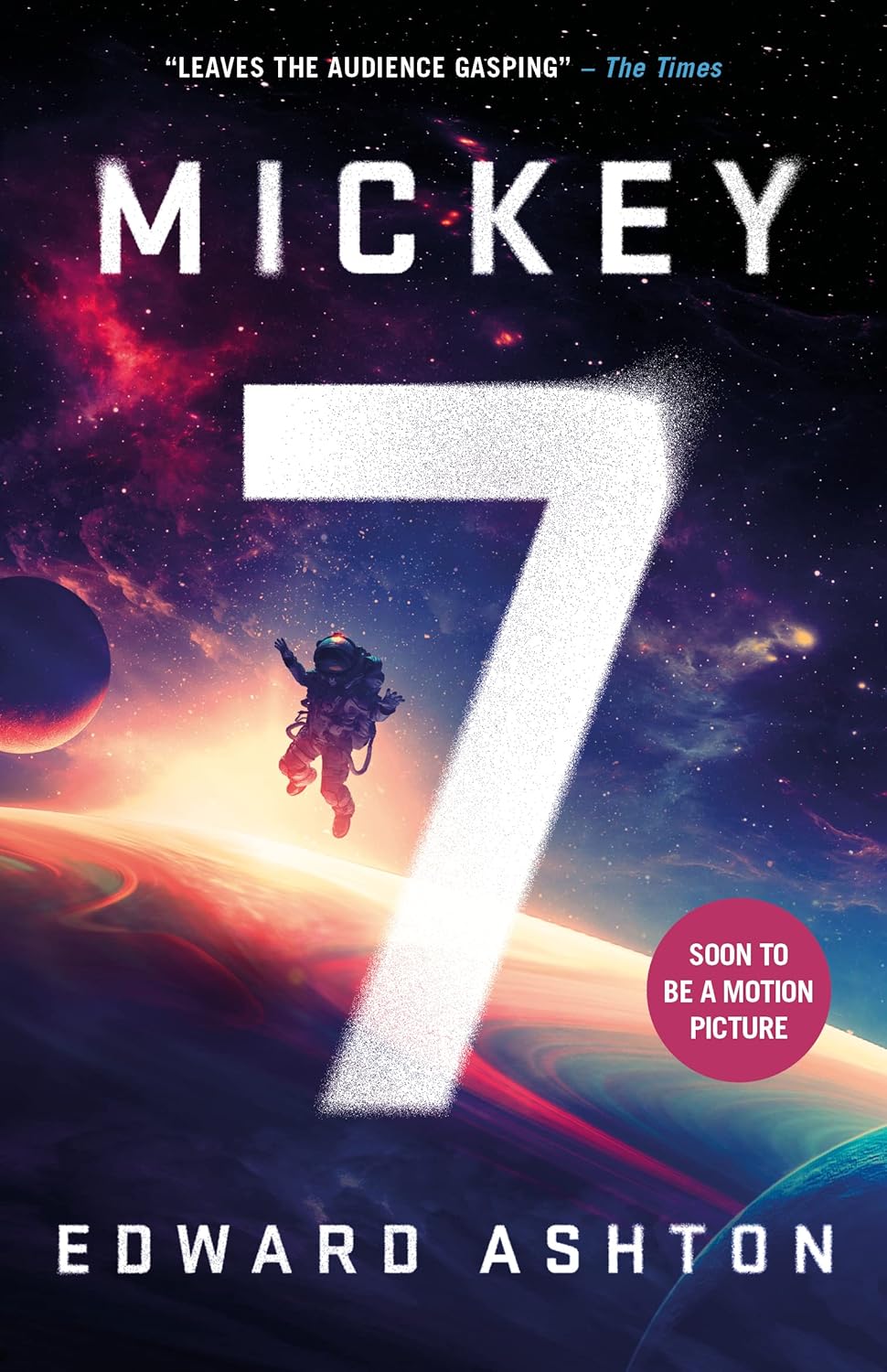
Mickey7 by Edward Ashton – 2022

The highly entertaining and inventive science fiction novel, Mickey7, proved to be excellent entertainment for a road trip earlier this year.  A fantastic novel that I’ve been meaning to read for a while, Mickey7 featured a great story about an expendable member of a distant space colony, who gets in trouble when an extra clone of him is created.  I really enjoyed this awesome novel and it really worth going back and checking out.

Amazon


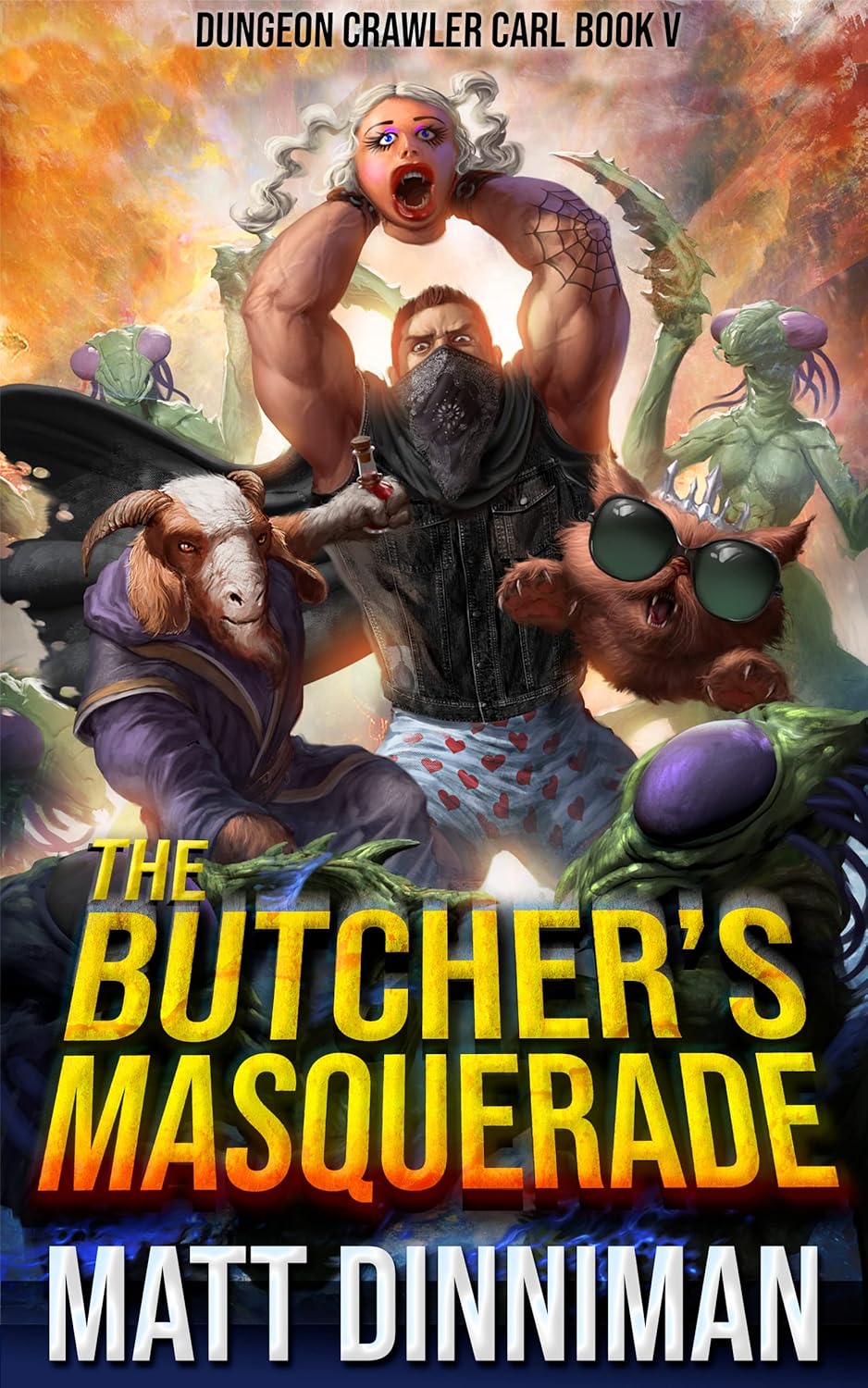
The Butcher’s Masquerade by Matt Dinniman – 2022

After already featuring the first Dungeon Crawler Carl novel on this list, I was spoiled for choice about which other entries from the series to feature here, especially as I read them all this year.  however, in the end the choice was rather easy for me as I had to feature one of the very best books from Dinniman with the fifth book in the series, The Butcher’s Masquerade.  Featuring an elaborate plot that sees the increasingly damaged protagonists transported to a new level filled with alien hunters who plan to butcher them for sport, The Butcher’s Masquerade was another exceptional entry in the series.  Between its epic story, amazing humour, crazy moments, and impressive emotional depth, The Butcher’s Masquerade was a true standout amongst an already incredible series, and I just had to feature it here.

Amazon


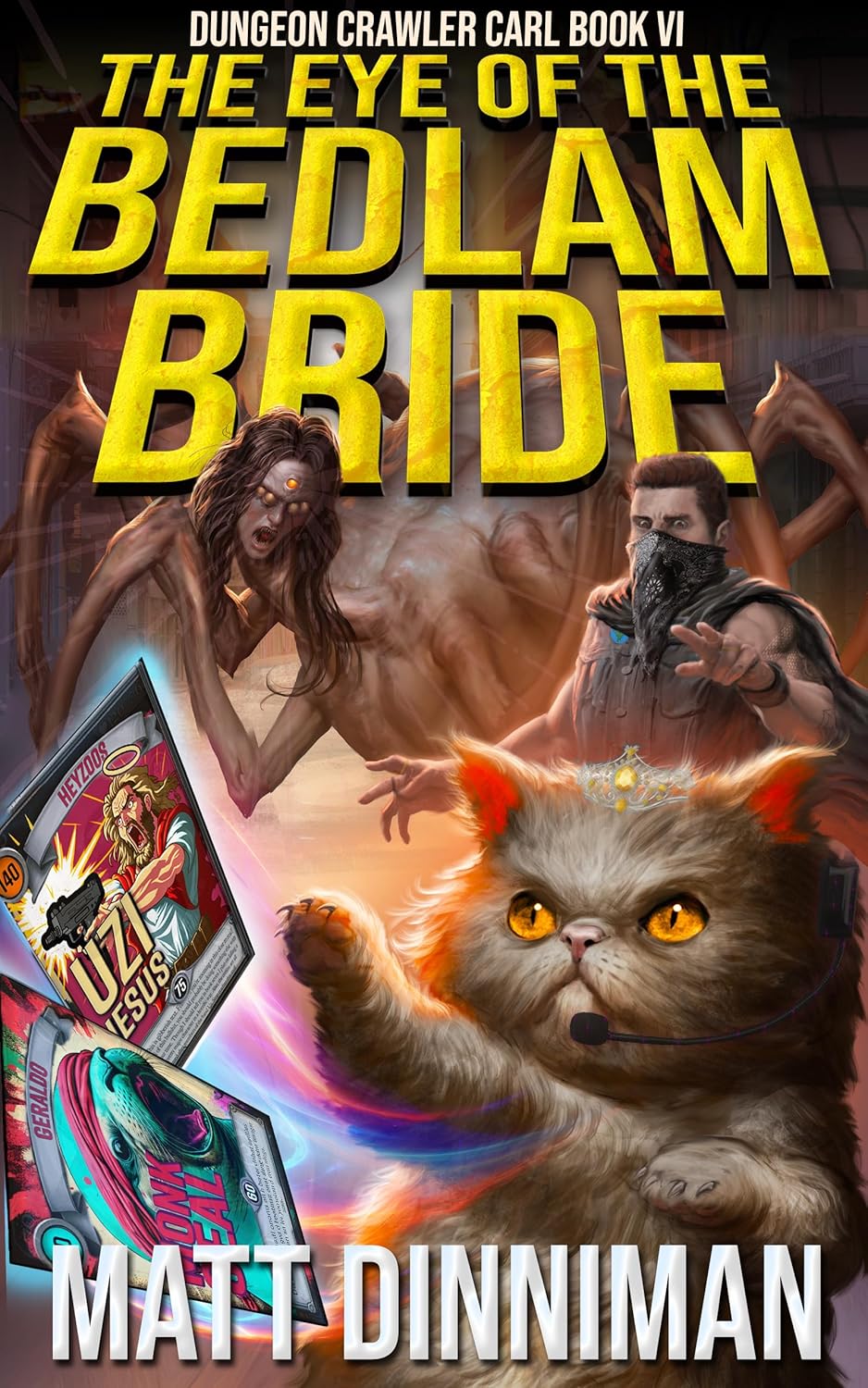
The Eye of the Bedlam Bride by Matt Dinniman – 2023

The third Dungeon Crawler Carl novel I decided to feature on this list was the sixth book, The Eye of the Bedlam Bride, which I honestly think was one of the most impressive entries in the series.  Perfectly building on the plot from the previous novels, Dinniman turned what could have been a fun bridging novel into an emotionally charged and traumatic read that really dived into several of the series’ outstanding characters.  Funny, exhilarating and absolutely heartbreaking, The Eye of the Bedlam Bride features some of Dinniman’s best writing, and I honestly could not get enough of the elaborate scenarios and shocking moments in this book.  The crown jewel of one of the best ongoing series you need to read.

Amazon


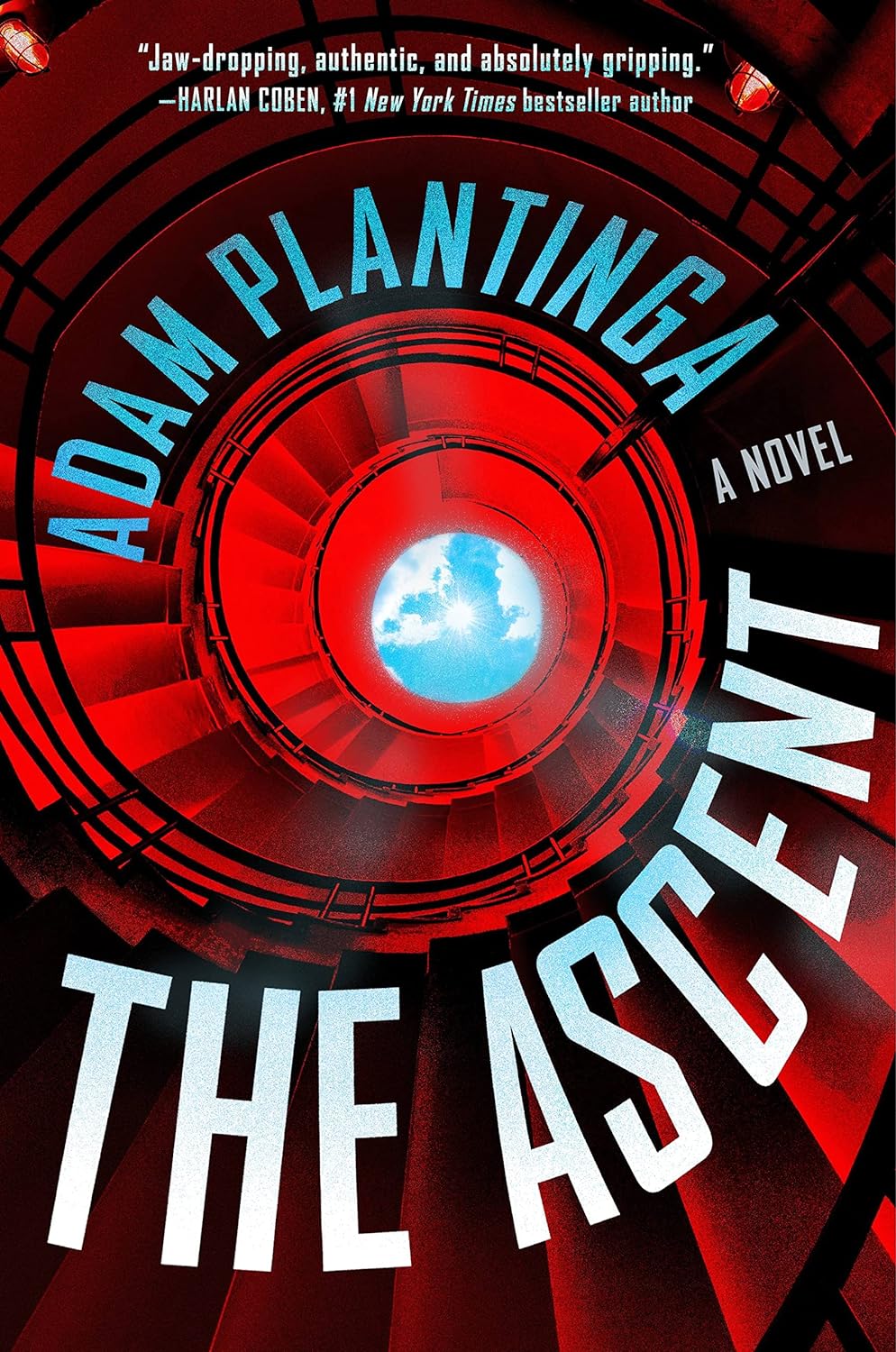
The Ascent by Adam Plantinga – 2024

The final book I want to highlight on this list is the very exciting 2024 thriller The Ascent by Adam Plantinga.  A compelling read that saw a damaged former cop attempt to climb up through a chaotic and deadly rioting prison, The Ascent was a very impressive novel, and one I flew through extremely quickly.  I really enjoyed this great book, and I’m hoping to read the sequel, Hard Town, sometime soon.

Amazon


And that is the end of this list.  As you can see, I have managed to read a huge number of epic pre-2025 releases this year.  Each of the above were exceptional and fun reads and I would strongly recommend all of them, especially if you are in the mood for some fun fantasy or science fiction adventures.  I look forward to reading many more older books in 2026, and it will be interesting to see what makes my next version of this list then. Make sure to check back in next week for some other end-of-year lists as I continue to highlight some of my favourite reads from 2025.

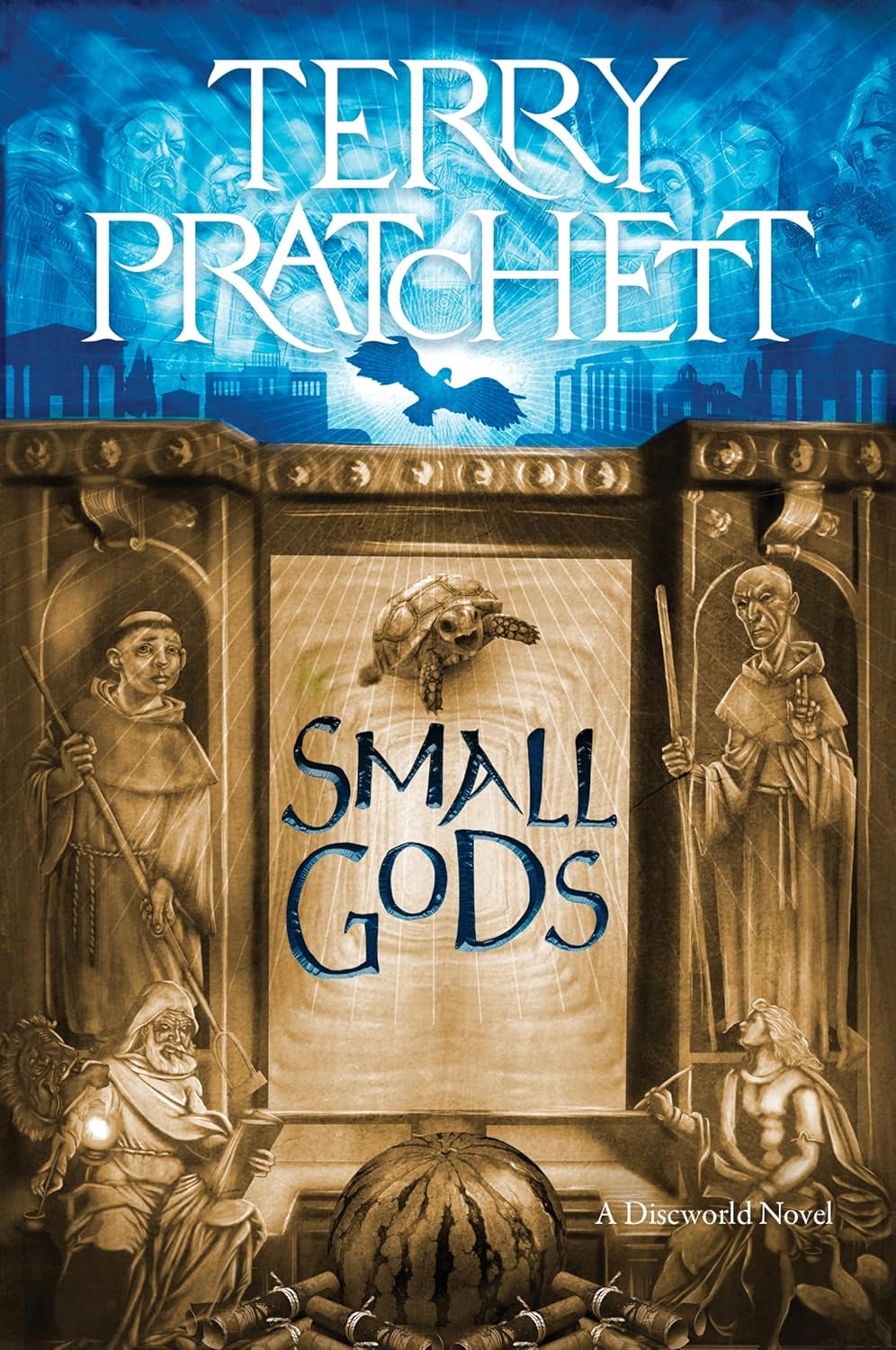
Small Gods by Terry Pratchett

Publisher: Gollancz/Penguin Audio (Audiobook – 1993)

Series: Discworld – Book 13

Length: 9 hours and 55 minutes (Planer version)/11 hours and 38 minutes (Serkis version)

My Rating: 5 out of 5 stars

Amazon

Thanks to an excellent road trip, I managed to revisit several awesome entries from the iconic Discworld series by the legendary Terry Pratchett, and it is time to highlight one of the very best books that Pratchett wrote, Small Gods.

I have never made any secret of the fact that I love all things Terry Pratchett, as the Discworld books were the formative series of my youth.  A massively popular collection of loosely connected novels set on a flat world carried through space on the back of four elephants atop a giant turtle, the Discworld books present a range of unique fantasy adventures backed with exceptional comedy and satire.  This series is so much fun, and I honestly love every single Discworld book, having read them all multiple times, usually while laughing myself silly.  Indeed, I am such a big fan of this series that I named my blog after a location in the universe.  Despite my overwhelming love for all things Discworld, I haven’t reviewed too many of the books on this blog, with Moving Pictures and The Last Continent previously being the only exception.  However, thanks to some great road trips giving me opportunities for revisiting some classics, I have recently published reviews for Guards! Guards! and an additional review for Moving Pictures.  I also recently re-listened to the impressive and thoughtful 13th entry in the series, Small Gods. An outstanding standalone novel that seeks to blend religious commentary with Pratchett’s strong humour and complex satire, Small Gods is one of the more thoughtful and moving Discworld books and is a must read for all fans of the franchise.

Floating through space on the back of a giant turtle, the Discworld is a place of magic, wonders, strange creatures and, unfortunately for the mortals just trying to live their lives, gods.  Instead of the wise and beatific beings we hope them to be, the gods of the Disc are a capricious and vain lot, empowered by the belief of their human worshippers.  But what happens when a mighty god loses his believers?

The militant nation of Omnia is an empire dedicated to the fervent worship of the Great God Om, an all-powerful being who knows all, sees all and is the only true god in the world.  The problem is none of that is true.  Instead, Om is a self-obsessed god among many, who barely pays attention to the people fighting in his name.  More importantly, he is currently residing in the body of a tortoise, stripped of nearly all his divine power, and the only person who can hear him is a simple novice, Brutha, who isn’t fully convinced that the talking tortoise smiting him with tiny thunderbolts is his god.

Determined to get back on top and find out why he lost his power, Om recruits Brutha as his unlikely prophet.  However, Brutha has his own problems as the sinister head of Omnia’s Quisition, Vorbis, has taken an interest in him.  Forced to accompany Vorbis on a diplomatic mission, Brutha soon begins to understand that the world is a far bigger place than he realised, and that there is something very wrong at the heart of his nation.

As the tides of history take Brutha and Om into strange new places, the two find themselves encountering unexpected dangers, including dangerous ideas, sinister eagles, rebels determined to prove that the world isn’t round, deranged philosophers and the small gods that lurk in the dark places.  To survive, Brutha will need to have faith in his god, but more importantly, Om will need to have faith in Brutha, especially when his own religion is turned against them.

After yet another re-read, Small Gods remains one of my favourite Discworld novels, and this is one of the very best examples of Terry Pratchett’s unique style and imagination.  A hilarious, yet thought-provoking read that cleverly dissects religion, divinity and people’s beliefs, Small Gods quickly grabs your full attention and refuses to let go until it’s powerful, terminal end.

I have so much love for the outstanding narrative that Pratchett pulled together for Small Gods, which tells one of the more unique standalone tales in the Discworld series.  I must admit, even after many reads, I am still very impressed that Pratchett decided to examine the nature of religion and belief through the lens of a hilarious odd-couple story that evolves into a road trip narrative.  Starting off on a very entertaining note with the unsuspecting new prophet of Om, Brutha, encountering his god in the form of a small, battered tortoise, Pratchett does a good job of introducing the nation of Omnia and its place in the wider setting.  This proves to be an effective start to the book, and a lot of the early themes and wider issues surrounding the nation of Omnia are well set-up.  You also get a great examination of the book’s three main characters, and their compelling early interactions in Omnia sets up a lot of the book’s character-driven narratives.  After this excellent introduction, Small Gods’ plot then moves to the bordering nation of Ephebe, which proves to be an intriguing centre of the novel, not only because it has some of the more entertaining sequences, but also because it begins to expand on some of the ideas from the front of Small Gods and you are given a good understanding of both Om’s situation and Brutha’s growth as a character.

The plot of Small Gods takes a powerful turn around halfway through, when Brutha helps further Vorbis’s schemes, only to then attempt to flee and do the right thing.  However, thanks to the influence of a rival god and unexpected technology, Brutha and Om are inadvertently stranded in the desert with a helpless Vorbis.  The following extensive scenes in the desert are probably the best parts of Small Gods, especially as Brutha begins to think for himself, and the philosophical clashes he has with Om set him up as the protagonist both the reader and the Omnians need.  Pratchett really dives into what it is to be human and divine in this section of the book, and I deeply appreciate the rich character development featured within these sections of the plot.  These desert scenes become even more impactful when Pratchett throws in a major obstacle for Brutha that threatens to push him over the edge into despair.  You really feel for Brutha as he has his crisis of faith, only to maintain his humanity in the last confrontation with Vorbis.  The subsequent scene on the metal turtle was very tense, and while I know some people dislike the end of Vorbis, I thought it was a very clever sequence, especially as Pratchett set up the hunting eagle perfectly.  Pratchett continues to wrap up the rest of the narrative in a very satisfying way, and while the war sequence might have been a little unnecessary, it allowed some great character arcs to come together and showed how much Om had grown as a god.  The final scene with Brutha once again showing his humanity no matter what, ended the book on satisfying and heart-felt note, I appreciated the hopeful tone Pratchett concluded his brilliant story on.  An overall impactful and moving narrative that brought together a lot of complex plotlines and character moments and ensured you were hooked the entire way through.

I have always believed that Small Gods was one of Pratchett’s better written books, as he effortlessly blended a complex fantasy narrative that examined religion with his typically brilliant humour and some outstanding characters.  Featuring one of his most complex and thought-provoking plots, Pratchett achieves so much with his intriguing inclusions, all without slowing down the speed of the book and keeping the tension and emotional charge of the book on high.  Introducing a cool new setting, Small Gods works well as a standalone entry in the larger series that cleverly expands on some previously introduced features, such as the selfish and somewhat stupid gods of the Disc, as well as cool locations like Ephebe (which was previously featured in Pyramids).  Due to its lack of major connections to the other entries in the Discworld series, Small Gods is a rather excellent introduction to Pratchett’s style and ability to dive into heavy topics with comedic content.  Like all of Pratchett’s books, Small Gods is hilarious, and I love the many different levels of humour contained with the book, that range from obvious jokes at over-the-top situations, subtle witticisms often contain within well-placed footnotes, to clever word or name gags.  Some of this humour is so subtle that it often goes over the reader’s head the first time, and you honestly need multiple readings to full appreciate every single joke or gag that Pratchett thought up (I still discover new jokes I previously missed every time I read a Pratchett novel).

However, the thing that ensures Small Gods stands out amongst the other brilliant Discworld novels is the author’s clever and insightful breakdown of religion and godhood on the Disc, which is both fascinating and entertaining.  A lot of the book’s powerful messaging, complex themes and some of the best humour, comes out of the exploration of the divine and how it relates to both this crazy fantasy setting and the real world.  While Pratchett does provide a lot of jokes about religion throughout the ages, he does it in a very intelligent and delicate way that makes the reader think.  Rather than simply dunking on religions and focussing on the negatives, Pratchett instead subtly satirises the institutions, manipulative leaders and unthinking traditions that can often complicate or weaponise religion.  A large amount of the plot revolves around Vorbis and the Omnian church violently trying the repress the idea that the world is flat and on the back of a giant turtle.  While this is primarily a fun parody of the Catholic church’s suppression of Galileo’s claims about the Earth orbiting the sun (and which is now both funnier and sadder, thanks to flat earthers), it also examines how some people utilise religion as an excuse for violent action and manipulate faith for their own ends, which is a powerful recurring them throughout the book.

At the same time, Pratchett also focuses on a compelling central character with true faith who explores the meaning of religion and how it impacts his people.  Seeing a likable character like Brutha recognise the problems in his nation allows readers to reflect and see the flaws in the organised religions Pratchett is parodying, while also appreciating the messages that these religions should strive for.  The various complex discussions, personal revelations and jokes within Small Gods allow for a very insightful read that reportedly resonates with both atheists and pro-religious figures (Pratchett apparently received a lot of fan mail from both groups who thought Small Gods was written for them).  I personally think that Pratchett’s thoughts and messages were extremely perceptive and layered with a great understand of humanity, and indeed many his compelling criticism or organised religion and how it is weaponised are more relevant now than when Small Gods was written, especially as it could also apply to other traditional institutions that are being abused.

Pratchett perfectly rounds out this incredible writing by featuring some of his very best characters, including several very complex figures who mature and evolve throughout the course of the book’s plot.  This includes the main protagonist, Brutha, a simple novice who finds himself the only person left who can hear Om due to his genuine belief in the god rather than in the institutions that surround the religious practices.  While initially portrayed as a somewhat dull and unthinking novice, you soon begin to realise that there is much greater complexity within Brutha, as well as the fact that he is a genuinely nice person held back by his simple ideas of life and faith.  Thanks to his interactions with Om, who provides greater clarity to his religious beliefs, as well as his experiences outside his insular nation, Brutha begins to evolve quickly as a person, gaining a greater appreciation for the wider world, as well as beginning the understand that the world isn’t quite as black and white as he believed.  It was fascinating to see Brutha develop as the book continues, especially as he begins to doubt his faith and rebel against the church and the god that had been his entire life.  His interactions with Om were quite entertaining, as the two eventually become a fun duo of equals, although Brutha does get the upper hand over his god in quite an entertaining and refreshing manner.  Brutha was also well defined by his relationship with the book’s antagonist, Vorbis, and their discussions about truth prove to be quite defining for Brutha as an inspiration for his rebellion.  However, unlike the rest of the cast, Brutha resists becoming the monster that Vorbis wants him to be, and his subsequent demonstrations of faith, reason and humanity, really set him up as one of Pratchett’s best and most likeable central protagonists.

Brutha is well matched by his god, Om, who honestly is one of the best deities featured in the Discworld series.  Formerly an all-powerful and arrogant god who didn’t care about his believers, Om finds himself suddenly trapped as a helpless tortoise who must desperately cling to Brutha to survive.  Om proves to be quite a fascinating and entertaining figure in Small Gods, especially as Pratchett perfectly portrays him as formerly powerful being who must now rely on the mercy of others.  His initial arrogance is very entertaining, and his subsequent wheedling manipulation of Brutha was a great follow-up that worked to keep him in the story.  However, it was his eventual co-evolution with Brutha that turned Om into a particularly compelling protagonist.  Despite his resistance, his bond to Brutha shapes him and forces him to see the world through human eyes, and the subsequent discourse on philosophy, life and how religion should be as they wander the dessert impacts Om just as much as Brutha.  This eventually causes them to reach an interesting and heartfelt religious partnership, and it was fascinating to see the previously selfish Om risk it all to save Brutha, especially when he is confronted by other gods who act the same way he used to.  I loved seeing this powerful and positive development in a divine figure, and Om really ended up being a compelling secondary protagonist with some of the best jokes.

While Brutha and Om are the heart and soul of Small Gods, this book would not be as impactful without its brilliant villain, Vorbis.  A cruel and unflinching figure, Vorbis is probably Pratchett’s most ruthless antagonist, who utilises the mechanisms of the church to achieve his goals.  However, rather than being a purely evil figure, Vorbis is shown to be simply someone who understands human nature and uses this knowledge to achieve his self-determined goals, which in some ways is worse than an obvious villain.  Pratchett does an outstanding job showcasing Vorbis’s dark, insular nature, and you come to really appreciate just how sinister he is, especially as his actions inspire other people to do evil things to try and match him.  He becomes even more immoral when compared to the very innocent Brutha, the only person that Vorbis occasionally sees as a real threat to his plans due to his legitimate belief, and their various interactions and discussion about the true nature of the world are quite powerful.  Pratchett features Vorbis perfectly throughout the book, and his final appearances, where he finally understands his own nature, are very satisfying to behold.

The rest of the cast of Small Gods are also quite impactful in their own way.  The blind philosopher, Didactylos, proves to be a fantastic voice of reason in the story, especially compared to the rest of the insane philosophers of Ephebe, and his very simple philosophy and viewpoint on life and truth give the characters, and the readers, much to think about amongst the discussions on religion.  Didactylos’s nephew, Urn, came across perfectly as a machine-obsessed proto engineer, whose storylines go in some interesting philosophical directions, especially when he realises what his inventions will be used for.  I had a very fun chuckle at the inclusion of Cut-Me-Own-Hand-Off Dhblah, a fun Omnian equivalent to the always entertaining Ankh-Morpork native, Cut-Me-Own-Throat Dibbler, while the Sweeper, Lu Tze, gets a great introduction as a secret history monk who occasionally changes events for the better.  Finally, the zealous Sergeant Simony, who leads the internal Omnian revolution against Vorbis, proves to be a very impressive figure who, despite being a fervent misotheist (someone who hates one specific god), has a belief in freedom and the turtle that matches Brutha’s faith in Om.  Simony serves as a very good example of just how far Vorbis can drive someone trying to do the wrong thing to achieve their goals, and I felt that he matched the fervour and faith of the other major characters in some fascinating ways.  This cast of characters was overall superb, and I really appreciated how well they complimented each other’s story arcs, as well as the intelligent themes Pratchett was trying to get across.

As with all the Discworld novels, I have enjoyed Small Gods as both a physical novel and an audiobook, and frankly this epic story comes across extremely well in all formats.  However, I have a very special place in my heart for the Discworld audiobooks, and the outstanding stories, elaborate characters and impressive and clever humour always comes across extremely well in this format.  I have had the great pleasure of listening to Small Gods multiple times over the years, and I want to highlight the two different unabridged version of Small Gods.

The first audiobook version of Small Gods is the original production narrated by Nigel Planer.  Small Gods was a particularly impressive example of Planer’s voice work, as he had to come up with unique voices for a range of unusual characters.  The Planer version of Small Gods is the one that I grew up with, and it is engrained in my mind as a result, especially as the narrator effortlessly moves through Pratchett’s many complex ideas and plots and brings them out in a fantastic and humours manner.  Planer provides all the voices in his version of Small Gods, and he perfectly encapsulated all the key figures of the book with his exceptional narrations.  You really get the full range of these character’s personalities and emotions through Planer’s voice work, and I loved his clever takes on Pratchett’s distinctive cast.  As such, the Planer version of Small Gods is probably the gold standard for all Discworld fans, and it will always have a very special place in my heart.

There is also a recently released version of Small Gods that is narrated by three brilliant British talents, and which was the version I most recently enjoyed.  This new Small Gods audiobook features a runtime of around 12 hours, which is a little longer than the roughly 10-hour long Planer version and provides an interesting new take on the novel.  I really enjoyed the voice cast for this new audiobook, as not only do we once again get Peter Serafinowicz and Bill Nighy in their recurring roles, but it also features the primary narration of actor Andy Serkis.

Serkis, who has also narrated a recent version of The Lord of the Rings books that is worth checking out, does an exceptional job in Small Gods, ensuring a very fun experience for all listeners.  While there are some tonal shifts in this audiobook that fans of the Planer version may find a little surprising or jarring, for the most part I think Serkis matches and even occasionally exceeds Nigel Planer’s performance, and I very much enjoyed his take on the book.  His basic narration of Small Gods matches Pratchett’s style and humour extremely well, and I love how effectively he moves the story along, perfectly capturing the complex tone and energy of the plot.  However, it is Serkis’s entertaining voices that were the highlight of this version of Small Gods, as the characters are each given unique tones that fit their personalities in some fantastic ways.  His voice for Brutha, the central character, was extremely good, and I loved how well Serkis captured Brutha’s transformative journey and complex personality.  Utilising a fitting rural voice for the protagonist, Serkis successfully showcases Brutha’s changing mentality and deep moral roots with his narration, and you can honestly imagine this intriguing figure every time the narrator voices him.

In comparison to Brutha, the voices for Vorbis and the Great God Om were a lot more elaborate by necessity, and I really appreciated the fantastic tones that Serkis choice for these entertaining figures.  My favourite was probably the voice used for Vorbis, as the narrator gifted this antagonist a deep, rich and lingering voice that honestly put me in mind of Tony Jay or Alan Rickman with some added oily sinisterness.  This impactful voice perfectly fit Vorbis’ menacing personality, and whenever the listener hears the voice, you know bad stuff is about to go down for the rest of the cast.  As for Om, Serkis provides him with an unrefined and laddish voice with a Liverpool accent.  This interesting voice choice matched Om’s uncaring and selfish personality extremely well, and I liked how well Serkis’s chosen tone for this divine figure played into the overarching theme that gods on the Discworld aren’t as sophisticated as everyone assumes they are.  Most of the rest of the voices in Small Gods work extremely well, with Sergeant Simony and Cut-Me-Own-Hand-Off Dhblah having memorable voices as a result.  However, I felt that the strong American accents that Serkis assigned to Didactylos and Urn really didn’t work, and failed to match the tone of the rest of the audiobook.  While Serkis was probably trying to distinguish these two from the other Ephebian philosophers, their voices honestly grated on me, and I really wish he’d have tried something else.  Still, the rest of Serkis’ voice work was amazing, and I cannot emphasise how incredible most of his narration of Small Gods turned out to be.

Serkis’s main narration was perfectly enhanced with the inclusion of Peter Serafinowicz and Bill Nighy in their recurring roles from the new Discworld audiobooks.  Serafinowicz provides the voice of Death whenever he appears in this audiobook, which is a lot of fun as Serafinowicz has an extremely entertaining Death voice that captures the anthropomorphic personification in all his skeletal glory.  His multiple appearances in Small Gods, leading key character towards the desert of judgement, were very awesome, and I loved hearing Serafinowicz converse with the other characters as Death.  The audiobook production team does an excellent job sliding the Death voice into Serkis’s main narration seamlessly, and I love it when Serafinowicz’s voice suddenly appears during dangerous scenes, heralding that someone is about to die, and ensuring there is some great tension as you watch the other characters slowly realise something is very wrong.  Nighy, on the other hand, narrates the various footnotes that Pratchett included in his text, providing an extra layer of humour.  While there are relatively few footnotes in Small Gods, it is a key role that Nighy perfectly fulfils, and his calm, consistent tones, echoing Peter Jones’s similar role in The Hitchhiker’s Guide to the Galaxy radio and TV editions really highlighted the subtle comedy of these footnotes. These three exceptional actors come together perfectly and provide an outstanding overall performance that I could not get enough of.  This was a truly exceptional audiobook that I think is on par with the previous Planer version, and I would strongly recommend both audiobooks as an amazing way to enjoy Small Gods, especially if you need to listen to something while travelling.

Well, as I am currently just getting to the end of page seven of my review for Small Gods by Terry Pratchett, I think it is a safe assumption to say that I love this amazing book.  Easily one of my favourite Discworld novels, Small Gods perfectly blends a brilliant story and amazing characters with Pratchett’s amazing wit and his uncanny insights into compelling real-world issues.  An incredible and addictive read from start to finish, Small Gods comes extremely highly recommended and can easily be enjoyed by anyone wanting a clever, funny and heartfelt read, especially on its two audiobook formats.
Amazon

WWW Wednesday – 26 February 2025

WWW Wednesday is a weekly meme hosted by Taking on a World of Words, where bloggers share the books that they’ve recently finished, what they are currently reading and what books they are planning to read next. Essentially you have to answer three questions (the Three Ws):

What are you currently reading?
What did you recently finish reading?
What do you think you’ll read next?

So, let’s get to it.

What are you currently reading:

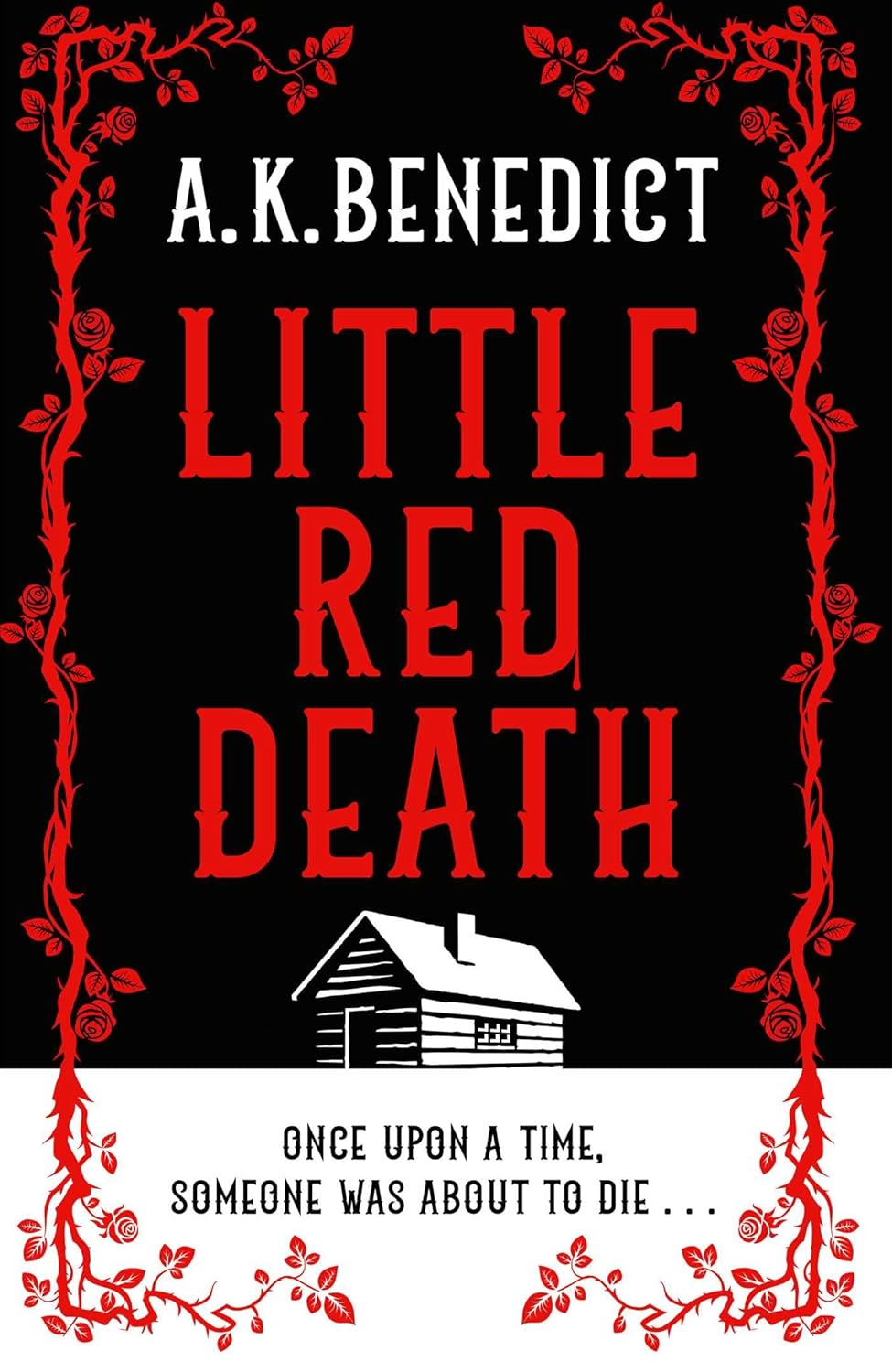
Little Red Death by A. K. Benedict (ebook)

I started reading the very interesting crime fiction book, Little Red Death, this week.  A compelling read that sees an obsessed detective try to solve a series of fairytale-themed murders, Little Red Death has an amazing story behind it, and I am really glad I decided to check it out.

Amazon


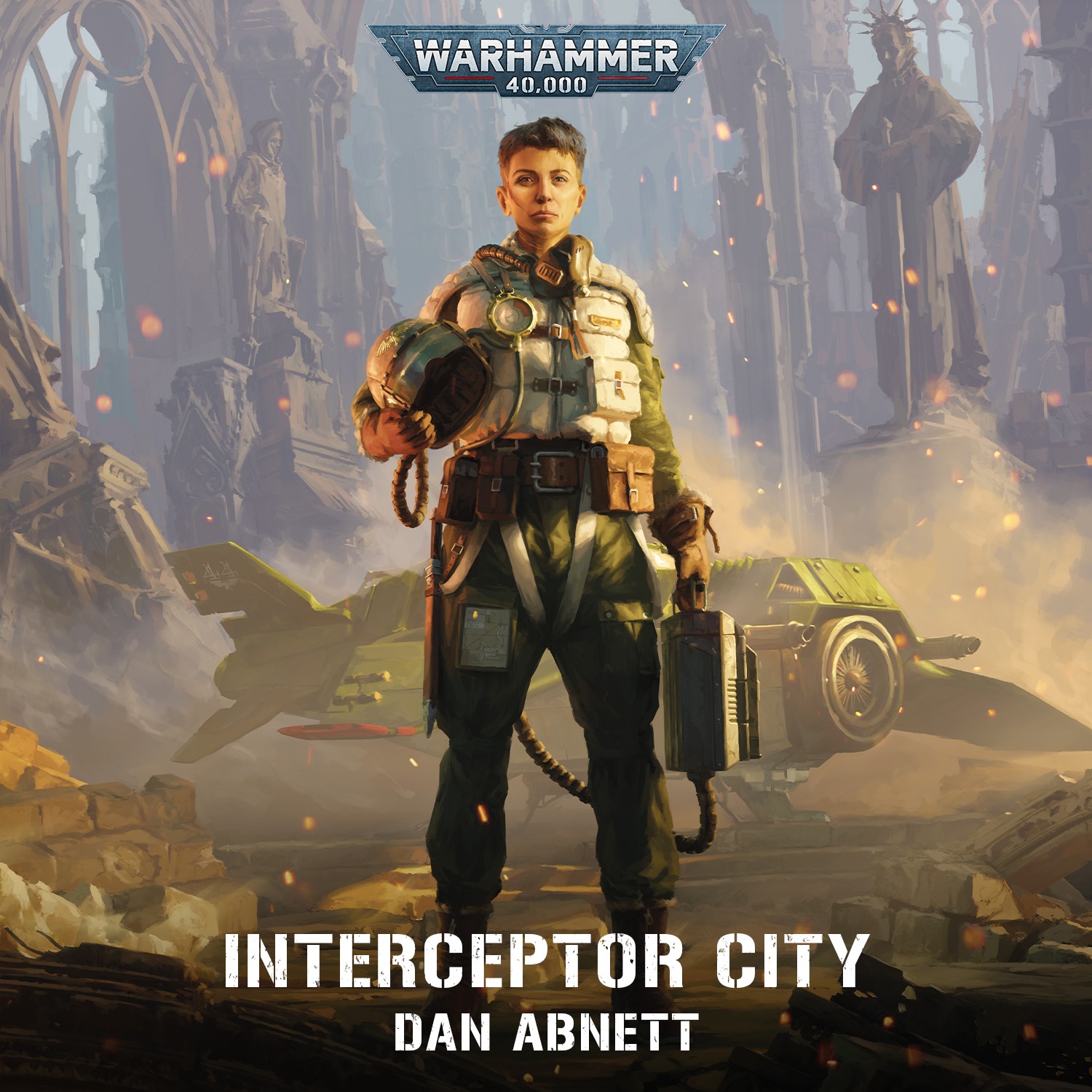
Warhammer 40,000: Interceptor City by Dan Abnett (Audiobook)

I have just started listening to the awesome Warhammer 40,000 novel, Interceptor City by Dan Abnett.  The sequel to Abnett’s classic Warhammer 40,000 novel, Double Eagle, Interceptor City brings back the protagonist from the previous book and sets her on a deadly new flying mission against skilled enemy pilots.  I have so much love for Double Eagle, and I am expecting Interceptor City to be just as incredible, especially as Abnett is extremely skilled at writing elaborate air combat sequences.  I have only made a little progress on Interceptor City so far, but I am really loving it and I have no doubt that this will be one of the best books I read all year.

Amazon

What did you recently finish reading?

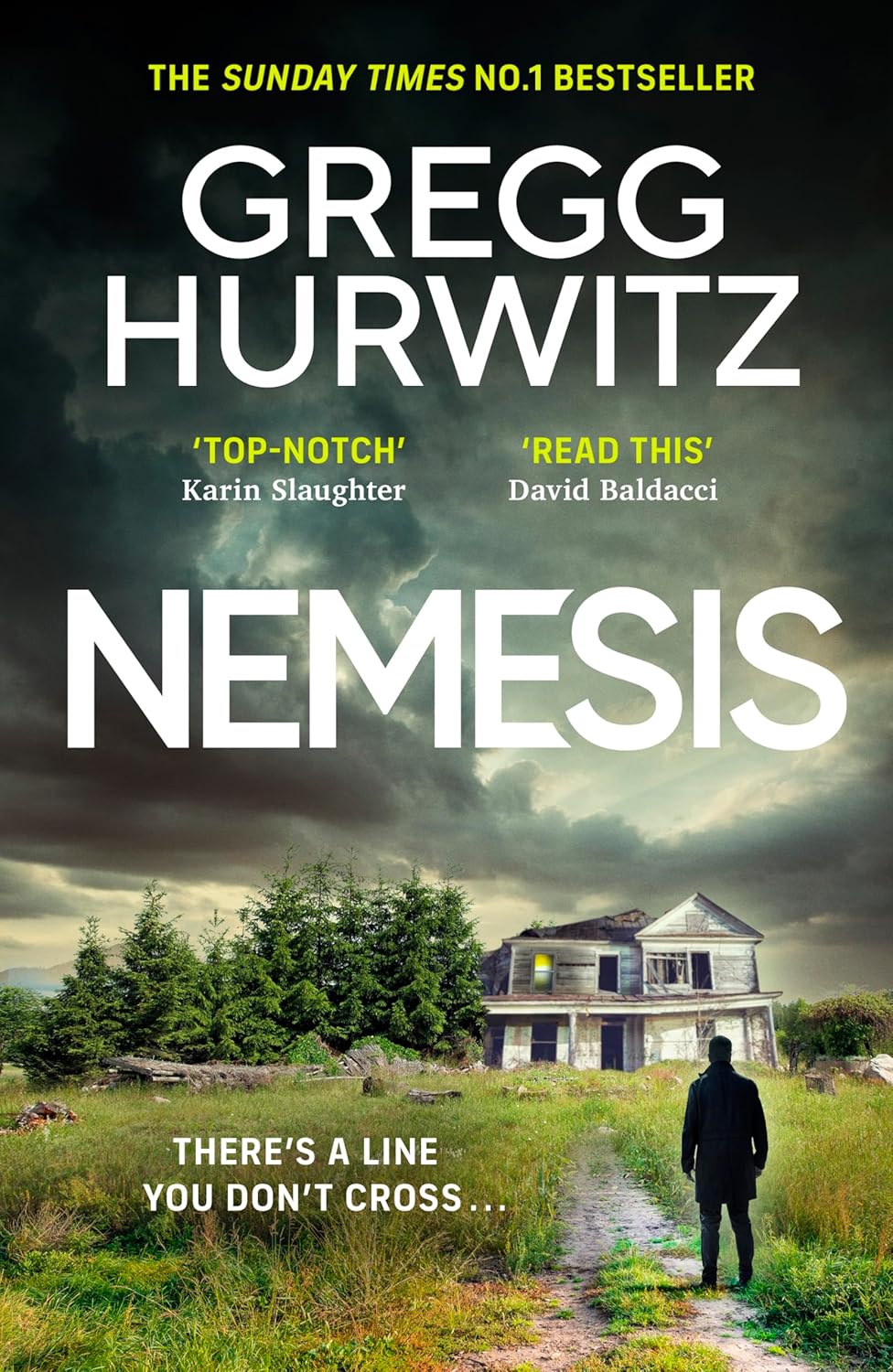
Nemesis by Gregg Hurwitz (Trade Paperback)

I absolutely powered through the awesome new addition to the Orphan X series from one of my favourite thriller writers, Nemesis. One of the best books I have so far enjoyed from Gregg Hurwitz, Nemesis was so damn good, and I am hoping to get a review up for it soon.

Amazon


Days of Shattered Faith by Adrian Tchaikovsky (Audiobook)

I finally managed to finish off Days of Shattered Faith and it was another exceptional five star read from Tchaikovsky that I could not get enough of.

Amazon


Small Gods by Terry Pratchett (Audiobook)

Thanks to a road trip I’ve been in a real Discworld mood lately, which saw me get through the new audiobook version of Small Gods by Terry Pratchett narrated by Andy Serkis. This was an exceptional listen and Small Gods remains one of my favourite Discworld books.

Amazon
 

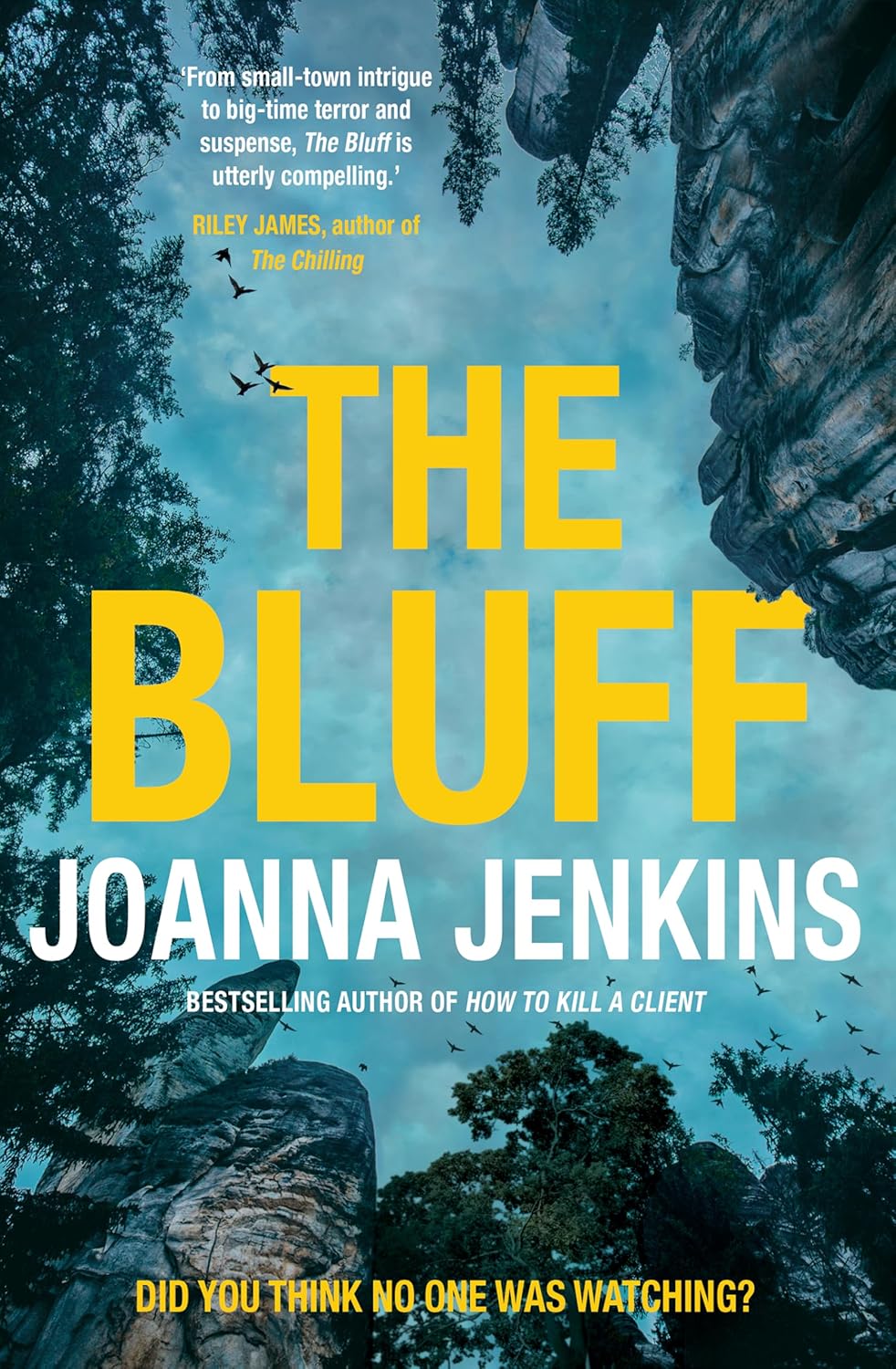
The Bluff by Joanna Jenkins (Trade Paperback)

I had an exceptional time this week powering through the new book from Australian author Joanna Jenkins, The Bluff.  A clever and twisty crime fiction read that serves as an excellent sequel to Jenkin’s debut novel, How to Kill a Client, The Bluff was an amazing read that I look forward to reviewing soon.

Amazon
 

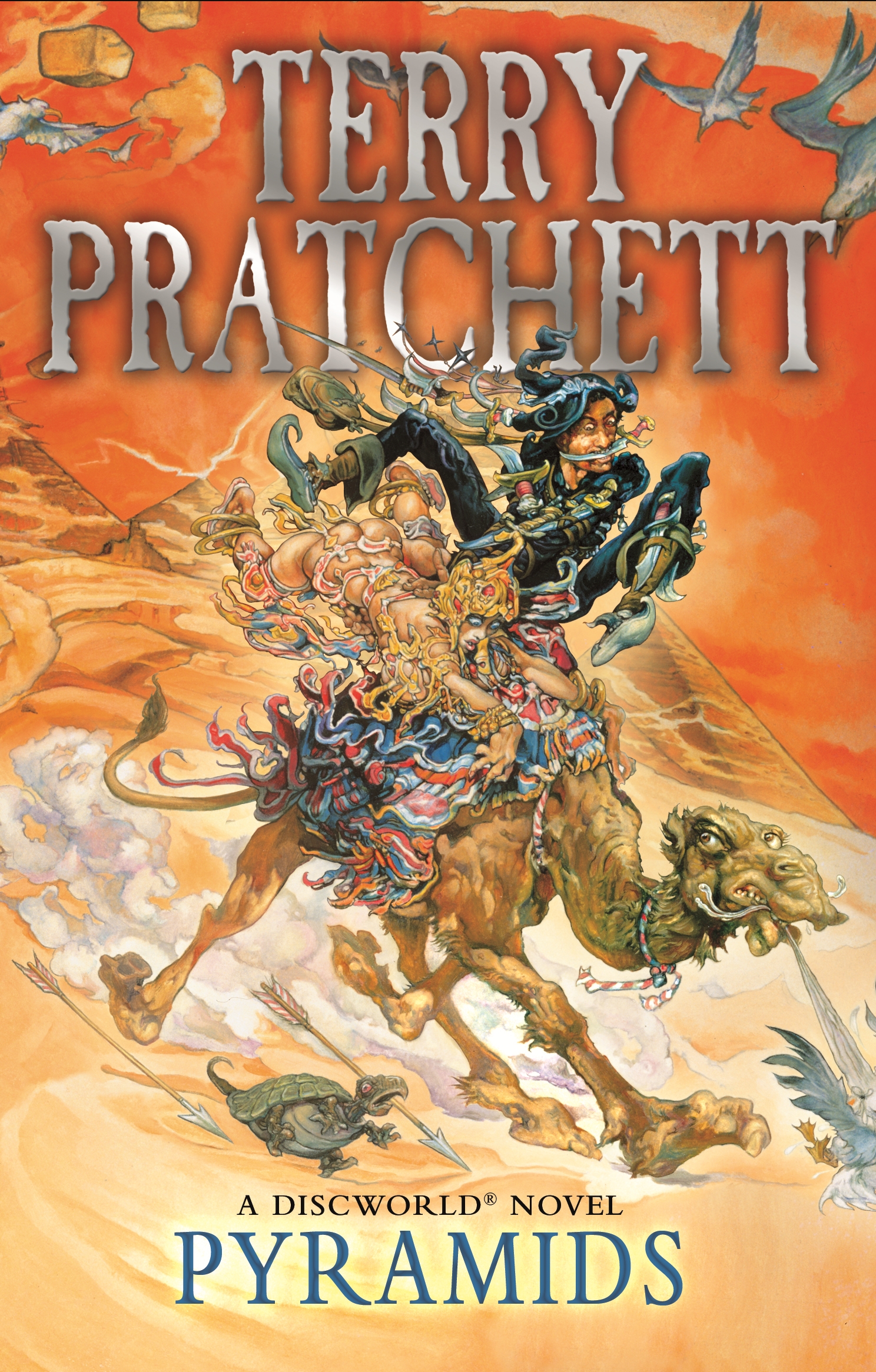
Pyramids by Terry Pratchett (Audiobook)

I also managed to get through the brilliant Discworld novel, Pyramids.  Another one of my favourites, Pyramids is so much fun to listen to, including in the new audiobook version primarily narrated by Alfred Enoch.

Amazon
What do you think you’ll read next?

The Reunion by Bronwyn Rivers

I had to make some changes to my reading schedule, so I didn’t get a chance to read the intriguing new Australia debut, The Reunion, this week as planned.  However, I am hoping to rectify that next week as The Reunion sounds particularly captivating and thrilling.

Amazon
 

That’s it for this week; check back in next Wednesday to see what progress I’ve made on my reading and what books I’ll be looking at next.

WWW Wednesday – 19 February 2025

WWW Wednesday is a weekly meme hosted by Taking on a World of Words, where bloggers share the books that they’ve recently finished, what they are currently reading and what books they are planning to read next. Essentially you have to answer three questions (the Three Ws):

What are you currently reading?
What did you recently finish reading?
What do you think you’ll read next?

So, let’s get to it.

What are you currently reading:

Nemesis by Gregg Hurwitz (Trade Paperback)

The awesome new addition to the Orphan X series from one of my favourite thriller writers, Nemesis is a particularly cool book I have made a fair bit of progress on.

Amazon
 

Days of Shattered Faith by Adrian Tchaikovsky (Audiobook)

I am still going with Days of Shattered Faith and will hopefully knock it off in the next week.

Amazon
 

Small Gods by Terry Pratchett (Audiobook)

Thanks to a road trip I’ve been in a real Discworld mood, so I’ve started listening to the new audiobook version of Small Gods by Terry Pratchett narrated by Andy Serkis.

Amazon
What did you recently finish reading?

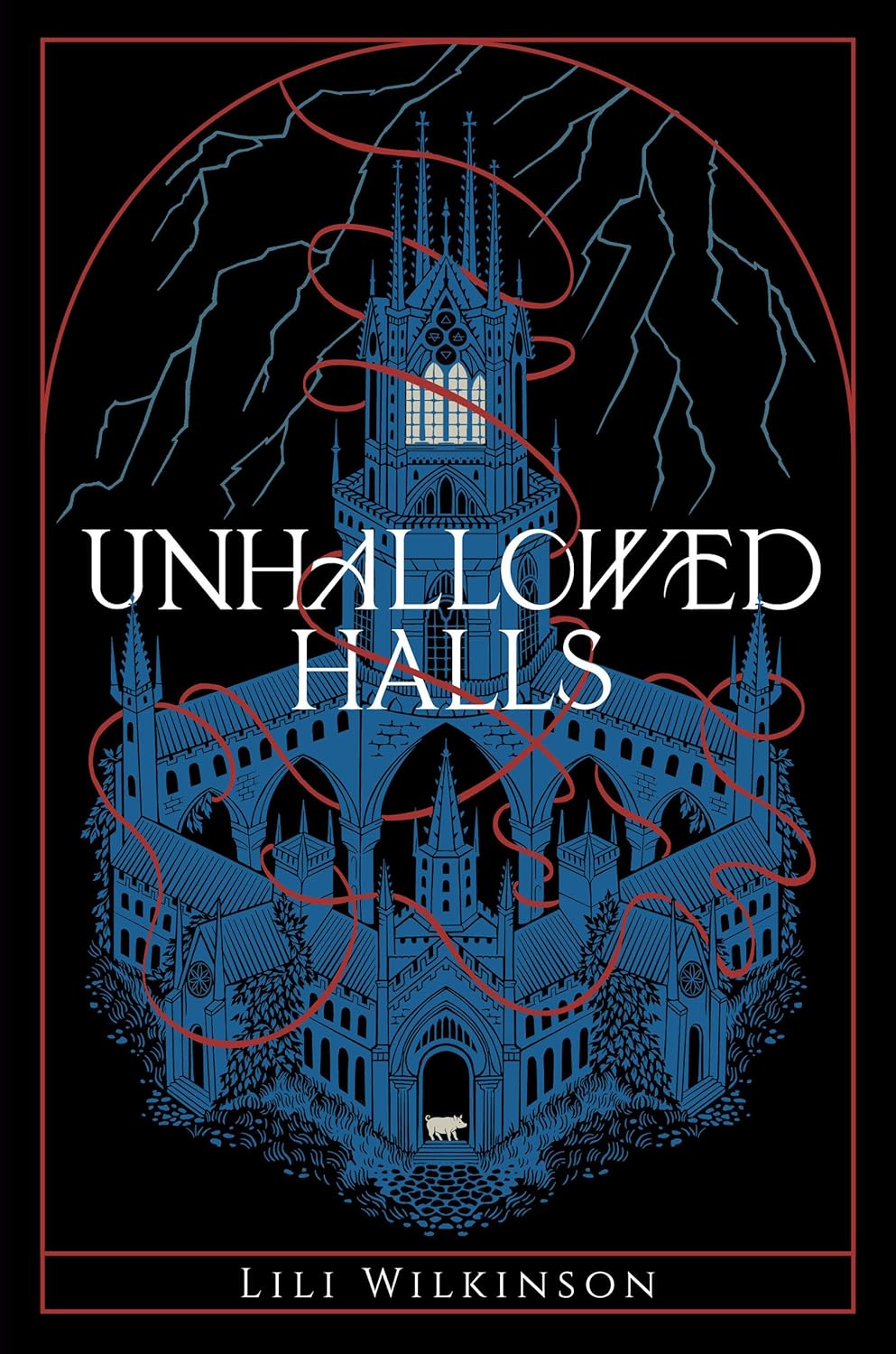
Unhallowed Halls by Lili Wilkinson (Ebook)

A fun young adult dark academia novel with a compelling and complex narrative.

Amazon
 

Crusade by Richard Cullen (Ebook)

The awesome sequel to Cullen’s awesome 2024 novel, RebellionCrusade was a highly exciting historical read I had a lot of fun getting through.

Amazon
 

Moving Pictures by Terry Pratchett (Audiobook)

I finally listened to the new audiobook version of Moving Pictures, narrated by Jason Isaacs.
Amazon

What do you think you’ll read next?

The Reunion by Bronwyn Rivers

An intriguing new Australia debut that sounds particularly captivating and thrilling.

Amazon


That’s it for this week; check back in next Wednesday to see what progress I’ve made on my reading and what books I’ll be looking at next.

Top Ten Tuesday – My Favourite Discworld Novels by Terry Pratchett

Top Ten Tuesday is a weekly meme that currently resides at The Artsy Reader Girl and features bloggers sharing lists on various book topics.  The official topic for this week’s Top Ten Tuesday required participants to list the top upcoming books on their Fall (Spring down here in the Southern hemisphere) to be read list.  However, I addressed that a couple of weeks ago, so that leaves me with a bit of a free topic this week.  I decided to fill this extra list by looking at one of my absolute favourite series of all time, the Discworld books by Terry Pratchett.

I have long been a fan of Terry Pratchett’s Discworld series, which, in my opinion, is one of the absolute best series of all time.  Made up of 41 separate novels and running from 1983 to 2015, the Discworld novels are a fantasy institution from one of the most talented authors ever.  Set on a flat world shaped like a disc that travels through space on the back of four elephants, who themselves stand on the back of a giant turtle, this world is filled with all manner of crazy and over-the-top people, creatures, gods and monsters, and this results in an amazing number of stories.  All 41 books feature amazing and highly unique story that perfectly blends outrageous fantasy elements with clever and relentless humour and satire.  I have read every Discworld novel multiple times, and in my opinion, everyone is a masterpiece in their own way.  Heck, I am such a big fan of this series that I even named this blog after a location in the Discworld universe, that’s how much I love them.

While the Discworld novels are never that far from my mind, I have been thinking about them a lot more lately, mainly because I have been featuring some of them on my recent top ten lists.  My lists that highlighted my favourite Books with Magical Schools, Favourite Books Written More than Ten Years Ago and Hilarious Book Titles have all featured a few Discworld books, and it turns out I have a hard time not going on about Pratchett’s work on a weekly basis.  Naturally, this has gotten me thinking more and more about the Discworld books, and I will probably embark on a new re-read of them sooner or later.  However, before I get around to that, I thought I would have a go at listing my absolute favourite Discworld novels, as that will make an interesting list.

Now, why I deeply enjoy this entire series, not all Discworld novels are created equal.  Several shine above the rest in my opinion, whether because they have better jokes, a more compelling plot, or a more impressive and elaborate premise.  As such, I felt reasonably confident that I could choose the ten entries (with some honourable mentions) that I enjoy the most.  I have based this list on several factors, including humour, plot, world-building, characters and many other features.  This allowed me to determine my favourite Discworld books, although I had to make some hard choices to settle on a final top ten, as all of them are very good.  I was eventually able to whittle it down to my list, and I think the results match my overall preference rather well.  While most of them are from Pratchett’s golden years and are in the middle of the Discworld release back, I think there is a good variety here, and that the list below really showcases the outstanding and amazing depth that Pratchett always had.  So let us see what made the cut.

Honourable Mentions:

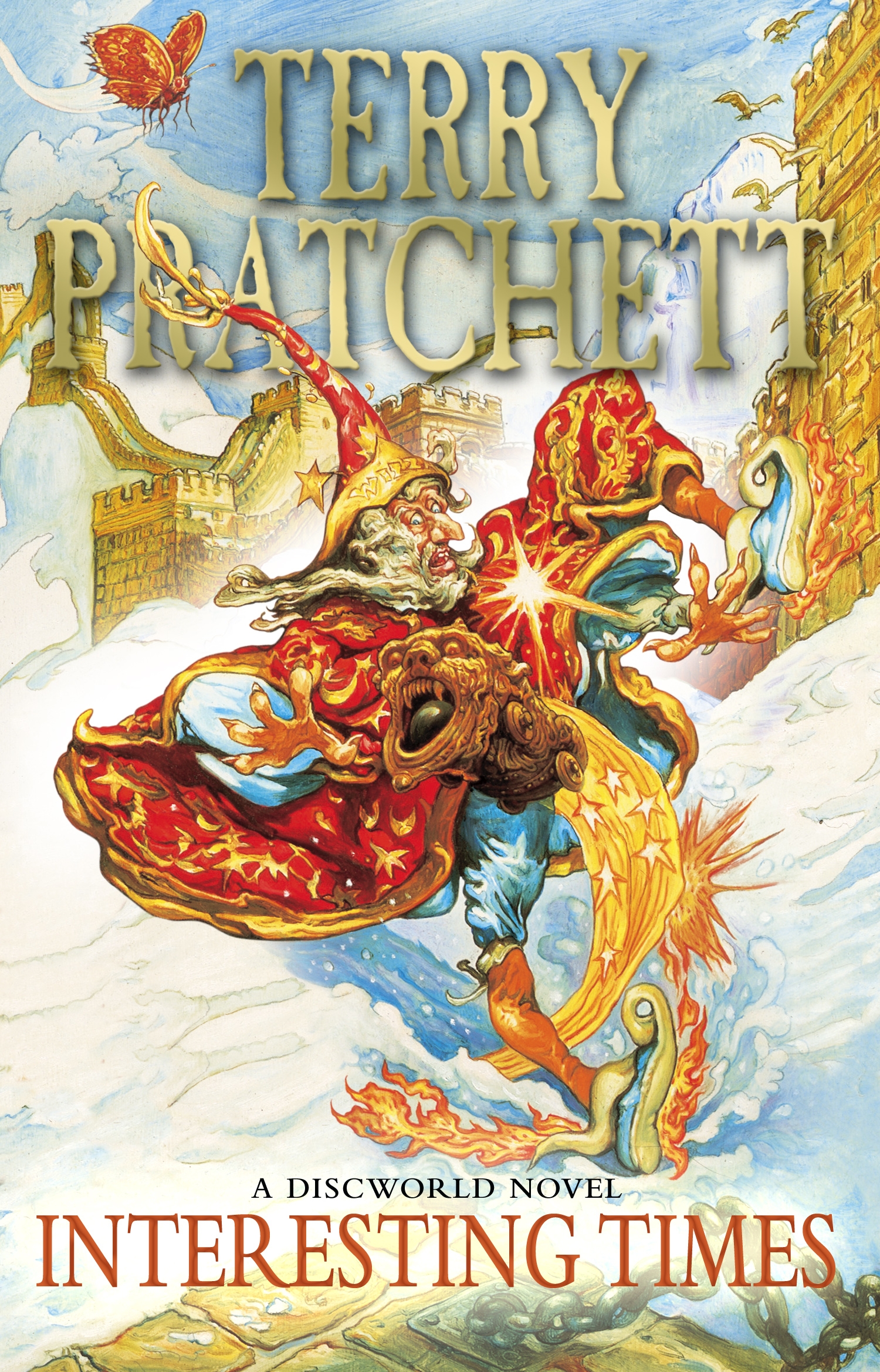
Interesting Times – 1994

Interesting Times Cover

A rambling good read that sees one of Pratchett’s most iconic protagonists visit this world’s version of Asia.  Loaded with some brilliant jokes (the multiple translations of a person’s scream), a ton of fun references to Asian culture, and some outrageous characters, Interesting Times is an excellent read that also offers a little closure for the first two Discworld books.

Amazon     Book Depository


Feet of Clay – 1996

Feet of Clay Cover

The third City Watch novel, Feet of Clay is a brilliant murder mystery novel that makes full use of its fantasy and comedy to create an epic read.  Featuring several great mysteries, including a series of murders committed by a Golem and the poisoning of the city’s ruler, you really get dragged into the story while loving Pratchett’s excellent solutions and hilarious inclusions.

Amazon     Book Depository


The Truth – 2000

The Truth Cover

Pratchett introduces print journalism to the Discworld in this clever standalone entry.  Following an ambitious reporter who creates Ankh-Morpork’s first newspaper, only to get dragged into a big conspiracy, The Truth is an ambitious and very exciting entry that perfectly parodies everything about newspapers.  Loaded with jokes about everything from dodgy advertisers, stupid human interest pieces, and even featuring a trashy alternate paper, this is perfect for anyone familiar with the crazy newspapers of London.

Amazon     Book Depository


Night Watch – 2002

Night Watch Cover

Another exceptional City Watch book is the later entry, Night Watch, which sees Vimes, transported back into the past by magic with a dangerous serial killer.  Forced to relive his traumatic early days on the watch, Vimes must keep his younger self alive while also navigating a dangerous revolution he remembers all too well.  With a compelling narrative that mirrors Les Misérables and some great time-travel elements, Night Watch is one of the more distinctive reads in the series.  While it gets a lot darker than some of the other Discworld novels, it is still extremely addictive, and fits into the rest of the series perfectly

Amazon     Book Depository

Top Ten List:

Pyramids – 1989

Pyramids Cover

The first entry on my top ten list is the classic Pratchett novel, Pyramids.  A standalone entry in the series, Pyramids tells the story of a young prince of a river valley kingdom, very similar to Egypt, who returns home after receiving training as an assassin in Ankh-Morpork (the biggest city on the Discworld and a major setting).  Upon claiming the throne, he tries to fight against the tradition of his kingdom, with limited effect, until the kingdom’s overuse of pyramids creates major temporal issues for the entire valley (its all down to bad geometry).  Loaded with so many jokes about ancient Egypt, this is a hilarious fish-out-of-water tale that is very hard to put down.  There are a ton of great moments in this novel, including the best look at the legendary Assassin’s Guild, an impromptu rugby game between the gods over the sun (with commentary from an overexcited priest), and an army of mummies pissed off at being buried without their organs.  I have probably read this Discworld novel the most out of any of them, and I get something new out of it every time I pick it up.  An exceptional, and extremely funny read.

Amazon     Book Depository


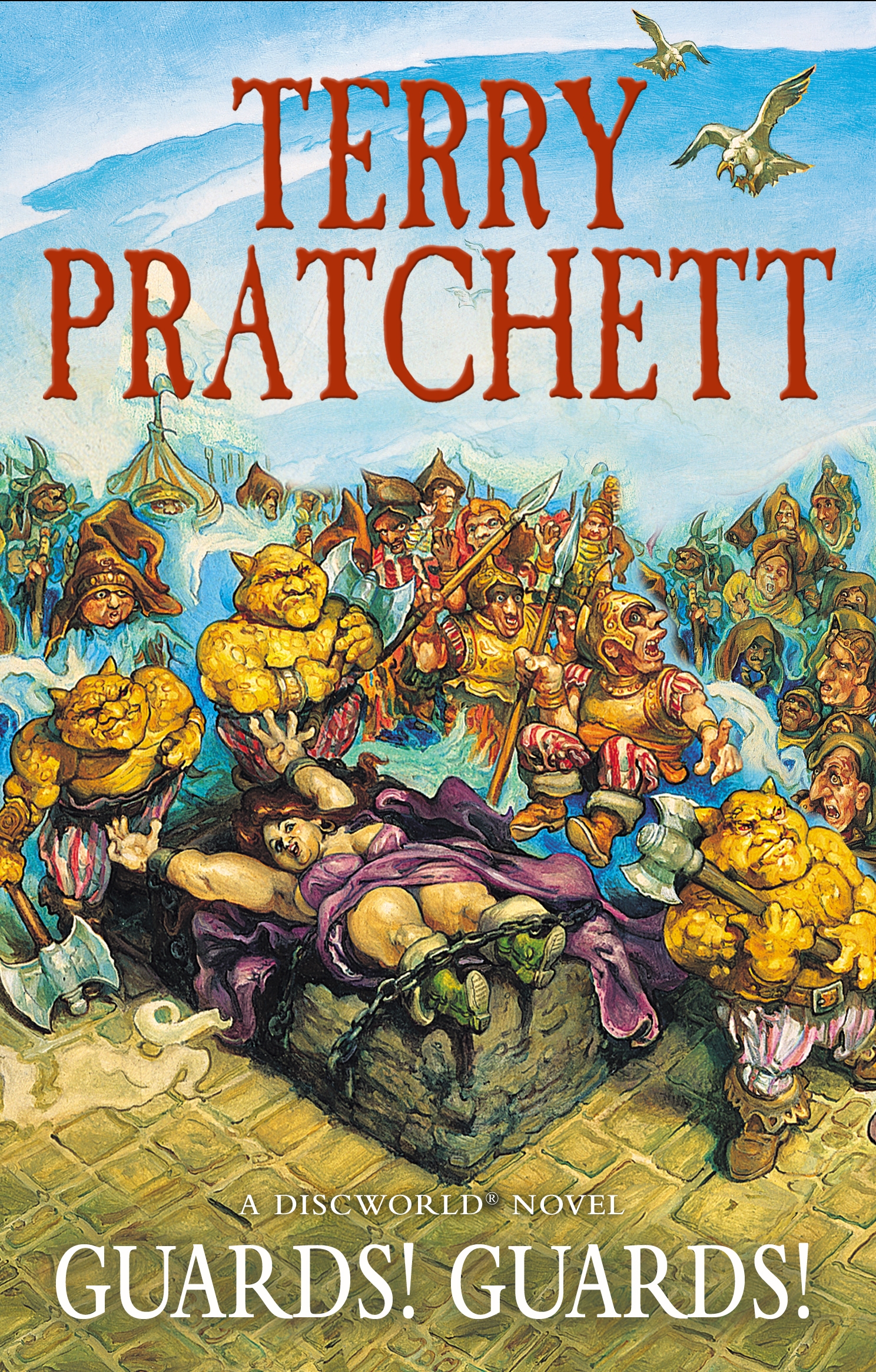
Guards! Guards! – 1989

Guards! Guards! Cover

One of the more interesting aspects of the Discworld series is the way that Pratchett featured several smaller sub-series which follow specific characters.  My favourite of these is easily the City Watch books, which follow the underpaid and constantly underestimated watchmen of the infamous, crime-ridden city of Ankh-Morpork.  Perfectly blending Pratchett’s typical humour and fantasy elements with hard-boiled detective narratives, the City Watch books are some of the best entries in this series, and I love the unique blend of characters and highly entertaining and enthralling narratives.  The first City Watch entry, Guards! Guards! is definitely one of Pratchett’s best novels, and I constantly rave about it when I do lists about funny books.  Not only does it do a great job introducing several iconic characters who Pratchett would reuse throughout the rest of the series, but it has an outstanding narrative to it.  Following the depleted and useless Night Watch, made up of a drunk captain, a hopeless sergeant and a criminally minded corporal as they attempt to solve a series of murders caused by a magically summoned dragon.  Joined by a new eager, if slightly oblivious new recruit, who definitely isn’t the city’s returning king, the Night Watch embark on an ambitious investigation against cultists, dragon hunters and city’s massive criminal class.  Guards! Guards! is fantastic on so many levels, and there is something for everyone in it.

Amazon     Book Depository


Moving Pictures – 1990

Moving Pictures Cover

One of the things that the Discworld novels excel at is parody and satire of certain social, historical or cultural elements, with everything from countries, ancient empires and entire trades lovingly mocked.  Perhaps one of the best examples of this is Moving Pictures, a mostly standalone read that sees the art of film appear on the Discworld, becoming an instant hit.  Soon an alternate version of Hollywood appears, and various characters jump at the chance to make over-the-top films, which are accompanied by a vast array of jokes and references about classic movies, film making tropes and actors.  Naturally for a Discworld book, nothing is what it seems, and the heroes are forced to face off against interdimensional monsters coming out of the screens.  In addition, the iconic Unseen University setting gets some stability as a new Arch-Chancellor arrives, shaking up the wizards.  I love this book on so many levels, especially as Pratchett has so much fun satirising the film industry here.  Everything is lampooned here, such as Gone with the Wind (accompanied with subliminal advertising), King Kong (except a giant woman kidnaps an ape), The Wizard of Oz (the dwarfs of the Discworld will never be the same again), and so much more.  I can’t even count the sheer number of movie references featured here, and I discover a new clever joke every time I read Moving Pictures.  Pratchett also manages to introduce or expand on several great secondary characters who will go on to have major roles in other books in the series, so it turns out to be a surprisingly key book.  Impressive and wonderful on so many levels, Moving Pictures was an easy inclusion for this list.

Amazon     Book Depository


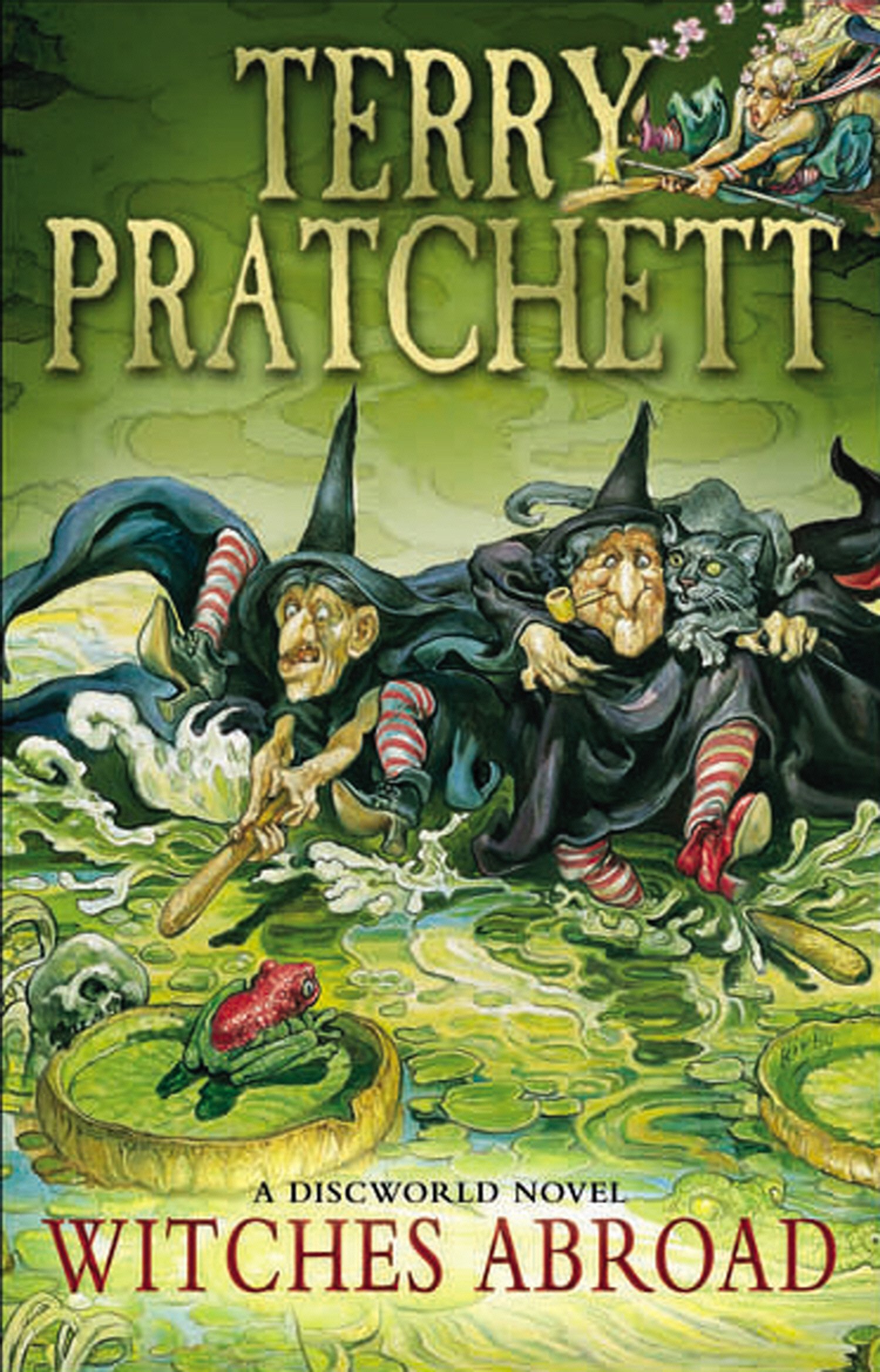
Witches Abroad – 1991

Witches Abroad Cover

Another one of the top Discworld sub-series is the Witches books, which unsurprisingly follows a group of witches (Granny Weatherwax, Nanny Ogg and Magrat Garlick), in several unique adventures.  Unlike the characters they are based on from Macbeth, the witches are a force for good and help the local villages primarily with headology (psychology and folk medicine parcelled up with mystical overtones) and the occasional magic.  The witches make for an excellent group of central characters, and Pratchett told some exceptional stories with them.  While Wyrd Sisters and Lords and Ladies are both pretty epic reads, my favourite Witches book is Witches Abroad.  As the name suggests, this book see the three protagonists embark on a holiday to a faraway kingdom (essentially New Orleans), to fulfil a fairy godmother’s last wish.  Along the way they are forced to confront a series of twisted fairy tale scenarios, their own internal bickering, and an evil fairy godmother from Granny Weatherwax’s past.  Armed only with a wand that is permanently set to pumpkin mode, the witches must deploy their usual trickery to save the day.  This entire novel is pretty epic, as it not only captures the protagonists in all their amazing glory, but it has a powerful story that expertly blends humour and drama.  A lot of the narrative focuses on the dark side of fairy tales, and Pratchett has fun satirising so many classic stories in very clever ways.  However, my favourite scene is the fantastic sequence where Granny Weatherwax uses headology to completely destroy a group of card sharks who had conned her friends.  Extremely inventive, memorable and oh so funny, I just had to feature Witches Abroad here.

Amazon     Book Depository


Small Gods – 1992

Small Gods Cover

The next entry on this list is in my opinion, some of Pratchett’s best work.  The 13th Discworld novel, Small Gods has a standalone narrative which sees Pratchett examine religion and belief.  The story follows Brutha, a somewhat simple lad who lives in a vast imperial theocracy that is centred around the worship of the Great God Om.  However, Brutha is shocked when he discovers a talking tortoise only he can understand who claims to be the actual Om.  Forced to take the tortoise along on a great adventure, Brutha discovers the corruption at the heart of his empire and must fight to save it, himself, and his god.  This is a particularly clever novel from Pratchett and a very worth addition to this list.  The author pulls together a very thoughtful and captivating read that examines the various pros and cons of religion, worship and gods in a very thoughtful, but still humorous way.  The mixture of theological debate, adventure, and the brilliant satire of religion, results in a very impressive read, and it is guaranteed to leave you both laughing and pensive at the same time.  The book’s main strength is the outstanding interactions of the two main characters, and the growing relationship between an arrogant put powerless god, and his simple but deeply wise believer, sets an impressive tone for the entire book.  I would say that Small Gods is one of the most intelligent and compelling books of the entire Discworld series and I cannot hype it up enough.

Amazon     Book Depository


Men at Arms – 1993

Men At Arms Cover

After wowing everyone with Guards! Guards! Pratchett mercifully brought back the City Watch characters and storylines again with a fantastic sequel, Men at Arms.  This book sees a retiring Captain Vimes and his team try and stop a madman who is running around the city killing people with the Disc’s first gun.  Featuring another exceptional mystery that involves assassins, clowns and a literal species war between dwarfs and trolls, Pratchett switches the tone of this book from the hardboiled detective story of Guards! Guards! to a more typical police narrative like Dirty Harry.  Loaded with fantastic cop humour and introducing several great new characters, Men at Arms is just as good as the first City Watch book, while also expertly setting up some story elements for the rest of the series.  Guaranteed to appeal to both fantasy fans and crime fiction buffs, Men at Arms is one hell of a read.

Amazon     Book Depository


Hogfather – 1996

Hogfather Cover

All Pratchett fans will know that one of the most surprising loveable recurring characters in the entire Discworld series is Death, the literal grim reaper, who appears in pretty much every book.  Initially shown to as a resolute soul taker, Death evolves into quite a personable and likeable figure who is obsessed with the humans he’s tasked with reaping.  This obsession eventually compels him to adopt a daughter and take on an apprentice, which leads to the first Death book, Mort.  Pratchett wrote several Death novels over his career, many of which dealt with Death’s growing love of humanity, while also involving attacks on reality by outside forces.  While I have a lot of love for Reaper Man and Soul Music, my favourite Death novel is probably Hogfather.  After the Hogfather (this universe’s version of Santa) is murdered, Death steps into the role for unknown reasons.  This forces his granddaughter, Susan, to investigate the disappearance and try to bring back the Hogfather.  This results in an extremely entertaining and silly book that satirises all things Christmas and festive in one fantastic outing.  Most of the humour revolves around Death pretending to be Santa, which leads to all manner of confusion and fear, that is so much fun to see.  Throw in a very memorable villain and a great secondary storyline around the crazy wizards at the Unseen University accidently inventing gods, and this is one of the funniest books in the series.  A very entertaining and compelling Discworld novel, you will never look at Christmas the same again after reading it.

Amazon     Book Depository


Jingo – 1997

Jingo Cover

For the next entry on this list, Jingo, I must admit that my choice to include it here might be for more personal reasons, rather than purely on the quality of the book.  That is because Jingo was the first Pratchett book I ever properly read, and it has led to my subsequent lifelong obsession with all things Discworld.  I still have my first copy of Jingo, and it is extra special for me because I managed to get Terry to sign it for me.  So yeah, I might be a little biased when it comes to Jingo, but I maintain it is a worthy addition to this list as it has a brilliant and hilarious story to it.  The fourth entry in the City Watch sub-series, Jingo sees Commander Vimes and his men caught up in a brewing war between Ankh-Morpork and the rival empire of Klatch when both claim a mysterious new island that rose in the ocean between them.  After an attempted assassination of a Klatchian prince occurs on Vimes’ watch, he leads the city watch in an impromptu invasion of Klatch to find the killer and stop the war.  I deeply enjoyed Jingo’s brilliant and very clever story and it was a very worthy addition to the City Watch series.  The humour in Jingo is a bit more subtle than some of Pratchett’s other novels, with most of the jokes satirising British imperialism, diplomacy, politics, and its view of foreigners, with a ton of references to historical wars and conflicts that Britain had against its neighbours.  While some of the jokes are a tad obscure, they are all extremely well set up, and they always get a chuckle out of me.  Throw in some brilliant references about a lone bowman assassin, an espionage mission with Sergeant Colon and a cross-dressing Corporal Nobbs that has mixed success, and the always charismatic Captain Carrot turning into Lawrence of Arabia and arresting two entire armies for breaches of the peace, and you have a really entertaining narrative.  Jingo is always a must read for me whenever I revisit the Discworld universe, as well as being an essential entry in the deeply impressive City Watch books that comes highly recommended.

Amazon     Book Depository


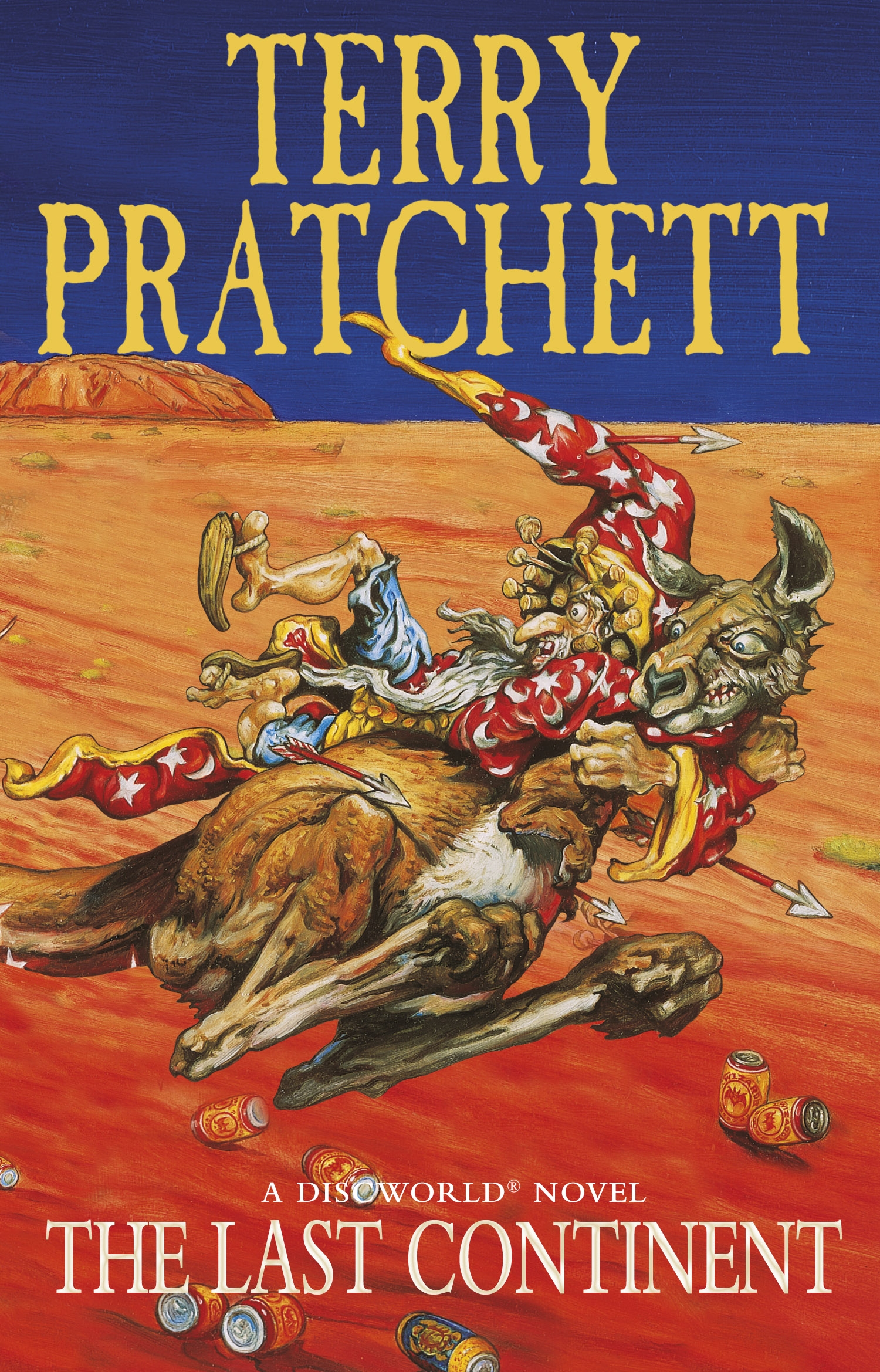
The Last Continent – 1998

The Last Continent Cover

Another Pratchett book that I have a little bias for is The Last Continent, which is probably one of my absolute favourite Discworld novels.  The sixth book to feature the cowardly wizzard (not a typo) Rincewind as its protagonist, The Last Continent takes place on the lost continent of XXXX, which is essentially the Discworld’s version of Australia (despite certain assurances from the author that any similarities to Australia are coincidental at best).  This book follows Rincewind after he is tricked into another heroic quest that sees him traverse the continent, often mimicking various Australian folk heroes or cultural icons.  At the same time, the wizards of Unseen University, in an attempt to find Rincewind, get themselves trapped back in time and must escape from an enthusiastic god of evolution with their usual chaotic shenanigans.  Pratchett has a lot of fun with The Last Continent, and there isn’t a single piece of Australian culture or history that he doesn’t make fun of here.  As an Australian myself, I can’t help but laugh at all his fun and well-written Australian jokes and it was interesting to see his British take on my country.  I also have a lot of love for the evolution centred jokes that occur during the secondary storyline, many of which I didn’t fully appreciate until after I studied biology at university.  This is probably one of the better Rincewind novels as well, especially as the character now full appreciates his role in the universe, and his resentment at being dragged into a heroic quest is quite hilarious.  Him, plus the fantastically written Unseen University wizards, make for a sensational cast, and their two storylines come together perfectly.  There is no way that I can exclude Pratchett’s love-letter to Australia from this list, and it will always have a very special place in my heart.

Amazon     Book Depository


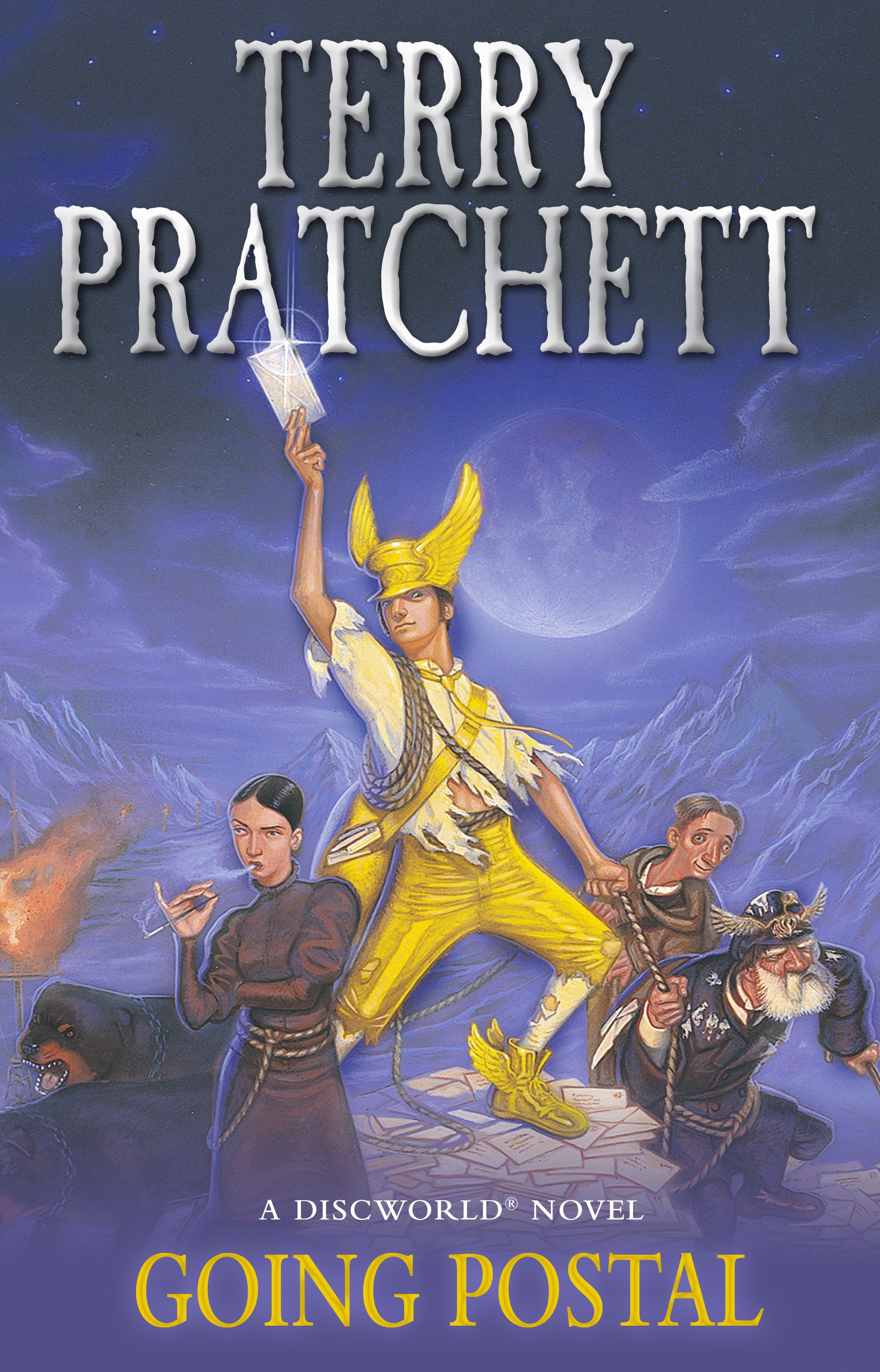
Going Postal – 2004

Going Postal Cover

The final entry on the list is Going Postal, which I feel is one of Pratchett’s best later books.  Featuring a very different tone from some of his previous books, Going Postal is a very distinctive read that is very hard not to enjoy.  Introducing a new protagonist in Moist von Lipwig, a notorious conman who is captured by Ankh-Morpork’s tyrannical leader, Lord Vetinari, and given two options: death or running the city’s post office.  Reluctantly choosing the later, Lipwig soon lives to regret his decision, as everyone and everything associated with the post office is absolutely crazy.  Forced to use all his talent, skill and instincts as a conman to save the post, Lipwig tries to rise to the occasion, only to contend with the ruthless chairman of a rival company who is determined to kill him.  It is a testament to Pratchett’s writing skill that he could make anything, even the post office, ruthlessly entertaining, as you swiftly fall in love with the hilarious over-the-top employees and associates of this crazy establishment.  Lipwig himself is the perfect protagonist for this book, and Pratchett wrote a brilliant redemptive storyline around him as he attempts to save his new friends with all his old tricks.  While this book is extremely funny, I also felt that Going Postal benefited from a somewhat darker tone than the preceding books, while  Pratchett also examines the benefits and costs of progress and new technology.  This darker tone would persist for the rest of Pratchett’s adult Discworld novels, and I have often thought that Pratchett included it in response to his growing health issues.  As such, I often look on Going Postal with a little sadness, especially as it was probably the best book he wrote towards the end of his career.  However, despite that, Going Postal is probably one of the Discworld books I have read the most and I would strongly recommend it to anyone and everyone interested in this outstanding series.

Amazon     Book Depository


So, as you can see from this exceptionally long list, I have a lot of love for the Discworld series and can write a ton about all the books.  While I deeply enjoy all the Discworld novels, the ten featured above are my absolute favourite now, and I cannot recommend them enough, especially if you want a laugh or an uplifting tale to brighten your day.  This is a list I might come back to in the future, especially if I do another reread and re-evaluate my positions.  I have been thinking about trying to read all of them again soon, especially as I recently found out that the Discworld audiobooks have all been re-released, this time with an amazing voice cast, including Colin Morgan, Peter Serafinowicz, Billy Nighy, Andy Serkis and Indira Varma.  As such, stay tuned for more reviews of the Discworld books soon, and I look forward to returning to my ultimate comfort book series.  In the meantime, let me know what your favourite Discworld book is in the comments below.

Top Ten Tuesday – Books With an Adjective in the Title

Top Ten Tuesday is a weekly meme that currently resides at The Artsy Reader Girl and features bloggers sharing lists on various book topics.  For this week’s Top Ten Tuesday participants are tasked with listing their top books that have an adjective in the title.  This sounded like a very interesting topic to do so I had a look through all my favourite or recent reads to see which ones had fantastic adjectives in the title.

When I was pulling this list together I decided to make myself a little harder for myself by excluding titles whose adjectives were colours.  This is because I have already done a Top Ten Tuesday list that focused on colours in titles, and I didn’t want to double up on that.   Despite this limitation I was still able to pull together a great list with a ton of entries in it.  I ended up with a massive selection of potential book titles, so I had to do some substantial culling to get it down to 10 (with my usual honourable mentions section).  This resulted in a pretty good list and I was surprised with how many of my favourite novels had adjectives in their title.  I did try and limit how many of Terry Pratchett’s Discworld novels I featured in the list, although a few still did make it in.  Overall, I was pretty happy with how things turned out, so let us see what made the cut.

Honourable Mentions:

Interesting Times by Terry Pratchett

Interesting Times Cover


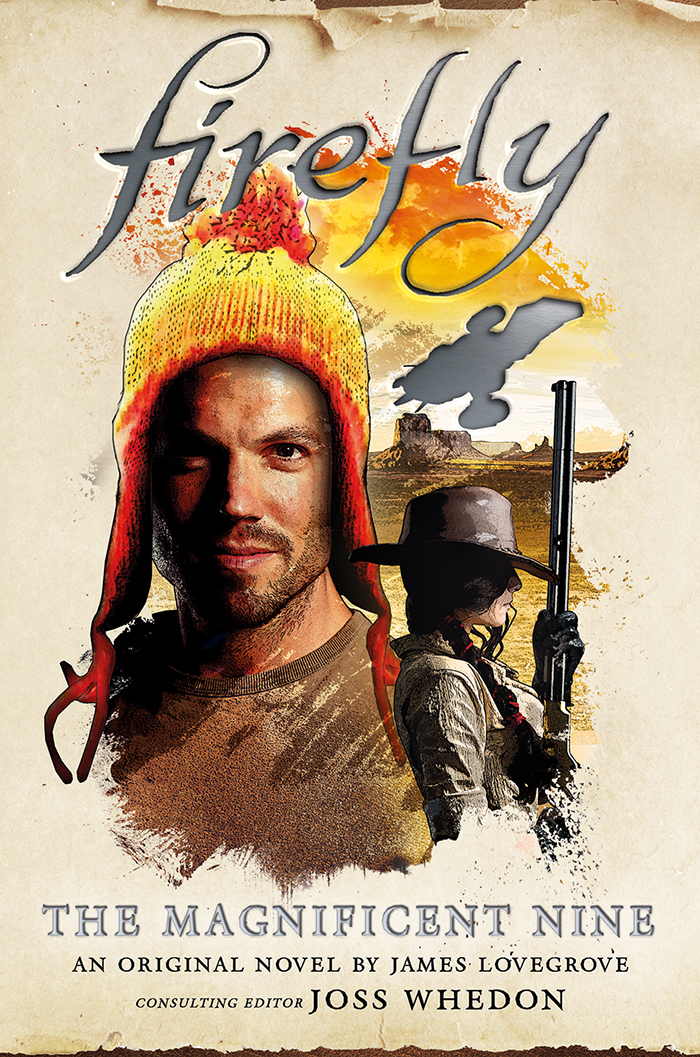
Firefly: The Magnificent Nine by James Lovegrove

Firefly The Magnificent Nine Cover

I could have also used the other James Lovegrove Firefly novel, Big Damn Hero but I love the homage to The Magnificent Seven that this title had.


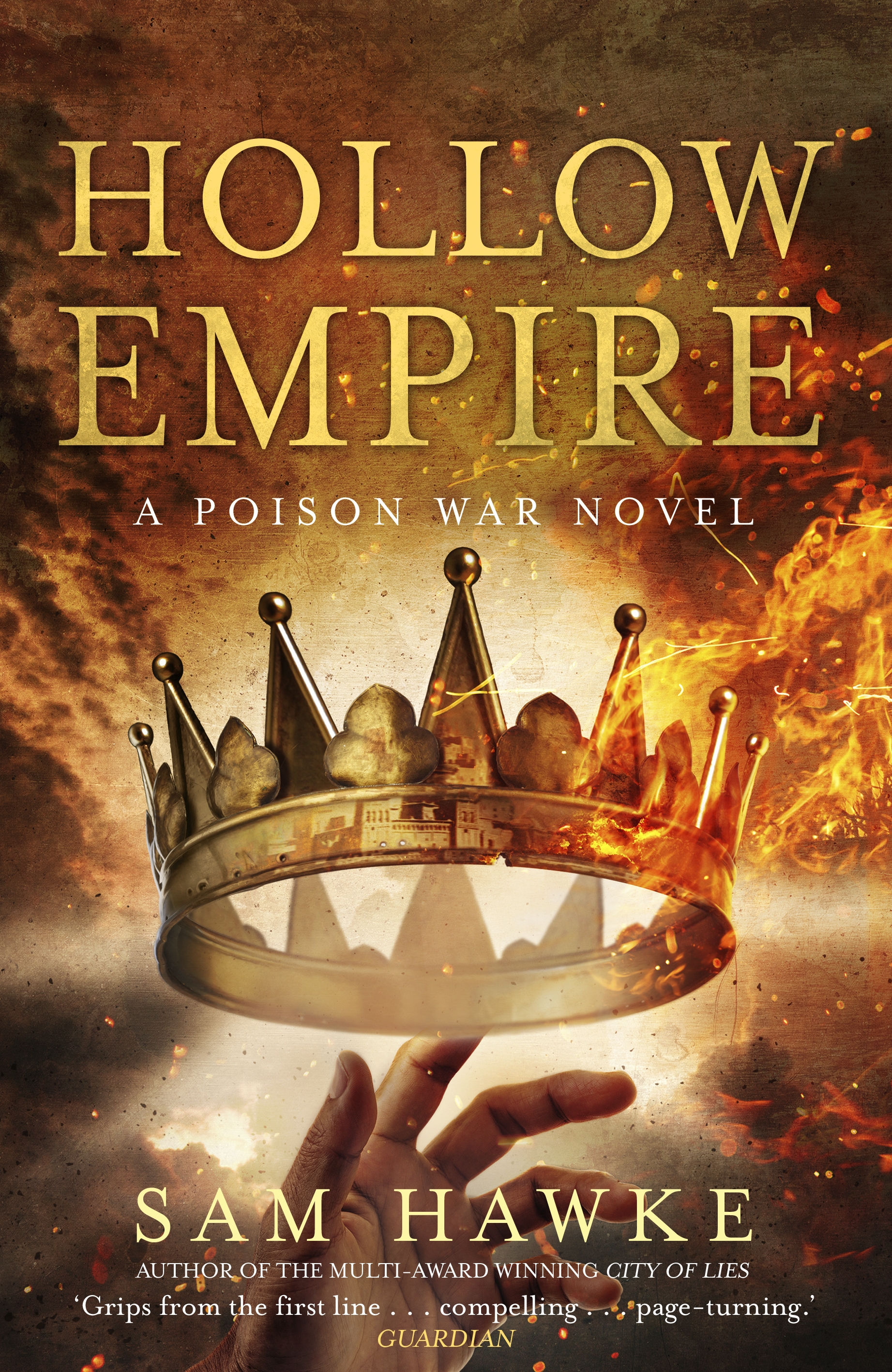
Hollow Empire by Sam Hawke

Hollow Empire Cover 2


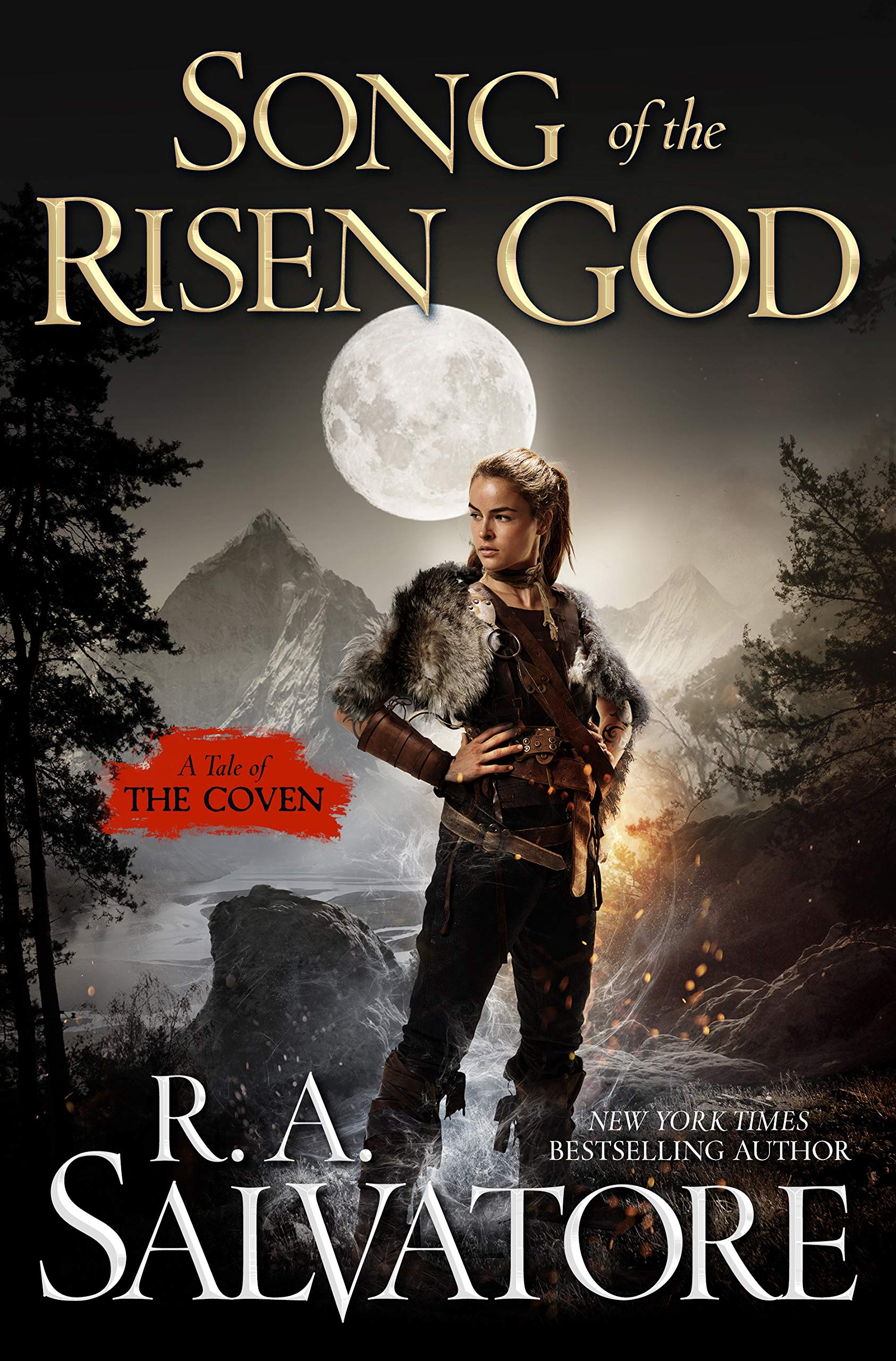
Song of the Risen Gods by R. A. Salvatore

Song of the Risen God Cover

Top Ten Tuesday:

Moving Pictures by Terry Pratchett

Moving Pictures Cover


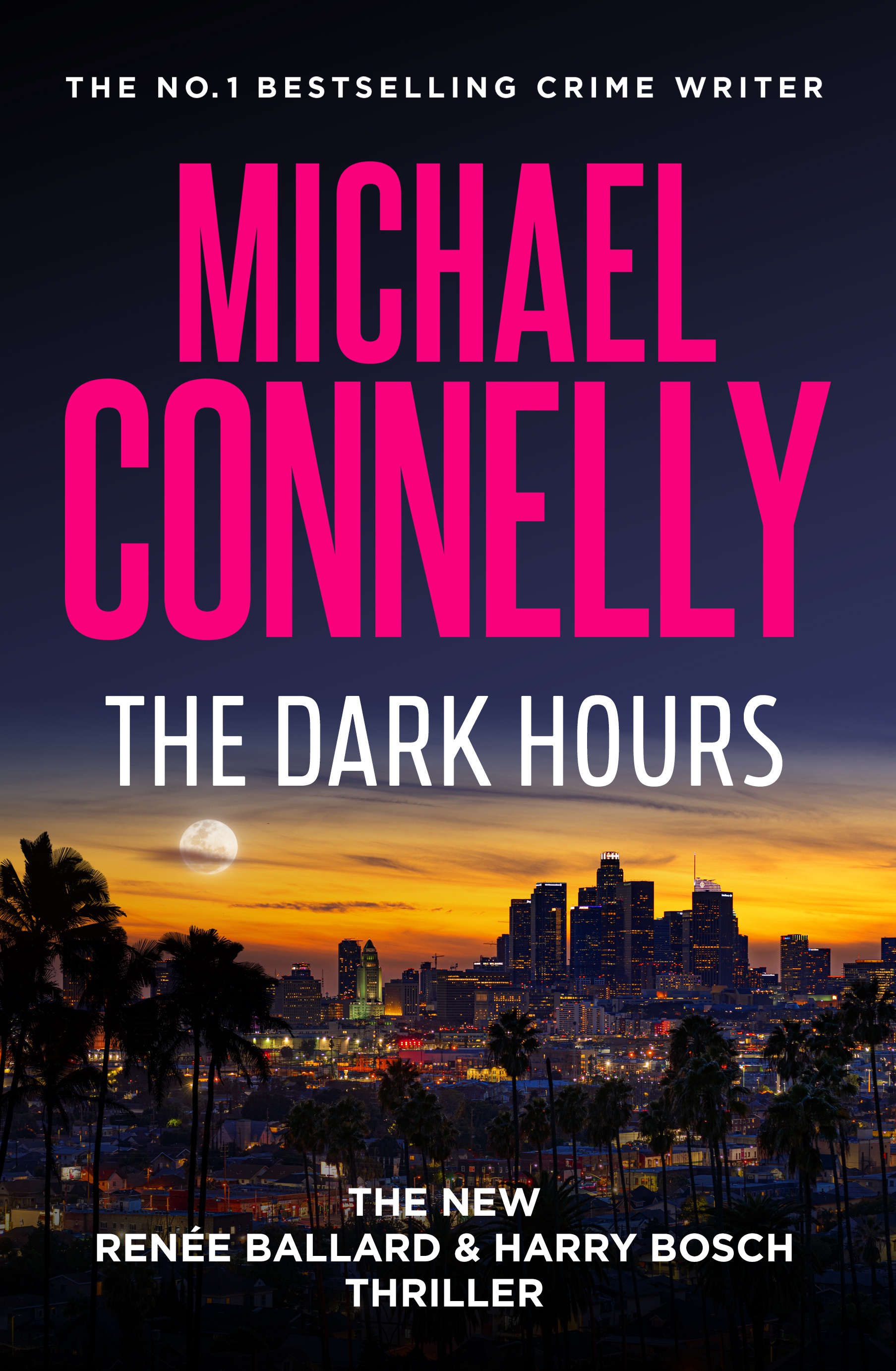
The Dark Hours by Michael Connelly

The Dark Hours Cover 2

I also had the option to use Connelly’s other Ballard and Bosch novel, Dark Sacred Night, but I liked The Dark Hours a little more.


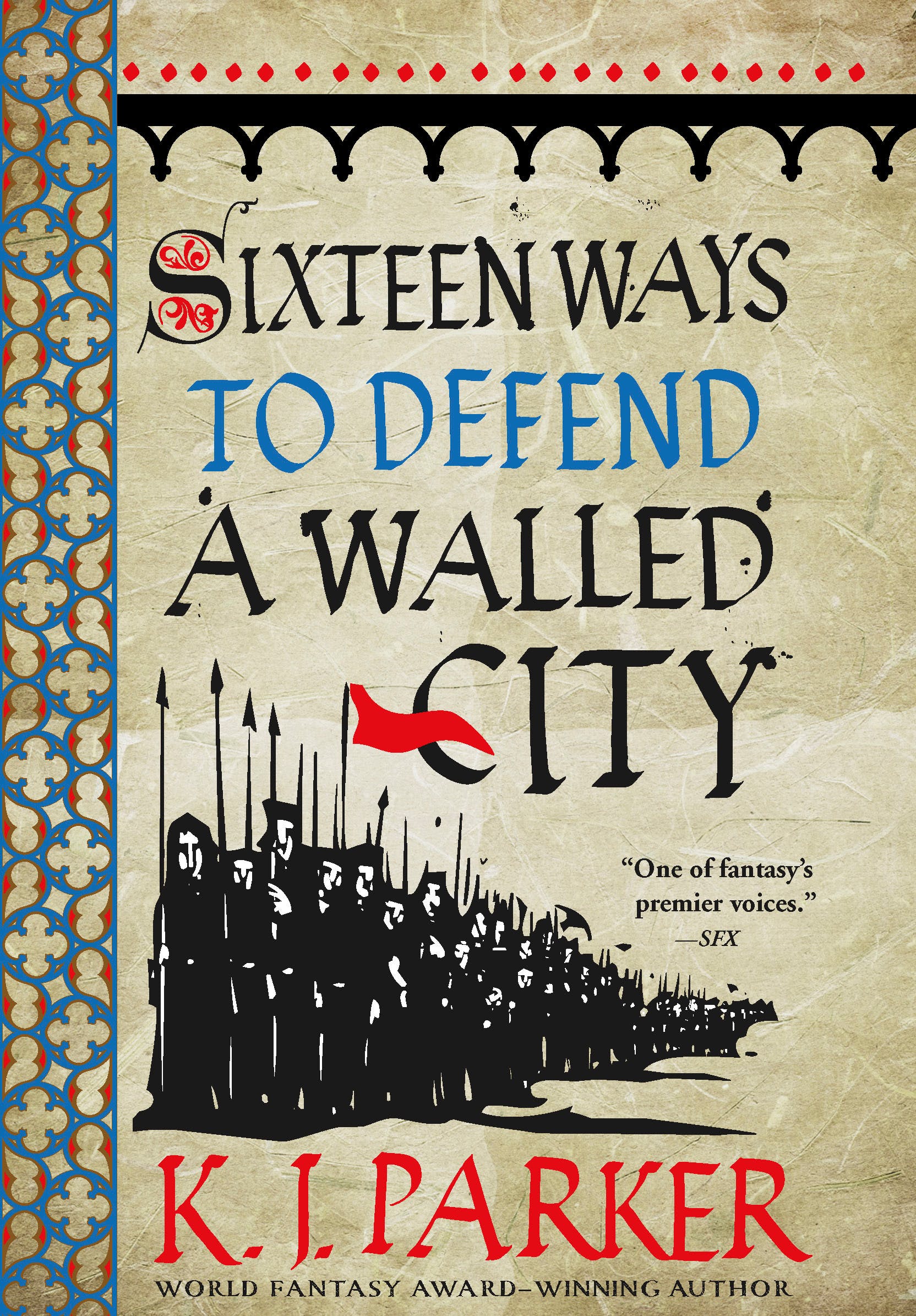
Sixteen Ways to Defend a Walled City by K. J. Parker

Sixteen Ways to Defend a Walled City Cover


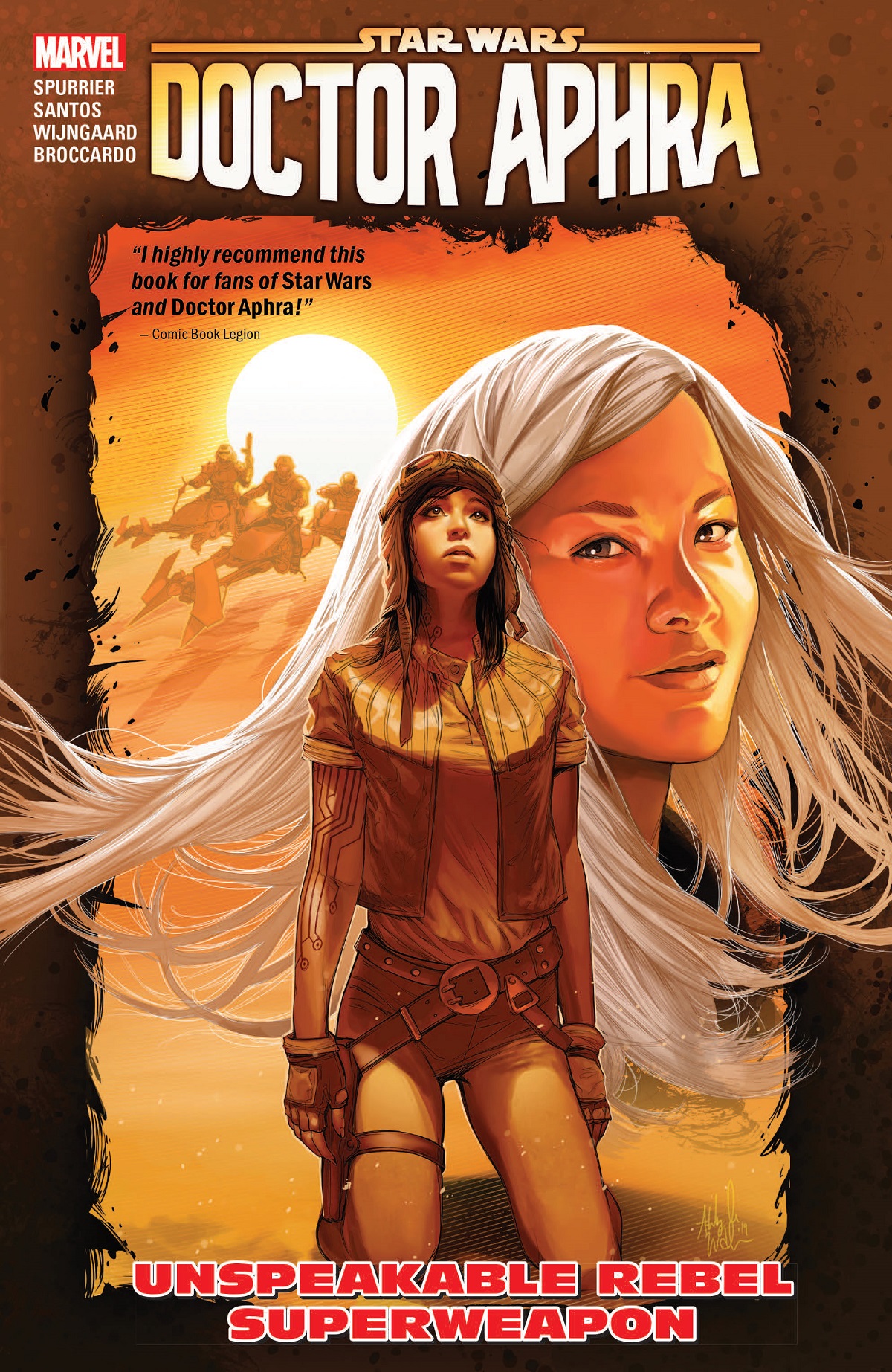
Star Wars: Doctor Aphra: Unspeakable Rebel Superweapon

Doctor Aphra Unspeakable Rebel Superweapon

There are technically a couple of adjectives in this one, including Unspeakable and Super (in Superweapon) so I had to include this excellent comic.


Small Gods by Terry Pratchett

Small Gods Cover


The Burning Road by Harry Sidebottom

The Burning Road Cover


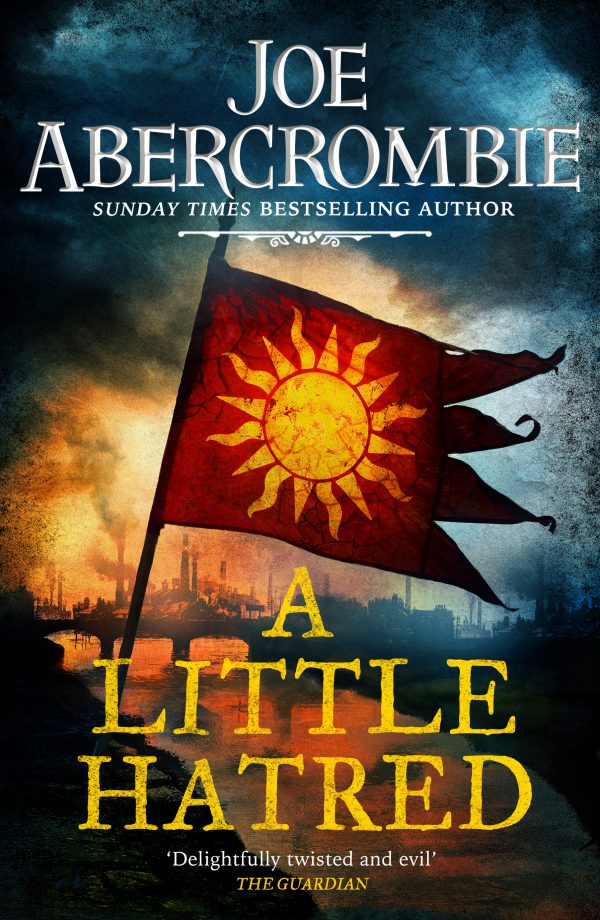
A Little Hatred by Joe Abercrombie

A Little Hatred Cover


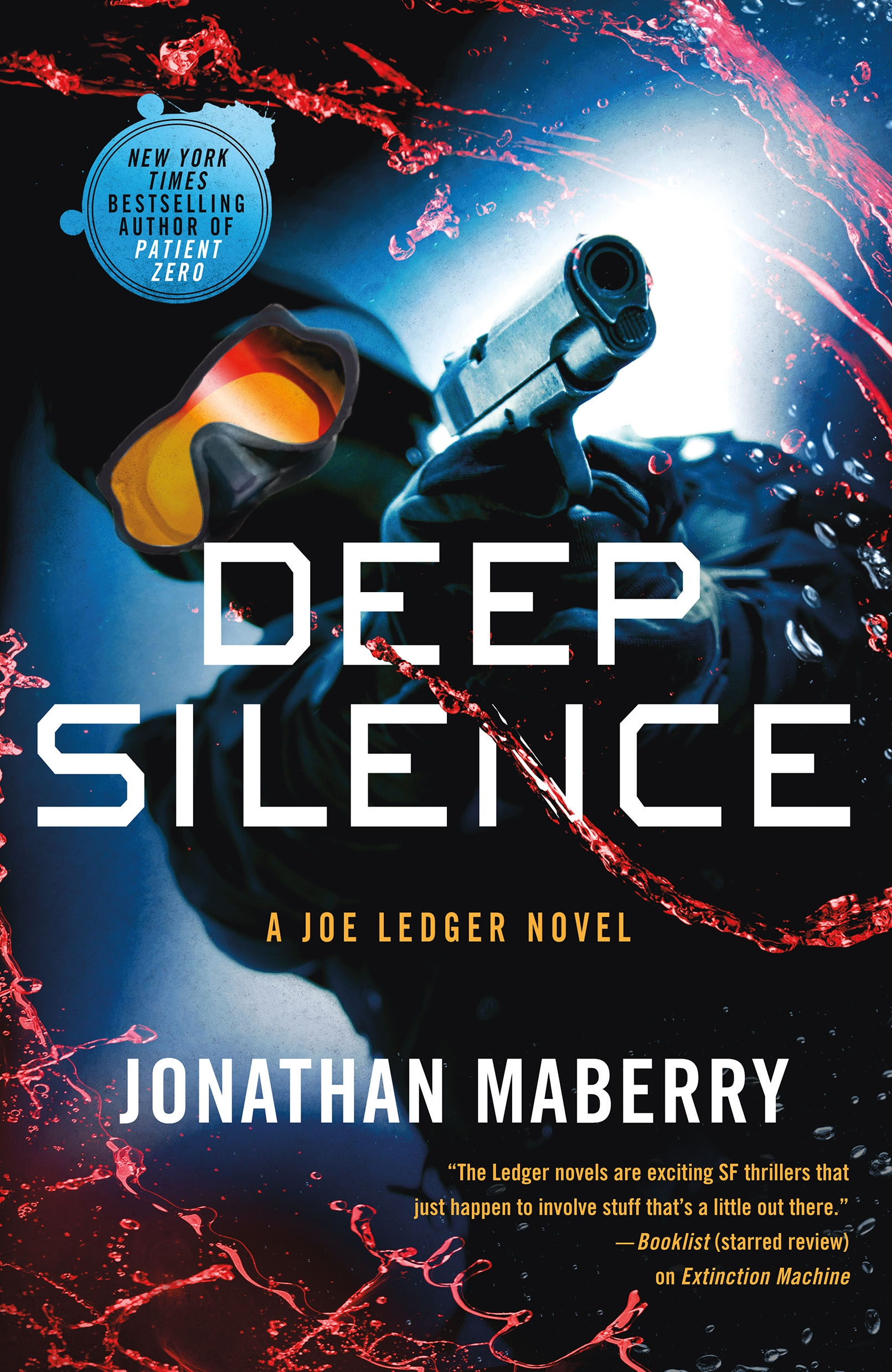
Deep Silence by Jonathan Maberry

Deep Silence Cover


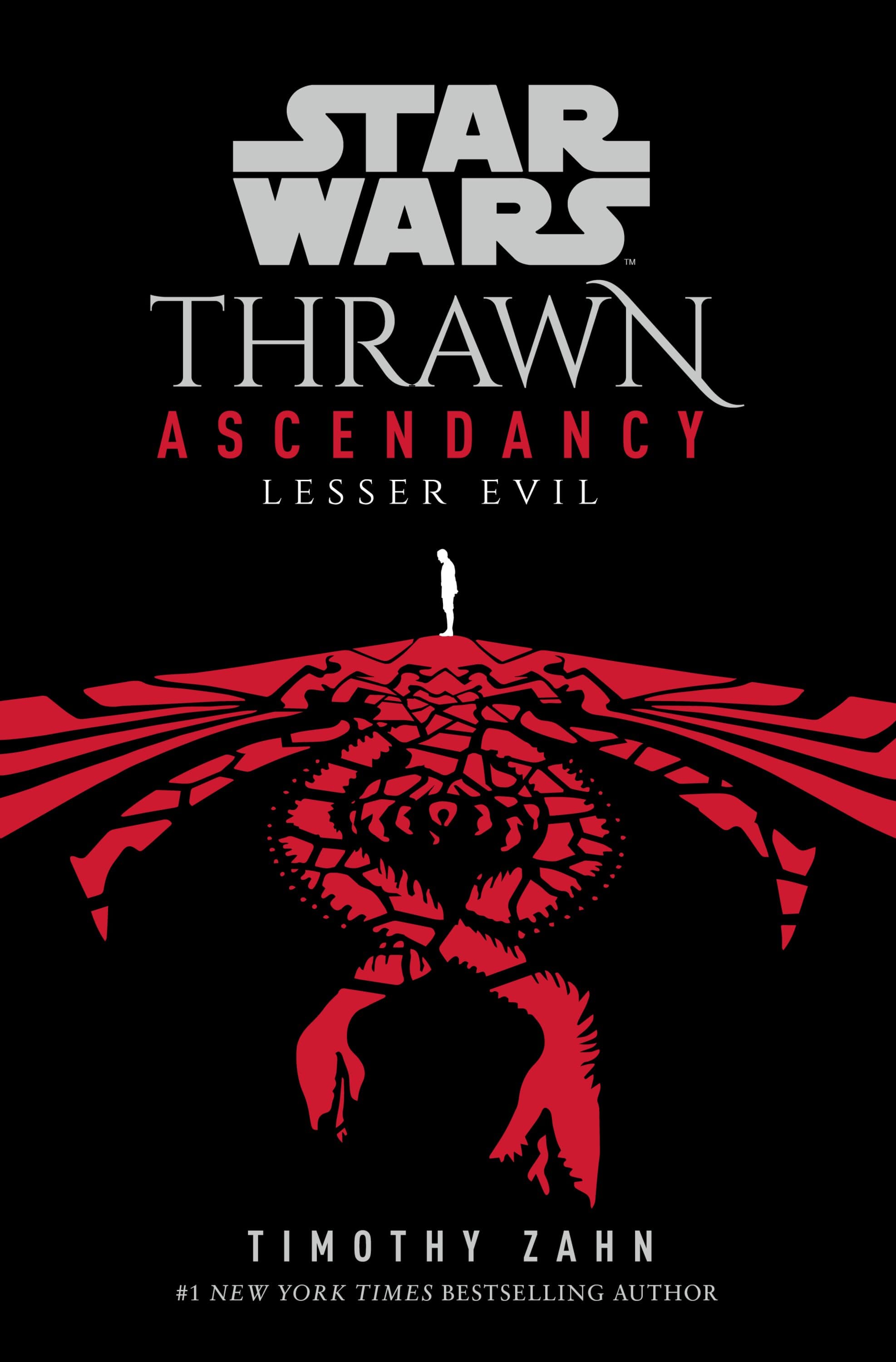
Star Wars: Thrawn Ascendancy: Lesser Evil by Timothy Zahn

Star Wars - Thrawn Ascendancy - Lesser Evil Cover

I was also tempted to use the preceding novel, Greater Good, but I think Lesser Evil was the best entry in the Thrawn Ascendancy trilogy so it’s my choice here.


Cold Iron by Miles Cameron

Cold Iron Cover 1

The sequel Dark Forge is also really good and could have easily been used here.


Well, that’s the end of this latest list.  I had a lot of fun coming up with 10 awesome books with adjectives in their title and I liked how everything came together.  Let me know which of the above novels are your favourites in the comments below and I look forward to see what novels with adjectives in the titles you enjoy.