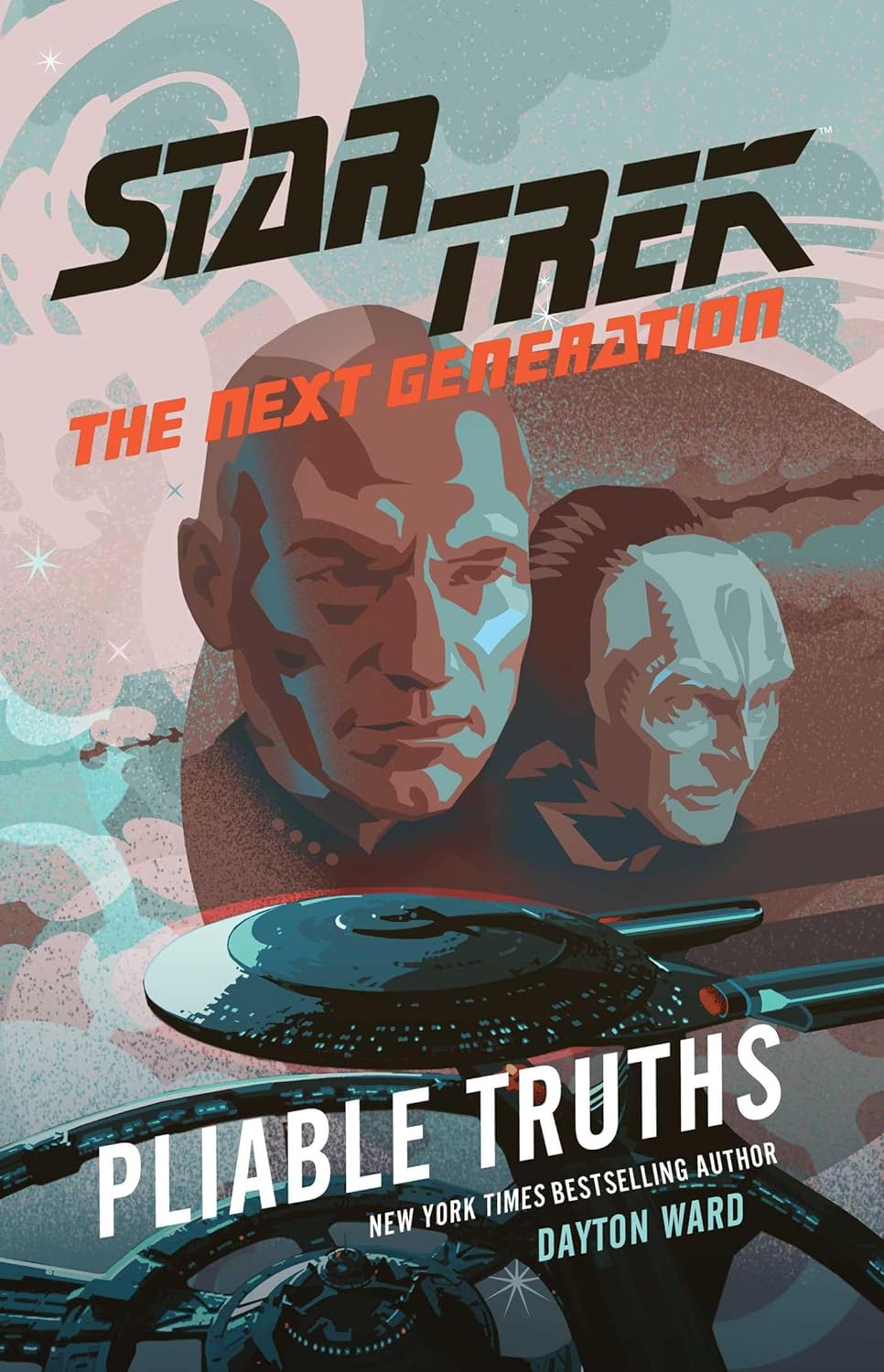
Star Trek: The Next Generation: Pliable Truths by Dayton Ward

Star Trek - Pliable Truths Cover

Publisher: Simon & Schuster Audio (Audiobook – 21 May 2024)

Series: Star Trek: The Next Generation

Length: 11 hours

My Rating: 4.5 out of 5 stars

Amazon

Leading Star Trek author Dayton Ward presents a compelling new tie-in novel that bridges the gap between two of the franchise’s most iconic shows in the outstanding and impressive Pliable Truths.

I have mentioned a few times on this blog that Star Trek extended fiction is amongst some of the richest and most comprehensive of all the assembled tie-in fiction.  There are hundreds of intriguing novels that expand on the universe introduced in the television series and movies, all of which are highly fascinating, especially for fans of the various shows.  While I haven’t explored Star Trek extended fiction as much as some other franchises out there, I have had the pleasure of reading several outstanding books, with some of my favourites including The Captain’s Oath by Christopher L. Bennett, The Last Best Hope by Una McCormack and Die Standing by John Jackson Miller.  Due to my enjoyment of these previous books, I keep an eye out for new Star Trek releases, and I was very intrigued when I saw that Dayton Ward had released a new book, Pliable Truths.

Dayton Ward is well-known science fiction author who has made a name for himself creating tie-in fiction for several different franchises.  Ward’s most comprehensive work involves writing Star Trek novels, with the author writing an intriguing collection of different Star Trek books connected to different series.  I have read a couple of Ward’s books in recent years, including The Next Generation novel, Available Light, and the Original Series novel, Agents of Influence.  These previous books from Ward both proved to be very impressive, and I had a great time reading them.  As such, when I saw that Pliable Truths was written by Ward, I knew it was going to be another fantastic read, especially as the author has a lot of experience writing fiction for the various Star Trek series, periods and timelines.  This latest novel, Pliable Truths, while ostensibly tied-into The Next Generation series, also serves as a compelling bridging novel between the events of The Next Generation and its spin-off series, Deep Space Nine.

Following a tumultuous series of events, Starfleet has managed to thwart a planned invasion of a Federation system by the Cardassians.  Thrown into political disarray by their military defeat, the Cardassian civilian government has acceded to Starfleet demands and ordered the withdrawal from the occupied planet of Bajor.  Long enslaved by the Cardassians, the Bajorans are determined to once again rule themselves, but they first reluctantly require the assistance of the Federation.

To ensure a peaceful transition of power to the new Bajoran government, Starfleet orders Captain Jean-Luc Picard and the Enterprise to the Bajor to oversee negotiations between the Bajorans and the Cardassians.  Still recovering from his own recent trauma suffered at the hands of a Cardassians torturer, Picard is unsure if he is ready to fairly arbitrate the question of recompense and justice.  But with no other choice, Picard travels to the massive Cardassian space station orbiting Bajor, Terok Nor.

Attempting to stay neutral and calm, Picard soon finds his patience tested by the disruptive tactics of the Cardassians, as they seek to gain advantage from the chaos surrounding the withdraw.  The situation looks to become even more complicated when Ensign Ro Laren receives a message from a long-missing friend, exposing deadly secrets from inside Cardassian space.  Forced to balance the needs of the Bajorans with a desire to stop a new war erupting between the Federation and the Cardassians, Picard will need to utilise all his diplomatic skills to salvage the situation.  But can even Picard remain calm when he comes face to the face with the man responsible for his recent torture?

Dayton Ward continues to showcase why he is one of the top authors of Star Trek fiction with this compelling and intriguing read.  Serving as a brilliant bridge between two key shows, Pliable Truths has an outstanding story behind it that does an amazing job diving into the iconic lore and characters of the Star Trek universe.

Pliable Truths had a great narrative behind it that sought to simultaneously fill in certain gaps between The Next Generation and Deep Space Nine, while also producing a standalone narrative that proved quite intriguing to get into.  Set between the events of The Next Generation episode Chain of Command and the first episode of Deep Space Nine, Pliable Truth’s main story primarily follows The Next Generation cast, as well as several of the best characters from Deep Space Nine, as they attempt to help Bajor adapt to its independence.  At the same time, a separate storyline follows a group of Bajoran labours working at a Cardassian prison camp, whose freedom is threatened by the dark secrets surrounding the camp.  I very much enjoyed how both storylines unfolded, as the Cardassian labour camp part of the narrative is quite intense and focuses on a raft of intriguing new characters engaged in a game of cat and mouse, as the prisoners try to work out why they are still imprisoned and how they can save themselves.  At the same time, the storyline around the Enterprise crew and Bajor focuses on the attempts to rebuilt Bajor and the future Deep Space Nine space station, as well as the ongoing negotiations between the Cardassians and the Bajorans, moderated by Picard.

This main storyline with the established characters of the two series proves to be an entertaining and enjoyable experience, especially as Ward works in so many references and key characters.  The unique interactions between the characters from both shows, most of whom never shared screentime, is very fun, and Ward does a great job playing up both the emotional and entertainment value of these interactions.  However, the heart of this story revolves around Picard as he comes face to face with the Cardassians after the events of Chain of Command where he was tortured (“There are four lights!”).  This proves to be an emotionally charged part of the story, especially when Picard is required to deal with his former torturer Gul Madred.  As Picard is forced to deal with his trauma, his crew encounter a series of complications and sabotages they need to overcome to save the station and the planet.

Both storylines come together extremely well as Pliable Truths nears its end, and I liked how well Ward balanced these separate narrative threads.  The darker moments of the Cardassian prison planet serves as an interesting contrast to the fanservice taking place in the main storyline, and I think this combination of storylines made for quite a distinctive narrative that stood on its own.  Ward brings a certain amount of tragedy to the end of Pliable Truths, which helped to enhance some of the more positive moments of the story, including Picard regaining his confidence, and the potentially bright future for Bajor.  All the main story elements get wrapped up satisfactorily, and I liked some of the entertaining twists that Ward through in there.  An overall impressive story and one that will appeal to a lot of Star Trek fans, Pliable Truths was a great read that I couldn’t get enough of.

Now this proved to be a very interesting Star Trek novel which is primarily going to appeal to fans of the franchise.  Ward, who knows more than most about Star Trek, does a wonderful job turning Pliable Truths into a compelling bridging novel between the two key series.  Showcasing the events that lead to the Federation having a presence on Deep Space Nine and the Cardassian withdrawal from Bajor, Pliable Truth fills in a lot of the gaps between The Next Generation and Deep Space Nine.  There is a lot of detail covered here in Pliable Truths as result, and I really enjoyed Ward’s take on the story and how the intervening events likely unfolded.  As a fan of both shows, I found this to be very cool, especially as Ward layers in a ton of clever and intricate references that fans of both shows, especially Deep Space Nine, will really appreciate.  Things like Riker’s legendary win at Quarks, the early machinations of Garak, the reasons behind O’Brien’s decision to stay at the station, and more are all featured here, and Ward obviously had fun including them in his story.  Ward also takes the time to cover the various atrocities of the Cardassian occupation of Bajor, which is referenced a lot in the shows, and which becomes a key part of this plot.  Discussing the various horrors committed by the Cardassians adds a darker tinge to much of the plot, and the obviously parallels to real-life occupations, ensure the reader comes away very thoughtful.  As such, Pliable Truths really is geared towards existing Star Trek fans, although I’m sure casual readers can probably have fun with this book, especially if they have watched some of Deep Space Nine.

One of the best parts of Pliable Truths was the excellent way in which Ward presented several iconic Star Trek characters and utilised them in the plot.  All of the key characters from The Next Generation were very strongly featured in Pliable Truths to various degrees, and even a few minor recurring characters had major showings in this book.  Each of them is featured in a manner very similar to how they appeared in the show, which I deeply appreciated, and it is a testament to Ward’s abilities as an author that he made them feel very realistic here.  The most prominent of these is Captain Jean-Luc Picard, who has the most compelling storyline in the entire novel.  Picard, who in the story recently suffered from immense torture during the Chain of Command episodes, is shown to still be in mental recovery during this book, especially as his latest ordeal compounds various other traumatic experiences Picard has suffered over the years.  As such, much of this book is dedicated to Picard facing his Cardassian-related demons, which becomes the emotional heart of the story.  This becomes especially true when Picard’s former torturer appears, and their resulting scenes together are some of the strongest in the books.

Aside from The Next Generation cast, quite a lot of Pliable Truths is spent focusing on several intriguing figures who would go on to become main characters in the Deep Space Nine series.  Ward does a great job setting the scene for them to enter the plot of the new show, and I liked the way in which the author bridged the gaps between their first appearances on Deep Space Nine and their established backstories.  The includes focusing on Miles O’Brien and examining the reasons why he chose to leave the Enterprise and become an engineer on the station.  Quark and Odo get several fun sequences, Deep Space Nine antagonist Gul Dukat gets to menace around in all his arrogant glory, while Major Kira has an extended sequence with her badass abilities on full display.  However, my favourite character appearance was the always entertaining Elim Garak.  The “former” Cardassian spy turned “simple” tailor, Garak has some great moments in Pliable Truths as he starts to come to terms with his exile, as well as the growing fortunes of his former comrades/rivals.  Ward does an outstanding job capturing the hilarious nature of Garak and his cutting remarks, and he proved to be a fantastic figure in Pliable Truths, especially with his final hilarious, if sinister, scene.  I loved seeing earlier versions of several key Deep Space Nine characters in this story, especially as they also have unique interactions with their The Next Generation counterparts, and any fan of the show will have a wonderful time seeing them in action here.

As with most pieces of tie-in fiction I enjoy, I ended up listening to Pliable Truths on audiobook, which proved to be an excellent experience.  I personally find that the Star Trek books come across extremely well in this format, and at times it almost feels like you are watching one of the television shows.  A lot of this is due to the excellent narration of Robert Petkoff, who has lent his voice to many Star Trek audiobooks over the years.  One of my favourite audiobook narrators, Petkoff is well known for his ability to replicate the voices of many of the characters from the Star Trek franchise, especially the original series.  His work in Pliable Truths is pretty damn epic, especially as he brings so many classic characters to life with his great impersonations.  I felt that his versions of many of the Next Generation cast members, particularly Picard, Riker, Worf and Data, came across extremely well in Pliable Truths, and I also liked his take on the various Deep Space Nine characters that appeared, including Odo, Quark and Garak.  In addition to his great take on many of the characters from the show, Petkoff also supplies fitting voices to various new figures who only appear in this book.  In this case, Petkoff takes care to really highlight the species of the relevant character, utilising accents and tones associated with them from the show.   This excellent voice work really helped to drag me into the story, and I had a brilliant time listening to this wonderful audiobook.  Coming in with a run time of 11 hours, this is a very easy audiobook to get through quickly, and I would strongly recommend Pliable Truths in this format.

Pliable Truths was an incredible new Star Trek novel from Dayton Ward that provides fans of the franchise with some great callbacks to two classic television series.  Featuring a fantastic story and great interpretations of so many amazing characters, I had a wonderful time listening to Pliable Truths and it was one of the better audiobooks I have so far listened to in 2024.
Amazon

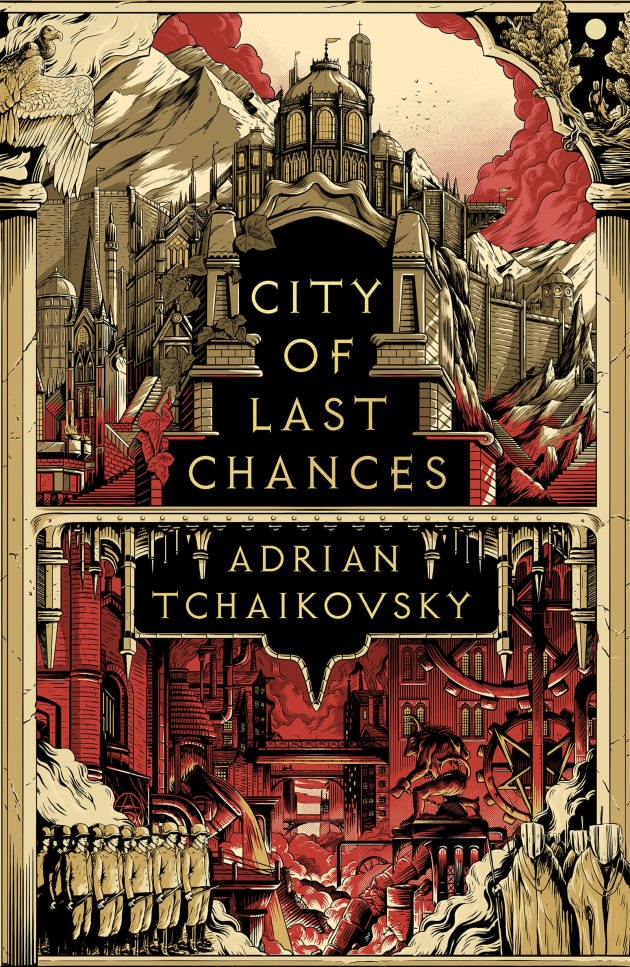
City of Last Chances by Adrian Tchaikovsky

City of Last Chances Cover

Publisher: W. F. Howes (Audiobook – 15 December 2022)

Series: Standalone/Book One

Length: 20 hours and 7 minutes

My Rating: 5 out of 5 stars

Amazon

Acclaimed fantasy and science fiction author Adrian Tchaikovsky delivers one of the best fantasy books of 2023 with the intricate and captivating City of Last Chances.

Over the last year I have been really getting into the works of Adrian Tchaikovsky, one of the most inventive and imaginative authors of fantasy and science fiction writing today.  Tchaikovsky is a skilled and prolific author who has been a major figure in genre since 2008.  Best known for his Shadows of the Apt, Children of Time, Echoes of the Fall and The Final Architecture series, as well as a compelling collection of standalone novels and novellas (I personally have my eye on his previous novel, Guns of the Dawn), Tchaikovsky has a great habit of creating elaborate new worlds filled with intriguing characters and scenarios.  I have only read a couple of his books so far, including Tchaikovsky’s first Warhammer 40,000 novel, Day of Ascension, and his outstanding 2022 novella, Ogres, but both were outstanding reads and I loved the epic stories both of them contained.  Because of this, Tchaikovsky’s latest standalone novel, City of Last Chances, has been on my radar for a while.  It was released last year, and I finally managed to get a copy on audiobook a short while ago and dove into it as soon as I could.  However, I was unprepared for just how captivating its story would be.

There has always been a darkness hanging over the ancient city of Ilmar.  Known colloquially as the City of Long Shadows, the City of Bad Decisions, and the City of Last Chances, Ilmar is home to many dangerous magical occurrences, including the mysterious Anchorwood at its centre, which serves as a gateway to other far-off worlds.  However, a far more sinister enemy has arrived at Ilmar, the soldiers of the Palleseen, a powerful empire seeking to bring its ideas of perfection and order to all it conquers, whether they like it or not.

After several years of occupation, Ilmar is at a tipping point.  Its citizens are fed up of the corrupt and brutal soldiers, and everyone in Ilmar, be they rebels, criminals, refugees, idealistic students or factory workers, is looking for an opportunity to strike back and make their lives better.  With these forces straining to be unleashed, all it takes is one spark to set the fire of anarchy.  That spark occurs when a powerful Palleseen official leads an ill-advised expedition into the Anchorwood, searching for additional power.  However, he is unaware that an opportunistic thief has stolen the necessary protective amulet in advance, and the expedition is massacred by the creatures that live within the wood.

As news of this crime spreads throughout the city, chaos begins to rear its head.  Everyone is searching for the valuable amulet that was stolen as it represents the greatest chance of freedom many will see, while the Palleseen soldiers are clamping down on the entire city, determined to find those responsible and make them pay.  In this chaos, a mixture of Ilmar’s citizens, including a desperate priest, a violent murderer, an unlucky thief, a duplicitous lecturer and several of the most lost people in the city, will seek to survive the oncoming storm, only to fan the flames further.  However, none are truly prepared for the full danger about to engulf Ilmar, or the heartbreak that follows with it.

Well damn, now that was a pretty damn epic book.  Tchaikovsky has delivered an exceptionally intriguing and addictive novel in City of Last Chances that got me hooked very early on.  I was honestly blown away with the captivating and unique narrative that City of Last Chances contained, and Tchaikovsky drew me in with every fantastic detail and distinctive character.  This book gets a very easy five-star rating from me as I am still thinking about every detail of this book.

City of Last Chances has an amazing fantasy narrative at its centre, which Tchaikovsky backs up with his impressive and distinctive writing style that results in an extremely entertaining, powerful, and intense read.  City of Last Chances follows a raft of different characters as they attempt to navigate a series of deadly events following a single theft.  Tchaikovsky sets out the story in a very interesting way, and the book initially feels more like a collection of short stories than one cohesive narrative; for most of the first half of the book, each chapter acts as a semi-independent story that introduces the reader to a new character and shows their place in Ilmar.  These new characters are often supporting or named figures from a previous character’s chapter, who have their own unique stories and lives.  These character-driven stories are all quite enjoyable and compelling in their own way, and Tchaikovsky cleverly alters the tone so that some come off as very serious, some are quite dark, and others can be a little more comedic and thought provoking.  Some of my initial favourites include the funny and philosophical first chapter around the priest Yasnic and his relationship with God (which reminded me a lot of Small Gods by Terry Pratchett), Langrice’s scene-setting chapter at the mysterious Anchorage inn, and the chapter that gave a proper and humorous introduction to the grim figure of Blackmane as he finds himself about to be executed by a very cheery hangman.  Not only are these chapters very entertaining in themselves, but they effectively set up a larger narrative within City of Last Chances, while also providing great character moments and more and more glimpses into the many aspects of Ilmar.

As the book continues, the character-driven chapters begin to flow on from the preceding storylines, with the catalytic theft of the Palleseen artefact leading to bigger events down the line.  Each chapter adds its own spin to these events by showing new factions, impacted characters, or horrors within the city, or by introducing a new series of spiralling events that begin to unwind the situation even further.  As the story continues, a main cast begins to develop as more of the chapters focus on certain characters.  This really starts to bring the overarching narrative together, and soon the best parts of each unique character and their arcs begin to mingle with the other fantastic figures.  The story soon develops into a great tale of revolution with some Les Misérables vibes to it, as students, refugees, resistance fighters and factory workers begin to revolt.  The substantial main cast is worked into these events extremely well, and the reader is soon wrapped up in their powerful character arcs as well as the overarching story of Ilmar as everything begins to unfold.  Most of this is captured in a series of great chapters focused on the main cast, although new characters are still introduced right up into the end, with some unique, if brief, storylines skilfully worked into the larger narrative.  The author really pushes everything up a notch as the book comes towards the end, and every danger, unusual occurrence and strange character is unleashed to some degree.  There are some outstanding reveals, big battles, and some deeply personal moments that really help to bring the entire fantastic story together.  I particularly loved how some great story elements that were hinted at earlier in the book are brought to the fore at the end, especially as this includes some outstanding twists (Hellgram’s wife was a fun one for me).  However, the true joy is in the way that every major character gets a resolution to their emotional and complex character arcs, leaving the reader breathless in multiple ways.  I felt that Tchaikovsky wrapped everything up perfectly, and this serves as a brilliant and captivating standalone fantasy narrative.

I cannot compliment the way that Tchaikovsky presented this outstanding story enough, as his distinctive writing style really helped to compliment the epic and complex plot.  I have already mentioned his great use of different character focused chapters above, and I must once again highlight how effectively they were used to tell a cohesive and distinctive narrative with so many entertaining facets.  While it did take me a little while to fully appreciate what Tchaikovsky was trying to achieve with these semi-independent chapters, once you notice how the story is coming together through character-focused sequences, you really grow to appreciate it.  The continued change of character focus ensures that Tchaikovsky keeps the pace of City of Last Chances pretty brisk, and it is easy to quickly move through the story, especially once you get caught up in the tale of Ilmar and its people that the author is developing.  Tchaikovsky also introduces some impactful changes in tone throughout the book, as City of Last Chances runs the gauntlet from being light-hearted to emotionally draining, as the protagonists go through hell and back while also trying to deal with their own personal problems.  The author puts in some pretty intense scenes throughout this powerful story, many of which leave the characters reeling in different ways, and there are also some quite terrifying or shocking sequences as the full horror of this city is revealed in gruesome fashion.  However, these darker scenes are often undercut with some fun and amusing humour that helps to diffuse the tension at some key parts of the plot and which I found to be very refreshing.  This humour is often a little black and cynical in context, which ensures that the reader is left amused, and sometimes laughing, without the story getting too light and drifting away from its harsher content.  I really think that Tchaikovsky found the right balance here, and I rather enjoyed how he mixed everything together.  I had so much fun seeing how Tchaikovsky wove his complex tale into this book and City of Last Chances really emphasises just how talented he is as an author.

One of the key things that made City of Last Chances such a hit for me was the outstanding setting of Ilmar.  Tchaikovsky has always been exceedingly good at effectively building up an inventive and complex new setting for his stories, and this is some of his best work yet.  The author shows Ilmar through the eyes of so many different characters in this book, each of whom adds a new aspect to its history, character, and energy, as the story progresses.  This proves to be quite an effective way to introduce the setting, and the reader soon gets an impressive picture of the entire chaotic glory of this oppressed city.  I love all the aspects of this place, including the magical dimension-hopping wood and the responsibilities surrounding it, the demon powered factories, the oppressed refugee areas, the idealistic student academy and the sinister Reproach, an abandoned part of the city filled with magically cursed wretches dancing to their death.  Each of these complex and compelling elements are explored to their fullest throughout City of Last Chances and I really appreciated how Tchaikovsky built them up and then effectively featured them again later in the story.

The author also explores various parts of the world outside of Ilmar, and it is interesting to see how that impacts on the main story.  I particularly liked the use of the Palleseen as the overarching antagonists of the story and Tchaikovsky paints them as an obsessed group of fanatics trying to bring their ideas of perfection to an unwilling world.  This plays into several of Tchaikovsky usual themes about oppression and revolution, and he sets the Palleseen up as a vindictive group, who are often hamstrung by the practices and bureaucracy they force on their enemy.  The entire focus on the city of Ilmar being unleashed to face the occupiers was an excellent part of the book, and Tchaikovsky built up all the factions and chaotic nature of the city really well.  As such, Ilmar is a brilliant background setting to this great story and I really appreciated how Tchaikovsky set his story into it.

While I loved so many of City of Last Chances elements, for me the most important and powerful part of the book is the characters, as Tchaikovsky introduces the reader to a massive and captivating cast of figures who travel through the story in their own fashion.  Due to the way the story is set out, there are quite a lot of characters in City of Last Chances, with new cast members being added in every chapter, either to support the current point-of-view protagonist or to set them up for their own chapter later.  As such, there is a real focus on quickly and effectively getting to the root of each character in their first chapter, and I think that Tchaikovsky did a great job on this score.  You get to know each of these figures really quickly and you really get drawn into their unique tales and arcs, many of which are perfectly developed over the course of the book.  While the cast is pretty massive, each of these characters is given plenty of time to develop and many prove to be particularly complex and relatable as a result.

While there are so many great characters, several definitely stood out to me, especially as Tchaikovsky kept going back to them.  This includes Yasnic, the last priest of a diminished and petty god who now haunts his one follower.  Yasnic is a fantastic and occasionally comedic character, which reminded me a little of the protagonist of Terry Pratchett’s Small Gods.  While I did think that Yasnic was a bit one-note at the start of the book, he develops as the story continues, and you really appreciate just how complex and damaging his life as a priest has been, thanks to his god’s arbitrary rules, many of which have actual good reasons behind them.  Watching him try to balance his faith and connection to his god against the terrible things being done to him and the city is a key part of the book, and it leads to some emotionally powerful scenes, especially when Yasnic thinks that his god is being taken away from him against his will.

Other great characters include Langrice, the shunned owner of the Anchorage, the inn that borders the Anchorwood, and Blackmane, an Allorwen refugee and former sorcerer, who serves as a criminal pawnbroker.  Both characters are older and wearier figures who are trying to survive the harsh circumstances of their lives the best way they can.  Both are shown to be outcasts to their own people in different ways, and this leads to a compelling relationship between the two, even if they do not actually trust each other.  I also quite liked the character of Maestro Ivarn Ostravar, a lecturer at Ilmar’s Gownhall university, who acts as a great patriot to his students while actually collaborating with the Palleseen.  Ivarn is a particularly arrogant figure who manages to manipulate people’s views of him, and it is really fun to see him thrown into situations outside of his control, especially when his own reputation works against him and forces him to become the figure head of resistance.  His student, Lemya, is also a great part of the book due to her fervent idealism brought on by Ivarn’s teachings.  Off course, her naivety comes back to bite her and the other characters repeatedly, and while her actions are often a little frustrating, it is great to see her slowly realise she is being manipulated and gain some common sense.

However, to my mind the best character in the book is Ruslav, which is frankly a shock as he initially shown as a simple thug with an obsession for women.  However, Tchaikovsky keeps coming back to him as the story develops and each new situation he finds himself in makes him more complex and likeable.  His first chapter shows how his entire perspective on life is changed when he falls in love with a beautiful painting, which starts a great character arc of self-discovery and confusion for him.  Tchaikovsky keeps developing Ruslav’s story as the book continues and he soon faces more and more challenges, including a mortal injury, a hanging, and forced religion.  The latter is the most damaging to him as he is forced to give up violence, the one thing in life he is good at, to stay alive, which results in quite the existential crisis.  Watching him try to fit all the unusual events occurring to him into his insights as a street thug proves to be entertaining and very relatable, as you understand just how much of a struggle each of his new experiences are for him.  His coarse humour fits into this arc very well, and watching him swear at his new, inadvertent god and all the people of different backgrounds he is forced to deal with, makes for some very fun scenes.  However, not all of Ruslav’s storyline is comedic, as Tchaikovsky loads in continued tragedy for him as well, that really shakes him, and the reader, to their core.  The author seems to both love and hate Ruslav, and the resulting damage and development he goes through result in some of the most emotionally rich parts of City of Last Chances.  I honestly am still surprised that Ruslav turned out to be such a great character, but he and the rest of the cast really make City of Last Chances an epic book, and I am really glad I got the opportunity to dive into their unique lives.

As with many of the larger fantasy books I tend to read, I chose to seek out the City of Last Chances audiobook format, which served as an outstanding way to enjoy this fantastic and elaborate book.  This new Tchaikovsky audiobook is pretty long with a run time of just over 20 hours, and it did take me a little while to get through it, although it was very much worth the time.  I always find that listening to an audiobook helps me to absorb more detail for some books, and this was particularly useful for City of Last Chances as Tchaikovsky has once again loaded his unique setting and captivating story with so many intricate elements.  As such, I was really able to full appreciate the full complexity of the dark city of Ilmar and its many, desperate residents.

I was also extremely impressed with the voice work of narrator David Thorpe, who ensured that the listeners could full enjoy every single aspect of City of Last Chances.  Thorpe, whose narration I have not had the pleasure of before, did a spectacular job here in City of Last Chances and I honestly enjoyed every second he spent telling this story.  Not only has he got a great base voice that tells the main story at a clipped and exciting pace but he also provides a ton of impressive tones for all the characters in this book.  Every one of City of Last Chances’ unique characters is given a particularly fitting voice that captures their personalities and really helps to convey to the reader some of their key points, such as Yasnic’s meekness, Ostravar’s arrogance, or Lemya’s unbridled idealism.  Thorpe also comes up with several great accents that he uses to differentiate some of the different races and nationalities contained within the city, and I felt that this really helped to emphasise the cultural elements contained within the story.  Overall, the City of Last Chances audiobooks is pretty damn spectacular, and I loved how the entire thing came together.  I had so much fun listening to Thorpe’s great take on the characters, and this is easily the best way to enjoy this epic read.

City of Last Chances is a brilliant and wonderful novel by Adrian Tchaikovsky that I cannot start raving about.  I quickly became enthralled the outstanding and compelling narrative that he pulled together throughout City of Last Chances, and his fantastic delivery, intriguing setting, and impressive characters all drew me in.  This is easily one of the best books I have read so far in 2023 and it comes very highly recommended by The Unseen Library.  I cannot wait to see what amazing book Tchaikovsky comes up with next, as if it is any where as good as City of Last Chances, I am going to love it.

Amazon

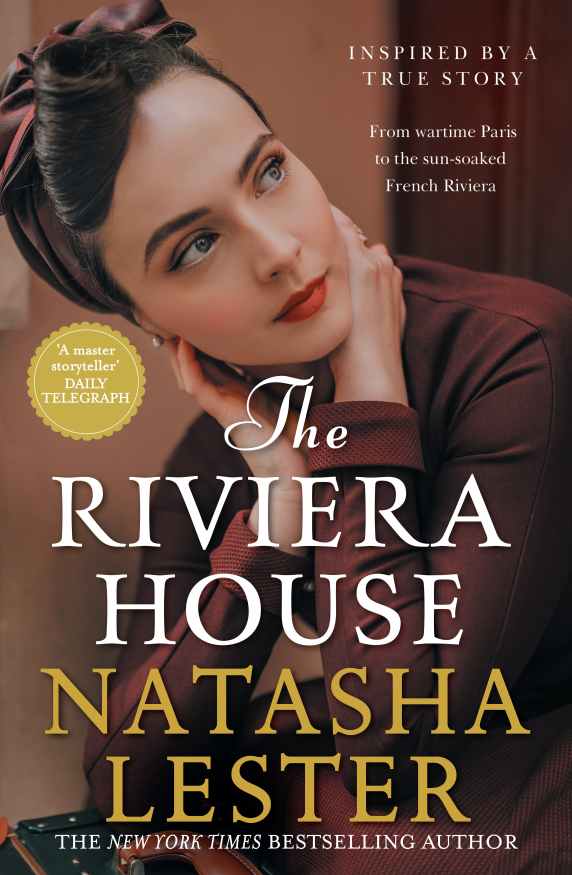
The Riviera House by Natasha Lester

The Riviera House Cover

Publisher: Hachette Australia (Trade Paperback – 1 September 2021)

Series: Standalone

Length: 452 pages

My Rating: 4.25 out of 5 stars

Amazon     Book Depository

Bestselling Australian author Natasha Lester returns with a powerful and intense historical drama that presents a multigenerational tale of love, loss, culture, and the horrors of the Nazi occupation of France, in The Riviera House.

Paris, 1939.  With the war about to start and fears of a Nazi invasion becoming more apparent, Éliane Dufort, a young art student who works part time at the Louvre, watches the staff store away the gallery’s most expensive artworks and begin to hide them throughout France.  Determined to survive the upcoming war, the last thing Éliane should have done was fall in love, however when she meets one of her brother’s friends, Xavier, she cannot help herself, and they soon begin a whirlwind romance.  However, with the Nazis right outside of Paris, Xavier leaves for England, breaking her heart.

With Xavier gone and most of her family killed by the Nazis as they tried to flee the city, Éliane vows to fight the invaders by any means necessary.  Her connection to the Louvre lands her a job working for the enemy in the vast warehouse the Nazis are using to store the artwork looted from France.  Working with the legendary Rose Valland, Éliane is tasked with recording every single piece of art that the Germans steal, as well as attempting to discover where they are being sent.  However, Éliane soon gains the unfortunate romantic attention of a powerful Nazi officer, while a returning Xavier, now a treacherous art expert working for Hermann Göring, threatens to destroy her cover.

Many years later, vintage fashion expert Remy Lang travels to the French Riviera and arrives at a beautiful house that was part of a mysterious inheritance from her unknown biological parents.  Hoping to escape from her intense grief at the loss of her husband and child, Remy soon becomes involved with a visiting family living at the neighbouring villa, including charming photographer Adam.  As she attempts to understand her feelings for Adam amidst her sorrow, Remy soon stumbles upon a shocking mystery when she chances upon a catalogue detailing artworks stolen from France during the war, which includes a painting that hung in her bedroom as a child.  Determined to get to the bottom of this mystery, Remy attempts to trace her past and the history of the unexplained painting.  But the story she uncovers is one of great tragedy and shocking revelations that will change everything Remy thought she knew about her past.

This was an outstanding and deeply impressive historical drama from Natasha Lester, who has previously written some great historical dramas, such as The Paris Secret and The French PhotographerThe Riviera House is a particularly compelling and intense novel that perfectly brings two separate timelines together into one moving narrative, while also focusing on two distinctive and complex groups of characters.  This results in a brilliant and moving read that is guaranteed to haunt you long after you finish reading.

Lester tells a deep and captivating tale in this novel that is moving, intense and very addictive to behold.  The author utilises a split timeline throughout The Riviera House, with one storyline set during World War II in Paris, while the other is based in the modern day and takes place in several locations, although primarily in the French Riviera.  The book jumps back and forth between these two timelines, with the speed of transition increasing the closer it gets to the conclusion.  Both storylines contain their own plot, characters, and interesting features, and they come together to form quite an intense overarching narrative.

The first storyline of The Riviera House is the World War II storyline, which follows the character of Éliane Dufort.  Éliane, after suffering several great losses because of the Nazi invasion, becomes embroiled with the French Resistance and soon gets a job working for the Nazis, assisting in their loot warehouse, and helping historical figure Rose Valland create her record of stolen works.  However, the story gets increasingly complicated as the book progresses, with Éliane torn between her remaining family, her love/hate relationship with the traitor Xavier, and her forced relationship with a powerful Nazi member who has fallen for her.  The entire story comes to a head in the closing days of the Nazi occupation, when Éliane is forced to risk everything dear to her, and soon encounters just how tragic the war is and how evil people can be, even those closest to you.

This part of The Riviera House is an amazing bit of historical fiction, exploring the history of the time while also featuring an emotional and moving tale of love, hope and courage.  I really connected with this half of the novel, due to the thrilling and intense story that shows a grim picture of the period and featuring some memorable moments.  The story of Éliane and her family is full of tragedy and suspense, and if you are looking for a happy read than you have come to the wrong place.  While I did see most of the major twists coming, I appreciated how this narrative came together, as well as the clever way it led into The Riviera House’s other timeline.  I also deeply enjoyed the unique historical aspects of this novel, particularly around the Nazis’ systematic looting of French art.  Lester really dove into this part of the war, providing a detailed account how the Germans stole the art, stored it, and eventually shipped it away as the war progressed.  This tale features several real-life historical figures who are worked into the plot extremely well and who add an extra layer of authenticity to the tale.  One of the most interesting historical figures is Rose Valland, the courageous art historian who risked everything to pull together a record of the looted artwork.  Valland, who has inspired characters in films such as The Train or The Monuments Men, was a fascinating character in this novel, and I liked how Lester tied Éliane’s story into that of Valland.  I felt that this examination of the Nazi art theft was both fascinating and cleverly utilised, and it helped to provide some extra power and intensity to the novel.

The other timeline in The Riviera House is based in modern times and follows Remy Lang, a fashion figure who is spending time in the French Riviera, trying to escape her grief over the tragic death of her husband and child, and soon meets some new people who help her move on.  This storyline was more of a pure dramatic tale and focuses on Remy’s grief, her new romance, and the friction brewing between the family she has just met.  I got quite attached to the potent emotional elements featured in this book, especially as Lester really focuses on the lingering impacts of grief, such as the guilt survivors feel when thinking about something new or considering moving on.  Add in quite a compelling mystery element to it, as Remy and her new friend Adam start investigating the connection that Remy had to the other story, such as her long-dead biological parents and several mysterious inheritances.  These connections to the storyline set in the past compliment the protagonist’s current issues and concerns extremely well, and it was really fascinating to see her work out how her life was shaped by the original protagonists many years before.

I ended up really liking both timelines within the novel, although I did prefer the storyline set in World War II due to its interesting historical research, complex characters riven by war, and terrible tragic moments.  I must admit that I am not usually the biggest fan of historical dramas that feature two separate timelines (it really is an overused device in historical dramas).  However, I think that it was utilised extremely well in The Riviera House, and the two separate storylines melded together into a fantastic overarching read.  I loved how Lester was able to provide subtle hints about the fate of the historical protagonists in the contemporary storylines, although the full revelations about them was often hidden and not revealed until later.  I also really appreciated finding out how the events of the World War II story led into the later plot, and the full truth about how everything occurred is not only great to behold in the historical storyline, but it also has some major impacts on the modern-day protagonist.  This really enhanced The Riviera House’s plot and the overall drama of the book, and it helped to produce an excellent overall narrative.

I also quickly wanted to highlight some of the cool and fascinating cultural elements that Lester slipped into her novel, particularly around art and fashion.  I already mentioned how much I enjoyed the interesting and in-depth examination of the Nazis’ looting and the plans to stop them, however, I also appreciated the way in which Lester examined the art itself, as well as the people who were fighting to protect it.  You really get a sense of the beauty and subtlety of the different artworks featured throughout the book, but more than that you also get to explore what makes people passionate for art.  This book contains several characters who appreciated the true value that this art had to themselves and the nation, so much so that they were willing to risk their lives for it.  This forms a major part of the historical storyline’s plot, and I think that Lester did a wonderful job exploring it.  In addition, the contemporary storyline features a compelling examination about the appeals of vintage fashion.  Lester, who has previously explored fashion in some of her past novels (for example, a major part of her previous novel, The Paris Secret, revolves around vintage gowns), did a good job explaining the current obsession with vintage fashion, as well as how people can make money off it.  While I usually care very little about any sort of clothing fashion, Lester’s descriptions proved to be very intriguing, and I found myself appreciating her obvious passion for the subject.  Both these cultural inclusions enhanced the story, especially as they were strongly related to the various protagonist’s motivations and obsessions, and I really appreciated they time that Lester took to feature them.

Overall, I felt that The Riviera House by Natasha Lester was an excellent and well-crafted historical drama with some powerful elements to it.  Lester did a wonderful job of crafting a compelling, multi-period storylines that combined historical and contemporary narratives into a single, moving tale.  I particularly enjoyed the cool focus on the Nazi occupation and art obsession, which resulted in a thrilling and very tragic tale.  The Riviera House is a highly recommended book and a must-read for all fans of historical drama.

Amazon     Book Depository

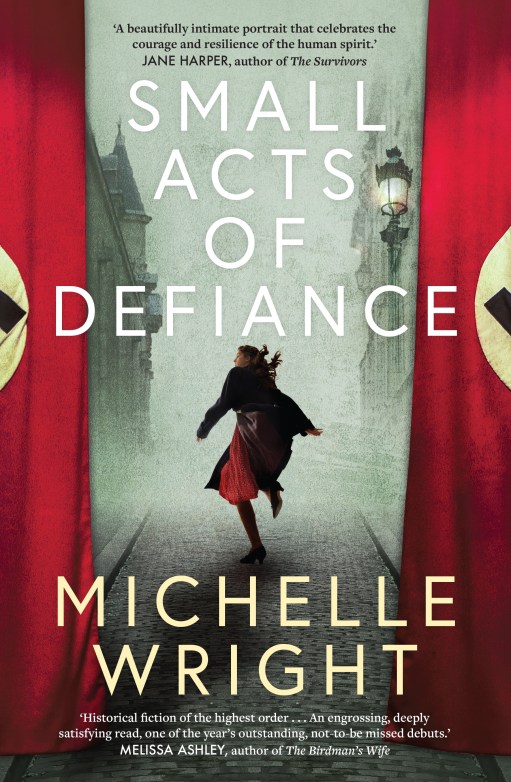
Small Acts of Defiance by Michelle Wright

Small Acts of Defiance Cover

Publisher: Allen & Unwin (Trade Paperback – 1 June 2021)

Series: Standalone

Length: 344 pages

My Rating: 4.5 out of 5 stars

Amazon     Book Depository

Impressive debuting Australian author Michelle Wright transports the reader back to the horrors and struggles of occupied Paris with the moving historical drama, Small Acts of Defiance.

May 1940.  Following the tragic death of her father, Australian teenager Lucie and her French mother Yvonne are left without any means of supporting themselves in Australia.  Reaching out to the only family they have left, Yvonne’s estranged brother Gerard, Lucie and her mother are convinced to journey back to Yvonne’s home city of Paris to live with Gerard in his apartment.

Despite having reservations about leaving for a Europe rocked by the early stages of war, Lucie is quickly enchanted by the beauty and culture of the city.  However, shortly after their arrival, disaster strikes and the French army suffers a catastrophic defeat, allowing the Nazis to invade France and occupy Paris.  Forced to adapt to the new regime, Lucie and her family attempt to survive as well as they can.

While wishing to remain safe and unnoticed by the Nazis, Lucie is drawn into the conflict when she befriends several people around Paris who resent the German occupation.  Encouraged by their strength and determination, Lucie experiments with using her artistic talents to engage in small acts of defiance against the Nazis and the puppet Vichy French government.  However, when she witnesses the Nazis’ increased attacks against Paris’s Jewish population and the attitudes of her authoritarian uncle, Lucie is drawn even deeper into the fight.  How far will Lucie go to save her new home, and what difference can even a few small acts of defiance truly have?

Small Acts of Defiance was a fantastic and moving novel from a promising new author that did an excellent job highlighting the horrors and troubles of occupied France.  Author Michelle Wright, an Australian who has spent considerable time in Paris, has written an outstanding novel with a story that is both beautiful and devastating, as she tells the intriguing and intense tale of Lucie and her experiences during the war.

Wright has produced a fast-paced and deeply moving narrative for Small Acts of Defiance.  The author swiftly sets the scene for the main characters of Lucie and her mother, who move to Paris right before the invasion while still dealing with the traumatic aftermath of Lucie’s father’s death.  It really does not take long for the historical horror to occur, as Paris is swiftly conquered by the Nazis, although Wright ensures that there is just enough time for Lucie, and the reader, to become enchanted with the city before its occupation.  Following the invasion, you are introduced to several great supporting characters who help Lucie to fully see how evil the Nazis and their French collaborators are, especially as some of her new friends are Jewish.  This centre part of the novel is great, and it was fantastic to see Lucie find her feet while also starting her initial acts of defiance.  However, while all appears mostly right, you know that tragedy is on the horizon, especially as the Jewish characters you become close to slowly have more and more restrictions placed upon them, which can only lead to disaster and despair.  Once the inevitable happens, the story really intensifies, as the protagonist witnesses true horrors and atrocities which slowly costs her some people she is really close to.  Readers will not be prepared for how dark and tragic the book becomes, although you cannot help but keep reading, especially as there is a little bit of hope for some characters.  The conclusion of Small Acts of Defiance is pretty intense and satisfying, especially as the protagonist achieves several great things while there is some good news for the other supporting characters.  This entire narrative very well written, and I loved the dramatic and powerful tale that Wright created here.  There is so much amazing and moving character development, especially around Lucie, which really grounds the novel and helps keeps the readers glued to the pages.  Wright has a real talent for writing hard and dark scenes, and I was utterly enthralled by this powerful story.

I was deeply impressed by the sheer amount of historical detail that Wright put into her debut novel, which is no doubt a side effect of all the time she spent in Paris.  The author covers the entirety of the Nazi occupation, from the French defeat, to the chaos of the invasion and the subsequent control of the city by the Germans.  There are so many interesting details and facets of history contained within the story, and I found myself getting really engrossed in the spectacular portrayal of this key historical location.  Wright spends time focusing on the various attitudes and reactions of the citizens of Paris, which ranged from outrage to acceptance or even outright support of the new regime.  The depictions of the puppet Vichy government and its actions was particularly intriguing, especially as the author examines the reason it had some support from the French.  This is particularly shown by Lucie’s uncle, an authoritarian former solider who respected the military general put in charge of the country, and who felt disenfranchised by the previous free French government.  There was also a lot of focus on the gradual crackdown and eventual deportation of the city’s Jewish population.  Due to the protagonist befriending several Jewish characters, you get to see the various restrictive laws come into effect, and the way that the Jewish population was dehumanised and destroyed one step at a time.  All of these proved to be deeply fascinating, and I loved how Wright was able to work it all into her intense and excellent story.

One aspect of this historical detail that I found extremely intriguing was the storyline surrounding the protagonist’s attempts at defying the Nazi and Vichy governments.  Unlike most historical fiction protagonists who fight back with guns, political speeches or brazen heists, the hero of Small Acts of Defiance at first uses art to subtly push back against authority.  This is achieved by drawing pamphlets or subtle symbols of French freedom in the postcards that she sells, small things that could still get her in trouble.  As the war progresses, the protagonist gets involved in other small ways, such as helping to pass information to the Allies or assisting the city’s remaining Jewish population.  I found these small acts of resistance to be a fascinating part of the book’s plot, and it was rather interesting to see the effect that even these minor actions could have on the character’s moral.  It also resulted in some compelling comparison to some of the more radical members of the French Resistance, especially some of Lucie’s friends, who take more drastic actions and face several physical and moral consequences as a result.  While Lucie does become more involved later in the book, I felt that it was really intriguing to see the various small, non-violent ways that French citizens could have helped in the war effort, and I think that it was a fantastic part of this captivating narrative.

Small Acts of Defiance was an incredible debut from Australian author Michelle Wright that does an amazing job capturing the tragedy, division and defiance that occurred during Nazi occupation of Paris.  Featuring a moving and captivating tale that surrounds one girl’s small attempt to help her friends and her new city, Small Acts of Defiance is an outstanding historical drama that comes highly recommended.  I am very intrigued to see what additional novels Wright creates in the future, and I am extremely glad I got the opportunity to read her fantastic first novel.

Amazon     Book Depository

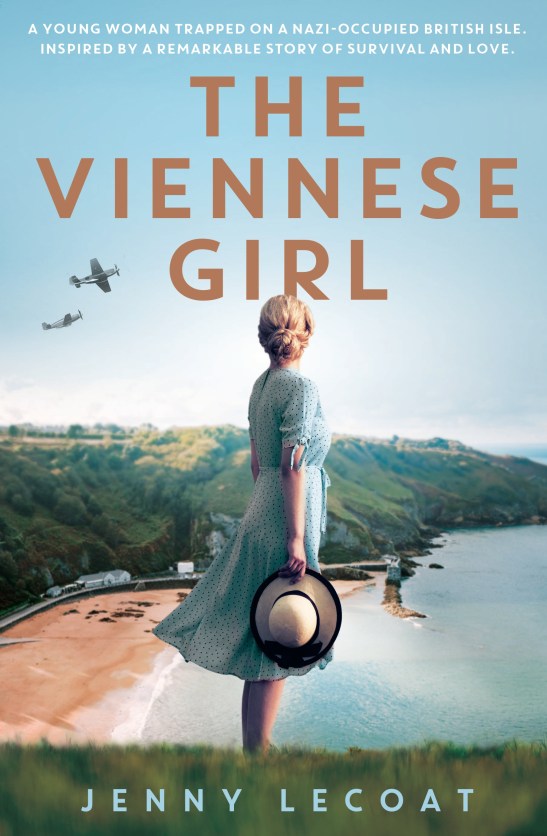
The Viennese Girl by Jenny Lecoat

The Viennese Girl Cover

Publisher: Allen & Unwin (Trade Paperback – 28 April 2020)

Series: Standalone

Length: 266 pages

My Rating: 4.5 out of 5 stars

Amazon     Book Depository

Love, war, endurance. Debuting author Jenny Lecoat presents an impressive and compelling historical drama with The Viennese Girl, a fantastic read based on a remarkable true story.

June 1940. The inhabitants of the Channel Island of Jersey can only watch as the German army invades and takes complete control of their island without any opposition. Abandoned by the British and forced to fend for themselves, the people of Jersey must get ready to endure a lengthy occupation that will last to the very end of the war.

For young Jewish girl Hedy Bercu this is a nightmare situation. Having already successfully fled from the Nazis when they invaded her home of Vienna, Hedy once again finds herself trapped and persecuted, only this time she has nowhere to escape to. Forced to do everything she can to survive, Hedy tries to hide her true identity and even accepts a job as a translator in the German headquarters. However, Hedy is not content to simply sit back and let the Nazis win without a fight, and she begins to engage in several small acts of resistance which bring her to the attention of a German lieutenant, Kurt Neumann.

Kurt finds himself instantly smitten by the mysterious Hedy, and he attempts to pursue a relationship with her, without knowing about her tragic past. But when Hedy’s attempts at sabotage are discovered, her Jewish heritage is revealed to all and she becomes the most sought-after fugitive on the island. Can Hedy rely on her friends and Kurt to survive, and how will she escape detection from the Nazis on their most isolated and heavily occupied territory?

The Viennese Girl is a great debut novel from television writer Jenny Lecoat, which turned about to be quite an intriguing historical drama that I am really glad that I checked out. A very important thing to know about this novel is that it is actually based on a true story of the Jersey occupation. The main characters contained within this story are all real people, and their tale has been mostly unknown until a recent publication by Dr Gilly Carr in the Journal of Holocaust and Genocide Studies.

Lecoat provides an exquisite novelisation of these historical events within The Viennese Girl and turns it powerful and captivating narrative of romance and resistance that follows two real-life star-crossed lovers, Hedy and Kurt, as they attempt to survive a terrible situation. The story is shown from the dual perspectives of Hedy and Kurt, whose different viewpoints show off various aspects of the German occupation of Jersey. This book makes great use of a combination of a dramatic and tension filled storyline, fantastic portrayals of real-life characters, a distinctive historical setting and a compelling romance to make for an amazing read.

The lives of and the relationship between the two main characters, Hedy and Kurt, forms an excellent centre to this book. Both are intriguing characters in their own right. For example, Hedy is a Jewish girl doing everything she can to survive after being trapped by the Nazis a second time. She is rightly bitter and terrified about the entire situation, but brave enough to fight back against the Germans with small acts of sabotage. Naturally, the parts of the book told from Hedy’s point of view are filled with all manner of tension as she is terrified of being taken away by the Nazis, a feeling that only intensifies as the book proceeds. There is also a prevailing sense of loneliness and despair brought on by her situation, the lack of people on Jersey who she can trust and the knowledge of what has happened to her Jewish friends and family back home. Kurt, on the other hand, is a reluctant member of the German army who has become disenfranchised with his more radical Nazi colleagues. He has some rather surprising views for a German officer, and a distinct dislike for many of the people he serves with, and there is a bit of sadness in him as he watches the war consume Jersey. This, and the instant attraction he feels for Hedy, compels him to help her without really knowing anything about her. Kurt then goes to some amazing lengths to help save Hedy in the future once he knows the full detail of her history and manages to outthink some determined opponents.

The author makes sure to spend time exploring both of these characters through the course of the occupation, as well as examining their history, feelings and intentions. Despite all the inherently problematic issues that would occur with such a romance, the two fall in love and start a dedicated relationship. Their romance is an essential part of the story, and I think that Lecoat did a wonderful job showing how such a romance could occur, as well as exploring all the drama that resulted. I liked how the romance managed to help make each of them better, and it healed certain holes in their hearts and minds. I really enjoyed this romance, and I ended up being pleasantly surprised after finishing this book to find that Kurt was a real person who really did fall in love with and help Hedy (due to the unlikely situation, I had assumed that he was either a fictional character or an embellished version of someone). The knowledge that this romance actually happened really enhanced Lecoat’s incredible story for me, and I am rather glad to have seen how it unfolded.

In addition to Hedy and Kurt, I also have to highlight the character of Dorothea Weber (née Le Brocq), who was also a real person featured heavily in Dr Carr’s article. Dorothea was the wife of Hedy’s best friend and fellow refugee Anton, who would eventually become Hedy’s close companion and saviour after she hides Hedy in her house for the later years of the occupation. Dorothea was a rather complex character who has a rather interesting act within this novel, especially when it comes to her relationship with Hedy. For the first half of the book, Hedy sees Dorothea as an interloper and distraction to her friendship with Anton and is a bit annoyed by the attention she gets, her apparent helplessness and obsessions with American films and actresses. However, as the war progresses and Anton is conscripted into the German army, their relationship grows, especially as both of them face their own form of persecution. While Hedy is oppressed for her Jewish heritage, Dorothea faces ostracism from her friends and family for marrying an Austrian, especially one who ends up in the German army, and is labelled a Jerrybag (a derogative term for Jersey girls who were sleeping with the enemy). While she comes across as extremely naïve at the start of the book, Dorothea really grows as a character throughout the book, and continually shows off her surprising inner strength by standing up to people and not hesitating to take Hedy in and hide her from the Germans, despite the obvious risks. I really enjoyed learning about Dorothea’s story, and she became a fantastic part of this book, and it was rather gratifying to learn how the real Dorothea has been deservedly honoured by both the Jewish community and Britain in recent years.

I also really enjoyed learning more about the German occupation of Jersey during the Second World War. This was honestly a topic that I knew very little about, but which proves to be a rather fascinating backdrop to this character driven story. Lecoat, a Jersey native, does a fantastic job showcasing all the details of this invasion, and follows the entirety of the occupation in her story, right up until the end of World War II (the occupiers were some of the last German forces to surrender). The author captures a number of key moments from the occupation in the story while also including several historical figures in her narrative. I also liked how she endeavoured to highlight what day to day life for the inhabitants of Jersey would have been like with the Germans there, and it was interesting to see her interpretations of the islander’s attitudes, how they dealt with the Germans and how desperate the situation got at times throughout the occupation. This proved to be a really interesting and distinctive element to the novel, and I quite enjoyed learning more about this part of World War II that is often overlooked in other historical fiction novels.

Overall, The Viennese Girl is a superb and memorable historical drama novel that is very much worth checking out. Lecoat hit it out of the park with her debut novel, and I was absolutely enthralled by her amazing narrative of courage, survival and love in the most unlikely of circumstances. This was a really impressive novel, and it’s story is going to stick with me for a very long time.

Amazon     Book Depository