Warhammer 40,000: Bloodlines by Chris Wraight

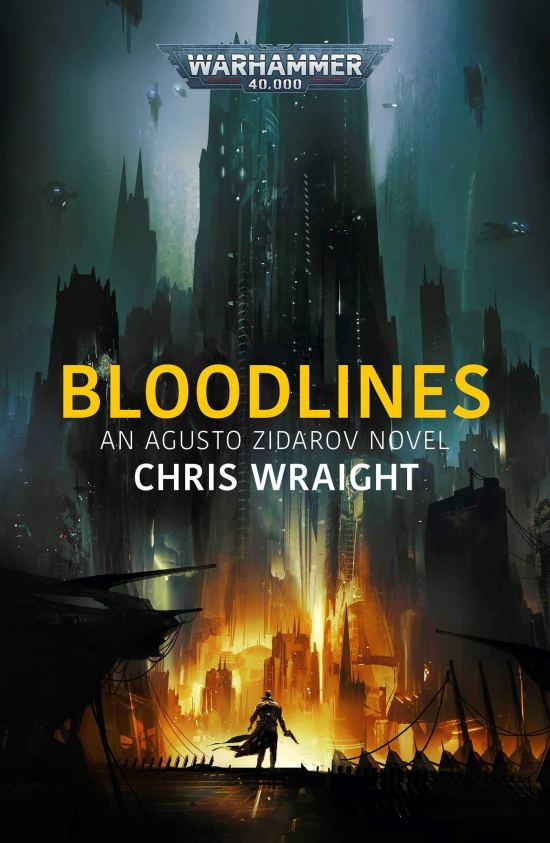
Warhammer 40,000 - Bloodlines Cover

Publisher: Black Library (Audiobook – 8 August 2020)

Series: Warhammer Crime

Length: 8 hours and 30 minutes

My Rating: 4.75 out of 5 stars

Amazon     Book Depository

After some of my recent awesome experiences with the Warhammer Crime series, I just had to check out the outstanding novel, Bloodlines by Chris Wraight, which has one of the best pure crime fiction stories in this entire epic franchise.

Regular readers may have noticed I have been having an absolutely amazing time getting through a ton of Warhammer 40,000 novels in recent weeks as everything about this extended franchise has been so damn fun.  One of the more intriguing sub-series of Warhammer fiction I have been tearing through has been the Warhammer Crime books which, as the name suggests, blends cool crime fiction narratives with a Warhammer 40,000 settings.  The entire series is set within the massive, corrupt city of Varangantua on the planet of Alecto, and several very talented writers have come up with some exceptional novels that perfectly showcase murder, mystery and death in the midst of this great setting.  I have so far deeply enjoyed the epic entries, Dredge Runners and The Wraithbone Phoenix by Alec Worley, Grim Repast by Marc Collins, and Flesh and Steel by Guy Haley, each of which have contained different, if equally exceptional stories.  However, few have had the excellent central mystery of the very first full-length Warhammer Crime novel, Bloodlines from new-to-me author Chris Wraight, which took a veteran cop on an intensive investigation with fantastic results.

After a lifetime working for the Varangantua Enforcers, Probator Agusto Zidarov is well aware that the only certainties in the continent-spanning city are wealth, corruption and criminality.  Tired of the games played between the warring gangs, trade combines, and nobles as they battle for control of the city’s resources, Zidarov is more concerned about his own life, family and secrets.  However, when a simple missing person investigation gets unexpectantly complicated, Zidarov will find a terrible case that he can’t turn away from.

Called to the estate of wealthy business magnate Udmil Terashova, Zidarov is ordered to find her son and heir, who has gone missing.  Forced to plumb the depths of Varangantua’s underbelly, Zidarov attempts to find any trace of the boy, who has likely just disappeared taking part in the rich’s hedonistic lifestyles.  However, when an uncovered lead places him conflict with one the city’s most ruthless gangs, Zidarov soon begins to believe that there is more to this case than he initially believed.

Discovering that the gang is involved in the notorious crime of cell draining, Zidarov’s attempts to shut them down.  However, his raid ends up being a bust, and the fallout results in a dead sanctioner, a wounded probator and a full-on war between the gang and the enforcers.  Attempting to mitigate the consequences of his actions, Zidarov soon discovers that there is far more going on behind the scenes than he ever imagined as corporate interests work to influence the investigation.  To find the truth about the city’s new crime ring and the missing noble, Zidarov is forced to probe both Varangantua’s lowest gangs and wealthiest citizens.  But can Zidarov survive the encounter with his secrets and life intact?

Bloodlines is an incredible and deeply impressive Warhammer Crime novel that I had an excellent time reading, especially as Wraight perfectly blended his crime fiction story with the cool Warhammer setting.  Featuring one of the more elaborate and intriguing cases in the Warhammer Crime books I have read so far, I absolutely powered through Bloodlines and this was truly an outstanding read.

At the heart of Bloodlines lies a pretty awesome and captivating narrative building on the basic crime fiction premise of a veteran cop attempting to solve a crime no one wants investigated.  Taking its cues from classic noir entries (I was reminded a bit of Chinatown), Bloodlines follows Probator Agusto Zidarov, a family man with a cynical view of his job and his place in the city, as he gets dragged into a missing persons case.  Initially starting off a little slow, the story quickly heats up as Zidarov attempts to find the missing heir to the wealthy Terashova family, a disappearance he assumes is a simple case of young rebellion.  However, his routine investigation into the missing lad leads him to discover a cell draining operation being run by one of the major gangs, and he shifts his investigation in an attempt to shut it down.  But when his plans go wrong and his colleagues end up injured or dead, Ziadarov finds himself on everyone’s firing line.

There are some interesting jumps in the case around halfway through as the protagonist soon realises there is far more going on than he initially believed and he is forced to simultaneously investigate both the gangs and some of the wealthiest families and businesses in the city.  I loved this gradual escalation of the stakes of the crime as the book continues, as the original missing persons case is revealed to be far more complex and intriguing than initially believed when the protagonist discovers that he is being used by everyone.  At the same time, Zidarov is forced to deal with some major personal issues, as his wife begins to resent his choices, his rebellious daughter has gone missing in a city full of predators, and certain dark secrets around Zidarov threaten to come into the light.  The eventual reveal about who is responsible for the various crimes is very clever, and I liked the subtle and effective hints and clues leading up to it as the unique motivations and plots utilised intriguing aspects of the Warhammer 40,000 universe.  Wraight ends Bloodlines on a great note as Zidarov gets justice through drastic means after a very intense and powerful confrontation with one of the book’s more intriguing and complex supporting characters.  As such, you come away from Bloodlines feeling very satisfied, although you instantly want to see more of this great character, especially as the sinister connotations about Zidarov’s dark secret indicate that some tragic events are going to befall this character in the future.

The entirety of Bloodlines was laid out extremely well by Wraight, who uses a great style to tell a complex and captivating story.  Told exclusively from Zidarov’s perspective, you are given a personal and close examination of the events of the book as Zidarov slowly and methodically investigates the various crimes.  You are quickly drawn into the elaborate narrative Wraight lays out as the author does a good job of combining an excellent crime fiction storyline with intriguing character development, all set with Varangantua and the wider Warhammer 40,000 universe.  The noir inspired elements of Varangantua really stand out in this book, especially as Zidarov is forced to simultaneously investigate both the criminal cartels and some of the city’s wealthiest residents.  Bloodlines really recalls some classic noir tales, as it focuses on the experienced and dogged investigator fighting the entire system to get answers and justice, and I loved exploring even more of this enormous city and its many colourful residents.  The whole concept of cell draining, which sees thousands of people literally drained of their essence to make life-extending products, was pretty damn horrifying, and I liked how the examination of this gave Bloodline’s crimes a distinctive feel.  Wraight’s great writing style really lends itself to producing a particularly impactful and compelling crime narrative, and I loved how the entire storyline unfolded, especially with the effective twists and the well thought out foreshadowing.  I ended up coming away from this book quite enthralled and happy and I am really excited to read more books from Wraight in the future.

One of the things that I have so far found with all the Warhammer Crime entries is that readers really need very little familiarity with the wider Warhammer 40,000 universe to appreciate these great books.  Anyone interested in a compelling and intense crime fiction story set in a cool and grim futuristic city can easy dive into one of these novels, and all these books are an awesome introduction to the Warhammer fandom.  Bloodlines is no exception to this, as Wraight writes a very accessible crime fiction thriller that anyone can enjoy while simultaneously enjoying the gothic setting.  That being said, Wraight does make excellent use of several intriguing elements from the Warhammer 40,000 lore to enhance his story and there are hints and discussions about elements outside of Varangantua, such as the Imperial Guard or the wider wars of the Imperium, which fans of the franchise will deeply appreciate.  Wraight does do an amazing job of explaining these elements so that newer readers will fully appreciate them, however, established readers will always get a little bit more out of it.  For example, the full significance of Zidarov’s secret isn’t going to be too apparent to new readers, while in-the-know fans are going to get a blast out of the potential implications.  I felt that Bloodlines has a lot to offer all readers, no matter their experiences with Warhammer, and you might find yourself falling for the franchise with this first book.

Another key aspect of the Warhammer Crime series that Wraight perfectly captured in Bloodlines was the excellent utilisation of a complex and likeable central character.  Wraight’s protagonist and main point of view character, Probator Agusto Zidarov, is a deeply intriguing figure who stands out from the other protagonists in the Warhammer Crime series for being much less of a damaged outsider.  Instead, he is a veteran probator who worked his way up to his position with a very realistic view of the world around him than most other characters, and I liked his no-nonsense approach to his job and his city which has been formed from years on the job staying alive.  Despite this veteran presence and cynicism, Zidarov is still willing to do what is right, even if it endangers him, and his dogged approach to solving the case is extremely addictive, especially as Wraight puts in some deeper motivations behind them.  I really enjoyed some of the scenes where Zidarov continuously ignores his friend’s advice and keeps going forward with the case, simply explaining to them and the reader that he is unable to let it go, and he just keeps moving forward despite the inherent weariness of the character.  This determined and tired cop persona is well balanced by the family man aspect of Zidarov, which is another intriguing element that you don’t see in a lot of Warhammer fiction, as most protagonists don’t have wives or children.  Watching him attempt to balance his family responsibilities with that of his job adds some intriguing drama to the story, and I enjoyed seeing this portrait a ‘normal’ Warhammer 40,000 family.  Wraight perfectly weaves together these dual aspects of Zidarov’s personality with a certain darker, secretive thread that really shows the character in a whole new light when revealed, and which is going to have some intriguing impacts down the line.  All of this, and more, helps to make Zidarov one of the more relatable and enjoyable protagonists I have ever enjoyed in Warhammer fiction, and I really hope that Wraight produces some additional Zidarov stories soon.

Once again, I chose to listen to this cool Warhammer novel in its audiobook format, which, as always, was an excellent and deeply fun experience.  The Bloodlines audiobook did an amazing job of bringing this intense and powerful story to life in some very fun ways.  In particular, the complex central setting of Varangantua is really shown in all its corrupt glory when you hear it being described, and I loved how the fast pacing of the audiobook kept the story rolling by.  This format of Bloodlines was also greatly helped by veteran narrator Charles Armstrong, who has so far only lent his talented voice to a few Warhammer audiobooks.  Armstrong provided an excellent performance in Bloodlines, really diving into the various complex characters and helping to showcase their unique personalities and emotions.  I loved the tired and resigned voice that Armstrong came up with for the main character, which really sells the audience on Zidarov’s veteran status which is the result of an exhaustive and draining career.  Other great voices include that fun Irish accent he gifted to supporting character Brecht, which added to his entertaining nature, as well as some excellent voices the various suspects in the main case had.  All this makes the Bloodlines audiobook the very best way to enjoy this exceptional novel and with a runtime of eight and a half hours, you can power through it in no time at all.

Overall, Bloodlines was a particularly epic entry in the Warhammer Crime series, and it is one that author Chris Wraight should be extremely proud off.  Wraight did a remarkable job of blending together an intense and clever crime fiction story with the dark and grim Warhammer 40,000 setting, and the result is a brilliantly twisted case that I couldn’t turn away from.  Combined with instantly likeable character, Bloodlines proved to be extremely fun and deeply captivating, and I loved how the entire book unfolded.  As such, Bloodlines comes extremely highly recommended and you are guaranteed to love every second of it.  I look forward to seeing how Wraight continues this character in the future, and any future books featuring Zidarov are going to be something truly amazing.
Amazon     Book Depository

Warhammer 40,000: Grim Repast by Marc Collins

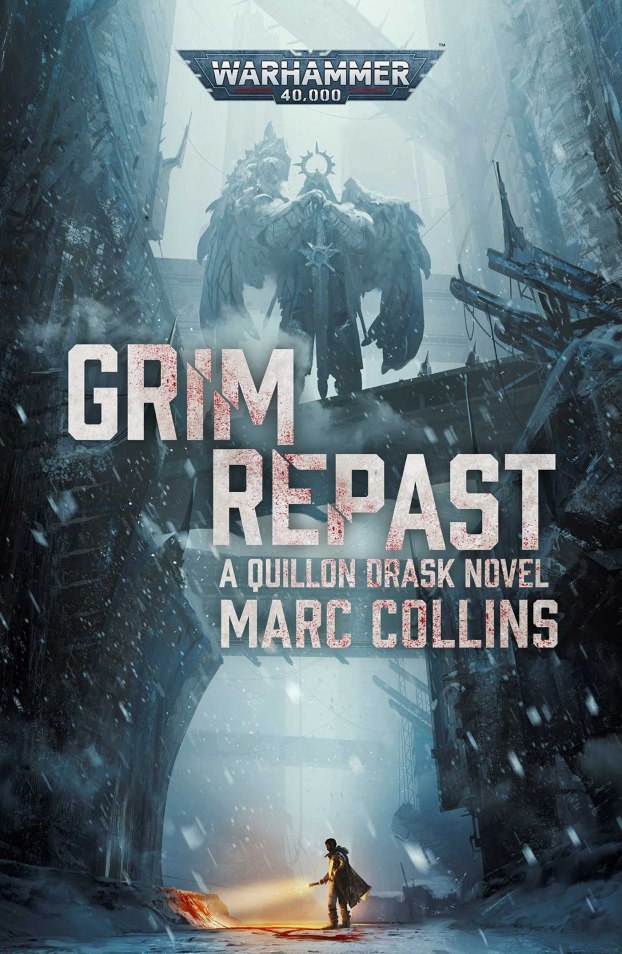
Warhammer 40,000 - Grim Repast Cover

Publisher: Black Library (Audiobook – 25 September 2021)

Series: Warhammer Crime

Length: 9 hours and 52 minutes

My Rating: 4.5 out of 5 stars

Amazon     Book Depository

Prepare for a gruesome and dark murder mystery novel in the gritty Warhammer 40,000 universe with the incredible and awesome Warhammer Crime novel, Grim Repast by Marc Collins.

I have made no secret of the fact that I am currently in the middle of a big Warhammer reading frenzy, having recently reviewed several awesome books, including two novels in my last Throwback Thursday posts (Xenos by Dan Abnett and Deus Encarmine by James Swallow).  However, I am still not done with the tie-in books in this very cool franchise as I have just finished another outstanding read, this time a book which is part of the Warhammer Crime sub-series.

The Warhammer Crime books are a fantastic and captivating series which, as the name suggests, blends crime fiction storylines with the epic Warhammer 40,000 universe.  All set within the tortured and sprawling human city of Varangantua, these great novels tell a range of entertaining and complex crime stories, including dark murder mysteries and elaborate thrillers, which make great use of the gothic futuristic setting.  I have so far enjoyed two Warhammer Crime entries, Dredge Runners and The Wraithbone Phoenix by Alec Worley, both of which were pretty epic reads.  These initial awesome reads really sold the Warhammer Crime series to me, and I have been interested in enjoying another entry.  I ended up choosing the great sounding read, Grim Repast, by rising Warhammer author Marc Collins.  One of Collins’s first full-length novels, Grim Repast is an exceptional read with one of the darkest crime narratives I have ever had the pleasure of reading.

“This city eats men….”

Veteran probator Quillon Drask thinks that he has seen all the dangers, depravities and villains that Varangantua has to offer, but he is about to discover a whole new level of horror.  Already traumatised and ostracised after his last lethal case and the betrayal that accompanied it, Drask’s first new investigation is not the simple job he was hoping for, as a body has been found in the dying district of Polaris.  The victim, a businessman on the wrong side of town, has been gruesomely mutilated, the implications of his injuries have frightening implications.

As more bodies are discovered, Drask finds himself chasing after a deadly killer who murders and dismembers without compunction and who has a sudden obsession with tormenting Drask.  Forced to play a deadly game that uncovers the corruption of his own organisation and sets him against the city’s elite, Drask finds himself alone and afraid against an enemy he doesn’t understand.  Only his twisted insights into the criminal mind, as well as the lessons of his career and devious dead mentor, offer the answers that he needs to solve the case and stop the killer.  However, not even Drask’s dark mind can comprehend the true horrors that lie beneath his city, one that connects to Varangantua’s past and a dangerous hunger that has always controlled people like him.

Wow, Marc Collins really came out swinging with this epic and outstanding Warhammer Crime entry.  Grim Repast is probably one of the best pure mystery novels set in the Warhammer universe that I have so far read, and I loved how seamlessly Collins was able to blend a dark, psychological crime fiction narrative with the grim and repressive atmosphere of a Warhammer 40,000 city.

Collins has cooked up a pretty wicked story for Grim Repast, which brings together multiple elements from across the genres to really highlight just how epic and complex a Warhammer story can be.  Following the compelling and damaged protagonist and narrator Probator Quillon Drask through the deadly streets of Varangantua as he chases after a lethal serial killer, Grim Repast is first and foremost a crime novel, and one that really grabs the reader’s attention.  Coming off as a dark psychological thriller with classic noir detective elements to it, the protagonist is forced to delve into the darkest heart of his massive, gothic city when he investigates several connected murders whose victims have been butchered in inventive and dark ways.

Collins sets up the case extremely well and then adds some intriguing complications to it where Drask is forced to investigate against the opposition of his bosses and their corporate controllers.  Bringing together a ton of character growth, disturbing developments in the murder case, as well as some fun action as Drask comes face-to-face with the killer in disguise, the plot moves quickly, and you are soon very hooked on finding the killer and the people pulling the strings behind them.  Forced to contend with the interference of a giant corporation, the protagonist finds himself in the middle of a dark conspiracy and, after the typical cop requirement of being suspended without his gun or badge, investigates on his own.  The mystery itself is well-set out and slowly unfolds, even if the overall culprit behind it isn’t too surprising.  However, the obvious suspect isn’t a narrative weakness, as the power of the story revolves around the protagonist fighting through the corruption and the insanity to confront his suspect, as well as the wider implications and horrors his investigation reveal.  The last third of the story is particularly brutal and grim as the protagonist uncovers some pretty horrendous crimes tied into the dark past of Varangantua, and is forced to face them by himself.  Everything ends in a pretty bloody manner, and I had a wonderful time seeing how this entire awesome crime narrative came together.  I loved the cool conclusion of this book, and the hints at some potential adventures for this character is something I would be extremely keen for.

This was a very well written book, and I really appreciated how Collins was able to tell such an effective and powerful story.  Featuring a quick pace and a brilliant focus on a very damaged protagonist, Grim Repast keeps you on your toes the entire time, and I loved how well it blended multiple crime fiction elements for the story while also making full use of the grim Warhammer setting.  The crime itself has some outstanding elements to it, and I was getting some major Jack the Ripper vibes from the plot as Drask receives several taunting notes from the killer.  Collins really brings about a dark and desperate tone around the characters and the city itself, and this lends itself perfectly to the complex crimes, especially as the murders have far deeper meaning and consequences than are initially seen.  The use of corruption and dangerous corporations helped to ensure that the character had even more mysteries and obstacles to overcome, which I thought was an outstanding bonus hook to the story.  The fantastic focus on murder and mystery rather than on wider universe elements ensures that Grim Repast also serves as a pretty good entry into Warhammer 40,000 fiction, especially for crime fiction lovers.  While some elements of the story hint or briefly discuss larger events or bits of the universe’s wider lore, you really don’t need to understand it to enjoy this book, and anybody who loves a complex and gloomy crime fiction can easily have their first taste of Warhammer fiction here without any issues.

Perhaps one of the best elements of Grim Repast that Collins featured was the setting of Varangantua itself.  While the continent-spanning city of Varangantua has appeared in the other Warhammer Crime books, I don’t think I fully appreciated just how good a setting it is until reading Grim Repast.  Collins sets out to make the city as dreary, deadly and dark as possible, and you find yourself getting lost amongst its constricting streets, compelling people and many hidden dangers.  The author honestly sets the city up as a character in itself, and it is quite powerful to see the protagonist move amongst its streets as Varangantua works to consume him, mind, body and soul.  To just make things a little grimmer, Collins chooses to set most of the story in the section of the city known as Polaris, an icy, desolate part of town that is slowly dying due to a lack of commerce.  I love how Polaris’s fortunes seem to match that of the protagonist himself, and Collins really amps up the noir vibes of Polaris with a ton of neon signs, dingy apartments and corrupt cops, making it feel that little bit more like a classic police story.

However, no matter how dingy and gothic Varangantua may be, it is still a futuristic city, so the universe’s advanced technology and other wider Warhammer elements are integrated into the city as well.  There are some great scenes where the city’s law enforcement utilises interesting investigation methods to solve the brutal murders, and I liked seeing the set up of a police force within the Warhammer 40,000 setting, especially as it is as corrupt or degraded as most things within the Imperium of Man.  I also really enjoyed how Collins was able to tie the mystery into the history of the city itself, with key parts of Varangantua’s past coming to the surface during the course of Grim Repast.  This gives the book a lot more substance when it is fully revealed, especially as it increases the overall stakes of the book, and I really appreciated and enjoyed how Collin’s utilised this brilliant setting throughout his book.

I also have to highlight the outstanding central protagonist and point-of-view character, Quillon Drask.  Collins created a wonderful character in Drask, a beaten down and emotionally damaged cop, reminiscent of classic pulp or noir detectives and investigators.  Still emotionally traumatised by the betrayal of his mentor during the last case, Drask attempts to find some normalcy in his work.  However, Drask is now isolated from the rest of his force, not just because of his propensity for finding the weirdest cases, but because of the taint surrounding his mentor.  Drask channels much of his anger and trauma into the new case, but he soon confronts forces that even he can’t fight through.  His obsession with this new case, his well-founded hatred of the aristocracy, and his desire for redemption, lead him to continue his investigation despite his boss’s orders, which leads him into all manner of trouble.  Collins did an outstanding job showcasing this character’s intense mental trauma throughout Grim Repast, and he really comes across as a complex and dark individual.  Despite being a troubled soul, you can’t help but like Drask, as his grim stubbornness just keeps forcing him towards the abyss, and nothing he does in the book, not even solving the murders, brings him any real comfort.  I loved how Collins also explored his penchant for getting into the darkest parts of the human mind and empathising with killers, and he reminded me a bit of Will Graham from the Hannibal Lector franchise, which isn’t too surprising considering that there are some major Thomas Harris influences in this book.  Drask gives a great running commentary on his dark observations of the city around him, and Collins really dives into the mind of his character throughout the course of the book.  This really adds to the book’s overall tone and quality, and I absolutely loved how Collins set out his central protagonist.

If I were to make one major complaint about Grim Repast, it would be that Collins relied a little too much on people reading his short story, Cold Cases, first.  Appearing in the Warhammer Crime anthology book, No Good Men, Cold Cases was the previous (and first) appearance of Quillon Drask, in which he hunted down another notorious killer.  Collins brought up Cold Cases multiple times throughout the course of Grim Repast, as the events helped form the protagonist and led to his mental/profession state in Grim Repast.  While I appreciate that Collins was trying to tie his new book back into this introductory story, I found it a bit confusing and irritating at times, mainly because I haven’t read Cold Cases.  I kind of got a little tired of the continued references to Cold Cases throughout Grim Repast, as it messed with the initial flow and enjoyment of this novel.  While you can pick up the events of Cold Cases through context as Grim Repast continues, I felt that Collins could have either eased up on the references a little or featured a better summary of this short story at the start, especially as it was such a big part of the protagonist’s motivations.  While this wasn’t a massive issue in my enjoyment of Grim Repast, it bugged me the entire way through, and it is something readers interested in Grim Repast should be aware of.  Overall, though, this was a pretty epic read, and I would recommend it, even with this issue.

To no-one’s surprise I ended up listening to the Grim Repast audiobook, which was pretty damn awesome.  I have so much love for Warhammer 40,000 audiobooks, especially as they are always so successful at capturing the dark tone of the settings as well as the complex stories.  I felt that Grim Repast was a particularly good example of this, as its audiobook really drew the reader into the cold surrounds of Varangantua and refused to let you leave.  It helped that Grim Repast was narrated by the highly talented Richard Reed, who previously impressed me with his narration of Nate Crowley’s The Twice-Dead King books, Ruin and Reign.  Reed has a naturally tough and rugged voice that does Grim Repast’s story a lot of justice, as his tones perfectly fit the noir-esque city of Varangantua.  I especially enjoyed how he portrayed Quillon Drask throughout the book, giving him a very gravelly tone that showcased his gruff exterior, while also expertly conveying the protagonist’s inner turmoil and pain.  You really get the full sense of who Drask is through Reed’s great voice work, and I really cannot emphasise how much value Reed’s narration added to this awesome audiobook.  With a runtime of just under 10 hours, Grim Repast is an easy audiobook to quickly power through, and you will really find yourself getting dragged into this elaborate and powerful tale in this format.

Fans of crime fiction, Warhammer fiction and everything in between should look no further than Grim Repast by Marc Collins for their next epic read.  Bringing together a complex and twisted murder mystery with the iconic setting of Varangantua in the Warhammer 40,000 universe, Grim Repast is an outstanding amalgamation of mystery, a dark psychological thriller, and the madness of the grim Warhammer 40,000 future, all of which makes for one hell of a dark and emotionally charged story.  I had an amazing time reading this powerful read, and it comes very highly recommended.

Amazon     Book Depository

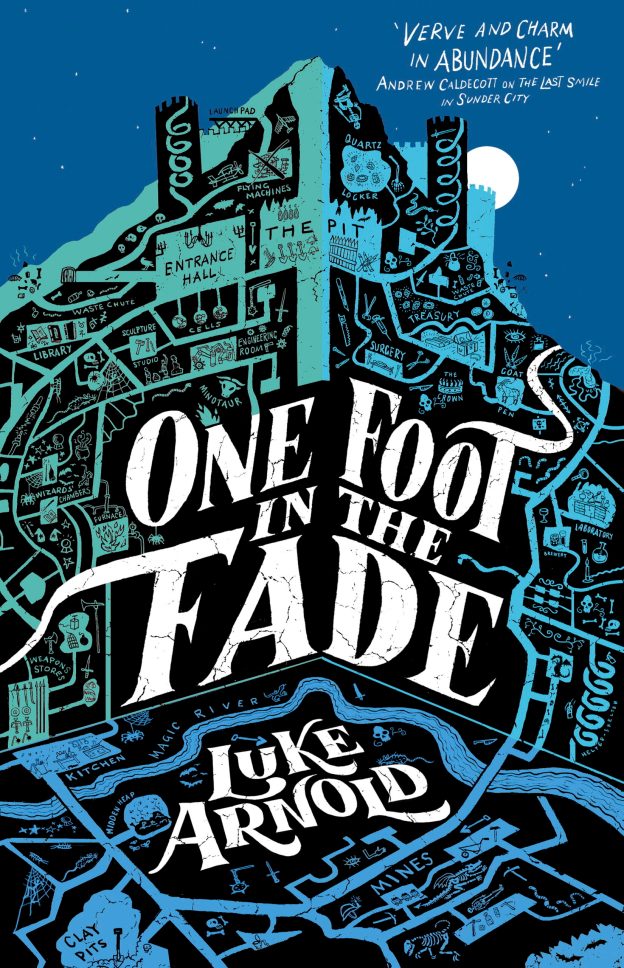
One Foot in the Fade by Luke Arnold

One Foot in the Fade Cover

Publisher: Orbit (Trade Paperback – 26 April 2022)

Series: Fetch Phillips – Book Three

Length: 439 pages

My Rating: 4.75 out of 5 stars

Amazon     Book Depository

One of Australia’s fastest rising fantasy authors, Luke Arnold, returns with the third novel in his Fetch Phillips series, the fantastic and impressive One Foot in the Fade.

Back in 2020, Australian actor turned author Luke Arnold made his fantasy debut with his first Fetch Phillips novel, The Last Smile in Sunder City.  This very clever and intense read, which ended up being one of my favourite debuts of 2020, was set in the unique landscape of Sunder City, a formerly majestic fantasy city facing hard times in a world that has just lost all its magic, causing all the fantasy creatures and beings who lived there to become deformed and dying beings.  The story focused on the character of Fetch Phillips, a human private investigator responsible for the disaster, who tries to redeem himself by helping the disenfranchised former magical beings.  Arnold followed it up later that year with a sequel, Dead Man in a Ditch, which was just as impressive and exciting as the first book.  Both these novels were extremely good, and they perfectly set up Arnold’s intriguing and magic-less universe.  I have been rather keen to see how the story continues so I was quite excited when I received a copy of the third book, One Foot in the Fade, a few weeks ago.

A new dawn has risen in the formerly magical Sunder City.  Under the leadership of human business mogul Thurston Niles, the city is entering a technological age, leaving behind its mystical roots and providing everyone, both human and former magical being, with cars, guns and electricity to service their needs.  Most are content with the new way of life, all except man-for-hire Fetch Phillips.  Still ridden with guilt for the role he played in destroying the world, Fetch spends his days taking on odd jobs for former magical beings while also desperately searching for any way to bring back the magic.

After his latest assignment, recovering stolen artefacts still containing traces of their power, ends badly, Fetch’s hopes for bringing back magic are at an all-time low, until a new clue literally and fatally lands at his feet.  An Angel has fallen from the sky at a great height, his formerly decayed wings once again feathered and whole, clearly the result of magic.  But who or what is responsible for reinvigorating the unfortunate Angel’s magic?

Desperate to uncover the roots of this new mystery, Fetch discovers a former Genie, Khay, whose body is slowly losing its hold on reality.  Still apparently capable of granting wishes, including returning a person’s magic to them, Khay may be the best chance for Fetch to redeem himself.  However, in order to make her powerful enough to bring magic back, Khay requires a legendary crown located at the deadly and isolated Wizard city of Incava.  Pulling together a small team, Fetch embarks for Incava to reclaim the crown.  But the further Fetch goes on his quest, the more he begins to realise that not everything is as it seems.  Blinded by his obsession with magic and redemption, Fetch walks a dangerous path that may end up damning him once again.

This was another extremely awesome read from Arnold who continues to showcase his impressive talent as a fantasy author.  One Foot in the Fade did a brilliant job continuing from the previous Fetch Philips novels, and I loved revisiting the deformed and depressed world of Sunder City.  Loaded with complex characters and powerful settings, this latest story was particularly captivating, and I think that One Foot in the Fade is probably Arnold’s best novel yet.

I really appreciated the powerful and intriguing narrative contained with One Foot in the Fade as Arnold has come up with some deeply fascinating and intense storylines that make this novel very hard to put down.  Taking place shortly after Dead Man in a Ditch, One Foot in the Fade’s story places Fetch Phillips right into the action as he attempts to recover some magical artefacts.  Thrown off by his villainous corporate antagonist, Fetch falls into despair, only to immediately find a dead angel whose magic has been returned to them.  This leads him into a hunt for the being responsible for the miracle, quickly finding Khay, who reunites his faith and hope in magic.  Bringing together a new team of comrades, Fetch travels outside of Sunder City on an epic quest to retrieve a legendary magical crown in order to empower Khay’s abilities.  This works as a particularly fun and exciting centre to the entire narrative, and Arnold really pumps up the action and danger in this part of the book, seeing the protagonists deal with all manner of dangers, deadly creatures, former allies with their own agendas, a mysterious secret society, a giant Minotaur, and even some surprising and very dark magic.

I had an absolute blast with the first two-thirds of the novel, especially with all its action, intriguing new characters and world building; however, it is the final third that really turns One Foot in the Fade into something truly special as Arnold adds in some intense and intriguing twists.  Despite Fetch’s best efforts, everything turns pear-shaped on him as some of the supporting characters are revealed to be far darker and more damaged than he ever believed.  Thanks to some big and dramatic tragedies, Fetch is forced to make some hard decisions that will deeply impact him and change the entire course of the story.  These later twists and revelations are pretty well set up throughout the first two-thirds and the novel, and I really appreciated the way in which Arnold brought the entire story together in such a clever and enjoyable way.  While there are a few excessive plot points that slightly distract the main story, One Foot in the Fade’s narrative was pretty tight and never really slows down.  I love the cool blend of dark fantasy, detective noir and urban fantasy elements contained within this impressive read, and Arnold has come up with a pretty bleak, character-driven narrative that really gets to the heart of the protagonist while also exploring the possibilities of redemption.  The reader will find themselves getting quite drawn into this epic story, and I myself powered through most of it in a single night.  Despite the author’s best efforts to recap the necessary background, One Foot in the Fade is a little hard to read by itself and I feel that most readers should read the first two books in this series first, although this is hardly a chore.  I really enjoyed the hopeful end note of this third novel, and I cannot wait to see where the rest of the series goes from here.

While the Fetch Phillips novels all have great narratives to them, their best qualities are the unique and striking settings.  Primarily set in the once majestic and glorious Sunder City on the fantasy continent of Archetellos, the stories generally explore how the city has changed since magic left the world.  The first two books in this series saw Sunder City as a decaying metropolis, filled with depressed and dying magical beings who were trying to adapt to the new world.  However, in the second book, an industrious human company is starting to provide technological alternatives to everything formerly powered by magic.  Since then, the entire feel and tone of the city has changed, with Sunder City transforming into an industrious and factory orientated city, with 1920’s-esque technology like cars, firearms (that everyone carries) and neon signs.  I really appreciated the brilliant and logical way that Arnold keeps changing the feel and look of his great setting every novel, especially as every change seems to match the series’s overarching noir feel.  I had a lot of fun seeing the comparisons between the setting’s current technology and the former magical glory, and watching the protagonist compete against the march of progress.  Arnold doubles down with the world building in One Foot in the Fade, with some interesting new additions that I found really fascinating.  Not only are we introduced to multiple new magical races, all of whom have been impacted by the death of magic in their own unique ways, but a large portion of the novel takes place outside of Sunder City, as the characters head to another former major settlement, the Wizard city of Incava.  The journey to and into Incava showcases multiple new interesting features about the larger continent of Archetellos, and I appreciated how much time Arnold put into expanding it.  Incava itself proves to be a particularly haunting and deadly setting for a good part of the book, and the various dangers within really amp up the action-packed story.  Overall, Arnold remains well on top of the cool settings in this novel, and readers will once again be entranced by the fantastic and distinctive setting of this series.

One Foot in the Fade also boasts a great array of complex and damaged characters whose personal journeys and intense pain really enhance the impressive narrative.  This is particularly apparent in series protagonist and first-person narrator Fetch Phillips, a man with a particularly intense backstory.  Due to bad choices in his past, Fetch is moderately responsible for the death of magic in the world and all the bad things that went with it.  This led him into an extremely dark spiral and he has spent the rest of the books trying to redeem himself.  However, this has not been easy, especially as he was forced to go up against his magical mentor and best friend in the second novel and his guilt is at an all-time high at the start of One Foot in the Fade.  As such he is particularly obsessed with bringing back magic in this novel and embarks on the quest to repower his new Genie friend and redeem himself no matter the cost.  This obsession blinds him (and by extension the reader) to the risks of what he is doing, and he ends up endangering his friends, while also ignoring some troubling signs from other characters that hinted at the books tragic ending.  This is easily the most obsessed we have seen Fetch throughout the entire series, and it really fits into his brilliantly written character arc which sits at the core of the moving narrative.  Watching him continue to try and fail is always very heartbreaking, and you really feel for Fetch throughout this novel, even with all the mistakes he’s made.  As such, he serves as an excellent centre for the story, and I have a great time following his personal tale, especially as Arnold has also imbued him with a good sense of humour.  The author also sets up a few intriguing character developments and changes throughout One Foot in the Fade that I think will lead to some very compelling storylines in the future, so I look forward to seeing where Fetch goes in the future.

Aside from Fetch, Arnold has filled this novel with a substantial collection of excellent supporting characters, each of whom adds their own distinctive flair to the narrative as well as a complex and often damaging relationship with the protagonist.  One Foot in the Fade features a combination of new and existing supporting characters, and it was interesting to see who returned after the events of the last book.  It was great to see more of former Witch and academic Eileen, one of Fetch’s main compatriots, who helps him throughout most of the book.  Eileen serves as Fetch’s sense of reason, and her more measured approach to the tasks at hand balance well with the protagonist’s more impulsive nature.  I also enjoyed seeing more of futurist company leader Thurston Niles, who is serving as something of an overarching series antagonist.  Thurston, who was introduced in the second book, is the human businessman whose company is responsible for the industrialisation of Sunder City and all its new technology.  While his appearances are a little brief in this novel, he serves as an excellent alternative human character to Fetch and I am really enjoying their rivalry.  Despite appearing as the villain due to his desire to replace magic completely with technology, Thurston has more layers and he actually appears to enjoy Fetch’s efforts to bring back magic.  Their various interactions in this novel are pretty entertaining, and I look forward to seeing their conflict continue in the rest of the series.

The author also introduces several great new characters in One Foot in the Fade, and their interesting and often self-contained storylines are pretty impressive.  My favourite was Theodor, a Werewolf adventurer who Fetch and his friends hire to help get to Incava.  Despite being disfigured and partially disabled (Werewolves and other shape-changers were also partially transformed into dark human-animal hybrids without their magic), Theodor is a badass hunter and tracker who quickly becomes one of the more likeable figures in the novel.  Theodor serves as a mentor to many of the characters, especially Fetch, and it was fun to watch him teach the city slickers how to survive out in the wilds.  Due to the way that Theodor’s storyline in One Foot in the Fade ends I am very curious to see if or how he returns in the future, and I am sure that Arnold will come up with some plot points elements for him.  The other impressive new character was Khay, the Genie who serves as the book’s sentient McGuffin.  Arnold paints a tragic picture around Khay as a Genie literally fading away due to the death of magic.  Only able to survive through certain magical objects and granting wishes to people, namely returning their magic, Kay is just as obsessed as Fetch to achieve their objective.  However, there is a powerful and captivating alternate side to Khay, and the consequences of her actions will have some lasting impacts in the entire series.  These outstanding characters, and more, are an impressive and very important part of One Foot in the Fade, and I really appreciate how much effort Arnold put into making them so relatable and memorable.

With One Foot in the Fade, Australian author Luke Arnold continues to showcase his amazing literary talent, bringing together an epic new story with his already distinctive characters and settings.  Thanks to the powerful and intense new narrative, this third Fetch Phillips novel is probably Arnold’s best novel so far and it is really worth checking out.  I cannot wait to see how Arnold impresses me with the next book.

Amazon     Book Depository

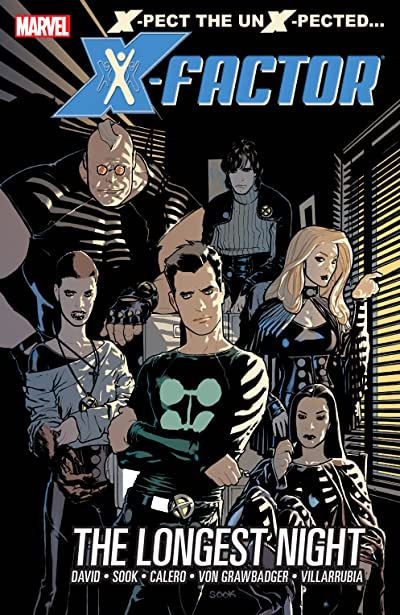
Throwback Thursday – X-Factor: Volume 1: The Longest Night

X-Factor - Volume 1 - The Longest Night

Publisher: Marvel Comics (Paperback – 7 March 2007)

Series: X-Factor (Vol. 3) – Volume One

Writer: Peter David

Pencils: Ryan Sook & Dennis Calero

Inks: Wade Von Grawbadger & Dennis Calero

Colour Art: Jose Villarrubia

Letters: Cory Petit

Length: 144 pages

My Rating: 5 out of 5 stars

Amazon

Welcome back to my Throwback Thursday series, where I republish old reviews, review books I have read before or review older books I have only just had a chance to read.  For this Throwback Thursday I look at the start of one of the best comic series I have ever had the pleasure of reading, with The Longest Night, the first volume in Peter David’s impressive and incredible X-Factor series.

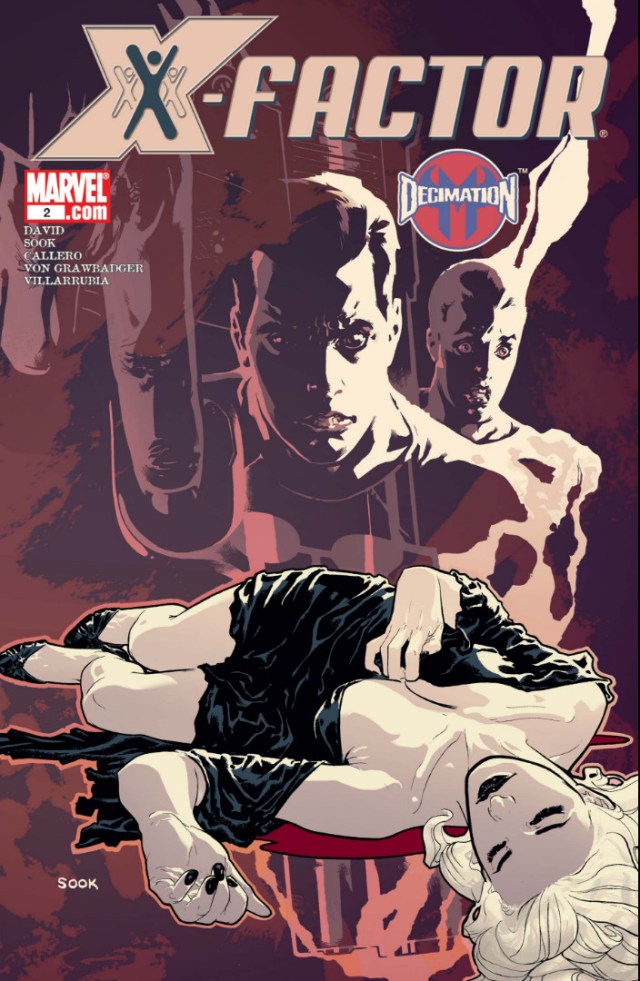
X-Factor - Vol3 - 2 Cover

There are many awesome comic series that I have a great appreciation for, but to my mind one of the most entertaining, clever and captivating series I have ever had the pleasure of reading has to be the third major version of the X-Factor title that ran between 2005 and 2013.  This series span off the limited series, Madrox: Multiple Choice, with its entire run written by Peter David, with a rotating team of talented artists.  Also known as X-Factor (Vol.3) or X-Factor Investigations, this long-running series focused on a team of mutants who formed a detective agency after the events of House of M.  Calling themselves X-Factor Investigations and led by Jamie Madrox, the Multiple Man, this series followed the team as they investigated mutant related crimes, protected the area of New York formerly known as Mutant Town, and did general superheroics, often for a fee.  Despite its odd-sounding plot, this was an incredibly good series, and it is one of my all-time favourite comic series.  I have recently done a bit of a re-read of this series and thought that it would be a good time to talk about it on my blog, starting with this first volume, The Longest Night.

X-Factor is back, and this time they are in business for themselves as X-Factor Investigations, the weirdest and only mutant run private investigative agency in New York.  Led by Jamie Madrox (the Multiple Man), made up of the ragtag group of heroes including, Strong Guy, Wolfsbane, Siryn, Rictor and Monet, X-Factor investigates the cases no-one else will, especially if it helps current and former mutants.  However, X-Factor are about to find themselves investigating the most sinister case of their brief tenure, when a new client walks in the door, accompanied by the mysterious Layla Miller.  Following the breadcrumbs given to them by Layla, X-Factor begins looking into the rival organisation, Singularity Investigations, who have dire plans for the future of all mutant kind.  At the same time, X-Factor finds itself in the middle of the deteriorating conditions in Mutant Town, as they start their own investigation into what really depowered most of the mutant species.

As their investigations continue, X-Factor find themselves encountering crazy events and dire obstacles from all sides.  Forced to protect their client from being arrested for murder, as well as the deadly attentions of Singularity Investigations, X-Factor struggles to solve the case before it is too late.  However, their actions have awoken a dangerous enemy whose knowledge of time could prove disastrous.  Can X-Factor succeed and become the team the world needs, and what role will Layla Miller play in their future, especially as she actively attempts to hide the events of House of M and Decimation from her new friends?

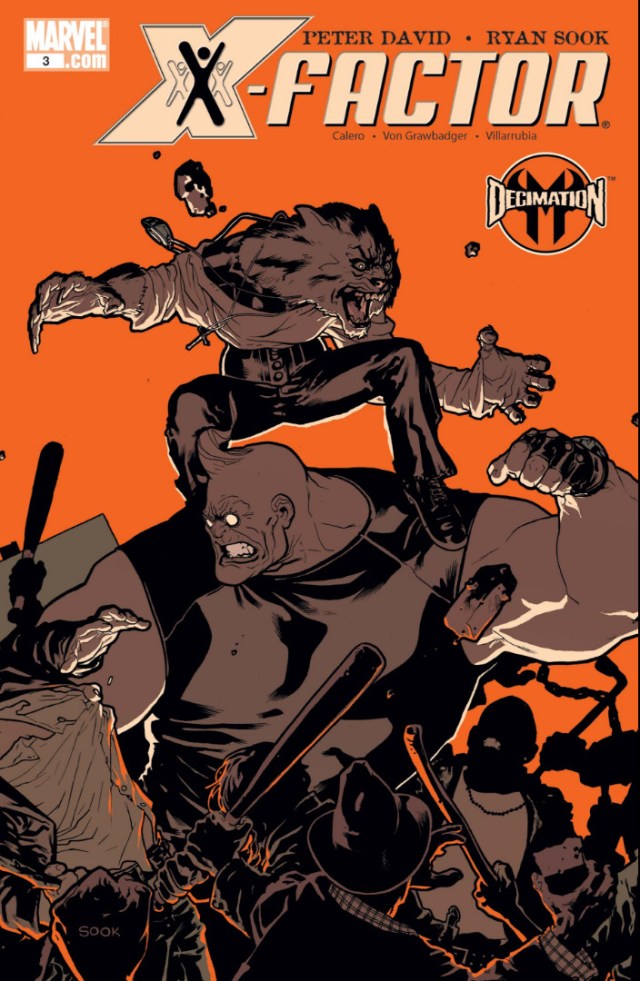
X-Factor - Vol3 - 3 Cover

The Longest Night is a brilliant and intense comic volume that serves as the perfect introduction to this outstanding X-Factor series.  Containing issues #1-6 of X-Factor (Vol. 3), The Longest Night contains an incredible and epic story by Peter David that expertly introduces the new team and sets up many of their future adventures, perfectly accompanied by the excellent art of Ryan Sook and Dennis Calero.  This incredible comic will really start your fall towards X-Factor obsession.

To start this amazing series off, David has come up with an impressive narrative that not only introduces the team but also contains several clever mysteries and dangerous threats.  The Longest Night starts off in a very interesting way, with Madrox attempting to save the life of a suicidal Rictor, while other members of the team find themselves under attack from sinister forces.  The story quickly develops, with new player Layla Miller directing X-Factor Investigations towards the mysterious Singularity Investigations, while also implementing her own mysterious agenda.  This sets the X-Factor team down a dark path as they contend with the corrupt and deadly Singularity employees as well as other malicious threats that pop up.  I deeply enjoyed the main storyline, especially as the protagonists are forced to intervene in a murder case to prove that their client is innocent, despite dangerous interference from their competitors.  This leads to some dark consequences, as one of the team is attacked and then kidnapped in scenes that strongly remind you of a dark thriller.  The new villains of this early part of the series, Singularity Investigations and their management team the Tryps, prove to be pretty sinister, and I liked some of the unique storylines that are started up around them.  There are also some impressive and clever sequences that explore the aftermath of the Decimation, as well as the current mental states of the various team members, which is extremely powerful and deeply moving.

I loved the cool style that this comic had, especially as the creative team were trying to give it a classic noir detective vibe at times.  While some of the best themes from the X-Men comics are featured within this volume, such as prejudice, dual self-hatred and love of mutant abilities, and the fallout from the House of M limited series, this comic really stands on its own, and I loved the combination of mutant issues and crime fiction.  There is a certain dark edge to many of the storylines, with the character dealing with brutal murders and attempted killings.  While much of the focus is on the darker and more mature vibes, this comic also has a wicked sense of humour behind it which I deeply enjoyed.  All the characters are pretty fun, and there are some dark and clever jokes sprinkled throughout the story, especially when it comes to group clown Madrox and resident mystery girl Layla Miller.  This combination of superheroics, dark humour and crime fiction makes for quite an impressive read, and I always find myself getting really drawn into it.  Due to how many times I have read this series of the years I also really respect The Longest Night as a first entry in the overall X-Factor (Vol.3) series.  While all the best elements haven’t been introduced yet, this comic is still off to a brilliant start, and I loved all the hints and brief mentions of the events yet to come.  Multiple storylines are perfectly set up here, and there are some great references to upcoming events and some key moments from recent comics.  This proves to be an exciting and impressive first entry in this series, and I love how it spawns so many awesome moments in the future.

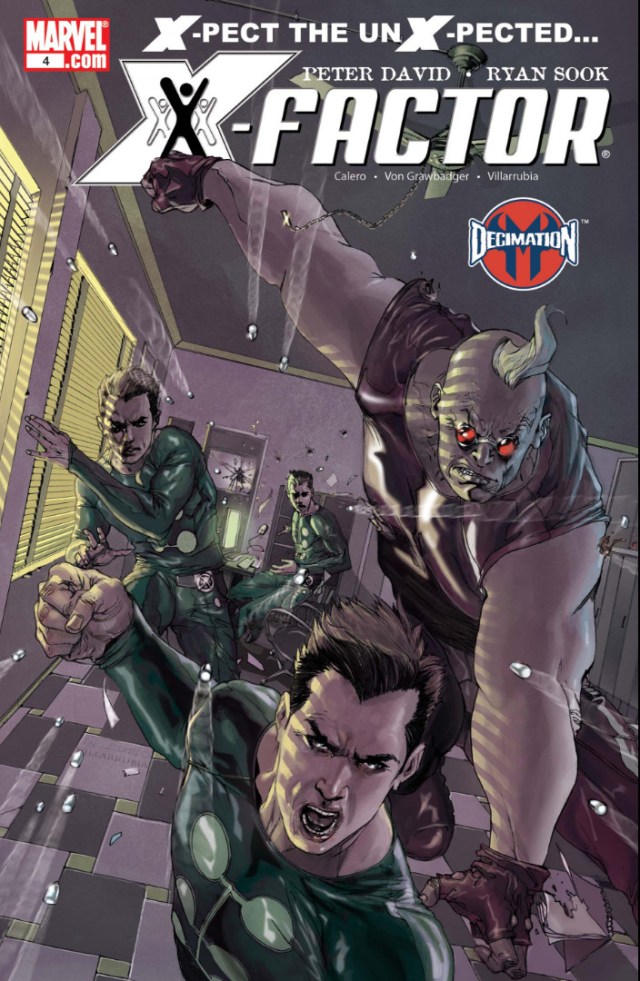
X-Factor - Vol3 - 4 Cover

One of the things that has always impressed me about this version of X-Factor is the excellent cast of characters featured.  The team is an intriguing combination of some of the more unique and enjoyable characters from the various X-Men comics.  The initial line-up featured in The Longest Night is a great example of this, as David has featured several previous X-Factor members alongside some interesting new choices.  There is a real mismatched feel to the characters, as not only are they angry and discontent, but there is some thinly veiled antagonism going on between them, despite them all being on the same team.  On top of that, they end up being some of the most damaged and complex figures you can expect to find in Marvel comics, as they are all dealing with unique personal issues.  This results in some major personality clashes and great internal struggles that really enhances the drama of the narrative and results in some brilliant storytelling.

The main character of this series is team leader Jamie Madrox, the Multiple Man.  Jamie is a very interesting figure in this series, due to the many divergent and tragic issues that result from his ability to create duplicates of himself.  Attempting to be a grounded and calm figure for the team, Jamie often finds himself undermined, not only by his time but also by his own dupes, which proves to be both entertaining and occasionally emotionally powerful.  A lot of these great elements are explored in The Longest Night, and you get a great sense of who the character is and his complex feelings, even if you haven’t read the lead-in limited series, Madrox: Multiple Choice.  Jamie cuts a great figure as a noir-inspired private detective leading a team of misfits, but in reality, he is scared and emotionally drained, even before the series starts.  Jamie ends up spending most of this comic battling his own inner demons and indecision, while also having difficulty controlling his team.  While in many ways Jamie is a tragic figure, he also serves as one of the main comic reliefs, and his smart-assed comments and dark jokes add a lot to the narrative, while barely hiding his struggles within.  I really liked how this comic spent significant time exploring Jamie’s power to create duplicates, as well as the many problems associated with it.  What makes this power very unique is the way that each of his dupes has their own personality, most of which are a manifestation of his own fears, internal struggles, inner dark side and more.  While this is often played for comedic effect, especially as his crazier dupes say some very random stuff, certain dupes show off a real mean side, such as one who pretends to be Zen, but is actually Jamie’s unpredictable side, his “X-Factor”.  This was an overall incredibly impressive introduction to Madrox, and it serves as a brilliant base to his various follow-on storylines that are such an impressive feature of the rest of this series.

X-Factor - Vol3 - 5 Cover

Aside from Madrox, the team is made up of former X-Factor members Julio Richter (Rictor), Guido Carosella (Strong Guy) and Rahne Sinclair (Wolfsbane), as well as X-Factor newcomers Theresa Cassidy (Siryn, daughter of Banshee) and Monet St. Croix (M from the Generation X comic).  I really liked this great blend of figures as it produces some awesome and entertaining team dynamics, such as having the arrogant party girl, Monet, getting into various disputes with the other characters.  All five of these characters have some interesting moments in this volume, such as Strong Guy and Wolfsbane’s interference against an anti-mutant riot, or Monet’s brief emotional breakdown after telepathically experiencing the murder of a young woman.  However, I the best moments of this volume probably occurred with Siryn and Rictor.  Siryn, who serves as a bit of a second-in-command, has several key storylines around her, and she ends up being the one most obsessed with the actions of Singularity Investigations.  The subsequent brutal attack and creepy hostage situation she suffers from is pretty horrifying, and the resultant mental and physical damage makes for some harrowing moments.  Rictor also has a great storyline in this series, as he is the only character on the team who lost their powers in the Decimation.  This leads him to some serious depression, especially as the first scene in the comic involves his attempted suicide, which is only just stopped by the rest of the team.  The author’s compelling and thought-provoking dive into Rictor’s feelings of loss and uncertainty is pretty heartbreaking, and I loved this complex look at the terrible impacts of the Decimation.  Despite his lack of powers, Rictor still serves as a great member of the team, and his involvement in saving Siryn from a terrible situation is extremely cool and very intense.

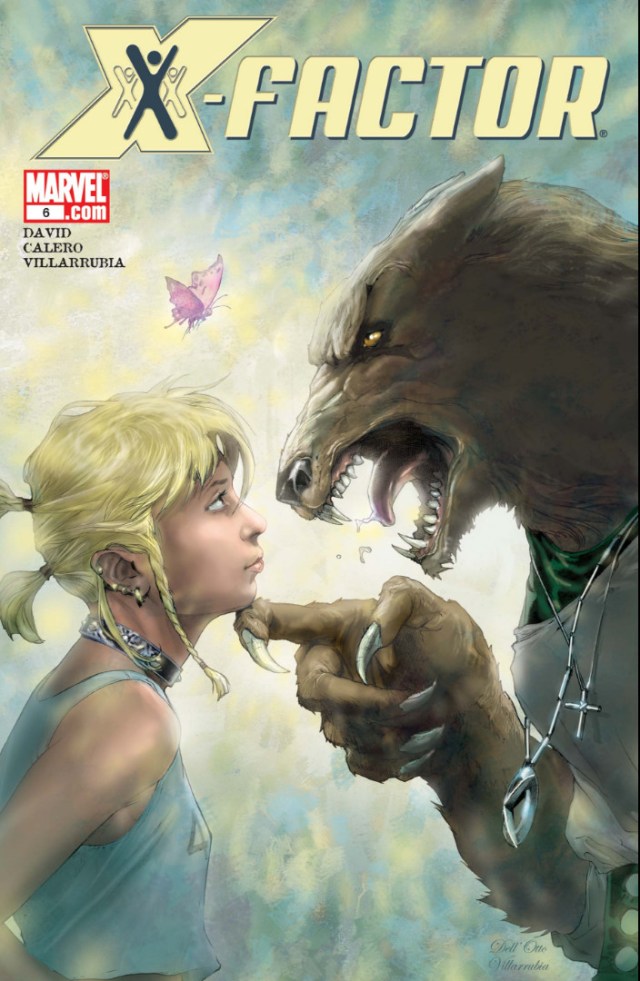
However, my favourite member of this new version of X-Factor had to be the young and mysterious Layla Miller.  Layla was first introduced as a unique character in House of M, as she could remember the real world and bring the memories back to the various heroes.  She reappears in this volume right in the first issue, walking into office, providing information and declaring herself a member of the team.  Despite the confusion of the other people on X-Factor and the fact that she’s a child, Miller manages to stick around on the team, mainly due to her uncanny insights into the future.  This results in some brilliant and hilarious moments, especially as she can manipulate everyone around her and change events to match what she wants.  Her sarcastic manner and funny reactions really help to enhance the humour of this entire comic, and I loved seeing her change future events in the most amusing ways.  The cloak of mystery and uncertainty that David brilliantly builds up around her is very impressive, and you have no idea the real reason why she is there or what she can do, with her only explanation to that being her favourite saying: “I’m Layla Miller, I know stuff.”  Despite this secrecy, the reader ends up getting some interesting reveals about her, such as her past in the orphanage, her secret mission to stop X-Factor finding out about House of M, and her tragic self-description as the Chaos Theory butterfly, which are pretty cool, even if they result in more questions than answers.  I really loved how dark the creative team made her at times, especially in that brilliant scene where she kills a Singularity Investigations assassin by simply taking screws out of a bath.  Her confession about her motivations to the assassin just before he gets killed is pretty heartbreaking as you can sense she’s revealing a deep secret that is eating her up.  The subsequent conversation as the assassin lies dying is just so damn dark that I love it, especially as she follows up the dying man’s question about who she is with another grim “I’m Layla Miller, I know stuff.”  Throw in that final scene where Rictor confronts Layla about her manipulations, only to completely miss her bringing a dead butterfly back to life, and you have such an impressive sequence of character moments.  I have so much love for this brilliant character, and while the rest of the team is good, Layla Miller is the real X-Factor of this series.

X-Factor - Vol3 - 6 Cover

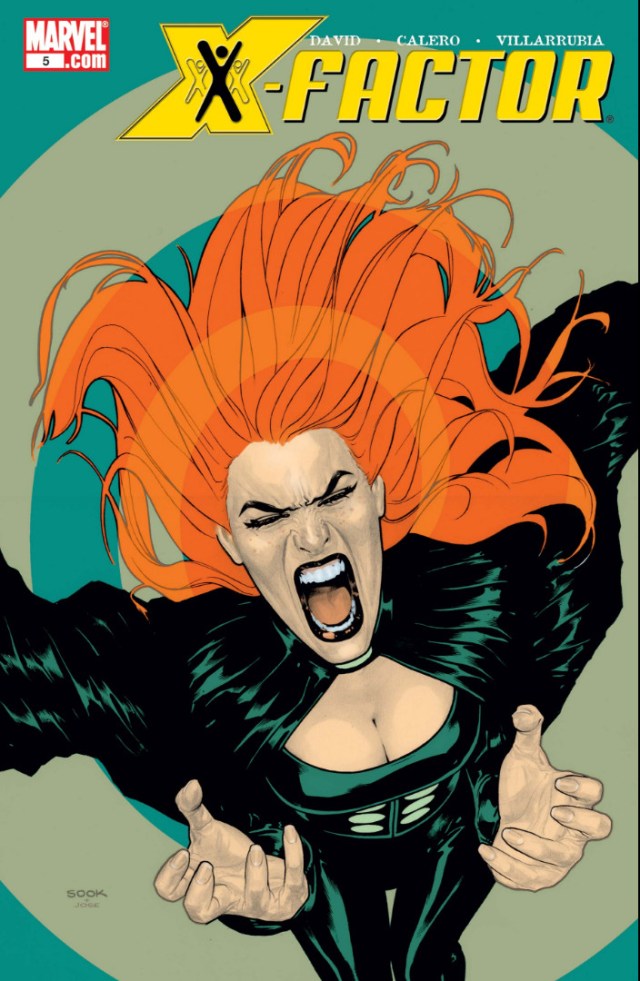
The cool story and awesome characters are very well supported by the incredible artistic work of Ryan Sook, Dennis Calero and their team.  These great artists give The Longest Night a darker feel that fits into the noir-inspired narrative extremely well.  There are brilliant examples of shading and shadow throughout the comic, and you get a real sense of the dingy nature of the story and the depressed location of Mutant Town.  I deeply enjoyed the cool character designs featured throughout The Longest Night, especially as there is an interesting combination of new styles and classic looks from other X-Men comics.  You get a real sense of the dark emotions hiding within many of the different characters, especially around the various duplicates of Madrox, who run the gauntlet from depressed, to scared, to utterly insane.  However, I felt that the best artwork was utilised around Layla Miller, and perfectly helped to capture her true nature.  I particularly loved that brilliant scene where she killed the assassin in X-Factor headquarters, especially the final few panels.  Due to her machinations the power is out, resulting in her lighting the scene of the dying man with a torch.  The first appearance with her face completely black is just so fitting, especially given her death proclamation to the killer in the panel: ‘Your heart’ll give out in about five seconds.  Your mother will mourn you … but your wife won’t”.  The following two panels with her face in the light highlights her dark expression, followed by a perfectly set up final black panel that could either represent her turning the torch off or the death of the assassin.  I also loved all the panels focused on Layla in issue #6, especially it shows her at her most emotionally compromised as she tries to describe her various issues.  Throw in the reoccurring butterfly that is both dead and alive, and you have an excellent bit of art that emphasises just how complex this figure is.  The villains of this comic are also perfectly shown in this cool artwork, and I was especially impressed with how sinister and disturbed they made the crazy kidnapper in fifth issue.  I deeply enjoyed this and so many other aspects of the art in the volume, and I think it perfectly emphasised the darker nature of this incredibly cool comic.

Overall, The Longest Night was an incredible comic that I would strongly recommend.  The awesome team of Peter David, Ryan Sock, Dennis Calero and the other artists did a fantastic job combining exquisite storytelling with outstanding characters, darker themes and wonderful artwork.  Not only does it stand on its own as an excellent read, but it also works to introduce this superb run of X-Factor and its crime-fiction related storylines.  I have so much love for this series, and I will always appreciate the way in which The Longest Night sets everything up, especially its brilliant characters.  This first volume (and indeed every volume in this series) gets a full five-star rating from me and it comes very highly recommend to anyone wanting to find a unique and powerful comic series to get into.

Amazon