Top Ten Tuesday – My Favourite Audiobooks from the First Half of 2025

Top Ten Tuesday is a weekly feature that currently resides at The Artsy Reader Girl and features bloggers sharing lists on various book topics.  The official topic for this week’s Top Ten Tuesday required participants to list their favourite books that take place in a setting of their choosing.  While this is an interesting idea, and one I might come back to later, I’m instead going to continue my recent trend of discussing books from the first half of the year and highlight my favourite audiobooks from the first half of 2025.  This is a continuation of my Top Ten list from a couple of weeks ago that featured my favourite overall novels from the first half of 2025.

I have a great deal of love for the audiobook format, and it is one of the main ways that I tend to check out books.  Each year I enjoy a great number of different audiobooks and use the format to enjoy both recent releases and older novels.  I have long been a major fan of audiobooks, and it is amazing the various ways in which listening to a book can enhance your enjoyment.  A great audiobook can really bring you into the story, and I find that listening to a book enhances the amount of detail that you can take in.  In addition, other features, such as captivating voices, music and sound effects can really make an audiobook something special, and there some great examples of the format I have enjoyed throughout my life.  This year alone I have listened to a ton of outstanding audiobooks, includes some of my favourite books from early 2025.  Because I love this format so much, I thought I would take this opportunity to highlight my favourite audiobooks from the first half of the year.

To pull this list off I had a look at all the 2025 releases that I listened to on audiobook to figure out my favourites.  It turns out that I have already gone through quite a few this year so there was a large collection of potential additions to this list, which I was eventually able to whittle it down to the best ten audiobooks.  There is a bit of a crossover with my previous Favourite Books from the First Half of 2025 list, but I think there are enough new additions to make this list worthwhile.  I made sure to feature only the very best audiobooks on this list, and, in addition to the quality of the baseline novel, I also looked at audiobook production and narration.  This includes whether the audiobook has outstanding narration or uses music and sound effects to enhance the plot.  Keeping these criteria in mind, I came up with the following strong Top Ten List and associated Honourable Mentions, and all the audiobooks listed below were exceptional listens that come very highly recommended by this blog.

Honourable Mentions:

Warhammer 40,000: Fulgrim: The Perfect Son, written by Jude Reid and narrated by Andrew James Spooner
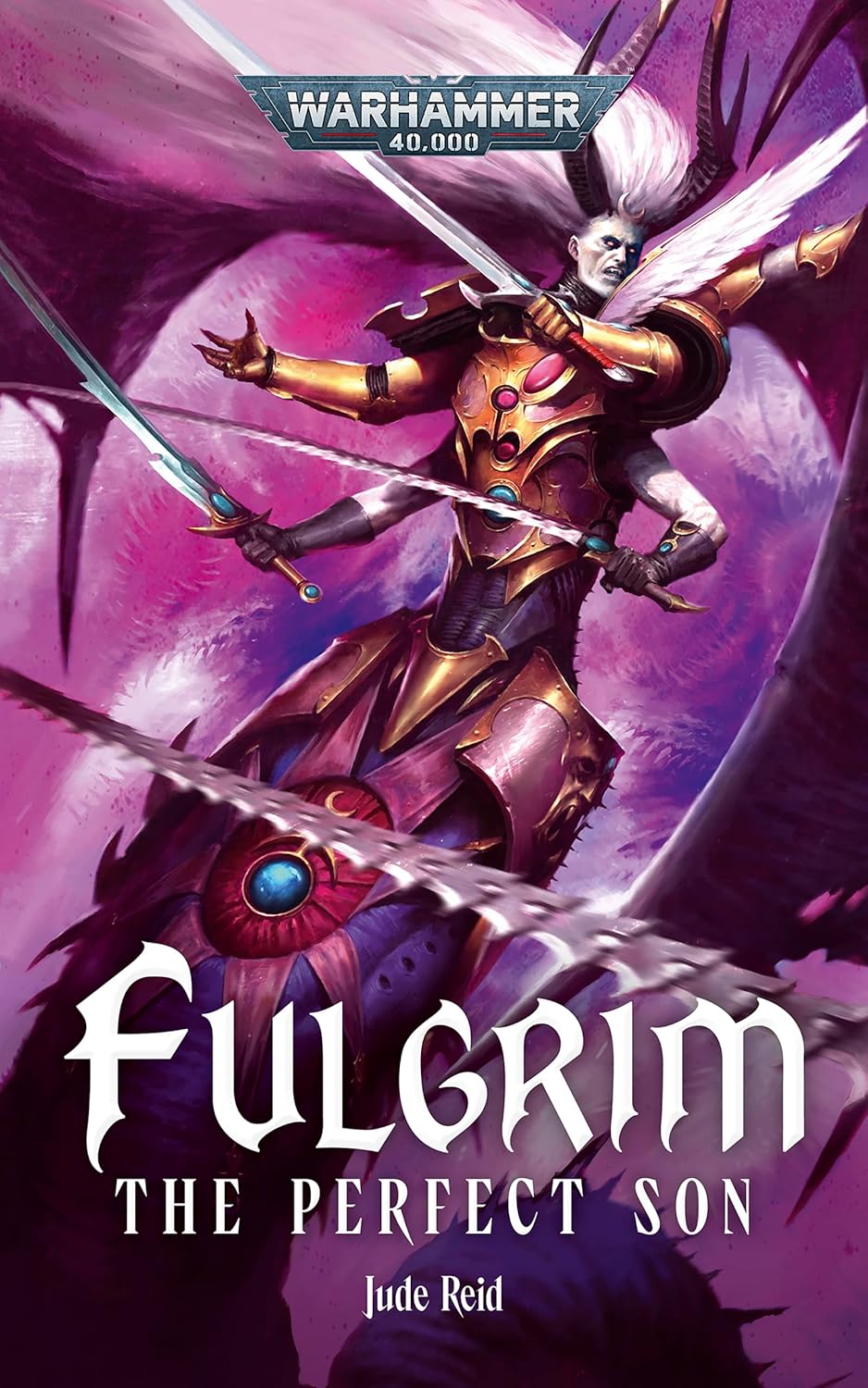
An excellent and intense Warhammer 40,000 novel perfectly brought to life by narrator Andrew James Spooner.

Amazon


Grave Danger, written by James Grippando and narrated by Jonathan Davis

James Grippando continues his fantastic Jack Swyteck legal thriller series, with the audiobook well presented by the always impressive Jonathan Davis

Amazon


Badlands, written by Douglas Preston and Lincoln Child and narrated by Cynthia Farrell
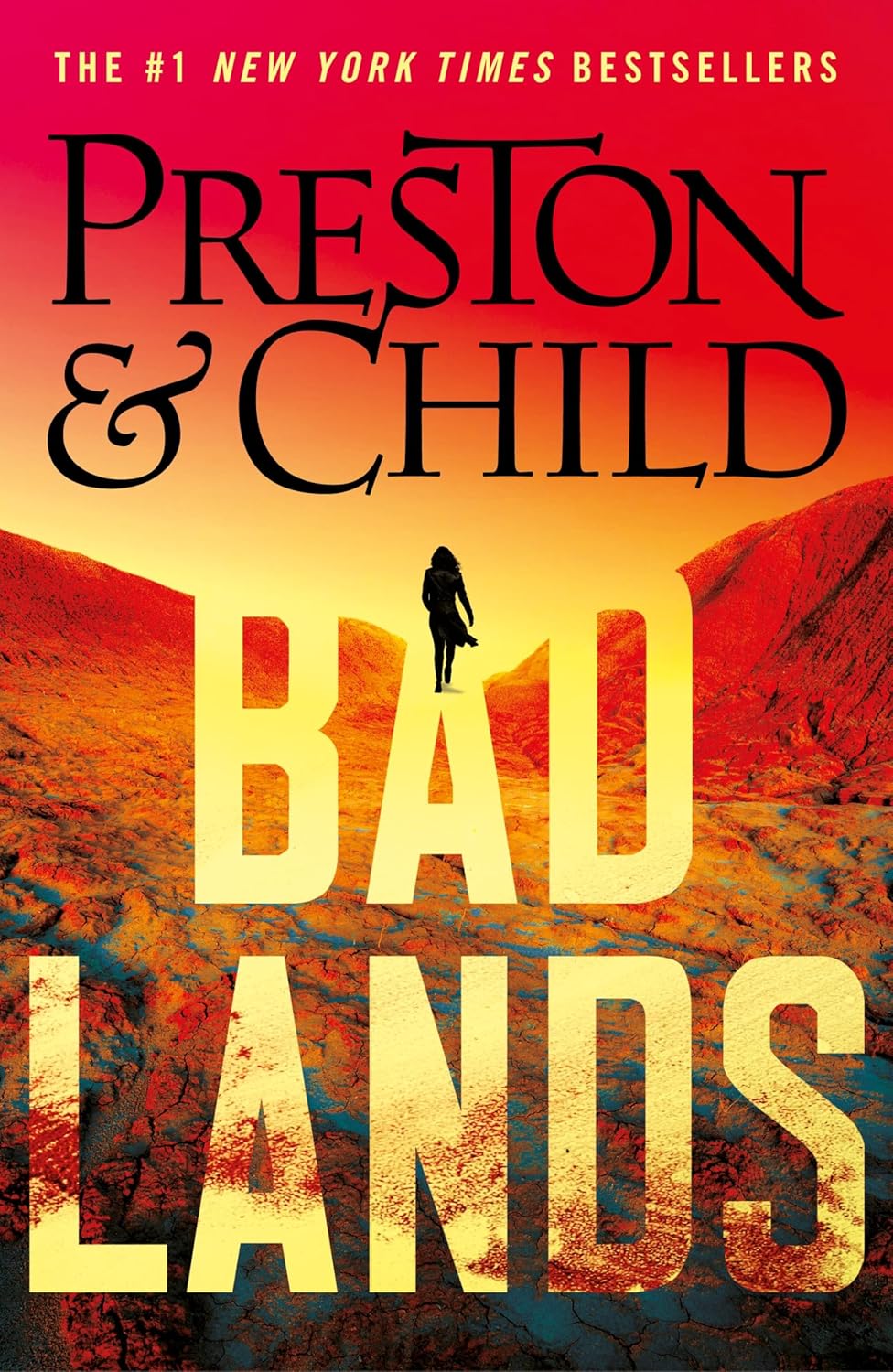
Cynthia Farrell ensures this new dark thriller from the legendary team of Douglas Preston and Lincoln Child really shines with her outstanding narration.

Amazon


Warhammer 40,000: Leontus: Lord Solar, written by Rob Young and narrated by David Seddon
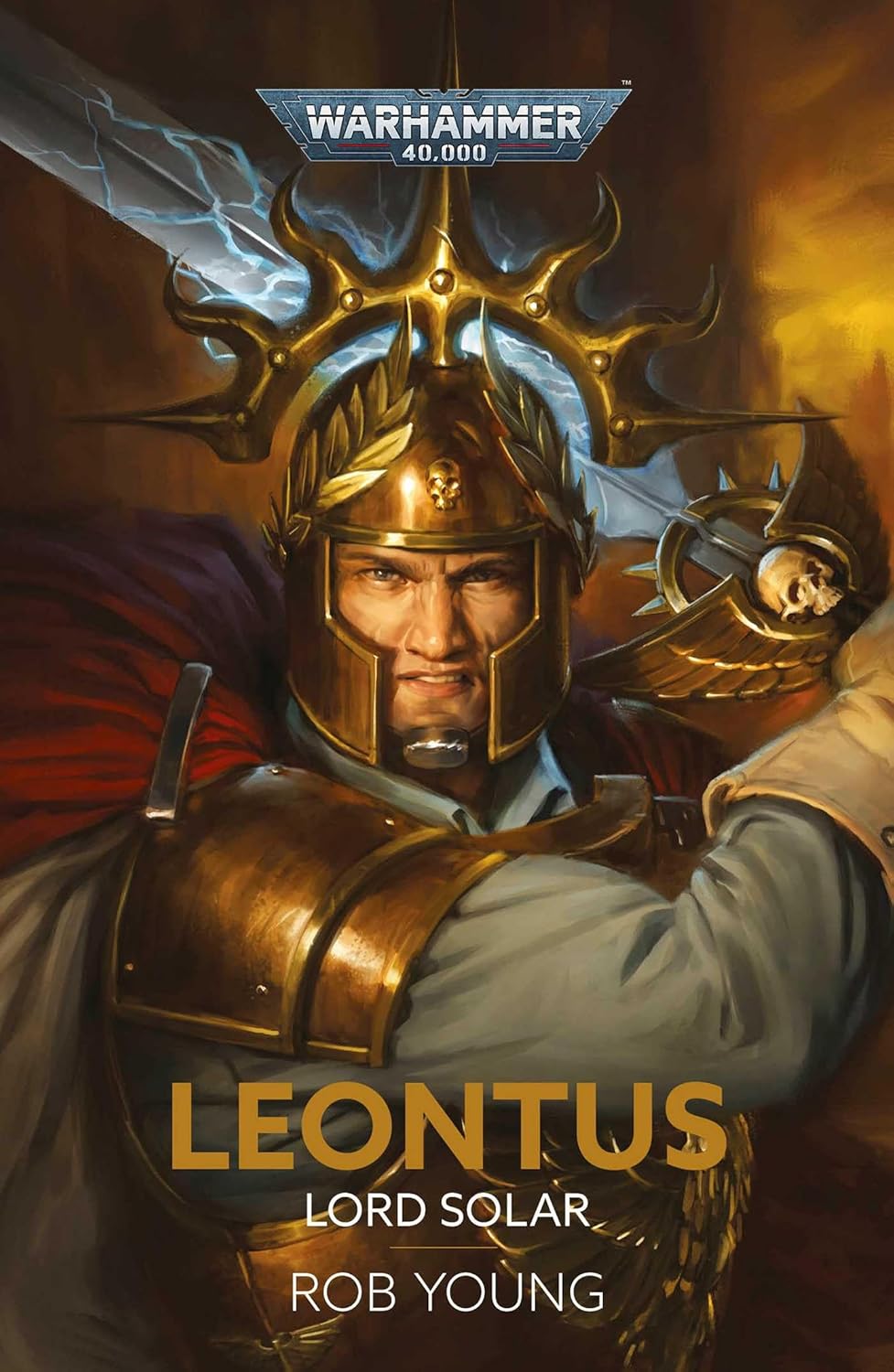
A short, but very sweet Warhammer 40,000 audiobook that really pops when read out.

Amazon

Top Ten List:

The Devils, written by Joe Abercrombie and narrated by Steven Pacey

Let’s start this list off with one of my top books and audiobooks of the year, The Devils by the master of grim dark fantasy fiction, Joe Abercrombie.  An incredible and highly entertaining novel that sees a group of monsters attempt to place a street thief on the throne of Troy in a clever, alternate medieval Europe setting, The Devils was a particularly fun, bloody and compelling novel I couldn’t get enough of, especially on audiobook.  Thanks to one of my favourite audiobook narrators, Steven Pacey, The Devils was so much fun to listen to as Pacey perfectly embodied the entire crazy cast of this book.  Highly recommended, you are in for an epic time listening to The Devils.

Amazon


Warhammer 40,000: Interceptor City, written by Dan Abnett and narrated by Toby Longworth
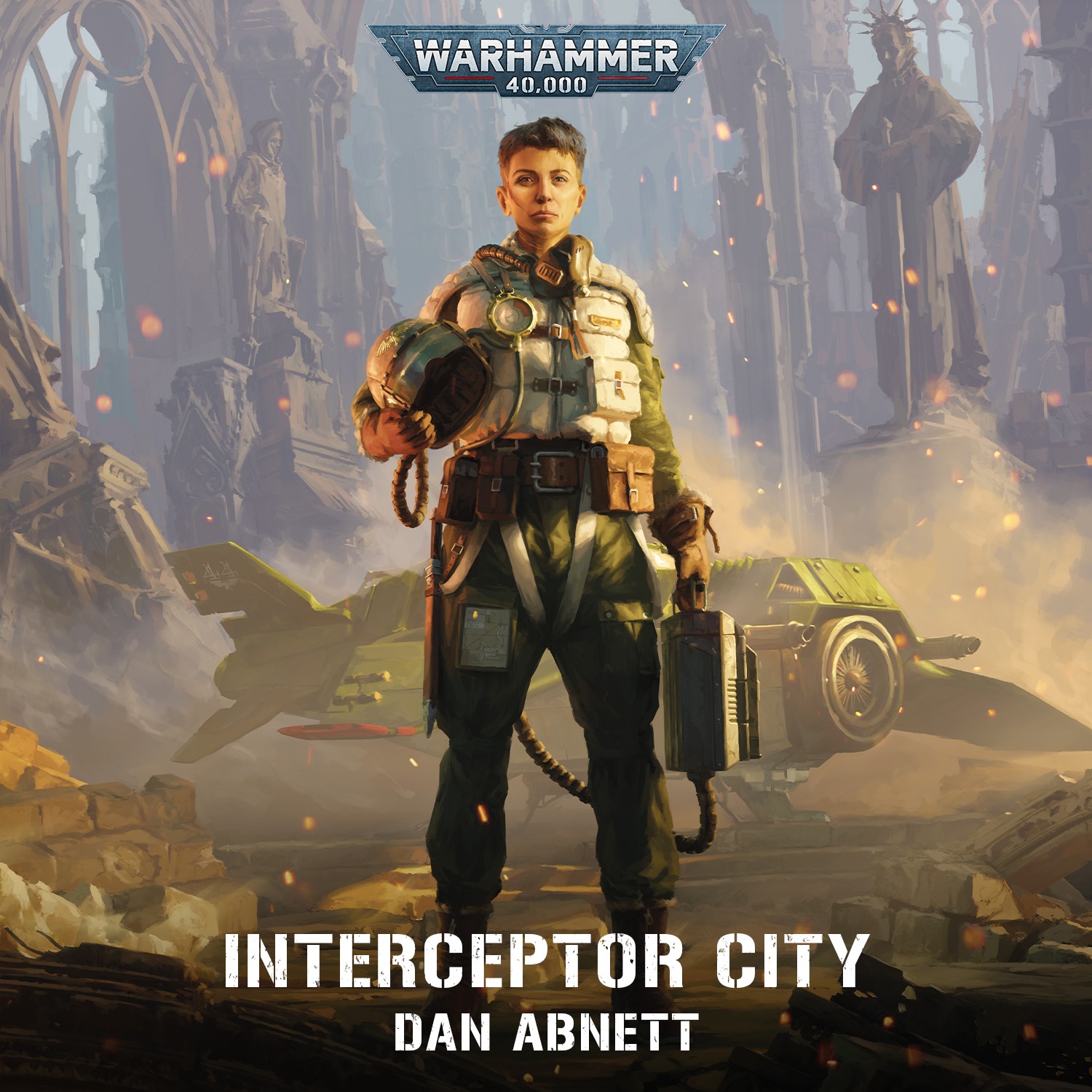
Unsurprisingly to anyone who knows me, I have a Warhammer 40,000 audiobook on this list with Interceptor City.  The long-awaited sequel to Dan Abnett’s classic novel, Double Eagle, Interceptor City was a gritty and enthralling science fiction war story that saw fighter pilots battle it out amongst the massive ruins of a fallen Hive City.  A powerful and action-packed novel, Interceptor City becomes even more epic when read out by long-time Warhammer narrator Toby Longworth, who expertly showcases the intense, claustrophobic aeronautic combat sequences.  I honestly could have listened to another 20 hours of Interceptor City, and there is no better way to enjoy this epic read.

Amazon


Burn to Shine, written by Jonathan Maberry and narrated by Ray Porter
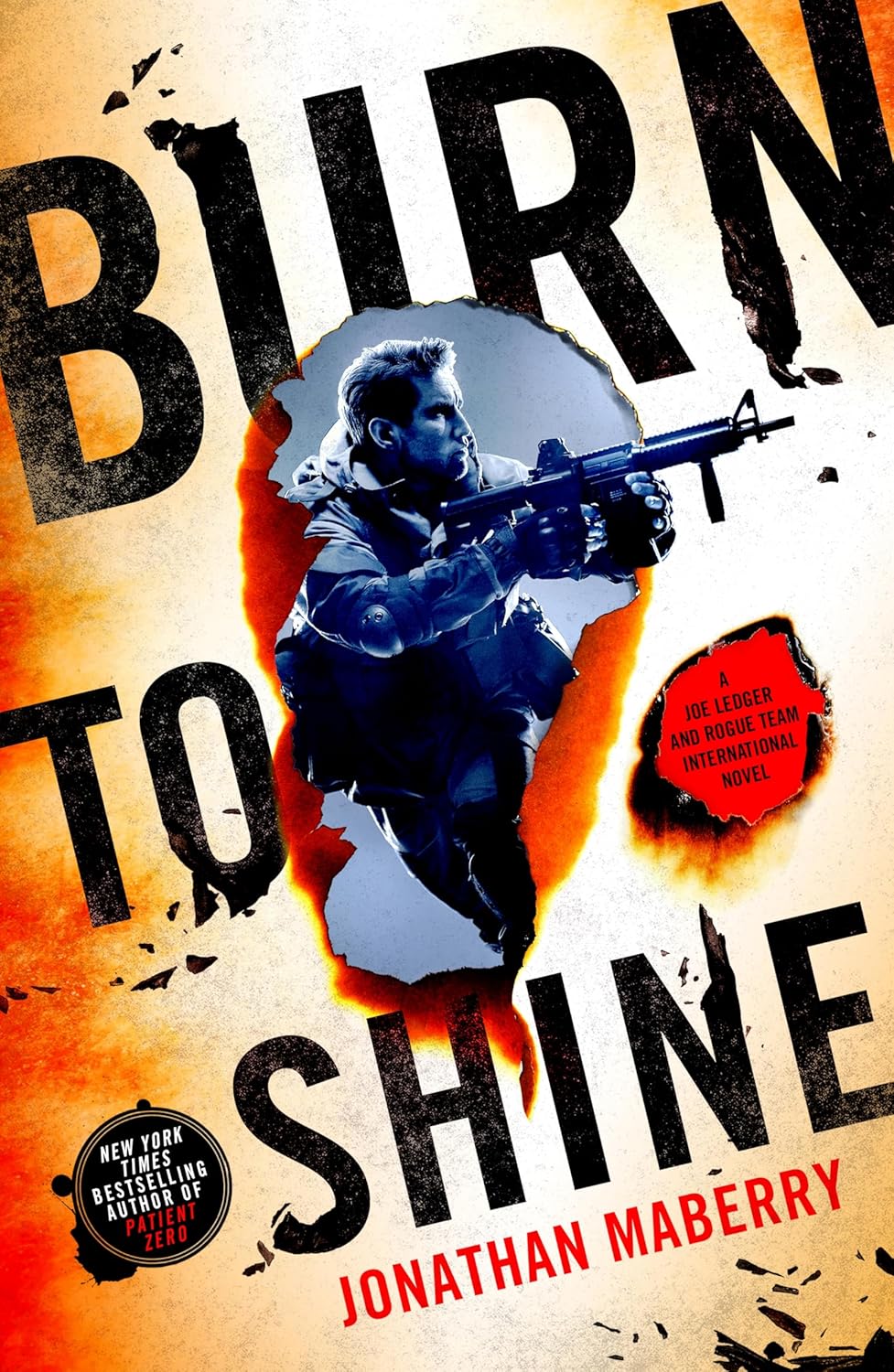
The dream team of Jonathan Maberry and Ray Porter continues to produce incredible audiobooks, this time with the gripping thriller Burn to Shine.  The fourth book in Maberry’s Rogue Team International series (Rage, Relentless and Cave 13), Burn to Shine was another exciting read that pitted the protagonists against high-tech and supernatural threats from their past.  Maberry writes an excellent story for this book, and Ray Porter once again effortlessly brings the complex characters and dark tone to life with his narration.  A deeply impressive listen from two amazing creatives.

Amazon


Sunrise on the Reaping, written by Suzanne Collins and narrated by Jefferson White
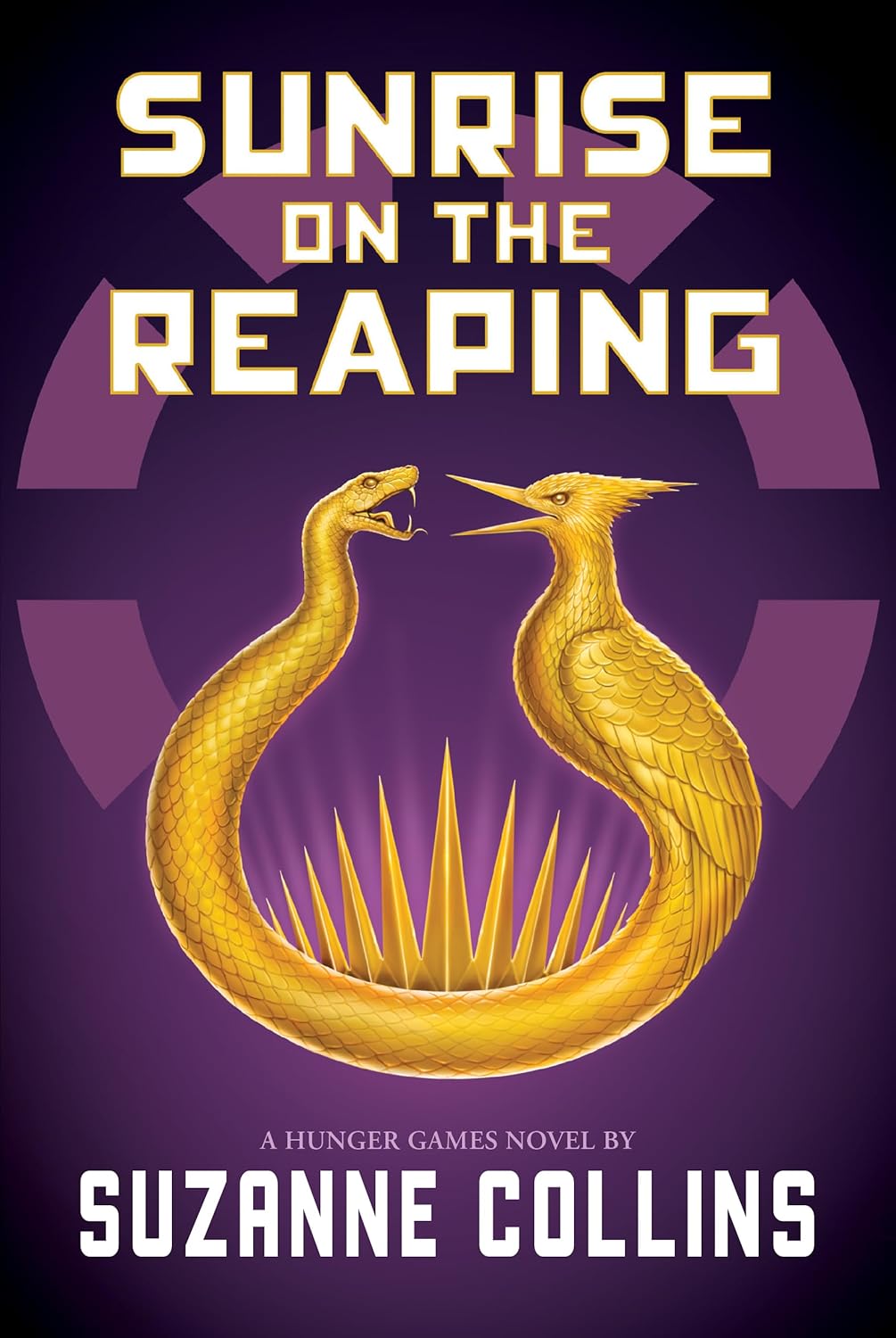
One of the more impressive audiobooks I listened to in 2025 was the new Hunger Games novel, Sunrise on the Reaping.  Suzanne Collins cleverly revisited her iconic world with a fantastic prequel novel focused around one of her best characters Haymitch Abernathy.  This amazing book really hit the readers hard, and I found myself enjoying it even more thanks to the impressive audiobook narration of actor Jefferson White.  White proved to be a perfect narrator for a young Haymitch, and I got deeply engrossed in this audiobook thanks to his fantastic voice work. An exceptional audiobook guaranteed to break your heart.

Amazon


Midnight Black, written by Mark Greaney and narrated by Jay Snyder
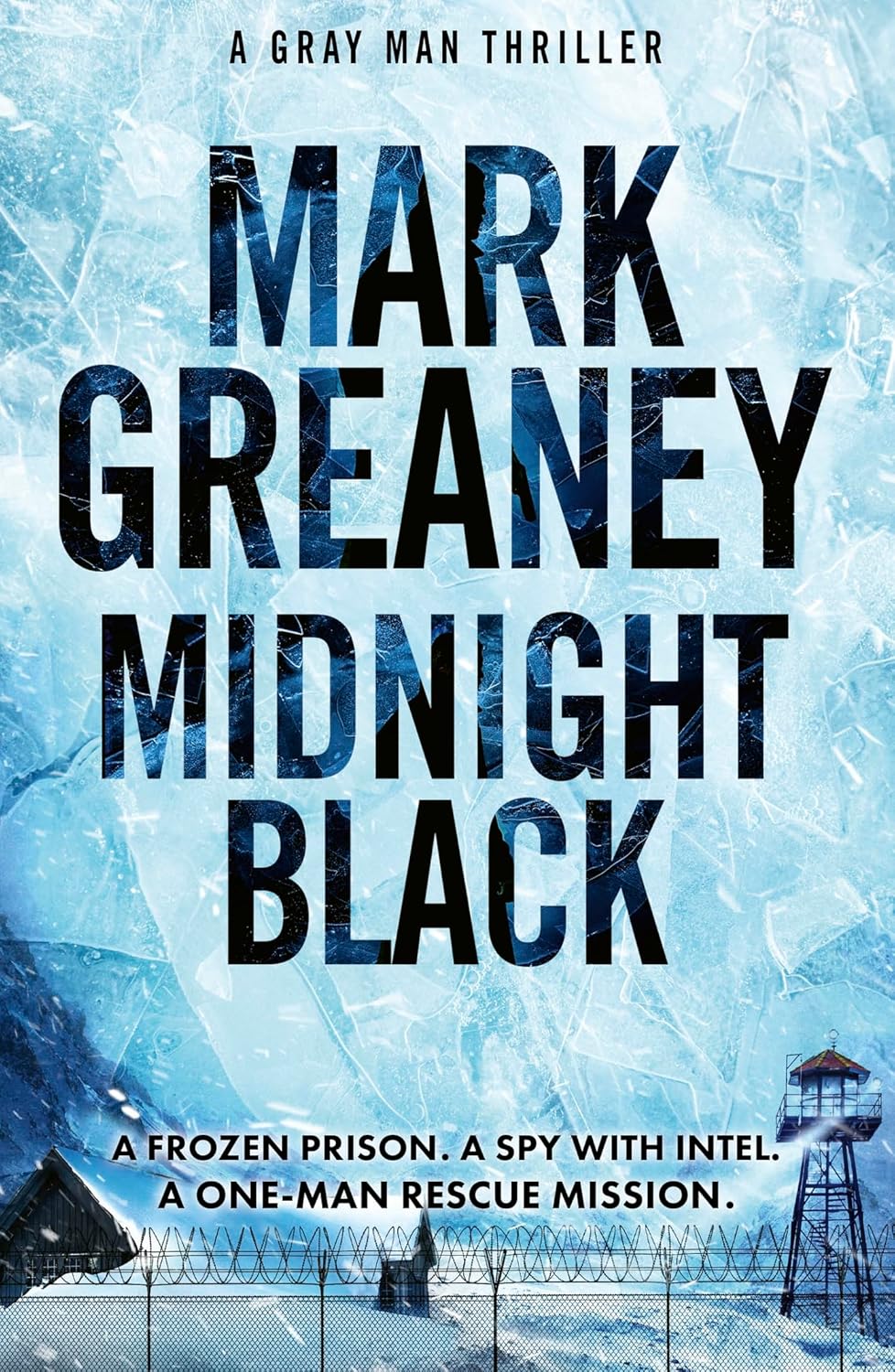
The latest Gray Man audiobook from Mark Greaney proved to be an exceptional piece of entertainment for a long road trip, and I really got engrossed in this gripping thriller while driving around the United States.  Once again narrated by Jay Snyder, Midnight Black’s compelling tale of desperation and imprisonment proved to be particularly addictive and constantly exciting, and I couldn’t stop listening to this book at times as I waited to see how everything came together.  An impressive new audiobook entry in one of my favourite spy thriller series.

Amazon


Four Ruined Realms, written by Mai Corland and narrated by various

One of the first audiobooks of 2025 I listened to this year was the awesome fantasy novel, Four Ruined Realms.  The sequel to Mai Corland’s 2024 novel, Five Broken Blades, Four Ruined Realms had a great story that sent the author’s lethal protagonists to an enemy nation to complete a desperate heist mission, with everything and everyone they love on the line.  Not only was this a great fantasy story, but the Four Ruined Realms audiobook once again came across as an incredible listen thanks to it’s six outstanding narrators.  Jaine Ye, Sophie Oda, Greg Chun, Zion Jang, Roger Yeh and Donald Chang each excelled at narrating the perspective chapters of one of the book’s protagonists, and I like their unique take on each of the characters.  Thanks to these six talented narrators, Four Ruined Realms was a real joy to listen to, and this proved to be a great second entry in the Broken Blades series.  I’m planning to listen to the recently released third and final book in the trilogy, Three Shattered Souls, on audiobook soon and it’s going to be an outstanding listen, even with one of the narrators stepping away after the tragic ending to Four Ruined Realms.
Amazon


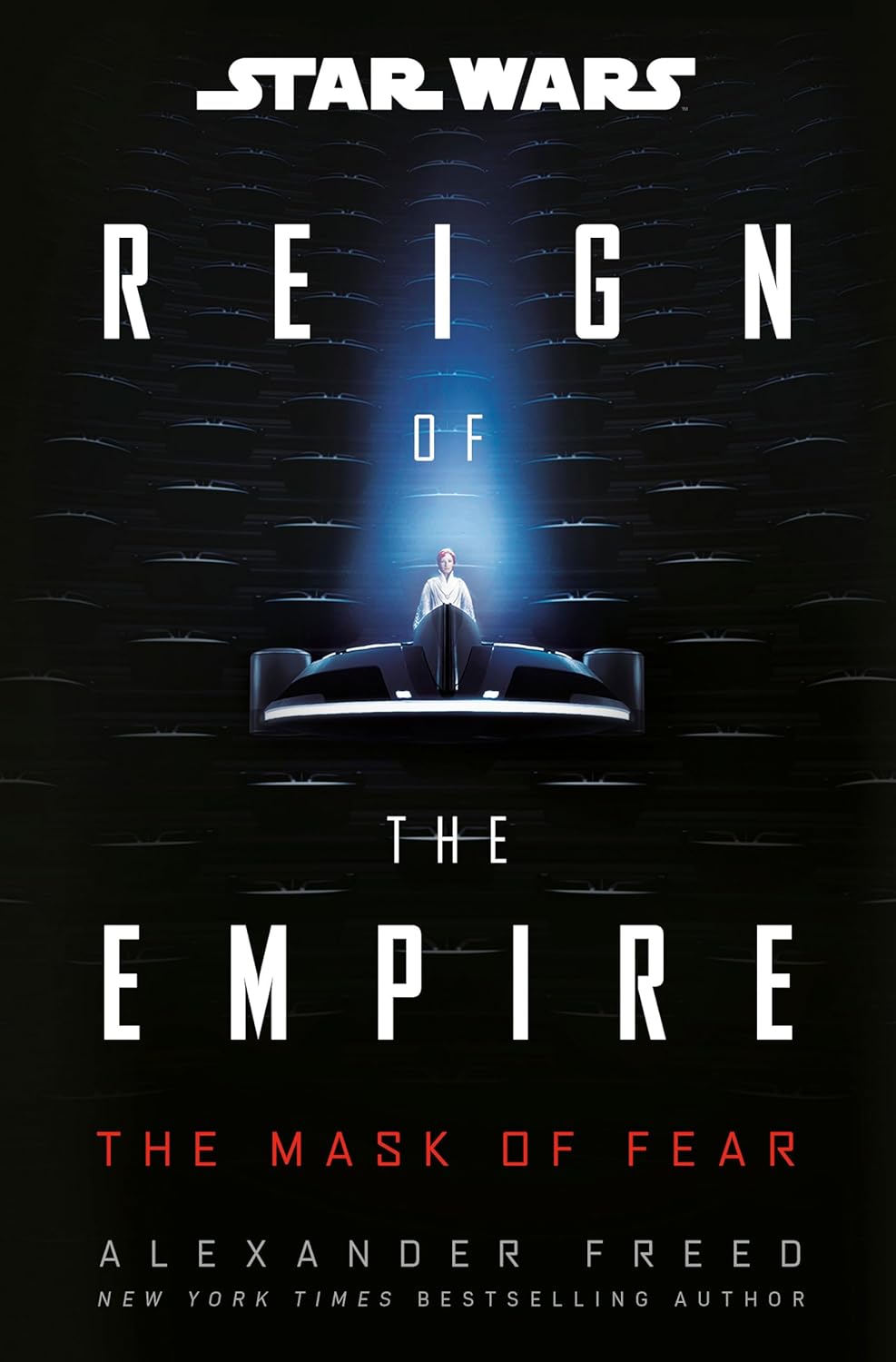
Star Wars: Reign of the Empire: The Mask of Fear, written by Alexander Freed and narrated by January Lavoy

This year Alexander Freed presented the start of a cool new Star Wars trilogy that aimed to show the early days of Emperor Palpatine’s rule and the steps that would lead some key figures to rebellion.  The first book in this trilogy, The Mask of Fear, was a compelling and complex read that examined politics and lies in the Star Wars universe.  Thanks to the narration of January Lavoy, as well as the cool music and sound effects Star Wars audiobooks are known for, The Mask of Fear proved to a particularly impactful listen, and there is really no better way to enjoy this novel.

Amazon


Never Flinch, written by Stephen King and narrated by Jessie Mueller
Stephen King continues to impress in 2025 with his new and particularly powerful thriller, Never Flinch.  Bringing back one of his more unique protagonists, Holly Gibney, Never Flinch was a dark and captivating novel of obsession, addiction and murder, that frankly was impossible to stop listening to.  Narrator Jessie Mueller was particularly impressive, and I love her outstanding take on the story, as well as her excellent character voices.  Easily one of the best books of 2025 that really comes to life on audiobook.

Amazon


Open Season, written by Jonathan Kellerman and narrated by John Rubinstein
Another great murder mystery I was lucky enough to enjoy on audiobook this year was Open Season by Jonathan Kellerman.  The 40th book in Kellerman’s Alex Delaware series, Open Season was an outstanding and powerful novel that saw the team of a skilled psychologist and a veteran detective hunt a dangerous killer with a sinister motive.  I really enjoyed the awesome audiobook of Open Season, which I powered through on a plane ride, and frankly I couldn’t stop listening to this book at times.  Long-time Alex Delaware narrator John Rubinstein was once again amazing in Open Season, and I love his fantastic take on all the characters, including the main detective.  Thrilling, exciting and very clever, Open Season was a great audiobook that comes highly recommended.

Amazon


Days of Shattered Faith, written by Adrian Tchaikovsky and narrated by David Thorpe

The final audiobook I want to highlight on this list is Days of Shattered Faith, which I enjoyed early in the year.  The third book in Adrian Tchaikovsky’s Tyrant Philosopher series, Days of Shattered Faith continued to explore the author’s unique fantasy world where a dangerous empire of perfection-seeking fanatics conquers everything through various despicable, and often repurposed, means.  This latest book was an incredible novel of diplomacy, clashing cultures and subtle wars, and I loved the varied storylines explored within.  Narrator David Thorpe does an excellent job bringing this varied cast to life, while also capturing Tchaikovsky’s unique tone, and the result was a truly awesome listen that I deeply enjoyed.  A wonderful new audiobook entry in one of Tchaikovsky’s best series.

Amazon


Well, that’s the end of this latest list.  As you can see, there have been some very good audiobooks out in the first half of 2025.  It will be interesting to see which books make the cut later in the year, especially as I currently have several major 2025 audiobooks currently sitting on my phone, waiting to be listened to.  While I get to that, make sure to let me know what your favourite audiobooks of 2025 so far are in the comments below.
Star Wars: Reign of the Empire: The Mask of Fear by Alexander Freed

Publisher: Penguin Random House Audio (Audiobook – 25 February 2025)

Series: Reign of the Empire – Book One

Length: 16 hours and 51 minutes

My Rating: 4.5 out of 5 stars

Amazon

One of the top authors of Star Wars extended fiction, Alexander Freed, presents a compelling and complex inclusion to the franchise with The Mask of Fear, a powerful Star Wars novel that is a must-read before the upcoming second season of Andor.

There are some impressive authors writing Star Wars fiction at the moment, but one of my favourites is Alexander Freed, primarily because of his Alphabet Squadron trilogy.  An awesome series that followed a group of New Republic pilots in the immediate aftermath of Return of the Jedi, the Alphabet Squadron novels (Alphabet Squadron, Shadow Fall and Victory’s Price), are amongst some of my favourite Star Wars books, and I loved Freed’s dark take on the universe following the happy ending of the original trilogy.  As such, I was very intrigued when I heard that Freed was working on a new Star Wars trilogy set during one of my favourite periods of the franchise’s history, with the cool Reign of the Empire trilogy.

The Reign of the Empire trilogy is an ambitious series that seeks to chronicle the rise of the Empire and provides some cool new history in the current Disney canon.  Set immediately after Revenge of the Sith, the Reign of the Empire follow several key supporting characters from the films, as well as some new figures, as they attempt to navigate the galaxy following the formation of the Empire.  The first book in this series, The Mask of Fear, proved to be extremely fascinating, and I loved the compelling direction that Freed took the story.


Plot Synopsis:

Before the Rebellion, the Empire reigns, in book one of a trilogy told through the eyes of Mon Mothma, Bail Organa, and Saw Gerrera – for fans of Andor.

“In order to ensure the security and continuing stability, the Republic will be reorganized into the first Galactic Empire! For a safe and secure society!”

With one speech, and thunderous applause, Chancellor Palpatine brought the era of the Republic crashing down. In its place rose the Galactic Empire. Across the galaxy, people rejoiced and celebrated the end to war—and the promises of tomorrow. But that tomorrow was a lie. Instead the galaxy became twisted by the cruelty and fear of the Emperor’s rule.

During that terrifying first year of tyranny, Mon Mothma, Saw Gerrera, and Bail Organa face the encroaching darkness. One day, they will be three architects of the Rebel Alliance. But first, each must find purpose and direction in a changing galaxy, while harboring their own secrets, fears, and hopes for a future that may never come, unless they act.


The Mask of Fear
was another impressive and unique Star Wars novel from Freed, who sought to bring together a complex narrative of early rebellion and fear, as various people witness the rise of a tyrannical government.  Clever, intense and cleverly addressing some real-world parallels, The Mask of Fear was extremely good, and it served as a brilliant start to an excellent new Star Wars trilogy.

Freed produced a particularly intricate and complex narrative for The Mask of Fear that really sets the scene for the trilogy in a fantastic character-driven read.  I must warn potential readers that this is a very slow-burn narrative, with a focus on politics, character development, and Star Wars lore, and as such the book doesn’t have a ton of action in it at the start.  Instead, Freed follows the experiences of several different characters as they face the early days of the Empire’s rise and the end of the Clone Wars, with the narrative broken down across several character perspectives, including Mon Mothma, Bail Organa, a former Separatist operative who is forced to team up with Saw Guerra, and a couple of Imperial spies who find out the hard way that their Empire isn’t everything it’s cracked up to be.  This interesting combination of characters allows The Mask of Fear to go in a few compelling directions, including a political narrative around Mon Mothma, an adventure-laden investigation by Bail Organa, who tries to prove that the Jedi was set-up by the Emperor, a dark journey of revenge by the former Separatist, while the two spies find their stories interacting with the other characters as they try to investigate them.

As I mentioned above, the first half of The Mask of Fear is a little dry and slow-paced, but it nicely explores the universe after Revenge of the Sith and provides some dark context to how the Republic was changed into the Empire.  Mon Mothma’s story lies at the heart of the book, as she tries to bring about a legislative end to the Emperor’s reign, and this compelling political tale meshes well with the more action focused or espionage laden chapters of the other protagonists.  Things start to get a lot more interesting and intense once some of the characters start to interact with each other, including with a few action sequences, and Freed ensures that narrative gets realistically dark as you begin to understand the full evil of the Empire.

Everything leads up to the climatic final third of The Mask of Fear, where most of the major storylines of the book start to come together.  Thanks to the complicated story elements Freed set up in the earlier stages of the book, the reader finds themselves quite hooked at this point, especially as the characters find themselves in real peril.  I really enjoyed how Freed wrapped up a couple of the story arcs in The Mask of Fear, especially in one scene were a previously moral character finds the dark side of conflict.  Freed rewards the reader by providing a big moment of hope towards the end of the book, although this is swiftly taken away just to highlight what sort of Star Wars series this is going to be.  I really enjoyed this final section of the book, as the dark result of all the character’s plans galvanises them and leads them into a new direction.  I felt that this story came together extremely well, and while it was initially a little hard to get invested in it, Freed’s excellent establishment of the characters, narrative and overarching setting, ensured that it became a really gripping narrative.

The Mask of Fear was a very well-written novel from Freed, who expertly sets up a cool new Star Wars novel trilogy with some intriguing disparate elements to it.  The blend of politics, intrigue and action made for quite a compelling read, and I felt the author’s excellent use of multiple character perspectives led to a very rich and complex read that hit a lot of great boxes for me.  In addition, Freed does an amazing job placing this into the larger Star Wars canon, especially as he spends a lot of time exploring the very early days of Imperial rule, which is such a fascinating period in the franchise’s history.  The author perfectly blends compelling Star Wars lore about the fallout of the Clone Wars and the start of the Empire with his own story, and the resulting narrative is very fascinating.  While not every reader is going to love the complex political inclusions, I personally really enjoyed them, and this book helped to fill in some interesting gaps in how the Republic from the prequel films becomes the Empire.  As such, The Mask of Fear is a novel geared more towards hardcore Star Wars fans, although anyone who’s seen the original and prequel trilogies, or who wants to get a little more universe history before the second season of Andor comes out will probably have an amazing time with this book.

Speaking of politics, it’s hard not to notice some interesting real-life parallels that The Mask of Fear has with political realities of the world right now.  Freed would have written this book in 2024, and he paints a grim picture of the Empire’s new political and social reality within this book, which includes gross corruption, manipulation of the media, disinformation and other despicable practices, which will probably be quite familiar to readers now.  For example, the portrayal of a legislative body transferring most of its power to a popular-supported executive who then makes radical right-wing changes is jarringly close to how 2025 is turning out in some ways.  I found that these real-world parallels made the story that much more fascinating, and the reader ends up really feeling for the emotional turmoils of the protagonists.  One particular part of Freed’s portrayal of the Empire that I personally appreciated was the decision not to feature any of the franchise’s main villains, but instead focused on the people joining the administration purely for their own goals or benefit, who start revelling in the power they now have, or the lower level supporters who finally believe that they have a worthy leader.  In some ways this makes the Empire seem even eviler, as much like certain real-world governments, it’s obvious that the Empire was corrupt from top to bottom since the beginning.  As such, The Mask of Fear proved to be a masterful examination of how such fascist governments come into being and stay in power, and it was interesting, if a little scary, to see how the ultimate evil empire from fiction is being mirrored in the world today.

While the amazing story elements and intriguing examination of politics is a highlight of this book, for me, the best part of The Mask of Fear was the brilliant and damaged characters that Freed featured, especially his five major protagonists.  Each of these protagonists, which includes a compelling mixture of established characters and new figures written for this novel, has fascinating plot arcs behind them, as each of them tries to find their place in the new book.

Of these, I personally enjoyed the compelling storylines around future Rebel leaders Mon Mothma and Bail Organa the most.  Mon Mothma, who has been so well used in recent shows like Star Wars Rebels and Andor, had a compelling showing here in The Mask of Fear, and it was fascinating to see what happened to her in the immediate aftermath of the Empire’s takeover.  Portrayed as an ambitious politician already under attack by the new administration, Mon’s storyline around her attempts to curtail the Emperor’s power through political means and to keep power in the Senate is interesting, and I really enjoyed seeing the version of Mon who still believed in the institution she was apart of.  Freed weaves together an excellent combination of storylines around Mon, including her political troubles, personal issues, trauma from past arrests and her own growing disillusion with her political colleagues.  Mon’s storyline in The Mask of Fear starts her on the path to becoming the future Rebel leader, as she is forced to take deadly action in protection of her ideals, while also learning just how ruthless the new Emperor and his administration is.

The storyline surrounding Bail Organa on the other hand was a little more action and adventure focused, as he began his own journey towards rebellion.  Portrayed as the only person in the Empire who actually knows that the Emperor is a Sith Lord, Bail spends much of the book desperately trying to fight back by clearing the Jedi’s name.  You can really feel the despair in Bail as he tries to solve the situation in a manner he believes is right, only to hit roadblocks and disinterest from even his potential allies who disregard the Jedi who Bail knows are innocent.  This allows for some very intense scenes, especially as Bail crosses some major boundaries to chase his goals, and you really sympathised with everything Bail is going through.  Bail’s storyline was really well written, and I really enjoyed Freed’s realistic portrayal of what this character would be going through.  His storylines ended up melding nicely with the rest of the cast, especially Mon Mothma’s, and I loved how Freed showed them as having some noticeable political and personal friction.

The rest of the main point-of-view cast of The Mask of Fear includes three original characters, who provide intriguing alternate views about the Empire.  This included Soujen, a cybernetically enhanced Separatist infiltrator who awakens from hibernation to find that the government that made him was defeated, and he has to decide who or what he is going to fight for now.  A complex figure who believed in the Separatist cause, Soujen provides a compelling alternate view of events from the Clone Wars and the formation of the Empire.  Freed works an interesting and intense storyline around Soujen, as he is forced to confront the impact of his actions and the realisation that he might not have achieved anything with his fighting.  I loved how dark some of Soujen’s scenes got, as well as the realistic emotional outbursts as the character refuses to give up the war.  Soujen’s storyline is one of the most impactful in the entire story, as his more destructive approach forces the other characters to act against him.  There were some very complex interactions that occurred as Soujen tried to achieve his objectives, including a certain amount of tragedy which hits the reader hard.  The other key perspective characters are two imperial intelligence operatives, made up of an elderly spy who doesn’t fit in with the new regime and her young apprentice from the slums of Coruscant.  They both go on compelling journeys throughout the book, with the veteran tailing Bail, while the younger journeys into the morass of the extremist groups supporting the Emperor.  I really enjoyed seeing both coming to realise the problems with the Empire they’re solving in their own different ways, and both their perspective character arcs supported the other storylines extremely well.

This main cast is supported by an interesting array of figures, including supporting characters from the main shows, who have a big impact on the story.  The most prominent of these is Saw Gerrera, who, despite having a big role in the plot, doesn’t serve as a major perspective character.  Freed does an excellent job portraying Saw in this book, and it proves fascinating to see the character’s journey to become an extremist fighter begin in this book, as he initiates the first militant rebellion against the Empire.  This mostly rounds out the main cast, and as I mentioned above there is a distinct lack of major antagonists in this book, with neither the Emperor or Darth Vader appearing.  However, there is an array of self-serving middle management administrators and agents, pro-Imperial vigilantes and politicians supporting the new Empire, who prove to be quite dangerous and corrupt in their own way, especially as they oppose and attempt to remove the protagonist when they oppose the Emperor.  An overall excellent collection captivating character arcs in this book which really enhanced The Mask of Fear’s narrative in some impressive ways.

As with most Star Wars novels that I check out, I chose to enjoy The Mask of Fear on audiobook, which proved to be an outstanding way to enjoy this captivating read.  Star Wars audiobooks always do such a great job of capturing the atmosphere and excitement of the franchise’s extended universe, and I love how awesome they can make a story.  The Mask of Fear was a great example of this, and the complex narrative of politics, betrayal and damaged characters, really came to life when read out by the talented January LaVoy.  LaVoy, who specialises in reading female-led fiction, including extended universe books such as Star Trek: Die Standing and Freed’s Alphabet Squadron books, did an outstanding job narrating this awesome novel, and I loved how well she captured the key characters.  Her voice work for Mon Mothma was particularly good, and I liked the fun voices that accompanied some of the other intriguing female characters.  LaVoy also ensured that the story moved at a swift pace, and readers found themselves really drawn in, even with the book’s politically heavy content.  It helped that The Mask of Fear featured the typical array of iconic sound effects and music from the Star Wars films, which are put to great use throughout the production.  The sound effects in particular were cool, giving extra life to some scenes, especially those involving firefights, vehicles and crowds, while the music was used to add some outstanding gravity or excitement to key moments.  The combination of the amazing narration and the cool Star Wars sound inclusions helped to make The Mask of Fear something truly wonderful to listen to, and this is easily the best way to enjoy this fantastic novel.

Alexander Freed kicks off his Reign of the Empire trilogy in a big way with this captivating novel.  An outstanding addition to the Star Wars canon that dives into one of the franchise’s most intriguing periods, The Mask of Fear was an intriguing, character-driven novel that examines the fallout of war, political upheaval and the rise of evil.  Highly recommended, especially on audiobook, The Mask of Fear is a must-read for all Star Wars fans.

Amazon

Star Wars: The High Republic: Tempest Runner written by Cavan Scott and performed by a full cast

Star Wars - Tempest Runner Cover

Publisher: Random House Audio (Audio Drama – 31 August 2021)

Series: Star Wars – The High Republic

Script: Cavan Scott

Cast: Jessica Almasy, Dan Bittner, Orlagh Cassidy, Sullivan Jones, January LaVoy, Kathleen McInerney, Tara Sands, Vikas Adam, Jonathan Davis, Neil Hellegers, Saskia Maarleveld, Soneela Nankani, Marc Thompson and Shannon Tyo

Length: 6 hours and 5 minutes

My Rating: 4.5 out of 5 stars

Amazon

The epic High Republic era of Star Wars fiction continues in Tempest Runner, the brilliant and captivating full-cast audio drama written by impressive author Cavan Scott.

Ever since its beginnings in early 2021, I have been having a lot of fun with the cool new focus of the Star Wars extended universe known as The High Republic.  Set hundreds of years before the Skywalker Saga, The High Republic has featured several impressive novels, comics and other media releases that tell a grim story of destruction and strife in the golden age of the Republic and the Jedi.  One of more interesting pieces of this fiction from late 2021 was this fantastic full-cast audio drama, Tempest Runner, which focused on one of this era’s best villains, the Nihil Tempest Runner, Lourna Dee.  This awesome audio drama was authored by the exceedingly talented Cavan Scott, who not only wrote my favourite High Republic book so far, The Rising Storm, but also a great previous Star Wars audio drama, Dooku: Jedi Lost.

Synopsis:

The Nihil storm has raged through the galaxy, leaving chaos and grief in its wake. Few of its raiders are as vicious as the Tempest Runner Lourna Dee. She stays one step ahead of the Jedi Order at the helm of a vessel named after one of the deadliest monsters in the galaxy: the Lourna Dee. But no one can outrun the defenders of the High Republic forever.

After the defeat of her crew, Lourna falls into the hands of the Jedi – but not before she hides her identity, becoming just another Nihil convict. Her captors fail to understand the beast they have cornered. Just like every fool she’s ever buried, their first mistake was keeping her alive.

Lourna is determined to make underestimating her their last.

Locked onto a Republic correctional ship, she’s dragged across the galaxy to repair the very damage she and her fellow Tempest Runners inflicted on it. But as Lourna plans her glorious escape, she makes alliances that grow dangerously close to friendships. Outside the Nihil – separated from her infamous ship, her terrifying arsenal, and her feared name – Lourna must carve her own path. But will it lead to redemption? Or will she emerge as a deadlier threat than ever before?

Tempest Runner ended up being an entertaining and captivating piece of Star Wars fiction.  Featuring another excellent story from Scott that not only dives into the past of great character Lourna Dee but continues the story set up in several of the past High Republic novels.  Perfectly told using a full cast of narrators, this was an outstanding audio drama that I had a wonderful time listening to.

It was clear that Scott was on quite a roll last year when it came to fantastic storytelling.  Tempest Runner is set after the events of The Rising Storm and continues several interesting storylines from this novel, as well as other pieces of High Republic fiction such as Light of the Jedi and Out of the Shadows.  Starting off with Lourna’s capture by the Jedi, the story shows her successfully hide her identity and get imprisoned aboard a Republic prison ship doing hard labour as punishment.  Trapped with some of the worst criminals in the galaxy, as well as former Nihil members who utilise her identity for her own good, Lourna is forced to survive while also coming to terms with who she is, what drives her and what she wants from the future, especially when she connects with one of the prison guards.  However, an enemy from her past has found out where she is and is determined to kill her no matter what.  This leads to several intense and brutal confrontations as Lourna is forced to once again bring out her inner monster to save herself and defeat her opponents, while also setting her path for future endeavours in the High Republic universe.

Tempest Runner’s narrative ended up being pretty intense, and I loved the cool and intriguing plot, especially as there are several fun twists and reveals, including that great one towards the end.  While this is a mostly self-contained piece of Star Wars fiction, there are multiple intriguing connections to other High Republic novels and comics.  I particularly loved how several of the best villains from the main two novels were used here, and it also sets up Lourna’s storyline for the next book in the series.  Scott employs an interesting and roundabout way of telling Tempest Runner’s story, utilising a series of flashbacks and interludes to continue the main plot which occasionally helps compensate for the lack of descriptive words that is characteristic of the audio drama format.  I really need to highlight the book’s great opening section in which the capture of the protagonist is recounted in compelling detail to the novel’s main antagonist, with the storyteller and his audience providing questions and commentary during the dramatisation of the events being discussed to provide context.  The storyline has a great blend of elements, and I loved the fantastic prison story, the intrigue of the Nihil, the fantastic revenge plot surrounding the antagonist, as well as the massive amount of character development that occurs around the main character.

Scott really went out of his way to explore the character of Lourna Dee in Tempest Runner.  Despite being one of the most distinctive and entertaining villains in the High Republic canon, very little was known about Lourna Dee before now, except that she is an unassailable badass who is even capable of hanging with a Jedi in a fight.  Tempest Runner, however, dives deep into the heart of this cool character, and I liked the complex and intriguing development and history around her.  Most of the story is dedicated to the modern Lourna, who, after being captured, attempts to turn over a new leaf in the prison system to survive.  This provides some interesting insights into her mind and motivations, especially as she is not as mindless a killer as some of the previous books would lead you to believe.  Instead, she is quite a complex and tragic figure, something that is made clear when you see the various flashbacks to her past that Scott comes up with.  These flashbacks tell a captivating tale of betrayal and heartbreak, showcasing what led an innocent girl to a life of hardship and crime.  This backstory is extremely fascinating, with some powerful moments of love, loss, and revenge.  In addition, the story also dives into how she became a member of the Nihil and rose in its ranks.  This interesting background weaved into the main plot extremely well, and I think that Scott showcased the character’s past perfectly, ensuring that it explains her current mentality and motivations.  I am deeply happy that we finally got to see this character’s backstory, and it really did not disappoint.

While most of Tempest Runner’s focus was on Lourna Dee, a couple of other characters really stood out to me.  This included Tasia, the former Nihil member who blackmails Lourna to help her survive in prison.  Tasia is a fun secondary antagonist, and it was very entertaining to see her try and make a power play on Lourna once she was no longer in control.  I also loved seeing more of Pan Eyta, a former Nihil Tempest Runner who was betrayed by Lourna in The Rising Storm.  Pan, who is dying thanks Lourna, goes on a big revenge mission here and ends up being the major antagonist of this novel.  I personally thought this was an amazing conclusion to his compelling character arc established in the previous novels and it was great to see him and Lourna have several aggressive and deeply personal confrontations throughout Tempest Runner.  I also enjoyed seeing a young version of High Republic arch-antagonist Marchion Ro, before he took control of the Nihil, as well as a glimpse of his often-discussed father Asgar Ro.  Several other supporting characters in this novel were also pretty fun, and I had a great time seeing some of their storylines unfold.

While I had to highlight Tempest Runner’s cool narrative and great characters, you can’t talk about this amazing piece of Star Wars fiction without mentioning the awesome audio drama format.  I have a lot of love for Star Wars audiobooks and audio dramas (such as Doctor Aphra), and this was a particularly good one.  The team behind this epic audio drama did an amazing job of combining Scott’s great story with a team of brilliant voice actors, as well as the typical Star Wars sound effects and music.  With a run time of just over six hours, this is a very easy audio drama to quickly power through, and I think I managed it in just over a day myself.  While some people unfamiliar with the format might have some issues regarding the full reliance on descriptive dialogue and sound effects rather than expositional text to describe action, I thought that Tempest Runner was adapted extremely well and I had an absolute blast getting through it.

I must highlight the exceptional cast of voice actors that were featured in this awesome audio drama, as the team behind it pulled together a great group of narrators, including several actors well known for their work bringing Star Wars audiobooks to life.  The most prominent actor in this group is probably Jessica Almasy, who voiced main character Lourna Dee.  Almasy brings a great deal of complexity to the role and I loved the semi-French accent she utilised throughout Tempest Runner, which was reminiscent of how Twi’lek characters speak in shows like Star Wars: Rebels.  I thought that Almasy did a brilliant job of highlighting Lourna’s true feelings and personality in this audio drama, and it was great to see her transform the character in several intense, emotional scenes.  This was some brilliant voice work and it was an amazing highlight of this exceptional production.

I also deeply appreciated the great work that the other actors contributed to Tempest Runner and its characters.  While there were a few new narrators here whose work I enjoyed, the ones that impressed me the most were established narrators from other Star Wars audiobooks.  This includes January LaVoy, who voiced the character of Tasia, providing her with some much-needed depth and spite.  LaVoy, who I loved in works such as Star Wars: Victory’s Price (one of my favourite books and audiobooks of 2021) and Star Trek: Discovery: Die Standing, was just great here and I really appreciated the characterisation her voice added to Tasia.  Marc Thompson, who has previously narrated all the main High Republic novels, as well as the Thrawn Ascendancy books (Chaos Rising, Greater Good and Lesser Evil), was another standout narrator, especially as he voiced three characters, including antagonists Pan Eyta and Marchion Ro.  Having this cool continuation from Light of the Jedi and The Rising Storm for these great villains helped me enjoy their appearances in Tempest Runner a lot more, especially as Thompson has come up with some extremely sinister and fitting voices for them.  I also had a lot of fun with Jonathan Davis (who previously narrated Master & Apprentice, Lords of the Sith and Maul: Lockdown), who voiced two characters here.  I particularly enjoyed his work on the mysterious Asgar Ro, and the calm and wise tone he utilises for him (which is reminiscent of another major Star Wars character), works perfectly to give him some great depth.  An overall exceptional collection of narrators, I had an amazing time listening to this audio drama.

With a great cast, a brilliant story and a great focus on an incredible central character, Tempest Runner was an outstanding addition to the High Republic range of Star Wars fiction.  The always impressive Cavan Scott came up with an awesome narrative for Tempest Runner and I loved learning more about fun character Lourna Dee.  A must-listen for all fans of The High Republic, you really won’t regret checking out Tempest Runner.

Amazon

Top Ten Tuesday – My Favourite Audiobooks of 2021

Top Ten Tuesday is a weekly meme that currently resides at The Artsy Reader Girl and features bloggers sharing lists on various book topics.  The official topic for this list was Books I Hope Santa Brings, and, while this did sound like a fun topic, I instead decided to continue my annual end of year wrap up of some of the best books of 2021.  In previous weeks I highlighted some of the best debuts of 2021, as well as the best pre-2021 novels I read in the last year, but this week I am going to look at something near and dear to my heart, the best audiobooks of 2021.

Readers of my blog only need to check out my extensive audiobook category to know that I have a lot of love for the audiobook format.  In my opinion, the audiobook is often the best way to experience a good book, and in many cases, this format makes a book a lot more enjoyable for me.  As a result, I listened to quite a few audiobooks this year, and while several of them are books that had been released before 2021 and featured in my Throwback Thursday posts, a large majority of them were released this year. There were some truly outstanding and impressive audiobooks released this year, and I already know that I am going to have an extremely hard time coming up with the final version of this list. 

For this list I have only included audiobooks released in 2021 that I have listened to and completed, so I am excluding a few audiobooks that were probably pretty awesome, but which I didn’t have a chance to listen to.  Despite this, I still ended up with a long list of extremely good audiobooks, all of which were extremely worthy of appearing on this post.  To help cut this down, I too into account a range of consideration, including quality of the original novel, skill of the narrator, production value, pacing and other factors, including any featured music or sound effects.  Looking at all this I was eventually able to cut the list down to the absolute best 10 audiobooks (as well as an extended honourable mentions section).  I had to make some very hard decisions here, and I ended up losing several extremely good audiobooks from this list.  Still I think it really represents the best audiobooks I enjoyed this year, and there are some amazing productions down below.  So let us see what made the cut.
Honourable Mentions:

Mind Bullet, written by Jeremy Robinson and narrated by R. C. Bray

Mind Bullet 2

Jeremy Robinson’s brilliant talent for writing incredibly entertaining novels once again combined perfectly with the fantastic narration of R. C. Bray (who gets a few mentions in this article) to produce an excellent and impressive audiobook production.


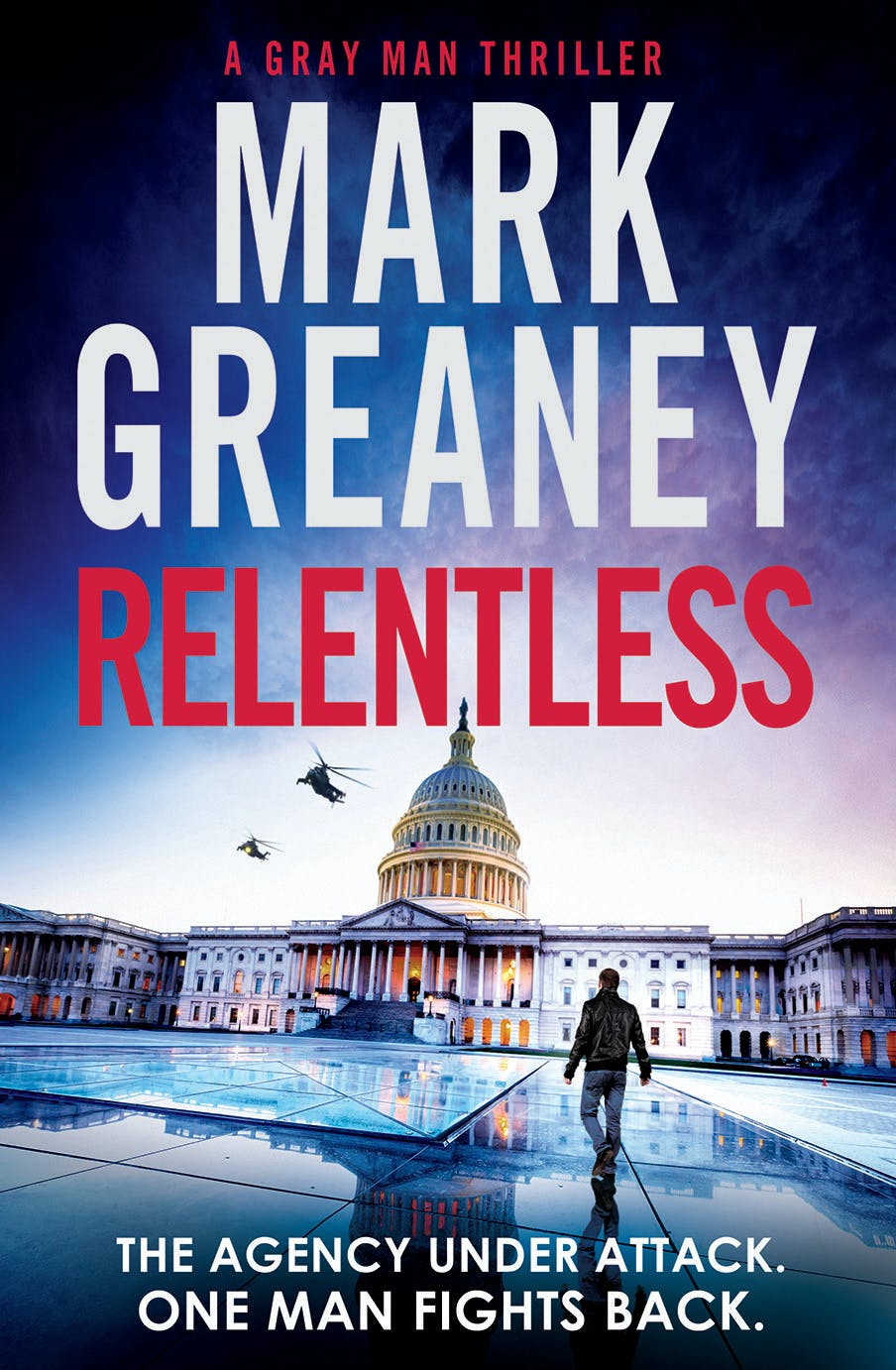
Relentless, written by Mark Greaney and narrated by Jay Snyder

Relentless by Mark Greaney Cover

A clever and intense spy thriller from the master Mark Greaney that is extremely well adapted by veteran narrator Jay Snyder.


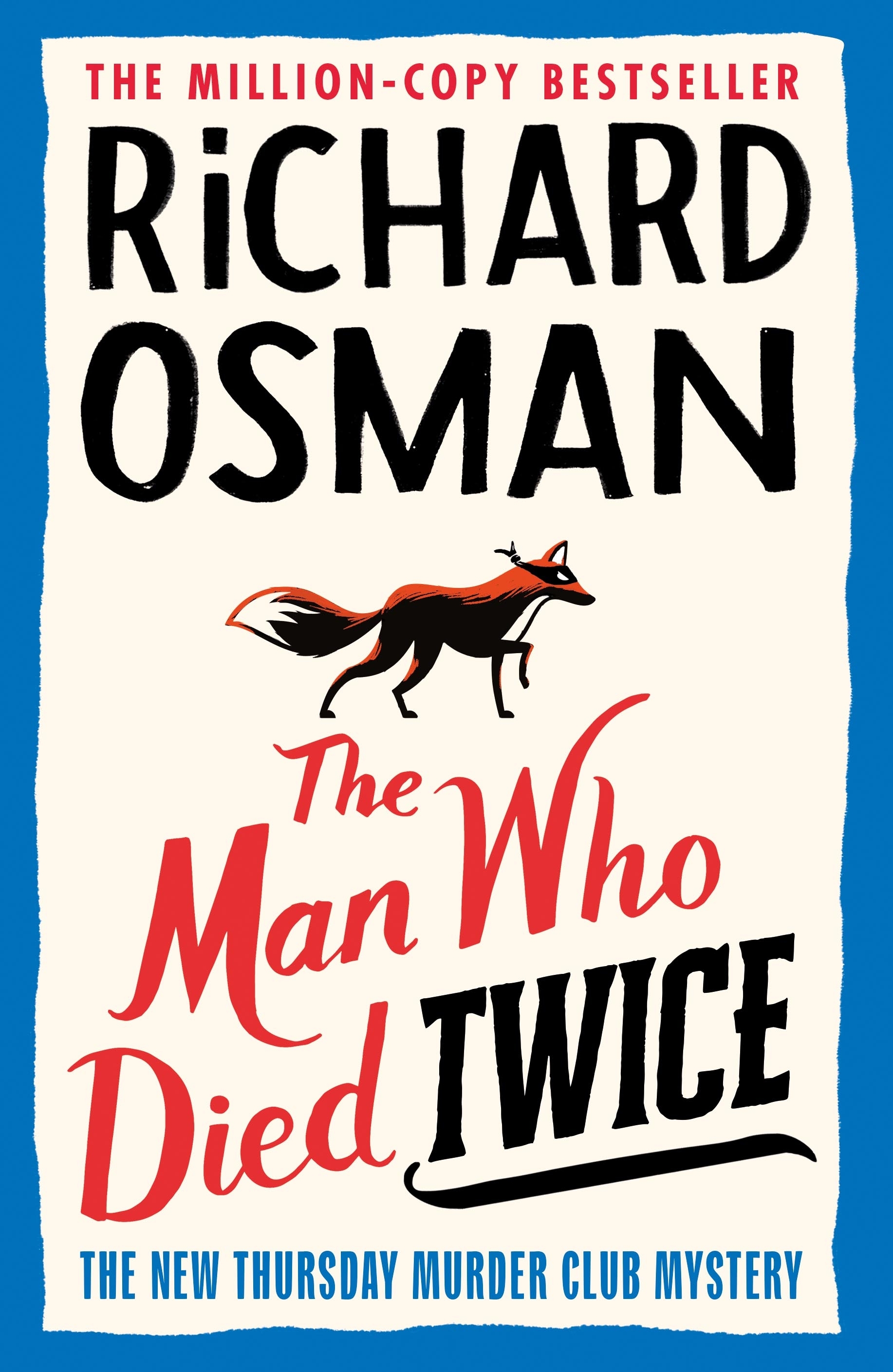
The Man Who Died Twice, written by Richard Osman and narrated by Lesley Manville

The Man Who Died Twice Cover

After his sensational first novel/audiobook, The Thursday Murder Club, blew everyone away last year, comedian Richard Osman continued his cool series with The Man Who Died Twice.  This second book featured another brilliant audiobook adaption narrated by the talented and perfectly cast Lesley Manville, which is really worth checking out.


Colonyside, written by Michael Mammay and narrated by R. C. Bray

Colonyside Cover

Following on from Planetside and Spaceside, Michael Mammay produced another exceptional science fiction thriller with Colonyside, which was massively enhanced by R. C. Bray, whose voice works incredibly well for the gruff, military characters.

Top Ten Tuesday:

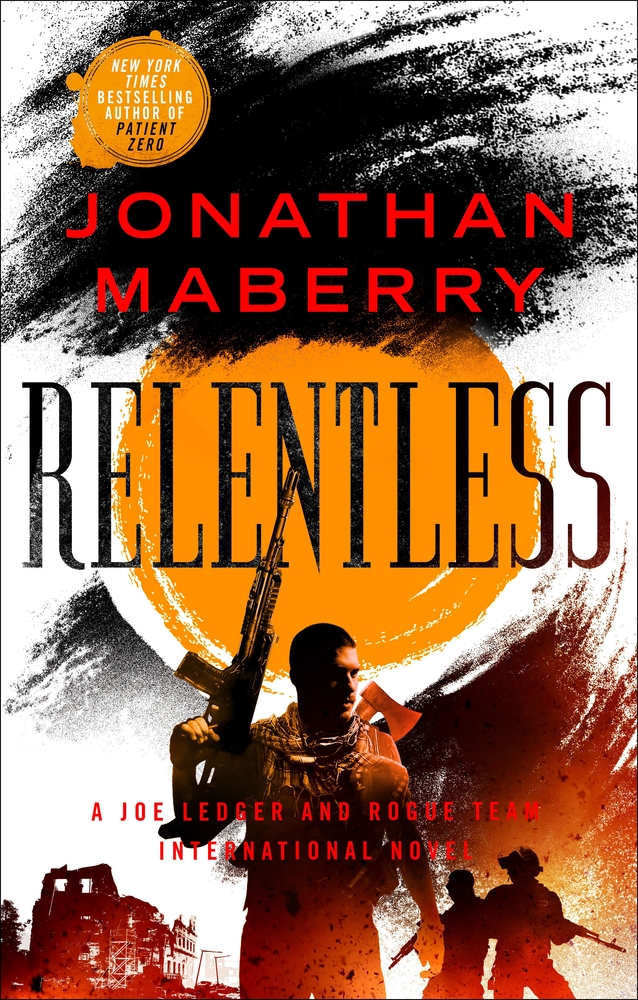
Relentless, written by Jonathan Maberry and narrated by Ray Porter

Relentless Cover

There was no way that the latest epic Joe Ledger audiobook by Jonathan Maberry, Relentless, was not going to make this list, especially as it once again features the fantastic narration of Ray Porter.  Relentless is the sequel to Rage (one of the best books and audiobooks of 2019), and contains an impressive story about Mayberry’s iconic protagonist, Joe Ledger, going on a revenge rampage.  Porter, who is one of my favourite audiobook narrators, once again expertly inhabited the main characters of this book, ensuring that listeners get a real sense of Ledger’s pain and torment.  An incredible production that perfectly brings this novel to life.


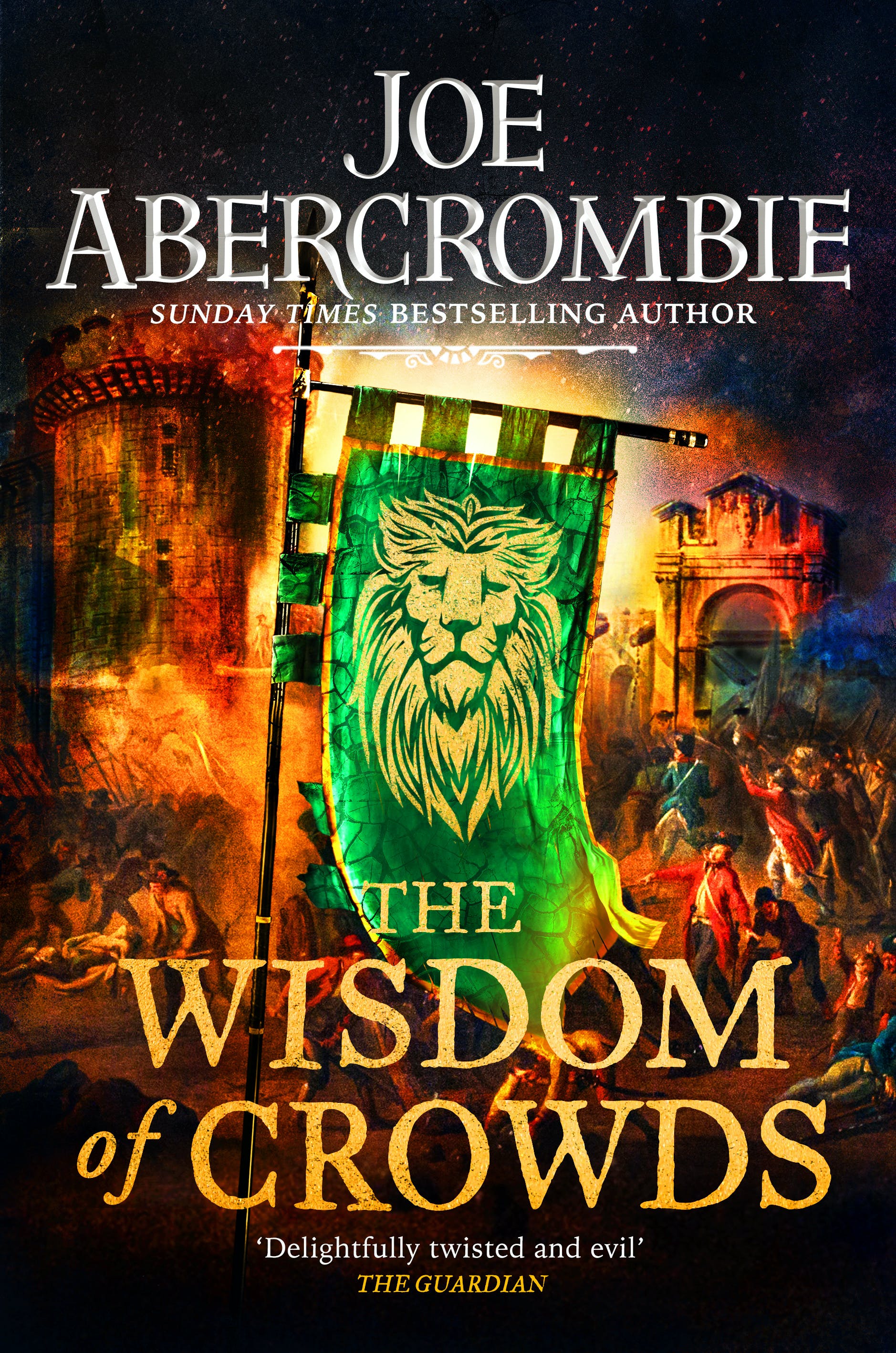
The Wisdom of Crowds, written by Joe Abercrombie and narrated by Steven Pacey

The Wisdom of Crowds Cover

Joe Abercrombie’s outstanding dark fantasy Age of Madness trilogy came to an incredible end this year with the captivating and moving The Wisdom of Crowds.  Containing a brilliant story and some wonderfully dark and complex characters The Wisdom of Crowds is a terrific read that did a fantastic job wrapping up the stories started in A Little Hatred and The Trouble With Peace (one of the best books and audiobooks of 2020).  The excellent Steven Pacey’s amazing voice helped to turn this into an excellent and compelling production, and I cannot wait to grab Abercrombie’s next book in this format.


Star Wars: Victory’s Price, written by Alexander Freed and narrated by January LaVoy

Star Wars - Victory's Price Cover

After enjoying physical copies of the first two novels in Alexander Freed’s Star Wars: Alphabet Squadron trilogy, Alphabet Squadron and Shadow Fall, I checked out the third novel, Victory’s Price, on audiobook and was absolutely blown away by it.  The Victory’s Price audiobook was just exquisite, combining a perfect and dramatic narrative with amazing Star Wars sound effects, music, and the exceptional voice work of January LaVoy.  This resulted in such an amazing audiobook, especially with the iconic Star Wars score working to enhance some of the more intense scenes.


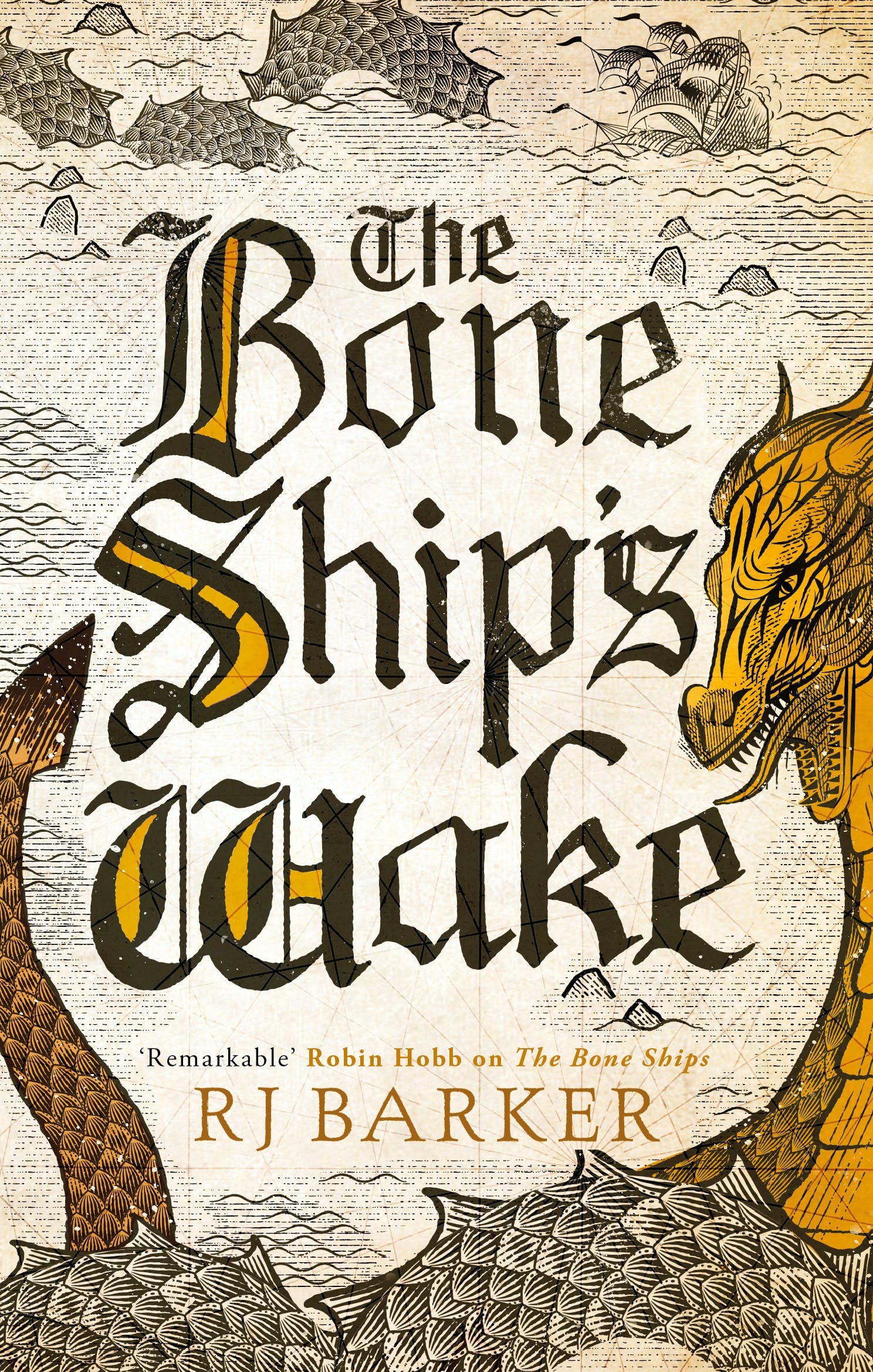
The Bone Ship’s Wake, written by R. J. Barker and narrated by Jude Owusu

The Bone Ship's Wake Cover

Another great trilogy that ended this year was The Tide Child trilogy by R. J. Barker (previously consisting of The Bone Ships and Call of the Bone Ships), which finished with the impressive The Bone Ship’s Wake.  Containing an exceptionally moving narrative, The Bone Ship’s Wake was an incredible book that takes the readers on a wild emotional ride.  I really enjoyed the audiobook adaption of this cool book.  The Bone Ship’s Wake was voiced by the talented Jude Owusu, who expertly brought the compelling characters and brutal nautical setting to life through his narration.  The Bone Ship’s Wake was an incredible audiobook that will really drag listeners into this brilliant series.


The Dark, written by Jeremey Robinson and narrated by R. C. Bray

The Dark Cover

Earlier this year I listened to my first Jeremey Robinson novels, The Dark, something that I am extremely thankful I did.  The Dark was a clever and entertaining novel that followed a group of characters as they attempted to survive an invasion from hell.  I have a lot of love for this book, not only because of the great story, but because the exceptionally talented R. C. Bray narrated the audiobook.  Bray does a beautiful job with this book, expertly narrating the crazy story and enhancing all of Robinson’s unique humour and over-the-top characters, with his great voice work.  A fast-paced and brutal novel, The Dark audiobook was a lot of fun, and Bray will ensure you stick to this bonkers story right to the end.


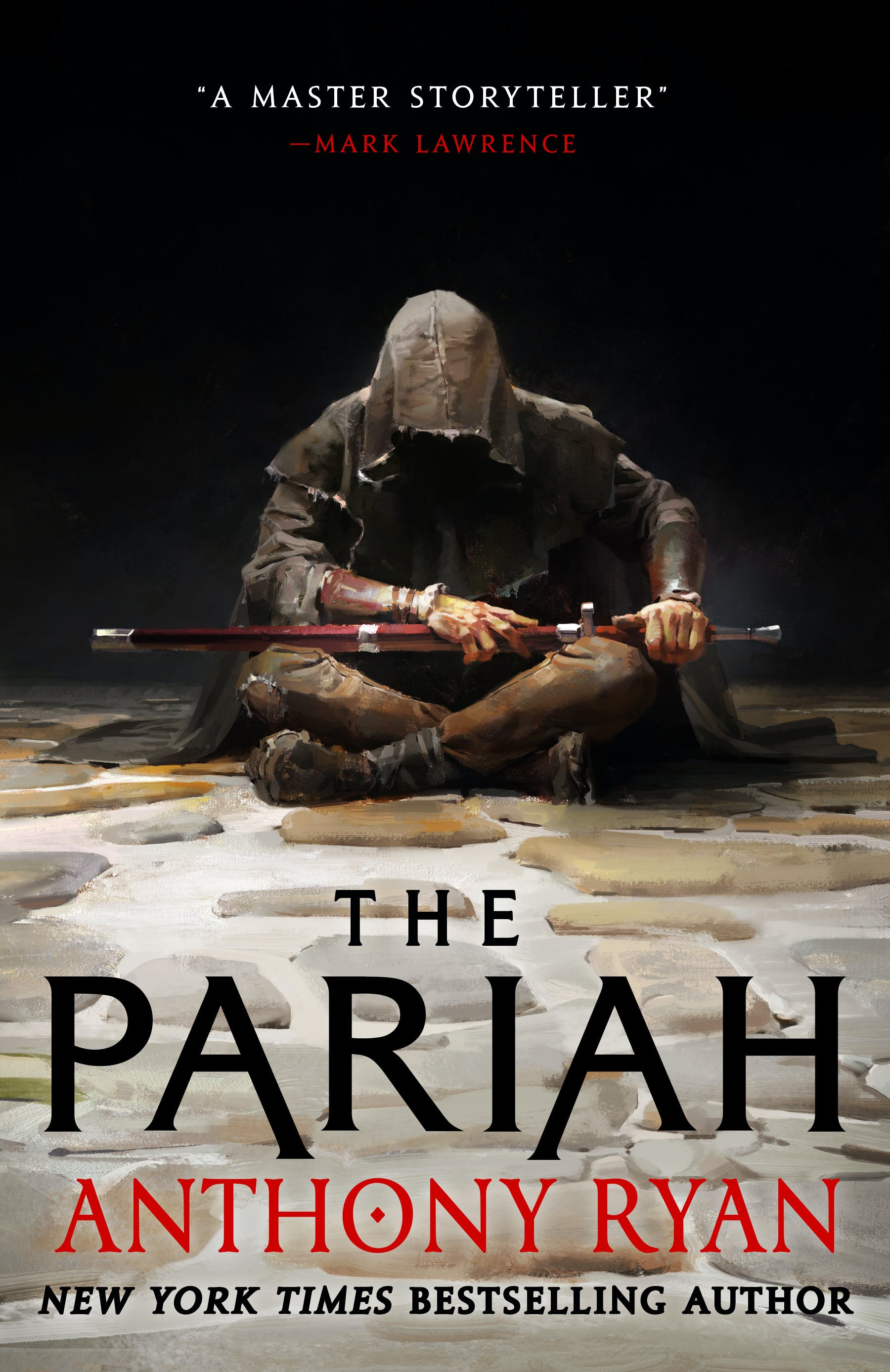
The Pariah, written by Anthony Ryan and narrated by Steven Brand

The Pariah Cover

Leading fantasy author Anthony Ryan produced an excellent brand new fantasy series this year that started with The PariahThe Pariah followed a complex and interesting protagonist as he tells the reader the story of his life through a chronical narrative.  Not only is this a great story, but the audiobook is narrated by the excellent Steven Brand, who perfectly portrays this central figure and ensures that the reader really gets to grips with Ryan’s powerful and detailed story.


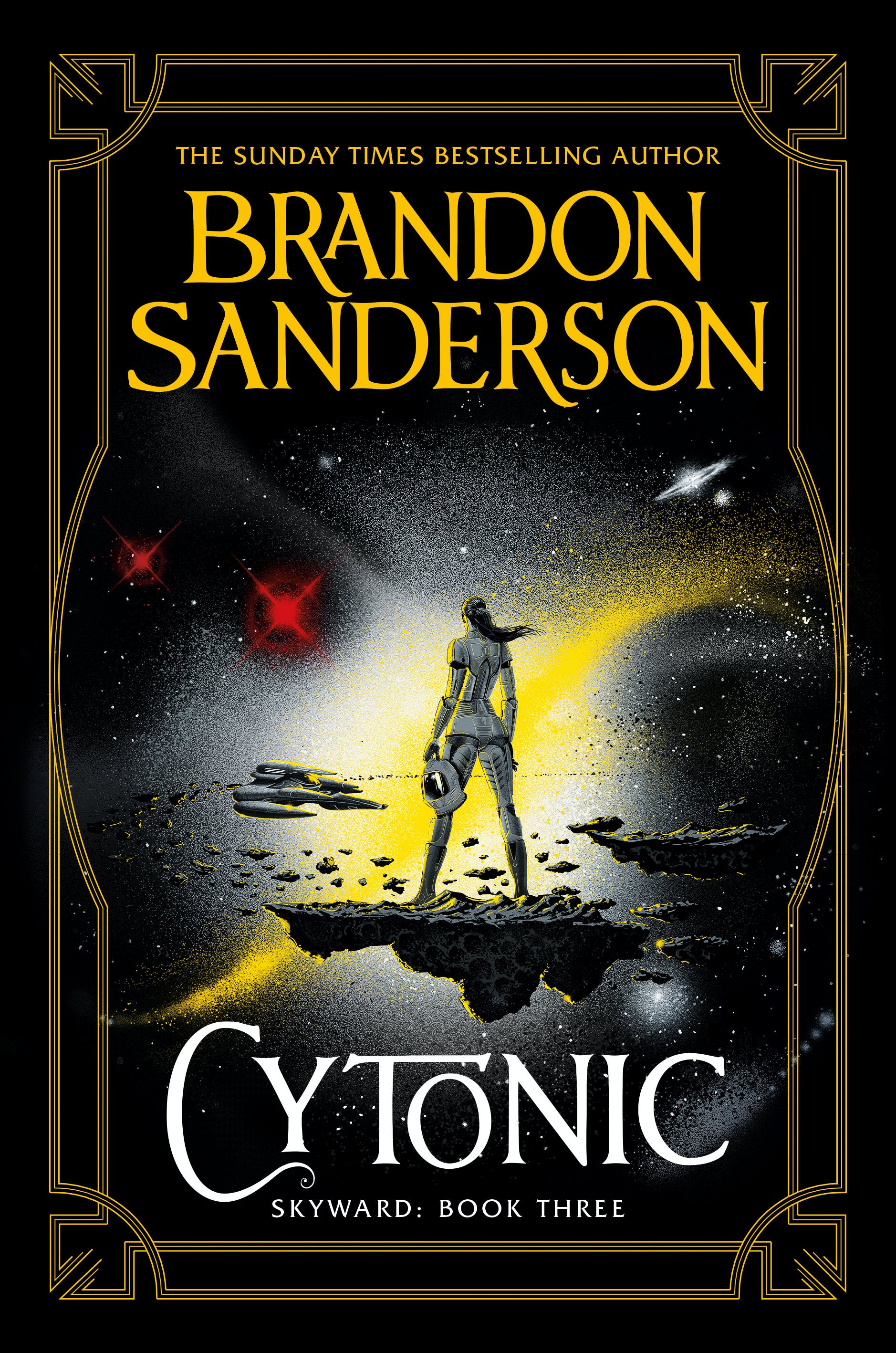
Cytonic, written by Brandon Sanderson and narrated by Sophie Aldred

Cytonic Cover

After wowing us with Skyward and Starlight, one of the best authors in the world today, Brandon Sanderson, dropped the third entry in his epic Skyward young adult science fiction series, CytonicCytonic is another captivating read that takes its unique characters to an incredibly weird setting and pits them against impossible odds.  Narrator Sophie Aldred is just great here, especially when it comes to portraying the novel’s unpredictable point-of-view protagonist or highlighting the many awesome fighter combat sequences.  Cytonic was a brilliant addition to the series and I am extremely glad that I checked it out on audiobook.


The Shadow of the Gods, written by John Gwynne and narrated by Colin Mace

The Shadow of the Gods Cover

Acclaimed author John Gwynne produced a brand new fantasy novel this year with the much-loved The Shadow of the Gods.  Split into three separate storylines that followed some great characters as they traversed a dark fantasy world, each narrative thread was greatly enhanced by the excellent narration from Colin Mace.  Not only does Mace perfectly portray all three amazing point-of-view characters, but his impressive voice really brings you into the Norse-inspired fantasy world the story was set in.  This was such an amazing audiobook production and I would greatly recommend this format to anyone interested in reading this outstanding fantasy novel.


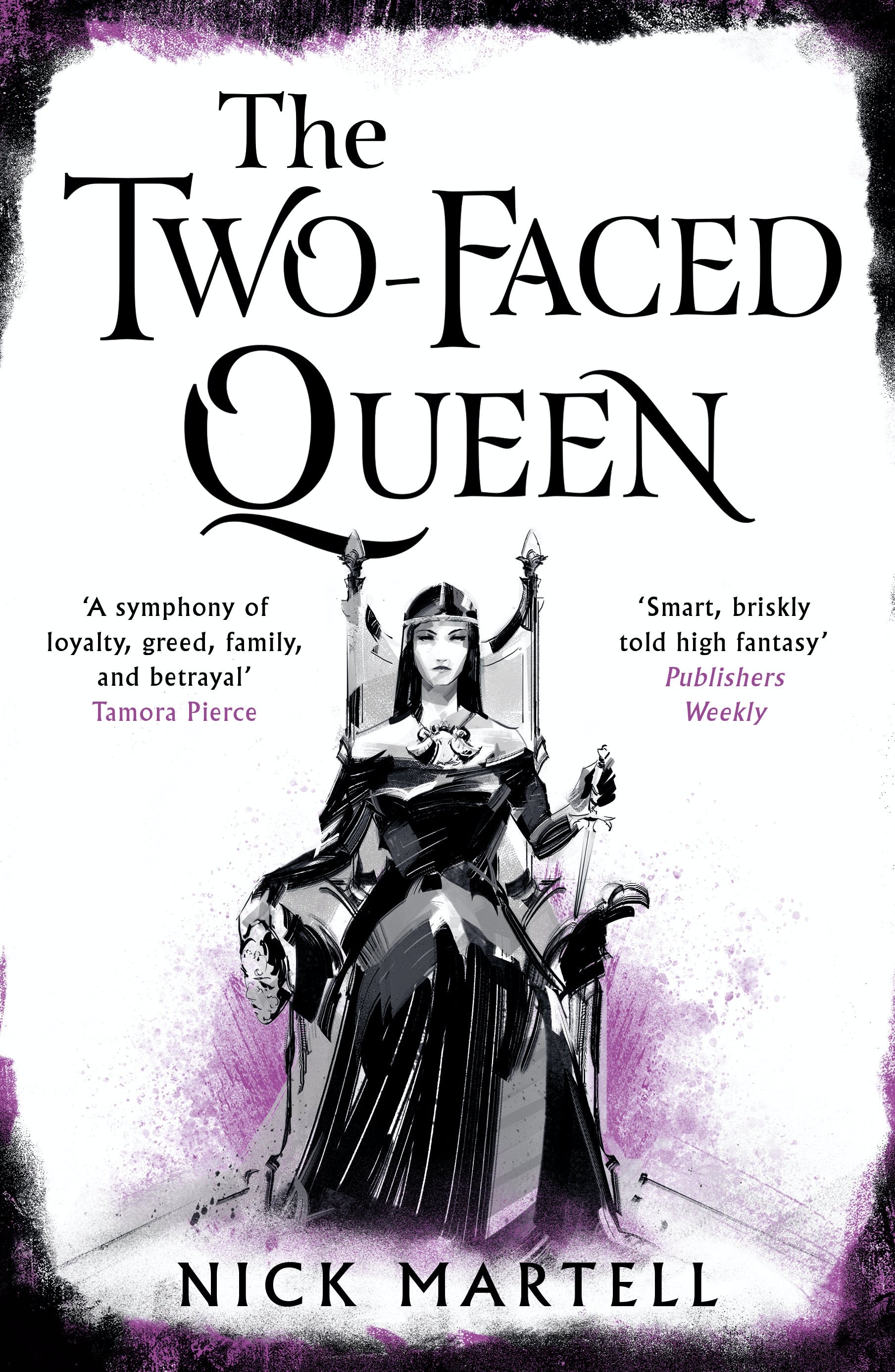
The Two-Faced Queen, written by Nick Martell and narrated by Joe Jameson

The Two-Faced Queen Cover

Last year, Nick Martell produced one of the best debuts of the year with The Kingdom of Liars, a truly awesome and exceptional read.  Martell followed this debut up in a big way with the sequel, The Two-Faced Queen that featured an exceptional narrative, loaded with an unbelievable number of twists and reveals.  The Two-Faced Queen was one of the best books of the year, and I had an incredible time listening to it on audiobook thanks to the talented Joe Jameson.  Jameson, who has been narrating some awesome novels lately (such as the Warhammer 40,000 book, Fire Made Flesh) did a great job of enhancing this fantastic novel, and I loved the cool voice and personality he gave to the central character.  Jameson’s brilliant narration also helped me follow the many, many complex elements of this novel, and this was a great way to enjoy this impressive novel.


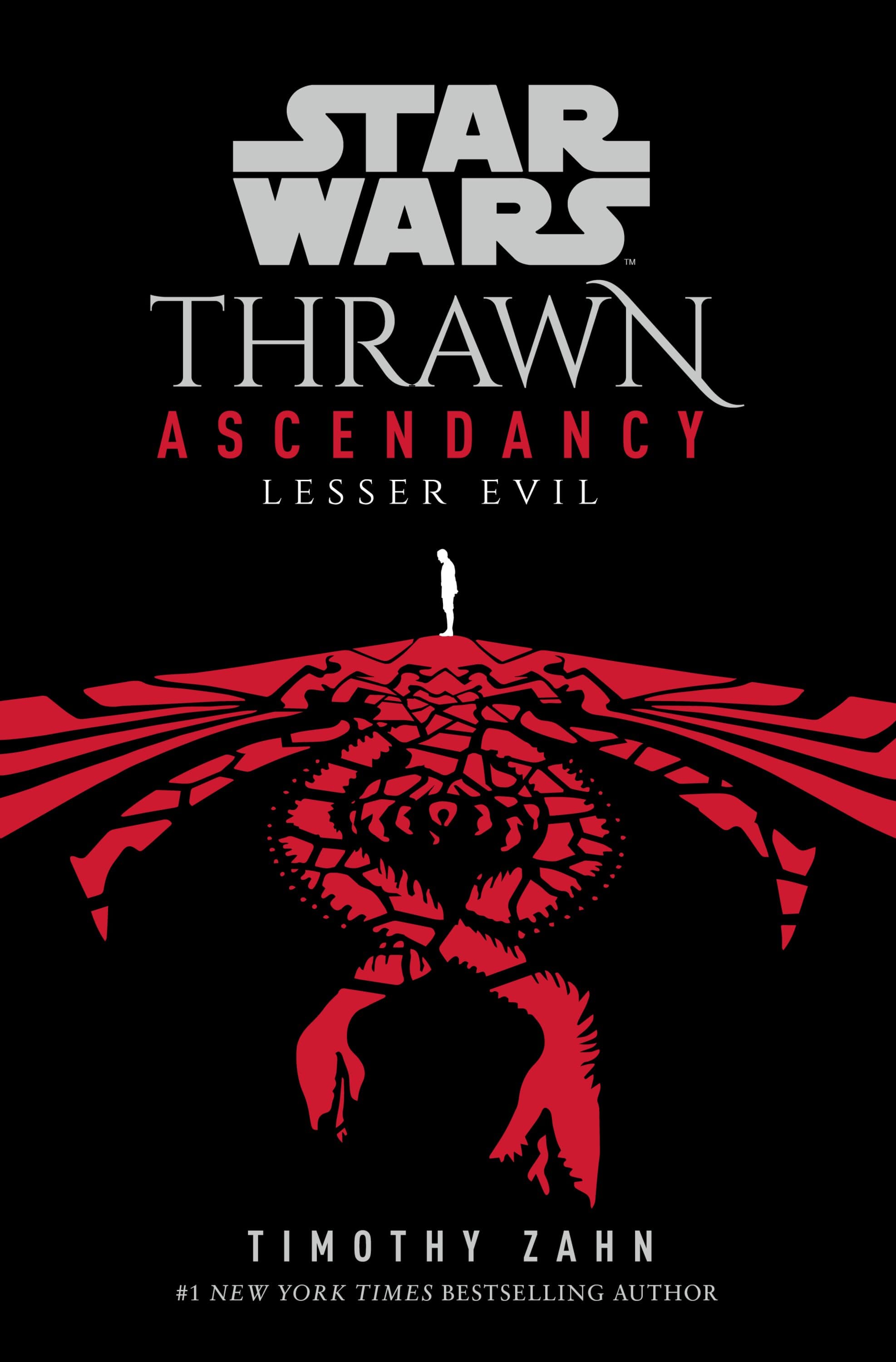
Star Wars: Thrawn Ascendancy: Lesser Evil, written by Timothy Zahn and narrated by Marc Thompson

Star Wars - Thrawn Ascendancy - Lesser Evil Cover

The final audiobook on this list is another Star Wars novel.  This time it is the final entry in the Thrawn Ascendancy series by Timothy Zahn, Lesser Evil.  Following on from Chaos Rising and Greater Good, Lesser Evil was a brilliant and powerful novel that perfectly wrapped up a great trilogy.  Like Victory’s Price, Lesser Evil made exceptional use of the iconic Star Wars music and sound effects, but it also features the notable talents of narrator Marc Thompson.  Thompson does a great job coming up with cool voices for the various characters of Lesser Evil, especially its protagonist and villain, which helps to tell the book’s amazing narrative.  That, combined with the production values of a Star Wars novel adaptation, helped to turn this into a compelling and enjoyable audiobook that was just amazing.


Well that is the end of this latest Top Ten list, and as you can see, I have been lucky enough to listen to some awesome audiobooks this year.  All the above audiobooks are extremely good and I would highly recommend each of them in their audiobook format.  There is still a little time for me to listen to a few more great audiobooks this year, and I cannot wait to see how they all turn out.  Let me know what your favourite audiobooks of 2021 were in the comments below, and I will have to try and check them out as well.

Waiting on Wednesday – Star Wars: The High Republic: Tempest Runner by Cavan Scott

Star Wars - Tempest Runner Cover

I also wanted to do a quick Waiting on Wednesday article on the upcoming Star Wars audio drama, Star Wars: The High Republic: Tempest RunnerTempest Runner, which will be written by the amazing Cavan Scott, will be the latest entry in the intriguing High Republic range of Star Wars fiction and will be released later this month.  I briefly mentioned this upcoming audio drama in another Waiting on Wednesday article, however, I was waiting to get some more details, such as the cool cover art above, before I discussed it.

For those unfamiliar with it, The High Republic is one of the most interesting and compelling current focuses of Star Wars fiction now.  Set around 200 years before the events of The Phantom Menace, High Republic media focus on a golden age of the Republic which is facing some major troubles, mainly in the form of the pirate group known as the Nihil.  Starting early this year with Light of the Jedi by Charles Soule, this era of Star Wars lore is proving to be a lot of fun, and there have been some great entries in the series, including Into the Dark by Claudia Gray and The Rising Storm by Cavan Scott, the later of which was particularly good.
Scott looks set to continue his awesome run of High Republic fiction with Tempest Runner, which appears to be a character specific sequel to The Rising StormTempest Runner will focus on one of the major High Republic antagonists, Lourna Dee, Tempest Runner of the Nihil, and has a very interesting story set around her.

Synopsis:


In this Star Wars audio original, delve into the cutthroat world of one of the High Republic’s greatest foes, the merciless Lourna Dee.

The Nihil storm has raged through the galaxy, leaving chaos and grief in its wake. Few of its raiders are as vicious as the Tempest Runner Lourna Dee. She stays one step ahead of the Jedi Order at the helm of a vessel named after one of the deadliest monsters in the galaxy: the Lourna Dee. But no one can outrun the defenders of the High Republic forever.

After the defeat of her crew, Lourna falls into the hands of the Jedi – but not before she hides her identity, becoming just another Nihil convict. Her captors fail to understand the beast they have cornered. Just like every fool she’s ever buried, their first mistake was keeping her alive.

Lourna is determined to make underestimating her their last.

Locked onto a Republic correctional ship, she’s dragged across the galaxy to repair the very damage she and her fellow Tempest Runners inflicted on it. But as Lourna plans her glorious escape, she makes alliances that grow dangerously close to friendships. Outside the Nihil – separated from her infamous ship, her terrifying arsenal, and her feared name – Lourna must carve her own path. But will it lead to redemption? Or will she emerge as a deadlier threat than ever before?

I really love the cool synopsis above.  It looks like Scott has a pretty fantastic story in place for this audio drama and I am pretty keen to see a villain-centric story, especially one that focuses on Lourna Dee, who has been particularly fun in some of the High Republic novels.  A prison drama in space has a lot of potential, especially in the Star Wars universe (Death Troopers and Maul: Lockdown are great examples of this), and I am very keen to see what compelling narrative Scott has planned.

I am also really keen to check out another full-cast Star Wars audio drama.  There have been two previous audio dramas in this current canon, Dooku: Jedi Lost, which was also written by Scott, and Doctor Aphra.  Both audio dramas have been particularly fun, and I have deeply enjoyed hearing the outstanding array of narrators and voice actors featured in them.  This latest audio drama has another particularly good cast, which includes some of my favourite Star Wars audiobook narrators.


Narrated by a Full Cast:

Jessica Almasy as Lourna Dee
Dan Bittner as Councilor Wittick
Orlagh Cassidy as Ola Hest
Sullivan Jones as Bala
January LaVoy as Tasia
Kathleen McInerney as Councilor Fry
Tara Sands as Sestin
Vikas Adam as H7-09 and Raleigh
Jonathan Davis as Andrik Keller and Asgar Ro
Neil Hellegers as Kassav, Yudiah Dee, and Jano
Saskia Maarleveld as Parr and Avar Kriss
Soneela Nankani as Muglan and Keeve Trennis
Marc Thompson as Pan Eyta, Sskeer, and Marchion Ro
Shannon Tyo as Quin and Nib Assek

The above cast sounds pretty impressive and I am very keen to see how they perform together.  It looks like Jessica Almasy is going to be the feature performer of this audio drama, and it will be great to see her take on Lourna Dee.  I am also very excited to hear more of January LaVoy (who did an amazing job narrating Star Wars: Victory’s Price earlier this year), Jonathan Davis (Master and Apprentice, Lords of the Sith) and Marc Thompson (Thrawn, Chaos Rising, Greater Good, Dark Disciple, Scoundrels), all of whom have done some great work recently.  There is also a very fun combination of characters there, and it will be interesting to see how they are worked into the plot.

Overall, Tempest Runner looks set to be a very exciting and compelling new addition to the Star Wars canon.  I am extremely keen to listen to this upcoming audio drama, especially as it features an exceptional cast, and it will probably be one of the standout pieces of Star Wars fiction in 2021.  I look forward to hearing this cool story unfold later this month, and I think this audio drama has an immense amount of potential.

Top Ten Tuesday – My Favourite Audiobooks from the First Half of 2021

Top Ten Tuesday is a weekly meme that currently resides at The Artsy Reader Girl and features bloggers sharing lists on various book topics.  The official topic for this week is Books I’d Want With Me While Stranded on a Deserted Island, but I am going to do something a little different and instead look at my favourite audiobooks from the first half of 2021.  This is a continuation of my Top Ten list from a few weeks ago that featured my favourite overall novels from the first half of 2021.

People familiar with my blog will know that I have a great deal of love for the audiobook format, and it is one of the main ways that I tend to check out books.  Each year I enjoy a great number of different audiobooks and use the format to check out recent releases and older novels.  I have been enjoying audiobooks for years, and it is amazing the various ways in which listening to a book can enhance your enjoyment.  A great narrator can really bring you into the story, and I find that listening to a book enhances the amount of detail that you can take in.  In addition, other features, such as great voices, music and sound effects can really make an audiobook something special, and there some great examples of that out there.  This year alone I have listened to several outstanding audiobooks, includes some of my favourite books from early 2021.  Because I love this format so much, I thought I would take this opportunity to highlight my favourite audiobooks from the first half of the year.

To pull this list off I had a look at all the 2021 releases that I listened to on audiobook to figure out my favourites.  It turns out that I have already gone through quite a few this year so there was a very large collection of potential additions to this list.  I was eventually able to whittle it down to the ten audiobooks I consider to be the best, as well as a generous honourable mention section.  There is a bit of a crossover with my previous Favourite Books from the First Half of 2021 list, but I think there are enough new additions to make this list worthwhile.  I did prioritise audiobook production and narration over story in a few places, as outstanding narration or use of music and sound effects can enhance the plot.  That is why so many Star Wars novels made this list, because they are awesome productions, which are really worth checking out.  I am pretty happy with how the overall list turned out and I think that the below entries really highlight what my favourite audiobooks are.


Honourable Mentions:

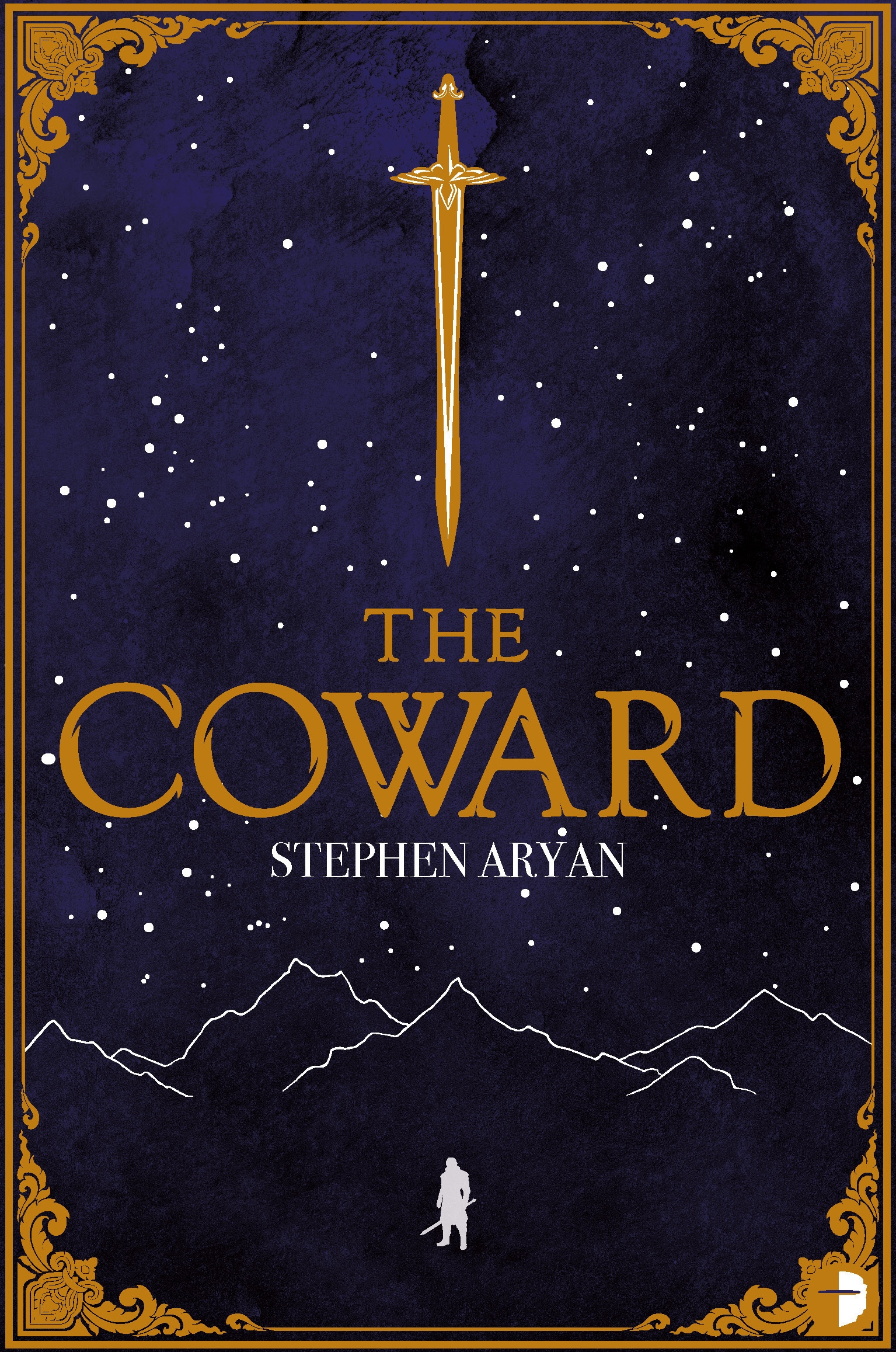
The Coward, written by Stephen Aryan and narrated by Matt Wycliffe

The Coward Cover


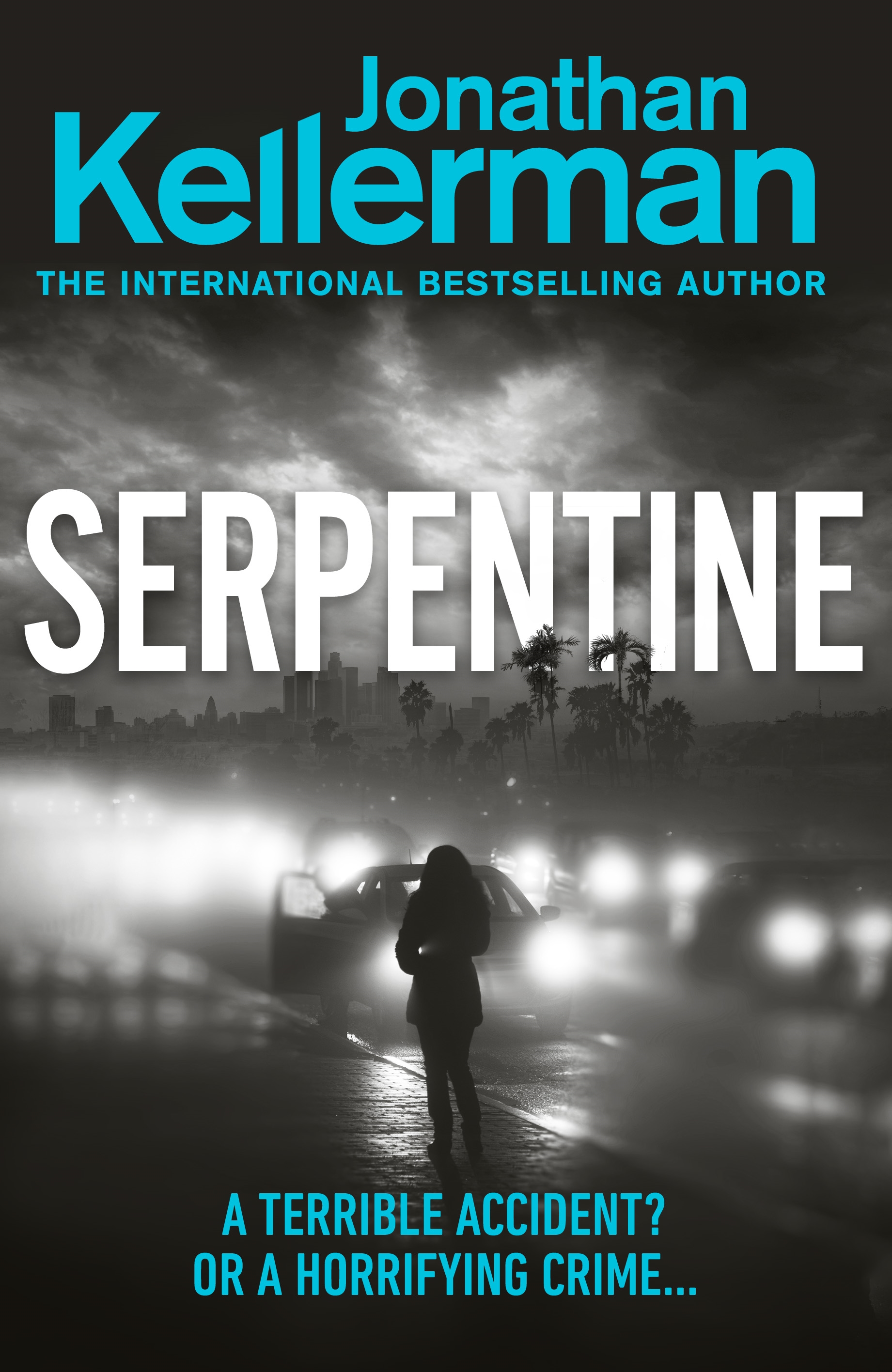
Serpentine, written by Jonathan Kellerman and narrated by John Rubinstein

Serpentine Cover


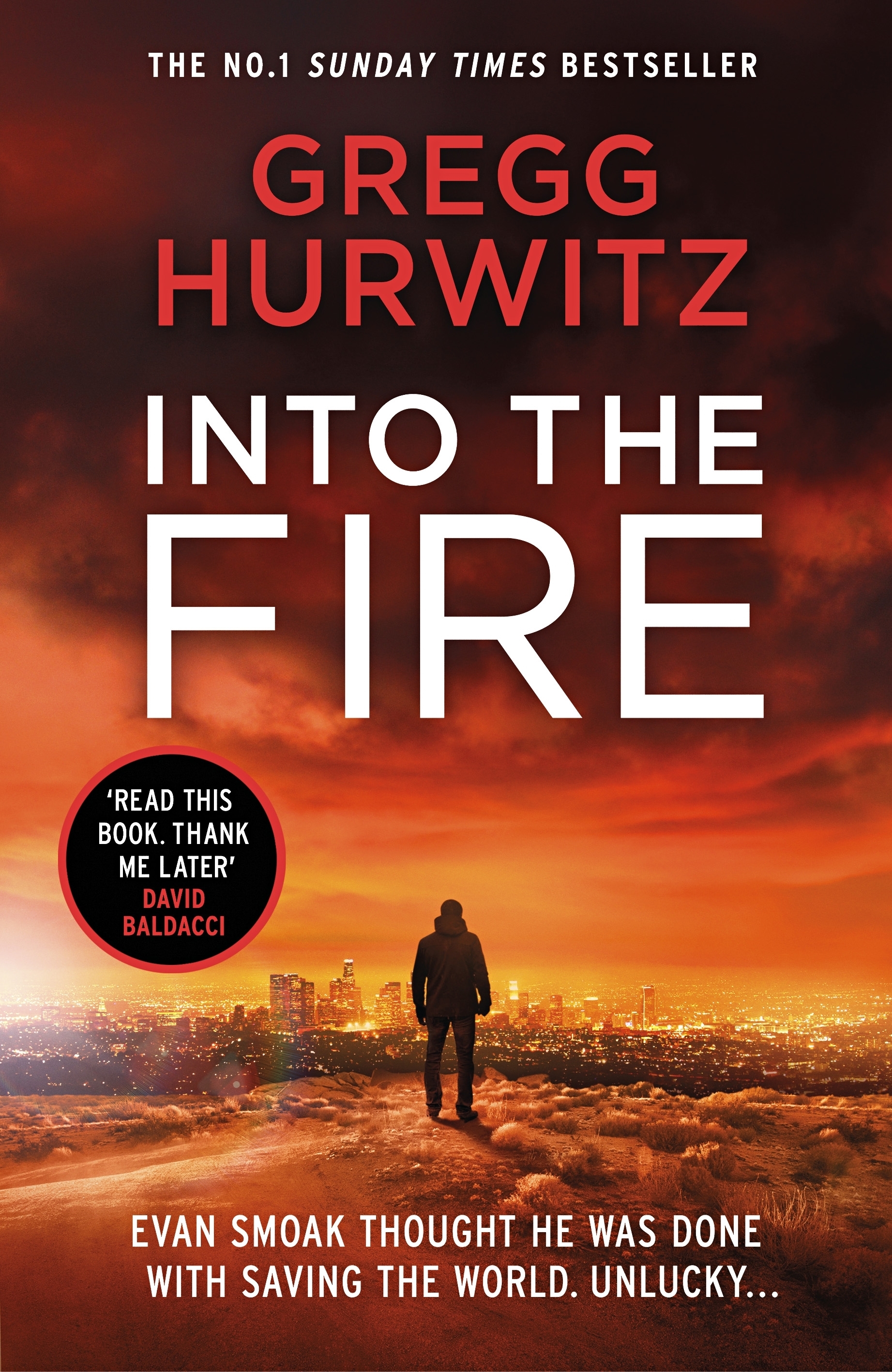
Prodigal Son, written by Gregg Hurwitz and narrated by Scott Brick

Prodigal Son Cover


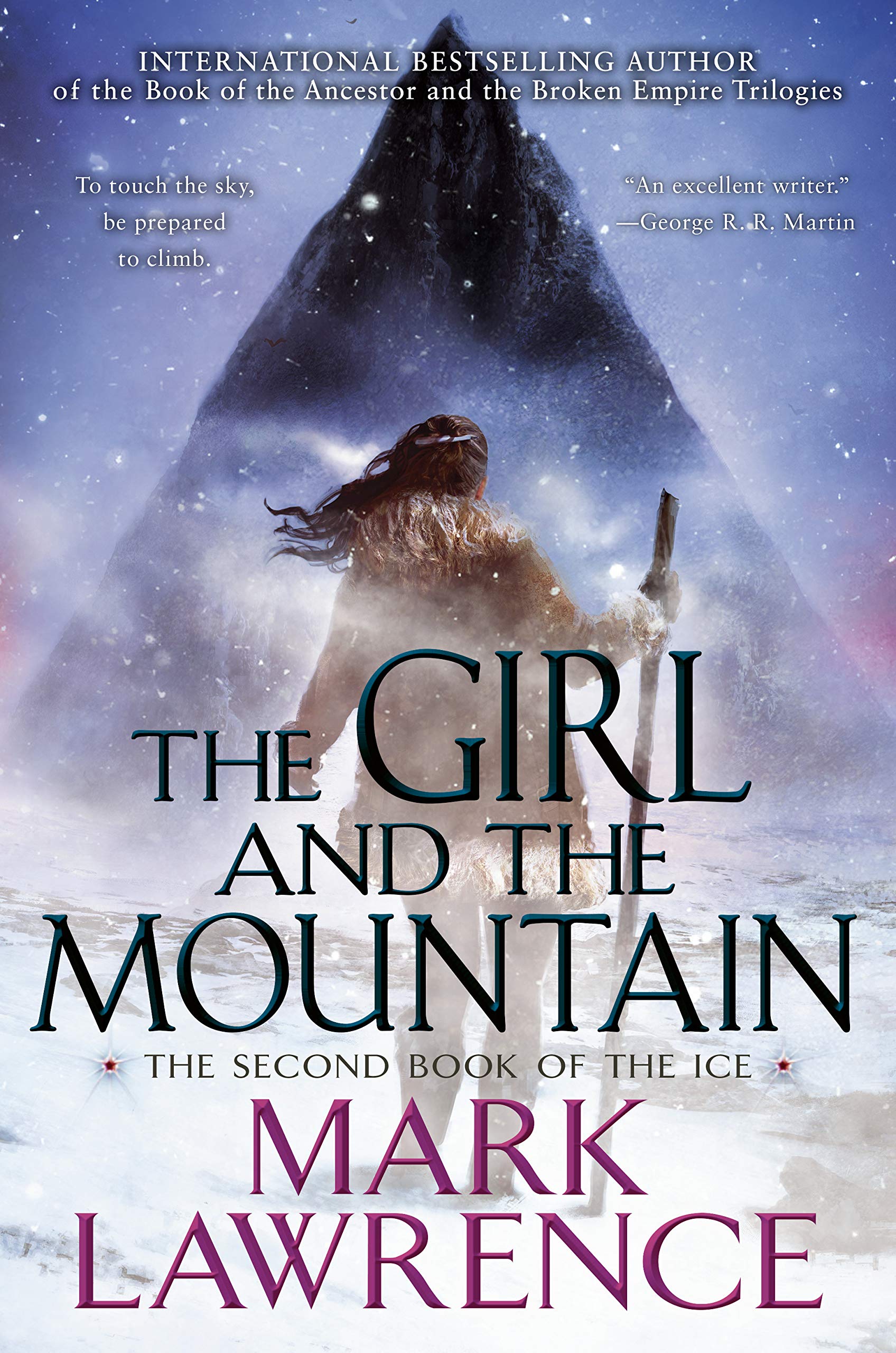
The Girl and the Mountain, written by Mark Lawrence and narrated by Helen Duff

The Girl and the Mountain Cover 2


Top Ten List (No Particular Order):

The Two-Faced Queen, written by Nick Martell and narrated by Joe Jameson

The Two-Faced Queen Cover

One of my favourite books of the year, The Two-Faced Queen, is easily one of the best audiobooks as well.  There were actually two separate audiobook versions of this book, and I chose to go with the Joe Jameson version, since he previously narrated Martell’s debut novel, The Kingdom of Liars.  I am a big fan of Jameson, especially after his work on books such as King of Assassins by R. J. Barker, and he did another amazing job on this book.  The Two-Faced Queen audiobook is an excellent and addictive listen, and I would wholeheartedly recommend this format to anyone wanting to enjoy this awesome five-star novel.


Star Wars: Victory’s Price, written by Alexander Freed and narrated by January LaVoy

Star Wars - Victory's Price Cover

Earlier this year, impressive author Alexander Freed finished off his Star Wars: Alphabet Squadron series with Victory’s Price, and in the process created one of the best books of 2021.  This audiobook massively enhances the already incredible and moving narrative within this exceptional novel, utilising outstanding voice work from January LaVoy, as well as the iconic Star Wars score and sound effects.  Easily one of best audiobooks of the year.


Relentless, written by Mark Greaney and narrated by Jay Snyder

Relentless by Mark Greaney Cover

One of the leading authors of spy thrillers, Mark Greaney, produced another intense and exciting novel this year with Relentless.  Thanks to some excellent voice work from Jay Snyder, the Relentless audiobook was pretty damn impressive, and you are in for a real treat with this exhilarating novel.


Star Wars: Light of the Jedi, written by Charles Soule and narrated by Marc Thompson

Star Wars - Light of the Jedi Cover

Another outstanding Star Wars audiobook was Light of the Jedi, the introductory novel in the new High Republic range.  Just like Victory’s Price, Light of the Jedi makes full use of the Star Wars music and effects to produce a fantastic listen.  However, Light of the Jedi also features the incredible voice work of Marc Thompson, one of the best narrators utilised by the Star Wars franchise.  Thompson produces a raft of great voices to highlight the new characters featured within this novel and it was really fun to hear him tell this story.  Thompson is lending his vocal talents to several other outstanding Star Wars audiobooks this year, including the latest High Republic novel, The Rising Storm, which is another great audiobook to check out.


The Shadow of the Gods, written by John Gwynne and narrated by Colin Mace

The Shadow of the Gods Cover

After hearing some incredible things about the latest John Gwynne novel, I ended up checking out The Shadow of the Gods on audiobook.  Not only was this book one of the absolute best fantasy releases of 2021 but the audiobook format was pretty damn exceptional.  Colin Mace’s voice really fit the dark fantasy setting and he really dives into the complex characters to highlight their deeper feelings and hidden rages.  An impressive and captivating listen.


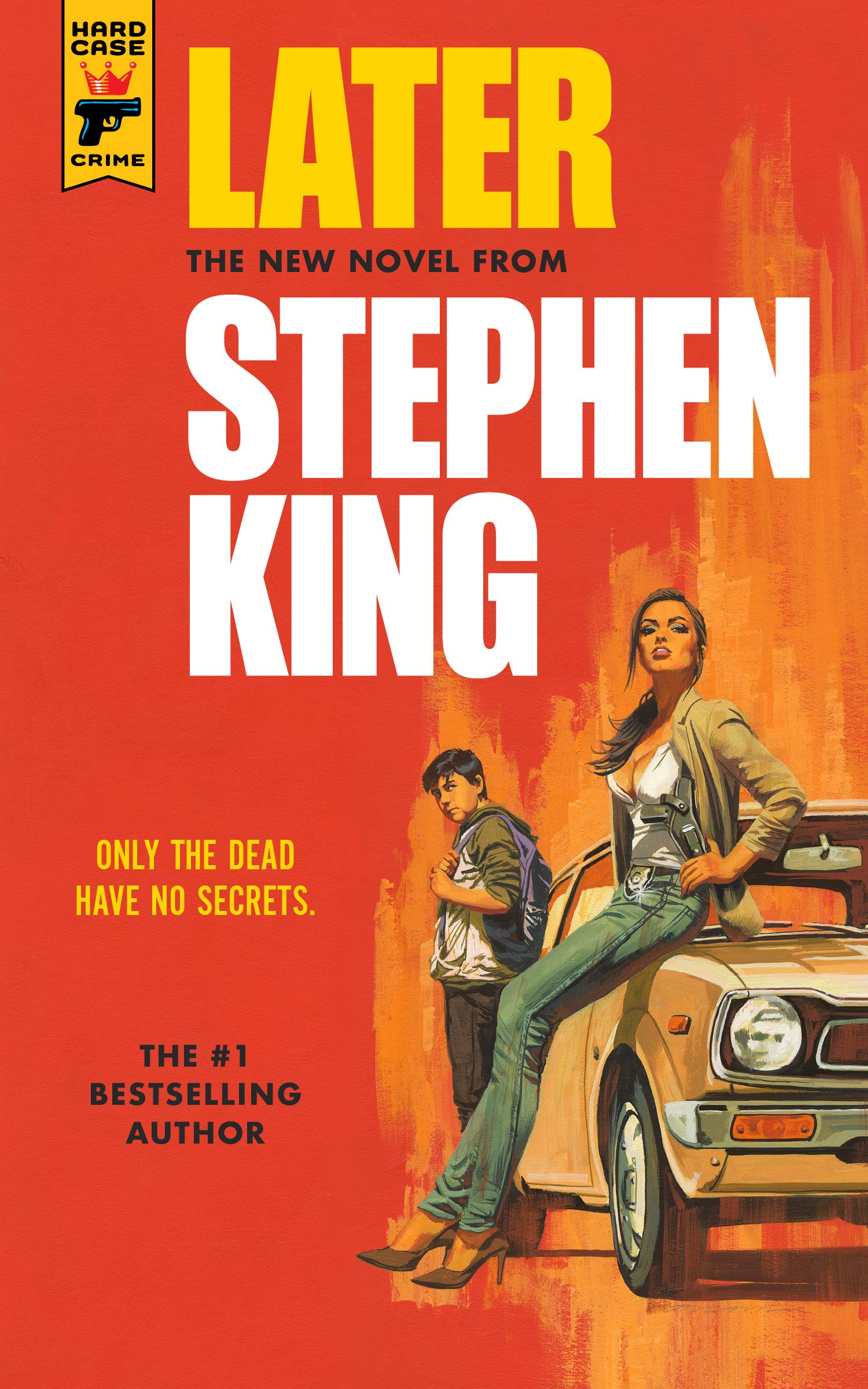
Later, written by Stephen King and narrated by Seth Numrich

Later Cover

I was deeply impressed earlier this year when I checked out the audiobook format of the latest Stephen King novel, Later.  Outstanding new narrator Seth Numrich really dives into this excellent novel, and I had a wonderful and freaky time getting through this fantastic audiobook.


The Bone Maker, written by Sarah Beth Durst and narrated by Soneela Nankani

The Bone Maker Cover

I had an absolute blast listening to the latest great fantasy novel from Sarah Beth Durst, The Bone Maker, especially as narrator Soneela Nankani does a great job bringing the novel’s damaged protagonists to life.


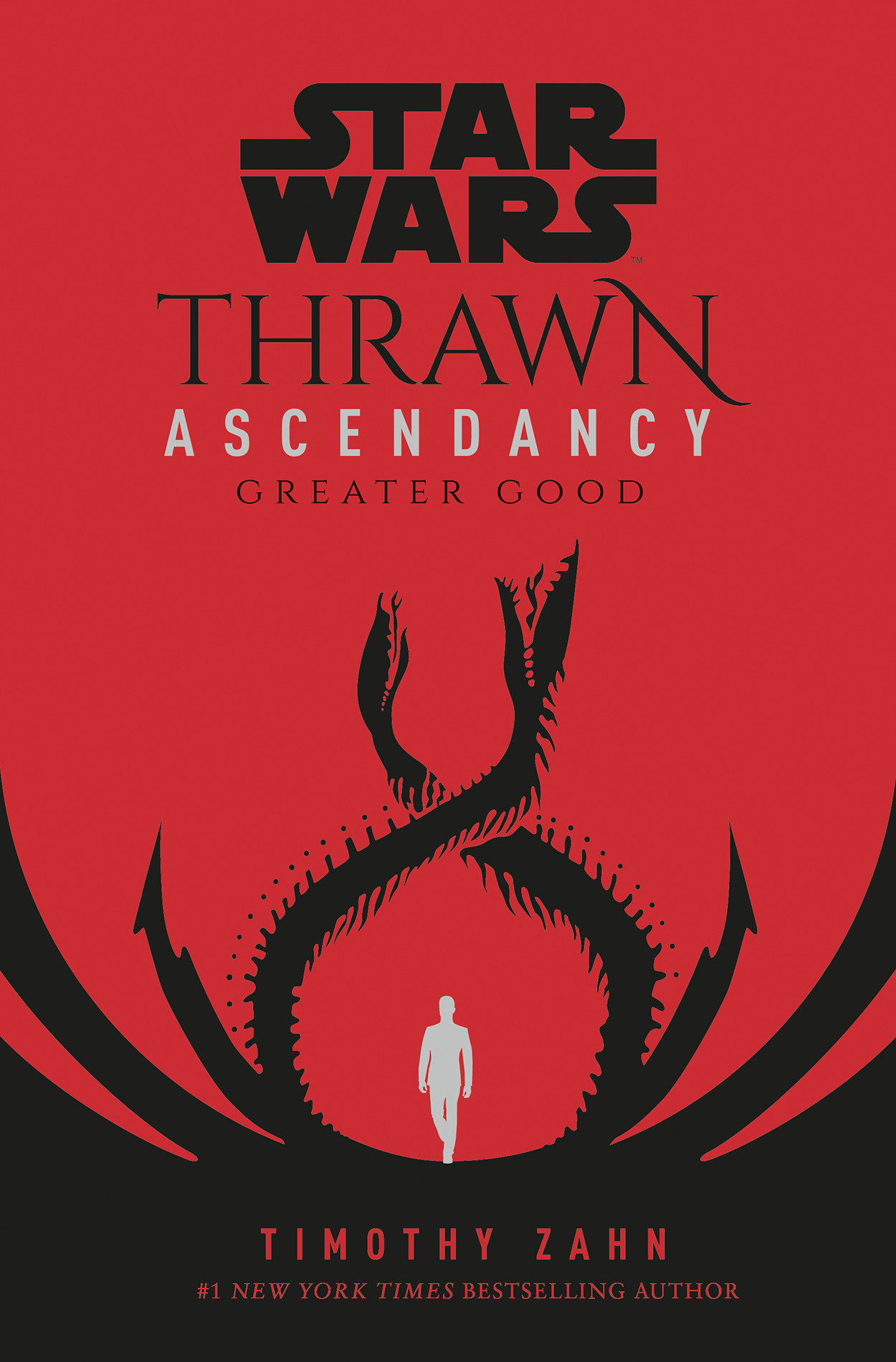
Star Wars: Thrawn Ascendancy: The Greater Good, written by Timothy Zahn and narrated by Marc Thompson

Star Wars - Thrawn Ascendancy - Greater Good Cover

The final Star Wars audiobook on this list is the second Thrawn Ascendancy entry, The Greater Good.  Thompson once again lends his incredible voice to this great book, bringing the unique characters to life.  However, his best work is reserved for main character Grand Admiral Thrawn, as Thompson perfectly replicates the character’s voice from the Star Wars Rebels animated series.  This makes for a complex and powerful audiobook, and I loved every second I spent listening to it.


Colonyside, written by Michael Mammay and narrated by R. C. Bray

Colonyside Cover

One of the fastest rising science fiction authors, Michael Mammay, continued to impress earlier this year with Colonyside, the third entry in the Planetside series, which was another awesome read.  You really need to listen to this novel’s audiobook format, as narrator R. C. Bray brings a certain necessary gruffness and fun to the central character.  An amazing book to listen to!


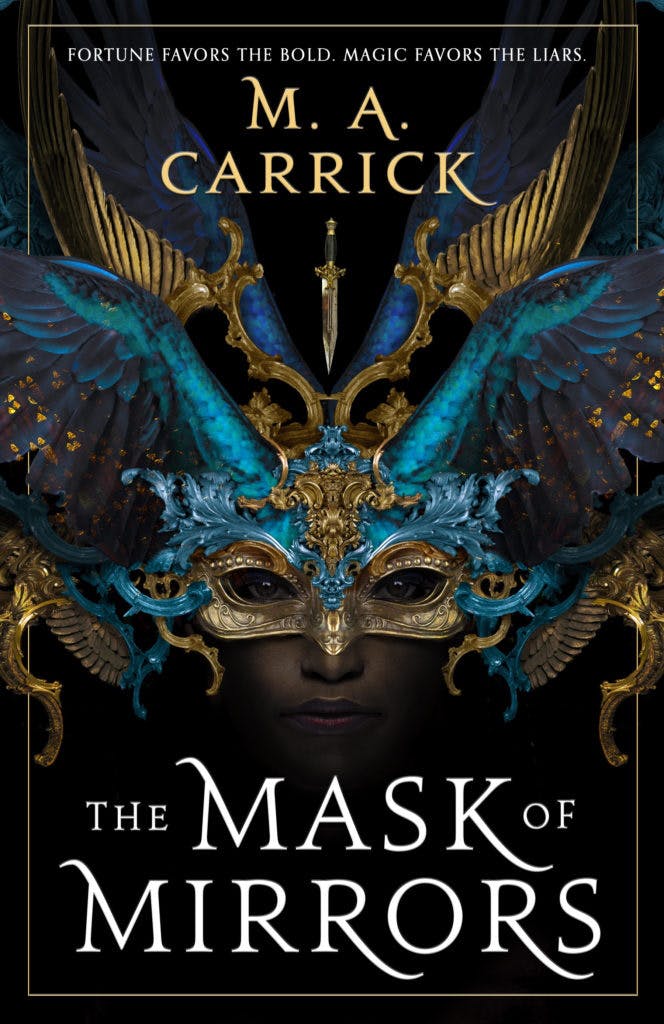
The Mask of Mirrors, written by M. A. Carrick and narrated by Nikki Massoud

The Mask of Mirrors Cover

The final entry on this list is the great fantasy novel, The Mask of Mirrors by M. A. Carrick.  The Mask of Mirrors is a particularly fun and intriguing read, and I found myself really drawn to its audiobook format.  This is mainly because of narrator Nikki Massoud, who strategically utilises a fantastic range of voices and accents to turn this amazing book into an incredible listening experience.


That is the end of my latest list.  As you can see, I have a pretty typical Unseen Library Top Ten List (I’ve got to fit in as many Star Wars novels as possible), but I really do think this represents all of my absolute favourite audiobooks from the first part of 2021.  All of the above audiobooks come highly recommended, and in my opinion, the audiobook format really enhances all of these great reads.  Let me know what your favourite 2021 audiobooks are in the comments below, and I look forward to seeing which of the above make my Top Audiobooks of 2021 list later this year.

Star Wars: Victory’s Price by Alexander Freed

Star Wars - Victory's Price Cover

Publisher: Random House Audio (Audiobook – 2 March 2021)

Series: Star Wars: Alphabet Squadron – Book Three

Length: 16 hours and 19 minutes

My Rating: 5 out of 5 stars

Amazon

One of the best Star Wars tie-in series comes to an epic and impressive end, as Alexander Freed presents Star Wars: Victory’s Price, the amazing third and final entry in the awesome Alphabet Squadron trilogy.

Since its inception in 2014, the current Star Wars extended universe has featured an amazing range of novels that tie into the various movies and television series.  One of the best has been the Alphabet Squadron trilogy from acclaimed author Alexander Freed.  Alphabet Squadron is a particularly compelling trilogy that follows a fantastic group of mismatched Rebel and Imperial pilots who continue to fight in the aftermath of Return of the Jedi.  This series has so far featured two excellent entries: the great introductory novel Alphabet Squadron, and the outstanding second entry, Shadow Fall, both of which I have deeply enjoyed.  As a result, I have been looking forward to seeing how the series ends and I think that Freed has left the best to last with this epic and powerful read.

The Emperor and Darth Vader may be dead, and the second Death Star destroyed, but the war is far from over.  Nearly a year after the battle of Endor, conflict still reigns in the galaxy between the forces of the New Republic and the remnants of the Empire.  In nearly every battlefield, the Empire’s forces are in retreat and disarray, apart from the notorious pilots of the 204th Imperial Fighter Wing, better known as Shadow Wing.  Led by the dangerous Imperial TIE Fighter ace, Colonel Soran Keize, Shadow Wing continue to bring death and destruction to the Empire’s enemies, slipping away when their vile deeds are done.

However, despite their skills and strategies, Shadow Wing is in constant danger as New Republic forces, under the command of General Hera Syndulla, are pursuing them.  Syndulla is determined to end the threat of Shadow Wing utilising the ragtag pilots of the unique unit known as Alphabet Squadron, each of whom has a score to settle with Shadow Wing, to lead the fight against them.  However, the members of Alphabet Squadron, Wyl Lark, Chass na Chadic, Nath Tensent and Kairos, are still recovering from their last traumatic encounter with Shadow Wing on Cerberon, as well as the revelation that their former leader, Yrica Quell, was an active participant of Operation Cinder, the Emperor’s genocidal last order to destroy multiple disloyal planets.

As Hera and Alphabet Squadron attempt to find their prey, they begin to discover just how dangerous the cornered Shadow Wing has become, as their opponents begin to enact a new version of Operation Cinder.  Worse, Alphabet Squadron are shocked to discover that Yrica Quell is still alive and has re-joined her old comrades in Shadow Wing.  As the two forces engage in battle again, the loyalties of Alphabet Squadron will be tested like never before while Quell attempts to determine just whose side she is truly on.  The conflict will finally end above the skies of Jakku, as the Imperial and New Republic fleets engage in their final battle.  Can Alphabet Squadron finally put an end to the evils of Shadow Wing, or will Soran Keize’s master plan change the entire galaxy forever?

Now this is what all pieces of Star Wars fiction should be like.  Victory’s Price is an exceptional and impressive novel that had me hooked from the very beginning.  Not only does Freed do an amazing job of wrapping up the Alphabet Squadron trilogy but he also provides the reader with fantastic action sequences and some outstanding characters.  This is easily one of the best Star Wars novels I have read in ages and it gets a full five-star rating from me.

For this final book, Freed has come up with a powerful story set within the iconic Star Wars universe.  Starting right after the events of Shadow Fall, Victory’s Price sees the members of Alphabet Squadron separated and traumatised as their protracted and personal conflict with Shadow Wing begins.  This leads into a series of exciting encounters and battles in space as Alphabet Squadron pursues Shadow Wing during their latest mission, while the leader of Shadow Wing hatches a plan to end the war on his terms.  At the same time, each of the characters attempts to deal with issues or distress raised in the previous novels, whether it be Quell’s conflicted loyalties or Chass’s post-fight trauma.  All of this leads to some epic and impressive final confrontations as the two sides meet for the very last time.  This was an extremely good character-driven read, and I loved the very cool way that Freed finished off this amazing series.

While it is an amazing Star Wars novel, Freed focuses more on the war part of the book, turning this into a gritty story of survival, loyalty and conflict, which makes for a powerful piece of fiction.  While obviously best enjoyed by those readers familiar with the rest of the series, Victory’s Price is a very accessible novel which new readers can follow without any trouble.  Thanks to the awesome use of multiple character perspectives, Victory’s Price has an excellent flow to it, and the readers are supplied with clever twists, cool action sequences and impressive character moments as the protagonists come to terms with their place in the universe and the constant fighting.  This ended up being quite an intense tale of war and life, which not only perfectly wrapped up the Alphabet Squadron series but which also had me engrossed from the very minute I started reading it.

One of the major things that I liked about this book was the way in which it added to the Star Wars expanded universe.  This series has always done a cool job of exploring what happened after Return of the Jedi, and it is always interesting and somewhat more realistic to see that the war did not end as soon as the Emperor died.  However Freed has painted this period as a particularly dark and deadly part of the war, and I love seeing how he envisioned what happened to members of the New Republic and Empire after Endor.  Victory’s Price focuses on the very end of the civil war, showing another side of the events that lead up to the battle of Jakku and fitting its original characters into this conflict.  This is a cool part of the book, and I loved seeing another version of the epic battle of Jakku, a major conflict that has been featured in several other novels and pieces of fiction.  Freed also takes the time to explore and answer several other intriguing questions, such as the mystery behind the Emperor’s messengers, the creepy red-clad droids who project holograms of the Emperor’s face, which sought out various Imperial commanders after Endor and ordered the various genocides of Operation Cinder.  The solution surrounding the messengers ends up being rather intriguing, and there are even some clever parallels to World War II in there.  Due to the intriguing elements of Star Wars lore featured within, Victory’s Price, like the rest of the Alphabet Squadron series, will probably be enjoyed most by major fans of the franchise, but there are a lot of compelling elements that readers of all knowledge bases will appreciate.  This was truly an exceptional piece of Star Wars fiction and I cannot wait to see what Freed adds to the canon next time.

I really must highlight the outstanding action scenes that Freed came up with for this book.  I am a man who likes his Star War’s action, and I have to say that Victory’s Price has some of the best sequences that I have ever had the pleasure of enjoying.  Due to the novel’s focus on fighter pilots, there are naturally a huge number of amazing combat scenes as the rival pilots engage in complex battles in space.  Freed has saved the best for last in this final Alphabet Squadron novel, as the opposing pilots find themselves fighting in a range of unique situations.  The battle scenes are extremely well crafted, filled with elaborate details and fantastic depictions of complex manoeuvres and clever tactics that are guaranteed to keep you on the edge of your seat with their intense action.  They are also quite emotionally rich, as you witness your favourite characters constantly face near-death experiences in this final entry in the series.  Highlights of these great battle sequences included two fantastic duels between the protagonists and the leader of Shadow Wing, which sees some fancy flying between some of the most skilled pilots in the series in some very distinctive landscapes.  I also really loved the final, elaborate battle set above Jakku, which proved to be a major part of the second half of the book.  Not only do you get the desperate and packed main conflict between the entire New Republic and Imperial fleets, which features destruction and death in every direction, but you also get a more private and quiet final battle between a group of Alphabet Squadron led New Republic fighters and Shadow Wing.  This smaller pitched battle between the two sides fits perfectly into the midst of the wider conflict and is filled with personal turmoil and antagonism as these two rival squadrons meet for a final time.  All these battles come out as being extremely epic and powerful, and I loved every second of the gritty and deadly fights they contained.

While I have a lot of love for Victory’s Price’s epic story, intense action, and clever Star Wars connections, easily the best thing about this book are the complex and well-written characters.  Each of the major characters featured in Victory’s Price have been introduced in the previous Alphabet Squadron novels with some complex and powerful storylines.  In Victory’s Price, all these great arcs reach a climax as the characters meet their final destiny and their stories comes to an end.  I really enjoyed the satisfying conclusions that Freed came up with for his outstanding characters, although in many ways it was sad to see their stories finish.  Still, I really appreciated all the great character arcs contained in this final novel, and Freed ensures they go through the emotional wringer before they go.

At the forefront of these outstanding characters are the five members of Alphabet Squadron who have served as the focal point for the entire series.  The pilots in Alphabet Squadron, so named for their use of a different Rebel Alliance fighter (A-Wing, X-Wing, B-Wing, U-Wing and Y-Wing), are layered and complex individuals, each of whom has experienced their own trauma or betrayal throughout the course of the lengthy war.  All five of these original characters have gone through significant development throughout the course of the previous two novels, and Freed does an exceptional job continuing their journeys in this final book.

The main protagonist of this series is Yrica Quell, a former member of Shadow Wing, who joined Alphabet Squadron in the first novel to help neutralise her former Imperial comrades.  However, it was eventually revealed that Quell, despite claiming she defected from the Empire after refusing to participate in Operation Cinder, aided in the destruction of a planet.  This revelation caused a massive rift in her relationship with the rest of Alphabet Squadron, and she ended up reuniting with Shadow Wing at the end of the second novel.  In this final book, it is revealed that Quell has infiltrated Shadow Wing to bring them down from the inside.  However, upon spending time with her Imperial comrades, she begins to experience doubts about her plan, especially as she sees that the Imperials are just as damaged by the war as she and the New Republic pilots are.  Her plans are further complicated due to her relationship with the leader of Shadow Wing, Soran Keize, her former mentor and the person who initially convinced her to defect to the New Republic.  Quell still has an immense amount of respect for Keize, and strongly believes in several of his plans.  This re-remembered loyalty to Shadow Wing strongly conflicts with her friendships with Alphabet Squadron and the guilt she feels for her role in Operation Cinder, placing Quell in a major quandary for most of the book.  This uncertainty and inner conflict is a really clever part of Quell’s story, and the reader is deeply impacted by her struggle and conflicted loyalties.  This was easily one of the best and most powerful character arcs in Victory’s Price and I really appreciated the outstanding character story that Freed set around Quell.

Victory’s Price also spends a significant amount of time following Quell’s fellow Alphabet Squadron members, Wyl Lark and Chass na Chadic, both of whom have compelling arcs that highlight different aspects of warring soldiers.  Wyl Lark is the young, optimistic member of the squadron who took over leadership at the end of the second novel.  Lark has developed a significant amount throughout the course of this series, and it is great to see him come into his own as a leader and pilot.  However, despite his apparent ease at the role, Lark is plagued by doubts and concerns about the morality of this fight, especially as it conflicts with some of the teachings of his race.  He spends a great deal of this final book coming to terms with his morals, and even attempts to once again contact the members of Shadow Wing to try and find some common ground or a way to end the conflict.  His actions go a long way to humanising the antagonists of the novel and his hope is a refreshing beacon of light in this darker Star Wars book.  I deeply enjoyed seeing the way in which Lark attempts to change the outcome of the war his way, and it was a fascinating addition to the story.

Chass, on the other hand, is easily the most damaged character in the entire series.  A music-loving veteran pilot who is more afraid of the end of the war and her inevitable slide into irrelevance and despair than her own death, Chass has always been on edge throughout the series.  However, in Victory’s Price, Chass is even more traumatised, especially after learning of the betrayal of her love interest, Quell (which is an intriguing LGBT+ relationship for a Star Wars novel) and has since turned to the teachings of a cult to gain some clarity.  Despite this, Chass is still driven by her anger and her rage and is constantly lashing out at everyone around her, with her death wish a constant anchor around her neck.  Freed has written a complex and moving story around Chass and her suffering, and I deeply appreciate the portrayal of her as a troubled veteran.  I think that Chass’s story comes to a fantastic end in this final novel, especially as she gets closure with several important people in her life.  Both characters are incredibly well written and are fantastic examples of Freed’s exceptional writing ability.

Next up are the final two Alphabet Squadron pilots, Nath Tensent and Kairos.  While both characters have been somewhat overshadowed throughout the series, Freed has developed some intriguing storylines around them which come full circle perfectly in this final novel.  Nath Tensent, a pilot who served both the Empire and the Rebels during the war, has an enjoyable and likeable personality and is the sort of guy who quickly becomes everyone’s best friend.  However, despite the easygoing façade he projects to the world, even Nath is feeling the effects of the war and the constant worry and responsibility is getting to him.  This is particularly exacerbated in Victory’s Price when he becomes a decorated military hero with greater responsibilities and is forced to balance his own selfish goals with the lives of people who look up to him, as well as his very strong concerns for Wyl Lark.  This results in a particularly clever and enjoyable arc, and it was great to see him finally take some responsibility in this war.  I liked the way in which Freed ended Nath’s storyline, especially as it potentially opens another series in the future.

The final member of the squadron is the mysterious Kairos, an alien of unknown origin with a strong hatred for the Empire and terrifying combat skills.  Despite her intriguing introduction in Alphabet Squadron, Kairos was somewhat left out of the second book after receiving an injury.  However, this is more than rectified in Victory’s Price, as Kairos is featured more prominently and we finally get to see some of her backstory.  Freed comes up with quite the intriguing, if tragic, story for Kairos, and it was fascinating to see her unique alien beliefs and culture, as well as a powerful story of renewal and redemption that accompanies her.  Kairos becomes quite close to two characters in this book, especially after the closest people in her life died in the previous novel, and it was great to see her finally connect, even if only for a short while.  Freed did a fantastic job setting up Kairos’ story in the previous two novels, and I personally loved finally getting some answers regarding this curious character’s identity.

Aside from the members of Alphabet Squadron, several other characters are also shown in great prominence throughout this book.  The one I liked the most was Hera Syndulla, the New Republic general commanding Alphabet Squadron.  Hera is one of the few characters in this novel who Freed did not come up with, as Hera originated in the Star Wars: Rebels animated series and serves as a bridging character to the larger franchise.  Due to how much I love Star Wars: Rebels, I have really enjoyed seeing more of Hera in this series, not only because I am very curious about her post-Rebels life but because she also serves as a great mentor character to the members of Alphabet Squadron.  Hera features a lot more prominently in this final novel and her perspectives are shown nearly as much as the members of Alphabet Squadron.  This extra perspective really added a lot to the story as a whole and I personally really enjoyed seeing Hera take charge and attempt to hunt down Shadow Wing, while also attempting to determine the course of the entire war.  I also really enjoyed the fact that this book shows Hera’s role in the battle of Jakku, which as the largest space battle in the entire civil war, you had to assume she would be a part of.  Hera is naturally a bit of a badass in this battle, as you would expect, and I appreciated that Freed featured more of her in this novel.

The other major character featured within Victory’s Price is Colonel Soran Keize.  Keize is a fantastically complex character who serves as the leader of Shadow Wing and Quell’s Imperial mentor.  Despite nominally being the antagonist of this book, Keize is portrayed as a more of a tragic and misunderstood figure, one who is sick of war and who only has the best concerns of his men at heart.  As a result, Keize is running his own game throughout Victory’s Price and works to get the best result for the members of Shadow Wing.  His convictions, sense of honour and understandable motivations make him a hard character to dislike, and his role in mentoring Quell ensures that she is extremely conflicted when it comes to betraying him.  Keize is also probably the best pilot in this entire series, as he is regarded as the Empire’s ace of aces, and Victory’s Price is where you get to see him soar as he engages in several great battles and duels.  Thanks to this, and his curious character development, Keize is a great character to follow, and I really enjoyed the unique tale Freed told through him.

Freed also focuses on some of the other pilots on both the New Republic and Imperial sides.  This results in a great combination of complex side or minor characters, each of whom have their own reasons for fighting in the war.  Freed attempts to show that, despite fighting on different sides of the war, these characters really are not that different.  Instead, all of them are soldiers, with several similarities, including their own trauma, PTSD and issues with the war that they are fighting in.  I think it is a testament to Freed’s writing ability that he was able to get me to care about members of the Imperial navy, and it was pretty spectacular the way in which he attempted to show the humanity buried deep within them.  It does mean that the action sequences more emotionally loaded and potentially devastating as you end up not wanting to see some of the pilots dying, but I really appreciated the way in which Freed took the time to explore these compelling side characters.

While I have previously enjoyed the first two Alphabet Squadron novels in their paperback format, circumstances required me to check out Victory’s Price as an audiobook instead, which was pretty damn awesome.  Not only did Victory’s Price feature the usual blend of iconic sound effects and music that makes all Star Wars audiobooks such a treat to enjoy, but I found that the story flowed incredibly well in this format.  With a lengthy runtime of 16 hours and 19 minutes, I absolutely blasted through this book as I became so engrossed in the awesome story and the way in which it was performed as an audiobook.  I also thought that the use of the iconic Star Wars music in the Victory’s Price was particularly impressive, and not only did the music make several of the extended space battle sequences even more epic, but they also really highlighted some of the most emotional scenes in the book and made them strike my soul even more emphatically.  I also really enjoyed the amazing narration from January LaVoy, who has previously provided her voice to the other Alphabet Squadron books.  LaVoy is a particularly skilled narrator whose work on the Star Trek: Discovery tie-in novel, Die Standing, I really enjoyed.  Not only does LaVoy present the awesome details of Victory’s Price in a quick and exciting manner, making each of the action scenes sound particularly cool, but she also provides some great voices for the various characters.  Each of the main characters gets a unique voice which fits them perfectly and which really helps the listener get to grips with their personalities and inner thoughts.  While all of the character’s voices were done extremely well, the best voice that LaVoy did was probably Hera Syndulla’s, which sounded extremely close to the character’s voice in the Star Wars Rebels animated series.  All of this helps to make Victory’s Price’s audiobook an immensely enjoyable experience and I would highly recommend this format to anyone and everyone.

Star Wars: Victory’s Price is an exceptional and powerful novel from Alexander Freed that is one of the best books I have so far read in 2021.  Featuring a dark and gritty war story set during a fascinating period of Star Wars history, Victory’s Price perfectly wraps up the impressive Alphabet Squadron trilogy while also providing some cathartic conclusions to outstanding character arcs that Freed has built up during the previous book.  I absolutely loved this final novel (hence the massive review), and I think that this was probably the best entry in the entire series.  A highly recommended read, especially if you have already enjoyed the rest of the trilogy, this was a truly epic Star Wars novel.

Amazon

Top Ten Tuesday – Favourite Audiobooks of 2020

Top Ten Tuesday is a weekly meme that currently resides at The Artsy Reader Girl and features bloggers sharing lists on various book topics.  For this latest Top Ten Tuesday, participants needed to list the top ten books they hoped that Santa would bring them, however, I am going to do a slightly different topic.  As we are nearing the end of 2020, I have decided to once again produce a series of lists that highlight my favourite books for the year, judged by several different criteria.  I have previously listed my Top Ten Pre-2020 novels I read this year and now I am going to focus on something else, my Top Ten Favourite Audiobooks of 2020.

Readers of my blog only need to check out my extensive audiobook category to know that I have a lot of love for the audiobook format.  In my opinion, the audiobook is often the best way to experience a good book, and in many cases this format makes a book more enjoyable for me.  As a result, I listened to quite a few audiobooks this year, and while several of them are books that had been released before 2020 and featured in my Throwback Thursday posts, a large majority of them were released this year.  There were some outstanding audiobook adaptions this year, and while I had a few books to choose from, I was eventually able narrow my absolute favourites down to a top ten list.

For this list I have only included audiobooks released in 2020 that I have listened to and completed, so I am excluding a few books that probably had some great audiobook productions (for example, I am sure that audiobooks of The Evening and the Morning by Ken Follett or Devolution by Max Brooks were amazing, but I ended up reading a physical copy of them instead).  While all of the books that made the top ten are outstanding novels, I have tried to take overall audiobook production into account while choosing my list.  Each of the books that I included below had great narrators and I think that for most of these novels the audiobook format actually enhanced the story and helped me enjoy the book even more.  I am extremely happy with how this list eventually turned out (with my typical extended honourable mentions section), and I had an amazing time coming up with this latest Top Ten article.


Honourable Mentions:


The Salvage Crew, written by Yudhanjaya Wijeratne and narrated by Nathan Fillion

The Salvage Crew Cover


House of Earth and Blood
, written by Sarah J. Maas and narrated by Elizabeth Evans

House of Earth and Blood Cover


Star Trek: Discover: Die Standing
, written by John Jackson Miller and narrated by January LaVoy

Die Standing Cover

I was also strongly tempted to use Star Trek: Picard: Last Best Hope, but I felt that Die Standing had a stronger and more exciting story that worked well with the audiobook format.


Song of the Risen God
, written by R. A. Salvatore and narrated by Tim Gerard Reynolds

Song of the Risen God Cover

Top Ten List:


Battle Ground
, written by Jim Butcher and narrated by James Marsters

Battle Ground Cover


The Thursday Murder Club
, written by Richard Osman and narrated by Lesley Manville

The Thursday Murder Club Cover


Harrow the Ninth
, written by Tamsyn Muir and narrated by Moira Quirk

Harrow the Ninth Cover


Race the Sands
, written by Sarah Beth Durst and narrated by Emily Ellet

Race the Sands Cover


Into the Fire
, written by Gregg Hurwitz and narrated by Scott Brick

Into the Fire


Star Wars: Doctor Aphra
, written by Sarah Kuhn and narrated by a full cast

Doctor Aphra Audio Cover

While a couple of other 2020 Star Wars tie-in novels did have more compelling or original stories, I felt that the combination of the fun adapted narrative in this audio drama and the excellent full voice cast made Doctor Aphra the best Star Wars audiobook of the year.


The Trouble With Peace
, written by Joe Abercrombie and narrated by Steven Pacey

The Trouble with Peace Cover


Ink
, written by Jonathan Maberry and narrated by Ray Porter

Ink Cover


The Kingdom of Liars
, written by Nick Martell and narrated by Joe Jameson

The Kingdom of Liars Cover


One Minute Out
, written by Mark Greaney and narrated by Jay Snyder

One Minute Out Cover


Well that is the end of this latest Top Ten list.  All of the above novels are extremely good, and I would highly recommend each of them in their audiobook format.  There is still time for me to listen to a few more great audiobooks this year, and I am planning to listen to either A Fool’s Hope by Mike Shackle or Cyber Shogun Revolution by Peter Tieryas next.  Let me know what your favourite audiobooks of 2020 were in the comments below, and I might try and check them out.

Star Trek: Discovery: Die Standing by John Jackson Miller

Die Standing Cover

Publisher: Simon & Schuster Audio (Audiobook – 14 July 2020)

Series: Star Trek: Discovery

Length: 12 hours and 15 minutes

My Rating: 4.5 out of 5 stars

Amazon     Book Depository

One of the leading authors of media tie-in fiction, John Jackson Miller, returns with his second Star Trek: Discovery novel, Die Standing, an awesome and captivating read that follows the adventures of an excellent protagonist, the evil version of Michelle Yeoh’s Philippa Georgiou.

After the dramatic conclusion of the first season of Star Trek: Discovery, Emperor Philippa Georgiou, former ruler of the Terran Empire, a power-hungry and xenophobic human interstellar empire from a twisted alternate universe, has been stranded in the main Federation’s universe.  Biding her time while trapped on the Klingon home planet of Qo’noS, Georgiou is finally given a the opportunity she has been waiting for when Starfleet’s covert spy organisation, Section 31, offers her a chance to work as one of their agents.  However, Georgiou is far more interested in gaining her freedom and plotting to use Section 31’s resources to flee beyond Starfleet’s control.

Georgiou’s plans change when she receives news about a mysterious attack on one of Starfleet’s military vessels by a malicious and dangerous cosmic entity, one that her counterpart in this universe may have seen years before.  Intrigued by the description of the attack, Georgiou decides to remain with Section 31, especially as it bears a striking similarity to a powerful superweapon that was kept from her when she was Emperor.

Determined to use this weapon to regain her stolen power and take control of this weaker universe, Georgiou accepts Section 31’s proposal to travel to an isolated section of space where the creature was first witnessed.  Travelling with two mismatched minders who are already well out of their depth, Georgiou attempts to contact an old flame of this universe’s Georgiou, one who has a lot of influence in this quadrant of space.  Forced to conduct a subtle investigation amongst the secretive alien races of the sector, Georgiou and her companions follow the clues that will lead them to the entities they seek.  But what will happen when the former Terran Emperor has ultimate power within her grasp?  Will she ensure the safety of the Federation she despises, or will another universe bow before her might?

This was a fun and impressive new novel from bestselling author John Jackson Miller.  Miller is an interesting author who has a lot of experience writing tie-in stories, having previously written several pieces of Star Wars fiction as well as some notable Star Trek novels.  I have not previously read anything from Miller before, although I think that will have to change due to how much I enjoyed Die Standing.  Miller has written a couple of books that have been on my radar for a bit, including a previous Star Trek: Discovery novel, The Enterprise War, and the Star Wars: A New Dawn novel, which ties into the Star Wars: Rebels animated show.  This latest novel from Miller is an exceptional read, as he has come up with a wildly entertaining and clever novel based around the excellent character of Philippa Georgiou.  Backed up with an extremely compelling story, some interesting side characters and some wonderful universe-building, this is one of the better if not the best Star Trek novels of 2020, and ended up being an awesome read.
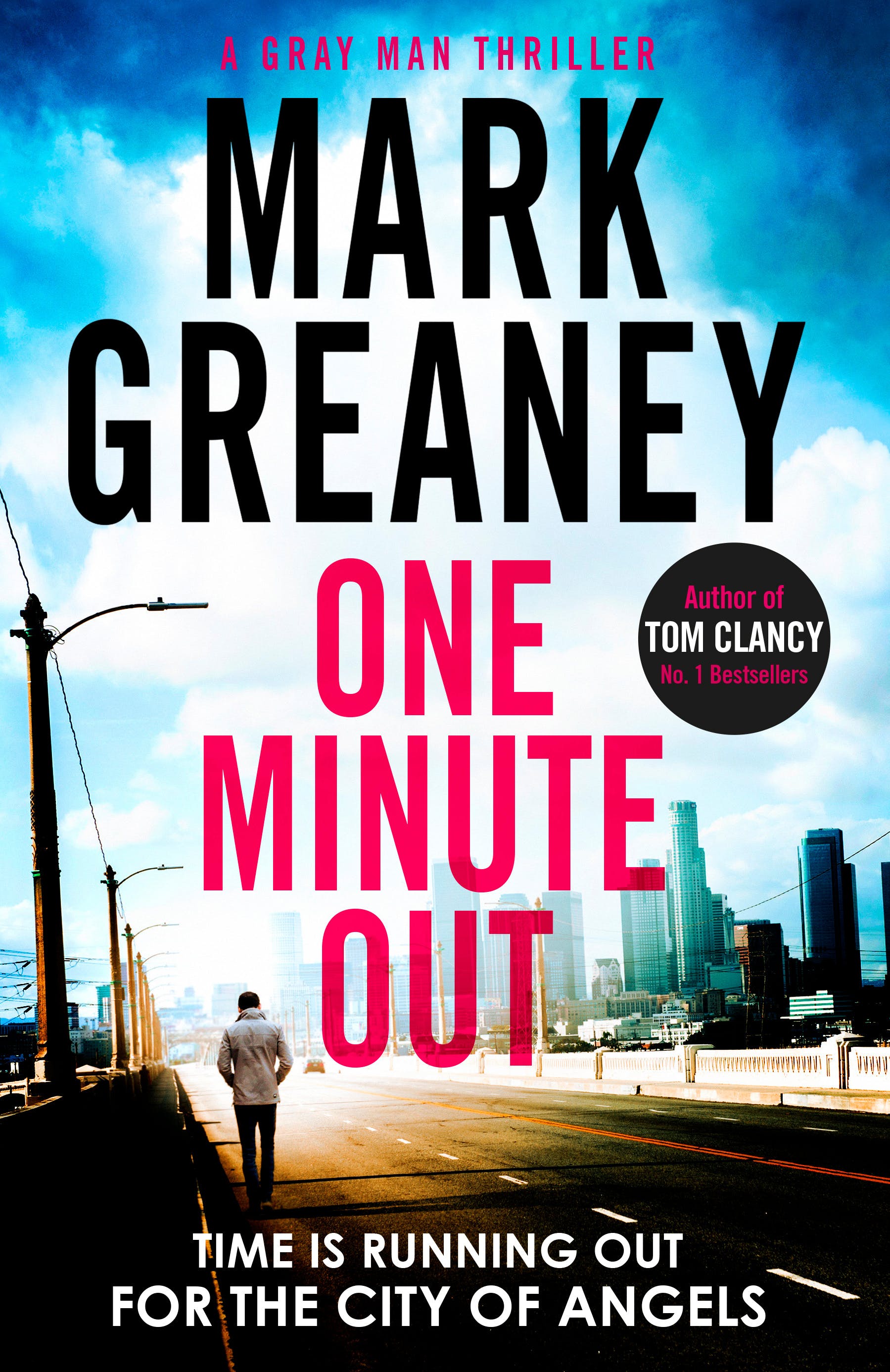
At the heart of this fantastic novel is a captivating and intense narrative that sees the protagonist and her companions venture into an unknown area of space in search of a creature with deadly potential.  This was an extremely clever and well-written character-driven story that features an excellent Star Trek narrative, filled with all manner of espionage, betrayal and war.  I really liked the way that the author blended together familiar Star Trek elements with a thrilling espionage narrative, especially one that was centred on a morally ambiguous protagonist who plans to betray everyone she encounters.  This makes for a number of great scenes, and I really liked the fascinating and clever places that the story went.  There are a number of particularly good twists featured throughout the book, and while I was able to predict where some parts of the story were going to go, I found myself pleasantly surprised and intrigued at some of the other reveals.  I also enjoyed the way in which Miller worked in some compelling comparisons between the two mirror universe, one mostly good and the other mostly evil, and it served as a clever and distinctive part of the book, especially as Miller does a lot with only one scene set in the Terran universe.  All of this makes for an exciting and powerful story that readers are going to have a wonderful time reading.  I really enjoyed the dark, thrilling and twist laden narrative and it honestly did not take me long to become hopeless addicted to this incredible Star Trek novel.

Die Standing is one of those tie-in novels that require some prior knowledge of its associated content to fully enjoy.  In this case, readers really do need to have a good understanding of the Star Trek: Discovery television show, as much of the story is derived from key events in the first and second seasons.  In particular, knowing the full tale around the character of Philippa Georgiou (both versions) is quite essential to fully appreciate the book’s story elements and character work.  At the very least, having some general knowledge of the Star Trek universe and the events of some of the shows would be useful, especially as the book is fairly dependent on some established story elements, such as the evil alternate universe.  That being said, Miller does do a really good job making this novel accessible to those readers whose knowledge of the genre might be lacking, and many of the key elements are explained in sufficient detail to follow the story and enjoy it.  However, this is definitely a novel most suitable for established Star Trek fans, especially as the author loads it up with a ton of fun or clever references to Star Trek: Discovery and some of the other television shows.  For example, this novel features the great inclusion of a younger version of the Dax symbiont (see more below), and I personally really liked how a major part of the book’s plot revolved around a key moment from Captain Kirk’s backstory (from The Original Series episode Obsession), not only showing the event from a different perspective, but also adding in some explanation for its origins and the reaction from Starfleet.  Die Standing also serves as a rather good bridge between the first and second seasons of Star Trek: Discovery, and it does an excellent job setting up the main character for her reintroduction to the show.

While this book did have an exceptionally captivating story and some cool Star Trek elements, the absolute highlight of this book has to be its wonderful protagonist (and occasional antagonist), the evil Terran version of Philippa Georgiou.  Die Standing features Georgiou in all her evil glory and she quickly makes an impression of the reader, especially after one particularly brutal and entertaining prison break sequence at the start of the book.  Pretty much every scene that features Georgiou is highly entertaining, and the snarky, arrogant personality she displays to anyone she meets proves to be spot on to how she is portrayed in the television show.  While I really enjoyed this character in Star Trek: Discovery (she is easily one of the best parts of the show) I personally felt that Miller actually helped to make Georgiou an even more compelling character throughout the course of this book.  The author really dives down into her personality and motives, showing just how twisted and self-serving she can be while also reflecting on all the things she has lost and the changes she is forced to deal with.  Georgiou goes through some fascinating self-examinations in Die Standing, especially when she is confronted with the legacy of her dead counterpart in this universe, and this serves as a fantastic emotional centre of the book.  The author’s impressive use of this fantastic character works extremely well, and it certainly helps Die Standing stand out from some of the other Star Trek novels of 2020.

Die Standing also features an excellent cast of side characters who add a lot to the story.  There are two characters who particularly stand out, Emony Dax and Sean Finnigan, who both serve as alternate protagonists, with significant parts of the book told from their perspective.  While Dax and Finnigan are nowhere near as dynamic as Georgiou, they are both distinctive in their own ways, and Miller does a good job at making them both likeable and compelling parts of Die Standing.  Emony is a young Trill gymnast who is the third host of the Dax symbiont.  This makes her an earlier incarnation of the Dax character who appeared in the Star Trek: Deep Space Nine television in two different guises (Jadzia Dax and Ezri Dax).  Thanks to her youth, both as a symbiont and a host, this version of Dax is a little more unsure and scared then her later counterparts, but is determined thanks to the terrible things she witnesses at the start of the book.  While she is initially extremely cowed by Georgiou’s overwhelming personality, Dax grows throughout the book and is eventually able to influence Georgiou.  Deep Space Nine fans will no doubt enjoy seeing this earlier version of Dax, and I rather appreciated the excellent character growth she experienced.  The other main character, Sean Finnigan, is definitely one of the more entertaining characters in this book.  Finnigan is an unashamedly Irish character who serves as the book’s comic relief.  A wild and unruly former Star Fleet officer, Finnigan is drafted into the mission due to an interesting connection he has to Georgiou, as a murderous, brainwashed version of himself served as the Emperor’s assassin in the mirror universe.  While Finnigan is a mostly entertaining character, joking, drinking and socialising with all everyone he meets, there are some deeper elements to his character, especially as he spends a good part of the book trying to balance his real personality with the more insane version of himself that Georgiou tries to bring out.  Dax and Finnigan form a compelling team with Georgiou, and they ended up being an extremely good trio the anchor the story around.

I also quite enjoyed the intriguing Star Trek universe-building that Miller featured throughout Die Standing.  A key part of this book’s story is set within an isolated section of space that is home to three distinctive alien races who are attempting to stay separate from the Federation.  All of these species are quite intriguing and inventive, and include a race of giant living spindles, an intensely warlike species of living tanks and a group of gaseous psychics.  Miller does an exceptional job exploring each of the three new alien species throughout the course of the book and giving them each unique characteristics, histories, and personalities.  Not only are these aliens quite fascinating in their own right but each of their specific traits plays into the overall story extremely well, with some fantastic twists tied into them.  In addition, Miller also spends time exploring some of the differences between the main Star Trek universe and the mirror universe that contained the Terran Empire.  Not only is there an excellent opening sequence set in this mirror universe that showcases the brutal nature of this alternate reality, but there are a number of fantastic discussions that examine how different these universes could be.  Miller ensures that the protagonist Georgiou spends a good amount of time recounting some of the horrifying details of her universe to her companions (mostly to unnerve them), and it proves quite entertaining to hear all of her various stories, especially as most are apparently not exaggerated.  I also loved the fun way that Miller altered famous historical quotes to show how different the universes could be, with a number of classic lines twisted into something far more brutal and cynical, such as “Let them eat field rations” from General Antoinette.  The book itself is also broken up into five separate sections, based upon the Terran stages of grief (for coping with a loss of status): defiance, murder, plundering, destruction and vengeance, with each sections starting up with a quote from the Terran universe that describe its history.  Needless to say that Star Trek fans are going to love the cool additions that Miller works into the expanded universe in this novel, and I personally had a wonderful time seeing all the inventive and entertaining things that the author could come up with.

Like most of the Star Trek books I have had read in the past, I chose to check out Die Standing’s audiobook format.  This was, as always, an excellent way to enjoy this clever Star Trek novel, and I had a wonderful time listening to the story unfold.  Die Standing has a run time of 12 hours and 15 minutes, which is actually the longest Star Trek audiobook that I have so far listened to, but I was still able to breeze through it in relatively short order once I got hooked on the story.  In order to tell this amazing book, Die Standing makes use of the vocal talents of narrator January LaVoy.  This is the first audiobook I have heard narrated by LaVoy, although she did voice a minor character in Star Wars: Dooku: Jedi Lost.  She has also served as narrator for several books I have physically read, such as Star Wars: Galaxy’s Edge: Black Spire, Star Wars: Last Shot and The Night Swim, and she has also narrated a couple of books I am hoping to checking out in the future, including Star Wars: Phasma.  I have to admit that I was initially a little thrown to have LaVoy as narrator, as this was the first Star Trek audiobook I have listened to that was not narrated by Robert Petkoff.  However, it makes a lot more sense to feature LaVoy as narrator due to the female lead, and I really enjoyed listening to her narration of this book.  LaVoy did an incredible job bringing the characters to life throughout Die Standing and she ascribed some very apt and distinctive voices to each of them.  I was particularly impressed with the fantastic voice she utilised for Philippa Georgiou, and I felt it was very similar to how the character was portrayed in the television show.  LaVoy makes sure to channel all of Georgiou’s scorn and sarcasm to the reader, and it was an absolute treat to listen to her villainous rants throughout the book.  I also quite enjoyed the voice that LaVoy utilised for Sean Finnigan, Irish accent included, and it helped to enhance him as a fun and entertaining character.  All of this leads to quite an exceptional Star Trek audiobook and I would strongly recommend this format to anyone interested in checking out Die Standing.

Star Trek: Discovery: Die Standing is an amazing and impressive Star Trek novel from John Jackson Miller that was an absolute joy to read.  Miller has crafted together a captivating and clever narrative for this book that follows several excellent protagonists on a high-stakes adventure through all manner of intrigue and betrayal.  Featuring some compelling story elements, fantastic world-building and an awesome evil protagonist, Die Standing was an exceptional novel and it ended up being one of my favourite Star Trek novels I have so far had the pleasure to read.  A highly recommend piece of tie-in fiction, fans of the Star Trek: Discovery television show really need to check this fantastic book as soon as possible.

Amazon     Book Depository

Star Wars: Dooku: Jedi Lost

Dooku - Jedi Lost Cover

Publisher: Penguin Random House Audio (Audio Production – 30 April 2019)

Script: Cavan Scott

Cast: Orlagh Cassidy, Euan Morton, Pete Bradbury, Jonathan Davis, Neil Hellegers, Sean Kenin, January LaVoy, Saskia Maarleveld, Carol Monda, Robert Petkoff, Rebecca Soler and Marc Thompson.

Length: 6 hours and 21 Minutes

My Rating: 4.5 out of 5 stars

Amazon

Prepare for another deep dive into the Star Wars canon with an audio drama that explores the past of one the biggest villains from the prequel movies, Count Dooku, with Dooku: Jedi Lost.

Dooku: Jedi Lost was one of the more interesting pieces of Star Wars fiction that was released last year. Based on a script written by Cavan Scott, an author who has written a multitude of comics, novels and radio drama tie-ins for several different franchises, Jedi Lost was originally released as an audio production featuring several different actors, with the script also released in novel format a few months later. I have been meaning to check out this unique story for some time, as it was one of the few pieces of Star Wars fiction that I did not read in 2019. This is actually one of the first entries I am ticking off my Books I Wish I Read in 2019 list (barring The Russian by Ben Coes, which was an honourable mention), and I am really glad I decided to check this piece of fiction out.

For many in the galaxy, Count Dooku of Serenno is one of the most dangerous and evil villains that ever lived. The leader of the ruthless Separatists during the Clone Wars, apprentice to Darth Sidious and master of several ruthless assassins, Dooku is rightfully feared and hated by many. However, he once was one of the most respected and powerful members of the Jedi Council. A former apprentice to Yoda himself, and the mentor to two exceptional Padawans, Rael Averross and Qui-Gon Jinn, Dooku dedicated decades of his life to the Jedi, before suddenly leaving and taking a different path. But how did such a revered Jedi turn to the dark side of the Force? That is a question that Dooku’s new apprentice, Asajj Ventress, is trying to understand when she is given a mission to find Dooku’s missing sister. Searching for leads through Dooku’s journals and messages, Ventress is given unprecedented access into Dooku’s past.

The son of the ruthless Count of Serenno, Dooku was abandoned as baby by his father the moment his abilities with the Force were identified, only to be rescued by Yoda. Upon learning the truth about his birth years later, Dooku struggles with balancing his duties as a Jedi with his connections to his family and home planet. Conflicted, Dooku finds comfort in his friendship with the troubled young Jedi Sifo-Dyas and the mysterious Jedi Master Lene Kostana, whose mission of locating and studying Sith artefacts fascinates Dooku and leads him to his first experiences with the dark side of the Force. As Dooku rises through the ranks of the Jedi Order, he finds himself stymied by the bureaucracy and corruption of the Republic and the hypocrisy of the Jedi Council. As the first waves of darkness fall across the galaxy, how will the younger Dooku react, and what will Ventress do when she realises what sort of person her new master is?

Dooku: Jedi Lost is an incredible and deeply captivating piece of Star Wars fiction that cleverly dives into the past of one of the franchise’s most iconic villains to present a compelling and intriguing story. I ended up listening to the full cast audio production of Jedi Lost, and I really enjoyed this fantastic and intriguing book. The plot of Jedi Lost is uniquely set across several different time periods, with the details of Dooku’s life being relayed to a younger Ventress at the start of her Sith apprenticeship through journal entries, detailed messages, oral histories and even some visions of the past. Scott did an excellent job of setting his story across multiple time periods, which allowed Jedi Lost to showcase the life of the titular character while also presenting an exciting, fast-paced and at times dramatic narrative that includes several plot threads that jump from timeline to timeline. All of this results in an excellent Star Wars story which features some fascinating inclusions to the franchise’s lore and which is enhanced by the incredible audio production.

At the centre of this book lies an intriguing and captivating exploration of one of the most significant antagonists in the Star Wars canon, Count Dooku. Jedi Lost contains quite a detailed and compelling backstory for this character, and you get to see a number of key events from his life. This includes his complicated childhood, the forbidden communication he had with his sister, the connection he maintained with his home planet, parts of his apprenticeship under Yoda, the tutelage of his own two apprentices, his time on the Jedi council, his first brushes with the dark side of the Force and finally the chaotic events that led him to leave the Jedi order and take up his position as Count of Serenno. Every part of this background proved to be extremely fascinating and it paints Dooku as a much more complex character, with understandable motivations and frustrations. He actually comes across as a much more sympathetic person thanks to this production, and readers are going to have an amazing time finding out what events and betrayals drove him away from the Jedi and towards his new master. The storytelling device of having Ventress read and analyse Dooku’s old messages and journal entries ensures that the story quickly jumps through the events of his life, and no key events really seem to be missing. I personally would have like to see some more detail about Dooku’s training under Yoda or his teaching of his apprentices, although I appreciate that this was already an expansive production and there was a limit on what could be included in the script. I also wonder what sort of story this could have turned into if this was told exclusively from Dooku’s point of view, however, this first-person narration probably wouldn’t be as feasible as a full cast audio production. Overall, those fans who check out Jedi Lost are in for quite an in-depth and fascinating look at the great character that is Count Dooku, and I am sure many will enjoy this exciting examination of his backstory.

In addition to exploring the character of Count Dooku, Jedi Lost also presents those dedicated Star Wars fans with a new canon look at the Star Wars universe before the events of The Phantom Menace. You get an intriguing look at the Republic and the Jedi Order in the years leading up to events of the Skywalker Saga, and it was fascinating to see the similarities and differences between the various eras in the Star Wars lore. In particular, I found in interesting to see that the groundwork for the Clone Wars and the fall of the Jedi order had already begun, with ineffectual leadership, corruption in the Senate and complacency in the Jedi Council all eventually leading the dark events of the future. Jedi Lost also shows the earlier days of several Jedi who were supporting characters in either the movies or the animated shows. In particular, this entry focuses on Sifo-Dyas, the Jedi who foresaw the Clone Wars and was manipulated into creating the Republic’s clone army. The story explores how Dooku and Sifo-Dyas were close friends growing up, while also showing the origin of his prescient powers, and he proved to be a rather compelling side character. Jedi Lost also saw the introduction of Jedi Master Lene Kostana to the canon. Lene Kostana was a rebellious Jedi who scoured the galaxy for Sith artefacts in the belief that the Sith were going to rise again. She proved to be an interesting mentor character for Dooku, and her recklessness and unique way of thinking had some major impacts in Dooku’s character development.

I also liked how this piece of Star Wars fiction focused on the early career of Asajj Ventress, one of the best Star Wars characters introduced outside of the movies. Much of the story is set immediately after Dooku claims Ventress as his apprentice and personal assassin, which allows the reader a compelling view of Ventress’s early brushes with the dark side of the Force and the initial corruption and manipulation she experienced under Dooku. This proved to be quite an interesting part of the novel, especially as the reader got to see Ventress’s thoughts and reactions to several revelations about Dooku’s past. Thanks to the way that the audio production is set out, Scott also included a rather cool element to Ventress’s character in the way that she is hearing the voice of her dead former Jedi Master and mentor, Ky Narec. While Ky Narec’s voice was mainly included to allow Ventress to share her thoughts in this audio production without becoming a full-fledged narrator, this ethereal character gives the reader a deeper insight into Ventress’s character. I also enjoyed the discussion about Ventress’s past with Narec, and it helped produce a much more in-depth look at this fascinating character from the expanded universe.

Like most pieces of expanded universe fiction, Jedi Lost is best enjoyed by fans of the Star Wars franchise, who are most likely to appreciate some of the new pieces of lore and interesting revelations. This production also bears some strong connections with another piece of Star Wars tie-in fiction that was released last year, Master & Apprentice by Claudia Gray. Master & Apprentice was one of the most impressive Star Wars novels released last year, and it featured a story that focussed on Dooku’s apprentices, Rael Averross and Qui-Gon Jinn. Jedi Lost heavily references some of the events that occurred or are represented in Master & Apprentice, and it was interesting to see the intersections between the two separate pieces of fiction. I particularly enjoyed seeing more of the unconventional Jedi, Rael Averross, and it was great to see some additional interactions between the proper and noble Dooku, and this rough former apprentice. Despite all of this, I believe that Jedi Lost can easily be enjoyed by more casual Star Wars fans, although some knowledge about the prequel films is probably necessary.

People familiar with this blog are going to be unsurprised to learn that I chose to listen to the audio production of Jedi Lost rather than read the book that was produced from the script. I have a well-earned appreciation for Star Wars audiobooks, which are in a league of their own when it comes to production value; however, Jedi Lost is on another level to your typical Star Wars audiobook. As I mentioned above, Jedi Lost was released as a full cast audio production, which is essentially an audio recording of a play. This was the first piece of Star Wars fiction I had experienced in this medium, and I really loved how it turned out. The cast did an amazing job with the script, and they acted out a wonderful and highly enjoyable production which I thought was just incredible. The production runs for just over 6 hours and 20 minutes, and they manage to fit a lot of plot into this shorter run-time (in comparison to normal Star Wars audiobooks), as the use of dialogue results in a lot less narration. Due to the way Jedi Lost is structured, with Ventress reading out journal entries or having Dooku’s tale told to her, there is a little more narration of events then a production like this would usually have. I think this was necessary to ensure the reader was clear on what was going on at all times, and it didn’t ruin the overall flow of Jedi Lost in any way.

Jedi Lost features a very impressive and talented group of actors who go above and beyond to make this an awesome audio production. As you can see from the cast list above, this production made use of 12 separate narrators, each of whom voice a major character (with some of the actors also voicing some minor characters as well). Many of these narrators have expansive experience with voicing Star Wars audiobooks, and I have actually had the pleasure of listening to several of these actors before, including Euan Morton (Tarkin by James Luceno), Jonathan Davies (Master & Apprentice), Sean Kenin (Death Troopers by Joe Schreiber), Robert Petkoff (multiple Star Trek novels, most recently Picard: The Last Best Hope by Una McCormack) and Marc Thompson (Dark Disciple by Christie Golden, Loki: Where Mischief Lies by Mackenzi Lee and Scoundrels and Thrawn by Timothy Zahn).

There is some truly outstanding audio work done in this production, with several actors producing near-perfect replication of several iconic characters from the Star Wars franchise. I particularly have to praise Orlagh Cassidy for her exceptional portrayal of Asajji Ventress; her take on the character sounded exactly like the Ventress that appeared in The Clone Wars animated show. I was also deeply impressed by Jonathan Davis’s Qui-Gon Jinn and Marc Thompson’s Yoda, both of which were incredible replications of the characters from the movies. Davis also did a great job once again portraying Rael Averross, a fun character who he first brought to life in Master & Apprentice, and I loved the somewhat laidback voice he provides for Rael, especially as it reminds me of an older cowboy character from a western (I personally always picture Sam Elliott when I hear it). Other standout stars in this production include Euan Morton, who came up with a great take on the titular character Count Dooku. Morton was able to produce an impressive and commanding presence for this character, and he did a great job modulating the character’s voice to represent the various jumps in age that the character experienced. The same can be said for Saskia Maarleveld’s Jenza and Sean Kenin’s Sifo-Dyas, whose characters also aged extremely well throughout the course of the production. I also really loved the voice that Carol Monda provided for new character Lene Kostana, and I felt that it fit the character described in Jedi Lost extremely well. I honestly loved all the rest of the voices that were provided throughout this production, and each of them brought some real magic to Jedi Lost.

Just like with a normal Star Wars audiobook, one of the standout features of the Jedi Lost production was the incredible use of the franchise’s iconic music and sound effects. I really cannot emphasise enough how amazing it is to have one of John Williams’s epic scores playing in the background of a scene. Not only does it really get you into the Star Wars zone, but this music markedly enhances the mood of any part of the book it is playing in. Hearing some of the more dramatic scores during a touching or tragic scene really helps the reader appreciate how impactful the sequence truly is, and nothing gets the blood pumping faster during an action sequence than Duel of the Fates or some other fast-paced piece of Star Wars music. The sound effects utilised throughout this production are not only really cool but they also have added significance for an audio production like Jedi Lost which relies on dialogue rather than narration to establish the scene. Having the various classic Star Wars sound effects reflect what is going on can be really helpful, and often the clash of lightsabers and the pew-pew of blaster bolts give life to a battle sequence. I always appreciate the way that certain sound effects can help paint a picture of what is happening in the room that the dialogue is taking place. Having the susurration of a crowd or the light hum of a starship engine in the background always makes a book seem more impressive, and it makes for a fun overall listen.

Dooku: Jedi Lost was an incredible and wonderful production which I had an extremely hard time turning off. Cavan Scott’s clever and intricate script, combined with the outstanding audio production, is a truly awesome experience which I deeply enjoyed. I loved learning more about the character of Count Dooku, and I think that Scott came up with a fantastic and intriguing background for the character. Jedi Lost is an excellent piece of Star Wars fiction, and I am extremely happy that I listened to it. Highly recommended to all Star Wars fans, and if you decide to check out Jedi Lost, you have to listen to the spectacular audio production, which is just amazing.

Amazon