Warhammer 40,000: Cain’s Last Stand by Sandy Mitchell

Cain's Last Stand Cover

Publisher: Black Library (Audiobook – 1 January 2008)

Series: Ciaphas Cain – Book Six

Length: 10 hours and 30 minutes

My Rating: 4.75 out of 5 stars

Amazon

I’ve been on a real roll with the amazing Ciaphas Cain series by Sandy Mitchell (a pseudonym of Alex Stewart) lately, which is easily one of the funniest Warhammer 40,000 series out there.  Amazing books like For the Emperor, Caves of Ice, The Traitor’s Hand, Death or Glory and Duty Calls have all proved to be highly entertaining, and I like the author’s take on a less heroic figure in the martyr-filled grimdark Warhammer 40,000 universe.  As such, when in need of a particularly fun read, I made the very easy choice to power through another entry in this classic series last week with the sixth book, Cain’s Last Stand.  This was an unsurprisingly awesome book, and I loved the intriguing story that emerged.

Commissar Ciaphas Cain, legendary hero of the Imperium and self-professed fraudulent coward, has done the near impossible and survived decades of brutal service in the Imperial Guard.  Now effectively retired from active duty, Cain has returned to the planet of Perlia, which he helped save from an ork invasion early in his career, and now spends his time teaching Commissar cadets at the planet’s Schola Progenium.  However, the battle is never truly over for Cain, and soon dark forces begin to descend once again.

Half a galaxy away, Abaddon the Despoiler has launched his 13th Black Crusade, determined to invade the Imperium of Man.  While most of the fighting occurs around the fortress world of Cadia, a splinter fleet has broken off and is heading deep into the Imperium, defeating several forces sent to stop it.  When it becomes apparent that this fleet is heading directly for Perlia, Cain is once again forced into action, especially as he knows exactly what they are coming for.

An ancient alien device of devastating power lies hidden on Perlia, one capable of reshaping reality itself, and Cain is one of the few people who knows it’s there.  With no means of escape available and the fate of the galaxy in the balance, Cain is forced to lead the defence of Perlia against the oncoming Chaos tide.  With only a ramshackle army of local soldiers, militia and students from the Schola under his command, the defence of the planet looks grim, especially when faced with a charismatic Chaos lord and his fanatically loyal soldiers.  Worse, a far greater evil has its eyes on Perlia, one that Cain fears above all else.  Can the legendary hero of the Imperium pull out one last impossible victory before he rides off into the sunset, or has Cain finally met his match at the site of his greatest triumph?

Mitchell continues to bring joy to the dark Warhammer 40,000 universe with this epic sixth entry, which I had so much fun with.  Cain’s Last Stand was an excellent read, and I loved the cool and elaborate story that emerged.

I think Cain’s Last Stand might be one of my favourite stories that Mitchell has so far used for the Ciaphas Cain series, especially because it differs from the standard narrative patterns of the series, while also cleverly tying together some intriguing ongoing storylines.  Set further into the future than any of the previous books, you get to see a nearly retired Cain in action, as the series finally ties itself into the events of the 13th Black Crusade (the original version of it, not the darker recent retcon).  I liked how Mitchell takes the reader back to the setting of the fourth book, Death or Glory, and the initial scenes of Cain as a reluctant but capable teacher, were very fun.  The switch from Tyranids to Chaos as the main threat is handled extremely well, and I liked the continued niggle that even worse enemies are lurking around.  The subsequent reveal that the reason behind the invasion is due to the ancient artefact first hinted at in Death or Glory and then expanded on in Duty Calls was great, and Mitchell does an excellent job of tying the various ongoing storylines together.

The second half of Cain’s Last Stand proves to be a very fun planetary invasion arc, especially as Cain works to rally an unusual array of defenders, including untrained militia, under strength garrison forces, and his own students.  The forces of Chaos prove to be excellent foes for this story, and I liked the much more insidious nature of the threat that emerged, especially as there was a slow build to the reveal.  After plenty of action, clever ploys, some touching tragedy, and so much misdirection from the protagonist, the story eventually heads to the inevitable last stand, which cleverly mirrors a similar event from Death or Glory.  Mitchell does a great job of building up anticipation for this event, and it doesn’t disappoint as there are some excellent action sequences and fun revelations that occurred.  I particularly enjoyed the big bluff that leads to the death of a certain enemy, especially as it was a classic Cain antic.  The final reveal about the actual big bad of the story was well handled, and it leaves this storyline open for the future, which I am very excited for.  An overall excellent addition to the series that builds on the prior novels while offering existing fans something new to enjoy.

Mitchell continues to utilise the fantastic writing style that has made the other Ciaphas Cain books so much fun, and I love how it cleverly enhances the narrative of Cain’s Last Stand.  As always, the cool journal format, equipped with entertaining footnotes and in-universe texts from Inquisitor Amberley Vail, ensures that you get a frank and cynical look at events in the Warhammer 40,000 universe, and I love the inherent humour that results.  The various action scenes are exciting and fast-paced, and the constant commentary of complaints and annoyance that emerges from the protagonist are very entertaining.  This action and compelling humour are well offset by some of the darker elements of the plot, including some genuinely tragic moments, and you get thrown around the emotional ringer as a result.  This mixture of elements helped to create a much more impactful and complex read, and I appreciated some occasional seriousness to go with the impressive humour.

As with most books in the Ciaphas Cain series, Cain’s Last Stand can be read as a standalone read, especially as the author does a good job of rehashing relevant events from the prior novels.  However, for the full experience, especially when it comes to some fascinating storylines, reading the last two books would be good, and I really enjoyed how the author kept bringing the story back to these prior adventures.  While there was once again some repetition between books as Mitchell reutilises his favourite lines, I felt that the more original story and important connections to previous books ensured that Cain’s Last Stand stood out and got away from some of these minor issues.  An excellently written book that will appeal to both new readers and established fans of the series.

As always, I must give a callout to the outstanding characters featured in Cain’s Last Stand.  This of course includes Commissar Ciaphas Cain, the main protagonist and narrator, whose harrowing adventures we continue to follow.  I’ve talked a lot about the exciting dichotomy of Cain throughout my previous reviews, especially as he can be considered both a hero and a coward, and I loved seeing that occur again in Cain’s Last Stand.  Cain continues to be both a self-serving cad and a peerless commander, and it always fun to see himself plot to survive while discounting his own accomplishments.  His adventures in this book are particularly fun, and the inclusion of the protagonist as a teacher trying to get his methodology of command to Commissar cadets was a great choice from Mitchell and plays nicely on some of his offhand comments in previous books.  This, as well as the return to a planet important to his mythos, ensures that Cain has a lot to think about in Cain’s Last Stand, and I really enjoyed the way his past adventures keep coming back to haunt him.  This was a powerful adventure for Cain, and I always enjoy seeing the protagonist debate his own legacy whilst doing his trademark daring deeds.

The supporting cast for Cain’s Last Stand was also very good, and it provided an interesting mixed of established characters, returning figures, and raft of great new comrades.  This includes Inquisitor Amberley Vail, whose role as the overarching narrator of the book, as well as the person behind the footnotes, ensures that her fun influence is felt the entire way through.  Cain’s faithful bagman, Jurgen, was also a welcome inclusion, and his loyal service and fun interactions with Cain were as great as always.  Jurgen once again showed why he is the true MVP of the Ciaphas Cain series, and you have to love the entertaining contrast between his Baldrick-esque appearance and his impressive abilities.  Other great characters include a favourite character from Death or Glory, an interesting array of fellow teachers from Cain’s Schola Progenium, and other unique comrades for the protagonist.  I particularly enjoyed the class of Commissar cadets who are being instructed by Cain, and it was fun to see the range of different personalities they had.  Throw in a smarmy Chaos warlord whose charisma and influence outweighed his abilities and stature, and you had a great cast for Cain’s Last Stand, and I had a lot of fun seeing Cain interact with them.

I once again had an outstanding time with the audiobook format of this book, and frankly there is no better way to enjoy a Ciaphas Cain novel.  Thanks to the epic and well-cast multiple narrators, readers get an amazing experience when they listen to Cain’s Last Stand, especially as it helps to really capture the crazy nature of the plot.  The main narrators are Stephen Perring and Penelope Rawlins, who voice Cain’s perspective and Inquisitor Vail’s notes respectfully.  Perring once again does an incredible job voicing the main cast of the story, especially Cain and Jurgen, while Rawlins has a lot of fun including her character’s informative, if often sarcastic, comments throughout the plot.  These two main narrators complement each other extremely well, and I always have an awesome time listening to them.  The audiobook also features the talents of additional narrators Richard Reed, John Banks and Phillipe Bosher, each of whom voice fun in-universe texts and pieces of propaganda to liven up the main plot and provide some amusing context for the main story.  I have so much love for how these narrators bring the story together and this proved to be another impressive audiobook to listen to, especially as its great style really fit the fantastic story Mitchell came up with.  With a run time of 10 hours and 30 minutes, this is a very easy audiobook to get through quickly, and I managed to finish it off in no time at all.

Cain’s Last Stand was another amazing entry in the Ciaphas Cain series by Sandy Mitchell, and I have so much love for this entertaining and fun Warhammer 40,000 series.  This sixth book was a particularly impressive entry in the series, and I loved the complex story that emerged, especially as it brings together several previous adventures from Mitchell’s outstanding protagonist.  A clever, exciting and overall funny book that I could not get enough of, Cain’s Last Stand comes highly recommended and I look forward to continuing this series in the future.
Amazon

Warhammer 40,000: Duty Calls by Sandy Mitchell

Duty Calls Cover

Publisher: Black Library (Audiobook – 22 May 2007)

Series: Ciaphas Cain – Book Five

Length: 9 hours and 37 minutes

My Rating: 4.5 out of 5 stars

Amazon

One of the most entertaining authors of Warhammer fiction, Sandy Mitchell, continues to shine with the fifth book in his excellent Ciaphas Cain series, Duty Calls.

I doubt anyone is too surprised to hear that I broke a recent lull of reading by resuming the Ciaphas Cain series.  The Ciaphas Cain books, written by Sandy Mitchell (the alternate penname of author Alex Stewart), are an outstanding series that aims to bring a little humour to the crazy and dark battles of the gothic Warhammer 40,000 universe.  I have deeply enjoyed the first four books in this series, For the Emperor, Caves of Ice, The Traitor’s Hand and Death or Glory, and this honestly is one of the very best Warhammer 40,000 series out there.

Commissar Ciaphas Cain, hero of the Imperium and self-confessed self-serving coward, continues his exciting and deadly adventures when a new dark threat rises to destroy humanity.  After his last harrowing adventure with the Valhallan 597th, Cain is keen for a less deadly experience, and his new deployment to help crack down on civil unrest on the planet of Periremunda seems to be the ticket.  However, nothing is ever simple when Cain is involved.

Upon arriving on Periremunda, Cain quickly finds his life in danger as a series of assassination attempts are made against him.  Realising that his assailants are genestealers, the deadly scouts of the Tyranid swarm, Cain begins to understand the true danger Periremunda is in, as the genstealers herald the approach a Hive Fleet.  But unstoppable hordes of alien creatures are the least of Cain’s worries as he is reunited with his old flame, Inquisitor Amberley Vail.

Ostensibly on Periremunda to help the Imperial Guard stave off the Tyranid invasion, it soon becomes apparent that Vail is there for a darker reason.  Something incredibly important has been hidden on the planet that has the potential to change the entire Imperium.  Forced to assist Vail, Cain and his trusty aide, Jurgen, find themselves thrust into the deadly intricacies of a battle between hidden underground factions.  But with hungry Tyranids all around, deadly assassins gunning for Cain and a mysterious Chaos cult causing mischief, can Cain survive his deadliest encounter yet?

Duty Calls was an awesome addition to the Ciaphas Cain series that builds on several of the prior adventures, while also testing the protagonist in some fun new ways.  I loved the interesting story contained with Duty Calls, and this was one of Mitchell’s stronger additions to the series.

This fifth Ciaphas Cain novel had a great story behind it, although I am sure that prior readers will be familiar with the overall thrust of the narrative, with the seemingly cowardly Cain arriving on a new planet to face one threat, only to discover a much more dangerous enemy hiding beneath the surface that he is forced to reluctantly face and defeat, once again accidentally proving that he is a hero.  While Mitchell does try to break this story premise up throughout the series, this is a recurring story format, which can get a little too repetitive.  However, I think that Duty Calls stands on its own feet and Mitchell does a good job distinguishing it from the previous entries in the series.  The initial hidden threat of genestealers transforms into a massive Tyranid invasion, and it proved intriguing to see the protagonist face off against the ravening alien forces.  Tyranids are easily one of the best antagonists in the entire Warhammer 40,000 canon, and while they lose a little of their fighting ability in the face of Cain’s plot armour, they proved to be a great threat in Duty Calls.

While Mitchell could have probably left Duty Calls as simply a military novel, the inclusion of major recurring character Inquisitor Amberley Vail ensures that Cain is thrust into a much more subtle form of danger alongside the Tyranid invasion.  Caught between warring factions of the Inquisition and Adeptus Mechanicus, Cain is used as a pawn in the resulting shadow war, and there are some great scenes as Cain dodges assassination attempts, hidden Chaos cults, and other unseen dangers, all while trying to work out what the elaborate conspiracy is.  Novels that focus on the plots and conspiracies of Inquisitors are always very cool in the Warhammer 40,000 universe (see my reviews for Xenos, Malleus and Hereticus by Dan Abnett), and Mitchell fits Cain into this intrigue laden story arc extremely well.  It helped that there was some excellent set-up for this in the previous novel, and it was good to get a continuation here.  The resulting combination of storylines comes together really well, and Duty Calls has a really impressive and addictive narrative that will appeal to all fans of Warhammer 40,000 fiction.

As with the previous Ciaphas Cain novels, Mitchell does a great job of balancing the various elements of Duty Calls perfectly.  While primarily a military focused science fiction read, Duty Calls also has some great elements of intrigue and espionage, which ensures extra levels of excitement and danger.  However, I feel that the best part of Duty Calls is the inherent humour that Mitchell produces, which is a real rarity in Warhammer fiction.  Most of this is due to the hilarious and cynical narration of the main character, who pulls no punches when it comes to describing how ridiculous events are and the fact that he’s caught in the middle of them.  Extra humour is also built in due to the contained chronicle format that Mitchell has set the series out in, with the protagonist’s journal entries enhanced by extra documentation, descriptions, references and notes from Cain’s associate, Inquisitor Vail.  Vail’s sarcastic take on Cain’s description of events throughout these extra notes is a lot of fun, and the additional in-universe texts and broadcasts seek to showcase just how ridiculous humanity and the Imperium has gotten in the war-torn future, with over-the-top bits of propaganda and biased historical documents.  All this adds to quite a funny book, and this built-in comedy pairs remarkably well with the more serious parts of Duty Call’s narrative to create a truly addictive and fun read.

I felt that Duty Calls was a strong entry in the Ciaphas Cain series, especially as it builds nicely off the events of the preceding novel, Death or Glory.  Due to the series looking at different time periods of Cain’s career, Duty Calls is set between the second and third books, although it makes a lot of references to the first novel, and the events of Death or Glory, which took place many years before.  While the jumps around the timeline are a little confusing, Mitchell makes it work, and I liked seeing the return of several recurring characters, as well as a continuation of some mysterious storylines from the previous book.  Despite these connections, Duty Calls also works quite well as a standalone novel, and new readers can jump into the series here without too many issues.  Indeed, Duty Calls is a good introduction to both the Tyranids and the Warhammer 40,000 universe, and the Ciaphas Cain books are very much engineered for new Warhammer fans.  I will say that after reading several Ciaphas Cain books in a row, Mitchell’s proclivity for repeating elements from his other novels is a bit more obvious, and you do get a little weary of hearing the same phrases, descriptions and character depictions again and again.  Still, Mitchell ensures that Duty Calls is a particularly entertaining read, so its easy to really get stuck into it, and I deeply enjoyed seeing this unique series continue.

As always, I must mention the great characters featured within Duty Calls.  The most prominent of these is series protagonist Ciaphas Cain, who might be one of the more complex and debated figures in the Warhammer 40,000 canon.  Shown by his own admission to be a coward and a false hero, Cain spends most of the book trying to come up with ways to avoid combat and surviving the inevitable battles that his reputation and own bad luck force him to participate in.  His memoirs are filled with cynical allusions to the methods he utilises to survive, and you can see that Mitchell is trying to emulate classic characters like Flashman or Blackadder.  However, despite the character’s constant assurances that he is no hero, you see time and time again that there is far more to Cain, as he routinely defeats the enemy, often thanks to his own caution, survival instincts and ability to inspire his fellow troops.  I love how you are constantly rooting for Cain, despite his attempts to weasel out of trouble, and his self-deprecation about his actions really makes you feel for him, especially as its apparent that he is just one filled with self-doubt after not being an over-the-top martyr like the other heroes in the Warhammer 40,000 universe.  At the same time, Cain also provides a lot of the book’s humour, as you are bombarded with his fun comments and cynical attitude about everyone he encounters.  As such, I really appreciate Cain as a central character in this series, and it is always so much fun to follow him throughout his adventures.

Aside from Cain, there is an interesting array of characters featured in Duty Calls who I had a lot of fun with.  Many of them are recurring from the previous novels, and it was good to see various familiar faces again.  This includes Cain’s faithful aide, Jurgen, who Mitchell portrays in a manner like Baldrick from Blackadder, due to his apparent gormless attitude and poor personal hygiene.  However, in many ways Jurgen is just as much a hero as Cain, often being the one to save the day with his skills and big gun, and he forms a great team with Cain, especially as his Commissar is usually the one drawing the enemy’s attention from his aide’s attacks.  I also really enjoyed seeing the return of Inquisitor Amberley Vail, both as a character in Cain’s adventures and the person publishing his memoirs.  Vail proves to be the perfect foil to Cain for many reasons, and I like how she’s the only person who can effectively manipulate Cain and doesn’t fall for his lies and schemes.  Vail constantly calls out Cain, both in person and through the footnotes she amends to his chronicles, and I love how she has his number, while also clearly caring for Cain as a partner.  Duty Calls really shows just how dangerous Vail can be though, especially as she gets into the fight and makes some tough decisions.  Other interesting characters include several familiar soldiers from the Valhallan 597th, the outrageous members of Vail’s inquisitorial retinue, and a several intriguing antagonists who prove to be great and over-the-top opponents to the sensible Cain.  All these characters added a lot to the impact of the book, and I cannot wait to see how they fit into Cain’s adventures again in the future.

Readers who have seen my previous Ciaphas Cain reviews know that the only way I am going to enjoy this series is through its audiobook format.  All Warhammer novels make awesome audiobooks, but the Ciaphas Cain audiobooks are something particularly special thanks to the use of multiple narrators.  Duty Calls features six separate narrators who add a great deal to the production thanks to their fantastic voices and entertaining takes on the characters and universe.  Most of this narration is done by the superbly talented Stephen Perring, who lends his voice to all the chapters told from Cain’s perspective.  As such, he covers most of the first-person action and adventures of the main character, and his take on the complex Cain and his colleagues is exceptional.  The way he captures the various aspects of Cain’s character through his voice work is impressive, and you really get a sense of the multiple layers surrounding his motivations.  Perring also does a really good job of capturing the other intriguing characters Cain interacts with, including his aid Jurgen, and the eclectic members of the Inquisition that crosses his path.

After Perring, the most prominent narrator is Penelope Rawlins, who provides narrations for the various inclusions written by Inquisitor Vail.  As such, Rawlin’s voice is constantly interjected into the audiobook at various points as she reads out the footnotes, context pages, and personal remarks from Vail, as she attempts to make Cain’s story more readable.  Rawlins has really perfected her Vail voice over the course of the series, and it is always great to have the playful, informative, and often gently exasperated tones of a chronicling Inquisitor come through the plot.  There is also some good contrast between Perring and Rawlins, especially as both voice the character of Vail throughout Duty Calls, and they serve as a winning main team.

The other four narrators, Emma Gregory, Richard Reed, Tara Rawson and Andrew James Spooner are also very fun, even if they are used a little sparingly.  These four narrators’ voice extracts from various in-universe texts, chronicles and new casts that Inquisitor Vail has added to Cain’s manuscripts to give them more context.  These talented narrators go all out in voicing these intriguing and often over-the-top inclusions, and I love the humorous spin their excellent narration adds to them as a result.  Gregory is particularly noteworthy, especially as she once again voices the ridiculously patriotic memoirs of an officer fighting alongside Cain, but all these extra narrators do such a great job.  This excellent and entertaining combination of voice actors and audiobook narrators turns Duty Calls into a real treat to listen to, and I honestly cannot recommend this format enough to anyone interested in checking out the Ciaphas Cain series.

I continue to fall further in love with the Ciaphas Cain series as Sandy Mitchell produces another amazing and fun story in Duty Calls.  Loaded with action, humour, and a particularly complex protagonist, Duty Calls had everything I’ve come to expect from the Ciaphas Cain series, and I deeply enjoyed how Mitchell continues to showcase the Warhammer 40,000 universe in his own distinctive way.  I can think of no better way to highlight just how much of a great time I had with Duty Calls than to reveal that I automatically started listening to the sequel Cain’s Last Stand, the moment I finished it.  Highly recommended to all Warhammer fans and new readers wanting some fun science fiction adventures.

Amazon

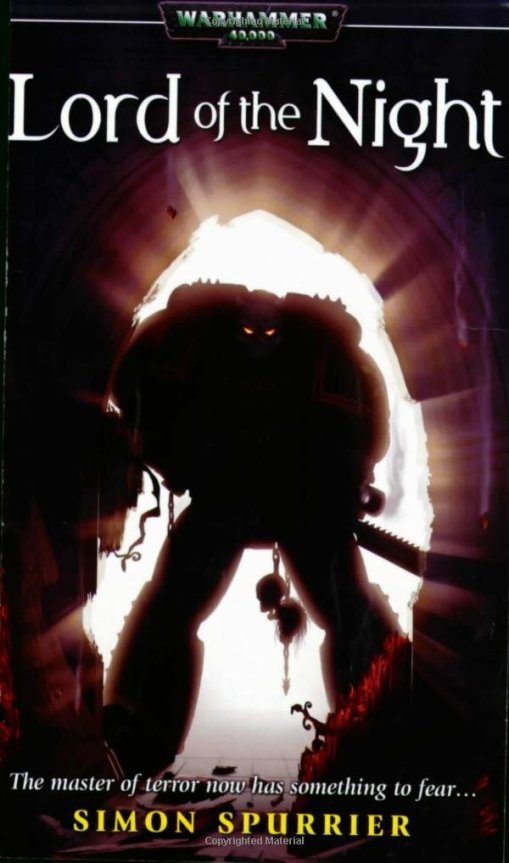
Throwback Thursday – Lord of the Night by Simon Spurrier

Lord of the Night Cover

Publisher: Black Library (Paperback – 25 January 2005)

Series: Warhammer 40,000

Length: 413 pages

My Rating: 4.75 out of 5 stars

Amazon

Welcome back to my Throwback Thursday series, where I republish old reviews, review books I have read before or review older books I have only just had a chance to read.  This week I check out an impressive and dark older entry from the excellent Warhammer 40,000 extended universe, Lord of the Night by Simon Spurrier.

Readers of this blog will know that I have a lot of love for the always intense and fun Warhammer 40,000 fiction, having read quite a bit of it this year.  One of the better older pieces of this fiction I managed to check out this year was the awesome novel Lord of the Night by acclaimed author Simon Spurrier.  Spurrier is an excellent author who is best known for his work on various graphic novels and comics series across the major companies.  I have read a couple of his comics over the years, although my favourite is probably his run on the original Doctor Aphra series (check out my reviews for the awesome volumes Unspeakable Rebel Superweapon and A Rogue’s End).  Spurrier also wrote several Warhammer 40,000 novels back in the mid-2000s, including the highly regarded Lord of the Night.  I was lucky enough to get a copy of Lord of the Night second-hand, and I ended up reading it while away on holiday.  Unsurprisingly I loved it, as Spurrier came up with a powerful story about two complex characters caught up in a deadly game of cat and mouse.

Interrogator Mita Ashyn of the Ordo Xenos is newly arrived in the service of veteran Inquisitor Kaustus after the death of her previous master.  Desperately trying to earn her place amongst the Inquisitor’s haughty acolytes and her mysterious new master, Mita is isolated due to the taint associated with her advanced psychic powers.  Seeking alien cultists on the hive-world of Equixus, Mita is tasked with rooting out minor corruption and heresy.  However, when an ancient ship crash lands on the planet, Mita receives psychic warnings of a dark and terrible foe.

Ten thousand years ago at the end of the Horus Heresy, Commander Sahaal was chosen by his crazed Primarch, Konrad Cruz, as the heir to the Night Lords legion of Space Marines.  However, before Sahaal could take command of the Legion, his Primarch’s most sacred artefact was stolen, and Sahaal’s pursuit of the thief saw him trapped out in the depths of space for millennia.  Awaking on his crashed ship on Equixus, Sahaal finds the artefact gone, stolen by thieves from the planet.  Determined to claim lordship of his legion, Sahaal will stop at nothing to reclaim what is rightfully his, no matter how many people he has to kill.

As Sahaal begins a deadly campaign of fear in the underbelly of Equixus, Mita appears to be the only person in the Inquisitor’s retinue concerned about the danger.  Working against the wishes of her master, Mita attempts to destroy the traitor Astartes that has invaded the city before it is too late.  However, Sahaal is a master of urban warfare and soon his solo campaign of destruction has the entire hive on its knees.  As the two lost souls move to confront each other, they soon discover that there are even greater secrets at work than either of them realises, and soon the fate of Equixus hangs in the balance.

This was a powerful and compelling Warhammer 40,000 story from Spurrier that had me hooked from the very beginning.  Focussed on the two unique perspective characters of Mita and Sahaal, Spurrier sets up an intriguing and vicious story with great thriller elements in a fantastic and gloomy hive-city setting.  Starting off with some effective set-up that introduces both protagonists and their complex lives, Lord of the Night soon evolves into an impressive cat and mouse scenario between the two as Mita fights to stop Sahaal before he recovers his prize and destroys the city from within.

This leads to all manner of chaos and destruction, as Sahaal initiates a brutal urban warfare campaign by enlisting the help of a curious raft of unconventional allies, while Mita manipulates the city’s official resources to her use.  While this battle rages, Spurrier also introduces some compelling and highly important side storylines which see Mita trying to gain the respect and aid of her secretive Inquisitor master, while Sahaal comes to terms with his missing years, his complex past, and what it is to be a Night Lord.  This leads up to several great confrontations before all the characters finally come together a brutal final sequence.  There are some great reveals here, especially about who is pulling all the strings surrounding the characters, and I loved some the brilliant twists that emerged.  The book ends on a pretty dark note, with both protagonists getting what they wanted, even though it nearly destroys them, and this ended up being quite an epic and captivating read.

I love how dark and intense Spurrier made this novel, and it has such an elaborate and complex narrative surrounding it.  The split between the two main characters works extremely well to tell an elaborate and multilayered story, and I enjoyed how the two separate arcs bounced off each other, with both dealing with betrayals, personal lows and the realisation that nothing is as it seems.  The grim setting of the hive city is also very impressive, and there is a reason that Warhammer 40,000 authors use it as a prime location for their stories.  The multiple layers of tunnels, caverns, and cityscapes makes for an outstanding background to this story of urban warfare and bloody revenge, and you can easily feel the confinement, corruption and fear that Spurrier envisions in this epic location.

Lord of the Night also turns out to be quite an impressive and elaborate piece of Warhammer 40,000 fiction.  Spurrier clearly has a great appreciation and love for the lore, and it really shows in his portrayal of both a secretive Inquisitor squad and the Night Lords Space Marines.  While Inquisitors are well covered in Warhammer 40,000 fiction, such as the Eisenhorn books by Dan Abnett (Xenos, Malleus and Hereticus), I personally loved seeing a book focussing on a Night Lord, especially as they are a little unrepresented in the extended universe fiction.  Spurrier really dives into what it is to be a Night Lord, especially during the Horus Heresy and before their full corruption, and his primary Night Lord character gives the reader a full course on how to terrorise and manipulate a city to get what you want.  It was so cool to see a Night Lord in all his fear-bringing glory, and it made for quite a dark and bloody read as a result.  Spurrier also does a great job of exploring some of the wider lore of the Warhammer 40,000 universe and working it into the plot of Lord of the Night.  This ensures that readers a little less familiar with the canon can enjoy this book fairly easily and not have to worry about external lore details.  That being said, fans of the franchise are always going to get a little more out this book and Lord of the Night proved to be a particularly good earlier novel in the canon, especially with its great insights into both the protagonist and antagonist.

One of the things that I most liked about Lord of the Night was the complex and impressive protagonists that the story was set around.  Despite being on different sides, Mita Ashyn and Sahaal have a lot in common with each other, having been lost and reviled in various different ways.  Mita proves to be a great example of how dark and unfair the Warhammer 40,000 universe is, as the thing that makes her a useful servant to the Imperium, her psychic abilities, also ensures that everyone sees her as unclean and tainted.  Watching her desperately trying to prove herself to the Inquisitor, his cronies, and the people of Equixus, only to be rejected and reviled, is very heartbreaking, and you can’t help but feel for Mita as she is routinely betrayed, spurned, or ignored.  Spurrier does some wonderful work with Mita as Lord of the Night continues, and it was great to see her find her confidence, fight back against those who oppress her, and start to question her superior and the teachings that bound her and her powers.  Watching her come to terms with her place in the Imperium, and still try to do the right thing was extremely powerful, and it leads to some impressive and emotionally charged scenes.

Sahaal also prove to be a surprisingly deep and complex character to follow.  Before reading Lord of the Night, I thought Sahaal would be a deranged Chaos Space Marine, and indeed the first few scenes with Sahaal show him to be a deadly and remorseless killer who uses terror as an effective weapon.  However, as the book continues, you start to realise that there is more to Sahaal than meets the eyes.  While he kills to achieve his goals, often in brutal ways, some of the interactions he has with his surprising allies, as well as a series of compelling flashbacks, paint him in a somewhat noble light defined by his loyalty to his Primarch and his ideals for control and order.  This paints a bit more as a victim of circumstance rather than a full Chaos infected traitor, and it was fascinating to see him act very differently from other antagonistic Space Marines characters.  There are some intriguing hidden depths to Sahaal that are revealed towards the end of the book, especially when certain manipulations are uncovered, and there are some good revelations regarding his actual mindset and mental status.  I also loved the scene where he is finally reunited with his beloved Legion, only to realise just how far they have fallen in his absence.  Sahaal ends up having some intriguing interactions with Mita throughout the course of the book, and the two play off each other perfectly, representing different angles of betrayal, loyalty and misunderstood misuse.  I deeply appreciated how well Spurrier utilised both of these point of view characters in Lord of the Night and the helped to turn this into quite an amazing read.

Overall, Lord of the Night was an exceptional read and a wonderful piece of Warhammer 40,000 fiction.  Simon Spurrier does an excellent job of bringing together two amazing, misunderstood characters together in a brutal battle across a terrified city and I was hooked the entire way through this plot.  Clever, intense, and loaded with some intriguing pieces of Warhammer lore, Lord of the Night is an outstanding read and it was one of the better pre-2023 Warhammer 40,000 novels I enjoyed in 2023.

Amazon

Top Ten Tuesday – Books on my Winter 2023 TBR

Top Ten Tuesday is a weekly meme that currently resides at The Artsy Reader Girl and features bloggers sharing lists on various book topics.  The official Top Ten Tuesday topic for this week was Things That Make Me Instantly NOT Want to Read a Book, which was a pretty interesting topic that I might come back to at some point.  However, as we are about to enter the new season later this week, I decided to instead move up my quarterly post about the best upcoming books to read (TBR) for the following three months.  This is a regular post I do at the start of each season, and as we’re starting Winter (Summer for folks in the Northern Hemisphere) in a few short days, this is the ideal time to put this up.

For this list, I have come up with 10 of the most anticipated novels that are coming out between 1 June 2023 and 31 August 2023.  There are quite a few very cool novels set for release in the next few months that I am extremely excited for, including some of my most anticipated book of the year (as well as my most anticipated fantasy/science fiction books of the year).  Due to how impressive some of these upcoming books are, it took me a little while to finalise my list but I was eventually able to whittle it down into a Top Ten list (with a few honourable mentions).  I have primarily used the Australian publication dates to reflect when I will be able to get these awesome novels, and these might be somewhat different to the rest of the world.  I have previously discussed a number of these books before in prior Top Ten Tuesdays and Waiting on Wednesday articles and I think all of them will turn out to be pretty incredible reads.  I have extremely excited for the next three months as quite a few up these upcoming reads are easily going to be amongst the best books of 2023.

Honourable Mentions:

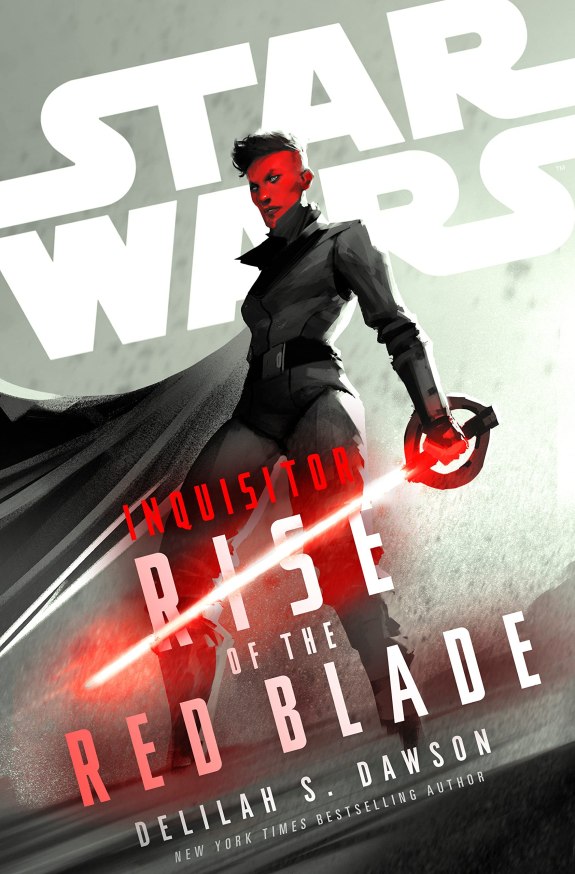
Star Wars: Inquisitor: Rise of the Red Blade by Delilah S. Dawson

Star Wars - Rise of the Red Blade Cover

An awesome upcoming Star Wars novel that will follow a fallen Jedi as they learn the horrors of becoming an Inquisitor.

Amazon


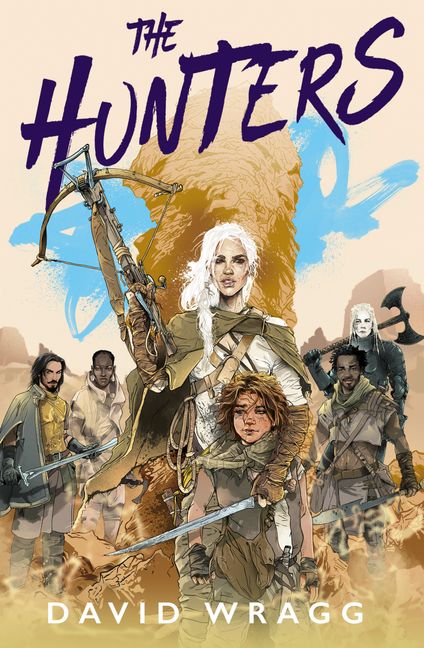
The Hunters by David Wragg – 20 July 2023

The Hunters Cover

Amazon


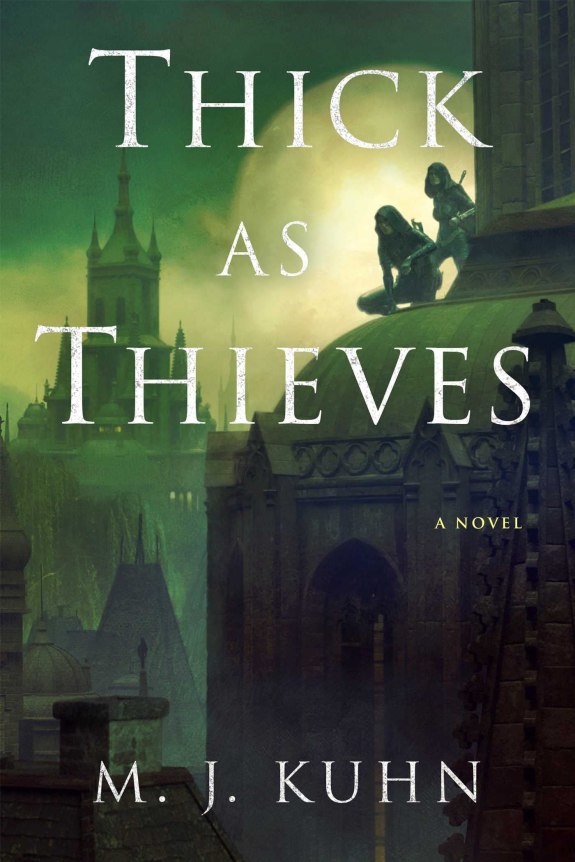
Thick as Thieves by M. J. Kuhn – 25 July 2023

Thick as Thieves Cover

Amazon


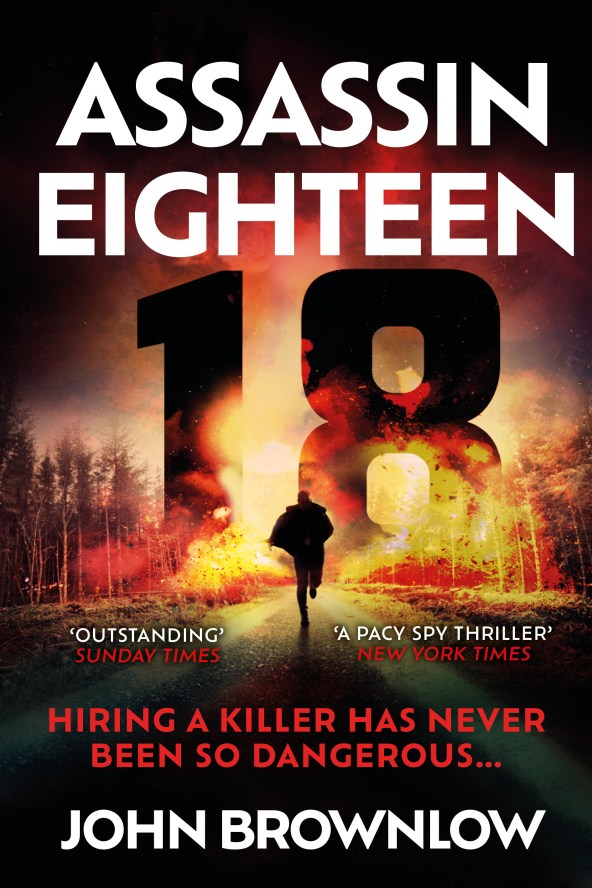
Assassin Eighteen by John Brownlow – 8 August 2023

Assassin Eighteen Cover

The sequel to one of my favourite debuts of last year, Seventeen (also released as Assassin Seventeen), Assassin Eighteen looks set to be another exciting and very fun read that I cannot wait to read.

Amazon

Top Ten List:

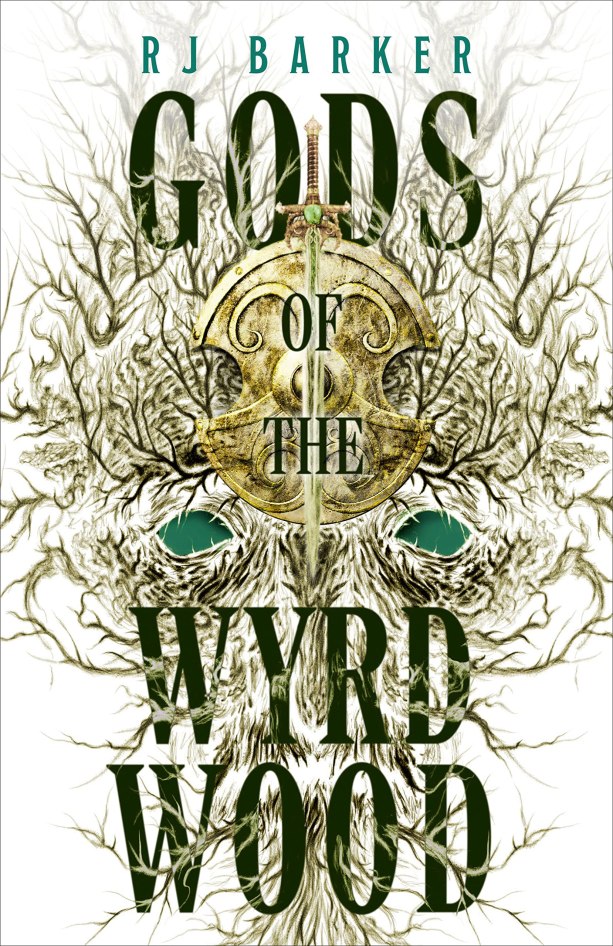
Gods of the Wyrdwood by R. J. Barker – 27 June 2023

Gods of the Wyrdwood Cover

The start of a new fantasy trilogy from the insanely talented R. J. Barker, which is very high on my current to-read list.

Amazon


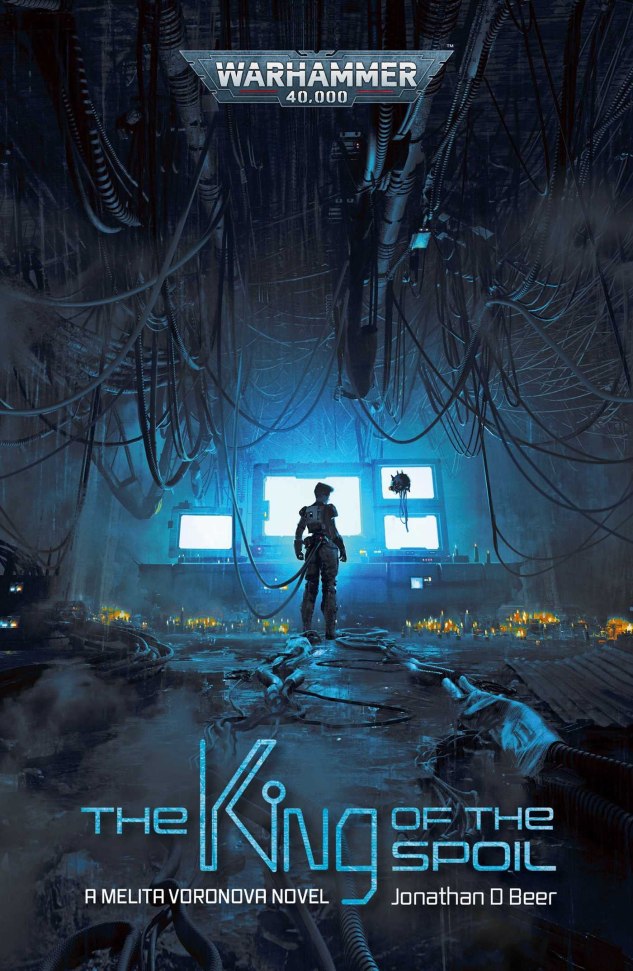
Warhammer 40,000: The King of the Spoil by Jonathan D. Beer – 4 July 2023

The King of the Spoil Cover

The next amazing Warhammer Crime novel, no way this isn’t an exceptional read.

Amazon


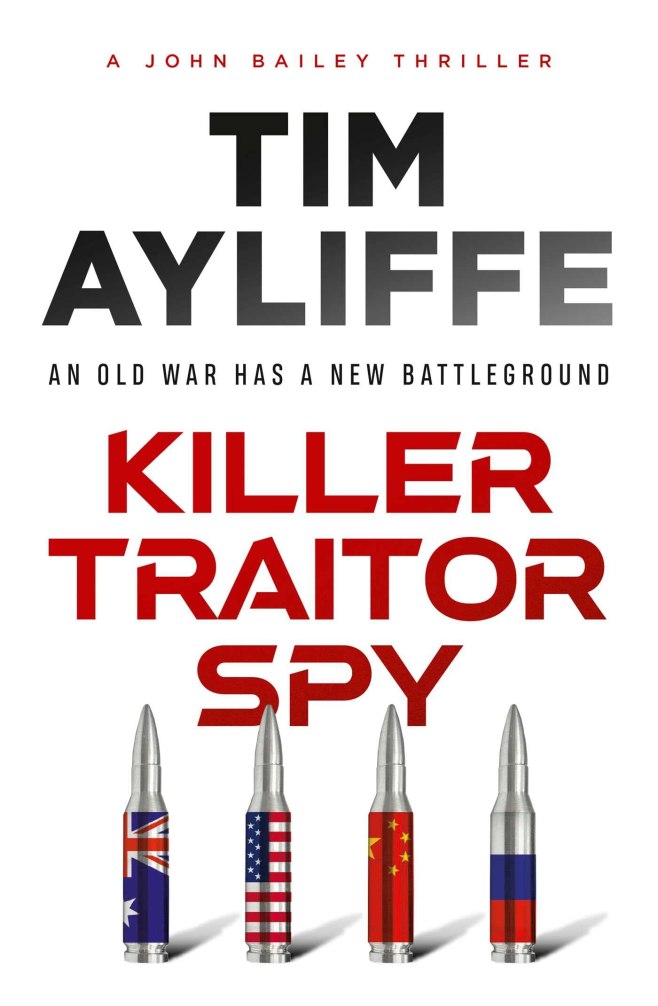
Killer Traitor Spy by Tim Ayliffe – 5 July 2023

Killer Traitor Spy Cover

The latest intriguing John Bailey novel from Australian thriller author Tim Ayliffe, Killer Traitor Spy should be a pretty epic read.  I loved the first three books in this series, The Greater Good, State of Fear and The Enemy Within, and this latest entry will dive back into a hidden espionage war in Australia.

Amazon


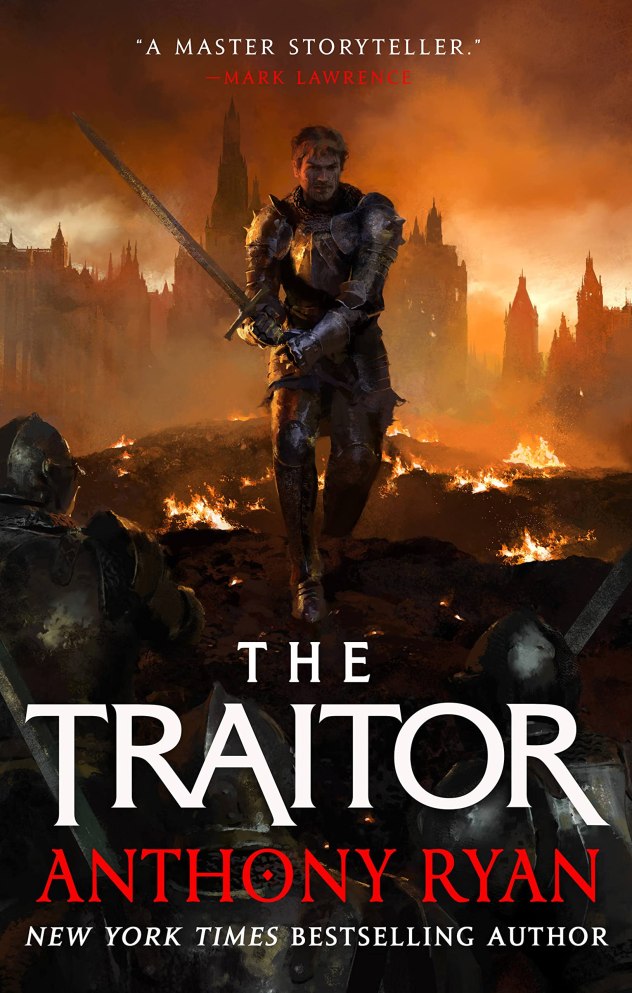
The Traitor by Anthony Ryan – 11 July 2023

The Traitor Cover

The final book in the Covenant of Steel trilogy and probably the fantasy book I’m most excited for in 2023.

Amazon


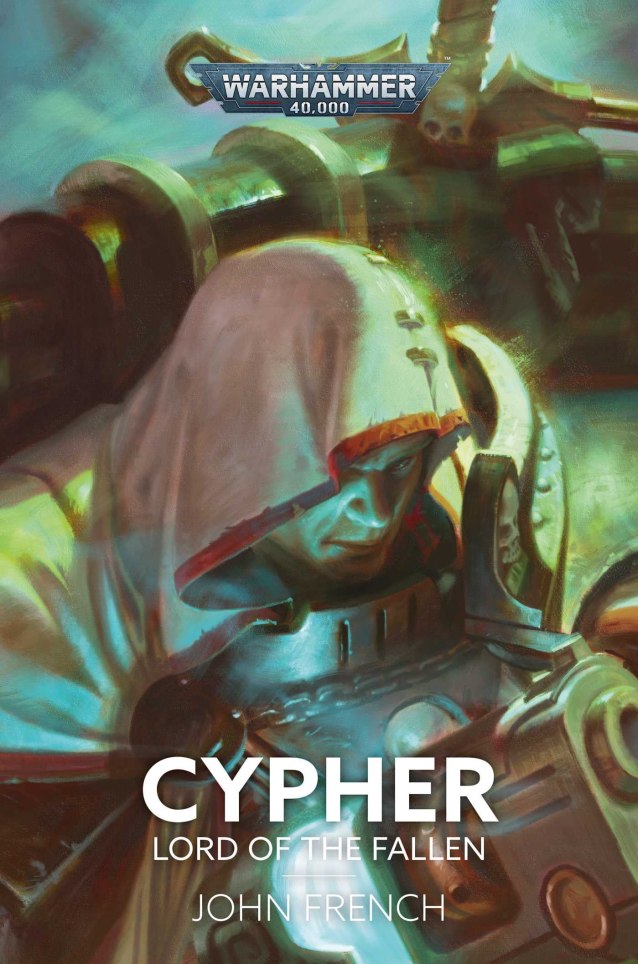
Warhammer 40,000: Cypher: Lord of the Fallen by John French – 18 July 2023

Cypher - Lord of the Fallen Cover

A legendary Warhammer 40,000 figure attempts to break into the most secure place in the universe, the Imperial Palace of Terra.

Amazon


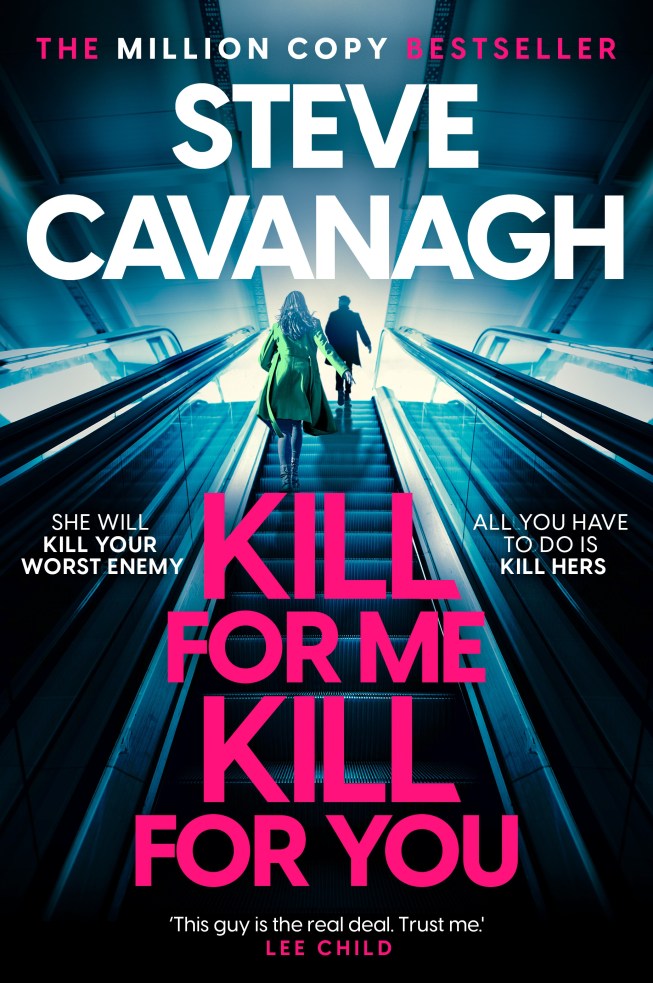
Kill For Me Kill For You by Steve Cavanagh – 25 July 2023

Kill For Me Kill For You Cover

I got a copy of this a couple of days ago and I’m very keen to read it.  A standalone thriller from one of my favourite authors at the moment, Steve Cavanagh, I have very high hopes for this book and it is going to be amazing.

Amazon


Dark Corners by Megan Goldin – 8 August 2023

Dark Corners Cover

The sequel to the fantastic and moving novel, The Night Swim, Dark Corners is the latest cool book from one of Australia’s top thriller authors, Megan Goldin, and should be pretty damn exceptional.

Amazon


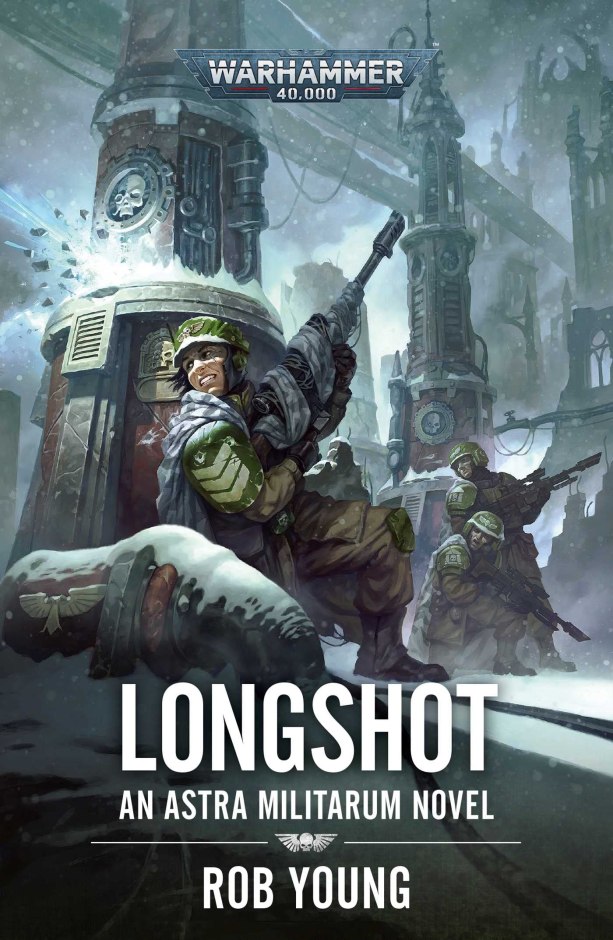
Warhammer 40,000: Longshot by Rob Young – 15 August 2023

Longshot Cover

A captivating and dramatic sniper war in the Warhammer 40,000 universe, now that’s something that I can get behind.

Amazon


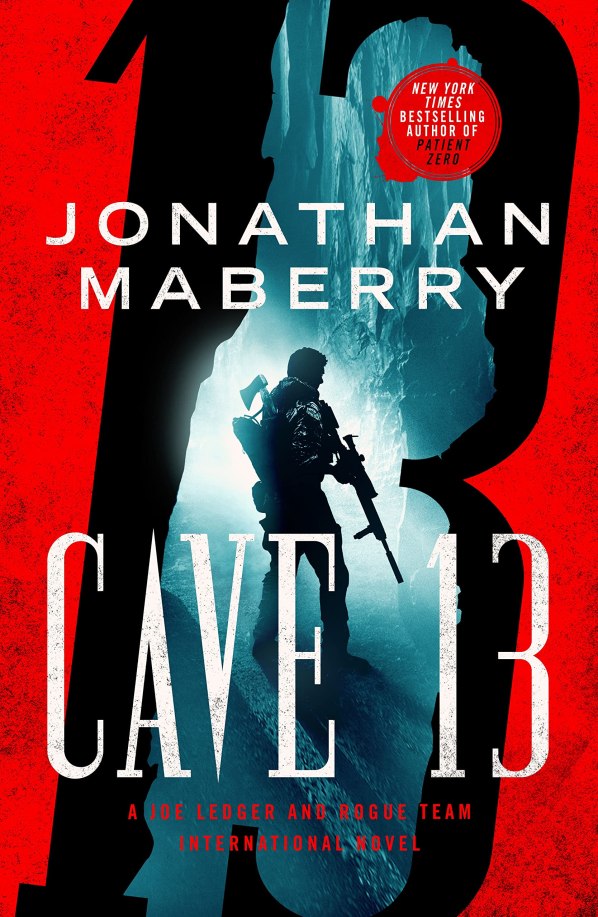
Cave 13 by Jonathan Maberry – 29 August 2023

Cave 13 Cover

I’ve already been lucky enough to have one Jonathan Maberry book this year with Son of the Poison Rose, so I was exceedingly excited when I saw he had a second book coming out in 2023.  Maberry’s next book, Cave 13 is the third in his Rogue Team International series (following on from Rage and Relentless), which I have so much love for.  Cave 13 will see Maberry’s best protagonist, Joe Ledger, face off against a group of international criminals and terrorists as they attempt to recover legendary scrolls from a cave that drives anyone who goes near it insane.  I have no doubt this is going to be one of my favourite books of 2023 and I cannot wait to read Cave 13.

Amazon


Ripper by Shelley Burr – 30 August 2023

Ripper Cover

The sequel to the amazing 2022 Australian novel Wake and one of my most anticipated crime fiction books in the second half of 2023.


Well, that is the end of my Top Ten list.  I think it turned out pretty well and it does a good job of capturing all my most anticipated books for the next three months.  Each of the above should be extremely epic, and I cannot wait to read each of them soon.  Let me know which of the above you are most excited for and stay tuned for reviews of them in the next few months.  In the meantime, it looks like I have quite a few books to get through soon and they should all be pretty awesome.

Throwback Thursday – For the Emperor by Sandy Mitchell

Warhammer 40,000 - For the Emperor Cover

Publisher: Black Library (Audiobook – 23 December 2003)

Series: Ciaphas Cain – Book One

Length: 8 hours and 57 minutes

My Rating: 4.75

Amazon

I’ve already put up one Throwback Thursday post today, for the cool Warhammer 40,000 novel, Kingsblade by Andy Clark, but the fun doesn’t end there as I am also going back to 2003 and reviewing the hilarious and deviously clever novel, For the Emperor by Sandy Mitchell, which is easily one of the funniest Warhammer books I have ever read.

Anyone who has paid the slightest bit of attention to my recent review habits would probably have noticed that I am quickly and doggedly powering through a ton of the top books in the Warhammer 40,000 range of fiction.  Not only did I recently finish off the epic Eisenhorn trilogy by Dan Abnett (featuring Xenos, Malleus and Hereticus), but I have also checked out several cool standalone novels, including Grim Repast by Marc Collins, Deus Encarmine by James Swallow and Sepulturum by Nick Kyme.  All these books are exceedingly impressive examples of Warhammer 40,000 fiction that featured their own unique elements, such as galaxy spanning conspiracies, intense horror elements, or a futurist homage to classic, gritty cop stories.  However, the one thing that they all tended to lack was a substantial and notable sense of comedy.  That is where my next entry comes in as I have finally had a chance to explore the first book in the iconic Ciaphas Cain series by Sandy Mitchell (a pseudonym for author Alex Stewart), For the Emperor, which had me laughing like crazy.

In the millennia when the forces of humanity fought to maintain the Imperium of Man, many heroes have risen from amongst the ranks of the Imperial Guard, gloriously leading mankind’s armies against the traitors, the heretics and the xenos.  Of these, few are spoken of with as much reverence and respect as the famed Commissar Ciaphas Cain, a living legend of duty, honour and courage.  Known throughout the Imperium for his daring exploits that have seen him survive the harshest of battlefields and continually lead his forces to victory, Commissar Cain is considered by many to be one of the greatest heroes of the age.

However, everything everyone knows about Cain is a lie.  In reality, he is a conniving coward who only seeks to avoid the horrors of the battlefield by any means necessary, in order to survive and make it to retirement.  Blessed with remarkable survival instincts, Cain has managed to stay alive against impossible odds many times, which has led many to believe he is a true hero capable of anything.  However, Cain’s ill-earned fame and reputation is a double-edged sword, as he is constantly chosen to journey to the worst battlefields in the Imperium, where his bad luck ensures he is in the thick of the fighting.

His latest mission sees him assigned to a newly formed Imperial Guard regiment suffering from horrific infighting and a lack of discipline.  Determined to install unity and respect amongst his new regiment, primarily so they don’t shoot him in the back, Cain is confident that he has found a relatively safe assignment.  However, his bad luck once again sees him in the thick of it, as his regiment is transferred to the backwater planet Gravalax, where a delicate situation is unfolding.  The inhabitants of Gravalax are attempting to defect to the alien Tau, who come with a message of peace and the Greater Good.  Not wishing to face the Tau and their superior technology, Cain works hard to avoid an upcoming war and ensure diplomacy will prevail.

However, after the Tau ambassador is assassinated and tensions are enflamed across the planet, Cain begins to suspect that there is more in play than he previously expected.  A shadowy conspiracy is hoping to start a war between the Tau and Imperium on Gravalax, and Cain is right in the middle of their plot.  To survive and avoid yet another war, Cain needs to work with a beautiful inquisitor to find out who is behind the attempted carnage before it is too late.  But his investigation reveals a far more dangerous enemy than expected, one that is determined to destroy all before it, starting with the terrified Cain.

Wow, oh wow, now that was a pretty damn fun book.  I had heard many times before how awesome and entertaining the Ciaphas Cain books were, and For the Emperor really did not disappoint.  Featuring a compelling story loaded with clever, dark humour, For the Emperor is a very easy book to fall in love with, and I ended up coming away really impressed with Sandy Mitchell’s amazing writing and comedic ability.

For the Emperor’s narrative itself is pretty interesting as it follows Cain through one of his most notable adventures.  Told in a chronicle perspective from Cain’s own memoirs (which may or may not be the most reliable source of information), you get to see the true Commissar Cain as he finds himself thrust into another adventure.  After a quick and very intriguing introduction, with notes from Cain’s associate, Inquisitor Amberly Vail, the story initially details Cain’s attempt to unify and control the Valhallan 296th-301st composite Imperial Guard regiment (eventually the Valhallan 597th).  These initial chapters showcase many aspects of the compelling protagonist, his deep cunning and determination to avoid damage, while also taking the time to introduce several of the major supporting characters.  The story changes after a few chapters as Cain and his new regiment arrive on Gravalax, where Cain must contend with the Tau, who are influencing parts of the local population.  Unlike most Warhammer 40,000 novels, the story doesn’t revolve around a war between the Imperial Guard and the Tau; indeed the focus on the plot is avoiding the conflict as two rival races attempt to find a diplomatic solution.  Unfortunately, some hidden force is attempting to start a war between the Tau and the humans, and Cain soon finds himself trying to maintain the peace, primarily for his own benefit.  After several intriguing and entertaining side missions, the plot eventually sees Cain and the new Inquisitor Vail lead a small, expendable force into the lair of their true enemy.  While I won’t go into detail about who they face, it results in a series of gruesome and deadly battles, where Cain’s survival skills are really put to the test.  Mitchell features a ton of action, intrigue, and odd-couple team-ups for this final major sequence, and you are really drawn into the intense storytelling, with even Cain’s sense of humour failing to cut through the brutal nature of the conflict.  Everything ends on a compelling, if slightly dark note, and you come away from the story pretty damn satisfied and ready for another intriguing adventure from this hilarious protagonist.

I really liked the fun way Mitchell wrote For the Emperor, as everything is set out to enhance the inherent comedy of the book.  While there is a ton of impressive action, adventure and intrigue, at their core all the Ciaphas Cain books are very light-hearted and add a more humorous spin to the grim Warhammer universe.  Indeed, I was getting some major Blackadder vibes from For the Emperor, as much of the plot sees the supposedly noble protagonist attempting to weasel his way out of actually getting into a fight.  Pretty much every interaction or thought in this book had me chuckling in some way, and I appreciated some of the clever jokes or references that Mitchell scattered throughout.  I also deeply enjoyed the cool chronicle format of the story, as Cain’s antics are made even funnier when you see it from his eyes.  At the same time, Mitchell includes a ton of extra notes and excerpts from other in-universe texts that not only provide intriguing context, but also add to the humour, especially as the intentionally over-the-top opinions and bad writing highlights just how crazy other members of the Warhammer 40,000 universe are.  There are also a series of notes, footnotes and quotes from supporting character Inquisitor Vail sprinkled throughout the plot to provide some additional insights, often in a humorous way.  I always deeply enjoy the use of a good footnote in fiction, especially due to my love of Terry Pratchett’s novels, and I felt that Mitchell utilised them perfectly throughout For the Emperor.  Not only do they provide additional information, but Vail’s footnotes often directly contradict Cain’s opinions and descriptions of events, and ensure a much more complex and complete overall story.

While the focus is often on the humour, Mitchell also does write a pretty compelling military thriller as the main story, which ties well into the wider Warhammer universe.  The focus on the intense conspiracy and the outbreaks of rebellion and war fit into the more humorous feel of the book extremely well, and you get quite an impressive story as a result.  There are also some rather dark moments scattered throughout the novel as well, and they provide a rather interesting contrast to the more comedic elements.  Having the character deal with some heavy moments, like being forced to kill an innocent man, provides some great balance to the story, and despite the lighter tone, you are always reminded just how grim the overlying universe truly is.

I deeply enjoyed Mitchell’s unique take on the Warhammer universe that was featured in For the Emperor, especially thanks to who is telling the story.  Most of the Warhammer 40,000 books you experience either follow a bold warrior or a common soldier, many of whom see the universe through lens of duty or ignorance.  However, the Ciaphas Cain books provide a much more down-to-earth view as the cynical Cain sees events as they truly are and he knows deep down just how deadly the universe and his own comrades are.  I really liked this alternate view of the franchise from a protagonist and it, and the inherent humour of the story, help to make this book really stand out from some other novels.  At the same time, Mitchell adds in some compelling and fascinating insights to the Tau, and other factions to the story, which really help to expand out the universe and ensure that there is plenty there for all Warhammer readers.  The examination of a more diplomatic route from the usually xenophobic Imperium of Man was also pretty damn fascinating, and it really helps to showcase how pragmatic some of Mitchell’s characters are.  This lighter tone, as well as the fun references to some other classic Warhammer 40,000 novels, ensures that all fans of the franchise are going to have an amazing time with this book, and I personally found it to be a welcome change of pace between a few heavier Warhammer novels I have recently read.  For the Emperor would also serve as a pretty good entry point into the Warhammer 40,000 universe, especially as you get a good idea of how crazy everything is, while also getting to have a laugh at it.  As such, this is an extremely good Warhammer novel, and I now fully understand why the Ciaphas Cain books are so beloved by the fandom.

I can’t mention For the Emperor without discussing the awesome and extremely entertaining collection of characters that Mitchell successfully introduces here.  For the Emperor features a substantial and compelling cast, each of whom brings something special to the story and helps to either enhance the humour or the more serious aspects of the book in their own special way.

The most important of these characters is of course Commissar Ciaphas Cain, through whose memoirs we see most of the plot unfold.  A legendary hero of the Imperium, Cain is one of the more unique figures in Warhammer 40,000 fiction, mainly because he doesn’t deserve his inflated reputation.  While he acts the great hero and everyone is in awe of his reputation, in reality he is a craven figure who is actively trying to avoid the universe’s various wars and stay alive.  Thanks to his narration throughout the book, you see him constantly manipulating the situation to his advantage.  Literally every single action he takes is done to benefit him and him alone, with an appropriate explanation or excuse to keep people from getting suspicious.  Even his more heroic actions in the book (stopping a riot, defending the Tau ambassadors, visiting the enemy stronghold) are only done because they serve him in some way or when he can’t get out of doing it without dying or losing his ill-gained fame.  I absolutely loved this unique character feature, as not only is it hilarious to see how he manages to weasel out or manipulate situations but it ensures that he is the complete opposite of the usual gruff and ultra-serious Commissar characters that are such a big part of franchise (Gaunt and Yarrick, for example).

While it would be easy to dislike such a selfish character, you really grow to enjoy Cain and his hilarious and cynical viewpoint of the universe, which is the source of much of the book’s comedy.  It also helps that nearly every one of his actions backfires on him in some way, as his attempts to stay out of the fighting usually see him put into an even worse situation.  His intriguing narration through his journals (which have been seized and classified for political reasons), adds to the comedic and emotional impact of the story, especially as you get to see him weigh his actions with the benefit of hindsight (although he is usually unrepentant).  Of course, Cain is also the textbook definition of an unreliable narrator, and you have to wonder at the truth of his words sometimes.  I did like how Mitchell tried to show that despite his desire to avoid combat, Cain is actually a pretty capable warrior and commander, and that he wouldn’t be as effective a leader if he weren’t trying to keep up his lies.  There are also some flashes of humanity and deeper emotions scattered throughout the book, and you can see that there is a good person in there somewhere, even if it is buried far beneath his instincts for self-preservation.  Honestly, Cain might be my most favourite Warhammer character since Kal Jerico, and I had such a fun time seeing his antics in For the Emperor.

Aside from Cain, I really need to highlight Inquisitor Amberly Vail, who finds herself investigating the same conspiracy Cain gets wrapped up in.  Vail is a very fun character in this book as she not only presents the fictional version of For the Emperor to the reader, but she has a big role in the actual plot.  Vail serves as Cain’s love interest, but she also is the only person in the book who sees right through Cain and knows what he truly is.  Watching her manipulate the seasoned conman is quite cathartic, and the two make an effective and interesting team throughout the book.  However, I felt that Vail’s best contribution to the novel comes in the form of her notes and footnotes throughout the account, especially as they constantly call out Cain for his actions and keep his narration mostly honest by filling in some crucial gaps.  It as also very fun to see the various different versions of Vail that appear throughout the book, as you see both how she presents herself to the reader, and the slightly altered version of her that Cain sees.  This really makes her stand out as a central character in this series and her funny notes and corrections deeply enhanced the already entertaining plot.

Another major character I need to mention is Cain’s aide-de-camp, Jurgen, the Baldrick to Cain’s Blackadder.  A stooped, smelly and scruffy being, Mitchell has made Jurgen as Baldrick-like as possible (including a scene in which he comes up with a cunning plan), and I loved every damn second of it.  Firmly believing that Cain truly is the hero he claims to be, Jurgen faithfully serves Cain, and it is a lot of fun to see the two play off each other, especially as Jurgen is honestly the most honest and likeable character in the entire book.  The rest of the cast, which include schemers, professional soldiers, and various Tau, also have their moments, and I really liked how they were portrayed in the book.  However, they all share one particularly defining feature: they all believe Cain is a hero and are led around by his manipulations.  Watching these generally smart people fall for Cain’s lies is a great part of the book’s plot, and I had so much fun seeing them act the fool in this one specific way.  Overall, though, For the Emperor has some outstanding characters to it, and it will be fun to see how they are utilised in the other Ciaphas Cain books.

Like most Warhammer novels I have the pleasure of enjoying, I chose to listen to For the Emperor’s audiobook format, which I maintain is one of the best ways to enjoy Warhammer 40,000 fiction.  All the best narrative and stylistic elements of For the Emperor comes through at an even higher quality when you listen to them, and you really find yourself getting drawn into the complex story while also laughing at the fun characters.  I felt that the production value behind For the Emperor was particularly impressive, as the audiobook features three separate narrators in experienced voice actors Stephen Perring, Penelope Rawlins and Emma Gregory.  Perring, who I enjoyed last year in the audiobook for Engines of Empire by R. S. Ford, serves as the primary narrator for most of the book as he voices all the characters and action in the chapters of For the Emperor told from Cain’s perspective.  Perring is an extremely awesome narrator and the range of epic voices he creates for the main cast are very impressive and really capture their personalities and unique physical characteristics.  I loved the cynical, tired and falsely noble voice that Perring utilises for the main character of Cain, and you have to mention the slimy and fun voicework for the character of Jurgen as it makes him sound even more like Baldrick.  Perring also narrates a couple of the in-text extracts (those written by a male author), and he ensures that they sound even more pompous and filled with misinformation, than you would get from a simple reading.

While Perring is the main narrator, the other two featured actors have amazing performances in For the Emperor’s audiobook which really add to the overall production.  Penelope Rawlins voices the character of Inquisitor Vail during the parts of the novel she writes, mainly her notes on the events going on and the various footnotes featured throughout the plot.  Rawlins’s take on Vail is slightly different to that of Perring, and you get a stronger sense of her intelligence and power through Rawlins voice, which I felt helps to emphasise that Cain’s perspective might not be the most reliable.  The change in narrator also ensures that the various notes from Vail really pop out in comparison to the main story so you always know when Vail is speaking to correct Cain’s memory of events.  The way that the footnotes are read out exactly where they fall in the text also works extremely well, and it ensures that Cain’s misinformation never gets a chance to sit properly.  The final voice actor, Emma Gregory, also provides a few interesting sections to the audiobook, particularly as she narrates one of the recurring in-universe texts that is quoted, written by an older version of one of the supporting characters (Guardswoman Sulla, who gets promoted to a general in the future). Gregory captures the pride and arrogance of Sulla, as well as her devotion to Cain, perfectly, and I felt that this additional performance was a great part of the production.  All this incredible voice work, as well as the amazing story that it brings to life, ensures that For the Emperor’s audiobook is particularly awesome and really worth listening to.  With a runtime of just under 9 hours, this is a really easy audiobook to get through, and I powered through it in only a couple of days, mainly because of how much fun I was having, and I cannot recommend this format enough.

Look, I think it is clear to see that I loved For the Emperor and had a fantastic time reading this awesome book.  Sandy Mitchell did something pretty special with this first entry in the epic Ciaphas Cain series, and I am now a massive fan of this series and the titular character.  Loaded with so much clever humour, fantastic Warhammer elements, and a strong and surprisingly intense narrative, For the Emperor is pretty much perfect, and there is so much for people to enjoy.  As a result, this book is particularly highly recommended, and I fully intend to get more Ciaphas Cain fun and manipulations in the future.

Amazon

Throwback Thursday – Warhammer 40,000: Hereticus by Dan Abnett

Warhammer 40,000 - Hereticus Cover

Publisher: Black Library (Audiobook – 30 July 2022)

Series: Eisenhorn – Book Three

Length: 9 hours and 48 minutes

My Rating: 5 out of 5 stars

Amazon     Book Depository

Welcome back to my Throwback Thursday series, where I republish old reviews, review books I have read before or review older books I have only just had a chance to read.  For this latest Throwback Thursday, I finish off the outstanding and iconic Eisenhorn trilogy by legendary Warhammer author, Dan Abnett, by reviewing the exceptional novel, Hereticus.

I have mentioned several times in the last few weeks that one of my absolute favourite authors of Warhammer fiction lately is the amazingly talented Dan Abnett, whose works have shaped a generation of lore and extended fiction.  I have really enjoyed several of the books in his excellent Gaunt’s Ghosts novels, such as First and Only, Ghostmaker and The Vincula Insurgency, which provide some captivating depictions of the common soldier in the Warhammer 40,000 universe.  However, based on what I have read so far, Abnett’s best series is the epic Eisenhorn trilogy, which follows titular character Inquisitor Eisenhorn as he attempts to protect humanity from a range of diabolical threats.  The first book, Xenos, served as an excellent introduction to Eisenhorn and his major supporting characters, while Malleus showed an older Eisenhorn as he attempts to unravel a massive conspiracy painting him as the villain.  I absolutely loved these outstanding novels and they both got a full five-star rating from me, and I immediately dove into the third and final book, Hereticus, as I really wanted to find how everything ended.

For over 150 years, Inquisitor Gregor Eisenhorn has loyally served the Imperium of Men, disrupting and ending multiple conspiracies and plots by heretics, daemons, and malicious xenos.  Throughout all this time, Eisenhorn has always tried to avoid the lure of the radical path that many of his fellow inquisitors tread, determined not to be corrupted by the forces he has sworn to destroy.  But desperation can drive even the best man towards the brink and Eisenhorn’s previous deal with a dark figure is coming back to haunt him.

Overseeing a Inquisitorial examination of the planet of Durer, Eisenhorn receives news that an old foe, one who cost him the life of a dear friend, is active on world.  Assembling his forces, Eisenhorn is unprepared for the full horror that awaits him, as his enemy unleashes an ancient evil capable of destroying worlds.  Facing tragedy and near death, Eisenhorn is forced to do the unthinkable and use foul rites to summon forth a greater evil in the form of the daemonhost Cherubael to survive.

Shocked and disgusted by his actions, Eisenhorn attempts to recover and atone for his mistakes.  However, before he can begin, his manor house is raided by a dangerous army of mercenaries and all his forces throughout the sector are brutally destroyed in an instant.  On the run with only a few loyal followers left, Eisenhorn needs to discover the identity of whoever is orchestrating his downfall before it is too late.  But to defeat his enemy, Eisenhorn is forced to dive deeper into heresy and call upon dark forces that are best left untouched.  Can Eisenhorn retain his sanity and soul, or is the price of his victory his own utter damnation?

Wow, just wow.  After how epic Xenos and Malleus proved to be, I knew that there was no way that I wasn’t going to love Hereticus.  However, I was unprepared for just how brutal and intense Abnett made this final book in the Eisenhorn trilogy, as Hereticus ended up being an exceptional read that perfectly ends his great series on a very high note.  Loaded with action, intrigue, and some amazingly complex characters, Hereticus gets another five-star rating from me, and this is honestly one of the best trilogies I have ever read.

Part of the reason why I enjoyed Hereticus so much is because it has an exceptionally epic story to it that really drags you in from the offset.  Set 50 years after the events of Malleus (150 years since the start of the series), Hereticus starts off big and never really slows down.  The book has a calamitous introduction that sees Eisenhorn and his comrades forced to confront a Chaos Titan which decimates them and forces Eisenhorn to call upon his captured daemonhost Cherubael.  This fantastic introduction not only perfectly continues the story from Malleus but also shows Eisenhorn’s progression towards radicalism as he uses his new knowledge in some pretty dark ways.  Following this introduction, which splits his main team up, the story continues strongly, as there is a major and extended battle sequence in the heart of Eisenhorn’s sanctum, which sees him forced out on the run.  Becoming a fugitive from new enemies, old foes, and the Inquisition itself, the rest of the novel is a very captivating and intense character-driven read that shows a desperate Eisenhorn continue to make radical decision after radical decision, all in the name of defeating his enemies, no matter the cost.  There are some extremely moving and powerful scenes scattered through the second half of the book, as Eisenhorn comes to terms with many of his long-running comrades, many of whom do not agree with his methods, as well as some deadly confrontations.  Everything leads up to a trippy and action-packed finale, as Eisenhorn finally faces down an old enemy.  While the ultimate confrontation is short and the main antagonist only has a brief appearance in the book, the real joy of the story is the hunt to find out who they are and what they are after, with a focus on investigation, intrigue, and ethics.  The conclusion leaves everyone extremely satisfied, and Abnett leaves the series open for follow-up, even if a ton of character-centric storylines are permanently closed by a series of deaths and destruction.

The author once again does an amazing job presenting the complex story contained within Hereticus and I have a lot of love for the writing style that Abnett utilised in this series.  Blending tense galaxy-spanning intrigue with the hunt for dark forces, massive mysteries, complex revenge plots, and a focus on the corruption of the spirit, there is a ton of fun for a lot of readers in this book, and I loved the elaborate conspiracy that was the fantastic focus of the plot.  I especially enjoyed the overall theme of Hereticus that saw Abnett try and bring a lot of storylines and character arcs full circle back to the original novel in the trilogy, Xenos.  The history of all the characters in the book, as well as multiple prior events, are essential parts of Hereticus’s plot, and I loved how the author was able to tie together a ton of compelling overlying storylines that really highlights the importance of the first two novels.  The primary storytelling method, a chronicle style from Eisenhorn’s perspective, adds a lot of power and flair to the overall book, especially as it enhances the character-driven aspect of the story and gives you some intriguing insights into the conflicted protagonist’s mind.  There are a ton of great scenes showcased as result of this first-person perspective, from multiple massive battles, to intimate conversations and even a very well-written psychic interrogation sequence.  Abnett has a great eye for detail and some of the resulting action sequences and unique locations are painted in such a way that the reader fully grasped every action or cool element of the setting.  This, and so much more, really helps Hereticus’ exceptional story shine through and I had so much fun seeing how this entire novel unfolded.

Like most of Abnett’s books, Hereticus can be read as a standalone novel, especially as the author does an exceptional job of recapping key events, characters, and relationships from the previous Eisenhorn entries.  However, to get the full emotional impact of epic narrative, I would strongly recommend checking out Xenos and Malleus first, as you really understand how the character has changed over the course of the series, as well as how well the storylines have continued.  I also felt that Hereticus proved to be a particularly good entry into the wider Warhammer 40,000 canon as Abnett continues to explore some of the most intriguing parts of this grim universe, including the dark cults that are constantly a threat to the Imperium’s stability and the Inquisitors who hunt them.  The fantastic dive into the different types of Inquisitors and their different ways of fighting the enemy is pretty cool and I loved seeing the various rivalries and discussions that eventuated, especially as Eisenhorn has an opinion on everything.  This book also takes the reader to a variety of unique locations within the Warhammer universe, with several unique planets becoming key settings for the plot.  I loved seeing the variety of worlds out there in this massive universe, and Abnett has fun tying the events of this book into some of the wider canon aspects of the franchise.  I would say that overall the Eisenhorn trilogy really is one of the best series to start reading Warhammer 40,000 fiction with, especially as you get a completely different and more elaborate story than the classic military fiction plots that make up the majority of the genre.

As always, I can’t go away from an Eisenhorn book without talking about the exceptional character work that Abnett brings to the table.  This is especially true in Hereticus, as Abnett brings so many compelling character arcs to a tragic and moving end, while also ensuring that his impressive protagonist is changed forever.

As you would expect, the focus of Hereticus is on protagonist Gregor Eisenhorn, who serves as the book’s primary narrator.  I mentioned during my previous reviews of these books that I have loved the complex and powerful story that Abnett has woven around Eisenhorn.  Starting off as a relatively innocent and uncontroversial Inquisitor who was just trying to do what is right, Eisenhorn has slowly slipped down the path of the radical by employing the methods and powers of his heretical foes.  Abnett has showcased this gradual fall perfectly in the first two books, and while he made some questionable decisions out of desperation in Malleus, you still believed that he could be redeemed.  Hereticus really has you doubt this as he begins to employ darker methods during this book, which not only cost him but impact the people around him.  However, this is not entirely his fault, as forces outside of his control drive him to do so.  Pretty much every mistake that Eisenhorn has made in his past seems to come back to bite him in Hereticus, and these events, and more, force him to make hard decisions to survive and defeat foes who are even worse than him.  While he does bad things, you can fully understand and appreciate why he feels he needs to do so, even if you don’t agree with them.  Despite these bad things, Eisenhorn remains a sympathetic character for most of the book, and his own realisation that what he is doing is wrong just makes the entire story that much sadder.  However, there is a layer of arrogance over this that makes you slightly concerned about Eisenhorn’s actions, and you’re never quite sure just how far he has truly fallen.  Abnett covers Eisenhorn’s overall character arc pretty damn perfectly, and while the author throws the protagonist’s decline into overdrive in this book, it felt pretty natural and showcases just how destructive desperation is as his good intentions lead him to hell.

On top of Eisenhorn, Hereticus features a bevy of compelling supporting characters who add their own complex spin to the story.  Many of the supporting characters from the first two books are once again featured in this third Eisenhorn novel, and I really appreciated how Abnett sought to bring many of their arcs and storylines full circle here.  Unfortunately for fans of the series, wrapping up their storylines results in most of the supporting character’s deaths or severe injury, and quite a substantial number of supporting figures from the first two books have their final appearance here.  While I won’t go into too much detail, several of these deaths are pretty damn tragic, especially after they follow on from some noble self-sacrifices or major character moments.  I was honestly shocked at how brutal Abnett was when it came to killing off his supporting characters, but all of these instances really worked in the context of the story and ensured that Hereticus ended up being particularly memorable.  Before these major deaths, though, the author dives into the powerful relationships that each of these supporting characters has with Eisenhorn, and there are some deeply emotional moments scattered through, especially as each of them have their own opinion about Eisenhorn’s recent actions and whether he has gone too far.  Watching his oldest friends become disgusted or outraged by his actions really hammers home how far Eisenhorn has fallen, especially as he drags several characters down with him.  Throw in some outstanding central antagonists, all of whom have a complex history with Eisenhorn, and some intriguing cameos from the previous novels, and this was an exceptionally character rich novel designed to hit you in the feels.

As with all of Abnett’s books to date, I grabbed the audiobook version of Hereticus, which was once again an exceptional way to enjoy this amazing novel.  Coming in at just under 10 hours and featuring the impressive narration of Abnett’s go-to audiobook narrator, Toby Longworth, this format was an excellent way to enjoy this book, and I managed to power through this entire story in no time at all.  Longworth really brings the entire story to life with his excellent narration, and he makes sure to infuse all the characters with a ton of personality, while also tailoring their voices to match their history and physical (or metaphysical) attributes.  I also thought that several of the best scenes of this book, including some desperate battles, a cool interrogation scene, and some particularly poignant character interactions, were made even more epic in this format, as the exceptional acting from Longworth showcased them in a way they truly deserved.  I was utterly enthralled the entire way through Hereticus’s audiobook and this was easily the best way to experience Abnett’s compelling tale.

Overall, I felt that Hereticus was a pretty amazing book and a suitably epic finale to Dan Abnett’s original Eisenhorn trilogy.  Bringing together a powerful story with some unique Warhammer 40,000 elements and an exceptional dive into the mind of a fallen inquisitor, Hereticus was utterly addictive and ended up being one of the best Warhammer books I have ever read.  I was really impressed with how Abnett concluded this incredible trilogy, and I felt that Hereticus was an excellent final entry that tied together some of the complex storylines from the first two books.  I cannot recommend this entire trilogy enough; it truly is one of the cornerstones of Warhammer 40,000 fiction.  I look forward to reading more from Abnett in the future, especially as there are several spin-offs associated with this trilogy, as well as a recently released fourth Eisenhorn book in The Magos.  However, I think I will try and get through some Gaunt’s Ghosts books first, before diving back into Abnett’s Inquisitor stories, although if I ever want a powerful Warhammer thriller, I know where to look.

Amazon     Book Depository

Warhammer 40,000: Sepulturum by Nick Kyme

Warhammer 40,000 Sepulturum Cover

Publisher: Black Library (Audiobook – 3 March 2020)

Series: Warhammer Horror

Length: 7 hours and 9 minutes

My Rating: 4.25 out of 5 stars

Amazon

My obsession with Warhammer continues as I check out the grisly Warhammer Horror book, Sepulturum by Nick Kyme.

Over the last couple of years, I have had a lot of fun diving down into the epic Warhammer 40,000 universe.  This universe features so many epic and unique stories and characters, and I love all the fantastic tales that can be told across the genres.  One sub-genre of Warhammer fiction I’ve only had a little experience with so far is the Warhammer Horror books which, as the name suggest, blend gruesome horror elements with the already grim Warhammer universe.  I have so far enjoyed one Warhammer Horror book, the creepy and clever The Bookkeeper’s Skull by Justin Hill, which was brilliantly written and showcased.  I have been meaning to check out some other horror related Warhammer books, and when I saw that there was a zombie-centric Warhammer book, I knew it was something I would have to read.  This book is Sepulturum, a compelling read written by new-to-me author Nick Kyme.  Kyme is a veteran Warhammer writer, and I’ve got a couple of his other books sitting on my shelf already waiting for my attention.  However, my first experience of him was through Sepulturum, which proved to be a really fun and interesting adventure.

Something dark and deadly, something which hungers for blood and flesh, is stirring in the low-hive of Blackgheist.  The only person who can stop it is Inquisitor Morgravia Sanctus of the Ordo Sepulturum, whose investigation in Blackgheist revealed a terrible presence.  However, before she could act, something happened that destroyed her memories and left her scarred, broken and hunted.  Now with only one acolyte left, Morgravia attempts to find a psyker capable of restoring her mind to let her figure out what is chasing her and what their plans are.

Meeting with a broker from the criminal underworld, Morgravia believes that she has finally found the solution to her problems.  However, before she can proceed, a terrible attack is launched across Blackgheist which no one is prepared for.  The people of the hive have been turned into something violent, no-longer alive, and desperate to devour everything they come across.  These creatures are soon swarming across Blackgheist, destroying all before them and leading to untold chaos and destruction.

Soon, only small bands of survivors are left who hope to escape from the horrors surrounding them.  But as Morgravia leads one such group to safety, she soon discovers that not everything is as it seems.  Other deadly monsters are hunting throughout Blackgheist, while deranged cultists take the opportunity to seize power for themselves.  The truth behind the terrible events unfolding lies only within Morgravia’s mind, but is she truly prepared for the horrific secrets that are about to be unleashed?

Sepulturum was a fantastic and dark read that proved to be an outstanding addition to the Warhammer Horror range.  Kyme has produced a fast-paced and gruesome zombie story in an amazing novel that combines a clever story with some excellent horror elements.  The story itself is a fun zombie narrative as several characters attempt to survive a sudden onslaught of deranged and hungry former humans overrunning the city.  The story primarily focuses on the damaged Inquisitor Morgravia and a couple of her companions as they attempt to escape the horrors unleashed upon them and find its cause, although a second storyline revolves around a normal labourer, Cristo, as he tries to get his daughter to safety.  Both groups first encounter the zombie creatures in some pretty horrifying situations that leave them badly shaken and alone, and they are forced to navigate through the rest of the chaos in a daze.  Their subsequent attempts to evade the zombie creatures lead them further into danger, especially as there are other dark forces out in the city that provide additional awesome complications and conflicts, and there are betrayals, insanities and the feeling that the zombies are only a small part of the larger picture.  Everything leads up to some pretty disturbing final sequences that are loaded with brutal twists and major confrontations, especially as nobody is who they seem, and there is high need of some bloody self-sacrifice.  Readers will come away pretty satisfied with how the story ends, with horror fans no doubt liking the high body count, and the potential hint of a continuation in the future.

I loved how Kyme set out the story in Sepulturum, and it proves to be an outstanding read about survival and desperation in a Warhammer city.  The main setting for Sepulturum is already pretty gritty and unsavoury before the zombies, but everything only gets worse as the story unfolds.  The slow reveal of the zombie creatures is handled well, and I loved the slow-burn panic that sweeps the city.  The blend of character perspectives works well throughout the story, and while Morgravia and Cristo prove to be the main narrators, several other supporting cast members, often in Morgravia’s party, give an excellent alternative edge to the narrative while adding some fun moments to it.  Cristo’s separate storyline also works well in concert with the main narrative surrounding Morgravia and her survivors, and it was interesting to see their two stories play out simultaneously without the groups ever meeting.  Kyme has a lot of fun setting out some excellent elements of the story, and I particularly loved the attention to detail when it came to some of the fight scenes and the horror creatures the protagonists have to deal with.  There are also several great twists and reveals towards the end of the book, and while some are well foreshadowed, there is also one genuine surprise that I thought was pretty damn brilliant.  I did think the big conclusion ended up being a little to over-the-top metaphysical for its own good, but it was most a good ending with a fun last-minute inclusion from a whole other faction.  This ended up being a pretty good self-contained, standalone read within the wider Warhammer 40,000 universe, and not too much pre-knowledge of the Warhammer universe is needed to fully appreciate it, especially with the zombies there.  However, fans of the franchise will have the best time with it, and I felt this was a great inclusion into the wider Warhammer universe.

Naturally the real highlight of Sepulturum is the zombies, and it is always fun to see how Warhammer stories turn out when combined with genres like horror, especially as this universe already has some terrifying and shocking elements to it.  The zombies in Sepulturum are interesting inclusions to the story, especially as Kyme does a good job of brutally introducing them and then unleashing them upon a wider world.  While some members of the Warhammer 40,000 universe do have some concepts of what a zombie is, the vast majority do not, so the inherent panic and horror at what the creatures are is pretty crazy, and you have to love the reactions of the people who don’t know what they are dealing with.  All the zombie scenes are pretty ferocious, and the unstoppable horde coming at you is always pretty freaky to deal with.  I did quite like how the zombies themselves weren’t exactly what you thought they were from a Warhammer 40,000 lore perspective, and their presence heralds another threat, with some creepy alternate creatures.

In addition, Kyme also enhances other dark elements of the Warhammer 40,000 universe and uses that to increase the horror feel of the book.  The author affects a brooding and repressive tone across the entire book, and all the characters are caught up in intense feelings of despair and horror at what they are experiencing and the creatures they are encountering.  Kyme also introduces some gruesome body modification elements that work well with the zombies to create a terrifying read.  Body horror, including some of the more shocking elements around servitors, argumentation and other body modifications, is always close to the surface of any Warhammer story, but it was particularly bad here, especially as some characters are dissected or have elements contained within their bodies that Kyme showcases in distressing detail.  A lot of the horror is also derived from the craziness within people’s minds, as many of the characters break down in different ways after the initial zombie attack.  Watching characters go insane in various ways, whether through suicidal thoughts or with bloody religious fervour, really adds to the overall horror elements of the book, and I felt that Kyme had the right balance between outer and inner horror throughout this book.  The combination of the darker tone, zombies and other cool horror elements, really fits into the Warhammer universe well and I enjoyed the dark tale that Kyme told around it.

As is my usual practice, I ended up listening to Sepulturum on audiobook rather than seeking out a physical copy.  As always, it proved to be pretty epic.  I always love how well the audiobook format works to enhance the fantastic stories in the Warhammer universe.  This was especially good with Sepulturum, as the audiobook version helped to bring out some darker elements of the story and make Sepulturum feel even spookier.  Narrated by veteran audiobook narrator Antonia Beamish, who has worked on several Warhammer Horror books previously, the audiobook ensured that the darker tone and desperation of the characters really came through.  You really get a sense of the characters’ panic and despair through Beamish’s great narration, and I deeply appreciated how gruesome and ghastly all the horror details sounded when she described them.  The additional voices she used for several of the characters were pretty good as well, and you end up getting a good sense of each character’s personality, especially during the terrible encounters they go through.  Beamish’s voice work really helps to bring this entire audiobook together, and this ended up being an outstanding way to enjoy Sepulturum.  With a run time of just over seven hours, you can power through this audiobook quickly, and I deeply enjoyed listening to this gory book in this format.

The Warhammer universe offers further treasures as Nick Kyme has some zombie fun in Sepulturum.  A fantastic addition to the Warhammer Horror subseries, Sepulturum takes some great characters on a particularly dark and shocking adventure loaded with all manner of horror.  It’s an excellent and exciting read for fans of both Warhammer and horror fiction.  I deeply enjoyed this book and can’t wait to try out more awesome Warhammer Horror in the future.

Amazon

Throwback Thursday – Warhammer 40,000: Xenos by Dan Abnett

Warhammer 40,000 - Xenos Cover

Publisher: Black Library (Audiobook – 1 May 2001)

Series: Eisenhorn – Book One

Length: 9 hours and 55 minutes

My Rating: 5 out of 5 stars

Amazon

Welcome back to my Throwback Thursday series, where I republish old reviews, review books I have read before or review older books I have only just had a chance to read.  In my latest Throwback Thursday I continue to review the awesome Warhammer 40,000 works of Dan Abnett with his impressive and dark space thriller, Xenos.

For my Throwback Thursday last week, I talked about legendary Warhammer fiction author Dan Abnett and his Gaunt’s Ghosts series, which is one of the pillars of Warhammer 40,000 fiction.  I have already had a lot of fun reading several of the Gaunt’s Ghosts novels (including First and Only, Ghostmaker and The Vincula Insurgency), so I thought I would take the opportunity to check out one of Abnett’s other major Warhammer entries, the Eisenhorn series, which I have heard some extremely good things about.  Set in a different area of the Warhammer 40,000 universe than the Gaunt’s Ghosts books, the Eisenhorn books are a darker and more intense series that follows a troubled Imperial Inquisitor hunting down a deadly conspiracy at the heart of humanity.

In the dark future, the Imperium of Man is under constant attack from aliens, monsters and daemons who seek to destroy or corrupt all within.  However, the greatest threat to the Imperium comes from within as diabolical heretics, witches and cultists work from the shadows to weaken the Imperium, worship the forces of Chaos, and bring humanity crashing down around them.  The only protection humanity has against these nefarious and hidden threats are the members of the Inquisition, deadly agents who wield great power and authority to pursue their investigations by any means necessary.

Gregor Eisenhorn is a talented and experienced Inquisitor who has long fought against the shadows constantly threatening stability and order.  When he finally corners and kills an old adversary amid a dark ritual, Eisenhorn hopes that his actions have permanently ended an ongoing source of Chaos and despair in the Imperium.  However, evidence he recovers from the crime scene hints at a greater conspiracy that threatens several local systems.

Travelling to a prosperous system hub, Eisenhorn restarts his investigation, determined to get to the bottom of this new danger.  However, he is unprepared for the full scope of the hidden forces of Chaos that wait for him, as a massive and hidden cabal rises in opposition against him.  As multiple planets within the system burn due to the action of the Chaos cultists, Eisenhorn works with a series of unique allies to bring this cult to heel before they cause irreparable damage to the Imperium.  However, the more sinister danger may come from the prize that his enemies are seeking, an ancient and dark tome of knowledge, known as the Necroteuch, which has the potential to burn the universe and turn the entire Inquisition against Eisenhorn.

Xenos was another exceptional novel from Abnett, and one that really showcases his ability to tell a varied and complex tale.  This is a dark, powerful, and impressive character-driven read, and I loved the switch to dark intrigue and heretical investigations, which made for such an incredible story.  I was an instant fan of Xenos’s clever and highly addictive plot, and I must give it a full five-star rating for how awesome it was.

I was deeply impressed with the outstanding and compelling story that Abnett featured in Xenos, especially as it was very different in style and substance to his previous works I have enjoyed.  While the Gaunt’s Ghosts novels are gritty war stories that focus on the common soldier, Xenos was a powerful and twisty space thriller that saw a determined Inquisitor attempt to root out the manipulations of Chaos far away from the battlefields.  The story itself is extremely clever and well-paced, and it swiftly draws you in with its dark events, especially its intense and action-packed introduction.  Despite killing his nemesis early in the story, Eisenhorn is forced to keep digging even further as he uncovers more conspiracies and plots.  Utilising undercover methods, interrogations, obscure evidence and a series of bloody fights, Eisenhorn and his unique comrades follow the trail across the sub-sector, attempting to discover the true plot of their enemies.  This leads to several large and memorable set pieces, and I loved the constant change of locations, especially as it allowed you to get a whole new idea of the scope of their foes plans and the desperate battles being fought to stop them.  I also enjoyed the quieter scenes that were laid out between them as they not only added some great intrigue, but also highlighted the personal nature of the protagonist’s quests and the bonds he forged along the way.  The plot is eventually resolved after several major battles, including some very trippy sequences, and I came away from this book very satisfied and wanting more, especially as Abnett laid some intriguing hints about deeper conspiracies towards the end.  I was absolutely hooked the entire way through this narrative and I had such an amazing time reading this exciting and compelling story.

Xenos was an extremely well written Warhammer novel, and I really appreciated how Abnett was able to seamlessly change writing style and tone for this darker read.  The author makes excellent use of a first-person perspective for Xenos, as the story is in a chronicle format being written by the central character of Inquisitor Eisenhorn.  This allows for a much more personal and protagonist-centric narrative which really draws you into the hunt as you see the protagonist’s obsession with capturing the heretics and ending the threat to the Imperium.  Abnett keeps the pace pretty fast and intense throughout the entirety of Xenos, even during the sequences between the main action-packed scenes, and you are constantly engaged with the hunt or the intriguing relationships between the characters.  I was personally very impressed with how Abnett was able to blend a lot of distinctive story elements together throughout Xenos to produce an excellent story.  The way that the author combines Warhammer, thriller, mystery, science fiction and even horror (the Chaos creatures can get pretty bad at times) elements together is just amazing, and it opens up the appeal of the book to a wide range of readers.  I loved the continued and powerful hunt throughout the Imperium, especially as all the protagonist’s actions and attempts to end the threat result in major consequences for those around him.  This was a deeply captivating and intense read, and I cannot empathise how addictive and fun I found it.

One of the main reasons I chose to check out Xenos and the Eisenhorn series, aside from generally loving Abnett’s writing, is it is generally considered to be one of the best series to start a dive into Warhammer fiction.  After powering through Xenos, I can confirm this as Abnett uses the lore and the darker side of the Warhammer universe to its full advantage throughout this fantastic thriller tale.  While some slight knowledge of the large Warhammer 40,000 universe might be helpful to understand parts of Xenos, new readers unfamiliar with the franchise can easily dive into this book and follow the story with no problem, and any science fiction fan can have an amazing time reading it.  Abnett patiently and competently explores key details of the Warhammer universe as the story continues, although never in a way that interferes with the captivating flow of the book.  As such, you get a good view of the overall state of humanity and the Imperium during this novel, with a particular focus on the Inquisitors and their mission.  The Inquisitors have always been a fascinating and complex part of Warhammer 40,000 lore, and this series really highlights just how dangerous their tasks are, as well as the fine line they walk in their hunt for justice and purity.  Naturally, this dive into the Inquisition will also make this book very appealing to experienced Warhammer readers as well, and Abnett is considered to be one of the best franchise authors for a reason.  I have a deep appreciation for all the cool lore elements that were featured here, and I particularly enjoyed how Xenos offers a very different story to many of the other Warhammer 40,000 books out there, and really highlights just how complex the universe can be.

I was also very impressed by the exceptional character work that Abnett featured with Xenos, as this compelling read features some great characters.  The primary figure of this book is naturally Inquisitor Gregor Eisenhorn, who serves as the main protagonist and narrator of the story.  I felt that Xenos served as a particularly good introduction to this iconic Warhammer figure, and I found myself getting quite attached to his journey.  A no-nonsense and extremely practical Inquisitor, Eisenhorn is seen by many as a cold and calculating man, although deep down he is a caring individual who feels great attachment to his friends and comrades.  Abnett portrays Eisenhorn as a pretty reasonable figure, preferring subtle investigations, which makes him appear a bit radical to some of his fellow Inquisitors whose preferred methods are to kill anyone with any potential for evil.  It was very interesting to see him as a pretty strait-laced guy in Xenos, especially as I have heard of how radical he gets in the future, and I think it was very smart of Abnett to showcase him in this way first to enhance the impact of his future actions.  However, Eisenhorn does go through a lot in Xenos, including mental, psychical and spiritual tortures, and you can really see the damage done to him and how his desire for vengeance and getting the job done by any means grows.  I cannot wait to see how his story advances in the next few books, as I know that Abnett has damaging days in store for him.

In addition to Eisenhorn, Abnett loads Xenos with a ton of interesting supporting characters, all of whom are seen through Eisenhorn’s eyes.  This includes Eisenhorn’s eccentric entourage of follows and agents, including a data-obsessed scholar, a skilled pilot, a grim justice operative and his newest associate, Bequin, a psychic blank who is drafted into the war against Chaos against her will.  This unusual team prove to be great backup to the dour Eisenhorn, and I liked the genuine connection that Eisenhorn forms with them, especially as it shows that he really isn’t the monster many people think he is.  Other characters of note include the varied and distinctive fellow inquisitors that either assist or oppose Eisenhorn, and the various deadly enemies he goes up against.  Rather than have one specific antagonist in Xenos, Abnett featured a cabal of Chaos worshipping foes, each of whom despises Eisenhorn for what he represents.  While there isn’t a massive focus on any specific villain, each of the major players in the cabal are pretty distinctive, and I liked the overall effect that Eisenhorn is fighting a multi-faced beast in Chaos, rather than a specific evil.  These outstanding characters really enhanced this epic and captivating narrative and I look forward to seeing what other insane figures show up in this series as it progresses.

Unsurprisingly, I chose to enjoy Xenos in its audiobook format, which is frankly the best way to experience any Warhammer novel.  With a run time of just under 10 hours, I absolutely powered through this audiobook and I found that it perfectly conveyed all of Abnett’s elaborate and compelling story elements.  This was partially due to the brilliant narration of veteran voice actor Toby Longworth, who has lent his fantastic vocal talents to most of Abnett’s Warhammer books.  Longworth did another remarkable job here with Xenos, and I loved his take on this slighter darker narrative.  I deeply appreciated all the voices he provided to the characters in Xenos, especially as he is not just recycling the voices he uses in the Gaunt’s Ghosts books.  Each of the voices here are pretty fitting to their respective character and there is some fantastic variation based on plot details such as the speaker’s planet of origin, species, inclination, and personality.  This excellent voice work really enhanced my enjoyment of this captivating read and I would strongly recommend this format to anyone interested in reading Xenos.

The first entry in Dan Abnett’s Eisenhorn series, Xenos, lives up to all the hype surrounding it as it proved to be an exceptional and highly addictive read.  Perfectly combining an elaborate thriller story with the dark Warhammer 40,000 universe, Xenos was a joy to read from start to finish.  I cannot recommend this novel enough and my plan is to listen to yet another book from Abnett in the next couple of days.

Amazon

Warhammer 40,000: Krieg by Steve Lyons

Warhammer 40,000 - Krieg Cover

Publisher: Black Library (Audiobook – 29 January 2022)

Series: Warhammer 40,000

Length: 9 hours and 33 minutes

My Rating: 4.5 out of 5 stars

Amazon     Book Depository

Death, dishonour and duty all collide as impressive author Steve Lyons returns to the epic Warhammer 40,000 universe with Krieg, which dives into the origins of one the most iconic regiments of Imperial Guard out there, the Death Korps of Krieg.

Damn this has been a good year for Warhammer fiction so far.  We may only be in March, but 2022 has already produced a great collection of awesome Warhammer novels, including Steel Tread, The Twice-Dead King: Reign and Day of Ascension.  I have deeply enjoyed all these cool books, and when another awesome sounding tie-in novel was released on audiobook, I just had to grab it.

This latest book is Krieg by veteran science fiction author Steve Lyons.  Lyons is a new author to me, but he comes with an impressive pedigree in tie-in fiction, having written several Warhammer novels and short stories, a ton of Doctor Who novels and audio dramas, and several other intriguing novels.  I knew that I was probably going to love Krieg and I turned out to be right, as this fantastic and dark Warhammer 40,000 novel contains an intense and captivating tale of a legendary regiment.

In the grim future of the universe, there is only bloodshed and death, especially near the system-spanning Octarius War, where two brutal alien races battle for supremacy, and Imperial forces fight to stop their conflict spilling out into the greater Imperium.  However, the latest round of fighting sees a massive orc ship break through Imperial lines and crash into the massive city of Hive Arathron.  As the desperate Imperial forces fail to contain the invading orcs, all hope looks lost until a new set of deadly reinforcements arrive: the Death Korps of Krieg.

The Death Korps of Krieg are a legendary unit of peerless soldiers who are utterly fearless in battle, fanatically loyal to the Emperor, and who seem to harbour an unnatural desire to die in battle.  But who are the men of Krieg under their gasmasks and coats, and why do they fight so hard to regain their lost honour?  The answer lies thousands of years ago when Krieg attempted to cede from the Imperium, thrusting the planet into a brutal civil war.  In the end, one man stepped forward to end the fighting, and his decision doomed Krieg to become a blasted wasteland where only soldiers are grown.

As the fighting around Hive Arathron continues, many of their fellow soldiers and inquisitorial observers begin to doubt the loyalty and sanity of the Death Korps, especially when their unusual habits and creeds keep them apart from the other members of the Astra Militarium.  However, a deadly discovery deep inside the Hive will show the Imperium just how invaluable the men of Krieg are, especially when history seeks to repeat itself.  Can the Death Korps succeed against the xenos, or will Hive Arathron and its planet soon share a similar fate to Krieg?

The Warhammer 40,000 hits just keep on coming as Krieg turned out to be a truly awesome read.  Steve Lyons has produced an epic and intense novel here, and I loved the brilliant story that not only showcased a dangerous alien threat but which also examined the past of an iconic and captivating faction.

I thought that Lyons came up with an exceptional and captivating narrative for Krieg, which takes the reader on several parallel journeys throughout the history of the Warhammer 40,000 universe.  I have said multiple times before that I think some of the best Warhammer stories out there focus on the common troops, and I was proved right again as Lyons does a brilliant dive into the mind of the average solider when they experience the very worst of circumstances.  The primary storyline is set in the modern era of the canon and shows a regiment of Krieg Imperial Guard dropped into the battle for Hive Arathron to fight the orcs.  This section, which is told entirely from the perspective of supporting non-Krieg characters, shows the Death Korps in battle, with a specific highlight on their unusual appearance and practices.  At the same time, another storyline dives back into the past and shows the civil war that occurred on Krieg and the events that led up to the destruction of the planet and the formation of the modern Death Korps.  Both these storylines take up about half the book and they present the reader with two unique and interesting tales which work to complement the story from the other timeline while also depicting their own brutal military actions.  The stories start to come together towards the end when the protagonists of the contemporary storyline discover nuclear weapons in Hive Arathron, which they need to recover.  This leads to an interesting conclusion that results in some clever parallels between the historical events and the current storyline.  All this leads to a satisfying, if grim, conclusion that reveals the various fates of the supporting characters and wraps up the remaining story elements.

I was really impressed with how Krieg was written, and I think that Lyon did a really good job here.  The story ended up perfectly toeing the line between examining the lore and history of the universe and providing the reader with all the necessary excitement and adventure.  I think the decision to split the book between the two separate timelines was pretty clever, and I had a brilliant time reading the unique storylines it produced.  Both timelines were really good, and I loved the grim and powerful plot points they contained, especially as the protagonists within both suffered defeats, setbacks and brutal character realisations.  If I had to choose a favourite it would probably be the historical storyline set on Krieg, mainly because it shows the more desperate situation and substantially more character development and tragedy.  The twin storylines also did a wonderful job complementing each other, ensuring that the reader gets two separate sides of the titular regiment.  It also results in a series of different battle sequences, and I loved the interesting comparisons between a protracted civil war and a short and brutal fight against orcs.  Krieg ended up being a good standalone read, with a concise, well-paced and beautifully set-up narrative that is pretty easy to get addicted to, especially once both storylines descend into the hell of battle.  This also proved to be an extremely accessible tie-in to the Warhammer 40,000 universe, with Lyons ensuring that newer readers can easily follow what is happening with a minimal of explanation about the universe.  As such I would strongly recommend this book to a wide range of readers, and both experienced Warhammer fans and general science fiction readers will really appreciate the powerful and action-packed story contained within.

Unsurprisingly for a novel named Krieg, there is an extensive and fascinating examination of the Death Korps of Krieg in this book.  Lyons does a brilliant job of diving into this distinctive Warhammer faction, and this novel ended up being a very detailed and impressive love letter towards the infamous regiment.  Every aspect of the modern regiment is shown in exquisite detail, and you get an extremely powerful look at their design, uniform (which is based on the uniforms of World War I German trench fighters), fighting style, equipment, unique regiments, and more, including the iconic Death Riders (I was so very happy they were included, especially as you get several great fight scenes with them, including against orc bikers).  However, the real focus is on their unusual behaviour, including their determination to die in combat, their complete resolve and the fact that they never remove their masks.  Lyons really hammers home the unusualness of this regiment by only showing the modern Krieg soldiers through the eyes of regular soldiers or member of the Inquisition, all of whom are at a loss about what the Krieg are or why they fight so hard.

However, while these outsider characters are left wondering about many of these events, the readers get multiple insights thanks to the chapters that explore the historical civil war on Krieg.  Lyons does an incredible job of portraying this conflict, and it is fascinating to see the events that led up to it and the lengthy and costly war that followed.  Watching the opposing mentalities on Krieg during this time is really fascinating, and you soon get caught up in the dramatic battle that follows, especially as the situation continues to deteriorate over time.  I loved how the origins of the Krieg’s many idiosyncrasies are featured here, and you soon see what necessitated the use of certain equipment or behaviours.  The real highlight is the eventual destruction of Krieg and the subsequent formation of the modern version of the Death Korps.  The scenes that cover this destruction are pretty damn brutal, and watching the slow transition from typical soldiers to the eventual shrouded figures is extremely compelling and awesome.  I really appreciated the way in which Lyons showed off the various stages of the Krieg regiments, and the use of both the historical version of the regiment and its current formation really helped to highlight just how distinctive and cool they are.  While there are still a few secrets left hidden (what’s under the mask??), the reader leaves this book with an impressive appreciation for this awesome regiment, and it wouldn’t surprise me if it convinces several Warhammer 40,000 players to start using the Death Korps in their games.

A quick shoutout also needs to go to the fantastic characters featured throughout Krieg.  Lyons makes use of a large cast to tell this interesting story, and I liked the excellent mixture that this novel contained.  The characters featured in the contemporary line are primarily made up of non-Krieg fighters who serve as an interesting counterpoint to the nameless, faceless Death Korp soldiers.  This includes Inquisitor Ven Bruin, an older witch hunter who leads the search for the hidden weapons in Hive Arathron.  Ven Bruin is a lot gentler and less cynical that a typical Imperial Inquisitor, and he has some intriguing viewpoints on the situation, with his decisions tempered by experience and weariness.  Ven Bruin ends up holding multiple secrets throughout Krieg, and it is emotional to see him impacted by his multiple hard decisions and the lives they cost.  You also get the compelling viewpoint of Sergeant Renick, a Cadian soldier who fights alongside the Krieg.  Renick, who is a surprisingly good female character for a Warhammer novel, gives the common soldier’s viewpoint of events, and I loved seeing her slow opinion change of the Death Korps after seeing them in action against the orcs.

While there are some great characters in the Hive Arathron storyline, Lyons saves his best character work for the historical storyline on Krieg, which highlights the key people in the deadly civil war that destroyed the planet.  While there are several intriguing figures here, most of the focus is given to Colonel Jurten, the Imperial Guard commander who fights to keep Krieg in the Imperium.  Jurten is a weary veteran character who borders on the fanatical, especially when it comes to saving his home from himself.  Throughout the course of the book, you see Jurten fight a desperate war for his believes that culminates in him making a terrible decision that will impact his people for generations.  Watching Jurten’s substantial resolve slowly chip away throughout the book is very intense, and Lyon really shows the weight his beliefs and determination bear on him, especially after he makes the very worst of choices.  The other characters in this past storyline serve as an excellent support cast, and it was great to see their concerns and opinions about the battles being fought, especially compared to the resilient Jurten.  My favourite is probably the mysterious Adeptus Mechanicus tech-priest, Greel, who acts as the devil on Jurten’s shoulder, convincing him to make the tough decision about the future of Krieg.  I am still a little uncertain whether Greel was a hero or a villain (probably both; it is Warhammer), and I would be curious to find out more about him and his motivations in the future.  An excellent group of characters, I would be interested to see more of some of them in the future.

Unsurprisingly, I made sure to grab the audiobook version of Krieg, which ended up being another excellent and enjoyable experience.  I deeply enjoy Warhammer audiobooks, especially as they tend to enhance the grim and brutal stories, while also highlighting all the cool details about the Warhammer universe.  I had amazing time with the Krieg audiobook, and with a runtime of only 9 hours and 33 minutes, this was a pretty easy audiobook to get through.  The audiobook did an excellent job capturing the grim battles and blasted warzones featured throughout this awesome novel, and I could easily envisage every fight and every brutal decision.  I was also really impressed with the voice work of narrator Timothy Watson, who brought a ton of gravitas and intensity to this book.  Watson’s voice fit perfectly into this grim universe, and he did an outstanding job of capturing the various larger-than-life characters featured within, while also providing great Germanic accents to all the characters who originated from Krieg.  You really get a brilliant range of voices throughout Krieg, and I loved Watson’s ability to showcase the devotion, despair and weariness of all these great figures.  Another brilliant and wonderful Warhammer audiobook, this is easily the best way to enjoy this amazing tie-in book.

Overall, Krieg by Steven Lyons was another awesome Warhammer 40,000 novel that did a wonderful job of examining one of the game’s more unique and enjoyable faction.  Containing an action-packed narrative that highlighted the fantastic Death Korps of Krieg and showcased the events that made the soldiers they are today; Krieg was an addictive and clever read.  I loved the excellent use of a split timeline narrative, especially when it dove back into the civil war on Krieg, and the result was a grim and haunting tale of regret, duty and honour.  Highly recommended to all fans of Warhammer 40,000, you will love this beautiful and moving love letter to the iconic Death Korps and their tragic origins.

Amazon     Book Depository