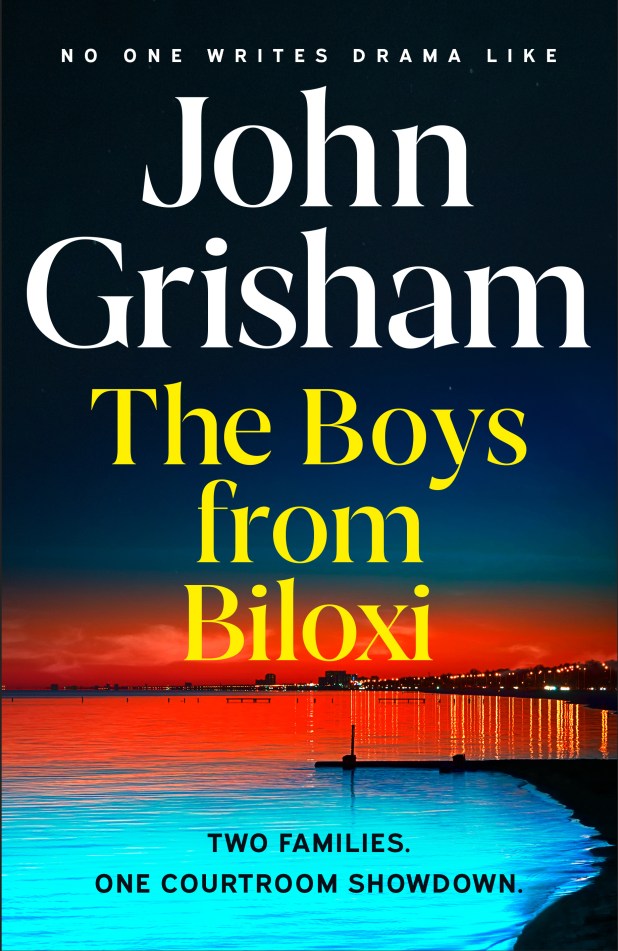
The Boys from Biloxi by John Grisham

The Boys from Biloxi Cover

Publisher: Hodder & Stoughton (Trade Paperback – 18 October 2022)

Series: Standalone

Length: 454 pages

My Rating: 4.5 out of 5 stars

Amazon     Book Depository

Legendary crime fiction author John Grisham returns with another impressive read, this time combining a complex, multi-generation character narrative with some excellent legal thriller elements to create the amazing novel, The Boys from Biloxi.

As I have mentioned a few times on this blog, last year I finally got the chance to read something from renowned author John Grisham.  The author of multiple iconic legal thrillers, Grisham was a major author whose work I had only consumed by way of film adaptations.  Luckily, I was able to fix that by checking out his 2021 release, The Judge’s List, which followed a complex investigation into a dangerous serial killer who was also a successful judge.  I had an outstanding time reading The Judge’s List, and it made me determined to check out some more of Grisham’s books, especially his new releases.  This included the fantastic short-story collection he released earlier this year, Sparring Partners, and his latest book, The Boys from BiloxiThe Boys from Biloxi is an intriguing standalone novel that proved to be quite excellent, and I am very glad I got my hands on it.

In the heartlands of Mississippi, the city of Biloxi is notorious for its vice, lawlessness and general lack of morals.  A successful fishing and tourism spot on the coast, over time Biloxi became known as a place where all manner of gambling, drinking, drugs, girls and every other vice could be found.  However, the battle for the soul of Biloxi is about to begin as two families go to war.

Jesse Rudy and Lance Malco are both second-generation Americans.  The sons of hardworking immigrants, Jesse and Lance grew up on the streets of Biloxi, learning the value of the American way and hoping to make something for themselves by choosing very different paths in life.  While Jesse chose to become a lawyer, working himself tirelessly to get his degree, Lance used his father’s money to invest in the seedy clubs of Biloxi.  Both are happy in their respective lives, but, despite the close friendship of their sons, Keith Rudy and Hugh Malco, the two families are about to go to war.

After years of watching the corruption of Biloxi reach new heights, Jesse Rudy embarks on a mission to clean up the coast and works to become the city’s district attorney.  His first target is Lance Malco, whose has become Biloxi’s biggest crime lord, controlling multiple illegal night clubs and bringing a brutal gang war to the city.  As the two men go head to head, their sons soon follow in their footsteps, with Keith going to school to become a crusading lawyer, while Hugh becomes a thug for his father.  Before long it becomes clear that only one family can remain in Biloxi, and the loser will not survive their defeat.

Grisham continues to showcase why he is so highly regarded with another awesome and captivating read in The Boys from Biloxi.  Making great use of historical Biloxi, this fascinating crime fiction novel told a wonderful tale of crime and legal shenanigans that turned two families against each other over the course of decades.

I got pretty hooked on this novel right away, especially as Grisham started everything off by painting a cool picture of Biloxi, which promised to be quite a unique setting.  The author swiftly compounded my interest by quickly and effectively introducing the reader to the Rudy and Malco families and showcasing their history.  The early chapters of the book seek to build up the four main characters of the story, Jesse Rudy and Lance Malco, and their sons, Keith and Hugh.  Grisham paints a multi-generational tale around them, simultaneously diving into how each character grew into their destined roles, as well as the friendship that Keith and Hugh had as children.  These key characters are built up extremely quickly at the start of the novel, and before long you are really invested in their narratives, especially as there are some interesting contrasts between the adults, with Lance becoming a vicious criminal, while Jesse works hard to find his calling as a lawyer.

After all this substantial but necessary character and setting development, Grisham starts diving into the meat of the story, the conflict between the two families, and the wider fate of Biloxi, all of which is shown from the perspective of an intriguing range of characters.  This starts when Jesse Rudy decides to run for district attorney, promising to clean up Biloxi and shut down the illegal clubs owned by Lance Malco, leading to a protracted battle over many years.  The two sides engage in all manner of endeavours, including political runs, criminal investigations, turf wars and more, all while the younger characters grow up and start getting interested in their respective father’s worlds.  There are some great scenes spread out through this elaborate narrative, including several entertaining trials, where the lawyer characters battle it out in the courtroom.  Grisham clearly has some fun with these courtroom scenes, not only because the legal thriller elements are his bread and butter, but because it gives him the opportunity to come up with some ridiculous and fun legal manoeuvres that the characters utilise to win their cases.

The battle between the two families soon becomes the primary focus of the book, eclipsing some of the other storylines and character arcs going on simultaneously.  There are some key and memorable scenes chucked into the centre of the book that really change the nature of the story, and it helps to focus the plot onto the younger generation of the respective families as Keith and Hugh continue their father’s war.  The pace really picks up in the second half, and Grisham does an amazing job of bringing all the various plot points together, with some key moments cleverly set up much earlier in the book.  Everything wraps up extremely well towards the end, and the characters all end up in some interesting and emotionally heavy positions.  While the conclusion is mostly satisfying, Grisham does end everything on a rather sorrowful note that will stick in the reader’s mind.  An overall exceptional read, and you will find it extremely hard not to get swept into this powerful and captivating narrative.

One of the things that I felt really enhanced this already cool story was the great setting of Biloxi, Mississippi.  Now, I must admit that I thought Biloxi was a fictional city while I was reading this book (I had honestly never heard of it before), especially as Grisham really built it as the vice capital of the south.  However, I was pleasantly surprised to find that it was real, and I was really impressed with the way that Grisham utilised it as a background setting in this book.  Grisham spends a substantial amount of time exploring and examining Biloxi throughout the book, and the early chapters of The Boys from Biloxi, contain a very in-depth and fascinating look at Biloxi’s history, culture, and the people who lived there.  While the characters of this story are fictional, some of the key plot events are real, and I loved how Grisham was able to work historical events, such as hurricanes, the influence of the Dixie Mafia, and Biloxi’s changing society into his compelling narrative.  The author really shows all sides of Biloxi throughout this book, including its position as a hub for immigration early in the 20th century, its role during World War II, as well as how it became known for its clubs, casinos, and other areas of vice throughout its history.  Due to how the story is structured, Grisham spends quite a lot of time examining various parts of Biloxi’s culture and position in Mississippi, and you really get to understand its heart and soul, even with some of the over-the-top story elements.  I also appreciated seeing the characters interacting with the city throughout the lengthy course of the book’s plot, and it was great to see some of the characters grow from children to adults, all while living in Biloxi.  This was an amazing setting for this very clever book, and I really appreciated the outstanding story that Grisham was able to wrap around Biloxi.  I will certainly not be forgetting that Biloxi is a real city for a very long time, and it sounds like a very interesting place to visit.

Finally, I must highlight the many great characters featured throughout The Boys from Biloxi.  Grisham writes a compelling cast for this impressive story, and I enjoyed getting to know the various fictional inhabitants of Biloxi, especially as the author decided to make most of them very big personalities.  Most of the focus is on the key members of the Rudy and Malco families, particularly the family patriarchs and their eldest sons, around whom this war is fought.  As such, Grisham spends quite a lot of time building these four characters up and showing the key events that turned them into the men who would fight over the soul of Biloxi.  These characters proved to be very compelling to follow, and Grisham writes a compelling and heartfelt tale around them, filled with love, regrets and the powerful influences that change people.  I did feel that, at times, Grisham did make the four main characters a little too perfect, as all of them tend to succeed and excel at everything they put their mind to, and frankly it did get a little tiring to see them be the very best at every sport, job and academic pursuit they tried out.  However, you do really get close to these characters, especially once their war gets even more personal and dangerous.  Throw in a massive group of distinctive and memorable supporting characters, most of whom have personalities and personas to match the outrageous city of Biloxi, and The Boys from Biloxi has an excellent cast who help to enhance this very entertaining read in so many fun ways.

John Grisham presents another exceptional and highly entertaining crime fiction read with the brilliant new book, The Boys from Biloxi.  One-part historical fiction read, one-part character-driven tale, and one-part legal crime thriller, The Boys from Biloxi was an amazing read that follows a feud between two families that lasted generations.  Deeply compelling and filled with some exciting and fun scenes, The Boys from Biloxi is a highly recommended novel that I had a wonderful time reading.
Amazon     Book Depository

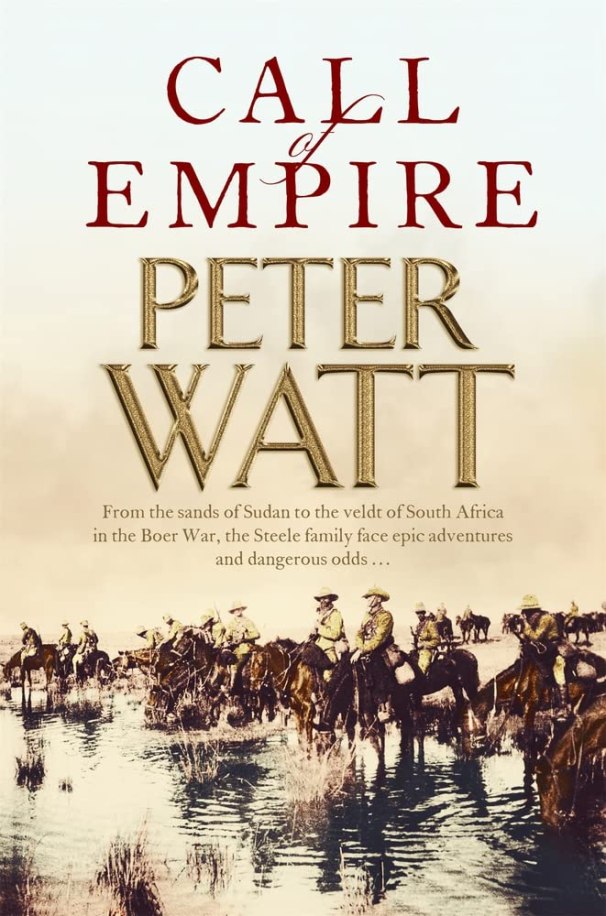
Call of Empire by Peter Watt

Call of Empire Cover

Publisher: Macmillan (Trade Paperback – 25 October 2022)

Series: The Colonial series – Book Five

Length: 368 pages

My Rating: 4.5 out of 5 stars

Amazon     Book Depository

Australia’s master of the historical adventure returns with another deeply exciting and highly intriguing character driven read that follows one historical family as they embark on war and adventure across the world, Call of Empire by Peter Watt.

Towards the end of each year, I always know that I am about to have my historical action and adventure quota filled as the new Peter Watt is coming out.  Watt has been a particularly enjoyable and compelling Australian author for years, producing intriguing historical fiction books with a focus on Australian history.  His works have so far included the long-running Frontier series and his compelling Papua trilogy, both of which contained some remarkable historical adventures.  However, I personally have been really getting into his currently body of work, The Colonial series, which I have had a wonderful time reading in recent years.

The Colonial series started of back in 2018 with The Queen’s Colonial, an intriguing read that followed young Australian Ian Steele in 1845 as he switched places with an English nobleman to take up his commission in a British regiment.  Becoming Captain Samuel Forbes, Steele found himself drawn into several of England’s deadly 19th century wars, while also forced to confront several dangers back in England as the real Samuel Forbes’ family sought to have him killed.  This fantastic series continued for two more books, The Queen’s Tiger and The Queen’s Captain, both of which were excellent reads.  Watt continued the series last year with The Colonial’s Son, which jumped ahead a couple of decades to follow the main character’s oldest son as he followed in his father’s footsteps and become a soldier in the Queen’s army.  I had a great deal of fun with these exciting books, and I was very happy when I received the next entry in the series, Call of Empire.

Starting in 1885, several years after the conclusion of The Colonial’s Son, Call of Empire sees protagonist Ian Steele finally living the quiet life in New South Wales, enjoying time with his family and friends, and expanding his business empire.  However, the British Empire is constantly finding itself in conflict across the globe, and soon the young New South Wales colony is called upon to send troops to assist the British campaign in Sudan.

Determined to serve the Empire once again, Ian’s oldest son, Josiah, takes a commission in the New South Wales army and journeys to Africa to fight the Sudanese forces for the British.  However, his decision will alienate him from the love of his life, Marian Curry, who is determined that he stop fighting in imperialistic wars.  At the same time, Ian’s younger son, Samuel, is learning the family business out in the Pacific with the family’s friend, Ling Lee.  However, Samuel and Lee are soon dragged into a dangerous plot to smuggle guns for the Chinese, as Lee’s obsession with freeing China from European control leads them into mortal danger.

Soon the entire Steele family finds themselves in deep trouble across the world, and only the most daring of actions will help them survive.  But as the Empire’s wars continue and the Steele family and their friends are drawn into even more conflicts, can even their legendary luck continue?  Death and tragedy awaits them all, and soon the Steele family will face a loss they never expected.

This was another fantastic and deeply exciting novel from Watt, who continues to dazzle with his fast-paced writing and impressive historical insights.  I loved the awesome story contained in Call of Empire, and I ended up powering through this book in less than a day.

Watt produces another exciting and ultra-fast paced story for Call of Empire that takes the reader on a wild and captivating journey through some interesting parts of late 19th century history.  Starting in 1885, Call of Empire primarily follows the three male members of the Steele family as they attempt to overcome the various challenges they face in their respective endeavours.  Watt tells a multi-layered, multi-generational, character driven story that follows multiple characters simultaneously as they engage in their own story.  This means that readers are often treated to a range of different storylines in the same chapter, having one character engaged in war, while another deals with issues at home, and at the same time a third finds themselves caught up in adventures at sea.  This makes for quite a complex read, although the range of storylines are well balanced and never oversaturate or confuse the story.  Indeed, Watt is a pretty clear and concise writer, and the reader is able to have a lot of fun with several of the storylines at the same time.  Watt features an outstanding range of storylines throughout Call of Empire, and I loved the blend of war, politics, exploration, business, romance, character development and legal concerns that were featured at various points throughout the 15 year long plot.  This reminded me a lot of the author’s previous Frontier novels, especially the focus on one big family, and I had a wonderful time seeing the elaborate narrative he wove around his characters.  Watt really takes this story in some interesting directions, and there are a few big surprises, as well as some tragedies that established readers of this series will be hit hard by.  This proved to be quite an addictive read, and I loved seeing his characters continue to traverse through life in their chaotic and adventurous ways.  The book ends at the start of the new century, and it looks like Watt will be taking his characters in World War I next time, which I am sure will be suitably traumatic.

Easily my favourite thing about this book was Watt’s excellent dive into the always eventful colonial history of Australia.  In particular, Watt examines several lesser-known wars and conflicts from the 19th century, with a particular focus on the role of New South Wales.  This starts early in the plot with one of the characters getting involved in the Suakin Expedition in Sudan, which was part of the larger Mahdist War.  This deployment saw a battalion of New South Wales soldiers travel to Sudan as part of the war effort and was the very first military force to be raised and deployed overseas by Australia.  While there wasn’t a lot of fighting involved with this campaign, I was deeply intrigued by the history and the politics behind it, and Watt did a wonderful job of exploring it in great detail throughout the book by inserting his characters.  Watt continued this trend throughout the rest of the book, which saw several of his characters involved in both the Boer War and the Boxer Rebellion in China.  Both conflicts had Australian soldiers involved, fighting on the side of the British, and Watt took exquisite care to explore what role the Australians played in them, and how they came to be involved in the conflict.

Out of all of them, I particularly enjoyed the captivating examination of the Boer War in Africa, which was one of the more deadly wars Australians fought in during the 19th century.  This war, and one of the character’s roles in it, dominated a good part of the book, and Watt did an amazing job of bringing different parts of the conflict to life.  The author really captured just how dark and bloody this war was, from snipers in the African bush, to the horrors inflicted on the Boer settlers.  However, Watt saves some of his best writing for the Battle of Elands River, a protracted battle that saw the Boers surround a force of Australians and their allies in a brutal siege for 13 days.  Naturally, one of the characters is right in the middle of this fight, and Watt really showcased the carnage and terror that the Australians would have felt being surrounded and bombarded.  I honestly didn’t know a great deal about some of these early Australian military conflicts, and it was absolutely fascinating to see them come to life in the hands of this talented author.  Having this great historical background really enhanced the overall quality of the novel, and I had a wonderful time diving back into these sometimes overlooked parts of Australian military history.

As I mentioned above, Call of Empire was a very character focused book that featured a range of fantastic point of view protagonists through whose eyes the story unfolded.  Watt features a great combination of characters, with a compelling mixture of younger figures who were the focus of The Colonial’s Son, and even a few characters from the first three Colonial books.  There was quite a range of different character storylines in Call of Empire, and you swiftly get drawn into the various unique adventures of each of the characters.  It was fascinating to see how the older characters had evolved since their original adventures, and I liked how Watt started focusing more on the next generation, including by expanding the role of the younger Steele son, Sam, who had an amazing outing here.  There is a great examination of the events that help to form these figures character, and it was fantastic to see them overcome so much adversity at various parts of their life.  I will say that some of the male Steele characters did tend to blend personality wise as the book proceeded, mostly as they are cut from the same adventurous cloth, but you still grow to like all of them, and you ended up getting touched when bad things happen to them.  There are some very interesting and powerful developments that hit the main characters in this book, and this ended up being a very key novel in the family history.  I had a wonderful time seeing the latest exploits of the Steele family, and with the next generation being introduced towards the end of the book, you know that they have even more adventures to come.

Peter Watt continues to showcase his talent as Australia’s premiere author of the Australian historical adventure with his latest Colonial novel, Call of Empire.  Bringing back several of his fantastic protagonists from the previous books, Watt crafts together another exciting read that dives into some intriguing parts of Australia’s military history.  Fast paced and full of awesome action, Call of Empire is another amazing read from Watt, and one that I had a lot of fun getting through.

Amazon     Book Depository

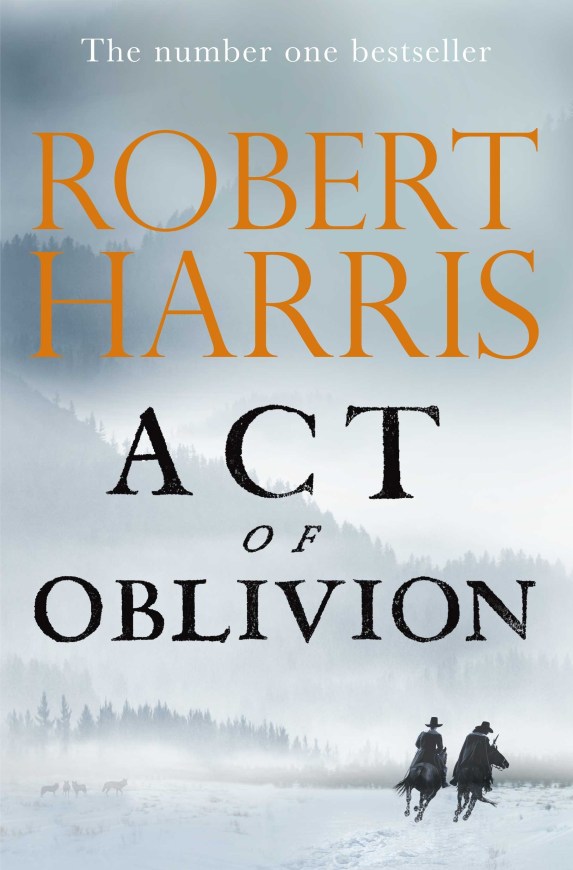
Act of Oblivion by Robert Harris

Act of Oblivion Cover

Publisher: Hutchinson Heinemann (Trade Paperback – 20 September 2022)

Series: Standalone

Length: 464 pages

My Rating: 4.5 out of 5 stars

Amazon

That master of historical fiction, Robert Harris, returns with another deeply compelling read, this time diving into one of the most fascinating manhunts in history with Act of Oblivion.

1660, England.  It is the dawn a new age in English history.  Following the death of Oliver Cromwell, the country has allowed King Charles II to come to power.  In exchange, the King has agreed to clemency for the former Parliamentarians, allowing peace to return to England for the first time in decades.  However, the King’s clemency is not absolute, and under the terms of the Act of Oblivion, all the men involved in the execution of his father, King Charles I, including the 59 men who signed his death warrant, are to be hunted down and brutally executed.

General Edward Whalley and his son-in-law, Colonel William Goffe, are two such men.  Former Parliamentarian leaders, their signatures lie prominent on the king’s death warrant.  Knowing that their deaths are close behind, Whalley and Goffe are forced to abandon their families and flee to the colonies.  Arriving in New England, Whalley and Goffe attempt to become part of the local community, but the shadow of their treason is far-reaching, and both old soldiers will have to live with the consequences of their action.

In London, Richard Nayler has been appointed as secretary of the regicide committee of the Privy Council.  Tasked with tracking down, capturing and executing all the men wanted in relation to the King’s death, Nayler attacks his task with zeal and passion, determined to bring justice to those who wronged the kingdom.  However, Nayler saves the vast amount his hatred and determination for Whalley and Goffe, two men he bears a particular grudge against.  Soon, a large bounty is placed on the two fugitive’s heads, and Nayler himself arrives in America, determined to see the men captured.  Forced to flee across the continent, Whalley and Goffe find themselves as outcasts and fugitives wherever they go.  The chase is on in the new world, and no-one is prepared for how far this mission of vengeance will go.

Robert Harris does it again, producing a brilliant and riveting historical epic that reconstructs fantastic historical events in impressive detail.  I have long been a fan of Harris’s writing, having deeply enjoyed An Officer and a Spy and V2, and his latest book, Act of Oblivion, is one his better works.  I had an outstanding time getting through this complex novel, especially as it spent substantial time diving into a unique historical occurrence I was unfamiliar with.

I had an exceptional time with Act of Oblivion, especially as Harris presents an elaborate and massive story set across multiple years.  Leaning heavily into historical sources, Harris dives deep into the flight of Goffe and Whalley and perfectly portrays their journey to America and the hardships they encountered.  This proves to be quite an intense and frustrating tale, as these two protagonists suffer a great deal through the course of the book.  Forced to abandon their families, Goffe and Whalley are initially seen as heroes by the people of Boston and Cambridge, but the two fugitives are gradually forced to flee from these towns due to the machinations of the English and their former enemies.  Forced to flee to smaller and smaller settlements, the protagonists are chucked into some uncomfortable positions in their flight, which includes years of depredation and isolation throughout the country.  The full tale of their time in America (or at least what is known), is pretty damn remarkable, and I felt that Harris did a wonderful job bringing it to life and showing what these two might of experienced and the lengths they went through to survive.  However, it does occasionally get slow in places, mainly because the historical fugitives were often unable to move for fear of being captured.

Harris covers these slower periods well by mixing in a second major storyline that runs parallel to the depictions of Whalley and Goffe.  This second storyline is primarily set in England and Europe and showcases the events occurring while the fugitives are in hiding.  Mainly shown from the perspective of the fictional character hunting them, Richard Nayler, as well as several scenes that show the fugitives’ family, this second storyline adds some real colour and danger to the events, especially as you get to witness the hunt from the other end.  The blend of fictional and historically accurate storylines works extremely well, and Harris creates a deeply fascinating and compelling overall narrative that really draws you in.  Seeing the simultaneous actions of both hunter and fugitives is a lot of fun, and I loved Nayler’s reactions to the constant escapes of Whalley and Goffe.  Harris also spends time showing the hunt for the other regicides, which Nayler embarks on with greater success.  Not only does this add in some additional fun action and historical context, but it also ups the stakes of the main storyline, as you are forced to witness the gruesome fate that awaits Whalley and Goffe if caught.  All this adds up to quite a remarkable tale, and I was deeply impressed with how exciting and captivating Harris was able to make these historical events appear.

One thing that is extremely clear about Act of Oblivion is the sheer amount of historical research that Harris put into crafting this book.  There is so much exceptional and compelling detail put into Act of Oblivion, as Harris goes out of his way to make this book as historically accurate as possible.  Naturally a substantial amount of this research goes into showing the known events of the two fugitives, as Harris meticulously recounts where they went and the various places they were forced to hide.  While the author does add in a few literary embellishments, this appears to be a very accurate and intriguing depiction of the fugitives’ flight in America, and I had such an amazing time seeing what they went through.  Harris makes sure to try and tells as much of their tale as possible, and the book goes all the way up until 1679, when the records end.  At the same time, Harris spends a large amount of time exploring the history of the rest of the world.  The novel is chock full of intriguing depictions of various key parts of British and American history at the time, which I found to be extremely fascinating, especially as you get to see how England changed after the return of the

King.  Harris also makes sure to examine how major historical events around the world might have impacted the lives of the two fugitives, and I felt that he worked all these fascinating events into the main story extremely well.  All the historical aspects of the book are showcased to the reader in a fantastic and very readable way, and even non-history fans will be able to dive into this story extremely easily.  This is mostly because the historical events themselves are pretty damn remarkable (honestly historical reality stranger than fiction in some places), but I really appreciated how well Harris was able to explore them and showcase them to the reader.

Another historical aspect of this book I deeply enjoyed was the author’s extremely detailed and moving depictions of the American countryside and its settlements in the 17th century.  Quite a lot of the book is spent out in the American wilds, as the two protagonists are constantly fleeing from their pursuers and avoiding people, and Harris makes sure to patiently and lovingly depict the various locations they find themselves in.  You really get a sense of the beauty and danger of the land during this period, and I loved seeing the various English characters react to the wide open spaces after spending time in cities like London.  Harris also takes the time to describe several of the historical settlements that the characters journeyed to and through, and you get a real sense of how built up or settled they were.  I found it fascinating to see all the descriptions about the various settlements, especially as many are quite significant cities in modern times, and it was really cool to see how they originated.  The descriptions of towns like Boston and Cambridge were pretty intriguing, especially as I didn’t realise just how built-up they were during this period (sentiments that some of the character’s shared), and I loved also seeing the Dutch settlement of New Amsterdam, especially as Harris also explored the events that saw it renamed as something far more iconic.  Throw in the deeply fascinating depictions of the people inhabiting these settlements, including the distinctive religious differences (so many puritans) and political sentiments.  Religion in particular becomes quite a key part of this book, and watching the various Puritan figures discuss their beliefs and their thoughts on the actions of the main characters, is particularly intriguing, as you get to see how these religious fugitives shaped early America.  Overall, this is a very impressive and clearly heavily researched look at 17th century America, which all historical fiction fans will deeply appreciate.

I also really enjoyed the central figures of Act of Oblivion and I found their storylines to be very compelling.  As I mentioned above, I really didn’t know that much about Edward Whalley and William Goffe before reading this book, but that swiftly changed.  Harris did a remarkable job showcasing the lives of these two historical figures and you really get to know everything about them.  While I am sure that Harris made a few character changes to fit the narrative, I felt that the overall presentation of them was pretty realistic.  Harris really highlights their personalities, religious convictions, and deep pride in the actions they took under Cromwell throughout the book as they spend time remembering their pasts.  All the key moments are their lives are captured in some way throughout the book, either in the plot or in their memories, and you soon see what events led them to become fugitives.  While the depictions of some their actions during the war and Cromwell’s control of England does make them a tad unsympathetic, I grew attached to them, especially as you see them suffer in isolation over a period of years.  Harris did a remarkable job showcasing how he believed these people would have felt spending years and years trapped in attics and basements, and you can just feel the mental and physical impacts it had on them.  This was frankly a brilliant portrayal, and I had an excellent time getting to know these unique historical figures.

Aside from Whalley and Goffe, the other major character I need to mention is Richard Nayler, the man charged with hunting the fugitives down.  Nayler is a purely fictional character, although Harris indicates upfront that someone likely had this job in the 17th century.  I quite enjoyed the portrayal of Nayler in this book, especially as he serves as a grim and determined counterpart to the protagonists.  A Royalist who witnessed the execution of King Charles I, Nayler goes about his duties with a resolute duty, determined to make all the regicides pay.  However, his main obsession lies with Whalley and Goffe, who holds responsible for the death of his wife and child.  Despite this tragic past, it is a times hard to feel sorry for the super serious Nayler, especially as he has little compassion for others, even the innocent.  However, he is quite a captivating figure, especially as his growing obsession with finding the fugitives becomes more and more apparent.  While his fellow returned Royalists initially share his determination, it soon becomes evident that he is true fanatic, while the others are purely in it for political reasons.  Harris really shows the downside of obsession through this character, especially as Nayler sacrifices a lot to try and find the fugitives.  I felt he had an impressive storyline throughout Act of Oblivion, and this great fictional character played off the real historical figures extremely well.

Robert Harris’ latest novel, Act of Oblivion, once again highlights the author’s outstanding skill as he recounts a particularly fascinating occurrence from history.  I loved the amazing story contained in Act of Oblivion, especially as the author did such a great job incorporating historical events into an intense and captivating plot.  Deeply intriguing and very entertaining, Act of Oblivion is a highly recommended read, and I can’t wait to see what elaborate historical tale Harris comes up with next.

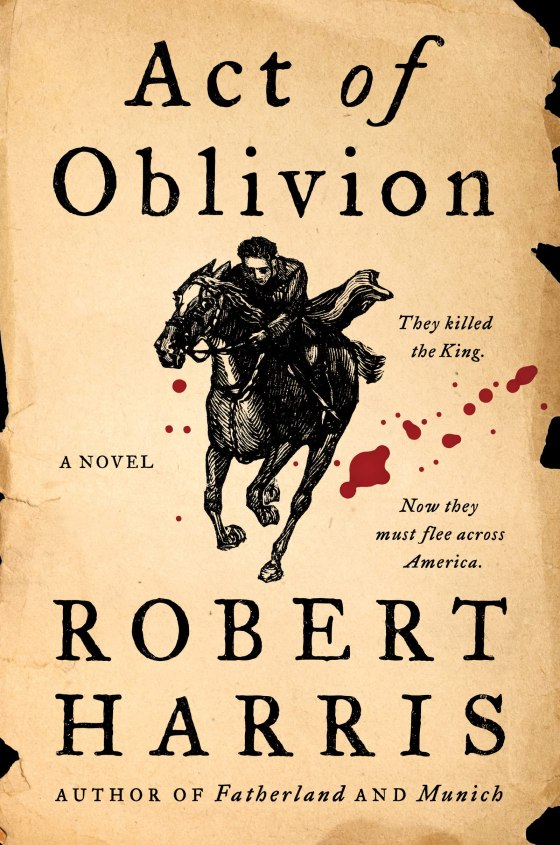
Act of Oblivion Cover 2

Amazon

Waiting on Wednesday – Dead of Night by Simon Scarrow

Welcome to my weekly segment, Waiting on Wednesday, where I look at upcoming books that I am planning to order and review in the next few months and which I think I will really enjoy.  I run this segment in conjunction with the Can’t-Wait Wednesday meme that is currently running at Wishful Endings.  Stay tuned to see reviews of these books when I get a copy of them.  In this week’s Waiting on Wednesday, I look at a fantastic upcoming historical murder mystery with Dead of Night by Simon Scarrow.

Dead of Night Cover

Amazon     Book Depository

I have been in a real historical fiction mood over the last week, having read several awesome and enjoyable reads with great historical settings to them.  As such, I wanted to feature a historical fiction book in my Waiting on Wednesday post and who better to look at then one of my favourite authors, Simon Scarrow.  Readers of this blog will know I have been a major fan of Scarrow for years, and reviews for several of his latest books, such as The Blood of Rome, Traitors of Rome, The Emperor’s Exile and The Honour of Rome, can be found here.  The above books all fall within his Eagles of the Empire series, and I have a lot of love for his Roman historical fiction work.  I am especially keen for his next novel, Death to the Emperor, which is out very soon, however, the Eagles of the Empire books aren’t Scarrow’s only ongoing series.

Last year Scarrow released an intriguing and enjoyable historical murder mystery novel with Blackout.  Set in Nazi controlled Berlin just before the outbreak of World War II, Blackout followed an honest police detective who attempts to investigate a series of brutal murders throughout the city during a harsh winter.  This case was complicated by the political implications of the murders, and the protagonist was forced to go up against the dangerous and insidious Nazi party, while trying to maintain his own soul.  I deeply enjoyed Blackout and I had an amazing time exploring Scarrow’s foray in the crime fiction, especially as it worked well with the exceptional historical elements.

Due to how much I enjoyed Blackout (as well as my general love of all things Scarrow), I have been keeping an eye out for a potential sequel for a couple of years now, and I was very happy when some details about it where released.  This second Blackout novel will be Dead of Night, which is currently set for release in February 2023, and it appears that it will continue some of the excellent elements contained in the first book.

I really like the sound of the plot for Dead of Night, especially as the book will continue to follow the first novel’s protagonist, Criminal Inspector Horst Schenke, as he finds himself caught up in another complex and problematic murder investigation.  This time, Schenke finds himself barred from investigating the suspicious death of a SS doctor and must once again contend with the machinations of his Nazis superiors as he attempts to solve the crime.  The plot sounds amazing, and it looks like Scarrow will once again combine a great mystery, with an examination of the Nazi regime and how it took over key German institutions, like the police.

As such, I am pretty excited for Dead of Night, and I already know I am going to have a brilliant time getting through this book.  Not only am I excited for the sequel to Blackout, but I am just generally happy to get another Scarrow book so soon after the upcoming Eagles of the Empire book.  I have no doubt that Dead of Night is going to be one of the best historical fiction reads of 2023 and I look forward to getting through this compelling mystery.

Synopsis:

The stunning new thriller set in wartime Berlin from the author of Blackout: ‘A wonderfully compelling thriller, reeking of authenticity, and a terrific depiction of the human world within the chilling world of the Third Reich’ Peter James

BERLIN. JANUARY 1941. Evil cannot bring about good . . .

After Germany’s invasion of Poland, the world is holding its breath and hoping for peace. At home, the Nazi Party’s hold on power is absolute.

One freezing night, an SS doctor and his wife return from an evening mingling with their fellow Nazis at the concert hall. By the time the sun rises, the doctor will be lying lifeless in a pool of blood.

Was it murder or suicide? Criminal Inspector Horst Schenke is told that under no circumstances should he investigate. The doctor’s widow, however, is convinced her husband was the target of a hit. But why would anyone murder an apparently obscure doctor? Compelled to dig deeper, Schenke learns of the mysterious death of a child. The cases seem unconnected, but soon chilling links begin to emerge that point to a terrifying secret.

Even in times of war, under a ruthless regime, there are places in hell no man should ever enter. And Schenke fears he may not return alive . . .

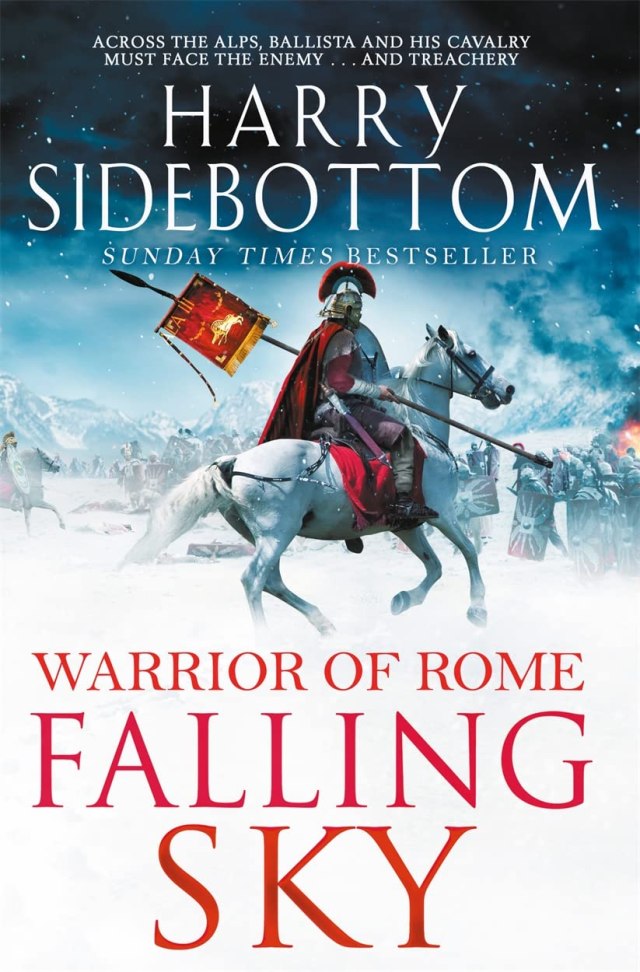
Waiting on Wednesday – Falling Sky by Harry Sidebottom

Welcome to my weekly segment, Waiting on Wednesday, where I look at upcoming books that I am planning to order and review in the next few months and which I think I will really enjoy.  I run this segment in conjunction with the Can’t-Wait Wednesday meme that is currently running at Wishful Endings.  Stay tuned to see reviews of these books when I get a copy of them.  For my latest Waiting on Wednesday, I look at an impressive upcoming historical fiction novel I am extremely excited for with Falling Sky by the always exciting Harry Sidebottom.

Falling Sky Cover

Amazon

I have a mentioned a few times before that my reviewing career began with a singular focus on historical fiction, a genre I was very keen on at the time, and I spent multiple years purely reading historical books.  As such I got very familiar with several impressive authors and to this day historical fiction remains one of my favourite genres which I keep coming back to.

One of all the authors I grew especially attached to during my historical fiction phase was the very talented Harry Sidebottom.  Sidebottom, an expert on writing Roman historical fiction books, is a very skilled author, who has written several amazing novels over his career, most noticeably his Warrior of Rome and Thrones of the Caesars series, both of which told exciting stories of action, adventure, and intrigue in various points of ancient Rome’s history.  I am a particular fan of the first Warrior of Rome book, Fire in the East, which features one of the better historical sieges I have had the pleasure of reading.

In more recent years, Sidebottom has been producing several truly impressive and captivating reads, that also featured a bit of an interesting experimental edge to them.  This started in 2018 with The Last Hour, an impressive and highly exciting novel that acted as an addition to the Warrior of Rome series, and which brought back Sidebottom’s original protagonist, the Germanic warrior turned defender of Rome, Ballista.  I loved The Last Hour’s story, especially as it combined historical fiction with a thriller storyline that saw Ballista, stuck in a 24-esque situation, where he is forced to make his way through a hostile Rome in a tight time limit in order to save the Emperor and his own family.  Loaded with tight, gritty action, this was an extremely awesome read and I had such a brilliant time getting through it.

Sidebottom has since followed up The Last Hour with several other great books, all of which I have eagerly grabbed as soon as I could.  This includes two great standalone reads, The Lost Ten and The Return, as well as another Warrior of Rome book, The Burning Road.  All three were excellent reads, and I loved the amazing stories that they all had.  The Lost Ten featured a military-thriller storyline that saw a team of specialist legionnaires attempt to break into a notorious enemy prison, while The Return featured a brilliant Scandi-Noir inspired storyline about a returned Roman solider who is suspected of a series of gruesome murders in his home village.  The Burning Road on the other hand once again focused on Ballista and showed him and his young son forced to fight through a brutal slave revolt on Sicily, which ended up being quite an impressive and intense survival adventure story.  All these books, and more, from Sidebottom have been quite outstanding and I am naturally inclined to seek out and grab any additional novels that Sidebottom writes as soon as I can.

Well, my wait for his next book is nearly over as Sidebottom has an intriguing and awesome upcoming novel coming out in a few months with Falling Sky.  Currently set for release in October 2022, Falling Sky is another addition to the Warrior of Rome series and follows Ballista as he and his Emperor embark on another campaign.  This time, Ballista is going up into the alps to fight a mountain campaign against a usurper Emperor and must face off against rebellious Roman troops in a bloody civil war.  However, unbeknown to Ballista, he is travelling with the secret antagonist of The Last Hour and must try to survive the inevitable assassination attempt that comes his way.

Needless to say, I am exceedingly excited to read Falling Sky and I am already fairly confident it is going to be one of the top historical fiction books of 2022.  I am going to have so much fun seeing Ballista getting back into action, and I hope that we get to see the protagonist indulge in his speciality of siege warfare.  It sounds like Falling Sky is going to have a fantastic combination of war, historical elements (at which Sidebottom excels), and a good dose of intrigue and espionage, which should make for quite an epic read.  I already know I am going to love this latest Warrior of Rome book and I can’t wait to get my hands on Falling Sky later this year.

Plot Synopsis:

AD 265, Gaul – The Roman Empire is on the brink.

Emperor Gallienus has amassed a huge army across the Alps to seize back the mountains from the usurper Posthumus.

War has come.

Ballista and his cavalry are on the frontline, battling in the most brutal of conditions. But if he is to survive the campaign and finally retire to his beloved Sicily, it’s not just the battlefield he needs to navigate.

As he and Praetorian Prefect Volusianus lay siege to Posthumus’ armies, it becomes clear the greatest threat to Ballista’s life might just come from within his ranks. After all, Volusianus has shown he will go to any distance for his own ends. Is Ballista just another pawn in his game?

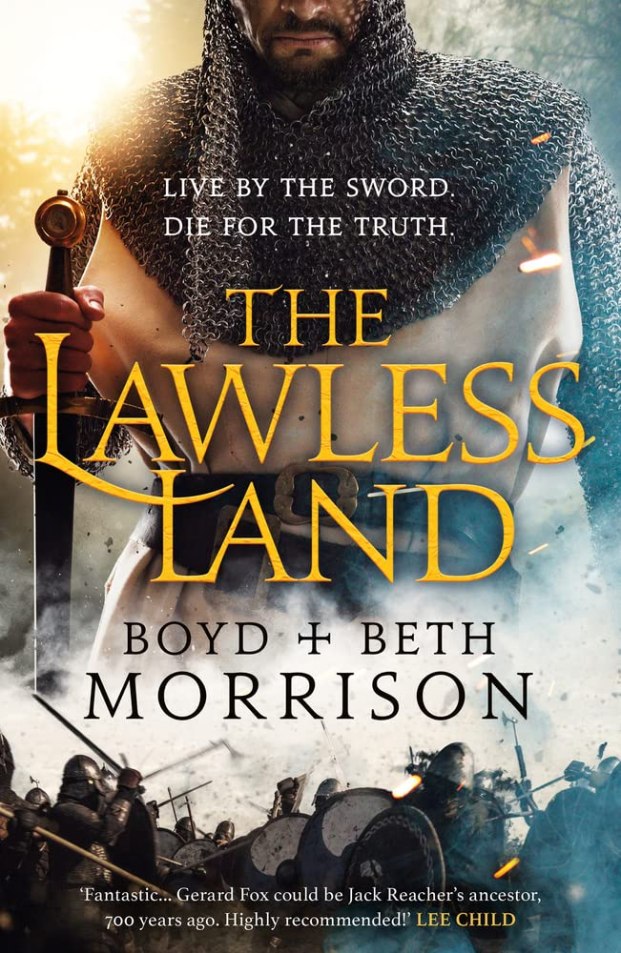
The Lawless Land by Boyd and Beth Morrison

The Lawless Land Cover

Publisher: Head of Zeus (Trade Paperback – 31 May 2022)

Series: Standalone/Book One

Length: 474 pages

My Rating: 5 out of 5 stars

Amazon

Get ready for one of the most thrilling historical adventures of 2022 with the wildly entertaining and deeply captivating medieval fiction novel, The Lawless Land, by the outstanding team of Boyd and Beth Morrison.

Despite my recent focus on other genres, historical fiction in all its forms remains one of my favourite book categories to check out, especially with awesome new novels coming out all the time.  One of the best examples of this is The Lawless Land, which I was lucky enough to receive a copy of a little while ago.  The Lawless Land was a fascinating read that takes some great protagonists on a bold adventure through medieval Europe.  This book was written by Boyd and Beth Morrison, a brother and sister team who have deeply impressed me.  This was a rather interesting combination of writers, as Boyd Morrison is an acclaimed thriller and historical fiction author, and Beth Morrison is the Senior Curator of Manuscripts at the J. Paul Getty Museum and has a PHD in history.  These overachieving siblings really cooked up something special here with their first book, and I loved the outstanding story it contained.

In 1351, Europe is in utter chaos as the Hundred Years’ War rages in France and the Pestilence ravages the countryside, depopulating towns and devastating cities.  These are dark days indeed, and only the desperate and the foolish can be found traversing the roads.  Unfortunately, this includes skilled knight Gerard Fox, whose lands and titles have been taken from him as punishment for a crime against the church, and who is now forced to wander the world by himself, desperate to reclaim his family’s honour.

Journeying towards the castle of Lord Tonbridge, the one man who may be able to prove his innocence, Gerard witnesses a band of armed men waylaying a noblewoman.  Impulsively jumping into action, Gerard saves the women, slaughtering her attackers and forever changing his life.  The young woman, Lady Isabel, is Lord Tonbridge’s betrothed, who has fled from her future husband, taking with her a sacred relic she is sworn to protect.  Forced to abandon his own quest, Gerard agrees to escort Isabel to safety, however, he is unaware of the chaos that is about to be unleashed upon him.

Tonbridge had promised Isabel’s relic to an ambitious Cardinal in Paris, one who is determined to rise to the station of Pope.  Desperate to reclaim the relic and use it to cement his position, the Cardinal and his pawn, Tonbridge, unleash their substantial forces to hunt down Gerard and Isabel.  Fleeing their pursuers, Gerard and Isabel traverse the breadth of England and France to find safe harbour for the relic.  Forced to contend with dangerous foes around every corner, Gerard, Isabel, and their faithful companions will face the worse that medieval Europe has to offer and more.  But worse lies in wait for Gerard, as he bears a dark connection with his pursuers that will ensure they will never stop hunting him.

Wow, now this was a really cool historical fiction novel.  The exceptional writing team behind The Lawless Land have produced an outstanding novel that is extremely exciting, action-packed, and character driven, while also being heavy on the historical detail and accuracy.  This results in an exceptional and epic historical thriller read that I had an absolute blast getting through and which gets a well-deserved five-star rating from me.

The Lawless Land was such a cool read, and I quickly fell in love with its brilliant and exceptional story.  Essentially an adventure thriller set in medieval times, the authors start The Lawless Land off very quickly, showing the protagonist in battle as he saves the damsel in distress, only to end up in even more trouble.  Effectively introducing the key characters early on, you get a real sense of the novels impressive style right at the start, especially with its gritty feel and intense action sequences.  The story soon evolves into a high stakes chase across Europe, as Gerard, Isabel and their companions try to outrace and outwit their opponents to save Isabel’s relic and get revenge for Gerard.  The authors make excellent use of multiple character perspectives here to showcase the chase from both sides, and you get a good look at the various schemes and ploys of the antagonists, as well as the full depths of their villainy.  These amazing and action-packed scenes are expertly interspersed with some flashback chapters that examine the full history and tragedy of the protagonists, especially Gerard, and work to fully establish the enmity between him and the antagonists.  This entire first half of the book is very well written, and the authors’ excellent style will appeal to wide range of readers, not just historical fiction fans, as anyone who enjoys a great adventure or gripping thriller read, can get really engrossed in this excellent story.

This perfectly sets up the second half of this epic novel, which sees the character involved in all manner of carnage and battle as they attempt to win.  I honestly powered through the last 250 pages or so in a day; I was having that much fun reading it.  This second part has everything, including jousting tournaments, prison breaks, desperate chases, elaborate skirmishes, political intrigue, skullduggery and more action than you can shake a stick at.  There is even a full-on judicial duel (think The Last Duel), which was one of the most impressive and gritty fights in the entire book.  There are some intriguing twists, clever reveals, major tragedies, and some outstanding action throughout this entire second half, and it was so much fun to see it all unfold.  I really must highlight the impressive action of The Lawless Land, as all the fights felt particularly realist and very epic, and you can honestly feel every powerful swing and strike of steel on steel.  The authors bring all the established story elements of The Lawless Land together extremely well in the end, and readers will come away satisfied, especially with the fun conclusion and the great ending for the characters.  While this is ostensibly a standalone read, and the authors do wrap up everything really well, there is potential for a sequel at the end, and I for one would not be opposed to seeing more from these characters in the future.

One of the most compelling parts of The Lawless Land was the brilliant dive into the history of medieval Europe.  The writing team clearly did their research when it came to this novel, which is hardly surprising considering the scholarly expertise of one of its authors.  As such, this novel is loaded with impressive and captivating historical detail which isn’t overshadowed by some of the more over-the-top action.  You get a great sense of the how bleak and brutal the continent was at this point in history, with some chilling depictions of plague and pestilence, as well as some intriguing looks at The Hundred Years’ War, including a full flashback chapter to the Battle of Crécy.  The authors spend time exploring a ton of fascinating stuff from this period, including knightly conduct, the power and influence of the church, day to day life for people in cities and the countryside, and so much more.  I particularly loved the scenes set around a tournament in France, where the protagonist engages in a series of jousts.  The sheer amount of detail and realism around these scenes are so very cool, and you can really picture how everything would have looked and felt.  There is also a great examination of medieval manuscripts (again, because of one of the author’s academic focuses), which become a key part of The Lawless Land’s plot, and it was really interesting to examine the significance and process behind them.  All this impressive work around the setting and other historical elements of The Lawless Land really enhanced the overall quality of the book, and I loved how seamlessly it was worked into the epic narrative.

I also must highlight the fantastic characters featured within The Lawless Land, which includes an awesome balance of likeable protagonist and maniacal villains who hunt them.  The story is perfectly split between the two groups, and you get some fun and intense competing views of events throughout the story as a result.  The protagonists are headlined by the awesome character of Gerard Fox, a wandering knight, banished from his family’s lands by the church following a confrontation with one of the antagonists years ago.  Dragged into this conspiracy by accident, Gerard becomes Isabel’s companion and protector, and tries to escort the relic to safety.  A man of action and honour, Gerard is haunted by his past and his many failures, which include watching his brother die in battle, and being tricked into losing everything.  He is also obsessed with discovering the true fate of his mother, and her mysterious disappearance and certain revelations draw him into this conspiracy even further.  A lot of the novel revolves around Gerard’s past, and it was fascinating to see him come to terms with it and try to balance this current quest with his own desires.  Gerard ends up being a pretty awesome protagonist to follow, especially with his martial prowess, unique weaponry, penchant for mischief and trickery (like a certain French fox), and his unbending desire to do the right thing.

Gerard is accompanied by some interesting companions, and the most prominent of these is Lady Isabel.  A noblewoman who was forced into marriage, Isabel seeks to protect her family’s most sacred relic from her betrothed and goes to great length to escape him.  Although she is initially seen as a bit of a damsel in distress, you soon begin to realise that there is a lot more to Isabel than what first appears, as she is an incredibly capable woman with some keen insights and strategies that prove invaluable to her companions.  The authors work some excellent storylines around Isabel in this novel, and you really come to appreciate and enjoy her pluck, courage and intelligence.  There is also a very clever twist about this character revealed in the second half of the book, which was set up extremely well by the authors, including in some flashbacks that both hint at and hide the truth from the reader.  I also should mention the fun supporting characters of Henri and Youssef, two friendly rogues who have substantial history and friendship with Gerard.  Henri and Youssef are excellent additions to the protagonists, and their fun personalities balance well with Gerard and Isabel’s to create a very likeable group of heroes that you become quite attached to, even if that leads to eventual heartbreak for the reader.

I also need to talk about The Lawless Land’s outstanding trio of villains who dog the protagonists’ steps throughout the entire narrative.  This includes the evil Lord Tonbridge, Isabel’s betrothed who she runs away from.  While Tonbridge is mainly hunting them for Isabel’s relic, it also becomes clear that Tonbridge is even more obsessed with righting the perceived slight to his honour and is eager for vengeance.  However, Tonbridge is also partially subservient to villainous French cardinal Molyneux, who has promised him power and a kingship if he succeeds.  Molyneux is particularly despicable, as an ambitious and immoral member of the church who is attempting to become Pope.  Using his influence and the protection of the church for his advantage, Molyneux gains large amount of money and land through unscrupulous means and has some dark history with Gerard’s family, which deeply impacts both his and Gerald’s motivations to confound each other.  The final villain is Molyneux’s vassal and bastard son Basquin, who serves as the protagonist’s main pursuer.  A skilled swordsman and tactician, Basquin is a worthy, if not superior, foe to Gerard, whom he bears a powerful grudge against.  There is some fascinating history behind Basquin that became quite an awesome part of the plot, and it was great to see the intense and captivating confrontations between the two.  The authors take Basquin in some intriguing directions in this book, especially when his own desires clash with that of his abusive father, forcing him to go rogue and enact his own ambitious plan.  All these villains were extremely well written, and it proved highly entertaining to see them go up against Gerard, Isabel and the rest throughout The Lawless Land.  I had such a great time with the characters in this book, and their intense relationships, rivalries and schemes added so much to the power of the novel.

Overall, The Lawless Land was an exceptional and impressive historical fiction read from the great new team of Boyd and Beth Morrison.  These two talented writers came up with something very special with The Lawless Land, and I loved the outstanding and highly addictive narrative contained in this book.  Featuring a ton of epic action, some amazing characters, and some superb historical detail, The Lawless Land was an incredible read that comes very highly recommended by me.

Amazon

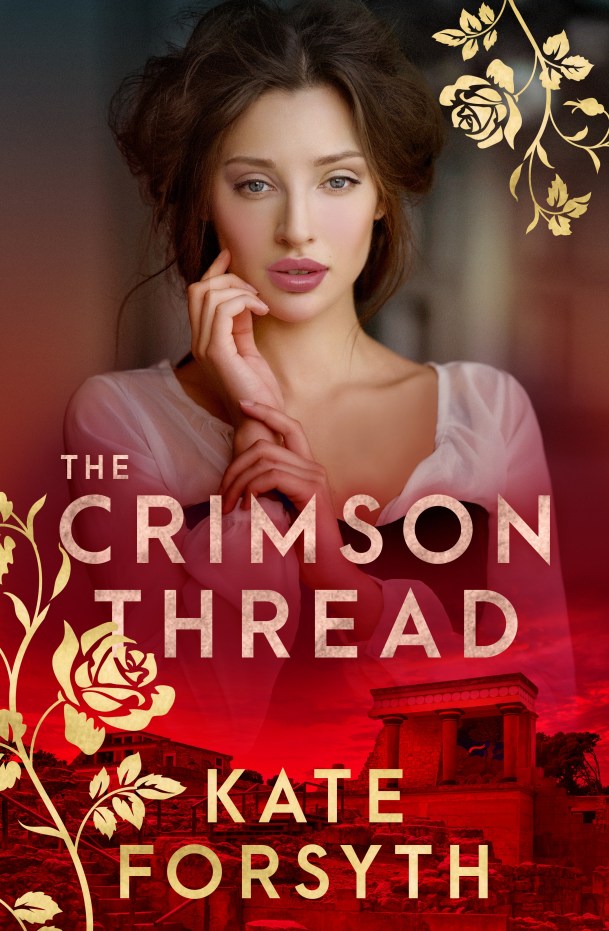
The Crimson Thread by Kate Forsyth

The Crimson Thread Cover

Publisher: Vintage Books Australia (Trade Paperback – 5 July 2022)

Series: Standalone

Length: 360 pages

My Rating: 4.5 out of 5 stars

Amazon     Book Depository

One of Australia’s premier authors presents another compelling and powerful historical drama with The Crimson Thread by Kate Forsyth.

Kate Forsyth is a very talented Australian author whose work I have long been a fan of.  While Forsyth is best known these days for her intense historical dramas, I personally am a big fan of her The Witches of Eileanan series, which I read when I was younger.  The Witches of Eileanan books, which were Forsyth’s debut series, follows a group of powerful magical users in a troubled fantasy realm filled with dragons, mages and monsters, as they attempt to overthrow a dark anti-magic tyrant and save the world from multiple impending threats.  Filled with great characters, impressive magic, a complex setting and some brilliant and occasionally dark storylines, this was a particularly awesome and epic series, and it was among the earliest fantasy books that I ever checked out.  I deeply enjoyed The Witches of Eileanan books and the sequel Rhiannon’s Ride series, and I have been meaning to reread them all for a while.  In the meantime, I decided it would be good to check out one of her more recent works with The Crimson Thread.  This intriguing and captivating historical drama is a lot more consistent with Forsyth’s current writing focus and I was very interested in seeing something from this genre.

By May 1941, the Nazis have conquered Greece and the island of Crete lies before them as the next land to control.  As the island prepares for invasion, young Cretan woman, Alenka, attempts to find some semblance of normality amongst the chaos, but chance meetings with two Australian soldiers stationed on the island will change her life forever.  When the Germans finally invade Crete in a massive and long-running battle, Alenka finds herself stuck in the middle of the fighting and eventually chooses to hide the Australians when the Germans win.

These two soldiers are Jack and Teddy.  Lifelong best friends, the rambunctious Teddy and the shy, scholarly Jack, joined the army together to see the world, only to get caught up in the chaos of the war.  Separated during the retreat to Crete, Jack and Teddy manage to reunite on the island, with both falling for the alluring Alenka upon meeting her.  When the Germans invade and they are trapped behind enemy lines with no hope of escape, both go to ground, seeking out help from Alenka and her allies in Crete’s resistance movement.

As the Germans tighten their hold on the island, Alenka, Jack and Teddy find themselves in constant danger as they attempt to find some way for the Australians to escape.  However, their attempts to evade the Nazis are not their only trouble, as Jack and Teddy’s once close friendship starts to deteriorate through jealously and anger.  Worse, Alenka’s brother, Axel, is a dangerous Nazi collaborator, whose long simmering anger and resentment threatens everything Alenka holds dear.  As Axel searches for a way to destroy his sister and her friends, all will be forced to make some hard choices, both on the battlefield and in love.

This was a deeply moving and highly detailed historical drama from Forsyth that I had a wonderful time reading.  Balancing a captivating historical tale of invasion in a unique World War II setting with a powerful tale of romance, broken friendships and family betrayals, The Crimson Thread is an outstanding novel which really highlights Forsyth’s impressive skill as an author.
The Crimson Thread has an excellent and fast-paced narrative that quickly drags readers in with the wartime action and keeps them there with the subsequent drama and tragedy.  Told from various intriguing perspectives, The Crimson Thread does a great job of quickly introducing you to the key characters and settings before bringing the terror in the form of a sudden and devastating Nazi invasion.  What follows is captivating tale of survival, endurance and resistance, as the three central protagonists attempt to evade and outwit the occupiers while also dealing with their own simmering feelings of love, betrayal and jealousy.  Forsyth weaves together some hauntingly tense and moving scenes throughout this narrative, as you see the characters thrust into all manner of dangerous and tragic circumstances amid the horrors of war.  The entire narrative has an excellent blend of action, high-stakes espionage and deep personal drama that I found myself really drawn to, all of which fits together perfectly with the distinctive setting and period.  The entire narrative takes place over the course of several years, and I deeply appreciate the long-term storylines that Forsyth utilised as you got to see the various characters grow and change throughout the war, often for the worst.  I loved the focus on camaraderie, identity and historical pride that was worked into the story, and all the unique plot points come full circle by the end.  Forsyth ends the entire excellent story of survival and war on a tragic, but hopeful note, and while you may end up with some conflicting feelings about the fates of some of the focal characters, readers are going to come away from The Crimson Thread both moved and satisfied with the story conclusion.

One of the things that I have always appreciated about books set during World War II are the sheer number of unique stories that can be written, as there were so many different battlefields, conflicts and personal dramas that resulted from them.  While I am fairly knowledgeable about history and World War II, I honestly knew very little about the occupation of Crete during the war, nor did I realise that Australian and New Zealand soldiers were stationed there when the Germans invaded.  As such I was pretty in the dark when it came to the historical context of the novel, but Forsyth was well on hand here and spent substantial time exploring the entire Nazi conquest and occupation of Crete during the war.  Everything is covered here, including the initial 11-day battle to take control of the island, the subsequent disorganised evacuation of Allied forces, the harsh occupation of the Cretans, which included several massacres, the resistance movements, and everything else that occurred from first day to the end of the war.  I was particularly intrigued by the role that Australian troops played during this conflict, and Forsyth made sure to really highlight why they were there and the various hurdles they faced during this war, including being trapped behind enemy lines with few options to escape.  All of this is worked into the story in a clever and impressive way, and the various characters find themselves involved in many of the key events, either as witnesses or participants.  You really find yourself getting drawn into the midst of these compelling historical events, and I personally found it incredibly fascinating to see them, especially as Forsyth did some substantial research for this book.

I also really appreciated Forsyth’s dive into the culture, history and iconic landscape of the main setting of Crete.  Most of this book takes place on this beautiful island, and I felt that Forsyth really captured the heart and soul of Crete and its people throughout the story.  There are some compelling dives into the identity and culture of the Cretan people, including the importance of their dress, their customs, their speech, and their defiant nature.  Due to most of this explanation being done to show the undercover Australian citizens how to blend, it proves to be very informative, and readers without much pre-knowledge of Crete come away with a lot of detail and appreciation for its people.  There are also some fun dives into the history of the island, particularly its ancient association with legend of the Minotaur and palace of Knossos.  Due to my background in archaeology, I found this to be extremely interesting, especially as there are also some compelling depictions and discussions about the famous excavations that took place on Crete during this period.  Throw in some breathtaking and highly detailed descriptions of the various environments and settlements on Crete, including its treacherous and massive mountains, which serve as a great setting for some particularly intense scenes, and you get an outstanding appreciation for this island.  All of this is utilised in The Crimson Thread’s story really well, as the characters, like the reader, really get to know the island and how it impacts many of their decisions and actions.

Forsyth also came up with some excellent and distinctive characters for The Crimson Thread, and their unique and emotionally rich storylines are a powerful part of this great book’s story.  This includes Alenka, who finds herself caught between her culture, her troubled family past, and her attraction to the two Australian soldiers she grows close to.  Despite primarily being shown as a strong and clever woman, Alenka goes through some real tragedies and trauma in this book that slowly wear away at her psyche.  I found it fascinating to see her growth throughout the book, as well as her attempts to overcome the various obstacles and indignities that come her way.  Alenka was really well counterbalanced by her brother, Axel, a dark and dangerous youth who serves as the book’s central antagonist.  Initially shown as a youth who grows into a dangerous teenager throughout the narrative, Axel is a complex figure.  A half-Cretan boy who is the result of an extramarital affair with a German archaeologist, Axel has borne the shame of his heritage for most of his life and endured the ridicule and disdain of everyone on the island.  Focusing on his German heritage, Axel becomes obsessed with Hitler and the Nazis and quickly grows to be a valuable collaborator for the occupiers, helping them root out the resistance and hidden Allied soldiers.  While he is an extremely repulsive and evil figure, you fully understand while he idolises the Nazis and tries to join them because of how well Forsyth explored Axel’s motivations and past.  Forsyth writes a very dark storyline around Axel, and it was fascinating to see him corrupted by both his own unfair past and the invading Nazis.

The other two main characters are the Australian soldier protagonists, Jack and Teddy.  Despite being old friends, these two are very much the opposite of the other, with Teddy being a wild, confident and arrogant figure, while Jack is a kind and shy man with a stutter.  While you wouldn’t think that they would be friends, Forsyth does a good job establishing their bond, and you fully understand why they are close to each other.  Both characters are interesting in their own right, and I appreciated how Forsyth highlighted their differences and showed how their relationship eventually broke down over their mutual attraction to Alenka.  Teddy’s slow crawl from causal larrikin to arrogant jerk is subtle, but well formed, and the author shows some compelling, but damning, change in views in his mind throughout The Crimson Thread.  Jack, on the other hand, grows from unconfident scholar to strong-willed fighter, all thanks to his love of Alenka.  I loved how Forsyth showed all his artistic skills and passions, such as poetry, as a strength, and it was pretty fun to see him succeed in the specialised spy school both characters end up in.  This poetry actually had an interesting role in the wider book, and you can see a great example of it at the start of different chapters.  Forsyth really excelled at creating some amazing and captivating character arcs throughout The Crimson Thread, and I had an outstanding time getting close to these figures and experiencing their triumphs and dark pains.

Overall, The Crimson Thread was a wonderful and deeply moving read that ended up being one of the better historical dramas I have read this year.  Kate Forsyth continues to shine as an extremely talented Australian author, and I had fun exploring a book from her current genre of choice.  Featuring some damaged characters, a powerful story and some exquisite dives into Crete and its wartime history, The Crimson Thread is a captivating and clever novel that I had an outstanding time reading.

Amazon     Book Depository

Waiting on Wednesday – Death to the Emperor by Simon Scarrow

Welcome to my weekly segment, Waiting on Wednesday, where I look at upcoming books that I am planning to order and review in the next few months and which I think I will really enjoy.  I run this segment in conjunction with the Can’t-Wait Wednesday meme that is currently running at Wishful Endings.  Stay tuned to see reviews of these books when I get a copy of them.  In this latest Waiting on Wednesday I check out the next upcoming entry in one of my favourite historical series, Death to the Emperor by Simon Scarrow.

Death to the Emperor Cover

Amazon     Book Depository

Each year I am lucky enough to get my Roman fix with an awesome novel from one of the leading historical fiction authors Simon Scarrow.  Scarrow, who has written several great historical series and standalone novels in his career (for example the World War II thriller Blackout), is best known for his Eagles of the Empire series.  Set during some of the most turbulent years of Roman history, the Eagles of the Empire series follows Prefect Cato and Centurion Marco, two elite Roman veterans as they traverse Rome’s provinces, fighting its many enemies.  I have been a major fan of this series for years, having read all the current entries (check out my reviews for The Blood of Rome, Traitors of Rome, The Emperor’s Exile and The Honour of Rome).  As such, I am always very excited when I find out about the next thrilling entry in the series, and it looks like I don’t have too much longer to wait.

The next book in the series will be the cool sounding Death to the Emperor, which is set for release in November.  The 21st entry in this long-running series, Death to the Emperor will continue storylines set up in recent novels after Cato and Marco returned once again to Britannia, the province they fought to capture in their first campaign together.  This time, the two veterans, both of whom are currently hiding out from Emperor Nero (Cato has secretly spirited away Nero’s former mistress and is hiding her), will be dragged into another deadly conflict against the tribes of Britannia.

For the synopsis below, it looks like Death to the Emperor might serve as a prelude to Boudica’s uprising, perhaps featuring the earliest salvos.  If that is the case than it will be interesting to see the war unfold from the protagonist’s eyes, especially as both Cato and Marco have a long history with Boudica.  No matter what, I already know I am going to have an amazing time with Death to the Emperor and it will no doubt be one of the more exciting and action-packed novels from the second half of 2022.

Synopsis:

 AD 60. Macro and Cato – two battle-scarred heroes of the Roman army – face tribal uprisings and battles to the death with unmatched courage in barbaric Britannia.

The hard-won province of Britannia is a thorn in the side of the Roman Empire, its tribes swift to anger, and relentless in their bloody harassment of the Roman military. Far from being a peaceful northern enclave, Britannia is a seething mass of bitter rebels and unlikely alliances against the common enemy. Corruption amongst greedy officials diverts resources from the locals who need them. For the military, it’s a never-ending fight to maintain a fragile peace.

Now it’s time to quell the most dangerous enemy tribes. Two of Rome’s finest commanders – Prefect Cato and Centurion Macro – are charged with a mission as deadly as any they have faced in their long careers. Can they win the day, or could this be the last battle?

A stunning and unforgettable story of warfare, courage and sacrifice as brave men face an enemy with nothing to lose . . .

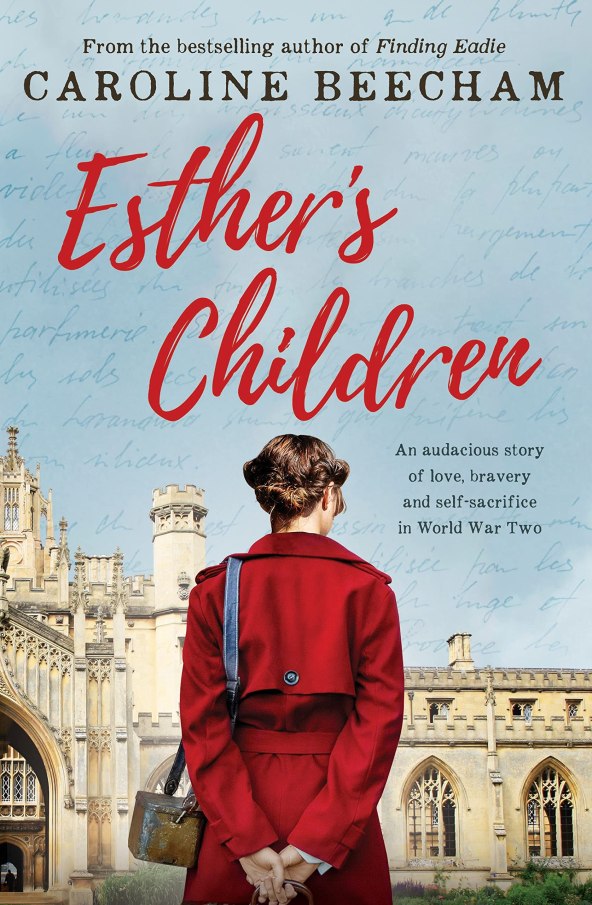
Quick Review – Esther’s Children by Caroline Beecham

Esther's Children Cover

Publisher: Allen & Unwin Australia (Trade Paperback – 3 May 2022)

Series: Standalone

Length: 361 pages

My Rating: 4.25 out of 5 stars

Amazon     Book Depository

Prepare to read about one of the more unique experiences of World War II with an excellent and moving historical drama, Esther’s Children by fantastic Australian author Caroline Beecham.

Plot Synopsis:

Inspired by the extraordinary life of Esther Simpson, Esther’s Children is a powerful novel of love and courage.

Austria, 1936: Esther ‘Tess’ Simpson works for a British organisation that rescues academics from the cruel Fascist and anti-Semitic regimes taking hold in Europe. On a dangerous trip to Vienna to help bring aid to Europe’s threatened Jewish scholars, Esther meets Harry Singer, a young Jewish academic and musician.

Tess works tirelessly to rescue at-risk academics and scientists from across Europe, trying to find positions for them in Britain and America. In 1938, she secures employment for Harry at Imperial College, London, their love affair intensifying as the world heads into war, yet they are separated once again as Britain moves to intern European refugees.

With Harry detained on the Isle of Man while still waiting for news of his parents, Esther and the Society plead with the government for the interned scientists’ release. When Harry is eventually liberated, his future with Esther is by no means secure as he faces an impossible choice.

Confronting the horrific dangers of World War Two with remarkable integrity and bravery, Esther Simpson is revealed as an exceptional heroine.

This was a rather great read from Caroline Beecham, who once again plumbs the highs and lows of history’s greatest struggle to produce an excellent read.  Beecham, who has written several other intriguing historical dramas, including 2020’s Finding Eadie, is a talented Australian author whose novels usually feature an intriguing hook around World War II.  Her latest novel, Esther’s Children, is probably my favourite one of her books so far, and tells another powerful and intense story about love, survival, and the evils committed during war time.

In Esther’s Children, Beecham has written a particularly clever and compelling story that follows the life of real historical figure Esther Simpson.  Adding in some fictional and dramatic details, Esther’s Children turns into a multi-year tale that showcases Esther’s work as she attempts to rescue academics from Nazi controlled countries in the lead-up to the war and beyond.  In particular, it follows her interactions with fictional character/love interest Harry Singer, as she attempts to get him out of Vienna and into England.  This forms the basis for an intense and heartbreaking story as these two ill-fated lovers are forced to ] contend with the obstacles placed before them, including the encroaching war, the machinations of the Nazis, the bureaucracy surrounding asylum seekers coming to England, and subsequent prejudice faced even after Harry has reached safety.  Told using a split perspective between Esther and Harry, you get an intense inside look at both characters as they attempt to overcome the odds keeping them apart, while also experiencing some of the horrors brought on by the Nazis and others, with the reader hit by constant frustration at everything that happens to these characters.  This entire story moves at a brisk and intense pace, and you will be swiftly drawn into the clever and touching narrative that is driven by these two characters’ experiences.  The way everything turns out is both poignant and heartbreaking, and I felt that this was a great and captivating read.

Esther’s Children’s dramatic story is greatly enhanced by the captivating and fascinating historical details that Beecham has set it around.  The author has clearly done a ton of research to pull her story together, and I was very impressed with some of the unique elements it contains.  Not only do you have some fantastic, if very disturbing, depictions of the Nazi movement taking over Austria, but the story goes out of its way to highlight the work done to get certain (primarily Jewish) academics out of Europe.  Focusing on the work of Esther Simpson, a unique figure from history who I was pleased to learn a lot about in this novel, you see the Society for the Protection of Science and Learning attempt to help these academics emigrate and find them jobs in England’s educational and government settings.  This novel really focuses on the impact that Esther had for many famous academics (her children, many of whom appear in the plot) and I found it fascinating to learn about her work and the people she helped.

However, I personally thought that the most fascinating historical aspect of this book was the subsequent imprisonment of these scholars and scientists by the English once the war broke out.  I must admit that I was unaware of just how widespread and unfair the interment of German nationals in England was during the war, and I was very surprised to find out that so many refugees and fleeing Jews were also incarcerated in places like the Isle of Man, often alongside Nazi sympathisers.  Shown directly through the eyes of one of her protagonists, Beecham paints a pretty grim picture of the terrible life that these incarcerated people would have experienced, and it was pretty heartbreaking to see all these people who had already lost everything get locked up by the country they were trying to help.  I really appreciated the powerful emotional weight that the author loaded into all the historical scenes, and they really work to expand on the dramatic and romance elements of the entire novel.  I cannot wait to see what unique historical element Beecham will explore in her future novels, but I am sure it will be fascinating.

Overall, Esther’s Children is a particularly powerful and captivating read that really highlights Caroline Beecham’s great skill as a historical drama author.  Expertly combining intriguing and dark elements of history with a dramatic tale of love, loss and regret, Esther’s Children becomes harder and harder to put down as the story progresses and you are drawn into the character driven narrative.  An excellent historical drama that is really worth checking out.