Waiting on Wednesday – The Honour of Rome by Simon Scarrow

Welcome to my weekly segment, Waiting on Wednesday, where I look at upcoming books that I am planning to order and review in the next few months and which I think I will really enjoy.  I run this segment in conjunction with the Can’t-Wait Wednesday meme that is currently running at Wishful Endings.  Stay tuned to see reviews of these books when I get a copy of them.  In this latest Waiting on Wednesday article, I look at the latest book in the long-running Eagles of the Empire series by Simon Scarrow, The Honour of Rome.

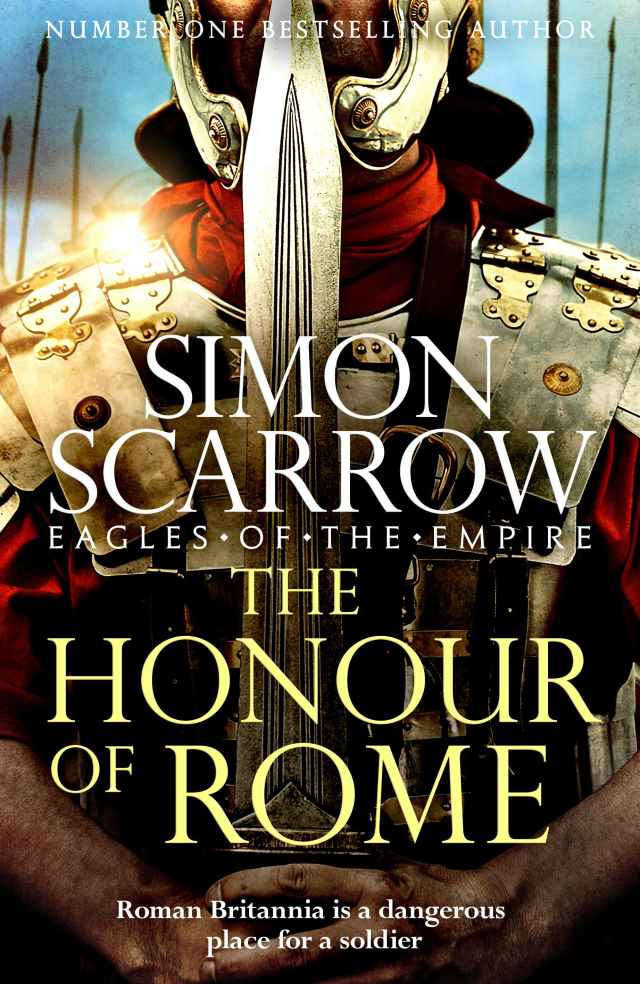
The Honour of Rome Cover

It is that time of the year where I once again gush about the latest entry in the Eagles of the Empire books by one of my favourite all-time authors, Simon Scarrow.  Scarrow is a fantastically talented author who has consistently produced thrilling and captivating historical fiction reads since his debut in 2000.  His Eagles of the Empire series, which follows the chaotic lives of two Roman officers, Prefect Cato and Centurion Marco, is a thing of beauty that I am a massive fan of.  I have been reading this great series for years (check out my reviews for The Blood of Rome, Traitors of Rome, and The Emperor’s Exile) and have deeply enjoyed every single entry in the series.

Due to how much I enjoy the Eagles of the Empire books, I am always extremely excited for next entry in the series, in this case, The Honour of Rome, which just had its final cover art released.  Set for publication on 9 November 2021, The Honour of Rome will be the 20th novel in the series and will once again see its compelling protagonists engage in a desperate battle for survival.  This time, the characters head back to the series’ original setting of Britannia, where all manner of enemies lie in wait for them.

Synopsis:

AD 58. BRITANNIA. TENSION IS SIMMERING. DANGER LIES ROUND EVERY CORNER FOR ROME’S BRAVE SOLDIERS …

Fifteen years after Rome’s invasion of Britannia, centurion Marco is back. The island is settled now, bustling with commerce. Macro’s goal is to help run his mother’s Londinium inn, and exploit his land grant. He’s prepared for the dismal weather and the barbaric ways of the people. But far worse dangers threaten all his plans.

A gang led by an ex-legionary rules the city, demanding protection money and terrorising those who won’t pay up. The Roman official in charge has turned a blind eye. Macro has to act. He needs the back-up of the finest soldier he knows: Prefect Cato. But Cato is in distant Rome. Or is he?

As the streets run red with blood, the army’s heroes face an enemy as merciless and cunning as any barbarian tribe. The honour of Rome is in their hands …

This upcoming novel from Scarrow sounds pretty amazing and I think that it has loads of potential.  While the Eagles of the Empire books typically show standard battles and fights, the author has featured some intriguing historical thriller and crime fiction elements in the past.  It looks like Scarrow is going back to this in The Emperor’s Honour, and it will be rather interesting to see how the retired Marco and the fugitive Cato fare against gangs of violent ex-legionaries.  Scarrow’s previous novel, The Emperor’s Exile, also finished with some fantastic story elements left open, and it will be great to see how the author resolves them in this latest book.

Overall, it looks like The Honour of Rome is going to be another fantastic and impressive entry in this great series.  Based on how much I have enjoyed Scarrow’s work in the past, I already know that I am going to absolutely love this upcoming novel, especially as this new book has a great premise to it.  I am really looking forward to seeing what cool story elements pop up in The Honour of Rome, and it would not surprise me if Scarrow does something big to commemorate his 20th entry in the series.  No matter what, I am extremely keen to grab this book in November, and this will be one of the best historical fiction novels I check out all year.  In the meantime, I definitely need to read Scarrow’s other 2021 release, Blackout, which is currently sitting near the top of my TBR list.

The Paris Collaborator by A. W. Hammond

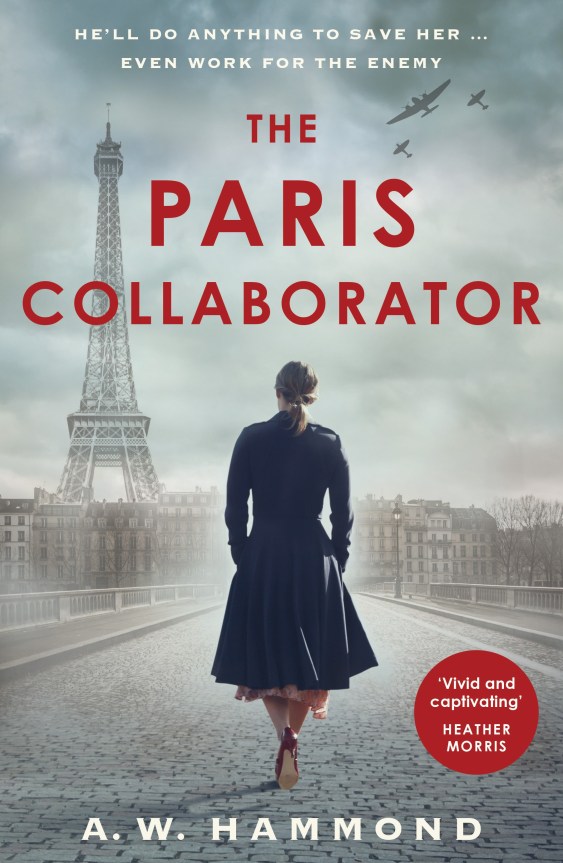
The Paris Collaborator Cover

Publisher: Echo Publishing (Trade Paperback – 4 May 2021)

Series: Standalone

Length: 312 pages

My Rating: 4.5 out of 5

Amazon     Book Depository

Amazing Australian thriller author A. W. Hammond presents his first historical read with The Paris Collaborator, a clever and exciting novel set in occupied Paris.

August 1944.  With Allied forces advancing towards Paris, the Nazi occupation of the city seems to be nearly at an end.  But just because the Germans are poised to leave does not mean that the city is any less dangerous, especially for those whose loyalties are in question.  Since the Germans arrived, former teacher Auguste Duchene has taken on a whole new profession to survive: finding missing children.  With his impressive observational skills, Duchene has proven to be a keen investigator, but his talents are about to get noticed by all the wrong people.

Despite his desire to only help reunite lost families, Duchene is forced into working for a violent faction of the French Resistance after they threaten the safety of his collaborating daughter, Marienne.  Recruited to find a missing priest and the cache of stolen weapons he was hiding for them; Duchene reluctantly begins his search.  However, hours after he begins working for the Resistance, he is approached by a senior Nazi officer who blackmails him into finding a missing German soldier.

Caught between two dangerous masters, Duchene has no choice by to comply with both if he and Marienne are to survive.  With only 48 hours until both groups will deliver on their deadly threats, Duchene scours Paris for both the missing men.  However, the more he discovers, the more he begins to realise that the cases may be connected, and that he may be only able to satisfy one of his employers.  Worse, the Gestapo have taken an interest in Duchene’s investigation and are determined to interfere for their own ends.  Can Duchene find his targets before it is too late, or will everything he love be taken away from him?

This was an awesome and fantastic novel from an impressive author who I was not too familiar with before I picked up this outstanding read.  A. W. Hammond has previously written two Australian thrillers under the name Alex Hammond.  These books, 2013’s Blood Witness and 2015’s The Unbroken Line, were intriguing legal thrillers that focused on his Will Harris protagonist.  The Paris Collaborator is the author’s first foray into historical fiction, and he did an exceptional job producing a clever and addictive historical thriller.  I had an incredible time reading The Paris Collaborator and I ended up finishing it off in a few short days once I got drawn into its cool and memorable narrative.

Hammond has come up with an excellent thriller storyline for The Paris Collaborator that is exciting and clever, and which also makes great use of its historical backdrop.  This is a very fast-paced story, and it really does not take long for it to take off, as unconventional missing child investigator Duchene is drawn into the conflicting webs of radical French Resistance fighters and an influential Nazi officer.  Forced to work on both cases on a very lean timeline, the protagonist conducts a hurried investigation, trying to find hints of two different missing persons while also trying to survive in the middle of a chaotic and failing city.  With the interference of the Gestapo, Duchene is trapped in the middle of a three-way battle for his loyalties, as each of these very dangerous groups threatens to kill him and his daughter unless he complies.  This results in a very epic final third of the book, as the protagonist runs around Paris, which is in the middle of overthrowing its German occupiers, trying to find the last pieces of the puzzle with everybody trying to kill or capture him.

This was a very captivating and high-stakes story, and I loved all the thrilling intrigue, action and suspense as the protagonist jumps from one bad situation to the next.  The overall investigation had some rather intriguing twists to it, many of which took me pleasantly by surprise, although they were very well set up in hindsight.  I absolutely lost it when the final twist was revealed, as it was so outrageous and surprising that I ended up laughing for several minutes.  This reveal, while a little hilarious, did fit nicely into the dark tone of the novel, and I felt it was an outstanding way to wrap up this novel, especially as it is guaranteed to stick in the reader’s mind.  I deeply enjoyed The Paris Collaborator’s clever story, and this ended up being one of the more entertaining and unique thrillers I have read all year.

While readers will definitely remember the amazing thriller story, I also must highlight the exceptional historical setting that was featured in The Paris Collaborator.  Hammond chose to set his clever story amid the final days of the Nazi occupation of Paris, which I really enjoyed.  The author does an outstanding job of portraying this intriguing historical setting, and I loved the exploration of an occupied city on the edge, with minimal resources, a thriving black market, a near-rebelling populace, nervous soldiers starting to pull out and a dangerous resistance movement planning their next strike.  Hammond makes great use of this unique setting throughout the story, and I really appreciated the way he featured historical elements like the Resistance, the Gestapo and the German army throughout the story.  The final part of the book is set during the French uprising to free Paris from the Nazis, and I loved how the protagonist had to overcome all the obstacles this put in his way, from tanks attempting to put down dissent, to crowds determined to kill any Germans they could find.  This was an outstanding depiction of occupied Paris and I felt that Hammond perfectly utilised it throughout this amazing book.

One of the most intriguing aspects of the historical setting of The Paris Collaborator is the compelling focus on the French mentality of collaboration and resistance.  Throughout the novel, the protagonist encounters a wide range of different characters who have survived the Nazi occupation by working for, engaging with, or falling in love with German soldiers, much to the disgust of their fellow French citizens.  The protagonist himself is considered by some to be a collaborator, not only because he has helped wealthy French collaborators find their children but because he finds himself working for various Nazis throughout the course of the book.  This forces the protagonist to walk a thin line, as he must appear to be a patriotic Frenchman disgusted with the occupiers while also making sure that he does not enrage any of the Nazis who are employing him, something he does not do particularly well.  As a result, Duchene, and several supporting characters, encounters dangerous reactions from some French characters and Resistance members, and this really adds to the tension and danger that he encounters.  I think that Hammond did an excellent job examining and portraying this mentality of anti-collaboration throughout the novel, especially as it is cleverly layered into nearly every interaction the protagonist has.  Some of the actions of French characters who were actively resisting against the Germans were also pretty intriguing, including one particularly over-the-top one that is definitely going to stick in my mind.  It was also fascinating to see what some people would do to avoid being labelled as a collaborator, even if that means completely changing who they are.  I really enjoyed the author’s examination of how collaborator would have been viewed during this turbulent period of history and it ended up being an excellent and compelling addition to The Paris Collaborator’s narrative.

The Paris Collaborator by A. W. Hammond is an outrageous and impressive historical thriller that comes highly recommended.  Hammond has written a fantastic fast-paced story that is heavy on action, intrigue, and amazing twists, all set amid Paris in the final days of the Nazi occupation.  I had a lot of fun getting through this awesome novel, and thanks to some outstanding reveals and exciting moments, The Paris Collaborator is really going to stick in my mind.  Readers are guaranteed a thrilling and clever time with this book and will power through it in no time at all.

Amazon     Book Depository

The Warsaw Orphan by Kelly Rimmer

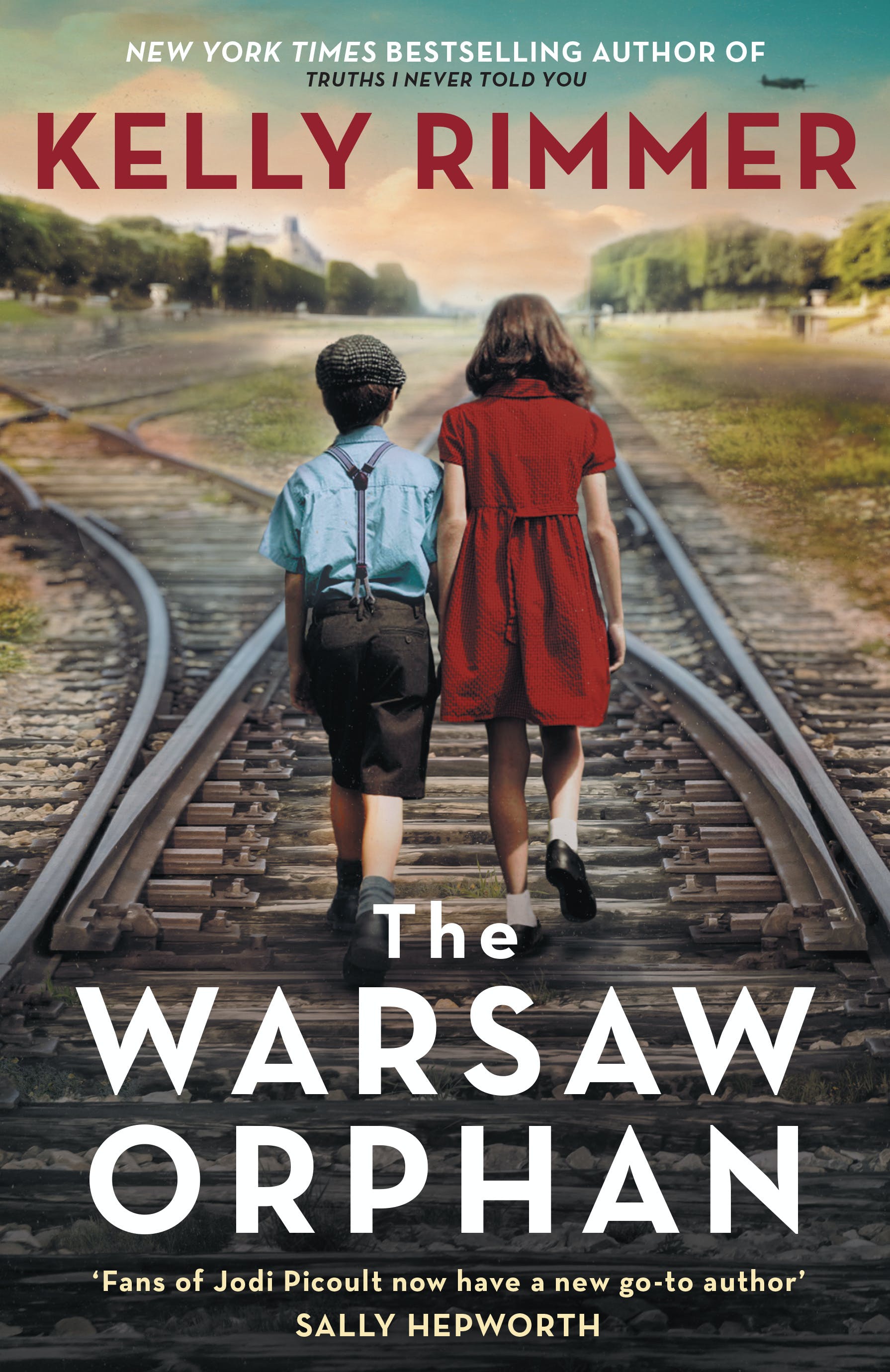
The Warsaw Orphan Cover

Publisher: Hachette Australia (Trade Paperback – 28 April 2021)

Series: Standalone/sequel to The Things We Cannot Say

Length: 416 pages

My Rating: 5 out of 5 stars

Amazon

Prepare to have your heart broken again and again as Australian author Kelly Rimmer presents a captivating, powerful and dark historical drama, The Warsaw Orphan.

Warsaw, 1942.  The Nazis have a firm control over all of Poland and have moved the entire Jewish population into the infamous Warsaw Ghetto.  Vastly overcrowded and with limited supplies, life is extremely hard in the Ghetto, and many have given up all hope.  For Jewish teen Roman Gorka, all he can do is try to survive and earn enough to keep his family alive.  However, when rumours spread through the Ghetto about the Nazi plans to transport them to “work camps” out in the forest, Roman knows that it is time to act.  Knowing that the lives of himself and his parents are already forfeit, Roman attempts to find a way to save his younger siblings.

At the same time, a young woman, Elzbieta Rabinek, has just arrived in the city and appears to be a typical Polish girl living with her family.  However, Elzbieta is hiding a dangerous secret: her real name is Emilia, and she is the younger sister of an executed Jewish sympathiser.  Fleeing her village with her new family, Emilia is kept hidden from any potential pursuers.  But when Emilia discovers the truth about the Ghetto, she becomes determined to help and joins an underground group of women working to smuggle Jewish children to safety.

As Emilia becomes more involved with the secret work of her organisation, she soon encounters Roman.  Working together to save Roman’s younger sister, the two grow close and soon their fates are inevitably tied together.  But when a terrible tragedy strikes, both Roman and Emilia will be thrown into disarray.  As Warsaw becomes overwhelmed with fire and despair, can these two young people survive with hope, or will they be washed away in a flood of righteous anger?

Wow, just wow.  This was an incredibly touching historical drama that has really impressed me thanks to its moving story and striking portrayals of life in World War II Warsaw.  The Warsaw Orphan is the latest novel from Australian author Kelly Rimmer, who has previously produced moving novels such as Truths I Never Told You and Before I Let You GoThe Warsaw Orphan is actually a sequel to Rimmer’s previous book, The Things We Cannot Say, with some of the supporting characters from the previous novel appearing in more prominence in this latest novel.

I was lucky enough to receive a copy of The Warsaw Orphan a few weeks ago and thought it sounded like an intriguing novel, especially as it was from a new-to-me Australian author.  Based on the synopsis for the book, I knew going in that this would be a dark and emotionally rich novel, but I was very surprised with how compelling and poignant the narrative it contained would be.  Using the perspectives of the two narrators, Roman and Emilia, Rimmer paints a grim and powerful picture of the situation in Warsaw which the two protagonists find themselves in at the start of the book.  Both story arcs progress on their own separate way for a while, and it is intriguing to see the different experiences of two people living only a few streets away from each other in Warsaw.  It does not take long for the protagonists to encounter each other, combining the narrative together.  While the initial joining of their character arcs brings some hope to the story, Rimmer makes sure to quickly crush that with despair and heartbreak as both protagonists experiences tragedy after tragedy, as a series of different historical catastrophes engulf Warsaw and its people.  Every time the two central characters appear to be close to some sort of happiness, some new danger or disaster seems to befall them, and the reader is forced to sit back and watch as they endure their latest hardship.  While this novel is emotionally tough to read at times, Rimmer’s excellent storytelling ensures that you keep moving forward, especially as you become really invested in the lives of her two protagonists and the struggles of the various peoples of Warsaw.  While you may be left emotionally ragged and drained by the end of this book, readers will come away from this story extremely satisfied and with a little bit of hope.

I must really highlight the author’s outstanding and powerful depiction of historical events and places throughout The Warsaw Orphan.  Rimmer has clearly done her research on the subject and utilises a lot of fascinating and horrifying historical elements to great effect throughout the narrative.  For example, much of the story surrounding Emilia and the organisation she joins that helped to smuggle Jewish children out of the Ghetto is based on real life Polish hero Irena Sendler, with various features of Sendler’s work and personality imparted on some supporting characters.  The portrayal of occupied Warsaw is also extremely impressive, and you get a real sense of life in the city.  This is especially true of the Ghetto, as the author spends a significant amount of time exploring what happened within.  Rimmer pulls no punches when it comes to the horrors of the Ghetto and the brutalities the Nazi regime imparted on the Jewish population.  The various descriptions of the Ghetto are extremely harrowing, but through them the reader gets a sense of what the people within would have experienced.  I particularly appreciated the way in which she tried to capture the uncertainty that many of the characters, both Jewish and non-Jewish, had about the Nazis’ plans and you get a real sense of the fear and confusion in the lead up to the deportations.  Rimmer ends up covering all the key events that occurred in Warsaw between 1942 and 1947, and readers get some powerful and detailed views of the forced deportations to the camps, the Warsaw Ghetto Uprising, the Warsaw Uprising, the German retreat and the subsequent Soviet occupation.  The author shows every dark aspect of these historical events as her point-of-view characters find themselves involved in them, often to their great detriment.  All these powerful and remarkable historical events and locations serve as a great backdrop to this dramatic tale, and I found it fascinating to learn more about some of these events.

Rimmer has come up with an incredible pair of young point-of-view characters for this book, Roman and Emilia.  Roman is a Jewish teen living in the Warsaw Ghetto with his family.  Through his eyes you get to see many of the horrors of the Ghetto, starvation, Nazi oppression and the constant fear and death.  Rimmer does an impressive job of capturing the inner thoughts and feelings of someone caught up in these terrible events, and I really appreciated the strong sense of survival and desperation you get from him.  This quickly morphs in anger, righteousness and revenge when Roman experiences one tragedy too many, and he becomes in a number of dangerous fights against his oppressors.  Not only does this result in a number of brutal war sequences, but Rimmer paints a picture of a rebellious soul whose anger and moral outrage overwhelm his senses and force him to do darker and more dangerous deeds.  This depiction of anger and rage is quite powerful, and definitely fits an individual who loses everything and does not know what to do.

Emilia, on the other hand, is a somewhat more innocent figure, who, despite not being Jewish, has her own experiences with oppression after witnessing her brother dying in The Things We Cannot Say.  Due to the events of this previous book, she has fled to Warsaw with her adoptive parents, hiding under an assumed name.  Despite the troubles she is running from, Emilia chafes under the rules her guardians put in place, especially once she learns what is happening in the Ghetto.  Despite her fear, uncertainty and loyalty to her guardians’ wishes, Emilia soon becomes involved in the smuggling of children.  I really liked how Rimmer decided to utilise her previous character in this novel, and the author does a great job of revisiting parts of her story so that new readers can appreciate what has happened in her past.  Emilia proves to be a really interesting character throughout the book, and I loved the contrast in views between her views of Warsaw and Roman’s darker experiences.  Watching a non-Jewish citizen experience the horrors of the Ghetto for the first time is pretty moving, and the reader feels a certain kinship to her as they are also witnesses to the various tragedies.  I loved the storyline surrounding Emilia joining the movement to save Jewish children, and the author utilises her to tell this group’s very unique tale extremely well. 

Both Roman and Emilia have some fantastic storylines in The Warsaw Orphan, and I really liked the way their two separate character arcs come together.  These two characters experience an immense amount of grief, regret, violence and despair throughout the book, and their connection is one of the few things to keep them going.  Rimmer sets up both characters extremely well throughout The Warsaw Orphan and readers will quickly become obsessed with their unique tales and harrowing experiences.  I think both character storylines worked extremely well on their own, but together they tell an even more tragic story, as these two fall in love amongst the worst moments of human history.  Seeing the various tragedies and poor decisions that impact their relationship is pretty heartbreaking, and the reader is left in hope that they both survive in the end.  I think that Rimmer did an exceptional job creating and developing these two characters, and it is a mark of her writing ability that I ended up caring so much for them both. 

The Warsaw Orphan by Australian author Kelly Rimmer is an exceptional and incredible historical drama that comes highly recommended.  Rimmer has produced a first-rate story that perfectly utilises two tragic protagonists, an extremely dark and atrocious historical period and an addictive, if tragic, story of love, loss and survival.  The Warsaw Orphan is a powerful and compelling book that will stick in your mind long after you finish its final harrowing page.

Amazon

The Three Paradises by Robert Fabbri

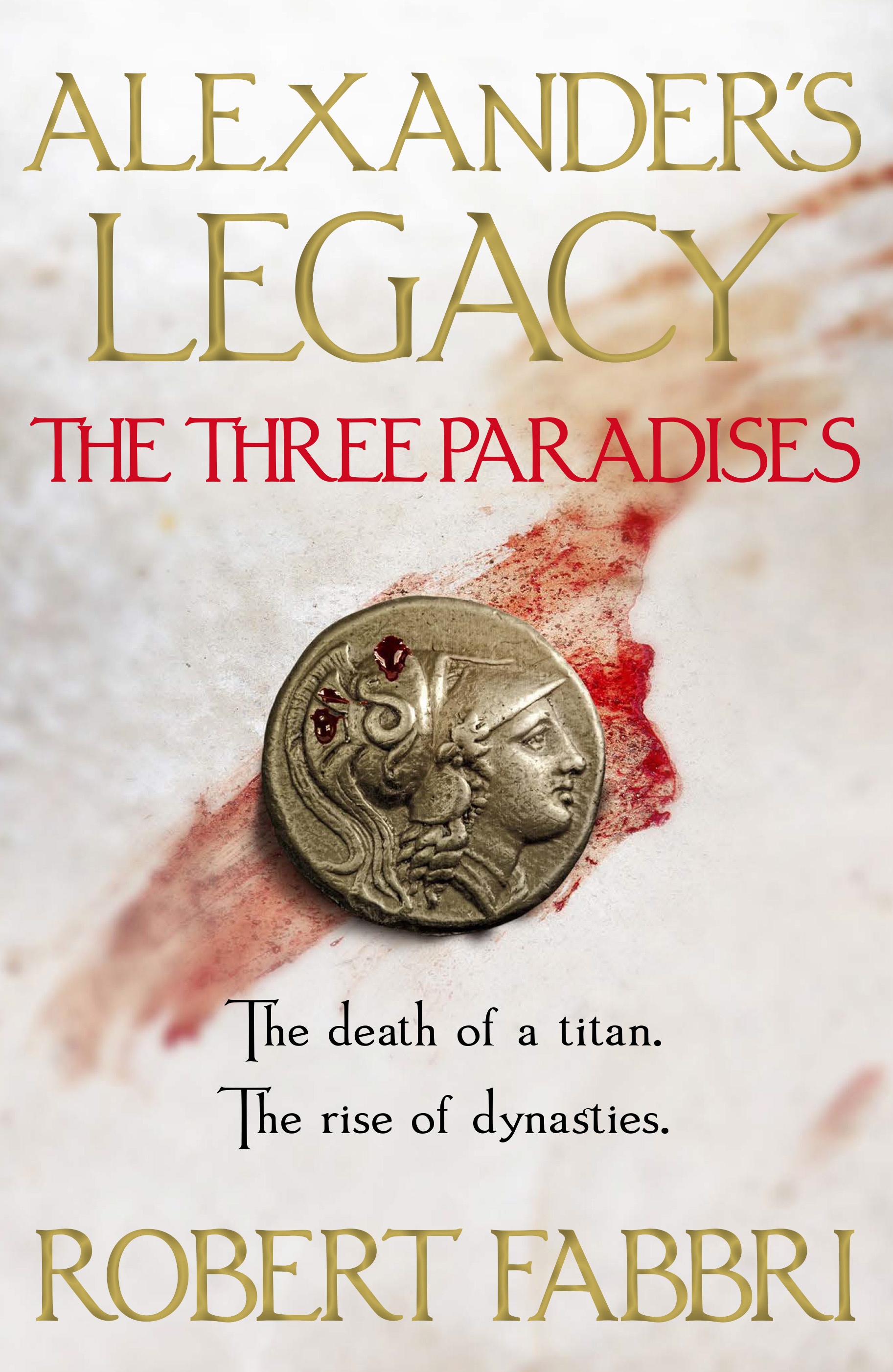
The Three Paradises Cover

Publisher: Corvus (Trade Paperback – 21 February 2021)

Series: Alexander’s Legacy – Book Two

Length: 413 pages

My Rating: 4.5 out of 5

Amazon     Book Depository

One of my favourite authors of historical fiction, the always amazing Robert Fabbri, returns with the second entry in his epic Alexander’s Legacy series, The Three Paradises.

Alexander the Great is dead, and the battle for his empire has only just started!

Chaos reigns in the Macedonian controlled territories of Asia and the Mediterranean as the formerly loyal followers of Alexander fight amongst themselves for control of his mighty empire.  With the former front-runner for control, Perdikkas, murdered by his own men, the way forward is now even more uncertain.  In Macedonia, Alexander’s regent Antipatros seeks to hold the empire together, even if that means ignoring the ambitions of his volatile son.  In the east, the sly Greek Eumenes runs to avoid a death sentence placed on his head by the Macedonian army and must once again fall back on his intelligence and cunning to survive the forces lead by the one-eyed general Antigonos.  In the heart of the Macedonian army, two dangerous queens, Roxanna and Adea, each attempt to press their claims through their two unsuitable kings while also working out the best way to kill one another.  In Egypt, the bastard brother of Alexander, Ptolemy, secures his powerful position by seeding chaos across the rest of the Empire, while in the west, Alexander’s vicious mother, Olympias, bides her time, waiting for the perfect opportunity to strike. 

As these players make their moves to secure power, Antipatros attempts to mediate peace and keep all the Macedonian territories together by calling for a historical conference at The Three Paradises.  However, as the lies, treacheries and bloody battles continue, will there even be an empire left to save?  Some will rise, some will fall, and the world will never be the same again!

This was another incredible and deeply entertaining read from Fabbri, who has once again turned the insanities of history into another amazing novel.  I have been a major fan of Fabbri ever since I was lucky enough to receive one of the fantastic books in his compelling and memorable Vespasian series.  All of the books in this series (including Rome’s Sacred Flame, Emperor of Rome and the tie-in volume of short stories, Magnus and the Crossroads Brotherhood), were incredibly fun to read, and I really enjoyed each and every one of them.  Fabbri continued his impressive run last year when he started his brand new ancient history series, Alexander’s Legacy, set in the immediate aftermath of Alexander the Great’s death after he failed to select an heir to rule his empire.  The first book in this series, To the Strongest, was an amazing and clever read that not only set the scene perfectly but also provided the reader with a detailed and captivating tale of betrayal and destruction.  As a result, I have been keeping a very keen eye out for Fabbri’s second Alexander’s Legacy novel and I was very happy when I received a copy of The Three Paradises.

For this latest novel, Fabbri has come up with another awesome and captivating tale that dramatizes the crazy events that followed Alexander’s sudden death.  Told through multiple viewpoints, The Three Paradises continues to explore some of the key parts of the post-Alexander period, including a number of battles, conferences and manipulations recorded in history.  This results in an epic and captivating tale of betrayal, conspiracy and lies as everyone attempts to gain power.  I absolutely loved all the outrageous proceedings that occurred throughout this book, and Fabbri does an amazing job featuring as many real historical events as possible.  If you are unfamiliar with the history, than you are going to find that The Three Paradises’ story goes in some extremely unexpected directions as various key people rise or fall. 

I was surprised that many of the incredible events depicted in this novel are recorded in history, and it just goes to show that reality is sometimes a lot stranger than fiction.  I felt that Fabbri did a fantastic job depicting each of these events as they are chronicled in history, especially as he also attempts to fill in some of the gaps and come up with some of the possible discussions that would have happened in advance of them.  While some of the facts are no doubt dramatically exaggerated per Fabbri’s trademark style, this turned out to be a really detailed historical read and I loved the cool focus on this unique period.  I ended up enjoying The Three Paradises a bit more than the preceding novel in which the overarching storylines of the series were set up.  The Three Paradises jumps into the action a lot more quickly, and I think that the story flowed a lot better, especially as Fabbri ended up reintroducing the line break in this novel’s format.  All of this was incredibly epic, and readers will love Fabbri’s unique interpretation of these historical betrayals and battles.

One of the most intriguing parts of the Alexander’s Legacy series is the author’s use of multiple historical figures as his point of view characters.  This series focuses on a large selection of major players in this conflict, each of whom become the focal character of multiple chapters within the novel.  The Three Paradises in particular features 10 separate historical point-of-view characters, each of whom play a unique role in the events preceding the death of Alexander.  All 10 are former members of Alexander’s court that have gone into business for themselves and are now attempting to take power or shape the empire the way they want.  Fabbri brings each of these historical figures to life by examining their actions or descriptions from history and crafting a personality that matches their outrageous deeds or brilliant decisions.  Each character is given a title or nickname at the start of the story, usually centred on their personality or role in the empire (for example, The Sly, The Mother, The Wildcat or The Bastard) as well as a simple but clever representative icon.  Fabbri then builds on them from there, examining their various actions during the wars this book focuses on and highlighting nearly every decision or bold move that history records them doing.  Fabbri also throws in a little of his trademark exaggeration and creative licence, especially for characters like Olympias (although not by much), which really enhances the historical craziness this novel contains. 

As a result of his unique character creation, The Three Paradises ends up with a fantastic and diverse group of point-of-view characters whose exploits are a lot of fun to watch unfold, although readers should really not get too attached to them, as many do not survive the book.  These characters include the aged statesman, Antipatros, who uses his experience and canny nature to attempt to guide and control several of the other players, with various results.  You also have the scheming queens Roxanna and Adea, both of whom are linked to one of the people named king following Alexander’s death.  Roxanna was Alexander’s wife and the mother his child, while Adea is a close relative of Alexander who ended up marrying his mentally deficient half-brother.  Both of these queens are vicious and dangerous creatures who attempt to gain power over the stubborn Macedonian men, while also feuding amongst themselves over the status of their respective king.  Fabbri really amps up certain elements of these two queens’ characteristics, such as Roxanna’s murderous ambition (to be fair, she did reportedly kill several of Alexander’s other wives after his death), or Adea’s lesbianism.  Both prove to be really fun additions to this novel, and it was quite interesting to see how they influenced these hectic events.

There is also a lot of focus on Alexander’s mother, Olympias, a member of the cult of Dionysus and a figure of wrath and vengeance that every other major character is intensely afraid of.  Fabbri has a lot of fun portraying Olympias in this novel, and he really plays her up as a crazed snake priestess, showing several of the alleged rituals cultists of Dionysus would have performed.  I was quite surprised at how Olympias’s storyline unfolded in this novel, mainly as I was very unaware of how much influence she had after Alexander’s death, and she proved to be an extremely intense and memorable addition to the cast. 

My favourite character, however, is still Eumenes, who Fabbri appropriately nicknamed The Sly.  Eumenes is a Greek clerk who was able to gain some power after Alexander’s death by advising some of the other players and trying to keep the empire together.  The Three Paradises sees Eumenes take on a more military role, and he proves himself a skilled commander, able to out-think the supposedly superior Macedonian enemies.  However, Eumenes’s ambitions are constantly stymied by the stubbornness of his Macedonian followers or allies, all of whom believe in the superiority of the Macedonian people and are often reluctant to follow a Greek, even if he is the smartest person in the room.  It proves to be very frustrating to see one of the best and smartest characters constantly defeated by events outside his control, but you still stick with him in the hopes that he can once again get a victory.

In addition to the returning cast from the first book in the series, Fabbri also introduces two new characters to replace some of the casualties that occurred in To the Strongest (like I said, don’t get too attached to these characters).  These two new characters include Kassandros, nicknamed The Jealous (and represented by an icon of a boar, an animal that lies at the heart of his jealousies), and Polyperchon, nicknamed The Grey.  Both Kassandros and Polyperchon are introduced about halfway through The Three Paradises in response to a major character death, and they end up being great additions to the story.  Kassandros is the eldest son of one of the other point-of-view characters, and serves as an interesting antagonistic figure in the book.  Thanks to his sense of entitlement and the major chip on his shoulder, it really does not take Kassandros long to get on the reader’s nerves, and you find yourself pulling for his enemies, no matter how despicable they may be.  Polyperchon, on the other hand, is an older figure, portrayed as a bit of a loser.  Polyperchon is a person who thrives best as a second in command, rather than being the man in charge, and is uncertain how to proceed when he has to make the hard decisions.  Naturally, events conspire to give him a great deal of power, which results in disaster for Polyperchon and those allied with him, as he fumbles the job, allowing some of the other characters to take control.  Overall, I had an outstanding time following this unique collection of historical figures, and I look forward to seeing whom Fabbri focuses on in the next novel, especially after several more were killed off in The Three Paradises.

Aside from the 10 point-of-view characters, Fabbri also features a massive cast of side characters, most of whom are real historical figures.  The author does an impressive job of working each of these supporting characters into the plot, and you end up getting a pretty good idea of how each and every one of them played a role in the war, as well as some minor details about their personalities and intentions.  While it was interesting to learn more about all these historical characters, I did find it a little overwhelming to try and follow who was who at times, especially as there were great deal of characters, and several had similar names.  While I was generally able to keep up with what was happening thanks to an excellent character list contained at the end of the novel, readers will need to stay focused on who is being discussed at all times in order to avoid getting lost.

I also must highlight the incredible historical details of this book.  Fabbri has clearly done his research when it comes to ancient Macedonia and not only is The Three Paradises filled with an outstanding depiction of the recorded historical events but the author also tries to capture the various aspects of day-to-day life during this period.  This results in some great scenes chock full of fantastic historical detail, and the reader gets some amazing insights into the culture and attitudes of the conquering Macedonians.  This is particularly true in The Three Paradises’ various action sequences, as the armies of Macedonia face off against each other.  While a lot of the focus may be on the internal politics, personal betrayals and shifting alliances, Fabbri has also included several great fight sequences, and the reader is treated to fantastic battles on land and sea.  The book’s major battle scenes are really impressive, and I loved seeing the various tactics of the Macedonians, whether they are fighting foreign armies or rival groups of Macedonians.  It was particularly cool to see two separate pike phalanxes go up against each other, especially as their cramped and exhausting fight was essentially pointless (victory was decided by the fighting cavalry groups on the flanks).  It was also rather entertaining to see how several key battles were stopped or prevented simply because the Macedonian soldiers discovered that an important person, usually a relative of Alexander, was present with the opposing army, and they would suddenly abandon their generals to follow them.  This examination of the Macedonian mindset was really intriguing, and its limitations and predictabilities has become a fascinating recurring factor of this series.

Robert Fabbri once again shows why he is one of the most entertaining and captivating authors of historical fiction in the world today.  The Three Paradises is an impressive and clever second entry in the amazing Alexander’s Legacy series, which provides a detailed and captivating examination of a crazy period of history.  I absolutely loved this incredible read and I cannot wait to see what happens in the next exciting entry in this awesome series.

Amazon     Book Depository

Quick Review – The Codebreakers by Alli Sinclair

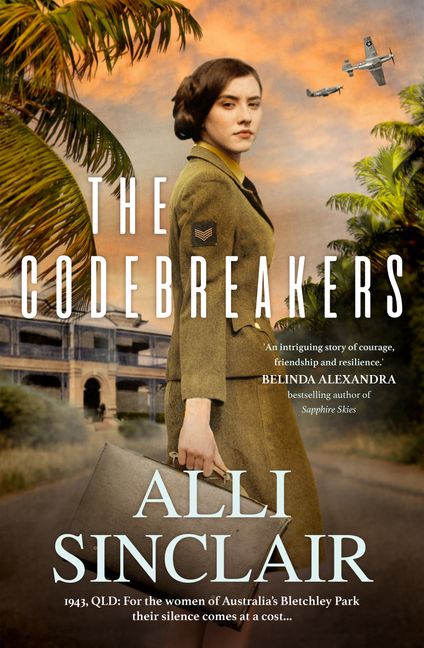
The Codebreakers Cover

Publisher: HQ (Trade Paperback – 3 March 2021)

Series: Standalone

Length: 460 pages

My Rating: 4.5 out of 5 stars

Amazon     Book Depository

Interested in a fantastic historical fiction novel that looks at a unique and overlooked part of Australia’s history?  Then make sure to check out The Codebreakers by bestselling author Alli Sinclair, an amazing and dramatic novel that I found to be extremely captivating and powerful.

Synopsis:

1943, Brisbane: The war continues to devastate and the battle for the Pacific threatens Australian shores. For Ellie O’Sullivan, helping the war effort means utilising her engineering skills for Qantas as they evacuate civilians and deliver supplies to armed forces overseas. Her exceptional logic and integrity attract the attention of the Central Bureau-an intelligence organisation working with England’s Bletchley Park codebreakers. But joining the Central Bureau means signing a lifetime secrecy contract. Breaking it is treason.

With her country’s freedom at risk, Ellie works with a group of elite women who enter a world of volatile secrets; deciphering enemy communications to change the course of the war. Working under immense pressure, they form a close bond-yet there could be a traitor in their midst. Can the women uncover the culprit before it’s too late?

As Ellie struggles with the magnitude of the promise she’s made to her country, a wedge grows between her and those she holds dear. When the man she loves asks questions she’s forbidden to answer, how will she prevent the double life she’s leading from unravelling?

The Codebreakers was an amazing and well-written historical drama from Australian author Alli Sinclair, who has previously penned several other great historical novels.  This latest book from Sinclair tells the impressive and captivating tale of some of the most unique women in Australia’s storied war history, the secret codebreakers of Central Bureau.  This proved to be an impressive and captivating read that I powered through in a quick amount of time, especially as Sinclair came up with a clever and compelling narrative.

Throughout this outstanding tale, Sinclair not only covers the intricacies of a fascinating group of female codebreakers, also known as the Garage Girls (they worked out of a garage), but also includes some excellent character-driven drama as the protagonist is forced to come to terms with the secrecy of her work as well as the various tragedies that befall her and her friends as the war takes it harsh toll.  Throw in an intriguing spy thriller angle, as the Garage Girls find out that one of their own may be a traitor, and this becomes quite an intriguing and exciting read.  I loved the great blend of excitement, adventure and tragedy that the author produced, and I really liked how she not only showed the protagonist’s entire tenure with the Garage Girls but also featured the tragic aftermath of the war, where the consequences of the protagonist’s decisions and the loneliness of missing friends and colleagues forces her to choose a different path.  Readers will swiftly find themselves very attached to the main protagonist and her amazing story, and I had a great time seeing this entire tale unfold.

I must highlight the excellent historical aspects of The Codebreakers as Sinclair has clearly done some intense research on this period.  I really enjoyed the intriguing examination of the Central Bureau codebreakers who were active in Brisbane during WWII and who helped to decrypt transmissions and provide vital information to the Allies.  Throughout this great book, Sinclair really goes into great detail about the work the codebreakers would have done and some of the impacts of their work.  She also tries to examine the mentality that surrounded these codebreakers, both in their work and outside it, as each codebreaker was forbidden to talk about their work to anyone, both during the war and after it.  This proves to be an intriguing and intense central part of the novel’s drama, and it is apparently based on interviews that Sinclair did with surviving members of the real-life Garage Girls.  This was an impressive and amazing basis for this great story and I deeply enjoyed learning more about this fascinating and formerly-secret women.

I also enjoyed the way in which the author perfectly captured the feel of mid-war Brisbane throughout The Codebreakers’ story.  Sinclair laces her narrative with a lot of fascinating discussions about various military attacks that hit Australia, wartime polices and general thoughts and feelings about the war and the people involved with it.  However, I was most impressed with Sinclair’s attempts to capture the mentality of the people on the home front in Brisbane at the time.  Not only did you get the frustrations of the common Australian citizen/soldier as they dealt with the deployed American soldiery, but there is also the sadness and regret of those that survived.  You could almost feel the despair of several characters in this book, especially after the deaths of some of their loved ones, and it was a truly moving inclusion in this fantastic and powerful read.  All of these historical inclusions were really remarkable, and I had an outstanding time exploring Sinclair’s vision of this intriguing and momentous period of Australian history.

The Codebreakers by Alli Sinclair was an awesome and moving historical drama that proved to be an exceptional examination of a truly unique group of Australian women.  Sinclair makes perfect use of the amazing historical basis for her novel and turns it into quite an exciting and captivating tale of resilience, friendship and romance, which comes highly recommended.  I really enjoyed this fantastic novel and I loved learning so much about the codebreakers of Australia’s Central Bureau.

Amazon     Book Depository

Turn a Blind Eye by Jeffrey Archer

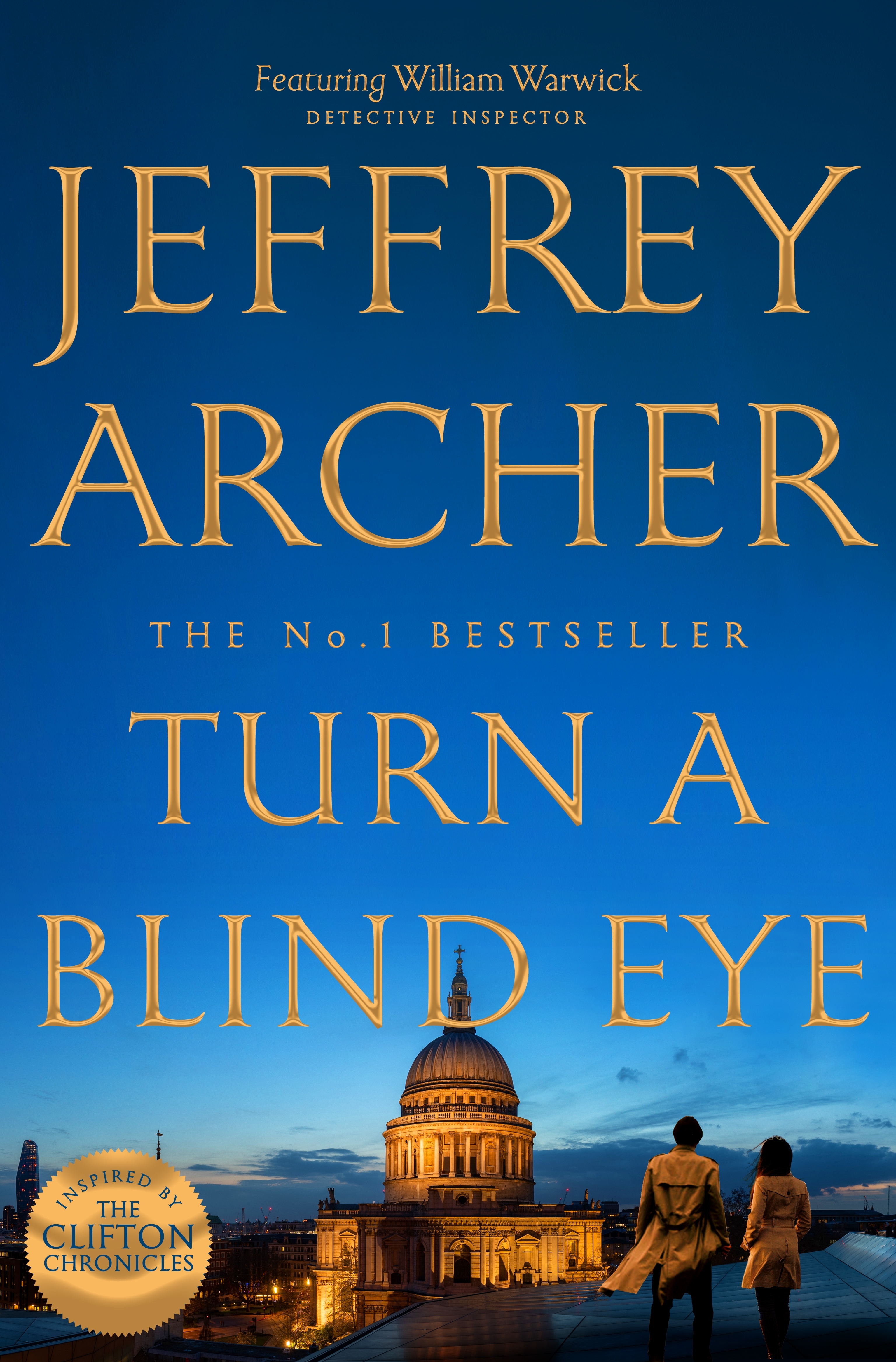
Turn a Blind Eye Cover

Publisher: Macmillan (Hardcover – 30 March 2021)

Series: William Warwick – Book Three

Length: 330 pages

My Rating: 4.25 out of 5

Amazon

One of the world’s bestselling authors, Jeffery Archer, returns with the third exciting and enjoyable entry in his clever William Warwick series, Turn a Blind Eye.

London, 1987.  After successfully organising a high-profile raid of a notorious drug factory, William Warwick has been promoted to Detective Inspector.  However, with his promotion comes a very different assignment: exposing corruption at the heart of London’s Metropolitan Police Force.  Along with his team of detectives and officers, William begins to investigate an old friend of his from the police academy, Jerry Summers, whose affluent, high-flying lifestyle seems impossible to achieve on a police income.  Utilising several undercover operatives, William attempts to find out the truth behind Summers’s activities.

However, the investigation into Summers’s corruption is only one of William’s concerns, as the trial for drug baron Ahmed Rashidi, whose factory William’s team brought down, begins.  Rashidi’s conviction seems certain, especially with the formidable legal team of William’s father and sister arguing the prosecution’s case.  But Rashidi has hired the services of the slippery and corrupt lawyer, Booth Watson QC, whose contacts and ability to bend the rule of law puts the police’s case in serious jeopardy.  At the same time, William’s arch-nemesis, the criminal genius Miles Faulkner, has escaped from jail and is hiding out in Europe, plotting the next stage of his life of crime.  However, Miles’s sudden death proves to be a boon for his ex-wife, Christina, who uses her windfall to apparently reform and renew her friendship with William’s wife.

As William’s focus is torn between all these different cases, disaster strikes when a young female undercover officer under his command falls for Summers.  As William and his team attempt to discover just how compromised their investigation is, the young Detective Inspector finds himself under attack from all sides as enemies, both old and new, attempt to bring him down.  Can William continue his crusade to bring justice to London’s streets, or will he face the horrible realisation that more of his fellow officers are willing to turn a blind eye than he first suspected?

This was another fantastic novel from Jeffrey Archer, who has done an amazing job continuing the exciting and compelling adventures of William Warwick.  Archer is an intriguing figure who has written a number of amazing crime and historical fiction novels over the last few years, such as his iconic Clifton Chronicles.  I have been rather enjoying several of Archer’s recent novels, including the very clever Sliding Doors-esque novel, Heads You Win.  His latest series, the William Warwick books, follow the adventures of the titular protagonist, who was first introduced as a fictional detective created by one of the characters in the Clifton Chronicles.  The first two novels in this clever crime series, Nothing Ventured and Hidden and Plain Sight, were both awesome reads, and I was quite excited when I received Turn a Blind Eye a few weeks ago.  Turn a Blind Eye ended up being quite an impressive read, and I really enjoyed the compelling and fast-paced story.

Archer has come up with a great story for his latest novel which not only continues some of the amazing storylines from the previous novel but which sets the protagonist up against several new challenges and antagonists.  Archer blends a lot of great elements into Turn a Blind Eye from across the genres.  The most prominent of these is a compelling crime fiction storyline which sees the protagonist go up against several different villains, including corrupt police, art thieves and drug lords, and there are some impressive investigative angles and fun scenes featuring clever police work and investigations.  In addition, the author works in some clever legal thriller elements as the story features several courtroom sequences.  These court scenes are some of the best parts of the entire novel, especially as Archer loads them up with fun legal shenanigans as the antagonist lawyer employs some really evil tricks.  The author also makes great use of the 1980s setting as a backdrop to the main story, and I loved the exploration of this cool period during this fun historical novel.  The entire novel chugs along at a rapid pace, and readers will have a very hard time putting this book down, especially as it features some dramatic twists, clever undercover scenes and very entertaining moments.  Readers of the previous two William Warwick novels will appreciate the fantastic ways in which Archer continues the established storylines set up in the first novels, although the author does ensure that this third book is easily accessible to new readers.  I really enjoyed the fun and intriguing places where Archer took his latest novel and I cannot wait to see how he will continue his compelling story in the future William Warwick entries.

I really enjoyed the great range of characters that Archer fits into this novel, most of whom are recurring characters from the previous two entries in the series.  Archer features a rather large cast of excellent characters throughout Turn a Blind Eye, resulting in a mass of different character perspectives that makes for a compelling and vibrant blend of storylines and character arcs.  At the top of this list is William Warwick, who serves as the central figure for most of the book’s plot.  William is an exceedingly straight arrow, intently concerned with doing the right thing and bringing the villains to justice.  William has another interesting adventure in Turn a Blind Eye, where he is forced to investigate police corruption and finds himself in some strange new circumstances.  I really enjoy the linear storyline that Archer has set up for Warwick, especially as it appears that he will be investigating a whole new crime each novel, and he serves as a particularly good centre to this entire series.

In addition to the main protagonist, Turn a Blind Eye also features several other amazing characters who have some compelling arcs in this latest book.  As always, I have to start with series antagonist Miles Faulkner, the highly intelligent criminal mastermind and art fanatic with whom William has found himself in an intense feud.  Faulkner ended the last book on a high note after engaging in a bold prison escape, and this novel starts off with him fleeing to Europe before circumstances seem to take him right off the board.  This results in an interesting development for the character, although readers of the previous novels will not be surprised by the clever way in which that particular arc unfolds throughout the novel.  I also deeply enjoyed the character of Booth Watson QC, the go-to lawyer for the antagonists of this series.  Watson is a dastardly and conniving figure in this series, and readers will love all the sneaky and entertaining ways he finds to bend the laws and manipulate the legal system.  I particularly liked the way in which he serves as a counterpoint to William’s father, Sir Julian, the highly regarded and undeniably honourable legal prosecutor, and the two have an outstanding repartee with each other during the court sequences.  The other character who has a really good storyline is police officer Nicky Bailey.  Bailey, who is assigned undercover to watch the primary suspect of the corruption storyline, ends up falling in love with her target, resulting in the investigation becoming compromised.  Archer writes an impressive and dramatic arc around this character, and I was particularly moved by its intense conclusion.  All of these characters ended up adding a lot to Turn a Blind Eye’s story and I look forward to seeing some of them reappear in the next William Warwick novel.

Turn a Blind Eye was another awesome novel from Jeffrey Archer which proved to be a rather good and entertaining read.  I loved the way in which Archer has continued his fantastic William Warwick series, and the author has loaded this book with some clever and enjoyable sequences and characters.  A fun and intriguing novel that readers will power through in no time, Turn a Blind Eye is really worth checking out and comes highly recommended.

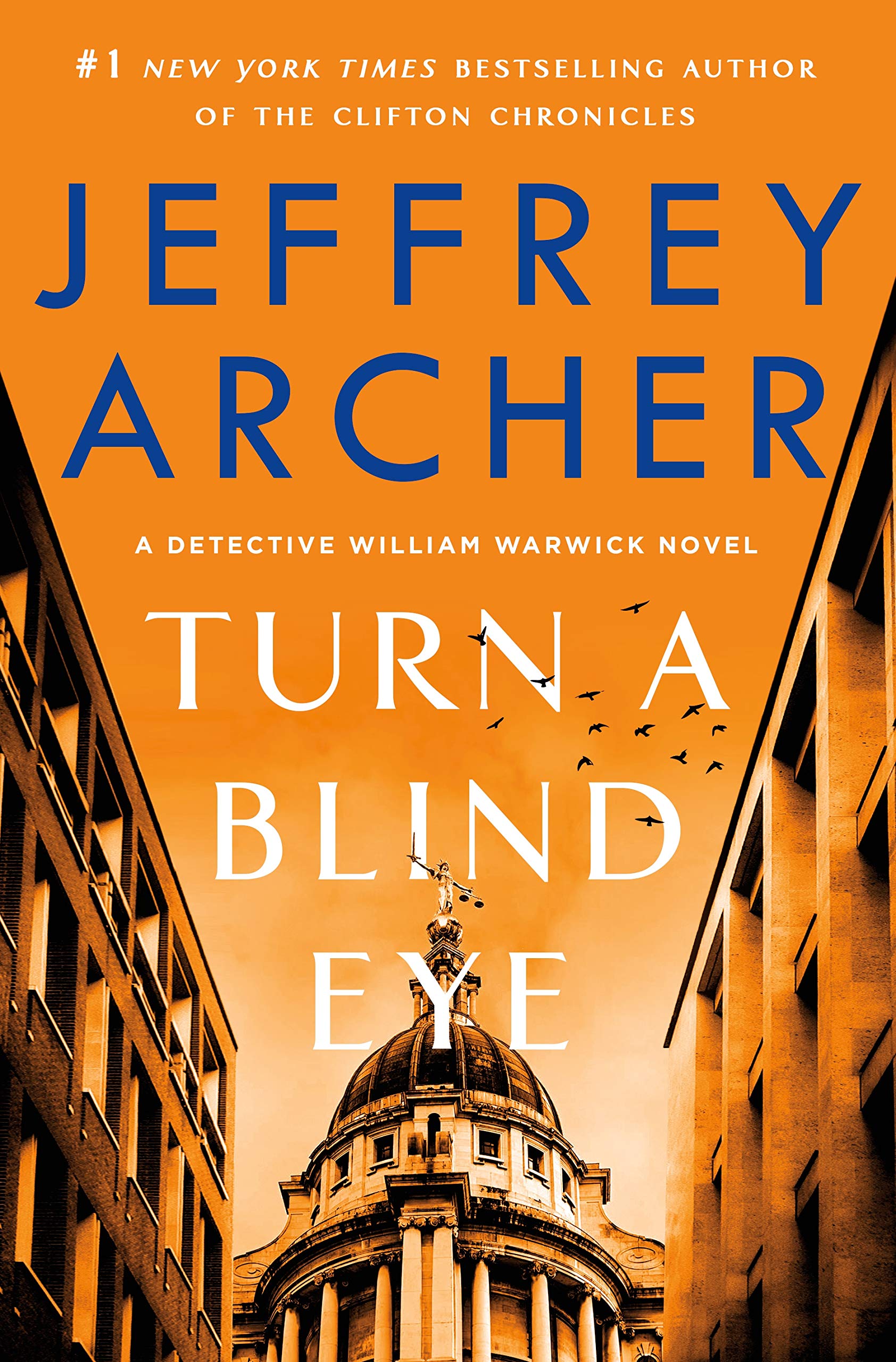
Turn a Blind Eye Cover 2

Amazon

Quick Review – City of Vengeance by D. V. Bishop

City of Vengeance Cover

Publisher: Macmillan (Trade Paperback – 9 February 2021)

Series: Cesare Aldo – Book One

Length: 402 pages

My Rating: 4.5 out of 5 stars

Amazon     Book Depository

From impressive debuting author D. V. Bishop comes a powerful and exciting historical murder mystery set in the heart of 16th century Florence with the amazing City of Vengeance.

Synopsis:

Florence. Winter, 1536. A prominent Jewish moneylender is murdered in his home, a death with wide implications in a city powered by immense wealth.

Cesare Aldo, a former soldier and now an officer of the Renaissance city’s most feared criminal court, is given four days to solve the murder: catch the killer before the feast of Epiphany – or suffer the consequences.

During his investigations Aldo uncovers a plot to overthrow the volatile ruler of Florence, Alessandro de’ Medici. If the Duke falls, it will endanger the whole city. But a rival officer of the court is determined to expose details about Aldo’s private life that could lead to his ruin. Can Aldo stop the conspiracy before anyone else dies, or will his own secrets destroy him first?

City of Vengeance is an awesome and powerful historical murder mystery that I have been looking forward to for a while.  New author Bishop has come up with an excellent story that expertly combines great characters, intense historical detail, and a clever murder mystery into an awesome and exciting tale.  I had an outstanding time getting through this amazing book, and this might be one of the better debuts of 2021 that I have so far read.

Bishop has produced an extraordinary narrative for his debut book which I deeply enjoyed and found myself quickly engrossed in.  This book contains an excellent mystery which is actually a clever adaptation of a real-life historical murder and conspiracy in renaissance Florence which the protagonist, Cesare Aldo, finds himself investigating and attempting to stop after several other related crimes are discovered.  Bishop builds a fantastic and intense story around this investigation as the protagonist goes up against several powerful foes and is forced into deadly situations as his opponents attempt to stop him.  There is also a great secondary storyline about a separate murder which is being investigated by both Aldo and his associates at Florence’s criminal court.  While this other murder is not directly connected to the main murder and conspiracy, they do highlight some of the personal issues surrounding the protagonist and provide some intriguing opportunities for a dastardly secondary antagonist.  I loved the author’s great use of multiple perspectives throughout this narrative, and he really comes up with some intense, action-packed moments as Aldo is forced to fight for his life.  This story ended up having some amazing twists to it, especially if you are unfamiliar with the events of 16th century Florence, and the reader is constantly left on their toes as they witness all the crazy events unfold.  I particularly loved the final sequence in the book, mainly because it was an extremely cathartic moment for both the protagonist and the reader, and it served as the perfect end to this dark and captivating tale.  This was an overall incredible narrative, and I am really glad I got to check it out.

Easily one of the best highlights of this fantastic book was the impressive and realistic setting of renaissance Florence that Bishop brought into being.  The author has clearly done their research when it comes to this iconic Italian city as the reader is shown a detailed and complex view of the city throughout the book.  The various characters explore different parts of this historical location, and you get a real sense of the scale and culture of this city.  I really appreciated the way in which Bishop attempts to highlight interesting parts of day-to-day life in Florence during this period, and I also deeply enjoyed the examination of the city’s justice system, leadership, and political placement in the rest of Italy.  The author also utilises a range of different Italian terms and words into the text in a bid to increase the narrative’s authenticity.  I really liked this clever use of language throughout the book, especially as it enhanced the storytelling without disrupting the flow of the narrative.  Several major figures in Florence’s history also make an appearance, and I was deeply impressed by the way in which Bishop portrays them, as well as the infamous historical events that they are connected to.  I thought that the author did a great job cleverly tying these real-life figures into the exciting plot of City of Vengeance, and it was cool to see their unique tales unfold.  All this really helps to elevate City of Vengeance as a historical fiction novel and this was a captivating and clever dive back into 16th century Florence.

I also quite enjoyed the characters featured in this great novel.  On top of the historical figures who are seamlessly fitted into the narrative, Bishop has also come up with a collection of fantastic fictional characters who the main story revolves around.  While I enjoyed all these characters, I must highlight two in particular: the main protagonist Cesare Aldo and secondary antagonist Cerchi.  Aldo is an excellent hero for this book thanks to his dedication to justice, his maverick personality, his quickness with a blade and his investigative prowess, all of which help him attempt to solve the difficult crime before him.  Aldo gets into some very rough scrapes in this book, and it was a lot of fun to see him get through them and survive.  The risks are especially high since the detective also has to hide his sexuality in order to survive.  This was a fantastic character element for Bishop to include and it certainly amped up the difficulties for the protagonist, especially when he is forced to contend with people like Cerchi.  Cerchi is a fellow investigator in Florence’s criminal court, and in many ways he is the direct opposite of Aldo, in that he is a snivelling, corrupt and selfish individual who cares more about lining his own pocket than justice.  Cerchi spends most of the book attempting to undermine Aldo while also blackmailing prominent homosexuals in the city for large amounts of money.  This leads to even greater conflict with Aldo, especially as Cerchi suspects Aldo’s secret, and this adds a whole new level of drama and suspense to the narrative.  I really liked the inclusion of Cerchi in the story as he was a particularly despicable and unlikeable character who the reader quickly grows to hate and beg for his downfall.  Both characters have some great storylines throughout this book, and I particularly enjoyed the way in which their combined arc ends.

In the end I really enjoyed this exceptional first novel from D. V. Bishop which was a lot of fun to read.  Thanks to its awesome blend of history, mystery and clever characters, City of Vengeance has an exciting and captivating narrative that proved extremely hard to put down.  I was deeply impressed with the way that the author utilised his knowledge of 16th century Florence to create a powerful and compelling tale of murder and conspiracy, and readers are in for a real treat with this fantastic debut.  I look forward to seeing what Bishop comes up with next and I particularly hope that he revisits Cesare Aldo and Florence in his future novels.

Quick Review – The Imitator by Rebecca Starford

The Imitator Cover

Publisher: Allen & Unwin (Trade Paperback – 2 February 2021)

Series: Standalone

Length: 344 pages

My Rating: 4.25 out of 5

Amazon     Book Depository

Deception, divided loyalties and despair are all on offer in the debut novel of Australian writer Rebecca Starford, who presents a curious and captivating read with The Imitator.

Synopsis:

‘We trade in secrets here, Evelyn. There’s no shame in having a few of your own. Our only concern is for who might discover them.’

Out of place at boarding school, scholarship girl Evelyn Varley realises that the only way for her to fit in is to be like everyone else. She hides her true self and what she really thinks behind the manners and attitudes of those around her. By the time she graduates from Oxford University in 1939, ambitious and brilliant Evelyn has perfected her performance.

War is looming. Evelyn soon finds herself recruited to MI5, and the elite counterintelligence department of Bennett White, the enigmatic spy-runner. Recognising Evelyn’s mercurial potential, White schools her in observation and subterfuge and assigns her the dangerous task of infiltrating an underground group of Nazi sympathisers working to form an alliance with Germany.

But befriending people to betray them isn’t easy, no matter how dark their intent. Evelyn is drawn deeper into a duplicity of her own making, where truth and lies intertwine, and her increasing distrust of everyone, including herself, begins to test her better judgement. When a close friend becomes dangerously ensnared in her mission, Evelyn’s loyalty is pushed to breaking point, forcing her to make an impossible decision.

A powerfully insightful and luminous portrait of courage and loyalty, and the sacrifices made in their name.

This ended up being a fantastic and enjoyable read from Rebecca Starford, who has come up with a really intriguing and unique story.  Starford is an Australian writer who is probably best known for her work on the Kill Your Darlings magazine, as well as her non-fiction book Bad Behaviour, which chronicled the author’s life at an elite country boarding school.  The Imitator, which was also released under the title, An Unlikely Spy, is an impressive and captivating historical drama that follows a young woman who becomes involved with British espionage at the start of World War II. 

The Imitator has an interesting and surprising story to it which is guaranteed to grab the reader’s attention all the way up to its final shocking twist.  Told from the perspective of protagonist, Evelyn Varley, the story is split into two distinct periods, with some of plot set shortly after the end of World War II, while the rest follows the protagonist during the early days of the war.  Most of the narrative is set during the earlier time and examines the protagonist during this period, including her recruitment into MI5 and her eventual work investigating Nazi sympathisers.  This proves to be quite a fascinating narrative thread, and I really enjoyed the great blend of historical espionage and the compelling drama surrounding the character and her personal relationships.  I was particularly intrigued by the parts of the book that explored Evelyn’s attempts to infiltrate a major group of Nazi sympathisers, especially as she is forced to alter her personality to fit into the tight-knit group of fascists.  Starford also includes several chapters set after the war which show Evelyn dealing with the aftermath and her actions during the conflict.  These post-war sequences compliment the rest of the story extremely well, and hint at tragic consequences to what she did after she is contacted by people from her past.  However, readers are in for quite a shock, as these later sequences are shown to be a major bait and switch.  Instead of the conclusion that you would generally expect in one of these stories, Starford puts in a particularly major and dramatic twist which really changes the entire tone of the narrative.  This twist was a brilliant master stroke from the author, especially as it switches around the implications for the post-war chapters and shines a whole new light on everything.  I was really impressed with this amazing narrative, especially once you realise how the author set up the clever ending, and this was truly an awesome and memorable story.

One of the things that I really liked about The Imitator was the fantastic historical setting of London during the early period of World War II.  Starford did a great job of highlighting what life during this period would have been like, from the early actions of organisations such as MI5, to the feelings of the populace, most of whom were convinced that the war would be fought far away or would not happen at all.  I was also really impressed by the author’s examination and dramatization of several intriguing real-life historical events that occurred during this period.  The character of Evelyn Varley is based upon the real life of MI5 operative Joan Miller, who infiltrated a major Nazi sympathiser movement, known as the Right Club, in London back in 1939.  Many details about the Right Club are fitted into the book and used as the basis for the Nazi group the protagonist infiltrates.  While there are several name changes, the fictional group closely matches what actually happened with the Right Club and MI5’s mission to infiltrate it.  I felt that Staford did an amazing job exploring this group and the mission of Joan Miller, and it proved to be an exceptional and clever base to this awesome story.

I also must compliment the compelling and intriguing protagonist of this novel, Evelyn, who serves as the main point-of-view character for the story.  Evelyn is a complex individual with a number of features formed during her harsh early life at a prestigious private boarding school.  Thanks to her less affluent parents, Evelyn does not really fit in with the richer students and is soon forced to adopt a much different persona, which is helped by the relationship she forms with the family of her one friend at the school.  This ability to change her persona becomes particularly important later in life when she begins her career in espionage and must show a false side to herself to people she is trying to take down.  Starford has written a fantastically complex character here in Evelyn, and I really appreciated the way in which the author examines what events or personality traits a successful undercover spy might need to have.  I also liked the way in which we get to see the character at different parts of her life as the book progresses, such as her innocent pre-war life, her experiences as a seasoned infiltrator and her reflections as a damaged survivor.  These various periods of her life and the different personalities are very dramatic and intriguing, and I found it fascinating to see how the author envisioned her changing personality.  Starford also writes in an extremely good storyline around the protagonist’s twisted loyalties, which forces her to choose between the safety of her country and the people closest to her.  These conflicting loyalties and friendships take Eveyln in some dark places and I really must applaud the clever and powerful narrative that Starford constructed around this great character.

Overall, The Imitator by Rebecca Starford is an exceptional and captivating read that comes highly recommended.  I really enjoyed this fantastic book’s clever blend of historical fiction, espionage and dramatic storylines, and I had a wonderful time getting through all of The Imitator’s compelling twists and revelations.  An outstanding read that is guaranteed to stick in the mind long after you have finished reading it.

Amazon     Book Depository