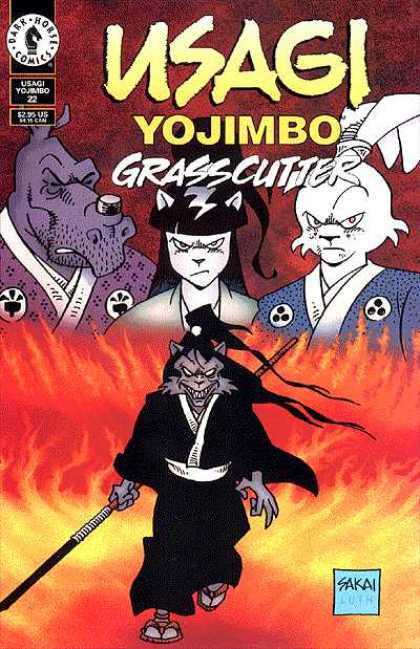
Throwback Thursday: Usagi Yojimbo: Volume 12: Grasscutter by Stan Sakai

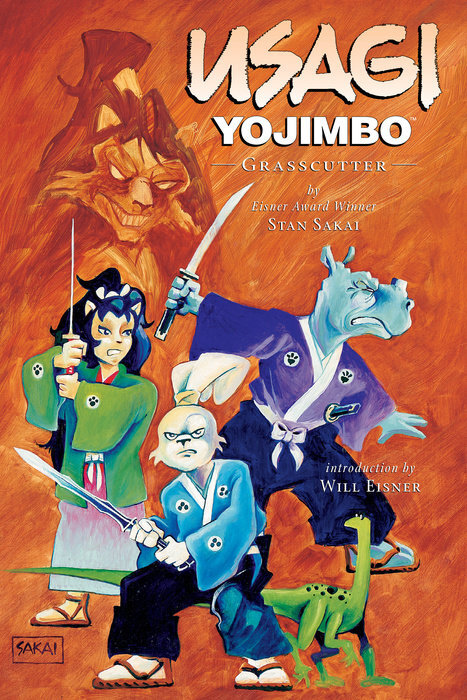
Usagi Yojimbo - Grasscutter Cover

Publisher: Dark Horse Books (Paperback – 1999)

Series: Usagi Yojimbo – Book 12

Length: 255 pages

My Rating: 5 out of 5 stars

Amazon

Welcome back to my Throwback Thursday series, where I republish old reviews, review books I have read before or review older books I have only just had a chance to read.  For my latest Throwback Thursday I return to my very favourite comic book as I look at the 12th volume in the epic Usagi Yojimbo series by Stan Sakai, Grasscutter.

Usagi #13

It has been a little while since I covered one of these Usagi Yojimbo volumes in a Throwback Thursday article.  I had a bit of trouble getting this specific volume, which kind of put everything on pause.  Despite my belief that I had a whole collection of the Usagi Yojimbo comics, it turns out I was missing the 12th volume and I honestly have no idea how I could have misplaced my copy (or did I ever really own it? Who knows?).  To fix this oversight, I recently ordered a second-hand copy from Amazon and managed to get it shipped down here from America.  Now that I finally have a full collection, I can get back to reviewing this entire epic series, which is proving to be so much fun.

A quick refresh about this series before we start: the Usagi Yojimbo comics are the incredible work of legendary comic author and artist Stan Sakai, who has been working on this series for nearly 40 years.  Made up of a ton of amazing volumes, the comic is set in an alternate version of feudal Japan populated by anthropomorphic animals.  The series follows the rabbit ronin Miyamoto Usagi, a wandering bodyguard and adventurer who gets involved in all manner of troubles as he faces off against criminals, bandits, ninja, monsters, psychopaths and ambitious lords.  Combining brilliant stories with complex characters, cool action, elaborate scenarios and outstanding artwork, this series is an absolute masterpiece and it is one that I have adored for years.
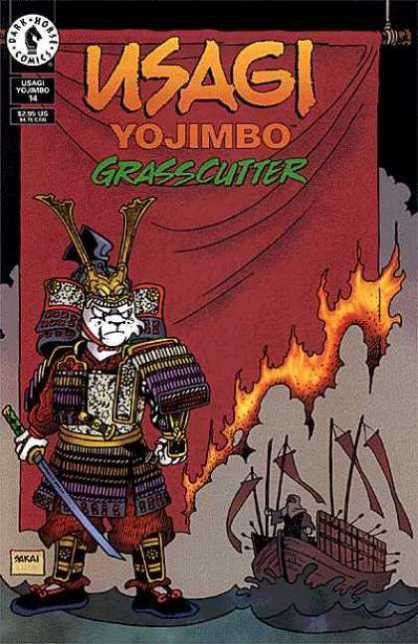
Usagi #14

The 12th volume of this series is Grasscutter, which serves as a particularly major entry in the entire Usagi Yojimbo line.  Containing issues #13-22 of the Dark Horse Comics run, this volume unusually contains a single story, rather than the multiple shorter, episodic tales typical of this series.  Bringing together several intriguing story threads from previous comics and reuniting several of the more distinctive supporting characters, Sakai tells his most ambitious tale, and the results is absolute magic.

Following a destructive war centuries ago between two rival houses, the nation of Japan is now firmly controlled by the shogun and his court, while the emperor rules only as a symbolic figure, detached from the politics of the realm.  While many are content to live within the shogun’s peace, there are some who seek power and prestige through the return of the imperial family to true power.  But with the full might of the military and the samurai behind him, only one thing could possibly inspire the people to revolt against the shogun: the legendary heaven-forged sword, Kusanagi the Grasscutter.
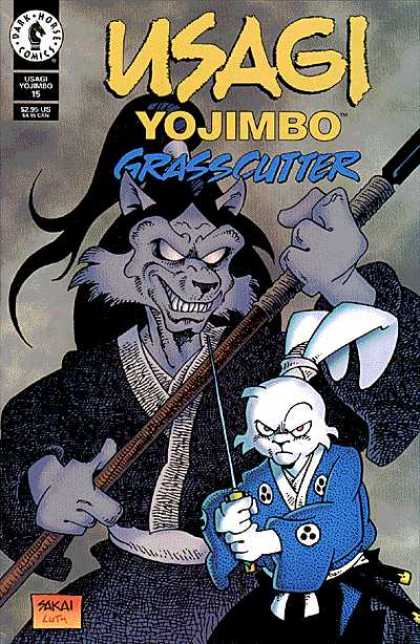
Usagi #15

However, this divine sword was lost generations ago in the battle that saw the Imperial family overthrown, and it now rests at the bottom of a watery strait, impossible to recover.  Undeterred by the odds against them, a small contingent of rebellious lords have initiated a conspiracy to overthrow the shogun by any means necessary.  Calling upon the powers of a mysterious witch, the conspirators hope to obtain the sword through sorcerous means.  While they succeed in freeing Grasscutter from its watery tomb, fate ensures that the sword ends up in the mostly unlikely of hands, that of the wandering samurai Miyamoto Usagi.

Unsure what to do with the legendary sword, Usagi soon finds himself pursued by the forces of the conspirators and must fight with everything he has to keep it out of their hands.  But the events of this conflict spread far beyond Usagi, and soon everyone he knows is in danger as the conspirators attempt to kill his friends Tomoe and Lord Noriyuki to stop them bringing Grasscutter to the shogun.  At the same time, the bounty hunter Gen and the rogue swordswoman Inazuma as drawn from their own scuffles into the greater battle for Grasscutter, especially when they encounter the feared demon-spearman Jei.  Can Usagi and his friends survive the overwhelming forces arrayed against them, or will the nation be thrown into war once again with the resurgence of the Grasscutter?

Usagi #16

Wow, just wow!  This is such an impressive comic that is so very epic in scope, storytelling and major character moments.  Sakai has done a brilliant job with this cool volume, and I loved the brilliant narrative he cooked up for Grasscutter, especially as it ties into so many major moments from the previous volumes.  Filled with intense action, brilliant set pieces and some beautiful art, Grasscutter is an incredible volume that, unsurprisingly, gets a full five-star rating from me.

I loved the incredible story that Sakai has featured in Grasscutter, especially as, in a departure from the series’ usual style of short stories, this volume features one massive and complex story.  This change in story length works extremely well and ensures that this volume stands out as a major entity in this epic series.  Sakai sets his narrative up carefully, with the initial issues of the comic dedicated to explaining the importance of the sword Grasscutter and how it was lost during a deadly civil war.  After establishing the significance of this weapon, the main narrative quickly gets into full swing, continuing one of the storylines from the previous volume, Seasons, and showing the members of the Conspiracy of Eight working to summon the sword from the bottom of the strait using possessed crabs (it makes sense in context).  As this is occurring, several other intriguing storylines are set up and you are soon following Usagi as he does his usual wandering routine, as well as other great side characters like Gen, Inazuma, Tomeo and Lord Noriyuki, as well as the deadly villain Jei.  Having all these characters caught up in these events makes for quite an interesting and elaborate tale, with each of them getting their own distinctive storyline that slowly merges with the others.  For example, Usagi finds himself in a desperate battle against the forces of the conspirators, Gen attempts to hunt down Inazuma for the big bounty on her head, only to run afoul of bandits and police, Tomoe attempts to save Lord Noriyuki from a treacherous ambush only to run into a far more dangerous foe, while Jei finds himself drawn towards the power of the divine sword.

Usagi #17

All these storylines come together extremely well as the story proceeds, often in some explosive and action-packed ways.  Usagi, in his pursuit of the sword, finds himself once again teaming up with Gen, only to run right into Jei when he is at his most dangerous.  Meanwhile the intense storyline surrounding Tomeo and Noriyuki has some large set pieces as the two attempt to escape the army chasing after them.  While mostly separate, these two storylines complement each other nicely, especially as the ambush on Tomeo and Noriyuki is due to the conspirators searching for Grasscutter, and it serves as a dramatic side adventure to the main story.  There are some amazing moments here, and I was particularly impressed with the storyline that saw Noriyuki come face to face with his father’s worse enemy in a complicated manner.  The big finale involves the final fight between Usagi and his mortal enemy, Jei, which sees some absolute carnage.  The subsequent damage and the impossible consequences will leave you reeling, and this entire story concludes perfectly, not only bringing the impressive narrative around Grasscutter to a satisfactory end, but also setting up some additional interesting storylines and character arcs.  This entire volume is just so damn epic, and I really appreciate the way in which Sakai journeys back to many of his previous storylines and utilises elements from them here, although it does mean that Grasscutter isn’t a great entry for first-time readers to check out.  The great combination of action, character development and intriguing world-building elements is just exceptional, and this entire comic is brilliant from start to finish.
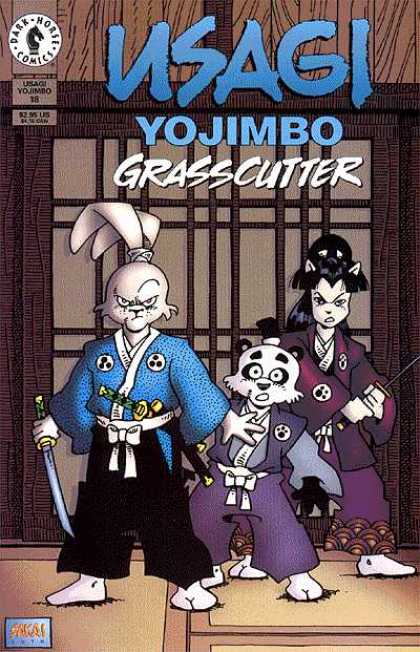
Usagi #18

One of the main things that I always love about the Usagi Yojimbo comics is Sakai’s use of intriguing elements from Japanese culture and history to compliment his excellent original storytelling.  This is particularly true in Grasscutter as Sakai utilises some of the most iconic parts of Japanese mythology and history as the basis for much of the plot, particularly around the legendary sword Kusanagi-no-Tsurugi (Grasscutter or Grass-Cutting Sword).  Sakai, who has clearly done a ton of research here, produces an amazing interpretation of the origins of the sword, going all the way back to the Japanese creation myth and showcasing the origins of the Kami and their many descendants.  He then goes into the history of the sword, showing its discovery of the sword, the events that resulted in the name change to Grasscutter, before going all the way to the Japanese Civil War (the Genpei War), that saw the rise of the shogunate and the decline of imperial authority.  This ends with a brilliant showcase of the massive and destructive naval battle between the two factions which led to the death of the young emperor and the loss of the sword.  The loss of the sword, as recounted in The Tale of the Heike, becomes a key part of this narrative, and it is so fascinating to see its sudden return be used as a major story element.  Readers unfamiliar with Japanese history or mythology get a brilliant understanding of these cultural elements at the start of the book, and this allows the rest of the story to flow perfectly.  I deeply enjoyed how Sakai brought all these cool moments to life (even if he does simplify it in places for narrative reasons), and it ended up being an exquisite and clever start to the book.  Throw in a very detailed and fascinating notes section at the back from Sakai, explaining his research and how it influenced his story, and you have some exceedingly cool historical elements that are expertly utilised to create an epic Japanese tale.

While I had a lot of fun with the story, action and Japanese cultural elements, one of the main highlights of Grasscutter is the substantial character work that occurs within.  Due to its length and scope, Grasscutter serves as a major part of the Usagi Yojimbo series and as such, it features many of the best supporting characters from the previous volumes.  All these characters get some substantial storylines in this book, either as protagonists or villains, and it was extremely fascinating to see what happened to some of them.  Sakai melds the unique character storylines together into one cohesive and powerful narrative which does an excellent job exploring each of the characters and giving them key moments in their storylines.
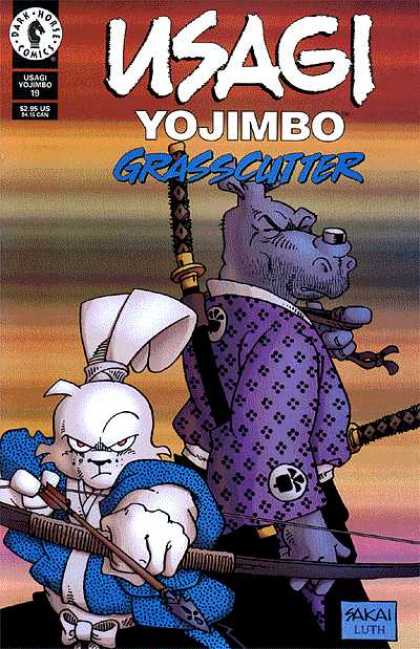
Usagi #19

Unsurprisingly, much of the story focuses on the character of Usagi, who serves as the main protagonist of the story.  Thanks to his usual luck, Usagi winds up finding the blade immediately after it emerges from the water and is soon thrust into the midst of the conflict surrounding it.  This immediately puts him in a major dilemma as he is uncertain what to do with the sword, as all the sides who would claim it (the shogun, the emperor, even some of his own friends) would all use it for their own benefit and the nation would likely suffer as a result.  As such he fights incredibly hard to hold onto the blade for everyone’s good, and this forces him into some increasingly desperate battles.  Usagi gets pretty beat up and exhausted throughout this entire ordeal, and his final match with Jei pushes him to the limit and strikes him at his very core.  While he doesn’t get a major amount of development in this story, he still served as a great centre for the plot and it is always fun to follow along on one of his adventures.

You can’t have a major Usagi story without his friend, Murakami Gennosuke (Gen) showing up and trying to get paid.  The rhino bounty hunter has an excellent story which starts when he unsuccessfully tries to claim a bounty on some dead criminals he discovers in the woods.  This almost immediately backfires on him and forces him to deal with all manner of corrupt cops and murderous bandits as he attempts to make a little money.  His misadventures lead him to face off against Inazuma, the deadly swordswomen who Usagi encountered in the 10th volume, The Brink of Life and Death.  Inazuma, a former innocent girl turned sinister killer, is still being pursued by assassins and bounty hunters who want the massive price on her head.  Naturally Gen decides to chase after her, and this results in a pretty brutal fight between the two, which really showcases just how dangerous Inazuma can be.  The subsequent storylines are also fascinating as Gen gets dragged into the fight for Grasscutter by Usagi and Inazuma goes deep into her own soul when she encounters Jei.  This results in some extremely dark moments for both characters, and it was captivating to see what happened to them throughout the volume.  The final reveals about Inazuma and her future are very grim, and it sets up some excellent storylines in the future.

Usagi #20

There are also some brilliant storylines going on around the characters of Tomeo and Lord Noriyuki.  While primarily separate from Usagi and his adventures, Tomeo and Noriyuki find themselves under attack and are pursued throughout the land by murderous assassins and samurai (much like in their first appearance in Volume 1: The Ronin).  Their dangerous journey becomes even more perilous when they run into a familiar face, General Ikeda, the character so perfectly featured in the short story The Patience of the Spider from the previous volume.  Ikeda is a great character in that he is a former general who, after failing to kill Noriyuki’s father in a revolt, has spent the last several years living as a peasant, a simple life he became content with.  However, when he suddenly finds the son of his mortal enemy in his house, he must choose whether to take up the old grudge or forge a new path for himself.  Watching the internal struggle that occurs within Kieda is pretty awesome, and his interactions with the suspicious Tomeo and Noriyuki are just wonderful.  I deeply enjoyed how this story unfolded, and it was some of the best character work in the entire volume, not to mention the most action-packed.

The final major character I really to talk about is the infamous Blade of the Gods, Jei.  First appearing in the third volume, The Wanderer’s Road, the crazed killer Jei has been one of the best villains in this series, constantly following Usagi and trying to kill him (another good story was in the sixth volume, Circles).  Jei and Usagi finally come face to face again in Grasscutter when Jei recovers the sword and attempts to use it for his own dark purposes.  Sakai really goes out of his way to make Jei appear as a deadly badass in this comic, with his first appearance shows him killing an entire detachment of samurai by himself.  His subsequent wanderings see him interact with several other side characters for the first time in the series, and their reactions to his weird aura and power are brilliant.  I loved how the dark Jei is perfectly offset by his companion, the young, innocent girl Keiko, who is the only person Jei cares about and will not hurt.  They have some great moments in this comic, and it is fascinating and troubling to see the interactions between them.  However, Jei’s big moment in Grasscutter is his rematch with Usagi, which has been brewing for ages.  Watching these bitter enemies face each other again is pretty fantastic, and you get some amazing moments during their duel.  The conclusion of their fight is very clever and really alters your opinion about both Jei and Usagi, while also seeming to confirm Jei’s supernatural background.  Watching the pure fear and shock on the usually unflappable Usagi when he encounters the many mysteries of Jei is so awesome, and Jei continues to shine as a brilliant antagonist in this volume.  His intriguing final fate will leave you shocked and surprised as a new version of the character emerges.  All this character work and more really helps to turn this outstanding comic into a true masterpiece, and I have so much love for Sakai’s ability to create such amazing and iconic figures.

Usagi #21

The final thing that I want to highlight is the impressive artwork contained within Grasscutter.  As with all the Usagi Yojimbo volumes, all the art of this comic has been drawn exclusively by Sakai, which is exceedingly impressive.  His drawing skills are amazing on multiple levels as he portrays such complex adventures with a simple yet beautiful style which I have so much love for.  As with most Usagi Yojimbo comics, Grasscutter is filled with stunning drawings, from amazing landscape shots that show off the beauty of the Japanese wilderness, to close-up shots of the deadly battle sequences.  There are some amazing scenes throughout this book, although I personally really enjoyed the fantastic and powerful renderings of key moments of Japanese history and mythology that were featured in the volume’s first two issues.  Everything from the formation of the lands to the events that gave Grasscutter its name is very cool, and Sakai expertly imparts his own style into these intriguing spiritual stories.  The massive battle that ended the civil war is shown in some exquisite detail here, and I loved how he showcased this elaborate and deadly naval fight.  Of course, you cannot forget the brilliant final duel between Usagi and Jei, which was such a highlight of the story.  Sakai goes out of his way to make this fight as epic and as brutal as possible, and you get a real sense of both participants skill and determination to win.  The mystical aftermath of their fight looks extremely awesome as well, and I loved all the intriguing and unique detail Sakai featured here, including the spooky alterations that happened to one of the characters.  Another brilliant artistic outing from Sakai that perfectly supported his incredible storytelling and character work and is some must see drawing.
Usagi #22

As you can no doubt tell from the glowing descriptions above, I deeply enjoyed this 12th volume of the Usagi Yojimbo series.  Stan Sakai was in excellent form when he created the powerful and exciting Grasscutter, which features one of the author’s most impressive and extensive stories.  Featuring all his best characters, his great love of Japanese culture, as well as some impressive artwork, Grasscutter shines as an outstanding entry in this brilliant series, and it is one that cannot recommend enough.
Amazon

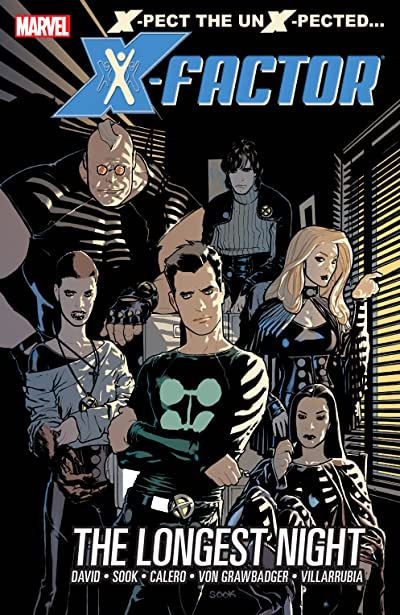
Throwback Thursday – X-Factor: Volume 1: The Longest Night

X-Factor - Volume 1 - The Longest Night

Publisher: Marvel Comics (Paperback – 7 March 2007)

Series: X-Factor (Vol. 3) – Volume One

Writer: Peter David

Pencils: Ryan Sook & Dennis Calero

Inks: Wade Von Grawbadger & Dennis Calero

Colour Art: Jose Villarrubia

Letters: Cory Petit

Length: 144 pages

My Rating: 5 out of 5 stars

Amazon

Welcome back to my Throwback Thursday series, where I republish old reviews, review books I have read before or review older books I have only just had a chance to read.  For this Throwback Thursday I look at the start of one of the best comic series I have ever had the pleasure of reading, with The Longest Night, the first volume in Peter David’s impressive and incredible X-Factor series.

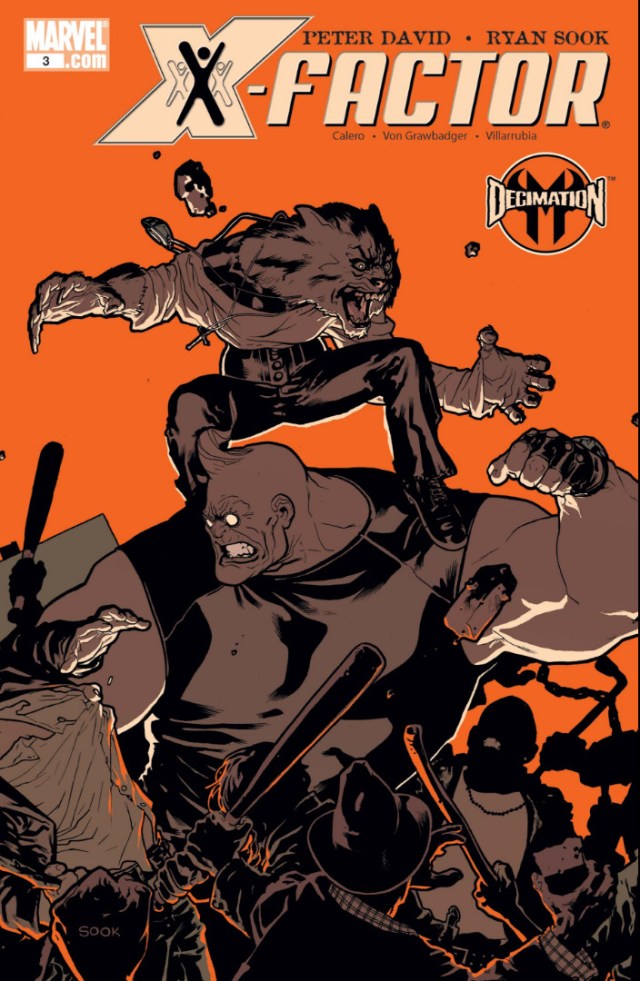
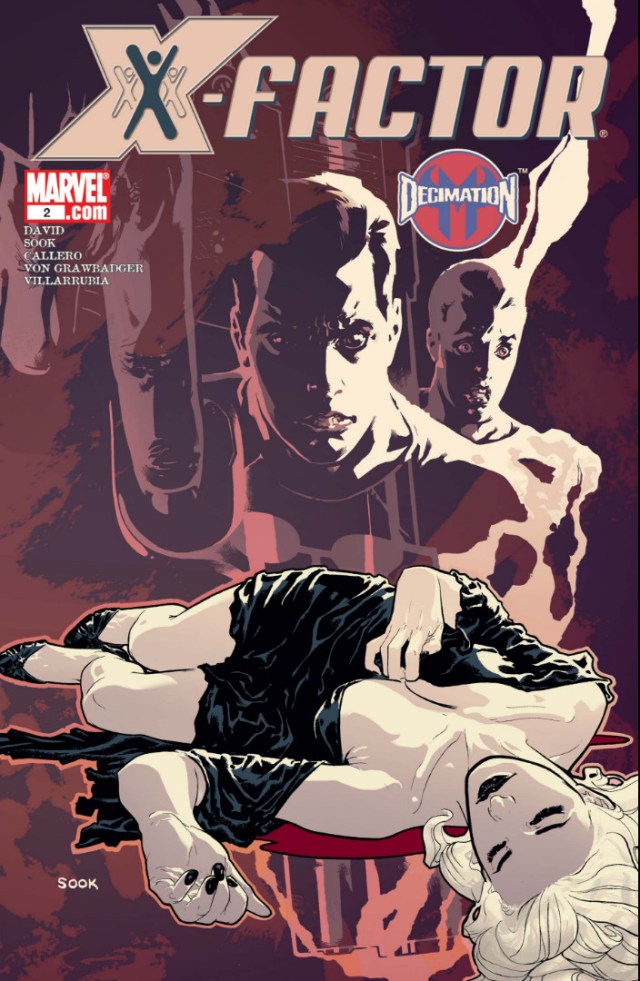
X-Factor - Vol3 - 2 Cover

There are many awesome comic series that I have a great appreciation for, but to my mind one of the most entertaining, clever and captivating series I have ever had the pleasure of reading has to be the third major version of the X-Factor title that ran between 2005 and 2013.  This series span off the limited series, Madrox: Multiple Choice, with its entire run written by Peter David, with a rotating team of talented artists.  Also known as X-Factor (Vol.3) or X-Factor Investigations, this long-running series focused on a team of mutants who formed a detective agency after the events of House of M.  Calling themselves X-Factor Investigations and led by Jamie Madrox, the Multiple Man, this series followed the team as they investigated mutant related crimes, protected the area of New York formerly known as Mutant Town, and did general superheroics, often for a fee.  Despite its odd-sounding plot, this was an incredibly good series, and it is one of my all-time favourite comic series.  I have recently done a bit of a re-read of this series and thought that it would be a good time to talk about it on my blog, starting with this first volume, The Longest Night.

X-Factor is back, and this time they are in business for themselves as X-Factor Investigations, the weirdest and only mutant run private investigative agency in New York.  Led by Jamie Madrox (the Multiple Man), made up of the ragtag group of heroes including, Strong Guy, Wolfsbane, Siryn, Rictor and Monet, X-Factor investigates the cases no-one else will, especially if it helps current and former mutants.  However, X-Factor are about to find themselves investigating the most sinister case of their brief tenure, when a new client walks in the door, accompanied by the mysterious Layla Miller.  Following the breadcrumbs given to them by Layla, X-Factor begins looking into the rival organisation, Singularity Investigations, who have dire plans for the future of all mutant kind.  At the same time, X-Factor finds itself in the middle of the deteriorating conditions in Mutant Town, as they start their own investigation into what really depowered most of the mutant species.

As their investigations continue, X-Factor find themselves encountering crazy events and dire obstacles from all sides.  Forced to protect their client from being arrested for murder, as well as the deadly attentions of Singularity Investigations, X-Factor struggles to solve the case before it is too late.  However, their actions have awoken a dangerous enemy whose knowledge of time could prove disastrous.  Can X-Factor succeed and become the team the world needs, and what role will Layla Miller play in their future, especially as she actively attempts to hide the events of House of M and Decimation from her new friends?

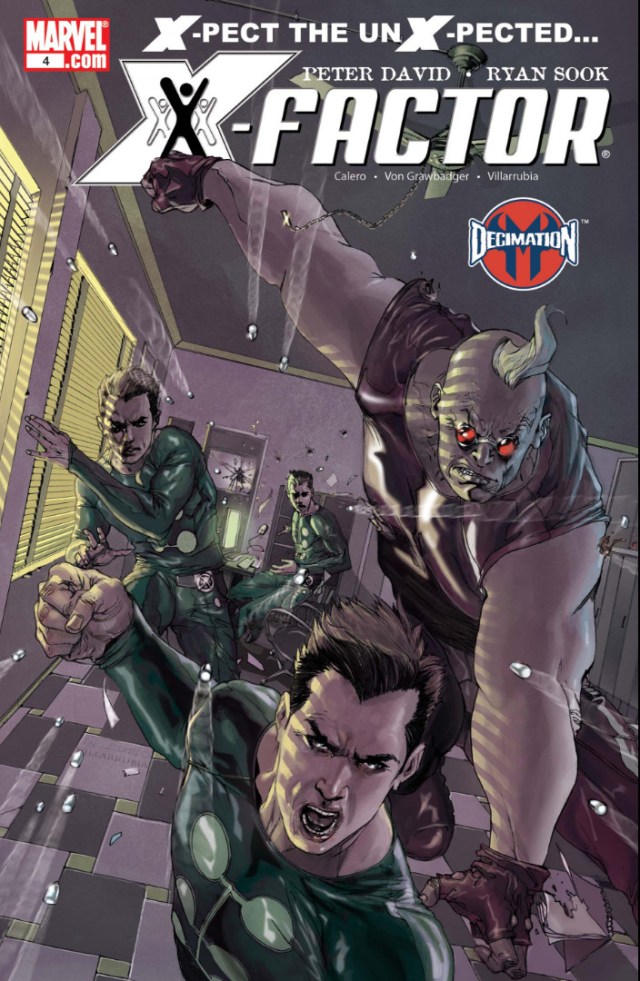
X-Factor - Vol3 - 3 Cover

The Longest Night is a brilliant and intense comic volume that serves as the perfect introduction to this outstanding X-Factor series.  Containing issues #1-6 of X-Factor (Vol. 3), The Longest Night contains an incredible and epic story by Peter David that expertly introduces the new team and sets up many of their future adventures, perfectly accompanied by the excellent art of Ryan Sook and Dennis Calero.  This incredible comic will really start your fall towards X-Factor obsession.

To start this amazing series off, David has come up with an impressive narrative that not only introduces the team but also contains several clever mysteries and dangerous threats.  The Longest Night starts off in a very interesting way, with Madrox attempting to save the life of a suicidal Rictor, while other members of the team find themselves under attack from sinister forces.  The story quickly develops, with new player Layla Miller directing X-Factor Investigations towards the mysterious Singularity Investigations, while also implementing her own mysterious agenda.  This sets the X-Factor team down a dark path as they contend with the corrupt and deadly Singularity employees as well as other malicious threats that pop up.  I deeply enjoyed the main storyline, especially as the protagonists are forced to intervene in a murder case to prove that their client is innocent, despite dangerous interference from their competitors.  This leads to some dark consequences, as one of the team is attacked and then kidnapped in scenes that strongly remind you of a dark thriller.  The new villains of this early part of the series, Singularity Investigations and their management team the Tryps, prove to be pretty sinister, and I liked some of the unique storylines that are started up around them.  There are also some impressive and clever sequences that explore the aftermath of the Decimation, as well as the current mental states of the various team members, which is extremely powerful and deeply moving.

I loved the cool style that this comic had, especially as the creative team were trying to give it a classic noir detective vibe at times.  While some of the best themes from the X-Men comics are featured within this volume, such as prejudice, dual self-hatred and love of mutant abilities, and the fallout from the House of M limited series, this comic really stands on its own, and I loved the combination of mutant issues and crime fiction.  There is a certain dark edge to many of the storylines, with the character dealing with brutal murders and attempted killings.  While much of the focus is on the darker and more mature vibes, this comic also has a wicked sense of humour behind it which I deeply enjoyed.  All the characters are pretty fun, and there are some dark and clever jokes sprinkled throughout the story, especially when it comes to group clown Madrox and resident mystery girl Layla Miller.  This combination of superheroics, dark humour and crime fiction makes for quite an impressive read, and I always find myself getting really drawn into it.  Due to how many times I have read this series of the years I also really respect The Longest Night as a first entry in the overall X-Factor (Vol.3) series.  While all the best elements haven’t been introduced yet, this comic is still off to a brilliant start, and I loved all the hints and brief mentions of the events yet to come.  Multiple storylines are perfectly set up here, and there are some great references to upcoming events and some key moments from recent comics.  This proves to be an exciting and impressive first entry in this series, and I love how it spawns so many awesome moments in the future.

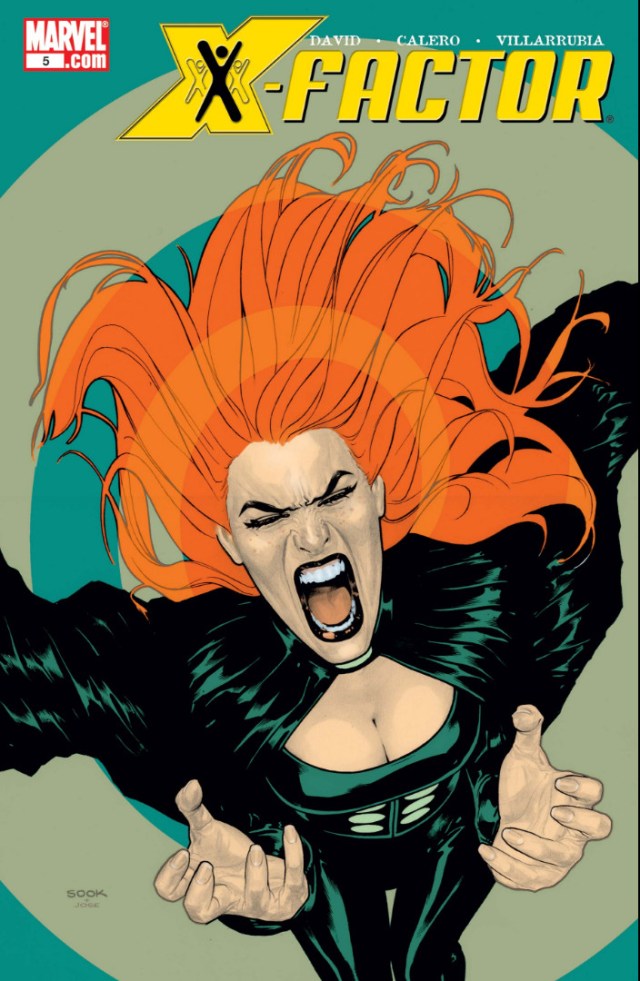
X-Factor - Vol3 - 4 Cover

One of the things that has always impressed me about this version of X-Factor is the excellent cast of characters featured.  The team is an intriguing combination of some of the more unique and enjoyable characters from the various X-Men comics.  The initial line-up featured in The Longest Night is a great example of this, as David has featured several previous X-Factor members alongside some interesting new choices.  There is a real mismatched feel to the characters, as not only are they angry and discontent, but there is some thinly veiled antagonism going on between them, despite them all being on the same team.  On top of that, they end up being some of the most damaged and complex figures you can expect to find in Marvel comics, as they are all dealing with unique personal issues.  This results in some major personality clashes and great internal struggles that really enhances the drama of the narrative and results in some brilliant storytelling.

The main character of this series is team leader Jamie Madrox, the Multiple Man.  Jamie is a very interesting figure in this series, due to the many divergent and tragic issues that result from his ability to create duplicates of himself.  Attempting to be a grounded and calm figure for the team, Jamie often finds himself undermined, not only by his time but also by his own dupes, which proves to be both entertaining and occasionally emotionally powerful.  A lot of these great elements are explored in The Longest Night, and you get a great sense of who the character is and his complex feelings, even if you haven’t read the lead-in limited series, Madrox: Multiple Choice.  Jamie cuts a great figure as a noir-inspired private detective leading a team of misfits, but in reality, he is scared and emotionally drained, even before the series starts.  Jamie ends up spending most of this comic battling his own inner demons and indecision, while also having difficulty controlling his team.  While in many ways Jamie is a tragic figure, he also serves as one of the main comic reliefs, and his smart-assed comments and dark jokes add a lot to the narrative, while barely hiding his struggles within.  I really liked how this comic spent significant time exploring Jamie’s power to create duplicates, as well as the many problems associated with it.  What makes this power very unique is the way that each of his dupes has their own personality, most of which are a manifestation of his own fears, internal struggles, inner dark side and more.  While this is often played for comedic effect, especially as his crazier dupes say some very random stuff, certain dupes show off a real mean side, such as one who pretends to be Zen, but is actually Jamie’s unpredictable side, his “X-Factor”.  This was an overall incredibly impressive introduction to Madrox, and it serves as a brilliant base to his various follow-on storylines that are such an impressive feature of the rest of this series.

X-Factor - Vol3 - 5 Cover

Aside from Madrox, the team is made up of former X-Factor members Julio Richter (Rictor), Guido Carosella (Strong Guy) and Rahne Sinclair (Wolfsbane), as well as X-Factor newcomers Theresa Cassidy (Siryn, daughter of Banshee) and Monet St. Croix (M from the Generation X comic).  I really liked this great blend of figures as it produces some awesome and entertaining team dynamics, such as having the arrogant party girl, Monet, getting into various disputes with the other characters.  All five of these characters have some interesting moments in this volume, such as Strong Guy and Wolfsbane’s interference against an anti-mutant riot, or Monet’s brief emotional breakdown after telepathically experiencing the murder of a young woman.  However, I the best moments of this volume probably occurred with Siryn and Rictor.  Siryn, who serves as a bit of a second-in-command, has several key storylines around her, and she ends up being the one most obsessed with the actions of Singularity Investigations.  The subsequent brutal attack and creepy hostage situation she suffers from is pretty horrifying, and the resultant mental and physical damage makes for some harrowing moments.  Rictor also has a great storyline in this series, as he is the only character on the team who lost their powers in the Decimation.  This leads him to some serious depression, especially as the first scene in the comic involves his attempted suicide, which is only just stopped by the rest of the team.  The author’s compelling and thought-provoking dive into Rictor’s feelings of loss and uncertainty is pretty heartbreaking, and I loved this complex look at the terrible impacts of the Decimation.  Despite his lack of powers, Rictor still serves as a great member of the team, and his involvement in saving Siryn from a terrible situation is extremely cool and very intense.

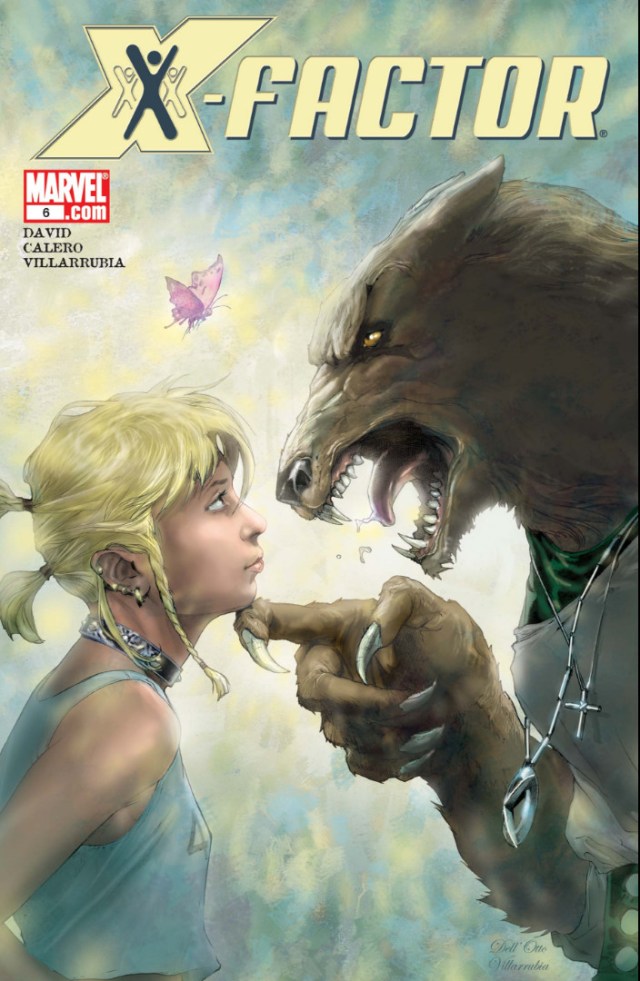
However, my favourite member of this new version of X-Factor had to be the young and mysterious Layla Miller.  Layla was first introduced as a unique character in House of M, as she could remember the real world and bring the memories back to the various heroes.  She reappears in this volume right in the first issue, walking into office, providing information and declaring herself a member of the team.  Despite the confusion of the other people on X-Factor and the fact that she’s a child, Miller manages to stick around on the team, mainly due to her uncanny insights into the future.  This results in some brilliant and hilarious moments, especially as she can manipulate everyone around her and change events to match what she wants.  Her sarcastic manner and funny reactions really help to enhance the humour of this entire comic, and I loved seeing her change future events in the most amusing ways.  The cloak of mystery and uncertainty that David brilliantly builds up around her is very impressive, and you have no idea the real reason why she is there or what she can do, with her only explanation to that being her favourite saying: “I’m Layla Miller, I know stuff.”  Despite this secrecy, the reader ends up getting some interesting reveals about her, such as her past in the orphanage, her secret mission to stop X-Factor finding out about House of M, and her tragic self-description as the Chaos Theory butterfly, which are pretty cool, even if they result in more questions than answers.  I really loved how dark the creative team made her at times, especially in that brilliant scene where she kills a Singularity Investigations assassin by simply taking screws out of a bath.  Her confession about her motivations to the assassin just before he gets killed is pretty heartbreaking as you can sense she’s revealing a deep secret that is eating her up.  The subsequent conversation as the assassin lies dying is just so damn dark that I love it, especially as she follows up the dying man’s question about who she is with another grim “I’m Layla Miller, I know stuff.”  Throw in that final scene where Rictor confronts Layla about her manipulations, only to completely miss her bringing a dead butterfly back to life, and you have such an impressive sequence of character moments.  I have so much love for this brilliant character, and while the rest of the team is good, Layla Miller is the real X-Factor of this series.
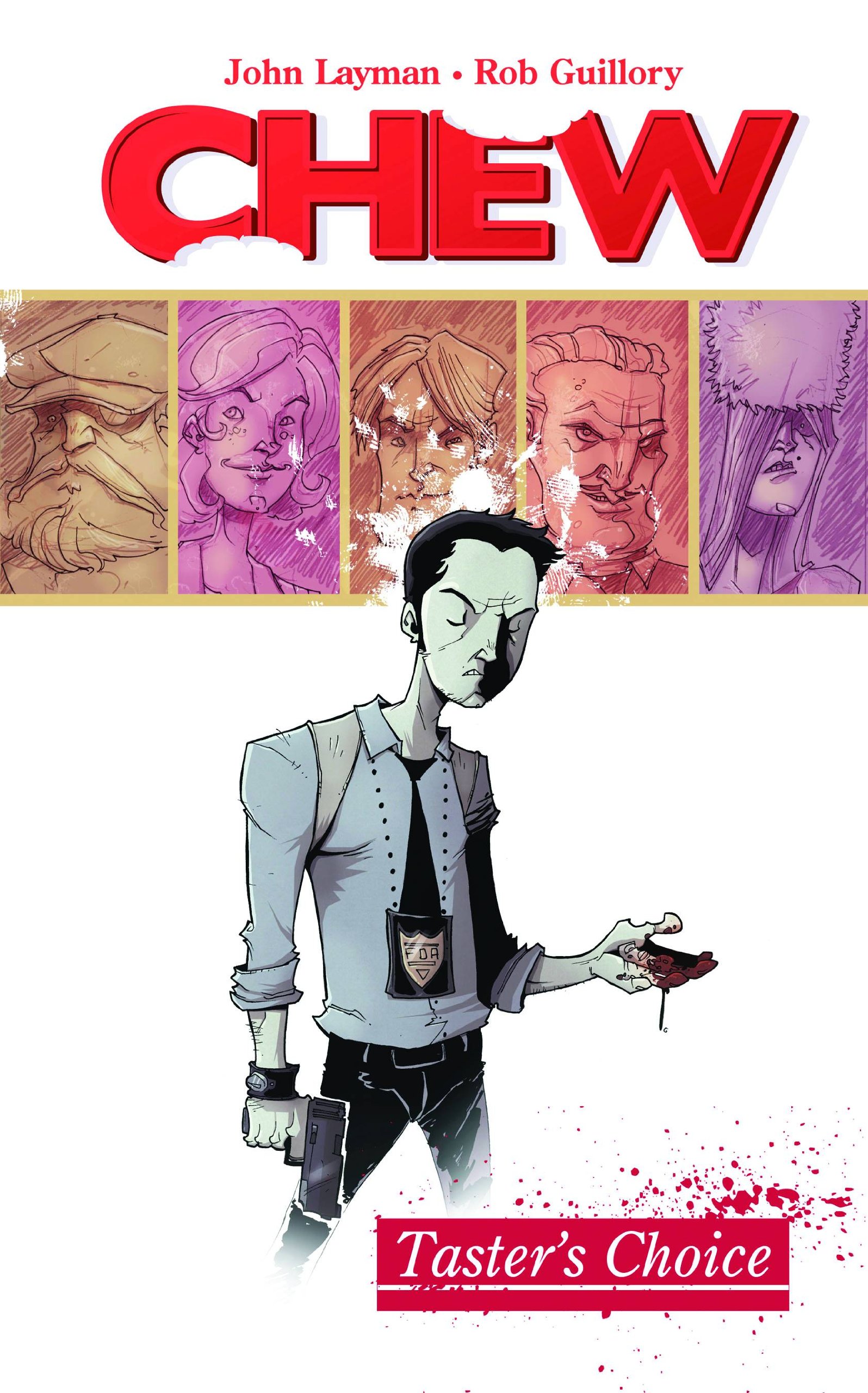
X-Factor - Vol3 - 6 Cover

The cool story and awesome characters are very well supported by the incredible artistic work of Ryan Sook, Dennis Calero and their team.  These great artists give The Longest Night a darker feel that fits into the noir-inspired narrative extremely well.  There are brilliant examples of shading and shadow throughout the comic, and you get a real sense of the dingy nature of the story and the depressed location of Mutant Town.  I deeply enjoyed the cool character designs featured throughout The Longest Night, especially as there is an interesting combination of new styles and classic looks from other X-Men comics.  You get a real sense of the dark emotions hiding within many of the different characters, especially around the various duplicates of Madrox, who run the gauntlet from depressed, to scared, to utterly insane.  However, I felt that the best artwork was utilised around Layla Miller, and perfectly helped to capture her true nature.  I particularly loved that brilliant scene where she killed the assassin in X-Factor headquarters, especially the final few panels.  Due to her machinations the power is out, resulting in her lighting the scene of the dying man with a torch.  The first appearance with her face completely black is just so fitting, especially given her death proclamation to the killer in the panel: ‘Your heart’ll give out in about five seconds.  Your mother will mourn you … but your wife won’t”.  The following two panels with her face in the light highlights her dark expression, followed by a perfectly set up final black panel that could either represent her turning the torch off or the death of the assassin.  I also loved all the panels focused on Layla in issue #6, especially it shows her at her most emotionally compromised as she tries to describe her various issues.  Throw in the reoccurring butterfly that is both dead and alive, and you have an excellent bit of art that emphasises just how complex this figure is.  The villains of this comic are also perfectly shown in this cool artwork, and I was especially impressed with how sinister and disturbed they made the crazy kidnapper in fifth issue.  I deeply enjoyed this and so many other aspects of the art in the volume, and I think it perfectly emphasised the darker nature of this incredibly cool comic.

Overall, The Longest Night was an incredible comic that I would strongly recommend.  The awesome team of Peter David, Ryan Sock, Dennis Calero and the other artists did a fantastic job combining exquisite storytelling with outstanding characters, darker themes and wonderful artwork.  Not only does it stand on its own as an excellent read, but it also works to introduce this superb run of X-Factor and its crime-fiction related storylines.  I have so much love for this series, and I will always appreciate the way in which The Longest Night sets everything up, especially its brilliant characters.  This first volume (and indeed every volume in this series) gets a full five-star rating from me and it comes very highly recommend to anyone wanting to find a unique and powerful comic series to get into.

Amazon

Throwback Thursday: Green Arrow (2001): Volume 3: The Archer’s Quest by Brad Meltzer, Phil Hester and Ande Parks

Green Arrow Archer's Quest

Publisher: DC Comics (Paperback – 1 September 2004)

Series: Green Arrow Vol. 3 – Volume Three

Writer: Brad Meltzer

Penciller: Phil Hester

Inker: Ande Parks

Colourist: James Sinclair

Letterer: Sean Konot

Length: 175 pages

My Rating: 5 out of 5 stars

Amazon

Welcome back to my Throwback Thursday series, where I republish old reviews, review books I have read before or review older books I have only just had a chance to read.  For this week’s Throwback Thursday I check out an all-time favourite comic of mine, the third volume of the epic 2001 Green Arrow relaunch, The Archer’s Quest.

The late 1990s and early 2000s were an outstanding time for DC Comics, who produced an amazing number of epic and fascinating comic series that combined brilliant storytelling with fantastic artwork.  While there are several great series I enjoy from this period (Teen Titans comes to mind), one of my absolute favourites was the awesome 2001 relaunch of Green Arrow.  Also recorded as Green Arrow Vol. 3, this series resurrected the original Green Arrow, Oliver Queen, some years after his death.  I have an amazing amount of love for this comic; not only was it one of the first series I ever really got into but it still really stands up after all this time.  This is easily one of my all-time favourite comic book series, and the absolute pinnacle of this series was the simple, yet amazingly effective fourth volume, The Archer’s Quest.

While I probably should review some of the proceeding volumes of this series first before talking about The Archer’s Quest (such as the first volume, Quiver by Kevin Smith), I recently re-read this fantastic comic, so it has been on my mind all week.  Containing issues #16-21 of this outstanding series, The Archer’s Quest is a brilliant and captivating comic tale that really gets to grips with the protagonist as he embarks on a journey vital to his identity and history.  Featuring the brilliant writing of bestselling author Brad Meltzer (author of several amazing thriller novels, as well as some impressive DC Comics), and the artistic stylings of Phil Hester and Ande Parks, this is an exceptional comic which gets a five-star rating from me.

Green Arrow - #16

Following his unexpected resurrection after his violent death, Oliver Queen, the Green Arrow, has been returned to Earth, ready to continue the good fight.  However, no man can come back from the grave without a heavy heart, and Oliver Queen has more skeletons in his closet than most of his fellow heroes.  A chance discovery that the villain, Catman, attended his funeral leads Oliver back to his old friend, Shade, the immortal being Green Arrow trusted to round up certain artefacts of Oliver’s superhero career that could reveal his secret identity. 

Discovering that Shade failed to get several of Oliver’s most precious keepsakes, Oliver embarks on a cross-country road-trip to recover them himself.  Accompanied by his former sidekick, Roy Harper, Oliver begins visiting some of the locations most important to himself and his career as a superhero.  From the ruins of the Arrowcave to the Justice League’s orbiting Watchtower and even the Flash Museum in Central City, Oliver and Roy will attempt to find these items from the past in order to safeguard their future.

However, this will be no simple road trip, as the two heroes encounter some unexpected dangers and surprising opposition, including fellow hero the Flash and the angry zombie Solomon Grundy.  Worse, this journey will uncover some dark secrets from the past that Oliver has long hoped to keep quiet.  Can Oliver recover his treasures without his friends and family discovering who he really is, or has the past finally come back to destroy this resurrected hero?

Green Arrow - #17

The Archer’s Quest is a fantastic and powerful Green Arrow comic that takes the protagonist and his former sidekick on a wild and extremely personal adventure.  Before reading this, if you had ever pitched me a comic based around the idea of a recently resurrected superhero going on a road trip, I might have been a little dubious.  Well, it turns out that I would have been dead wrong, as Brad Meltzer produced an intense, captivating and emotionally rich narrative that is not only extremely entertaining but which contains some excellent character work, some brilliant references to the classic Green Arrow comics, and which dives deep into the psyche of a troubled and complex protagonist. 

The narrative of The Archer’s Quest starts extremely strong, with Green Arrow meeting Superman at Oliver Queen’s grave.  This is a fantastic opening scene, especially once Superman hands over a series of photographs of the funeral, and I loved the focus on the harrowing realities following a resurrection.  The sombre mood is broken when Green Arrow notices a stranger in his photo amongst his closest friends.  This leads him to hunt down Catman, which also reveals the hand of Shade and the revelation that certain items from Oliver’s past are still out in the open.  This forces Green Arrow into a road trip, hunting for his artefacts and dealing with friends, enemies and family.  The first chapter packs in some much-needed action, as Green Arrow goes toe-to-toe with Solomon Grundy in an epic and brutal fight, that ends with a surprising, and gruesome, win from the protagonist.  From there, Meltzer and the artists pile up the emotional and the feels by having Oliver encounter several fellow heroes who he has complex relationships with, while also building up the nostalgia factor, with the reveal of classic Green Arrow items, locations and characters.  All this leads to some major moments, from an attempted proposal to a moving and long-awaited conversation between father and son.  However, Meltzer saves the absolute best for last with a startling revelation about the past that shows Oliver’s true character and serves as a powerful end to the entire story.  This was a beautiful, character driven story, and I think Meltzer hit all the right notes.  The pacing is perfect and there is a fantastic blend of action, character development and emotional discovery, which all comes together into one outstanding story.  The Archer’s Quest is addictive and dramatically intense from start to finish, I can read and re-read this comic for years (and I probably will).

Green Arrow - #18

One of the things that I really enjoyed about this amazing comic is the way in which Meltzer and the artists turned it into a homage to the Green Arrow comics.  The creative team spend a substantial amount of time diving back into the history and lore of the character and his comics, working them into the story in very meaningful ways.  So many key aspects of the Green Arrow comics are referenced or alluded to in some way, as the characters journey around some iconic locations, including the Arrowcave, to obtain the artefacts.  Through this dive into the past, the creative team manage to perfectly capture the various eras of Green Arrow, including the classic Golden Age comics, the grittier Silver Age comics, the road trip era with Green Lantern (which this comic really tries to emulate), and The Longbow Hunters period.  This wide range of references makes for a very intriguing and compelling comic, and it helps turn The Archer’s Quest into a must-read for all Green Arrow fans.  I loved the clever range of different artefacts that protagonists are trying to recover, including the diamond-tipped arrow from Green Arrow’s first appearance in Justice League of America, his official invitation to the Justice League, and the truck that he and Green Lantern used in their iconic road trip.  These cool artefacts really help to ramp up the nostalgia while simultaneously including key modern story elements hidden within.  The cool funeral sequence at the start of the comic also allows the creative team to reference and include a vast range of supporting characters and allies from the original comics, with a range of different figures from Oliver’s career appearing to pay their respect.  I deeply appreciated the modern analyses and descriptions of the items, locations, complex relationships, character designs, weaponry (why all the boxing gloves?) and prior adventures included in this comic, and it helps to produce a comprehensive account of these iconic events, while also bringing them up to speed with more modern comic lines.  You can really tell that the creative team behind The Archer’s Quest had a lot of affection for the preceding Green Arrow comics, and this outstanding comic proves to be an amazing and captivating love-letter to the Emerald Archer.

I deeply enjoyed the epic characters that this amazing comic followed, especially as Meltzer uses this story to dive deep into the psyche and relationships of the protagonists, especially Oliver Queen, the titular Green Arrow.  This version of the character is only recently returned from the grave, and this becomes a major part of his identity throughout the comic, driving him to fix some of the mistakes of his past while also ensuring that he never hurts his family again.  Thanks to the entire comic being narrated by Oliver, you get some very intriguing insights into Green Arrow’s mindset during this period, and you really get to know who he is and what his motivations are.  Rather than some of the typical portrayals of him as a liberal, generic arrow slinger, the creative team attempt to show him as a complex veteran hero, still deeply impacted by his resurrection and uncertain about his place in the world.  A lot of The Archer’s Quest’s narrative involves Green Arrow attempting to find pieces of his past that are significant or potentially damaging to him, and as such you get an amazing look into key events of Oliver’s past, as well as his current priorities and concerns.  I really enjoyed the storylines involved with him trying to reconcile or repair relationships with his former friends and allies, as well as an interesting development in his romantic partnership with Black Canary.

Green Arrow - #19

One of the best things about this comic is the way that Meltzer portrays Oliver as a more morally ambiguous figure, willing to make a deal with a supervillain, lie to those closest to him, and initiating undercover actions to protect identities.  There is also some great evidence of the self-destructive tendencies that would be a major defining feature of this series, as well as the complex decisions that affect those closest to him.  As such, he keeps many secrets, even from his former sidekick, such as his main motivation for recovering his old truck is to secure the Green Lantern ring Hal Jordan hid in there years ago.  However, the biggest secret involves the revelation that he always knew that his son, Conner, existed, and that he pretended he did not know who he was when they first met.  This revelation is slowly and cleverly revealed throughout the comic, first with Oliver subtly making the recovery of its hiding place his main priority, and then in the final scenes after he has a heart-to-heart with Conner, when he reveals the secret photo.  The narration during this scene sums up Green Arrow in this series perfectly: “You’re a bastard Oliver Queen.  You knew.  You always knew.  And the worst part is…. it’s still your secret.” and the entire sequence ensures you will never look at this character again in the same way.  I also musty highlight the great inclusion about Green Arrow secretly coming up with plans to protect secret identities if a hero died.  Not only is this vital to the plot of The Archer’s Quest, but it also hints at the great storyline that Meltzer would eventually use in his epic Identity Crisis, which features a proactive team of heroes mind-wiping villains and destroying personalities.  This outstanding and layered portrayal of Green Arrow in this comic is one of the defining characteristics of The Archer’s Quest, and I am blown away with this brilliant character work every time I read this volume.

The other major character of this novel is Roy Harper, his former sidekick (now Arsenal), who Oliver calls in to help him hunt down Catman.  I really enjoyed the inclusion of Roy in this comic, especially as he had been overly featured in this series (he was mostly appearing in Titans).  As such, we had not really gotten a glimpse at the current relationship between former mentor and sidekick, which has always been strained since the infamous heroine incident.  The Archer’s Quest did an amazing job bringing them back together again, and Roy really gets into the swing of the adventure, with the two characters getting back into their adventuring groove.  However, the comic also deals with the inherent mistrust between the two characters, with Roy upset that Oliver trusted Shade more than him to protect his identity after his death.  The two end up working through these issues throughout this comic, and it ended up being a fun and powerful reunion that long-term Green Arrow fans will deeply enjoy.

Green Arrow - #20

Aside from Green Arrow and Roy Harper, this comic also makes great use of several other supporting character who either bring the protagonist back to his past, or help to add some emotional weight to the story.  This includes brilliant inclusions of two fellow superheroes, Kyle Rayner and Wally West, the versions of Green Lantern and the Flash who were active at the time.  Both these younger heroes bear a major legacy that results in some complicated and moving interactions with Oliver.  One of the most important is Kyle Rayner, who has taken over the mantle of Green Lantern following the corruption and eventual death of Green Arrow’s best friend, Hal Jordan.  Since Oliver’s resurrection, their relationship has been strained, with Oliver having trouble accepting him.  This all finally comes to a head with Oliver travels to the Watchtower and encounters the young Lantern, and they have a massive heart-to-heart.  The revelations that Oliver has trouble accepting a new Lantern instead of his best friend, as well as the emotional burden Kyle also bears, especially around his first loss as a superhero (women in refrigerators man, that stuff will mess you up), all comes out, and leads to an amazingly moving scene.

I also loved the great interaction that Oliver had with Wally West outside the Flash Museum, after Wally is warned that Oliver is planning to break into it.  The two characters have a great stare-down, which sees the usually jovial Flash incredibly serious at Oliver’s attempted trespass.  Oliver’s narration about this event is pretty great, especially noting that Wally’s usual short attention span is overridden by his love of Barry Allen’s memory.  These two interactions with Green Lantern and Flash are short but extremely powerful, and it was amazing to see the strain on Oliver at being still alive, while the roles of his friends have been passed on to the next generation.  Despite the serious nature of these scenes, both had an entertaining ending with Oliver managing to outsmart his younger colleagues: “That old, lying son of a b…”.  I also liked the inclusion of Superman at the start of the comic, which was both entertaining, and played into the resurrection storyline perfectly with Superman feeling guilty about not being able to save Oliver when he died, while also being a bit of an expert on coming back to life himself.  I also enjoyed the fantastic conclusion of the Flash arc, especially as the entire break-in was to retrieve a costume-filled ring that the Flash made for Green Arrow years before, and which was a nice nod to the great friendship they used to have.

While this volume of Green Arrow does not have an antagonist per se (except for Solomon Grundy and Oliver’s self-destructive behaviour), it does feature a couple of great supervillains in a supporting role.  The first of these is Shade, the immortal shadow-powered gentleman who, despite being a villain, gained Green Arrow’s trust years ago, and was entrusted by Oliver to fulfil his post-death wishes (always chose an immortal).  Shade is a fantastic inclusion to this comic, especially as his inclusion enhances the implication that Green Arrow is a much more morally grey hero than you would initially believe.  The interactions between Shade, Green Arrow and Roy Harper are really good, and I liked the explanations for why he was unable to fulfil all his duties (I wouldn’t want to annoy Jay Garrick either).  I also really need to highlight the excellent inclusion of Thomas Blake, better known as Catman, in his first appearance in comic form in years.  Catman has always been a bit of a joke character due to his gimmick (which simultaneously rips off Catwoman and Batman at the same time), but in this comic he is shown to be a shell of even his previous ridiculous self, who is looked down on by the entire supervillain community.  Hired by Shade as his agent, Catman is hunted down by Green Arrow after attending his funeral, only to show him as an overweight and unthreatening loser.  This entire comic paints him as quite the pathetic figure and shows the downsides of being a fourth-rate villain who turned on some very powerful people.  While his appearance in this comic was more entertaining than deep, it does beautifully set up his later appearances in such comics as Villains United and Secret Six and serves as his inspiration for becoming the ultra-badass we see there.  These two villains perfectly rounded out the main cast of The Archer’s Quest, and both inclusions were fantastic and intriguing additions to the overall plot.

Green Arrow - #21

This amazing and complex narrative is perfectly backed up by some excellent artwork from the team of Hester and Parks, who really bring this story to life in exquisite detail.  This entire comic is drawn in fantastic detail with some beautiful scenes, fantastic backdrops (including some iconic Green Arrow locations, lovingly brought to life) and entertaining sequences.  This includes some brilliant and powerful action sequences, and the artists pay particular attention to the flight, movement, and destructive potential of the arrows.  I particularly liked the awesome fight scene between Green Arrow and Solomon Grundy, which was filled with some brutal action in the tight confines of the former Arrowcave and featured some great narration from the protagonist.  I loved the character designs featured in the comic, and the classic look of Green Arrow and his companions was great.  The artists do a great job portraying emotion on the face of the characters, especially surrounding Oliver and his multiple examples of anguish and conflict.  I also appreciated the play of emotion on some of the other characters faces, especially Flash when Oliver arrives at the Flash Museum.  Seeing the grim and dark look on Flash’s face as he tries to stop Oliver is really surprising and impactful, and the artists do a fantastic job of showcasing a tense stare-down between the two as the sun starts to rise.  However, in my opinion, the best drawn sequence in the entire comic occurs at the front of the volume, when Oliver contemplates his funeral.  Shown in a series of polaroids, you see the various grieving mourners and it was fantastic to see several obscure figures from Oliver’s past appear to pay their respect.  This beautifully drawn scene is short, but it sets the scene for the rest of the volume extremely well and is an excellent way to start this fantastic comic.  I loved the way the comics in The Archer’s Quest were drawn, and they ensured that the outstanding story reached its full potential.

Overall, I have an insane amount of love for this third volume of this classic Green Arrow series, and it comes highly recommended.  The Archer’s Quest is a brilliant and powerful comic arc that perfectly combines a clever and nostalgic story, with some intense character development and a fun and enjoyable art style.  Meltzer’s narrative in this fantastic Green Arrow comic so damn amazing, and I deeply enjoyed his take of this iconic character.  I deeply enjoyed The Archer’s Quest, and it easily one of my favourite comic volumes of all time.  I am hoping to review the rest of this Green Arrow series in some future Throwback Thursday series, and I look forward to highlighting all the amazing storylines that were contained in this incredible run.

Amazon

Waiting on Wednesday – Usagi Yojimbo: Volume 36: Tengu War! by Stan Sakai

Welcome to my weekly segment, Waiting on Wednesday, where I look at upcoming books that I am planning to order and review in the next few months and which I think I will really enjoy.  I run this segment in conjunction with the Can’t-Wait Wednesday meme that is currently running at Wishful Endings.  Stay tuned to see reviews of these books when I get a copy of them.  For this week’s Waiting on Wednesday I check out the next upcoming volume in the superb Usagi Yojimbo comic series by Stan Saki, Tengu War!

Usagi Yojimbo - Tengu War!

It is finally that time of the year when I get to gush over the next upcoming entry in the amazing Usagi Yojimbo comic series.  Readers of this blog will know of my great love of the Usagi Yojimbo series, which I consider one of the best ongoing comic book series out there.  Written and drawn by the talented Stan Sakai, the Usagi Yojimbo comics follow Miyamoto Usagi, a wandering rabbit ronin who adventures through an alternate version of feudal Japan inhabited by anthropomorphic animals.  This epic series features some impressive storylines that are filled with cool and complex characters, amazing Japanese cultural elements, intense battle scenes and some outstanding and beautiful artwork.  I deeply enjoy this amazing series, and I have read every single volume multiple times.

The next entry in the Usagi Yojimbo series with be the 36th volume, Tengu War!, which is currently set for release in February 2022.  Tengu War! will be the third volume published by IDW, and will also be the third volume released completely in colour.  I am quite excited by the synopsis that has been released, and I love the cool sounding stories that will be contained in Tengu War!  The stories in this upcoming volume will follow through some of the recent storylines featured in the IDW volumes, Bunraku and Other Stories (one of my favourite books of 2020) and Homecoming (one of my favourite books from the first half of this year), while also calling back to some of the older entries in this series.

Synopsis:

Volume Three collecting Usagi’s newest adventures finds him fighting in a war with an old teacher and strange new allies–and helping a new friend complete a mission!

Usagi seeks out an old teacher, Sojobo, but upon finding him, learns that a new brand of Tengu mountain goblins have invaded the Western Peak. Savage and relentless, they are determined to drive the established Tengu out and prey upon the people of the area. For the first time, Usagi must ally himself with yokai against an even greater enemy, in “Tengu War!”

Then, in “The Master of Hebishima,” Usagi delivers a basket of lizards to an eccentric monk who lives on a remote island infested with snakes, where he learns they share a history that goes back to the Great Wars and the Battle of Adachi Plain where Usagi became a ronin.

In the final story, “Yukichi,” Usagi encounters a young swordmaster carrying out the dying wish of his master. Yukichi must deliver Itsuki-Sensei’s swords to his nephew, Daido, who will take over his school, however, they must pass through the territory of a rival school intent on preventing them from completing their mission.

Collects issues #15–21 of the all-new full-color Usagi Yojimbo series published by IDW.

I really like the sound of the cool stories contained within this upcoming volume.  It looks like Sakai has come up with three great new adventures, and I am sure that I will have a wonderful time with all of them.  The first story regarding the warring Tengu (from which this volume will get its name), sounds pretty interesting especially as it will show some fantastic new elements of Usagi’s early life.  We have had some hints at Usagi’s experiences with the Tengu before, specifically in a story contained in the 18th volume, Travels with Jotaro, which detailed Usagi’s first ill-fated meeting with a Tengu swordmaster.  This new story will no doubt detail his mysterious training under the Tengu, and I am quite intrigued about what happened during these experiences.  I am also excited to learn more about the Tengu, especially as this story will feature two separate varieties of them, and it will be fun to see Usagi, who usually slays all the Japanese monsters (yokai) he encounters, team up with some mystical creatures for the great good.

The other two stories contained within Tengu War! also sound extremely fun, and I am very keen to read them.  The first of them, The Master of Hebishima, sounds like one of the more unique entries in this volume, and I think it will be and interesting blend of drama and comedy.  Usagi forced to deal with an eccentric monk on an island filled with snakes has a lot of potential with fun, but add in a connection to his past and you have a much more serious story.  The Battle of Adachi Plain has been featured in several previous comics, including the main story of Volume 2: The Samurai and the story Return to Adachi Plain from the 11th volume, Seasons, and these prior occurrences have brought great grief and melancholy to Usagi.  This should result in some great, emotional moments, and it will be interesting to see how this ties into some recent storylines where Usagi has been contemplating his continued loyalty to his long-dead master.  I look forward to seeing what sort of tale is contained within The Master of Hebishima, and I am very curious about the whole island of snakes aspect of it (are they sentient, evil, do they have some connection to the mysterious villain, Lord Hebi? I need to know).

The final story, Yukichi, also sounds very awesome, as Usagi and another swordsman are forced to cross a hostile landscape to deliver a pair of valuable swords.  Out of all the stories in Tengu War!, this one has the most potential for intense action sequences, as Usagi and his new friend will be forced to face off against a horde of rival swordsman and students, intent on stopping them.  I imagine there will also be some interesting talk about duty and honour, and I look forward to seeing Usagi lending his experiences to a younger, less worldly student.

As you can from the above, I am extremely excited about this upcoming volume in the Usagi Yojimbo comic series.  I absolutely love the sound all three stories that will be contained within Tengu War!, and I think that they all have an immense amount of potential for impressive action sequences and fantastic character moments.  Based on all my previous experiences with Sakai’s work and this amazing Usagi Yojimbo, I already know that I am going to deeply enjoy this upcoming volume, and Tengu War! will be one of the best things I read in 2022.

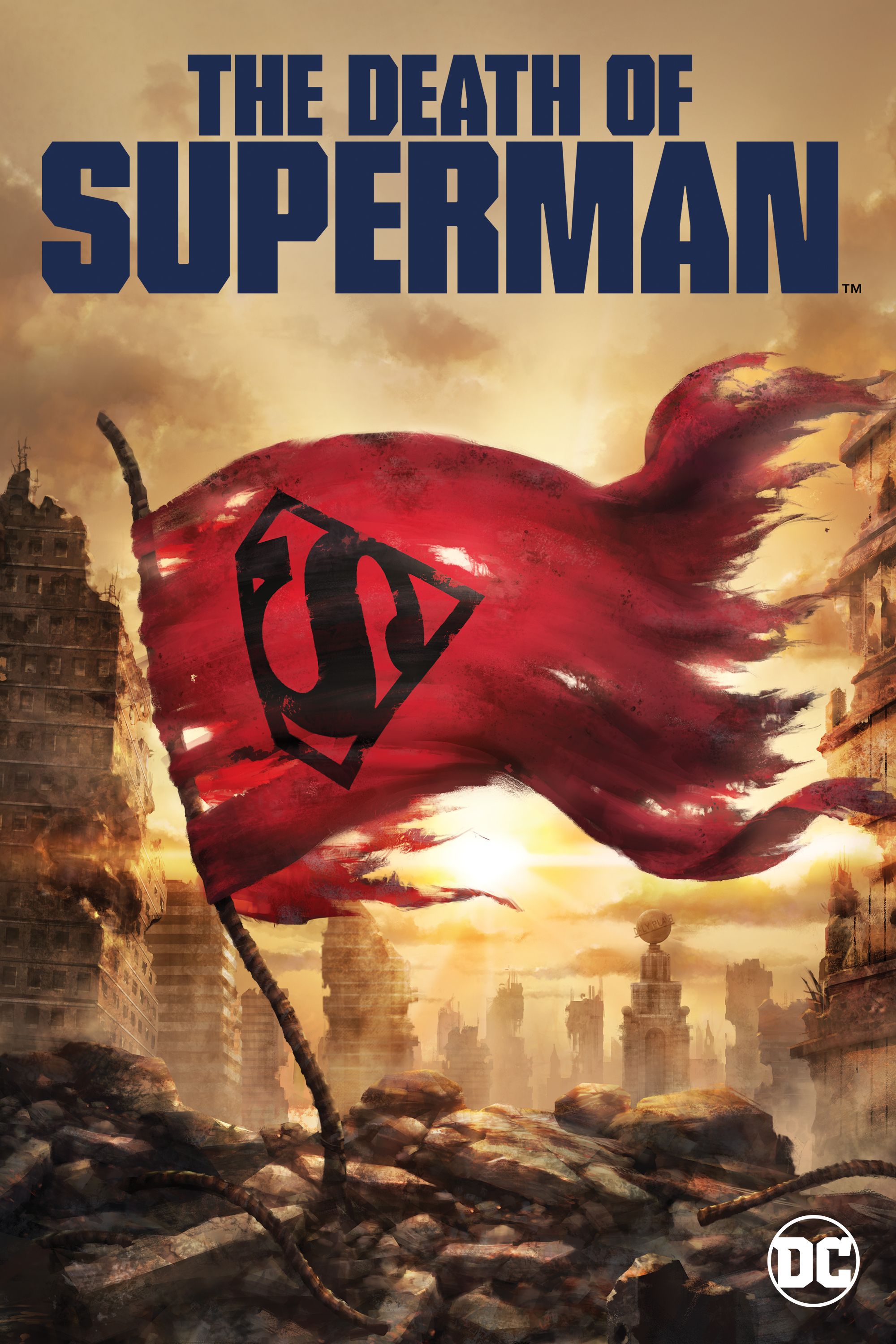
Throwback Thursday – The Death of Superman

Death of Superman Poster

Studio: Warner Bros. Animation and DC Entertainment

Series: DC Universe Animated Original Movies – Film 32 / DC Animated Movie Universe – Film 11

Directors: Sam Liu and Jake Castorena

Writer: Peter J. Tomasi

Producers: Sam Liu and Amy McKenna

Length: 81 Minutes

My Rating: 5 out of 5 stars

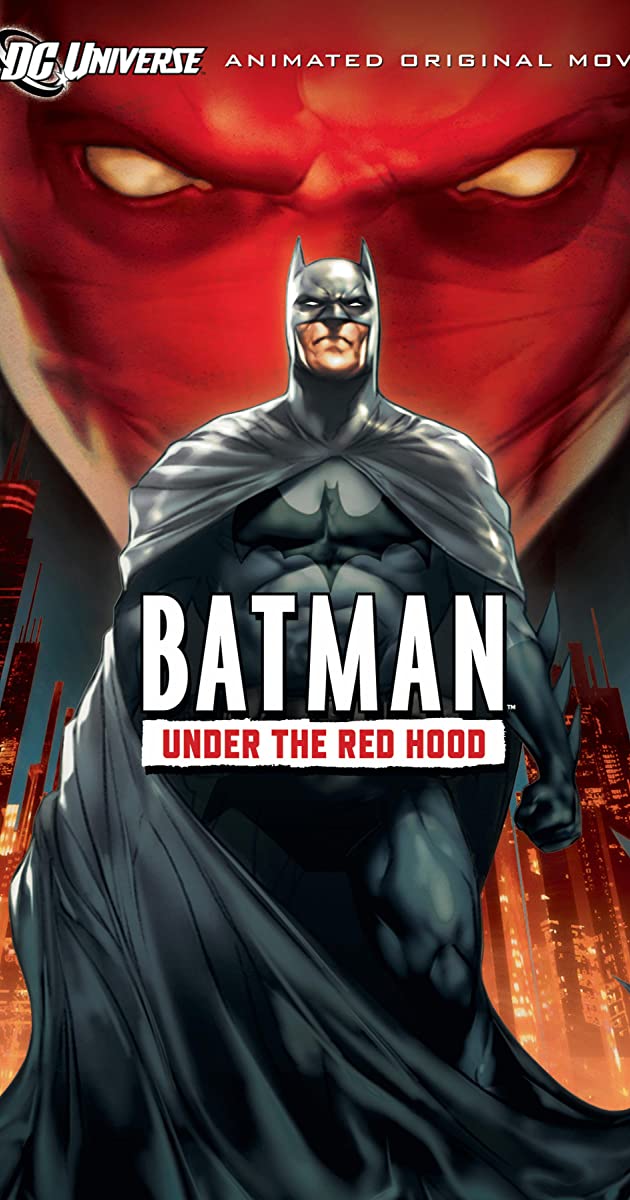
Welcome back to my Throwback Thursday series, where I republish old reviews, review content I have enjoyed before or review older books I have only just had a chance to read.  This week, after the fun I’ve had recently reviewing Batman: Assault on Arkham and Batman: Under the Red Hood, I continue to check out some awesome DC comic book animated features, with the impressive and powerful The Death of Superman.

Easily one of the most iconic comic book arcs of all time is the 1992/1993 storyline, The Death of Superman, which (spoiler alert) saw Superman die at the hands of new villain Doomsday.  Not only did the act of actually killing off Superman shock the world but the series was a massive financial success, becoming one of the bestselling comics of all time.  Due to its popularity, DC have attempted to adapt the storyline multiple times, with Smallville, the animated Justice League show, and Batman v Superman: Dawn of Justice, all using elements of it in one form or another.  There has even been another direct animated attempt at recreating the storyline, with the 2007 release, Superman: Doomsday, the very first film of the DC Universe Animated Original Movies.  However, in my opinion, none of them successfully conveyed the tone or the fantastic story as well as the 2018 animated film, The Death of Superman.

Directed by Sam Liu and Jake Castorena and written by Peter J. Tomasi, The Death of Superman is an incredible and amazing film that really gets to grips with the original comic, while also adding in some unique details to create a memorable and deeply moving experience.  As the 32nd instalment in the DC Universe Animated Original Movies, it also sat in the joint DC Animated Movie Universe, and was a major instalment in this series, setting up several storylines that would later be utilised in later entries, such as the final film, Justice League Dark: Apokolips War.  Featuring an awesome story, a fantastic voice cast and some exceptional animation, The Death of Superman is easily one of the best films in the entire DC Animated Movie Universe and is one of my all-time favourite animated comic book adaptions.

After saving the world multiple times, both by himself and with the Justice League, Superman reigns as one of the planet’s most popular superheros, inspiring the world with his spirit and determination to do good.  His latest act of heroics saved the mayor of Metropolis from the notorious Intergang, who made use of a large arsenal of advanced weaponry, likely supplied by an apparently incarcerated Lex Luthor.  However, despite his larger-than-life personality, Superman is also Clark Kent, a down-to-earth man from small-town America, trying to make his new relationship with fellow reporter Lois Lane work.  As Clark finally opens himself up to Lois and reveals his biggest secret to her, a brand-new threat arrives on Earth, bringing with it only death and destruction.

A mysterious meteorite has rapidly entered the solar system and crashed down on Earth, landing in the ocean.  When a team sent by Luthor and a group of Atlantean soldiers arrive, they find that the meteorite was a containment pod, and inside is something monstrous.  Killing everyone it encounters, the beast escapes the ocean and makes landfall, heading towards the largest population centre it can find, Metropolis.  With no-one able to slow it down, and even the Justice League powerless against it, it falls to Superman to engage it as Earth’s last standing defender.

Engaging in battle in the heart of Metropolis, Superman and the monster, Doomsday, begin a bloody battle that tears through the streets and levels buildings.  Superman may by the strongest person on the planet, but his new foe is a deranged and unstoppable killing machine, concerned with only death, destruction, and dominance.   Can Superman once again prevail and defeat his foe or has the Man of Steel finally met his match.  Whatever, happens, the world with never be the same again, and everyone who Superman has inspired may suddenly have to deal with the death of their greatest champion.

I must admit that when I first saw that they were doing yet another adaption of The Death of Superman comic, I was a little ambivalent, as I have not been too impressed by some of the other versions out there.  However, I still grabbed a copy as soon as it came out, and I was frankly blown away by how good it was.  This film has everything you could want in a brilliant animated feature, including an exceptional story and some amazing actors, but what this film has in abundance is heart.  Throughout its run time, you swiftly become attached to the great characters contained within, especially Superman and Lois, and then you are forced to watch as they suffer the most tragic moment of their lives.  This results in an extremely moving and powerful film, which became an instant classic in my book, and it is one that I have no problem awarding a full five-star rating.

When writing this film, Peter J. Tomasi had to do a lot with a limited amount of time.  Not only did he have to produce a pretty accurate adaption of the original Death of Superman comic, but he also had to work it into the wider DC Animated Movie Universe, which had already had its own unique history.  He easily succeeded on both fronts, as The Death of Superman contains an excellent and powerful story, that I have an extremely hard time faulting in any way whatsoever.  The story starts off with a shot of Superman saving the city and painting a pretty rosy picture of himself as Metropolis’s favourite son and defender.  After the title card, which contains the grim name of the film, the movie works to quickly introduce all the key characters, relationships, and settings, most of which had only been briefly touched on in the preceding DC Animated Movie Universe films.  This makes for a rather light-hearted start to the film; however, it also works to get you to know the characters and other key aspects of the Superman mythos and backstory, and all the setup is essential for you to get the full emotional and dramatic reactions during the second half of the film.  I also liked the way in which the film is tied into the other films of the universe, mostly using the Justice League, especially Batman and Wonder Woman, and it was great to see more of that version of the League.  All of this serves as a great set-up for the intense and action-packed second act, which is where all the action and mayhem begins.

About halfway through, the film really picks up the action with the Justice League, sans Superman, engaging Doomsday in a small town.  The action here is fast and furious, as the various members of the League get their best shots in and are then taken down in some quite brutal ways.  While this is happening, Clark is on a date with a frustrated Lois, where he finally reveals to her that his is Superman.  This date scene is done really well, and Lois’s reaction to the revelations runs the full range of emotions, especially once Superman, forced to leave to confront the threat reveals his other secret: that he loves her.  This is a great scene, and it is one that helps solidify the relationship and emotional bond between Superman and Lois while also making the viewer care for the characters just a little bit more.  However, the focus is quickly changed back to the fight with Doomsday, who has managed to take out the entire League, with only Wonder Woman hanging in.  As she falls, Superman steps in and begins a massive and brutal fight throughout Metropolis.  The creative team behind The Death of Superman really do not hold back here, as they present a knockdown brawl between the two, with Superman forced to also try and save civilians as they fight.  Their battle is a truly intense and amazing extended sequence, and there are some outstanding scenes featured throughout it.  You get some great reaction shots from the various supporting characters, and Lois and Lex Luthor have some outstanding moments as well, as they get involved for various reasons.  However, despite everything, it soon becomes clear just how indestructible and dangerous Doomsday is, and how even Superman doesn’t stand a chance.

The entire film leads up to the final climatic sequence, where the inevitable finally happens and Superman dies taking down Doomsday.  This entire scene is done perfectly, with a near-defeated Superman spurred on to make one final effort against Doomsday as the monster advances towards a seemingly hopeless Lois, who reveals to a downed Clark that she loves him too.  The blow itself is beautifully rendered with a powerful and lethal shot to Doomsday, but it is the aftermath that really turns this film into a five-star watch, as Superman is fatally impaled on a spike.  Watching a grieving Lois slowly release that the love of her life is dying in her arms is so hard to watch, and the creative team really turn up waterworks with Superman giving some touching last words: “what a lucky man I was”.  The eventual death is extremely moving, with the entire world witnessing his death and Lois’s grief, while standing in absolute shock.  Even the Justice League is moved to tears, with the usually taciturn Batman’s reaction being the most telling.  This entire sequence is deeply enhanced by a brilliant orchestral score that really plays up the emotion of the scene and strikes home every time you hear it.  This is such a powerful and impactful sequence, and it is swiftly followed by a moving funeral, with all the major characters in attendance, and then a final shot of several characters reacting in a post-funeral grief while Superman superfan Bibbo Bibbowski narrates a fitting final prayer for the character.  This entire sequence leaves me breathless, even after several re-watches, and it easily one of the most moving animated sequences I have watched.  The film then does a decent wrap-up, with several concluding sequences and post-credit scenes setting up the events of the sequel film.  However, it is the moving conclusion that will stick with you well past the films end, as it really brought everything about this movie together.

While I would be plenty happy with this film with only the outstanding story and amazing conclusion, The Death of Superman is also backed up with some incredible animation and a fantastic musical score which deeply enhance this fantastic film.  The animation is really great, and I loved the designs for the various characters, most of which hark back to their original comic book appearances.  The most impressive animation is reserved for the excellent and impactful action sequences involving Doomsday.  The animators show no hesitation in showing the blood and gore as Doomsday literally tears through everything in his way.  The initial fight with the Justice League is brilliant, especially as Doomsday brutally counters all their unique abilities and absolutely destroys them.  However, it is the giant fight with Superman which is the true highlight of The Death of Superman.  This fight is pretty extraordinary, and the animators really highlight the desperation and inspiration of the two participants.  Each of them is well and truly battered, and it is really shocking to see all the damage that Superman takes throughout the fight.  There is also some very dramatic damage to the city of Metropolis, with even the Hall of Justice being turned to a pile of rumble as these two duke it out.  I cannot emphasise how awesome this animation is, and it was so cool to see these battles unfold.

I also really need to highlight the fantastic use of music throughout this film, which works well in concert with the animated sequences.  The Death of Superman features an exceptional orchestral score, with the various tunes often harking back to classic Superman music.  This music is used perfectly throughout the various scenes in this film and help to really enhance the drama or emotion of the scene.  There are some great scenes with music throughout the film, although nothing tops the fantastic climatic sequence I mentioned above.  This animation and music are so very awesome, and it was an absolute joy to behold.

This film contains a pretty cool range of different characters, including iconic heroes, major Superman supporting characters and even a few more obscure characters.  This helps to turn The Death of Superman into quite a unique and fun film, and I really loved the range of reactions and character arcs that it contained.

Unsurprisingly, the most highlighted character in the film is Superman, who is voiced by Jerry O’Connell, who voiced the character in most of the DC Animated Movie Universe entries.  Up until this point, I felt that Superman was a bit underutilised.  Most of the previous films have focused on Superman’s relationship with Wonder Woman, while also featuring him as the League’s powerhouse.  However, this is easily Superman’s film, as the writers take substantial time to examine his history, relationships, inner personality and the duality between Superman and his Clark Kent persona.  You really get some intense insights into both versions of the same person, especially when you see his evolving relationship with Lois, and you swiftly grow to care for him in a way that some of the recent live-action films really didn’t make you.  His character really shines through during the battle with Doomsday, as he refuses to stay down, especially when people’s lives are on the line, and even risks himself to save his most hated enemy.  His sheer determination and intensity is really inspirational, and it starts to hurt a little inside to see him get beaten down by his opponent.  I felt that O’Connell does such a great job portraying Superman, and he really brings out the best of the character, showing his true heart and soul, and making him such a likeable character, who, despite his alien heritage, was still so very human.  I was really impressed and shocked by how much I grew to love Superman by the end of this film, which of course, ensures that you are so moved by the final scenes.  Seeing this character die in Lois’s arms in front of the world is just heartbreaking, and you guaranteed to be moved by his portrayal in this film.

While there is a natural focus on Superman, in many ways The Death of Superman is just as much a film about Lois Lane.  Voiced by the talented Rebecca Romijn, this version of Lois is bold and fearless in her career but also a little guarded in her personal life, especially as she senses that Clark is hiding something from her.  This film really builds up Lois extremely well in its short run-time, and you get a great sense of who she is and what she cares about.  I felt that the character had some amazing chemistry with Clark, which really isn’t surprising as Romijn is married to O’Connell in real life, so I’m sure they channelled a lot of that film.  I really was impressed by the way they showed Lois’s growing relationship with Clark as the film progresses, and the revelation about Superman’s true identity at the centre of the film really helps to solidify it, especially once Clark declares his love for her.  The subsequent battle sees Lois go through hell, as she chases the fight throughout Metropolis and has to watch Superman continuously get beaten up.  The scene where she tries to distract Doomsday and then gives up as he turns towards her is so dramatic, especially as she follows it up with her own declaration of love for Clark.  The final grief laden scene with Superman really moves me every time, and I felt that the sheer emotion coming off Lois was just amazing.  This might be one of my all-time favourite portrayals of Lois Lane, especially as Romijn does some exceptional follow ups in later DC Animated Movie Universe films.

The other major character I really want to highlight is Lex Luthor, who was voiced by the always entertaining Rainn Wilson.  Like Superman, Lex had been really underutilised in the DC Animated Movie Universe; his reveal in the Throne of Atlantis post-credit scene really did not pan out in a meaningful way in Justice League vs. Teen Titans.  However, this dramatically changed in The Death of Superman as they go out of their way to build up the showcase and show him as the maniacal yet brilliant businessman and criminal mastermind.  The creative team did a lot with Luthor in a short amount of time, and you get a really good idea of his genius, his various plans, and his unrelenting antagonism with Superman, born out of jealousy.  He proves to be a good secondary antagonist for the film, eventually turning into an erstwhile ally, abet for his own purposes, and he has some great scenes.  I was particularly impressed by Rainn Wilson’s voice work in this film, as he brings all the arrogance he can to the film, while also giving character a bit of a slimy edge.  I think he really captured Luthor’s various nuances, and ensures you see him lose his cool when faced with defeat.  I really liked the scene where Luthor can only watch in horror as Superman, despite being beat to hell, saves his life, and that results in some interesting changes in the later films.  I also liked how they captured a bunch of fun aspects of Luthor’s character from the 1990 comics, such as a nod to the Lex Luthor II persona that appeared in The Death of Superman comic.

I also need to highlight the main antagonist, Doomsday.  Despite not saying anything, Doomsday is a major presence, mainly due to his brutality and capability for destruction.  Doomsday is perfectly introduced and I loved the slow reveal of his true form, as the suit containing him is destroyed after several fights.  I must again really highlight how cool he looks in a fight, and the battles between the Justice League, Wonder Woman and Superman are just so damn impressive and pretty intense.  This was a really good portrayal of the character that perfectly harkens back to its comic origins, and it was a nice palate-cleanser after his cave-troll look in Batman v Superman: Dawn of Justice.

The Death of Superman also contains a pretty substantial supporting cast of characters, each of whom add a fair bit to the overarching narrative of the film.  Some of the most prominent of these are the various members of the Justice League, with most of the actors from the earlier DC Animated Movie Universe films reprising their roles.  Each of these characters and their actors have been perfectly introduced in the previous films, so they are inserted into The Death of Superman with minimal effort and form a fantastic cohort around Superman.  The leading two characters are probably Batman, voiced by Jason O’Mara, and Wonder Woman, voiced by Rosario Dawson.  Both characters have unique relationships with Superman, particularly Wonder Woman, and his death really impacts them both.  I also liked the combination of Green Lantern (Nathan Fillion) and Flash (Christopher Gorham), who form a fun comedic duo, while also having some great action moments.  I had a great laugh during the Justice League meeting scene where Flash does a good imitation of Batman joining the PTA of Damien’s school, and Batman’s glaring reaction is pretty funny.

I also loved the inclusion of a couple of unique Superman supporting characters.  Despite the role he played in the original comic, I was really surprised to see so much of Bibbo Bibbowski, Superman’s biggest fan, in this film.  Bibbo is a bit of a dated character, to be honest, but he slides into this film really well, and I loved the voice work done by Charles Halford.  His comedic interactions with both Superman and Clark Kent in the early parts of the film are pretty fun, and there is something amusing about a big, rough sailor type fanboying about a superhero.  It also proves to be quite heartbreaking to see this fan watch Superman die in front of him, and you can see it really breaks him.  I felt that Bibbo’s Hail Mary prayer at the end, which overscored some great visuals of people in mourning, and the subsequent breakdown on the dock was quite touching.  I also liked Erica Luttrell’s Mercy Graves, especially as she forms a great counterpoint to Luthor, especially as she calls him out on some of his more outrageous plans.  Overall, I think that this film was incredibly well cast, and I loved the fantastic group of characters that they brought together.

The Death of Superman is a truly great and powerful animated film that continues to reign as one of my absolute favourite animated comic book adaptions.  Featuring a near-perfect adaption of one of the most iconic comic stories of all time, The Death of Superman is intense, exciting, and downright heartbreaking, as it shows the greatest hero in his final battle.  I was moved to tears the first time I saw this film, and I have so much love and admiration for the work the creative team did to revitalise the character of Superman in one short film.  A highly recommend film to watch, this is one of the better Superman adaptations (live action or animated) I have ever seen.

Throwback Thursday – Batman: Under the Red Hood

Under the Red Hood Cover

Studio: Warner Bros. Animation and DC Entertainment

Series: DC Universe Animated Original Movies – Film Eight

Director: Brandon Vietti

Writer: Judd Winick

Producers: Bruce Timm and Bobbie Page

My Rating: 5 out of 5 stars

Welcome back to my Throwback Thursday series, where I republish old reviews, review content I have enjoyed before or review older books I have only just had a chance to read.  For this latest Throwback Thursday, I am going to keep following a recent trend of looking at animated movies and review Batman: Under the Red Hood.

Ever since I reviewed Justice League Dark: Apokolips War last year, I have been focusing a little more on one of my favourite forms of entertainment, animated films based on comic books.  Not only did I have a great time listing my favourite comic book based animated films and television shows, but I have also done some cool reviews for Batman: Soul of the Dragon and Batman: Assault on Arkham.  After I got some positive responses to my review for Assault on Arkham last week, I thought I would use this Throwback Thursday to highlight the incredibly awesome Batman: Under the Red Hood, which is probably my absolute favourite DC Comics inspired animated film.

Released in 2010, Under the Red Hood was an early entry in the DC Animated Originals Movies range, and it remains one of the best that they have ever done.  Directed by Brandon Vietti and written by Judd Winick, this film is an adaptation of the iconic Batman comics storyline Under the Hood, which was also written by Winick.  Not only does this film contain an excellent story that does an amazing job capturing the original comic but it also features an all-star voice cast and some excellent animation, resulting in a dark and exciting film that is also rich in emotion and tragedy.

Years ago, Batman suffered the greatest defeat in his entire crime-fighting career when the Joker did the unthinkable by brutally killing his sidekick, Jason Todd, the second Robin.  Despite this terrible loss, Batman left the Joker alive and continued his non-lethal mission for justice, fighting from the shadows to save Gotham City from its criminal element.

In the present, Gotham is controlled by the ruthless crime boss, Black Mask, who has managed to take over the entire criminal underworld.  But a new player in town, the mysterious Red Hood, is making moves to disrupt Black Mask’s interests and take control of the city.  With some incredible skills, brilliant manoeuvring and intense violence, Red Hood soon becomes a major thorn in Black Mask’s side, taking parts of the city from him.  At the same time, Red Hood has placed himself right in the path of Batman and his former sidekick, Nightwing, determined to test his abilities against those of the Dark Knight.

As Batman attempts to stop the latest wave of violence sweeping the city, he notices something disturbingly familiar about the Red Hood.  His skills and training are too familiar, and even more shocking, he knows that Batman is Bruce Wayne.  With Black Mask on the warpath, the mysterious Ra’s al Ghul watching from the shadows, and the Joker always a menacing presence in Arkham, Batman gets closer to finding out the terrible truth about who Red Hood truly is.  But is he prepared for the darkness and tragedy he will find under the hood, or will the ghosts of his past finally push Batman over the edge?

Under the Red Hood is a dramatic, exciting, and overall tragic animated feature, which is brought together beautifully to produce an epic and powerful film, anchored by an exceptional narrative.  The film starts in a very dark place, with a malicious and hilarious Joker brutally killing Robin just before Batman can save him.  This perfectly sets the tone for the entire film, as the story advances to modern times and shows a new brutal crime war between the Black Mask and newcomer the Red Hood.  At the same time, Batman becomes embroiled in their war, when he interrupts a ploy by the Red Hood to steal an Amazo superweapon.  This leads to an action-packed middle section of the film, as Batman and Nightwing attempt to capture Red Hood, who is also dealing with assassins sent by Black Mask.  After several impressive fight sequences, Batman learns the shocking truth about Red Hood’s identity (which is as a tad obvious, even for those unfamiliar with the comics), resulting in some extreme drama, as Batman is forced to confront the dangerous ghosts of his past.  As Batman attempts to come to terms with his discovery, Red Hood forces his opponents to make some dramatic moves, which work into his plans.  What follows is a fantastically powerful and intense final act, as Batman confronts Red Hood and finds out the tragic and touching reasons behind his motivations.  What follows is emotional blow after emotional blow, as Batman, Red Hood and the Joker have their final confrontation.  The aftermath of this is absolutely heartbreaking and will leave you breathless and utterly moved: “This doesn’t change anything; this doesn’t change anything at all!”  This is an epic and exceptional narrative that I have so much love for.

Under the Red Hood serves as an exceptional adaptation of the Under the Hood Batman comic storyline, although as the film and the comic share the same writer, that’s pretty understandable.  This film does a great job fitting all the key points of the comic into its 75-minute runtime, and you get the full enjoyable story, as well as some useful backstory, especially around Jason Todd’s death.  This is mostly a pretty straight adaption, although there are a few noticeable changes designed to make the movie flow a little better.  I think these changes work extremely well, and Winick adds several great new scenes into this film that make for a different and, in some ways, better experience than the comic source material.  This is mainly because the Under the Hood comic was set amid several other ongoing Batman storylines, as well as the major crossover event, Infinite Crisis, which impacted Under the Hood’s overall narrative.  As it would have been too confusing to include some of these elements in the film, their removal resulted in a few notable changes.  While this did result in a few fun parts from the comics being removed, such as having the opponents in the Batman/Red Hood team-up fight change from members of the Secret Society of Supervillains, such as Captain Nazi and Count Vertigo, to a group of mechanised martial artists (it’s still a great fight though), some of the other changes worked really well.  I loved the alterations to the Joker’s story, as it was clever to have the Red Hood orchestrate Joker’s release to kidnap him.  It also results in some amazing scenes, including that great cell scene with Black Mask, and the fantastic scene with the truck on the bridge.

One disadvantage that I felt the film version had was that the big reveal over Red Hood’s identity is a lot less impactful.  When the Under the Hood comic first came out, it was a major revelation and there were some great surprise elements to it.  However, by the time the film came out, every comic fan knew who Red Hood really was, so that really cut down on the surprise factor of the reveal.  In addition, even if you were unfamiliar with the Under the Hood comic, the Jason Todd death scene at the start of the film ensured that most viewers would be easily able to figure out this twist as soon as the mysterious Red Hood appeared.  This was kind of unavoidable though, as the rest of the film wouldn’t have made sense without the establishing scene.  I did think that the reason behind Robin’s resurrection was handled a lot better in the film.  The original story, in which he is brought back to life due to Superboy-Prime punching a dimensional barrier, never really worked for me, so having it purely be the result of a Lazarus Pit resurrection was a lot neater and simpler (well, as simple as a magical resurrection pit can be).  Overall, I think that Under the Red Hood proved to be a really good adaption of the original comic, and in many ways I felt that in enhanced the source material while also compensating for the changed canons.

I am always deeply impressed by the fantastic and well-crafted animation of Under the Red Hood.  This entire film features a constant stream of beautiful and amazing sequences that are an absolute joy to behold.  The action is seamless throughout, and the creative team make sure to feature several sequences that show off the various skills of the main characters, while also bringing some iconic scenes from the comics to life.  I really must call out the two excellent extended chase sequences, as Red Hood flees from Batman and Nightwing.  These scenes are full of excitement and major moments, and the fantastic running sequences, equipped with all the players using their various gadgets and tricks, are so cool, and they are just animated perfectly.  However, these chase scenes pale in comparison to some of the epic fight sequences featured throughout the film.  While I do deeply enjoy the Amazo fight sequences at the start of the film, which expertly highlights the way Batman and Nightwing work together as a team, the best ones are the two fights involving Batman and Red Hood.  The first of these, which sees the two former partners team up against the anime-inspired team of assassins, the Fearsome Hand of Four, is so deeply cool, especially as the amazingly drawn martial arts techniques are beautifully paired with the over-the-top gadgets (one guy gets thrown through the air with explosives several times).  The animators save the best for last, with a brutal brawl between Batman and Red Hood near the end of the film.  This impressive and dramatic fight sequence is teased throughout the entire film, and when it goes down it does not disappoint.  The two heroes go to war with each other, each of them bringing lethal fighting abilities and an entire arsenal of toys and gadgets against each other for some incredible action.  The fight goes from the alley where the two first met, to the rooftops, all the way to a dilapidated apartment bathroom, where bodies are brutally thrown through fixtures and walls.  There is so much intensity in this sequence, and the animators outdid themselves bringing this major and spectacular fight to the screen.  You will be so impressed by this terrific animation.

You cannot talk about Under the Red Hood without out mentioning the incredible collection of characters and the outstanding voice cast that perfectly portrayed each of them.  Unsurprisingly for a Batman film, the cast is anchored by the Dark Knight himself, who is voiced by the talented Bruce Greenwood.  This is a great portrayal of Batman and the writer really captured the complexities of the veteran version of this superhero.  This Batman has been fighting crime for a very long time, and has been struck by tragedy after tragedy, especially the death of Jason Todd.  This comes into play throughout the film, and there are some major emotional moments, especially in the final climatic scene with the Red Hood.  Watching this film, it is impossible not to see Batman as a tragic figure, always destined to experience heartbreak and trauma as the result of his relentless crusade.  I did love the amazing animation featured around Batman’s various fight scenes, and it contrasts nicely with some of the other characters, such as Red Hood, with more of a focus on his experience and placing the right move at the right time.  I also really enjoyed Bruce Greenwood’s portrayal of Batman, who brings a gruff and determined depiction of the character which really works.  Greenwood delivers several great dialogue sequences which show the depth and complexity of this iconic character, and I had a fantastic time following him in this film.

Another major character is the character of Jason Todd/Red Hood (I would add a spoiler alert, but after all these years it’s kind of redundant), voiced by Jensen Ackles.  The Red Hood featured in this film is an amazing and outstanding version of the character, and you run the entire emotional gambit with him.  I loved the fantastic and clever introduction of the character, where he manages to take over a large criminal organisation with just a bag and a machine gun.  This evolves into a very fun game of cat and mouse between Red Hood and Batman, while he also works to take over from Black Mask.  The eventual reveal about Red Hood works extremely well: “You haven’t lost your touch, Bruce,” and I loved the various chase scenes between the two, as well as their joint fight sequence against the Fearsome Hand of Four.  All this perfectly leads up to the great final confrontation with Batman, with a big elaborate fight scene and that extremely dramatic sequence opposite Batman.  Ackles adds some real cockiness to the character, and his various interactions with the supporting characters are pretty funny and really fun.  However, it is his sequences with Batman that are the best, as Ackles adds all the appropriate drama of a murdered child when encountering his former mentor.  The revelation of Red Hood’s motive is deeply captivating, and the entire scene where he, Batman and the Joker are reunited is so very tense and powerful.  You also have to love how the final scene in the film features the younger version of Robin on his first night of crime-fighting, as his innocence and childlike joy at being a hero stands in such contrast to his eventual fate: “This is the best day of my life.”  This is an outstanding portrayal of one of the most complex characters in the DC canon.

I also really must highlight the incredible version of the Joker that is featured in this film, who is voiced by the always entertaining John DiMaggio.  This is a great interpretation of the Joker, and you get to see just how vicious and ruthless he can be.  I love how the writers and actor did a great job capturing his insane mentality when it comes to the Batman, especially as his greatest ambition is to drive Batman insane enough to kill him.  I was honestly surprised at how awesome John DiMaggio was in this role, especially as the purely evil Joker is very different from the comedic characters he is best known for portraying.  However, he brings some very excellent menace to this character, and while there are a lot of humorous undertones to his actions, the sheer insanity and joy he has at other people’s suffering is more than evident.  Joker has some incredible scenes throughout this movie, which DiMaggio really enhances with his unique take on the character.  The opening sequence in which he beats Jason Todd half to death with a crowbar is pretty dark, despite the constant jokes, and his later confrontation with Batman in Arkham really captures his overall insanity.  However, his best sequences occur later in the film.  The first of these is the cell scene with Black Mask, where he accepts a job offer in the most boss way possible (never hand the Joker a cup of any variety).  The follow sequence on the bridge, where he attempts to draw the Red Hood out with a truck, some guys and some gasoline is really great, especially when it is revealed that the Black Mask is also amongst his hostages.  However, DiMaggio shines best in the final sequence where Batman and Red Hood finally have their dramatic showdown with the Joker in the middle.  The Joker revels in all the drama and emotion in the room, especially when Red Hood attempts to force Batman to kill Joker: “This is turning out even better than I hoped!”  The final bit of the confrontation where Joker, realising that Red Hood’s bomb will kill them all, joyfully attempts stop Batman, “This is perfect…. I’m the only one who’s going to get what they want tonight,” really captures the character’s chaotic mentality and is a great conclusion to his story arc.

The other major character in the film is Nightwing, former Robin Dick Grayson, who is portrayed by the legendary Neil Patrick Harris.  Mostly featured in the first half of the film, Nightwing serves as the traditional sidekick role, bringing a lighter comedic role to the dynamic duo and playing off the ultra-serious Batman perfectly.  I loved the fantastic coordination in the action sequences between these two, and the animators do an outstanding job showing how their fighting styles complement each other and they instantly know what the other one is doing.  Harris’s voice work is great, hyping up the characters comedic, banter-laden fight style, and while it didn’t fit as well as some other versions of Nightwing I have seen, this was still a pretty epic bit of casting.

Aside from these above four main characters, I deeply appreciated Jason Issacs and Wade Williams as Ra’s al Ghul and Black Mask respectfully.  Issacs does an outstanding job bringing the enigmatic and ruthless al Ghul to life, and it was great to see the respect and personal code this version of the character has, especially once his actions result in Jason Todd’s death.  Williams’s unhinged version of Black Mask is also incredibly good, and I loved the ultra-anger he brings to the role, especially as he slowly becomes more and more targeted by Red Hood and Batman.  His reactions to the crazy antics of the other characters is pretty fun, and you’ve got to love the look on his face when he sees Red Hood targeting him with a giant rocket launcher.  I also want to call out Kelly Hu as Black Mask’s assistant, Ms Li, a gender-swapped version of the assistant character in the comic.  Ms Li serves a pretty cool counterpart to Black Mask and is a constant calm presence in his chaotic administration, barely batting an eye at any of his angry or violent outbursts.  These great supporting characters compliment the main cast perfectly, and I felt the film’s entire collection of characters and actors helped to turn Under the Red Hood into something incredibly special.

While there have been some incredible DC animated movies out there, none have eclipsed the exceptional and awesome Batman: Under the Red Hood.  Featuring an impressive adaption of an iconic and cool comic story arc, this amazing film contains a fantastic narrative loaded with action, excitement, and intensity, as the characters engage in a dramatic and tragic battle.  With a perfect voice cast and some outstanding animation, Under the Red Hood is a must-watch animated film that I have seen and deeply enjoyed so many times.  An easy five-star watch that is highly recommended; if you love Batman, you need to see this film.

Top Ten Tuesday – Favourite Comic Book Animated Series

Top Ten Tuesday is a weekly meme that currently resides at The Artsy Reader Girl and features bloggers sharing lists on various book topics.  The official topic this week was Favourite Places to Read, however, I’m going rogue once again and instead will continue my trend of looking at Comic Book adaptations.  Recently I have been highlighting and examining some of the great multi-media features that are adapted from established comic book series.  So far, I have looked at my favourite animated comic book films, ranked all the MCU films, and looked at some cool DC Comics films.  These were very interesting subjects which really appealed to my likes and focuses, and I am having a blast writing about them.  To keep this trend going, I thought that this week I would spend some time looking at some of the incredible animated series based on comic books.

I am sure that all of us can remember watching a comic book adaption on our morning cartoons when we were younger (I know I can, and several examples are featured in the list below).  There is an intrinsic connection between comics and cartoons, and Hollywood’s attempts to turn great comics into fun animated entertainment have resulted in some of the best adaptions of the original content out there.  I have long enjoyed watching animated series based on comics, and we are currently in a bright new age of animated adaptations, especially with the continued focus on all-things comic book and superhero.  As a result, I thought that this would be a great opportunity to explore some of my absolute favourite animated comic book shows.

To produce this list, I pulled together all the best animated shows I have watched over the years that were originally based on some form of comic book.  There are quite a few great shows out there that have some origins in the comic book world, and I had a big pool of potential entries to work with.  I was eventually able to whittle it down to my absolute favourite 10 shows, with my typical generous Honourable Mentions section.  The final list turned out to be pretty interesting, and I was quite happy with the range of shows featured.  I have only included shows I have so far watched, so that means a couple of notable series are missing, such as Superman: The Animated Series.  I have also tended to steer away from a few 90s classics, such as X-Men or Spider-Man.  While I enjoyed these shows when I watched them and they successfully adapt some of the most iconic storylines, they really haven’t aged that well.  I also excluded the most recent animated series, What If…?, mainly because there has only been one episode so far, and I want to see at least the whole first season before I make any decision about it, although I am sure it will appear on future iterations of this list.  Despite these limitations, I ended up coming up with a pretty cool list, so let us check it out.

Honourable Mentions:

Men in Black

Men in Black Animated Series

While strongly inspired by the films, this awesome show had a lot of connections to the original Men in Black comic, and it is an outstanding animated series with some incredible opening credits.


Ultimate Spider-Man

Ultimate Spider Man

This was a really good modern take on Spider-Man that nicely tied into some of the other Marvel shows running at the same time.  Featuring some unique and cool adventures, this was an excellent series.


Wolverine and the X-Men

Wolverine and the X-Men

A brilliant series that was cut off far too soon after only a single season (an unfortunate casualty of the Disney buy-out of Marvel).  The first season was extremely strong, and if it had gone on for longer, it would have easily been in the Top Ten.


Generator Rex

Generator Rex

Based on an extremely short-lived comic, Generator Rex was an epic and entertaining animated show.  Set in a world where everyone has been infected by nanites, it follows titular hero Rex, a teen who can control his nanites and turn them into weapons, as he fights monsters and great villains.  A very cool show that had a great run, and which even featured a fantastic crossover with Ben 10.


Top Ten List (Unranked):

Invincible

Invincible

Let us start off with the recently released InvincibleInvincible is an exceptional and amazing adaption of the comic of the same name, which follows a young hero as he attempts to follow in his father’s footsteps.  Featuring an awesome cast, this show really does the comic justice and is very dark and bloody.  I loved the changes they made to the story, while also keeping all the best bits of the comic, including that incredible twist.  I literally just finished the final episode a couple of hours ago and I am still reeling from how brutal it got.  A deeply impressive show, if you have not checked out this first season yet, you are missing out.


Harley Quinn

Harley Quinn

From one of the darkest shows on this list to one of the funniest, Harley Quinn is another relatively recent animated show that is extremely cool.  This hilarious show features an R-rated look at one of DC’s most popular characters as she strikes out on her own.  Featuring the voice of Kaley Cuoco in the titular role, this witty and fun show contains a fantastic and moving story that dives into the heart of the protagonist, while also showing off some excellent supporting characters.  I love the great combination of over-the-top humour, intense violence, clever parodies, and emotional storylines, and I am really looking forward to the third season.


Young Justice

Young Justice

I must admit that I was initially wary when Young Justice was announced, as surely no show about young heroes could ever top Teen Titans.  However, the moment I watched the first episode I was an instant life-long mega fan.  With a surprisingly deep and complex narrative about a group of sidekicks who become the covert-ops wing of the Justice League, Young Justice was an impressive and compelling series that quickly produced two fantastic and moving initial seasons.  Featuring a strong group of core characters, this series adapted several great storylines from the comics, while also telling its own clever and unique overarching narrative.  I loved all the twists and character development that occurred, and I was so very, very happy when DC eventually announced a third season.  This third season was even more adult than its predecessors and it continued to expand on the series extremely well.  There is another season on the horizon and despite knowing nothing about it, I am already immensely confident that I will love it.


The Avengers: Earth’s Mightiest Heroes

Avengers_Earth's_Mightiest_Heroes_Vol_3_2_Textless

As you can probably imagine, there have been several attempts to adapt the Avengers into an animated series, and in my opinion the best example of this is The Avengers: Earth’s Mightiest Heroes.  Taking most of its cues from the comics rather than the MCU, this outstanding series really captures the heart of the team and presents an exceptional take on each of the main characters.  The first season is pretty perfect and comes together extremely well.  The second season, while a tad rushed in places, is also incredibly cool, and features an amazing version of the Secret Invasion arc.  Unfortunately, this series was cancelled well before its time, but while it was going, it was incredible.


Batman: The Animated Series

Batman - The Animated Series

There are many, many Batman series out there, but none have captured the titular hero, the outrageous villains, and the grim setting of Gotham City as perfectly as Batman: The Animated Series.  With some deep and adult storylines, this series never pulled any punches, despite being a kids show, and for many, it was the best introduction to Batman and the world of comics that you can ask for.  Serving as the definitive animated version of Batman out there, this incredible series features all the classic Batman characters, and even introduced a few new iconic faces, such as Harley Quinn.  You also have to love the voice cast, especially with Kevin Conroy providing the quintessential Batman voice, while Mark Hamill is the ultimate animated Joker.  I am lumping in The New Batman Adventures into this entry as well, mainly as it served as a continuation of the original show.  I also must call out Batman Beyond here, which serves as a great end note to this series, especially with that dark and epic connected film, Batman Beyond: Return of the Joker.


Justice League/Justice League Unlimited

Justice League Unlimited 2

For this next entry I am combining the crowning jewels of the DC Animated Universe, Justice League and Justice League Unlimited, as they are honestly just the same show.  Continuing some of the great storylines from Batman: The Animated Series and Superman: The Animated Series, this cool series brought together seven heroes who formed the Justice League to fight some of the DC Universe’s best and most dangerous villains.  This series contains some incredible storylines, which are easily appealing to both a younger audience and veteran fans of the comics.  I have a lot of love for both the original Justice League, which focused exclusively on the seven founding members, and Justice League Unlimited, which massively expanded the roster with a great cast of supporting characters.  Despite how epic and captivating the other seasons are, my favourite storyline is the one surrounding the Justice League facing off against Project Cadmus, as it contains some of the best writing and some deep examinations of the nature of power and the potential threat that a group of heroes could pose.  A must watch series for all fans of the Justice League and DC comics in general, you will love this show.


The Spectacular Spider-Man

The Spectacular Spider-Man

As Marvel’s most iconic and popular comic character, Spider-Man has had an insane number of animated shows over the years, but to my mind, the best is The Spectacular Spider-Man.  Featuring a perfect take on the character without needlessly rehashing his origin tales, this series serves as a great adaption while also providing its own unique story.  Every episode of this show is deeply entertaining, while also diving into the mindset of the teenage hero, his friends, and his menagerie of villains.  Out of all the shows, I think this one captures the teenage years of Peter Parker the best, while also adding in some more modern twists to ensure it still holds up after all these years.  I can honestly watch this entire series in one extended series, it is that damn good.  Unfortunately, as with many of the best Marvel television shows, The Spectacular Spider-Man ended way too soon, although its final episode did wrap things up nicely.  An excellent and compelling series.


Teen Titans

Teen Titans

When there’s trouble you know who to call, Teen Titans!!! Yeah, that theme song says it all when it comes to Teen Titans.  This was a wonderful and spectacular show that had just the right mixture of silliness and darkness.  Following the adventures of the titular superhero team, for four seasons, Robin, Starfire, Raven, Cyborg and Beast Boy fought a series of outrageous villains, with a combination of skill and humour.  With some very distinctive characters, a Japanese inspired art style and two versions of the same theme song, this was one of the most unique shows out there with a style all its own.  While there was a definite focus on humour and friendship, many of the storylines have a deeper, more emotional edge to them that will appeal to watchers of all ages, and there is constant and compelling character development.  This series also contains several outstanding antagonists, with the highlight being Ron Pearlman’s Slade (Deathstroke).  I cannot express how much I love this fantastic animated series, and I have watched it many, many times.


X-Men: Evolution

X-Men Evolution

I have mentioned a couple of X-Men shows so far, but the one that I think is the best, by dint of being still watchable and having a decent run, is X-Men: EvolutionEvolution features an impressive X-Men narrative that focuses on teenage versions of most of the main characters.  Featuring all your favourite X-Men, this was a really cool and compelling take on the iconic team, and it contains so many great story arcs, many of which dealt with the comic’s overarching themes of discrimination and prejudice.  While there are a lot of great impacts of this series, easily the best thing this show ever did was introduce the character of X-23, Wolverine’s murderous female clone, who is one of my favourite X-Men characters.  An impressive and important series that is well worth a watch.


Teenage Mutant Ninja Turtles (2003 and 2012 series)

Teenage Mutant Ninja Turtles - Joint

For the final entry on this list, I am going to combine two separate Teenage Mutant Ninja Turtles shows, with both the 2003 and 2012 series.  Based on the comics of the same name, I have a lot of love for both Teenage Mutant Ninja Turtles adaptations, and I honestly enjoy both equally (hence the shared spot on this list).  While both follow the same characters with similar adventures, these are very different series that go in some unique directions.  The 2003 series was the one I grew up with, and I still really love its drawing style and darker storylines.  The 2012 series on the other hand works its CGI animation and anime inspirations extremely well, resulting in more humour and homages to popular culture.  Despite this apparent divide, the 2003 series did have some extremely funny moments and episodes, while the 2012 series got extremely dark in places.  I also deeply appreciate that both shows feature appearances from my favourite comic character, Usagi, with the rabbit ronin teaming up with the ninjas in multiple fun episodes.  As a result, I would strongly recommend both these series as they serve as excellent introductions to this fantastic franchise.


Well, that’s the end of this list.  As you can see, there are some truly awesome animated comic shows out there, and I am really passionate about which ones I watch.  I am pretty happy with how this list turned out, and I think the unique spread of shows really reflects my tastes and preferences.  Each of the above shows is extremely good, and I would highly recommend all of them.  This is probably a list I will revisit in the future, especially as there are more and more comic-inspired animated series coming out all the time.  With shows like Invincible and What If…? bringing in a whole new generation of fans to animated adaptions, it is only a matter of time before the other companies start adapting all manner of comics into something cool.  I am already excited about a couple on the horizon (they are apparently working on an Usagi Yojimbo animated series 😊 😊 😊), and I look forward to watching them in the future.  In the meantime, let me know which of the above shows you enjoyed, and if you have any recommendations for other cool animated comic book series, I will be interested in seeing what else is out there.

Throwback Thursday: Batman: Assault on Arkham

Assault on Arkham Poster

Studio: Warner Bros. Animation and DC Entertainment

Series: DC Universe Animated Original Movies – Film 20

Director: Jay Oliva and Ethan Spaulding

Writer: Heath Corson

Producer: James Tucker

My Rating: 5 out of 5 stars

Welcome back to my Throwback Thursday series, where I republish old reviews, review content I have enjoyed before or review older books I have only just had a chance to read.  For this week’s Throwback Thursday I go back and check out one of the more intriguing DC animated movies, with Batman: Assault on Arkham.

As I mentioned in a recent Top Ten Tuesday, I have been in a DC mood ever since I saw The Suicide Squad on the weekend, which was easily the best film focusing on the titular Suicide Squad.  While people only familiar with the live-action films might think that this is a low bar, those who know about the awesome catalogue of DC Comics animated films will know that there are several awesome and outstanding films that perfectly capture the feel and tone of the supervillain team and are pretty fun to watch.  Therefore, this week I will look at one of these great animated films, with Batman: Assault on Arkham.

Assault on Arkham is an amazing and fantastic film that came out in 2014 and is set in the same universe as the Arkham video game franchise (set between Arkham Origins and Arkham Asylum).  Directed by Jay Oliva and Ethan Spaulding, written by Heath Corson and produced by James Tucker, this was a memorable and fun DC Universe Animated Original Movie, which contains some of the best comic book based animated films out there.  Despite the name, Assault on Arkham is really a Suicide Squad movie, with Batman strongly featured but acting more as a side character.  This was an excellent and impressive film, which makes use of a darker tone and more adult animation to create a fitting Suicide Squad experience.  Heck, this was a much better Suicide Squad movie than the 2016 live-action film as it embraced the team’s darker side and their propensity for violence, while also featuring an impressive and clever story.

Two years before the Joker took over Arkham Asylum, the Clown Prince of Crime terrorises Gotham City, this time by threatening it with a dirty bomb.  With the Joker locked up in Arkham Asylum and refusing to talk, Batman stalks the streets of Gotham, searching for those who helped him.  His mission leads him to save the Riddler from a black-ops team of soldiers, sent by shadowy government agent Amanda Waller.  With Riddler now locked up in Arkham Asylum, Waller assembles the one force capable of breaching Arkham’s walls to find him and the information she desires, Task Force X.

Task Force X, also known as the Suicide Squad, is made up of some of the most deadly and skilled villains in the world, each of whom have been forcibly drafted onto the team and offered reduced sentences if they complete their mission.  Recruiting a team made up of Floyd Lawton (Deadshot), Harleen Quinzel (Harley Quinn), George Harkness (Captain Boomerang), Eric Needham (Black Spider), Nanaue (King Shark) and Louise Lincoln (Killer Frost), Waller sends them into Arkham with bombs implanted in their necks.

Forced to work together despite their innate distrust and dislike of each other, the Suicide Squad arrive in Gotham and make their plans to infiltrate the asylum.  However, it doesn’t take long for petty rivalries, massive manipulations, and dangerous outside influences to put all their schemes in disarray.  Working their way through the most dangerous place on the planet, the Squad soon learns a deadly secret that will change everything and set them on a bold new path.  But with Batman wise to their presence, can the Squad achieve their goals and make their escape, or will they find themselves locked up in Arkham instead.  Worse, someone far more dangerous is stalking the halls of the asylum, someone with an insane sense of humour and a desire to claim back what is his.  The Joker is loose, and he wants to play!

This is an awesome film that really does the chaotic and dangerous Suicide Squad justice.  Featuring an excellent story and serving as a clever adaption of the Suicide Squad comics and other pieces of media, this is an extremely fun movie.  Throw in an exceptional voice cast, some great interpretations of iconic characters, and some powerful animated sequences, and you have a great and impressive movie that I have long been a fan of.

At the heart of this great movie is a very compelling and exciting narrative that takes its various characters on a wild and dangerous ride to hell in back.  Assault on Arkham starts off with an excellent scene, which sees Riddler being attacked by Waller’s goons, only to be rescued by Batman in an intense and brutal fight sequence.  This then leads into an entertaining introductory sequence for the various members of the squad, with a fun reel of shots with no dialogue showing each member of the Squad showing off some of their skills before getting captured by various law enforcement groups.  These dark and sometimes gruesome introductory scenes really set the tone for the entire movie, while also providing great summaries of each of the main characters.  What follows is a fun and captivating character-driven tale as the members of the Squad arrive in Gotham and make their play to break into Arkham.  There are some fantastic clashes of personality and deep personal moments in this early part of the film, as the team initially comes together, despite their crazy differences.  This leads to an intriguing central part of the film, where the characters begin their assault on the asylum, performing a reverse prison break.  After some great scenes, the team are at large in the asylum, which leads to even more chaos, destruction, and big fight moments.  All of this leads to an explosive and dangerous final act, as the characters need to escape while being pursued by Batman and the Joker.  Caught between these extremely dangerous forces, the fractured Squad attempts to escape, facing some major defining obstacles which really bring the entire film together.  I loved the fantastic and darker story that this film featured, and the writing team did an excellent job combining brutality, humour, character development and pure craziness into one enthralling tale.  There are so many fun and thrilling moments to this outstanding film, and viewers will found themselves really getting drawn into the cool story.

The animation in Assault on Arkham is very impressive, and the creative team behind it did a great job bringing the various characters to life and placing them in some outstanding action sequences.  The movement and action in this film is pretty damn seamless, and you are in for some very fast-paced scenes that look pretty superb, especially as they feature a great mixture of lighting and multiple unique characters.  Highlights include the opening shadowy encounter between Batman and the special forces soldiers, the massive fight between Batman and the entire Suicide Squad, and the final two confrontations that occur after a big helicopter crash.  I loved the cool character designs of the various characters, especially as they mix some new looks with classic drawings.  I also felt that the creative team combined this cool animation with the excellent musical score well, and the various tunes really helped to set the scene.  There is something very dark, bloody, and adult about the designs in the film, and the end result is definitely not a kid’s cartoon.

Part of the design that I really enjoyed was the way in which the creative team attempted to emulate the style from the fantastic Batman: Arkham video games.  This film serves as a canon entry between Arkham Origins and Arkham Asylum, and the team did a great job capturing the cool style and themes that the games are famous for.  This is particularly seen in the various scenes featuring Batman, the playable character of the games, and you get to see him whip out the various gadgets and viewscreens that appeared in the games.  I particularly enjoyed the opening scene where Batman takes out a squad of soldiers in much the same way that a player would in the games, from the flips to the use of a batline.  There are also several references to the games throughout the film, from a character trying to hide in a vent, to the layout of Arkham Asylum, where you spend significant time in the first film.  Despite all these references, this film can easily be enjoyed by comic fans who have not played the video games.  Assault on Arkham is very much framed as a standalone film, and no matter your familiarity with Batman or the Arkham games, you will have a fun time watching this movie.

As I have mentioned above, this awesome film contained a really impressive and memorable take on the Suicide Squad, producing a truly great movie.  Part of this is the choice of team, as it features a compelling blend of characters that are inspired by the team first introduced in the New 52 range.  Anchored by team leader Deadshot and wildcard Harley Quinn, it also features long-time Suicide Squad member Captain Boomerang, as well as a fantastic combination of Black Spider, King Shark and Killer Frost.  While the team structure is similar to the team in the first live-action film, Assault on Arkham actually predates this film by a couple of years, and also utilises them a lot better, really showing off some more complex aspects of their personality, mainly thanks to the excellent voice cast.  This animated film also takes itself a lot less seriously than the first live-action film did, and is less afraid to show blood, sex and death.  While some of this is a tad over the top (some of the female characters are way too sexualised), I really wish that the subsequent live-action film had taken some cues from how successful this animated feature was, as that would have resulted in a much better experience.

Easily the best part of this film is the amazing characters and sensational voice cast, which really help to make it stand out.  While it does feature a lot of Batman and Joker, the main characters of this film are the Suicide Squad.  The most prominent is team leader an assassin extraordinaire, Deadshot.  Voiced by the talented Neal McDonough, a man who has voiced quite a few villains in his day, this version of Deadshot is near perfect, and contains a lot of elements from the comics that the live-action version was lacking.  While the overriding love for his daughter is still there, this version of Deadshot is a lot colder and a lot quicker on the trigger, happily massacring everyone who gets in his way.  McDonough really captures the character’s menace, killer instinct, and determination, and this Deadshot serves as the tough and often exasperated leader of the Squad.  I loved that they captured Deadshot’s crazier side (he has a massive death wish in the comics), especially as this leads to one of the best scenes in the entire film: “Mate, you just out-crazied the Joker”.  It was also cool that Deadshot had one of the most satisfying character arcs in the entire film, ending Assault on Arkham on a very entertaining and memorable note, that showed that the character was a man of his word: “Bang!”

This film also features an amazing version of iconic character Harley Quinn.  Before Margot Robbie and Kaley Cuoco put their spins on the character, veteran voice actor Hynden Walch provided her impressive voice to Harley, resulting in a fantastic and crazed female-lead.  Walch, who is probably best known for voicing Starfire in Teen Titans or Princess Bubblegum in Adventure Time, does an excellent job going a little darker with this character, producing some excellent scenes of madness and humour as Harley manages to annoy the other characters while cracking up the audience.  I loved the introduction that this character had, biting off an ear in a halfway house with Looney Tunes music playing (it’s weird, but it works).  Harley proves to be quite conflicted in this film as she finds herself stuck between her abusive ex, the Joker, and her new love interest, Deadshot (all I am going to say about the later relationship is “Yahtzee!”).  While this starts off with a very concerted attempt to kill the Joker, Harley is eventually drawn back to him, which is kind of heartbreaking.  There is some of the typical abusive relationship stuff that comes out with Harley, as she blames everyone but Joker for her problems.  This was a great portrayal of this fantastic and complex character, and I was very happy that Walch came back to portray Harley in other films such as Justice League Dark: Apokolips War.

Other great members of the Squad include Captain Boomerang, voiced by Greg Ellis.  Boomerang acts as the Squad’s comic relief, and I liked the uncaring and selfish attitude that is such a feature of the character in the original Suicide Squad comics.  Ellis really brings out the character’s smarmy and arrogant side, and I loved the amusing rivalry he formed with Deadshot, which results in a brilliant game of darts.  This movie also features the outstanding Gincarlo Esposito in the role of Black Spider, a murderous vigilante who is less than pleased at being lumped in with a group of supervillains.  Esposito brings some real gravitas to the character, and he proves to be a skilled and fun member of the team, and his inclusion results in a pretty major fake-out.  The hilarious John DiMaggio does a great King Shark in this film, and I loved the somewhat more human design of the monster and his funny dim-witted mentality.  Despite being a source of some humour, King Shark is a brutal killer, which is very much shown in his introduction where he emerges from a bathtub full of blood.  Finally, the brilliant Jennifer Hale portrays a fantastic Killer Frost (not surprising, considering she’s voiced the character in nearly every film or animated television appearance).  This version of Frost is pretty cold-blooded and proves to be a murderous addition to the team.  I liked the fun friendship that she forms with King Shark, and they prove to be a great duo.

While the Suicide Squad takes most of the film’s focus, Batman is featured pretty extensively in this film, which is really cool.  I personally was overjoyed that they got the iconic voice of Kevin Conroy for the character, and this amazing actor reprises his role from the various animated series and the Arkham games.  Batman is mostly on the outside of the story for the first half of the film, only becoming involved when the Squad enters the asylum, but once he gets involved, the results are pretty damn awesome.  This version of the character perfectly highlights the various aspects of Batman, as he kicks ass, intimates everyone he meets, outsmarts his foes, and utilises his amazing detective skills to make some big assumptions.  Featuring Batman as a side-character in his own film was an interesting choice, but it is one that really works, and it was great to see him attempt to work out the various ploys of the Squad, Waller, and the Joker.  Conroy’s voice work is of course, perfect, which isn’t surprisingly considering all the times he’s portrayed the character.  Another excellent inclusion of the legendary hero.

While most of the cast of Assault on Arkham are villains, the one that sticks out the most is the master of anarchy, the Joker.  Voiced by Troy Baker, who reprises his role from Arkham Origins, Joker really stands out as a character, which honestly isn’t that surprising.  Joker escapes his cell and starts causing chaos all over the asylum, coming into conflict with both the Squad and Batman.  This version of the Joker is the usual awesome mix of scary insanity and corny humour, and the character has several hilarious scenes throughout the film, including one of the best lines: “Denzel, what have they done to you?”  I also enjoyed the new rivalry he forms with Deadshot, as he shows some uncharacteristic jealousy over the fact that Harley has moved on.  This leads to a brutal brawl in the film’s conclusion, which is a major highlight.  Baker, who would go on to voice the Joker in several other animated features, does a pretty good job in Assault on Arkham, and does well at replicating Mark Hamill’s take on the character.  This results in an excellent villain, and I loved seeing the insane Arkham version of the character once more.

The final character I really want to highlight controls Task Force X, Amanda “the Wall” Waller.  Voiced by the incredible CCH Pounder, the definitive voice actor for the character (she is so good in Justice League Unlimited), this manipulative bureaucrat is in many ways the true villain of Assault on Arkham, turning everyone against each other to get what she wants.   She has an excellent introduction, where she manages to outsmart the Riddler, while also giving a fantastic line about riddles: “I have Google, like the rest of the world!”  From there, she proves to be a consistent badass, dragging the ruthless killers together into her Suicide Squad, bending them to her will, and then unleashing them upon the world.  Despite her plans not going as well as she hoped, Waller still manages to have a great run in Assault on Arkham, and Pounder really dives into the character’s manipulative nature and inner anger: “No one screws the Wall!”  She also has a pretty badass stare-down with Batman, actually managing to win their confrontation.  This character has a pretty amazing final moment in the film, especially as it wraps up her entire arc with Deadshot in one fantastic word.  Overall, Pounder rounds out the awesome central voice cast perfectly, and it was an absolute treat to see their performance come together.

Batman: Assault on Arkham is a fantastic and memorable animated film that is so much fun to watch.  Serving as the definitive and best film about the Suicide Squad for years, Assault on Arkham makes full use of its intense and exciting story, its brilliant design and exceptional cast and characters.  I deeply enjoy this amazing film and I have watched it multiple times ever since it was released.  A highly recommended watch, especially if, like me, you loved the latest Suicide Squad movie and want some more crazy, villain-led chaos and destruction.

Usagi Yojimbo: Volume 35: Homecoming by Stan Sakai

Usagi Yojimbo - Homecoming

Publisher: IDW Publishing (Paperback – 13 April 2021)

Writer, Artist and Letterer: Stan Sakai

Colourist: Tom Luth

Series: Usagi Yojimbo – Volume 35

Length: 192 pages

My Rating: 5 out of 5 stars

Amazon

It is that time of the year again when I absolutely gush about the latest volume of the epic and outstanding Usagi Yojimbo comic series by the infinity talented Stan Sakai.  This time I look at the 35th volume in this incredible long-running series, Homecoming, which presents the reader with a rich and emotional tale of regret and loyalty as Usagi returns home.

Anyone who has spent any amount of time reading my blog will already know of my deep love for the amazing Usagi Yojimbo series.  Following the adventures of the rabbit ronin Miyamoto Usagi, this series is set in an alternate version of Feudal Japan populated by anthropomorphic animals, and features incredible stories about samurais and honour.  Homecoming, which contains issues #8-14 of the IDW run on the Usagi Yojimbo series, is the second volume printed completely in colour, and features the work of colourist Tom Luth in addition to Sakai’s writing and drawing.  This latest volume follows on shortly after the events of previous volume, Bunraku and Other Stories, and continues three intense and powerful unique stories.

The first story in this volume is the two-issue entry TatamiTatami sees Usagi return to the lands of his former master, the late Lord Mifune, now ruled over by nefarious series villain, Lord Hikiji.  Journeying through a now hostile countryside, Usagi finds himself following an armed procession who are transporting high-quality tatami mats to the castle of one of Lord Hikiji’s rivals.  Usagi finds the caravan under attack by the Neko Ninja, who are determined to destroy the tatami.  When Usagi’s long-time ally and former Neko Ninja head, Chizu, appears, it soon becomes apparent that Hikiji has dispatched the ninja to destroy the tatami in order to damage his rival’s reputation.  Determined to defy Hikiji, Usagi and Chizu travel with the caravan to help guard the tatami from attack.  However, Chizu soon comes into conflict with her rival, Kagemaru, as they fight for leadership of their clan.  Can Usagi and Chizu disrupt the plans of Hikiji and Kagemaru, or will the dark lord continue to reign supreme?

Anyone who thinks it impossible to write a compelling story with death, politics and ninja around tatami mats has clearly never had the joy of reading one of Sakai’s stories before.  Throughout the Usagi Yojimbo series, Sakai has written some thrilling and intense stories around unique elements of Japanese culture, including seaweed farming, pottery making, sake brewing, and giant kite making, just to name a few.  This latest example, Tatami, is no exception to this, as Sakai crafts together a fascinating story that not only highlights the importance and prestige of tatami mats but which also perfectly ties into the wider Usagi Yojimbo universe.  Tatami starts strong, with a fantastic and exquisitely drawn sequence that shows the crafting process behind the tatami, from harvesting the reeds, to the lengthy weaving process.  The story then introduces Usagi to the narrative, also providing some key background for the main storyline in the Homecoming volume.  The action swiftly follows with the tatami caravan under attack from cunning ninja, and Usagi is convinced to help guard the tatami with the help of Chizu.  This all leads up to an epic night fight as Usagi and his allies face off against a horde of ninja.  This fight scene is particularly well drawn and features some great examples of sword play, a beautiful scene of fire and intensity as Usagi appears to stand alone in front of a swarm of ninja, and several massive explosions as the ninjas detonate black powder bombs.  This all leads up to a rather poignant finale, as Usagi suffers from a rare and moving defeat and people he respects are called upon to sacrifice everything for their samurai sense of honour.

In addition to the main story surrounding the tatami, there is also a rather interesting side-plot surrounding Chizu and her battle with Kagemaru for control of the Neko Ninja.  This has been a long-running conflict going back all the way to 11th volume, Seasons, and it was great to see some more progress on it, especially as it ties Tatami into some of the wider Usagi Yojimbo storylines.  This subplot proves to be pretty damn cool, as Chizu works to manipulate Kagemaru and her former followers, using the catspaw of Usagi and the other tatami guards.  This ends up in a fun ninja duel, as Chizu faces off against Kagemaru and another ninja, Kimi, above the plain where Usagi is fighting.  This is a fast-paced and deadly fight which makes use of several different ninja tricks and weapons, and which proves to be an exciting and cool addition to the plot.  There are a couple of intriguing, if slightly predictable, developments within this narrative, although it does hint that we are getting closer to a conclusion of this long-running Neko Ninja plot line.

The real highlight of the Chizu subplot, and indeed the entire story, is the outstanding epilogue where Kagemaru meets with Lord Hikiji’s main advisor, the giant serpent Lord Hebi.  While Kagemaru is initially expecting praise for his actions, it becomes apparent that Hebi and Hikiji are displeased that Chizu continues to disrupt their plans when Kagemaru is offered unique sake, brewed using poisonous serpents.  There is an incredible amount of menace in this entire sequence, especially once Hebi pours out the dead serpent from the sake, and then proceeds to eat in front of Kagemaru (nothing is more intimidating that some light cannibalism).  Hebi’s simple warning: “Do not ever fail us, Kagemaru,” is an amazing way to end this scene, and the mighty ninja leader is left absolutely shaken as he leaves Hebi’s presence.  This epilogue was perfectly written and drawn, and it proves to be an outstanding way to end this story arc, while also hinting that the Chizu-Kagemaru rivalry is about to heat up.  I absolutely loved this great first story, and Tatami proves to be an exceptional start to the entire volume.

The next story in this volume is the moving and intriguing Mon, which also follows Usagi’s travels through the land of his former lord, Mifune.  However, Usagi soon encounters much fear and resentment from the people he encounters, many of whom try to avoid his attention.  He soon discovers that they are shunning him because he still wears the mon (crest) of his former lord on his clothes, reminding people of the costly war that Mifune fought and lost against Lord Hikiji.  The tense situation gets even worse for Usagi when several Hikiji soldiers notice him and attempt to take their anger and resentment out on him, which does not go well for them.  Further, when a desperate innkeeper and former Mifune soldier works out who Usagi truly was, various ambitious Hikiji soldiers gather to claim the substantial bounty of Usagi’s head.

This was another fantastic entry, and one that proves to be rather touching and dramatic.  Sakai does a wonderful job setting up the main story around the Mifune mon and why it is currently feared and hated throughout his former lands.  The impeccably loyal Usagi is forced to deal with unexpected hatred and concern from those he encounters, which once again makes him think about the past with great regret and concern, especially as he continues to battle with his own conflicted loyalties about whether he should continue to serve a dead master.  There are several fantastic references to Usagi’s role in the war’s final battle, as shown in Volume 2: Samurai, and it was interesting that there is still fallout after all these years.  It was also great to learn more about mons and the importance that they can have to the people wearing them.  This is explored to a degree within the story itself, but Sakai also includes a detailed author note at the end of Mon which describes the history behind mons in general and their current role in Japanese society, while also discussing Usagi and the Sakai family mons.  I particularly liked the story surrounding the innkeeper, who, after years of desperation, finally loses his loyalty to the Mifune cause by informing on Usagi.  The final encounter between Usagi, the Hikiji troops and the bartender is also amazingly drawn, and the dramatic cliffhanger helps turn this into a pretty impressive story.

The final story in Homecoming is the powerful tale, The Return, which finds Usagi in the one place he has been trying to avoid the most, his old home village.  After the conclusion of Mon, Usagi washes up in his village and soon finds himself in the care of the love of his life, Mariko, and her husband, Kenichi.  As the usual feelings of regret, anger and resentment quickly grow between the childhood friends once more, Usagi finds himself forced into a far more serious conflict.  A cadre of former Mifune samurai have arrived in town and captured all the villagers.  Led by the fanatical Kato, these samurai seek vengeance for their lord and plan to destroy Hikiji’s influence and power by attacking an emissary of the Shogun as he travels through the village.  Torn between loyalty to his dead lord and the survival of his village, Usagi must work with Kenichi if there is any chance to save the people they love most in the world.

The Return is an exceptional and moving story which serves as the centrepiece and main entry of the Homecoming volume.  There is a lot going on in this final story, and Sakai manages to craft together an outstanding narrative that continues the dramatic and touching arc surrounding the failed love between Usagi and Mariko and the multiple complications accompanying it, and which also places Usagi and everyone he loves in great danger.  The Return continues immediately after the events of Mon, and Usagi is quickly engulfed in both the drama surrounding Mariko and Kenichi and the overall danger of the former Mifune samurai.  This soon results in a conflicted Usagi forced to bluff his way through the encounter in order to try and save his village from the samurai’s deadly revenge plot.  Working together with Mariko and Kenichi, Usagi’s plan eventually results in a bloody, extended battle against the invading samurai.  This proves to be a pretty epic and intense narrative, and Sakai really amped up the action and the stakes of the entire story by setting Usagi up against some of his former comrades.  There are so many great elements to this story, although you have to love the extended battle sequence at the end, especially once recurring characters Katsuichi and Jotaro make their appearance.  The final parts of this entire story are pretty touching, as the various characters say their goodbyes, and Sakai leaves this entire volume on an intriguing note, as for the first time it hints at another fencing master Usagi trained after, and which makes me eager for the next volume in this series.

The most intriguing elements of the entire story are the complex antagonists that are former comrades of Usagi who are willing to commit atrocities in the name of their dead lord.  For years, the former followers of the late Lord Mifune are seen in a bit of a tragic light, with most of them, especially Usagi, portrayed as extremely honourable men, much in the vein of their deceased lord.  As a result, it is extremely jarring to see former Mifune samurai engage in such vile actions, especially as they justify as part of their oaths to their lord: “A samurai cannot live under the same sky as the killer of his lord!”  There are some clear 47 Ronin inspirations here, with former samurai gathering after many years to achieve a final vengeance, even if this story is a little darker than the classic Japanese tale.  There are also some deep and compelling discussions about honour and loyalty throughout The Return, especially as Usagi is forced to balance his loyalty to his late lord against his own personal honour, feelings about his childhood village, and his own memories about Lord Mifune’s character.  The inevitable confrontation between Usagi and his former comrades is pretty harsh, and it was interesting to see a fight between two different groups of Mifune supporters who believe that their way is the right way.  I felt that the use of colour was particularly effective in The Return, as it made the final battle sequence really pop.  It was also very memorable to see Usagi face off against samurai dressed in the same Mifune clothes and colours that Usagi has worn in every comic.  Seeing a group of similarly coloured and clothed characters facing off against Usagi makes for a very different battle sequence, and it was really interesting to see.

Easily the thing I was most looking forward to in this volume was the emotional fireworks that would occur when Usagi eventually returned to his home village.  This has previously happened in two separate occasions, in Volume 1: The Ronin and Volume 6: Circles, both of which proved to be utterly heartbreaking.  Much of this revolves around the complicated love triangle between Usagi, who is still deeply in love with Mariko, who is married to his old rival, Kenichi.  While Mariko still has great feelings for Usagi, she is bound to Kenichi by her honour, and will not leave them, especially as it will shatter her whole family.  At the same time, Kenichi, who has always resented Usagi for his talent and luck, knows that Usagi and Mariko have feelings for each other, which breaks his heart, as he has also always loved Mariko.  All this is further complicated by the fact that Mariko and Kenichi’s son, Jotaro, is really Usagi’s child, who Kenichi willingly raised as his own son.  This has resulted in much conflict and despair amongst the three in the past, and it honestly does not take long for the anger and resentment to build up once more in The Return, especially as Kenichi is angry that Usagi encouraged Jotaro to seek out his old fencing master rather than go to the school Kenichi learned from.  While there are several great sequences where Usagi and Mariko once again display their unspoken love, much of the focus of The Return revolves around the intense rivalry between Usagi and Kenichi.  The story starts with their usual resentment and anger towards each other, but the two eventually start to work on their differences, especially as they prepare to save their villages.  There are several fun flashbacks to some of their adventures as children, which showed their early rivalries, as well as the two of them achieving great things together.  This comes to the fore as the story progresses, and the two are once again able to set aside their differences for the greater good.  This was an amazing thing to see, especially as they have been mostly antagonistic to each other throughout the entire series, and I liked how Sakai worked to resolve their conflict.  There were also several touching scenes between Jotaro and both of his fathers, which really represented one of the most important things the two former rivals have in common, and I loved that Sakai included Jotaro in this story.

There were some amazing moments in The Return, and I was deeply impressed with the incredible story that Sakai used as the centrepiece of this volume.  I really liked how Sakai successfully blended together so much action and intrigue with a powerful character-driven narrative, and I loved the cool examinations of honour and loyalty as a formerly bitter rivalry started to come to an end.  This final entry really delivered on all the potential of Homecoming and Sakai has done an exceptional job here crafting this story together.  I also really appreciated the way in which the other stories within Homecoming served as prequels to The Return, with key plot elements introduced in the earlier entries in the volume.  This was some extremely clever storytelling, and it really helps Homecoming to stand out as an exceptional and fantastic volume in this epic series.

As usual, the art of this Usagi Yojimbo comic was absolutely exquisite, and Sakai has worked his typical visual magic, creating several striking and powerful sequences throughout the entire volume.  In addition to some of the impressive action sequences and scenes I have mentioned above, Sakai produces some outstanding shots of the iconic Japanese landscape, with some incredible drawings of forests, mountains, towns and plains.  Each of these is pretty breathtaking, especially now that they are in colour, as the recently introduced colour work of Tom Luth really adds some new depth to the already awesome drawings.  I absolutely love the way in which Sakai matches his simple yet beautiful drawings with the complex storylines contained within Homecoming, and readers are in for a fantastic visual treat when they check this volume out.

Even after 35 outstanding volumes of the Usagi Yojimbo series, the amazing Stan Sakai continues to show why he is one of the best comic creators in the business with the incredible Homecoming.  Featuring several touching and powerful stories, which are backed up with some exceptional character work and stunning artwork, Homecoming is another superb collection of Usagi Yojimbo tales.  Fans of this long-running series are going to have an absolute blast reading this latest volume and it is very much worth checking out.

Amazon

Top Ten Tuesday – My Favourite Underappreciated Comic Series

Top Ten Tuesday is a weekly meme that currently resides at The Artsy Reader Girl and features bloggers sharing lists on various book topics.  The official topic for this week was Bookish Wishes, but I am choosing to do something a little different and instead I will be highlighting some of my favourite underappreciated comic series.

Each year, there are a ton of new and exciting comic series released.  Some of these series are outstanding, some are a little less enjoyable, but most get a lot of attention, whether good or bad, from the comic community.  However, ever since I have started collecting comics, I have come across several amazing titles which do not seem to get as much attention, interest, or recognition as they deserve.  This is a real shame, because some of these comics are actually extremely impressive, containing some incredible stories and complex characters, all of which are really worth checking out.

Due to how much I enjoyed some of these lesser-known comics, I thought I would take the opportunity to look at the ten best comics I consider to be somewhat underappreciated or unfairly ignored by the general comic community.  In order to complete this list, I have gone through my collection of favourite comics and pulled out several great titles, which don’t always get the attention that their excellent stories merit.  I ended up pulling together an intriguing list of comics, and while I did debate about just how underappreciated some of these titles are, I think I ended up with a fantastic list that I am rather happy with.  So, let us get to it.

Honourable Mentions:

Fables

Fables Cover

A comic beloved by those who have read it, I am only saying this one is underappreciated because a future adaption is very unlikely, especially after the market was saturated by the similar Once Upon a Time.

Booster Gold (Vol.2)

Booster Gold Cover

A fun, time-travel filled romp that follows perennial DC Comics loser, Booster Gold, and shows why he is the greatest hero you have never heard of.

Star Wars: Doctor Aphra (2016)

Doctor Aphra Volume 1

Only underappreciated by those who do not read Star Wars comics.

Top Ten List:

Gotham Central

Gotham Central 1 Cover

The first comic on this list is the incredible Gotham Central, a fantastic series that focused on the members of the Gotham City Police Department.  Essentially a police procedural in the world inhabited by Batman, this remarkable comic, created by Ed Brubaker, Greg Rucka and Michael Lark, is pretty damn amazing, and does a lot with some of the fantastic police characters featured in the Batman comics.  Containing some very impressive storylines, including its most famous arc where Renee Montoya is outed as a lesbian, this series did win several awards, however, it is routinely overlooked by fans due to the focus on other non-Batman characters.  With a decent 40 issue run, this was a very memorable and clever comic, which provided some inspiration for the Gotham television series.  With another potential adaption in the future, this comic may finally be about to get the love it is due, and it will be well deserved when it does.

Scarlet Spider (Vol. 2)

Scarlet Spider 1 Cover

Next up we have a very fun series from Marvel comics, the second Scarlet Spider series.  This series, which spun-off from the Spider-Island crossover event, follows newly resurrected villain and Spider-Man clone, Kaine, as he accidently becomes a vigilante anti-hero in Houston.  Taking the mantle Scarlet Spider, Kaine attempts to fight crime his own way, often with violent and deadly results.  Written by Christopher Yost, this series was a somewhat darker Spider-Man tale that had some excellent humour to it, as the usually serious and murderous Kaine, is forced into some ridiculous heroics.  Surprisingly addictive and entertaining, this was an outstanding series that unfortunately undersold and was cancelled after only 25 issues.

Chew

Chew 1 Cover

The third entry on this list is the zany and hilarious Chew comic, created by John Layman and Rob Guillory.  Chew is an interesting and unique comic that does have a dedicated fan base, although it is overlooked, mainly because it is a bit of a niche read.  Frankly, anyone who has not read this comic may be justified in thinking that a series about a federal agent who receives psychic impressions by eating food as he faces off against a group of superpowered cannibals, might be a bit much.  However, if you have read Chew, you will know just how awesome this comic is and how cleverly they bring the story together.  This series honestly has the potential to be the next The Boys or Invincible if someone manages to adapt it, so its status as an underappreciated comic might be only fleeting.  If that is the case, I would strongly suggest reading this series now to be ahead of the rest of the pack.

Secret Six (Vol. 3)

Secret Six Volume 3 Cover

A comic that I recently mentioned on my recent Top Ten Favourite Comics list, Secret Six is an outstanding series by Gail Simone that focuses on an unusual team of supervillains.  This is an incredible and entertaining comic, that often gets overlooked due to its apparently similarities to Suicide Squad.  This is a real shame as Secret Six is a uniquely different comic with some clever stories, memorable characters, and some real heart to it.

Avengers Academy

Avengers Academy 1 Cover

One Marvel series that I have a lot of love for is the great Avengers Academy series.  Set after the events of Dark Reign, this comic initially follows six damaged teens who are recruited by Hank Pym to become the next generation of Avengers.  However, it is eventually revealed that the entire program is a lie, as all six are considered future supervillains due to their backgrounds and tortured pasts.  Created by Christos Gage and Mike McKone, this was a very compelling and powerful comic that featured some deep character moments and intriguing stories.  Lasting 39 issues, this series was very well received and was even worked into some major Marvel crossover events.  However, it got a little lost amongst all the other Avengers comics written at the same time, resulting in a shorter run than it needed.  While several key characters were eventually featured in the fun Avengers Arena (Hunger Games with teen superheroes) and Avengers Undercover series, most of the members of the Avengers Academy have only been marginally featured in recent years, which is a real shame after all the fantastic development that went into them.

Blue Beetle (Vol. 7)

Blue Beetle 1 Cover

Back in the mid 2000’s there was a fantastic and compelling new era in the iconic Blue Beetle comic with the introduction of the third Blue Beetle Jamie Reyes.  Spinning off from Infinite Crisis, this series followed the teenage Jamie as he deals with the massive power of his alien scarab and the true past of his predecessors.  This is an excellent series that perfectly showcased a complex teenage hero and contained some fantastic character development and big moments.  While this version of the Blue Beetle character has gone on to do some big things, the series he originated in is often overlooked.  Some elements of these comics were utilised in the second season of Young Justice and fans of this show will get a lot out of reading it.

Batgirl (Vol. 3)

Batgirl 1

While Batgirl is a fairly prominent comic series, there is one great incarnation that is often lost due to its timing, short run and main character.  Written by Bryan Q. Miller, this Batgirl series saw everyone’s favourite Spoiler, Stephanie Brown, take on the cowl after Cassandra Cain gave up her costume.  With a different mentality to her predecessors, as well as her own unique strengths, this a different Batgirl than readers were familiar with, but it has a fun feel to it.  Featuring some great storylines, this proved to be an excellent comic, and it is one I have read several times.  Thanks to the onset of Flashpoint and the New 52, this series ended way too soon and was never given the chance to get the following and appreciation it deserved.

All-New Wolverine

All New Wolverine Cover

Another comic that I previously featured on my favourite comic list; the All-New Wolverine follows X-23 as she takes on the mantle of her father after his death.  Bold, funny and featuring an awesome group of supporting characters, this is an excellent and captivating comic series.  Despite being an amazing period in this character’s history, this comic is often overshadowed by the vast number of Wolverine comics out there, which is a real shame.

Red Robin

Red Robin 1 Cover

Fans of Batman always have their favourite Robin and mine is easily the third Robin, Tim Drake, who served in the role for over 20 years.  While his main Robin series got a lot of attention during its run, rather less attention was given to the follow up Red Robin series by Chris Yost and Ramon Bachs.  Set after the death of Bruce Wayne and the introduction of the Damien Wayne Robin, Red Robin follows Tim as he fights crime his own way and attempts to prove that Bruce was still alive.  Despite serving as a great continuation of the previous Robin series and containing some fantastic comics (I am a particular fan of the Collision arc), this series was overlooked at the time and then eventually cancelled thanks to Flashpoint and the New 52.  Despite that, it remains a firm favourite of mine and I loved what the creators did with this awesome character.

Outsiders (Vol. 3)

Outsiders_Looking_for_Trouble

While the Outsiders comics are generally overlooked in the grand scheme of the DC universe, their was one run of the comic several years ago which I personally feel does not get the credit it should.  Written by Judd Winick, this series spun out of the Graduation Day crossover event and showed former Titan’s members Nightwing and Arsenal forming their own version of the Outsiders with several new heroes.  I was a major fan of this series during its initial run, mainly because of the awesome first volume which focused on their formation.  With an intriguing group of characters, some fantastic storylines and surprising emotional depth, this is an excellent series which went to some incredible places.  Despite that, this run on the series is often forgotten, especially as the team featured none of the original Outsiders, but it ends up being a great series that comes highly recommended.

Well that’s the end of this latest Top Ten List.  I think that it turned out pretty well and I believe that I successfully highlighted a number of awesome comic series that surprisingly underrated.  Each of the above series are really worth reading and are especially good for DC and Marvel fans who want to explore some of the more obscure comics the franchise has produced.  I look forward to reading some more obscure and underappreciated comics in the future, but in the mean-time, make sure to let me know in the comments what your favourite underrated comic is.