The Ghosts of August by Peter Watt

Publisher: Macmillan Australia (Trade Paperback – 29 October 2024)

Series: Colonial series – Book Six

Length: 401 pages

My Rating: 4.25 out of 5 stars

Amazon

Australia’s master of historical fiction, Peter Watt, continues to shine with the latest exciting book in his Colonial series, The Ghosts of August.

Watt is a fantastic author who has a particular skill at writing fast-paced adventure novels based around Australia’s compelling and complex history.  The author of several intriguing multigenerational series, Watt’s current body of work is the Colonial series, which started back in 2018 with The Queen’s Colonial.  An awesome book that followed a young Australian farmer, Ian Steele, who journeys to England and through a series of shenanigans gets commissioned in the British army as a captain, gaining the moniker the Queen’s Colonial.  I had a lot of fun with this first book, and Watt has kept the series going strong ever since.  The next two books in the series, The Queen’s Tiger and The Queen’s Captain, followed Ian through several mid-19th century wars, while also encountering love, loss, and dark intrigues.  The third and fourth novels, The Colonial’s Son and Call of Empire, featured a time skip to the late 19th century, where a mostly retired Ian had taken a step back from adventuring while his two sons, Josiah and Samuel, became the main characters.  With the death of Ian at the end of Call of Empire, the series entered a new phase as Watt again skipped ahead with The Ghosts of August.  Set around the turbulent events of World War I, The Ghosts of August was another fantastic entry in the series that continued to follow all the adventures of the Steele family.

The Queen’s Colonial, Ian Steele, is dead, but his family still serve the crown, especially as the threat of war spills across the globe. Ian’s oldest son, Josiah, is now head of the Steele family, and, like his father before him, he has two very different sons to worry about.  His oldest son, David, is a canny and cultured young man with the world at his feet, while his youngest son Ben is a wild child, constantly finding trouble and solving it with his fists.  However, despite their differences, both David and Ben are about to be caught up in the chaos of war.

Ben, sent away on a secret mission about the family’s boat, inadvertently finds himself trapped in German New Guinea when the war breaks out, where circumstances force him to become a desperate fugitive from the German troops stationed there.  David, determined to do his bit, becomes an officer in the Australian army, and finds himself involved in Australia’s attempt to take control of German New Guinea, hoping to reunite with his brother.

However, with petty grievances and the love of a women between them, Ben and David find themselves on different paths as the war progresses.  While David finds himself serving as an officer on the Western front, Ben signs up as an enlisted man in the deserts of Palestine.  Both brothers will face danger and death the like of which the world has ever seen before, and the desperate battles will rock the Steele family to its very core.

The Ghosts of August was another awesome book from Watt that pits the latest generation of his central family against all the horrors of war, turmoil and history.  A great addition to the Colonial series, The Ghosts of August was a very fun and action-packed read that cleverly tied into some fascinating periods of history.

Watt features a very familiar narrative structure for The Ghosts of August, which follows the current protagonists of the Colonial series into a whole new conflict.  Starting in 1914, the novel initially follows the various characters through the period leading up to the conflict, before throwing them right into the carnage with several battles and action pieces.  Making great use of the historical record to enhance his narrative, Watt sets his story throughout a range of fascinating locations and periods, all shown from the overlapping perspectives of his point-of-view characters.  Watt provides an interesting spread of protagonists in The Ghosts of August; while the key characters are the younger members of the Steele family, you also see alternate perspectives from the books various antagonists, as well as some more friendly German characters.  There is a good mixture of action, character-focused drama, and intrigue as these figures deal with issues on various fronts.  I particularly enjoyed Ben’s attempt to survive in the wilds of German New Guina for the first part of the book, while the various intricate depictions of war in the second half of the book steal the show, especially as there is a ton of tragedy and shocking moments.  Watt brings the entire narrative to a sad, but hopeful end, and it will be interesting to see if or how the author continues the series in the future.

As with all the books in the Colonial series, The Ghosts of August works well as both a standalone novel and a continuation of the rest of the series, as Watt highlights key character history and previous adventures in an effective manner for new readers.  I personally have had a lot of fun exploring the entire series from the start, and it has been great to see how the central family has evolved.  The focus on a single family and its various members, friends and enemies throughout turbulent points of history is a fun writing style that the author has a lot of experience in, and it always results in an entertaining and fast-paced book.  As with the previous Colonial novels, Watt’s focus on action, warfare, and the intricate history of the period, is the highlight of The Ghosts of August.  Anyone with a love of early 19th century warfare or adventure is in for a great time, and I deeply enjoyed the powerful war sequences the author featured.  However, I did think that some of the characters were a little one-dimensional in places, especially as his two main protagonists, brothers Ben and David, are carbon copies of other Watt central characters.  That being said, Watt writes an excellent storyline that sees the two brothers at odds due to an alluring German noblewoman, and the resulting attempts to get past it are moving, with some real tragedy thrown in.  I also enjoyed the devious German military antagonist, Kurt Jäger who plagues Ben in the first half of The Ghosts of August, and whose full storyline in the novel proves to be particularly interesting.  An overall fun book that is easy to enjoy, especially if you have read one of Watt’s novels in the past.

The final element of The Ghosts of August that I want to highlight is the fascinating historical features that really made this novel stand out.  Watt has a clear love for Australian history that shines through in his writing, especially in The Ghosts of August where he dives into various unique aspects of Australia’s contribution to World War I.  Not only does he take his characters to the obligatory battlefields of Gallipoli and the Western Front (the former of which is relatively brief for an Australian war novel), but he also examines other lesser-known conflicts Australia was involved with during this period.  This includes Australia’s contribution to the fighting in the Middle East, as there are some very intense and action-packed sequences that follow one of the protagonists fighting in Egypt and Palestine with the Australian Light Horse.  I also found the first conflict focused on in the book, Australia’s expedition to take control of German New Guinea, to be particularly fascinating.  Watt portrays the main battle in compelling and exciting detail, and it was fascinating to learn more about this expedition, especially as it rarely gets featured in fiction, despite being Australia’s first contribution to the war.  All these historical elements are expertly woven into the main narrative by Watt, who always does an outstanding job of setting his own story arcs around these events.  You really get stuck into both the narrative and the Australian history as a result, and I loved seeing more of Watt’s infection love for Australian wartime history.

The Ghosts of August was another amazing book from Peter Watt that provided a fantastic continuation to his highly enjoyable Colonial series.  Loaded with action, adventure and interesting historical inclusions, The Ghosts of August is classic Watt, and I had a ton of fun with it as always.  I am curious to see where Watt goes next, as I will always be eager to grab another historical adventure from this excellent Australian author.

Amazon

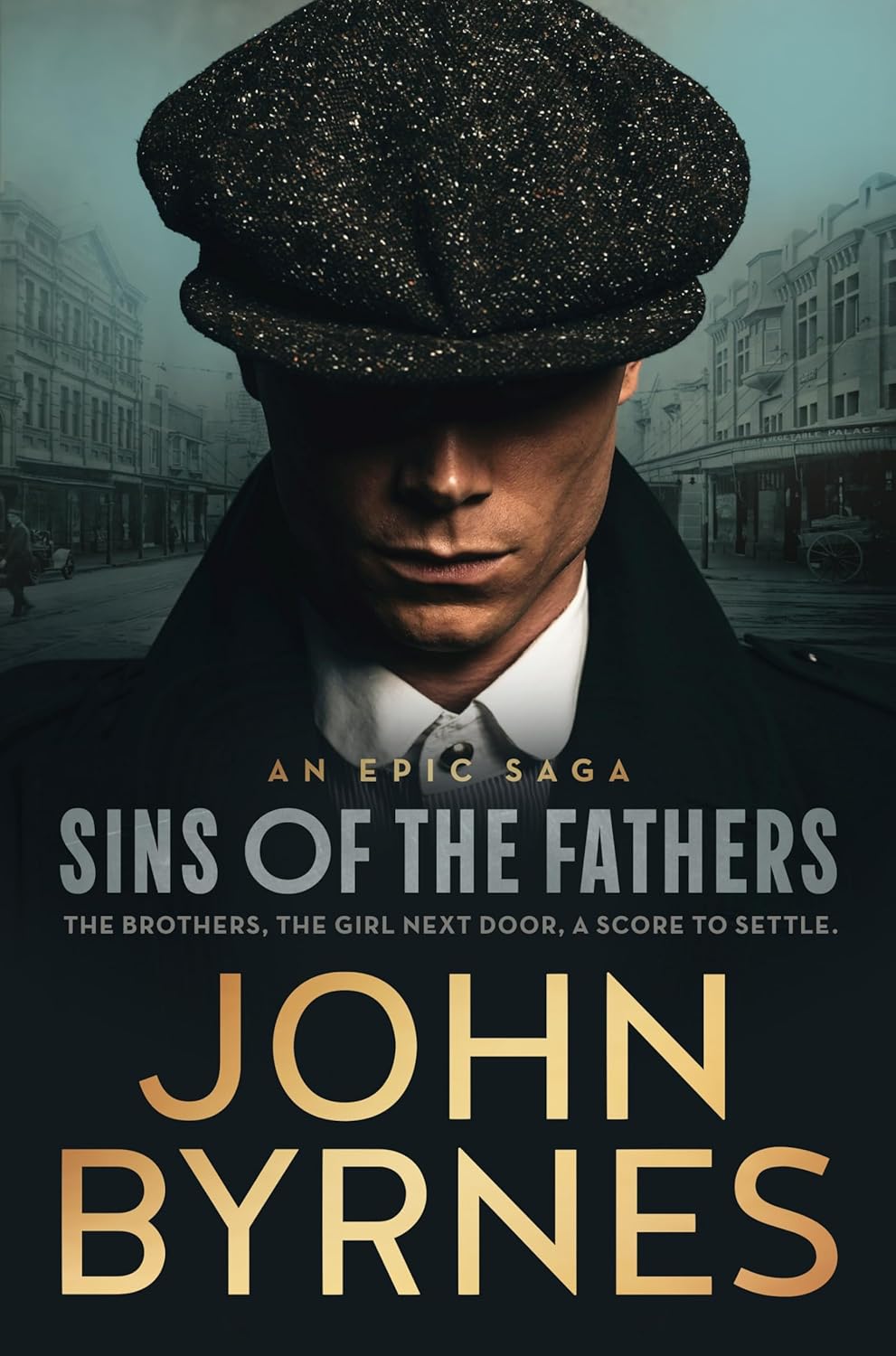
Quick Review – The Youngest Son by John Byrnes

Publisher: Pan Macmillan Australia (Trade Paperback – 30 July 2024)

Series: Standalone

Length: 386 pages

My Rating: 4.25 out of 5 stars

Amazon

Rising Australian author John Byrnes dives into a new genre with the fascinating and compelling historical fiction novel, The Youngest Son, which focuses an exciting and moving narrative around one damaged family.

Plot Synopsis:

On the unforgiving streets of 1920s Sydney, the Leach family have nothing but each other.

In a tale spanning decades, three children of the broken, working-class family find adventure, heartache and trouble as their lives drift apart.

John finds faith and love at a young age. The inevitable clash between the two leads him into a different kind of brotherhood as war clouds gather.

Maureen dreams of a life ‘just like the movies’ and waits to be swept off her feet. Yet at every crossroad, she makes the wrong choice.

Bob discovers a natural talent with his fists and an instinct for trouble. But with every win he earns the hard way, more enemies rise.

From police corruption and gambling dens to brothels and blood feuds, the Leach family toil in Sydney’s seedy underbelly and on battlefields far away. Against the backdrop of the Great Depression and the Second World War, The Youngest Son chronicles one family’s mesmerising fate in a grand saga and a masterclass in epic storytelling.

The Youngest Son was a fast-paced and addictive novel that cleverly followed the youngest members of a disadvantaged working class 1920s Sydney family through the highs and lows of early 20th century Australian history.  Byrnes, who really impressed me last year with his first novel, the gripping modern thriller Headland (one of my favourite debuts of 2023), did an outstanding job diving into the historical fiction genre, and I enjoyed the excellent and personal story that emerged.

The plot of The Youngest Son works very well, as Byrnes follows the varied lives of the three Leach children, John, Maureen and Bob, as well as a raft of other entertaining and complex characters.  Starting in the 1920s and continuing towards the end of World War II, The Youngest Son’s narrative splits between each of these primary characters and follows the highs and lows of their lives.  This includes the criminal activities of the youngest son, Bob, whose career fighting for Sydney’s criminal underbelly leads him into trouble time and time again.  The oldest son, John, attempts to live a good life and join the church, but misfortune and deceit instead lead him towards the horrors of war.  Finally, the daughter of the Leach family, Maureen, tries to find the excitement and glamour missing from her working-class life, but finds only heartbreak and bad decisions as she is constantly led along the wrong path in life.  Each of these characters experience conflict, betrayal, and tragedy as they attempt to find their way in life, and it helps produce one hell of a story.

I really enjoy historical fiction books that follow the lives of multiple characters as they follow their own path amid the backdrop of real-life history, and it is a format that has served many authors, such as Ken Follett, Jeffrey Archer and Peter Watt extremely well over the years.  Byrnes is another great author who perfectly utilised this story telling method, and I had a lot of fun getting to know the Leach family and their various friends and associates.  The author pulls together a great layered narrative, and I loved the mixture of story elements that emerged, including personal stories of self-discovery, a gritty war narrative, and a continued dive into the criminal underbelly of Sydney during the 1930s and 40s.  While all these major storylines are great in their own way, I personally found myself drawn more to Bob’s narrative, mainly because his dangerous dive into the world of underground boxing is full of excitement and action.

Each of the three main protagonists have intriguing journeys in their respective chapters, and I deeply enjoyed where each of their specific storylines go.  All their story arcs have a great mixture of success, tragedy and self-discovery, and you grow attached to all of them as a result.  The storylines also blend into a fantastic major narrative, and while for the most part they are kept separate from each other, they play off each other well, ensuring that readers get a good mixture of emotions and different experiences, as well as alternating character highs and lows.  Byrnes also makes excellent use of the 1930s and 40s background setting throughout The Youngest Son, and the author ensures each character’s story cleverly evolves to face the various changes occurring around Sydney.  The entire narrative goes in some interesting directions, and you willingly follow these characters wherever they end up, even if that leads you even deeper into tragedy.

While the three main characters are all entertaining in their own ways, I felt that the fourth perspective character Byrnes added in really helped to make The Youngest Son especially special.  This fourth character is the villainous Vince, a cowardly street thug who makes a big impact on the Leach family’s lives in different ways.  Vince proves to be a great recurring antagonist, and his slimy story of success blends in well with the alternating fortunes of the Leach children while also providing some real entertainment value.  You really cannot help but dislike Vince as he succeeds, but you really can’t look away as he succeeds, especially as his various dastardly and snivelling interactions with the other characters, primarily Bob and Maureen, prove to be excellent bridges between these protagonist’s respective storylines.  I really appreciate how Byrnes wove the story of Vince amongst the other major narrative threads of The Youngest Son, and the use of the excellent antagonist continuously moves the plot in the best direction, including with the big finale.

Overall, I felt that this was a great book from John Byrnes, who created an amazing and captivating novel with The Youngest Son.  A slick and easy-to-read novel with some real heart that makes excellent use of its impressive character-driven narrative, historical setting, and engaging protagonists, The Youngest Son is an awesome book to get lost in, and it was fantastic to see how Byrnes has grown as an author.

Amazon

Quick Review – The Pit by Peter Papathanasiou

The Pit Cover

Publisher: Maclehose Press (Trade Paperback – 25 July 2023)

Series: DS George Manolis – Book Three

Length: 297 pages

My Rating: 4 out of 5 stars

Amazon

Australian author Peter Papathanasiou returns with his third DS George Manolis novel, The Pit, a complex and intriguing piece of Australian crime fiction that takes three unlikely companions on a memorable road trip.

Plot Synopsis:

A third outback noir from Peter Papathanasiou, following Special Constable Sparrow as he investigates a cold case in a barren mining region of Western Australia.

With DS Manolis on leave in Greece, Senior Constable Sparrow receives a phone call from a man who wants to turn himself in.

Bob is sixty-five years old, confined to a Perth nursing home. But thirty years ago, he killed a man in the remote northern Kimberley mining region. He offers to show Sparrow where the body is, but there’s a catch: Sparrow must travel north with him under the guise of being his carer.

They are accompanied on the drive by another nursing home resident: Luke, thirty years old, paralysed in a motorbike accident. As they embark on their road trip through the guts of Western Australia, pursued by outback police and adrenaline-soaked miners, Sparrow begins to suspect that Bob’s desire to head north may have sinister motivations. Is Luke being held against his will? And what lies in store for them when they reach their goal?


The Pit
proved to be quite an interesting and compelling novel which honestly was very different from what I was expecting.  I thought this would be more of a standard crime fiction/murder mystery novel in the Australian wilderness, but instead I got a character driven story that dove into one protagonist’s complex life, and I honestly think it worked out better this way.

The plot of The Pit is very far removed from Papathanasiou’s previous DS George Manolis novels, with the protagonist of the first two books not even actually appearing.  Instead we get an intriguing story about supporting character Special Constable Sparrow, who finds himself presented with an unusual opportunity by an old man, Bob, wanting to confess to a 30-year-old murder.  While I do think that Sparrow agreed to Bob’s strange request without backup a little too readily, it sets up an interesting and heartfelt storyline where Sparrow accompanies Bob and Bob’s unsuspecting young protégé, Luke, across Western Australia into the heart of mining country.  The narrative splits into two separate timelines at this point, with the main narrative focusing on the three companions as they travel across the Pilbara, getting into all manner of trouble and meeting a range of outrageous and unique outback locals.  The other main storyline is a series of intense flashbacks that examine the full life of Bob and the many hardships he experienced as a homosexual man in Australia from the 1960s onwards.  There is also a subplot that follows the friendship Bob formed with Luke in the nursing home and why Bob decided to take him on the road trip.

These different fantastic storylines are interesting and emotional in their own way, and the reader gets heavily invested in seeing both the past and the present.  Bob’s tragic and violent life story really drags the reader in, and it was fascinating to see his take on the homosexual experience throughout various periods of recent Australian history.  At the same time, you get quite entranced by the unique friendship that forms between the three road trippers, especially as each of them has their own secrets, personal issues and emotional turmoil.  I felt that the darker past storylines blended well with the unusual hijinks of the modern storyline, and the hidden clues in Bob’s recounting of events ended up having some interesting impacts on the central story.  These split storylines come together in an excellent way, and Papathanasiou really lays on the tragedy in the main narrative threads, especially when it comes to Bob and the tragedies he’s experienced.  The ending of the book is quietly poignant and ultimately unavoidable, and you will come away quite moved by how everything turned out and how the main characters developed.

Papathanasiou backed up this emotionally rich story with some fantastic and highly detailed background settings.  The Pilbara in particular is shown in all its red glory, and the author does a remarkable job describing its harsh beauty and the heavy burden of those who traverse it.  The anecdotes about the unusual people who worked in the Pilbara, both in the modern day and in the 1970s and 80s, are pretty over-the-top and very entertaining to absorb.  I do hope that Papathanasiou was exaggerating just how crazy everyone out in the Pilbara is, as there were a lot of unsettling and concerning characters involved who added some interesting spice to the story.  The memorable social interactions and courtship rituals of the repressed male Pilbara mining community back in the 1970s also seemed a bit unlikely, and I doubt I will be able look at a ute full of blokes the same way again after reading this book.  These outrageous scenes were quite entertaining, and I think they helped to enhance some of the more emotional parts of the book in greater detail.  Throw in other interesting historical locations, such as Sydney during the AIDS epidemic, and you have a fantastic background to this intense story that Papathanasiou used to full effect to tell his unique story.

Overall, The Pit was quite a memorable and compelling read by Papathanasiou, who told quite a complex Australian tale.  As a dramatic Australian tale with historical elements more than a pure crime fiction read, The Pit was a fantastic book that beautifully dove into some dark issues and showcased some amazing characters.  Charming and heartbreaking, The Pit was an excellent piece of Australian fiction that is well worth checking out.

Amazon

Quick Review – The Investigators by Anthony Hill

The Investigators Cover

Publisher: Michael Joseph (Trade Paperback – 7 March 2023)

Series: Standalone

Length: 349 pages

My Rating: 4 out of 5 stars

Amazon

The always compelling Anthony Hill returns with another highly detailed dive into Australian history with The Investigators, a fascinating and extensive read that focuses on a truly unique historical voyage.

Fans of Australian fiction will be well aware that there are a ton of outstanding authors out there at the moment who seem dedicated to exploring some of the more obscure or deeply interesting moments in colonial Australian history.  Due to the attention these books get from Australian publishers I tend to read a few of these each year and I always appreciate the love these authors clearly have for the country’s history and their desire to set interesting stories about it.  One of the more notable of these is Canberran author Anthony Hill, who has written several novels that cover different figures and events connected with the European settlers in Australia.  I have enjoyed a couple of his books over the years, including last year’s intriguing read, The Last Convict, which told the life story of Australia’s last surviving convict.  His new book, The Investigators, takes a new path as it focuses on a particularly noteworthy nautical voyage, that of Matthew Flinders and the HMS Investigator.

Plot Synopsis:

‘Our discoveries have been great, but the risks and misfortunes many.’

John Franklin always wanted to be a sailor. As a volunteer in the Royal Navy at age fourteen, he found himself in the Battle of Copenhagen, but nothing could prepare him for the adventure of a lifetime, when he set off in 1801 with his cousin Matthew Flinders on HMS Investigator as it sought to chart the first circumnavigation of Australia.

Taking on responsibility for the chronometers, under the jealous eye of Flinders’ younger brother, the young midshipman found all the action, adventure and excitement he’d hoped for in his new life at sea. It inspired him to become one of the great navigators and explorers of the 19th century.

However, he wasn’t quite so prepared for the other challenges that life onboard had in store – the rivalries with fellow shipmates, the shortages of food, and the harsh realities of what they encountered in the colonies. Danger, disease and death seemed to follow in their wake, and even the Investigator herself was at serious risk of destruction, having to flee to Koepang in present-day Indonesia for repair.

The history books tell us that the first circumnavigation of Australia was completed on this voyage – but award-winning and bestselling author Anthony Hill tells us how it was achieved. The Investigators is an unforgettable story of high adventure, exploration, shipwreck and survival as a young sailor comes of age.

This was a pretty interesting book from Hill that I personally had a great time getting through, even though I know it’s not going to be everyone’s cup of tea.  As you can tell from the plot synopsis, The Investigators tells the complete story of the HMS Investigator, under the command of Matthew Flinders, as it made its incredible journey to circumnavigate Australia, the first recorded voyage to do so.  Told from the perspective of young midshipman, John Franklin, who himself goes on to become a notable captain and explorer, The Investigators covers the entirety of the voyage, including its delayed beginning and chaotic conclusion in extreme detail, focusing on every major occurrence that was recorded in the historical record.

Now, I must admit that this is a part of Australian history that I was not particularly familiar with, which is a shame, as it was pretty extraordinary.  However, that is no longer the case, as Hill really goes out of his way to showcase the voyage in all its historical detail.  No stone is left unturned as Hill takes the reader through the entire course of the voyage, and it proves to be extremely interesting to see just what the crew went through.  The full extent of this journey is exceedingly fascinating, and while most of the voyage is focused on exploration and cartography, which is interesting in its own way, there are more exciting features such as disasters, deaths, feuds, politics, first contacts, starvation, disease, the French, and even a major shipwreck.  This naturally results in quite the intense narrative, and I found myself hooked as I continued on trying to find out what happened throughout this voyage.

While the voyage of the HMS Investigator is pretty interesting, I will admit that Hill’s writing style was at times rather dry.  This is mainly because he was determined to fit as much historic detail into his book as possible, and this often bogs down the flow the story.  For portions of its run, The Investigators felt more like a non-fiction history book or a biography rather than a novel, especially when some of the sections are filled with substantial amounts of historical context or details about what future impacts certain events or discoveries would have.  It also did not help that some of the dialogue was lifted from quotes in historical journals, all in the name of realism, which produced some of the clunkiest moments in the book.  While Hill does try to mitigate this at times, such as by focusing the story on a young, eager character with his own exciting future rather than the complex captain on his most iconic voyage, it did get hard to get through the detail rich text at times.  As such, this is going to be a harder novel for some readers to enjoy, especially if you were looking for an exciting story rather than a historical treatise.  Still, I personally found it to be compelling and I loved how deep that Hill went into the events.  The highly detailed examinations of everything, even day-to-day events on the ship or the many intricacies of exploration, proved to be quite fascinating, and I loved seeing absolutely everything that occurred on this voyage and Hill’s take on them.

Overall, The Investigators by Anthony Hill is an interesting and complex read that fans of Australian or nautical history are going to have an amazing time with.  Hill really dives into this extraordinary tale out of history and readers come away with a complex appreciation for every single aspect of this epic trip.  While Hill’s writing will probably not be for everyone, the sheer amount of history within is well worth the read and I had a great time learning more about the HMS Investigator.  This will be a great book for those with a love of history.

Amazon

Call of Empire by Peter Watt

Call of Empire Cover

Publisher: Macmillan (Trade Paperback – 25 October 2022)

Series: The Colonial series – Book Five

Length: 368 pages

My Rating: 4.5 out of 5 stars

Amazon     Book Depository

Australia’s master of the historical adventure returns with another deeply exciting and highly intriguing character driven read that follows one historical family as they embark on war and adventure across the world, Call of Empire by Peter Watt.

Towards the end of each year, I always know that I am about to have my historical action and adventure quota filled as the new Peter Watt is coming out.  Watt has been a particularly enjoyable and compelling Australian author for years, producing intriguing historical fiction books with a focus on Australian history.  His works have so far included the long-running Frontier series and his compelling Papua trilogy, both of which contained some remarkable historical adventures.  However, I personally have been really getting into his currently body of work, The Colonial series, which I have had a wonderful time reading in recent years.

The Colonial series started of back in 2018 with The Queen’s Colonial, an intriguing read that followed young Australian Ian Steele in 1845 as he switched places with an English nobleman to take up his commission in a British regiment.  Becoming Captain Samuel Forbes, Steele found himself drawn into several of England’s deadly 19th century wars, while also forced to confront several dangers back in England as the real Samuel Forbes’ family sought to have him killed.  This fantastic series continued for two more books, The Queen’s Tiger and The Queen’s Captain, both of which were excellent reads.  Watt continued the series last year with The Colonial’s Son, which jumped ahead a couple of decades to follow the main character’s oldest son as he followed in his father’s footsteps and become a soldier in the Queen’s army.  I had a great deal of fun with these exciting books, and I was very happy when I received the next entry in the series, Call of Empire.

Starting in 1885, several years after the conclusion of The Colonial’s Son, Call of Empire sees protagonist Ian Steele finally living the quiet life in New South Wales, enjoying time with his family and friends, and expanding his business empire.  However, the British Empire is constantly finding itself in conflict across the globe, and soon the young New South Wales colony is called upon to send troops to assist the British campaign in Sudan.

Determined to serve the Empire once again, Ian’s oldest son, Josiah, takes a commission in the New South Wales army and journeys to Africa to fight the Sudanese forces for the British.  However, his decision will alienate him from the love of his life, Marian Curry, who is determined that he stop fighting in imperialistic wars.  At the same time, Ian’s younger son, Samuel, is learning the family business out in the Pacific with the family’s friend, Ling Lee.  However, Samuel and Lee are soon dragged into a dangerous plot to smuggle guns for the Chinese, as Lee’s obsession with freeing China from European control leads them into mortal danger.

Soon the entire Steele family finds themselves in deep trouble across the world, and only the most daring of actions will help them survive.  But as the Empire’s wars continue and the Steele family and their friends are drawn into even more conflicts, can even their legendary luck continue?  Death and tragedy awaits them all, and soon the Steele family will face a loss they never expected.

This was another fantastic and deeply exciting novel from Watt, who continues to dazzle with his fast-paced writing and impressive historical insights.  I loved the awesome story contained in Call of Empire, and I ended up powering through this book in less than a day.

Watt produces another exciting and ultra-fast paced story for Call of Empire that takes the reader on a wild and captivating journey through some interesting parts of late 19th century history.  Starting in 1885, Call of Empire primarily follows the three male members of the Steele family as they attempt to overcome the various challenges they face in their respective endeavours.  Watt tells a multi-layered, multi-generational, character driven story that follows multiple characters simultaneously as they engage in their own story.  This means that readers are often treated to a range of different storylines in the same chapter, having one character engaged in war, while another deals with issues at home, and at the same time a third finds themselves caught up in adventures at sea.  This makes for quite a complex read, although the range of storylines are well balanced and never oversaturate or confuse the story.  Indeed, Watt is a pretty clear and concise writer, and the reader is able to have a lot of fun with several of the storylines at the same time.  Watt features an outstanding range of storylines throughout Call of Empire, and I loved the blend of war, politics, exploration, business, romance, character development and legal concerns that were featured at various points throughout the 15 year long plot.  This reminded me a lot of the author’s previous Frontier novels, especially the focus on one big family, and I had a wonderful time seeing the elaborate narrative he wove around his characters.  Watt really takes this story in some interesting directions, and there are a few big surprises, as well as some tragedies that established readers of this series will be hit hard by.  This proved to be quite an addictive read, and I loved seeing his characters continue to traverse through life in their chaotic and adventurous ways.  The book ends at the start of the new century, and it looks like Watt will be taking his characters in World War I next time, which I am sure will be suitably traumatic.

Easily my favourite thing about this book was Watt’s excellent dive into the always eventful colonial history of Australia.  In particular, Watt examines several lesser-known wars and conflicts from the 19th century, with a particular focus on the role of New South Wales.  This starts early in the plot with one of the characters getting involved in the Suakin Expedition in Sudan, which was part of the larger Mahdist War.  This deployment saw a battalion of New South Wales soldiers travel to Sudan as part of the war effort and was the very first military force to be raised and deployed overseas by Australia.  While there wasn’t a lot of fighting involved with this campaign, I was deeply intrigued by the history and the politics behind it, and Watt did a wonderful job of exploring it in great detail throughout the book by inserting his characters.  Watt continued this trend throughout the rest of the book, which saw several of his characters involved in both the Boer War and the Boxer Rebellion in China.  Both conflicts had Australian soldiers involved, fighting on the side of the British, and Watt took exquisite care to explore what role the Australians played in them, and how they came to be involved in the conflict.

Out of all of them, I particularly enjoyed the captivating examination of the Boer War in Africa, which was one of the more deadly wars Australians fought in during the 19th century.  This war, and one of the character’s roles in it, dominated a good part of the book, and Watt did an amazing job of bringing different parts of the conflict to life.  The author really captured just how dark and bloody this war was, from snipers in the African bush, to the horrors inflicted on the Boer settlers.  However, Watt saves some of his best writing for the Battle of Elands River, a protracted battle that saw the Boers surround a force of Australians and their allies in a brutal siege for 13 days.  Naturally, one of the characters is right in the middle of this fight, and Watt really showcased the carnage and terror that the Australians would have felt being surrounded and bombarded.  I honestly didn’t know a great deal about some of these early Australian military conflicts, and it was absolutely fascinating to see them come to life in the hands of this talented author.  Having this great historical background really enhanced the overall quality of the novel, and I had a wonderful time diving back into these sometimes overlooked parts of Australian military history.

As I mentioned above, Call of Empire was a very character focused book that featured a range of fantastic point of view protagonists through whose eyes the story unfolded.  Watt features a great combination of characters, with a compelling mixture of younger figures who were the focus of The Colonial’s Son, and even a few characters from the first three Colonial books.  There was quite a range of different character storylines in Call of Empire, and you swiftly get drawn into the various unique adventures of each of the characters.  It was fascinating to see how the older characters had evolved since their original adventures, and I liked how Watt started focusing more on the next generation, including by expanding the role of the younger Steele son, Sam, who had an amazing outing here.  There is a great examination of the events that help to form these figures character, and it was fantastic to see them overcome so much adversity at various parts of their life.  I will say that some of the male Steele characters did tend to blend personality wise as the book proceeded, mostly as they are cut from the same adventurous cloth, but you still grow to like all of them, and you ended up getting touched when bad things happen to them.  There are some very interesting and powerful developments that hit the main characters in this book, and this ended up being a very key novel in the family history.  I had a wonderful time seeing the latest exploits of the Steele family, and with the next generation being introduced towards the end of the book, you know that they have even more adventures to come.

Peter Watt continues to showcase his talent as Australia’s premiere author of the Australian historical adventure with his latest Colonial novel, Call of Empire.  Bringing back several of his fantastic protagonists from the previous books, Watt crafts together another exciting read that dives into some intriguing parts of Australia’s military history.  Fast paced and full of awesome action, Call of Empire is another amazing read from Watt, and one that I had a lot of fun getting through.

Amazon     Book Depository

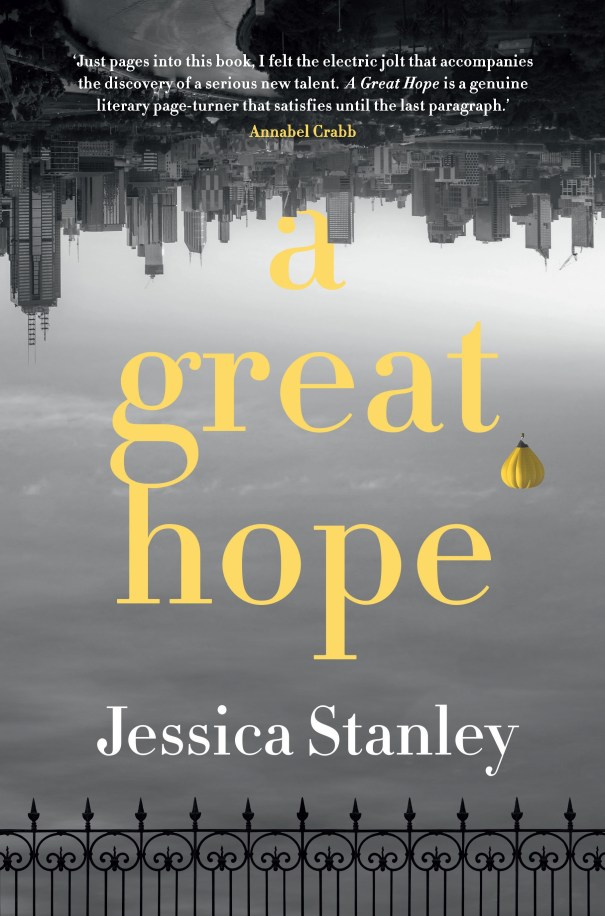
Quick Review – A Great Hope by Jessica Stanley

A Great Hope Cover

Publisher: Picador (Trade Paperback – 22 February 2022)

Series: Standalone

Length: 406 pages

My Rating: 3.5 out of 5 stars

Amazon     Book Depository

Intriguing new author Jessica Stanley produces a compelling Australian political drama, A Great Hope, an intense read that looks at the impact of the mysterious death of a politician on his family, set to the backdrop of a turbulent time in Australian politics.

Plot Synopsis:

John Clare was a titan in Australian politics. The head of a powerful union and a key player in the election of Kevin Rudd as prime minister in 2007, he had long been tipped as a future leader himself. Supporting him in his push for power were his elegant wife Grace, his troubled children Sophie and Toby, and Tessa, the mistress he thought would stay secret.

But now John has fallen, brutally, to his death. A terrible accident – or was it?

In the wake of losing John, his inner circle mourn and rage, remembering and trying to forget the many ways he’d loved and disappointed them. An adoring and unreliable father; a grateful and selfish husband; a besotted and absent lover; an authoritative and compassionate leader; a failed politician in an era when party politics failed a nation. As those around him reassess everything they knew of and felt for John, a new idea of what love and power really mean begins to emerge – as does the true cause of his death.

Gripping, propulsive and ambitious, A Great Hope untangles the mystery of John’s fall through the eyes of those who knew him best – or thought they did. Deftly displaying the clash of the political and the personal, this is a novel for our times, from a brilliant and forceful new Australian writer.

This was an excellent novel which I think did a great job telling a unique story by exploring some of the more controversial elements of recent Australian politics.  A Great Hope’s story is a great blend of personal drama, political intrigue and contemporary historical fiction, with a little bit of mystery thrown in as various characters attempt to understand the death of John Clare and the impact he had on the world.

Telling the story from a variety of different perspectives, including those of his family, his mistress, and other related figures, Stanley presents a complex and winding narrative that proves to be very compelling at times.  Initially set one year after the death of John Clare, the story jumps around the various point-of-view characters, and the readers are shown not only their present situations and opinions but also the origins of the characters as well as the full events that led up to the night John Clare died.  While this does produce a cluttered story with a few odd moments (such as the unnecessary and graphic sex scenes), the reader is soon treated to a unique story that cleverly builds up to the finale while also exploring the various key characters.  You get a real sense of everyone featured in the novel, especially those closest to John Clare, and their complex lives and relationships with the political heavyweights.  Unfortunately, most of these characters are pretty terrible people who are fairly insufferable and hard to enjoy.  While this was no doubt the intent, to show the strain and ugliness a political life brings out, there are barely any relatable or redeemable figures here (honestly the only character I particularly liked was the mistress, Tessa, which is a bit odd when you think about it).

While this lack of likeable characters did slow the flow and my enjoyment of the story a little, I managed to power through the last 200 pages in a single sitting.  There are some interesting resolutions and revelations towards the end, and I enjoyed seeing some of the storylines come full circle, especially those that are set up in the present and then expanded on in the flashbacks.  The resolution of who or what caused the death of John Clare was pretty interesting and a little surprising, but it fit nicely into the unique feel and storytelling of A Great Hope.

One of the most distinctive elements of A Great Hope was the author’s intense and in-depth examination of Australian politics in the early 21st century, particularly around the 2007 and 2010 elections.  This is mainly because the author, Jessica Stanley, was herself involved in some of these campaigns, particularly in 2007, when she served as one of the party’s social media consultants (similar to main character Tessa).  As such, this book contains some compelling and fascinating insights into the election campaign, candidates, and voters, particularly those associated with Australia’s major left-wing party (the Labor party), which really added to my enjoyment of the book.  Some of the more intriguing and compelling political moments of this period are scattered throughout A Great Hope, and I deeply enjoyed seeing the author’s take on what happened and why.  The author also examines the growing impact of social media during this time, as well as other intriguing elements about campaigns and party politics.  However, readers should be warned that these political elements do start to get very upsetting as the book continues, especially as Stanley dives into the failures of government, the increased political hostility, the rejection of climate change by the opposition, and the inherent sexism that defined the era between 2007 and 2010.  This stirred up some unpleasant memories of the political landscape of the time, but I did find this to be an interesting and captivating part of the novel, and I really appreciated how much these unique and realistic inclusions added to the story.

Fantastic new author Jessica Stanley got off to a great start here with A Great Hope, producing an intriguing and distinctive novel that makes excellent use of the author’s political insights.  While I had some issues with the story and characters, A Great Hope ended up being quite an entertaining book, and I was very interested in seeing how everything came together, as well as all the clever political inclusions.  I look forward to seeing what Stanley writes in the future, especially as there are so many memorable moments in Australian politics to set a story around.

Amazon     Book Depository

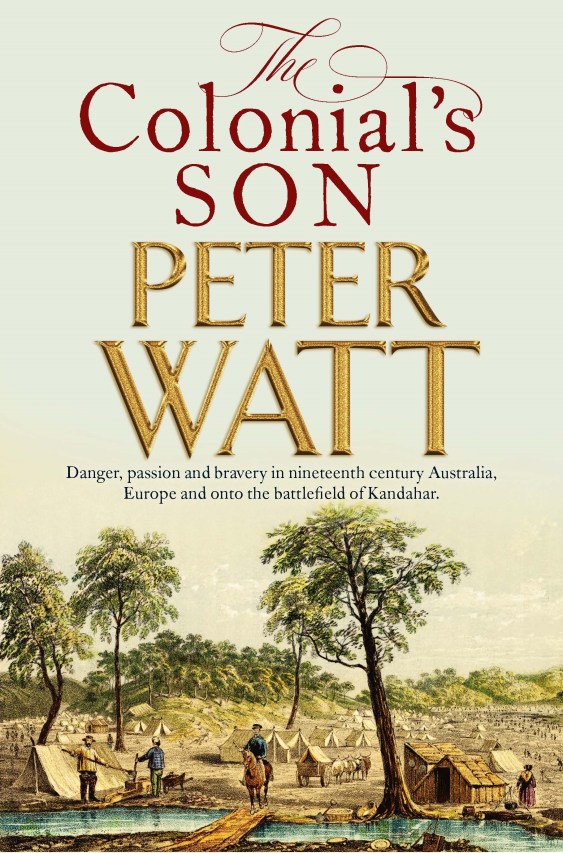
The Colonial’s Son by Peter Watt

The Colonial's Son Cover

Publisher: Macmillan (Trade Paperback – 26 October 2021)

Series: The Colonial Series – Book Four

Length: 367 pages

My Rating: 4.5 out of 5 stars

Amazon     Book Depository

One of Australia’s best historical fiction authors, Peter Watt, returns with The Colonial’s Son, the first book in a new series that follows on from his exceptional Colonial trilogy.

Peter Watt is a fun and talented author whose work I have been deeply enjoying over the last few years.  Watt specialises in historical fiction novels with a focus on Australian characters and has so far written three great series.  This includes his long-running Frontier series, which followed two rival Australian families throughout the generations as they got involved in some of the defining moments of Australian history (check out my reviews for While the Moon Burns and From the Stars Above).  He also wrote the fantastic Colonial trilogy that followed an Australian blacksmith who joined the British army as an officer during the mid-19th century.  This was an amazing and action-packed historical series, and featured three great books, The Queen’s Colonial, The Queen’s Tiger and The Queen’s Captain.  Watt’s most recent novel, The Colonial’s Son, is a direct sequel to the Colonial series, set several years after the conclusion of The Queen’s Captain.

Sydney, 1875.  After leaving the army and returning to Australia, former British army captain, Ian Steele, better known by the moniker his troops gave him, the Colonial, has settled down and started a successful business empire.  Now the father of three children, Ian is hoping for a quiet life, but is still facing several problems, including the fact that his oldest son, Josiah Steele, is determined to follow in his footsteps and join the British army as an officer.

When an old friend from his army days requests his help, Ian takes Josiah to Queensland to visit the notorious goldfields near the Palmer River.  There, Josiah gets his first taste for action as he and his father find themselves beset by bushrangers, hostile Indigenous tribes and warring Chinese criminal organisations.  Despite experiencing the terrors and tragedies of combat, Josiah is more determined than ever to join the army and travels to England to enrol in a prestigious military academy.  However, rather than gaining a formal training, he is immediately drafted into England’s latest war as a junior officer.

Travelling to Afghanistan, Josiah and his men engage in a series of bloody battles to hold onto the dangerous land for the empire.  Gaining the attention of his commanders, Josiah is chosen for a different sort of mission and sent to the newly united Germany where an old friend may hold the answer to the future of British/German relations.  Back in Australia, Ian Steele finds himself fighting a new enemy, one whose insidious ways could bring down everything he has struggled to build.  Can Ian survive this latest threat, especially when it drives him to do the unthinkable, and will Josiah be able to live up to the impossible military legacy of the Colonial?

This was another exciting and very enjoyable novel from Watt, who has proven himself one of the best authors of Australian historical adventure novels.  The Colonial’s Son is an amazing sequel to Watt’s prior series, and I really enjoyed seeing all the characters, both new and those from the prior series, engage in this latest series of adventures.  I ended up getting through this entire novel in one day, and I had a wonderful time reading it.

This latest novel has a very Watt narrative to it, utilising his typical style of multiple character perspectives to tell a compelling overarching tale of adventure and intrigue.  The Colonial’s Son primarily follows new protagonist Josiah and previous protagonist Ian as they find themselves in all manner of dangerous situations, together and separately.  This includes facing dangers and criminal conspiracies out in the goldfields, deep personal attacks in Sydney, or the various battles and political intrigues Josiah encounters once he joins the army.  At the same time, multiple other perspectives from side characters are utilised to enrich the narrative, with everyone from villains, love interests and friends adding to the story.  Watt tells a very interesting tale in this novel, combining a coming-of-age tale with the dynastic style of his previous Frontier books, and I really appreciated the way in which the author continues several storylines from the previous trilogy.  The combination of military action, criminal activity and intrigue makes for quite a fun narrative and The Colonial’s Son proves to be extremely addictive and easy to read.  I loved the many intense fight sequences featured throughout this novel, and Watt has a real flair for bringing brutal battles to life.  While fans of the Colonial trilogy will probably get a bit more out of this book due to the connected storylines, The Colonial’s Son is very accessible to new readers.

Just like he has done with all his prior novels, Watt makes sure that The Colonial’s Son features a range of intriguing and dangerous historical locations serving as fun backdrops to this awesome story.  There is a bit of a time skip between this novel and the previous Colonial trilogy, which opened up some different wars and settings for Watt to explore.  I particularly enjoyed the scenes set in the goldfields of North Queensland, a particularly grim and unforgiving bush setting full of fun antagonists.  The second half of the novel contains several other historical locales, all of which are shown in quick succession.  This includes Victorian London, Afghanistan, Germany and even Africa, all of which are the setting for some form of conflict.  The scenes set in Afghanistan during the British occupation of this land are very interesting, especially when you consider contemporary events, and there are some noticeable similarities between the historical conflict and more recent battles.  There is also a very fascinating look at Germany, which in 1875 had only just recently been unified into a single country with a more militaristic outlook.  Watt also ensures that The Colonial’s Son contains several hints about future conflicts that the protagonist may find himself involved in.  For example, the inclusion of several prominent Chinese characters in the first half of the novel will probably result the characters getting involved in the Boxer Rebellion, which would be pretty fascinating.  Overall, there are some great historical settings in this novel, and I cannot wait to see what conflicts the characters venture into next.

Watt makes sure to feature a ton of intriguing and memorable characters throughout The Colonial’s Son, each of whom adds some interesting details to the story.  This latest novel contains a great combination of new characters and protagonists from the Colonial series.  I rather enjoyed this cool mixture of characters, especially as you get to see new protagonists develop, while also learning the fate of the surviving characters from the original trilogy.  I particularly appreciated seeing more of original protagonist Ian Steele, and it was fun to see what happened to him after all his adventures in the Colonial books.  I was honestly surprised how much of a focus Ian got in this new trilogy, but I wasn’t complaining too much as I had gotten invested in his development in the original trilogy.  New protagonist Josiah also proved to be a great addition to the plot, even if there are a lot of similarities between him and the younger version of his father from the previous trilogy.  It was kind of fun to see history repeat itself, and I like the interesting developments that occur around Josiah attempting to live up to the legacy of his father, while also making all the same mistakes he did.  There were some other fun new characters featured in this book, including a charismatic young man of Chinese descent on the road to becoming a revolutionary and a young German countess who Josiah befriends.  I also appreciated some of the compelling and unlikable antagonists featured in the novel, as Watt has a real talent for writing scummy villains for the reader to root against.  I deeply enjoyed getting to know this new batch of characters, and I look forward to seeing what happens to all these excellent figures, both new and existing, in the future books.

With his latest novel, The Colonial’s Son, Peter Watt continues to highlight just why he is the leading author of Australian historical adventures.  Featuring an incredibly fun and action-packed plot, The Colonial’s Son does not slow down throughout its entire length, and readers are treated non-stop battles and intrigue.  I loved how this latest novel continued the cool storylines from Watt’s Colonial series, and I cannot wait to see what battles and character developments occur throughout the rest of this series.

Amazon     Book Depository

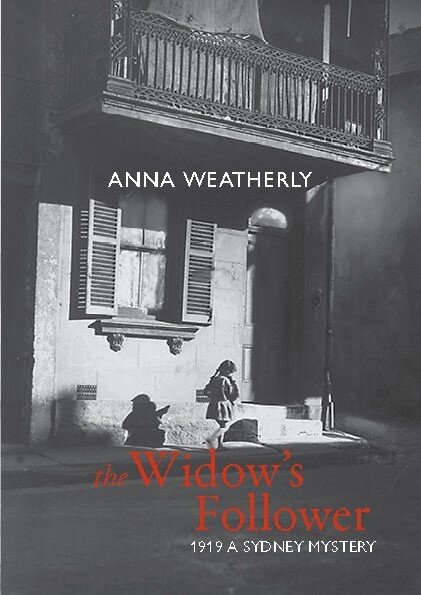
Quick Review – The Widow’s Follower by Anna Weatherly

The Widow's Follower

Publisher: Self-Published (Trade Paperback – 8 June 2021)

Series: Bermagui Mystery – Book Two

Length: 222 pages

My Rating: 4 out of 5 stars

Prepare for a quick and fun historical murder mystery with The Widow’s Follower, an excellent and compelling second novel from Canberran author Anna Weatherly.

Synopsis:

1919, Sydney.  No-one was shedding tears for the death of Roy Maguire, especially not his wife. She’d been hiding from him for the past five years and now she’d come back to reclaim her freedom. It should’ve been simple. So why was she finding herself the object of interest for half the criminals in Sydney? At first it was mystifying. Then it was terrifying.

This is the second novel involving May Williams, once the wife of Sydney crime figure Roy Maguire. This time May travels to Sydney where she finds that extricating herself from her abusive husband is a dangerous business, even when he’s dead.


The Widow’s Follower
is the second novel from Weatherly, following on from her 2018 debut, Death in the Year of Peace.  This series is a fantastic historical murder mystery series that follows a young woman in 1919 who takes the name May Williams and flees from Sydney to the small town of Bermagui to escape from her abusive, criminal husband.  The first book sets the scene for this series while also presenting a murder mystery as the protagonist attempts to uncover a killer in town.  This sequel is set right after the initial book and sees May return to Sydney after the death of her husband.

I really liked the interesting story contained within The Widow’s Follower, as it combines historical fiction elements with an interesting, gangster-filled mystery, as well as featuring some great character development.  Despite being relatively short for a novel, clocking in at just over 200 pages, Weatherly manages to achieve a lot in this book.  The Widow’s Follower primarily focuses on May being harassed by gangsters and criminals around Sydney as she attempts to settle her late husband’s affairs.  This gets complicated when it becomes apparent that before his death, her husband had stolen a great deal of money from his employers and managed to annoy all the big movers in town.  This forces May to investigate her husband’s last few days to find the money to save herself and her friends from these gangster’s ruthless attentions.  She also starts investigating the murder of her husband’s lover, a crime he was accused of before his death, as she cannot believe that even he could kill the father of his illegitimate child, whose welfare May also becomes concerned about.

This leads to an intriguing and extremely fast-paced story, as May is drawn into a twisted web of lies, manipulations and additional murders, while also trying to decide about her future.  There is an interesting blend of storylines contained within this novel, and I quite liked the exciting and dramatic directions that it went in, especially as May slowly gets closer to the truth.  May finds herself the target of several dangerous people from Sydney’s underbelly, each of whom is interested in her for all the wrong reasons.  At the same time, May’s friends back in Bermagui find themselves in danger, and this results in some compelling discussions about May’s future and whether she wants to stay in Sydney, where she has some chance at professional success, or return to the small town and pursue love.  These enjoyable storylines cleverly set up a massive twist about three quarters of the way through that I honestly did not see coming.  This cool twist changes everything about the novel, and I deeply appreciated how it was foreshadowed and the implications it has on the rest of the story.  The final part of the book is an intensely paced, as May finds herself in the middle of a dangerous conflict between some of the antagonists, while also reeling from some big revelations.  I really found myself glued to the final part of the book, especially as it contained some cool scenes, such as a multi-person chase throughout the streets of Sydney.  The book ends on a positive note, and it will be interesting to see where Weatherly takes the story next, especially as the protagonist’s storyline seems mostly fulfilled.

I also appreciated the cool setting of this novel, the historical city of Sydney in 1919.  Weatherly spends a significant amount of time exploring Sydney throughout the novel, and you end up getting a great sense of its size, layout and people during the early 20th century.  The author goes out of their way to try and emulate the historical version of this city, including by featuring clippings from real-life historical newspapers at the start of every chapter, a fun technique that I felt helped drag me into the moment.  Weatherly also spends time examining how recent world events had impacted the city, such as the recent Spanish Flu pandemic (very topical) and the slow return of Australian troops from the European battlefronts of World War I.  This fascinating setting added a lot to the authenticity and intrigue of The Widow’s Follower’s story, and it was really fun to explore this captivating historical locale.

Overall, I had a wonderful time with The Widow’s Follower, and I ended up reading pretty much the entire thing in one sitting.  Anna Weatherly came up with a clever and entertaining tale, and I had a great time getting to the bottom of the intense mystery that was featured within.  A fantastic and enjoyable piece of Australian historical fiction, this is a great book to check out and I look forward to seeing what this new author produces in the future.

Quick Review – The Codebreakers by Alli Sinclair

The Codebreakers Cover

Publisher: HQ (Trade Paperback – 3 March 2021)

Series: Standalone

Length: 460 pages

My Rating: 4.5 out of 5 stars

Amazon     Book Depository

Interested in a fantastic historical fiction novel that looks at a unique and overlooked part of Australia’s history?  Then make sure to check out The Codebreakers by bestselling author Alli Sinclair, an amazing and dramatic novel that I found to be extremely captivating and powerful.

Synopsis:

1943, Brisbane: The war continues to devastate and the battle for the Pacific threatens Australian shores. For Ellie O’Sullivan, helping the war effort means utilising her engineering skills for Qantas as they evacuate civilians and deliver supplies to armed forces overseas. Her exceptional logic and integrity attract the attention of the Central Bureau-an intelligence organisation working with England’s Bletchley Park codebreakers. But joining the Central Bureau means signing a lifetime secrecy contract. Breaking it is treason.

With her country’s freedom at risk, Ellie works with a group of elite women who enter a world of volatile secrets; deciphering enemy communications to change the course of the war. Working under immense pressure, they form a close bond-yet there could be a traitor in their midst. Can the women uncover the culprit before it’s too late?

As Ellie struggles with the magnitude of the promise she’s made to her country, a wedge grows between her and those she holds dear. When the man she loves asks questions she’s forbidden to answer, how will she prevent the double life she’s leading from unravelling?

The Codebreakers was an amazing and well-written historical drama from Australian author Alli Sinclair, who has previously penned several other great historical novels.  This latest book from Sinclair tells the impressive and captivating tale of some of the most unique women in Australia’s storied war history, the secret codebreakers of Central Bureau.  This proved to be an impressive and captivating read that I powered through in a quick amount of time, especially as Sinclair came up with a clever and compelling narrative.

Throughout this outstanding tale, Sinclair not only covers the intricacies of a fascinating group of female codebreakers, also known as the Garage Girls (they worked out of a garage), but also includes some excellent character-driven drama as the protagonist is forced to come to terms with the secrecy of her work as well as the various tragedies that befall her and her friends as the war takes it harsh toll.  Throw in an intriguing spy thriller angle, as the Garage Girls find out that one of their own may be a traitor, and this becomes quite an intriguing and exciting read.  I loved the great blend of excitement, adventure and tragedy that the author produced, and I really liked how she not only showed the protagonist’s entire tenure with the Garage Girls but also featured the tragic aftermath of the war, where the consequences of the protagonist’s decisions and the loneliness of missing friends and colleagues forces her to choose a different path.  Readers will swiftly find themselves very attached to the main protagonist and her amazing story, and I had a great time seeing this entire tale unfold.

I must highlight the excellent historical aspects of The Codebreakers as Sinclair has clearly done some intense research on this period.  I really enjoyed the intriguing examination of the Central Bureau codebreakers who were active in Brisbane during WWII and who helped to decrypt transmissions and provide vital information to the Allies.  Throughout this great book, Sinclair really goes into great detail about the work the codebreakers would have done and some of the impacts of their work.  She also tries to examine the mentality that surrounded these codebreakers, both in their work and outside it, as each codebreaker was forbidden to talk about their work to anyone, both during the war and after it.  This proves to be an intriguing and intense central part of the novel’s drama, and it is apparently based on interviews that Sinclair did with surviving members of the real-life Garage Girls.  This was an impressive and amazing basis for this great story and I deeply enjoyed learning more about this fascinating and formerly-secret women.

I also enjoyed the way in which the author perfectly captured the feel of mid-war Brisbane throughout The Codebreakers’ story.  Sinclair laces her narrative with a lot of fascinating discussions about various military attacks that hit Australia, wartime polices and general thoughts and feelings about the war and the people involved with it.  However, I was most impressed with Sinclair’s attempts to capture the mentality of the people on the home front in Brisbane at the time.  Not only did you get the frustrations of the common Australian citizen/soldier as they dealt with the deployed American soldiery, but there is also the sadness and regret of those that survived.  You could almost feel the despair of several characters in this book, especially after the deaths of some of their loved ones, and it was a truly moving inclusion in this fantastic and powerful read.  All of these historical inclusions were really remarkable, and I had an outstanding time exploring Sinclair’s vision of this intriguing and momentous period of Australian history.

The Codebreakers by Alli Sinclair was an awesome and moving historical drama that proved to be an exceptional examination of a truly unique group of Australian women.  Sinclair makes perfect use of the amazing historical basis for her novel and turns it into quite an exciting and captivating tale of resilience, friendship and romance, which comes highly recommended.  I really enjoyed this fantastic novel and I loved learning so much about the codebreakers of Australia’s Central Bureau.

Amazon     Book Depository

The Last Convict by Anthony Hill

The Last Convict Cover

Publisher: Michael Joseph (Trade Paperback – 2 February 2021)

Series: Standalone

Length: 368 pages

My Rating: 4 out of 5 stars

Amazon

Acclaimed Australian author Anthony Hill once again dives into the unique history of Australia’s colonial past with a fascinating examination of a truly remarkable individual in The Last Convict.

Perth, 1938.  Samuel Speed in an old man living his last days in a dreary public-run home for destitute old men, with no family or friends to take him in.  At 98 years old, Samuel knows that he does not have long to live and is content with his lot in life, but an unexpected opportunity to tell his tale has been given to him.  A local newspaper has requested an interview with him after they discover that he is the last person left alive who was transported as a convict to Australia.

As Samuel begins his interview, he is transported back to his past to a fateful day in Oxford in 1863 when, as a young, starving teenager, he helped set a barley stack alight in the hopes of being arrested to receive food and a warm bed in prison.  However, he is unprepared for the full consequences of his actions when a judge harshly sentences him to seven years hard labour on the other side of the world.  Boarding the transportation ship, Belgravia, everything from his past is taken from him, including his name, and he begins the long, arduous journey to Fremantle Prison in Western Australia.

Forced to endure years of backbreaking labour, isolation and enforced routine on his life, Samuel’s only relief is a newfound love of reading, as he enjoys escapism in several classic novels.  Eventually obtaining his ticket of leave in 1867 and full freedom in 1871, Samuel seeks to forge a new life for himself.  However, as he continues to work hard, he soon begins to understand that even though he is no longer in prison, he is still very much trapped by circumstances outside of his control.  What kind of man will Samuel become, and how deep does a person’s life sentence truly run?

The Last Convict is a fantastic and powerful historical novel from Anthony Hill that provides an impressive examination of an intriguing figure from Australia’s history.  Hill is an intriguing author from my home city of Canberra who has written several historical novels throughout his career, all of which examine unique individuals from Australia’s past, such as his novel Captain Cook’s Apprentice which followed a cabin boy aboard the Endeavour as it made its journey to Australia, or Soldier Boy, which followed Australia’s youngest-known soldier during WWI.  This latest novel from Hill continues this trend as the author takes a look at Samuel Speed, the last known surviving convict transported to Australia from England.

I really enjoyed the excellent narrative that Hill pulled together for his latest novel, and The Last Convict proved to be an exciting and fascinating tale of survival and determination.  Thanks to a trove of intriguing historical information and articles (all of which is either provided or referenced at the end of the novel), Hill provides the reader with a detailed and compelling bibliographic tale of Samuel’s life.  The story is set around a real-life interview that Samuel Speed had with the Mirror in 1938, and The Last Convict showcases both the elderly Speed sitting down for the interview and his visions of the past as he gets wrapped up in his captivating memories.  The resulting tale is a powerful and stirring narrative that combines historical fact, obtained from both the interview and other sources, as well as some dramatisation from the author.  I really enjoyed the clever narrative that resulted and I think that Hill did his historical protagonist justice, painting him as a conflicted and entertaining figure with both regrets and contentment about how his life turned out.  While many of the events that occurred in this novel have a strong historical basis, Hill did make several leaps (which he acknowledges in his notes) throughout the book.  I think that a lot of these literary creations of the character’s life worked well, and I like to think that Samuel was the amiable bibliophile that Hill made him out to be.  I found myself really getting drawn into this epic and captivating tale, especially as the author did a fantastic job portraying a number of fascinating scenes, locations and events from history, and it painted a vivid picture.  I also quite enjoyed the way in which Hill told the story through an excellent combination of flashback sequences and scenes featuring the older Samuel telling his tale to the newspaper.  All of this results in a fantastic and enjoyable narrative and I am really glad that I got the chance to experience this interesting take on the intriguing figure that was Samuel Steel.

One of the things that I loved the most about The Last Convict was the exceptional amount of historical detail that the author chucked into this book.  Hill is a massive history buff who has done an impressive amount of research for this novel, and he goes out of his way to populate this novel with all manner of facts and fascinating depictions of day-to-day life that a person like Samuel Steel would have experienced.  As a result, the reader gets a captivating, comprehensive and authentic-feeling examination of the convict experience in the latter half of the 19th century.  This includes fantastic depictions of how a person would be tried; their incarceration in England, including some of the horrendous bits of hard and painfully repetitive labour they would be required to undertake; all the way up to their transportation across to Western Australia.  The author also dives into the experiences of a convict living in Western Australia in the second half of The Last Convict, and there are some fantastic and intriguing discussions about what a person would have experienced once they arrived in a vast new land.  I found all the discussion about the various tasks, the intricate tickets of leave and day-to-day life of a convict locked up in Freemantle Prison (which is a cool building to visit) to be exquisitely done, and the reader gets an amazingly wide-ranging amount of knowledge on the subject.

Another fun historical aspect of the novel was the range of entertaining historical anecdotes that the character of Samuel Steel told to the reporter during the story regarding major historical figures that Samuel would have had knowledge of.  Not only do these anecdotes help to flesh out the story and help to fit into a couple of minor references featured in the Mirror interview, but they also proved to be a rather intriguing inclusion.  Hill goes into substantial detail recounting tales of several outrageous and famous Western Australian historical figures and their major moments, which included infamous prison escapes and other shenanigans.  I found these parts of the book to be incredibly fascinating, especially as I was unfamiliar with several of the stories that were mentioned, including one mass escape of Irish convicts that nearly started an international incident between the colony of Western Australia and the United States.  These stories added some great context to Samuel’s tale and helped the reader to envision the lives of other convicts or people in power that may have had some influence over the protagonist’s way of life or who he may have gossiped about.  I also quite liked the author’s decision to make Samuel a fan of classic novels, which was added in due to a passing reference to a Mark Twain story that Samuel made during his interview, and because Samuel had an association with the Braille Society, who ended up burying him.  Hill expands on this to paint Samuel as a lover of other novels, especially Dickens, and suggests that he would have started reading whilst a convict looking to pass the time.  Not only is this a rather likeable and relatable character trait, but it allowed the author to explore what sort of literary works a person like Samuel might have been interested in and may have had access to.  I enjoyed the author’s depictions of this classic novels and the protagonist’s potential reaction to them, and it proved to be an intriguing part of the book’s plot.  Overall, I felt that all these cool historical elements really helped to elevate Hill’s story within The Last Convict and readers are in for a fantastic blast of information about colonial Western Australia that is extremely fascinating and interesting.

The Last Convict is another clever and meticulously researched Australian historical fiction novel from Anthony Hill that provides the reader with a powerful and compelling window into the life of an interesting figure from history.  Loaded with Hill’s usual intense levels of fascinating historical detail, I had a lot of fun reading The Last Convict.  I look forward to seeing which Australian historical figure Hill looks at in his next book and I will be grabbing a copy to read.

Amazon