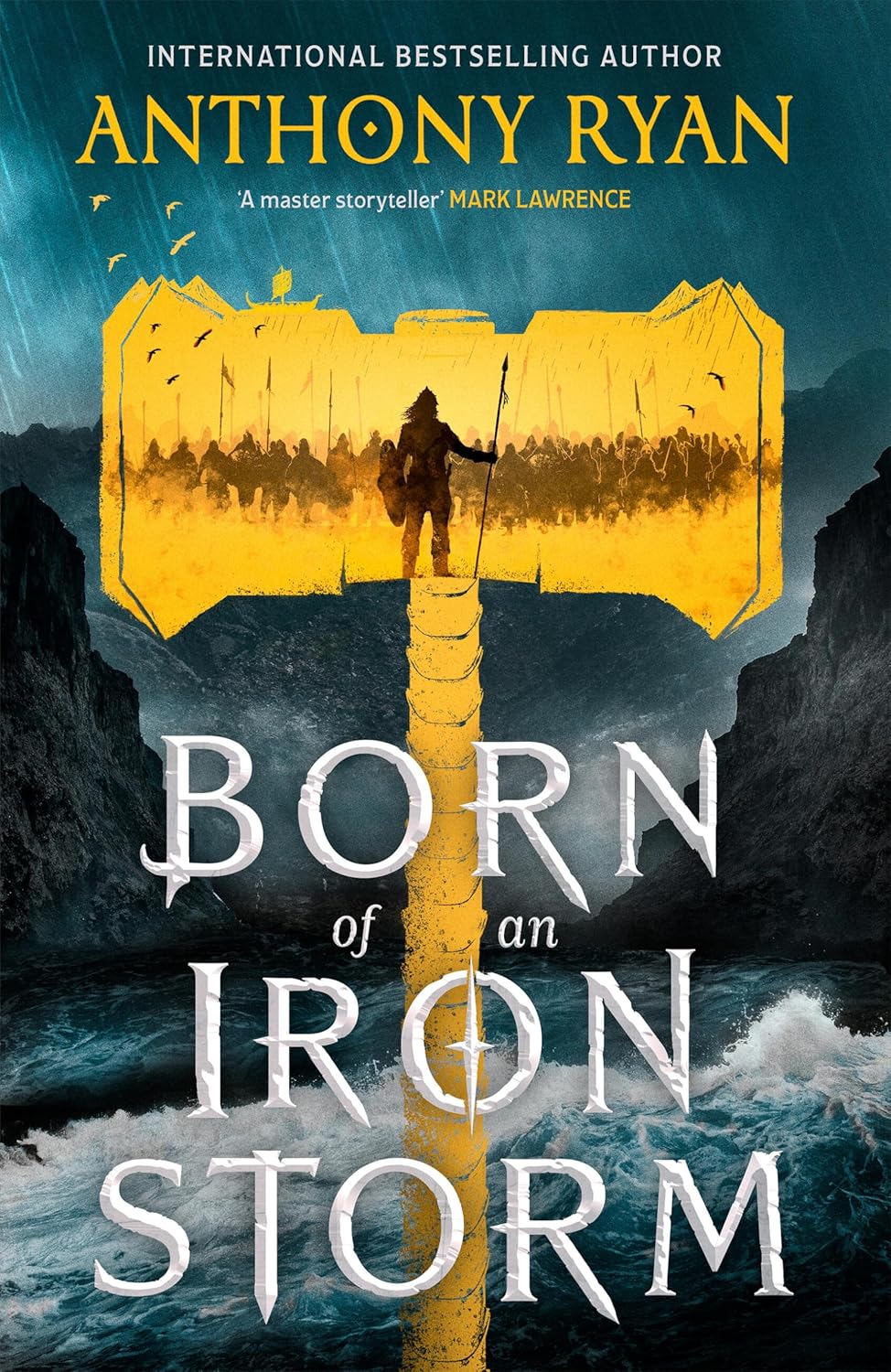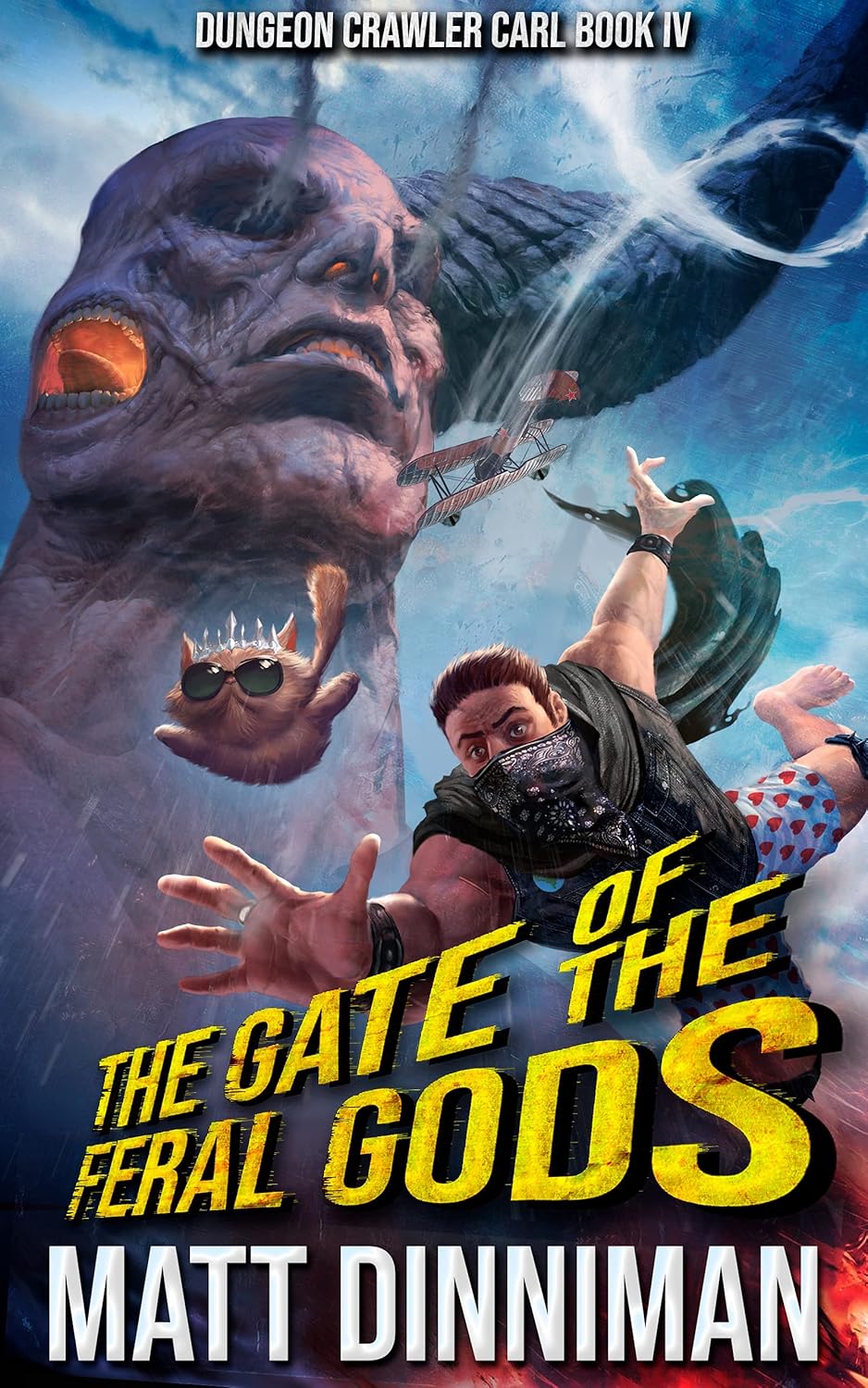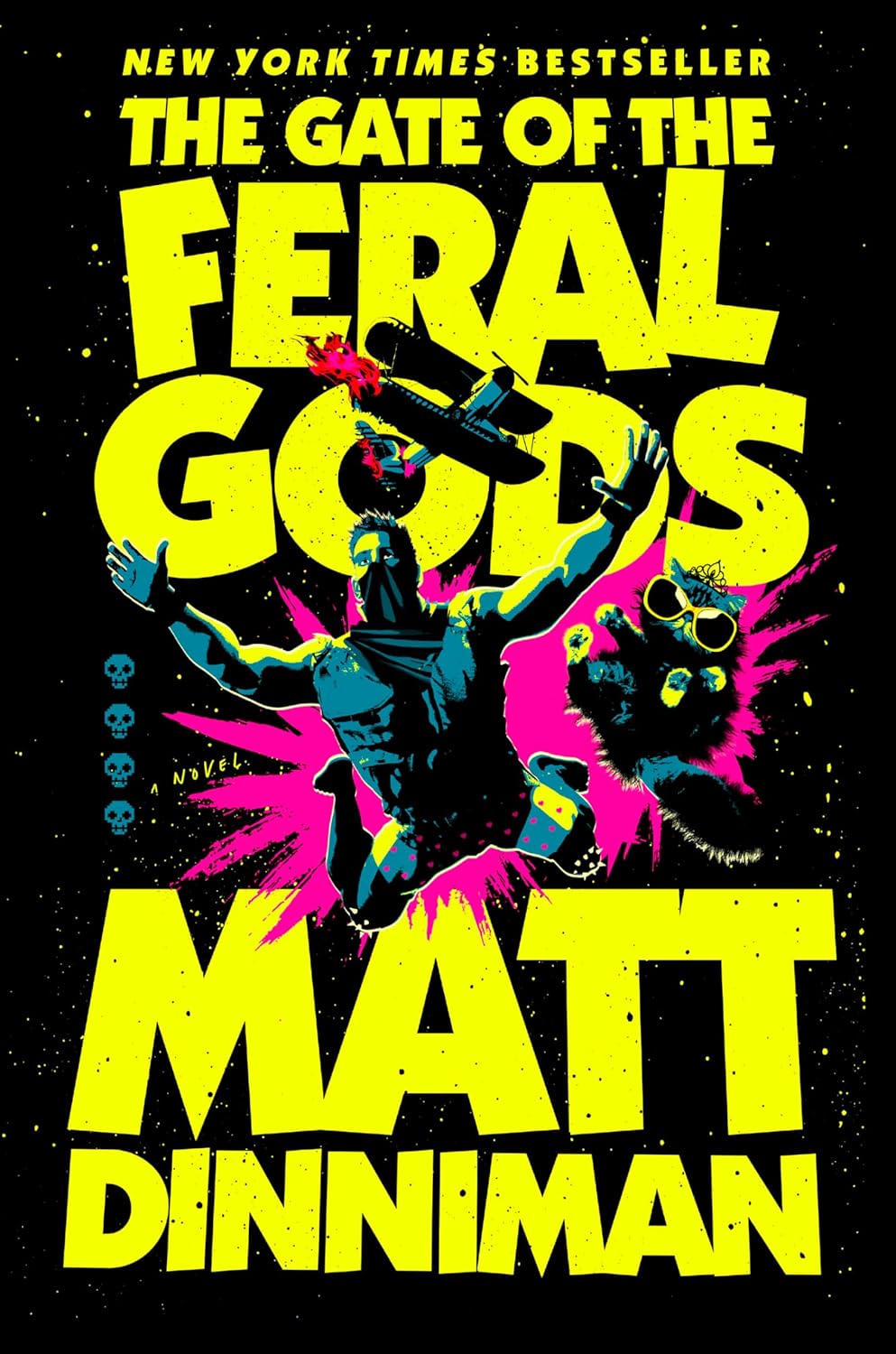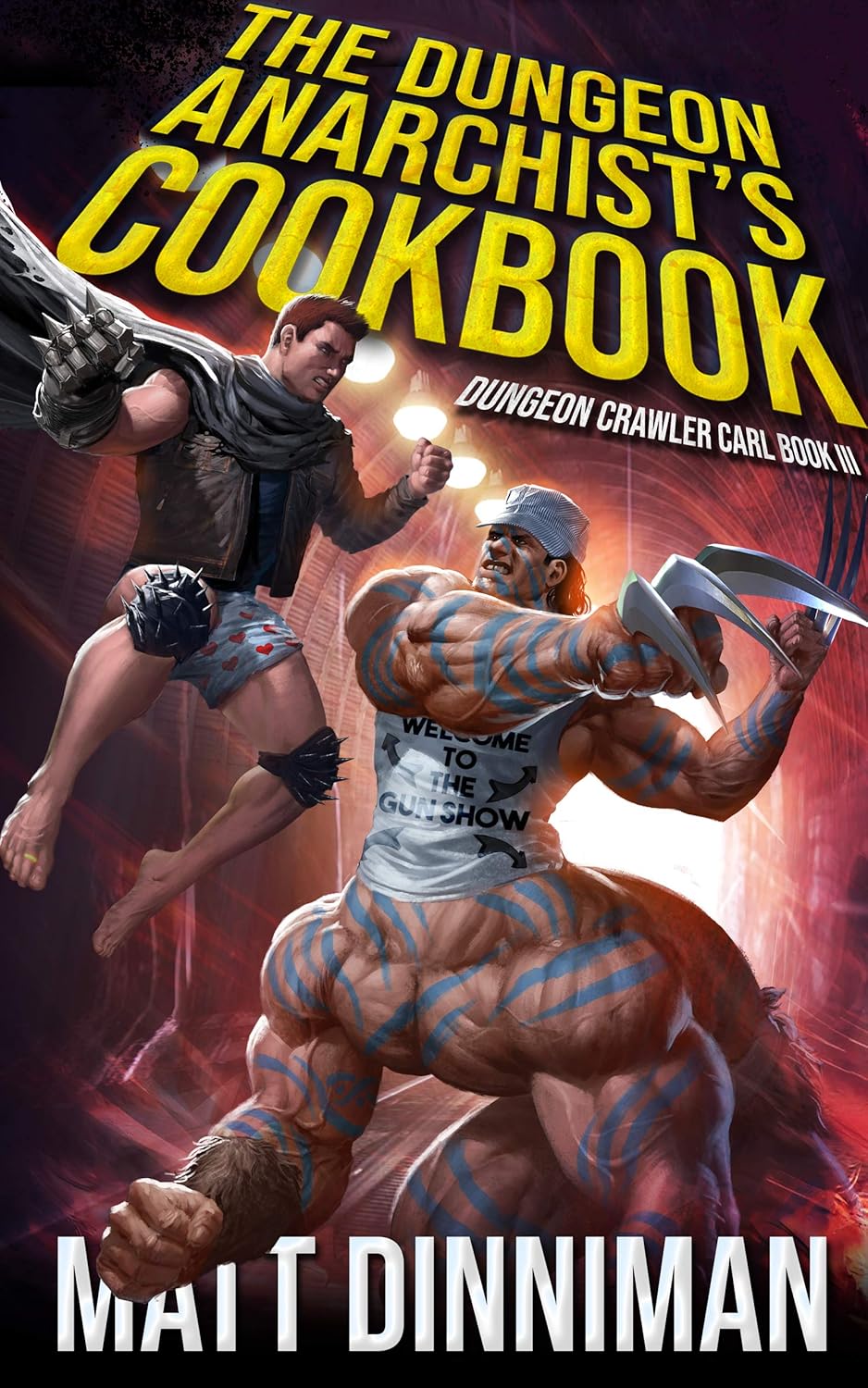
Born of an Iron Storm by Anthony Ryan

Publisher: Orbit/Little Brown Audio (Audiobook – 26 August 2025)

Series: Age of Wrath – Book Two

Length: 19 hours and 33 minutes

My Rating: 5 out of 5 stars

Amazon

Acclaimed fantasy author Anthony Ryan continues to explore an epic fantasy world of warriors, scholars and monsters with his outstanding new novel, Born of an Iron Storm, the impressive second entry in his Age of Wrath series.

In recent years, one of my favourite fantasy authors has been veteran writer Anthony Ryan.  Known for several intriguing and varied series, I become a fan of Ryan a few years ago when I started reading The Covenant of Steel series.  Following a young bandit turned scribe, who finds himself taking on many roles in his chronicled adventures, including that of knight, spy, rebel and heretical traitor, this amazing series was a really impressive example of fantasy fiction, and I had an incredible time with The Pariah (one of my favourite books and audiobooks of 2021), The Martyr (one of my favourite books and audiobooks of 2022), and The Traitor (one of my favourite books and audiobooks of 2023), all of which were five-star reads.

Due to how much I loved these amazing novels, I was very excited last year when Ryan released the first book in the Age of Wrath series, which served as a sequel to the Covenant of Steel books.  The first Age of Wrath novel, A Tide of Black Steel, is set a couple of decades after the events of The Traitor and builds on some of the events of the first series, while also featuring its own unique story.  I really enjoyed A Tide of Black Steel, which veered away from the chronicle style of the previous trilogy, and instead set out a Norse saga inspired tale of adventure and war.  Just like the Covenant of Steel novels, A Tide of Black Steel got a full five-star rating from me, and it was one of my favourite books and audiobooks of 2024.  As such, I have been very eager to get my hands on this sequel, which was one of my most anticipated books of 2025, and Ryan once again did not disappoint.

War and treachery have come to the sprawling island nation of Ascarlia, as the long-lost nation of Nihlvar begins an invasion centuries in the making.  The once powerful Sister Queens of Ascarlai lie dead at the hands of one of their own, the deranged Sister Lore, and their capital of Skar Magnol has been captured by Nihlvarian forces.  With their massive fleet in Skar Magnol’s harbour, and the forces of Ascarlia scattered, the Nihlvarian victory looks assured, and soon their eye turns to the wealthy port city of Olversahl and the lands of Albermaine beyond.

However, there are some who chose to resist the Nihlvarian threat.  In Skar Magnol, the young scholar Elvine finds herself trapped as an unwilling accomplice to Sister Lore.  To survive, she must play along with her queen’s twisted designs, while setting her own rebellious schemes into motion.  At the same time, loyal Ascarlian war leader Thera has survived the first skirmish against the Nihlvarian in the Outer Islands and finds herself leading a mismatched fleet against the invaders.  However, facing overwhelming odds, Thera must seek allies wherever she can, while the burdens of leadership lay heavy upon her, as if she fails, all Ascarlia falls.

As war rages in Ascarlia, other fights for survival occur across the sea.  Following his discovery of the Vaults of the Altvar, Thera’s brother Felnir has been promised a kingdom, and voyages to a hidden land filled with blood and suffering.  If he wishes to rule, Felnir will have to fight for the loyalty of his new people, while discovering the ancient secrets of those who came before him.  At the same time, in Nihlvar, the captured Ascarlian Ruhlin and his friends have escaped from captivity and are now fugitives from the Nihlvarian ruler, the Vortigurn.  If he wishes to keep himself and his comrades alive, Ruhlin needs to learn to control his inner monster and escape the bonds of prophecy, but dark secrets and beings have their eyes on him.

As war continues to spread like fire, Elvine, Thera, Felnir and Ruhlin must all fight their own desperate battles to survive and find their place in this new world.  But with treachery and hard choices all around, can these four unlikely heroes survive the wrath of the Vortigurn, or will their ambitions, fears and doubts tear them apart?

Anthony Ryan continues to showcase why he is one of the leading modern authors of fantasy fiction with this incredible and impressive novel.  Serving as an outstanding second entry in the Age of Wrath series, Born of an Iron Storm brilliantly continued Ryan’s complex, multilayered narrative, while taking the series in some exciting new adventures.  A classic fantasy tale filled with great characters, complex worldbuilding and intense, nautical action, Born of an Iron Storm was an epic read which gets a full five-star rating from me.

I felt that Born of an Iron Storm had an awesome overall narrative to it, as Ryan continued his elaborate series in strong fashion.  Once again split between the returning point-of-view characters from A Tide of Black Steel, you are essentially treated to four separate storylines, each with their own unique focus, setting and style.  This includes the intrigue laden storyline around Elvine as she attempts to survive the chaos surrounding the coup at Skar Magnol, which results in a compelling, espionage focused narrative.  Elvine’s story goes hand-in-hand with Thera’s storyline, which sees this protagonist attempt to raise an army to defend Ascarlia and retake the capital.  Thera’s chapters were some of the more action-heavy in the book, with a ton of great naval combat sequences, and it was fascinating to see this character grow into a leadership position.  Aside from Elvine and Thera, there was also the fantastic narrative around Felnir, who sets out to claim a new land as king by taking down a group of religious fanatics whose origins mirror that of the Nihlvarians.  Finally, escaped slave and occasional monster Ruhlin finds himself and his new comrades being hunted through Nihlvar and must seek an alliance with the land’s original inhabitants to survive.

Unlike the first book in the series, which saw several of the storylines cross over regularly, all four distinctive character plotlines remained mostly separate in Born of an Iron Storm, with only a few points of interaction in the Elvine and Thera narratives occurring.  This essentially meant that each of the narratives developed in a vacuum and were allowed to play out at their own pace.  Not only do these separate narratives stand out on their own merits but they come together nicely to form an intricate and addictive overarching narrative, as the alternating character-driven tales came to parallel each other extremely well.  All four of these distinctive narratives started off a lot quicker in Born of an Iron Storm than they did in the previous book, which allowed the reader to effectively get drawn into each character’s journeys as their storylines proceed.  Each storyline went in some intriguing directions, and the disparate adventures resulted in quite an exciting novel.  Ryan ensured that there were some exciting moments and compelling character interactions in each character’s respective chapters, and there was a great focus on action and war in this second Age of Wrath book.  Indeed, there were a few chapters that saw all four protagonists essentially fighting their own separate battles at the same time, with near simultaneous naval conflicts, sieges, pitched battles and forest ambushes.  Ryan ends each action and adventure laden narrative of Born of an Iron Storm on a very compelling note, with a few interesting twists and reveals hitting the two plotlines set outside of Ascarlia.  It also leaves the overall narrative of the series in a great place for the third, and presumably final, book, and I am extremely keen to see what happens to each protagonist in the next thrilling instalment.

I deeply enjoyed how Born of an Iron Storm came together, and it works well as the second entry in this epic series.  Ryan utilises many of the same style elements of A Tide of Black Steel, with the Viking-inspired setting and focus on multiple character adventures working particularly well to present an overall layered narrative with a lot of moving parts to it.  The author’s switch from the first-person chronicle style in the previous Covenant of Steel books to a third-person perspective told from four distinctive protagonists in this series allowed for a wider focus to the book, and Ryan makes sure to provide some intriguing expansions to his fantasy world.  Each chapter switches the narrative to another of the four perspective characters, and it was interesting to see how each switch would change the tone of the narrative depending on whichever protagonist was in focus.  I felt that Ryan did a great job of balancing the four distinctive storylines throughout the novel, and each plotline developed in some compelling ways.  I honestly found myself enjoying each of these separate storylines equally, with no noticeable weak links.  However, my favourite was the Elvine plotline, thanks to its inherent intrigue and focus on one of the book’s more fascinating protagonists, and Thera’s chapters, which had the most action and multiple cool scenes of long-ship on long-ship warfare.

Due to being the second book in a complex fantasy series, which is itself a sequel to a previous trilogy, Born of an Iron Storm is probably best enjoyed by those who have read the preceding novels from Ryan.  While there is a very intensive summary of the events of A Tide of Black Steel at the front of this novel, Born of an Iron Storm dives into the narrative very quickly, and reading the previous book really does help to increase enjoyment and understanding of the plot.  Ryan does a good job of recapping key plot points as he writes, and when combined with the comprehensive summary, new readers can probably drop into Born of an Iron Storm without too much effort.  However, this novel is going to appeal to those existing Ryan fans the most, especially those who previously enjoyed the Covenant of Steel novels.  While not too excessively vital to the plot, there are a lot of references to the events of the Covenant of Steel series, including the appearance of a couple of minor characters from these books, which was fun to see.  The events of these original books also play a big role in a couple of characters storylines and development, especially in the Elvine sections of the book (which features the two children of the Covenant of Steel’s protagonist), which lead to some compelling and intense moments.  I personally loved seeing Ryan continue to build on his already existing setting, and it was great to see what followed the chaotic events of the Covenant of Steel novels.

Ryan once again spent a lot of time developing his four central characters in Born of an Iron Storm, and their unique personalities, histories and continued changing perspectives, added some intriguing elements to the narrative.  Each of these characters have some fascinating moments and interactions in this novel, which cleverly builds on their storylines from the previous novel.  This includes Elvine, the young scholar revealed to be the long-lost daughter of Alwyn Scribe, who is forced to find her inner courage in this novel after being trapped in the captured Skar Magnol.  Caught up in the madness of Sister Lore, who develops a dark obsession with her, Elvine finds her inner rebel, while also trying to comprehend the sentient magical spear she recovered in the previous book.  Elvine’s storyline was really well written in Born of an Iron Storm, and Ryan had fun turning the previously mousy scholar into a dangerous warrior and leader, who gets into just as much trouble as her father.  Ryan’s other badass female protagonist in this novel was Thera, who finds herself the reluctant leader of the Ascarlian loyalist forces.  A skilled fighter, Thera spends much of Born of an Iron Storm learning to take on the mantel of leadership, while also dealing with her traumatic past, and her current emotional complexities.  Thera proved to be a very intriguing character to follow, especially with her chapter’s naval content, and it was fascinating to see her influence grow thanks to her actions.

On the other side we have the male protagonists, Felnir and Ruhlin, both of whom go through their own development and hell in this book.  Ruhlin’s character arc was a good continuation from A Tide of Black Steel, as he works to control his newly discovered inner monster and turn it into a force for good.  Like Thera, Ruhlin finds himself reluctantly leading a group of people who have placed their lives in his hands, and it was interesting to see him rise to the challenge, especially when even more figures put their hope in him.  Felnir, on the other hand, works to change fate by actively seeking leadership in a fun contrast to his sister and rival, Thera.  Finding himself in an unfamiliar land, Felnir works to inspire people unfamiliar with his past and soon finds the acclaim and respect he’s always wanted.  However, Ryan also writes a great storyline around his unchecked ambition and the consequences it has on those around him, and there is a great darkness to this character that is going to make him the wildcard of the series.

While the above four characters naturally get most of the focus in this series, Born of an Iron Storm also features a massive supporting cast, some of whom prove to be just as compelling and memorable as the main protagonists.  A lot of these figures are returning from A Tide of Black Steel, and I must admit that I was glad that Ryan put up his comprehensive summary at the front of this book, or I would have probably lost track of who they were.  Most of the best characters in this book were primarily in Elvine’s chapters, with the returning Colvyn (son of a certain scribe and a dark saint), being very fun, even if he got a little less focus here.  The ancient Ascarlian warrior and spymaster, Margnus Gruinskard, the Tieldwald was a great inclusion, first as a prisoner, then a reluctant ally to Elvine, and Ryan wrote a distinctive wearied element to him in this novel.  The author also did an amazing job of building off the big twist at the end of A Tide of Black Steel by featuring more of the traitor Sister Queen, Sister Lore.  Ryan made Lore into a particular twisted and dangerous antagonist, and her obsessive interactions with Elvine were some of the most compelling parts of the book.  Aside from these figures from the Elvine chapters, my favourite supporting figures were Lynnea, the innocent yet dangerous companion to Thera, and the mysterious Wohtin, who serves as Felnir’s guide to his new land.  Both were outstanding supporting characters in this novel, and I loved the intense, and very different, interactions they had with their respective protagonist.  I’m honestly barely scratching the surface of all the great supporting figures in Born of an Iron Storm, and I really appreciated the strong and varied cast that emerged in this novel.  All of them were very well written, and I really appreciate how Ryan utilised them to enhance his excellent narrative.

As I have tended to do with Ryan’s previous novels, I ended up enjoying Born of an Iron Storm on audiobook, which was an amazing experience.  I often find that compelling fantasy novels really come across well when read out by a talented narrator, and Born of an Iron Storm was an excellent example of this.  Thanks to the excellent narration of Steven Brand, who previously narrated the Covenant of Steel series, Born of an Iron Storm was a great treat to listen to, and I ended up powering through its near 20-hour long runtime.  Brand did an amazing job diving into the multilayered narrative and bringing out all the detail, action and compelling story elements through his narration, and I ended up absorbing a lot more detail thanks to having the story read out.  The narrator also brought back all his fantastic character voices from the previous audiobook, as well as a few new ones, to give the cast of Born of an Iron Storm life.  These characters came across amazingly, and I ended up having a blast listening to Born of an Iron Storm, especially the cool action sequences, which were so epic to listen to.  As such, I really recommend checking out this novel on audiobook, as you will be in for an amazing time.

Overall, Born of an Iron Storm was another exceptional novel from Anthony Ryan, who continues to expand on his cool fantasy world with another amazing, adventure-filled read.  Loaded with action, a fun story, and some excellent characters, Born of an Iron Storm was an impressive second outing in the author Age of Wrath series, and I loved how the story continued to evolve.  As such, this book comes highly recommended, and I cannot wait to see how Ryan continues his outstanding series next year.

Amazon

The Gate of the Feral Gods by Matt Dinniman

Publisher: Soundbooth Theater (Audiobook – 1 July 2021)

Series: Dungeon Crawler Carl – Book Four

Length: 18 hours and 3 minutes

My Rating: 5 out of 5 stars

Amazon

The chaotic fun of Matt Dinniman’s Dungeon Crawler Carl series reaches another impressive level in the awesome fourth book, The Gate of the Feral Gods, an exceptional read that I could not put down until its gripping and epic end.

I can officially say that I am incredibly obsessed with the Dungeon Crawler Carl books.  Taking place after all buildings on Earth are instantly destroyed and turned into an elaborate fantasy dungeon, all in the name of an alien reality show, the Dungeon Crawler Carl books are an incredible series that perfectly utilises its unique concept and LitRPG basis to create a particularly addictive story loaded with crazy action, over-the-top humour and an array of incredible characters.  I only started it a few weeks ago and I have so far powered through several books in the series, including Dungeon Crawler Carl, Carl’s Doomsday Scenario and The Dungeon Anarchist’s Cookbook, all of which were five-star reads.  Indeed, I have had such a great time with this series, that the moment I finished off The Dungeon Anarchist’s Cookbook I instantly started listening to the fourth book in the series, The Gate of the Feral Gods, which continued the series in some outstanding ways.

After surviving the carnage of the Iron Tangle, Carl, Princess Donut and Katia have emerged on the fifth floor of Dungeon Crawler World Earth and must now contend with a new dastardly set-up.  Placed into a multitude of small, bubble-contained worlds, each remaining human party needs to assault castles contained within each of the bubble’s four zones.  If they succeed in capturing each zone’s castle, the dungeon stairwell will open and they’ll be able to advance to the sixth floor.

While the setup for the fifth floor seems simple, in reality it is a logistical nightmare, as the popular team of Carl, Princess Donut and Katia must navigate and master four very different environments within a rushed timeline, including a desert landscape infested with flying gnomes, a gigantic haunted crypt filled with traps, a besieged sand castle that is home to a powerful mage with relationship issues, and a derelict underwater submarine surrounded by gigantic sharks, all while trying to untangle a unique puzzle hidden in an elaborate quest storyline.  Worse, thanks to their high levels, the team are forced to rely on ineffective, low-level fellow crawlers to clear out the bubble’s zones, including those people who have barely survived the previous floors.

However, the elaborate new floor is only the tip of the problems facing Carl.  Old enemies from outside the dungeon are desperate to strike him down for the chaos he has caused, while the AI controlling the dungeon continues it erratic obsession with him.  As events heat up, Carl is given the unique chance to obtain a legendary artefact loaded with unimaginable power and terrible risk, The Gate of the Feral Gods.  If Carl can master the gate, he has the chance to keep his friends and loved ones safe on this floor.  But what happens when Carl decides to use the gate to strike back against those who have destroyed his planet?  You will not break him, but he will break everything in the galaxy to get his revenge!

Dinniman does it yet again as The Gate of the Feral Gods was another exceptional and epic novel that I could not stop reading.  Perfectly continuing the impressive story from the previous Dungeon Crawler Carl novels, The Gate of the Feral Gods was an ultra-exciting and complex novel, that brings laughter, excitement and powerful emotional moments in equal measure.  Another book in this series that gets a very easy five-star rating from me, The Gate of the Feral Gods was so damn good, and I had so much fun getting through this insane, but clever, adventure.

I really enjoyed the impressive story that Dinniman came up with for The Gate of the Feral Gods, especially as the author uses the opportunity to feature a more traditional fantasy narrative, while also building on the unique character relationships that have been an impressive part of the previous novels.  In a new dungeon floor with some unique quirks, you are once again drawn into the battle for Carl, Donut and Katia’s survival, as they attempt to understand their new scenario as the population of the entire galaxy watches their progress.  There are also some great new characters introduced in this early part of the book, who add some excellent human elements to the wider story.  Determined to clear their part of the floor, Carl’s team embark on some explosive initial actions, and I liked how Dinniman treated this early part of the story in a more traditional LitRPG manner, as the protagonists follow the quest elements laid out as part of the story.  However, it doesn’t take long for Dinniman to throw things completely off the rails, as there are some great scenes halfway through, including the return of an old friend with real inner anger, and a unique boss battle in a flying house that will have you cackling with surprise.  However, one of the more impressive events set around the middle of the novel sees Carl start to embrace his anarchist persona, striking back against his oppressors in his usual destructive manner.

The big events of the first half of the book have an impressive impact on the second half of The Gate of the Feral Gods, as the protagonists find themselves in a time crunch.  This forces them to go on some risky missions, including invading a giant sandcastle with some unique elements, as well as journeying beneath the waves, much to the horror of everyone’s favourite sentient cat.  The various intense challenges faced by the protagonists are usually overcome in some impressively inventive ways, I loved how well Dinniman hints at the protagonist’s eventual plans.  While this is unfolding, you get some interesting looks at the wider crawl thanks to flashes of other character’s battles, and Dinniman also provides some intriguing looks at the issues surrounding the outer galaxy.

While all the above elements are impressive and result in some epic moments, it pales in comparison to the final third of the book.  Thanks to the titular Gate of the Feral Gods, all hell breaks out (literally and figuratively), as the protagonists find themselves involved in the biggest escort mission ever.  Thanks to that, they get into some brutal confrontations, which help to define how desperate things are getting for the characters.  The final sequences of The Gate of the Feral Gods helps to cement this novel as a truly impressive part of the series, as Carl and Donut finally face down one of their oldest enemies, while also fooling everyone with a particularly chaotic scheme.  The set-up for the protagonist’s bold strike against their foes is very clever, and while there are a lot of hints about what is to come, Dinniman cleverly obscures the entirety of the plan, allowing for some awesome surprises that really show off how audacious the protagonists are coming.  This was honestly an incredible end to such a chaotic and compelling read, and it sets up the next book in the series perfectly, allowing for some impressive moments going forward.

I really enjoyed how The Gate of the Feral Gods turned out, especially as Dinniman turned what could have been a filler novel between two major parts of the Dungeon Crawler Carl series, into a particularly powerful and intense novel with long-running implications for the rest of the series.  Due to its position as the fourth book in the series, The Gate of the Feral Gods is best read by those who have enjoyed the previous entries in the series, even with the protagonist’s useful internal recaps, especially as this book continues to feature and build on a lot of complex ongoing storylines and character arcs.  Once again written in the first-person style, Dinniman perfectly showcases his unique scenario, and gifts the reader with so much awesome action, fun humour, compelling characters, and surprisingly enjoyable LitRPG elements.  With a bit more of a slower pacing at the start of the novel, Dinniman gives this book time to breath after the crazy conclusion of The Dungeon Anarchist’s Cookbook, and allows the characters, and the readers, time to get familiar with the new floor of the dungeon.  This complex new setting within the dungeon was extremely well crafted, and its unique features ensured that The Gate of the Feral Gods had a very distinctive feel amongst the rest of the series.  The focus on quests and the internal storylines of the level helped to amp up the fantasy vibe of the story, while Dinniman also set up a multitude of additional long-running storylines that have a big impact later in the series.  At the same time, Dinniman cleverly continued to showcase the wider universe outside of the dungeon and the way that these exterior events impact the protagonist’s battles, and vice versa, allowing for a particularly compelling narrative.

While I felt that The Gate of the Feral Gods had a slightly slower start, that doesn’t last long, as Dinniman adds in some amazingly exciting and over-the-top sequences that really stick in the mind.  The author proves extremely capable of completely going even further beyond the craziness of his previous novels, and I loved how fantastically outrageous things get at times, with giant boss battles, unbelievably dangerous traps, multiple crazy gods, and some deeply human fights, all making this story particularly epic at times.  The many, many action scenes within the book are so well written, and I loved how impactful, insane, and usually hilarious these sequences are, and Dinniman makes excellent use of the LitRPG part of the series, with so many cool elements from RPG games coming into play in entertaining ways.  Dinniman also does an excellent job expanding on a ton of complex elements of the dungeon in this novel by including various extracts from Carl’s Dungeon Anarchist’s Cookbook, a secret compendium of knowledge from previous crawlers.  These extracts are each cleverly written in their own style, and I love how they highlight technical elements of the dungeon, as well as the emotional damage each of these previous crawlers experienced.  These LitRPG elements are further made better by the author’s unique sense of humour, which inhabits every aspect of the book and ensures that the reader is constantly laughing at all the insane moments, clever jokes, and over-the-top characters.  While this humour might not be for everyone, I felt it was perfect, especially as it blended with all Dinniman’s complex storytelling and the deeper emotional pain of the book, allowing for a very impressive overarching novel.

The thing that made The Gate of the Feral Gods really stand out was the author’s focus on character introductions, growth and powerful human moments, as the protagonists, their allies, and the various beings involved in the running on the dungeon, continue their chaotic journey together.  As with all the books in the series, the plot of The Gate of the Feral Gods revolves around protagonist and perspective character Carl, through whose eyes we see the plot unfold.  The perpetually exasperated and intense heroic figure who is desperately trying to save everyone he comes across, Carl continues to struggle in his role of leader and must keep coming up with dangerous plans to save his friends and beat the latest challenges of the dungeon.  While mostly serious, there is some fantastic humour and deeply sympathetic moments behind Carl, and it proves fascinating to see him struggle to maintain his anger and place as the reasonable one in the group, especially when it comes to his habit of blowing everything up.  The author also really dials up the rebellious anarchist aspects of Carl in this novel, as he starts fighting back against everyone he holds responsible for Earth’s destruction in some very cathartic ways.  Throw in the continued hints at the character’s traumatic past and his growing connection to all his friends, and Carl proves to be an excellent central character for this incredible book.

While Carl is a great main protagonist, this series would be nothing with his sentient cat companion, Princess Donut, who continues to be the highlight of most of the scenes she is in.  An overly dramatic, imperious and fun figure who maintains many stereotypical cat elements, Donut is the heart and soul of the book, and you have to laugh at all her funny jokes, entertaining reactions and the unlikely friendships and interactions she has.  Dinniman has fun building up the cat aspect of the character in The Gate of the Feral Gods, especially in the sequence where Donut finds herself underwater, and it was so damn entertaining to see her freak the hell out at times.  Much of the book’s humour also revolves around her unlikely partnership with Carl, and the way the two play off each other is just amazing.  While most of her personality and appearance is humorous in nature, it hides a deeper heart to it, as Donut’s child-like nature ensures that she is very reliant on Carl, and it was deeply moving to see them bond even further in this novel, and you can clearly see how close they are, even during the moments when Donut is deliberately annoying her human.  Probably one of the best cat characters in modern fiction, Princess Donut is so much fun, and I deeply enjoy every scene she is in.

While most of the book’s focus is on the central pair of Carl and Princess Donut, Dinniman continues to expand the incredible supporting cast of the series in The Gate of the Feral Gods, and I loved the brilliant storylines and development that occurs around these secondary figures.  This includes the third member of the protagonist’s party, Katia, who serves as the more reasonable and responsible member of the team.  It was fascinating to see how much Katia comes into her own in this novel, especially during a period where Carl and Donut are out of the game for an extended time, and she really steps up as a compelling alternative leader to the supporting cast.  Donut’s manager, Mordecai, a former crawler with issues, was a wonderful mentor figure for much of the story, and I quite enjoyed the interactions he has with the rest of the characters, especially Carl, while his attempts to keep his charges from doing anything too crazy are often ignored.  I also continue to be deeply entertained by the AI running the dungeon, whose over-the-top commentary, descriptions and jokes, add so much awesome and often concerning humour to the story.  There were some hilarious moments in The Gate of the Feral Gods where the AI continued to act a little crazy as its personality evolves to match the dungeon’s participants, including his continued messing with Carl, his weird foot fetish, and its own rebellion against the showrunners and people outside the game who are trying to restrict its fun.  Dinniman clearly had a ton of fun when it came to writing the AI’s actions, and it is so entertaining to see how crazy things get around it.

While all these returning major characters are great, one of the best things about The Gate of the Feral Gods was the way in which Dinniman brought in outstanding new characters, as well as reintroducing figures we haven’t see for a few books.  Some of the best new characters include Louis and Firas, two out-of-their-depth crawlers whom the protagonists must rely on.  Thanks to the encouragement of Carl and the others, they start to become much more effective as the book continues, and I loved their compelling growth in The Gate of the Feral Gods, as well as their impacts in their later books of the series.  I also must mention fun new character Samantha, renamed that by Donut from Psamathe.  A minor deity of unrequited love (or crazy ex-girlfriends), Samantha is a banished god trapped in the decapitated head of a magical sex doll.  Loud, rude, crude and constantly threatening every character’s mother, Samantha is probably the most over-the-top character in the series (which is saying something), but boy is she entertaining.  Perfectly introduced amongst the chaos of this book’s story, Samantha perfectly fits in amongst the main characters and becomes a major comic relief for much of the series.  Other great characters include some other fractious crawlers, the return of Chris from the first novel, who has gone through some major personality changes, a variety of insane gods including some unfortunately named demons, and various NPCs, whose existential plight becomes a major ongoing arc in the series.  All these characters, and more, allow for quite an entertaining and at times moving novel, and I really appreciate how well Dinniman utilises them in The Gate of the Feral Gods.

As with the previous Dungeon Crawler Carl novels, I ended up listening to The Gate of the Feral Gods on audiobook, which is such an incredible experience.  These Dungeon Crawler Carl audiobook are so damn good, and it’s one of the key reasons I have been able to so effortlessly binge this entire series.  The narration, done by the very talented Jeff Hays, perfectly captures the insane and over-the-top nature of the series, and so many elements of The Gate of the Feral Gods, including its humour, the intense action, and the impressive LitRPG inclusions, are deeply enhanced by having the story read out.  Hays complements this narration with unique and very fitting voices for all the characters, and I love all the elaborate and often hilarious tones that come out as a result.  It’s impressive how many new voices Hays comes up with each audiobook, and I loved the excellent consistency between audiobooks for the recurring characters.  The long-running voices for Carl and Donut are just perfect, especially as Hays perfectly captures the various emotions hidden within both figures.  I really love how much extra humour you get from hearing Carl’s exasperated voice at times, while the entirety of Donut’s excessive personality, including her hilarious overreactions and continuous outrage, are just amazing.  The rest of the cast are also voiced extremely well, and Dinniman pulls out some fun voices and accents in this book, including an acceptable Australian accent from a crocodile-themed crawler.  However, one of my favourite voices is still the one he uses for the Dungeon AI, and it is so much fun to hear Hays’s voice the various excited, mocking and occasionally deranged announcements and descriptions from this figure.  Throw in some subtle sound effects and vocal enhancements, that add even more umph to the narration, and The Gate of the Feral Gods is an exceptional listen.  I absolutely powered through the 18-hour runtime, and I cannot recommend this format enough, as you guaranteed to have an absolute blast listening to it.

With even more incredible carnage, character development and the author’s incredible humour, The Gate of the Feral Gods was another outstanding novel from Matt Dinniman.  Perfectly continuing the extended Dungeon Crawler Carl narrative and adding in some excellent, long-term characters and elements, The Gate of the Feral Gods is an amazing entry in this epic series, and I honestly couldn’t stop enjoy this novel.  I loved The Gate of the Feral Gods so much that I instantly dove into the next book in the series, The Butcher’s Masquerade, the very second I finished it, and I am so very glad I did. 

Amazon

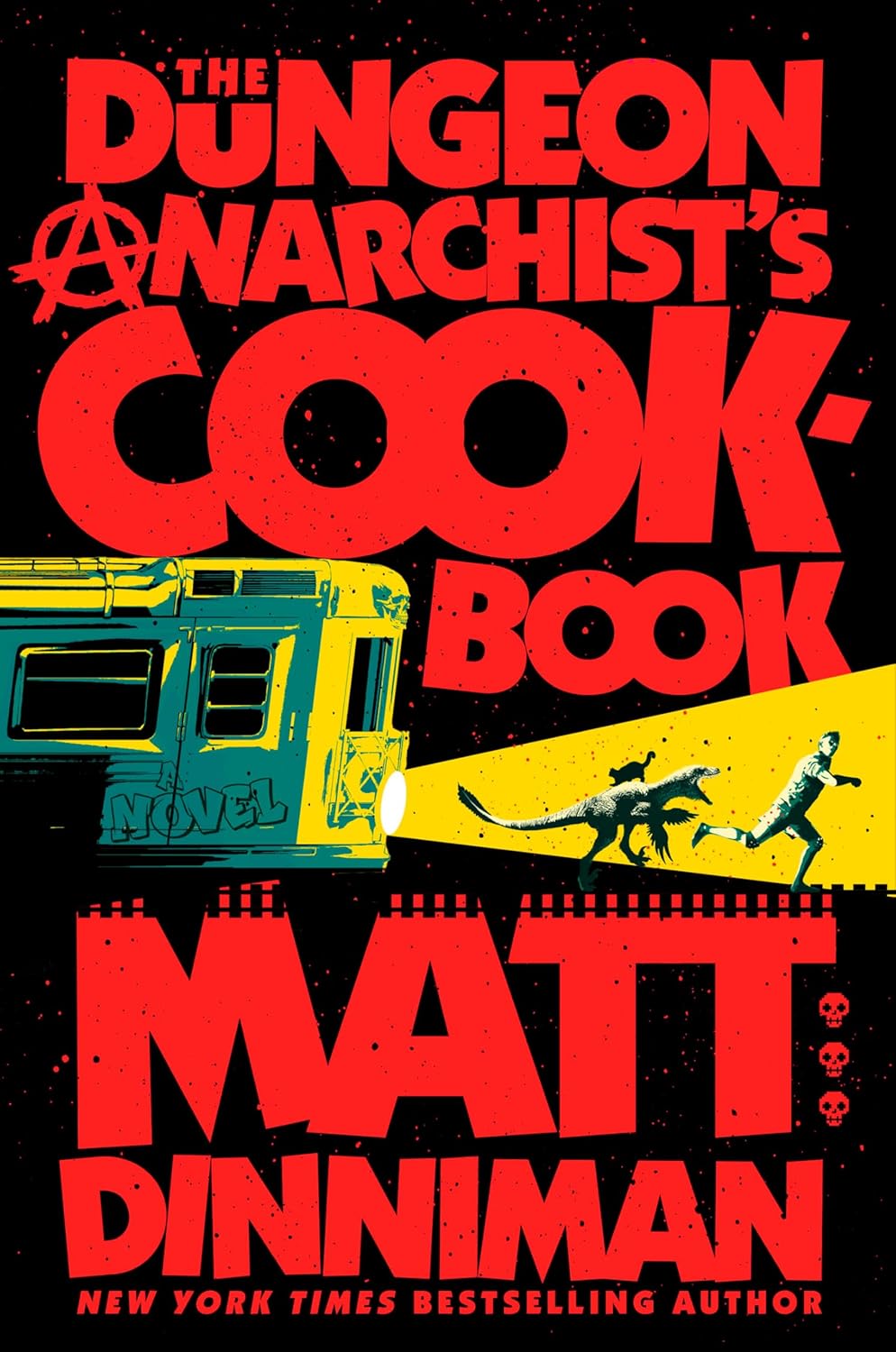
The Dungeon Anarchist’s Cookbook by Matt Dinniman

Publisher: Soundbooth Theater (Audiobook – 19 March 2021)

Series: Dungeon Crawler Carl – Book Three

Length: 16 hours and 54 minutes

My Rating: 5 out of 5 stars

Amazon

Matt Dinniman’s elaborate tale of carnage and comedy continues with the third entry in the Dungeon Crawler Carl series, The Dungeon Anarchist’s Cookbook, another exceptional and highly addictive novel that I could not get enough of.

Those familiar with this blog will know that I recently discovered the sheer insanity that is Matt Dinniman’s epic Dungeon Crawler Carl books.  An outstanding LitRPG series that sees Earth demolished by aliens and turned into a massive, multi-layered fantasy dungeon that the surviving humans need to fight through and descend, all in the name of reality television, the Dungeon Crawler Carl novels are an incredible collection of books with some amazing depth to them as they follow two of the more explosive dungeon crawlers, the gruff Carl and his now sentient cat, Princess Donut.  I powered through the first two books in the series, Dungeon Crawler Carl and Carl’s Doomsday Scenario, in no time at all, and both were epic five-star books.  Due to how incredible these first two books were, I just had to continue the series, and I instantly started listening to the third book, The Dungeon Anarchist’s Cookbook, as soon as I finished off Carl’s Doomsday Scenario, and boy was it something special.

After the cataclysmic end to the third floor of the dungeon, Carl, Princess Donut, their dinosaur pet Mongo, and new party member Katia have arrived on the fourth floor.  This new floor opens all manner of changes for the crawlers, with sponsorship programs, advanced living quarters, new crafting areas and a leaderboard, all needing to be considered by Carl and his companions.  At the same time, the difficulty of the game is ramping up, and this new level is far more complicated than anything they have faced before.

Known as the Iron Tangle, the fourth floor of the dungeon is a mass of interwinding subway tunnels and stations built from the world’s pillaged railway systems.  Tied together in an elaborate knot, thousands of different lines populate this level, filled with random subway and train cars loaded with monsters.  To survive and find the stairs to the next floor, the crawlers need to work out the elaborate puzzle of the Iron Tangle, including which areas are safe, where the monsters are coming from, and what trains can be used to get to important destinations.  However, the dungeon’s creators have populated this floor with all manner of nasty surprises, surprises designed to swallow all the crawlers they can find.

Faced with a seemingly impossible puzzle before them, Carl, Donut and Katia will need to work with all the crawlers on the floor if they want to decipher the mystery of the Iron Tangle.  Only by coming together can the remnants of humanity survive the horrors before them and find a way to continue descending to the bottom of the dungeon.  But can Carl trust his fellow crawlers, especially now that he has a bounty on his head and a potential traitor in his own party? 

Wow, wow, wow!  I honestly didn’t believe that the series could get even better than the awesome first book, but Dinniman once again proves me wrong by producing a particularly elaborate third entry that I once again fell in love with.  Featuring a clever and memorable new scenario, The Dungeon Anarchist’s Cookbook was an exceptional continuation of the series, bringing back all Dinniman’s great characters, complex RPG elements and insane humour, and producing a particularly special story with it. This is another incredible Dungeon Crawler Carl book that gets a well-deserved five-star rating from me.

Like the previous entry in the series, the plot of The Dungeon Anarchist’s Cookbook covers the protagonists’ attempts to journey through a single level of the dungeon, in this case the massive fourth floor, which is made up of an elaborate tangle of monster-filled subway tunnels.  Thanks to The Dungeon Anarchist’s Cookbook having a longer length than the previous novels and not requiring any substantial introduction material, Dinniman is able to spend a substantial amount of time fleshing out the exploration of this level, and the primary focus of the plot focuses on the characters trying to find the various tricks of the Iron Tangle.  While the narrative of The Dungeon Anarchist’s Cookbook is a little slower paced than the previous entries in the series, you soon get engrossed in this complex adventure narrative, especially as there is the usual fun humour, cool character dynamics and the inevitable explosive solutions to all the problems the characters encounter.  Dinniman also spends time expanding on some of the background character plots and wider universe narrative threads that give greater context to the events of the dungeon.  While these parts aren’t as prevalent as in the original novel, you still get some interesting continuation of the wider conspiracies and issues surrounding the crawl and the whole series, which come into play in some compelling ways.

While the first half of the book is very awesome and has some great moments, it is the second part of The Dungeon Anarchist’s Cookbook that really ensures that readers will come away from this novel particularly happy.  Starting with a fantastic and particularly bloody rescue sequence when Carl and his associates attempt to save a bunch of trapped fellow crawlers and initiate a group stand against the horrors of the Iron Tangle, the plan swiftly breaks down in some particularly memorable ways, with the entire dynamic of the dungeon changing in a single moment.  Other great scenes, including a confrontation between Carl and one of his main enemies in the dungeon, also add to the general drama of the novel, and I love how these complex moments, as well as the entire plot of the second half of the book, perfectly flows from the great build up Dinniman featured in the first half of The Dungeon Anarchist’s Cookbook, as well as a multitude of other great plotlines the author has been building up throughout the series.

This impressive narrative eventually leads up to the big and massively destructive conclusion of the book, which was a perfect end to such a captivating novel.  Dinniman cleverly builds up the tension in the lead-up to this finale, and you know that the other shoe is about to drop in a big way.  When it does, Dinniman does not disappoint, forcing the protagonist into some elaborate life and death scenarios, including one particularly epic showdown.  I really loved how all these intense and action-packed sequences came together, and you are constantly on your edge of your seat as you wait to see what happens next.  The protagonist’s various creative plans and failed solutions in the face of these over-the-top scenarios really add to the outrageous entertainment value of the book, and I cannot emphasise enough what an awesome conclusion The Dungeon Anarchist’s Cookbook had.  The author also cleverly sets up the events for the next book, with several hints at key moments to come, and you are left eagerly waiting for even more of the series, especially after seeing how crazy and intense things got in this novel.

Dinniman did another outstanding job writing this third Dungeon Crawler Carl book, and I really appreciated how he brought the same energy and level of excitement to The Dungeon Anarchist’s Cookbook.  The reader is once again treated to an amazing amount of complex action, intriguing LitRPG elements, captivating character growth, and the author’s outstanding humour, which equates to a particularly gripping and intense read.  I liked that The Dungeon Anarchist’s Cookbook had a much more effective pace than the second novel, and the entire journey through the floor was very well set out and quite captivating.  While the labyrinthine nature of the Iron Tangle is a little hard to follow at times, I think this worked well in the context of the story, as it helped to underscore the confusing puzzle that the protagonists had to solve, and you really have to appreciate the sheer inventiveness that the author threw into this distinctive fourth floor.

As with the second novel, I felt that people interested in trying out this series really shouldn’t start with The Dungeon Anarchist’s Cookbook, and instead they need to read the preceding novels first.  While this third novel does have a bit more internal recapping, as the protagonist thinks back to key events, Dinniman does drop the reader into the story immediately after the closing moments of Carl’s Doomsday Scenario, which will confuse most new readers.  The author again builds on the cool LitRPG elements of the previous novels, adding in even more classic gaming features that the protagonists, and through them the readers, need to keep in mind as the book progresses.  All these features have an effective introduction so that anyone can understand their impact, no matter their experience with RPGs, and Dinniman works them into the wider plot extremely well.  As always, a lot of the dryer LitRPG elements of the book are made a lot more entertaining thanks to the over-the-top explanations, clever jokes, and the general insane manner in which the protagonists utilise them, and those reader’s with less interest in stats, abilities or equipment, will still have fun with the scenes focussed on them, especially as they feature some of the book’s funniest lines.  The rest of the novel also features a great comedic tone, and I laughed so many times throughout The Dungeon Anarchist’s Cookbook, especially as Dinniman keeps upping the ante with the plot and forcing the protagonist into even more ridiculous scenarios.

This great humour is well balanced by the often more serious character moments that Dinniman does a wonderful job inserting into the story.  Most of these revolve around the perspective character, Carl, who serves as the voice of the entire story.  A sarcastic, gruff and scarred figure, Carl serves as an excellent everyman protagonist for the series, and you soon get very attached to him, especially as he attempts to be the dungeon’s hero and save everyone he can.  The author builds up some really moving storylines around Carl in this third book, and I loved seeing his continued growth as the team’s unofficial leader, as his accurate insights and tactical ideas really move the plot along.  There are some very dramatic moments loaded in as Carl encounters the various dark sides of the dungeon, and I loved the big anti-authoritarian aspect to the character that Dinniman is expanding upon, especially as he witnesses more and more of the dungeon’s cruelty.  The inclusion of the titular Dungeon Anarchist’s Cookbook, a secret in-game book that gives him hints and ideas to survive in the dungeon, was a fun twist, and I loved how it gave him even more explosive ideas, while allowing the author to explore his rebellious side even more.  Despite being a mostly serious figure, there is still a lot of humour around Carl, mainly from him being the straight man in a very ridiculous place, and you have to love his very reasonable reactions to some of the weird things he witnesses.  Dinniman also continues the very funny trend of having Carl gain a well-deserved reputation of being one the craziest crawlers in the dungeon, mainly due to his tendency of solving all his problems with explosives, and there is a lot of entertainment in seeing Carl’s various plans go further off the rails than intended.

In comparison to Carl, sentient cat Princess Donut is the fun face of the team, and it’s impossible not to love her various antics and over-the-top attitudes.  Her many entertaining quirks, including her obsession with fame, hilarious insights into humans, her long-running grudge against all Cocker Spaniels, her relentless use of all-caps in chat mode, and her general cat-like personality all add a lot of amusement to the novel, and you have to love the odd-couple relationship that forms with Carl.  So many of The Dungeon Anarchist’s Cookbook’s funniest sequences result from Donut’s antics and Carl’s subsequent reactions, and this novel would not be as entertaining without her.  Despite mostly being a comedic figure, Donut does get some serious interactions with the other characters, which help to showcase her character growth and protective nature.  Her occasional vulnerable and honest discussions with Carl really highlight their bond, and she has one of the best moments in the entire book when she overreacts after a friend is hurt.  I really cannot emphasise enough what a great character Donut is, and I really love that Dinniman decided to make this hilarious sentient cat one of his main protagonists.

I also must mention the newest member of the protagonist’s party, Katia, a shy woman who has taken on a shapeshifting race that allows her to act as an effective tank.  I must admit I wasn’t too certain about Katia as a character at the start of The Dungeon Anarchist’s Cookbook, due to her understated personality and somewhat random introduction and inclusion to the team in the second half of the previous novel.  However, Dinniman steadily builds up her complex personality as the book continues, and thanks to the continued support of her new party, as well as Carl’s various attempts to hack her race features, she becomes quite an effective crawler, gaining a lot more confidence.  Her unique abilities and likeable personality nicely compliment the already existing team of Carl and Donut, and they end up becoming a well-balanced trio thanks to her inclusion.  The author also sets up an intriguing storyline around Katia’s conflicting loyalties between her previous party and the current group of Carl and Donut, which come into play perfectly during one of the novel’s big moments.  Katia ends up becoming quite an awesome part of the book thanks to these scenes, and I loved the excellent new dynamic she brings to the series.

Aside from these main three characters, The Dungeon Anarchist’s Cookbook features a really impressive supporting cast, especially as Dinniman brings back a lot of awesome characters from the previous two novels.  This includes Donut’s pet, Mongo, a giant velociraptor who was once again a fun addition to the plot.  While Mongo does get used a little less in the book thanks to the compact train cars of the setting, he made an impact when he did appear (especially to a certain gnoll) it is very entertaining to see Donut finally able to ride him.  The group’s manager, Mordecai, was once again perfect as the reluctant and exasperated mentor figure, who plays off the personalities of the main protagonists perfectly.  One excellent scene in the book ended up limiting Mordecai’s role in The Dungeon Anarchist’s Cookbook, which serves as an effective handicap for the protagonists, while also hinting at Mordecai’s traumatic past, and I look forward to the author expanding on that in the future.

This lack of Mordecai also allows for the author to feature a lot of additional characters, which fits the giant group teamwork focus of the plot, and it was fun to see some of Carl and Donut’s acquaintances from the previous two books return here, especially as several have changed in some very entertaining ways.  I need to highlight the return of antagonist Frank Q, whose big scene with Carl was one of the most powerful moments of the novel, especially as Frank seemingly gets his revenge.  Other previously mentioned antagonists, including some introduced outside the dungeon, are brought back here, often in a big way, and their interactions with Carl are always quite destructive.  Dinniman also focuses on an array of NPC characters in The Dungeon Anarchist’s Cookbook, and the dark plight of these poor figures helps to showcase both the protagonist’s empathy and the twisted nature of the entire dungeon process.  Finally, I again need to mention the hilarious AI who runs the dungeon, as the disembodied figure is easily the most hilarious character in the series thanks to his unhinged descriptions, brilliant references, and the twisted way he manipulates the crawlers to get the funniest result for the audience.  I love how Dinniman showed how the AI is starting to crack a little, especially when it begins rebelling against the corporation running the game (how dare they appeal the AI’s decisions), and I laughed so hard at so many things the AI said.  All these characters, and more, were very entertaining to follow, and I love the many rich character arcs and moments that the author cleverly inserted into the novel’s plot.

I have been having an absolute blast with the Dungeon Crawler Carl audiobooks, and I didn’t even hesitate in choosing to also listen to The Dungeon Anarchist’s Cookbook on this format.  Unsurprisingly, this was another exceptional listen as the audiobook version of The Dungeon Anarchist’s Cookbook really helped to highlight all the best aspects of the book, including the great action, amazing characters and brilliant, over-the-top humour.  Coming in at nearly 17 hours, this was the longest Dungeon Crawler Carl audiobooks yet (they only get even longer from here), although I still managed to power through it in very quick order.  A large reason this audiobook was so good was because the very talented Jeff Hays once again impressed as narrator.  Thanks to his zany voices Hays makes this audiobook truly come alive, and I love how perfectly he inhabits all the crazy and complex characters featured within this book.  There is an outstanding array of accents, parody voices, and over-the-top tones from Hays in this audiobook, and all the voices were a lot of fun, especially for some of the big or exaggerated monsters.  I again need to highlight his excellent voices for Carl and Princess Donut, and it’s just amazing how he can embody both very divergent characters.  I also loved the voice he used for the system AI, especially as Hays brings out all the disembodied figure’s sass, anger and sadistic comedy with his reading of the announcements, especially when the AI gets freaky or mad.  This Dungeon Crawler Carl audiobook also features the voice of Youtube personality The Critical Drinker, who voices a minor character in a well-done, if unnecessary, inclusion.  I felt this entire audiobook came together pretty damn perfectly, including the very funny ad for Soundbooth Theater thrown in at the end, and I honestly don’t think I would enjoy this series nearly as much if it weren’t for these fantastic audiobook productions.  I plan to listen to all future Dungeon Crawler Carl novels on audiobook, and I know I am going to have so much damn fun doing so.

With yet another explosive story, loaded with great characters, clever RPG inclusions and the author’s outstanding humour, The Dungeon Anarchist’s Cookbook was extremely epic, and I could not get enough of it.  The best book in the Dungeon Crawler Carl series so far, The Dungeon Anarchist’s Cookbook was ultra-impressive, and Matt Dinniman did an exceptional job bringing everything together.  I enjoyed this novel so much that I once again decided to start reading the next book in the series the moment I finished this one and then continued after that.  As such, I am currently in the middle of the fifth book in the series, The Butcher’s Masquerade, after loving the fourth book, Gate of the Feral Gods, and both are incredibly awesome and so much fun.

Amazon

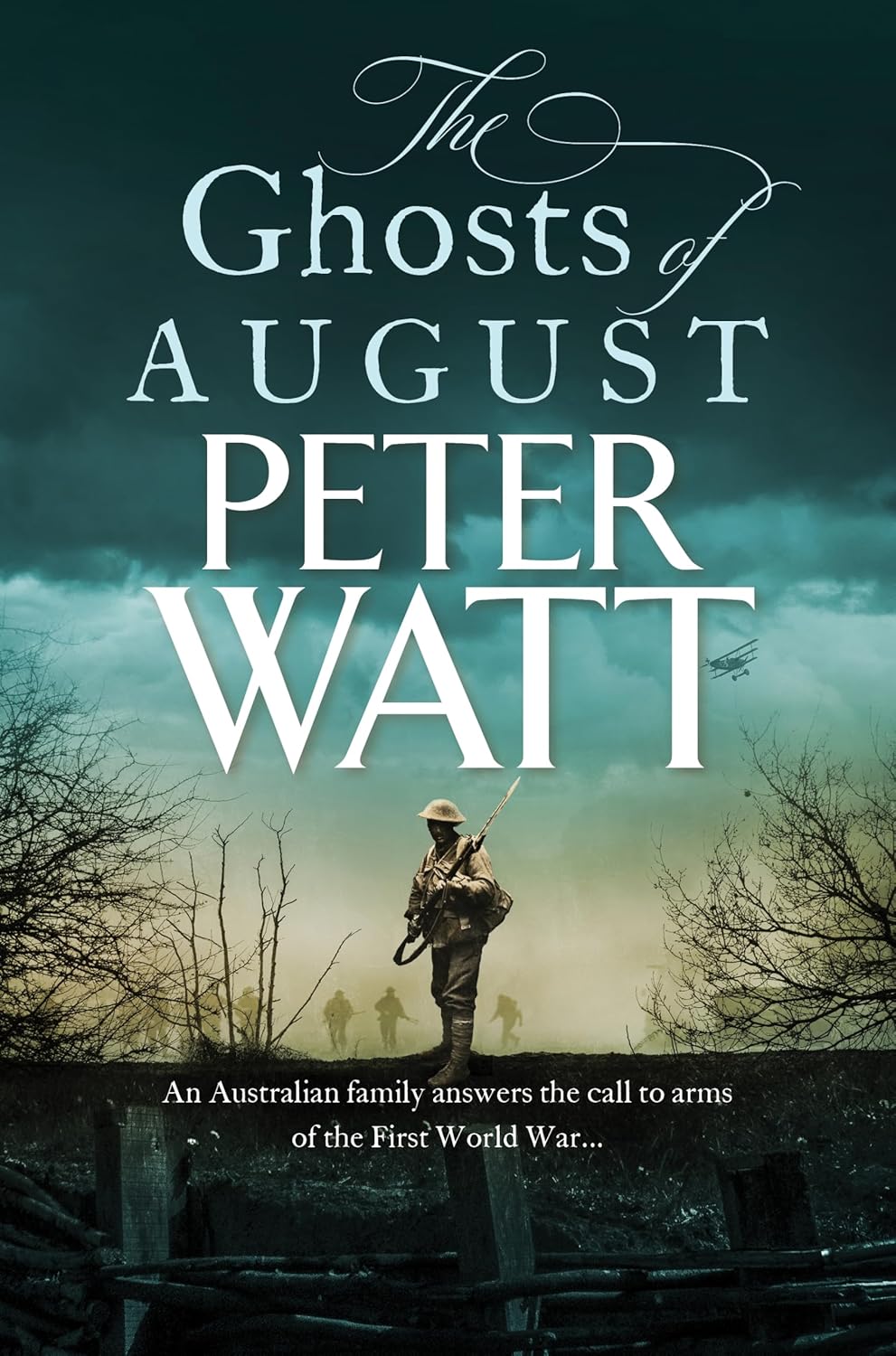
The Ghosts of August by Peter Watt

Publisher: Macmillan Australia (Trade Paperback – 29 October 2024)

Series: Colonial series – Book Six

Length: 401 pages

My Rating: 4.25 out of 5 stars

Amazon

Australia’s master of historical fiction, Peter Watt, continues to shine with the latest exciting book in his Colonial series, The Ghosts of August.

Watt is a fantastic author who has a particular skill at writing fast-paced adventure novels based around Australia’s compelling and complex history.  The author of several intriguing multigenerational series, Watt’s current body of work is the Colonial series, which started back in 2018 with The Queen’s Colonial.  An awesome book that followed a young Australian farmer, Ian Steele, who journeys to England and through a series of shenanigans gets commissioned in the British army as a captain, gaining the moniker the Queen’s Colonial.  I had a lot of fun with this first book, and Watt has kept the series going strong ever since.  The next two books in the series, The Queen’s Tiger and The Queen’s Captain, followed Ian through several mid-19th century wars, while also encountering love, loss, and dark intrigues.  The third and fourth novels, The Colonial’s Son and Call of Empire, featured a time skip to the late 19th century, where a mostly retired Ian had taken a step back from adventuring while his two sons, Josiah and Samuel, became the main characters.  With the death of Ian at the end of Call of Empire, the series entered a new phase as Watt again skipped ahead with The Ghosts of August.  Set around the turbulent events of World War I, The Ghosts of August was another fantastic entry in the series that continued to follow all the adventures of the Steele family.

The Queen’s Colonial, Ian Steele, is dead, but his family still serve the crown, especially as the threat of war spills across the globe. Ian’s oldest son, Josiah, is now head of the Steele family, and, like his father before him, he has two very different sons to worry about.  His oldest son, David, is a canny and cultured young man with the world at his feet, while his youngest son Ben is a wild child, constantly finding trouble and solving it with his fists.  However, despite their differences, both David and Ben are about to be caught up in the chaos of war.

Ben, sent away on a secret mission about the family’s boat, inadvertently finds himself trapped in German New Guinea when the war breaks out, where circumstances force him to become a desperate fugitive from the German troops stationed there.  David, determined to do his bit, becomes an officer in the Australian army, and finds himself involved in Australia’s attempt to take control of German New Guinea, hoping to reunite with his brother.

However, with petty grievances and the love of a women between them, Ben and David find themselves on different paths as the war progresses.  While David finds himself serving as an officer on the Western front, Ben signs up as an enlisted man in the deserts of Palestine.  Both brothers will face danger and death the like of which the world has ever seen before, and the desperate battles will rock the Steele family to its very core.

The Ghosts of August was another awesome book from Watt that pits the latest generation of his central family against all the horrors of war, turmoil and history.  A great addition to the Colonial series, The Ghosts of August was a very fun and action-packed read that cleverly tied into some fascinating periods of history.

Watt features a very familiar narrative structure for The Ghosts of August, which follows the current protagonists of the Colonial series into a whole new conflict.  Starting in 1914, the novel initially follows the various characters through the period leading up to the conflict, before throwing them right into the carnage with several battles and action pieces.  Making great use of the historical record to enhance his narrative, Watt sets his story throughout a range of fascinating locations and periods, all shown from the overlapping perspectives of his point-of-view characters.  Watt provides an interesting spread of protagonists in The Ghosts of August; while the key characters are the younger members of the Steele family, you also see alternate perspectives from the books various antagonists, as well as some more friendly German characters.  There is a good mixture of action, character-focused drama, and intrigue as these figures deal with issues on various fronts.  I particularly enjoyed Ben’s attempt to survive in the wilds of German New Guina for the first part of the book, while the various intricate depictions of war in the second half of the book steal the show, especially as there is a ton of tragedy and shocking moments.  Watt brings the entire narrative to a sad, but hopeful end, and it will be interesting to see if or how the author continues the series in the future.

As with all the books in the Colonial series, The Ghosts of August works well as both a standalone novel and a continuation of the rest of the series, as Watt highlights key character history and previous adventures in an effective manner for new readers.  I personally have had a lot of fun exploring the entire series from the start, and it has been great to see how the central family has evolved.  The focus on a single family and its various members, friends and enemies throughout turbulent points of history is a fun writing style that the author has a lot of experience in, and it always results in an entertaining and fast-paced book.  As with the previous Colonial novels, Watt’s focus on action, warfare, and the intricate history of the period, is the highlight of The Ghosts of August.  Anyone with a love of early 19th century warfare or adventure is in for a great time, and I deeply enjoyed the powerful war sequences the author featured.  However, I did think that some of the characters were a little one-dimensional in places, especially as his two main protagonists, brothers Ben and David, are carbon copies of other Watt central characters.  That being said, Watt writes an excellent storyline that sees the two brothers at odds due to an alluring German noblewoman, and the resulting attempts to get past it are moving, with some real tragedy thrown in.  I also enjoyed the devious German military antagonist, Kurt Jäger who plagues Ben in the first half of The Ghosts of August, and whose full storyline in the novel proves to be particularly interesting.  An overall fun book that is easy to enjoy, especially if you have read one of Watt’s novels in the past.

The final element of The Ghosts of August that I want to highlight is the fascinating historical features that really made this novel stand out.  Watt has a clear love for Australian history that shines through in his writing, especially in The Ghosts of August where he dives into various unique aspects of Australia’s contribution to World War I.  Not only does he take his characters to the obligatory battlefields of Gallipoli and the Western Front (the former of which is relatively brief for an Australian war novel), but he also examines other lesser-known conflicts Australia was involved with during this period.  This includes Australia’s contribution to the fighting in the Middle East, as there are some very intense and action-packed sequences that follow one of the protagonists fighting in Egypt and Palestine with the Australian Light Horse.  I also found the first conflict focused on in the book, Australia’s expedition to take control of German New Guinea, to be particularly fascinating.  Watt portrays the main battle in compelling and exciting detail, and it was fascinating to learn more about this expedition, especially as it rarely gets featured in fiction, despite being Australia’s first contribution to the war.  All these historical elements are expertly woven into the main narrative by Watt, who always does an outstanding job of setting his own story arcs around these events.  You really get stuck into both the narrative and the Australian history as a result, and I loved seeing more of Watt’s infection love for Australian wartime history.

The Ghosts of August was another amazing book from Peter Watt that provided a fantastic continuation to his highly enjoyable Colonial series.  Loaded with action, adventure and interesting historical inclusions, The Ghosts of August is classic Watt, and I had a ton of fun with it as always.  I am curious to see where Watt goes next, as I will always be eager to grab another historical adventure from this excellent Australian author.

Amazon

Terra Incognita by Simon Turney

Publisher: Head of Zeus (Ebook – 12 September 2024)

Series: Standalone

Length: 407 pages

My Rating: 4.5 out of 5 stars

Amazon

Simon Turney continues to explore the Roman Empire with his latest novel Terra Incognita, a fantastic read that proves to be one of the top historical fiction adventure novels of 2024.

Simon Turney, who also writes as SJA Turney, is a fantastic author who has been penning various intriguing historical novels for several years now.  I have enjoyed a couple of his books in the past, including the deeply compelling read, Commodus, which was part of his Damned Emperors series.  2024 has proven to be another good year for Turney, as he managed to also to impress me with the first book in his Agricola series, InvaderInvader was a very fun military novel that followed the early career of a famous Roman general and his potential involvement with Boudica’s rebellion.  I deeply enjoyed Invader, and I am very keen for the sequel, Warrior, which is set for release in early 2025.  However, before Warrior comes out, I was very happy to receive a copy of Turney’s intriguing novel Terra Incognita.  Providing his own take on a truly fascinating adventure hinted at in Roman historical records, Terra Incognita was an awesome read I was excited to check out.

Rome, 61 AD.  Under the rule of Emperor Nero, the Roman Empire is a wealthy and powerful civilisation covering much of Europe and Africa.  However, Nero is eager to expand the range of his control even further and sets his eyes down the River Nile.  Desiring to conquer the mysterious and reportedly rich lands and kingdoms below Egypt, Nero devises an elaborate plan to learn more about the world beyond his borders.

Under the command of an ambitious tribune, Nero sends two centuries of his elite Praetorian Guard into the African wilds with orders to follow the Nile until they find the source of the river.  If they succeed, they are to offer tribute to the river’s spirits, and ensure favourable waters for any subsequent invasion of the lands that follow.  However, reaching these fabled waters alive will prove to be an arduous journey.

Travelling down the Nile, the soldiers of Rome experience great hardships as they make their way to their empire’s borders.  But even greater challenges wait beyond, as the Romans will have to overcome bandits, hostile kingdoms, disease, inhospitable desert, fierce beasts and the madness of their own commander.  Can the Romans make it to their goal alive, or will the insanity of their Emperor and the impossible mission he’s set for them destroy even these elite soldiers?

Terra Incognita was as an outstanding and epic historical read that I honestly could not stop reading.  Presenting a powerful and deeply compelling narrative of trials, tribulations, and the dark side of ambition and duty in the wilds of Africa, Turney expertly grabs the reader in with his elaborate historical adventure tale and refused to let go.

I really loved the fun and distinctive story that Turney sets up in Terra Incognita, which proved to be particularly captivating and gripping to me.  A fictional account of the two Praetorian centuries the historical record indicates Nero reportedly sent to find the source of the River Nile, Terra Incognita is an exciting, entertaining and occasionally grim book, that just keeps loading compelling misadventure after compelling misadventure.  Told from the perspective of the venture’s two centurions, Sempronius Densus and Claudius Faventinus, you witness the full extent of the expedition through their eyes, from its hopeful if apprehensive start, all the way to its grim conclusion, and you will love every single second of it.

The narrative itself starts off as a classic Roman historical adventure, as it follows its protagonists down into Egypt.  This early part of the book is very much focused on introducing the characters and setting the scene for the adventures to come, and the readers get some fun sights of Roman occupied Egypt, while also experiencing the initial hurdles of the expedition.  However, once they leave Egypt and journey into land owned by the Kushites, Rome’s southern neighbour in Africa at the period, things start to unravel for them, as they come under attack, encounter greater setbacks, and are beset by bad omens.

The second half of the book sees the Romans enter unexplored territory and encounter the world beyond their known borders.  The already tired and demoralised soldiers face a lengthy and grim trudge deeper into Africa, with things getting worse for them the further they get away from home.  Trapped in their mission by their stubborn and seemingly unkillable commander, the book takes on a real Heart of Darkness vibe as their commander’s obsession drives them forward no matter the consequences.  Things continue to get more and more desperate for the protagonists as they continue, and you are constantly on the edge of your seat waiting to see what disaster or intriguing new turn of events they are likely to stumble across next.  After an increasingly tense series of events, Turney brings the reader to a deeply interesting and compelling conclusion, which fit the overall themes of obsession, insanity and a desire to survive perfectly.  This ended up being an excellent and well-crafted standalone narrative, and I had such a brilliant time getting through this elaborate adventure.

Turney is probably one of the top current authors of Roman historical fiction, and he clearly had a lot of fun bringing this elaborate novel together through his great writing.  Written as one continuous and compelling historical adventure, readers are really drawn into the epic tale of exploration and insanity that evolves, and Turney does a wonderful job of blending historical inclusions with a deep and powerful narrative.  I think the author had the right elements of action, exploration, history and personal stories in Terra Incognita, and it’s hard not to get drawn into the constant adventure and the interaction with new obstacles and societies.

In addition to the well-written story, I really must highlight the excellent main characters of Terra Incognita, especially as you see the entire disastrous expedition through the eyes of the group’s two centurions, Sempronius Densus and Claudius Faventinus.  Cast as the group’s sensible, disciplined and stubborn hearts, the two centurions doggedly lead their soldiers on, forced to serve as a buffer between the disgruntled Praetorian Guard, and their increasingly unhinged commander.  While there sometimes isn’t a lot to distinguish between the two centurions, you grow attached to them, especially as they are forced into impossible situations time and time again and are compelled by duty to continue.

However, the best character in the book is easily the expedition’s leader, Tribune Lucius Curtius Lupus.  An ambitious and regal figure, the tribune serves as a great foil to the sensible protagonists in the first half of the book, especially as his bluster, unreasonable orders and lack of common sense ensure that the centurions are forced to work against him to continue.  However, once the Romans find themselves in the African wilds, the tribune really turns into a fantastic character.  Due to a mixture of illness, pettiness and fear, the tribune becomes continuously more detached from the reality of the situation they are in and keeps dragging his mutinous soldiers further down into Africa.  Absolutely driven by obsession, Lupus refuses to stop until Nero’s orders are fulfilled, no matter the cost to the troops, and every action forces his centurions to decide whether to support him or kill him.  I loved the constant battle of duty and practicality that emerged, as the two centurion protagonists attempt to find their line in the sand against the tribune, only to allow him to make more bad decisions.  It also proves quite amusing to see the continued tribulations that the tribune survives, so much so that his soldiers become to believe his mission is blessed by the gods.  It’s hard not to both love and hate Tribune Lupus as the book unfolds, and I felt that Turney’s use of him was perfect, especially as there are some interesting parallels between him and a key figure from Heart of Darkness/Apocalypse Now.

Finally, I need to highlight the excellent historical inclusions featured within Terra Incognita.  Turney does an outstanding job bringing the wild and uncharted territories of Africa to life through his excellent writing, and you are constantly envisioning the elaborate landscapes and intriguing people that the Romans may have encountered on this expedition.  I also really appreciated how Turney utilised and expanded on details from the Roman historical records as well more modern understandings of the period in his story.  The depiction of several different tribes, nations and kingdoms that likely existed along the Nile at that point in history was fascinating.  I also enjoyed seeing how Turney envisioned the Roman’s reactions to the various crazy creatures, obstacles and unusual people they would have encountered, including crocodiles, hippopotamuses, and some of Africa’s more impassable terrain.  These obstacles also led to some interesting solutions, and I particularly appreciated Turney’s idea for a potential malaria treatment/preventative.  Throw in some great depictions of the Roman soldiers themselves, something the author has a lot of experience showcasing, and this was a great historical book with some unique features.

Terra Incognita was an outstanding standalone book from Simon Turney that provides readers with an awesome historical adventure.  Fast-paced, addictive, and loaded with some fantastic intensity, especially around the great characters, Terra Incognita was an epic read that comes very highly recommended.

Amazon

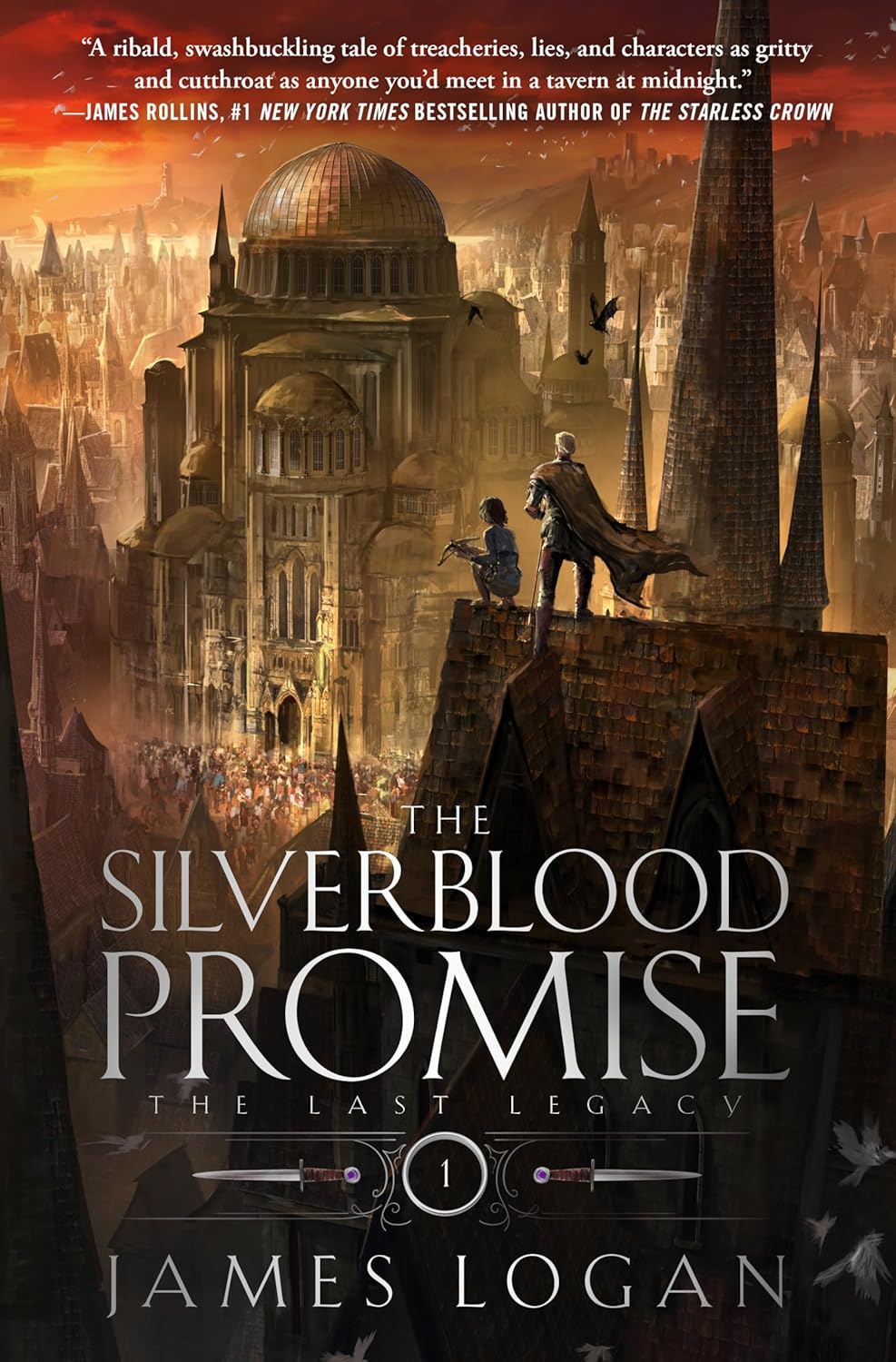
The Silverblood Promise by James Logan

The Silverblood Promise Cover

Publisher: Arcardia (Trade Paperback – 30 April 2024)

Series: The Last Legacy – Book One

Length: 595 pages

My Rating: 4.75 out of 5 stars

Amazon

Promising new author James Logan presents an epic fantasy debut in the form of The Silverblood Promise, the first entry in his planned The Last Legacy series, and one of my most anticipated books of 2024.

Lukan Gardova, the disgraced heir of a noble family, is a man who has lost everything following a duel that ended tragically.  Forced to drop out of his prestigious academy and abandoned by his family, Lukan travels the wild edges of the world, gambling, drinking, and seeking what adventure he can.  Despite his malaise and despair, Lukan is still shaken when he is informed that his estranged father has been murdered by mysterious assassins.

Armed with fresh purpose and a determination to find out who was responsible for his father’s death, Lukan follows the only clue he has, a note his dying father wrote in his own blood.  The names it contains lead him to Saphrona, an old and prosperous city ruled by merchant princes where everything can be bought.  Filled with rogues, scoundrels, thieves, and miscreants, Saphrona seems an unlikely place to find his reclusive, academic father’s killers.

Engaging in an exhaustive search throughout Saphrona, Lukan discovers that the answers he seeks lie with one of the city’s merchant princes.  Unfortunately, they have been condemned to death for the murder of another merchant prince, and if Lukan wants the information they have, he will first have to prove their innocence.  Working with an unlikely group of criminal acquaintances, Lukan follows the few clues surrounding the merchant prince’s unusual murder.  But the further he digs, the more danger he finds himself in.  There is a deadly conspiracy at work in Saphrona, one that seeks to undermine everything the city stands for.  Forced to contend with desperate nobles, deadly criminals, and dangerous forces beyond his comprehension, Lukan fights to keep his promise and find the truth behind his father’s murder.

Wow, now this was an awesome debut from Logan and one that I was really glad I got the chance to read.  The Silverblood Promise has been on my radar for a while, and Logan did not disappoint with its excellent and exciting story, which is loaded with action, intrigue, cool fantasy elements and some great characters.  Entertaining and fast-paced, The Silverblood Promise was an absolute joy to read, and I had an amazing time getting through it.

The Silverblood Promise has a deeply compelling narrative behind it that kept drawing me in with its intrigue, revelations and exciting adventure.  While this is a lengthy novel, I honestly powered through it as it proved very easy to get caught up in the story.  Logan maintains a very fast pace the entire way through The Silverblood Promise, and I enjoyed the mixture of action, character development and unique fantasy inclusions that the reader is treated to.  Starting off with a strong introduction that effectively showcases the protagonist and his current situation, the reader is quickly thrust into the main background city of Saphrona, which proves to be a fantastic setting.  Able to quickly interpret his one clue, the protagonist works with several connected figures to try and contact the person his father sent him after.  What follows is a series of interlocking quests as Lukan must befriend a master forger, mastermind a break-in to a notorious prison, and then discover who set up one of the city’s leaders for murder.  This results in a constant stream of adventures as Lukan jumps from one hurdle to the next, uncovering dark secrets about the city, and making unlikely friends.

The revelations about the true villain of the story occurs about two-thirds of the way through The Silverblood Promise, and while it isn’t too surprising, their methods and motivations are, especially as they reveal some interesting figures to the story.  Forced to go up against some big fish, Lukan is caught up in their power play, which adds a lot of chaos to the narrative, and must desperately come up with a plan to fight back.  The resulting carnage and confrontations are well handled, and I loved the great combinations of intrigue, battles and clever ploys that brought everything together.  All the action within The Silverblood Promise is sharp and well written, and you get drawn into the many confrontations and battles of wits that emerge.  Logan proved very able at hiding hints about the big bad’s schemes throughout much of the plot, and it was fun to see it all come together.  I had such a great time with this impressive story, and I ended up reading the last 300 pages of the book in less than a day, it was that damn good.  The reader comes away both satisfied and wanting more, which is lucky as it is clear Logan has some big plans for the series, with the adventure set to continue.

I felt that Logan came up with an excellent fantasy setting for The Silverblood Promise, and I really enjoyed how he utilised the new world throughout his plot.  Filled with magic, adventurers, complex cities, mysterious interdimensional beings, and powerful artefacts from long-lost advanced races, there is so much for the reader to enjoy here, especially when hints about far greater hidden powers are also included.  While a couple of the fantasy elements in The Silverblood Promise are a little derivative of other fantasy works, I personally didn’t mind, mainly because Logan makes them his own and they fit nicely into the fast and intense narrative of The Silverblood Promise.

While I loved the new fantasy world as a whole, the setting highlight of this book is the city of Saphrona, where most of the plot is set.  Saphrona proves to be a complex and compelling trade city ruled by merchant princes and filled with dangerous commerce, criminal enterprises, alien structures, unlikely monsters, and all manner of political intricacies and plots.  Readers will really enjoy unwinding the various elements of this city and it proved to be fun watching the protagonist explore Saphrona and attempt to find answers and stop a major disaster unfold.  In a way Saphrona becomes a character in its own right as the book progresses, and I really appreciated how effectively Logan introduced the reader to the setting and inserted the story in its survival and underlying politics.  Logan also ensured that readers got a good deal of information about some of the other locations outside of Saphrona, which are likely to become relevant to the plot in future books of the series.  While a of map of the continent or Saphrona would have been appreciated, readers come away with a great sense of the world and will be interested in seeing more stories within it.  Indeed, it looks like Logan plans to set each of The Last Legacy books in a different city of the world, and I for one am very excited to see what other memorable locations Logan will come up with.

I also really need to highlight the fun and memorable characters who were featured throughout The Silverblood Promise.  Logan did a great job pulling together an intriguing and often outrageous cast for his first book, and I loved some of the awesome storylines that emerged.  Most of the focus revolves around protagonist and primary point-of-view character, Lukan Gardova, a former noble turned roguish adventurer who finds himself way over his head in Saphrona.  Lukan is a great central figure for this book, and he brings a lot of emotion to the story due to his disastrous past and determination to find his father’s killer.  I felt that Logan provided just the right amount tragic history for his protagonist to enhance the dramatic tone of the book, and the character’s frustrations at the dangerous tasks he finds himself involved with, as well as his own stubborn need to move forward, were very relatable.  Lukan also provides a fun scoundrel vibe to the plot at times, and it was interesting to see his cynical perspective on events throughout the book.  I liked how Logan set Lukan up as a newcomer to the main setting of Saphrona, as this allowed the reader to see the city fresh through the eyes of someone unfamiliar with it, which enhanced the majesty, strangeness and cruelty of the setting.  As such, I felt that Lukan was an excellent central protagonist, and I look forward to seeing how his story evolves in the future, especially as there are many more secrets around his family that need to be revealed, and other character elements that need to be expanded upon.

Aside from Lukan, The Silverblood Promise features an interesting array of fun figures, the majority of whom are locals to Saphrona.  I loved all the unique characters that emerged, especially as Lukan is forced to deal with killers, scheming nobles, a mysterious forger, a blind beggar with way too much knowledge, an unlikely crime lord and a notorious band of mercenaries that Lukan is forced to alternatively fight or make deals with.  One of the most distinctive characters is an infamous thief who joins the main cast late in the story, but who proves to be a fantastic addition thanks to her skills, kindness and pragmatism.  However, my favourite character would have to be the young street urchin and pickpocket, Flea, who forms an unlikely partnership with Lukan early in the story.  Hired by Lukan to help him around the city, Flea proves to be an invaluable ally, despite her age, and works to keep her benefactor alive against all manner of dangers.  Bold, curious and utterly unflappable, Flea is a highly entertaining figure, especially as she keeps jumping into danger while also proving to be far wiser than Lukan.  Flea and Lukan serve as fun contrasts to each other, and I liked their entertaining banter and the touching bond they form throughout the course of the book.  This fantastic partnership really helped to make The Silverblood Promise that much more special, and all the characters featured within this book were really well written and cleverly featured.

Overall, The Silverblood Promise is an excellent and exciting fantasy novel that had me hooked the entire way through.  Intense, compelling and wildly entertaining, The Silverblood Promise was very awesome, and James Logan did wonders with his debut novel.  I will definitely be grabbing the eventual sequel to The Silverblood Promise when it comes out, and I cannot wait to see how this adventure continues and how Logan develops as an author.

Amazon

The Shadow Casket by Chris Wooding

The Shadow Casket Cover

Publisher: Gollancz (Audiobook – 16 February 2023)

Series: The Darkwater Legacy – Book Two

Length: 32 hours and 37 minutes

My Rating: 5 out of 5 stars

Amazon

Chris Wooding continues The Darkwater Legacy in a big way with his second awesome and massive entry in this great fantasy series, The Shadow Casket.

I was recently in the mood for more epic fantasy reads, so I finally got around to checking out The Shadow Casket by Chris Wooding, which has been on my to-read list for most of the yearThe Shadow Casket is the sequel to Wooding’s exceptional 2018 novel, The Ember Blade, which I had a ton of fun reading back when it originally came out.  The Ember Blade followed a band of revolutionaries, including two young teens caught up in the carnage, as they fought to free their country from an evil empire that had conquered it a generation before.  Featuring a classic fantasy adventure plot with some awesome real-life overtones and loaded with a ton of great characters, a powerful story, and a fantastic new world, The Ember Blade was such a great read, and it got an easy five-star read from me.  I have been eagerly awaiting a sequel for some time now, and Wooding finally delivered his second Darkwater Legacy book this year with The Shadow Casket, which took the reader on another dark and captivating journey.

It has been three years since the destructive events at Hammerholt, when the ragtag band of revolutionaries, known as the Dawnwardens, managed to steal back the sacred Ember Blade and kill the Krodan Emperor’s son, seemingly lighting the fires of revolution.  However, despite the Dawnwardens’ hope that recovering the Ember Blade would encourage their people to rise in revolt, the powerful Krodan empire still reigns over Ossia, bringing new levels of terror in their occupation.  With revolution still as far away as ever, the Dawnwardens, and the Ember Blade’s champion, young Aren of Shoal Point, are forced to take a risk that could turn the tide of war.

Taking the Ember Blade out of hiding, the Dawnwardens travel to the Reaches in the far north of Osia, where the wild and rebellious clans of the Fell Folk fight amongst themselves.  Hoping to recruit the fractious clans to their cause, the Dawnwardens soon find themselves once again under attack from the Krodans and their deadliest weapons, the malevolent dreadknights.  Forced to flee with new allies and returning friends, the Dawnwardens embark on mission to find out what the Krodans are truly doing in Osia and just how far they are willing to go to maintain order.

Finding their first successes since the events of Hammerholt, the Dawnwardens form a new plan to finally strike back at the Krodans and start the revolution they have long hoped for.  However, no matter how hard they fight, the Dawnwardens constantly find themselves outmatched by the dreadknights and their foul magic.  To survive this insidious threat, the Dawnwardens hope to call upon the ancient magic of a lost artefact, the Shadow Casket, which has the potential to either save them or doom the world.  But with deadly foes facing them at every corner, and traitors within their own ranks, can the heroes succeed, or will their revolution finally be cut down?

Wooding continues his epic series in a big way with The Shadow Casket, producing an exceptional and captivating novel that was quite a treat to read.  Expertly following the existing storylines from the first book while also providing an awesome new adventure, The Shadow Casket was a gripping and powerful novel that I had an absolute blast reading.

I really loved the amazing story that Wooding came up with for The Shadow Casket, which is massive in every sense of the word.  Told from many different perspectives, The Shadow Casket has a very powerful character-driven plot that really gets you involved in the lives of all the protagonists while advancing the compelling main plot.  The transition to three years after the events of The Ember Blade was a very interesting overarching choice for this new book, but it was one that works very well, and I loved the realistic detail that the protagonist’s previous adventures didn’t magically save the day as they had hoped.  Wooding starts events off at a somewhat slow pace, which was definitely necessary as he had to re-establish all the key story elements, while also introducing the new setting of Northern Ossia and the Fell Folk.  This does mean that the initial chapters of the book might drag a little for some readers, especially those who did not read The Ember Blade first, although I appreciated the refresher on all the protagonists after all this time.  This early part of the book also sets up many plot points for the rest of The Shadow Casket, and Wooding did an outstanding job laying down a lot of groundwork here.

Things do speed up quickly after the reintroductions are done, as all hell breaks loose around the protagonists in some amazing scenes.  This early part of the book also brings back Cade and Klyssen, who were seemingly killed off at the end of The Ember Blade.  This honestly isn’t that much of a spoiler as both come back very early in the plot, and frankly it wasn’t too surprising considering the deliberate ambiguity of their “deaths” in the previous book.  Their return sets up some great character-driven plots which are very well explored in the first half of the book and have some major impacts on the overall story.  The protagonists soon find themselves involved in several distinctive character-focused quests, including the liberation of a prison camp, the machinations of a traitor, and an intriguing dive into a magical organisation that was only lightly featured in the first book.  These various storylines blend into one cohesive plot, and I liked the early focus on world building and character growth in the aftermath of the first book.  Wooding works in an interesting blend of intrigue, action, adventure, and even some horror elements, which really enhanced the classic adventure quest vibe he was trying to replicate.  I did have issues with an ungainly love triangle that got a lot of attention in the first half of The Shadow Casket, which sapped my enjoyment in places.  However, the other complex storylines that were occurring simultaneously did make up for this, and it thankfully does not last the entire length of the book.

The second half of The Shadow Casket is where things really picked up, and it features all the awesome story moments that the author had been expertly building up.  This includes a deadly adventure quest to a lethal island, which amped up the intensity of the plot, especially as secrets are revealed and tragedy awaits several characters.  These storylines and more, all lead up to epic final quarter of the novel, where the protagonists have their long-awaited mass confrontation with the enemy.  Wooding really set up everything leading up to this final quarter perfectly, and I was very excited going into it, especially as it featured a massive siege.  While there is a focus on the action in this final part of the book, Wooding also amps up the intrigue, as various parties make their moves to betray or mislead either side of the conflict.  The author plays this plot line about betrayal and intrigue perfectly, and there were times when you honestly didn’t know who was betraying who, which was so much fun to see.  This last quarter honestly has a bit of something for everyone, and I loved the inherent tragedy, the gritty battles, and the awesome resolution to so many different plotlines and character arcs.  I also really enjoyed the multitude of clever twists and reveals that Wooding layered in this part of the book, especially as I did not see several of them coming despite the great setup surrounding them.  The final play of the protagonists was particularly brilliant, and the unique siege tactics were quite inventive.  While I did think a few things were wrapped up a little too easily or positively at the end, this was honestly a very strong conclusion for this second entry, and it sets up many great storylines for the rest of the series.  I really came away from The Shadow Casket feeling very satisfied, and I cannot wait to see how my heart will get broken in the next book.

I felt that Wooding did a rather wonderful job of presenting his elaborate narrative to the reader, and his fantastic style definitely drew me into the story.  While there are a lot of positives to the author’s writing, the main thing that I was mostly grateful for was how easy he set everything up so that I could dive back into this series.  As I mentioned above, it has been over four years since I read The Ember Blade, itself a hefty read, so I was initially worried that I wouldn’t remember all the key details and get a little lost.  However, Wooding expertly led readers, both new and old, into his new book and those well-thought-out and slower paced introductory chapters really filled in all the gaps for me.  As such, there wasn’t a single moment that I was lost about what was going on, which considering how elaborate The Shadow Casket gets, is pretty damn impressive.

While The Shadow Casket is a great continuation of The Ember Blade, it also has a bit of a different tone to it.  The focus on failure, regret and fighting losing battles was quite interesting and reflected the continued failed rebellion nicely.  The book itself also comes across as more of an adventure novel, with the protagonists constantly moving and taking on new quests and journeys, rather than the more heist focused revenge plot of the first book.  This ensured that The Shadow Casket stood out a lot more than I was expecting, and it really didn’t feel like a sequel or a tired middle book.  Wooding has a great sense for pacing, and the fantastic mixture of action, character growth and betrayal and intrigue helped to turn this into quite an impressive read.  I have so much love for the multiple elaborate espionage storylines that emerged, and Wooding ensured that the reader never knew what was coming.  The excellent use of multiple character perspectives really helped with this, and it was compelling and often very moving to see the various internal struggles, history and biases that drove the characters to do what they do.  The clever alternate views of the same events also helped to create a much more expansive and captivating plot, and I think that Wooding did a great job of splitting the story up, ensuring that all the key characters got their time to shine.  There was the occasional rough chapter transition that added a touch of confusion at times, but this was usually pretty harmless, and I found the overall narrative to be very powerful and bound together excellently.  Throw in a ton of brilliant and brutal action sequences, including the extended battle at the end, and The Shadow Casket has so much going for it that you will find it very hard to put down.

One of the things I liked most about The Ember Blade was the elaborate and complex world that the book was set in.  In particular, the focal nation of Ossia was such an interesting main setting, especially as it was occupied by its stronger neighbour, who had ruled it for years.  This portrayal of Ossia had a lot of similarities to occupied France during World War II, especially as the invading Krodans were an obvious stand-in for Nazis/fascism.  This occupied fantasy nation had a certain realism to it that deeply enhanced the story, especially as the characters interacted with collaborators, rebels and locals who believed the Krodans were helping them, all while witnessing examples of Krodan cruelty.  These issues were further compounded by the fact that Ossia was already a rather fractious nation, and their lack of cooperation and unity helped the Krodan conquest years before.  Wooding continued to expand on this examination of occupied Ossia in The Shadow Casket, especially as revolution and uprisings were such an important part of the plot.  I loved the intriguing plot point about how, despite the protagonist’s actions in the first book, most of Ossia was still too cowed or wracked with infighting to join in the rebellion, making the sacrifices in the first book seem pointless.  This ensured that occupied Ossia continued to be a dangerous and compelling setting for much of the story, and Wooding doubled down on the Krodan comparisons to Nazis, especially as the Krodan’s engaged in massive retaliation strikes against the Ossian populace while also rounding up a minority group into concentration camps.  These intriguing details add a lot to the plot, and it was interesting to see how they continued from the first book.

Wooding also worked in quite a lot of world building as he sought to explore new areas within the larger fantasy realm.  This includes several intriguing and deadly new locations, such as a swamp full of dark spirits and the lethal island of Yaga, where ogres and magical slavers reign supreme.  These areas, which serve as cool settings for several key parts of the book, are great to explore, adding in some very distinctive risks, and it served as a compelling expansion of an already great world.  However, the most significant new setting is probably the northern area of Ossia known as the Reaches.  A hilly area populated by warring tribes, this part of Ossia was culturally segregated from the more urbanised southern setting before the Krogans arrived, and now is even more oppressed.  A large chunk of the novel revolves around the complex tribal politics and history of this region as the protagonists attempt to bring them together as allies while also striking back at the forces oppressing them.  Several of the best sequences, including the final battle, are set around here, and I loved the craggy and isolated feel that Wooding gave this setting.  The author also does a wonderful job expanding on some of the fantasy aspects of his series.  While there were quite a number of great and freaky magical and fantasy elements in the first book, The Shadow Casket really dives into this further, showing several different batches of magic.  This includes a fascinating examination of the Ossian druids, whose magical conclave in the first half of the novel serves as a major plot setting.  There is also a fantastic and dark examination of the magic being used by the Krogans to create their more elaborate weapons.  This look at Krogan mysticism is pretty fascinating and serves as a great contrast to their usual anti-magic dogma.  It also leads to some of the darker scenes in the book, including the exploration of a corrupted prison camp, which honestly bordered more on horror than anything else.  There are some fantastic and complex hints at the dangers to come, and I cannot wait to see how dark and compelling Wooding makes his setting in the future.

However, the most impressive and memorable part of The Shadow Casket has to be the outstanding and elaborate character work that Wooding expertly inserted into the story.  The Shadow Casket has an exceptional and memorable cast, which includes a great combination of characters from The Ember Blade, as well as several intriguing new figures.  All the characters are damaged and complex, especially after the events of The Ember Blade, and thanks to the author’s excellent use of alternating perspectives, you get to see into their minds and find out what drives them and what their intentions are.  I deeply appreciated how well the character stories altered and drove the main narrative and Wooding’s excellent character work really gets you invested in everyone’s personal journey.

As with The Ember Blade, the main character of The Shadow Casket is Aren of Shoal Point.  A teenager drafted into the rebellion by circumstances, Aren is trying to live up to his own legend after masterminding the Ember Blade heist and being declared champion.  Now a figurehead leader chafing under the responsibilities and expectations of everyone around him, Aren starts the book with a lot of his usual certainty and confidence gone, especially as the disappointments of the last three years are hanging over him.  Most of his arc involves him trying to decide whether he deserves all the fame and trust people are putting into him, as well as wondering what his destiny is.  I really liked this compelling character arc that Wooding came up with for Aren, especially as it is totally understandable that he would feel these doubts with his complex history.  While Aren probably was a more passive protagonist than some readers were hoping for, I felt his early mindset of following others fit nicely into the uncertainty he felt, and Wooding did a great job of portraying this and his eventual regained confidence.  Aren also proves to be a linchpin character for The Shadow Casket, mainly because so many other character arcs are defined by the relationships that Aren has formed over the years.  While a couple of these relationships do have some flaws in them, the rest are exceedingly emotionally rich and Aren’s connections help the other characters to grow and develop alongside him.  Aren continued to be an outstanding and complex protagonist for this second Darkwater Legacy novel and I look forward to seeing how he develops in the future.

One of the other major characters I need to highlight is Cade, Aren’s childhood friend who was forced into the adventures in the last book before heroically sacrificing himself at the end of The Ember Blade.  Cade returns quite early in The Shadow Casket, having spent three years away from his friends.  However, he is now carrying some dark secrets and a new hidden history that defines most of his actions throughout The Shadow Casket.  Cade had one of the best and most powerful character arcs in the entire novel, which I will not elaborate on too much here to avoid spoilers.  However, it was extremely well written and added some much-needed emotional depth to Cade’s character.  Wooding does an outstanding job of expanding on Cade’s character arc and story from the first book and the examination of the complex relationship between Aren and Cade resulted in some of the most moving moments in the book.

There are several great antagonistic characters in The Shadow Casket, including sinister Krodan officials and several hidden traitors, but my favourite villainous figure has to be the great character Klyssen.  A member of the Krodan secret police, Klyssen was the primary villain of The Ember Blade, and Wooding takes the opportunity to develop him further in some fantastic ways in the sequel.  Not only does he provide an alternative viewpoint to the Krodans but Wooding manages to make Klyssen into a surprisingly sympathetic character in The Shadow Casket.  Thanks to the events of The Ember Blade, Klyssen starts this new book scarred, disgraced, demoted and divorced, and is now at something of a moral and emotional crossroads.  Now driven by personal reasons, Klyssen has a bit of a redemption arc in The Shadow Casket, and it is honestly a sign of just how good Wooding is at writing characters that you actually feel sorry for this previously despicable villain.  Klyssen ends up being one of the more complex and damaged figures in the entirety of this second book, and I loved his more nuanced mindset and desperate motivations, which make his chapters particularly compelling and emotionally charged.  You really begin to feel for Klyssen, even if you don’t want to, and I really appreciated the complex additional development Wooding worked into him for this sequel.

Of course, I cannot talk about characters in The Shadow Casket without mentioning Grub, who honestly might be one of the most entertaining and hilarious figures I have ever had the pleasure to read.  Gruff, crude and inappropriate in every way imaginable, Grub is a slippery and self-obsessed figure who never fails to get a laugh thanks to his jokes, selfish mindset, fun observations on the people around him, and pure disinterest in what is actually happening.  Thanks to this humour, Grub has some of the best chapters in the entire book, and you always know you are in for a good time.  However, Wooding also creates a particularly complex and intriguing story arc around Grub that really resonates with the reader.  Coming from a culture that venerates heroic actions and tales, Grub was exiled from his people after claiming another person’s deeds.  As such, a lot of Grub’s sVVavsdtoryline involves him trying to redeem himself by become a hero, which really does not come naturally to him due to his selfish nature and upbringing.  This honesty proves to be one of the more complex story arcs in the entire book and you really get invested in his attempts to do the right thing.  A lot of this story revolves around his unlikely friendship with Aren, who serves as Grub’s moral compass, and their compelling relationship is one of the most heartwarming parts of the entire book.  I cannot emphasise just how much fun Grub is as a character, and it honestly is impossible not to fall in love with him, especially with the fantastic depth Wooding adds to his story.  While I would read an entire book about Grub, I think that Wooding did a good job not overusing him in The Shadow Casket, and blending in the other characters extremely well.

Other significant characters include Vika, a powerful druid whose connection with the spirits and the gods offers the only hope against the Krodan dreadknights.  Wooding weaves a fantastic narrative around Vika that dives into her unique and desperate personality while also using her as a focus for the more mystical elements of the book.  I quite enjoyed seeing Vika develop into more of a powerful magical user, although the emotional cost associated with it turns her into a bit of an unpredictable figure.  Wooding really laces Vika’s narrative with some powerful tragedy and distinctive moments, and while I felt that the ending of her arc could have been handled a little better, she was still an outstanding and enjoyable protagonist to follow.

I also need to highlight Mira, the team’s strategist and leader of the Dawnwardens, who comes up with elaborate plans and schemes in the name of liberation.  While Mira does not have as many chapters assigned to her as I would have liked, Wooding does a lot with her in a short amount of time, and I liked how dark the character got as the book progressed.  The dour knight Harod also proves to be an excellent protagonist, mainly because so much of his arc is based around his grief after losing the woman he loved in the last book.  Wooding does a good job expanding a bit on the typically emotionally devoid Harod in this book, especially when a fantastic new secondary character is introduced, and his martial focussed chapters have some heavy personal weight to them.  Throw in the team’s hunter, Fen, whose arc mostly survives an unenjoyable love triangle, and several great new characters, including a troubled revolutionary and a mysterious fighter with his own agenda and this proved to be an exceptionally rich novel in terms of outstanding characters.  This fantastic mixture of compelling cast members really helped to turn The Shadow Casket into an extremely powerful read and I cannot wait to see how these characters develop in the rest of the series.

Like with many epic fantasy novels, I chose to check out The Shadow Casket on audiobook, which I found to be an awesome experience.  Elaborate fantasy novels always come across better in the audiobook format for me, especially when there is a ton of detail and world building, and this was once again the case with The Shadow Casket.  Wooding’s deeply impressive setting was so much cooler when it was read out to me, and I definitely absorbed a lot more detail in this format.  It also helped that they brought back narrator Simon Bubb for this second audiobook in the series.  Bubb does such a good job highlighting all the cool action, fantastic detail, and unique features of this series in The Shadow Casket, and I really liked how effortlessly he moved events along.  Bubb also has a very good handle on the massive cast featured with this book, coming up with original and fitting voices and accents for all the characters, and bringing out all their inherent emotion and struggles.  Highlights for me include the amazing characters of Klyssen, Aren and Grub, all of who really shine through in this format in the most entertaining ways, and I cannot emphasise enough how well Bubb captures all these elaborate figures.  Coming in at over 32.5 hours, The Shadow Casket is a hefty audiobook to get through, and it is one of the longest audiobooks I have ever listened to (coming in at number five on the current list).  I did struggle a bit to get through The Shadow Casket quickly due to its length, and there were a few times where I got a bit fatigued and had to take a break for a while.  However, the compelling story kept dragging me back in, and I maintain that The Shadow Casket is very much worth checking out on audiobook, especially as this format gives you the very best experience.  The great voices, fun depiction of detail, and enhanced story absorption more than make up for the length, and The Shadow Casket audiobook comes very highly recommended as a result.

Overall, this is a very impressive book, and if I did not get it across with the massive review above, I really enjoyed The Shadow Casket.  Chris Wooding is really writing something special with his Darkwater Legacy series and The Shadow Casket proved to be an exceptional second entry.  While I did have a couple of issues with length and some character elements, the sheer power and complexity of the story ensures that The Shadow Casket gets a full five-star rating from me and I had such an incredible time getting through this amazing book.  This is easily one of the best fantasy series currently going and I cannot wait to see how it continues, even if I have to wait a while for the third book to appear.  Highly recommended, all fans of epic fantasy need to get into this series.

Amazon

Quick Review – Fractal Noise by Christopher Paolini

Fractal Noise Cover

Publisher: Tor (Trade Paperback – 16 May 2023)

Series: Fractalverse – 0.5

Length: 287 pages

My Rating: 4.5 out of 5 stars

Amazon

Return to the epic Fractalverse of the always awesome Christopher Paolini with this standalone prequel novel, Fractal Noise, a tense and impressive dark science fiction novel.

Christopher Paolini is an author that I have been a major fan of for a very long time thanks to his iconic and epic Inheritance Cycle series.  The amazing Inheritance Cycle first debuted over 20 years ago with the amazing fantasy novel Eragon, which told the compelling story of a young hero and his dragon companion as they fight to free a conquered land.  The Inheritance Cycle series is one of my all-time favourite series due to the great story, impressive world building, and the sheer nostalgia that I hold for them.  Indeed, I am particularly excited because Paolini is also releasing a sequel to the Inheritance Cycle books later this year with Murtagh, which is one of my most anticipated reads for the second half of 2023.  However, before we get to that there is even more Paolini goodness to unwrap this year as the author has also released the intriguing science fiction novel, Fractal Noise.  A standalone prequel to his science fiction epic from a few years ago, To Sleep in a Sea of Stars, Fractal Noise was an intriguing read that I had a lot of fun reading in the last week.

Plot Synopsis:

July 25th, 2234: The crew of the Adamura discovers the Anomaly.

On the seemingly uninhabited planet Talos VII: a circular pit, 50 kilometers wide.

Its curve not of nature, but design.

Now, a small team must land and journey on foot across the surface to learn who built the hole and why.

But they all carry the burdens of lives carved out on disparate colonies in the cruel cold of space.

For some the mission is the dream of the lifetime, for others a risk not worth taking, and for one it is a desperate attempt to find meaning in an uncaring universe.

Each step they take toward the mysterious abyss is more punishing than the last.

And the ghosts of their past follow.


Fractal Noise
was a very awesome book from Paolini that I had an outstanding time getting through.  I must admit that when I first received a copy of Fractal Noise, I wasn’t too sure that I was going to read it, mainly because while I enjoyed To Sleep in a Sea of Stars, it was a bit too long and overcomplicated, and I feared this potentially unnecessary prequel would be the same.  However, I decided to give it a shot, especially as Fractal Noise was considerably shorter than the original novel in this series, and boy am I glad that I did.

Paolini sets up a simple but very effective story in Fractal Noise that is set 23 years before the events of To Sleep in a Sea of Stars, which details the discover and early exploration of a mysterious alien artefact that was mentioned in the original novel.  Just like with To Sleep in a Sea of Stars, Fractal Noise is told from the perspective of a single scientific protagonist, this time a xenobiologist names Alex Crichton, and follows them and their team as they examine a newly discovered space anomaly, an uninhabited planet with a 50km-wide perfect hole in it that is constantly relaying a continuous, overwhelming beat.  This anomaly could only have been created by a sentient species, and the scientists aboard the ship decide to journey to the planet to find any additional signs of alien life and to discover more about the hole.  However, to make it to the edge they need to land a substantial distance away and trek to it by foot in an arduous journey with many potential complications.

Paolini does a good job of quickly and effectively setting up this compelling plot in the first 50 pages of Fractal Noise while also providing great introductions to the damaged protagonist, as well as the accompanying scientists that are taking the trek with him.  However, the real story doesn’t start until the protagonists land on the planet and begin walking the distance towards the hole.  The author really goes out of his way to make this trek as arduous as possible, as the characters need to walk through wind, dust and other obstacles, all while pulling a mechanised sled behind them that slowly breaks down.  The sheer repetitiveness of this task, combined with the desolate landscape, injuries, and the unique planet that rings with a loud “thud” every few seconds, works to slowly wear down the protagonists and force them into some very dark places of their mind.  The closer they get to their goal, the harder their task becomes as the vibrations and noise produced by the hole becomes more intense and places a bigger toil on their bodies and technology.  At the same time, every setback impacts their minds even further as the four scientists soon fall to dangerous infighting as each of them is haunted by their own ghosts and their own reasons for being there.

I really liked how the entire story slowly devolved into a dark and ultra-intense psychological science fiction thriller as Paolini worked to emulate desolate real-life expeditions (such as those old-school arctic journeys), with his excellent storytelling.  The slow but unstoppable mental decline of the characters is handled perfectly, and while you are initially more worried about the protagonist, Alex Crichton, due to the recent tragedies in his life, the other characters are the ones you have to watch out for as they become more and more deranged or determined in their own ways.  Watching everyone slowly turn on each other as the journey becomes harder and harder on them is extremely compelling, and it proves hard to turn away as things get darker and darker.  The author supplements this compelling narrative with some intriguing, realistic and very-well thought out science fiction elements, especially when it comes to the physics of the planet, the obstacles they are facing, and the technology they have access to.  However, there is also a certain primitive edge to the storytelling as no matter how advanced their technology is, when it starts to fail, they are forced to dive back into more a much more basic mindset.  All this combines well with the fantastic dive into Crichton’s bleak mental state, as the protagonist begins to see the expedition as an important quest that will give him some redemption for his recent losses.

The entire story continues along this dark vein all the way to its compelling conclusion, and I was honestly pretty addicted towards the end, knocking out the last couple of hundred pages in a single night.  Watching the final snap of each protagonist was pretty brutal, but it was a necessary commutation of the complex storytelling that had been leading up to at that point.  I loved how well the barren landscape served as a background to this great story, and the constant “thump” “thump” of the planet as they drew closer gave such an outstanding atmosphere to the plot.  Paolini really pulled together an excellent read here that both serves as a continuation of his existing universe, while also giving readers a story so very different to anything that he has produced before.

Overall, I found Fractal Noise to be an outstanding and epic new novel from Christopher Paolini, which I had such a great time with.  I cannot emphasise just how intense and complex this initially simple story becomes, and the author’s ability to create forbidding settings, damaged characters, and suffocating story atmospheres has clearly grow over the years.  Due to its connections to the history of his pervious novel, Fractal Noise is perfect for fans of To Sleep in a Sea of Stars, while also being very open to new readers interested in a compelling and bleak science fiction adventure.  Fractal Noise was an exceptional read that comes very highly recommended from me and I cannot wait to see more of Paolini’s writing later this year when Murtagh comes out.

Amazon

The Book That Wouldn’t Burn by Mark Lawrence

The Book That Wouldn't Burn Cover

Publisher: Harper Voyager (Ebook – 1 May 2023)

Series: The Library trilogy – Book One

Length: 570 pages

My Rating: 5 out of 5 stars

Amazon

One of the world’s inventive and compelling fantasy authors returns with one of his best novels yet, the highly addictive and ambitious novel, The Book That Wouldn’t Burn, which sets off his new The Library trilogy.

Few authors have had the impact on the fantasy genre than Mark Lawrence has in the last few years, as the author has truly impressed readers throughout the world with his unique and captivating novels that routinely blend fantasy and science fiction elements.  His series include The Broken Empire trilogy, The Red Queen’s War series, and The Book of the Ancestor series.  I myself only started reading Lawrence’s work a couple of years ago with his compelling The Book of the Ice series, which followed several powered teens on a grim frozen planet.  I had an outstanding time with this series, which included The Girl and the Stars and The Girl and the Mountains.  While I still have to read the third book, The Girl and the Moon, I really enjoyed these books, and it was a pretty clever series.  As such, I was very keen to check out Lawrence’s new novel, The Book That Wouldn’t Burn, especially as it had a very intriguing plot synopsis behind it.

Throughout the world, there is nothing more important, more significant, nor more permanent than the library.  Built inside a mountain near the great city of Crath, the library contains an impossible number of books fitted within innumerable rooms that no one person can access.  The sheer amount of knowledge contained within the library represents the greatest power in the world, allowing its keepers and the King of Crath to wield great control in the world.  Into this vast and elaborate repository of knowledge and secrets, two young people are about to meet in unusual circumstances.

Livira is a young girl raised in the Dust, the desolate wasteland that surrounds Crath.  Plucky, curious, and incapable of giving up, Livira is a rarity among her people as she seeks to know more about the world outside her home.  But when the alien sabbers destroy her village and kill her people, Livira finds herself lost in the wilderness.  Rescued and brought to Crath, Livira soon becomes certain that her future lies in the library.  Overcoming prejudice and her own humble background, Livira learns to navigate the library and soon begins to find out some of its deeper secrets.  However, the most mysterious of these might be another strange inhabitant of the library, Evar.

Evar and his small family have known nothing but the library their entire lives.  Released after unknown eons frozen as children inside the library’s mysterious Mechanism, Evar and his siblings have grown up in a vast chamber of the library, learning from the books and becoming masters of specialised subjects.  However, Evar has always desired more and has long tried to find a way to leave their book filled prison.  His discovery of a portal within his home soon leads him to a place outside of time where he meets an exploring Livira.  Together, the two attempt to find the true history of the library and the threats it has withstood over the years.  But dark evils haunt the library, and soon the two explorers must find a way to uncover the truth behind the sabbers, their own history, and other deadly threats waiting for them in the future.  Can these two children of the library survive the revelations in front of them, or will the truth tear them apart in ways they can’t even understand?

Well damn, now this was a seriously impressive and epic book.  Lawrence has honestly outdone himself here with this incredible read, and this might be one of the best books he is ever written, which is saying something.  The Book That Wouldn’t Burn features one of the most elaborate settings and narratives you are likely to see in fantasy fiction, and this results in a powerful and moving read that will keep you guessing time and time again.  I had an exceptional time reading The Book That Wouldn’t Burn, and it would be impossible for me to give it anything less than a five-star rating.

The Book That Wouldn’t Burn is told from two separate perspectives, that of Livira and Evar, and covers their very different lives and experiences within the libraries.  These two character-driven storylines are initially kept separate from each other as Lawrence spends a good chunk of the book introducing the protagonists, setting up their unique stories, and bringing together the elaborate setting that the story is based around.  Both of these storylines are very interesting and fun off the bat, with Livira having her life torn apart, only to find purpose in the library, while Evar details his life lived purely within the library.  While both storylines are really good, I initially got drawn into Livira’s the most, especially as her outsider perspective of the library allows you to really appreciate how alien and strange the massive house of books is.  Livira’s storyline advances at an extended clip, covering years of her life as she learns, grows, and fully develops her adventurous personality as she seeks to fully understand the secrets of the library and everything within it.  Evar’s storyline on the other hand is a little more sedate in its pacing, as it is set only along the course of a few days as he tries to finally understand the structure that has kept him prisoner for so many years.

The first half of the book that showcases these two characters’ initial introduction and growth are pretty damn entertaining, and it does a wonderful job of setting the scene for Lawrence’s elaborate story and background location.  However, the story doesn’t find its true strength until the two protagonists meet and their storylines becomes a lot more intertwined.  Due to the impossible physics and requirements of the library, there is a compelling time element to the meetings between the characters, which Lawrence captures masterfully, and which really alters their perspectives of each other.  Once they are able to properly interact, the two characters grow close and spend an interesting chunk of the novel exploring their respective worlds, as well as the history of the library.  Lawrence really lays the world building on thick during these parts of the book, and it serves to bring the two protagonists together, which just ensures the last act of the book is as tragic, moving and devastating as possible.  The author drops some massive bombshell twists around two-thirds of the way through, which completely throws you and makes you rethink everything you have thought about the preceding narrative.  I honestly was pretty damn shocked at this epic and devastating revelation, and while I had already been pretty damn addicted to the story by this point, this was the moment I realised what a masterpiece The Book That Wouldn’t Burn truly was.

The final third of the novel gets even better as certain background elements of Livira’s storyline finally come to fruition and her entire life begins burning around her.  This causes her and many of the supporting characters from her part of the book to end up interacting with the characters from Evar’s storyline, which is a very interesting change of pace from the previous parts of the book.  There are also some frenetic conflicts and some very dark moments as everything you have previously known about the settings, the characters and the history of the library is thrown around in some excellent and compelling ways.  There are several great new twists in this final section of the book, and Lawrence gets very metaphysical with the reveals, relying on his setting’s unique temporal properties to mess with your mind and bring you surprise after surprise.  I really loved just how cool and complicated this novel got towards the end, and Lawrence leaves an awesome and open conclusion for you to enjoy while drawing you in towards the next book in the series.  I came away from this narrative desperately wanting more, especially after being blown away by all the twists within the book, and I cannot wait to see what happens next.

Those who are familiar with Lawrence will know that he is a very impressive and talented author, and I really liked how he developed his story and displayed all its outstanding elements to the reader.  The Book That Wouldn’t Burn is a particularly complex read, loaded with damaged characters, elaborate storylines and an inventive major setting.  Lawrence approaches his latest novel with his usual flair and imagination, expertly showcasing every clever detail of this world to the reader and keeping them enthralled the entire way through.  Due to the complexity of the story, you really need to dive into every single word that Lawrence writes, and it honestly took me a little longer to get through this lengthy novel than I expected, mainly because of how much focus I needed to fully appreciate everything.  That said, it has a very good pace to it and there is never really a dull moment as you are constantly drawn into what is happening or the elaborate depictions of the library.

I felt that the author’s use of two narrators was particularly effective, especially as they give very different views of what is happening around them and the setting they find themselves in.  The extra expansiveness of the separate narration really helps to expand the scale of the book, and it takes some major temporal shifts for the two protagonist’s storylines to align.  Once they do, the two separate character arcs intertwine extremely well, and I loved seeing their interactions through each other’s eyes, as well as the elaborate adventures they find themselves involved with.

Lawrence also was very skilled at setting up some of the book’s big twists, and while many of them surprised me when I read them, looking back you could see the subtle clues leading up to them, and you really appreciate just how clever the author was in the earlier stages of the book.  The initial big twist is probably the best, and you really have to love how careful Lawrence was with some of the dialogue and character descriptions to pull that off.  Some of the subsequent twists are a little less shocking, mainly because you are on guard at that point, but I did like how well some of the reveals based around the protagonist’s journey through time were utilised and hinted at in earlier scenes.  The fact that there are completely different faces to some of the major early figures of the book was very cool, and it was clear that the author had a very impressive plan while writing the early stages of the book.  These excellent writing elements, and more, served to enhance an already captivating story, and I cannot get past how well Lawrence set everything up.

There is no way I can move forward without talking about the elaborate library setting that was such an epic centrepiece of The Book That Wouldn’t Burn.  I love how the author’s ultimate major setting is a library, which is something that all readers can really appreciate.  While we can all imagine a pretty massive or full library, Lawrence amped that imagination up to an 11 in this book, describing a seemingly impossible structure, made up of innumerable rooms filled with massive climbable bookshelves and a seemingly infinite number of books and tomes.  The sheer scale of this setting when described by Lawrence boggles the mind to a degree, and it really is an outstanding setting for this story as it is the perfect place for exploration, adventure, and even habitation.  The library naturally features Lawrence’s trademark blend of fantasy and science fiction elements, and the structure has a transdimensional or alien feel to it, as the protagonists find different mechanisms within the structure, as well as strange and unique ways to travel through it.  This blend of fantasy and science fiction elements worked particularly well, especially as you get to experience an intriguing contrast between ancient advanced technology and endless shelves of paper books.

The more unique elements of the library, including the portals, the robotic guardians, the locked doors, and more, are worked into the plot extremely well, and it was fascinating to see how they impacted the story, especially while the characters attempted to find out their origins.  The time travel aspects of the library proved to be particularly awesome, and I loved how Lawrence used them, and other cool features, to twist the narrative in some powerful and unexpected directions, completely changing everything you thought you knew.  It was also really effective how Lawrence explored the library through two very different sets of eyes, as Livira and Evar see it in different ways based on their respective history and cultures.  These alternate views added even more depth to the epic setting, and you have to love the continued focus on exploration, especially when it resulted in some of the best scenes in the book.  Honestly, I could go on and on for pages about just how impressive this outstanding setting is, so let me just be blunt and say: read The Book That Wouldn’t Burn, as you really won’t be disappointed when it comes to this elaborate library setting and the dark world it inhabits.

The final thing that I really need to highlight are the great characters contained within The Book That Wouldn’t Burn, which Lawrence did an outstanding job pulling together.  There is a rich and compelling cast of characters featured within this novel, and their unique stories and experiences play a big role in how the story develops.  However, most of the character work is saved for the point of view protagonists, Livira and Evar.  Both characters have intriguing and tragic backgrounds brought about by encounters with sabbers, and they have found sanctuary within the library as a result.  However, this is where their storylines differ as Livira seeks out the treasures of the library and works to get deeper within, while Evar looks to escape and find a whole new world to explore. This leads to some very conflicted character moments, and it was fascinating to see how these characters’ intriguing histories influences their understanding of the world and what they want.  Both protagonists are well established and utilized by the author in The Book that Wouldn’t Burn, and their distinctive character arcs give the book a different flavour chapter to chapter as you explore both their lives.

I personally enjoyed Livira a little more as a protagonist, as her adventurous spirit, drive to be the best and sheer pluck were quite entertaining to see, especially as it allowed her to uncover so many cool secrets about the library.  However, you also have to appreciate the darker background and narrative around Evar, a man trapped all his life in the library, and who has known only limited contact and love in his life.  Evar’s entire life has been nothing but uncertainty, abandonment and a certain amount of inadequacy as he has only known a few other people, each of whom are the absolute experts in their fields.  These two protagonists, when they meet, prove to be a powerful and interesting combination, and Lawrence was quite masterful and subtle when it came to weaving their chapters together.  You really appreciate the pain, loss and sacrifices that both protagonists make throughout the book, and the bond they formed together, soon becomes such a key part of the story.  While they do experience some major, mind-blowing setbacks, you grow really attached to both of them, and seeing them continue and dive even deeper into the unknowable heart of the library, makes for powerful reading.

Aside from Livira and Evar, The Book That Wouldn’t Burn features an extensive and compelling cast of supporting characters, whose interaction with the protagonists adds some intriguing elements to the plot, especially as many of them are filled with some great surprises.  Both Livira and Evar’s storylines had some excellent supporting figures whose appearances are primarily limited to their respective narrator’s timeline.  My favourite supporting character in the Livira chapters had to be Malar, a rough and tough solider who becomes Livira’s protector mostly against his will.  His gruff attitude is a fun contrast to Livira’s bright and curious nature, and they have some entertaining scenes together, especially as he grows to care for her, and Lawrence works in some particularly compelling story elements around him in the later part of the book.

Evar’s chapters also feature a great range of supporting characters, and due to the more constricted nature of his story and setting, you get to know them a lot better than some of the cast associated with Livira.  These characters include Evar’s adopted siblings, Starval, Kerrol and Clovis, who were also trapped in the Mechanism as children and grew up with him in the library.  However, unlike Evar, who emerged relatively normal, each of Evar’s siblings were warped by the knowledge of the Mechanism and are now masters of a particular subject, including assassination and espionage, war and psychology.  Each of these siblings is now fairly damaged as a result of their complex upbringings and childhood traumas, and it was fascinating to see their unique mindsets, especially through the eyes of Evar, who holds a special place in each of their hearts.  These characters were all raised by the animatronic constructs, the Assistant and the Soldier, servants of the library who took charge of them, and I liked the fun interactions that resulted from them, especially once Lawrence worked his twisty magic on them.  All of these characters and more are pretty damn interesting, and I loved how complex and emotionally charged their interactions became.

Frankly I could go on and on about this book, but I still do not think I would really be able to fully encapsulate just how much I enjoyed The Book That Wouldn’t Burn.  This complex and clever fantasy novel is a true masterpiece from Mark Lawrence, who utilised all his impressive writing skills and imagination to create a unique and powerful read.  The Book That Wouldn’t Burn’s elaborate narrative and massive library setting really grabbed my attention and I had such an epic time getting through this outstanding novel.  Easily one of the best fantasy books of 2023, you need to check The Book That Wouldn’t Burn out, especially if you are already a fan of Mark Lawrence’s amazing works.

Amazon

Witch King by Martha Wells

Witch King Cover

Publisher: Tor (ebook – 30 May 2023)

Series: Standalone/Book One

Length: 432 pages

My Rating: 4.5 out of 5 stars

Amazon

Acclaimed science fiction author Martha Wells returns to fantasy fiction in a big way with a cool new epic novel, Witch King.  This was an excellent and intriguing new read that I had a wonderful time reading, especially as I finally got to check out something from Wells, who has been on my to-read list for a while.  Wells is a veteran author who has several intriguing novels and series throughout her storied career, including her Ille-Rien, Books of the Raksura and Emilie, and well as tie-in books in the Star Wars and Stargate franchises.  While I am interested in reading her Star Wars book, Wells is best known for her Murderbot Diaries series, which follows a deadly security robot who has gained sentience and finds itself involved in serval complicated situation with various humans.  This series gets a lot of love in review communities and has been on my radar for a while.  However, instead I managed to get a copy of Wells’ new fantasy novel, Witch King and decided to have a read of that.  Featuring an intriguing and compelling story, Witch King was an awesome novel that I found myself really hooked on.

Kai is having a very bad day.  Awakening after an unknown period of imprisonment in a specially designed underwater cell, Kai is annoyed to find an arrogant magic user attempting to bind him to their will.  However, Kai is no mere demon, he is Kaiisteron, the Witch King, a legendary figure who, with the help of his heroic friends, saved the world from the nefarious Hierarchs and the led the current nations to freedom.

Now freed from his tomb and inhabiting the body of the mortal who foolishly tried to control him, Kai needs to find out who trapped him and why.  Accompanied by his long-time friend, the witch Ziede, and Sanja, the young woman intended to be sacrificed to him, Kai emerges once again into the world, trying to figure out what is changed and who benefited from his absence.  However, nothing is as it seems, and Kai and Ziede soon discover that their other friends and comrades have also gone missing.

Determined to get to the truth, Kai, Ziede and Sanja begin their search for answers, but soon find themselves under attack from all corners.  Dangerous magic users, powerful angelic creatures and lethal killers are all hunting for them, and everyone seems to have their own agenda.  To survive, Kai and Ziede will need to dive into their dark history, and the legendary war they fought years ago.  But the secrets they uncover will reveal dark truths about people they thought were their friends, and soon they will be forced to face the terrible consequences of their past mistakes.  Can these legendary figures survive in a world that turned against them to find their loved ones, or has their adventure finally come to an end?

This was a pretty awesome read from Wells.  Witch King has a gripping and intense story that really gets your attention early on and wows you with its elaborate world and interesting characters.  I had a great time reading this book, and while I struggled to get through it quickly, I ended up really enjoying it and I am very interested in seeing how Wells follows it up.

I really enjoyed the great story contained within Witch King, although you have to be prepared for Wells to drop you into some heavy plot right away.  There is not a lot of introduction to the characters or the world at the start of the book; instead you have to build up your own picture of events initially based on what’s going on.  This kind of makes the first few chapters a little harder to follow at times, although there is some fun action, interesting events, and great characters to grab your attention.  Wells eventually provides some of the details you need as the story continues, especially as she starts to split the story into two separate timelines, the current one and one set years in the past.  The modern timeline continues to show the characters as they get to the bottom of why they’re imprisoned and why everyone is after them, while the past timeline shows the earlier days of their history, as well as the legendary war that made them famous and which is still impacting everyone who was involved.  Both of these timelines are told from the perspective of Kai, and it provides a great overarching narrative, especially as you get to see two different sides to the same characters.  The older timeline also provides some much needed context for the modern day storyline, and Wells did a great job of balancing events from the two timelines to tell an intriguing and elaborate story.

Both awesome narratives continue at a great pace and Wells loads both up with some outstanding moments.  Out of the two, I enjoyed the chapters set in the past the most, especially as the young and inexperienced Kai was so very different from his confident and lethal persona in the future.  There was also a greater sense of desperation, oppression, and an overlay of hope in these prequel scenes which really spoke to me.  I also felt that it gave the reader a pretty good supplementary introduction into several of Witch King’s best characters, including Kai and Ziede, both of whom have some fun, complex, and LGBT+ positive arcs.  I loved seeing them as younger characters experiencing some of the worst, and most defining, moments of their lives, and Wells did an outstanding job of building that up.  However, most of the most important action occurred in the present-day storyline, and Wells writes a fantastic and powerful narrative about lost friends and relentless enemies that proved to be very compelling.  There are some great twists and turns here, most of which are rooted in their adventures in the past, and I loved some of the powerful moments that occurred.  Wells features several impressive battle scenes that make full use of the cool abilities of her magical characters, and it was particularly fun seeing Kai in action with his deadly abilities.  Both storylines come to a great conclusion that perfectly complement each other, and I liked the symmetry with the past and present, especially as it relates to the protagonists.  The final twist of the novel was pretty good and I liked how the modern-day storyline was set up to allow the narrative to continue if Wells chooses to.  However, if this was only a standalone novel, it worked really well, and I loved how impressive and fun this fantastic narrative turned out.

In addition to featuring a compelling and well-written narrative with great characters, Wells also comes up with a very distinctive and intriguing fantasy setting for Witch King, which I had a fantastic time exploring.  The world itself is a bit dark and damaged, having seen wars, magical upheaval and conquests, and it serves as a great background for the complex story.  Wells does an outstanding job of utilising some unique elements, such as demons, angelic warriors, dark magic users and mysterious tyrants to bolster the plot and produce some distinctive and exciting sequences.  This is often further enhanced by the author’s great use of the split timeline, as readers get to compare and contrast the settings and abilities of the characters after the massive time difference.  Some of the settings are really outstanding as well, with my favourite being a sinister palace first introduced in the prequel timeline.  This palace makes for an excellent backdrop for most of the early timeline’s plot, and the subsequent visit to it in the present also produces some fantastic and elaborate scenes, especially as actions in the past alter it in some very dramatic ways.  While most of these unique fantasy and world elements are impressive and fun in many ways, I did think that Wells could have done a bit of a better job introducing them.  The author really did just drop readers into the middle of the world at the start of the story with very little explanation and it takes a while to build up a full understanding of all the politics, factions, races, and basis for magic that are relevant to the plot.  While this did lead to the occasional bought of confusion during the early chapters of the book, once you get deeper into the plot (especially after the first few prequel chapters), you really grow to appreciate the elaborate world and the inventiveness Wells put into it.

Overall, Witch King was a pretty awesome and captivating fantasy read, and it was one that served as a great introduction to Martha Wells for me.  The exciting and compelling plot really drags the readers in, and the use of great characters, clever storyline splits, and an epic fantasy landscape proves to be an effective combination.  I really hope that Wells continues some of the storylines set up in Witch King in the future, and I look forward to reading more from the author if she does.

Amazon