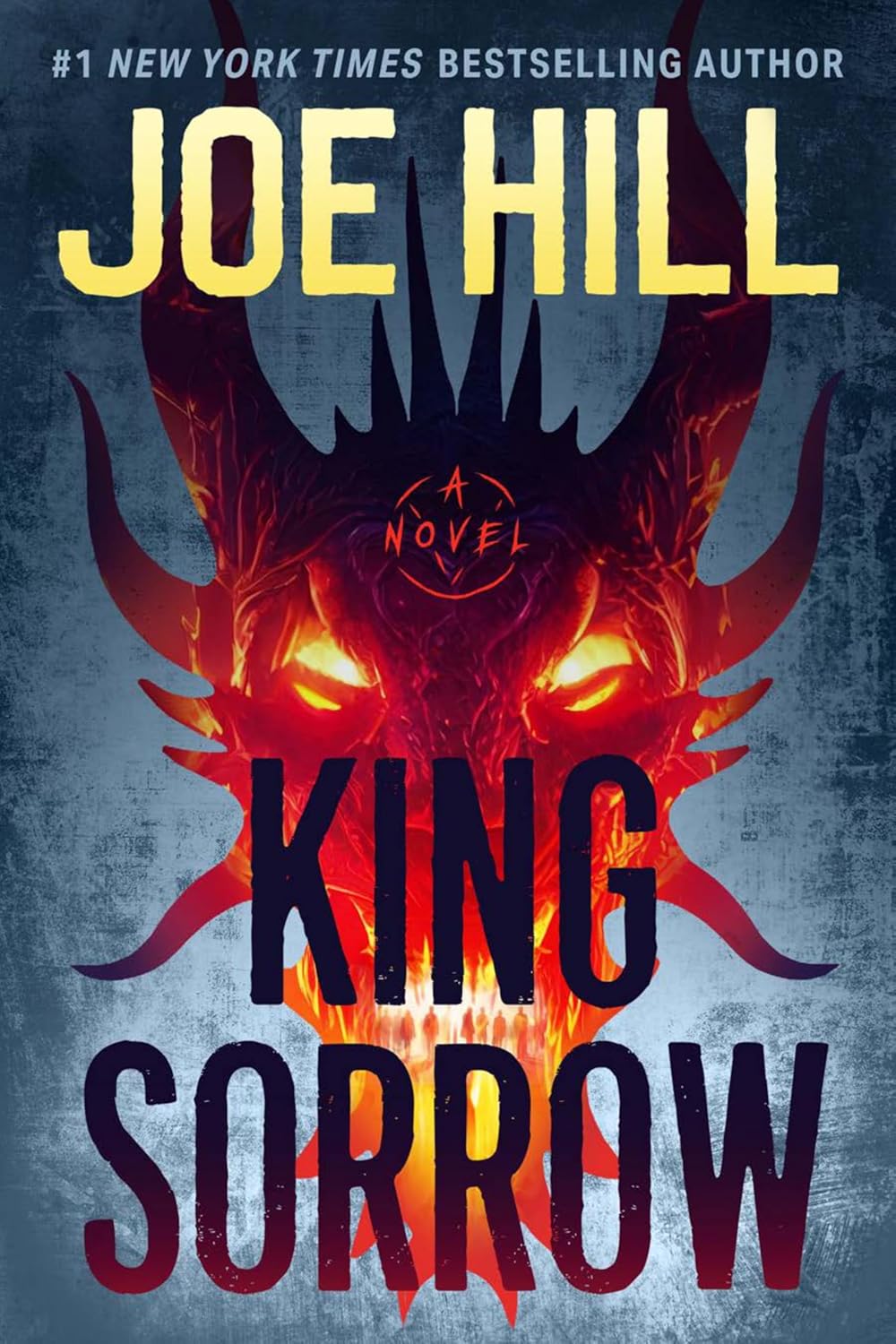
Waiting on Wednesday – King Sorrow by Joe Hill

Welcome to my weekly segment, Waiting on Wednesday, where I look at upcoming books that I am planning to order and review in the next few months and which I think I will really enjoy.  Stay tuned to see reviews of these books when I get a copy of them.  In this latest Waiting on Wednesday, I check out King Sorrow, a very interesting upcoming novel from acclaimed author Joe Hill that sounds like quite an epic and compelling ride.

Amazon

We are nearly halfway through the year, but there are still a ton of awesome and memorable books to come.  One of the more unusual, but intriguing novels releasing in the second half of 2025 is a very distinctive read by horror and fantasy author Joe Hill.  Hill is an author whose work I’ve been meaning to check out for a while, especially as comes up with some very inventive scenarios to base his stories around, and it looks like I will finally get the chance later this year with King Sorrow.

King Sorrow, which is currently set for release in late October 2025, will be Hill’s first full novel since 2016, and looks to contain a bold and elaborate story about a group of friends who summon an ancient dragon to take down a group of drug dealers, only for their monster to turn on them.  I have to say that I really love this fantastic plot idea, and its one that has a lot of gritty potential.  Based on the synopsis below, King Sorrow will likely be a complex, character-driven read, that will explore an eclectic group of protagonists who are forced to live with the consequences of their dark mistake.  With the plot of King Sorrow set over four decades, this is probably going to be quite the elaborate novel, and I look forward to seeing the long-term problems associated with summoning a dragon who requires yearly sacrifices.

This sounds like such a fun and compelling upcoming novel, and I already quite curious about whatever dark, ethics-laden, character-defining horror story Joe Hill will be presenting in this cool book.  As such, King Sorrow is highly anticipated release for me, and I strongly believe that this will be one of the memorable books of the year.

Plot Synopsis:

SOME PROMISES SHOULD NEVER BE MADE…

Bookish dreamer Arthur Oakes is a student at Rackham College, Maine, renowned for its frosty winters and beautiful buildings.

But his idyll – and burgeoning romance with Gwen Underfoot – is shattered when local drug dealers force him into a terrible crime: stealing rare and valuable books from the exceptional college library.

Trapped and desperate, Arthur turns to his closest friends for help: the wealthy, irrepressible Colin Wren; brave, beautiful Alison Shiner; the battling twins Donna and Donovan McBride; and brainy, bold Gwen. Together they dream up an impossible, fantastical scheme that they scarcely imagine will work: to summon the fabled dragon King Sorrow to kill those tormenting Arthur.

But the six stumble backwards into a deadly bargain – they soon learn they must choose a new sacrifice for King Sorrow each year or one of them will become his next victim. Unleashing consequences they can neither predict nor control, this promise will, over the course of four decades, shape and endanger their lives in ways they could never expect.

Top Ten Tuesday – My Favourite Horror Novels (Halloween 2024)

Top Ten Tuesday is a weekly meme that currently resides at The Artsy Reader Girl and features bloggers sharing lists on various book topics.  In this latest edition of Top Ten Tuesday, readers get a Halloween Freebie, meaning that they can list whatever topic they want, although a horror or Halloween them is encouraged.  So, with that in mind, I thought I would take this opportunity to update some previous lists where I highlighted my favourite horror novels.

Back in 2020 for Halloween, I came up with a list where I looked at my top ten favourite horror novels.  While horror is not my absolute favourite genre, I ended up producing a rather interesting list with some unique entries that I was very happy with.  I must admit that many of my entries are hybrid books which combine horror elements with other genres I prefer to read, however, I think they make for good Halloween fare.  This list got a bit of interest, and I decided I would make a bit of effort to come back to update this list every Halloween, especially if I had some new horror novels to add to it.  I produced some interesting updates to this list in 2021, 2022 and 2023, and I have once again decided to come back to it again this year, especially as I have had the opportunity to check out some excellent and intense horror reads.

To sort out this update, I took a critical look at the previous version of the list and made some hard decisions about whether any of the horror novels I read in the last year might fit in better.  I ended up making a few changes and while I was sad to see some of the previously featured novels removed, I honestly felt that the new entries are better overall horror novels.  This resulted in a fun new version of this list, and I am pretty happy with how it turned out.

Honourable Mentions:

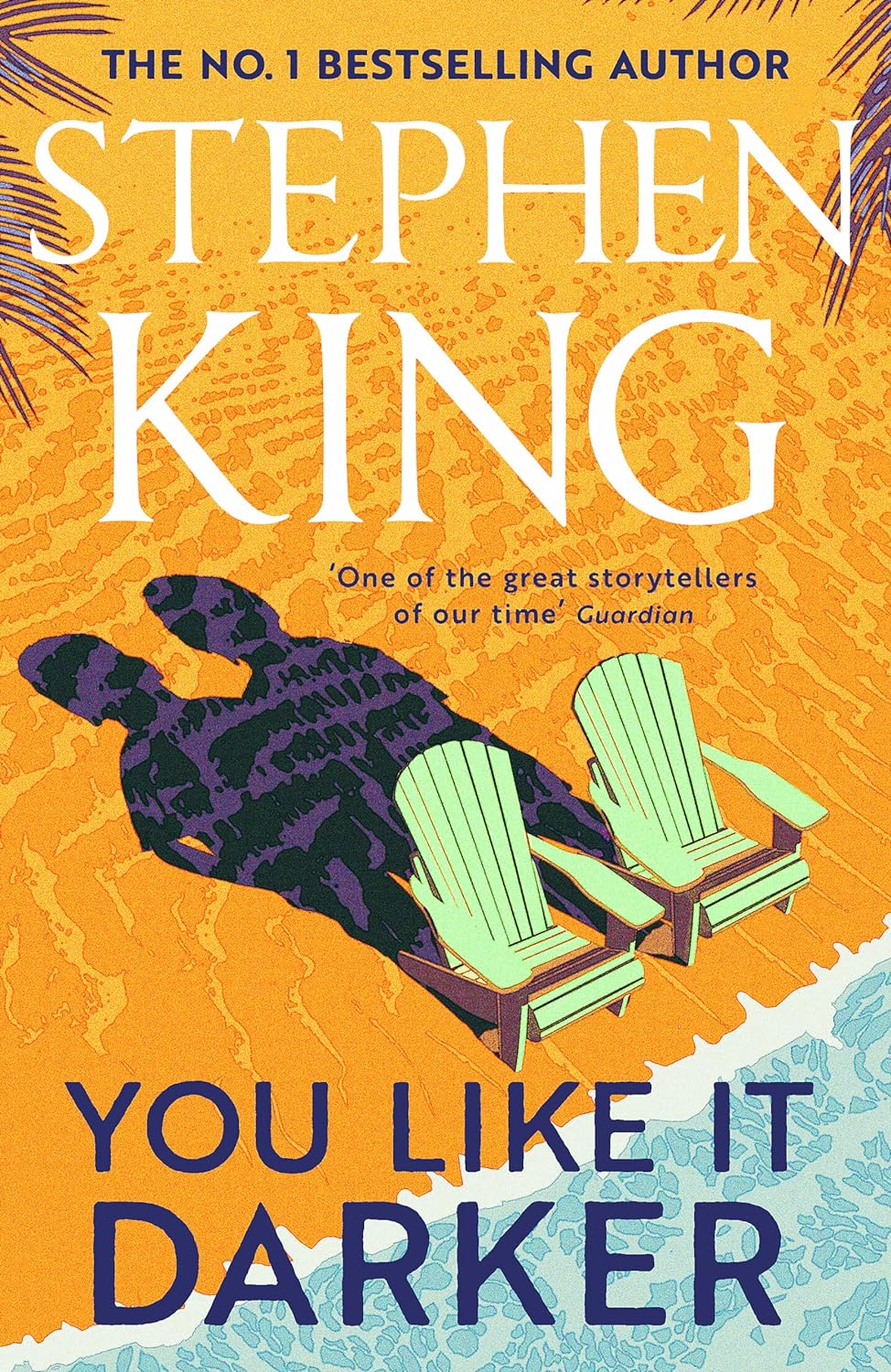
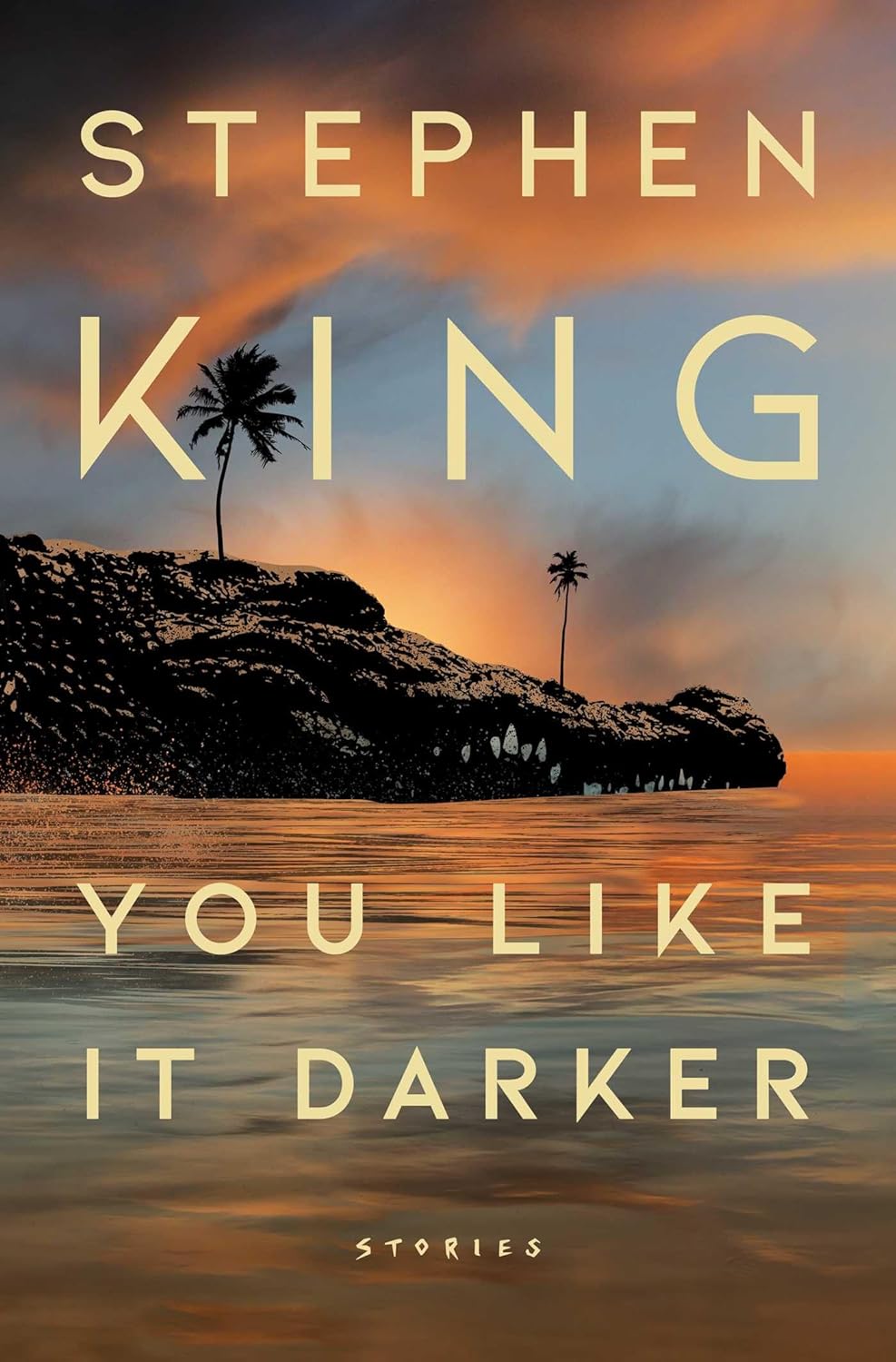
You Like it Darker by Stephen King

The master of horror, Stephen King, is going to appear a few times on this list, primarily because I’ve been having an epic time reading more of his stuff lately.  One of the first books on this list is the recent short story collection, You Like it Darker, which gets an honourable mention here.  Featuring a range of compelling and powerful stories, including some very memorable dark reads and even a sequel to the classic novel Cujo, You Like it Darker is an amazing horror book for all fans of Stephen King.

Amazon


The Sandman by Neil Gaiman

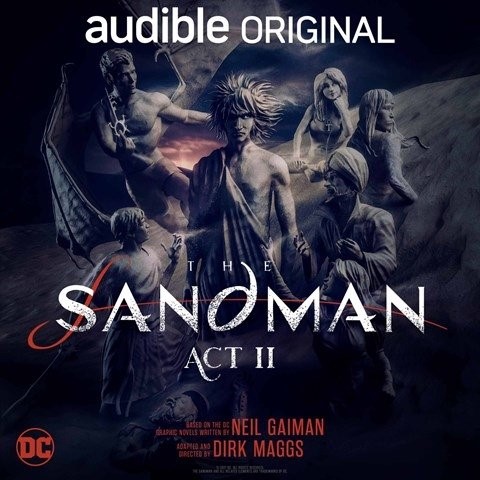
While more of a fantasy/superhero story than a pure horror comic, The Sandman did have some amazing horror sequences in it, including the infamous diner scene.  These horror elements are greatly enhanced in the full-cast audiobook and you will end up cringing away from how dark this gothic comic gets.  I also must highlight the Act II and Act III audiobooks that were released in subsequent years, especially as they also featured great stories and terrifying scenes.

Amazon


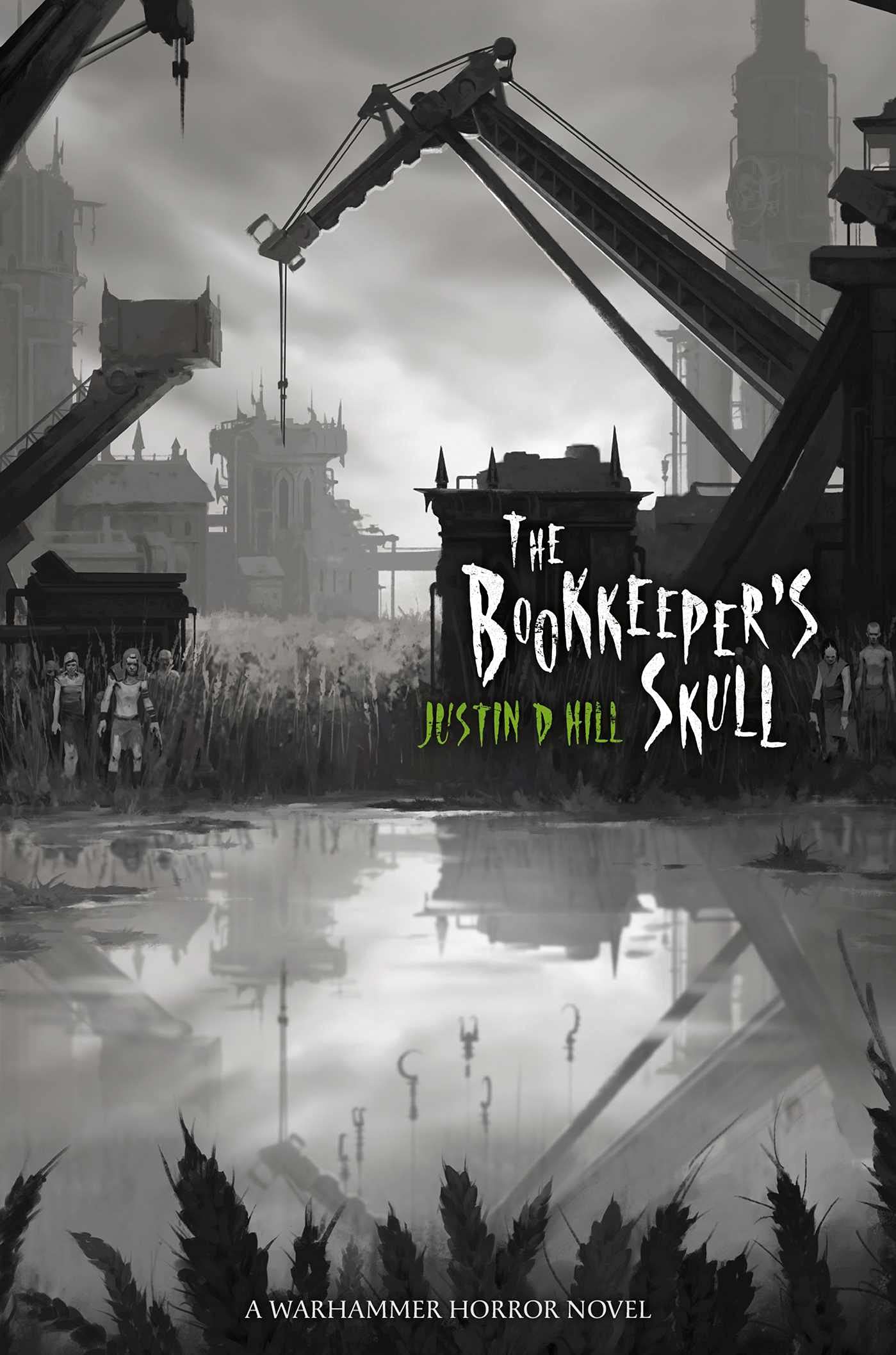
Warhammer 40,000: The Bookkeeper’s Skull by Justin D. Hill

Fans of this blog will know I’m a big thing of all things Warhammer, and that includes the intriguing Warhammer Horror range.  I’ve only read a couple of these so far, but my favourite is The Bookkeeper’s Skull by Justin D. Hill.  A haunting and brilliant tale that makes full use of the grim Warhammer 40,000 setting, The Bookkeeper’s Skull was an amazing read, and I look forward to exploring more Warhammer Horror books in the future.

Amazon


Ink by Jonathan Maberry

I had to feature one of Maberry’s best pure horror reads, Ink in the honourable mentions. While most of the other Maberry novels with horror elements focus either on zombies or Lovecraftian monsters, Ink features a particularly horrendous tale of a depraved being who steals a person’s tattoos and the precious memories associated with them.  Set in one of Maberry’s most iconic settings, Ink had a very disturbing narrative, and I deeply appreciated this unique book.

Amazon

Top Ten List (unranked):

Into the Drowning Deep by Mira Grant

I think it says a lot about my horror choices that the first book on my list is about killer mermaids.  Into the Drowning Deep is exceptional book that actually turns a mermaid attack into a pretty terrifying experience.  Grant did an amazing job of this book and Into the Drowning Deep comes very highly recommended.

Amazon


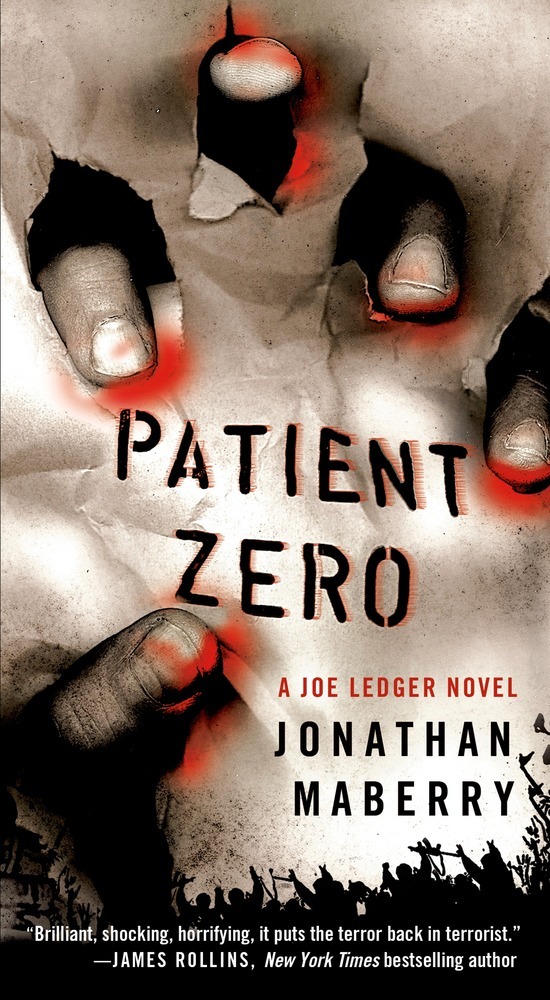
Patient Zero by Jonathan Maberry

Patient Zero Cover

I had a ton of awesome Jonathan Maberry novels that I could have featured on this list, but the obvious choice was the fantastically dark thriller Patient Zero.  An epic book that features an elite counterterrorist unit as they attempt to stop terrorists spreading a deadly zombie virus across America, Patient Zero was the first book in a brilliant science fiction thriller series, all of which have a great horror edge to them.  I have a lot of love for the thriller aspects of Patient Zero, however, the highlights of this book are the gruesome and terrifying zombie sequences, which sees the protagonists get overwhelmed by hordes of the infected.  This results in some truly impressive horror scenes, and I had to include this book on my list as a result.

Amazon


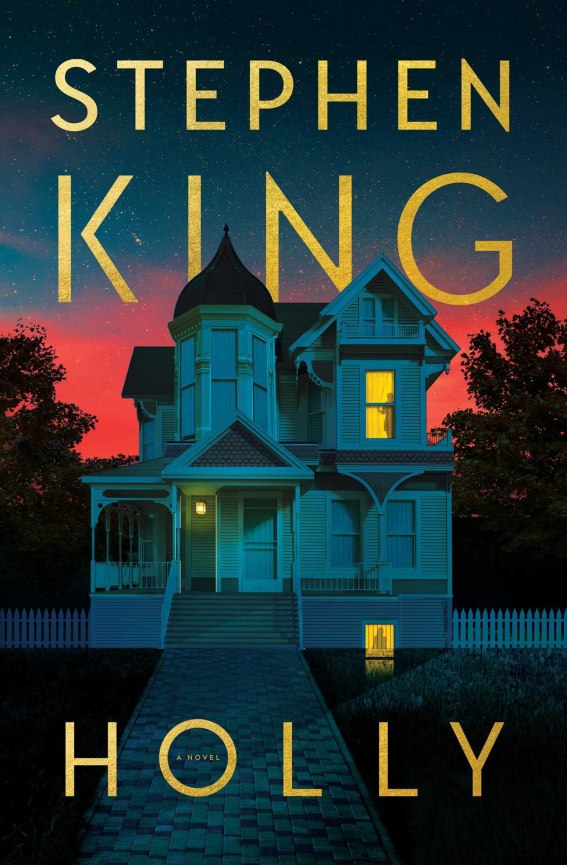
Holly by Stephen King

Holly Cover

One of my favourite books from horror icon Stephen King, Holly, is primarily a thriller that sees the titular protagonist investigate a missing persons case.  However, there are some devastatingly insidious and horrifying elements loaded into the story, especially with how exceptionally evil the excellent antagonists were.  I found myself shuddering multiple times throughout the course of Holly and if that doesn’t make it a horror book, I don’t know what will.  This was easily one of the best books and audiobooks of 2023, and I had to feature it on this list as a result.

Amazon


The Dark by Jeremy Robinson

I had to add this brilliant and compelling horror/science fiction read onto this list.  The Dark is one of the best novels I have so far read from author Jeremy Robinson that focuses on an apparent demonic invasion of Earth.  Filled with gore, monsters and body mutations, The Dark gets pretty gruesome and scary in places, which blends perfectly with the intense action and Robinson’s quirky humour.  An outstanding read, this fantastic horror novel comes highly recommended and was one of my top novels and audiobooks of 2021.

Amazon


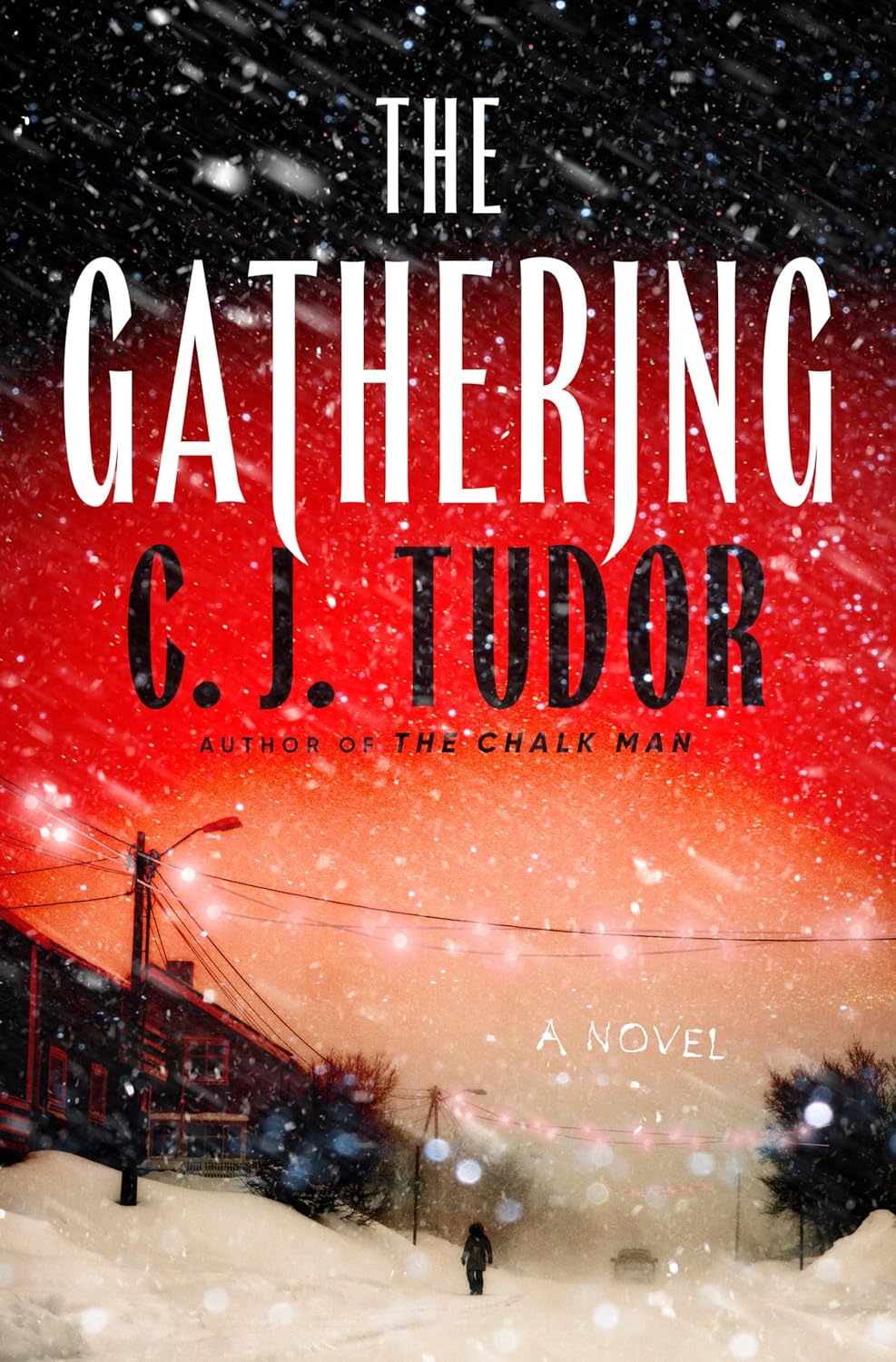
The Gathering by C. J. Tudor

One of the newer entries on this list is the impressive and memorable novel The Gathering by C. J. Tudor.  A complex murder mystery set in a remote Alaskan town, The Gathering follows a vampyr expert as they attempt to determine whether a teenage was killed by members of the local vampyr colony, or other outside forces.  Cleverly introducing a vampire focused alternate history and using it as a basis for a tense and fascinating mystery, The Gathering was an exceptional read that perfectly utilised its horror elements to enhance the entire thrilling narrative.

Amazon


The Anomaly by Michael Rutger

The Anomaly is an excellent horror novel from 2018 which follows an unfortunate film crew after they get trapped in a series of ancient caves and are forced to face the terrible horrors waiting for them inside.  There are a lot of amazing elements to this book, but I personally appreciated the intense and claustrophobic atmosphere that Rutger was able to produce, especially as most of the novel takes place in the dark.  Highly recommended, especially in its audiobook format that deeply enhances the claustrophobic nature of the story.

Amazon


World War Z by Max Brooks

One of the more unique zombie books out there, World War Z recounts the history a devastating, world-wide zombie apocalypse and the various people it impacts.  Told through a brilliant chronicle method where multiple interesting characters recount their distinctive personal stories, you get an impressive, multifaceted narrative that covers the beginning, middle and end of the zombie wars.  Epic in its scope and filled with some great stories and characters, it honestly does not take long to get extremely addicted to World War Z, especially on audiobook which features an extremely stacked cast.  While the focus is more on exploring the impacts a zombie apocalypse would have on the world, World War Z does have some pretty creepy moment.  The darker tales of underwater zombies, massacres of modern armies, and the mental turmoil suffered by zombie survivors, are excellent horror material that makes this an easy book to include here.  An epic and outstanding book that lived up to all the hype surrounding it.

Amazon


Star Wars: Death Troopers by Joe Schreiber

I am a big fan of Star Wars fiction, but I had never been scared while reading a Star Wars novel until I came across Death Troopers.  Death Troopers is part of the Star Wars Legends canon and features an Imperial prison ship, which of course contains Han and Chewie, encountering an abandoned Star Destroyer filled with a zombified crew.  Watching a bunch of Star Wars characters attempt to escape from zombies is really cool, and Schreiber comes up with a number of gruesome scenes that will definitely stick in your mind.  Also, if you really want to get a fright out of this book, make sure to check out the audiobook version of Death Troopers, as the various sound effects they include are extremely disturbing.

Amazon


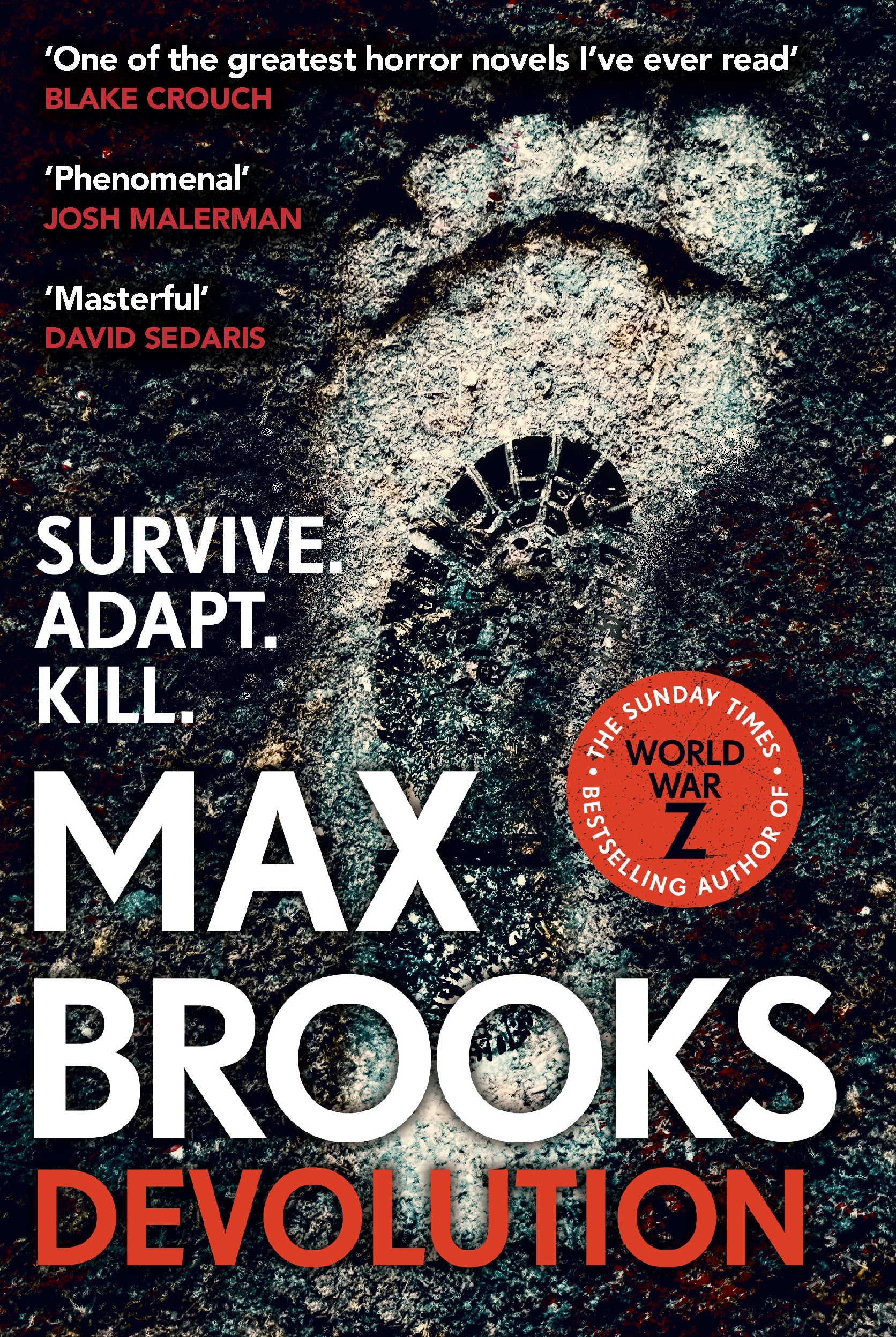
Devolution by Max Brooks

In addition to World War Z, Max Brooks also gets featured on this list for the brilliant novel Devolution.  Expertly making use of a whole new horror monster when he explores the fate of an isolated community who are attacked by a tribe of sasquatches, Brooks really turns these creatures into a frightening and deadly force of nature, and readers are in for an exciting and well-written tale of survival and brutality.

Amazon


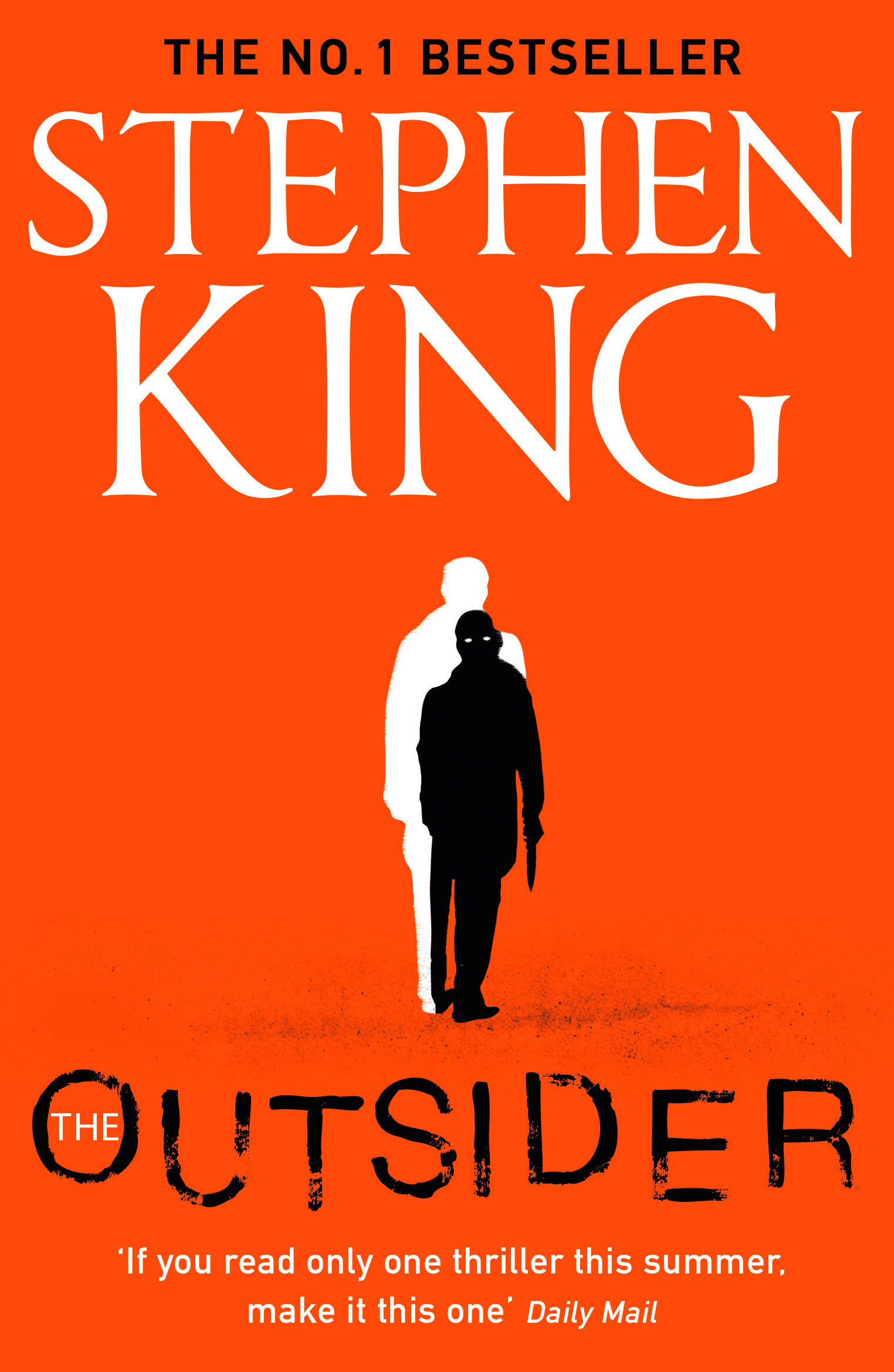
The Outsider by Stephen King

The final book I want to highlight is the incredible Stephen King book, The Outsider.  An extremely tense and disturbing thriller, The Outsider features a captivating narrative that sees local town hero charged with the gruesome murder of a child, with ironclad evidence indicating that he did it.  However, the suspect continues to plead his innocence and has an impossibly perfect alibi for the time of the murder.  While primarily a thriller, there is some brilliant initial personal horror as you witness a potentially innocent man and town hero so thoroughly painted as a monster before your eyes.  King pivots to more supernatural horror elements as the book progresses, which fits perfectly with the dark narrative already ongoing, and the result is an exceptional book that proves deeply disturbing on multiple levels.  An incredible read and a worthy final entry on this list.

Amazon


That’s the end of this latest Top Ten Tuesday list.  I think that the new horror novels were great additions to the list, and I think this new version of the list turned out really well.  Each of the above novels, both new inclusions and existing ones, are outstanding reads that come highly recommended to all horror fans.  I look forward to seeing how this list evolves once again this time next year, especially as I am sure some amazing and spinetingling horror books are likely to come out in the next 12 months.

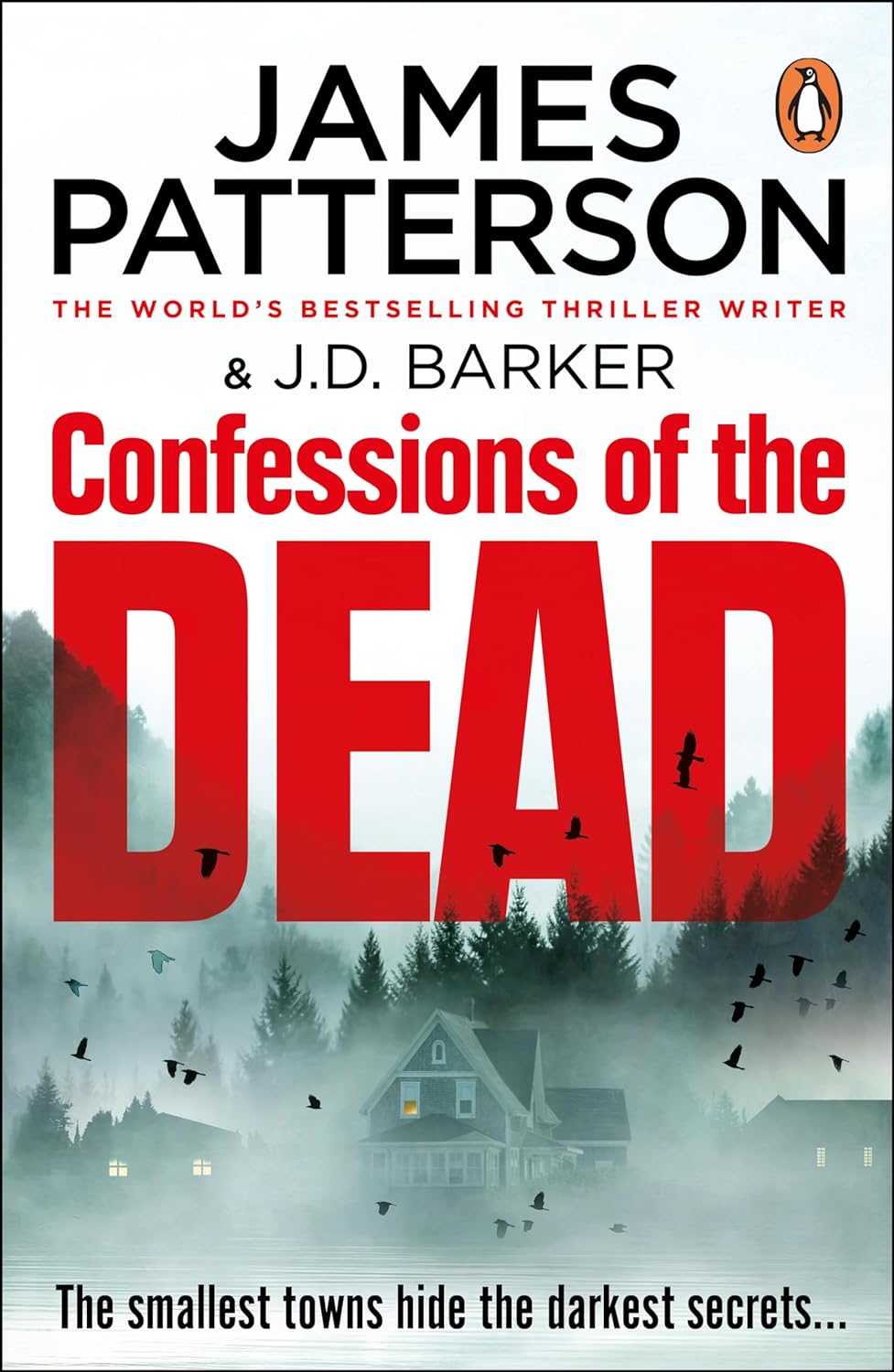
Quick Review – Confessions of the Dead by James Patterson and J. D. Barker

Publisher: Century (Trade Paperback – 2 July 2024)

Series: Standalone

Length: 454 pages

My Rating: 4.25 out of 5 stars

Amazon

One of the weirder and more compelling thrillers of 2024 so far has to be the unique Confessions of the Dead by the superstar team of James Patterson and J. D. Barker.

2024 has been an excellent year for both Patterson and Barker, as both authors have produced some excellent books.  Barker wrote the engrossing and highly adult thriller, Behind a Closed Door, while Patterson has continued to release a raft of compelling thrillers cowritten with talented authors, including The No. 1 Lawyer with Nancy Allen and The Murder Inn with Candice Fox.  As such it is unsurprising that the two would come together again this year with another collaboration, this time with the intriguing novel, Confessions of the Dead.  Their last collaboration, Death of the Black Widow, was one of my favourite books of 2022, so I was very excited to read Confessions of the Dead, especially as it featured a particularly interesting plot.

Plot Synopsis:

The smallest towns hide the darkest secrets . . . Drawing elements from the horror genre, this eerie standalone suspense thriller is perfect for fans of Stephen King.

The dead tell no tales . . .

Hollows Bend is a picture-perfect New England town. The crime rate – zero – is a point of pride for Sheriff Ellie Pritchett.

The day the stranger shows up is when the trouble starts.

The sheriff and her deputy investigate the mysterious teenage girl. None of the locals can place her. She can’t – or won’t – answer any questions. She won’t even tell them her name.

While the girl is in protective custody, the officers are called to multiple crime scenes leading them closer and closer to a lake outside of town that doesn’t appear on any map . . .


Confessions of the Dead
proved to be an intense and captivating horror/thriller hybrid as Patterson and Barker make the full use of their inventive narrative to unleash death, destruction and horror onto a seemingly innocent small town.  Starting off with a rain of suicidal birds hitting main street, and only getting darker and weirder from there, Confessions of the Dead follows several intriguing characters as they witness their fellow townspeople descend into madness and begin to enact dark and violent acts against each other, all while a mysterious teenage girl silently witnesses their hatred and crimes.  Things get even weirder, when it becomes clear that their town has become fully isolated from the outside world, with shadowy soldiers holding watch from the outskirts of town.  The various storylines soon reveal the dark secrets of Hollows Bend and the young girl seemingly causing the chaos, and you will not be prepared for the full truth that is revealed, and the terrifying implications.

This proved to be a rather interesting and horror-laden story that takes the readers in some surprising directions.  The narrative within Confessions of the Dead is spooky, deeply personal, and occasionally outrageous, as dark deeds slowly begin to sweep the town, turning the innocent townspeople against each other.  Patterson and Barker do a really good job of building up the mystery in the first half of the book.  There are so many intriguing secrets and mysteries lurking in this first part of the book, which are well matched by scenes of horror and human violence.  The fast-paced chapter changes that are such a distinctive part of Patterson’s writing style work wonders in conveying the unusual situation, and I loved how well the plot switched between multiple unique characters, all of whom have some dark secret they are hiding, even if they don’t know what it is.  The authors also add in some intriguing wrinkles to the plot through the use of multiple well-placed interludes that show a point in the future where one of the book’s protagonists is being interviewed by a member of the mysterious organisation keeping the town.  These inclusions really helped to build up tension as they hinted at events to come, while the elaborate setup surrounding the interviews, gave some idea of how serious the situation really was.

Everything leads up to a very intense second half of the book, as Confessions of the Dead’s story gets darker and darker.  Indeed, the authors build together a real horror/thriller vibe for Confessions of the Dead, which I honestly enjoyed, and it was great to see a more unusual and inventive thriller come out of the Patterson production machine.  There is an interesting combination of storylines in the second half of the book, from vigilante townspeople, monstrous killers, and even a Stranger Things/Goonies inspired sideline following a group of the town’s younger residents as they try to investigate the chaos engulfing the lives of their parents.  The authors set up a big and intriguing conclusion to the story, that provides a particularly unique ending that will stick in the reader’s mind.  I did think that Patterson and Barker did perhaps make the ending a little too complicated and meta for its own good, and that certain aspects of the crazy conclusions impacted my overall enjoyment of the book.  Still, this was for the most part a great story, and I had fun getting through it.

Confessions of the Dead was a particularly fascinating and memorable 2024 thriller that I was glad I checked out.  Written by the brilliant team of James Patterson and J. D. Barker, Confessions of the Dead had a wonderfully dark and brutal plot behind it, that allowed for quite the outrageous read.  Grim, intense, and featuring some interesting concepts, Confessions of the Dead proved very hard to put down and it will be interesting to see where these two authors go the future.

Amazon

The Outsider by Stephen King

Publisher: Hodder & Stoughton/Simon and Schuster Audio (Audiobook – 22 May 2018)

Series: Standalone/Holly Gibney series

Length: 18 hours and 41 minutes

My Rating: 5 out of 5 stars

Amazon

After years of having it on my to-read list, I finally got around to checking out The Outsider by Stephen King, and boy was it a particularly epic book.

Fans of this blog will know that I have been getting more and more into Stephen King lately, especially as I have been lucky enough to receive copies of his more recent books.  I have so far deeply enjoyed Mr Mercedes, Later, Billy Summers (one of my favourite books of 2021), Fairy Tale, Holly (one of my favourite books and audiobooks of 2023), and You Like it Darker (one of my favourite books from the first half of 2024).  These have all been amazing reads in their own way and I really enjoyed the elaborate stories, dark plots, and complex characters that King comes up with.  However, one of my new favourite King novels with a captivating scenario was the fantastic read The Outsider.

Released back in 2018, The Outsider was an intriguing novel that really caught my attention with its unique concept.  I immediately identified it as a book I wanted to read, but I was unable to fit it into my reading schedule back then, which I deeply regret now.  Despite not reading it when came out, The Outsider remained firmly in mind, especially as it had connections to the Bill Hodges trilogy, which I had also heard good things about.  This need to check out The Outsider was dramatically increased after I read Holly last year and was blown away by the elaborate and exceedingly dark story.  As such, I have been looking for an opportunity to enjoy The Outsider for a while, and a recent road trip gave me all the excuse I needed, and boy was I glad that I did.

It is the worst crime to ever occur in the history of Flint City.  A young boy, Frankie Peterson, has been brutally killed, raped and mutilated, his violated body left on display out in the local park.  The Flint City police, led by detective Ralph Anderson, are determined to find the monster responsible for Frankie Peterson’s death, and they soon zero in on a prime suspect, local sports coach and one of Flint City’s most respected citizens, Terrence Maitland.

With unassailable evidence and numerous witnesses placing him at the scene, the police have a watertight case against Maitland, and Anderson orders the public arrest of the coach in front of his family, friends, and the entire town.  However, despite the DNA, fingerprints, and numerous reliable witnesses indicating that Maitland killed Frankie, Maitland insists that he is innocent and has an airtight alibi for the time of the murder, having been in a major public conference in another city, surrounded by unimpeachable witnesses.

Determined to prove that Maitland committed the murder, Anderson and his colleagues attempt to destroy his alibi.  But the further they dig, the more apparent it becomes that Maitland was nowhere near the scene of the crime, and Anderson begins to believe Maitland’s pleas of innocence.  With lives being destroyed all around him and the citizens of Flint City baying for Maitland’s blood, Anderson is forced to figure out how a man can be in two places at once.  But when the situation takes a dark turn, both Anderson and Maitland’s supporters call in unusual investigator Holly Gibney, whose own experience with impossible cases will take them in the darkest of directions.

Well damn, that was particularly awesome.  I knew I was going to love The Outsider well before I read it, but even I was unprepared for how impressive and captivating this novel proved to be.  Featuring King’s typical elaborate storytelling, powerful characters, and unique insights into the human mind, The Outsider was a complex and sinister read that will have you hooked from the very beginning and which gets a very easy five-star rating from me.

King presents the reader with an incredibly, dark, complex and thoughtful narrative that burrows into your head and refuses to leave.  Starting off strong and proceeding into darker and more horror-lined territory, this complex narrative sucked me in almost instantly thanks to the very impressive initial story concept.  Introducing a particularly gruesome murder, The Outsider starts off in crime fiction/legal thriller territory, as King showcases the details of the initial arrest of Terrence Maitland, while also bringing in a few key characters.  These early chapters are cleverly offset by a series of short inclusions that showcase police interviews and forensic evidence for the main investigation, all of which firmly paints Maitland as the killer.  However, events take an outstanding turn shortly into the book, when Maitland reveals an impossibly airtight alibi that flies in the face of the substantial evidence of the police.  The full extent of this alibi is particularly compelling, especially with King name-dropping one of his peers, and it really turns the entire plot on its head.  The subsequent scenes are extremely intriguing, as the reader sees both sides of the case, and find themselves wondering if Maitland committed the crime, is completely innocent, or whether something far more sinister is going on.  I honestly love every second of this first half of The Outsider, and I cannot emphasise just how exceptional and thought-provoking this complex scenario proved to be.

At around the halfway point, The Outsider features a substantial moment that changes the entire tone and focus of the plot.  While I was initially a little disappointed with this, mainly because I was already loving the direction the story had been going up to that point, it helps turn The Outsider into a more typical King novel, loaded with complex horror elements that reflect dark human nature.  The author also deeply enhances the story’s emotional drama, placing several characters in terrible situations, and amping up the desperate tragedy of the plot.  Thanks to the introduction of recurring King protagonist Holly Gibney, the protagonists start to consider a more unnatural solution to the crime and begin to investigate accordingly.  I quite enjoyed the dive into the darker, supernatural side of the story, and the resulting investigation is quite unique, requiring the grounded protagonists to believe in the unknown.  King ensures that the supernatural investigation elements of the book come across in a compelling and sensible manner, and it was intriguing to see how the character’s reached their conclusions.  The case eventually leads the protagonists on an extended trip to Texas, which ends with a series of showdowns.  King keeps the intensity of the plot going all the way to the very end, and readers will be left guessing about who’s going to survive and how the story will unfold.  The chase for the culprit and the big showdown were a very solid conclusion to the entire narrative, and you will come away extremely satisfied with how The Outsider ended.

I really enjoyed how this book came together, and I personally think that this was one of the stronger King novels I have so far had the pleasure of reading.  A lot of this comes down to the initial clever scenario, which King does an extremely good job of setting up.  The whole idea of someone accused of a crime they are innocent of and have a perfect alibi for really makes you think, and King utilises it to perfection, diving into the thoughts of the police, the alleged perpetrator, and the various family members associated with it.  It helped that King once again returned to his favourite setting of a small American town, and he was able to capture the resulting chaos as rumour and fear spread throughout Flint City.  You can really feel the emotional turmoil of all the people in the town, especially the main characters, and it helped to deeply enhance the impact of every scene, especially when you have no idea whether Maitland committed the crime or not.  The way in which the author starts off as a more traditional crime fiction story also works extremely well and helps to drag the readers into the plot with its mystery.  However, the transition over to horror is particularly effective, and the way in which the darkness infecting the plot goes from that created by ordinary humans to something more supernatural, is an effective and powerful part of the book.  This proved to be a particularly haunting and moving read that will keep you up late at night thinking about how you would react in the exact same scenario.

While most of King’s books prove to be standalone reads, The Outsider is connected to the author’s previous Bill Hodges series due to the inclusion of a major supporting character.  I had heard in advance that readers needed to be familiar with the Bill Hodges books to fully appreciate this book, however, I felt that The Outsider stood on its own merits as a standalone novel.  New readers can easily dive into The Outsider’s excellent story without any issues and will become enthralled in King’s complex mystery and his excellent depictions of human nature.  Established fans of the Bill Hodges books will probably get the most out of The Outsider, especially as it is a continuation of King’s unique look at the crime fiction genre, and the return of a key character offers a lot of opportunities for those who loved his previous trilogy.  However, I would say that this is a book that pretty much all mystery, thriller or horror fans can really enjoy, as there is something for everyone here, although some readers should be warned about how dark and graphic this story can get.

I really need to highlight the outstanding character work that King featured within The Outsider.  This fantastic book featured a rich cast of complex small-town characters who find themselves caught up the twisted darkness of a small child’s murder and the subsequent revelations about who was behind it.  King does such an exceptional job of diving into the various mindscapes of the impacted characters, from the obsessed investigating detective who is taking the case personally, to the distressed wife of the apparent killer, and even the confused accused himself.  The complicated mindscapes of all these characters, and more, are shown in exquisite detail throughout The Outsider, and you really grow attached to their powerful personal tales.

While I don’t want to go into too much specific detail about the book’s primary cast here for spoiler reasons, I will say that the way the various characters deal with events and the many dark twists makes for quite a personal and emotionally charged read, and it was fascinating to watch so many characters try to let go of their conventional thinking and try to see the world in a different light.  I also must highlight the intriguing way in which King enhances his cast in the second half of The Outsider by bringing in investigator Holly Gibney from the Bill Hodges trilogy.  Holly, the slightly unusual but brilliant private eye, proved to be a compelling addition to the plot, and it proved very interesting to see her interact with the established cast, especially as Holly has a much more open mind due to her previous experiences.  Fans of the Bill Hodges books will really love seeing Holly return, and her compelling character development since her original appearance in Mr Mercedes proves to be a great part of the book.  I really cannot emphasise just how impressive the various characters, as well as their complex development, is in The Outsider, and you will have to check it out.  Be warned though, no one comes out of this book unscathed, including the reader when they become attached to these great figures.

As I mentioned above, I managed to enjoy The Outsider while out on a road trip, which meant that I listened to the audiobook version of it.  I have had some great success with Stephen King audiobooks in the past, and The Outsider was another impressive example of how this format can enhance the powerful story within.  Coming in with a substantial runtime of nearly 19 hours, listeners do require a bit of a time investment for The Outsider audiobook, but it is well worth it.  I felt that I got a fantastic sense of the story while listening to it, and I love the intense depictions of the characters, the small-town setting, and the dark deeds being done within.

In addition to the great way it brings to the story to life for the reader, one of the big highlights of The Outsider audiobook was the inclusion of veteran actor Will Patton as the narrator.  Patton, who has lent his voice to several of King’s previous audiobooks, does an outstanding job narrating The Outsider.  His softly spoken and measured voice really fits the dark and sinister story contained within The Outsider, and you get an excellent sense of the personal horror and complex emotions that the events of this book unleash.  Patton also does an outstanding job voicing the eclectic and damaged characters featured within The Outsider.  Patton infected many of these characters with his southern accent, which fit the small-town vibe of The Outsider extremely well, and you can really imagine King’s characters a lot better with Patton’s voice behind them.  Highlights for me include his take on the antagonist of The Outsider’s real voice, as well as an entertaining old lady found down in Texas, who steals all the scenes she’s in, especially with Patton’s exaggerated tones.  However, I did feel that Patton overplayed the awkward nature of Holly Gibney when she entered the plot.  Patton made all of Holly’s dialogue, as well as the description of events in the chapters told from her perspective, very subdued and halting, which messed with the flow of the audiobook.  While I know that he was trying to capture Holly’s ethereal and damaged nature with this narration, it was honestly a bit distracting.  Despite this slight annoyance, this ended up being an awesome way to enjoy The Outsider and I can personally guarantee that it is an incredible accompaniment to a long road-trip.

Overall, The Outsider proved to an outstanding and exceptional book from the always impressive Stephen King that I could not get enough off.  Featuring both an incredible mystery and some brilliant dark horror moments, The Outsider is a particularly gripping and intense read that will live rent free in the dark corners of your brain.  Highly recommended and one of my new favourite Stephen King books.

Amazon

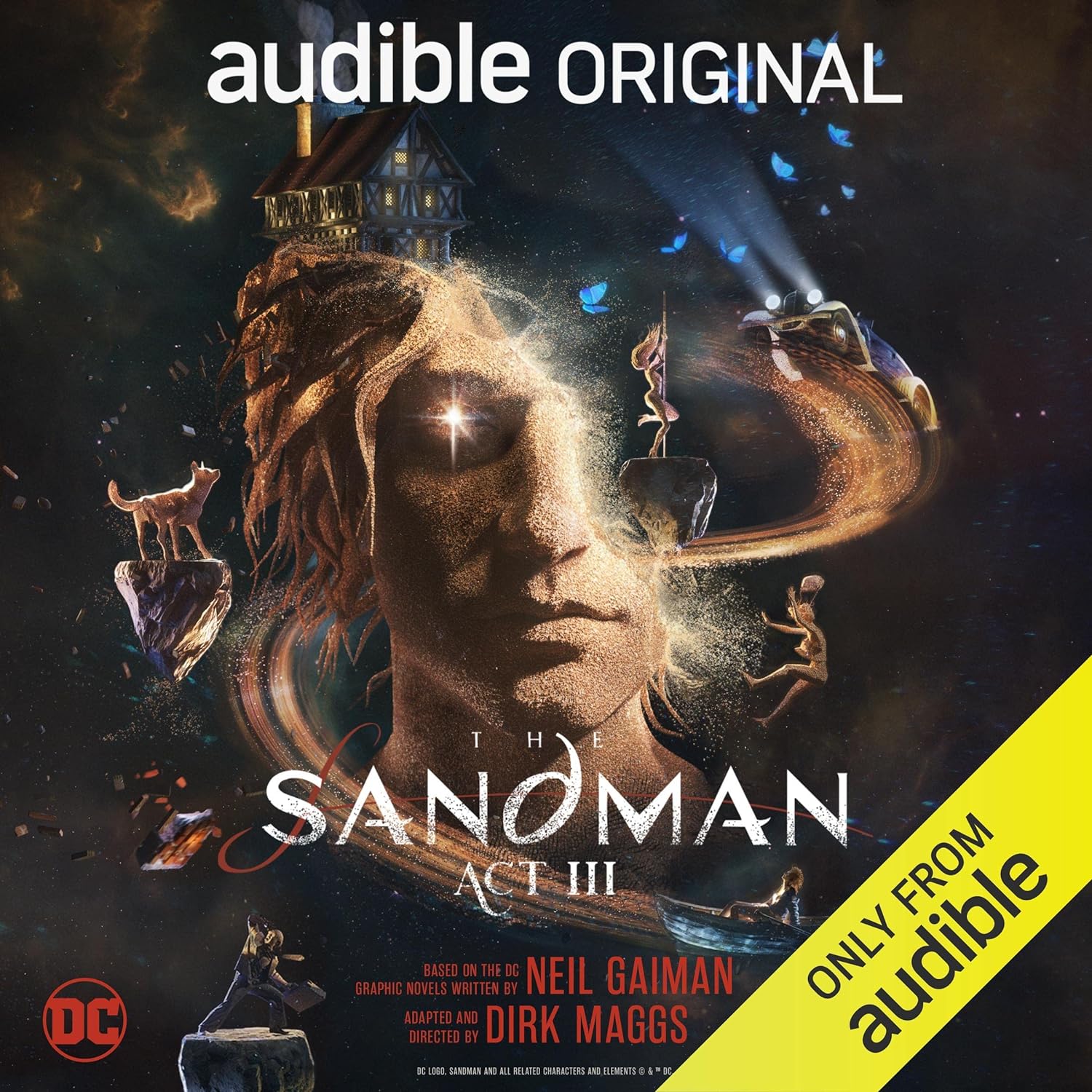
The Sandman – Act III (Audiobook), written by Neil Gaiman and performed by a full cast

Publisher: Audible Original (Audiobook – 28 September 2022)

Series: The Sandman – Volume 3

Script: Neil Gaiman and Dirk Maggs (script adapter)

Director: Dirk Maggs

Length: 11 hours and 31 minutes

My Rating: 5 out of 5 stars

Amazon

After falling in the love with the epic The Sandman comics thanks to their exceptional audiobook adaptations, I finally got to the third audiobook act in this exceptional series by Neil Gaiman, which was another amazing listen.

I have had an outstanding time listening to the first and second volumes of the audiobook adaptations of The Sandman comic.  Set partially in the DC universe, the original series, which started in 1989, is one of the most iconic comics of all time and features a unique adventure that only Neil Gaiman can come up with.  Following Dream, the anthropomorphic personification of dreams and human imagination, The Sandman is a truly amazing comic that blends horror, fantasy and superhero elements together.  Some people might be more familiar with the recent Netflix series that adapted the first couple of comics, and which has a second season on the way.

This series has proven to be extremely exceptional, with Act I perfectly introducing the characters and setting up the initial storyline, while Act II continues some of the key story points and places Dream against various foes, including Lucifer and other dangerous mythical figures.  Not only do these audiobooks feature an incredible story and powerful characters but they are brought to life by a truly awesome cast of celebrity actors and audiobook narrators who really lend their all to this performance.  As such, when going on a couple of fun road trips this year, Act III was a very easy choice to listen to, and I was extremely curious to see how this series would continue.

In a universe of strange and deadly creatures, many beings are considered immortal, but only seven siblings can truly claim to be endless.  The Endless, each a personification of a universal concept, are powerful and mesmerizing in their own way, but the most enchanting and mysterious is Dream.  Known by many names, including Morpheus, this being governs the Dreaming, a vast realm of creation’s collected dreams and stories, protecting the imagination that makes life worth living.  But circumstances outside of his control have set him on a dark path that not even he can escape from.

After being freed from captivity and deciding the future of Hell, Morpheus finds himself troubled by another failed romance, his own complex past, his previous monstrous decisions, and his often contentious relationship with his family.  Visited by his troubled youngest sibling Delirium, Dream embarks on an unusual quest alongside her to find their missing brother, the one member of the Endless to ever give up their role and responsibility, Destruction.  But their prodigal sibling does not wish to be found, and many obstacles lie between an Endless reunification.  To succeed in their quest, Morpheus will need to revisit the most painful chapter from his past.  However, no-one, not even a member of the Endless, comes away from a meeting with Destruction unscathed!

Unsurprisingly, Act III proved to be an exceptional listen, and I once again got wrapped up in the elaborate and compelling web of stories and characters that The Sandman is well known for.  Adapted once again by director Dirk Maggs and featuring all of Gaiman’s impressive storytelling and dark characterisations, The Sandman – Act III, was an outstanding listen, and one that I could not get away from.  Adapting the Brief Lives and Worlds’ End arcs of The Sandman comic, as well as several additional short stories, Act III was an exceptional addition to this series, especially with the truly exceptional voice cast.

Act III continues the same format and style of the previous The Sandman audiobook adaptations, with the comic broken into several distinctive parts to best tell the elaborate story from the comics.  The previously drawn adventures are brought to life here through a combination of excellent narration by Neil Gaiman, who covers many of the characters’ actions and movements, sound effects to represent other unseen elements, and the dialogue of the various characters, with their respective actors often describing the moments going on around them.  This results in an intriguing but complex listening experience, and with a runtime of 11 hours and 31 minutes, it is one that you can get through very quickly if you have the time.

This latest audiobook adaptation starts off in an interesting place with the short story The Song of Orpheus, which originally appeared in the Fables & Reflections collection of stories.  The Song of Orpheus is a fantastic retelling of the classic Greek myth of Orpheus, with the character reimagined as the son of Morphius and the muse Calliope, the latter of whom was featured in the story Calliope in the Dream Country collection (featured in the Act I adaptation).  Gaiman does an excellent job of bringing together the classic Greek mythology of the Orpheus legend with his own characters and the result is a seamless and complex tale.  Orpheus’ ill-fated marriage and journey to save his love is aided and hindered by the various members of the Endless, with Morpheus serving as a complex distant father figure.  The resulting story may seem familiar to those with knowledge of Greek mythology, but there are some added intriguing twists, and the inclusion of Gaiman’s characters ensure that there is even greater tragedy than the original Greek myth envisioned.

When I started this audiobook, I thought that The Song of Orpheus was interesting start to this act, and in hindsight it was quite a clever decision, as it sets up some of the other arcs extremely well.  The story ensures that listeners are well warned about the tragedy and elaborate storylines contained in Act III, while also drawing you in with its inventiveness and complexity.  It is also a brilliant production thanks to the combination of cast and background music effects.  Regé-Jean Page (of Bridgerton fame), proves to be an outstanding Orpheus, who stands as an interesting contrast to the other established voice actors of this story.  There are also some epic musical accompaniment and sound effects that prove vital in showcasing the full impact of this story, and which you honestly need when telling a story about the mythical musician Orpheus.  I felt that the musical elements of this chapter deeply helped to enhance the story, especially as there was some great sadness in the sound effects that mirrored the story.  This was honestly a very strong start to Act III, and I loved how well it led into the first main story, Brief Lives.

Brief Lives is a particularly epic main story arc for this audiobook which serves as both the plot and emotional heart of Act III.  Initially focusing on the incredibly fun character of Delirium, who we only briefly saw in Act II, Brief Lives sees Dream accompany his sister on a road trip to find their lost brother, Destruction.  This results in several intriguing mini story arcs as the mismatched and chaotic siblings travel through the mortal world, encountering their family, friends, and former associates of Destruction.  At the same time, sinister events begin to impact people associated with their search, and Dream must navigate the increased collateral damage his quest is incurring.

I really loved this arc, and I think that Brief Lives might be one of the stronger The Sandman storylines.  The road trip storyline with Dream and Delirium worked to tell this story in a fantastic manner, and I enjoyed how the author took the opportunity to quickly and effectively introduce new intriguing characters whose worlds become impacted by their interactions with the Endless.  The long-anticipated reveal about the missing Endless was great, and Gaiman loads in some intriguing examinations about family, destiny and duty.  Brief Lives is loaded with a great combination of dark mystery, the author’s gothic vibe, a fantastic layer of humour, and an intense amount of tragedy, all wrapped up with the most unique familial interactions you are likely to see in fiction.  The author takes the storylines in some interesting directions, and the resulting emotional richness proves very hard to ignore.  The ending of Brief Lives is particularly moving, with a resolution of family drama followed by additional tragedy millennia in the making.  This also proves to be quite a key story in the wider The Sandman story, with the consequences radiating out from the events of this road trip have chaotic impacts in the future.

I have to say that I was really impressed with how Brief Lives came together.  Not only does the elaborate story come across clearly and interestingly with the chapter split, but you really get drawn into every single supporting character that shows up.  I particularly enjoyed seeing Delirium getting a whole arc to shine in, and actress Kristen Schaal is perfect as the embodiment of personal chaos, bringing an immense childlike glee to the madcap antics of her character.  Schaal perfectly plays off the more serious characters in this story arc, and you can really feel the dancing chaos beneath the surface of her mind as well as how scattered and unconnected she is.  The reveal of Destruction as a character was also quite interesting, and I like the author’s take of him being a warm, thoughtful and entertaining destroyer, whose duty has deeply damaged him.  David Harewood brings some real compassion and charm to the role of Destruction, and I enjoyed how he played off the sarcastic talking dog Barnabas, voiced by veteran voice actor Harry Myers.  The portrayal of Brief Lives also makes excellent use of some musical accompaniment to enhance the emotional impact of the plot, including in some of the story’s heaviest scenes, and this ended up being the most compelling part of Act III to listen to.

The other major storyline in The Sandman – Act III, is the intriguing anthology storyline, Worlds’ End.  Like some of the previous arcs in The Sandman, Worlds’ End is more of an indirect addition to the plot, loaded with short stories that show snippets of Dream, the Endless, and other supporting characters, interacting with new and unique figures.  However, Worlds’ End is also quite distinctive, especially as Neil Gaiman surrenders his narrator duties in this arc, and instead features multiple guest narrators telling their own tales in a similar manner to The Canterbury Tales.  The plot of this arc starts with character Brant Tucker (voiced by Wil Wheaton) and his colleague crashing their car in a freak storm and then finding refuge in the mysterious Worlds’ End inn.  Within the inn, they discover multiple unusual travellers from across time and the realms, who have been scattered due to a reality storm and are seeking shelter.  To pass the time, the various guests tell stories based on their lives, which paint a complex tapestry of their experiences and the long-reaching influence of the Endless.

I have a lot of love for the various short stories that Gaiman fills The Sandman comics with, but I felt that the collection featured with Worlds’ End were some of his strongest.  There are five central stories featured within, and they each provide a complex and wildly different tale of life, loss and adventure, all set in the contexts of different worlds and experiences.  Gaiman manages to tell some complex tales in the short time he has with each entry, and the reader comes away with intriguing visions of these unique worlds and characters.  There are a few times where the narrative devolves into a story within a story, as narrators begin to recount tales that were told to them (and in a couple of cases you have a story within a story within another story).  However, even these prove to be very captivating, and it is a testament to how good a storytelling Gaiman is that readers can moved into multiple interlocking tales and still be intrigued by what is going on.  There is also a great mixture of tales here, from a Lovecraftian inspired dream tale, to a hilarious fantasy adventure told by a rambunctious Faerie, and even a classic nautical adventure tale of a handsome sailor boy, which features the return of fan favourite character Hob Gadling.  However, my favourite story was The Golden Boy, an intriguing retelling of the story of Prez Rickard, the teenage president protagonist of the classic, if short-lived, Prez comics, which proves to be quite entertaining and haunting, while also showing an idealised vision of America.

I felt that these five stories came across in a very organic way with the differing narrators, and it proved to be a lot of fun to experience the talents of several new or underutilised vocal talents in a strong way here.  Wil Wheaton was a great main narrator for the overarching story, and I felt he portrayed a good everyman character experiencing the unnatural for the first time.  Billy Boyd and Colin McFarlane both shine as narrators and central characters for their respective stories, and I quite enjoyed the performances of KJ Apa and Jon Culshaw in The Golden Boy, while Simon Jones was an impactful addition to the funeral-focused story Cerements.  These actors, and many others, helped to turn Worlds’ End into a compelling and distinctive arc, and I liked how effectively it contrasted with the other The Sandman arcs we have enjoyed.  This entire storyline ends on an ominous and prophetic note, as the listener is given a glimpse of major events to come, and Worlds’ End proved to be a great way to conclude Act III.

Overall, these main stories, as well as an additional couple of short stories, proved to be very impressive to read, and I love the complex plots and themes that the author tried to impart.  The continuation of a larger storyline, combined with multiple short stories that expands The Sandman universe, works to create an elaborate experience for the listener, and I deeply appreciate the immense imagination that Gaiman puts into his work.  The flow from larger, cohesive storylines to a series of shorter tales also works extremely well, and I love how the obvious palate cleaner short stories take on a compelling life of their own.  No matter how short, each of the stories in Act III were very well written, and the distinctive blend of dark storytelling, gothic imagination and complex characters makes for some addictive listening.  I especially love the recurring trend of normal humans, as well as other more supernatural beings, encountering the various Endless by chance, only to find their lives altered by the experience, often for the worst.  The often capricious nature of Dream, as well as some of his siblings, really comes through with Gaiman’s writing and the subsequent acting, and you cannot appreciate just how well-written these figures, and indeed the entire character cast of The Sandman, are, until you experience it for yourself.

Before we get to the end of this review, I must once again strongly compliment just how awesome these The Sandman audiobooks are.  Gaiman, Maggs and others do such an incredible job of converting the original comics into this new format, and all the original ideas, actions and compelling figures come across perfectly in the audiobook.  The combination of clever narration and on-point dialogue allows listeners to really appreciate the unfolding actions taking place, and effective sound effects add that extra layer of understanding.  Throw in some outstanding musical moments, which prove to be particularly impactful in Act III, and this entire audiobook hits the reader hard and ensures that are constantly caught up in the elaborate ideas of the original author.  All the storylines come across perfectly, with some slight alterations in the order they appear, and you really come away with an outstanding appreciation for The Sandman, even if you’ve never read the comics.

It goes without saying that Act III once again featured an incredible cast of actors and voice specialists, all of whom perfectly portray the characters they are assigned to.  I love how all the key stars from Act I and Act II, once again returned here, and their outstanding voices, combined with some awesome new figures, ensured that every word of this audiobook delighted its audience.  I have already mentioned a few key actors above, but I really want to once again highlight the outstanding recurring key cast, who do such a great job here.  Series lead James McAvoy is just perfect as Morpheus, and his resonate and powerful voice consistently captures the ethereal, arrogant, and thoughtful qualities of the titular protagonist every time.  It is such a pleasure to listen to McAvoy perform once again in Act III, and his excellent voice plays off every other actor in this audiobook so damn well.

Other key returning stars include Kat Dennings, who perfectly portrays Gaiman’s warmer, caring, female Death, who is frankly one of the best characters in the entire series.  Andy Serkis has a lot of fun as the raven Matthew, and his scenes with Dream and Delirium are hilarious.  Jeffrey Wright, Justin Vivian Bond and Miriam Margolyes each do an amazing job of bringing Destiny, Desire and Despair to life, and you can really feel their ancient power and alternating views of humanity.  Justin Vivian Bond’s portrayal of the feckless and fickle Desire is particularly noteworthy, and I love how well this unique character came across.  Multiple other actors and established audiobook narrators provide a range of compelling and memorable voices throughout Act III, including several of my favourite audiobook narrators like Ray Porter and Toby Longworth, and I loved every one of their voices.  Finally,  Neil Gaiman himself serves as an outstanding central narrator for much of the Act III.  Gaiman’s distinctive voice perfectly fits the gothic and mysterious vibe of The Sandman comics, and there is no-one else who could narrate these complex ideas and experiences, better than the author who originally came up with them.  You will frankly struggle to find a better cast of voice actors in any other audiobook out there, and this outstanding vocal team makes Act III, and indeed all The Sandman audiobooks, something extremely special to enjoy.

Act III of The Sandman audiobook was another exceptional listen and one that proves pretty impossible to stop listening to.  The combination of captivating storylines, outrageous characters, and a huge array of vocal and acting talents make this an easy five-star listen, and I can personally guarantee that The Sandman – Act III makes for an excellent accompaniment to a long road trip.  While I’m sure that recent controversies might impact this, I hope we get the fourth act in this epic series soon, and I cannot wait to see how Morpheus’s tragic and complex tale ends.

Amazon

You Like It Darker by Stephen King

You Like It Darker Cover

Publisher: Hodder & Stoughton (Trade Paperback – 21 May 2024)

Series: Standalone/Collection

Length: 484

My Rating: 5 out of 5 stars

Amazon

The master of shocks, thrills and chills, Stephen King, returns with a highly addictive collection of short stories that showcase his awesome writing ability in the epic book, You Like It Darker.

Stephen King is an author who needs very little introduction from me considering he’s been one of the world’s top authors for over 40 years.  Readers of this blog will know that I have come to the Stephen King fandom rather late in life, having only read his more recent releases.  However, the King books I have read were extremely epic, and I absolutely loved the awesome and inventive stories they contained.  This includes the epic thriller Mr Mercedes, the deeply personal tale Later, the fascinating Fairy Tale and the utterly addictive Billy Summers (one of my favourite books of 2021).  My favourite King book was his 2023 novel, Holly, which told a deep and chilling tale that is still stuck in my mind.  Not only was Holly one of the absolute best books and audiobooks of 2023, but it is also one of my very favourite horror books.  Due to this, I have been keeping a very close eye out for more content from this legendary author, including his latest book, You Like It DarkerYou Like It Darker was a short story omnibus book, which feature 12 unique stories from King, each of which have a dark shine to them.

I must admit that when I first heard about You Like It Darker, I wasn’t too sure I was going to read it.  This was primarily because I am not the biggest fan of short stories or novellas, as I prefer reading stories with more meat to them.  However, because it is Stephen King, and there is a certain guaranteed awesomeness associated with any of his works, I decided to give You Like It Darker a try, and boy was that a good decision.  The various stories contained within You Like It Darker was exceptional, and I ended up getting really stuck into everything contained in this impressive book.

The first story featured in this volume is the entertaining Two Talented Bastids.  A somewhat light-hearted start to a book dedicated to dark narratives, Two Talented Bastids tells the story of a famous and skilled author and his best friend, a highly regarded painter, both of whom grew up in a small town (near King’s iconic setting of Castle Rock) and managed to make it big.  Told through the writings of the author’s son, this story recounts the compelling small-town life of these fun figures, before eventually diving into the events that suddenly awakened their talents.

Two Talented Bastids was a very interesting and compelling start to You Like It Darker, which really played to the author’s strengths.  King is known for his ability to craft together tales of small-town life and intricate character backstories, which he does here in excellent detail.  The focus on these two friends who eventually make it big was moving and personal, and I liked the great way this story unfolds from the perspective of the loving, if overshadowed, son.  Because this is King, the story goes in some unusual directions, with an unnatural reason behind the protagonist’s renowned talents.  This twist away from conventional life was fun and surprisingly wholesome, and it was nice to see a good deed get rewarded in a King book.  As such, this was a surprisingly light start for You Like It Darker, but one loaded with humour, fantastic characters, and some great examples of human nature.  I felt that Two Talented Bastids was an excellent appetiser that showcased King’s writing style in advance of the crazier stories to come, and it got me in the mood for more tales about unusual people.

The next two short stories are the intriguing The Fifth Step and Willie the Weirdo.  Both stories are amongst the shortest entries contained within this book, and they prove to be an intriguing follow up to Two Talented Bastids, especially as they bring King’s promised darkness.  The first of these, The Fifth Step, is a short but impactful story that sees an older gentleman encounter a stranger at the local park who wishes to tell his personal confession as part of an addiction program.  This short story concludes with a sharp and memorable ending, and you have to appreciate the way that King effectively sets the scene in just 10 pages before bringing it to a sudden end.  Willie the Weirdo is also very dark, as it shows a strange young boy, the titular Willie, becoming close to his dying grandfather in his final days, hoping to see him die.  This is a bit of a weird story (unsurprisingly), but it’s one that I felt was very strong, as King showcases the strange nature of the two protagonists through a series of ghoulish conversations.  The final moments of Willie the Weirdo really bring the whole story together in a fantastic way, and readers are left to rethink all the previous aspects of the story thanks to a few subtle inclusions.  Both entries are great in their own way, and I liked how they substantially darkened the mood after the lighter starting story.

The fourth story in this book is probably my favourite, the excellent Danny Coughlin’s Bad Dream.  The longest entry in Some Like It Darker, Danny Coughlin’s Bad Dream is a brilliant tale that sees the titular Danny Coughlin, a small-town high school janitor, begin to have vivid dreams about a body at a location he’s never been to.  Hoping to alleviate the dread brought on by his visions, Danny finds and travels to the location from his dreams, only to discover that there really is a body buried there.  His attempts to subtly alert the police only lead to him being becoming the lead suspect and the detectives investigating the murder, especially the zealous Inspector Franklin Jalbert, begins an aggressive campaign against him.

While I enjoyed the preceding stories in this book, Danny Coughlin’s Bad Dream is the entry that made me fall in love with You Like It Darker.  The author works in an intriguing but simple concept of a normal man having a true psychic dream and turned it into a compelling and utterly intense tale of obsession and inner darkness as the protagonist loses everything due to events outside of his control.  The horror of this story is brought about by an excellent combination of circumstances and dark human nature as the protagonist, Danny Coughlin, is completely innocent of the killings and is instead a particularly likeable figure trying to do the right thing in the light of unexplainable events.  However, the stubborn and obsessive Inspector Jalbert, incapable of believing the protagonist’s supernatural explanation, relentlessly hounds Danny, trying to get him to confess to the murder.  His inability to do so, as well as the lack of evidence supporting Danny’s guilt, drive Jalbert, a homage to Inspector Javert from Les Misérables, to worse acts against his suspect, and it was fascinating to see Jalbert’s blind adherence to justice and his own personal issues turn him into a bigger villain than the man he is hunting.

King does such an amazing job with both his main characters in Danny Coughlin’s Bad Dream, and they play off each other perfectly, with the innocent and honourable Danny, trying to fend off the growing instability of Jalbert.  King takes this story in some excellent directions, and I found myself constantly on the edge of my seat waiting to see how everything would unfold.  The resulting conclusion is dark, moving, and sadly inevitable, and you can’t help but feel for both the main characters, even when they do the wrong thing.  Throw in an intriguing look at various forms of faith, as the characters are forced to confront their own feelings about visions and the supernatural, and Danny Coughlin’s Bad Dream proves to be an outstanding read that I could not get enough of.  I really cannot emphasise what a brilliant story this was, and I maintain it was the most impactful and captivating entry in You Like It Darker.

The next story is the interesting Finn, which I must admit was my least favourite, although that might just be because I was unfairly measuring it against the preceding Danny Coughlin’s Bad DreamFinn was a curious tale about a terminally unlucky teenager who finds himself kidnapped in a case of mistaken identity by an unusual team of crooks.  This was a rather fun and fast-paced story that saw an unwitting Finn attempting to survive this latest example of his unusually terrible luck.  I did enjoy this story to a degree, although I honestly am not sure if I was missing a connection to some other work of King, as there were quite a few unanswered questions at the end.  Still, the story unfolds in an interesting way, and King does a great job of introducing his unique take on the protagonist’s life story and the formulative events of his childhood.

Following Finn, King brings the book back on the dark track with the short, but intense, road trip story On Slide Inn Road.  This story sees a dysfunctional family attempt to take a shortcut up the titular road, only to encounter obstacles, both from the landscape, and from other travellers.  I liked the progression from casual family story whose drama was primarily drawn from the actions of the easily aggravated father to a much more serious story including a pair of hijackers.  King’s intriguing take on how three separate generations of one family in the car deal with this sudden threat was quite impactful, and I loved how the family dynamics quickly change as a result.  Another short but effective story that I ended up really enjoying.

King continues with another two quick stories that feature intriguing concepts.  The first, Red Screen, sees a married cop interrogate a murderer who has a wild theory about an alien invasion.  This was a quick story, and a little predictable, but great to read, primarily because the reader could see how it was going to end, and the resulting anticipation increased their enjoyment.  This is followed by the thoughtful story, The Turbulence Expert, which follows a passenger on a bumpy airplane flight.  As the flight progresses, you discover that the nervous, frequent-flying protagonist has a specific reason for being on this plane.  The Turbulence Expert was another cool entry in this book, and I think I enjoyed it more than Red Screen, primarily because King gives it a little more room to breathe.  The interactions between the main passengers of the plane feel quite realistic, and there is a fun balance between the mundane experiences of some passengers, and the more unnatural feelings of the protagonist.  The Turbulence Expert had one of the more compelling scenarios behind it, and I wouldn’t have minded a longer inclusion as a great story could have developed if given more room.

The ninth story in You Like It Darker is the sweet Laurie.  Another relatively short entry, Laurie follows an older widower who finds comfort in a small puppy, the titular Laurie, foisted upon him by a concerned sister.  This was a very moving tale that will appeal to all dog fans, especially as it is very easy to relate to the companionship that the initially reluctant protagonist feels as he becomes more and more attached to his new furry friend.  King does a great job of capturing the many ups and downs of dog ownership in a very short amount of time, and you really feel yourself getting drawn to the initially troubled and lonely protagonist, and his dog.  Of course, because this is a King story, things do have to get dark, and the author honestly does not hold back here with a shocking threat.  This sudden moment of danger really drags the reader in, especially as the previous pages with the protagonist and Laurie made you really care for both, and you worry that King is about to bring some utter tragedy to the two.  As such, Laurie has the distinction of being both the most heartfelt and most stress-inducing story in You Like It Darker, and I really appreciate how many feels King fit into this one short story.

The next story is probably the entry existing fans of King are going to be most interested in, Rattlesnakes.  One of the longer and most intense stories in this book, Rattlesnakes has the interesting distinction of being a sequel to one of King’s more iconic works, Cujo.  Set in 2020, decades after the events of Cujo, Rattlesnakes follows Vic Trenton, the husband/father from the book, who was forced to move on after the death of his son and the resulting trauma of his wife.  Now retired, Vic has moved into a luxury house in Florida owned by his friend and former business partner to wait out COVID.  However, the house sits in a usual area, haunted by the tragic deaths of two young twins years earlier at the hands (or fangs) of the area’s now destroyed rattlesnake population.  Encountering the twin’s still grieving mother, Vic once again begins to feel the pull of the supernatural as the ghosts of the area’s past begin to focus on him.

Rattlesnakes ended up being one of the most intense and powerful entries in the entirety of You Like It Darker, and readers quickly become engrossed in this tale of long-lasting grief and the impacts it has on sanity.  Making good use of COVID times as a background, Rattlesnakes ends up being a twisty and complex tale that combines King’s aptitude for writing haunting horror tales with character-focused internal drama.  Thanks to the unique history he bestows upon the Florida location that the protagonist finds himself trapped in, there is some excellent background to build the narrative around, and I really became engrossed in the resulting haunting tale.  You really grow to understand the various character’s psyches as the story continues, and it proves interesting to determine whether the protagonist is being haunted or is experiencing his own form of grief and trauma.  This proves to be a very gripping horror read, and you come away feeling very thoughtful about the protagonist’s experiences and the potential dark future awaiting him.

In addition to its excellent self-contained narrative, one of the major appeals of Rattlesnakes is that it is a sequel to Cujo.  King provides a very intriguing follow-up to what happened to the parents in Cujo after the death of their child, and it was fascinating to see what followed the dark events more than 40 years after the original book came out.  The author paints a tragic picture of the grief and anger that followed, as well as how both characters moved on in their own separate ways.  I felt this ended up being a rather interesting sequel that will appeal to both hardcore fans of King, as well as those with a more general knowledge of this  iconic book.  The story in Rattlesnakes is not predicated in having read Cujo, and King makes sure to concisely recount the events of the previous book where necessary.  While I am sure those who have enjoyed Cujo previously will get a little more out of this story than those who haven’t, anybody can come into Rattlesnake and appreciate it’s complex and intense story.

The penultimate story of You Like It Darker is the intriguing The Dreamers.  Another relatively short entry in the book, The Dreamers is set in the 1970s and follows a Vietnam veteran turned professional stenographer who accepts a job with a professor performing unusual experiments out in the countryside surrounding Castle Rock.  This narrative quickly forces the protagonist into examining the dark side of dreams as the professor awakens unusual occurrences with his subjects.  This proved to be a pretty intense and complex story that was heavy on the horror, and I was getting some major Lovecraftian vibes from it.  The story gets into some dark places as the unnatural experiments continue, and it was fascinating to see inside the mind of the protagonist as he finds himself still involved despite his best judgement.  The story ends on a sharp and thoughtful note, and I came away quite curious about what was going on.  I do think this is one of the stories that could have benefited from a bit more expansion by King, but it still proved to be a captivating tale that added some essential darkness towards the end of this book.

The final story in this volume was the moving and hopeful story, The Answer Man.  Much like the first story in You Like It Darker, The Answer Man showcases King’s ability to effectively tell a compelling character-driven life story as it focuses on Phil Parker, a young lawyer who is agonising about his dream to move to a small town which he believes will become a major hub in the future.  However, Phil’s life is changed by three encounters with the mysterious Answer Man, a stranger who, in exchange for a small fee, provides Phil with answers to his various questions, while revealing uncomfortable secrets about the future.  These answers deeply impact the protagonist in various ways, both good and bad, and will have ongoing consequences for him and those around him, for decades to come.

I deeply enjoyed The Answer Man, which was a particularly strong entry to end You Like It Darker on.  King once again falls back on his innate ability to tell a compelling life story (which I highlighted in Two Talented Bastids), with the chronicle of Phil’s life proving to be an intriguing, if tragic, story that I really connected with.  The tale of a big city lawyer who moves to small town against the advice/wishes of his family and in-laws, only to face further issues, contentious cases and family tragedy, is interesting on its own, especially in King’s capable hands, but the inclusion of the Answer Man character really enhances everything.  Coming in with great patter, a fun attitude, and some otherworldly abilities, the Answer Man provides true answers to the protagonist’s questions, even if Phil would be better off not knowing them.  I loved seeing the ways that the protagonist’s already remarkable life is further influenced by his interactions with the Answer Man, and it led to some truly powerful and intense scenes.  This honestly was a very clever and thoughtful story, and the whole concept of the mysterious Answer Man was one that really appealed to me.  I think that King could easily do a whole novel around encounters with the Answer Man, and I hope that they might appear again in the future.  Due to the impact of this unlikely figure, The Answer Man story goes in some fantastic directions, with the protagonist experiencing triumph and tragedy in equal measures, but which ends on a hopeful note and the protagonist finding peace.  While not as dark as some of the other entries in this book, I felt that The Answer Man was a perfect end to an outstanding collection of short stories, and one that will leave you very thoughtful.

Overall, I was really impressed with how King brought this entire selection of short stories together in You Like It Darker.  Each of the stories, no matter how short, grabbed my attention, and I really fell in love with the amazing stories contained within.  Most of these entries were truly exceptional, with Danny Coughlin’s Bad Dream, Rattlesnake, Laurie and The Answer Man, being some of my favourites.  These amazing stories raised the quality of the entire volume for me, while the other entries also provided dark moments and compelling ideas that will appeal to all manner of readers.  King did a good job of setting out the stories in You Like It Darker, and each of the entries flowed effortlessly into the next.  Many of these stories complimented each other, and I enjoyed the contrast of having a lighter tale follow a particularly dark entry, and vice versa.  I also felt that You Like It Darker was very open to readers with various levels of experience when it comes to Stephen King.  While established fans will love seeing more unique stories from the author, including an intriguing sequel to Cujo, new readers can also have an amazing time here, especially with the range of narratives and the changing levels of horror, dread, and inner darkness.  I personally had an incredible time with all the distinctive and addictive novellas and short stories contained in this book, and together they ensured that You Like It Darker was one of the best things I read in the first half of 2024.

You Like It Darker Cover 2

Amazon

The Gathering by C. J. Tudor

The Gathering Cover

Publisher: Michael Joseph (ebook – 16 April 2024)

Series: Standalone/Book One

Length: 412 pages

My Rating: 5 out of 5 stars

Amazon

Acclaimed author C. J. Tudor continues her excellent run of clever and dark thrillers with the intense, inventive, and gripping horror murder mystery, The Gathering.

C. J. Tudor is a talented and highly inventive author who has been producing some intriguing reads over the last couple of years. Starting with her 2018 debut, The Chalk Man, Tudor has consistently produced some compelling books with clever horror or psychological thriller elements. Her other books include The Hiding Place (also titled The Taking of Annie Thorne), The Other People, The Burning Girls and The Drift.  While Tudor’s intriguing novels have often stood out to me, generally because their unique plots, I unfortunately haven’t had the opportunity to read any of her prior works, which is something I really regret.  However, this has recently changed as I was lucky enough to receive a copy of Tudor’s latest book, The Gathering, an intriguing murder mystery thriller with some distinctive element behind it.

Welcome to the small town of Deadhart, Alaska, home to a small population of living humans and a colony of vampyrs.  Maligned and hunted beings throughout the world, vampyrs in America now have legal protection from unsanctioned killings, as long as they don’t harm any humans.  While members of the Colony attempt to stay away from humans, old hatreds, prejudices and grudges rear their ugly head when a young teenager is found murdered with his throat ripped out and his body drained of blood.

Detective Barbara Atkins, a specialist in vampyr killings and physiology, is sent to Deadhart to determine if a vampyr committed the murder and authorise a cull if the Colony is unwilling to hand over the perpetrator.  Arriving in the small town, Barbara finds the local inhabitants afraid and angry, looking for vengeance for the death of the boy and determined to wipe out the vampyrs for good, especially as this case bears a striking similarity to a previous killing blamed on the Colony 25 years ago.

Beginning her investigation, Barbara soon discovers that there is far more to the case then initially appears.  Much of the evidence has been staged, and no one is willing to tell her the truth about what has really going on in town.  When more deaths occurring throughout Deadhart and the town in uproar, Barbara deputises former Deadhart sheriff Jenson Tucker, whose investigation into the previous killings nearly left him for dead.

As Barbara and Jenson attempt to discover the culprit, it soon becomes clear that someone is attempting to stir up a conflict between the people of Deadhart and their vampyr neighbours.  With both settlements on the warpath, Barbara and Jenson need to dive into Deadhart’s dark history to truly understand the crime before them.  But is the killer a bloodthirsty vampyr, a psychotic human with a taste for chaos, or something far worse?

Tudor absolutely blew me away with this exceptional and highly clever read.  The Gathering was a brilliant book that expertly combined an inventive and well-established concept with a complex murder mystery.  Loaded with intriguing and damaged characters and a dark story of death, revenge and oppression, The Gathering was an extremely awesome book that I could not turn away from.

Thanks to its vampyr focused murder mystery, I knew I was going to really enjoy the plot behind The Gathering well in advance of reading it, and boy was I proven right.  Tudor does a wonderful job quickly and effectively setting the scene, and you are soon introduced to the town of Deadhart, the concept of vampyrs and the particulars of the murder.  What follows is a complex case as protagonist Barbara Atkins is forced to investigate as an outsider, as most of the town is filled with anti-vampyr sentiment.  Further complications are added when Atkins finds a range of dark secrets hidden throughout Deadhart, both in the present and in the past, which have bearing on the modern case.  At the same time, the various residents of Deadhart and the Colony react in different ways to the murder, using it to restart old grudges or bring long-festering hurts to the surface.

The Gathering’s narrative progresses at a fast and compelling pace, and you are soon treated to revelation after revelation, as well as several additional killings.  I loved the combination of a modern-day investigation and dives back into various periods of Deadhart’s history that emerged, especially as clues in the past have huge bearings on the modern story.  Tudor cleverly builds up several simultaneous mysteries and ongoing storylines, and soon the protagonist is not only trying to discover who the killer is but prevent a war between Deadhart and the Colony.  Everything leads up nicely to a pretty epic conclusion, which was well foreshadowed, with some pretty awesome revelations coming to the fore.  I loved how well several compelling character arcs came full circle during this confrontation, and the main antagonist of the plot proved to be quite sinister and well established.  Several other tertiary mysteries are also solved near the end, and Tudor ensures that many storylines are tied off in a satisfying and clever way.  There are some awesome twists at the end, including one surrounding one of the book’s most compelling characters, and this last twist in particular is likely to lead to additional books in the series.  I honestly was the hooked the entire way through this amazing story, and I really appreciate how Tudor brought it together.

I’m a huge sucker for classic for thrillers with distinctive twists to them, and The Gathering was a great example of this.  Tudor managed to pull together a complex murder mystery that not only features an isolated Alaskan town with a dark history and multiple complex and haunted characters, but also contains an elaborate vampiric society and history.  All these elements are used extremely well throughout The Gathering, and I was extremely impressed with how Tudor was able to tie everything so effectively together.  Tudor makes sure to tell multiple character-focused storylines at the same time, which allows for a more multifaceted plot that goes in some very interesting direction.  The split focus on several captivating and distinctive figures works wonders to enhance this, and Tudor uses this to showcase the rising tension in the town, and the various perspectives surrounding it.  There are some great plot lines here, and the way that they interacted and came together was very impressive.  I was particularly impressed by the chapters that kept coming back to an unnamed figure being held prisoner by a mysterious captor.  This storyline was weaved throughout the novel, and I was constantly left guessing about who the figures were and how it would work into the main story.  The reveal surrounding it was not what I was expecting, but I loved how well it set up a major twist at the end.  Other character-focused storylines also proved to be just as compelling, and the way everything came together was very impressive.  I honestly knocked out this book in just over a day, it was that damn good, and I cannot emphasise how cleverly Tudor brought everything together.

One aspect of this book that I really must highlight is just how great a setting Deadhart proved to be as it enhances the plot of The Gathering in so many excellent ways.  The well-written depictions of the frigid Alaskan wilderness and secluding storms allows Tudor to bring together a classic thriller background of an isolated, snowed-in town, where the protagonist is unable to get backup and is forced to rely on unlikely help from the local outsider.  While this always makes for a great story background, Tudor enhances it by building up a dark history around Deadhart and the Colony, that plays so well into the modern storyline.  This unique history of the town was expertly explored by Tudor, and it worked to produce a much more complicated mystery, one dotted with historical grudges and family feuds.  I particularly loved how effectively Tudor explored the growing terror infesting Deadhart as the killings continue, as both the humans and the isolated vampyrs begin to fear what is to come.  This undercurrent of fear and the resulting rage it leads to is almost palpable at times, and you can fully understand how and why the various characters act the way they do.

Another element of The Gathering that really impressed me was how well Tudor set up an alternate world where vampyrs exist.  The whole concept of the vampyrs as biological offshoots with several classic vampiric traits, including blood drinking and an aversion to sunlight, is quickly and effectively established by Tudor, who does a wonderful job of immediately bringing readers into this world.  As the book continues, the reader gets a more in-depth look at the vampyrs, their biology, their psychology, and their history, especially when it comes to their interactions with humans.  This examination of the interaction with humans is particularly key, as Tudor explores the prejudices that emerged, as humans learned to hate the entire species.  Featuring some fantastic parallels between other social rights issues, the relationship between the two species is explored in detail, and then applied to isolated Deadhart.  Watching the prejudices of the town come to light again was a great part of the book, especially as it is well contrasted by looks at the vampyr community.  As the story continues, you soon realise that there are monsters on both sides of the biological line, and figuring out who is crossing this line is a major part of the plot.  Defining vampyrs in both a scientific and social way proved to be very interesting, and I liked the attempts at humanising the figures and making them less of a horror monster.  That being said, there are some dark and scary scenes in The Gathering, especially when the vampyrs get angry.  Overall, the use of vampyrs is in The Gathering was very cleverly, and Tudor really highlighted her writing ability by setting this up so effectively.

The final element of the book I want to highlight is the amazing group of complex and damaged characters featured throughout The Gathering.  Tudor clearly has an aptitude for bringing together a compelling cast, as the reader is treated to a range of different figures, each of whom have their own compelling histories and dark pasts mottled by the troubled relationships between humans and vampyrs.  The most prominent of these is the visiting detective, Barbara Atkins, who is forced to battle mystery, local hatred, and her own unique feelings about vampyrs as she determines whether a cull is required.  Showcased as the calm and reasonable inclusion to the investigation, Barbara finds herself severely tested by the town’s prejudices and mistrust, while trying to find the truth no matter what.  Much of Barbara’s actions are guided by rationality, although there is an intriguing look back into her past, as her own experiences with small towns with vampyr colonies plays a big role in her motivations.  As such, she is an excellent central protagonist, and I loved how well she played the outsider figure coming into town.

In addition to Barbara, The Gathering also features a complex group of locals, each of whom have their own connection to Deadhart’s dark history and the hostile relationship between the town and the Colony.  Standouts include former sheriff Jenson Tucker, whose previous investigation of a vampyr death left him as the town pariah.  Tucker goes through a powerful redemption arc in The Gathering, and he proved to be an able secondary protagonist as he comes to terms with his many secrets.  Other great characters include an ancient vampyr, trapped in the form of a child, whose connection to the dark side of Deadhart becomes a driving force for their revenge.  There is also a mysterious local preacher determined to bring violence to the vampyrs, and who proves to be an intriguing counterpoint to the main protagonist Barbara.  Finally, the various members of an original Deadhart family with a long simmering hatred for all thing vampyr, adds a great amount of drama to the plot, not only because of their connections to the previous killing in town but because their well-established fear of vampyrs leads to much of The Gathering’s conflict.  These characters, and more, are very well written, and their dark attitudes, fearful actions and unique viewpoints add a great deal to this already impressive and emotionally charged novel.

C. J. Tudor deeply impressed me as The Gathering turned out to be one hell of a read. Expertly utilising her inventive and clever alternate world in conjunction with a captivating mystery, Tudor wrote a particularly epic tale in The Gathering, and I had such a lot of fun getting through it. An intense and powerful read, The Gathering is one of the best books I have read so far in 2024 and I cannot recommend it enough.

The Gathering Cover 2

Amazon

The Sandman – Act II (Audiobook) by Neil Gaiman and performed by a full cast

The Sandman - Act II Cover

Publisher: Audible Original (Audio Drama – 22 September 2021)

Series: The Sandman – Volume 2

Script: Neil Gaiman and Dirk Maggs (script adapter)

Director: Dirk Maggs

Length: 13 hours and 47 minutes

My Rating: 5 out of 5 stars

Amazon

The gloomy and complex fantasy adventures of Neil Gaiman’s The Sandman continues in this epic second audiobook volume that once again brings Gaiman’s unique imagination and characters to life with an outstanding cast of actors.

Back in 2022 I had an outstanding time listening to the first volume of the audiobook adaptation of The Sandman comic.  The original series, which started in 1989, is one of the most iconic comics of all time and features a unique adventure that only someone as twisted and imaginative as Neil Gaiman can come up with.  Following Dream, the anthropomorphic personification of dreams and human imagination, The Sandman is a truly interesting comic that blends horror, fantasy and superhero storylines together.  Some people might be more familiar with the recent Netflix series that adapted the first couple of comics and which has a second season on the way.

While I loved the show, I personally had a much better time with the audiobook version of the comics that was released a couple of years ago.  Featuring a truly exceptional cast of celebrity and established audiobook narrators, the first volume of this series was so damn good, and I loved how well it established the characters and universe of The Sandman while also adapting Gaiman’s unique vibes and dark themes.  This first volume was extremely addictive, and I made sure to listen to the second volume shortly after.  The second volume, or Act II as it will be called in this review, continues the comic storyline and features some amazing stories, fun characters and new cast members.

In a universe of strange and deadly creatures, many beings are considered immortal, but only seven siblings can truly claim to be endless.  The Endless, each a personification of a certain universal or human concept, are powerful and mesmerizing in their own way, but the most enchanting and mysterious is Dream.  Known by many names, including Morpheus, this being governs the Dreaming, a vast realm of creation’s collected dreams and stories, protecting the imagination that makes life worth living.  But circumstances outside of his control have set him on a dark path that not even he can escape from.

Still dealing with the consequences of his forced absence from his realm, Morpheus is working to recover everything he lost while avoiding the enemies he made along the way.  The most powerful of these is Lucifer, the fallen angel and lord of Hell, whom Morpheus insulted when he stormed Hell to take back his stolen helm.  Despite not wishing to cross Lucifer again, Morpheus is convinced to set right the biggest wrong of his life and free his former lover from Hell.  However, he is unprepared for the reception that awaits him as Lucifer chooses to damn him in a far more sinister way: by gifting him control of his dark domain.

Finding himself in possession of the key to Hell’s gates, Lucifer must determine who will become the new ruler of Hell.  Setting up a gala in the Dreaming, Morpheus receives visits from an array of gods, demons, angels, and other immortal beings, each of whom seek to control Hell for their own reason.  Soon, Morpheus finds himself in the middle of a host of scheming beings, many of whom will turn on their host to get what they want.  At the same time, weird things are happening in the Dreaming, as an ancient and unstable realm begins to drag in inhabitants from the real world and influence the waking world.  Can Morpheus ensure his realm stays whole whilst dealing with the most dangerous beings in creation?

This was another outstanding adaptation of The Sandman comics that was so damn epic to listen to.  Adapted by director Dirk Maggs and featuring all Gaiman’s impressive storytelling and dark characterisation, The Sandman – Act II was extremely impressive, and you really get drawn into the unique world of the original comics.  Adapting issues #21-40 and #50 of the original comics, The Sandman – Act II brings together the stories of Season of Mists and A Game of You, and several entries from Fables & Reflections.  All these adaptations are so damn good, and I love the elaborate and epic cast that helps to bring the tale to life.

Due to how the audiobook is set out, there are three distinctive parts to The Sandman – Act II, which provided their own unique stories and characters.  The first of these is titled Season of Mists, and features Morpheus finding himself wrapped up in the fate of Hell.  Starting with an entertaining and dysfunctional family dinner, where Morpheus reunites with all his siblings (bar one), the story then turns to Morpheus’s biggest regret, his relationship with the ancient African queen Nada (whose story was told in the last audiobook), which trapped her soul in Hell.  Travelling to Hell to free her, Morpheus finds that Lucifer has banished all the demons and damned souls from his realm and is abdicating as ruler, leaving the key to Hell’s gates with Morpheus.  Morpheus is soon tasked with deciding the fate of the dimension, which results in a flurry of immortal beings arriving at his home to request the key.  The resulting conference proves to be highly entertaining as Morpheus is forced to deal with all manner of bargains, schemes and betrayals as everyone seeks his favour.  I loved how the entire dramatic conference unfolds, and the interactions between the various over-the-top figures and the implacable Morpheus results in some great drama and hilarious sequences.  The conclusion of this storyline is amazing, as a new irony overtakes the denizens of Hell, Morpheus finds himself meeting various beings who will change him in the future, and the seeds are set for a new story around Lucifer (as seen in his own comic and television series).

Honestly, this is probably the best part of The Sandman – Act II, as not only is Season of Mists particularly gripping, but it makes full use of both the existing voice cast and several new figures to really enhance the content.  The battle of wits between several larger-than-life characters is extremely compelling and clever, and Gaiman does a remarkable job expanding the canon of The Sandman.  There are so many subtle and delightful character interactions scattered throughout this storyline, and listeners will love the impressively devious stakes that are being discussed.  This includes some fantastic and deep soul searching for the protagonist, who is forced to revisit one of his darkest deeds.  Thanks to his own experiences of being locked away, Morpheus understands his harsh past actions a lot better, especially when prompted by members of his family.  I always appreciated how Gaiman shows that Morpheus isn’t really a hero but a force of nature who arrogantly follows his own whims.  However, in this case he is a somewhat better person, even if he is still selfish in his actions, and it takes some real prompting for him to do the right thing.

Gaiman also makes sure to feature some additional amazing character arcs, the most intriguing being Lucifer’s when he decides to perform the ultimate rebellion against his father by abandoning Hell.  Lucifer’s portrayal by a returning Michael Sheen is exceptional, especially during his interactions with Morpheus, and his take on the events that led him to rule Hell are very powerful.  In addition to Sheen, Season of Mists also features the inclusion of several amazing new actors, each of whom are used to their full potential.  Jeffery Wright and Kristen Schaal are perfect additions to the Endless, voicing the taciturn Destiny and the bubbly Delirium respectfully.  However, it is the one-two punch of Bill Nighy as Odin and David Tennant as Loki that really sold this chapter to me.  Bill Nighy and David Tennant are two of my absolute favourite actors, and their takes on these two Norse gods are just amazing.  While Nighy brings gravitas and cruelty to Odin, Tennant’s wheedling, manipulative Loki was so damn fun, and both were the highlight of every scene there were in.  The rest of the cast in this chapter were epic as well, and this entire section was such a highlight of The Sandman – Act II, with its placement at the top of the book successfully drawing listeners in and ensuring they don’t go anywhere.

The other main storyline in The Sandman – Act II was titled A Game of You, and is an adaptation of one of the less popular comic arcs.  This story is an intriguing female-led additional to the series, which primarily follows Barbie, a minor figure from the previous The Doll’s House arc, who has uprooted her life and moved to New York to live with an eclectic mixture of residents in an apartment building.  When figures from Barbie’s long-lost dreams arrive in the waking world, Barbie is dragged back into a fantasy adventure, while her friends in New York deal with minions of the mysterious Cuckoo, a dream parasite preying on Barbie’s mind.  The resulting attempts to help Barbie result in chaos and tragedy as they trespass into the Dreaming and come face to face with Morpheus as a he fulfills an old bargain.

Now I must admit that A Game of You was a little weaker than I was hoping, especially when compared to the preceding Season of Mists.  The decision to focus on Barbie, who honestly didn’t stand out too much in her previous appearance, was an interesting choice by Gaiman, and this arc doesn’t have the most engrossing story.  However, I did still have a great time listening to this part of the audiobook, especially as it focuses on showcasing both the magic and danger of dreams, as well as the impacts that interactions with Morpheus can have on mortals.  The more distinctive fantasy focus of this story makes for a nice change of pace, and I liked how well Gaiman simultaneously showed events occurring inside and outside of the protagonist’s dreams.

One side effect of listening to A Game of You immediately after Season of Mists is that the less substantial cast is a lot more noticeable.  That’s not to say that A Game of You doesn’t have great characters.  There are some amazing figures featured here, including several unique protagonists who have compelling connections to previous story arcs from the series.  There are also some nicely progressive LGBT+ elements for a comic released in 1991-92, especially when it comes to the trans woman character, Wanda, who is handled with tact and who has a particularly impactful story arc.  There are also fewer celebrity voice appearances in this arc, although I did rather enjoy the inclusion of actress Emma Corrin of The Crown fame as the ancient witch Thessaly, as her intense and distinctive voice added a lot to this fantastic character.  While it is easy to nitpick A Game of You, especially after some of the previous arcs, this is s till a particularly impressive storyline, which is masterfully brought to life with this production, producing something that is very fun to listen to.

These two main storylines are impressively augmented by a series of short stories scattered throughout the course of the audiobook.  Most of these short stories fall between Season of Mists and A Game of You, with several more wrapping events up.  There is also a short story in the middle of Season of Mists that showcases the impacts the closure of Hell has, which leads to the Dead Boy Detectives series.  Gaiman comes up with some truly interesting and unique shorter stories to add to the main plot of the book.  Most of these stories involve various mortals or other supernatural creatures encountering either the Endless or some of Morpheus’s creations, and they usually serve as some form of cautionary tale.  I loved the intriguing underlying themes that Gaiman loaded into each story, including about the impermanence of power and examinations of the human condition, and the author also has fun in launching his distinctive characters into various historical periods.

While all the shorter stories contained in The Sandman – Act II are awesome in their own way, a couple do stand out due to their excellent stories and fantastic performances.  For example, the complex story Three Septembers and a January, retells the tale of Joshua Abraham Norton, self-declared Emperor of the United States, with Dream and his siblings shown to be responsible for his strange actions.  This story is both fascinating and dark, as you witness a man torn apart by the whims of the ethereal siblings.  Listeners grow particularly attached to this tale due to the performance of John Lithgow as Joshua Norton, who adds some excellent humour and no small amount of tragedy with his moving voice work.  Other great stories include Thermido, which sees the return of Lady Johanna Constantine from the first audiobook.  Voiced by the absolutely fabulous Joanna Lumley, this story follows Constantine as she steals into France during the height of the revolution to steal something from Robespierre.  This story was fast-paced, clever, and substantially dark, all of which helped it to stand out, especially with the compelling twists and ironic historical fates.  It was also amazing to get a whole story told by Joanna Lumley, who was somewhat underutilised in the first audiobook.  Finally, the tale August, which follows Augustus Caesar as he disguises himself as a beggar and tells his life story to a dwarf, proves to be quite impressive, especially with Brian Cox playing the titular character.  Each of these shorter stories are masterfully presented, and I loved how complex and powerful their stories were, even with the shorter length the author had to work with.

Overall, I really appreciated the entire story of this volume.  The blending of two fantastic main storylines, as well as the scattering of intriguing and unique short stories, makes for quite an epic continuous listen.  The short stories were well utilised as the director spread them out amongst the audiobook providing a good break between the two extended plotlines, as well as some fun listens in the epilogue.  Not only were all the entries in The Sandman – Act II fantastic and compelling, but each of them had such a distinctive feel that really highlights the author’s style and ability to blend various genres together into one powerful story.  The interesting array of over-the-top characters makes for quite a fantastic listen, especially as Gaiman attempts to capture the many burdens of having cosmic responsibility, while other stories look at how characters are affected by dreams and imagination.  The mixture of fantastic tales and dark moments is always cleverly undercut with moral lessons or complex observations about the human experience.  You honestly come away from The Sandman in deep thought while still being traumatised or wildly entertained by how events unfolded.  There is honestly nothing else quite like The Sandman in fiction, and I always have great admiration for the elaborate and multifaceted tales that Gaiman comes up with.

Just with the first volume of this epic audiobook collection, the production really captures the epic nature of the comic, which makes it a real joy to listen to.  Even with its runtime of nearly 14 hours, this is such an easy and addictive audiobook to listen to, and it proves hard to ever stop listening to the elaborate story that emerges.  A lot of this is down to the impressive nature of the production surrounding this audiobook, as the director goes out of his way to enhance the audio experience for the listener.  Everything about this audiobook, from the emotionally charged music, the elaborate sound effects, and the brilliant cast of actors and narrators, is designed to remind you what an imaginative and unique story you are listening to.  Heck, even the way that the various chapter titles are announced is epic, and I always get a kick out of the impressive way they are read out.  Honestly, the entire audiobook production is just perfect, and anyone who listens to it is in for an exceptional time they will not forget.

As part of my hyping up of the audiobook production, I have to highlight the sheer range of talent lending their voices to this audiobook production, without whom The Sandman – Act II would be nowhere near as exceptional as it was.  I have mentioned several of the newer voice actors in the review already, but The Sandman – Act II also featured the exceptional returning cast from the first audiobook, each of whom provided fantastic new performances that really stuck in the mind.  For example, Andy Serkis is so much fun as Matthew the Raven, while Justin Vivian Bond and Miriam Margolyes serve as fantastic and fitting versions of Desire and Despair respectively.  Kat Dennings proves to be an outstandingly effective incarnation of Death, especially as her positive portrayal captures the more compassionate and likeable version of Death that Gaiman envisioned for his comic.  Even Neil Gaiman has a key vocal role in the production, serving as the narrator who highlights events and details not captured by the dialogue.  Gaiman proves to be an impressive narrator for this story, and his distinctive and wise voice matches the feel of The Sandman perfectly.  However, most of these are overshadowed by James McAvoy, who plays the titular Sandman, Morpheus, in this production.  McAvoy is honestly perfect in this role, and the gravitas, sense of unknowing, and great sadness of this character is so perfectly portrayed by the actor’s voice.  McAvoy does such a good job portraying the imperialistic and arrogant tone and personality of Morpheus and the reader can really envision his actions and thoughts.  McAvoy honestly does the best presentation of this character it is possible to do (television series included), and you will fall in love with his take on this sinister and mysterious figure.

The Sandman – Act II is an outstanding and incredible audiobook production that does such a remarkable job of bringing more of Neil Gaiman’s iconic comic to life.  Perfectly adapting the distinctive and dark comics into a new format, listeners get the benefit of both an excellent narrative and some amazing audiobook production with a remarkable cast.  An absolute joy to listen to from start to finish, The Sandman – Act II was a brilliant follow-up to the first production, and I cannot recommend it enough.

Amazon

Quick Review – The Holy Terrors by Simon R. Green

The Holy Terrors Cover

Publisher: Severn House (ebook – 6 February 2024)

Series: Standalone

Length: 214 pages

My Rating: 3.5 out of 5 stars

Amazon

Established thriller author Simon R. Green produces a fun and compelling read with The Holy Terrors, a cool book with an interesting plot idea behind it.

Plot Synopsis:

Six people locked in a haunted hall . . . Cameras watching their every move . . . And then someone dies . . . This first in a spine-tingling new paranormal mystery series from New York Times bestselling British fantasy author Simon R. Green will make you doubt your judgement – and believe in ghosts!

Welcome to Spooky Time, the hit TV ghost-hunting show where the horror is scripted . . . and the ratings are declining rapidly. What better way to up the stakes – and boost the viewership – than by locking a select group of Z-list celebrities up for the night in The Most Haunted Hall in England (TM) and live-streaming the ‘terrifying’ results?

Soon Alistair, a newly appointed Bishop, actress Diana, medium Leslie, comedian Toby and celebrity chef Indira are trapped inside Stonehaven town hall, along with June, the host and producer of the show. The group tries to settle in and put on a good show, but then strange things start happening in their hall of horrors.

What is it about this place – and why is the TV crew outside not responding? Are they even on air?

Logical Alistair attempts to keep the group’s fears at bay and rationalise the odd events, but there are things that just can’t be explained within reason . . . Can he stop a cold-blooded would-be killer – even if it’s come from beyond the grave?

This locked-room mystery with a paranormal twist is classic Simon R. Green, featuring his trademark humour and imagination, irresistible characters, and thoroughly entertaining plotting.


The Holy Terrors
was an intriguing book from Simon R. Green that I had a fun time getting through.  Short and very sweet, The Holy Terrors made good use of its compelling plot idea, which saw a bishop, a diva, a comedian, a celebrity chef, a psychic and a TV producer become trapped in a haunted town hall.  While that sounds like the set up to an elaborate joke, it produces a great plot background for an entertaining novel that you can quickly power through.

I loved the author’s idea of simultaneously parodying ghost shows and the reality television crowd, while also presenting the reader with a unique locked-room mystery scenario that might or might not be caused by supernatural forces.  Thanks to these ideas, I think the overall story was pretty good and proved to be quite exciting.  Green sets everything up nicely, and you are quickly drawn into the plot, especially as you know that there is something bad on the horizon.  After a few early scare elements, you are led nicely to the centre of the story, where one of the characters dies and the rest are left scrambling to figure out who or what is trying to kill them.  This proves to be a great backbone for much of the story, and the initial range of characters are fun.

While I enjoyed how the book was set up, I think that it slightly fell apart in the second half.  The story gets a bit silly in places, and it is easy to predict what the subsequent order of death was going to be.  I did enjoy how Green tried to keep the reader guessing about whether this was a horror novel or a murder mystery, especially as there are some great psychic inclusions, apparitions, and other mysterious occurrences.  However, despite the included misdirection, the answer to this question proved to be a bit obvious.  The eventual culprit reveal was predictable, as it was literally the most obvious suspect there, and Green’s method reveal was pretty unsubtle.  Still, the final confrontation was nicely written, and I liked the cool conclusion to the plot.  in the end, The Holy Terrors proves to be quite an easy book to get through quickly, and I manage to finish it off in two sessions.

While Green proved adept at creating a chilling atmosphere and utilising it well in his story, I did have certain issues when it came to the characters.  The author does come up with six interesting main figures for the story, each of which is a celebrity reality star archetype, and there are some fascinating dives into their backstories, especially during an emotional sequence near the climax.  However, for the most part I felt these characters were underdeveloped, and Green could have showcased them a little better.  Certain relationships between some of the characters were a bit forced, and quite a few interactions felt unusual.  I also found some of the dialogue to be a bit stilted and weak in places, and it could have come across as a bit more natural.  These elements let down The Holy Terrors’ promising plot to a degree, although I still managed to have fun getting through it.

Overall, The Holy Terrors was an interesting read from Simon Green that you can have an entertaining time with.  The author’s intriguing scenario does prove quite compelling, and while certain elements of the book were not as strong as I would have hoped, you can easily power through this book in no time at all.  As such, The Holy Terrors is a great book for anyone looking for a quick and efficient novel that tries to blur the line between horror and murder mystery.

Amazon

Quick Review – The Night House by Jo Nesbo

The Night House Cover

Publisher: Harvill Seeker (Trade Paperback – 26 September 2023)

Series: Standalone

Length: 263 pages

My Rating: 4.25 out of 5 stars

Amazon

Earlier this year I was lucky enough to receive a copy of the intriguing new novel from international bestselling author Jo Nesbo, The Night House.  Nesbo is an author whose work I have been interested in checking out for a while as I have heard a lot of about his intriguing crime fiction stories and thrillers.  I was really excited to check out something from Nesbo this year, and whilst The Night House is somewhat different from the author’s more typical work, it proved to be a very fascinating and compelling read with a deep story behind it.

Plot Synopsis:

WHEN THE VOICES CALL, DON’T ANSWER…

In the wake of his parents’ tragic deaths fourteen-year-old Richard Elauved has been sent to live with his aunt and uncle in the remote town of Ballantyne.

Richard quickly earns a reputation as an outcast, and when a classmate named Tom goes missing, everyone suspects the new, angry boy is responsible. No one believes him when he says the telephone booth out by the edge of the woods sucked Tom into the receiver like something out of a horror movie.

No one, that is, except Karen, a beguiling fellow outsider who encourages Richard to pursue clues the police refuse to investigate. He traces the number that Tom prank called from the phone booth to an abandoned house in the woods. There he catches a glimpse of a terrifying face in the window. And then the voices start . . .

When another classmate disappears, Richard must find a way to prove his innocence as he grapples with the dark magic that is possessing Ballantyne.

Then again, Richard may not be the most reliable narrator of his own story.


The Night House
was a very unique read that combines several disparate genre elements and turns them into a personal and moving novel set around a damaged protagonist.  The book is broken into three parts with three different, if closely related, stories being told in each section of the book.  The first story is a great coming-of-age tale that sees an extremely angry teenager, Richard Elauved, witness a series of extremely graphic and strange deaths around town, seemingly linked to a phone number he called as a prank.  Blamed for these apparent murders, Richard tries to prove his innocence and face off against a mysterious and dangerous evil threatening his town.  There is something very reminiscent of classic Stephen King in this early part of the book, and Nesbo moves this horror infused storyline at a very quick pace, setting Richard up against terrors and mysterious manipulations, with many of his friends dying all around him.  There is an interesting conclusion to this part, which really explores the protagonist’s deeper feelings and desire to be the hero, and it proved to be a great self-contained story.

Things start to take an interesting turn as Nesbo suddenly jumps into a whole new story.  The second part of The Night House puts a different tint on the prior events as an older Richard appears and shows that not everything is as it seems.  There is a great central story that takes some dark twists and turns, while you also get some intriguing continuation of character elements from the first part of the book, especially towards Richard’s past and the events that formed him.  Nesbo introduces some key revelations, hints and intriguing differences between the protagonist’s memories of events and what other characters remember, all of which lead up to the big twist revealed in the third part of the book.

I’m not going to dive too deeply into the third and final section of The Night House, as to do so would reveal too many spoilers, but it really ties everything together in an extremely clever way.  The overarching secrets, conflicting stories and differing backgrounds are all worked into this short final part of the book, and you get a complete story as the gaps in Richard’s unreliable narration are filled in.  This part of the book really brings the story full circle, and you can fully appreciate how clever Nesbo has been in the prior sections of the book, especially with how he was simultaneously telling unique stories while also setting up this finale.  There was some brilliant character work involved in building up this finale, especially when it comes to trauma and how it impacts behaviour, and I really enjoyed how the horror elements for the prior parts of The Night House had some great symbolism for the book’s conclusion.

I ended up having a great time with The Night House, and it proves to be a quick and interesting read to get through.  Thanks to its excellent character work and the clever way Nesbo sets up the story, The Night House is one of the more unique reads of 2023, and I really appreciated the compelling and heartfelt story that Nesbo told, especially as he managed to work some memorable horror moments into it.  A moving and compelling read that proves to be an excellent introduction to Nesbo’s writing.

Amazon