Reviewed as part of my Throwback Thursday series, where I republish old reviews, review books I have read before or review older books I have only just had a chance to read.
Originally published in the Canberra Weekly on 23 March 2017.
Expert reviews of the latest and the best in Fantasy, Historical Fiction, Science Fiction and Crime Fiction from an Australian reviewer.

Reviewed as part of my Throwback Thursday series, where I republish old reviews, review books I have read before or review older books I have only just had a chance to read.
Originally published in the Canberra Weekly on 23 March 2017.
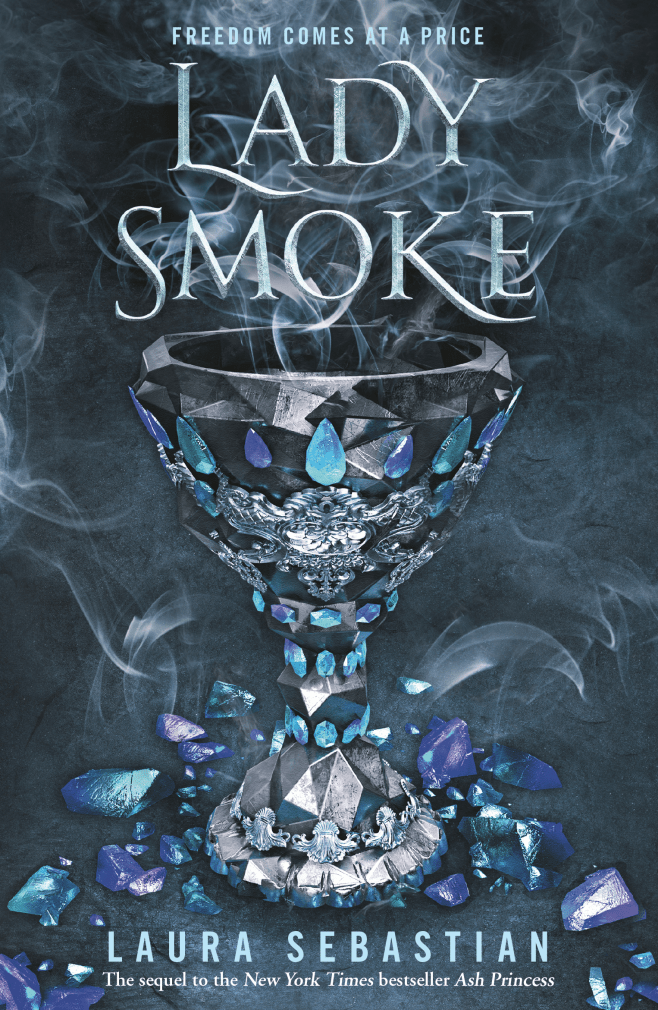
Bestselling young adult fantasy author Laura Sebastian presents an outstanding follow-up to her 2018 debut with this superb novel which builds on the author’s original book and uses it to create a fantastic story.
For many years, Theodosia was a prisoner in her own palace. The brutal warrior race, the Kalovaxians conquered Theo’s country of Astrea, enslaving her people and killing her mother, the Fire Queen. Forced to live as a trophy prisoner and ridiculed as the Ash Princess, Theo eventually rebelled, escaping from the Kalovaxian ruler, the Kaiser. However, her escape had complications, as she was forced to kidnap the Kaiser’s son, Prinz Soren, and poison her only Kalovaxian friend, Crescentia.
Now freed and claiming her birthright as Queen of Astrea, Theodosia is determined to take her country back. With no troops of her own and only a handful of followers, Theo is forced to rely on her aunt, the pirate known as Dragonsbane, for support. However, her aunt believes that the only way to liberate Astrea is for Theo to marry a foreign ruler and use their army to fight the Kalovaxians. No Astrean Queen has ever married before, but with the desperate situation that Theo finds herself in, she has no choice but to allow Dragonsbane to organise a meeting with a number of potential suitors from the lands not controlled by the Kalovaxian armies.
Descending on the wealthy nation of Sta’Crivero, Theo is thrust into a dangerous hive of foreign royals and nobles, all of whom seek to use the newly released Astrean Queen to their own advantage. Forced to decide between her heart and the needs of her people, Theo has to play along in order to find a way to defeat the Kalovaxians. But sinister forces are at work within the Sta’Crivero palace: politicians are playing with her people’s lives, a sinister poisoner is targeting those closest to Theo, and the Kaiser has placed a price on her head. Theo must rely on those closest to her, but even those she cares about the most could bring her down.
Lady Smoke is Laura Sebastian’s second novel, which follows on from her debut book, Ash Princess. Ash Princess was a fantastic fantasy debut which I enjoyed thanks to its interesting blend of political intrigue and clever fantasy elements. However, I felt that Lady Smoke was an even better book, as Sebastian creates a much more compelling story while also expanding her fantasy universe and looking at the relationships between her characters.
Sebastian continues to focus on the growth of her protagonist and point-of-view character, Theo, as she rises to become the queen her people need. In this book, Theo is recovering, both physically and emotionally from her years of captivity in the Kalovaxian court. She is haunted by her decisions, including her ruthless manipulation and poisoning of Cress, one of the few people who considered Theo to be a friend. In order to obtain the power she needs to free her kingdom, she must try use a strategic marriage to arrange an alliance with one of the countries outside of Kalovaxian’s influence. The storyline focusing on her adventures within Sta’Crivero takes up a large portion of the book, and is an interesting piece of political intrigue. Theo and her companions must attempt to find a political suitable match while also avoiding being manipulated by the rich and powerful rulers who all want to control or exploit her or her country. There are a variety of layers to this story, as many of the rulers she encounters have their own agendas, and she must try and unravel them while also bringing some other nations to her cause. Add to that, a mysterious poisoner is at large within the palace, attempting to kill Theo’s favoured suitors and allies while also framing one of her advisers. Each of these parts of the story is deeply compelling, and I was very curious to see how this part of the story turned out. These sequences also had some great emotional depth, as Theo is forced to balance her personal desires and opinions about arranged marriages, with the requirements of an army to free her enslaved people.
I thought that the main political intrigue and arranged marriage storyline of Lady Smoke was done amazingly and was one of the most enjoyable parts of the book. The eventual conclusion of this storyline was handled pretty well, and readers will love the solution that the protagonist came up with. I really liked the reveal about who the poisoner was, although I kind of saw the twist coming far in advance. Even though I knew it was coming, I felt that the reveal was done extremely well, and the sinister motivations behind them made for some extremely compelling reading. The final twists of the book were also very shocking, and I definitely did not see one particular event coming. Overall, I had an absolute blast with this story, and thought it was substantially better than the awesome first book in the series.
Aside from the great story, one of the things I really enjoyed about Lady Smoke was the author’s superb universe expansion. While a number of other nations that make up Sebastian’s fantasy world were mentioned within Ash Princess, the entirety of the plot took place within the conquered country of Astrea. The plot for Lady Smoke, however, takes place in an entirely new setting, the kingdom of Sta’Crivero, which is an extremely wealthy and elitist realm. While the people of Sta’Crivero initially appear supportive of Theo and the Astreans, it is revealed that they look down on the refugees and treat them as slave labour. Sebastian does an amazing job of making the Sta’Crivero nobles sound exceedingly arrogant, and her descriptions of the rich and elaborate palace are stunningly decadent. Once Sta’Crivero has been introduced as an excellent new setting for the story, the author brings in the rulers from all the nations that have not been conquered by the Kalovaxians. Each of these new rulers is given an introduction, and their countries’ strengths and weaknesses are explored in various degrees of detail. As Theo interacts with each of these rulers, the reader gets a better idea of the world outside of Astra and Sta’Crivero, resulting in a richer world tapestry for the audience to enjoy. By the end of the book, Theo has made a number of allies and enemies from amongst these various nations, and it will be extremely fascinating to see how this comes into play within any future books in the series.
I quite enjoyed the unique and somewhat subtle magical elements that were shown throughout Ash Princess. In this second book, the author continues to expand on her interesting magical inclusions by showing her magical characters utilising their powers to a greater and more obvious degree and using their powers in different situations. I rather liked the exploration of ‘mine madness’, the process by which some Astrean magic users become overloaded with magic, especially those who have spent significant time in their magical mines as slave labour under the Kalovaxians. Alternate explanations for this condition are given throughout Lady Smoke, and the author also examines the destructive nature of the condition, through several impressive scenes. Other magical maladies are also featured within this book, and I liked how several unexpected characters were affected by these changes.
Sebastian does an amazing job of exploring the main character’s relationship with her friends and companions, and this forms an intriguing part of the plot. There is a bit of a focus on her friendships with her companions, Artemisia and Heron. Due to story reasons (Theo spent most of the first book on the other side of a wall), Theo was unable to build much of a relationship with either of these characters, so I liked how she started to bond with both of them. This deepening relationship results in some character development of these two interesting side characters, and some interesting explorations of their life are explored, such as Artemisia’s relationship with her mother, the Dragonsbane, and Heron’s homosexuality.
The most compelling character interactions occur between Theo and her two love interests, Blaise and Soren. Blaise is her oldest friend, her most loyal companion and the man who broke her out of the Astrean palace. Soren, on the other hand, is the son of the Kaiser, her most hated enemy, and the man who Theo spent the majority of Ash Princess seducing and manipulating for her own ends. Throughout the course of Lady Smoke, Theo finds herself attracted to both of these men, and must find a way to balance her feelings for them while also having to reconcile the possibility of choosing neither of them in order to secure her country’s freedom. Adding to this drama, both Blaise and Soren have their own storylines and character development that they must undergo. Blaise is suffering from mine madness, which has amplified his earth-based magic to a dangerous degree. As a result, Theo has to spend a significant part of the book as his emotional tether, trying to rein in his temper and creating chaos. Soren, on the other hand, must reconcile the evils that his countrymen and himself have undertaken while also trying to escape his father’s cruel legacy. In order to make amends and to get revenge on his father, he finds himself on Theo’s side, but his relationship proves to be more of a liability to Astrea in a number of ways. All of these issues make for an utterly captivating love triangle that really adds some interesting elements to the story.
In the follow-up to her debut novel, Ash Princess, Laura Sebastian continues her incredible fantasy series. Lady Smoke is an amazing sequel that really highlights Sebastian’s growth as an author. Not only does Sebastian successfully expand her fantasy universe, but she further develops her characters and provides the reader with an outstanding story. I am very much looking forward to the sequel to this book, Ember Queen, which is coming out in 2020, and I am extremely curious to see how several story developments at the end of Lady Smoke take form. Exceptional fantasy fiction from a creative and talented new author, Lady Smoke comes highly recommended.
Welcome to my weekly segment, Waiting on Wednesday, where I look at upcoming books that I am planning to order and review in the next few months and which I think I will really enjoy. Stay tuned to see reviews of these books when I get a copy of them.
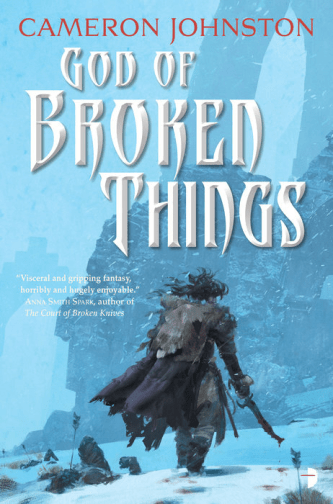
This week I will be looking at God of Broken Things, by Cameron Johnston, the follow-up to one of the best dark fantasy books of 2018. Last year, Johnston knocked it out of the park with his debut novel, The Traitor God, which featured his delightful rogue magician protagonist, Edrin, embarking on a revenge mission to his old stomping ground. However, his plans for revenge transformed into a massive battle for the survival of the city of Setharis and set him up against gods and demons. Needless to say, I found The Traitor God to be pretty epic and I had an absolute blast reading it. I have been looking forward to the sequel for a while now, especially as God of Broken Things also sounds like it will have another intense and explosive plot.
Goodreads Synopsis:
An outcast magician must risk his body and mind to save the world from horrifying demons, in the heart-pounding epic fantasy sequel to The Traitor God.
Tyrant magus Edrin Walker destroyed the monster sent by the Skallgrim, but not before it laid waste to Setharis, and infested their magical elite with mind-controlling parasites. Edrin’s own Gift to seize the minds of others was cracked by the strain of battle, and he barely survives the interrogation of a captured magus. There’s no time for recovery though: a Skallgrim army is marching on the mountain passes of the Clanhold. Edrin and a coterie of villains race to stop them, but the mountains are filled with gods, daemons, magic, and his hideous past. Walker must stop at nothing to win, even if that means losing his mind. Or worse…
Based on the above synopsis, it looks like this new book will have a number of intriguing plot points to explore. The protagonist’s loss of his powers will be an interesting change of pace for the character, especially as he spent the entirety of the first book bending everyone he met to his will. I am hoping that this new limitation will force Edrin to rely on his cunning, tricks and influence.
I also like the idea of Edrin leading a band of ‘villains’ to save his city, especially as I imagine it will lead to some fun character dynamics and some form of betrayal and back stabbing. A great feature of the first book was the inclusion of several likeable side characters, and I am curious to see if any of these surviving characters (quite a few died in the last book) will accompany him on this mission. If not, I look forward to some great new relationships with characters I will try not to get too attached to.
Finally, I have to say that the overall storyline of a group of rogue adventurers racing against the clock in an extremely hostile environment sounds like it will be a superb plot in a setting with several imposing obstacles and antagonists. I am curious to see what the gods outside of Setharis are like, but I also hope we get some more details of the character’s past, perhaps around the years he spent running around the country as a drunk and a con man.
Overall, this sounds like it will be an incredibly fun book, and I am really looking forward to seeing the sequel to The Traitor God, which was one of my favourite books from last year. God of Broken Things is out in June of this year and will high on my list of books to grab.
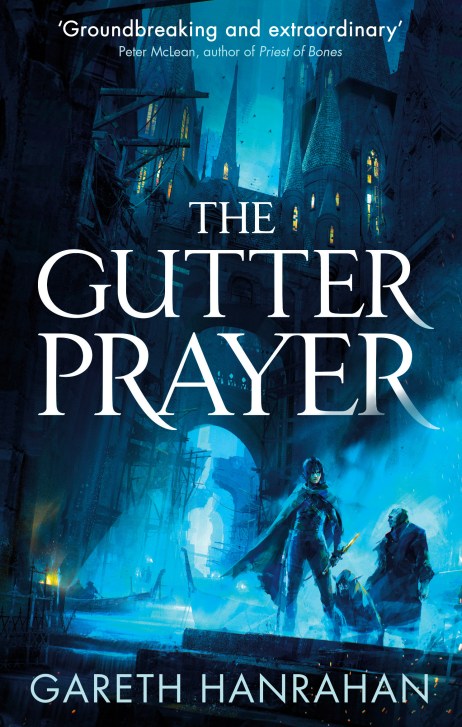
From debuting author Gareth Hanrahan comes the grimdark fantasy book that everyone has been talking about, The Gutter Prayer. This debut novel has been getting some serious hype from a lot of fantasy reviewers, so I was very happy when I got my copy earlier in the week, as it will give me a chance to check it out for myself.
For thousands of years, the large, sprawling city of Guerdon has survived against all manner of attacks and calamity. In recent years, the city’s alchemical industry has taken off, producing powerful weapons and twisted creations to sell to Guerdon’s warring neighbours, involved in the destructive Godswar. But with the rival nation’s eyes on Guerdon, refugees flooding into the city and the city’s various factions fighting for power, the potential for chaos is great.
In the middle of all this, three mismatched young thieves – stranger to the city, Cari; the Stone Man, Spar; and Rat the ghoul – find their lives changed forever. Hired by the leader of the city’s criminal element, these three thieves attempt to break into an important civic building, only to be nearly killed by a massive explosion and framed for the crime. Pursued by the Alchemist Guild’s murderous enforcers, the Tallowmen, and the relentless thief-taker, Jere, the three friends attempt to escape their pursuers, but find themselves entangled in a terrible plot to bring destruction to the city.
Ancient creatures are rising from the city’s bloody past, and the city’s old gods are prepared to rise once again. As Cari, Spar and Rat uncover the full extent of these gods’ power, they must contend with others who seek to use the chaos for their own ends. With everything on the line, can the three friends find a way to stop the events unfolding, or will their failure result in the destruction of everything they hold dear?
This is Hanrahan’s first fictional book, although the author has written a number of gaming manuals and fantasy guides over the years. However, with the evident popularity of The Gutter Prayer among the fantasy community, it seems extremely likely that this will not be Hanrahan’s only book. Indeed, the author already has plans for a sequel, and The Gutter Prayer will form part of this planned Black Iron Legacy series.
I thought that The Gutter Prayer was an ambitious and intriguing new entry to the fantasy genre, and it is definitely worthy of the hype around it. Hanrahan presents a wide-ranging and dark story of magic, religion and betrayal, and he sets it within an imaginative new fantasy landscape with a ton of unique fantasy elements and creatures. The story is then based around several great characters, each of whom has their own compelling arc within the narrative. The result is an excellent and memorable novel that showcases Hanrahan’s creativity and serves as an amazing introduction into a bold new fantasy universe.
This book contained a fantastic and intense story which focused on a variety of different characters and follows their attempts to investigate and forestall the strange events occurring around them. I really enjoyed this story, although I had a little bit of a hard time getting into it at the start of the book due to mass of story and fantasy elements I was bombarded with. However, I am extremely glad that I powered past this first part of the book because once I was able to place all the story elements together I appreciated the book’s wild and intricate plot. One of the main things that I really loved about this book was the inclusion of a significant number of different characters and factions, each with their own motivations and hidden secrets. As a result, you have no idea who is going to do what next and who is going to betray the protagonists to serve their own needs, creating an unpredictable story. The narrative is also extremely dark, and readers should be prepared for characters dying or being altered in some way or another. This is some fantastic storytelling from Hanrahan, and an overall clever narrative.
One of the most talked-about elements of this book is the author’s use of a huge range of unique fantasy elements. Hanrahan has come up with and expertly utilised a ton of creative, inventive and at times just plain creepy new fantasy elements. The best example of this has to be the Tallowmen, humans that have been turned into living candles, often as punishment for crimes. These creatures are strong, lethal and fast, serving as the guards and law enforcers of the Alchemist Guild. Their terrifying appearance, distinctive abilities and the glow of their candle flames as they hunt down the protagonists are extremely memorable. Another terrifying inclusion is the Ravellers, servants of the city’s ancient gods who have the ability to unravel people out of existence and take on their appearance. There are also the ghouls and Stone Men. Stone Men are humans infected with a disease that slowly turns them into stone, although their condition can be held back by an alchemical compound. The depictions of their condition are pretty horrific, and there is the interesting double-edged sword of the disease: they become stronger the more their condition progresses, but they also become less able to live normal lives. The ghouls, humanoid creatures who feast of the dead flesh of humans, are an element that most fantasy fans will be familiar with, but Hanrahan has made some clever alterations to these creatures by expanding on their life cycle and making them a key part of the city’s history. Another awesome creation is the Crawling Ones, a sentient hive of worms who take a human shape and are powerful magic users.
In addition to the above unique fantasy creatures, The Gutter Prayer also introduces the author’s great new twist on fantasy gods. The world of the Dark Iron Legacy is filled with a vast pantheon of powerful gods, which forms a critical part of this universe. Many of the deities outside of the city are engaged in a massive conflict known as the Godswar, where these gods and their followers are involved in battles against each other for supremacy. While we get a brief look at this in The Gutter Prayer, most of the focus of this book is on the gods of Guerdon. While a few other religions are mentioned within the city, the main two pantheons are the Kept Gods and the Black Iron Gods. Both of these different gods are extremely intriguing, and I particularly loved the concept of the Kept Gods, who are chained and whose intake of prayer is controlled by their church to limit their power and control their actions. The Black Iron Gods are a darker and more ancient pantheon with a great history, a horde of sinister followers and a captivating physical presence. I also liked this universe’s concept of saints, those humans gifted power by their connection to the gods. There are a couple of saints featured throughout the book who form an integral part of the plot, powering through the story with a range of different powers and abilities. Quite frankly, all of these unique fantasy elements are deeply intriguing, and Hanrahan uses all of them perfectly to enhance his outstanding story. I do hope that the Godswar will be explored in future books, as that sounded like a really fun concept that I would be deeply interested in.
Guerdon is a decent grimdark fantasy city, and it serves as the primary setting for most of the city. The city’s range of interesting and unique residence allows for a fascinating overall story and makes this a fantastic setting. I really like how the city is home to a range of competing factions, such as the Alchemists, the Church, the criminal organisation known as the Brotherhood, politicians and the city’s non-human races, each of whom have different plans for the future of the city. This is a pretty typical dark, crime-ridden fantasy city, but it works really well as a setting for this story. The author’s deep exploration of the history of his fantasy city served as a useful plot point, and I love how the city’s past came back to haunt it in a number of ways.
I have to say that I was really impressed with Hanrahan’s character work within this book. The author introduces a number of amazing characters, most of whom get deep and satisfying story arcs. The main three characters are particularly great. I really liked Spar, who is not only the son of one of the city’s most famous criminals, but who is also a Stone Man. It is through this character’s eyes that we get the best view of the living hell of life as a Stone Man, as Spar is forced to deal with all the unpleasant side effects that his condition brings. At the same time he must deal with his family legacy as he fights to achieve his father’s dream of a more noble Brotherhood while forced to work for its current corrupt leader. Rat the ghoul is another interesting character. As a ghoul, he is generally supposed to live under the city, but he likes living above the streets with his friends. Rat is constantly conflicted between loyalty to his friends and to his race’s ancient promises, as well as dislike for the traditional ghoul lifestyle. Finally, there is the mysterious young thief, Cari, who holds a dark secret in her past. Cari is a rebellious young female protagonist who is developing strange new powers. The exploration of her past and her abilities is a key part of the book and a good basis for a large portion of this plot. I liked the way that these three characters cared for each other and how their stories remain interconnected even as they have their own unique adventures within the story.
While these three main characters serve as an extremely powerful narrative base for The Gutter Prayer, the author also focuses on a couple of additional point-of-view characters, including the veteran thief-taker, Jere; Cari’s cousin, Eladora; and the saint of the Kept Gods, Arla. These characters do not get as large a focus as the book’s three main characters, but their parts of the book are quite significant. Each of them also has a full character arc within the book, and they all develop or change in substantial ways. Jere is a grizzled private investigator obsessed with taking down the Brotherhood, and his investigations for the first two-thirds of the book provide the reader with some vital plot detail. I really liked the end to Jere’s character arc, which was both dark and satisfying. Eladora is a sheltered scholar who gets a rather rude awakening about life throughout the course of this book. Eladora is not my favourite character, but I did like her gradual transformation from damsel in distress to something more useful. Finally, there is Arla, who would have to be my favourite side character. Arla is a saint of the Kept Gods blessed with fiery powers as a result. Arla is a badass and entertaining character who spends most of the book fighting her opponents with her fiery sword and generally not acting in a way most people would consider saint-like. I especially love when she utilises her god-empowered voice to command people, as she is usually swearing while doing this. This comes up in the text in all caps, and you have to imagine it sounds pretty impressive in this book’s audiobook format. There were a number of other entertaining side or minor characters throughout the book that the author put to good use, and I will enjoy seeing what role they will play in any future books in the series.
Overall, I truly enjoyed The Gutter Prayer and was impressed by Hanrahan’s magnificent debut. This was an excellent piece of grimdark fantasy which expertly combined some very inventive fantasy elements together with a fantastic story and some excellent characters. With this first book Hanrahan has shown some incredible talent as a fantasy storyteller whose outstanding imagination is his biggest asset. This is a highly recommended book which lives up to the substantial hype surrounding it. I am already extremely keen for any additional books in the Black Iron Legacy, especially as the interview at the end of the book implies that Hanrahan has some brilliant ideas for the rest of the series.
Reviewed as part of my Throwback Thursday series, where I republish old reviews, review books I have read before or review older books I have only just had a chance to read.
One of the saddest realities of being a bibliophile is that no matter how hard you try or how much spare time you have, no one can read every great book that comes out every year. I am no exception to this rule, as for years I was mainly focused on the historical fiction genre. While this is a fantastic genre to focus on, it did mean that I missed out on many of the biggest science fiction and fantasy releases for the last several years. Ever since I expanded my attention to a range of other genres, I have been seeking out and reading a number of different fantasy or science fiction books and series, many of which I have or will review on my blog and on Goodreads. One of the series that I have heard constantly praised by friends, fantasy fans and other book reviewers is The Powder Mage trilogy by Brian McClellan. Nearly every fantasy reviewer and their dog has read and said good things about these books and, as a result, The Powder Mage trilogy has long been at the top of my to-read list. So when I was recently able to fit the first book in the trilogy, Promise of Blood, into my reading schedule, I thought I would try it out and see if it lived up to everyone’s hype.
The Powder Mage trilogy are the debut novels of fantasy author Brian McClellan, and are a flintlock fantasy series, which is a modern fantasy sub-genre that features pre-industrialisation civilisations who utilise flintlock firearms with fantasy elements. The Powder Mage trilogy started in 2013 with Promise of Blood, which the author followed up with a new book in 2014 and 2015. Following the success of his initial trilogy, McClellan introduced a second trilogy, the Gods of Blood and Powder trilogy, which is set 10 years after the events of The Powder Mage trilogy. This second trilogy is still ongoing, with the third and final book set to be released in November of this year. In addition to these two main trilogies, McClellan has also written a number of novellas and short stories set in the same universe as his main books, which expand on his fantasy world.
McClellan has created a new and captivating fantasy world in order to contain the stories in his two main trilogies. The Powder Mage trilogy is primarily set in the nation of Adro, one of nine nations that were founded thousands of years ago by the god Kresimir, which are together known as The Nine. By the start of the first novel, Promise of Blood, the nations of The Nine have reached a level of technology equivalent to Europe’s pre-industrial revolution period, with flintlock firearms in heavy use. Magic is also common in this world, with the nations of The Nine containing three separate levels of magical ability. These include the privileged, extremely powerful sorcerers who can wield a range of devastating elemental abilities; the marked, lesser mages with more specific gifts; and the knacked, who have one specific magical talent, like a perfect memory or not needing to sleep. The privileged of The Nine are generally organised into sorcery cabals, with the most powerful organised into a Royal Cabal loyal to the King of their nation.
Promise of Blood starts with Field Marshal Tamas, the highest-ranked military officer of Adro, leading a bloody coup against his country’s corrupt king and nobility. During the coup, Tamas and his powder mages, marked whose abilities are powered by gunpowder, assassinate every member of Adro’s Royal Cabal. However, every member of the Royal Cabal said one thing before they died, “You can’t break Kresimir’s Promise”. In order to find out the meaning of these mysterious words, Tamas hires former police inspector Adamat to investigate. While Adamat sets out to uncover meaning behind these mysterious final words, Tamas begins the difficult process bringing order to his country. However, it soon becomes apparent that staging the coup was the easiest part of his endeavour.
Tamas’s coup provokes a war with the Kez, one of Adro’s rival nations in The Nine, whose previous attempts to control Adro’s king, led to Tamas overthrowing him. As Tamas deals with assassins, Royalists, deposed nobles and Kez magicians, it soon becomes apparent that someone on Tama’s council has betrayed him. Brought in by Tamas to investigate who betrayed him, Adamat finds his loyalties tested when mysterious figures target him and his family. At the same time, Tama’s estranged son, Taniel Two-Shot, embarks on a hunt for a surprisingly powerful member of the Royal Cabal who escaped Tamas’s powder mages.
Both Adamat and Taniel’s missions reveal dark secrets about the formation of their country. With dark omens in the sky and ancient legends come to life, can Tamas and his forces stop the destruction of Adro, or will the mysterious forces arrayed against them succeed in their mission to summon forth an ancient power?
To be honest, even before I heard about this trilogy from other book lovers and reviewers, I thought the synopsis was pretty cool and the idea of gunpowder-wielding mages was an interesting concept. I listened to the audiobook format of Promise of Blood, narrated by Christian Rodska, which goes for a lengthy 19 hours. Now the question is; did this book live up to the hype? The answer is yes. I loved this book, I thought it was massively creative, filled with incredible action, had some complex, if mostly male, characters and made use of some excellent fantasy elements.
I really enjoyed the story within this book and I thought it was an amazing combination of intrigue, action and fantasy storytelling. I liked the idea of starting the book just as a successful coup had taken place and the focus on the immediate aftermath of such a significant event. The story is essentially broken into three main parts. About a third of the book is told from Adamat’s point of view and really focuses on the intrigue elements of the story. Adamat at first investigates “Kresimir’s Promise”, which is a fairly interesting part of the book, as it dives into the history of the country, and quickly reveals that shadowy forces are at play behind the scenes. This initial investigation only lasts for a short part of the book, before Adamat is drawn into the larger investigation about the traitor in Tamas’s council. This is a very well done investigation part of the book as the reader is presented with five suspects, each of whom is hiding several secrets and many of which have suspicious employees. In addition, Adamat has to deal with a mysterious figure who is blackmailing him, and who keeps the identity of his employer secret. These multiple layers of intrigue and lies ensures that the reader is looking in several different directions and have a much harder time guessing who these antagonists are.
Another third of the book is told from Taniel’s point of view, and follows him as he first hunts down a powerful privileged, and then finds himself stuck in the middle of a large battle for the survival of Adro. While there are quite a lot of reveals about some of the book’s underlying fantasy elements in this part of the book, the main focus is on the action, as Taniel and his allies fight a number of opponents, and Taniel reveals while he is known as Two-Shot. There is some interesting character work in this section as Taniel works through his feelings for his father, finds himself having to choose between obeying orders and the life of his best friend, and him coming to terms with his weird relationship with the powerful female character, Ka-poel.
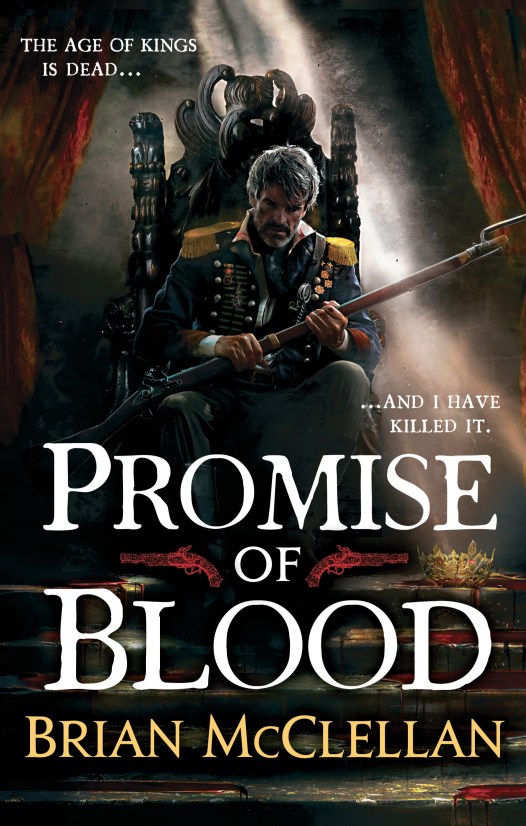
The final main part of the book is told from the point-of-view of Tamas himself, and deals with the fallout from his coup and the multitude of issues he has to deal with in the aftermath. The parts of the book focusing on Tamas are the most important chapters within Promise of Blood, as they bridge the other two sections of the book due to Taniel and Adamat not really interacting too much during the book. The Tamas chapters have the best balance of Promise of Bloods’ excellent combination of fantasy elements, intrigue and action. Throughout these chapters, Tamas is constantly forced to deal with the political infighting and betrayals occurring all around him, while also being targeted by assassination or capture by his various enemies. Tamas also encounters a number of hints about the true nature of the fantasy events impacting Adro, including from a bizarre chef, and I loved the layers of intrigue that surrounded something most of the characters believed was a myth. I really liked Tamas as a character, and I found him to be an intriguing combination of a calm, tactical genius and an absolute rage monster. Despite alienating most of the people around him, especially Taniel, deep down Tamas is a good man who has been forced to make the hard decisions no-one else will. However, when enraged he is an absolute terror to behold, especially to someone who has crossed his friends or family, and during these scenes of anger he gives several of the best lines, such as the one that appears on the cover: “The age of kings is dead, and I have killed it”. He is an absolutely great character and a fantastic focus for this trilogy.
In addition to these three main characters, a small portion of the book is narrated by female character Nila. Nila’s character really is not explored too much in Promise of Blood, although she is given a good introduction, and I understand she will become a much bigger character in the next books in the trilogy. On top of the main characters, there are several excellent side characters who really make this book extra awesome. This includes Tamas’s bodyguard, Olem, a sarcastic and funny man who acts as Tamas’s moral compass for much of the book, and who also has certain ideas about people shooting his dog. There is also Sousmith, Adamat’s bodyguard, a former boxer who acts as a fun foil to Adamat’s detective character. While several characters at the Mountain Watch are also enjoyable, you have to love Ka-poel, the mute, witch who serves as Taniel’s spotter. She has some crazy magic to her, and I have a vague feeling (without knowing anything about the plot of the future books) that she is some sort of young god or something. I liked the way that Ka-poel was able to express everything, despite being a completely non-verbal character, although the implied romance between her and Taniel was a tad weird, especially as it started the moment he realised she was older than she looked.
The world building in this book is extremely impressive and it serves as an outstanding introduction to the key elements of the series’s universe. While the other magical and fantasy elements of this book are pretty awesome, I especially loved the powder mages, and their magic is easily the best part of the book. The powder mages have a unique blend of abilities, all of which are powered by eating or snorting gunpowder. Consuming the powder gives them focus, enhanced perception, great strength and stamina. In addition, they have control over gunpowder, igniting at will, and using their abilities to manipulate bullets in flight. Each of the characters have different abilities on top of that. Tamas can ricochet bullets around a room; Taniel can fire bullets further than anyone else, as well as firing two bullets at once; while another powder mage, Vlora, can ignite powder from a distance. These characters in battle are absolutely fantastic, and I love it when these characters, especially Tamas, fully unleash their abilities. The fight scenes between the powder mages and the privileged were exceptionally amazing, and I loved the contrast between the more traditional fantasy magic of the privileged and McClellan’s more unique powder magic. That being said, when the privileged unleash their abilities they can be much more destructive, and some of their fights are pretty impressive.
I had a wonderful time listening to the audiobook format of Promise of Blood, and I thought that it was a spectacular way to enjoy this amazing story. The action sequences, especially when the magic and bullets are flying, really come to life when narrated, and audiobooks always help me absorb complex new fantasy worlds such as the one in this series. Rodska’s narration is really well done, and I found that he really captured the essence of the characters. I especially thought he got the gruff and powerful voice of Tamas down perfectly, and it was an extremely realistic personification of the character’s voice. I really hope that Rodska does the narration for the other books in McClellan’s series, and I would easily recommend the audiobook format of Promise of Blood to anyone interested in this series.
Overall, I really loved Promise of Blood and I found that it lived up to its substantial hype. It’s easily a five-star novel in my eyes. I loved this book so much that I am planning to listen to the remaining books in The Powder Mage trilogy as soon as I can, and I will probably also try and listen to the first two books in the Gods of Blood and Powder before the final book comes out in November. McClellan is a fantasy genius, and anybody who loves action and explosions should invest the time to read this book.

Welcome to my weekly segment, Waiting on Wednesday, where I look at upcoming books that I am planning to order and review in the next few months and which I think I will really enjoy. Stay tuned to see reviews of these books when I get a copy of them.

For my first Waiting on Wednesday for 2019, I will be looking at a fantasy book that has been on many people’s waiting lists since 2013, The Thorn of Emberlain by Scott Lynch. The Thorn of Emberlain is the fourth planned book in Lynch’s Gentleman Bastards series, which started with the epic 2006 release The Lies of Locke Lamora. The Gentleman Bastards series follows the adventures of a small gang of conmen, known as The Gentleman Bastards, as they attempt to steal and embezzle money from the rich and powerful in a unique and excellently crafted fantasy world. The third book in the series, The Republic of Thieves, was released back in 2013, and fantasy fans have been eager for the fourth book to be released ever since. Unfortunately, The Thorn of Emberlain has been delayed multiple times in recent years, with potential release dates announced for 2016 and 2017 falling through. As a result of these delays, The Thorn of Emberlain is now one of the most highly anticipated pieces of unreleased fantasy fiction, up there with The Doors of Stone (working title for the third book in The Kingkiller Chronicle) and The Winds of Winter (upcoming sixth book in A Song of Ice and Fire). Despite the delayed release, some details have trickled through about this book, such as the above cover, and the synopsis below.
Goodread Synopsis:
Locke Lamora, thief, con-man, pirate, political deceiver is back, and now he must become a soldier.
A new chapter for Locke and Jean and finally the war that has been brewing in the Kingdom of the Marrows flares up and threatens to capture all in its flames.
And all the while Locke must try to deal with the disturbing rumours about his past revealed in The Republic of Thieves. Fighting a war when you don’t know the truth of right and wrong is one thing. Fighting a war when you don’t know the truth of yourself is quite another. Particularly when you’ve never been that good with a sword anyway…
The first thing I should mention about this book is, unlike the other books I have previously examined in my Waiting on Wednesday segments, I have no idea when it is going to be released. At this point in time, Goodreads and several other sites have no definitive release date included, and I cannot see any recent posts online about it coming out. However, Amazon and Book Depository currently both have late 2019 release dates (although neither site has the same release date), potentially indicating that the book may be released later this year. While I really hope that it will come out in 2019, I realise that there is a very strong possibility that I might have to wait a little longer.
Why I am so eager to get a copy of The Thorn of Emberlain? The main reason is that I really loved the first three books in the series. I first read them in 2016 when I was first getting back into fantasy after several years focusing on historical fiction, and it was one of the series that really got me back into the genre. I really enjoyed the series’s fantastic humour, brilliant twists, clever examination of the criminal element of a dark fantasy world and the inclusion of magic and elaborate alchemy in heists and embezzlements.
I loved all three of the books that Lynch has released so far. The Lies of Locke Lamora really does live up to the hype surrounding it, and is an outstanding debut from Lynch, featuring a superb story in the outstanding city setting of Camorr. The second book, Red Seas Under Red Skies is just as epic in my opinion, continuing the amazing style of the first book, while also adding in a ton of great new elements. The third book, The Republic of Thieves, is probably the weakest book out of all of them but it still retains the fun storytelling and features of the first two books, while also including a fantastic split timeline narrative. I also must commend the audiobook versions of these three books and their narration by Michael Page.
In addition to my past enjoyment of this series, what has been revealed about The Thorn of Emberlain already sounds quite promising. It sounds like the Gentleman Bastards will be dragged into a war that has been slowly brewing in the last few books of the series. Knowing the main characters of the series, you have to imagine that they will be engaging in some elaborate plot to get rich off the war, and I am looking forward to them attempting to con a rich general or warlord of some variety. It also sounds like the Gentleman Bastards will have to go undercover as soldiers, which is reminiscent of the plot of Red Seas Under Red Skies, in which the characters had to pretend to be sailors. As that was one of my favourite parts of Red Seas Under Red Skies, I am eager to see the characters undergo the transformation into soldiers, especially Locke, who has never been a particularly good fighter.
In addition, it sounds like there will be some other interesting elements in this latest book. Lynch has previously revealed in a Twitter thread from February 2018 that he will be including a homosexual character in his latest book, and he appears to very keen to provide a sensitive and positive representation of this experience in his book. I think this will be a great element to the book, and I am interested to see how Lynch’s new characters add to the story. Some of the other details revealed in this thread also sound quite interesting, as Lynch indicates he has done extensive research on horses, rivers, architecture, roads, wolves, farms, stabbing people with swords and much more. Considering the sheer amount of research that would have been required for previous books, I am really looking forward to seeing what all this work will turn into.
Overall, this book has been near the top of my personal to-read list ever since I finished The Republic of Thieves. I hope that it is released at some point soon, but even if it takes a while to finally come out, I will be waiting eagerly for it.
Welcome to my weekly segment, Waiting on Wednesday, where I look at upcoming books that I am planning to order and review in the next few months and which I think I will really enjoy. Stay tuned to see reviews of these books when I get a copy of them. This week I could not decide between two very intriguing fantasy novels, both of which are being released in Australia by Hachette around the same time. Therefore I decided to choose both of them, and I will be very interested to see which one I enjoy more in February.
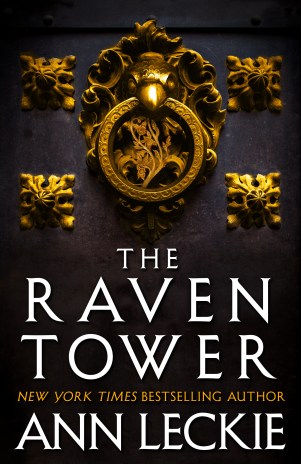
The first book I want to get is The Raven Tower by Ann Leckie. Leckie is an established science fiction author who has written a number of cool-sounding books in the last few years. While I have not had the opportunity to check out any of her previous work, her debut fantasy book, The Raven Tower, looks to be a pretty epic piece of fantasy fiction.
Gods meddle in the fates of men, men play with the fates of gods, and a pretender must be cast down from the throne in this breathtaking first fantasy novel from Ann Leckie, New York Times bestselling author and winner of the Hugo, Nebula, and Arthur C. Clarke Awards.
For centuries, the kingdom of Iraden has been protected by the god known as the Raven. He watches over his territory from atop a tower in the powerful port of Vastai. His will is enacted through the Raven’s Lease, a human ruler chosen by the god himself. His magic is sustained via the blood sacrifice that every Lease must offer. And under the Raven’s watch, the city flourishes.
But the power of the Raven is weakening. A usurper has claimed the throne. The kingdom borders are tested by invaders who long for the prosperity that Vastai boasts. And they have made their own alliances with other gods.
It is into this unrest that the warrior Eolo–aide to Mawat, the true Lease–arrives. And in seeking to help Mawat reclaim his city, Eolo discovers that the Raven’s Tower holds a secret. Its foundations conceal a dark history that has been waiting to reveal itself…and to set in motion a chain of events that could destroy Iraden forever.
I love the summary of this book, and it really sounds like The Raven Tower will have a good blend of fantasy and intrigue elements. The fight for control of an ancient god in a new fantasy city sounds like it will be pretty amazing concept, especially with outside influences potentially impacting the outcome. I am also very keen to figure out the dark secrets at the heart of the tower. Overall, this sounds like it will be a pretty cool read and I am very keen to check it out. No indication at the moment whether this will be a standalone novel or the start of a series, but I think it has potential as both.
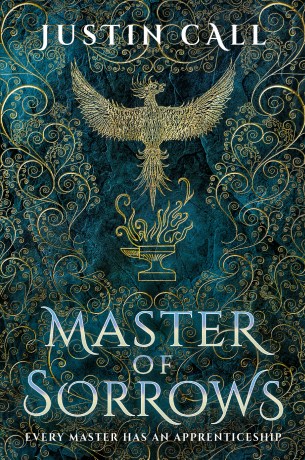
The second book that I am really excited about in the next few months is Master of Sorrows by Justin Call. Master of Sorrows is a fantastic-sounding piece of young adult fantasy fiction from debuting author Justin Call. This will be the first in a planned series of fantasy books, titled The Silent Gods, which will no doubt be released over the next few years. What really intrigues me about this book is that I have seen two very different plot synopses, both of which sound really good but which indicate different plot directions. The first summary is on the Hachette Australia website:
The stunning coming-of-age adventure of fantasy’s most compelling anti-hero . . .
The Academy of Chaenbalu has stood against magic for centuries.
Hidden from the world, acting from the shadows, it trains its students to detect and retrieve magic artifacts, which it jealously guards from the misuse of others. Because magic is dangerous: something that heals can also harm, and a power that aids one person may destroy another.
Of the Academy’s many students, only the most skilled can become Avatars – warrior thieves, capable of infiltrating the most heavily guarded vaults – and only the most determined can be trusted to resist the lure of magic.
More than anything, Annev de Breth wants to become one of them.
This summary paints the book as a coming-of-age story at a magical academy, with a secret organisation of magicians being trained to locate and obtain magical items from a new fantasy universe. I love a great magical training narrative, and this sounds like a pretty cool book all on its own; however, when combined with its Goodreads synopsis, this storyline takes on a whole new flair:
You have heard the story before – of a young boy, orphaned through tragic circumstances, raised by a wise old man, who comes to a fuller knowledge of his magic and uses it to fight the great evil that threatens his world.
But what if the boy hero and the malevolent, threatening taint were one and the same?
What if the boy slowly came to realize he was the reincarnation of an evil god? Would he save the world . . . or destroy it?
Among the Academy’s warrior-thieves, Annev de Breth is an outlier. Unlike his classmates who were stolen as infants from the capital city, Annev was born in the small village of Chaenbalu, was believed to be executed, and then unknowingly raised by his parents’ killers.
Seventeen years later, Annev struggles with the burdens of a forbidden magic, a forgotten heritage, and a secret deformity. When he is subsequently caught between the warring ideologies of his priestly mentor and the Academy’s masters, he must choose between forfeiting his promising future at the Academy or betraying his closest friends. Each decision leads to a deeper dilemma, until Annev finds himself pressed into a quest he does not wish to fulfil.
Will he finally embrace the doctrine of his tutors, murder a stranger, and abandon his mentor? Or will he accept the more difficult truth of who he is . . . and the darker truth of what he may become . . .
Reviewed as part of my Throwback Thursday series, where I republish old reviews, review books I have read before or review older books I have only just had a chance to read.
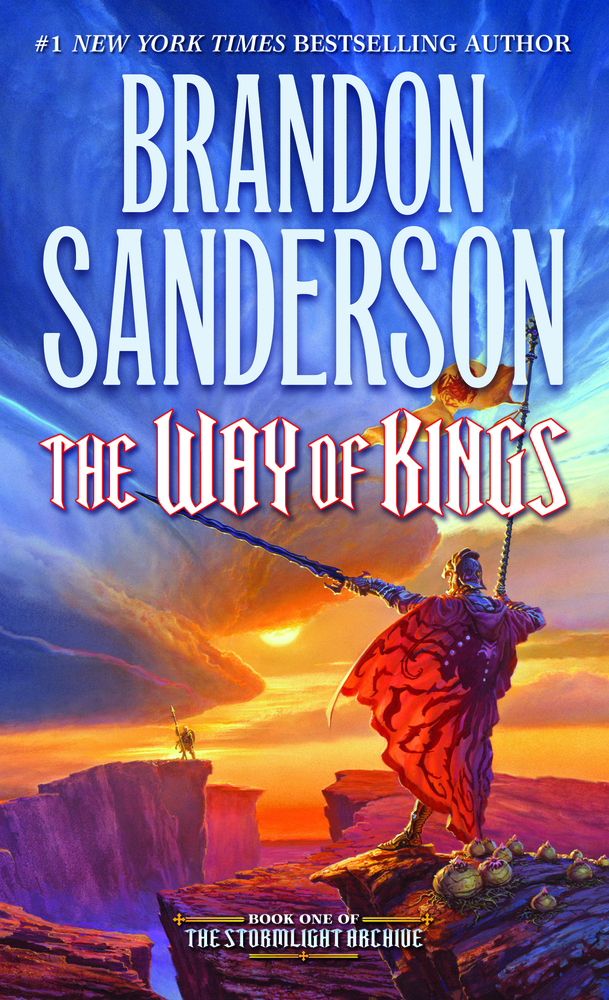
In this week’s Throwback Thursday I will be reviewing one of the best pieces of fantasy fiction from the last decade: The Way of Kings by Brandon Sanderson. I listened to this book for the first time earlier in the year and have been seeking to review it for some time. However, I just finished reading the latest Brandon Sanderson book, Skyward, which I will be reviewing next week, and decided that this would be the perfect opportunity to finally get a review of The Way of Kings together.
Brandon Sanderson is one of the best writers of fantasy and science fiction in the world today, with several iconic series created by him. These include the Mistborn series, the Wax and Wayne series, the Warbreaker series, The Reckoners series and his latest book, Skyward, which serves as the first book of his new Skyward series, just to name a few. Perhaps the biggest indication of how highly regarded Sanderson is the fact that he was the author chosen to finish off Robert Jordan’s iconic Wheel of Time series of fantasy books, generally considered one of the most important fantasy series ever created, and the second bestselling series since The Lord of the Rings. Following Jordan’s death, Sanderson put several of his series on hold to write the final three books in the Wheel of Time series, finishing off these epic fantasy novels with the help of Jordan’s notes.
The Way of Kings is the first book in Sanderson’s most iconic series, The Stormlight Archives, an epic fantasy series set in gigantic fantasy world. The Stormlight Archives is a massive series from Sanderson with at least 10 books currently planned. The first three of these books have already been released, with a fourth planned for 2020. Each of these books is a massive undertaking to read, each totalling over 1,000 pages. I chose to listen to The Way of Kings in its audiobook format, read by Michael Kramer and Kate Reading. At over 45 hours in length, it does take a while to get through, but it was well worth it for the epic adventure within.
The Stormlight Archives is set within the world of Roshar, which has seen much chaos and bloodshed and is constantly beset by powerful storms, known as highstorms. Centuries ago, a recurring event, known as the Desolation, unleashed the demonic Voidbringers upon the lands, devastating all before it. To counter these creatures, the legendary Knights Radiant were formed. They were powerful warriors with magical powers who wielded the epic magical armour and swords known as Shardplate and Shardblades. After years of fighting, the Desolation was stopped and the Voidbringers defeated. With their task complete, the Knights Radiant abandoned their weapons and disappeared. Centuries later, when the main story is set, these events have become myths and legends, with many doubting that they ever existed. However, the remaining pieces of Shardplate and Shardblades have become valuable commodities to the warring nations that have sprung up since the end of the Desolation, as they allow normal men to become the mightiest of warriors.
The main story of The Way of Kings begins with the assassination of the powerful King of Alethkar, Gavilar Kholin by Szeth-son-son-Vallano, apparently on the order of the Parshendi, a recently discovered race of humanoids who Gavilar was seeking peace with. This killing results in a war between the Alethi and the Parshendi on the Shattered Plains. After years of fighting, the war has mostly stymied, with neither side gaining a significant advantage, as the two armies compete for magical resources on the Plains.
This book has three distinctive main plot lines that lie mostly unconnected throughout the course of the novel. The first plot follows the brother of the slain King Gavilar, Dalinar Kholin, and his sons, as they serve the new king on the Shattered Plains. After years of fighting, Dalinar has grown weary of war and the competitive and caste based Alethkar way of life and attempts to find solace in the ancient book The Way of Kings, a volume that his brother became obsessed with before his death. Questioning the merits of his people’s current ways of life, Dalinar attempts to find a way to unite the squabbling highprinces in a final strike against the Parshendi, while also dealing with visions of the past that affect his ability to lead.
The second plot line follows Kaladin, a former solider to an Alethi lord. Kaladin was betrayed and has been sold into slavery. Transported to the Shattered Plains, Kaladin is forced to become a bridgeman, carrying the heavy bridges into battle that the armies require to cross the canyons and broken landscape of the Shattered Plains. Bridgeman have low life expectancies and are usually targeted first by the Parshendi in the battles that dominate the plains. Determined to survive, Kaladin attempts to form his unit of bridgemen into an effective team in order to minimise casualties in each battle. But the lord he serves has no interesting in having his bridgeman survive, and Kaladin must utilise newly discovered magical abilities if he is to keep his unit alive. A part of this storyline also follows a younger Kaladin and shows how he gained his skills and abilities, and the events that resulted in his enslavement.
The final storyline follows Shallan Davar, a minor noblewoman and scholar who seeks the patronage of Jasnah Kholin, the current king’s sister, who is Dalinar’s niece. While Shallan succeeds in becoming Jasnah’s apprentice, she is really plotting to steal an item of great value from Jasnah that will ensure her families survival. But as she makes her plans, she finds herself embroiled in a series of plots while also uncovering her own powerful magic.
In addition to these three main storylines, there are a series of interludes that help build up the world in which The Stormlight Chronicles is set, while also briefly introducing a number of characters who are likely to become major players in future volumes of this series. Each interlude also features an extended sequence that focuses on Szeth-son-son-Vallano, the assassin forced to kill King Gavilar, as he finds himself controlled by a mysterious organisation that appears to be behind many of the books more mysterious events.
Quite frankly, there is so much going on within The Way of Kings. Not only are there several substantial storylines that combine together into one massive and captivating overall narrative, but Sanderson also creates a massive and detailed new fantasy world with significant history and character backstories to form the basis of this massive series. It is actually quite amazing that Sanderson has managed to combine so much together into one book without it getting away from him, but The Way of Kings is proof that it is possible.
Without a doubt, the most impressive thing about The Way of Kings is the sheer amount of world building that Sanderson is able to cram into one book. There is so much that forms the basis of The Stormlight Archive’s universe, from its magical based technology, to the iconic weapons and armour, the unique battle tactics, the creatures found within, the caste system based upon eye colour and this world’s history. Every different nation appears to have its own unique and fascinating culture, all of which come into play within the plot of the story in some way or another. For example, the Shin culture results in the character of Szeth-son-son-Vallano becoming a servant to whoever holds his Oathstone, while the Alethi culture produces quite a lot of backstabbing and conflict due to the competitive nature of its citizens. There are some really fun cultural details added into these world cultures, such as women being the sole scholars of this world, while men do not even learn to read, or several cultures requiring all the women to wear gloves on one hand.
In addition to the culture, the world of Roshar is pretty impressive in itself. One of the most distinctive and defining features of Roshar is the continuous gigantic storms, known as high storms, that devastate the land on a regular basis. As a result, the people have had to adapt to these conditions, and there are a number of interludes where the protagonists have to shelter for periods from the storm. I loved the way that Sanderson was able to come up with a range of impacts that these destructive storms would have on this world, such as the way that plants would grow and become reactive in response to constantly being hit by storms. A large portion of the story is set around the landscape known as the Shattered Plains, which, as the name suggested, is a shattered landscape made up of a series of massive canyons and gaps between plateaus, haunted by giant monsters and prone to flash floods during high storms. There are a number of massive battles and smaller explorations occurring in this landscape throughout the book, and it serves as a distinctive background which quite a number of fantastic plot points build up around.
All of this world building is quite incredible, but it is also impressive in the way that Sanderson has linked this world to some of the other series he has created or is currently planning to create. This shared universe, known as The Cosmere, is made up of a number of worlds where some of his fantasy books are set. The books in The Cosmere share several characters who travel from world to world, as well as some overarching themes and plot points. For example, some of the chaos that the characters explore is the result of a massive conflict that affects all the books within The Cosmere universe. There are several aspects of this explored within The Way of Kings, and it results in some interesting storytelling.
In addition to the massive world in which this book is set, Sanderson has filled The Way of Kings with a series of incredible storylines. I really enjoyed each of the storylines, as each of them added something different to the book. The storylines that focused on Dalinar Kholin and his family provide the reader with large-scale battles and a deep look at the culture, history and lifestyle of one of the main nations on Roshar, while also exploring the mystery of the disappearing Knights Radiant. The storylines that are mostly told from the point of view of Shallan Davar are a bit slower paced, but contain an intriguing storyline of research, teaching, ethical deliberations, various plots and even a planned heist of a magical item. Without a doubt however, my favourite storylines focused on the Kaladin and his attempts to turn his bridgemen into a cohesive unit. These storylines contain some great scenes of comradery, friendship and training, while also allowing for some intense and clever battle sequences. The storylines focusing on Kaladin’s youth were among my least favourite in the entire book, but they were still intriguing as they allowed the reader to see how Kaladin gained his complicated personality, his hatred for the world’s noble class and his determination to save lives. In addition, I have no doubt that all that backstory will serve an important part in a future book in the series. All three of these main storylines, as well as the shorter stories contained within the interludes, come together perfectly to form a complex narrative that interweaves subtly for most of the book. While there are some brief mentions or crossovers for the majority of The Way of Kings, Sanderson does not focus too much on bringing these characters together until the very end of the story. This allows Sanderson to set up each of these main characters and their associated minor characters in more detail, and allows them to be defined on their own terms.
I really loved how each of the main point-of-view characters within The Way of Kings is incredibly complicated. For example, Dalinar Kholin is a person who spent years becoming the most feared warrior in the world. Nicknamed the Blackthorn, his skill in battle and bloodlust helped unite Alethkar under his brother’s rule and he was considered the epitome of Alethi warrior culture. However, after the death of his brother, Dalinar is weighed down with guilt, and his desire to follow ancient codes of conduct and the teachings of The Way of Kings causes him to doubt everything he previously knew. Szeth-son-son-Vallano, is a killer without peer, but he is not in control of his own actions, due to becoming Truthless. Forced to obey whoever holds his Oathstone, Szeth is constantly forced to kill for a rotating string of masters, and he despairs at the death he deals around him. Finally there is Kaladin, a man so full of regret and despair for the friends and family he has lost, he is constantly drawn to the brink of sanity. He is brought out of his stupor by his desire to help the men on his bridge crew and his relationship with the spren Syl, and is a fantastic character to follow, especially when Sanderson spends time simultaneously examining his past and previous tragedies. Each of these storylines also features a huge number of intriguing side characters, and the reader can get quite attached to a number of these, especially the members of Kaladin’s bridge crew, who unfortunately have a short life expectancy.
Those people who like a healthy dose of action with their incredible storytelling will not be disappointed with The Way of Kings, as it features an incredible number of battles and warfare throughout its various storylines. There are so many different and unique action sequences throughout this book for the reader to enjoy, and the inclusion of the epic magical weapons and armour, Shardblades and Shardplate, in many of these scenes provide some truly awesome moments. There are a number of fantastic large-scale battles throughout the book, often with the character of Dalinar leading the charge. However, I always quite enjoyed the sequences where Kaladin and his bridge crew are forced to carry a massive bridge at the front of the army. These scenes are always extremely intense as the bridgemen come under intense fire and many die in the attempts to cross the gorges that make up the Shattered Plains. As the book continues, Kaladin and his crew experiment with a number of different techniques and strategies to try and stay alive during these assaults, with varied and intriguing results.
While all the above scenes are pretty epic, nothing can top the sequences where Szeth-son-son-Vallano unleashes his full potential. Szeth has unique magical abilities and wields a powerful Shardblade so is quite a powerful opponent, even against Full Shardbearers (those wielding both a Shardblade and Shardplate, essentially indestructible warriors). There are two great scenes where Szeth unleashes his abilities against his opponents. The first time is one of the best opening scenes in fantasy fiction as he storms the palace of King Gavilar, taking out a number of opponents with his abilities. Quite frankly, if this scene were to be the first thing that was shown in an adaption of this series, it has the potential to be one of the most epic opening moments in movie or television history. This is actually topped later in the book, when Szeth falls into a trap against one of his targets, who utilises a number of Shardbearers against him. This scene is great not only because it has a number of additional opponents for the assassin but because Szeth unleashes his full rage when he realises how many people his opponent has sacrificed to trap Szeth. All of these action sequences are fairly epic, and are enough to make any action junkie extremely happy.
At this point, I have not had the chance to read any additional books in The Stormlight Archive, mainly as I have not had time to dive into such a big book with so many other great reads coming out this year. That being said, I fully appreciate how much of a great introduction to this series The Way of Kings is. It sets up so much of the universe and starts each of these major storylines and introduces several fantastic main characters. I have no doubt that future books in these storylines will be awesome, and I really appreciate how well Sanderson introduces his series. I fully intend to read the next books in this series soon, and my goal is to get through the second and third book in The Stormlight Archive before the fourth book is released in 2020.
I listened to the audiobook version of The Way of Kings and have to say it was an incredible way to enjoy this incredible book. The publishers utilise two separate narrators, Michael Kramer and Kate Reading, who split the book between them. Kramer reads the chapters told from male characters’ point of view, while Reading does the same for chapters told from a female characters’ point of view. Both of these narrators are pretty epic and do an amazing job portraying their various characters and bringing them to life. I would mostly recommend using the audiobook version of The Way of Kings because I find it helps the reader remember all the insane amount of information, detail and lore that the author has crammed into this book. I also loved the way that the narration dragged me into the centre of some of these epic battles, and it is definitely one of the best ways to enjoy The Way of Kings.
Overall, The Way of Kings is an incredible piece of fantasy fiction and really lives up to the hype. This is the perfect book to start exploring Sanderson’s work, and readers can expect a massive read, chock full of intricate and detailed world building, intense and unique action and a series of outstanding characters. This is some of the best fantasy fiction you will ever read. Clear out your calendar and make room to read this book.

You think you know the story of Dracula? Prepare to have your understanding of one of history’s greatest horror novels completely turned on its head as Bram Stoker’s great-grandnephew presents a captivating new story of horror based off Bram Stoker’s notes and his original version of the iconic book.
The year is 1868, and a young Bram Stoker has barricaded himself in the top room of an abandoned abbey. This room has crosses carved on every wall, mirrors hanging from every angle and garlic smeared around the door frame, while Bram himself is armed with roses, holy water and a rifle. Outside the room lurks an ancient evil, its greatest desire to enter the room and claim the man waiting within. As Bram waits for the sun to rise, he writes in his journal, desperate to describe the events that lead to this moment.
The tale he tells is an intriguing tale of horror and mystery set in the midst of 19th century Ireland. Bram was born a sickly youth whose constant illness stopped him from leaving his bed for most of his early life. One of the few points of comfort in his life was his nanny, Ellen Crone, who nursed him through the worst of his maladies. Bram seemed destined for a short life, until one day a miracle occurs and Bram’s sickness is cured by the mysterious intervention of Nanny Crone. But as Bram and his sister Matilda investigate the suspicious behaviour and abilities of Nanny Crone, she disappears, leaving behind questions about who, or what, she really was.
Years later, it appears that Ellen Crone has returned, as strange and bloody events haunt the lives of Bram, Matilda and their older brother Thornley. As they investigate further they find that the mysterious Ellen Crone has not aged a day, is accompanied by those who died years earlier and has a strange hypnotic hold over Bram. But even as the siblings attempt to find answers, they soon realise a far more powerful and malevolent creature is hunting in Ireland, one who will forever change the life of the Stoker family.
This is one of the most intriguing books of 2018, as it is a reimagining of the origin of one of the world’s most iconic horror novels, Dracula, which was originally published in 1897 by author Bram Stoker. The authors of this new book are the team of established horror writer J. D. Barker, and Bram Stoker’s great-grandnephew Dacre Stoker. This is not the first Dracula book that Dacre Stoker has had his hand in, as he also wrote the 2009 book, Dracula the Un-dead with Ian Holt, which serves as the official sequel to the original Dracula.
Dracul is a clever and compelling read that takes a deeper look at the story behind the classic horror novel. The plot of this novel is apparently based upon Bram Stoker’s notes, journals and around 100 pages that were culled from the original draft of Dracula by his editors. As a result, the authors of Dracul strongly hint that Bram Stoker and his family actually encountered a vampire, and that his experiences led him to publish Dracula as a warning to people about the dangers that were hidden around them and the apparent weaknesses of these creatures. There is a great quote at the very start of this novel that the authors attribute to Bram Stoker and indicate was part of Dracula’s original preface: “I am quite convinced that there is no doubt whatever that the events here described really took place, however unbelievable and incomprehensible they might appear at first sight.”
This new novel by Stoker and Barker is an outstanding piece of fiction. Not only is it a powerful piece of horror fiction in its own right but it has a number of clever and intriguing connections to Dracula. The horror elements of this book are fantastic, and the authors do a great job of highlighting the dread that surrounds the protagonists as they investigate the horrors that surround them and their family. There are a number of great scenes throughout this book where the characters encounter supernatural elements that slowly seek to drive them mad with fear or horror, and the attacks come from a variety of sources. I have to mention the fact that the monster who inspires Dracula is particularly fearsome in Dracul and the authors really paint him as a powerful and soulless being far beyond the comprehension of the human protagonists. I really loved the overall story of Bram and the other Stokers as they find themselves bound to this adventure at an early age and slowly encounter all the horrors around them. There are some very clever turns throughout this book, and there are some surprising twists. This is a great chronicle of Bram’s life and the writers even try to answer some interesting unanswered questions, like why Bram Stoker left instructions to have his body immediately cremated upon his death, an unusual custom for the time.
I really loved the way that this story is told, especially as Stoker and Barker have set large portions of this story out in a similar manner to the original Dracula novel. Like Dracula, a large part of Dracul’s story is told in an epistolary format, featuring a series of diary entries from Bram and Thornley Stoker, as well as several letters from Matilda Stoker. This serves to provide the reader with a large amount of backstory to the Stoker lives and show how they initially met their first vampire and the crazy events that followed them uncovering her secret. This epistolary format is used for around the first two thirds of Dracul, and these journal entries are interlaced with short chapters set in the story’s present, with Bram stuck at the top of a tower and an evil force trying to get into him. These scenes are particularly awesome, as they show strange forces trying to get through the door in front of Bram, while the protagonists utilise a number of techniques to force it back. As the book continues, the reader is given a view into why Bram is up in the tower, what he is facing and the truth to everything that is happening to him, revealing a completely different story than you were expecting. All of this is a fantastic and unique way to tell this story, and I felt it added a lot to the book, especially as the lack of knowledge about what Bram was facing in the tower at the start of the book really increased the book’s early horror elements. These notes are also an item within the story, as the characters combine their journals together and the letters to Nanny Crone appear in a number of places that the protagonists are exploring. At one point, the characters even arrange some of the older journals together to form a more coherent story, indicating that these journals and letters formed the basis of Bram Stoker’s original novel, and play into the idea that the events of Dracul could have actually happened.
While this book is a fantastic horror novel in its own right, fans of Dracula will appreciate how this book calls back to the original novel in a number of captivating ways. For example, the major character of Nanny Crone has her backstory explored at one point and her real name is revealed to be Countess Dolingen of Gratz. Fans of Stoker’s work may recognise her as a vampiric character featured in Bram Stoker’s 1914 short story, Dracula’s Guest. While very little about this character was revealed in Dracula’s Guest, Stoker and Barker flesh her out in this book, creating a fascinating backstory for her and an interesting connection to Dracula, perhaps even explaining why she featured in Dracula’s Guest. There are a number of other interesting features of Dracul that call back to the original novel. For example, a large part of Dracul is set in Whitby, England, a major setting in Dracula. I also really enjoyed the inclusion of real life historical figure Ármin Vámbéry as a major character in this book. Vámbéry, a noted scholar and a close friend of Bram Stoker, is considered by some to be the inspiration for Professor Van Helsing in Dracula, and in Dracul he plays a similar role, understanding the threat that is before them and providing the Stokers with the tools to fight against the Vampires. I also really appreciated the vampiric lore that Stoker and Barker put into Dracul, as the vampire characters only have the vampiric traits found around the time that Dracula was published, and not the ideas that have been included in more recent versions of the vampire legend. As a result, Dracul comes across as an intricate and clever tribute to Dracula, which fans of the original novel will greatly appreciate.
Dacre Stoker and J. D. Barker have produced an incredibly exciting and deeply fascinating novel that breathes new life into the familiar story of Dracula. Setting the plot around the life of a pre-Dracula Bram Stoker and his family is an amazing idea that works incredibly well to create a dark and captivating horror story. One of the more unique books of 2018, Dracul is definitely worth checking out, especially if you have an appreciation for one of fiction’s greatest and most iconic monsters.

I’ve really enjoyed the Waiting on Wednesday feature that several other book blogs provide, so I decided to give it a try. Waiting on Wednesday features books that I am hoping to get and review in the future. Stay tuned to see reviews of these books the moment I get them.
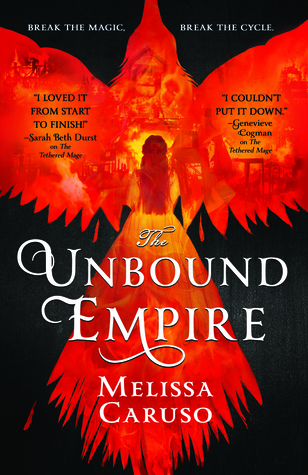
For my first Waiting on Wednesday, one of the main books I am hoping get in 2019 is The Unbound Empire by Melissa Caruso. The Unbound Empire is the third book in the Swords and Fire series and will be released in April 2019. I have really enjoyed the previous two books in the series, The Tethered Mage and The Defiant Heir, which were some of the best fantasy books in the last two years. With a fun combination of humour, intense fantasy adventure, enjoyable characters and excellent world building, I have awarded both of these books five-star reviews when I read them.
Definitely one to watch out for in 2019, I am expecting great things from The Unbound Empire.
 The Unseen Library