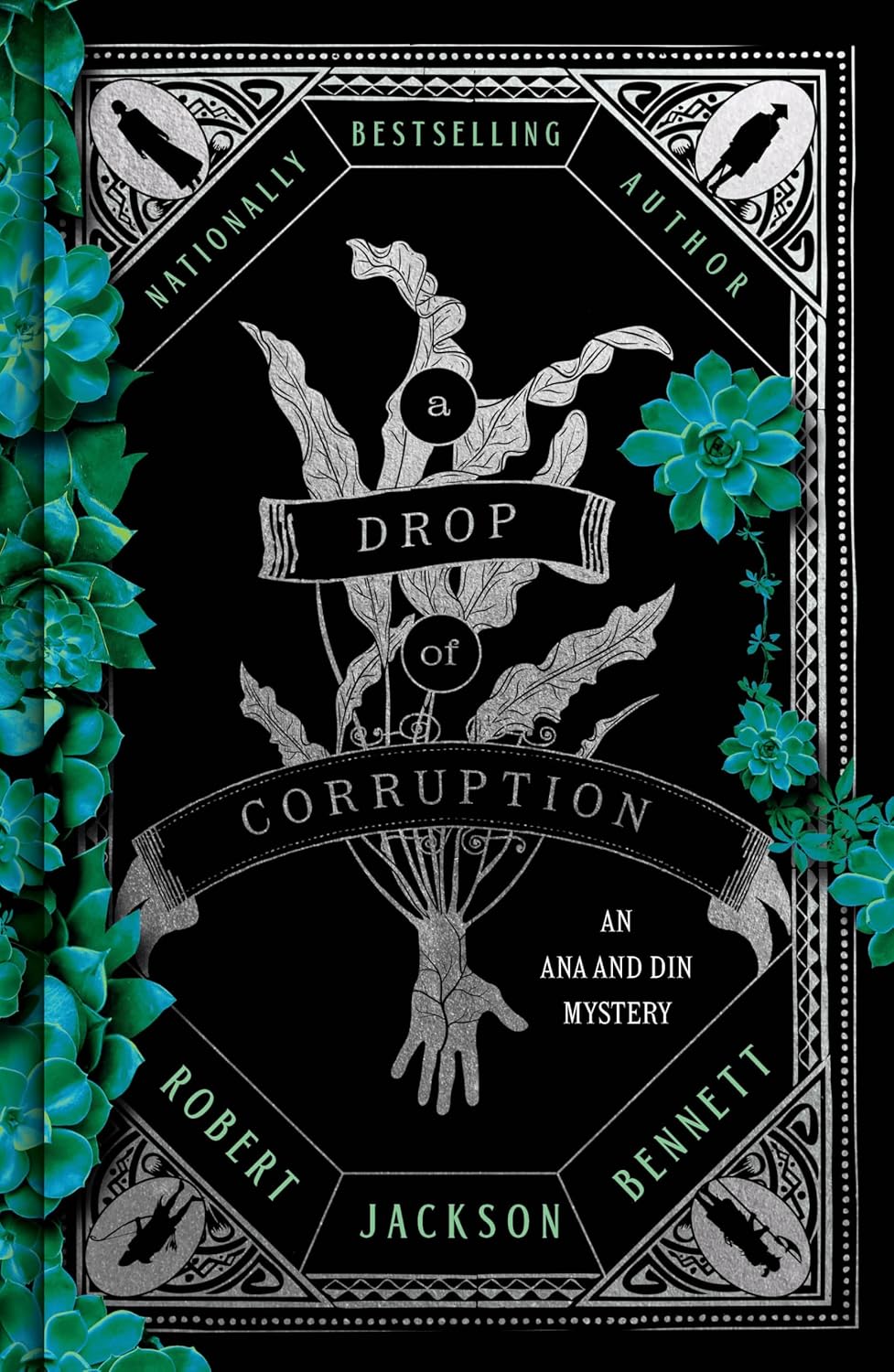
A Drop of Corruption by Robert Jackson Bennett

Publisher: Hodderscape (ebook – 8 April 2025)

Series: Shadow of the Leviathan – Book Two

Length: 432 pages

My Rating: 5 out of 5 stars

Amazon

Robert Jackson Bennett continues to shine brightly with the epic second novel in his Shadow of the Leviathan series, A Drop of Corruption, an exceptional and incredible fantasy murder mystery that I could not get enough of.

Robert Jackson Bennett is an awesome author who has produced some impressive fantasy series over the last few years.  Best known for his Divine Cities and Founders trilogies, Bennett has consistently wowed audiences with his elaborate settings, great characters and intricate narratives.  However, even though I knew how good an author Bennett was, I honestly was not prepared for how much I would enjoy his 2024 novel, The Tainted Cup.

The Tainted Cup was a truly outstanding novel that saw Bennett bring together the fantasy and murder mystery genres into an exceptional and highly addictive fusion.  The first book in the author’s Shadow of the Leviathan series, The Tainted Cup followed the young assistant to an unnaturally gifted investigator as they attempted to solve several murders brought about by magical grass.  Set in a powerful Empire constantly under attack from giant leviathans, The Tainted Cup was a truly epic read, and I loved the elaborate narrative that emerged, as Bennett perfectly set a highly clever mystery amongst the chaotic and highly detailed fantasy setting.  The result was a five-star novel that ended up being one of my favourite books of 2024.  I really cannot emphasise enough just how good The Tainted Cup was, and I think it goes without saying that I was very keen to continue the series after that outstanding first entry.  As such, the second Shadow of the Leviathan novel, A Drop of Corruption, was one of my most anticipated books of this year, and it really did not disappoint.

On the borders of the Empire of Khanum lies the small canton of Yarrowdale, part of an independent kingdom that is reluctantly set to join the Empire.  A dank and impoverished land filled with swamps and waterways, the only thing of importance for the Empire in Yarrowdale is the high-security compound known as the Shroud.  A top-secret lab where the best scientists from the Empire dissect fallen leviathans to harvest the transformative magic found in their blood, the Shroud keeps Yarrowdale on the map and its inclusion in the Empire an inevitability.  However, when an impossible crime takes place within its borders, all eyes within the Empire will be looking towards it.

An important Imperial Treasury officer on assignment to Yarrowdale has gone missing, seemingly disappearing into thin air inside his locked and guarded quarters.  Needing answers, the Empire calls upon its most unlikely hero, the brilliant, and possibly insane, special investigator Ana Dolabra.  Accompanied by her loyal and often exasperated assistant, Dinios Kol, Ana soon invokes her uncanny talent for observations and ability to make unlikely connections to find answers.  But despite quickly working out how the victim disappeared, Ana discerns that the crime was only the first move in a diabolical master plan.

A dangerous and clever killer is stalking Yarrowdale, one with the ability to think ten steps ahead and effortlessly cover their tracks.  Worse, the killer has devious designs on the Shroud and is willing to use the facilities own dark science against it, crippling the Empire’s ability to defend itself.  To save the Empire, Ana and Din will need to discern the killer’s schemes and stop them before it is too late.  But have the pair finally met an opponent even more brilliant that Ana?

Wow, wow, wow, now that was an outstanding book!  Robert Jackson Bennett once again impresses to the extreme as A Drop of Corruption was an incredible read that I honestly could not put down.  Another excellent blend of brilliant mystery and inventive fantasy fiction, A Drop of Corruption was so damn good, and I loved every single second I spent absorbed in its captivating pages.  A very easy five-star read and one of the very best fantasy novels of 2025.

I just loved the story Bennett cooked up for A Drop of Corruption, and frankly I am still thinking about its many elaborate twists, turns and revelations.  Starting off with a good introduction to Yarrowdale, a setting starkly different to the locations from the previous book, the reader is soon brought up to speed about the unusual case within the isolated canton.  Told exclusively from the perspective of assistant investigator Dinios Kol, you soon become emmeshed in finding out how the treasury official disappeared from his guarded room, with his body soon discovered in the nearby waterways.  Thanks to the combination of Kol’s enhanced memory and the unique mind of lead investigator Ana Dolabra, the manner of the victim’s disappearance becomes apparent; however, this only raises more questions and reveals a dangerous killer stalking the canton.

Now I guarantee that at this point of the story you will be extremely hooked, thanks to the compelling mystery that is developing, as well as the intriguing characters, cool new setting and the hints of a very clever killer capable of outthinking the protagonists.  Following some cool moments that indicate just how far the killer is willing to go to achieve their goals, Bennett cleverly ties his mystery into some of the fantastic elements of the setting, including Yarrowdale politics, and the hidden science of the Apothetikal, the branch of the Empire dedicated to the biological alchemy that enhances people.  The author really raises the stakes as the book continues, especially with dangerous bioweapons, essential scientific advances, and ancient political turmoil all impacting the plot.  Bennett keeps the shocks going with several impressive scenes, especially the killer works to alter the destiny of both Yarrowdale and the Empire.

This leads up to the very exciting and fast-paced final third of the book, where all the pieces of the mystery come together.  Despite knowing the identity of their opponent, the protagonists are forced to work overtime to try and catch them as they constantly stay multiple steps ahead of them.  The protagonists are soon forced to take drastic action to get answers, and there are some great scenes as some interesting revelations come to light and various characters are forced to face the consequences of their actions.  After a particularly powerful scene that hints at dark secrets that will likely become a bigger problem later in the series, Bennett masterfully builds up to the final confrontation, where Ana provides her final deductions, and chaos reigns as a result.  This entire conclusion was so damn clever, and it was very satisfying to see Ana bring all the story threads and hidden elements of the mystery together in the climatic revelation scene.   This all results in a thoughtful, moving but overall satisfying end to the book that perfectly wraps everything up, and allows the series to continue.  Readers are guaranteed to come away from A Drop of Corruption very happy, and I know that I am even more eager to continue this series after this exceptional second outing.

As with the first Shadow of the Leviathan novel, A Drop of Corruption was an outstanding and captivating blend of fantasy and murder mystery storytelling elements, as Bennett wraps a particularly impressive investigation narrative around a distinctive fantasy setting.  In many ways an over-the-top fantasy Sherlock Holmes novel, A Drop of Corruption was so damn addictive, with no slow moments as the protagonists follow a deadly trail of a dangerous and unnatural killer.  The mystery itself is just perfect, and I loved how well the author enhanced the elaborate investigation with his own unique fantasy elements, carefully blending them together to create and even more elaborate tale.  Thanks to the constant revelations, carefully hidden clues, sudden outrageous twists and some very entertaining characters, I honestly found myself unable to put this book down, as I couldn’t wait to see what amazing reveal was coming next.  Bennett also successfully balanced the darker tone of the narrative with his own excellent character-driven humour, which ensured some lighter moments amongst the serious investigation and dangerous results.  This humour, which mostly lay around the author’s outrageous detective protagonist, often had me chuckling out loud, while never overpowering the murder mystery or fantasy elements.  Working well as either a standalone novel or a sequel to The Tainted Cup, there is something very fun for everyone in this book, and all fans of either fantasy or crime fiction can have a brilliant time here.

In addition to featuring a cool story with some wonderful blended elements, A Drop of Corruption also served as a great expansion of the outstanding fantasy realm introduced in The Tainted Cup.  I personally loved the overarching setting of the Empire of Khanum, which not only features gigantic, mutated monsters constantly attacking its walls from the sea, but also features a unique magical system of biological grafts originating from leviathan blood that alters people, animals and plants to benefit the Empire.  Many of these unique elements are on full display in A Drop of Corruption, with the focus on new grafts, research into the leviathans, and the existing enhancements of the protagonists all serving as key plot points in the main mystery.  Highlights include dangerous bio-weapons, grafts that turn the antagonist into a particularly dangerous opponent, and an elaborate look inside the research station known as the Shroud.  These unique fantasy elements are well re-introduced and expanded on as the novel continues and allowed for quite a unique crime fiction read as they are cleverly inserted into the plot.

Bennett also uses this book to explore new areas of his fantasy setting, particularly by introducing Yarrowdale, a semi-autonomous nation under the Empire’s influence that has yet to officially join it.  Filled with its own people, politics and history, as well as the influence of the Apothetikal, who have one of their most important bases there, Yarrowdale is a very different place to the previous settings featured in The Tainted Cup, and Bennett paints an elaborate picture of swamps, waterways and disgruntled locals who have their own opinions about joining the Empire.  As with the existing fantasy and setting elements of the book, Bennett expertly introduces and utilises this new setting into his narrative, and it serves as an effective and compelling background to the plot, especially when the case gets even more complicated, and the protagonists are forced to become involved in Yarrowdale politics and its royal family.  These scenes also allow Bennett to engage in a bit of social commentary, especially when it comes to the overall wickedness of kings (or other autocratic rulers), and it was fascinating to read his notes at the end where he expands on some of these points.  I really enjoyed this complex additional world building from Bennett, especially with how well it was utilised in the main story, and every new glimpse of the Empire of Khanum makes me an even bigger fan of this series.

I must also highlight the two awesome main protagonists that helped to make A Drop of Corruption so impressive, as Dinios Kol and Ana Dolabra were a highly entertaining duo.  Featuring an often exasperated but loyal subordinate working for a brilliant and eccentric detective, Bennett once again achieves the iconic detective/sidekick dynamic that fans of Sherlock Holmes will be familiar with.  In this case, Dinios serves the Watson role as the book’s only point of view, which allows him to be the sounding board for the mad detective, in this case Ana, while also being present for all of her deductions.  As such the reader, through Dinios’ eyes and ears, get the full explanation for how Ana reached her conclusion as she brings her assistant up to date.

This method of splitting the load between the detective and the sidekick is a classic for a reason, and I loved seeing the compelling story emerge from Dinios’s perspective, as he was front and centre for all the case’s twists and turns.  He was also a witness to all the crazy behaviour of his boss, and Ana did not disappoint, being her usual disrespectful and slightly unhinged self.  Most of the book’s humour came from Ana’s insane behaviour and the reactions of the other characters seeing it, which, alongside her incredible detective skills, is quickly making her one of my favourite fictional detectives.  I really enjoyed the dynamic that continued in this sequel novel between Dinios and Ana, and you get a great balance of eccentric genius and troubled young apprentice throughout the story.  While this partnership hits some snags in this book, especially as Dinios dreams of a more heroic career while Ana proves to be her usual impossible self, it proves to be a strong centre to the book, especially as certain revelations bring them even closer together.  A truly incredible central pair of protagonists whose entertaining antics I could not get enough of.  Throw in a great selection of supporting characters, including an intelligent and enhanced local assistant who manages to out-sass the protagonist, a multitude of suspicious individuals who have their own secrets around Yarrowdale, and an antagonist who is built up to be an insanely intelligent opponent for the protagonists, and this really ends up being an exceptional, character focused novel with some real emotional heart to it.

Overall, A Drop of Corruption was another exceptional novel from Robert Jackson Bennett, who did a truly outstanding job continuing his Shadow of the Leviathan series.  A Drop of Corruption was so damn good, and I loved every single part of this epic fantasy and crime fiction hybrid.  I honestly cannot recommend this book enough, and it easily one of the top fantasy reads of the year.
Amazon

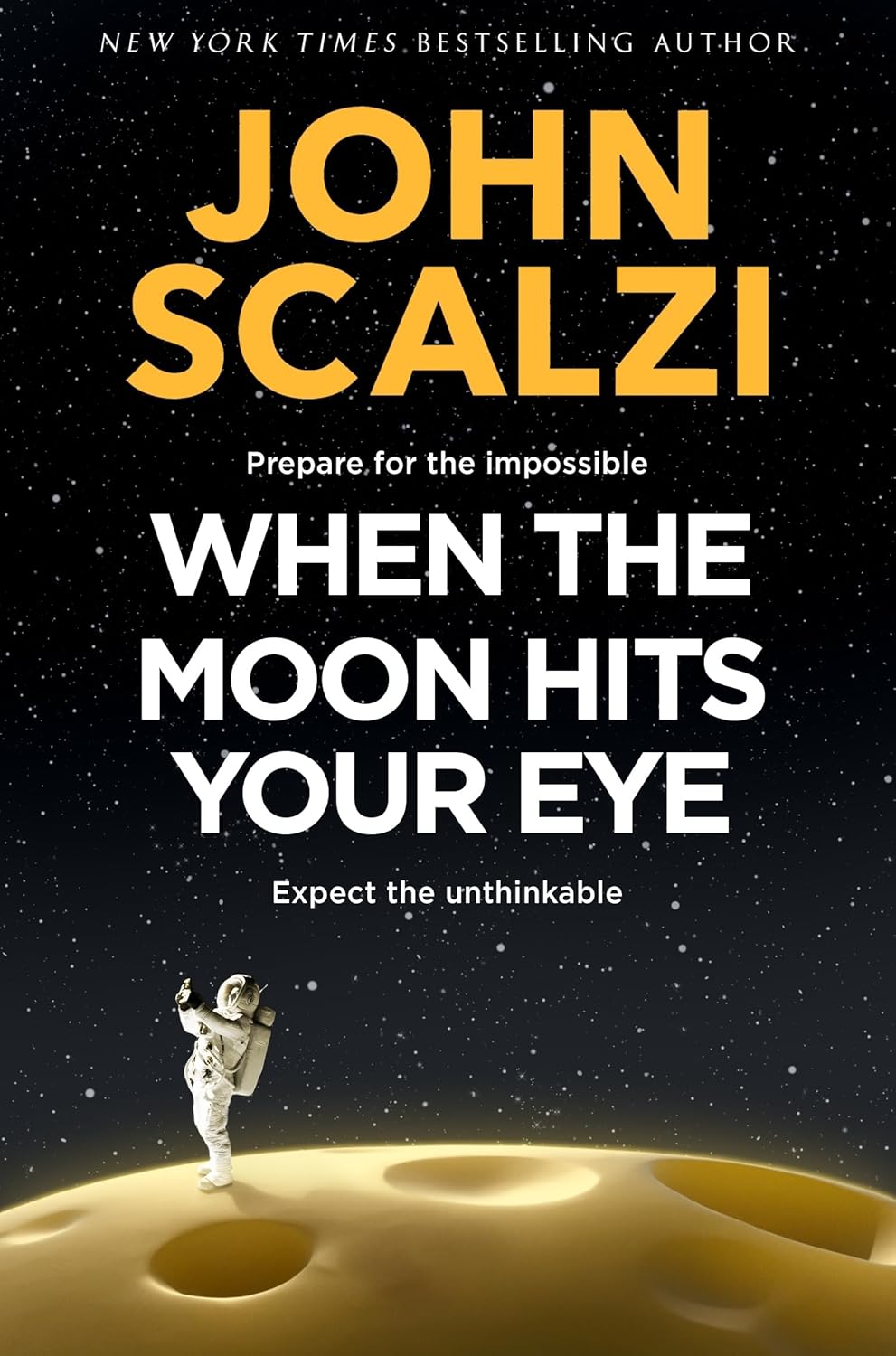
When the Moon Hits Your Eye by John Scalzi

Publisher: Tor (ebook – 25 March 2025)

Series: Standalone

Length: 336 pages

My Rating: 4.75 out of 5 stars

Amazon

Prepare for one of the most outrageous and original science fiction novels of 2025 with the fun, heartwarming and very entertaining novel, When the Moon Hits Your Eye by the always fantastic John Scalzi.

John Scalzi is a very entertaining science fiction author who has been providing his unique take on the genre for years.  Best known for Old Man’s War and The Interdependency series, Scalzi has also written a range of distinctive standalone science fiction novels that provide interesting takes on the world, as well as satirising certain elements of pop culture.  I have had a wonderful time reading novels like Redshirts, The Kaiju Preservation Society and Starter Villian, and all of them proved to be amazing books.  As such, I have been making a strong effort to read all Scalzi’s new novels, including his 2025 release, When the Moon Hits Your Eye.  A captivating read with a unique premise behind it, When the Moon Hits Your Eye was one of my most anticipated books of 2025, and I am so glad that I got the chance to read it.

Plot Synopsis:

The moon has turned into cheese.

Now humanity has to deal with it.

For some it’s an opportunity. For others it’s a moment to question their faith: In God, in science, in everything. Still others try to keep the world running in the face of absurdity and uncertainty. And then there are the billions looking to the sky and wondering how a thing that was always just there is now… something absolutely impossible.

Astronauts and billionaires, comedians and bank executives, professors and presidents, teenagers and terminal patients at the end of their lives — over the length of an entire lunar cycle, each get their moment in the moonlight. To panic, to plan, to wonder and to pray, to laugh and to grieve. All in a kaleidoscopic novel that goes all the places you’d expect, and then to so many places you wouldn’t.

It’s a wild moonage daydream. Ride this rocket.

Alright, so I knew going in that I was going to love When the Moon Hits Your Eye, primarily because it’s John Scalzi examining what happens when the moon turns to cheese, and that’s such an awesomely wacky premise.  However, even with that expectation, I was surprised at how much fun I had with When the Moon Hits Your Eye, especially as Scalzi presents a compelling, thoroughly amusing and genuinely nice book that I ended up powering through in only a couple of days. 

This was an extremely enjoyable novel, and I loved the impressive and multi-layered narrative that Scalzi was able to wrap around his original central plot idea.  Starting with a couple of great introductory chapters that showcased the people of Earth becoming aware of the makeup of the moon suddenly and inexplicably changing from rock to a cheese-like substance, the book soon evolves into a series of loosely connected stories, set over the course of the first lunar cycle of the new cheese moon.  These stories are designed to show the various reactions people in America have to the moon’s sudden change, and Scalzi has fun coming up with a range of great scenarios that only he could imagine.  Many of these involve scientists, government officials and astronauts as they explore the more scientific nature of the cheesy moon and how it impacts the larger world, and this forms the core of When the Moon Hits Your Eye’s narrative, moving the overall plot along with new developments.

These main stories are well mixed with much more personal tales of ordinary people who find the unusual world circumstances impacting their lives in various ways as they try to make sense of their new reality.  Scalzi really tries to showcase different layers of society with these stories, as he explores how religious people, philosophers, pop scientists, movie producers and even cheese shop owners would react to the unlikely scenario.  These resulting ordinary-people based narratives blended extremely well with the core storylines about the official examination of the new moon and provided the reader with an outstanding range of emotions, humour and complex character-driven tales that expertly captured the human experience and examine how people react to the unexpected and the impossible.

Scalzi goes a variety of interesting places as the overall narrative of When the Moon Hits Your Eye continues, and I appreciated how well he set out the crazy lunar cycle.  There is a more desperate edge to the second half of this book, especially as the cheese-based moon causes massive problems for the world, but this allows Scalzi to really dive into the emotional heart of the story, especially as he revisits several characters throughout the course of the book to see how these impossible events have changed their perspective and lives.  The story comes to a very interesting, if slightly sudden, end, and while I think there was room for Scalzi to possibly provide readers greater closure with some of his character arcs, I felt that his conclusion was fun and fitting, especially with its cynical, if realistic, take on Earth’s future and how it will likely look back at the past.

This ended up being a very fun and moving novel, especially as Scalzi really dove into the human side of the problem and tried to examine the various ways people would either come together and drift apart over something this insane happening.  While I’m sure some of book’s science is a little iffy, Scalzi sells the entire event in a realistic manner, and anyone can come into When the Moon Hits Your Eye and follow along with its plot, especially when it comes to the moving character-focused stories.  Scalzi has a real talent for creating some elaborate short narratives around interesting protagonists, and the cool range of cool stories set under the book’s big plot event were all quite entertaining and unique in their own way.  While some go for outright humour, others try to mirror recent real-world events, while more have much more personal and complex stories that looked at the darker side of the changes to the moon.  All feature Scalzi’s realistic and relatable characters, and I felt that the author had a great, if cynical handle, on the modern mindset and the different ways humans would react to a sudden, major event like this.

As for the many cool stories contained within When the Moon Hits Your Eye, I tended to enjoy the more outrageous or outright funny tales, primarily because Scalzi used his imagination to come up with some truly hilarious, if surprisingly realistic moments.  For example, one brilliant chapter focused on a Hollywood producer bombarded by moon and cheese focused screenplays, each one more ridiculous then the last.  Other highlights included stories following employees of an entitled uber-wealthy who wants to become the first person to eat moon cheese, a poorly received Saturday Night Live taping, and a Vegas-based narrative resulted in a very over-the-top political scandal, all of which made me chuckle.  These funnier stories were well balanced by more heartfelt narratives in unusual times, such as the tales surrounding two rival cheese shops that resulted in romance, familial reconnection, and other tales of emotional growth.  I personally found myself connecting to a particularly moving story about an aspiring and struggling fantasy author whose writing dreams are eclipsed by the changes to the moon.  Throw in several more central plot threads that move the story along in some surprisingly dark ways, including the narratives surrounding a billionaire tech-mogul with delusions of grandeur.  These stories all form quite an impressive narrative web, and I really cannot emphasise just how well they came together, nor how entertaining they are both a singular and a joint level.

John Scalzi dives into one of his craziest scenarios with When the Moon Hits Your Eye, an ultra-compelling and fantastically over-the-top novel that I couldn’t get enough of.  Smart, moving and oh-so funny, When the Moon Hits Your Eye was a breathtaking novel that brings you laughs, joy, and Scalzi’s brilliant insights into human nature.  A highly recommend book for anyone looking for something entertaining or just a little unusual.

Amazon

Four Ruined Realms by Mai Corland

Publisher: Recorded Books/Zaffe (Audiobook – 7 January 2025)

Series: The Broken Blades – Book Two

Length: 13 hours and 31 minutes

My Rating: 4.75 out of 5 stars

Amazon

One of the hottest fantasy sequels of 2025 is the impressive Four Ruined Realms by Mai Corland, that once again follows an entertaining band of killers and self-interested liars as they get drawn into dark events that threaten their entire world.

Last year I had the pleasure of reading the outstanding debut Five Broken Blades by Mai Corland.  The first book in Corland’s Broken Blades trilogy and one of my favourite debuts of 2024, Five Broken Blades was an impressive fantasy novel with some great Korean aesthetics that followed five deadly killers who are recruited to kill the king of Yusan and steal the magical crown that makes him invulnerable.  However, their planned assassination and heist becomes complicated by secrets, treachery and the fact that each member of the group had hidden motivations for being there.  Corland provided a pretty wonderful story for this first book, loaded with betrayals, lies and compelling character-driven perspective chapters, and I loved the great twist at the end that saw the protagonists captured and forced to engage in a new heist.  As such, I have been eagerly awaiting the sequel since last year, especially as I couldn’t wait to see how Four Ruined Realms resolved the awesome cliffhanger Corland left the first book on.

The group known as the Blades are five of the best killers, liars and thieves in the kingdom of Yusan.  Made up of a master spy, a beautiful poison-maiden, a murderous banished prince, a lethal thug and a mysterious thief, the Blades were hired to pull off an impossible task: kill Yusan’s God King Joon and steal his crown.  Each of the killers had a reason for becoming involved with the plot, as well as their own dark secrets that drove them onwards.  However, all of them underestimated Joon’s manipulations and greed, as the entire job was a ploy from the King to bring them together and evaluate their skills.

Captured and forced by bribes and threats to accept a new mission, the Blades now find themselves journeying to the neighbouring nation of Khitan, which has long resisted the armies of Yusan.  Ruled over by Joon’s vengeful sister, Quilimar, Khitan remains free thanks to the power of the Golden Ring of the Dragon Lord, one of five legendary magical treasures gifted to the ruling houses of the rival realms.  Determined to possess all the treasures, Joon gives the Blades one month to steal the ring and return it to him.  If they succeed, they will have everything they desire, but if they fail, then they and everyone they love will be killed.

Arriving in Khitan, the Blades find dangerous enemies all around, an impossible theft before them and their once cohesive group fractured thanks to their uncovered lies.  But even with their conflicting motivations and secrets out in the open, these killers can all agree on one thing: King Joon is their true enemy.  Determined to fight back, the Blades embark on a mission to gain an audience with Quilimar and find a way to use Khitan’s resources to defeat Joon.  However, there is a darker conspiracy at play within the borders of Khitan, and the Blades have once again underestimated the lengths their enemies will go to win.  Worse, each of the band still has secrets, and soon a new set of lies will tear them apart from within.

Four Ruined Realms was another exceptional fantasy novel from Corland that effortlessly drags you in with its fun action, compelling story, doomed romances and outstanding and damaged protagonists.  Perfectly telling a massive, multi-character narrative, Four Ruined Realms was a very worthy sequel to Five Broken Blades that proved very hard to put down.

Corland set forth another complex and emotionally charged narrative in Four Ruined Realms, and I loved how well she continued after the cool cliffhanger ending of the first book.  Taking place right in the aftermath of the betrayals and lies of Five Broken Blades, Four Ruined Realms begins just as the Blades arrive in Khitan and are forced to work together to survive and secure the prize, despite the complete lack of trust and the anger brought about by their revealed secrets.  Corland works a lot of great character development into these early chapters, as the book flits between the protagonists and showcases their respective mindsets.  There is a good blend of early planning, espionage, and personal issues, as the protagonists try to work together, while also maintaining additional secrets that they know will tear the group apart.  The first part of the book features some very fun sequences, especially when the male protagonists depart on an expedition for knowledge, while the girls attend a party that ends in turmoil.  At the same time, there are hints of a bigger conspiracy beneath the surface of the new realm they are in, and Corland provides some interesting clues that perfectly come into play later.

As Four Ruined Realms continues, Corland enhances the book by including more chapters from the perspective of returning protagonist Tiyung.  Tiyung, while a perspective character in Five Broken Blades, only had a relatively minor point-of-view role, so it was interesting to see him as more of an equal protagonist in the sequel.  His storyline of being stuck in a notorious prison back in Yusan proved to be particularly compelling, especially as he gets to interact with two of the book’s best supporting characters.  Tiyung’s storyline blends well with that of the main protagonists, and thanks to the simultaneous timeline, you get to see him react to the events occurring over in Khitan and find out secrets that have potential impacts on how the Blades succeed in their task.

The second half of the book primarily details the Blades’ attempts to learn more about Khitan and find a way to get an audience with its queen.  Their plans to achieve this see them once again split up into dramatic groupings, and you get some interesting adventures and interactions as a result, especially as all the powerful emotions come to the surface.  It also perfectly sets up the final massive sequence of Four Ruined Realms, which really delivered in both action and tragedy.  While I don’t want to spoil too much, readers will come away from this novel pretty heartbroken, and there are some very intense moments going on in the last third of the book.  Combined with a series of final reveals and twists, all of which are nicely foreshadowed by earlier subtle inclusions from the author, you come away from Four Ruined Realms both moved and extra excited to see how the series is going to come to an end.

As with the first book in the series, Corland sets Four Ruined Realms out in a fantastic manner, and I deeply enjoyed how the complex narrative came across.  The use of six separate perspective characters was a major highlight as it allowed for a multi-layered narrative with a focus on character development and interactions.  The author did an outstanding job of balancing the different perspectives, with all the protagonists getting their chance to shine in their respective chapters, and even the increased use of Tiyung didn’t throw this out of whack.  Indeed, Tiyung’s chapters honestly pulled the other perspectives together into a tight and captivating overarching narrative, as the inclusion of an outsider character viewing events from afar increased the complexity of the plot.

The author makes full use of the book’s alternating viewpoints to insert a lot of great story elements into the plot, so there is a little something for everyone here.  The constant intrigue and danger that the protagonists found themselves in was well balanced by the author’s excellent worldbuilding, while the cool action scenes are guaranteed to get anyone’s blood pumping.  There are also multiple romance subplots that none of the protagonists are immune to.  While not a full-on romantasy novel, a good chunk of the book is focused on the complicated relationships that have formed between various protagonists, which will appeal to some readers, especially as the doomed nature of many of these romantic affairs leads to some excellent drama and heightened personal tensions.  While there were a few more romantic subplots than I typically enjoy in a fantasy novel, I felt that Corland got the right equilibrium here, with the focus on relationships and failed love enhanced the main fantasy intrigue elements of the plot rather than distracting from them.

Four Ruined Realms proved to be a very worthy sequel to Five Broken Blades, and I really enjoyed how effectively the author continued her elaborate storylines and continued to build up her great characters.  Corland uses this book to substantially expand the overarching setting of the series, including exploring a second realm and diving into the larger politics of the world.  The primary new setting, Khitan, worked extremely well as a background to the story, especially as its history and inherent intrigue played nicely into the chaotic mission of the protagonists and the plots surrounding it.  While I loved how the narrative continued in this sequel, readers should be warned that Four Ruined Realms isn’t necessary the best place to dive into the Broken Blades books, primarily because it is the second entry in a complex ongoing fantasy series.  While Corland does a great job of recapping the key events of the first book throughout Four Ruined Realms to make it accessible to newcomers, readers should really start at the start of the trilogy as it will give you the full emotional impact, especially when it comes to the character arcs.  Still, there is plenty for everyone to enjoy here, and I feel that Four Ruined Realms was a great book and sequel for readers new or returning.

As with the first book in this trilogy, the element that really ensures Four Ruined Realms stands out was its well-crafted main characters through whose eyes we see the narrative unfold.  Corland brings back all six protagonists from the first novel, made up of Royo, Sora, Euyn, Mikail, Aeri and Tiyung, and features them as equal parts of the plot.  After exploring their tragic backstories in Five Broken Blades, Corland spends this second novel diving into the drama and turmoil caused by the events of the first book, including the reveal of their darkest secrets and hidden motivations.  This brings out a lot of mistrust, antagonism and broken romances, which works to create quite a turbulent and entertaining plot.  I really appreciated how well each of these protagonists came through as a result, and it was fascinating to see their next set of secrets and hidden concerns, especially the deeper you get into their new mission.

Of the six, Royo, Mikail and Tiyung probably had the best arcs in Four Ruined Realms.  Royo continues to be the loveable, tough street thug with a past, and his more straightforward approach to life and honest need for redemption are quite refreshing amongst the rest of the schemers in the group.  Mikail, the dark spy master, proves to be the book’s ultimate badass, and his entertaining persona, complex backstory, and conflicted opinions about his love interest Euyn, ensure that he is one of the better perspectives in Four Ruined Realms, especially as he continues to mislead and lie to everyone.  Tiyung, as I mentioned above, gets much more of a chance to shine in this sequel, and his transformation from spoiled rich kid to starving prisoner ensures you get a better look at his character.  A genuinely good person, Tiyung continues to rise above his family legacy here, and his narrative of prison life and unexpected connections was a true highlight of the book.

The rest of the Four Ruined Realms protagonists also had some excellent moments, and I really appreciated their storylines.  Euyn, the fugitive prince of Yusan, has a troubled time in this sequel, primarily as he has the most paranoia and mistrust after the events of the first book.  This leads to a lot of conflict, and Euyn’s character growth from the first book starts to reverse in places as he seeks fights and alienates his allies.  However, Corland works this conflict into an excellent overarching narrative for Euyn, with its resolution being a key part of the plot.  I also felt that Sora, the beautiful and deadly poison-maiden, had a great arc in this sequel, especially as she loses her confidence and her killing edge, becoming the group’s conscience.  The final protagonist, Aeri, is my least favourite, although she ties the central cast together nicely.  The secret child of the main antagonist Joon and the group’s traitor in the first book, Aeri is the most mistrusted protagonist, despite being in the same boat as the rest of the Blades, and spends much of Four Ruined Realms trying to prove herself again.  While her storyline is really interesting and an essential part of the overall plot, I still didn’t connect with Aeri.  I’m not sure if this is because of how she is written, or because of the narrator assigned to Aeri’s chapters, but I feel that there is a huge disconnect between Aeri and the other protagonists which makes her not quite fit in, especially with her overly manic (and horny) personality.  Still, she does have some great moments in Four Ruined Realms, and it will be very interesting to see where Aeri and her doomed romance ends up.  Throw in an array of excellent supporting figures, including outstanding and ruthless antagonists, and this proves to be an amazing overall cast, whose layered roles and interactions helps to turn Four Ruined Realms into quite an exceptional read.

As with the first book in the series, I chose to listen to the audiobook version of Four Ruined Realms, especially after Five Broken Blades came across so epically on the format.  Unsurprisingly, the sequel was just as impressive on audiobook with Four Ruined Realms also featuring talented narrators, Greg Chun, Zion Jang, Roger Yeh, Donald Chang, Jaine Ye and Sophie Oda, each of whom voiced the chapters of a particular character.  These multiple narrators worked wonders to tell Four Ruined Realms’s elaborate character-driven story, and I loved how each of them inhabited the role of their respective protagonist.  All the narrators really impressed me in Four Ruined Realms and thanks to the even spread of chapters between characters, they all got a chance to shine.  There was a fantastic array of voices featured in each chapter, and we get to hear several differing tones for the same characters throughout the course of the audiobook.  I will admit that the narration for Aeri’s chapters still didn’t quite seem to fit the tone of the rest of the audiobook, but the other chapters more than made up for it, and I really enjoyed some of the elaborate and varied voices that emerged.  Featuring a 13-and-a-half-hour runtime, this was a quicker audiobook to get through than Five Broken Blades, and it ended up being a wonderful way to appreciate Corland’s fantastic story.  As such, this format comes very highly recommended for Four Ruined realms, and I am currently planning to finish this series off on audiobook.

With even more betrayals, secrets and tragedy, Four Ruined Realms was another exceptional novel from Mai Corland, who is really starting to impress me as an author.  An outstanding sequel to Five Broken Blades, Four Ruined Realms perfectly continues the trilogy’s captivating narrative, and you won’t be prepared for all the cool twists, turns and major moments.  A brilliant and moving fantasy novel with some dramatic character moments, Four Ruined Realms was such a good book and I’m so very glad I continued this fantastic series.  I cannot wait to see how this trilogy concludes, and luckily the final book, Three Shattered Souls, is out in July.

Amazon

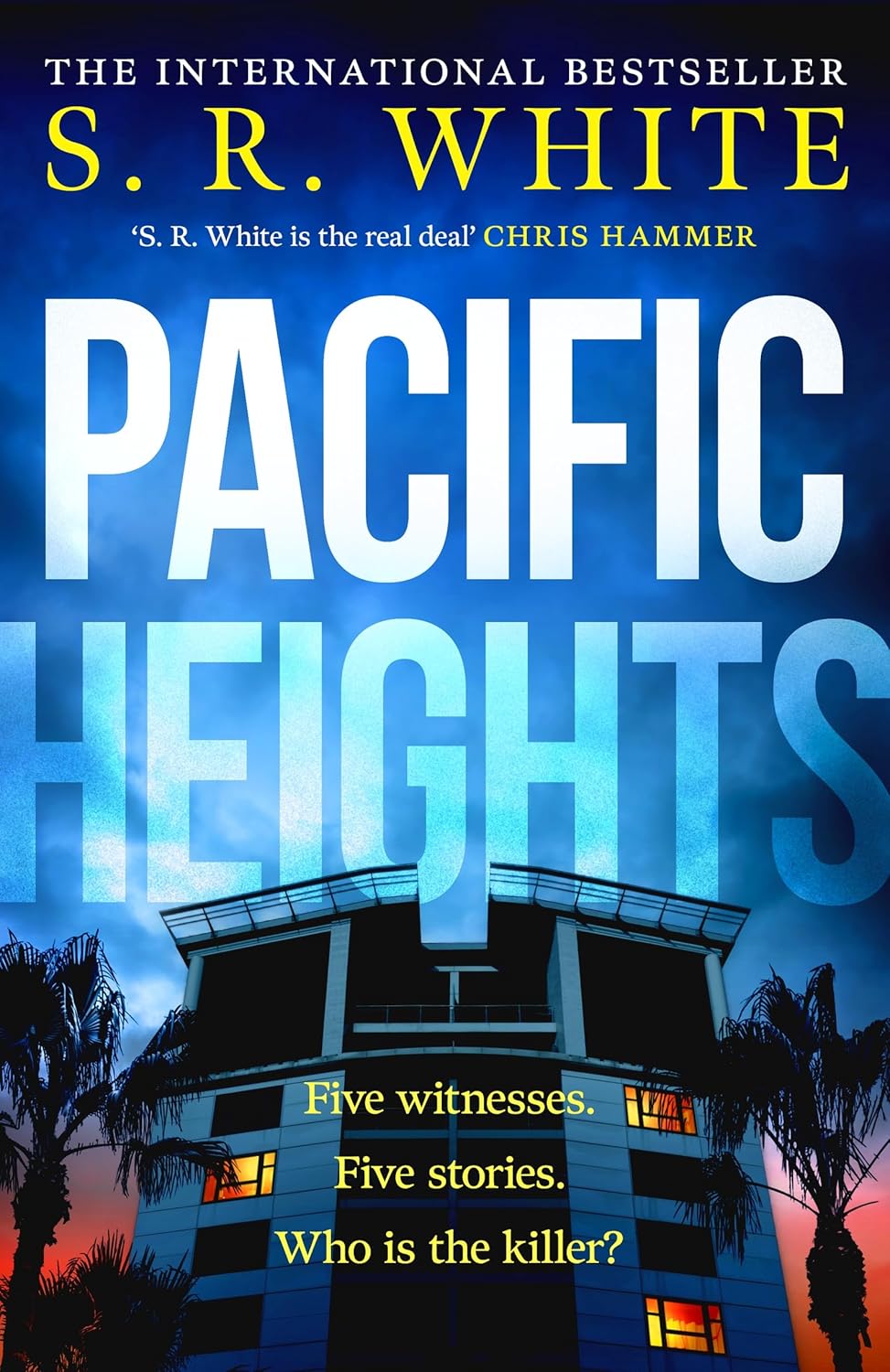
Pacific Heights by S. R. White

Publisher: Headline (Trade Paperback – 25 March 2025)

Series: Standalone

Length: 279 pages

My Rating: 4.5 out of 5 stars

Amazon

Over the last couple of years one of the more compelling authors of Australian crime fiction has been S. R. White.  A former member of the UK police, White has been writing intriguing crime fiction novels since his move to Australia.  His main body of work has so far included excellent reads like PrisonerRed Dirt Road and White Ash Ridge (part of the Detective Dana Russo series), which featured complex mysteries centred around layered suspects.  I really enjoyed the compelling way in which White’s investigators break down the motivations and personalities of the suspects and the victim to get to the truth, and the author has a unique and striking writing style.  As such, I was eager to read his 2025 novel, Pacific Heights, which is a standalone spin-off of White Ash Ridge, featuring one of the supporting characters from the previous book in a more substantial role.

Plot Synopsis:

FIVE WITNESSES. FIVE DIFFERENT STORIES. WHO IS THE KILLER?

In the courtyard of the Pacific Heights building, a local waitress is found dead.
Five apartments overlook the murder scene. Five people witnessed a crime take place.
Finding the killer should be simple.

Except none of the witnesses’ stories match.
They all saw something – from a different angle, at a different time.
None of them saw everything. Anyone could be the killer.

Detectives Carl “Bluey” Blueson and Lachlan Dyson, each with their own careers in peril, must solve what others assume is a straightforward case. But to unmask a killer they must unpick a complex puzzle – where the motivations of the witnesses are as mystifying as the crime itself.

How can you solve a crime if anyone could be lying?

This was a very clever and addictive Australian crime fiction read that I had such a blast getting through.  White wove together a very compelling mystery narrative for Pacific Heights that cleverly explored a range of great characters and examined how people view events differently.

White starts Pacific Heights off well by introducing the detective protagonists and swiftly bringing them to the scene of the crime, where they attempt to ascertain the events leading up to the victim’s death by interviewing several people who either witnessed part of the murder or knew the victim.  The author takes his time with these initial interviews, ensuring that readers get a complete picture of what the witness’s account of events, as well as how they knew the victim.  It doesn’t take long for the reader and the protagonists to realise that the witnesses’ stories don’t match and none of them can definitively say who the murderer was.

By this point in the book, you’re strongly hooked, especially as the author has raised some interesting question about the victim and you are very intrigued by the main five witnesses and their potential secrets.  White rewards your interest with a series of insightful re-interviews, as well as bringing in new suspects and additional investigation methods to paint a larger picture of events, none of which quite fits together.  There is a great methodical style to the investigation, as the police chip away at all the inconsistencies and questions, although they are never quite as close to an answer due to the conflicting testimonies.

Everything leads up to the final third of Pacific Heights, which I honestly thought was a tad rushed, but which presented a solid and very clever ending.  Thanks to a brilliantly laid-out series of clues throughout in the plot, the protagonists are eventually able to solve the case, and I felt that the solution was extremely smart.  While I did predict who the killer would be, getting to their motivations behind the murder, as well as finding out how events unfolded, ensured that this was a powerful conclusion that fit the rest of the story really well.  I especially loved the twist around which of the witnesses were lying, and it tied in nicely to the complex character profiles White provided for the supporting cast, as well as utilising the protagonist’s own prejudices.  The result was an extremely impactful and captivating crime fiction story that I couldn’t stop reading and managed to power through in a couple of short days.

Pacific Heights proved to be an excellent read, and I really appreciated the intricate, character-focused mystery that White came up with.  Featuring a similar style to his Detective Dana Russo novels, the investigation is primarily based around understanding the people associated with the case, including the victim, witnesses, and other potential suspects.  This ensures that the author spends a lot of time carefully constructing and utilising his cast of supporting characters, and the array of motivations, personal issues and hidden histories, results in a particularly complex and emotionally charged read.  The focus on the various witnesses blends well with the character arcs surrounding the detective protagonists, and there is also a complex dive into the life of the victim, Tahlia Moore, even though she never actually appears alive in the plot.  Thanks to the protagonists diving into every aspect of her life, Tahlia comes to life through the descriptions of the other characters, and you soon begin to realise that she wasn’t as innocent or perfect as you are initially led to believe.  While I did feel that the author could have revealed some key history around certain witnesses earlier, for the most part I really appreciated how well White set up these compelling characters, and it helped to create a very powerful novel with some heavy emotional edges to it.

I also must commend how White worked this character-focused plot into Pacific Height’s police investigation narrative, as the protagonists are forced to wade through the conflicting testimonies to get the truth.  There is a certain amount of gritty realism to how White examines witness testimony and people’s motivations that really enhances the impact of Pacific Height’s plot, and I liked the underlying theme about how the way we see the world is flawed.  This focus on witness testimony blended well with the additional investigative tools featured in the plot, and this entire story came together extremely well. These combine nicely with the series of subtle clues that White lays down throughout the course of the book, and I loved how effectively this mystery came about.  While I did once again have minor issues with the author’s vagueness around where in Australia this book was set, this was honestly a very impressive crime fiction read that works well as both a standalone novel and a continuation of White’s existing series. 

Loaded with great characters, a deeply addictive mystery, and an excellent story hook, Pacific Heights was a very impressive read, and I had such an amazing time with this new novel from S. R. White.  Pacific Heights is White at his very best, and I really cannot recommend this book enough.

Amazon

The Reunion by Bronwyn Rivers

Publisher: Constable (Trade Paperback – 11 February 2025)

Series: Standalone

Length: 360

My Rating: 4.5 out of 5 stars

Amazon

New author Bronwyn Rivers bursts onto the Australian crime fiction scene in a big way with her impressive debut, The Reunion, a compelling and highly addictive read set in Australia’s iconic Blue Mountains that brings up dark secrets from the past.

Plot Synopsis:

Ten years ago, six teenagers hiked into the Blue Mountains wilderness – and only five came out alive.

The survivors have barely seen each other since the tragic bushwalk. Yet when an invitation arrives to attend a 10-year memorial of their friend’s death, Hugh, Charlotte, Alex, Laura and Jack find themselves travelling back into the rugged landscape where it all began.

The weekend at an isolated homestead in the bush – no phone signal, no distractions – should be a chance to reflect and reconnect.

But each of the friends has been carrying secrets from the fateful hike. And someone will stop at nothing to get the truth.

The Reunion was an impressive first novel from Rivers, who brings together a powerful, character-focused mystery that drags her protagonists through trying times in both the present and the past.  Intense, captivating and filled with great twists, The Reunion was an excellent Australian debut that I had an amazing time reading.

This was a very exciting and intricate Australian crime fiction book that follows several damaged characters as they navigate their darkest secrets.  Following five school friends reuniting for the 10-year anniversary of their friend Ed’s death, The Reunion starts with a necessary introduction of the characters in the present and their current issues.  Cut with flashback chapters to the fateful group hike where Ed died, the initial 50 pages of the book are a tad slow to start with, although there is some very useful set-up here, as Rivers establishes the key characters and the scenario they are getting into.  However, I didn’t think things really get started until the protagonists find themselves trapped in Ed’s family homestead in the Blue Mountains, caught up in a desperate plan by his grieving mother, who is convinced that there is more to the story then they ever told.

Suddenly finding themselves alone on the homestead with no water, no communication, and no ability to safely leave the property, the five friends start to find their secrets coming to light around them, which they must confront before Ed’s mother will let them leave.  The protagonists’ attempts to survive at the homestead are perfectly cut with a variety of flashback chapters that showcase both the events of the hike and look at other key events of the protagonists’ lives that give them potential motive for killing Ed all those years ago.  The blend of past and present storylines works extremely well to tell a complex story of lies, secrets and dark events, and you soon become obsessed with working out what really happened all those years before, as well as how the current scenario plays out.  I felt that these storylines came together extremely well, as not only is there an intriguing end to the flashback sequences in the bush, but the main story ends with some intense and dangerous moments as the well-written and complex protagonists face the consequences of their actions.  Featuring a surprisingly fast-paced but satisfying end to the captivating narrative, The Reunion came together extremely well, and I personally really liked the final twist, which wraps everything up in a fantastic way.

I felt that Rivers pulled together The Reunion quite nicely, and this ended up being a tight and powerful crime fiction read that really grabs the reader’s attention.  Featuring an excellent narrative that perfectly oscillates between the present storyline and the various glimpse of the past, Rivers was able to provide a very moving and thrilling read that cleverly explored the history and psyches of the damaged characters and provided greater context for the main plot.  The switches each chapter between the five characters worked well to expand each of their roles, and it was fascinating to see the differences between all the protagonists in the past and the present.  While Rivers could have possibly made it a bit clearer who each chapter was focussing on (say by putting the name next to the chapter number), the switch between characters allowed for a highly personal read, as you experience each character’s growth and current damage.  The author also ensures that the reader gets some interesting alternate views of the hike’s missing person, Ed, especially as the more you see of him the more you realise several characters may have had very valid reasons to kill him, which helps to deepen the mystery.  Throw in the excellent use of the beautiful Blue Mountains setting as background for this story, which Rivers lovingly brings to life with her effective descriptions, and this was a very cool standalone crime fiction read that had a lot of impressive layers to it.

An overall sharp, captivating and well-thought-out Australian crime fiction debut, The Reunion was an outstanding first book from Bronwyn Rivers that proved hard not to enjoy.  Featuring great twists, damaged characters, and excellent use of flashback chapters to paint a complex story of secrets, betrayal and tragedy, The Reunion comes highly recommended, especially for those readers keen for an impressive new talent.

Amazon

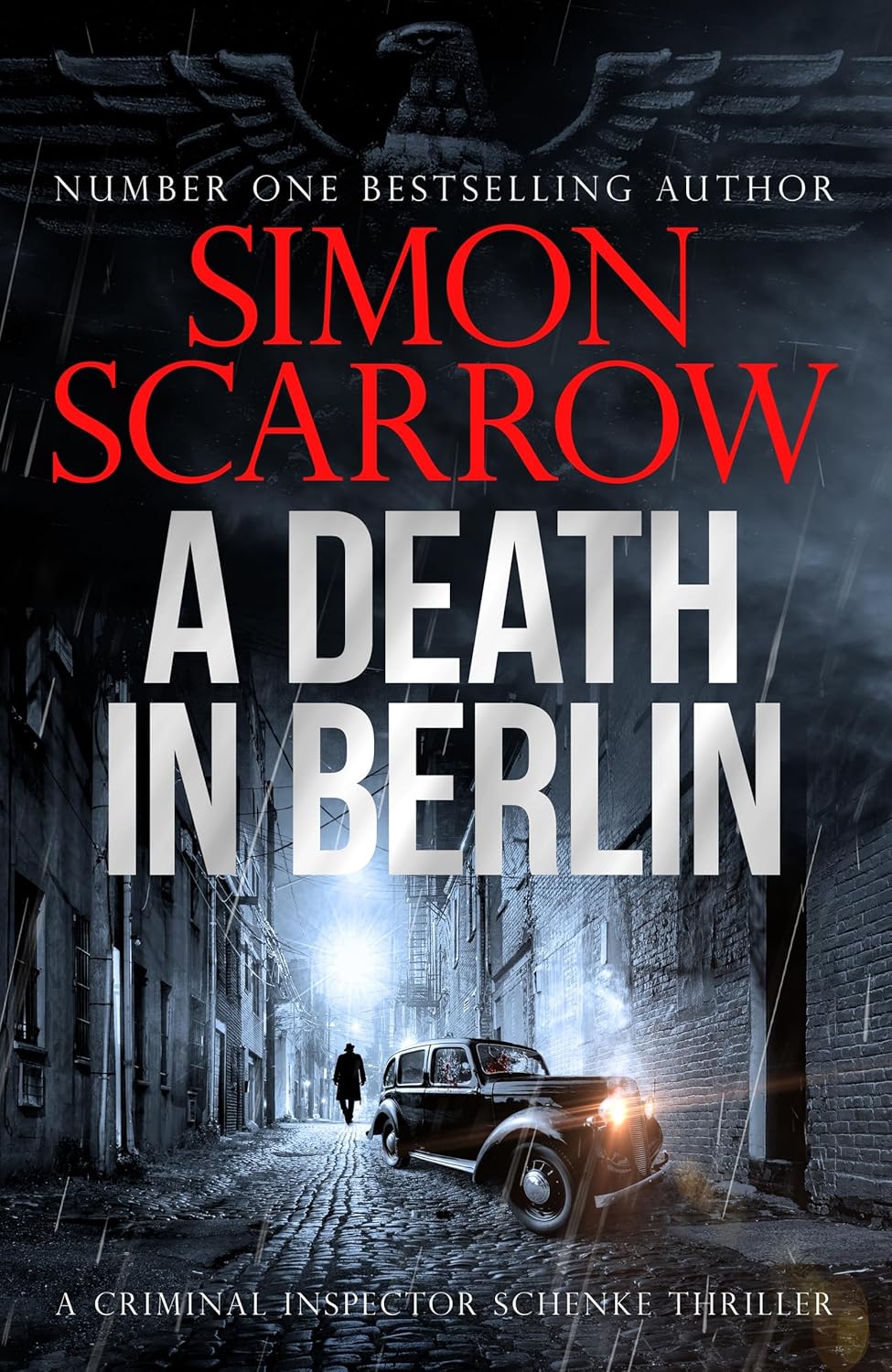
A Death in Berlin by Simon Scarrow

Publisher: Headline (Trade Paperback – 11 March 2025)

Series: Berlin Wartime/Criminal Inspector Schenke Thriller – Book Three

Length: 385 pages

My Rating: 4.5 out of 5 stars

Amazon

One of the world’s leading historical fiction authors returns with another intriguing and captivating historical murder mystery with the outstanding read, A Death in Berlin.

I have made no bones about the fact that I am a major fan of historical fiction author Simon Scarrow, who has been diving into awesome scenarios from history for over 20 years.  While I probably know him best from his outstanding Eagles of the Empire Roman historical fiction series (see my review for the latest entry, Revenge of Rome), Scarrow has also written some other amazing series, including his current ongoing Berlin Wartime Thriller novels.  Set in Berlin towards the start of World War II, the series follows a studious and troubled police detective as he attempts to uphold justice in a city overrun with murderous Nazis.  The first two books in this series, Blackout and Dead of Night, were both very impressive, and I have been eagerly awaiting this third novel in the series, A Death in Berlin, for some time.

Berlin, May 1940.  As the German army prepares for its invasion of France and Western Europe, crime still roams the street of Berlin, and it falls to CI Horst Schenke and his investigative Kripo to keep order and maintain justice, a job made markedly harder by the dark policies of their Nazi overloads.  Despite his own dislike of the Nazi regime, which grows increasingly suspicious of him, Schenke is determined to do his job, especially when it comes to the criminals controlling the streets.

Assigned to find the source of forged ration coupons that are disrupting the war effort, Schenke and his team find themselves investigating a growing gang war when a prominent black-market operator is gunned down in the dead of night.  Convinced that the gangster’s murder is related to the forged coupons, Schenke leads the Kripo into investigating the criminal underworld that lies beneath Berlin.

However, this is no ordinary gang crime.  A dark series of events have led to the death of their victim, and the Kripo investigators soon uncover a dangerous conspiracy to profit from the war.  Worse, the gangster they are chasing are protected by powerful Nazi leaders, and Schenke must continue to walk a fine line in avoiding their attention.  But when his enemies uncover his deepest secret, can Schenke survive with his honour intact, or will he need to make a dark deal to get what he wants?

A Death in Berlin was another excellent novel from Scarrow, who cleverly combines exciting crime fiction elements with a compelling historical setting.  Clever, action-packed, and constantly moving, A Death in Berlin was an outstanding read, and I think this might be his best Berlin Wartime Thriller novel yet.

I really liked the cool story that Scarrow came up with for A Death in Berlin, especially as this latest novel features a complex narrative revolving around Berlin gangsters and crime wars.  Starting off fast and getting into the heart of the case, readers soon become invested in finding out who was behind the killing of the gang leader and what impact it is having on the larger criminal underworld of Berlin in the leadup to the invasion of France.  Thanks to an excellent early shootout, the stakes of the book become even higher, as the protagonist finds himself in the middle of a gang war, which he is forced to navigate to solve the main mystery of the book.  Scarrow also continues to focus on the complex life of protagonist CI Horst Schenke, who constantly finds himself coming to the attention of his Nazi superiors, despite his dislike of the party and his secret romance with Ruth, a Jewish woman hiding out in Berlin.

Following this great initial setup, Scarrow takes the plot of A Death in Berlin in some outstanding directions, especially as there is quite a compelling mystery here, with multiple potential suspects and motivations for the murder, many of which lead to other alternate crimes investing the Nazi controlled city.  Scarrow cleverly reveals the involved parties at key parts of the book, and while there aren’t too many surprises, it was very interesting to see how everything tied together.  The final third of the book is probably the best, as the protagonist finds himself trapped by his own secrets and is forced to make compromises to keep those important to him safe.  This leads to a massive and intense final confrontation, as the protagonist risks everything with some unlikely allies in a brilliant, action-packed set piece.  The final revelations revealed during this climax brought the entire story together nicely, and I really appreciated how the tight and complex mystery was resolved.  This was an overall fun and exciting narrative, and one that is quite easy to power through quickly, especially once you get caught up in the mystery.

Scarrow did an outstanding job pulling together A Death in Berlin, as the novel was a compelling and exciting read with a lot of awesome elements behind it.  The author successfully blends an excellent murder mystery storyline around the intriguing historical elements of his series, showcasing the potential hurdles a police detective needed to face during the Nazi regime.  At the same time, there is a fantastic emotional heart to A Death of Berlin, as the protagonist continues his ill-advised romance with Ruth, while also being forced to once again confront the dark side of the government he is wilfully working for.  I felt that Scarrow perfectly balanced these elements throughout A Death in Berlin, and there is a little something for everyone here, including a ton of amazing action and firefights, as the protagonist attempts to bring down a dangerous collection of emboldened criminal gangs.  As such, this is a very easy book to get into and follow, and while there are some references to the previous Berlin Wartime Thriller novels, for the most part A Death in Berlin acts as an accessible standalone novel, which allows for a wider audience.

For me, one of the more intriguing elements of A Death in Berlin was the author’s excellent examination of life in Berlin during the early days of World War II.  Scarrow has always done an amazing job showcasing the uncertainty, fear and underlying issues of Berlin in the early days of the war in this series, and I enjoyed how he further outlined the tension involved with the pre-invasion of France.  The overarching fear that certain members of the public have with the Nazi regime is still a key part of the plot, and while the protagonist isn’t as directly targeted by the Nazis as he was in previous books, he still has to play by their twisted rules, especially when invited to a party of the Nazi elite, where he meets some very high-level members.  However, it was the focus on the criminal element infesting Berlin during these years that I found to be particularly fascinating, as Scarrow explores the potential scams, nightspots and other enterprises that would have been run in early wartime.  While coupon forgeries have been mentioned in previous novels, it was fascinating to see the entire novel focussed on the control of this valuable wartime currency, and it resulted in some truly compelling scenes.  Despite this being a more crime-fiction novel than a book examining hidden Nazi plots or killers, the influence of the Nazi government still plays a big role in the murder investigation elements of the book, especially as the protagonist and his colleagues must worry about high-level party members protecting the criminals.  These elements proved to be an outstanding part of the book, and I really appreciated how well Scarrow worked it into the main plot of the book.

As with the rest of the series, Scarrow does some excellent character work in A Death in Berlin, bringing together a complex cast of characters to work the case, each of whom are dealing with their own issues associated with Nazi-controlled Germany.  The most prominent of these is the protagonist and main point-of-view character, CI Horst Schenke, a former race car driver turned police investigator.  While generally shown to be a studious and steadfast lawman, Schenke’s life has become even more complicated due to his growing dislike of the Nazis and his refusal to join the party, much to the displeasure of his superiors.  It is fascinating to see the seemingly strait-laced Schenke walking the line between doing the right thing and surviving the Nazis, especially as he has fallen in love with the fiery Ruth, a Jewish woman who has managed to stay hidden in Berlin after the first purges.  Many of Schenke’s more radical actions in this book are driven by his complicated relationship with Ruth, and you really grow attached to both characters, especially when their secret relationship causes great risk for them. 

Other great characters A Death in Berlin include Schenke’s main police backup, Sergeant Hauser and former Gestapo agent Liebwitz.  These two prove to be an excellent double act behind Schenke, as not only do the three form an effective crime fighting force, but they also showcase alternate viewpoints of Germany during this period.  Hauser is a former World War I soldier and family man, who is the classic everyman figure who supports the Nazi regime.  Despite this, he merely wants to support his country and has some doubts about the more extreme actions of Hitler.  Liebwitz is a more unusual figure, who honestly steals the show in some ways.  An exceedingly logical figure who has gravitated away from the Gestapo to be a police investigator, Liebwitz finds his life still bound by his Nazi training, despite the many flaws he sees in it, and he is well used as a compelling alternative point-of-view character.  However, as with the previous book, the influence of Schenke and the investigation of crimes that show the true evils of the Nazis are slowly changing Liebwitz’s way of thinking, and it will be fascinating to see where Scarrow takes his character arc in the future.  Throw in a series of entertaining and over-the-top Berlin criminals and the cast of A Death in Berlin is quite entertaining, and I really enjoyed how their complicated arcs impacted the overall narrative.

Simon Scarrow continues his outstanding Berlin Wartime Thriller series in a massive way with the captivating and impressive novel, A Death in Berlin.  Combining a great crime fiction narrative with a clever historical background setting, A Death of Berlin proved quite addictive, and I had an incredible time getting through it.

Amazon

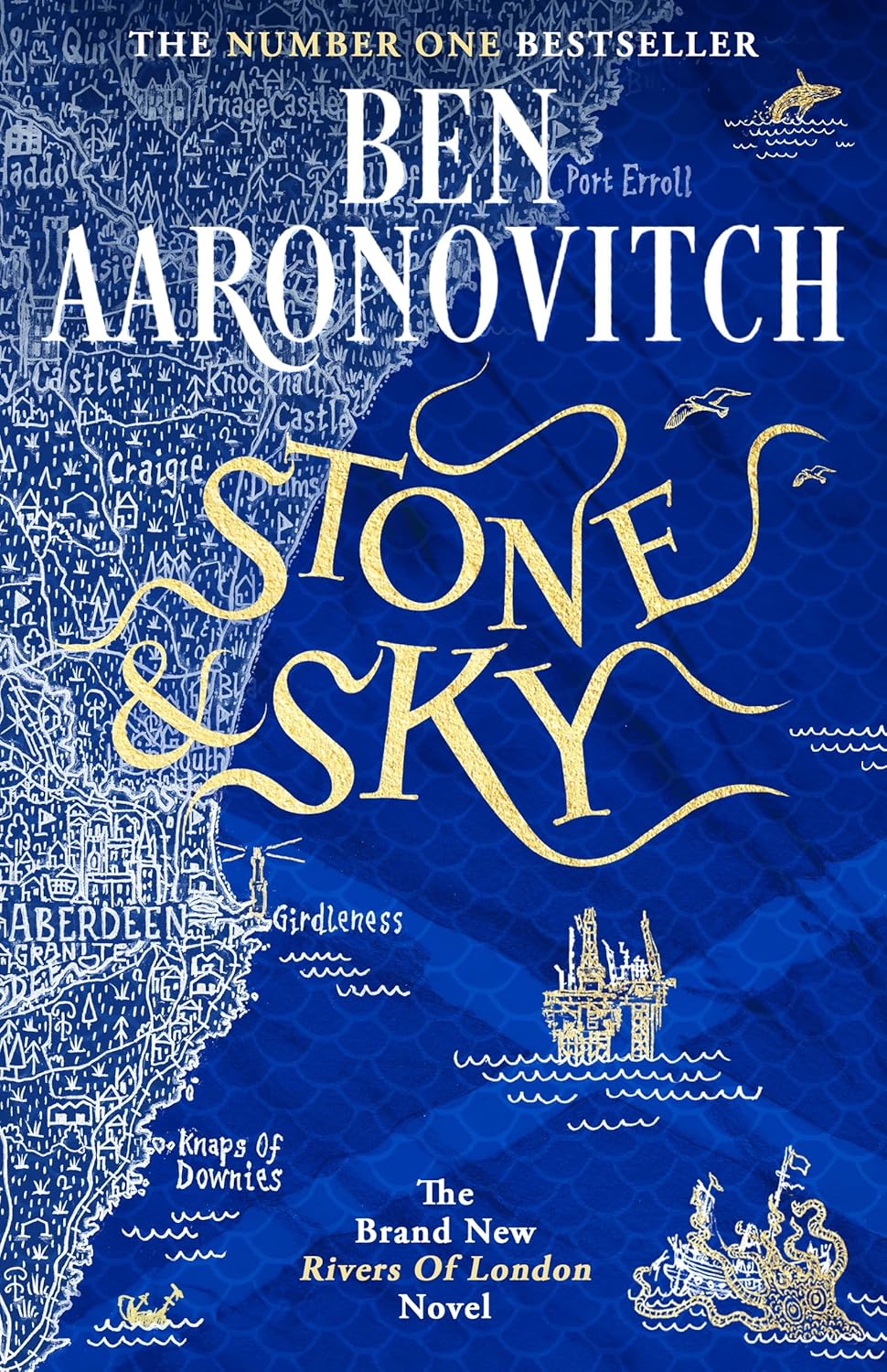
Waiting on Wednesday – Stone and Sky by Ben Aaronovitch

Welcome to my weekly segment, Waiting on Wednesday, where I look at upcoming books that I am planning to order and review in the next few months and which I think I will really enjoy.  Stay tuned to see reviews of these books when I get a copy of them.  For this week’s Waiting on Wednesday post, I highlight one of the top potential fantasy novels of the year, with the excellent upcoming book Stone and Sky by Ben Aaronovitch.

Amazon

2025 is shaping up to be a really impressive year for fantasy fiction, with some outstanding reads already released or on the horizon.  While quite a few of these intriguing and awesome upcoming books are on my radar, one of the ones I am most excited for is the new urban fantasy novel from Ben Aaronovitch, Stone and Sky, which will serve as the latest entry in the author’s acclaimed Rivers of London series.

The Rivers of London books are an outstanding urban fantasy crime series set in modern-day London that follows a young officer in the Metropolitan Police, Peter Grant, who becomes an apprentice wizard to deal with supernatural and magical crimes around the city.  Cleverly blending a modern and very British police narrative with some unique fantasy elements the Rivers of London series is extremely impressive, and I have really come to enjoy its complex features and memorable stories, especially in books like Lies Sleeping, False Value and Amongst Our Weapons (one of my favourite books of 2022).  As such, I am very keen to see this series continue later this year with Stone and Sky.

Stone and Sky, which will be the 10th Rivers of London book, looks set to be another exciting and complex entry in the series.  Set for release in July 2025, Stone and Sky will take the protagonist, his family, and various other members of his magical world, to Scotland, where they find themselves investigating a strange new murder with dark implications.


Plot Synopsis:

‘This isn’t London. The rules are different up here, and so are the allegiances.’

Detective Sergeant Peter Grant takes a much-needed holiday up in Scotland. And he’ll need one when this is over…

If more’s the merrier, then it’s ecstatic as his partner Beverley, their young twins, his mum, dad, his dad’s band and their dodgy manager all tag along. Even his boss, DCI Thomas Nightingale, takes in the coastal airs as he trains Peter’s cousin Abigail in the arcane arts.

And they’ll need them too, because Scotland’s Granite City has more than its fair share of history and mystery, myth … and murder.

When a body is found in a bus stop, fresh from the sea, the case smells fishy from the off.

Something may be stirring beyond the bay – but there’s something far stranger in the sky…


I really like the sound of Stone and Sky’s synopsis, especially as Aaronovitch is going to enhance a cool fantasy murder mystery, with some fun family drama and an interesting new setting.  Taking the Grant family and their magical issues to Scotland has a lot of potential, and I am looking forward to seeing how crazy things can get there, especially when a dark and unusual murder is thrown into the mix.  The author will also likely feature some unique inclusions around magic in Scotland, with the city’s own wizards or magical lawmen perhaps taking issue with Grant and his team trying to butt in on their turf.  I am very intrigue to see how Aaronovitch will expand on his already elaborate magical universe, and I am certain there is going to be some fascinating dives into the setting and its magical history.

Honestly, I was always going to grab the new Rivers of London when it came out, as Ben Aaronovitch is such an incredible author.  However, I am also really intrigued by the above plot synopsis for Stone and Sky, as Aaronovitch takes this story away from the regular setting of London and presents a cool new case.  I have no doubt that Aaronovitch will blow us away with Stone and Sky, and it is currently one of my most anticipated fantasy reads for the second half of the year.

WWW Wednesday – 9 April 2025

WWW Wednesday is a weekly post hosted by Taking on a World of Words, where bloggers share the books that they’ve recently finished, what they are currently reading and what books they are planning to read next. Essentially you have to answer three questions (the Three Ws):

What are you currently reading?
What did you recently finish reading?
What do you think you’ll read next?

So, let’s get to it.

What are you currently reading:

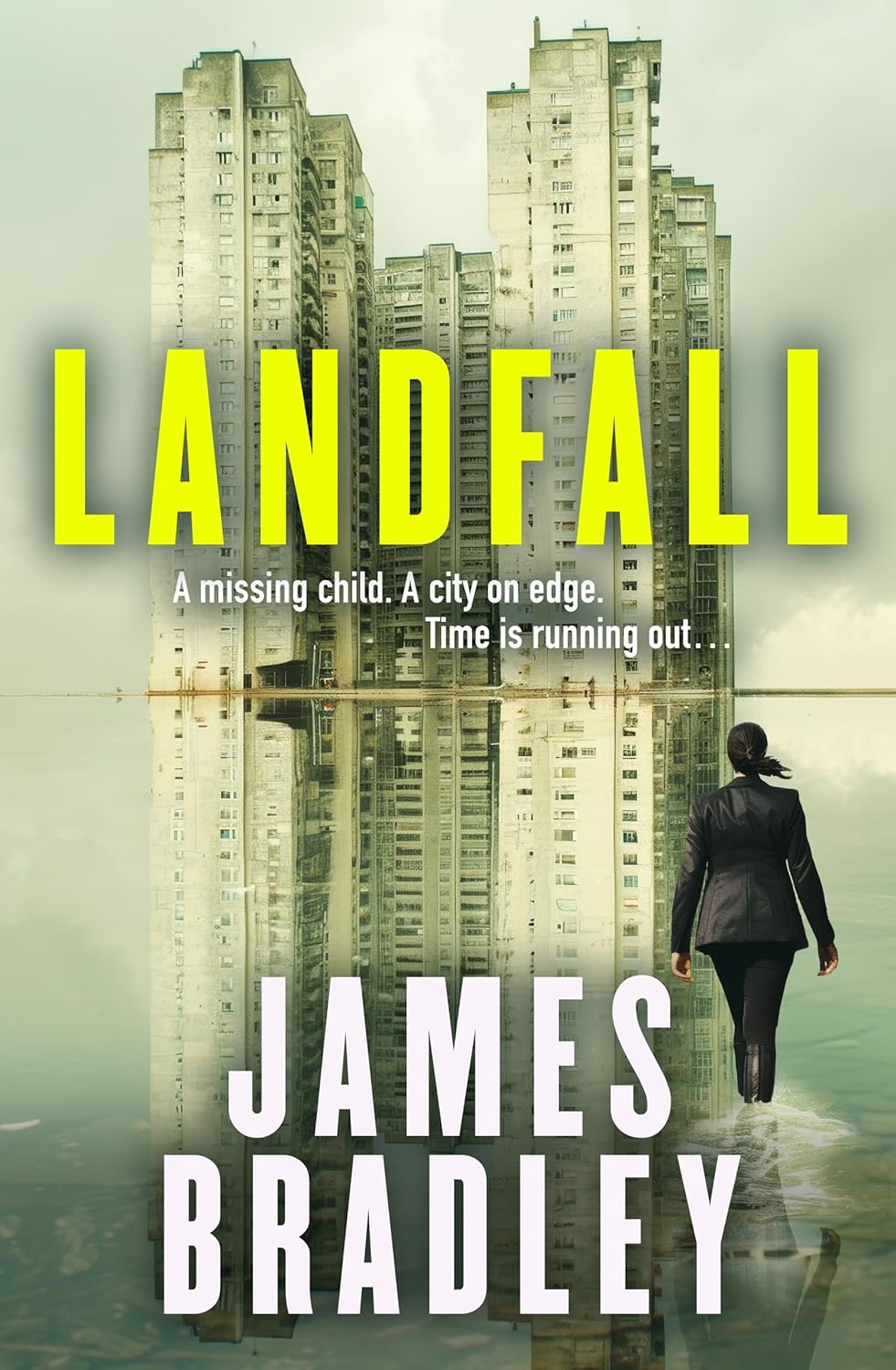
Landfall by James Bradley (ebook)

I’ve just started reading the intriguing Australia crime fiction novel Landfall by James Bradley.  Set in a dystopian, flooded Sydney, Landfall follows a dark missing person’s case with major complications.  I’ve made a bit of progress with Landfall so far and I am very intrigued to see how it turns out.

Amazon


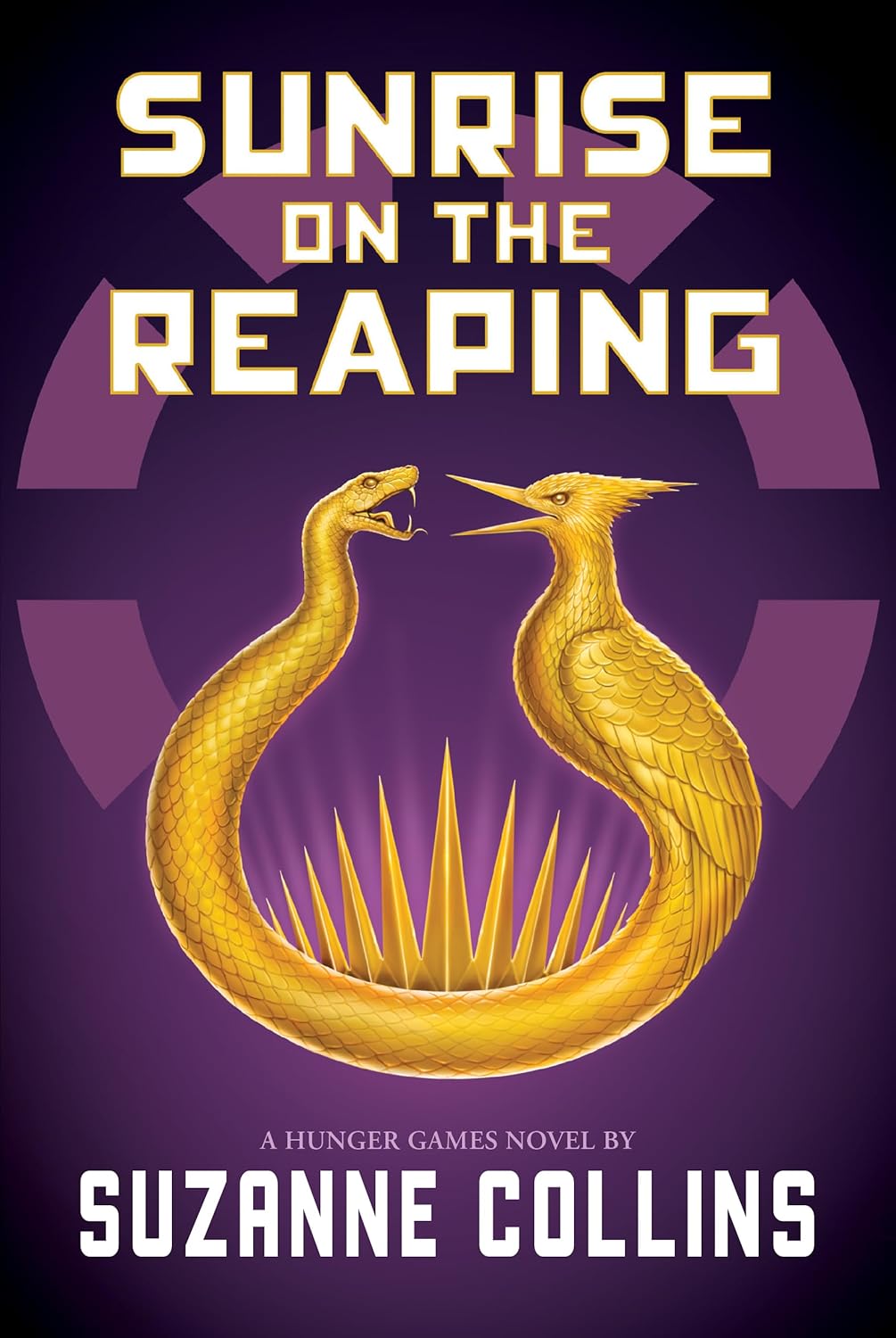
Sunrise on the Reaping by Suzanne Collins (Audiobook)

I didn’t get as much audiobook listening time as I would have hoped this year, but I have still made a bit of progress with the new Hunger Games novel, Sunrise on the Reaping.  Set before the original trilogy, Sunrise on the Reaping follows a fan favourite character from the books and films as he goes through his own deadly Hunger Games.  I am really enjoying this new addition to the Hunger Games universe, especially as Collins is taking the story in some very interesting directions.  I’m just about to start the games section of the book, and I have no doubt I am going to love every second of this dark and compelling young adult read.

Amazon

What did you recently finish reading?

A Drop of Corruption by Robert Jackson Bennett (ebook)

I managed to finish off the exceptional fantasy murder mystery, A Drop of Corruption by Robert Jackson Bennett this week and boy was it awesome.  The sequel to Bennett’s 2024 novel, The Tainted Cup (one of my favourite books of 2024), A Drop of Corruption was an outstanding and compelling read that perfectly combined a complex mystery with Bennett’s inventive fantasy elements.  One of the best fantasy novels of 2025 so far and a very highly recommended read.

Amazon


Pacific Heights by S. R. White (Trade Paperback)

I had a lot of fun reading the captivating Pacific Heights by S. R. White this week.  An intriguing Australian murder mystery, Pacific Heights contained a twisty and clever mystery, complicated by conflicting witnesses.  A great piece of Australian fiction, I am hoping to get a review for it up soon.

Amazon


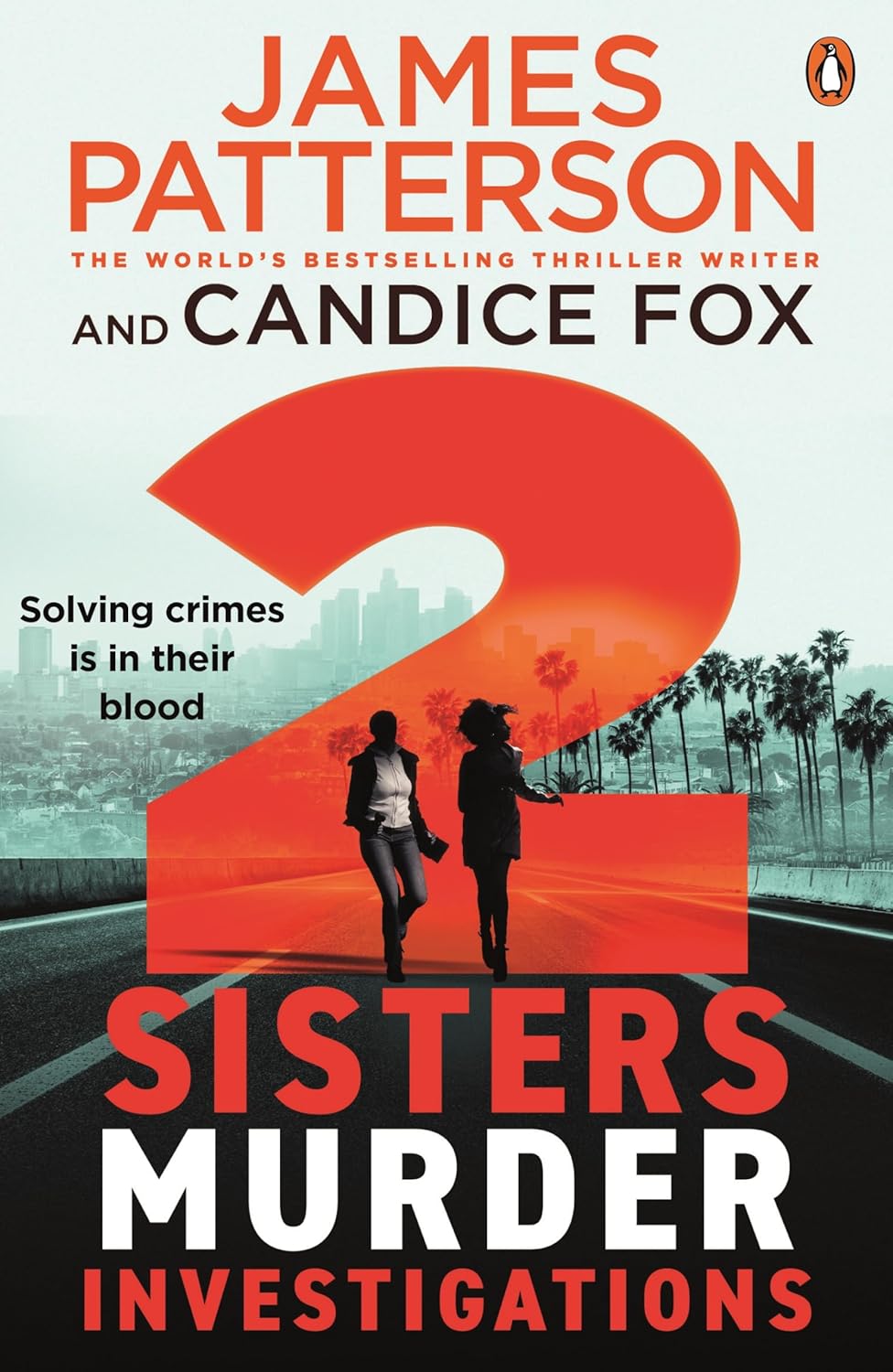
2 Sisters Murder Investigations by James Patterson and Candice Fox (Trade Paperback)

I also managed to power through the very entertaining novel, 2 Sisters Murder Investigations by the outstanding team of James Patterson and Candice Fox.  A sequel to their previous novel, 2 Sisters Detective Agency, this was an amazing book with a very strong story behind it.

Amazon

What do you think you’ll read next?

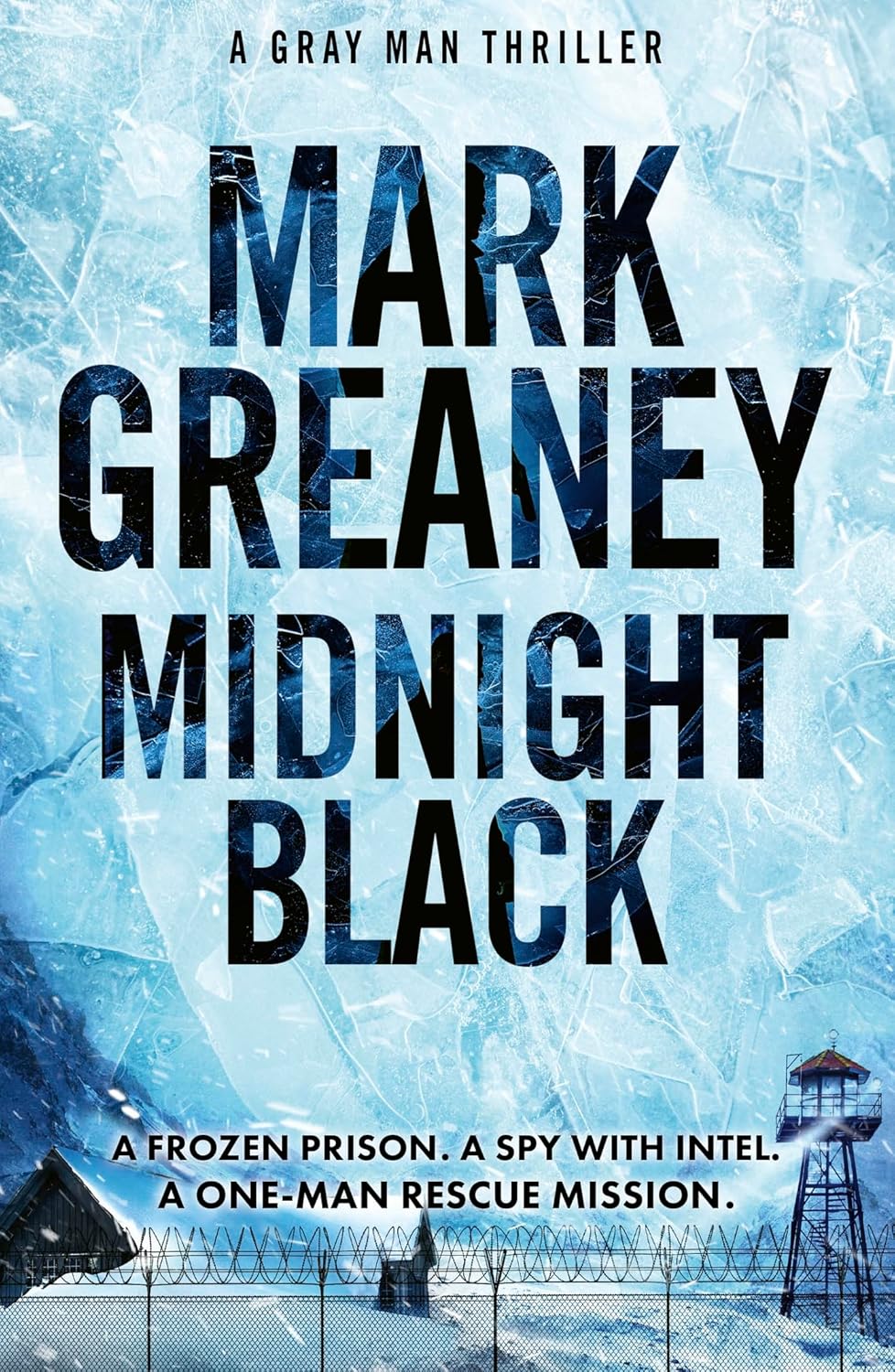
Midnight Black by Mark Greaney

If I finish off Sunrise on the Reaping this week, I will probably start listening to the excellent spy thriller, Midnight Black.  The latest Gray Man novel by Mark Greaney, Midnight Black will see the author’s elite assassin protagonist attempt to save the woman he loves from a remote Russian prison.  This thriller has so much potential, and I cannot wait to see how explosive Greaney makes his latest book.

Amazon


That’s it for this week; check back in next Wednesday to see what progress I’ve made on my reading and what books I’ll be looking at next.

Book Haul – 7 April 2025

I’ve had an excellent couple of weeks for books, as I was lucky enough to receive several incredible and amazing new novels from local publishers and Netgalley.  These novels include some truly awesome new releases, including books that have the potential to be some of my top reads of the year.  I cannot wait to dive into them, and I so excited to see how they all turn out.

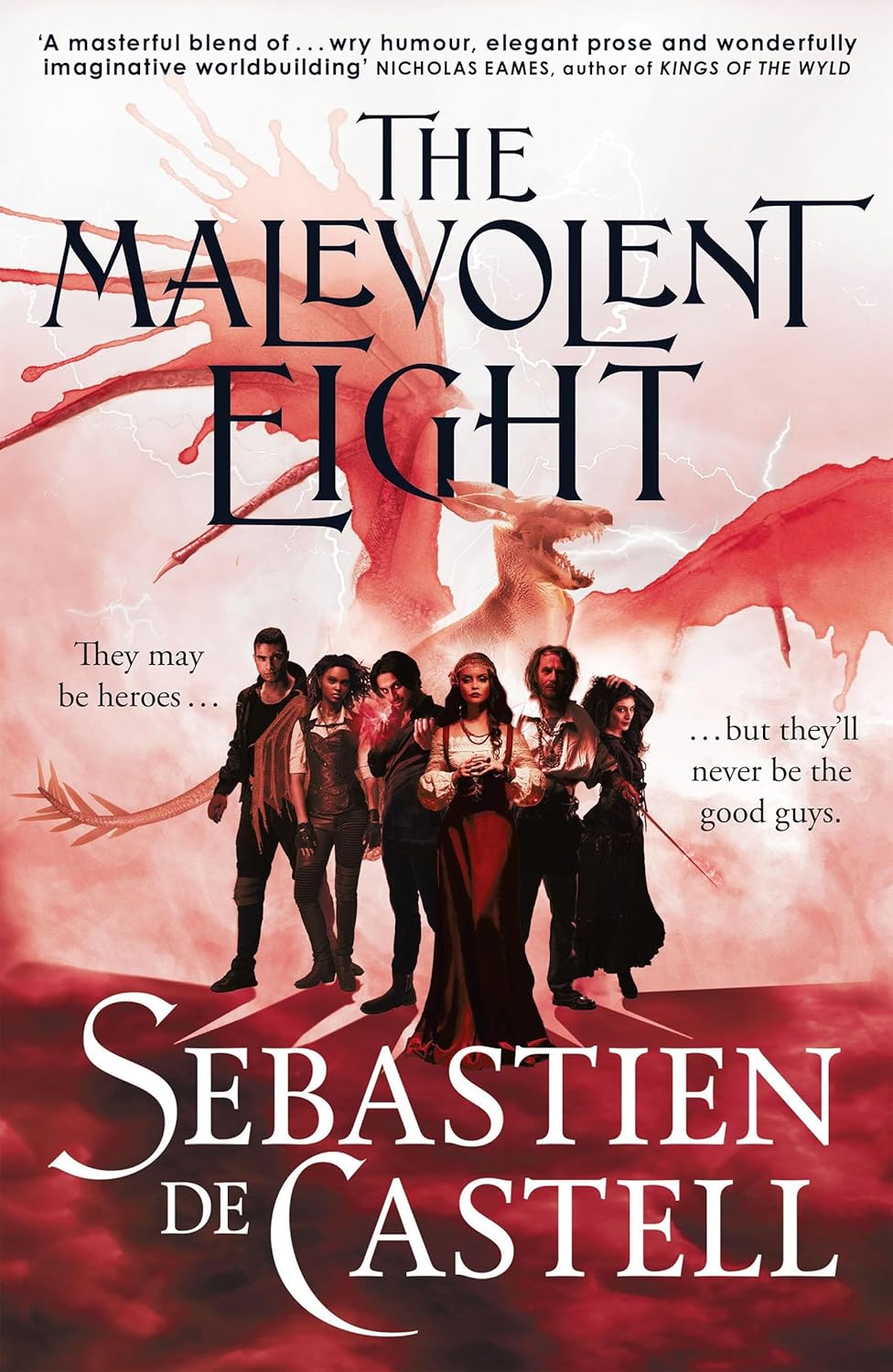
The Malevolent Eight by Sebastien de Castell

First up we have one of the potentially most funny and over-the-top fantasy novels of 2025 with The Malevolent Eight.  The sequel to the author’s previous novel, The Malevolent Seven, this new book will see a group of unlikely magical heroes as they attempt to save their world from the invading armies of heaven and hell.  I had a lot of fun with The Malevolent Seven and I cannot wait to see how de Castell continues this entertaining story.

Amazon


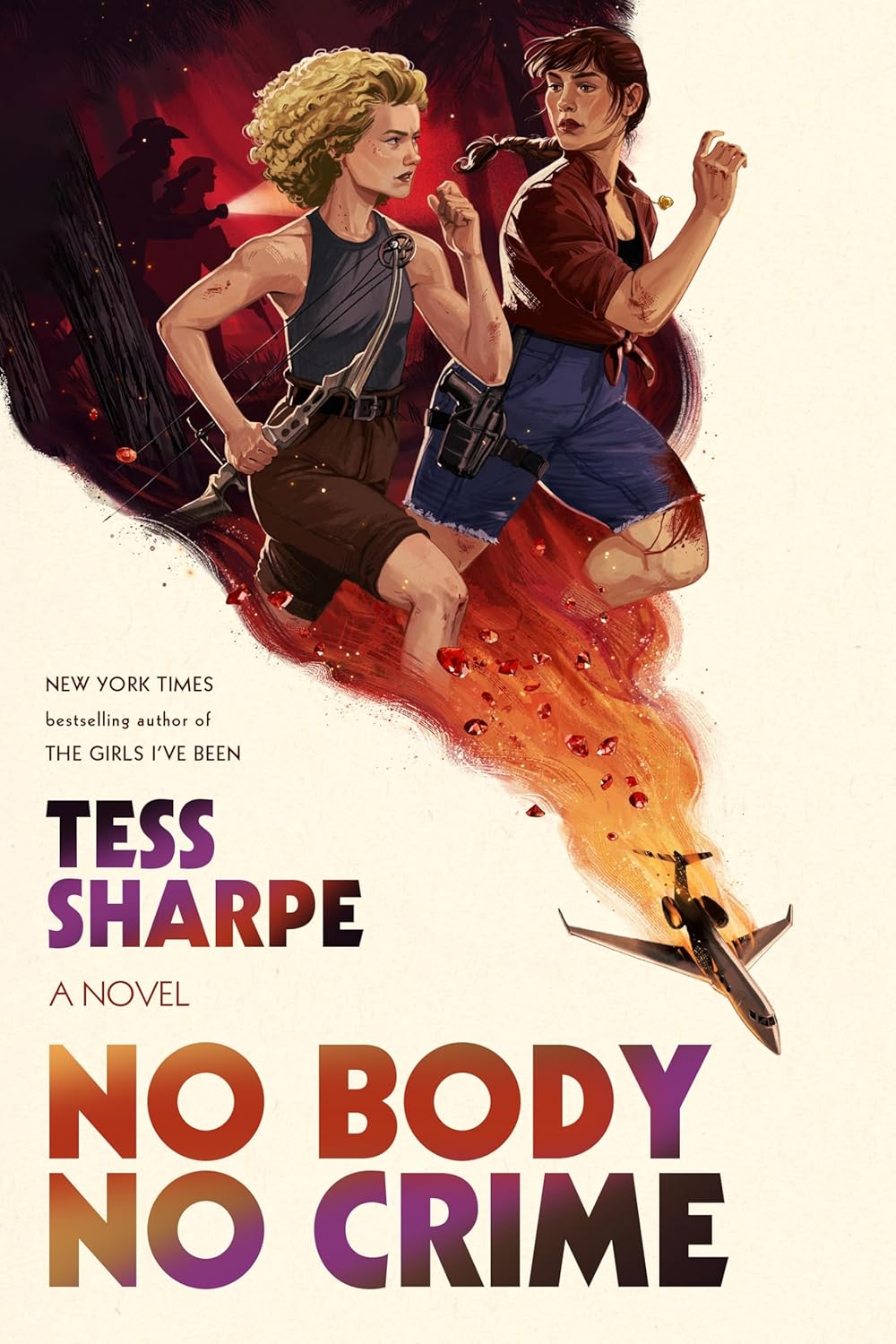
No Body No Crime by Tess Sharpe

After having a ton of fun with Tess Sharpe’s previous novels, The Girls I’ve Been and The Girl in Question, I am excited for the author’s upcoming book, No Body No Crime.  Another awesome thriller that will see two women try to survive a powerful crime family coming for them, No Body No Crime sounds really cool and I look forward to reading it.

Amazon


2 Sisters Murder Investigations by James Patterson and Candice Fox

The superstar team of James Patterson and Candice Fox return for the new fast-paced thriller, 2 Sisters Murder Investigations.  The sequel to 2 Sisters Detective Agency, 2 Sisters Murder Investigations will see the dysfunctional sister protagonists dragged into a new murder investigation with potential lethal consequences.  I had a lot of fun with the first novel in this series and I am excited to see how it continues.

Amazon


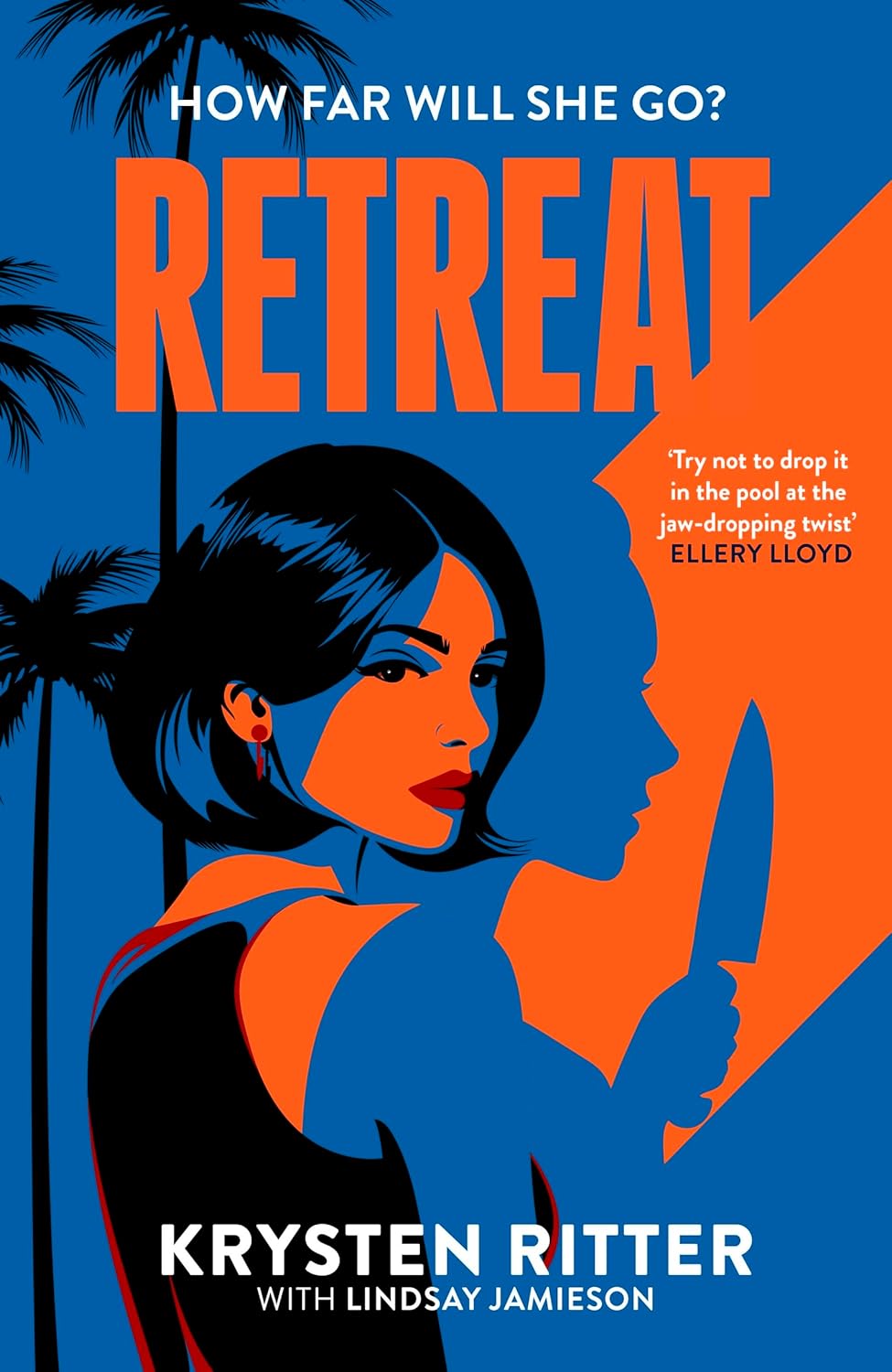
Retreat by Krysten Ritter with Lindsay Jamieson

An intense and compelling thriller from acclaimed actor Kristen Ritter.

Amazon


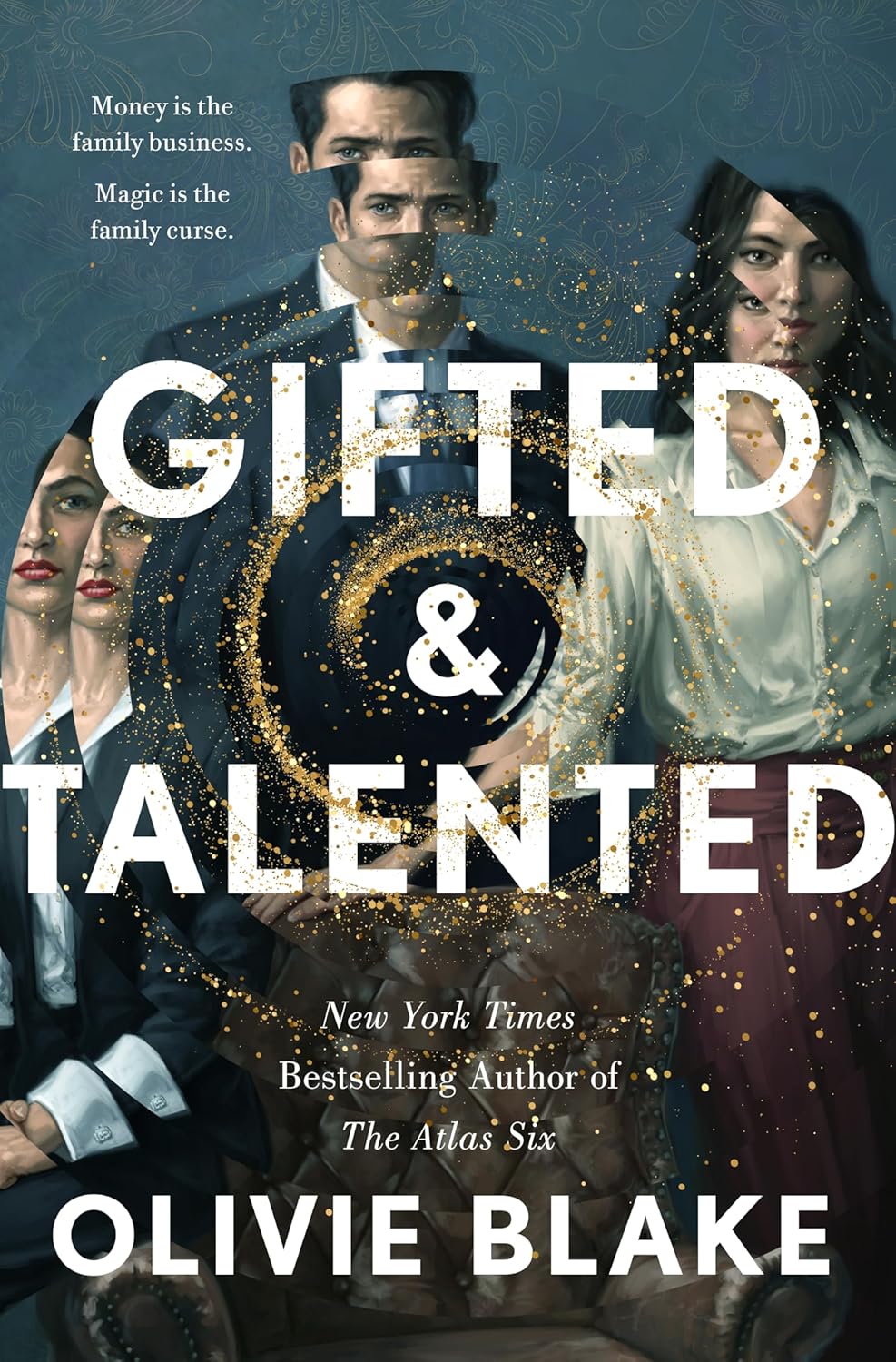
Gifted & Talented by Olivie Blake

An intriguing novel that is essentially Succession with magic, Gifted & Talented sounds like a very fantastic read, and I have heard some good things about author Olivie Blake’s previous books.

Amazon


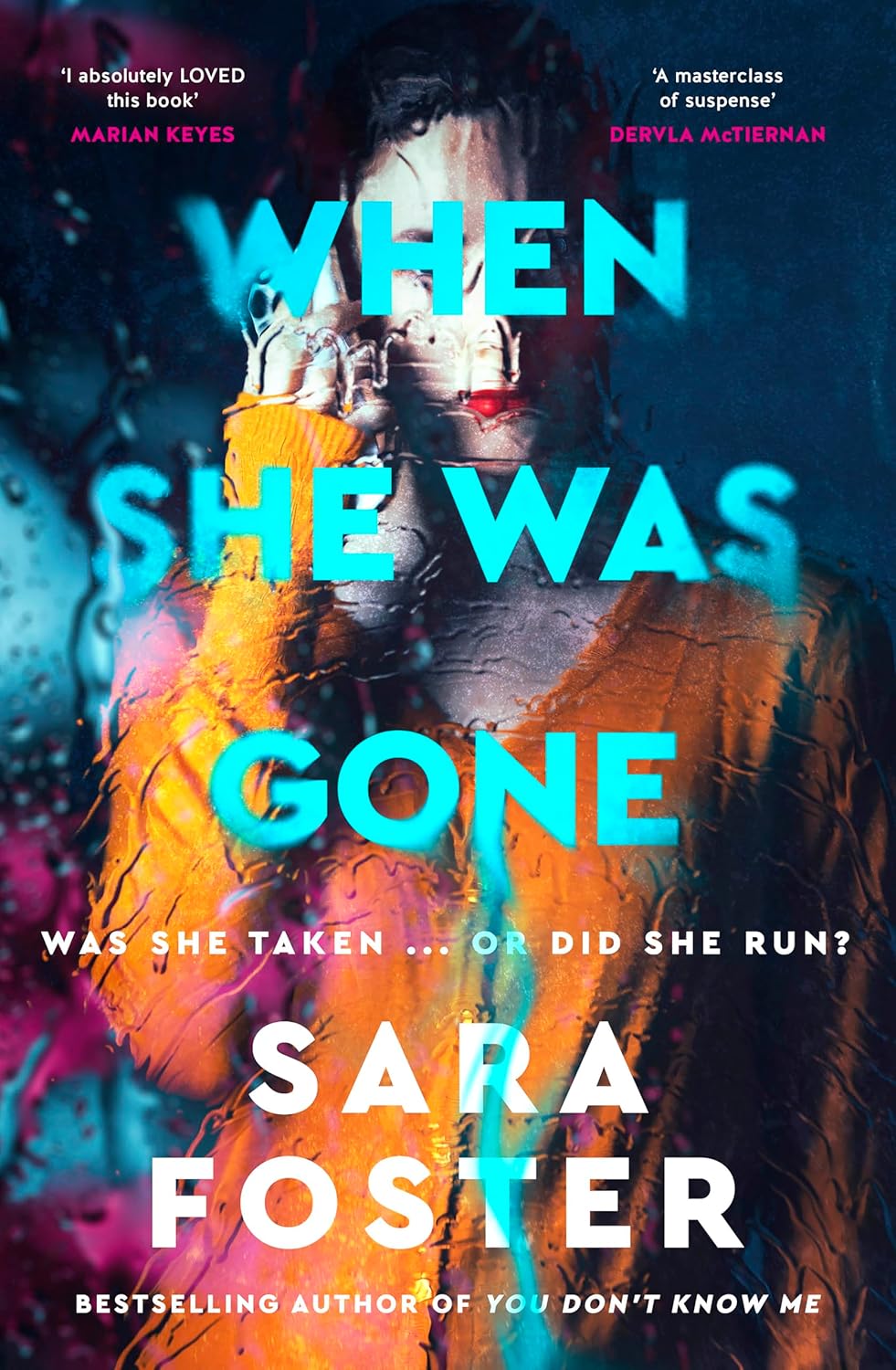
When She Was Gone by Sara Foster

An intense and complex crime fiction read from a great Australian author.

Amazon


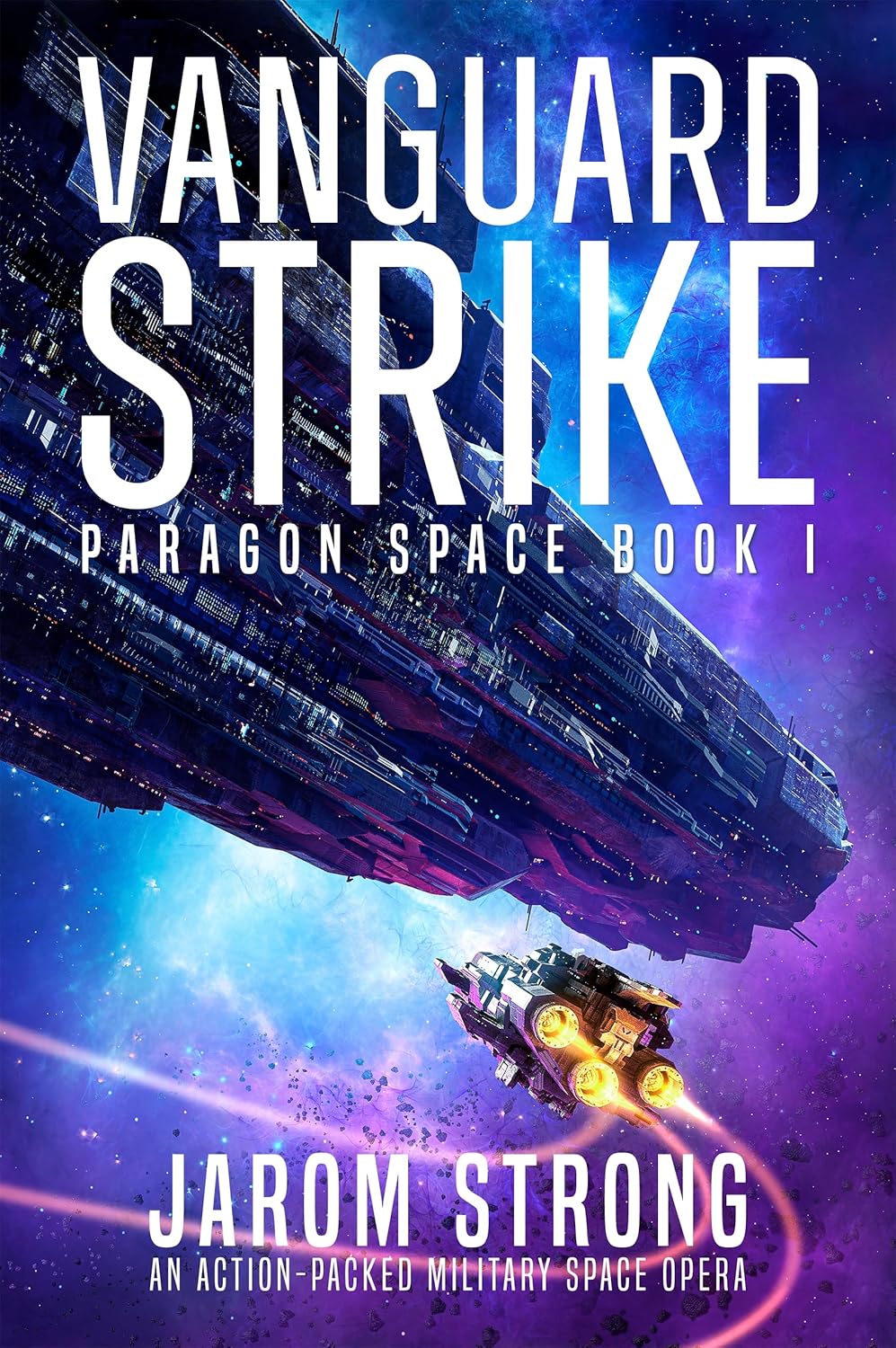
Vanguard Strike by Jarom Strong

The final book I want to highlight in this blog post is the awesome science fiction novel, Vanguard Strike by Jarom Strong.  Featuring a very cool sounding plot about a team of thieves trying to strip a valuable military ship in space, only to contend with its monstrous contents, Vanguard Strike’s plot really appealed to me, and I cannot wait to see how crazy this book gets.

Amazon


Well, that’s the end of this latest Book Haul post.  As you can see I have quite a bit of reading to do at the moment thanks to all these awesome books that have come in.  Let me know which of the above you are most interested in and make sure to check back in a few weeks to see my reviews of them.

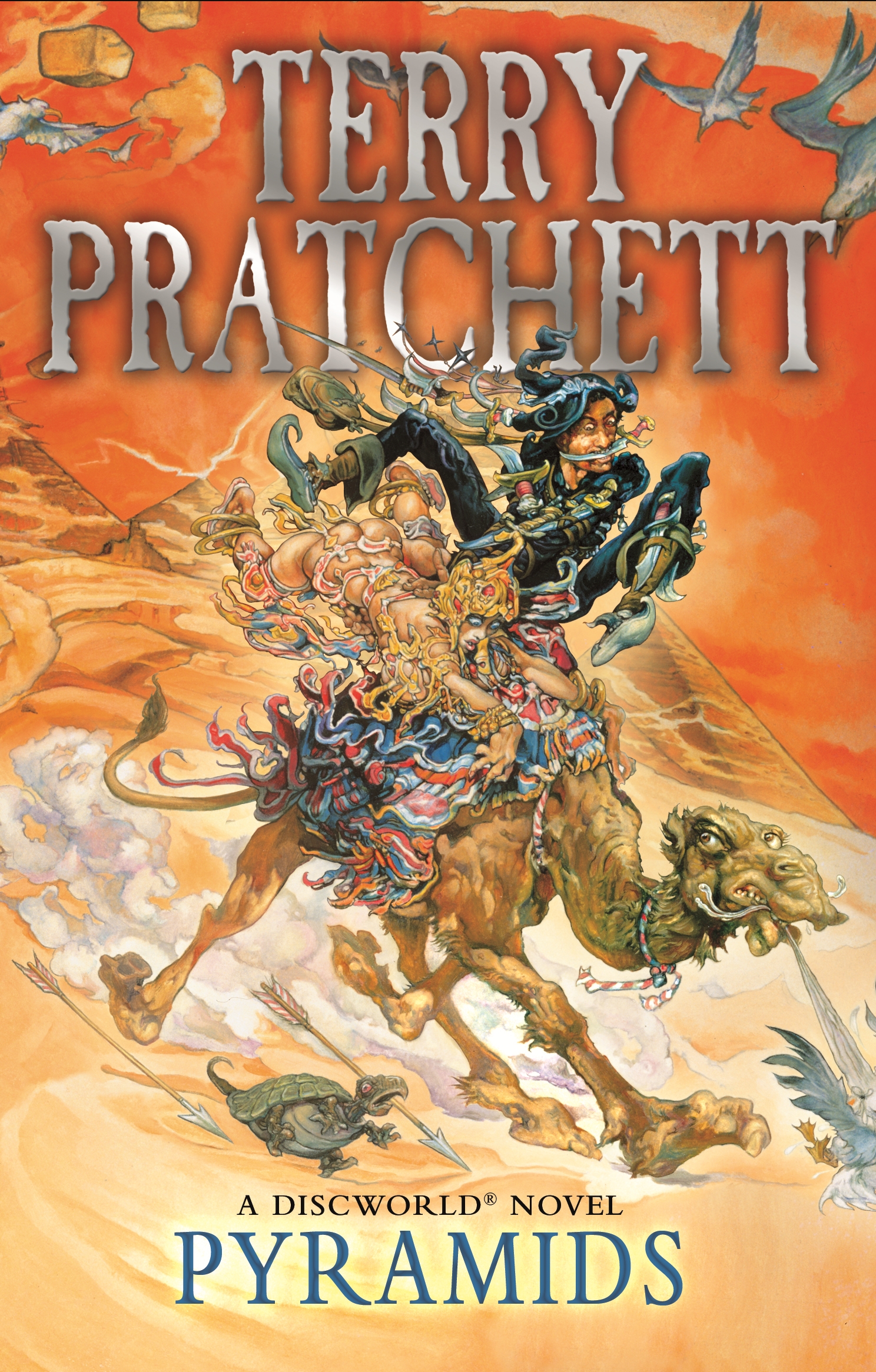
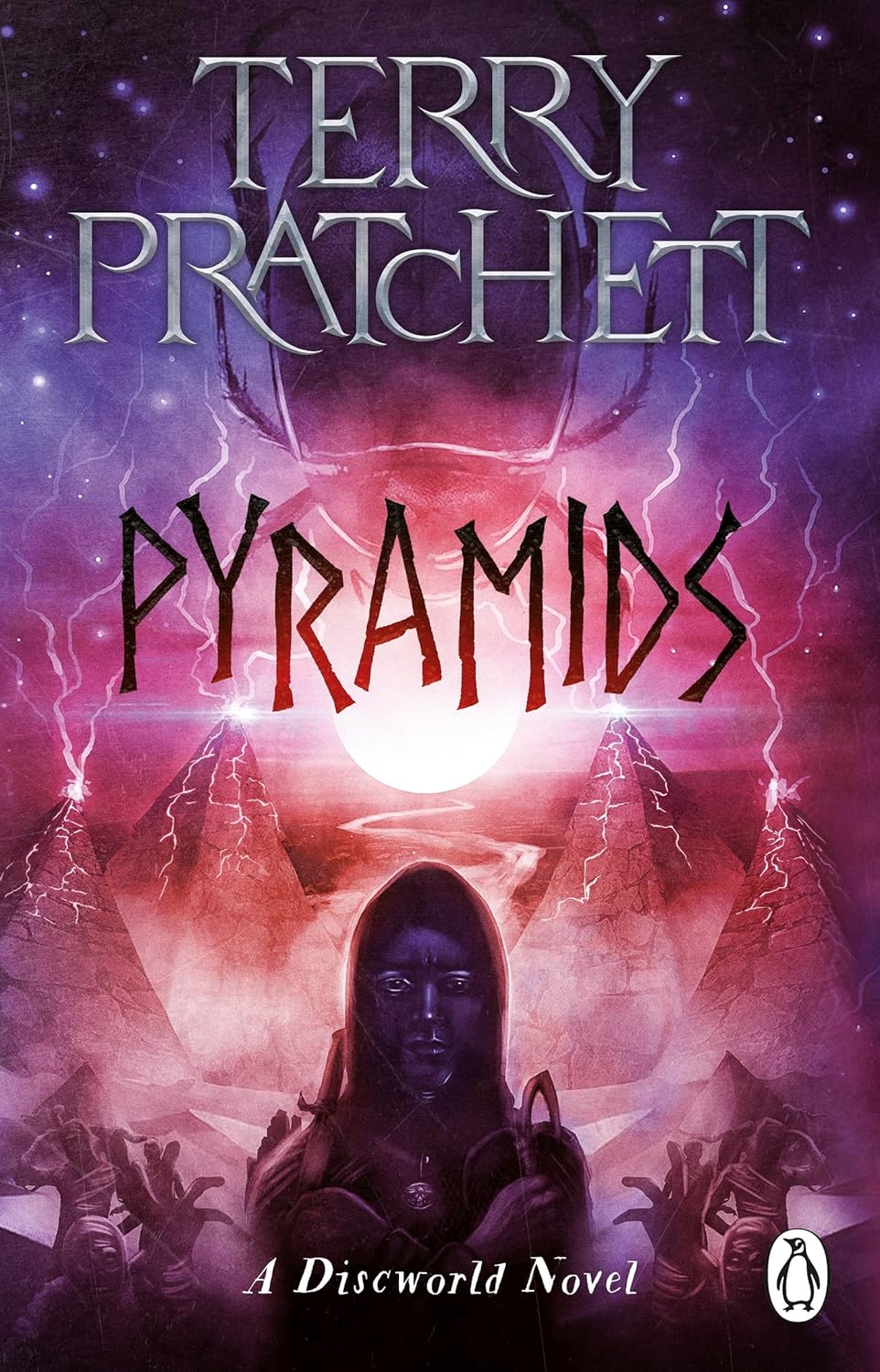
Pyramids by Terry Pratchett

Publisher: Gollancz/Penguin Audio (Audiobook – 1989)

Series: Discworld – Book Seven

Length: 9 hours and 8 minutes (Planer version)/9 hours and 53 minutes (Enoch version)

My Rating: 5 out of 5 stars

Amazon

After having an amazing time checking out the new audiobook versions of Guards! Guards!, Small Gods and Moving Pictures, I continue my latest revisit to Terry Pratchett’s Discworld series.  This time, I examine another one of my favourites with the deeply entertaining seventh novel in the overall series, Pyramids.  An outstanding standalone Discworld novel, Pyramids is a brilliant read that sees a young king go forth and then return to the insanity of his kingdom in a fun satire of ancient Egypt and its perception in Western media.

There are many mysterious realms on the magical Discworld, which travels on the back of four giant elephants standing on the back of a giant turtle.  However, few are more ancient than the tiny river kingdom of Djelibeybi.  Formerly a great empire that ruled over an entire continent, Djelibeybi is a mere shadow of its former self, its wealth drained away by the pyramids constructed to house its dead kings.  Nothing ever changes in Djelibeybi, that is until its young prince decides to get an education.

Prince Pteppicymon (Teppic), future ruler of the kingdom, has been sent away to the Assassins Guild of Ankh-Morpork, both to get the finest education on the Disc, and to learn a way to finally make his kingdom some money.  However, upon graduating, Teppic is forced to return to home when his father suddenly dies in embarrassing circumstances.

Now the god king of Djelibeybi, Teppic hopes to modernise his kingdom and introduce the comforts of the outside world.  However, Teppic has returned to a strange land he no longer understands and finds his desire for modernisation stymied by the controlling high priest Dios, whose intense love of tradition has long restricted Djelibeybi.  However, despite the best attempts of Dios, change is coming to the old kingdom, as a dark figure in the finest black stalks the city, while a massive new pyramid begins to mess with reality.  When disaster strikes, the people of Djelibeybi find themselves beset by both their gods and their dead, and only their king can save them.  But first, Teppic will need to work out how to find his kingdom again.

Pyramids continues to stand the test of time as one of my favourite Terry Pratchett books, as this compelling and wildly entertaining Discworld novel takes you on a wild ride through ancient kingdoms and eternal tradition, and every dangerous thing that comes with them.  An outstanding addition to the series that keeps you laughing the entire way through, Pyramids was peak Pratchett and gets another easy five-star rating from me.

I love the outstanding narrative that Pratchett came up with for Pyramids, which tells a fun adventure tale in an entertaining ancient Egypt facsimile.  While the narrative structure of Pyramids is slightly more basic than some of Pratchett’s other books, I think it is still quite a compelling story that keeps the reader entertained from start to finish.  Broken into several sections, Pyramids starts with an excellent introduction that showcases Teppic attempting to take his final exam at the Assassin’s Guild.  This proves to be a great fun opener, and I loved how Pratchett interspersed the over-the-top test with multiple flashbacks that showcase both Teppic’s childhood in Djelibeybi and his early days at the guild.  This works to set up a lot of key early story elements, while also serving as a memorable start, as the cool scenes of assassin testing are some of my favourites in the entire book.  This first section of Pyramids ends with Teppic finding out his father has died through an unlikely divine messenger, and he returns to Djelibeybi to take the throne.

Pratchett follows up this impressive introduction with a good central part of the story as you return to Djelibeybi proper and Teppic learns the downside to being a king.  Pratchett really works to explore the downsides of the kingdom, as Teppic begins to realise he is just a puppet with the high priest Dios truly in control.  There are some hilarious moments here, especially when it comes to the ridiculous traditions and history of Djelibeybi, and Teppic works well as a great outsider character who finally sees how silly everything is, although he is still bullied into constructing the biggest pyramid ever.  Pratchett also takes the time to introduces a colourful array of supporting characters with some compelling story arcs, including two ambitious embalmers, a disfunction family of pyramid builders, and the handmaiden Ptraci, who Teppic accidentally sentences to death.  His desire to save her leads to many of these issues coming to a head, with Teppic forced to flee from Dios, only to find himself trapped outside of the kingdom when the Great Pyramid goes off and splits Djelibeybi into its own reality.

This brings Pyramids into a compelling interim phase, as Teppic and Ptraci find sanctuary in Ephebe, while the trapped kingdom goes to madness, as all their many beliefs come to life, although not in the way they’d hoped.  I liked the fantastic contrast between the supernatural craziness going on in Djelibeybi and the more human-based chaos Teppic encounters in Ephebe as he tries to get answers out of the philosophers, before finally returning to the kingdom to save the day.  Eventually able to return thanks to a thirsty camel and an easily confused sphinx, Teppic works to destroy the Great Pyramid.  At the same time, several of the ongoing Djelibeybi storylines come together nicely, as the dead of the kingdom, including Teppic’s father, discover the truth about why they were mummified, and this leads to an outstanding and eventually explosive concluding sequence.  Pratchett wraps this up nicely with all the key characters getting the ending they deserve, and he leaves this story on yet another hopeful note that hints at an interesting future for the characters and the kingdom.

As with all the Discworld books, Pratchett does a wonderful job of telling a fun and compelling story in Pyramids that hooks you early with its fantastic elements, entertaining plot, complex satire, and great characters.  An interesting standalone entry in the Discworld series, Pyramids has a more straightforward story that is well split amongst an interesting cast of figures, each of whom find their role in the kingdom altered in some way, and I loved the chaotic plot that emerged.  Pratchett has a lot of fun exploring some great themes in Pyramids, including people attempting to break free of tradition (literally), and finding yourself.  The critique of unnecessary and restricting tradition works well as a central story element, and Pratchett leans into it heavily, showcasing how it can styme progress and lead to a slow death of a culture.  Thanks to that author’s great use of humour, you really begin to appreciate just how damaging or ridiculous some traditions can be, and I always get a chuckle at the hilarious sequences where Teppic’s over-long title is repeatedly read out again and again.

While there is some focus on death and assassination, for the most part Pyramids is a really light-hearted entry in the series, especially as Pratchett leans into the examination of ancient Egypt with its doppelganger in Djelibeybi and resulting satirisation of how ancient Egypt is portrayed in modern culture brings much of the book’s laughs.  Most of this becomes really apparent thanks to Teppic’s newly found modern sensibilities, but Pratchett also throws in some puns and lines that people with some knowledge of ancient Egypt will appreciate, and frankly I find a fun new joke every time I read this amazing book.  Many of Pratchett’s more modern takes on some of more well-known elements of Egyptian culture are very fun, with a lot of jokes about mummies, the economics of pyramid building, and what handmaidens do, proved to be really entertaining.

Much of the rest of the major jokes of Pyramids revolved around the varied reactions to the crazy events that seem to occur everywhere in the Discworld.  I personally laugh myself silly at the spontaneous football commentary that emerges when the various gods of Djelibeybi start to fight over the sun, and the resulting moments of theological debate end in a funny and snappy way.  The sequence with the Sphinx also makes for quite an entertaining inclusion, and Teppic’s assessment and rewriting of the classic riddle into a much more correct metaphor proves to be a lot of fun.  Finally, the opening assassin’s examination sequence is both tense and funny, and there is something about Pratchett imagining undergraduate assassins getting tested in a similar manner to student drivers that really shows off the inherent silliness of this series.  Throw in Pratchett’s usual array of clever puns, well-placed footnotes and witty dialogue, and Pyramids turns into a particularly funny read that still makes me laugh after all these years.

Out of all the amazing Discworld novels, Pyramids might be one of the best entries for a reader to start to explore this amazing series.  The very first standalone Discworld novel, Pyramids can be easily read without any knowledge of any of the previous books, and you really get a good sense of the larger setting and Pratchett’s ability to craft elaborate parodies of certain cultures or genres in a brilliant, self-contained manner.  While some of the elements of Pyramids are reutilised in some of the later books (the philosopher-filled city of Ephebe for one), for the most part none of the characters or storylines here are ever revisited, and you can really dive into Pyramids at any point of your Discworld reading experience.  The opening extended sequence set around Teppic’s exams and flashbacks does provide one of the best examinations of the Assassin’s Guild, a fun institution in the Discworld series, and it was really fun to see them in action here, even if the assassins do get slightly nerfed in some of the future books (especially the City Watch ones).  I do personally think that Pyramids was one of his true early classics, and this book lays at the start of a very big run of some of Pratchett’s best works, especially as he fully finalised his preferred style here.  As such, this is a great read for Discworld readers of all experiences, especially those looking to dip their toe into this amazing universe, and this is a very impressive example of Pratchett’s style and humour.

I do have to also provide a quick shoutout the fantastic array of characters featured within Pyramids, whose compelling storylines and well-thought-out story arcs really compliment the main narrative and help Pratchett explore his intricate central themes.  The main character, Teppic, serves as a great central figure for Pyramids, and his unlikely outsiders perspective allows for much of the plot change and chaotic moments.  Ptraci’s journey from passive handmaiden to unstoppable force of nature was very well handled, and I loved how Pratchett showcased just how much impact a suddenly confident woman can have on the world.  I also always find it quite hilarious that the previous king, Pteppicymon XXVII, only truly finds himself in death, and his later interactions with the embalmers Dil and Gurn lead to some truly heartwarming moments.  The Ptaclusp dynasty of pyramid builders added some fun family chaos to the mix, and their representation of the new generation taking over from the old was quite entertaining, even if the brothers (Ptaclusp IIa and Ptaclusp IIb) had differing views on what the future should be.  Teppic’s classmates from the Assassin’s Guild also added some excellent colour, especially the overconfident Chidder, although I felt that it was a shame that most of those great characters introduced in the opening part of the book where never utilised again.

Out of all the characters featured within the book, my favourite was probably Dios, who can probably be considered the antagonist of Pyramids.  The High Priest of Djelibeybi, Dios is the main administrator of the country, who strictly adheres to tradition and ritual and doesn’t allow Teppic to make any changes or independent decisions.  A strict and rigid person capable of bending anyone to his will, Dios is restricting tradition personified, and the lengths he goes to keep Djelibeybi the same is quite fascinating, while his struggles to keep Teppic in line lead to some amusing moments.  I honestly feel that Dios was one of Pratchett’s more compelling antagonists, as while he does some bad things he’s not actually a bad person; instead he’s someone stuck in the trap of always doing things a specific way and is incapable of thinking any other way.  You honestly feel a little sympathetic for him at times, especially when the full scope of his service is revealed, and while he continues to make the wrong decisions for the future of Djelibeybi, you can kind of understand why he is the way he is.  The final fate of Dios was really well written, if a little horrifying if you actually stop to think about it, although it fulfills his wish of everything staying the same.  A truly complex figure who plays off the rest of the outrageous and outgoing characters extremely well, Dios really tied this book together and I loved how well Pratchett featured him in Pyramids.

Unsurprisingly to anyone who has read my other rambling Discworld reviews, I have a lot to say about Pyramids on audiobook.  Audiobooks are my favourite way to enjoy any book, with the Discworld audiobooks being an exceptionally good example of how this format can make an already awesome novel even better.  Like the rest of the series, Pyramids has two really good unabridged audiobook versions, both of which come really recommended by me as brilliant ways to check out a classic book from Pratchett.

The first of these audiobook formats is the old-school version narrated by the legendary Nigel Planer.  I have mentioned Planer a few times over the years due to his exceptional work voicing over half the unabridged Discworld audiobooks and he remains one of my favourite audiobook narrators as a result.  His ability to come up with new character voices for every single audiobook was just incredible, and I love all his cool vocal choices, especially in Pyramids.  His take on the various characters was quite inspired, and you really get all the characters’ unique personalities, including Teppic’s modern spirit, Dios’s controlling reliance on tradition, the exasperation of the dead former king, and the overpowering personality of Ptraci.  Planer also perfectly showcases all the best jokes in Pyramids, including the fantastic over-the-top sequences where Dios repeats Teppic’s title, or the hilarious scene where the priest provides commentary for the divine fight for the sun.  I have so much love for all of Planer’s original Discworld work, and Pyramids is a particular favourite of mine as he takes that verbal gags that Pratchett sets up and makes them his own.

While the Planer version of Pyramids was the one that I grew up with, I have also had the pleasure of listening to the newer Pyramids audiobook that provides a fresh take on the story.  Part of the same Discworld audiobook series I have recently enjoyed for Guards! Guards!, Moving Pictures and Small Gods, this new version of Pyramids was also extremely good with some great voice work and a compelling pace.  Featuring a runtime just shy of 10 hours, this new audiobook is slightly longer than the Planer version and features the amazing voice work of Alfred Enoch, Bill Nighy and Peter Serafinowicz, with Enoch acting as the main narrator.

Enoch, who is probably best known for his role in the Harry Potter films, did an outstanding job as the main narrator for Pyramids, and I really appreciate his take on the compelling story.  His more youthful voice gave this version of Pyramids some additional energy, and you really move through the main story extremely quickly as a result.  I also really enjoyed how some of the protagonists turned out in this version of Pyramids, and while Enoch lacks the full range of fun character voices that Planer had, he still provides some impressive and fitting tones that expertly captures the various characters.  I felt that his voice for Teppic was especially well done, with his hopeful personality really shining through, while his voice for Dios had the commanding and controlling edge that it needed.  I felt that Dios was probably Enoch’s best voice, especially when it comes to the repetitive gag of having to intone Teppic’s full title.  I also actually quite like the voice he used for Ptraci, which was markedly different to the voice that Planer utilised in his version.  Enoch’s Ptraci voice was a little more curious and confident at times, and I got a much different personality vibe in this version which was quite interesting.  Enoch also ensured that his version of Pyramids stood out by pronouncing some of the character names in a different manner to Planer, mainly because he kept the P silent when it appears at some of the names (for example, Ptraci becomes Traci).  While this was a noticeable difference from the Planer version, I really liked it, as it actually captured Pratchett’s intended pronunciation based on how P is used in ancient Egyptian.  This ended up being an exceptional performance from Enoch, and one that I had a lot of fun with.

On top of Enoch’s main narration, this version of Pyramids also featured the voices of Bill Nighy and Peter Serafinowicz, who have the same roles in every audiobook of this new run.  Both play key parts in this audiobook, with Nighy voicing the various footnotes, while Serafinowicz was the voice of Death whenever he appeared.  Both provided an exceptional performance here, with Nighy in particular giving some excellent gravitas to the essential and humour-laden footnotes.  Serafinowicz’s role in Pyramids was a little more limited, mainly because Death only appeared a couple of scenes, but he really captured this awesome anthropomorphic personification perfectly when he did appear, providing a booming and impactful Death voice that was a lot of fun to hear.  Both Bill Nighy and Peter Serafinowicz’s inclusions were worked into Enoch’s overarching narration extremely well, and I felt that the three complemented each other nicely throughout the audiobook.  This ended up being an overall impressive take on Pyramids, and the new narrators really knew what they were doing here.  As such, this version also comes recommended, and while the Nigel Planer version is still living in my head rent free, this new take on Pyramids was very fun and I enjoyed hearing some new voices take it on.

Overall, Pyramids proved to be quite an awesome book, and I really think it was one of Terry Pratchett’s better early Discworld novels.  Featuring an outstanding story with some fantastic humour, Pyramids is an absolute joy to read, and I loved seeing the author’s distinctive parody of ancient Egypt.  Clever and loaded with complex comedic gold, Pyramids still cracks me up every time I read it, and I cannot recommend this book enough to anyone interested in checking out the exceptional Discworld books, especially in either of its epic audiobook formats.

Amazon