WWW Wednesday – 4 June 2025

WWW Wednesday is a weekly post hosted by Taking on a World of Words, where bloggers share the books that they’ve recently finished, what they are currently reading and what books they are planning to read next. Essentially you have to answer three questions (the Three Ws):

What are you currently reading?
What did you recently finish reading?
What do you think you’ll read next?

So, let’s get to it.

What are you currently reading:

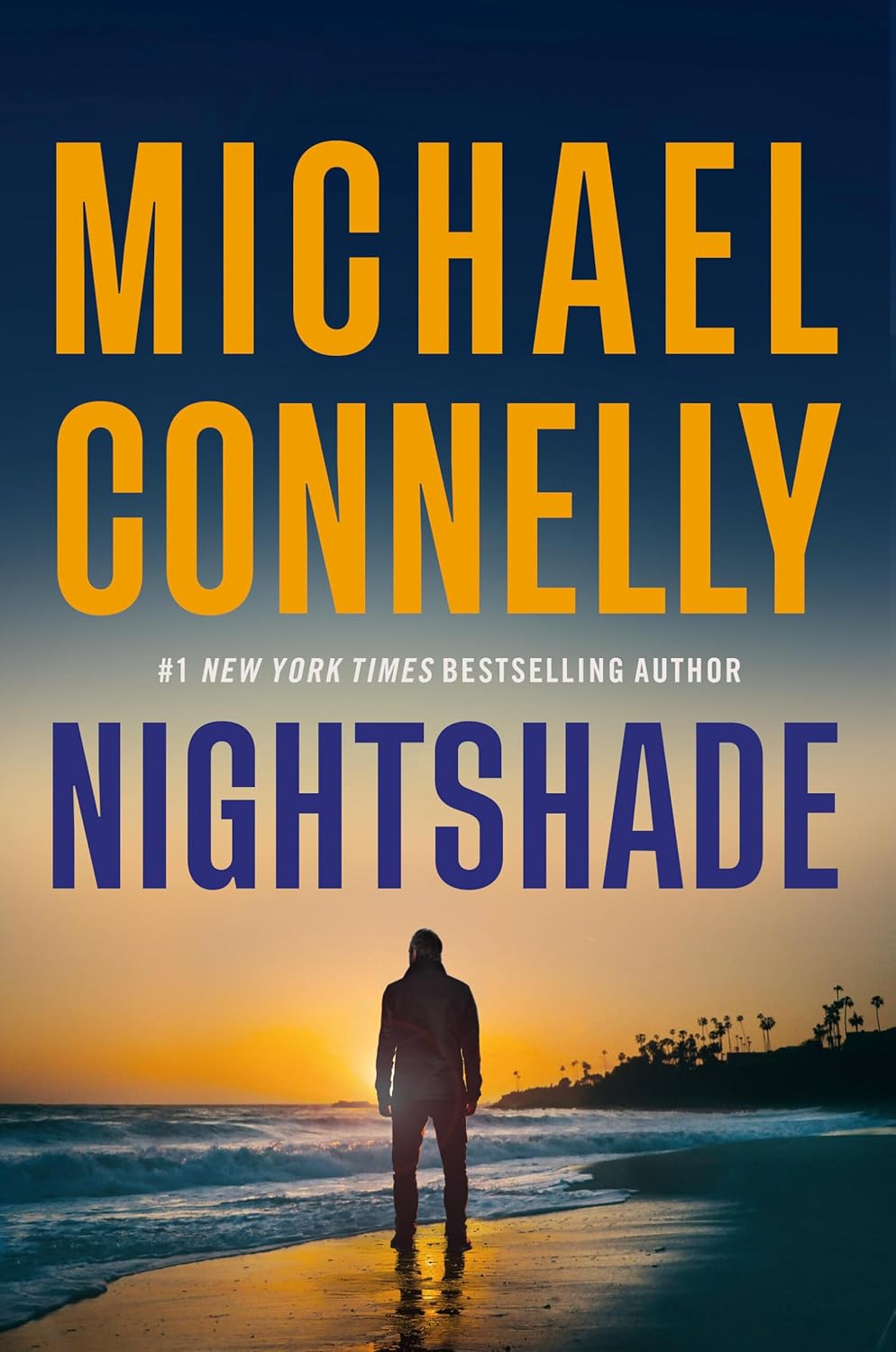
Nightshade by Michael Connelly (ebook)

I just started to read the new Michael Connelly novel; Nightshade and I have already made a descent amount of progress on it.  Following an interesting new Connelly protagonist who is forced to investigate a murder on Catalina Island, Nightshade is another amazing read from Connelly, and I am already pretty hooked on its cool mystery.  I fully expect to power through Nightshade in the next couple of days and I cannot wait to see how it comes together.

Amazon


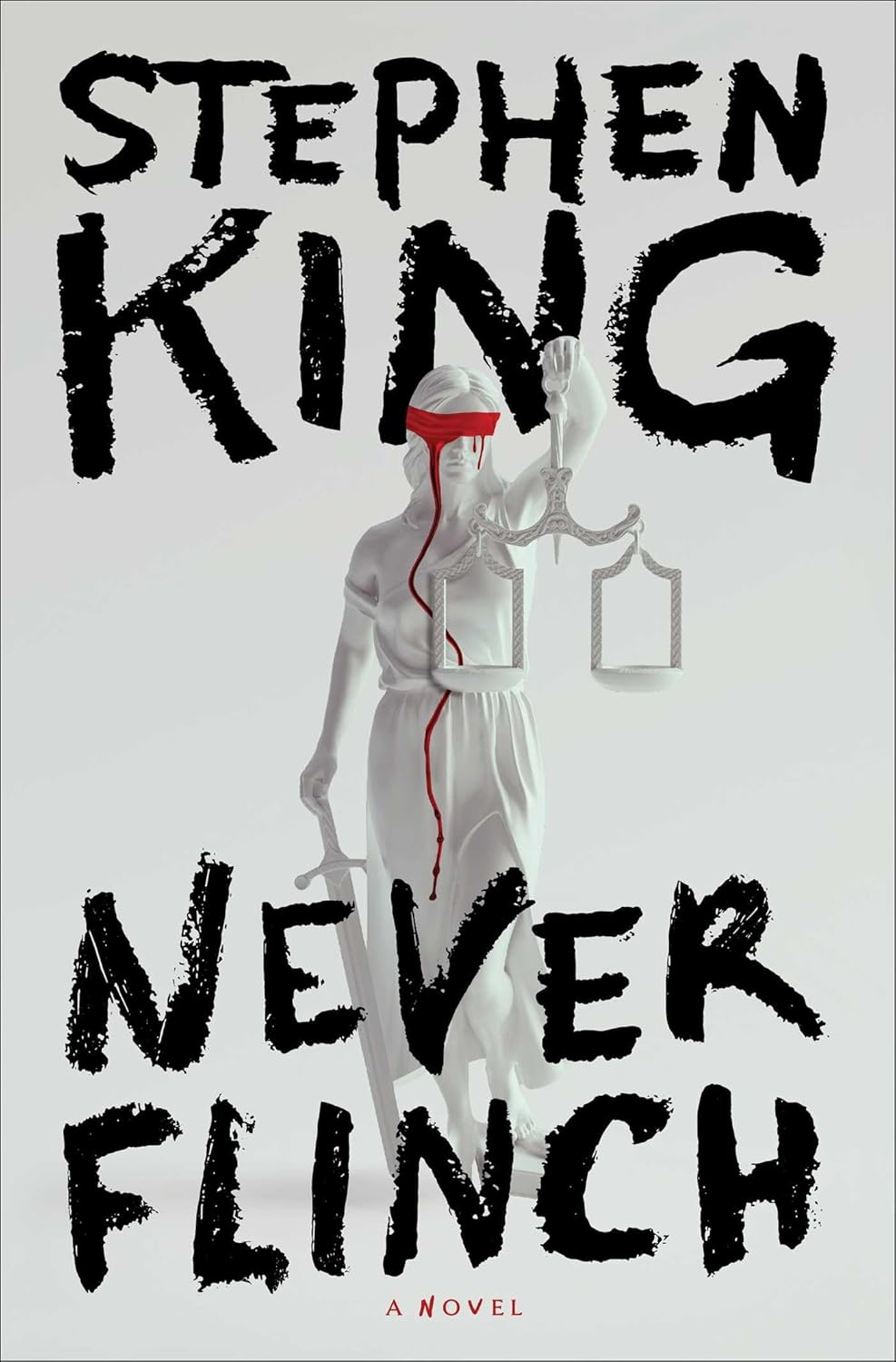
Never Flinch by Stephen King (audiobook)

I also still listening to the new Stephen King novel, Never Flinch.  Featuring one of the authors more compelling protagonists, Holly Gibney (from books like Mr. MercedesThe Outsider and Holly), Never Flinch is a gripping novel that pits Holly against both a killer planning to murder 14 people and a disturbed stalker fixated on murdering a women’s rights activist.  I am currently halfway through Never Flinch, and I can already guarantee that this is going to be one of my favourite books of 2025.

Amazon

What did you recently finish reading?

Everybody Wants to Rule the World Except Me by Django Wexler (Trade Paperback)

I had a lot of fun reading the hilarious fantasy novel, Everybody Wants to Rule the World Except Me by Django Wexler this week.  The sequel to the amazing and deeply funny How to Become the Dark Lord and Die TryingEverybody Wants to Rule the World Except Me was another zany and clever read that had me laughing the entire way through.  Highly recommended.

Amazon

What do you think you’ll read next?

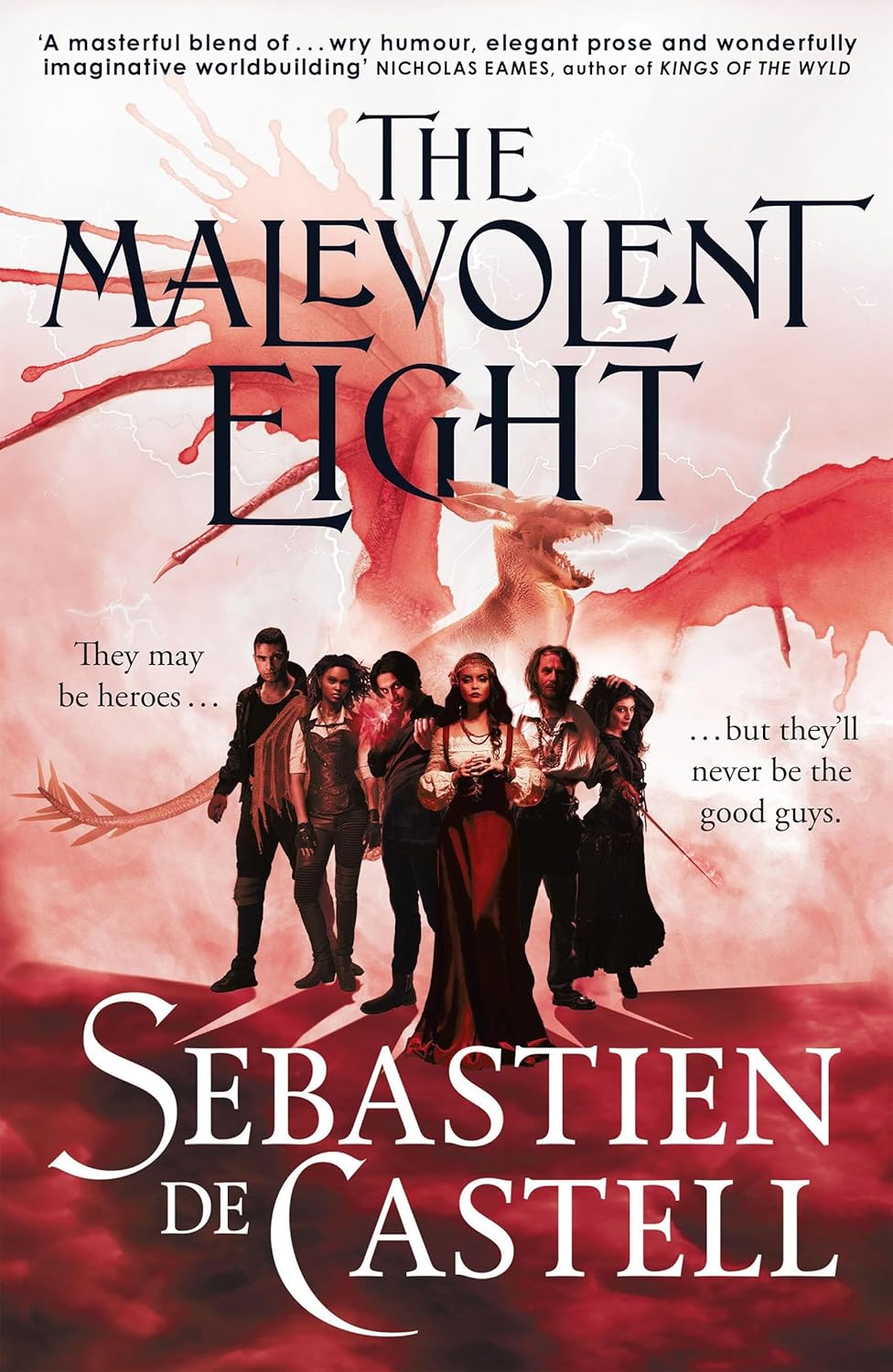
The Malevolent Eight by Sebastien de Castell

I have a few interesting books to check out at the moment, but I think I’ll probably start reading the awesome sounding dark fantasy novel, The Malevolent Eight by Sebastien de Castell.  The sequel to de Castell’s outstanding The Malevolent Seven, The Malevolent Eight will follow the author’s unlikely band of murderous magic users, who are forced to play the hero in order to save the world.  I had a ton of fun with The Malevolent Seven, and I cannot wait to see how de Castell continues his cool story.

Amazon


That’s it for this week; check back in next Wednesday to see what progress I’ve made on my reading and what books I’ll be looking at next.

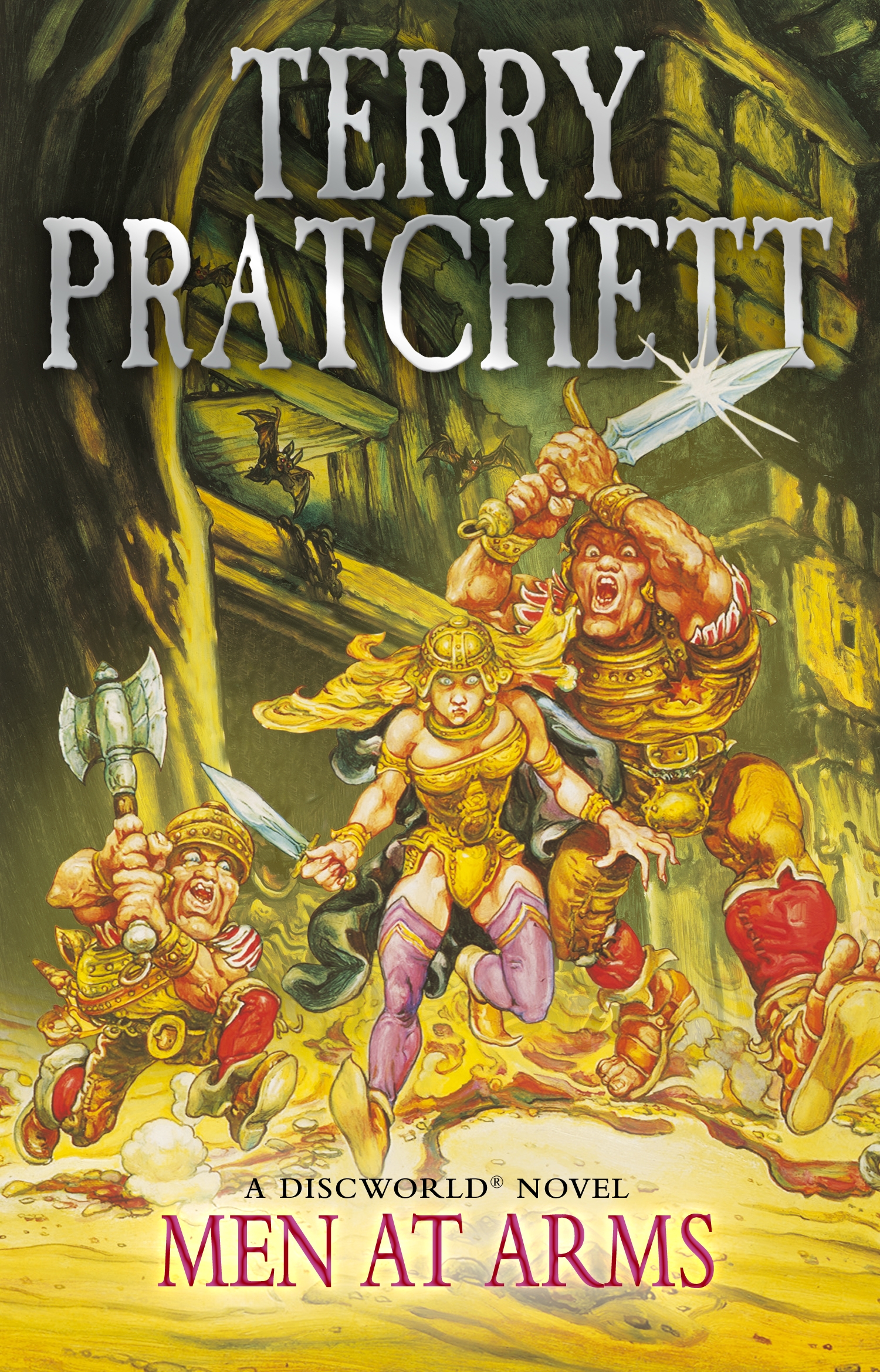
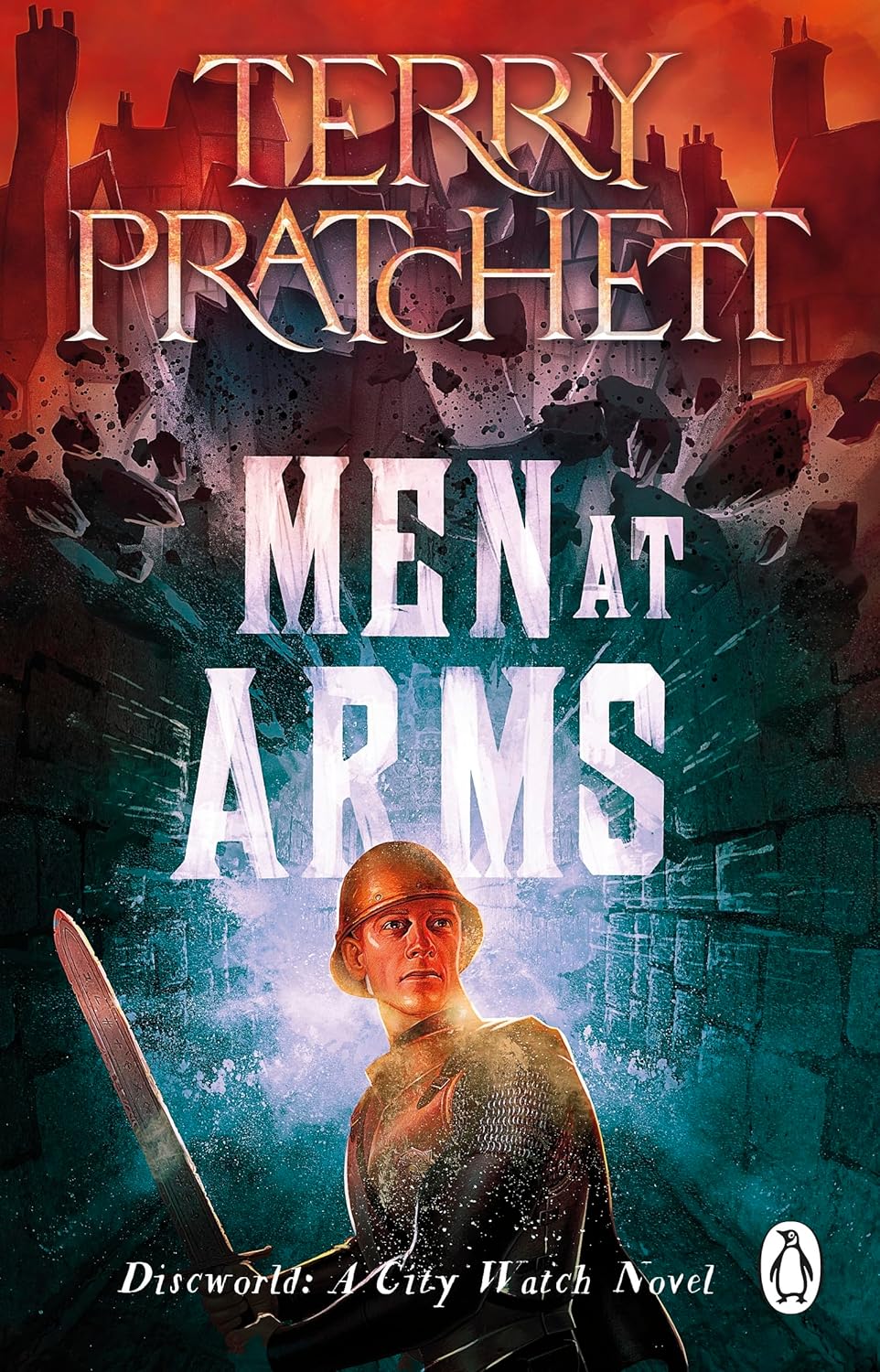
Men at Arms by Terry Pratchett

Publisher: Gollancz/Penguin Random (Audiobook – 1993)

Series: Discworld – Book 15/City Watch – Book Two

Length: 12 hours and 58 minutes

My Rating: 5 out of 5 stars

Amazon

After yet another re-read, the classic fantasy satire novel, Men at Arms remains as one of my favourite Discworld novels by the late, great Terry Pratchett, especially as its new audiobook version breaths fresh life into the always impressive novel.

Readers of this blog will have noticed that I have been on a real Discworld rampage lately, having re-read several books from my absolute favourite fantasy series.  Much of this is due to the recent release of a cool new audiobook version of all the Discworld books, featuring an awesome array of new narrators and vocal talents.  This new format has proven particularly awesome for books like Pyramids, Moving Pictures and Small Gods, and I have been eager to see how some of the books in my favourite Discworld sub-series, the City Watch books, come across with the new narrators.

While I have a lot of love for all the books in Terry Pratchett’s Discworld, my absolute favourites come from the City Watch sub-series.  Following the unlikely members of the Ankh-Morpork City Watch, a rag-tag team of guards generally looked down upon by the entire city, the City Watch books features an exceptional combination of fantasy and crime fiction elements, wrapped up in Pratchett’s usual satirical humour, as the protagonists investigate a series of dastardly crimes in the supernatural Discworld.  The series started perfectly with the awesome novel Guards! Guards!, which I reviewed last year, and Pratchett did an outstanding job following this up with the brilliant sequel, Men at Arms.

After saving the sprawling and eternally crime-ridden city of Ankh-Morpork from a fire-breathing dragon, the men of the Night Watch are still at work protecting the city, even though most of the city wishes they didn’t exist.  Despite their previous escapades, it’s a bad time to be a copper in Ankh-Morpork, with species tension between the dwarfs and the trolls at boiling point, while the powerful guilds disregard the Watch’s non-existent authority.  Worse, the Night Watch has been forced to accept three diversity hires, and must now contend with a mad dwarf, a thick troll and a woman (gasp) amongst their ranks.

Despite this, when an explosion at the Assassin’s Guild literally rocks the city, it falls to Captain Samuel Vimes and his small squad to investigate the heist hidden by the blast, despite the deliberate orders of the city’s tyrannical ruler to stop.  Determined to wrap up the case before his impending marriage and retirement, Vimes is soon forced to contend with a series of unusual, but seemingly linked murders, many of which have been caused by a lethal weapon never seen on the Disc.

With riots on the streets, and assassins and fools dodging their questions, all the members of the watch, including their contentious recruits, will need to work together to solve the murders before the city descends into chaos.  But how will they fare when going up against the most dangerous criminal mind the city has ever seen, one determined to bring back the Ankh-Morpork’s ancient kings, while wielding a dangerous new weapon that could change the entire Disc forever?

Even after many, many re-reads, Men at Arms continues to shine as one of Pratchett’s better books.  Featuring an epic crime fiction narrative, loaded with impressive characters, fantastic humour and great use of Pratchett’s iconic Discworld setting, Men at Arms is a complex, emotionally charged and deeply moving read that I could honestly read 100 times and still not get bored with.  A brilliant novel that unsurprisingly gets an instant five-star rating from me.

Pratchett wrote some exceptional narratives throughout his career, but few stand up to Men at Arms in terms of complexity, cleverness and emotional impact.  Expertly reintroducing the cast of Guards! Guards!, while also bringing in some impressive new support characters, Men at Arms starts off an excellent pace, as Pratchett cleverly examines the changes to the characters, sets up the new case, while also showcasing the motivations of the apparent main antagonist.  From there, it doesn’t take long for a dark series of crimes to take place, with Vimes and his squad investigating despite the apathy of the rest of the city.  Pratchett does a lot of excellent set up in the early part of the book, and the reader soon becomes invested in the investigation, especially as the book begins to follow a series of deaths, some of which were caused by a particularly deadly weapon that modern readers will be all-too familiar with.  Some great character arcs are also introduced here, as the extended cast all hit their own various problems they are forced to overcome, with Vimes dreading his eventual retirement, Carrot feeling the added responsibility, the fun buddy-cop arc between Detritus and Cuddy, and Angua dealing with her own problems.  The author sets up and expands on these arcs throughout the book perfectly, providing additional emotional impact, as well as some interesting side angles on the main storyline.

While the first half of the novel sets everything up perfectly, it is in its second half where Men at Arms truly shines.  Pratchett keeps raising the stakes of the story, with more victims, run-ins with the shadowy antagonist, and the Watch characters attempting to understand the nature of the weapon that has been turned against the city.  The author throws in some interesting wrinkles to the case, which shadow who the true villain is, while other events throw emotional shade across several of the characters.  The various connected character arcs start to come together perfectly as the book continues, and you go into the final stretch with a range of emotions around you.  While ostensibly a comedy, Pratchett chooses to hit the tragedy element of the plot really hard in the lead up to the finale, with some big moments that will leave you speechless.  The big end reveal and confrontation is exceptional, and I loved how well all the storylines and cleverly setup plot points came together.  Everything leads up to a very desperate struggle that helps to define some of the main characters in some very powerful ways.  Pratchett chooses to leave the book on a hopeful note that sets the expanded course for the future City Watch books, while also providing some interesting insights into one of the main characters and his role in the city.  An overall epic narrative that twists, turns and keeps you guessing, while constantly entertaining and emotionally charged.

As with his other books, Pratchett perfectly sets out Men at Arms with impeccable writing, and I loved how this complex novel came about.  Featuring his usual impressive blend of fantasy and humour elements at its base, Men at Arms is both intriguing and quite funny in equal measures, and I love the subtle comedy that runs through it.  Many of these scenarios involve classic fantasy scenarios being seen through the eyes of self-aware characters, allowing the situation to be taken up to an 11, with sarcastic commentary from the witnesses.  This humour is well enhanced by several of its best characters, including a fantastic new buddy cop routine, with members of two separate and historically antagonistic species forced to work together and eventually becoming friends.  Some of the other hilarious moments in the book include unlikely members of the city’s population being conscripted into the Watch, unfunny clowns, unconventional investigation methods, and other subtle humour.  You also have to love the brilliant footnotes that seek to enhance the story and showcase just how ridiculous the Discworld is by providing additional details about the universe and the people within it.  All this results in a brilliant and highly entertaining fantasy read, and that’s before you even get to the great crime fiction elements of the story.

As with Guards! Guards!, Men at Arms stands out from the rest of the Discworld series due to the way that Pratchett provides a complex and compelling crime fiction narrative.  Focused on an explosive heist that eventually results in a series of brutal murders, Men at Arms tries to envision how firearms would disrupt the Discworld.  This allows for quite a captivating crime fiction narrative, which I feel was a much better mystery than Guards! Guards!.  Advancing more into police procedural territory than its predecessor, the mystery of Men at Arms proves to be top rate, with the protagonists going after an already known villain for much of the book.  Much of the early story involves the protagonists trying to unfurl the antagonist’s plan and discover how he committed the crime, which allows for some great scenes as the Watch inexpertly investigate.  Pratchett cleverly twists the fact that think you know who the antagonist is towards the end of the book, and I love how well he switched this key story element, especially as the implied true villain of the story is far more sinister than just evil humans.  I really enjoyed how well Pratchett sets up this mystery in Men at Arms, and even after so many re-reads there are still additional subtle clues and foreshadowing that I’m only just picking up on.  The police procedural elements of the story are also extremely well handled, with a lot of humour focused around three very unlikely recruits joining the already scruffy outsiders who make up the Watch.  All these elements come together extremely perfectly and allow for readers of various genres to come into Men at Arms and have an incredible time.

Due to Pratchett’s excellent writing style, Men at Arms does work quite well as a standalone novel, and new readers can generally enjoy this book without any prior knowledge of the Discworld series, especially once they get caught up in the cool story and amazing humour.  However, I do feel that to get the best experience with Men at Arms, readers really do need to have checked out Guards! Guards! first.  The continuing storylines, history of the city and character arcs all come into play extremely well in Men at Arms, and you get a much more complete experience viewing all City Watch novels in order.  There is also a continuation of some character arcs from the standalone novel, Moving Pictures, especially as a few major characters from there get a recurring role in this new sub-series.  As such, I would say that Men at Arms is a novel more aimed towards Pratchett’s established fans, with those who loved Guards! Guards! guaranteed to enjoy its impressive sequel and the compelling direction Pratchett starts to take the City Watch books in.  It helps that the author continued to explore the crumbling and crime-ridden city that is Ankh-Morpork in this Men at Arms, providing even more details about its governance, mindset and people.  This includes really expanding on the species tension between the dwarfs and trolls and showcasing it as a major plot point while also paralleling real-life racial tensions.  This focus on dwarf and troll conflict becomes a major plot point of the Discworld going forward (especially in the later City Watch books), and its setup here was spectacular.  Combine that with the changes that happen to the Watch at the end of the book, and Men at Arms is an important entry in the wider Discworld context, especially as so many key City Watch storylines start here.

While there are so many amazing writing elements to Men at Arms, few things top the exceptional character work that ensured that this novel was far more than just a funny fantasy novel with crime fiction elements.  Instead, the complex and heartfelt dives into its extensive main cast ensured that Men at Arms was one of the more powerful and emotionally charged entries in the Discworld (a very impressive feat).  The combination of returning protagonists from previous books, as well as a few outstanding new characters, allows for a range of different plot perspectives and personal storylines, and Pratchett effortlessly works to make you invested in all these character arcs before hitting you with intense tragedy and powerful moments.

At the centre of the plot lies main character Captain Samuel Vimes, the cynical veteran leader of the Night Watch, who has finally found happiness and romance in his life.  Now on course to retire and become a man of leisure, Vimes must deal with the horror of becoming the thing he hates most: a rich civilian.  Dealing with it by diving into one last investigation, Vimes finds himself facing everything he hates about his job, including bureaucracy and the whims of powerful people, resulting in some brilliantly chaotic scenes.  While it does seem that Vimes’s role in this story is slightly diminished compared to in other City Watch books, especially in the centre, he is still a major part of the book, and Pratchett writes some excellent storylines around him being the dogged and worn-down investigator pushing against authority and trying to solve one more crime.  The focus on his identity as a copper, the sacrifices he makes for his fellow officers, as well as the horror at having to give up the job are major parts of his character arc, and there are some truly heartbreaking moments when he realises he must give it all up.  This is well balanced with his heartwarming romance with his unlikely partner, Lady Sybil Ramkin, whose well-meaning support and determination help to make Vimes a better person.  However, it is the major sequence when Vimes finally encounters the antagonist which really provides the best look at the character.  Forced to decide between being a good cop or a figure of vengeance (a battle that rears its ugly head for Vimes many times during the series), Vimes truly hits his mental and moral limit as he faces down his adversary, and it is one of the most powerful scenes in the entire Discworld series.

While Vimes is the main character of the City Watch series, the focus of Men at Arms is a little more skewed more towards Corporal Carrot Ironfoundersson, as Pratchett expands on his excellent introduction in Guards! Guards!.  Now firmly a part of Ankh-Morpork society, Carrot has evolved from naïve newcomer to a seasoned police officer who knows literally everyone in the city.  Fully utilising his natural charisma, Carrot proves to be a major force for law and order in the city.  I loved how much Pratchett enhanced Carrot in this sequel, as his personality evolves due to his role and responsibility, and despite still appearing quite naïve and obedient, Carrot showcases some impressive intelligence driving much of the investigation.  I especially appreciated the various scenes where Carrot managed to outfox many of the city’s more dangerous figures who fall for the dumb copper routine.  Despite his new confidence and ability to bring out loyalty in others, Pratchett makes sure to show that Carrot isn’t infallible, and you see some vulnerability at times. Carrot also serves as the moral centre of the book, bringing out the best in the other members of the Watch.  His interactions with Vimes in the final confrontation were very heartfelt, especially as he keeps the man he admires most from doing the wrong thing, while the way he handles the antagonists goes to show that he is truly a good man, who you better pray you never face.  I also think that his talk with Vetinari at the end of the book was one of the best scenes in Men at Arms, especially as he truly surprises the Patrician, while also dancing around the tricky subject of Carrot’s potential position as heir to the throne.  His decision to refuse power and ensure that Vimes will be there instead really helps you keep faith in the good of people, and this was frankly Carrot’s best book.

I also have to highlight the fantastic and fun duo that was the newly instated watchmen, Cuddy and Detritus, the later of whom previously appeared in Moving Pictures.  An unusual dwarf and the thickest of trolls, the two make for a particularly unlikely and chaotic duo, which Pratchett uses to full effect as the book continues.  Thanks to the enmity that exists between their respective species, Cuddy and Detritus spend much of the early part of Men at Arms bickering with each other, including in one scene in the middle of a riot.  However, after being forced to work together, the two form a grudging bond, especially when Cuddy stops seeing Detritus as a dumb troll.  I loved how well Pratchett took the classic odd-couple police partner trope and twisted it around the compelling species-rivalry theme of the book, and the fun dynamic that forms between the new friends is a major highlight of the book.  The various sequences that follow the big scene that defines these two partners are some of the most powerful in the entire Discworld.

Following on the heels of Cuddy and Detritus is Angua, the other new recruit to the Night Watch.  Angua is an interesting figure in the story, mainly because she’s one of the few people able to see how ridiculous the entire Night Watch is.  The subsequent storylines surrounding her potentially doomed romance with Carrot and her desire to keep her status as a werewolf secret from everyone, add some excellent alternate perspectives to the plot, and Pratchett did an outstanding job setting her up as a compelling figure for the rest of the series.  It helped that for this first book she worked as a bit of a double act with the small talking street dog, Gaspode, who also previously appeared in Moving Pictures.  Gaspode proves to be a fantastic wise-cracking counterpoint to Angua, and it was hilarious to watch him mess with the various human characters who refuse to believe he can talk.  Their resulting storylines about investigating the crime as canines, as well as the unlikely dog rebellion brewing within the city, works well with the other character focused arcs, and it was fun to get a little more closure on Gaspode’s story after his previous appearance.

Other great supporting characters in Men at Arms includes the returning members of the City Watch, Sergeant Colon and Corporal Nobbs.  While not as well utilised in this book as the rest of the City Watch series, they still prove to be a fantastic addition to the supporting cast.  Entertaining backers to the various other character-driven storylines, both show interesting depths in this book, whether it’s Colon acting as a put-upon drill sergeant, or Nobby’s use of his quartermaster past to obtain a collection of weapons.  Other members of the city also prove to extremely entertaining, with the tyrannical Lord Vetinari being the highlight.  The way in which Vetinari manipulates Vimes throughout the entire novel, while also understanding the true nature of most of the city’s residents is highly impressive, and I love that he stayed on as a major character after Guards! Guards!.  Throw in a complex arrangement of well-hidden antagonists, including an idea of violence that takes on a familiar form, and the cast of Men at Arms proves quite exceptional.  I really cannot emphasise just how much these carefully written character arcs and complex personal storylines increased the impact and emotional power of this novel, and you will come away loving everything about them.

I doubt anyone will be too surprised that I am about to write several paragraphs about Men at Arms’s epic audiobook formats, which I have long described as the very best way to enjoy Pratchett’s stories.  I honestly love all the Discworld audiobooks and luckily for connoisseurs, there are two outstanding versions of the Men at Arms audiobook that you can check out.

The first of these is the classic edition that was released back in 1996 and which is read by Nigel Planer.  Planer, who is one of my favourite audiobook narrators, lent his voice to most of the early Discworld novels, and is a key reason why I love Discworld books in this audio format.  Planer unsurprisingly does an amazing job with Men at Arms, especially as he perfectly captures Pratchett’s complex humour and intense story arcs with his brilliant narration, with every element of the book coming across in an exceptional and addictive manner.  This includes the brilliant characters, many of whom Planer previously voiced in other Discworld books.  Planner does an amazing job once again diving into these unique characters throughout Men at Arms, and the way he effortlessly portrays each character and shows their full personality and emotional range is just amazing.  He frankly provides the definitive portrayal for all the City Watch characters, and I honestly love the passion he brings to the Men at Arms audiobook. 

While the Nigel Planer audiobook version is always going to be a favourite of mine, I also have come to deeply appreciate the latest Men at Arms audiobook.  Part of a newly released collection of Disworld audiobooks that feature an interesting array of British talents bringing their vocal skills to Pratchett’s classic tales, this new Men at Arms audiobook is very impressive and is just as easy to get lost in at the classic Planer version.  Featuring the amazing cast of Jon Culshaw, Peter Serafinowicz and Bill Nighy, this Men at Arms audiobooks has a runtime just short of 13 hours, which is a few hours longer than Planer version.  However, the excellent array of narrators really makes it worth a listen.

The heart of this new Men at Arms’ audiobook is British radio and television personality Jon Culshaw, who dove into this role in a very impressive manner.  Culshaw really makes the story his own with his take on the novel and the characters, resulting in a very different feel that fans of the original Planer version will really appreciate.  Part of the reason why it was so good was that Culshaw brought back the excellent character voices and tones he previously used in Guards! Guards!, many of which provide great and often gritty new takes on some classic characters.  This includes a much rougher and despair filled Vimes, which fits the darker places Pratchett took the character in Men at Arms, especially when he goes up against the system.  His voice for Carrot captures the same keenness and naiveté that we saw in the previous book, however Culshaw’s vocal work also backed up Carrot’s excellent character development as the protagonist came into his own.  His voices for Lord Vetinari and Nobby Nobbs were also a ton of fun, with the dark and insister tones of Vetinari stealing every scene he is in, while Culshaw’s Nobby voices sounded appropriately similar to David Bradley or Jon Pertwee, which is just hilarious.  Culshaw also did an excellent job with several newly introduced City Watch characters, and I felt he got ever new additional cast members’ voice down perfectly.  My favourite was probably the troll Detritus, as Culshaw worked hard to showcase his massive and rocky troll nature, as well as his serious and slow personality.  This excellent vocal work from Culshaw ensured that the core of this Men at Arms audiobook was extremely impressive, and I really could listen to Culshaw’s take on these epic characters all day long.

As with all books in this new collection of Discworld audiobook’s, Culshaw’s main narration was perfectly backed up by recuring voices of Bill Nighy and Peter Serafinowicz. Both play key parts in this audiobook, with Nighy providing the narration for the footnotes, while Serafinowicz was the voice of Death whenever he appeared. These performances were once again perfect, and I especially loved Nighy’s excellent work with the vital, comedic footnotes.  Nighy really enhances the impact and value of these footnotes with his calm and impressive voices, and I especially loved his take on some of the more entertaining footnotes, including one where he partially sings a bad folk song.  Serafinowicz’s role in Men at Arms is also very fun, as he brings the fan-favourite character of Death to life.  Death has several great appearances in Men at Arms, and hearing Serafinowicz’s excellent voice suddenly appear amongst the general narration really increases the impact of the character.  Both Bill Nighy and Peter Serafinowicz’s inclusions were extremely fun, and I felt that they were combined with Culshaw’s main narration in a very impressive way.  These three brilliant British talents ensured that the new version of Men at Arms was particularly impressive, and while the original audiobook will always remain one of my favourite ways to enjoy Men at Arms, this new version is very much worth a listen and will likely inspire a new generation of Discworld fans.

Well, I think that my above excessive ramblings have probably made the point by now that I deeply enjoyed Men at Arms by Terry Pratchett.  One of the best Discworld and City Watch novels, Men at Arms was a glorious, captivating and moving read that perfectly blended crime fiction, fantasy and satire into one truly addictive and impactful book.  Clever, sharp and loaded with truly exceptional characters, Men at Arms was Pratchett at his very best, and I cannot recommend this book enough, especially on audiobook.  I can think of no higher praise for Men at Arms than to once again state that I will never get bored with this exceptional book, and it inspired me to continue the series and re-listen the next City Watch book, Feet of Clay.
Amazon

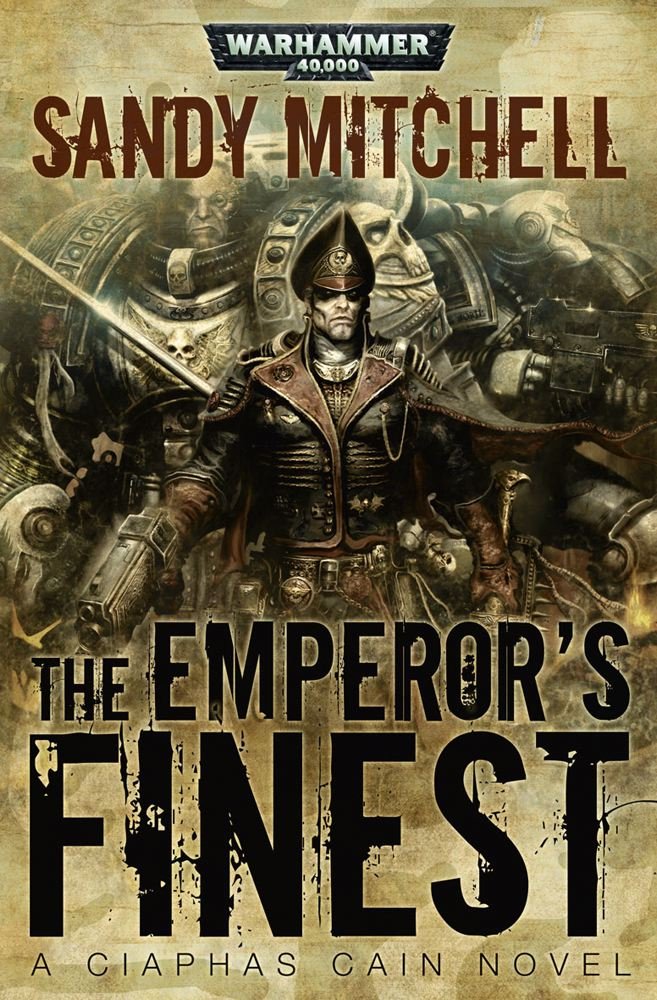
Warhammer 40,000: The Emperor’s Finest by Sandy Mitchell

Publisher: Black Library (Audiobook – 7 December 2010)

Series: Ciaphas Cain – Book Seven

Length: 10 hours and 14 minutes

My Rating: 4.75 out of 5 stars

Amazon

Dive once again into the crazy adventures of the Warhammer 40,000 universe’s most undeserving hero, with the awesome Ciaphas Cain novel, The Emperor’s Finest by Sandy Mitchell.

I was recently in the mood for something familiar and fun to enjoy during a gap in my audiobook listening schedule, and the first thing that came to mind was another entry in the highly entertaining and addictive Ciaphas Cain series by Sandy Mitchell (a pseudonym of author Alex Stewart).  One of my favourite Warhammer 40,000 series, the Ciaphas Cain books chronicle the adventures of the dashing and doubtful hero of the Imperium of Man, Commissar Ciaphas Cain, a man who sensibly seeks to avoid the many, many terrifying dangers of the Warhammer 40,000 universe, but who constantly finds himself dragged into the deadliest of situations, often because of his vastly inflated legend.  I have had a wonderful time making my way through the series, with books like For the EmperorCaves of IceThe Traitor’s HandDeath or Glory, Duty Calls and Cain’s Last Stand, proving to be extremely compelling and highly entertaining.  As such, I knew well in advance of reading The Emperor’s Finest that I was going to have a brilliant time with it, and Mitchell did not disappoint.  The seventh entry in this outstanding series, The Emperor’s Finest, had an outrageous and fantastic plot behind it that throws you into the action right away.

A dangerous and terrible foe stalks several human worlds in the galaxy, and only one man is unlucky enough to face it: Commissar Ciaphas Cain.  Despite being relatively early in his illustrious career, Cain has already gained a reputation for heroics and bravery, a combination that conspires to get the Commissar into far more trouble than he wants.  However, one of his most dangerous adventures occurs when he is surrounded by the finest warriors humanity has to defend them.

Rescued from an exploding Necron ship, Cain finds himself in the care of Space Marines of the Reclaimers chapter and soon becomes their Imperial Guard liaison as part of a new campaign.  Assigned to supress a civil war on the important agricultural world of Viridia, the Reclaimers are keen to engage the enemy, and Cain finds himself reluctantly dragged in their wake, forced to once again play the rousing hero and bring the loyalists of Viridia into line.  However, as the Reclaimers begin their bloody work, it soon becomes apparent that the traitors of Viridia are far more deadly than expected, when a nefarious genestealer cult is revealed at the heart of the warring factions.

As the Space Marines engage the genestealers, the defenders of Viridia determine that they must have snuck into the system when a massive, drifting space hulk briefly appeared.  Determined to eradicate the source of this unholy threat to the Imperium, the Reclaimers lead an ambitious expedition into the warp to track down the space hulk and obtain its secrets, and Cain is naturally required to follow along.  With murderous genestealers and ravaging orks in front of him, and the far more terrifying threat of an ambitious husband-seeking noblewoman at his back, Cain and his trusty aide, Jurgen, are flung once again into the fray and must find a way to extricate themselves from the new dangers all around them.  But if anyone can survive the oncoming terrors of the space hulk, it’s the soon to be legend of the Imperium.

Sandy Mitchell continues to delightfully show just how ridiculous and entertaining the Warhammer 40,000 universe can be with this outstanding entry in his Ciaphas Cain series.  Featuring an intense plot loaded with some fantastic characters, The Emperor’s Finest takes Cain on a grand adventure filled with action, questionable heroics, and boundless fun.

As with the rest of the books in the Ciaphas Cain series, The Emperor’s Finest features a brilliant and highly entertaining story loaded with funny coincidences, complex characters and highly dangerous situations.  Following on from the immediate aftermath of the Ciaphas Cain short story, Echoes of the Tomb, the initial story sees Cain once again thrust into danger, this time supporting the Reclaimers’ attempts to wipe out a genestealer-led revolution on the planet of Viridia.  This first part of The Emperor’s Finest is a somewhat typical Ciaphas Cain narrative, with the reluctant Cain dragged into a dangerous situation thanks to his own inflated reputation.  This ensures a ton of excellent action and over-the-top scenarios, as Cain jumps from danger to danger, with many of his decisions to avoid trouble resulting in him finding an even worse scenario.  Mitchell enhances this fun by also forcing Cain to contend with supporting character, Mira DuPanya, whose entertaining exploits, foppish nature, aristocratic arrogance, and determination to stick with Cain leads to some great moments, including an unlikely romantic subplot with the protagonist.

While this was a great introduction, the plot focus of The Emperor’s Finest changes about a third of the way through into a space adventure, when the Reclaimers set out to find and cleanse the space hulk that initially corrupted Viridia, and Cain is dragged along.  This allows for some excellent space adventures, especially when Cain and the Space Marines burst out into ork space, resulting in a great boarding action sequence.  Mitchell really leans into some fun interpersonal clashes between the book’s three main characters here, especially as Cain and the always dependable Jurgen find themselves at their wits end with Mira, who continues to be a real highlight of the plot.  All this leads to the excellent final third of The Emperor’s Finest, which sees Cain and Jurgen trapped alone aboard the space hulk, facing off against genestealers and orks.  A frenetic and fast-paced extended sequence, the space hulk scenes feature some of the book’s best action, and it was fun to see Cain and Jurgen working as an effective team to achieve Cain’s goal of not dying.  Mitchell plunks in some really awesome, fast-paced sequences here, and the reader is left hanging on until the end as they wait to see how Cain escapes this time.  Everything wraps up with some final fun moments, with Cain once again coming out on top through happy accident, and I was thoroughly entertained with how the self-contained storylines around Mira came to an end.

Unsurprisingly, Mitchell continued to utilise the same writing style that made the rest of the Ciaphas Cain series so entertaining, with the main narrative primarily told in a journal format, written by an older Cain.  Filled with self-deprecating humour and his own narrow insights into events, the novel paints a rather compelling and frank picture of events, which Mitchell ensures is loaded with action, adventure, and a certain level of ridiculousness.  This main narration is cleverly interspersed with entertaining footnotes, commentary and in-universe texts provided by the account’s editor, Inquisitor Amberly Vail, which ensures that the story becomes even more cynical and humorous, abet with some excellent additional insights into the Warhammer 40,000 universe.  I personally found The Emperor’s Finest to be one of the funnier Ciaphas Cian novels, and I chuckled my way through several scenes, especially those where Cain’s greatest threat proves to be an ambitious and heavily armed love interest.  I really love Mitchell’s great writing style for these books, which are honestly some of the more light-hearted entries in the larger Warhammer 40,000 canon, and I felt that it helped to turn the already awesome action story of The Emperor’s Finest into a truly entertaining narrative.  While the overall general adventure narrative is relatively basic, especially after some of the preceding books that had a little more depth, this was still a great read, and those in the mood for comedy, action and amusing characters in the always grim dark Warhammer 40,000 universe are going to have fun with this seventh Ciaphas Cain book.

As with the rest of the series, The Emperor’s Finest works extremely well as a standalone novel, with no prior knowledge of the rest of the Ciaphas Cain series needed to enjoy this cool narrative.  Indeed, as The Emperor’s Finest is set relatively early in the character’s personal chronology, only a couple of the previous books are referenced or mentioned, although the short story, Echoes of the Tomb, set directly before the events of this novel, is discussed a few times.  As such, The Emperor’s Children could potentially be used as a good entry point into the larger series, especially as you get some great comedic moments and interactions in this book.  While The Emperor’s Finest does suffer from some repetition issues due to Mitchell reusing some phrases, descriptions and broad story arcs, I feel that there were enough unique elements in this book to make it stand out from the rest of the series.  This includes the inclusion of Space Marines characters for the first time in a Ciaphas Cain book, as well as the inclusion of some fun new supporting figures who add a lot of humour to the plot.  As such, I felt that The Emperor’s Finest was an outstanding addition to the overall series, and one that will appeal to both new readers and established fans of the series.

An always amazing highlight of the Ciaphas Cain novels are the great characters, and The Emperor’s Finest is an excellent example of this, featuring a fun cast of outrageous figures.  This includes protagonist and main point-of-view character, Commissar Ciaphas Cain, who is a particularly complex figure in the Warhammer 40,000 canon.  Always described by the protagonist himself as a coward and a false hero, Cain spends most of the book trying to come up with ways to avoid combat and survive the inevitable danger his reputation and own bad lack force him to participate in.  Written in a very cynical and self-deprecating manner, Mitchell always tries to emulate classic figures like Flashman or Blackadder with his depictions of Cain.  However, despite Cain’s own constant assurances that he is no hero, he often proves to be quite a skilled fighter and leader, routinely defeating the enemy through clever strategies or natural talents, and you soon figure out that the character is actually a good Commissar, even if he doesn’t believe it.  As such, Cain is a brilliantly contrary character, and it always fun to see him in action, especially in these earlier adventures where even he isn’t sure whether he’s brave or a hero.  Throw in the protagonist’s usual witty humour, sarcastic comments and overall cynical nature, which throws some entertaining shade on the entire Warhammer 40,000 universe, and Cain is a brilliant and surprisingly likeable central character that is so much fun to follow.

Aside from Cain, The Emperor’s Finest features some excellent supporting characters, including some recurring figures from the main series.  This includes Cain’s faithful aide Jurgen, a seemingly gormless and thoroughly unsanitary soldier, who is also an effective and lethal sidekick and in many ways is the true hero of the series.  While some elements of his nature are hidden due to this book being set early in the series’ timeline, Jurgen still has several moments to shine in The Emperor’s Finest, and I love how well he plays off Cian.  Another great recurring figure is Inquisitor Amberly Vail, who serves the essential role as the overarching narrator of the book as well as the person behind the footnotes.  Despite not physically appearing as a character in The Emperor’s Finest, Vail’s impact on the overarching book is undeniable, and I love hearing her commentary on Cain’s exploits while also calling out all his lies and mistakes.  Mitchell also features several stoic Space Marine characters, whose surly presence adds some interesting colour to proceedings, and whose apparently inability to see through Cain is quite amusing.

While Jurgen and Vail are great in their roles as always, I think that new character Mira DuPanya honestly stole the show in The Emperor’s Finest.  The spoiled daughter of Viridia’s governor, Mira is shown to be an early thorn in Cain’s side as she decides to accompany him into battle with her troops, despite being unqualified to lead anyone.  The early conflict between the two quickly turns into an unconventional romance, which Cain humorously regrets the entire way through, especially when Mira’s true intentions are revealed.  Mitchell honestly did a masterful job of portraying Mira in the most spoiled and foppish light, and for once Cain isn’t the most selfish character in the plot.  The hilarious interactions that occur between Mira and several of the recurring cast is often comedic gold, and I felt that this character’s presence alone helped to make The Emperor’s Finest one of the funnier books in the series.  An overall amazing cast of characters that I couldn’t get enough of.

I almost don’t need to say it at this point, but I of course checked out The Emperor’s Finest on audiobook, which frankly is the very best way to enjoy a Ciaphas Cain/Warhammer 40,000 novel.  Once again featuring an impressive cast of entertaining narrators, The Emperor’s Finest had a brisk run time of just over 10 hours, which I honestly flew through because I was having such a fun time with this audiobook.  The multiple narrators really help to capture the entertaining and crazy nature of the narrative, with Stephen Perring doing his usual exceptional job leading the narration.  His voice work in the main story, as told from Cain’s perspective, is very entertaining, and I love the extremely fitting voices that once again accompany the recurring protagonists of Cain and Jurgen, with Jurgen’s sticky tones being particularly fun.  Thanks to its compelling cast, Perring also had some additional interesting voices to feature in The Emperor’s Children, including a group of Space Marines, who Perring gives an appropriately intimidating and booming voice. However, Perring’s most entertaining, if ridiculous voice, belonged to Cain’s new love interest, Mira, upon whom Perring bestows a very grating and overly aristocratic voice, that really fits the spoiled princess persona the character had.  I honestly chuckled my way through some of the outrageous dialogue between the two, especially with Perring’s tones making them even more ridiculous.

In addition to Perring, the voice cast of The Emperor’s Finest also features the returning Penelope Rawlins, as well as additional narrators Andrew James Spooner and Helen McAlphine.  Rawlins once again does an amazing job voicing Inquisitor Vail’s notes on Cain’s account of this mission, and I loved the sarcastic yet informative tone that Rawlins has long attributed to this compelling figure.  Rawlins’s inclusions work perfectly alongside the main narration of Perring, and the way that her subtle and comedic comments are inserted into the flow of the story in this format is always extremely fun.  Throw in some excellent work from Spooner and McAlphine, who bring the contextual articles, interviews and exerts from in-universe texts to life in an amusing and striking fashion, and The Emperor’s Finest once again features some outstanding narration that really enhances Mitchell’s already awesome story.  I have so much love for how the Ciaphas Cain novels come across on audiobook, and The Emperor’s Finest once again shows why this is the very best way to enjoy this series.

Seven books in and the always fun Ciaphas Cain series remains one of the best Warhammer 40,000 series.  Sandy Mitchell did an outstanding job continuing the series with The Emperor’s Finest, which provides even more great action, fantastic comedy, and amazing character interactions.  An excellent and captivating read from start to finish, The Emperor’s Finest comes highly recommended, and I can’t wait to dive even further into the series when I get a chance.

Amazon

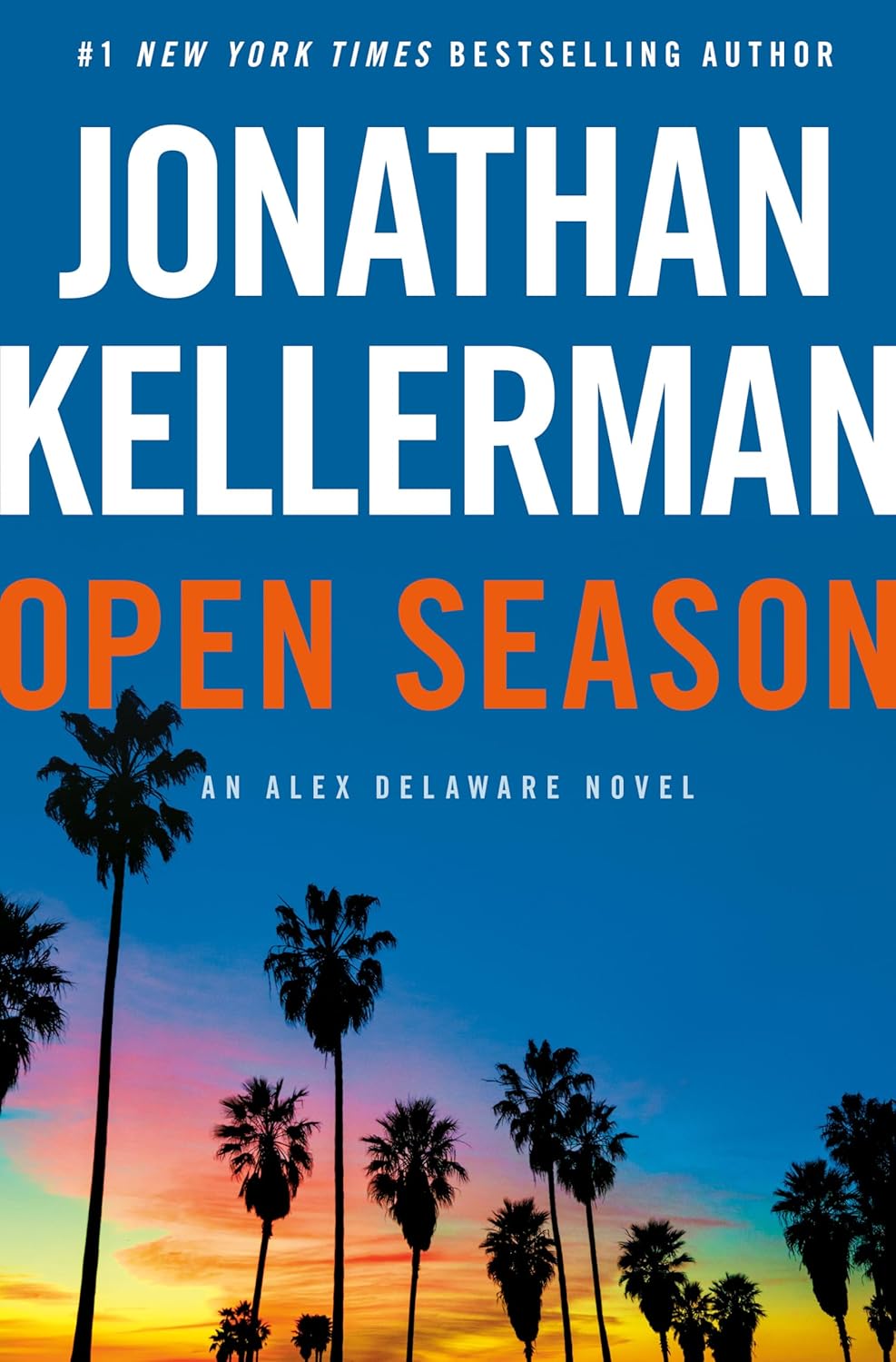
Open Season by Jonathan Kellerman

Publisher: Penguin Random House Audio (6 February 2025)

Series: Alex Delaware – Book 40

Length: 9 hours and 10 minutes

Rating: 4.5 out of 5 stars

Amazon

Still going strong after 40 Alex Delaware crime fiction novels, the always dependable Jonathan Kellerman presents another clever and captivating read with Open Season, an intense novel that proves very hard to put down.

Jonathan Kellerman is an excellent veteran author, whose massive body of work has been impressing crime fiction readers for decades.  While he has a couple of big series, Kellerman is best known for his long-running Alex Delaware series, which follows titular protagonist Alex Delaware, a child psychologist, and his best friend, LAPD Lieutenant Milo Sturgis as they investigate unusual or deranged murders around Los Angeles.  This is a really great series, and ever since I came across it, I’ve made a major effort to read each new entry, especially as they also provide some great mysteries and complex police investigation narratives.  Books like (The Wedding Guest, The Museum of DesireSerpentineCity of the DeadUnnatural History and The Ghost Orchid), have all been extremely amazing, and I eagerly await my new Alex Delaware hit at the start of each year.  The latest entry in the series, Open Season, is the 40th Alex Delaware novel, with Kellerman still going strong this far into the series.

Los Angeles is filled with all manner of dreamers and aspiring stars, but when one of them meets a tragic end, it falls to psychologist Alex Delaware and veteran homicide detective Milo Sturgis to find them justice.  Called in to investigate the dumping of an aspiring actress’s drugged body near a hospital emergency room, Alex and Milo soon set their sights on a known abuser as a likely culprit.  However, their hunt is prematurely ended when their suspect is found murdered, shot by a sniper.

Forced to switch to a new investigation, the two friends and their team are surprised to discover that the execution of the sexual predator is connected to two other unsolved homicides, with both additional victims shot from a distance using the same rifle.  Determined to figure out how the cases are linked, the team uncover a web of seemingly unconnected innocent victims, each of whom appeared to have been killed for very different reasons.

With additional bodies starting to pile up around the city, Alex and Milo find themselves in a race to solve the case before more victims can be cut down.  But are they facing a dangerous spree killer with no rhyme or reason to their actions, or a darker figure with their own complex rationales for murder?  To solve the case and stop the shooter, these two friends will need to use all their combined skills to decipher their strange motivation before even more people wind up dead.

Jonathan Kellerman continues to deeply impress with this new addictive and captivating crime fiction novel that I couldn’t get another off.  Featuring another brilliant and unique case, Open Season was an exceptional 40th entry in the Alex Delaware series that takes the reader down some dark and twisty paths.  This was a truly excellent read that I powered through in a very short amount of time.

Open Season was a particularly strong murder mystery from Kellerman, and I loved the compelling, multi-layered narrative that emerged.  Once again bringing together his two loveable main characters, Alex Delaware and Milo Sturgis, the two initially begin the book by investigating the murder of a young aspiring actress, drugged and dumped near a hospital.  Starting off with the typical look at the victim and anyone who knew her, the detectives are quick to narrow in on a suspect, only for the story to take an interesting turn when their potential killer ends up dead.  From there the story becomes a lot more complex, as the protagonists and a larger team begin to investigate the shooting of the first suspect, as well as several connected crimes.  This allows for a larger story with a ton of distinctive potential witnesses and suspects, and the protagonists investigate in several different directions, adding a lot of different pieces to the puzzle. 

Thanks to a series of varied clues, compelling research and additional discovered killings, the protagonists eventual narrow down on a potential suspect with interesting connections to each of the victims.  Without giving too much away, I felt that the overall solution for Open Season’s investigation was very clever, and it nicely tied into each of the victims/cases that make up the larger mystery.  The motivations for the killer were very unique and memorable, so it proved quite fascinating to see how the protagonists identified the antagonist and led to a great conclusion to the overall story.  I particularly enjoyed the final confrontation that the protagonists had with the killer towards the end of the book, and it wrapped the story up perfectly.  An overall excellent murder mystery narrative that will have you hooked all the way to the end.

I deeply enjoy Kellerman’s style for the Alex Delaware books and he really knows how to pull together a fascinating and intense police investigation narrative.  The author prefers a slow and methodical style of investigation as the protagonists pull together various clues and connections and work them into their various theories, which always adds a great touch of realism to proceedings.  There is a particular reliance on diving into the personal histories of the victims and suspects that Kellerman enjoys, which works to drag the reader further into the plot as they become even more invested in the investigations.  I felt that Kellerman’s typical style worked particularly well in Open Season, and I loved the complex investigation that emerged.  The multiple separate murders and the large array of connected people associated with each case allowed for a particularly elaborate story, and Kellerman carefully allowed his protagonists to explore these different elements allowing for compelling drive to the big conclusion around who was responsible.  I felt that Kellerman did an excellent job layering the more important clues around the case throughout the entire story, and it was very interesting to see what discussions or personal details came into play later.  I really got invested in Open Season’s complex case as a result, and this proved to be a particularly clever and well written mystery that deeply enhanced Kellerman’s already excellent story.

In addition to the very well-written story, Kellerman features some interesting characters and interactions in Open Season that help to create a unique feel that fans of the Alex Delaware series will be very familiar with.  Much of this lies with the two main characters, Alex Delaware and Milo Sturgis, who have an established and comfortable way of speaking with each other.  These two characters, both of whom are quirky in their own ways, are an excellent centre for the story, and I love how well the play off each other.  While their dialogue can be a little unique and occasionally flippant, Kellerman has spent a lot of time developing their patter, and you grow to appreciate the way these two characters work together.  In addition to their usual discussions, Open Season also had some more personal interactions between the two, especially when Alex is forced to keep some information from the team to protect the confidence of a medical professional.  I also liked how this was one of the Alex Delaware novels where the protagonist got to use his expertise as a psychologist to try to get to the root of the various suspects potential motivations.  This psychological work comes into play nicely, especially once they identify who the killer is, and it helped to give Open Season more of a distinctive edge away from other crime fiction reads.

While most of Open Season’s focus is on Alex and Milo, Kellerman also introduces an array of interesting supporting characters, each of whom are connected to the case in some specific way.  I really enjoyed the unique collection of characters that emerged, and there are some interesting storylines and connections that emerge thanks to the protagonists constant digging into the past.  The characters that get the most attention are some of the victims of the case, whose lives are explored in detail by the detectives.  Despite not interacting with the protagonists or readers while alive, you get to know all the victims thanks to interviews with their friends and families.  These many detailed interviews not only provide key information about who the victims are and potential motivations for their murders, but they also provide compelling and emotional testimony from those that loved them, which ensures that the reader becomes very invested in finding out who killed them.  You also meet a compelling group of people connected to the victims, who serve as witnesses, sources of information or suspects (sometimes all at once) in the case.  Due to the nature of Open Season’s story, you meet quite a few supporting characters, often for only a scene or two.  Kellerman makes these appearances count, though, and I liked some of the unique interactions that occurred, even if some of these characters were a little weird or had an unrealistic way of communicating.  The eventually revealed killer was particularly outrageous when eventually revealed, which I personally thought was very entertaining, although I could see some readers finding him to be too over-the-top.  Still, all these characters added something to the plot, and I enjoyed the effective way in which Kellerman introduced and utilised them throughout the book.

While I usually try to get physical copies of the Alex Delaware novels, for Open Season I ended up listening to the audiobook version, which I felt was an excellent way to enjoy this amazing book.  I personally find that the audiobook format does wonders for helping readers appreciate detailed and multilayered crime fiction narratives and Open Season was a great example of this, as I soon got drawn into every level of the author’s compelling mystery.  Part of the reason this worked so well was narrator John Rubinstein, who has lent his voice to a large chunk of the Alex Delaware series.  Rubinstein has a fun voice that lends itself to the occasionally zanier style of the Alex Delaware books and really brings the author’s complex narratives to life.  I especially enjoy how Rubinstein perfectly captures the characters featured in Open Season, including the main protagonists, Alex and Milo.  A great example of this is the very distinctive voice that Rubinstein utilises for Milo, which really captures the man’s complex and entertaining nature, and frankly I don’t know any other way how this character could be voiced.  The narrator also successfully captures the distinctive patter that the two main protagonists have between each other, and the way conversation flows between them in the audiobook is a ton of fun.  The various other characters featured with Open Season are also well represented, and I loved the colourful array of voices and accents that Rubinstein utilises for the supporting cast and various witnesses that protagonists encounter.  While a few of these voices are a little over-the-top, I personally liked them, and I felt it fit the long-running and distinctive series tone extremely well.  This exceptional narration allowed me to absolutely power through Open Season’s roughly nine-hour long run time, and I had such a blast picking up every single clue or compelling character interaction in this format.  As such, I would strongly recommend the audiobook version of Open Season to anyone interested in checking this mystery out, and I can personally guarantee it makes for great entertainment on a long trip.

Even after all these years, Jonathan Kellerman still shines as one of the masters of the crime fiction genre.  The 40th Alex Delaware novel, Open Season, was an outstanding addition to the series, and I love the compelling and awesome narrative that emerged.  Slick, addictive and featuring some interesting twists, Open Season was a truly impressive read, and I am still having so much fun with Jonathan Kellerman’s incredible books.

Amazon