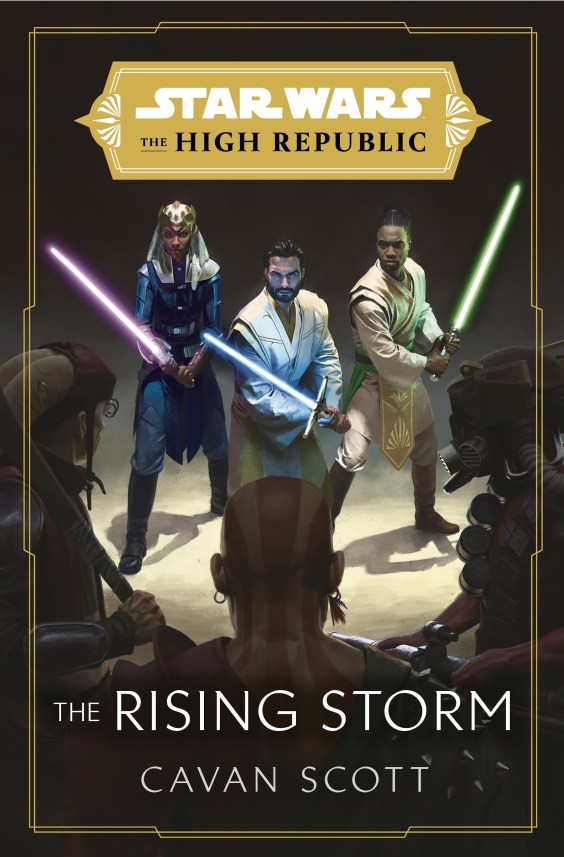
Star Wars: The High Republic: The Rising Storm by Cavan Scott

Star Wars - The Rising Storm Cover

Publisher: Penguin Random House Audio (Audiobook – 6 July 2021)

Series: Star Wars – The High Republic

Length: 15 hours and 32 minutes

My Rating: 4.75 out of 5 stars

Amazon

Prepare to dive back down into one of the most unique parts of the current Star Wars canon, as bestselling author Cavan Scott presents the next exciting adventure in The High Republic era, The Rising Storm.

The High Republic is a massive collaborative multimedia Star Wars project that started earlier this year and which represents a new area of focus for the Star Wars franchise.  Set in the Golden Age of the Republic, hundreds of years before the events of the Skywalker Saga, The High Republic currently contains several amazing pieces of tie-in fiction, with unique tales making up an overarching storyline.  I have so far read two entries in this series, the introductory novel Light of the Jedi by Charles Soule and the great young adult book Into the Dark by Claudia Gray.  The next major entry in this series is the fantastic and exciting The Rising Storm by Cavan Scott, which continues several storylines from Light of the Jedi.  Scott, who previously wrote the fantastic Dooku: Jedi Lost audio drama, has come up with a fascinating and compelling novel that I really enjoyed.

Two hundred years before the events of The Phantom Menace, the Republic was at its zenith, with the Jedi leading the expansion outwards to the Outer Rim.  However, following the Great Hyperspace Disaster, the Republic’s safety and security looks uncertain.  Even after the creation of Starlight Beacon, the Outer Rim is still a dangerous place, especially with the machinations of the notorious pirate group, the Nihil, as well as the spreading attacks from the plant monsters known as Drengir.

Determined to show that the Republic and the principles that govern it are still strong, Chancellor Lina Soh has organised the Republic Fair on the planet of Valo.  The fair will bring together cultural displays, new technology, Jedi artifacts and other wonders of the galaxy in a massive celebration to demonstrate the possibilities that an expanding Republic will have on the entire galaxy.  Attended by high-ranking Republic dignitaries, visiting diplomats, celebrities, leading scientists and prominent Jedi, all eyes in the galaxy will be on the fair and its participants.  However, some of these watching eyes have far more hostile intent and are determined to see the Republic Fair fail at all costs.

The most dangerous of these is Marchion Ro, the mysterious and unpredictable Eye of the Nihil.  Under his leadership, the Nihil have achieved much infamy and caused inordinate destruction throughout the Outer Rim, and Ro is determined to keep the Republic and the hated Jedi out of his territory.  As the fair begins, Ro orders a devastating attack that will shake the very galaxy to its core.  As Jedi such as Stellan Gios, Bell Zettifar and Elzar Mann attempt to hold back to the tide of evil descending on Valo, they are about to discover that there is something far more dangerous afoot in the galaxy.  Marchion Ro has uncovered an ancient evil and the entire galaxy, and every Jedi in it, is about to fear his wrath.

Now this was an awesome book, and one that is really starting to make me fall in love with The High Republic.  Scott has produced an intense and powerful story that continues to develop some of the best The High Republic characters, while also advancing some great storylines established in the previous novels and comics.  I had a wonderful time getting through this book, and this may be one of my favourite The High Republic novels so far.

This book has an awesome and captivating narrative to it.  Set about a year after the events of the first High Republic novel, The Rising Storm quickly introduces several intriguing storylines that each follow a different key character.  This includes a great storyline surrounding Elzar Mann as he attempts to decipher a warning given to him by the Force, as well as the tale of the conflicted and distracted Jedi apprentice Bell Zettifar.  There is also great storyline that follows a new character, mercenary Force user Ty Yorrick, as she takes on a new contract, and several storylines that follow key characters in the Nihil.  All these initially separated storylines are quite fun and do a good job setting up the various main characters, as well as establishing the current relevant events occurring in the galaxy.  While these individual storylines are quite fun and feature a mixture of intriguing characters, they swiftly come together into one combined narrative, when all the participants arrive at Valo for the Republic Fair.  Based on the book’s synopsis and the initial planning by the Nihil, you know that the fair is going to be attacked in some way, and Scott makes sure to ramp up anticipation for the upcoming carnage, showing multiple scenes that could lead into it.  However, even after all that, I was still not quite prepared for how amazing the main part of the novel turned out to be.

The eventual raid on the fair ended up lasting for quite a substantial part of the novel, as a coordinated attack separates the key characters.  With communications down and chaos reigning all around them, the protagonists are on their own, with each of their separate storylines focusing on their own encounters with the Nihil.  The entire raid is utter bedlam and proves to be a hotbed of action, intense moments, and dangerous character development.  I was honestly surprised at how dark parts of this book got, and readers are guaranteed a thrilling experience as there are several outstanding and intense action sequences.  Each of the main characters is effectively highlighted during this period, and readers will quickly become engrossed in their storylines and their attempts to navigate the dangers they encountered.  The entire raid sequence comes to an end with a decent part of the novel still left, which I initially thought was a bit of a mistake, as Scott could have ended the novel perfectly in the attack’s aftermath.  Instead, he constructed an incredible final sequence that really tied the entire narrative together, resulting in a memorable conclusion that sets up the next wave of novels perfectly.  While I did feel the story could have used a little bit of trimming, this was an overall excellent narrative, which I think was stronger than the preceding Light of the Jedi, mainly because it did not require the universe setup that Soule was required to chuck in.

While I deeply enjoyed The Rising Storm’s addictive story, this novel is a bit of a niche read and is mostly going to appeal to established fans of the franchise.  The Star Wars extended universe is an interesting and enjoyable place to explore, but it can be easy to get a little lost while checking out these books.  This is especially true with the new High Republic range, which takes the reader to a fictional period that has not been introduced to a wider universe either in a film or television series.  Due to its position as a second wave High Republic novel, you really need to check out some of the earlier works in the series before you try this one out, especially Light of the Jedi, which sets up most of the storylines and characters featured in this novel.  It is also important to add that this novel ties into several of the other High Republic comics and novels.  Events from these books and comics are referenced throughout The Rising Storm as Scott’s key characters interact with the protagonists of these other works, such as the junior novel, Race to Crashpoint Tower.  Knowledge of some of these contemporaneous pieces of fiction is not 100 per cent necessary, although several plot points and references become a lot clearance once you recognise the connection.  While Scott did do his best to make story accessible to new readers, I think that most High Republic newcomers would be better served reading Light of the Jedi first, which will make it so much easier to enjoy this awesome novel.

One of the more difficult things about reading a High Republic novel is the lack of any recognisable characters from the Star Wars films or television shows, as the only character from them alive at this point is Yoda (who keeps disappearing).  However, I found myself getting really invested in the complex and intriguing characters featured in The Rising Storm, as Scott makes use of both original characters and characters introduced in previous pieces of High Republic fiction.  This novel focuses on a huge selection of supporting characters, each of whom have their own adventures and stories.  One of my favourites was damaged Jedi Elzar Mann.  Mann is a troubled being who spends most of this novel haunted by both a dark vision from the Force and his unrequited and forbidden love to his friend and fellow Jedi Avar Kriss.  Because of this, Mann spends most of the novel walking the very edge of the Jedi code, breaking nearly every rule he can, including that major one about not falling in love or having a physical relationship with someone.  This sets him on a knife’s edge, and when the Nihil come, he is pushed dangerously close to the Dark Side (which mirrors Anakin’s fall in several ways) with some spectacular results.  This portrayal of Mann is one of the most compelling and exciting in the entire novel, and I appreciated the inclusion of a rogue Jedi.  Another complex Jedi character that I enjoyed was apprentice Bell Zettifar, who was a major point-of-view character in Light of the Jedi.  Bell is still reeling from the events of the first book where his master was apparently killed by the Nihil.  Because of this and other traumatic events, Bell spends much of the novel doubting the Force and his place in it.  I found myself really drawn to this character, and I appreciated the tough journey he was going on.  Unfortunately, it looks like Bell is going to go into some very dark places in the future, which should make for some excellent and moving storylines.

Aside from Mann and Bell, another great character I liked was Stellan Gios, a Jedi recently elevated to the Jedi Council.  Stellan, who had a minor role in previous pieces of High Republic fiction gets a lot more focus in this novel and proves to be a fantastic point of view character.  He is another complex figure, especially as he also has doubts and regrets, despite his position as a Council member.  I saw Stellan as the Obi-Wan Kenobi of the High Republic (partially because of the voice used by the audiobook narrator) and I liked his mostly calm demeanour, unrelenting friendship with the wilder Elzar Mann and the way he acts as straight man to several unusual Jedi characters.  Stellan goes through a lot in The Rising Storm, and it was fantastic to see him continuously overcoming adversity as he becomes more use to his place on the Council.  I also deeply enjoyed the character of Ty Yorrick, who was probably the best original character in this novel.  Ty is a former Jedi apprentice turned rogue mercenary who uses her Force abilities and spiked purple lightsaber to hunt monsters.  Despite her aversion for getting mixed up with the Jedi, Ty finds herself at the Republic Fair and must contend with both Jedi and Nihil.  While Ty was not the most developed character in this novel, I really liked her unique style and the fantastic mentor-student bond she eventually forms with Elzar Mann.  She has a lot of potential as a character, and I can see her becoming a major figure in the High Republic novels.

Some of the final characters I need to mention include Rhil Dairo, a spunky reporter who finds herself in the middle of all the key events of the book, recording with her cam droid.  Rhil is a fantastic and fun reporter character, much in the vein of Lois Lane, who can kick ass and get the scoop at the same time.  I also loved the scenes that featured Orbalin, a Jedi archivist and history buff.  Despite his more academic inclinations, Orbalin is quite a fun character who proves to be a real badass, especially as he manages to hold off several Nihil characters, including the lethal Lourna Dee, while giving a history lesson.  Finally, it was also great to see more of Wookie Jedi Burryaga, the cuddliest and nicest Jedi of all time, who everyone loves and who the reader feels inordinately protective of.  All these protagonists and more add so much to The Rising Storm’s narrative, and it was absolutely great to see all of their storylines unfold.

I am also deeply enjoying the villains of The High Republic, the Nihil.  The Nihil are a collection of murderous and self-centred pirates, who use their unique technology and tactics to bedevil the Republic and the Jedi.  With their own unique look and style, which is a mixture of spacefaring Vikings and Mad Max villains, the Nihil are a pretty fun group of characters to follow.  After a very strong introduction in Light of the Jedi, they have another amazing showing in The Rising Storm, achieving some major acts of destruction.  Thanks to their weird weapons, violent attitude and being constantly high on a cocktail of drugs and stimulants, the Nihil prove to be pretty dangerous opponents, even to the Jedi.  This makes for some very unique fight sequences, and it was fascinating to see the Jedi overwhelmed by these criminals.  At the same time, there is also an intriguing focus on the leadership of the Nihil, as the top commanders, the Tempest Runners, fight for dominance against each other and Marchion Ro.  Ro is proving to be a particularly intense and fascinating villain and Scott really builds on the character in this novel, showing more of his flaws, his motivations and his abilities to deceive and destroy.  There are several amazing storylines following Ro throughout this novel, including one where he obtains a mysterious evil item from the past.  The eventual partial reveal of this plot device results in The Rising Storm’s memorable conclusion and the High Republic creative team clearly has some fantastic plans for Ro in the future and they are turning him into one of the more complex and dastardly villains in the entire Star Wars canon.

As is becoming my recurring habit, I ended up listening to an audiobook version of this Star Wars novel.  This of course was a wonderful experience, as the team behind these books ensured that this latest Star Wars audiobook was the usual audio treat that I have come to love.  Featuring a decent run time of just over 15 and a half hours, The Rising Storm audiobook was an exceptional listen that I managed to power through in just over a week and which proved to be an exceptional way to enjoy this Star Wars adventure.  The entire narrative of The Rising Storm is enhanced and supported by a range of awesome and iconic Star Wars sound effects and music, which are intended to draw the listener into the story.  Both the sound effects and music are used to incredible effect throughout, and I think that they both added so much to my overall enjoyment of The Rising Storm.  The sound effects do a remarkable job presenting the ambient noise of every single scene, with crowd noises, the hum of a lightsaber, the engine noises of a ship or the sounds of blaster fire, constantly played in the background.  I was particularly impressed by the chaotic sound effects used during the Nihil attack on the fair, as you are treated to background noises of terror and destruction for several hours, which helps to highlight just how devastating the entire affair is.  In addition, the always impressive John Williams musical score is so much fun to hear, and it was put to particular good use in several significant scenes to enhance dramatic impacts.  I was extremely moved when I heard some of this music, as it either pumped me up during key action scenes (Duel of the Fates always gets me hyped), or to be deeply saddened when the more tragic musical cords struck up.

In addition to the exceptional use of sound effects and music, I also was deeply impressed with the incredible voice work featured in this audiobook.  Leading Star Wars narrator Marc Thompson once again lends his voice to this audiobook, continuing the work that he did in the Light of the Jedi.  Thompson has previously narrated some of my favourite Star Wars audiobooks, including Thrawn, Chaos Rising, Greater Good, Scoundrels, Dark Disciple, and the Doctor Aphra audio drama.  I also really enjoyed the awesome work he did in The Rising Storm, as Thompson not only revises the many voices that he introduced in Light of the Jedi but also adds in several new ones for the new characters.  I felt that various voices that Thompson did fit each of the characters extremely well, and he was able to perfectly personify their personality and written nature using a variety of fun accents.  I also found that Thompson was able to highlight the various emotions that the characters were feeling, giving the listeners a great sense of what they were feeling through his tone.  It was also cool to hear the combination of sound effect and Thompson’s voice when it comes to several alien characters featured within the audiobook, especially those whose voices were altered by technology.  All this outstanding voice work, combined with the awesome sound effects and music, helps to turn The Rising Storm into an absolutely incredible and addictive audiobook, and this is easily the best way to enjoy this fantastic Star Wars book.

The High Republic continues to expand as the amazing Cavan Scott adds his own unique spin on events with the exciting and memorable Star Wars: The Rising Storm.  This latest addition in the intriguing High Republic range does a fantastic job introducing the next stage of this unique Star Wars time period, complete with a devastating event, some major changes and some outstanding new characters.  I had an incredible time reading this great novel, and The Rising Storm is a must read for all fans of the Star Wars franchise, especially in its audiobook format.  If you have not gotten into the High Republic yet, you are missing out, and I cannot wait to see what happens next.  I will also have to make sure to grab a copy of Cavan Scott’s next Star Wars audio drama, Tempest Runner, a High Republic entry which is set for release in a couple of months and which will tell the tale of one of the more intriguing Nihil characters, Lourna Dee.
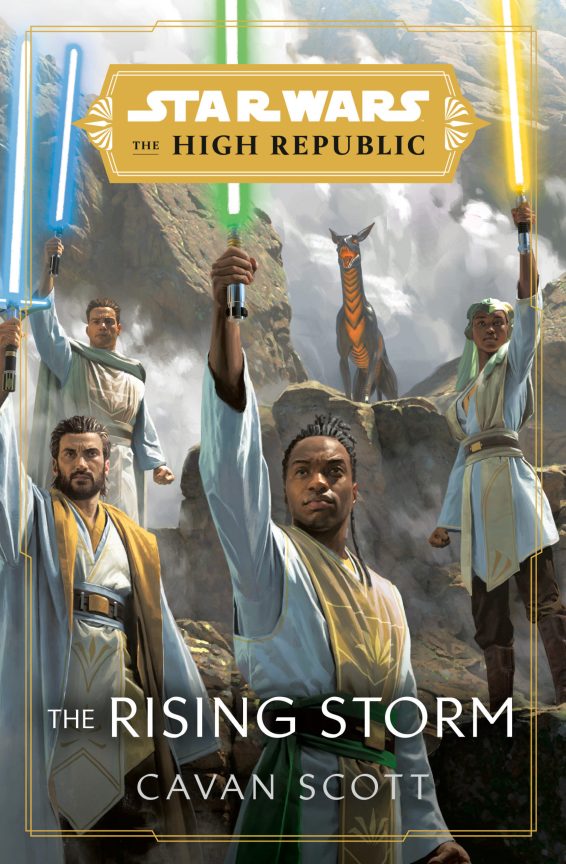
Star Wars - The Rising Storm Cover 2

Amazon

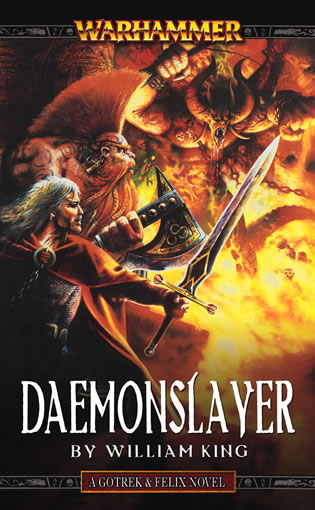
Throwback Thursday – Daemonslayer by William King

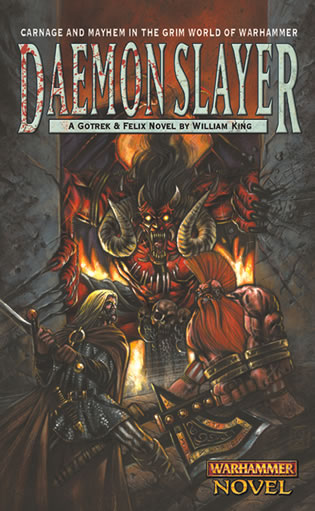
Daemonslayer Cover

Publisher: Black Library (Audiobook – October 2000)

Series: Gotrek and Felix – Book Three

Length: 9 hours and 38 minutes

My rating: 4.75 out of 5 stars

Amazon     Book Depository

Welcome back to my Throwback Thursday series, where I republish old reviews, review books I have read before or review older books I have only just had a chance to read.  For this Throwback Thursday, I am doing a bit of a double feature by reviewing two of the outstanding entries from the iconic Warhammer Fantasy franchise’s Gotrek and Felix series by the brilliant William King.  I have just published a review for the second book in the series, Skavenslayer, and, after some rapid audiobook listening, I have also pulled together a review for the third book, Daemonslayer.

After the epic conclusion of the battle of Nuln in Skavenslayer, Dwarf Slayer Gotrek Gurnisson receives a mysterious message and immediately sets out on the road, convinced that this missive may be the key to finding his much desired glorious death.  Accompanied as always by his companion, the former poet turned reluctant adventurer Felix Jaeger, Gotrek marches to the northern parts of the Empire to meet his destiny.

Arriving at their destination, Gotrek and Felix learn that a group of dwarfs are planning an expedition to find the lost dwarf stronghold of Karag Dum, and they want Gotrek to accompany them.  Destroyed in ages past, Karag Dum now lies in the middle of the Chaos Wastes, the most dangerous place in the entire world.  Wracked by the shifting winds of magic, marauding war bands, mutating warpstone and the foul essence of Chaos, no one can cross the Chaos Wastes and survive, and only death, madness or mutation awaits those who try.  However, expedition leader Borek Forkbeard has come up with an ambitious plan to fly over the Chaos Wastes in a giant, experimental airship, designed by an unstable engineer turned Slayer.

Determined to make up for previous failed attempt to reach Karag Dum, Gotrek agrees to accompany the expedition, with an inspired Felix accompanying him.  However, even with all the advantages that the airship provides, this will still be a perilous journey.  Many dangerous things lurk in the Chaos Wastes that will not hesitate to destroy the dwarven company for their dark gods.  At the same time, Gotrek and Felix’s old foe, Grey Seer Thanquol, plots from the shadows, determined to claim the airship for the Skaven cause.  But the very worst dangers will be found at Karag Dum.  A terrible foe lies within, waiting for revenge and determined to destroy all before him.  Can even the legendary Gotrek and Felix stand up to the wrath of a deadly Bloodthirster of Khorne, especially one who appears destined to kill Gotrek and destroy all who stand with him?

I am having so much fun getting through this cool series and I really wish I had checked it out many years ago.  Daemonslayer is another incredible read that continues the fantastic Gotrek and Felix adventures that started in Trollslayer and were continued in Skavenslayer.  William King has come up with a pretty intense story for this third entry in the series, and I loved the change in writing style featured within it.  An exciting and character-driven tale, this was easily the best entry in the series so far, and I deeply enjoyed the time I spent getting through it.

Daemonslayer contains an impressive and intense narrative that proves to be extremely addictive and a lot of fun to read.  Unlike the previous novels in the series, which featured a collection of short stories, Daemonslayer is actually a complete story with one continuous narrative.  This is an interesting change of pace, and one that I think works extremely well, especially as it cut down on some of the repetition that was an issue in Trollslayer and to a lesser extent in Skavenslayer.  King writes a fantastic story that quickly gets into the action and adventure as the protagonists embark on an epic and potentially lethal quest.  While not a collection of short stories, King does break the book up into several distinctive sections, each filled some unique plot points and antagonists.  These sections are pretty linear and flow into each other extremely well, resulting in a very cohesive and entertaining narrative.  Like the rest of the novels in the Gotrek and Felix series, readers do not need a lot of background knowledge about the Warhammer Fantasy world to enjoy this book.  While I would probably suggest reading Skavenslayer first, Daemonslayer can be read as a standalone book, and all readers are generally in for a good time with this novel.

The action and adventure flies pretty fast and thick throughout Daemonslayer, with highlights including a lengthy battle against an army of Skaven towards the start of the novel, exploration in the dark tunnels of Karag Dum and the final epic fight sequence against the hordes of Chaos.  King is particularly skilled at writing exciting and powerful battle sequences, and I loved how he managed to bring the uniqueness of a large-scale Warhammer battle to life.  Part of this is because the author makes great use of multiple character perspectives throughout Daemonslayer, which allows for a richer narrative as you get to see many different angles of the same story.  This works particularly well in the first battle against the Skaven, as you get to see Grey Seer Thanquol controlling his forces, as he desperately tries to kill Gotrek and Felix.  I did think that some of the Thanquol scenes in the second half of the novel were a bit weak, especially as they were more concerned with setting up his appearance in the next novel, Dragonslayer, than influencing the plot of Daemonslayer.  Still, these scenes were great, and you are always guaranteed a laugh when dealing with this ruthless Skaven.  While there is a noticeable focus on action and death, King also works in some fantastic comedy and humour, which makes this book an absolute treat to read.  I also appreciated how dark and emotional several scenes became, especially when the protagonists are faced with the grim realities of certain terrible situation.  All of this is worked into quite an impressive adventure story, which ends up being extremely addictive and enthralling to get through.

I loved the great use of setting throughout Daemonslayer, especially as King features some of the darkest and most dangerous locations in the entire Warhammer Fantasy canon.  The most notable of these is the notorious Chaos Wastes, a dark and dangerous wasteland, completely corrupted by the Chaos gods and filled with all manner of mutants, monsters, beastmen, worshipers of Chaos and Daemons, who gather and fight throughout the wastes.  While the Chaos Wastes are primarily shown from above, King makes sure to produce some gruesome and disturbing depictions of the landscape and its inhabitants, and it proves to be a pretty horrific backdrop for a good part of the story.  I do wish that a little more of the story had been spent on the ground within the Wastes, but it was probably a wise choice to avoid, as the story could easily become bogged down there.  I also really enjoyed the lost dwarf hold of Karag Dum, where the last third of the book takes place.  King was clearly drawing some inspirations from Tolkein’s Mines of Moria when he came up with this location (Moria is also known as Khazad-dûm), with hidden doors, ancient treasures, despoiling opponent, and a giant fiery demon boss.  The scenes set within this hold are pretty claustrophobic, and King makes sure to use the dark location to its full advantage during fight scenes.  You really get a sense of the decay and destruction that has occurred within this setting over the years, and it is pretty easy to feel the despair of the various dwarf characters.  Both these major settings are really impressive, and they prove to be an excellent and fitting backdrop to a very fun and intense story.

A major strength of this book is its characters, as King continues to produce a range of complex and distinctive figures to populate his tales.  This includes protagonists Gotrek and Felix, who find themselves on their most dangerous mission yet.  Felix continues to be used as the novel’s primary point-of-view character, and it is fascinating to see his continued evolution from cowardly fop to dangerous warrior.  Despite his continued caution and reluctance to engage in fights, Felix is now regarded by everyone as a heroic figure, and he accompanies Gotrek on this latest quest with only a minimum of forbearance, despite being given an out by his friend.  King has really hit his groove when it comes to portraying Felix, and the character reigns supreme as a sarcastic, but loyal friend.  I have really grown to like Felix, and readers will become pretty invested in his tale.

After being overlooked a bit in Skavenslayer, Gotrek has a lot more focus on him in Daemonslayer, as he re-visits one of his old failures and reunites with some of his dwarf kin.  For most of the novel, Gotrek is his usual gruff and battle-hardened self, still searching for his doom while managing to kill anything that he comes across.  While this is always a lot of fun, King makes sure to feature some deeper character elements in this novel, by highlighting some of his inner feelings and giving hints at his past.  There are several compelling mentions of Gotrek’s pre-Slayer life in this book, as well as some early hints at the character’s true destiny and the dark fate surrounding him.  King also shows a surprising amount of emotion in the character for this book, and Gotrek has some moving scenes with Felix as he contemplates the mistakes of his past and his many regrets.  I really enjoyed seeing how the character’s friendship with Felix has developed over the course of the last few books, and there is even a scene where Gotrek admits he is apprehensive about journeying to the Chaos Wastes and even lets Felix know he does not have to follow him.  While all this character development is great, King also makes sure to continue to portray Gotrek as an absolute badass in Daemonslayer, as he goes up against a ton of different enemies and opponents.  The various fight scenes with Gotrek are so much fun, although I do worry that King is perhaps making Gotrek a little too overpowered, especially as he manages to defeat a Bloodthirster, literally the most dangerous creature in the entire Warhammer canon (admittedly Felix helps a lot).  I still really love this great character and I cannot wait to see what other crazy adventures he goes on in the future.

Just like his previous books, King loads Daemonslayer up with a great range of supporting characters, and several of the characters introduced in this novel end up becoming major recurring figures in the Gotrek and Felix series.  Probably my favourite was Snorri Nosebiter, a fellow dwarf Slayer, who has had way too many blows to the head.  Snorri proves to be a fun companion to Gotrek and it was interesting to see a character who makes the titular protagonist seem sane in comparison.  There was also a fun character in Varek Varigsson, who is essentially the dwarf version of Felix, except with a range of explosive devices.  In addition, you cannot overlook the dwarf engineer turned Slayer, Malakai Makaisson, and I had a good chuckle when the characters discuss the fates of his previous, unfortunately named ships.  I also really liked that King reused two of his most entertaining characters from the previous novel, the Skavens Grey Seer Thanquol and Lurk Snitchtongue.  Both serve as secondary antagonists in the story, and prove to be excellent comic reliefs, especially as their schemes constantly go against them.  It looks like King has some fun plans for Snitchtonuge in the future, and I liked the fun changes he went through.

As I did for Skavenslayer, I really need to point out the extreme lack of female characters in this book.  Daemonslayer literally had only one named female character, Ulrika Magdova, who naturally falls in love with Felix the first time they lay eyes on each other.  While this is pretty lazy writing on King’s part, at least Ulrika is a much better written character than the females featured in Skavenslayer.  Ulrika is a badass Kislev fighter, who proves to be a dangerous fighter (of course, Felix has to be just a little bit better).  Still, I have a feeling she is going to be a bit of a damsel in distress in some of the future novels, and I hope that King balances it out with some additional female characters in the future.  Overall, there are some great characters featured throughout Daemonslayer and I look forward to seeing the ones who survive in some of the other Gotrek and Felix novels.

I ended up grabbing the audiobook format of Daemonslayer, narrated by Jonathan Keeble.  With a relatively short runtime of 9 hours and 38 minutes, the Daemonslayer audiobook is an easy audiobook to get through, and I managed to finish it off quickly.  The audiobook format proves to be a great way to enjoy this excellent book, especially as it allows the fantastic and chaotic landscape and characters to come to life in all their ghastly glory.  Keeble continues to impress as the narrator of this series, and I love the amazing array of voices he brings to the table.  Daemonslayer really highlights just how varied his voice can be as Keeble produces a substantial number of different accents and vocal tones to capture the rich and unique cast.  This includes Scottish-sounding dwarfs, Russian-esque Kislev lancers, humans with cultured British accents and the mad, loud voice of Snorri Nosebiter.  Keeble also has to voice the various inhuman monsters that the protagonists encounter, from the great Skaven characters, to the monstrous daemons and warriors of Chaos, all of which prove very fitting and amusing.  He also brings an immense amount of passion to his narration that deeply enhances the experience of anyone listening to the book.  The way in which he gets into the various fight sequences is amazing, and you can hear the sheer excitement in his voice as he reads.  This is especially true in the final epic fight scene, and the listener soon finds themselves on the edge of their seat as Keeble works his way up to the conclusion.  This is really an impressive and amazing format to enjoy Daemonslayer in, and I cannot recommend this audiobook enough.

Daemonslayer by William King is an exceptional and amazing entry in the fantastic Gotrek and Felix tie-in series.  This awesome novel contains an epic and intense story, as its two iconic protagonists continue to explore the dark and deadly Warhammer Fantasy world.  Filled with action, adventure, comedy and some dramatic character moments, Daemonslayer is an outstanding novel that comes highly recommended for all Warhammer fans.  I look forward to seeing how the rest of the series turns out and I am really enjoying my current jaunt into the world of Warhammer tie-in fiction.

Daemonslayer 2 Cover

Amazon     Book Depository

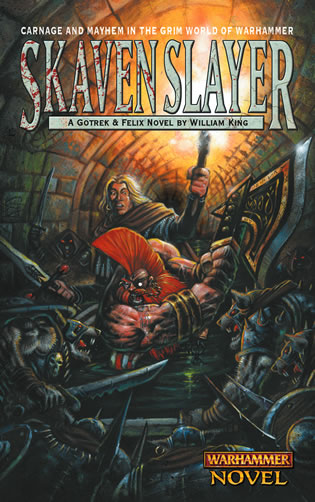
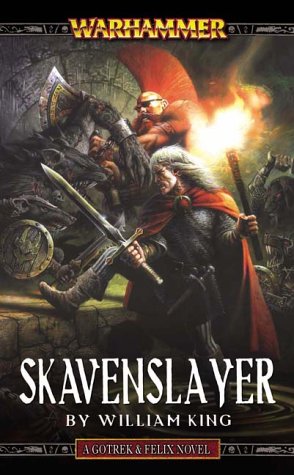
Throwback Thursday – Skavenslayer by William King

Skavenslayer Cover

Publisher: Black Library (Audiobook – December 1999)

Series: Gotrek and Felix – Book Two

Length: 10 hours and 30 minutes

My rating: 4.5 out of 5 stars

Amazon     Book Depository

Welcome back to my Throwback Thursday series, where I republish old reviews, review books I have read before or review older books I have only just had a chance to read.  The adventures of my two favourite Warhammer Fantasy protagonists, Gotrek and Felix, continues, with the second incredible and extremely fun entry in their series, Skavenslayer.

After their previous escapades throughout the Empire and beyond, wandering adventurer, outlaw, and writer Felix Jaeger is still reluctantly following the Dwarf Slayer Gotrek Gurnisson on his quest to find a glorious death.  After travelling to the Imperial city of Nuln, the two heroes attempt to make some money to support their travels.  However, danger is always around the corner, as the heroes find themselves thrust into the middle of a vast conspiracy when they take on a menial job.  The chittering and evil hordes of the Skaven are amassing beneath Nuln, determined to conquer the city by any means necessary.  Led by a dangerous and ambitious leader, the rat-men have several sinister plots to kill all the humans above and appropriate their city and technology for their own glorious purposes.  The only chance the city has to survive this chaos appears to be Gotrek and Felix, who are constantly dragged into the middle of the Skavens’ plots, thanks to fate, Skaven pettiness or terrible bad luck (both Felix’s and the Skaven’s).  Can the two heroes save Nuln from the Skaven hordes, or will Gotrek finally find the death he always seeks?

Wow, this is such a fun and entertaining series.  Skavenslayer is the second entry in the Gotrek and Felix series, which follows the two titular heroes as they journey throughout the Warhammer Fantasy world, battling all manner of monsters, demons and creatures.  After enjoying some of the excellent Warhammer 40,000 fiction out there (Deathwatch: Shadowbreaker and Kal Jerico: Sinner’s Bounty), I recently dove into the first Gotrek and Felix novel, Trollslayer, which contained several exciting and compelling short stories.  I loved the fantastic mixture of action, world-building and fun characters featured within Trollslayer, and within a couple of weeks I had started listening to SkavenslayerSkavenslayer proved to be another excellent novel, and I honestly think it was a slightly stronger novel than Trollslayer, thanks to its much more connected plot.  This was an outstanding read that has many amazing elements to it.

Skavenslayer contains an outstanding and deeply addictive narrative that follows Gotrek and Felix as they attempt to stop the Skaven plot to destroy the city of Nuln.  Skavenslayer is made up of several short stories linked together by Felix’s journal entries.  Unlike the previous novel, all six stories and the epilogue are linked, forming one continuous narrative and resulting in a tighter and more comprehensive read.

Skavenslayer’s first short story is Skaven’s Claw, which sees Gotrek and Felix employed as sewerjacks, guards who patrol the vast catacombs underneath Nuln.  On patrol, they chance upon a clandestine meeting between a Skaven and a human noble, placing Gotrek and Felix in the middle of a conspiracy involving the head of Nuln’s secret police.  Skaven’s Claw is an excellent first story that does a wonderful job establishing most of Skavenslayer’s plot details and introducing several key characters, including recurring antagonist Grey Seer Thanquol.  I loved the combination of action, world building and intrigue that was contained within Skaven’s Claw, and it results in an awesome, fast-paced story.  The Nuln sewers prove to be a claustrophobic and memorable setting for most of the battles.  I also enjoyed the use of secondary antagonist Fritz von Halstadt, a fanatical human who has been manipulated by the Skaven, as his story arc was very well established and quite compelling.  This is an awesome entry that gets Skavenslayer off to an impressive start.

Next up we have Gutter Runners, which sees the Clan Eshin assassin, Chang Squik, lead a group of Skaven Gutter Runners on a mission to kill Gotrek and Felix at the inn where they are working as bouncers.  This was a quick and action-packed story which proved to be a lot of compelling fun.  The action is swift and deadly, as the protagonists are attacked on multiple fronts, and there are several great battle scenes throughout.  This is a fun story that you can easily power through in one short sitting, and I felt that it did a great job keeping the reader’s attention after the fantastic introductory story.

The third entry is the fantastic and funny Night Raid, which focuses on the members of Clan Skyre, the insane Skaven engineers and weapon designers.  The leader of the Clan Skyre contingent, Heskit One-Eye, plans a raid on the Nuln College of Engineering to appropriate the latest human weapons and technology and obtain glory.  However, the jealous Grey Seer Thanquol organises a significant roadblock in the form of Gotrek and Felix.  This is another outstanding entry in the novel, and I consider it to be the most comedic and entertaining of the bunch.  Not only do you get to see amazing examples of Skaven backstabbing and betrayal but you also have an extremely funny and exciting sequence at the college, where all hell breaks loose when a Skaven gets stuck in a Steam Tank.  This story also serves as an excellent introduction to the various Skaven side-characters, and a lot of elements from Night Raid have major impacts on the rest of Skavenslayer’s story.

Up next, we have the disgusting and captivating story, Plague Monks of Pestilens.  In this story, a brewing plague strikes quick with deadly consequences.  However, this is no ordinary plague; it is a deadly concoction dreamt up by the demented plague monks of Clan Pestilens, led by the terrible Vilebroth Null.  Warned again by Thanquol, Gotrek and Felix attempt to stop the plague monks before it is too late.  Plague Monks of Pestilens is an amazing middle story that is pretty memorable.  Rather than the pure hack-and-slash narrative of the previous story, King works in an interesting mystery element, as Felix tries to work out where the plague monks are attacking from.  Once battle is joined, you are in for a dangerous and gruesome fight, especially as the author goes into full horror mode when describing the grotesque plague monks and their malformed, diseased bodies.  This is an extremely intense and disturbing story which really enhances Skavenslayer’s overall narrative and gives it the more serious edge it needed.

The penultimate story of Skavenslayer is Beasts of Moulder, which sees Gotrek and Felix attempt to stop the master mutators of Clan Moulder, led by Izak Grottle, try to unleash their latest creation.  This was a decent addition, although if I am being honest, it was probably the weakest entry in the entire book.  Not only are the stakes a little lower, but it repeats the pattern of the previous two entries.  I did quite enjoy the scene where Felix visits the palace, especially as everyone there assumes he is some sort of master monster hunter, but the rest of the story fell a little flat, especially the Elissa subplot.  Still, it fits into Skavenslayer’s narrative well and does a good job setting up the final story.

The last entry in Skavenslayer is the major concluding storyline, The Battle of Nuln.  In this story, both the citizens of Nuln and the Skaven army hiding beneath the streets have been afflicted by plague and famine.  In order to achieve victory, Thanquol leads a daring raid on the Countess’s palace during a ball, while the rest of the Skaven army attacks the city.  With Gotrek and Felix stuck in the middle of several Skaven plots, can they save the city before it is overwhelmed by rats, disease and vile Skaven magic?  The Battle of Nuln is an incredible and captivating entry that serves as the action-packed conclusion to the entire book.  King brings together all his fantastic storylines, and the readers are rewarded with an intense and extended war sequence, as the full wrath of the Skaven force is unleashed.  I deeply enjoyed this final story, and it did an outstanding job of providing satisfying, if occasionally lethal, conclusions to all the character arcs and storylines.  There is so much action going on in The Battle of Nuln, and I loved seeing the consequences of all the previous short stories finally come to the fore for both sides in the war.  An excellent and exciting conclusion that will put you in the mood for even more Gotrek and Felix.

I had an outstanding time getting through each of the short stories above, and not only are they fantastic reads on their own but together they form an impressive and intense overarching narrative.  King did a wonderful job crafting together all six stories, and I felt that the use of a single location and overarching antagonists worked extremely well, especially once you are introduced to the four iconic Skaven clans.  While some of the middle stories do suffer from plot repetition, this is still a great book which is extremely fun to read.  King ensures each story has a great combination of action, character development and humour, and each of the stories can easily be read on their own without a lot of context from the others.  This is also a very good Warhammer Fantasy novel, and readers only need minimal prior knowledge of the franchise, especially as King provides a great amount of detail and self-contained lore.  I felt that it came together perfectly, and readers are in for an exceptional time when they check this novel out.

One of the more entertaining and fun parts of this novel was King’s use of the Skaven as the villains of the story.  The giant rat-men known as Skaven are chaotic beings who, thanks to their spiteful nature, massive ambitions and weird array of abilities, weapons, magic and fighting techniques, are one of the most entertaining and recognisable races in the Warhammer Fantasy canon.  I think that King did a particularly good job bringing the Skaven to life in Skavenslayer, and they proved to be a very intriguing and memorable group of antagonists.  Not only does the author showcase several unique Skaven clans (each of them is covered in a short story), but he also captures the Skavens’ treacherous nature, speech pattern and insane pettiness.  While the Skaven have an elaborate plan, their own paranoia and self-serving mindset gets in the way of its success, and it is wonderful to see the various backstabbing, betrayals and plots that occur throughout the course of the book.  Despite this, they still prove to be a dangerous group of enemies, and they manage to hit the protagonists and the rest of the humans in Nuln in a big way.  I really enjoyed the way that King utilised the Skaven throughout this novel, especially as their duplicitous or cowardly actions are the catalyst for most of the book’s humour, and Skavenslayer is a fantastic and detailed introduction to this impressive Warhammer Fantasy faction.  That being said, there are only so many times you can hear a scared Skaven getting ready to “squirt the musk of fear”, and some different wording might have been better.

Another highlight of this book is its complex characters.  The most notable and prominent of these are titular protagonists, Gotrek and Felix, and it is still incredibly fun to see the unusual partnership of a doomed Dwarf Slayer and a former wealthy poet turned notorious adventurer.  Due to his position as the book’s main point of view character, much of Skavenslayer’s focus lies on Felix.  While there are still hints at his somewhat cowardly past, especially as he seems apprehensive before every single fight, Felix has become a much more fearless and dangerous being in this book, and he leads the way in several battles throughout Skavenslayer, proving himself a fantastic hero.  There are some interesting character moments for Felix throughout this book, especially as he encounters his brother, Otto, the first member of his family to reach out to him since his banishment.  There are some great comparisons between the wealthy Otto and the more adventurous Felix in Skavenslayer, and it was intriguing to see what Felix might have turned into if he was not bound to Gotrek.  I also liked how Felix developed more into his role as the sane straight man to Gotrek, and his dry humour really adds a lot of comedy to the books.  Overall, Skavenslayer is quite a strong outing for Felix, and he proves to be an outstanding central character.

Aside from Felix, the other main character is Gotrek, the mad, death-hungry Dwarf Slayer, who is constantly denied his desired doom in glorious combat due to his own unnatural skill.  Gotrek is his usual crude and disrespectful self throughout Skavenslayer, and it is an absolute joy to see him in battle, even if his portrayed as way too overpowered.  While he is a great character, Gotrek was underutilised in Skavenslayer, and he was mainly just a supporting player in the Felix-based stories, only appearing when there is a need for fighting.  Still, it was great to see him, and he does get a lot more attention in the next novel.

While Gotrek was a bit overlooked, King does a wonderful compromise by introducing an exceptional primary antagonist in the form of Grey Seer Thanquol, a powerful Skaven sorcerer who goes on to be a major recurring figure within the Gotrek and Felix novels and the wider Warhammer Fantasy universe.  Thanquol is an impressively entertaining character who represents the absolute best (or worst, depending on your point of view) of Skaven society.  He is insanely ambitious, arrogant, power-hungry and dangerous, and rose to power thanks to an unfortunate “accident” involving his predecessor, a loaded crossbow and an exploding donkey.  Due to his ambition and an unwillingness to share any glory, Thanquol spends just as much time plotting against his equally aspiring subordinates as he does attempting to conquer Nuln or kill Gotrek and Felix.  Indeed, several conflicts with the Skaven are due to Thanquol himself informing the protagonists about his rival’s plots, often through some hilarious letters which are clearly written by a Skaven (despite Thanquol’s own belief that they are masterful forgeries).  The sheer overconfidence, deluded self-belief and inability to take responsibility for his failings make Thanquol a particularly nasty antagonist, however, it is just so entertaining to see him strive and then fail, that you end up wanting him to live and succeed against his Skaven opponents.  Thanquol proves to be an excellent antagonist, and I really enjoyed seeing his alternative point-of-view which highlights the Skaven plans.  King really outdid himself coming up with this villainous rat-man, and he is one of the best things about Skavenslayer and the overall Gotrek and Felix series.

King has also filled Skavenslayer with an interesting collection of side characters who add a lot to the plot.  The author does a good job of introducing these major side characters throughout the various stories, and he manages to build them up and flesh out their personalities in a short amount of time.  There are great human supporting characters, such as Heinz and Doctor Drexler, and several fun and amusing Skaven.  The majority of these Skaven characters are leading members of the main clans who not only serve as secondary antagonists for the novel, but who are also cast as rivals to Thanquol’s rise to power.  I had a fantastic time seeing each of these Skaven characters in all their treacherous, self-serving glory, although my favourite had to be the aptly named Lurk Snitchtongue, who is a very fun and cowardly character.

If I had to make one major criticism, it would be about the complete lack of any decent female supporting characters.  While you can forgive some older fantasy books for their lack of gender diversity, it is a painfully obvious problem in Skavenslayer.  There are literally only two female characters of note within the novel, and both are badly written.  The first is Felix’s romantic partner, Elissa, who quickly becomes a major burden to the story by forming conflicts with Felix.  Their romance is thankfully over before the end of the book, and you cannot feel anything but relief as she leaves.  The other character is the ruler of Nuln, Countess Emmanuelle, who gets only a couple of lines at the end of the novel.  While her one scene does shine her in a good light, the rest of the novel hints that she is a vapid, lustful and incompetent ruler.  The underuse of female characters is probably going to be a major feature of Gotrek and Felix series in the future (for example, Daemonslayer only has one female character), however, I really hope that any who feature are written a lot better than the ones featured in Skavenslayer.

Just like I did with Trollslayer before it, I chose to listen to Skavenslayer on audiobook rather than grab a physical copy of the book.  I have a lot of love for the Warhammer Fantasy audiobooks, especially as they always perfectly capture the excitement, grim horror and elaborate fantasy of this franchise.  Skavenslayer was another great example of this, and I had a wonderful and thrilling time listening to this amazing novel in this format.  Much of the reason for this was the excellent narration by Jonathan Keeble, a brilliant narrator who has lent his voice to most of the Gotrek and Felix novels.  Keeble has an outstanding voice for dark fantasy stories such as this, and I loved the grim tone he gives to several of the characters, particularly Gotrek, as well as the sheer excitement that infects his tone whenever there is a fight sequence or dangerous scene.  Keeble also a lot of fun voicing the various Skaven characters, and he expertly mimics their high-pitched, whiney tones, which helps highlight their fickle and cowardly nature.  This excellent voice work helps turn the Skavenslayer audiobook into an absolute treat to listen to, and with a runtime of only 10 and a half hours, listeners will power through this in no time at all.

William King’s second Gotrek and Felix novel, Skavenslayer, was another outstanding and wildly enjoyable novel that I had an incredible time listening to.  Featuring a compelling connected narrative filled with intense action and fun villains, this is an amazing fantasy tale that is perfect for all Warhammer Fantasy fans.  I can think of no higher compliment for this book than to reveal that the moment I finished Skavenslayer, I immediately grabbed the next novel in the series, Daemonslayer, which proved to be just as much fun.

Skavenslayer 2

Amazon     Book Depository

WWW Wednesday – 14 July 2021

WWW Wednesday is a weekly meme hosted by Taking on a World of Words, where bloggers share the books that they’ve recently finished, what they are currently reading and what books they are planning to read next. Essentially you have to answer three questions (the Three Ws):

What are you currently reading?
What did you recently finish reading?
What do you think you’ll read next?

So, let’s get to it.

What are you currently reading?

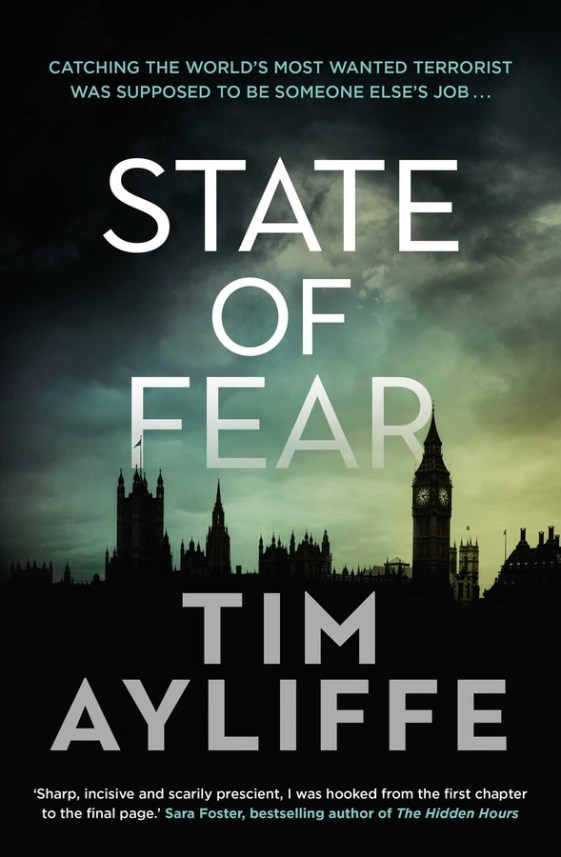
State of Fear by Tim Ayliffe (Trade Paperback)

State of Fear Cover

I just started reading State of Fear by Tim Ayliffe, an Australian thriller that originally came out in 2019 and which serves as a sequel to his debut novel, The Greater Good.  I have plans to read Ayliffe third book, The Enemy Within, in the next couple of weeks, so I thought it would be worth my while to check out this bridging novel first.  State of Fear, which details a traumatized reporter attempted to stop the terrorist who kidnapped him years before, has a very strong start to it, and I am already really getting into this excellent book


Star Wars: The High Republic: The Rising Storm by Scott Cavan (Audiobook)

Star Wars - The Rising Storm Cover

I am currently making some great progress with the latest entry in The High Republic range of Star Wars fiction, The Rising Storm by Cavan Scott.  This latest novel, which follows on from the events of Light of the Jedi, is a pretty epic read, which highlights the unique chaos and battles that occurred hundreds of years before the events of the Star Wars film franchise.  Scott, who previously wrote the great audiodrama Dooku: Jedi Lost, has crafted together a pretty impressive story in The Rising Storm, and I cannot wait to see how this fantastic tale concludes.


What did you recently finish reading?

Breakout by Paul Herron (Trade Paperback)

Breakout Cover


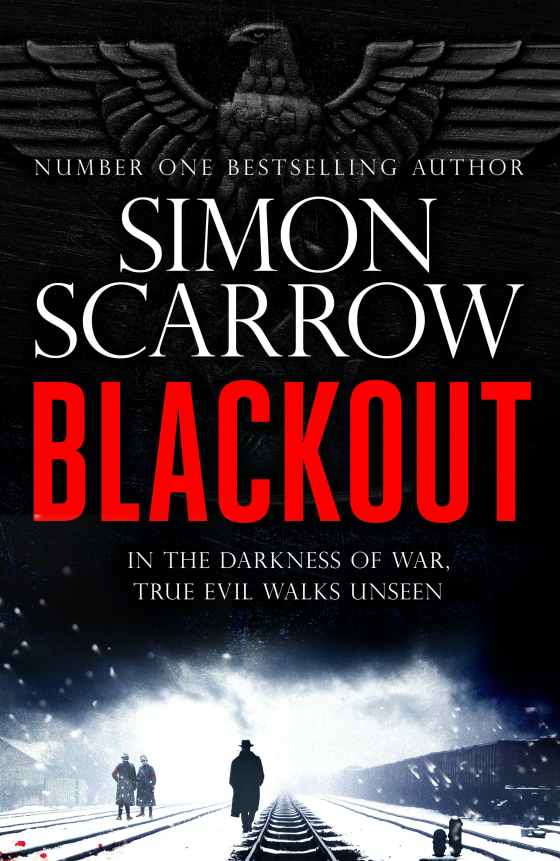
Blackout by Simon Scarrow (Trade Paperback)

Blackout Cover


Skavenslayer by William King (Audiobook)

Skavenslayer Cover


Daemonslayer by William King (Audiobook)

Daemonslayer Cover


What do you think you’ll read next?

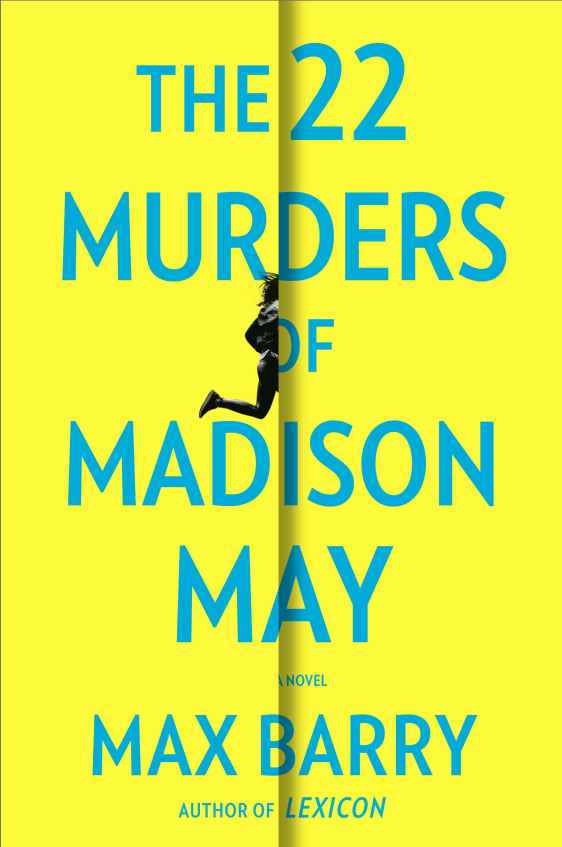
The 22 Murders of Madison May by Max Barry (Trade Paperback)

The 22 Murders of Madison May Cover


That’s it for this week, check back in next Wednesday to see what progress I’ve made on my reading and what books I’ll be looking at next.

Waiting on Wednesday – Star Wars: Visions: Ronin by Emma Meiko Candon

This week I am also going to do a quick Waiting on Wednesday article highlighting a cool upcoming Star Wars novel which I previously mentioned a few weeks ago.  This novel is Ronin by Emma Mieko Candon, an intriguing and distinctive entry in the Star Wars universe that will tie into the upcoming anime series, Star Wars Visions

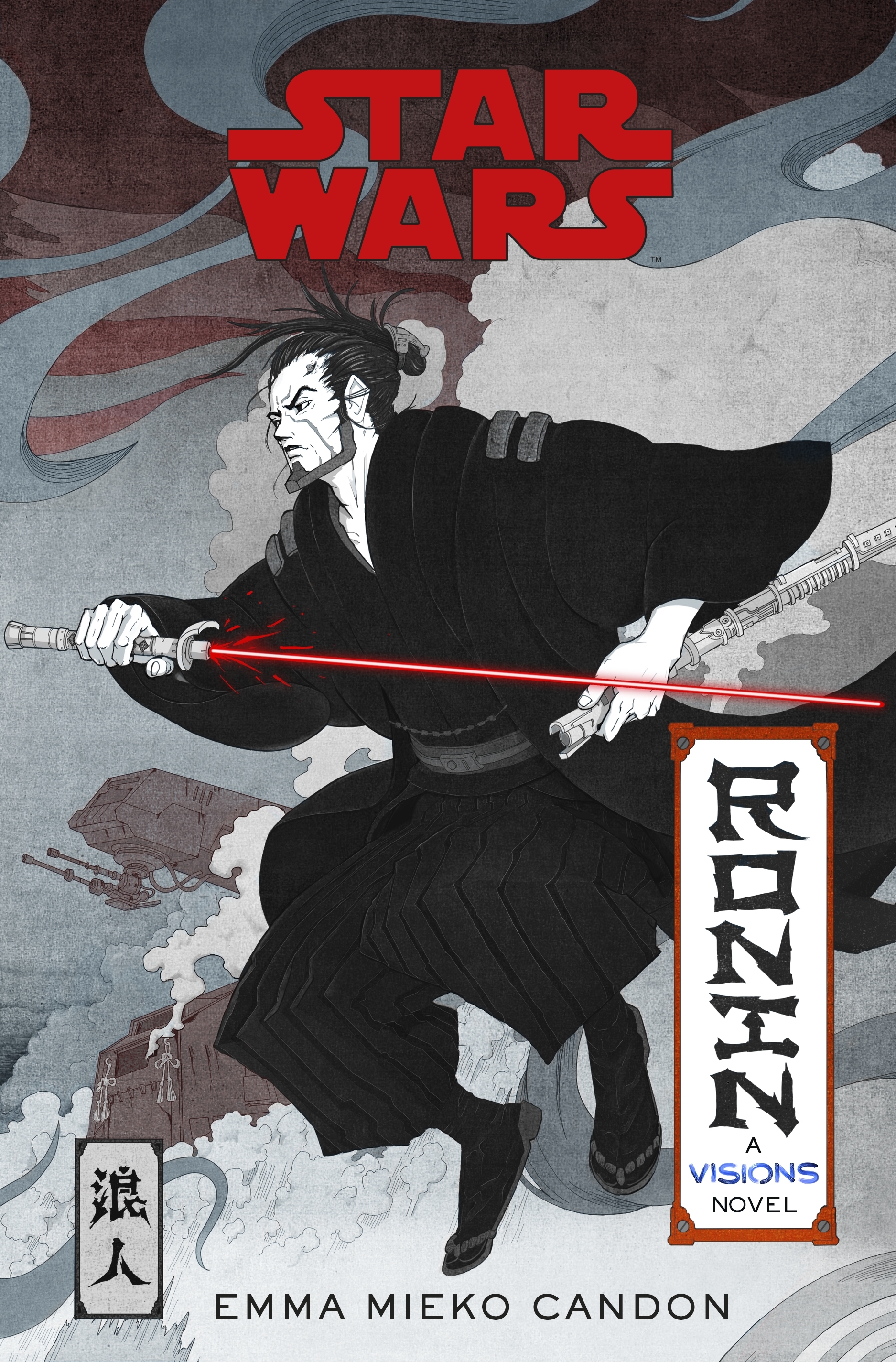
Star Wars Visions - Ronin Cover

Star Wars Visions is one of the more unique upcoming inclusions in the Star Wars canon, and one that looks set to contain some very distinctive stories.  This new series, which streams on 22 September 2021, will feature nine original short films, done in the anime style by different Japanese animation studios.  This is going to be quite an ambitious and distinctive series, and I personally am quite keen to see the franchise brought back to its Japanese-inspired roots.

There are several fascinating stories currently planned within this series, although one of the most intense and distinctive ones is The Duel, produced by the Kamikaze Douga company.  The Duel will feature an alternate history of the Jedi and the Sith, inspired by Feudal Japan, and will focus on a duel between members of these two sides.  The clips I have seen about The Duel look pretty badass, and I love how the Jedi and Sith are modelled on historical wandering samurai.

In addition to being a cool sounding animated feature, The Duel will have one other thing that sets it apart from the other Star Wars Visions films, a tie-in novel.  This tie-in novel, Ronin by Emma Meiko Candon, which is currently set for release in October, will expand on the unique universe created in The Duel by focusing on the film’s wandering Sith duellist.  They have only just recently released the full synopsis for Ronin, and it looks like it is going to be a fun and compelling novel.  I also must highlight the novel’s unique and visually impressive cover, which combines cool Star Wars iconography with a classic Japanese design to create something that is beautiful and awesome.

Synopsis:

A mysterious former Sith wanders the galaxy in this stunning Star Wars tale. An original novel inspired by the world of The Duel from the Star Wars Visions animated anthology.

A mysterious former Sith wanders the galaxy in this stunning Star Wars tale. An original novel inspired by the world of The Duel from the Star Wars Visions animated anthology.

The Jedi are the most loyal servants of the Empire.

Two decades ago, Jedi clans clashed in service to feuding lords. Sickened by this endless cycle, a sect of Jedi rebelled, seeking to control their own destiny and claim power in service of no master. They called themselves Sith.

The Sith rebellion failed, succumbing to infighting and betrayal, and the once rival lords unified to create an Empire . . . but even an Empire at peace is not free from violence.

Far on the edge of the Outer Rim, one former Sith wanders, accompanied only by a faithful droid and the ghost of a less civilized age. He carries a lightsaber, but claims lineage to no Jedi clan, and pledges allegiance to no lord. Little is known about him, including his name, for he never speaks of his past, nor his regrets. His history is as guarded as the red blade of destruction he carries sheathed at his side.

As the galaxy’s perpetual cycle of violence continues to interrupt his self-imposed exile, and he is forced to duel an enigmatic bandit claiming the title of Sith, it becomes clear that no amount of wandering will ever let him outpace the specters of his former life.


All the above sounds extremely interesting and cool and I am rather looking forward to seeing what sort of unique narrative that Candon comes up with.  Ronin has a lot of potential to be one of the more distinctive and innovative Star Wars novels released in 2021, and I am quite keen for its alternate universe samurai story, especially if it enhances the tale told in The Duel.  I also cannot get over the incredible cover above, and I look forward to having that prominently on my shelf.

Waiting on Wednesday – All of Us Villains by Amanda Foody and Christine Lynn Herman

Welcome to my weekly segment, Waiting on Wednesday, where I look at upcoming books that I am planning to order and review in the next few months and which I think I will really enjoy.  I run this segment in conjunction with the Can’t-Wait Wednesday meme that is currently running at Wishful Endings.  Stay tuned to see reviews of these books when I get a copy of them.  In this week’s Waiting on Wednesday article, I am going to look at a fun novel containing a The Hunger Games inspired magical death tournament, with All of Us Villains by Amanda Foody and Christine Lynn Herman.

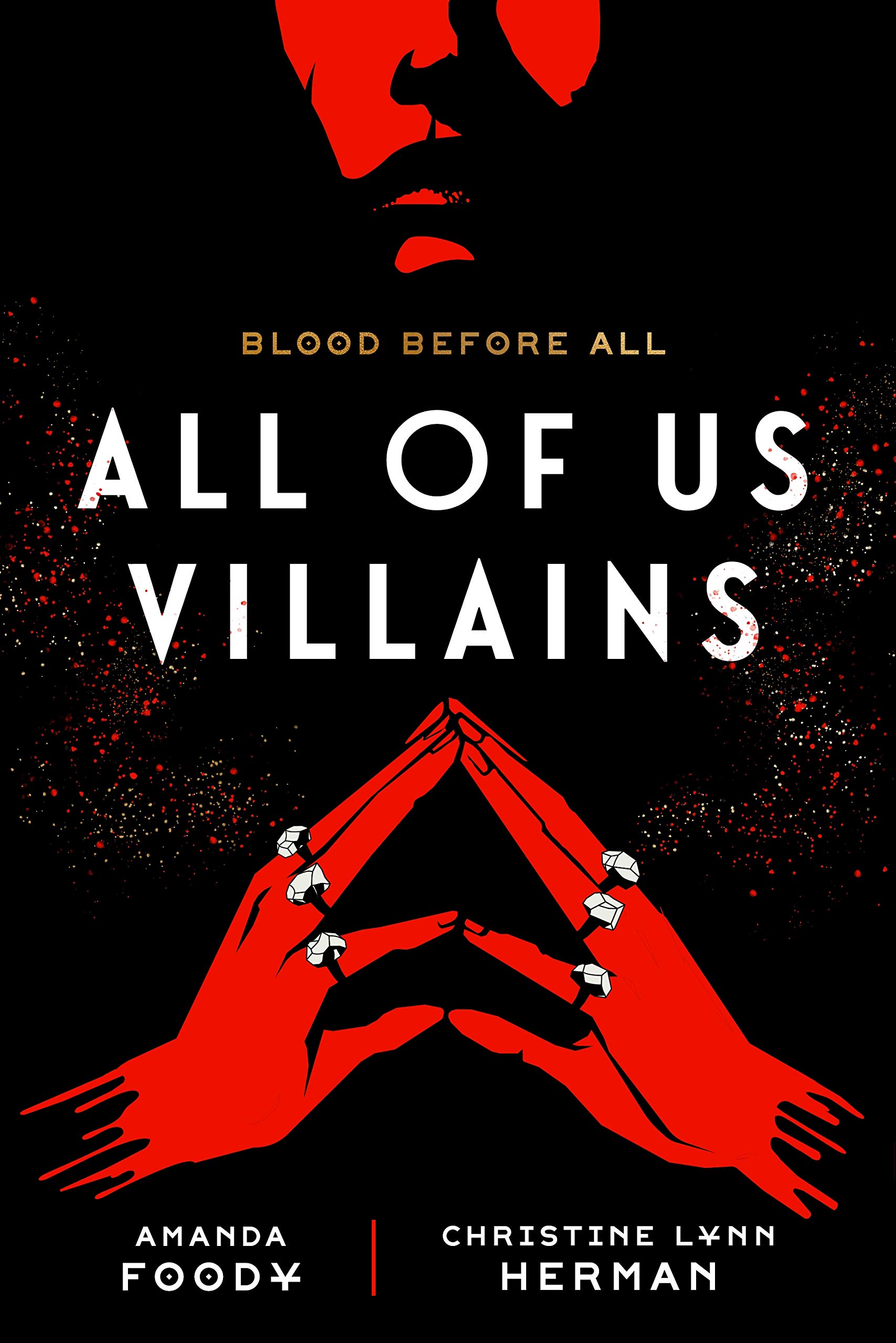
All of us Villains Cover

All of Us Villains is a deeply intriguing and fun sounding young adult fantasy novel that is currently set for release on 9 November 2021.  This cool book, which has two awesome covers and a great synopsis already out, will be written by the compelling team of Amanda Foody and Christine Lynn Herman.  I have not previously read either of Foody or Herman’s works in the past, although both have some intriguing young adult fantasy series to their names, including Foody’s The Shadow Game series and Lynn’s The Devouring Gray novels.  Despite my lack of experience with the authors, I have been deeply drawn to the cool synopsis below, and I think this book could be a rather fun read.

Synopsis:

First there was Hogwarts. Then there were the Hunger Games. Now there is The Blood Veil. Introducing a stunning new contemporary fantasy that will pit seven families against one another in a bid to be the masters of magic. It’s winner takes all.

You Fell In Love With The Victors of The Hunger Games.

Now Prepare To Meet The Villains Of The Blood Veil.

After the publication of a salacious tell-all book, the remote city of Ilvernath is thrust into the spotlight. Tourists, protesters, and reporters alike flock to its spellshops and historic ruins to witness an ancient curse unfold: every generation, seven families name a champion among them to compete in a tournament to the death. The winner awards their family exclusive control over the city’s high magick supply, the most powerful resource in the world.

In the past, the villainous Lowes have won nearly every tournament, and their champion is prepared to continue his family’s reign. But this year, thanks to the influence of their newfound notoriety, each of the champions has a means to win. Or better yet–a chance to rewrite their story.

But this is a story that must be penned in blood.

I loved the outstanding story described above.  The combination of a deadly fight to the death between young people and dark magic, which, if done right, has some amazing story potential.  Add in a group of tourists and reporters now that the whole tournament is public, and you have got a unique and intriguing narrative that I am very keen to read.  I think that All of Us Villains might turn out to be a major hit for 2021, and I look forward to seeing just how fun this dark, young adult fantasy novel turns out.

All of us Villains Cover 2

Top Ten Tuesday – The Marvel Cinematic Universe Movies (Ranked – Including Black Widow)

Top Ten Tuesday is a weekly meme that currently resides at The Artsy Reader Girl and features bloggers sharing lists on various book topics.  The official task for this week’s Top Ten Tuesday was for participants to list the top ten favourite book titles that are questions.  While this was a particularly interesting and unique topic, I decided to do something a little different.

I am sure that it will come to now surprise to anyone who has read some of my posts that I am a major fan of all things comic related, which includes the fabulous works coming out of Marvel.  I have an outstanding amount of love for the Marvel Cinematic Universe, Disney’s juggernaut film franchise that brings some of the most iconic Marvel Comics characters to life in their own distinctive universe.  I have been a fan since the very moment I saw the trailer for Iron Man all those years ago (it has only been 13, but it sometimes feels so much longer).  Since then 24 films have been released in this series (as well as some excellent television shows), some of which have been good, some of which have been adequate, and most of which have been pretty damn exceptional and have defined a generation of film fans.

This series seems pretty unstoppable at times, which is why it was so very strange that, for the first time since 2009, we did not have an MCU film last year, thanks to our old friend COVID-19.  It has been two years since the last MCU film, Spider-Man: Far From Home, and in that time a lot of stuff as happened.  I know that during some of the worst parts of 2020 and early 2021, I was nostalgic for a time when a new MCU film was just on the horizon, and I felt that having that again would add a little normality back into our lives.  That is why I was so excited last week when I was able to go see the much anticipated and long-delayed Black Widow.  Seeing a MCU film on premiere night was pretty special to me, so, in honour of that, I thought I would take this time to highlight the MCU franchise.

I am sure that many MCU fans can appreciate how much of a task ranking these films in order can be.  Many are absolute masterpieces and some of the very best comic book films out there, and each MCU entry is vastly different from the others, which makes comparing them very difficult.  This is partially compounded by the fact that there is no such thing as a bad MCU film, as even the worse film in the franchise is still leaps and bounds above most other comic book films out there.  In addition, preferences for which film is better than another can change daily, especially as movies become more dated and new material is introduced.  However, I was determined to pull this list together, so I knuckled down and had a long think about every MCU film that I have seen.  During this time, I considered each of the films’ casting, story, graphics and legacy.  However, the most important thing that I considered was how much I would want to watch the film again.  Taking all this into consideration, I was able to come up with a ranked list that I think captures my personal feelings and opinions about these various films at this point in time.  So let us see where the various films ended up.

Spoiler warning below

List (Ranked – Reverse Order):

24. – The Incredible Hulk

The_Incredible_Hulk

I want to make something clear: The Incredible Hulk is not a bad movie. It is actually pretty watchable, with an interesting cast, some decent graphics and an enjoyable story about the origins of the Hulk and his conflict with the military.  Despite this, it is probably the least enjoyable MCU film, and for that reason many people skip it or try to ignore it when doing an MCU marathon.  Edward Norton, while a fine actor, does not really click as Bruce Banner, and the later re-casting with Mark Ruffalo really highlights that.  In addition, he does not have any chemistry with Liv Tyler’s Betty Ross, who was a borderline damsel in distress (especially when compared to the strong women that dominated the early MCU films).  A pre-Modern Family Ty Burrell is underutilised as Doc Samson, a character that was never featured to its full potential (I want a raging, muscle-bound Ty Burrell with flowing green locks, dammit).  I liked Tim Roth as the villain (before he was CGI’d), and William Hurt is a great Thunderbolt Ross.  While the movie starts off strong, I think it lost its way towards the end, and the CGI fight between the Hulk and the Abomination is sloppy, especially compared to most other MCU entries.  Still a solid comic film, but, unfortunately, something must take out the 24th spot.

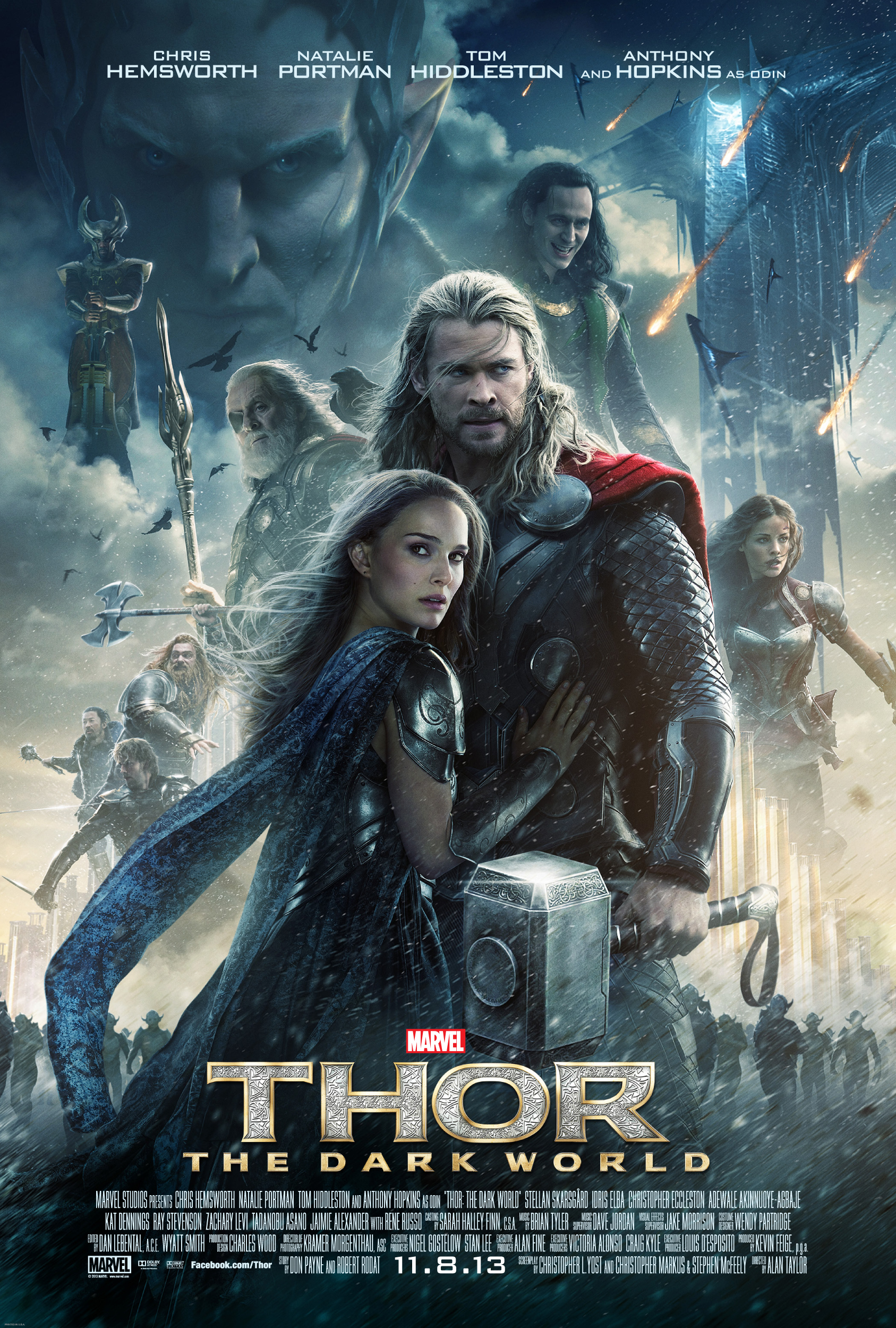
23. – Thor: The Dark World

Thor-_The_Dark_World_poster

I must admit that the only reason that this did not score lower than The Incredible Hulk was purely because of Tom Hiddleston’s performance, as he was at his Loki best.  Still, in comparison the rest of the MCU, this movie is not great, especially as it compounds many of the faults of the preceding Thor movie.  It has a weak story, and I am not a major fan of the portrayal of Asgard in this one (I laughed in scorn when the flying boat ships starting fighting the Dark Elves).  The cast, with the notable exception of Hiddleston, is also not amazing here.  Chris Hemsworth, while a better actor in this second film, is still playing Thor way too seriously, and he still lacks any great chemistry with Natalie Portman, who was obviously unhappy to be involved at all.  While Anthony Hopkins, Stellan Skarsgård and Idris Elba do bring some flair and thespian backbone, the film is very much let down by its villain.  Malekith is one of the worst villains in the MCU and is constantly overshadowed by Loki.  Despite this, The Dark World is still a fun film and has some great moments in it.  The death of Frigga is pretty heartbreaking, and the final fight sequence, while a bit random at times, is very entertaining, combining great visuals with some excellent comedy.  Let us also not forget that this was the first time Infinity Stones are mentioned, making Thor: The Dark World an important entry in the franchise, and one I can re-watch very easily.

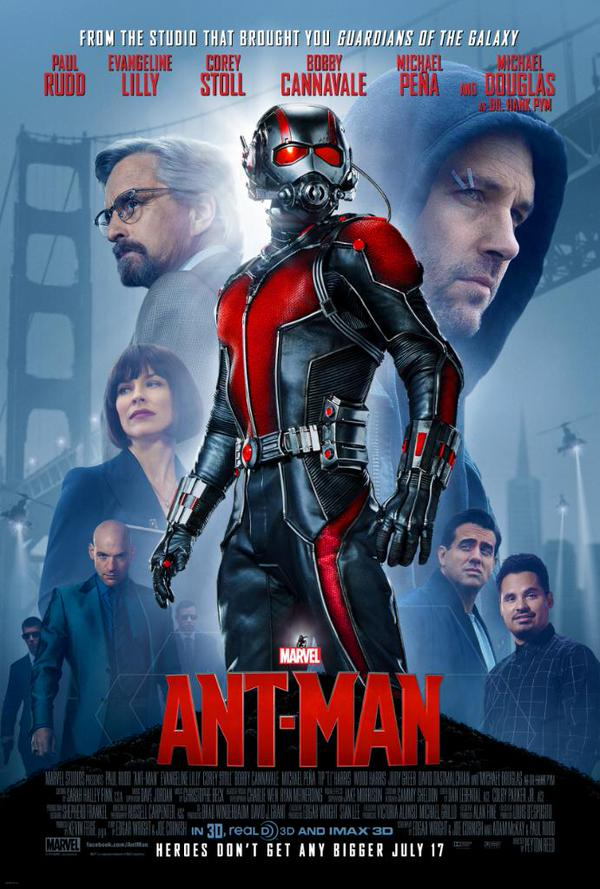
22. – Ant-Man and the Wasp

Ant-Man_and_the_Wasp_Complete_Poster

I was very disappointed by Ant-Man and the Wasp, as it should have been so much better than it was, and it ended up being another weak entry in the franchise.  Most of the comedy, character development and style are recycled from the first film without anything new being added.  In addition, the villains are extremely weak, with Hannah John-Kamen not bringing any strength to the character of Ghost, and Walton Goggins’s Sonny Burch is a very odd, if amusing, secondary antagonist.  This film does have its strengths.  It is visually beautiful, the main cast is great, with Paul Rudd, Evangeline Lilly and Michael Douglas keeping the amazing chemistry they had in the first film, and I especially loved Lilly’s expanded use in this film as The Wasp.  Michael Peña still shines as Luis, whose riffing long stories are so much fun to see.  While this is a fun movie, it suffers from being released less than three months after Infinity War.  The sheer expectations that people had going into Ant-Man and the Wasp really altered people’s perception, and I know I was hoping for a whole lot more, especially when the “snap” happened.  Still, the post credit scenes were great, and that clever question mark struck surprisingly hard.
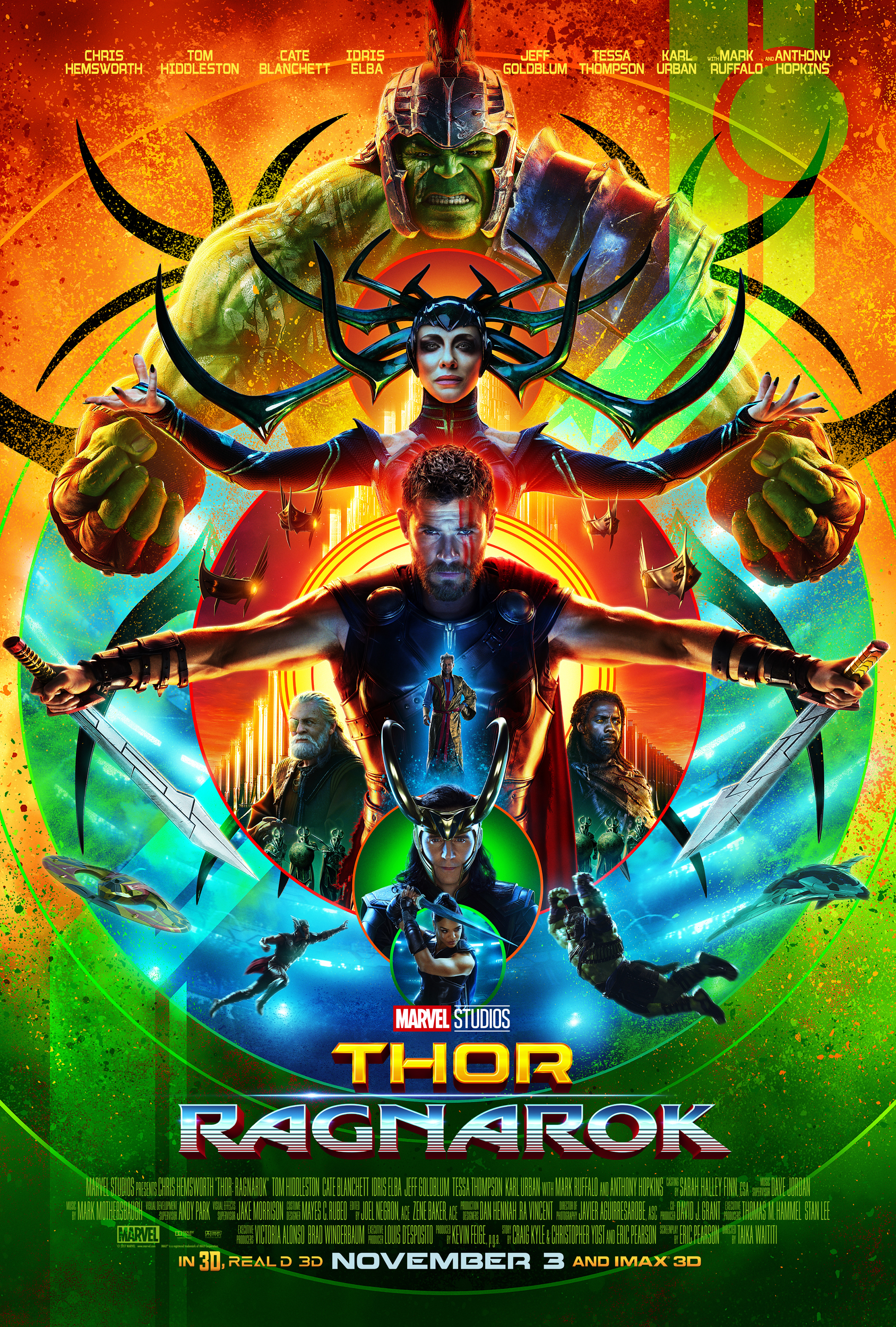
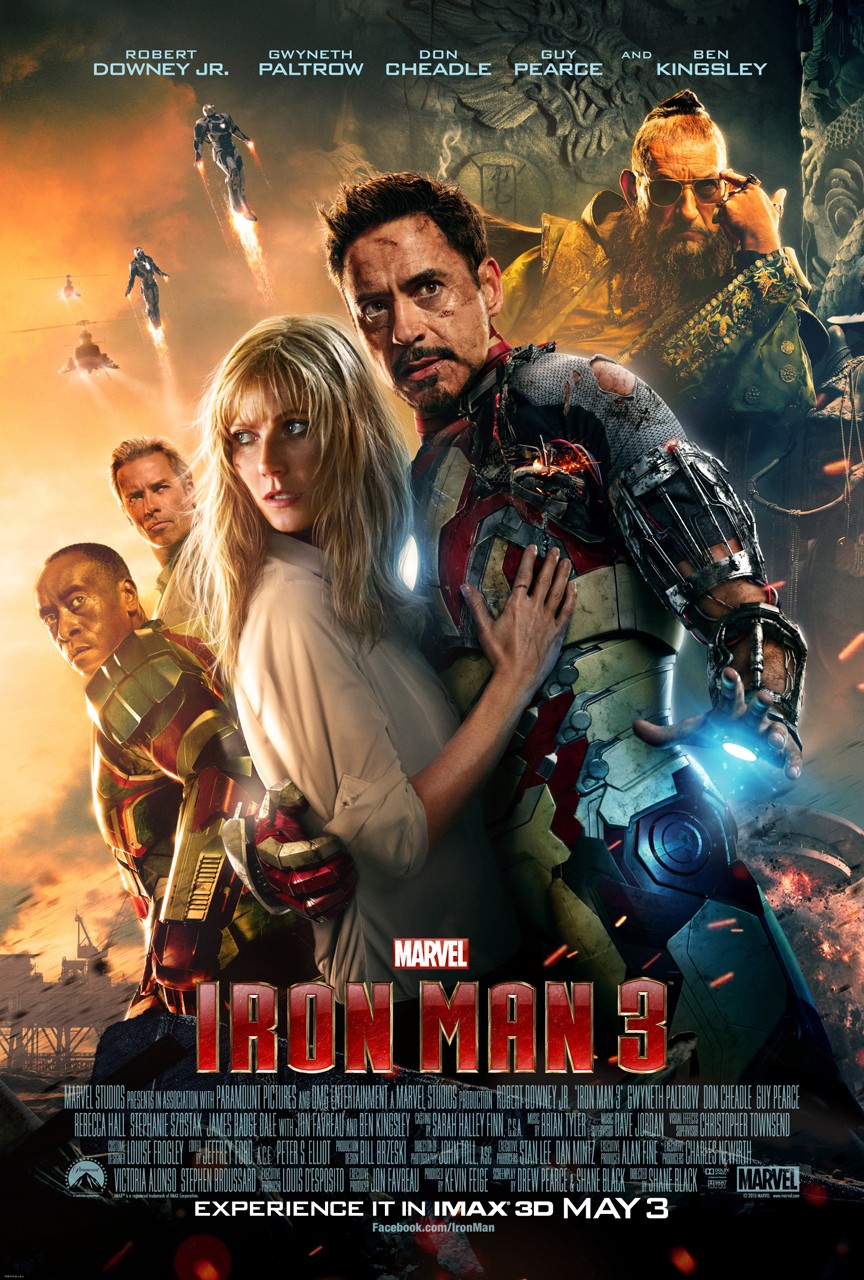
21. – Iron Man 2

Iron_Man_2_Official_Poster

People were hoping for a film that could stand up to the first Iron Man, and unfortunately, Iron Man 2 just did not deliver.  Despite very strong performances from Robert Downey Jr, Gwyneth Paltrow, and a newly cast Don Cheadle, this film was not as good as the first, relying too much on CGI and not enough on story.  Mickey Rourke’s villainous Whiplash was ok, if a bit overacted, but he was nothing to really write home about.  Still, this film has a lot of fun parts to it.  Sam Rockwell’s Justin Hammer was extremely zany and, as always, it was so much fun to see him perform (I am really hoping he comes back for Armor Wars).  In addition, this was also the film that gave us Scarlett Johansson as Black Widow, a role she debuted perfectly, especially with that epic corridor scene, although the character does develop into something better later.  An extremely fun action romp that I am actually pretty fond of, Iron Man 2 just does not live up to some of the other films out there, so it has a lower spot on this list.

20. – Thor

Thor_Official_Poster

Thor is a fun movie that serves as a great introduction to some of the best characters in the MCU.  Unfortunately, it is a little rough compared to some of the later entries, which knocks it down a bit.  The film is a little too serious for its own good, perhaps thanks to director Kenneth Branagh’s Shakespearean approach, and while it has an amazing fish out of water story to it the scenes set in Asgard are over the top, and I am not the biggest fan of the way they turned the Asgardians into a science fiction race rather than a mythological one.  Still, the cast is very good, and it introduced Chris Hemsworth and Tom Hiddleston to a wider audience.  While an unnaturally blond Hemsworth was still finding his feet in this film, Hiddleston lays some great groundwork with Loki, setting him up perfectly and ensuring he would be a memorable and exceptional villain.  Natalie Portman fills the role as love interest well, although her chemistry with Hemsworth is a bit off.  Overall, this is a great film defined by the new Thor and Loki.
19. – Captain Marvel

CaptainMarvelPoster

Though it is ranked a little low, Captain Marvel is still an outstanding comic film.  The first Marvel film to feature a female superhero lead, this film needed to do a lot, while also being one of the unfortunate films to be released between Infinity War and Endgame.  Despite this pressure, it definitely delivered providing a well written, entertaining and clever film.  I deeply enjoyed the cool 1990s setting, and the creative team do a great job bringing some nostalgia to the film, especially with the great music.  The twists about the Skrulls was also pretty fun, setting up some interesting stories for the future, and I liked how it tied into the origins of the Avengers team.  In addition, I reckon you will have a hard time finding anyone who was not moved by the Stan Lee tribute in the opening credits.  Brie Larson does a great job in the titular role, although I look forward to seeing her relax into it a bit more in future films.  Samuel L. Jackson was great as ever as Nick Fury, and the de-aging worked surprisingly well.  Ben Mendelsohn, Lashana Lynch and Annette Bening are all pretty awesome in this film, although I think Jude Law particularly shone as eventual villain Yon-Rogg.  Overall, the visuals and acting turn this into a good film, and the only reason it is lower on this list is the incredible competition from the future entries.

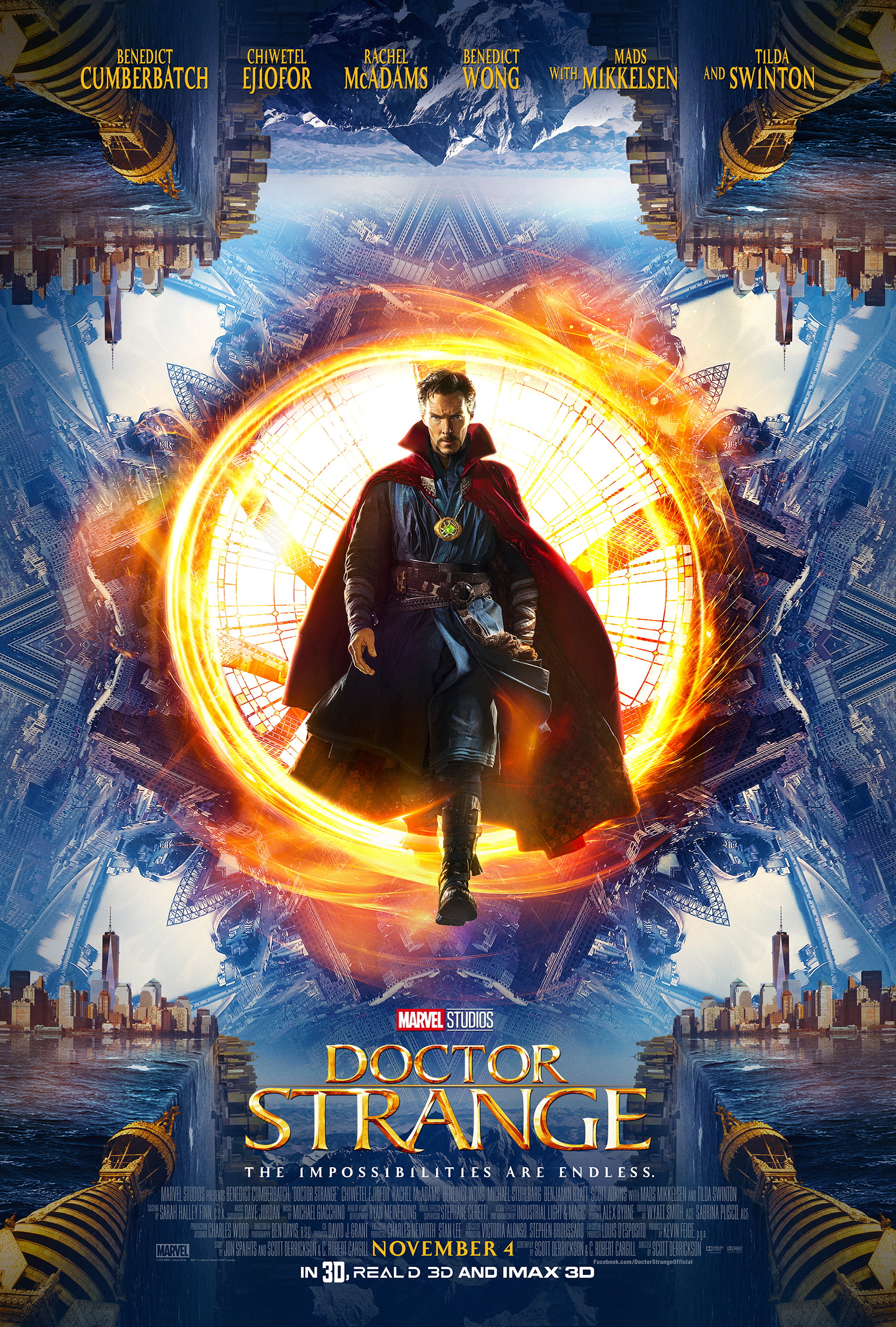
18. – Doctor Strange

DrStrangePoster2

Doctor Strange is an awesome movie with many cool features to it.  This includes the first-rate cast, with Benedict Cumberbatch, Chiwetel Ejiofor, Rachel McAdams and Tilda Swinton doing some fantastic work in this film, although Benedict Wong was a particular stand out for me.  I did think that Mads Mikkelsen’s villain, Kaecillius, was a bit under defined, and it seemed a bit of a waste chucking an actor of Mikkelsen’s calibre into such a role.  I also felt that Strange could have gone through a little more character development, as he keeps up his arrogant persona well after this film ends.  The story is also a tad unpolished, and I particularly thought that the rift between Strange and Baron Mordo was a little forced.  Despite all this, Doctor Strange is visually spectacular, and viewers are treated to a kaleidoscope of colour and movement every time magic is used.  This visual work really enhances the entire film and I think this was a pretty strong comic film.  I am very keen to see how the next Doctor Strange film turns out, especially if it combines a better story with the already great characters and visual effects.

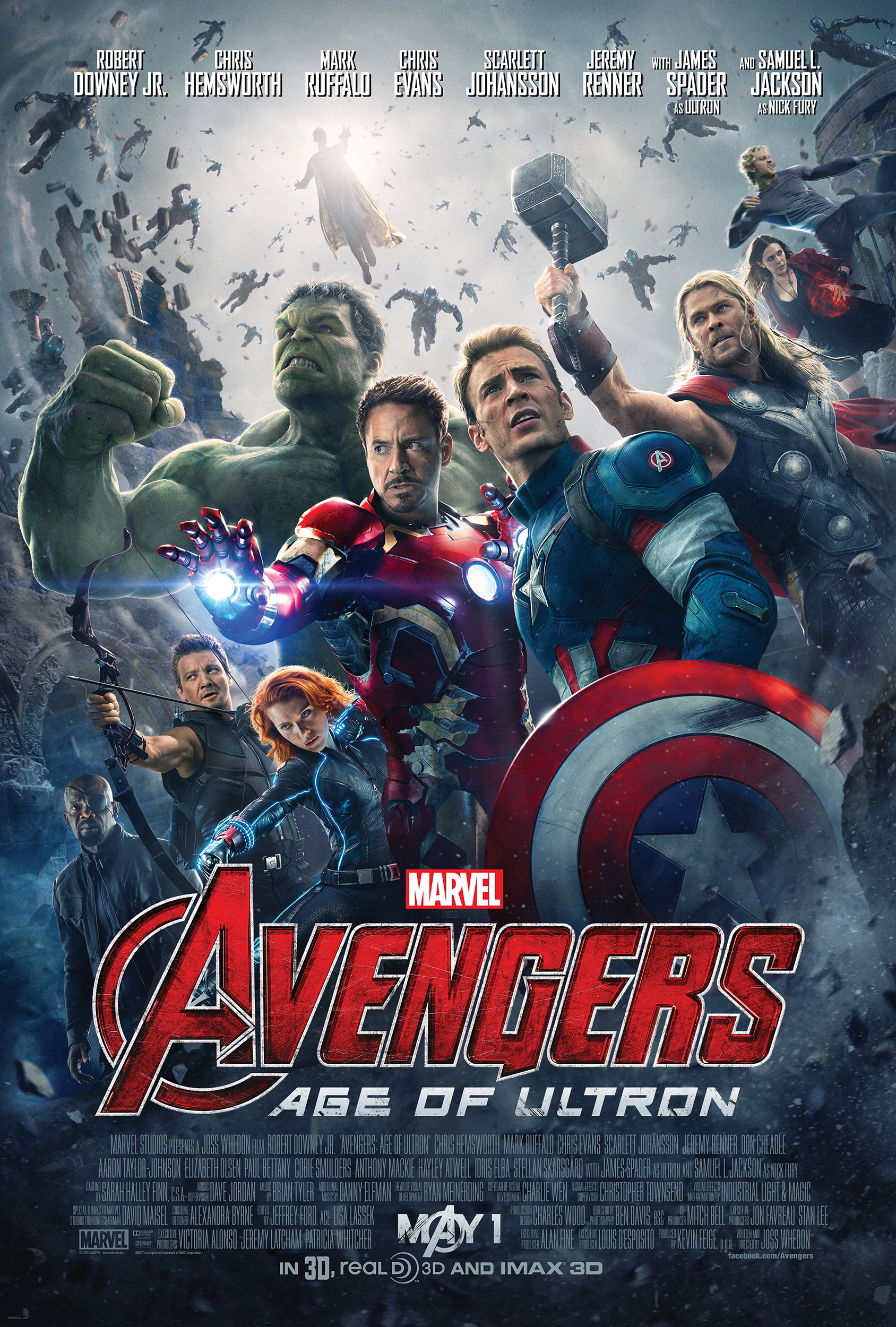
17. – Avengers: Age of Ultron

Avengers_Age_Of_Ultron-poster1

Next we have the second Avengers ensemble movie.  Age of Ultron was another MCU film that had many expectations surrounding it before its release, especially after the success of the original Avengers film.  Director and writer Joss Whedon had to do a lot in this film, including introducing new characters, continuing existing storylines, and setting up future films.  Unfortunately, this proved too much to pull off.  It is still a very good movie, with the all-star cast doing an outstanding job bringing their iconic characters to life, especially the veterans from the first Avengers film.  James Spader brings some real malevolence and humour to Ultron, although the villain’s use of a disposable CGI army was a bit unoriginal.  Paul Bettany and Elizabeth Olsen both debut their characters extremely well, and while they are not as strong as they later proved to be in WandaVision, they are an interesting inclusion.  Aaron Taylor-Johnson’s Quicksilver is a little less impressive, especially as Evan Peters absolutely killed it as the same character in an X-Men film less than a year before.  The story is pretty fantastic, although it definitely suffers from the creative team trying to fit way too much into it, making it a weak or derivative in places.  In addition, it has one of the most pointless post-credits scenes in the entire series.  I did think the action sequences were very good, especially Hulk vs Iron Man, although I did think they spent a little too much time trying to recreate the feel of the original film.  Still, this an excellent film, and it serves as a major part of the franchise, even if it is outshined by every other Avengers film.

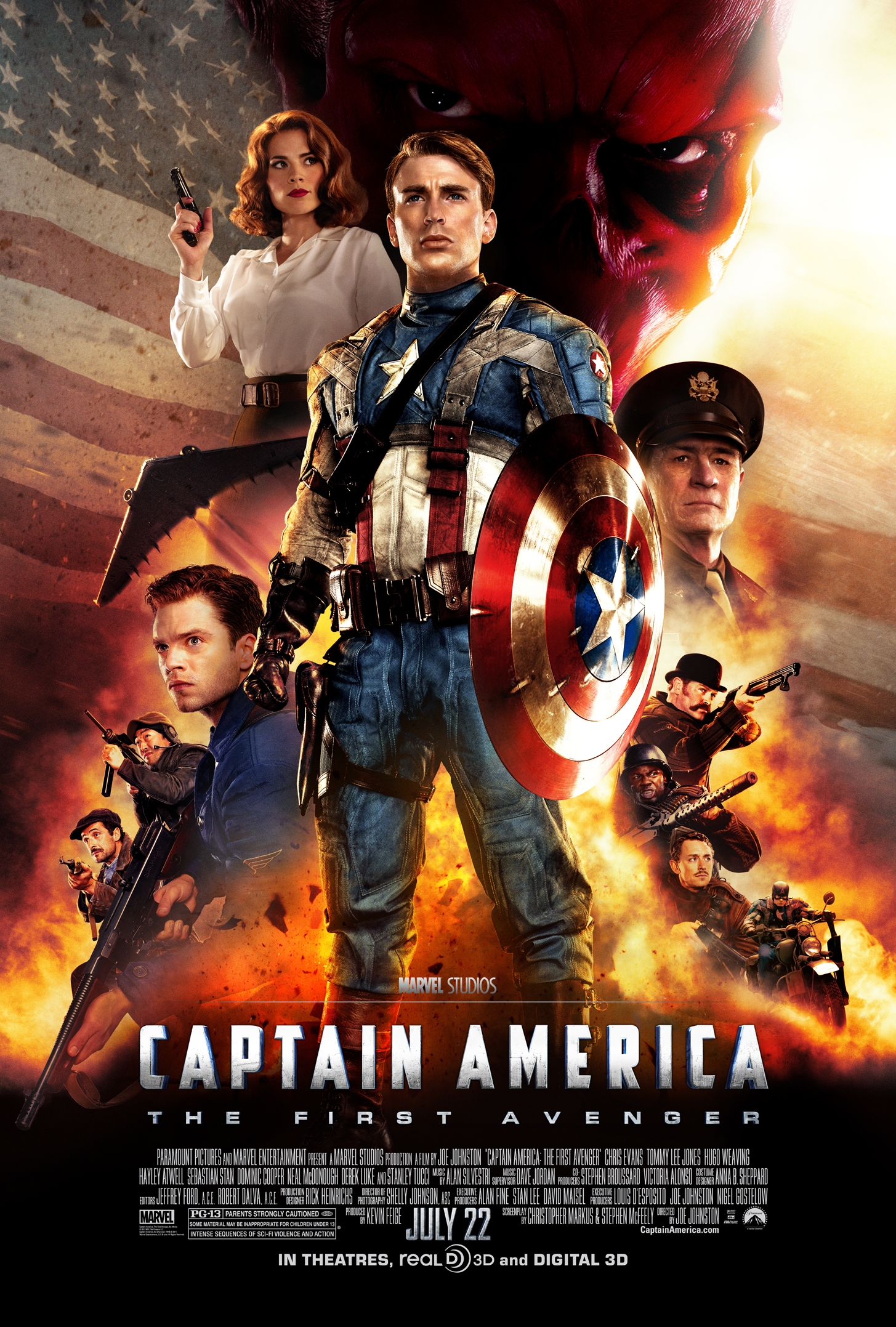
16. – Captain America: The First Avenger

CaptainAmericaTheFirstAvengerComicConPoster

Captain America is an excellent film that takes the MCU wackiness right into the centre of WWII.  This film features an impressive origin story that does the classic comics proud while also making use of a great cast of characters.  Chris Evans shines as Steven Rogers in this film, and I loved the transition from a weakling with a strong heart to the ultimate symbol of strength, goodness and freedom.  At the same time, you have an outstandingly evil Red Skull in Hugo Weaving, which I think perfectly balanced the entire film.  Add in the great supporting cast in Sebastian Stan, Hayley Atwell, Dominic Cooper, Tommy Lee Jones, Stanley Tucci and Toby jones, and you have a pretty exceptional group of actors in the film (Richard Armitage, Jenna Coleman and Natalie Dormer also have small roles).  The story is very strong, and there are very few flaws or plot holes for it to stumble upon.  An overall outstanding film, this was one of the better entries in the early days of the MCU.

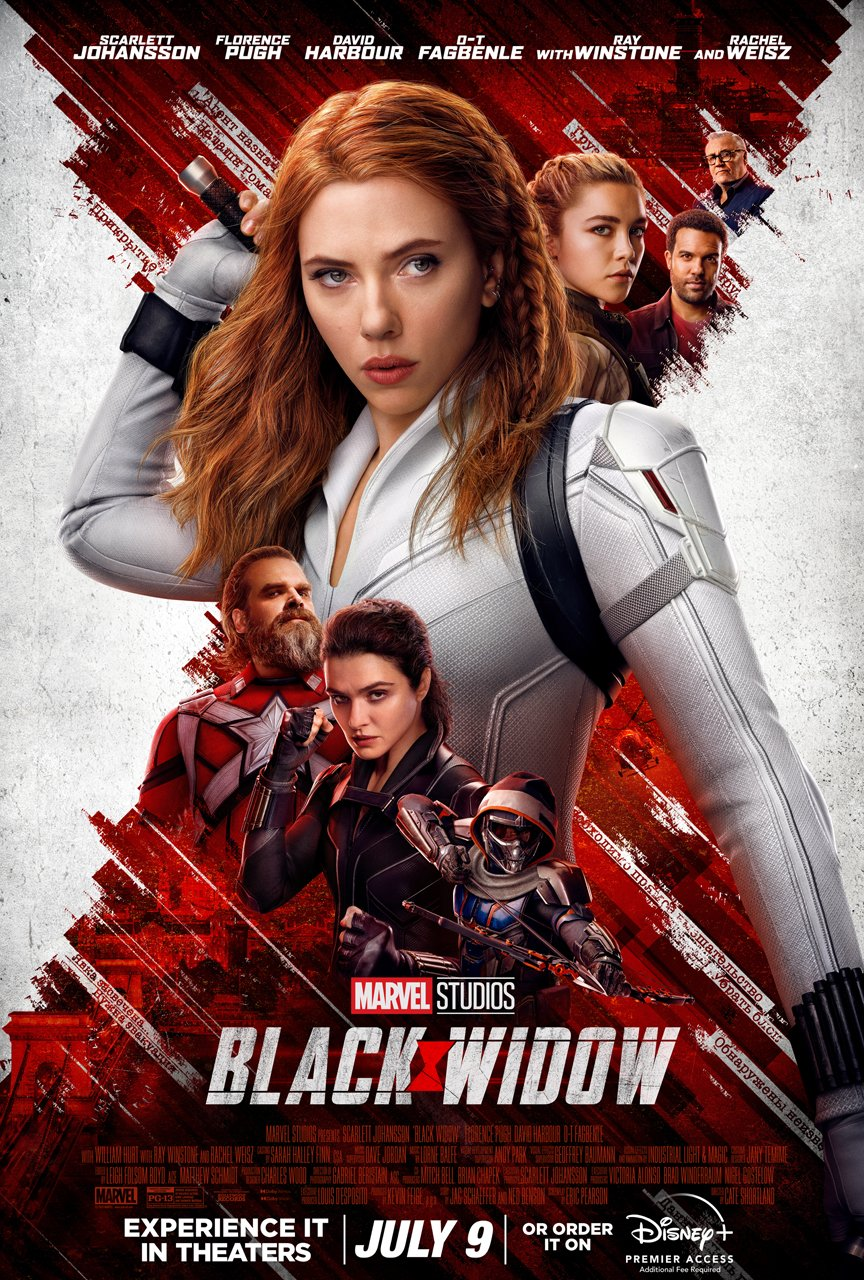
15. – Black Widow

Black_Widow_July_9_Poster

Now we reach the very latest entry in the MCU, with last week’s fantastic release, Black Widow.  I will admit that I did go into Black Widow with some slightly higher expectations brought on by a two-year drought in MCU films.  However, I still deeply enjoyed this movie, which finally gave Scarlett Johansson her own solo outing.  Anchored by a great cast, Black Widow was an exceptional film which did a great job highlighting the character’s mysterious origins and finally telling her story.  I was pretty hooked after its strong opening, especially after a sequence featuring a beautifully slowed down Smells Like Teen Spirit.  Florence Pugh, David Harbour and Rachel Weisz are all outstanding, and I loved the unique family dynamic created between these main characters.  Despite this strong start, I did feel that the ending was rushed, and there is a certain two-week gap in the story that is still bugging me.  I was also not blown away by the villains, with Taskmaster and Dreykov being a little underwhelming.  Still, this was a great film, and I was just super glad that it finally came out.  I also am a little more excited to see more of Florence Pugh as the next Black Widow in some future MCU outings, and it will be interesting to see if this film gets a sequel.

14. – Black Panther

Black_Panther_Poster_October_2017

Featuring one of the best African American casts of all time, Black Panther was an exceptional film that combined a great character-driven story with some awesome visuals.  This film did a brilliant job bringing the nation of Wakanda to life, and I had a wonderful time exploring its advanced technology and compelling past.  The late great Chadwick Boseman is an outstanding Black Panther, continuing the great work he did in Civil War.  He is joined by the fantastic Lupita Nyong’o, Danai Gurira, Letitia Wright and Winston Duke, who all bring their new amazing characters to life in a distinctive way.  Martin Freeman and Andy Serkis both make fantastic secondary appearances in this film, and I like the manic energy Serkis brings to the role of Ulysses Klaue.  One of the most noticeable stars of the film is Michael B Jordan as Killmonger, one of the best and most complex villains in the entire MCU.  All these wonderful performances are wrapped up in a fantastic story, with some amazing visual scenes.  The entire sequence in Busan is beautiful, and the final fight is pretty epic.  If I were to make a criticism of the film, it would be around the CGI rhinos; whose presence I think was just a little too ridiculous.  An overall exceptional film, you will be shouting “Wakanda forever” until you run out of breath.

13. – Iron Man 3

Iron_Man_3_IMAX_poster

Director Shane Black had a lot of pressure to deliver the third and ultimately final Iron Man film immediately after the success of The Avengers.  Luckily, Iron Man 3 is pretty epic, and ends up being a very different film than some of the previous Iron Man movies, as Black presents a gritty, well-written tale around a traumatised Tony Stark.  This was a very clever techno-thriller, which plays off the damaged protagonist perfectly.  Downey Jr is once again exceptional in this film, and you get to see the Tony Stark beneath the snark and sarcasm.  With the usual great cast of supporting characters, as well as a couple of fun villains, this was a pretty cool film.  I personally enjoyed the twist with the Mandarin, and thought it was extremely clever and funny, although it was a controversial choice (I really hope Ben Kingsley has some sort of cameo in Shang-Chi).  While there is more of a focus on the story, there are still some outstanding action sequences, including the assault on the Stark Mansion and the final epic confrontation between the various suits and the Extremis soldiers.  I also very much liked the inclusion of the scenes were Stark has to use more low-tech methods to beat his enemies, and the multi-part suits add a lot of fun to the overall story.  An overall incredible film, I will admit I did not like this one too much when I first saw it, but several re-watches have really enhanced my opinion of it, pushing it above some of the great entries above.

12. – Spider-Man: Far From Home

Official_FFH_US_Poster

This second Spider-Man film faced the daunting prospect of being released less than three months after Endgame.  However, despite all that pressure, Far From Home was an incredible film that continues to highlight one of the best portrayals of Spider-Man ever.  While not as good as Homecoming, Far From Home boasts an amazing narrative loaded with feels.  Featuring an uncertain Peter Parker still reeling from the death of his mentor and the legacy left behind, this story takes the protagonist on a whirlwind adventure in Europe.  Thanks to an outstandingly talented Jake Gyllenhaal as Mysterio, this film is loaded with great twists and false leads, and I loved how we were punked into believing this would be the start of the multiverse.  Tom Holland continues to shine as Spider-Man and I loved the boyish enthusiasm he brings to the role, as well as his sense of fun and duty.  Samuel L Jackson serves as a harsh, but intriguing mentor figure as Nick Fury, backed up by Cobie Smulders.  The recurring cast from the previous Spider-Man movie are still a lot of fun, with Zendaya serving as a great love interest, Jacob Batalon playing a romantically distracted Ned, Jon Favreau as a fun Happy Hogan, and you have to love Tony Revolori as Flash Thompson.  Another spectacular and amazing film, the epic post-credit scene sets up the third Spider-Man film beautifully.

11. – Ant-Man

Ant-Man_Poster

What is it with Marvel casting comedic actors as fantastic action stars?  Paul Rudd was a surprising choice to play Ant-Man, but he ended up knocking the role out of the park, and Ant-Man was one of the funniest MCU movies ever.  I have a lot of love for this movie, from the great characters, wicked humour, intriguing origin tale, and the fact that this movie is essentially a super-powered heist story.  It features a fantastic cast, each of whom add so much to the tale, from Rudd’s excellent comedy, Evangeline Lilly’s badass Hope van Dyne, Michael Douglas’s take on iconic comic character Hank Pym, and Michael Peña’s hilarious Luis.  The real strength of this film is the outstanding size shifting, as Rudd and Corey Stoll’s villainous Yellowjacket shrink and grow throughout the film.  I was blown away by the really cool graphics surrounding the shrinking, and you have to laugh as a variety of items are shrunk and grown throughout the final climatic battle.  There was also a great appearance from Anthony Mackie as Falcon, and it is one of the more entertaining hero-on-hero fights out there.  An impressive and hilarious thrill ride that will have you chuckling the entire time.

10. – Guardians of the Galaxy: Vol. 2

GOTG2_Payoff_1_Sheet_Online_lg

One of the most re-watchable films in the entire series is Guardians of the Galaxy: Vol. 2.  This sequel is pure fun, bringing back the amazing elements that made people love the first film.  Featuring an outstanding cast, an unbelievably catchy musical score and another fantastic story, you are in for a lot of excitement.  The returning cast continue to seamlessly inhabit the roles they played in the first film, and it is impossible not to fall in love with Baby Groot.  Kurt Russell serves as a particularly good villain (just ignore the de-aging in the first scene), and I loved the eventual reveal of his true nature.  This movie is exciting from start to finish, with a bonkers finale that culminates in two godlike beings fighting with a range of creations, including Pacman.  However, the most memorable and touching part of the movie is the death of Michael Rooker’s Yondu Udonta, a scene guaranteed to make you cry, especially at the funeral with Father & Son playing.  Other highlights include five post-credit scenes, a unique and catchy credit song and one of the best David Hasselhoff cameos ever.  I honestly enjoyed this one just as much as the first, but due to a slightly weaker story and some lost character development, I have it slightly lower on the list.

9. – Guardians of the Galaxy

GuardiansoftheGalaxyTheatricalPoster

From the sequel to the original, the first Guardians of the Galaxy film clocks in at number nine.  While now an established part of the MCU and wider Marvel Comics, Guardians of the Galaxy was originally a bit of a gamble, as it featured a somewhat obscure group of Marvel characters.  Luckily, the gamble paid off, as director James Gunn produced an outstanding and memorable film, with its own unique style and humour.  Bringing together five excellent actors in the central roles, and expanding the borders of the MCU into space, there is so much going on in this epic movie.  The epic music gives the entire movie a touch of nostalgia, and several great acting careers were made thanks to this film.  A beloved and exceptional entry in this amazing franchise.

8. – Spider-Man: Homecoming

Spider_Man_Homecoming_One_Sheet_1

There have been many attempts to do a great Spider-Man film over the years, but the most recent might be the most successful.  Following on from Civil War, Tom Holland brings Spider-Man to his own movie in Homecoming, which takes the character back to his roots as a high school student turned crime-fighter.  This is a sweet and compelling film that shows an eager Spider-Man attempting to rise to his potential.  Holland perfectly inhabits the character in a way few others have, and it was great to have a younger, fresher face to the iconic role.  This movie has a great story to it, and I loved the combination of wider conspiracy and the adventures of a teenage hero.  Michael Keaton is at his best as the Vulture, giving the character a very sinister edge, especially in that menacing car scene.  MCU newcomers Zendaya, Jacob Batalon and Tony Revolori all add so much to the movie’s humour, from Zendaya playing the snarky girl who is totally not watching Peter, to Batalon playing Ned, Peter’s guy in the chair.  I also love the use of Robert Downey Jr and Jon Favreau in this film, particularly as they start the fun tradition of having another hero mentoring Parker in one of the films.  A great and memorable film.

7. – The Avengers

Theavengersnewposter

Next we have the film that proved that a joint superhero franchise could work, The AvengersThe Avengers is possibly one of the most significant films in the entire MCU, due to the way it brought together the stars of the various introductory movies and forged a cohesive, team-based narrative around them.  Established MCU stars Robert Downey Jr, Chris Evans, Chris Hemsworth, Scarlett Johansson, Jeremy Renner, Tom Hiddleston and Samuel L Jackson all perfectly bring their respective characters back and the various larger-than-life personalities have a wonderful time interacting with each other.  Hiddleston shines as the villainous Loki, adding more depth and madness to his already great character, crafting one of the best villains of all time.  In addition, the newly cast Mark Ruffalo proved it was possible for someone to do a good Hulk.  All these actors, characters and existing storylines come together perfectly and viewers are left with a sensational film with some amazing sequences to it.  While the front half of the movie is great, it really picks up steam in the second half, especially after one of the most tragic MCU moments (Coulson, nooooooo!!!).  The battle of New York was one of the most epic moments in film up at that point, and I loved director Joss Whedon’s use of continuous shots.  A perfect first introduction of The Avengers, this series could only go up from here.

6. – Captain America: Civil War

Civil_War_Final_Poster

Sixth spot is given to the amazing third Captain America movie, Civil War.  Loosely based on the Marvel crossover comic of the same name, this film serves as a mini-Avengers movie, bringing in all the characters who appeared in Age of Ultron, as well as Ant-Man, Spider-Man, Winter Soldier and Black Panther.  Serving as a perfect introduction to several amazing characters (Spider-Man and Black Panther really shine here), there is such a good story behind this movie, especially as Captain America and Iron Man are manipulated into fighting each other.  Featuring several epic scenes, including that unbelievably awesome airport fight, and the final emotional battle between two former friends, you cannot leave Civil War without having your pulse raised to the max, especially in that iconic moment when Iron Man’s repulsor beam hits Cap’s shield.  The directors really focus on characters here, and there is so much amazing drama and development.  I do think that the villain, played by Daniel Brühl, was a little understated, but the rivalry between the two main heroes more than makes up for it.  Easily one of the most iconic films in the franchise.

5. – Iron Man

Iron_Man_Official_Poster

At number five, we go back to where this series started, with the first film, Iron Man.  This outstanding film completely revolutionised the superhero genre.  Featuring a perfectly cast Robert Downey Jr in the lead role, as well as a great group of supporting characters, this film captures the transition from playboy to a selfless hero.  With a tight, powerful story, this movie perfectly combines action, drama, and comedy to make an exceptional film.  The graphics are amazing and still hold up to this day, and there is a great gradual visual evolution of the Iron Man armour.  Despite there being no guarantee that this movie would succeed, the creative team manages to tell a great solo story, while also laying much of the groundwork for the wider MCU to come.  Not only did a surprise Samuel L Jackson cameo popularise the current trend of post-credit scenes, but there are several great references to characters and locations that would be used for years to come.  One of the best films in the franchise to focus on one superhero character, this is the film an entire franchise was built on, and boy did they chose an outstanding foundation stone.

4. – Captain America: The Winter Soldier

Captain_America_The_Winter_Soldier_main_poster

When Captain America: The Winter Soldier was announced, I do not think any of us were prepared for just how incredible this film would be.  In their first MCU film, the Russo brothers created one of the most thrilling espionage films in the entire franchise, with twist after twist layered into its captivating narrative.  Chris Evans reaches a whole new level in this film, and his usually naïve and wholesome Captain America is forced to get down into the dirt to defeat his enemies.  Making great use of franchise regulars Scarlett Johansson, Samuel L Jackson and Cobie Smulders, as well as a returning Sebastian Stan, this was an incredibly well cast movie.  I loved the introduction of Anthony Mackie’s Falcon, and it is always great to go back and see where the future Captain America’s journey begins.  Legendary actor Robert Redford is a pretty sinister villain, and I loved the change of pace for this great actor.  However, I must really highlight Stan’s turn as the Winter Soldier.  While I knew who would be behind the mask, it was still a fantastic portrayal of this great character, and you will be moved by his tragic plight.  There are so many epic moments to this movie, and I loved the big twist about Hydra and SHIELD that would change everything about this franchise (it was so good, it turned Agents of SHIELD into a completely different show).  A powerful and captivating film that is one of the absolute classics.

3. – Thor: Ragnarok

Thor_Ragnarok_SDCC_Poster

We are now down to the final three, which are easily the best.  Third spot is given to the zany and the fantastically hilarious Thor: Ragnarok.  I know many people, myself included, were unimpressed when they announced that they were doing a new Thor movie.  However, the moment the first trailer came out, I knew that this would be something different.  The brilliant but insane Taika Waititi used all his substantial creativity to produce a wild and crazy thrill ride which takes Thor on a bonkers adventure of self-discovery.  Killing off many of the worst elements of the first two films (sometimes literally; goodbye Warriors Three), and adding in more humour, fantastic actors and an outstanding story, Ragnarok instantly stood out from the other films in the franchise.  Waititi let Hemsworth unleash his full comedic potential in this film, ensuring that fans were laughing along with every sentence.  Cate Blanchett was a fantastically evil villain, while Tessa Thompson brought a drunken anger to the new character of Valkyrie, plus you cannot ignore the hilarious Korg.  Add in a returning Hulk, a teleporting Dr Strange, and the madness personified that is Jeff Goldblum, and you have a cast that is capable of outshining even Tom Hiddleston’s excellent Loki, although Hiddleston is still a hilarious treat with some of the best lines.  Despite this mainly being a comedy, Waititi adds in enough drama and some spectacular drama to hit the feels button, and you run the full range of emotions in this film.  Beautiful filmmaking at its best, you will spend this film laughing your head off at all the awesome jokes.

2. – Avengers: Endgame

71niXI3lxlL._AC_SL1183_

To beat Ragnarok on this list is a pretty tall order, so let us bring in the highest grossing film of all time and the utter culmination of 11 years and 22 films, with Avengers: Endgame.  Following on from the epic conclusion of Infinity War, Endgame is set in a universe where half the universe has been turned to dust, including some of your favourite characters.  When an opportunity to reverse this is presented, the remaining heroes jump at the chance and find themselves facing the biggest battle of their lives.  There is so much that is epic and awesome about this film, from the continued use of the amazing extended MCU cast, to the sheer tragic sadness that inhabits the world after so much loss and defeat.  Each of the surviving characters is caught up in their grief and helplessness, resulting in many different forms, including Ronin Hawkeye and fat Thor (a brilliant comedic choice that is just so hilarious and unexpected).  This film has literally every major hero from the franchise, and more, come together, and the amazing Russo brothers manage to ensure every single one of them gets their moment and no-one is overlooked.  There is an amazing story to this film, raging from time travel adventure to epic battle for survival, with several characters’ journey in the MCU coming to an end.  I challenge anyone not to react during the two big scenes at the end (He is Worthy, and Avengers Assemble), and you will leave this film breathless and in utter joy and happiness.  A worthy and exceptional film that nearly topped the entire list.

1. – Avengers: Infinity War

Avengers_Infinity_war_poster

That leaves only one film left at the top, and for me the absolute best film in the entire MCU film series is Avengers: Infinity War.  This was a hard choice to make, and while I could have easily moved up Endgame due to shear epicness, I felt Infinity War was the stronger movie.  Not only does it bring together the events of the previous MCU films perfectly, showing fun new character interactions and fights, but it has an incredible and powerful story backed up with an exceptional cast and some amazing visuals.  There are so many cool moments to this film, and very few things you could criticize.  In addition to the outstanding and massive returning cast of characters, James Brolin absolutely shined as Thanos, and this film cemented him as one of the greatest film villains of all time.  Viewers knew that they were going to experience some heartbreak with this film, but nothing quite prepared you for seeing the tragic deaths of several characters, especially Gamora.  Top it off with that memorable and heart-breaking ending, where the villain actually wins and your favourite characters are dusted right before your eyes.  I think every single person left this movie in shock and awe, and there was no way that I could place any other film higher on this list.

Well that is the end of that list.  I think that I chose pretty wisely when it came to my rankings, and this is how I would truly rate each and every film in the Marvel Cinematic Universe.  Now, I know that not everyone is going to agree with my ratings (heck I would be extremely surprised if anyone else had the exact same order I do), so feel free to share your feelings in the comments below, and I look forward to seeing which films you enjoyed.  If people like this list, I may revisit it again this time next year, especially as there are six new MCU films coming out between now and then, and it will be extremely interesting to see where the upcoming MCU films end up ranking.  I am particularly keen for Thor: Love and Thunder, Spider-Man: No Way Home and Doctor Strange In the Multiverse of Madness, and I think that all three have a lot of potential.  Shang-Chi and the Legend of the Ten Rings and Black Panther: Wakanda Forever, also sound like amazing films, and I am extremely keen to see how they turn out.  I have rather less faith in Eternals, despite its loaded cast; however, I have been surprised before.  Until then, make sure to comment below and have fun enjoying the glorious MCU whenever you are feeling down.

Top Ten Tuesday – My Favourite Books from the First Half of 2021

Top Ten Tuesday is a weekly meme that currently resides at The Artsy Reader Girl and features bloggers sharing lists on various book topics.  The task for this week’s Top Ten Tuesday was originally to list the reasons why I love reading, however I am going to go off topic and instead look at something else.  We have just crossed into the second half of 2021, which has already proven to be a pretty fantastic year for books.  I have read some incredible novels so far this year, including impressive standalone books, amazing new entries in established series and fantastic debuts.  Because of this, I thought that I would take the time to work out what my top ten favourite books from the first half of 2021 were.

Once I knew what I wanted to pull together for this week’s Top Ten Tuesday, I started taking a hard look at all the different novels that I have read this year.  To be eligible, a book had to be released in (or extremely close to) the first half of this year.  I have also excluded any books released during this period that I have not so far read, although a couple of releases I have my eye on might have appeared on this list if I had had the chance to read them before now.

Coming up with this list proved to be a rather bigger task than I originally intended, as I ended up amassing nearly 20 different releases, all of which I consider to be some pretty outstanding reads.  I ended up being able to eventually whittle this down to an acceptable Top Ten list, although I did include my typical generous honourable mentions section.  I am rather happy with how this list turned out, although I am surprised at some of the great releases that ended up being excluded.  Still, the books below represent what I considered to be some of the best books from the first half of 2021, and I would strongly recommend each and every one of them.  So let us see what made the cut.


Honourable Mentions:

Prodigal Son by Gregg Hurwitz

Prodigal Son Cover


The Warsaw Orphan by Kelly Rimmer

The Warsaw Orphan Cover


Later by Stephen King

Later Cover


The Girls I’ve Been by Tess Sharpe

The Girls I've Been Cover


Top Ten List (no particular order):

The Two-Faced Queen by Nick Martell

The Two-Faced Queen Cover

The first book on this list is the incredible and wildly addictive fantasy masterpiece, The Two-Faced Queen by Nick Martell.  Serving as the sequel to last year’s amazing The Kingdom of Liars (which was one of my favourite books, audiobooks, and debuts of 2020), The Two-Faced Queen continues the compelling adventures of its angsty and relatable protagonist, Michael Kingman, as he attempts to uncover the mysteries and conspiracies of his home city.  Containing a wild mass of unique opponents, plots and hidden secrets, this book holds your attention from beginning to end and is one of the best sequels I have ever read.


Star Wars: Victory’s Price by Alexander Freed

Star Wars - Victory's Price Cover

Next up we have the obligatory Star Wars entry on this list, Victory’s Price by Alexander Freed.  While there have been several other great Star Wars releases this year (Light of the Jedi and Greater Good were both fantastic), none of them were as impressive as Victory’s Price.  Serving as the third and final entry in the Alphabet Squadron series (which previously featured Alphabet Squadron and Shadow Fall), this incredible book features a powerful, character driven narrative that provides readers with tragedy, amazing character development and a full-on war story amid the Star Wars universe.  Beautifully written and incredibly moving, Victory’s Price perfectly wraps up the Alphabet Squadron trilogy and is one of the best Star Wars novels out there.


Relentless by Mark Greaney

Relentless by Mark Greaney Cover

Epic spy thriller author Mark Greaney returns with the 10th book in his outstanding Gray Man series, Relentless.  I have been deeply enjoying the Gray Man novels over the last couple of years (check out my reviews for Mission Critical and One Minute Out), so I knew I was going to be in for a good time with Relentless.  This was another particularly thrilling tale of international espionage and plots, as Court Gentry and his comrades go up against a sinister, world-changing conspiracy.  A fantastic and action-packed read that comes highly recommended.


The Shadow of the Gods by John Gwynne

The Shadow of the Gods Cover

Next of this list we have the fantasy novel that everyone was talking about this year, The Shadow of the Gods by John Gwynne.  Set in a Norse inspired dark fantasy world shattered by warring gods, The Shadow of the Gods contains a powerful and addictive narrative which sets three amazing protagonists on quests for redemption, honour, and family.  Containing some extraordinary world building, great characters, and a really impressive story, this was one of the best fantasy books of the year, and I loved every second I spent reading it.


Artifact Space by Miles Cameron

Artifact Space Cover

Superstar author Miles Cameron made his science fiction debut earlier this year with the captivating Artifact Space.  Containing an epic voyage throughout the stars, Artifact Space was an awesome read, that takes its damaged protagonist to some amazing places as they try to save their ship from a dangerous alien conspiracy.


Usagi Yojimbo: Volume 35: Homecoming by Stan Sakai

Usagi Yojimbo - Homecoming

I doubt anyone is too surprised that the latest Usagi Yojimbo volume has appeared on this list.  Written by one of my favourite authors, Stan Sakai, this latest volume of the long running series was extremely moving and deeply compelling, as Usagi goes through some harsh adventures near his long-avoided home province.  With incredible art, powerful character work and some very elaborate stories, this was another excellent addition to one of the best comic series out there.


Project Hail Mary by Andy Weir

Project Hail Mary Cover

Another new to me author who blew me away this year was the outstanding Andy Weir, who produced one of the best science fiction novels of 2021.  Project Hail Mary contains an extraordinary tale of an amnesiac scientist sent out into space to find out how to save the sun from burning out.  Containing a deeply enjoyable and addictive story, I powered through Project Hail Mary in no time at all and loved every second of it.  One of the easiest books of 2021 to recommend, you must check Project Hail Mary out.


The Bone Maker by Sarah Beth Durst

The Bone Maker Cover

After deeply enjoying her 2020 novel, Race the Sands, I was eager to explore another fun standalone fantasy novel from bestselling author Sarah Beth Durst, and boy was I in for a treat with The Bone Maker.  This clever novel follows five former heroes who are once again drawn into a deadly battle for their nation.  Readers will fall in love with the novels damaged heroes, especially after they once head the call to battle, even after all the loss and trauma they have suffered.


Colonyside by Michael Mammay

Colonyside Cover

Now, technically this novel was released in 2020, however, considering it only came out 31 December (which was technically 1 January 2021 in Australia), I am choosing to count this as a 2021 release instead.  Colonyside is the third novel in the fantastic and impressive Planetside science fiction thriller series.  Following on from the amazing Planetside (one of the best books of 2018) and Spaceside (one of the best books of 2019), Colonyside places its infamous protagonist in the middle of another dangerous conspiracy, as he searches for a missing person on a hostile alien planet.  A masterful and thrilling novel, I deeply enjoyed this amazing book.


Protector by Conn Iggulden

Protector Cover Final

The final entry on this list is the outstanding Protector from Conn Iggulden, which follows on the from the great 2020 novel, The Gates of Athens.  Featuring an awesome story about some of the key battles between the Greeks and the Persians, this was a fantastic piece of historical fiction that is really worth reading.


That is the end of this list.  As you can see, I have already read some amazing and epic books so far in 2021 and we are only halfway through the year.  I am pretty happy with how this list turned out, especially as it features some extraordinary reads.  It will be interesting to see which of these books ends up being amongst my top reads of 2020, and while I would assume all the above will make the cut, there is some pretty hefty competition coming up in the second half of 2021.  Let me know what you think about the books that made my Top Ten list, and also let me know what your favourite releases from the first half of 2020 are.

Usagi Yojimbo: Volume 35: Homecoming by Stan Sakai

Usagi Yojimbo - Homecoming

Publisher: IDW Publishing (Paperback – 13 April 2021)

Writer, Artist and Letterer: Stan Sakai

Colourist: Tom Luth

Series: Usagi Yojimbo – Volume 35

Length: 192 pages

My Rating: 5 out of 5 stars

Amazon

It is that time of the year again when I absolutely gush about the latest volume of the epic and outstanding Usagi Yojimbo comic series by the infinity talented Stan Sakai.  This time I look at the 35th volume in this incredible long-running series, Homecoming, which presents the reader with a rich and emotional tale of regret and loyalty as Usagi returns home.

Anyone who has spent any amount of time reading my blog will already know of my deep love for the amazing Usagi Yojimbo series.  Following the adventures of the rabbit ronin Miyamoto Usagi, this series is set in an alternate version of Feudal Japan populated by anthropomorphic animals, and features incredible stories about samurais and honour.  Homecoming, which contains issues #8-14 of the IDW run on the Usagi Yojimbo series, is the second volume printed completely in colour, and features the work of colourist Tom Luth in addition to Sakai’s writing and drawing.  This latest volume follows on shortly after the events of previous volume, Bunraku and Other Stories, and continues three intense and powerful unique stories.

The first story in this volume is the two-issue entry TatamiTatami sees Usagi return to the lands of his former master, the late Lord Mifune, now ruled over by nefarious series villain, Lord Hikiji.  Journeying through a now hostile countryside, Usagi finds himself following an armed procession who are transporting high-quality tatami mats to the castle of one of Lord Hikiji’s rivals.  Usagi finds the caravan under attack by the Neko Ninja, who are determined to destroy the tatami.  When Usagi’s long-time ally and former Neko Ninja head, Chizu, appears, it soon becomes apparent that Hikiji has dispatched the ninja to destroy the tatami in order to damage his rival’s reputation.  Determined to defy Hikiji, Usagi and Chizu travel with the caravan to help guard the tatami from attack.  However, Chizu soon comes into conflict with her rival, Kagemaru, as they fight for leadership of their clan.  Can Usagi and Chizu disrupt the plans of Hikiji and Kagemaru, or will the dark lord continue to reign supreme?

Anyone who thinks it impossible to write a compelling story with death, politics and ninja around tatami mats has clearly never had the joy of reading one of Sakai’s stories before.  Throughout the Usagi Yojimbo series, Sakai has written some thrilling and intense stories around unique elements of Japanese culture, including seaweed farming, pottery making, sake brewing, and giant kite making, just to name a few.  This latest example, Tatami, is no exception to this, as Sakai crafts together a fascinating story that not only highlights the importance and prestige of tatami mats but which also perfectly ties into the wider Usagi Yojimbo universe.  Tatami starts strong, with a fantastic and exquisitely drawn sequence that shows the crafting process behind the tatami, from harvesting the reeds, to the lengthy weaving process.  The story then introduces Usagi to the narrative, also providing some key background for the main storyline in the Homecoming volume.  The action swiftly follows with the tatami caravan under attack from cunning ninja, and Usagi is convinced to help guard the tatami with the help of Chizu.  This all leads up to an epic night fight as Usagi and his allies face off against a horde of ninja.  This fight scene is particularly well drawn and features some great examples of sword play, a beautiful scene of fire and intensity as Usagi appears to stand alone in front of a swarm of ninja, and several massive explosions as the ninjas detonate black powder bombs.  This all leads up to a rather poignant finale, as Usagi suffers from a rare and moving defeat and people he respects are called upon to sacrifice everything for their samurai sense of honour.

In addition to the main story surrounding the tatami, there is also a rather interesting side-plot surrounding Chizu and her battle with Kagemaru for control of the Neko Ninja.  This has been a long-running conflict going back all the way to 11th volume, Seasons, and it was great to see some more progress on it, especially as it ties Tatami into some of the wider Usagi Yojimbo storylines.  This subplot proves to be pretty damn cool, as Chizu works to manipulate Kagemaru and her former followers, using the catspaw of Usagi and the other tatami guards.  This ends up in a fun ninja duel, as Chizu faces off against Kagemaru and another ninja, Kimi, above the plain where Usagi is fighting.  This is a fast-paced and deadly fight which makes use of several different ninja tricks and weapons, and which proves to be an exciting and cool addition to the plot.  There are a couple of intriguing, if slightly predictable, developments within this narrative, although it does hint that we are getting closer to a conclusion of this long-running Neko Ninja plot line.

The real highlight of the Chizu subplot, and indeed the entire story, is the outstanding epilogue where Kagemaru meets with Lord Hikiji’s main advisor, the giant serpent Lord Hebi.  While Kagemaru is initially expecting praise for his actions, it becomes apparent that Hebi and Hikiji are displeased that Chizu continues to disrupt their plans when Kagemaru is offered unique sake, brewed using poisonous serpents.  There is an incredible amount of menace in this entire sequence, especially once Hebi pours out the dead serpent from the sake, and then proceeds to eat in front of Kagemaru (nothing is more intimidating that some light cannibalism).  Hebi’s simple warning: “Do not ever fail us, Kagemaru,” is an amazing way to end this scene, and the mighty ninja leader is left absolutely shaken as he leaves Hebi’s presence.  This epilogue was perfectly written and drawn, and it proves to be an outstanding way to end this story arc, while also hinting that the Chizu-Kagemaru rivalry is about to heat up.  I absolutely loved this great first story, and Tatami proves to be an exceptional start to the entire volume.

The next story in this volume is the moving and intriguing Mon, which also follows Usagi’s travels through the land of his former lord, Mifune.  However, Usagi soon encounters much fear and resentment from the people he encounters, many of whom try to avoid his attention.  He soon discovers that they are shunning him because he still wears the mon (crest) of his former lord on his clothes, reminding people of the costly war that Mifune fought and lost against Lord Hikiji.  The tense situation gets even worse for Usagi when several Hikiji soldiers notice him and attempt to take their anger and resentment out on him, which does not go well for them.  Further, when a desperate innkeeper and former Mifune soldier works out who Usagi truly was, various ambitious Hikiji soldiers gather to claim the substantial bounty of Usagi’s head.

This was another fantastic entry, and one that proves to be rather touching and dramatic.  Sakai does a wonderful job setting up the main story around the Mifune mon and why it is currently feared and hated throughout his former lands.  The impeccably loyal Usagi is forced to deal with unexpected hatred and concern from those he encounters, which once again makes him think about the past with great regret and concern, especially as he continues to battle with his own conflicted loyalties about whether he should continue to serve a dead master.  There are several fantastic references to Usagi’s role in the war’s final battle, as shown in Volume 2: Samurai, and it was interesting that there is still fallout after all these years.  It was also great to learn more about mons and the importance that they can have to the people wearing them.  This is explored to a degree within the story itself, but Sakai also includes a detailed author note at the end of Mon which describes the history behind mons in general and their current role in Japanese society, while also discussing Usagi and the Sakai family mons.  I particularly liked the story surrounding the innkeeper, who, after years of desperation, finally loses his loyalty to the Mifune cause by informing on Usagi.  The final encounter between Usagi, the Hikiji troops and the bartender is also amazingly drawn, and the dramatic cliffhanger helps turn this into a pretty impressive story.

The final story in Homecoming is the powerful tale, The Return, which finds Usagi in the one place he has been trying to avoid the most, his old home village.  After the conclusion of Mon, Usagi washes up in his village and soon finds himself in the care of the love of his life, Mariko, and her husband, Kenichi.  As the usual feelings of regret, anger and resentment quickly grow between the childhood friends once more, Usagi finds himself forced into a far more serious conflict.  A cadre of former Mifune samurai have arrived in town and captured all the villagers.  Led by the fanatical Kato, these samurai seek vengeance for their lord and plan to destroy Hikiji’s influence and power by attacking an emissary of the Shogun as he travels through the village.  Torn between loyalty to his dead lord and the survival of his village, Usagi must work with Kenichi if there is any chance to save the people they love most in the world.

The Return is an exceptional and moving story which serves as the centrepiece and main entry of the Homecoming volume.  There is a lot going on in this final story, and Sakai manages to craft together an outstanding narrative that continues the dramatic and touching arc surrounding the failed love between Usagi and Mariko and the multiple complications accompanying it, and which also places Usagi and everyone he loves in great danger.  The Return continues immediately after the events of Mon, and Usagi is quickly engulfed in both the drama surrounding Mariko and Kenichi and the overall danger of the former Mifune samurai.  This soon results in a conflicted Usagi forced to bluff his way through the encounter in order to try and save his village from the samurai’s deadly revenge plot.  Working together with Mariko and Kenichi, Usagi’s plan eventually results in a bloody, extended battle against the invading samurai.  This proves to be a pretty epic and intense narrative, and Sakai really amped up the action and the stakes of the entire story by setting Usagi up against some of his former comrades.  There are so many great elements to this story, although you have to love the extended battle sequence at the end, especially once recurring characters Katsuichi and Jotaro make their appearance.  The final parts of this entire story are pretty touching, as the various characters say their goodbyes, and Sakai leaves this entire volume on an intriguing note, as for the first time it hints at another fencing master Usagi trained after, and which makes me eager for the next volume in this series.

The most intriguing elements of the entire story are the complex antagonists that are former comrades of Usagi who are willing to commit atrocities in the name of their dead lord.  For years, the former followers of the late Lord Mifune are seen in a bit of a tragic light, with most of them, especially Usagi, portrayed as extremely honourable men, much in the vein of their deceased lord.  As a result, it is extremely jarring to see former Mifune samurai engage in such vile actions, especially as they justify as part of their oaths to their lord: “A samurai cannot live under the same sky as the killer of his lord!”  There are some clear 47 Ronin inspirations here, with former samurai gathering after many years to achieve a final vengeance, even if this story is a little darker than the classic Japanese tale.  There are also some deep and compelling discussions about honour and loyalty throughout The Return, especially as Usagi is forced to balance his loyalty to his late lord against his own personal honour, feelings about his childhood village, and his own memories about Lord Mifune’s character.  The inevitable confrontation between Usagi and his former comrades is pretty harsh, and it was interesting to see a fight between two different groups of Mifune supporters who believe that their way is the right way.  I felt that the use of colour was particularly effective in The Return, as it made the final battle sequence really pop.  It was also very memorable to see Usagi face off against samurai dressed in the same Mifune clothes and colours that Usagi has worn in every comic.  Seeing a group of similarly coloured and clothed characters facing off against Usagi makes for a very different battle sequence, and it was really interesting to see.

Easily the thing I was most looking forward to in this volume was the emotional fireworks that would occur when Usagi eventually returned to his home village.  This has previously happened in two separate occasions, in Volume 1: The Ronin and Volume 6: Circles, both of which proved to be utterly heartbreaking.  Much of this revolves around the complicated love triangle between Usagi, who is still deeply in love with Mariko, who is married to his old rival, Kenichi.  While Mariko still has great feelings for Usagi, she is bound to Kenichi by her honour, and will not leave them, especially as it will shatter her whole family.  At the same time, Kenichi, who has always resented Usagi for his talent and luck, knows that Usagi and Mariko have feelings for each other, which breaks his heart, as he has also always loved Mariko.  All this is further complicated by the fact that Mariko and Kenichi’s son, Jotaro, is really Usagi’s child, who Kenichi willingly raised as his own son.  This has resulted in much conflict and despair amongst the three in the past, and it honestly does not take long for the anger and resentment to build up once more in The Return, especially as Kenichi is angry that Usagi encouraged Jotaro to seek out his old fencing master rather than go to the school Kenichi learned from.  While there are several great sequences where Usagi and Mariko once again display their unspoken love, much of the focus of The Return revolves around the intense rivalry between Usagi and Kenichi.  The story starts with their usual resentment and anger towards each other, but the two eventually start to work on their differences, especially as they prepare to save their villages.  There are several fun flashbacks to some of their adventures as children, which showed their early rivalries, as well as the two of them achieving great things together.  This comes to the fore as the story progresses, and the two are once again able to set aside their differences for the greater good.  This was an amazing thing to see, especially as they have been mostly antagonistic to each other throughout the entire series, and I liked how Sakai worked to resolve their conflict.  There were also several touching scenes between Jotaro and both of his fathers, which really represented one of the most important things the two former rivals have in common, and I loved that Sakai included Jotaro in this story.

There were some amazing moments in The Return, and I was deeply impressed with the incredible story that Sakai used as the centrepiece of this volume.  I really liked how Sakai successfully blended together so much action and intrigue with a powerful character-driven narrative, and I loved the cool examinations of honour and loyalty as a formerly bitter rivalry started to come to an end.  This final entry really delivered on all the potential of Homecoming and Sakai has done an exceptional job here crafting this story together.  I also really appreciated the way in which the other stories within Homecoming served as prequels to The Return, with key plot elements introduced in the earlier entries in the volume.  This was some extremely clever storytelling, and it really helps Homecoming to stand out as an exceptional and fantastic volume in this epic series.

As usual, the art of this Usagi Yojimbo comic was absolutely exquisite, and Sakai has worked his typical visual magic, creating several striking and powerful sequences throughout the entire volume.  In addition to some of the impressive action sequences and scenes I have mentioned above, Sakai produces some outstanding shots of the iconic Japanese landscape, with some incredible drawings of forests, mountains, towns and plains.  Each of these is pretty breathtaking, especially now that they are in colour, as the recently introduced colour work of Tom Luth really adds some new depth to the already awesome drawings.  I absolutely love the way in which Sakai matches his simple yet beautiful drawings with the complex storylines contained within Homecoming, and readers are in for a fantastic visual treat when they check this volume out.

Even after 35 outstanding volumes of the Usagi Yojimbo series, the amazing Stan Sakai continues to show why he is one of the best comic creators in the business with the incredible Homecoming.  Featuring several touching and powerful stories, which are backed up with some exceptional character work and stunning artwork, Homecoming is another superb collection of Usagi Yojimbo tales.  Fans of this long-running series are going to have an absolute blast reading this latest volume and it is very much worth checking out.

Amazon

Protector by Conn Iggulden

Protector Cover Final

Publisher: Michael Joseph (Trade Paperback – 18 May 2021)

Series: Athenian – Book Two

Length: 397 pages

My rating: 5 out of 5 stars

Amazon     Book Depository

One of the best authors of historical fiction, the incredible Conn Iggulden, returns with the second epic book in his Athenian series, Protector.

Following the devastating battles of Thermopylae and Artemisium, the Persian army reigns supreme in Greece as King Xerxes stands triumphant in the burnt ruins of Athens.  However, despite his victories, Xerxes has not eliminated the threat of the Athenians, whose citizens have escaped by boat to the nearby island of Salamis.  Determined to wipe them out, Xerxes commits his mighty navy in an attack of the Greek fleet off Salamis, initiating one of the deadliest naval battle of all time.  Over three days of fighting, the Greeks and the Persians engage in a brutal battle, with boats destroyed and men killed in horrific numbers.  In the end, only a act of subterfuge from the sly Athenian, Themistocles, will be enough to stop the attack, although this action may damn him for all times.

Following this battle, the Athenians attempt to rebuild their once beautiful city; however, the threat of the Persians remains as a massive army lurks within Greece.  To finally cripple the Persian ambitions for Greece, famed Athenians, Aristides, Themistocles and Xanthippus, will work to bring together an army of free Greeks.  Led by the powerful armies of Sparta, the Greeks will face the Persian army as the plains of Plataea, while their navy faces them at Mycale.  Can the Greeks overcome the superior numbers of the Persian army to survive, or will the Persian dominion of Greece continue, wiping out their fledgling democracy?  The future of Athens is written here, and the world will never again be the same.

Wow, that was another exceptional historical novel from the always impressive Iggulden.  Iggulden has been one of the leading historical authors for years, and I have deeply enjoyed several of his works, including his epic War of the Roses series and the fantastic standalone novel, The Falcon of Sparta.  Last year, he introduced The Gates of Athens, the first novel in his new Athenian series, which will cover some of the most iconic formative years of ancient Athens.  The Gates of Athens was an excellent novel that was one of my favourite historical books of 2020.  As a result, I have been eagerly awaiting the next entry in the Athenian series, and Iggulden really did not disappoint with Protector.

Protector contains an epic and intense narrative that highlights the chaotic events following the battle of Thermopylae.  This novel has a fantastic start to it, as the story immediately shows the iconic battle of Salamis, a deadly battle of ships and men as the fate of the entire population of Athens hangs in the balance.  This first battle is pretty damn intense, and you get a real sense of the fatigue, despair and destruction that the participants and observers of the battle are feeling.  This battle lasts for a good while, and I loved that Iggulden did not waste any time getting into it, ensuring that the reader is pretty hooked for the rest of Protector.  Following Salamis, the narrative focuses on the rebuilding of Athens and the attempts to bring the Spartans into the war to face the lurking Persian army.  While not as exciting as the start of the book, this central part of Protector is deeply fascinating, and I personally enjoyed the interplay of politics and historical fact, as Iggulden expertly depicts the lead-up to the next battles against Persia.  It also perfectly sets up the epic two battles that are the defining part of Protector, Plataea and Mycale, which occurred around the same time as each other.  Both these battles are pretty intense and action packed, although the elaborate and bloody battle of Plataea is the real highlight, especially as the stakes surrounding it are extremely high.  I deeply enjoyed seeing these two amazing historical battles unfold, and Iggulden ensures that they are bloody, action-packed and compelling.  It was also really cool to see the fascinating, if occasionally tragic aftermath of these battles, and it sets up some intriguing historical storylines for future entries in this series.

I really appreciated the incredible historical detail that Iggulden brought to Protector.  The author has clearly done his research when it comes to this iconic historical battles and he does an incredible job bringing them to life.  So many key moments from the battles are fantastically captured throughout Protector, and the reader gets an amazing idea of the tactics, armaments and movements of the participants, as well as their chaotic flow and carnage.  While the battles themselves are pretty amazing, Iggulden also ensures that the underlying politics, motivations and historical figures associated with them are also detailed, ensuring that the reader gets a full view of why these events are happening and their overall impact on the people of Greece and Persia.  All of this is extremely fascinating, and I personally loved learning more about this period, especially as Iggulden presents it in a compelling and exciting manner.

One of the things that I most enjoyed about The Gates of Athens was the amazing portrayal of several major historical figures.  Iggulden continues this fantastic trend in Protector, as he once again looks at several major Greek and Persian characters.  The most prominent of these are probably the three Greek strategos, Aristides, Themistocles and Xanthippus.  Despite their political conflicts in the first novel (Themistocles orchestrated banishments for both), the three are forced to work together for the greater good of Athens and prove to be an effective team.  Iggulden does an amazing job getting into the heads of all three of these figures, and it was interesting to see how the author envisions what these great men would have been thinking or doing during these historical events.  All three have a significant part of Protector told from their perspective.  In particular, each of the three major battles featured within this novel is primarily told from one character’s perspective, with Aristides leading the Athenian force at Plataea, Xanthippus fighting at Mycale, while Themistocles unleashes his cunning during the battle for Salamis.  I really enjoyed the portrayals of all three characters, and it was interesting to see them during some of their most iconic moments.  In particular, Iggulden provides some intriguing insight to Xanthippus’s mental state after Mycale and some explanation for why he participated in several massacres.  I also deeply enjoyed the way in which Iggulden portrays the tragedy of Themistocles, whose own cleverness and guile eventually catches up with him.

In addition to these three main Athenian characters, Iggulden also spends time with some younger Athenian figures, particularly Cimon and Pericles, Xanthippus’s youngest son.  This proves to be an intriguing examination of the younger Greek characters and Iggulden is setting up some new protagonists for the later entries in the series, particularly with Pericles.  There is also some significant focus on several great Spartan characters, such as the war leader, Pausanias, who also provides an excellent alternate viewpoint to the battle at Plataea, as well as an alternate way of thinking from the democratic Greeks.  I also liked the way in which several Persian characters were featured, include Xerxes and General Mardonius, especially as it allowed for another fascinating viewpoint that paints the Greek characters in a whole new light.  All these great historical figures are expertly brought to life by Iggulden, and I had a wonderful time learning about their stories and tragic fates.

In his second entry in the Athenian series, Conn Iggulden once again demonstrates his mastery of the historical fiction genre by crafting a captivating and addictive tale of war, intrigue and personal ambition from iconic moments in Greek history.  Protector is an exceptional and fast-paced novel that presents a powerful vision of the unique and world-changing battles of Salamis, Plataea, and Mycale.  This is a clever and intense historical novel which comes highly recommended, and historical fiction fans will deeply enjoy the cool and fascinating tale within.  I look forward to the next chapter in the Athenian series and I cannot wait to see the war and politics that is yet to be unleashed on this city.

Amazon     Book Depository