
Originally published in the Canberra Weekly on 18 February 2021.
This review can also be found on the Canberra Weekly website.
Make sure to check out my extended reviews for City of Vengeance, The Imitator and The Last Convict.
Expert reviews of the latest and the best in Fantasy, Historical Fiction, Science Fiction and Crime Fiction from an Australian reviewer.

Originally published in the Canberra Weekly on 18 February 2021.
This review can also be found on the Canberra Weekly website.
Make sure to check out my extended reviews for City of Vengeance, The Imitator and The Last Convict.

Publisher: Macmillan (Trade Paperback – 9 February 2021)
Series: Cesare Aldo – Book One
Length: 402 pages
My Rating: 4.5 out of 5 stars
From impressive debuting author D. V. Bishop comes a powerful and exciting historical murder mystery set in the heart of 16th century Florence with the amazing City of Vengeance.
Synopsis:
Florence. Winter, 1536. A prominent Jewish moneylender is murdered in his home, a death with wide implications in a city powered by immense wealth.
Cesare Aldo, a former soldier and now an officer of the Renaissance city’s most feared criminal court, is given four days to solve the murder: catch the killer before the feast of Epiphany – or suffer the consequences.
During his investigations Aldo uncovers a plot to overthrow the volatile ruler of Florence, Alessandro de’ Medici. If the Duke falls, it will endanger the whole city. But a rival officer of the court is determined to expose details about Aldo’s private life that could lead to his ruin. Can Aldo stop the conspiracy before anyone else dies, or will his own secrets destroy him first?
City of Vengeance is an awesome and powerful historical murder mystery that I have been looking forward to for a while. New author Bishop has come up with an excellent story that expertly combines great characters, intense historical detail, and a clever murder mystery into an awesome and exciting tale. I had an outstanding time getting through this amazing book, and this might be one of the better debuts of 2021 that I have so far read.
Bishop has produced an extraordinary narrative for his debut book which I deeply enjoyed and found myself quickly engrossed in. This book contains an excellent mystery which is actually a clever adaptation of a real-life historical murder and conspiracy in renaissance Florence which the protagonist, Cesare Aldo, finds himself investigating and attempting to stop after several other related crimes are discovered. Bishop builds a fantastic and intense story around this investigation as the protagonist goes up against several powerful foes and is forced into deadly situations as his opponents attempt to stop him. There is also a great secondary storyline about a separate murder which is being investigated by both Aldo and his associates at Florence’s criminal court. While this other murder is not directly connected to the main murder and conspiracy, they do highlight some of the personal issues surrounding the protagonist and provide some intriguing opportunities for a dastardly secondary antagonist. I loved the author’s great use of multiple perspectives throughout this narrative, and he really comes up with some intense, action-packed moments as Aldo is forced to fight for his life. This story ended up having some amazing twists to it, especially if you are unfamiliar with the events of 16th century Florence, and the reader is constantly left on their toes as they witness all the crazy events unfold. I particularly loved the final sequence in the book, mainly because it was an extremely cathartic moment for both the protagonist and the reader, and it served as the perfect end to this dark and captivating tale. This was an overall incredible narrative, and I am really glad I got to check it out.
Easily one of the best highlights of this fantastic book was the impressive and realistic setting of renaissance Florence that Bishop brought into being. The author has clearly done their research when it comes to this iconic Italian city as the reader is shown a detailed and complex view of the city throughout the book. The various characters explore different parts of this historical location, and you get a real sense of the scale and culture of this city. I really appreciated the way in which Bishop attempts to highlight interesting parts of day-to-day life in Florence during this period, and I also deeply enjoyed the examination of the city’s justice system, leadership, and political placement in the rest of Italy. The author also utilises a range of different Italian terms and words into the text in a bid to increase the narrative’s authenticity. I really liked this clever use of language throughout the book, especially as it enhanced the storytelling without disrupting the flow of the narrative. Several major figures in Florence’s history also make an appearance, and I was deeply impressed by the way in which Bishop portrays them, as well as the infamous historical events that they are connected to. I thought that the author did a great job cleverly tying these real-life figures into the exciting plot of City of Vengeance, and it was cool to see their unique tales unfold. All this really helps to elevate City of Vengeance as a historical fiction novel and this was a captivating and clever dive back into 16th century Florence.
I also quite enjoyed the characters featured in this great novel. On top of the historical figures who are seamlessly fitted into the narrative, Bishop has also come up with a collection of fantastic fictional characters who the main story revolves around. While I enjoyed all these characters, I must highlight two in particular: the main protagonist Cesare Aldo and secondary antagonist Cerchi. Aldo is an excellent hero for this book thanks to his dedication to justice, his maverick personality, his quickness with a blade and his investigative prowess, all of which help him attempt to solve the difficult crime before him. Aldo gets into some very rough scrapes in this book, and it was a lot of fun to see him get through them and survive. The risks are especially high since the detective also has to hide his sexuality in order to survive. This was a fantastic character element for Bishop to include and it certainly amped up the difficulties for the protagonist, especially when he is forced to contend with people like Cerchi. Cerchi is a fellow investigator in Florence’s criminal court, and in many ways he is the direct opposite of Aldo, in that he is a snivelling, corrupt and selfish individual who cares more about lining his own pocket than justice. Cerchi spends most of the book attempting to undermine Aldo while also blackmailing prominent homosexuals in the city for large amounts of money. This leads to even greater conflict with Aldo, especially as Cerchi suspects Aldo’s secret, and this adds a whole new level of drama and suspense to the narrative. I really liked the inclusion of Cerchi in the story as he was a particularly despicable and unlikeable character who the reader quickly grows to hate and beg for his downfall. Both characters have some great storylines throughout this book, and I particularly enjoyed the way in which their combined arc ends.
In the end I really enjoyed this exceptional first novel from D. V. Bishop which was a lot of fun to read. Thanks to its awesome blend of history, mystery and clever characters, City of Vengeance has an exciting and captivating narrative that proved extremely hard to put down. I was deeply impressed with the way that the author utilised his knowledge of 16th century Florence to create a powerful and compelling tale of murder and conspiracy, and readers are in for a real treat with this fantastic debut. I look forward to seeing what Bishop comes up with next and I particularly hope that he revisits Cesare Aldo and Florence in his future novels.

Publisher: Allen & Unwin (Trade Paperback – 2 February 2021)
Series: Standalone
Length: 344 pages
My Rating: 4.25 out of 5
Deception, divided loyalties and despair are all on offer in the debut novel of Australian writer Rebecca Starford, who presents a curious and captivating read with The Imitator.
Synopsis:
‘We trade in secrets here, Evelyn. There’s no shame in having a few of your own. Our only concern is for who might discover them.’
Out of place at boarding school, scholarship girl Evelyn Varley realises that the only way for her to fit in is to be like everyone else. She hides her true self and what she really thinks behind the manners and attitudes of those around her. By the time she graduates from Oxford University in 1939, ambitious and brilliant Evelyn has perfected her performance.
War is looming. Evelyn soon finds herself recruited to MI5, and the elite counterintelligence department of Bennett White, the enigmatic spy-runner. Recognising Evelyn’s mercurial potential, White schools her in observation and subterfuge and assigns her the dangerous task of infiltrating an underground group of Nazi sympathisers working to form an alliance with Germany.
But befriending people to betray them isn’t easy, no matter how dark their intent. Evelyn is drawn deeper into a duplicity of her own making, where truth and lies intertwine, and her increasing distrust of everyone, including herself, begins to test her better judgement. When a close friend becomes dangerously ensnared in her mission, Evelyn’s loyalty is pushed to breaking point, forcing her to make an impossible decision.
A powerfully insightful and luminous portrait of courage and loyalty, and the sacrifices made in their name.
This ended up being a fantastic and enjoyable read from Rebecca Starford, who has come up with a really intriguing and unique story. Starford is an Australian writer who is probably best known for her work on the Kill Your Darlings magazine, as well as her non-fiction book Bad Behaviour, which chronicled the author’s life at an elite country boarding school. The Imitator, which was also released under the title, An Unlikely Spy, is an impressive and captivating historical drama that follows a young woman who becomes involved with British espionage at the start of World War II.
The Imitator has an interesting and surprising story to it which is guaranteed to grab the reader’s attention all the way up to its final shocking twist. Told from the perspective of protagonist, Evelyn Varley, the story is split into two distinct periods, with some of plot set shortly after the end of World War II, while the rest follows the protagonist during the early days of the war. Most of the narrative is set during the earlier time and examines the protagonist during this period, including her recruitment into MI5 and her eventual work investigating Nazi sympathisers. This proves to be quite a fascinating narrative thread, and I really enjoyed the great blend of historical espionage and the compelling drama surrounding the character and her personal relationships. I was particularly intrigued by the parts of the book that explored Evelyn’s attempts to infiltrate a major group of Nazi sympathisers, especially as she is forced to alter her personality to fit into the tight-knit group of fascists. Starford also includes several chapters set after the war which show Evelyn dealing with the aftermath and her actions during the conflict. These post-war sequences compliment the rest of the story extremely well, and hint at tragic consequences to what she did after she is contacted by people from her past. However, readers are in for quite a shock, as these later sequences are shown to be a major bait and switch. Instead of the conclusion that you would generally expect in one of these stories, Starford puts in a particularly major and dramatic twist which really changes the entire tone of the narrative. This twist was a brilliant master stroke from the author, especially as it switches around the implications for the post-war chapters and shines a whole new light on everything. I was really impressed with this amazing narrative, especially once you realise how the author set up the clever ending, and this was truly an awesome and memorable story.
One of the things that I really liked about The Imitator was the fantastic historical setting of London during the early period of World War II. Starford did a great job of highlighting what life during this period would have been like, from the early actions of organisations such as MI5, to the feelings of the populace, most of whom were convinced that the war would be fought far away or would not happen at all. I was also really impressed by the author’s examination and dramatization of several intriguing real-life historical events that occurred during this period. The character of Evelyn Varley is based upon the real life of MI5 operative Joan Miller, who infiltrated a major Nazi sympathiser movement, known as the Right Club, in London back in 1939. Many details about the Right Club are fitted into the book and used as the basis for the Nazi group the protagonist infiltrates. While there are several name changes, the fictional group closely matches what actually happened with the Right Club and MI5’s mission to infiltrate it. I felt that Staford did an amazing job exploring this group and the mission of Joan Miller, and it proved to be an exceptional and clever base to this awesome story.
I also must compliment the compelling and intriguing protagonist of this novel, Evelyn, who serves as the main point-of-view character for the story. Evelyn is a complex individual with a number of features formed during her harsh early life at a prestigious private boarding school. Thanks to her less affluent parents, Evelyn does not really fit in with the richer students and is soon forced to adopt a much different persona, which is helped by the relationship she forms with the family of her one friend at the school. This ability to change her persona becomes particularly important later in life when she begins her career in espionage and must show a false side to herself to people she is trying to take down. Starford has written a fantastically complex character here in Evelyn, and I really appreciated the way in which the author examines what events or personality traits a successful undercover spy might need to have. I also liked the way in which we get to see the character at different parts of her life as the book progresses, such as her innocent pre-war life, her experiences as a seasoned infiltrator and her reflections as a damaged survivor. These various periods of her life and the different personalities are very dramatic and intriguing, and I found it fascinating to see how the author envisioned her changing personality. Starford also writes in an extremely good storyline around the protagonist’s twisted loyalties, which forces her to choose between the safety of her country and the people closest to her. These conflicting loyalties and friendships take Eveyln in some dark places and I really must applaud the clever and powerful narrative that Starford constructed around this great character.
Overall, The Imitator by Rebecca Starford is an exceptional and captivating read that comes highly recommended. I really enjoyed this fantastic book’s clever blend of historical fiction, espionage and dramatic storylines, and I had a wonderful time getting through all of The Imitator’s compelling twists and revelations. An outstanding read that is guaranteed to stick in the mind long after you have finished reading it.

Publisher: Random House Audio (Audiobook – 2 March 2021)
Series: Star Wars: Alphabet Squadron – Book Three
Length: 16 hours and 19 minutes
My Rating: 5 out of 5 stars
One of the best Star Wars tie-in series comes to an epic and impressive end, as Alexander Freed presents Star Wars: Victory’s Price, the amazing third and final entry in the awesome Alphabet Squadron trilogy.
Since its inception in 2014, the current Star Wars extended universe has featured an amazing range of novels that tie into the various movies and television series. One of the best has been the Alphabet Squadron trilogy from acclaimed author Alexander Freed. Alphabet Squadron is a particularly compelling trilogy that follows a fantastic group of mismatched Rebel and Imperial pilots who continue to fight in the aftermath of Return of the Jedi. This series has so far featured two excellent entries: the great introductory novel Alphabet Squadron, and the outstanding second entry, Shadow Fall, both of which I have deeply enjoyed. As a result, I have been looking forward to seeing how the series ends and I think that Freed has left the best to last with this epic and powerful read.
The Emperor and Darth Vader may be dead, and the second Death Star destroyed, but the war is far from over. Nearly a year after the battle of Endor, conflict still reigns in the galaxy between the forces of the New Republic and the remnants of the Empire. In nearly every battlefield, the Empire’s forces are in retreat and disarray, apart from the notorious pilots of the 204th Imperial Fighter Wing, better known as Shadow Wing. Led by the dangerous Imperial TIE Fighter ace, Colonel Soran Keize, Shadow Wing continue to bring death and destruction to the Empire’s enemies, slipping away when their vile deeds are done.
However, despite their skills and strategies, Shadow Wing is in constant danger as New Republic forces, under the command of General Hera Syndulla, are pursuing them. Syndulla is determined to end the threat of Shadow Wing utilising the ragtag pilots of the unique unit known as Alphabet Squadron, each of whom has a score to settle with Shadow Wing, to lead the fight against them. However, the members of Alphabet Squadron, Wyl Lark, Chass na Chadic, Nath Tensent and Kairos, are still recovering from their last traumatic encounter with Shadow Wing on Cerberon, as well as the revelation that their former leader, Yrica Quell, was an active participant of Operation Cinder, the Emperor’s genocidal last order to destroy multiple disloyal planets.
As Hera and Alphabet Squadron attempt to find their prey, they begin to discover just how dangerous the cornered Shadow Wing has become, as their opponents begin to enact a new version of Operation Cinder. Worse, Alphabet Squadron are shocked to discover that Yrica Quell is still alive and has re-joined her old comrades in Shadow Wing. As the two forces engage in battle again, the loyalties of Alphabet Squadron will be tested like never before while Quell attempts to determine just whose side she is truly on. The conflict will finally end above the skies of Jakku, as the Imperial and New Republic fleets engage in their final battle. Can Alphabet Squadron finally put an end to the evils of Shadow Wing, or will Soran Keize’s master plan change the entire galaxy forever?
Now this is what all pieces of Star Wars fiction should be like. Victory’s Price is an exceptional and impressive novel that had me hooked from the very beginning. Not only does Freed do an amazing job of wrapping up the Alphabet Squadron trilogy but he also provides the reader with fantastic action sequences and some outstanding characters. This is easily one of the best Star Wars novels I have read in ages and it gets a full five-star rating from me.
For this final book, Freed has come up with a powerful story set within the iconic Star Wars universe. Starting right after the events of Shadow Fall, Victory’s Price sees the members of Alphabet Squadron separated and traumatised as their protracted and personal conflict with Shadow Wing begins. This leads into a series of exciting encounters and battles in space as Alphabet Squadron pursues Shadow Wing during their latest mission, while the leader of Shadow Wing hatches a plan to end the war on his terms. At the same time, each of the characters attempts to deal with issues or distress raised in the previous novels, whether it be Quell’s conflicted loyalties or Chass’s post-fight trauma. All of this leads to some epic and impressive final confrontations as the two sides meet for the very last time. This was an extremely good character-driven read, and I loved the very cool way that Freed finished off this amazing series.
While it is an amazing Star Wars novel, Freed focuses more on the war part of the book, turning this into a gritty story of survival, loyalty and conflict, which makes for a powerful piece of fiction. While obviously best enjoyed by those readers familiar with the rest of the series, Victory’s Price is a very accessible novel which new readers can follow without any trouble. Thanks to the awesome use of multiple character perspectives, Victory’s Price has an excellent flow to it, and the readers are supplied with clever twists, cool action sequences and impressive character moments as the protagonists come to terms with their place in the universe and the constant fighting. This ended up being quite an intense tale of war and life, which not only perfectly wrapped up the Alphabet Squadron series but which also had me engrossed from the very minute I started reading it.
One of the major things that I liked about this book was the way in which it added to the Star Wars expanded universe. This series has always done a cool job of exploring what happened after Return of the Jedi, and it is always interesting and somewhat more realistic to see that the war did not end as soon as the Emperor died. However Freed has painted this period as a particularly dark and deadly part of the war, and I love seeing how he envisioned what happened to members of the New Republic and Empire after Endor. Victory’s Price focuses on the very end of the civil war, showing another side of the events that lead up to the battle of Jakku and fitting its original characters into this conflict. This is a cool part of the book, and I loved seeing another version of the epic battle of Jakku, a major conflict that has been featured in several other novels and pieces of fiction. Freed also takes the time to explore and answer several other intriguing questions, such as the mystery behind the Emperor’s messengers, the creepy red-clad droids who project holograms of the Emperor’s face, which sought out various Imperial commanders after Endor and ordered the various genocides of Operation Cinder. The solution surrounding the messengers ends up being rather intriguing, and there are even some clever parallels to World War II in there. Due to the intriguing elements of Star Wars lore featured within, Victory’s Price, like the rest of the Alphabet Squadron series, will probably be enjoyed most by major fans of the franchise, but there are a lot of compelling elements that readers of all knowledge bases will appreciate. This was truly an exceptional piece of Star Wars fiction and I cannot wait to see what Freed adds to the canon next time.
I really must highlight the outstanding action scenes that Freed came up with for this book. I am a man who likes his Star War’s action, and I have to say that Victory’s Price has some of the best sequences that I have ever had the pleasure of enjoying. Due to the novel’s focus on fighter pilots, there are naturally a huge number of amazing combat scenes as the rival pilots engage in complex battles in space. Freed has saved the best for last in this final Alphabet Squadron novel, as the opposing pilots find themselves fighting in a range of unique situations. The battle scenes are extremely well crafted, filled with elaborate details and fantastic depictions of complex manoeuvres and clever tactics that are guaranteed to keep you on the edge of your seat with their intense action. They are also quite emotionally rich, as you witness your favourite characters constantly face near-death experiences in this final entry in the series. Highlights of these great battle sequences included two fantastic duels between the protagonists and the leader of Shadow Wing, which sees some fancy flying between some of the most skilled pilots in the series in some very distinctive landscapes. I also really loved the final, elaborate battle set above Jakku, which proved to be a major part of the second half of the book. Not only do you get the desperate and packed main conflict between the entire New Republic and Imperial fleets, which features destruction and death in every direction, but you also get a more private and quiet final battle between a group of Alphabet Squadron led New Republic fighters and Shadow Wing. This smaller pitched battle between the two sides fits perfectly into the midst of the wider conflict and is filled with personal turmoil and antagonism as these two rival squadrons meet for a final time. All these battles come out as being extremely epic and powerful, and I loved every second of the gritty and deadly fights they contained.
While I have a lot of love for Victory’s Price’s epic story, intense action, and clever Star Wars connections, easily the best thing about this book are the complex and well-written characters. Each of the major characters featured in Victory’s Price have been introduced in the previous Alphabet Squadron novels with some complex and powerful storylines. In Victory’s Price, all these great arcs reach a climax as the characters meet their final destiny and their stories comes to an end. I really enjoyed the satisfying conclusions that Freed came up with for his outstanding characters, although in many ways it was sad to see their stories finish. Still, I really appreciated all the great character arcs contained in this final novel, and Freed ensures they go through the emotional wringer before they go.
At the forefront of these outstanding characters are the five members of Alphabet Squadron who have served as the focal point for the entire series. The pilots in Alphabet Squadron, so named for their use of a different Rebel Alliance fighter (A-Wing, X-Wing, B-Wing, U-Wing and Y-Wing), are layered and complex individuals, each of whom has experienced their own trauma or betrayal throughout the course of the lengthy war. All five of these original characters have gone through significant development throughout the course of the previous two novels, and Freed does an exceptional job continuing their journeys in this final book.
The main protagonist of this series is Yrica Quell, a former member of Shadow Wing, who joined Alphabet Squadron in the first novel to help neutralise her former Imperial comrades. However, it was eventually revealed that Quell, despite claiming she defected from the Empire after refusing to participate in Operation Cinder, aided in the destruction of a planet. This revelation caused a massive rift in her relationship with the rest of Alphabet Squadron, and she ended up reuniting with Shadow Wing at the end of the second novel. In this final book, it is revealed that Quell has infiltrated Shadow Wing to bring them down from the inside. However, upon spending time with her Imperial comrades, she begins to experience doubts about her plan, especially as she sees that the Imperials are just as damaged by the war as she and the New Republic pilots are. Her plans are further complicated due to her relationship with the leader of Shadow Wing, Soran Keize, her former mentor and the person who initially convinced her to defect to the New Republic. Quell still has an immense amount of respect for Keize, and strongly believes in several of his plans. This re-remembered loyalty to Shadow Wing strongly conflicts with her friendships with Alphabet Squadron and the guilt she feels for her role in Operation Cinder, placing Quell in a major quandary for most of the book. This uncertainty and inner conflict is a really clever part of Quell’s story, and the reader is deeply impacted by her struggle and conflicted loyalties. This was easily one of the best and most powerful character arcs in Victory’s Price and I really appreciated the outstanding character story that Freed set around Quell.
Victory’s Price also spends a significant amount of time following Quell’s fellow Alphabet Squadron members, Wyl Lark and Chass na Chadic, both of whom have compelling arcs that highlight different aspects of warring soldiers. Wyl Lark is the young, optimistic member of the squadron who took over leadership at the end of the second novel. Lark has developed a significant amount throughout the course of this series, and it is great to see him come into his own as a leader and pilot. However, despite his apparent ease at the role, Lark is plagued by doubts and concerns about the morality of this fight, especially as it conflicts with some of the teachings of his race. He spends a great deal of this final book coming to terms with his morals, and even attempts to once again contact the members of Shadow Wing to try and find some common ground or a way to end the conflict. His actions go a long way to humanising the antagonists of the novel and his hope is a refreshing beacon of light in this darker Star Wars book. I deeply enjoyed seeing the way in which Lark attempts to change the outcome of the war his way, and it was a fascinating addition to the story.
Chass, on the other hand, is easily the most damaged character in the entire series. A music-loving veteran pilot who is more afraid of the end of the war and her inevitable slide into irrelevance and despair than her own death, Chass has always been on edge throughout the series. However, in Victory’s Price, Chass is even more traumatised, especially after learning of the betrayal of her love interest, Quell (which is an intriguing LGBT+ relationship for a Star Wars novel) and has since turned to the teachings of a cult to gain some clarity. Despite this, Chass is still driven by her anger and her rage and is constantly lashing out at everyone around her, with her death wish a constant anchor around her neck. Freed has written a complex and moving story around Chass and her suffering, and I deeply appreciate the portrayal of her as a troubled veteran. I think that Chass’s story comes to a fantastic end in this final novel, especially as she gets closure with several important people in her life. Both characters are incredibly well written and are fantastic examples of Freed’s exceptional writing ability.
Next up are the final two Alphabet Squadron pilots, Nath Tensent and Kairos. While both characters have been somewhat overshadowed throughout the series, Freed has developed some intriguing storylines around them which come full circle perfectly in this final novel. Nath Tensent, a pilot who served both the Empire and the Rebels during the war, has an enjoyable and likeable personality and is the sort of guy who quickly becomes everyone’s best friend. However, despite the easygoing façade he projects to the world, even Nath is feeling the effects of the war and the constant worry and responsibility is getting to him. This is particularly exacerbated in Victory’s Price when he becomes a decorated military hero with greater responsibilities and is forced to balance his own selfish goals with the lives of people who look up to him, as well as his very strong concerns for Wyl Lark. This results in a particularly clever and enjoyable arc, and it was great to see him finally take some responsibility in this war. I liked the way in which Freed ended Nath’s storyline, especially as it potentially opens another series in the future.
The final member of the squadron is the mysterious Kairos, an alien of unknown origin with a strong hatred for the Empire and terrifying combat skills. Despite her intriguing introduction in Alphabet Squadron, Kairos was somewhat left out of the second book after receiving an injury. However, this is more than rectified in Victory’s Price, as Kairos is featured more prominently and we finally get to see some of her backstory. Freed comes up with quite the intriguing, if tragic, story for Kairos, and it was fascinating to see her unique alien beliefs and culture, as well as a powerful story of renewal and redemption that accompanies her. Kairos becomes quite close to two characters in this book, especially after the closest people in her life died in the previous novel, and it was great to see her finally connect, even if only for a short while. Freed did a fantastic job setting up Kairos’ story in the previous two novels, and I personally loved finally getting some answers regarding this curious character’s identity.
Aside from the members of Alphabet Squadron, several other characters are also shown in great prominence throughout this book. The one I liked the most was Hera Syndulla, the New Republic general commanding Alphabet Squadron. Hera is one of the few characters in this novel who Freed did not come up with, as Hera originated in the Star Wars: Rebels animated series and serves as a bridging character to the larger franchise. Due to how much I love Star Wars: Rebels, I have really enjoyed seeing more of Hera in this series, not only because I am very curious about her post-Rebels life but because she also serves as a great mentor character to the members of Alphabet Squadron. Hera features a lot more prominently in this final novel and her perspectives are shown nearly as much as the members of Alphabet Squadron. This extra perspective really added a lot to the story as a whole and I personally really enjoyed seeing Hera take charge and attempt to hunt down Shadow Wing, while also attempting to determine the course of the entire war. I also really enjoyed the fact that this book shows Hera’s role in the battle of Jakku, which as the largest space battle in the entire civil war, you had to assume she would be a part of. Hera is naturally a bit of a badass in this battle, as you would expect, and I appreciated that Freed featured more of her in this novel.
The other major character featured within Victory’s Price is Colonel Soran Keize. Keize is a fantastically complex character who serves as the leader of Shadow Wing and Quell’s Imperial mentor. Despite nominally being the antagonist of this book, Keize is portrayed as a more of a tragic and misunderstood figure, one who is sick of war and who only has the best concerns of his men at heart. As a result, Keize is running his own game throughout Victory’s Price and works to get the best result for the members of Shadow Wing. His convictions, sense of honour and understandable motivations make him a hard character to dislike, and his role in mentoring Quell ensures that she is extremely conflicted when it comes to betraying him. Keize is also probably the best pilot in this entire series, as he is regarded as the Empire’s ace of aces, and Victory’s Price is where you get to see him soar as he engages in several great battles and duels. Thanks to this, and his curious character development, Keize is a great character to follow, and I really enjoyed the unique tale Freed told through him.
Freed also focuses on some of the other pilots on both the New Republic and Imperial sides. This results in a great combination of complex side or minor characters, each of whom have their own reasons for fighting in the war. Freed attempts to show that, despite fighting on different sides of the war, these characters really are not that different. Instead, all of them are soldiers, with several similarities, including their own trauma, PTSD and issues with the war that they are fighting in. I think it is a testament to Freed’s writing ability that he was able to get me to care about members of the Imperial navy, and it was pretty spectacular the way in which he attempted to show the humanity buried deep within them. It does mean that the action sequences more emotionally loaded and potentially devastating as you end up not wanting to see some of the pilots dying, but I really appreciated the way in which Freed took the time to explore these compelling side characters.
While I have previously enjoyed the first two Alphabet Squadron novels in their paperback format, circumstances required me to check out Victory’s Price as an audiobook instead, which was pretty damn awesome. Not only did Victory’s Price feature the usual blend of iconic sound effects and music that makes all Star Wars audiobooks such a treat to enjoy, but I found that the story flowed incredibly well in this format. With a lengthy runtime of 16 hours and 19 minutes, I absolutely blasted through this book as I became so engrossed in the awesome story and the way in which it was performed as an audiobook. I also thought that the use of the iconic Star Wars music in the Victory’s Price was particularly impressive, and not only did the music make several of the extended space battle sequences even more epic, but they also really highlighted some of the most emotional scenes in the book and made them strike my soul even more emphatically. I also really enjoyed the amazing narration from January LaVoy, who has previously provided her voice to the other Alphabet Squadron books. LaVoy is a particularly skilled narrator whose work on the Star Trek: Discovery tie-in novel, Die Standing, I really enjoyed. Not only does LaVoy present the awesome details of Victory’s Price in a quick and exciting manner, making each of the action scenes sound particularly cool, but she also provides some great voices for the various characters. Each of the main characters gets a unique voice which fits them perfectly and which really helps the listener get to grips with their personalities and inner thoughts. While all of the character’s voices were done extremely well, the best voice that LaVoy did was probably Hera Syndulla’s, which sounded extremely close to the character’s voice in the Star Wars Rebels animated series. All of this helps to make Victory’s Price’s audiobook an immensely enjoyable experience and I would highly recommend this format to anyone and everyone.
Star Wars: Victory’s Price is an exceptional and powerful novel from Alexander Freed that is one of the best books I have so far read in 2021. Featuring a dark and gritty war story set during a fascinating period of Star Wars history, Victory’s Price perfectly wraps up the impressive Alphabet Squadron trilogy while also providing some cathartic conclusions to outstanding character arcs that Freed has built up during the previous book. I absolutely loved this final novel (hence the massive review), and I think that this was probably the best entry in the entire series. A highly recommended read, especially if you have already enjoyed the rest of the trilogy, this was a truly epic Star Wars novel.
WWW Wednesday is a weekly meme hosted by Taking on a World of Words, where bloggers share the books that they’ve recently finished, what they are currently reading and what books they are planning to read next. Essentially you have to answer three questions (the Three Ws):
What are you currently reading?
What did you recently finish reading?
What do you think you’ll read next?
So, let’s get to it.
Serpentine by Jonathan Kellerman (Audiobook)
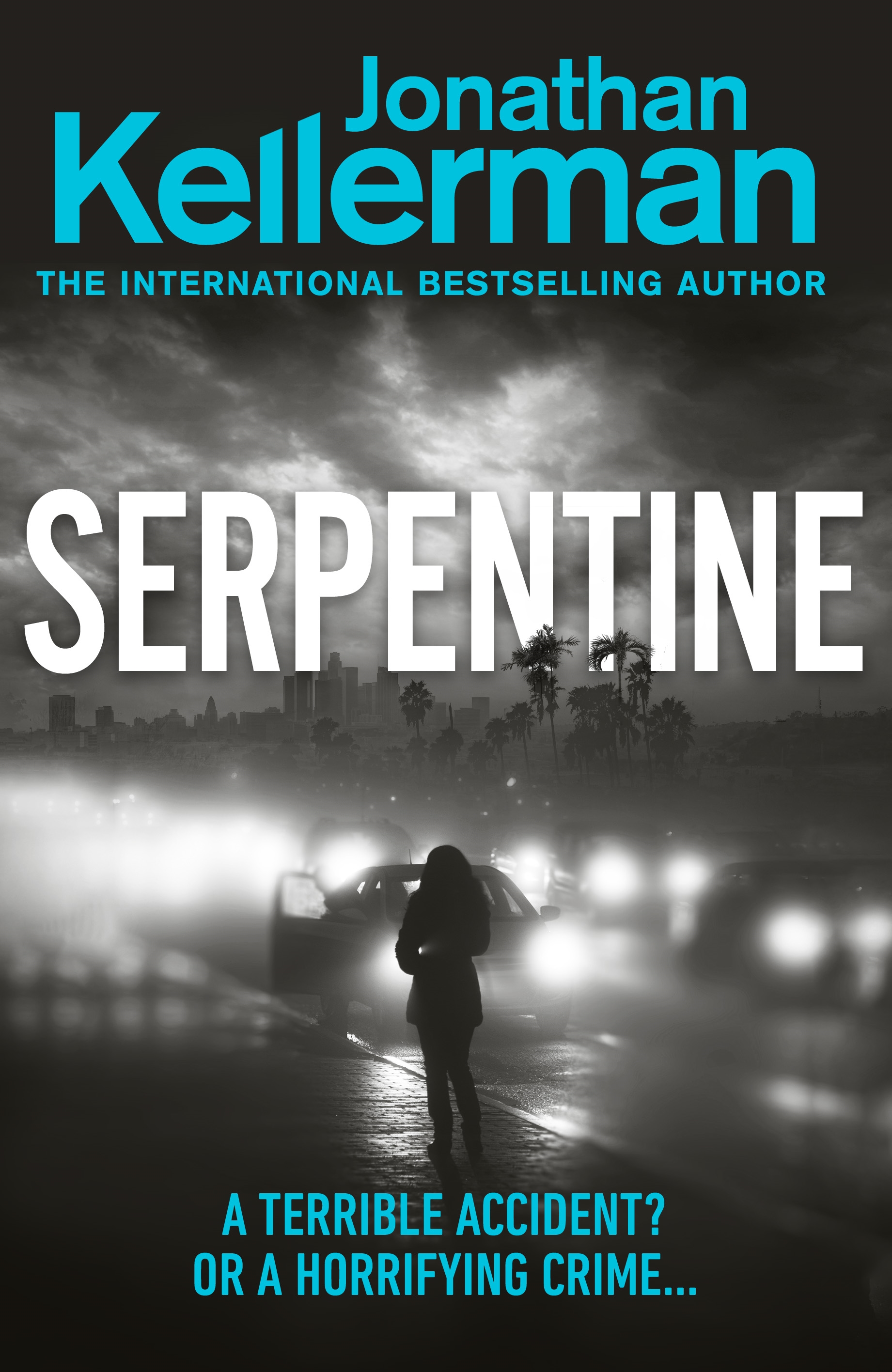
I was in the mood for a good crime fiction novel so I thought I would check out the latest book in Jonathan Kellerman’s long running Alex Delaware series. I have really enjoyed the last two entries in this cool series, The Wedding Guest and The Museum of Desire, and this latest book has an intriguing plot to it involving a complex cold case. I have made a good amount of progress with this audiobook already and should finish it off soon. It is proving to be an excellent and exciting read and I look forward to seeing how it turns out.
Turn a Blind Eye by Jeffrey Archer (Hardcover)
The Two-Faced Queen by Nick Martell (Audiobook)
A Prince and a Spy by Rory Clements (Trade Paperback)

That’s it for this week, check back in next Wednesday to see what progress I’ve made on my reading and what books I’ll be looking at next.
Welcome to my weekly segment, Waiting on Wednesday, where I look at upcoming books that I am planning to order and review in the next few months and which I think I will really enjoy. I run this segment in conjunction with the Can’t-Wait Wednesday meme that is currently running at Wishful Endings. Stay tuned to see reviews of these books when I get a copy of them. For this week’s Waiting on Wednesday I look at the amazing upcoming Starlight Enclave, the latest novel featuring iconic fantasy protagonist Drizzt Do’Urden from legendary author R. A. Salvatore.
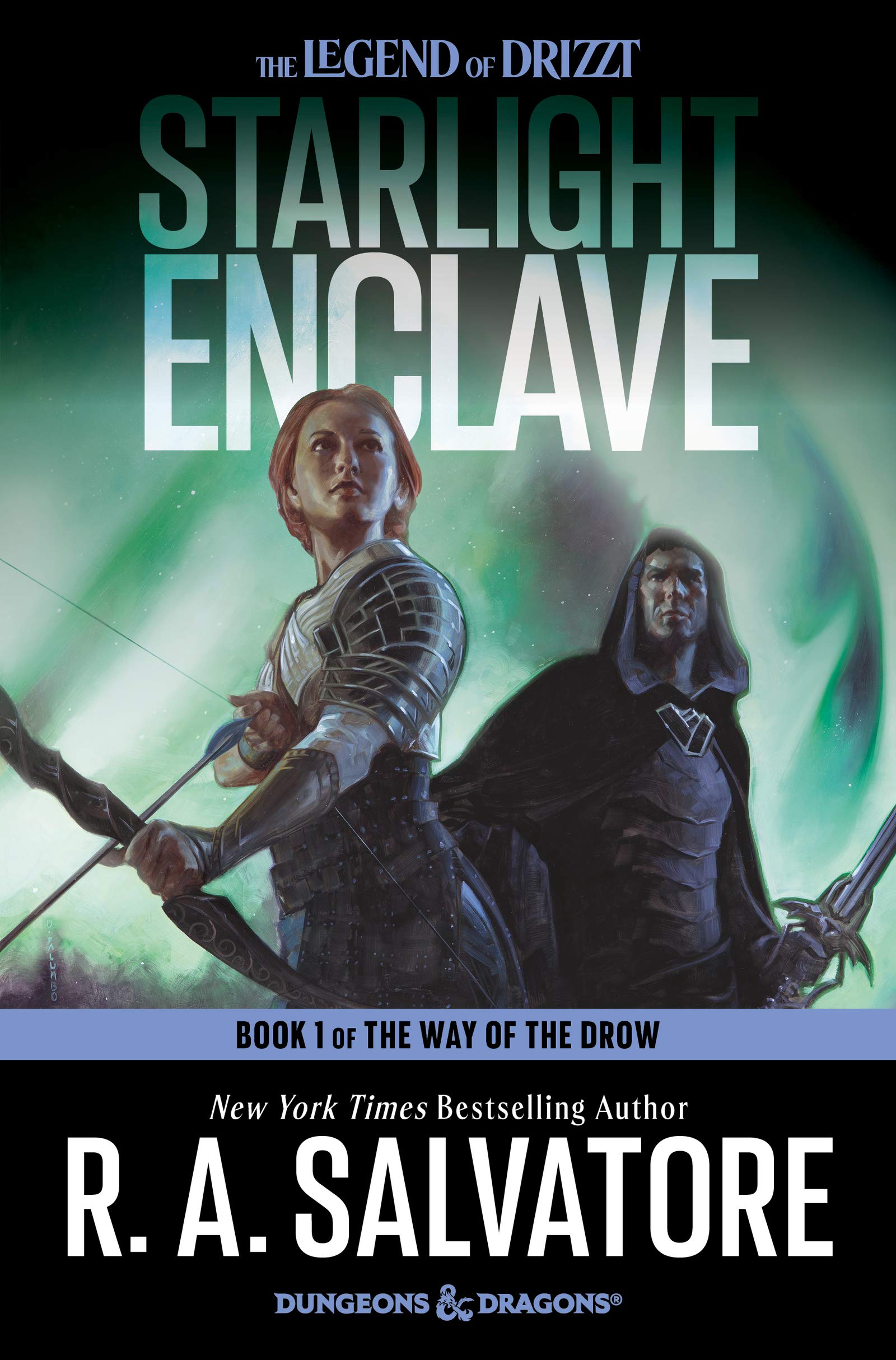
While I receive a number of great books each year, a major highlight of my reading schedule is always the new R. A. Salvatore fantasy novel. With over 60 novels to his name, Salvatore is one of the most prolific and highly regarded fantasy authors in the world today and he is easily one of my absolute favourite authors all time. I have been a major fan of his for years, and I absolutely devoured his various Drizzt Do’Urden series when I was younger. With a career lasting over 30 years (2021 is the 33rd anniversary of his debut novel, The Crystal Shard), Salvatore is still going strong, having written several great books in recent years. Indeed, between 2018 and 2020 he actually wrote two novels a year: the three novels in The Coven trilogy (Child of a Mad God, Reckoning of a Fallen God and Song of a Risen God), as well as the three books in the Drizzt focused Generations series (Timeless, Boundless and Relentless). All six of these recent novels have been pretty incredible, with Song of a Risen God and Boundless being amongst some of my favourite audiobooks of 2019 and 2020 respectfully.
Having read several of Salvatore’s books in the last three years, I am obviously very much a fan of this author’s work and I have been eagerly keeping an eye out for his next fantasy release. As a result, I was incredibly excited when I found out about Starlight Enclave, a brand new Drizzt Do’Urden novel that is set for release in early August 2021. Starlight Enclave will serve as the first book in Salvatore’s new series, The Way of the Drow, and will follow on from the epic conclusion of the Generations series as shown in Relentless.
Synopsis:
After the settling dust of the demon uprising and two years of peace, rumblings from the Menzoberranzan drow have Jarlaxle nervous. Worried his allies may be pulled into a Civil War between the great Houses, he is eager to ensure Zaknafein is armed with weapons befitting his skill, including one in particular: Khazid’hea. A powerful artifact, the sword known as “Cutter” has started wars, corrupted its users, and spilled the blood of many, many people. Nonetheless—or maybe because of that—the rogue Jarlaxle and a small group of friends will go on an expedition looking for the weapon’s last wielder, Doum’wielle, in the freezing north, for she may be the key to unlocking the sword’s potential…and perhaps the key to preventing the bloodshed looming over the Underdark.
And as they explore the top of the world, Drizzt is on a journey of his own—both spiritual and physical. He wants to introduce his daughter Brie to Grandmaster Kane and the practices that have been so central to his beliefs. But, having only recently come back from true transcendence, the drow ranger is no longer sure what his beliefs mean anymore. He is on a path to determining the future, not just for his family, but perhaps the entire northlands of the Realms themselves.
Two different roads. On one, Jarlaxle and Zaknefein are on a quest to find pieces that could offer salvation to Menzoberranzan. On the other, Drizzt seeks answers that could offer salvation to not just his soul, but all souls.
And no matter the outcome of either journey, the Realms will never be the same again.
Well, I have to say that this sounds pretty damn epic to me. The above synopsis is quite intriguing, and I love the fact that this next book is going to be a cool fantasy adventure with some of Salvatore’s most iconic and beloved protagonists. Both of the separate storylines sound extremely interesting to me. The first with Jarlaxle, Zaknafein and several of their friends adventuring out to find a powerful magical sword is classic fantasy and very much takes the series back to its roots. I am really excited for this particular storyline for a number of reasons. Not only is their adventure bound to be filled with action, danger and all manner of unique obstacles and opponents, but we will also get to see more of the fun team of Jarlaxle and Zaknafein. Jarlaxle is a colourful and cunning rogue who has managed to manipulate or outwit everyone he has come across, while Zaknafein is a taciturn and moody master of the sword who has only recently come back to life. Both characters are particularly captivating and enjoyable in their own right, but they are also a lot of fun together and Salvatore spent a significant part of his last trilogy exploring the long friendship that they have had. As a result, I am extremely excited to see them head out on another dangerous adventure together, this time on the surface world, and it will be interesting to see how their relationship has changed after the events of the previous book. Throw in the deadly Drow politics and potential civil war that spurs their adventure and you have quite the amazing storyline which I know is going to be fun to watch unfurl.
The other storyline mentioned in the synopsis also sounds really intriguing, although it is going to be very different from the more adventure-filled arc with Jarlaxle and Zaknafein. This second storyline will follow Drizzt as he journeys back to his spiritual and martial guide, Grandmaster Kane, to introduce his daughter to him. From the sounds of it, this is going to be a particularly intense and metaphysical as Drizzt tries to come to terms with some of the major events that occurred to him during the vents of Boundless and Relentless (to avoid death by a giant demonic spider robot, he transcended his body into energy and then reformed it at a later point; you know, typical everyday stuff). This part of the book sounds like it will be quite fascinating, and I am very excited to see Salvatore dive into Drizzt’s inner psyche, especially after he was not used as prominently in the previous trilogy. I am really interested in seeing where this part of the book goes, and I am curious about the wider implications hinted in the synopsis. I am also very curious to see how both of these impressive and compelling plot lines come together and what the entire book will look like.
I think it is fairly obvious by this point that I am extremely excited for Starlight Enclave. Due to how amazing I find Salvatore as a fantasy writer, there was absolutely no way that I was not going to pick this book up and enjoy it, but I feel particularly enthused now that I know some of the plot details. I love both the storylines mentioned above and I cannot wait to see how they unfold and what unique plot points come out of them. All of this sounds so incredibly epic and I cannot wait to get my hands on the latest Drizzt Do’Urden novel.
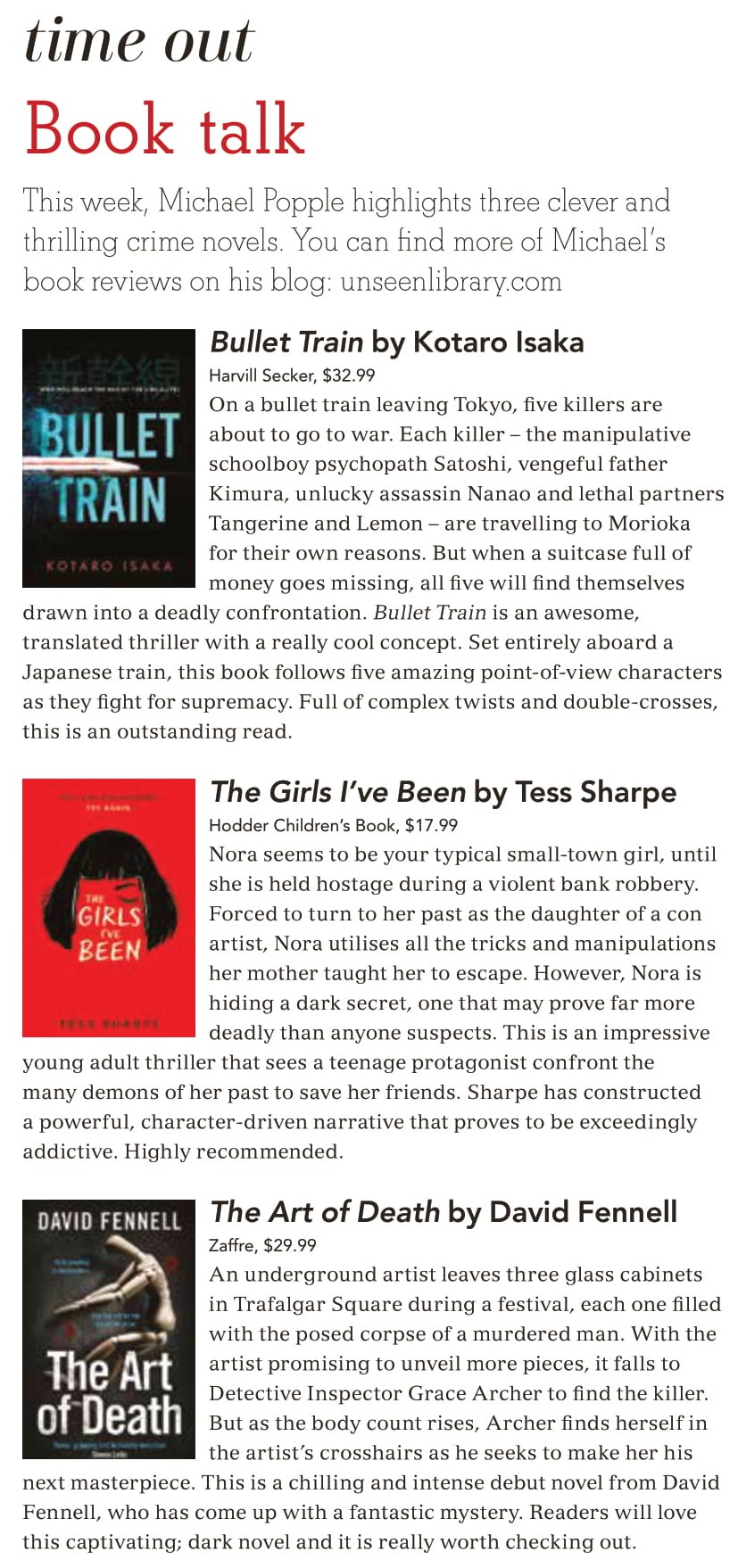
Originally published in the Canberra Weekly on 18 March 2021.
Make sure to check out my extended reviews for Bullet Train, The Girls I’ve Been and The Art of Death.
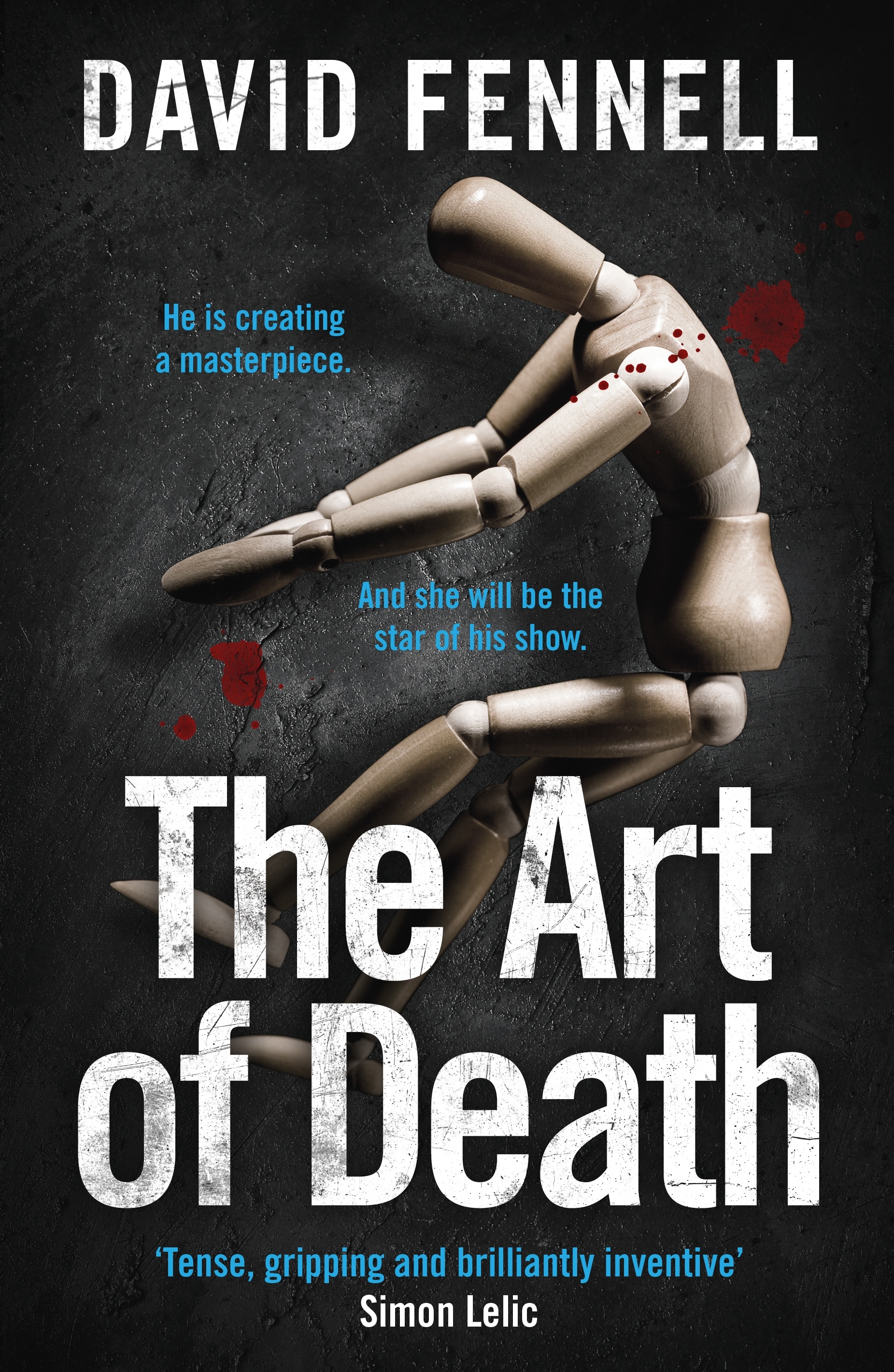
Publisher: Zaffre (Trade Paperback – 4 February 2021)
Series: Standalone/Book One
Length: 422 pages
My Rating: 4 out of 5 stars
2021 is definitely proving to be a great year for debut novels and one of the most intriguing examples of this is the fantastic murder mystery, The Art of Death by David Fennell.
Synopsis:
Death is an art, and he is the master . . .
Three glass cabinets appear in London’s Trafalgar Square containing a gruesome art installation: the floating corpses of three homeless men. Shock turns to horror when it becomes clear that the bodies are real.
The cabinets are traced to @nonymous – an underground artist shrouded in mystery who makes a chilling promise: MORE WILL FOLLOW.
Eighteen years ago, Detective Inspector Grace Archer escaped a notorious serial killer. Now, she and her caustic DS, Harry Quinn, must hunt down another.
As more bodies appear at London landmarks and murders are livestreamed on social media, their search for @nonymous becomes a desperate race against time. But what Archer doesn’t know is that the killer is watching their every move – and he has his sights firmly set on her . . .
He is creating a masterpiece. And she will be the star of his show.
This first book from Fennell ended up being quite an enjoyable and intriguing read as this new author has come up with a compelling and dark murder mystery with some great surprises to it. I was lucky enough to receive a copy of this book a few weeks ago and became quite intrigued by the plot synopsis and the extremely cool cover art by Nick Stearn. I had a fun time getting through it, thanks to the captivating group of characters and clever mystery it contained, and this ended up being a fantastic novel to check out.
At the centre of this fantastic debut novel is a rather good mystery that revolves around a callous and inventively deranged serial killer who kidnaps and kills people in order to feature them in his art show. The Art of Death’s story follows this case from the discovery of the first three bodies, contained in a gruesome art display in Trafalgar Square, to its epic conclusion after the police engage in a lengthy investigation. This proved to be a complex and exciting investigation, as the police characters are constantly one step behind the brilliant and sadistic killer as he works to finish off his masterpiece. This results in a thrilling storyline as the police are forced to rush around and try to save the potential victims once the killer starts broadcasting their upcoming deaths online. Fennell makes excellent use of multiple character perspectives to show off the various sides of this case, whether it be the police investigation or the killer’s sick plans as they kidnap several people from around London with the help of social media. Fennell also adds an extra layer to the story when the killer starts to deliberately target and mess with the protagonist of the story in an attempt to draw them into his web. All of this leads to a fantastic and intense conclusion, and I loved some of the twists that Fennell introduced into the story, including some misleading suspects and compelling circumstances. I had an awesome time getting to the bottom of this dark and disturbing case and I thought that this was a great first mystery from this new author.
The best parts of this great novel were some of the distinctive and damaged characters featured throughout. The most notable are probably the protagonist, Detective Inspector Grace Archer and the antagonist, the serial killer/artist known as @nonymous. I thought that the character of Archer was an impressive cop protagonist, a no-nonsense, recently promoted female DI who takes the lead in the case over less capable colleagues. Archer proves to be a great central character of this book, and I enjoyed seeing her attempt to balance this trying case with her own complex personal life and the distain of several of her colleagues who she has previously alienated with a police corruption case. Fennell also works in a compelling angle which reveals that Archer was herself a survivor of a serial killer when she was younger, something which still haunts her to this day. This proved to be an intriguing facet of Archer’s character and one that impacts her role in the main case, although I think that it could have been worked into the main story a little better.
I also very much enjoyed the main antagonist, @nonymous, and Fennell did a fantastic job coming up with a vile and irredeemable killer. @nonymous is essentially an evil, murderous Banksy who stalks his prey through social media and live-streams his killings as a form of art. I found myself really disliking this character due to his ego, his belief in his artistic “genius” and the way he ruthlessly preys on people with low esteem, especially as you see several terrible sequences from his point of view. However, this worked well in the context of the book, as the reader cannot wait to see him fail, and it really amps up the anticipation in the story. I also appreciated the way in which the killer becomes obsessed with the protagonist and it adds a great additional edge to their story. I was able to predict who the killer was early in the novel, despite a couple of clever attempts from Fennell to throw the reader off the trail. Still, the author sets the reveal up really well and final confrontation between @nonymous and the protagonists is thrilling and suspenseful. Overall, this was an amazing use of characters, and I appreciate the complex protagonist and killer that the author created.
The Art of Death is an awesome debut murder mystery from new author David Fennell which I had a fantastic time reading. Thanks to this book’s compelling mystery and clever characters readers will quickly become engrossed in the fantastic story and will have fun seeing how the case comes to an end. I look forward to seeing what Fennell comes up with next, especially if he reuses the intriguing protagonist introduced in his amazing debut.
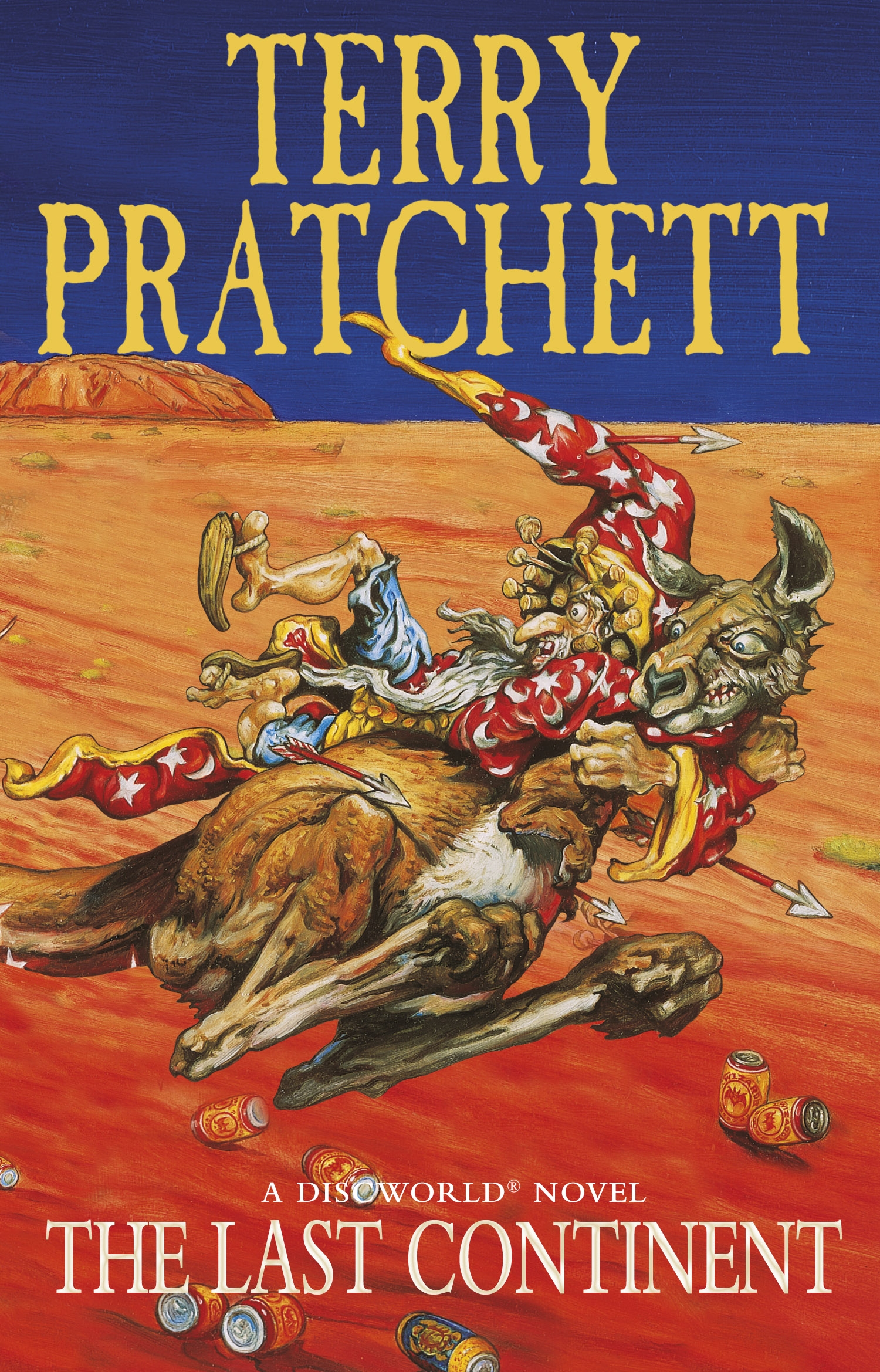
Publisher: Doubleday and ISIS Audiobook (1 May 1998)
Series: Discworld – Book 22
Length: 9 hours and 57 minutes
My Rating: 5 out of 5 stars
This is part of my Throwback Thursday series, where I republish old reviews, review books I have read before or review older books I have only just had a chance to read. For this Throwback Thursday I take a look at one of my absolute favourite books of all time, the incredibly funny and always enjoyable The Last Continent, by legendary author Sir Terry Pratchett.
I have never made it a secret that I absolutely love the works of the late, great, Terry Pratchett, who I consider to be one of the best authors of all time. I love and adore every single one of Pratchett’s hilarious and captivating novels, especially the entries in the wacky and wild Discworld series, a comedy fantasy series set in an absolutely insane world of magic, monsters and outrageous personalities that lies upon a disc shaped world, borne through space on the back of four elephants, who themselves are on the back of a giant turtle. I have so much love for this outstanding and hilarious series, and I have read each and every entry in multiple times. Heck, even the name of my blog, The Unseen Library, is taken from a fictional institution in the Discworld series! However, despite how much I love the series, I have so far only reviewed one Discworld novel on this blog so far (Shame! Shame! Shame!), Moving Pictures, and this is something I have been meaning to rectify for some time.
I recently did a Top Ten Tuesday list where I looked at some of the funniest books I have ever read, which included several Discworld novels, and this inspired me to do a review for another Pratchett read. I ended up going with one of my favourite Discworld novels of all time, the incredible and wildly entertaining The Last Continent, which places one of the author’s most iconic characters into the most dangerous places imaginable, Australia. I am reviewing this book slightly out of the order I originally planned, but I figured reviewing this one now may encourage me to get to others in the future. I should admit that I have not read The Last Continent recently, but this is one of the many Discworld novels that I have read multiple times, either in its paperback (I’ve actually got a signed copy of this book) or its audiobook format, and at this point I have it pretty much memorised.
So the first thing I should cover is:
“This is not a book about Australia. No, it’s about somewhere entirely different which just happens to be, here and there, a bit…Australian.
Still…no worries, right?”
Welcome to EcksEcksEcksEcks (XXXX), the Discworld’s last continent. Made by a rogue creator who snuck in after the rest of the Disc was created and kept hidden away from its other civilisations by a series of massive storms, XXXX is a deadly and dangerous place. Filled with some of the most lethal and confusing creatures on the entire Disc and populated by a friendly, if occasionally murderous, group of people, XXXX is a hell of a place to live. Unfortunately, everything in it is about to die as the water dries out and even the beer is getting hard to find.
Luckily for the people of XXXX, a hero has been found, one who is battling his way through the wastes and towns of the country, his legend growing all along. But who is this road warrior, sheep shearer, horse wrangler, beer drinker and ballad-worthy bush ranger, and why is he apparently so determined to run away from his heroic destiny?
That man is Rincewind, the Discworld’s most cowardly and inept wizard, who has been bounced from one end of the Disc to the other and been chased by every sort of monster, maniac and seller of regional delicacies you can imagine. All Rincewind wants to do is go home, and he is determined to avoid any new adventures as a chosen hero, no matter what the talking kangaroo stalking him tries to tell him. Despite his best efforts, Rincewind once again finds himself caught up in the special craziness of the locals, and if he wants to survive, he needs to find a way to save everyone. What’s the worst that could happen???
So, as you may be able to tell from the above synopsis, this is a bit of a crazy novel, but it is one that is always guaranteed to make me laugh, especially with its fantastic Australian-based humour. The Last Continent is the 22nd overall entry in the Discworld series and the sixth book to focus on the character of Rincewind. I personally have a lot of love for this particular Terry Pratchett novel, and it is probably one of my all-time favourite Discworld novels.
Pratchett came up with a pretty clever and fantastic story for The Last Continent, which sees several of his established characters get involved in wackiness all around a newly discovered continent. The main story follows Rincewind as he tracks across the wastelands of XXXX after getting sent there at the end of his previous novel, Interesting Times (there was an accident with a butterfly), and he is now primarily concerned with trying to find a way home. However, mysterious forces soon work to turn him into the hero who will save XXXX from a thousand-year crippling drought. Rincewind, who is more concerned with reaching the nearest port, soon gets involved with all manner of road bandits, deadly creatures, drunken locals and an annoying talking kangaroo, all of which lead him to the secrets at the heart of this lost continent. At the same time, the wizard faculty at Unseen University are faced with a serious problem when their trusty orangutan colleague, the Librarian, falls ill, and they require his real name to work a spell to save him. However, the only person who knows the Librarian’s real name is Rincewind, and so the faculty blunder their way through a magical portal to find him. However, in predictable fashion, they find themselves trapped on a weird island thousands of years in the past and forced to deal with an immature and slightly beetle-obsessed god of evolution.
I really enjoyed both story arcs contained within this book, and Pratchett did an amazing job bringing them together. Both have some fantastic and weird elements to them and they make great use of the particular adventures and attitudes of their relevant characters. While Rincewind is forced to run away from all manner of deadly situations you typically see here in Australia (let me tell you, the dropbears and road gangs are murder), the wizard faculty blunder their way through all manner of unique situations, mostly by ignoring what is happening to them. Each storyline is unique and has some fantastic highlights, but the real strength is the way in which Pratchett combines them together into one cohesive narrative. Not only are both distinctive arcs perfectly spread out and separated throughout the course of the book, but Pratchett does a fantastic job combining them together in a clever way. This ended up serving as a great near-final adventure for Rincewind (he’s more of a supporting character in his following appearances), and I think it did a wonderful job wrapping up his main arc. While readers should probably read some of the earlier Discworld novels featuring Rincewind (especially the preceding Interesting Times), The Last Continent can easily be read alone, and readers will have an outstanding time reading this fun and compelling comedic adventure.
In my opinion, The Last Continent is one of Pratchett’s funniest novels, although I might be somewhat biased by my own personal humour and background. I always have an outstanding time reading this book and there are so many clever jokes and amusing references that I cannot help but laugh, no matter how many times I hear them. This book has a lot of Pratchett’s classic humour elements to it, such as the unusual quirks of his various characters and the funny little footnotes, filled with great references and punchlines. The author goes off on some very entertaining segues during this book, and I love some of the great jokes he came up with, especially those that make fun of Australia.
Now, despite what the author says at the front of this book, The Last Continent is clearly a parody of Australia, and Pratchett clearly enjoyed utilising every single Australian reference or cliché he could think of to craft his funny book. The continent of XXXX is an over-the-top fantasy version of Australia, with many of the outrageous stereotypes that you would expect, as well as some more subtle choices, and it serves as a truly amusing setting for this book, especially as Rincewind perfectly plays the part of clueless tourist. While you could potentially discount The Last Continent as merely satirising Australia, I have always seen it as something cleverer, as I think that Pratchett was more making fun of the stereotypes that outsiders came up with rather than Australia itself. That being said, Pratchett, as a Brit, did take a few good shots, although that’s only to be expected. As an Australian myself, I always enjoy when comedy writers try to encapsulate Australia in their works, as it is quite amusing to see what they reference. I always thought that Pratchett did this the best with The Last Continent, as he really dived into so many aspects of Australia life, nature and culture, and there are some truly funny jokes contained within. Australian historical or cultural icons like Mad Max, Priscilla, Queen of the Desert, Skippy, The Man From Snowy River, Crocodile Dundee, and Ned Kelly are utilised in this book to great effect throughout The Last Continent, and there are some truly outrageous and clever references and jokes here.
While The Last Continent is filled with many, many funny Australian jokes, a few really stick out to me. I personally always laugh so hard when Death, wanting to learn more about the continent his elusive prey Rincewind has landed on, decides to ask his library for a list of all the deadly animals on XXXX. However, this results in him being buried by a massive pile of reference books, including “Dangerous Mammals, Reptiles, Amphibians, Birds, Fish, Jellyfish, Insects, Spiders, Crustaceans, Grasses, Trees, Mosses and Lichens of Terror Incognita: (Volume 29c, Part Three). This is followed up by a request for a list of harmless creatures on the continent, and a single card appears bearing the sentence “some of the sheep”. I love that over-the-top joke about how dangerous Australia’s wildlife is (it is honestly not that bad, although my editor was bitten by a sheep the other day), and that was one of the best ways I have seen it bought up. I also loved the references to Australian hero worship of notorious criminals such as Ned Kelly or the jolly swagman from Waltzing Matilda. There are some amazing jokes here, from people attempting to make catchy ballads, to the prison guards providing advice and help on last words and escape possibilities, all of which capture the rebellious Australian spirit. I particularly liked Pratchett’s version of Waltzing Matilda, which was perfect in its rhyme, its satirical analysis of the original poem, and how it fit into The Last Continent’s narrative:
“Once a moderately jolly wizard camped by a waterhole under the shade of a tree that he was completely unable to identify. And he swore as he hacked and hacked at a can of beer, saying ‘what kind of idiots put beer in tins?’”
Other great Australian comedic sequences for me include the scene where the Unseen University wizards attempt to design a duck by committee, resulting in the mighty platypus, an impromptu Mad Max road chase with horse-drawn carts and the constant references to a certain line in our national anthem. All of these jokes, and more, were pretty amazing and I really enjoyed seeing some of the outrageous and over-the-top elements that British culture picks up about Australia.
While I really enjoyed all the fun references to Australia, some of Pratchett’s best jokes in The Last Continent occurred during the secondary storyline that followed the faculty of Unseen University as they go back in time and encounter the god of evolution. The author uses this part of the book to make comedic observations about time travel, evolution and advanced biology. Not only does include a particularly hilarious sequence in which someone tries to explain the grandfather paradox to a group of wilfully ignorant wizards, but there are some truly funny jokes about evolution and biology which cleverly reference some advanced concepts and historical basis of the science. While I read this book years ago, it wasn’t until I took some specific biology classes that I fully grasped just how intelligent some of the jokes in this part of the book are. I personally love a book which you can come back to time and time again and find some new joke or layer to, and this is the case with The Last Continent, which no doubt still contains elements or references I’ve missed. All of this results in a comically brilliant read, and The Last Continent remains one of my favourite Disworld reads as a result.
I have always enjoyed the great character choices contained within this book, as Pratchett brings together some old favourites, as well as a few entertaining new ones, to tell the story. The main character of The Last Continent is Pratchett’s original Discworld protagonist, Rincewind, the cowardly and inept hero who cannot even spell “wizard” properly, but who has served as a world-saving hero on multiple occasions. Rincewind is always a particularly fun character to follow, not only because he constantly finds himself caught in all manner of unique situations which he heroically tries to run away from (he has become quite the expert at running away), but he has a certain realistic approach to life that allows him to see through the ridiculousness around him and address it in a funny manner. At this point in the series, Rincewind has been bounced around from adventure to adventure against his will so much that he has developed a bit of knack for knowing when it is going to happen again, including figuring out all the signs someone gives off when they are trying to con him into being a hero. It proves to be quite entertaining to see Rincewind try to escape from people trying to drag him into the narrative, especially as all his attempts to get out of dangerous situations generally put him in even worse trouble. It is also really worth seeing Rincewind’s reactions to the various elements of XXXX life, especially as he soon begins to realise that everyone there has some very unusual ideas about how to live and die, most of which he is very opposed to. I really enjoyed this more mature and somewhat resigned version of Rincewind and I have to say that this is one of my more favourite adventures of his (either this or Interesting Times). It was definitely great to see the character get a happy ending towards the end of the book for once, which he frankly deserved after his last few adventures.
While Rincewind is tearing it up in not-Australia, Pratchett also dedicates around half of The Last Continent to the characters who form the faculty of the Disc’s premier wizard school, Unseen University. Many wizard characters have featured in the Discworld books, but this current iteration of the faculty (with the exception of the Librarian) was originally introduced in the 10th book, Moving Pictures, and has remained pretty constant ever since. This group includes the hunting-obsessed Archchancellor, Mustrum Ridcully; the quite insane Bursar; the incredibly obese Dean; the amusing team of the Senior Wrangler, the Chair of Indefinite Studies and the Lecturer in Recent Runes; the orangutan Librarian (working in a library is dangerous work); and the long-suffering Ponder Stibbons, the youngest member of the faculty and the only one with any common sense. Pratchett had previously done an amazing job building up all of these characters in prior books, highlighting their unique quirks and issues, including the overwhelmingly stubborn, childish and traditionalist personalities of the older wizards. This excellent blend of personality types really makes the older wizard characters really amusing and their adventures, especially when encountering strange gods and creators who they generally ignore, are extremely funny. While an entire book about these characters would potentially be a bit overwhelming, I think that Pratchett got the balance right in The Last Continent, and they ended up serving as a fun counterpoint to Rincewind. Stibbons was also a particularly good straight-man to his fellow wizards, and the contrast between keen intellectualism and entrenched “wisdom” is a fantastic part of the book. I rather enjoyed Stibbons arc in this book, especially as you get to appreciate the true depth of his frustration with his fellow wizards, although he does gain a deeper appreciation for them as the book progresses. Other amusing storylines with the wizards includes the Senior Wrangler’s obsession with housekeeper, Mrs Whitlow, which eventually gets shared with some of the other wizards, and the uncontrollable shapeshifting infecting the Librarian, which makes for some entertaining gags. I also really enjoyed the fact that much of the book’s plot revolves around the fact that no-one actually knows the Librarian’s name, a fun feature from the previous books, and it was interesting to see the reasons why this was the case.
Aside from this fun collection of wizard characters, Pratchett makes great use of a fine selection of supporting characters, each of whom add some fantastic fun to the overall story. This includes a very inventive group of new characters, each of whom represent various parts of XXXX life, whether they be depressed operatic chefs, police officers more concerned with getting their charges ballads and famous last stands, bushland drovers, belligerent drinkers, desert-wandering crossdressers in a princess-themed cart and even a crazed road warrior named Mad. Despite most of them being the result of a punchline or extended joke, Pratchett sets each of these characters up really well and ensures each of them has a fun and satisfying character arc in the book. I also quite enjoyed the return of fan favourite character, Death, who goes on a bit of a tourist phase through the book. I really liked Death’s random appearances throughout The Last Continent, especially as he drops some amusing anecdotes about dying in XXXX, and it was also great to see his current viewpoint on Rincewind. Whereas before he was always determined to catch and kill Rincewind, as he was the one mortal who constantly got away from him, in this book, Death, who no longer has any idea of when Rincewind is actually going to die and is now quite fascinated by him, keeps himself appraised of his progress and is generally friendly to him, even if that freaks Rincewind out. I also loved the appearance of another member of the extended Dibbler clan, even if the XXXX version was a parody of a certain unpleasant right-wing political figure here in Australia. The appearance of another ruthlessly mercantile hot-food dispenser with inedible food is a great continuation of a running joke Pratchett has been using for several books, and it is one that really pays dividends in The Last Continent, when Rincewind recounts all the terrible foods he’s eaten over the years from the various Dibblers he has encountered, which then runs into a fantastic diatribe about the dangers of national delicacies, especially XXXX’s meat pie floater (a real meal here in Australia, although there is no way in hell I would ever eat one). All of these characters add so much to the book’s story, and I love the inventiveness that Pratchett puts into them.
While I have enjoyed all the Discworld novels in their physical paperback format at one point or another, my preferred way to experience a Pratchett novel these days is in its audiobook form. All of the Discworld novels have been turned into excellent audiobooks over the years, and The Last Continent is no exception. Narrated by the outstanding Nigel Planer, who ended up narrating over 20 Discworld novels (The Last Continent was the penultimate Discworld book he leant his voice to), and with an easily enjoyable runtime of just under 10 hours, this is a pretty fantastic audiobook that I regularly rush through in not time at all. I find that all the awesome jokes in this book come across in the audiobook format extremely well, even the jokes traditionally contained within the book’s footnotes, and Planer’s witty voice is always pitched at the best tone to bring out the joke’s potential. I really appreciate the way in which Planer utilised the same voices for the various recurring characters he has used in all their previous appearances, and each of the voices fit the characters very well. I also really enjoyed the voices he came up with all the new characters, and it was exceedingly amusing to see him come up with a range of Australian voices and accents and have them belt out a variety of outlandish slang terms. All in all, this turns out to be an excellent audiobook version of The Last Continent and it is pretty much the only way I enjoy this novel at the moment.
As you can see from the huge review I pulled together above (I have written university essays that were shorter), I really love The Last Continent. This fantastic Australian parody is easily one of my favourite Discworld novels, and I deeply enjoy the outstanding and entertaining story that Pratchett wove around this outrageous version of my country. Anyone who is familiar with anything Australian is going to have an incredible time reading this book, and I honestly do not think I could give this anything less than five stars. A highly recommended read from one of the funniest authors of all time.
WWW Wednesday is a weekly meme hosted by Taking on a World of Words, where bloggers share the books that they’ve recently finished, what they are currently reading and what books they are planning to read next. Essentially you have to answer three questions (the Three Ws):
What are you currently reading?
What did you recently finish reading?
What do you think you’ll read next?
So, let’s get to it.
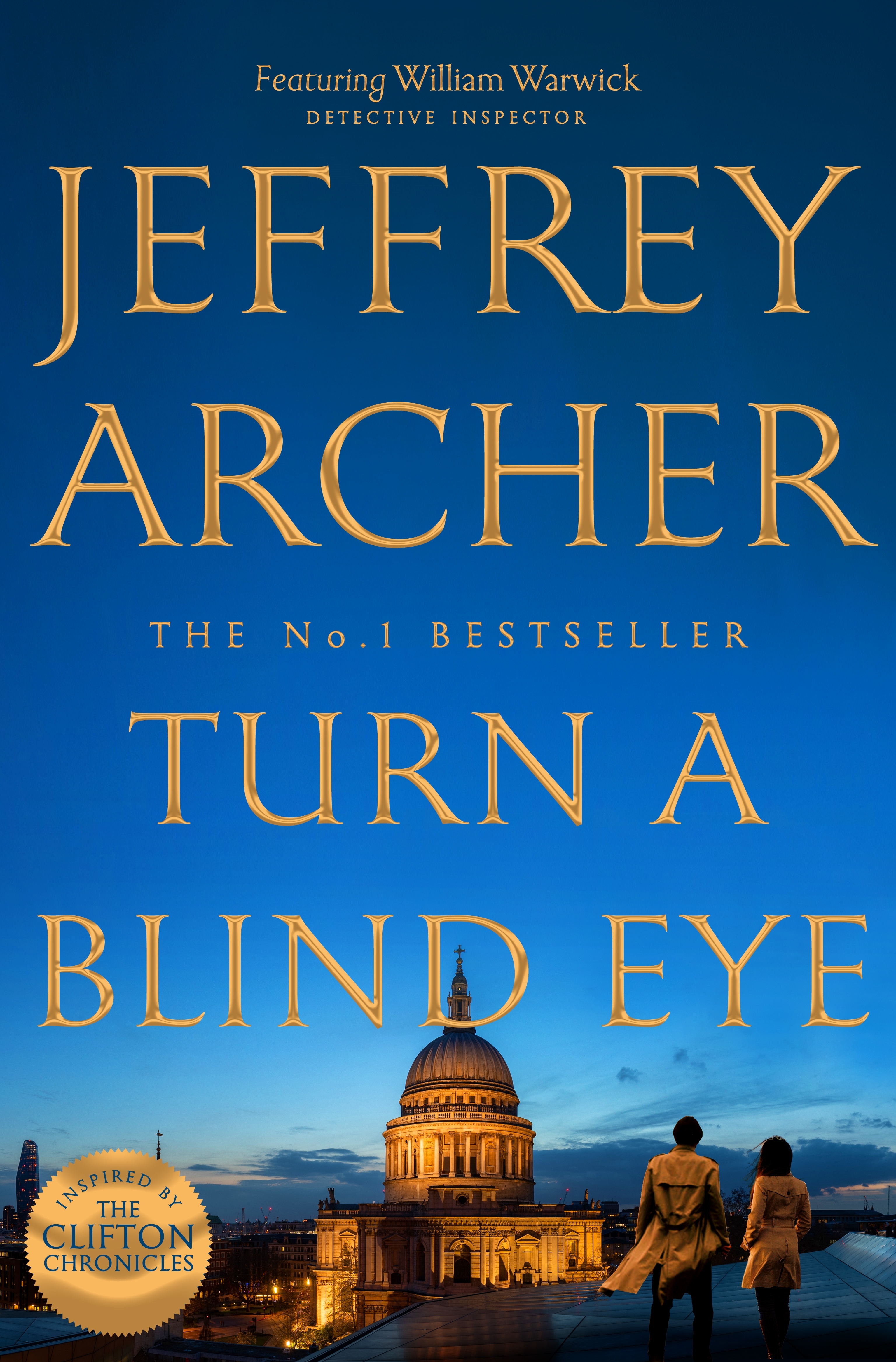
Turn a Blind Eye by Jeffrey Archer (Hardcover)
I just started reading the latest book in Jeffrey Archer’s William Warwick series, Turn a Blind Eye, which follows on from Nothing Ventured and Hidden in Plain Sight. This is a great crime fiction series with some fun historical fiction elements to it and I am really enjoying this latest entry in the series. I am hoping to finish it off in the next few days and I am looking forward to seeing how it ends up.
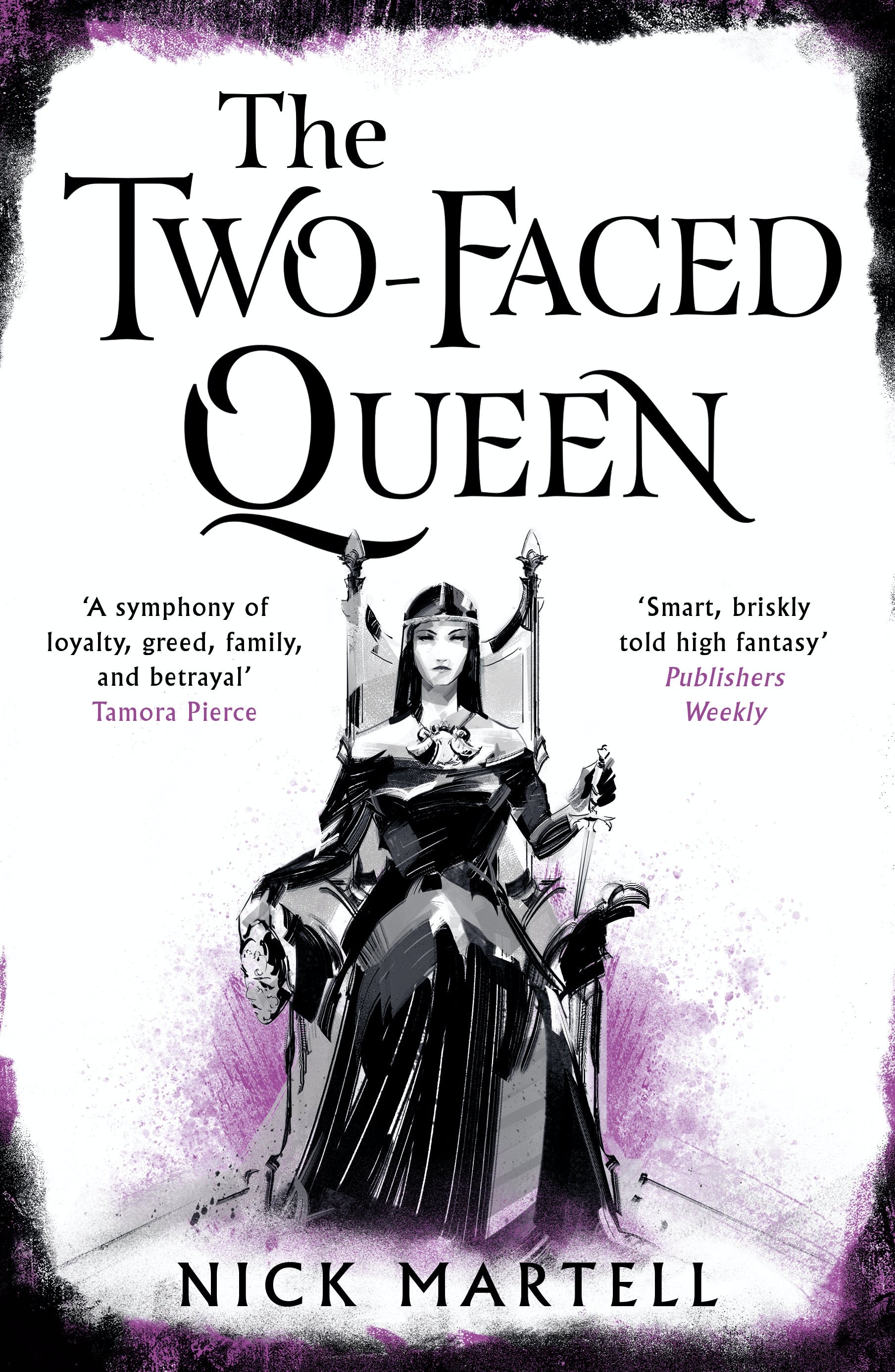
The Two-Faced Queen by Nick Martell (Audiobook)
I wasted no time in listening to The Two-Faced Queen by Nick Martell when it came out and I am deeply enjoying it so far. The Two-Faced Queen is the sequel to Martell’s outstanding 2020 debut, The Kingdom of Liars, which was easily one of my favourite books, audiobook and debut novel of 2020, and continues the epic and captivating story started in the first novel. I am just over halfway through The Two-Faced Queen at the moment and so far it is just as awesome, if not better than The Kingdom of Liars. I cannot wait to see how all the intricate storylines unfold and this is definitely one of the better books I have read so far this year.
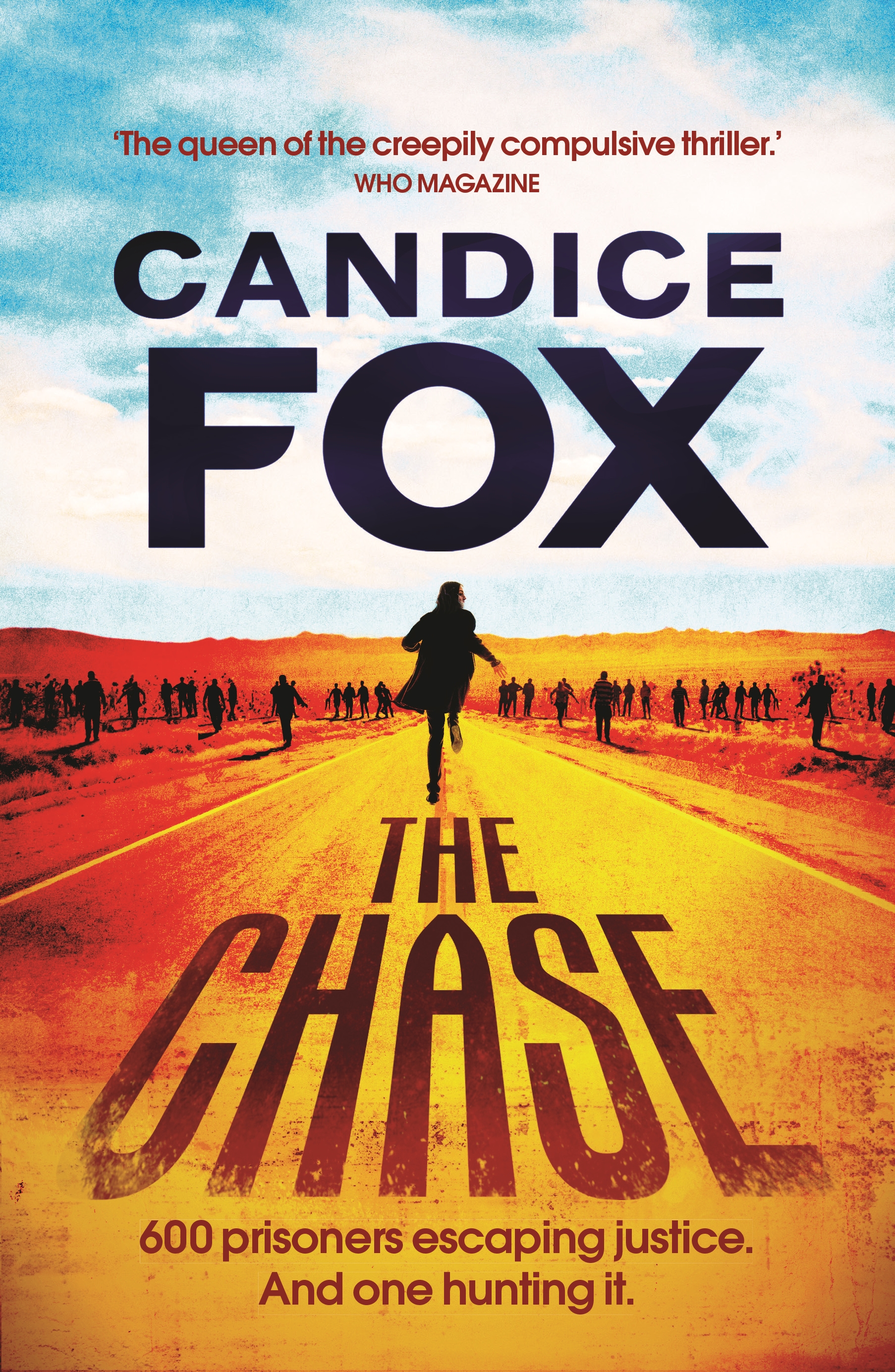
The Chase by Candice Fox (Trade Paperback)
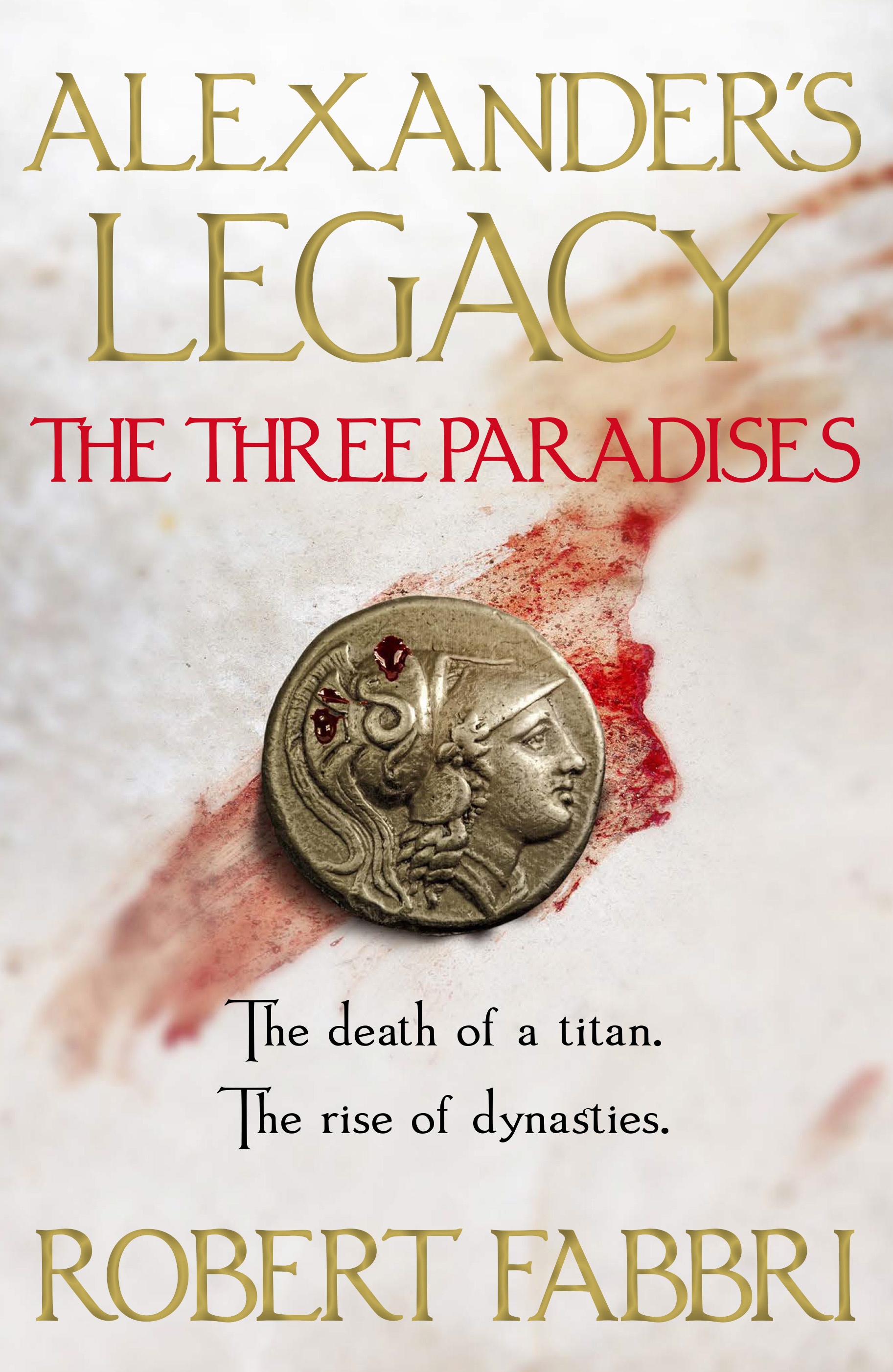
The Three Paradises by Robert Fabbri (Trade Paperback)
Star Wars: Alphabet Squadron: Victory’s Price by Alexander Freed (Audiobook)
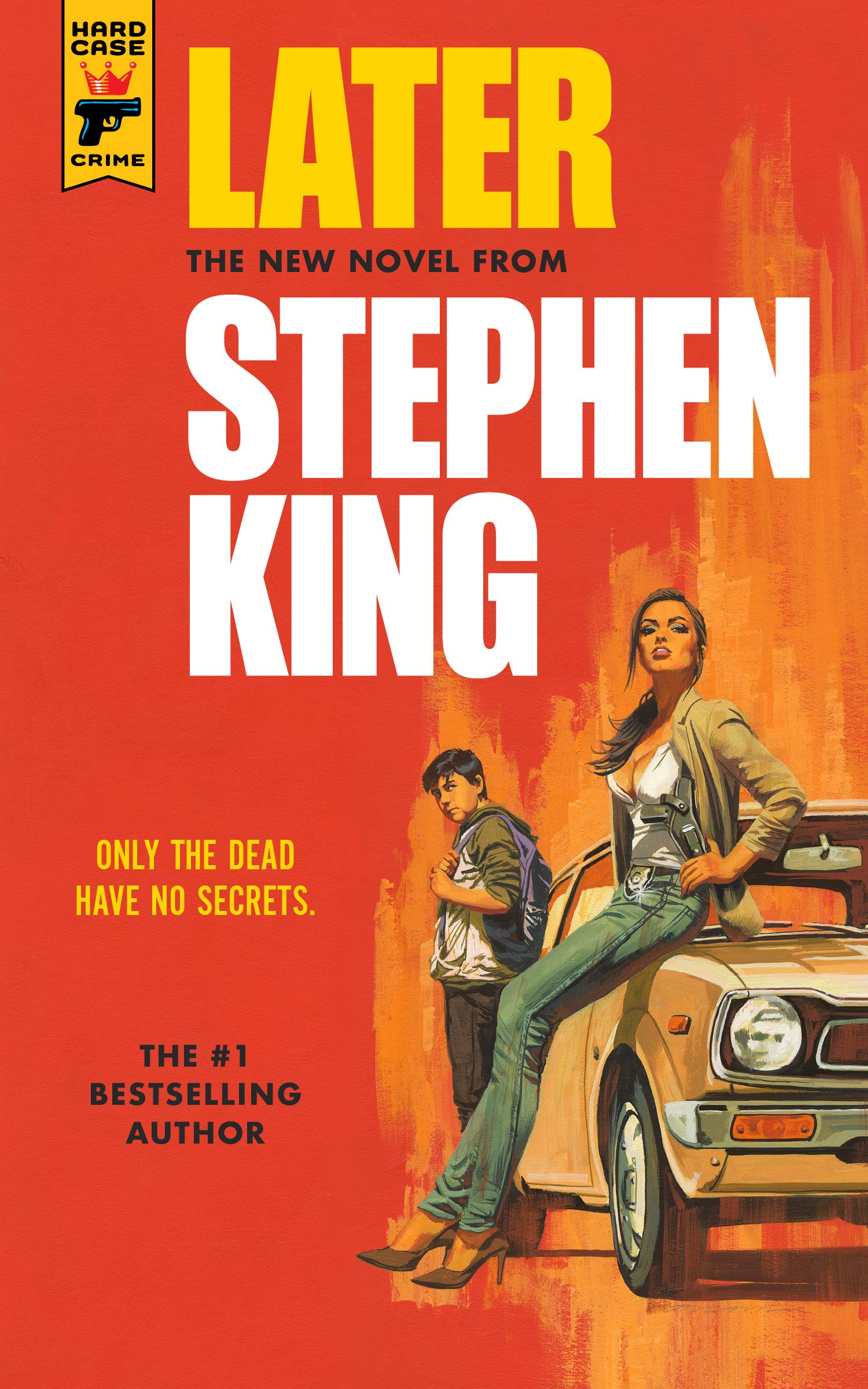
Later by Stephen King (Audiobook)
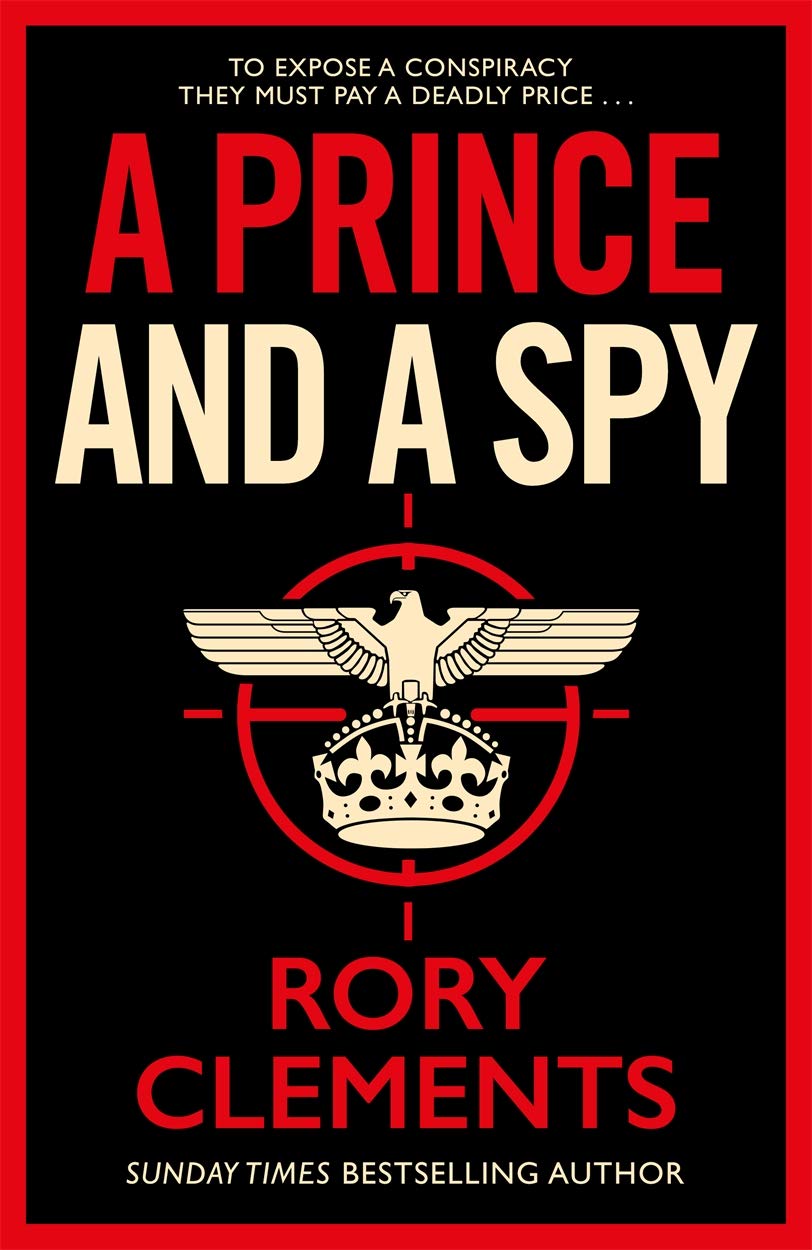
A Prince and a Spy by Rory Clements (Trade Paperback)
That’s it for this week, check back in next Wednesday to see what progress I’ve made on my reading and what books I’ll be looking at next.
 The Unseen Library