WWW Wednesday – 11 March 2020

WWW Wednesday is a weekly meme hosted by Taking on a World of Words, where bloggers share the books that they’ve recently finished, what they are currently reading and what books they are planning to read next. Essentially you have to answer three questions (the Three Ws):

What are you currently reading?
What did you recently finish reading?
What do you think you’ll read next?

So, let’s get to it.

What are you currently reading?

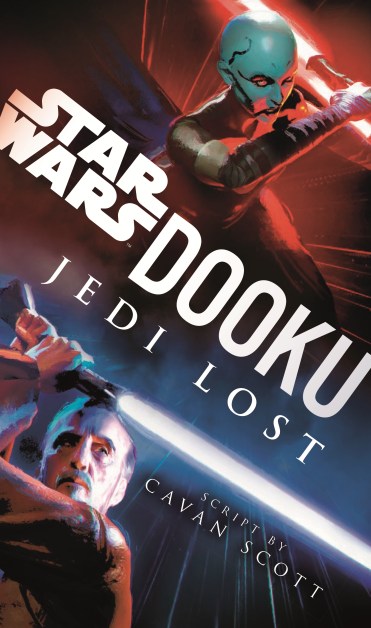
Star Wars: Dooku: Jedi Lost by Cavan Scott (Audiobook)

Dooku - Jedi Lost Cover


What did you recently finish reading?

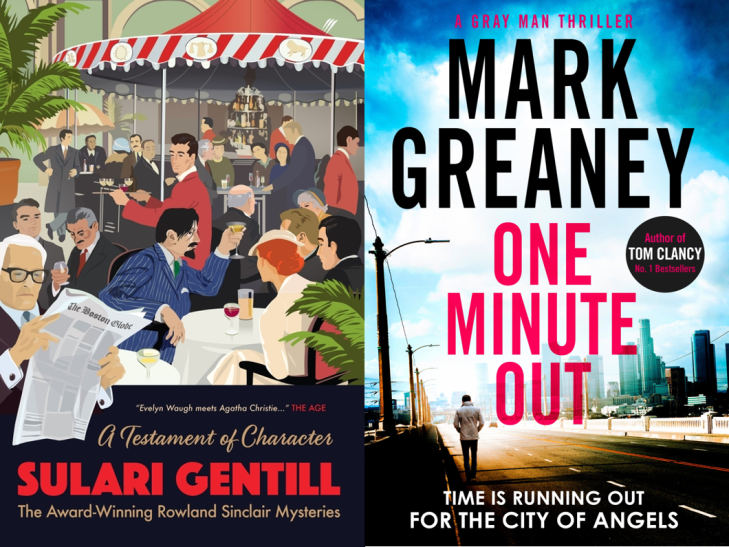
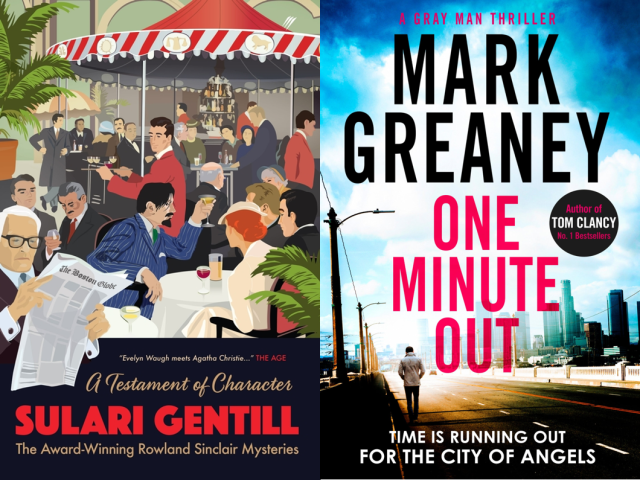
A Testament of Character, One Minute Out Covers
A Testament of Character by Sulari Gentill (Trade Paperback)

One Minute Out by Mark Greaney (Audiobook)

What do you think you’ll read next?

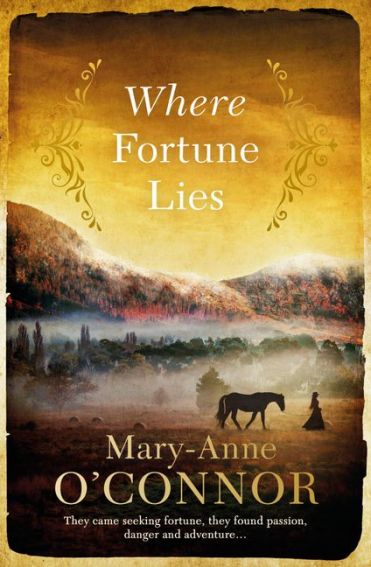
Where Fortune Lies by Mary-Anne O’Connor (Trade Paperback)

Where Fortune Lies
That’s it for this week, check back in next Wednesday to see what progress I’ve made on my reading and what books I’ll be looking at next.

Waiting on Wednesday – Upcoming Historical Fiction Novels

Welcome to my weekly segment, Waiting on Wednesday, where I look at upcoming books that I am planning to order and review in the next few months and which I think I will really enjoy.  I run this segment in conjunction with the Can’t-Wait Wednesday meme that is currently running at Wishful Endings. Stay tuned to see reviews of these books when I get a copy of them. In this week’s Waiting on Wednesday post, I check out three historical fiction novels coming out in the next couple of months that I think have an amazing amount of potential.

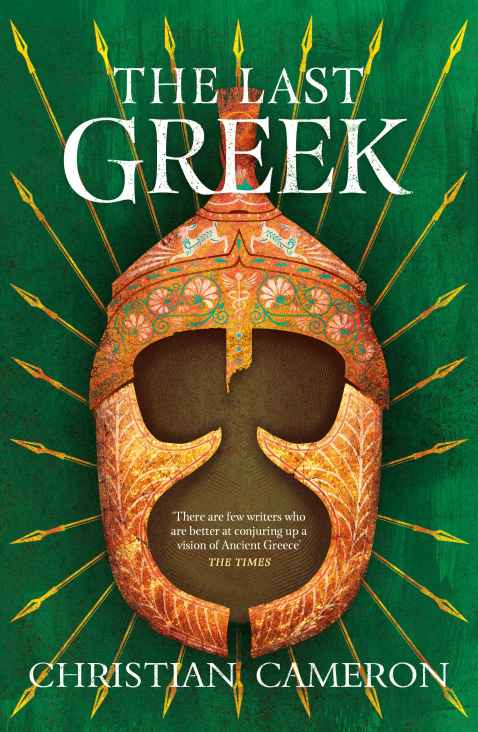
The Last Greek Cover

The first of these books is The Last Greek by Christian Cameron. The Last Greek will be the second book in The Commander series and it is the sequel to the 2019 release, The New Achilles. This series follows the life of an incredible and somewhat overlooked historical figure, the Greek hero Philopoemen, and the first book has already examined some of the key early events of his life. It looks like this upcoming second book will explore some of the central years of his life and should make for quite an interesting read.

Goodreads Synopsis:

211BCE. The Roman invasion from the western seas is imminent, and from the south the Spartans are burning and pillaging their way north.

Battle-hardened Philopoemen believes the Achean League is facing annihilation if it does not arm. But without a formal army or cavalry, they don’t stand a chance. Convincing his friend and healer Alexanor that the threat is real, together they begin to build a massive cavalry guard from the ground up – one that will fight on all fronts.

It is the last roll of the dice for the Achean League. But Alexanor knows Philopoemen is one of the greatest warriors Greece has ever known – the New Achilles. The Last Greek.

This is a very intriguing synopsis, and I cannot wait to see where the story goes. The historical period that this novel is set in was quite a chaotic time, with all manner of battles and wars for the control of Greece. The previous book in the series did a great job of setting up the various sides in the conflict. Cameron is quite a detail-orientated author, so The Last Greek is guaranteed to contain a well-researched and methodical novel that will accurately depict many of the key events surrounding Philopoemen’s life and present a fascinating and enjoyable historical story. This book is set for release here in Australia on 16 April, and I have already put in a request for it.

Execution Cover

The next book I am going to look at is Execution by S. J. Parris, which is the sixth book in the Giordano Bruno series. The Giordano Bruno series by Parris (a pseudonym of writer Stephanie Merritt), is an amazing historical murder mystery/thriller series set during the reign of Queen Elizabeth. It follows its titular character, Giordano Bruno, a radical monk exiled to England, as he solves murders and helps uncover Catholic conspiracies against the Queen. I have been a fan of this series for a while, and have read several of Parris’s previous books, each of which has been extremely intriguing and captivating. As a result, I am really looking forward to getting the next book in the series, especially as it sounds like Parris has come up with a great plot for this latest novel.

Goodreads Synopsis:

England, 1586.

A TREASONOUS CONSPIRACY
Giordano Bruno returns to England to bring shocking new intelligence to Sir Francis Walsingham. A band of Catholic Englishmen are plotting to kill Queen Elizabeth and spring Mary Queen of Scots from prison to take the English throne in her place.

A DEADLY TRAP
Bruno is surprised to find that Walsingham is aware of the plot, led by the young, wealthy noble Anthony Babington, and is allowing it to progress. His hope is that Mary will put her support in writing and condemn herself to a traitor’s death.

A QUEEN IN MORTAL DANGER
Bruno is tasked with going undercover to join the conspirators. Can he stop them before he is exposed? Either way a queen will die; Bruno must make sure it is the right one.

This latest book sounds particularly compelling, and I am excited for another excellent historical thriller that explores all the intrigue and deception surrounding Mary Queen of Scots. Based on the author’s incredible work in the past, I already know that I am going to love this novel, and I am even more intrigued after reading the above synopsis. Set for release in late April 2020, Execution has the potential to be one of the best historical mysteries of the year and I am extremely keen to get a copy.

Lionheart Cover

The final book in this article is Lionheart by Ben Kane. Kane is one of the top authors of historical fiction in the world today, having written several amazing Roman historical series, including The Forgotten Legion trilogy, the Hannibal series, the Spartacus series, the Eagles of Rome series and the Clash of Empires series. I have read a bit of an eclectic mix of his books in the past, including his debut novel, The Forgotten Legion, the first two books in his Eagles of Rome series and the second book in his Hannibal series, Fields of Blood. All of these have been fantastic reads, and I really enjoyed each of them.

The upcoming book, Lionheart, which is due to be released in mid-May, is Kane’s first novel not set in the Roman period. This new book is set in 12th century and will follow the early life of King Richard the Lionheart as he battles his family in order to come to power. There have been some really cool books about Richard over the years, and I am looking forward to seeing Kane’s take on the character.

Goodreads Synopsis:

1179, Henry II’s Norman conquerors have swept through England, Wales – and now Ireland.

Irish nobleman Ferdia has been imprisoned in Wales to ensure the good behaviour of his rebellious father.

But during a skirmish on a neighbouring castle, Ferdia saves the life of the man who would become one of the most legendary warriors to have ever lived: Richard Plantagenet. The Lionheart.

Taken as Richard’s squire, Ferdia crosses the Narrow Sea to resist the rebellious nobles in Aquitaine, besieging castles and fighting bloody battles with brutal frequency.

But treachery and betrayal lurk around every corner. Infuriated by his younger brother Richard’s growing reputation, Henry rebels. And Ferdia learns that the biggest threat to Richard’s life may not be a foreign army – but Richard’s own family . . .

As you can see from the above, the historical fiction genre is set to have a strong couple of months. Each of these novels sound like they can be a lot of fun, and each of them has been written by an outstandingly talented author whose works I have enjoyed in the past. As a result, I have extremely high hopes for each of these historical fiction novels, and I am incredibly excited to read all three of them.

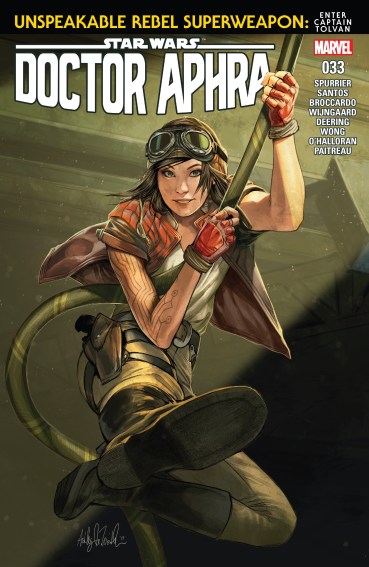
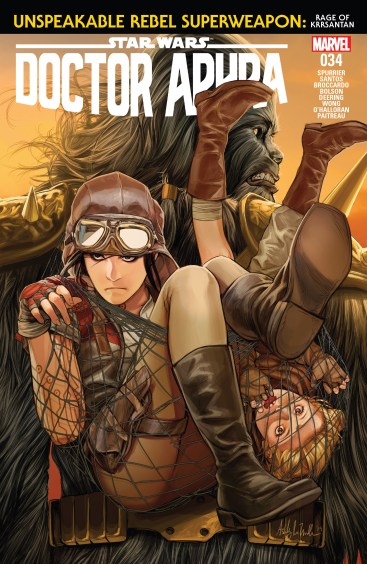
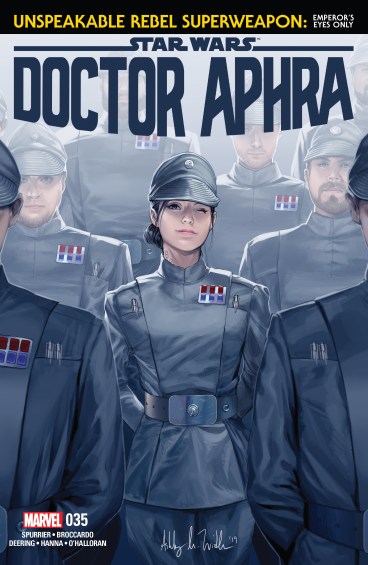
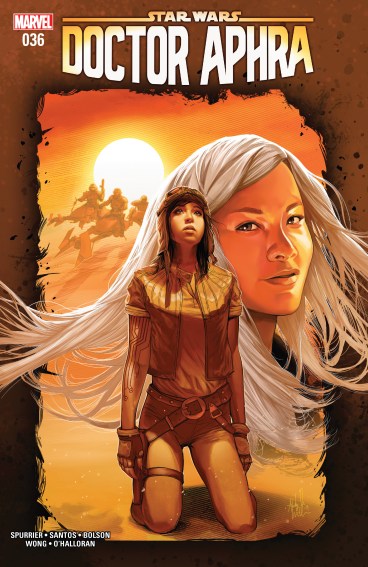
Star Wars: Doctor Aphra: Volume 6 – Unspeakable Rebel Superweapon

Doctor Aphra Unspeakable Rebel Superweapon

Publisher: Marvel Comics (Paperback – 10 December 2019)

Series: Doctor Aphra – Volume Six

Writer: Simon Spurrier

Pencilers: Wilton Santos, Caspar Wijngaard, Andrea Broccardo and Cris Bolson

Inkers: Marc Deering, Walden Wong and Scott Hanna

Colour Artists: Chris O’Halloran and Stephane Paitreau

Letterer: VC’s Joe Caramagna

Length: 112 pages

My Rating: 5 out of 5 stars

Amazon

The most devious woman in the galaxy, Doctor Aphra, is back, and she’s got both side of the Galactic Civil War gunning for her in the sixth volume of one of the best Star Wars series out there. I have been meaning to review this volume since it first came out in December. However, I just picked up the seventh and final volume of the current run of Doctor Aphra, so I thought I would quickly review this volume first before I get around to that.

DoctorAphra-32

Doctor Aphra is one of the few ongoing Star Wars comic book series that has been released in the last couple of years, and in my opinion it is one of the strongest Star Wars series out there. The Doctor Aphra comics are set in the period of time between the fourth and fifth Star Wars films (A New Hope and The Empire Strikes Back), and follow the adventures of Doctor Chelli Aphra, renowned archaeologist, adventurer and master criminal. Aphra is an original character who was introduced in the first volume of the 2015 Darth Vader series, Vader, where she served as Darth Vader’s secret agent. Following the conclusion of the Darth Vader series, Aphra, who proved to be a very popular character, received her own spin-off series, which followed on after the events of Darth Vader and feature Aphra as she attempts to make money while trying to ensure Vader doesn’t find out that she is still alive. This series was initially written by one of the original creators of the Doctor Aphra character, Kieron Gillen, however, the second half of the series has been written by Simon Spurrier. Spurrier is the sole writer of this sixth volume of Doctor Aphra, which also features the artistic talent of a several talented artists.

In Unspeakable Rebel Superweapon, Aphra is up to her old tricks again. Despite only recently recovering from a life-threatening injury, Aphra has taken on a dangerous job robbing an alien robot death cult shrine with the help of her new sidekick and ward, Vulaada. However, while aboard the shrine, Aphra notices an ancient Jedi weapon, a sniper rifle that utilises lightsaber technology to kill opponents from vast distances. Unable to help herself, Aphra steals the rifle, starting a chaotic chain of events across the galaxy.

Already extremely unpopular with the Empire, this theft pops Aphra to the top of their most wanted list with a hefty bounty placed on her head. Captured by the Rebel Alliance first, Aphra learns that her stolen rifle is the key to a secret rebel superweapon that they plan to use to assassinate the Emperor. Sensing an opportunity to make some money and permanently get the Empire of her back, Aphra recruits her old associate, the Wookiee Black Krrsantan, in order to steal the rifle back from the Rebels. However, this puts her into conflict with her ex-girlfriend, Captain Tolvan, who is now working for Rebel Intelligence.

DoctorAphra-33

As Aphra recovers the rifle and flees to the Empire, she finds herself face to face with the mysterious Imperial Minister for Propaganda and Misinformation, Pitina Voor, the woman behind the latest Imperial manhunt for Aphra. Voor has plans for her, and Aphra is right in the middle of a vast scheme involving both the Rebels and the Empire. However, no plan has ever survived contact with the good doctor, especially when Aphra has revenge on her mind.

Unspeakable Rebel Superweapon was a superb and outstanding addition to the excellent Doctor Aphra comics, and this might actually be one of the strongest volumes in the entire series. Author Simon Spurrier tells a tight and compelling story within this volume which not only dives back into the past of the series’ titular character but which also showcases new elements of both sides of the Galactic Civil War. You also see the welcome return of several of the best characters from the series, such as Black Krrsantan and Aphra’s love interest, Captain Tolvan, as well as the introduction of an intriguing new antagonist. Featuring issues #32 – 36 of the Doctor Aphra series, this volume is a riot from start to finish (hell, the last two pages are the best in the entire volume), and I really loved the captivating tale that Spurrier wove together in these issues, especially as it features the series trademark dark humour and the focus on its self-destructive and conniving main character.

At the centre of Unspeakable Rebel Superweapon lies an amazing narrative of schemes, plots and lies as Aphra is hunted and manipulated by elements of both the Empire and the Rebel Alliance. Thanks to a recent archaeological theft, Aphra is thrust into the midst of a Rebel conspiracy to kill the Emperor and must decide what to do. Of course, Aphra being Aphra, she goes with the course of action that benefits herself the most and ends up backstabbing and manipulating both the Rebels and the Empire. This leads to some great scenes, including a heist aboard a Rebel spaceship and a sequence where Aphra hacks the entire Imperial communications system in order to sing her praises as an Imperial hero in order to avoid a summary execution. However, not everything is as it seems as the various sides are all trying to manipulate Aphra to their own ends, which results in a surprising number of different twists and turns (or as one character puts it “that is the most convoluted plan I’ve ever heard”). It was fascinating to see Aphra, the ultimate manipulator, being played by so many different sides, each of whom thinks they know how she is going to react. Aphra manages to end up on top, but it was cool to see the various ways she managed to get to the bottom of the plans surrounding her and use it to her own ends. Her motivations for doing so were really compelling, and it was amazing how the creative team had been building up to them throughout the course of the book. Of course, it doesn’t all end up Aphra’s way, and the end result of her schemes sees her come full circle to the last place she wants to be. This all makes for one hell of thrilling main storyline of intrigue and deception, and I really loved where all the twists and turns went.

DoctorAphra-34

Just as with the rest of the entries in this series, one of the best things about the Doctor Aphra series is the titular character herself. Aphra is a complex and haunted character who seemingly lacks a moral code and will only do what is in her own best interest. The character has a rather flippant and disrespectful attitude, and most of this volume’s amazing humour is down to her clever quips and humorous observations amongst the more serious Star Wars characters. One of the things that I have really enjoyed about the Doctor Aphra series has been the examination of Aphra’s self-destructive tendencies and the way that she makes the lives of everyone she comes into contact with worse. This is continued once again in Unspeakable Rebel Superweapon, as she runs from one bad situation to the next, with her every action making her life and the lives of those around her infinity more miserable and more complicated, which makes for some very dramatic and emotional sequences. This is such an expected trait that many of the characters who Aphra has dealt with in the past or who have studied her actually expect her to make these bad or selfish decisions, and I really liked the way that this was a central plot point in the intrigue and espionage storyline. I also loved Aphra’s interactions with her love interest, Captain Tolvan, especially because, during their last meeting, Aphra purposely altered her memories to make her believe she had killed Aphra in a jealous rage. While Aphra did this with the best of intentions (it was the only way to save both Aphra and Tolvan from Vader), this has obviously had a major negative impact on their relationship, and Tolvan now actively loves and hates Aphra in equal measure and apparently has zero trust in her. This is one of the many things haunting Aphra in this volume, as she clearly knows the damage she has done to woman she loves: “I broke her heart. She’s too smart to ever help me again.” Of course, this fraught relationship is another part of the intrigue surrounding Aphra, and it was rather clever the ways in which both sides tried to manipulate Aphra through it.

In addition to the all the awesome character work happening with Aphra in the present, the readers of this volume are also treated to a look back at the characters past. In particular, you finally get to see Aphra’s mother for the first time and learn the tragic circumstances around her death. This has been hinted at for some time, all the way back to the second volume of the 2015 Darth Vader series, Shadows and Secrets. As a result, it was great to finally see the full extent of this character background, and it was fascinating to see what happened and how this has impacted on the personality of Aphra. I enjoyed the way in which the scenes from the past were mirrored in the scenes from the present, and I really liked the similarities in the way that Aphra was raised with the harsh way she is treating her new ward, Vulaada. I was also impressed by the way in which seemingly innocuous details from Aphra’s past suddenly had a big impact on her current story, and the creative team did a great job hinting about these impacts throughout the entire volume. All of this helps build up a much more complex story around the character that is Aphra, and I found this dive into her past to be extremely compelling.

DoctorAphra-35

I also need to say how much I loved the parts of this book that featured Darth Vader, whose villainy and hatred for Aphra shine through in the few short scenes that he has. Aphra and Vader have a complicated history together, and Vader is desperate to kill Aphra once and for all (she’s faked her death on him a few times already), as she is the only living person in the galaxy who knows about his obsession with Luke Skywalker and his plans to overthrow the Emperor. Vader has two sequences in this book, both of which revolve around his determination to kill Aphra, no matter the perceived costs. While the first is really good, mainly due to Vader answering an Imperial officer’s request to state his rank with “Lord”, nothing quite beats the second appearance on the last two pages of the volume. After apparently beating all of her opponents, Aphra is sure of her safety due to her status as an Imperial hero, right up until Vader appears, lopping off heads with his lightsaber. The moment Aphra sees him, she knows she and Vulaada are dead, and she immediately hugs Vulaada and gets her to close her eyes. I really loved this scene, especially the resigned way in which she responds to Vulaada’s frantic belief that them being heroes is going to save them with “he doesn’t care”. This was a pretty outstanding end to the entire volume, and it was amazing to see the next chapter of the turbulent relationship between Aphra and Vader.

The Doctor Aphra series has always done a great job showing off several different sides of the Star Wars universe, including giving a closer look at parts of its criminal underbelly and its archaeological sector. However, in this book, we get to see new sides of both the Empire and the Rebel Alliance. In particular, we get to see the Empire’s Coalition for Progress, a sinister organisation led by new antagonist Pitina Voor that is dedicated to expanding and maintaining the Empire through manipulation, trickery and propaganda, rather than brute force. This is rather fascinating inclusion into the canon, and it was rather interesting to see a whole new side to the way that the Empire controlled the galaxy. Voor is also a rather intriguing character, with a unique vision for how the Empire should be run and maintained, and it was kind of fun to see her gripe about the PR problems that occur when you are being ruled by Sith Lords (I had to agree, the Emperor really isn’t adequately loveable). They also have a rather nifty little museum dedicated to some of the Empire’s greatest victories and propaganda coups, which the artistic team filled with several Easter eggs. I was also rather impressed by the way that the creative team explored the darker side of the Rebel Alliance by examining the covert and morally ambiguous actions of their intelligence agency. This is something that has been explored before in some other Star Wars entries, such as in Rogue One, but this volume of Doctor Aphra takes it to a new extreme with Rebel Intelligence apparently plotting to build a miniature Death Star in order to take out the Emperor and win the war. I rather liked this darker side of the Rebels, and it was interesting to see more of a Rebel organisation that uses less moral tactics to achieve their goals.

DoctorAphra-36

Unspeakable Rebel Superweapon features the work of several different artists, each of whom worked on a couple of different issues within the volume, which results in an interesting combination of styles. This means that this volume of Doctor Aphra contains a range of different art styles and techniques across the various issues. I actually liked the myriad changes that occurred issue to issue, and it was fantastic to see the different styles and artistic ideas that this large team produced. This volume contains some rather impressive and beautifully drawn scenes and sequences, which fit perfectly around Spurrier’s compelling story and which work really well together. The end result is a fantastically drawn and executed comic, which is a delight to look at.

This sixth volume of the always entertaining and incredible Doctor Aphra series, Unspeakable Rebel Superweapon, is an outstanding addition to the series, and it is one that I had an amazing time reading. This volume contains a complex plot of intrigue and doublecrosses, which sets the loveably dysfunctional protagonist down another road of self-destruction and manipulation in order to survive. Filled with some excellent and memorable story moments, and an incredible conclusion to this volume’s key storyline, Unspeakable Rebel Superweapon is relentlessly entertaining and endlessly captivating, and I had an absolute ball unwrapping it. A highly recommended read; if you have not read any Doctor Aphra yet, then you are missing out!

Amazon

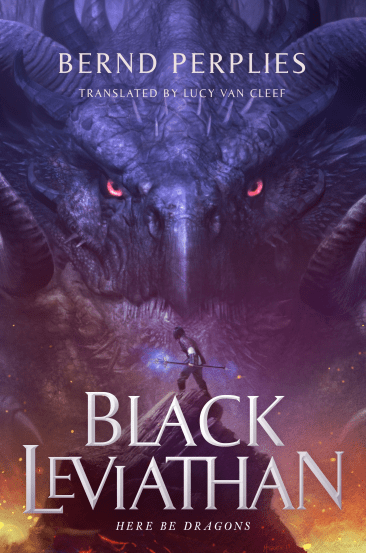
Black Leviathan by Bernd Perplies

Black Leviathan Cover

Publisher: Tor (Trade Paperback – 25 February 2020)

English Edition Translated by Lucy Van Cleef

Length: 331 pages

My Rating: 4.25 out 5 stars

Amazon

Get ready for an exciting fantasy adventure from acclaimed German author, Bernd Perplies, with Black Leviathan, an extremely fun and inventive novel that is essentially Moby Dick with dragons.

Bernd Perplies is a best-selling German fantasy and science fiction writer who debuted in 2008 with his first book, Son of the Curse Bringer. He has since authored several different series, including the Star Trek Prometheus trilogy, which he co-wrote with Christian Humberg and which were the first Star Trek books licensed to be written outside of the United States. Black Leviathan was initially released back in 2017 in Germany under the title The Dragon Hunter, and it is the first book in his Sea of Clouds series. This is the first one of Perplies’s solo books to be released in English (his Star Trek books got an English releases), and it was translated by Lucy Van Cleef.

Welcome to the Cloudmere, a floating expanse of thick cloud, mists, floating islands and mountain tops high above the ground. Thanks to the magical kyrillian crystals, which allow anything holding them to float in the air, airships now also fly through the Cloudmere attempting to harvest the useful resources available in this harsh landscape. The most valuable of resources come from the dragons, the ferocious beasts that soar amongst the clouds and mountains. Various species of dragons exist, each with their own special talents and defences, and each of which are valuable in their own way. However, hunting dragons is a dangerous occupation, and only the bravest, the most skilled or the extremely desperate set out into the Cloudmere as a drachenjäger, a dragon hunter.

Lian is a young man living in the floating city of Skargakar. The city’s entire economy revolves around the hunting and processing of dragons, and Lian himself makes a small earning carving kyrillian crystals. Lian also looks after his father, Lonjar Draksmasher, a famed drachenjäger of yesteryear whose injuries have driven him to drink. But when Lonjar is murdered in front of him, Lian instinctively gets revenge on the criminal who killed him, and now needs to get out of town quickly or face the wrath of his victim’s father, the most dangerous crime lord in the city. Taking up his father’s magical hunting spear and accompanied by his best friend, Canzo, Lian seeks work aboard one of the many drachenjäger ships leaving the city. The only one willing to take them on is the infamous Carryola.

Boarding the Carryola they find themselves working with an eclectic and effective crew of drachenjägers, and Lian believes that he has reached relative safety. However, the captain of the Carryola, Adaron, has an obsession that may prove to be the doom of Lian and the rest of the crew. Adaron is determined to hunt down and kill the Firstborn Gargantuan, a rare Black Leviathan dragon, a creature out of legends and one of the most destructive beings lurking in the Cloudmere. Now caught between a powerful dragon and a crazed captain, Lian must find a way to survive, but he quickly learns that death is always lying just around the corner in the Cloudmere.

This turned out to be a fantastic and deeply enjoyable fantasy adventure novel which I had an absolute blast reading. Black Leviathan features a fast-paced and action-packed story of a group of dragon hunters flying around in the sky chasing after a mythical and gigantic dragon, and what’s not to love about that? Perplies introduces a ship full of distinctive and compelling characters (most of whom you shouldn’t get too attached to), including an obsessive and ruthless captain, and sets them up against a powerful foe. This results in quite a fun and exciting novel, and I enjoyed some of the intriguing directions that Perplies took the story. While some elements of the story are a little bit typical of action adventure novels, such as characters whose death is a foregone conclusion the moment you meet them, this was an excellent story that is extremely easy to enjoy, and very hard to put down.

One of the best parts of Black Leviathan is the clever and inventive new world that Perplies has created as a backdrop for his fun story. The author did an outstanding job producing a unique fantasy world up in the clouds, filled with all manner of sentient races, exotic locations and intriguing magical technologies, all of which prove to be really fascinating to explore throughout the course of the story. The Cloudmere is an amazing location for a fantasy novel, and I really enjoyed seeing an entire book spent up in the clouds, either in floating cities or aboard magically powered airships. However, the highlight of this new world has to be the various species of dragons that roam the Cloudmere and dragon hunters that chase after them. Black Leviathan features a world where dragon hunting is a vast and profitable industry, and it is really quite interesting to see the various aspects of dragon hunting and its subsequent applications within this novel. There are some obvious similarities between this fictional dragon hunting industry and the real-life historical whale hunting industry and was really cool to see Perplies reinvent this iconic historical trade with fantasy creatures, floating ships and a sea of clouds.

The dragon hunting aspect of the book also results in some pretty incredible action sequences. There are some really exciting and fun dragon hunting scenes featured throughout Black Leviathan and watching the crew of an airship attempt to take down a dragon in mid-air was easily some of my favourite parts of the entire book. Perplies came up with some very clever hunting techniques for his drachenjäger, and it was very cool to see all of them unfold, especially as many require the protagonist to jump onto the back of the targeted dragon and kill them while riding on their back. This fantasy world also has many different types of dragon with a variety of different abilities (some breath fire, some have sword-like tails), each of which results a different sort of hunt with its own range of difficulties. Of course, the biggest hunt of all is when they catch up with Gargantuan, the titular Black Leviathan, the largest and most powerful dragon in the Cloudmere. That hunt goes about as well as expected, and it was extremely exciting to see the crew attempt to use their tried-and-tested techniques against this beast.

I mentioned at the start of this review that Black Leviathan was a bit like Moby Dick. That is because it features a captain who is obsessed with killing a specific rare beast who wronged him years ago, in this case a black dragon rather than a white whale. The entirety of this feud is actually shown in this book, as the first two chapters deal with Adaron’s first ship getting destroyed by Gargantuan, with nearly all his friends dying, including his fiancé, whose hand he was holding when she was eaten (with Adaron left holding her severed arm). As a result, the Adaron we see in the present is a much harder man who bears a great hatred for all dragons and is determined to find and kill Gargantuan no matter the cost. This results in a great story of obsession and hatred as Adaron scours the Cloudmere for his prey, while also attempting to kill any other dragon he comes across. The author has done a great job showing Adaron as an eccentric and damaged character from the first time the protagonist meets him. Not only does he order his own whipping every time a member of his crew gets killed by a dragon but he also keeps the skeletal hand of his fiancé in his cabin as a constant reminder of his mission to kill his prey. However, as the book progresses, it becomes more and more obvious that his obsession with finding Gargantuan has driven him insane. Not only does Adaron sacrifice his crew’s safety to locate the dragon but he ignores the concerns of the people serving under them and he even utilises dark practices to find his prey. This all results in a great final showdown with Gargantuan at the end of the book, and I think that the author did an amazing job concluding this captivating story arc.

Black Leviathan by Bernd Perplies is an excellent and deeply enjoyable fantasy adventure that combines a great central story with an extremely creative fantasy world to create a compelling and fun read. This book is filled to the brim with action and adventure and is guaranteed to get any fantasy lover’s pulse racing. I really loved this book, and I look forward to any future English releases of Perplies work. I do note that Perplies released a second book in this series in 2018, The World Finder, and hopefully we’ll get to see that in English in the next year or so.

u1_978-3-596-29671-2

Amazon

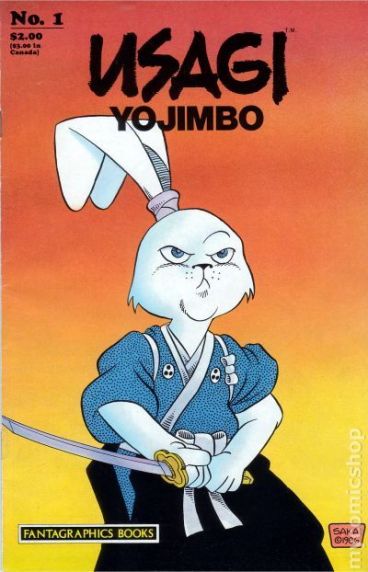
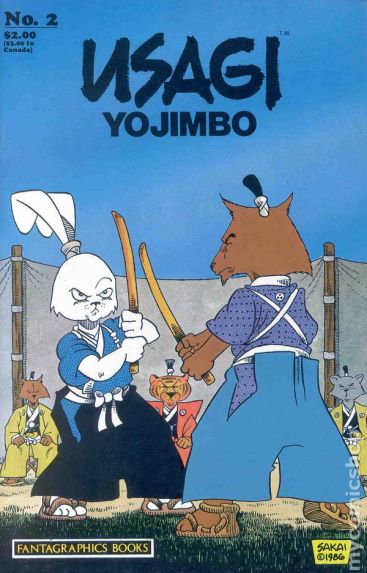
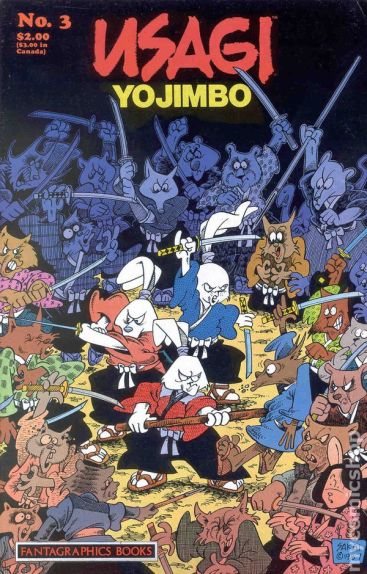
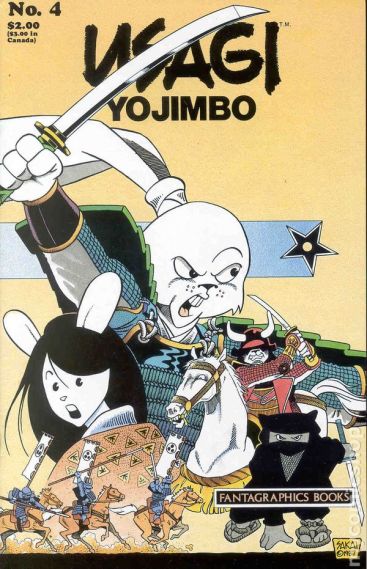
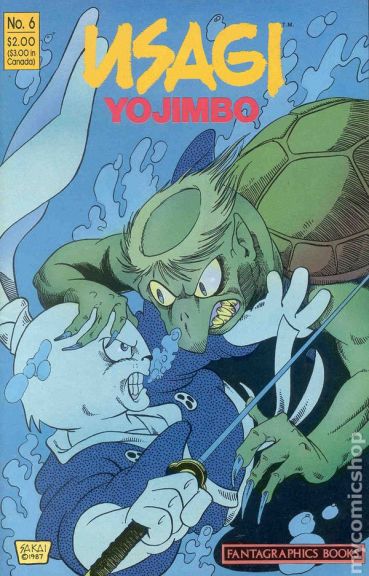
Throwback Thursday: Usagi Yojimbo: Volume 2: Samurai

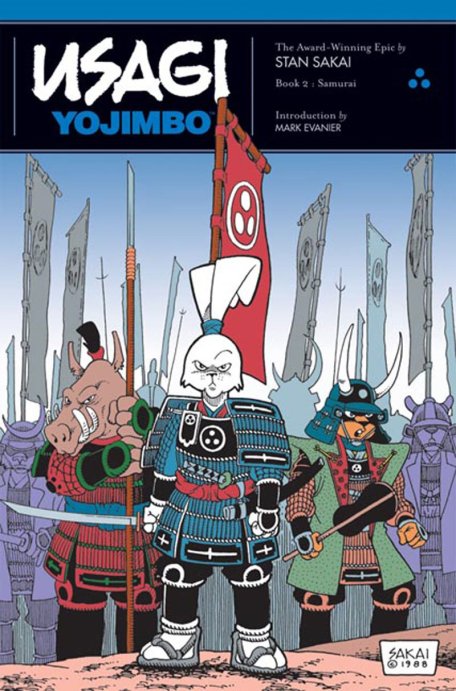
Usagi Yojimbo Samurai Cover

Publisher: Fantagraphics Books (Paperback – 1989)

Series: Usagi Yojimbo – Book Two

Length: 141 pages

My Rating: 5 out of 5 stars

Amazon     Book Depository

After the fun that I had reviewing the first volume of the Usagi Yojimbo series, The Ronin, last week, I decided to follow it up with a review of the second volume in the series, Samurai. Samurai is an impressive second outing from author and artist Stan Sakai, which does an amazing job continuing his epic series after the introductory stories contained within the first volume.

After his adventures in the first volume, the rabbit ronin Miyamoto Usagi has continued on his wandering ways. However, his latest journey quickly turns to violence when he encounters another ronin on the road. Without a word being spoken, both samurai engage in a swift and brutal duel to the death, in which Usagi is the winner. The only witness to the duel is the bounty hunter Gennosuke, who inquires into the origin of the apparent feud between Usagi and his recently deceased opponent. Usagi reveals that the dead samurai was named Gunichi and Usagi had much cause to kill him.

Usagi 1

Regaling Gen with his tale as they travel together, Usagi reveals that the origins of this feud goes all the way back to his childhood and his tutorage under the unusual and skilled sword master Katsuichi. This tale follows Usagi as he becomes a young samurai in the services of his Lord Mifune, where he was comrade to Gunichi, and leads all the way to the fateful battle of Adachigahara Plain and the day that Usagi became a masterless samurai.

Back in the present, Usagi continues his adventures across the land, encountering many different people and unusual creatures. Watch him fight against a kappa, help defend a village of silk merchants against a roving group of bandits and witness his weird meeting with a mysterious and powerful little monster who is going to be a big somebody one day.

Usagi 2

Usagi Yojimbo: Volume 2: Samurai, is an amazing and fantastic volume of the Usagi Yojimbo series, which does an outstanding job continuing the story after the events portrayed in The Ronin. This second volume contains the first six issues of the actual Usagi Yojimbo series, and I really enjoyed the excellent adventures that are contained within these issues. The volume is broken down into four separate stories, the expanded story Samurai, as well as three stories which are significantly shorter. Each of these stories are really entertaining, and they all come together to create an impressive and incredible total volume of comics which I had a fantastic time reading.

The first story in this volume is also titled Samurai, and it is the major story contained within the Samurai volume. Running for 92 pages, this was one of Sakai’s first expanded Usagi Yojimbo stories, and I think it is one of his better ones. Samurai contains a captivating and exciting narrative that not only continues Usagi’s story in the present but which also goes back and explores much of the character’s past. This is shown through a lengthy flashback about Usagi’s childhood, his tutorage under the skilled samurai Katsuichi, his first meeting with Gunichi, their service under Lord Mifune, the events that led to Mifune’s war with the evil Lord Hikiji and the terrible final battle which cost Usagi his lord.

Usagi 3

Sakai comes up with an excellent background for Usagi in this story, and it was great to see how he expanded on some of the ideas and plot points that were featured within the first volume’s early stories. Even after all these years, the flashback contained with Samurai is still the definitive history of the character’s early days, although it has been expanded on several times in future volumes. This background is really intriguing, and I think that Sakai tells an amazing story, showing of Usagi’s unique training, his early triumphs including obtaining his swords, his service with Lord Mifune and then an expanded version of the battle of Adachigahara Plain, which has been briefly shown in the previous book. Woven into this is the tale of Usagi’s friendship with his fellow Mifune retainer, Gunichi, and the fateful day in their relationship that will cause Usagi to kill him the next time they meet. Sakai paces this entire extended story out well, and it turns into quite a complete and intriguing narrative. I like that it also added a lot more depth to the love triangle between Usagi, Mariko and Kenichi, and the scenes where Usagi and Kenichi put aside their differences for the first time for the sake of Mariko is great, and helps show that Kenichi is not a bad guy, he’s just occasionally blinded by his jealousy of Usagi.

I personally really enjoyed the scenes that featured Usagi and his sensei Katsuichi, the reclusive swords master. Their entire arc is really fun, and I love a good training sequence. Katsuichi is your typical wise and eccentric old hermit master who takes the young and eager student with potential under his wing to make him a superior student. Despite coming off as an aloof and hard man, Katsuichi is actually a kindly master who is impressed by Usagi’s determination and spirit (he gives a sly smile at the start of the training period). Katsuichi has some really interesting training techniques, and it is interesting to see how Usagi developed the skills that have kept him alive in the dangerous world he lives in. I loved the menial tasks montage, which is very reminiscent of The Karate Kid. It was also fun to see Usagi get randomly hit with a bamboo stick until he learns to anticipate surprise attacks, and I liked how it helped explain Usagi’s seemingly supernatural ability to sense when he is being watched or in danger. Overall, this proved to be an excellent inclusion to the story, and Katsuichi was easily the best new character introduced in this volume.

Usagi 4

Another major highlight of this first story is the part set in the present, which sees Usagi once again reunited with Gen. Gen was one of the better characters featured in the first volume, so it was really good to see him reintroduced in Samurai, especially as it helps set him up as a major recurring character in the Usagi Yojimbo series. Throughout the story, Usagi and Gen form quite an amusing partnership, with Usagi acting the honourable Zen warrior, while Gen is the unapologetic and uncultured mercenary. The two play off each other extremely well, with their great repartee and jabs at each other, and it is fun to see Usagi come out his shell a lot more around his companion. Gen also proves to be an entertaining audience for Usagi’s story, and it was fun to see his reactions to Usagi’s life tale. This was especially true when Gen started to get really into the story, despite his feigned indifference, and overreacted to several key moments. This entire story ends on a rather heartfelt moment between the two, with Gen indicating he completely understands how Usagi felt when he lost his lord “the saddest day of a samurai’s life is the day he becomes a ronin. Some day I’ll tell you how I became masterless…” and Usagi hinting that he really does see Gen as a friend. I really enjoyed seeing these two characters back together again, and this story definitely serves as a much better basis for their friendship than their backstabbing adventures in the previous volume. I also have to say, the silent dual at the front of the book between Usagi and Gunichi is the tops, and you could not ask for a better start to a story than an unexplained and sudden fight to the death.

The next story featured in this volume is the short, horror-based story, Kappa. Wandering a desolate, swampy area, Usagi comes across a kappa, a Japanese water demon, who demands a toll to cross the marshes. While Usagi is able to pass, he must go back and try to save another traveller from the kappa, resulting in a desperate conflict. This is quite a good story, especially with the ghostly twist contained at the end. I really love that Sakai chooses to explore pieces of Japanese mythology like the kappa, and it was really interesting to see Usagi face off against one. There is also an extremely brutal and impressive fight sequence against the kappa featured within this comic, which was all manner of impressive.

Usagi 5

The third story in Samurai was called Zylla, and featured Usagi finding and befriending a mysterious creature hidden in the bushes, that he names Zylla, when he visits the hot springs. Zylla repays Usagi by saving him from some bandits using his fiery (one could even say atomic) breath and reveals itself as a large newborn bipedal lizard who Usagi speculates may be a god, “Are you a god, Zylla?”. This is a really fun short story in this volume, and it adds a fascinating new element to the world that Usagi Yojimbo is set in. It was also great to see Sakai continue to show off his love for Japanese culture by featuring baby Zylla, and he makes several humorous references to Zylla’s future work, such as how he should visit the big city at some point. All of this makes for an amusing entry in this volume and it had me smiling as I read it.

The final story was Silk Fair, which sees Usagi come to the aid of a silk worker, defending him from bandits. The worker takes him to his village, where Usagi eventually helps defend the village from a large bandit raid, after he deals with the silk works greedy administrator. This was a nice, short entry that showed a typical Usagi Yojimbo storyline of Usagi helping to defend the helpless again bandits. This was one of the first stories where Sakai explored a Japanese craft or industry, and while it does not go into as much detail as some of the later industry based stories (later volumes feature length depictions of things like sword crafting, seaweed farming, kite making and soy sauce production), it was still interesting to see. Silk Fair contained a good mixture of action and humour, and I especially enjoyed seeing the way Usagi managed to mess with the corrupt administrator and his cowardly bodyguard. There was also a rather unique battle sequence where Usagi and the silk workers are able to defeat the bandits with sewing needles and silk streamers. In the end, Silk Fair proved to be a strong and amazing story, and I felt that it was an extremely entertaining way to conclude this volume.

Usagi 6

Like with every volume of the Usagi Yojimbo series, Stan Sakai’s artwork is once again a major and incredible highlight of Samurai. This second volume contains some fantastic examples of Sakai’s artistic talent, and it is clear that by the time he was working on the stories contained within Sakai had settled on his preferred designs for the various characters and landscapes featured, although further refinements did occur later down the track. This new character work is really impressive, and I liked how various new characters appeared, such as the warthog Gunichi and the lion based Katsuichi. I am also continually impressed with the way that Sakai can convey emotion and expression with his drawings, and you are constantly aware of what the various characters are thinking, just from seeing their faces. The various stories contained within Samurai featured some truly amazing and visually stunning landscape backgrounds, as Sakai continued his practice of showing off the beautiful scenery of Japan. Sakai also drew a number of impressive action sequences throughout the book, and he really got the hang of sketching out and showcasing the fast-paced and skilful fights that occurred between samurai. There are some impressive duel sequences throughout this volume, including the quick and sudden fight between Usagi and Gunichi at the start of the first story or the practice duel between Usagi and Kenichi which showed the ferocious fight between the two, which quickly ended with one strong strike from the obviously more skilled Usagi. Sakai also included several larger-scale battle sequences throughout the volume which really are something to behold. I particularly liked the major war sequence that showed the expanded battle of Adachigahara Plain. Sakai did an amazing job presenting the frenetic chaos of war and the explosive action that occurred with his art, and it was certainly a visual highlight of this volume.

Usagi Yojimbo: Volume 2: Samurai was an outstanding addition to the Usagi Yojimbo series, and it is one of my favourite volumes in this entire franchise. Stan Sakai presents a fantastic blend of character backstory, action, adventure, eye-catching art and clever humour in this volume, and the end result is a five-star comic which is really worth checking out. Thanks to the excellent background based main story, Samurai is a key volume in this series, making this book a must read. Samurai gets another five stars from me, and once again I have to strongly recommend this volume, and indeed the whole Usagi Yojimbo series, to anyone looking for an epic and enjoyable new series.

Amazon     Book Depository

WWW Wednesday – 4 March 2020

WWW Wednesday is a weekly meme hosted by Taking on a World of Words, where bloggers share the books that they’ve recently finished, what they are currently reading and what books they are planning to read next. Essentially you have to answer three questions (the Three Ws):

What are you currently reading?
What did you recently finish reading?
What do you think you’ll read next?

So, let’s get to it.

What are you currently reading?

A Testament of Character, One Minute Out Covers

A Testament of Character by Sulari Gentill (Trade Paperback)

I started reading this one today, and I am really enjoying it so far.  This is the 10th book in the Rowland Sinclair historical murder mystery series, and it takes the book’s Australian protagonists to America in the 1930’s to investigate a suspicious death.  I am looking forward to seeing how this one turns out and this should prove to be a fantastic read.

One Minute Out by Mark Greaney (Audiobook)

I’m around halfway through this book at the moment and it is pretty incredible.  Containing a rather dark and heavy story about human trafficking, this new book from Greaney is an excellent and captivating thriller.


What did you recently finish reading?

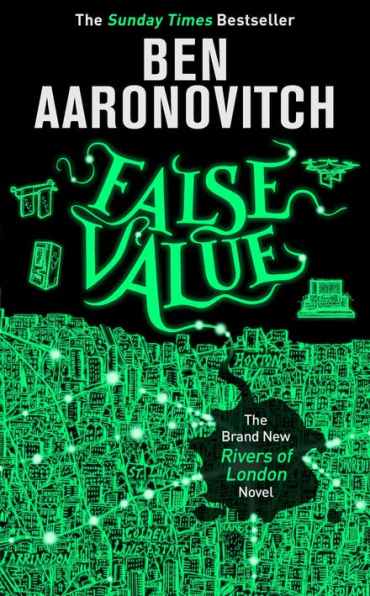
False Value by Ben Aaronovitch (Trade Paperback)

False Value Cover
Star Trek: Picard: The Last Best Hope by Una McCormack (Audiobook)

Star Trek - Picard Cover
The Holdout by Graham Moore (Audiobook)

The Holdout Cover


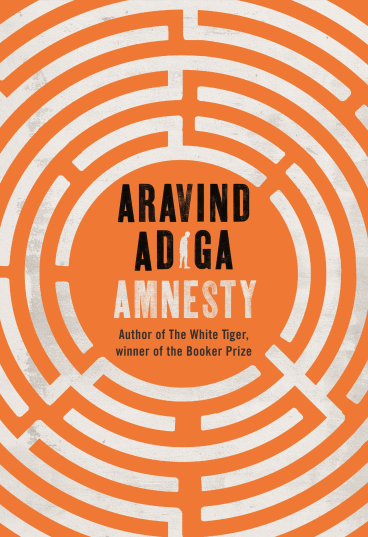
Amnesty
by Aravind Adiga (Trade Paperback)

Amnesty Cover
Black Leviathan by Bernd Perplies (Trade Paperback)

Black Leviathan Cover
What do you think you’ll read next?

Where Fortune Lies by Mary-Anne O’Connor (Trade Paperback)

Where Fortune Lies
That’s it for this week, check back in next Wednesday to see what progress I’ve made on my reading and what books I’ll be looking at next.

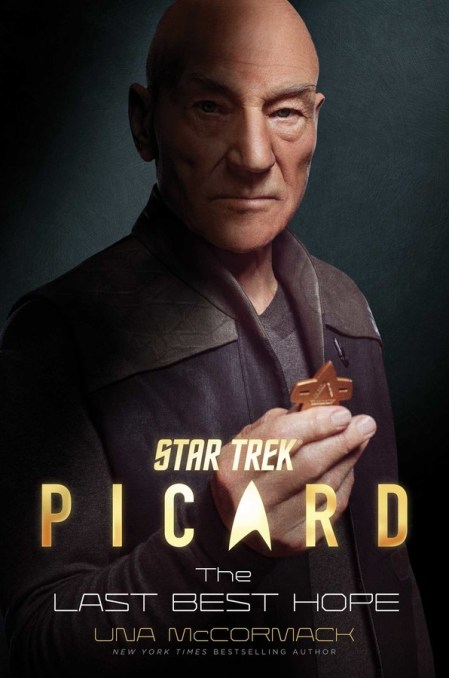
Star Trek: Picard: The Last Best Hope by Una McCormack

Star Trek - Picard Cover

Publisher: Simon & Schuster Audio (Audiobook – 11 February 2020)

Series: Star Trek: Picard – Book One

Length: 11 hours and 40 minutes

My Rating: 4.5 out of 5 stars

Amazon     Book Depository

Get ready to dive back into the Star Trek universe with Picard: The Last Best Hope by Una McCormack, the latest Star Trek novel which ties into the events of the Picard television show. The Last Best Hope is an outstanding novel that serves as a bridge between Star Trek: The Next Generation show and the current Picard series.

Nearly 20 years before the events of Picard, both the United Federation of Planets and the Romulan Star Empire faced an unprecedented calamity. Scientists have just discovered that the Romulan sun is in the process of going supernova, turning into a destructive force that will devastate the Romulan home system and have significant negative follow-on effects on the remaining planets within Romulan Space. In order to ensure the evacuation of their people, the Romulans grudgingly request aid from the Federation, who assign Jean-Luc Picard to the mission.

Picard, promoted to the rank of admiral, quickly finds himself in charge of the largest and most difficult operation in Starfleet history. The evacuation mission is a vast undertaking, requiring Starfleet to relocate hundreds of millions of Romulans to distant planets in only a few short years. Lacking resources and manpower, Picard begins the evacuation process as best he can, with the invaluable help of his new first officer, Rafaella “Raffi” Muskier. Meanwhile, back in the Federation, Geordi La Forge attempts to come up with new ways to increase Starfleet ship production on Mars. The best solution is the creation of a new, synthetic workforce, and La Forge calls in an old colleague, the brilliant scientist Bruce Maddox, who reluctantly halts his lifelong work on artificial life to help build these new synthetics.

As the evacuation progresses, Picard takes solace in every small victory his team can achieve, but this mission seems doomed to fail. Debates from ambitious Federation politicians, distrust and fear from the Romulans they are trying to help, and interference from the Tal Shiar, the Romulan secret police, all hinder the mission. However, Picard is not one to give up easily and is determined to save every Romulan he can from the impending disaster. But even the great Jean-Luc Picard is unprepared for how his mission will end. Everything is about to change, and Picard and the galaxy will never be the same again.

Star Trek is one of those popular franchises that always produces a ton of extra content each year in the forms of novels and comics, so it was no surprise that material related to Picard would eventually be released. The Last Best Hope is the very first Picard tie-in novel, although I expect that additional books will come out in the future. Indeed, IDW has already released a Picard tie-in comic, Countdown, which I will probably check out at some point. This first Picard novel was written by veteran tie-in author Una McCormack, who has previously delivered several great Star Trek books, including last year’s Star Trek: Discovery tie-in, The Way to the Stars. McCormack does an amazing job with The Last Best Hope, producing a captivating and incredible read that expertly leads into the new show.

Before I dive too deep into this review, I think that it is necessary to point out that this book was released on the 11th of February, between the third and fourth episodes of Picard. That means that this book contains quite a few mentions of events and reveals that occur in the initial episodes of the show, especially as McCormack clearly had early access to the show’s scripts. While this ensures The Last Best Hope a much more complete and in-depth tie-in novel, it does mean that this book contains some spoilers for the television series. In addition, as I have been religiously watching Picard every week, my review is influenced by the events of the first six episodes and it also contains some spoilers from the show.

The Last Best Hope is a wide-ranging Star Trek canon novel, set across several years of Star Trek history (2381 to 2385) that explores one of the biggest prequel events mentioned within Picard, the explosion of the Romulan sun and the attempts by Picard to evacuate them. This leads into a powerful and clever novel which shows all the trials and tribulations associated with this exercise, as well as several other events that lead into the show. McCormack makes excellent use of a number of different character perspectives to create a full and rich narrative around this plot, which also explores some major Picard characters. While I did think that parts of the story ended rather suddenly, with no real lead-in to the disaster on Mars that changes everything, this book is a first-rate novel which I powered through in extremely short order.

One of the major appeals of this book is the fact that it serves as a prequel to the events of Picard and provides readers with additional background and context to the adventures currently happening in the show. This is done in a number of ways, from providing the reader with greater background about certain characters, showing the origins of a number of the storylines from the show and serving as a bridge between the events of Picard and The Next Generation. The Last Best Hope features an excellent introduction to several of the newer characters in the show, such as Agnes Jurati, Raffi, Elnor and the Qowat Milat nuns, and it was intriguing to see how these characters slotted into the pre-history of the show. At the same time, McCormack also examines what happened to several established characters from The Next Generation after the events of Star Trek: Nemesis, including Picard, Bruce Maddox, Geordi La Forge and even a little bit about Worf (he becomes captain of the Enterprise!). McCormack also provides an explanation about several key occurrences and storylines that are touched on within the show, such as the creation of the synthetic workers that destroyed Mars, Picard’s resignation from Starfleet and the extent of several key relationships. There are also some potential hints at where the show might go in the future, and I will be interested in seeing if those pan out at all. I was pleasantly surprised with how much background that McCormack was able to fit into The Last Best Hope, and the different revelations and expansions on the information provided in the show make this a fantastic read for those currently watching Picard.

The Last Best Hope features some very impressive character work, and I feel that McCormack did an excellent job capturing the personalities and histories of several key characters from the new show. I really appreciated her portrayal of Picard, and this book featured several key aspects of his character, such as his dark moods, his determination and his ability to inspire absolute loyalty in his subordinates. I liked how the reader gets to see how Picard deals with the seemingly impossible task assigned to him, especially as his emotions throughout the book range from hope to absolute despair, as multiple obstacles and problems seem to dog everything he does. One of the major parts of his character explored in this book is the way that Picard’s ideals and beliefs seem a little out of touch with the world he lives in. This is something that is shown throughout the Picard television show, as the old-school captain is now living in a much darker and more desperate world. I am really glad that McCormack tried to capture this in her novel, and it was really compelling to see Picard being completely oblivious about the darker realities of the galaxy. All of this is really compelling to see, and I think that it serves as a good basis for some of the ways Picard acts in the current show.

Aside from Picard, a number of other characters are featured throughout the book, many of whom have some really interesting and compelling stories. I personally found the tale of Raffi, Picard’s new first officer, to be particularly good, as the reader gets to see how she became so messed up and obsessed with proving that the Romulans where behind the destruction of Mars. You also get a better understanding of why she was so mad that Picard quit on her and the mission, especially after she sacrifices everything for him, thanks to the way he inspired her. McCormack also spends significant time exploring the character of Bruce Maddox, and it was especially intriguing to see this character between his appearances in The Next Generation and Picard. You also got to see the origins of his relationship with Agnes Jurati (indeed, based on release dates you learn about this relationship in this book before it is mentioned in the show), and it was great to see how it unfolded and how close the two of them were. Of course, this also has a more sinister and heartbreaking edge to it if you look back at this relationship after the events of the fifth episode of Picard. I also liked the Geordi La Forge storyline; it was interesting to see his struggle to increase Starfleet ship production. However, the best part of this portrayal occurs at the end of the book, and I will be curious to see how they show off his survivor’s guilt if the character ever appears in Picard.

One of the things that I really enjoyed about this book was the way McCormack slowly starts to alter the tone of the novel to represent the change between the lighter The Next Generation and the darker Picard shows. At the start of the book, the story is more in line with the tone of The Next Generation, with Picard embarking on a humanitarian mission with his idealism and belief in the greater good intact. However, as the mission progresses, things start to get darker, as the various obstacles to the Romulan relief mission become more apparent. The dark and callous manipulation of the Romulan leaders and Tal Shiar as well as the xenophobic politics of certain Federation politicians becomes more and more apparent, resulting in a darker tone. McCormack also attempts to replicate the more adult tone of the current show with a greater reliance on swearing (never have I seen so many F-bombs dropped in a Star Trek novel, oh the humanity!) and hints of mass murder, genocide and extinction-level events. All of this makes for a slightly different Star Trek tie-in novel experience, and I personally enjoyed some of the subtle changes McCormack made to the tone.

I personally really enjoyed seeing the entirety of Picard’s attempts to evacuate the Romulans from their soon to be exploding sun. This has been one of the most fascinating events mentioned in the show, with several parts shown or alluded to in Picard. McCormack really dived into this event, showing many of the various aspects of such an operation, including the science, politics and diplomacy associated with it. From the start, this whole mission is painted as a near impossibility, not just because of the scale of calamity and the number of people affected but because of the mindset and suspicion of the Romulans they are trying to save. To put it into context, this operation would be like the United States trying to evacuate a similar sized country that had North Korean levels of state led secrecy and distrust towards the organisation trying to save them. The sheer scale and difficultly of this mission are constantly raised, and yet Picard and his team seem to find a solution to many of the problems presented to them. Of course, anyone who has seen the first episode of the show knows how this is going to end, so seeing the characters getting so invested in their mission is a bit of an emotional blow. That being said, this book contains a lot more context for some of the Federation’s decisions, and in particular the character of Admiral Kirsten Clancy (Starfleet’s CNC in the second episode of Picard), comes across as a whole lot more sympathetic. Overall, I felt that this was an amazing expansion on the events mentioned in the show, and it was really cool to see how the whole operation unfolded.

Another great facet of The Last Best Hope which made it such an intriguing book was its compelling examination of the Romulan people. McCormack really dives into Romulan culture and society in this book, presenting some intriguing details about this race. In particular, she examines the Romulans’ deep-seated need for privacy and secrecy, which is a defining part of their species. McCormack does an excellent job highlighting how this desire for secrecy impacts them as a race and a culture (secret multi-room Romulan music for the win!), and how they barely trust other members of their own species, let alone members of the demonised Federation. Seeing how this obsession with lies, secrecy and the appearance of saving face with the Federation impacted the species’ chance for survival is a compelling and intriguing part of the book. McCormack also dives into other parts of Romulan culture and society, mainly the role of the Tal Shiar, the Romulan secret police, who have long been a shadowy force within Star Trek lore. Seeing the fear and apprehension that this organisation causes amongst ordinary Romulan citizens, as well as the lengths they will go to maintain secrecy and security, is pretty crazy and it certainly enhances an established Star Trek antagonist species. I also enjoyed seeing more of the Qowat Milat, the Romulan warrior nuns who Picard befriends and helps evacuate from Romulan space. The Last Best Hope contains several encounters with the Qowat Milat, and we get to learn a bit more about them, the role they play in Romulan society and how they interact with the Tal Shiar, with whom they have an adversarial relationship. All of this is deeply, deeply fascinating, especially for those readers who love learning about Star Trek lore, and I really enjoyed seeing all the Romulan inclusions featured in this book.

I ended up listening to the audiobook version of The Last Best Hope, which is narrated by Robert Petkoff. This new Star Trek audiobook runs for 11 hours and 40 minutes, which can be listened to fairly quickly, especially once you get stuck into the compelling story. I really enjoyed listening to The Last Best Hope, mostly thanks to the incredible voice work of Robert Petkoff. Petkoff seems to be the go-to narrator for all things Star Trek these days, as he has lent his superb vocal talents to a huge number of other Star Trek audiobook adaptions in recent years. I have previously enjoyed his work on such books as The Antares Maelstrom by Greg Cox, The Captain’s Oath by Christopher L. Bennett and Available Light by Dayton Ward. In each of these previous books, I have been greatly impressed by Petkoff’s ability to recreate the voices of key characters from the Star Trek television shows, including most of the characters in The Original Series and The Next Generation. He continues this amazing voice work in The Last Best Hope, providing near-perfect impressions of characters like Picard and La Forge, which really helps the reader immerse themselves into the story. While his impressions of some of the newer characters from Picard are not as accurate (keep in mind Petkoff would have recorded this book before Picard aired), he does provide clear and distinctive voices for each of the characters utilised in the books. I also love the accents he provides to the various alien races and nationalities in this book, and I especially enjoy hearing him attempt to replicate the speech patterns of certain aliens, like the Vulcans. Thanks to this incredible voice work, I absolutely loved listening to the audiobook for The Last Best Hope, and I would strongly recommend this format to anyone interested in this latest Star Trek novel.

Picard: The Last Best Hope by Una McCormack is an excellent and deeply captivating read which serves as a perfect prequel tie-in novel to the current Picard show. There is so much information and detail about the Star Trek universe prior to the events of the current television series contained within in this novel, and I loved seeing the author expand on the intriguing new universe that has been hinted at in the show. This is a must-read book for all Star Trek fans, especially those who have been loving Picard, and even non-Star Trek fans will enjoy this book’s powerful story and the fantastic plot device of the Romulan rescue mission. The Last Best Hope is probably the best Star Trek novel I have had the pleasure of reading so far, and I am extremely excited to see what other tie-in novels they release around the awesome new Picard series.

Amazon     Book Depository

The Holdout by Graham Moore

The Holdout Cover

Publisher: Orion/Penguin Random House Audio (Audiobook – 18 February 2020)

Series: Standalone

Length: 10 hours and 15 minutes

My Rating: 5 out of 5 stars

Amazon     Book Depository

From acclaimed author Graham Moore comes an amazing new thriller story that is one part legal drama, one part murder mystery and 100 per cent awesome: The Holdout.

The Holdout is an outstanding standalone book that I have been looking forward to for a little while now. I really enjoyed the sound of the premise when I first heard about it, so I was really glad when I received a copy of this book. Moore is probably best known as a Hollywood screenwriter, having written the screenplay for The Imitation Game, which won him an Academy Award for Best Adapted Screenplay. However, Moore is also a novelist, having previously written two books, The Sherlockian and The Last Days of Night, the latter of which I read and enjoyed back in 2016. The Holdout is Moore’s first foray into contemporary fiction, and he has produced quite a fantastic read.

It was the trial of the century. Jessica Silver, the 15-year-old heiress to a vast fortune, vanishes and the prime suspect is her African American teacher, Bobby Nock, with whom she was having an inappropriate relationship. With substantial evidence against him, a verdict of guilty for Jessica’s murder seemed assured, until one juror voted not guilty. This one holdout, Maya Seale, refused to alter her verdict and was eventually able to convince the other jurors to change their votes. Their resulting decision would shock the country and change the juror’s lives forever.

Now, 10 years later, Maya is a successful defence attorney who has tried her hardest to move on from the infamous trial that ruined her life, until Rick Leonard, her fellow former juror and secret lover during the trial, tracks her down. Rick has spent the last 10 years obsessing with case, believing that they let a guilty man go free. Now, to mark the 10th anniversary of the trial, a true-crime show wants to interview each of the jurors in the hotel they were sequestered at during the trial. At the end of the interview, they will be presented with new evidence that Rick has uncovered which he believes definitively proves Bobby Nock’s guilt. While initially reluctant to go, Maya ends up making an appearance, only to find Rick dead in her hotel room.

Now the prime suspect in Rick’s death, Maya is forced to relive the infamy that has dogged her for years. Determined to prove her innocence, Maya begins interviewing the only potential witnesses to the crime, the former members of the jury who were gathered at the hotel. However, her investigation reveals that Rick has been digging up dirt on each of the former jurors, and several of them may have had a motive to kill him. As she digs deep, Maya begins to believe that the solution to this current murder lies in the trial that brought them together. Did they let a guilty man go free all those years ago, and is that decision coming back to haunt them with lethal consequences?

Wow, just wow, this was a pretty incredible thriller novel. Moore has pulled together quite a compelling and complex read which presents the reader with a fantastic and intricate story that combines an excellent legal thriller with a captivating murder mystery to create a first-rate read.

The Holdout’s story is told in alternating chapters, with half of the chapters set back during the original trial in 2009, and the rest of the book is set 10 years later in the present day. The 2019 chapters are told exclusively from the point of view of Maya as she attempts to uncover who killed Rick Leonard, while each of the chapters set in the past are told from the perspective of a different juror as they observe the events surrounding the trial. This is a really clever storytelling technique as it presents the reader with two connected but distinct storylines. The storyline set during the original trial is a legal drama-thriller in the vein of 12 Angry Men or Runaway Jury, and it shows various points of the Bobby Knock murder trial and the jury deliberations that followed. Through the author’s use of multiple perspectives, the reader is able to see how the various members of the jury came to their ultimate verdict, what factors influenced their decisions and what they thought about the various people involved in the case and their fellow jurors. The storyline set in the present day, on the other hand, reads more like a murder mystery, and it deals with the protagonist’s hunt to find Rick’s killer in order to prove her innocence. Both of these separate storylines work extremely well together, especially as the Maya storyline explores the impacts of the events that occurred during the older timeline. I also think that Moore did an excellent job jumping between the various time periods and character perspectives, and this clever storytelling style helped to create a compelling read with a fun flow to it.

At the centre of this novel lies two fantastic and complex mystery storylines set around 10 years apart. The first one of these revolves around what happened to Jessica Silver in 2009, while the other involves the murder of Rick Leonard in 2019. Both of these separate cases are really intriguing, and they present the reader with some clever twists, compelling potential theories, alternative suspects and conflicting evidence, so much so that the eventual solutions to these mysteries are actually quite surprising. While both of these two mysteries work really well by themselves, the real beauty is in the way that they combine together throughout the book. The solution to the Rick Leonard murder is strongly rooted to the original 2009 trial with the jury, while the eventual revelation about Jessica Silver doesn’t come out until the events of the 2019 murder are concluded. I really enjoyed seeing both of these mysteries come together, and it was cool to see the motives for one case be revealed in a prior timeline, while the protagonist investigated in the present.

I also had a great appreciation for the legal aspects of The Holdout, as the author dives deep in the United States court system and shows off what happens during a murder trial. There are some tricky legal scenes throughout this book, and one of the major appeals of the 2009 storylines is seeing the entirety of the murder trial unfold. Moore also does a great job exploring how the jury system works and how jurors deliberate and decide upon a person’s innocence and guilt. There are some intriguing examinations of the jury system throughout the book, and it was interesting to see what information they are given and how a jury could come up with one verdict when the rest of the country has already decided. The use of multiple perspectives works well during the 2009 part of the book, and I quite enjoyed seeing how the disparate jurors had different opinions about the information presented to them. The 2019 storyline also contains some intriguing legal scenes which are shown from the perspective of Maya as a successful defence attorney. As a result, these scenes contain fascinating information about legal strategy and defence plans, and it was a little scary to consider innocent people being advised that their best legal strategy for a crime they didn’t commit was to claim self-defence. The Holdout also tried to show the chaos that surrounds a high profile court case, including examining the crazy media coverage, the impact of public perception, and the fact that people involved are often more concerned with making money or advancing their careers rather than finding out who actually committed the crime. All of this is extremely fascinating, and I enjoyed seeing Moore’s take on the current legal system, especially as he comes across as somewhat critical of it at times.

Moore has also filled this book with a number of complex and relatable characters in the form of the jurors, who you get to know throughout the course of both storylines. Thanks to the two separate timelines, you get to see how the events of the trial affected these people as each of them had their lives completely ruined thanks to one decision they made 10 years ago. Thanks to the use of multiple perspectives during the earlier timeline, you actually get to briefly see inside the mind of each of the jurors, and explore how events in their past lives, plus the stress of the trial helped influence their verdict. I also found it fascinating to see how the not-guilty verdict impacted on other characters associated with the trial, such as the family of Jessica Silver and the accused, Bobby Nock. This was especially true in the case of Bobby, who, despite being found innocent, was controversially prosecuted for another crime and was then subsequently hounded by the media for years, resulting in some compelling scenes around this character in the 2019 storyline. I also have to point out the underlying theme of obsession that the author expertly inserted into this story. Obsession with the trial affected several characters within the book, causing many of them to act in unpredictable ways to achieve their goals. This obsession came from a number of places, including from guilt, a sense of righteousness, a desire for revenge or to find justice, and it was quite compelling to see what this obsession drove some characters to do. One member of the jury in particular is driven to do some very dark things that were completely out of character to the person who was introduced in the earlier storyline, and this characters development was extremely fascinating to behold. Moore did an amazing job with these characters, and I really liked seeing how the events depicted in the book influenced and impacted them.

I ended up listening to the audiobook format of The Holdout, which was narrated by Abby Craden. The Holdout audiobook runs for just over 10 hours and I found myself flying through this novel, especially when I became obsessed with working out the overall solutions to this book. Craden is an excellent audiobook narrator, and I previously enjoyed her work on Recursion by Black Crouch last year. For The Holdout, Craden comes up with a number of distinctive voices for the various characters featured within the book. Each of these voices fit their respective characters extremely well, and I think that Craden did a good job portraying these character’s various ethnicities and genders. All of this really helped me to enjoy this incredible story, and this format comes highly recommended as a result.

The Holdout was an absolutely incredible read that does a fantastic job showcasing Graham Moore’s superb skill as a master storyteller. This amazing novel expertly combines together a compelling legal thriller with an addictive murder mystery in order to produce a first-rate story with some captivating twists and intriguing character developments. The Holdout gets a full five-star rating from me, and I am very excited to see what this remarkable author produces next.

Amazon     Book Depository
Waiting on Wednesday – Stormblood by Jeremy Szal

Welcome to my weekly segment, Waiting on Wednesday, where I look at upcoming books that I am planning to order and review in the next few months and which I think I will really enjoy.  I run this segment in conjunction with the Can’t-Wait Wednesday meme that is currently running at Wishful Endings. Stay tuned to see reviews of these books when I get a copy of them. In my latest Waiting on Wednesday, I take a look at an intriguing sounding science fiction debut that is coming out in a few months, Stormblood by Jeremy Szal.

Stormblood Cover

Here at The Unseen Library, I am always on the lookout for fresh and exciting debut novels to read (make sure to check out my recent Top Ten Debuts of 2019 list), and I believe that I have found another amazing debut that could have some real potential. Stormblood is the first novel from Australian author Jeremy Szal, which is set to be released on 4 June 2020. This upcoming book sounds really cool, and I absolutely love the enthralling plot synopsis that has already been released.

Goodreads Synopsis:

Vakov Fukasawa used to be a Reaper, a biosoldier fighting for the intergalactic governing body of Harmony against a brutal invading empire. Now, he fights against the stormtech: the DNA of an extinct alien race Harmony injected into him, altering his body chemistry and making him permanently addicted to adrenaline and aggression. It made him the perfect soldier, but it also opened a new drug market that has millions hopelessly addicted to their own body chemistry.

But when Harmony tells him that his former ally Reapers are being murdered, Vakov is appalled to discover his estranged brother is likely involved in the killings. They haven’t spoken in years, but Vakov can’t let his brother down, and investigates. But the deeper he goes, the more addicted to stormtech he becomes, and Vakov discovers that the war might not be over after all. It’ll take everything he has to unearth this terrible secret, although doing so might mean betraying his brother. If his own body doesn’t betray him first.

A vibrant and talented new voice in SFF: alien technology, addictive upgrades, a soldier determined to protect his family, and a thief who is prepared to burn the world down . . .

This is a killer plot synopsis, and I personally think that any story based around this clever idea is going to be pretty darn awesome. Former alien-fighting biosoldiers dealing with an addiction issues attempting to investigate a murder and conspiracy is a really compelling concept, and I cannot wait to see how it turns out. I really think that Stormblood has a lot of potential as a book, and I will definitely be checking out this intriguing sounding science fiction novel when it is released.